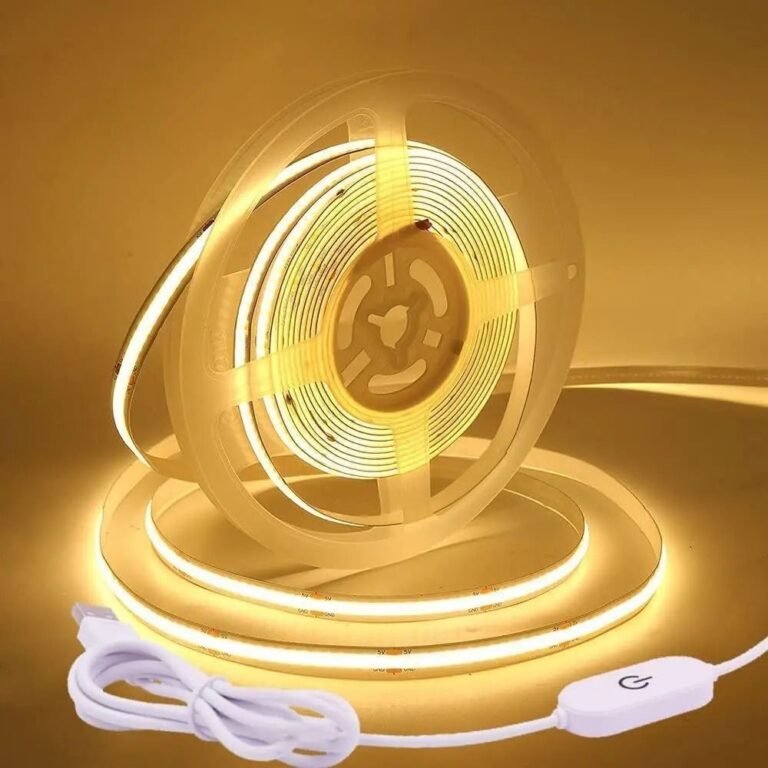
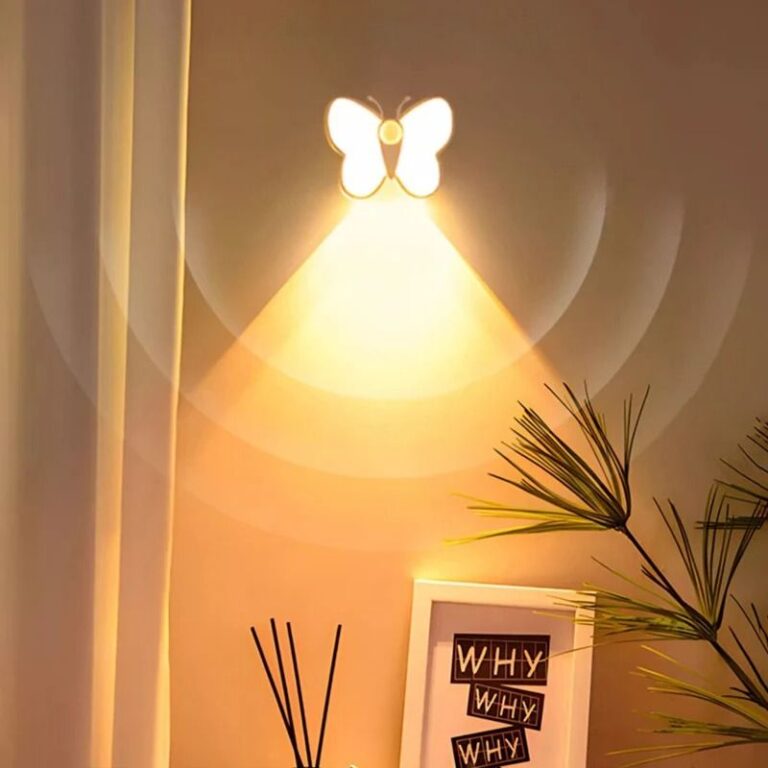
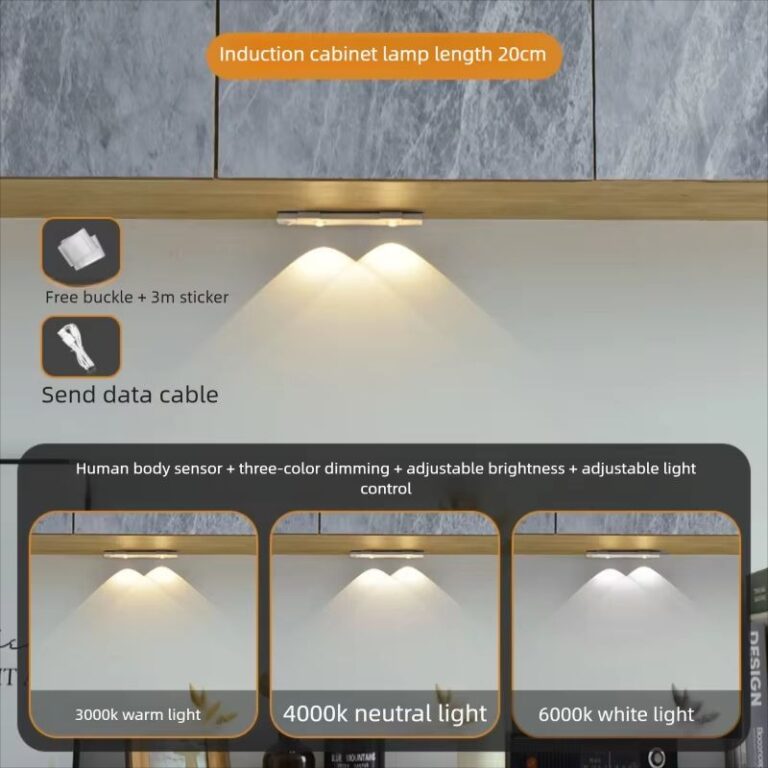
Most people buy LED strips thinking the lighting part is the only decision, then stick them under a shelf on the coolest, bluest white the pack offers and wonder why the room suddenly feels like a dentist's office instead of the warm glow they pictured. The color temperature is the whole game. Warm white reads like candlelight against wood or brick. Cool white reads like a hospital corridor. Same strip, completely different room.
What separates a good one from a sad one comes down to a few things you can't always see on the box. Density matters, how many diodes per foot, because a sparse strip gives you dark little gaps between bright dots instead of one even wash of light. The adhesive backing matters too, a cheap one peels off the back of a cabinet within a month and you end up gluing it back up there yourself, swearing the whole time. And dimming matters. A strip that only does full blast or off is not mood lighting, it's a light switch with extra steps. Look for ones with a real dimmer or app control, not just a remote with twelve buttons that all seem to do the same thing.
If you've never owned any, start small and useful before you start dramatic. Under a kitchen cabinet or behind a television is the easiest first try, because you'll feel the difference immediately and it's forgiving if the placement isn't perfect. Behind a bed frame or along a bookshelf is the next step up, once you've got a feel for how much light you actually want bouncing off the wall.
The day it arrives, check the length is actually what you need before you start sticking it anywhere, because strips are usually sold by the foot and it is incredibly easy to order short. Check the plug type and whether it needs a separate power box, since some of the longer runs do and that box has to live somewhere, not just dangle off the back of your television stand. And test the color before committing to the adhesive, because once it's stuck down, moving it takes half the glue with it.
In an ordinary room, warm LED light works beautifully against wood tones, terracotta, deep green walls, anything with a bit of richness to it. It makes color glow instead of looking washed out. What it won't do is replace a real lamp or ceiling light for actually reading or cooking by. It's atmosphere, not illumination, and expecting more from it than that is where people get disappointed.
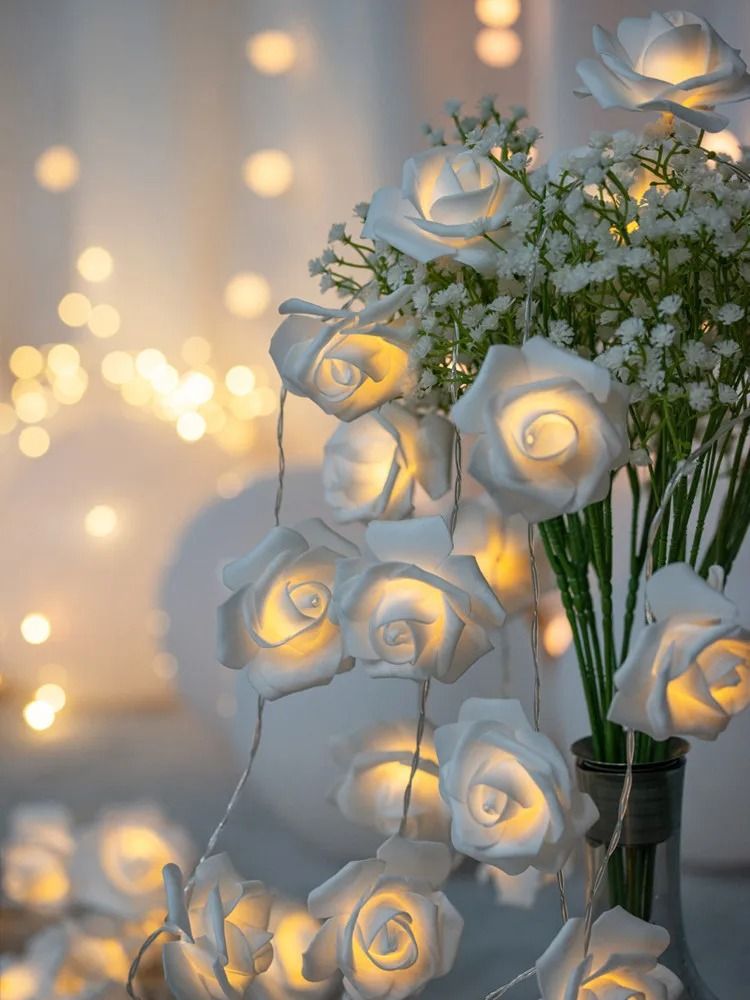 Aisha's pickLED Living Room Lights That Give Off a Warm Glow
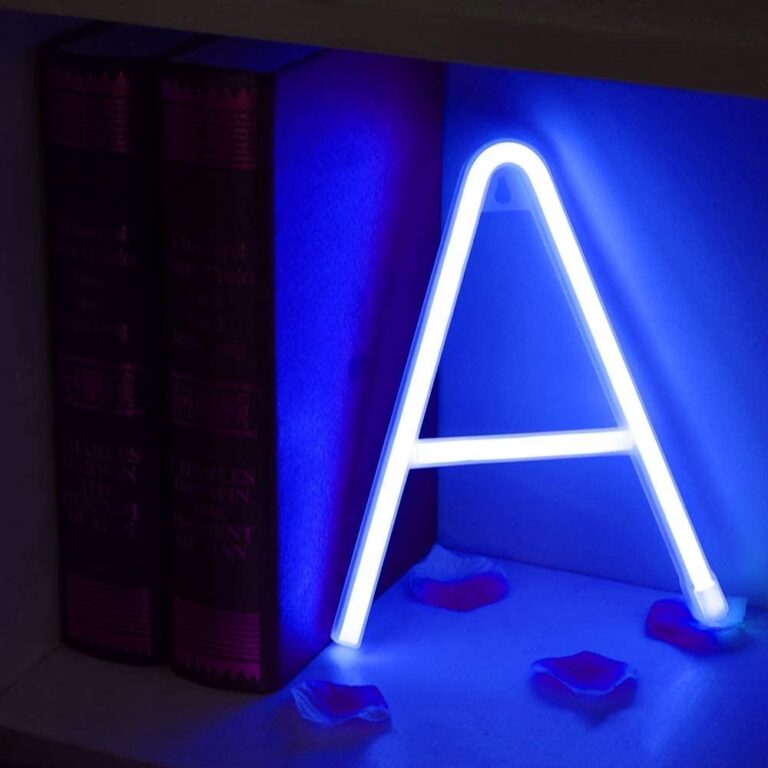 Aisha's pickLight Up Letters for People Who Know What They Like
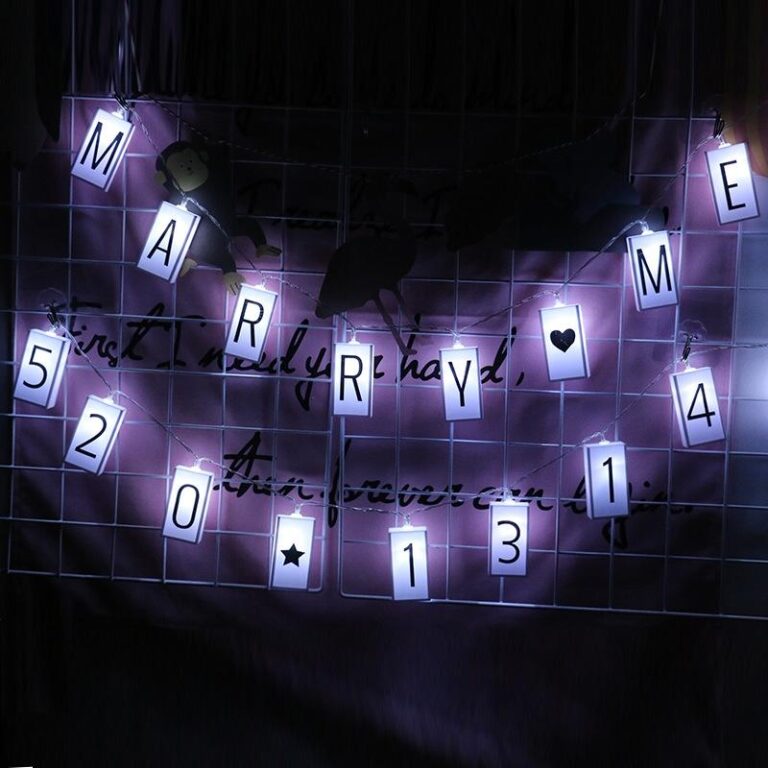
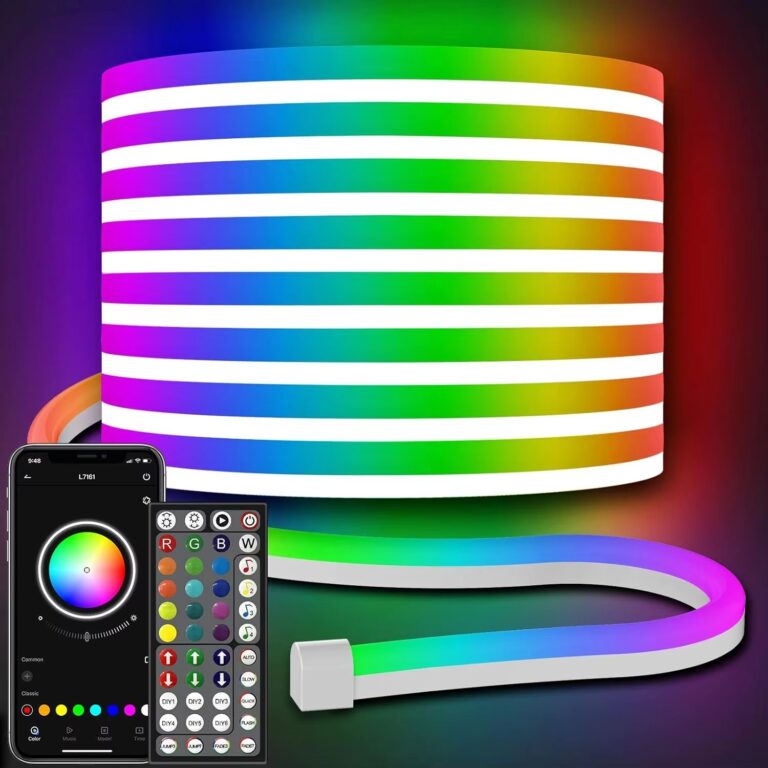 Aisha's pickRGB LED Strip Lights You Won’t Regret Buying
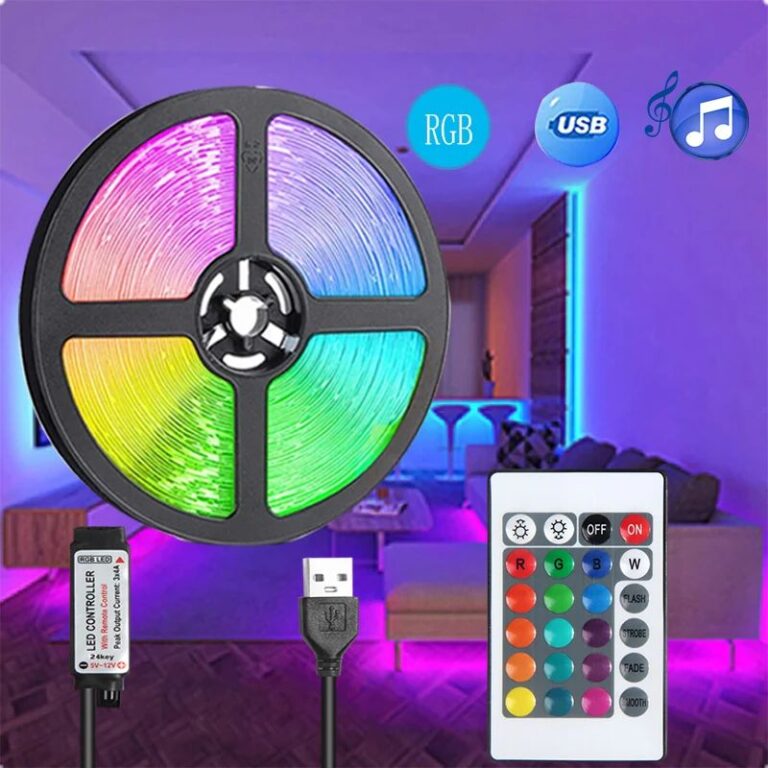
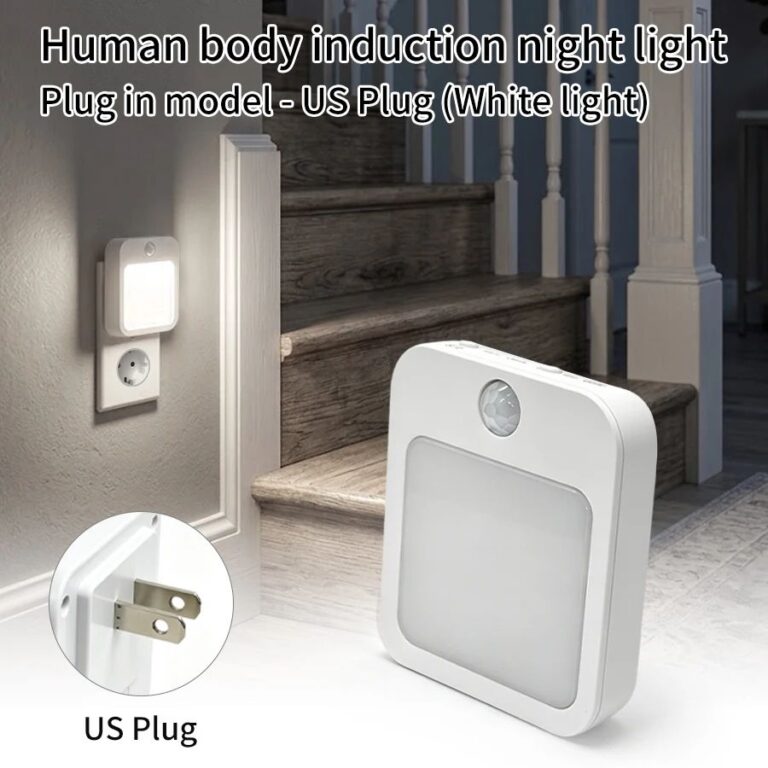 Aisha's pickLED Motion Sensor Lights That Make a Room Feel Finished
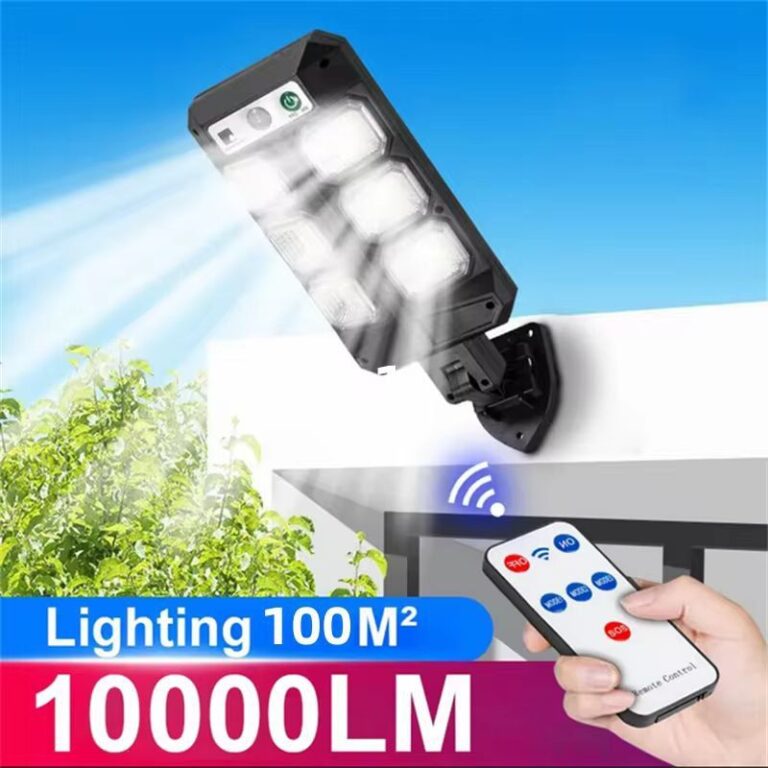
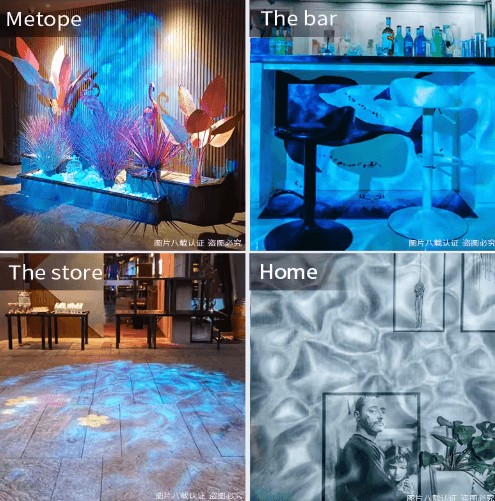 Aisha's pickRecessed Lighting with Light From Stores Big and Small
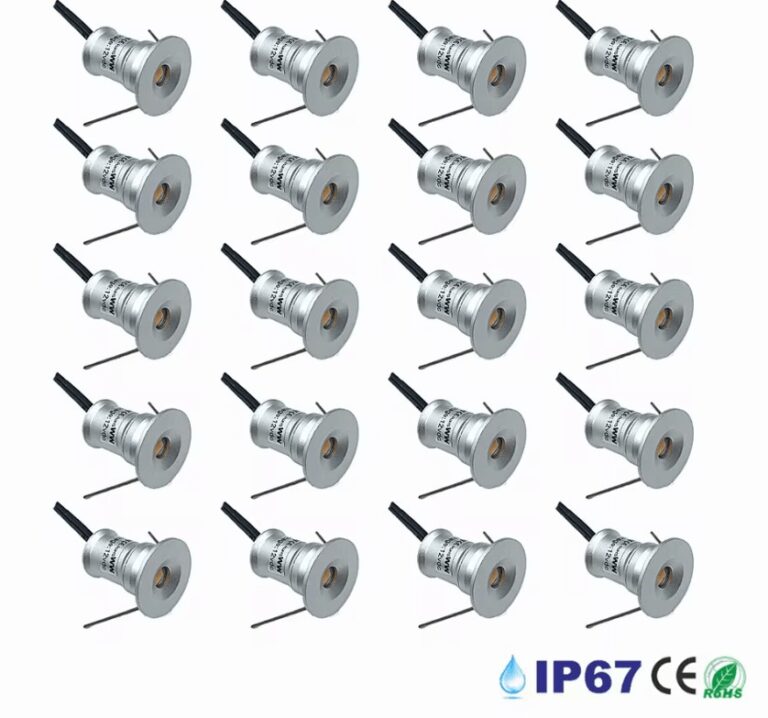
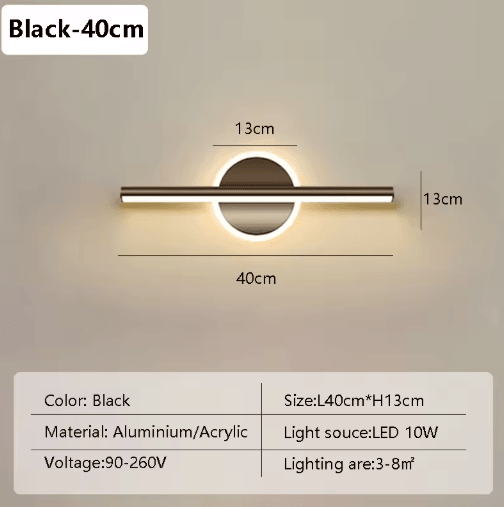 Aisha's pickSmart LED Strip Lights for When the Old Ones Give Up
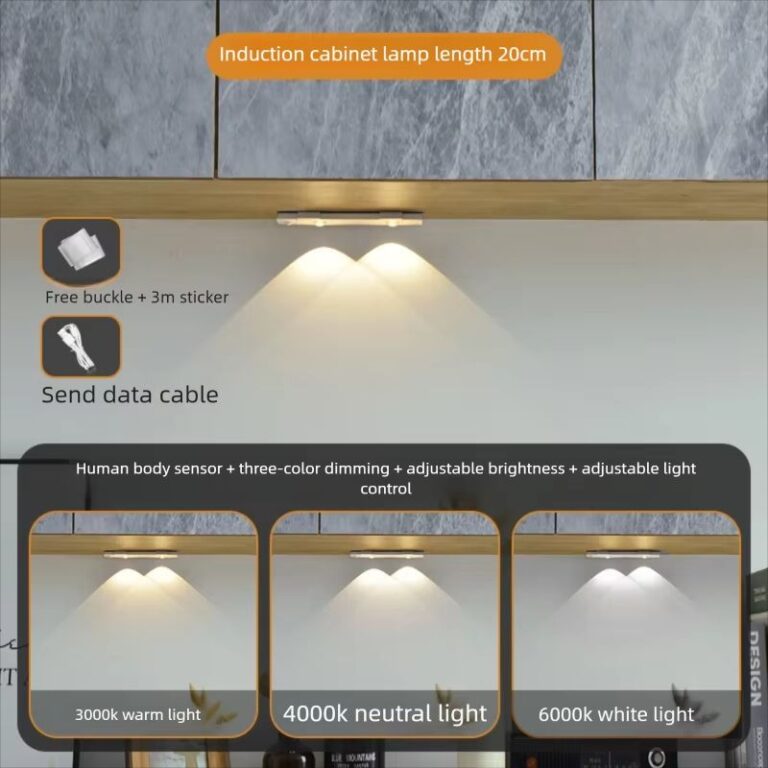
 Aisha's pickLED Panel Lights for Dark Winter Evenings
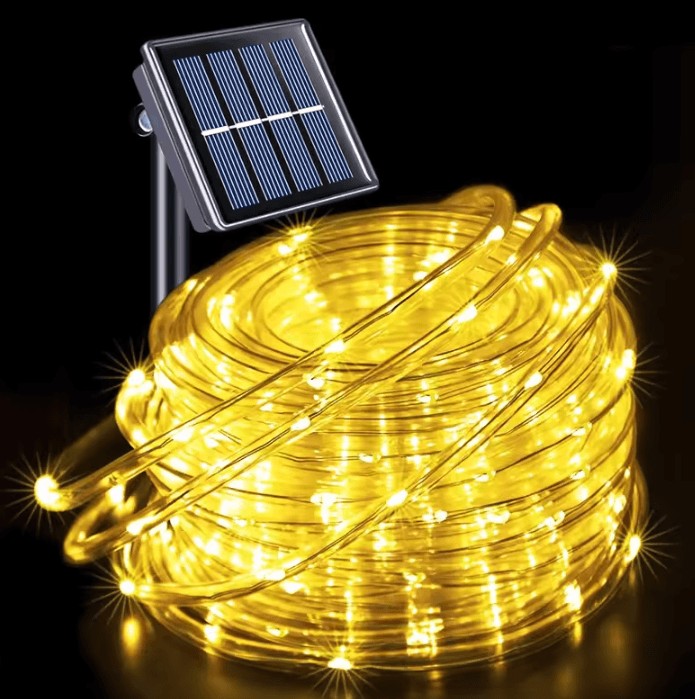
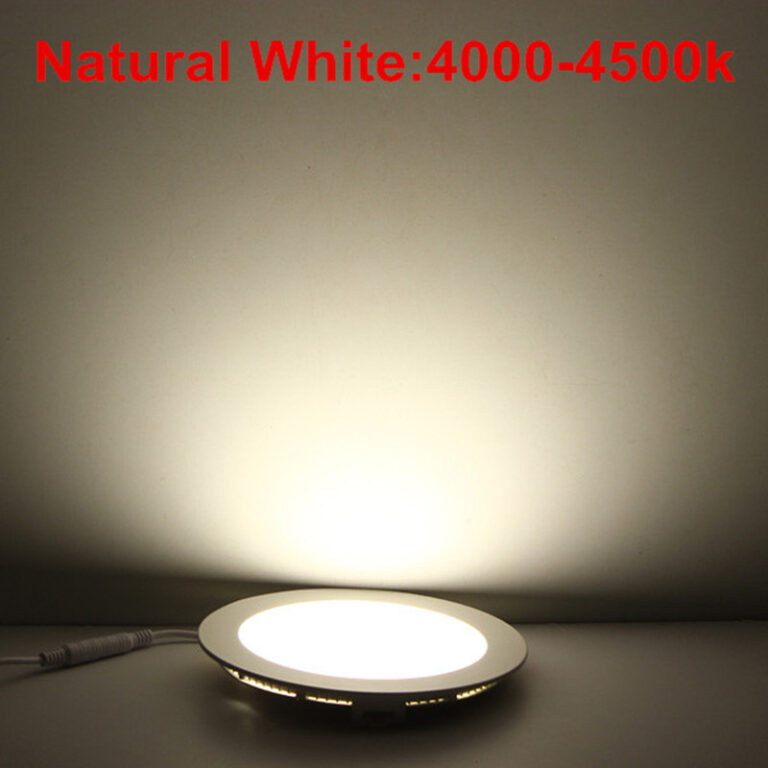 Aisha's pickRecessed Lighting with Lights That Holds Up
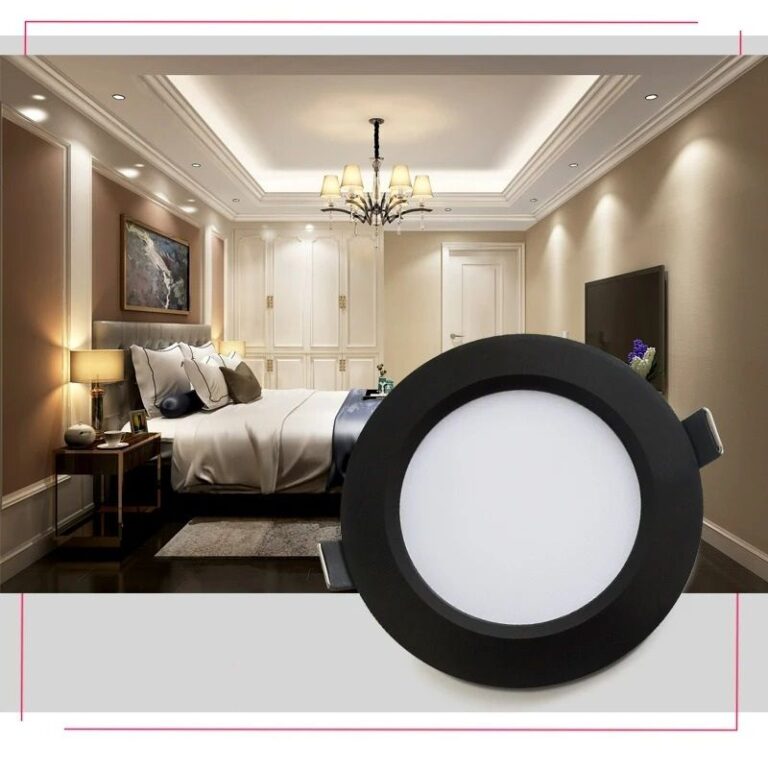
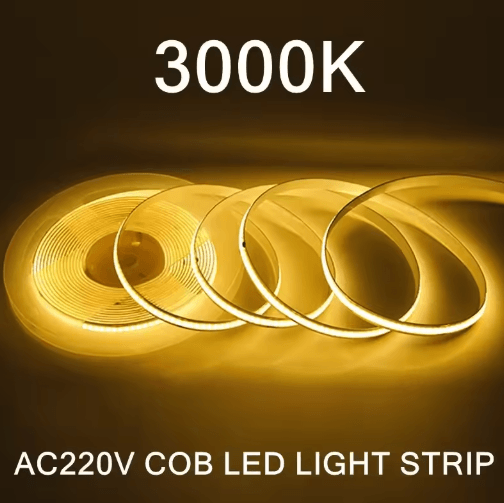 Aisha's pickSmart LED Strip Lights You Won’t Regret BuyingAlso worth a lookLED Strip LightsThe single thing that matters before you buy any strip light is the density and quality of the diodes themselves, not the brightness number on the box.See the collections →
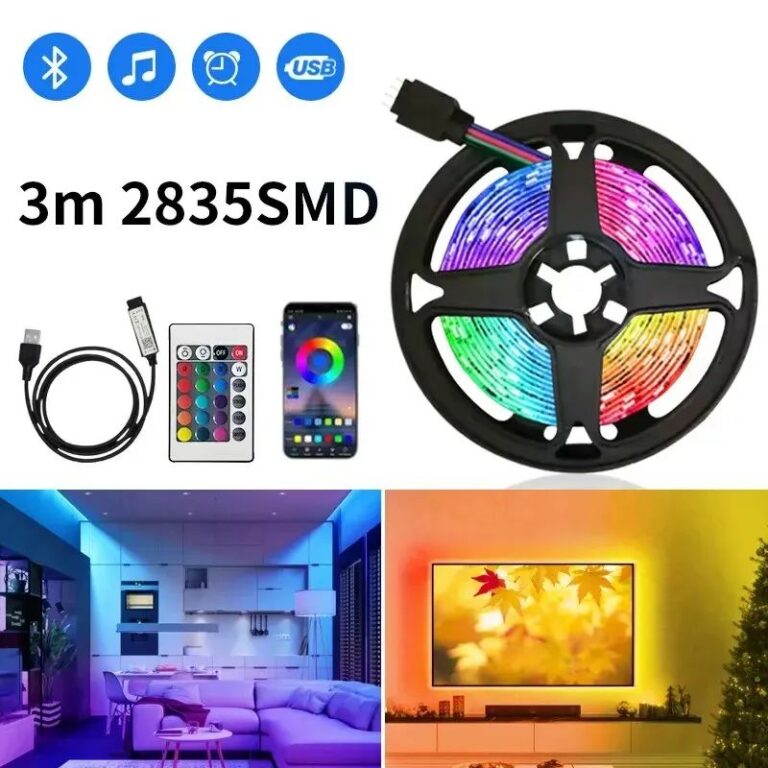
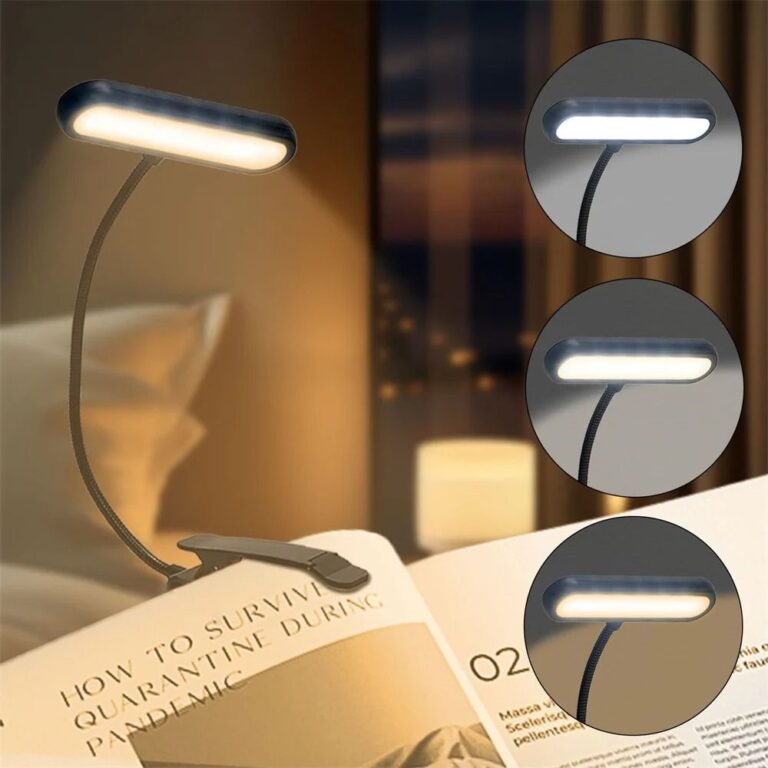 Aisha's pickLED Panel Lights with Remote Bright Enough Without the Glare

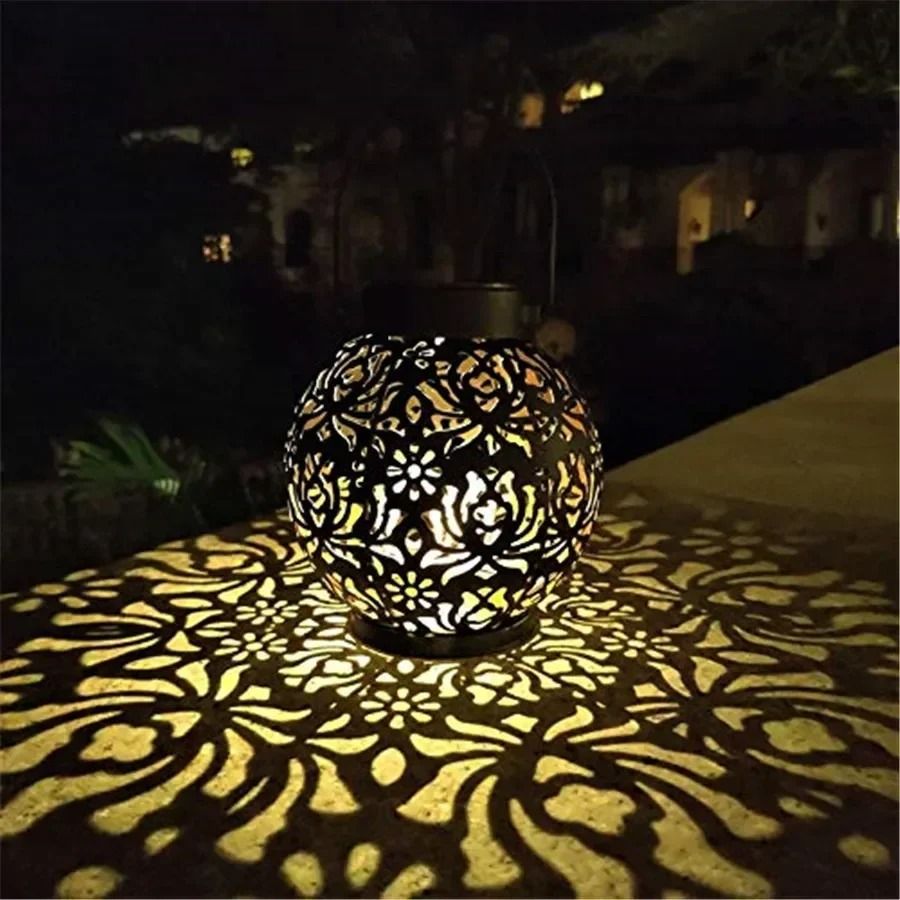 Aisha's pickSmart LED Panel Lights Hunted Down So You Don’t Have To
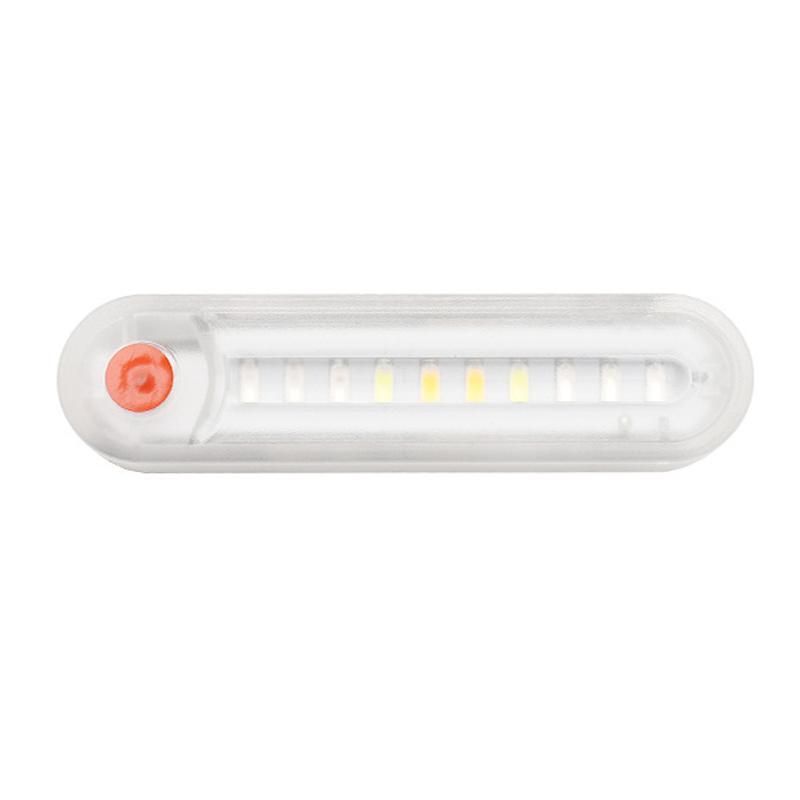
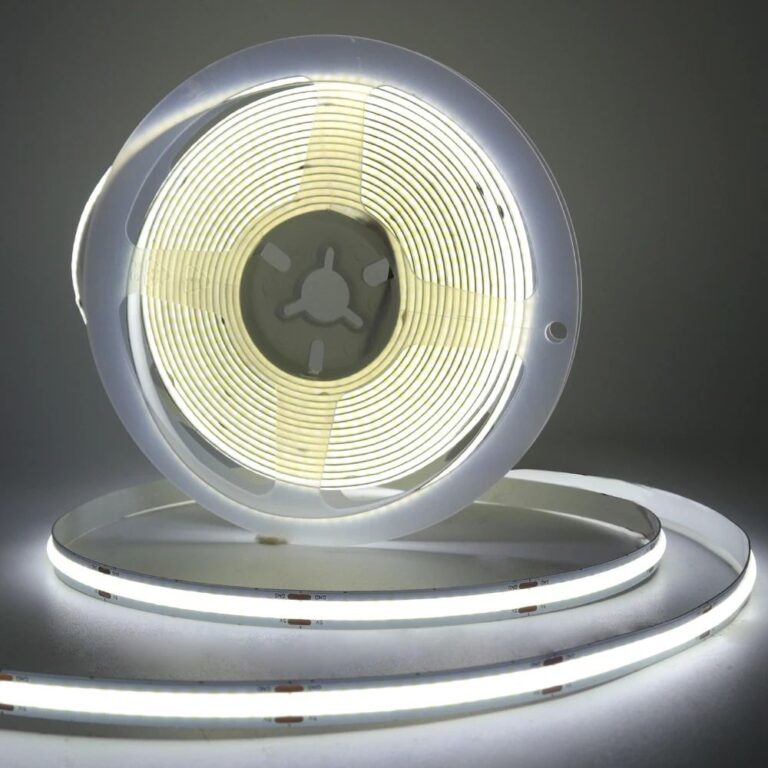 Aisha's pickWarm White LED Strip Lights Bright Enough Without the Glare
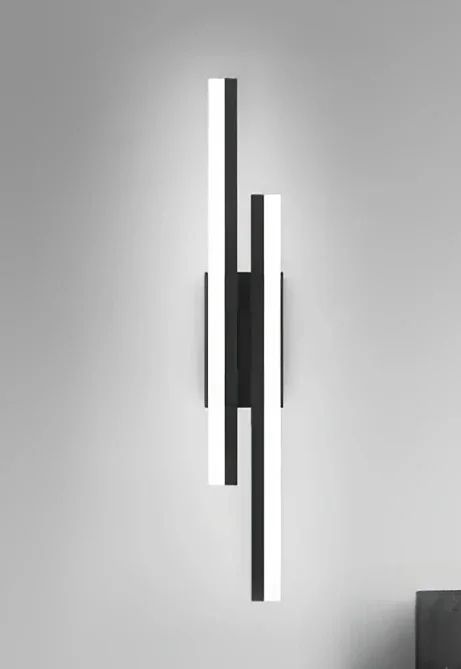
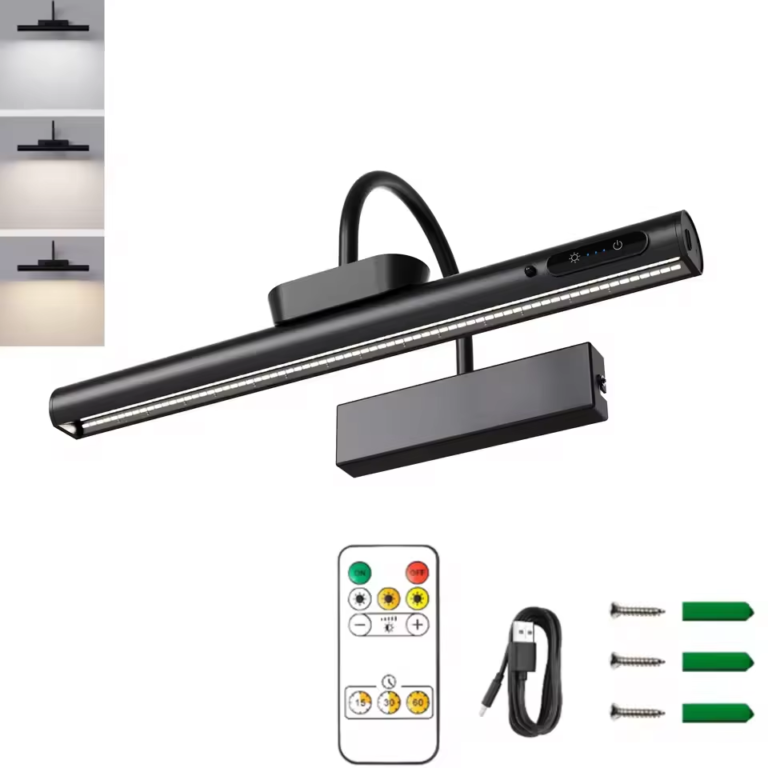
 Aisha's pickLED Picture Lights for Cozy Nights In
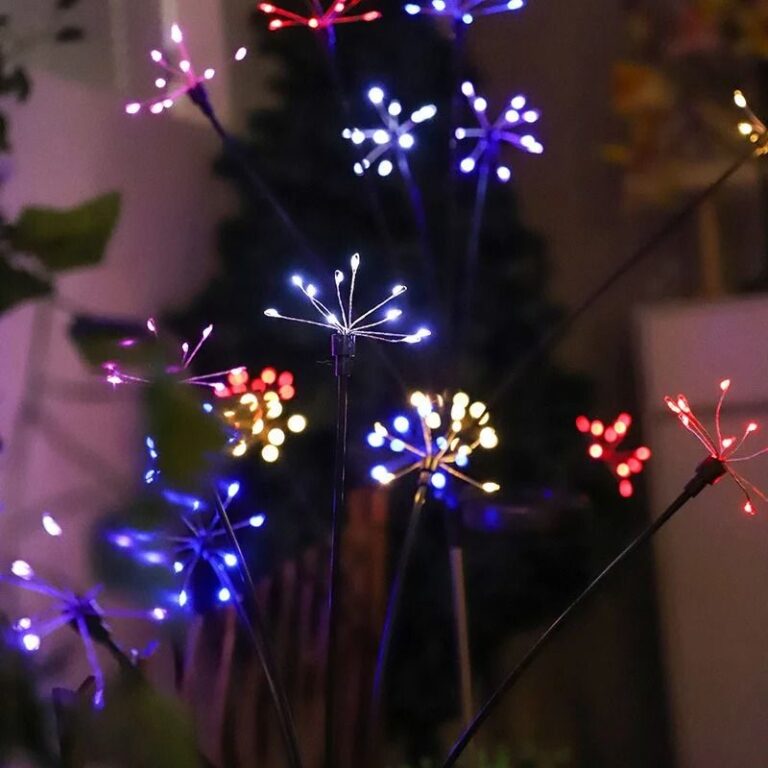 Aisha's pickWarm White LED Panel Lights for Dark Winter Evenings
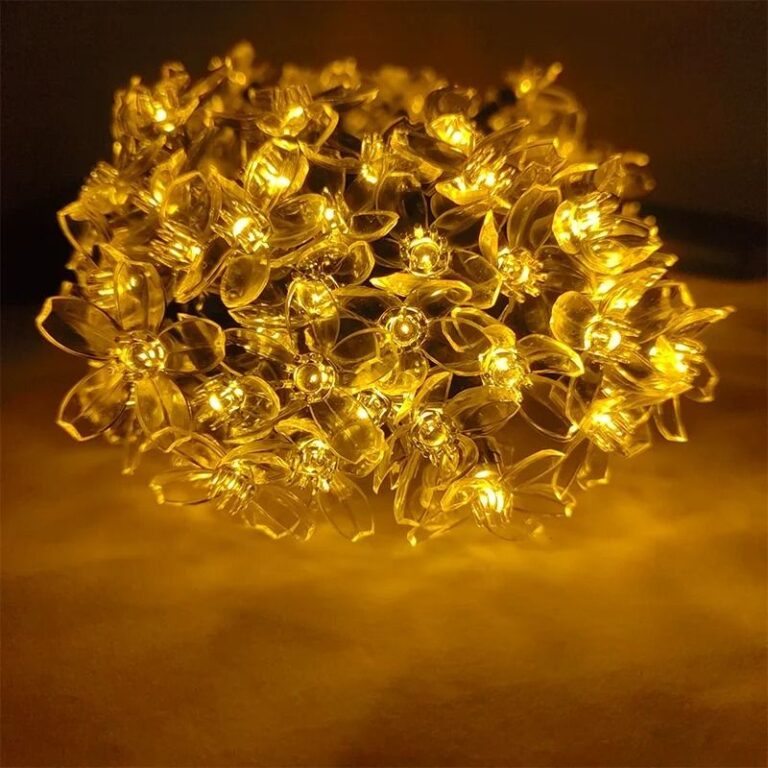
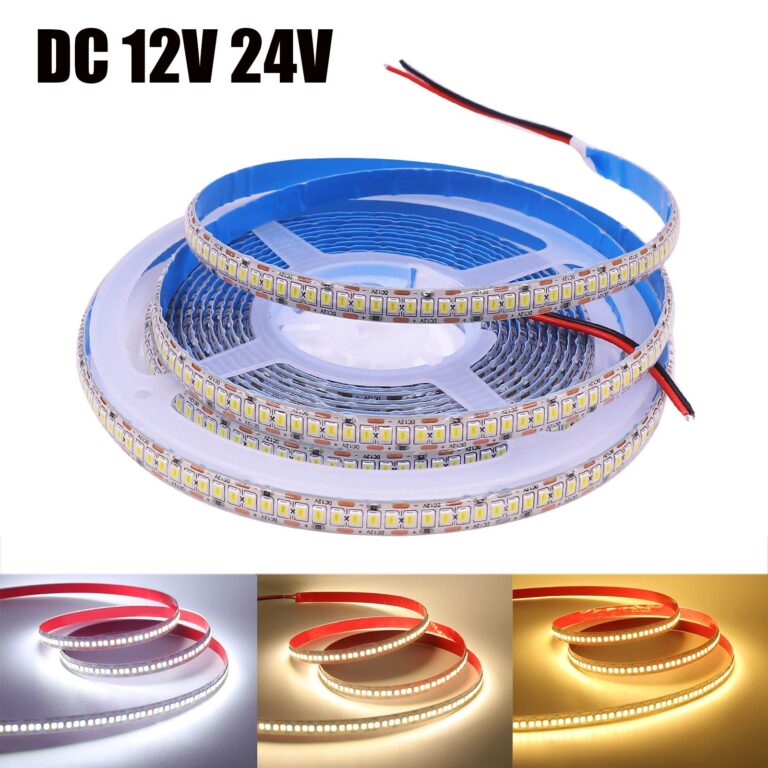 Aisha's pickShopping for Warm White LED Strip Lights? Start Here
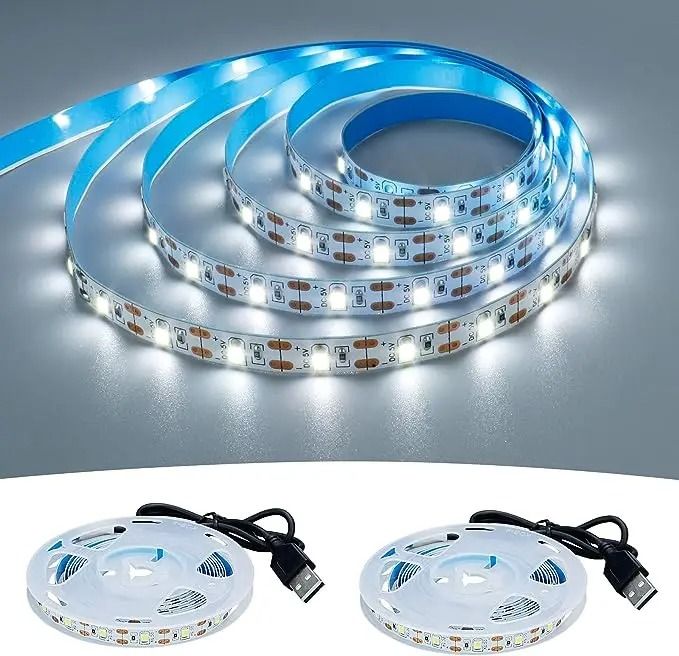
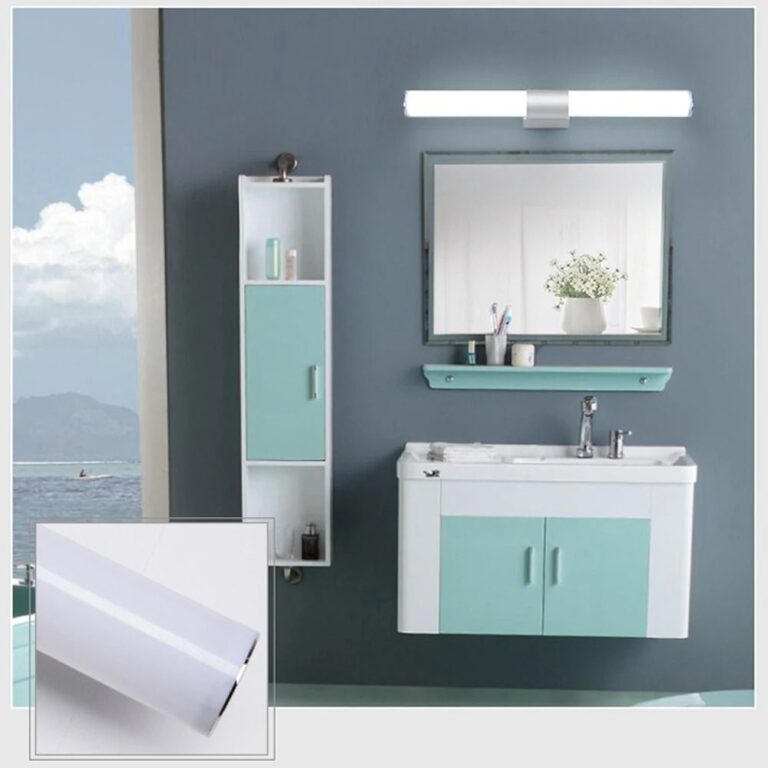 Aisha's pickChrome LED Wall Lights Picked by People Who Care Too Much
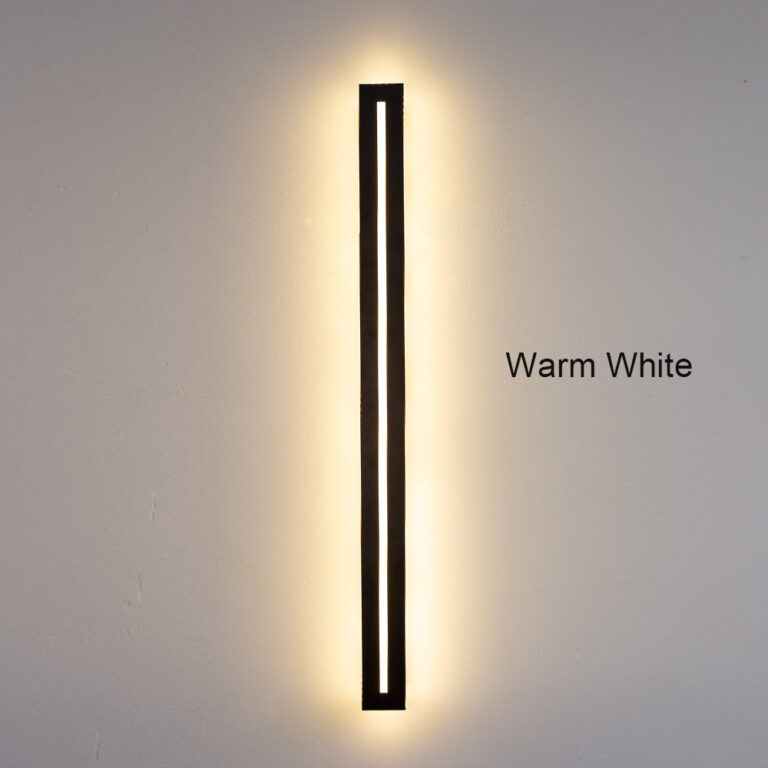
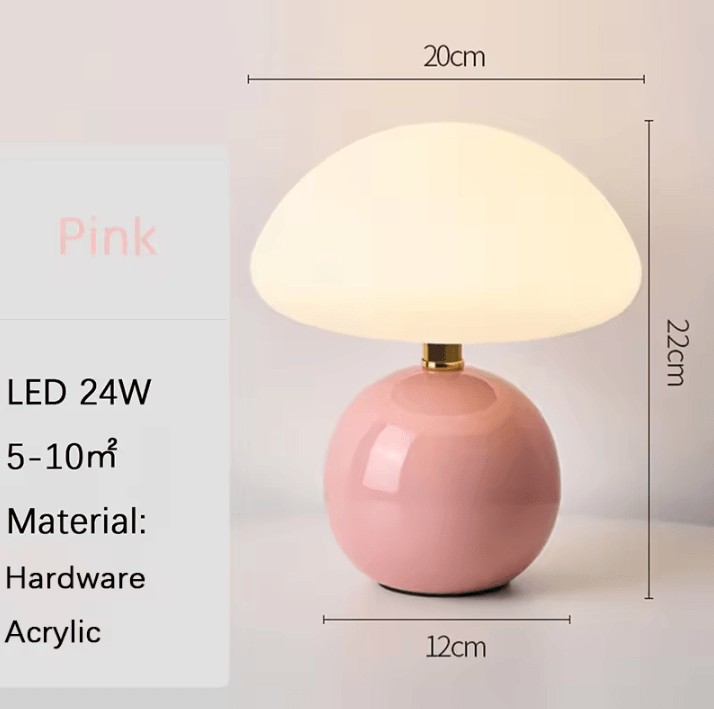 Aisha's pickLED Plug in Wall Lights That Visitors Always Ask About

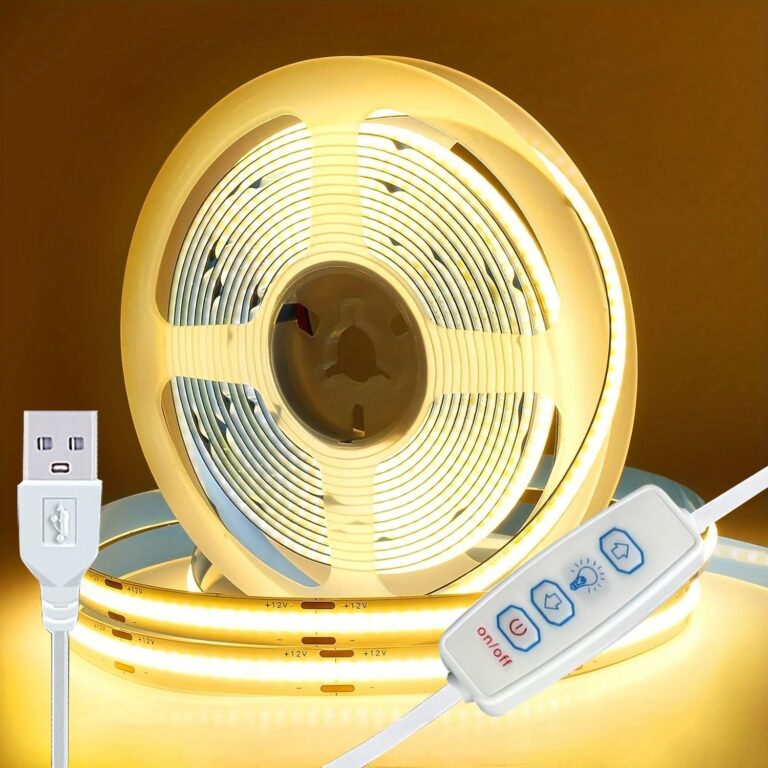 Aisha's pick5m LED Strip Lights for Reading, Relaxing or BothAlso worth a lookWall LightsWall lights are the fixture everyone skips and shouldn't.See the collections →

 Aisha's pickSimple Waterproof LED Strip Lights Done Well
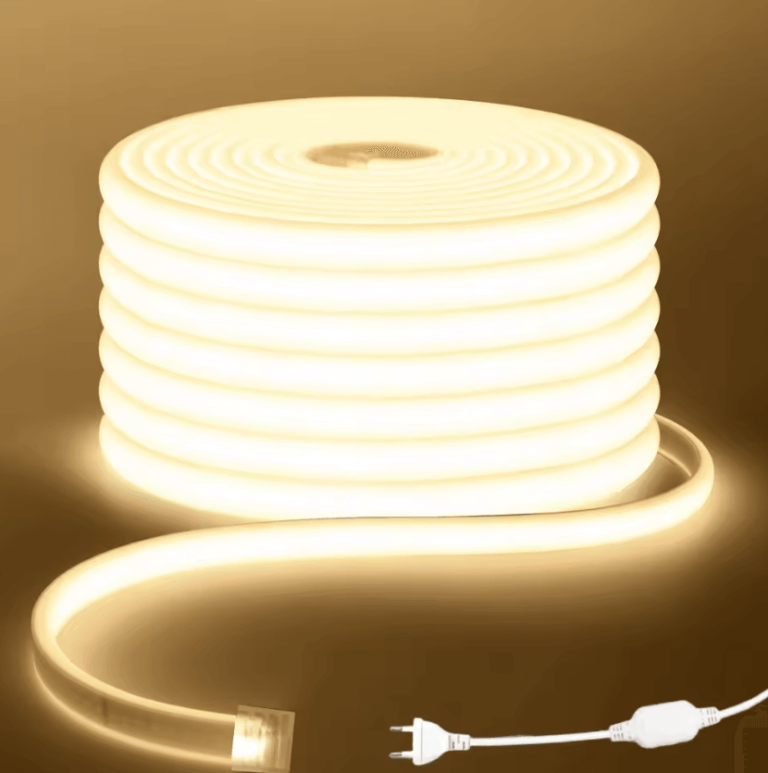
 Aisha's pickGreen LED Wall Lights That Don’t Look Mass Produced
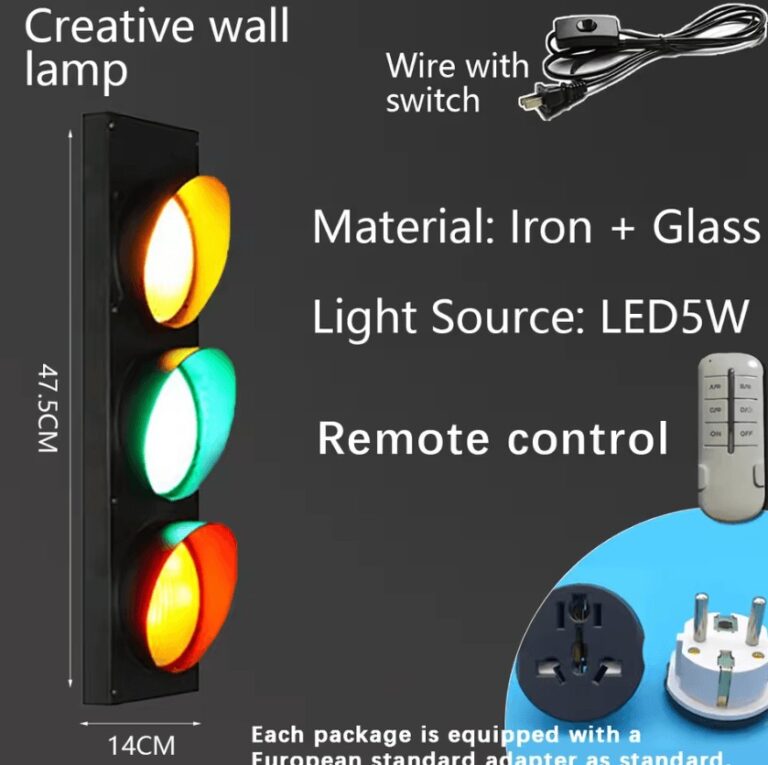
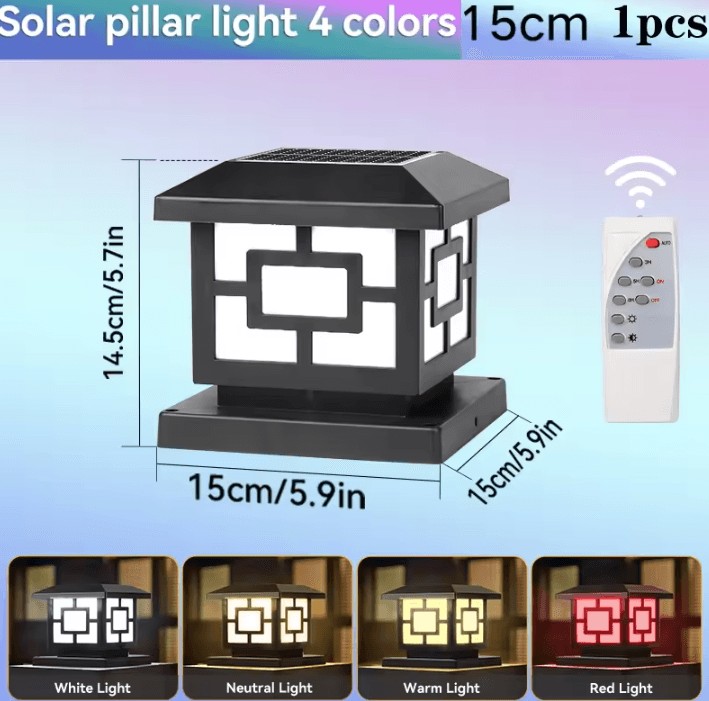 Aisha's pickLED Post Lights That Look Good Switched Off Too
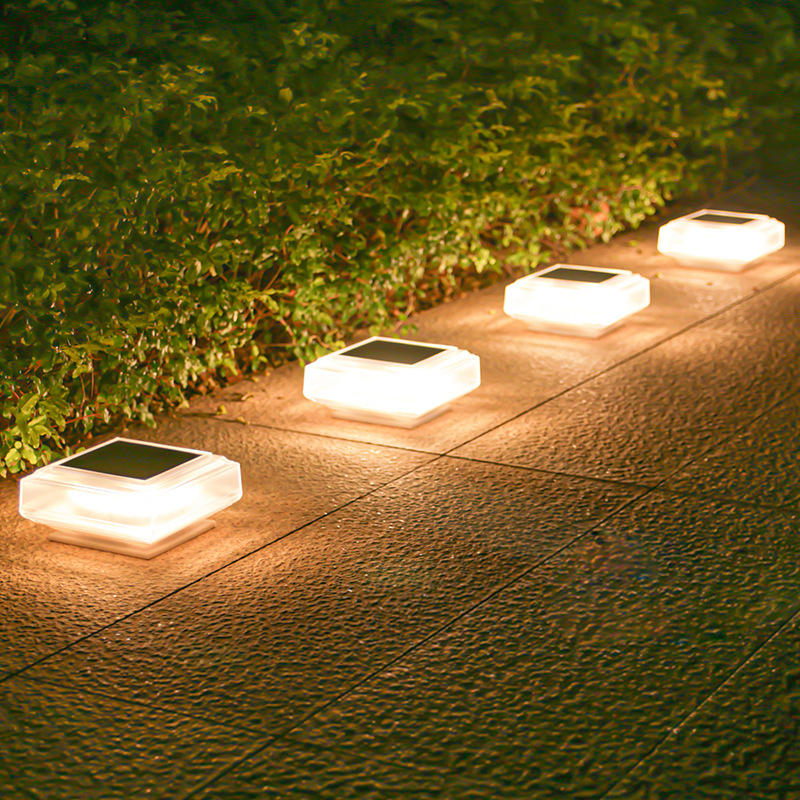
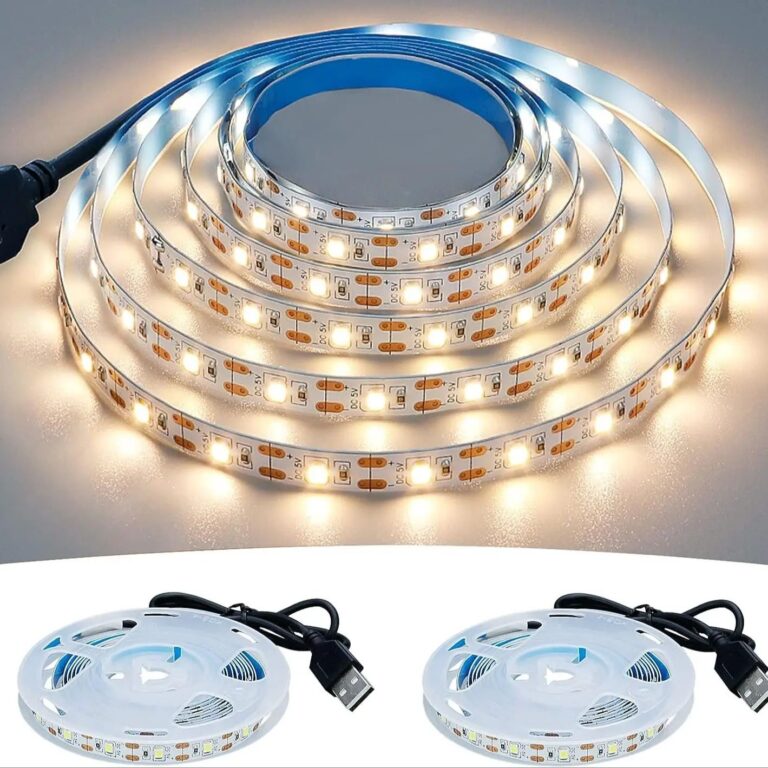 Aisha's pick5m LED Strip Lights That Don’t Shout About It

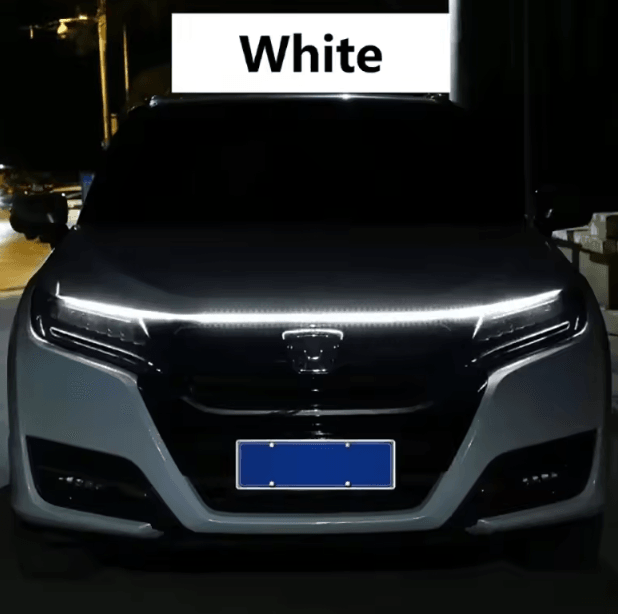 Aisha's pickWaterproof LED Strip Lights That Give Off a Warm Glow
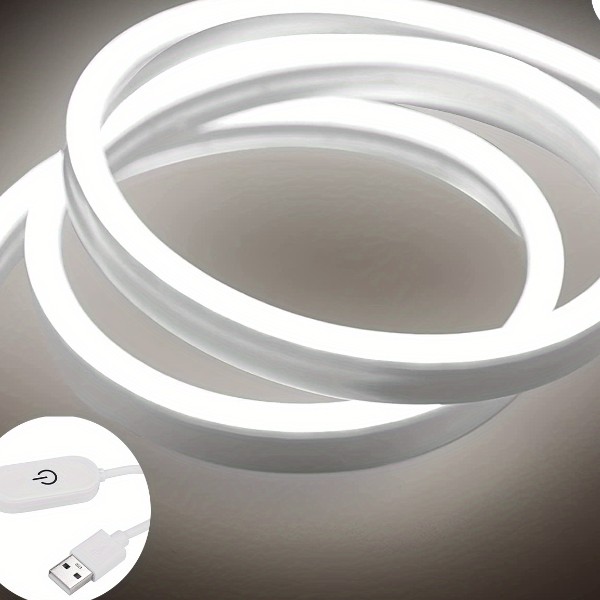
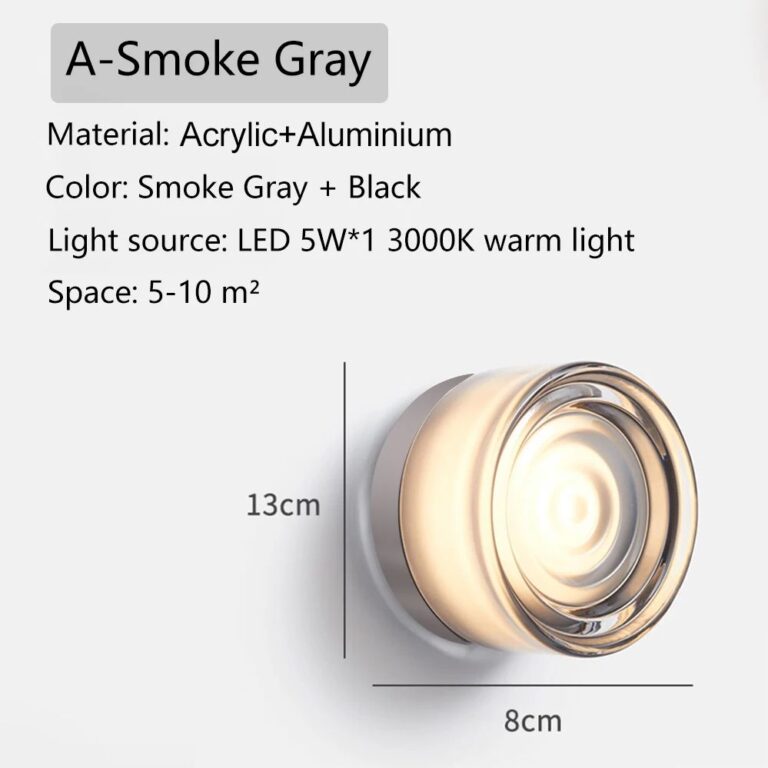 Aisha's pickGray LED Wall Lights Hunted Down So You Don’t Have To
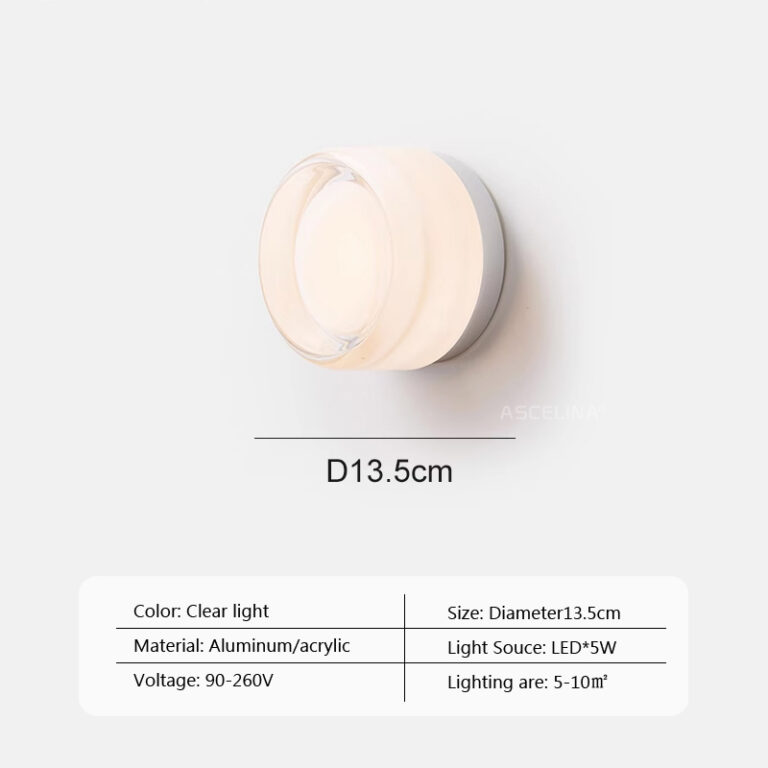
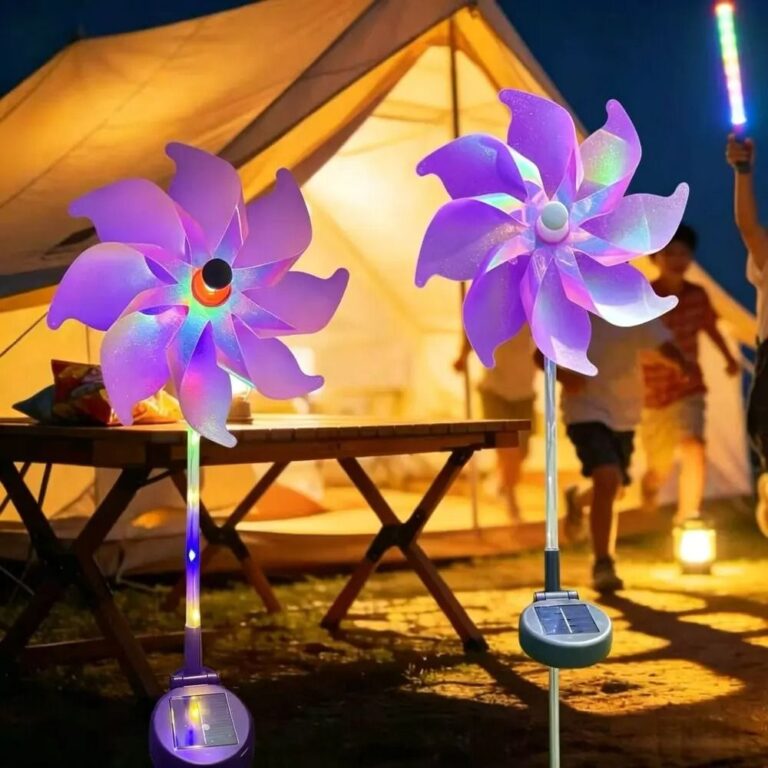 Aisha's pickLED Spike Lights That Won’t Let You Down
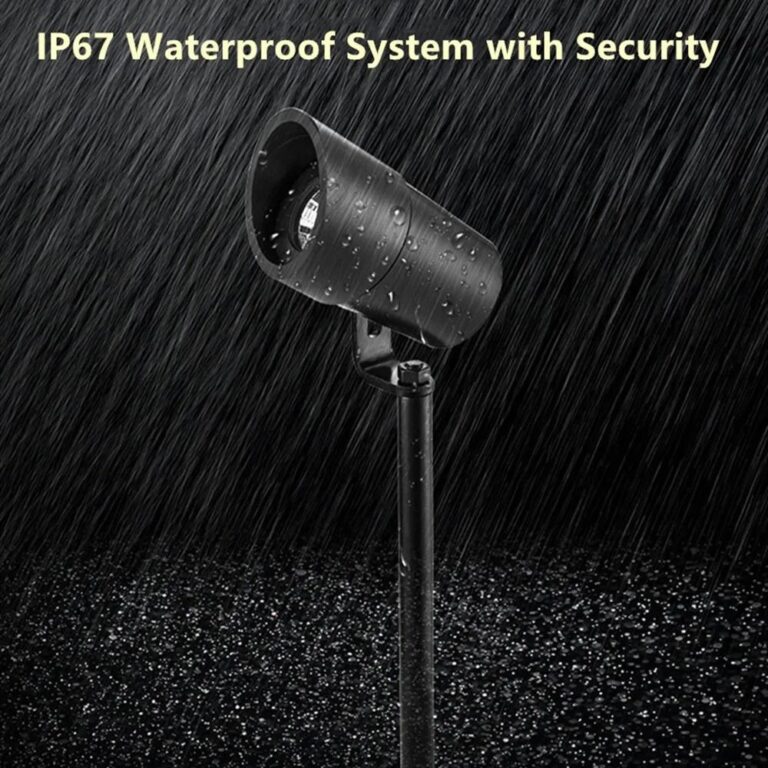
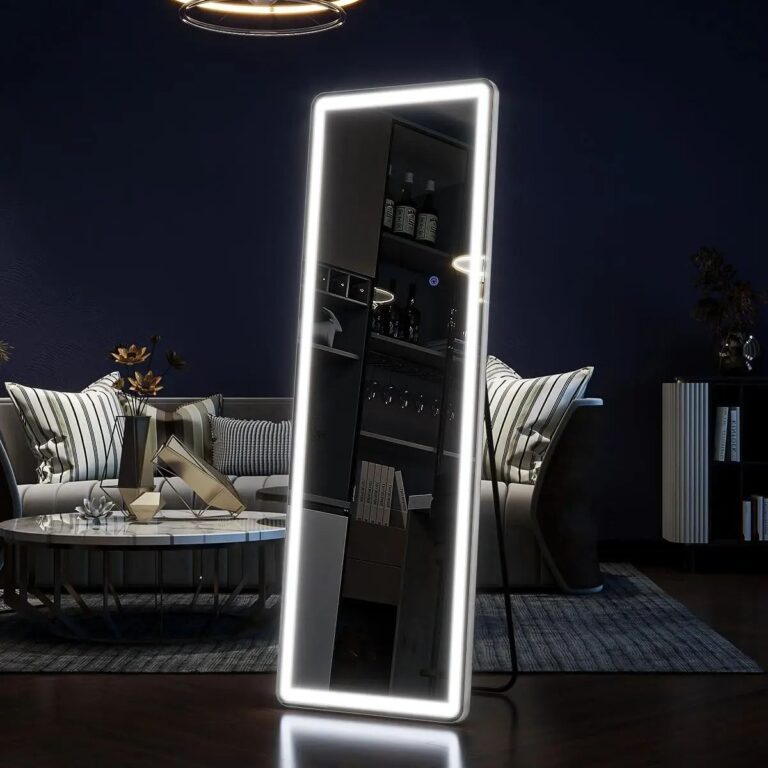 Aisha's pickAdjustable LED Strip Lights That Make Rented Places Feel Like Home
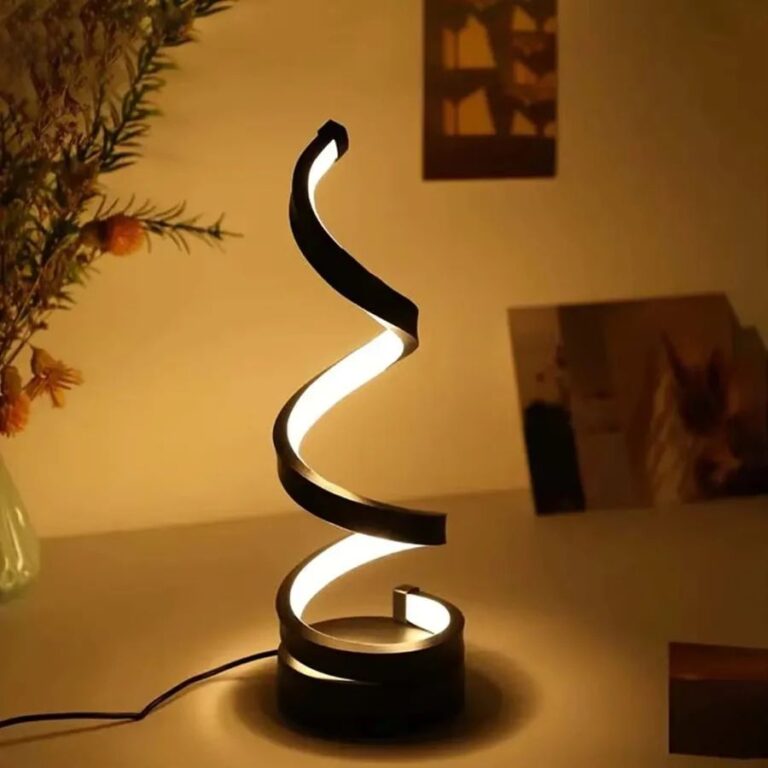
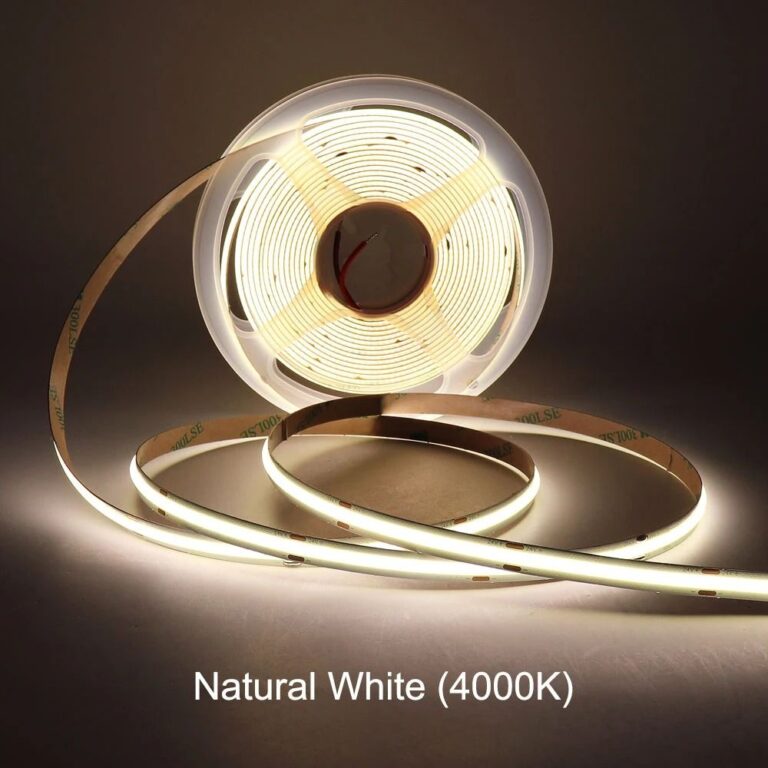 Aisha's pickWhite LED Strip Lights Without the Silly Price TagAlso worth a lookBlack LightsThe thing nobody mentions about black light fixtures is how differently they read once the sun goes down…See the collections →
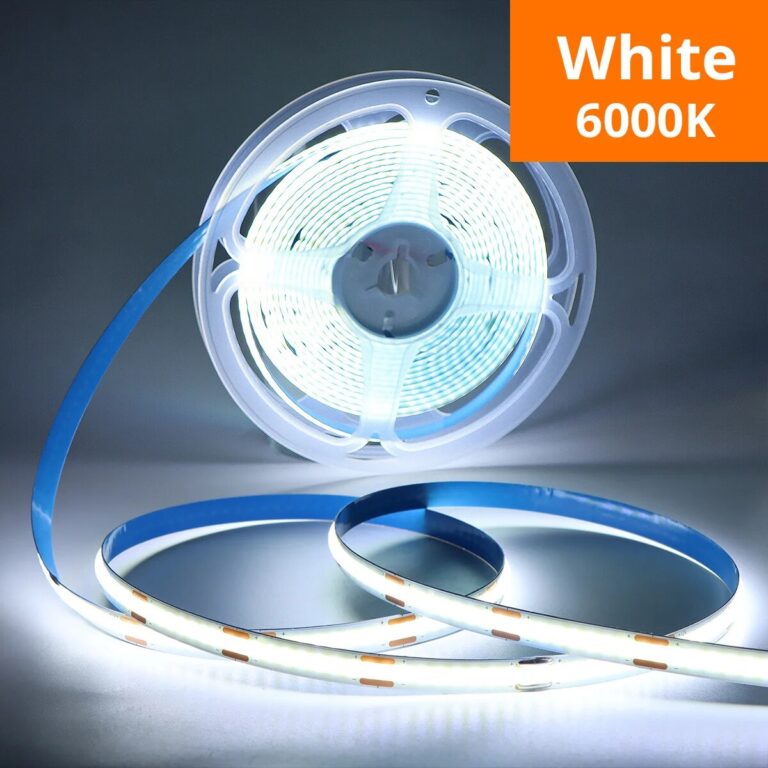
 Aisha's pickIP44 LED Panel Lights We Leave On All Evening
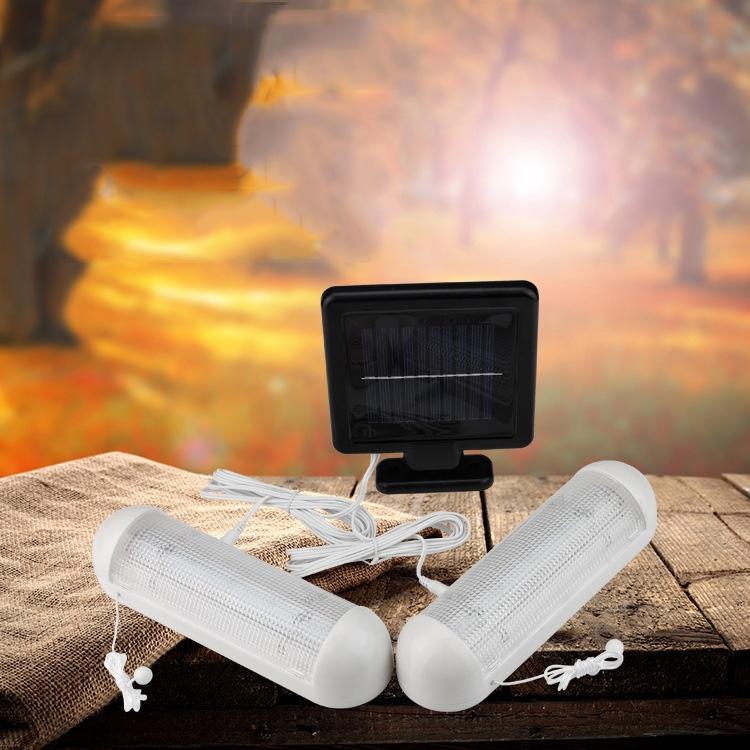
 Aisha's pickLED Spotlights That Light Up Gloomy Corners

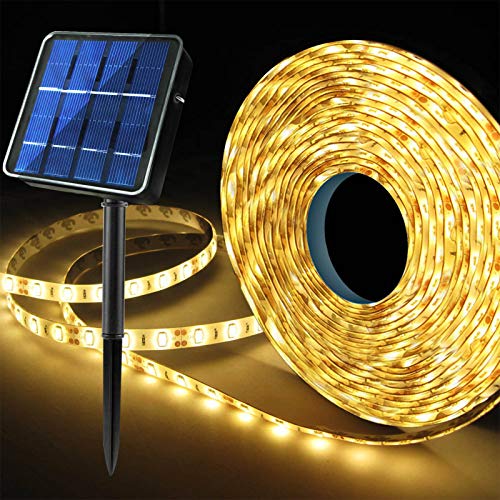 Aisha's pickAdjustable LED Strip Lights From Stores Big and Small
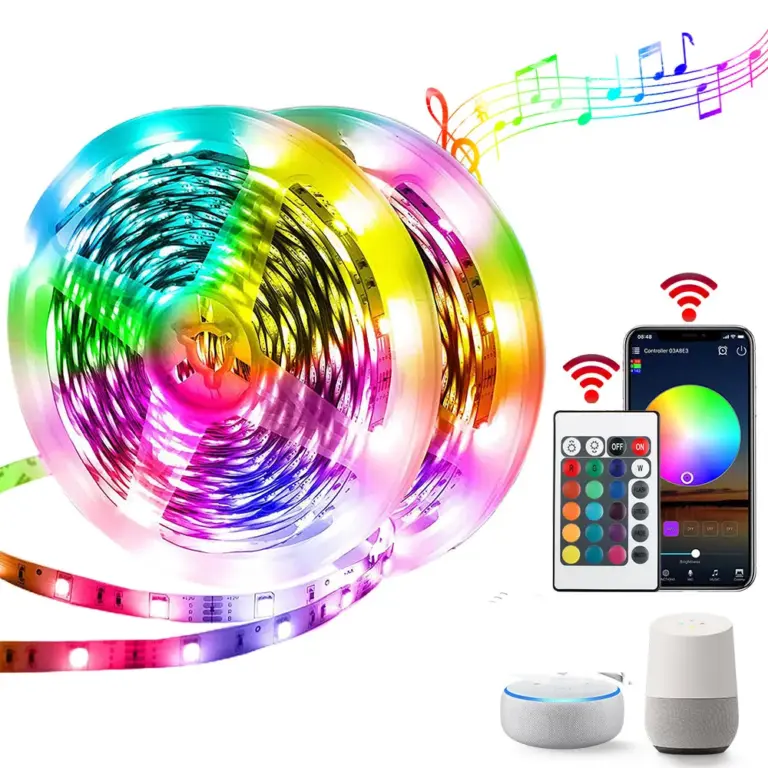
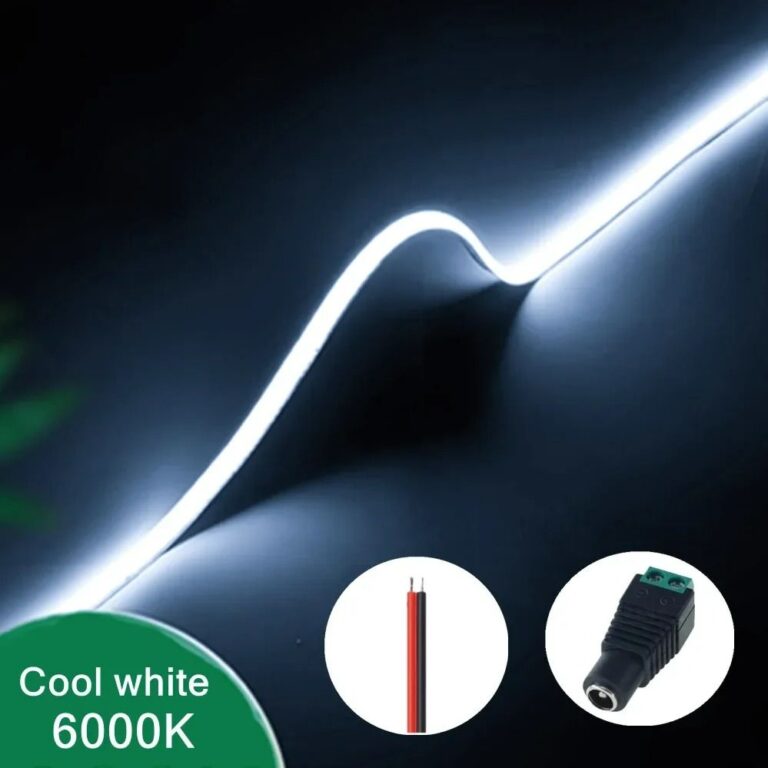 Aisha's pickWhite LED Strip Lights for Cozy Nights In
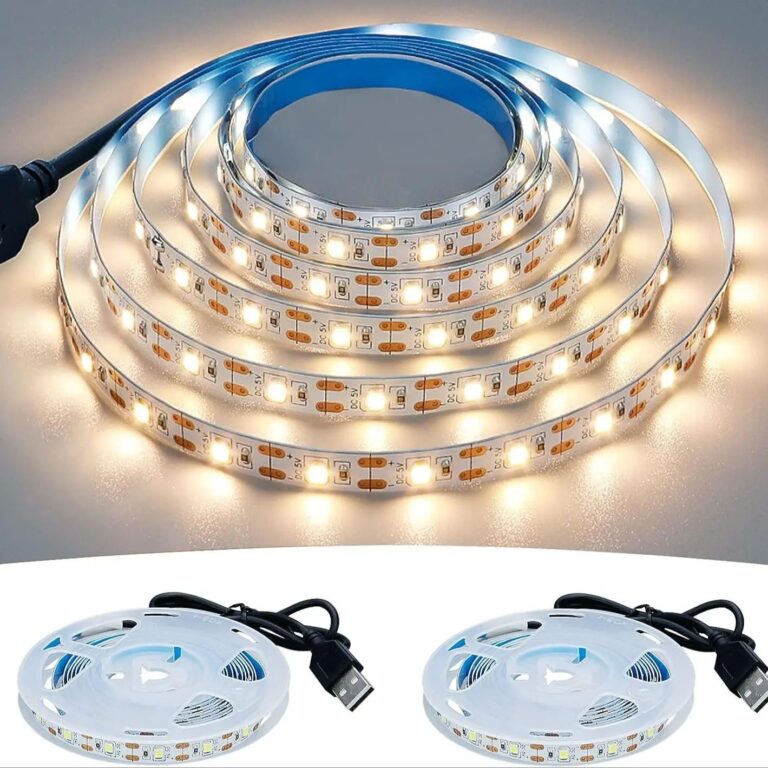
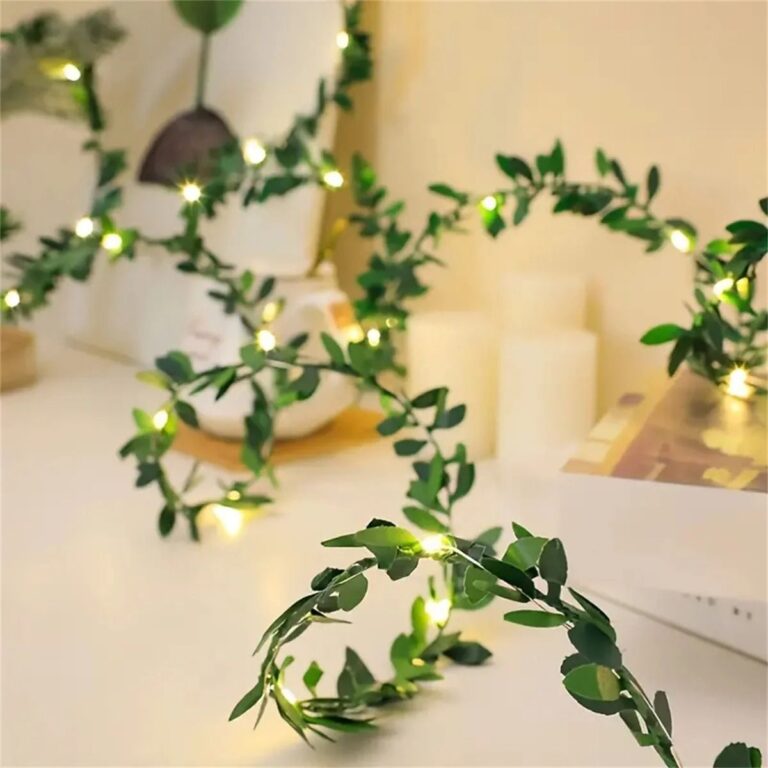 Aisha's pickLED Battery Wall Lights for Reading, Relaxing or Both
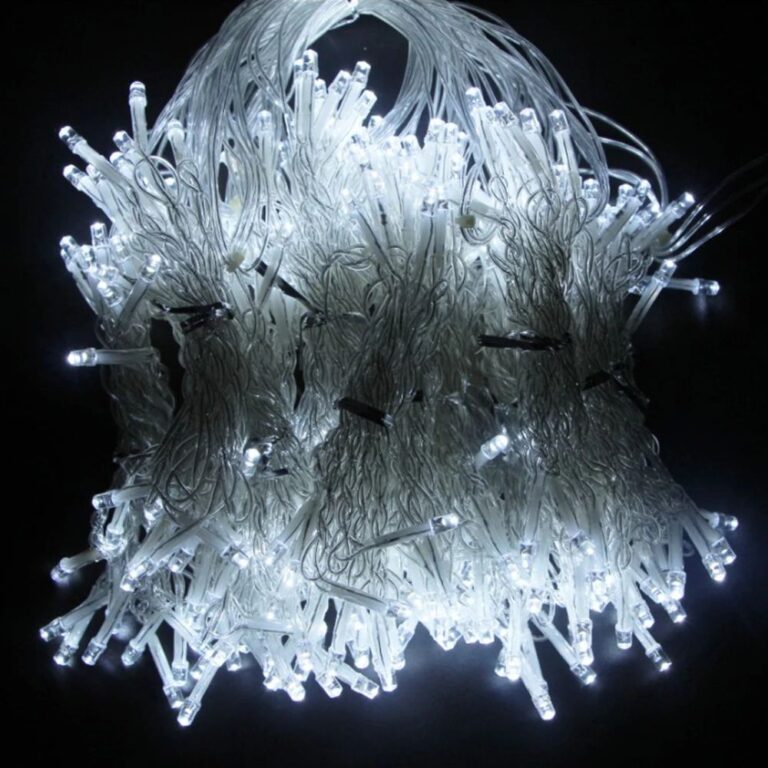
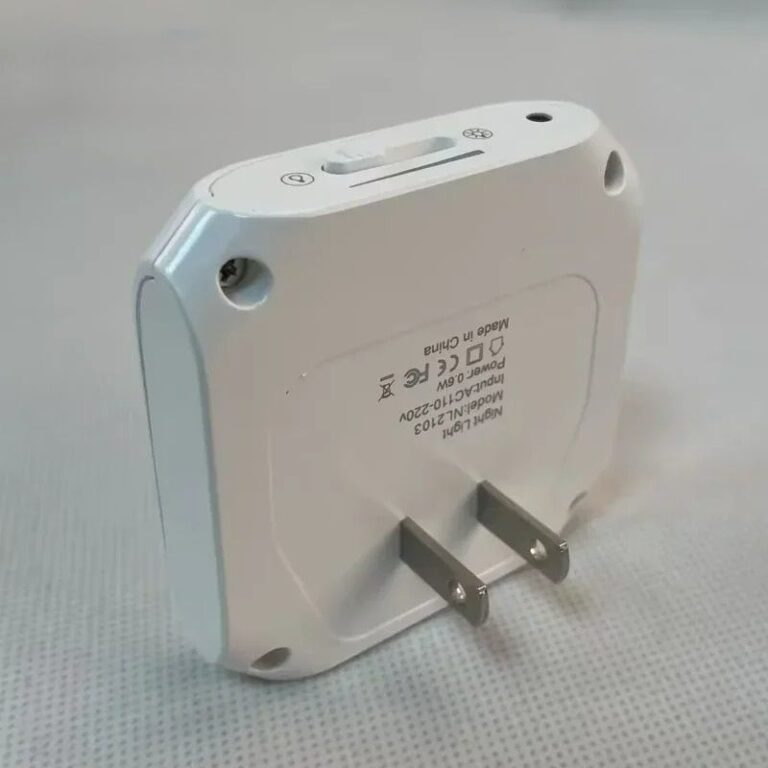 Aisha's pickLED Stair Lights With Some Character
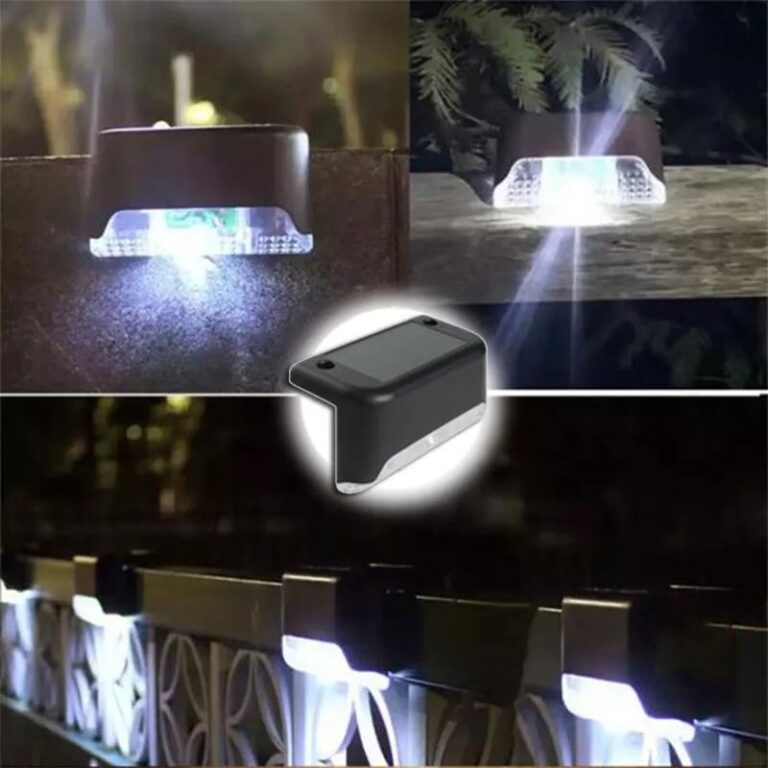
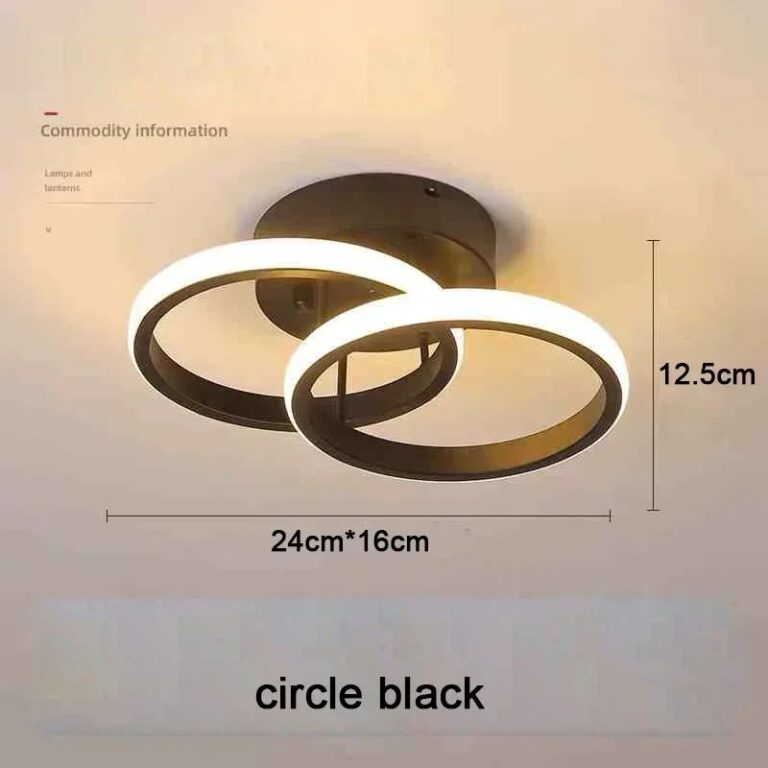 Aisha's pickBlack LED Strip Lights Bright Enough Without the Glare
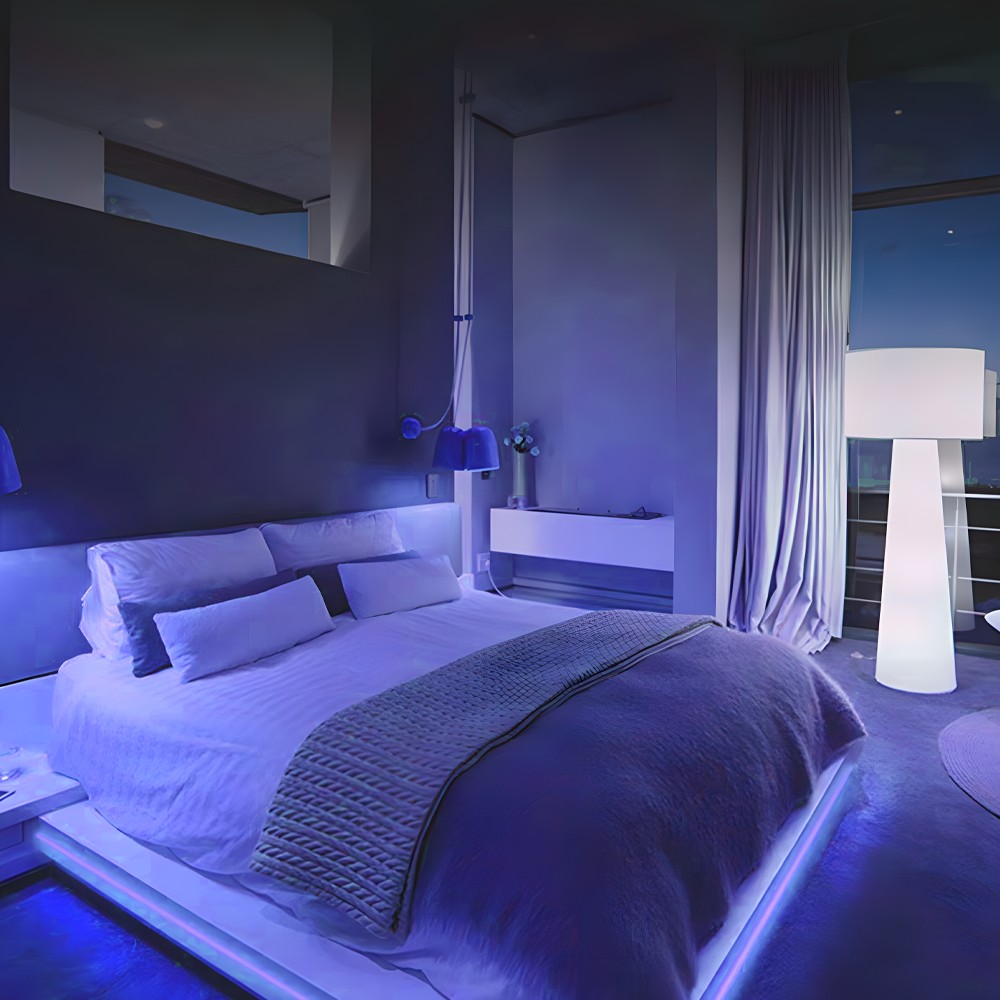
 Aisha's pickLED Bedroom Lights That Change the Feel of a Room