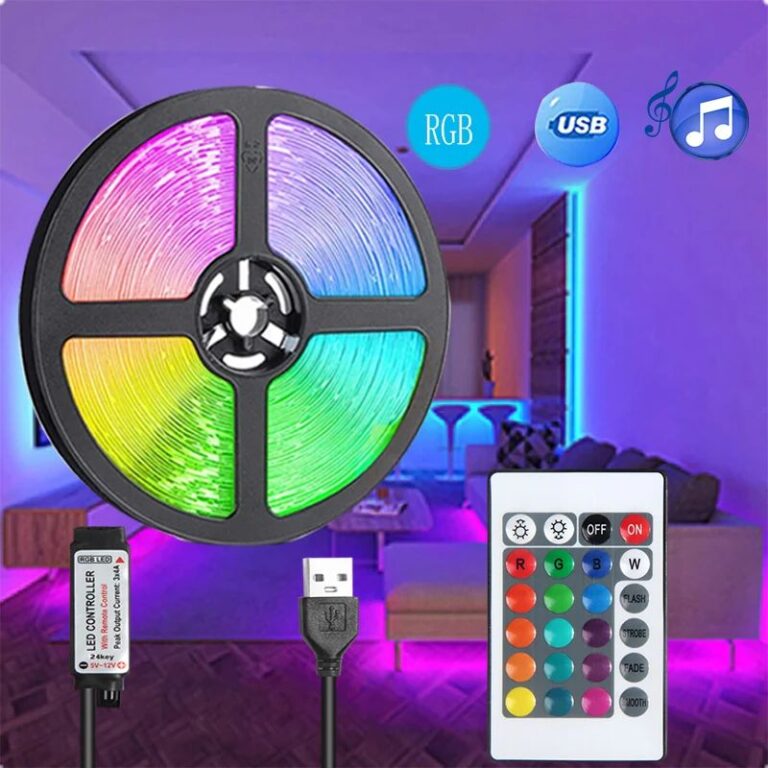
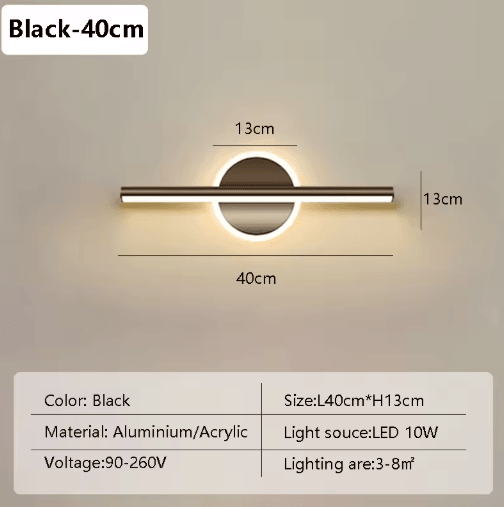
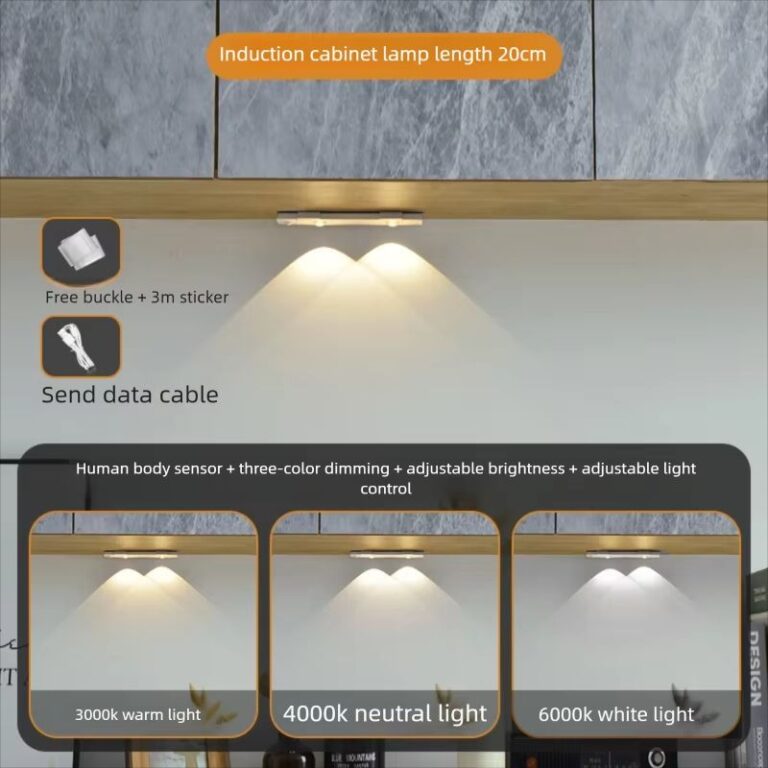
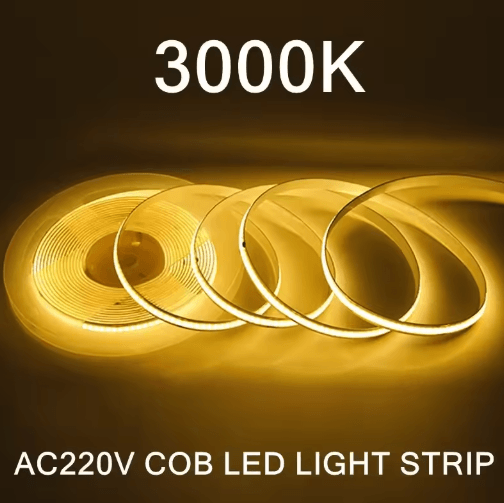
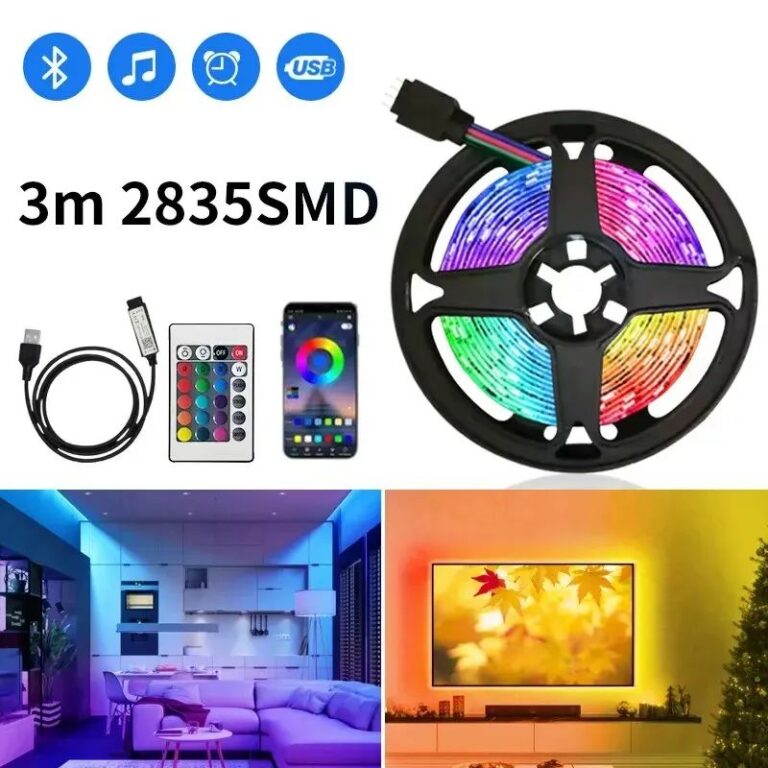
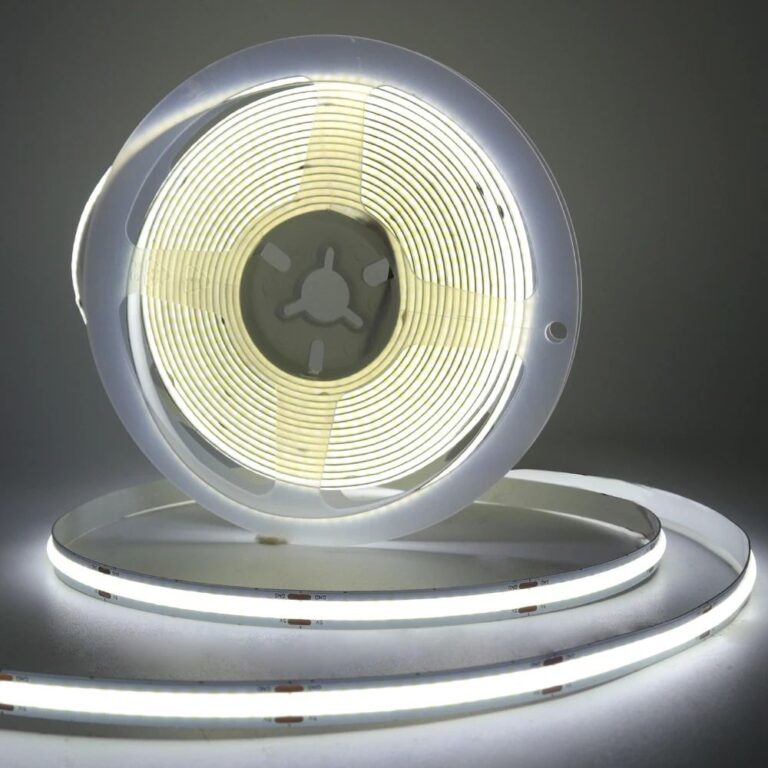
The single thing that matters before you buy any strip light is the density and quality of the diodes themselves, not the brightness number on the box. A strip packed with more, smaller diodes close together gives you a smooth wash of light with no visible dots. A cheap one, spaced wide to save money, throws little hot spots up the wall that look fine in photos and terrible the moment you're sitting under them at night.
The gap between a good strip and a bad one shows up in a handful of places once you've actually lived with both kinds. Copper connections and a proper adhesive backing matter more than people expect, because the cheap tape backing on bargain strips gives up within a year, especially anywhere warm, and you'll find your lighting sagging off the back of a shelf or peeling away from behind a television. Good strips use a thicker, better adhesive, sometimes with a mounting channel or clips so the whole thing is actually held in place rather than just stuck and hoped for. The casing matters too, a strip with some kind of silicone or plastic coating over the diodes will diffuse the light evenly and survive dust, grease, and the occasional bump, where bare diode strips scratch and yellow with age. Where strip lights are the wrong call entirely is as your main light source in a room you actually read or cook in. They're accent lighting, built for the gap under a cabinet, behind a headboard, along a stair riser, not for replacing a lamp. Ask them to do a lamp's job and you'll end up squinting at a glowing line while the rest of the room sits in shadow.
Over time, the honest wear shows in two places, the adhesive and the color consistency. Good strips hold their color for years, bad ones drift warmer or patchier as some diodes age faster than others, and you'll notice one section looking slightly off from the rest. Keep them away from direct heat sources and don't bunch the cable tight around corners, that's usually what kills the connection points early. Dust them occasionally with a dry cloth, they pull dust like anything else with a slight static charge, and if you're using them somewhere damp, like a bathroom, check the rating before you buy rather than after you've got a flickering strip and a warranty that doesn't cover it.
Measure the full run before you order, including any corners, and round up rather than down, because a strip cut short always looks worse than one with a little extra tucked out of sight.
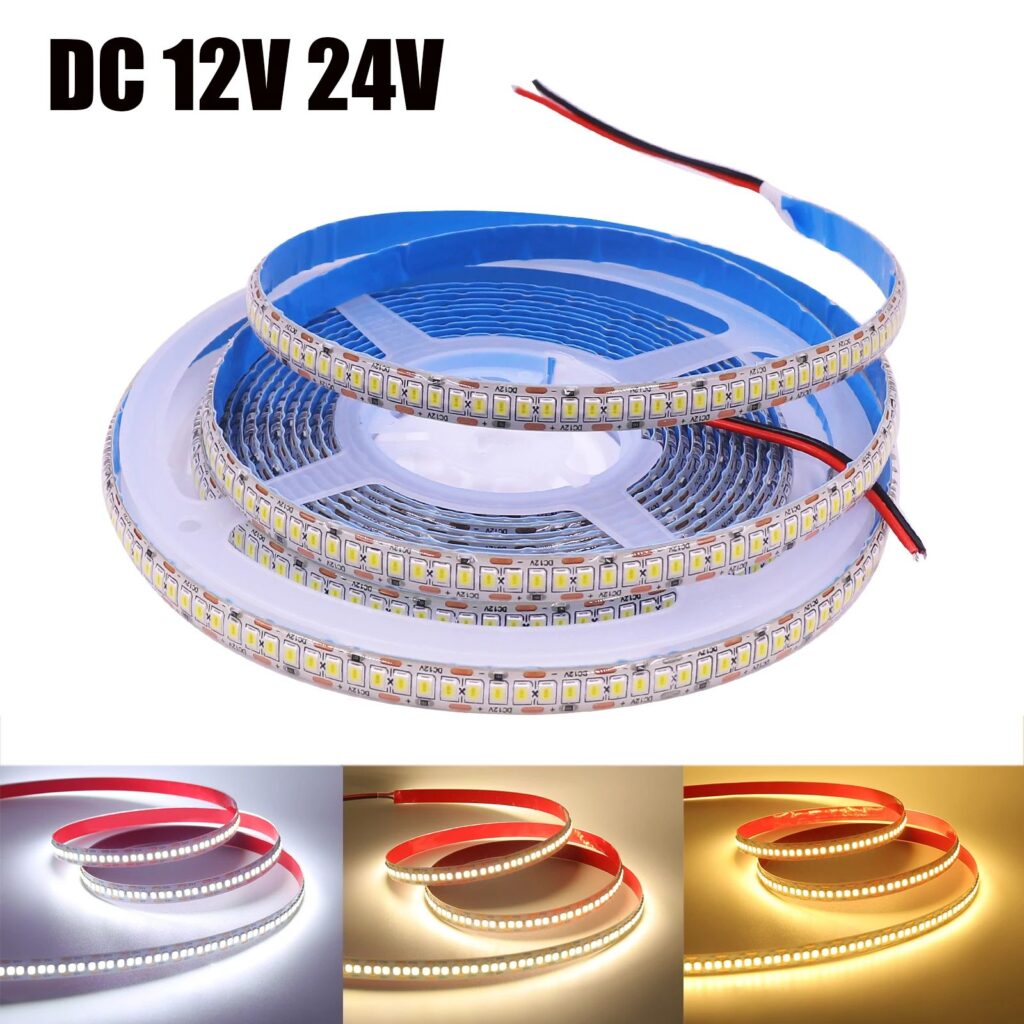 Aisha's pickShopping for Warm White LED Strip Lights? Start Here
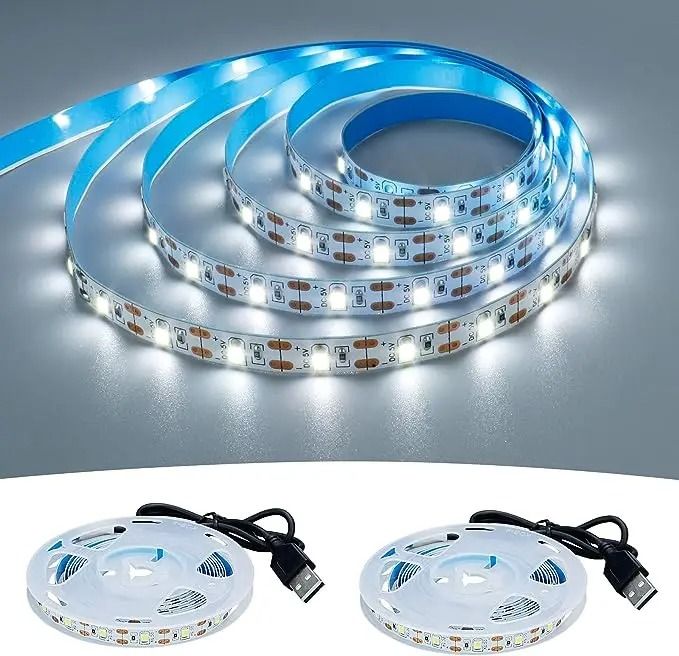
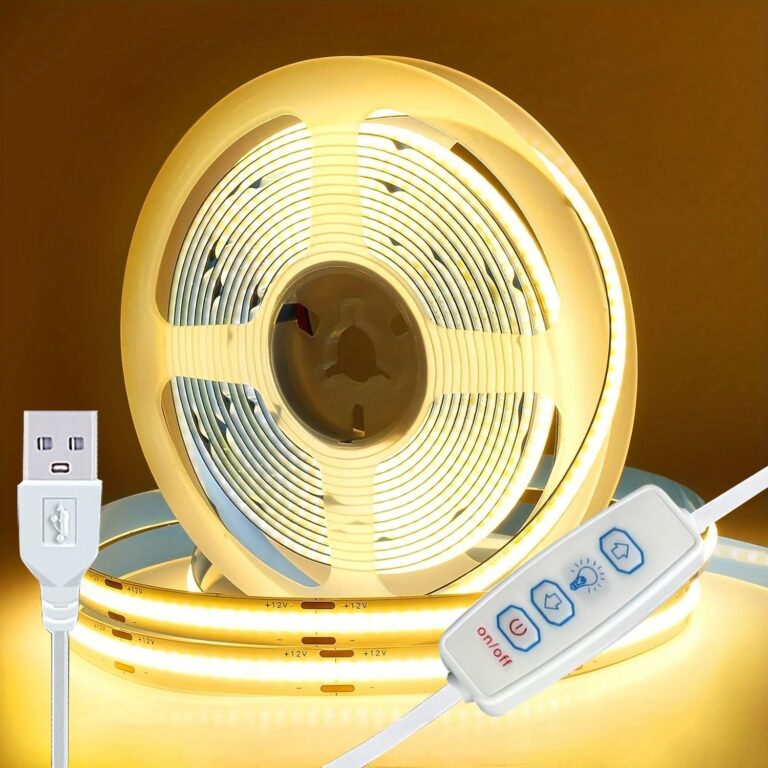 Aisha's pick5m LED Strip Lights for Reading, Relaxing or Both

 Aisha's pickSimple Waterproof LED Strip Lights Done Well
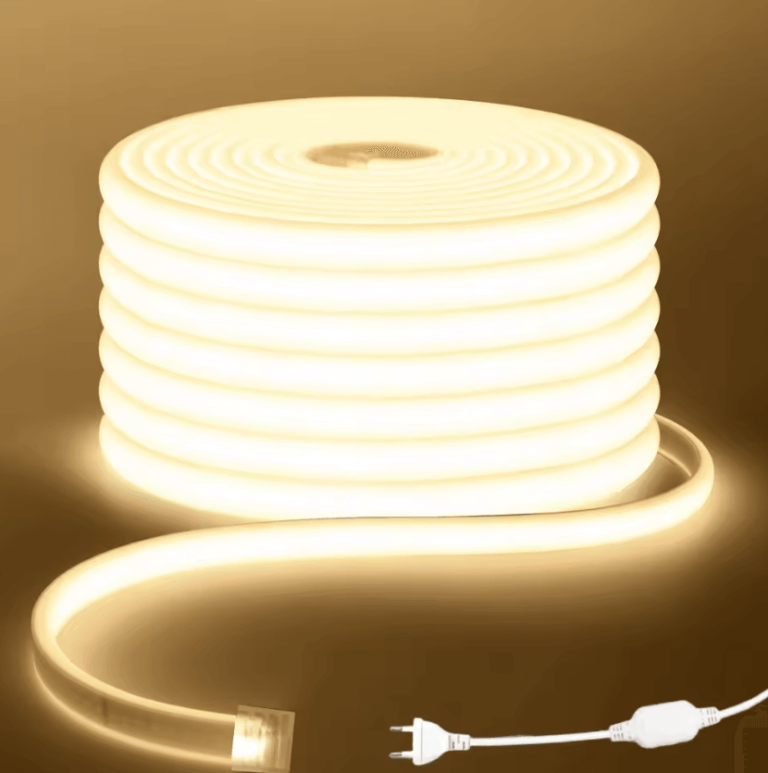
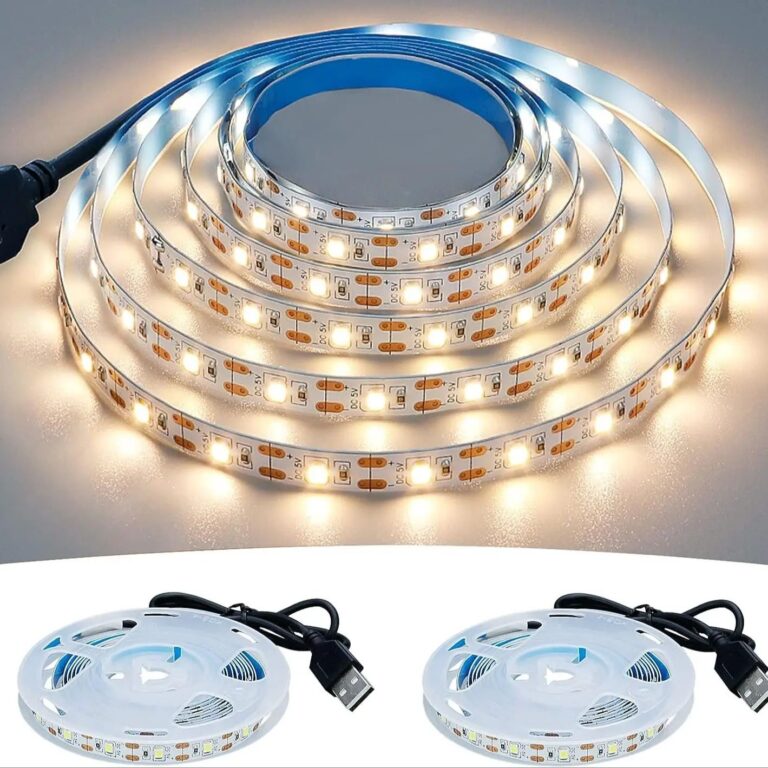 Aisha's pick5m LED Strip Lights That Don’t Shout About It

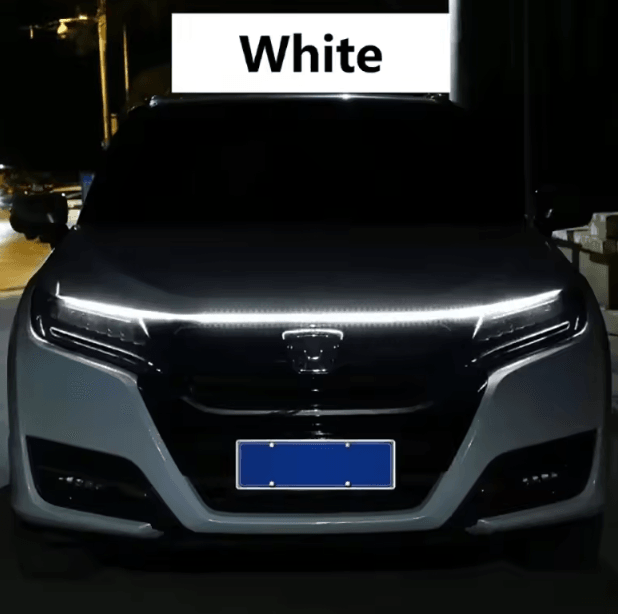 Aisha's pickWaterproof LED Strip Lights That Give Off a Warm Glow
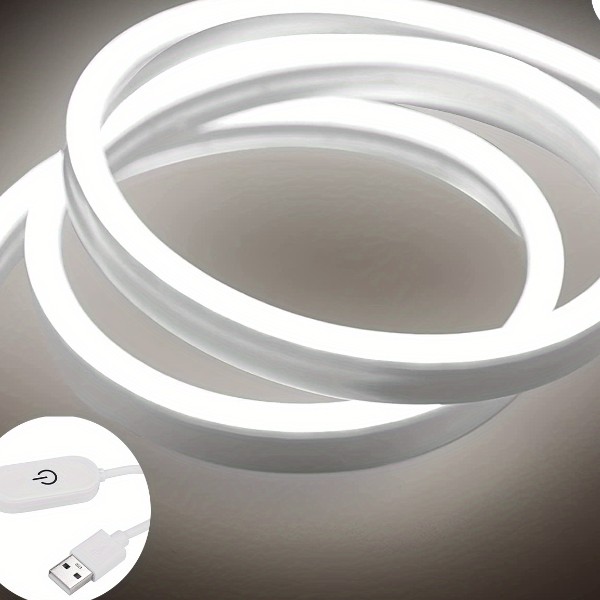
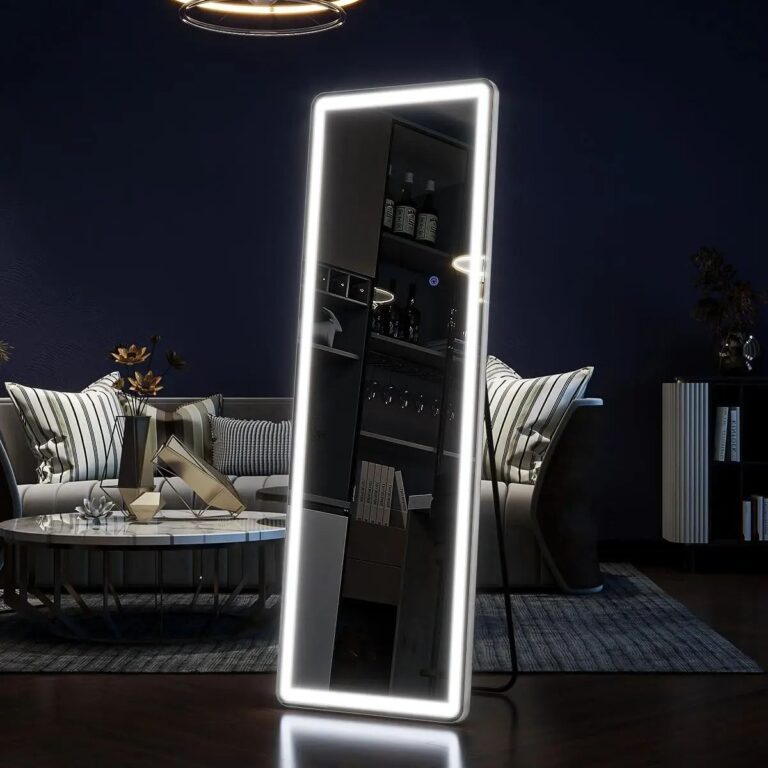 Aisha's pickAdjustable LED Strip Lights That Make Rented Places Feel Like Home
 Aisha's pickWhite LED Strip Lights Without the Silly Price Tag
 Aisha's pickAdjustable LED Strip Lights From Stores Big and Small
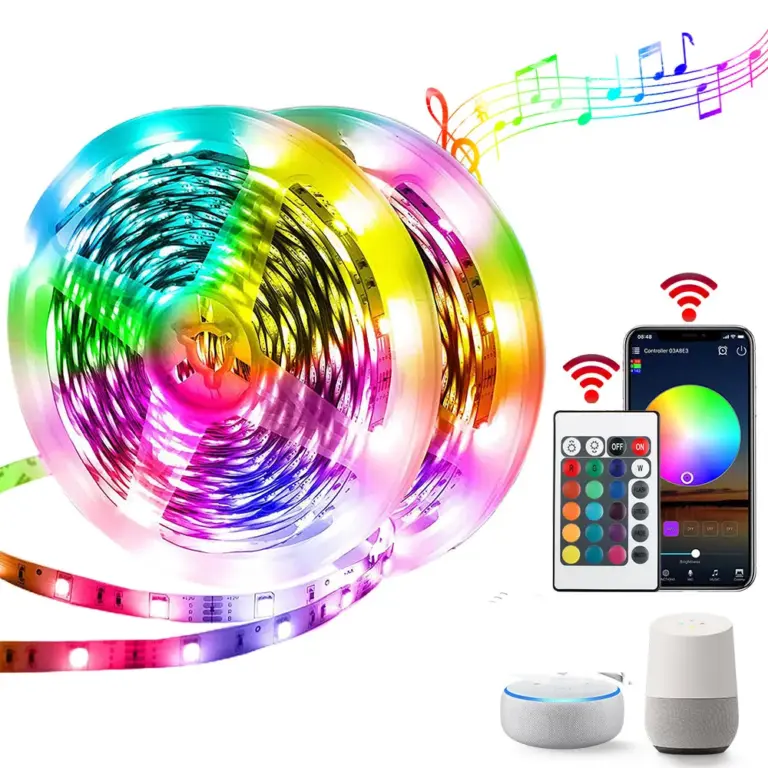
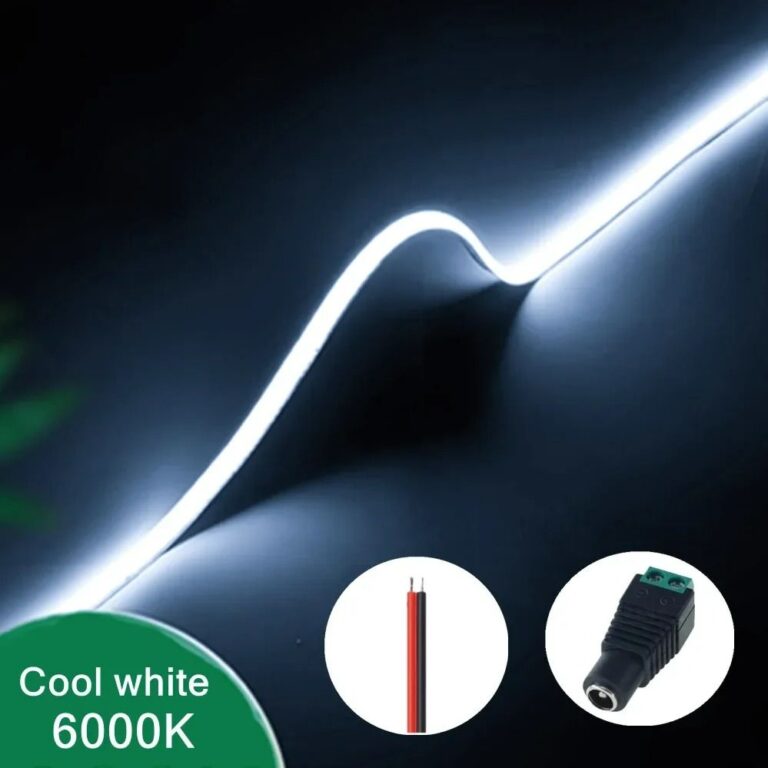 Aisha's pickWhite LED Strip Lights for Cozy Nights InAlso worth a lookLED LightsMost people buy LED strips thinking the lighting part is the only decision, then stick them under a…See the collections →
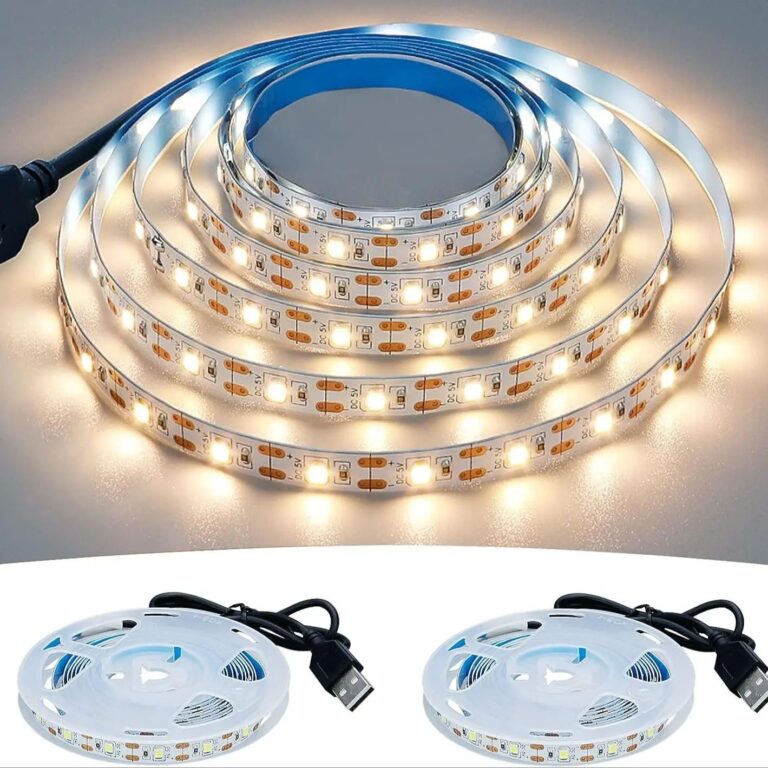
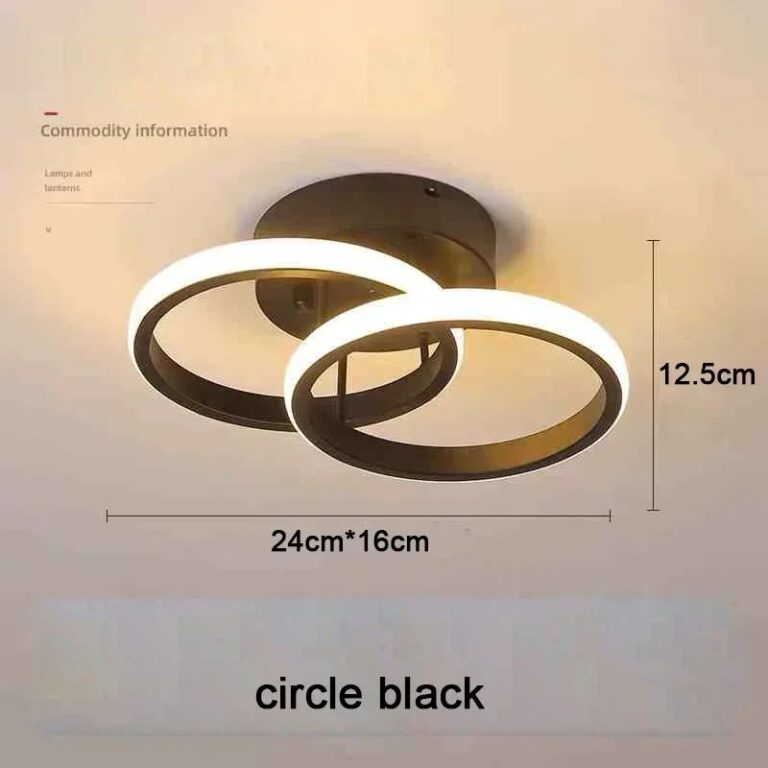 Aisha's pickBlack LED Strip Lights Bright Enough Without the Glare

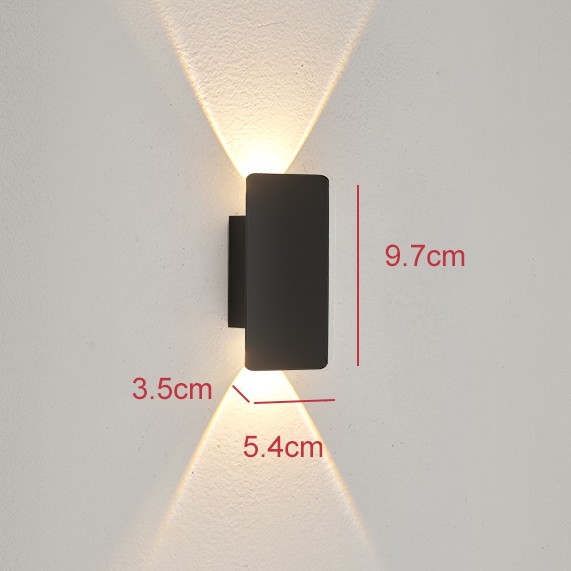 Aisha's pickThe Black LED Strip Lights Worth Your Cash

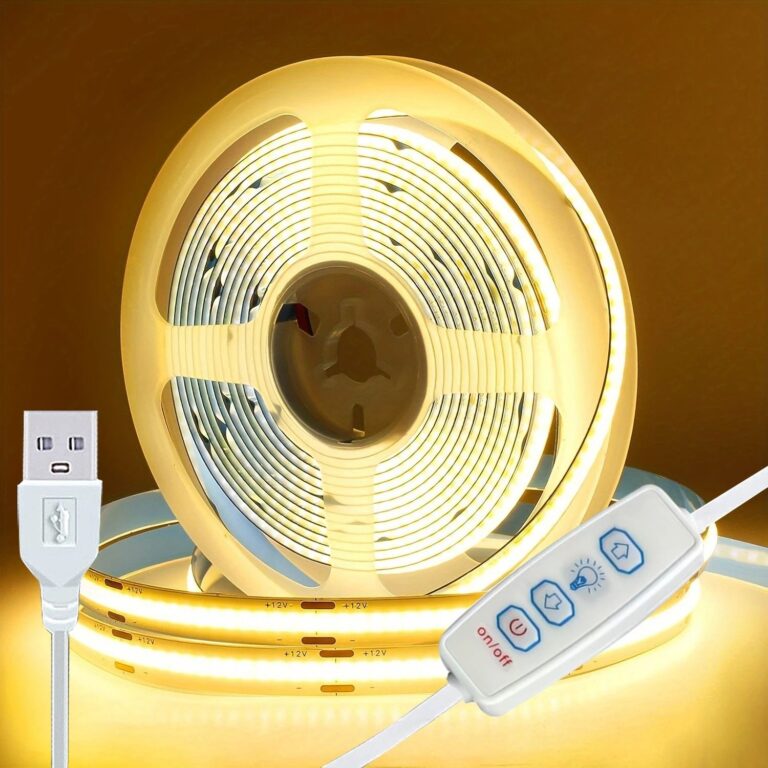 Aisha's pickLED Strip Lights That Work in Old Houses and New Ones
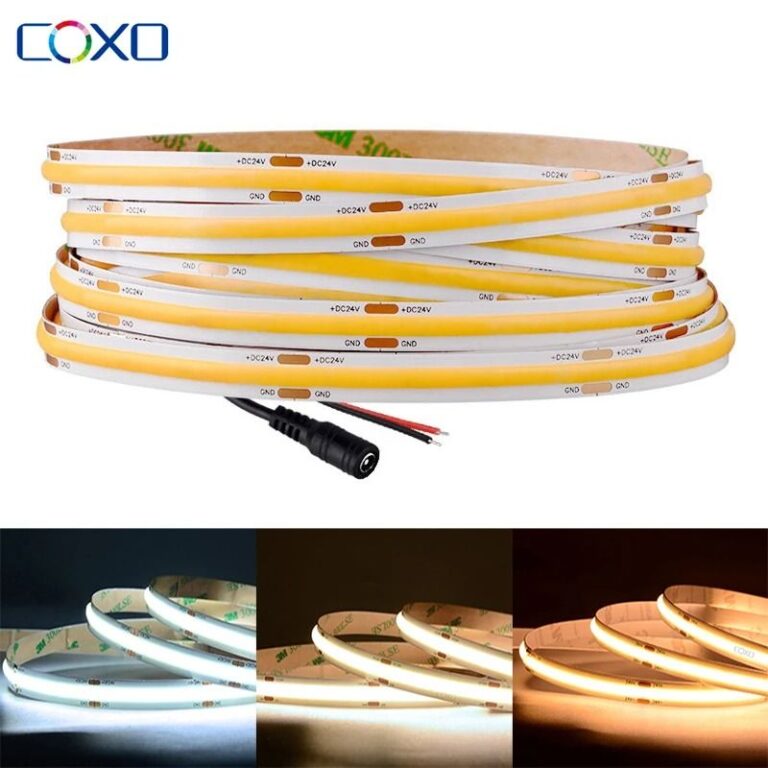
 Aisha's pickLED Strip Lights with Remote That Fit Into Real Life

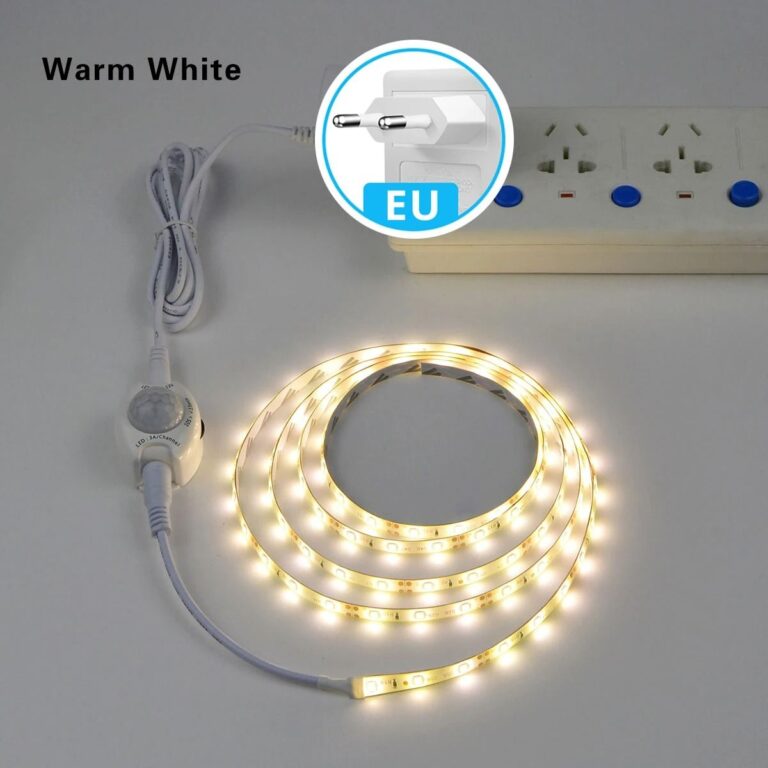 Aisha's pickLED Strip Lights for Reading, Relaxing or Both

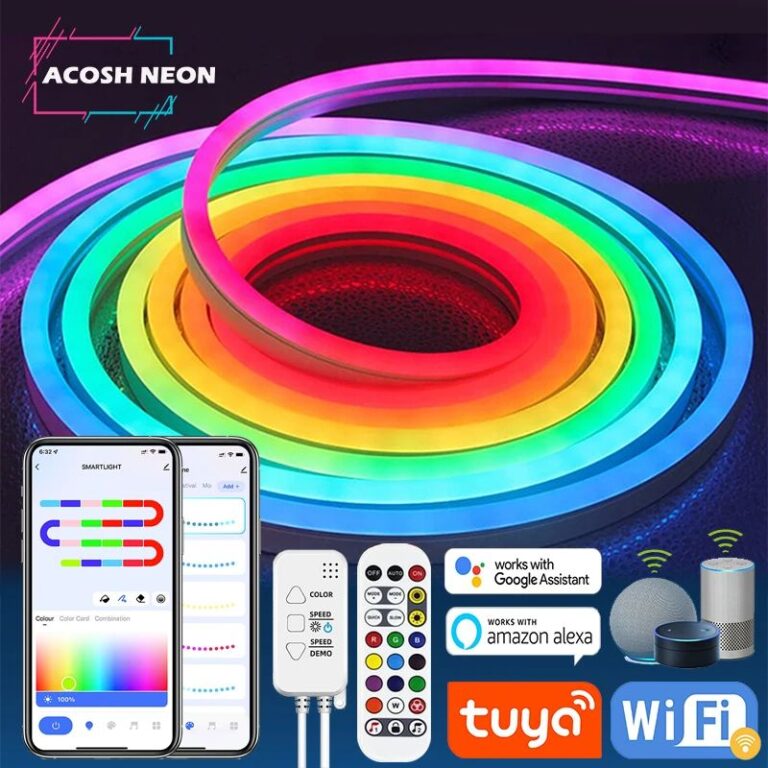 Aisha's pickLED Strip Lights with Remote That Change the Feel of a Room

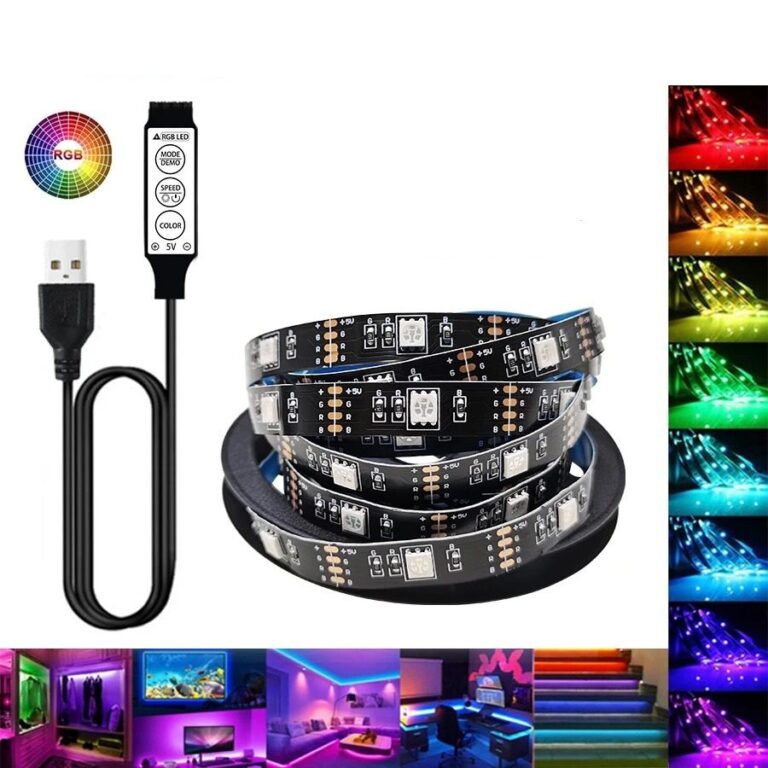 Aisha's pickNo Fuss RGB LED Strip Lights
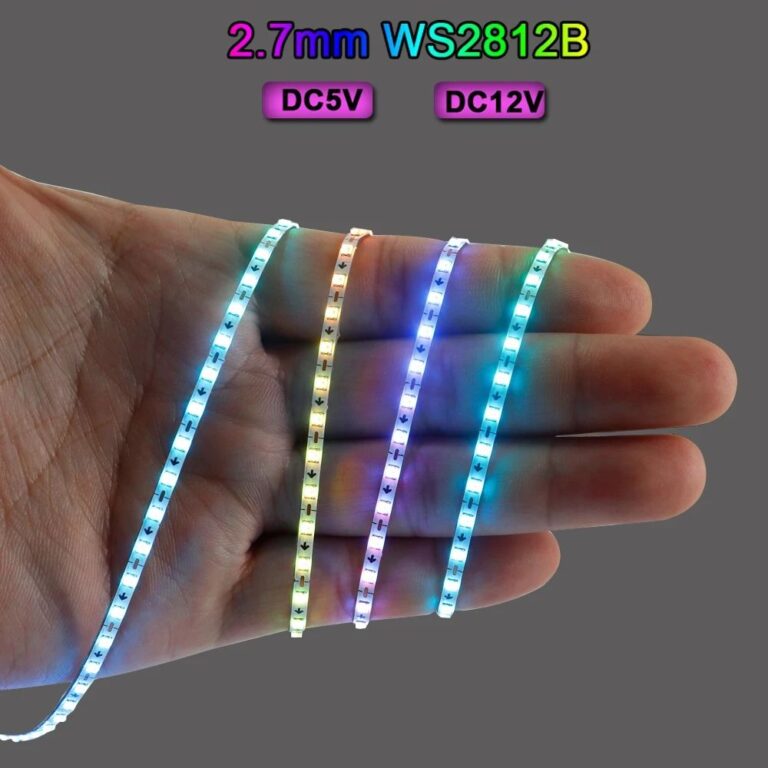
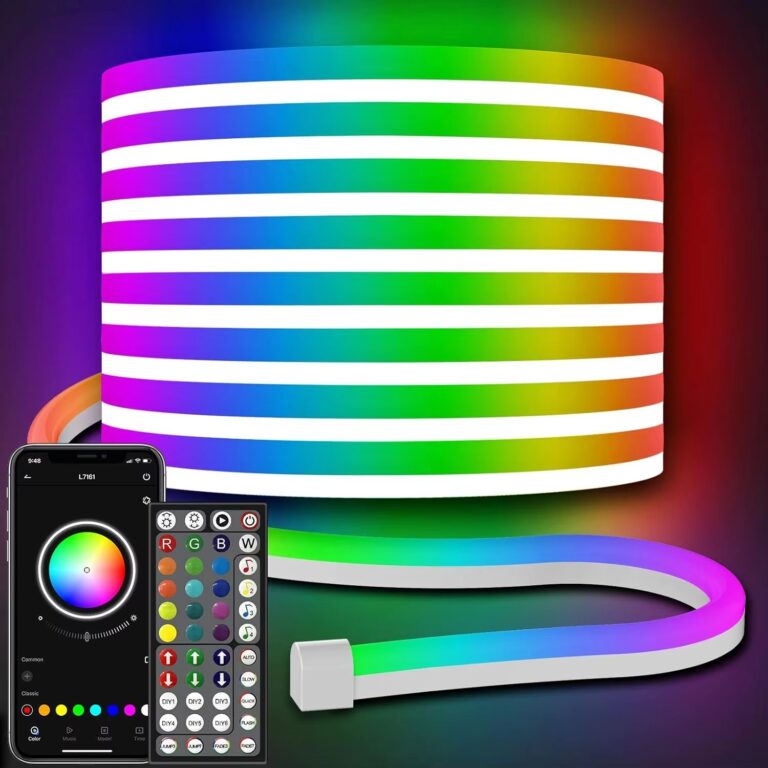 Aisha's pickRGB LED Strip Lights You Won’t Regret Buying