The mistake most people make with garage storage is buying it the way they'd buy a bookshelf, picking whatever's cheapest and stackable, then wondering six months later why the bottom bin is crushed and the lid won't sit flush anymore. Garage storage lives a harder life than anything else in the house. It gets damp concrete under it, temperature swings that regular plastic doesn't love, and the actual weight of tools, paint cans and whatever seasonal stuff got banished out there. Treat it like a storage box and it folds under the job.
Where it goes wrong is putting it somewhere it was never built for, up against an exterior wall that sweats in summer, or stacked near anything with a motor that throws off heat, like a water heater or a furnace. Cheap bins there warp, and the lids stop sealing, which means dust and mice get in anyway, so you've lost the whole point of the box. What separates a decent unit from a disappointing one comes down to the plastic itself and the joints. A good bin uses a thicker, UV stable resin that doesn't go brittle and crack the first cold snap, and the corners are molded as one piece rather than two thin walls glued together, which is where cheap ones split under weight. Latches matter more than people expect. Flimsy plastic clasps snap off within a year of garage use; metal reinforced or overbuilt rubber latches hold their shape and actually keep moisture out. If you've got nothing out there yet, start with a handful of stackable bins in one consistent size rather than a mismatched pile of whatever was on sale, because uniform sizing is what makes stacking safe and makes shelving actually work later. Add a wall mounted track or a few heavy duty shelves once you know what you're storing, not before.
Measuring up for a garage is less about the bin and more about the space around it. Walk the area with a tape measure before you buy anything and account for door swing, both the garage door and any walk in door, plus enough clearance to pull a car in without clipping a shelf corner. Leave real room to stack, because bins need headroom to clear ceiling studs or rafters, and people consistently buy bins that are an inch too tall for the shelf they're going on. Measure the shortest point in your layout, not the average.
If I were stocking a garage from scratch, I'd start with a basic charcoal gray or black finish. It hides the inevitable grime a lot better than white ever will.
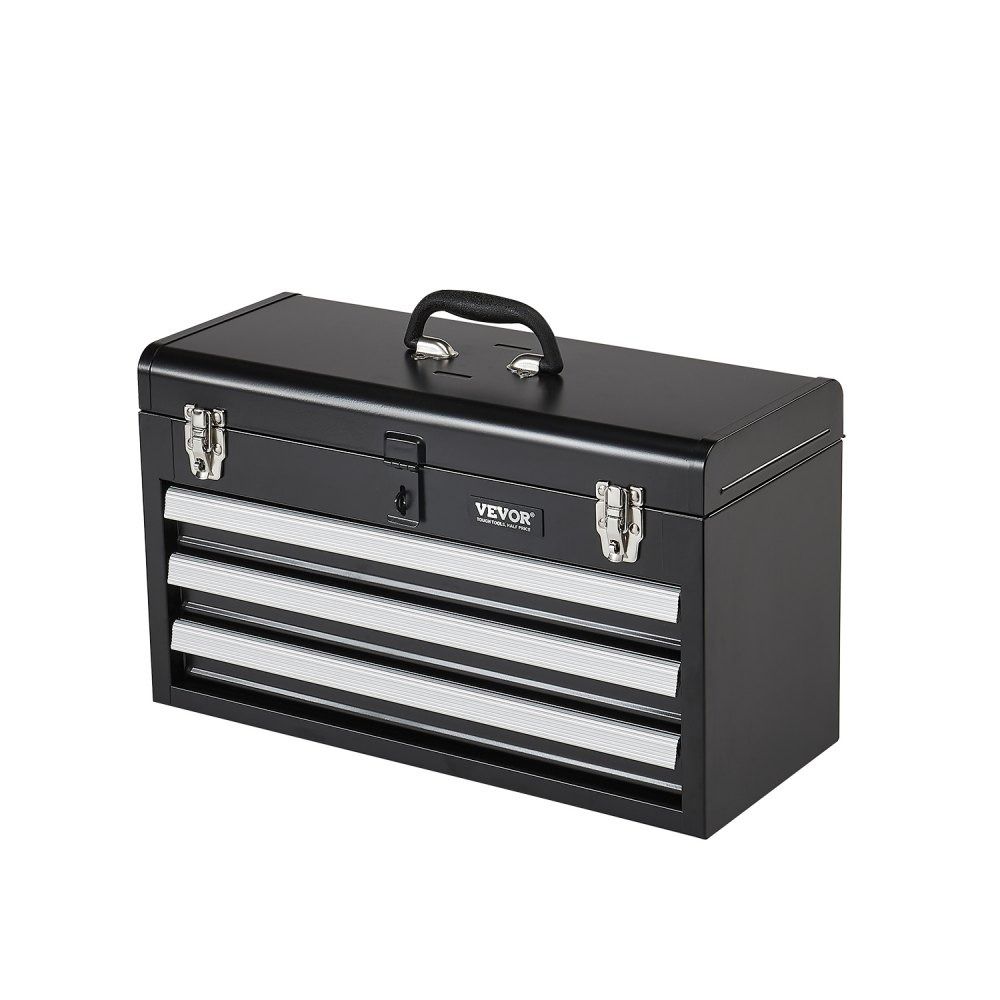 Aisha's pick5 Drawer Garage Storage That Doesn’t Cost a Fortune
 Aisha's pickGarage Storage for Small Spaces We Keep Buying

 Aisha's pickModern Garage Storage We Keep Buying

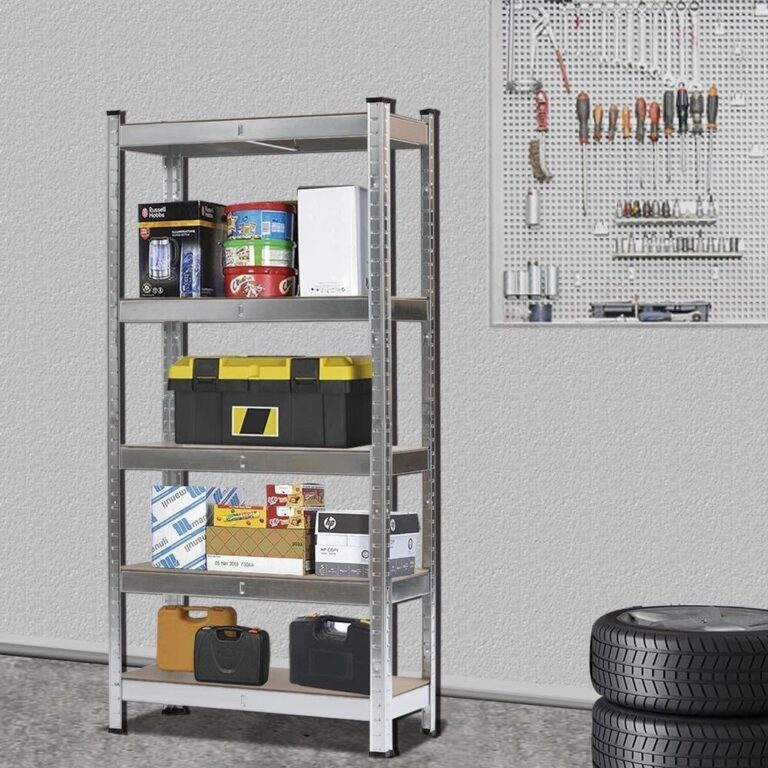 Aisha's pick5 Shelf Garage Storage That Earns Its Place
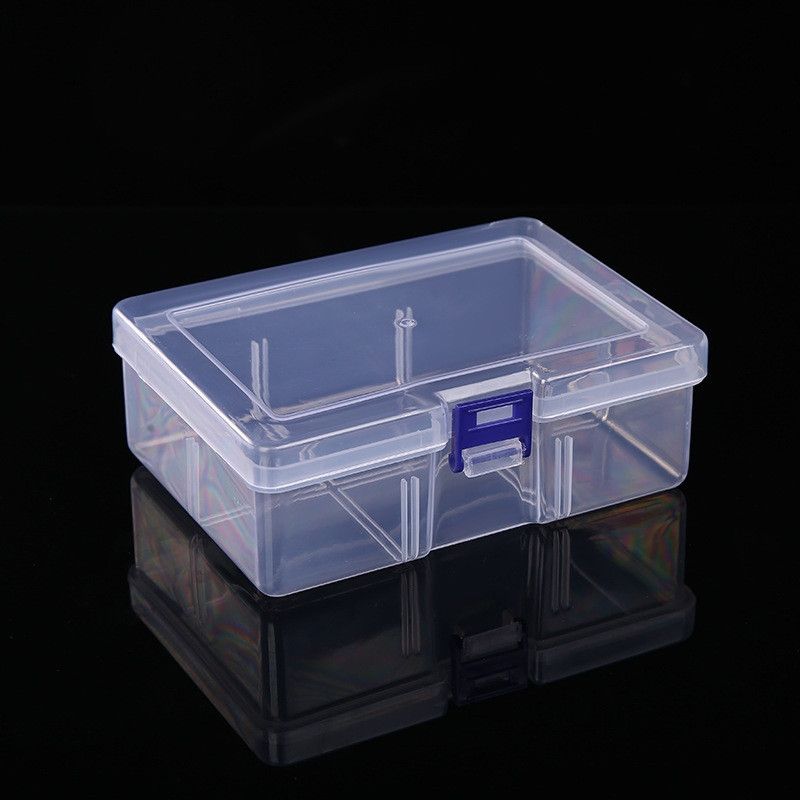
 Aisha's pickGarage Storage with Doors That Earns Its Place

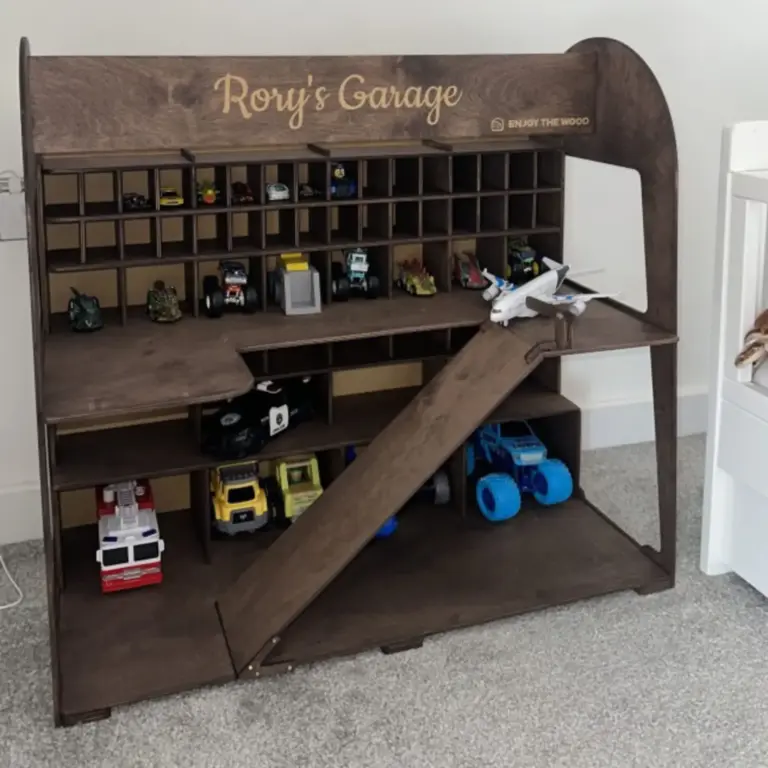 Aisha's pickWhere to Start With Natural Garage Storage
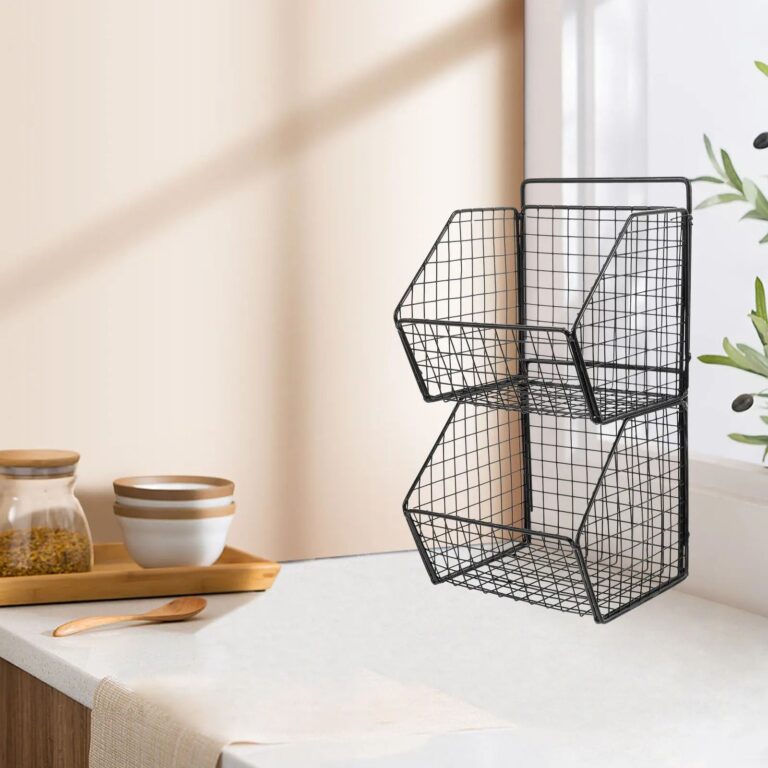
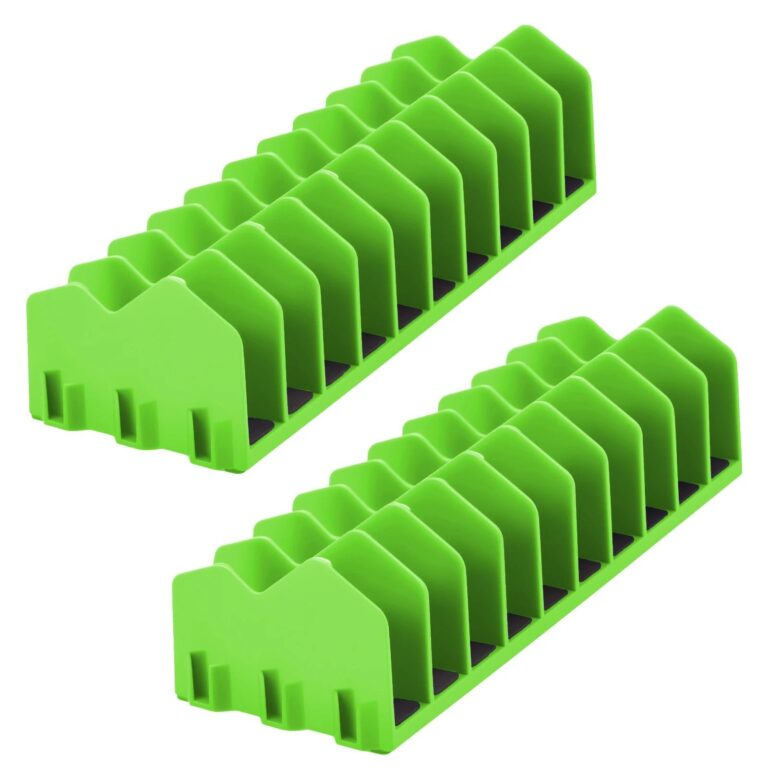 Aisha's pickWhere to Start With 6 Drawer Garage Storage
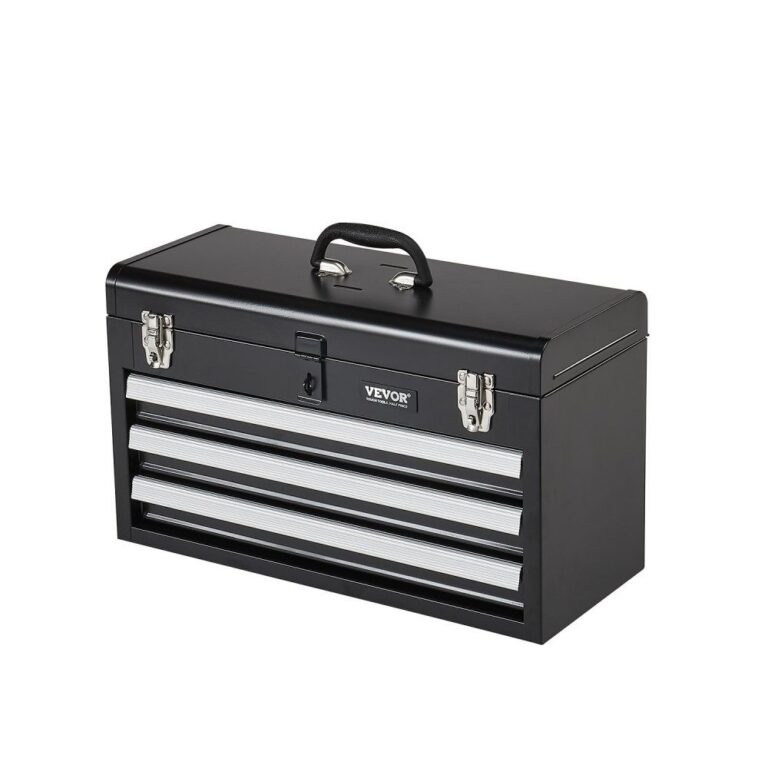
 Aisha's pickGarage Storage with Drawers That Holds Up

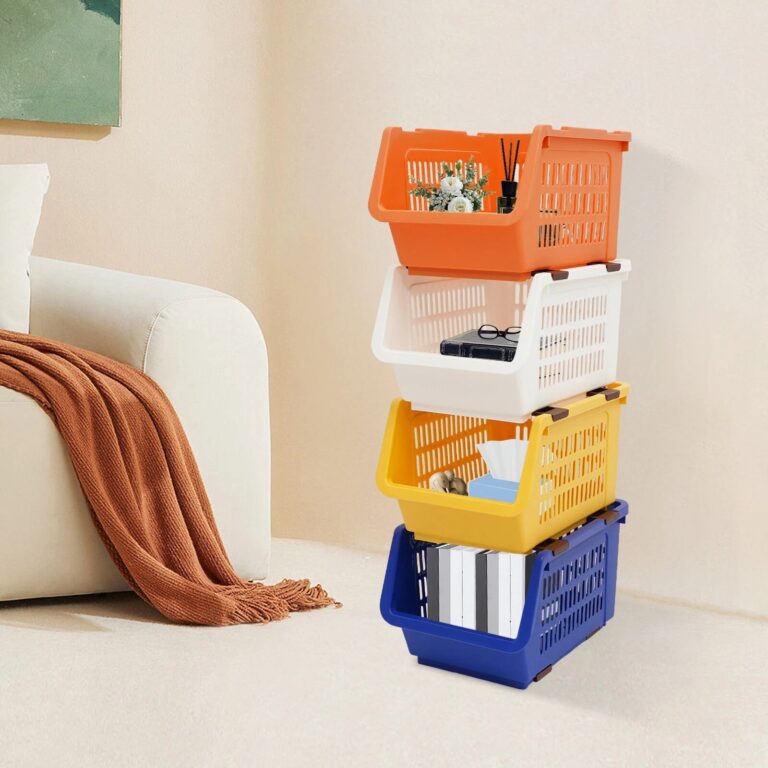 Aisha's pickGood Plastic Garage Storage That Don’t Cost a FortuneAlso worth a lookStorage BoxesLate January is when storage boxes earn their keep, when the holiday decorations need somewhere to live that…See the collections →
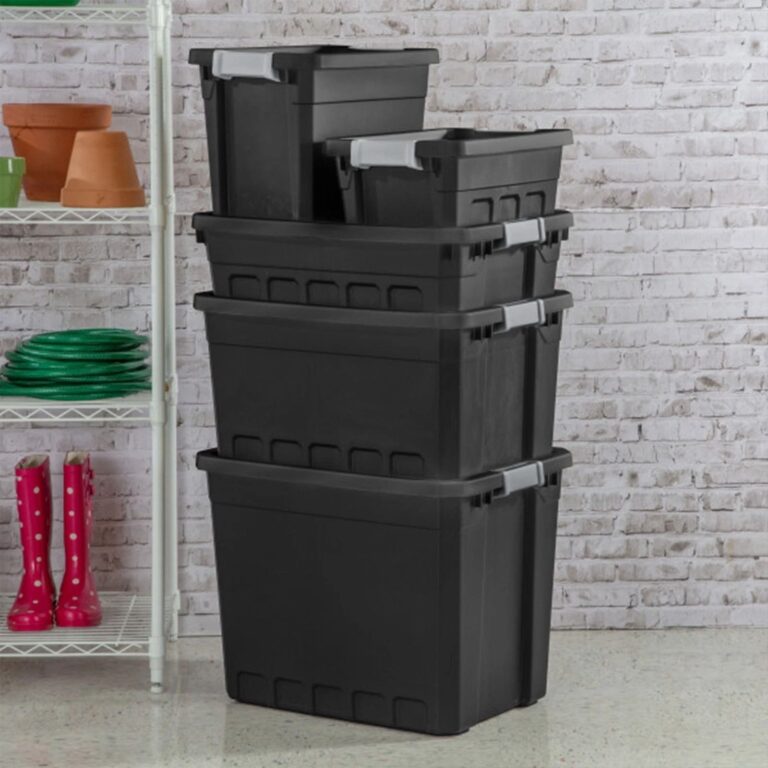
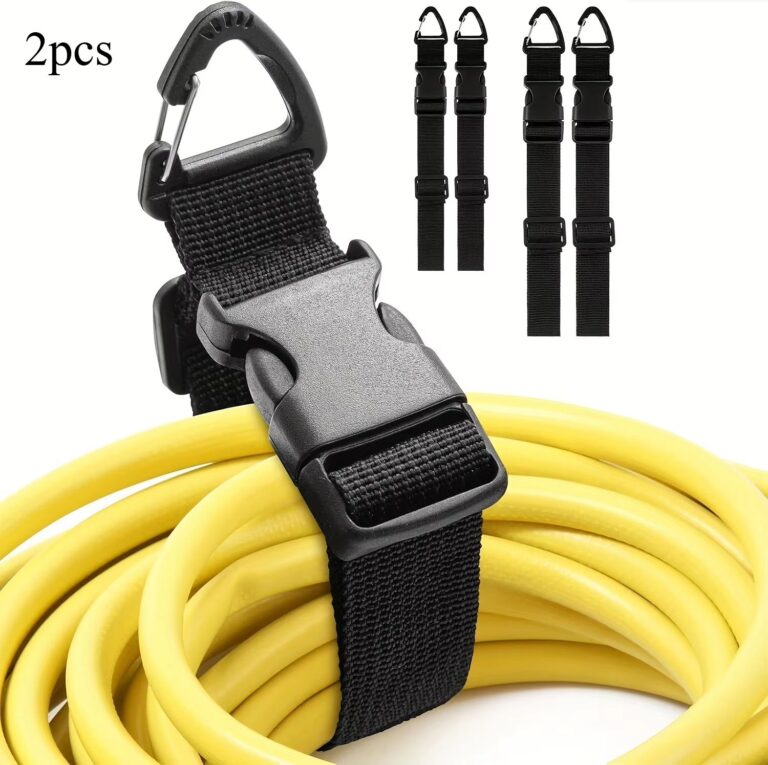 Aisha's pickWhere to Start With Adjustable Garage Storage
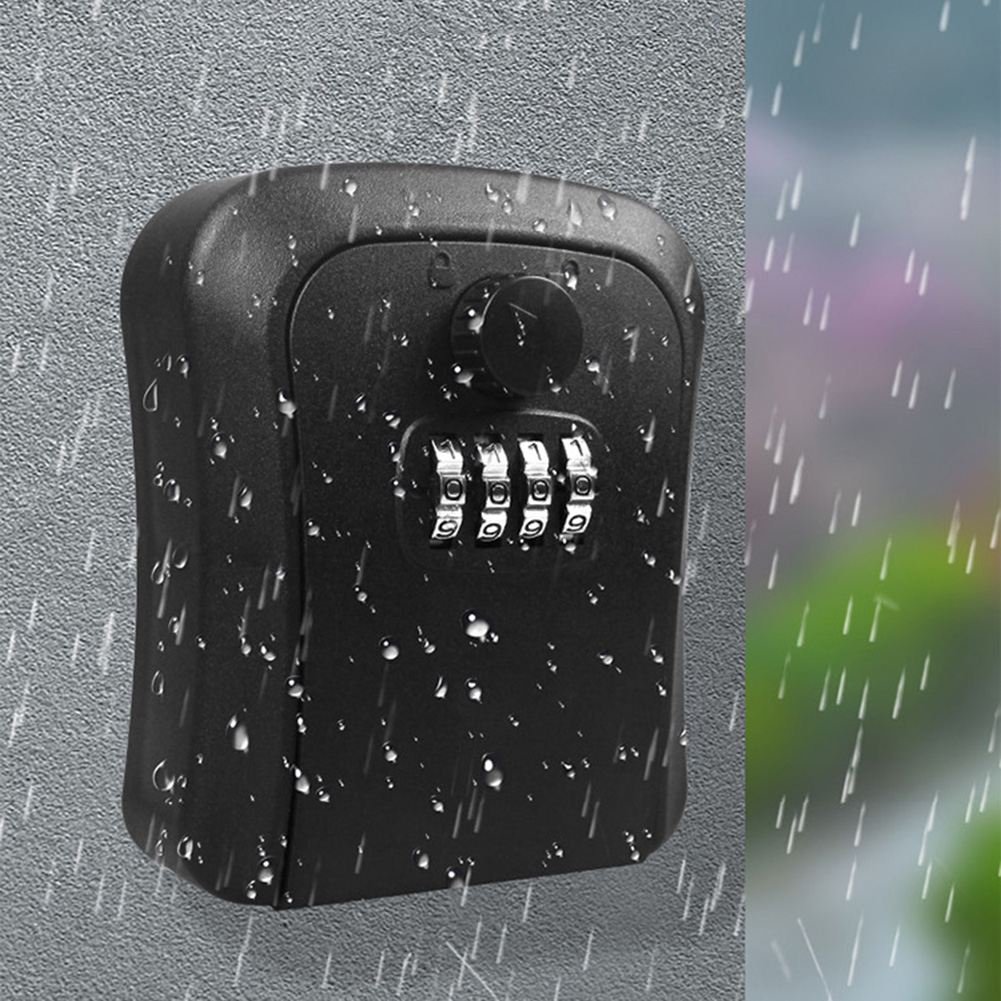 Aisha's pickGarage Storage with Lock That Looks the Part

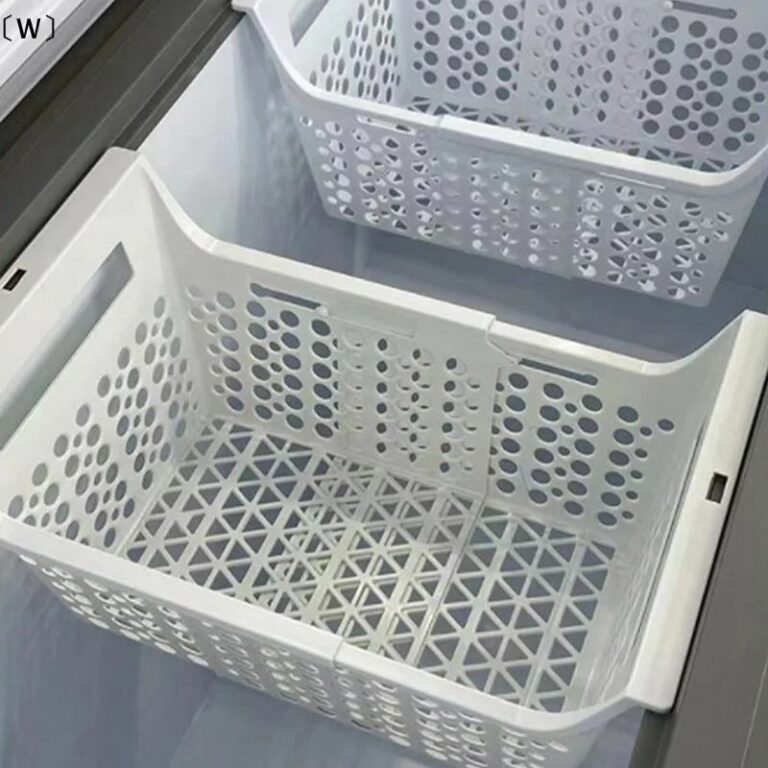 Aisha's pickSmall Garage Storage for When the Old Ones Give Up
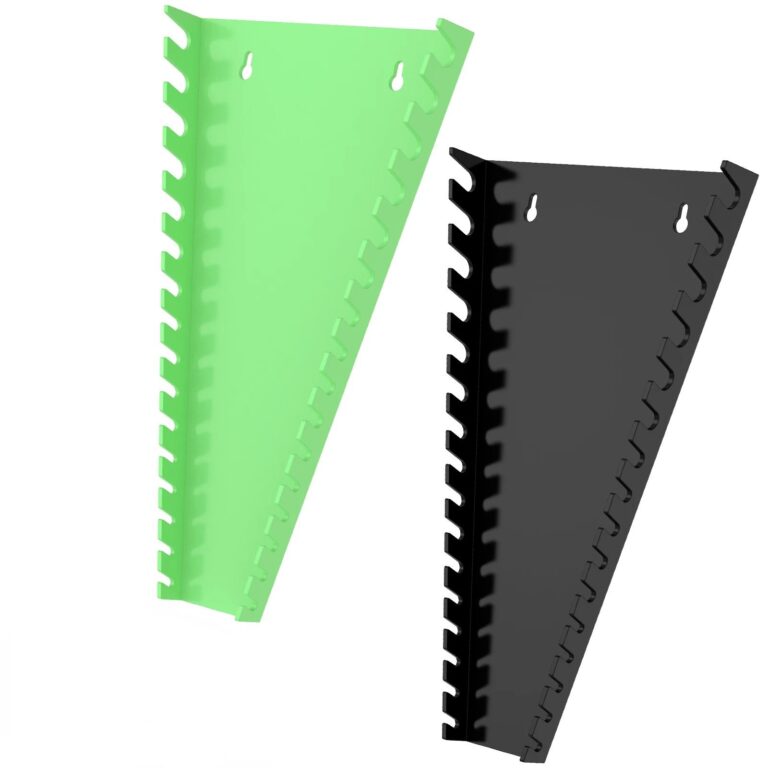
 Aisha's pickBlack Garage Storage You’ll Live With Happily for Years

 Aisha's pickOur Shortlist of Garage Storage with Shelves

 Aisha's pickThe Stackable Garage Storage Worth Your Cash

 Aisha's pickBlack Metal Garage Storage Worth Knowing About

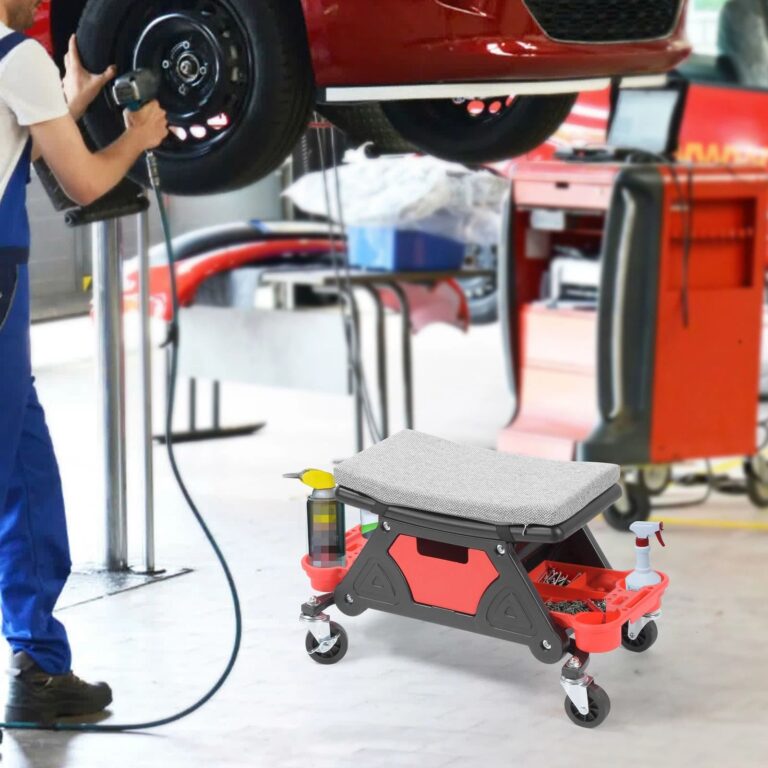 Aisha's pickGarage Storage with Wheels Picked From the Stores We Trust
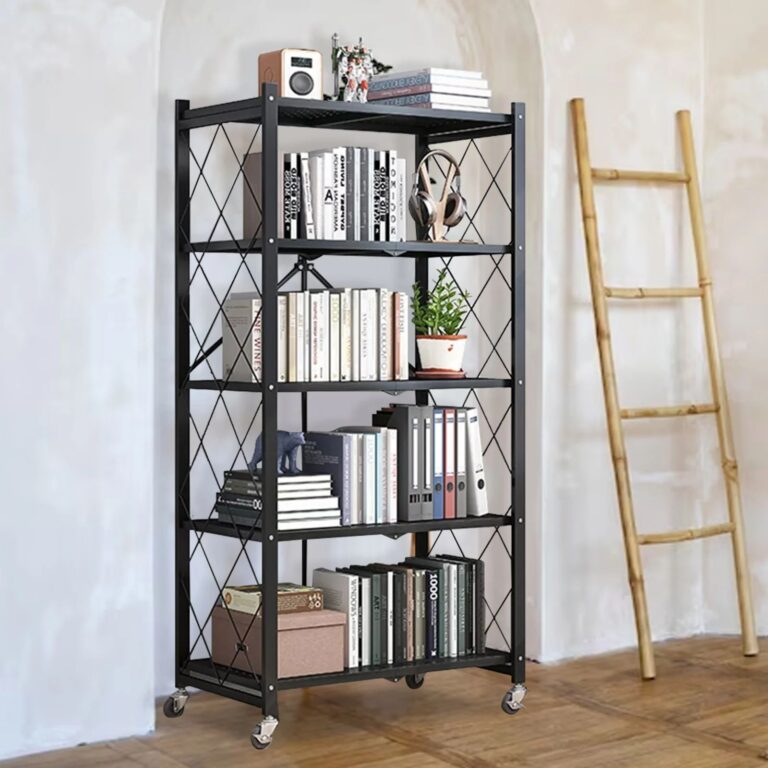
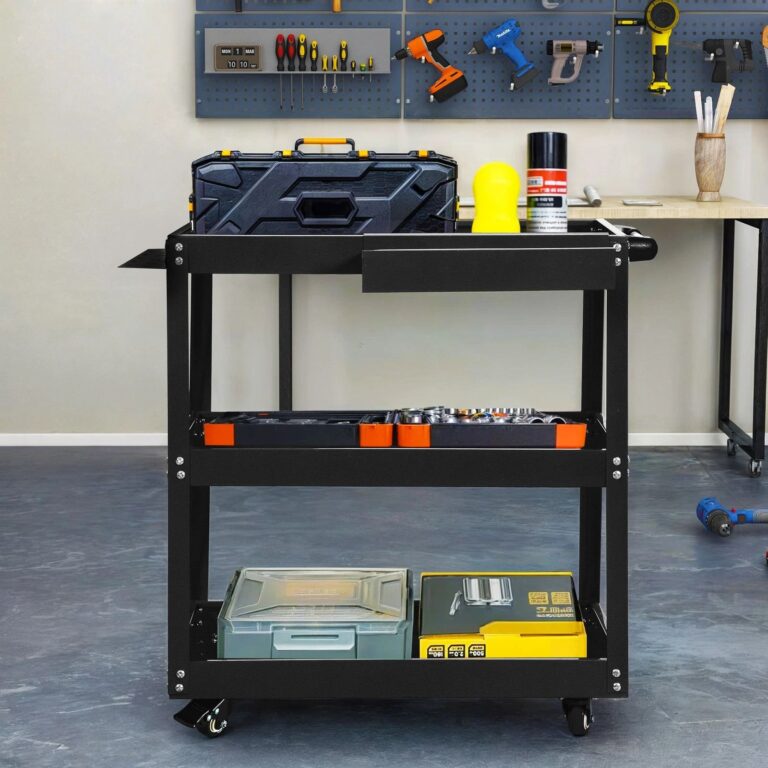 Aisha's pickSteel Garage Storage Worth Knowing AboutAlso worth a lookBasketsBaskets have a reputation for being the thing you buy when you've given up on actually organizing a room, and honestly, you land on it right.See the collections →
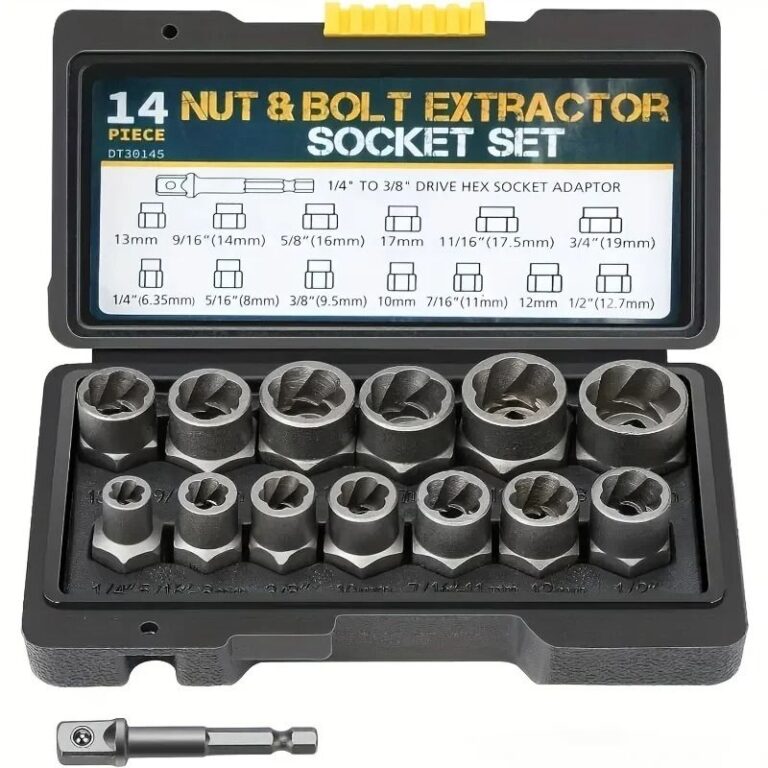
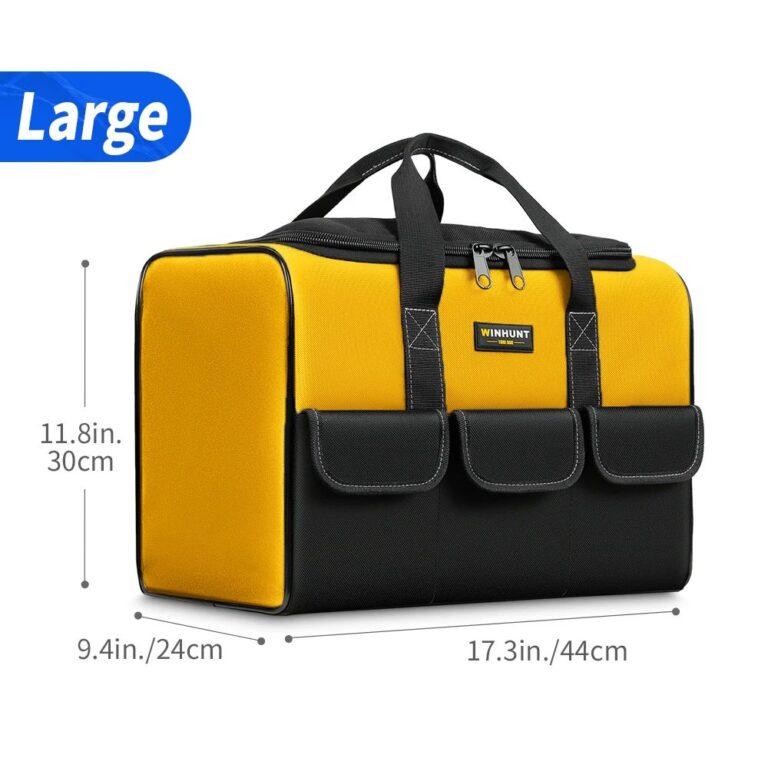 Aisha's pickBlue Garage Storage You’ll Live With Happily for Years
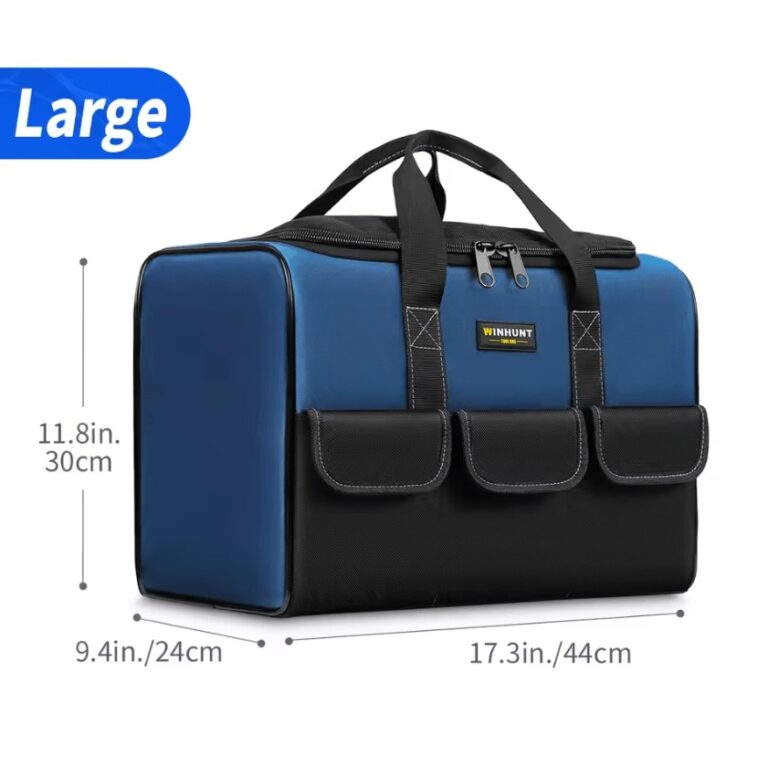
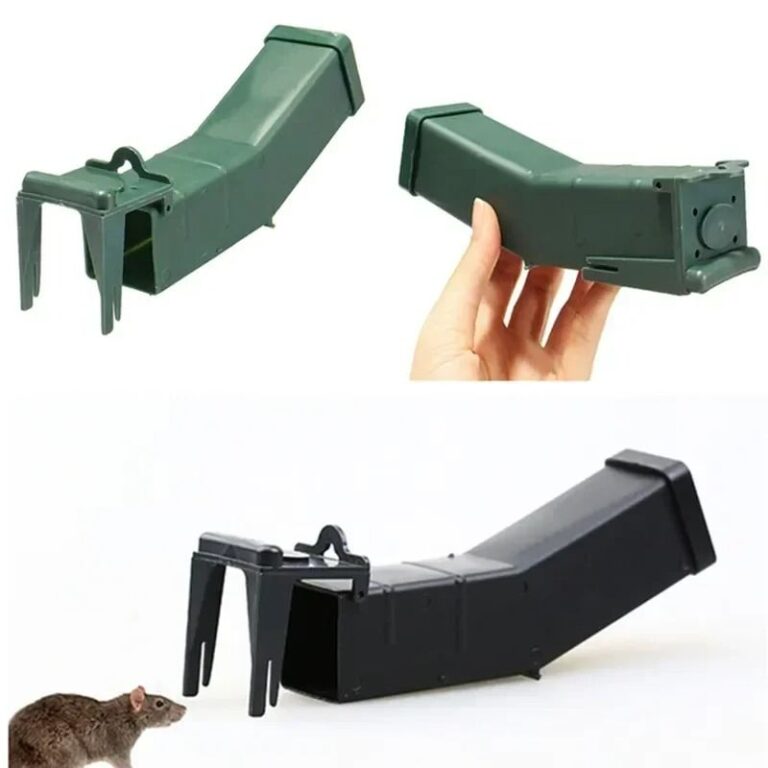 Aisha's pickWhere to Start With Green Garage Storage
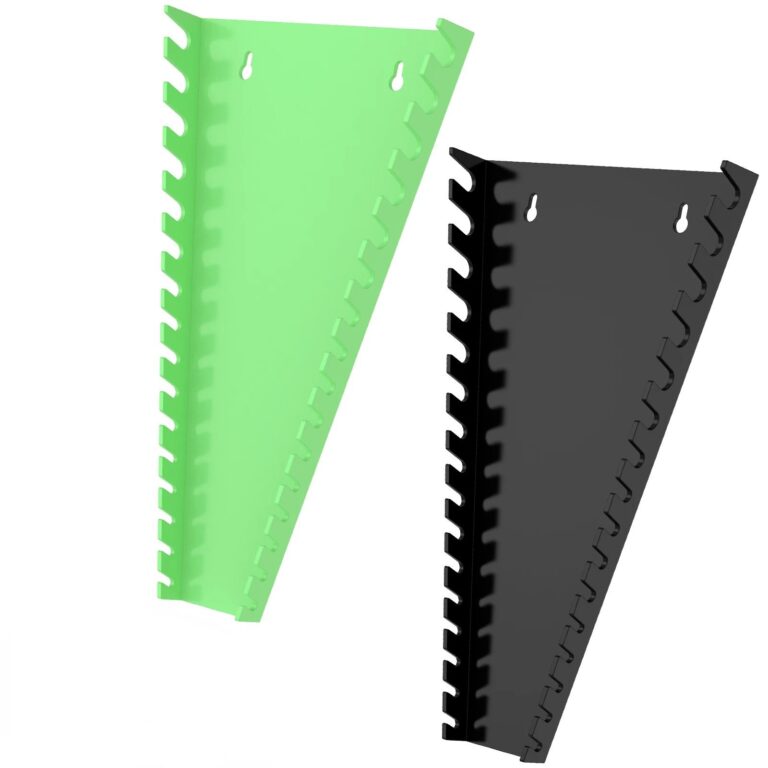
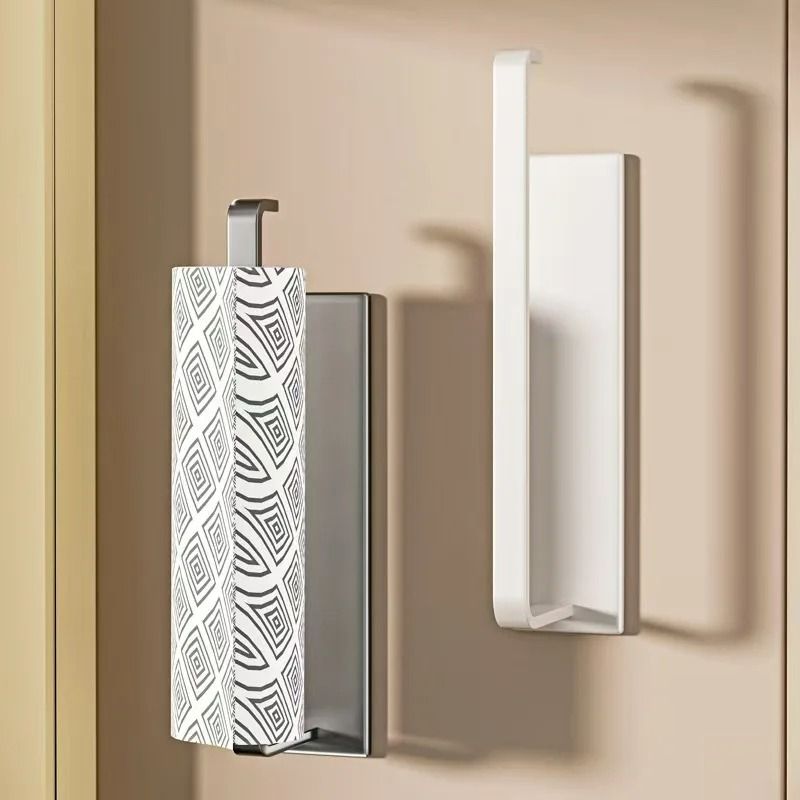 Aisha's pickSteel Wall Mounted Garage Storage That Earns Its Place
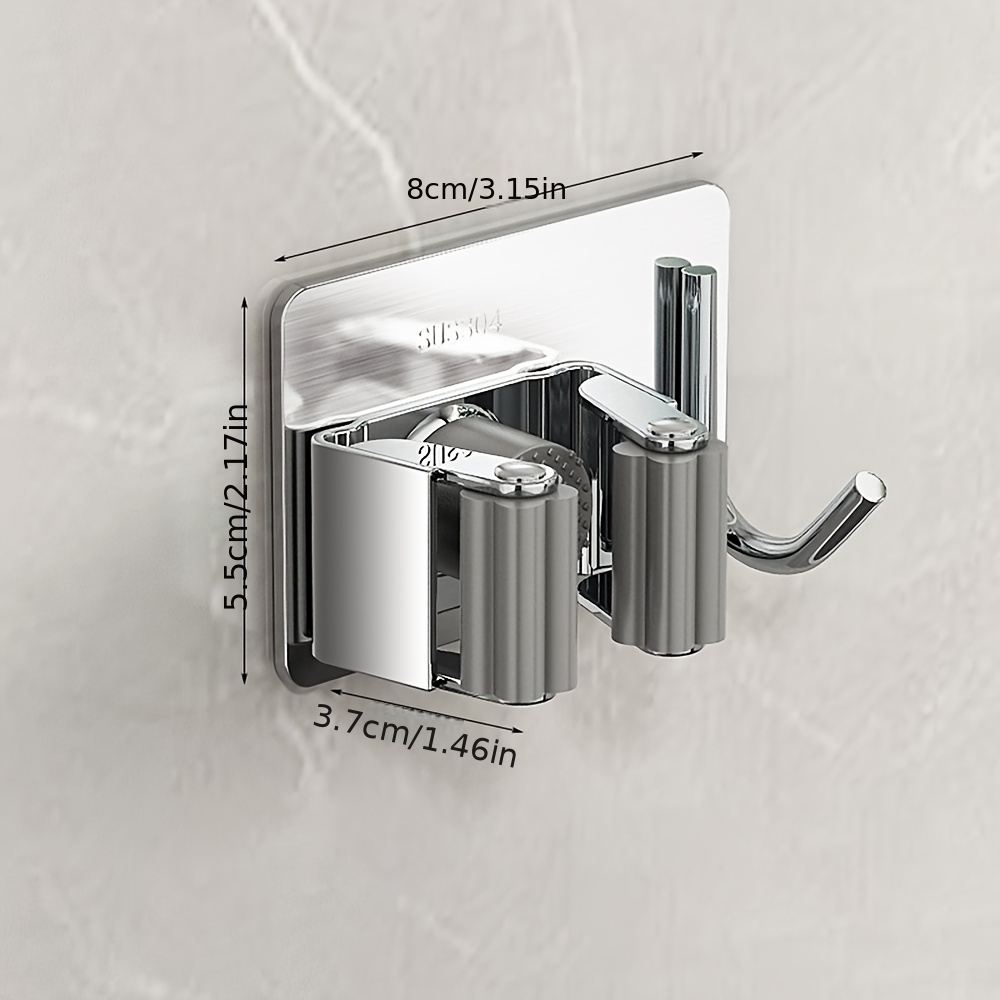
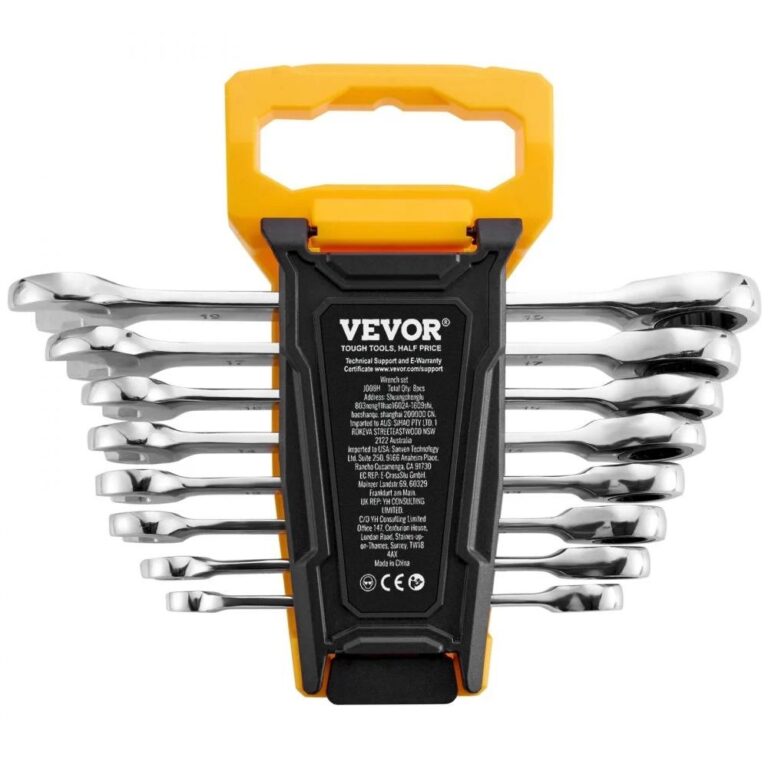 Aisha's pickChrome Garage Storage That Does What It Should
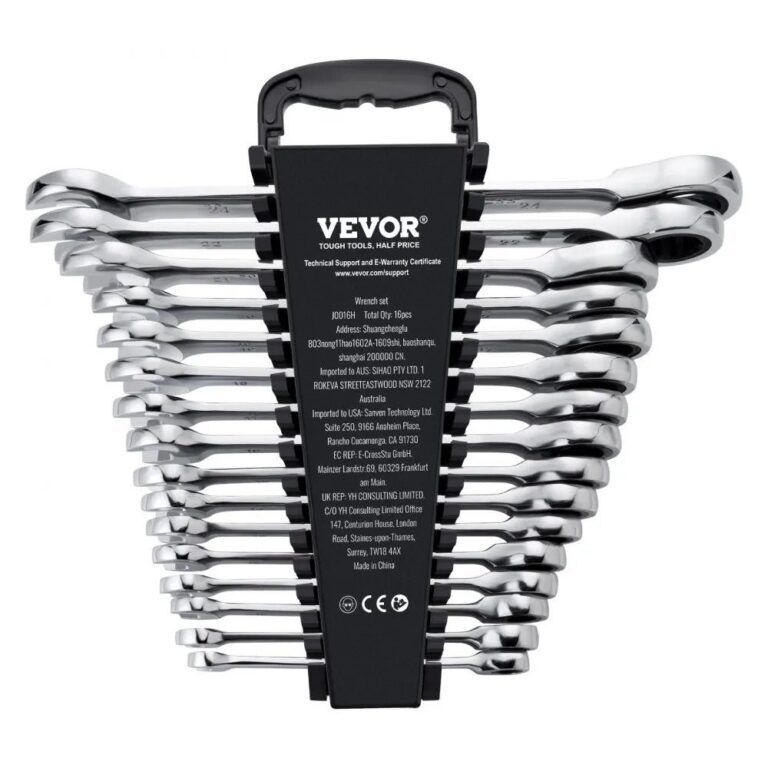
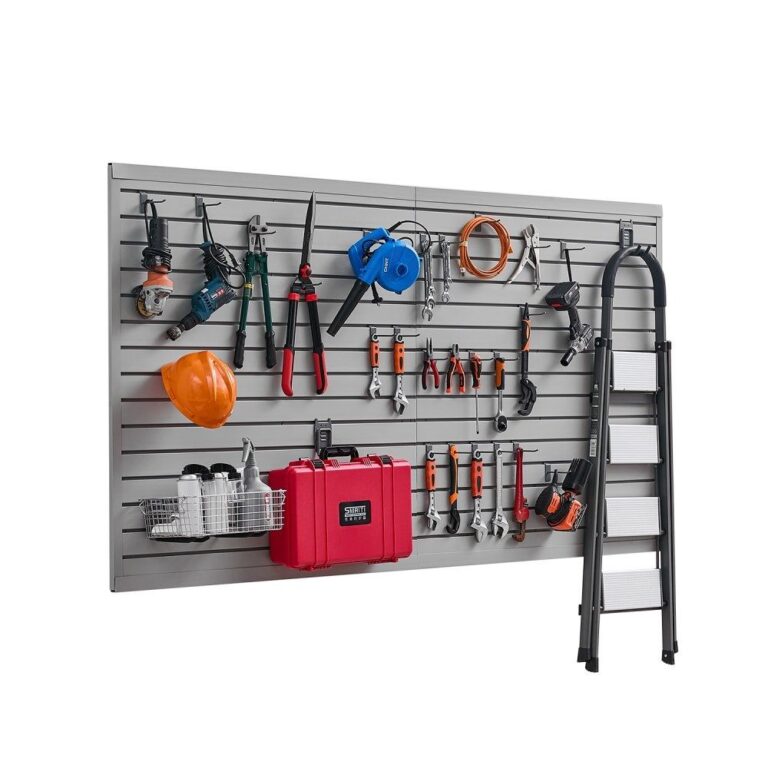 Aisha's pickGray Garage Storage You’ll Live With Happily for Years
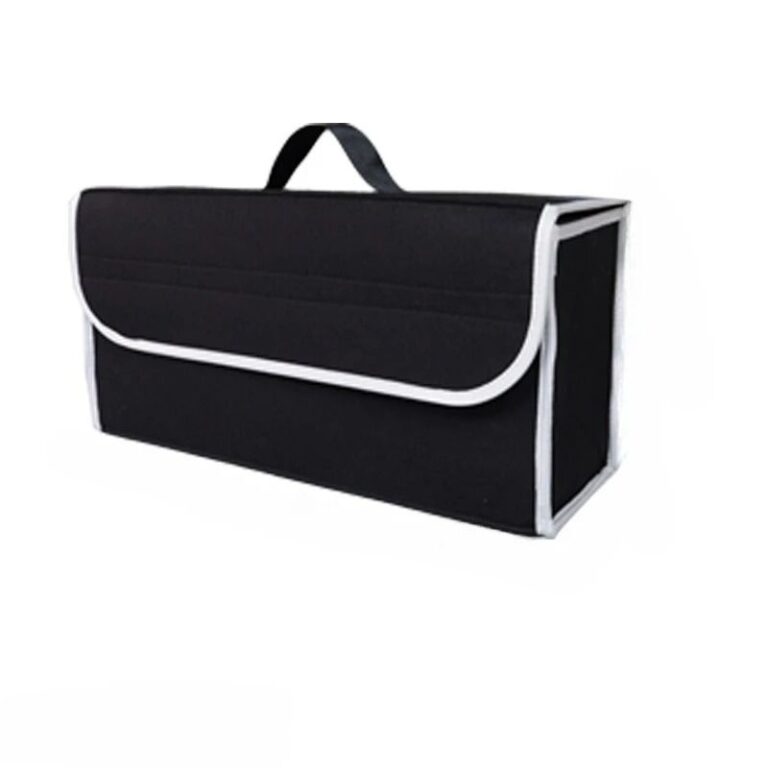
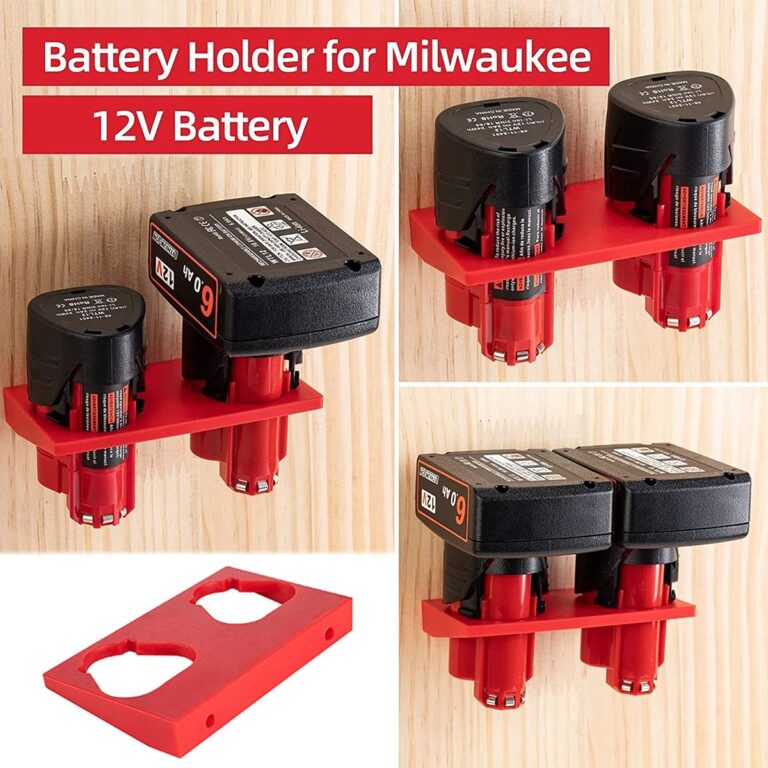 Aisha's pickTool Storage for Garage That Doesn’t Cost a Fortune
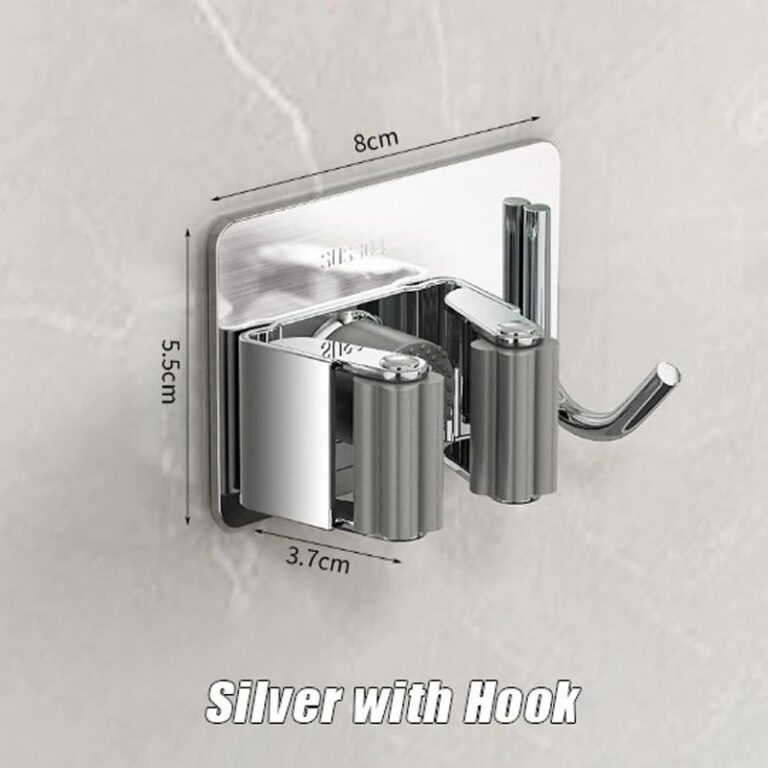
 Aisha's pickDecent Clear Garage Storage Without the Hassle

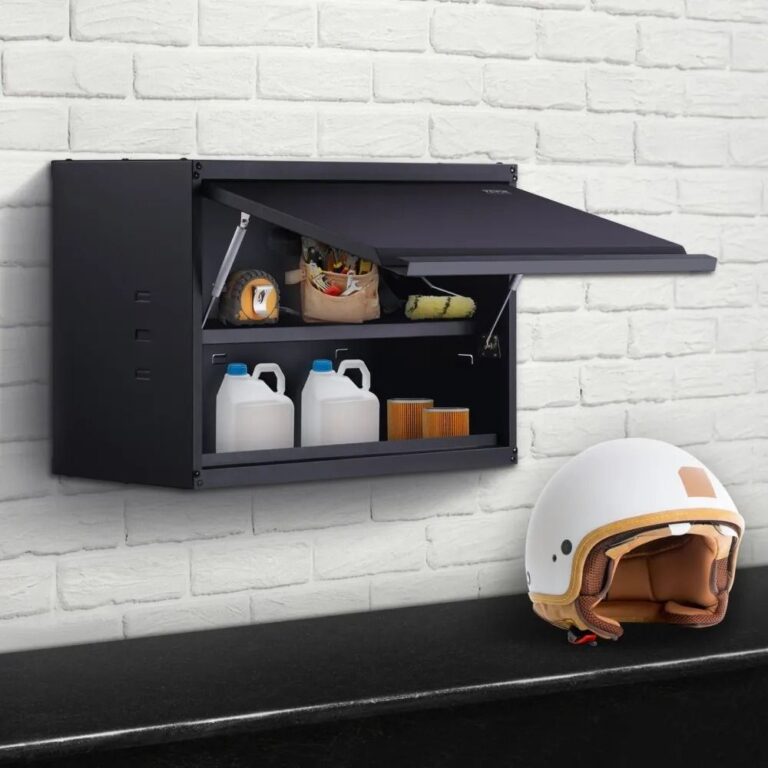 Aisha's pickHeavy Duty Garage Storage Picked by People Who Care Too Much
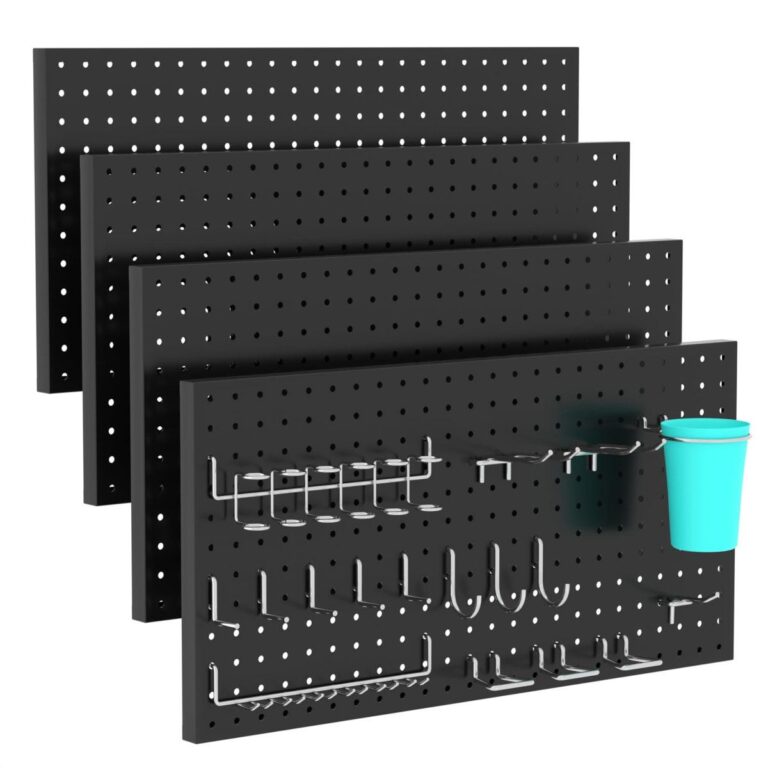
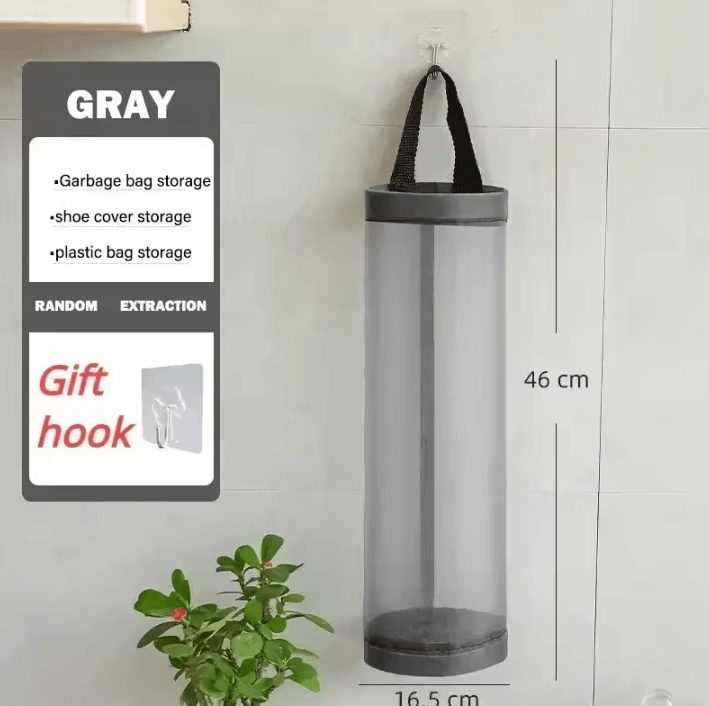 Aisha's pickWall Mounted Garage Storage for Making a House Feel Like YoursAlso worth a lookWhite StorageA good white storage box reads like part of the room, solid and quiet under a window, the kind of white that holds its own in low morning light.See the collections →
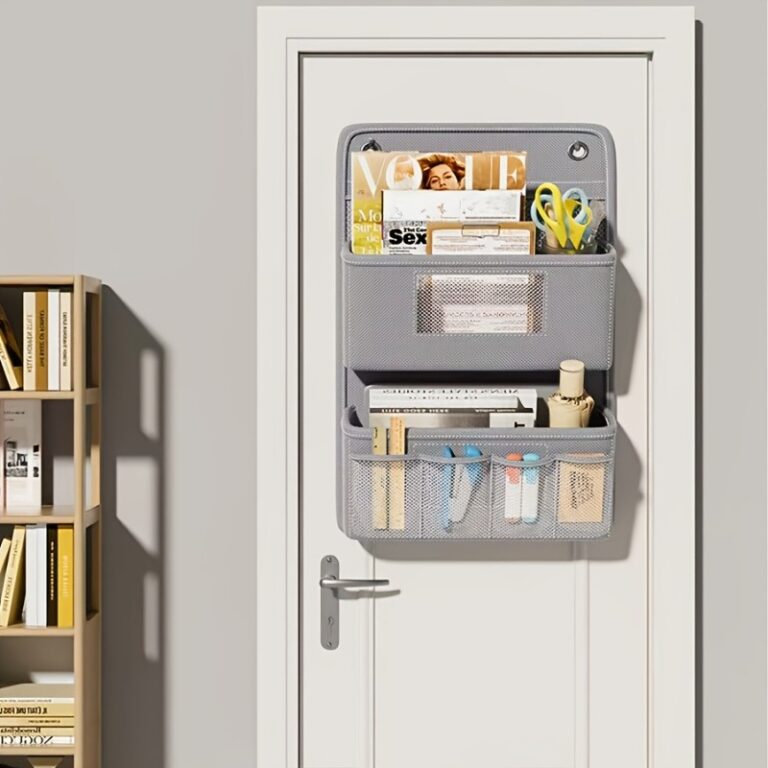
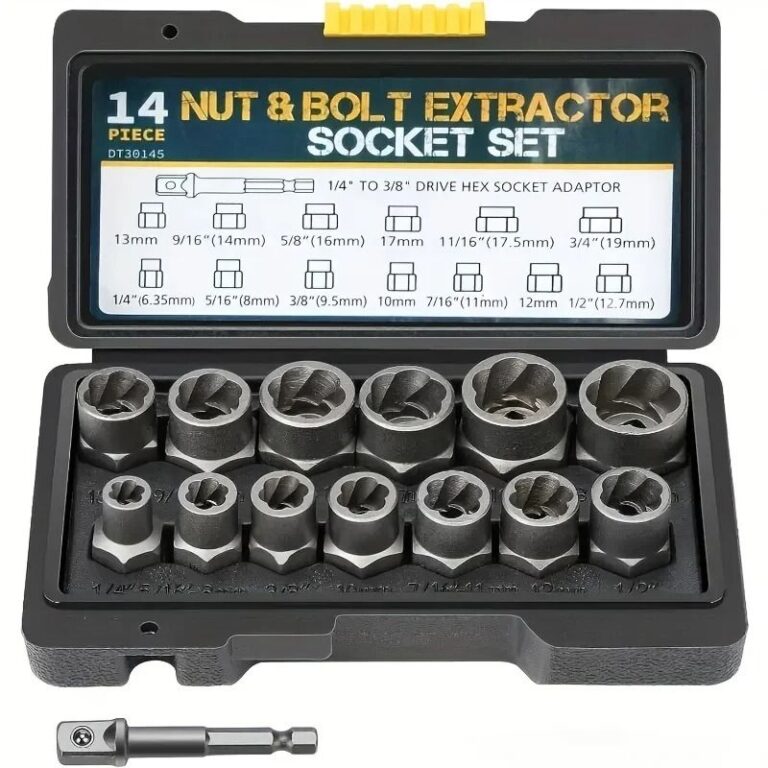 Aisha's pickCompact Garage Storage That Does What It Should
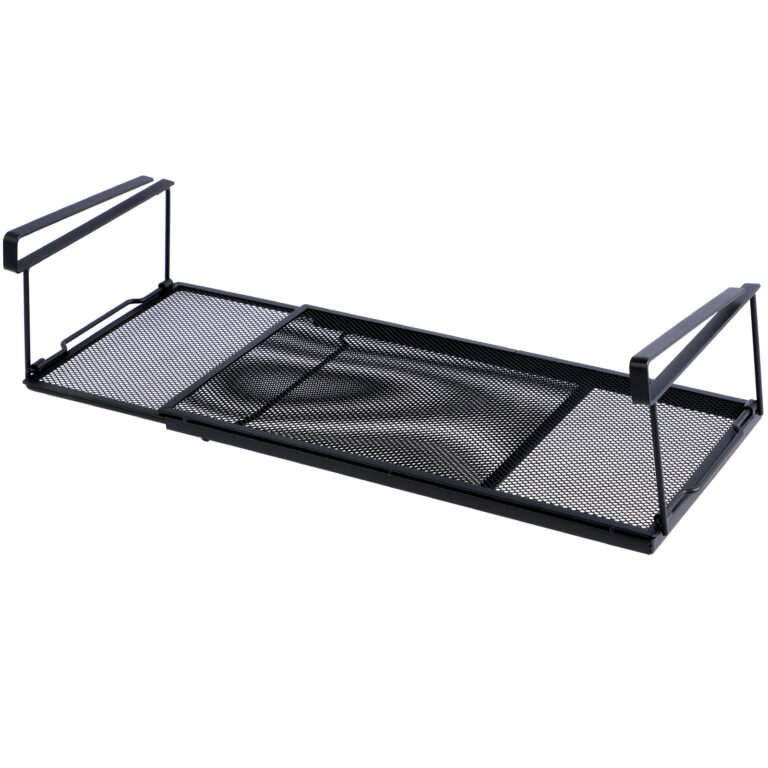
 Aisha's pickHeavy Duty Wall Mounted Garage Storage That Earns Its Place

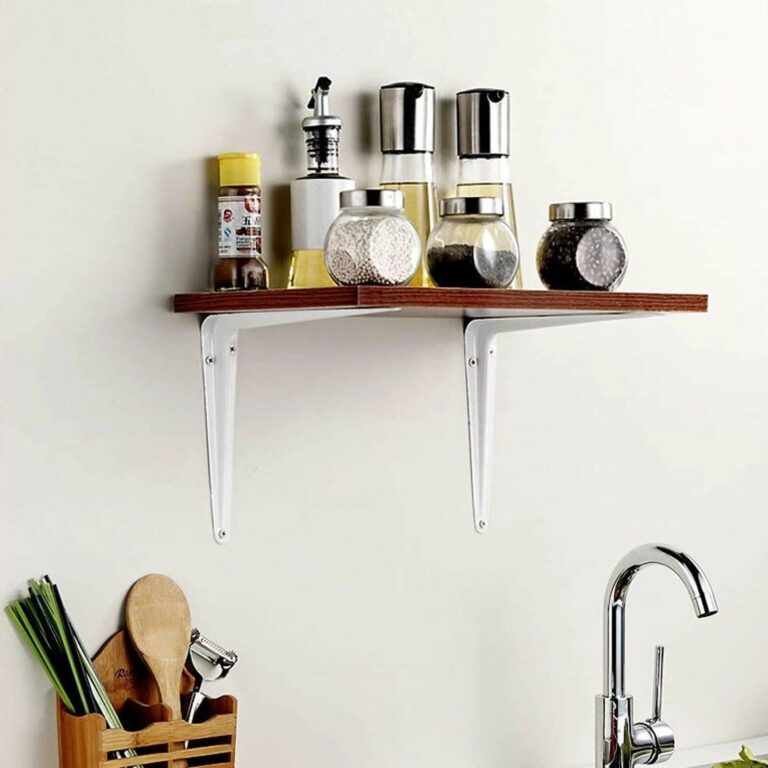 Aisha's pickWhite Garage Storage With Some Character
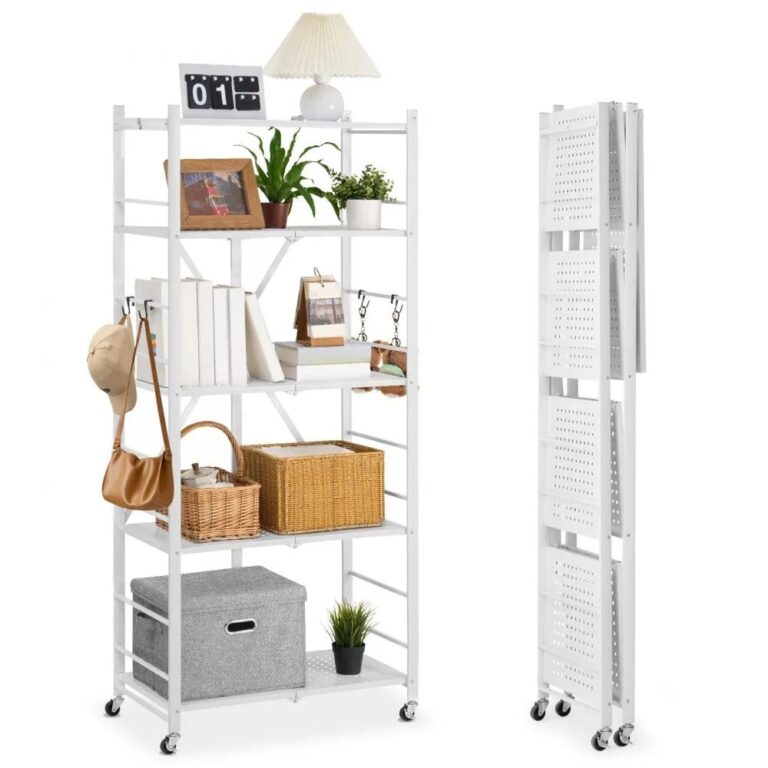
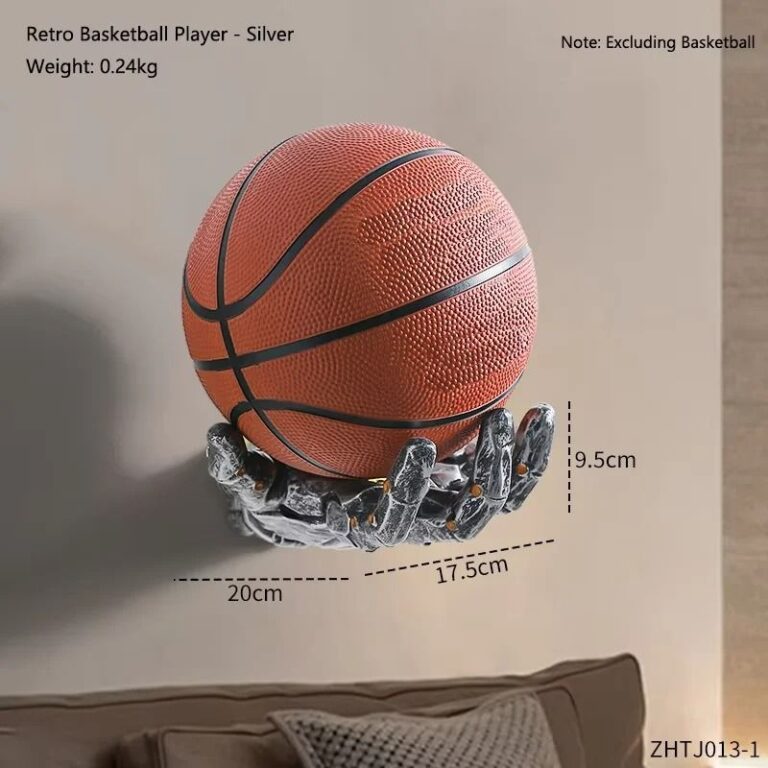 Aisha's pickCorner Garage Storage You’ll Live With Happily for Years
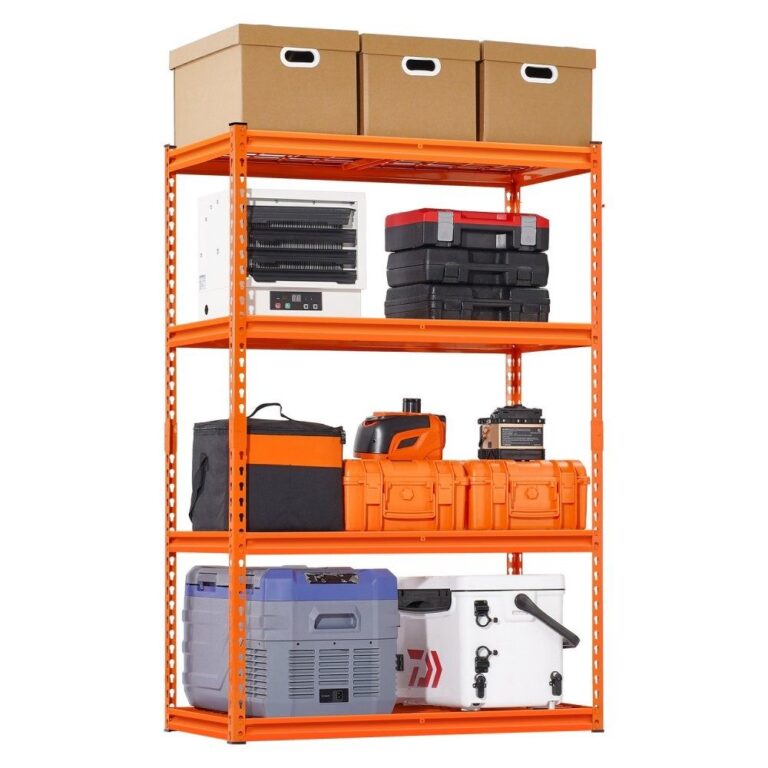
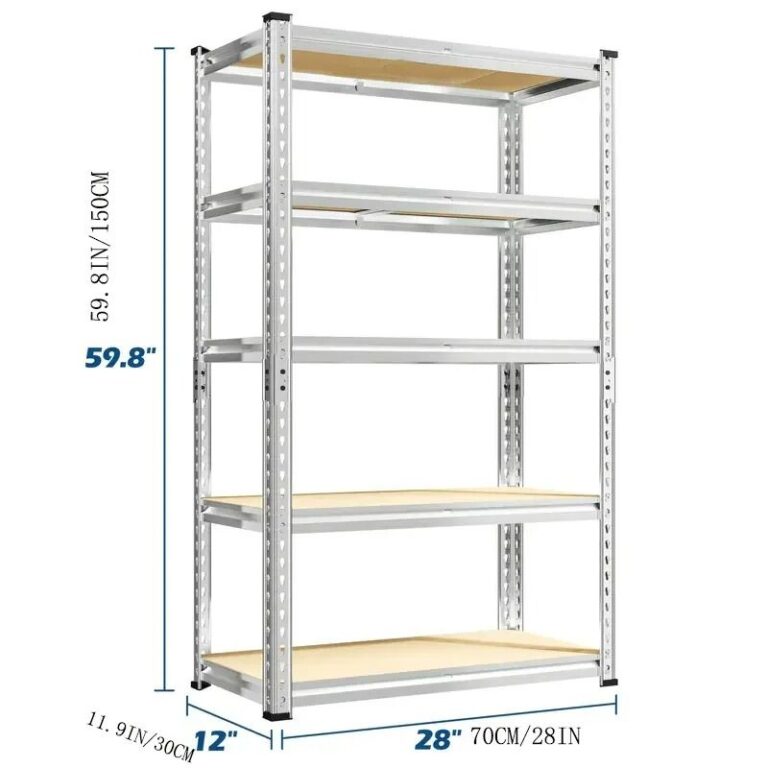 Aisha's pickIndustrial Garage Storage That Does What It Should
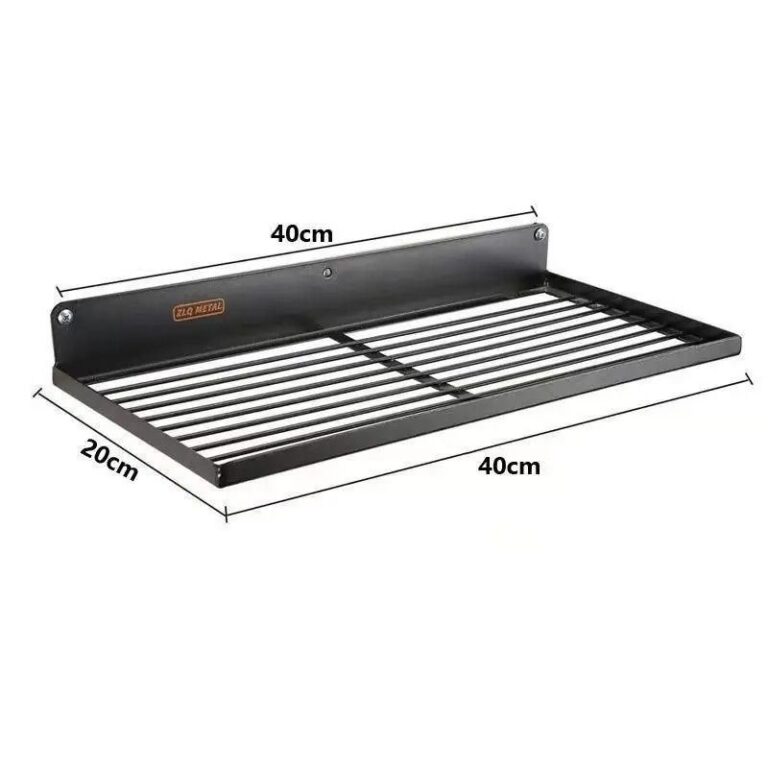
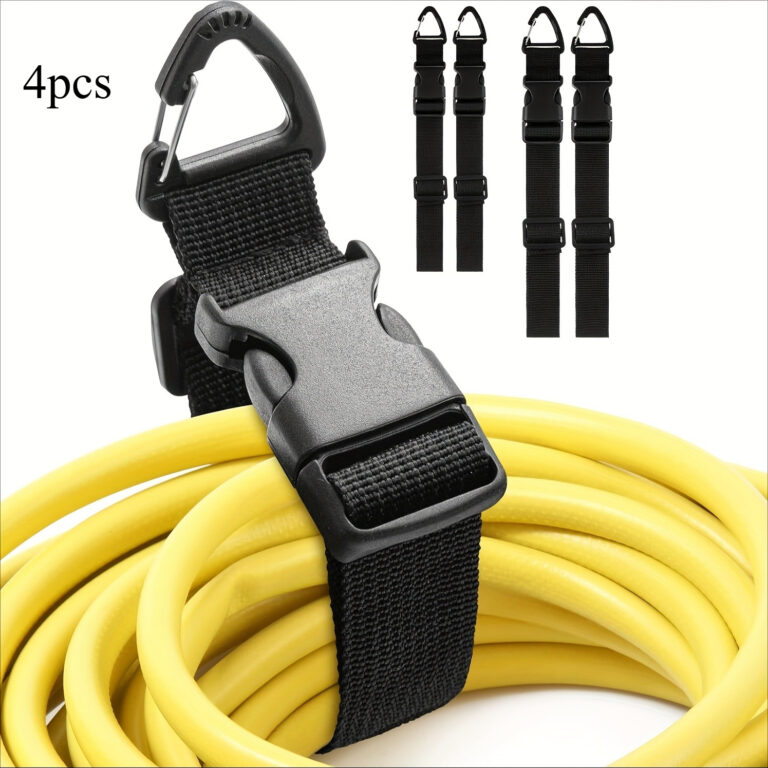 Aisha's pickWhere to Start With Wide Garage Storage
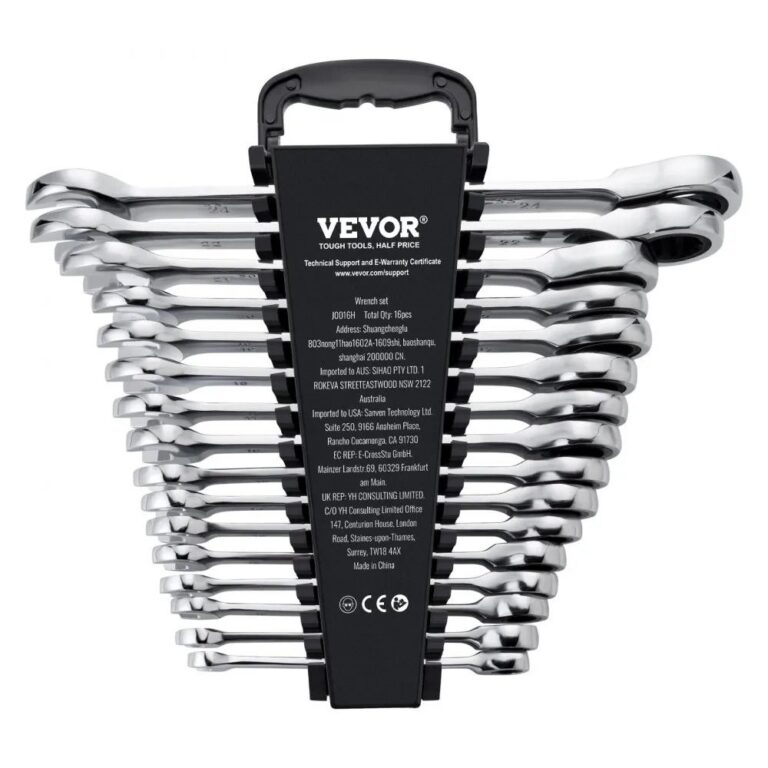
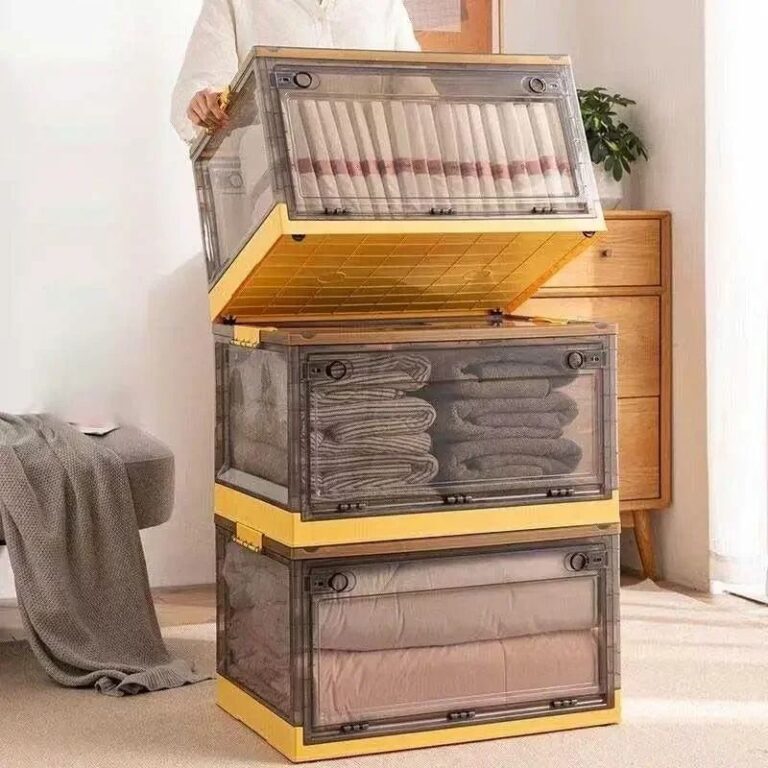 Aisha's pickExtra Large Garage Storage You’ll Live With Happily for Years

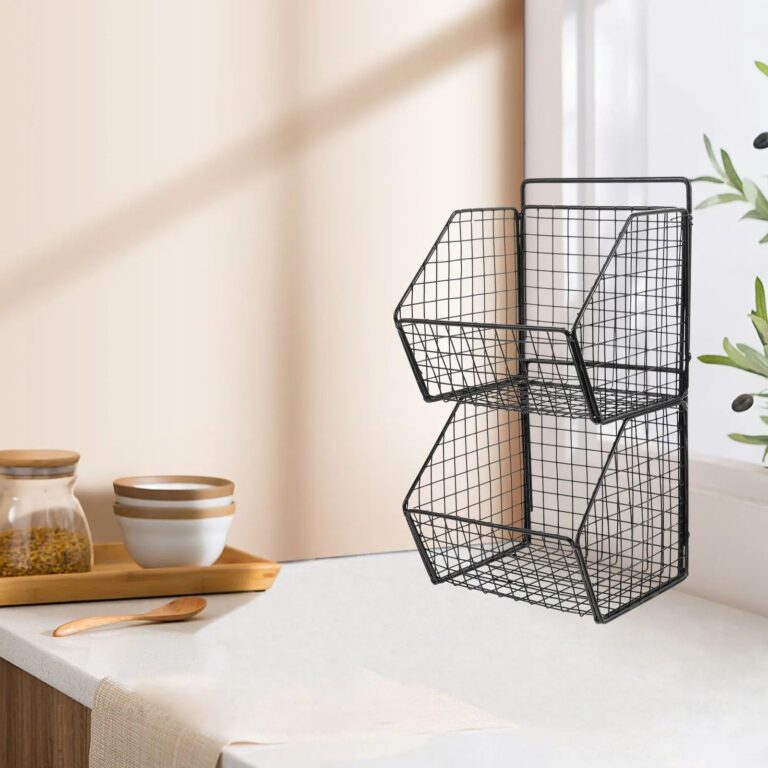 Aisha's pickLarge Garage Storage With a Bit More About It