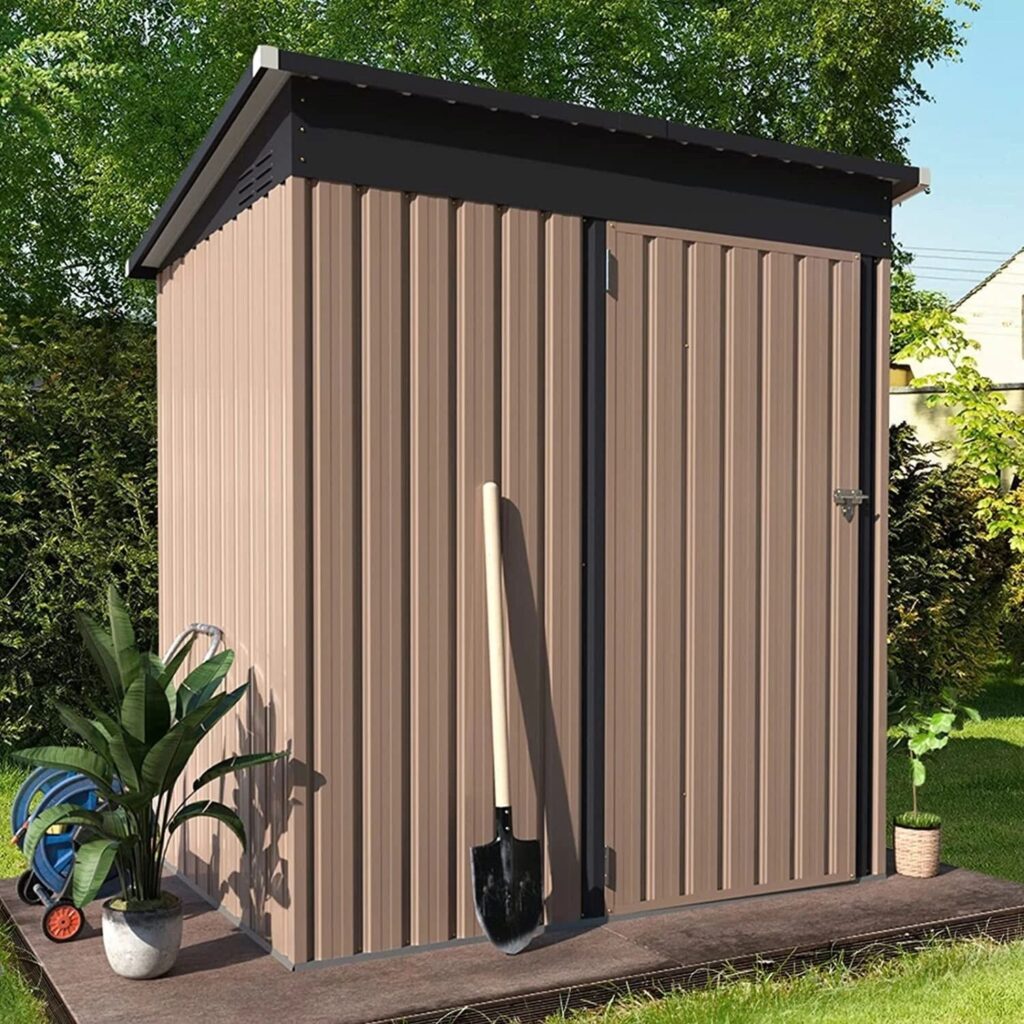
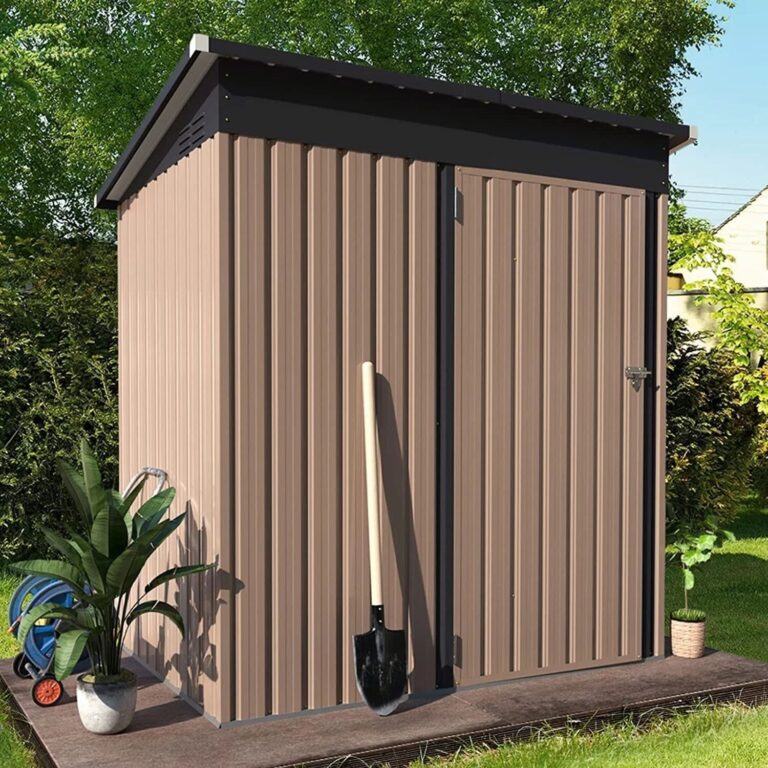
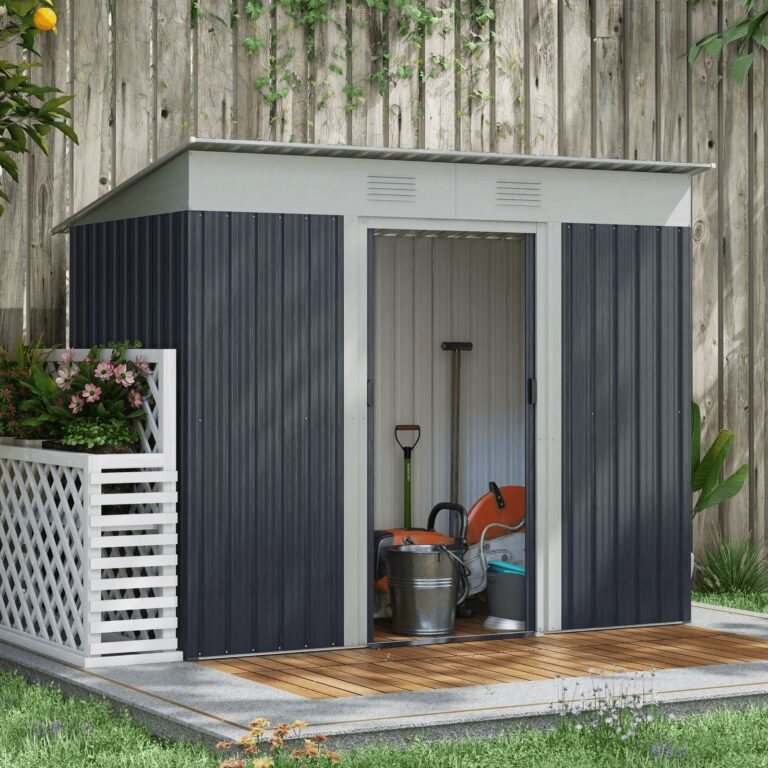
The single most useful thing to know before buying a metal shed is that the price difference between the cheap ones and the good ones almost always comes down to the thickness of the panel and how the roof sheds water, not how it looks sitting on the lot. A thin gauge metal shed can look identical to a solid one in a photo and be a different animal once it's had a year of weather on it.
Where metal sheds fall short is anywhere you want quiet, or anywhere you want to stand inside one during a hot afternoon without feeling like you're in a tin can, because that's basically what you are. They condensate too, so anything that hates damp, paper, cardboard, tools that rust easily, needs to sit up off the floor on a shelf rather than straight on the ground. If you're storing anything you care about long term, or you want a space you'll actually use as a workshop or a studio, a wood or a well insulated composite build is going to treat you better. Metal earns its spot for bikes, mowers, patio furniture in the off season, the overflow stuff you need dry and secure but don't need to be comfortable around.
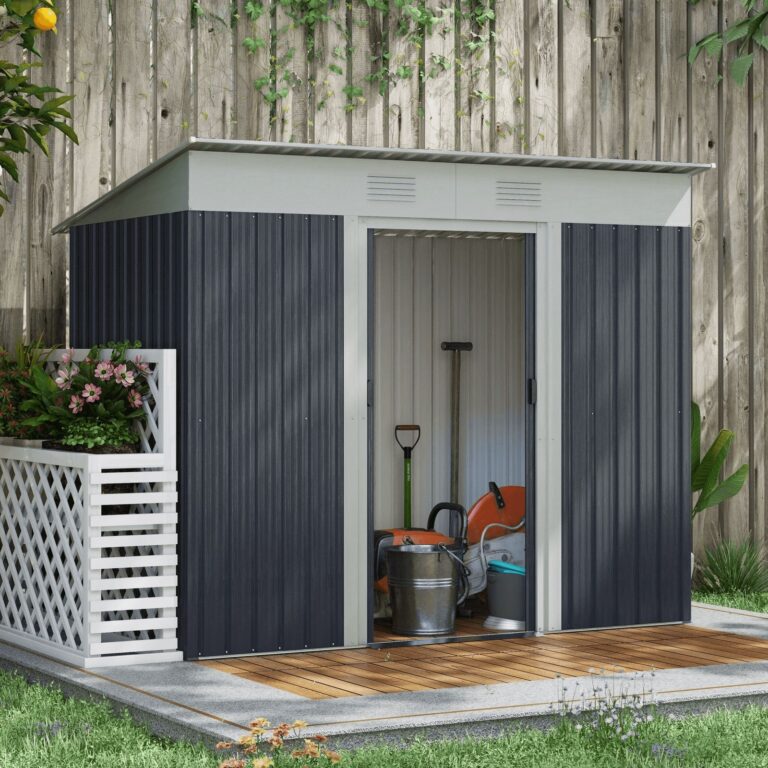
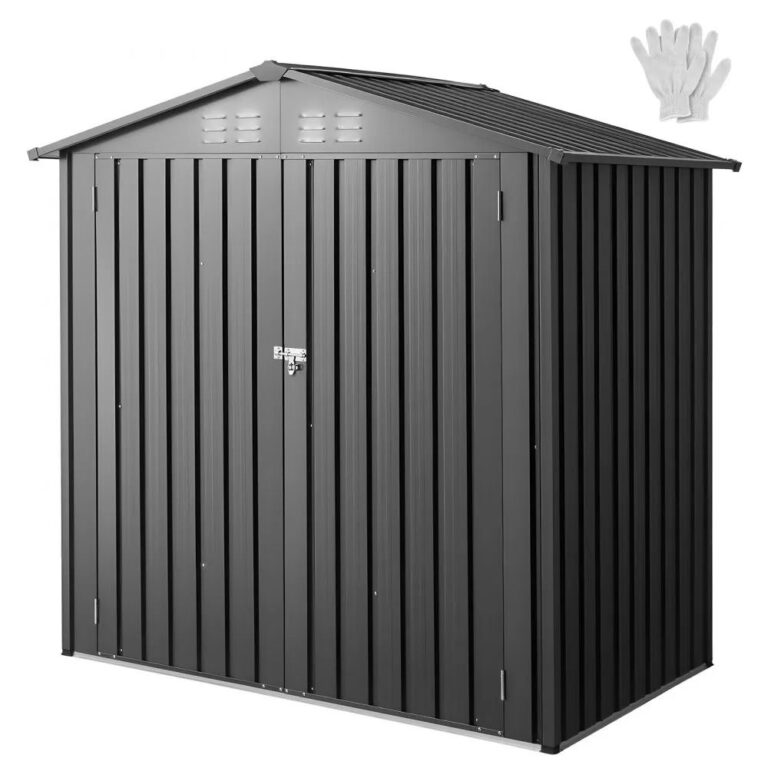
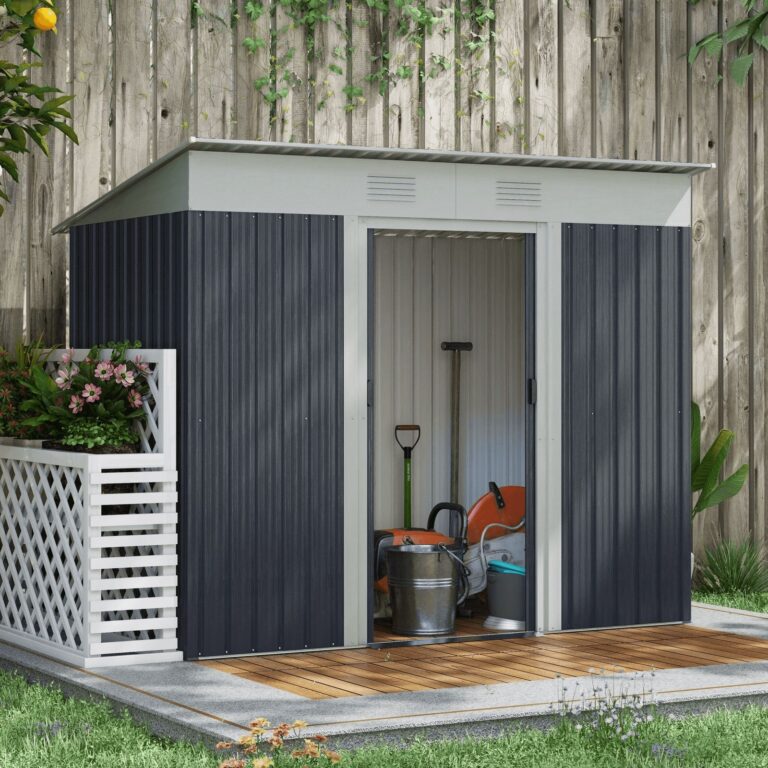
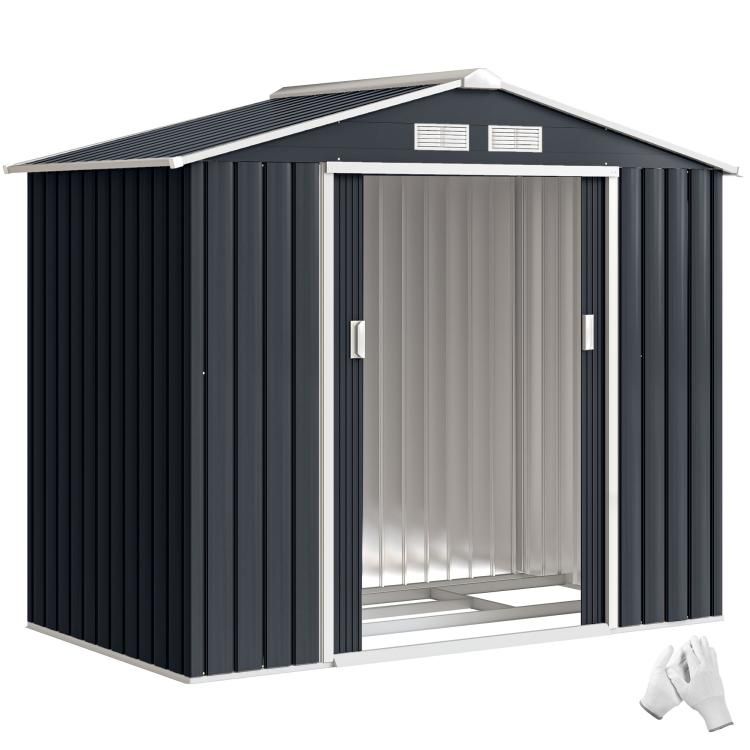
The gap between a disappointing shed and one that lasts shows up in a few places. Look at the metal gauge, heavier is better, and a panel that doesn't flex much when you press on it with your thumb is a good sign. Check how the panels lock together, ones that interlock and screw rather than just overlapping and relying on sealant will hold up far better once the wind gets involved. A galvanized or powder coated finish matters more than people shopping on looks tend to think, because that's what stands between the thing and rust once the coating gets scratched during a storm or just from leaning a rake against it for a few years. The roof design matters too, a slight pitch sheds rain and snow load a lot better than anything flat.
When it arrives, or when you're looking at one in a display lot, run your hand along the seams and the door track before anything else. Check that the door slides or swings without catching, since a door that's already sticky on day one from a small hardware issue only gets worse. Look at the anchoring kit, a shed without a real way to bolt it down is an invitation for trouble the first big storm that rolls through, no matter where you live. Measure the doorway width against whatever you're planning to wheel in and out, because the shed can be plenty big inside and still useless if the mower doesn't fit through the door.
 Aisha's pickMetal Outdoor Sheds That Stand Up to the Weather
 Aisha's pickMetal Greenhouses We’d Put Up in Our Own Yard
 Aisha's pickMetal Sheds That Don’t Look Mass Produced
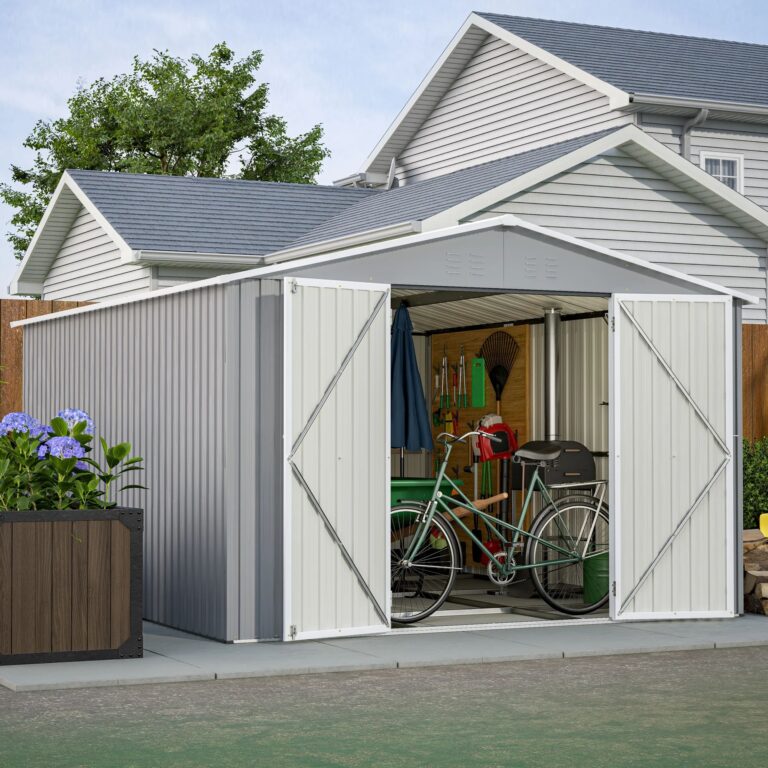 Aisha's pickMetal Sheds with Lock That Make a Small Yard Work Harder
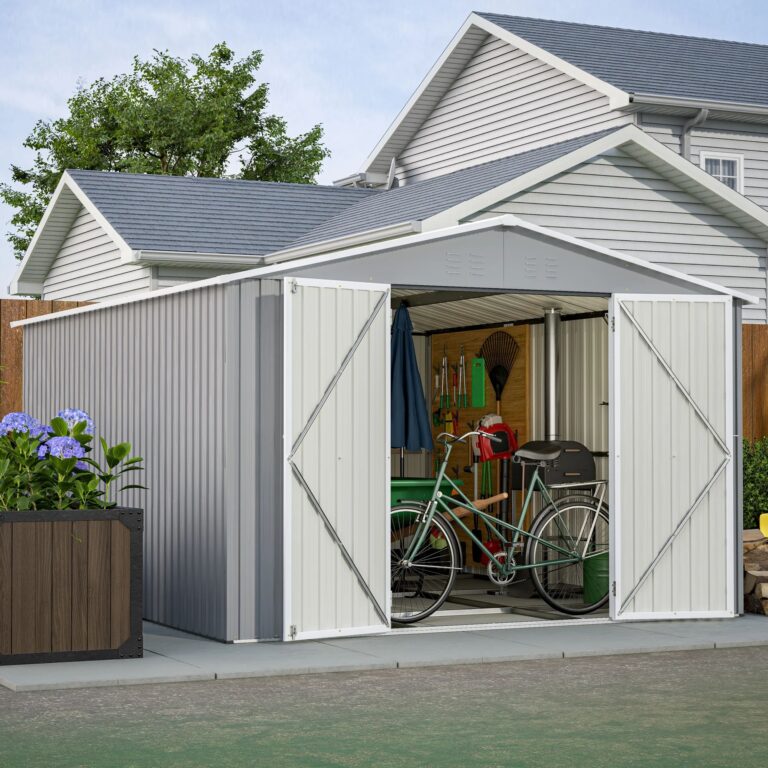
 Aisha's pickMetal Tool Sheds That Won’t Let You Down
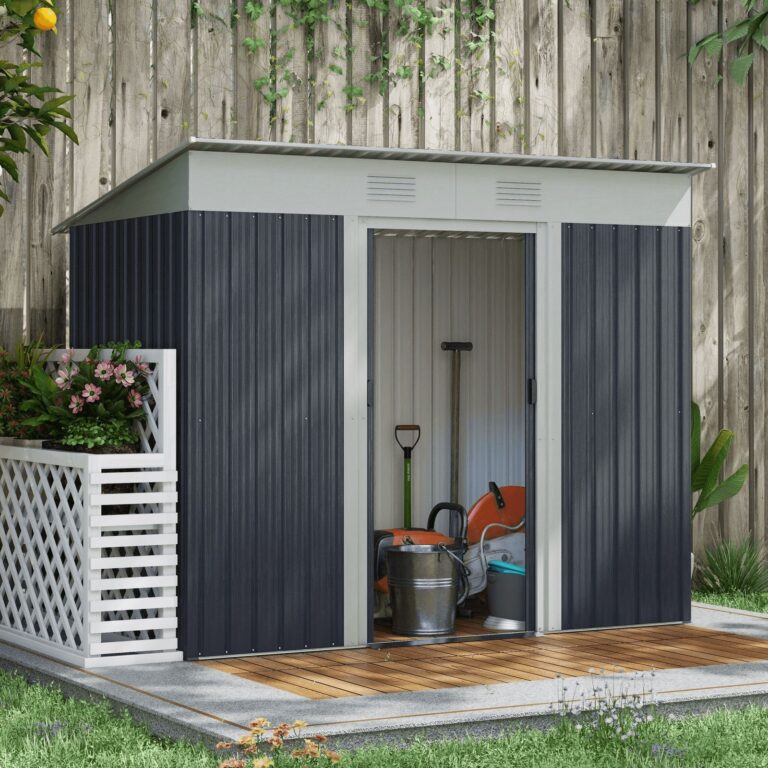
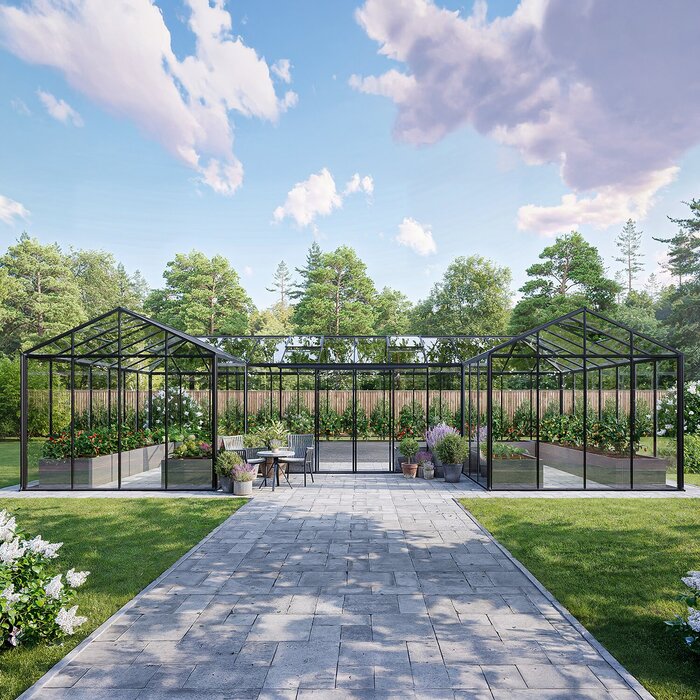 Aisha's pickAluminum Outdoor Greenhouses With Some Character
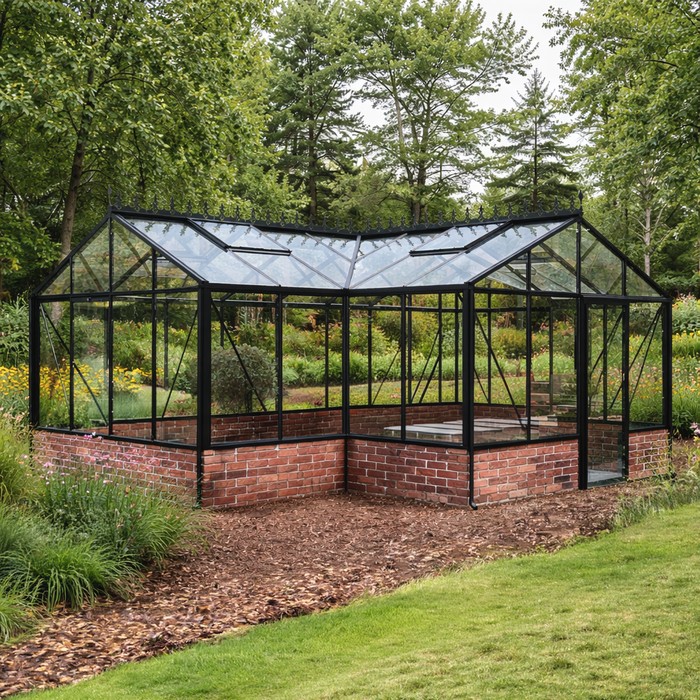
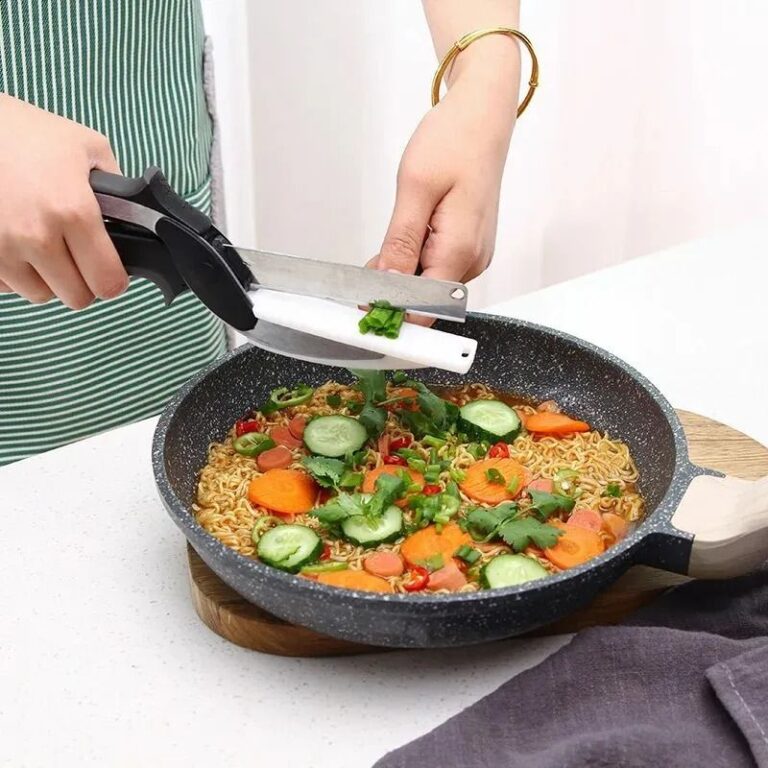 Aisha's pickStainless Steel Outdoor Kitchens That Look Better in Real Life
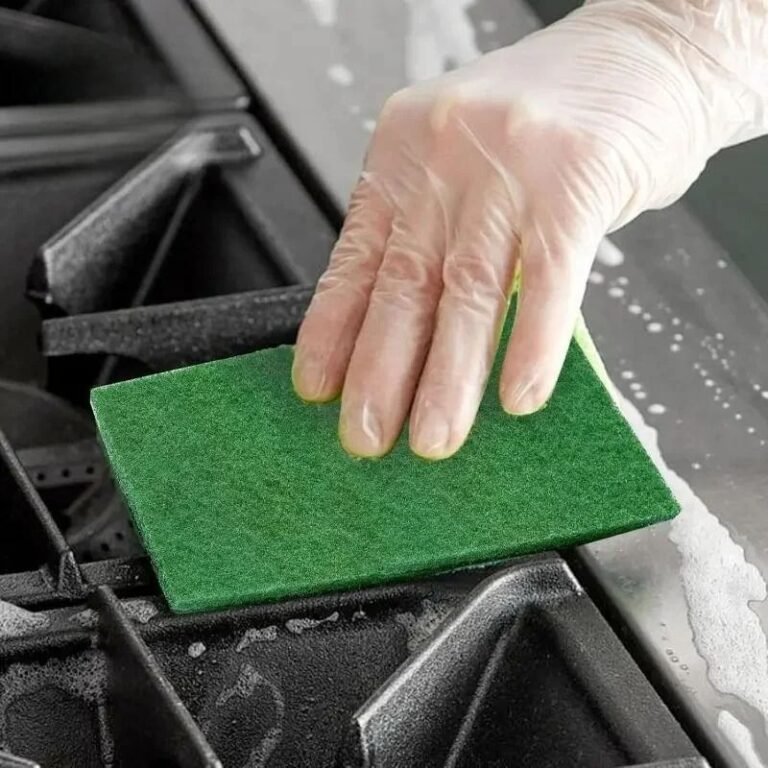
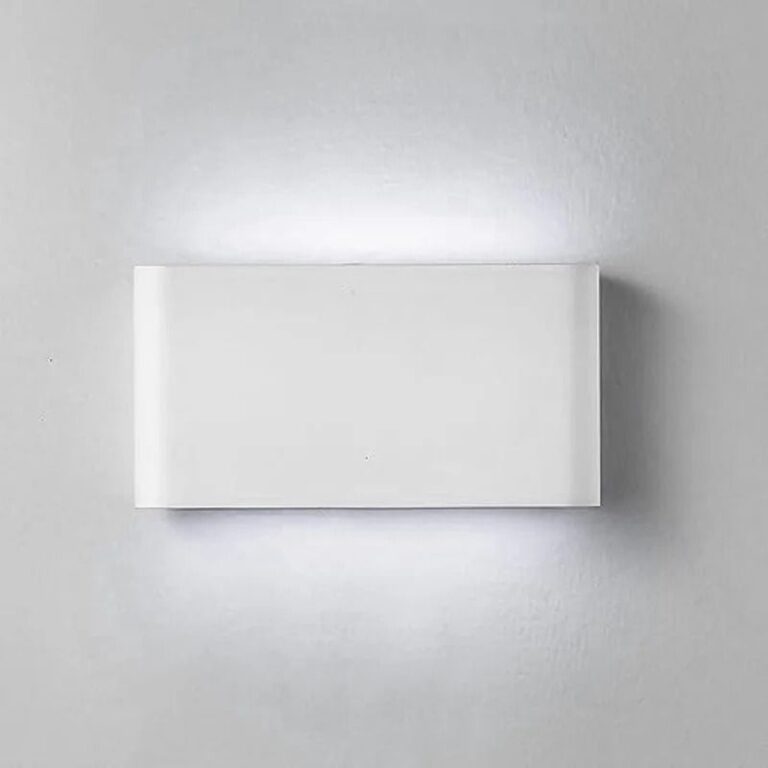 Aisha's pickAluminum Backyard Studios for Weekend Projects Outside
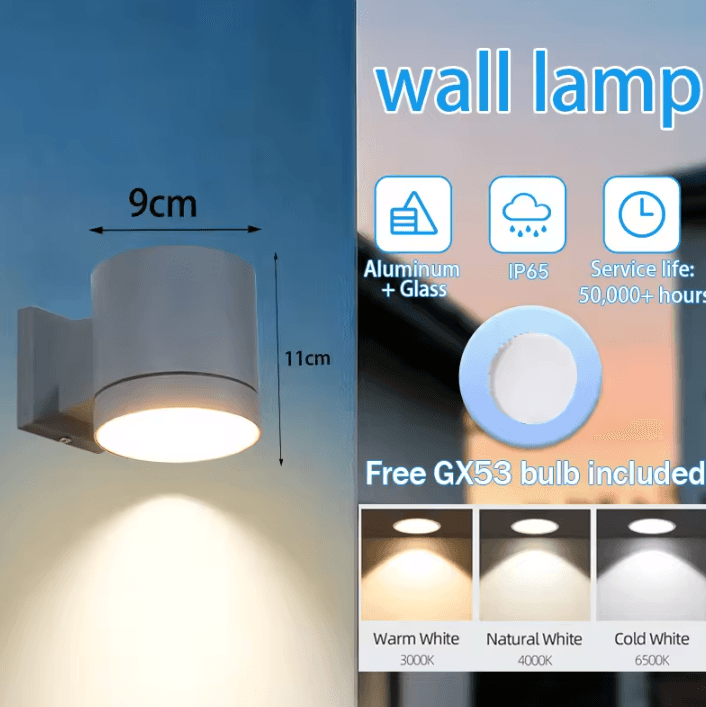
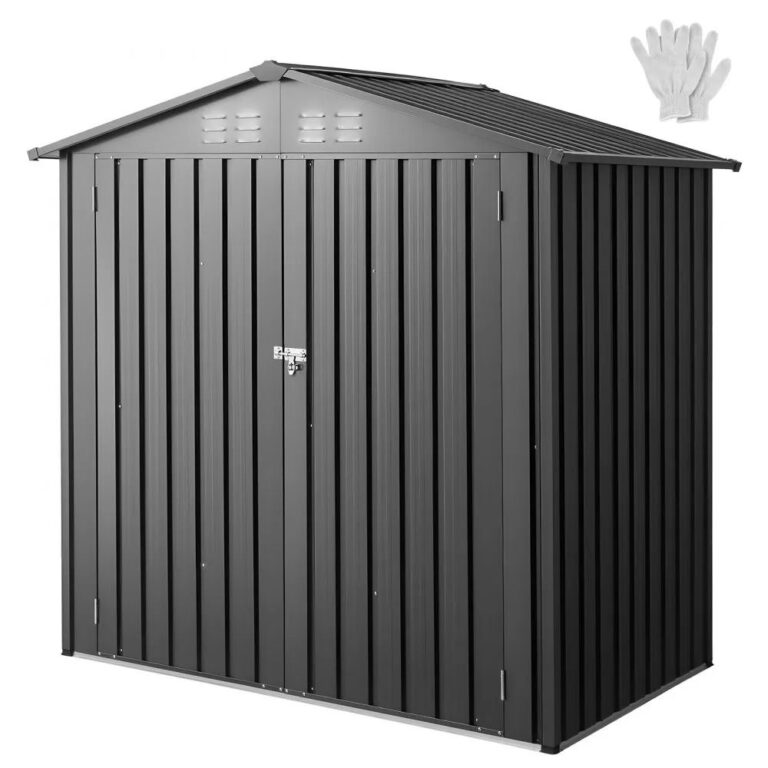 Aisha's pickSteel Bike Sheds That Don’t Need Much UpkeepAlso worth a lookGreenhousesThe thing nobody mentions is the condensation.See the collections →
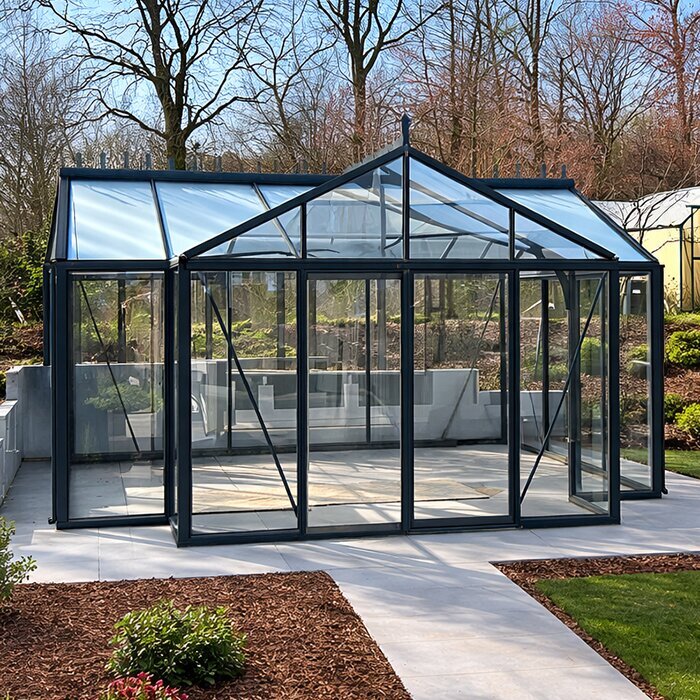 Aisha's pickAluminum Greenhouses That Don’t Need Much Upkeep
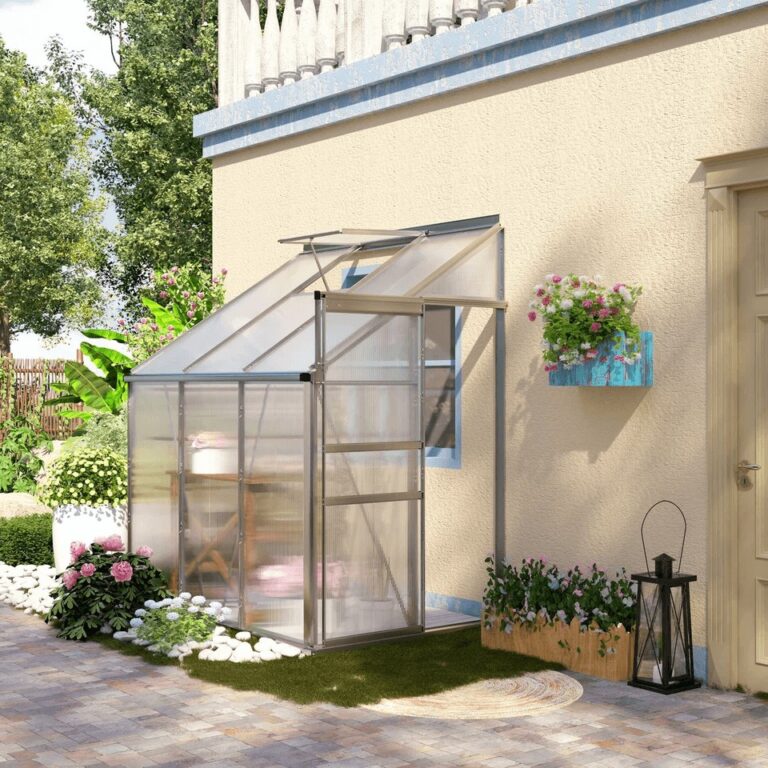
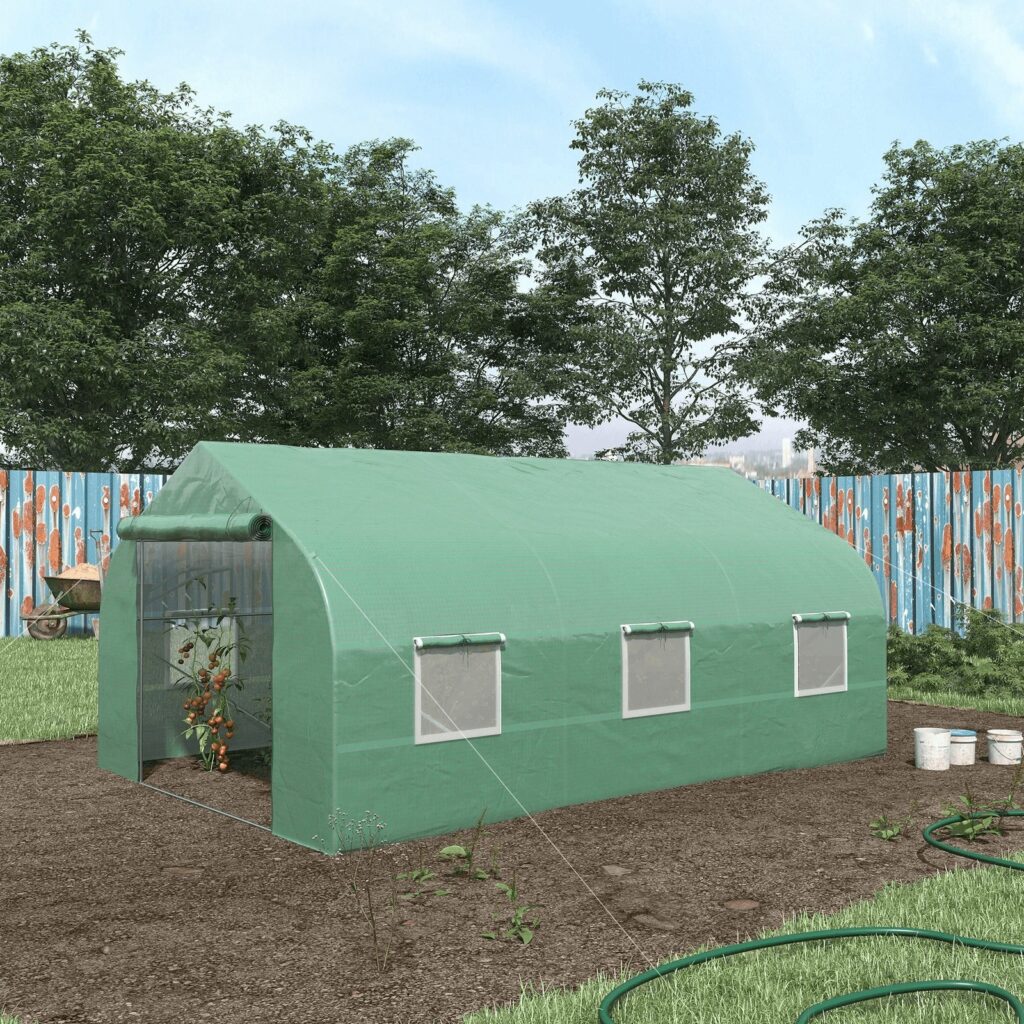 Aisha's pickSteel Outdoor Greenhouses That Look Better in Real Life
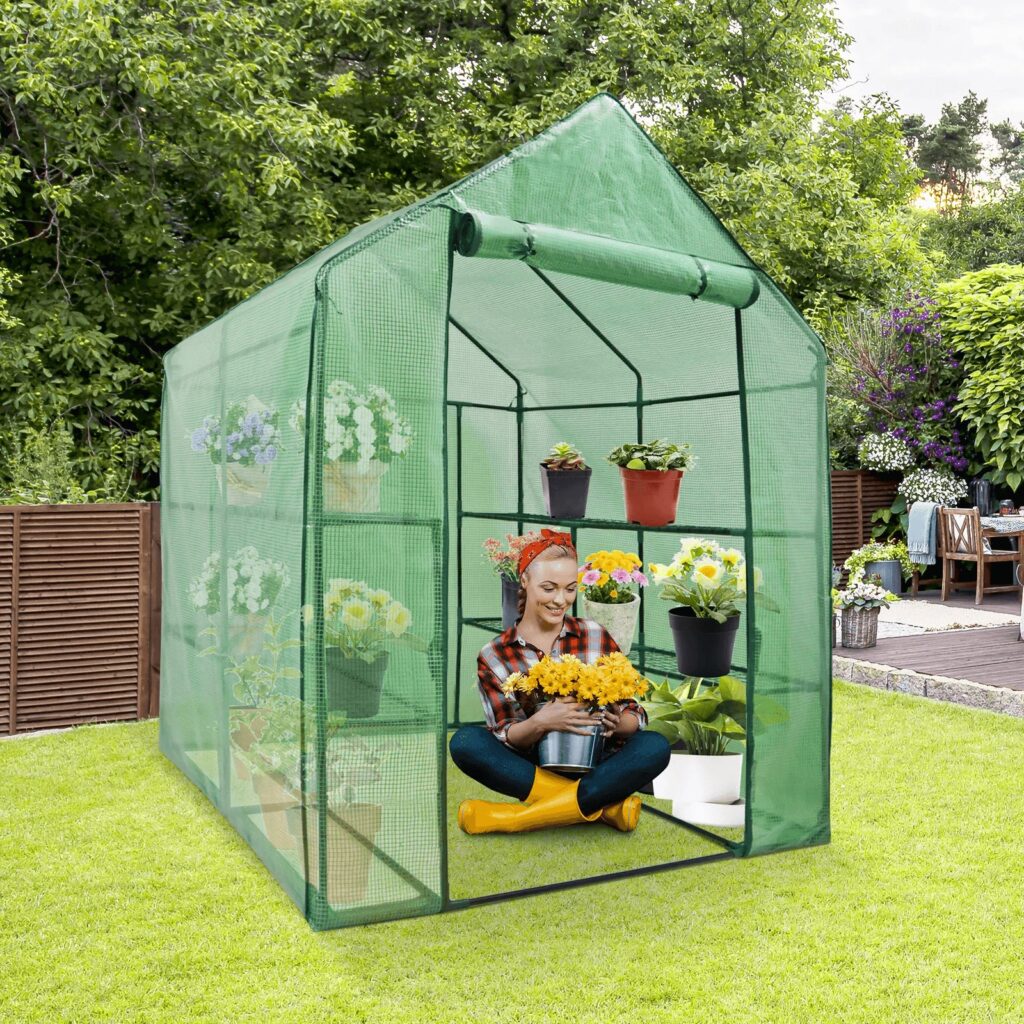
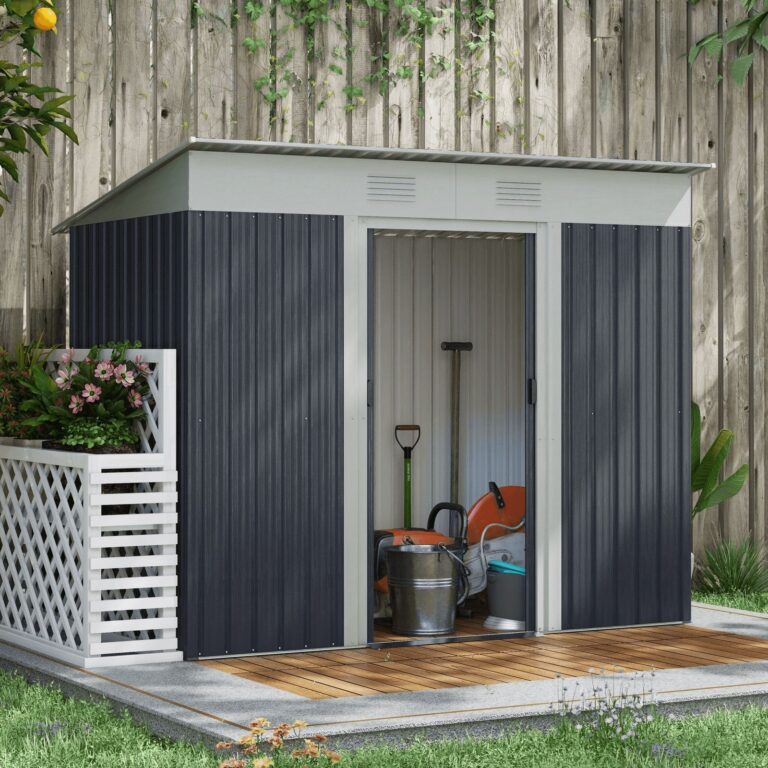 Aisha's pickCompact Metal Sheds We’d Put Up in Our Own Yard
 Aisha's pickSteel Backyard Studios Built to Last More Than a Few Summers
 Aisha's pickGalvanized Steel Outdoor Sheds That Are Easy to Put Up
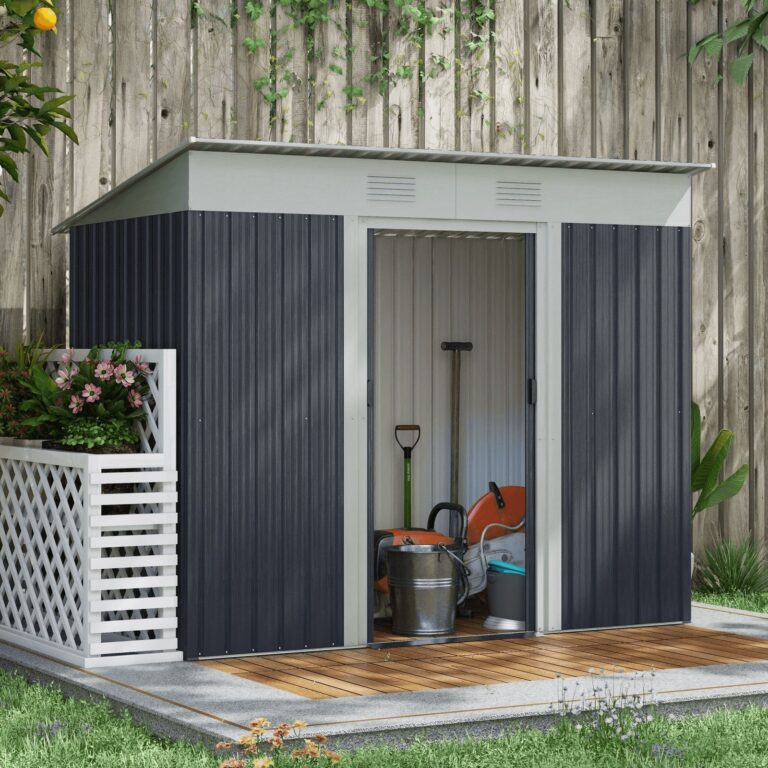
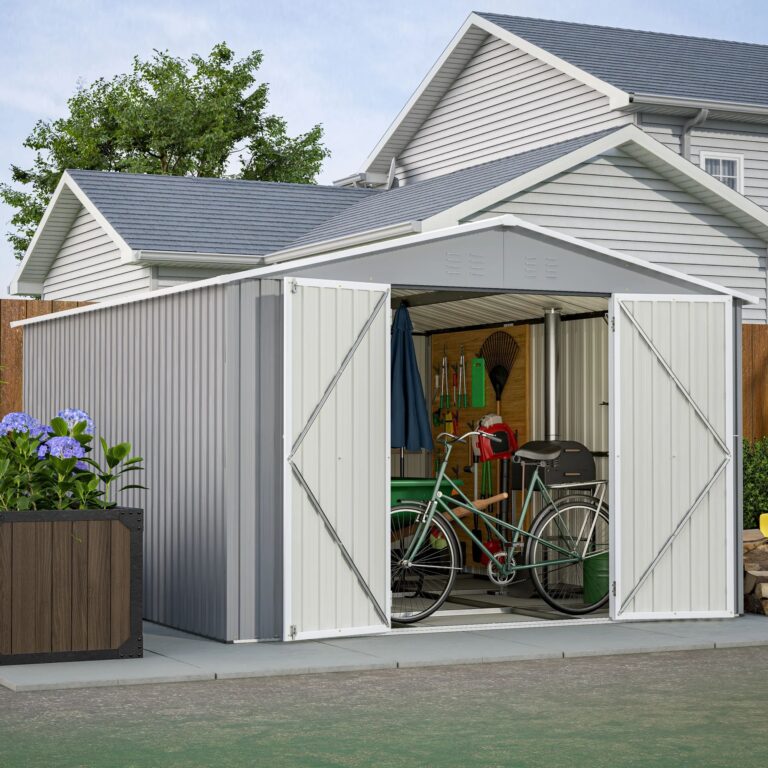 Aisha's pickSteel Outdoor Sheds That Hold Up to Everyday Life
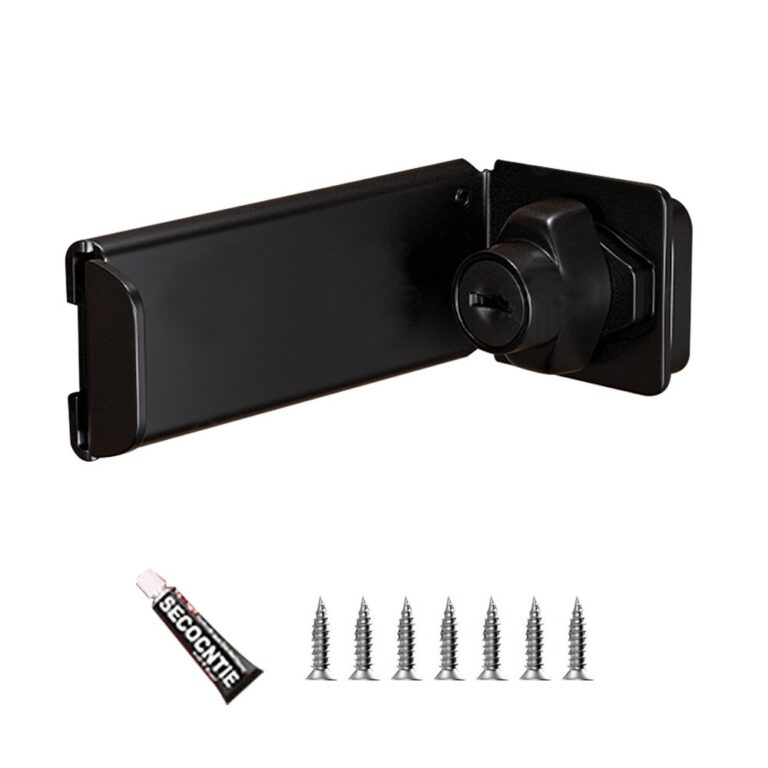
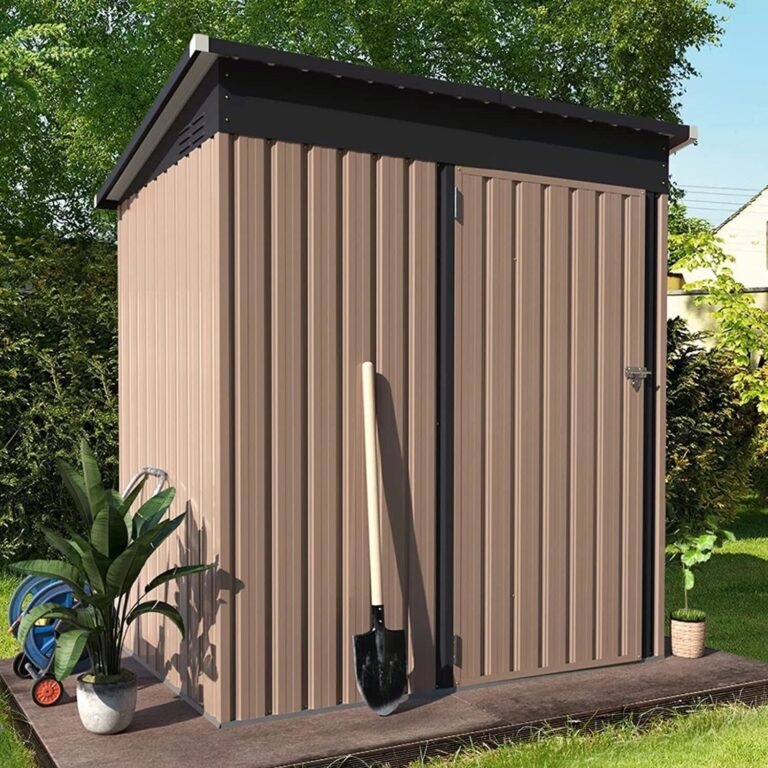 Aisha's pickGalvanized Steel Sheds That Won’t Date in a Year
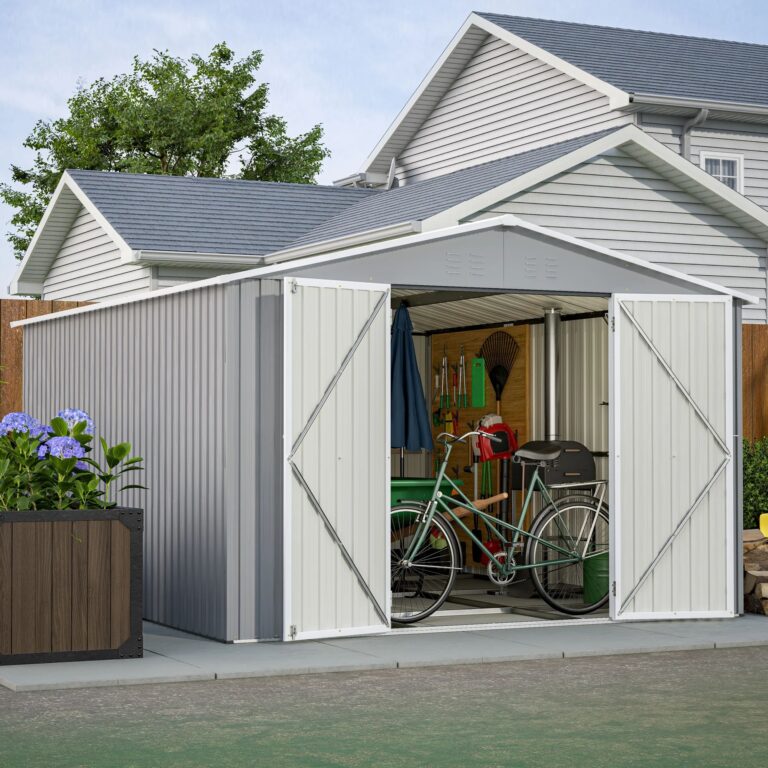
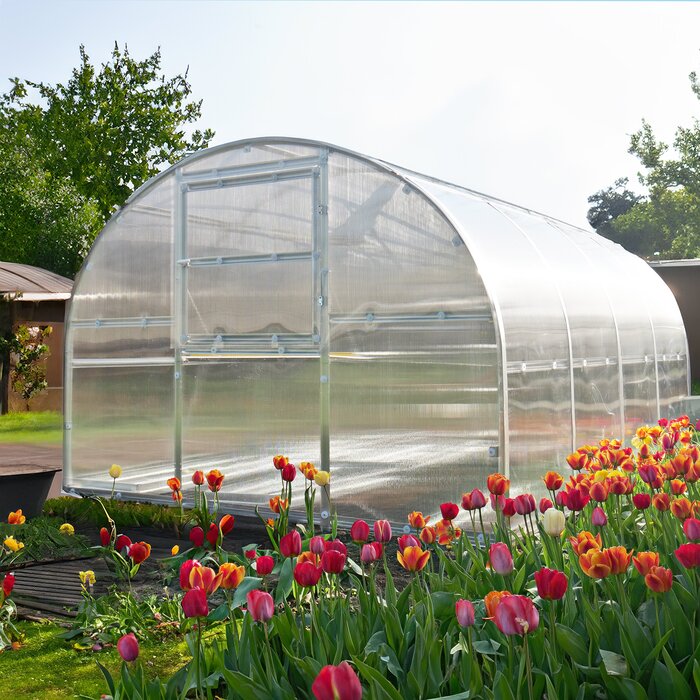 Aisha's pickSteel Greenhouses That Make the Yard Feel Like Another Room
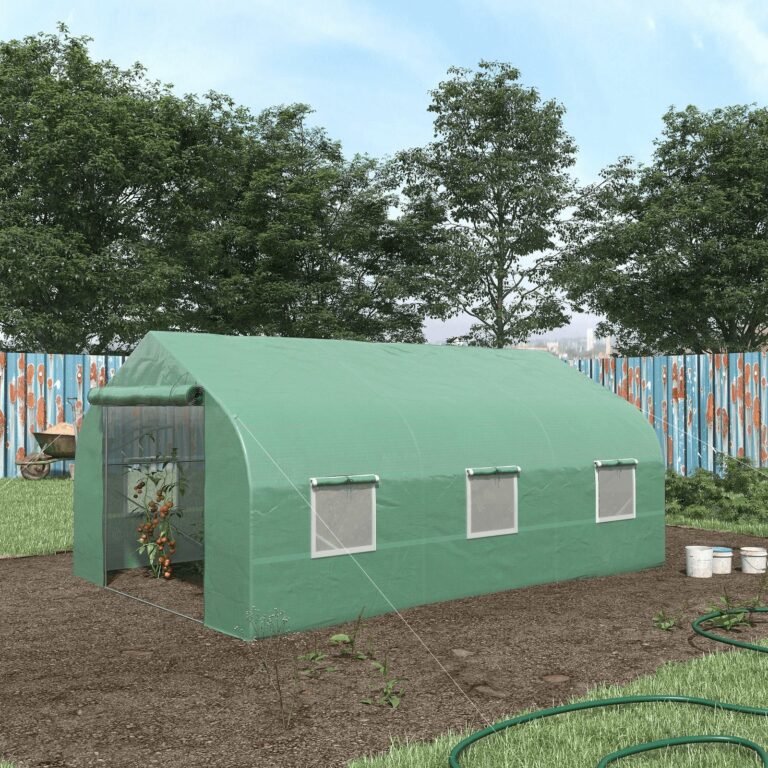
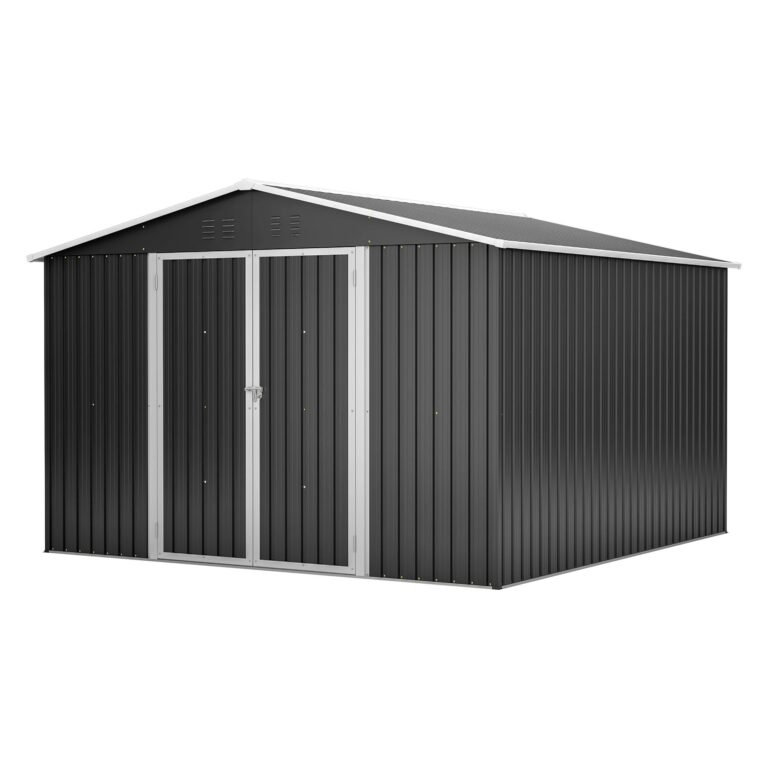 Aisha's pickGalvanized Steel Tool Sheds We’d Put Up in Our Own YardAlso worth a lookOutdoor ShedsYou can tell a good shed from a bad one before you even get close, just from the roofline and the gap under the door.See the collections →
 Aisha's pickSteel Outdoor Kitchens That Make the Yard Feel Like Another Room
 Aisha's pickLockable Metal Outdoor Sheds That Look Good Up Close
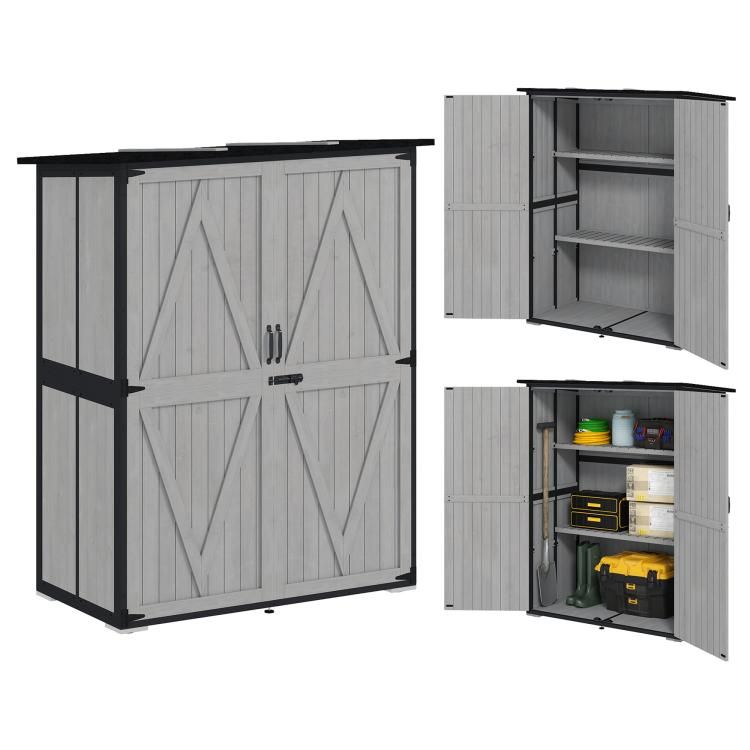
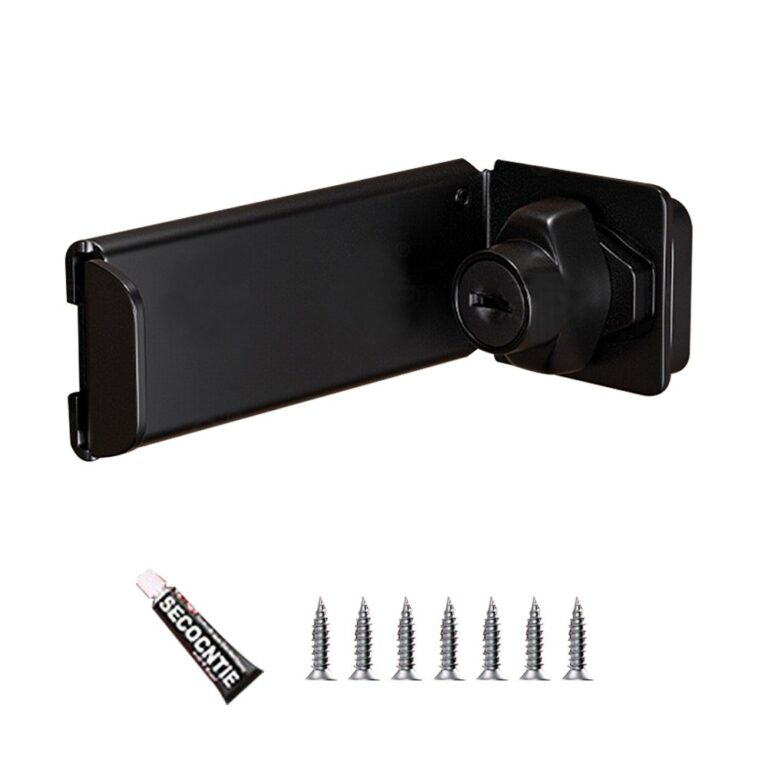 Aisha's pickSteel Sheds That Are Easy to Put Up
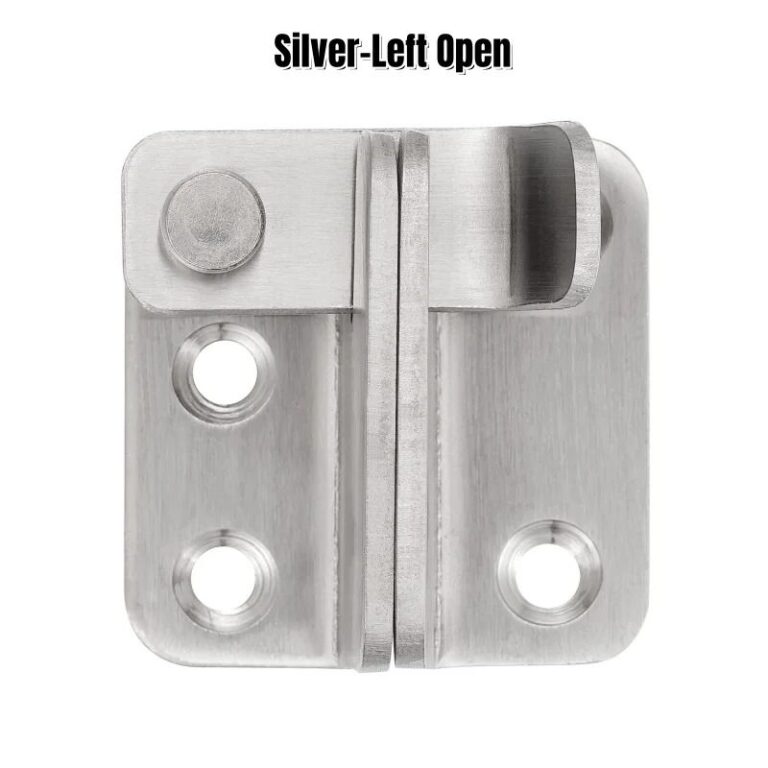
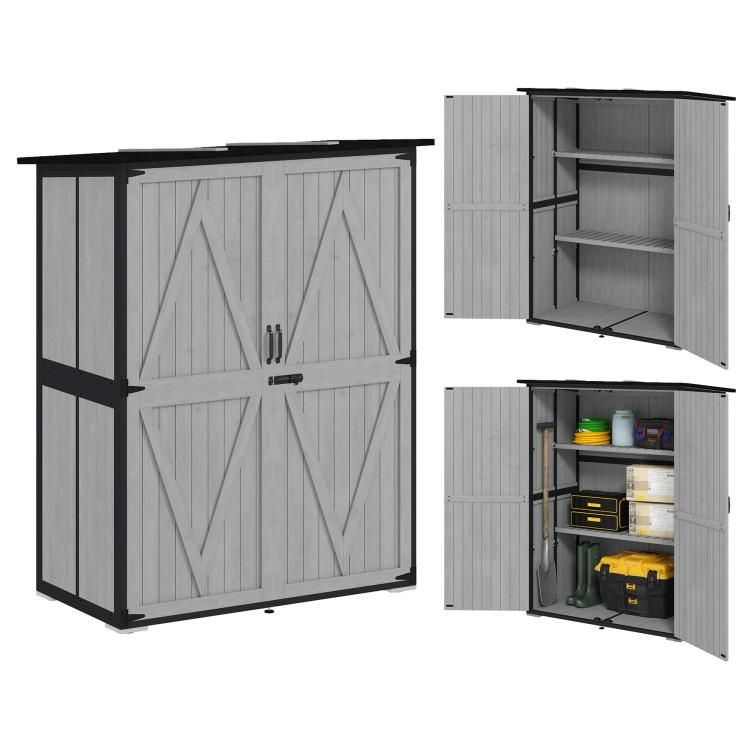 Aisha's pickLockable Metal Sheds Picked From the Stores We Trust
 Aisha's pickNo Fuss Steel Tool Sheds
 Aisha's pickMetal Outdoor Greenhouses That Survive a Hard Winter