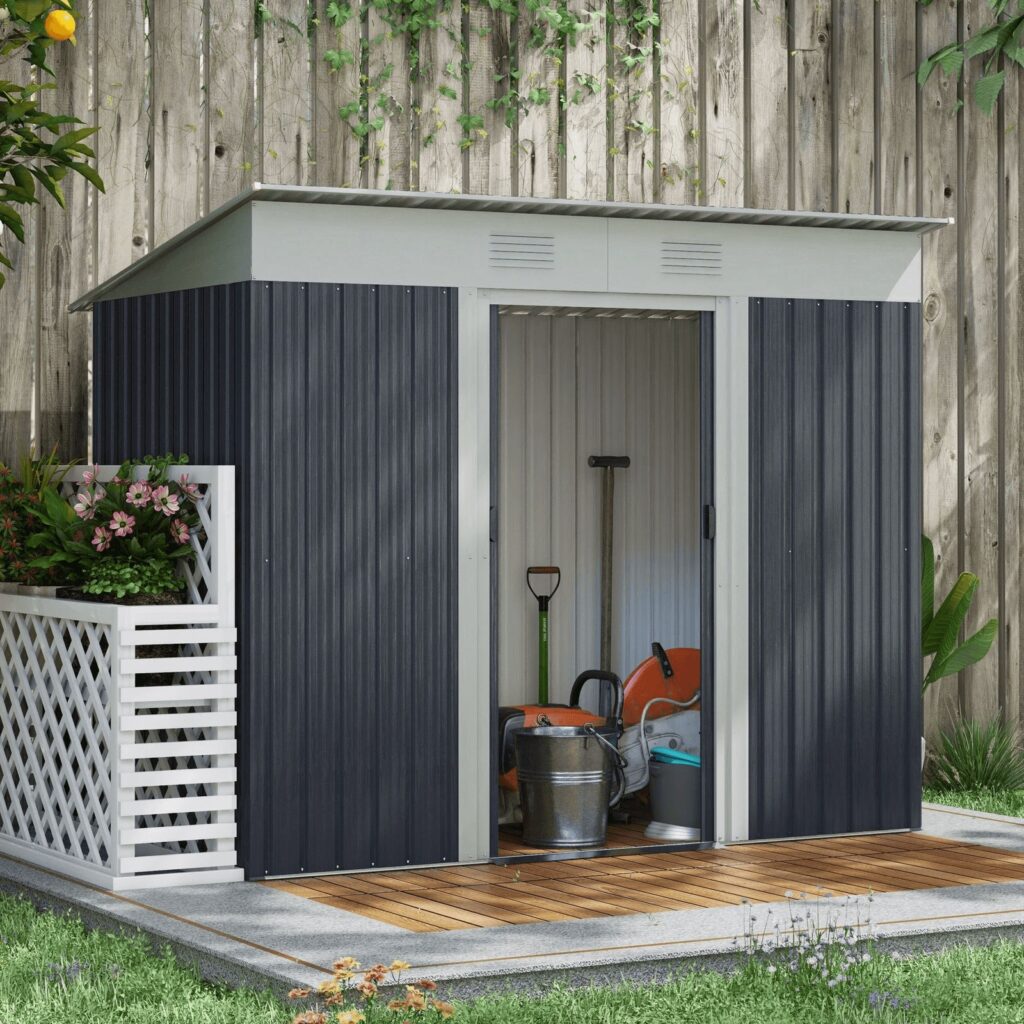
You can tell a good shed from a bad one before you even get close, just from the roofline and the gap under the door. The cheap ones sag in the middle within a year and the door drags on the pad. The good ones sit square, the roof sheds water properly, and the door still swings clean after a few winters.
Measuring for a shed is less about the shed and more about everything around it. Walk the spot first and figure out what you actually need to get past it, a wheelbarrow, a mower, your own shoulders with a bag of mulch. Most people measure the footprint and forget the swing of the door and the roof overhang, then wonder why they can't open it all the way without hitting the fence. Leave at least two feet of clearance on the door side and check your property line setback before you fall in love with a size, because most towns have a rule about how close you can build to it, and that number changes everything.
If you've got nothing out there now and you're not sure how much shed you actually need, start smaller than feels satisfying. A compact one, something in the range that holds a mower, some tools and a couple of bikes, covers most of what a real yard needs without becoming its own project to maintain. You can always add a second one later for the stuff that doesn't fit, which is a far better problem than building something oversized and spending three years storing a kayak in it that you use twice a summer.
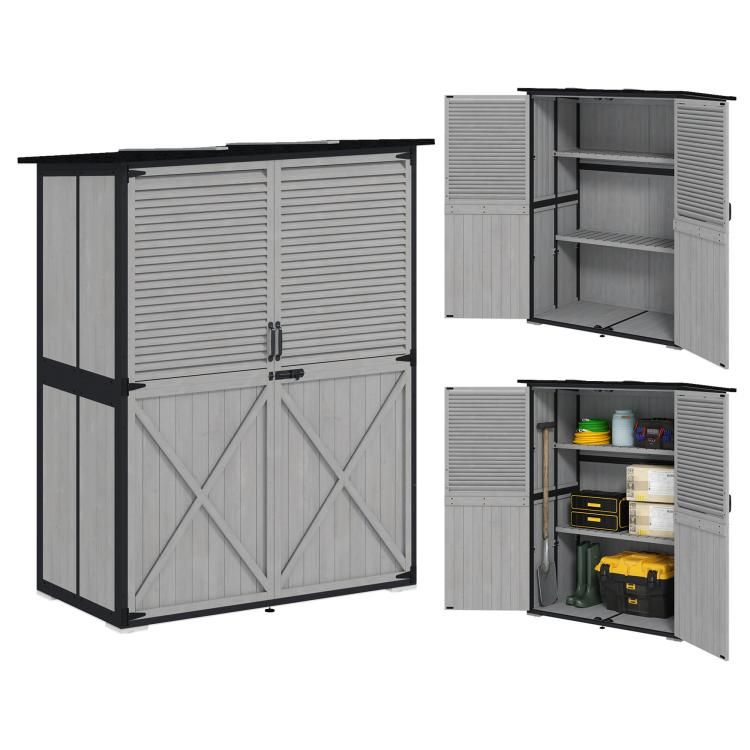
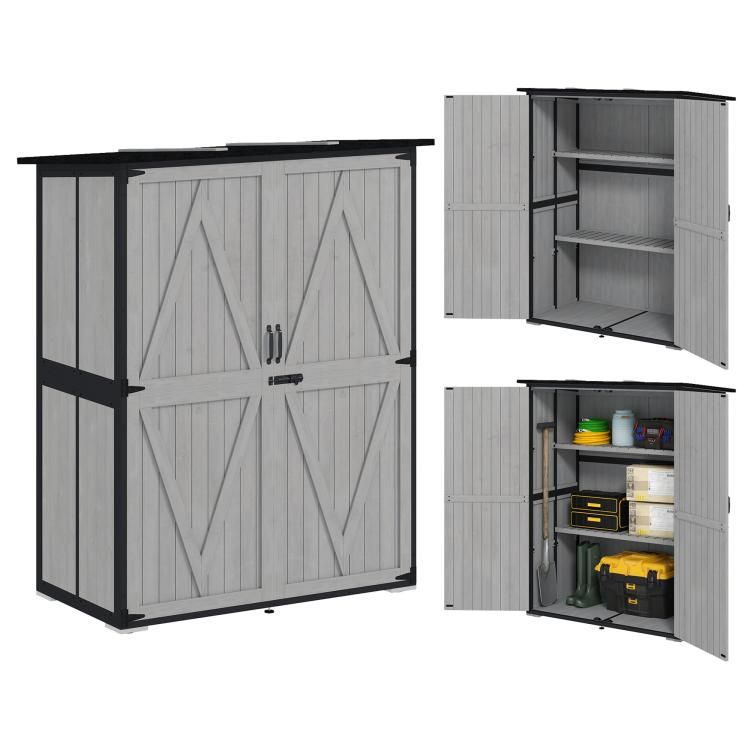
On finish, I'd steer toward anything that matches the trim on the house rather than trying to make a statement in the backyard. A shed in a muted green, soft gray or a warm wood tone ages fine and doesn't fight with the fence, the deck, or whatever your neighbor's got going on next door. Bright white looks sharp for about one season before pollen and mud find it. Natural wood left to weather on its own is honestly one of the easiest looks to live with, it just needs a coat of sealant every couple of years so it doesn't start looking like driftwood.
Where a shed is the wrong call is anywhere water sits after rain, or anywhere you'll need power and plumbing eventually, because retrofitting either into a basic shed later is a bigger job than building it in from the start. If you're picturing a home office or a studio you'll actually sit in for hours, that's a backyard studio conversation, not a shed one, and treating it like a shed with insulation taped on is how you end up with a very expensive, very drafty room you avoid using by October.
 Aisha's pickBackyard Offices with Windows You’ll Still Like in Five Years
 Aisha's pickOutdoor Kitchens with Cabinet You Won’t Regret Buying
 Aisha's pickOutdoor Sheds That Stand Up to the Weather
 Aisha's pickPlastic Backyard Offices That Go With Most Rooms
 Aisha's pickOutdoor Sheds with Floor That Are Easy to Put Up
 Aisha's pickPortable Outdoor Kitchens You’ll Keep for Years
 Aisha's pickGood Outdoor Sheds with Lock That Don’t Cost a Fortune
 Aisha's pickRed Outdoor Kitchens for Sunny Afternoons and Chilly Nights
 Aisha's pickOutdoor Sheds with Shelves That Won’t Date in a YearAlso worth a lookGreenhousesThe thing nobody mentions is the condensation.See the collections →
 Aisha's pickStainless Outdoor Kitchens for When the Old Ones Give Up
 Aisha's pickOutdoor Sheds with Windows That Do the Job Right
 Aisha's pickTraditional Backyard Offices From Brands You Know and a Few You Won’t
 Aisha's pickGreen Backyard Offices That Don’t Shout About It
 Aisha's pickOur Shortlist of Traditional Outdoor Sheds
 Aisha's pickGreen Outdoor Sheds Picked by People Who Care Too Much
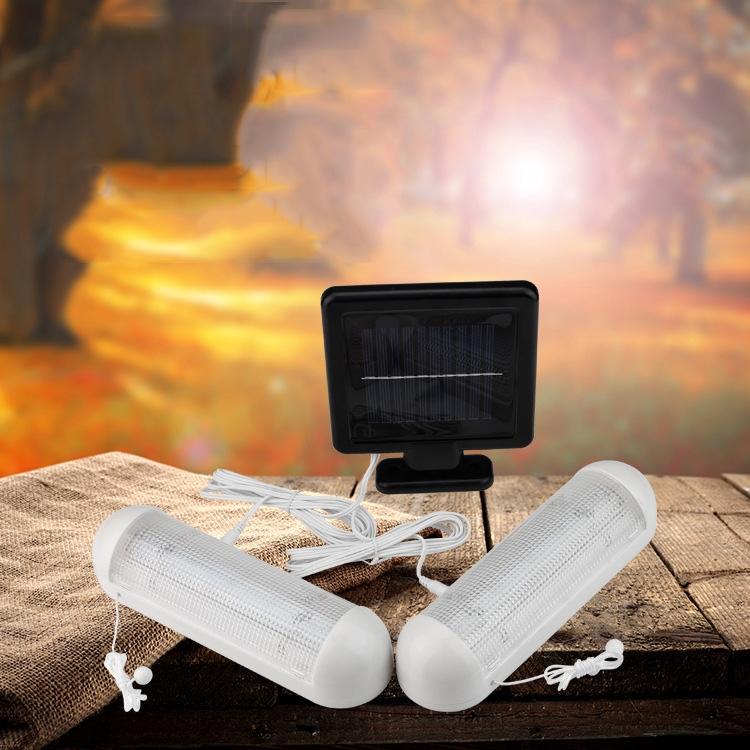 Aisha's pickWaterproof Outdoor Sheds That Look Better in Real Life
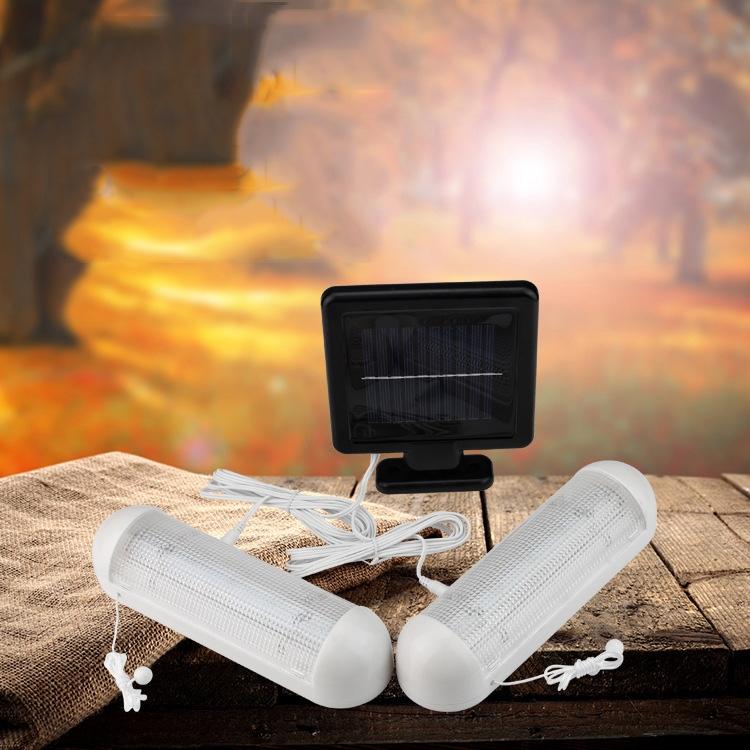
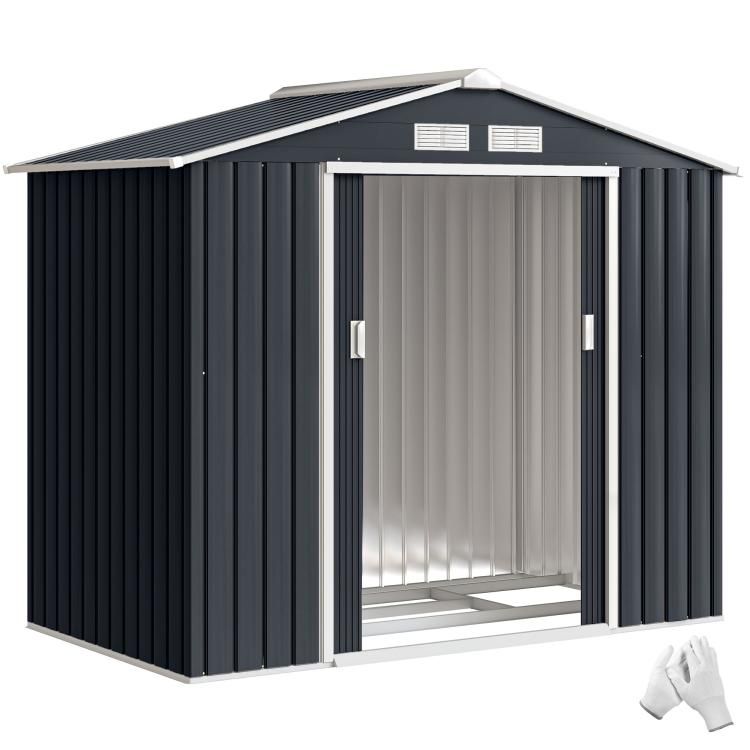 Aisha's pickLockable Outdoor Sheds With Some Character
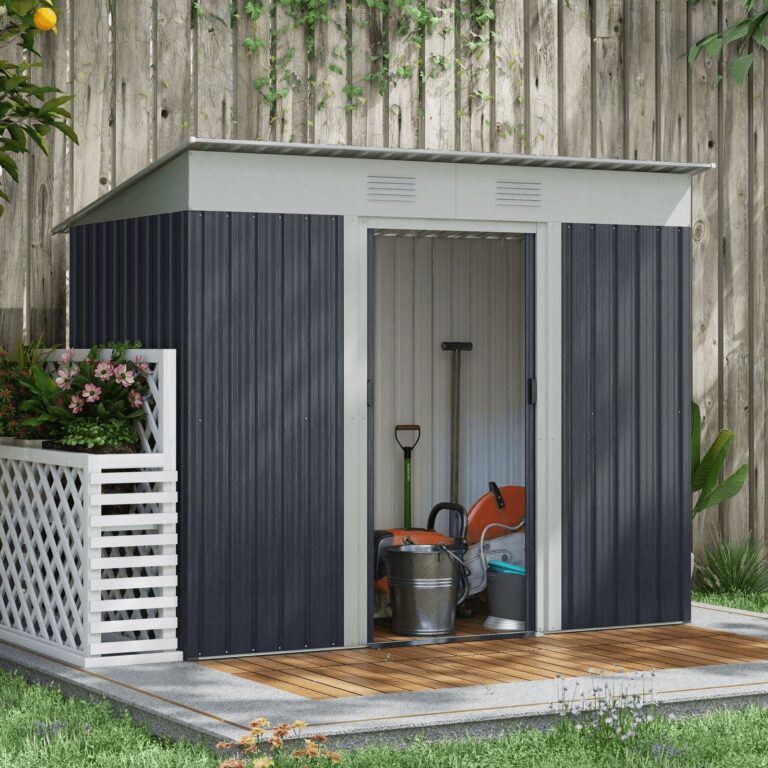
 Aisha's pickWhite Outdoor Sheds That Stand Up to the WeatherAlso worth a lookMetal ShedsThe single most useful thing to know before buying a metal shed is that the price difference between…See the collections →
 Aisha's pickBlack Outdoor Kitchens That Won’t Let You Down
 Aisha's pickModern Backyard Offices That Make a Room Feel Finished

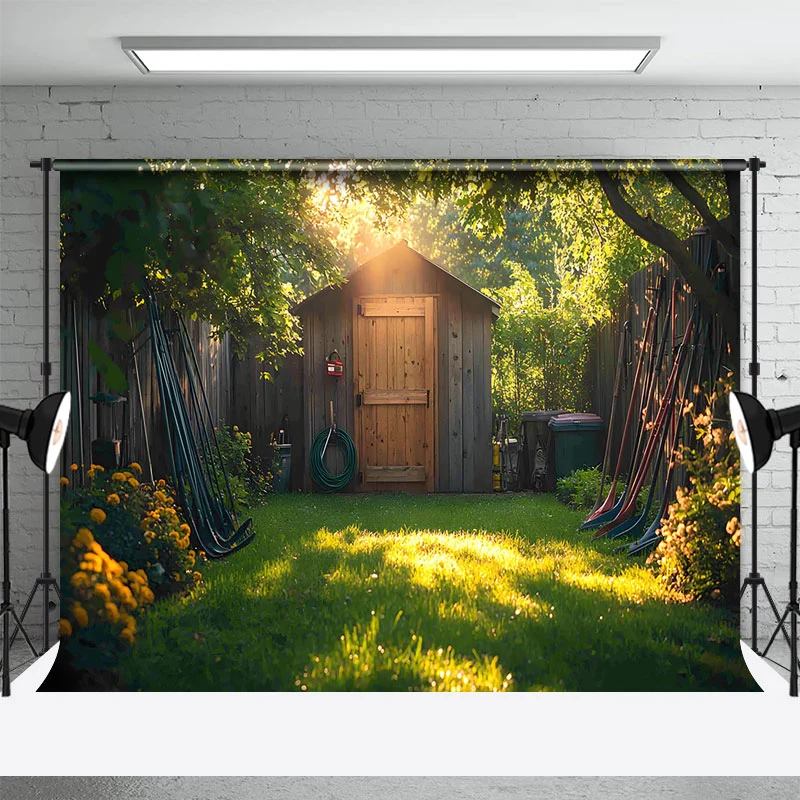 Aisha's pickWooden Outdoor Sheds That Make Small Changes Feel Big
 Aisha's pickCeramic Outdoor Kitchens That Look Like They Cost More
 Aisha's pickModern Outdoor Kitchens for Making a House Feel Like Yours
 Aisha's pickContemporary Backyard Offices That Don’t Look Mass Produced

 Aisha's pickNatural Backyard Offices You Won’t Regret Buying

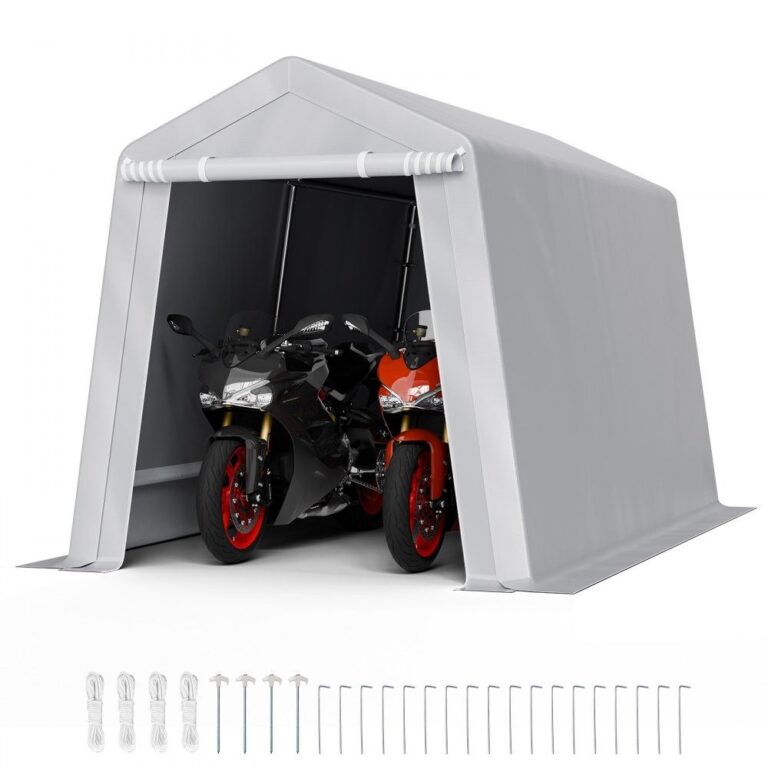 Aisha's pickDouble Door Outdoor Sheds That Fit Into Real Life
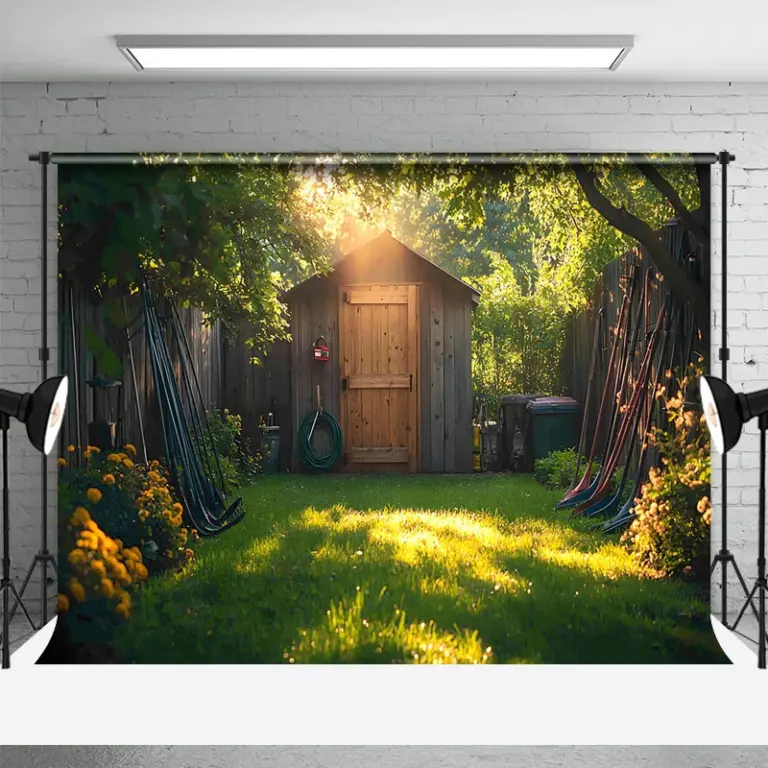 Aisha's pickNatural Outdoor Sheds That Look Good Up CloseAlso worth a lookRoomsIf you have a decent patch of yard, even a modest one, and you have been eyeing the…See the collections →
 Aisha's pickBackyard Offices With Some Character
 Aisha's pickOutdoor Kitchens for Long Summer Evenings Outside
 Aisha's pickThe Backyard Offices with Base Worth Your Cash

 Aisha's pickOutdoor Kitchens for Patio at Every Price Point
 Aisha's pickBackyard Offices with Floor That Don’t Need Much Upkeep