A good shed sits at the bottom of the yard looking like it's been there since before the fence lines were drawn, not like it got dropped off a truck last Tuesday. You want to walk up and rest a hand on the door frame and feel something solid under the paint, not a hollow knock that tells you it's held together with staples and good intentions. The best ones have a weight to the door when you swing it shut, a real clunk, not a rattle.
If you've never had one and you're starting from nothing, go simple before you go clever. A plain gable roof in a soft gray or a weathered greige will sit easier in a yard than anything trying to look like a cottage. You can always add a window box or a bit of trim later once you know how you actually use the thing, whether it's tools and a mower or a spot you end up sitting in more than you planned.
Measuring up is where most people get it wrong, and I mean wrong in both directions. They either buy something too small and are back here in a year wanting a second one, or they buy something so big it eats the whole yard and the house behind it looks like an afterthought. Walk the footprint out with stakes and string before you order anything, stand in the middle of it, and give yourself at least two feet of clearance on every side you'll need to walk around for maintenance or just mowing. Check your local setback rules too, because a shed too close to the property line is a headache nobody wants to deal with after the fact.
What separates a shed you'll still like in ten years from one you'll be patching with a tarp by year three comes down to the bones. Pressure treated floor joists, not just a frame sitting on dirt or gravel with no breathing room underneath. Corners that are actually joined, not just nailed flat and caulked to hide the gap. Siding thick enough that you can knock on it and hear something back, instead of a flimsy, drummy sound. Good hardware on the door matters more than people think, a hinge that's going to carry weight for years, not a cheap one that sags by the second summer.
Give it time and the color softens, the grain starts to show through if it's real wood, and the whole thing settles into the yard instead of sitting on top of it. That's when you know you picked the right one.
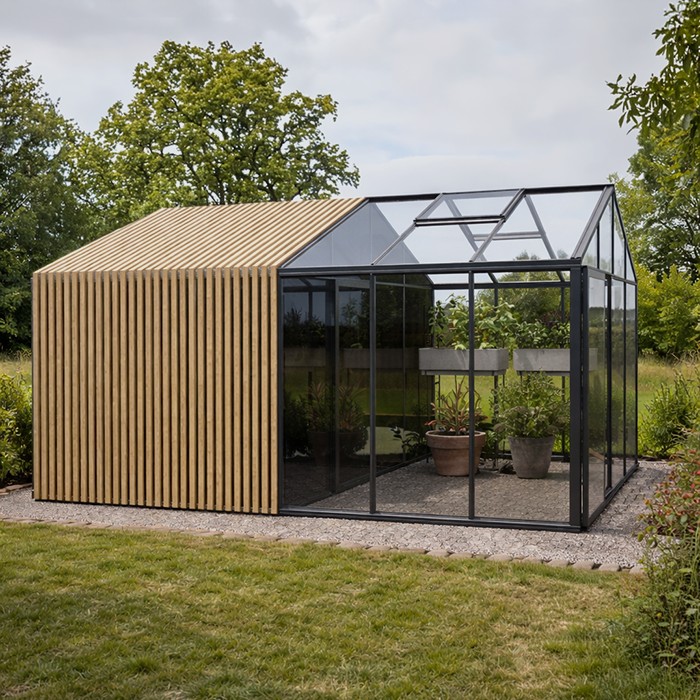
 Aisha's pickNatural Outdoor Greenhouses That Don’t Need Babying
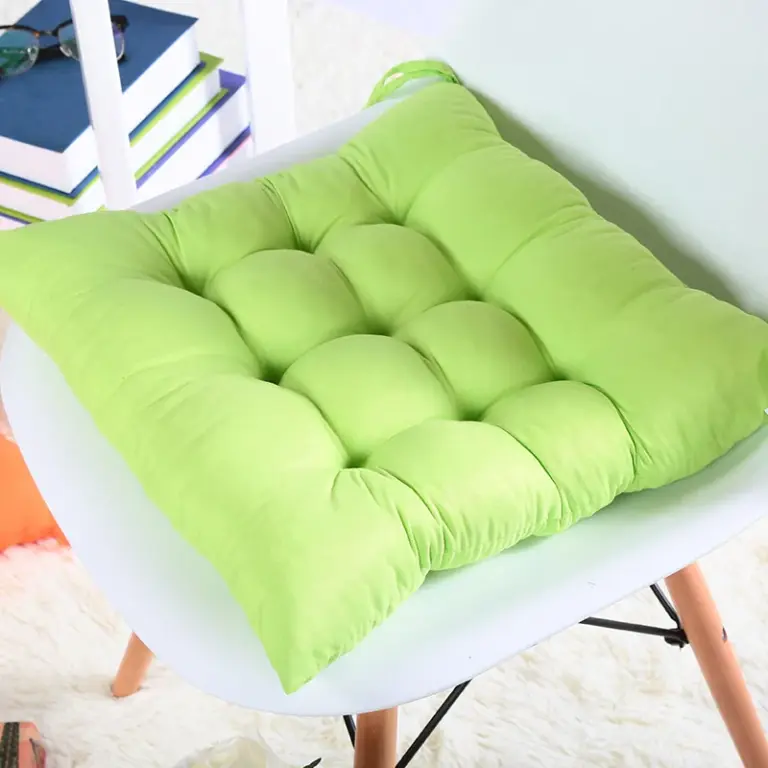 Aisha's pickNatural Backyard Offices You Won’t Regret Buying
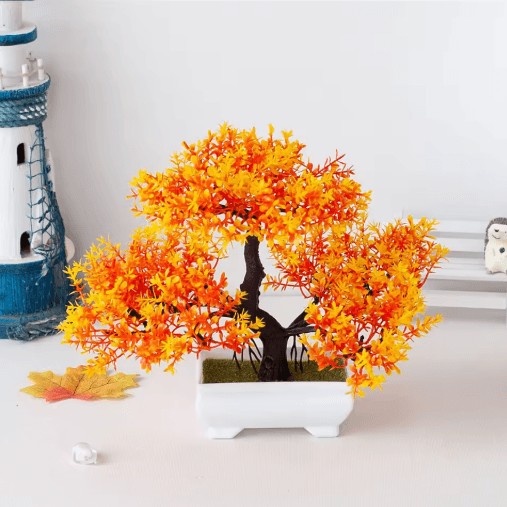
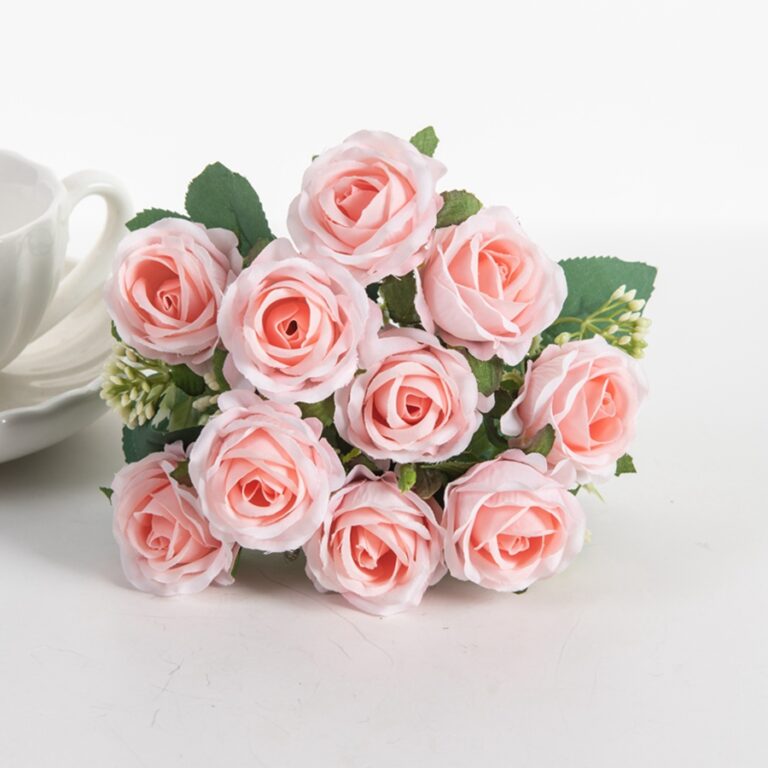 Aisha's pickNatural Backyard Studios That Survive a Hard Winter
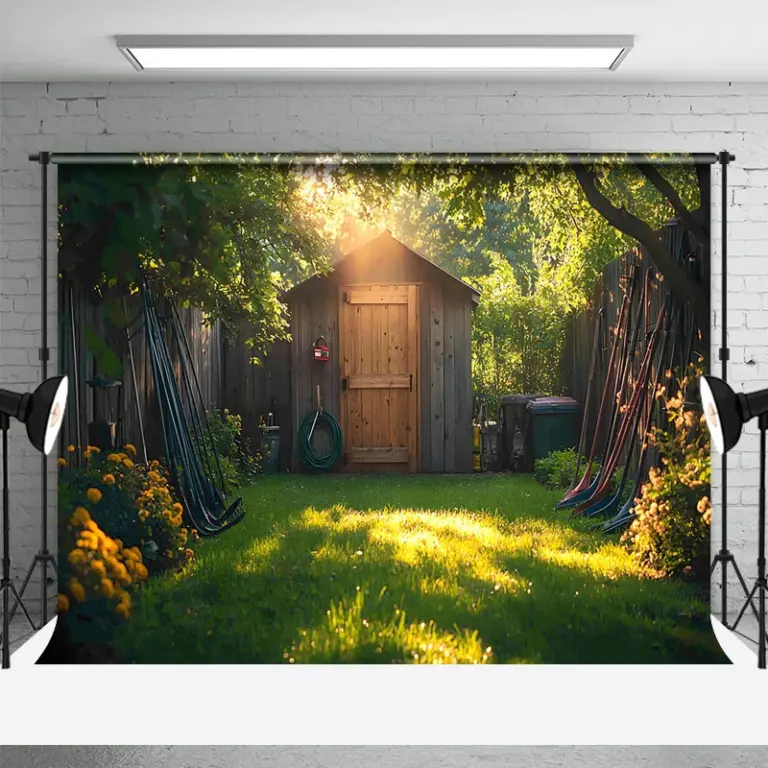 Aisha's pickNatural Outdoor Sheds That Look Good Up Close
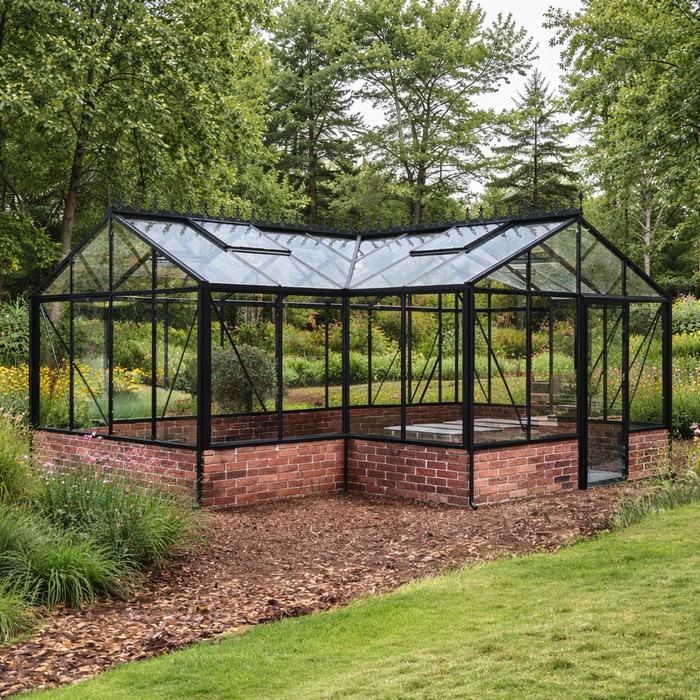 Aisha's pickNatural Greenhouses That Work in Old Houses and New Ones
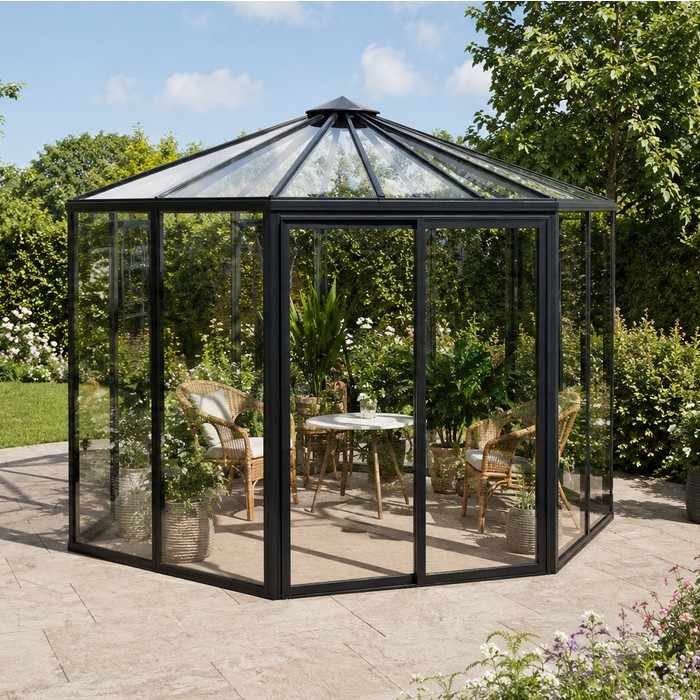
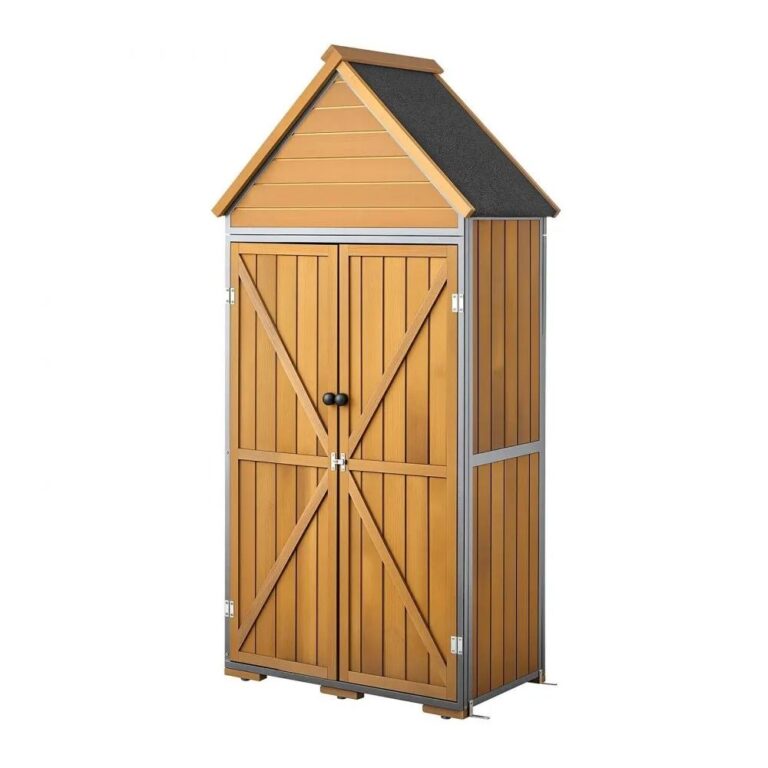 Aisha's pickNatural Plastic Sheds That Visitors Always Ask About
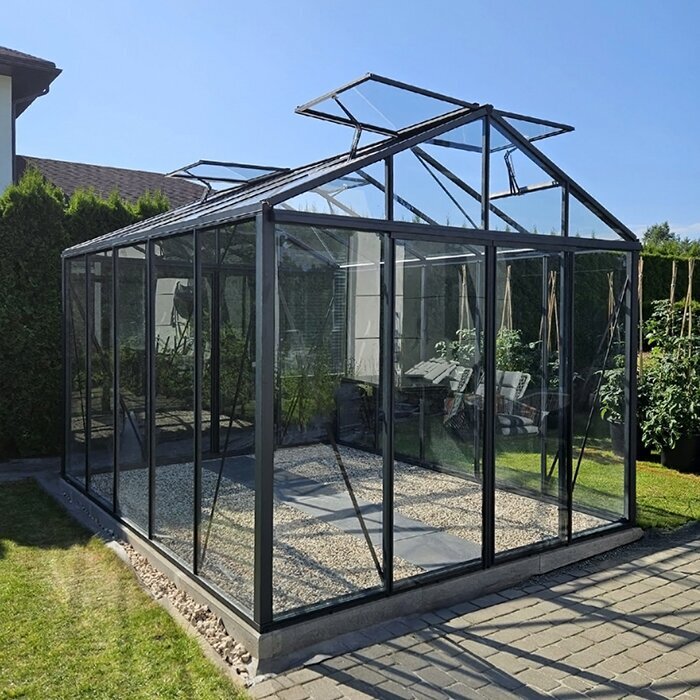 Aisha's pickWhite Outdoor Greenhouses From Stores Big and Small
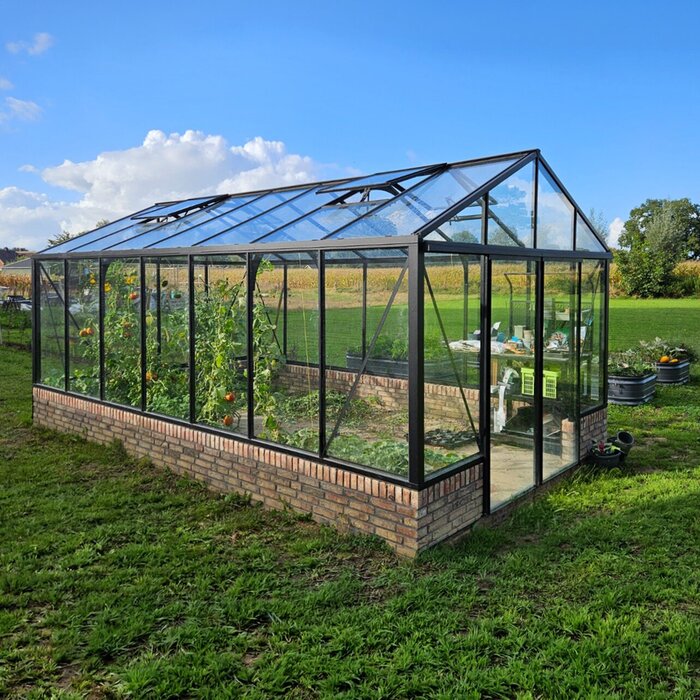
 Aisha's pickWhite Backyard Studios That Hold Up to Everyday LifeAlso worth a lookGreenhousesThe thing nobody mentions is the condensation.See the collections →