The thing nobody tells you about a small shed is that the floor inside will sweat before the roof ever leaks. You can get the siding and the roof pitch right and still end up with a damp, musty box because moisture comes up from the ground, not down from the sky. A shed that sits right on dirt or a thin gravel pad will feel fine for the first few months and then start smelling like a basement every spring. The good ones get raised on skids or blocks with a real gap underneath, and that detail matters more than anything printed on the outside of the box.
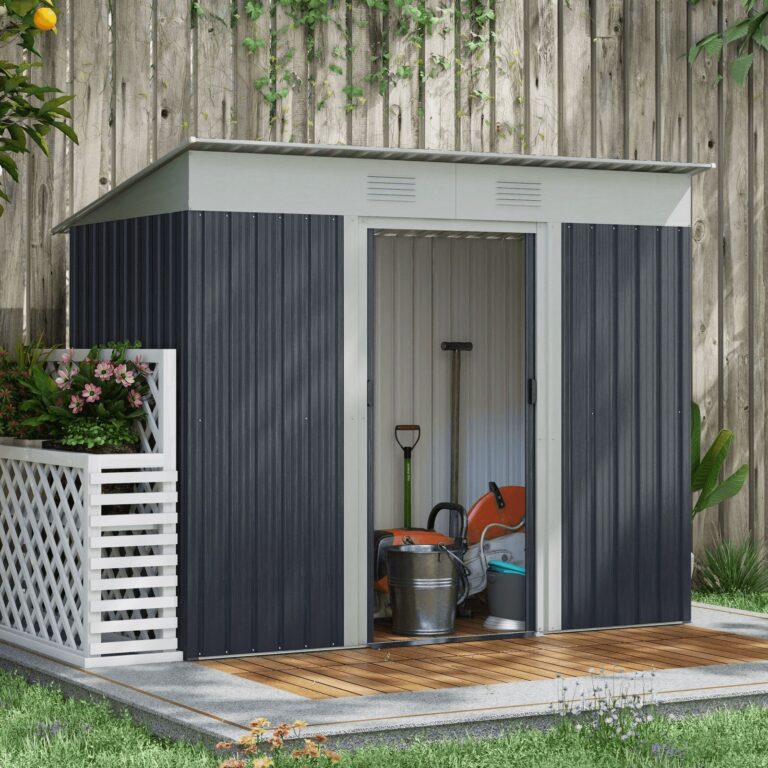
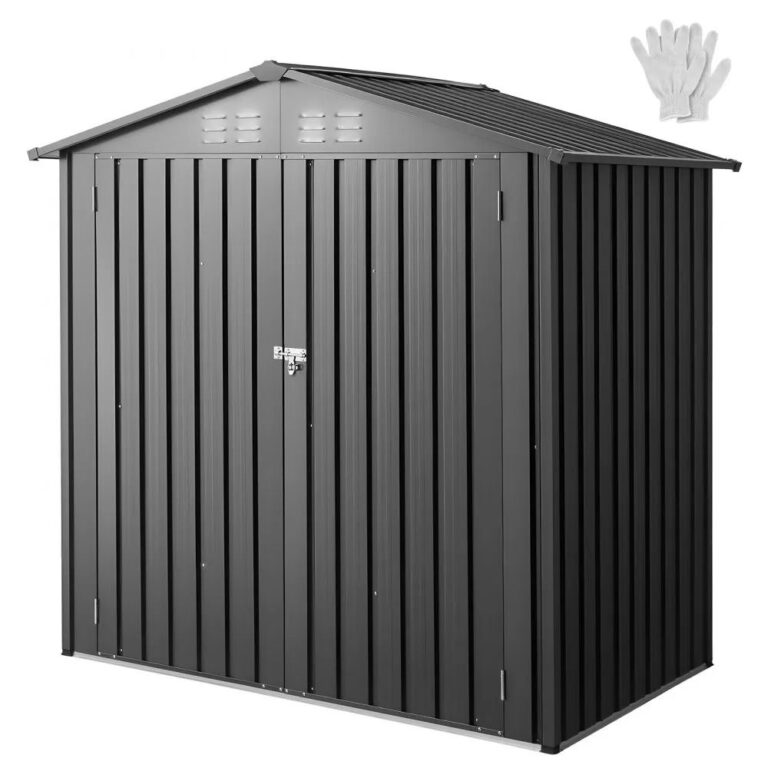
Getting the size right is less about the shed and more about what you are actually going to do standing inside it. Measure the doorway path to where it will sit, not just the footprint, because a lot of small sheds arrive in panels that need carrying through a side gate, and a gate that is two inches too narrow turns delivery day into a very long argument with a flathead screwdriver. Leave at least a couple of feet of clearance on every side for maintenance and for the door to swing fully open, and resist the urge to buy the smallest one that technically fits your mower, because you will add a wheelbarrow, then a second mower, then all the pots you meant to throw out. On the other side, do not let a shed crowd out a patio or sit so close to a fence that you lose the strip of lawn that made the yard feel like a yard. It also does not sit well next to anything already doing a tidy, finished job in a garden, a sharp modern deck or a painted fence in a strong color will make a basic shed look like an afterthought, so plan the color to sit quietly against what is already there rather than fighting it.
A small shed earns its space in almost any home with a bit of outside storage pressure, a starter house with no garage, a rental where you are not allowed to build anything permanent, a family place where bikes and sports gear are breeding like rabbits. It works through every season if the roof overhang is generous enough to keep rain off the door seal, which is the part that fails first on cheap versions. On delivery day, check the door hinges are screwed into solid wood rather than the thin facing panel, run your hand along every seam for gaps you can see daylight through, and make sure the floor kit, if there is one, is actually level before you load a single box inside.
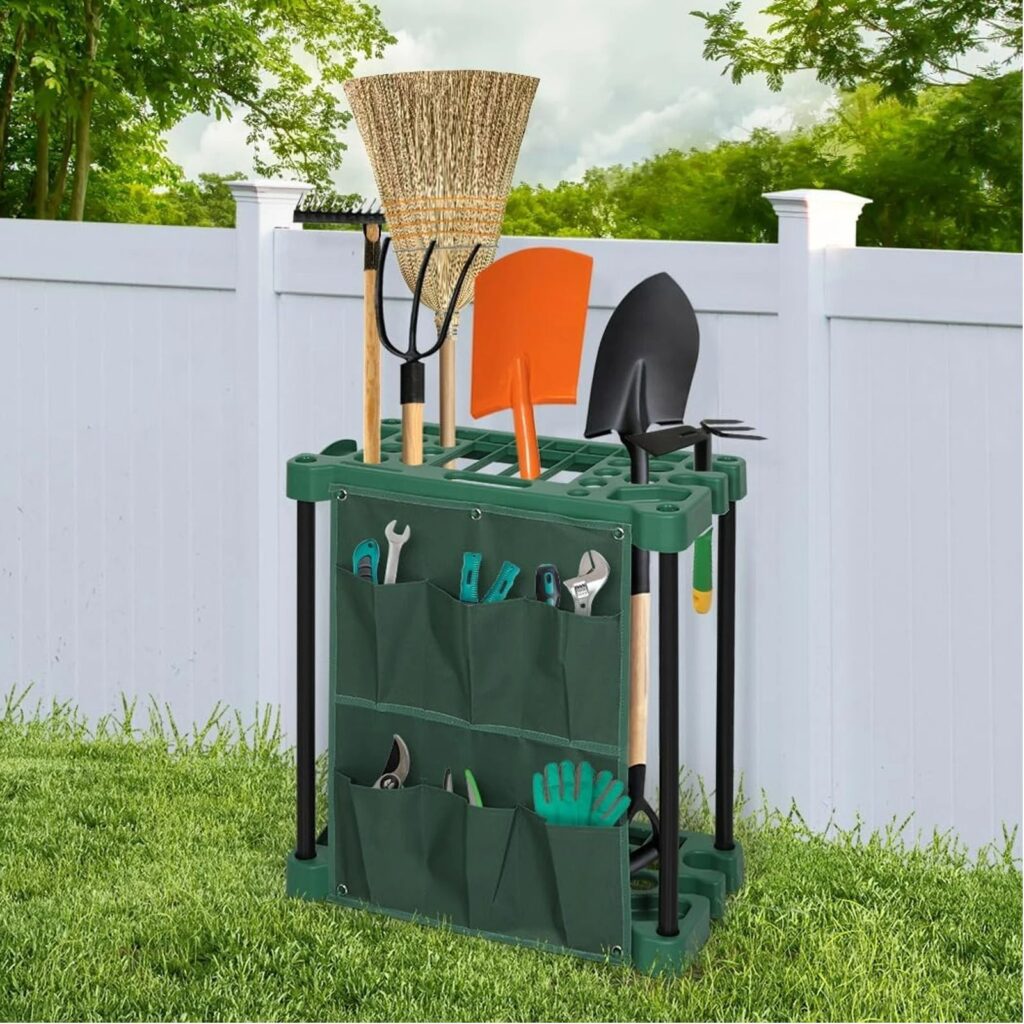 Aisha's pickCompact Outdoor Sheds Built to Last More Than a Few Summers
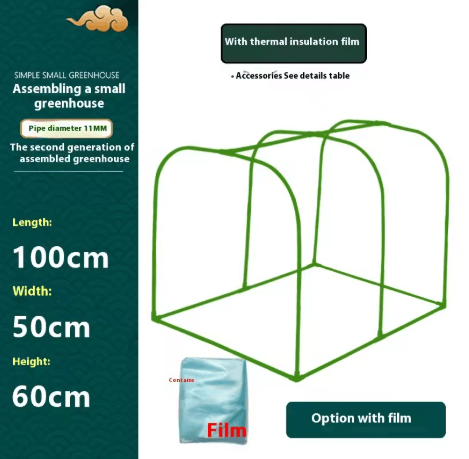
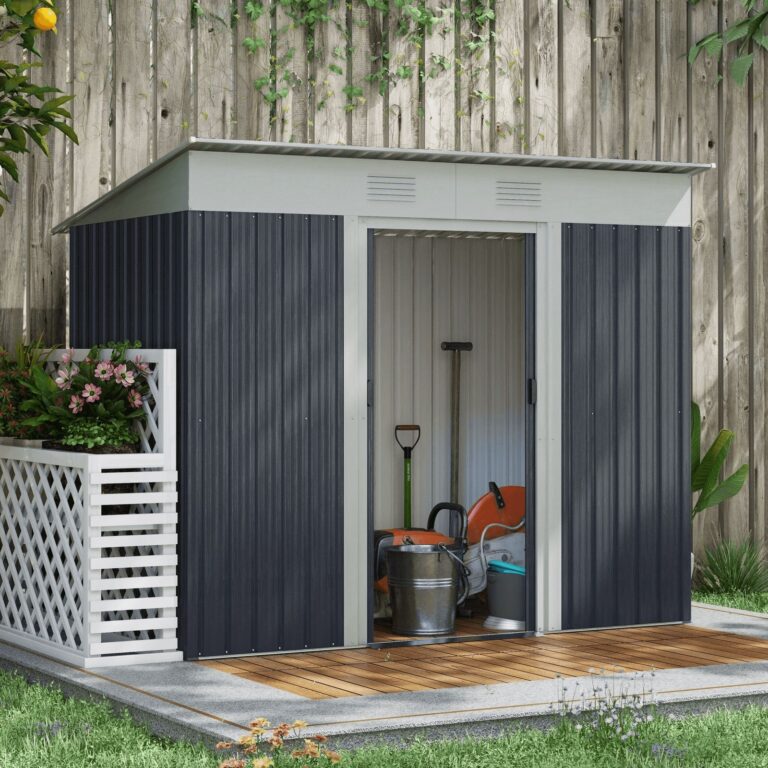 Aisha's pickSmall Tool Sheds You’ll Still Like in Five Years
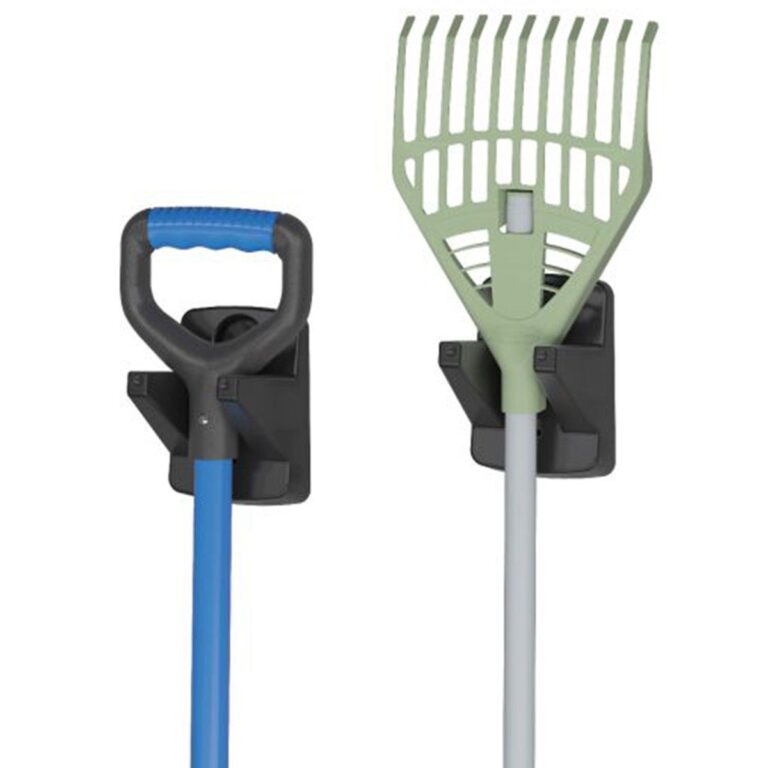
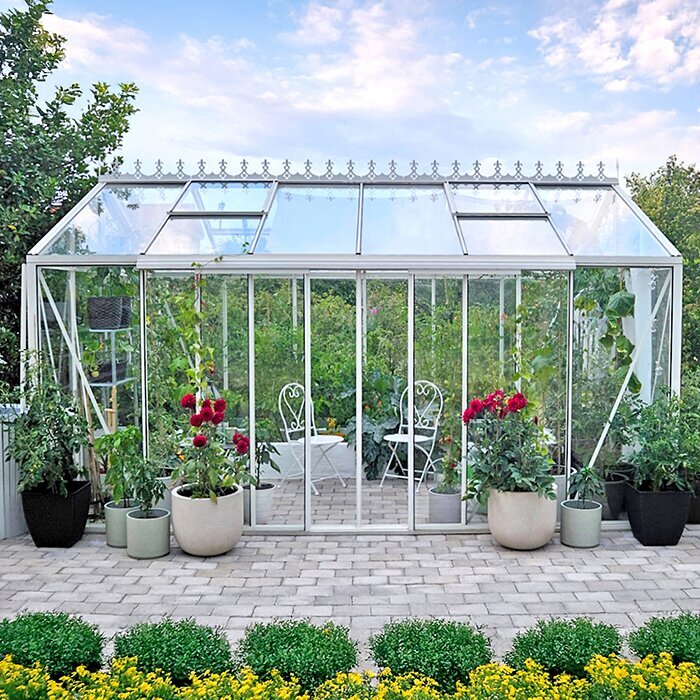 Aisha's pickCompact Greenhouses We Keep Coming Back To
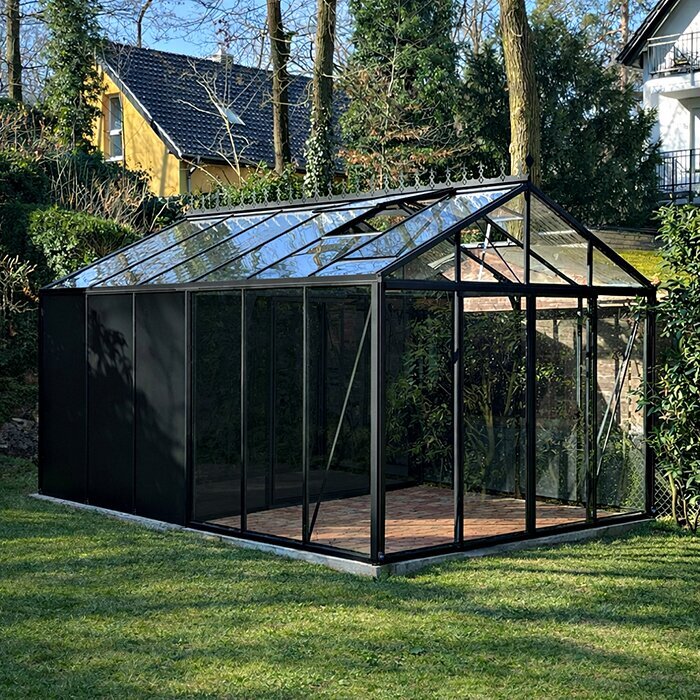
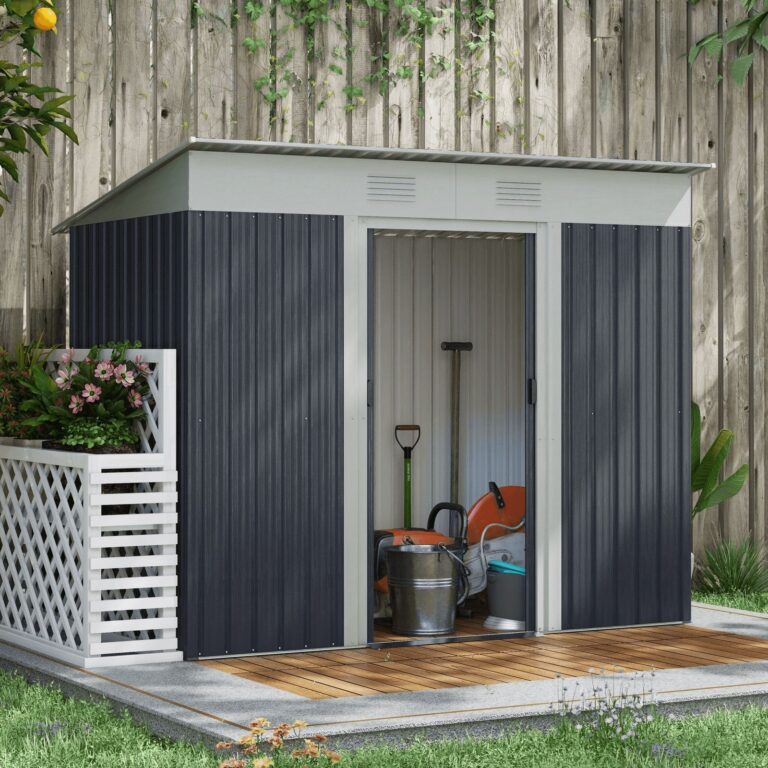 Aisha's pickCompact Metal Sheds We’d Put Up in Our Own Yard
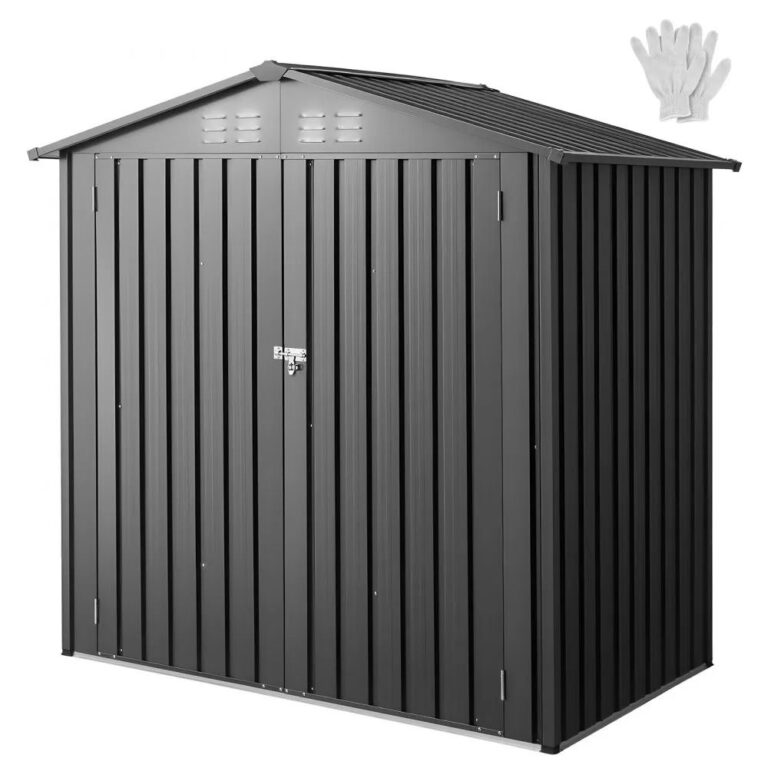
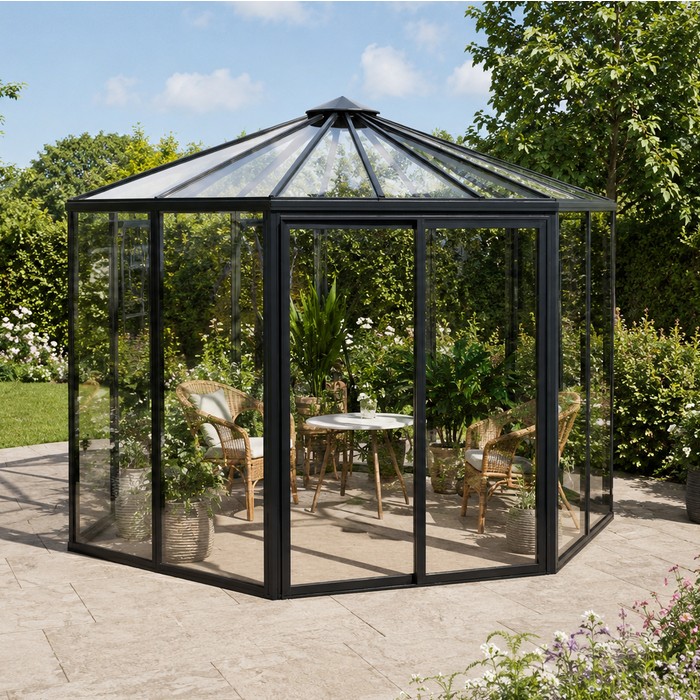 Aisha's pickCompact Mini Greenhouses That Make a Small Yard Work Harder
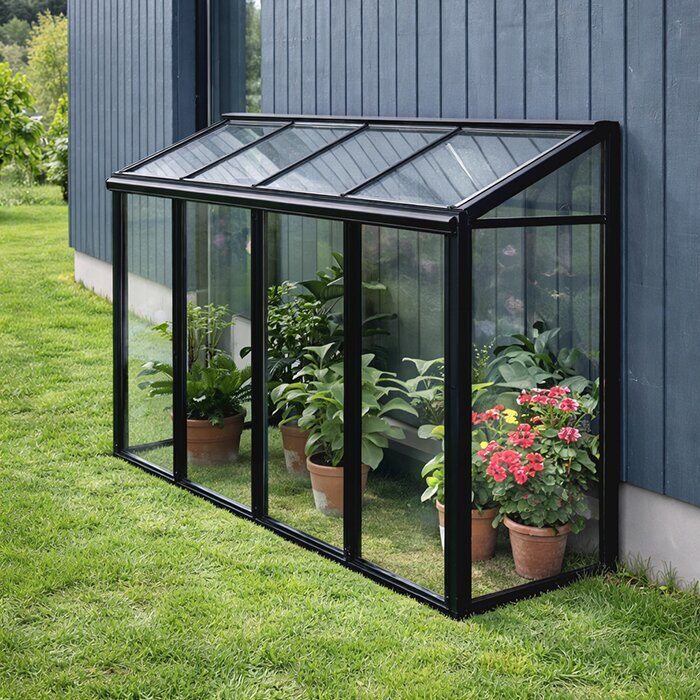
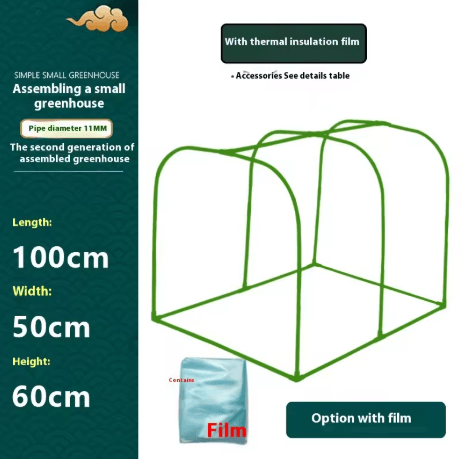 Aisha's pickDecent Compact Plastic Sheds Without the Hassle
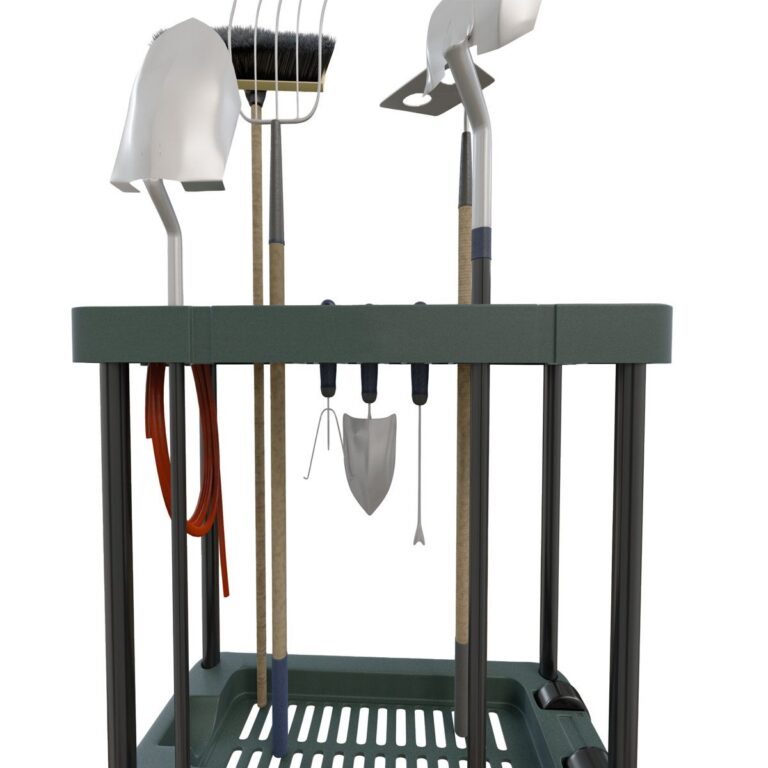
 Aisha's pickCompact Sheds That Are Easy to Put Up
 Aisha's pickCompact Tool Sheds That Survive Kids and Pets
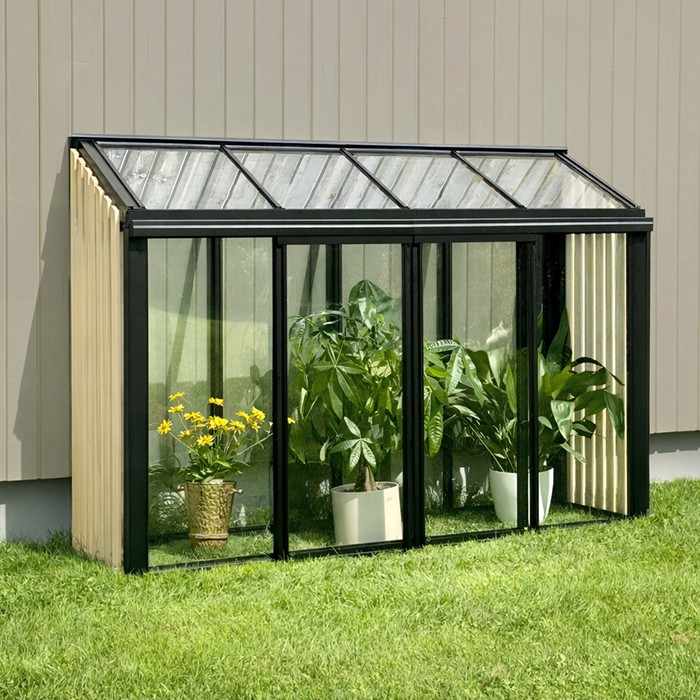 Aisha's pickMini Greenhouses That Make Small Changes Feel BigAlso worth a lookGreenhousesThe thing nobody mentions is the condensation.See the collections →
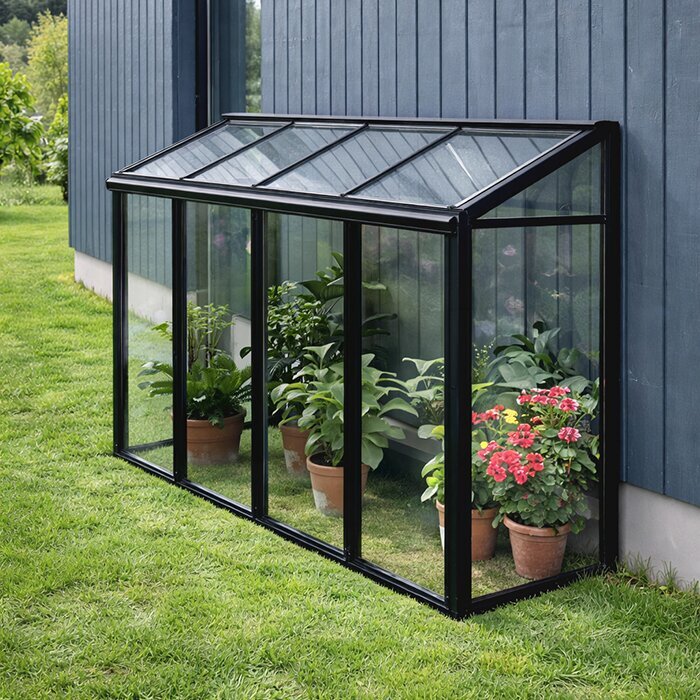
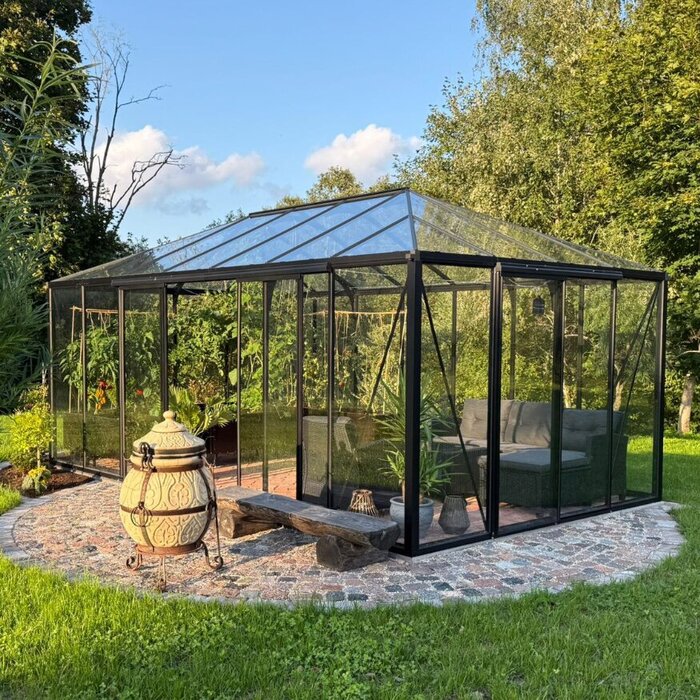 Aisha's pickSmall Outdoor Greenhouses That Survive a Hard Winter
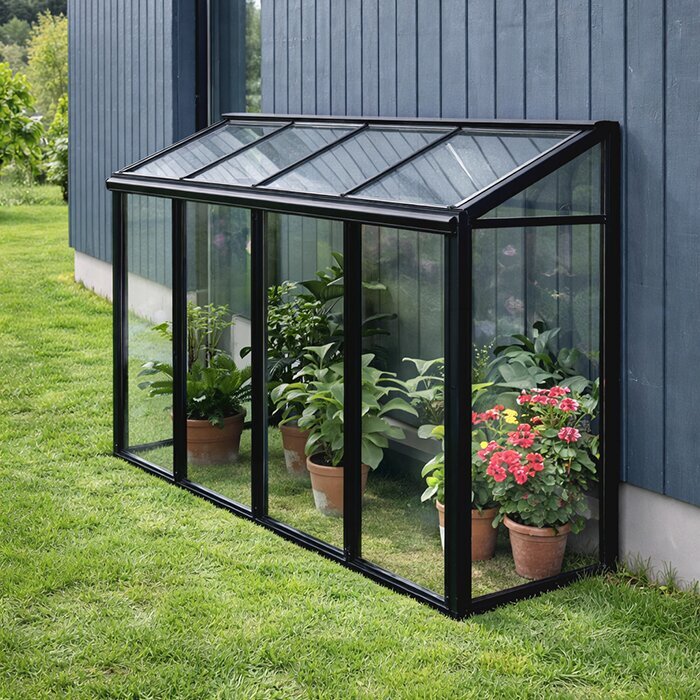
 Aisha's pickSmall Backyard Studios You’ll Keep for Years

 Aisha's pickSmall Outdoor Sheds Hunted Down So You Don’t Have To
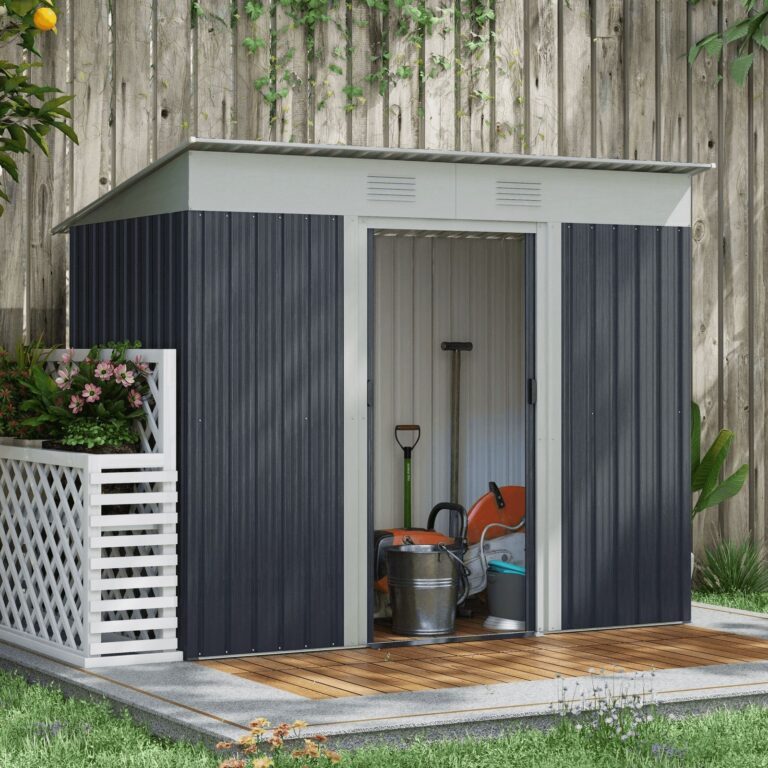
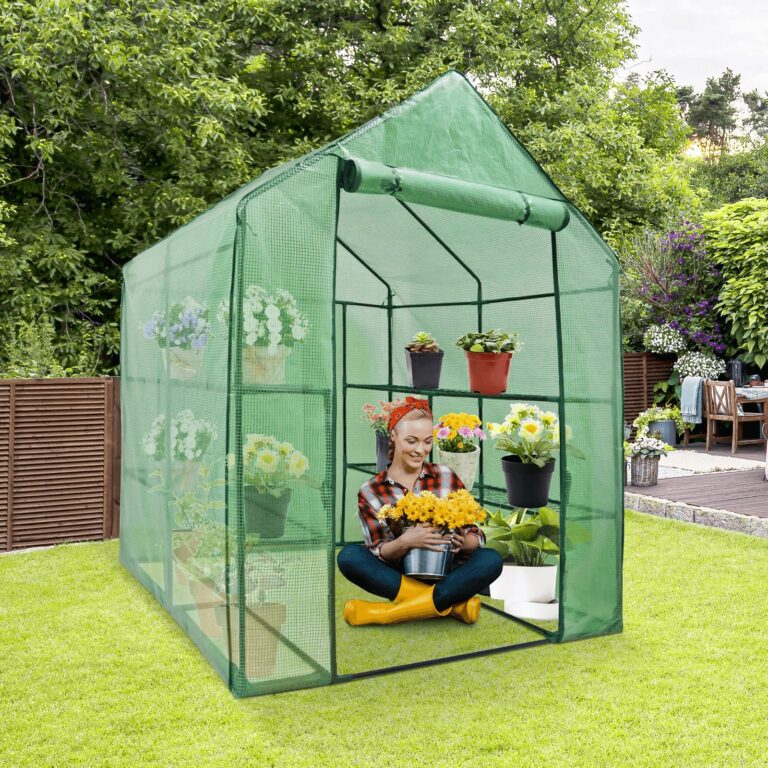 Aisha's pickSmall Green Greenhouses That Stand Up to the Weather
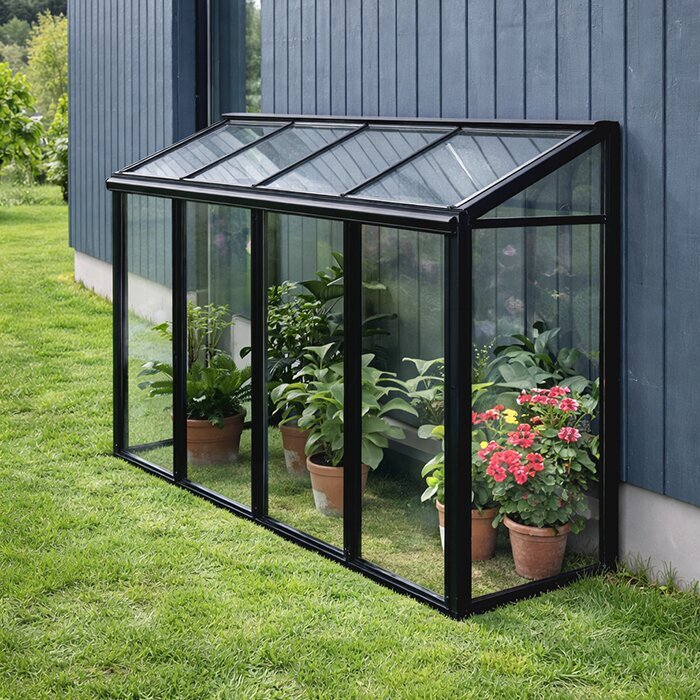 Aisha's pickSmall Greenhouses From Brands You Know and a Few You Won’t
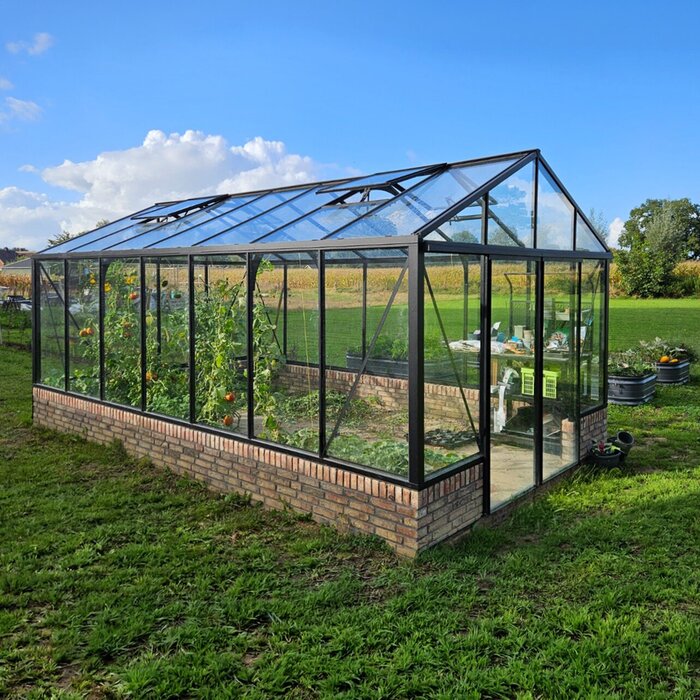
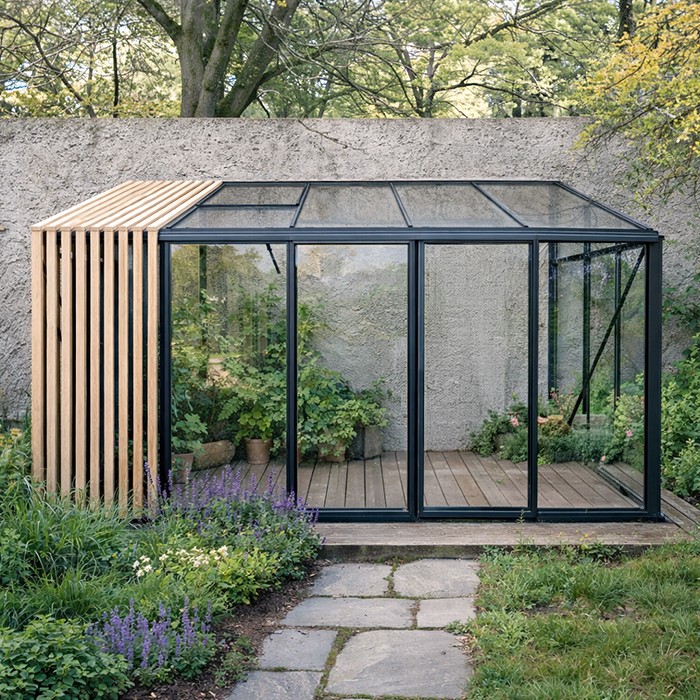 Aisha's pickCompact Outdoor Greenhouses That Won’t Date in a Year
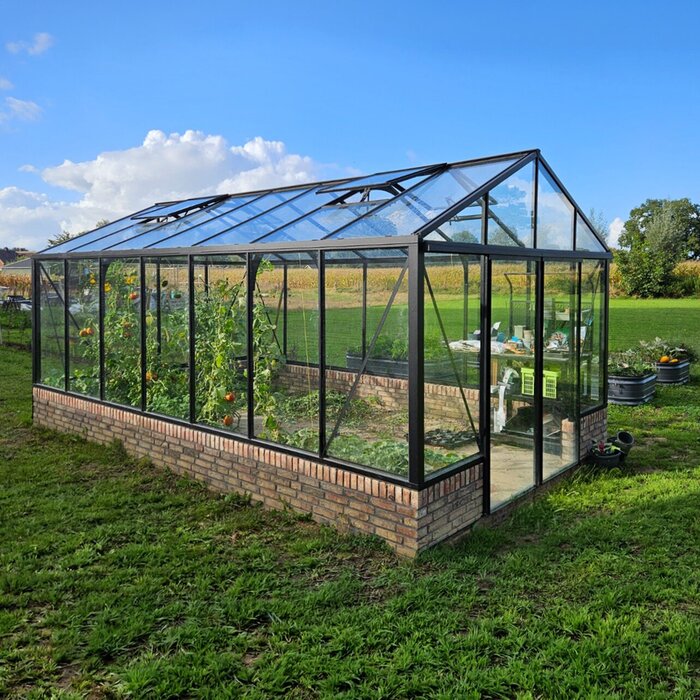
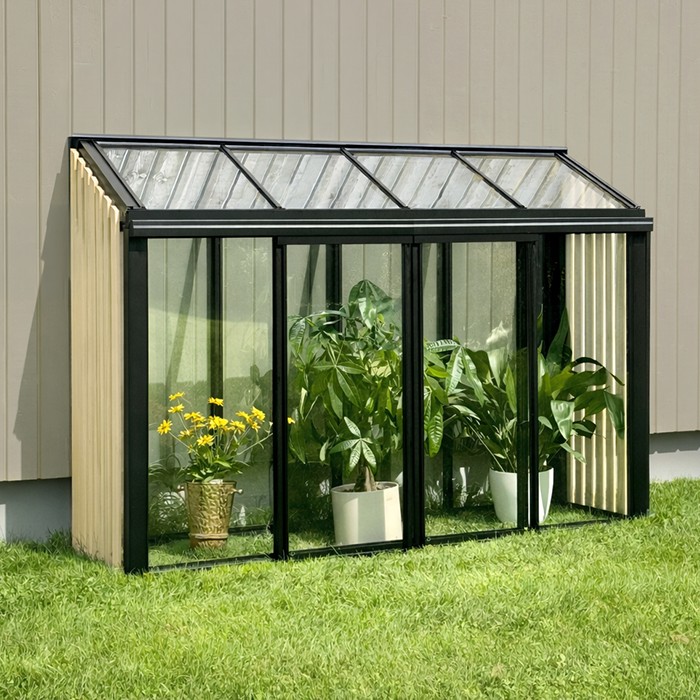 Aisha's pickSmall Mini Greenhouses Pulled From Dozens of Stores
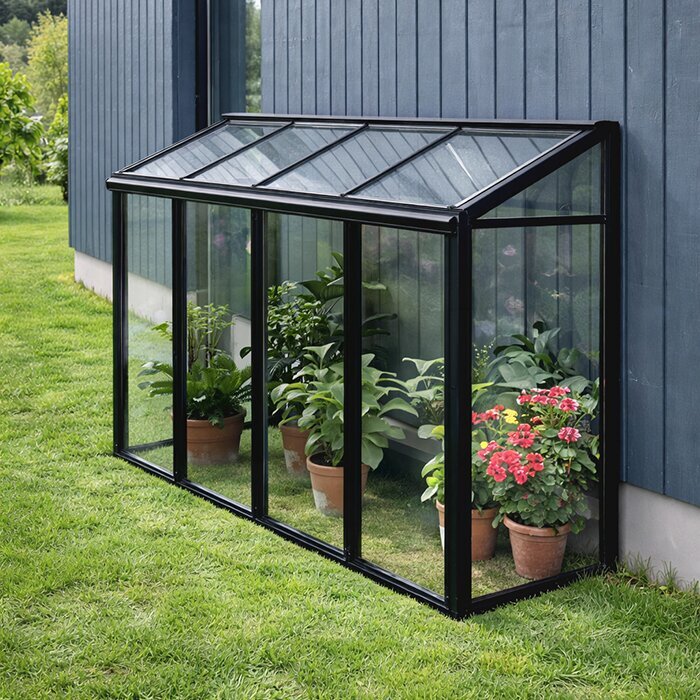
 Aisha's pickCompact Backyard Offices for Weekend Projects Outside
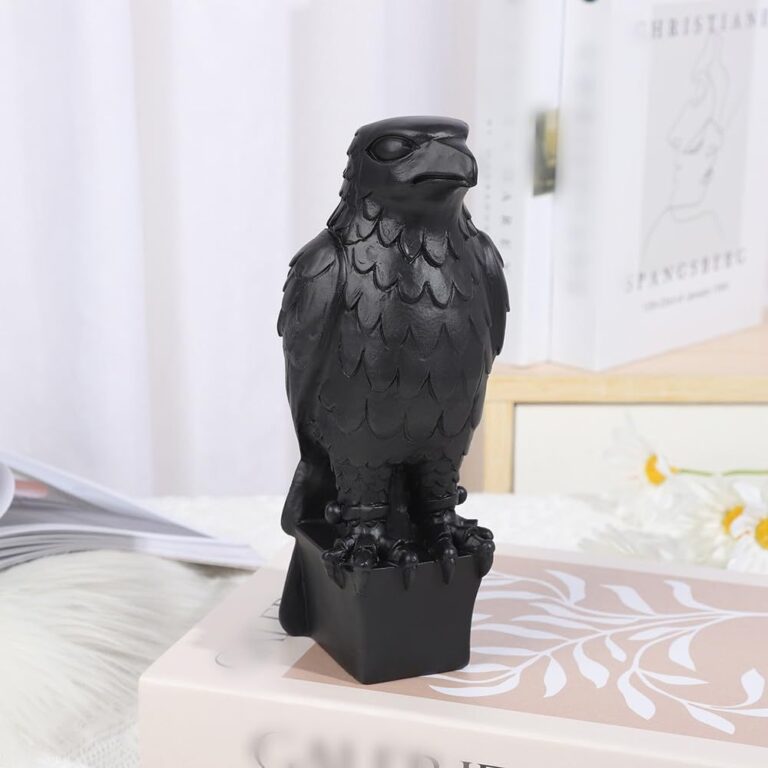
 Aisha's pickSmall Outdoor Kitchens From Brands You Know and a Few You Won’tAlso worth a lookOutdoor ShedsYou can tell a good shed from a bad one before you even get close, just from the roofline and the gap under the door.See the collections →
 Aisha's pickCompact Backyard Studios That Survive a Hard Winter