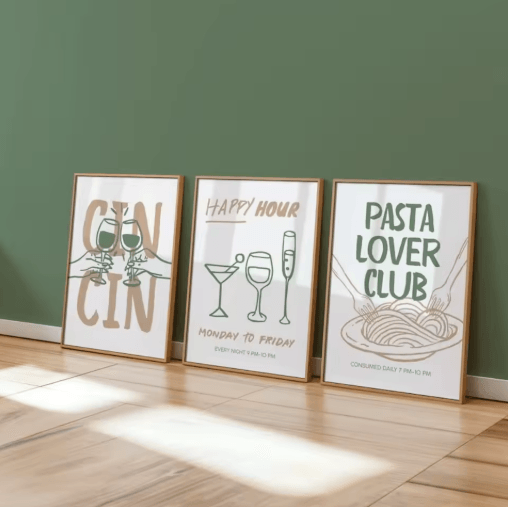
Kitchen wall art used to mean one thing: a framed print of grapes or a rooster, hung above the stove, never thought about again. That has changed a fair amount in the last few years, and mostly for the better. People are hanging real art in kitchens now, actual prints they love, typography, loose watercolors of vegetables, abstract pieces that have nothing to do with food at all. The kitchen stopped being the room you decorated last, as an afterthought, and started being a room worth looking at.
What separates a piece that lasts from one that warps and spots within a year comes down to what is under the glass, if there is glass. A print on cheap paper, framed with a thin plastic sheet instead of real glass or acrylic, will pick up grease and steam and start to curl at the corners within a few months, especially if it hangs anywhere near the stove. Look for real wood or metal frames with tight, flush joints, and glass or acrylic glazing, not the stuff that bows when you press a thumb against it. Canvas prints with a good varnish hold up to splatter better than you would expect, you can usually wipe them down. The backing matters too, a flimsy cardboard backing lets moisture in from behind and that is how you end up with a sad, rippled print nobody wants to admit they bought.
Where it goes matters as much as the piece itself. Directly over the stove is a mistake almost everyone makes once, the heat and grease will ruin it no matter how it is framed, and anything with a strong pattern clashes badly against busy tile or patterned backsplash, you end up with a wall that is shouting in two directions at once. A gallery wall of six different frame styles in a small kitchen reads as clutter rather than character. One good piece, or a tight, matching pair, does more than a scattered collection.
Kitchens that lean warm, lived in, a little worn around the edges, farmhouse style or older homes with some history to the walls, suit this kind of art best, it softens all that hard surface, the tile and steel and counters. A rental with a galley kitchen and no wall space to spare is the honest exception, there is simply nowhere for it to go that is not in the way of a cupboard door or a light switch, and in that case a smaller shelf piece does more good than a frame ever will.
It is, at the end of the day, decoration for a room built around function, not the room that needs it most.
 Aisha's pickThe Kitchen Posters Worth Your Cash

 Aisha's pickWall Pictures for Kitchen That Give a Room Some Personality
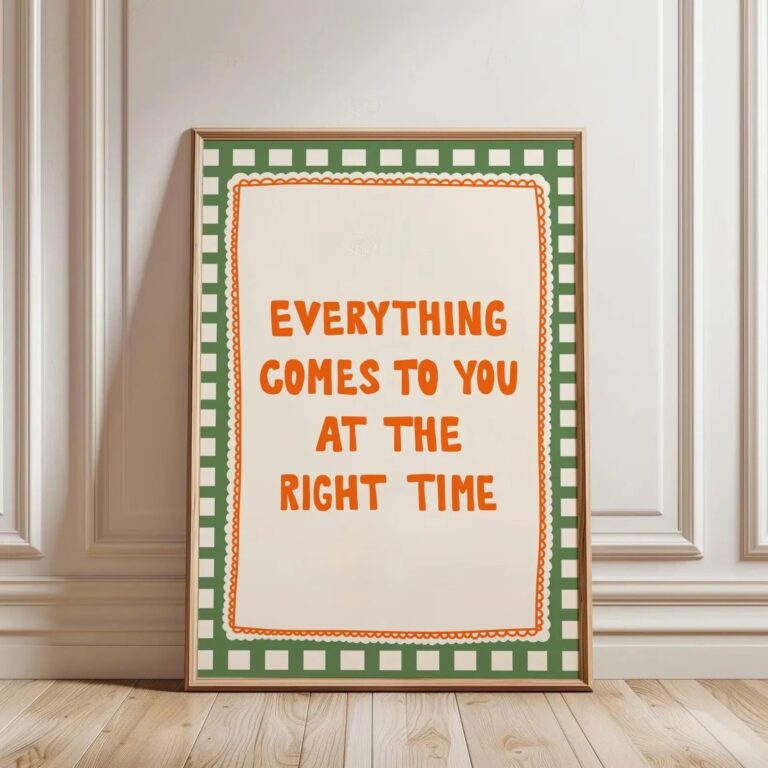 Aisha's pickKitchen Prints That Feel Personal, Not Store Bought

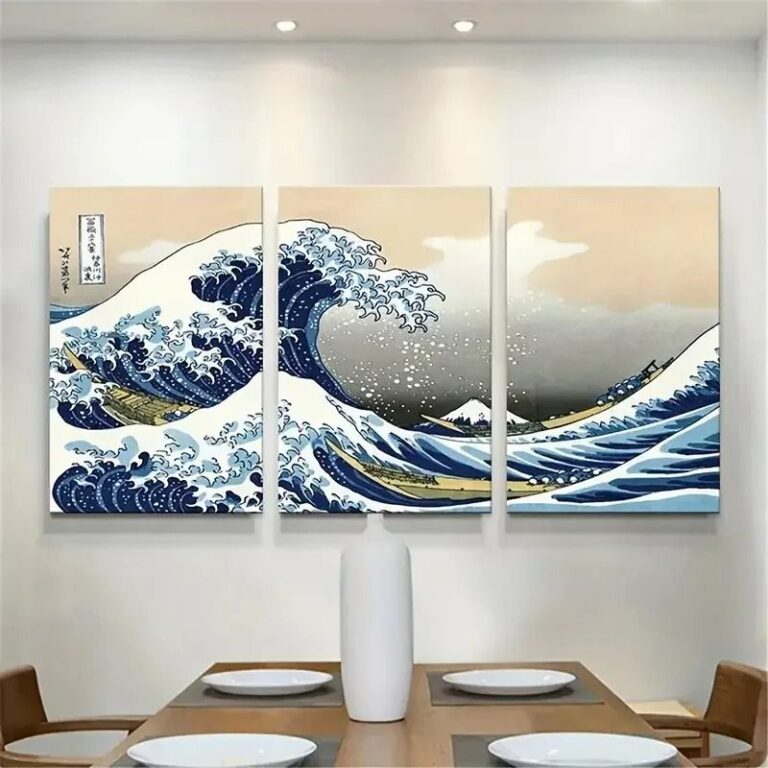 Aisha's pickWall Posters for Kitchen You Won’t Want to Hide Away
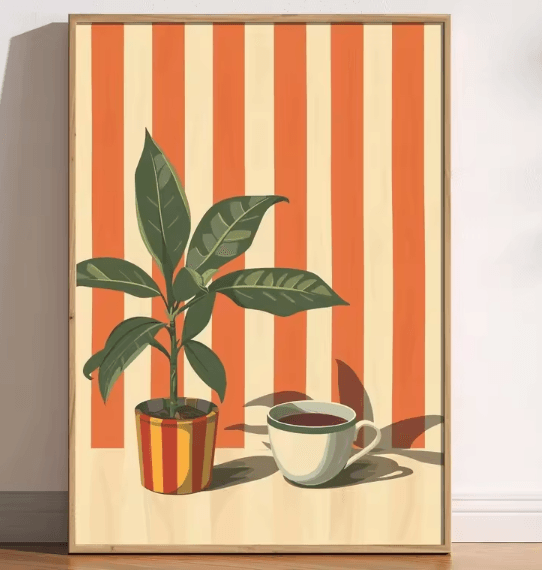
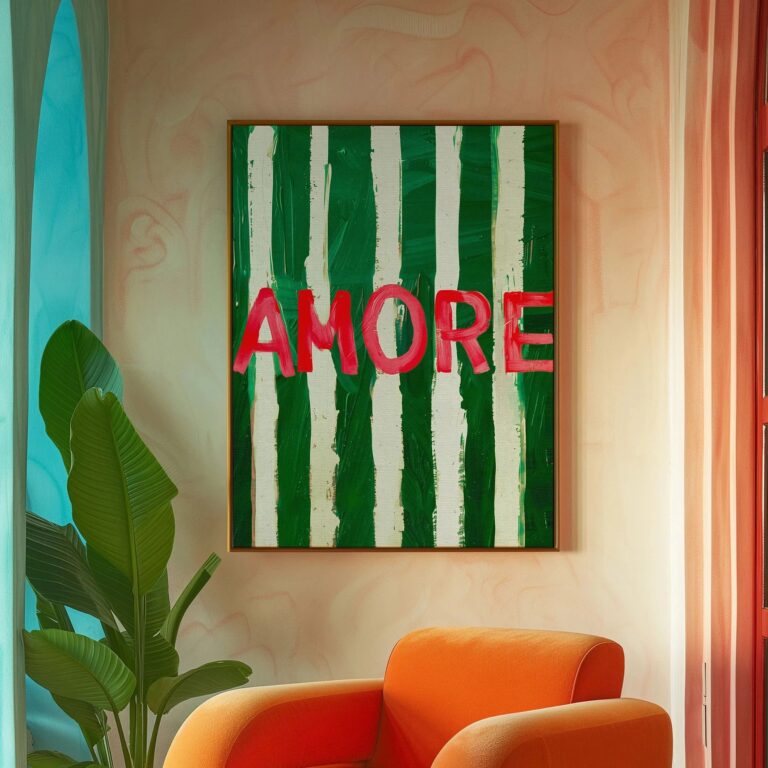 Aisha's pickKitchen Vintage Posters for When the Old Ones Give Up

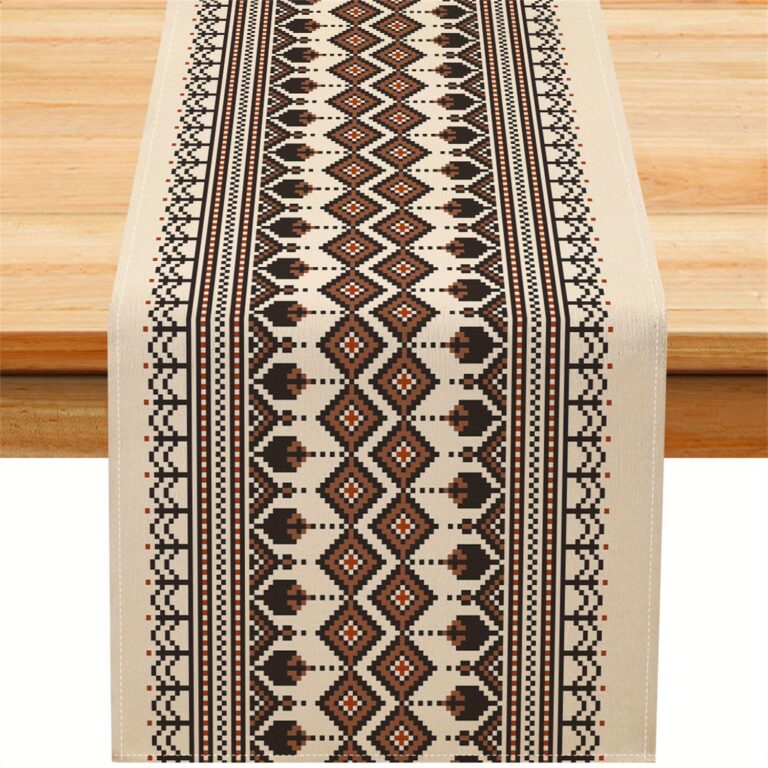 Aisha's pickKitchen Vintage Prints That Won’t Let You Down
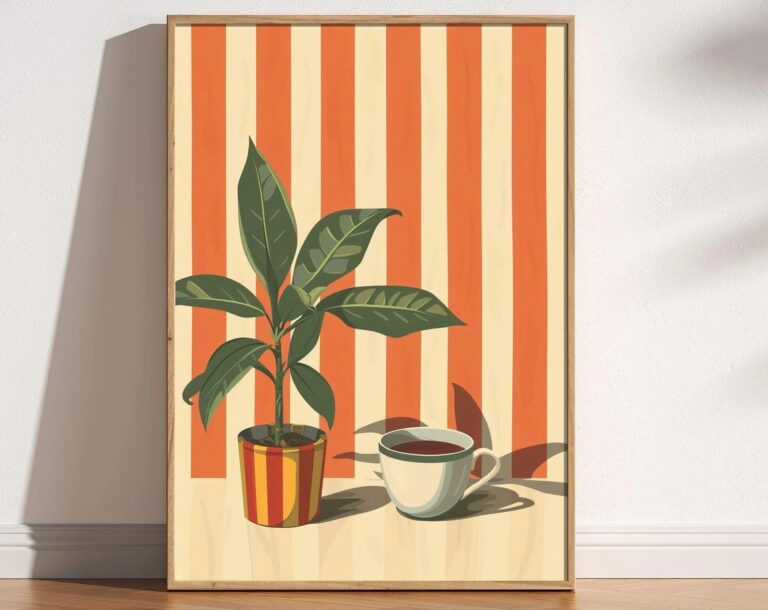
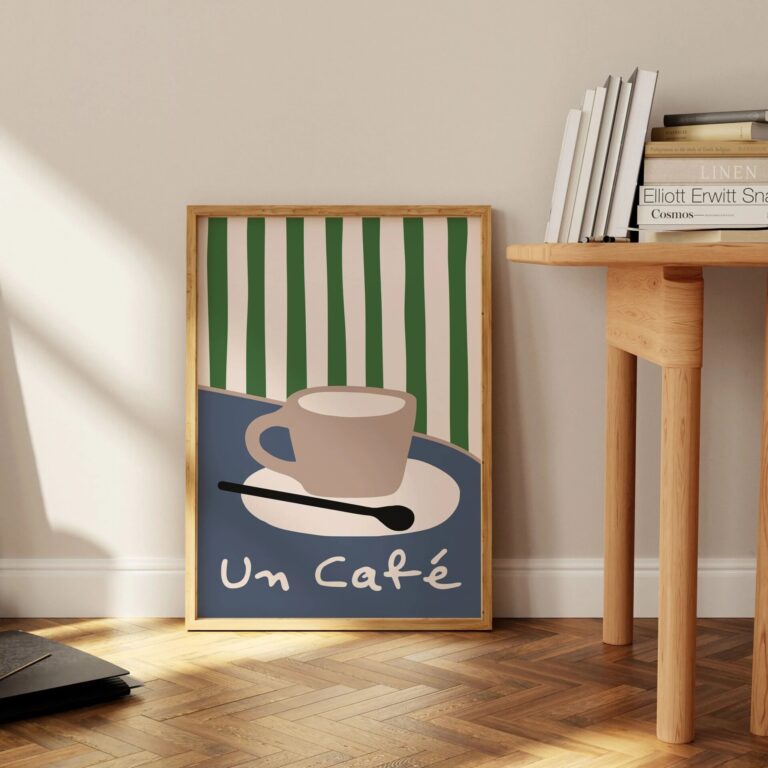 Aisha's pickKitchen Wall Art That Earns Its Place

 Aisha's pickKitchen Wall Pictures That Make a Shelf Look Styled
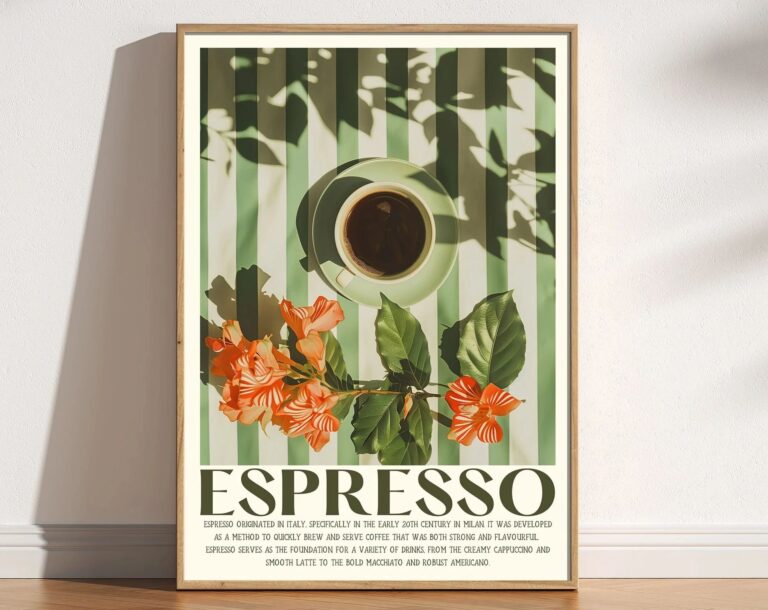 Aisha's pickKitchen Wall Posters That Make a Room Feel FinishedAlso worth a lookPrintsThe thing nobody tells you about a print is that it changes with the light, and you won't…See the collections →
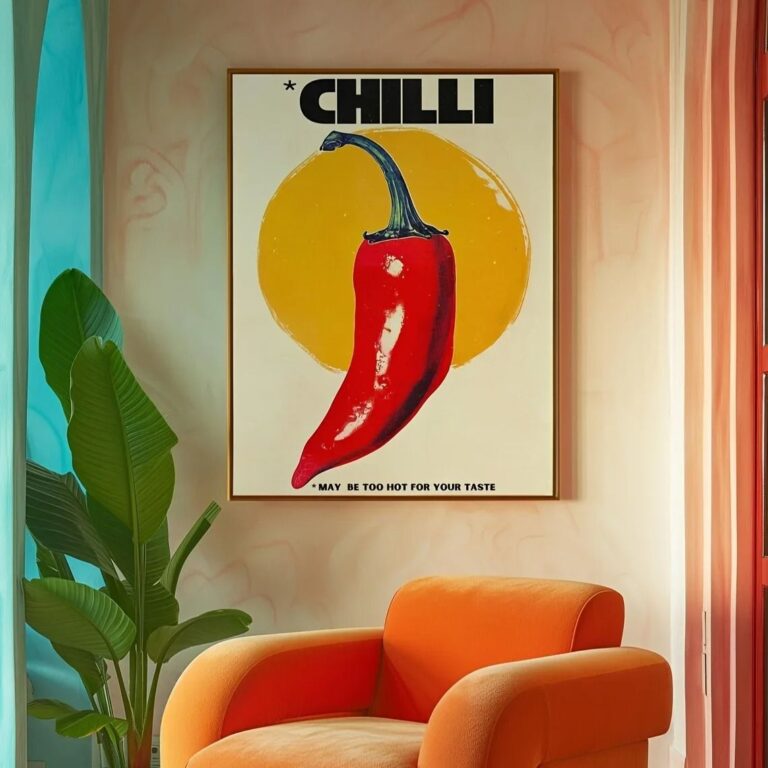
 Aisha's pickMetal Signs for Kitchen That Feel Personal, Not Store Bought

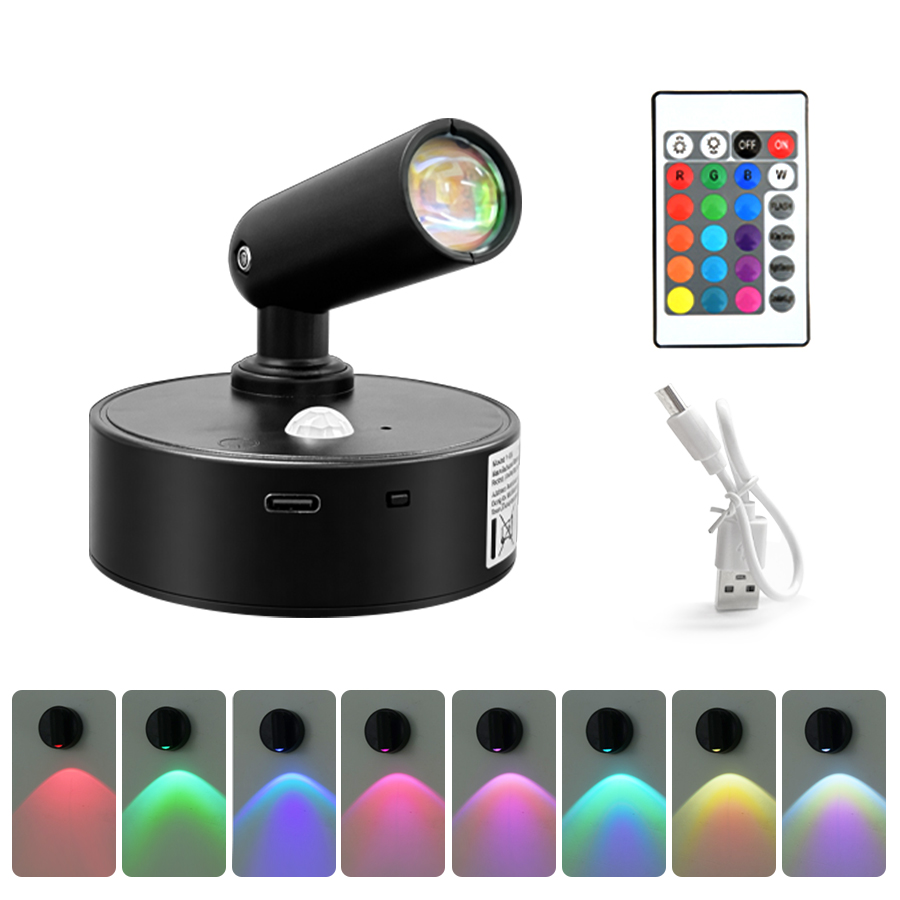 Aisha's pickPictures for Kitchen Without the Silly Price Tag
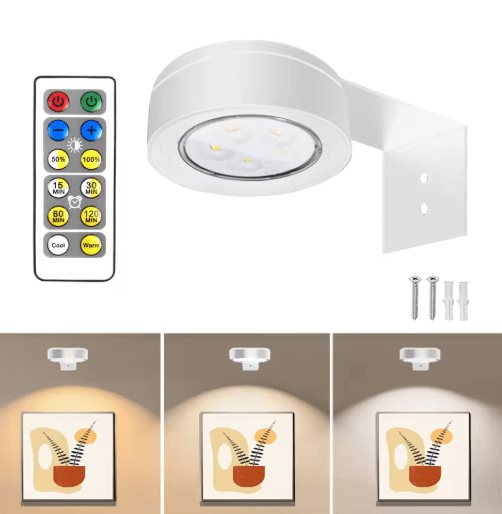
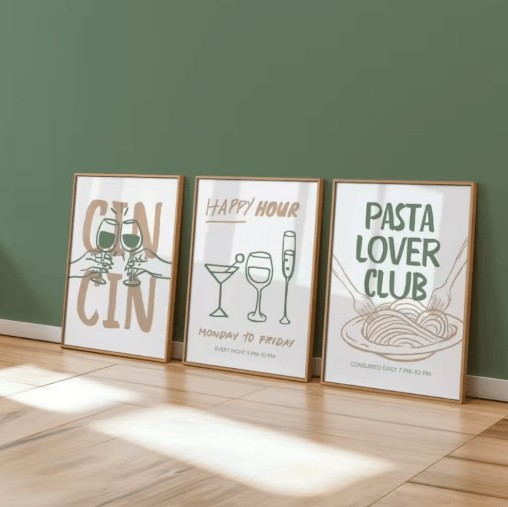 Aisha's pickPosters for Kitchen That Don’t Need Babying
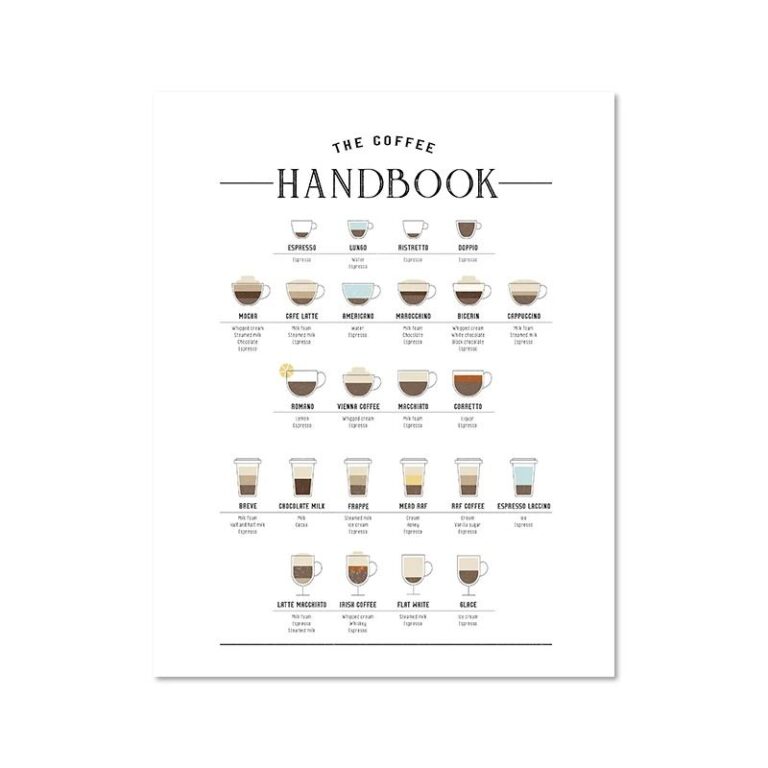
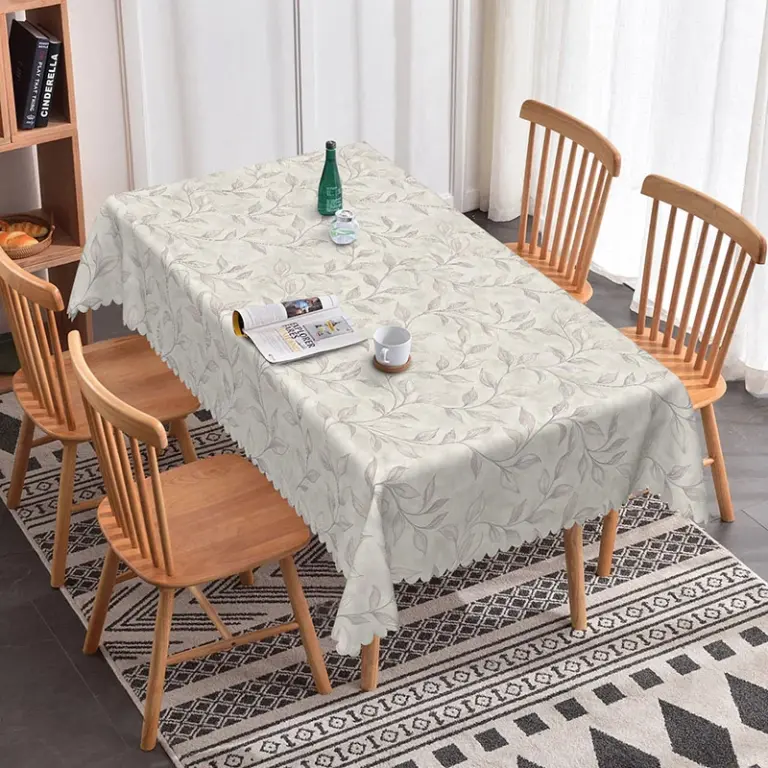 Aisha's pickPrints for Kitchen That Make Great Housewarming Gifts
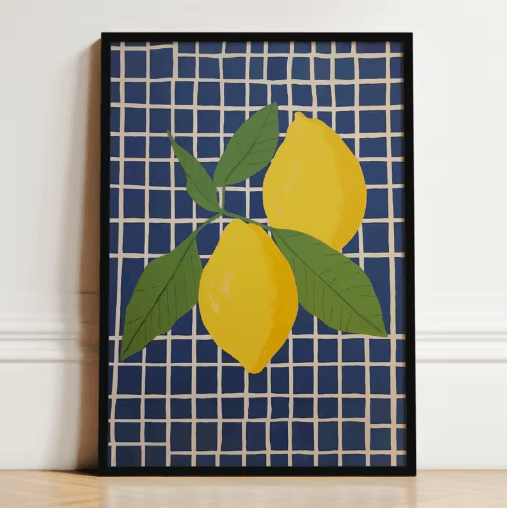
 Aisha's pickDecent Vintage Posters for Kitchen Without the Hassle
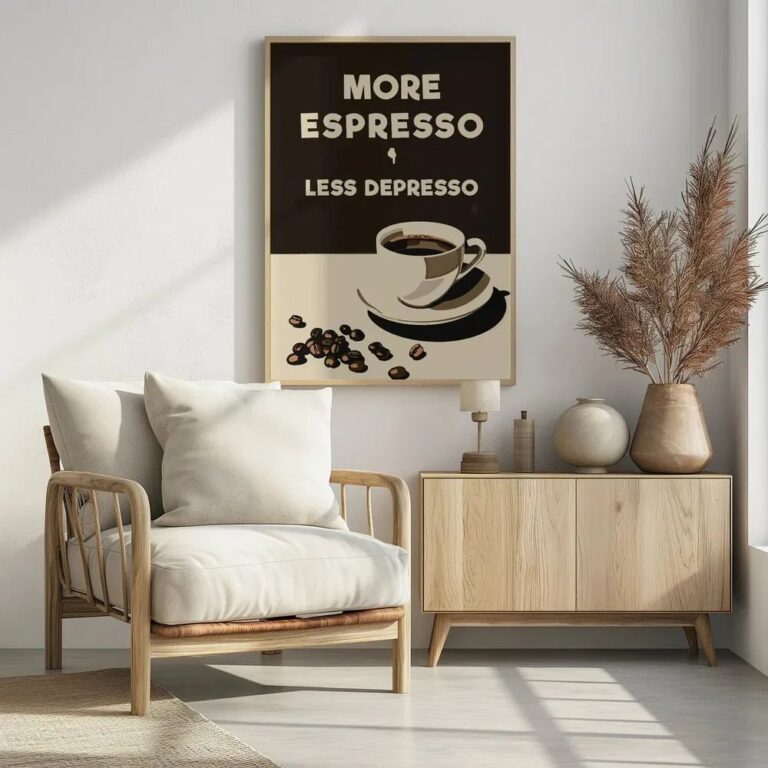
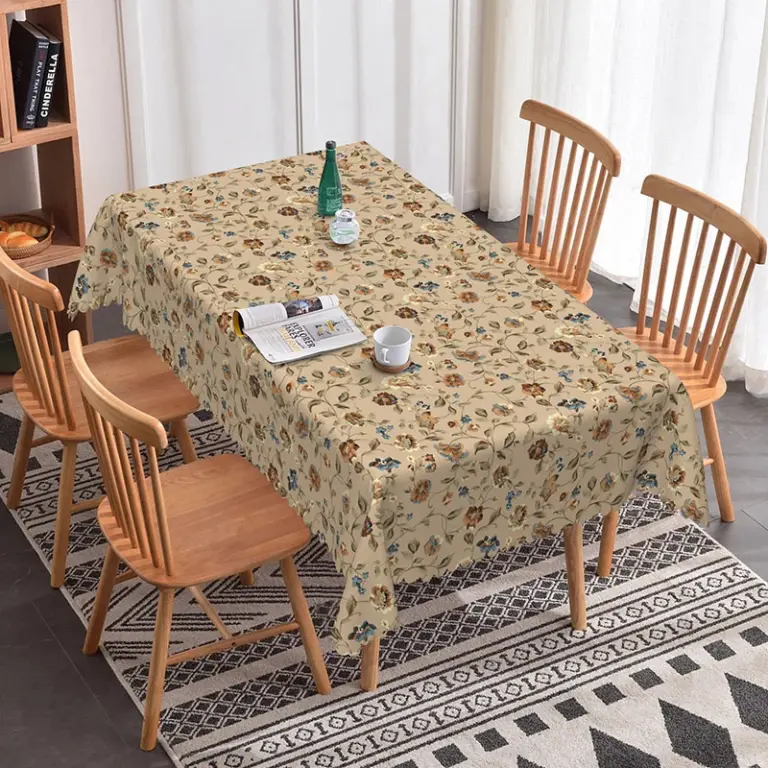 Aisha's pickVintage Prints for Kitchen We’d Make Room For

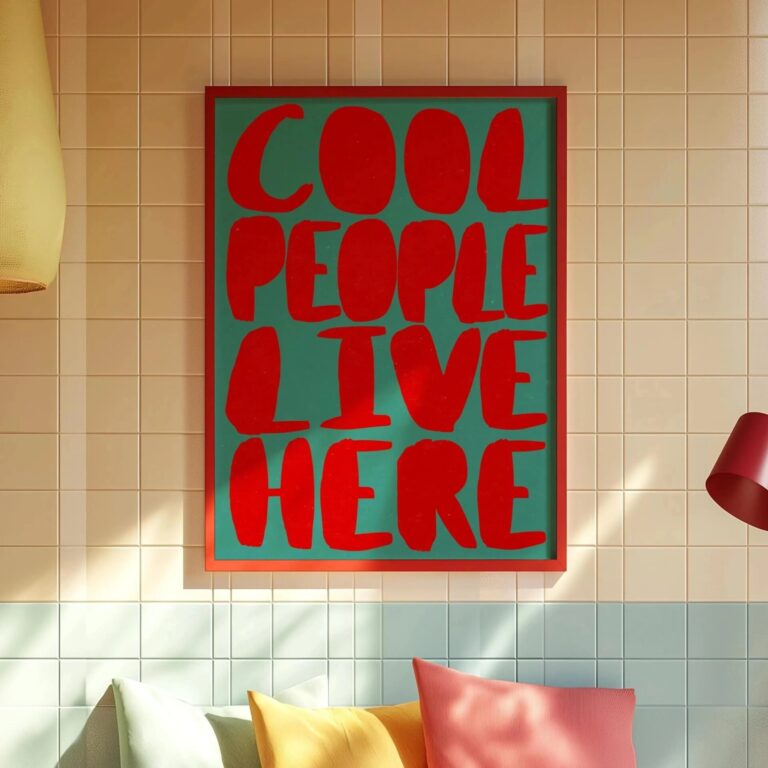 Aisha's pickArt Prints for Kitchen That Give a Room Some Personality
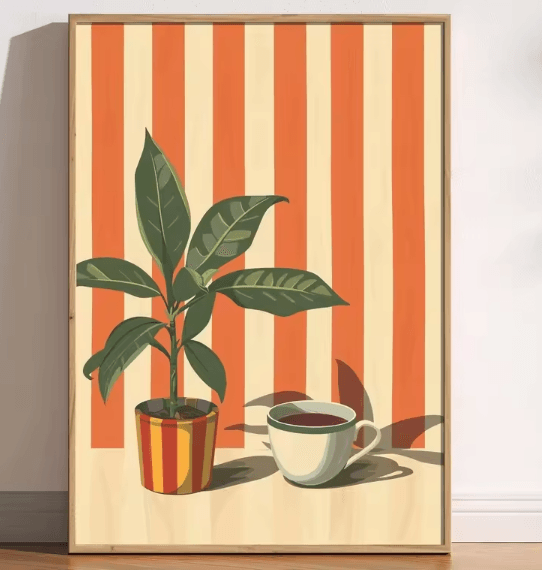
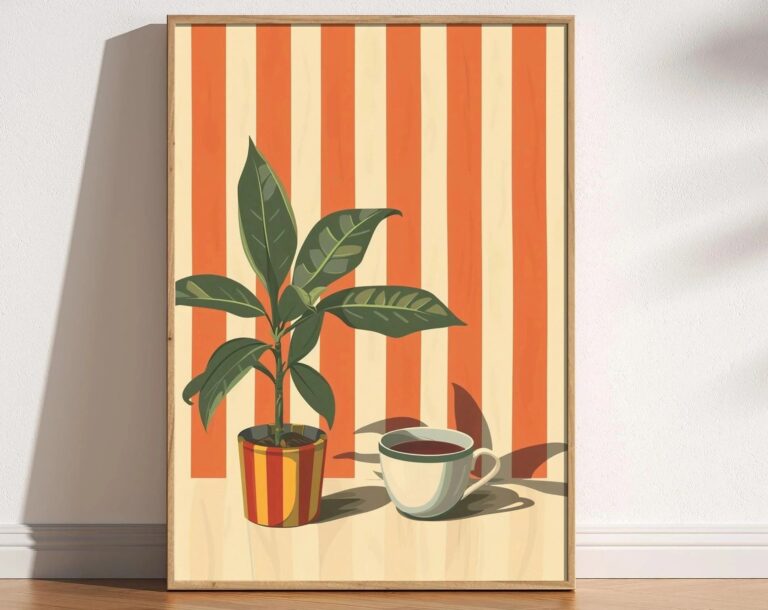 Aisha's pickVintage Wall Art for Kitchen That Does What It Should

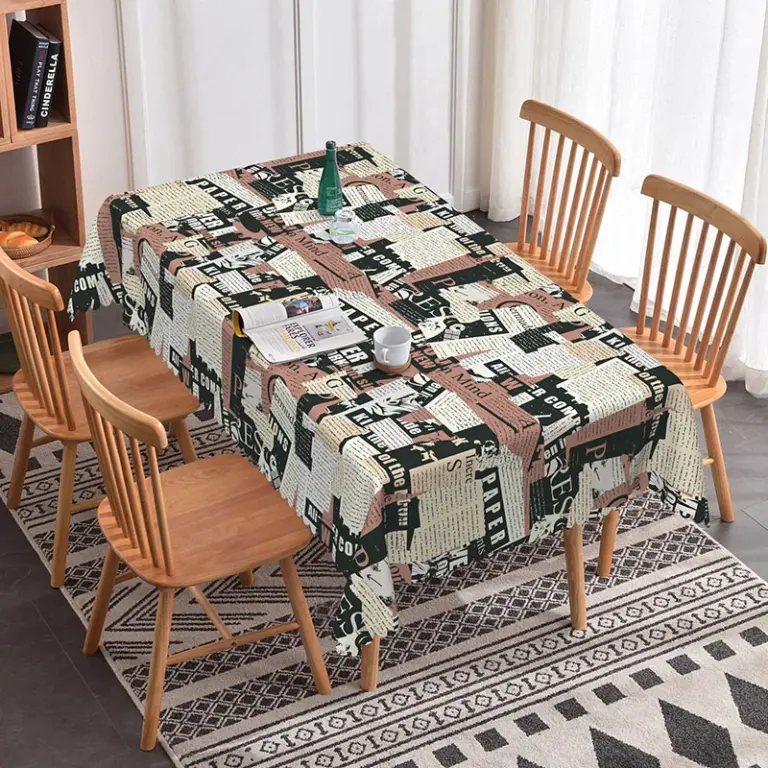 Aisha's pickKitchen Art Prints That Start ConversationsAlso worth a lookModern Wall ArtFor years I figured modern wall art meant one big canvas, something abstract and gray, hung dead center…See the collections →

 Aisha's pickGood Wall Art for Kitchen That Don’t Cost a Fortune