The thing nobody tells you about a print is that it changes with the light, and you won't know what you've actually got until you've lived with it through a few different afternoons. A print that looks sharp and a bit cold under the gray of a January morning can turn warm and soft by four in the afternoon when the sun comes in low. I've got one framed in the hallway that I nearly returned the first week because it looked flat under the hall light, and now it's the first thing I notice walking past on a late afternoon in autumn. Shops photograph these things under perfect, even light. Your house doesn't have that, and the print needs to earn its place in the actual light you've got, not the light in the listing photo.
Prints suit almost any room, which is part of the trouble, because that means you can talk yourself into hanging one anywhere without really thinking about scale, and that's where most people go wrong. A small print on a big wall just looks lost, like a stamp on an envelope. Measure the wall space you've actually got before you buy, not the space you imagine, and lean toward bigger than feels comfortable rather than smaller, because a too small print is the single most common mistake I see. Stairwells, entryways, and bedrooms with a bit of wall above the headboard all take well to them, and a north facing room that feels a little flat benefits from something with more color or contrast, where a sunny south facing room can handle something quieter and more faded looking. If you're starting from nothing, go for one piece in a plain frame rather than a cheap set of three, since a single good print you actually love will do more for a room than a trio you picked to fill space. Older, worn looking prints with a bit of history to them tend to sit more comfortably in a lived in home than anything too crisp and new, and they age well on a wall the way a good quilt ages on a bed.
Where prints fall short is in rooms that already have a lot going on, a busy wallpaper, a gallery of family photos, a room full of pattern, where another image just adds noise rather than warmth. They're also not the answer if what a wall actually needs is color or texture rather than a picture, no print fixes a wall that's the wrong shade to begin with.
I'd put a plain wood frame around it and a low lamp nearby, so it's still visible after the sun goes down and the room goes quiet.

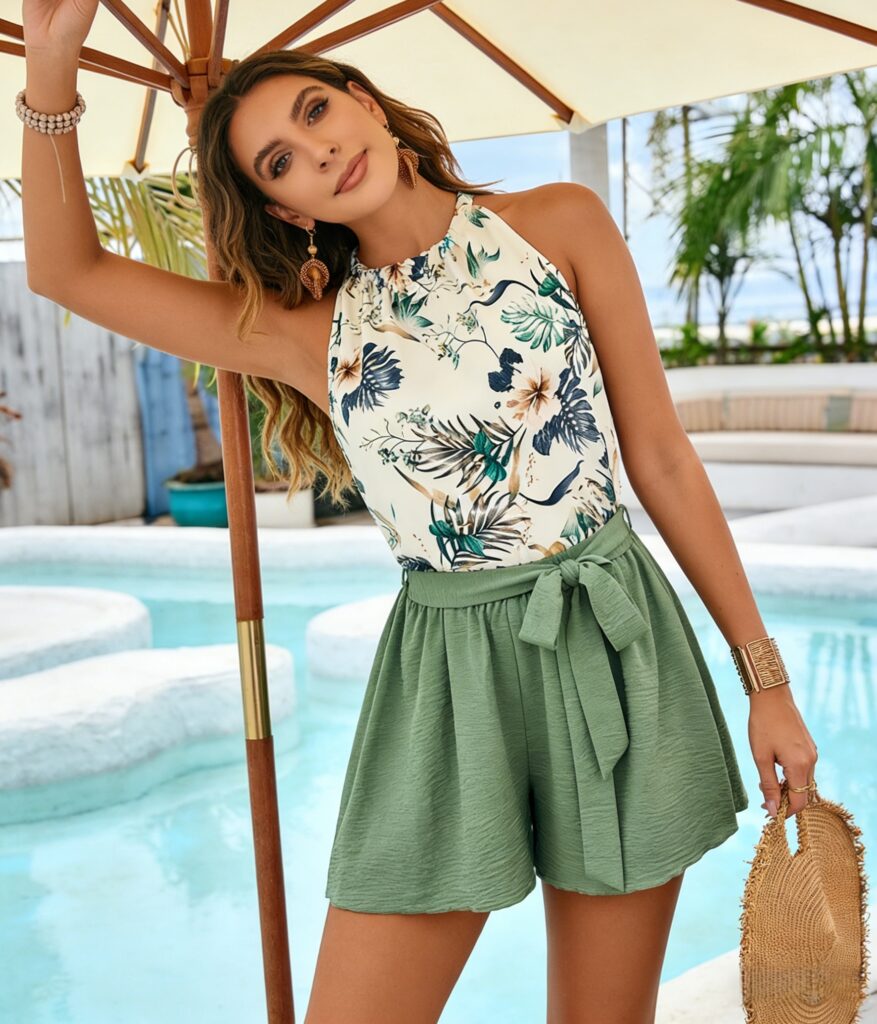 Aisha's pickCoastal Prints for Blank Walls and Empty Shelves
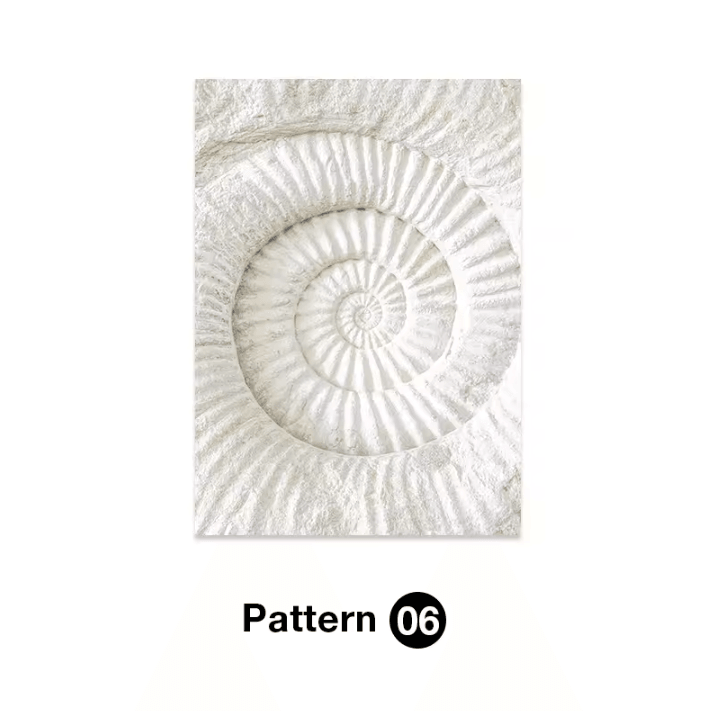
 Aisha's pickJapanese Prints From Brands You Know and a Few You Won’t
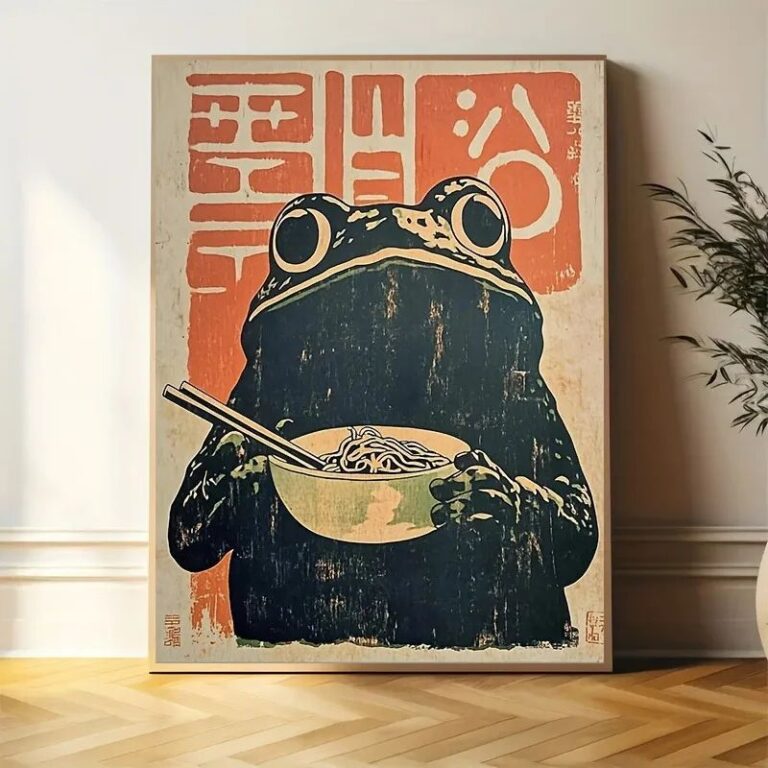
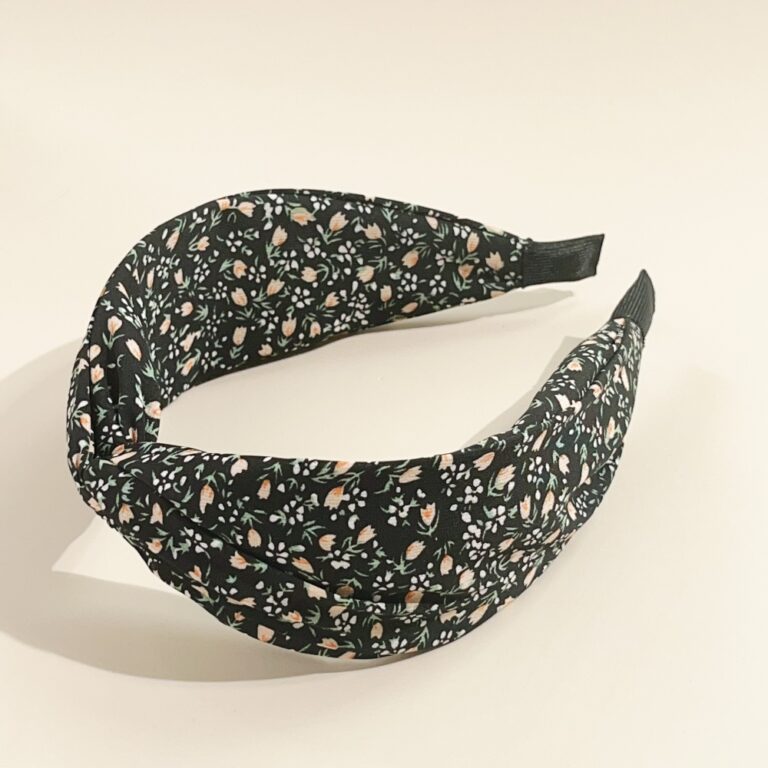 Aisha's pickFloral Vintage Prints for Filling an Awkward Gap
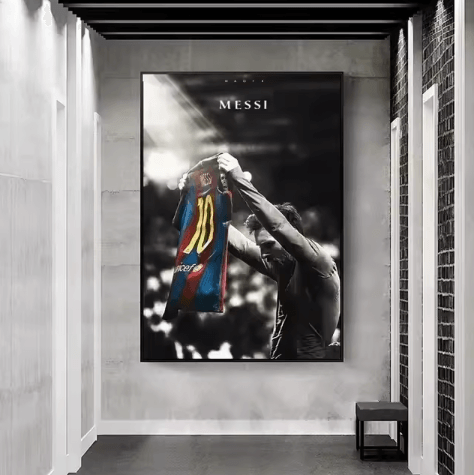 Aisha's pickVintage Prints for Bedroom From Brands You Know and a Few You Won’t

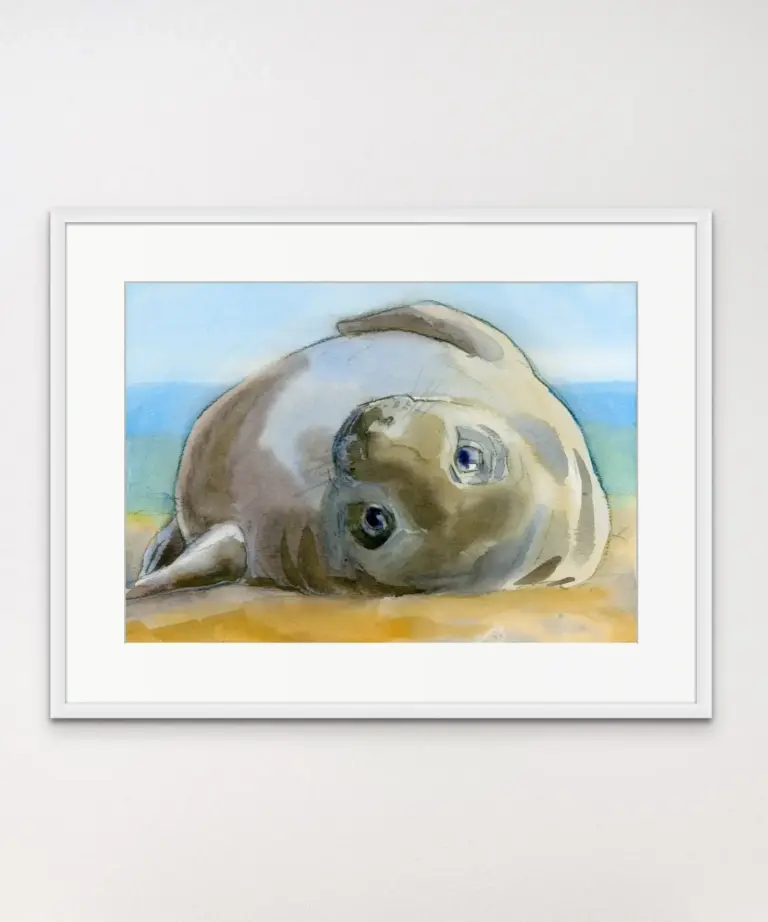 Aisha's pickA1 Prints Picked From the Stores We Trust
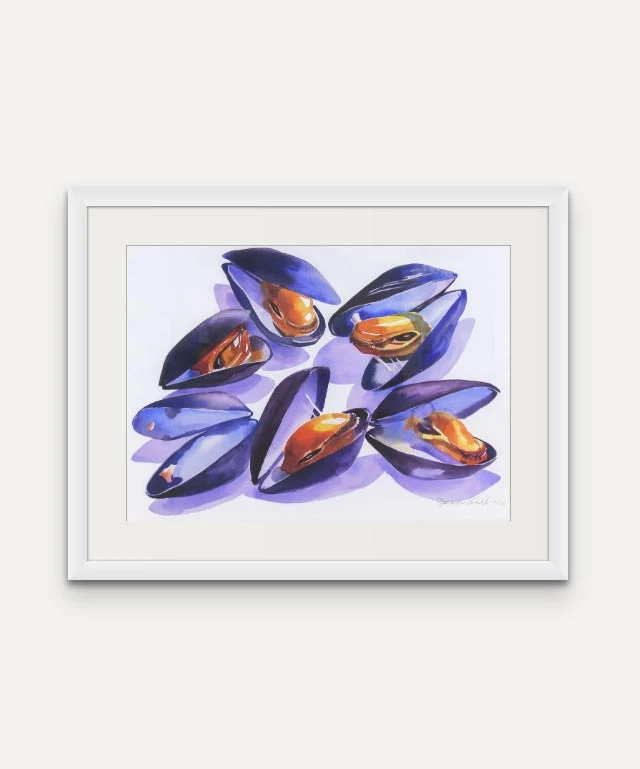
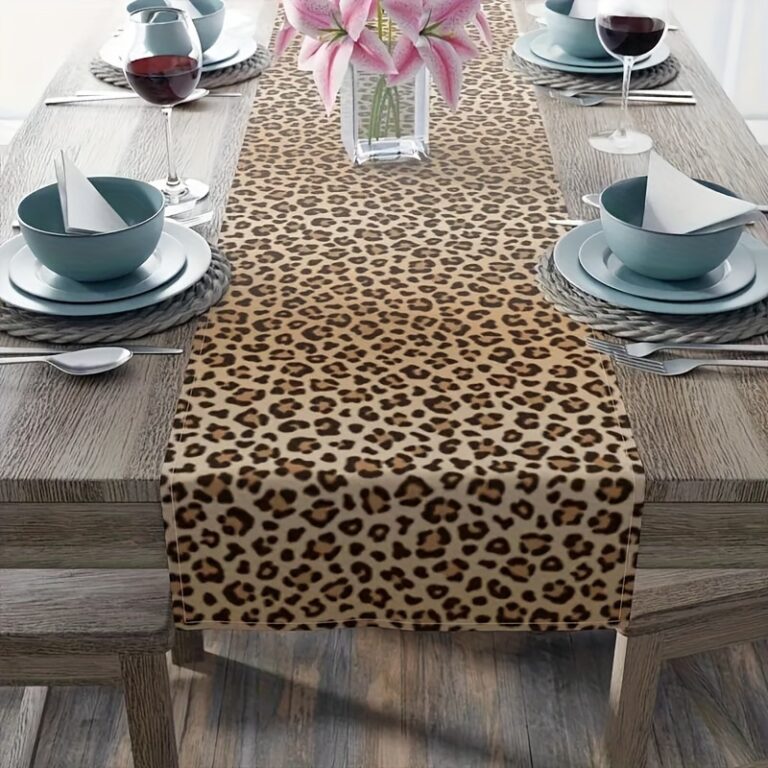 Aisha's pickCoffee Prints That Give a Room Some Personality
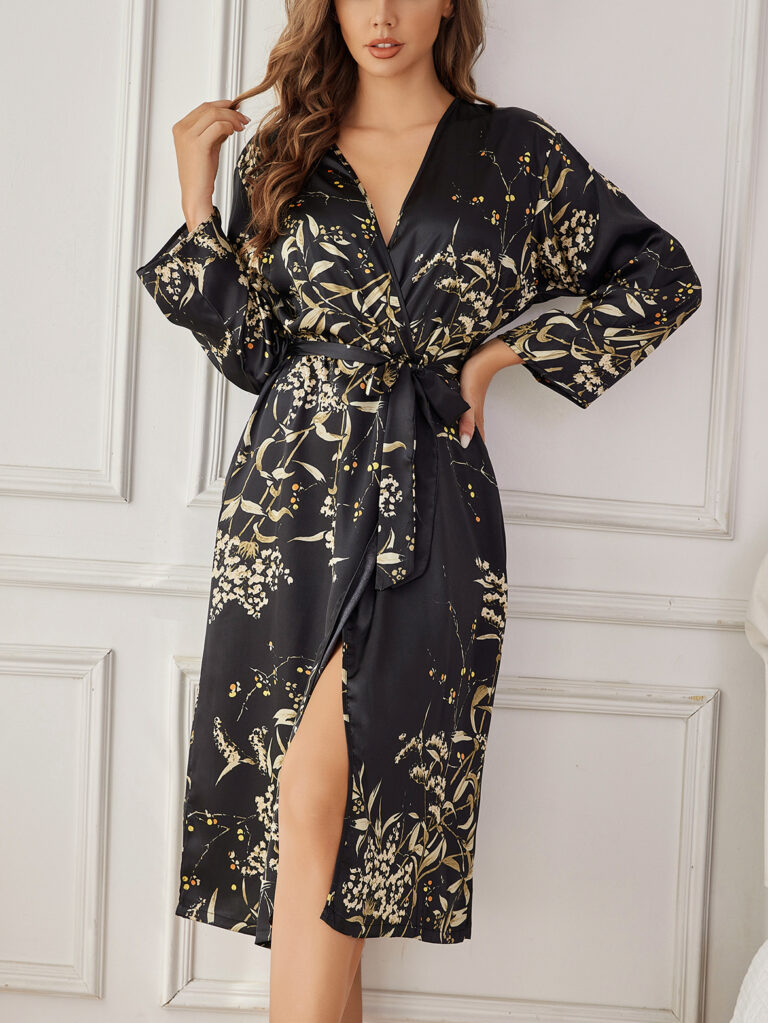
 Aisha's pickLake Prints We’d Make Room For
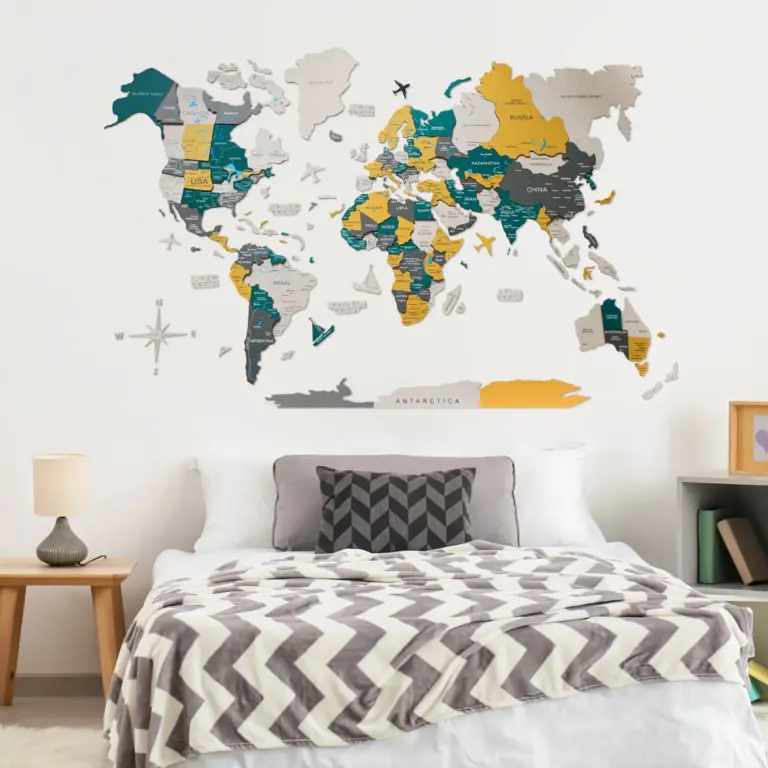
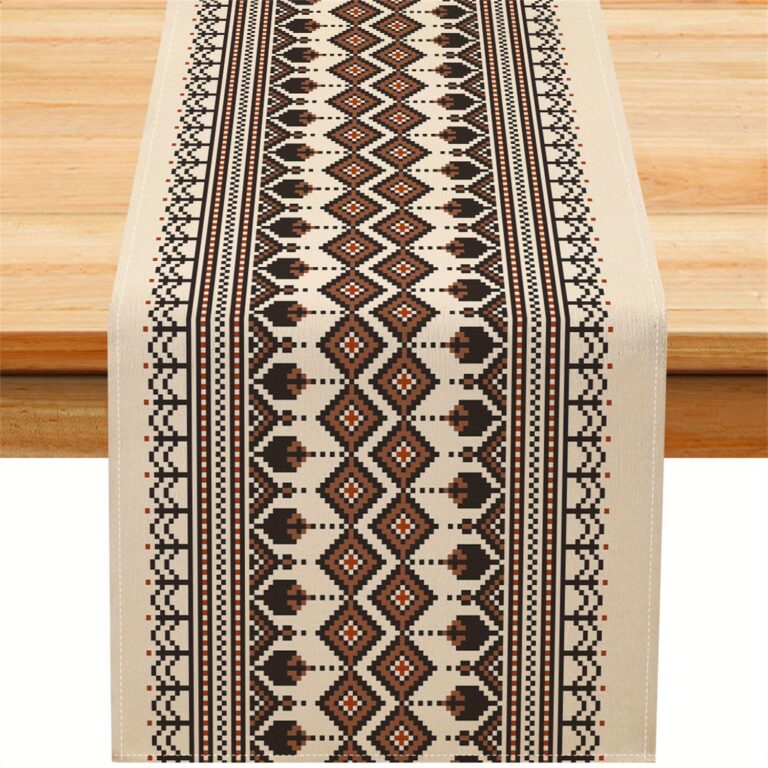 Aisha's pickKitchen Vintage Prints That Won’t Let You Down
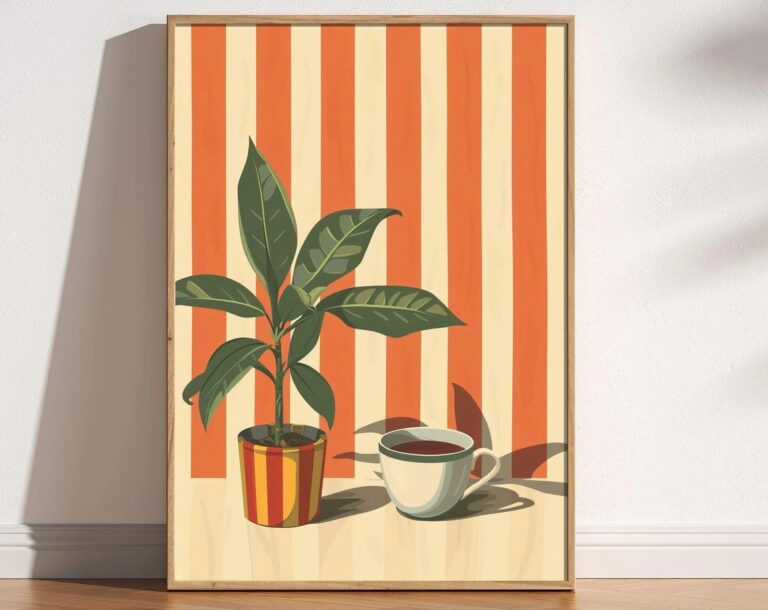
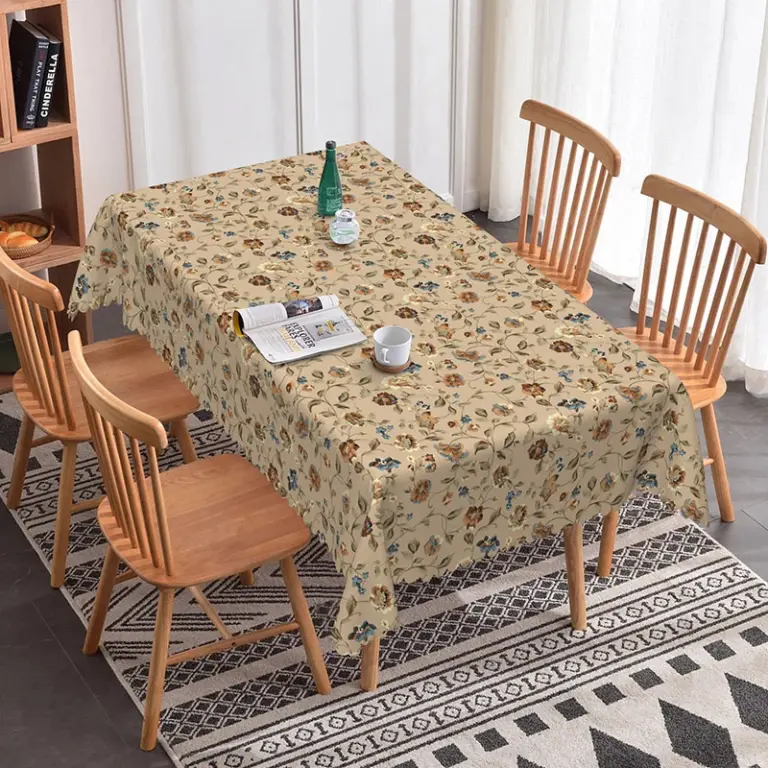 Aisha's pickVintage Prints for Kitchen We’d Make Room ForAlso worth a lookVintage PrintsThe mistake is buying a vintage print because the image itself is good, then getting it home and…See the collections →

 Aisha's pickA2 Prints That Visitors Always Ask About

 Aisha's pickDog Prints That Feel Personal, Not Store Bought

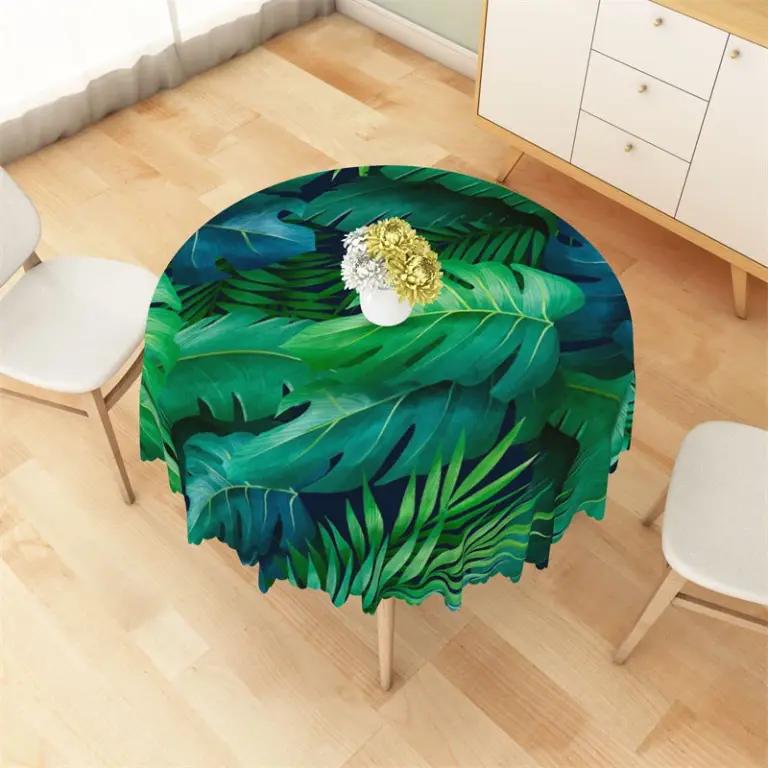 Aisha's pickLeaf Prints That Catch the Eye Without Taking Over

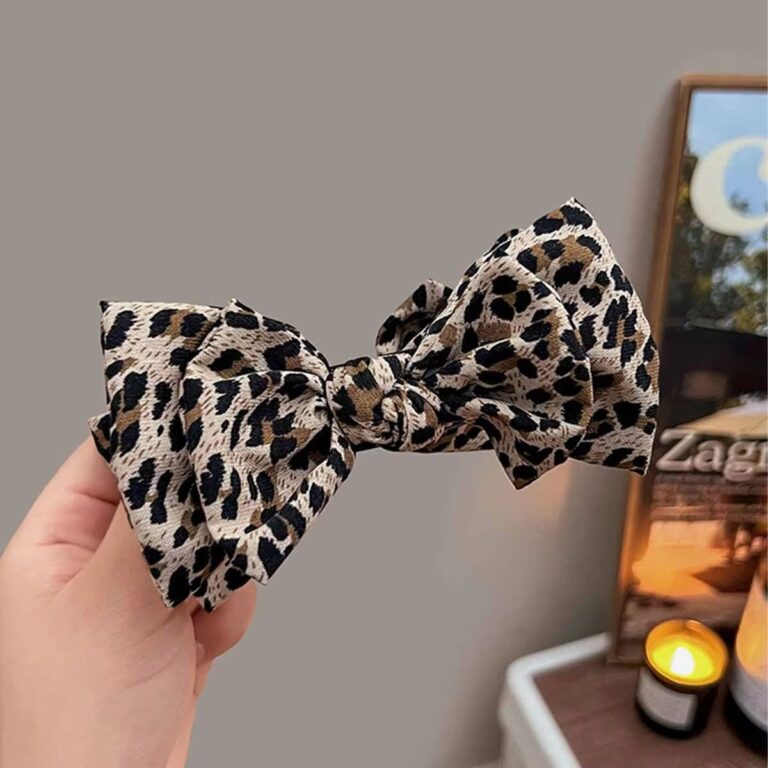 Aisha's pickLarge Vintage Prints That Feel Personal, Not Store Bought
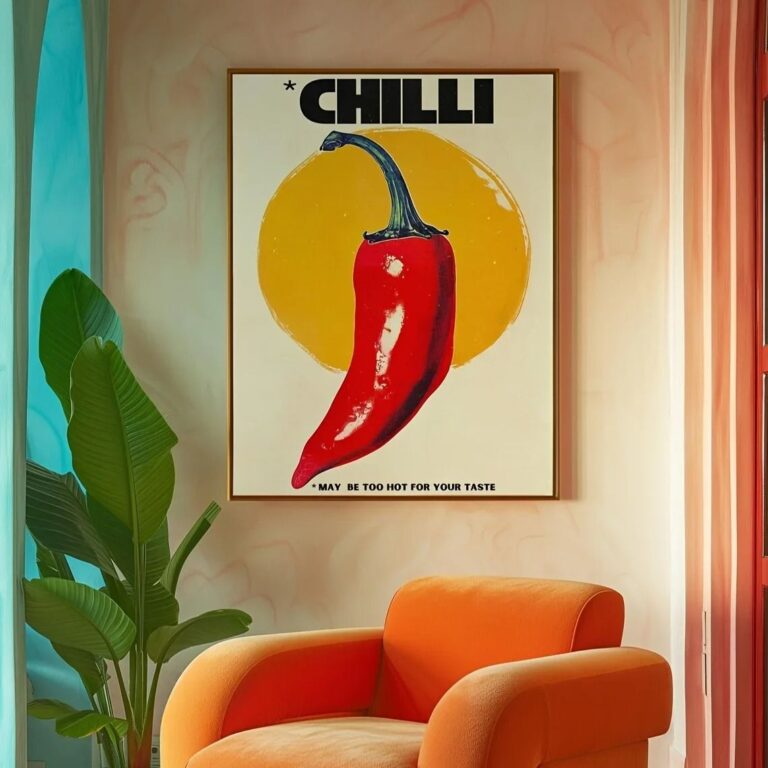
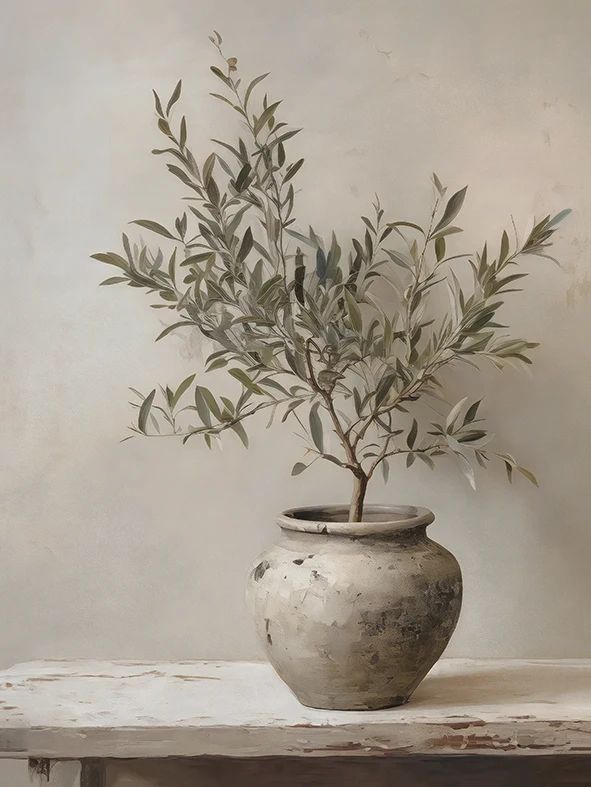 Aisha's pickVintage Prints for Living Room That Start Conversations
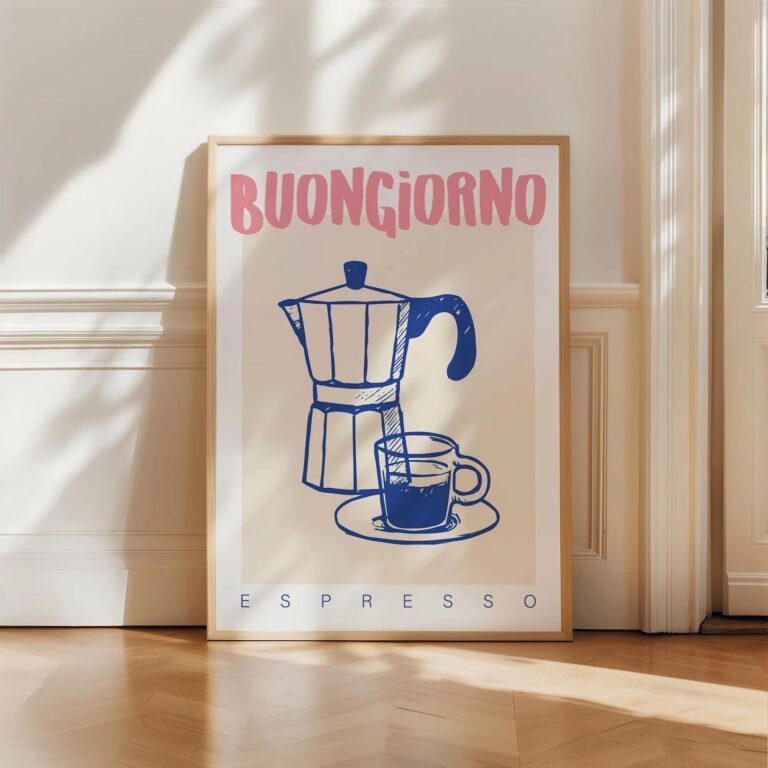
 Aisha's pickA3 Prints With a Story to Them

 Aisha's pickFace Prints That Make Great Housewarming Gifts
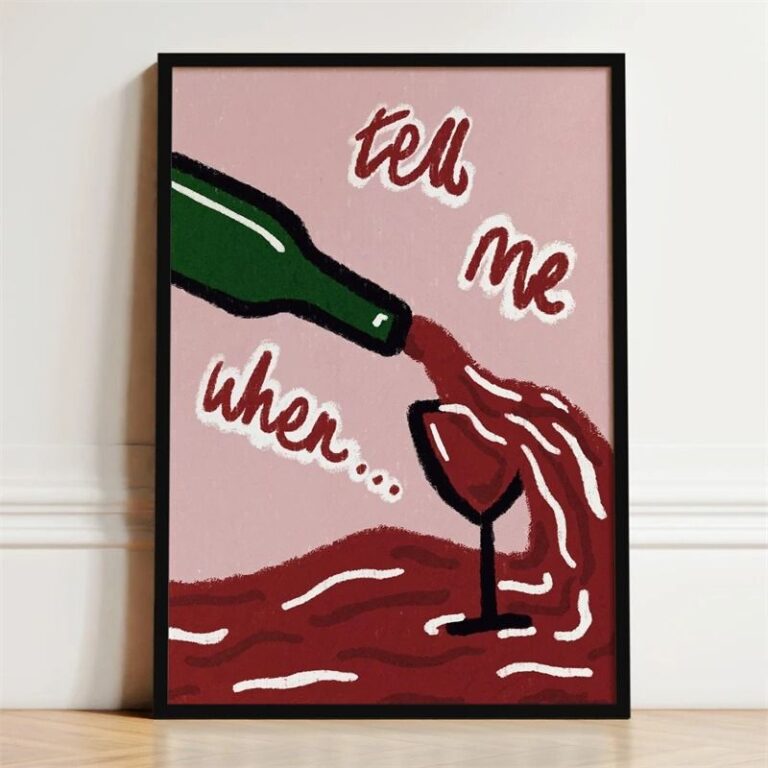 Aisha's pickLemon Prints Without the Silly Price Tag

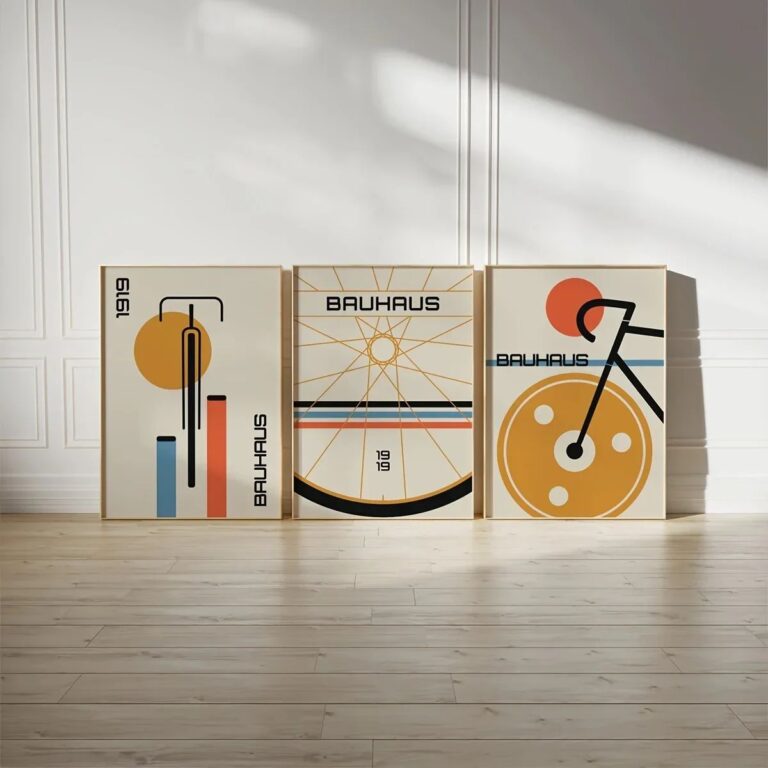 Aisha's pickMid Century Prints That Don’t Look Mass ProducedAlso worth a lookModern Wall ArtFor years I figured modern wall art meant one big canvas, something abstract and gray, hung dead center…See the collections →
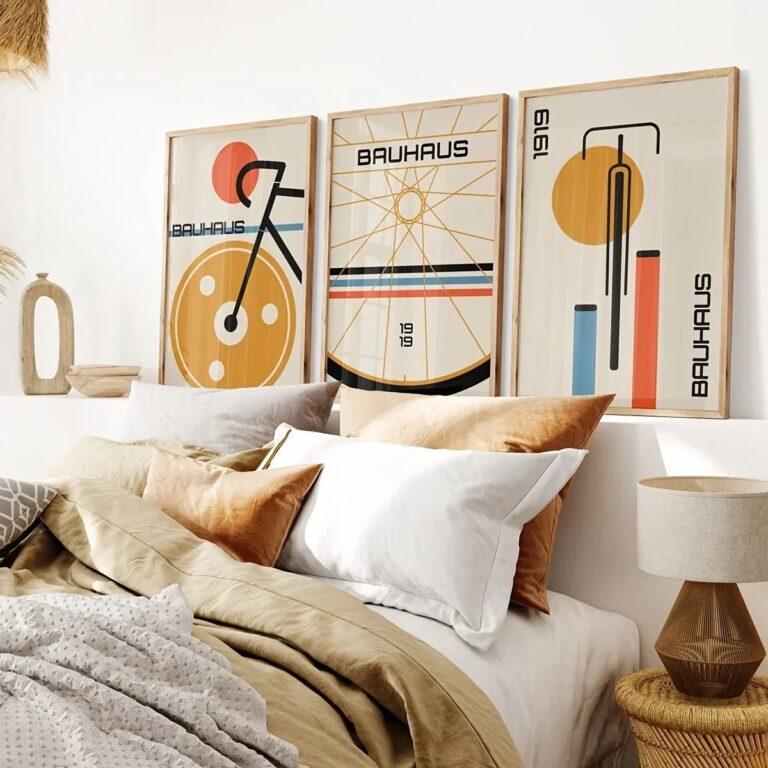
 Aisha's pickVintage Prints for Office That Keep the Desk Clear

 Aisha's pickA4 Prints That Work in Old Houses and New Ones

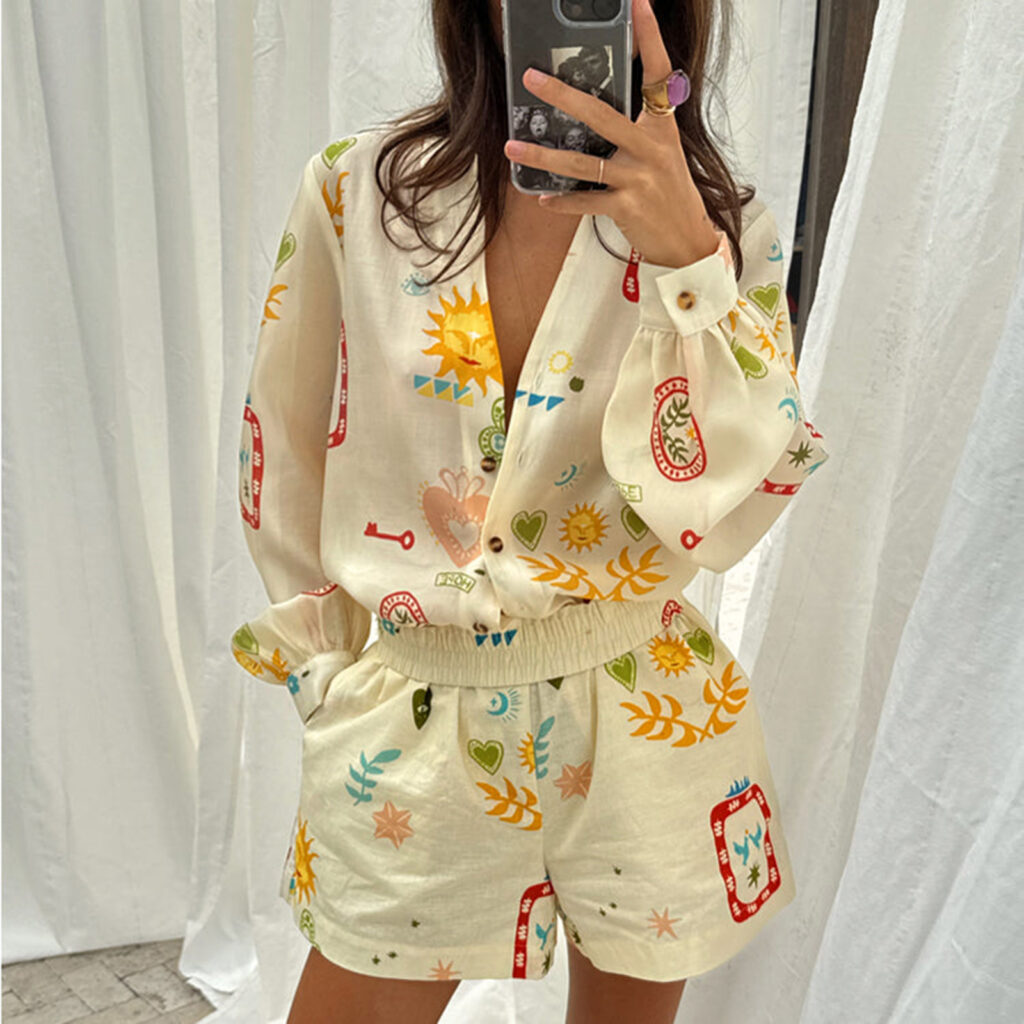 Aisha's pickFashion Prints We’d Make Room For

 Aisha's pickLimited Edition Prints That Make Rented Places Feel Like Home

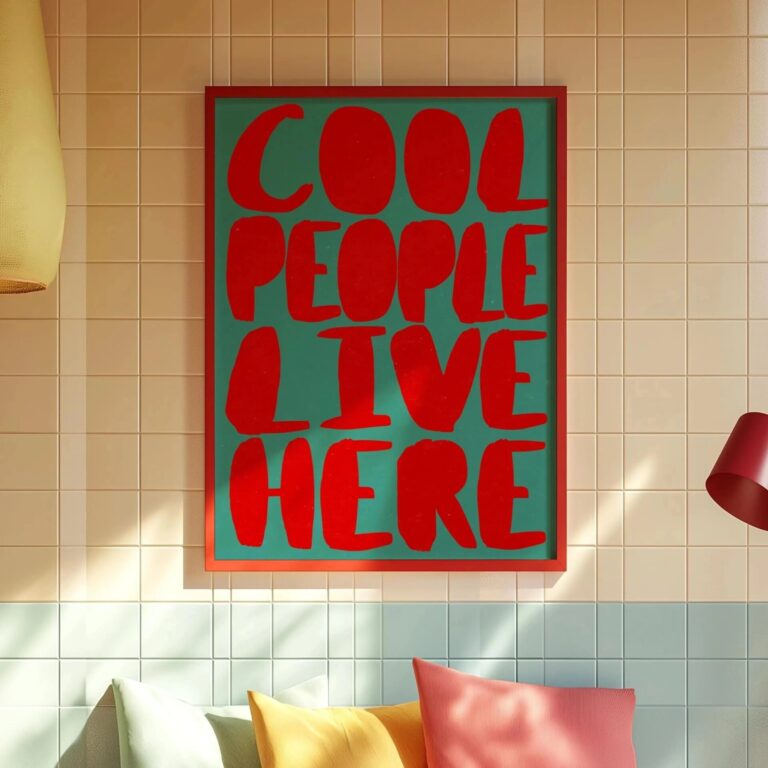 Aisha's pickRetro Art Prints That Give a Room Some Personality

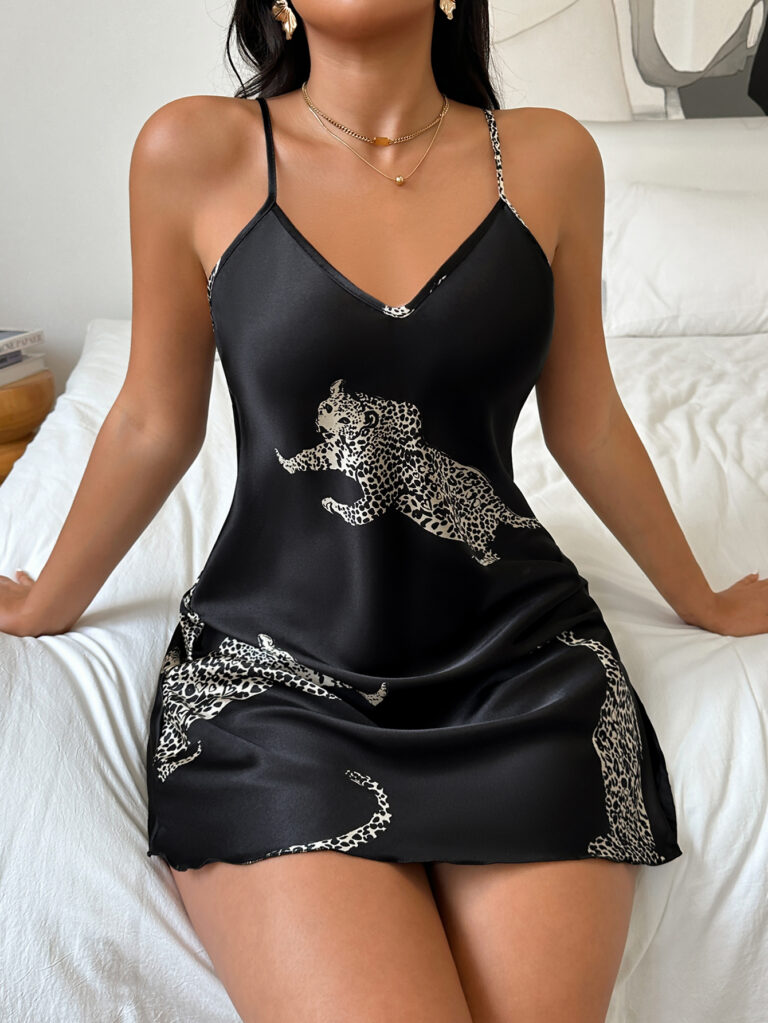 Aisha's pickAnimal Prints That Go With Most Rooms

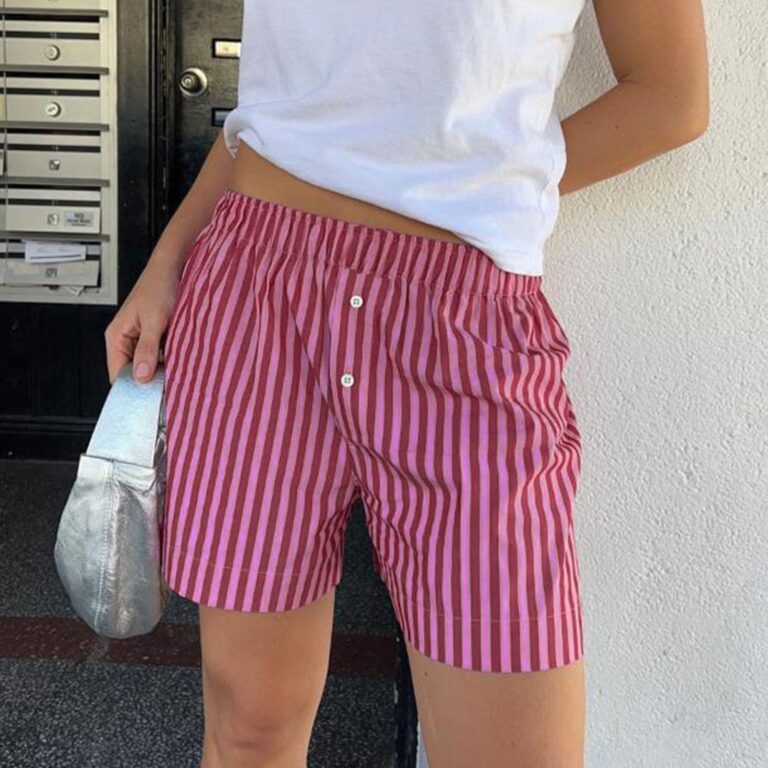 Aisha's pickFigure Prints for Filling an Awkward Gap

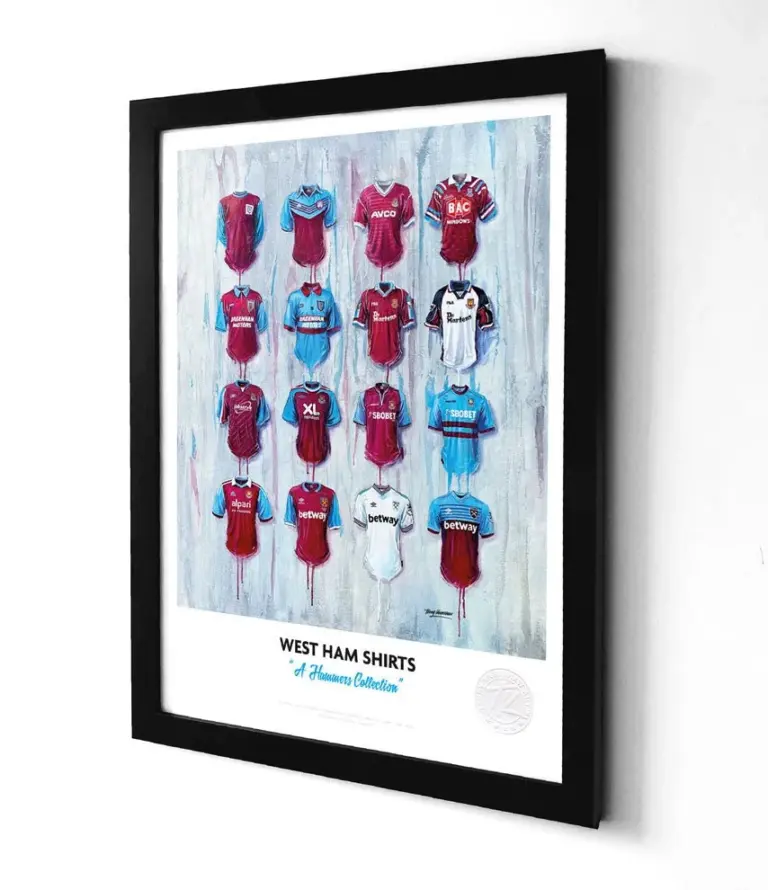 Aisha's pickLondon Prints That Do the Job Right
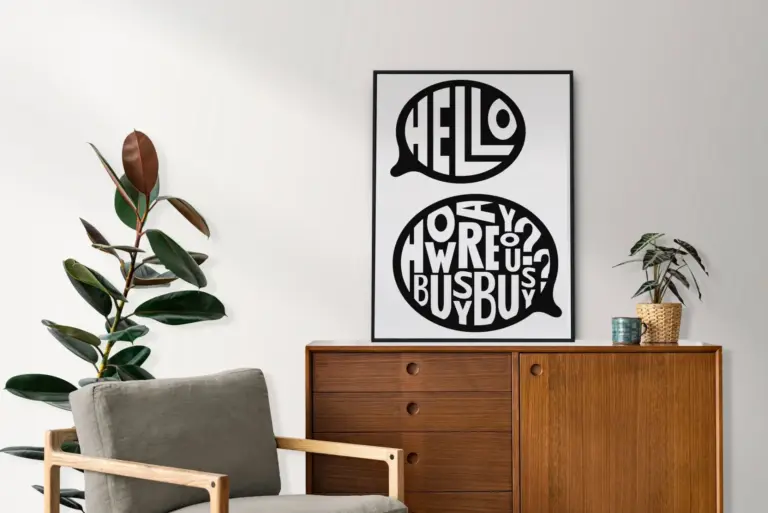
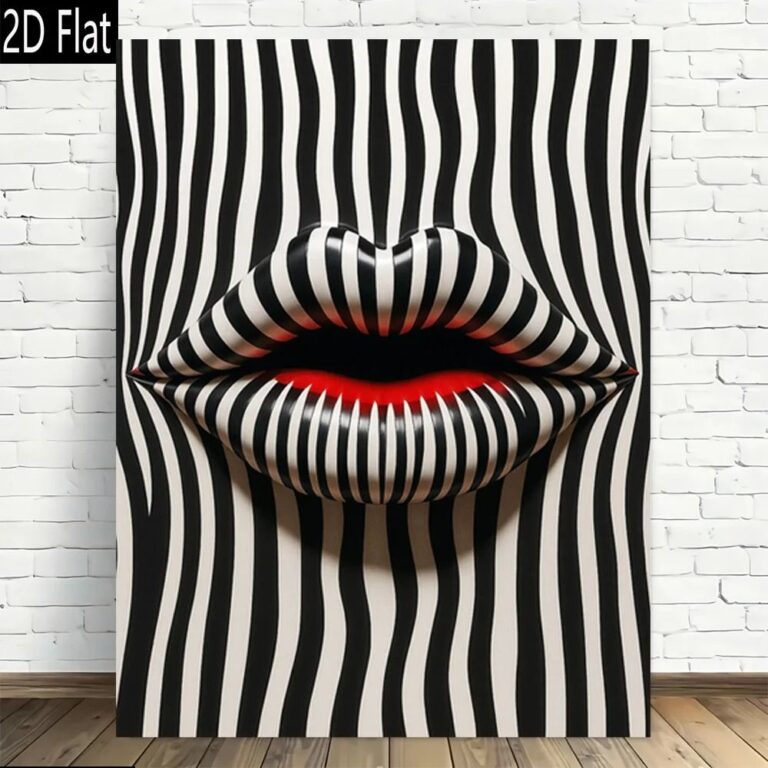 Aisha's pickRetro Art Prints for Bedroom That Don’t Shout About ItAlso worth a lookPaintingsThe one thing worth knowing before you hang a single painting is that scale matters more than subject.See the collections →

 Aisha's pickBathroom Prints That Work in Old Houses and New Ones
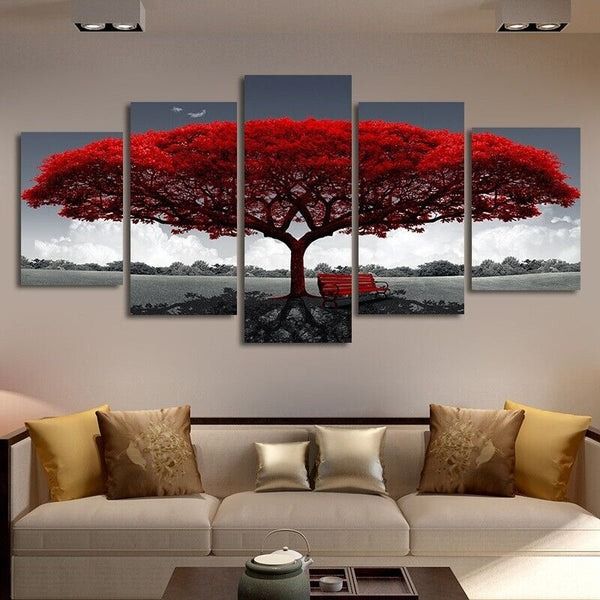
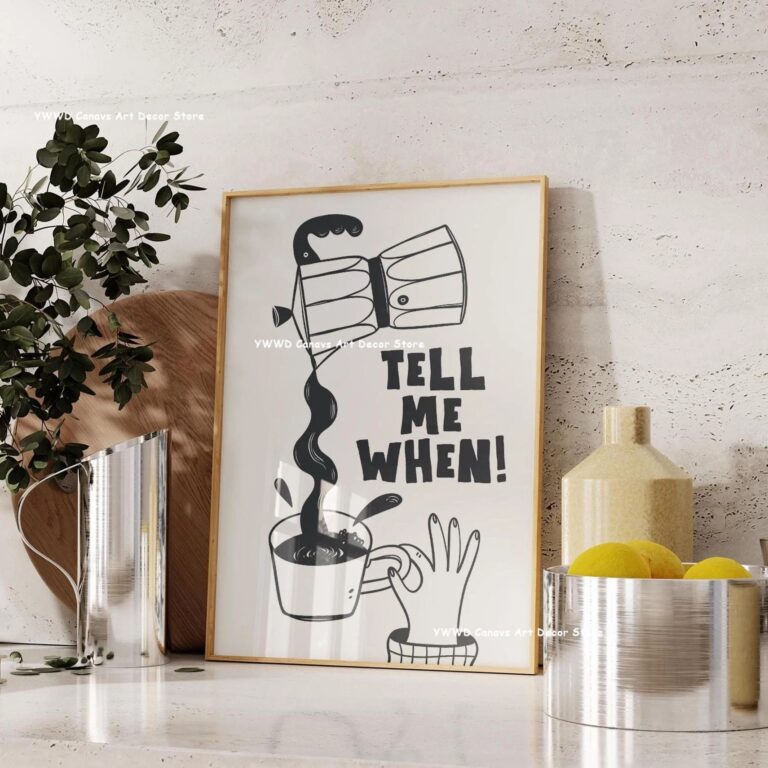 Aisha's pickFood Prints That Look Better in Real Life
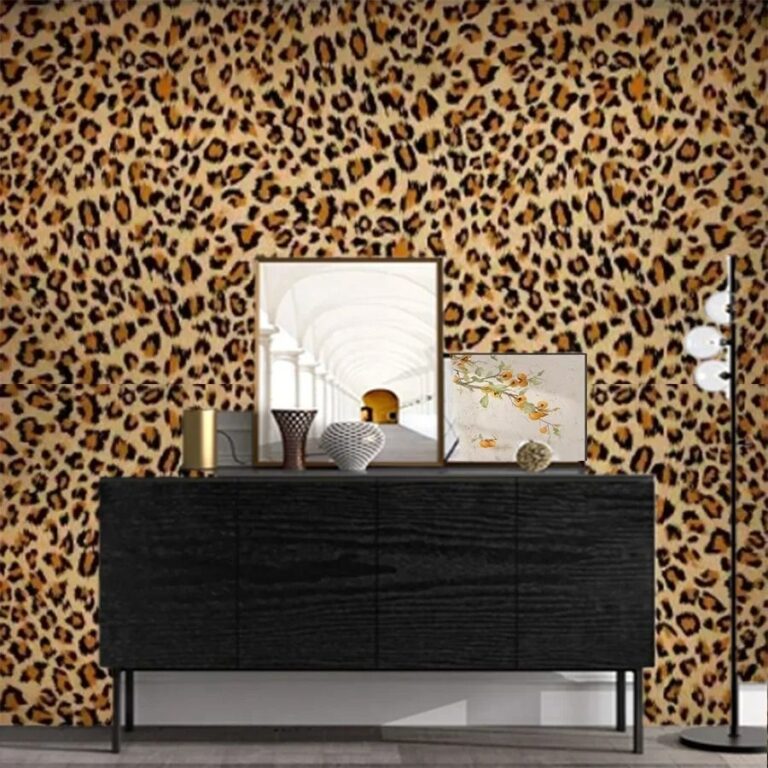
 Aisha's pickMap Prints for Filling an Awkward Gap

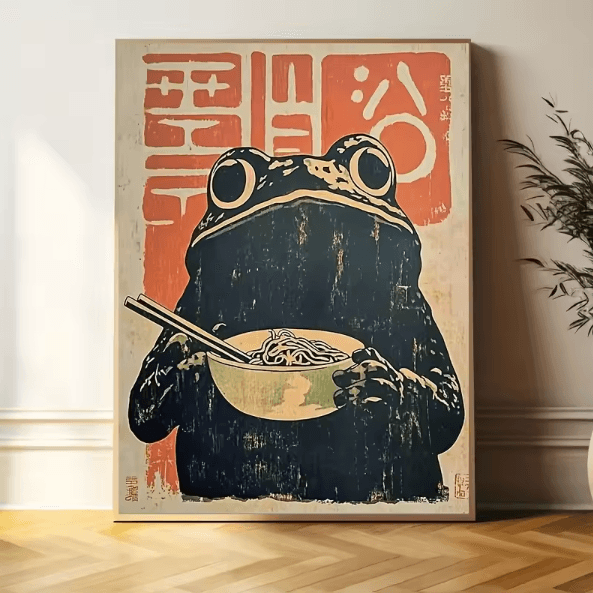 Aisha's pickRetro Art Prints for Living Room That Feel Personal, Not Store Bought
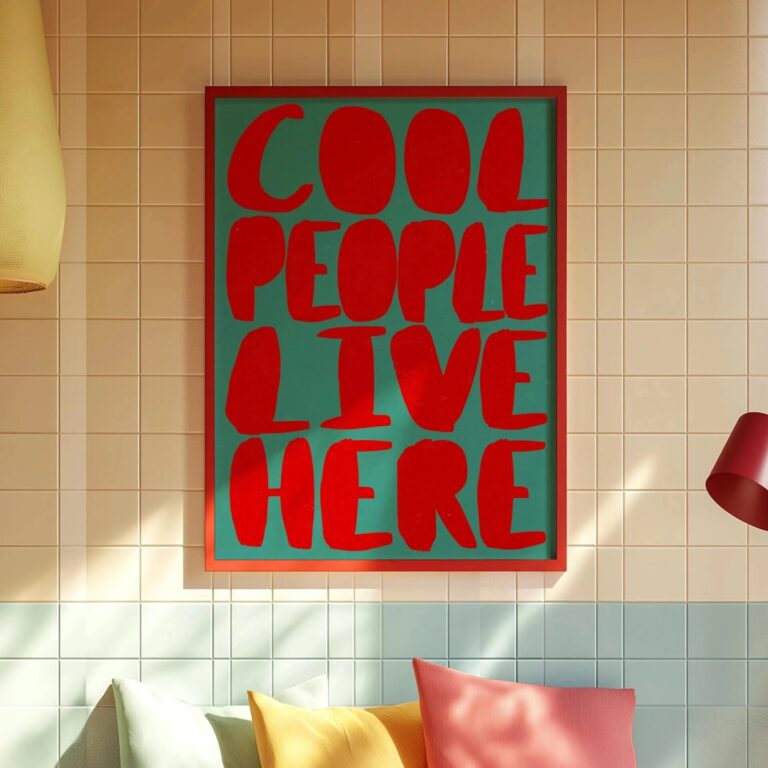
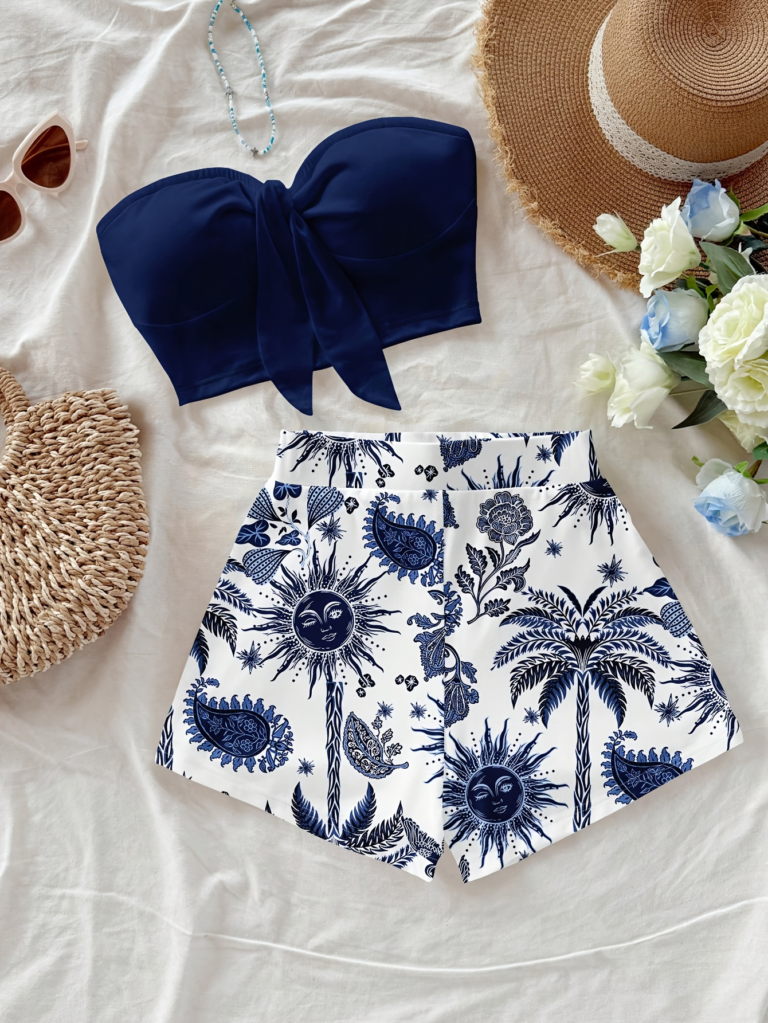 Aisha's pickBeach Prints for Rooms That Feel a Bit Bare

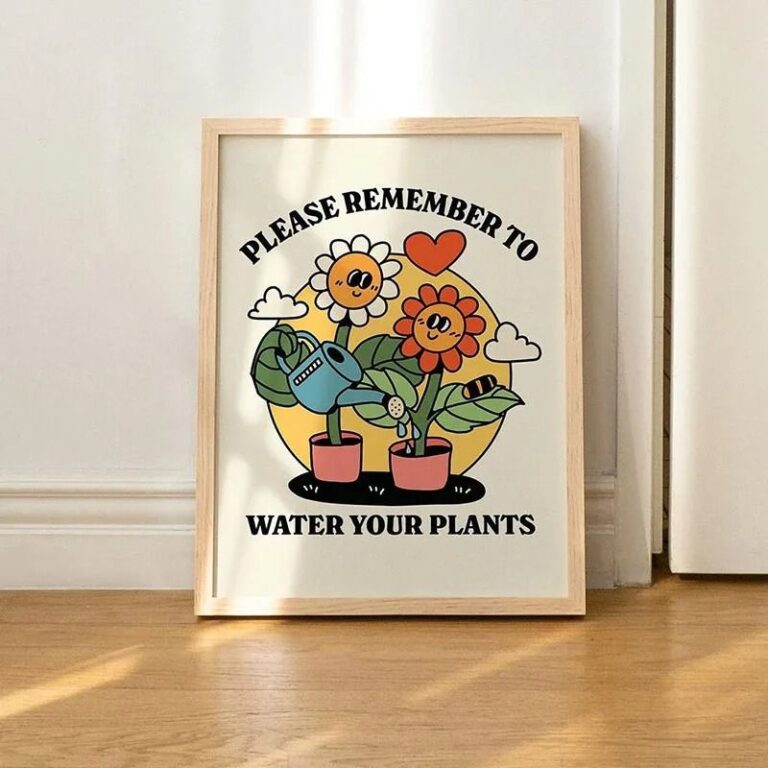 Aisha's pickForest Prints for Blank Walls and Empty Shelves
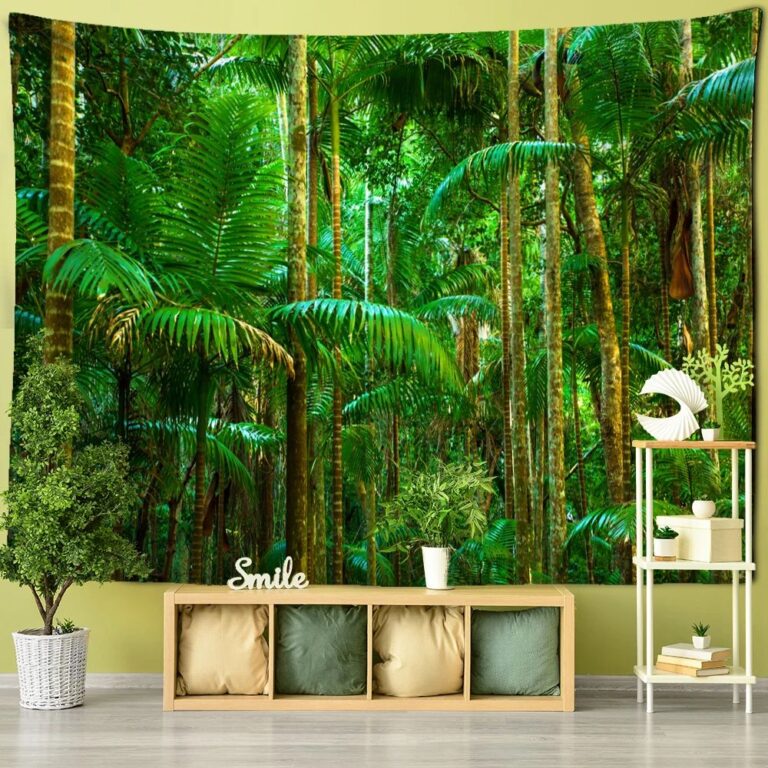
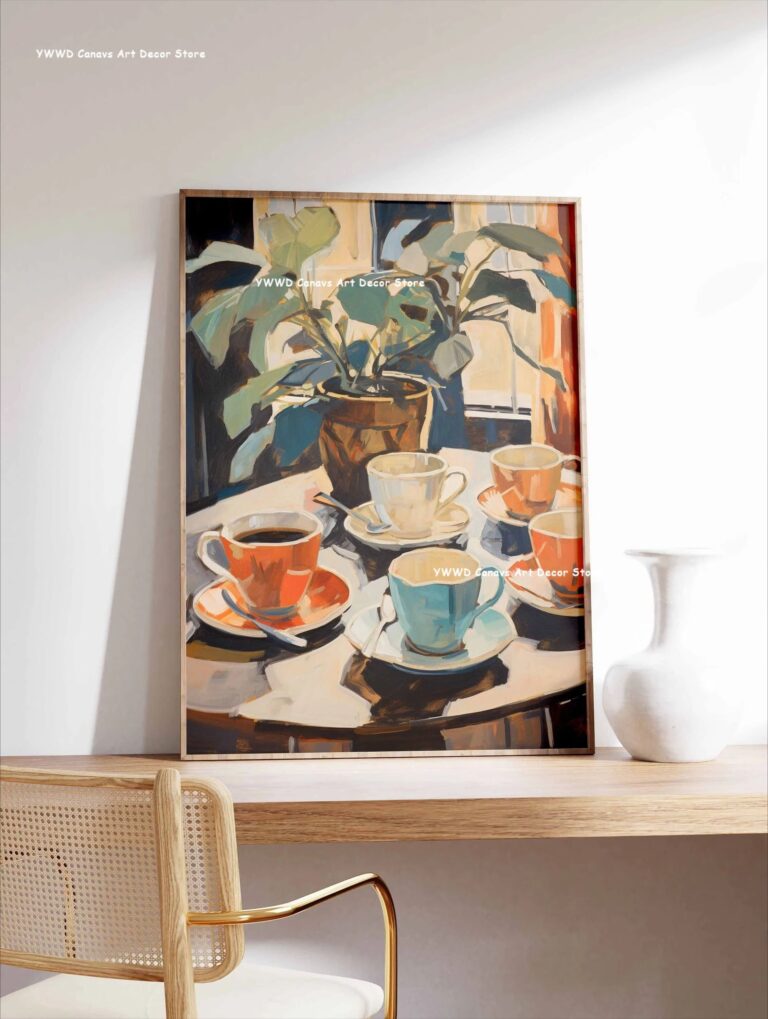 Aisha's pickMedium Prints That Go With Most Rooms
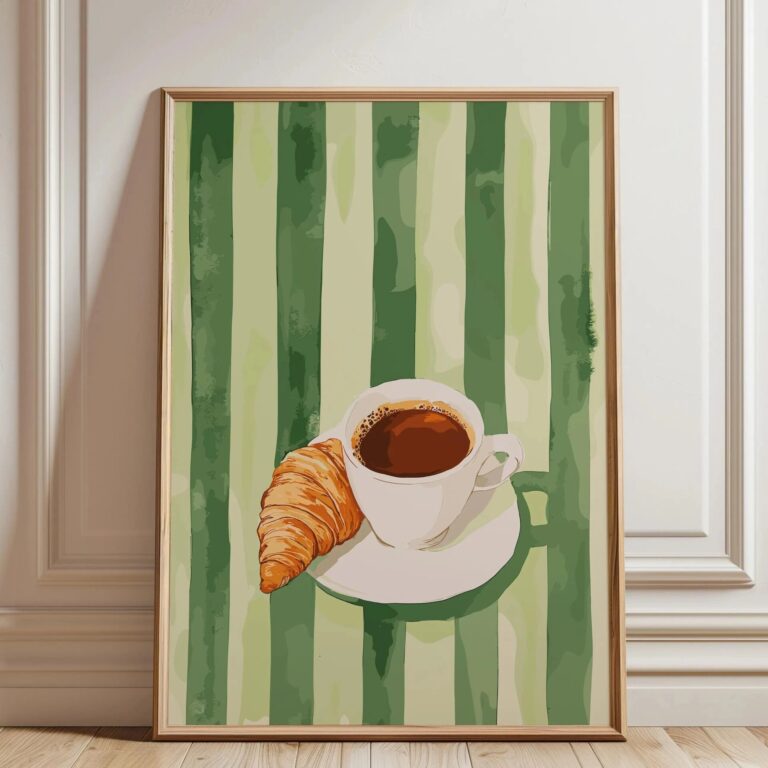
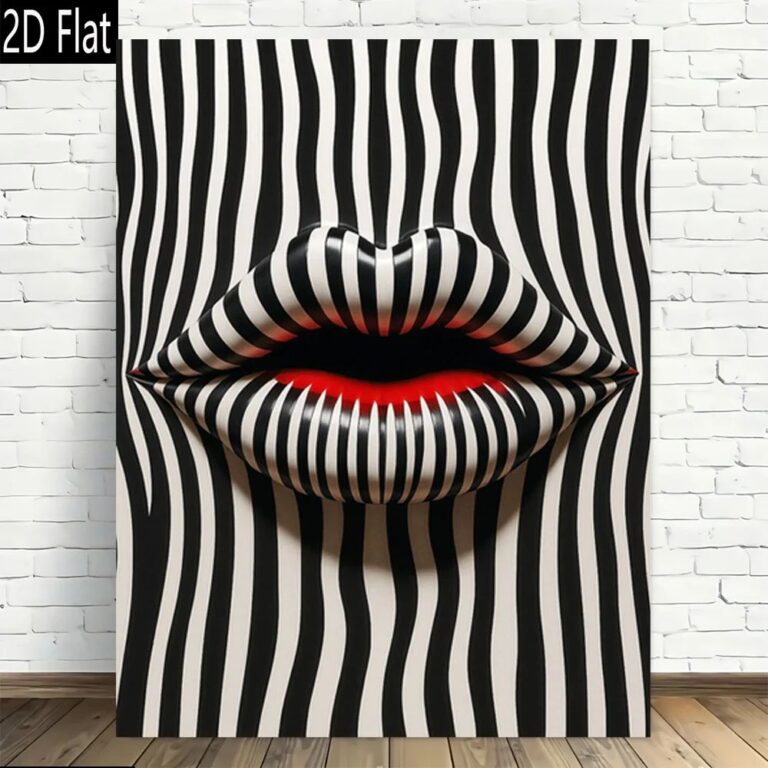 Aisha's pickRetro Prints for Filling an Awkward Gap