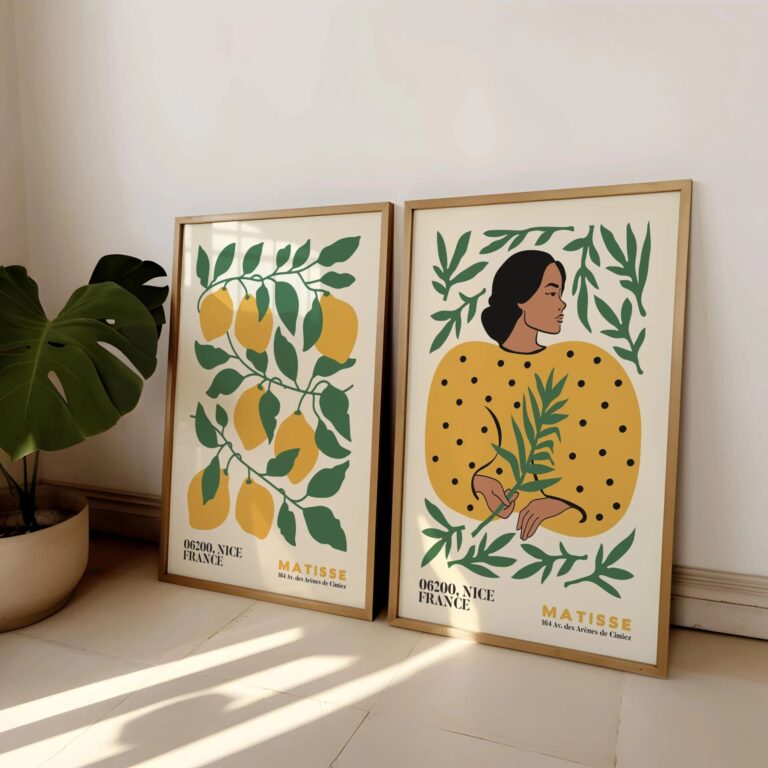
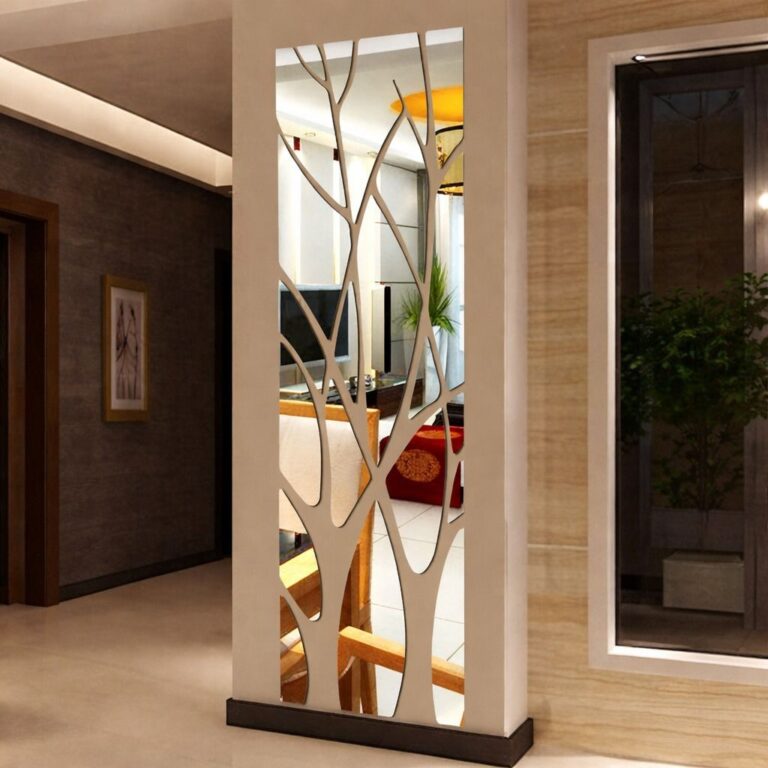
For years I figured modern wall art meant one big canvas, something abstract and gray, hung dead center over the sofa because that's what the showroom did. What changed my mind was a bare stretch of wall in a rented place with old plaster that I wasn't allowed to patch more than once, and a piece that finally made that wall feel finished instead of just covered. Scale did that, not the art itself.
Measuring up matters more than people admit. The common mistake is buying something sized for a gallery wall and hanging it like a postage stamp over a long sofa, where it just floats there looking apologetic. A good rule is to let the piece or the grouping take up roughly two thirds the width of the furniture under it, and to hang the center around fifty seven to sixty inches from the floor, eye level for someone standing, not someone six foot four leaning on the doorframe. In a stairwell or a hallway, you're working with a different problem, usually too much height and not enough width, so a vertical piece or a tall, narrow grouping reads better than one square frame marooned in the middle of a wall.
When you're looking at it in person or it shows up at your door, check the depth of the frame against the wall it's going on, because a deep floating frame against a wall with an outlet or a light switch nearby can look crowded fast. Check how the piece is meant to hang, French cleat, wire, or sawtooth, because a heavy piece on a flimsy sawtooth hook will slide crooked within a month, and run a hand along the edges for any warping in the frame, which happens more than you'd expect with humidity, especially down here. If it's framed behind glass, look for any flex when you press gently in the middle, that's a sign the backing is thin and will bow in a year.
If someone's starting from nothing, I'd tell them to buy one piece they actually like looking at, bigger than they think they need, in a frame that can take some bumping around, rather than three small ones they're lukewarm on. Moving house is the real test. Cheap frames crack at the corners in a box, mats yellow if they were ever lower quality to begin with, and anything with real glass earns its keep by surviving that trip intact.
Good modern pieces don't really age the way an old painting does, they don't gather that kind of history, but the ones worth keeping settle into a room. The color fades a touch if it's near a window, the frame picks up a scuff or two, and somehow that makes it look more like yours and less like it just arrived.
 Aisha's pickMinimalist Photography Prints That Look Better in Real Life
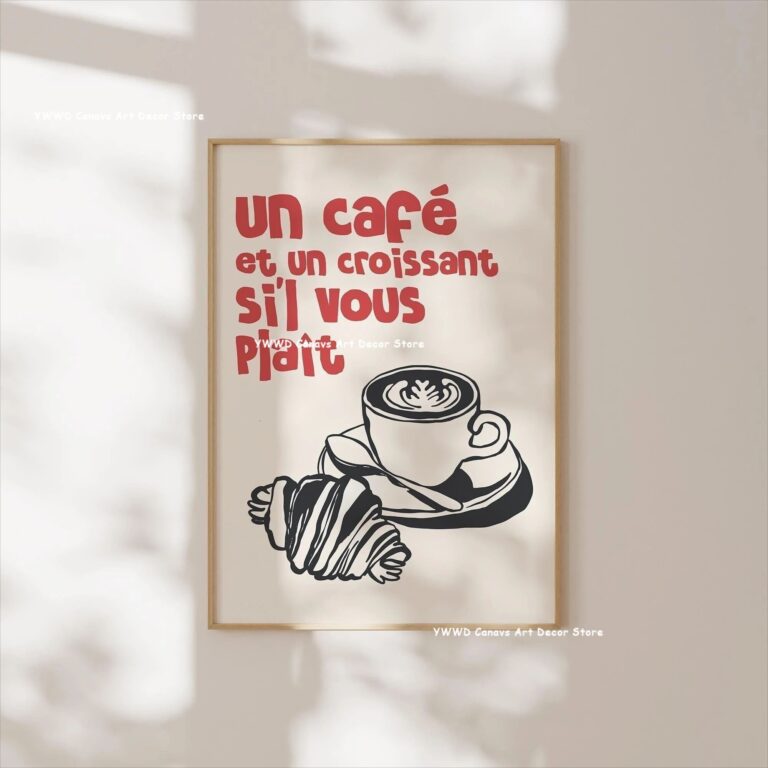 Aisha's pickModern Art Framed Prints for Blank Walls and Empty Shelves
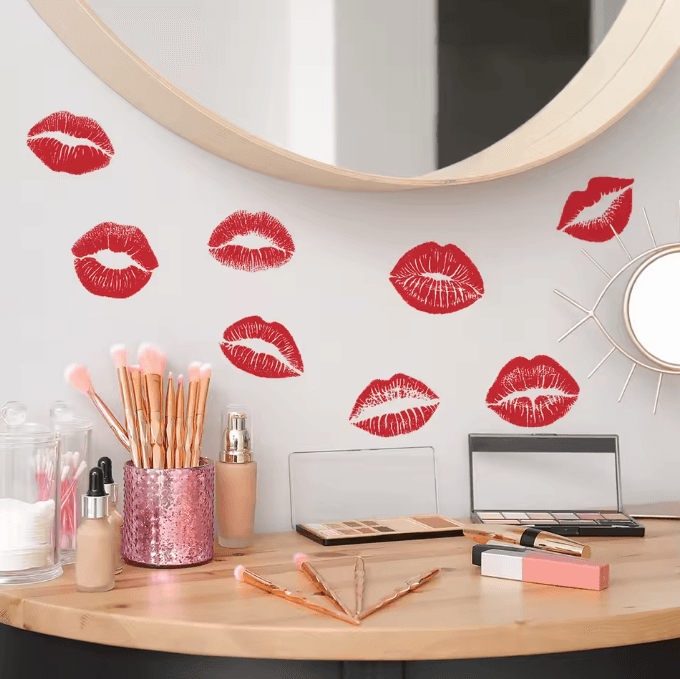
 Aisha's pickMinimalist Pictures That Do the Job Right
 Aisha's pickModern Art Pictures Pulled From Dozens of Stores
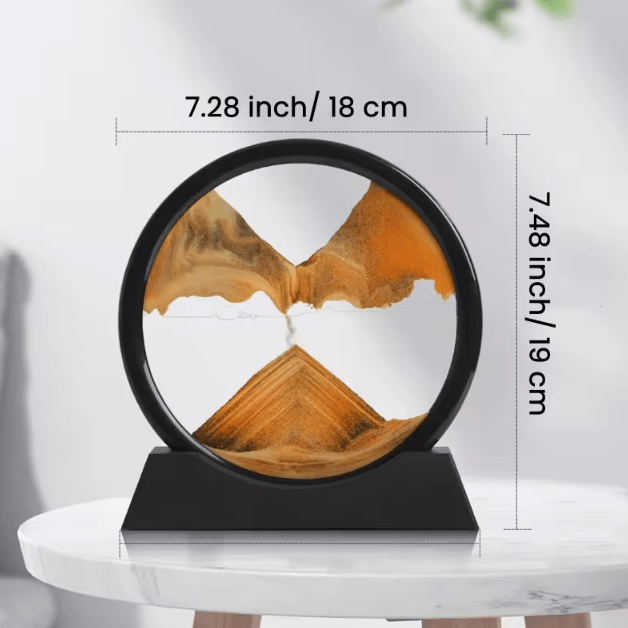
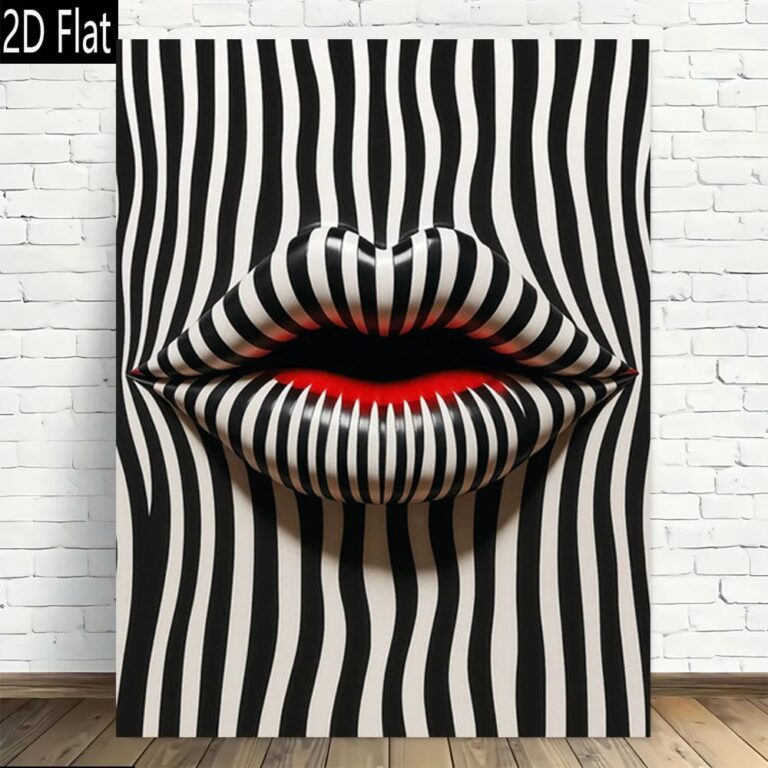 Aisha's pickMinimalist Posters With a Story to Them

 Aisha's pickModern Art Posters We’d Make Room For
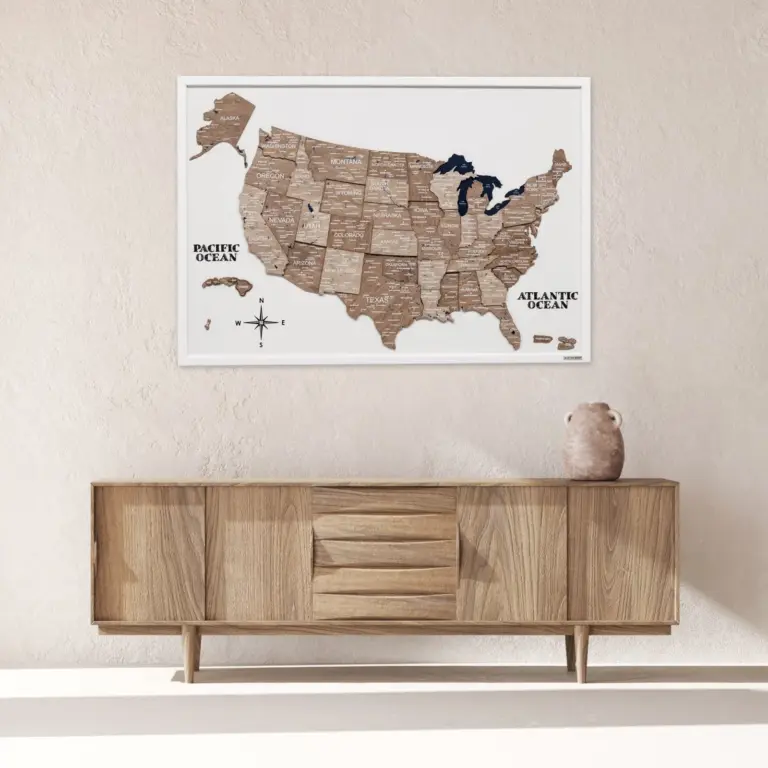
 Aisha's pickMinimalist Posters for Bedroom That Feel Personal, Not Store Bought

 Aisha's pickModern Art Prints With a Story to Them
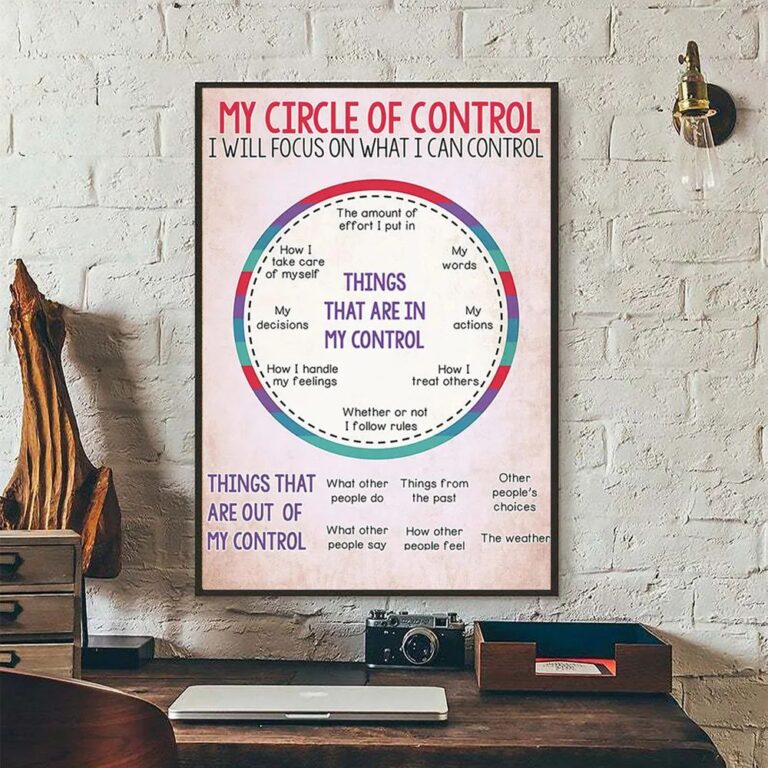
 Aisha's pickSimple Minimalist Posters for Living Room Done WellAlso worth a lookPrintsThe thing nobody tells you about a print is that it changes with the light, and you won't…See the collections →

 Aisha's pickModern Art Wall Pictures From Brands You Know and a Few You Won’t
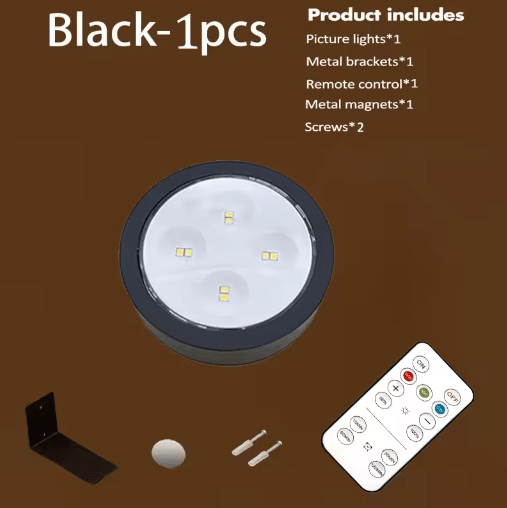
 Aisha's pickGood Black Minimalist Art Prints That Don’t Cost a Fortune
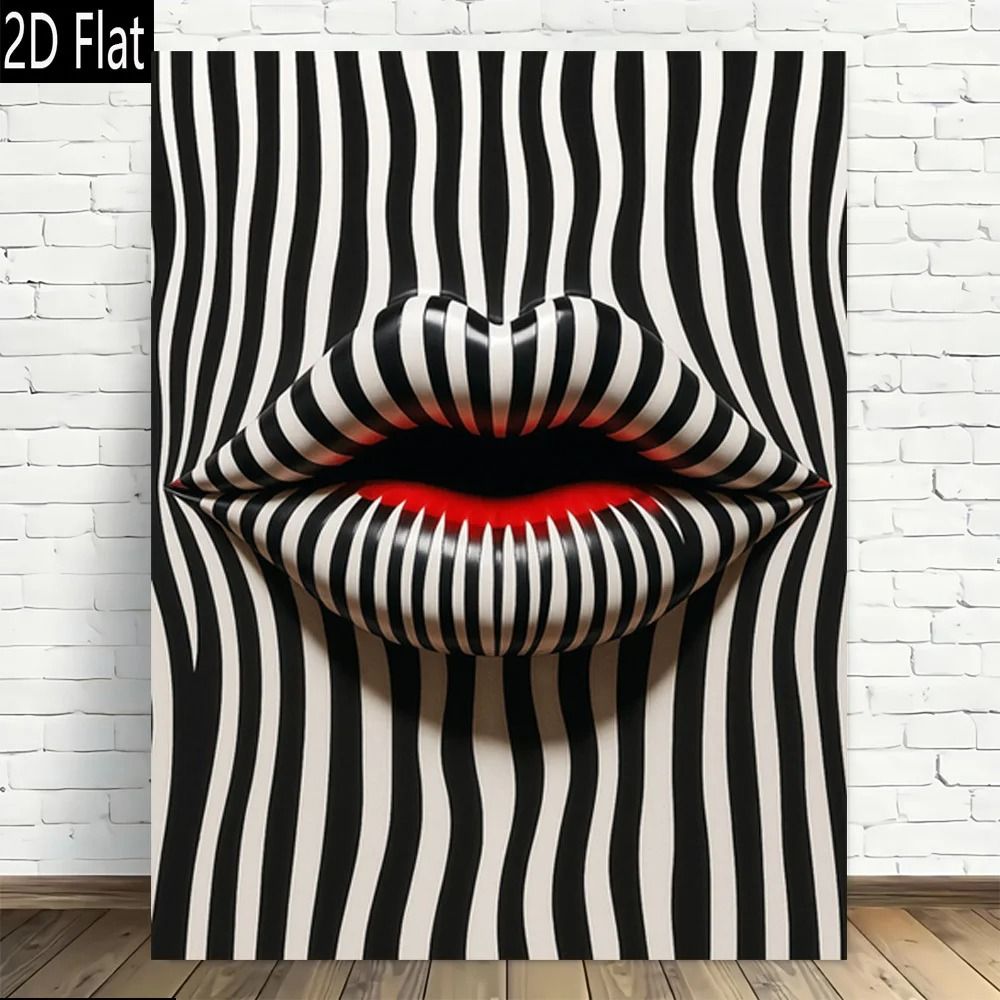
 Aisha's pickMinimalist Prints We’d Make Room For

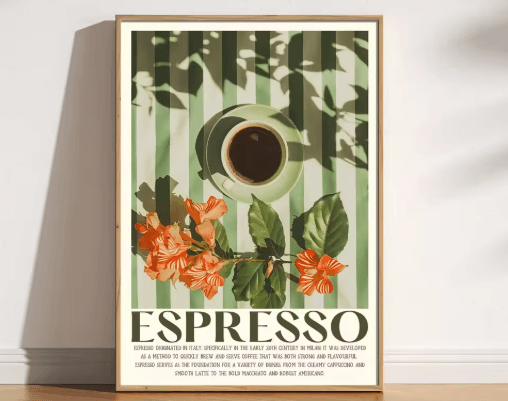 Aisha's pickModern Art Wall Posters That Go With Most Rooms
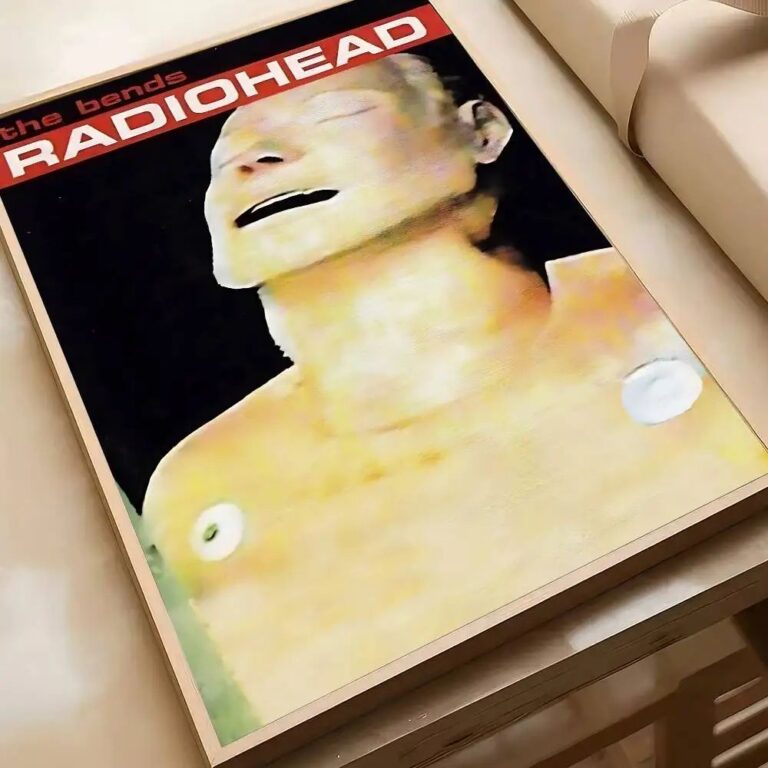
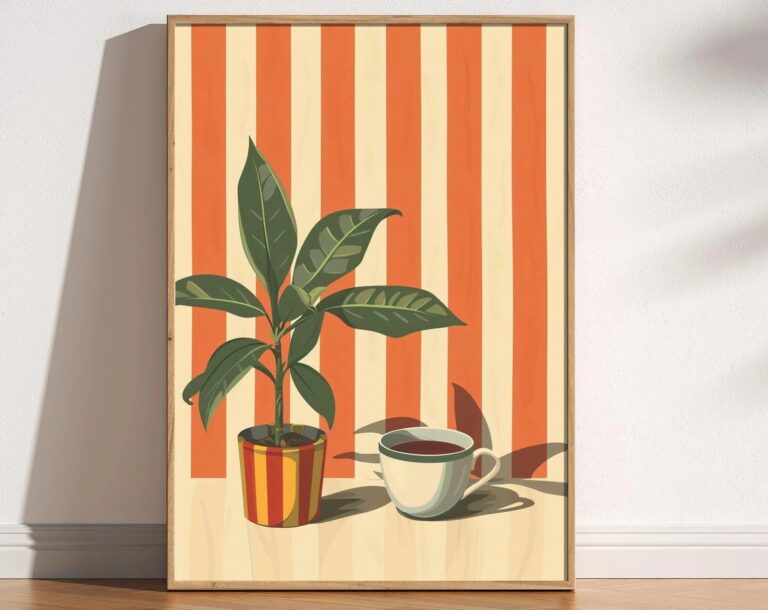 Aisha's pickBlack Minimalist Posters Pulled From Dozens of Stores

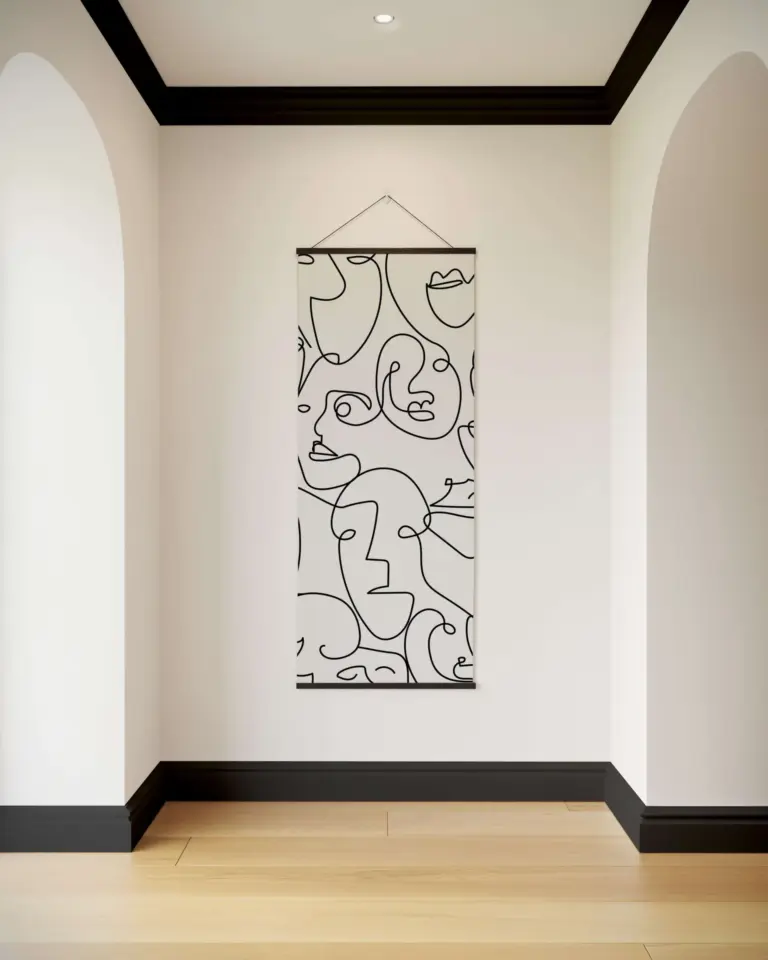 Aisha's pickGood Minimalist Wall Art Without the Big Price Tag
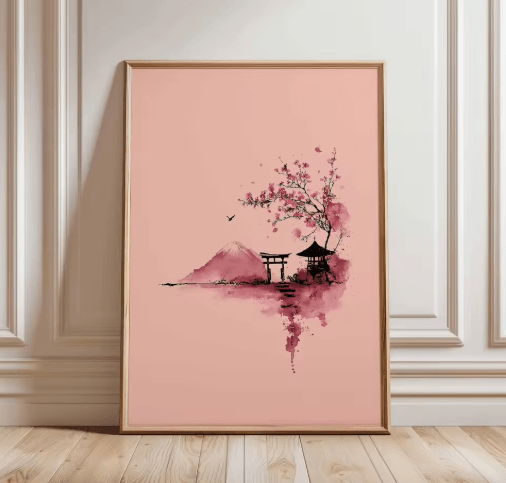
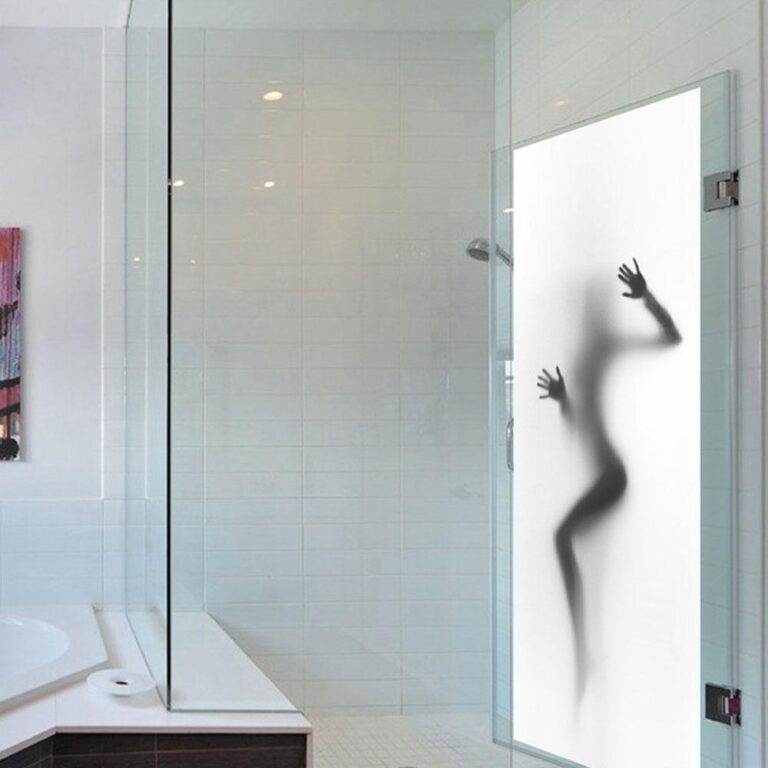 Aisha's pickModern Glass Wall Art That Doesn’t Cost a Fortune

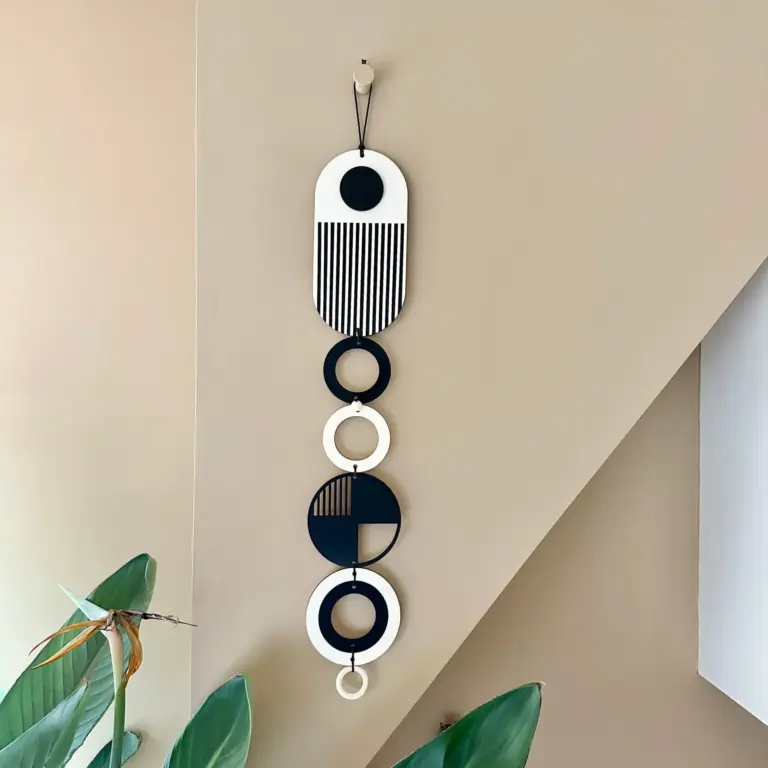 Aisha's pickBlack Minimalist Wall Art That Doesn’t Cost a Fortune

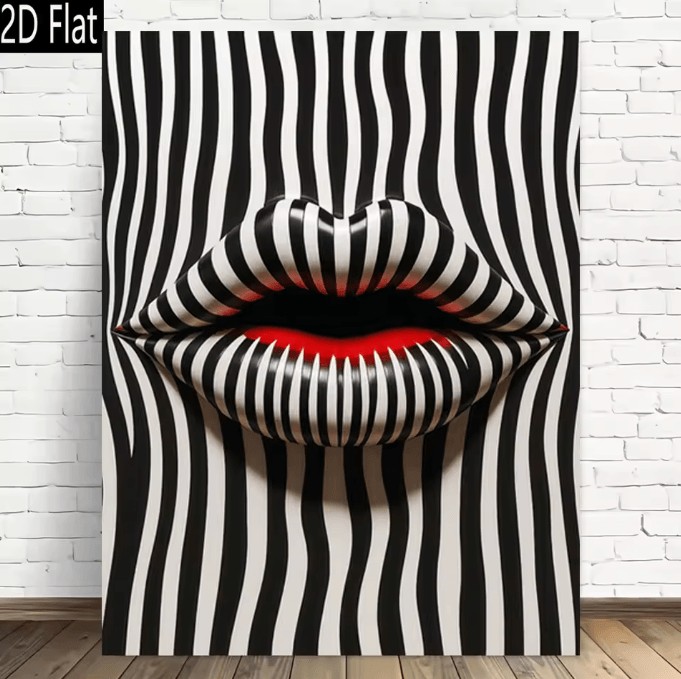 Aisha's pickOur Shortlist of Minimalist Wall Art for BedroomAlso worth a lookPaintingsThe one thing worth knowing before you hang a single painting is that scale matters more than subject.See the collections →
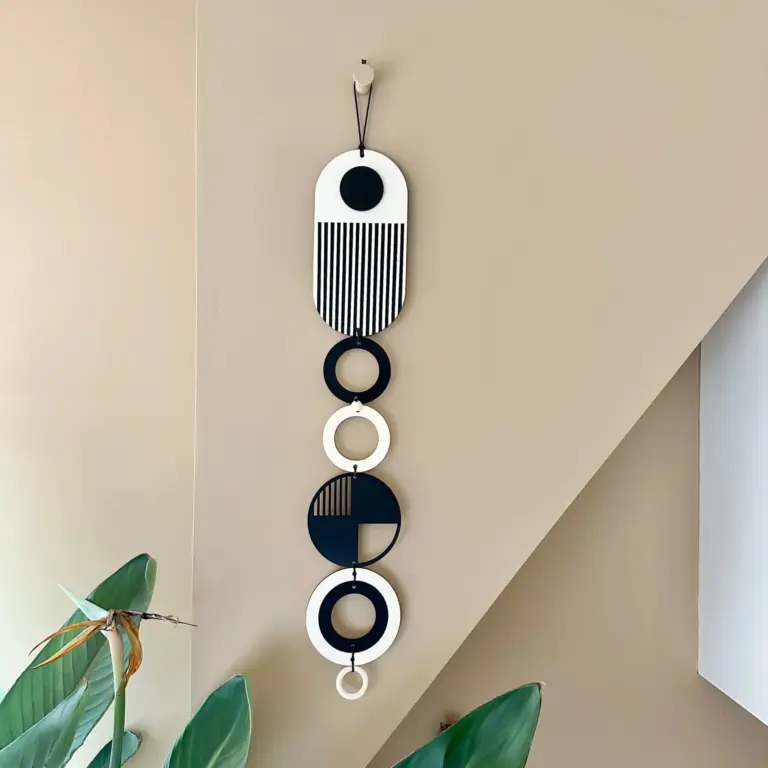
 Aisha's pickModern House Signs at Every Price Point

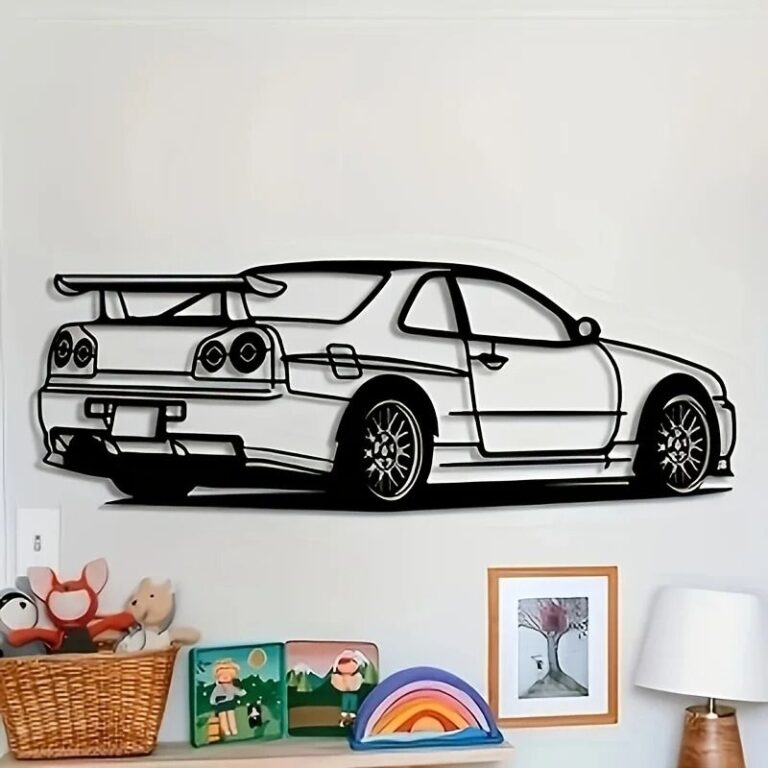 Aisha's pickContemporary Metal Wall Art That Looks the Part
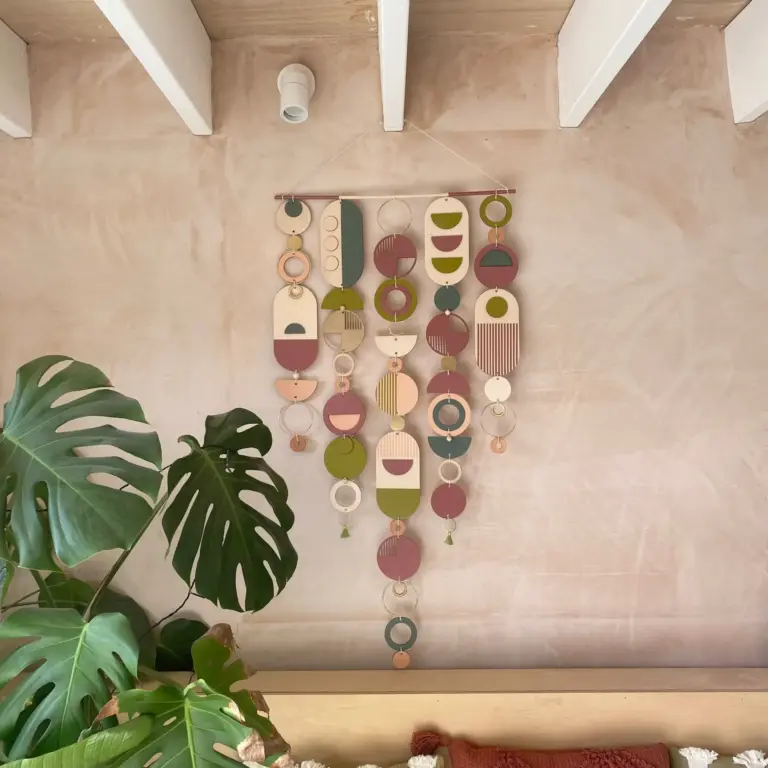
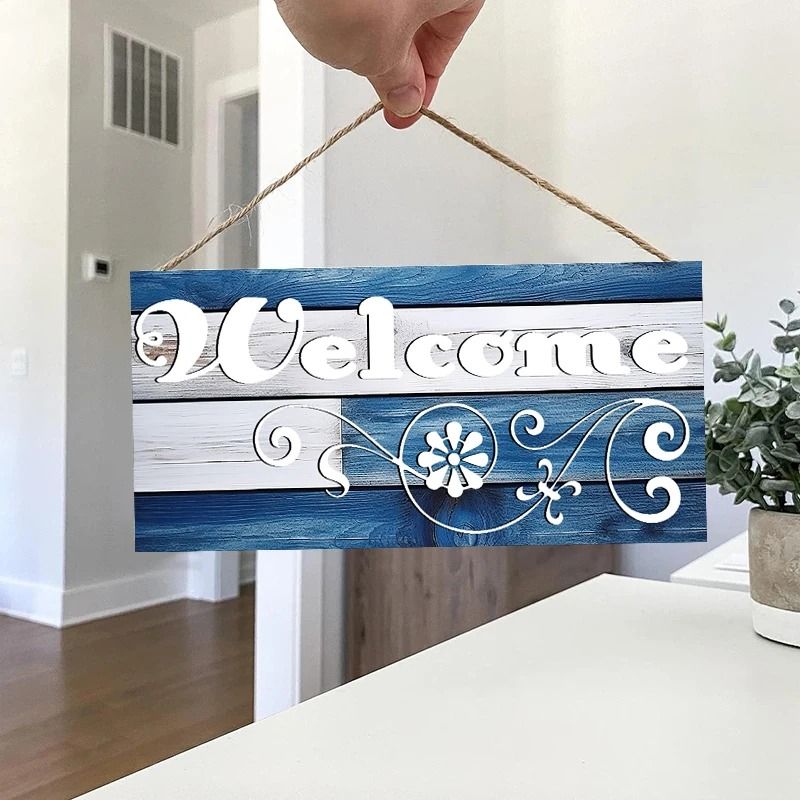 Aisha's pickMinimalist Wall Art for Living Room Worth Your Money
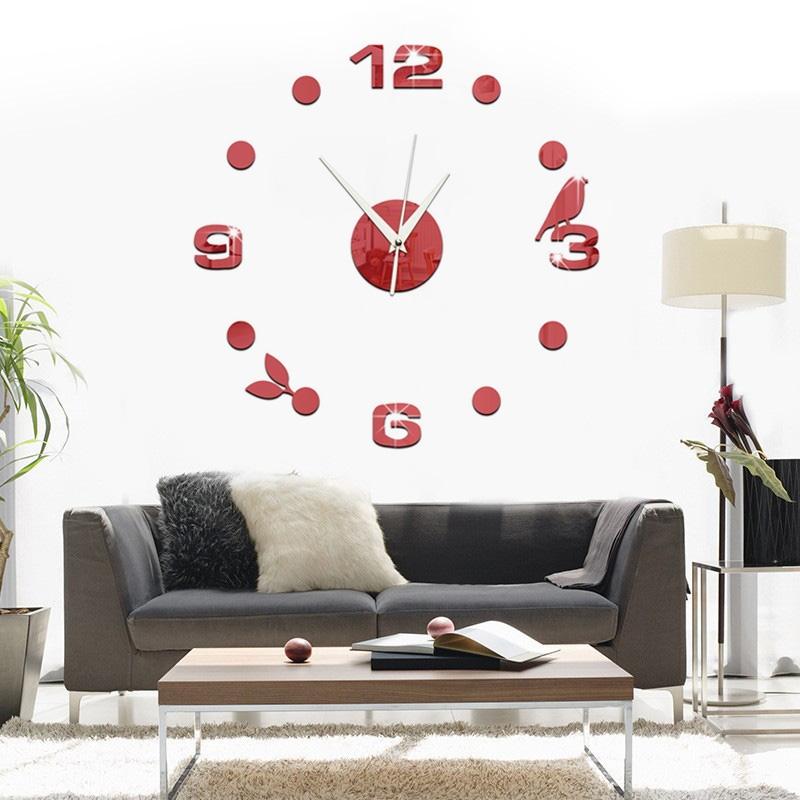
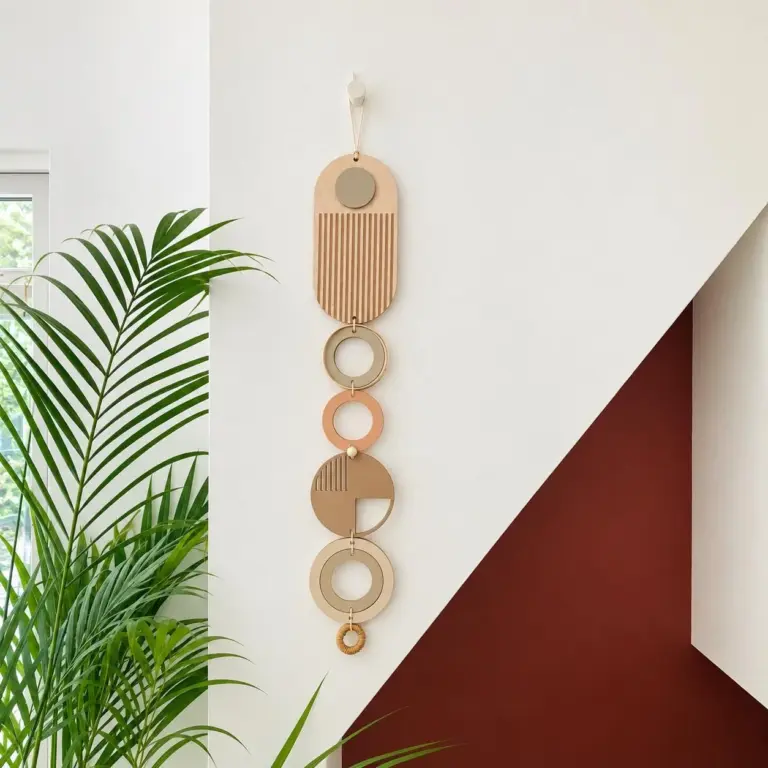 Aisha's pickModern Metal Wall Art That Looks the Part
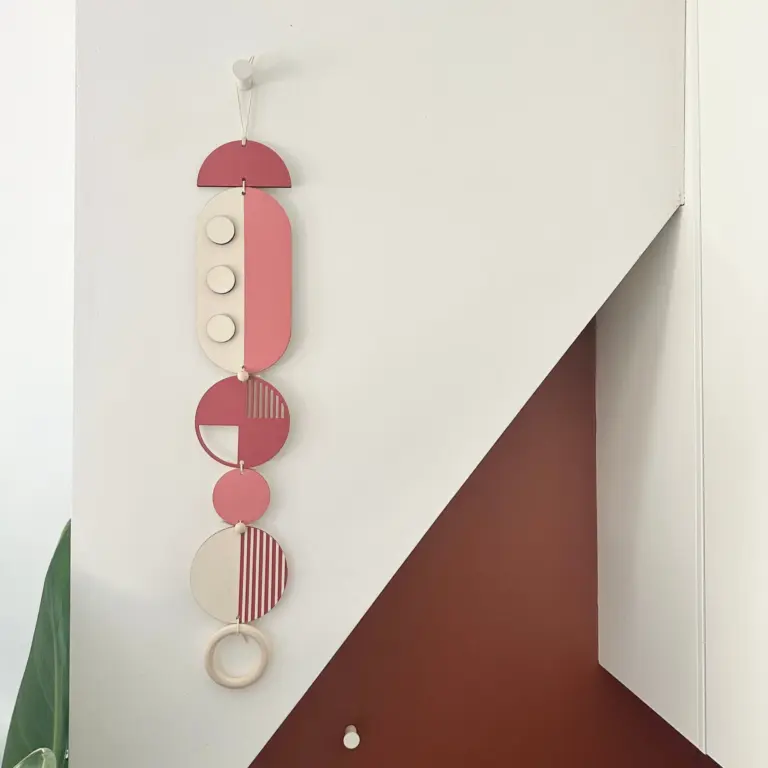
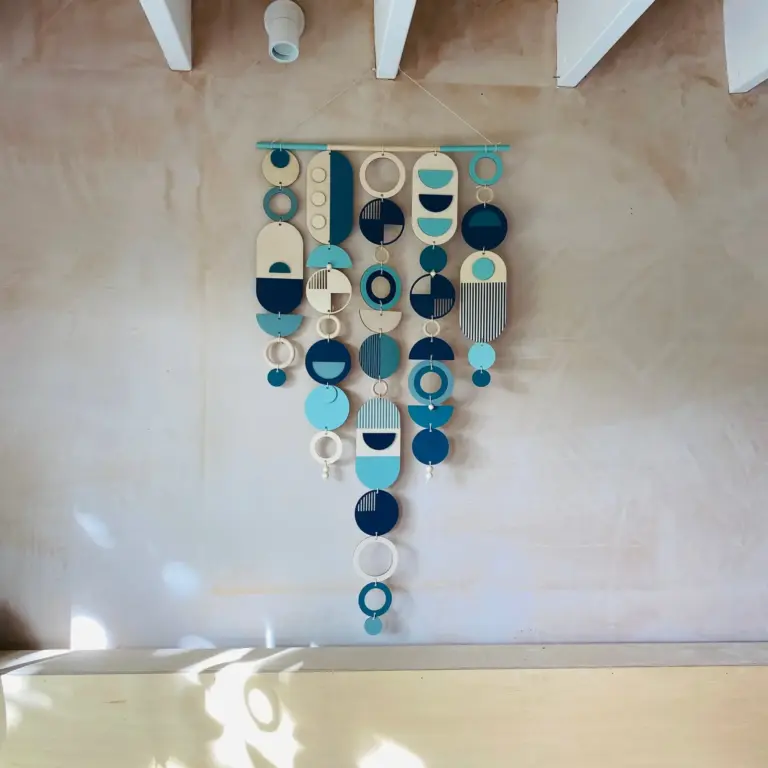 Aisha's pickThe Contemporary Wood Wall Art Worth Your Cash
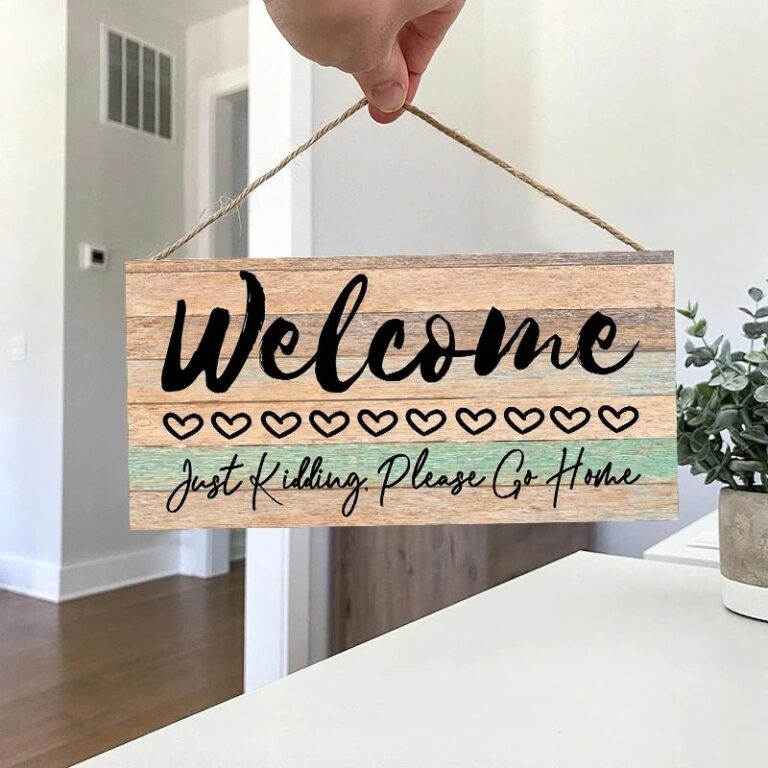
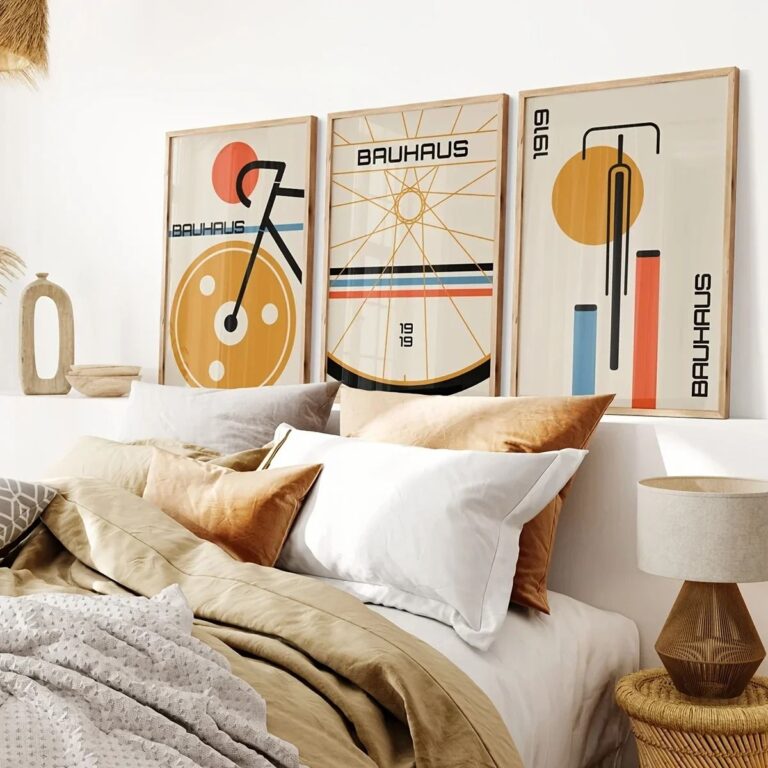 Aisha's pickMinimalist Wall Art for Office That Does What It Should
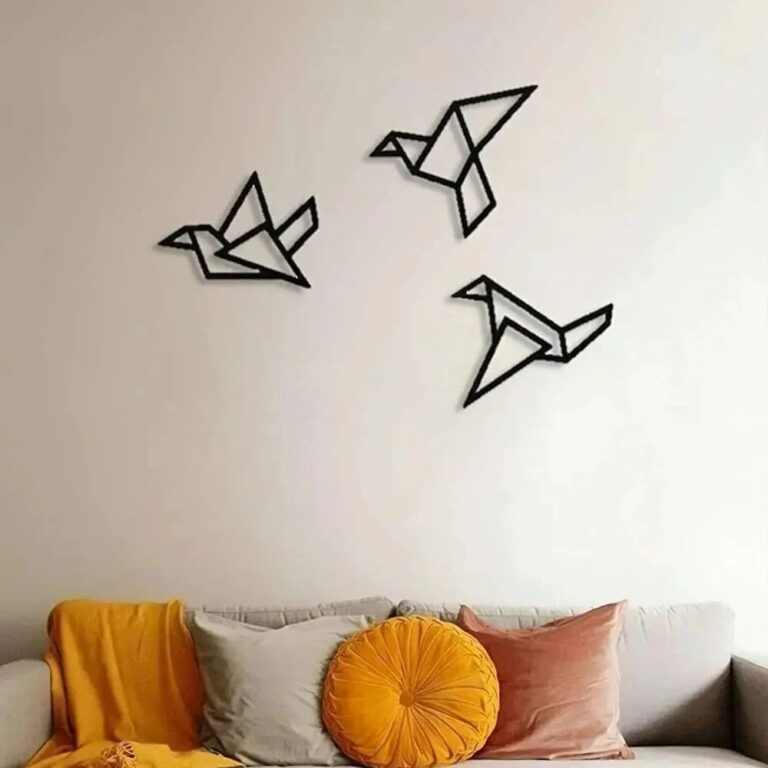
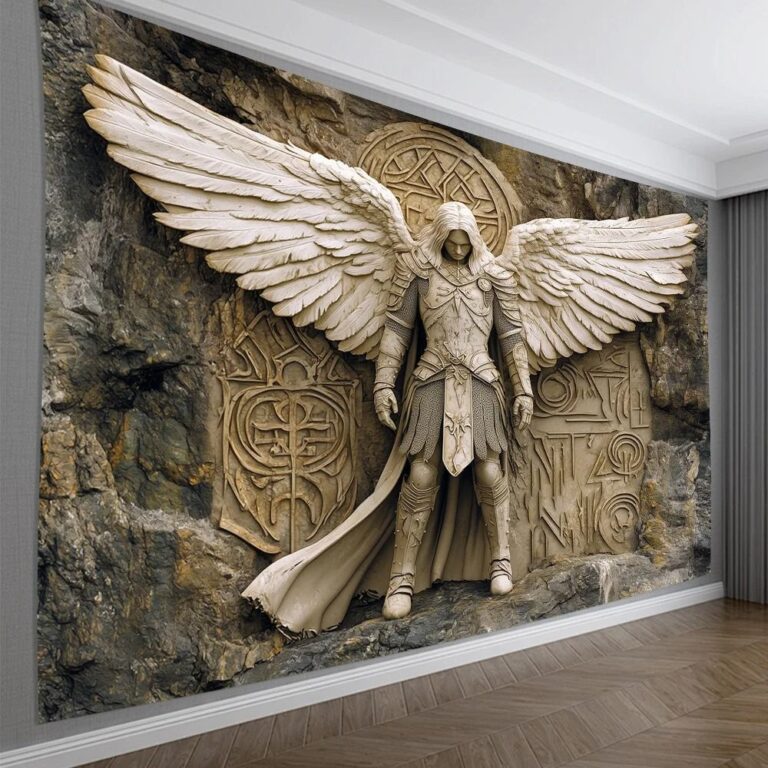 Aisha's pickModern Tapestries That Visitors Always Ask About
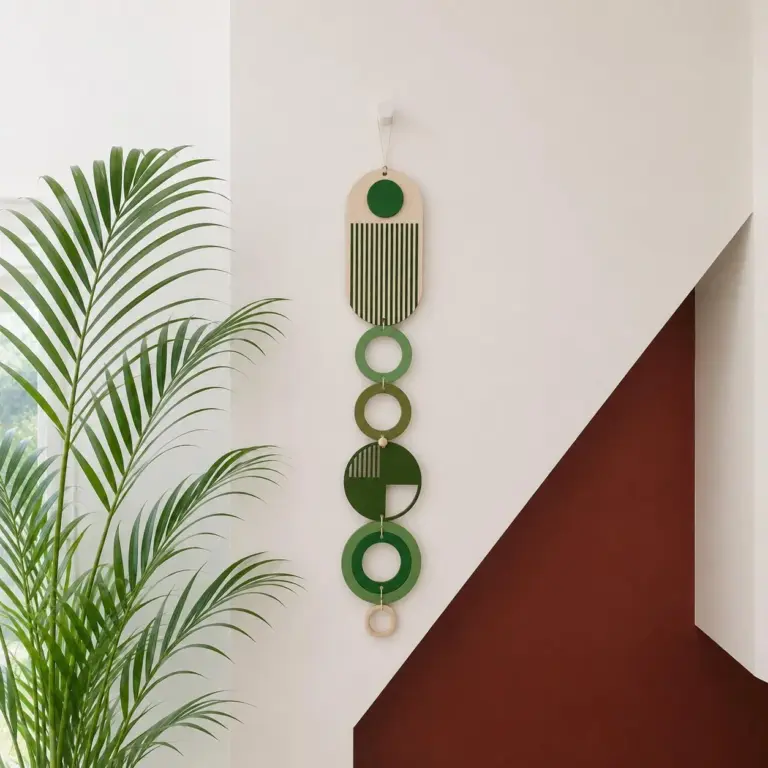
 Aisha's pickContemporary Wooden Wall Art Worth Your Money

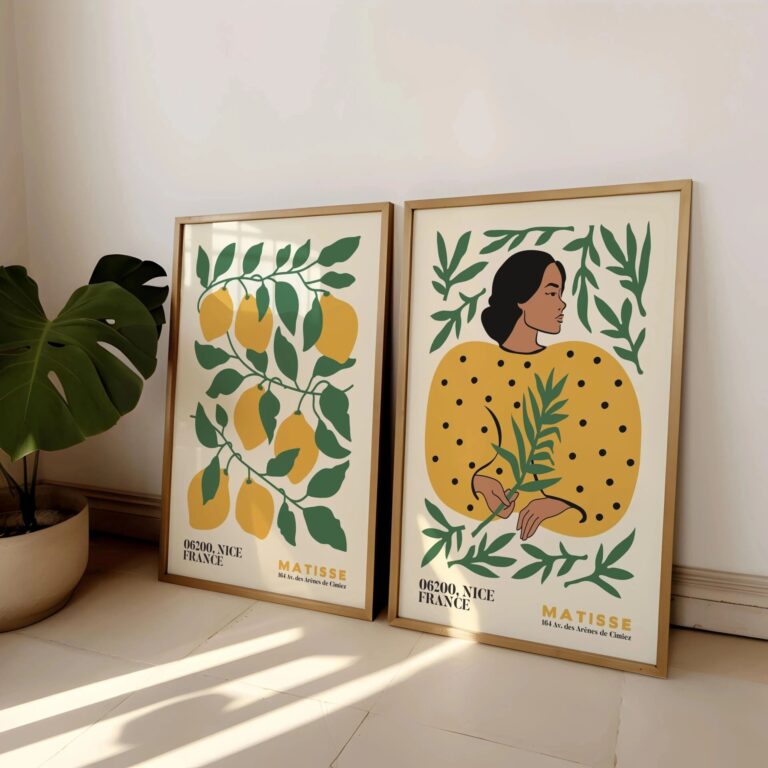 Aisha's pickMinimalist Wall Art Sets From Stores Big and SmallAlso worth a lookBlack Wall ArtBlack wall art does one simple job: it gives a wall an anchor without asking the rest of the room to change color.See the collections →
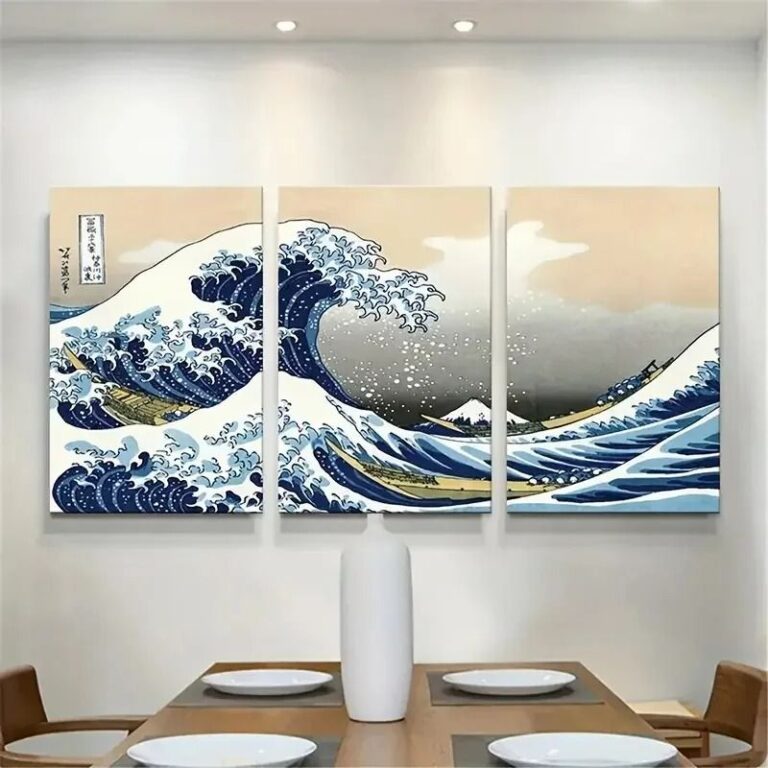
 Aisha's pickModern Wall Tapestries for Filling an Awkward Gap
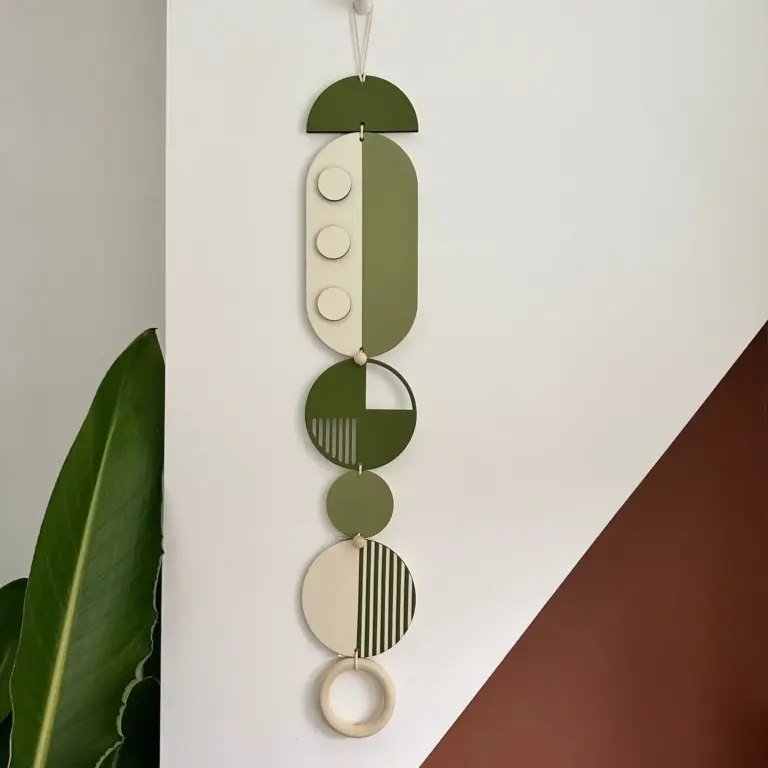
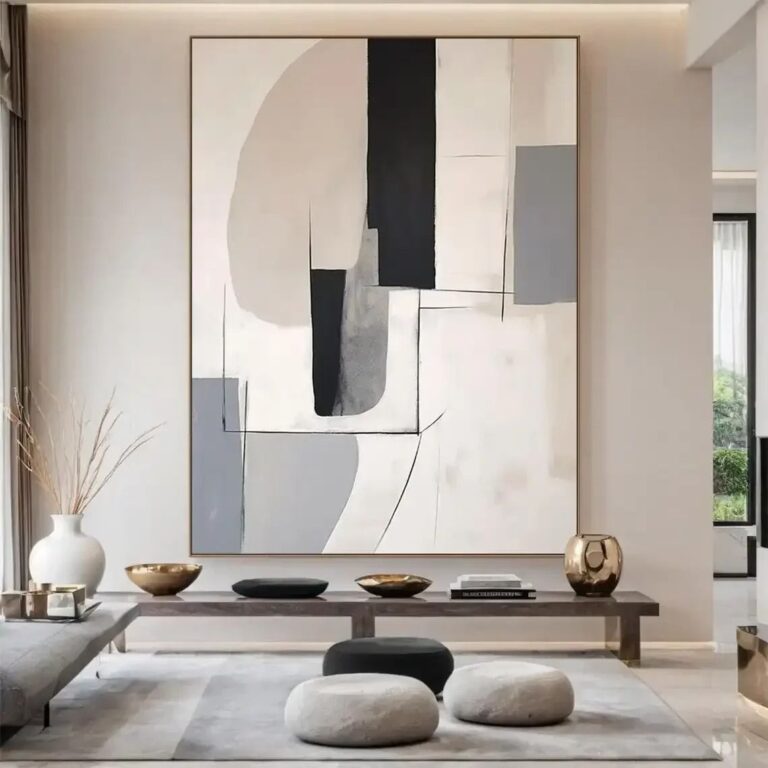 Aisha's pickLarge Minimalist Wall Art From Brands You Know and a Few You Won’t
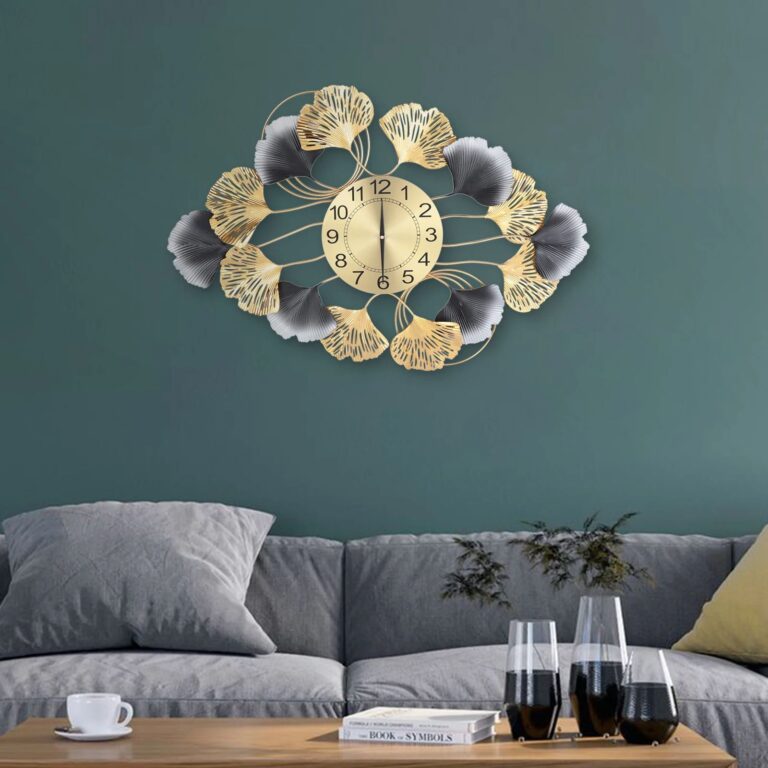
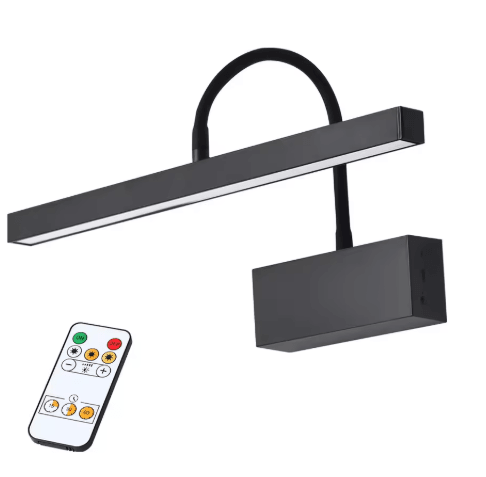 Aisha's pickMinimalist Wall Pictures for Rooms That Feel a Bit Bare
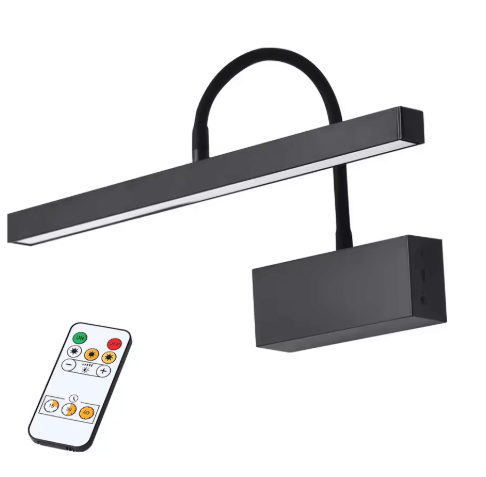
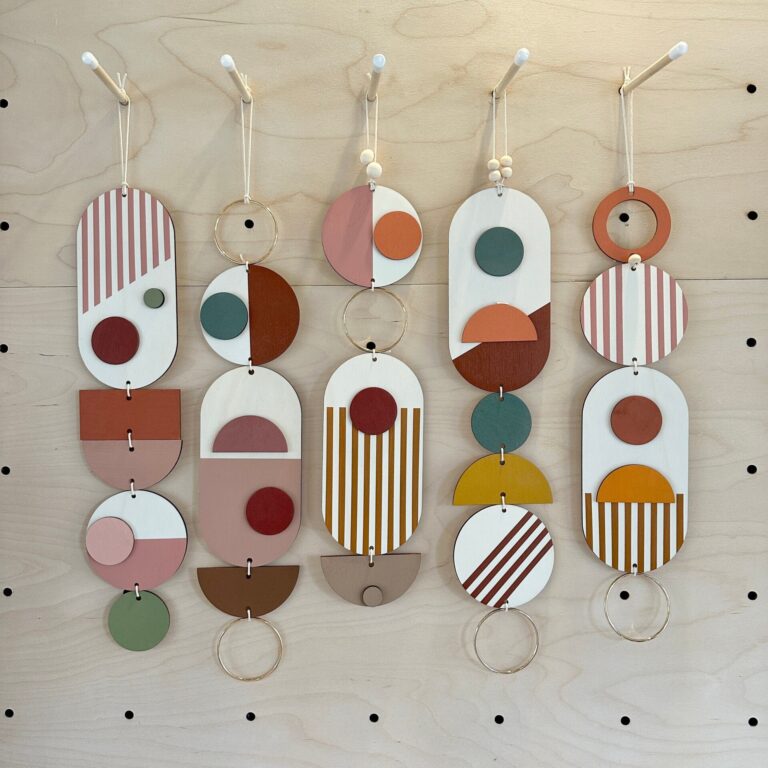 Aisha's pickModern Wood Wall Art We Keep Buying
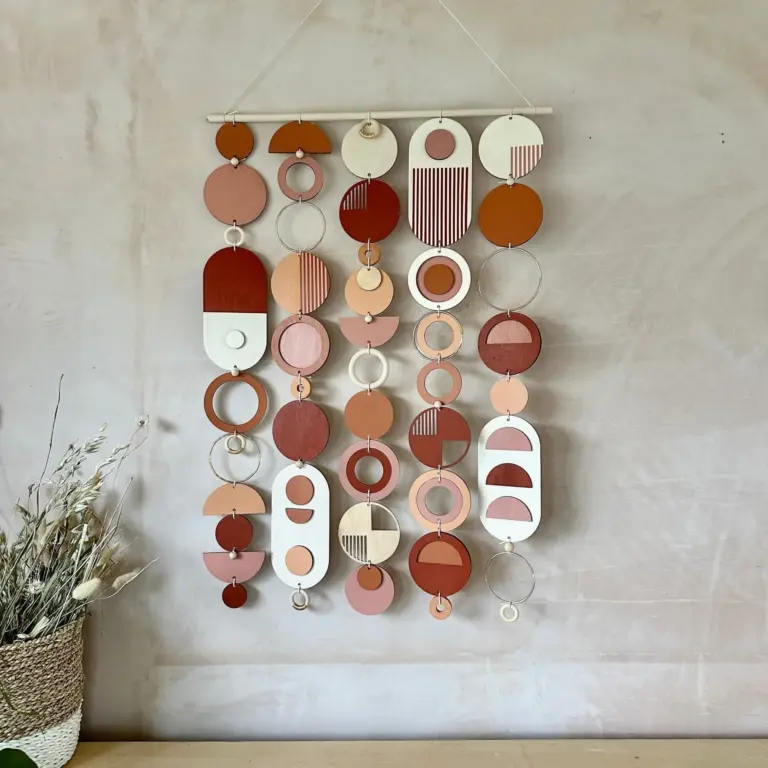
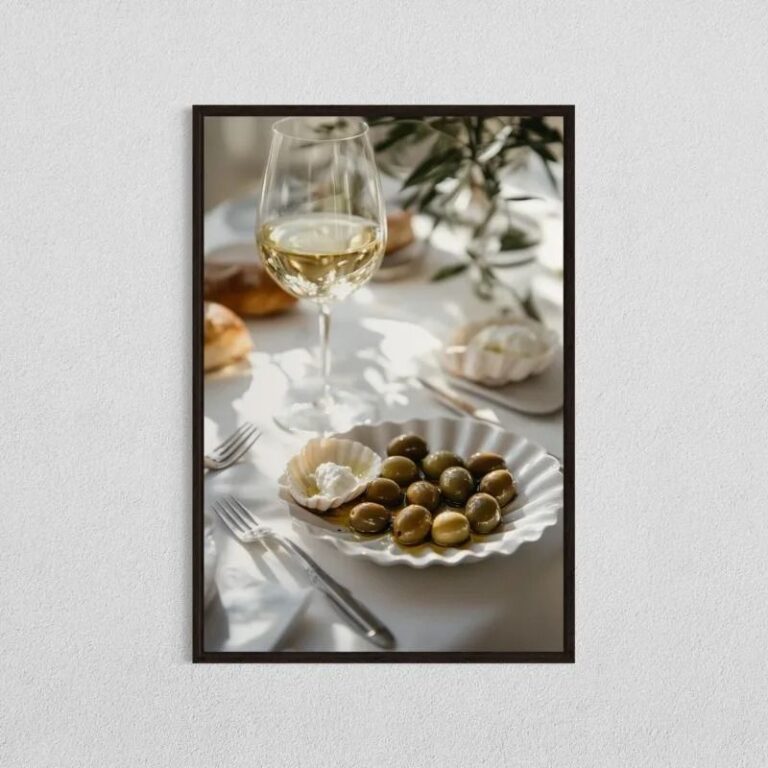 Aisha's pickMinimalist Art Prints With Some Character
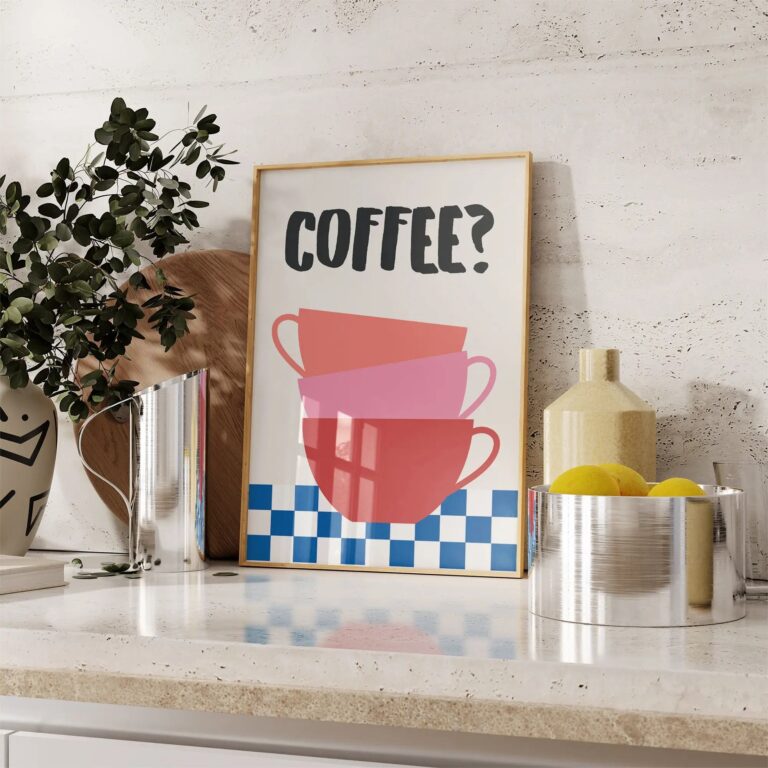
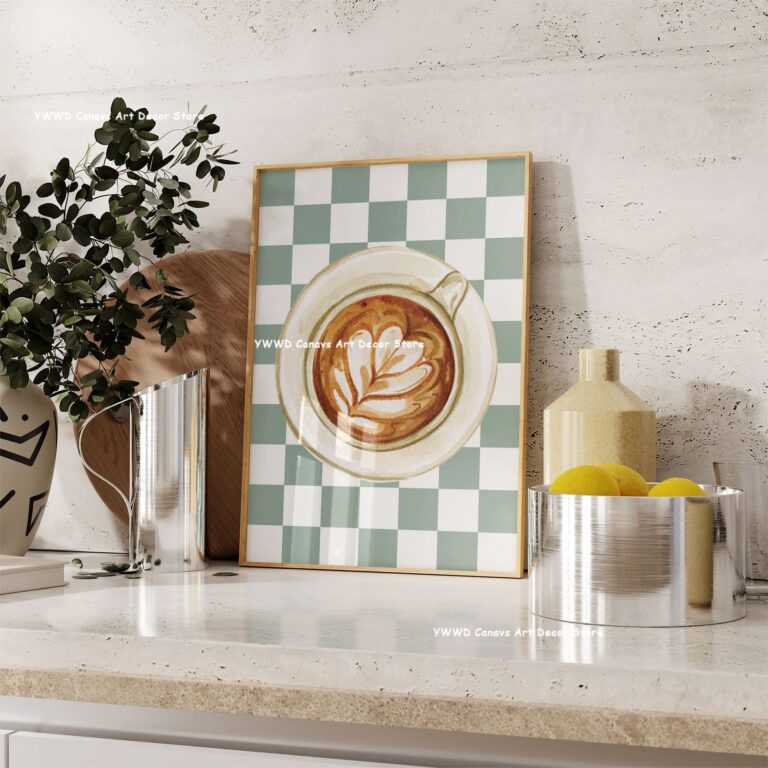 Aisha's pickMinimalist Wall Posters That Don’t Need Babying
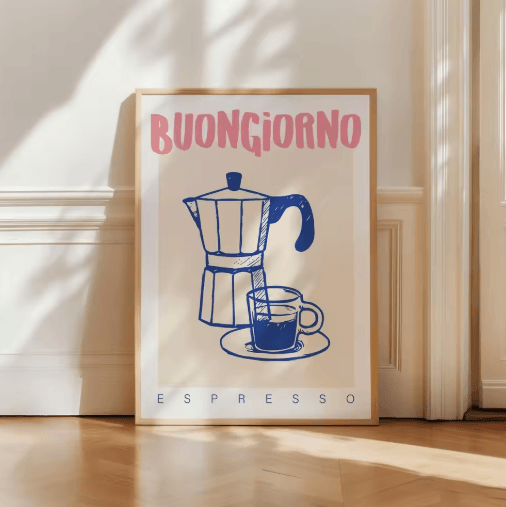
 Aisha's pickModern Wooden Wall Art That Doesn’t Cost a Fortune
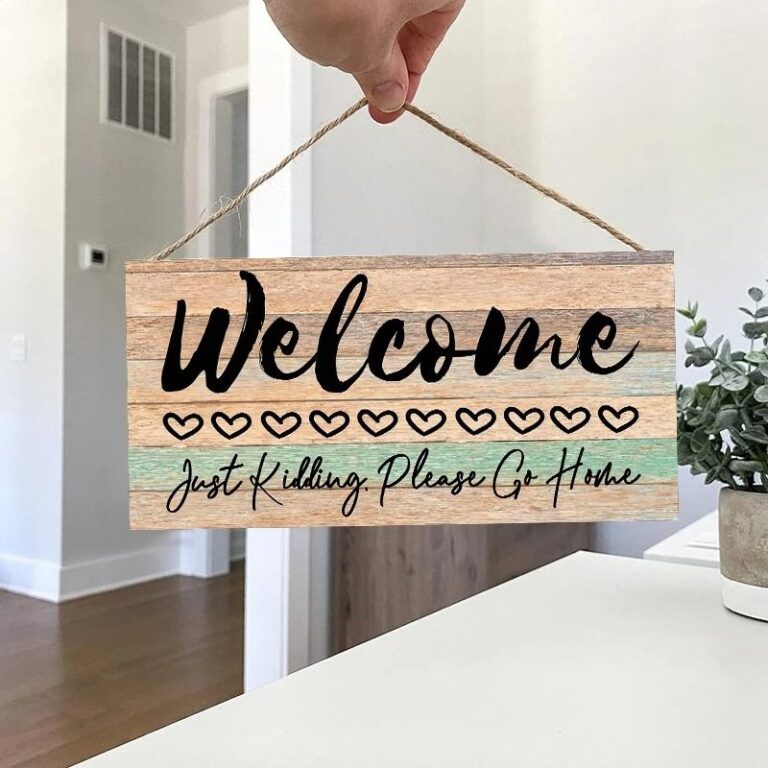
 Aisha's pickMinimalist Art Prints for Bedroom That Catch the Eye Without Taking Over