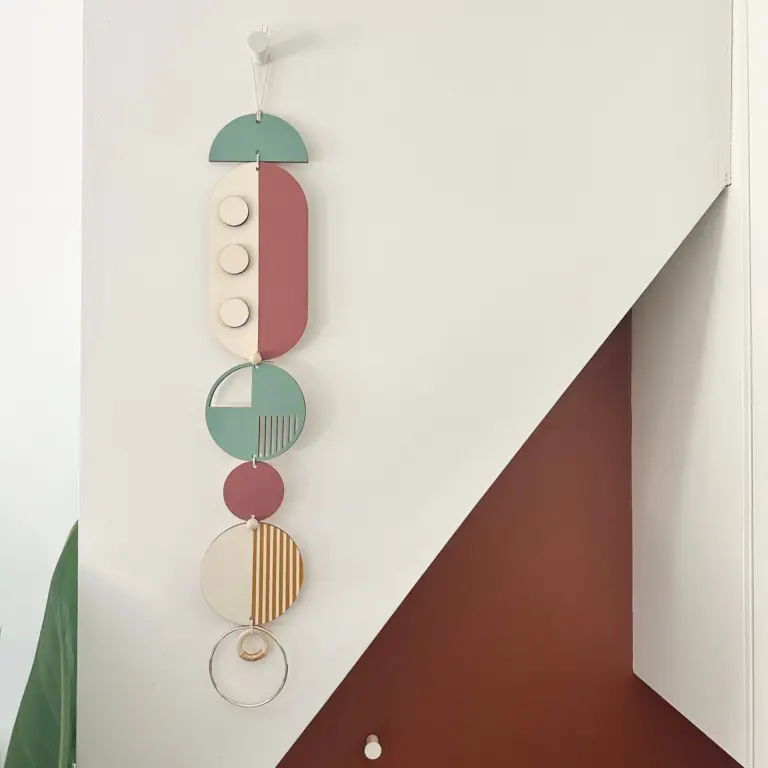
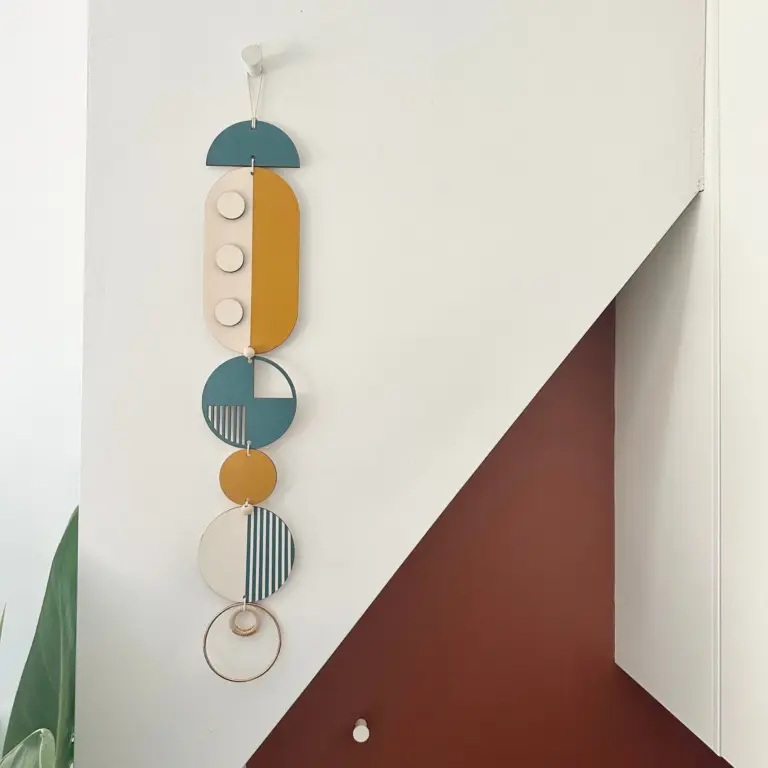
A tapestry covers a wall that's too big, too blank, or too ugly to deal with any other way. It softens a room, breaks up a stretch of plain drywall, and does it without a single nail hole more than you need. That's the job. It's also the fastest way to make a rented room feel like yours without touching the paint.
Getting the size right is where most people go wrong, myself included the first time around, when I hung one that looked plenty big folded up in the package and turned out to cover about a third of the wall it was supposed to anchor, looking like a postage stamp on an envelope. Measure the actual wall, not the furniture in front of it, and aim for something that fills most of the space between the top of your biggest piece of furniture and close to the ceiling. If you're hanging it over a bed, it should be at least as wide as the bed frame, ideally wider. If it's going on its own on an empty wall, go bigger than feels comfortable, because fabric reads smaller once it's up than it does laid out on the floor. The one thing worth saying twice: measure twice, hang once, because patching plaster is no fun on a Sunday.
When it arrives, check the hems and the rod pocket before you do anything else, since a tapestry that's going to hang well needs a straight, even edge along the top or it will sag in the middle no matter how carefully you mount it. Look at the weight of the fabric too, a lightweight one will move with the air from a vent or an open window, which is lovely in a bedroom in the afternoon and less lovely over a dining table where you want it still. Natural light changes how the colors read through the day, so hold it up near the wall it's going on before you commit, not just under shop lighting. If someone has none of this on their walls yet, start with something in a muted, mid tone color rather than a bold print, it sits more easily as the light shifts from morning to evening and doesn't fight with whatever else is in the room.
Over time a good tapestry softens further, the fibers relax, a few creases drop out on their own, and it starts to feel less like something you bought and more like something that's always been there. Keep it out of direct sun if you can, rotate it top to bottom once a year if it's in a bright spot, and give it a gentle vacuum on a low setting now and then rather than washing it. I'd start with something in a soft rust or clay tone, it reads warm at night and calm in daylight, and it doesn't show its age the way pale colors do.

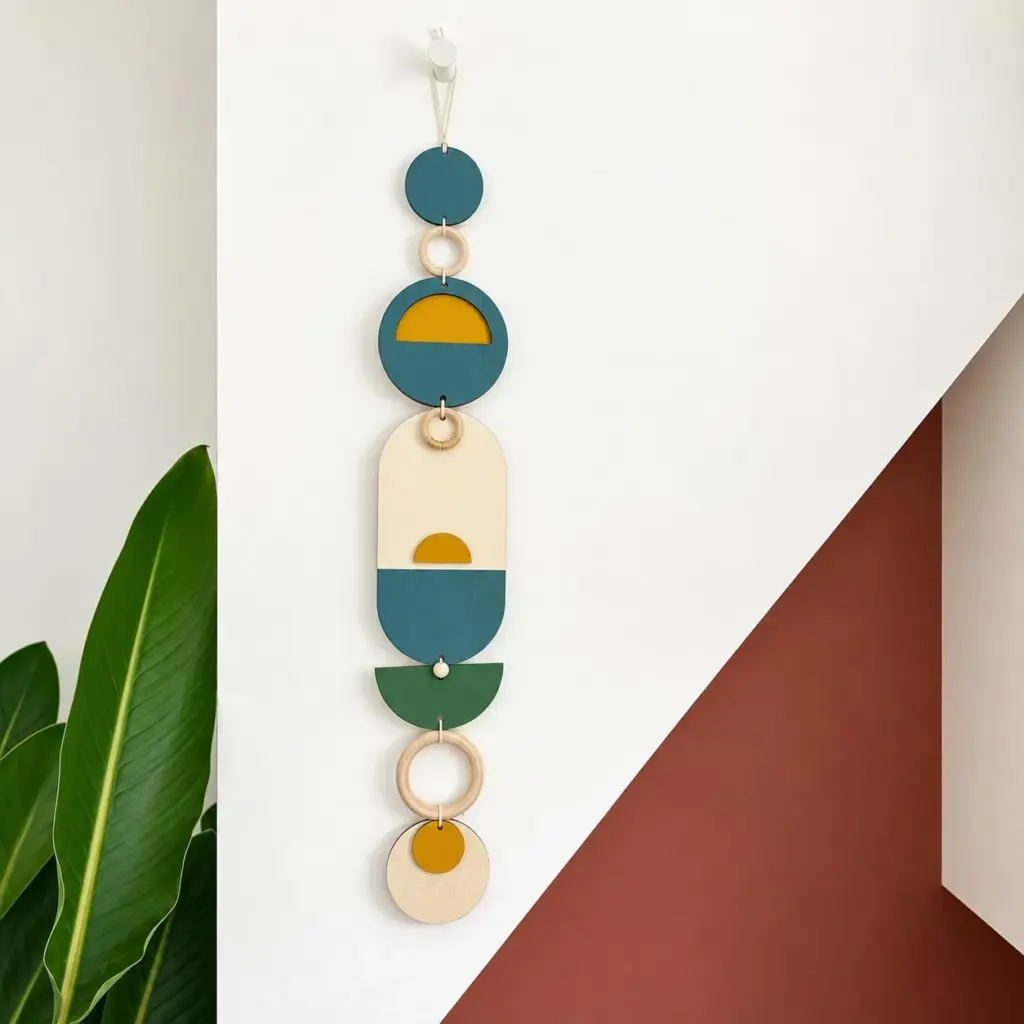 Aisha's pickBlue Wall Tapestries That Don’t Look Mass Produced
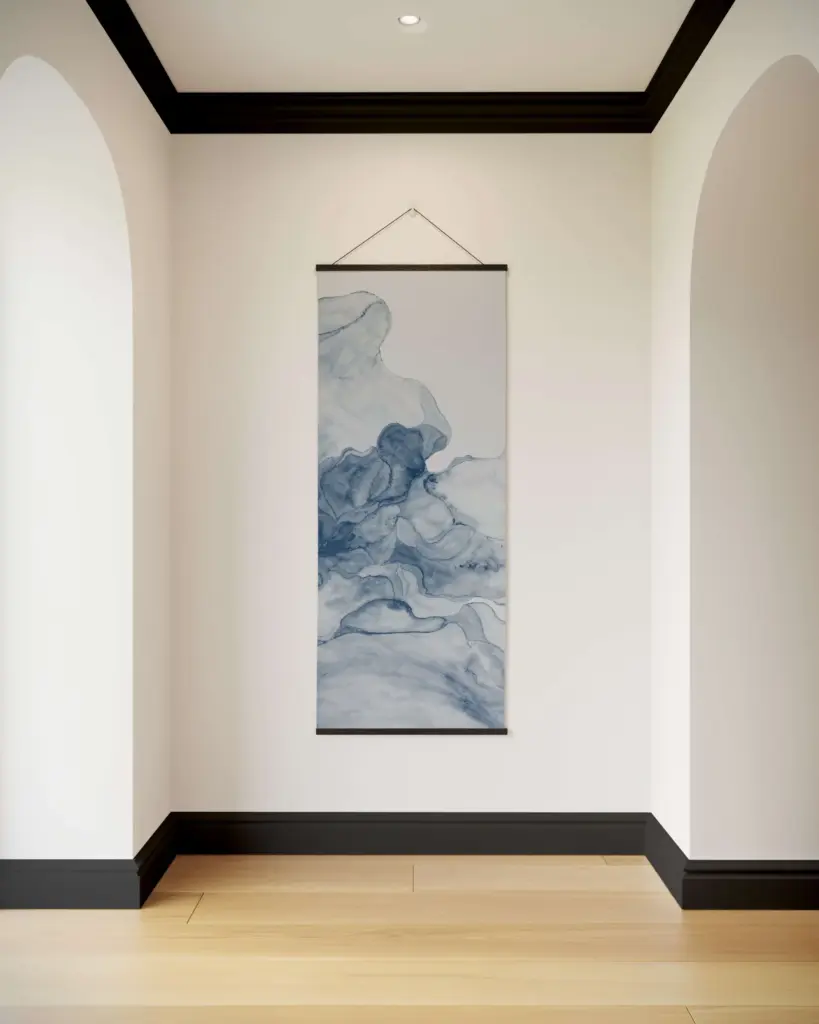
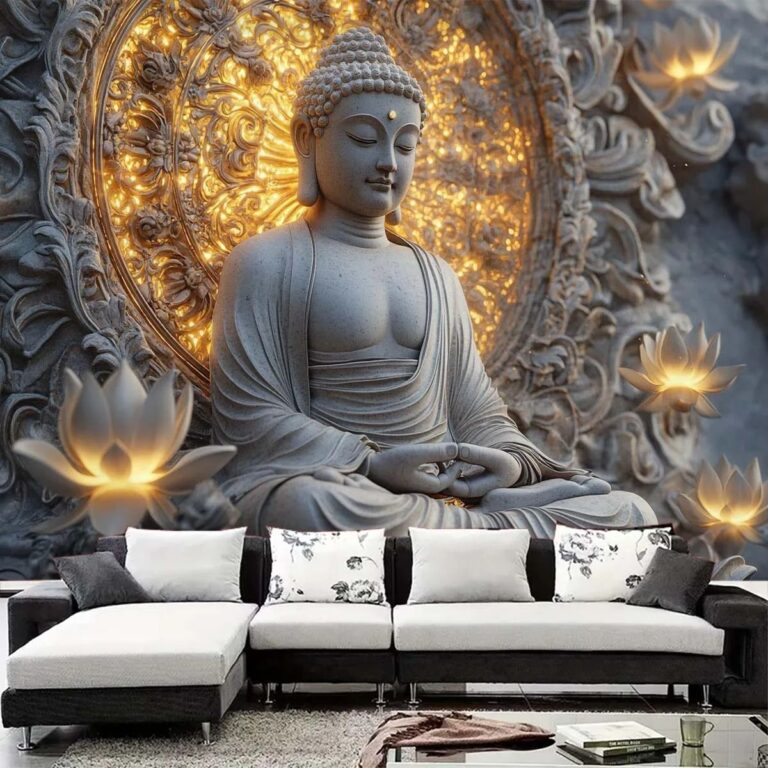 Aisha's pickModern Wall Tapestries for Filling an Awkward Gap
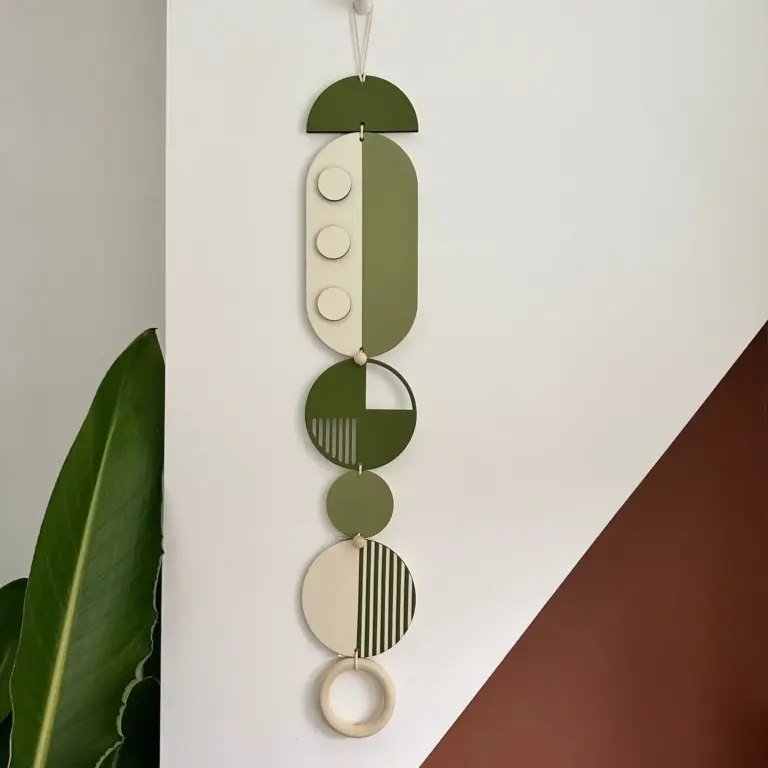
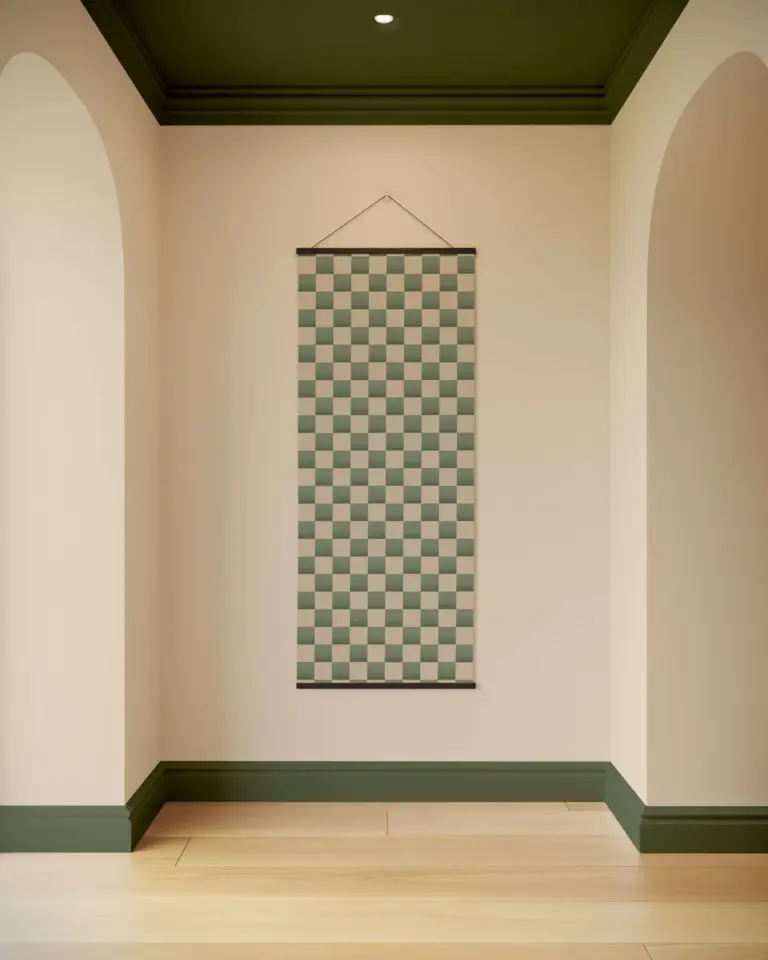 Aisha's pickWhite Tapestries We’d Make Room For
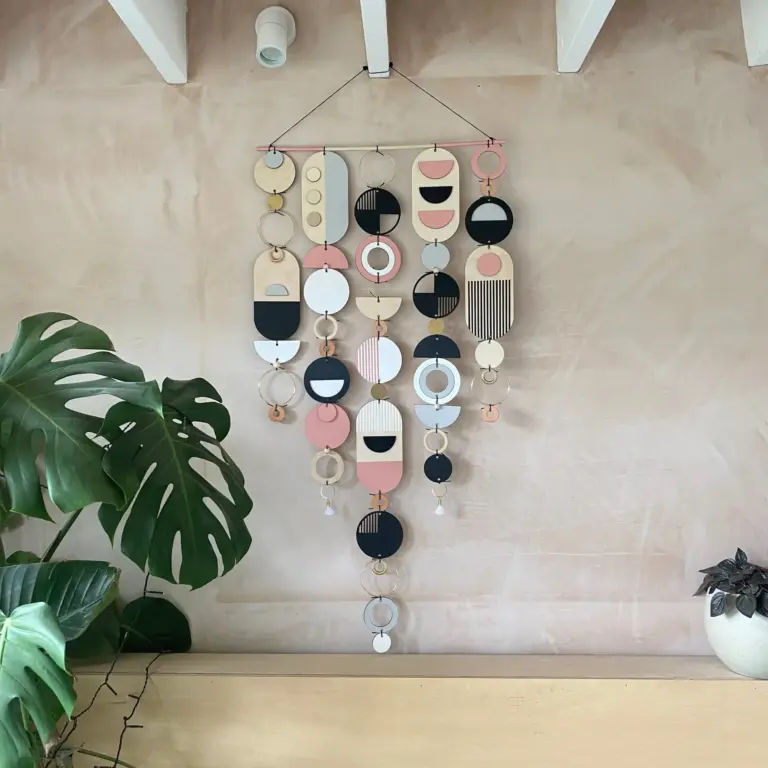
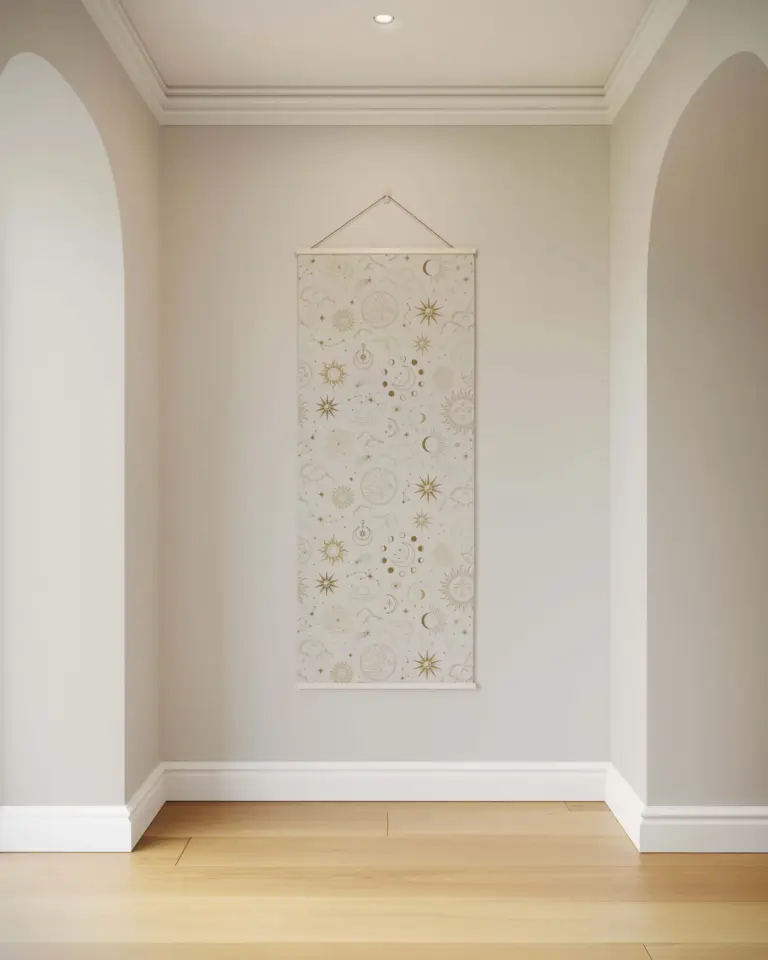 Aisha's pickBohemian Tapestries That Hold Up to Everyday Life
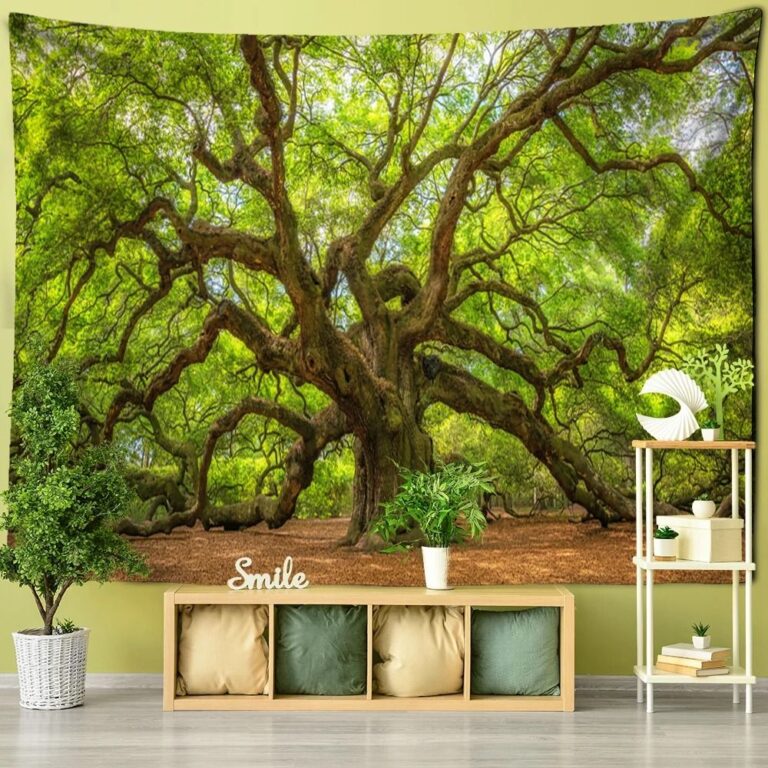
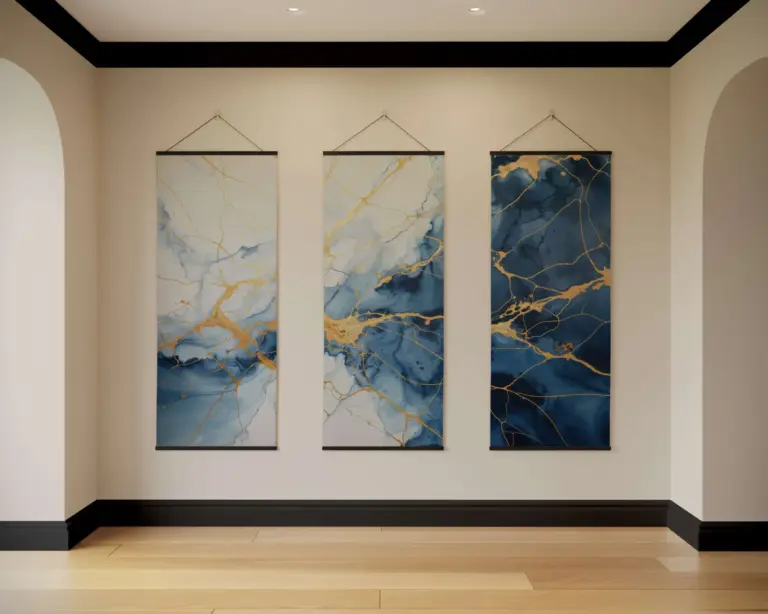 Aisha's pickNatural Tapestries for Blank Walls and Empty Shelves
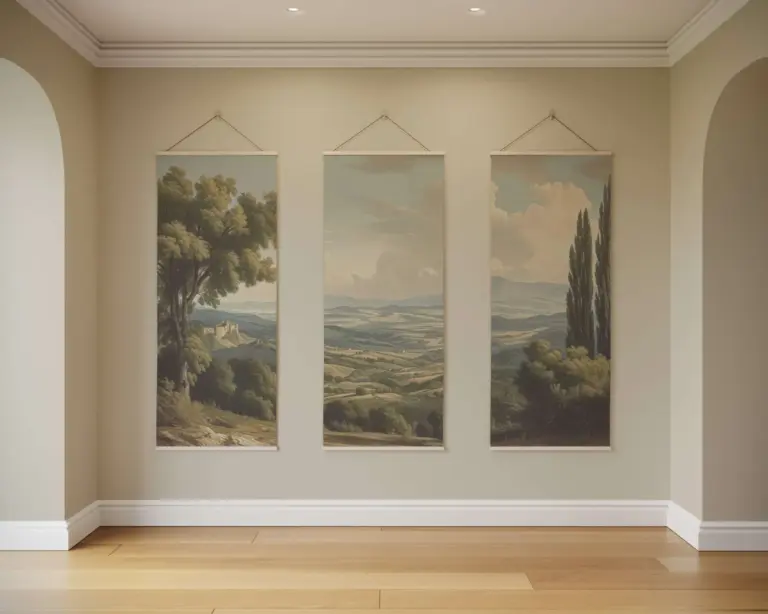
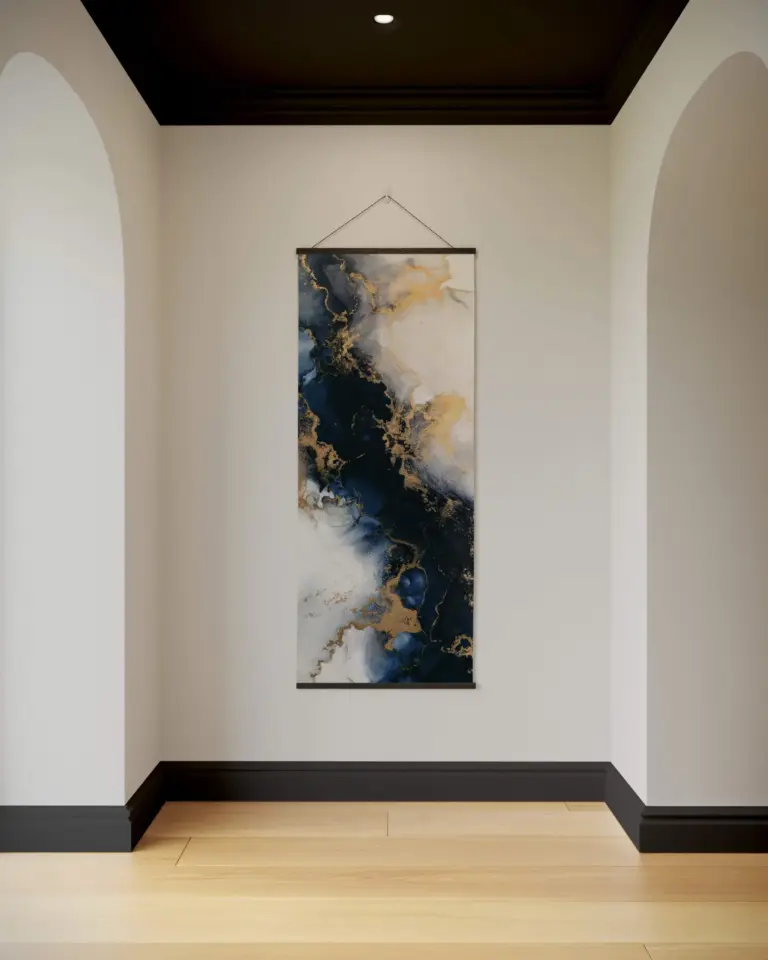 Aisha's pickWhite Wall Tapestries That Don’t Look Mass Produced
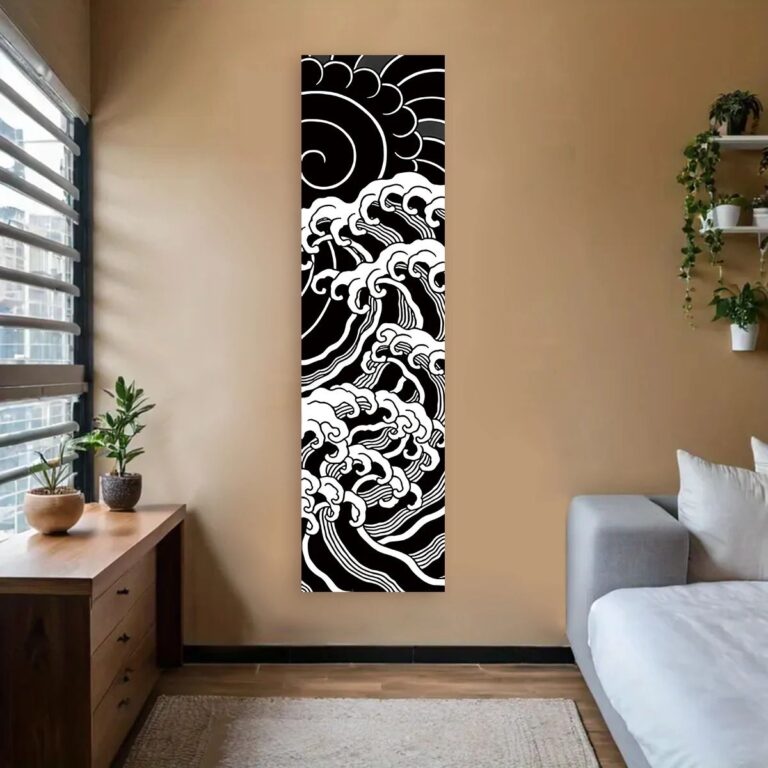
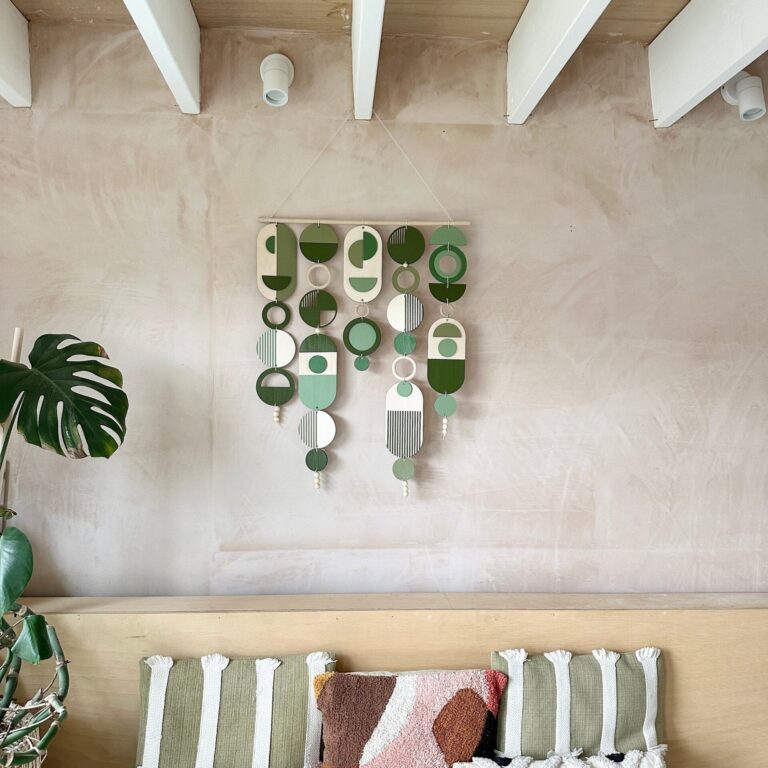 Aisha's pickBoho Tapestries for Blank Walls and Empty Shelves
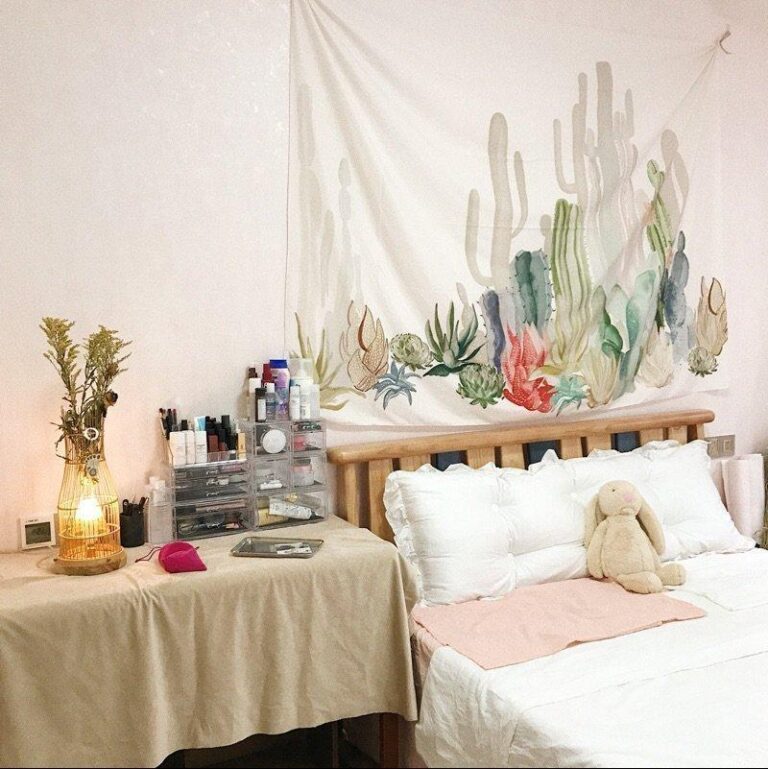
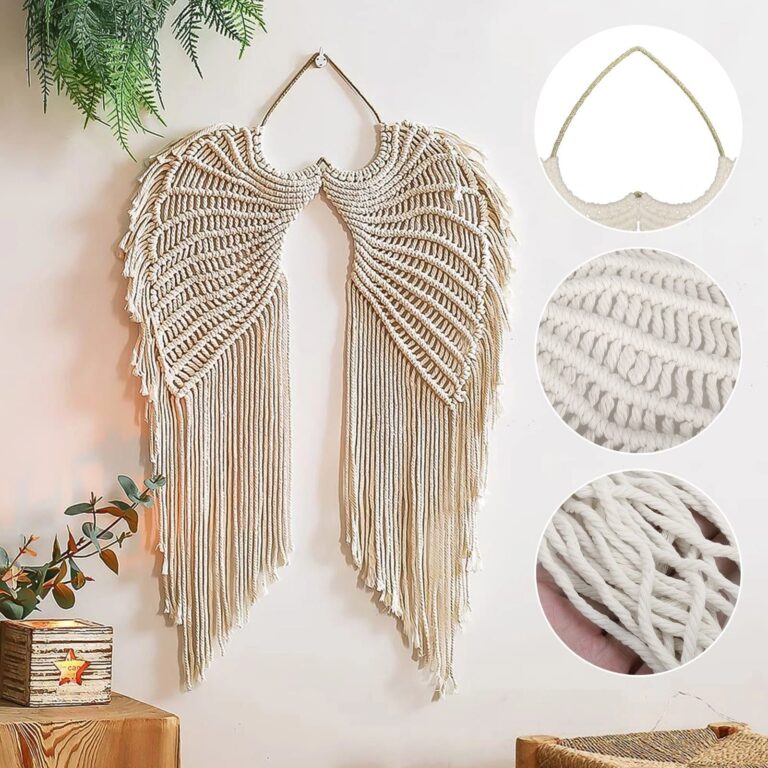 Aisha's pickNatural Wall Tapestries We’d Buy Again
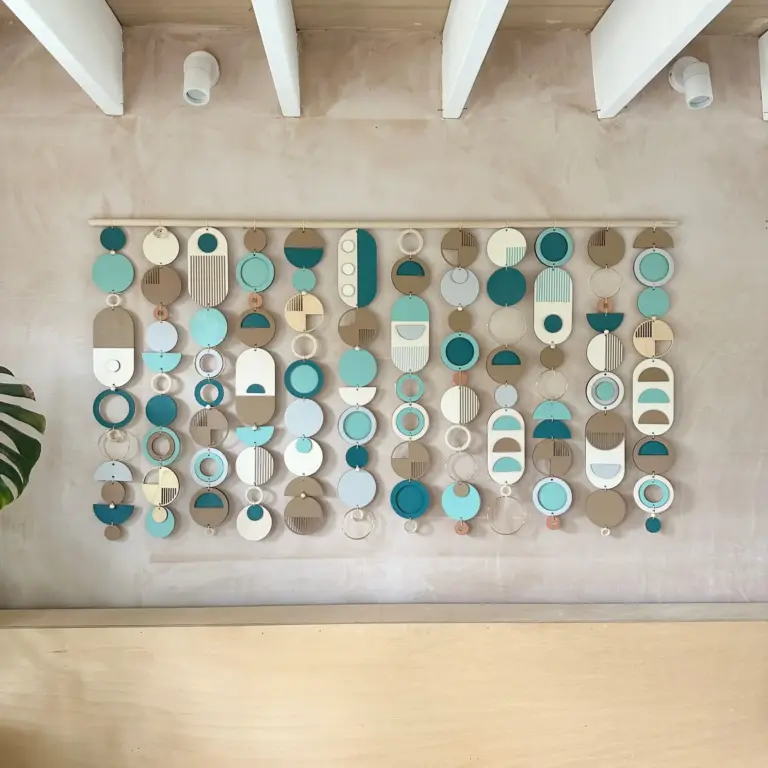
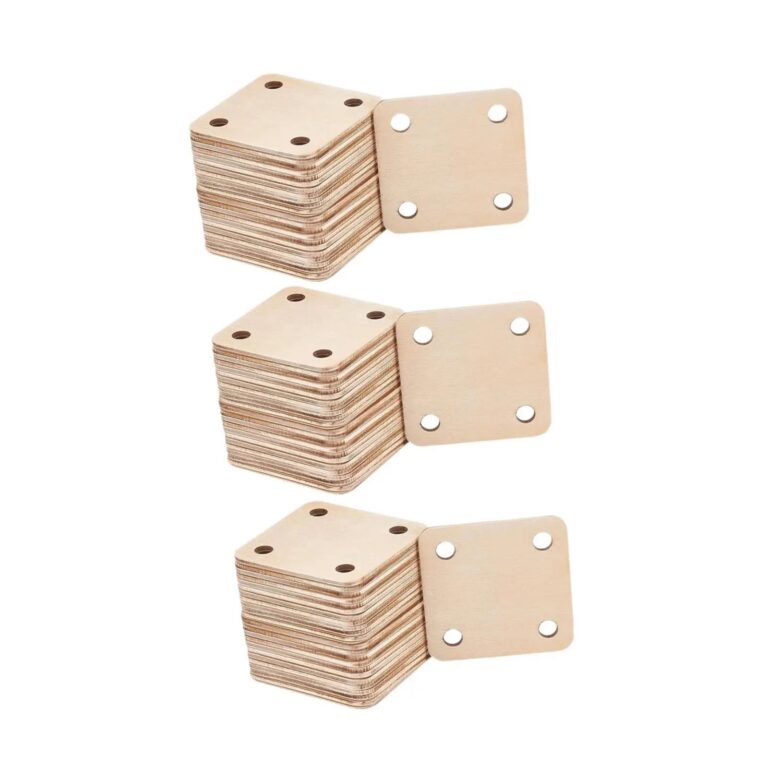 Aisha's pickWool Tapestries for Filling an Awkward GapAlso worth a lookPrintsThe thing nobody tells you about a print is that it changes with the light, and you won't…See the collections →
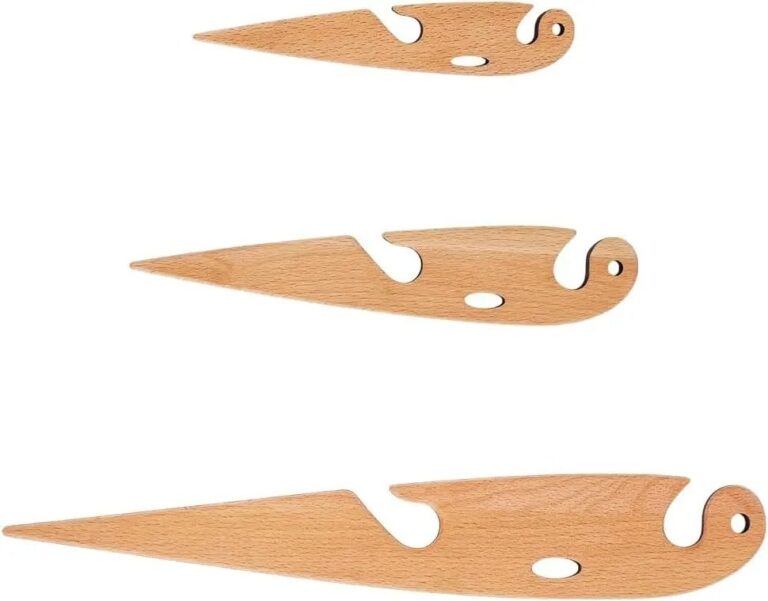
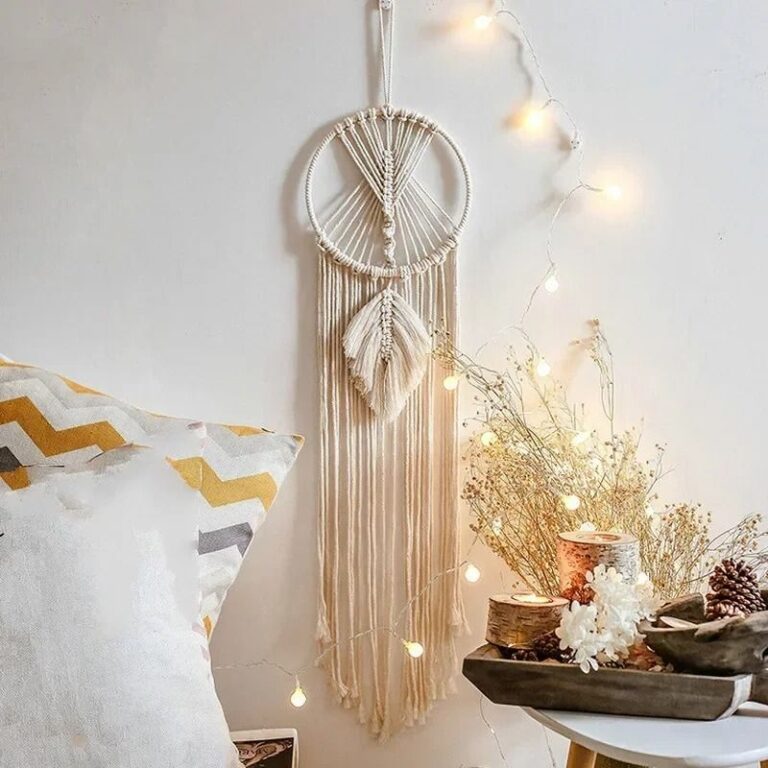 Aisha's pickCotton Tapestries We’d Buy Again
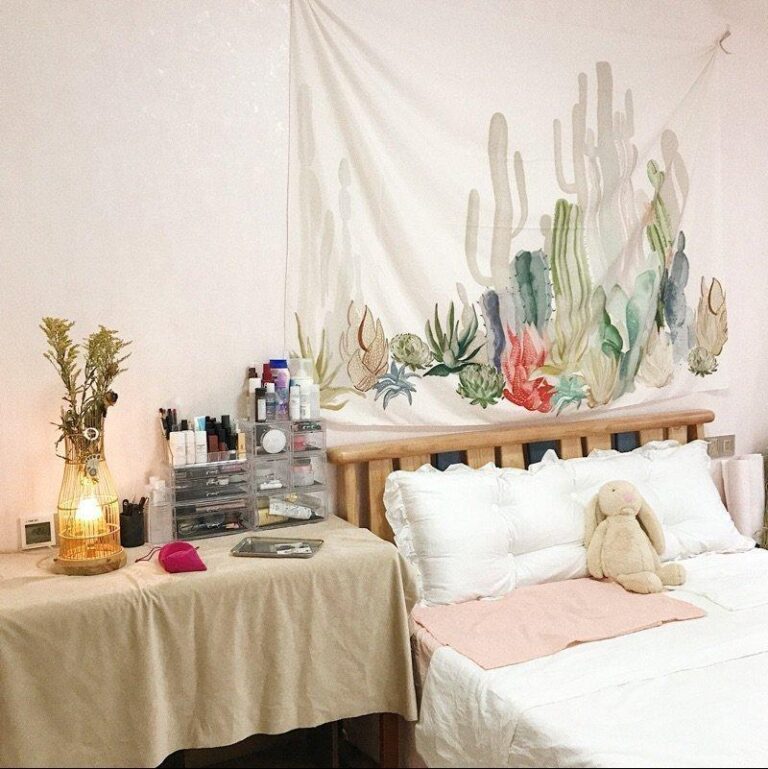
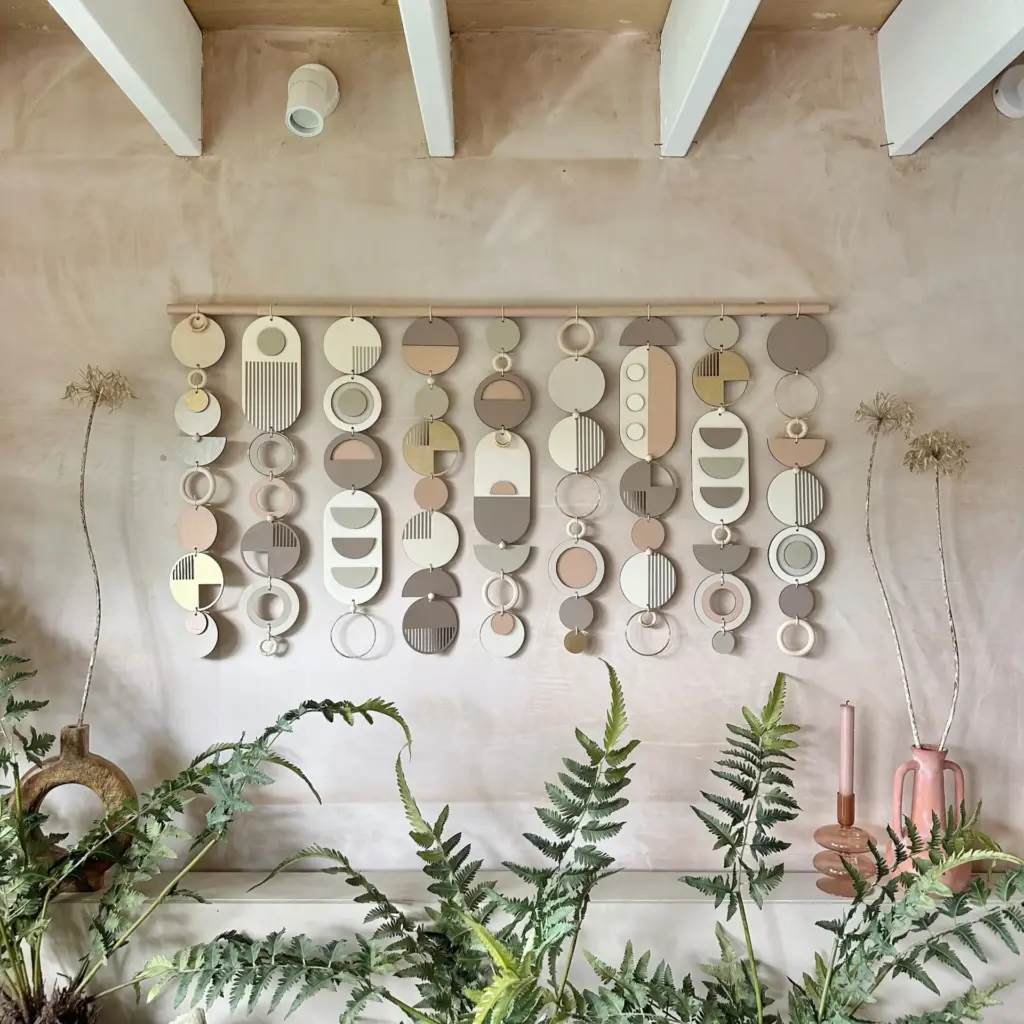 Aisha's pickPink Tapestries That Make Small Changes Feel Big
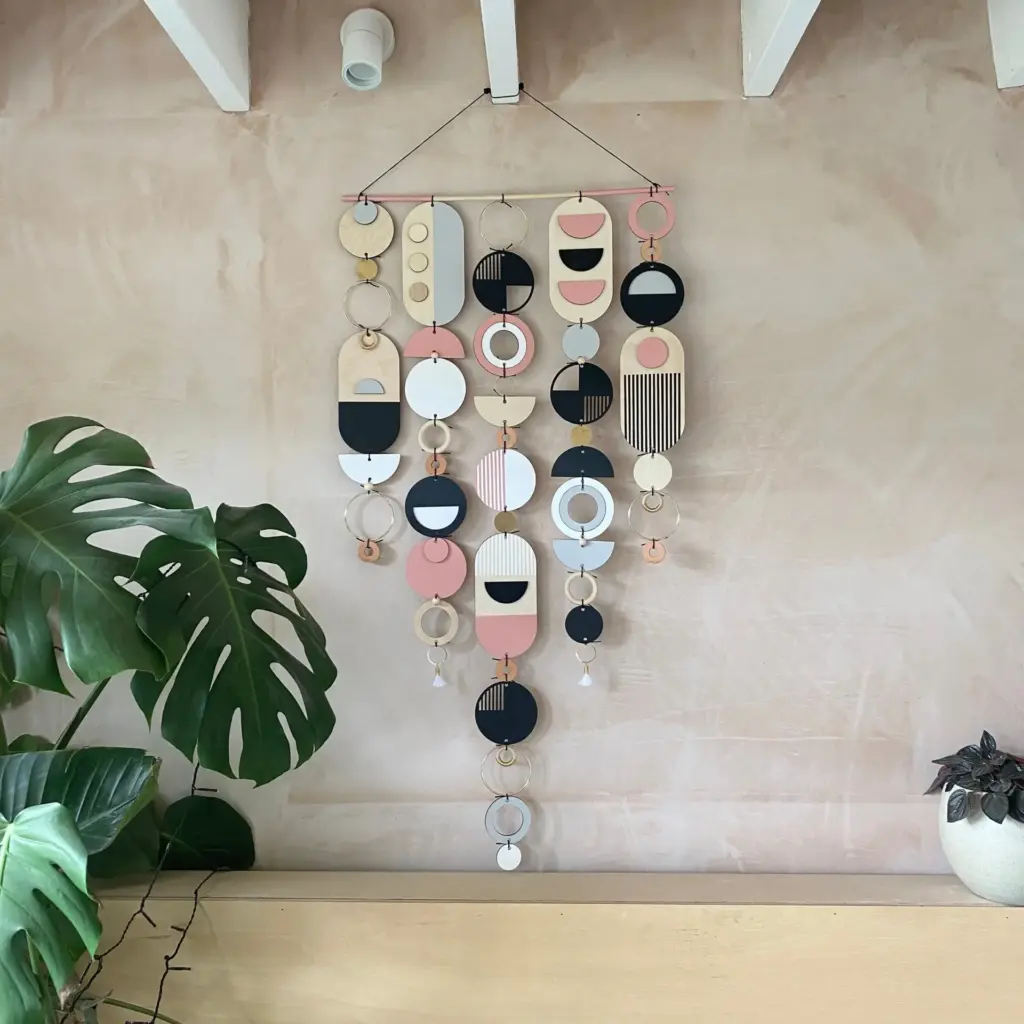
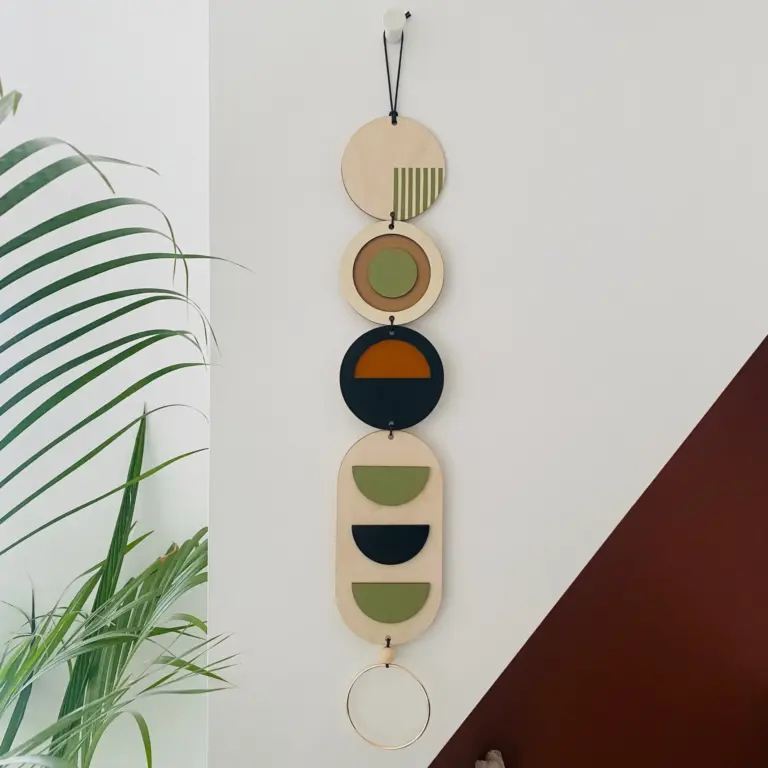 Aisha's pickGreen Tapestries We Keep Coming Back To
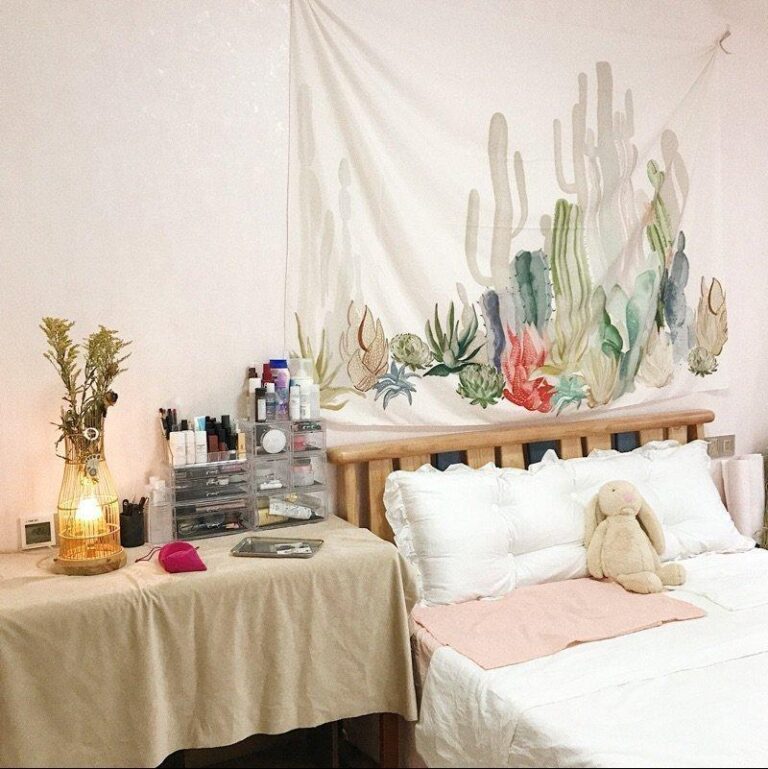
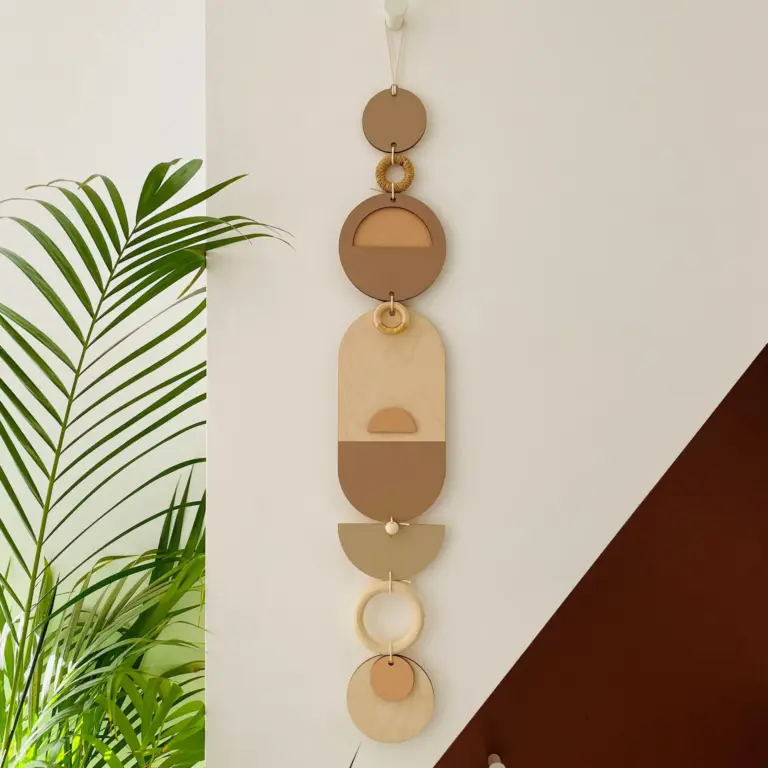 Aisha's pickPink Wall Tapestries That Start Conversations
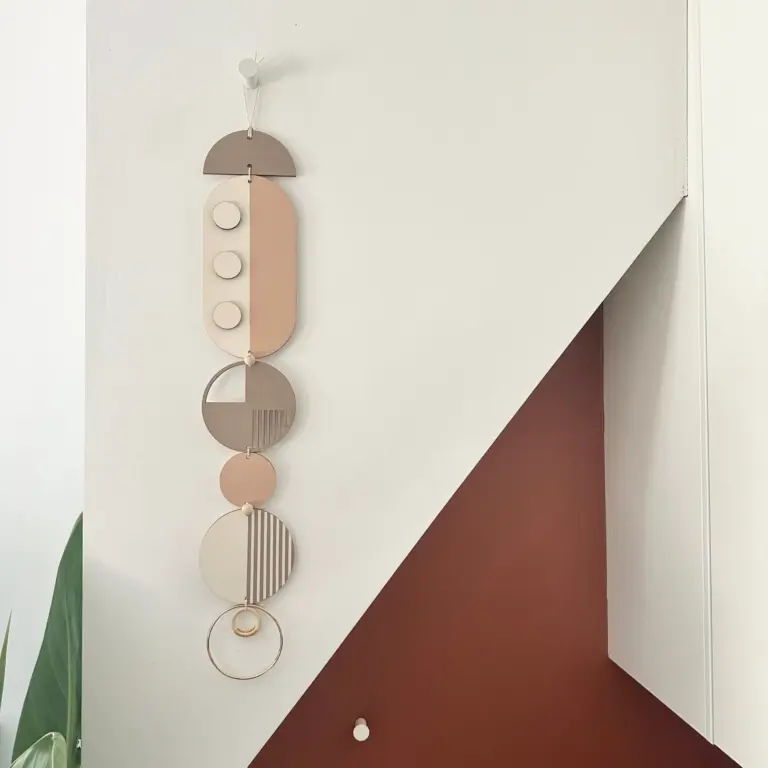
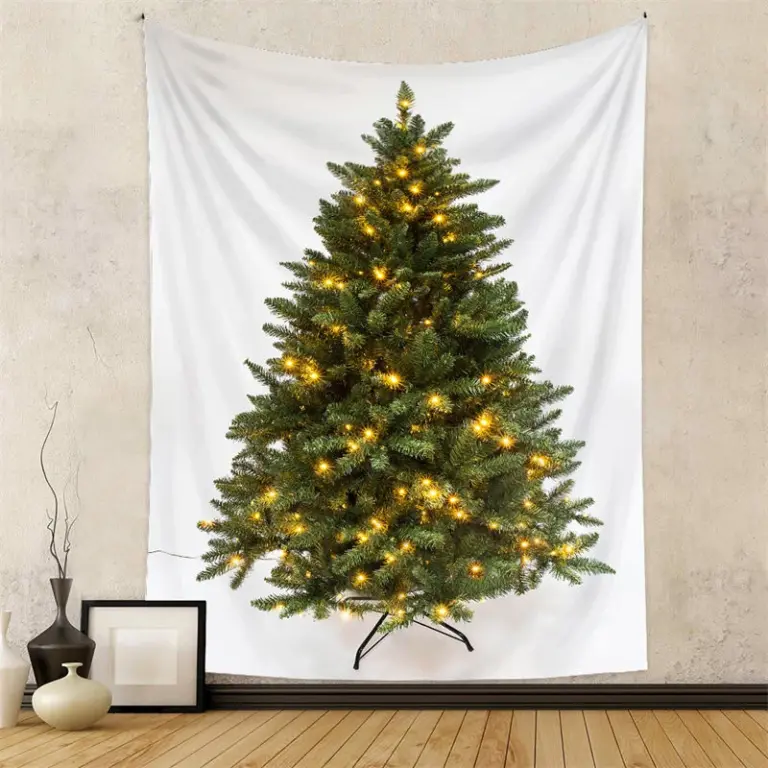 Aisha's pickGreen Wall Tapestries for Filling an Awkward Gap
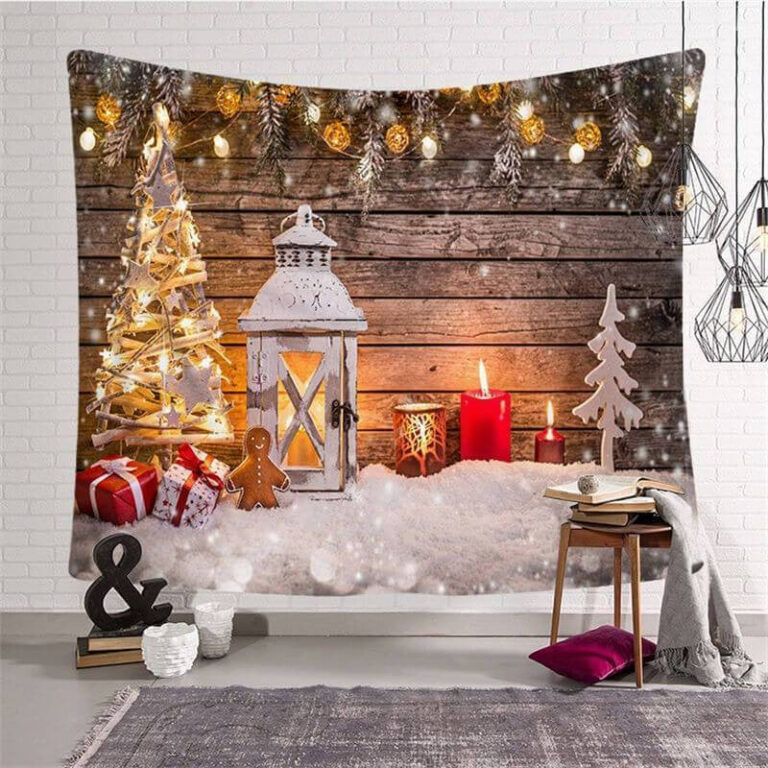
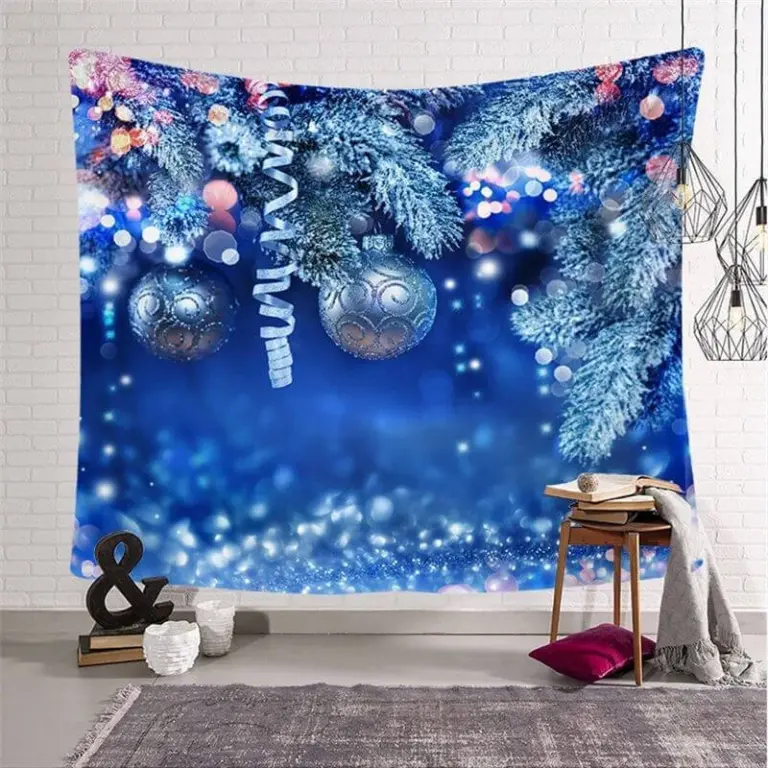 Aisha's pickRustic Tapestries We’d Buy Again
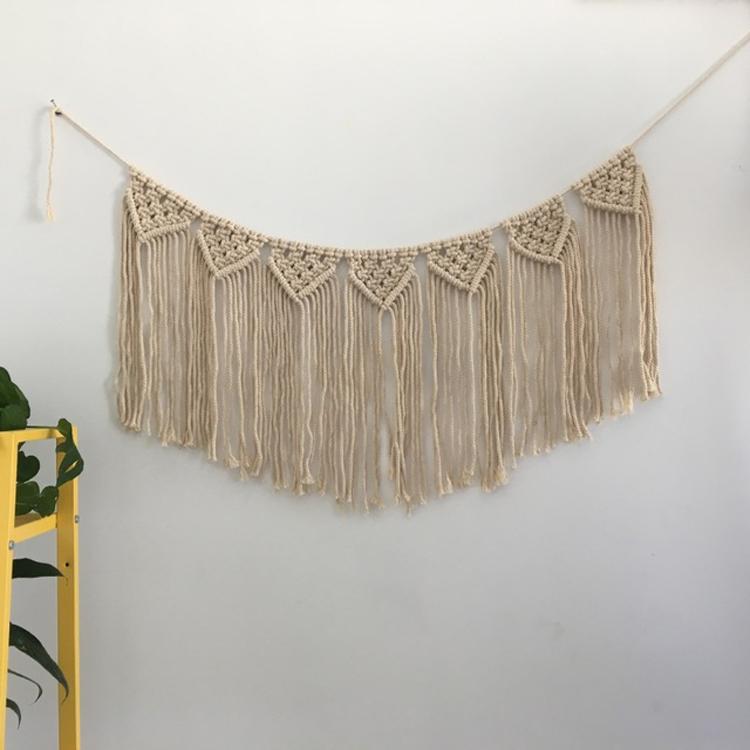
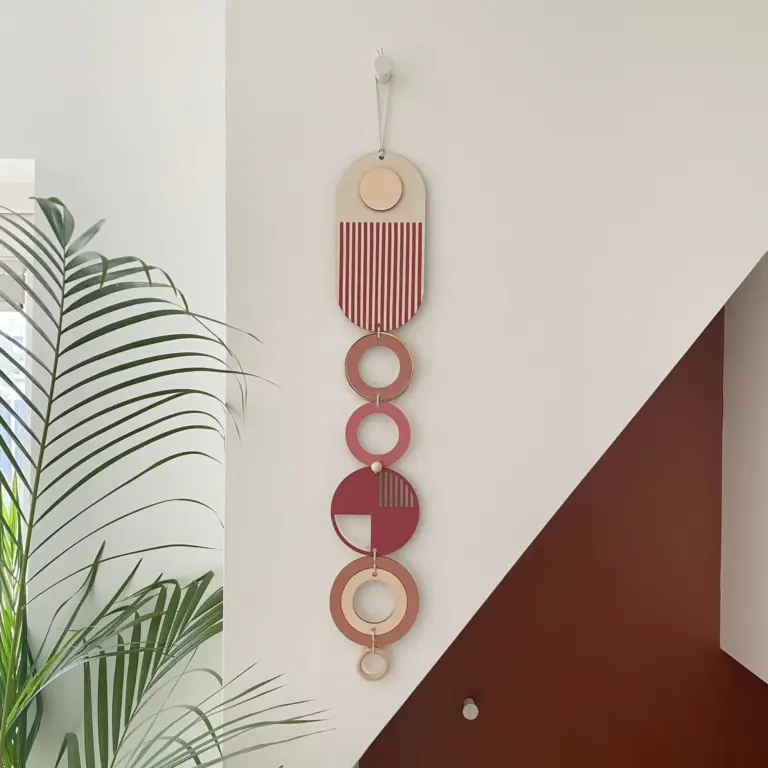 Aisha's pickHandmade Tapestries With a Story to Them
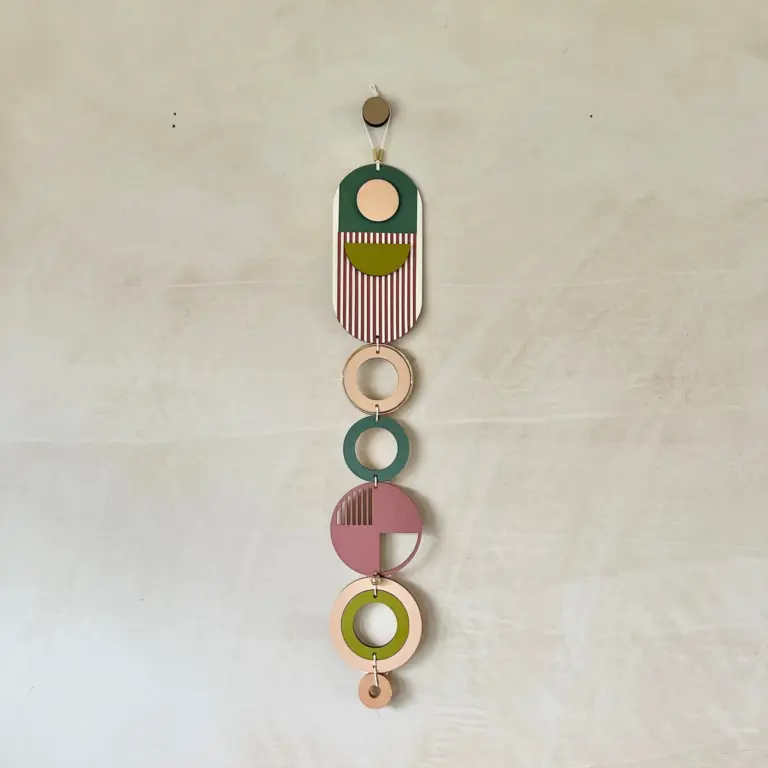
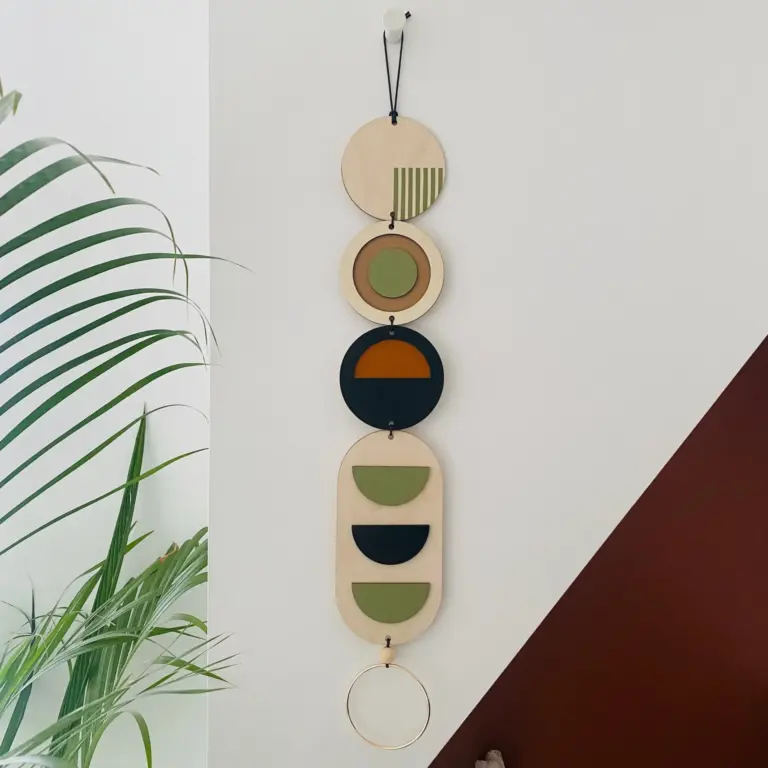 Aisha's pickSmall Tapestries for Rooms That Feel a Bit Bare
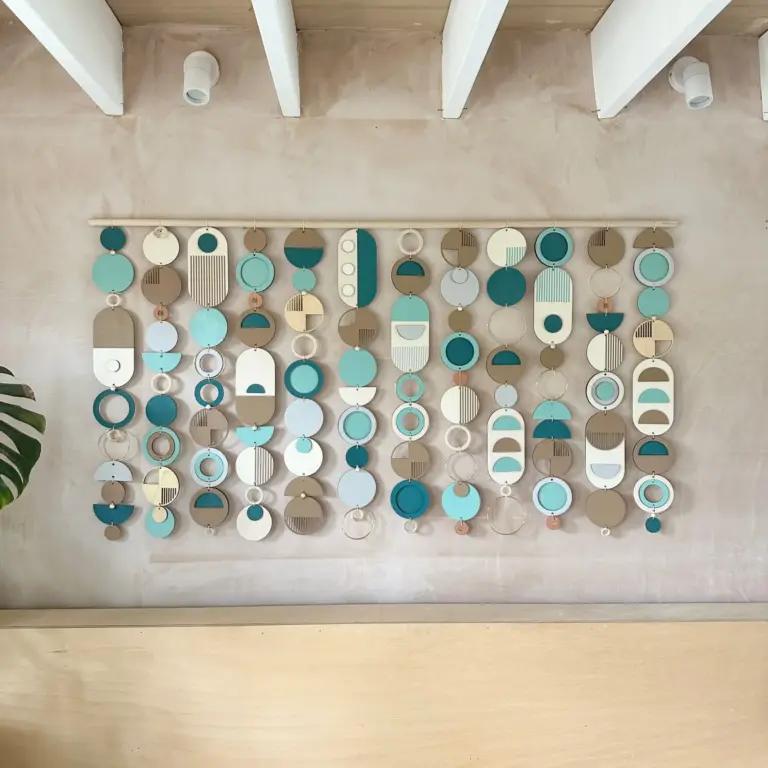
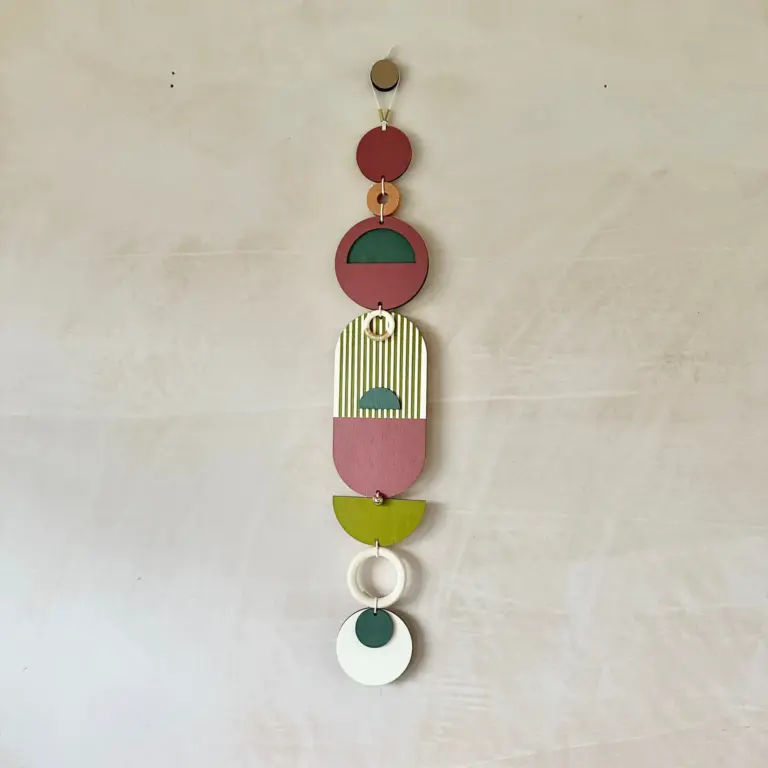 Aisha's pickHandmade Wall Tapestries That Work in Old Houses and New OnesAlso worth a lookModern Wall ArtFor years I figured modern wall art meant one big canvas, something abstract and gray, hung dead center…See the collections →
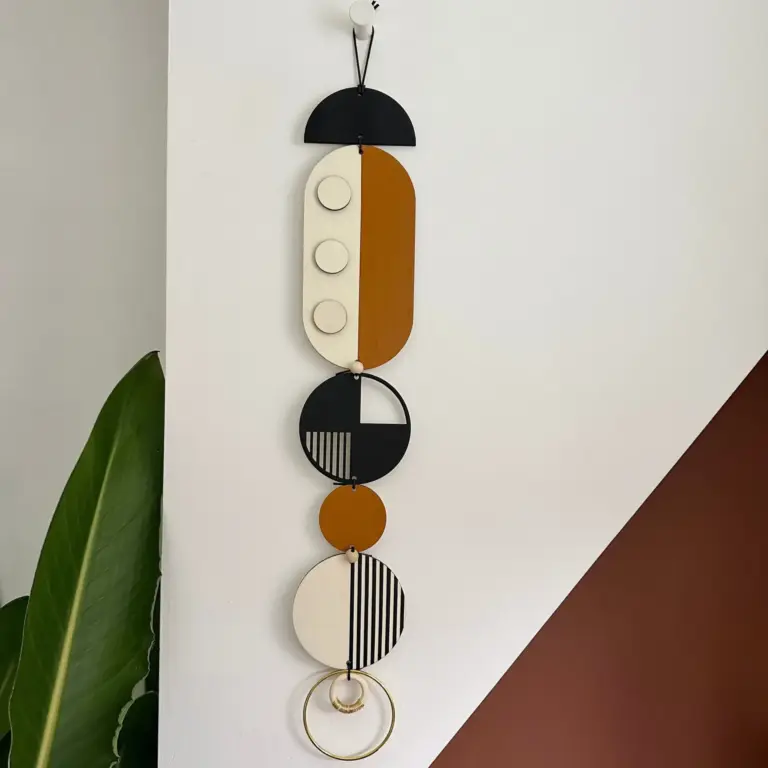
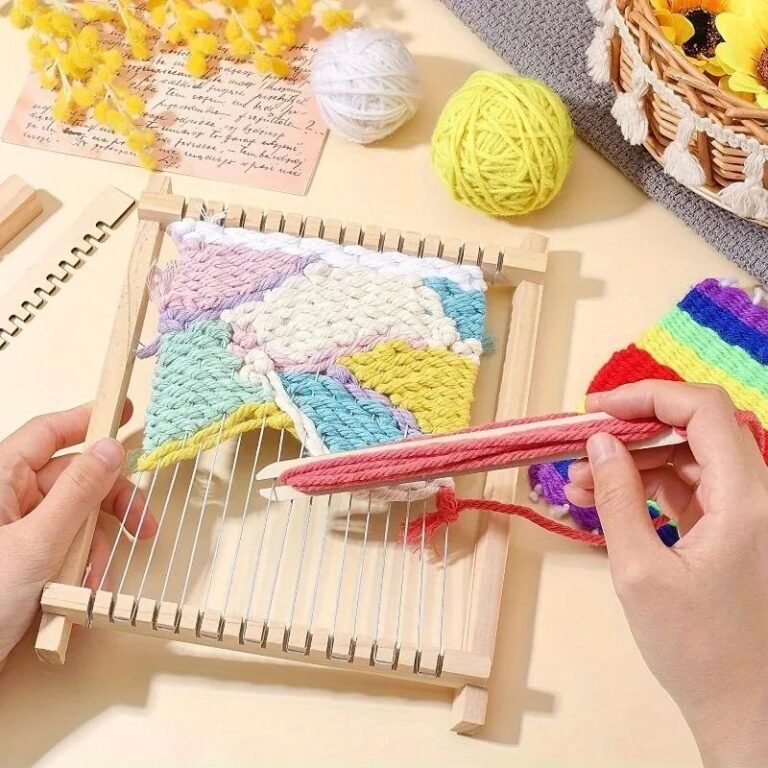 Aisha's pickSmall Wall Tapestries That Won’t Date in a Year
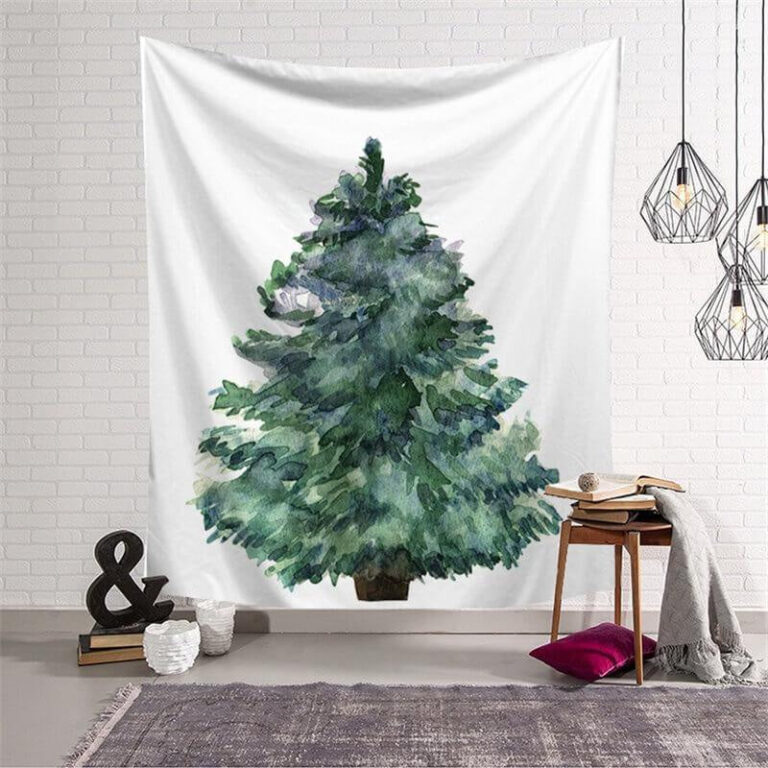
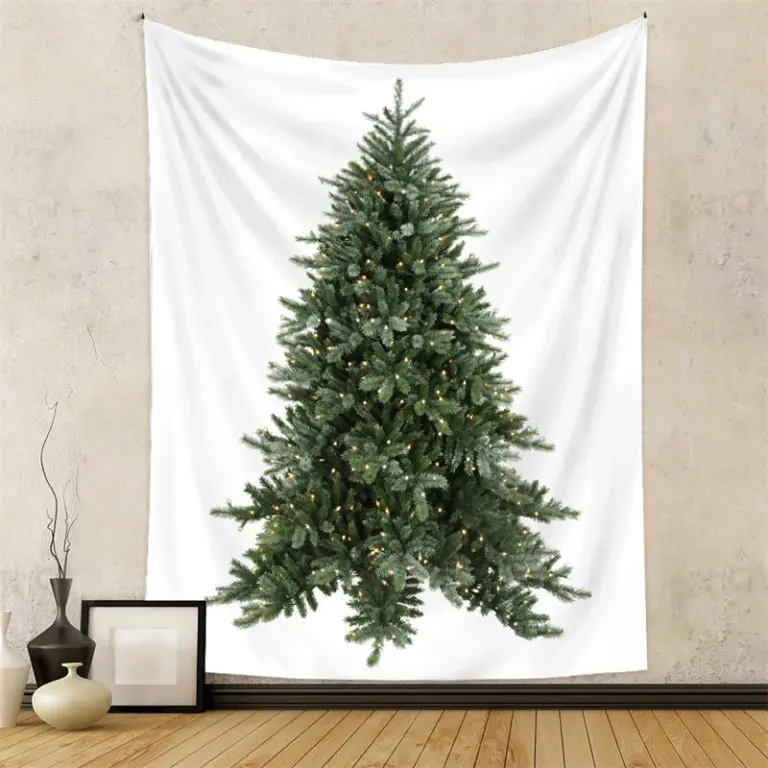 Aisha's pickGood Large Tapestries That Don’t Cost a Fortune
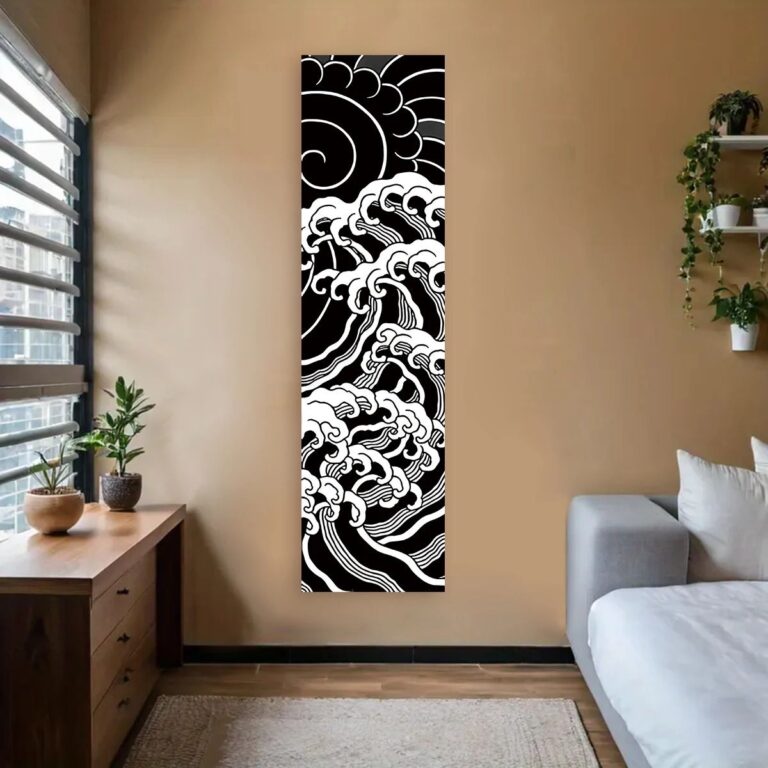
 Aisha's pickTapestries That Look Better in Real Life
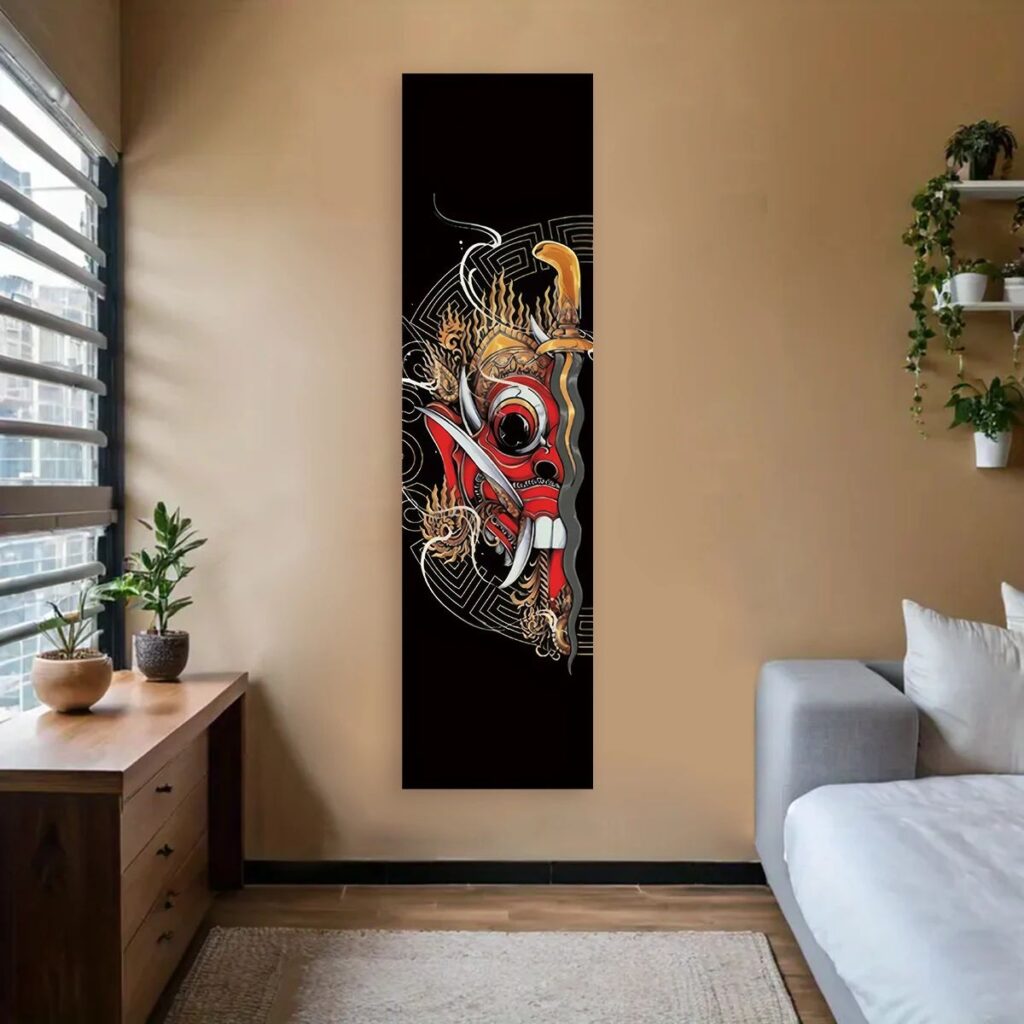
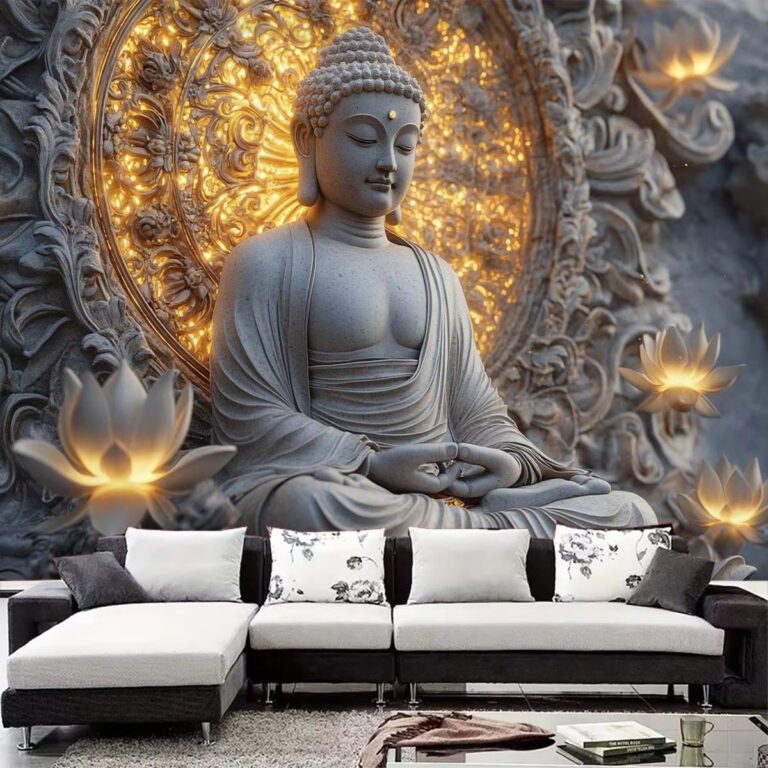 Aisha's pickLarge Wall Tapestries That Make Great Housewarming Gifts

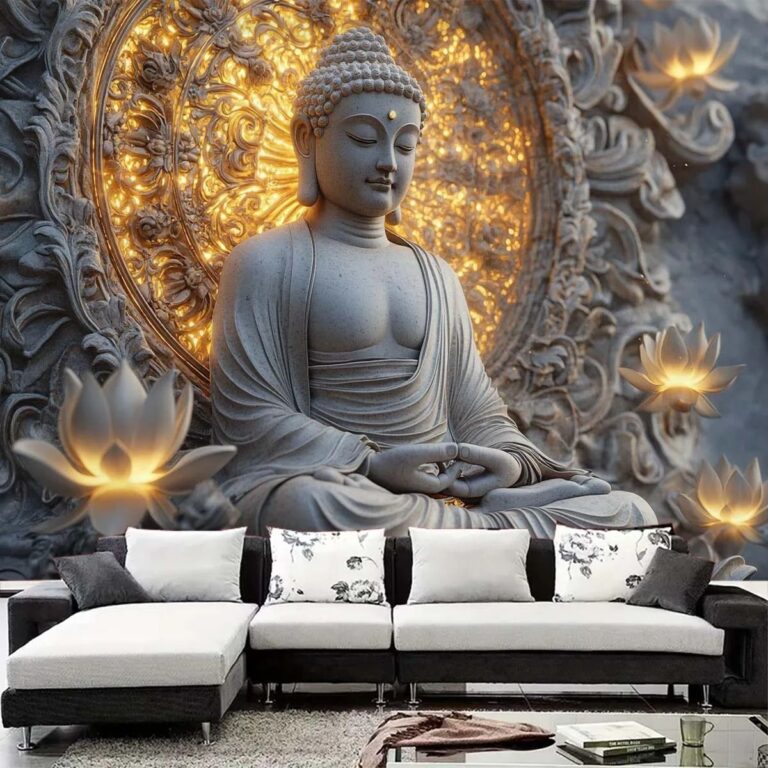 Aisha's pickTapestries for Bedroom Without the Silly Price Tag
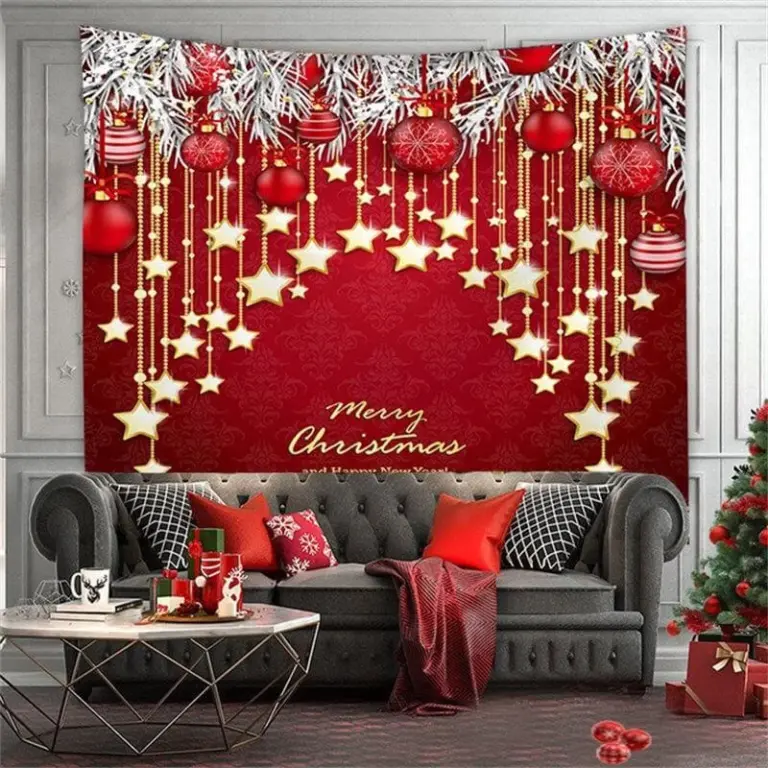
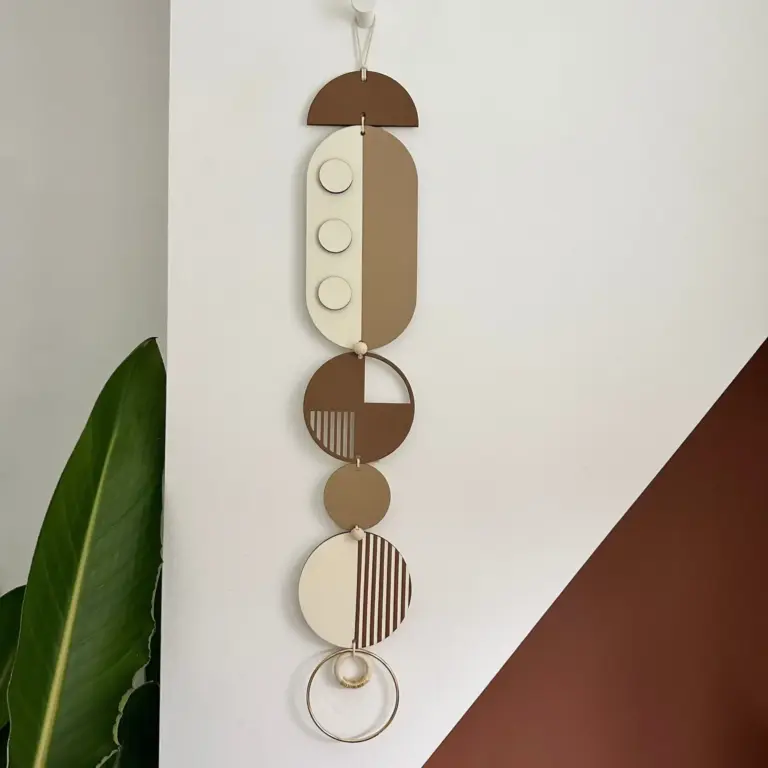 Aisha's pickLong Tapestries for Blank Walls and Empty Shelves
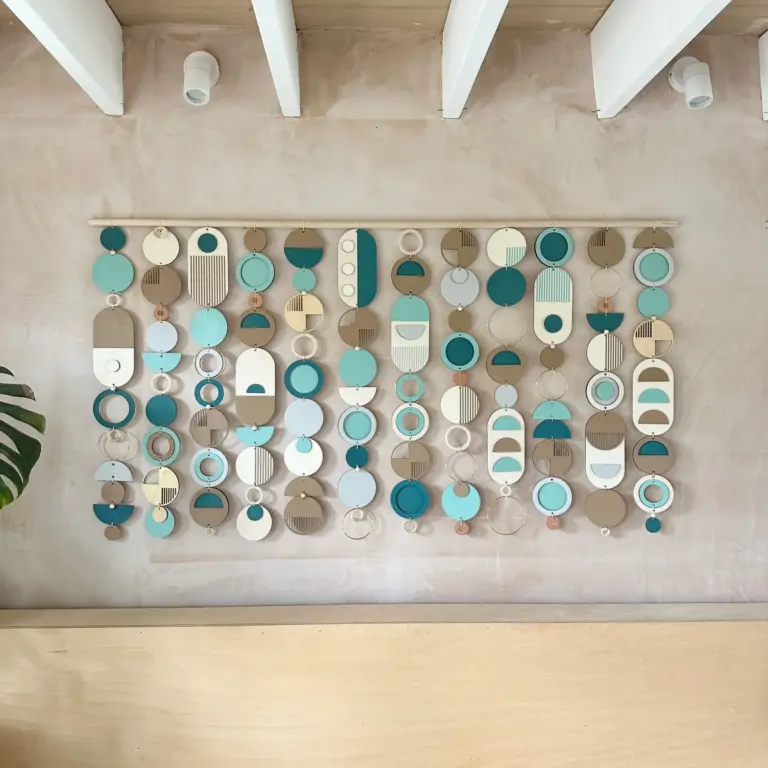
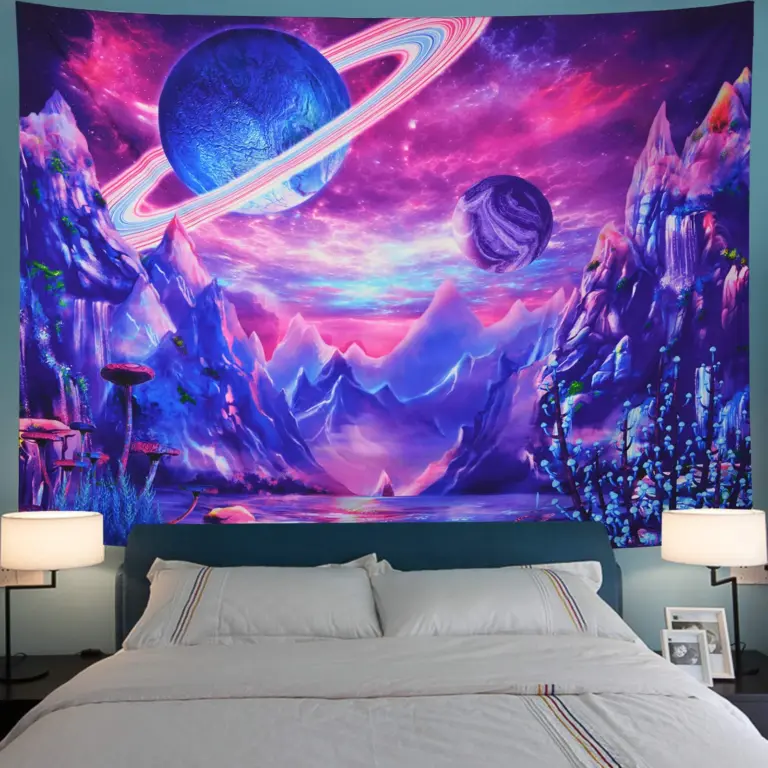 Aisha's pickTapestries for Living Room Pulled From Dozens of Stores
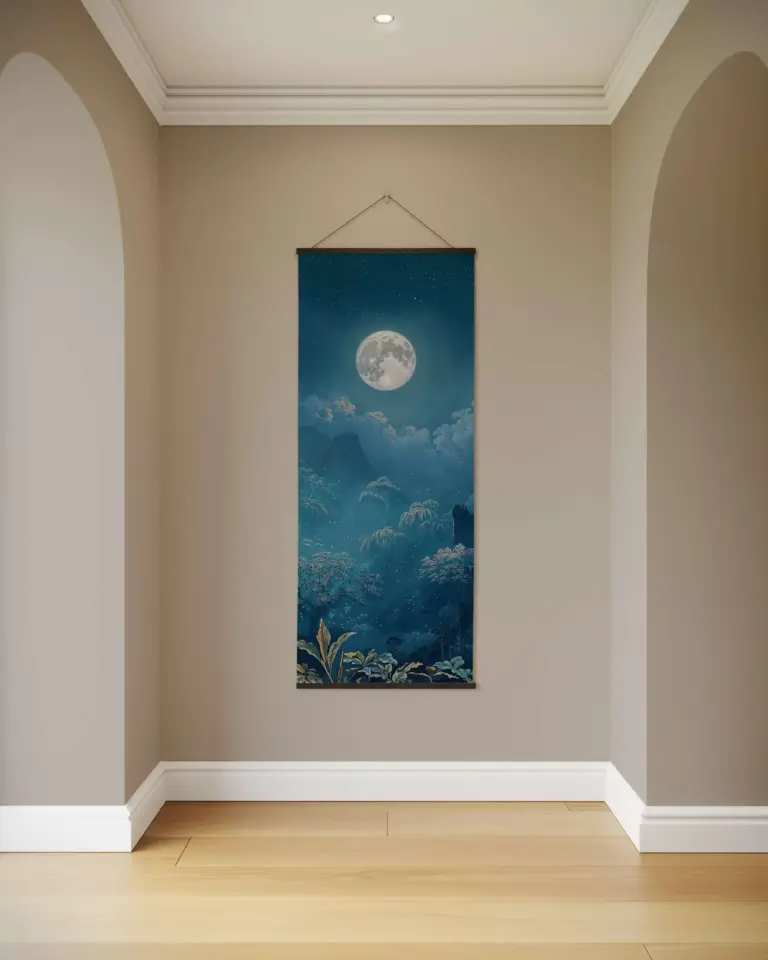
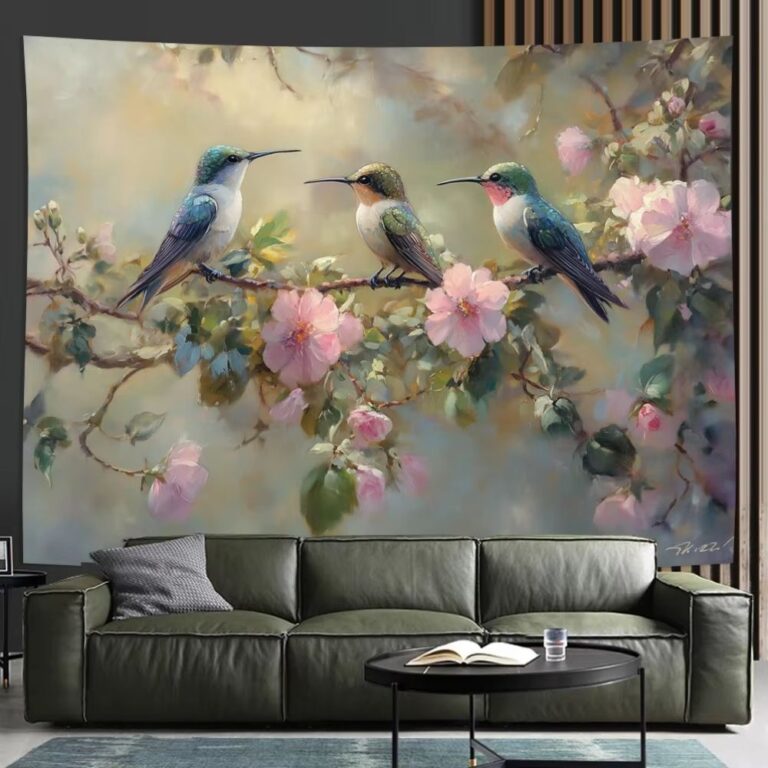 Aisha's pickLong Wall Tapestries That Won’t Date in a Year
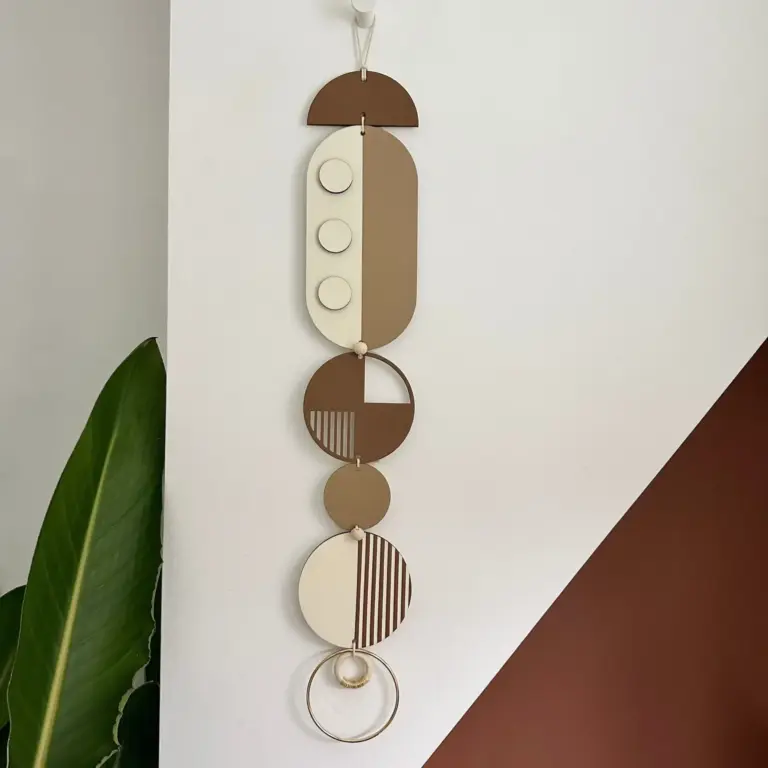
 Aisha's pickVintage Tapestries We’d Buy AgainAlso worth a lookPaintingsThe one thing worth knowing before you hang a single painting is that scale matters more than subject.See the collections →

 Aisha's pickMacrame Tapestries You’ll Still Like in Five Years
 Aisha's pickVintage Wall Tapestries That Make Small Changes Feel Big
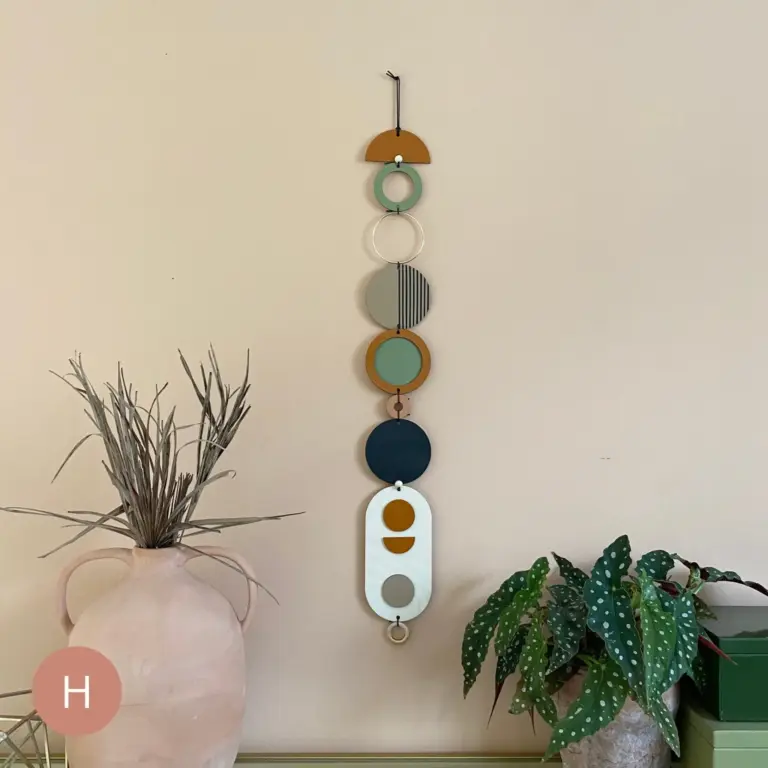 Aisha's pickBlack Tapestries That Make a Shelf Look Styled
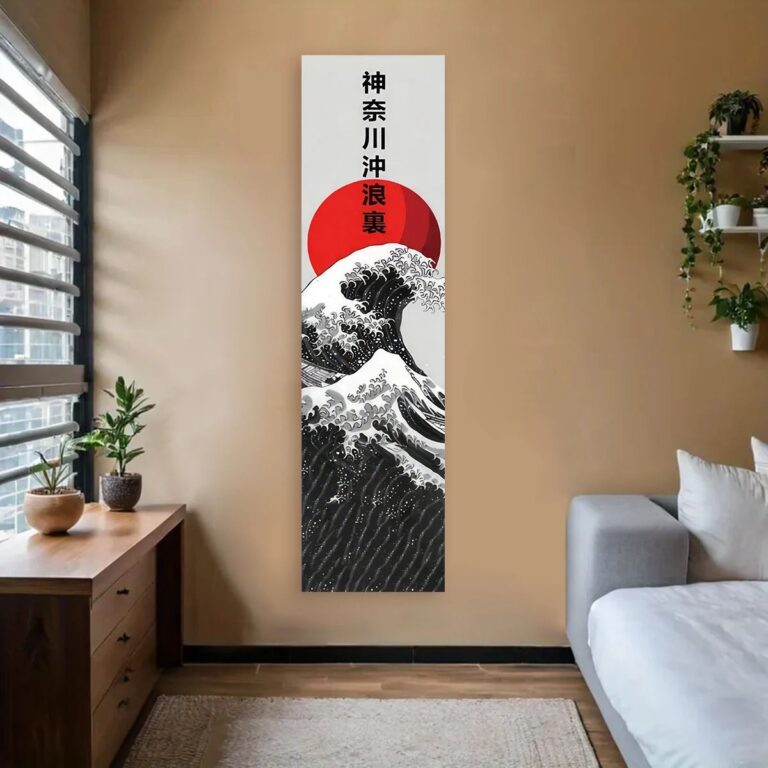
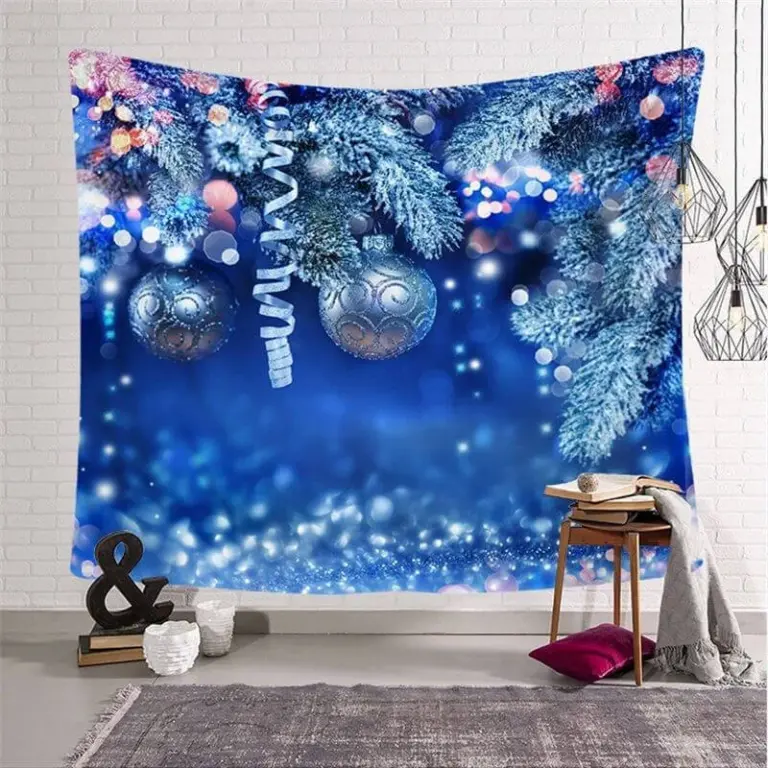 Aisha's pickMacrame Wall Tapestries That Start Conversations
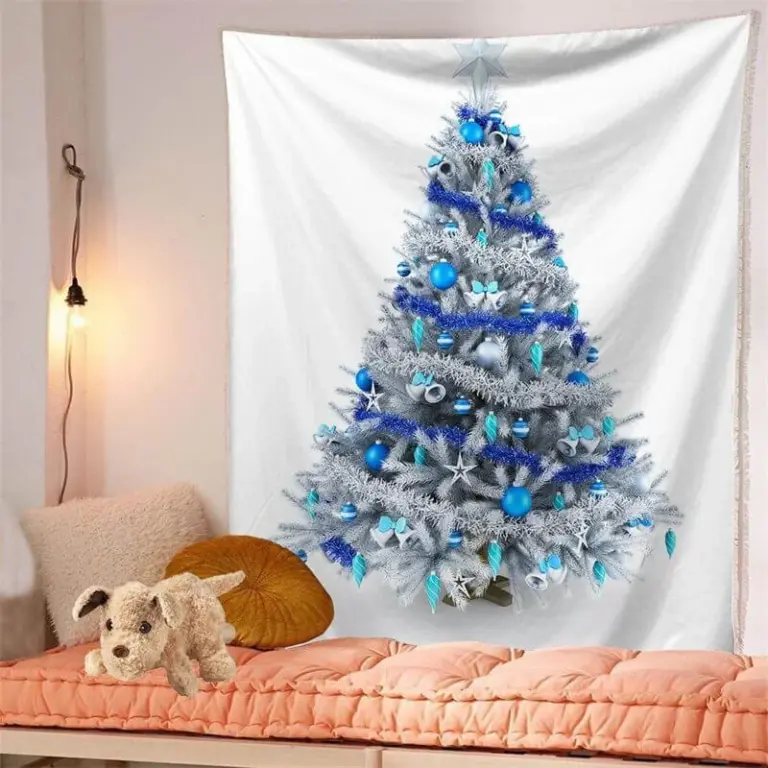
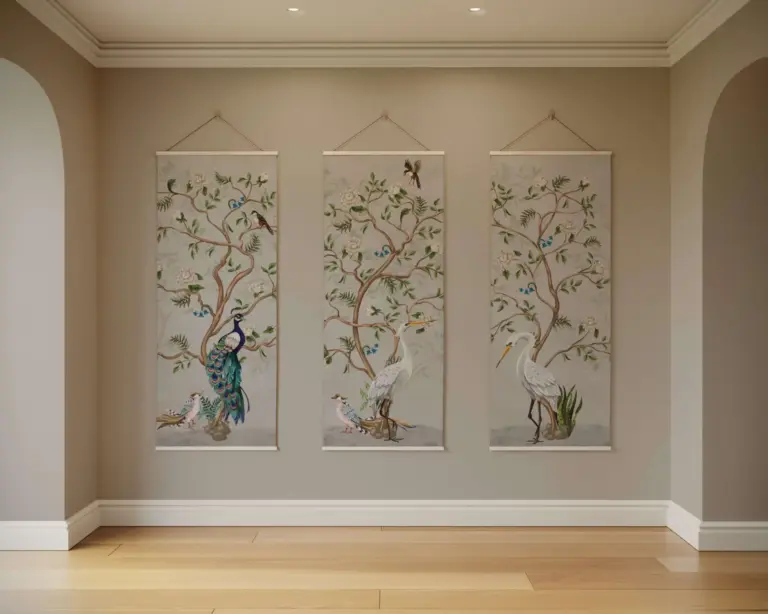 Aisha's pickWall Tapestries With a Story to Them
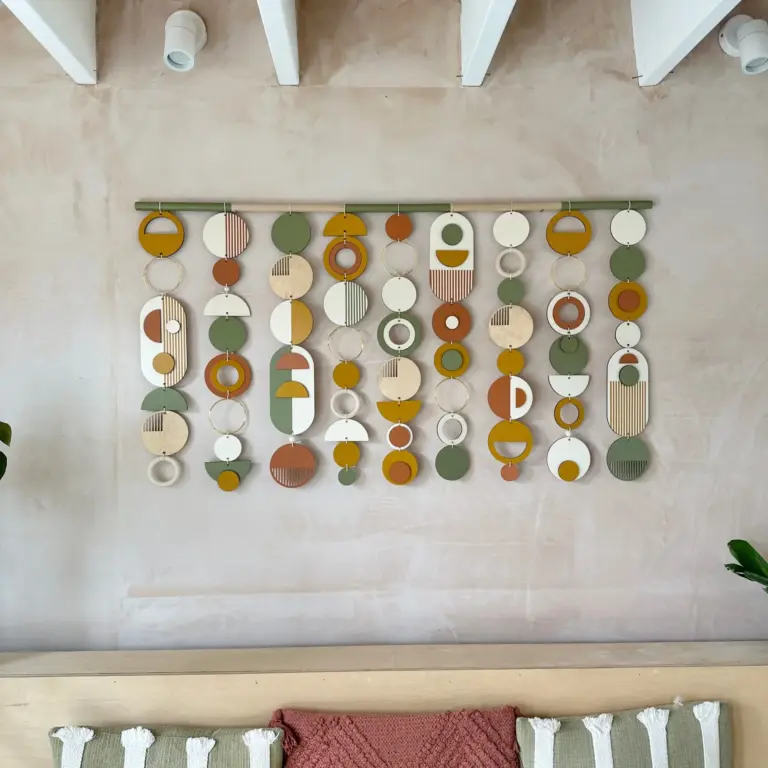
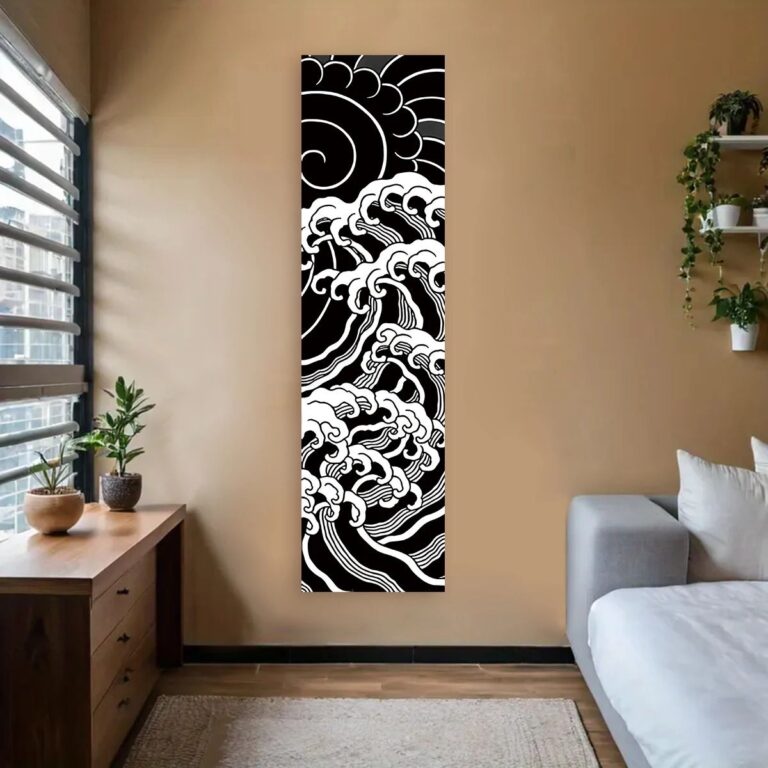 Aisha's pickBlack Wall Tapestries That Hold Up to Everyday Life
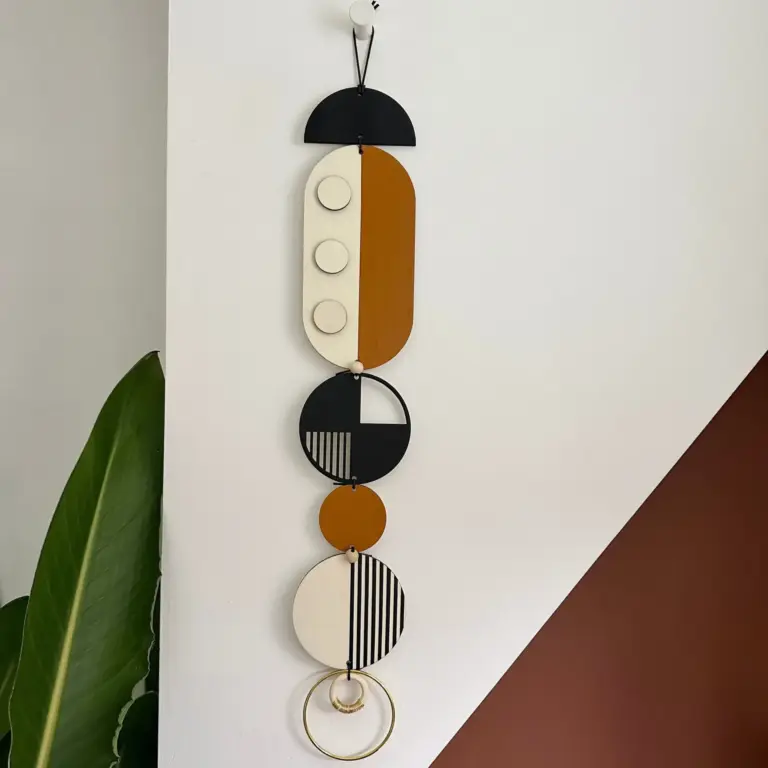
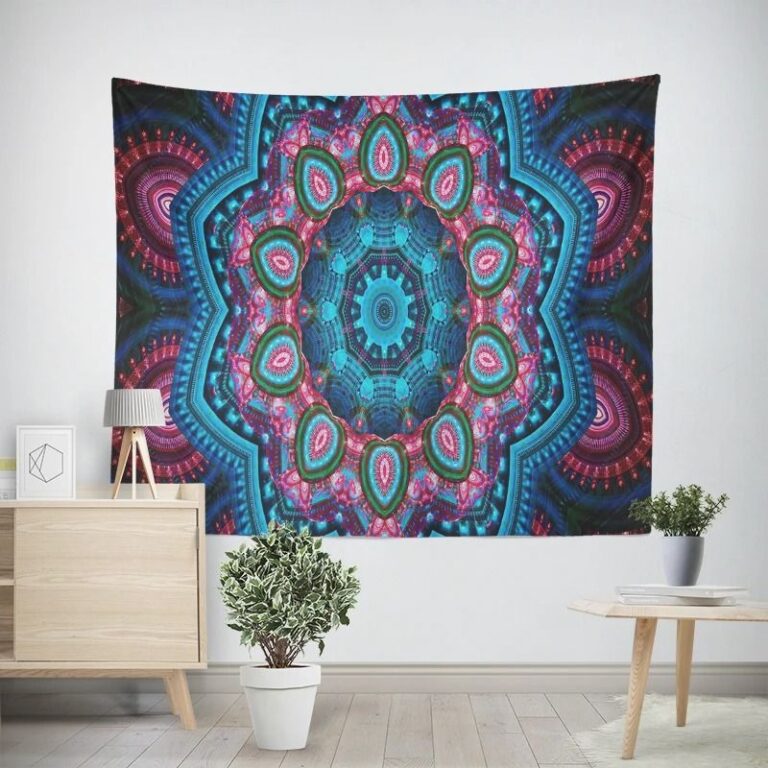 Aisha's pickMandala Tapestries Pulled From Dozens of Stores
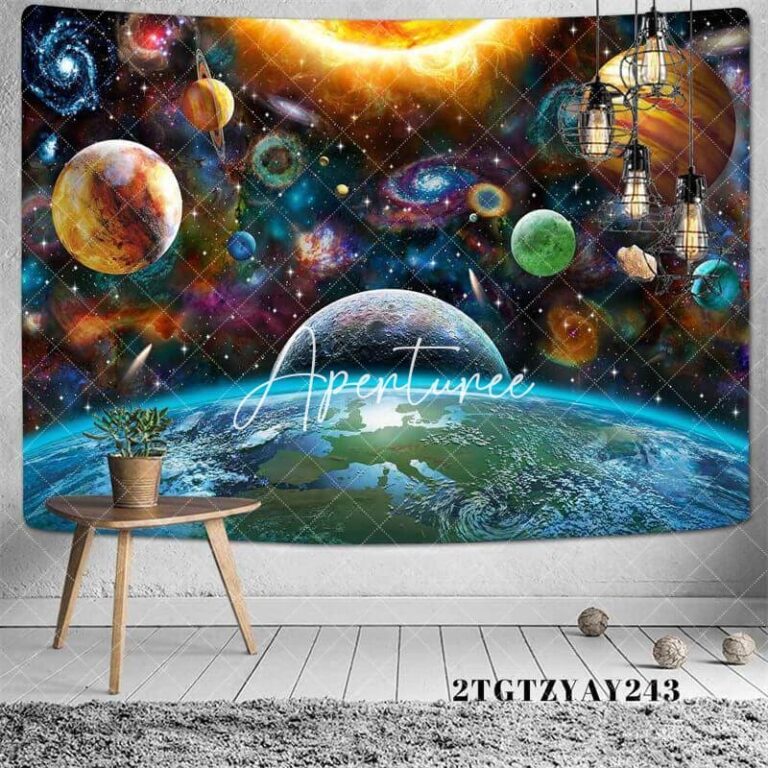
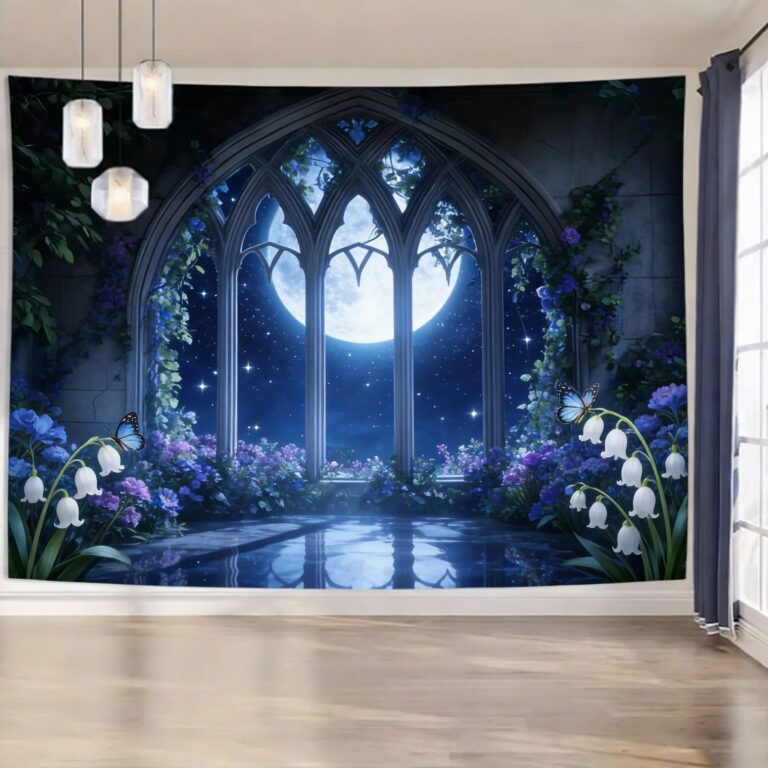 Aisha's pickWall Tapestries for Bedroom We’d Buy Again