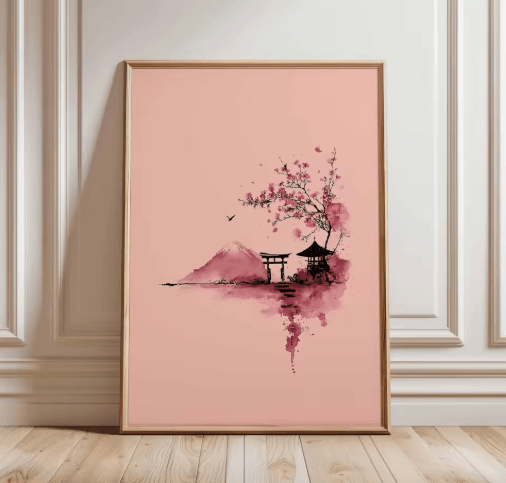
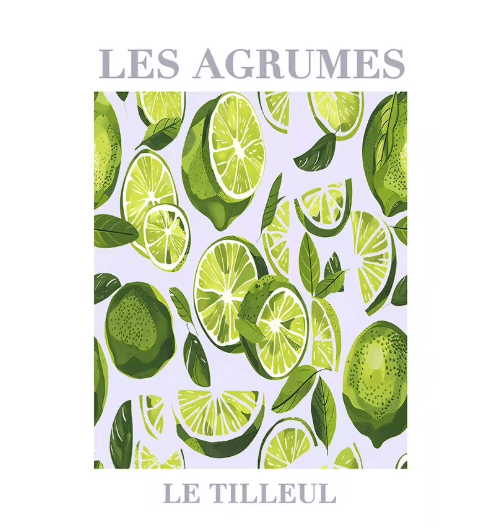
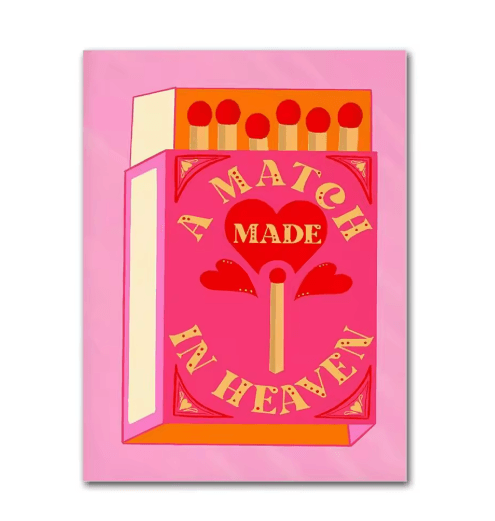
The frame and the mat matter more than the print itself. A great image in a flimsy clip frame looks like a dorm room poster, and a so so image in a proper wood frame with a wide mat looks like it belongs in a museum shop. If you only remember one thing, spend the money on the framing, not the art.
Black frames are the easiest thing to live with, by a long way. They hold their own against almost any wall color and they don't fight with other metal finishes in the room the way brass or chrome sometimes do. Natural wood, something like oak or ash, is the close second, especially in a room with a lot of warm light. White frames look clean in photos but show every scuff within a year, so I'd save those for a hallway nobody touches rather than a spot kids walk past with backpacks. For the print itself, muted and slightly faded tones age better than anything bright and saturated. A loud print feels exciting for about three months, then it's the thing you're tired of looking at.
Art prints do the most work in rooms that get used but don't get redecorated often, living rooms, bedrooms, hallways, the stretch of wall going up a staircase. A rental benefits from them more than a house does, honestly, since you can take real art with you when you move and leave the nail holes behind. They also suit a room that leans a bit plain or neutral, where furniture is doing the quiet work and the walls are the one place you're allowed to have an opinion. A sunny room full of plants can take something botanical and literal. A darker room, north facing or basement level, usually looks better with something abstract and a bit moody rather than fighting the light with a bright beach scene.
If you're starting from nothing, one larger print in a simple black or wood frame, hung at eye level over a sofa or a console table, will do more than three small ones scattered around trying to make a gallery wall happen before you're ready for one. Gallery walls are a second or third purchase, not a first one. Get one piece you actually like looking at every day, live with it for a season, then build out from there once you know what your eye keeps going back to.
This kind of art suits a home that's lived in daily and still wants a little bit of its own personality on the walls.
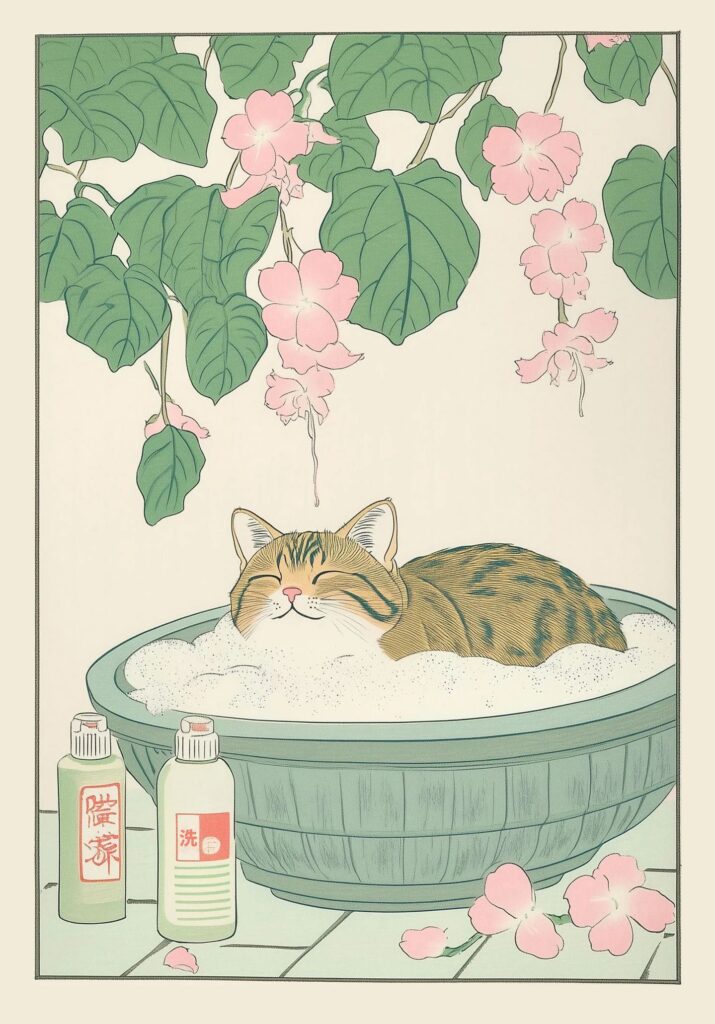 Aisha's pickArt Prints for Bathroom That Look Good Next to Old Tiles
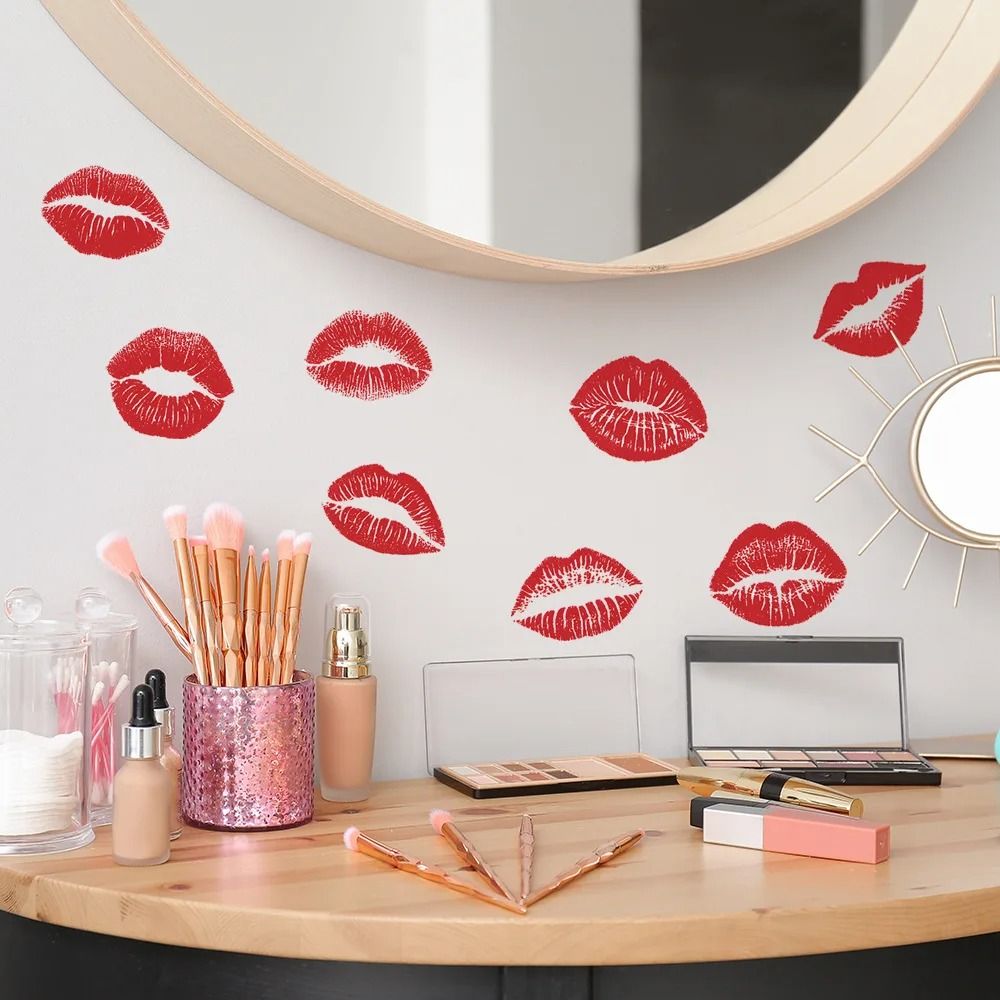
 Aisha's pickGothic Art Prints for Making a House Feel Like Yours
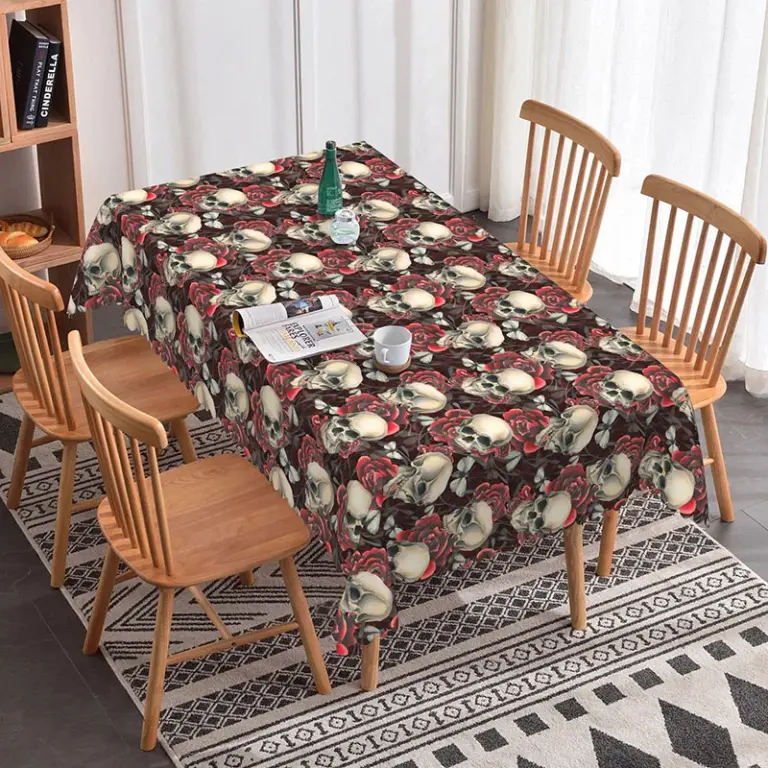
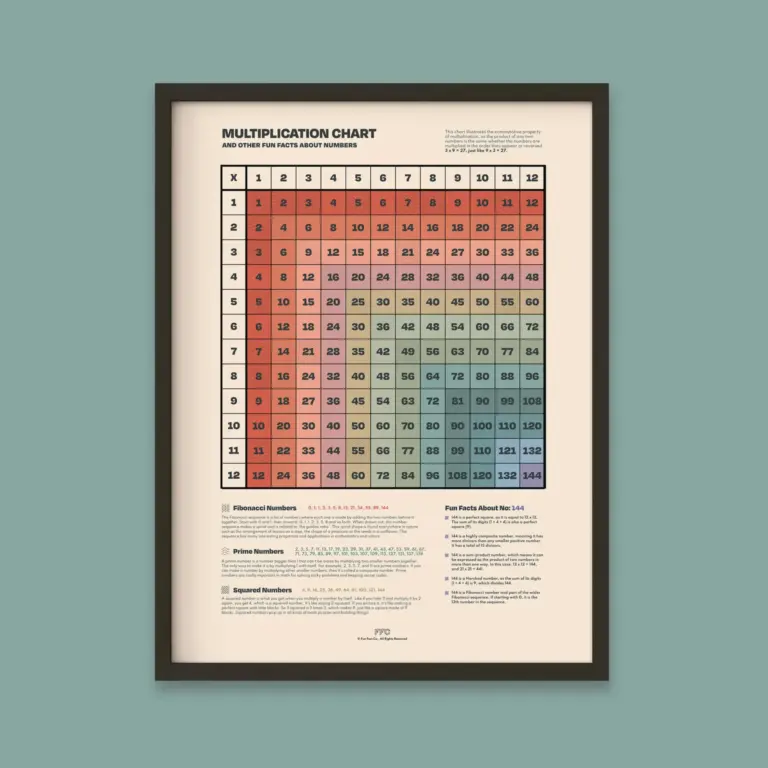 Aisha's pickSpace Art Prints for Filling an Awkward Gap
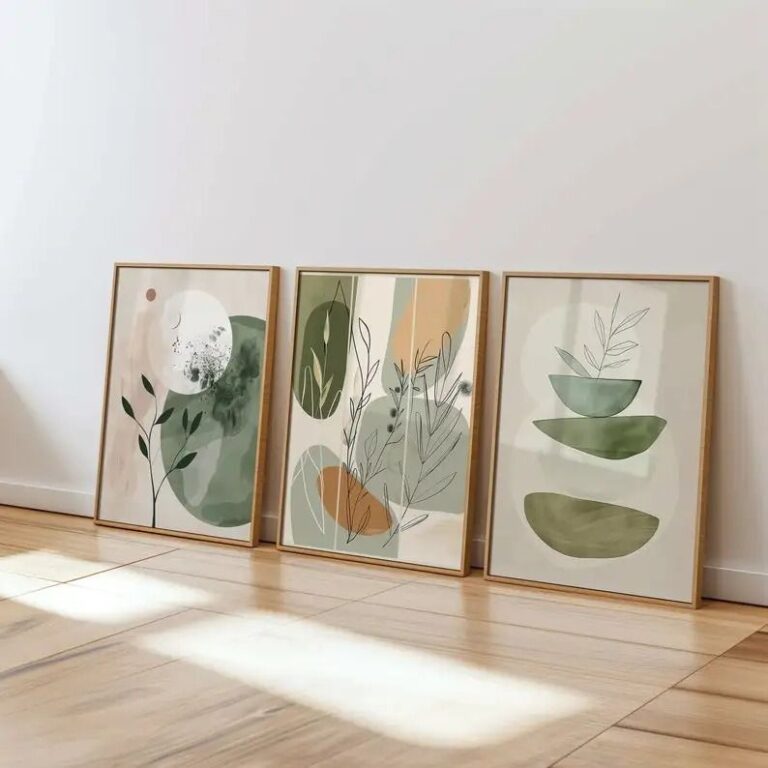
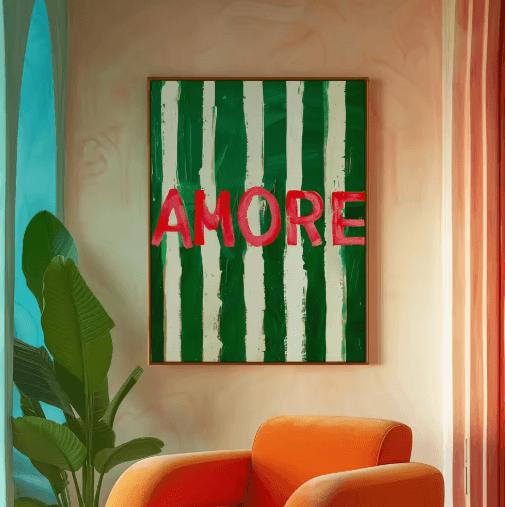 Aisha's pickArt Prints for Dining Room That Fit Into Real Life
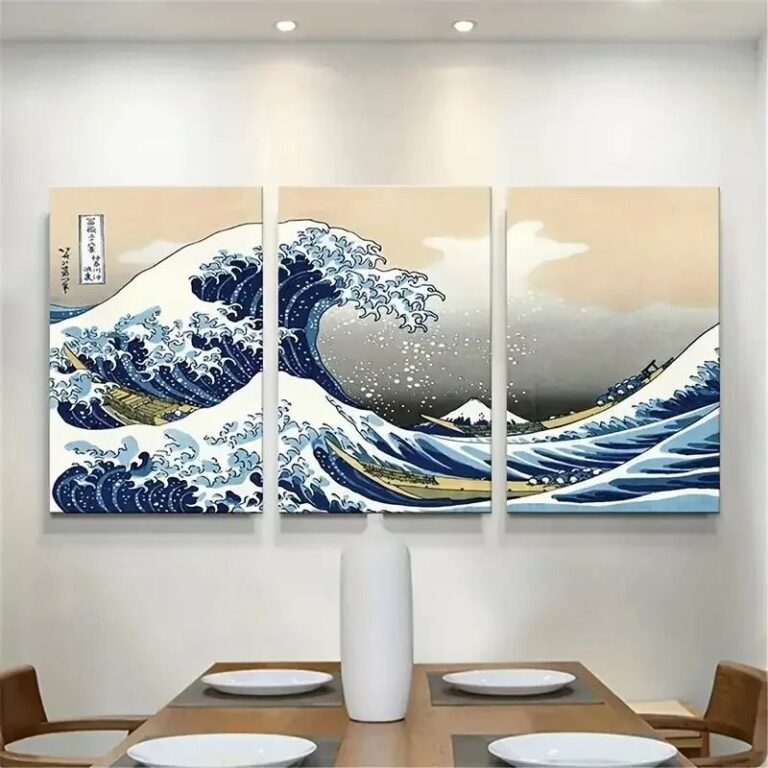
 Aisha's pickJapanese Art Prints That Survive Kids and Pets
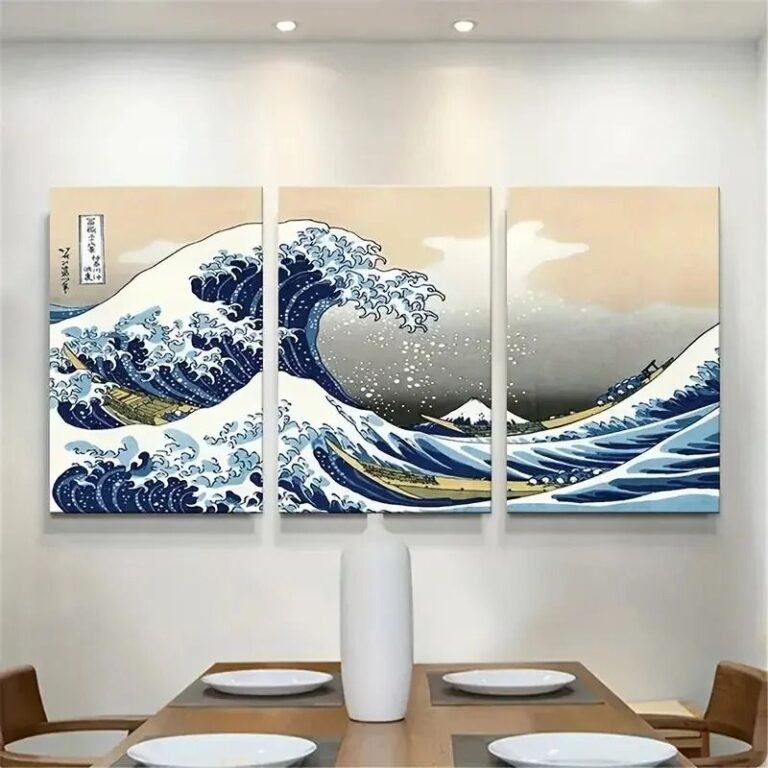
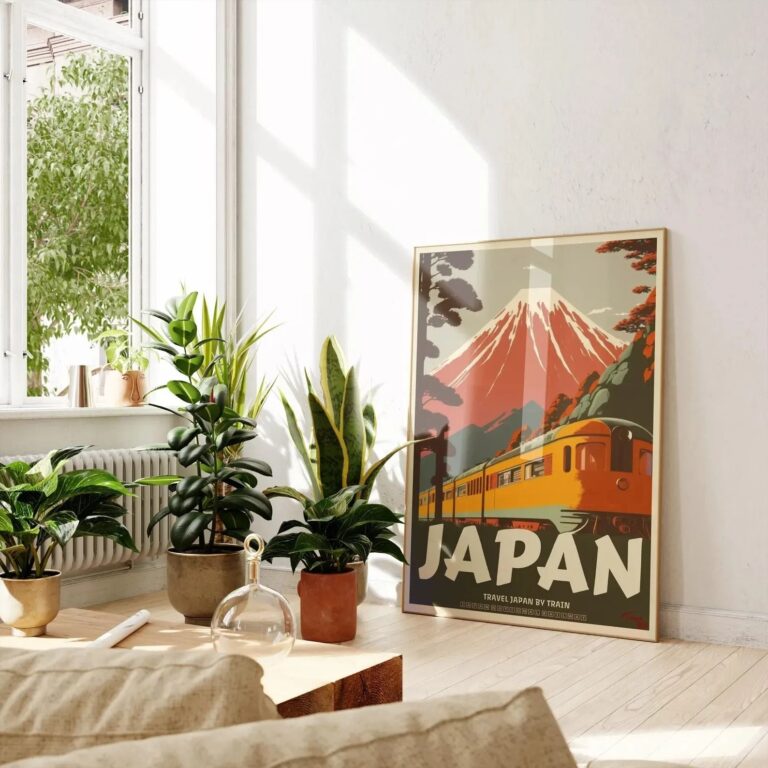 Aisha's pickTokyo Art Prints That Get Better With Age
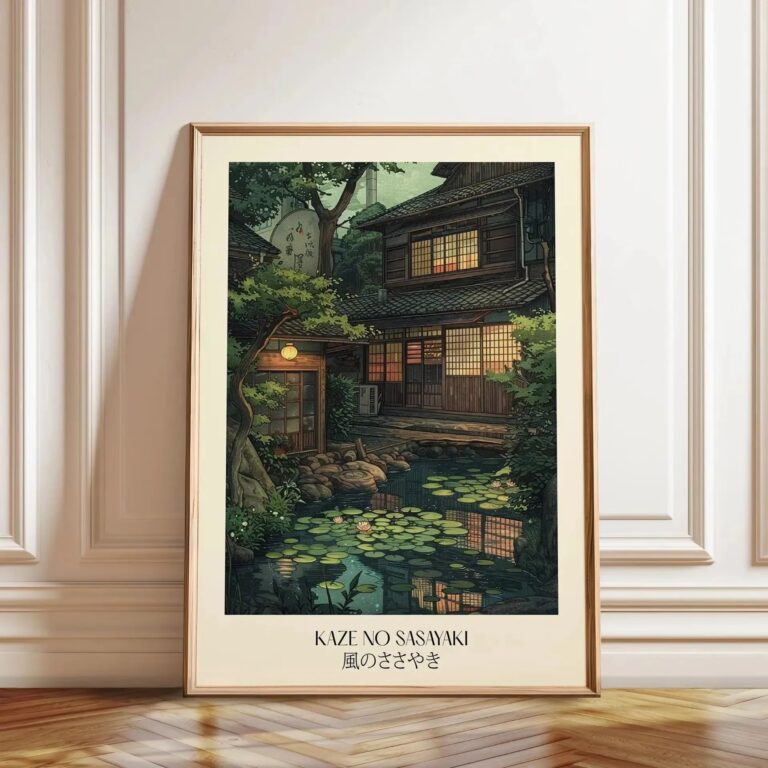
 Aisha's pickArt Prints for Nursery Worth Knowing About

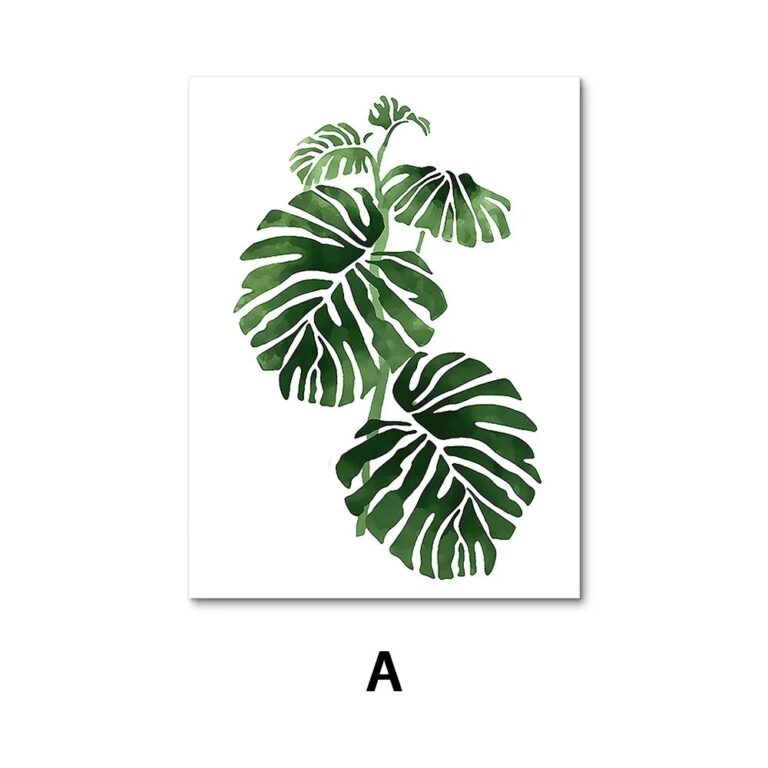
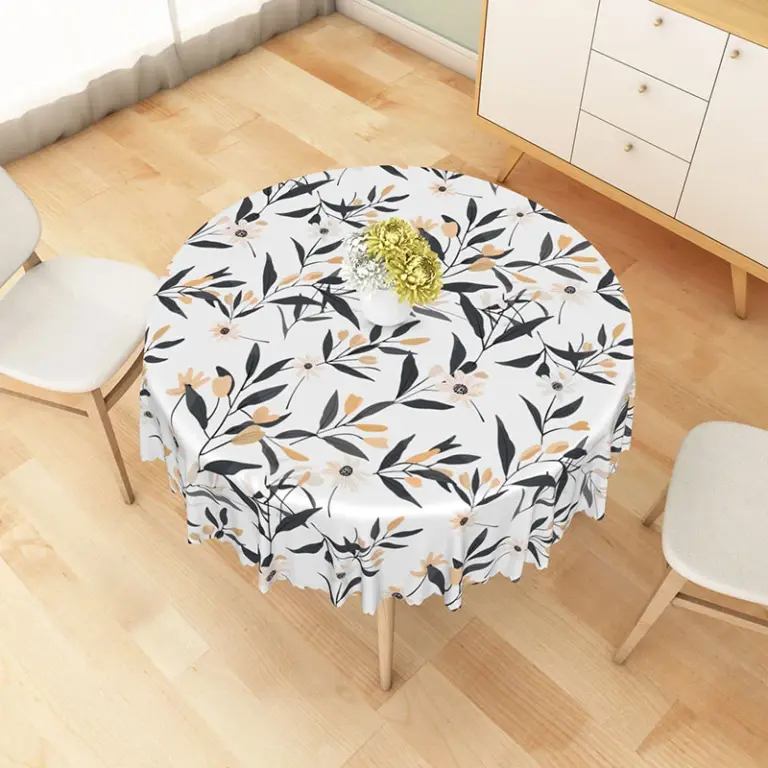 Aisha's pickLeaf Art Prints We’d Buy Again
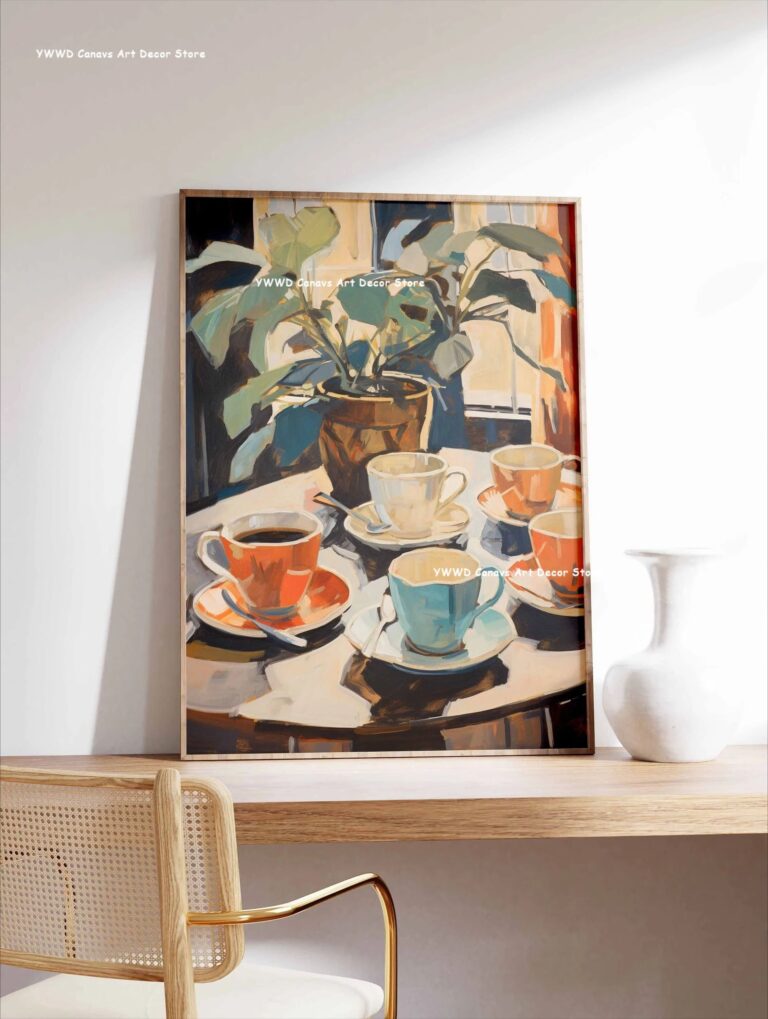 Aisha's pickTypography Art Prints That Earn Their KeepAlso worth a lookPrintsThe thing nobody tells you about a print is that it changes with the light, and you won't…See the collections →
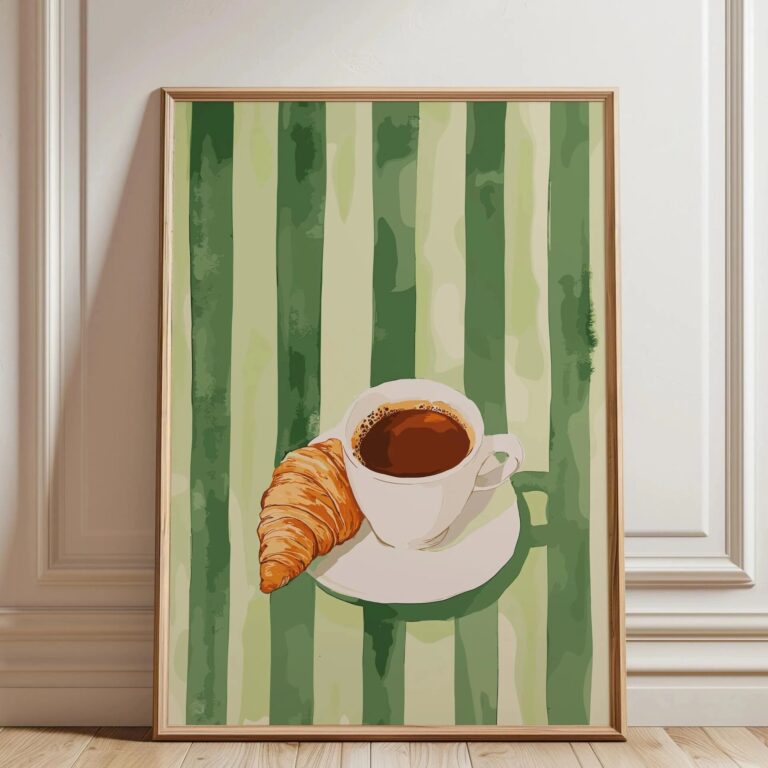
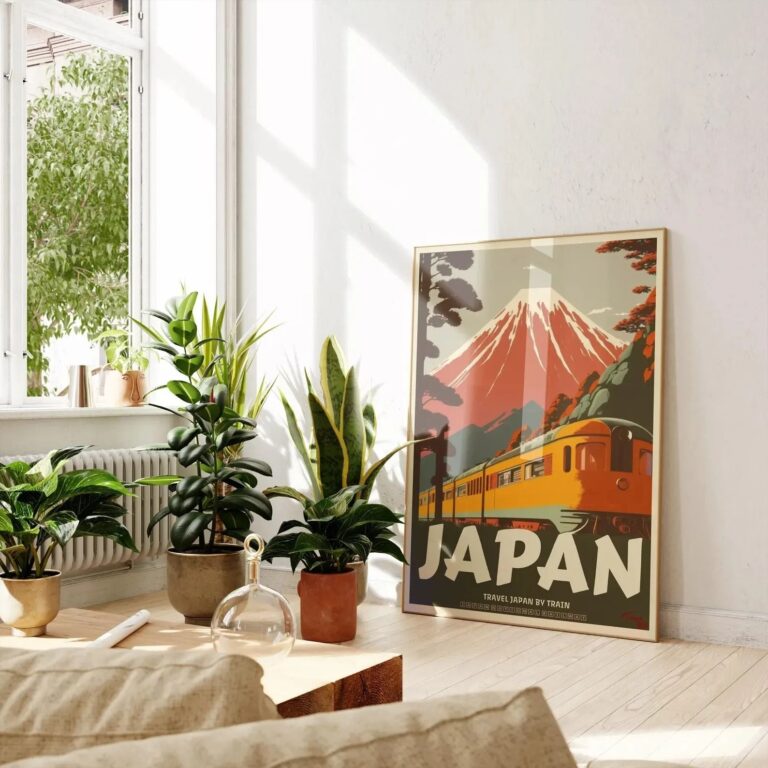 Aisha's pickArt Prints with Frame That Feel Personal, Not Store Bought
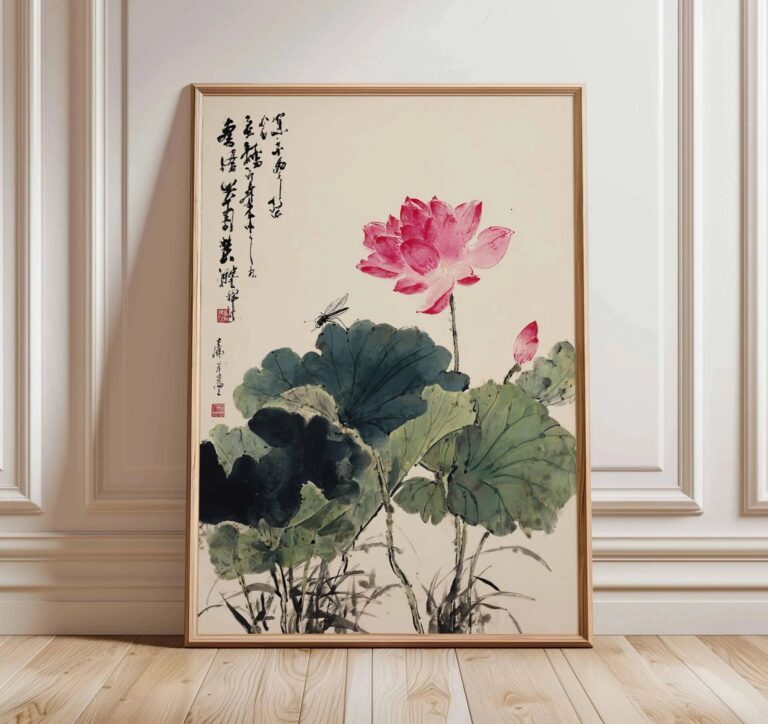
 Aisha's pickLine Art Pictures for Filling an Awkward Gap
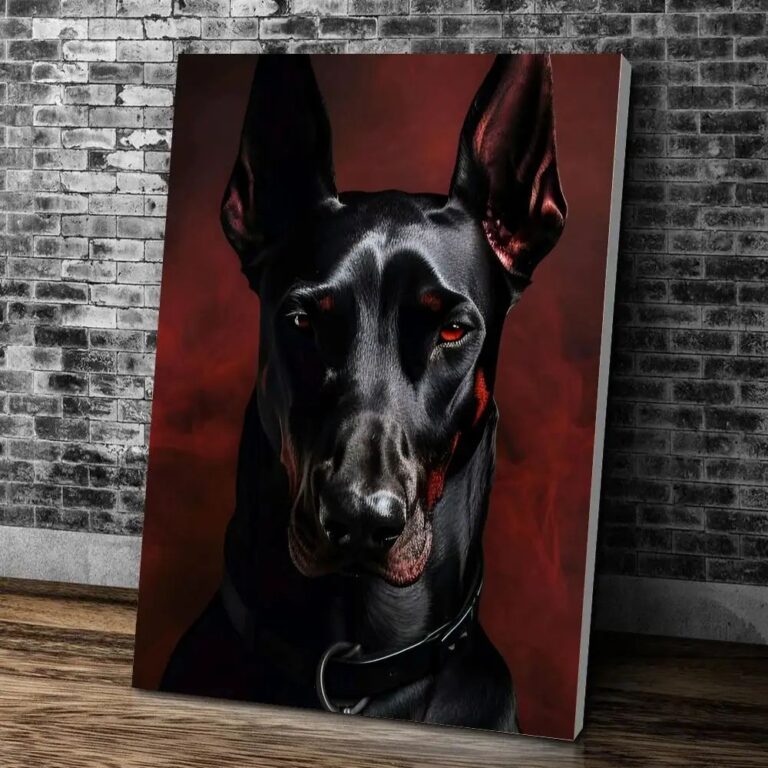 Aisha's pickWoman Art Prints We’d Make Room For
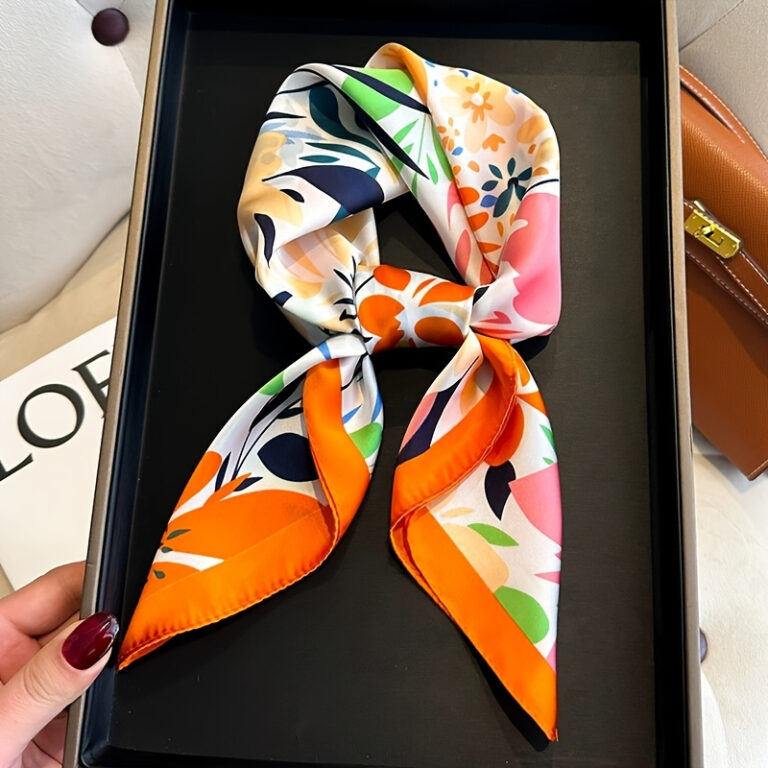
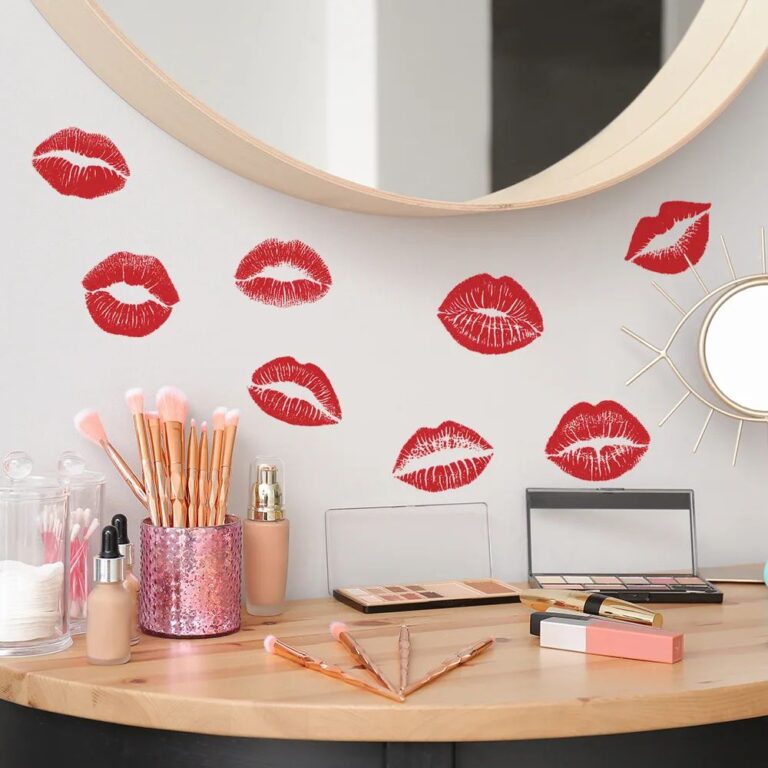 Aisha's pickBathroom Art Prints That Stand Up to Steam
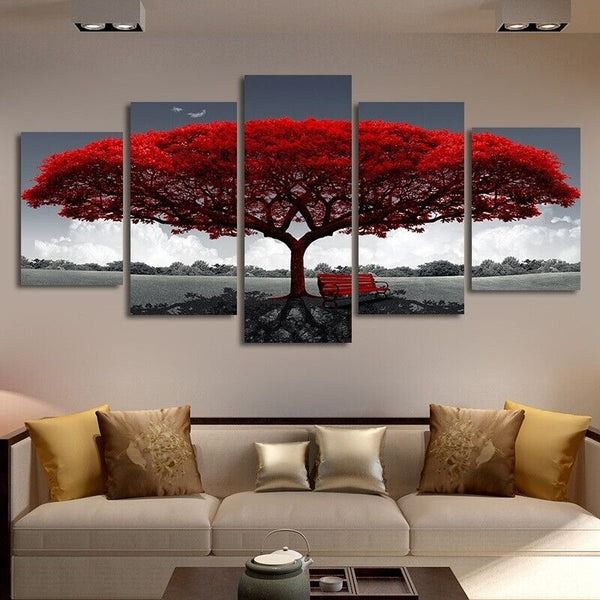
 Aisha's pickLine Art Posters That Don’t Need Babying
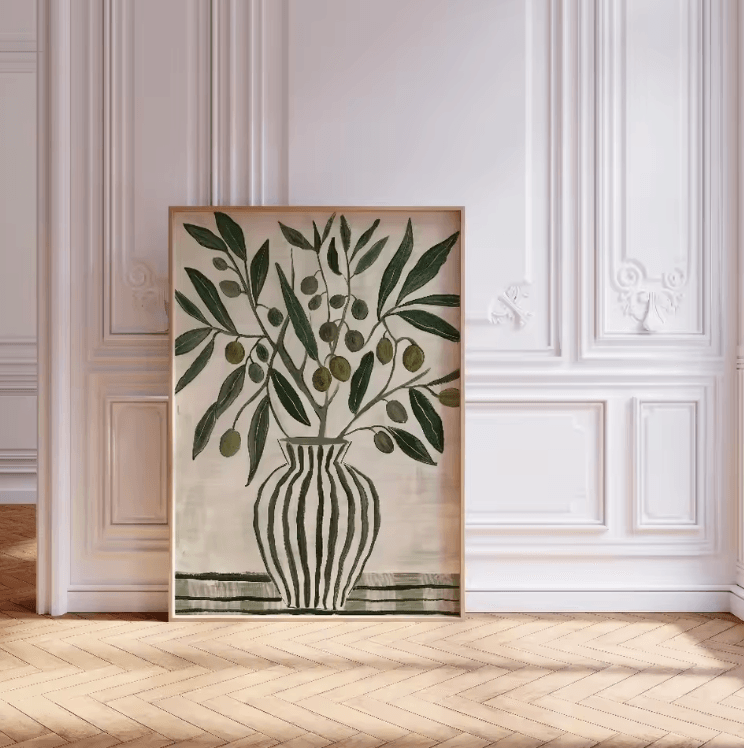
 Aisha's pickYellow Art Prints for Blank Walls and Empty Shelves
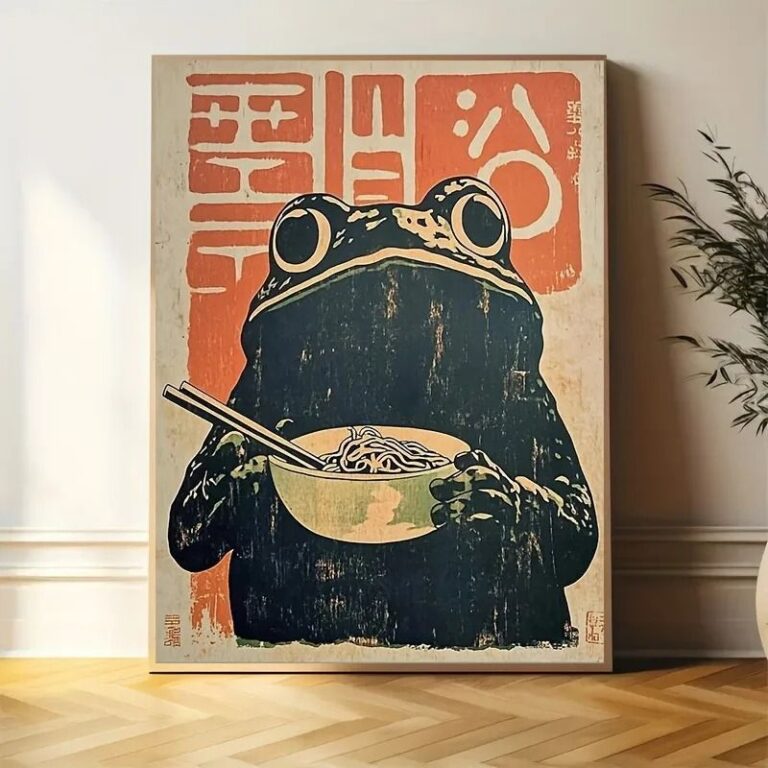
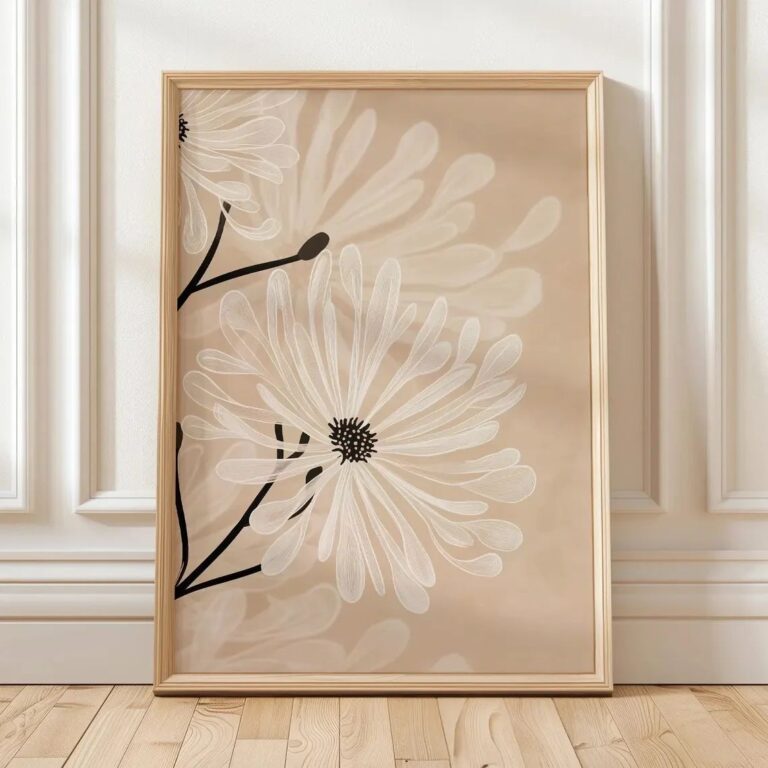 Aisha's pickBeige Art Prints That Give a Room Some Personality
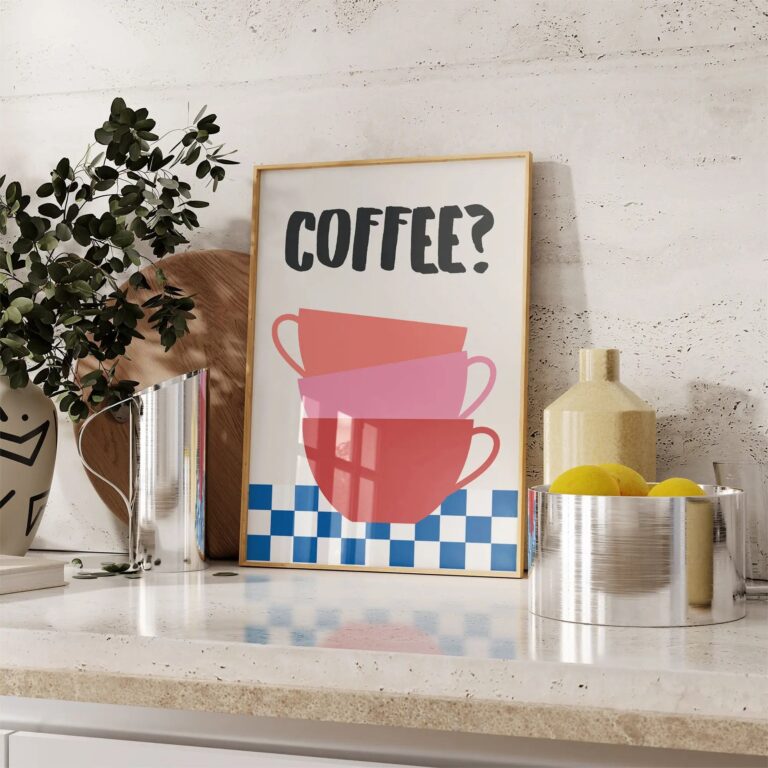
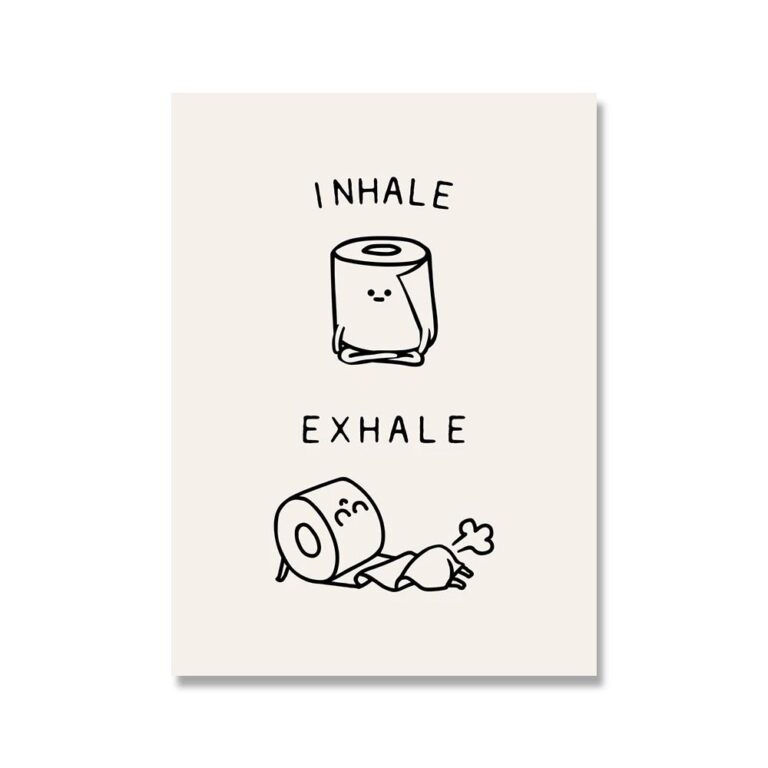 Aisha's pickLine Art Prints for Rooms That Feel a Bit Bare

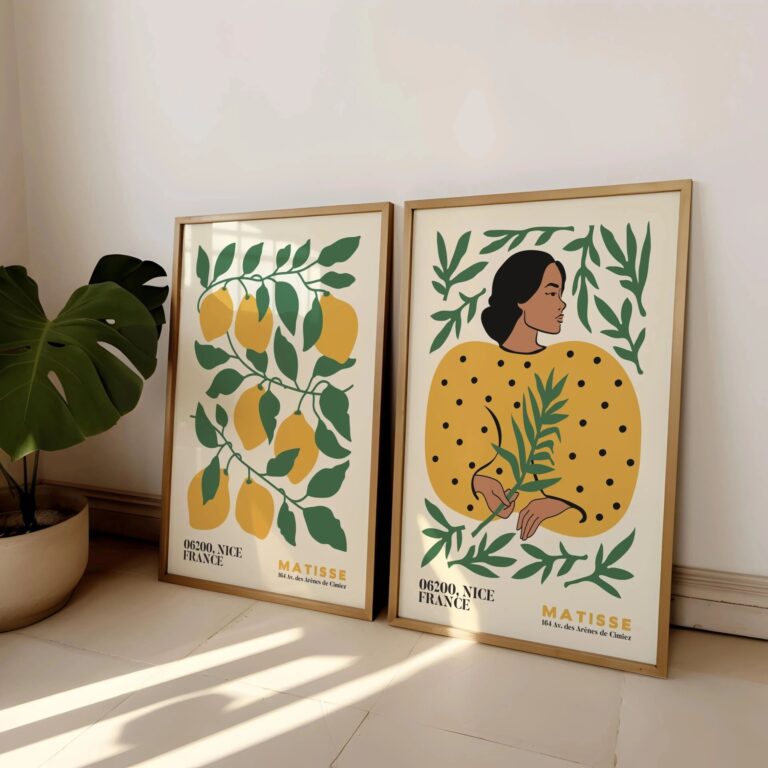 Aisha's pickBoho Art Prints That Survive Kids and PetsAlso worth a lookModern Wall ArtFor years I figured modern wall art meant one big canvas, something abstract and gray, hung dead center…See the collections →
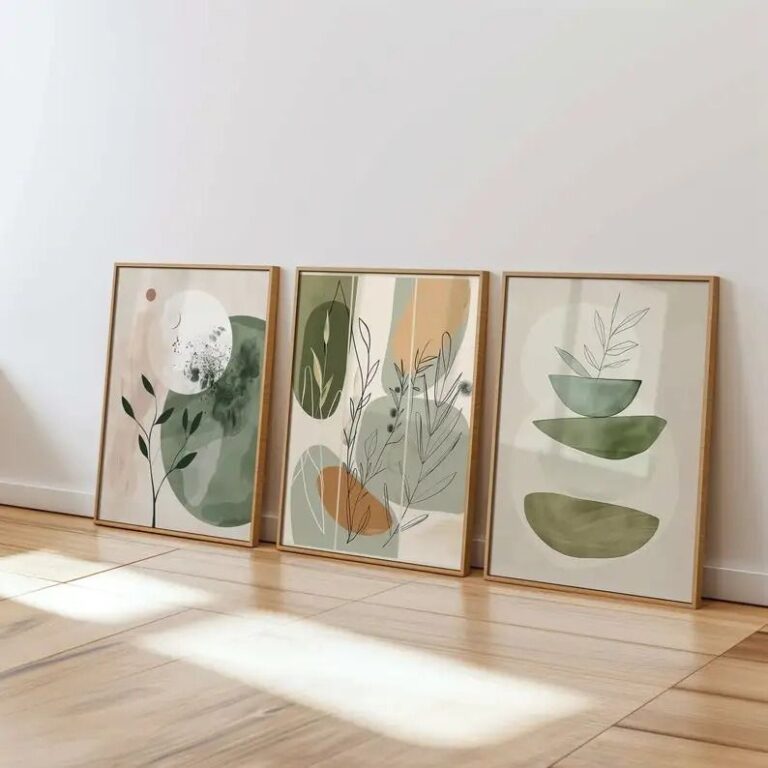
 Aisha's pickMusic Art Prints That Hold Up to Everyday Life

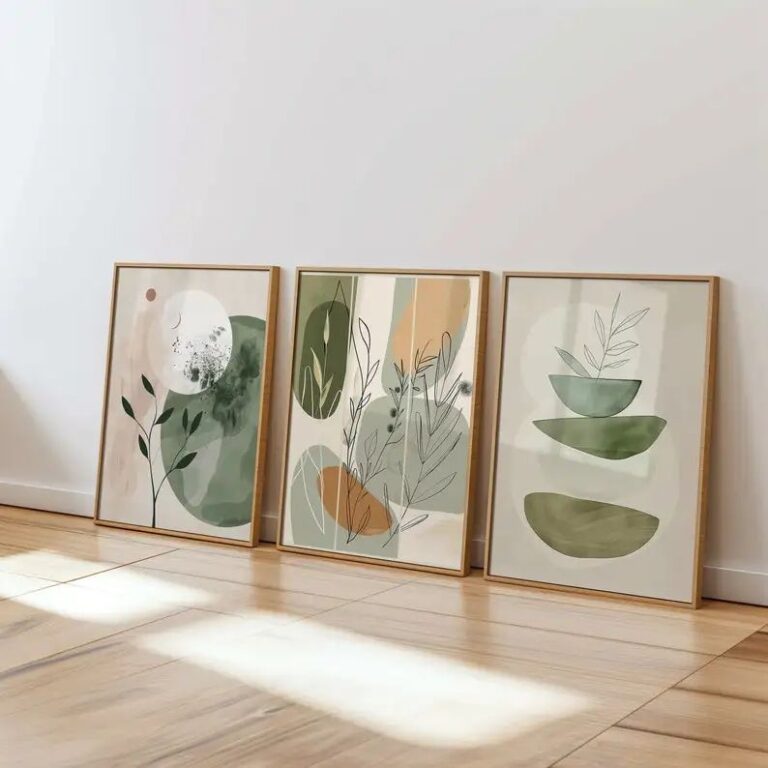 Aisha's pickBotanical Art Prints That Fit Into Real Life
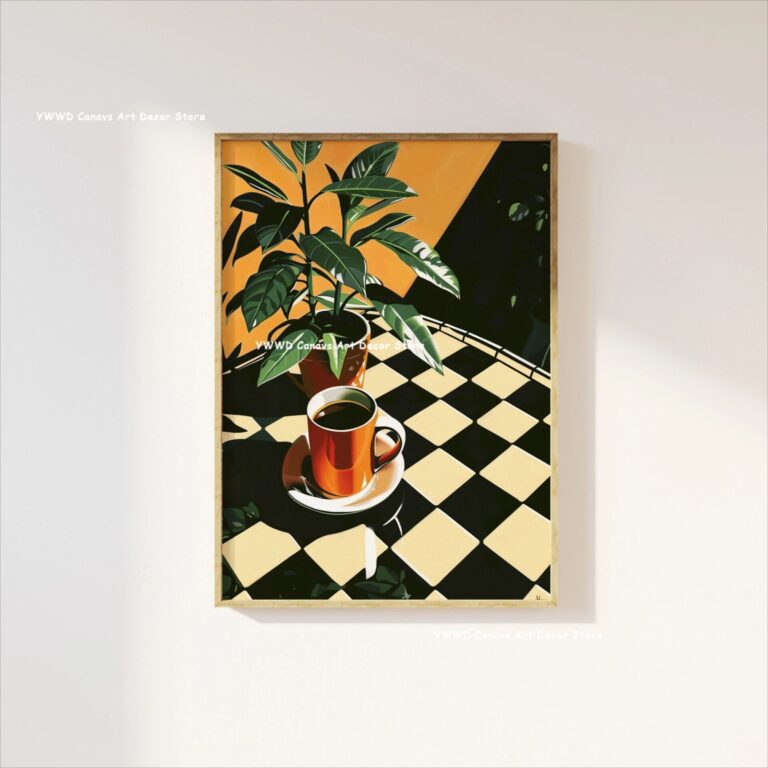
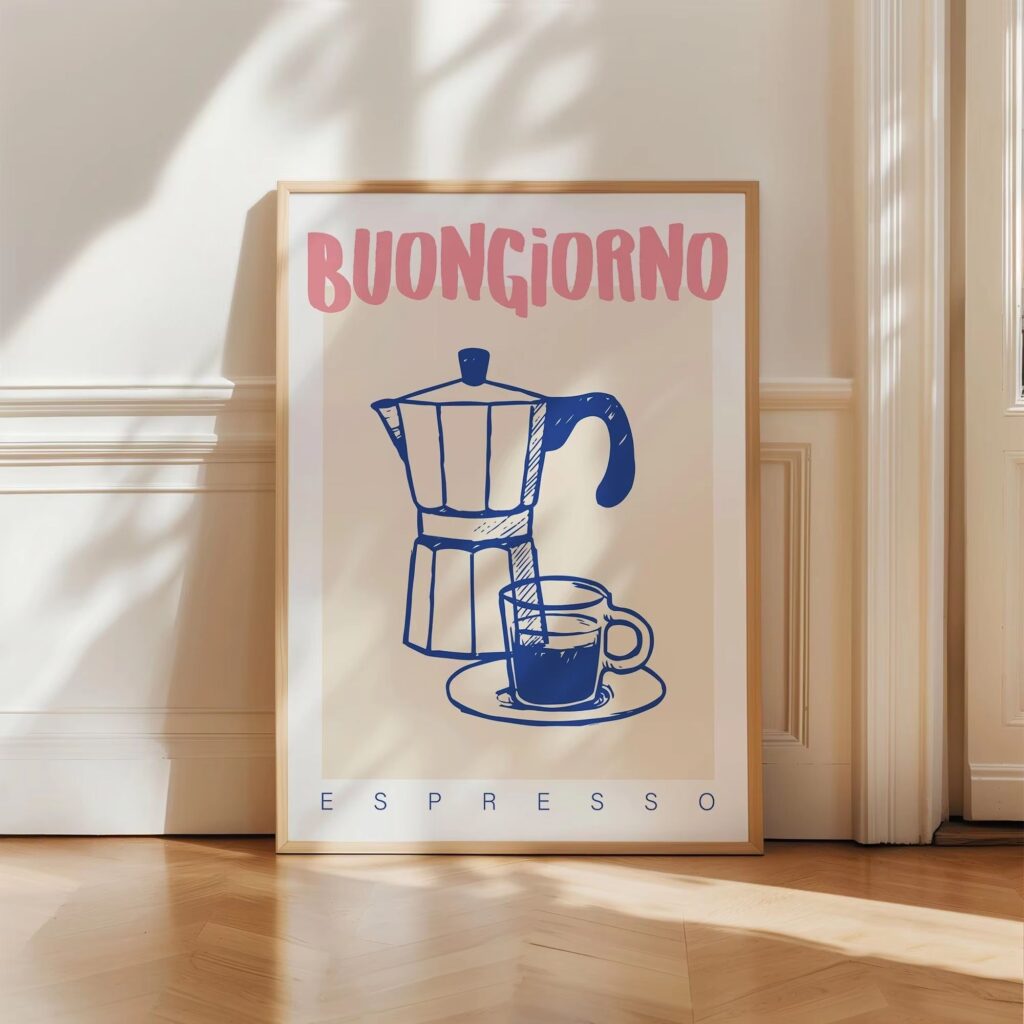 Aisha's pickNeutral Art Prints We’d Make Room For
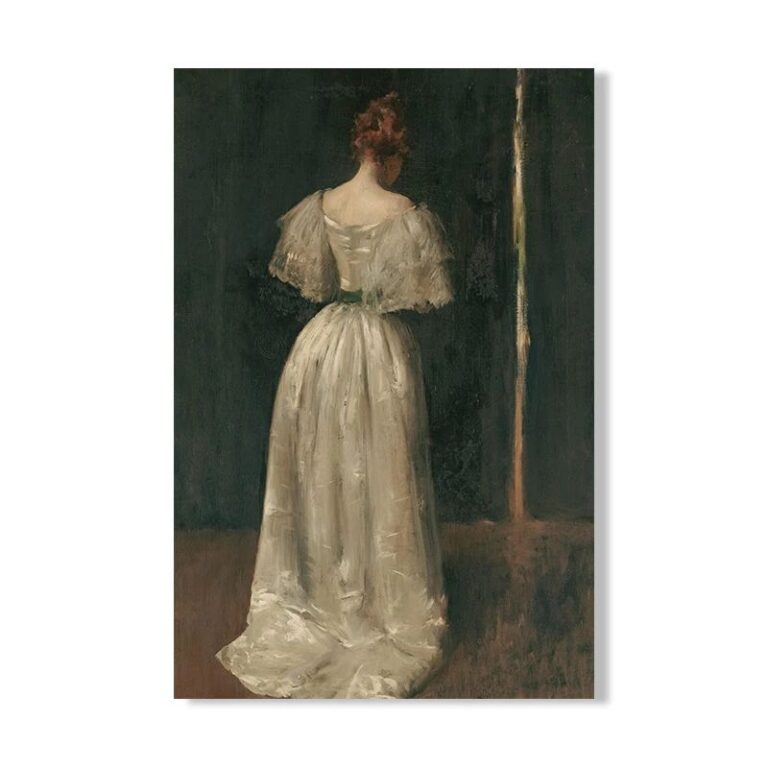 Aisha's pickButterfly Art Prints With Some Character
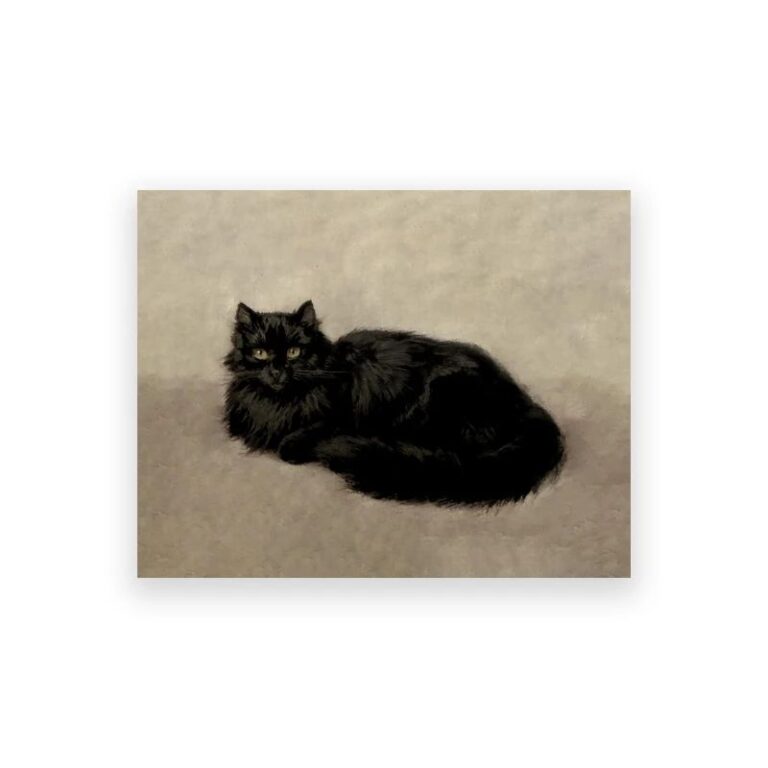
 Aisha's pickNursery Art Prints You Won’t Regret Buying
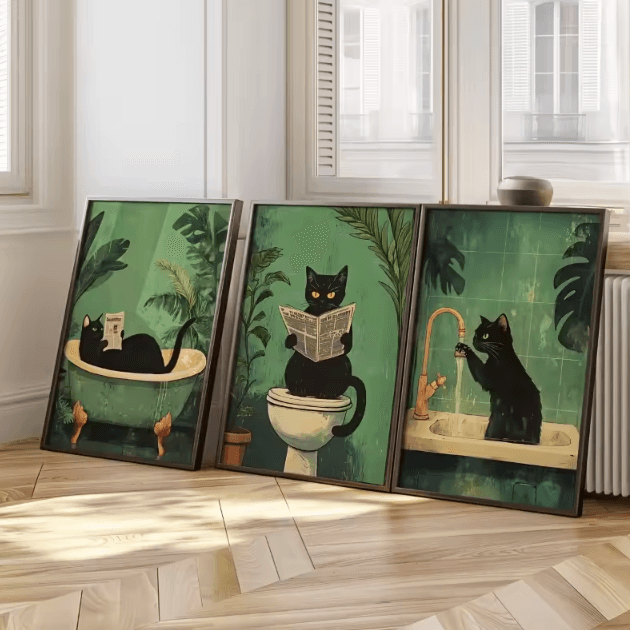 Aisha's pickCat Art Prints That Feel Personal, Not Store Bought
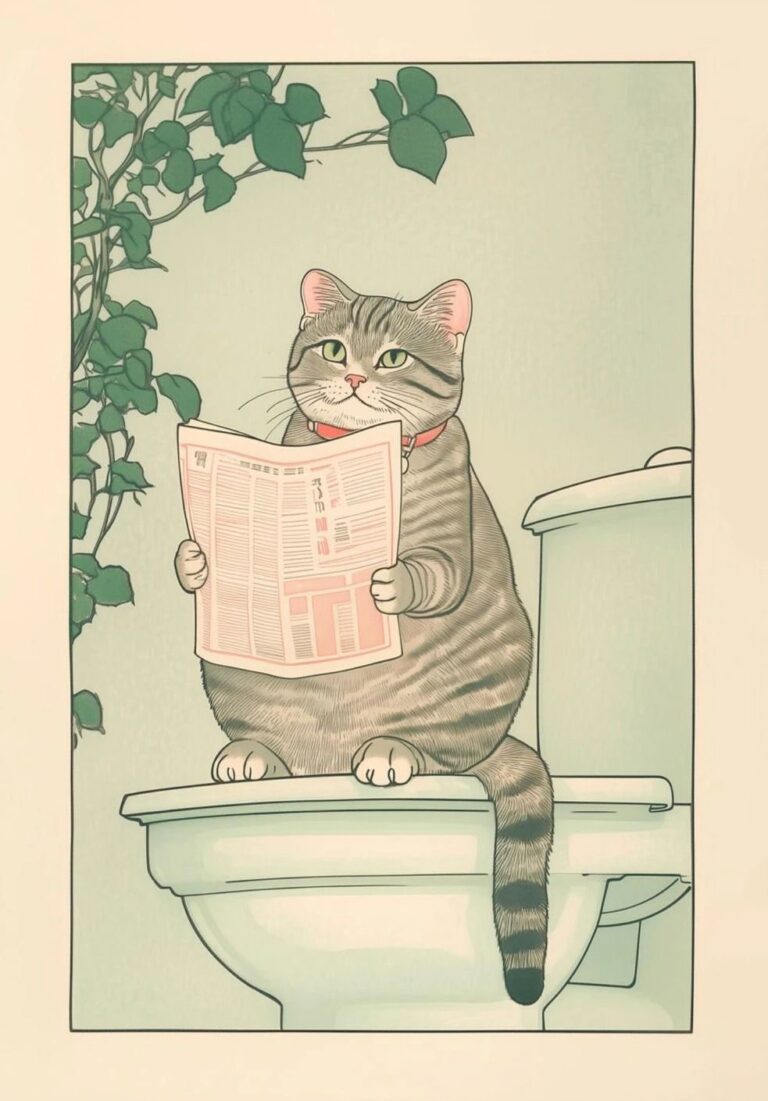
 Aisha's pickGood Orange Art Prints That Don’t Cost a Fortune
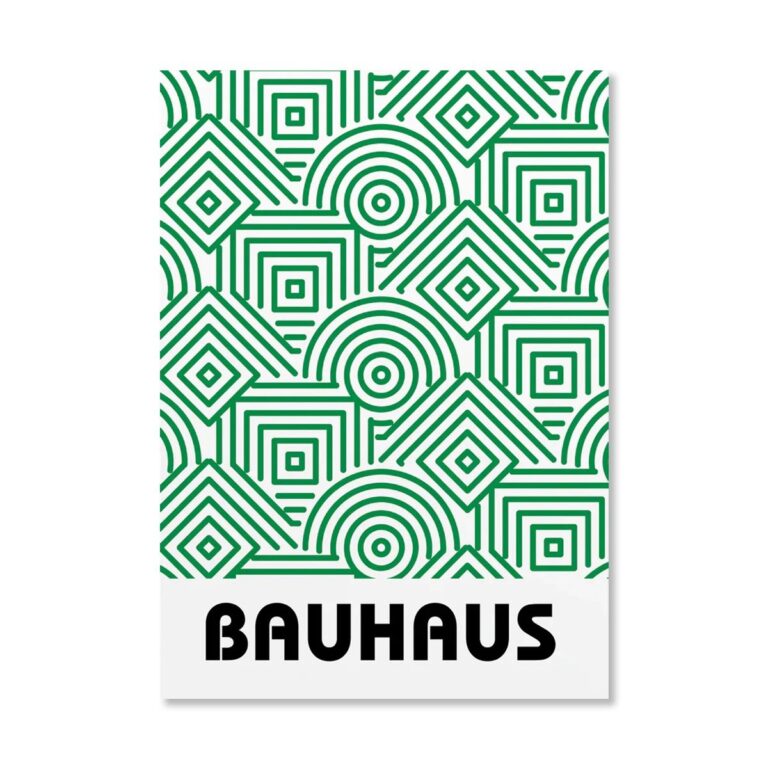
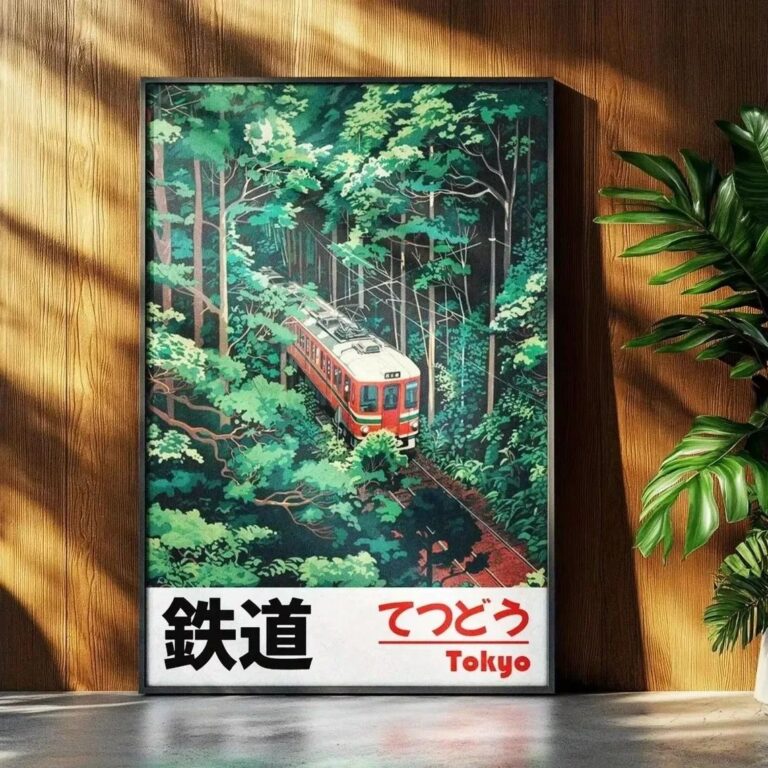 Aisha's pickCity Art Prints for Blank Walls and Empty Shelves

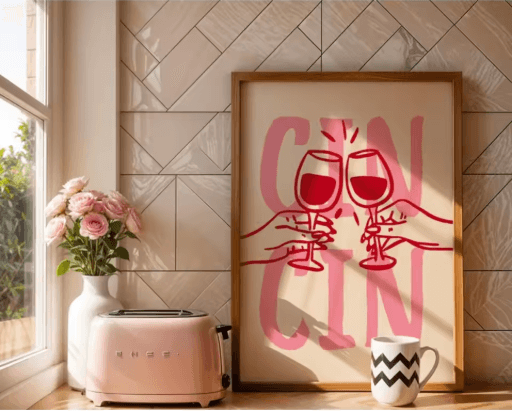 Aisha's pickPink Art Prints You Won’t Want to Hide AwayAlso worth a lookPaintingsThe one thing worth knowing before you hang a single painting is that scale matters more than subject.See the collections →
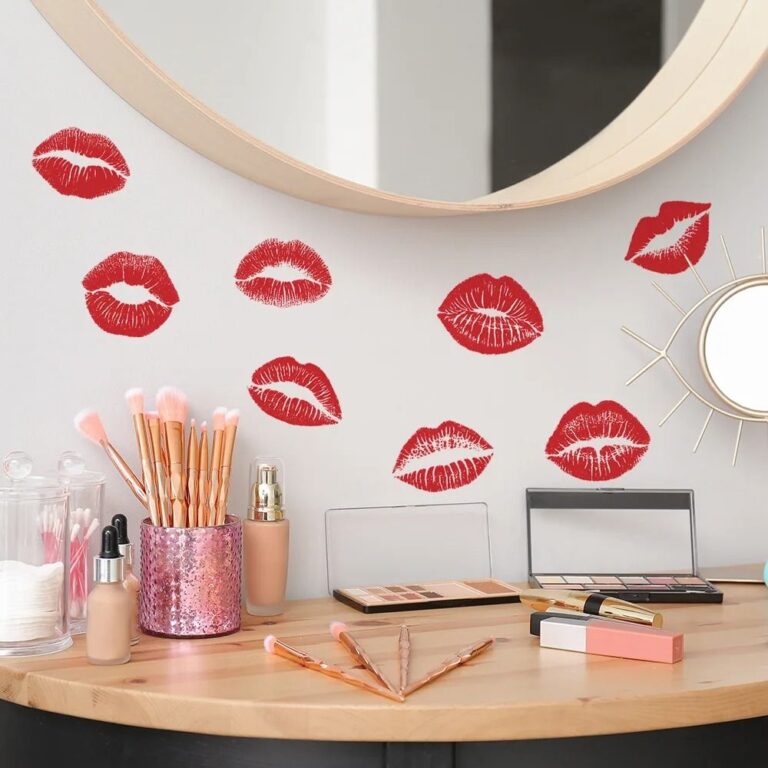 Aisha's pickFashion Art Prints for Blank Walls and Empty Shelves
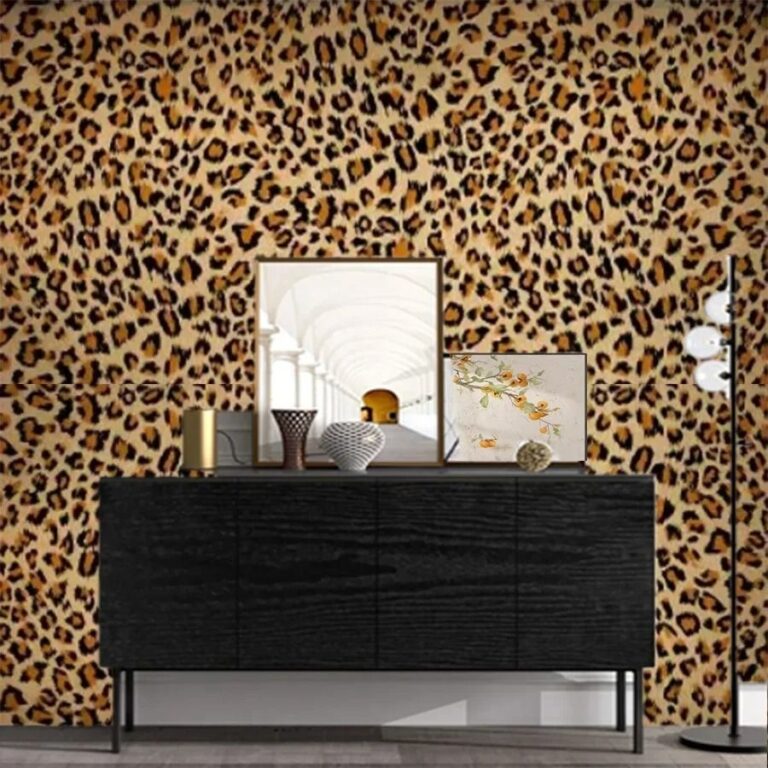
 Aisha's pickPop Art Pictures for Rooms That Feel a Bit Bare
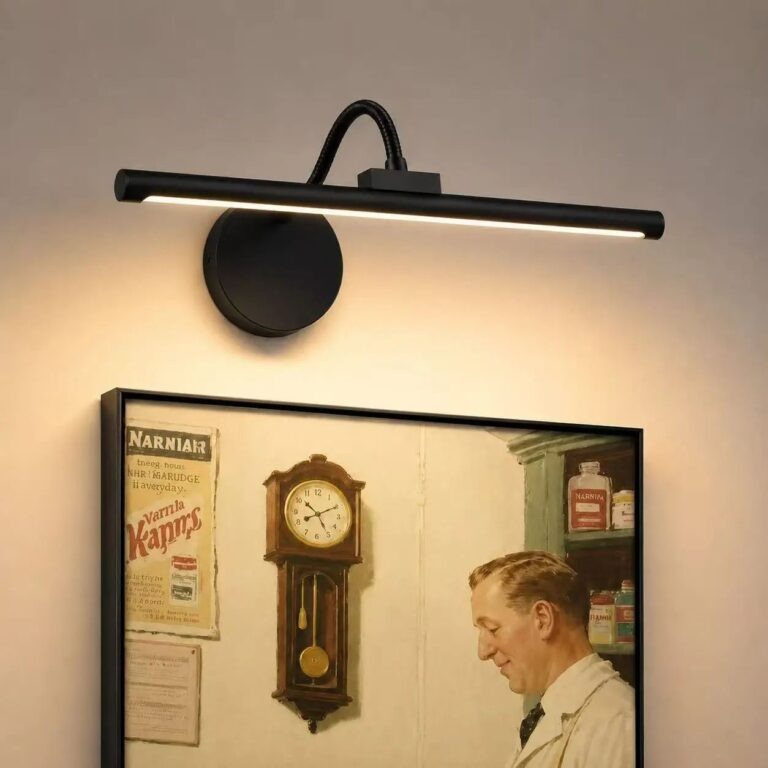
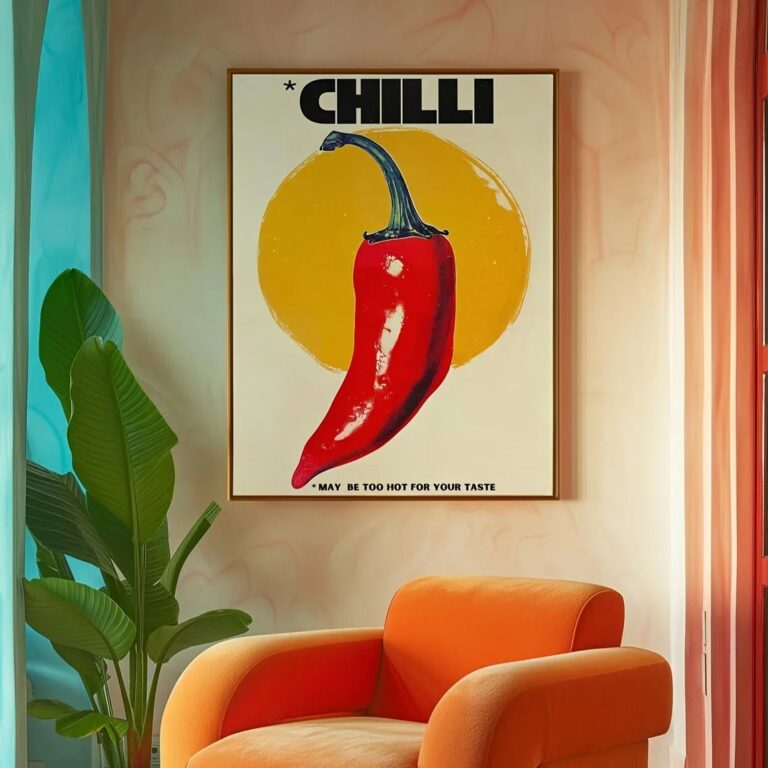 Aisha's pickFood Art Prints for Rooms That Feel a Bit Bare
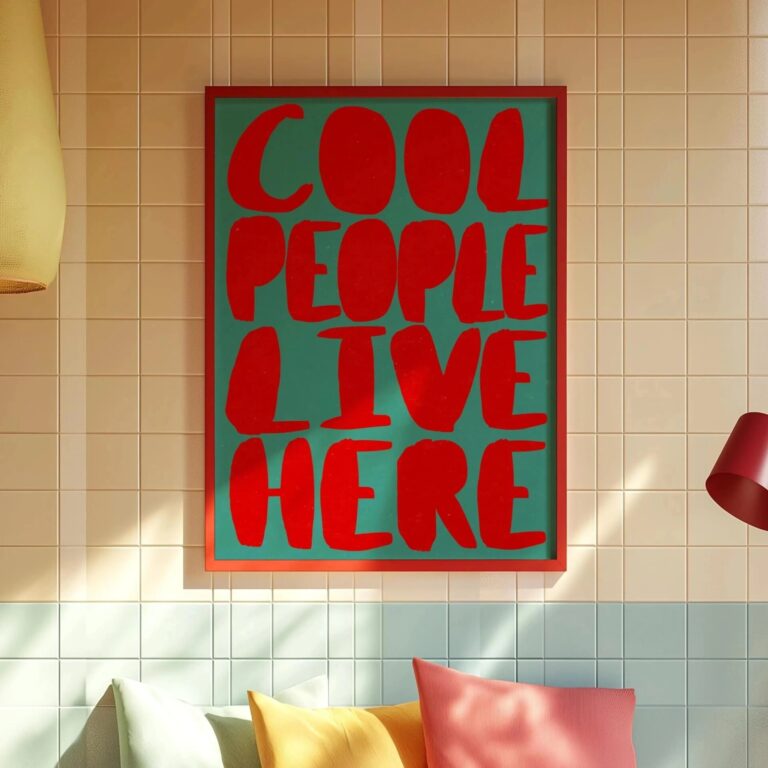
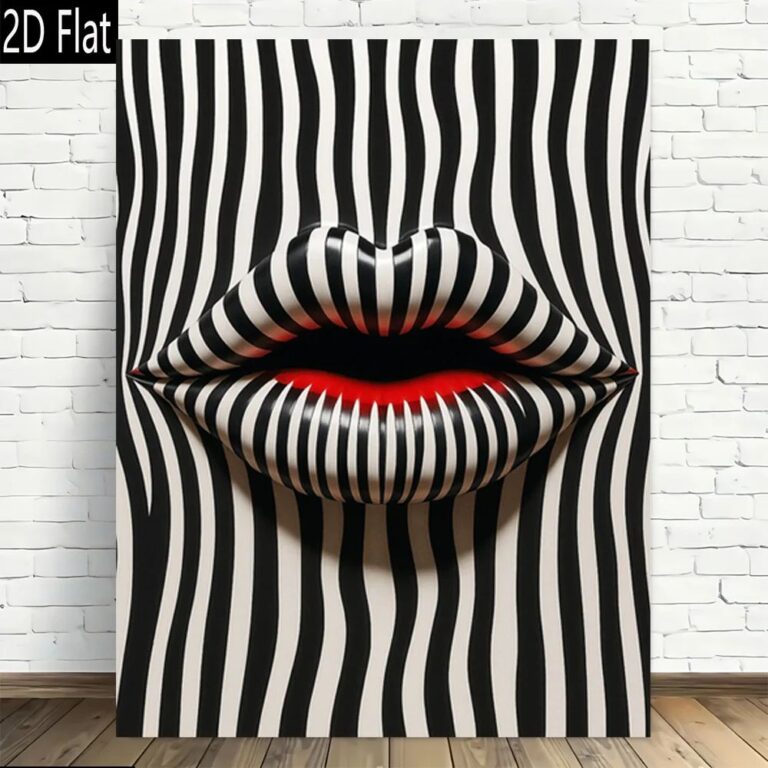 Aisha's pickPop Art Posters That Make Great Housewarming Gifts

 Aisha's pickA3 Art Prints We’d Make Room For
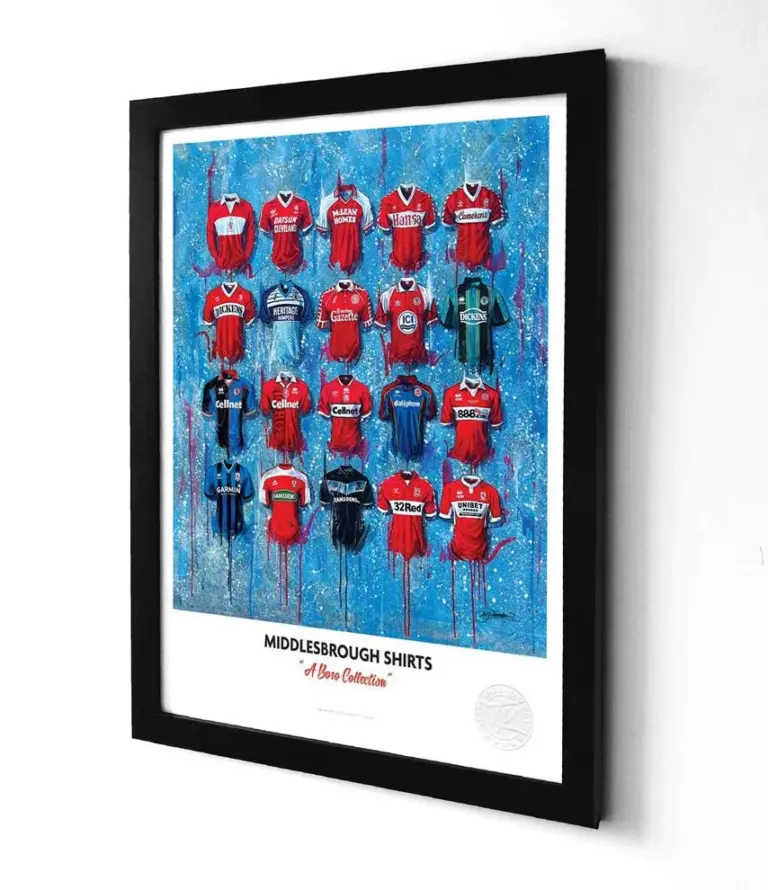
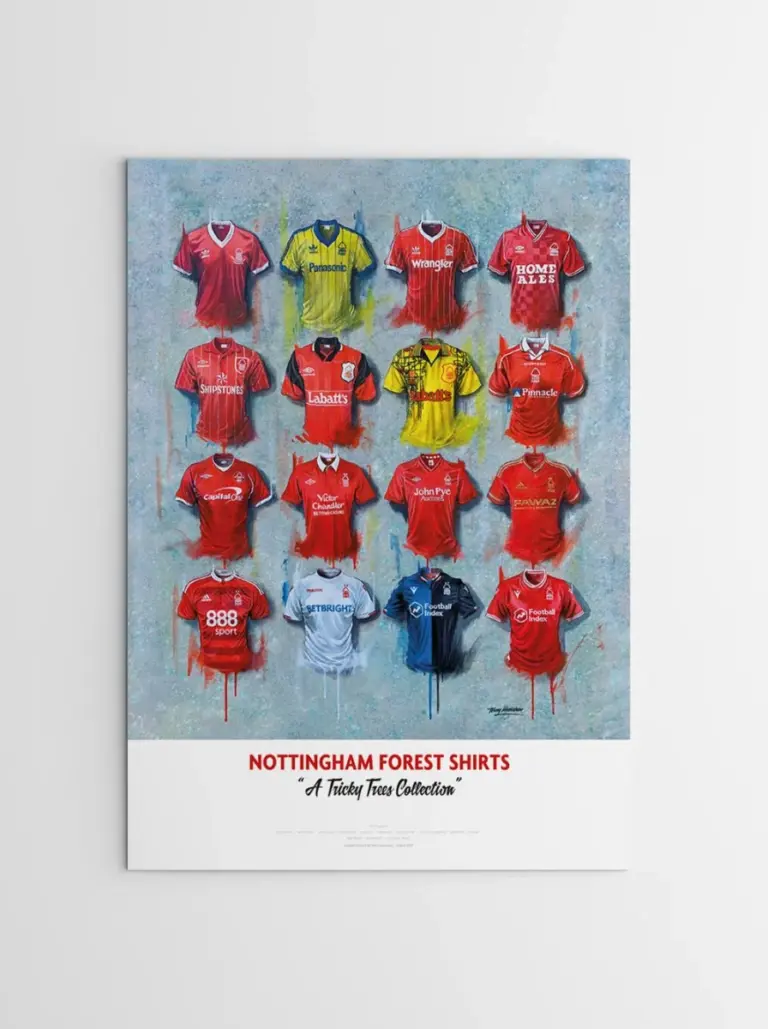 Aisha's pickForest Art Prints That Survive Kids and Pets
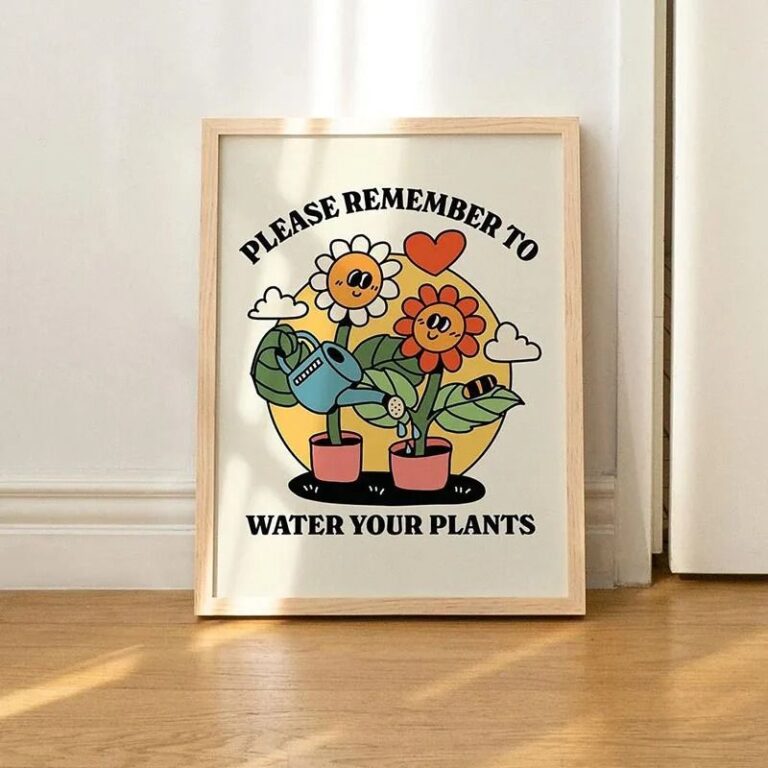
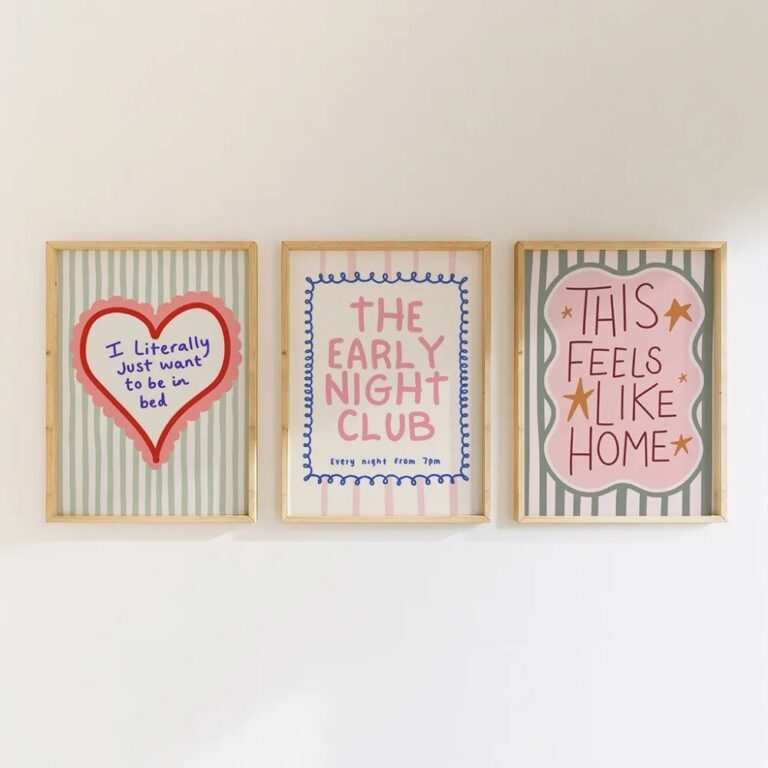 Aisha's pickPop Art Prints We Keep Coming Back To
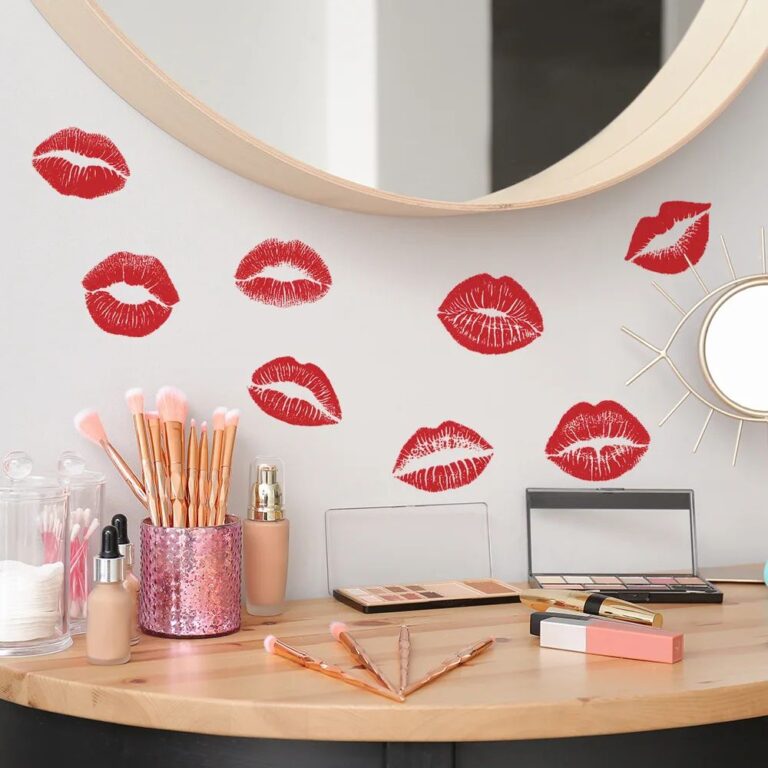
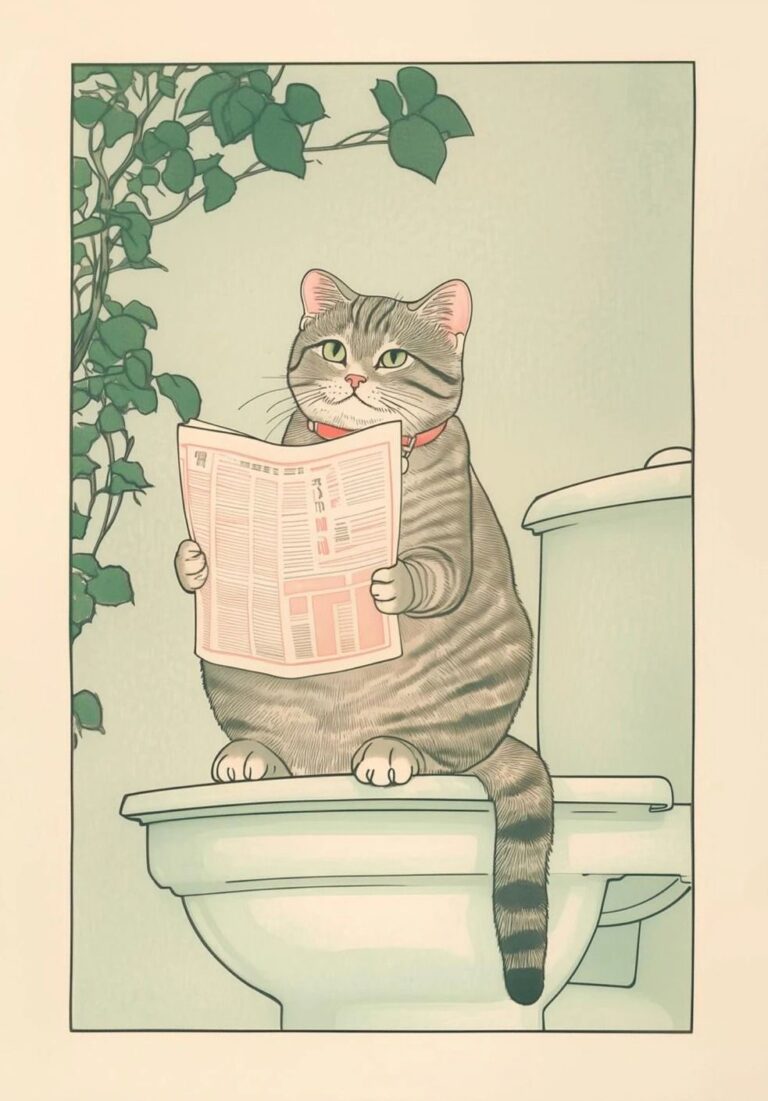 Aisha's pickAnimal Art Prints That Make Great Housewarming Gifts