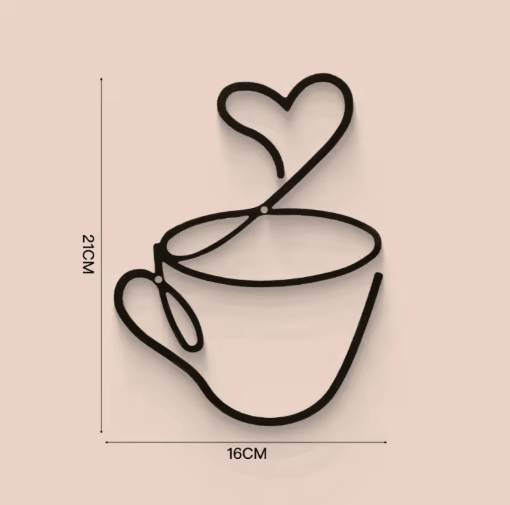
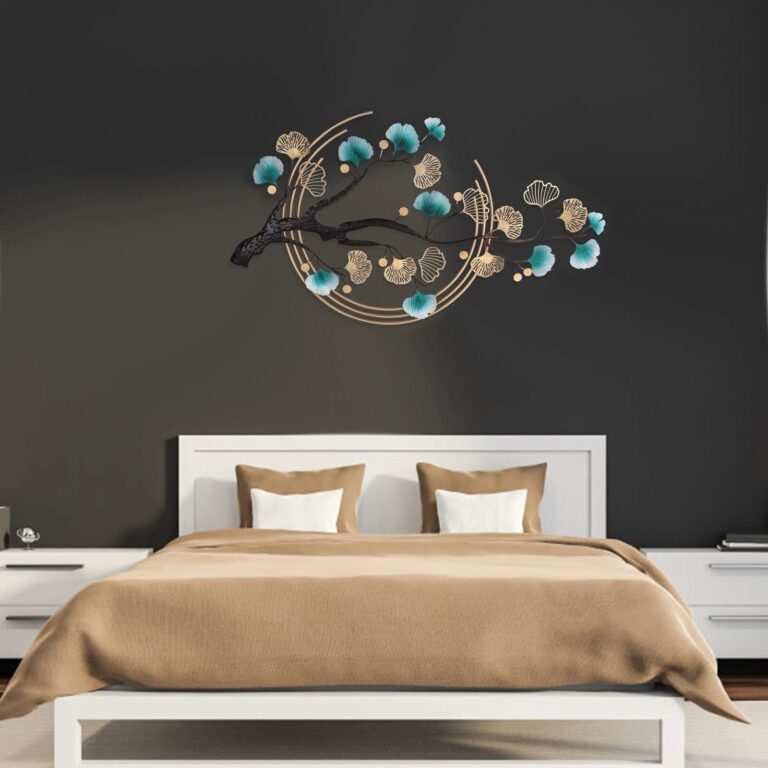
The thing nobody mentions about metal wall art is what happens to it after dark, once a lamp is on nearby. The cut edges catch light at an angle flat prints never do, and the shadow it throws on the wall shifts a little depending on the time of day and what bulb you're using. You don't notice this in a shop with its flat overhead lighting. You notice it three months in, walking past at nine at night, when suddenly the piece looks like it's doing something the painting next to it just can't.
If you've never hung any, start with one piece in a single finish, something in a dark bronze or iron rather than polished steel or anything plated, because the dull finishes hide handling marks and the shiny ones show every fingerprint and every uneven patch of dust. In the shop, or the day it arrives, run your hand across the surface and feel for sharp burrs along the cut lines, especially on anything with a laser cut pattern, because cheaper pieces leave those edges raw and they will catch on a sleeve or a curtain eventually. Check the hanging hardware too, not just that it's there, but that it's welded or bolted on rather than glued, since glued fittings fail quietly and you only find out when the thing is on the floor. Metal art wants a wall with some breathing room around it, plain paint, plain trim, nothing busy, because the piece itself already has texture and shadow doing a lot of work, and it will fight with heavily patterned wallpaper or a wall already crowded with frames behind glass, the reflections start competing with each other and the whole thing reads as clutter rather than as anything considered. It also does not love damp rooms. A bathroom with poor ventilation will eventually dull a finish that was never meant for that kind of humidity, so keep it to rooms that breathe.
Over the years, most of these pieces age the way you'd hope, the finish softening a touch, maybe a faint change in tone where light hits it most, and that's not a flaw, that's just metal doing what metal does. Dust it with a dry cloth now and then, nothing wet, nothing abrasive, and leave the darker spots alone rather than scrubbing them bright again. A piece that's earned a little unevenness looks better for it, not worse.
Hang one well and it gives a plain wall something to hold onto, a bit of weight and shadow that a flat print just can't offer.

 Aisha's pickWhere to Start With Industrial Metal Wall Art
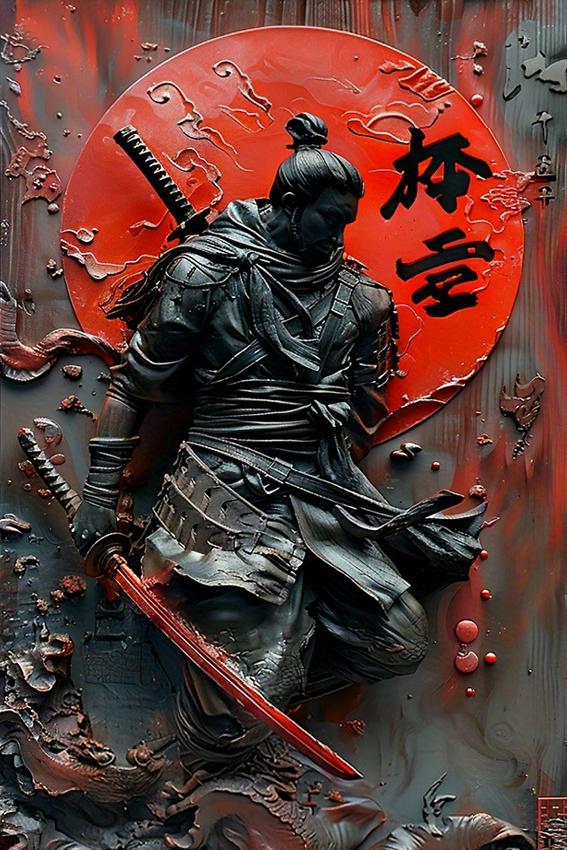 Aisha's pickRustic Vintage Metal Signs You’ll Still Like in Five Years
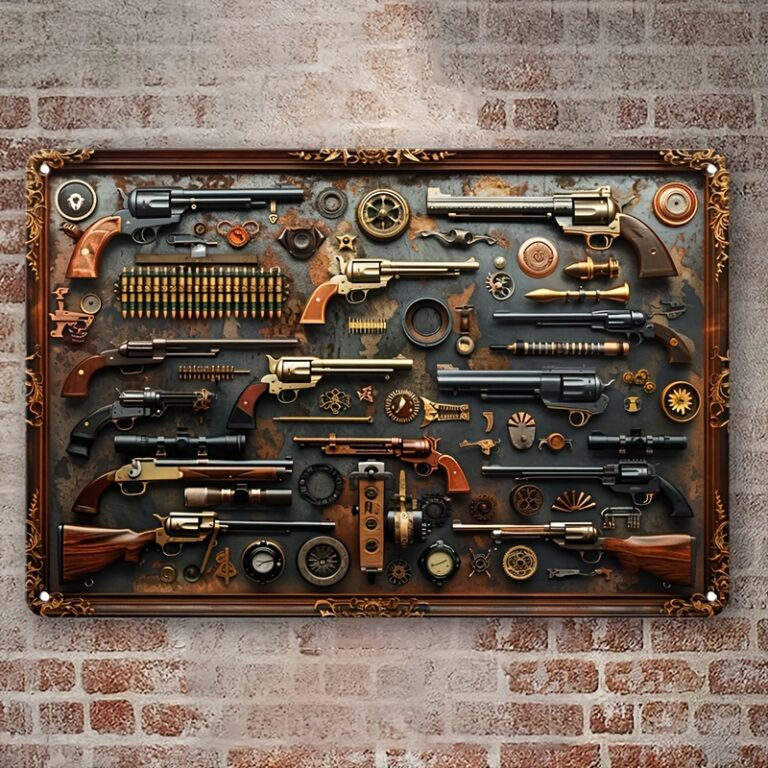
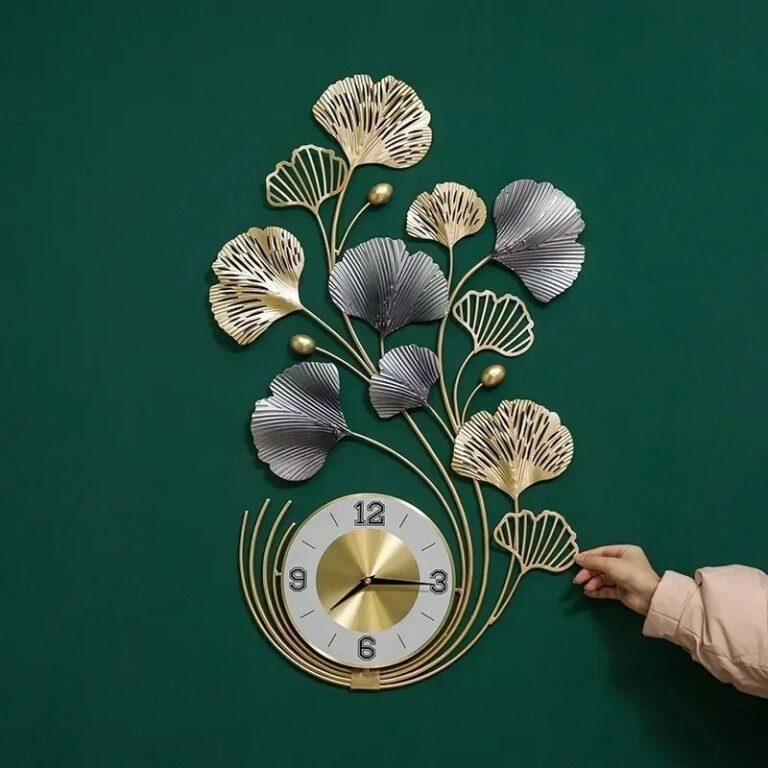 Aisha's pickGood Large Metal Wall Art Without the Big Price Tag
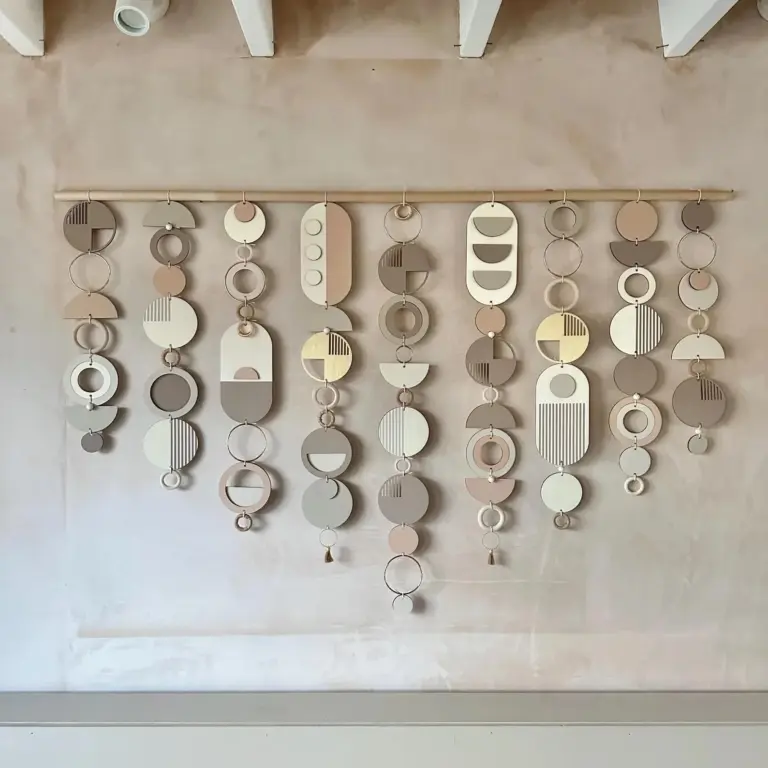
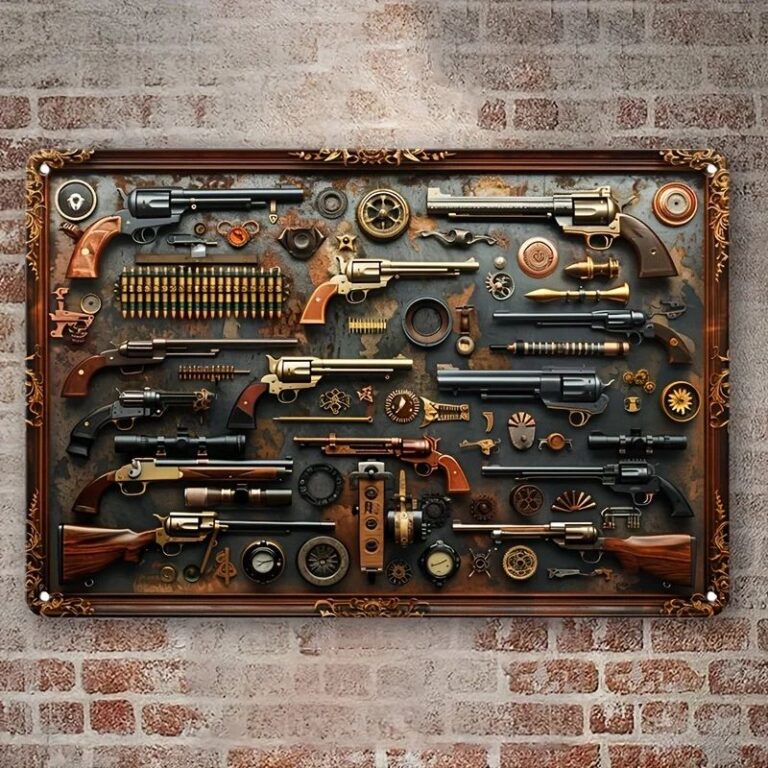 Aisha's pickVintage Metal Signs for People Who Know What They Like
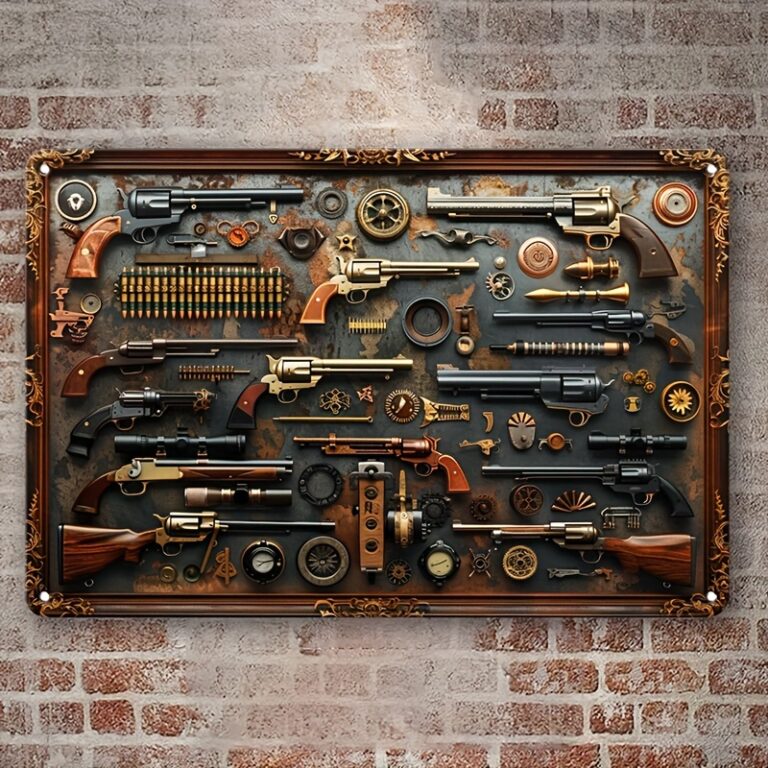
 Aisha's pickLong Metal Signs We’d Make Room For
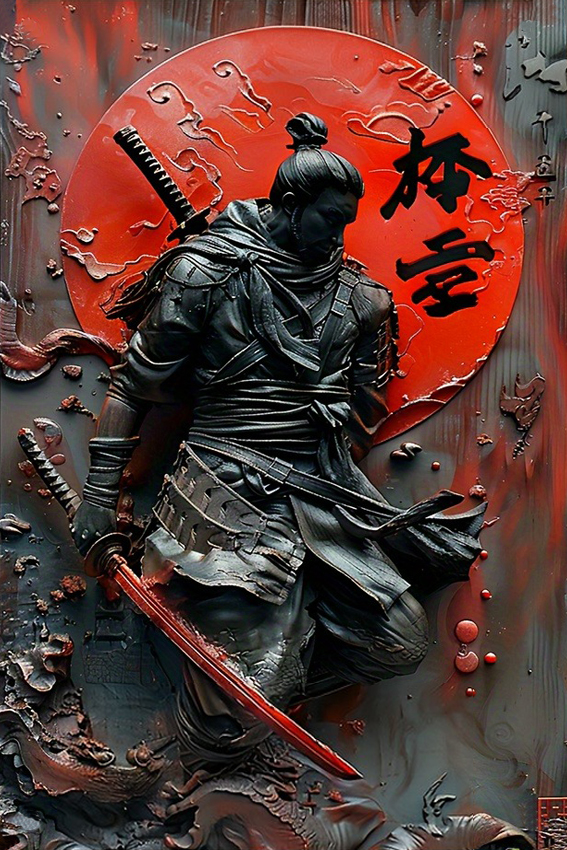 Aisha's pickVintage Metal Signs for Office at Every Price Point
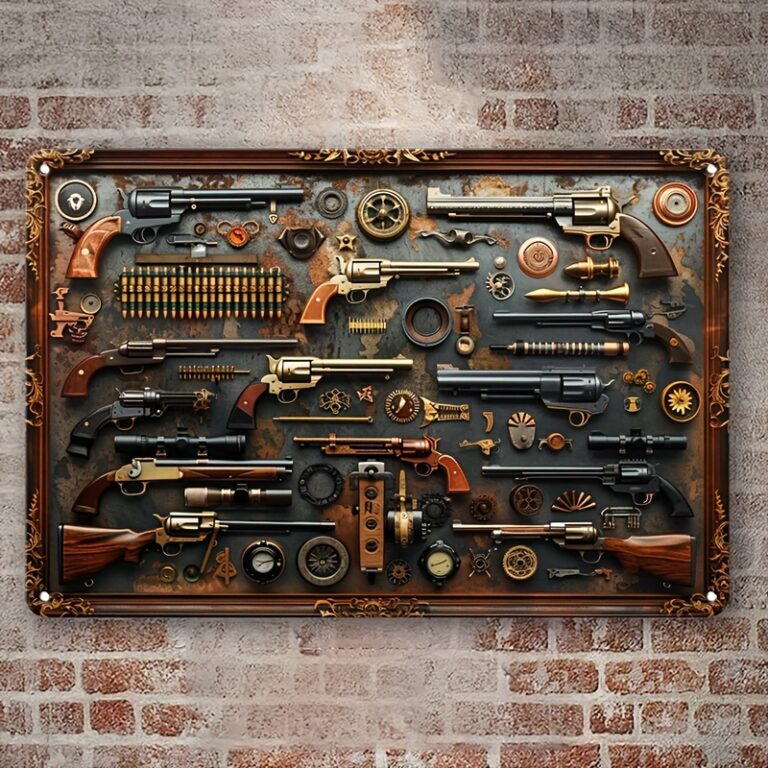
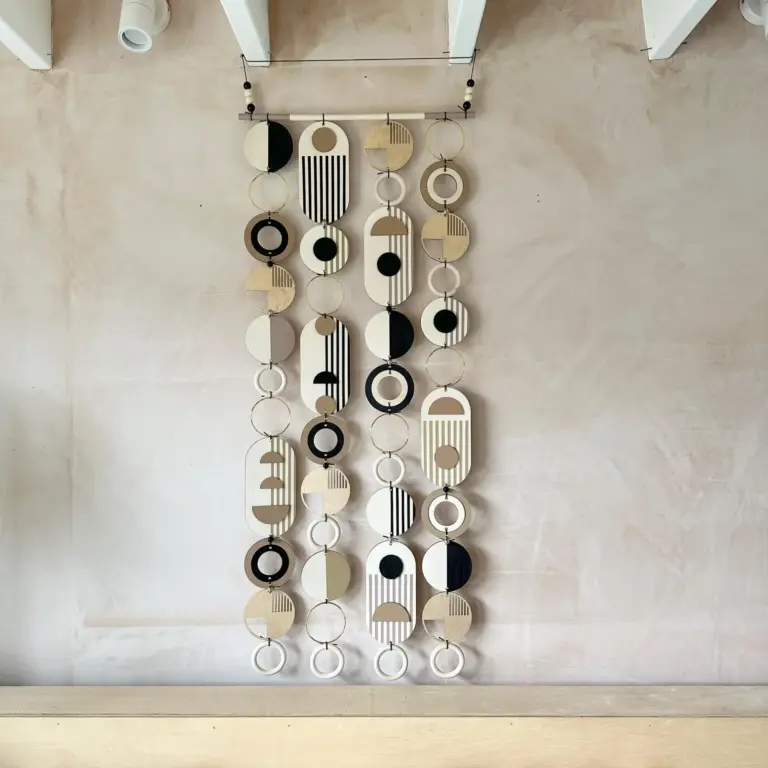 Aisha's pickLong Metal Wall Art You’ll Live With Happily for Years
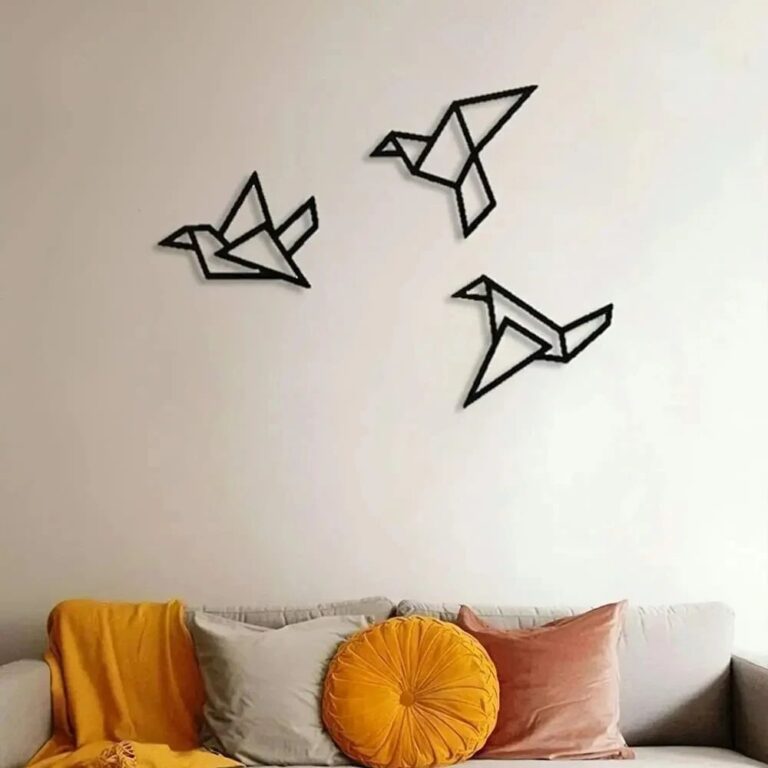
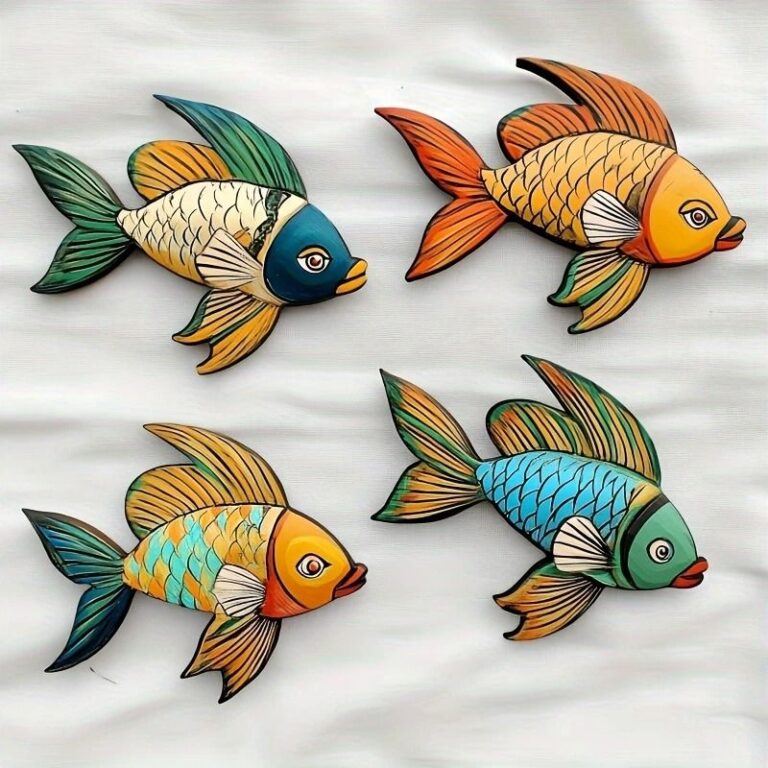 Aisha's pickVintage Metal Wall Art That Does What It Should
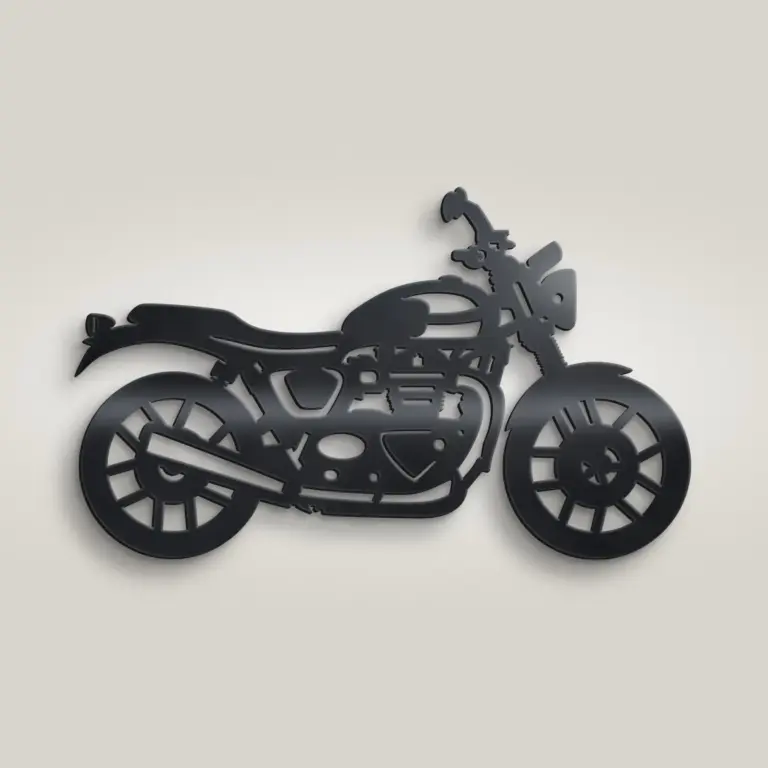
 Aisha's pickMetal Signs That Give a Room Some PersonalityAlso worth a lookPrintsThe thing nobody tells you about a print is that it changes with the light, and you won't…See the collections →
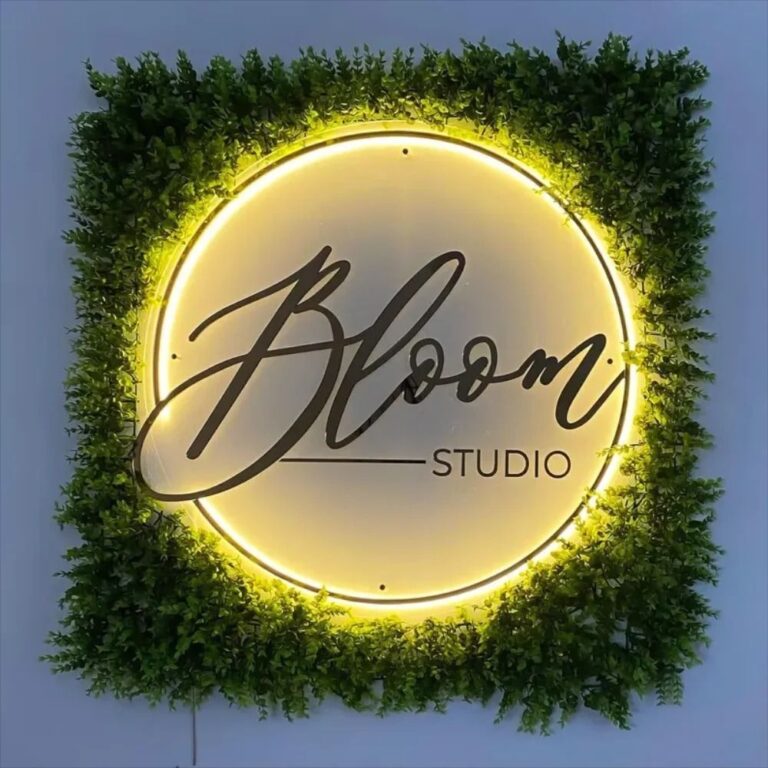
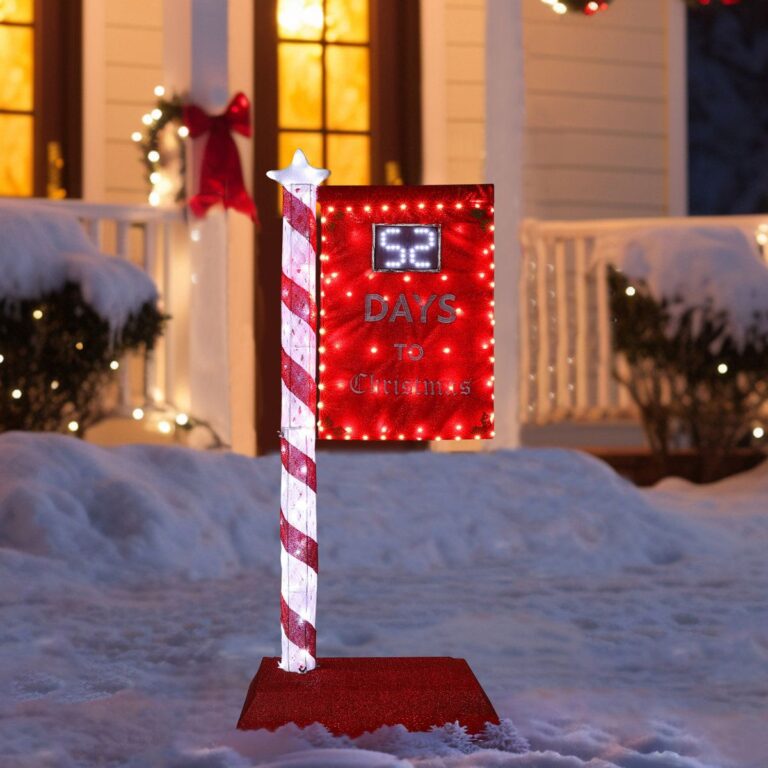 Aisha's pickWhite Metal Signs for Rooms That Feel a Bit Bare
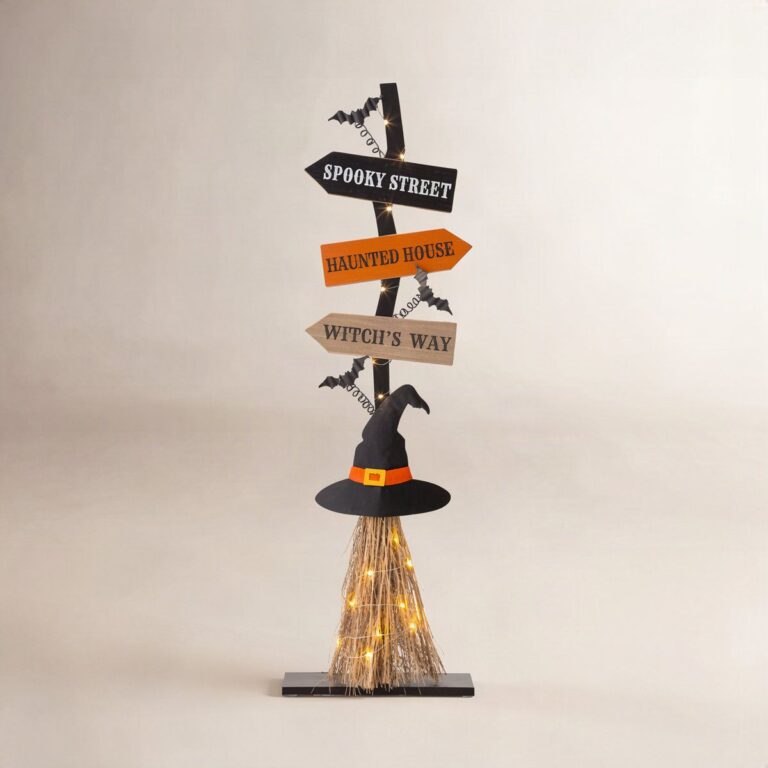
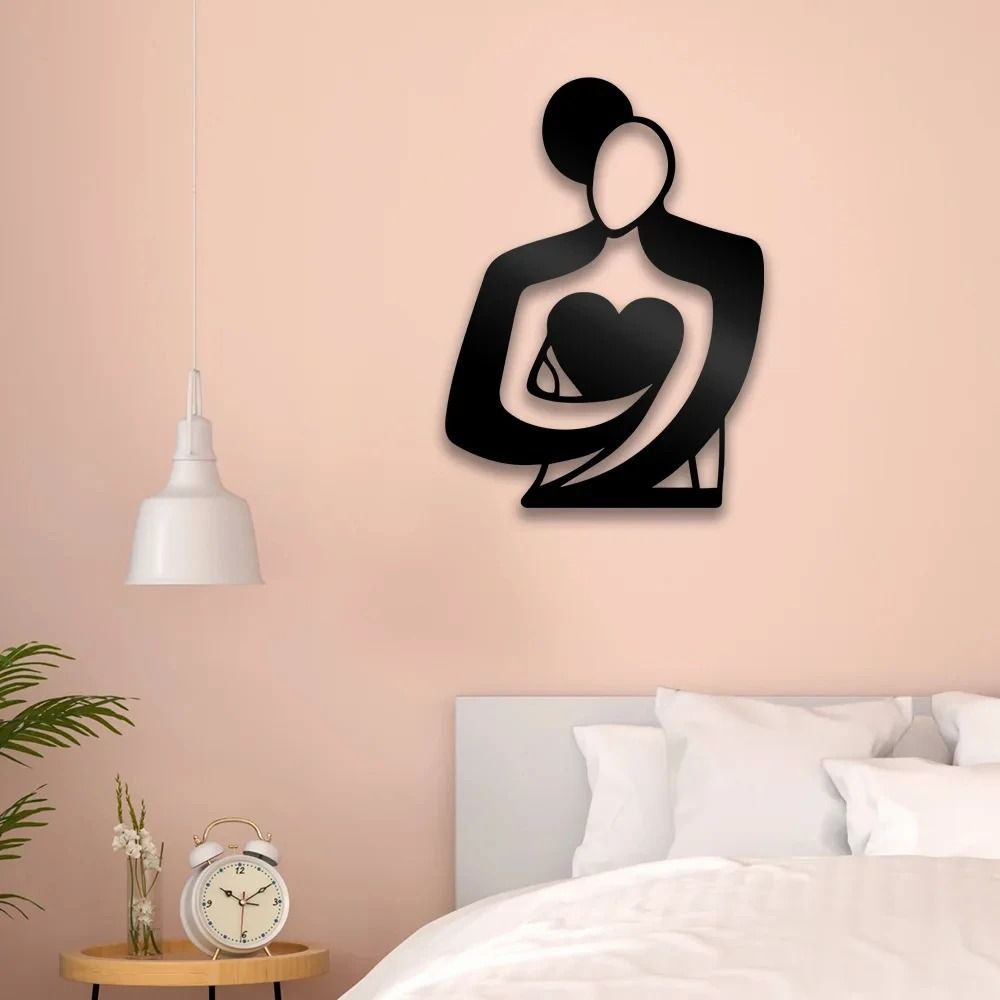 Aisha's pickGood Metal Signs for Bedroom That Don’t Cost a Fortune
 Aisha's pickMetal Signs for Kitchen That Feel Personal, Not Store Bought
 Aisha's pickMetal Signs for Office That Keep the Desk Clear
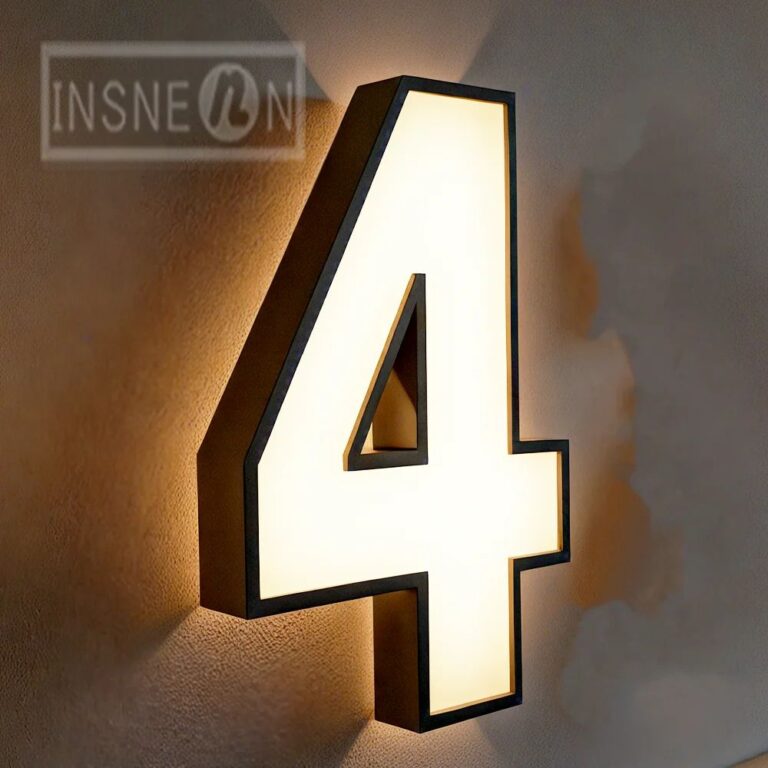
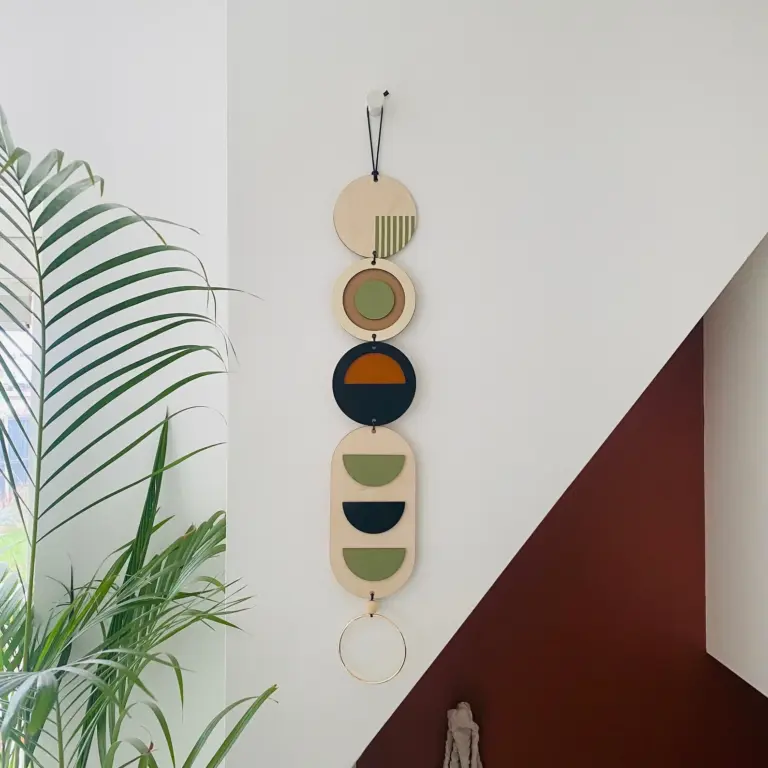 Aisha's pickGood Metal Wall Art Without the Big Price Tag
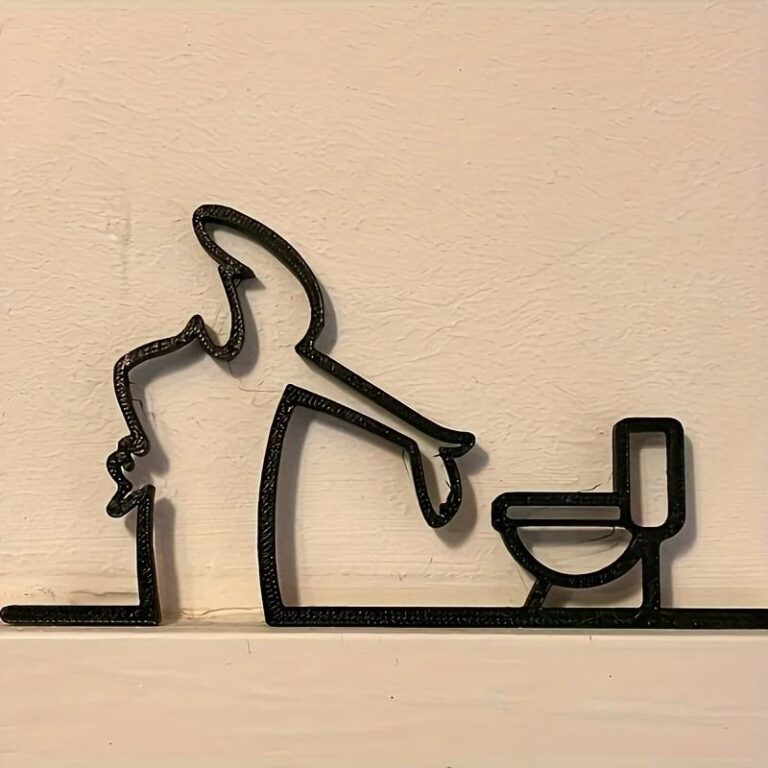 Aisha's pickBlack Metal Signs That Hold Up to Everyday Life

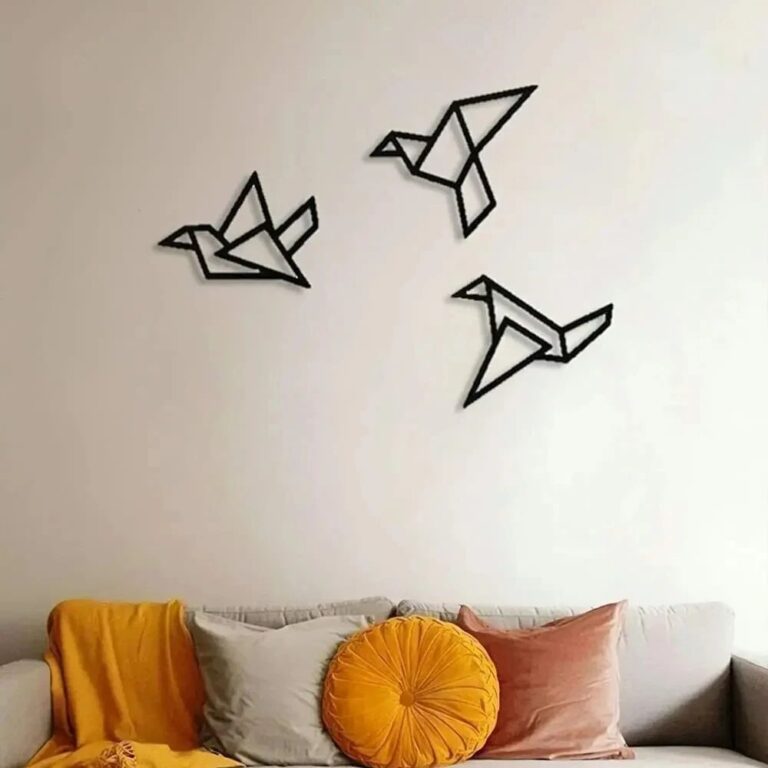 Aisha's pickMetal Wall Art for Bedroom at Every Price Point

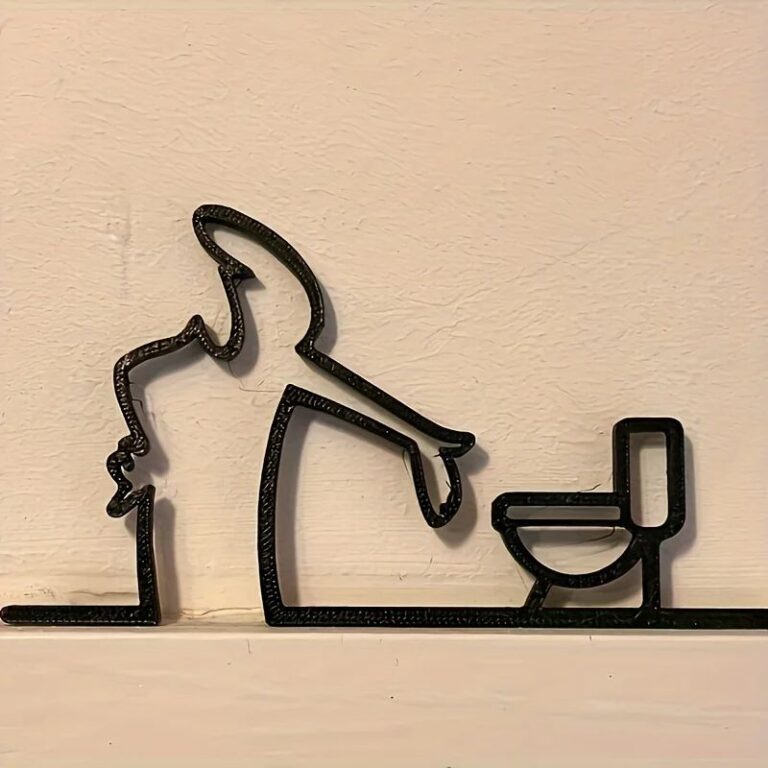 Aisha's pickSimple Black Metal Wall Art Done Well
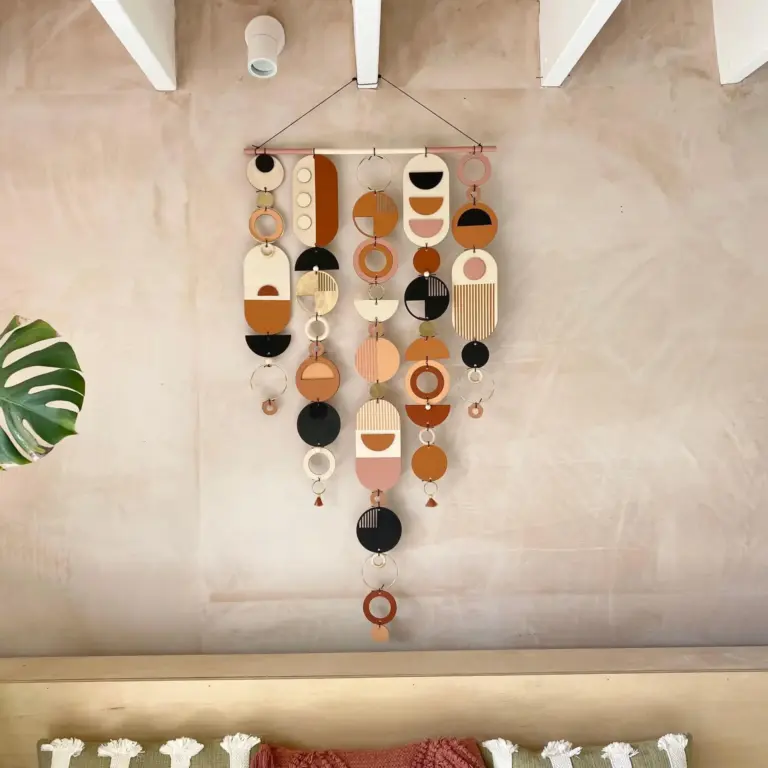
 Aisha's pickMetal Wall Art for Hallway Picked by People Who Care Too MuchAlso worth a lookModern Wall ArtFor years I figured modern wall art meant one big canvas, something abstract and gray, hung dead center…See the collections →
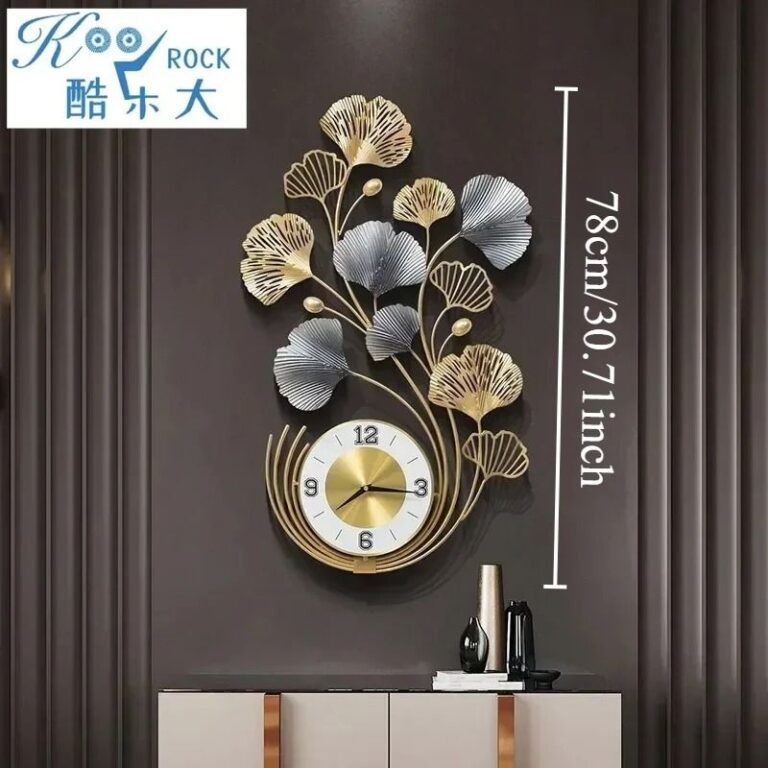
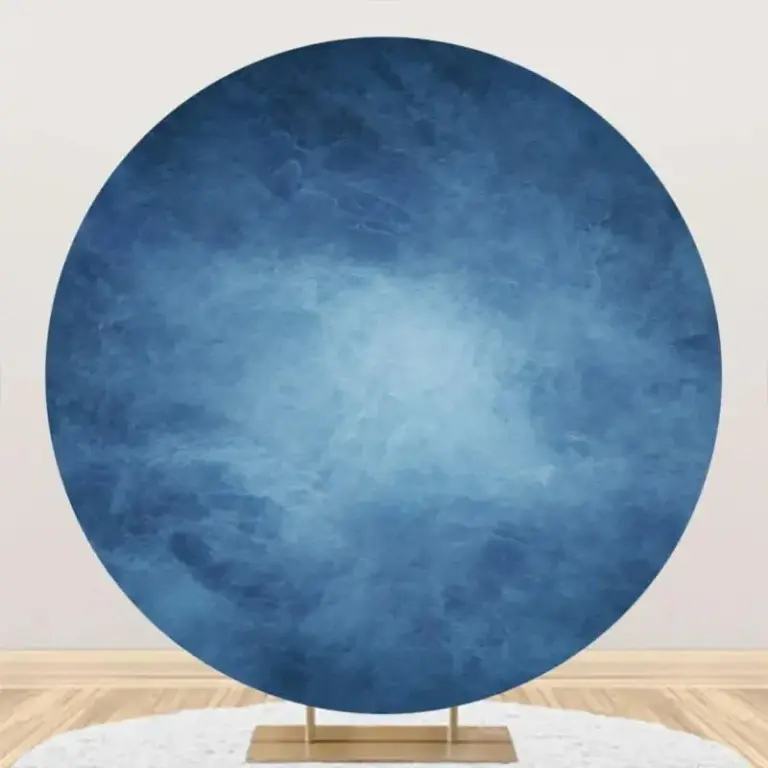 Aisha's pickBlue Metal Wall Art Hunted Down So You Don’t Have To
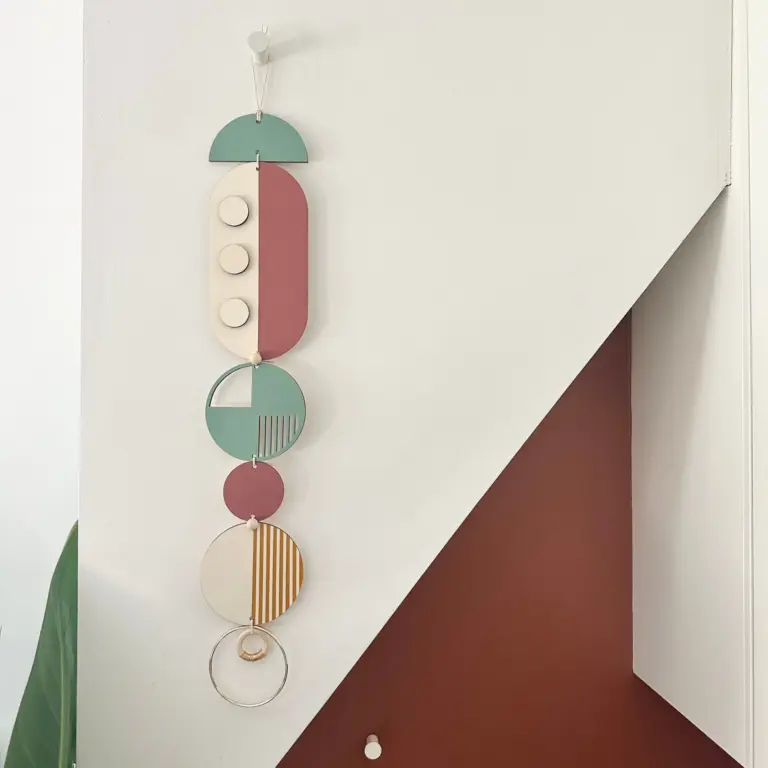
 Aisha's pickThe Metal Wall Art for Living Room Worth Your Cash
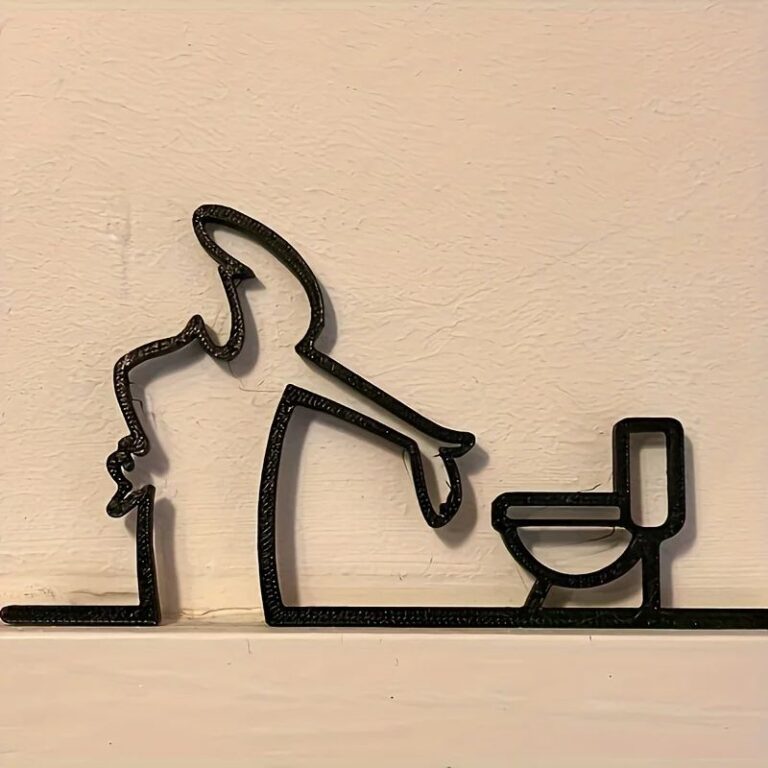
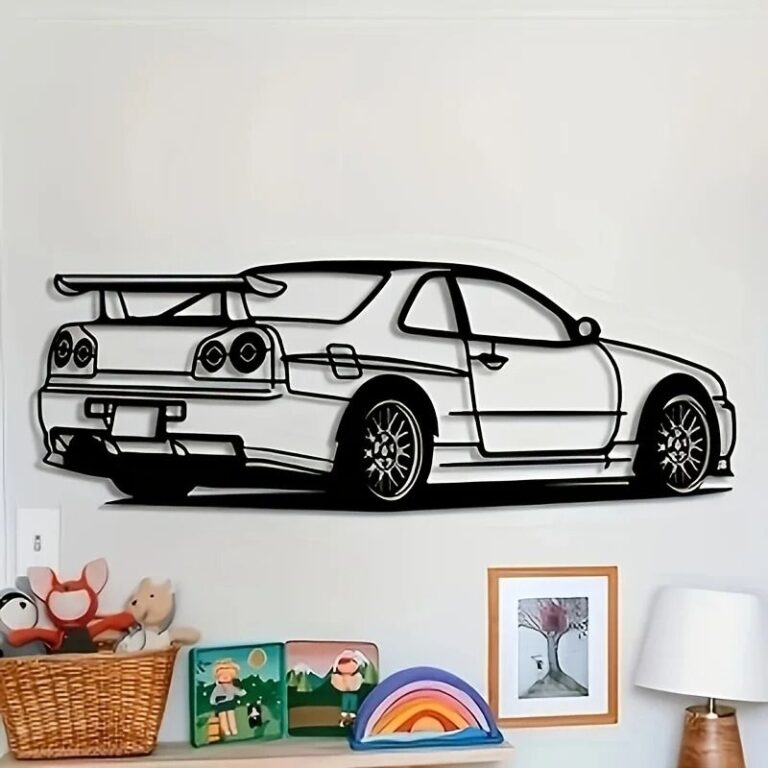 Aisha's pickContemporary Metal Wall Art That Looks the Part
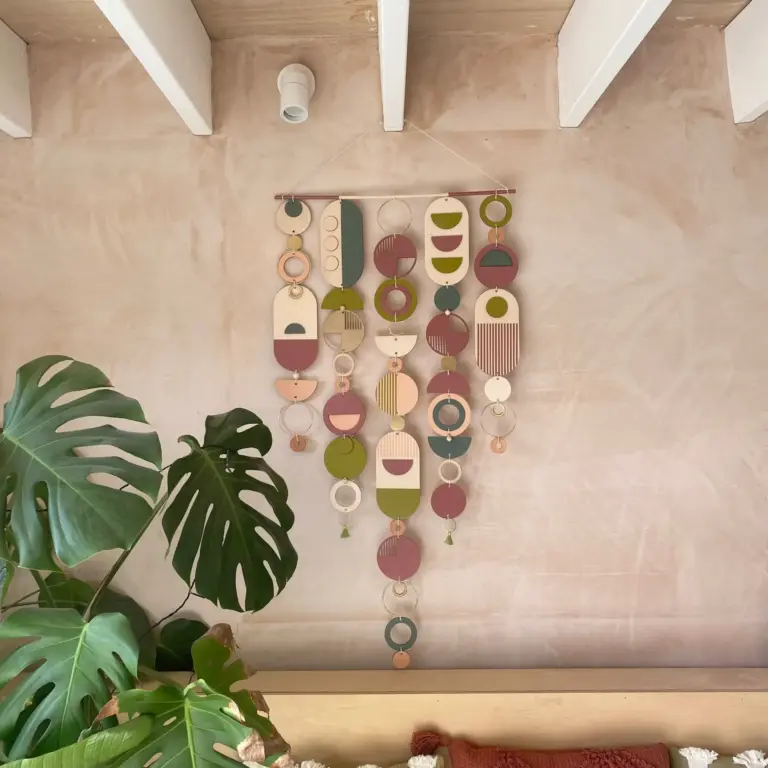
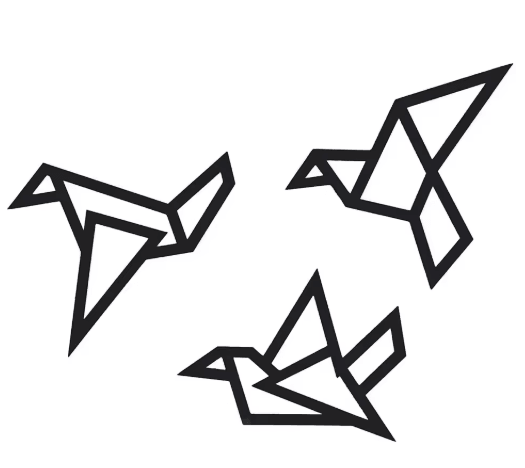 Aisha's pickMetal Wall Art for Office Worth Your Money

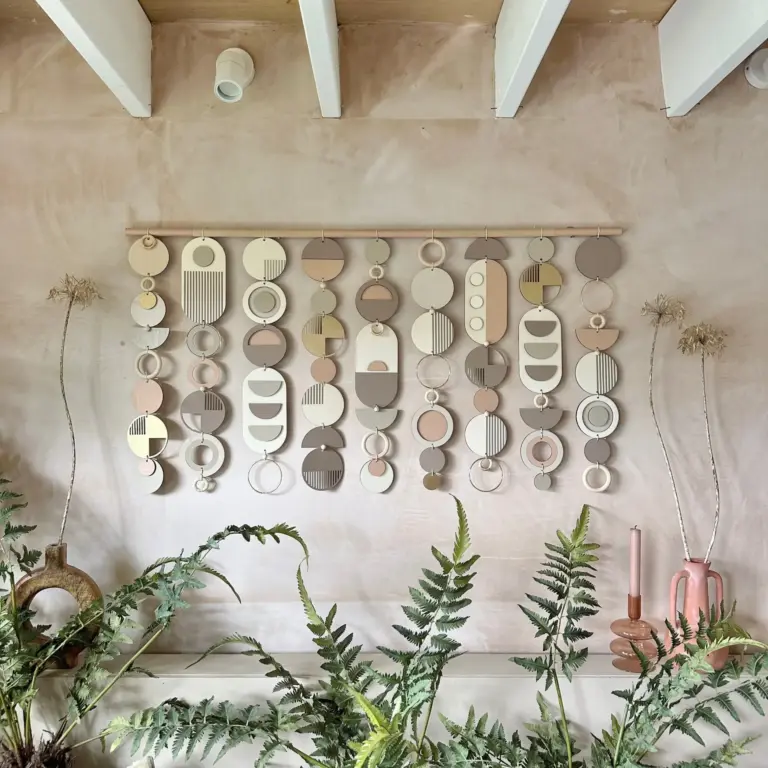 Aisha's pickGold Metal Wall Art Picked by People Who Care Too Much
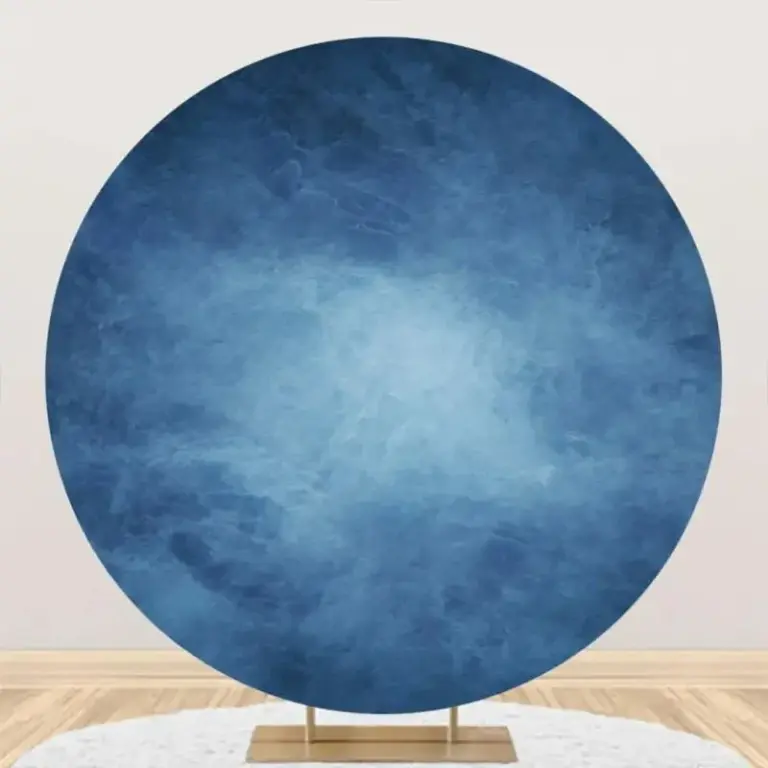
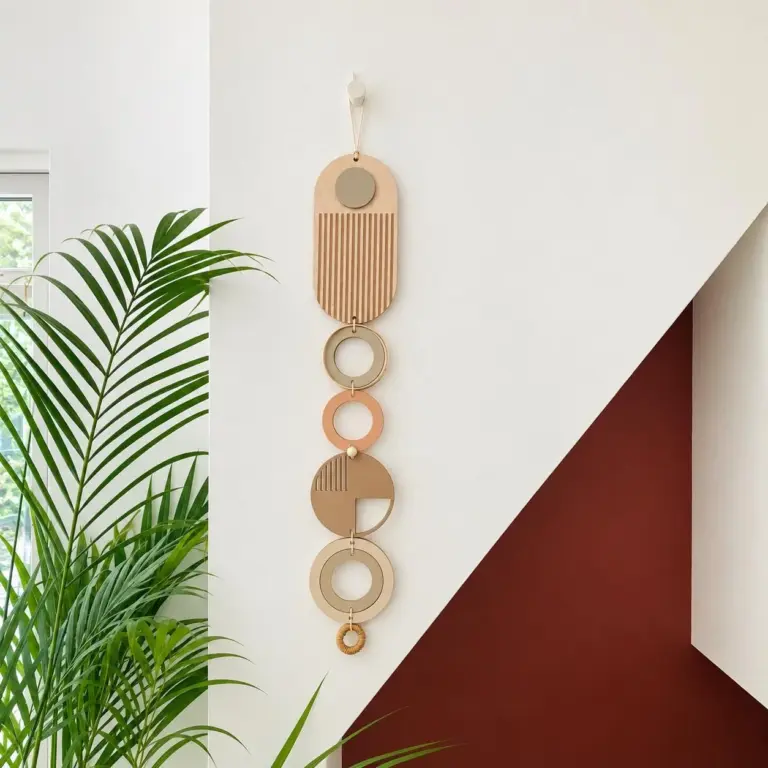 Aisha's pickModern Metal Wall Art That Looks the Part
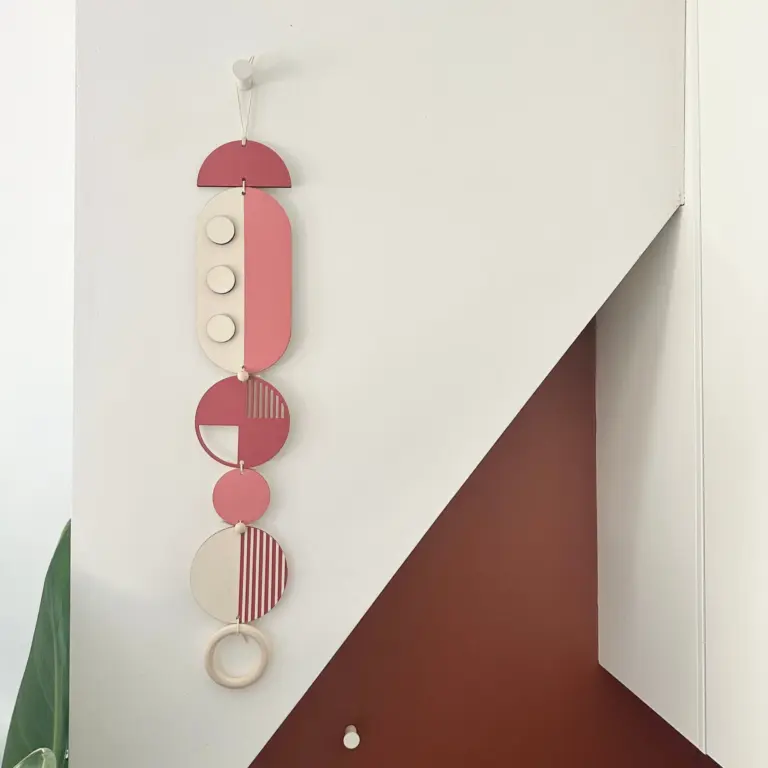
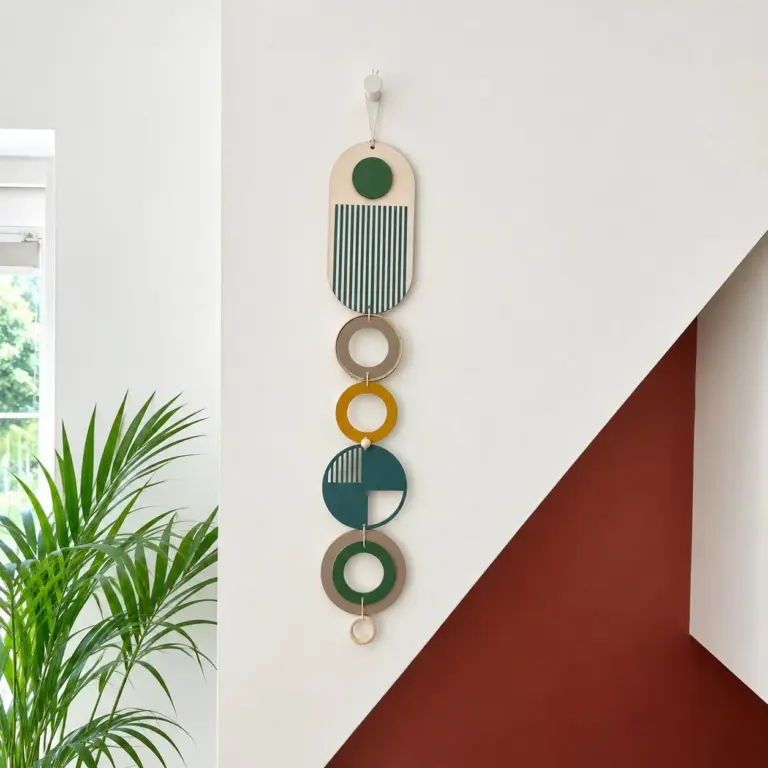 Aisha's pickGreen Metal Wall Art That Holds Up
 Aisha's pickRustic Metal Signs That Feel Personal, Not Store Bought
 Aisha's pickIndustrial Metal Signs Picked by People Who Care Too MuchAlso worth a lookPaintingsThe one thing worth knowing before you hang a single painting is that scale matters more than subject.See the collections →