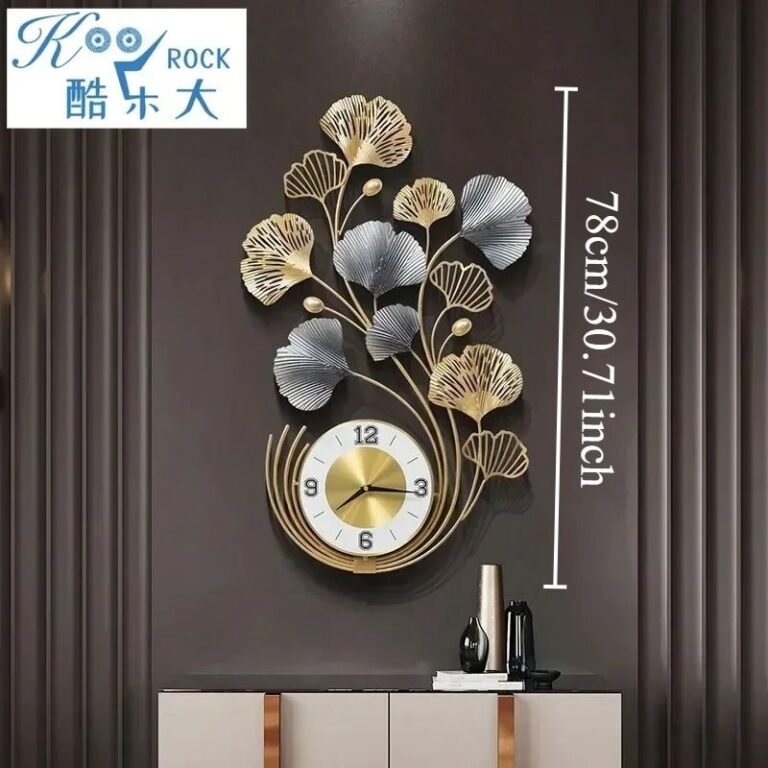
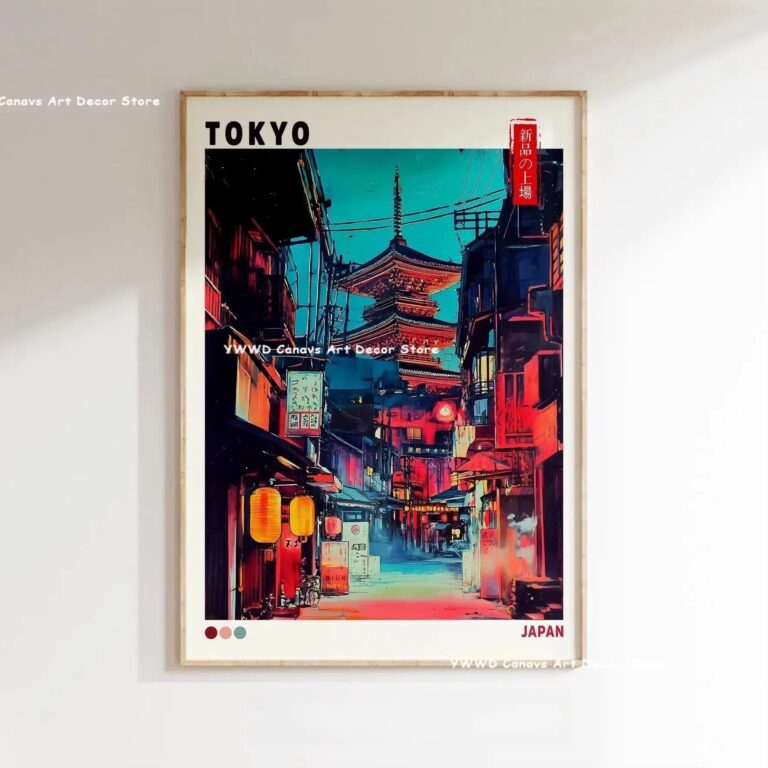
Standing there with the tape measure, the thing I'd tell you first is to measure the wall above the desk, not just the wall itself. Office art almost always gets shrunk by a monitor, a shelf, a stack of books you swore you'd shelve properly. Leave at least a foot of breathing room above the screen line, and go a size up from what feels right in the store. On a blank wall it looks generous. Over a desk with cables and a lamp fighting for attention, that same piece can shrink to nothing.
It does not sit well near a lot of visual noise. If your desk already has a corkboard, a calendar, a whiteboard with half erased numbers on it, and a window letting in glare at certain hours, adding a busy or brightly colored print just adds to the pile. Pick one wall to be the calm one and let everything else happen somewhere else in the room.
Where it falls short is in rooms doing double duty as a guest room or a gym corner, where the art has to compete with a fold out bed or a yoga mat rolled against the baseball rack. In a shared space like that, something too serious or too large just looks out of place the moment the desk isn't in use. A smaller, quieter piece, or a pair of them, usually works better than one big statement when the room has more than one job.
What separates a piece worth keeping from one you'll take down in a year comes down to a few hands on checks. Lift the frame and feel the weight, a hollow, light frame usually means thin stock that will warp slightly with the house's temperature swings. Look at the corners up close, a mitered joint should be tight with no visible gap or glue line, and the back should have proper D rings or a wire, not a single nail hole punched through cardboard backing. On prints, check the paper has some texture or weight to it under a bright light, thin glossy paper yellows and curls at the edges within a couple of years, especially near a window.
In an ordinary room it sits well with open shelving, a plant that can take some neglect, and furniture in plain wood or matte black rather than anything too polished. It does not need to match the desk, just not compete with it.
First room I would put it in is a home office carved out of a spare bedroom or a corner of the living room, somewhere that needs to feel like work without feeling like nowhere at all.

 Aisha's pickNo Fuss Canvas Art for Office

 Aisha's pickPrints for Office That Keep the Desk Clear
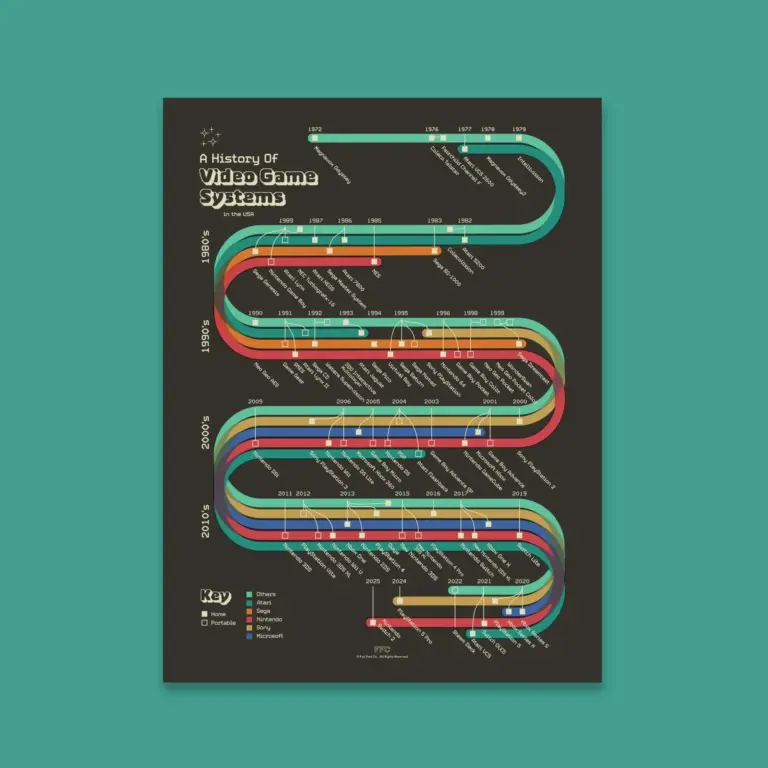
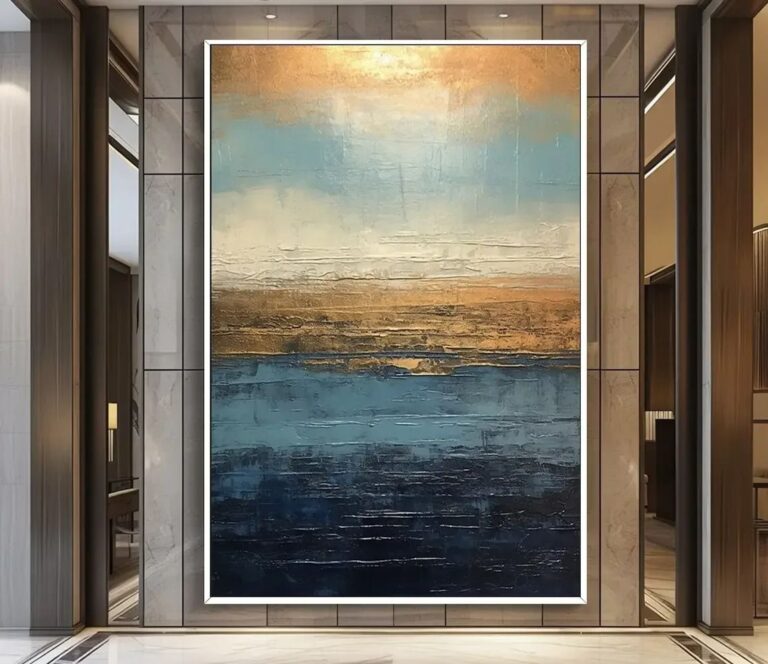 Aisha's pickCanvas Paintings for Office That Keep the Desk Clear
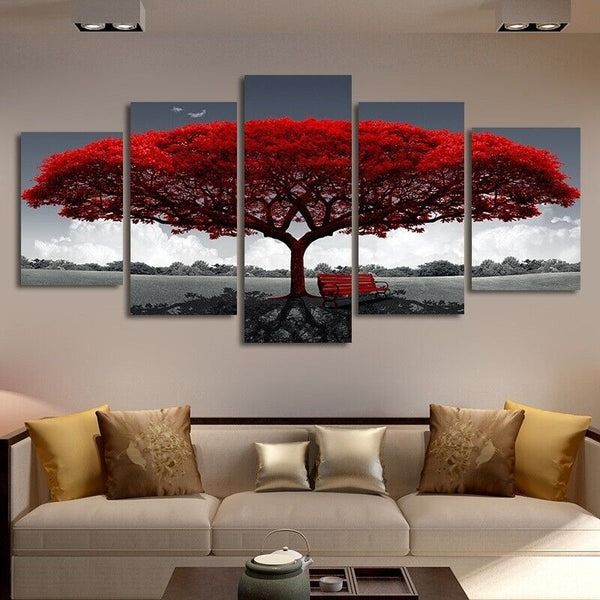 Aisha's pickPrint Sets for Office From Brands You Know and a Few You Won’t
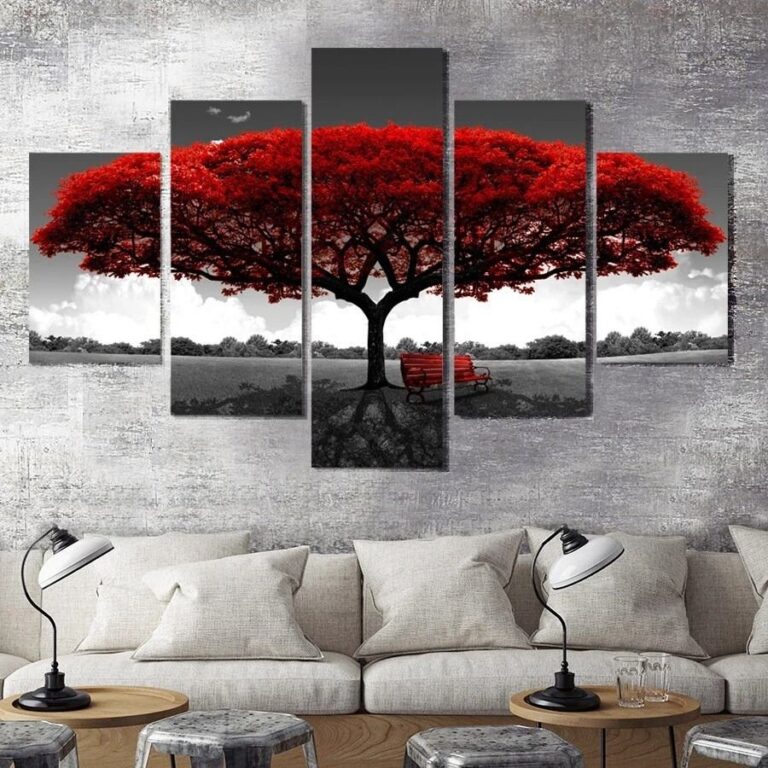
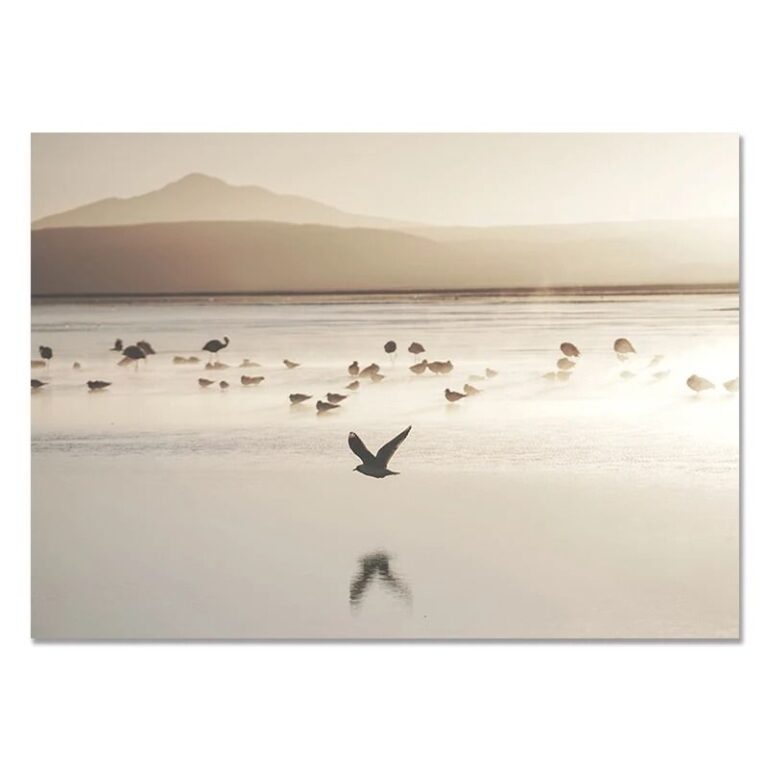 Aisha's pickCanvas Prints for Office From Brands You Know and a Few You Won’t
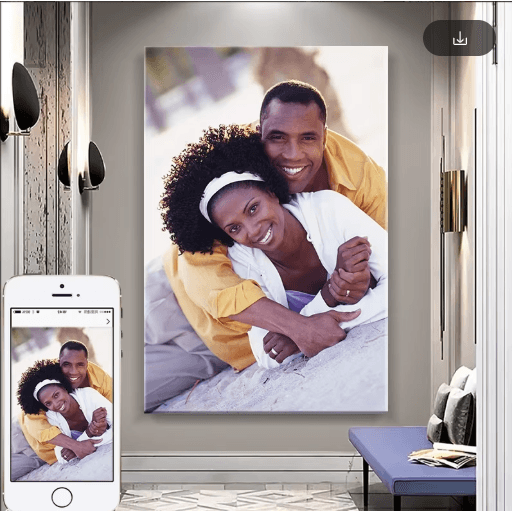
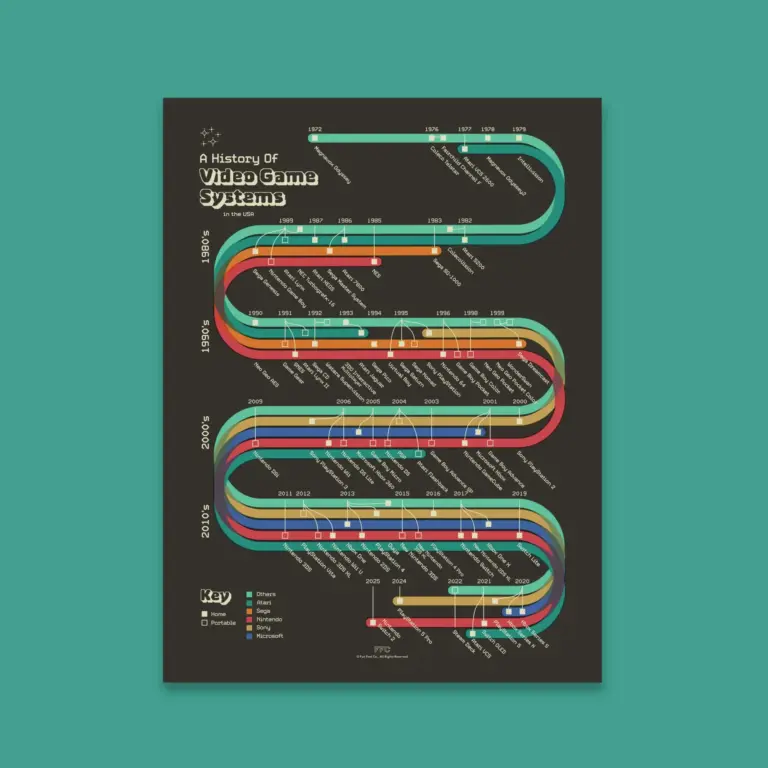
 Aisha's pickRetro Posters for Office That Make a Room Feel Finished

 Aisha's pickCanvas Wall Art for Office That Doesn’t Cost a Fortune
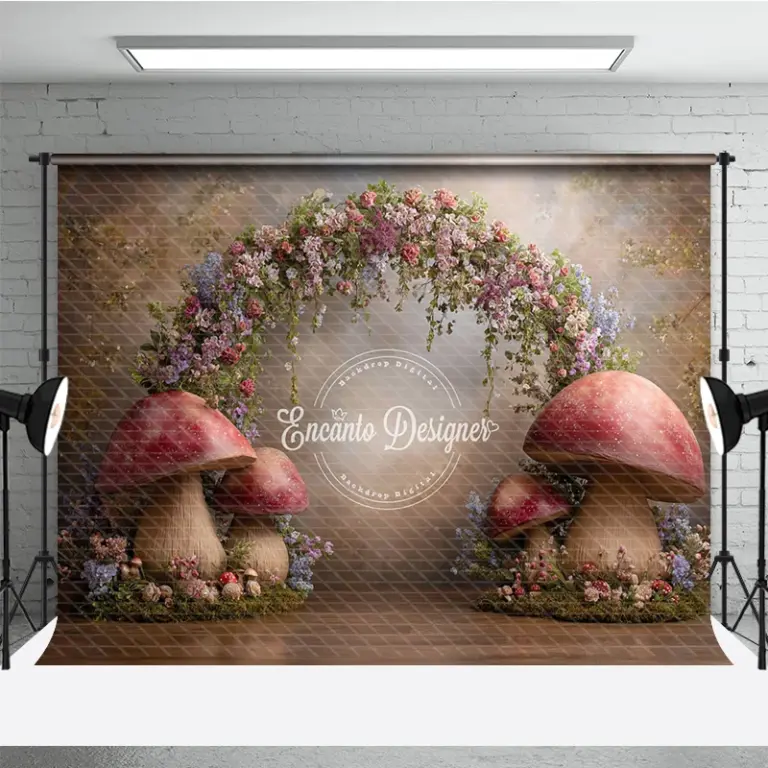
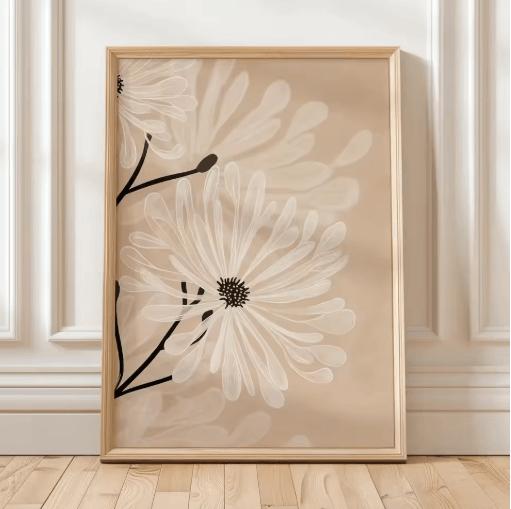 Aisha's pickRetro Wall Art for Office Picked by People Who Care Too Much
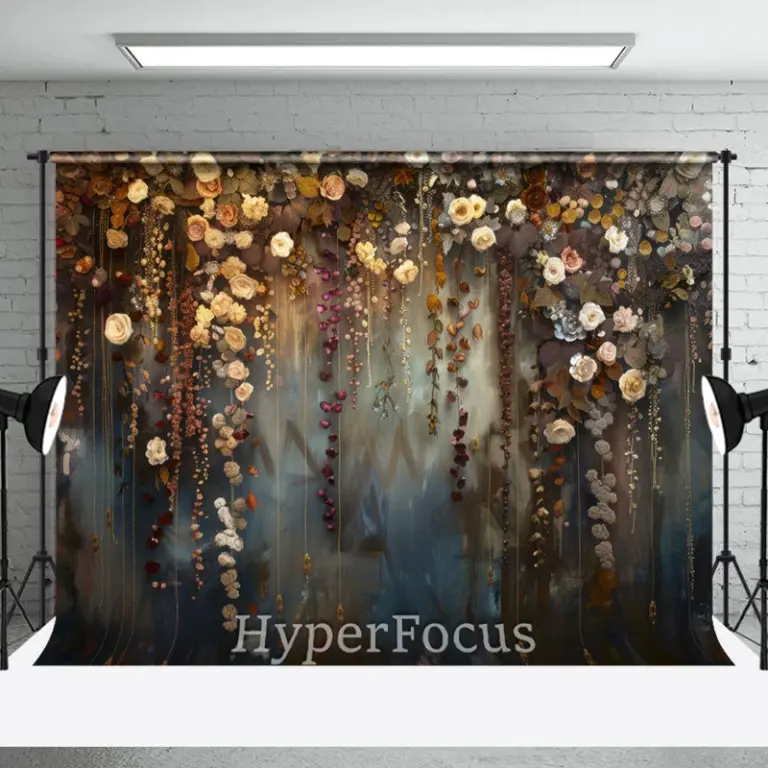 Aisha's pickDecent Floral Wall Art for Office Without the HassleAlso worth a lookPrintsThe thing nobody tells you about a print is that it changes with the light, and you won't…See the collections →
 Aisha's pickTin Signs for Office That Keep the Desk Clear
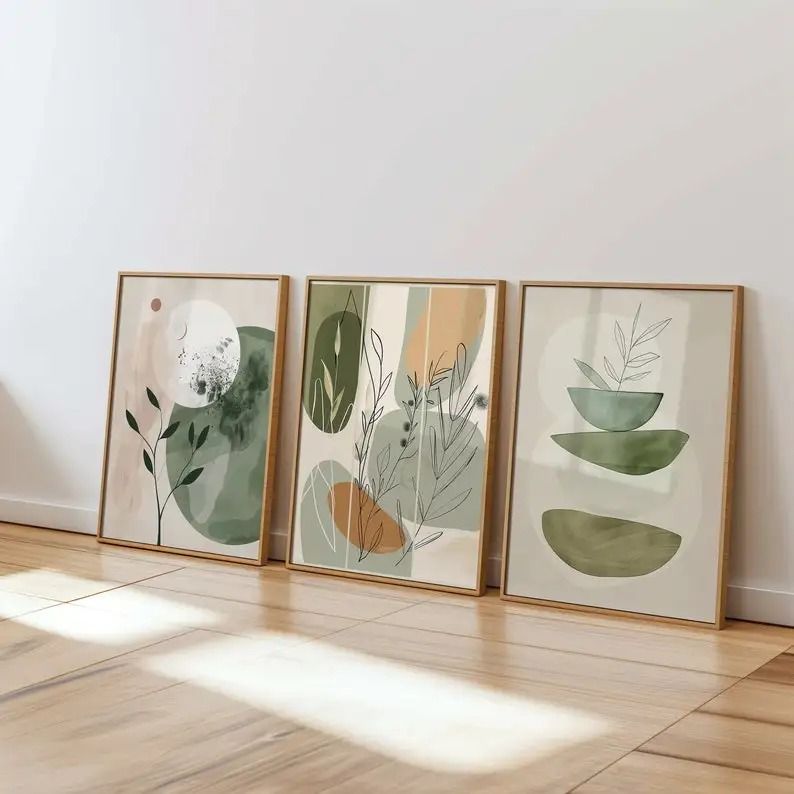 Aisha's pickThe Flower Wall Art for Office Worth Your Cash
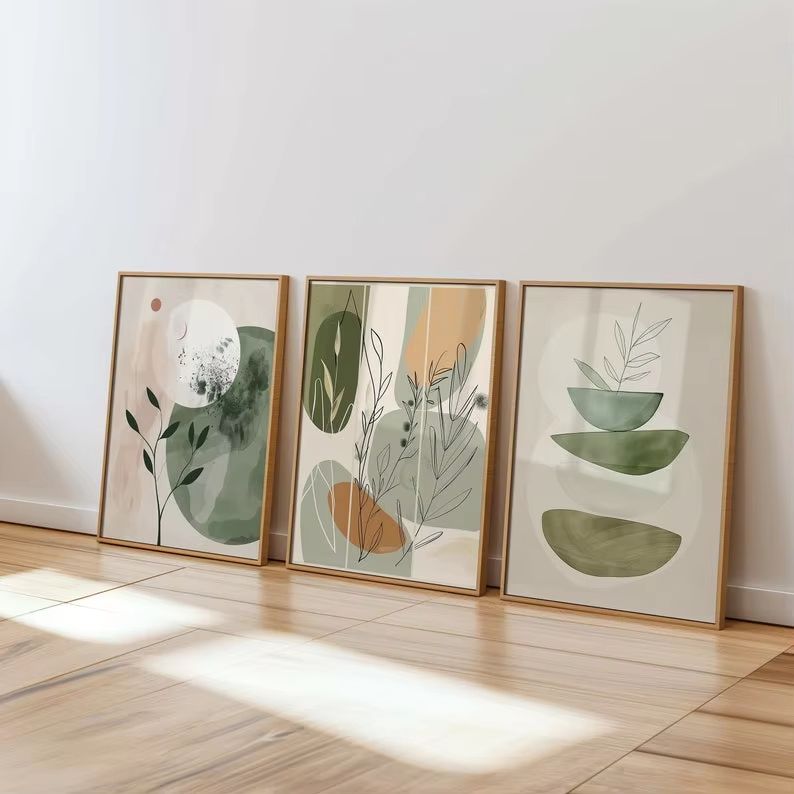
 Aisha's pickVintage Art Prints for Office Picked by People Who Care Too Much

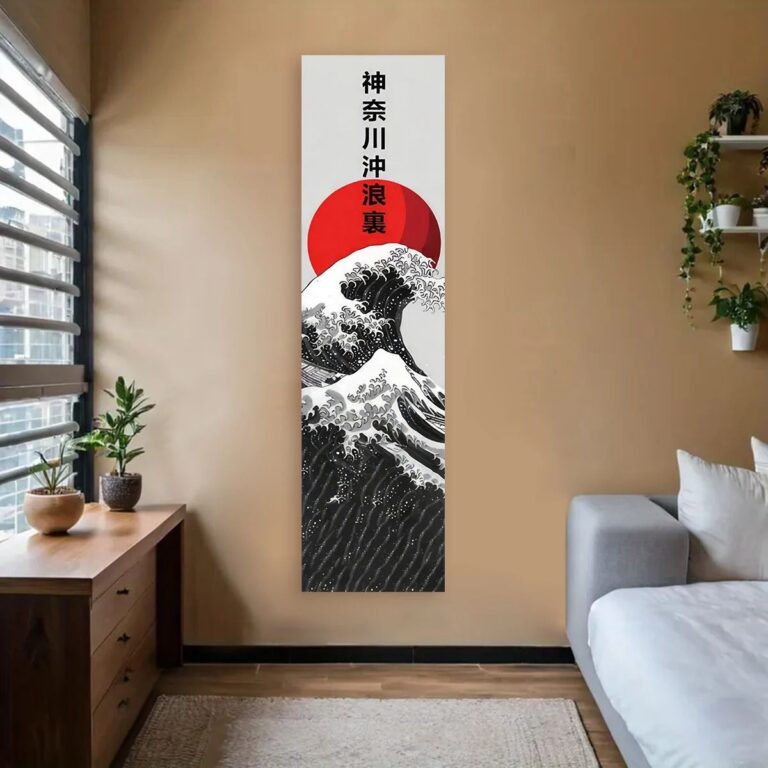 Aisha's pickFramed Art for Office Worth Knowing About
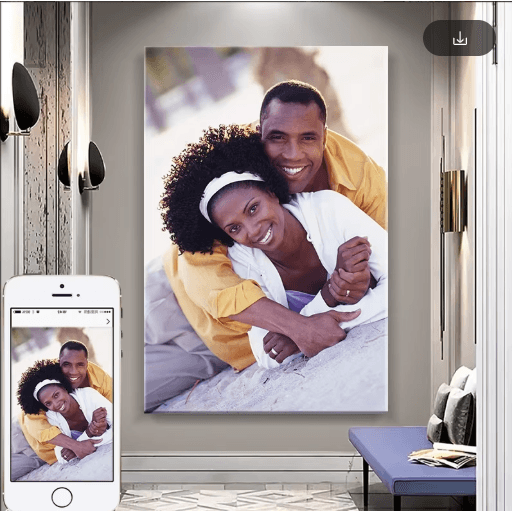
 Aisha's pickVintage Metal Signs for Office at Every Price Point
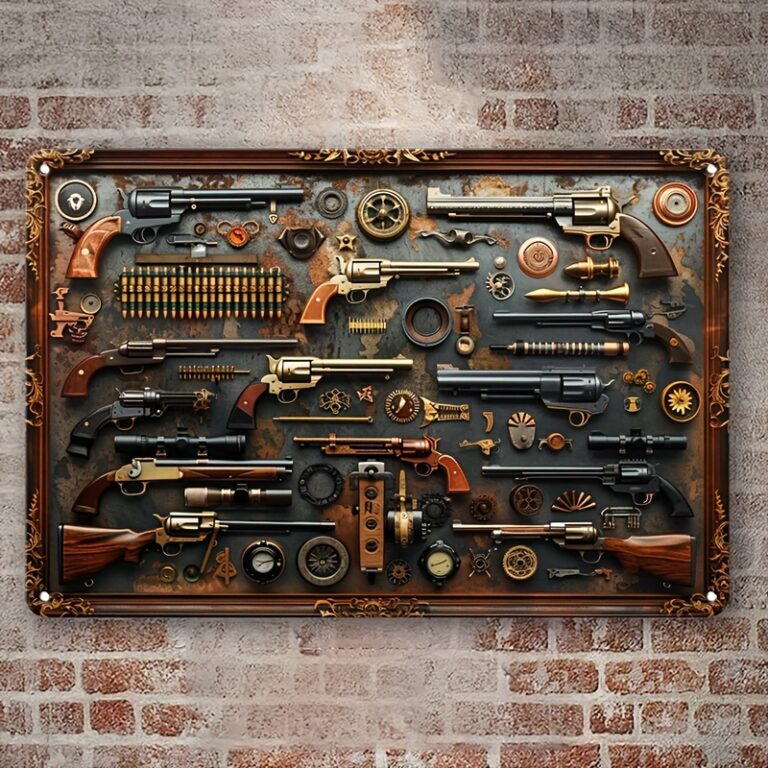
 Aisha's pickFramed Prints for Office That Keep the Desk Clear

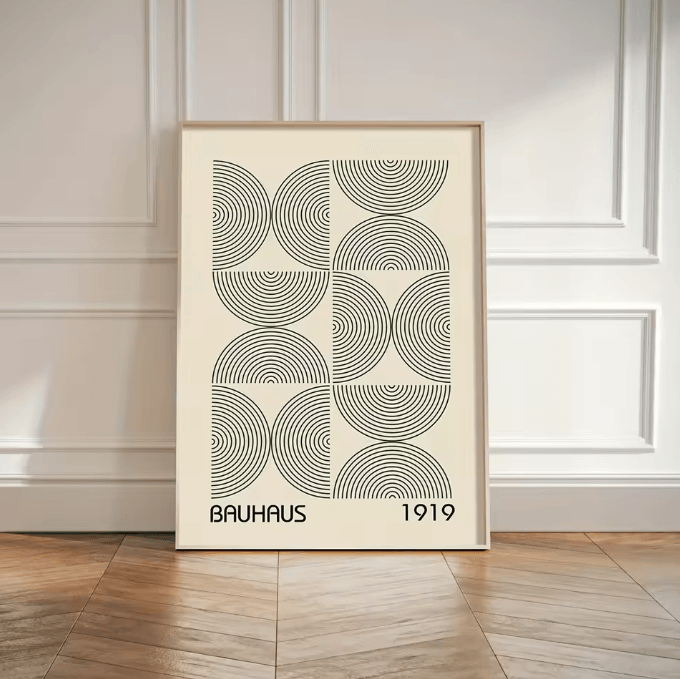 Aisha's pickVintage Posters for Office Picked by People Who Care Too Much

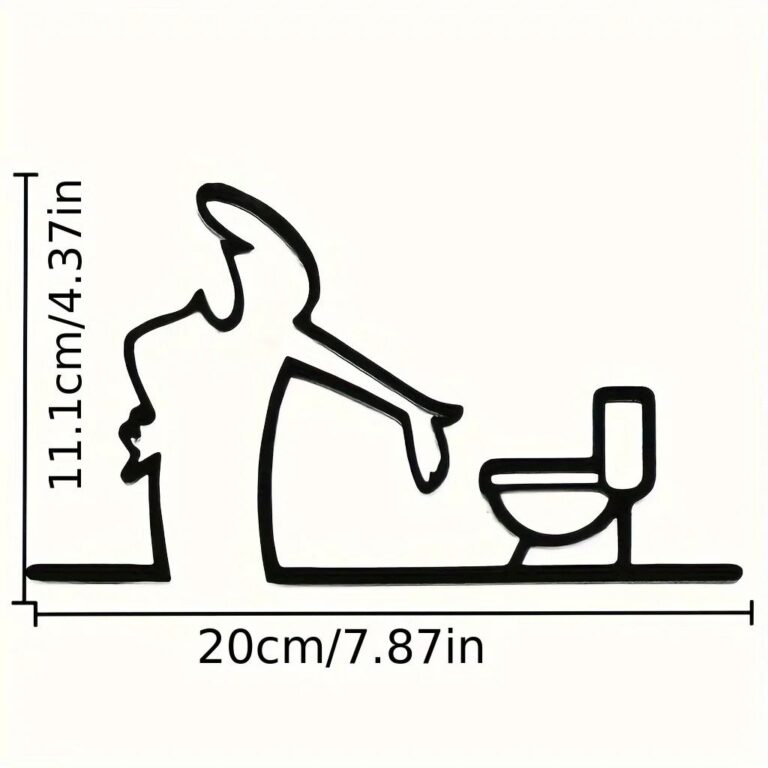 Aisha's pickFramed Wall Art for Office Picked From the Stores We Trust
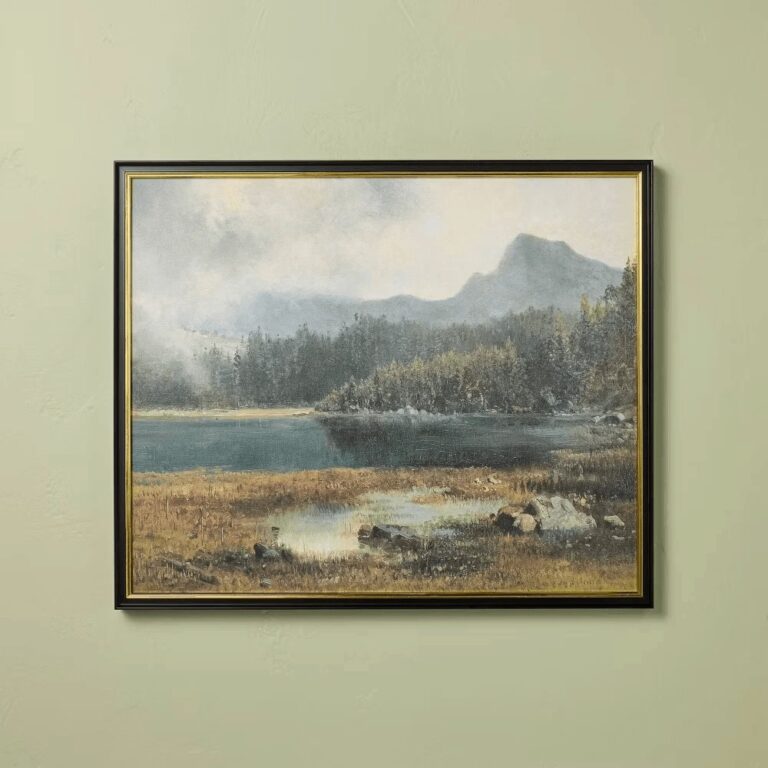
 Aisha's pickVintage Prints for Office That Keep the Desk ClearAlso worth a lookModern Wall ArtFor years I figured modern wall art meant one big canvas, something abstract and gray, hung dead center…See the collections →

 Aisha's pickGallery Wall Art for Office That Earns Its Place
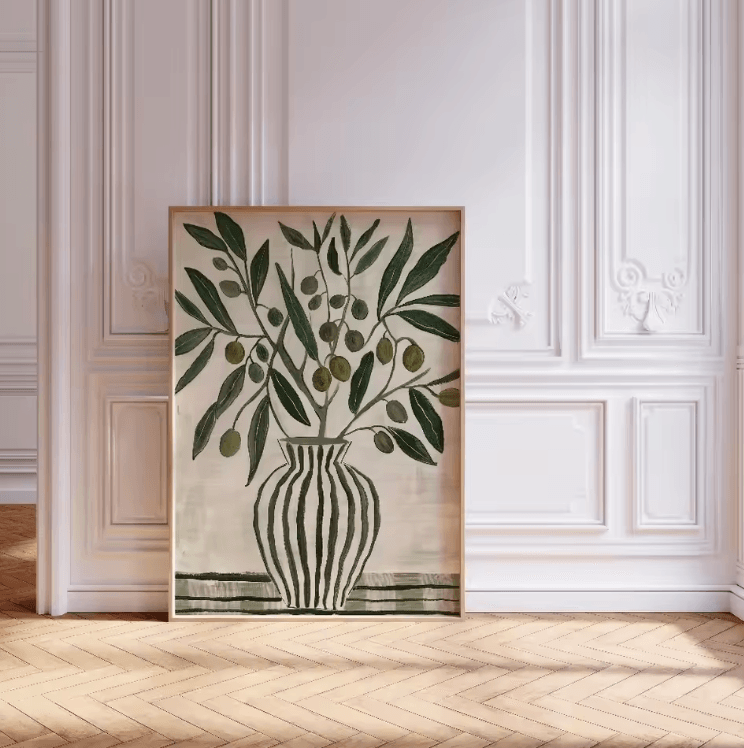
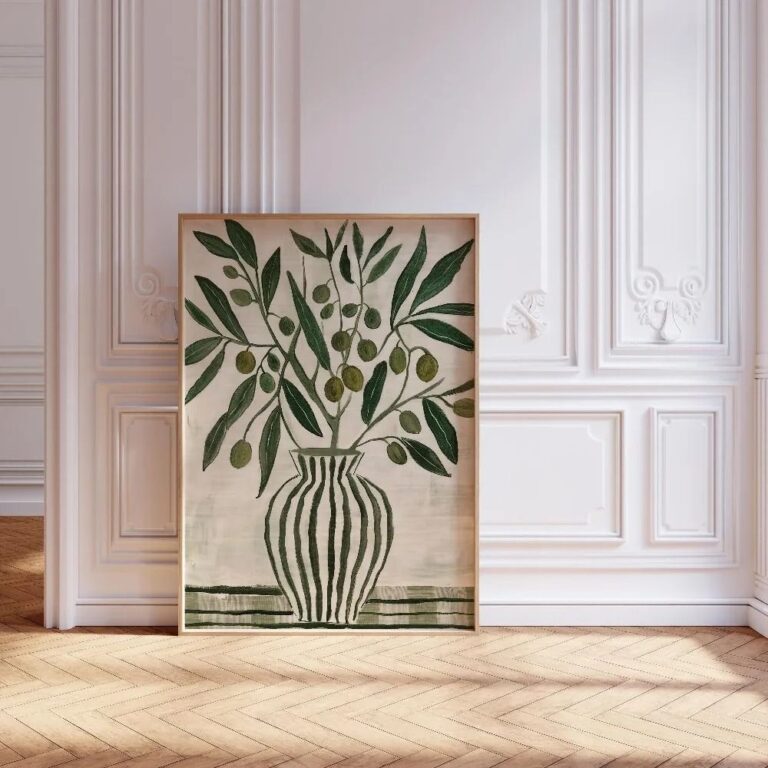 Aisha's pickVintage Wall Art for Office We Keep Buying
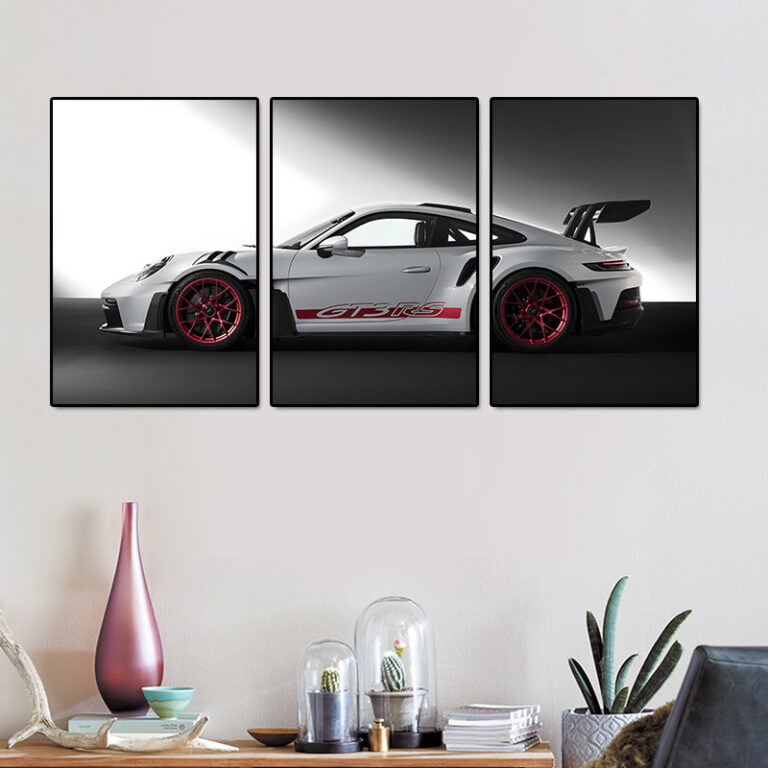
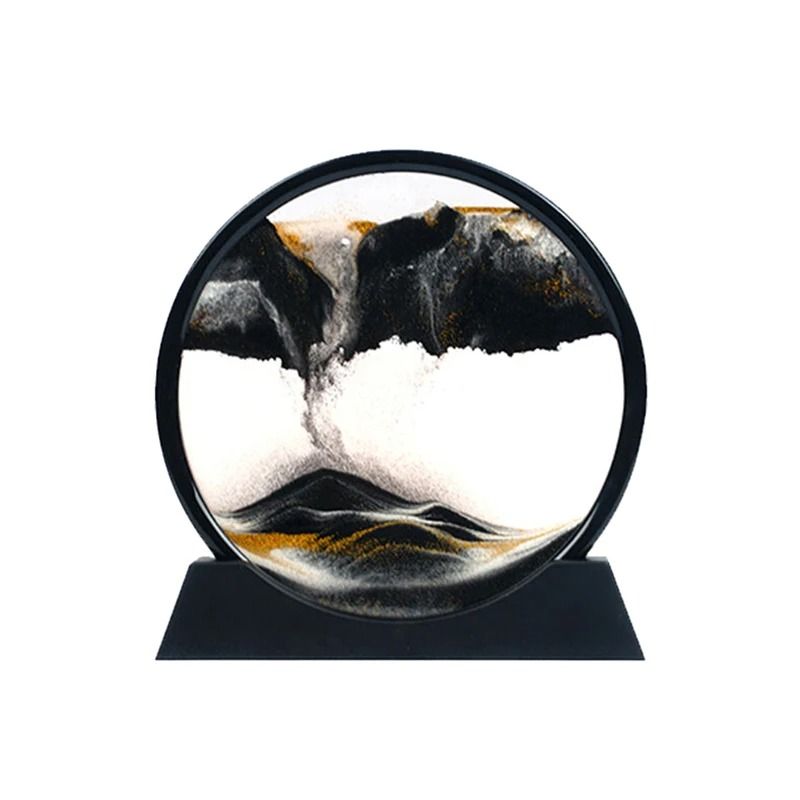 Aisha's pickLandscape Wall Art for Office That Earns Its Place

 Aisha's pickWall Art for Office at Every Price Point
 Aisha's pickMetal Signs for Office That Keep the Desk Clear
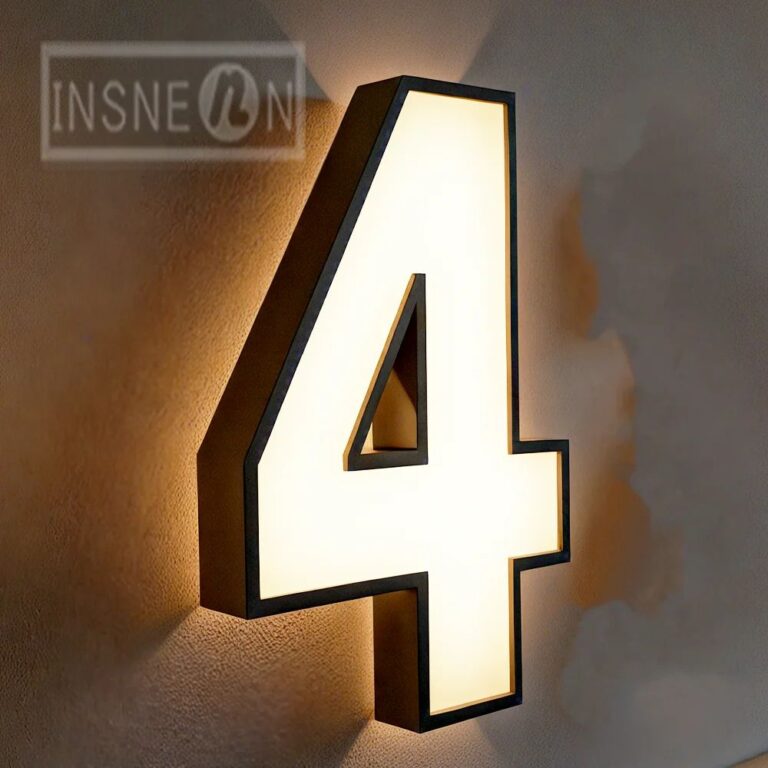
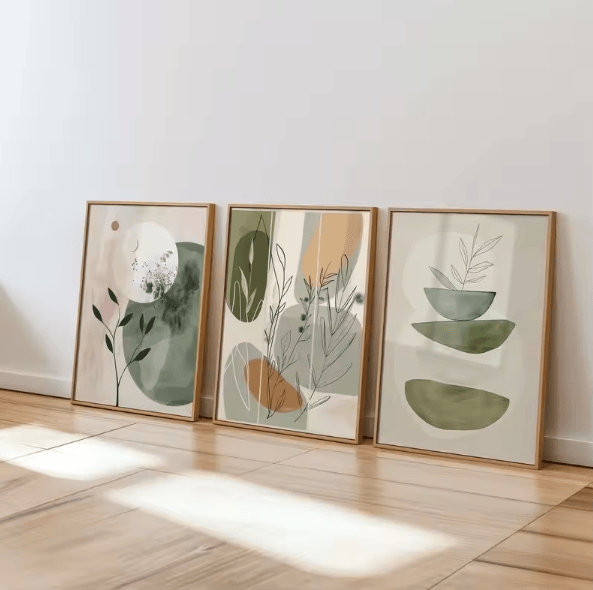 Aisha's pickWall Art Sets for Office That Keep the Desk Clear
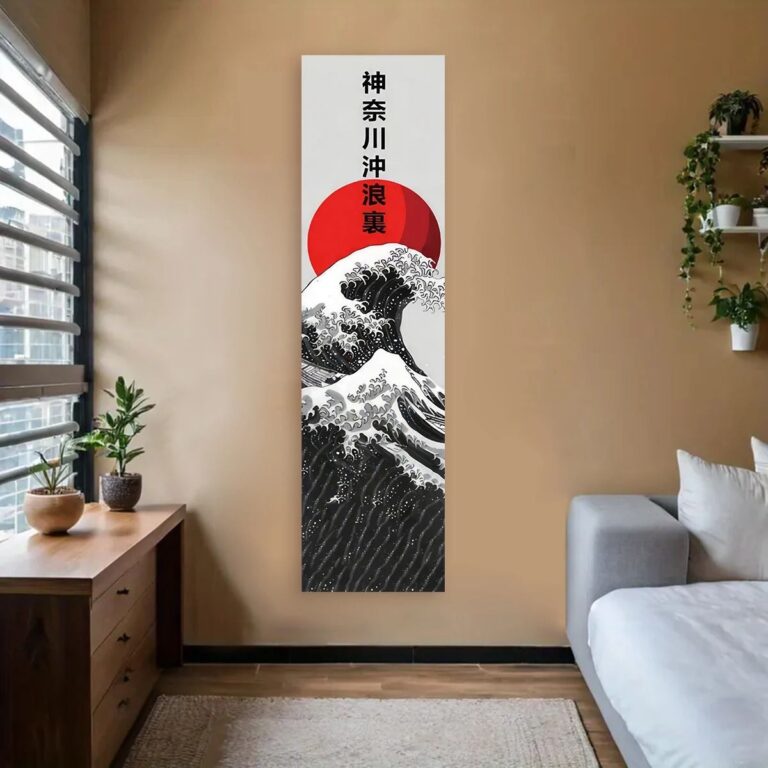
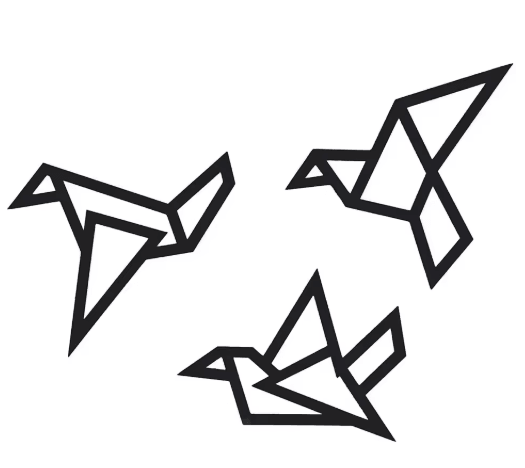 Aisha's pickMetal Wall Art for Office Worth Your Money

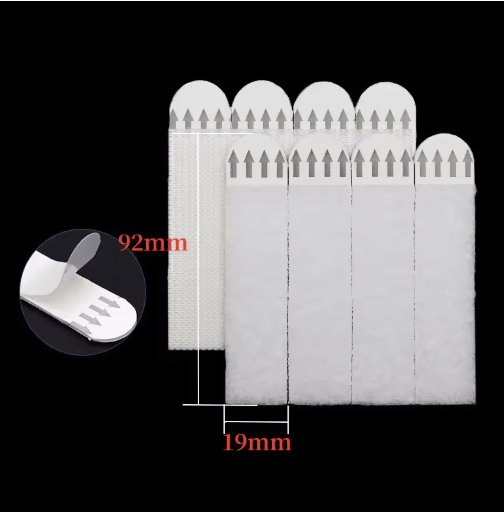 Aisha's pickWall Pictures for Office We Keep Coming Back To
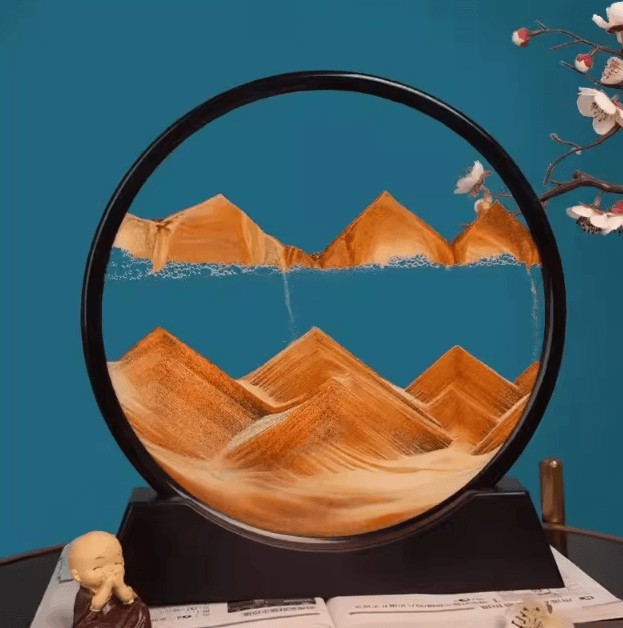
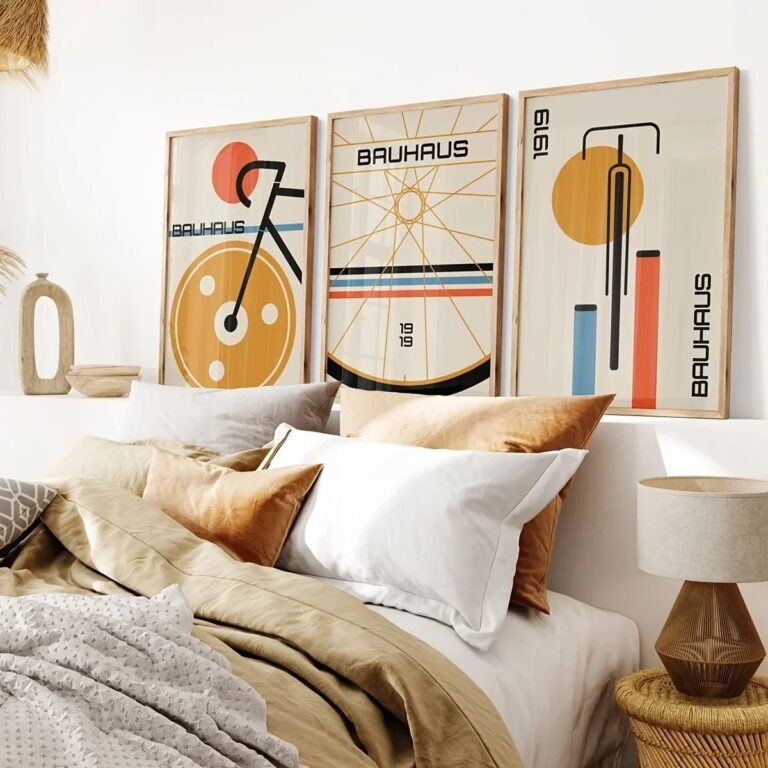 Aisha's pick3 Piece Wall Art for Office We Keep BuyingAlso worth a lookPaintingsThe one thing worth knowing before you hang a single painting is that scale matters more than subject.See the collections →
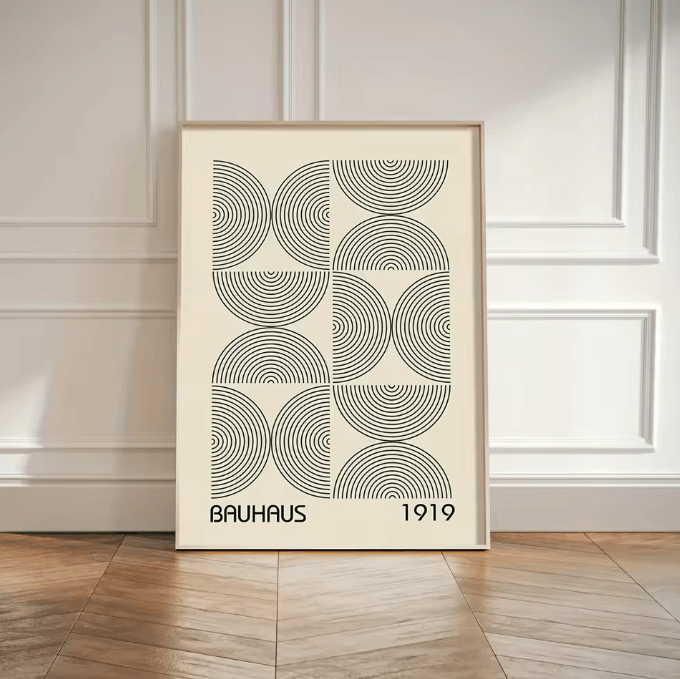
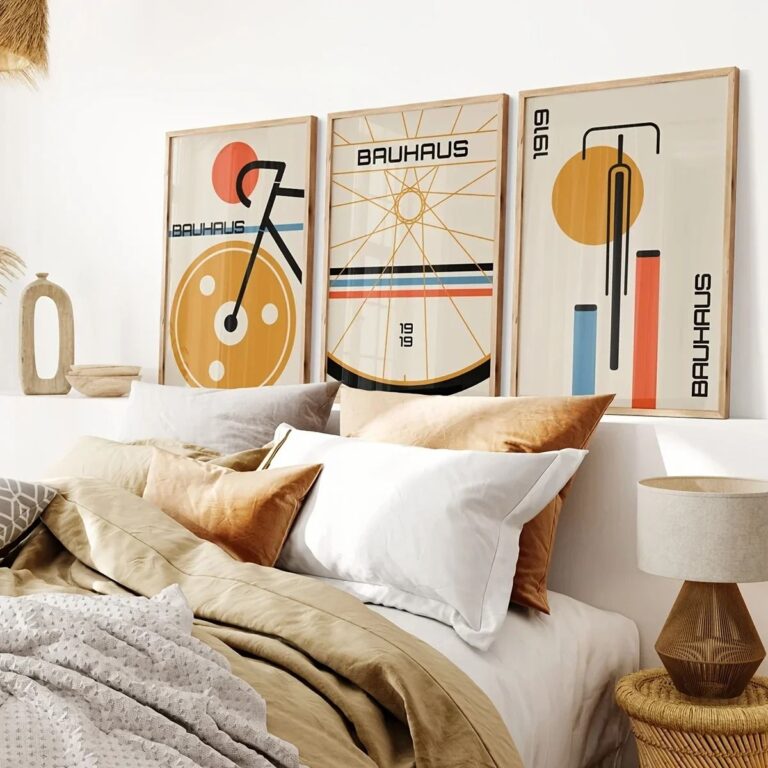 Aisha's pickMinimalist Wall Art for Office That Does What It Should
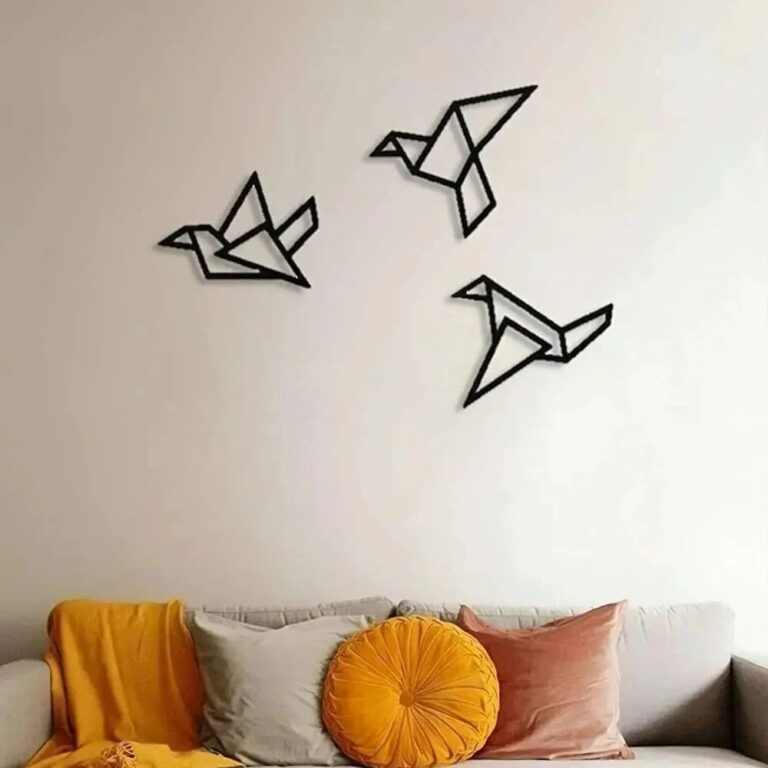
 Aisha's pickWall Posters for Office That Visitors Always Ask About
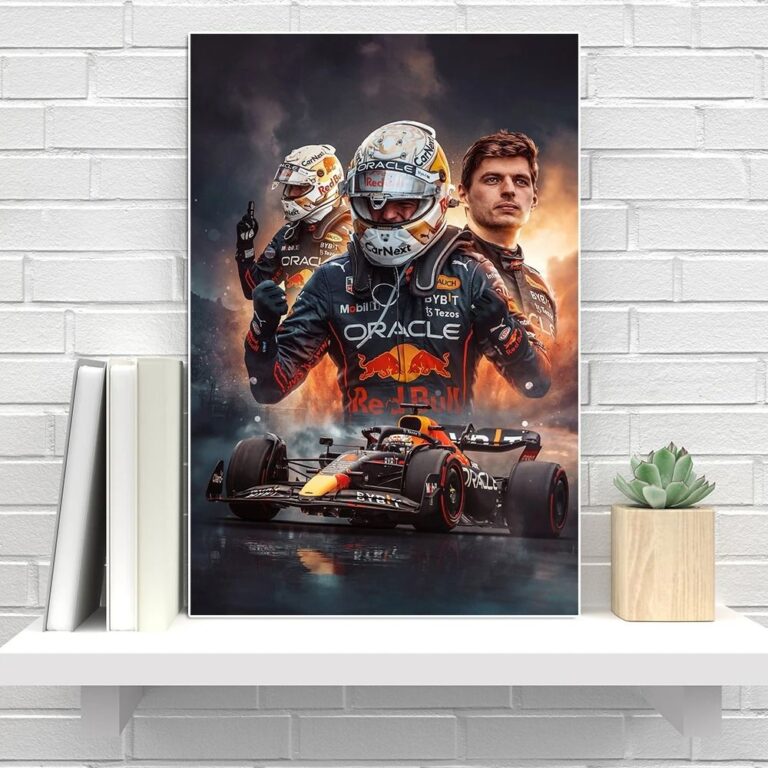
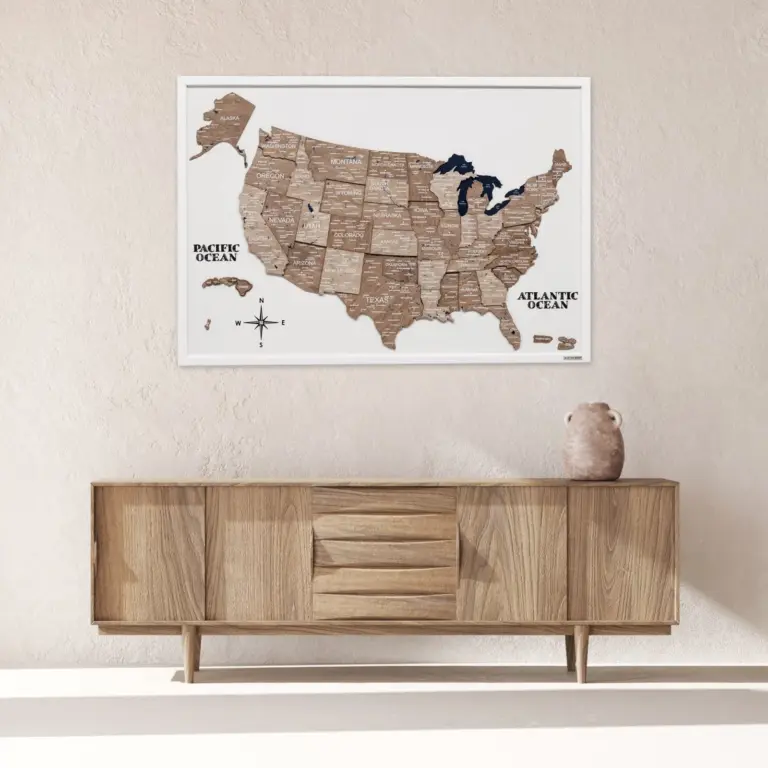 Aisha's pickGood 3D Wall Art for Office Without the Big Price Tag
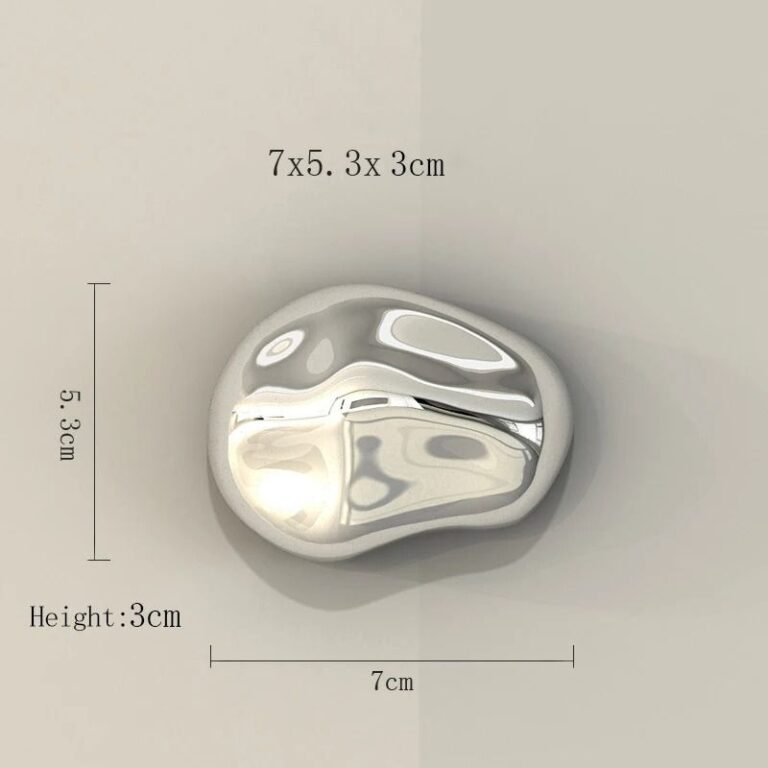
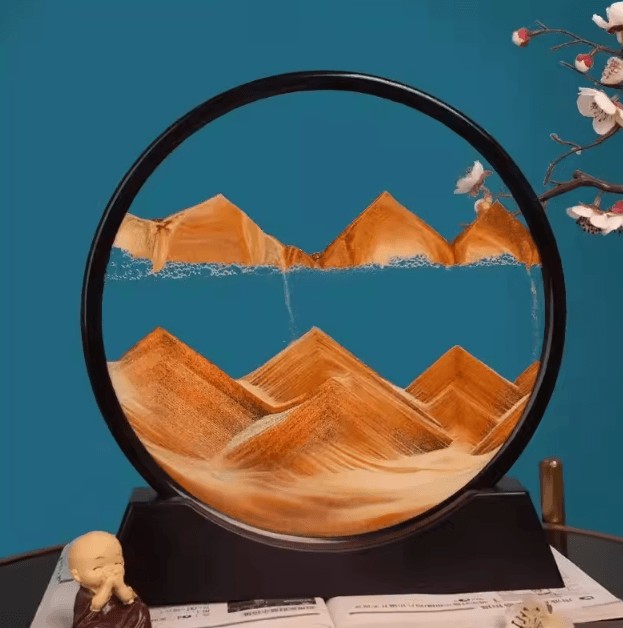 Aisha's pickPictures for Office That Keep the Desk Clear
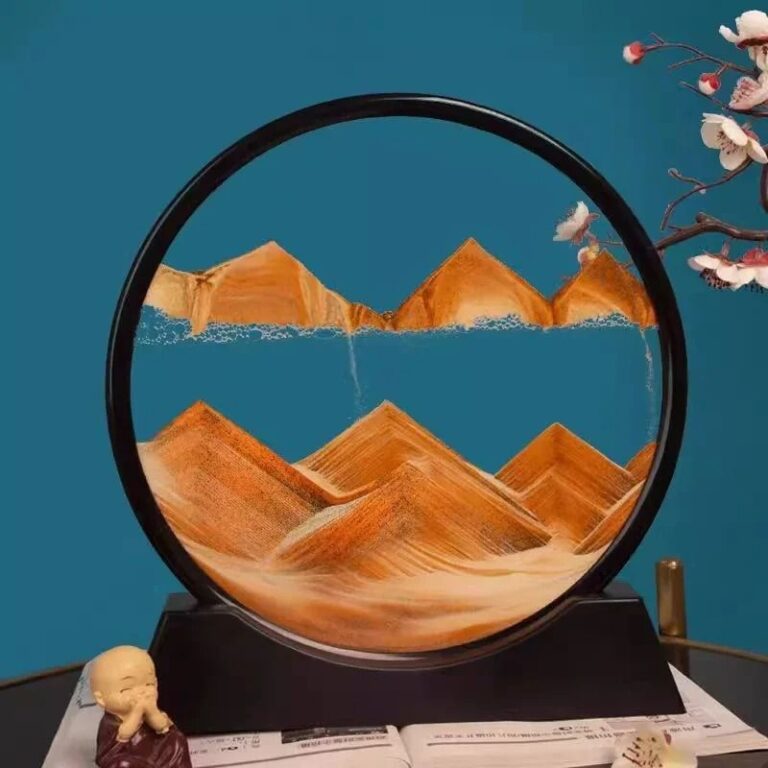
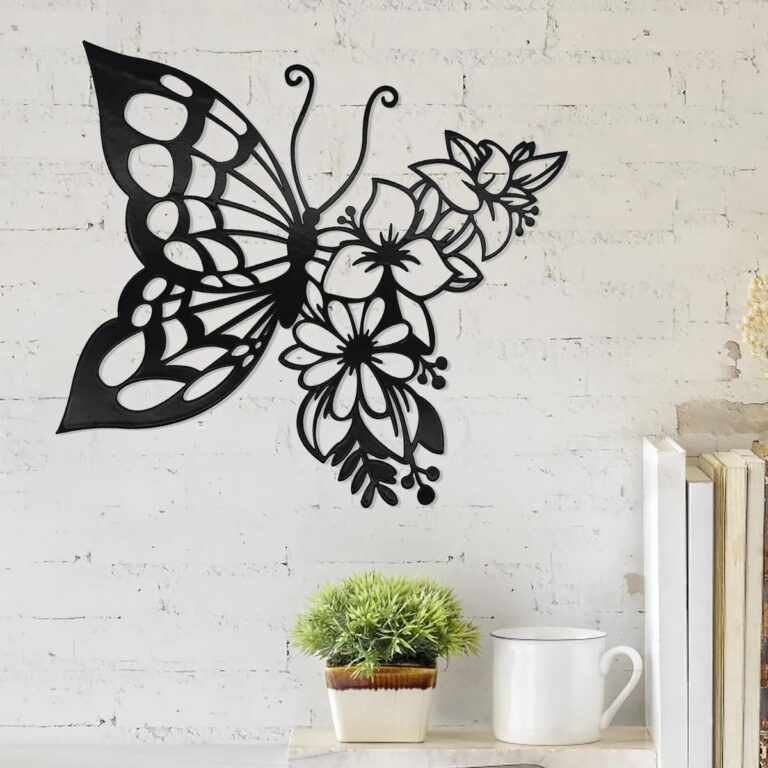 Aisha's pickDecent Wood Wall Art for Office Without the Hassle