I held out against wall stickers for years because the ones I kept seeing peel at the corners within a month, going yellow and curling off the paint like old sunburn. What got me over it was finally finding a sheet that came off a rental wall clean, no ghost outline, no paint pulled up with it, after sitting there through a whole winter of the heating drying everything out.
The difference between a good one and a bad one comes down to the vinyl and the adhesive, not the design printed on it. Cheap ones use a thin, shiny film that stretches while you're applying it, so every bubble you smooth out just reappears somewhere else, and the glue is either so strong it takes the wall finish with it or so weak it gives up around month three. A well made sticker uses a matte or fabric style vinyl with some body to it, so it lies flat without stretching, and a repositionable adhesive that grips but releases, which you can test yourself by pressing a corner down and lifting it before committing to the whole thing. Check the edges too, a good one is cut cleanly with no fuzzy or jagged lines around detailed shapes, because that's where it'll show first once it's up and you're walking past it every day for a year.
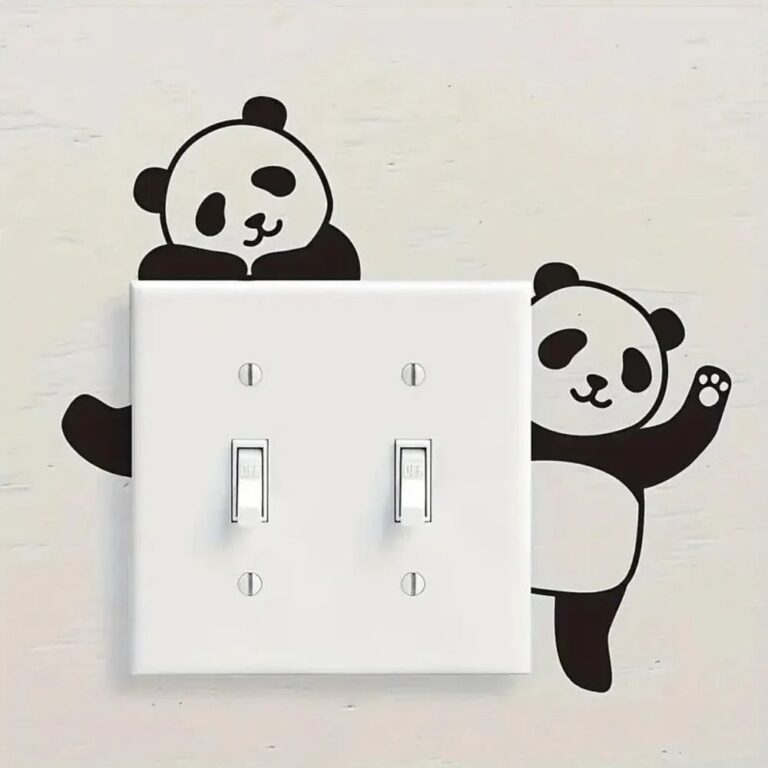
When it arrives or you're deciding in a shop, unroll it and look at it flat against light, not through the packaging photo, because bad printing shows up as faint stripes or a slightly off color that reads fine on screen and wrong on a wall. Pay attention to whether it comes with a transfer sheet or backing paper that separates easily, because fighting with a stuck transfer layer is how perfectly good stickers end up torn before they've touched the wall at all. For sizing, measure the actual wall space in inches, not the room, and account for anything already on it, outlets, switches, trim, because a design that looks right in a product photo against a blank studio wall can look cramped or lost once it's sharing space with furniture. I made this mistake once, buying something sized for a feature wall and trying to use it above a desk that left about fourteen inches of clearance, which meant half the design disappeared behind a lamp.
Good ones survive a move too, not just a spill, peeling off in one piece to be reused or tossed without an argument. The detail that makes one worth living with is smaller than that though, it's the quiet satisfaction of running a thumb along a seam months later and finding it still flat, still stuck, like it was always meant to be part of the wall.
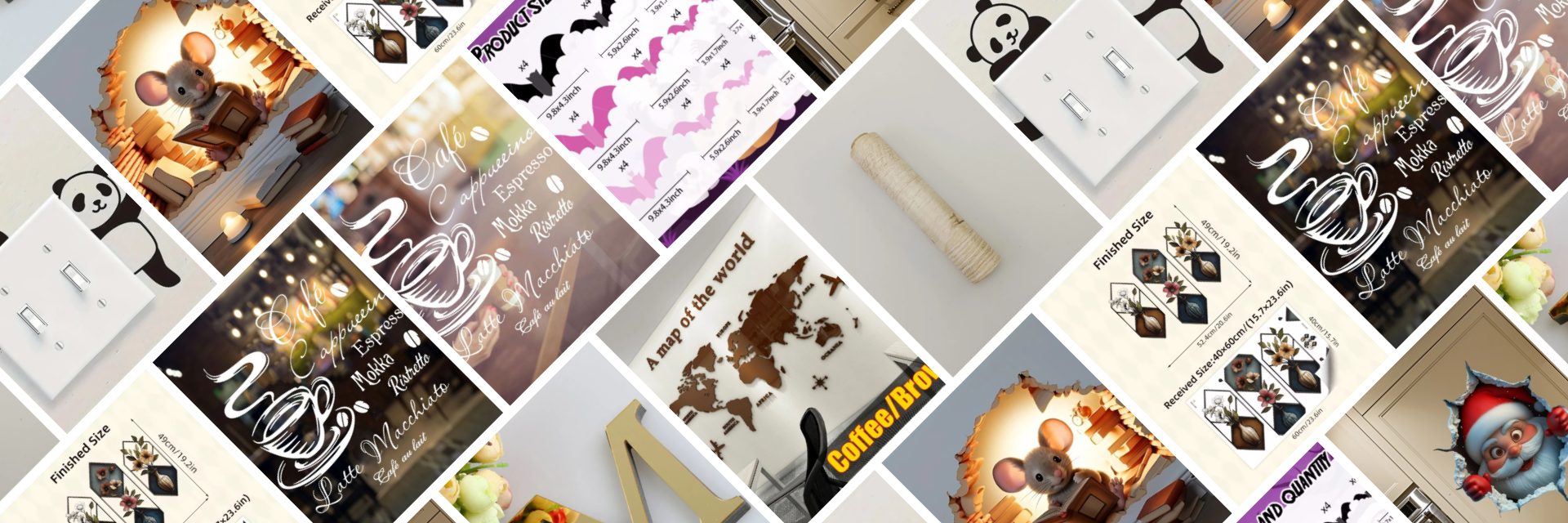
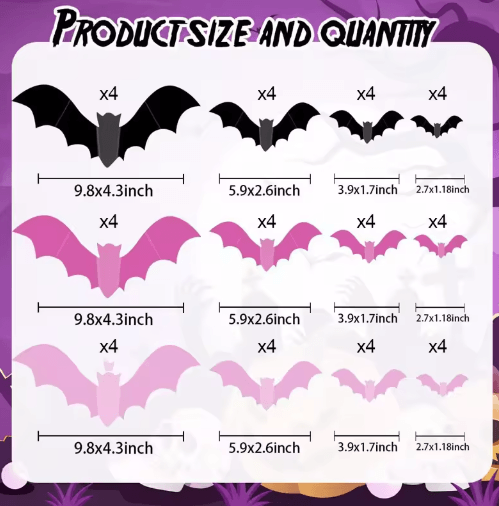 Aisha's pickPink Wall Stickers That Make a Shelf Look Styled
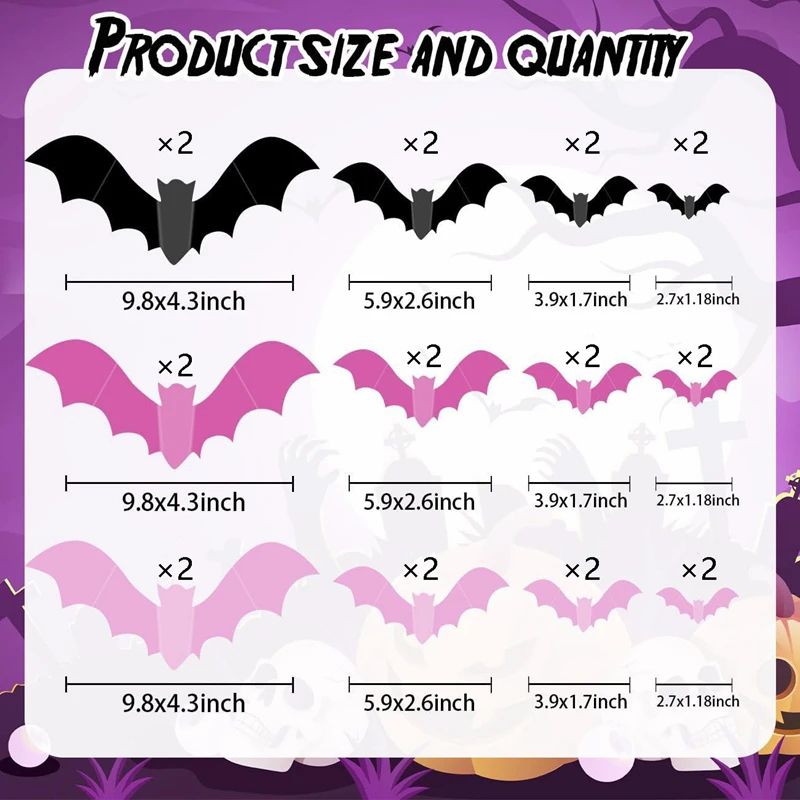
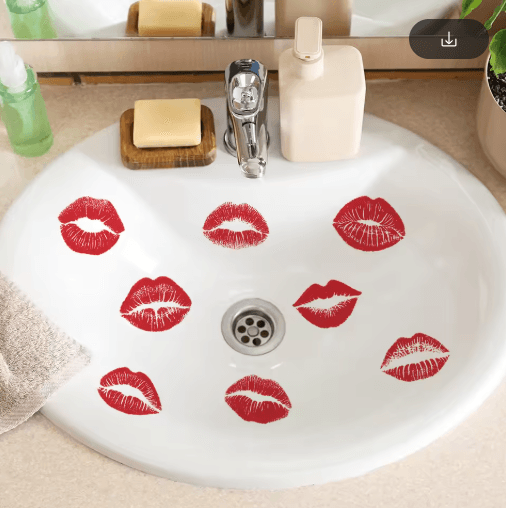 Aisha's pickRed Wall Stickers That Feel Personal, Not Store Bought
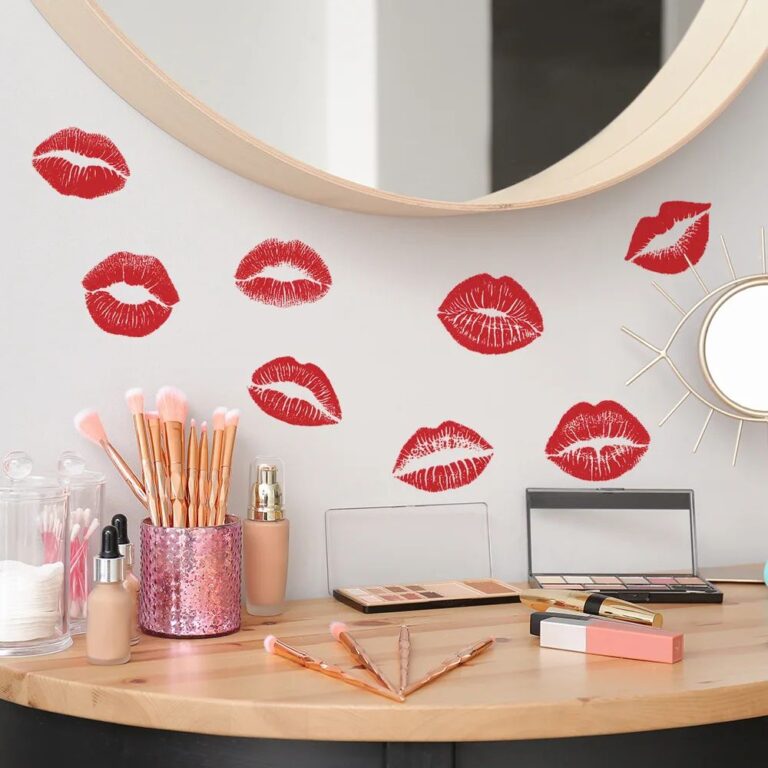
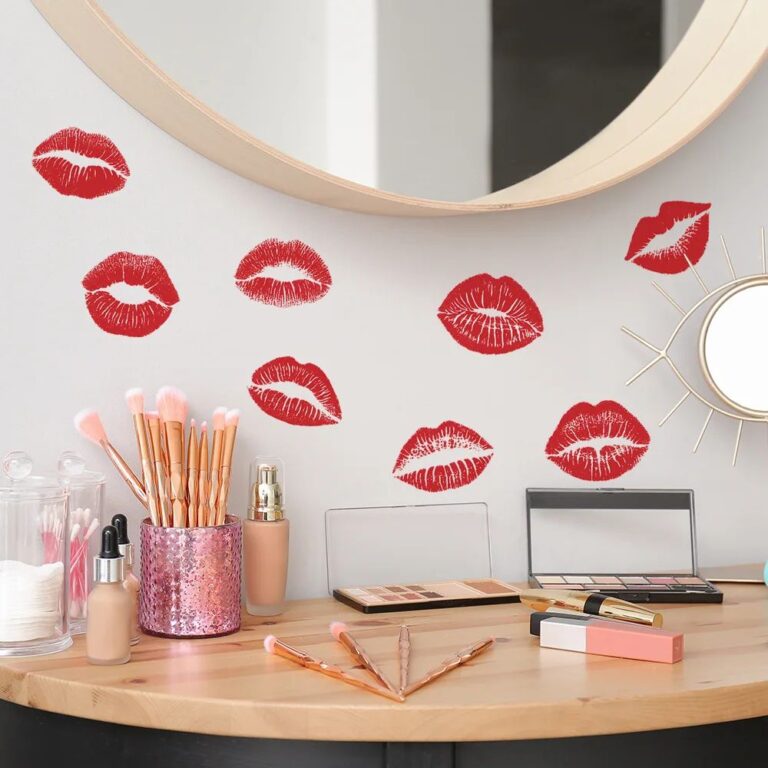 Aisha's pickRed Wall Stickers That Work in Old Houses and New Ones

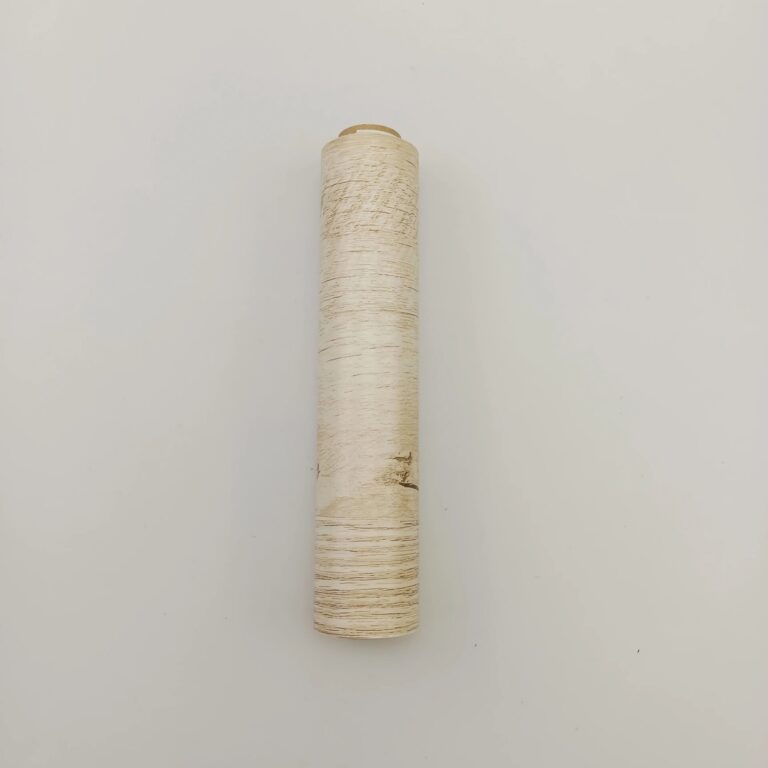 Aisha's pickGood Self Adhesive Wall Stickers That Don’t Cost a Fortune
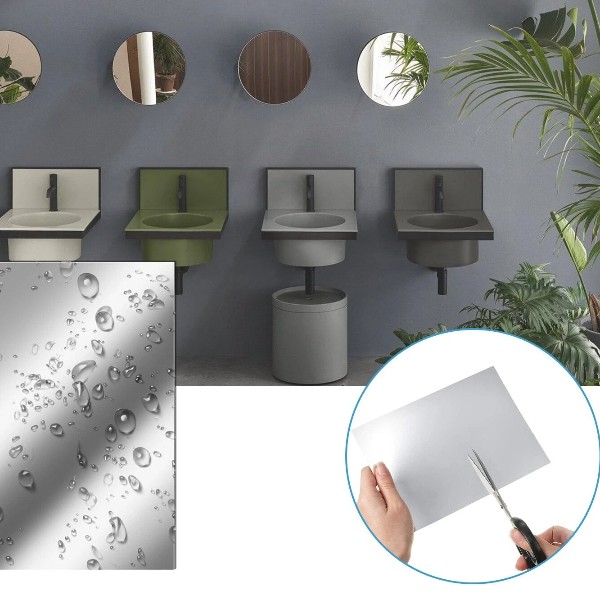
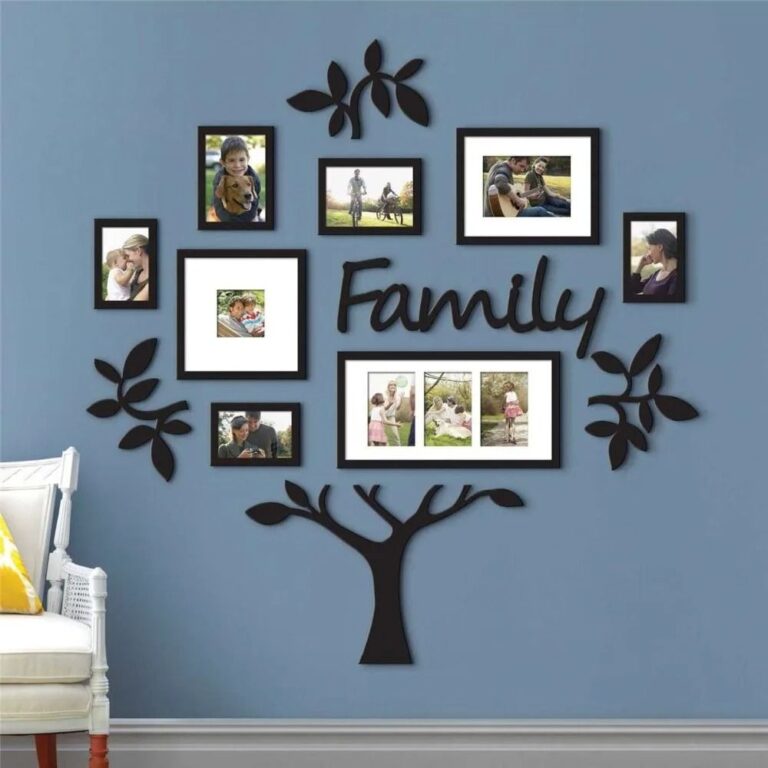 Aisha's pickSelf Adhesive Wall Stickers That Look Like They Cost More
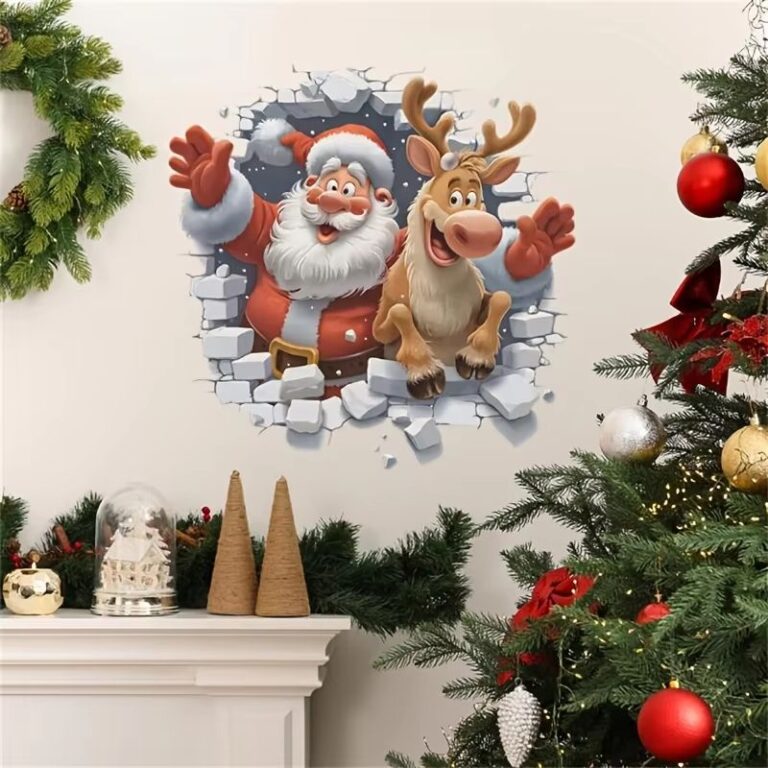
 Aisha's pickBar Wall Stickers That Don’t Need Babying

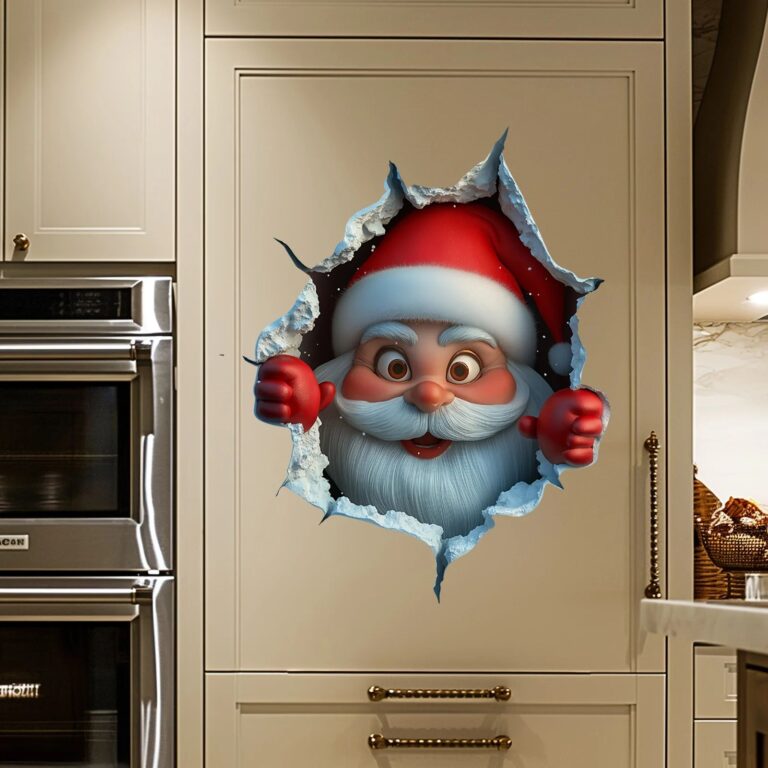 Aisha's pickWall Stickers for Filling an Awkward Gap
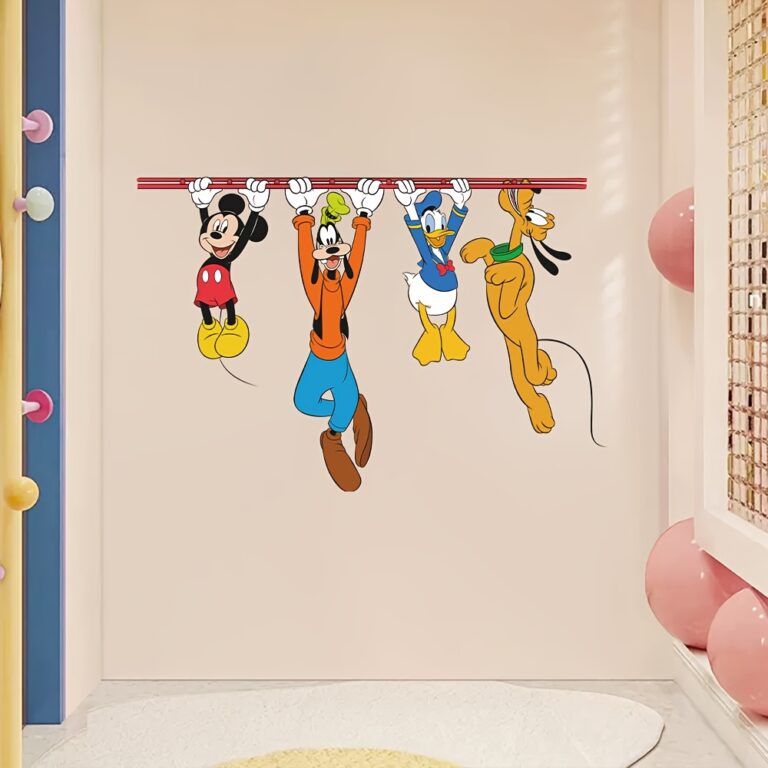
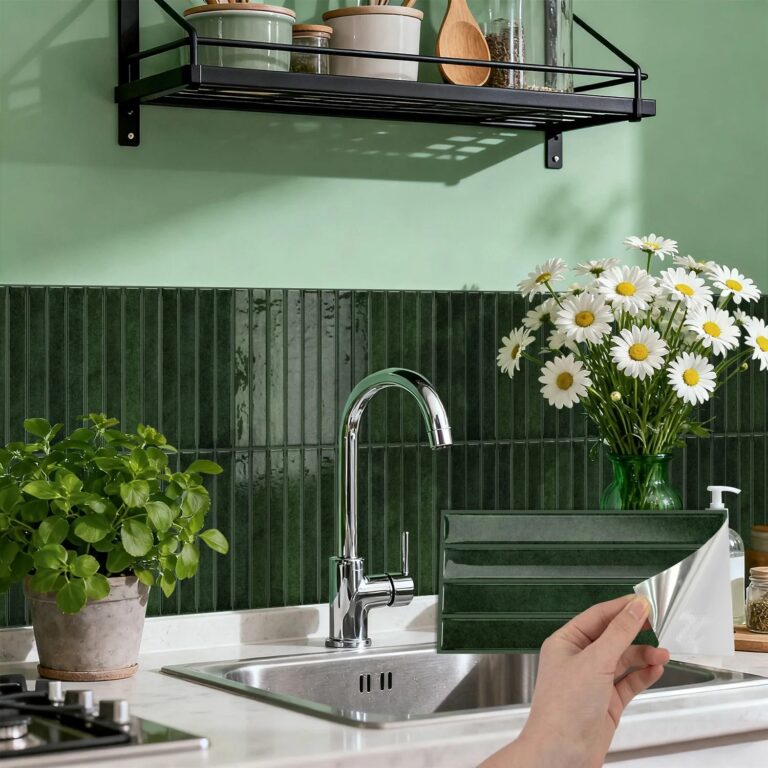 Aisha's pickBar Wall Stickers You’ll Still Like in Five Years
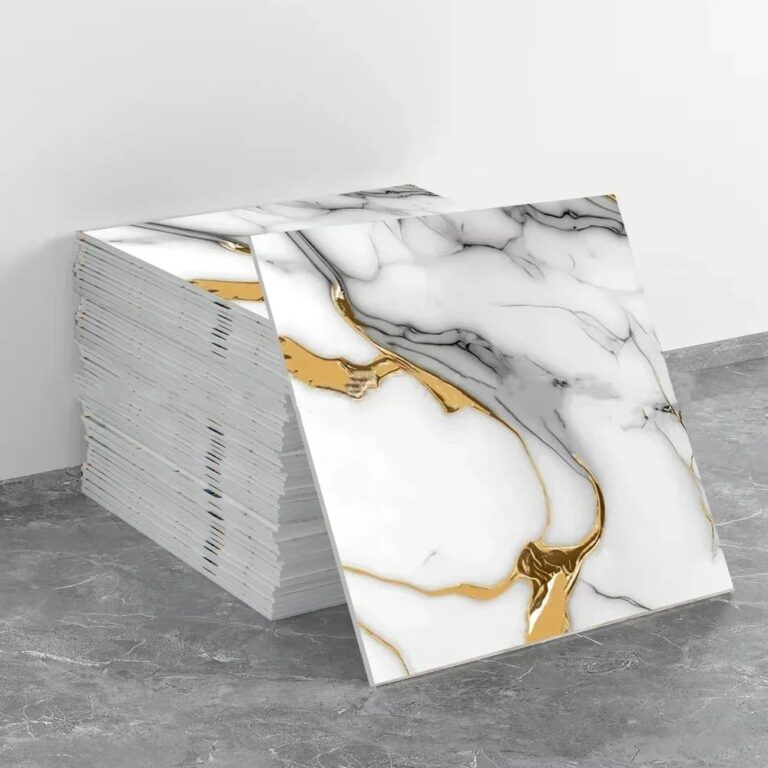
 Aisha's pickWall Stickers for Bedroom That Make Small Changes Feel BigAlso worth a lookWall StickersThe first set I bought was a sheet of vinyl leaves for the hallway in our rented apartment,…See the collections →

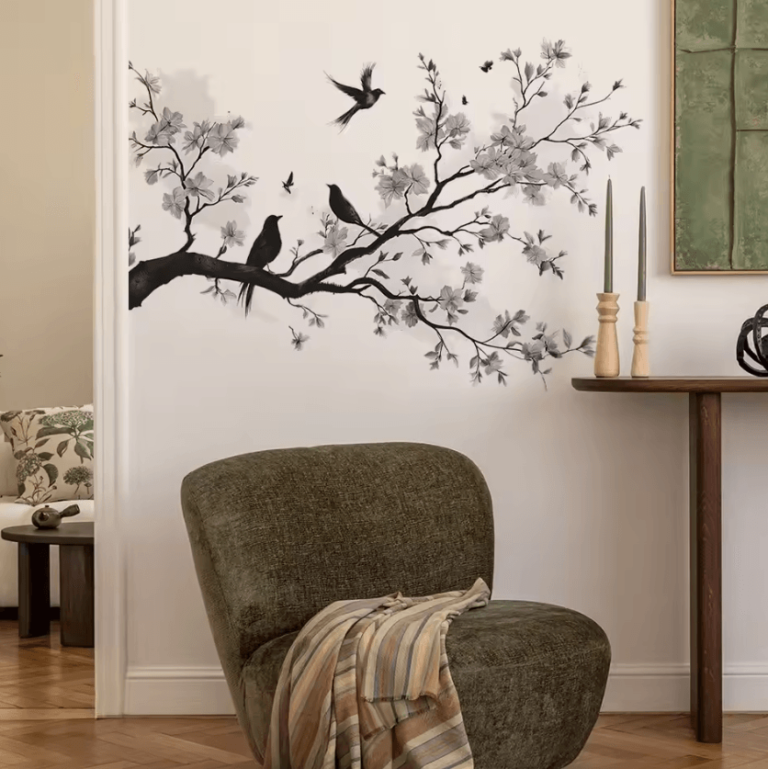 Aisha's pickBlack Wall Stickers You’ll Still Like in Five Years
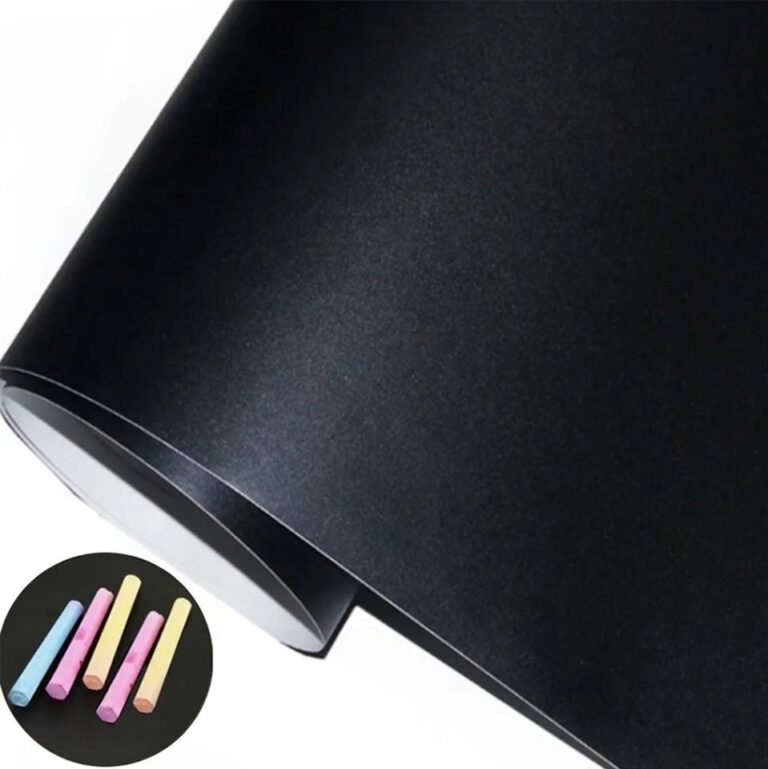
 Aisha's pickDecent Wall Stickers for Home Bar Without the Hassle
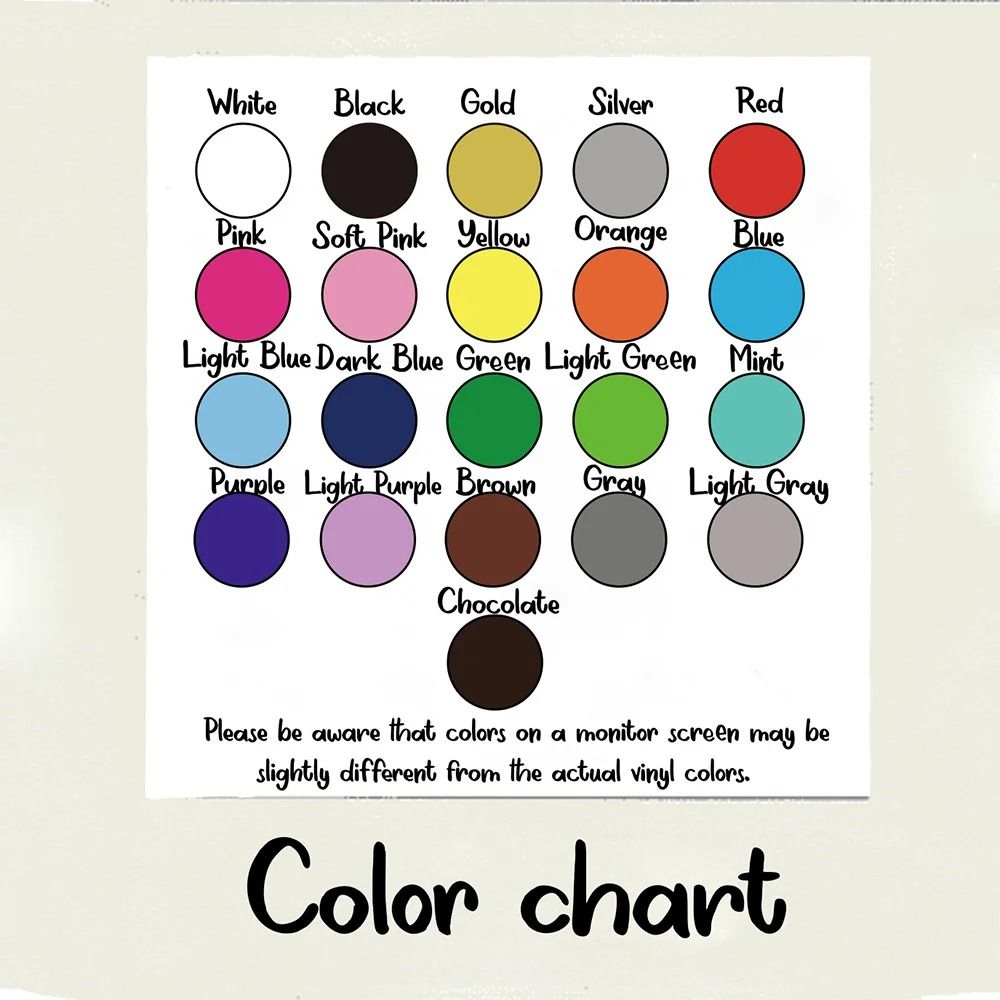
 Aisha's pickBlack Wall Stickers We’d Make Room For
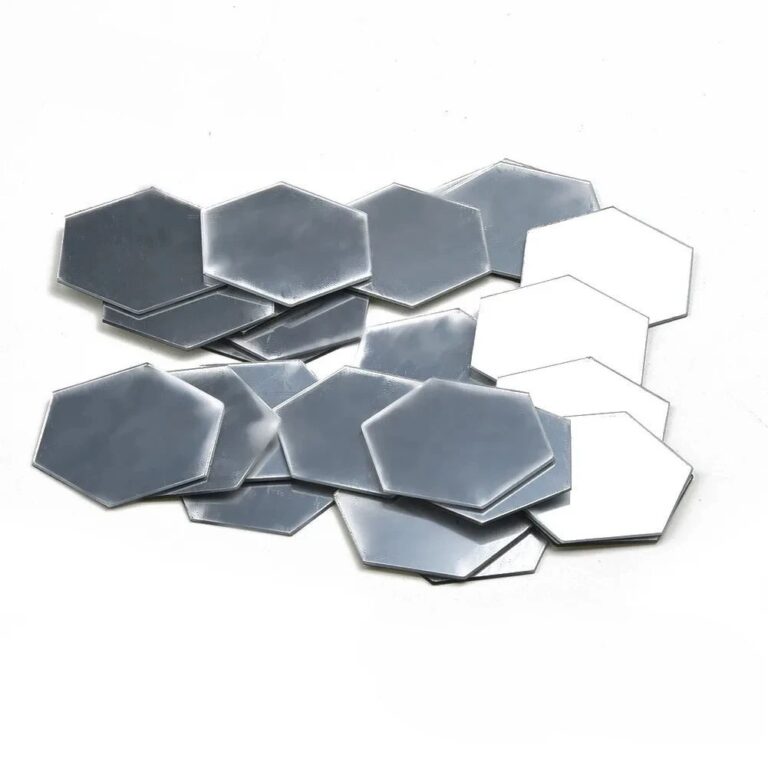
 Aisha's pickWall Stickers for Living Room That Don’t Shout About It
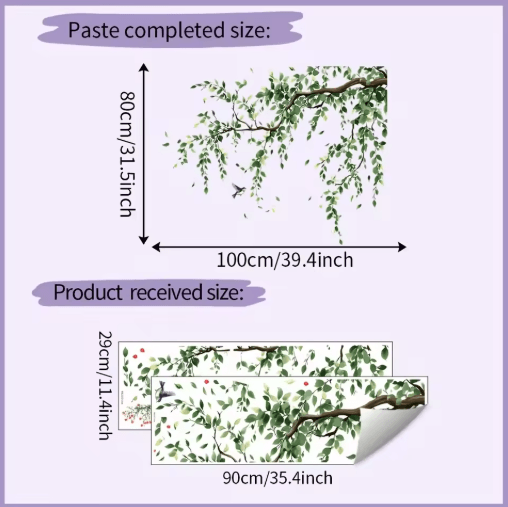
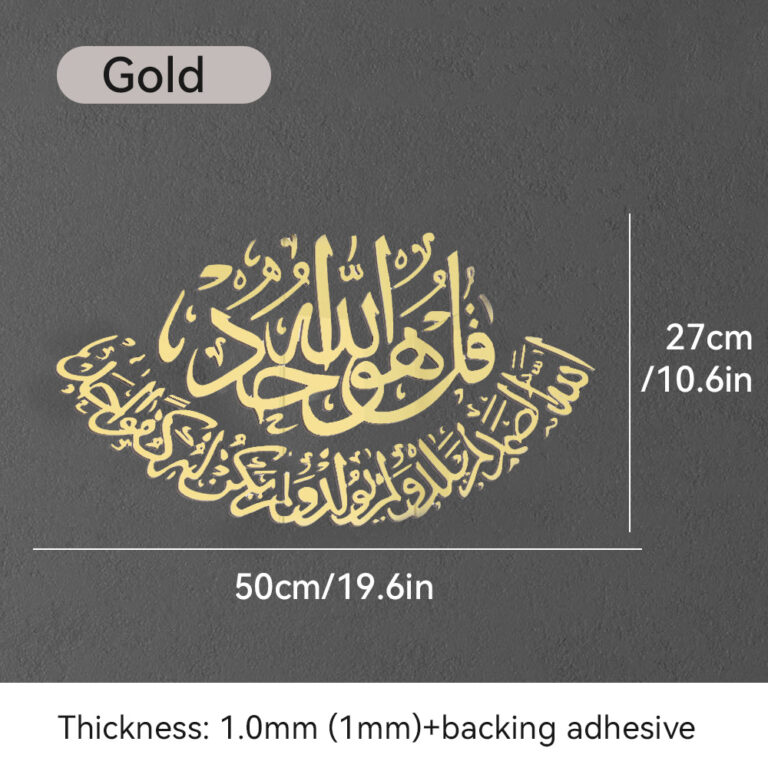 Aisha's pickGold Wall Stickers We’d Make Room For
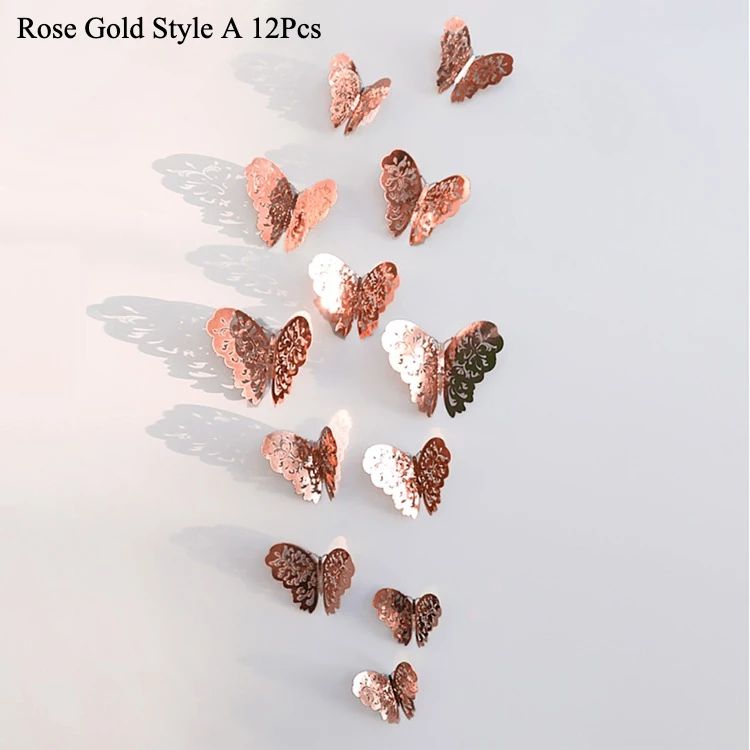
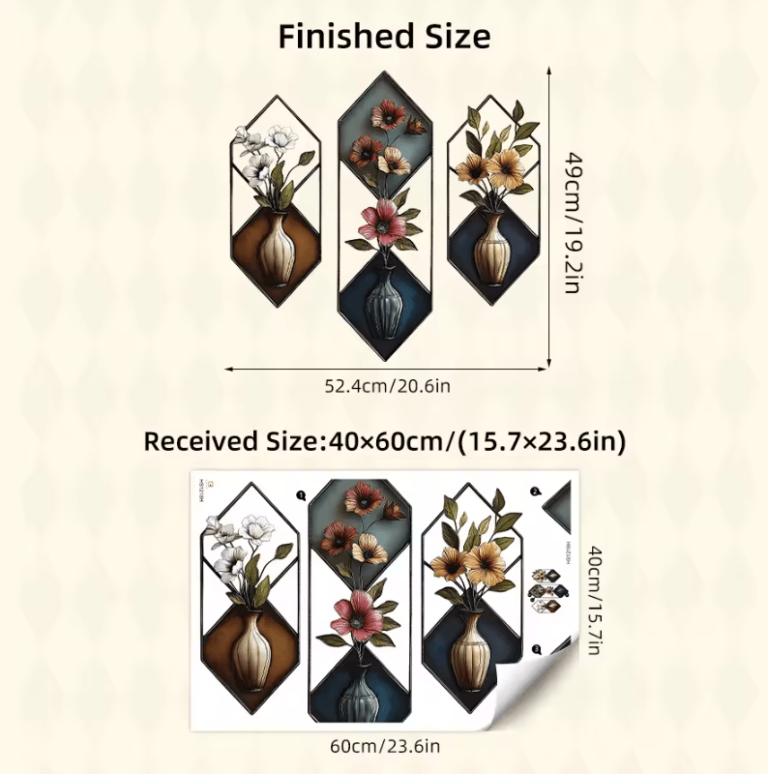 Aisha's pickWall Stickers We’d Make Room For
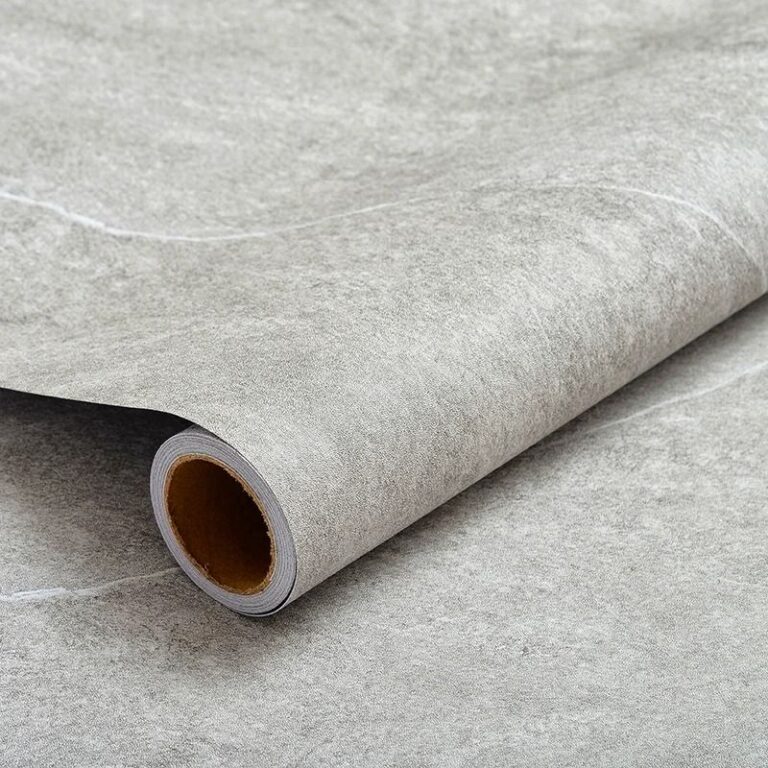
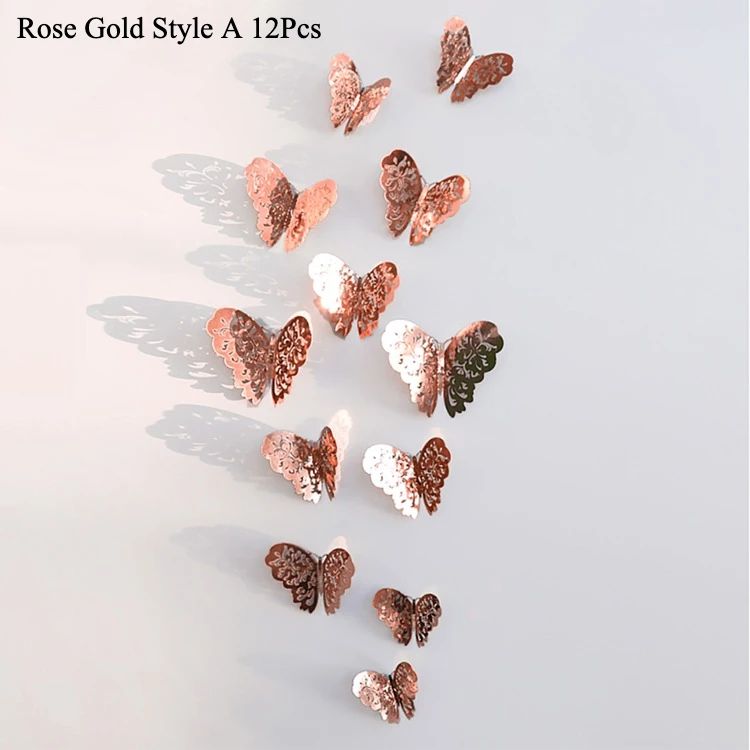 Aisha's pickGold Wall Stickers That Go With Most Rooms
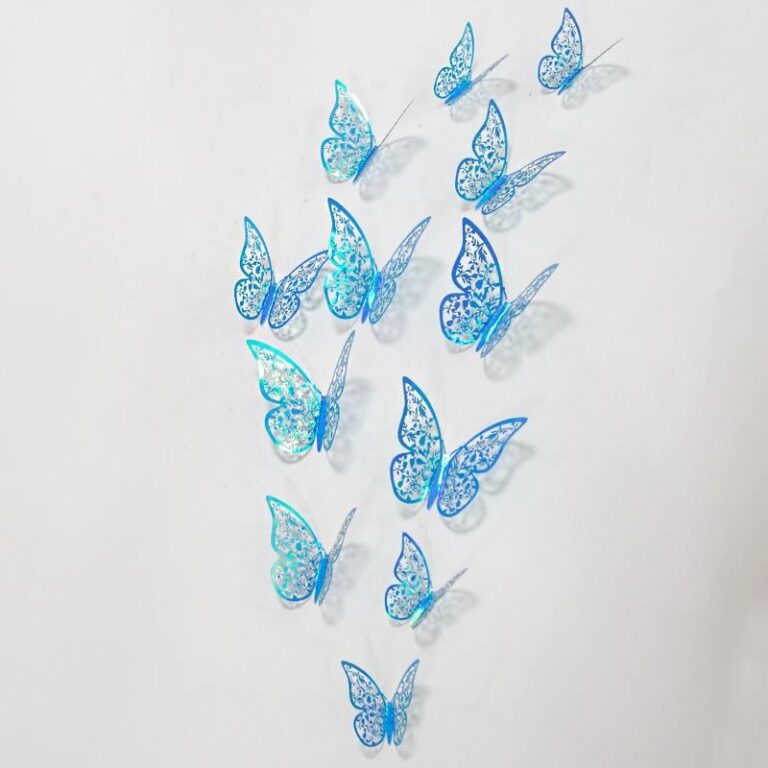
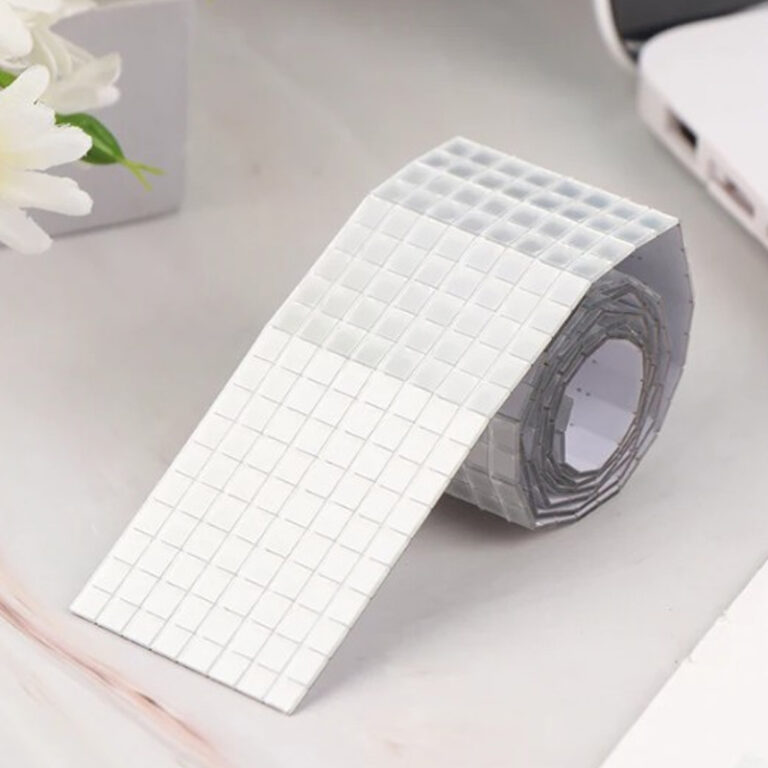 Aisha's pickWall Stickers for Bedroom From Stores Big and Small
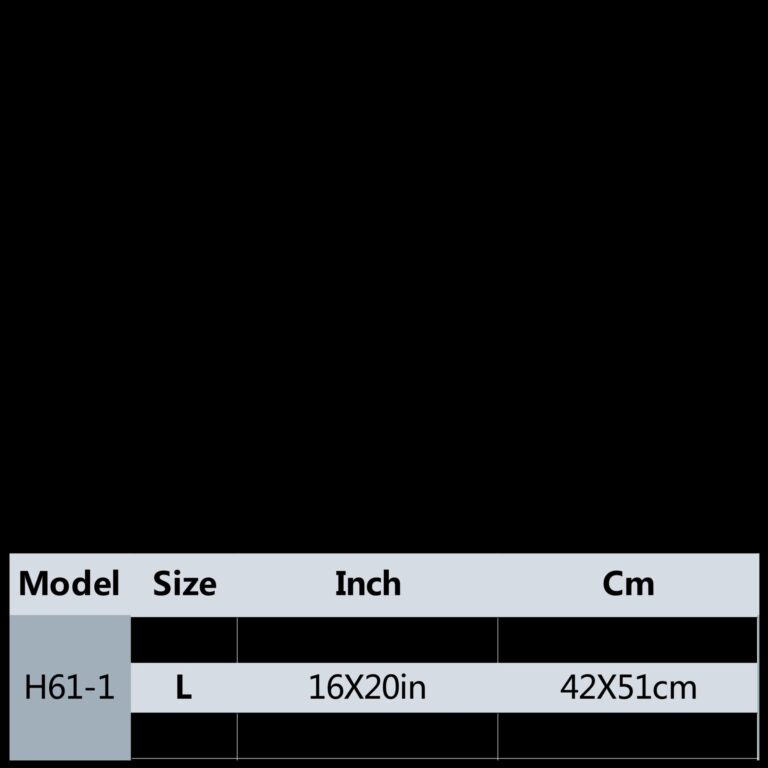
 Aisha's pickHeart Wall Stickers That Do the Job RightAlso worth a lookPrintsThe thing nobody tells you about a print is that it changes with the light, and you won't…See the collections →
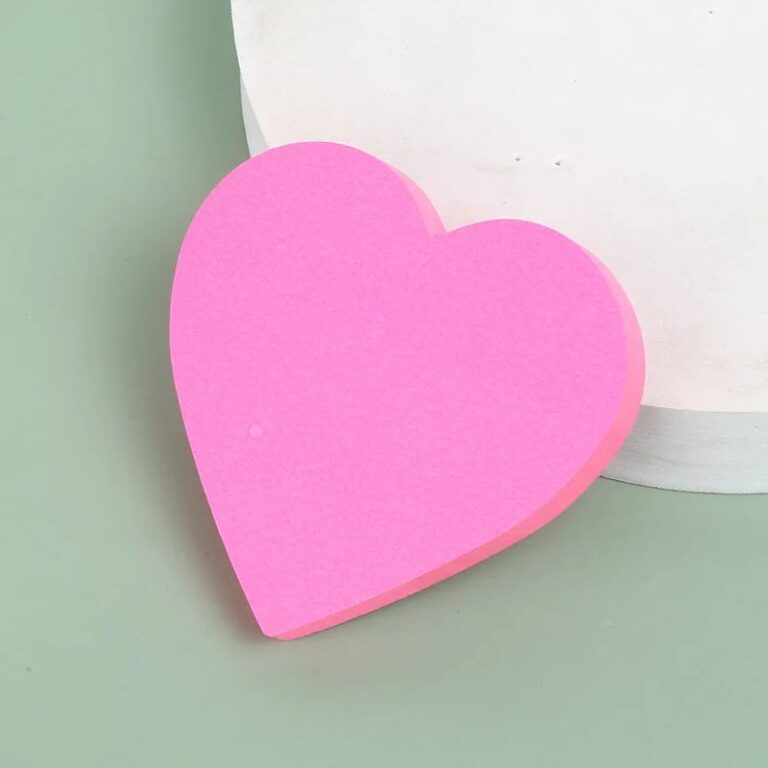
 Aisha's pickWall Stickers for Home Bar That Make Great Housewarming Gifts

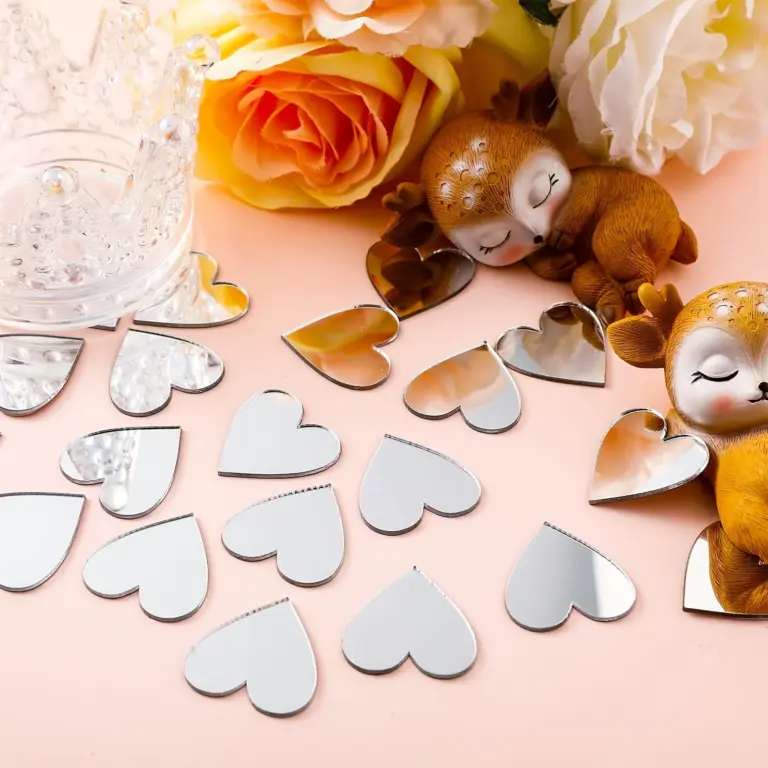 Aisha's pickHeart Wall Stickers We Keep Coming Back To

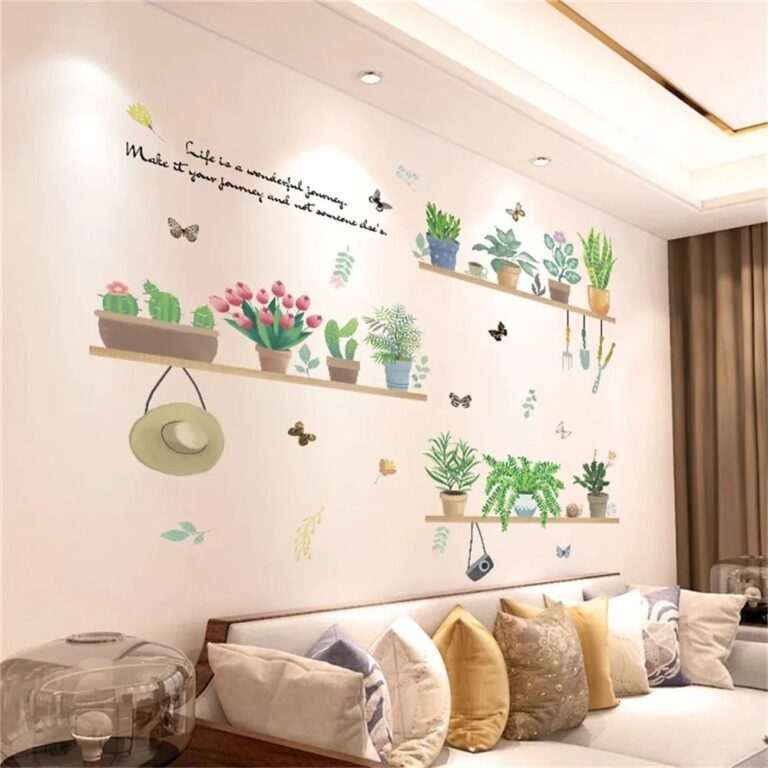 Aisha's pickWall Stickers for Living Room That Won’t Date in a Year
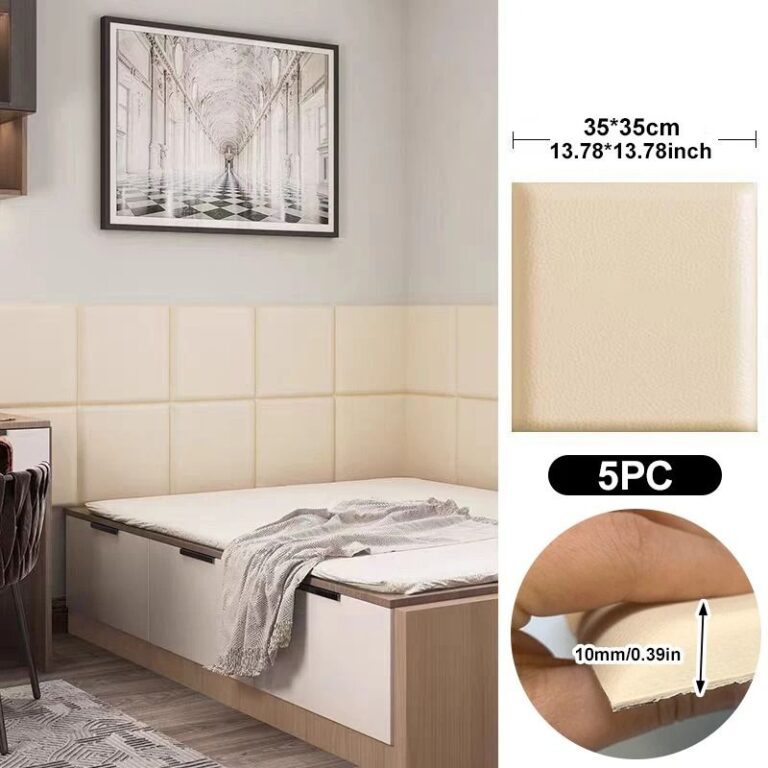
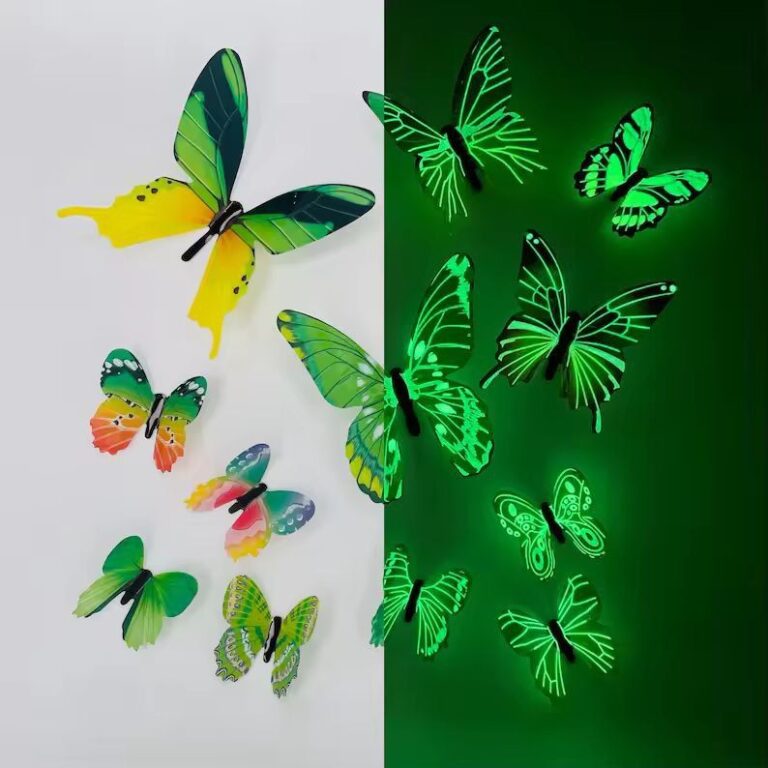 Aisha's pickLarge Wall Stickers That Won’t Let You Down
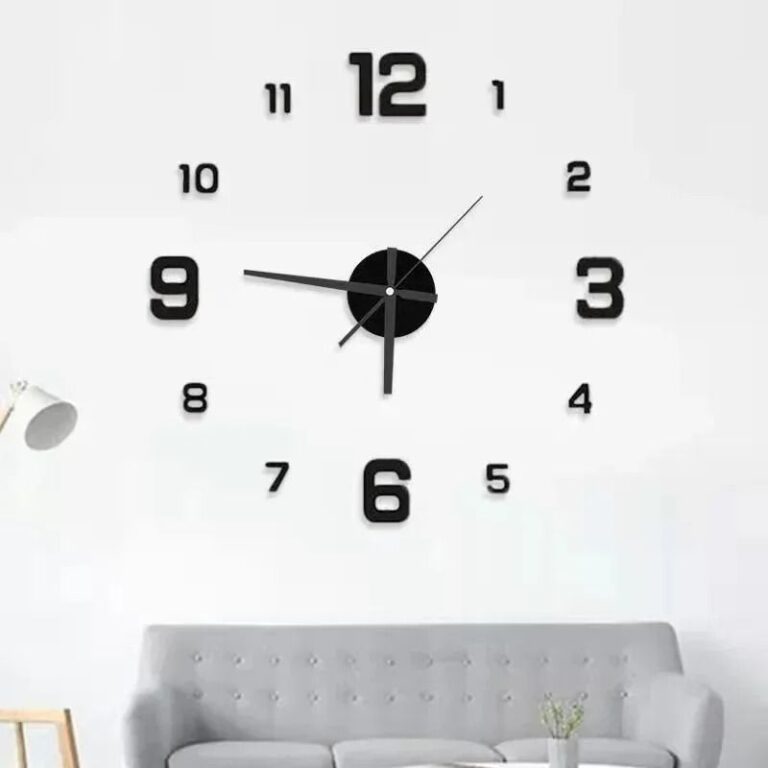
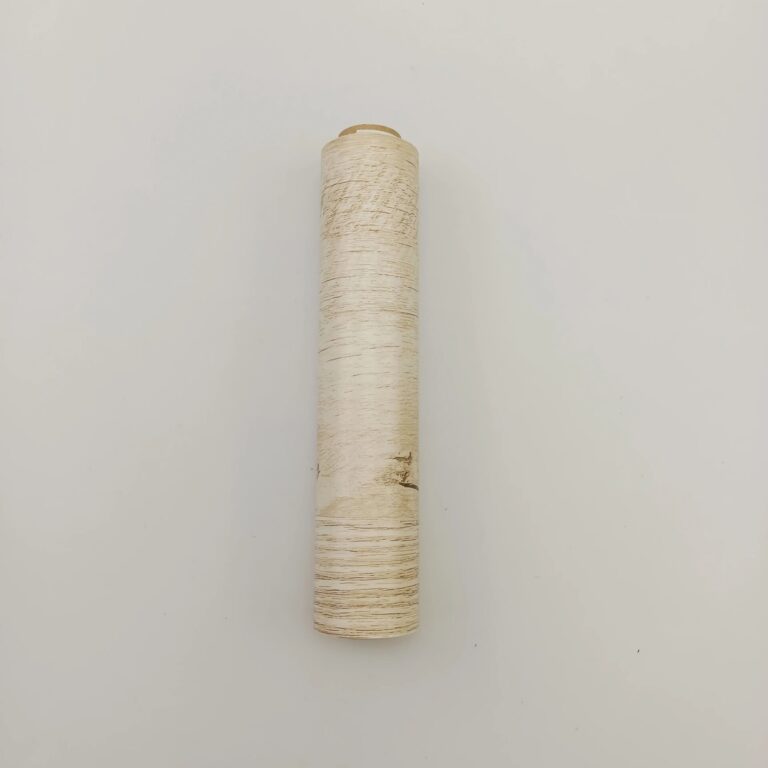 Aisha's pickWhite Wall Stickers With a Story to Them
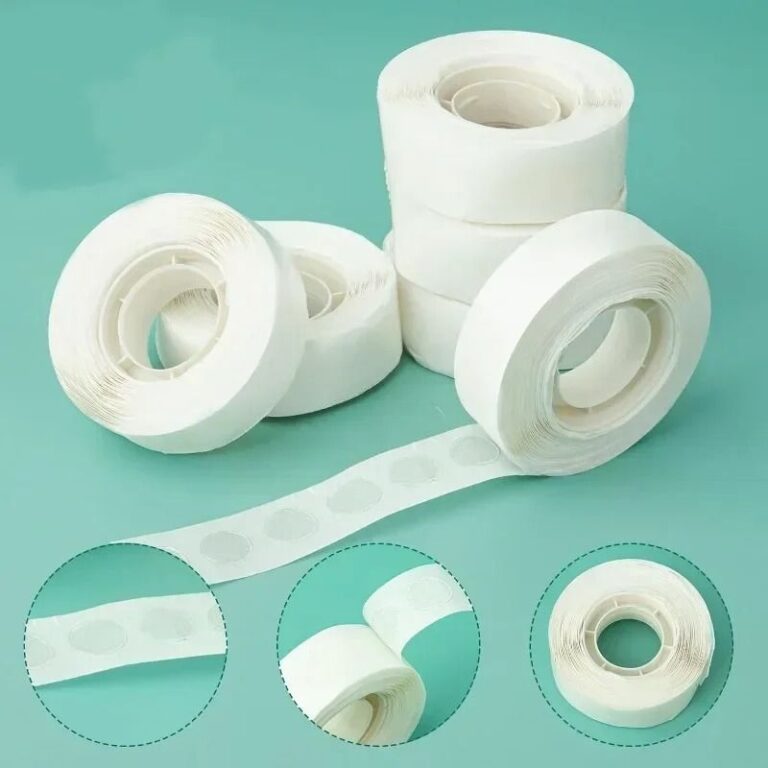
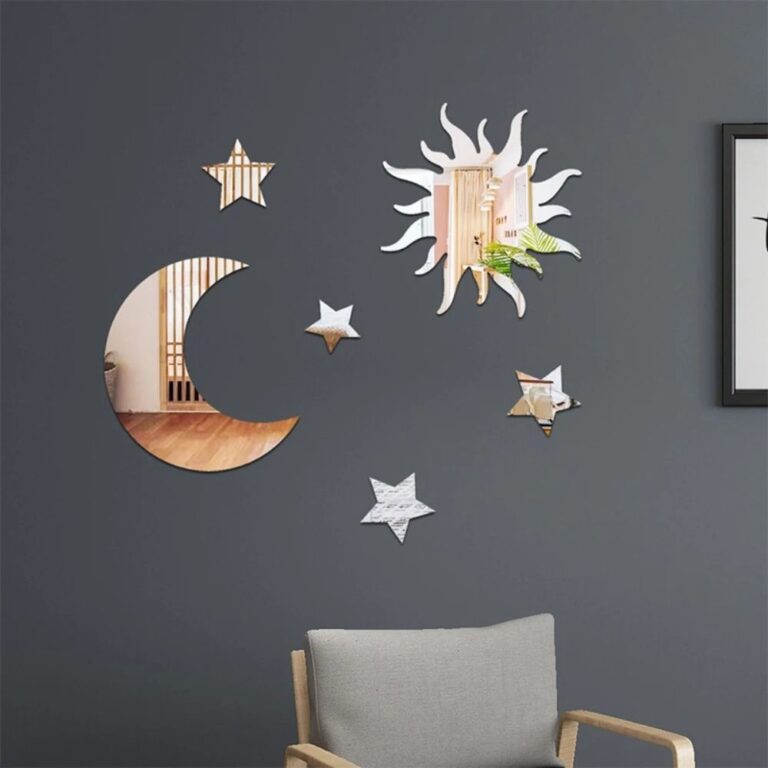 Aisha's pickLarge Wall Stickers That Make a Shelf Look Styled