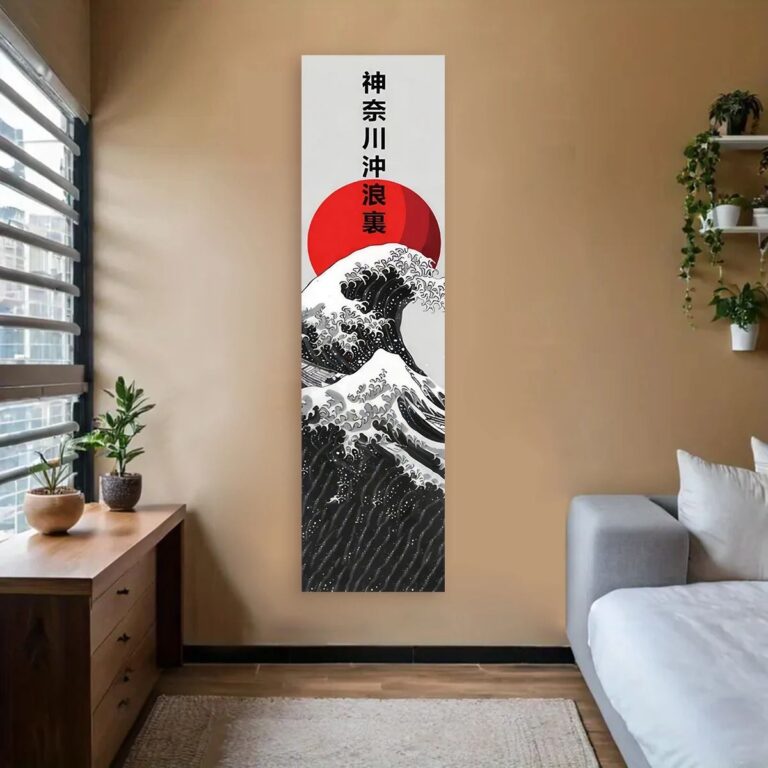
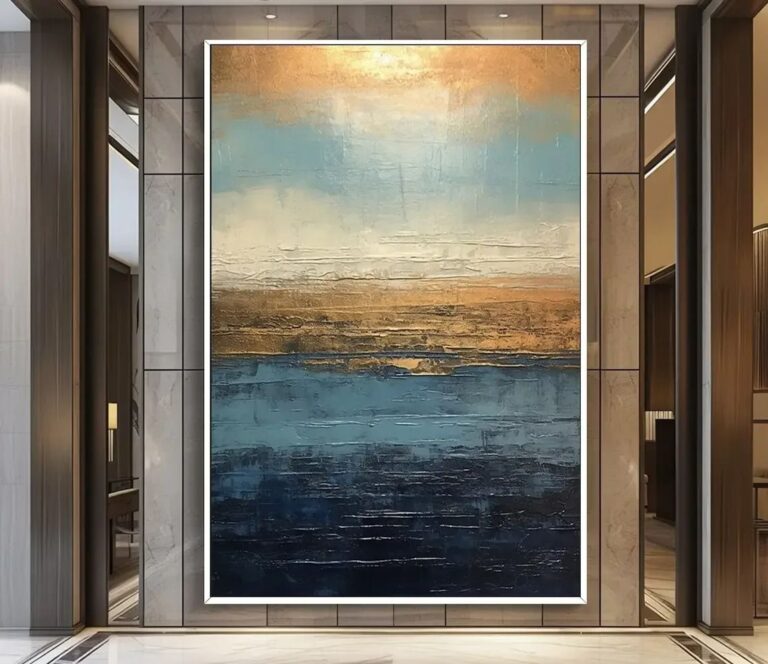
Stand in a doorway and look at the wall straight ahead. A good piece of large wall art pulls your eye to it and holds it there, the room organizes itself around that one spot. A poor one, usually something stretched too thin across too much canvas or printed so soft it looks like a weather map, just sits there looking apologetic, and your eye slides right past it to the pile of mail on the counter instead.
This works best in rooms with a wall that has nothing else going on, a stairwell, the space over a sofa, the end of a hallway that always feels unfinished. It's suited to homes where the ceilings are at least eight feet, because anything lower and a big piece starts to feel like it's bearing down on you rather than anchoring the room. It earns its place in living rooms and entryways especially, somewhere people pause rather than just pass through. Where it stops making sense is anywhere already busy, a kitchen with open shelving, a bedroom wall with a headboard and three sconces fighting for attention, or any room under about 100 square feet, where a six foot canvas just reads as the room's only real decision and everything else feels like an afterthought.
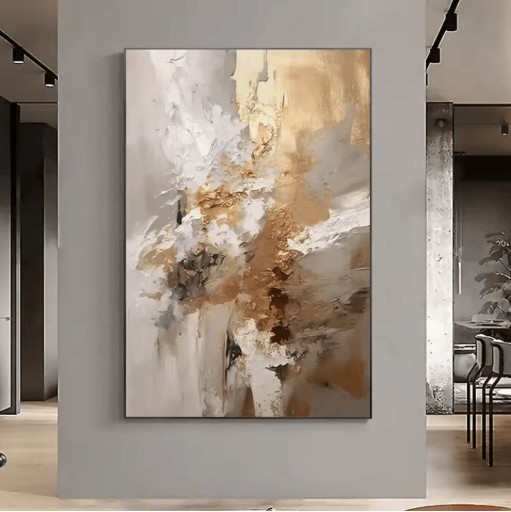
In an ordinary room, it sits best with furniture that stays quiet underneath it. A plain sofa, a console table without a lot of carving or detail, a lamp that doesn't compete in color. I made the mistake once of putting a bold abstract piece above a patterned armchair and the whole corner looked like it was arguing with itself. Neutral or low furniture lets the art stay the one loud thing in the room, which is the point of buying something this size in the first place.
For sizing, measure the wall, not the room. A piece over a sofa should run about two thirds the width of the sofa, not the wall, so if your sofa is 84 inches, you're looking at something in the 56 to 60 inch range. Hang it so the center sits around 57 to 60 inches from the floor, which is roughly eye level for someone standing, not someone sitting on the couch admiring it. The common mistake is buying something that looks enormous in a showroom and then hanging it eight inches too high, chasing some idea of "breathing room" that just makes it float. Measure twice, hang once, and keep the frame width in mind too, a heavy frame can eat another two or three inches on each side that people forget to account for.
Next to it, I'd put one simple floor lamp, angled slightly toward the piece, and nothing else on that wall. Let it be the only thing worth looking at.
 Aisha's pickLarge Landscape Wall Art That Does What It Should

 Aisha's pickLarge Wall Pictures Pulled From Dozens of Stores
 Aisha's pickLarge Metal Signs That Give a Room Some Personality
 Aisha's pickLarge Wall Posters for Filling an Awkward Gap
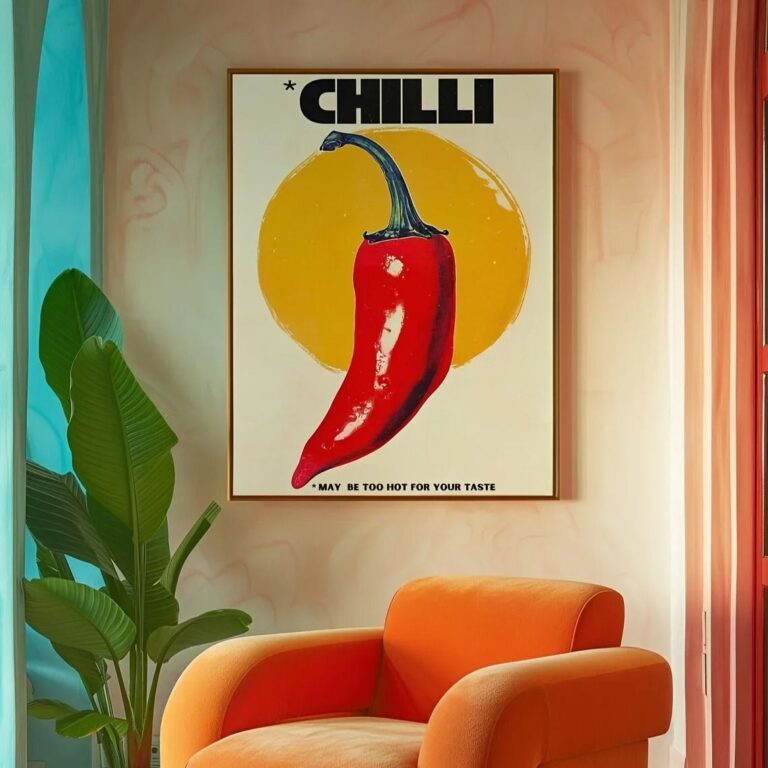
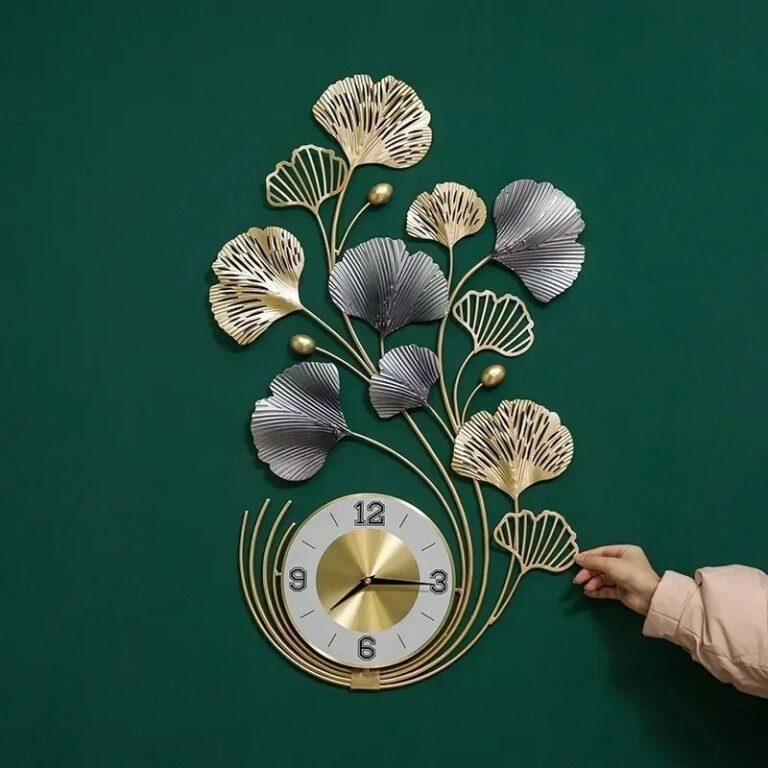 Aisha's pickGood Large Metal Wall Art Without the Big Price Tag
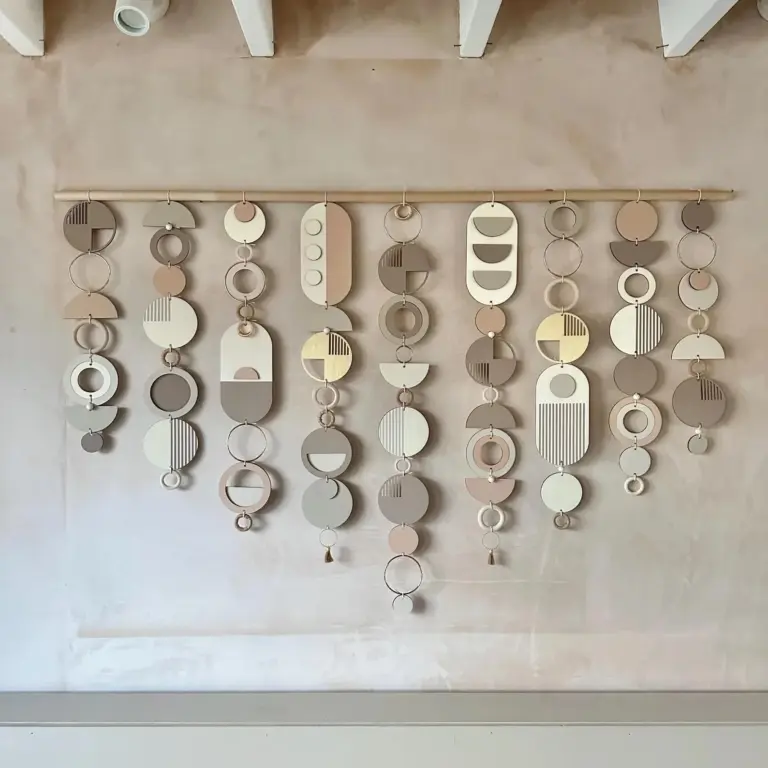
 Aisha's pickLarge Wall Stickers That Won’t Let You Down

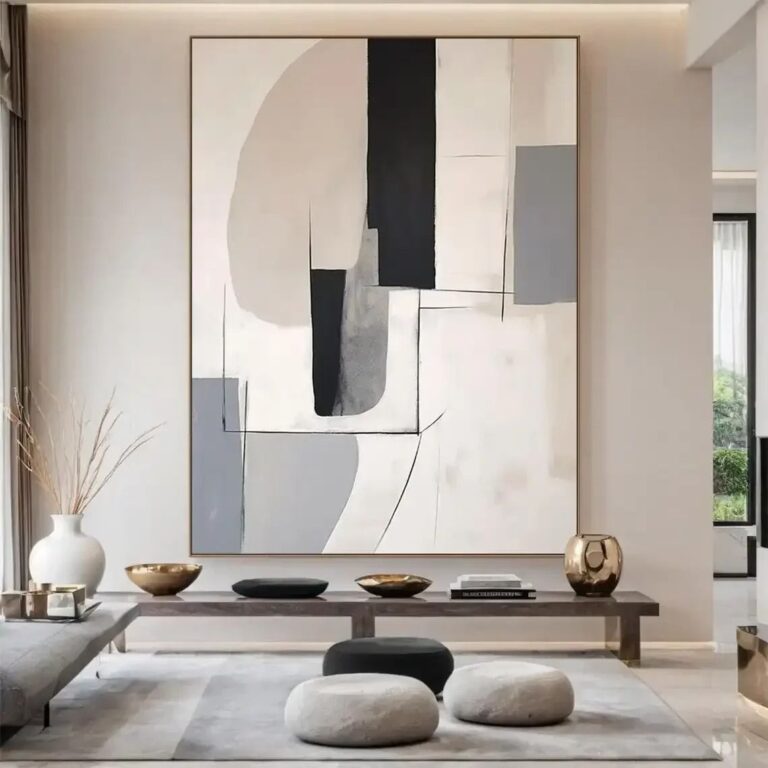 Aisha's pickLarge Minimalist Wall Art From Brands You Know and a Few You Won’t
 Aisha's pickLarge Wall Stickers That Make a Shelf Look Styled

 Aisha's pickLarge Oil Paintings That Feel Personal, Not Store BoughtAlso worth a lookPrintsThe thing nobody tells you about a print is that it changes with the light, and you won't…See the collections →
 Aisha's pickLarge Wall Tapestries That Make Great Housewarming Gifts

 Aisha's pickExtra Large Prints for Blank Walls and Empty Shelves

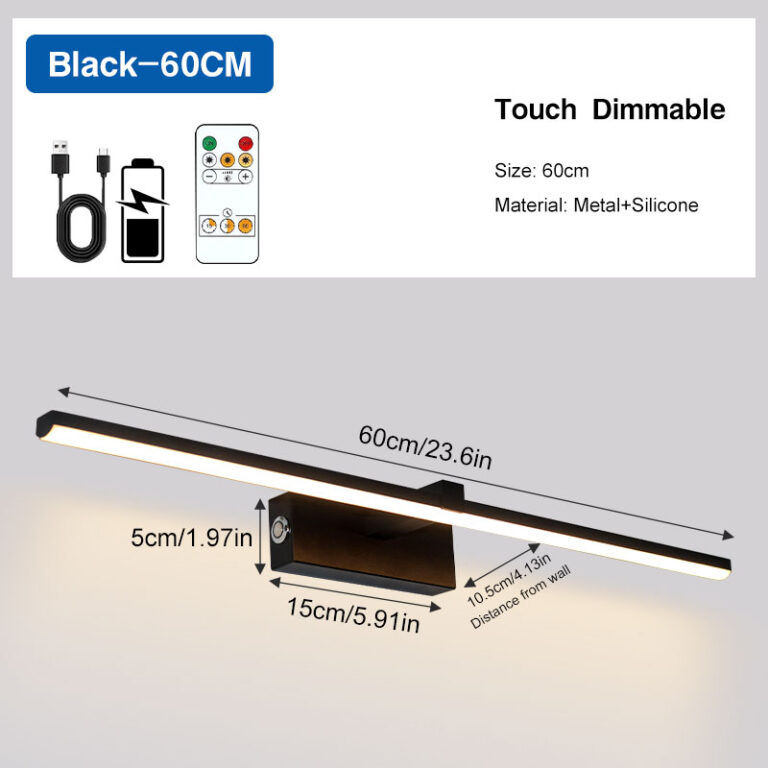 Aisha's pickLarge Pictures for Blank Walls and Empty Shelves
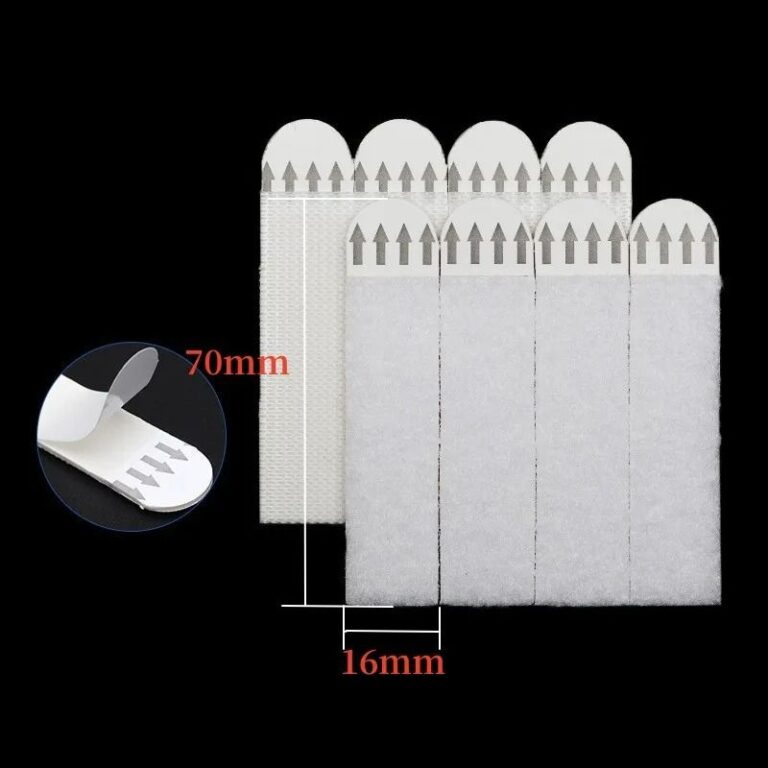
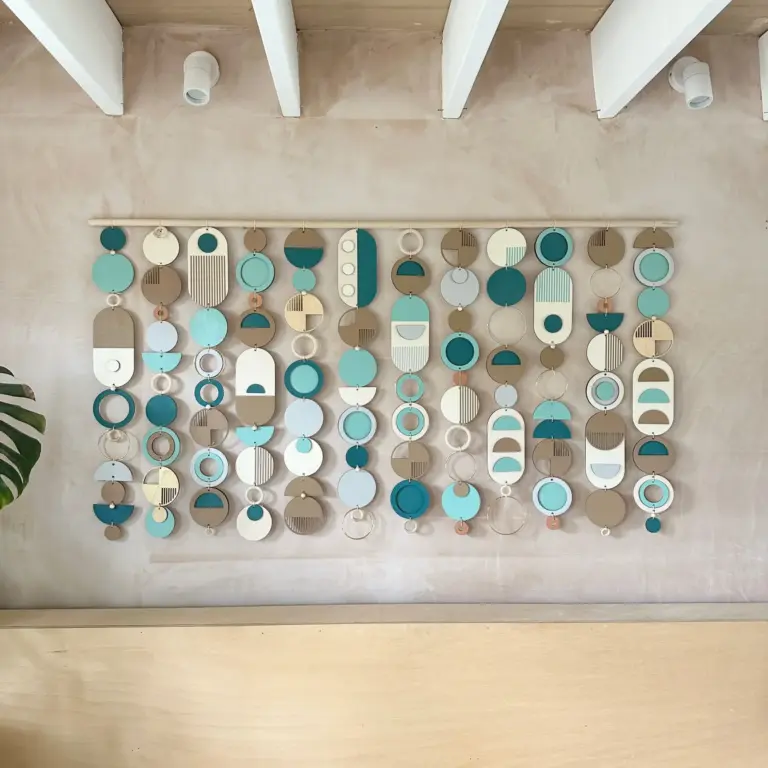 Aisha's pickLarge Wood Wall Art That Doesn’t Cost a Fortune
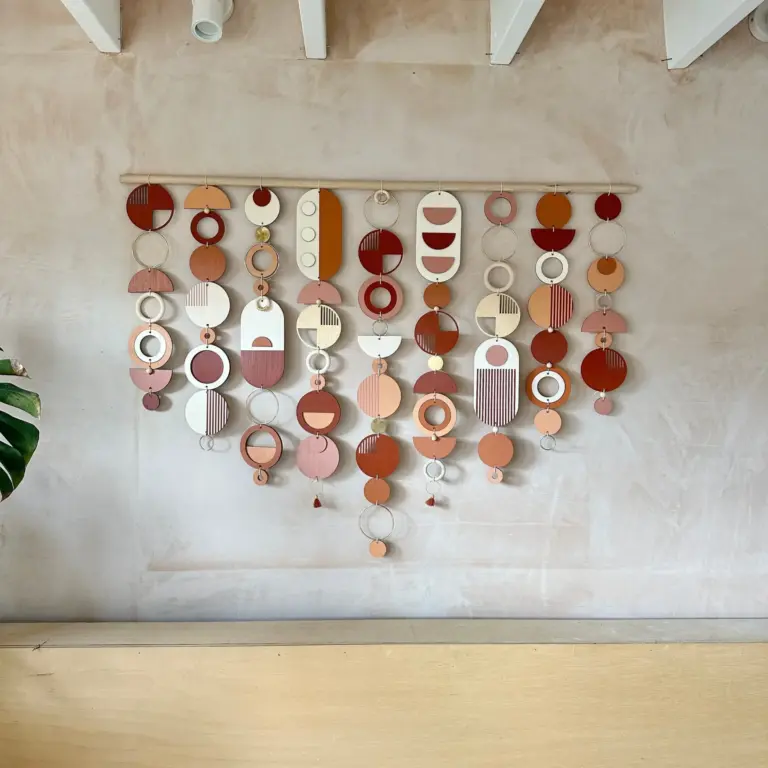
 Aisha's pickExtra Large Wall Art We Keep Buying

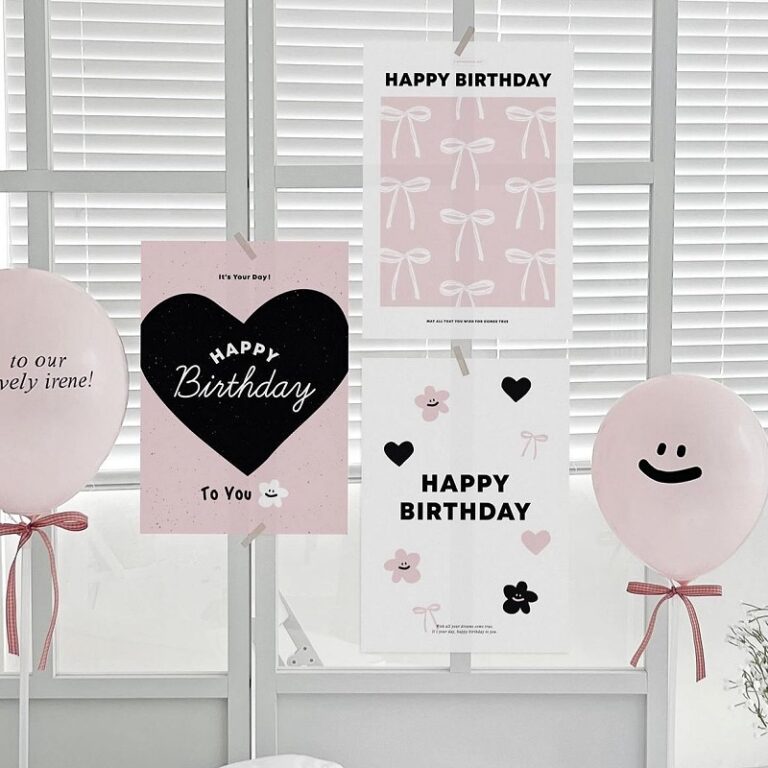 Aisha's pickLarge Posters With a Story to Them

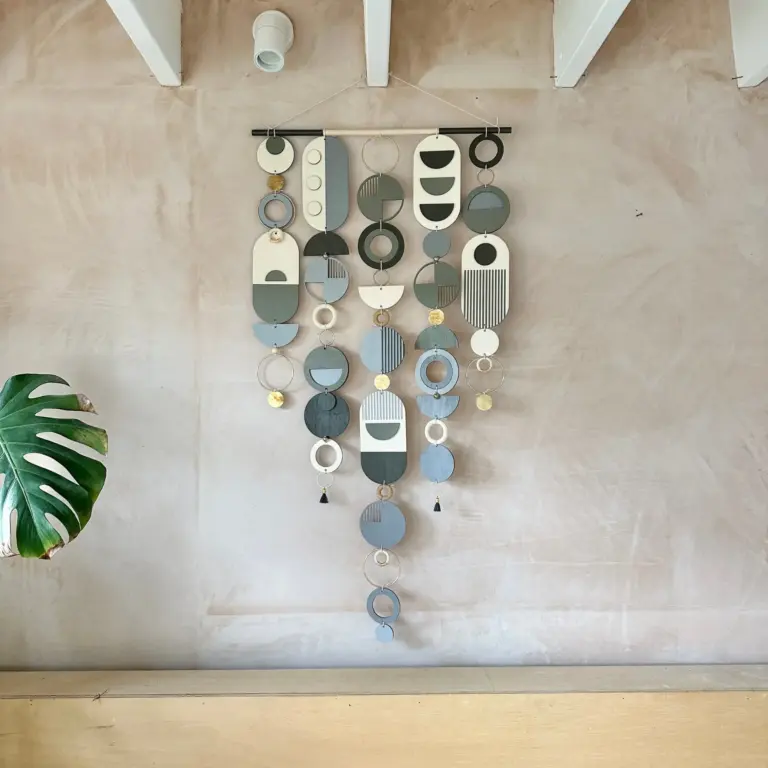 Aisha's pickLarge Wooden Wall Art With a Bit More About It

 Aisha's pickNo Fuss Giant Wall Art

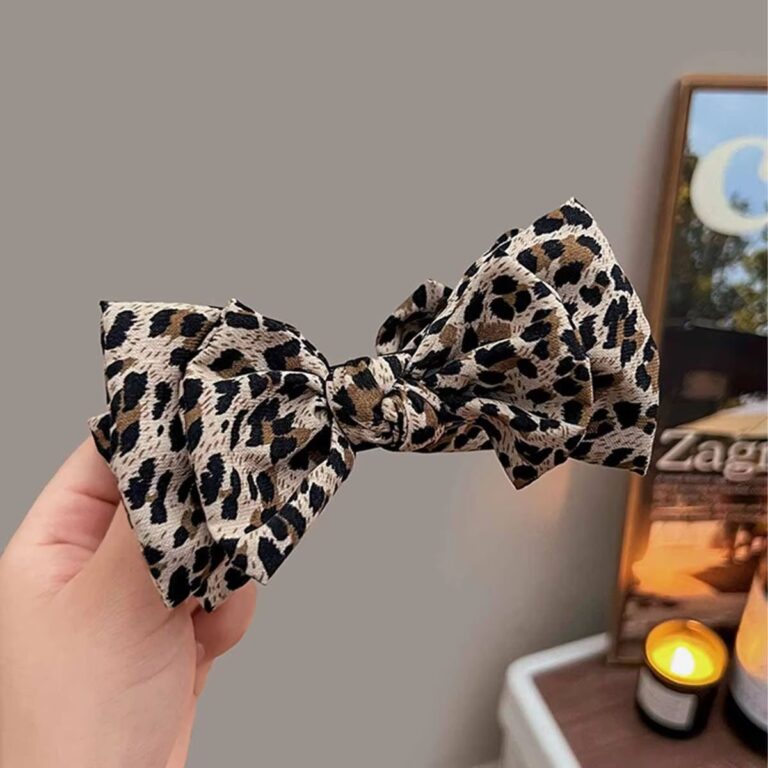 Aisha's pickLarge Prints That Make a Shelf Look StyledAlso worth a lookModern Wall ArtFor years I figured modern wall art meant one big canvas, something abstract and gray, hung dead center…See the collections →
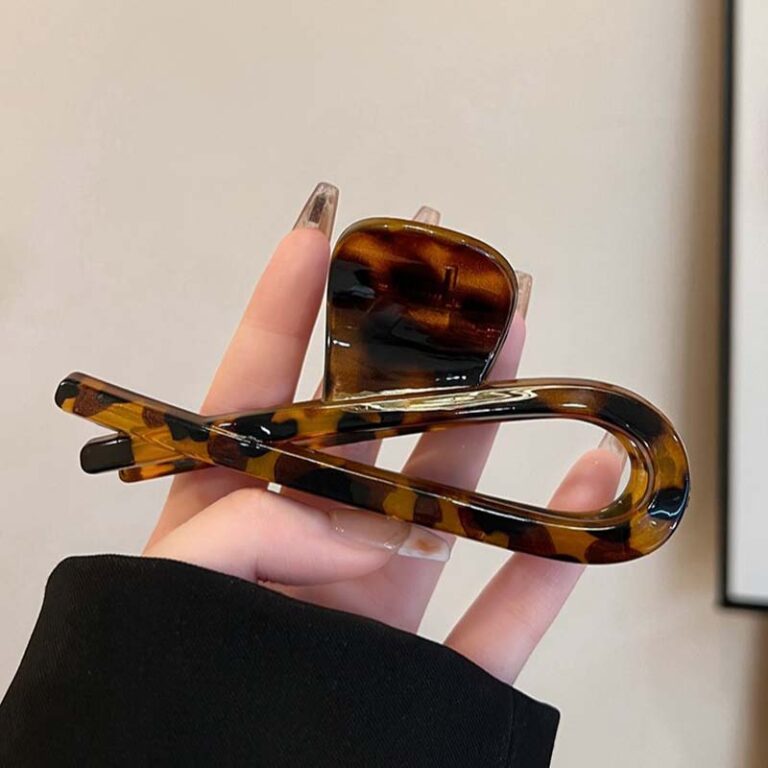
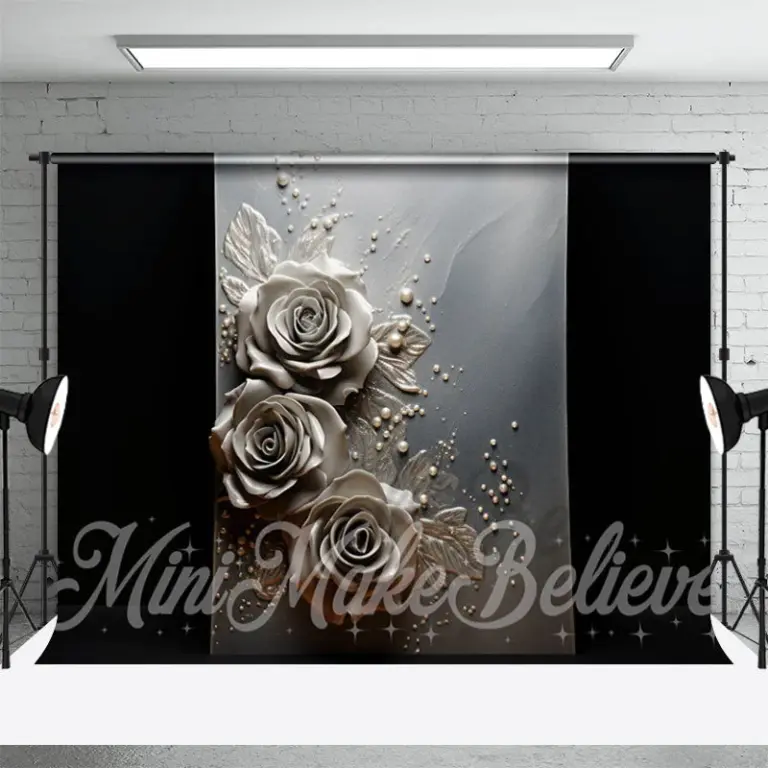 Aisha's pickLarge 3D Wall Art at Every Price Point
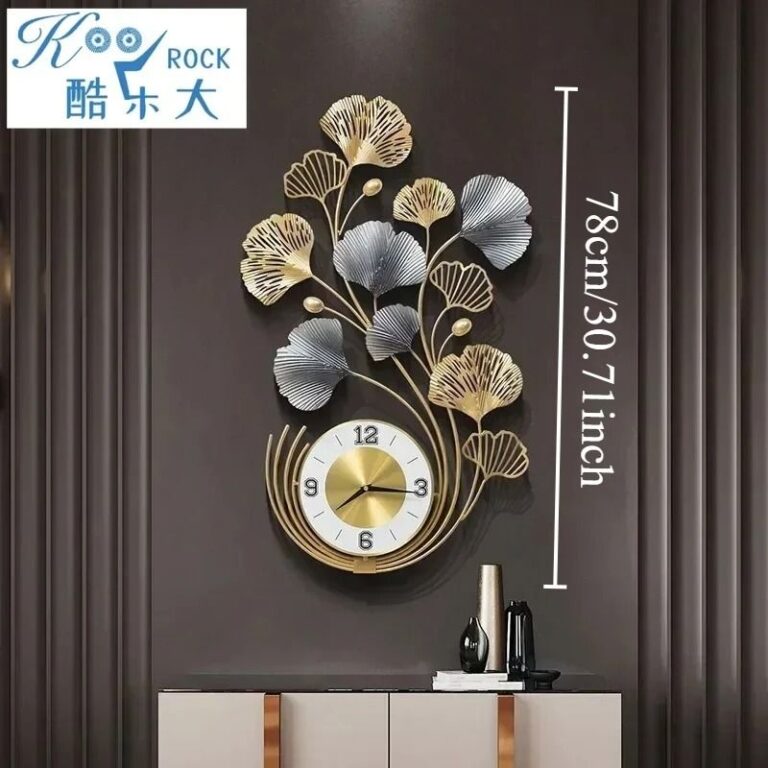
 Aisha's pickNo Fuss Large Print Sets
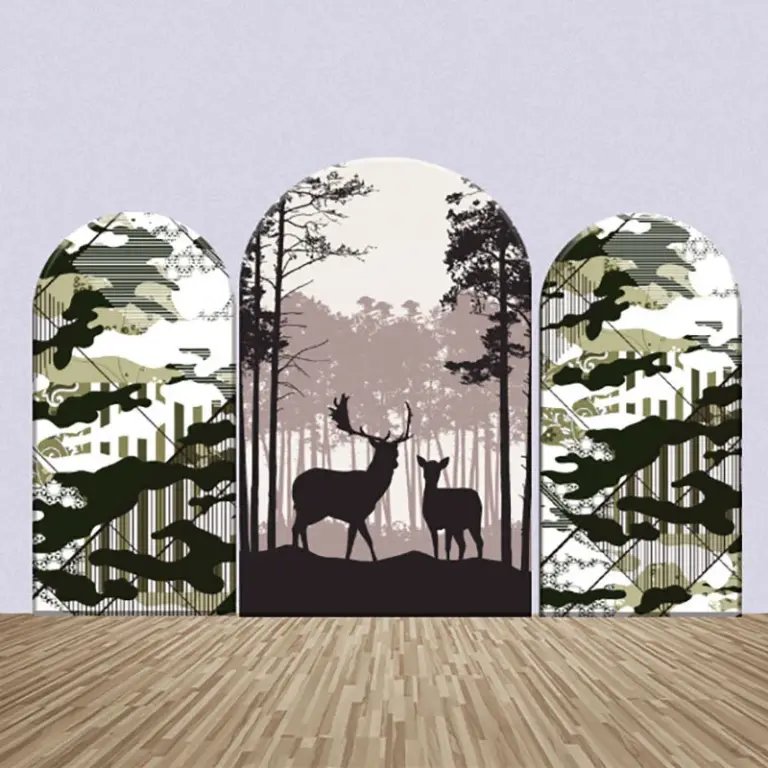
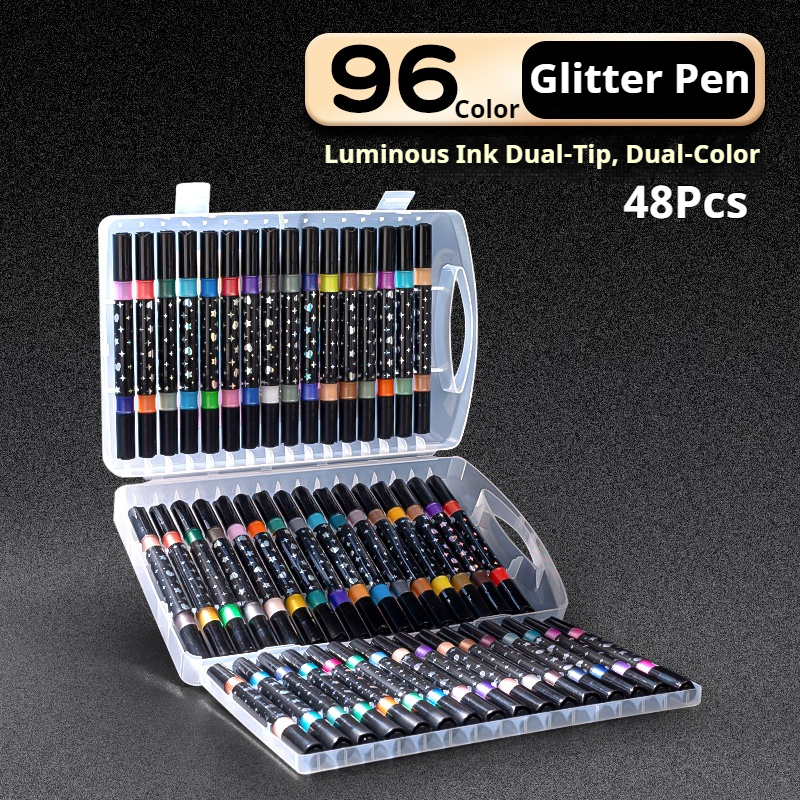 Aisha's pickLarge Acrylic Paintings That Visitors Always Ask About

 Aisha's pickLarge Retro Wall Art That Looks the Part
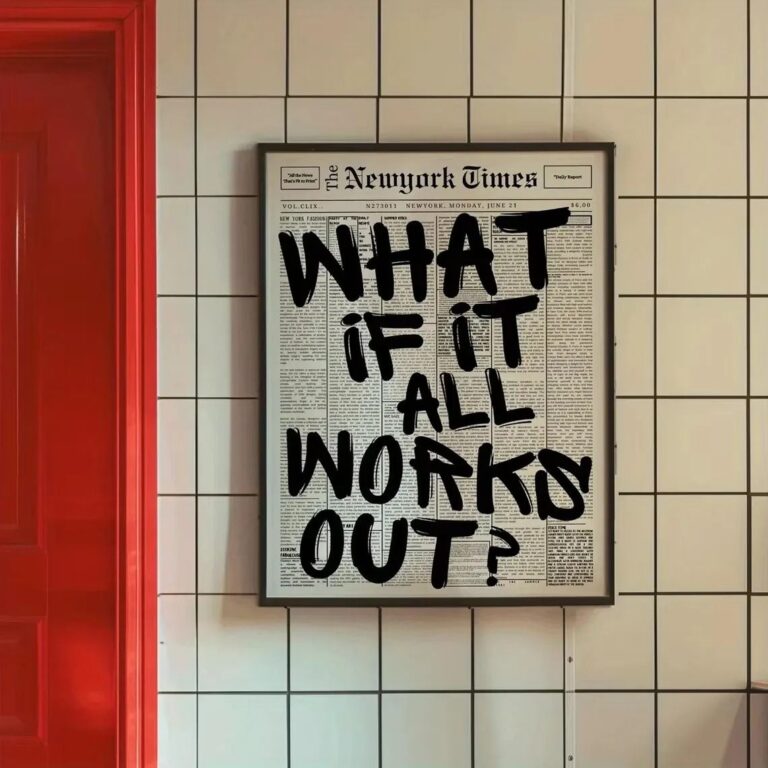
 Aisha's pickLarge Art Prints That Make a Shelf Look Styled
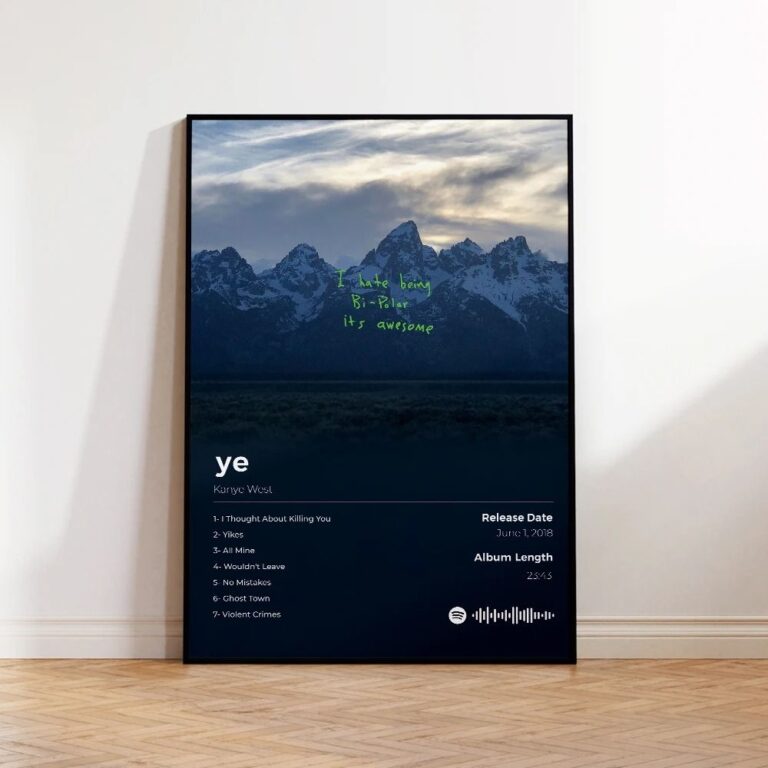
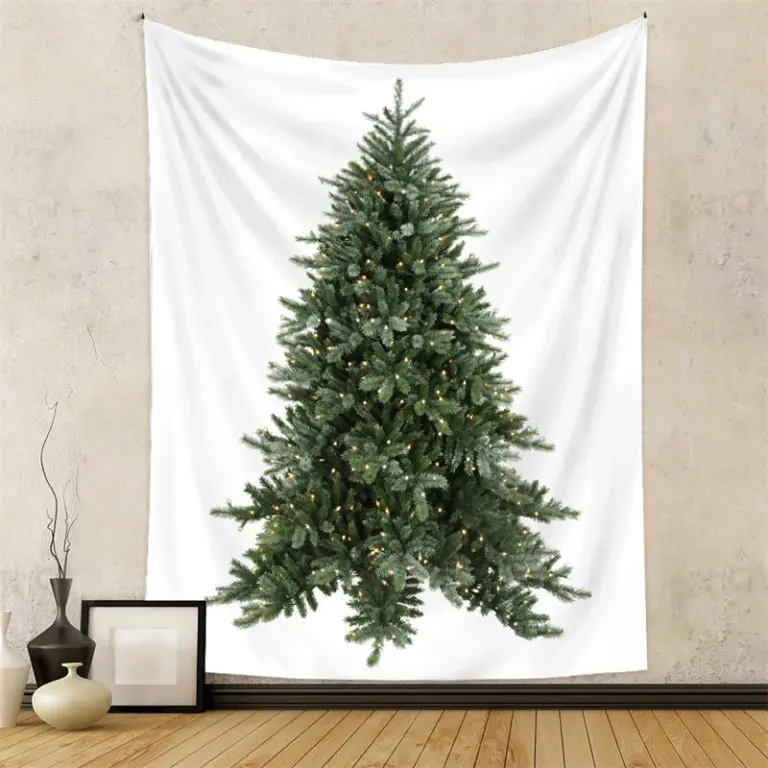 Aisha's pickGood Large Tapestries That Don’t Cost a Fortune
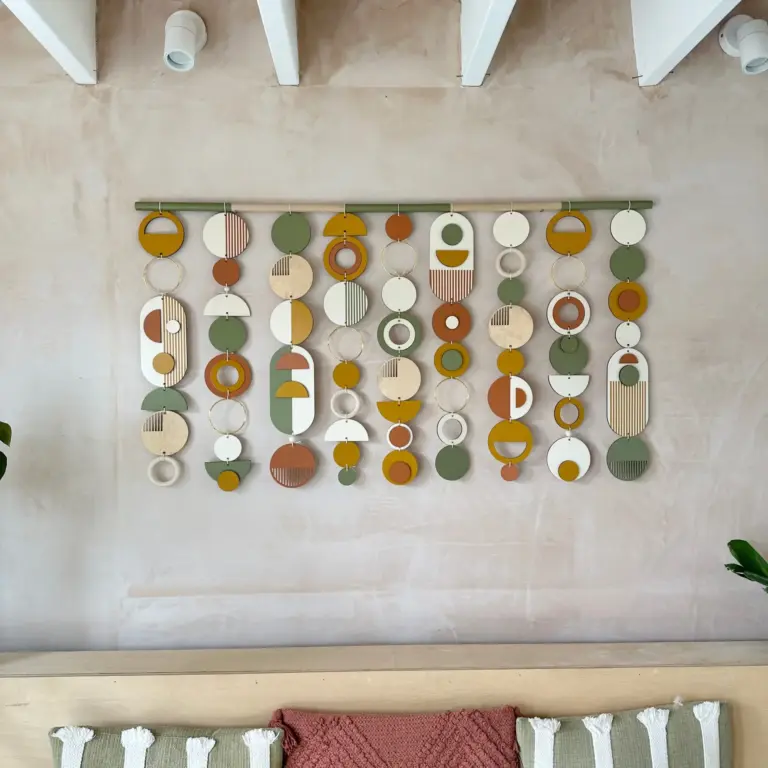
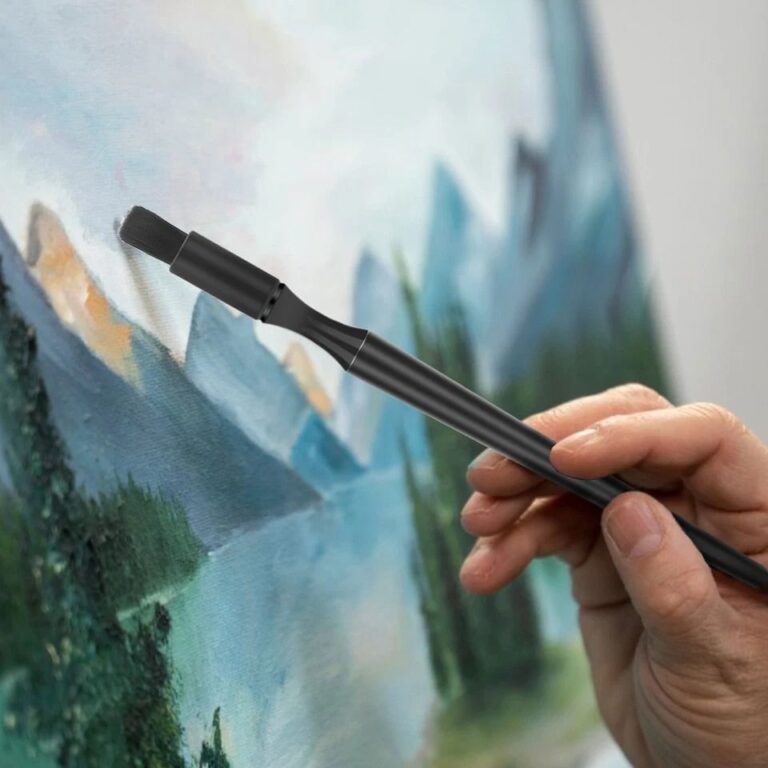 Aisha's pickLarge Canvas Art That Doesn’t Cost a Fortune
 Aisha's pickWhere to Start With Large Tree Wall Art
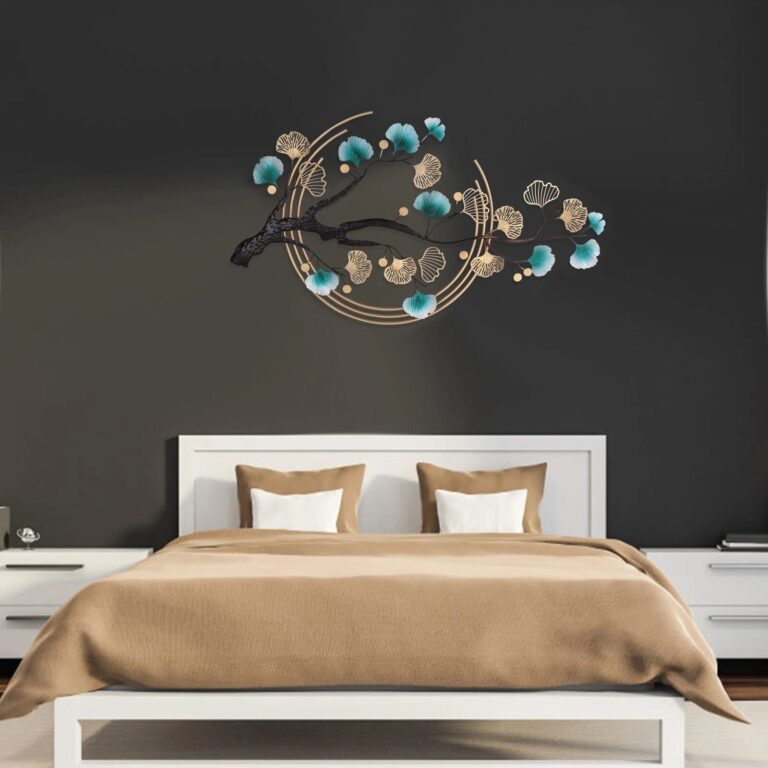
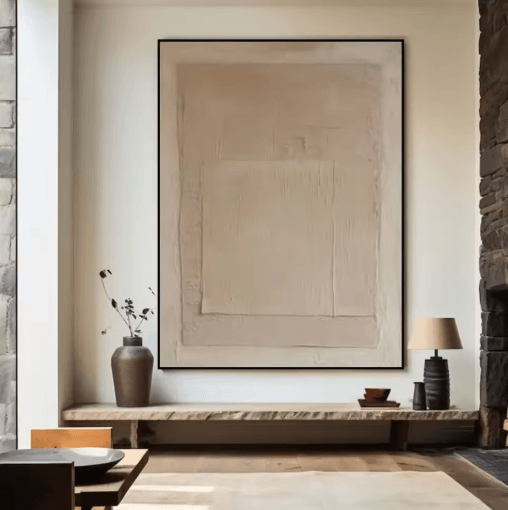 Aisha's pickLarge Canvas Paintings That Start ConversationsAlso worth a lookPaintingsThe one thing worth knowing before you hang a single painting is that scale matters more than subject.See the collections →

 Aisha's pickLarge Vintage Prints That Feel Personal, Not Store Bought
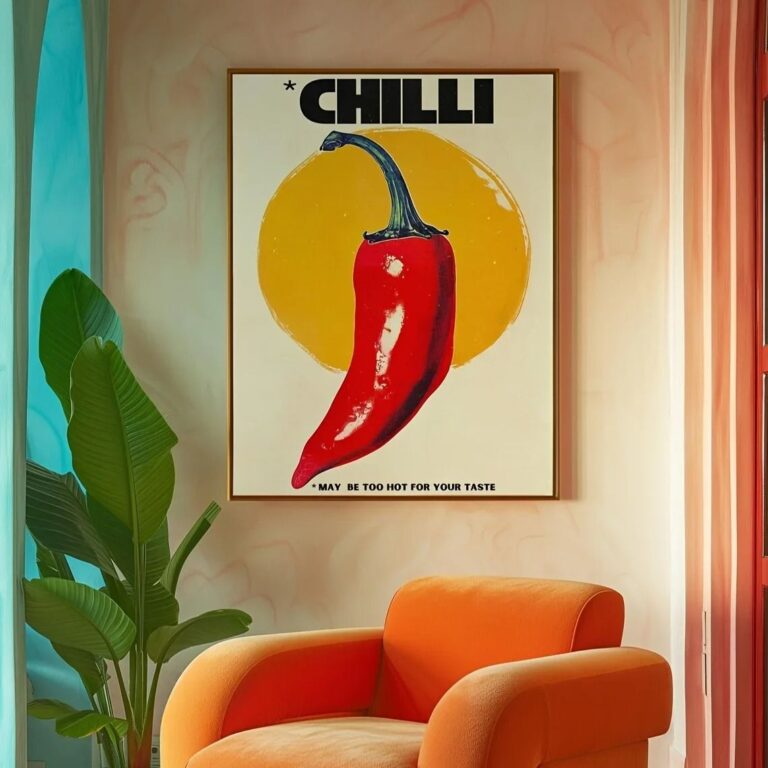
 Aisha's pickLarge Canvas Prints You’ll Still Like in Five Years

 Aisha's pickLarge Vintage Wall Art From Stores Big and Small

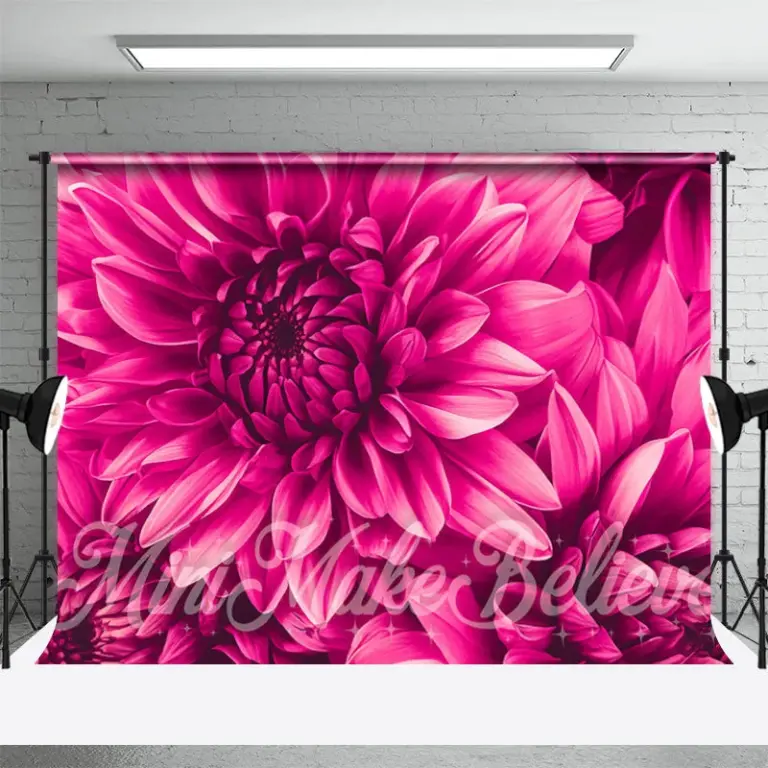 Aisha's pickLarge Flower Wall Art That Holds Up
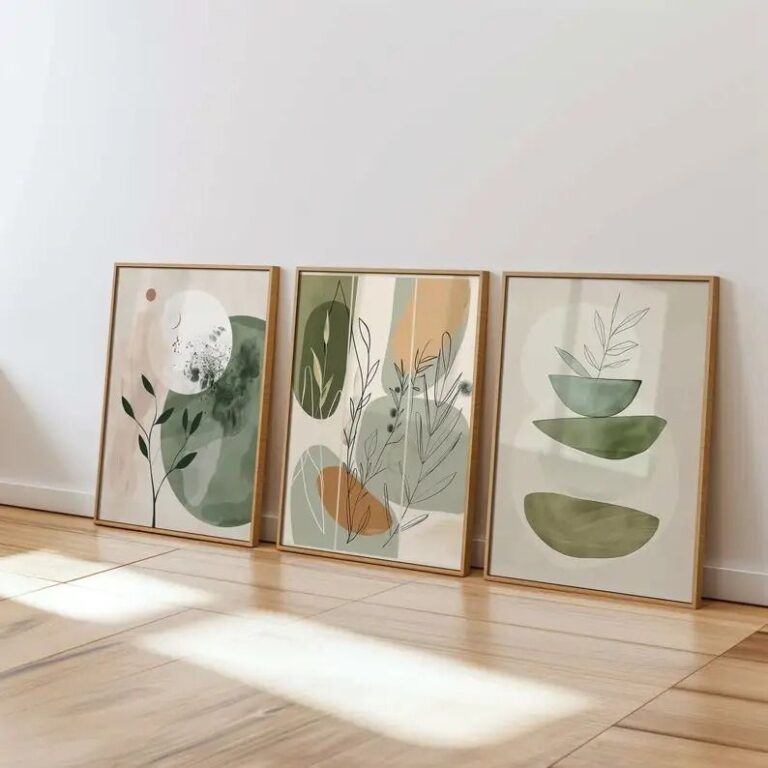
 Aisha's pickGood Large Wall Art Without the Big Price Tag