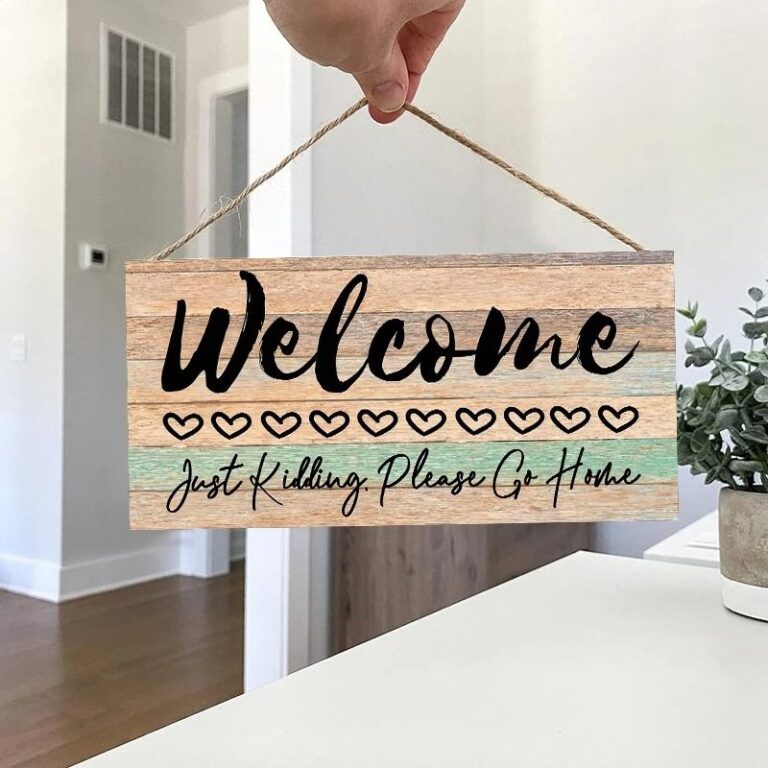
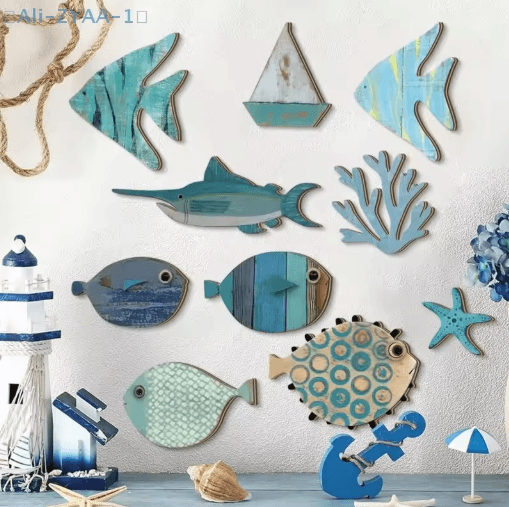
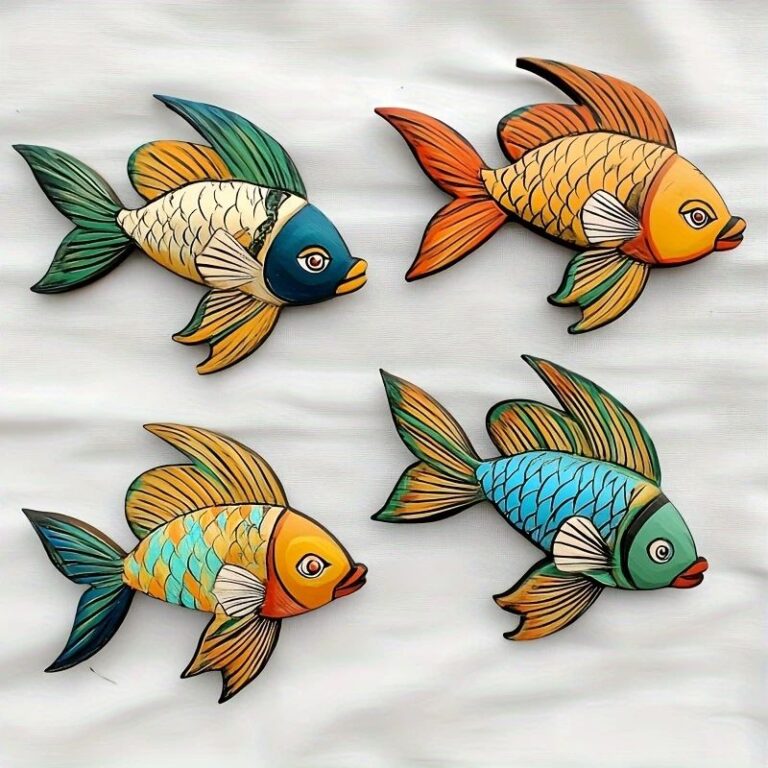
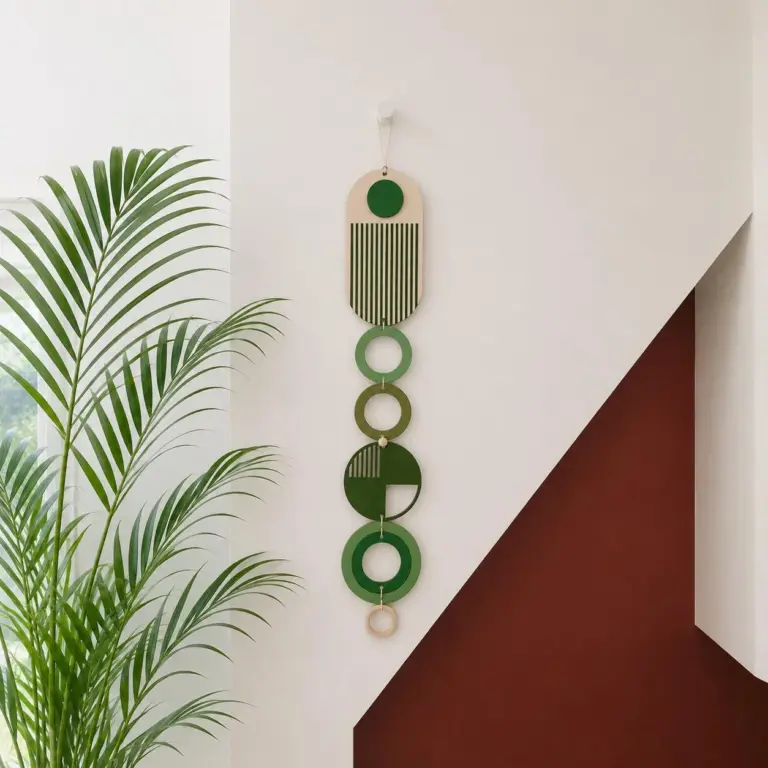
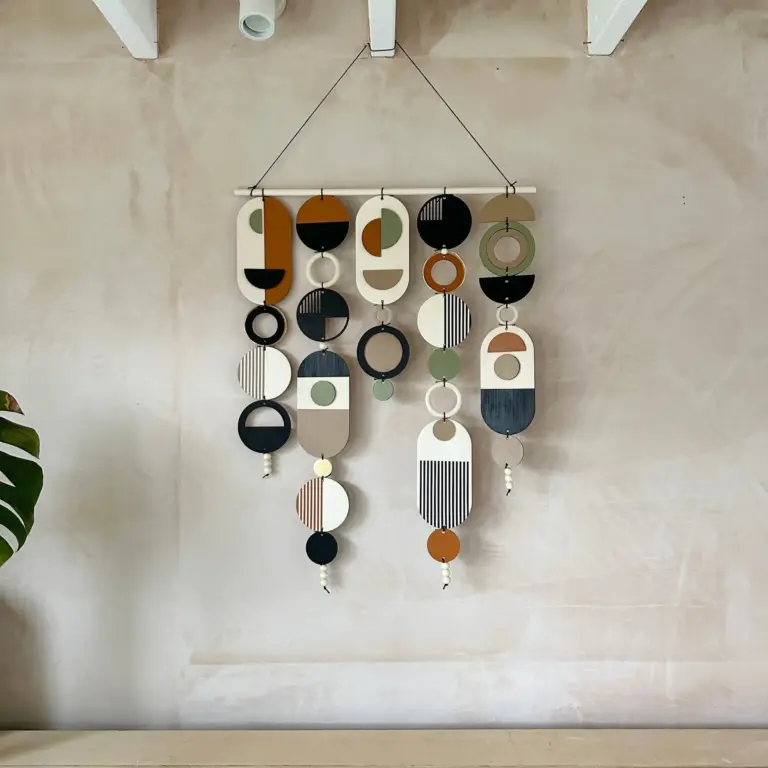
I stayed away from wooden wall art for years because every piece I saw felt like it belonged in a cabin lobby, some carved eagle or a slab of pine with an arrow burned into it. What changed my mind was seeing a plain, pale wood piece hung above a sofa in a friend's apartment, nothing carved into it at all, just shape and grain doing the work, and it looked nothing like what I'd been picturing.
This kind of thing earns its spot in rooms that already lean a little plain or a little cold, a living room with a gray sofa, a hallway with white walls and not much else going on, a bedroom where everything is soft and neutral and needs one thing with some texture to it. It suits older houses with some character already built in, but it works just as well in a newer place or a rental that feels a bit blank, since it adds warmth without you having to repaint anything. Fall and winter are when I notice it most, when the light goes lower and warmer wood tones start to feel right next to everything else in the room, though there's no real season it looks wrong in.
On finish, the easiest pieces to live with are the ones that stay close to the wood's own color, pale ash, honey oak, a warm walnut, rather than anything stained to look dramatic or painted over in a bold color. Those natural tones sit happily against white walls, cream walls, sage, navy, pretty much anything, because they read as neutral even though they have more depth than a flat print. The minute a piece gets a heavy dark stain or a glossy finish, it starts asking for a specific kind of room to match it, and that's a smaller list of homes than you'd think.
Where it falls short is in any room that's already busy with pattern or color, a kitchen with patterned tile, a kid's room full of bright prints, anywhere the walls are doing a lot already. Wooden art wants a bit of calm around it to actually read as art and not just another brown shape on the wall. It's also not the move if you want something that reads crisp and graphic, photography or a bold print will always beat it on sharpness. And on a wall that gets strong afternoon sun for years, cheaper wood can dull or shift color unevenly, so it's worth checking it's meant to hang somewhere bright before you commit.
The best ones have a visible grain that catches the light differently depending on where you stand in the room, so it never looks quite the same twice.
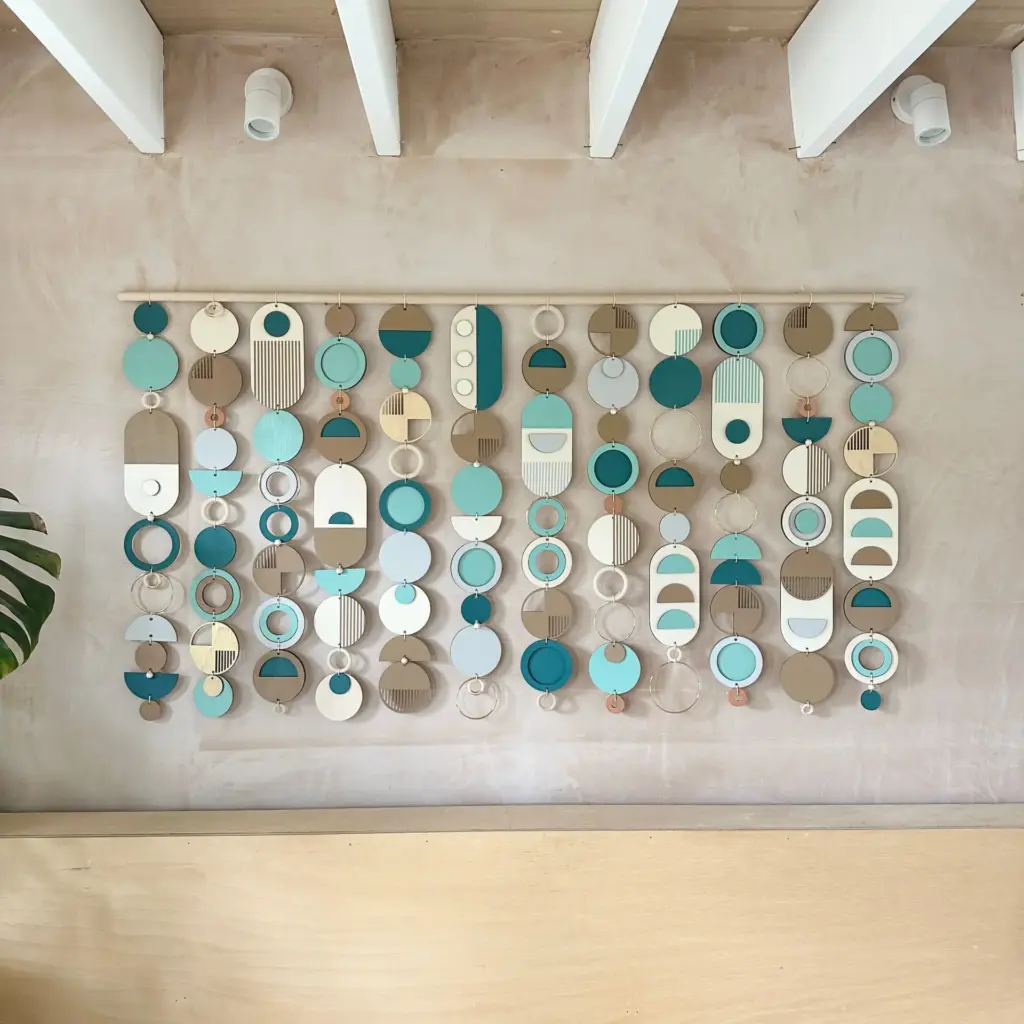 Aisha's pickBlue Wood Wall Art at Every Price Point
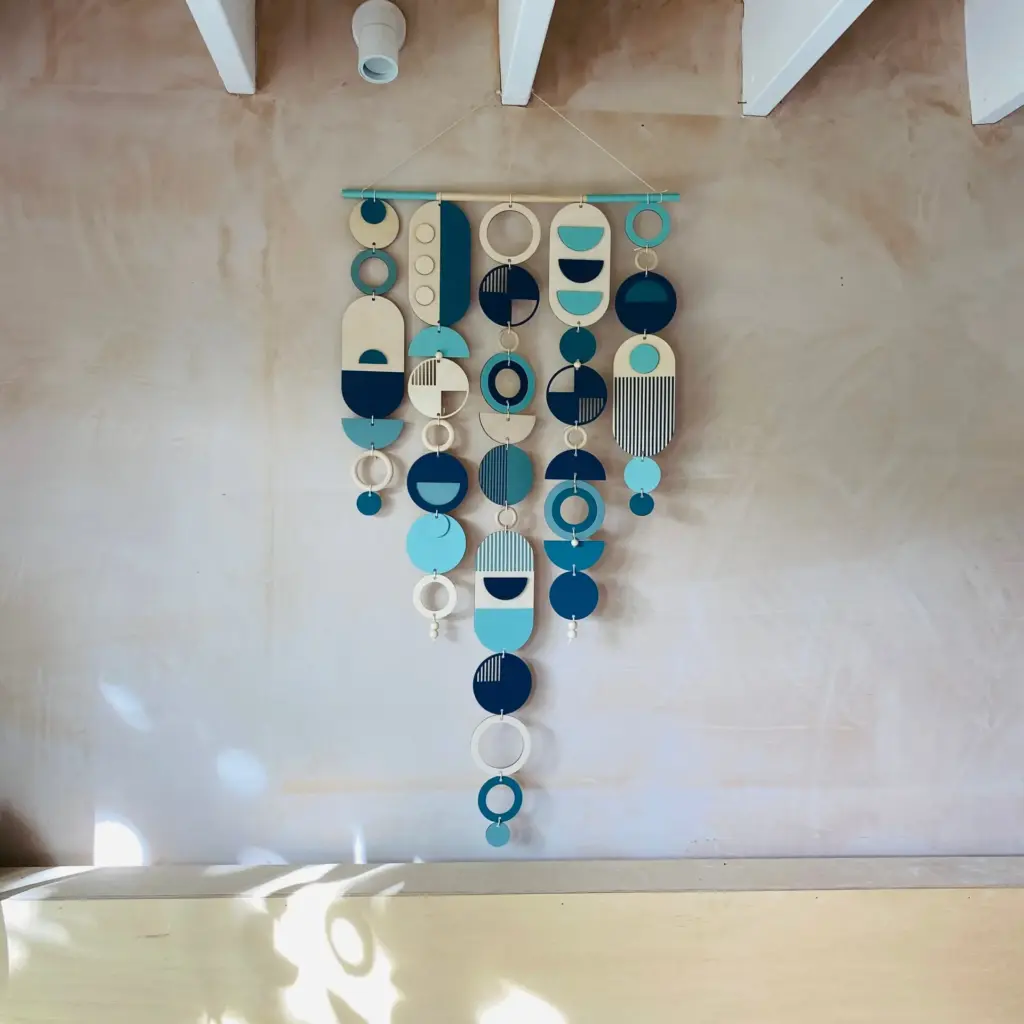
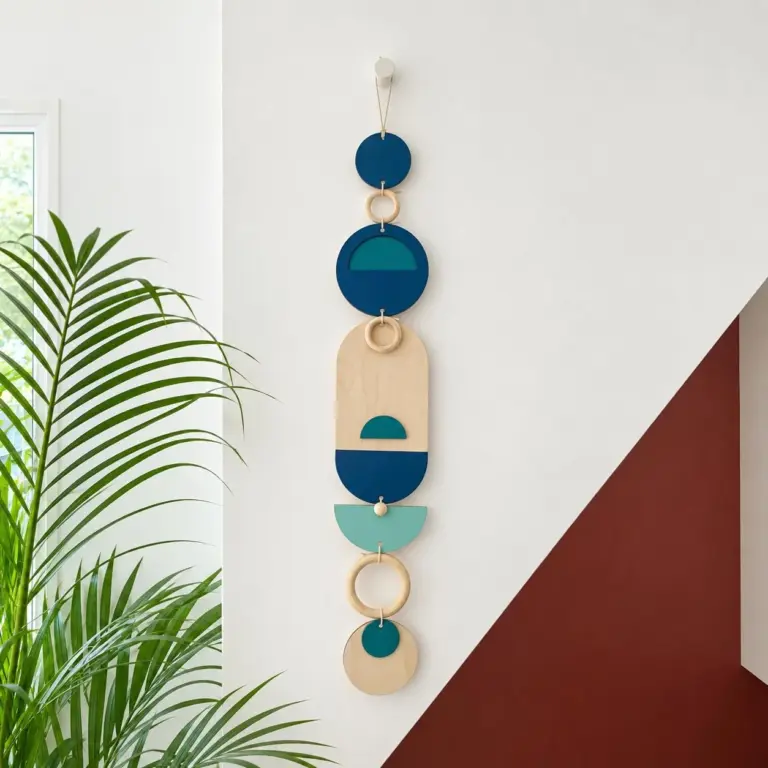 Aisha's pickNatural Wood Wall Art That Does What It Should
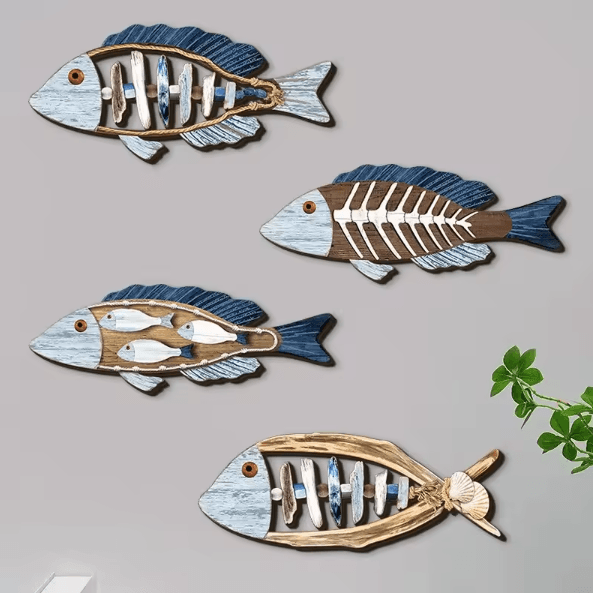
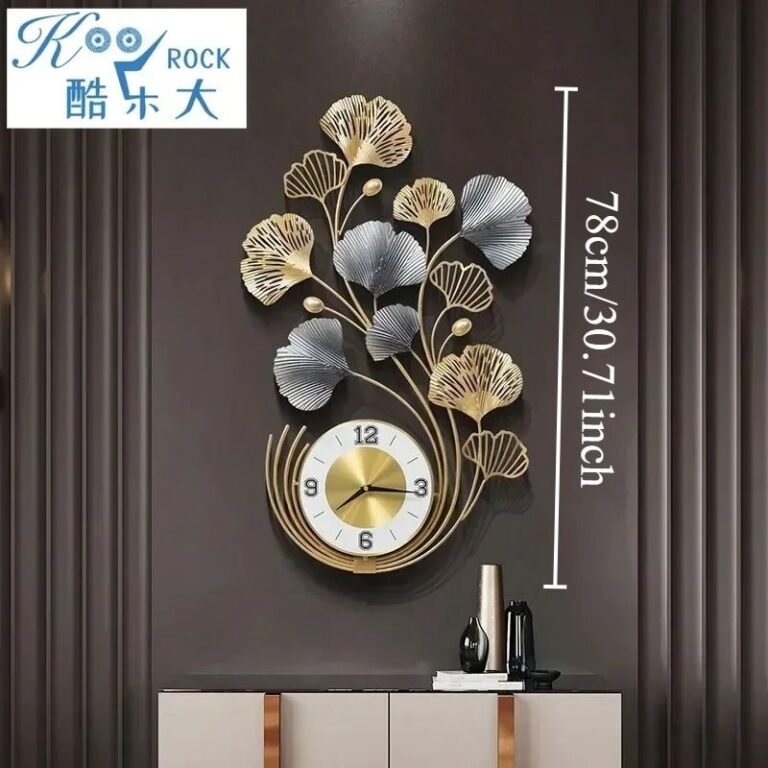 Aisha's pickWooden Wall Art for Office That Does What It Should
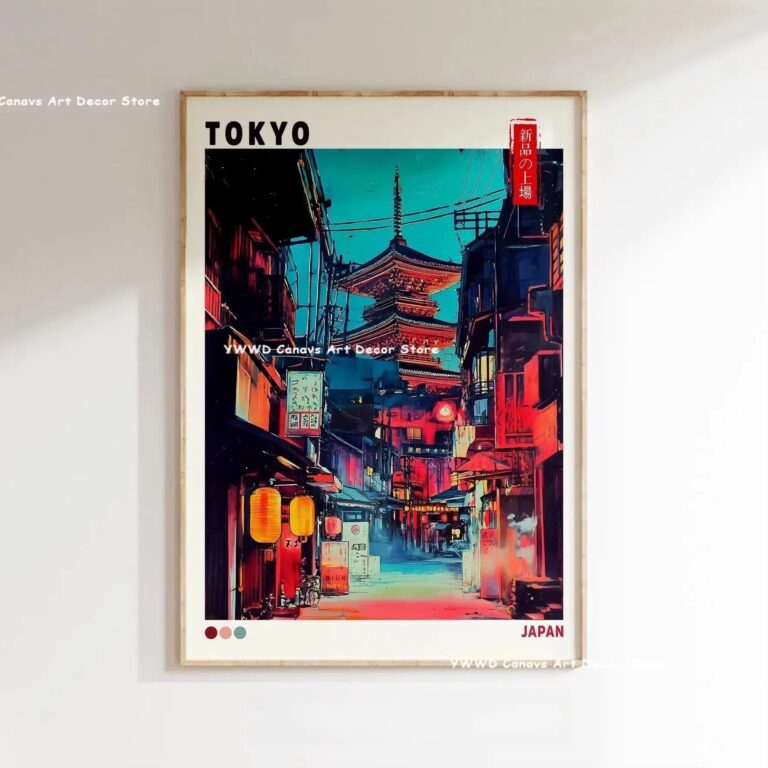
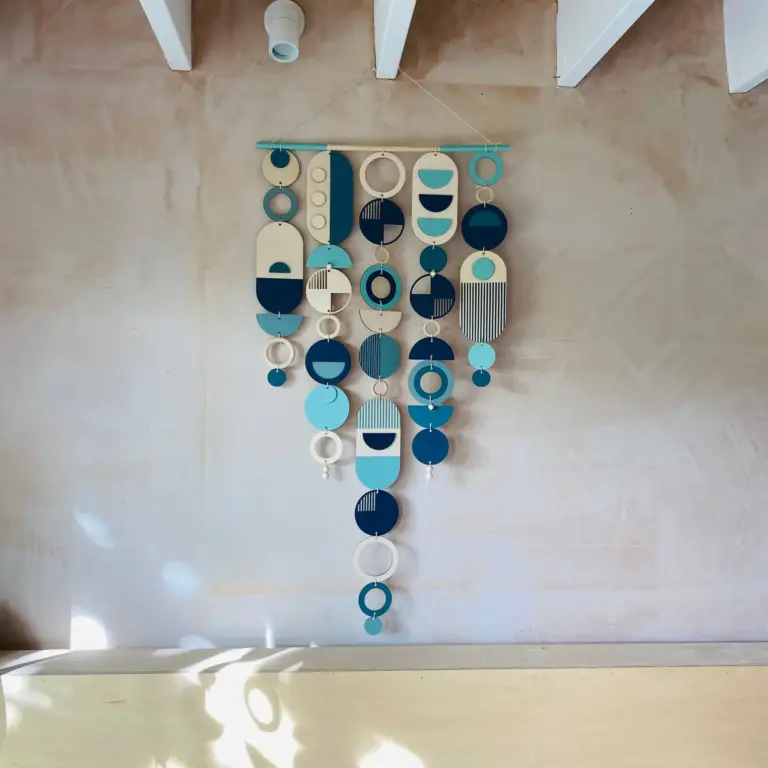 Aisha's pickGood Blue Wooden Wall Art Without the Big Price Tag

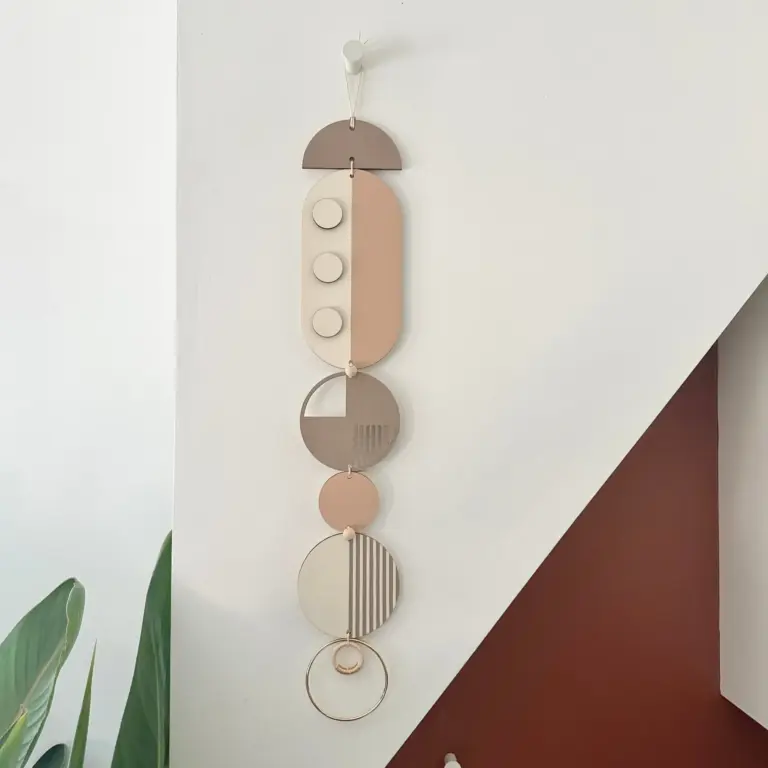 Aisha's pickNatural Wooden Wall Art That Doesn’t Cost a Fortune
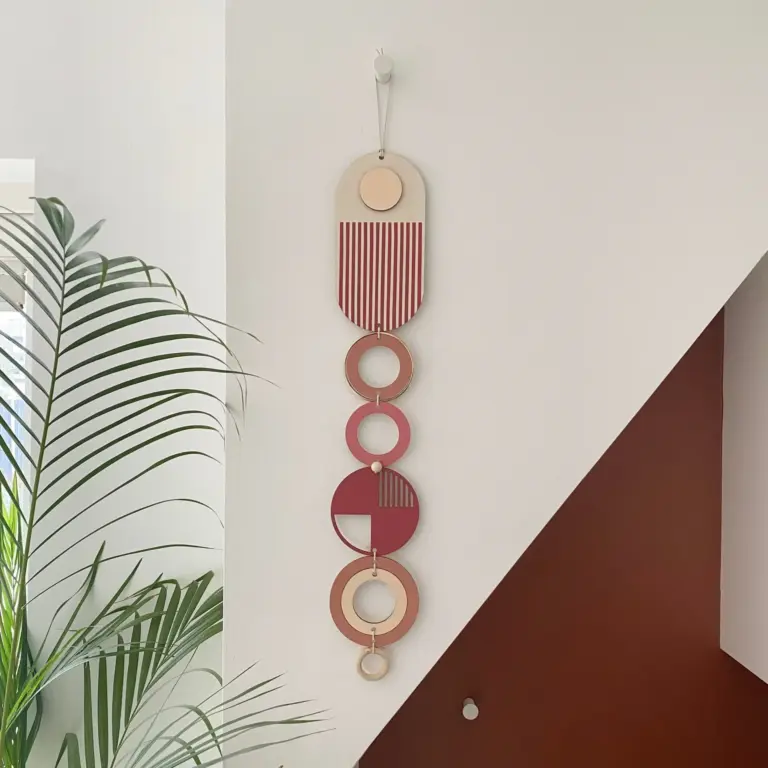
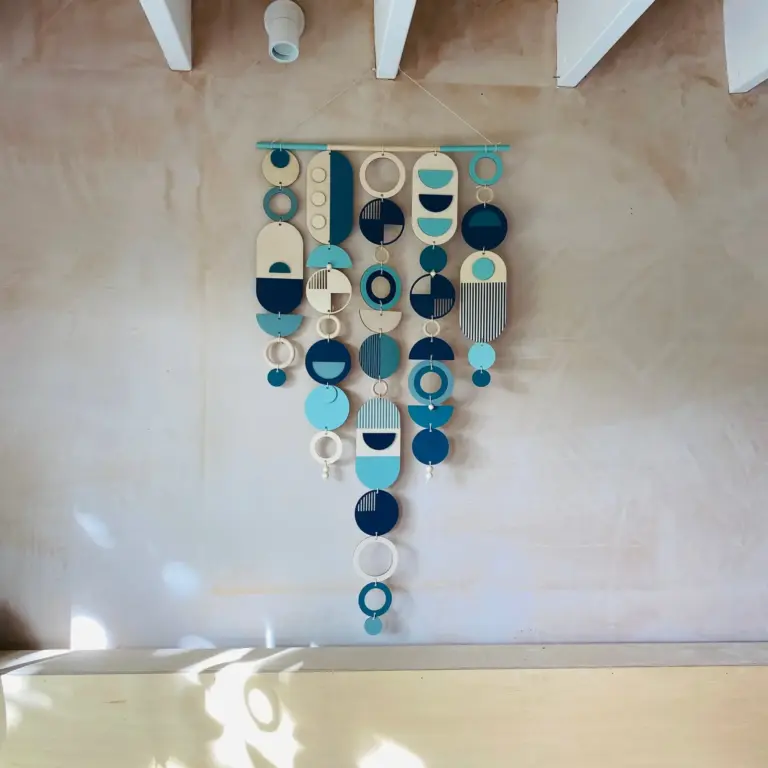 Aisha's pickThe Contemporary Wood Wall Art Worth Your Cash
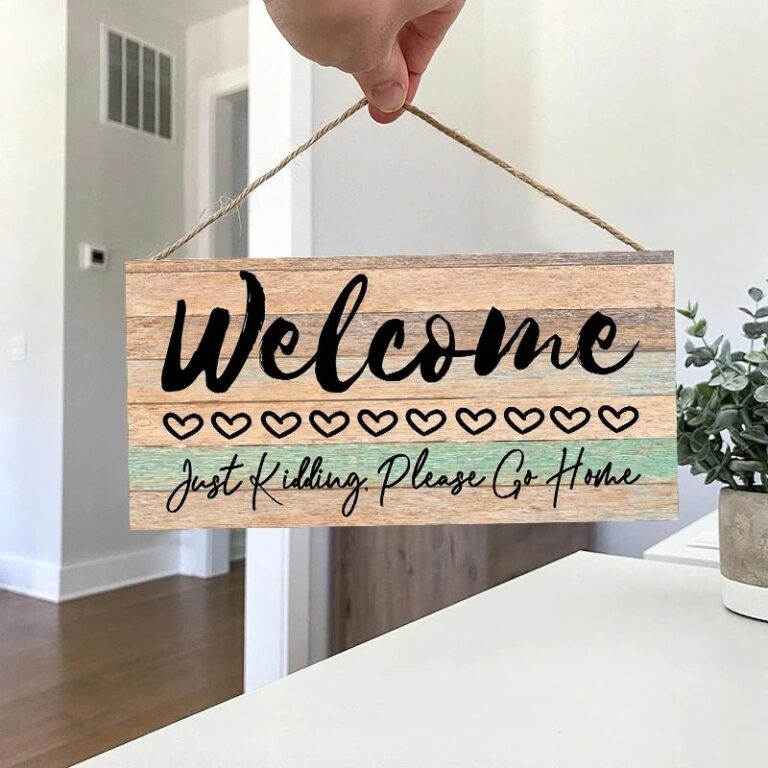
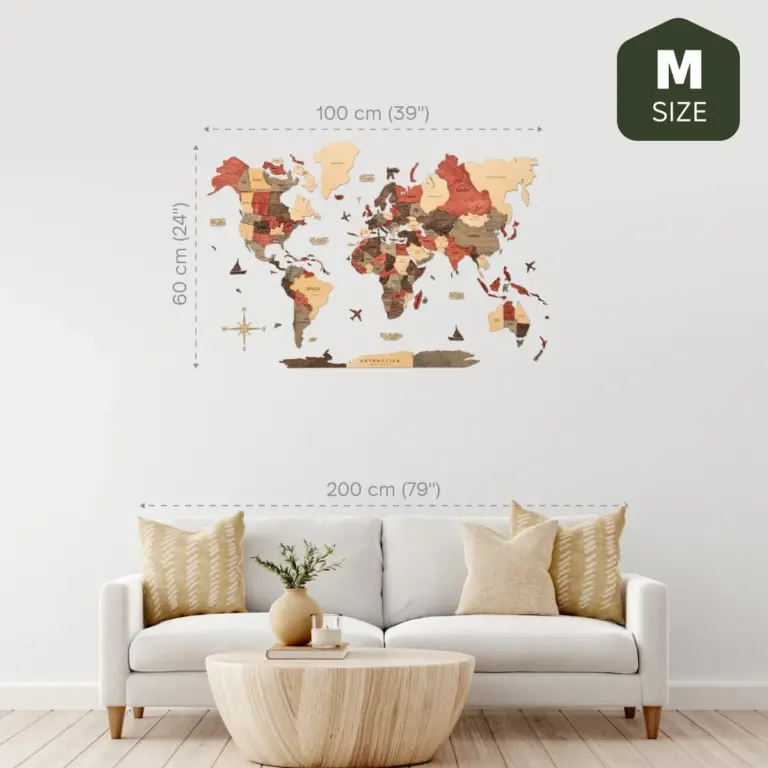 Aisha's pickRustic Wood Wall Art That Does What It Should
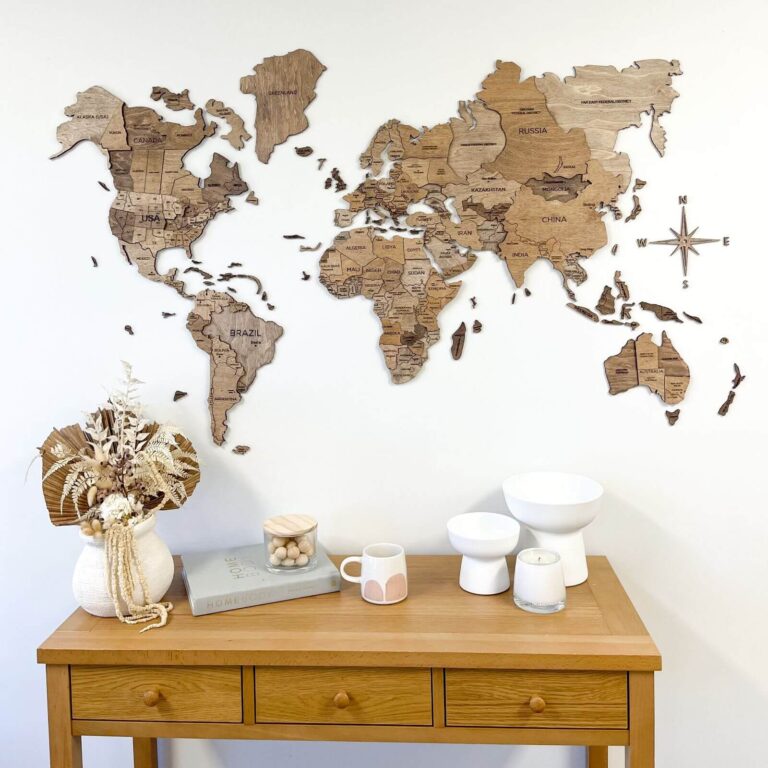
 Aisha's pickContemporary Wooden Wall Art Worth Your Money

 Aisha's pickRustic Wooden Wall Art That Holds UpAlso worth a lookWooden Wall ArtThe first thing I check is the back, not the front.See the collections →
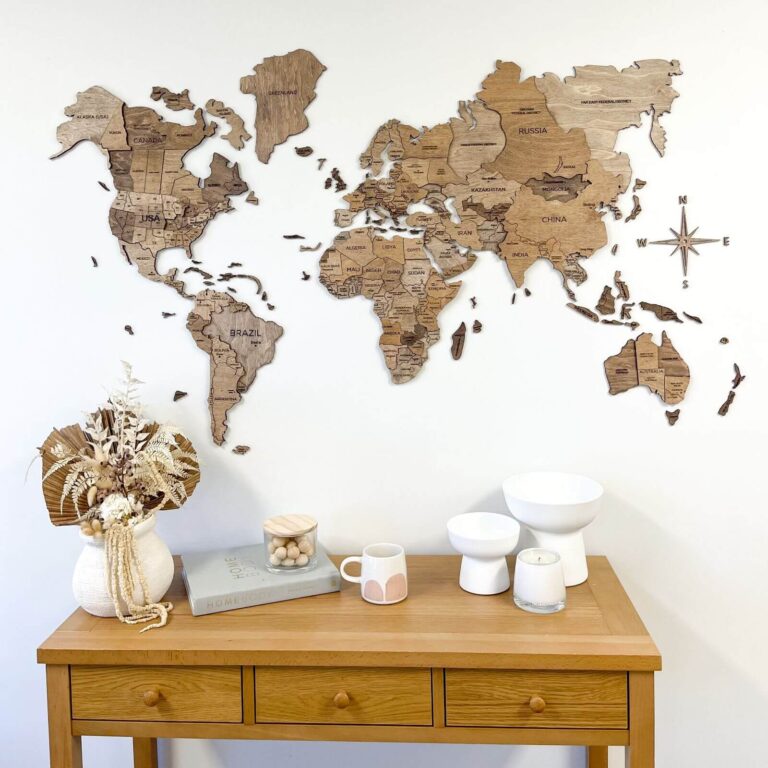
 Aisha's pickGeometric Wood Wall Art From Stores Big and Small
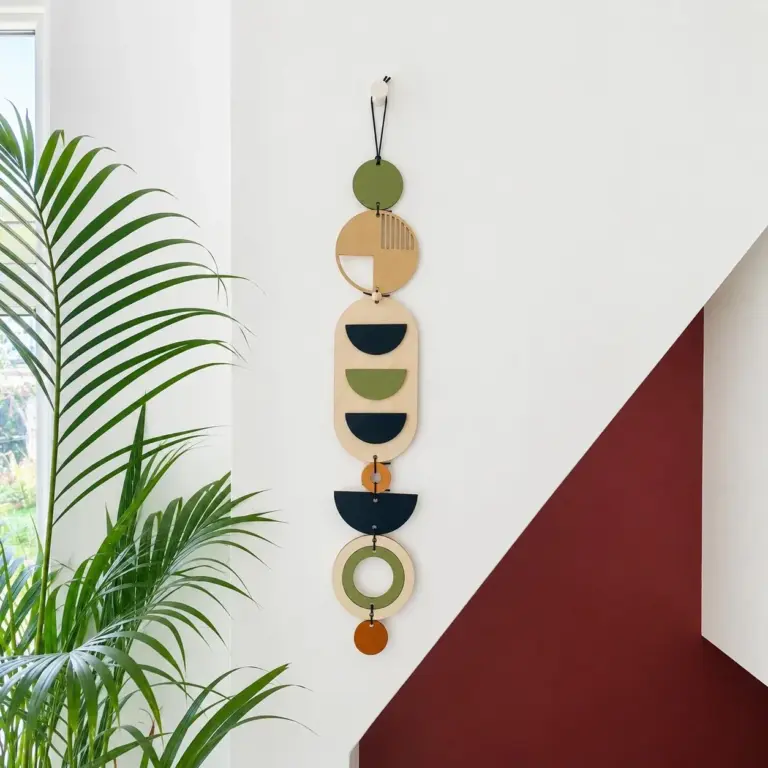
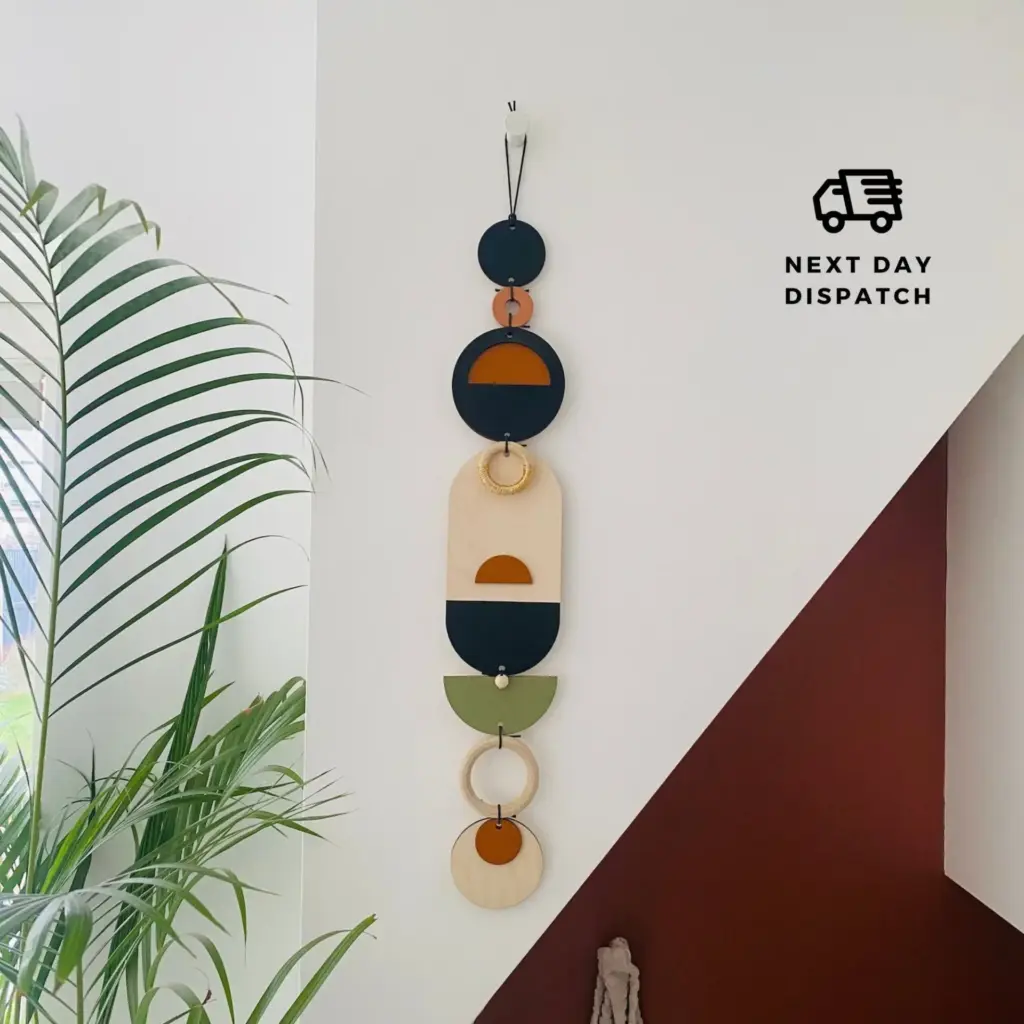 Aisha's pickSmall Wood Wall Art That Doesn’t Cost a Fortune

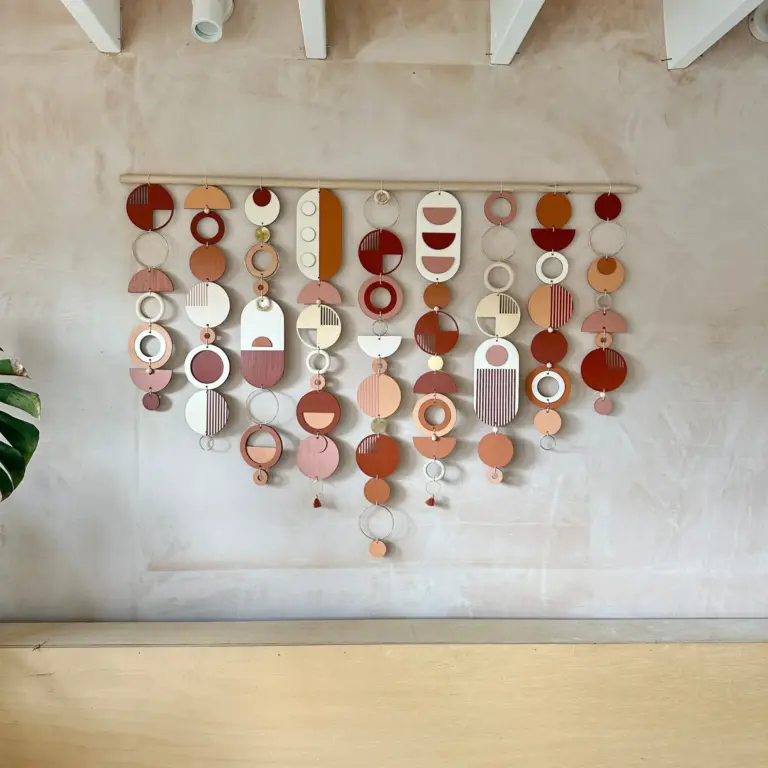 Aisha's pickGold Wood Wall Art Picked by People Who Care Too Much
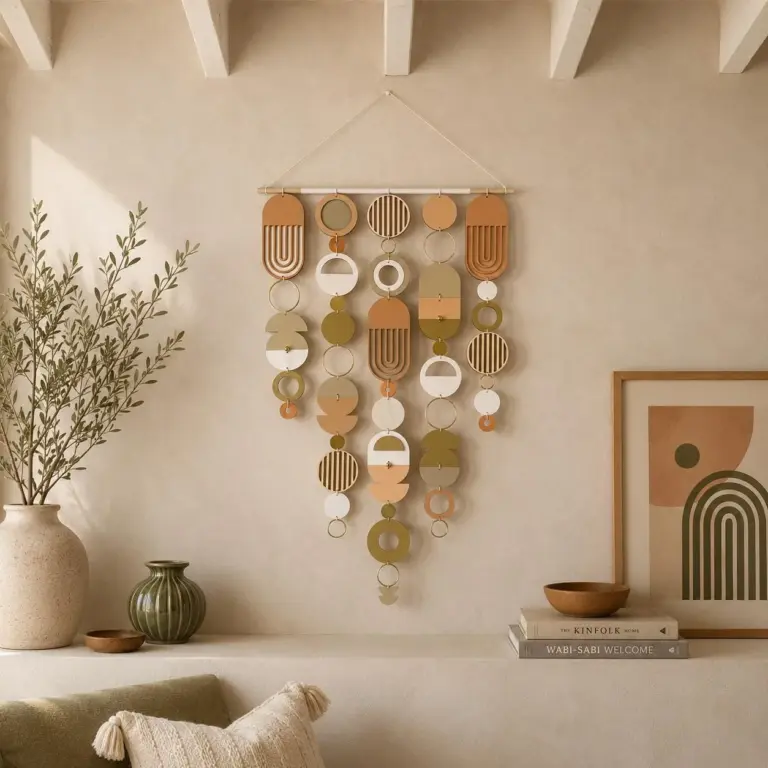
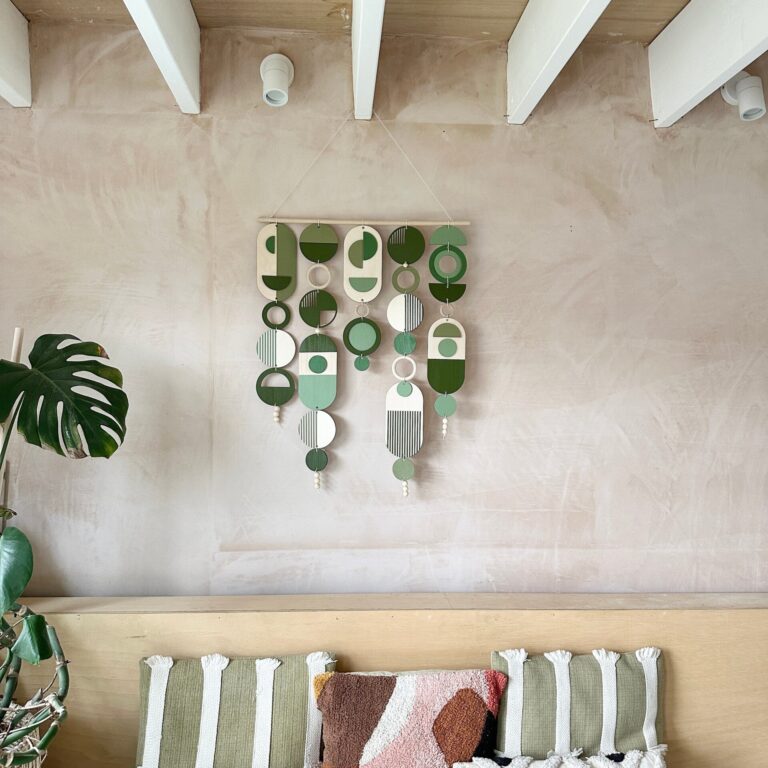 Aisha's pickSmall Wooden Wall Art Worth Your Money
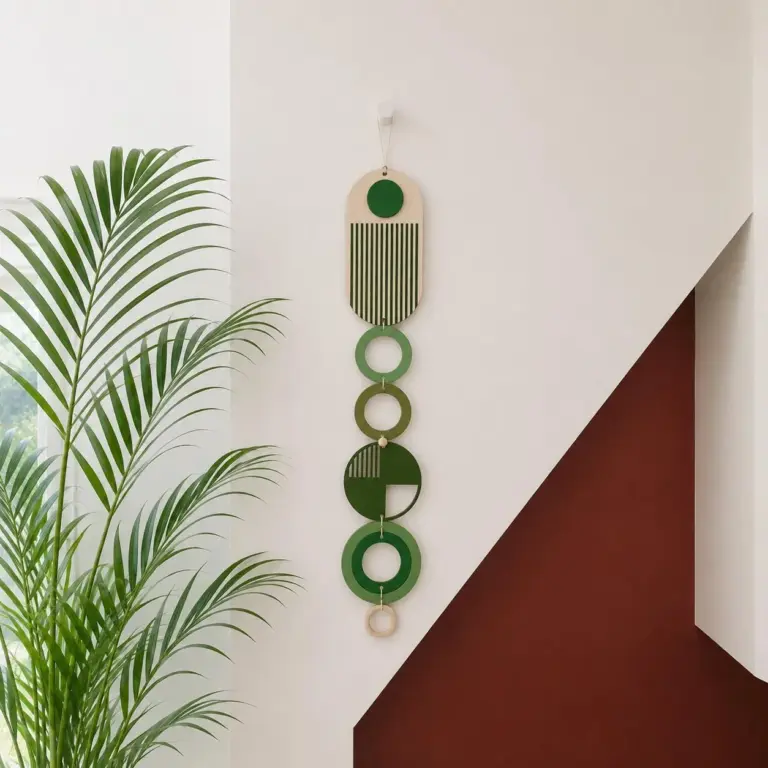
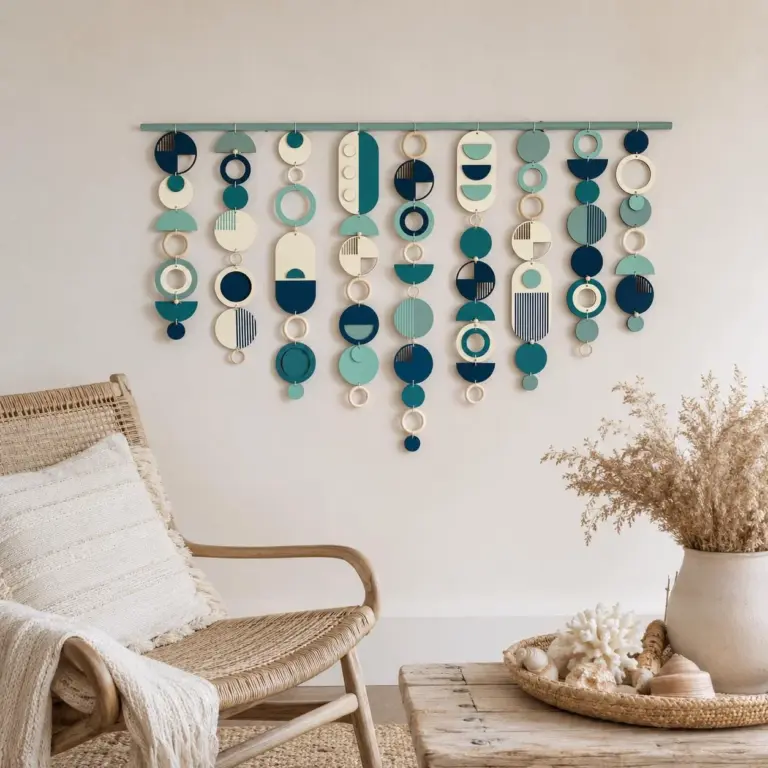 Aisha's pickGreen Wood Wall Art Worth Your Money
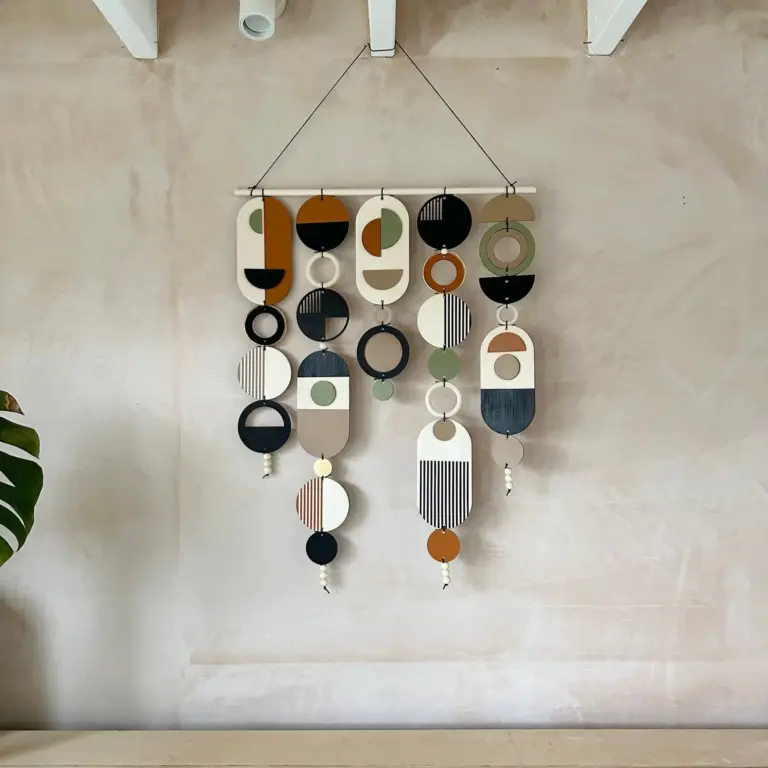
 Aisha's pickWhite Wood Wall Art That Doesn’t Cost a Fortune
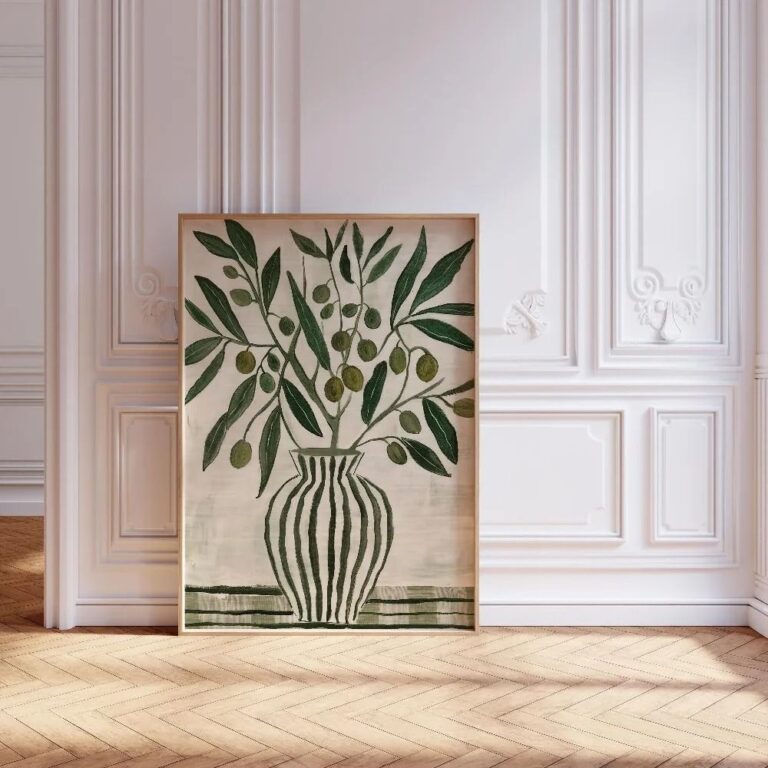
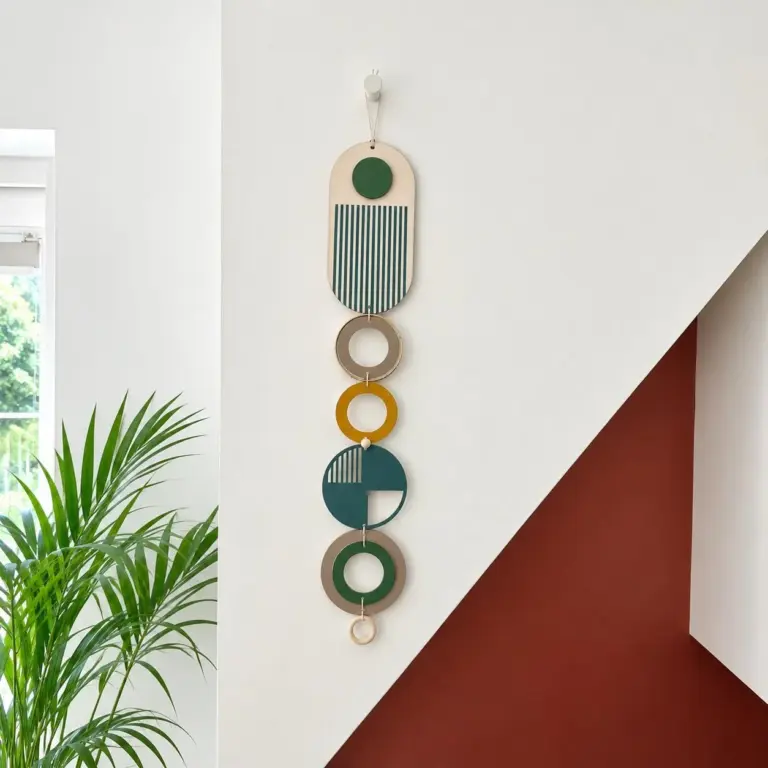 Aisha's pickThe Green Wooden Wall Art Worth Your Cash
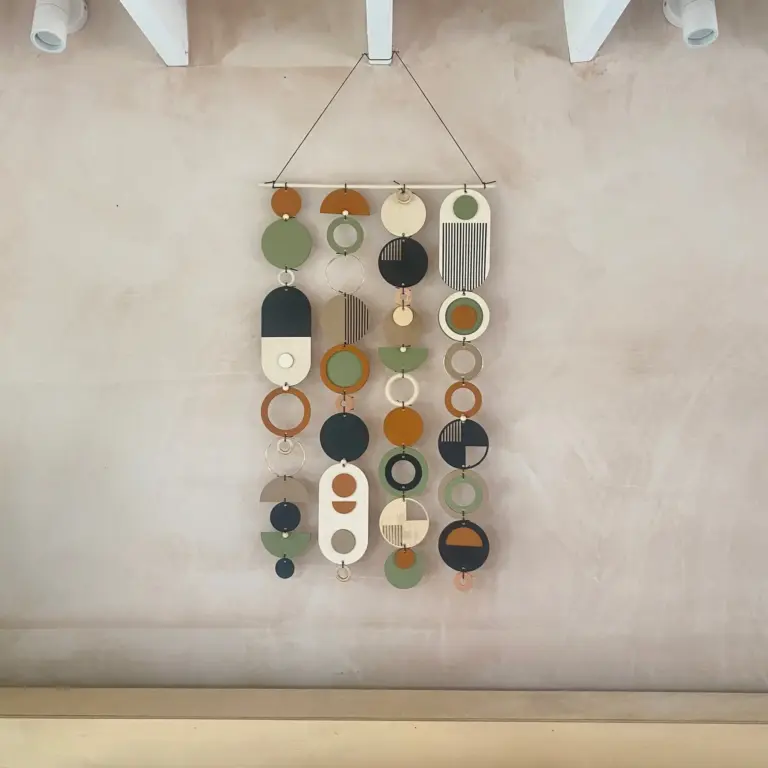
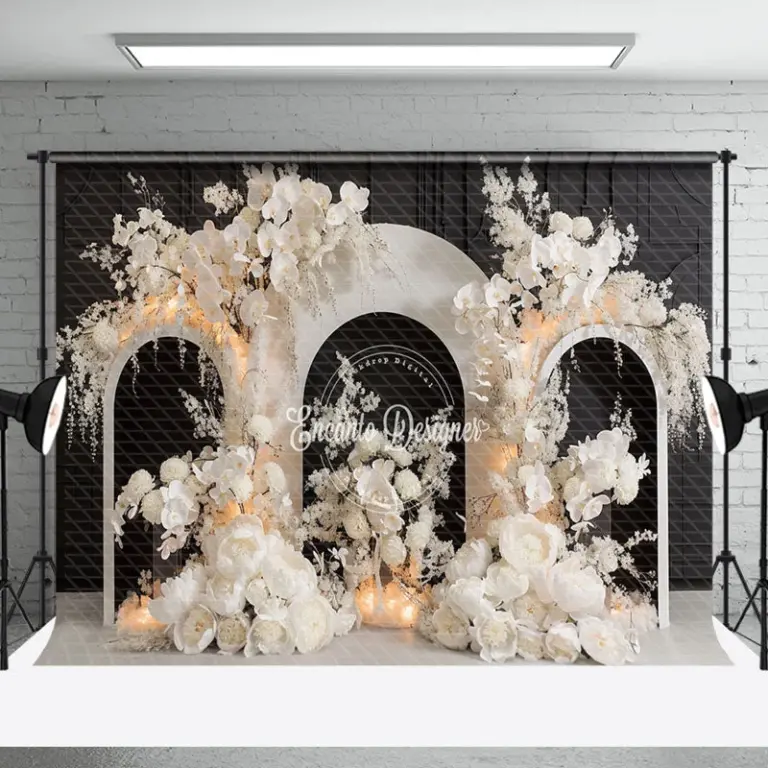 Aisha's pickWhite Wooden Wall Art Picked From the Stores We Trust
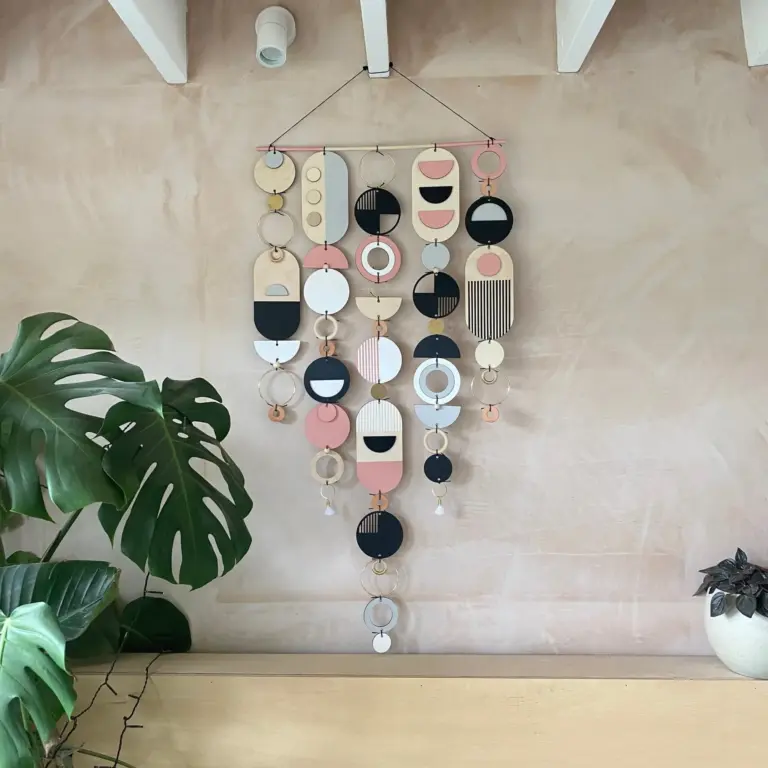
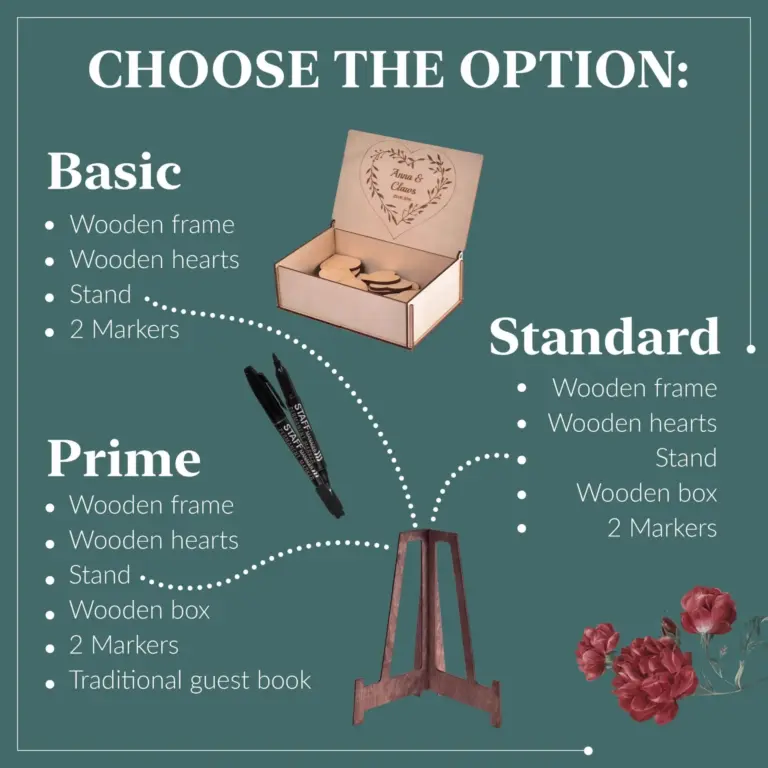 Aisha's pickLandscape Wood Wall Art We Keep BuyingAlso worth a lookPrintsThe thing nobody tells you about a print is that it changes with the light, and you won't…See the collections →
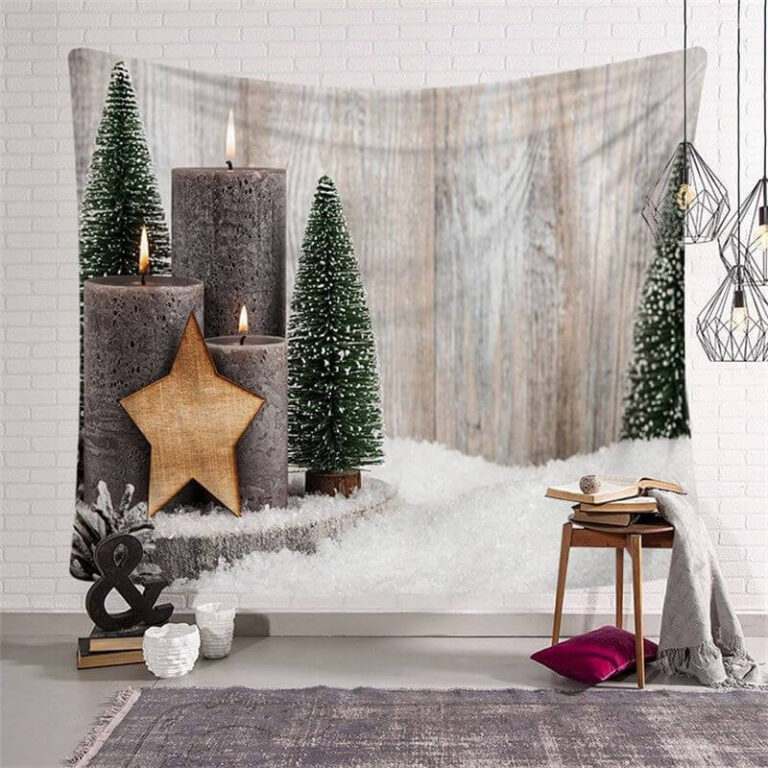
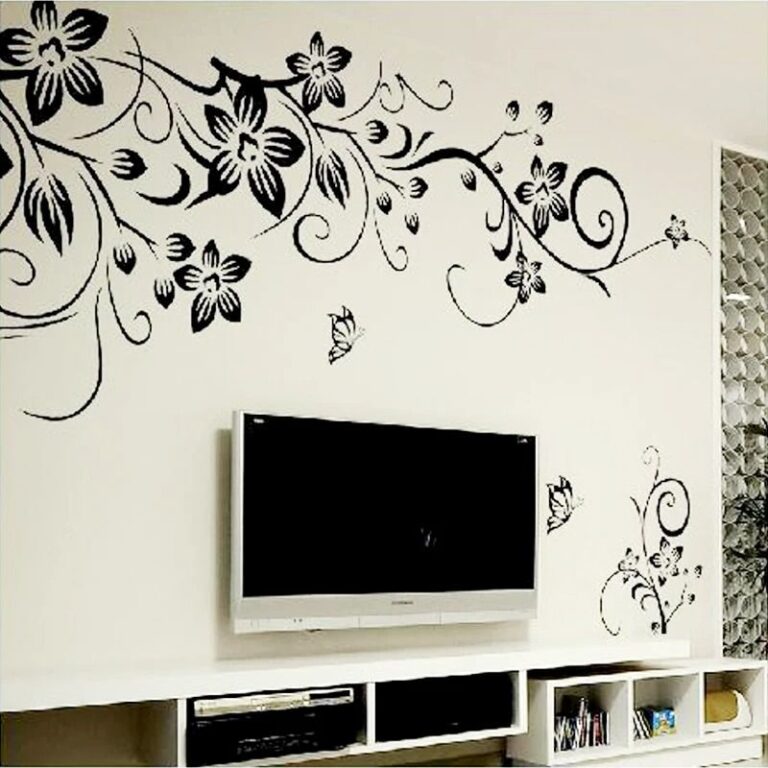 Aisha's pickWood Wall Art With a Bit More About It
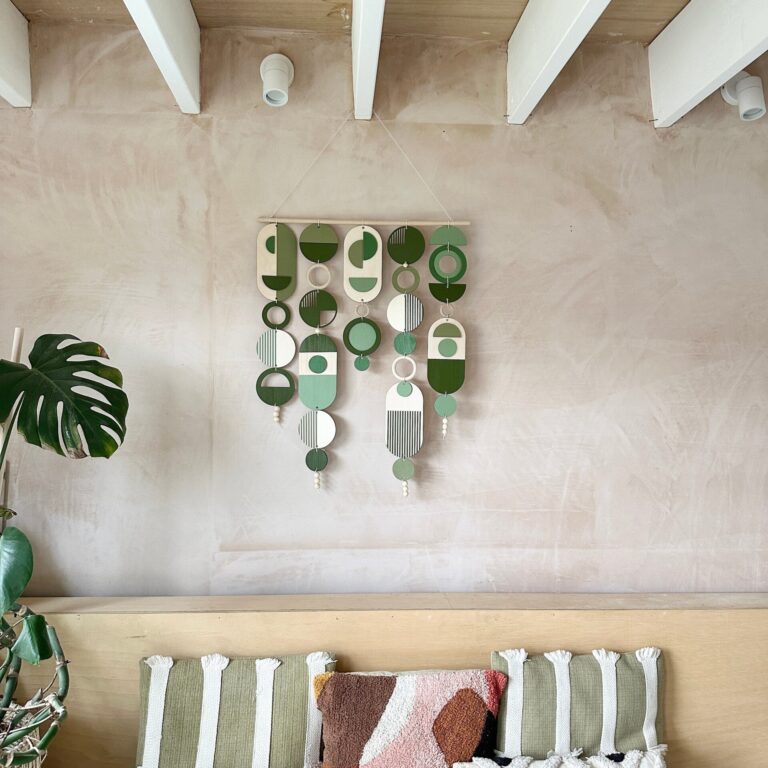
 Aisha's pickLandscape Wooden Wall Art You’ll Live With Happily for Years
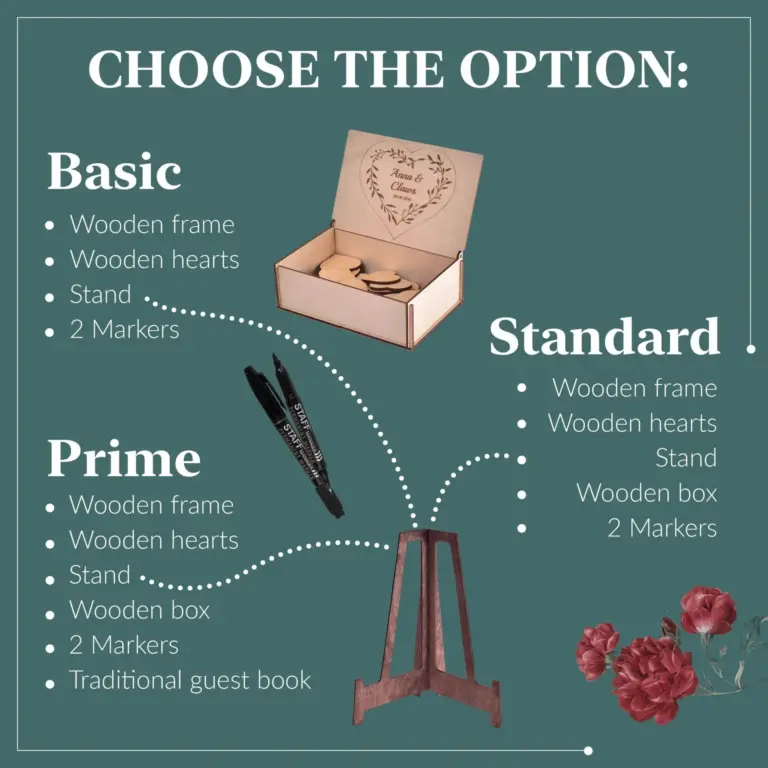
 Aisha's pickWood Wall Art for Bedroom From Brands You Know and a Few You Won’t
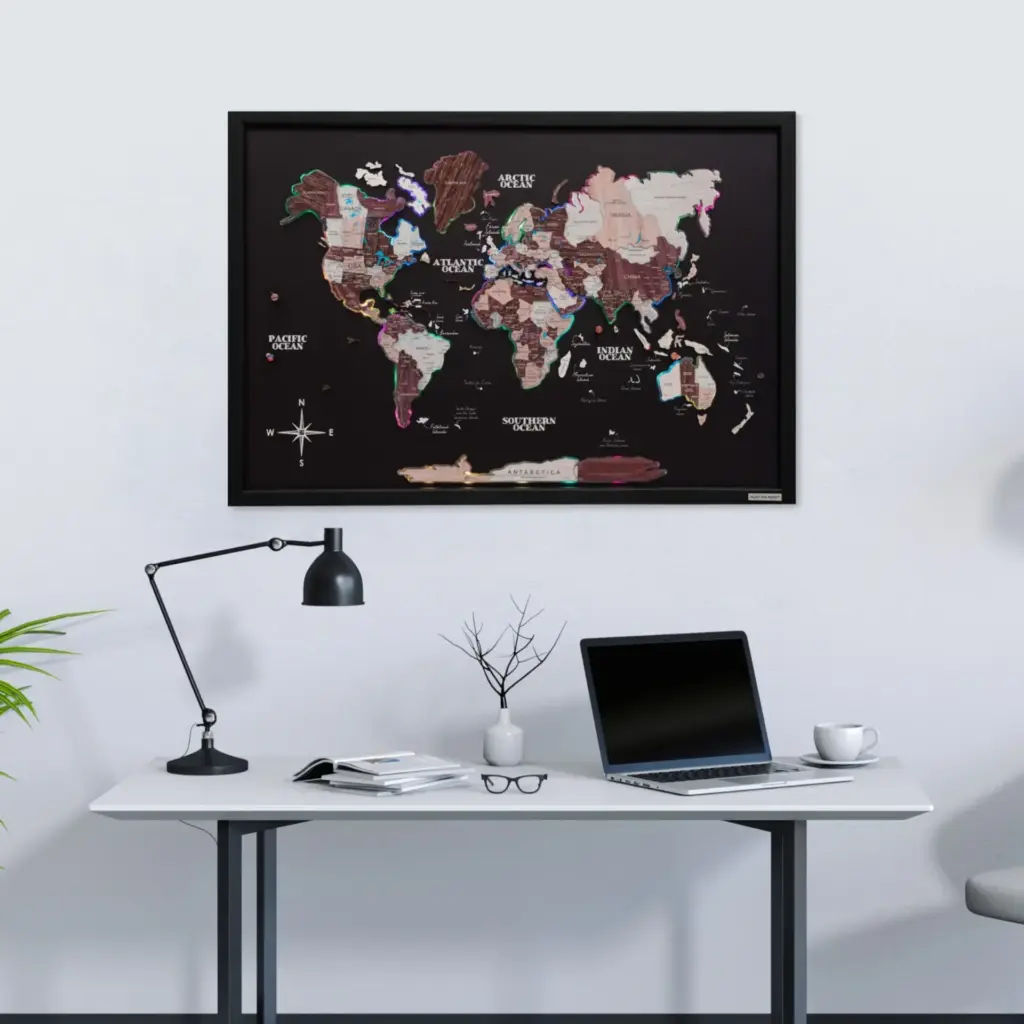
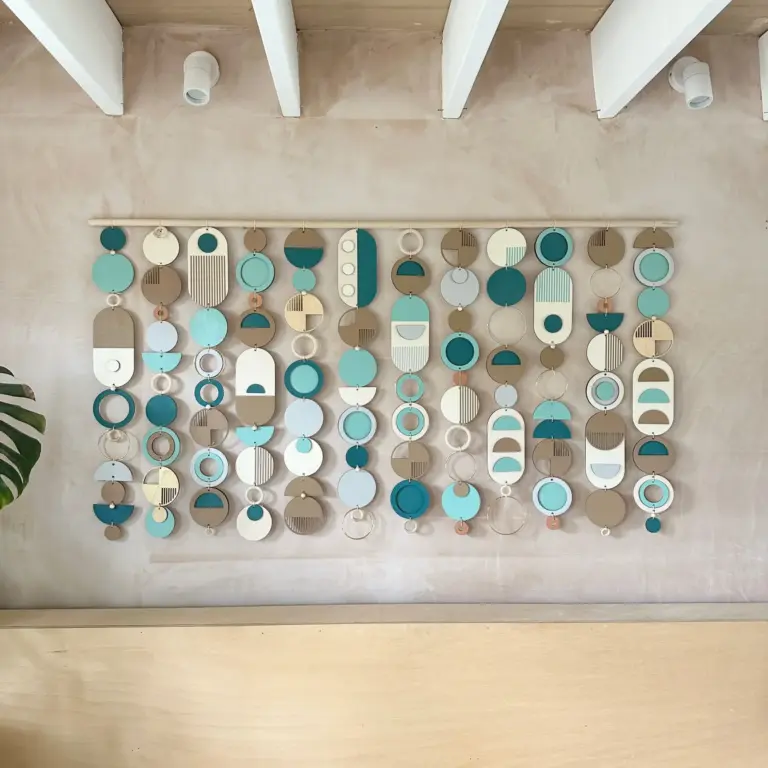 Aisha's pickLarge Wood Wall Art That Doesn’t Cost a Fortune
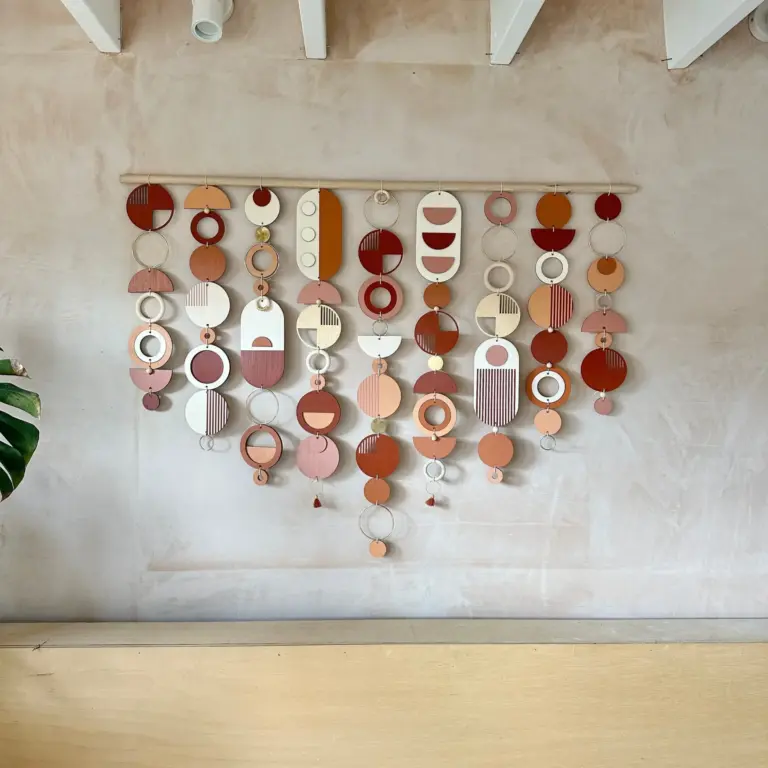
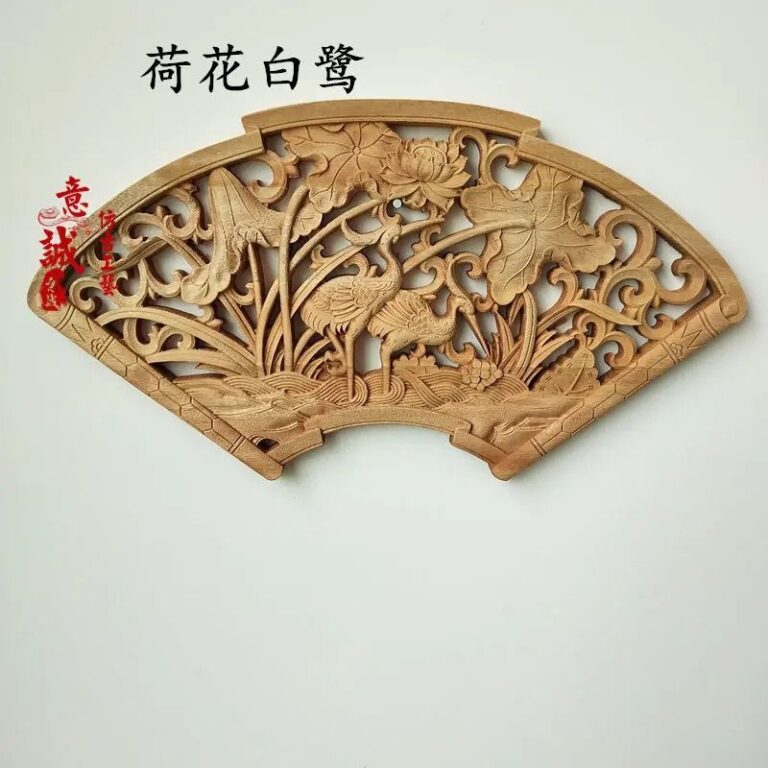 Aisha's pickWood Wall Art for Living Room Worth Knowing About
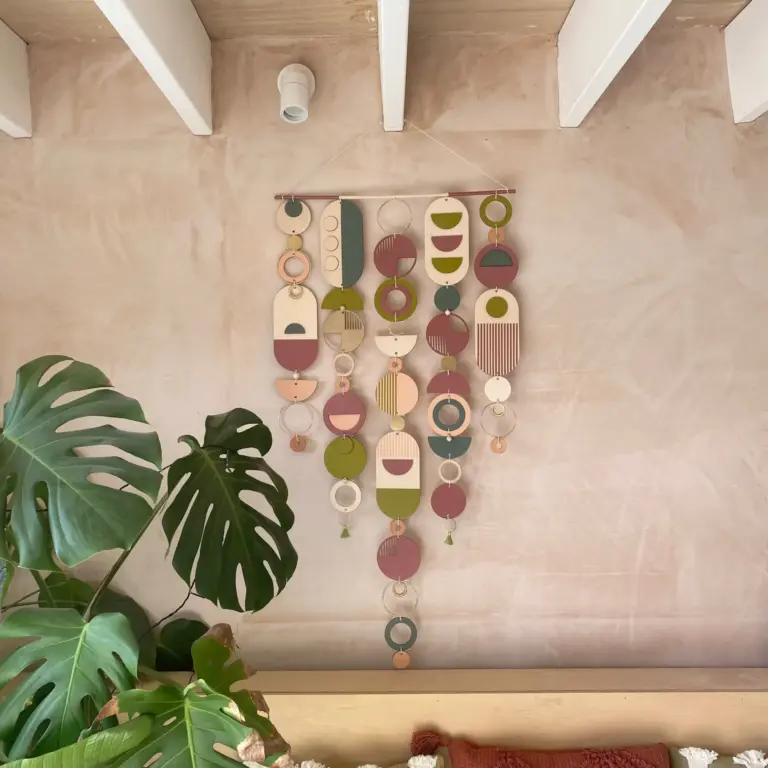
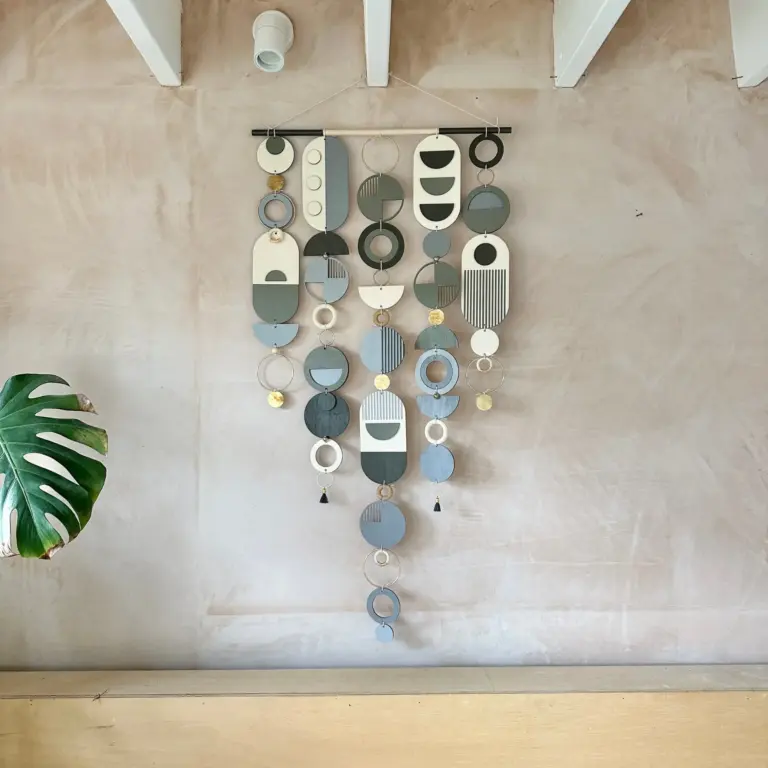 Aisha's pickLarge Wooden Wall Art With a Bit More About It
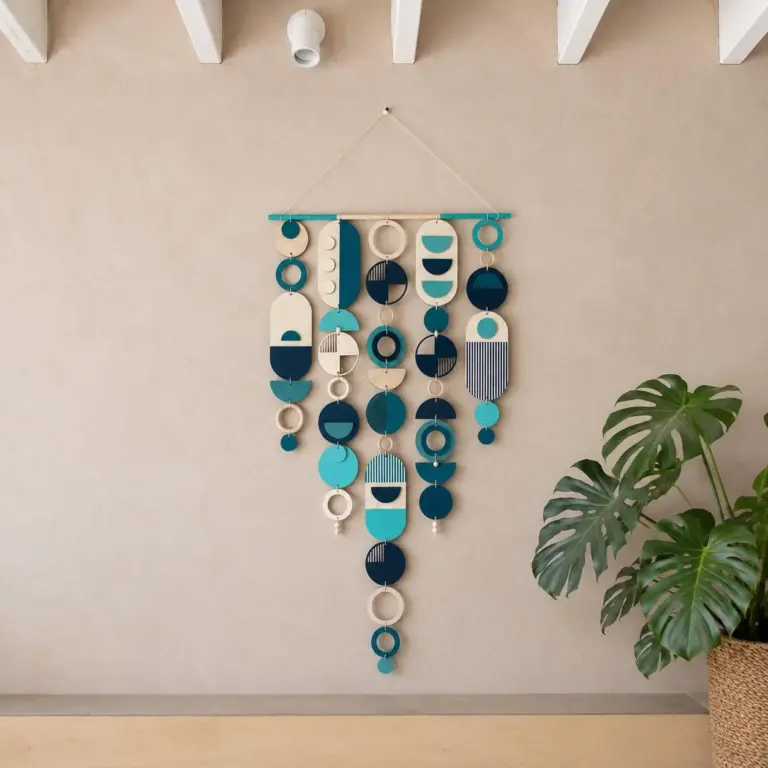
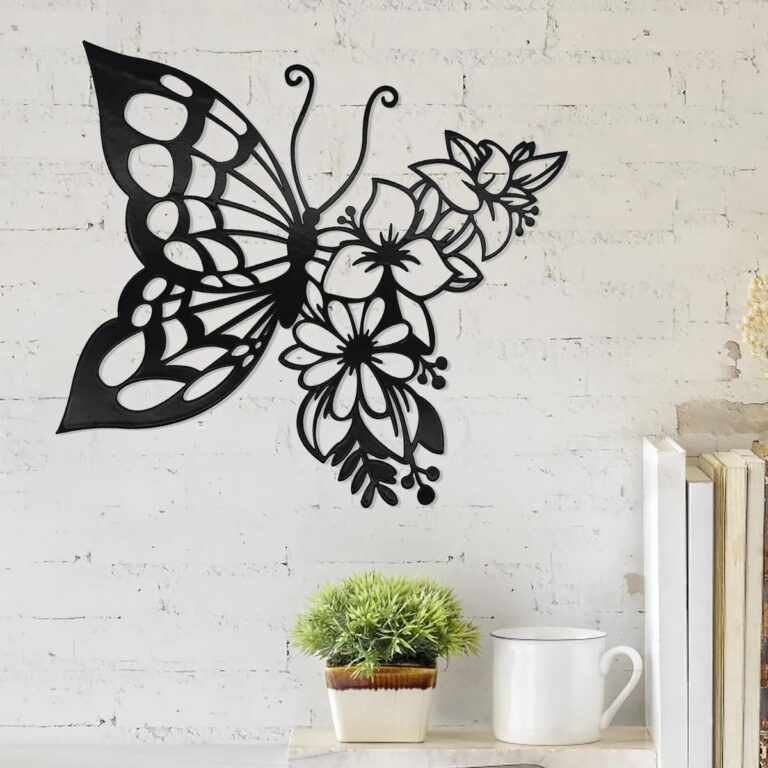 Aisha's pickDecent Wood Wall Art for Office Without the Hassle
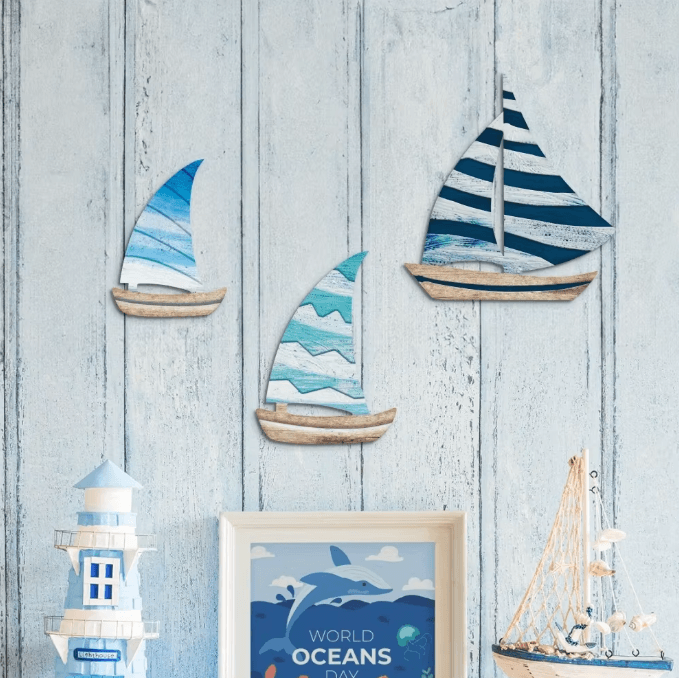
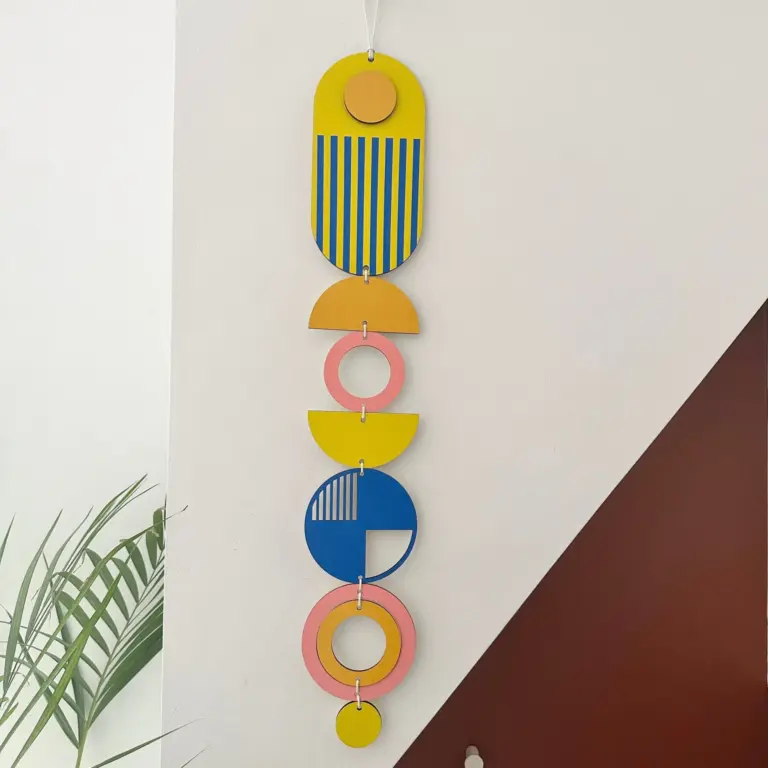 Aisha's pickLong Wood Wall Art for When the Old Ones Give Up
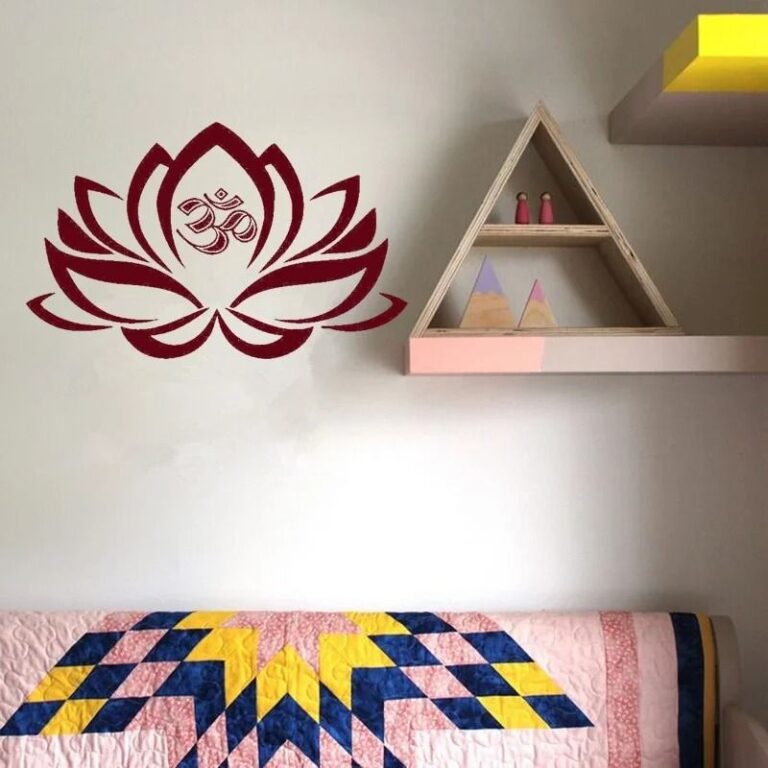
 Aisha's pickWooden Signs From Stores Big and SmallAlso worth a lookModern Wall ArtFor years I figured modern wall art meant one big canvas, something abstract and gray, hung dead center…See the collections →
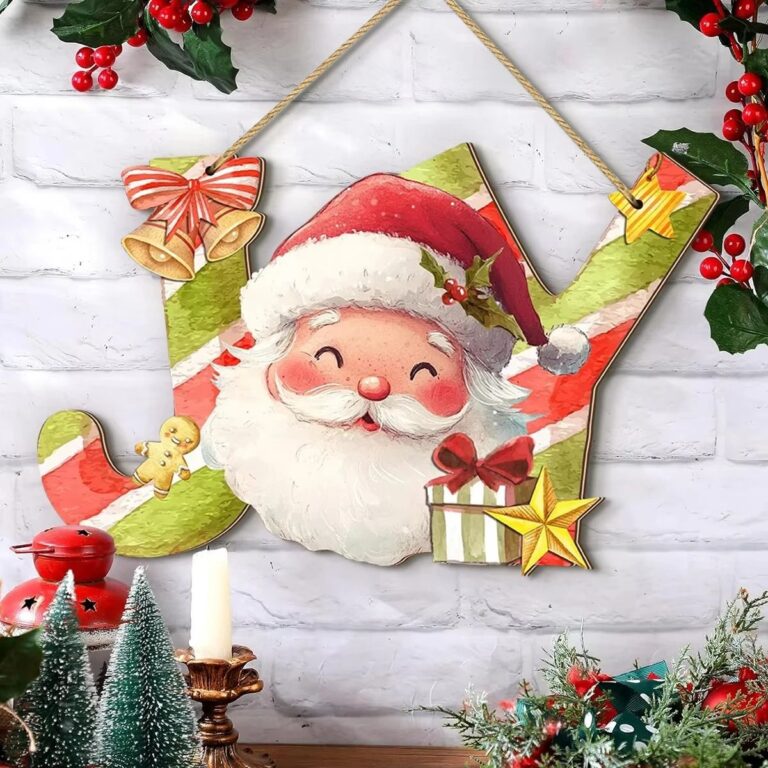
 Aisha's pickAbstract Wood Wall Art That Does What It Should
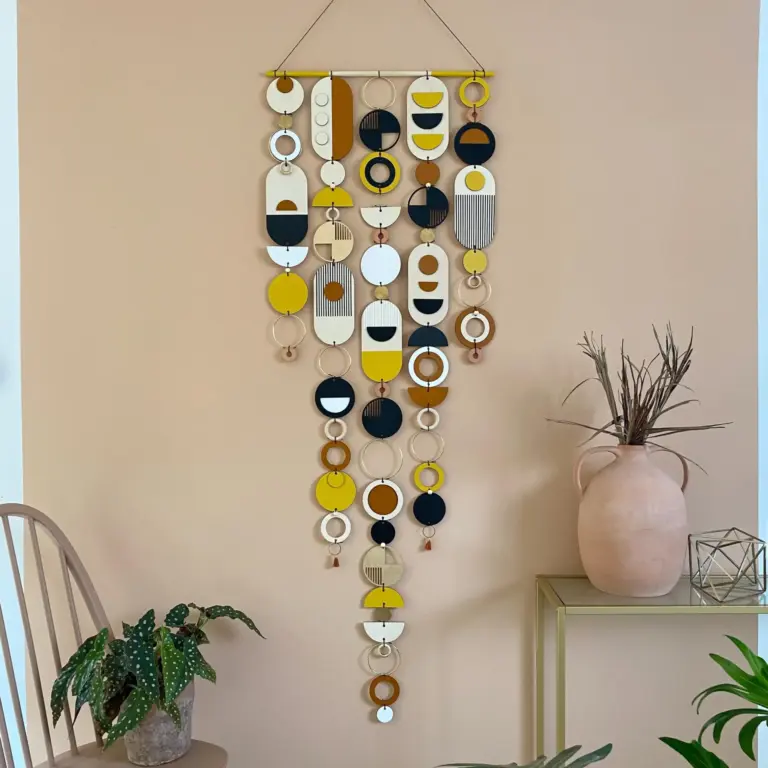
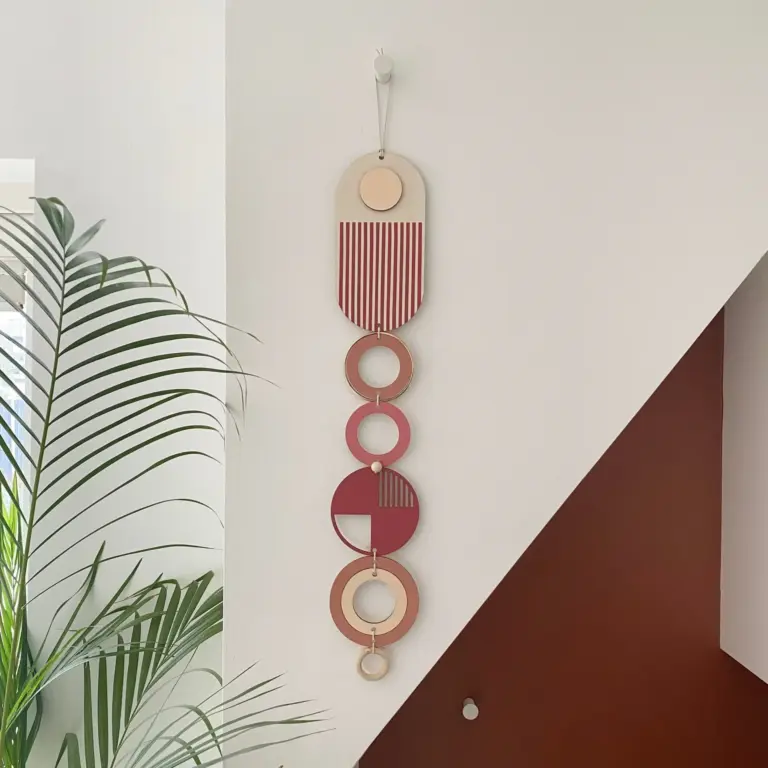 Aisha's pickLong Wooden Wall Art That Looks the Part
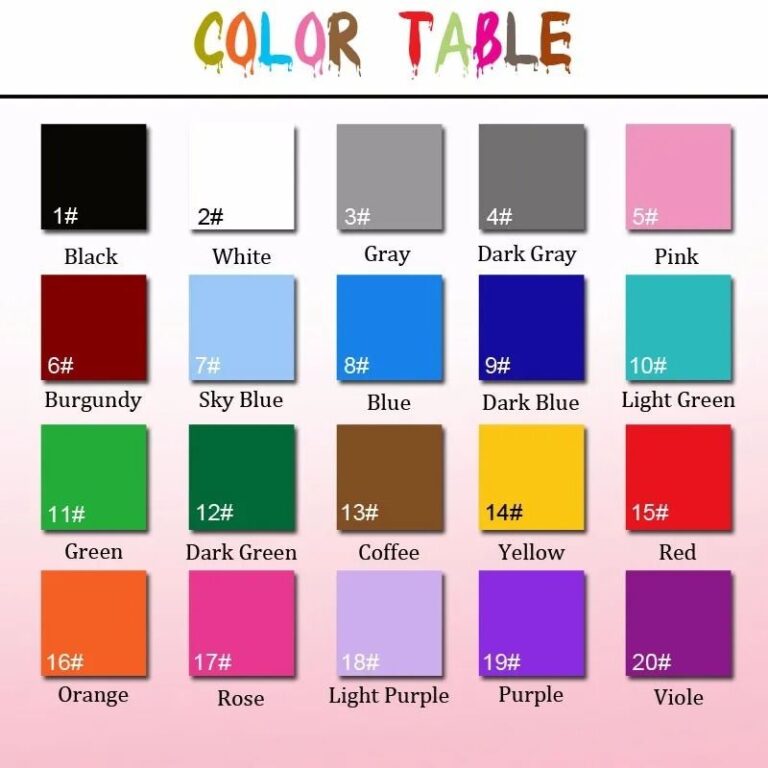
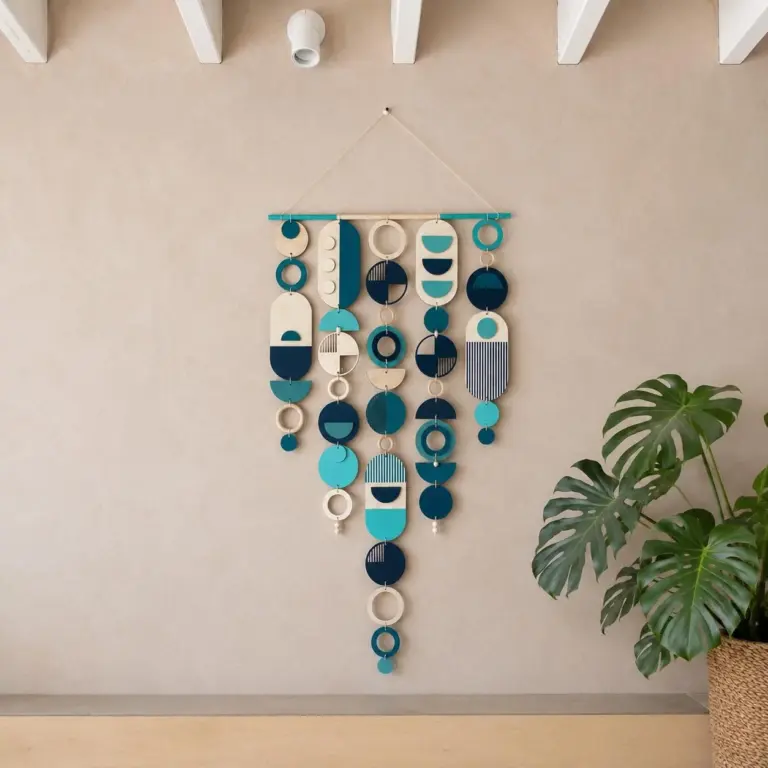 Aisha's pickWooden Wall Art You’ll Live With Happily for Years
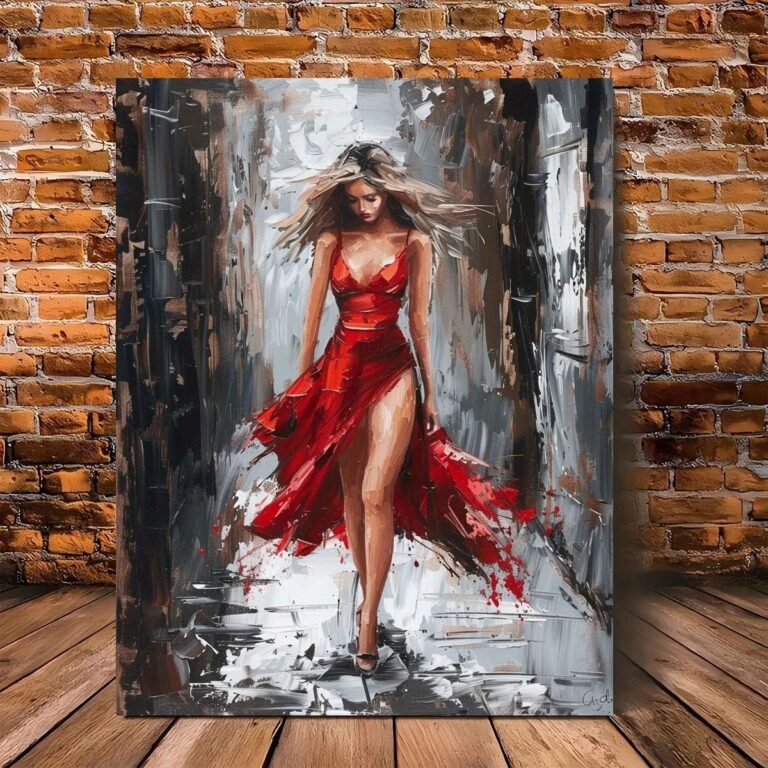
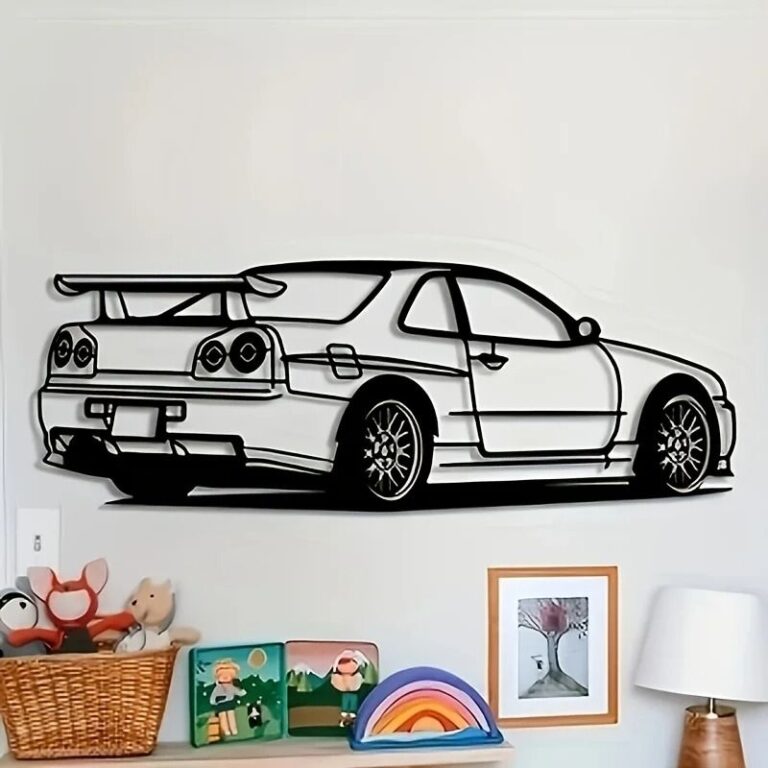 Aisha's pickBlack Wood Wall Art With Some Character
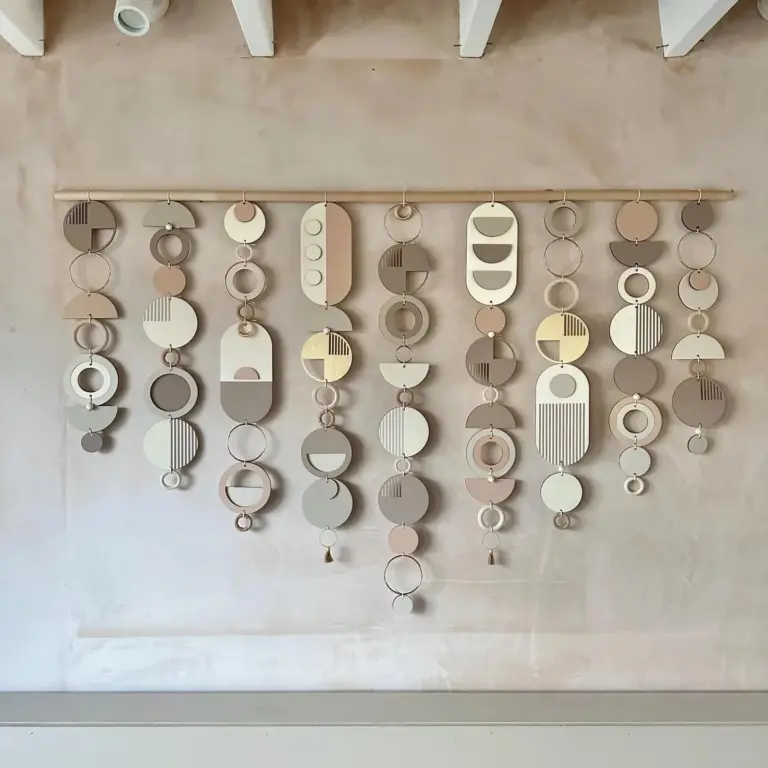
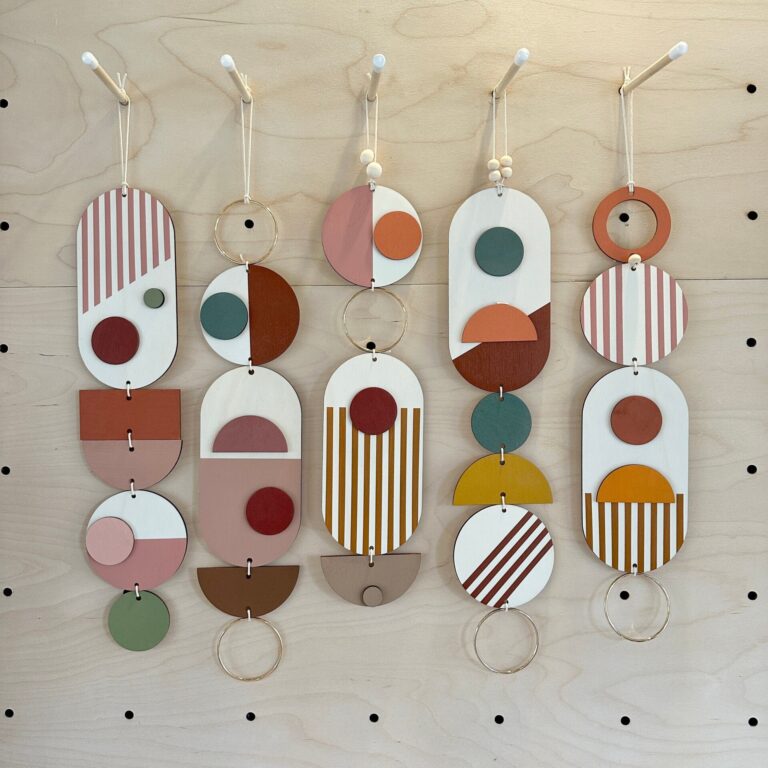 Aisha's pickModern Wood Wall Art We Keep Buying
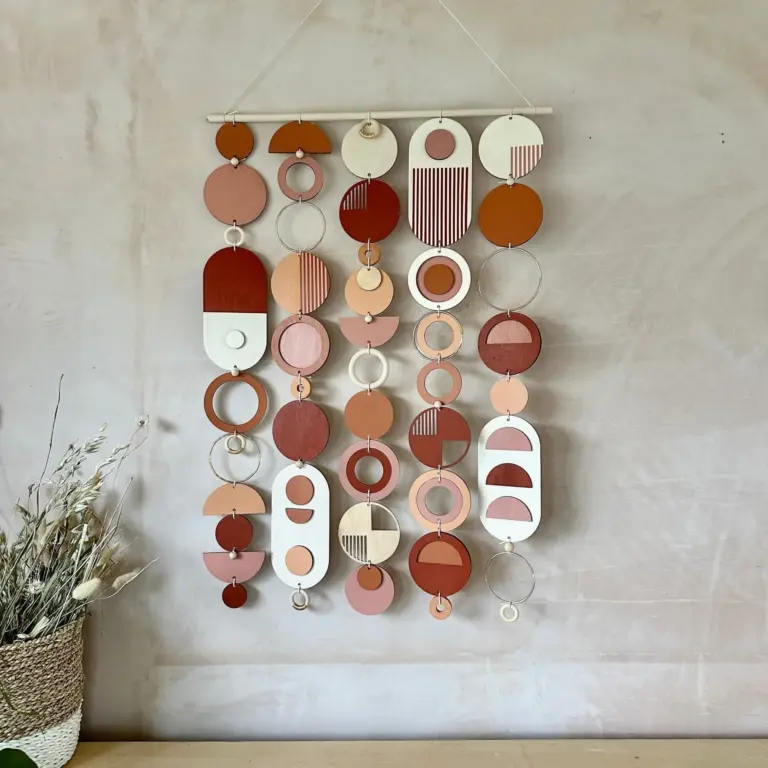
 Aisha's pickWooden Wall Art for Bedroom That Doesn’t Cost a Fortune
 Aisha's pickBlack Wooden Wall Art That Doesn’t Cost a Fortune
 Aisha's pickModern Wooden Wall Art That Doesn’t Cost a Fortune