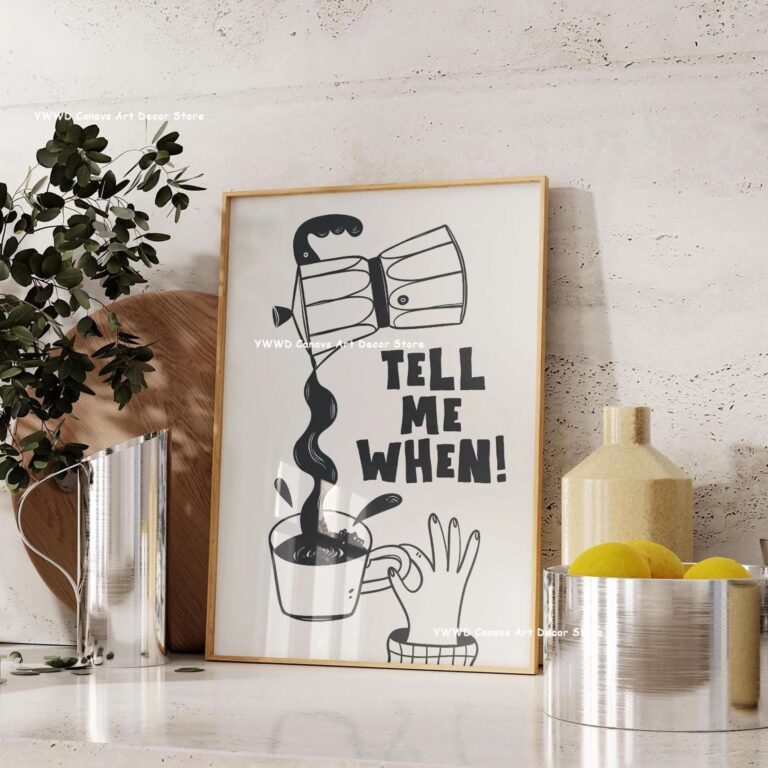
There's a particular kind of evening, late fall usually, when the light drops early and you're sitting with a glass of wine looking at a wall that's been bare since you moved in eighteen months ago, and you finally admit the problem isn't the couch or the rug, it's that nothing on that wall is telling you anything. That's when canvas art starts to make sense, not as decoration exactly, more like the thing that makes a room stop feeling like a waiting area.
It suits almost anywhere you actually spend time, which is the point, a living room over the sofa, a bedroom wall you look at before you fall asleep, a hallway that needs one good thing instead of six mediocre ones. It works in rented places because it hangs on a single hook and comes down without a trace, and it works in a house you own because it can be bigger and bolder without feeling like you're trying too hard. If you're starting from zero, go with one larger piece rather than three small ones. A single generous canvas, something with real presence, does more for a room than a cluster of little frames that end up looking like a dentist's waiting room, I speak from experience and from a hallway I had to redo twice.
The difference between a canvas that looks good for ten years and one that sags and yellows by spring comes down to things you can't always see on a screen. A solid wood frame underneath, not a flimsy strip of cardboard pretending to be structure, keeps the whole thing from warping. The canvas itself should feel tight, like a drum, not slack when you press it. Cheap ones ripple at the corners within a year, especially anywhere with real humidity or a window that gets direct sun. Printing matters too, a flat, slightly textured finish reads as more considered than something glossy and plasticky up close.
When it arrives, pull it out of the box before you do anything else and check the corners are square, not pulled crooked, and that the staples on the back are even and not already working loose. Look at the surface in daylight, not just the lamp by the door, because colors that look rich under warm bulbs can go flat or strange in daylight. And check the hanging hardware is actually attached, not just resting in the bag taped to the back.
A good one makes a whole room feel finished. A bad one just reminds you daily that you were in a hurry when you bought it.
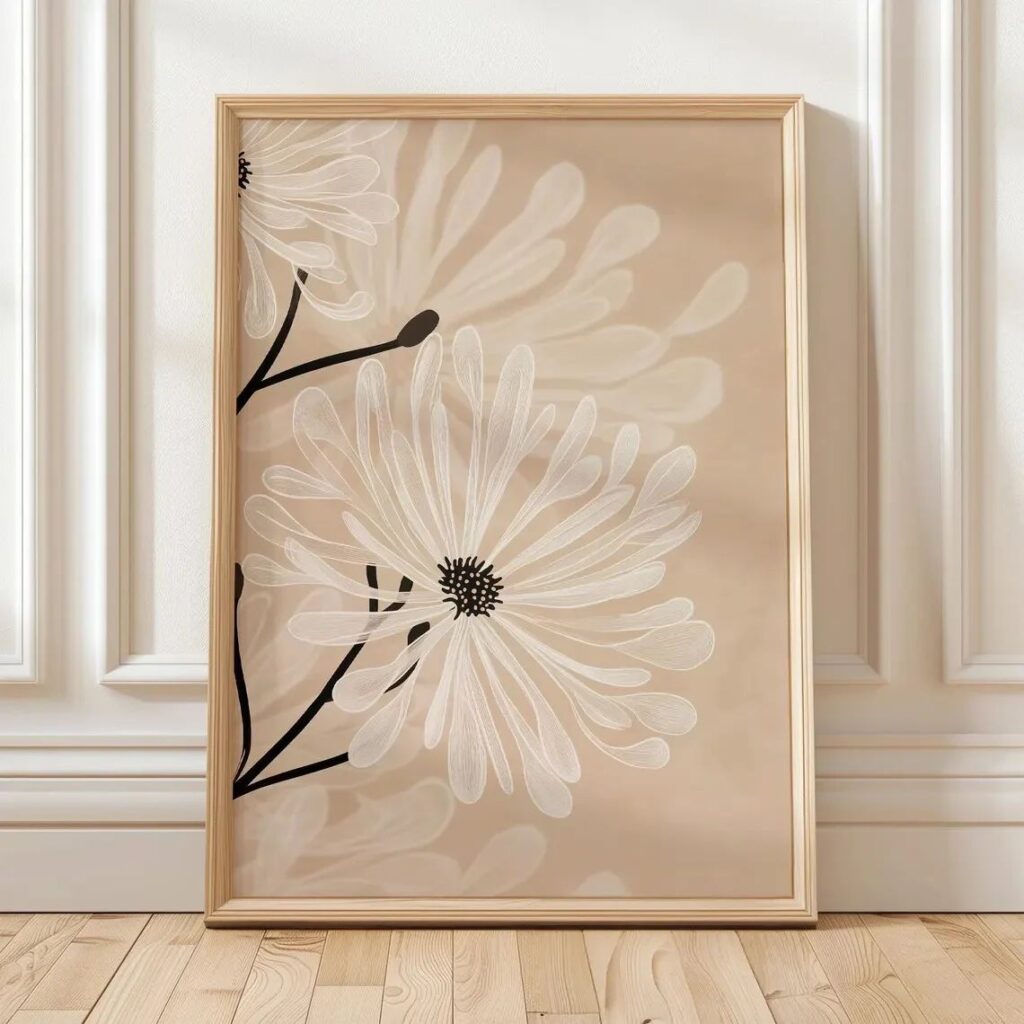 Aisha's pickDecent Canvas Wall Art for Dining Room Without the Hassle
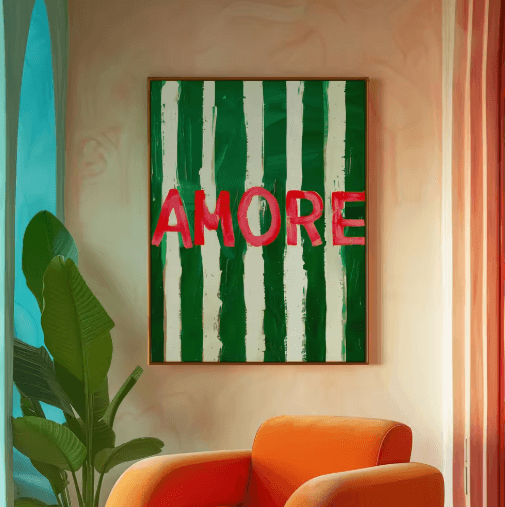
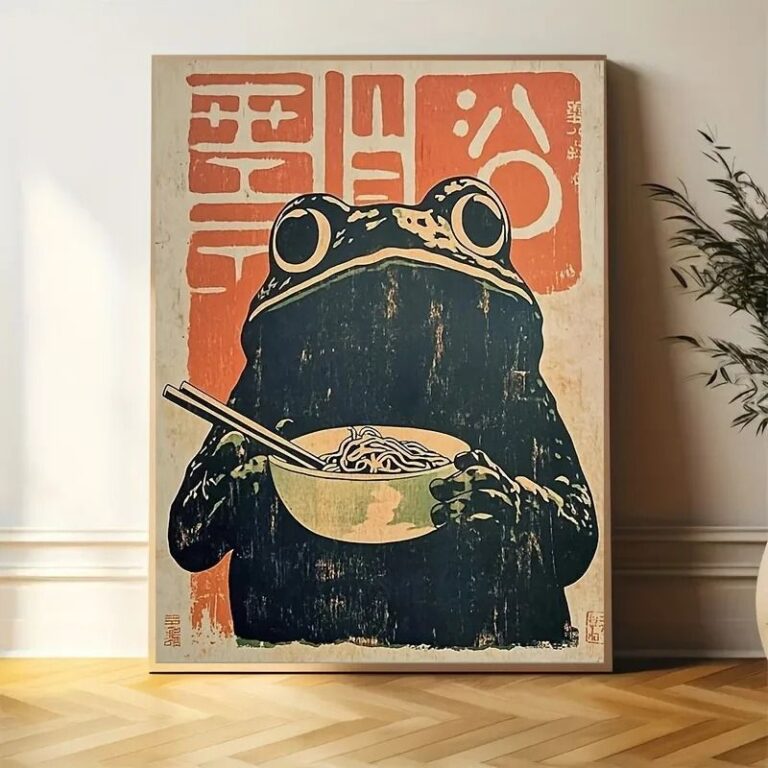 Aisha's pickSpace Canvas Prints That Go With Most Rooms
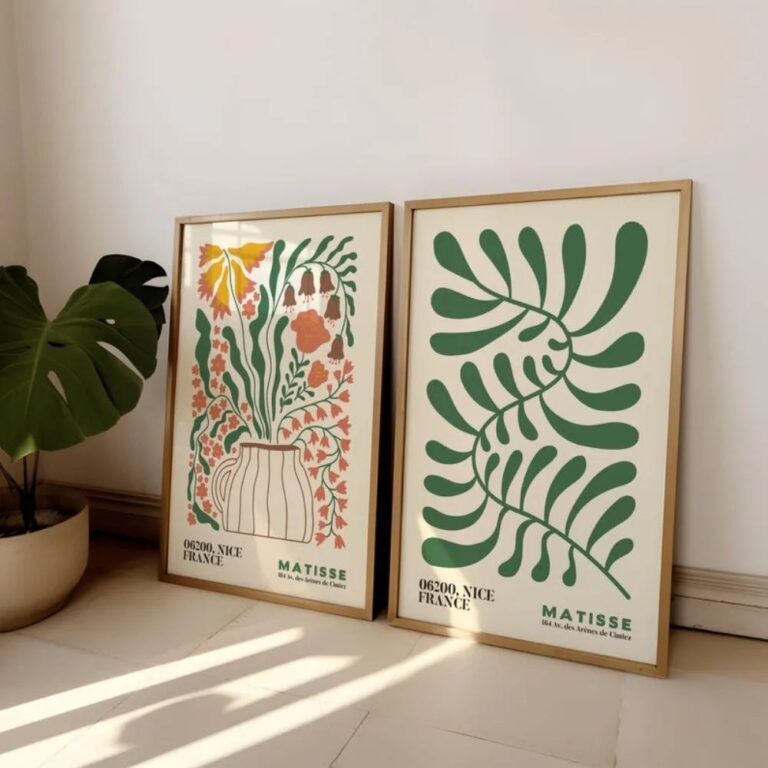
 Aisha's pickCanvas Wall Art with Frame Worth Your Money

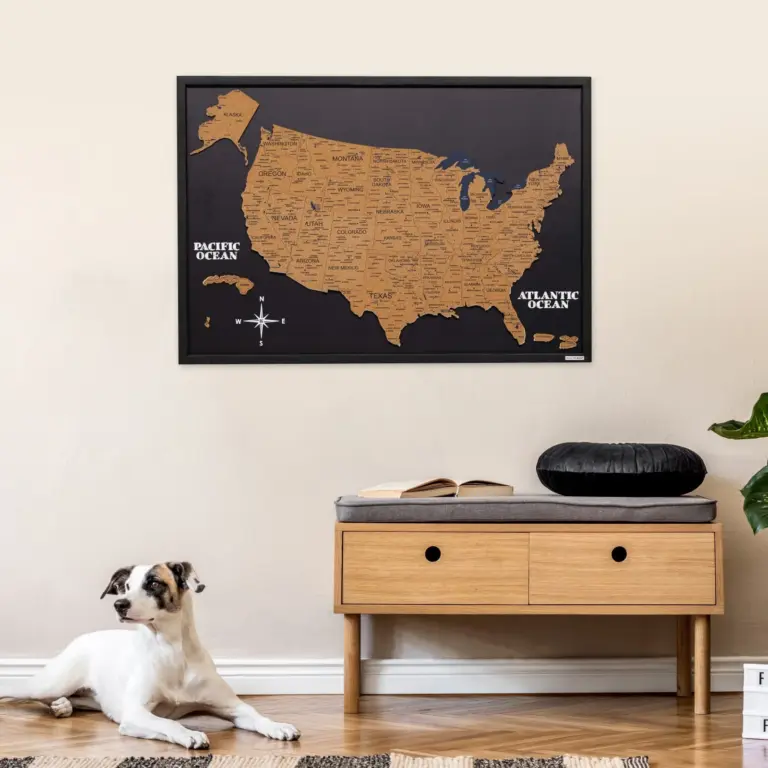 Aisha's pickSpace Canvas Wall Art Worth Knowing About

 Aisha's pickCity Canvas Art Worth Your Money
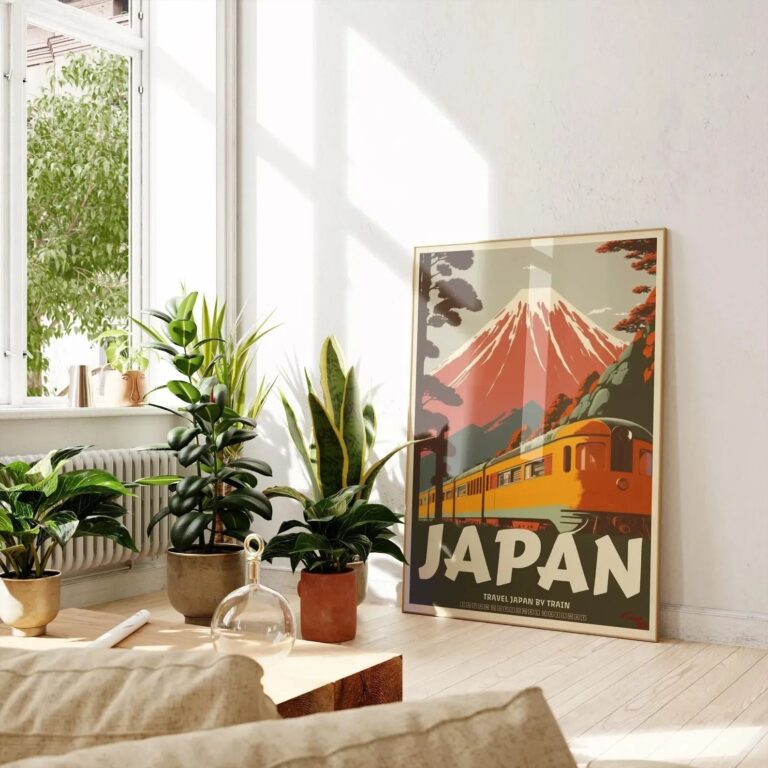
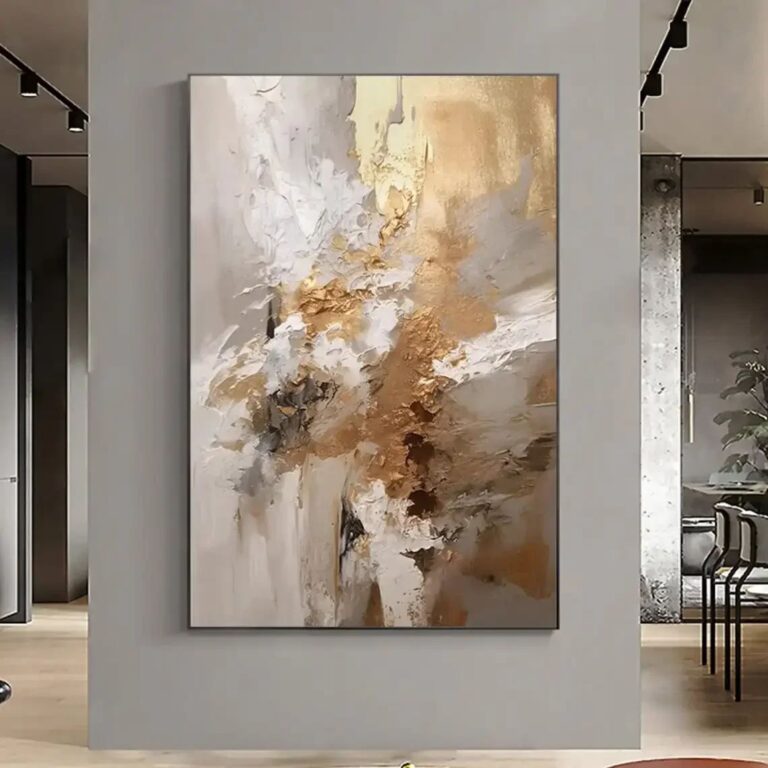 Aisha's pickWhere to Start With Textured Canvas Art
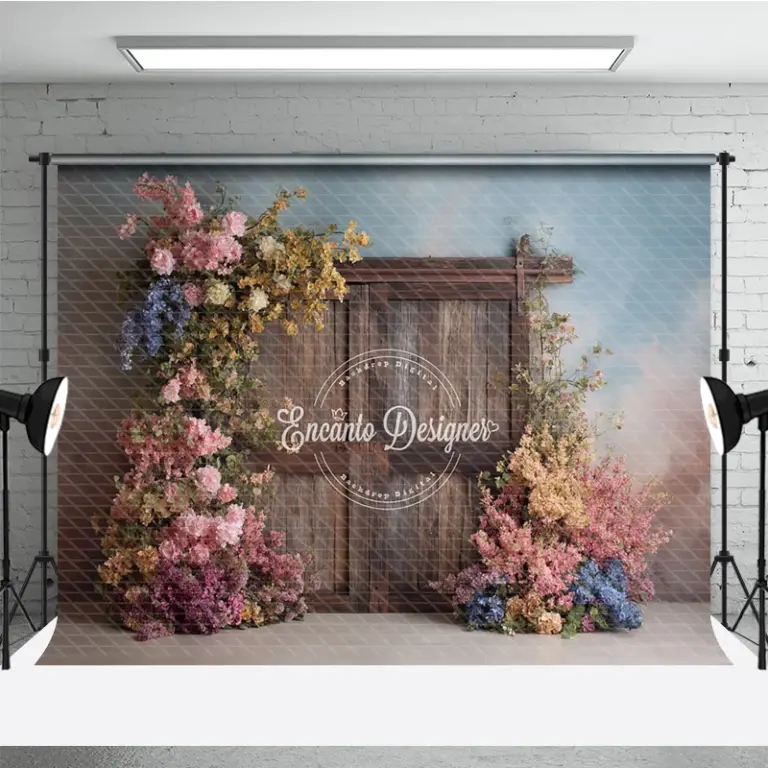
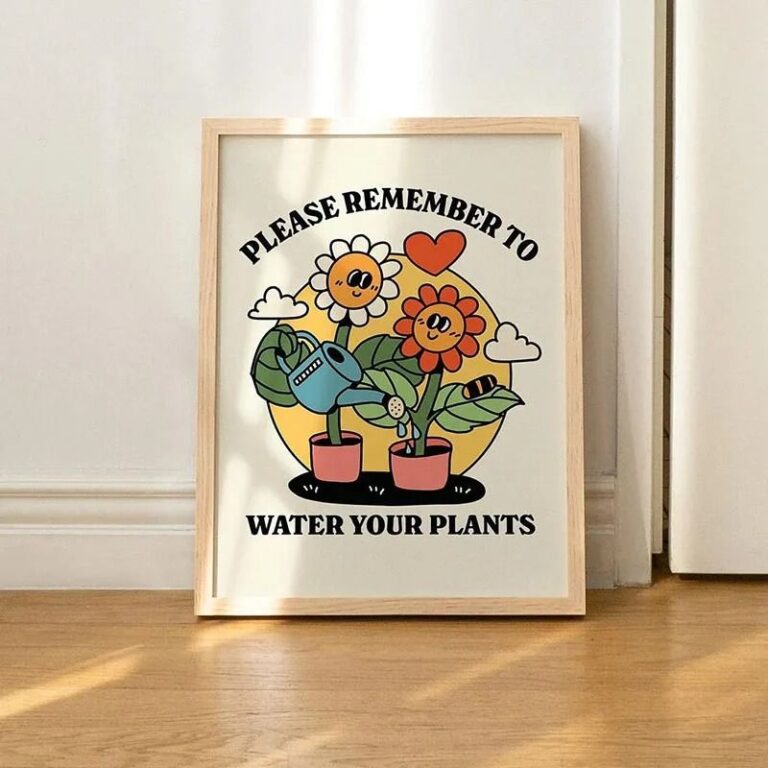 Aisha's pickCity Canvas Prints That Give a Room Some Personality
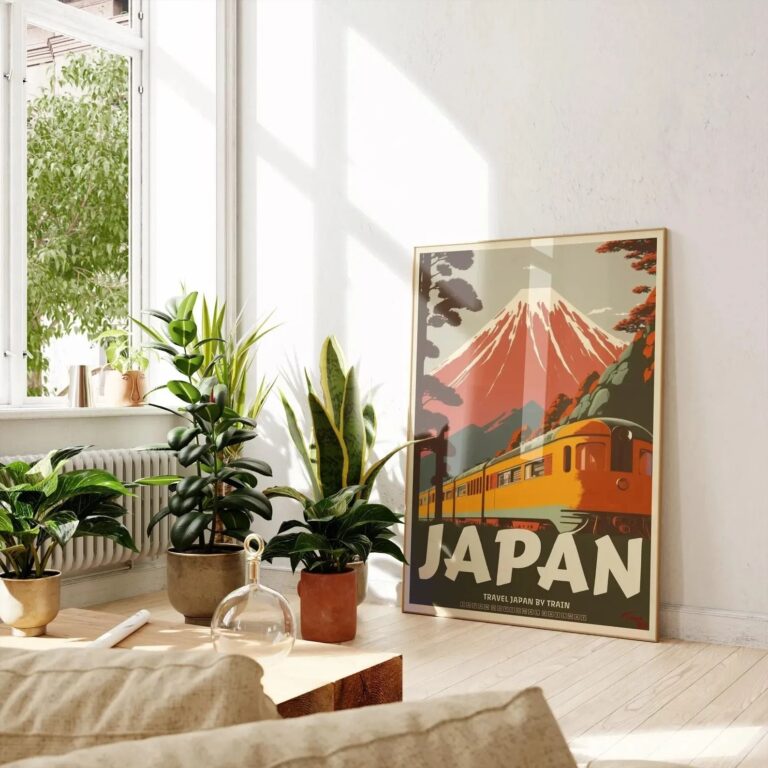
 Aisha's pickYellow Canvas Art for Making a House Feel Like Yours

 Aisha's pickCity Canvas Wall Art Hunted Down So You Don’t Have ToAlso worth a lookPrintsThe thing nobody tells you about a print is that it changes with the light, and you won't…See the collections →

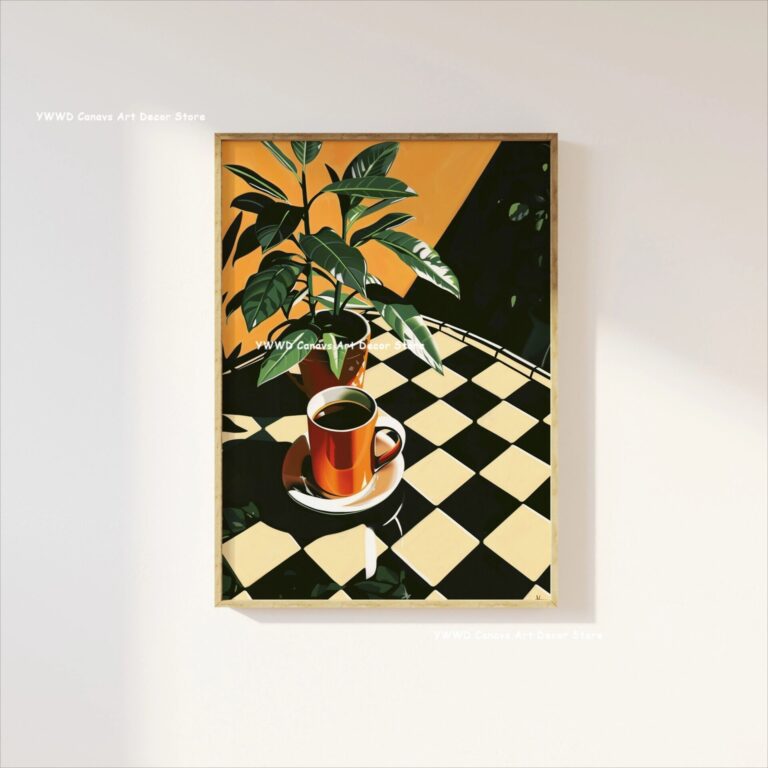 Aisha's pickYellow Canvas Prints That Feel Personal, Not Store Bought
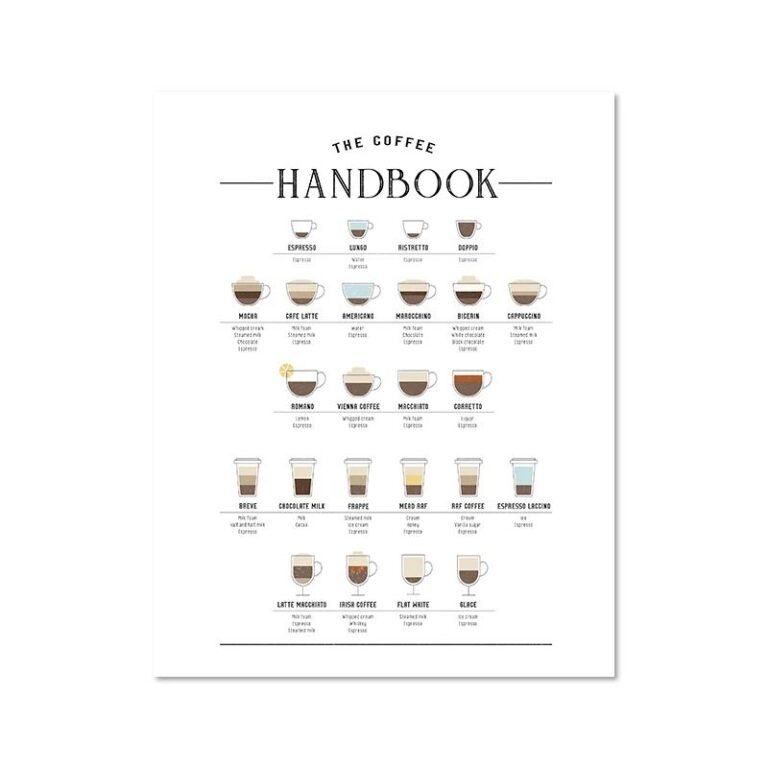
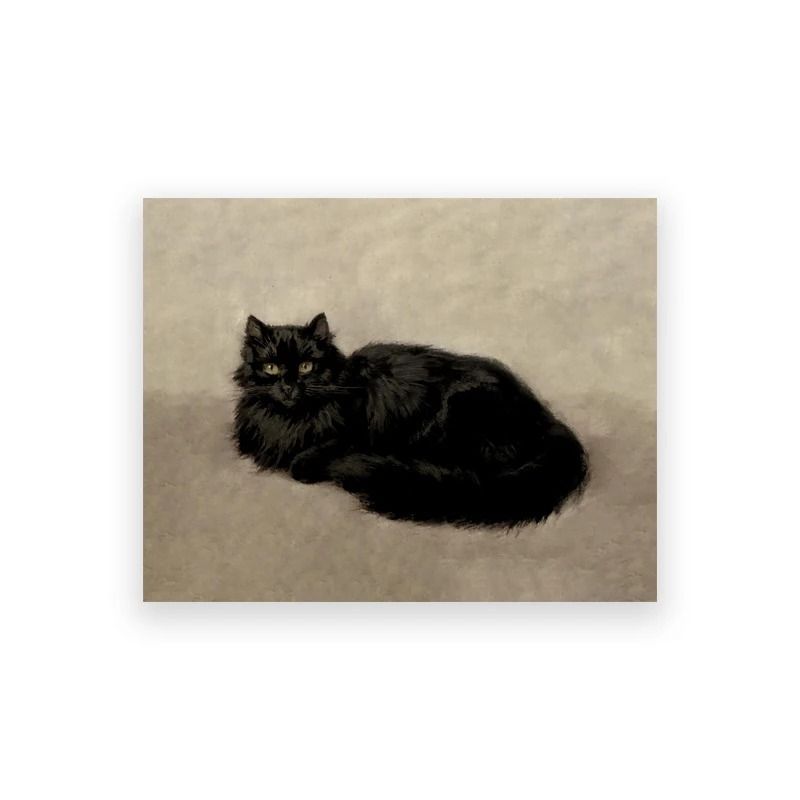 Aisha's pickForest Canvas Prints With a Story to Them
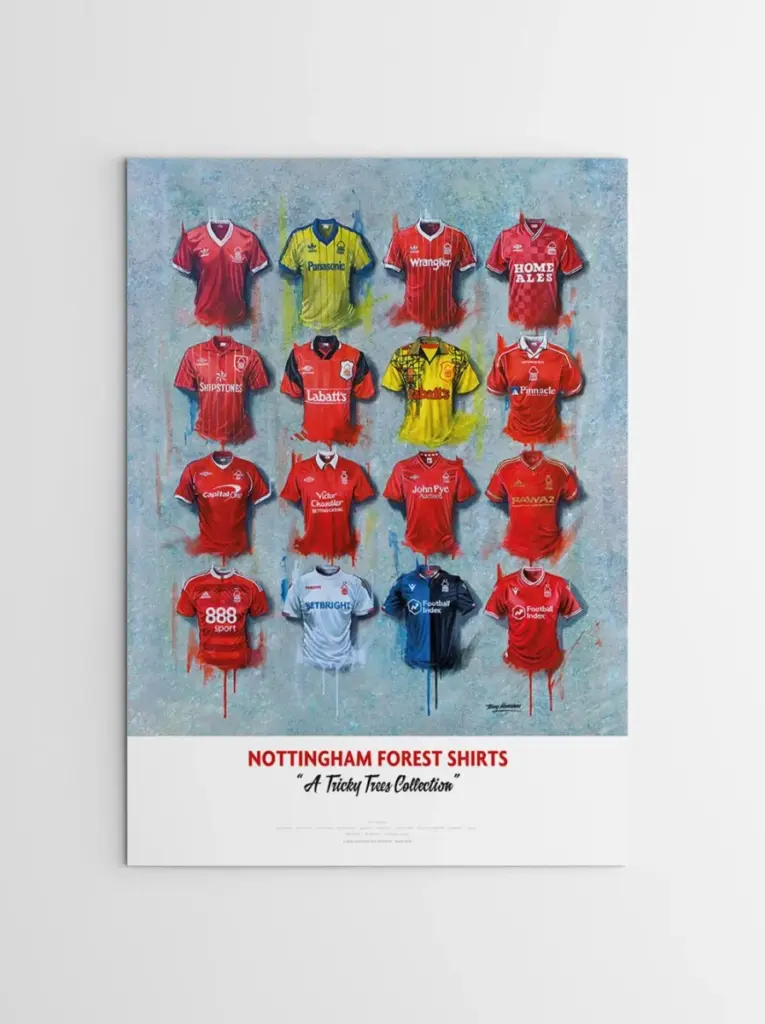
 Aisha's pickGold Canvas Art Pulled From Dozens of Stores

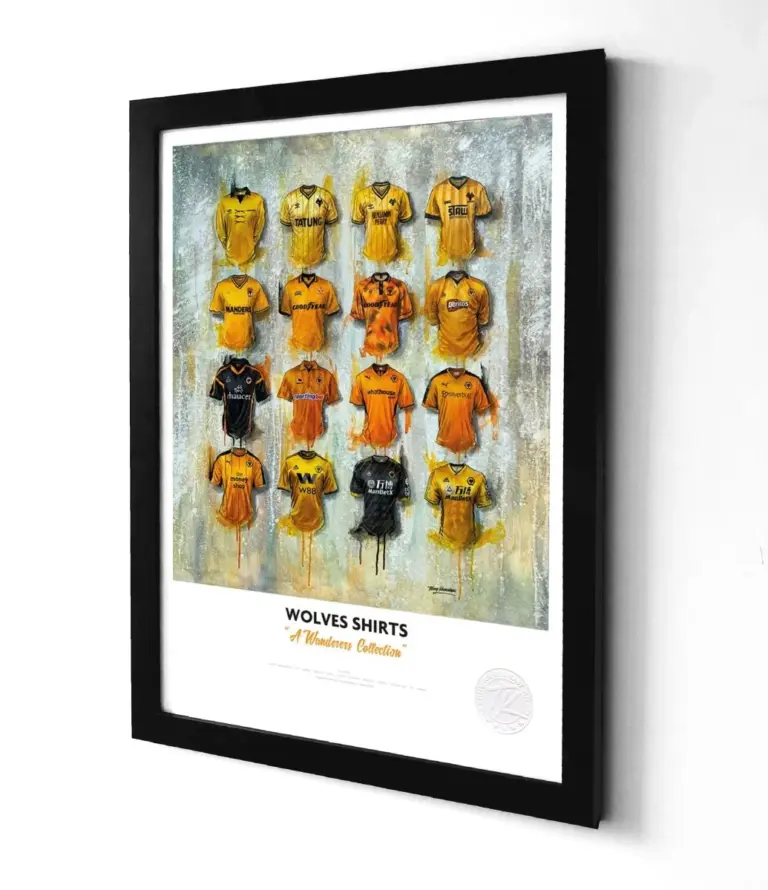 Aisha's pickGold Canvas Prints That Don’t Need Babying

 Aisha's pickGold Canvas Wall Art That Does What It Should
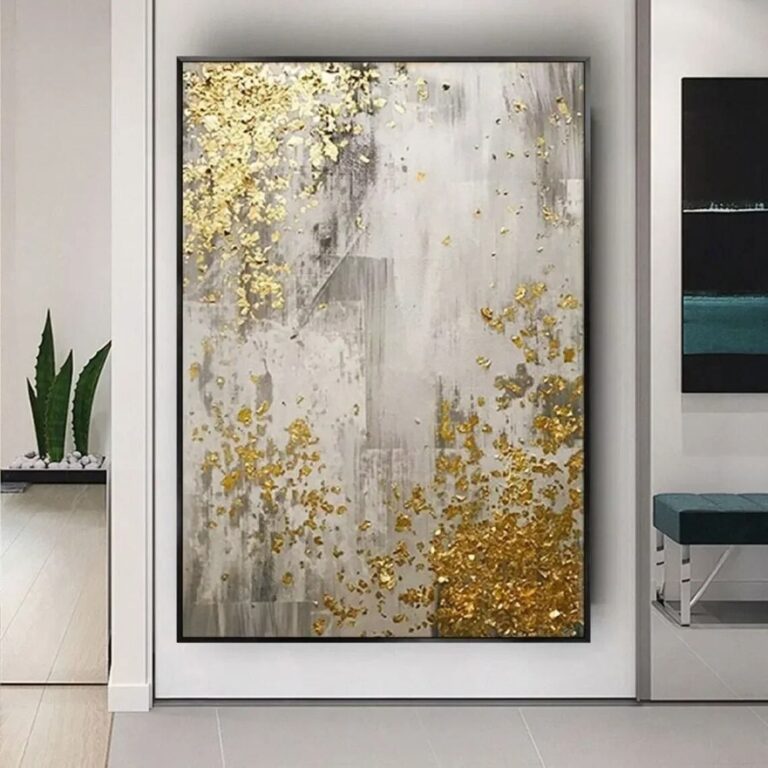
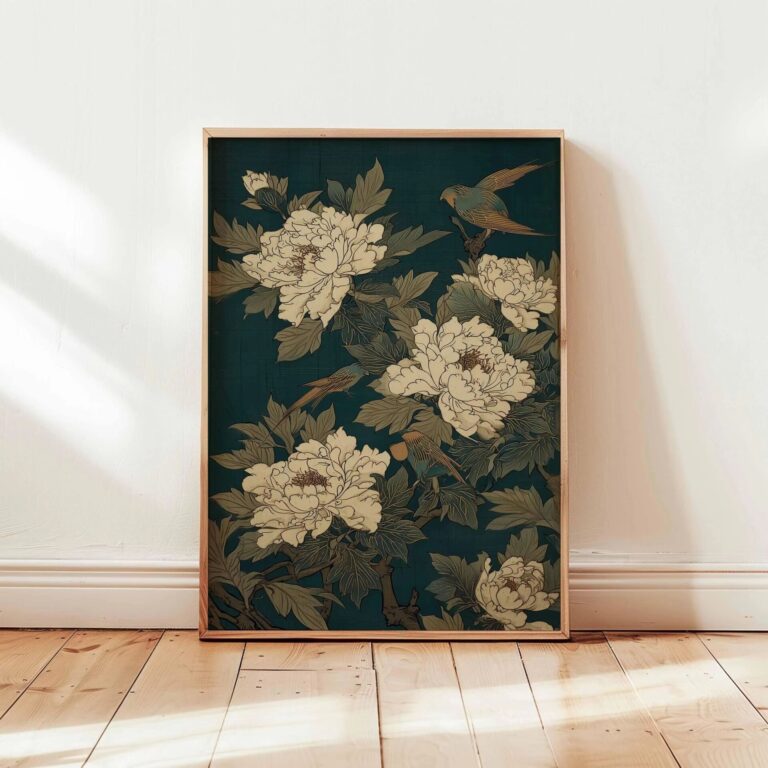 Aisha's pickAnimal Canvas Prints That Earn Their Keep

 Aisha's pickMap Canvas Art Worth Your Money
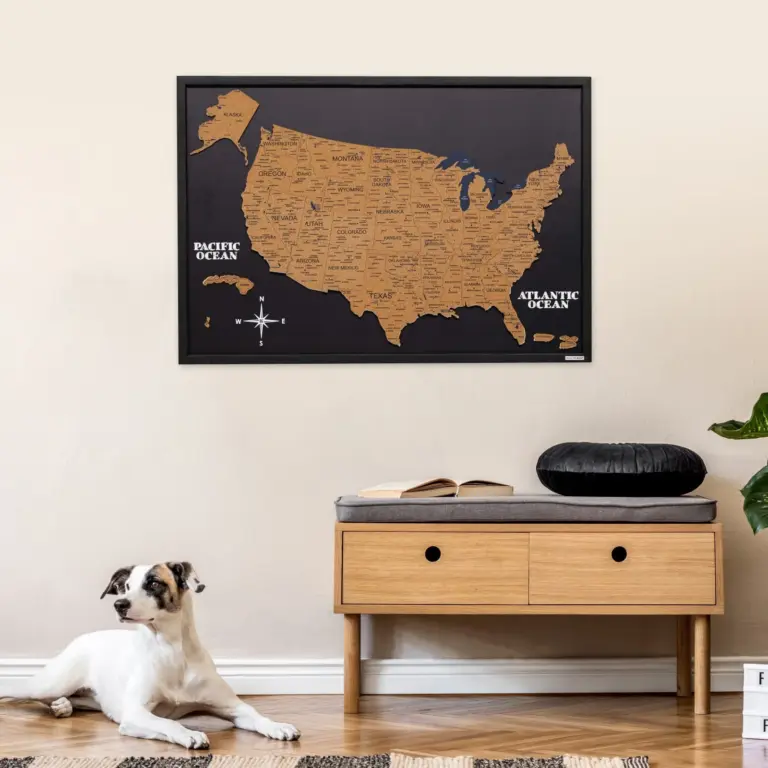
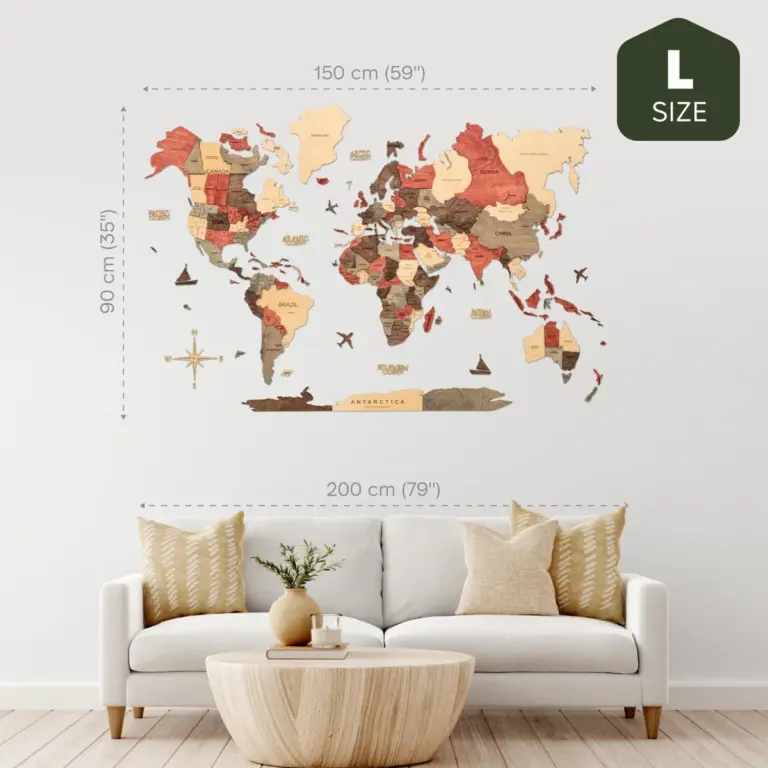 Aisha's pickThe Canvas Art Worth Your Cash
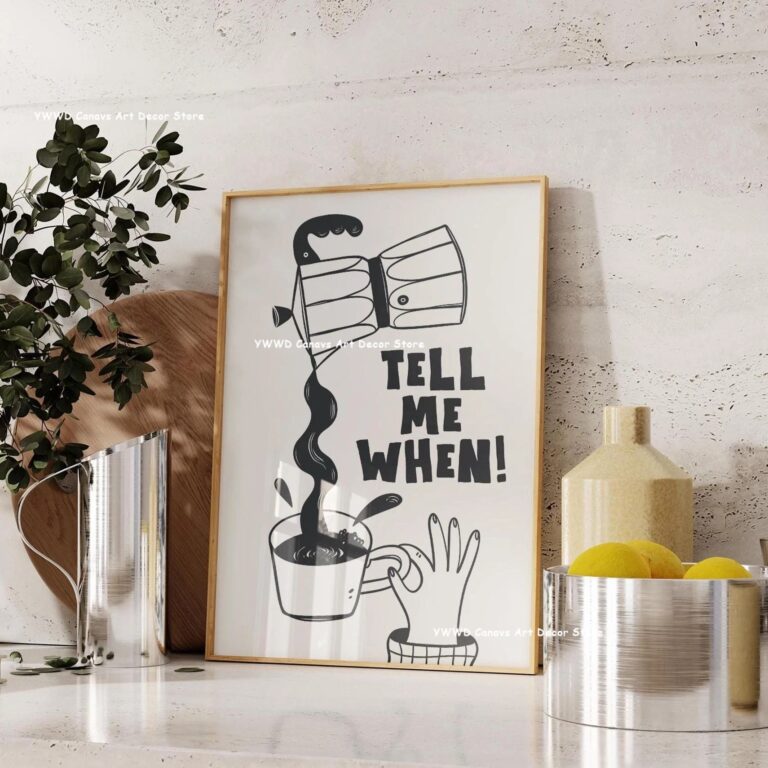
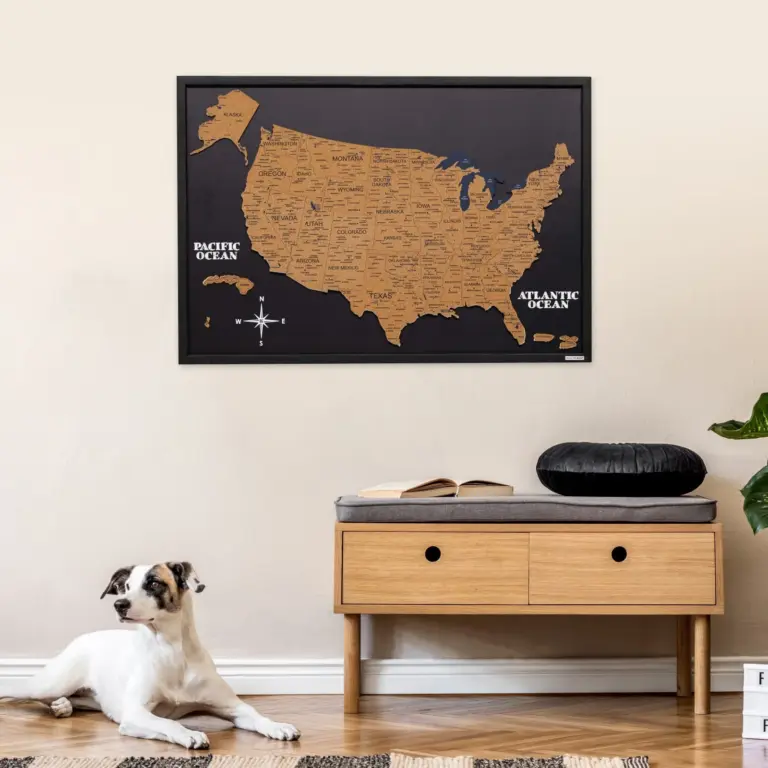 Aisha's pickMap Canvas Wall Art Worth Knowing AboutAlso worth a lookModern Wall ArtFor years I figured modern wall art meant one big canvas, something abstract and gray, hung dead center…See the collections →

 Aisha's pickCanvas Art for Dining Room That Holds Up
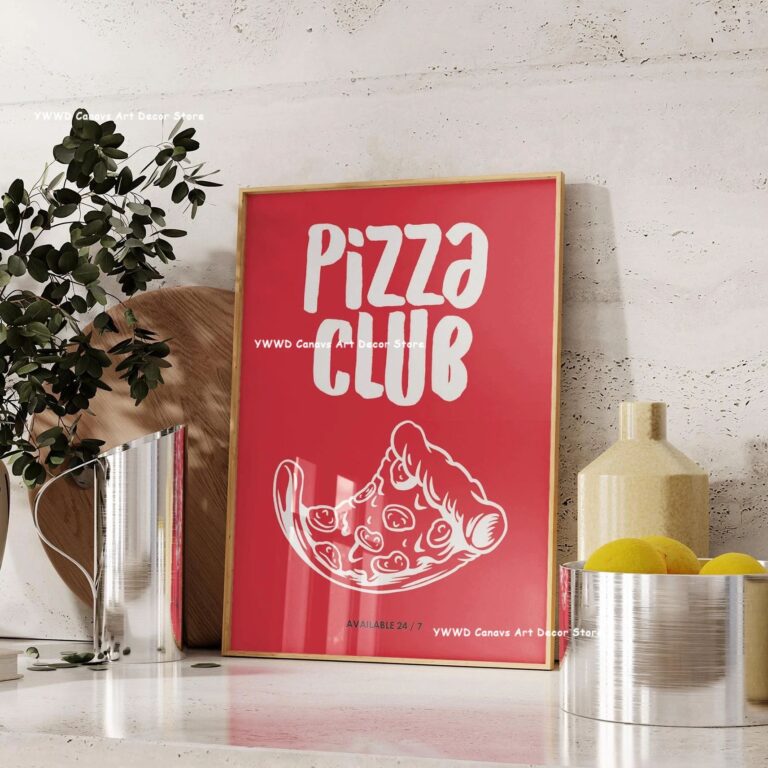
 Aisha's pickOrange Canvas Art That Holds Up

 Aisha's pickCanvas Art with Frame Pulled From Dozens of Stores

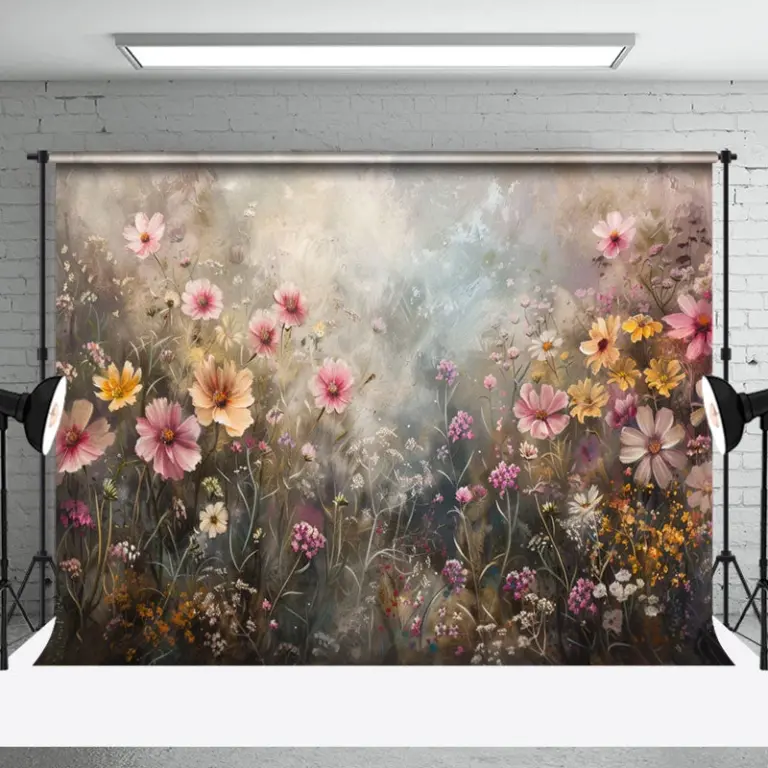 Aisha's pickPink Canvas Art Pulled From Dozens of Stores

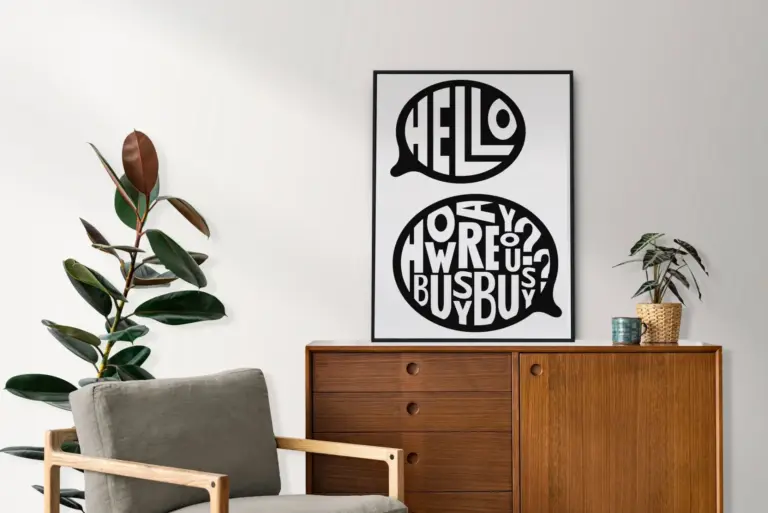 Aisha's pickCanvas Prints That Make a Shelf Look Styled

 Aisha's pickPortrait Canvas Prints That Make a Shelf Look Styled

 Aisha's pickCanvas Prints with Frame That Give a Room Some Personality

 Aisha's pickGood Small Canvas Art Without the Big Price Tag

 Aisha's pickCanvas Wall Art With a Bit More About ItAlso worth a lookPaintingsThe one thing worth knowing before you hang a single painting is that scale matters more than subject.See the collections →