I spent years treating switches as the thing you cover with a fresh coat of paint and never think about again, the last item on a renovation list, right below "clean gutters." What changed my mind was pulling the cover off a toggle switch in a house I was working on and finding a little brass mechanism underneath that had been flipped on and off for the better part of a century without a single hitch. That made me pay attention.
If you're buying new ones, there are a few things worth checking before you leave the shop or the moment the box lands on your porch. Flip the toggle or rocker a dozen times right there, it should feel decisive, a clean click with no wobble or hesitation in the middle. Check the plate for warping, cheap stamped metal will bow slightly and never sit flush against the wall no matter how carefully you screw it in. Look at the screw terminals too, not the push in holes on the back, because those push in connections are the first thing to work loose and start arcing after a few years of a door slamming nearby.
The difference between a switch that lasts and one that turns into a nuisance by year two comes down to what's inside, which nobody ever thinks to ask about. A well made one has a mechanism with real spring tension behind it, usually a bit of weight to the toggle or rocker itself, and contacts that are properly rated for the load rather than the bare minimum. The cheap ones feel light and a little plasticky in your hand, and that's not just a feel thing, it's a tell about the metal gauge inside too. I've pulled switches out of walls that were original to houses built before electricity was even common in private homes, retrofitted decades later, and the brass yoke on those things was built like it expected to outlive whoever installed it. New switches rarely aim that high, but the good ones still aim higher than you'd guess from the price tag.
Where they go wrong is mostly about mismatch rather than failure. A bright modern rocker switch stuck in a wall full of picture rail and plaster cornicing looks like it wandered in from a different house entirely, and a reproduction toggle with a faux aged finish next to genuinely old hardware shows itself immediately, the metal always gives it away. They also don't love damp spots, anywhere near a kitchen sink splash zone or a bathroom without proper rating will shorten their life no matter how well made. A house move is actually where a decent switch proves itself, because it's one of the few things you can unscrew, pack, and reinstall in the new place without losing a bit of function. Find one with real weight to the action and a plate that sits flat, and you'll stop noticing it again for a good long while, which is really the whole point.
 Aisha's pickLight Switches That Make a Big Difference for Not Much
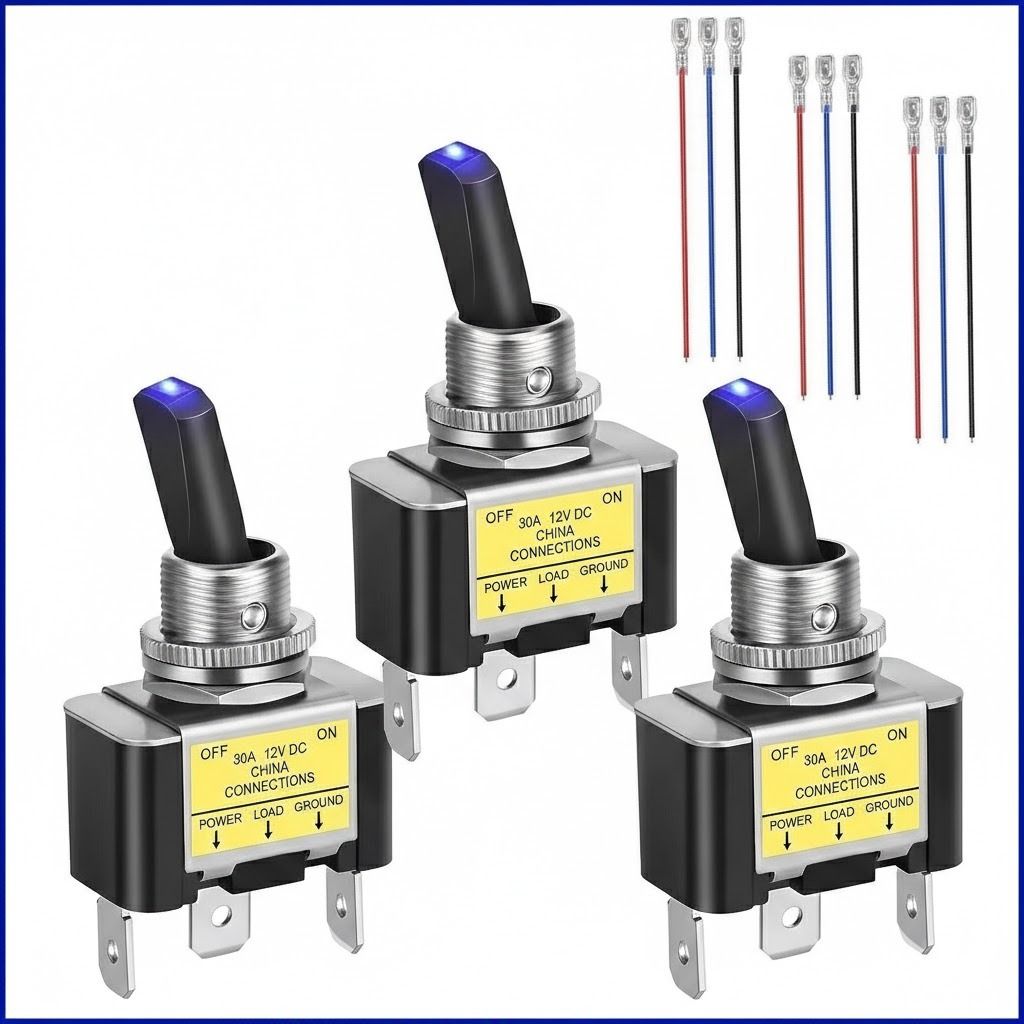
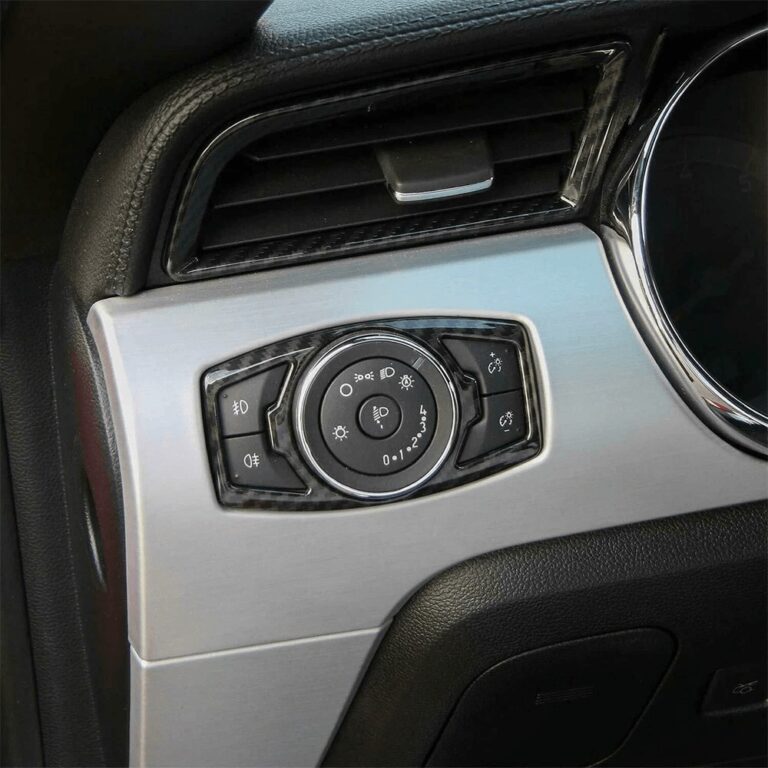 Aisha's pickBlack Light Switches That Make a Room Feel Finished
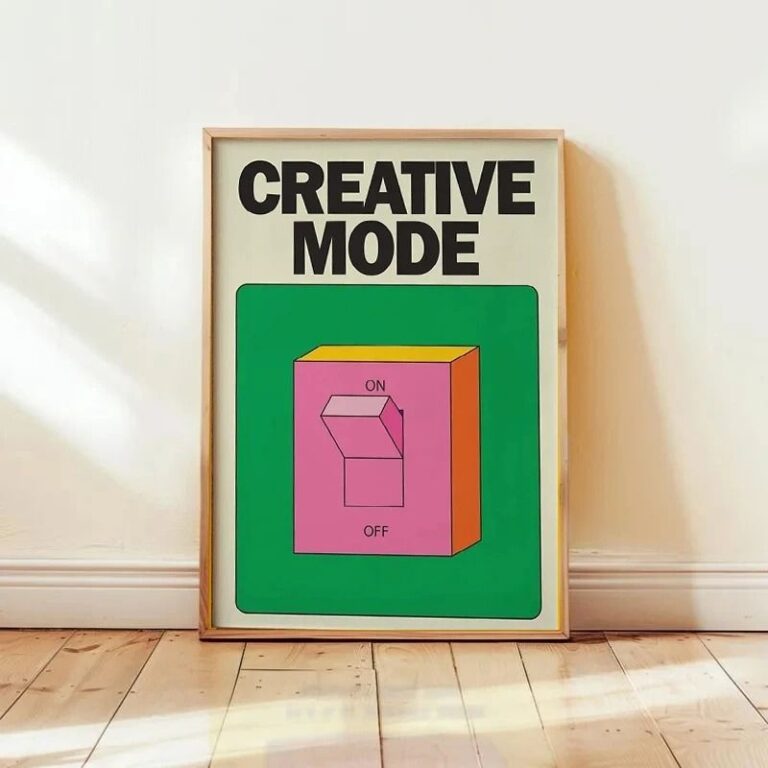
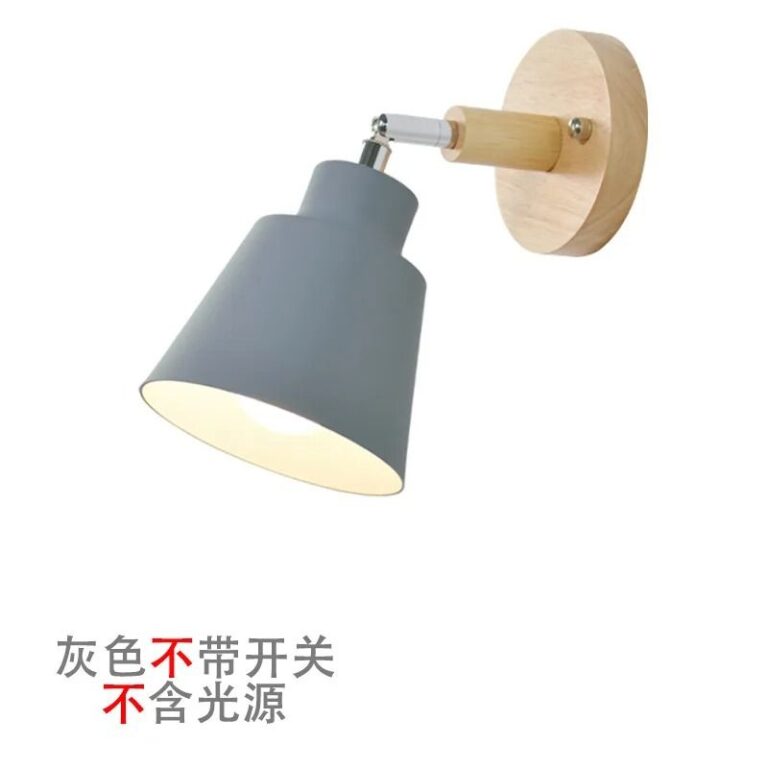 Aisha's pickRetro Light Switches That Get Better With Age
 Aisha's pickBlack Smart Light Switches That Get Better With Age
 Aisha's pickRocker Light Switches That Make Small Changes Feel Big

 Aisha's pickBluetooth Light Switches We’d Use on Our Next Project

 Aisha's pickSmart Light Switches That Look Good Up Close
 Aisha's pickBrass Light Switches We’d Buy Again
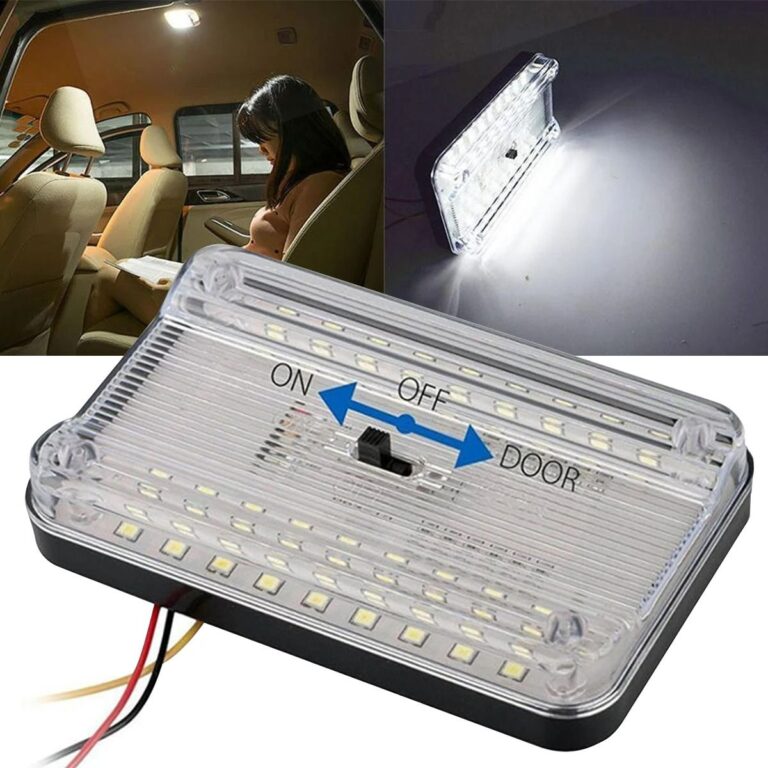 Aisha's pickToggle Light Switches That Make a Big Difference for Not MuchAlso worth a lookLight SwitchesYou can tell a good light switch before you even flip it, just from the plate against the wall.See the collections →
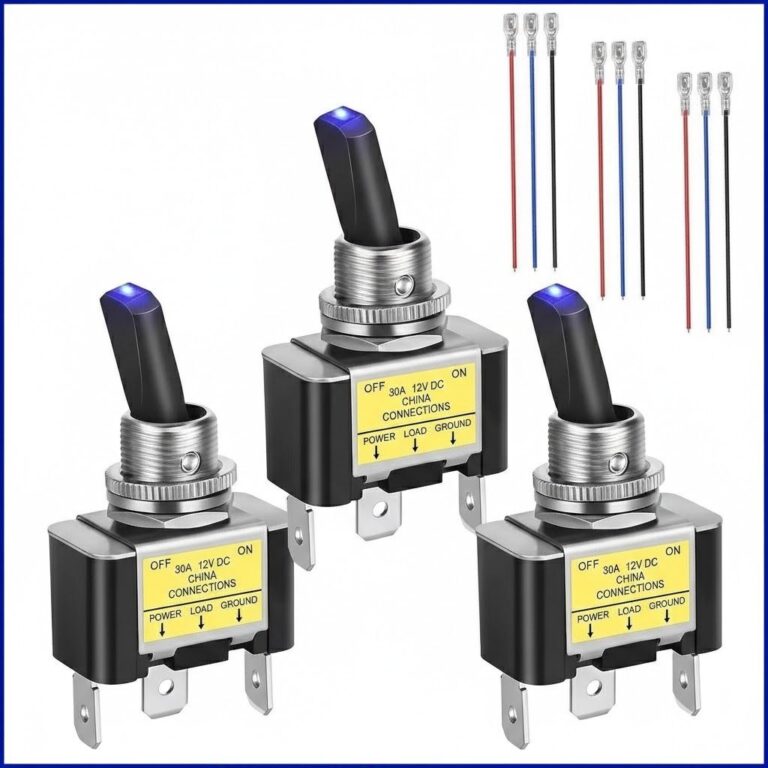
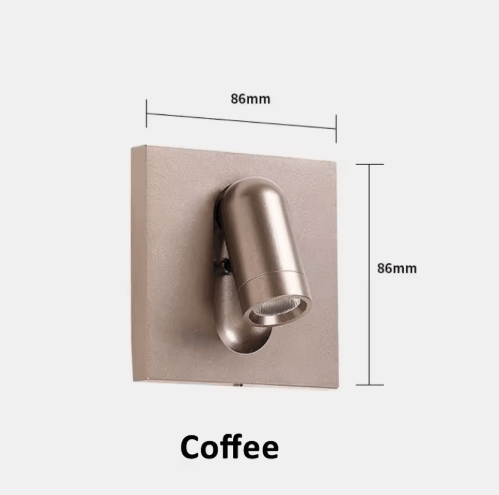 Aisha's pickChrome Light Switches That Look Like They Cost More
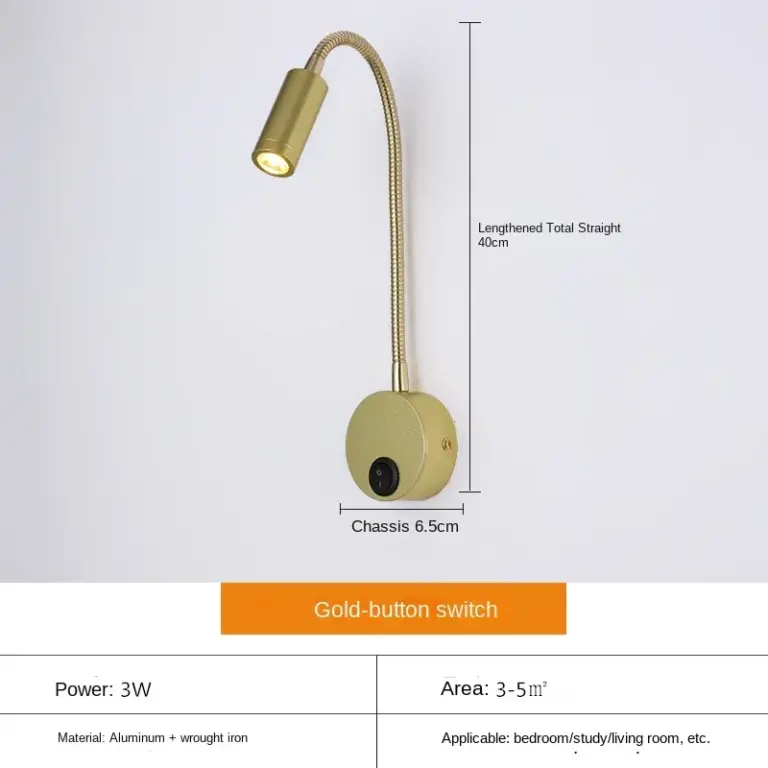
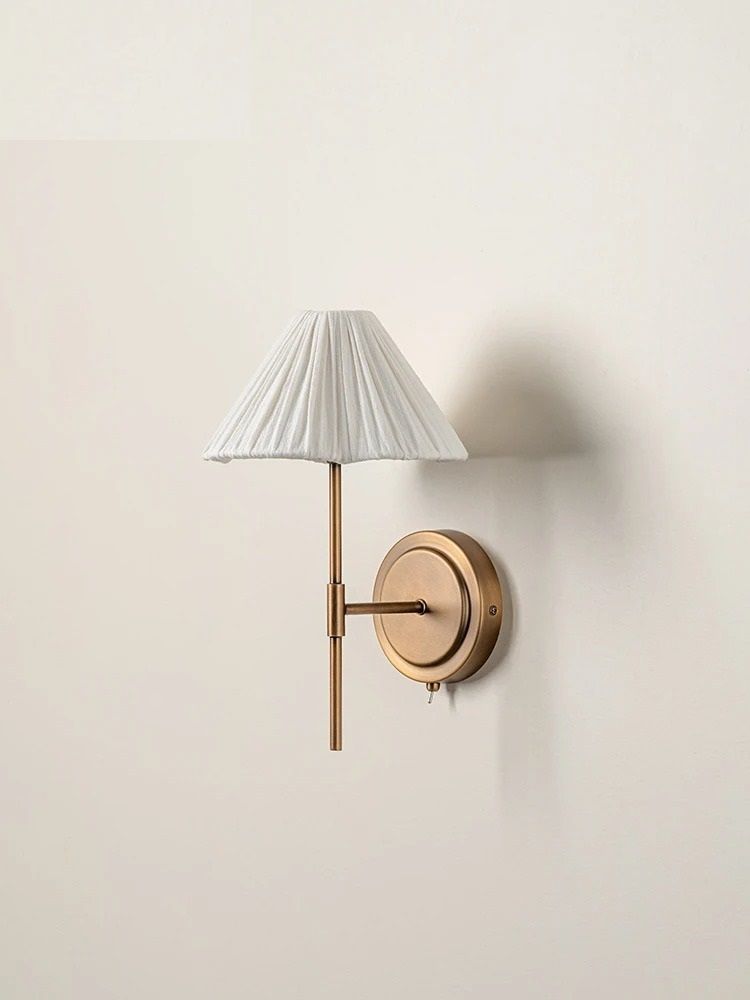 Aisha's pickVintage Light Switches That Lift a Tired Room
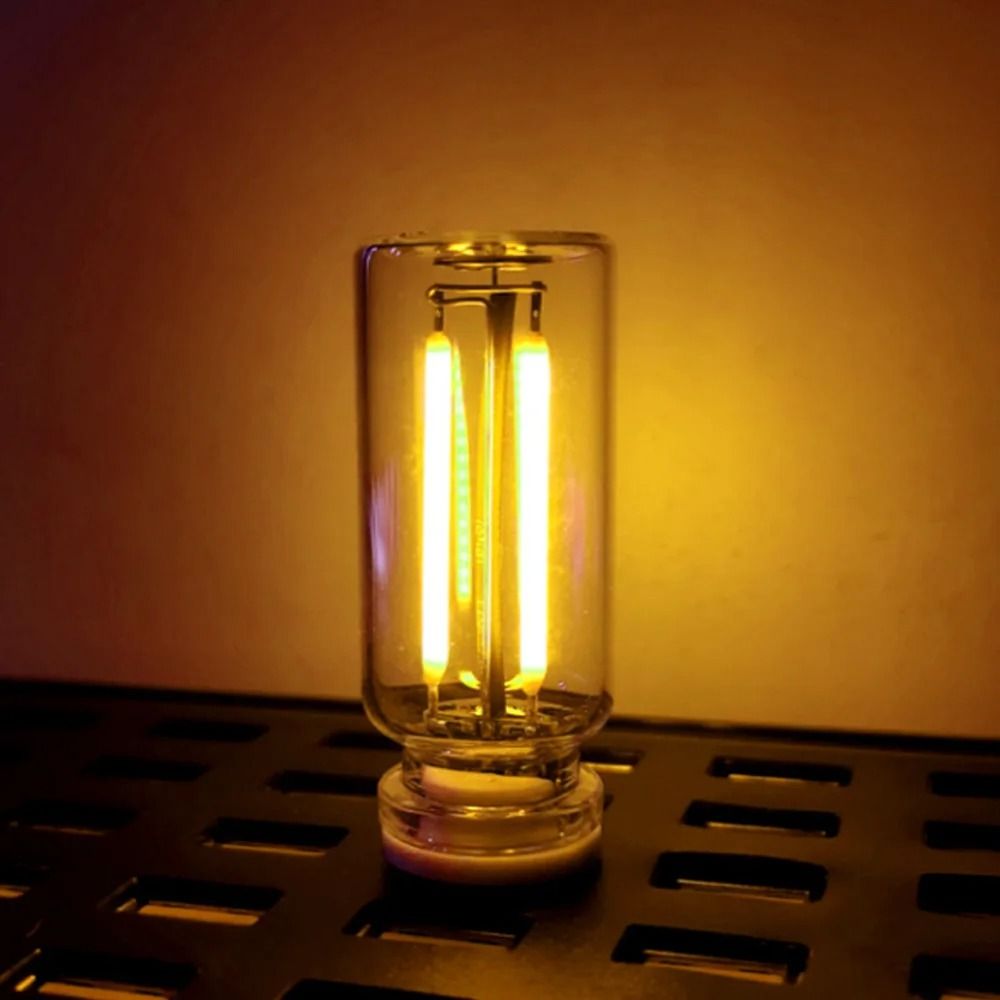
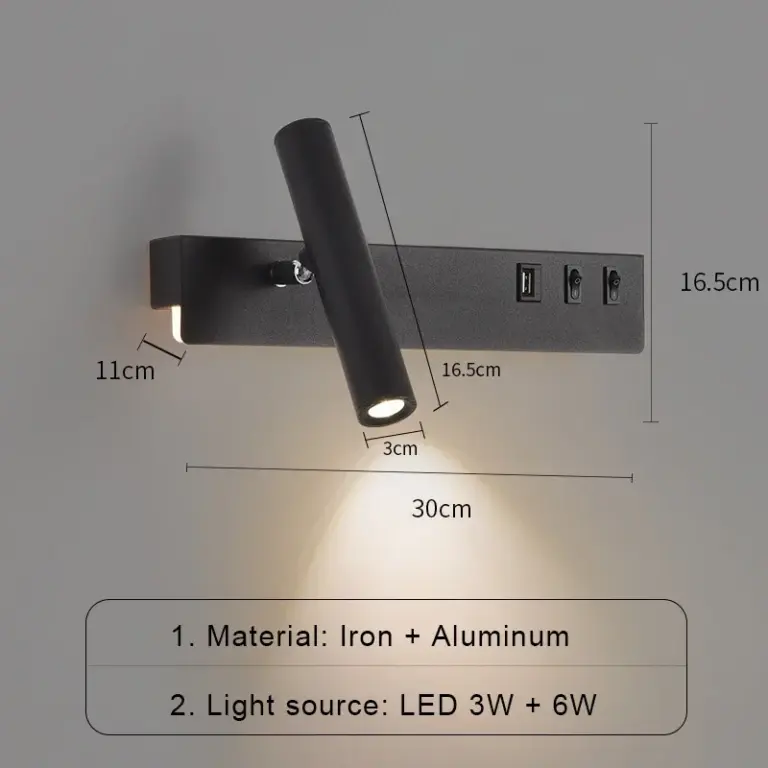 Aisha's pickClear Light Switches That Look Better in Real Life
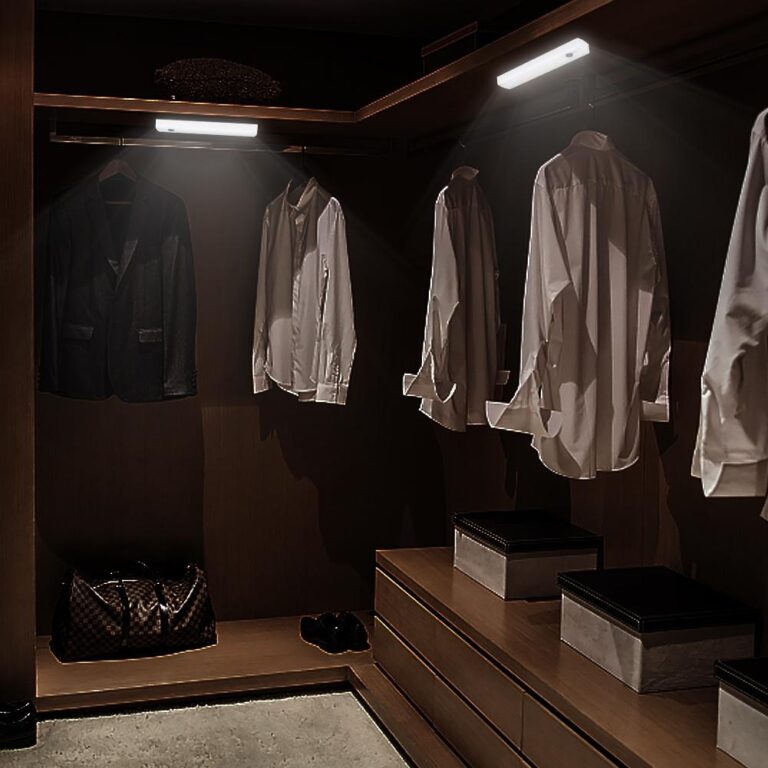
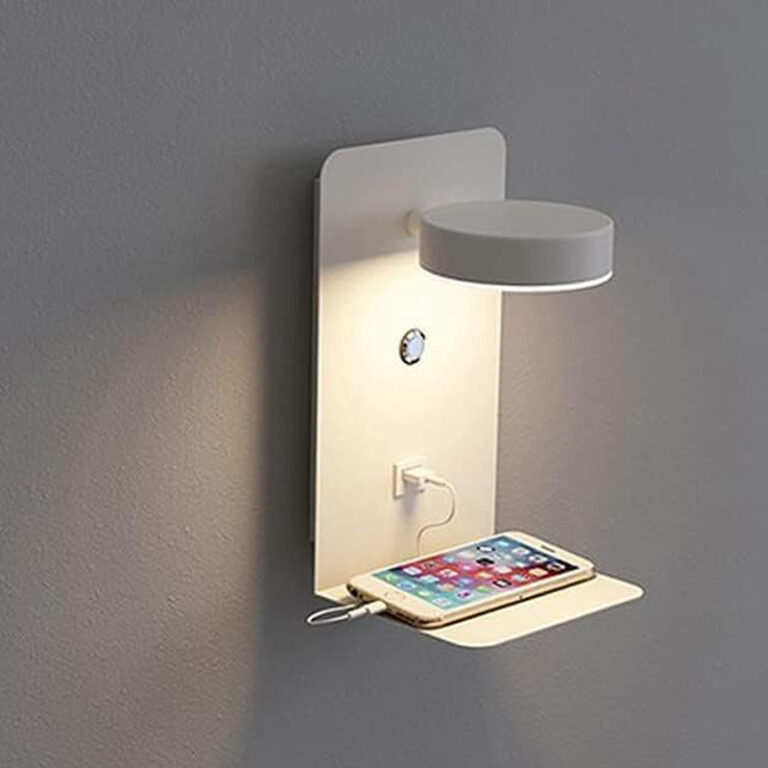 Aisha's pickOur Shortlist of Warm White Light Switches
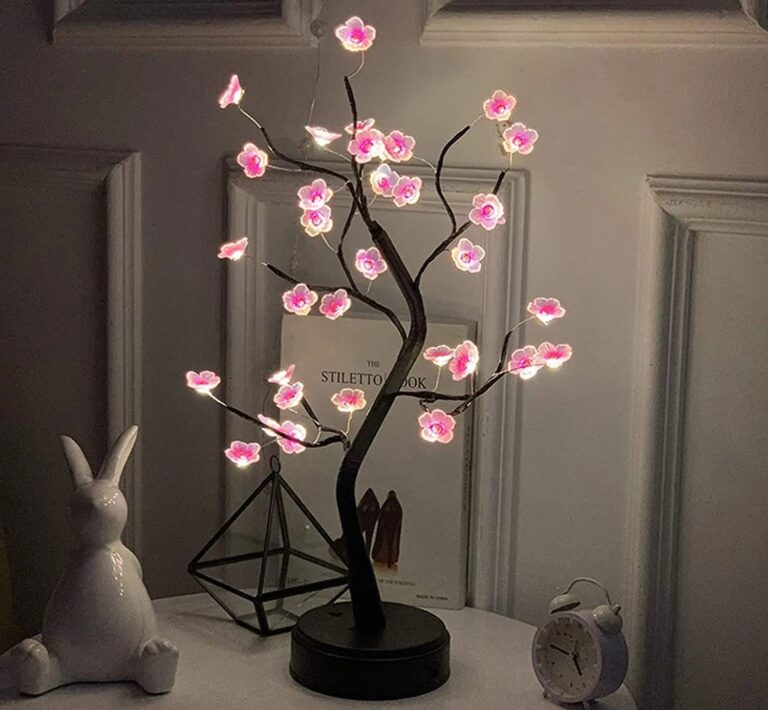
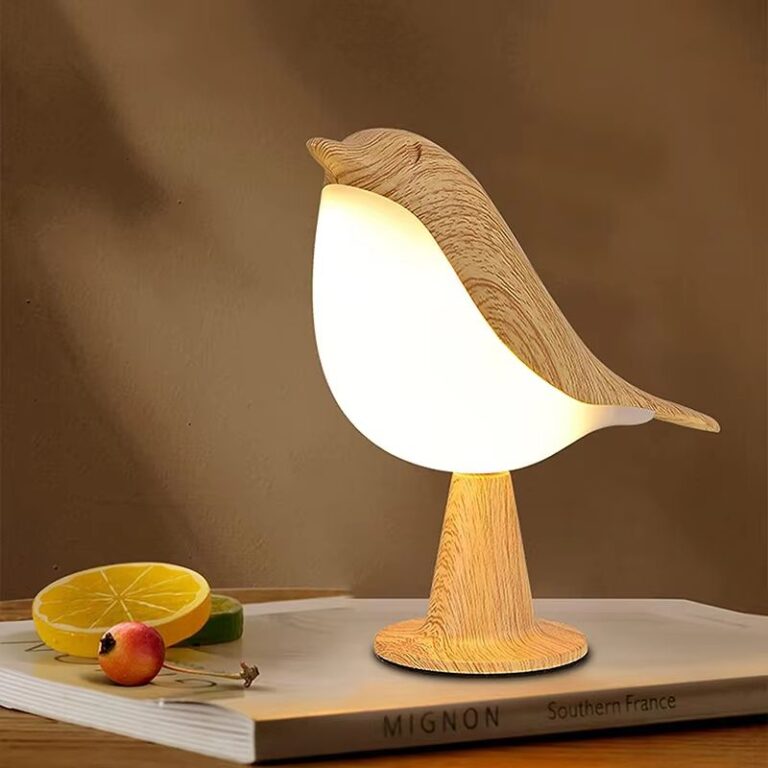 Aisha's pickCool White Light Switches for When the Old Ones Give Up
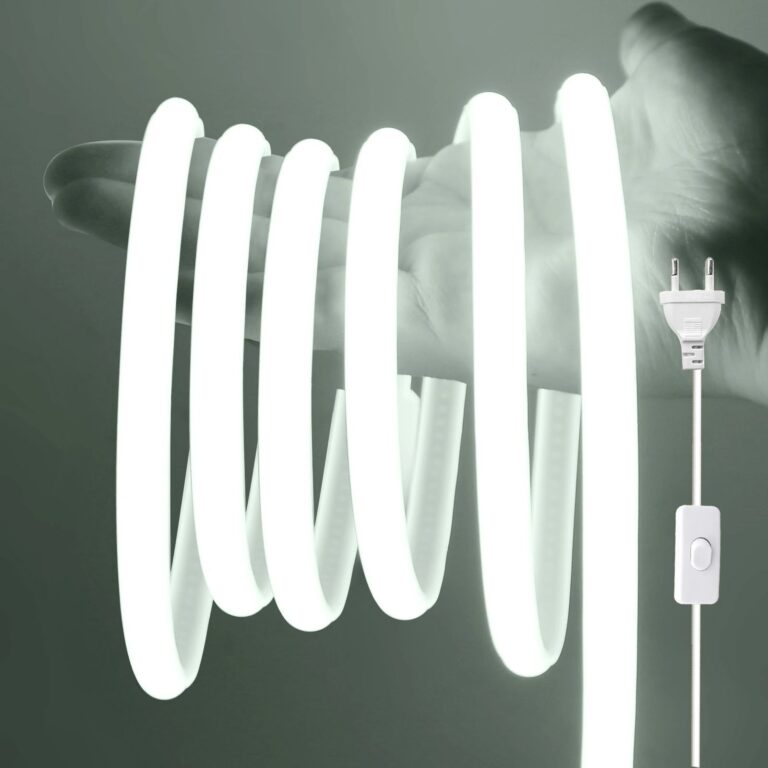
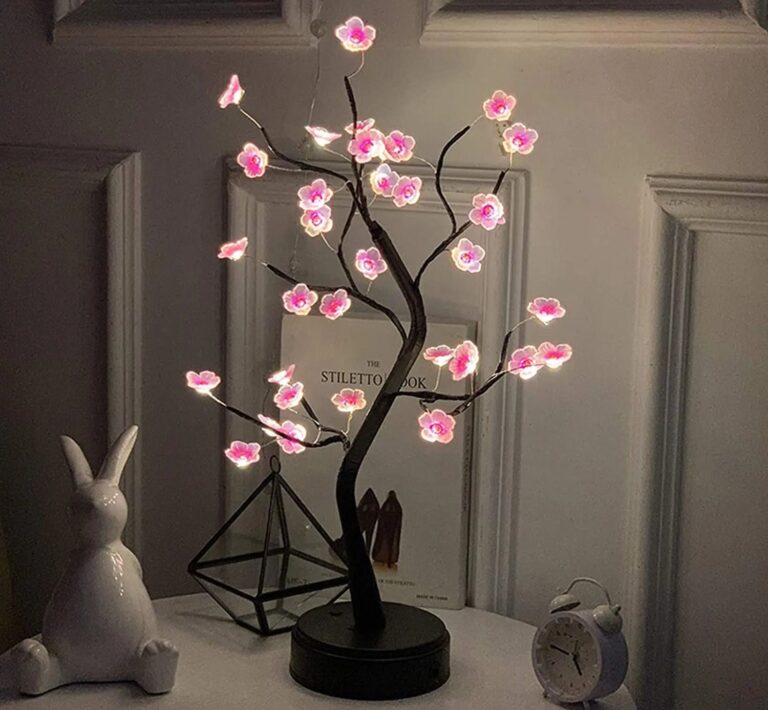 Aisha's pickWhite Light Switches for Weekend Projects
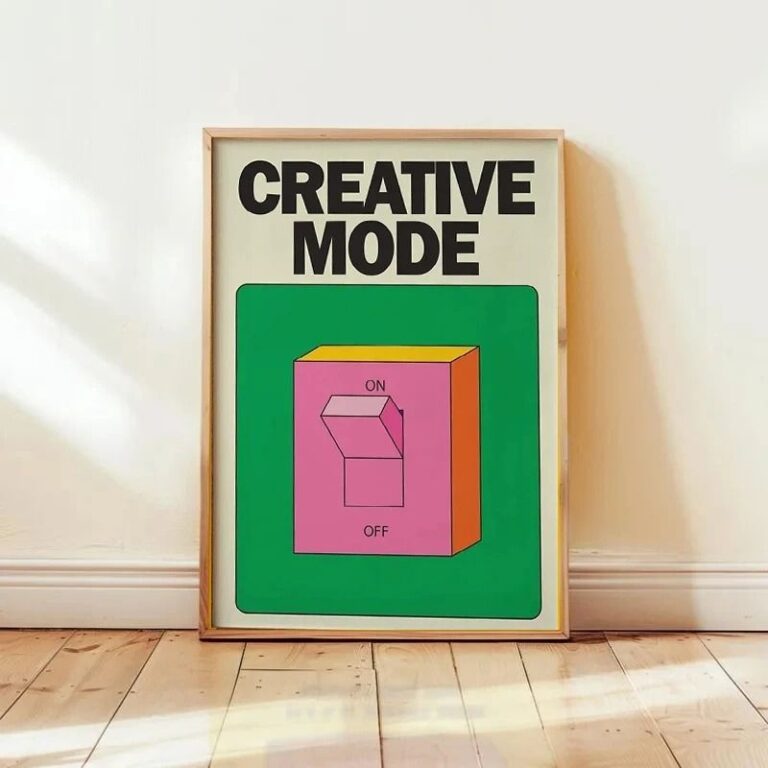
 Aisha's pickCopper Light Switches for Doing Up a Room on a Budget
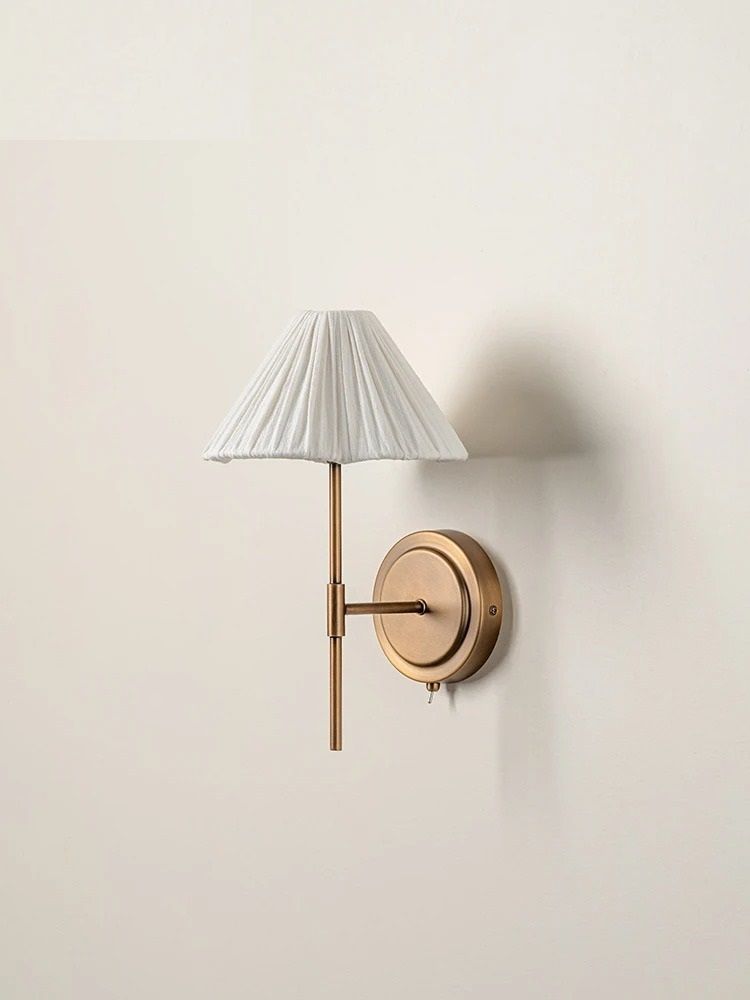
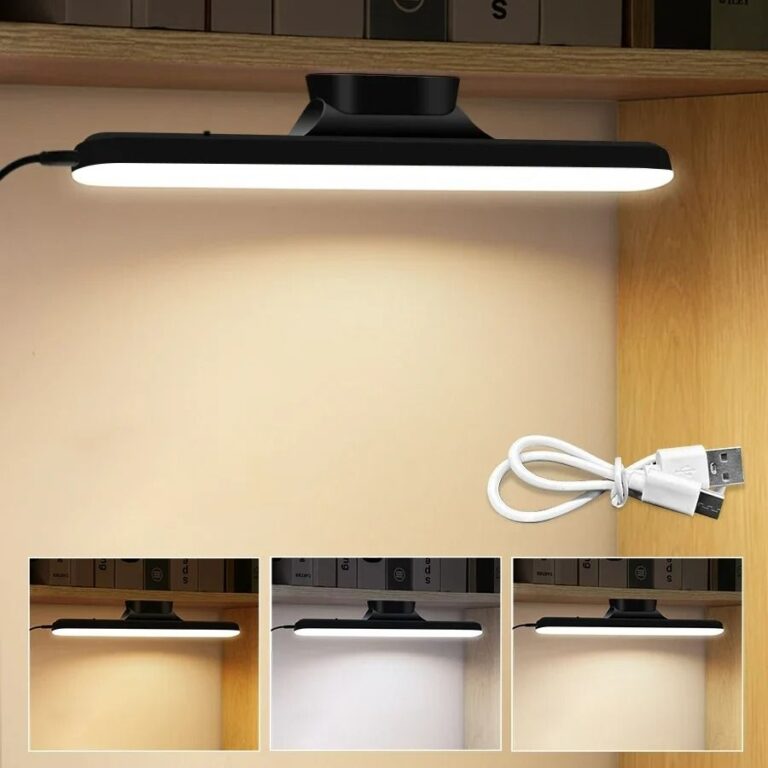 Aisha's pickWhite Smart Light Switches for Doing Up a Room on a Budget
 Aisha's pickDaylight Light Switches That Fit Into Real LifeAlso worth a lookLED BulbsThe first bulbs I bought were the cheapest pack on the shelf, and they put out a blue…See the collections →
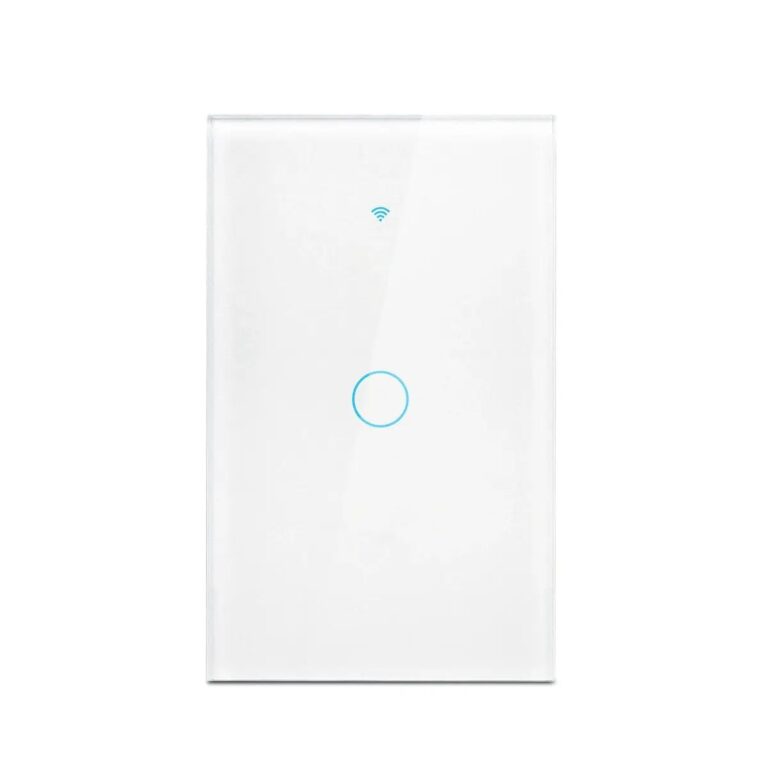 Aisha's pickWiFi Light Switches for a Quick Refresh
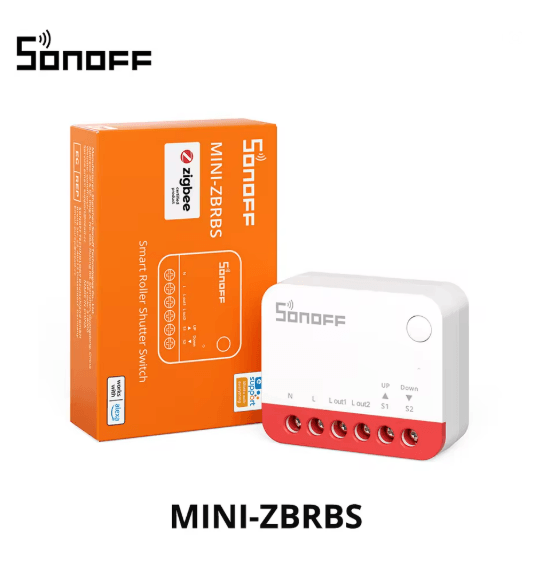
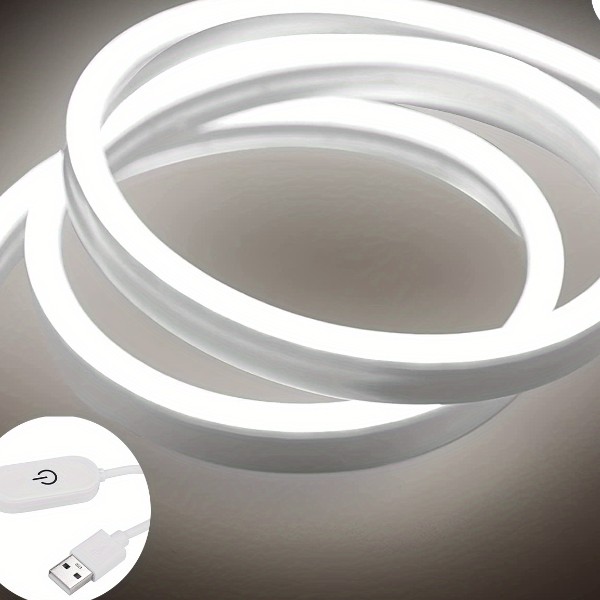 Aisha's pickDimmable Light Switches That Earn Their Keep
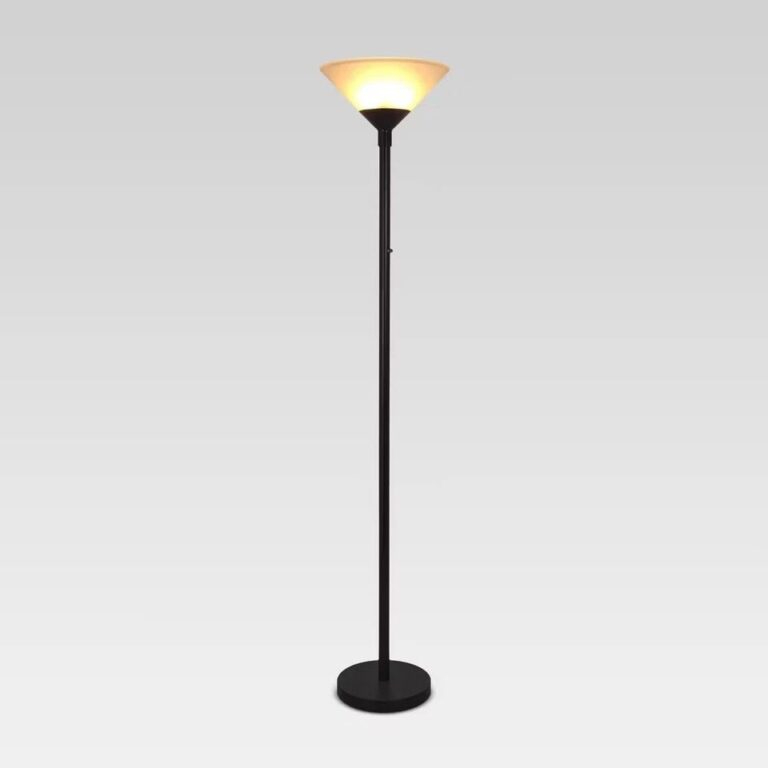
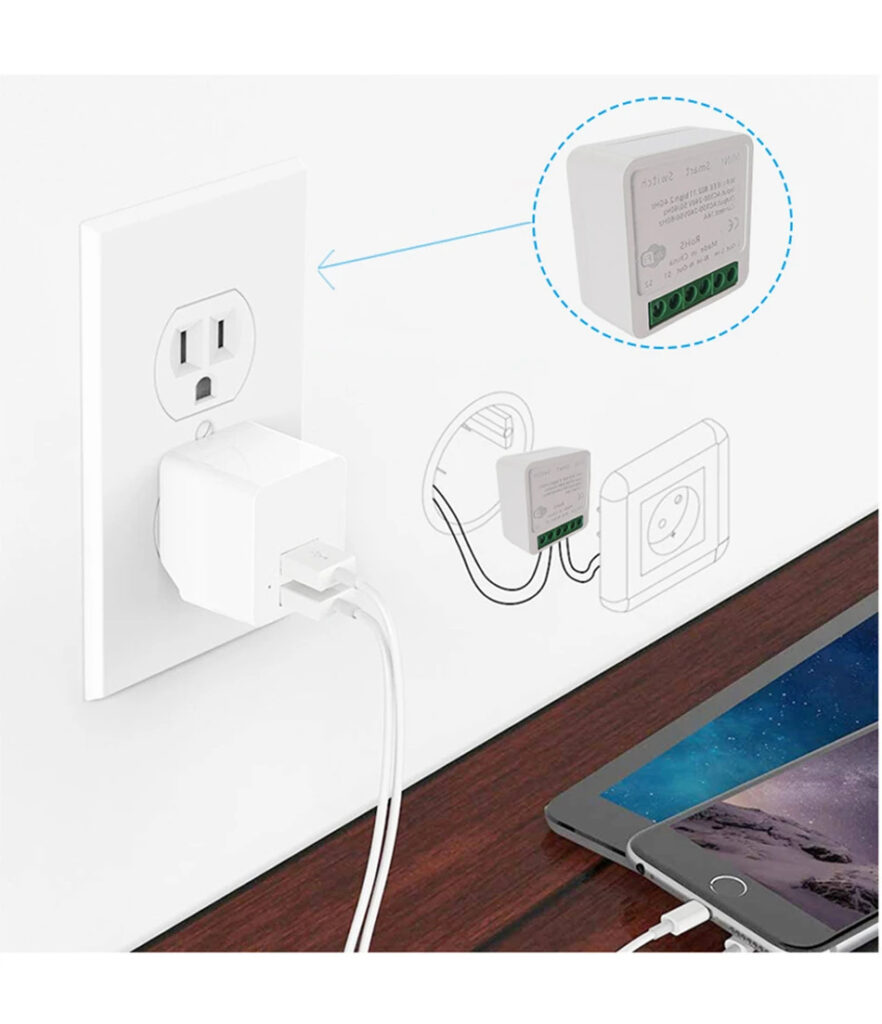 Aisha's pickWiFi Smart Light Switches Picked by People Who Care Too Much
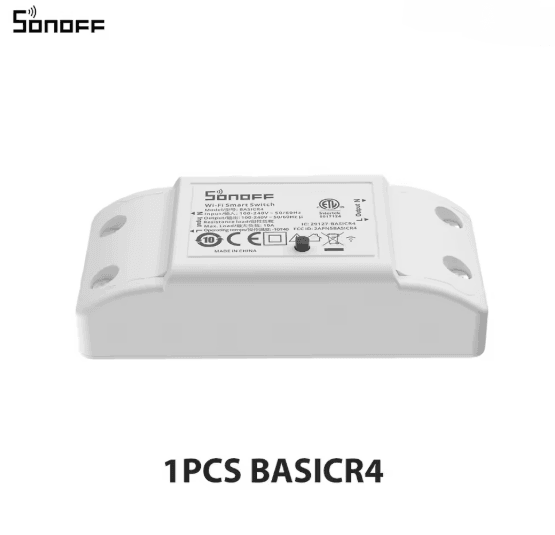
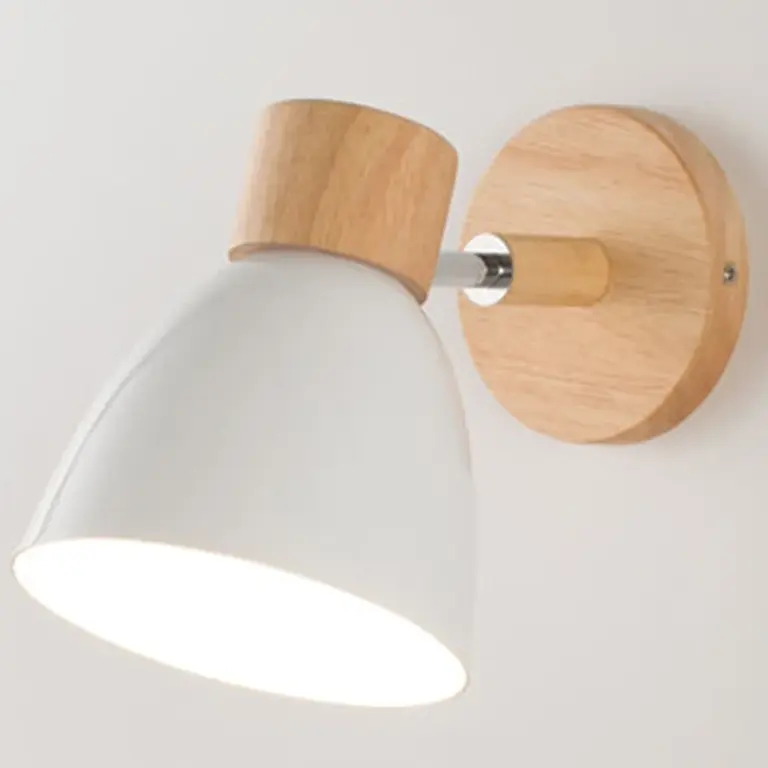 Aisha's pickE27 LED Light Switches With Some Character
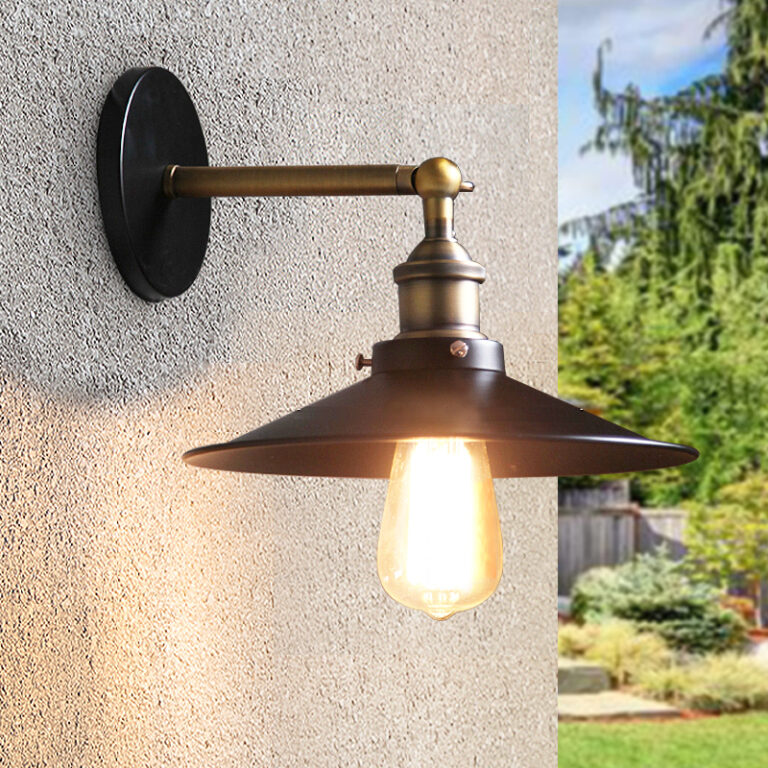
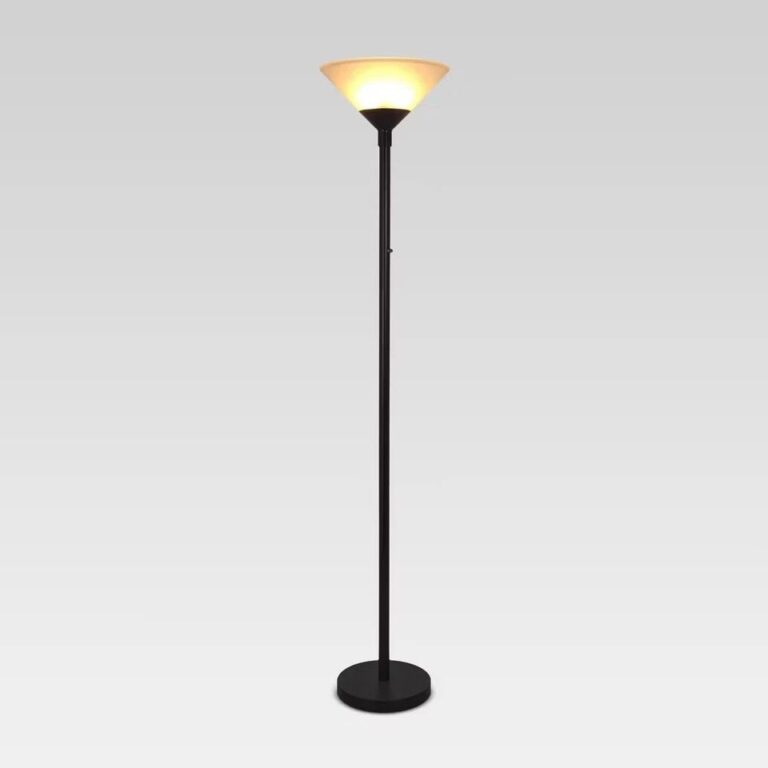 Aisha's pickBlack Dimmer Switches That Lift a Tired Room
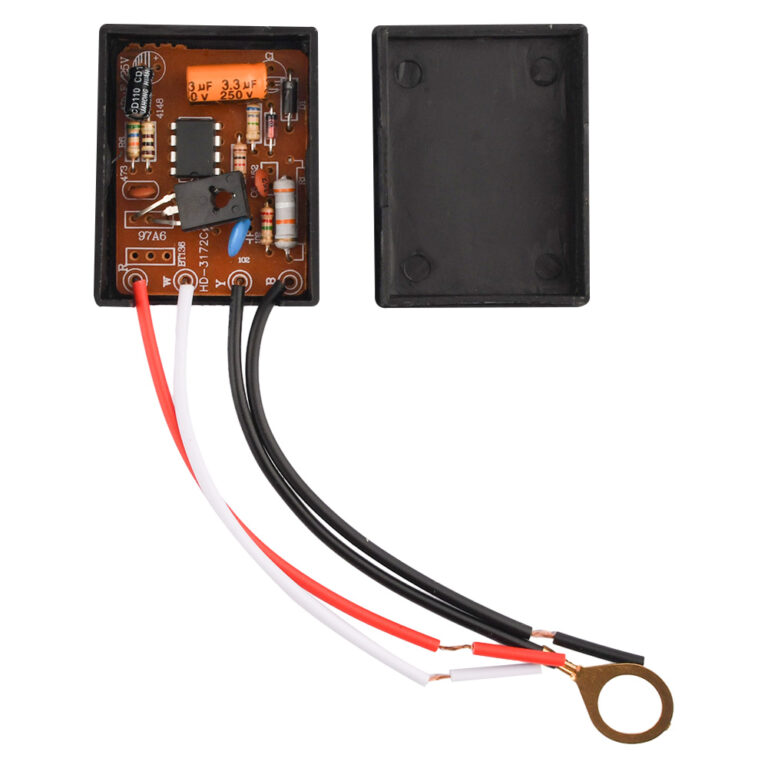
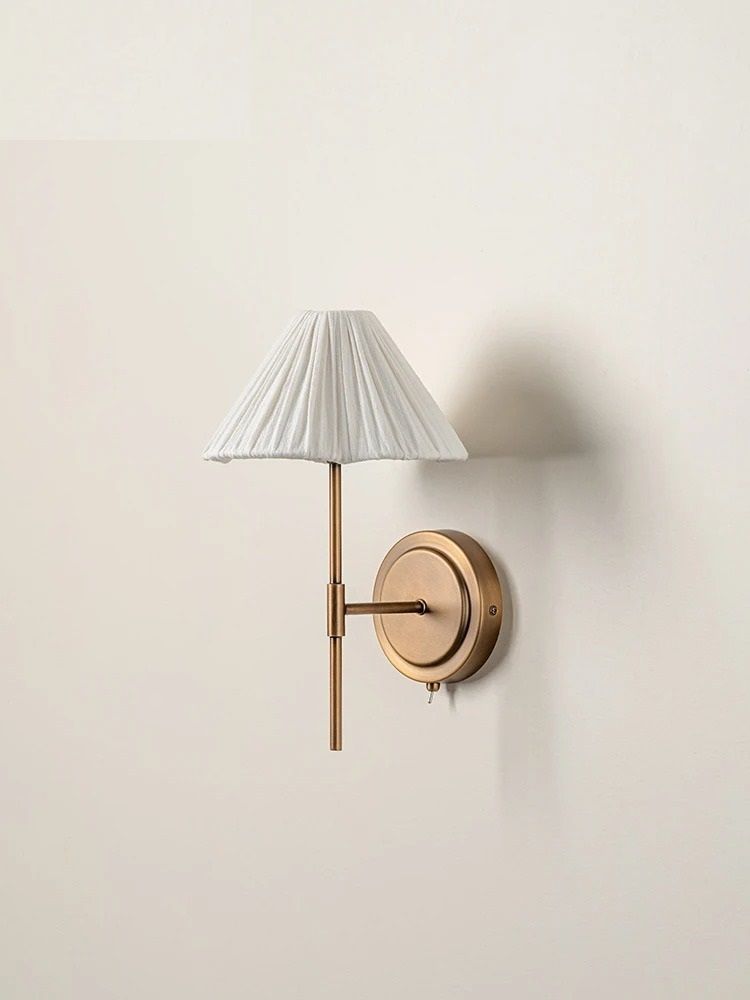 Aisha's pickE27 Light Switches for Weekend Projects

 Aisha's pickDimmable Dimmer Switches That Finish a Job Off Right

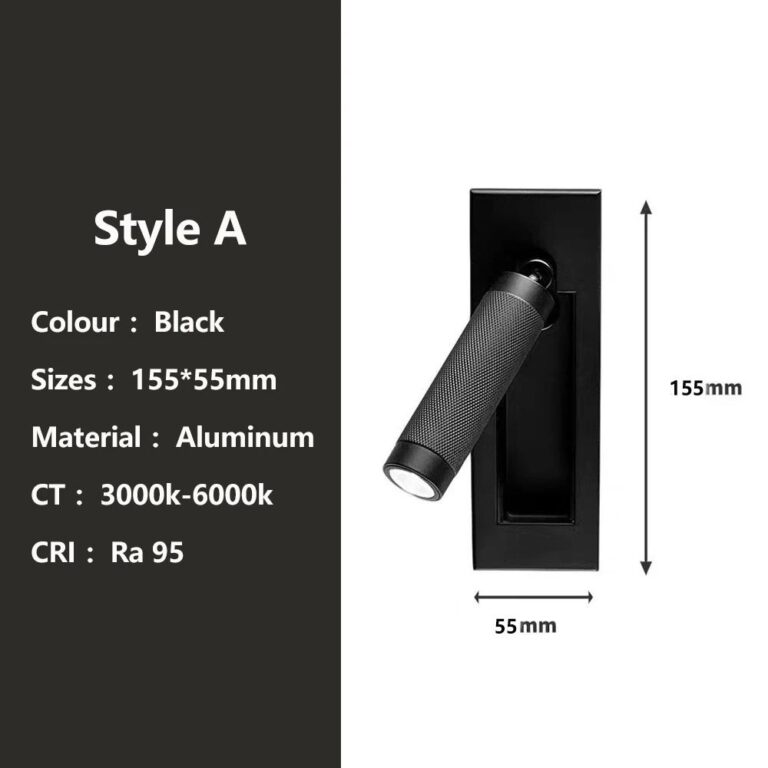 Aisha's pickGold Light Switches That Look Better in Real Life
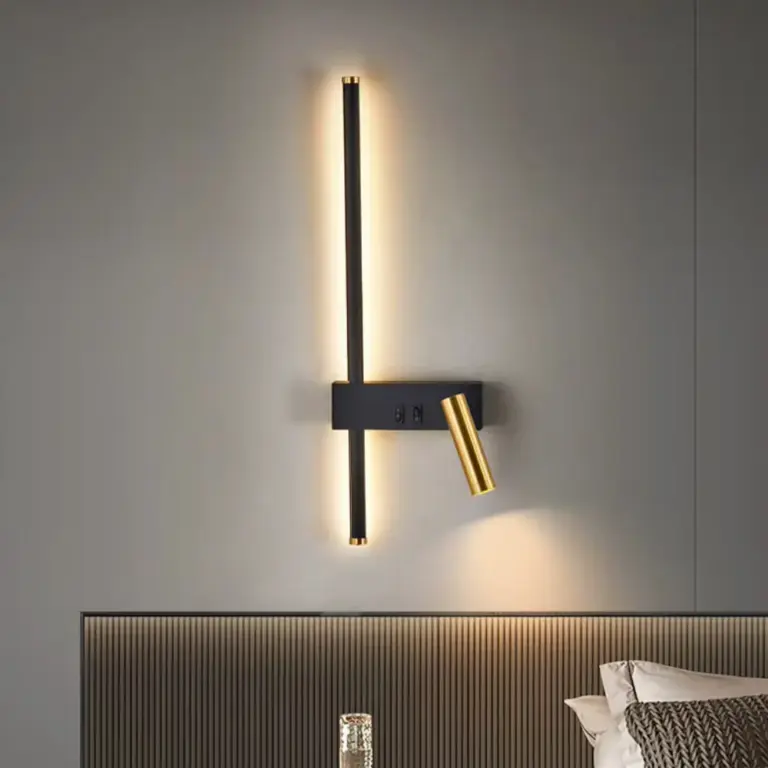
 Aisha's pickDimmer Switches for Doing Up a Room on a BudgetAlso worth a lookLight BulbsA good bulb warms up the second you flip the switch and settles into a light that makes skin look like skin instead of hospital corridor.See the collections →
 Aisha's pickLED Light Switches We’d Use on Our Next Project