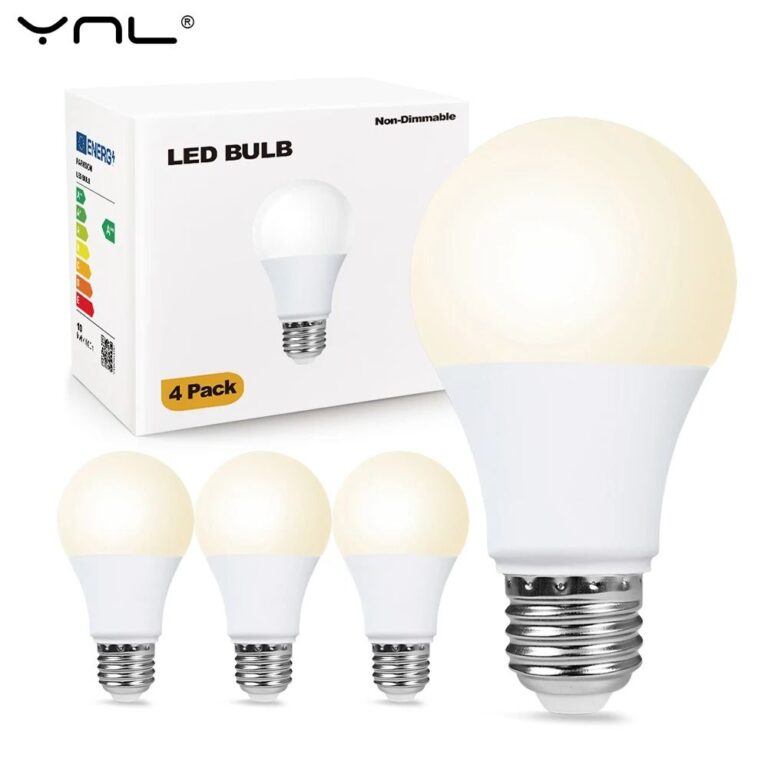
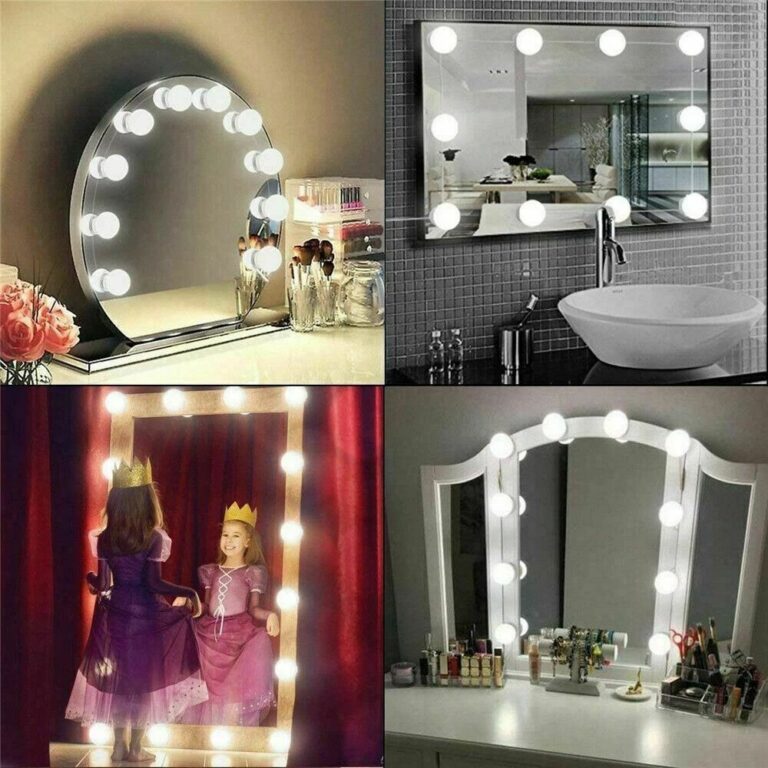
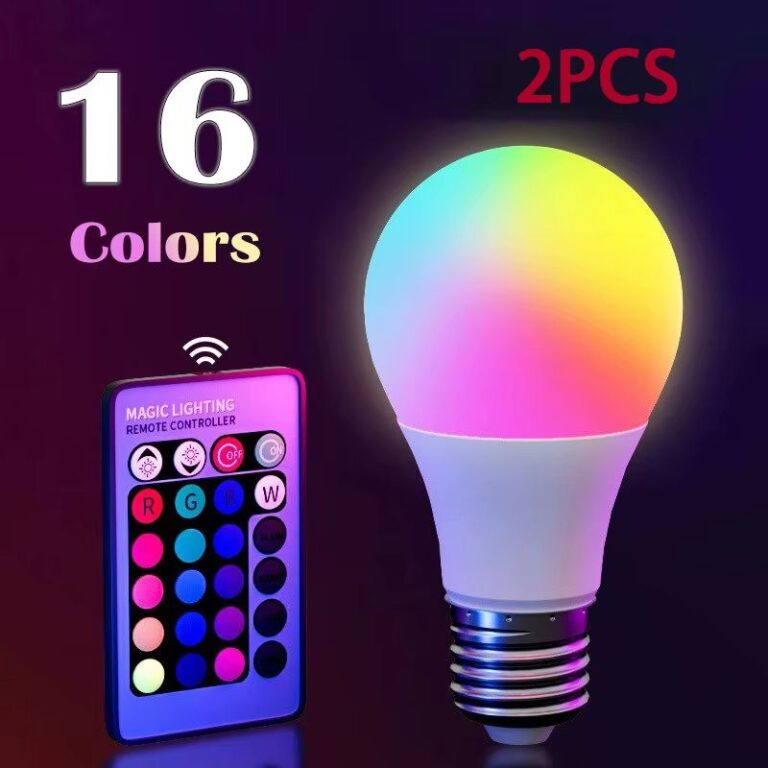
A good bulb warms up the second you flip the switch and settles into a light that makes skin look like skin instead of hospital corridor. You shouldn't notice it's on, you should just notice the room feels right. The bad ones hum faintly, flicker for the first half second like they're deciding whether to bother, and throw a white blue light that makes your kitchen look like a place you'd get a blood test.
Where this goes wrong is mixing temperatures in one room without meaning to. A warm bulb in one lamp and a cool daylight one in the overhead fixture, and suddenly the living room looks like two different rooms arguing with each other. Same goes for dimmers, a bulb that isn't rated for your dimmer switch will buzz, flicker, or just refuse to go below about sixty percent, which defeats the whole point of having a dimmer. And don't put a bright daylight bulb anywhere you actually relax in the evening, bedrooms and reading lamps want warm light, not the stuff that belongs over a workbench.
Here's where I'll be honest about limits. If your fixture has a tight glass shade or an enclosed fitting, a lot of standard LED bulbs will run hotter than they should and burn out early, because they're not built to handle the heat with nowhere for it to go. Check the box for "enclosed fixture rated" or you'll be replacing bulbs every few months and blaming the brand instead of the mismatch. And smart bulbs, as much as I like the idea of dimming from my phone, are the wrong call for a fixture you barely use or a hallway where you just want it to work when you flip the switch, no app, no pairing, no excuses.
The difference between a good bulb and a disappointing one comes down to what's inside the base, not what's printed on the box. Cheap ones use thin heat sinks and drivers that degrade fast, so the light shifts color or starts flickering well before the bulb actually dies. A well made one keeps its color steady for years, dims smoothly if it's rated to, and the base itself feels solid, not like it'll crack if you turn it a little too hard going in. Weight in your hand is actually a decent clue. A bulb that feels suspiciously light is usually cutting corners somewhere you can't see.
They don't age the way an incandescent did, with that slow dimming toward the end. LEDs mostly just work, then one day they don't, though the good ones will hold their exact color and brightness right up until that last day, which is more than I can say for the ones I bought on sale that one January.
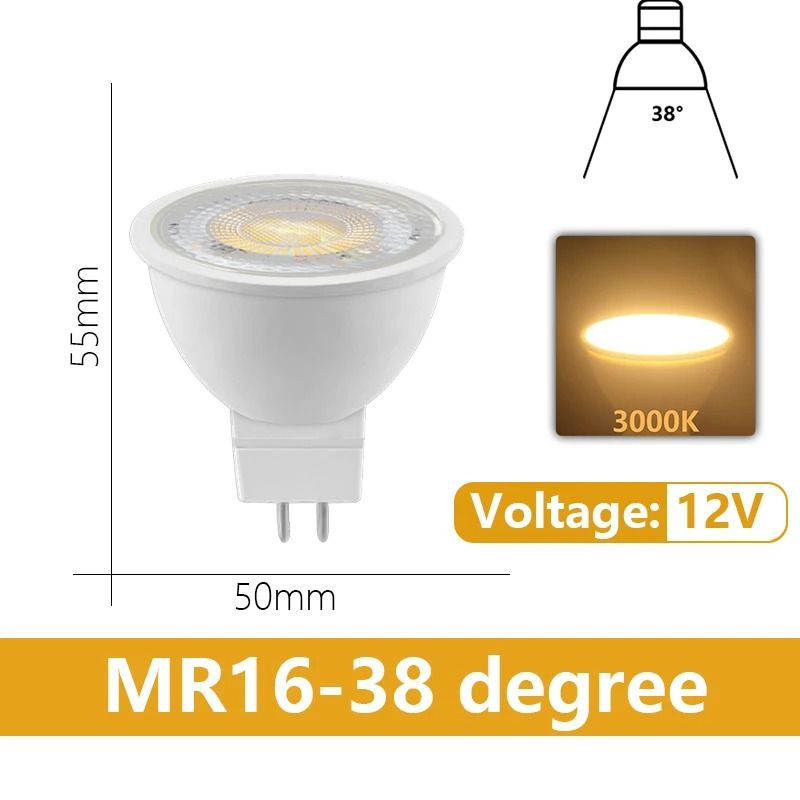 Aisha's pickNo Fuss 6W Light Bulbs
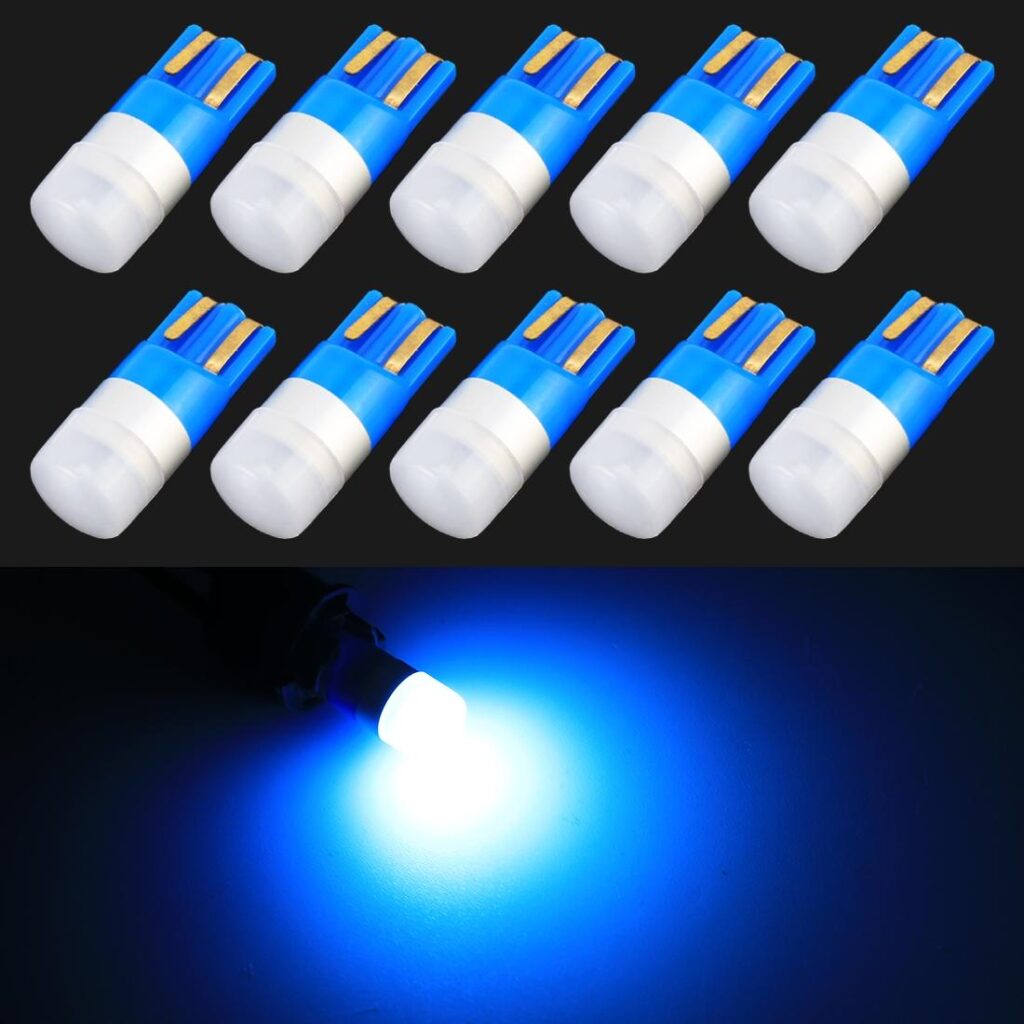
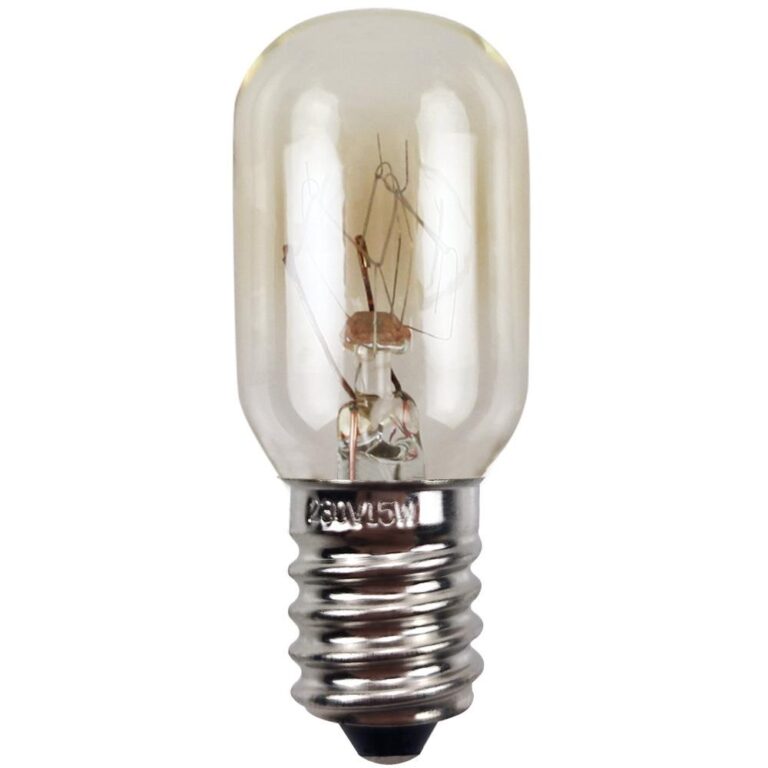 Aisha's pickE14 Light Bulbs That Work in Old Houses and New Ones
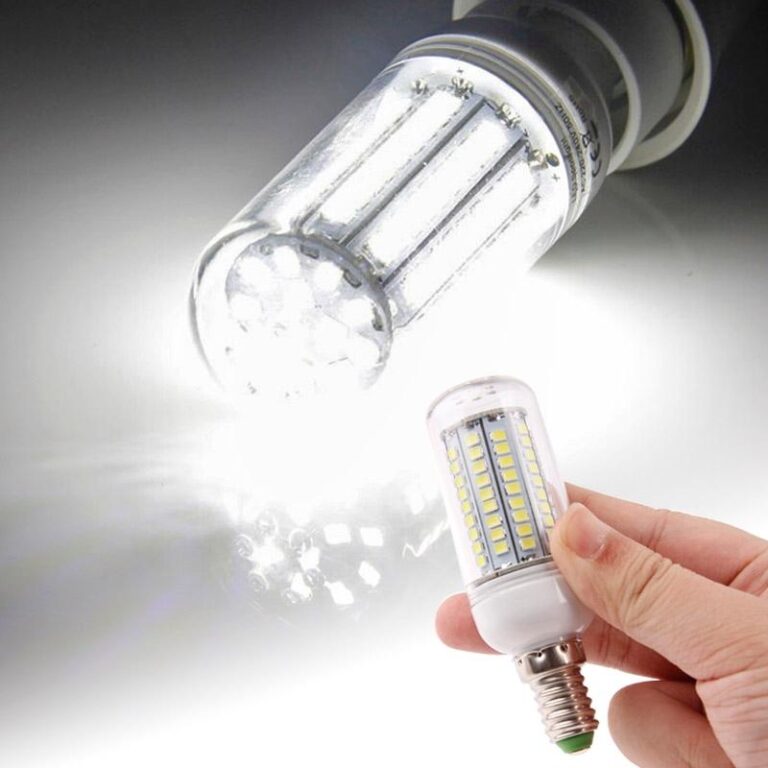
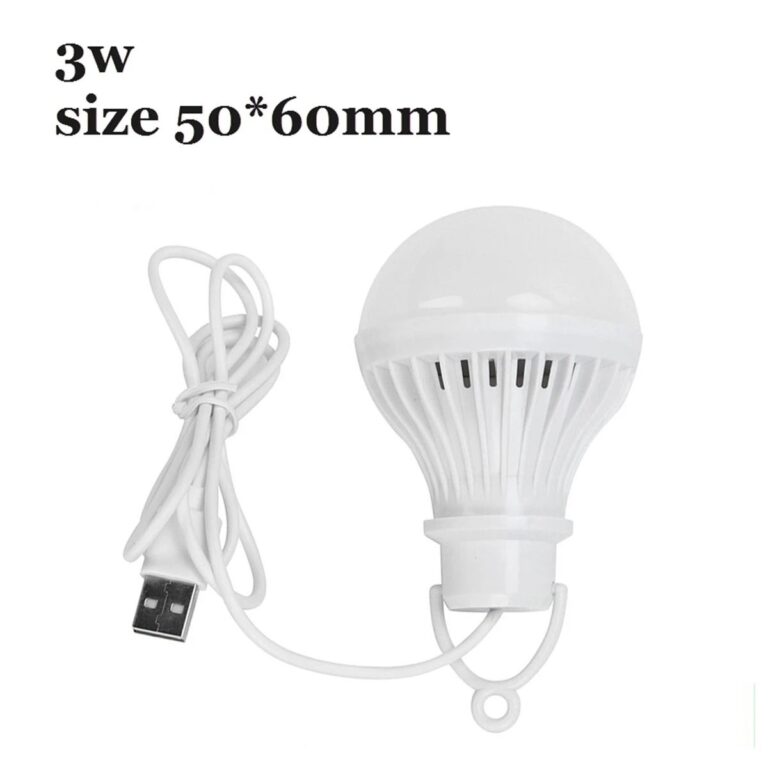 Aisha's pick9W Light Bulbs That Hold Up to Everyday Life
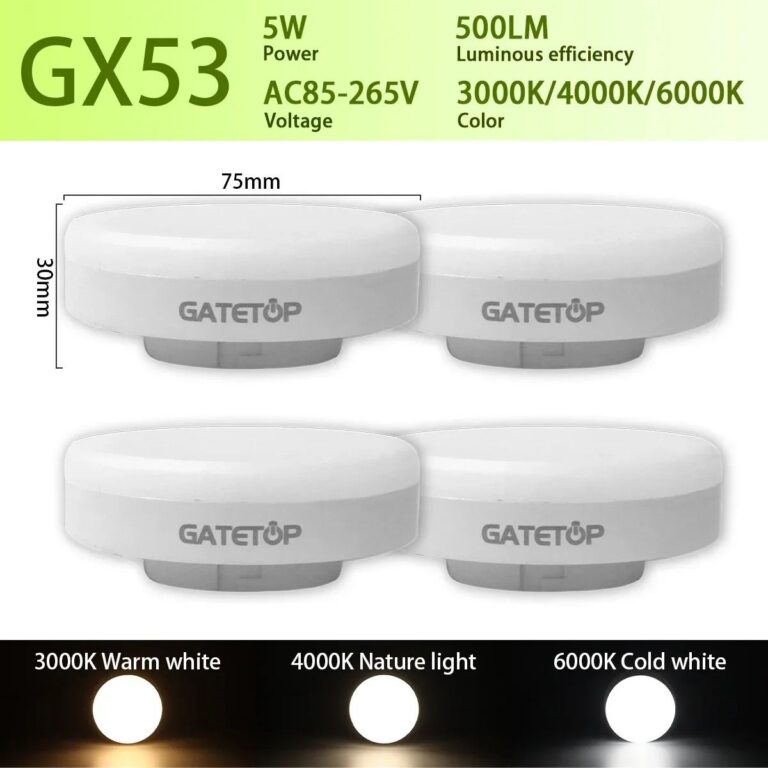
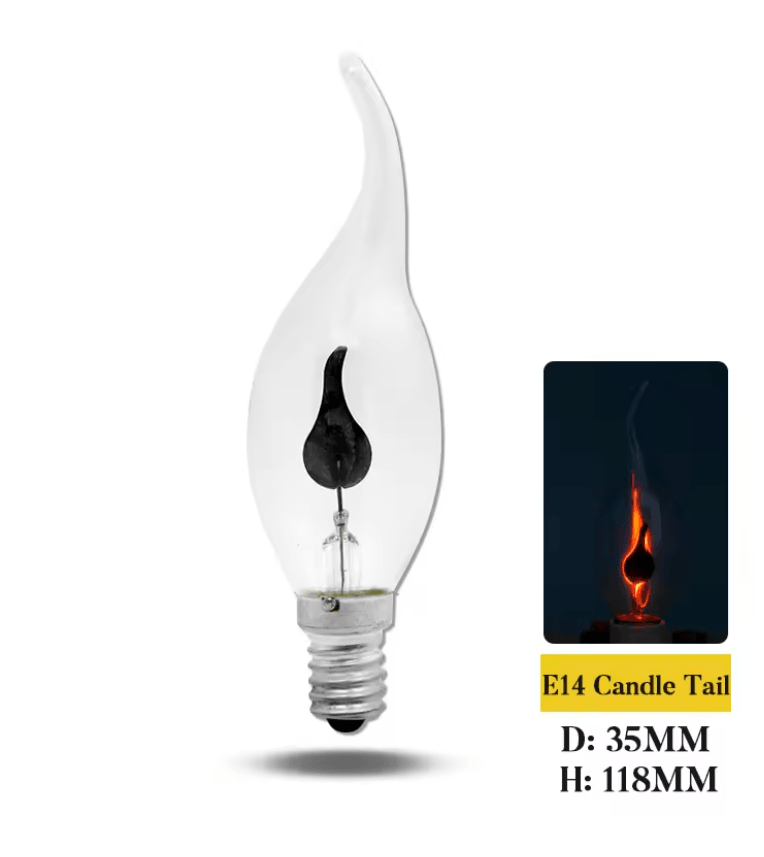 Aisha's pickE14 Light Bulbs That Earn Their Keep
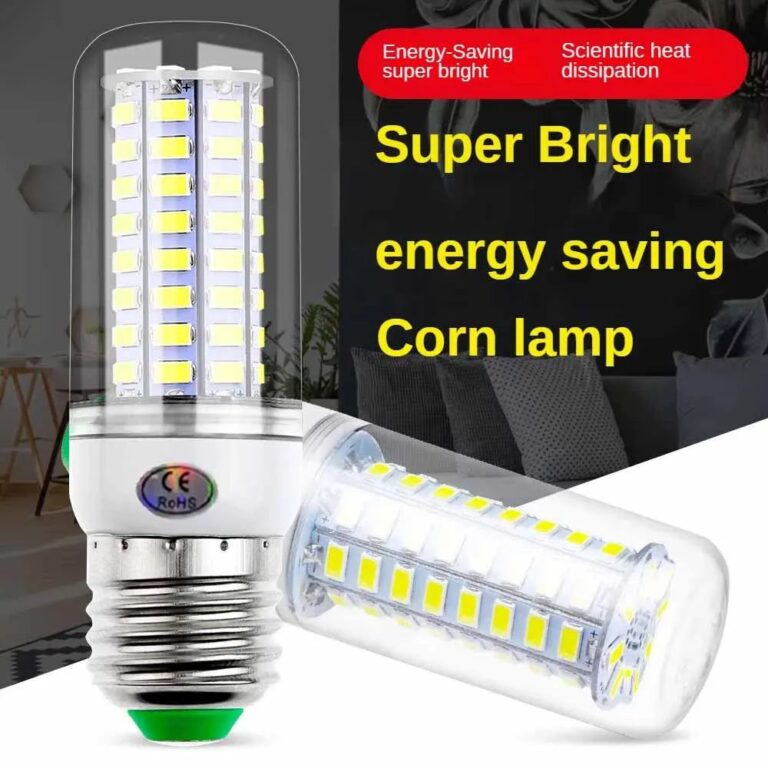
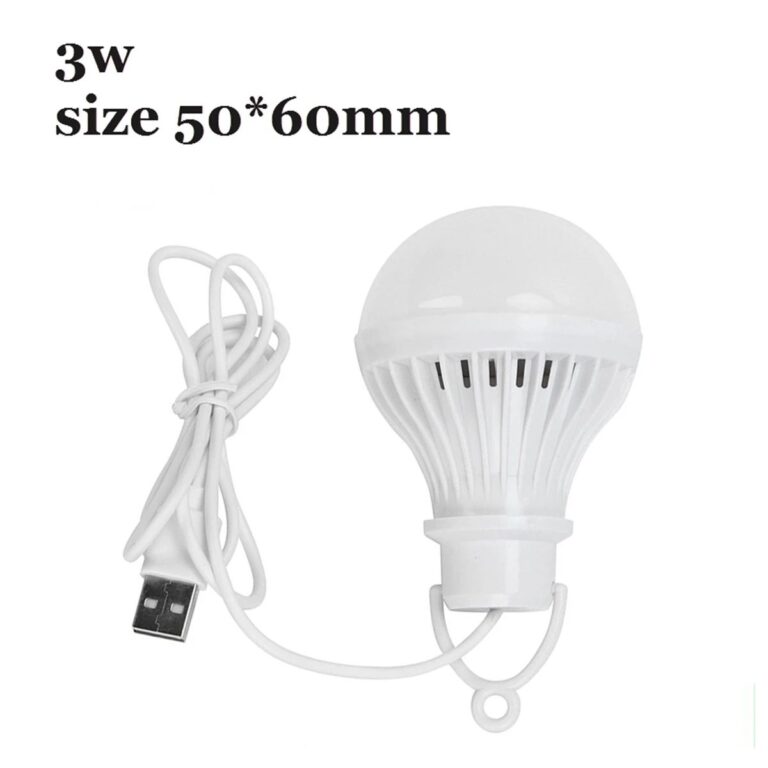 Aisha's pick9W Light Bulbs That Make Rented Places Feel Like Home
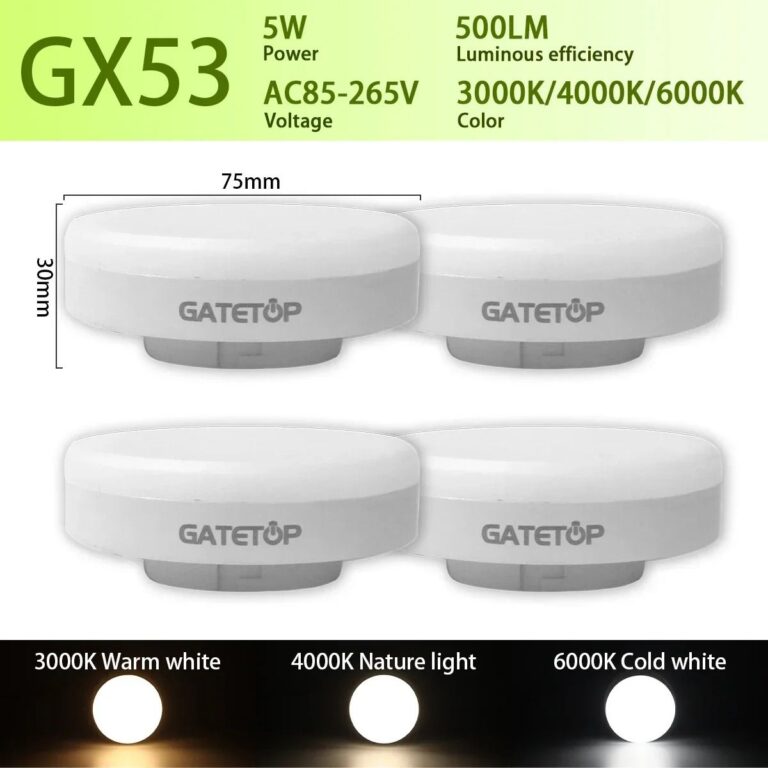
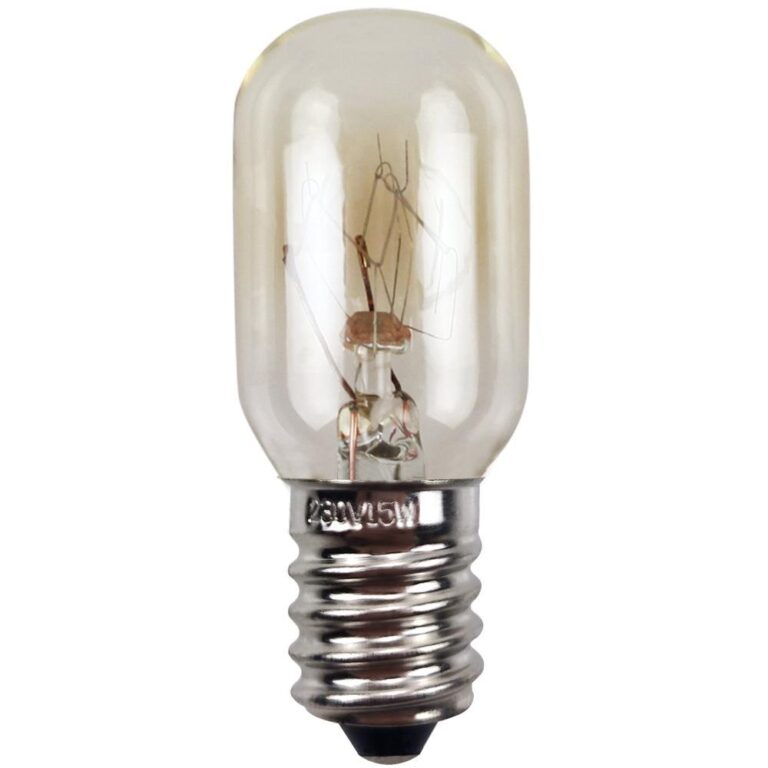 Aisha's pickE14 Warm White Light Bulbs Pulled From Dozens of Stores
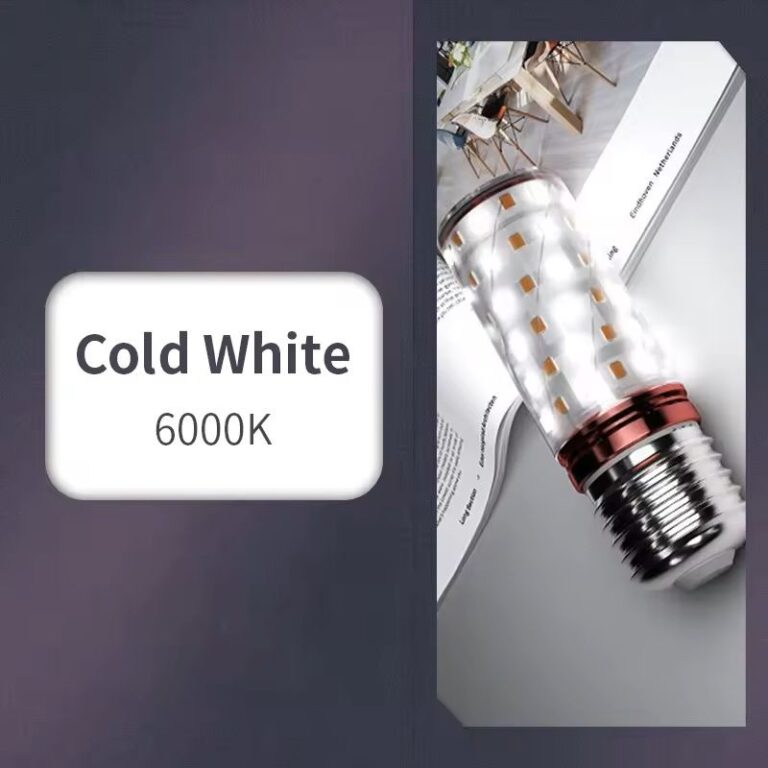
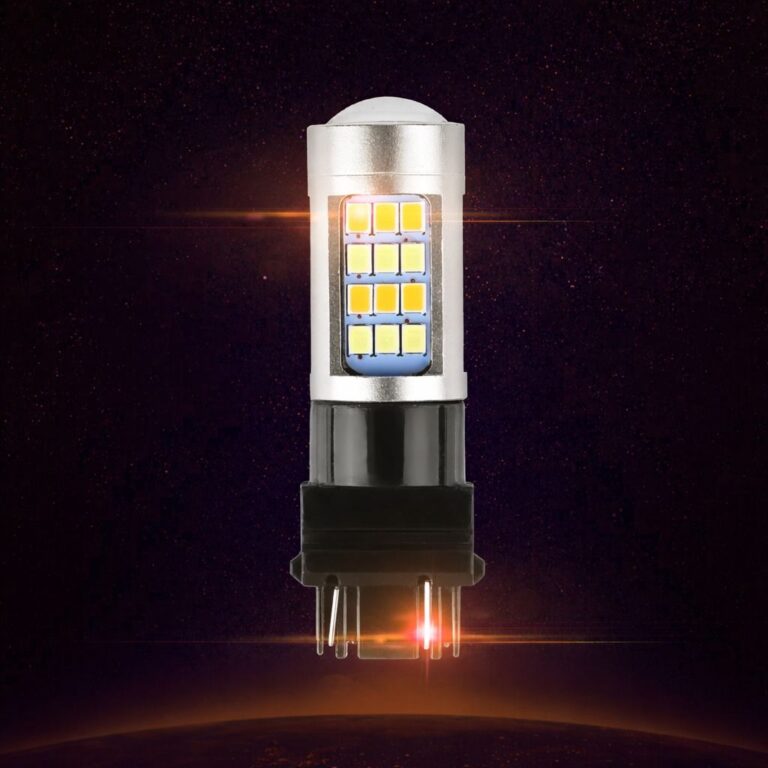 Aisha's pickOur Shortlist of Amber Light Bulbs

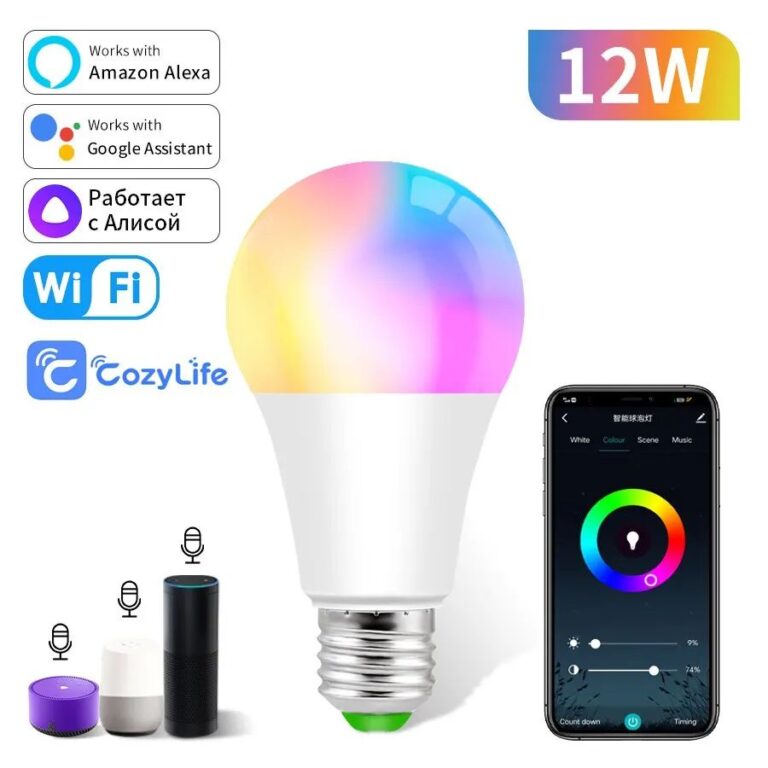 Aisha's pickE27 Dimmable Light Bulbs for Cozy Nights In
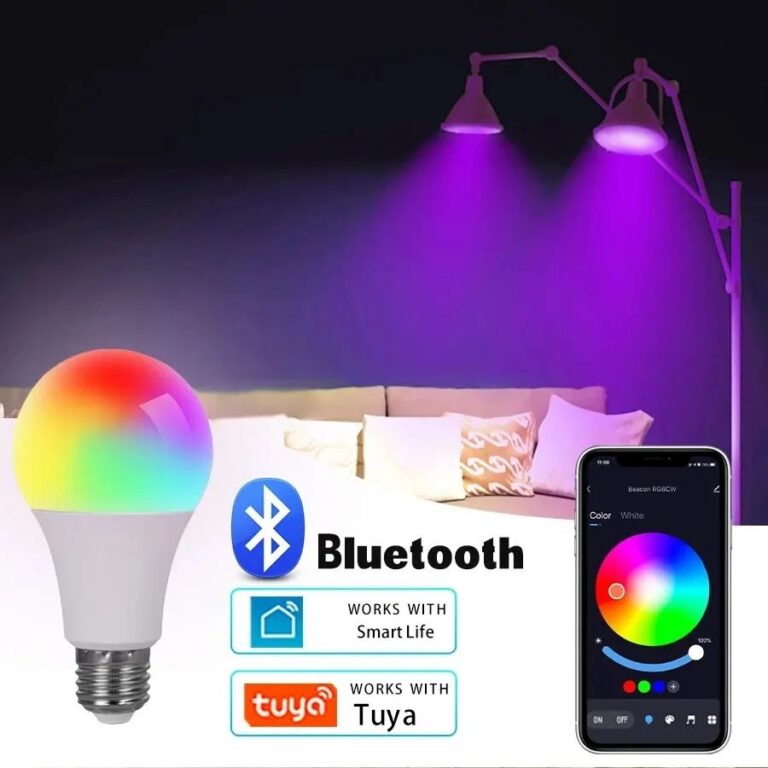
 Aisha's pickAmber Light Bulbs That Look Good Switched Off TooAlso worth a lookLED BulbsThe first bulbs I bought were the cheapest pack on the shelf, and they put out a blue…See the collections →
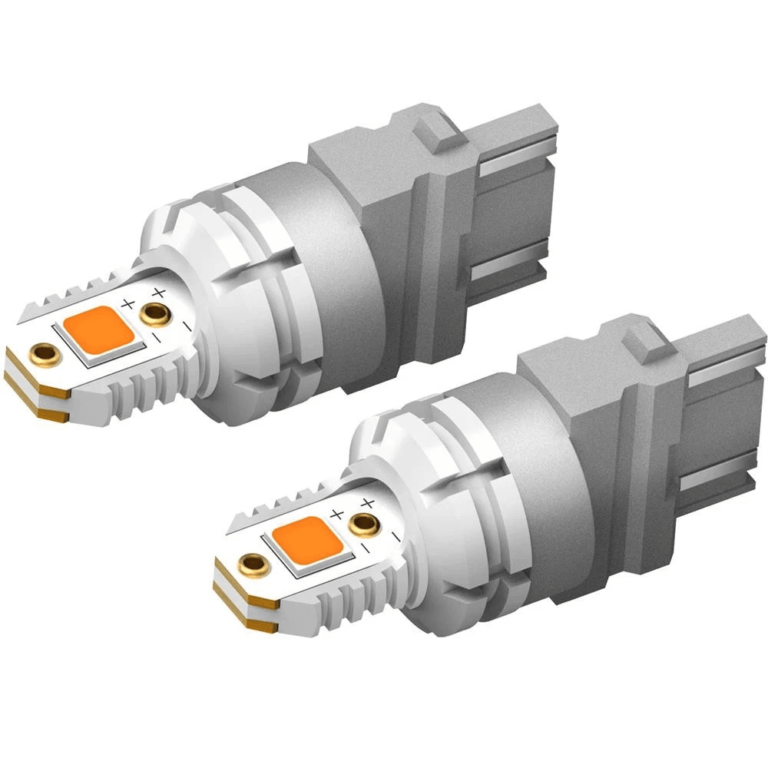
 Aisha's pickE27 Light Bulbs That Look Good Up Close
 Aisha's pickBlack Light Bulbs at Every Price Point
 Aisha's pickE27 Light Bulbs That Look Like They Cost More

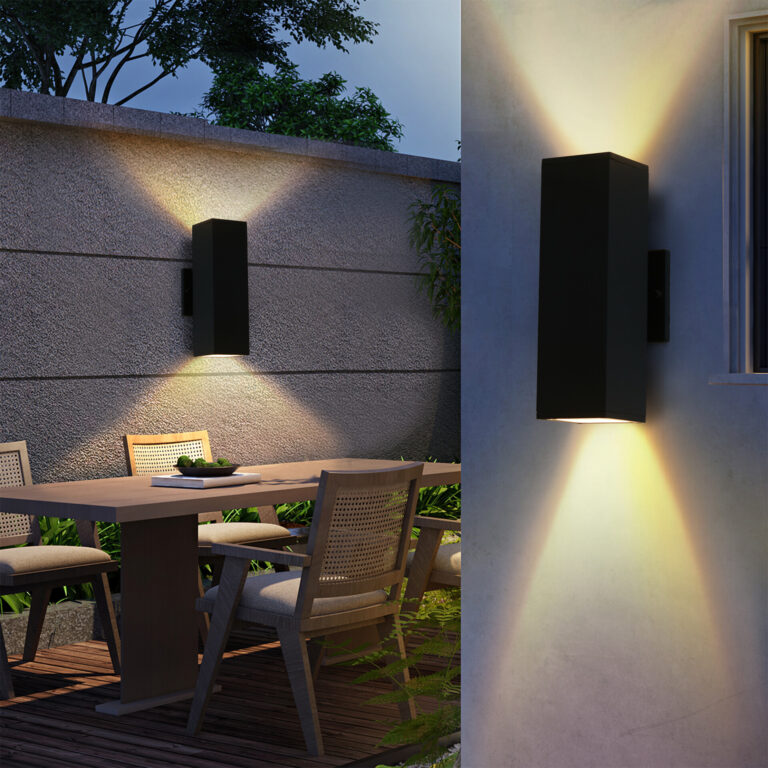 Aisha's pickBlack Light Bulbs for When the Old Ones Give Up
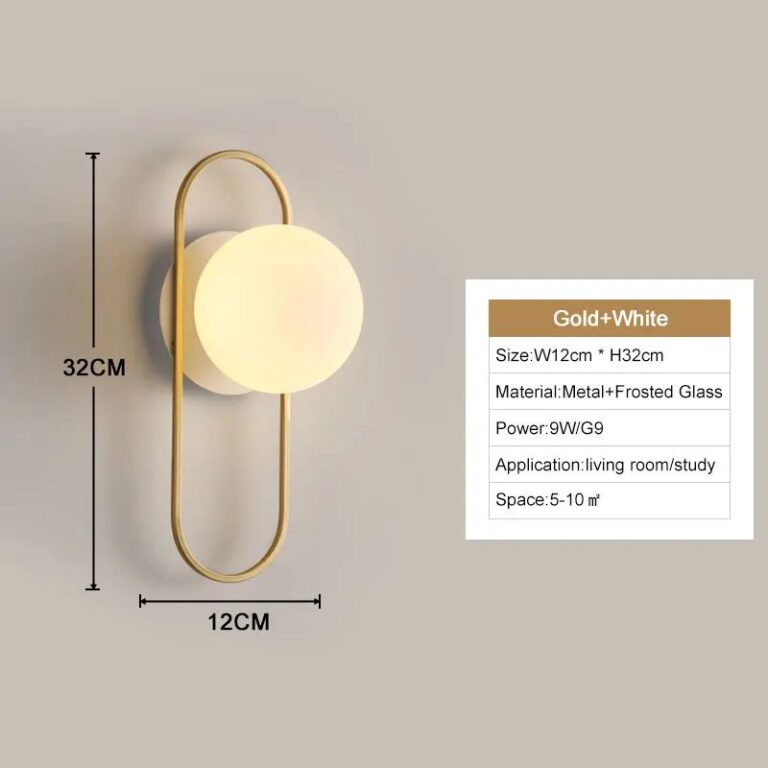
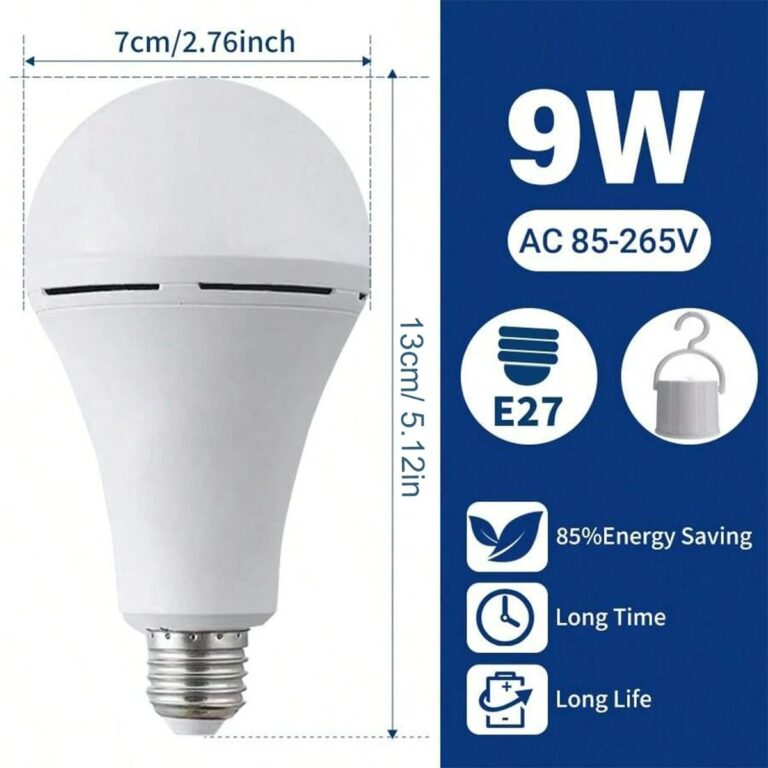 Aisha's pickE27 Warm White Light Bulbs for Making a House Feel Like Yours
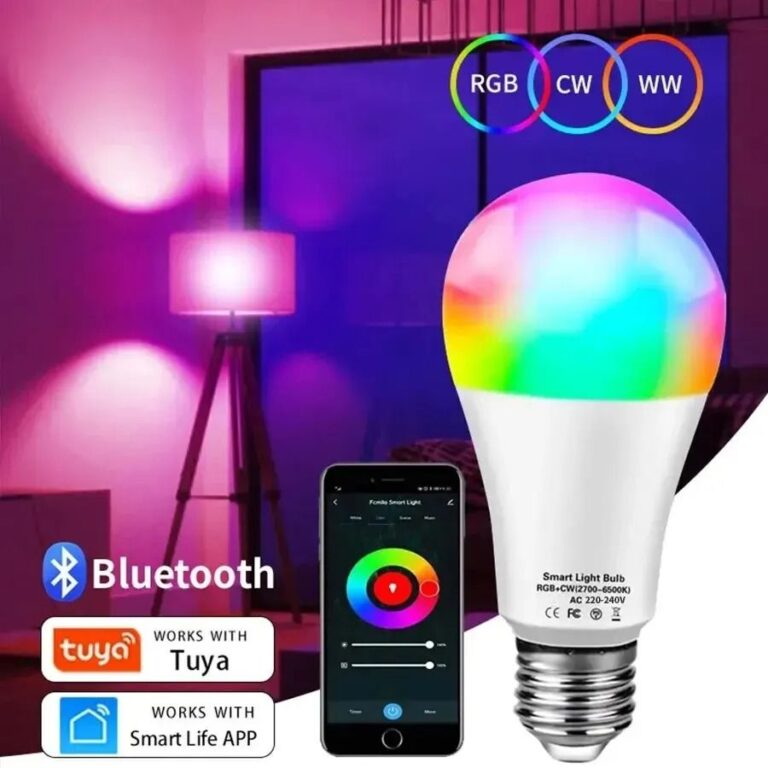
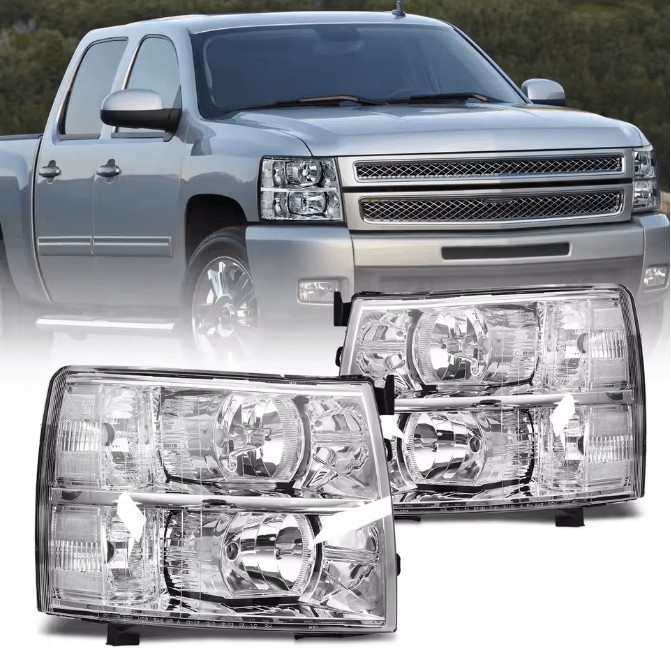 Aisha's pickChrome Light Bulbs You’ll Keep for Years
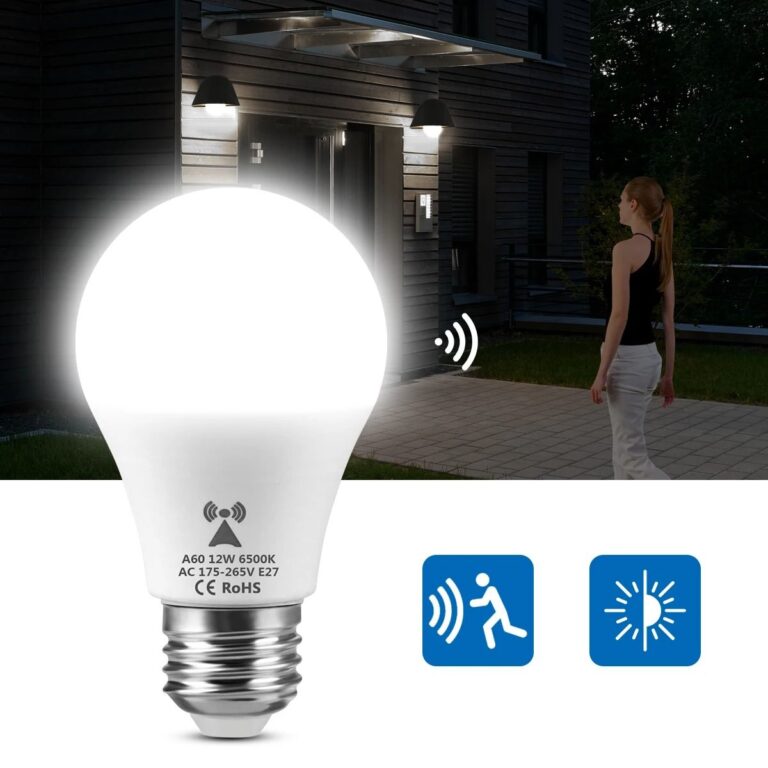 Aisha's pickThe Frosted Light Bulbs Worth Your Cash
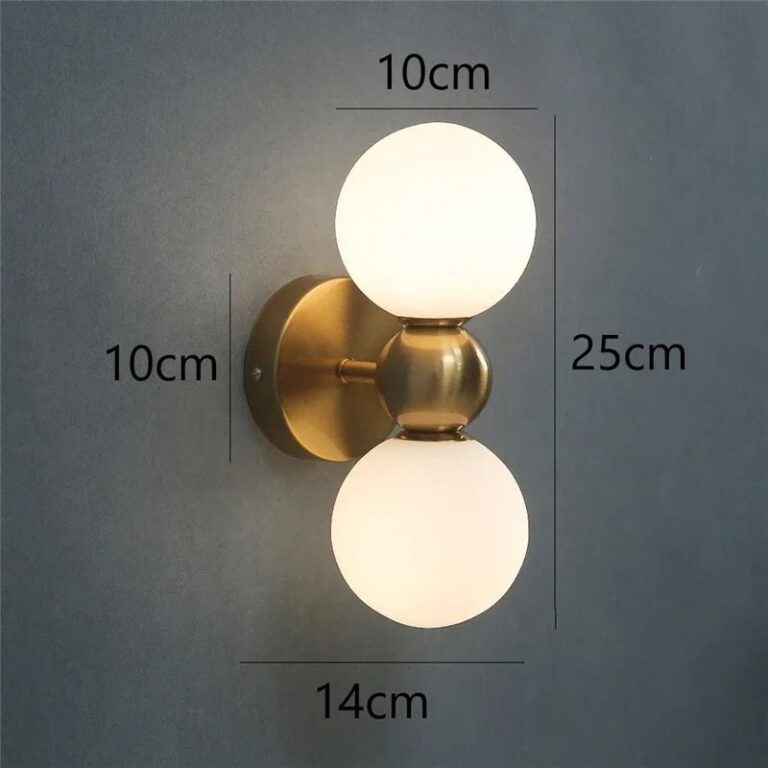
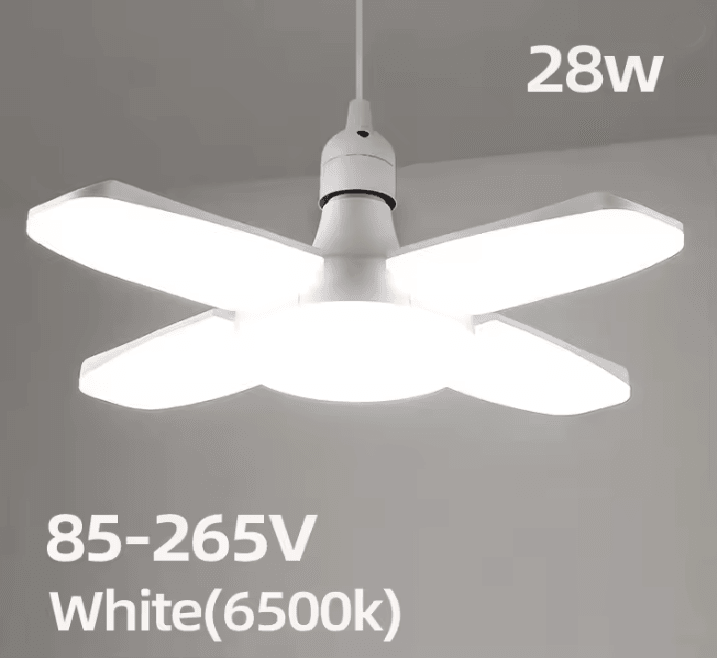 Aisha's pickClear Light Bulbs for Making a House Feel Like Yours
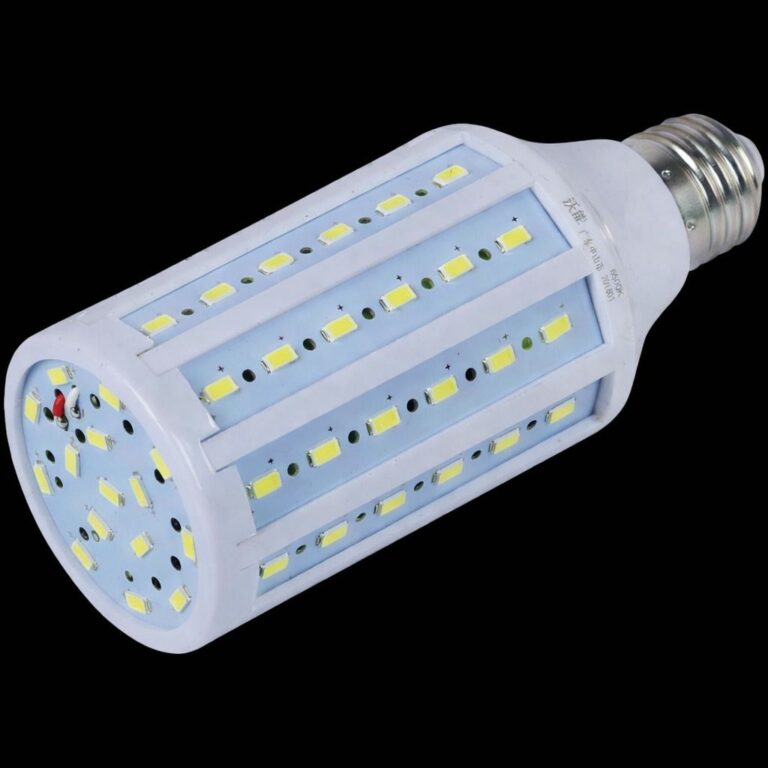
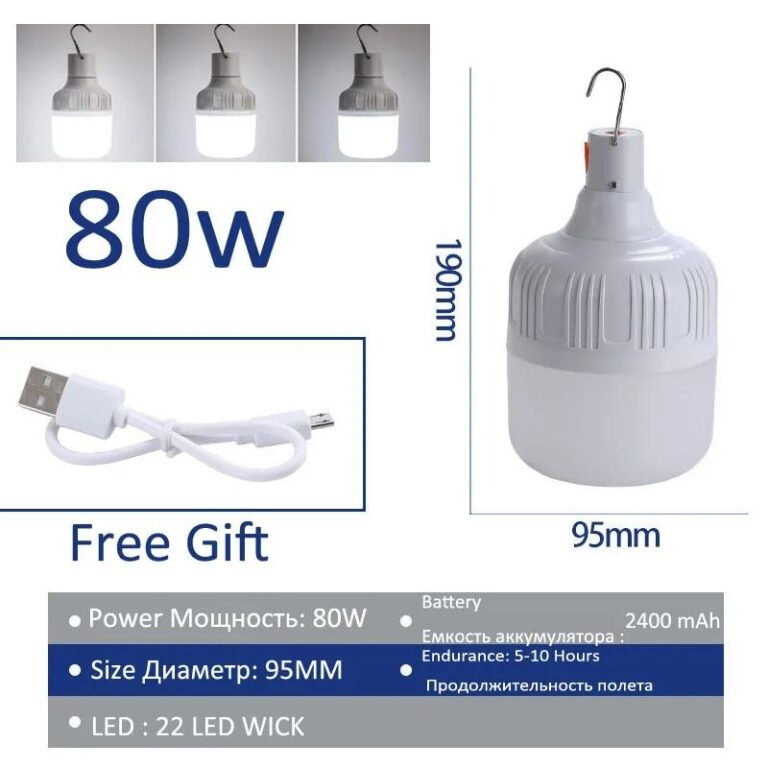 Aisha's pickFrosted Light Bulbs for People Who Know What They LikeAlso worth a lookSwitchesI spent years treating switches as the thing you cover with a fresh coat of paint and never…See the collections →
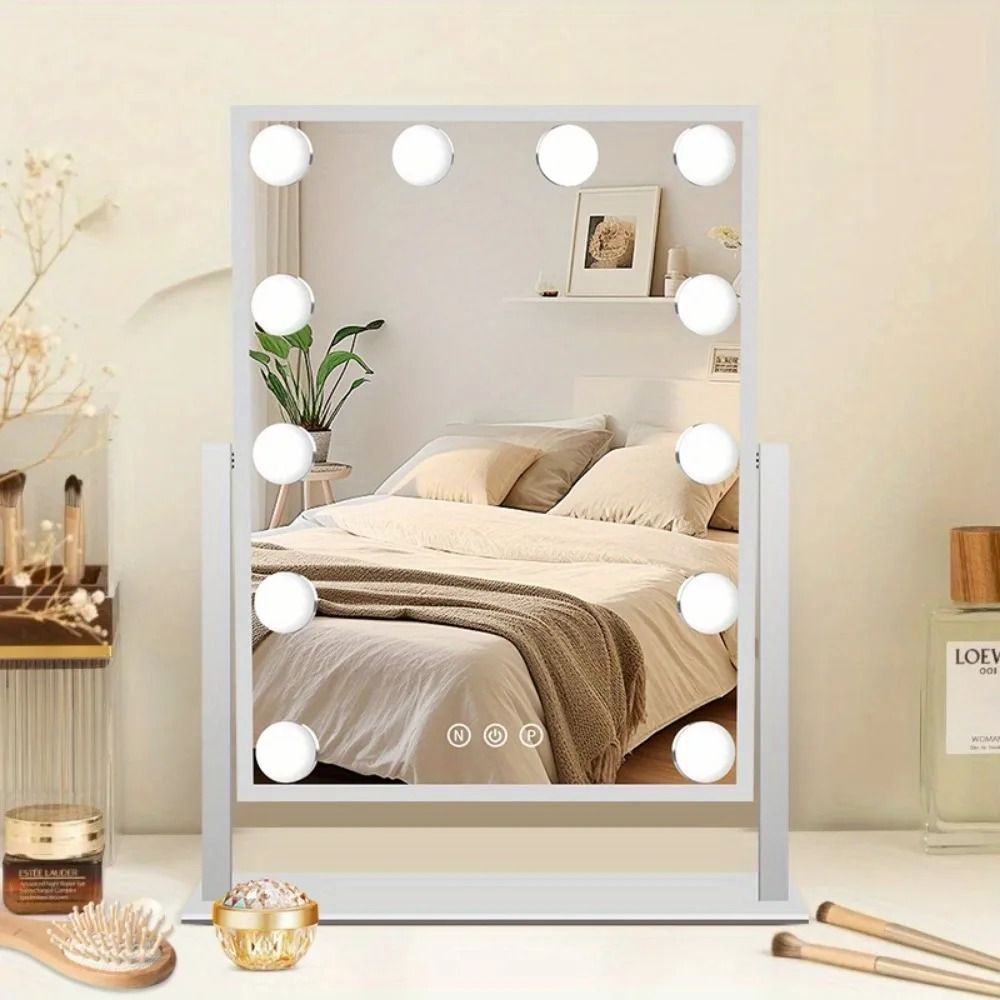
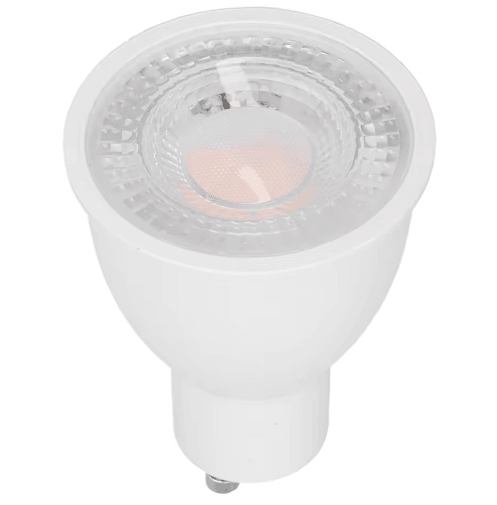 Aisha's pick10W Light Bulbs We Leave On All Evening
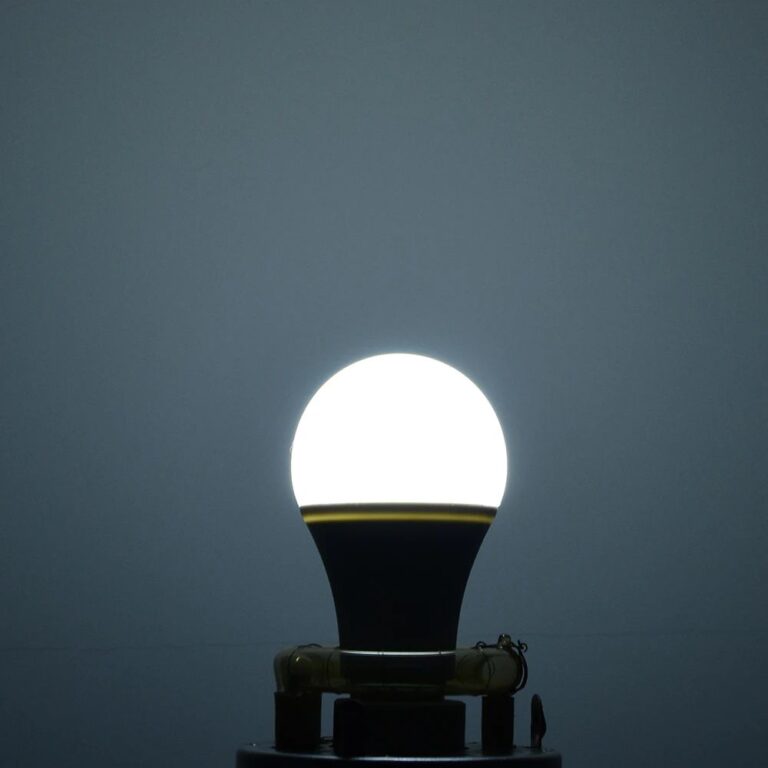
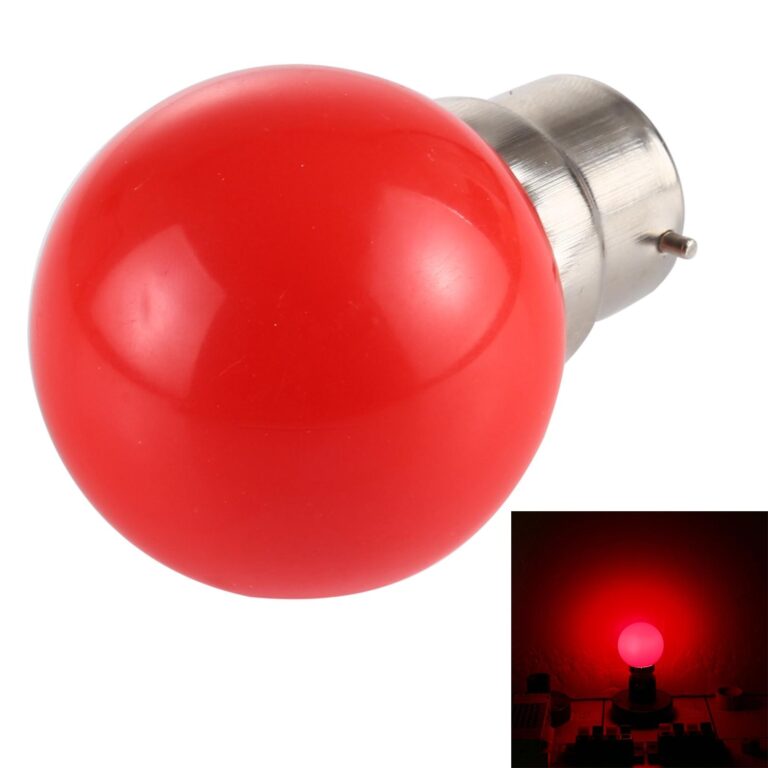 Aisha's pickClear Light Bulbs With Some Character
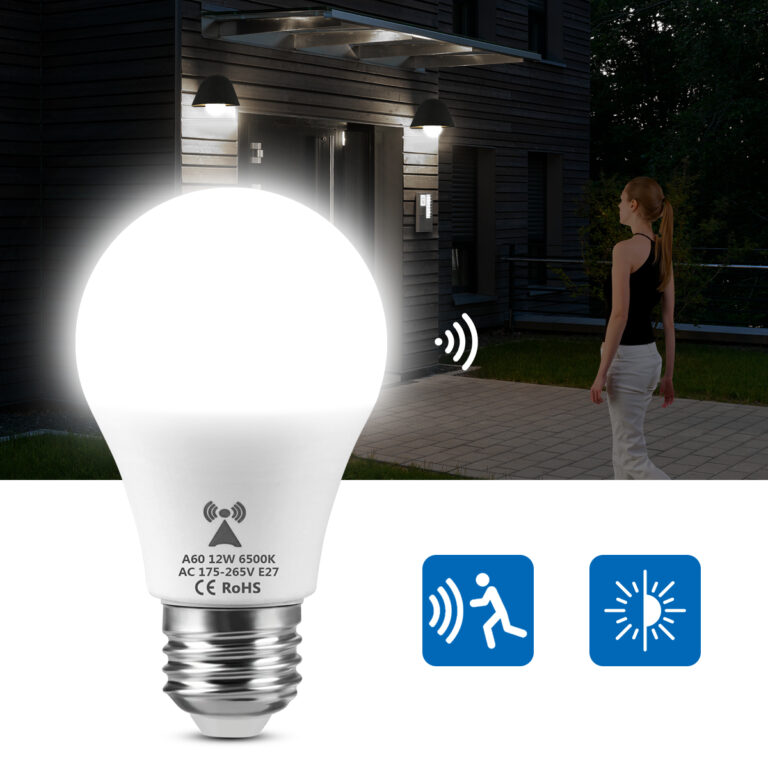
 Aisha's pickG9 Light Bulbs You’ll Keep for Years
 Aisha's pickNo Fuss 10W Light Bulbs
 Aisha's pickCool White Light Bulbs That Look Better in Real Life
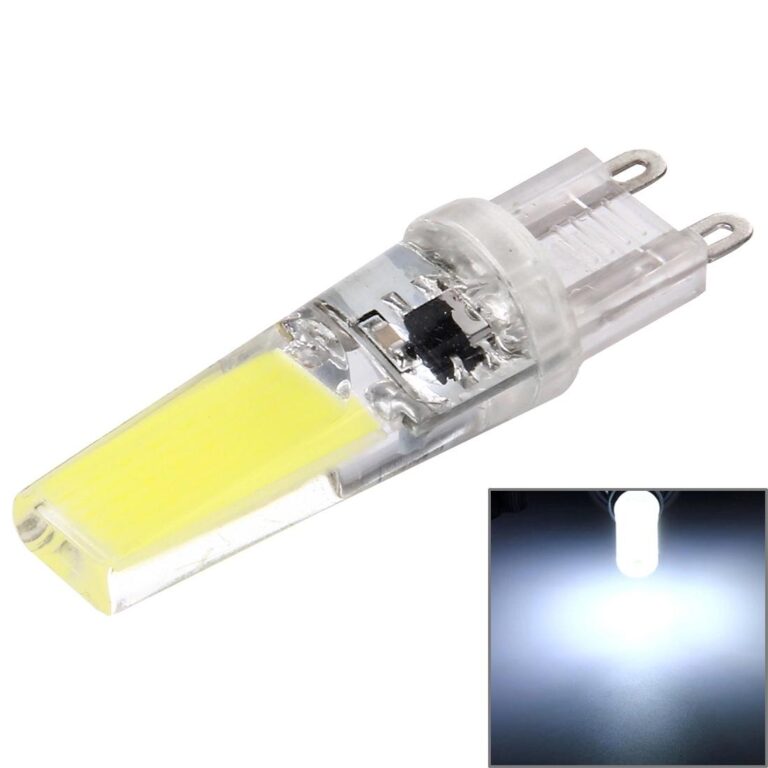 Aisha's pickG9 Light Bulbs That Earn Their Keep
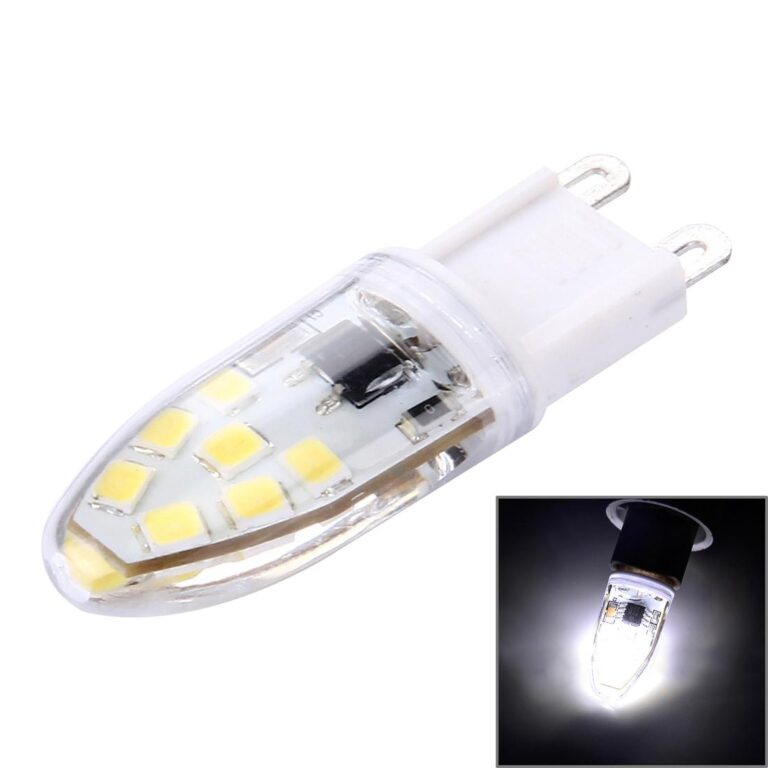
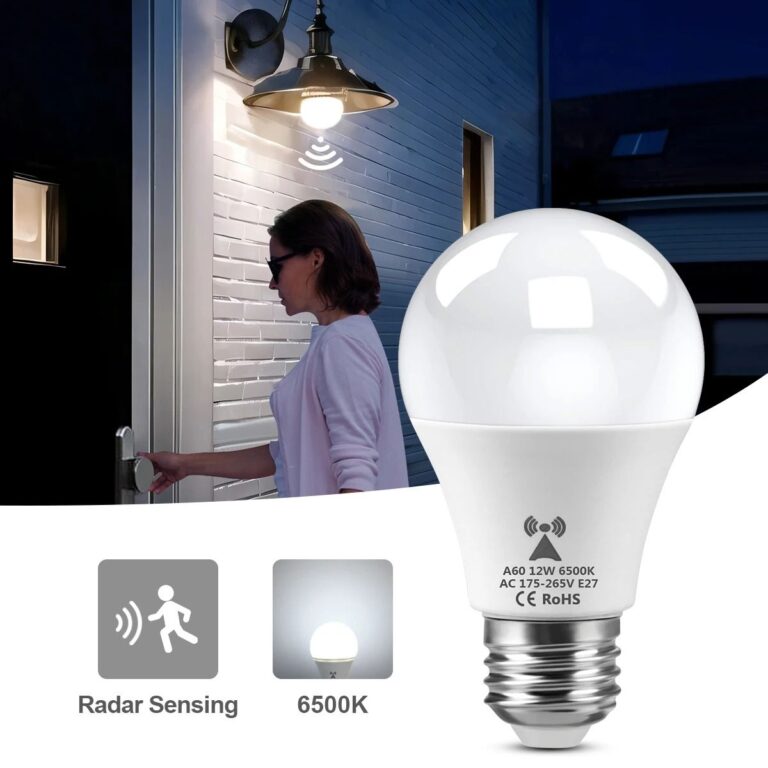 Aisha's pick12W Light Bulbs Bright Enough Without the Glare
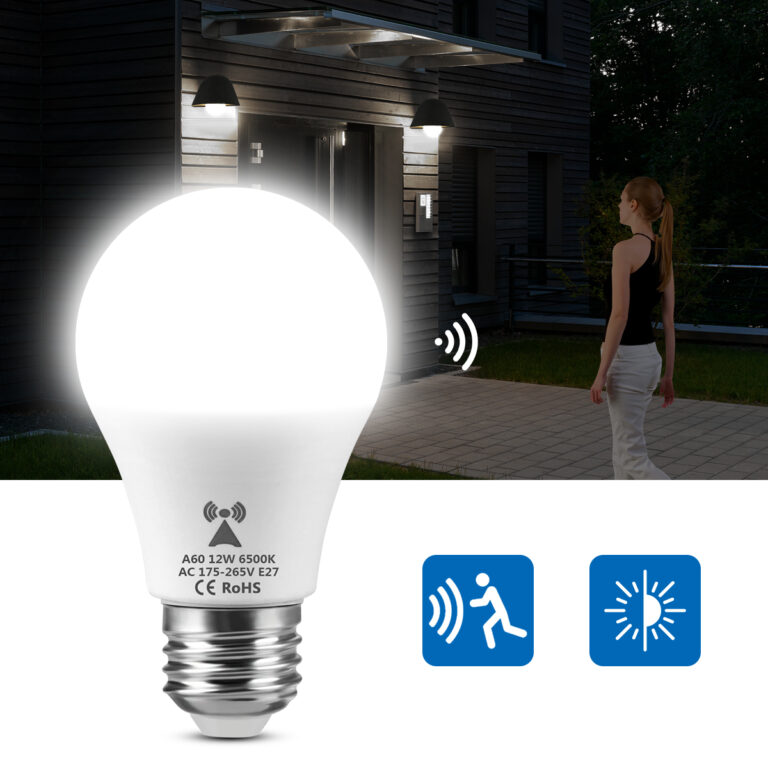
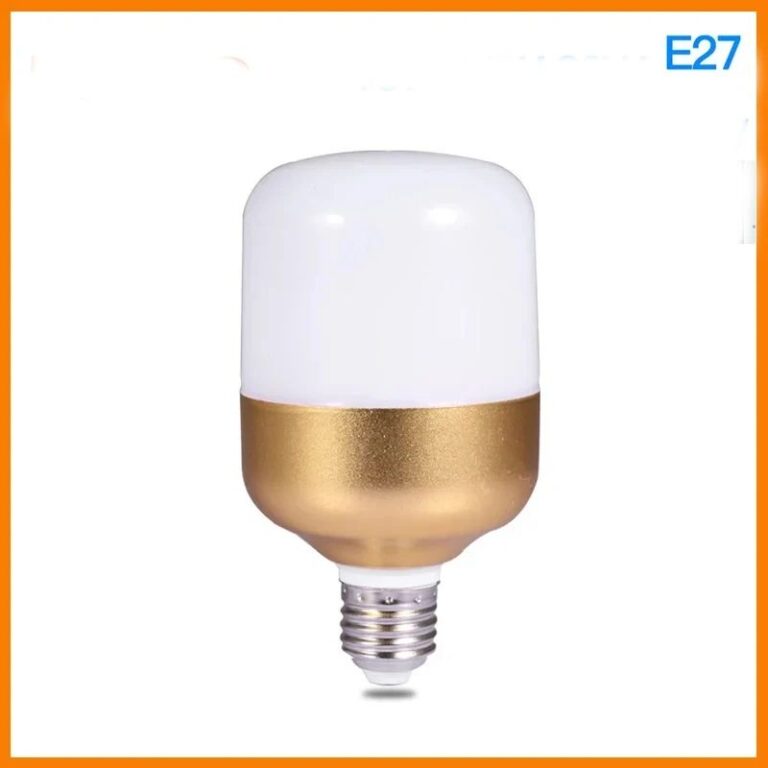 Aisha's pickCool White Light Bulbs That Don’t Shout About It
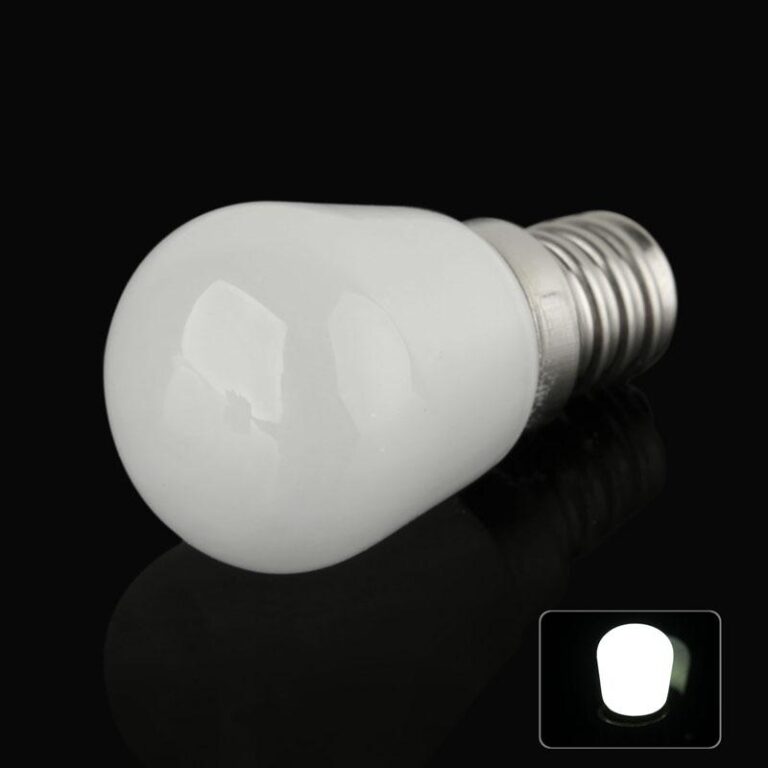
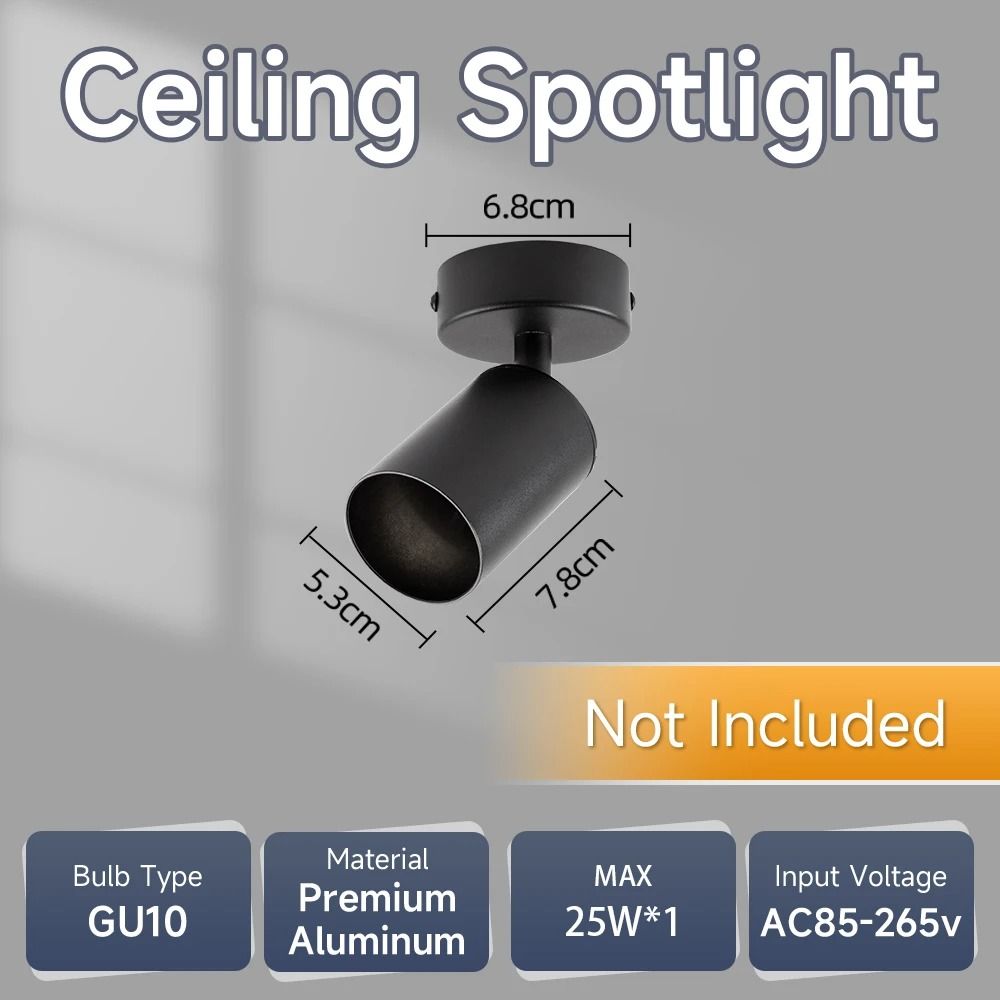 Aisha's pickGU10 Light Bulbs That Look Good Switched Off TooAlso worth a lookLight Bulbs & SwitchesYou flip the switch at the top of the stairs at eleven at night, half asleep, and either…See the collections →

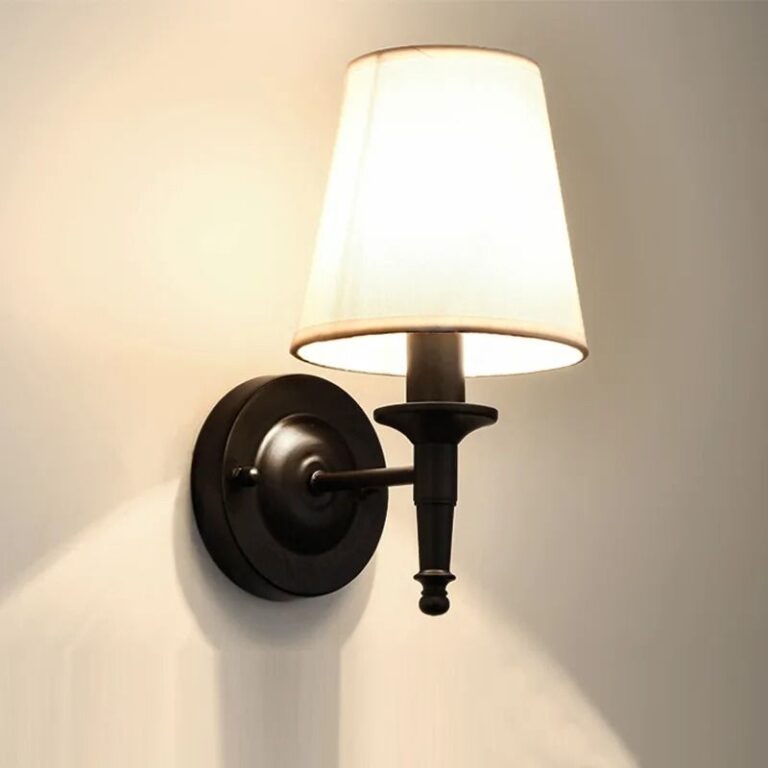 Aisha's pick12W Light Bulbs Hunted Down So You Don’t Have To
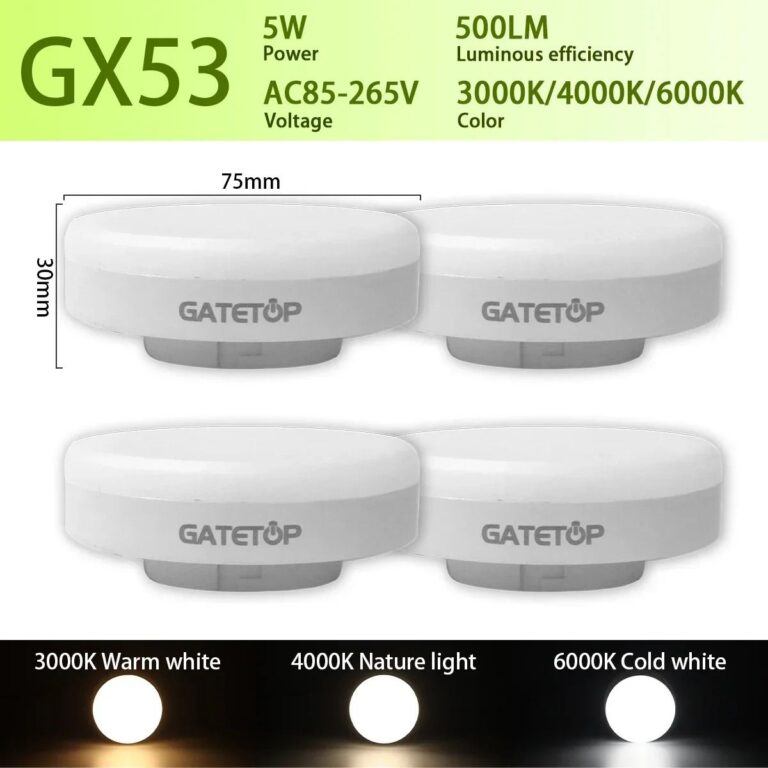
 Aisha's pickDaylight Light Bulbs That Change the Feel of a Room
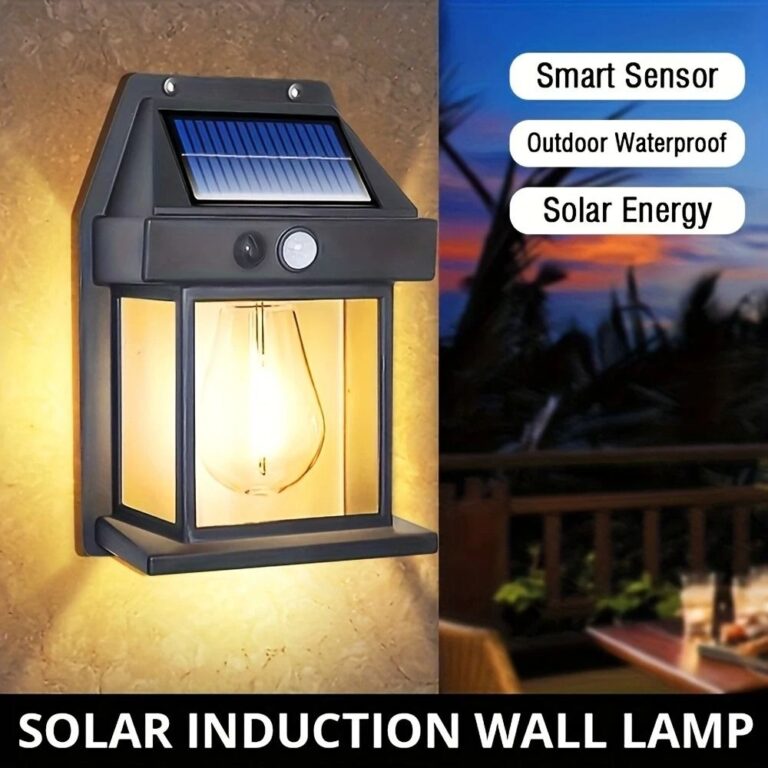
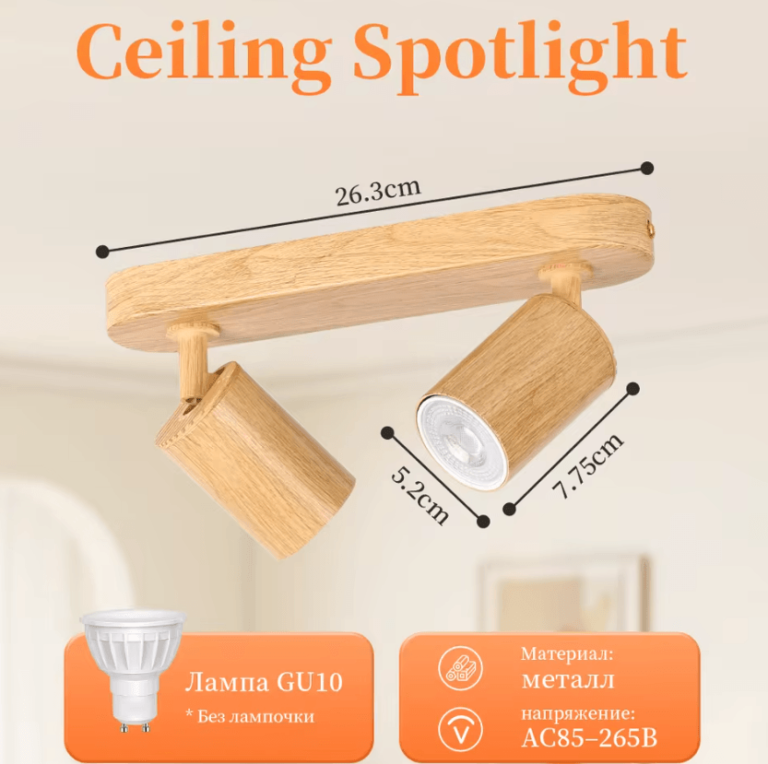 Aisha's pickGU10 Light Bulbs That Change the Feel of a Room

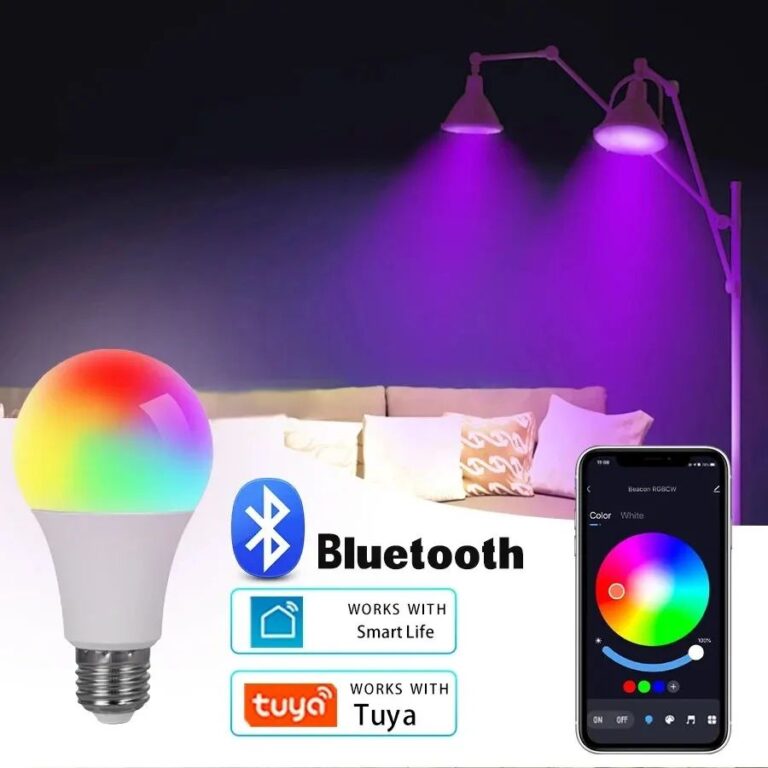 Aisha's pickOur Shortlist of 15W Light Bulbs
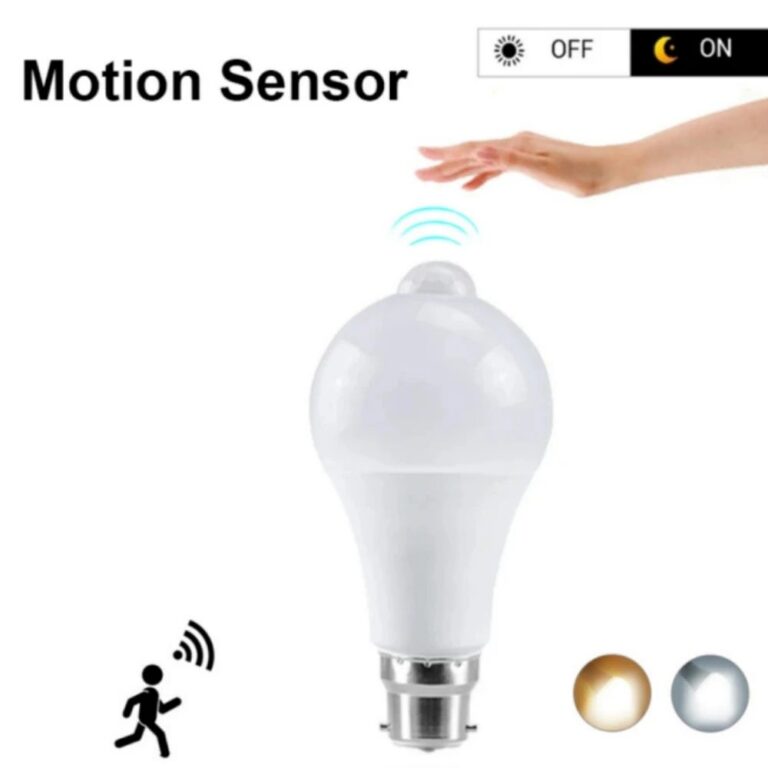
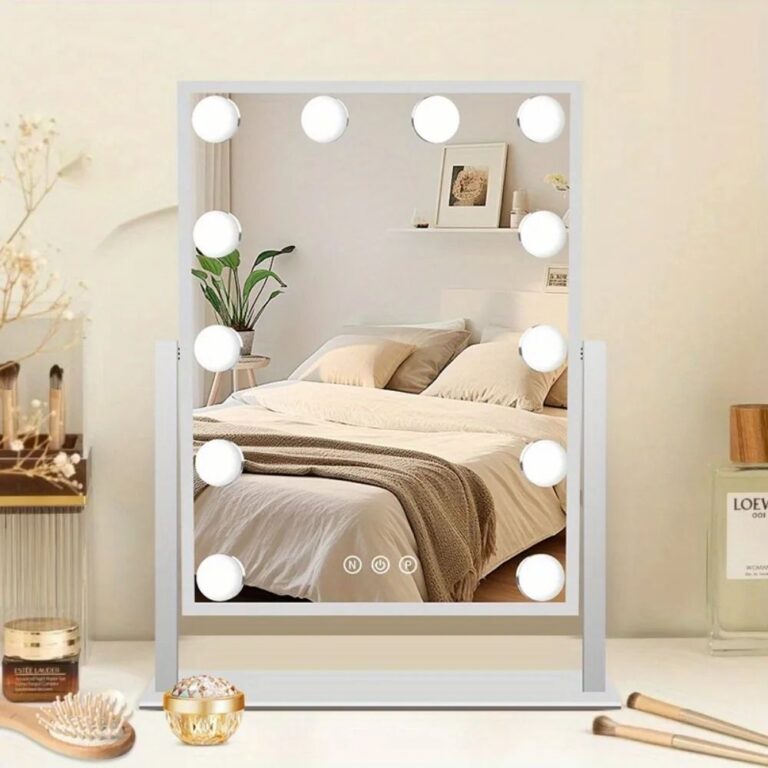 Aisha's pickDaylight Light Bulbs That Work in Old Houses and New Ones

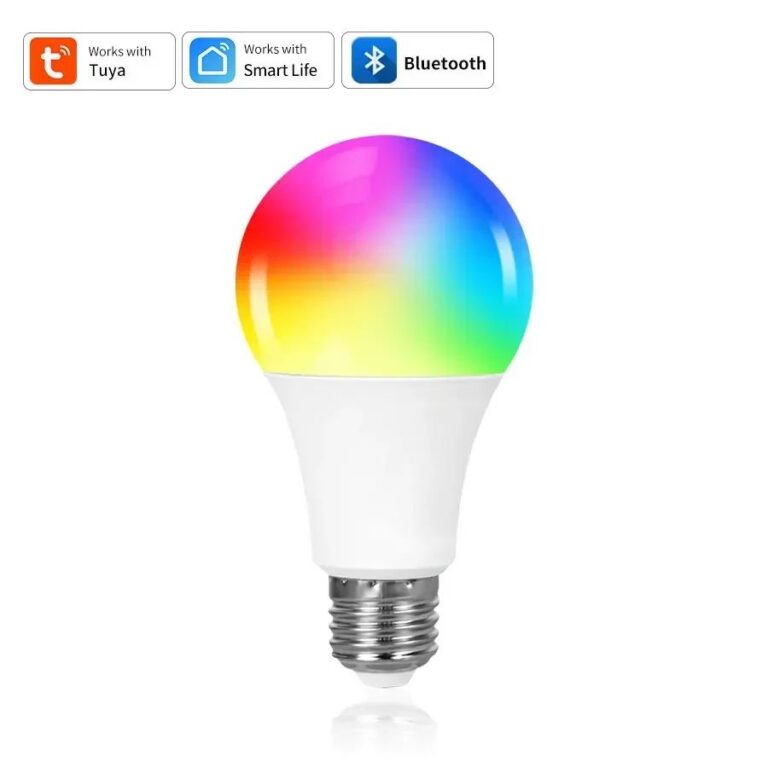 Aisha's pick15W Light Bulbs for Making a House Feel Like Yours
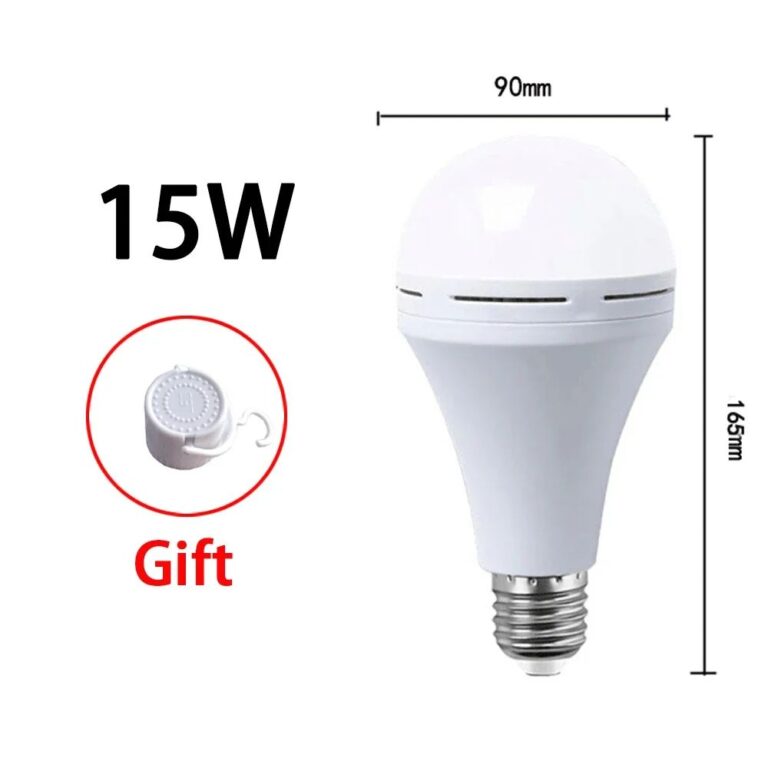
 Aisha's pickDimmable Light Bulbs for Reading, Relaxing or Both
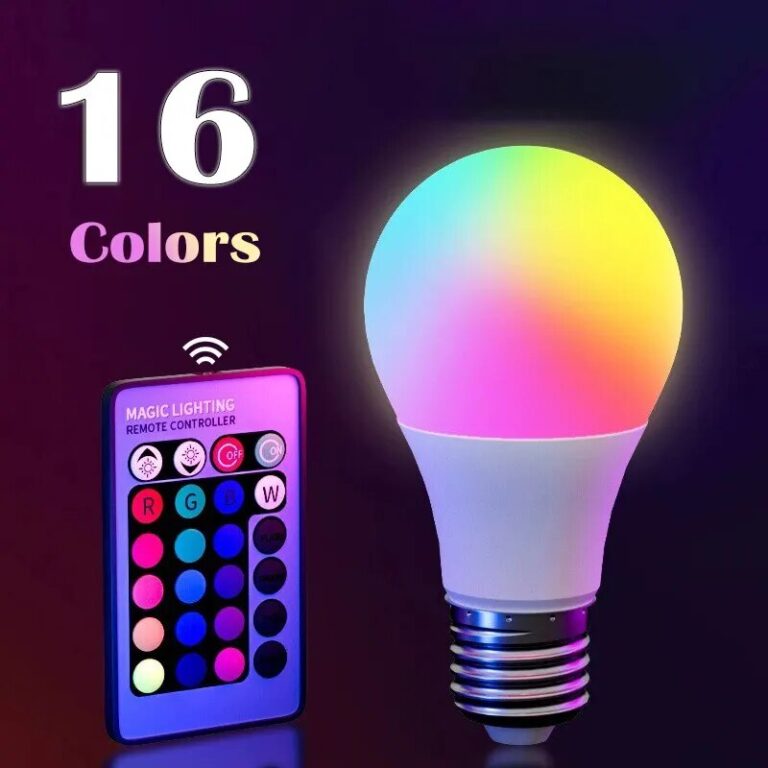
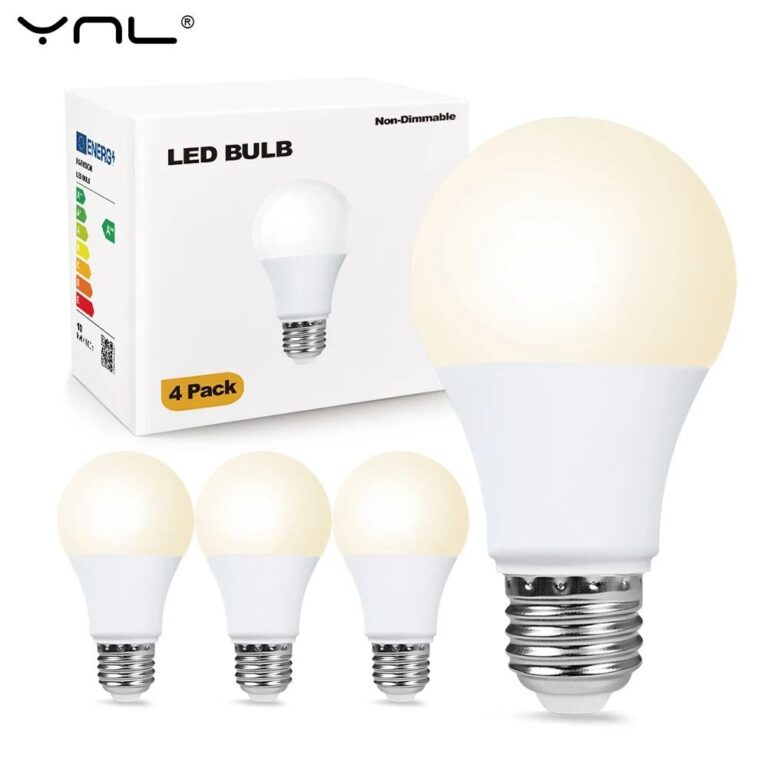 Aisha's pick6W Light Bulbs That Give Off a Warm Glow