You flip the switch at the top of the stairs at eleven at night, half asleep, and either the hallway comes up soft enough that you don't wake the whole house, or it blasts on like an interrogation room and you're squinting for ten seconds. That's the whole case for paying attention to bulbs and switches. Nobody thinks about them until the one in the bedside lamp keeps flickering, or the dimmer you bought is paired with a bulb that buzzes every time you turn it down low.
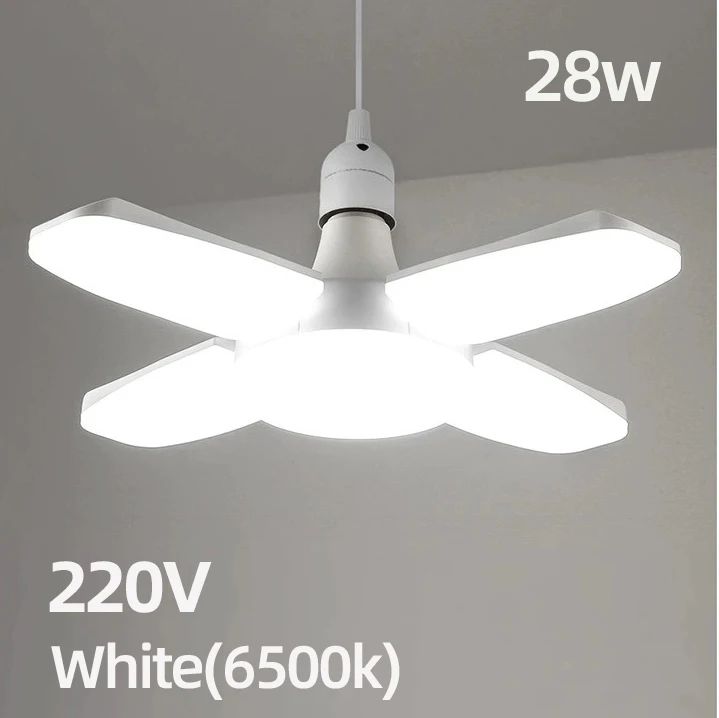
The day you buy, check the base fitting matches what's actually in your socket, check the color temperature on the packaging rather than guessing, because warm white and daylight look like two different rooms even with the same lamp, and if it's a dimmer switch, confirm it's rated for the type of bulb you're running, LED dimming needs a compatible switch or you get that flicker and hum that drives you up the wall within a week. For switches, look at the plate material and the feel of the toggle or rocker in your hand before you commit, a loose, rattly switch plate is annoying forever, not just on day one.
In a normal room these sit quietly behind everything else, which is the point. A warmer bulb suits a living room with a sofa you actually sink into and a lamp you read under, something closer to daylight earns its place in a kitchen or a bathroom where you need to see what you're doing. Dimmer switches pair well with dining rooms and bedrooms, anywhere the mood needs to shift between six in the evening and midnight without you getting up to swap bulbs.
The difference between a good one and a bad one shows up over time rather than on the shelf. A well made bulb holds its color consistently for years instead of drifting yellow or going slightly pink after a few months, and a decent switch has a solid, weighted click rather than a mushy give that gets worse the more you use it. Cheap dimmers often have thin internals that overheat behind the wall plate, which you'll notice as warmth around the switch itself, never a good sign. Good ones also survive being turned off and on a few thousand times without the mechanism loosening in the wall box.
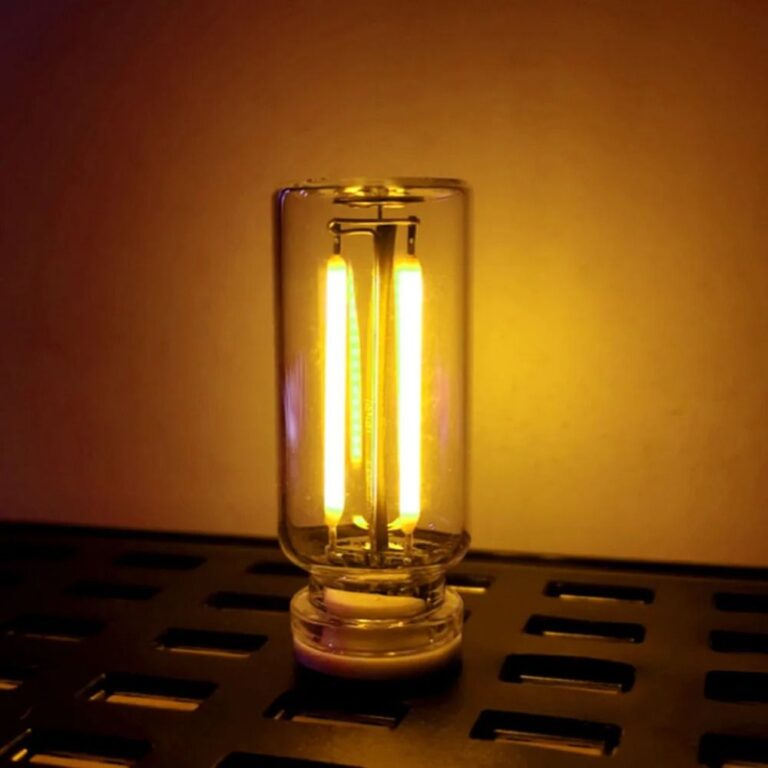
Where this falls short is anywhere you need real character, a reading lamp with a fixed, unusual bulb shape, or a switch plate that has to match an older, non standard wall box, both of which are better handled with more specialized fittings than anything general purpose.
 Aisha's pick9W LED Bulbs for Cozy Nights In

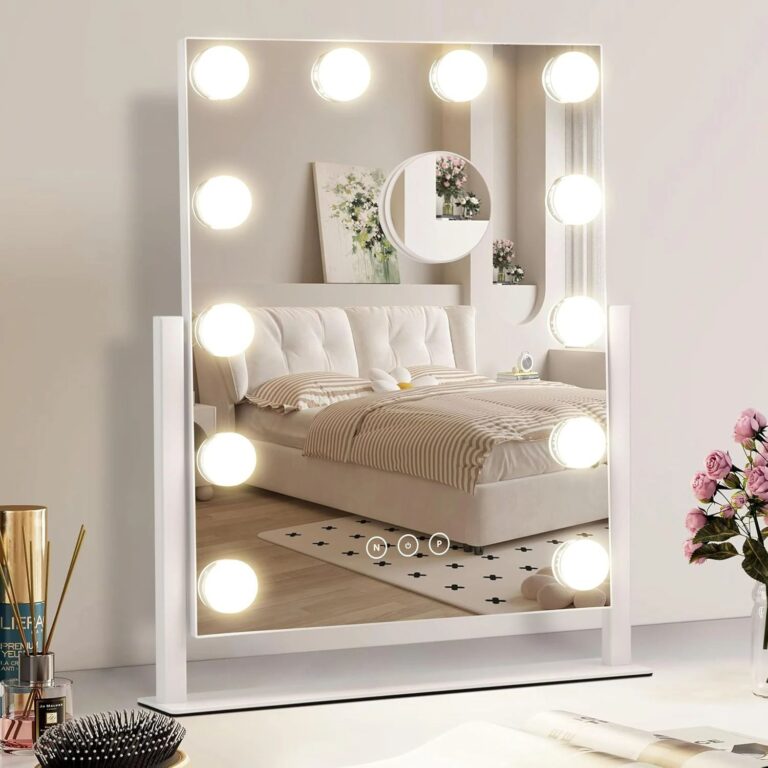 Aisha's pickDimmable LED Bulbs That Change the Feel of a Room
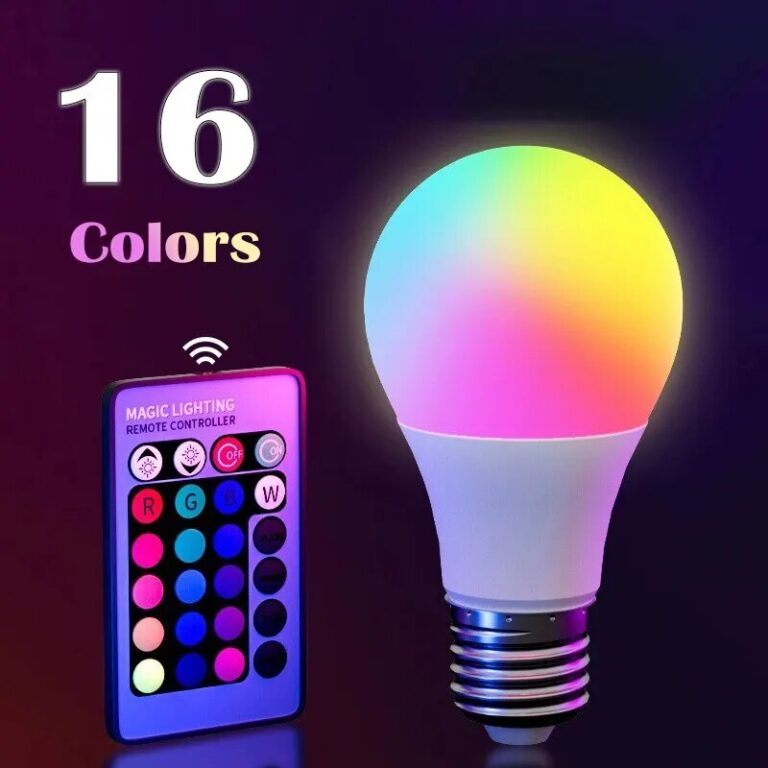
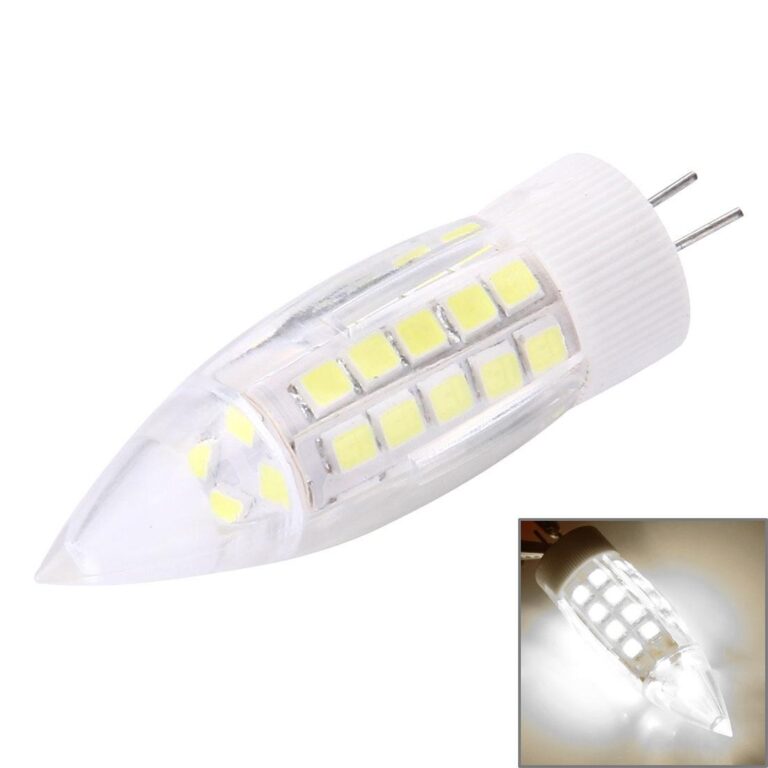 Aisha's pick4W LED Light Bulbs That Won’t Let You Down
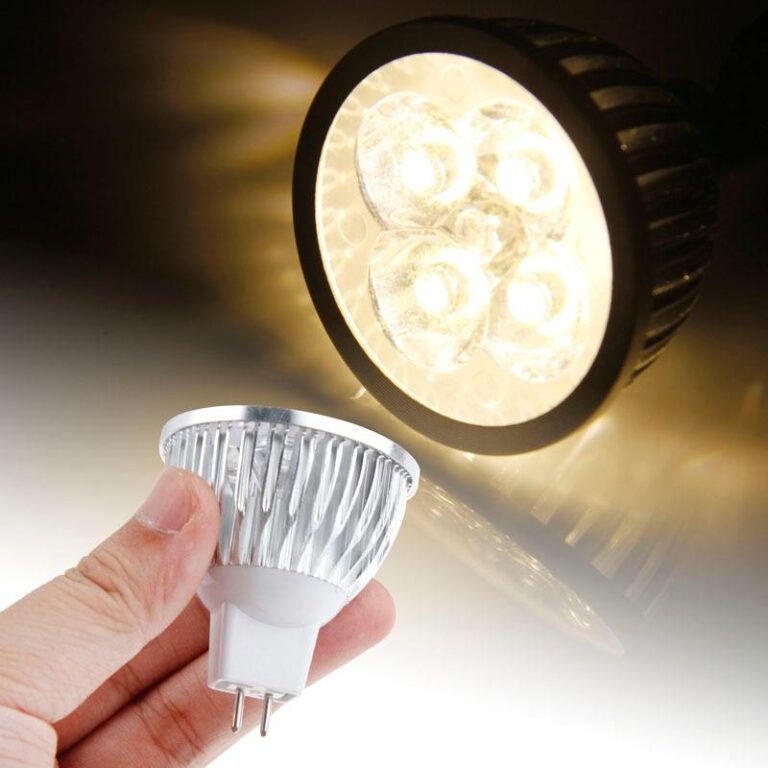
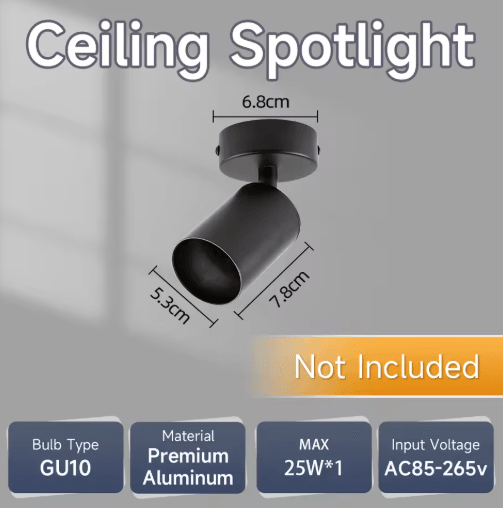 Aisha's pickGU10 LED Light Bulbs Bright Enough Without the Glare

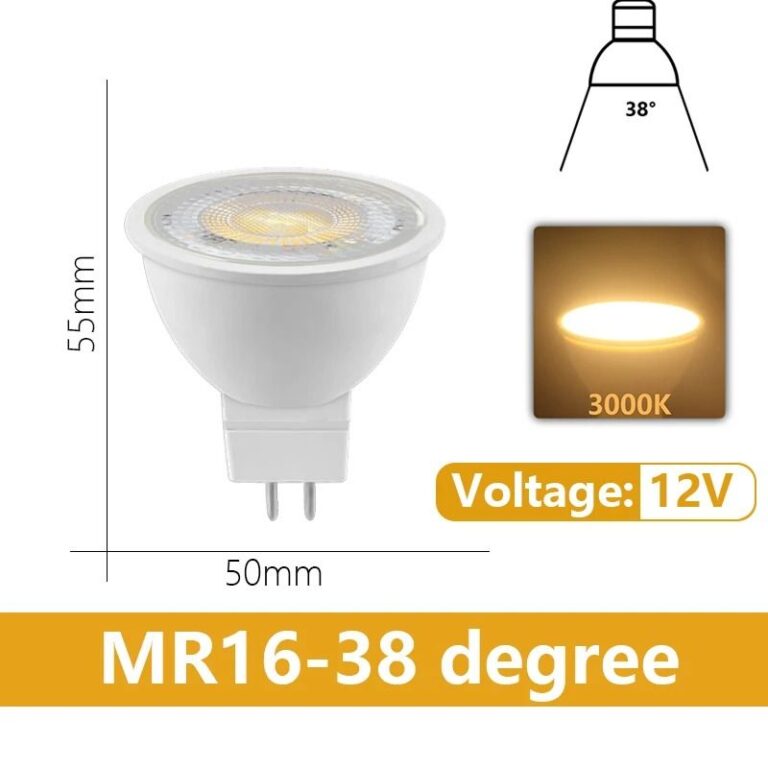 Aisha's pickNo Fuss 6W Light Bulbs
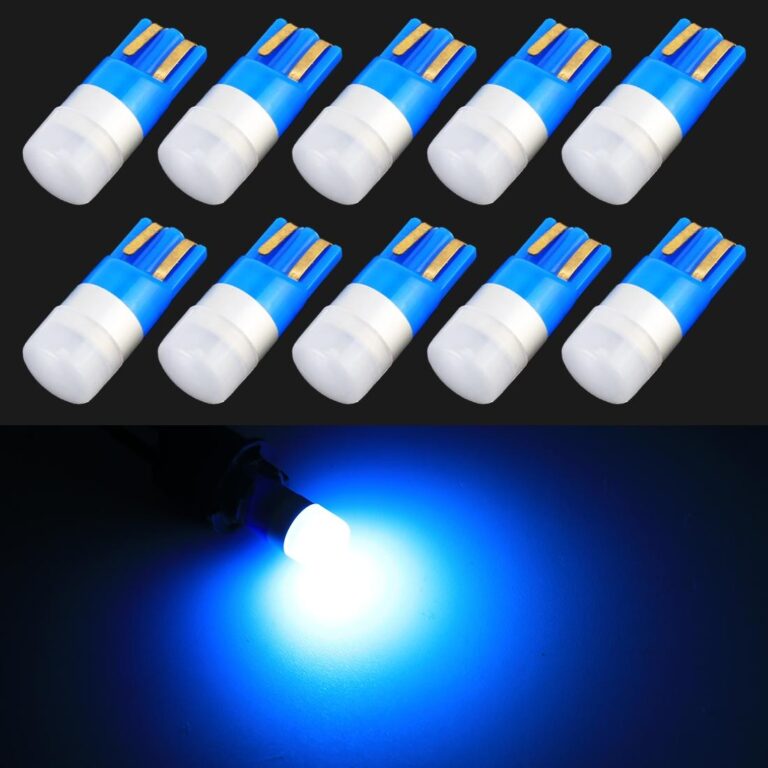
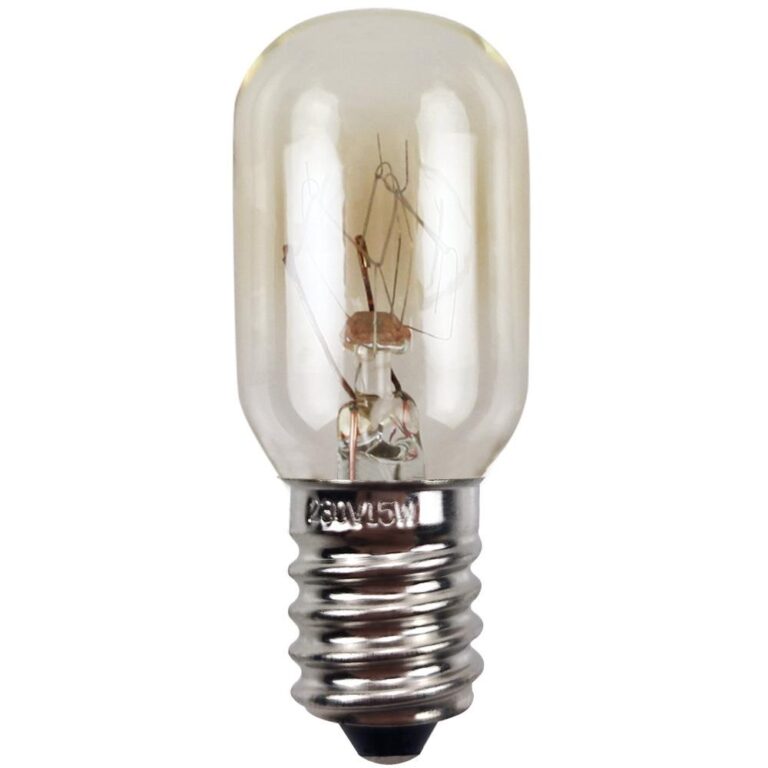 Aisha's pickE14 Light Bulbs That Work in Old Houses and New Ones
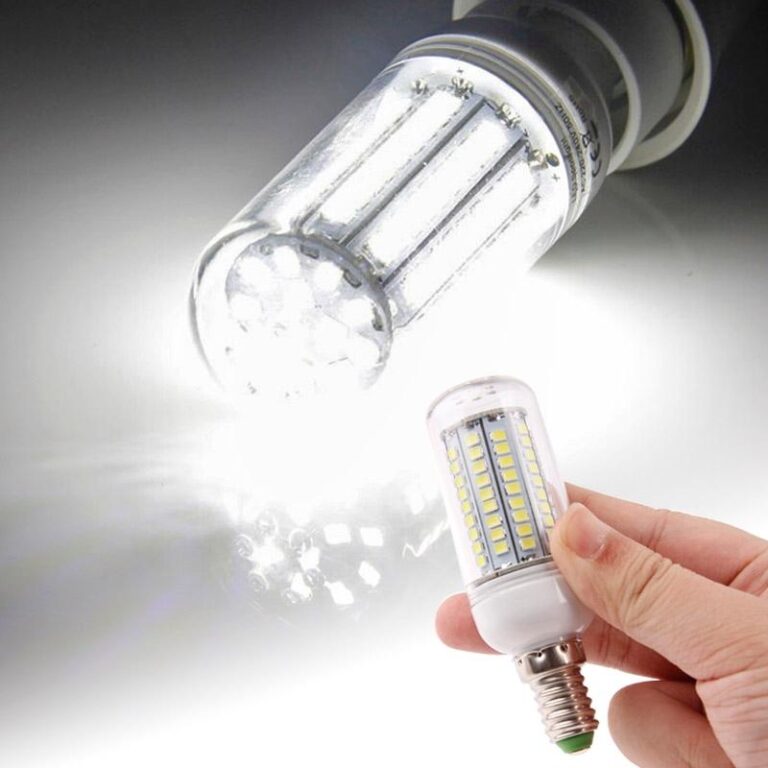
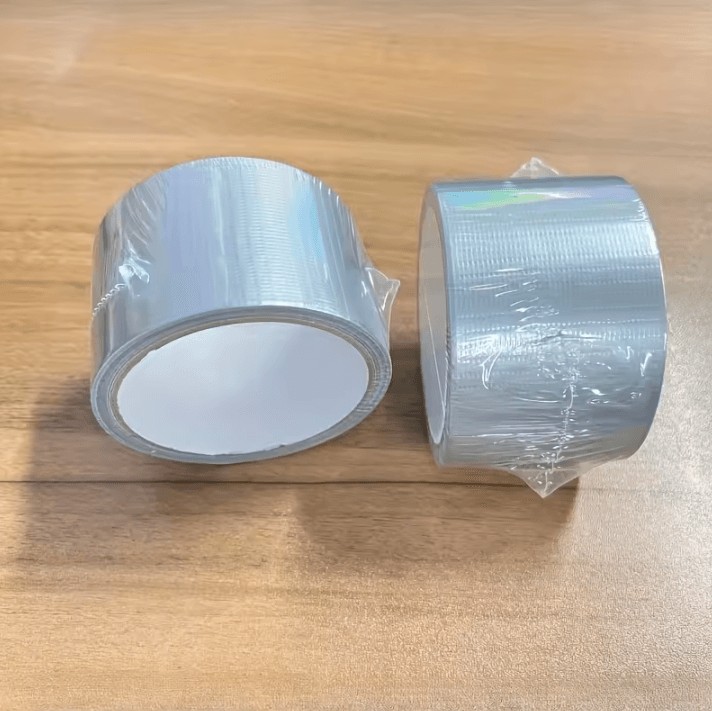
 Aisha's pickOur Shortlist of Carpet Tape
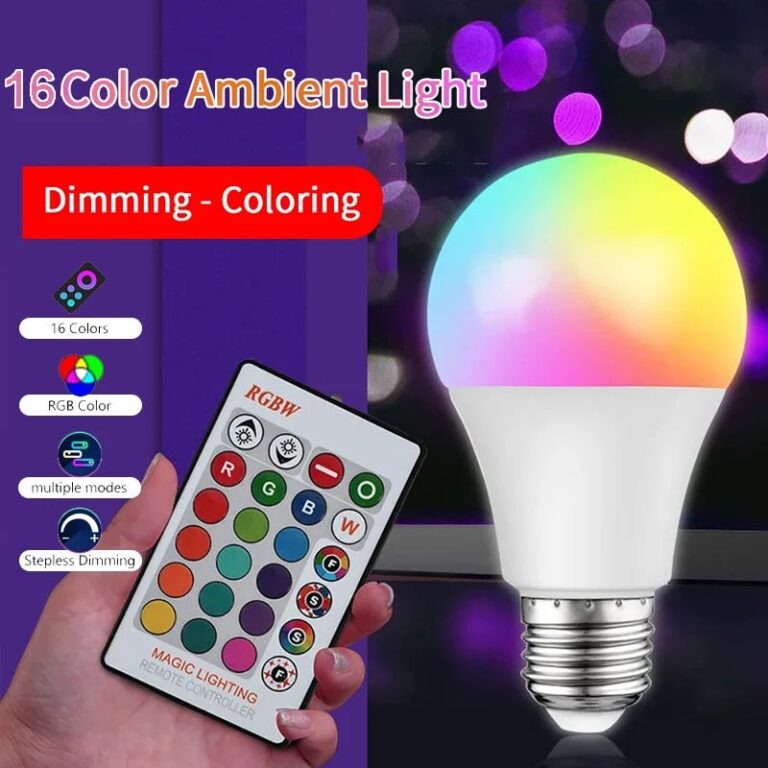 Aisha's pickLED Smart Bulbs That Give Off a Warm Glow
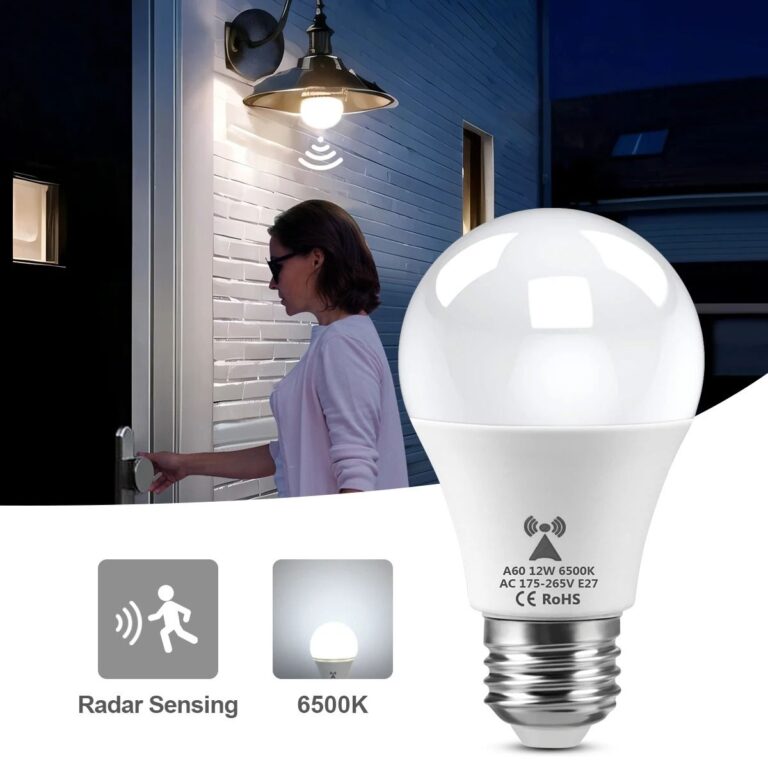
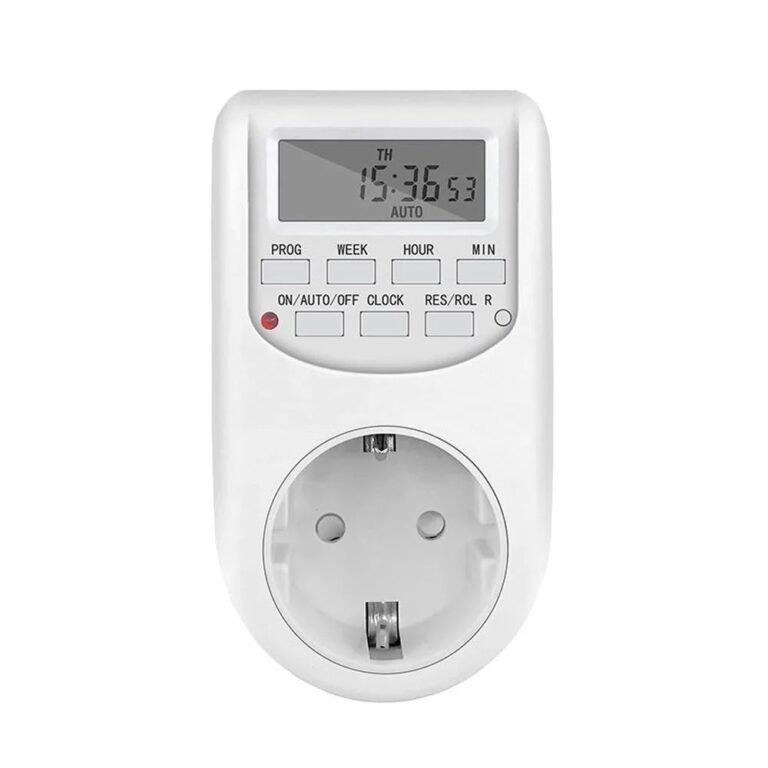 Aisha's pickSmart Plug Sockets You Won’t Want to Hide AwayAlso worth a lookLED BulbsThe first bulbs I bought were the cheapest pack on the shelf, and they put out a blue…See the collections →
 Aisha's pickWhite LED Bulbs We Keep Coming Back To

 Aisha's pickCool White Light Switches for When the Old Ones Give Up
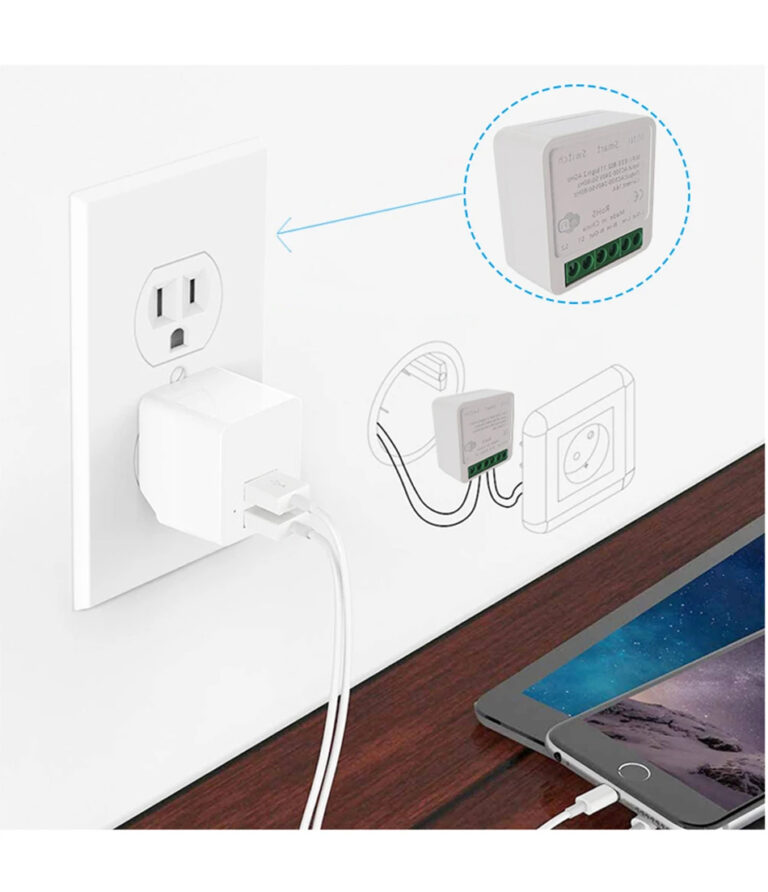 Aisha's pickWiFi Smart Light Switches Picked by People Who Care Too Much
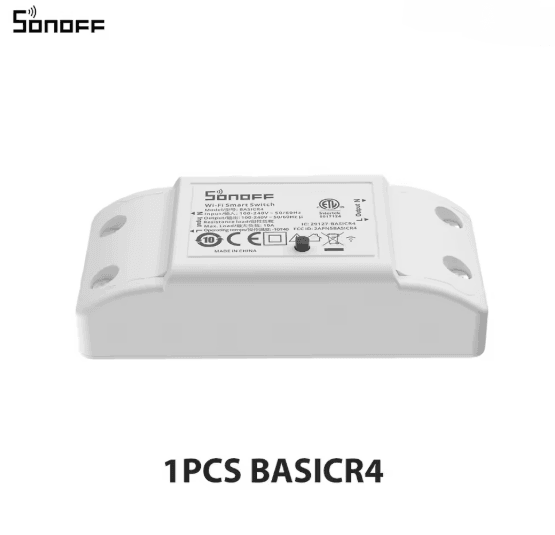
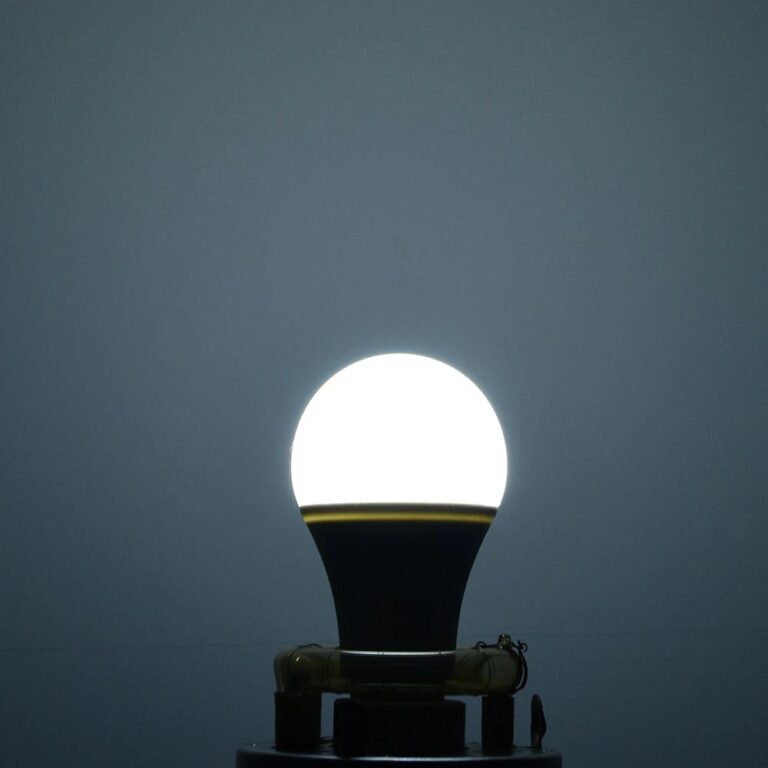 Aisha's pick10W LED Bulbs Picked by People Who Care Too Much
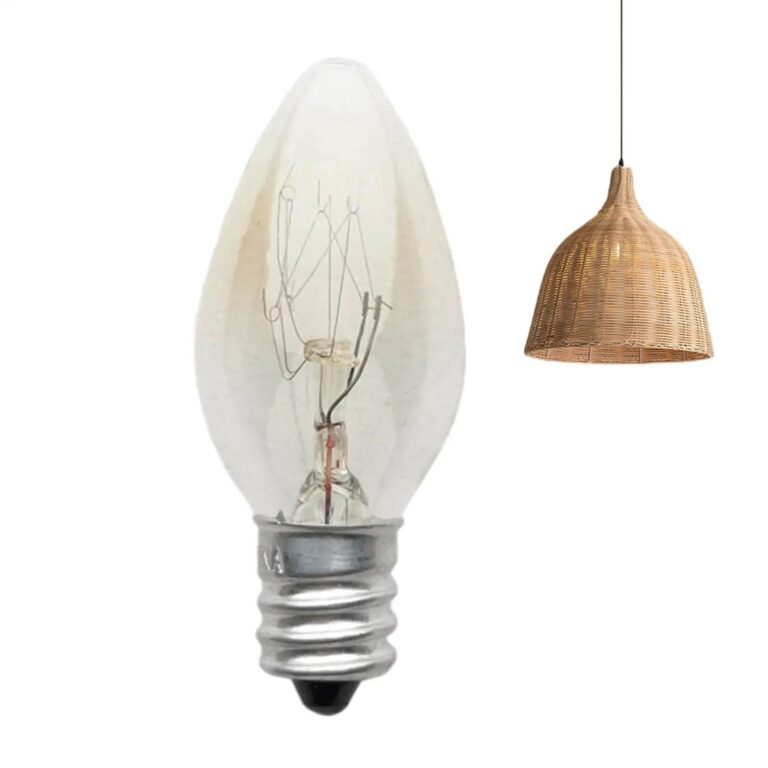
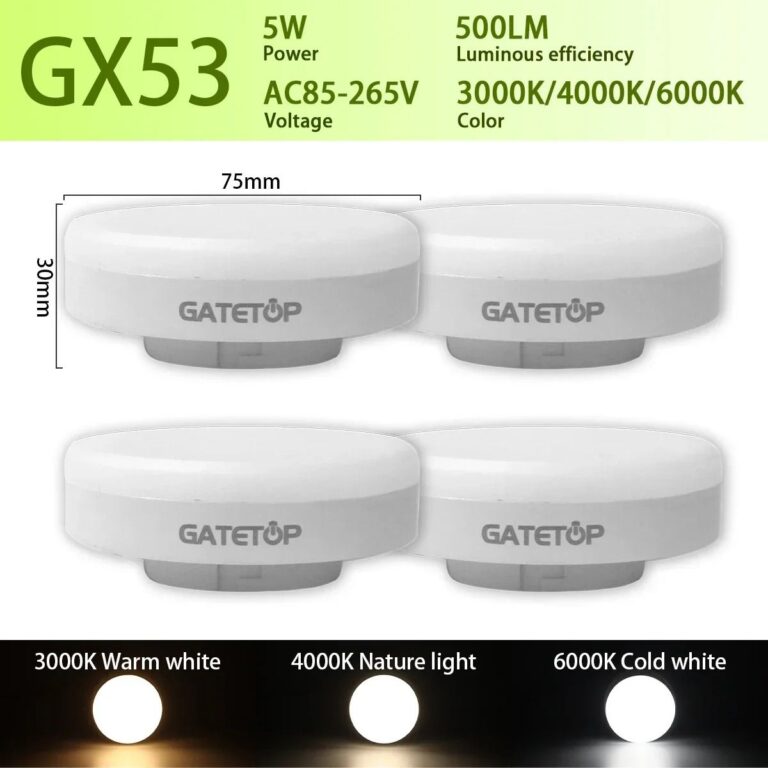 Aisha's pick9W LED Bulbs We Leave On All Evening
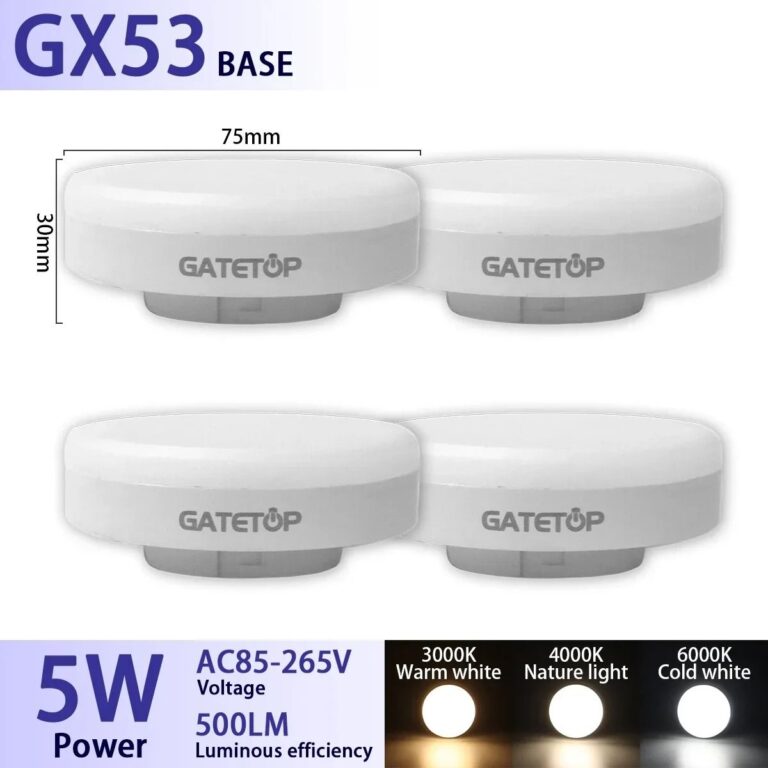
 Aisha's pickE14 LED Bulbs for When the Old Ones Give Up

 Aisha's pick6W LED Light Bulbs That Make a Room Feel Finished

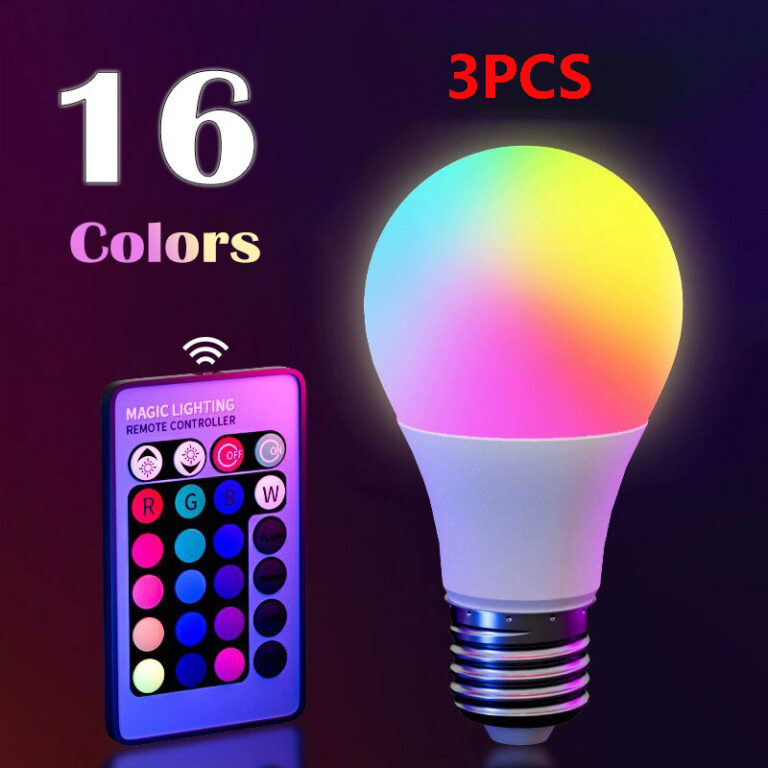 Aisha's pickLED Light Bulbs That Don’t Need Babying
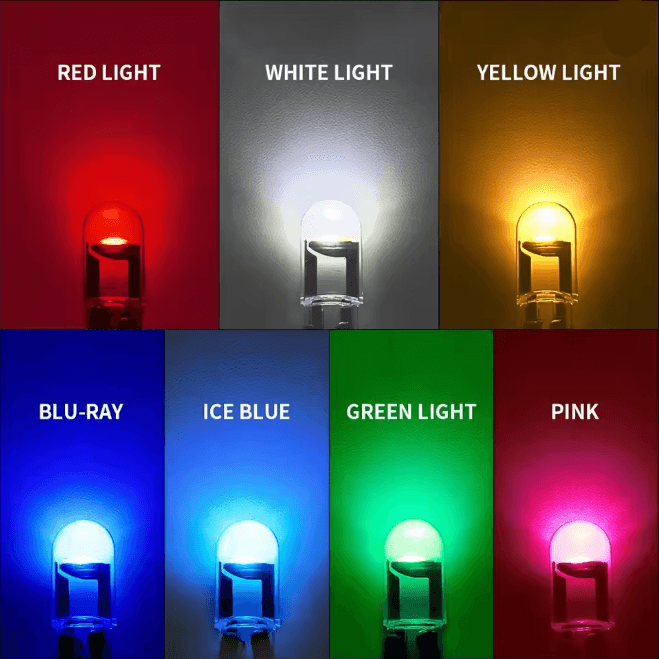
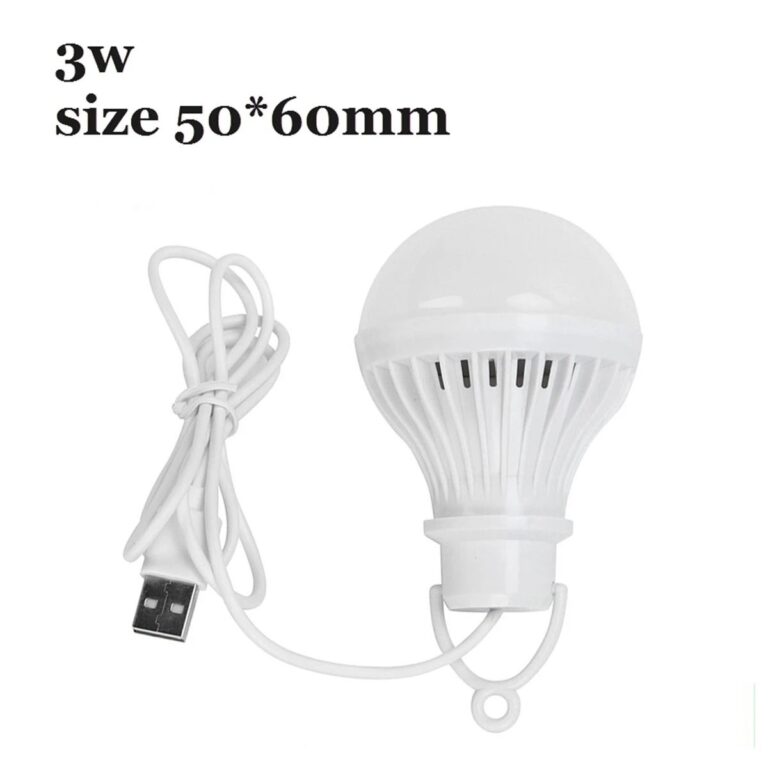 Aisha's pick9W Light Bulbs That Hold Up to Everyday LifeAlso worth a lookLight BulbsA good bulb warms up the second you flip the switch and settles into a light that makes skin look like skin instead of hospital corridor.See the collections →
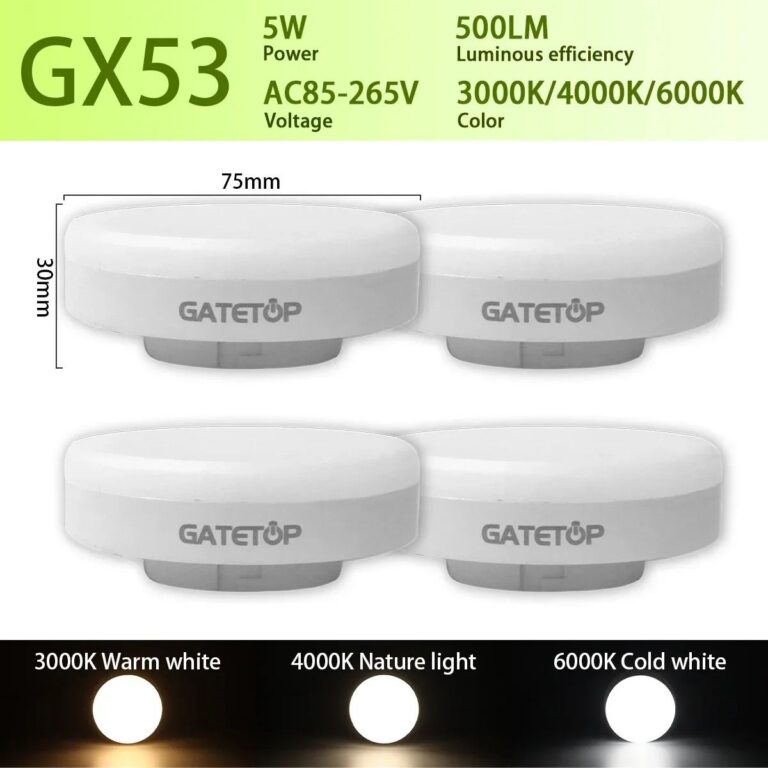
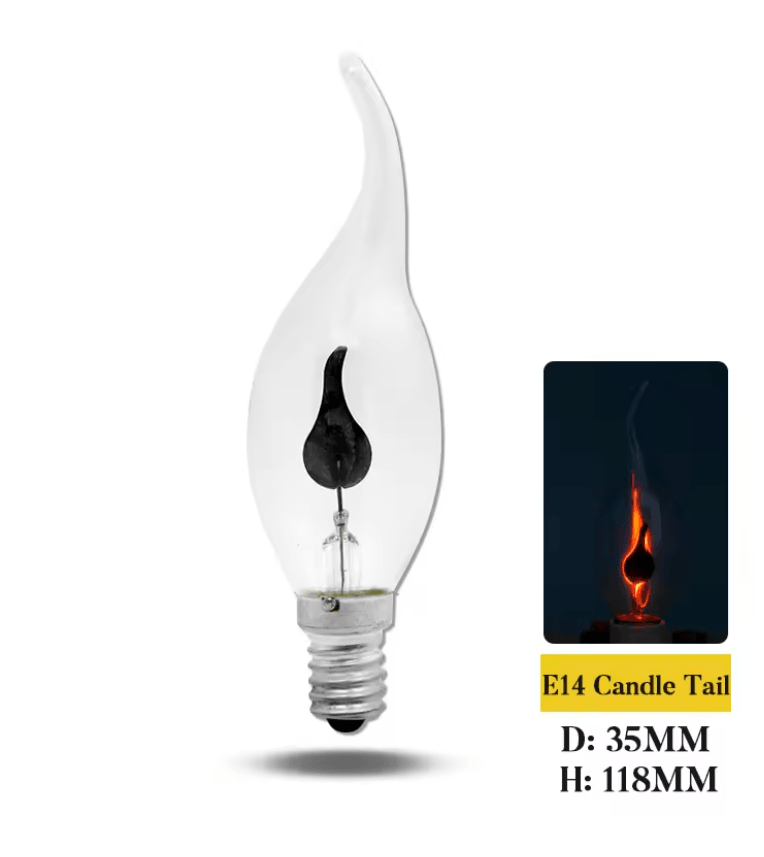 Aisha's pickE14 Light Bulbs That Earn Their Keep
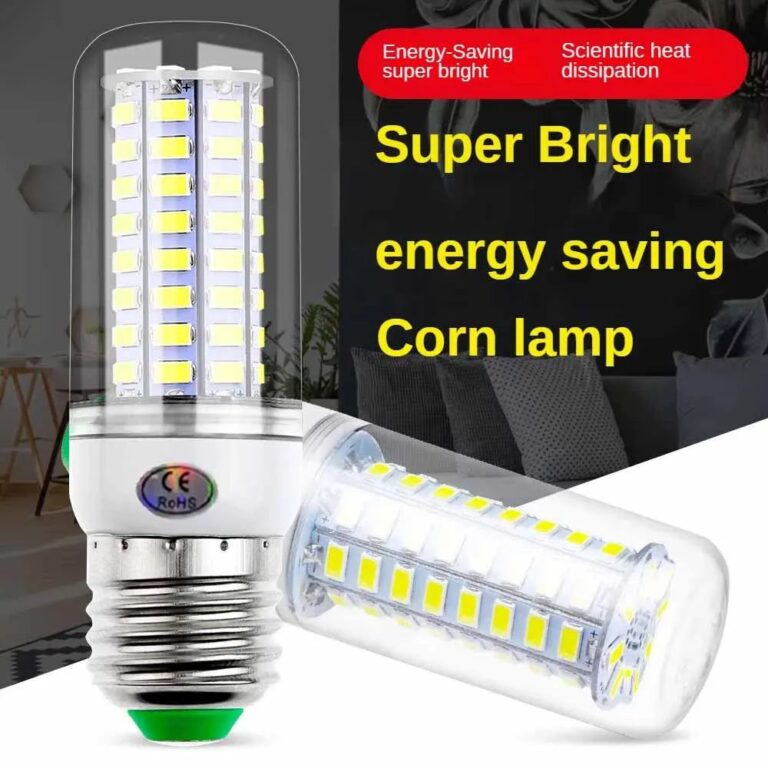
 Aisha's pickChrome Plug Sockets That Are Easy to Fit

 Aisha's pickLED Vintage Bulbs That Look Like They Cost More
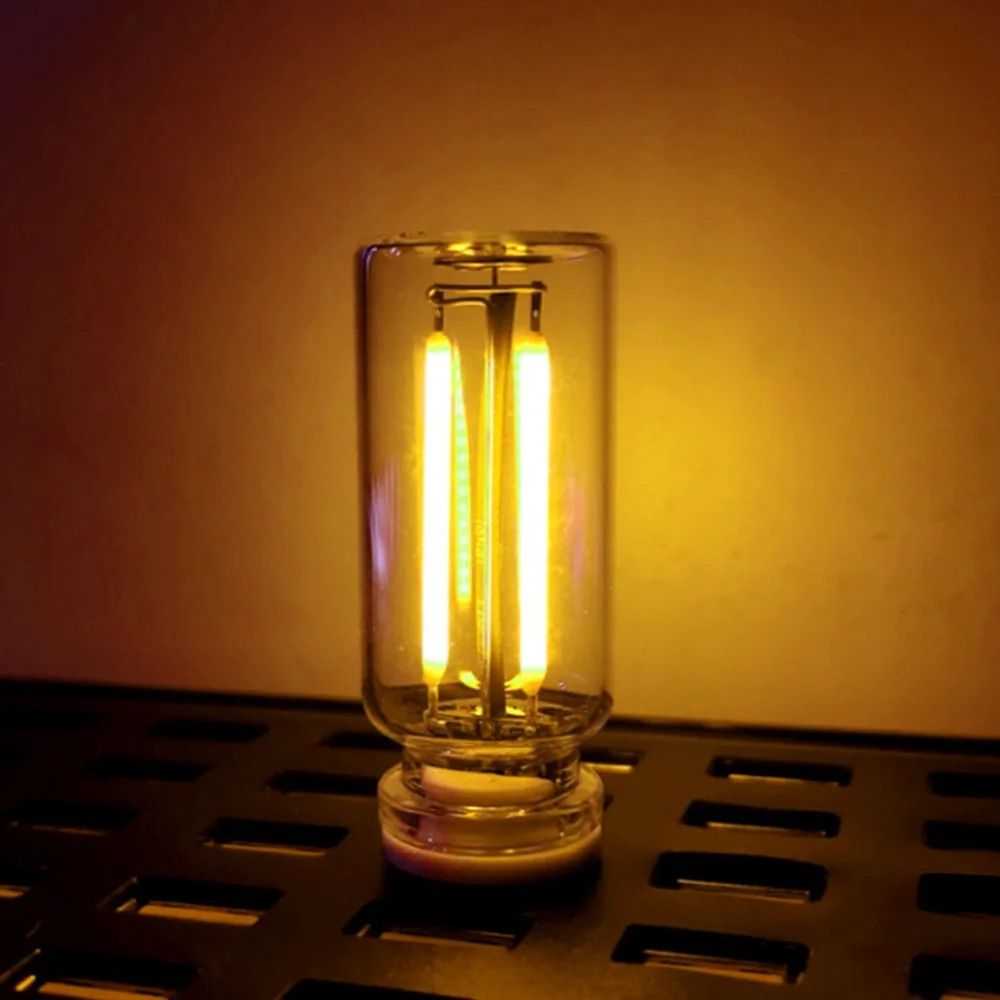
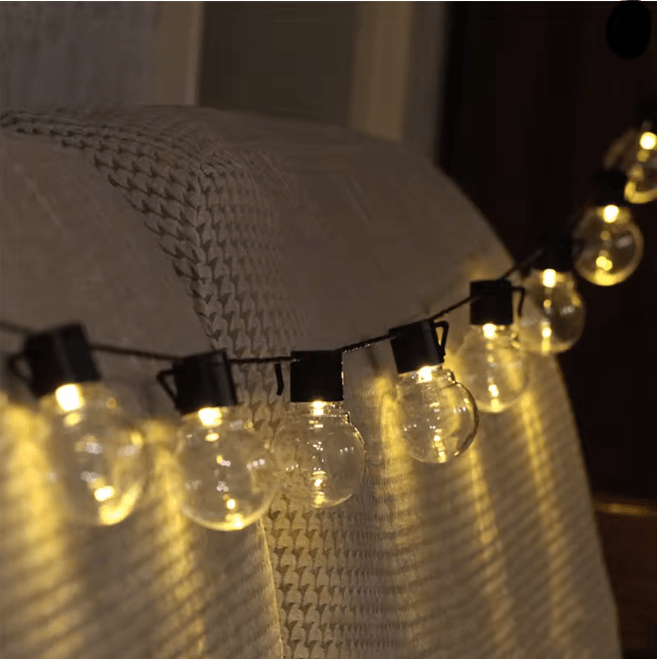 Aisha's pickVintage Bulbs That Make the Big Light Redundant
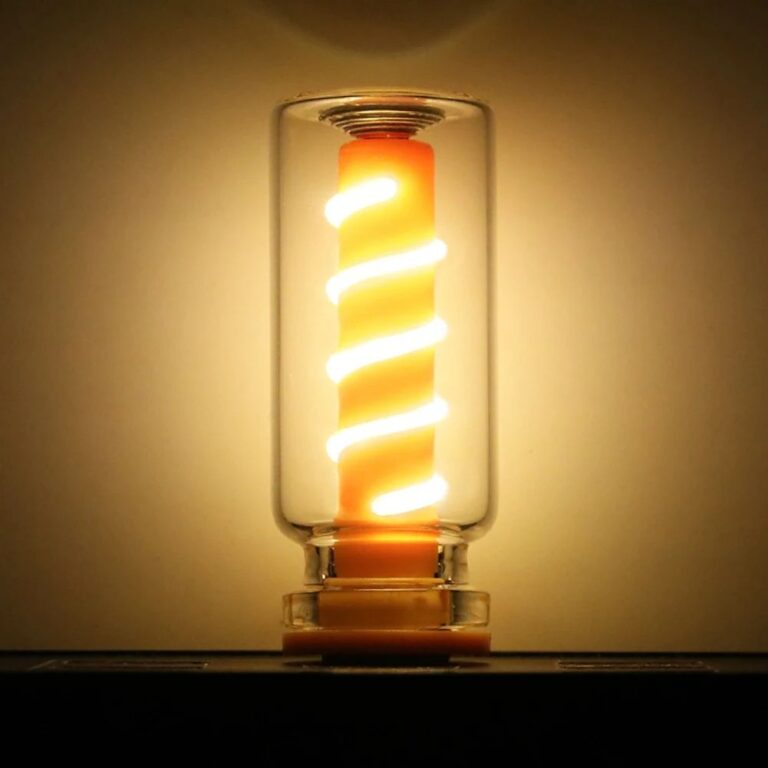
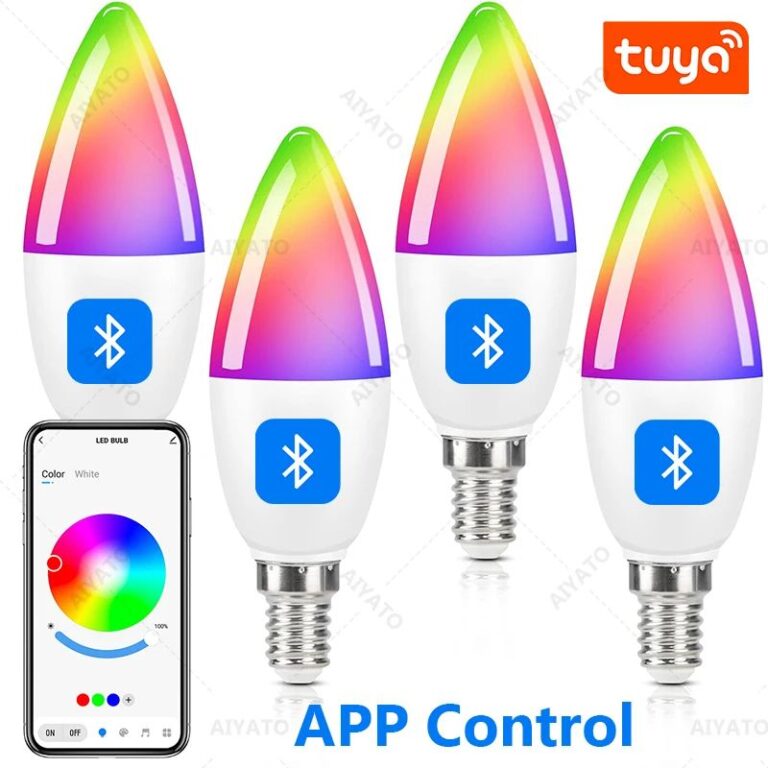 Aisha's pickWhite LED Candle Bulbs That Earn Their Keep
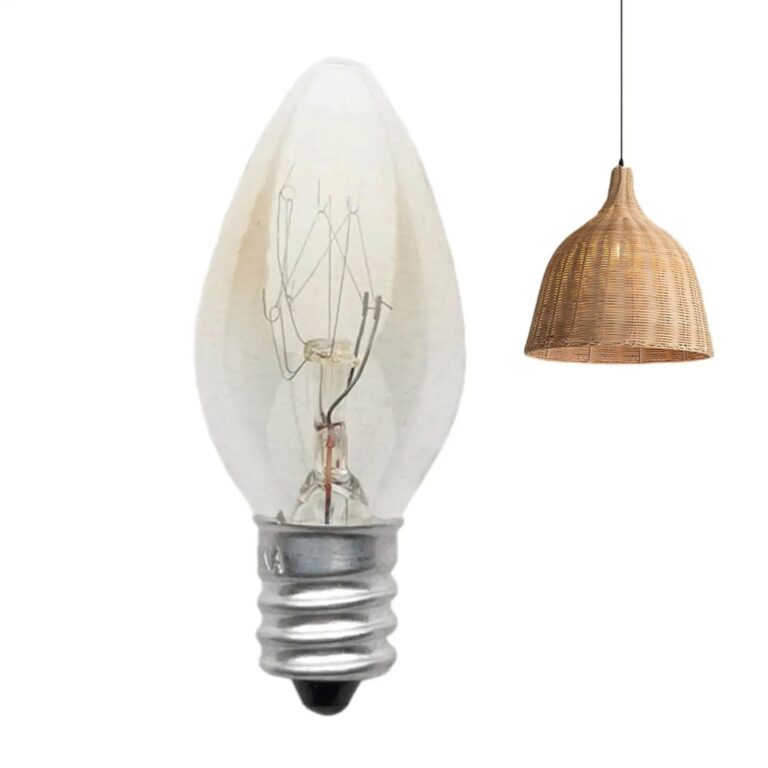
 Aisha's pickCopper Light Switches for Doing Up a Room on a Budget
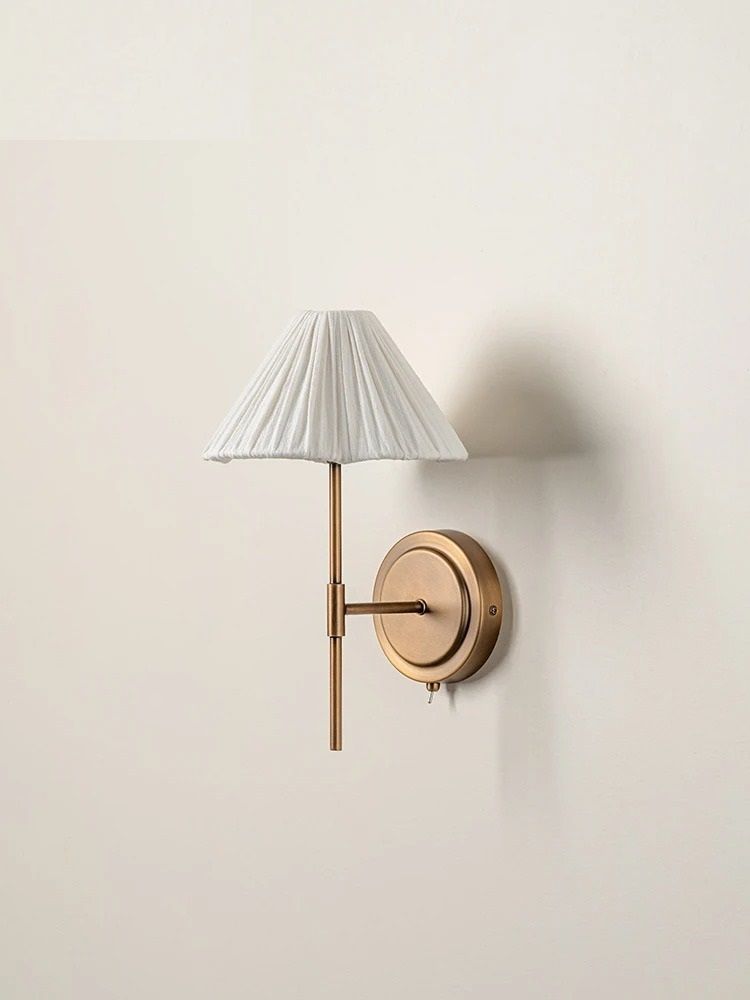
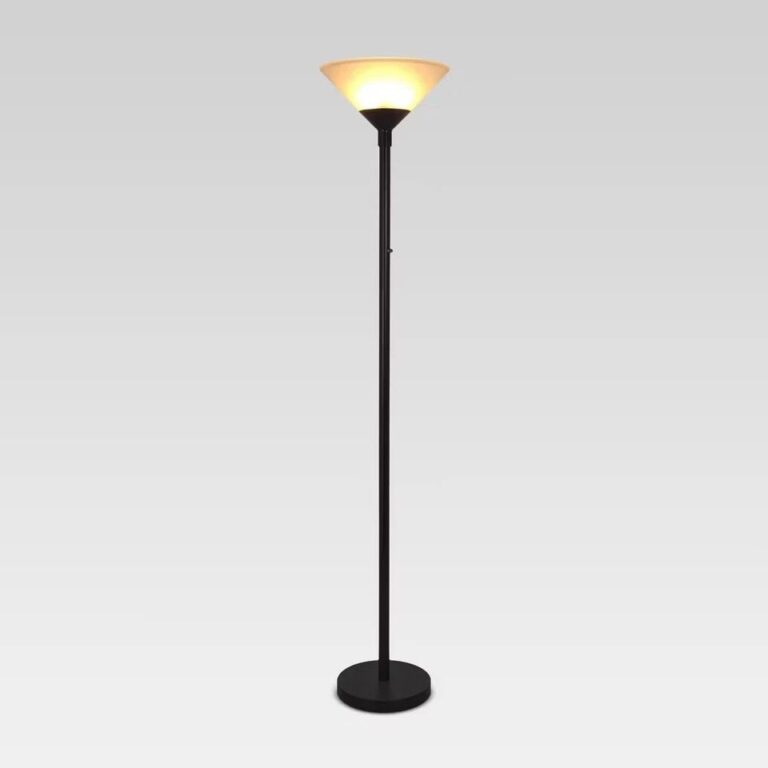 Aisha's pickBlack Dimmer Switches That Lift a Tired Room
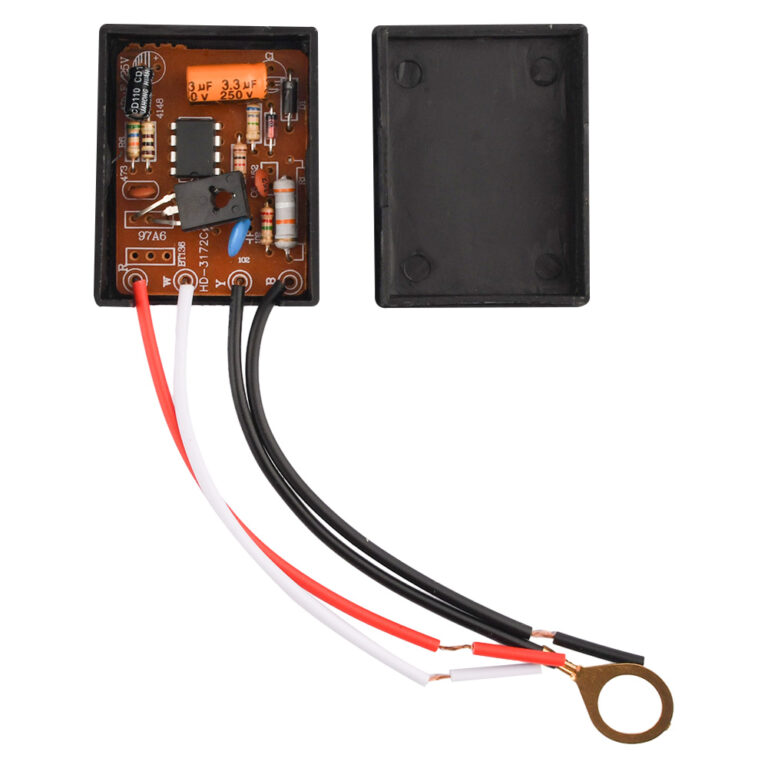
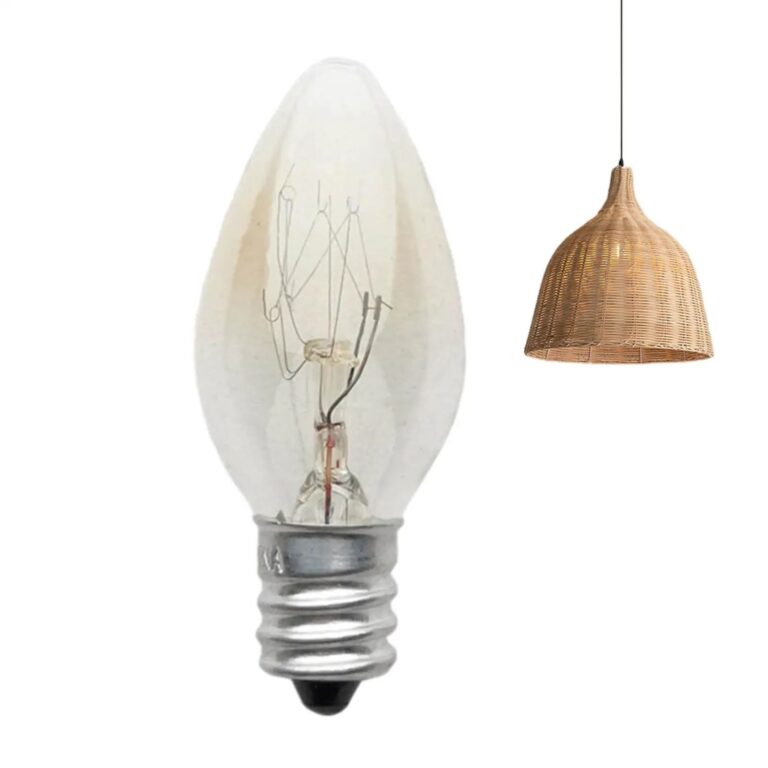 Aisha's pickSimple 10W LED Bulbs Done Well
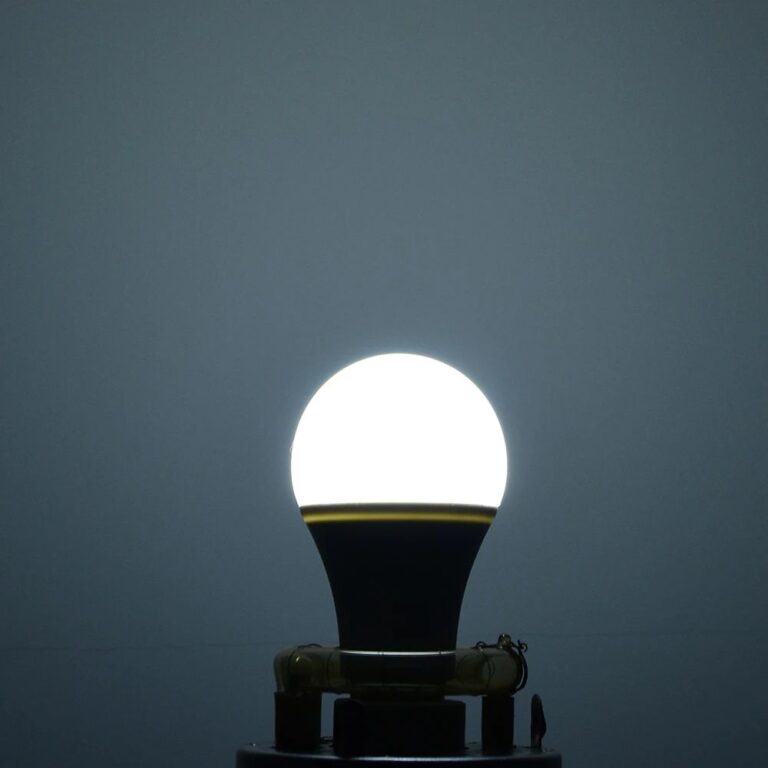
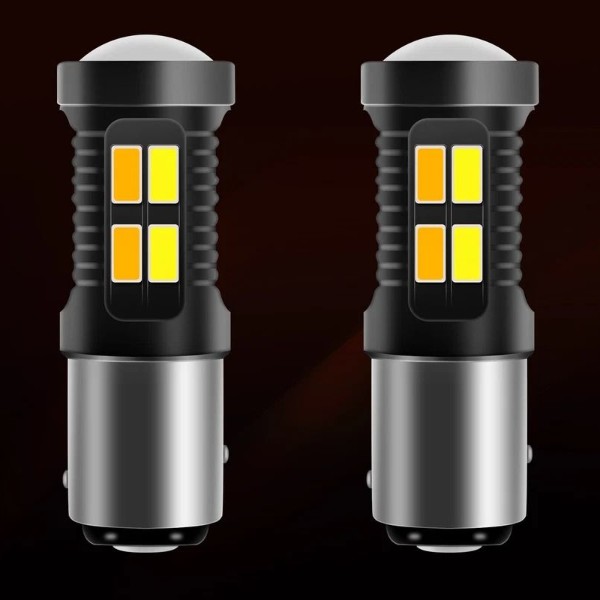 Aisha's pickAmber LED Bulbs That Change the Feel of a RoomAlso worth a lookSwitchesI spent years treating switches as the thing you cover with a fresh coat of paint and never…See the collections →

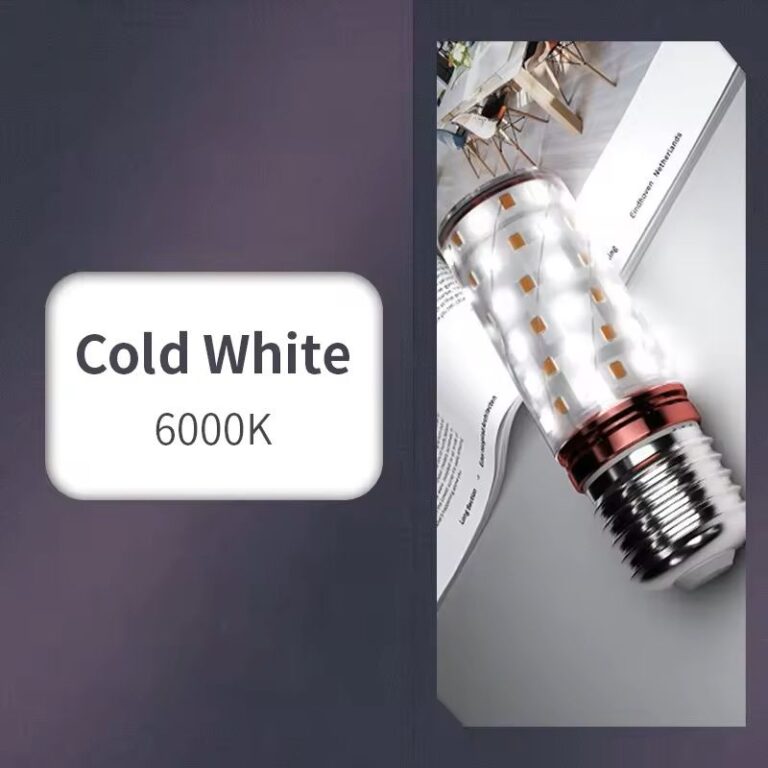 Aisha's pickE14 LED Bulbs for Reading, Relaxing or Both
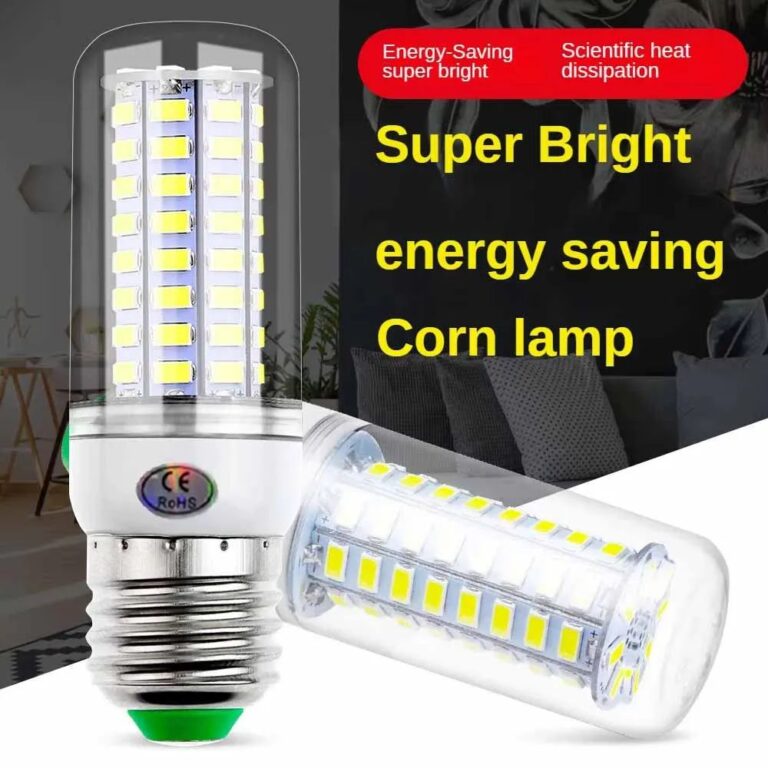
 Aisha's pick9W LED Light Bulbs Bright Enough Without the Glare

 Aisha's pickGood LED Light Bulbs That Don’t Cost a Fortune
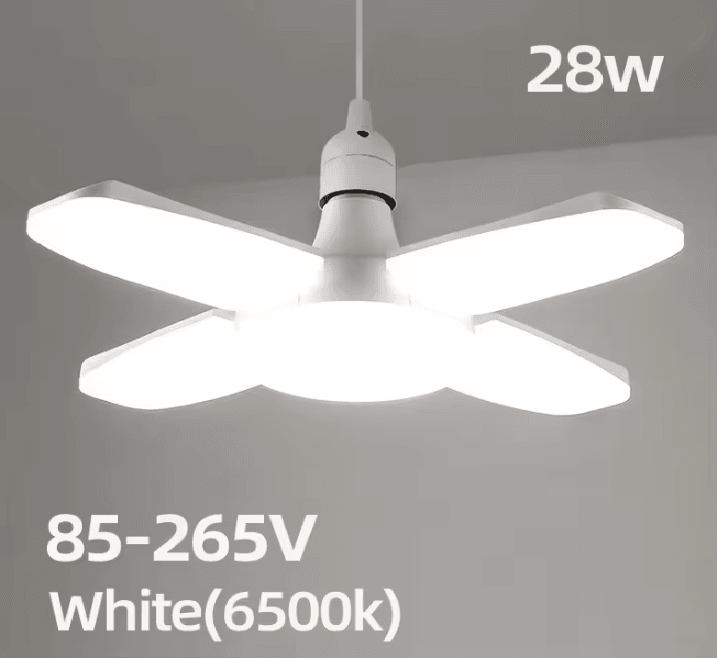
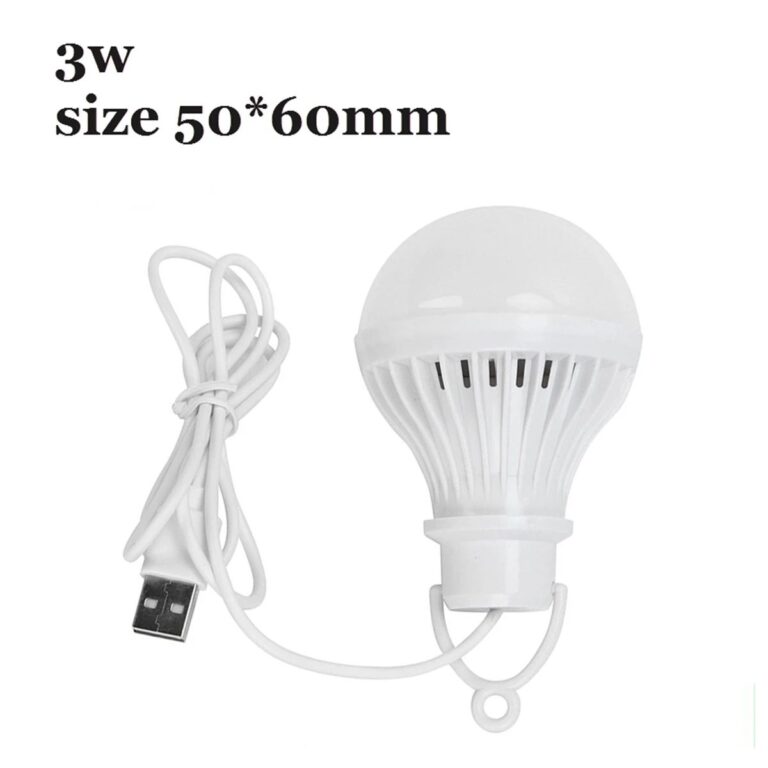 Aisha's pick9W Light Bulbs That Make Rented Places Feel Like Home

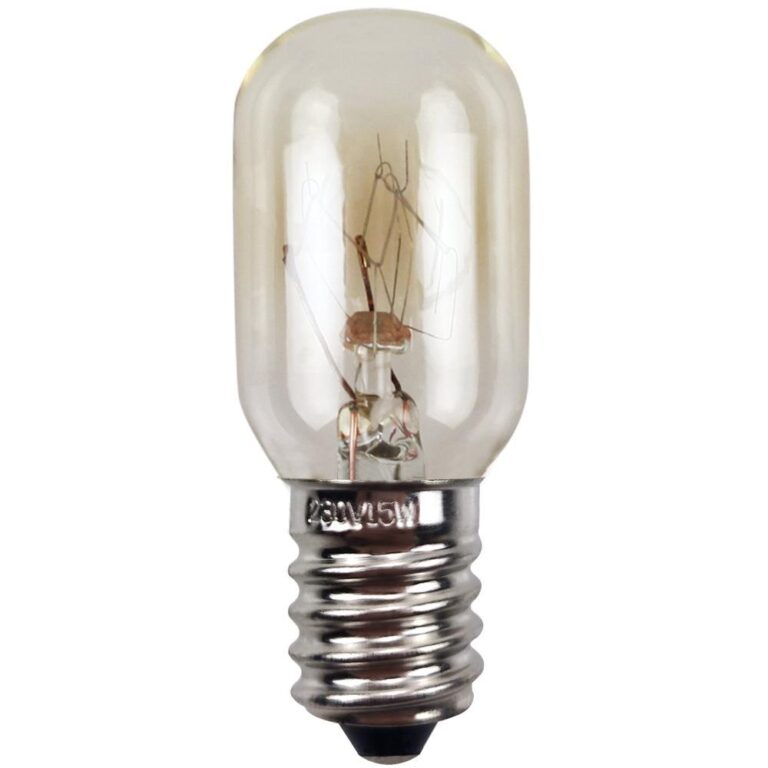 Aisha's pickE14 Warm White Light Bulbs Pulled From Dozens of Stores
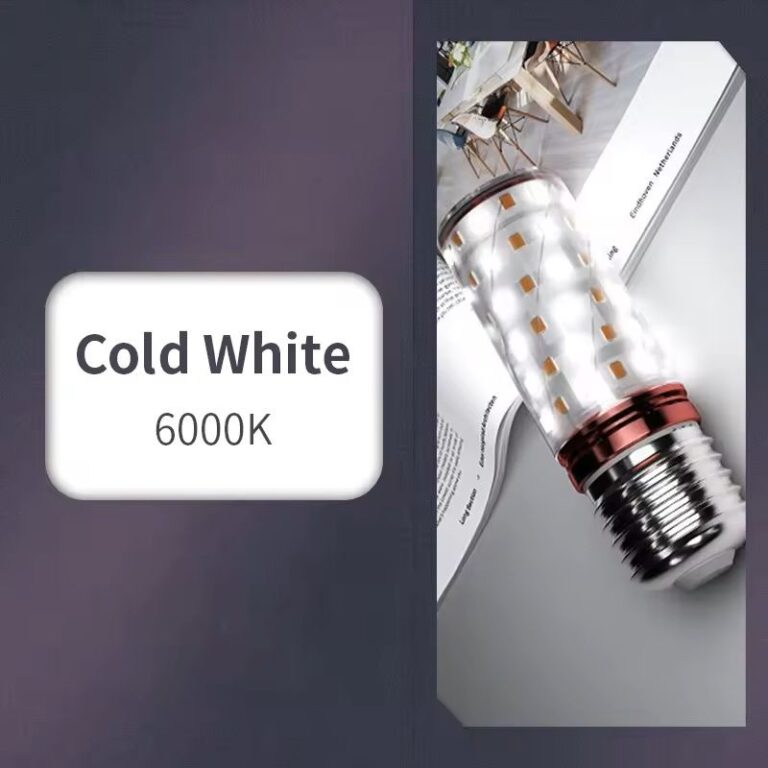
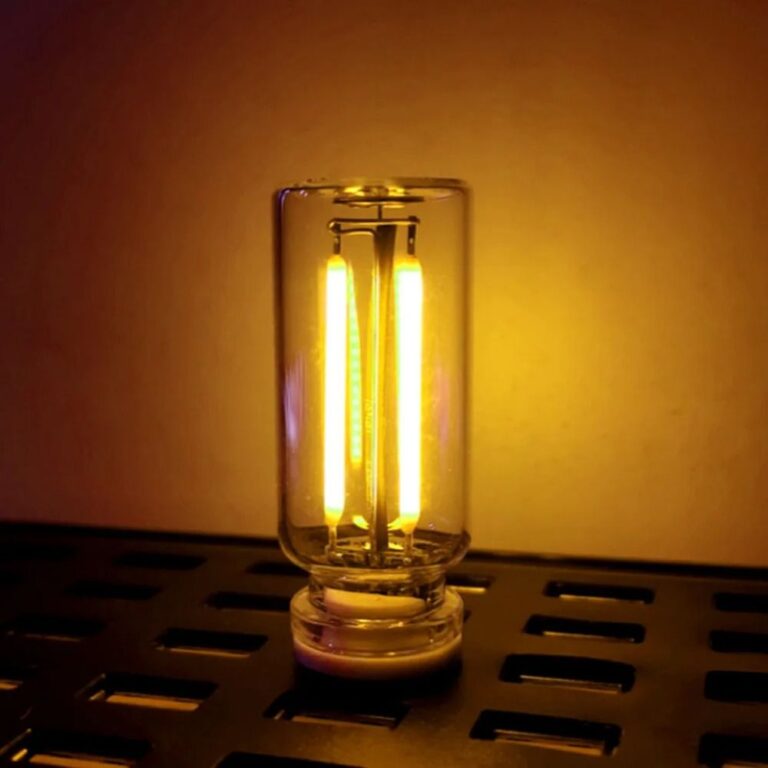 Aisha's pickWhere to Start With Clear Globe Bulbs
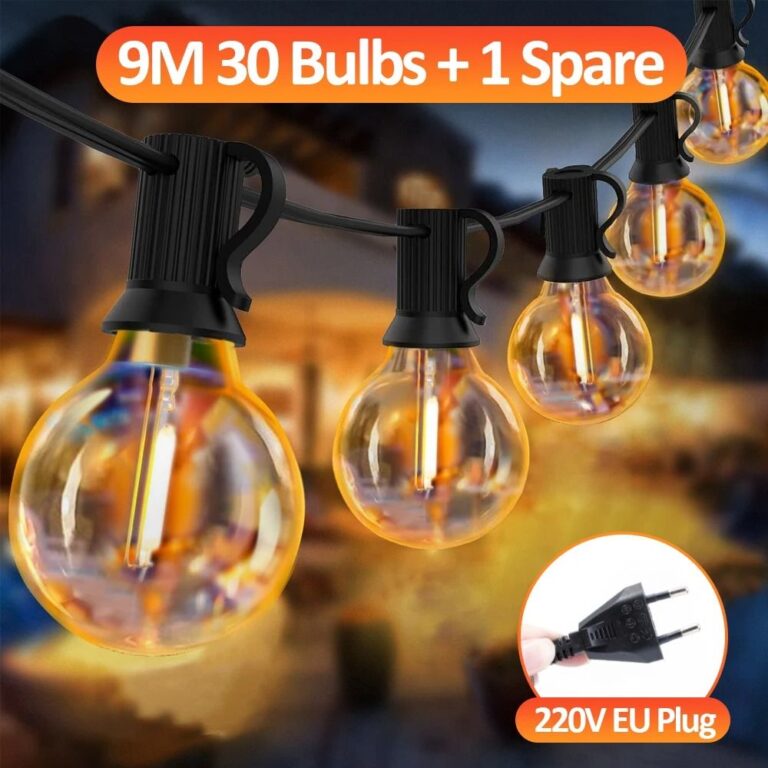
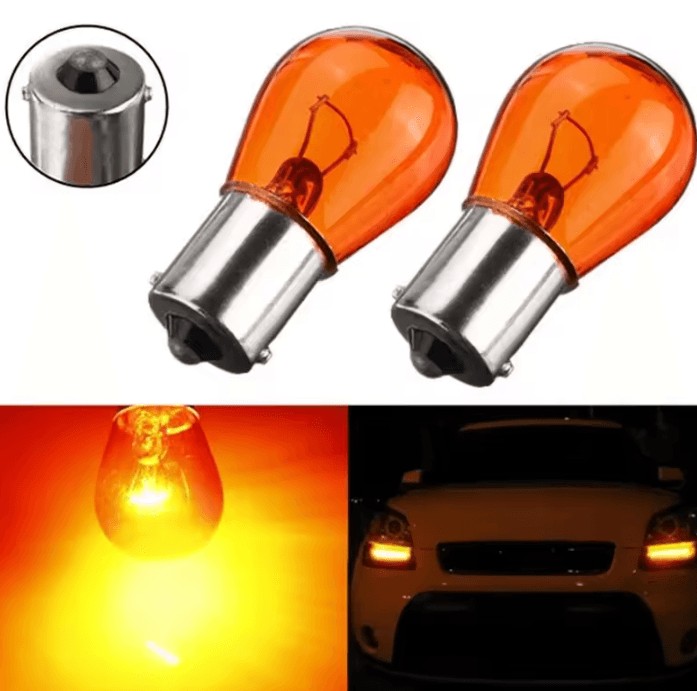 Aisha's pickLight Bulbs That Look Good Up Close
 Aisha's pickVintage Globe Bulbs From Brands You Know and a Few You Won’t