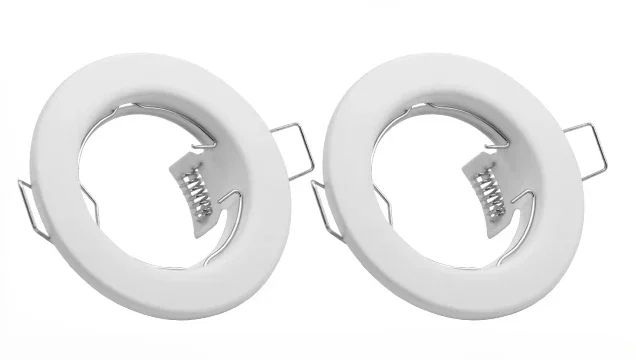
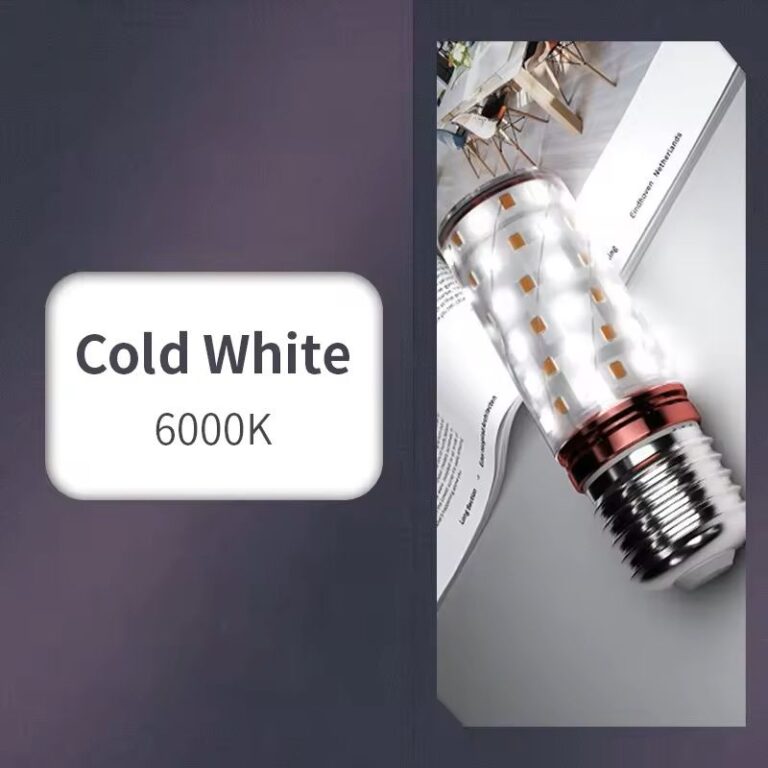
The first bulbs I bought were the cheapest pack on the shelf, and they put out a blue white light that made the whole kitchen look like a hospital corridor. That taught me the number on the box matters more than the price on the shelf.
In an ordinary room, the right bulb sits quietly in the background and does its job without announcing itself. A warm bulb in the 2700k range suits lamps and bedside lighting and anywhere you want a room to feel settled in the evening, while something closer to 3000k or above works better over a kitchen counter or a desk where you need to actually see what you are doing. I run warmer bulbs in the living room and bathroom and a slightly cooler one in the kitchen, and the difference between the two spaces feels intentional rather than accidental, which is really all anyone means when they say a room feels put together. Dimmable bulbs are worth the little bit extra if the fixture allows it, because a dimmer switch paired with a bulb that was never built to dim will flicker or hum and ruin the effect entirely.
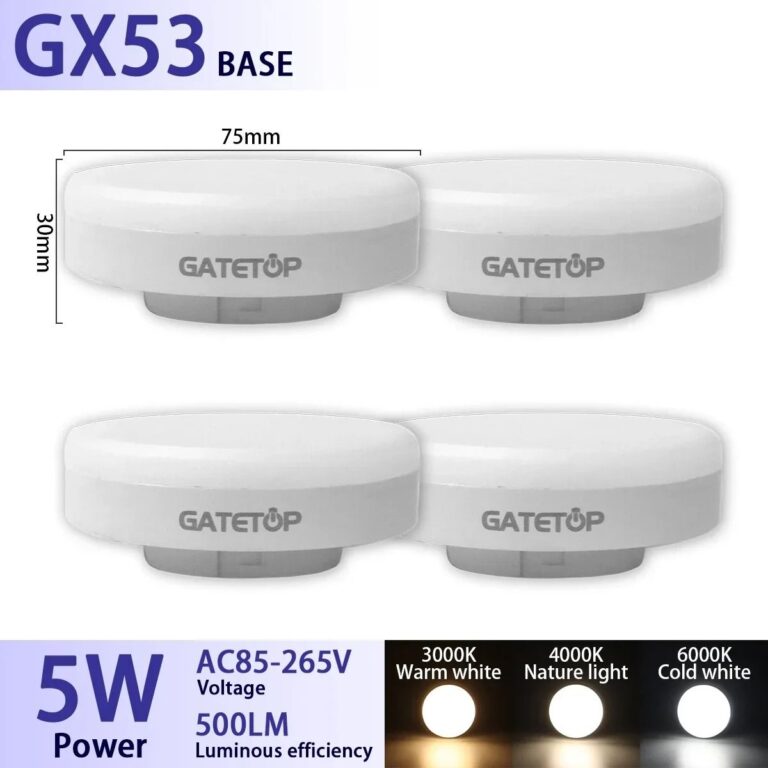
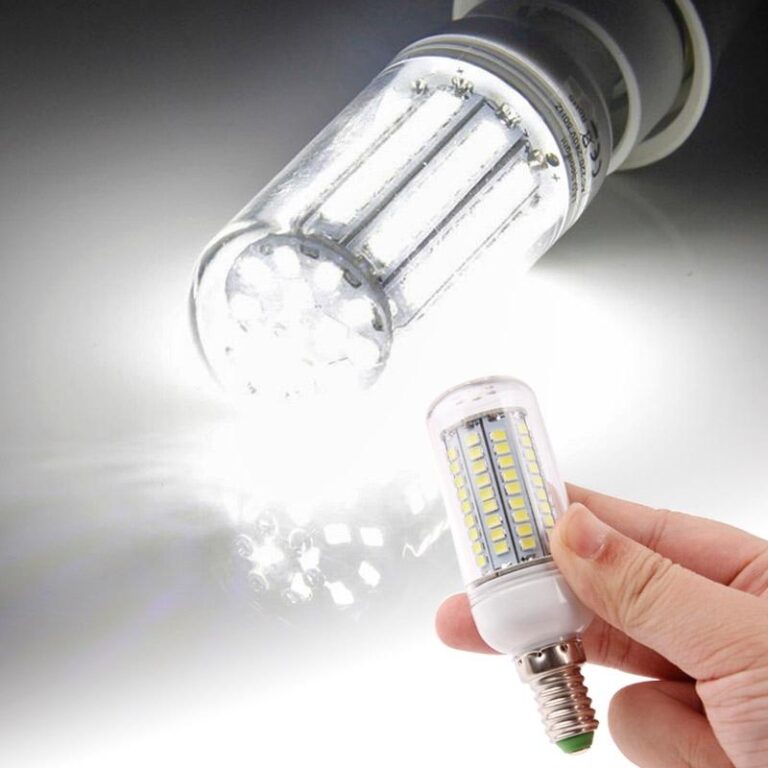
The small details worth checking are easy to miss when you are standing in an aisle trying to get home before dinner goes cold. Check the base size matches your fixture, since the small candelabra base and the standard base look close enough in a photo to fool you twice. Check the shape too, especially for anything exposed in a fixture without a shade, because a globe bulb and a standard pear shape throw light in different directions and one of them might leave a bare fixture looking awkward. The day it arrives, turn it on before you commit to a whole house of them, because color and brightness read differently once they are actually lit in your room instead of described on a box.
Over time these bulbs are honestly one of the better bargains in a house. A year of daily use barely touches them, they do not mind being packed in a box during a move the way a lamp or a fixture might, and I have never had one fail from a spill or a bump the way an older bulb would from a dropped lamp. Where they fall short is in fixtures meant to be seen up close with no shade, since the plastic housing at the base can look cheap next to good brass or glass, and in any space where you want true dimming down to candlelight, since even good LED bulbs can struggle to go that low without flickering.
The one mistake to avoid is buying a house full of bulbs before checking they all give the same color, because three different whites across three rooms will drive you quietly out of your mind.
 Aisha's pick9W LED Bulbs for Cozy Nights In
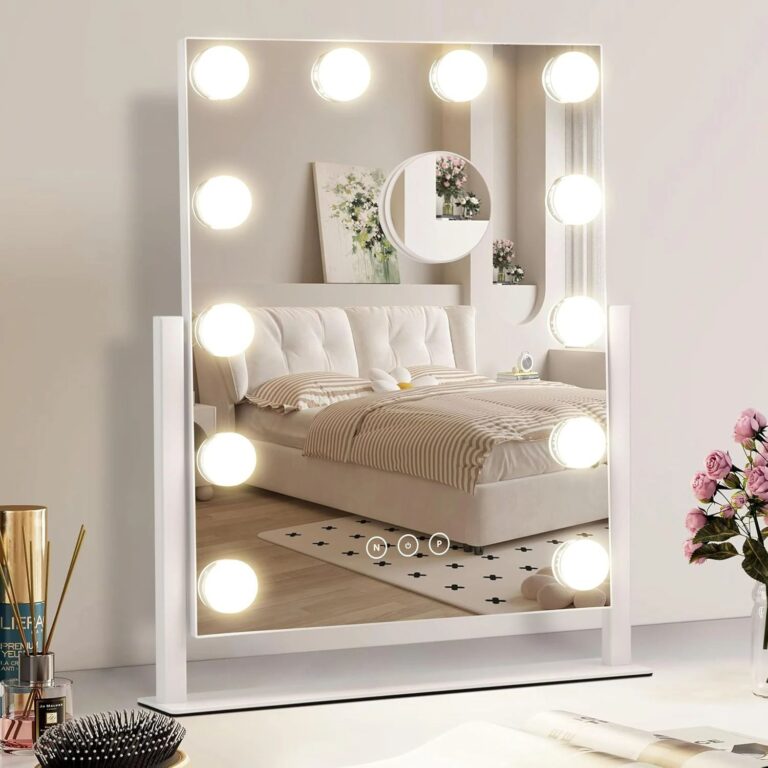 Aisha's pickDimmable LED Bulbs That Change the Feel of a Room
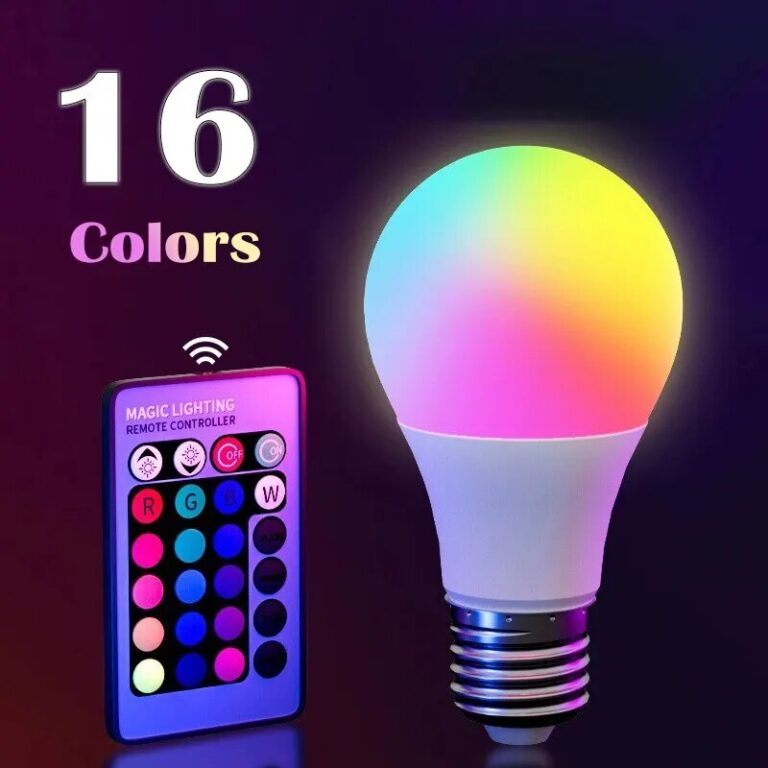
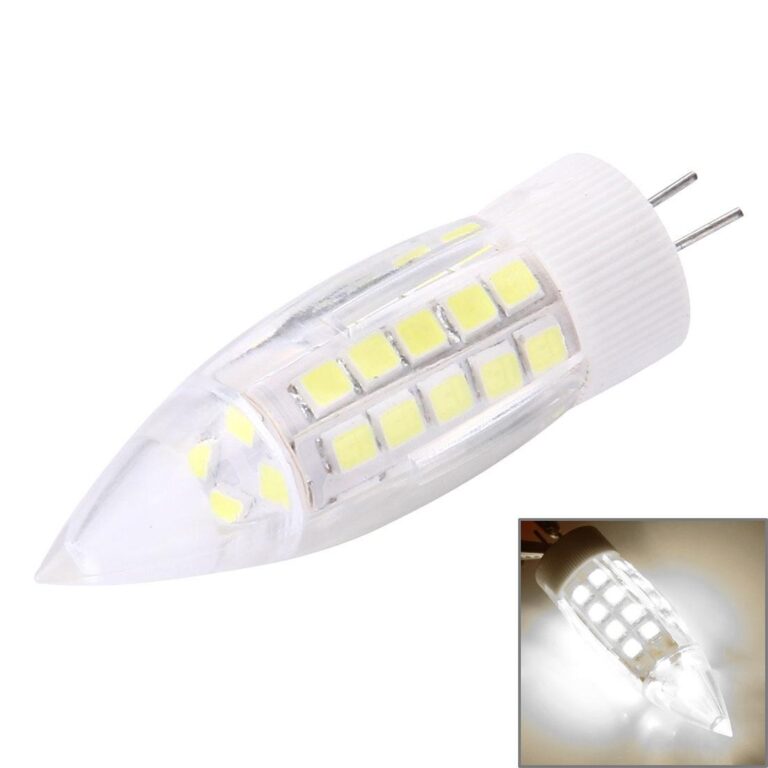 Aisha's pick4W LED Light Bulbs That Won’t Let You Down
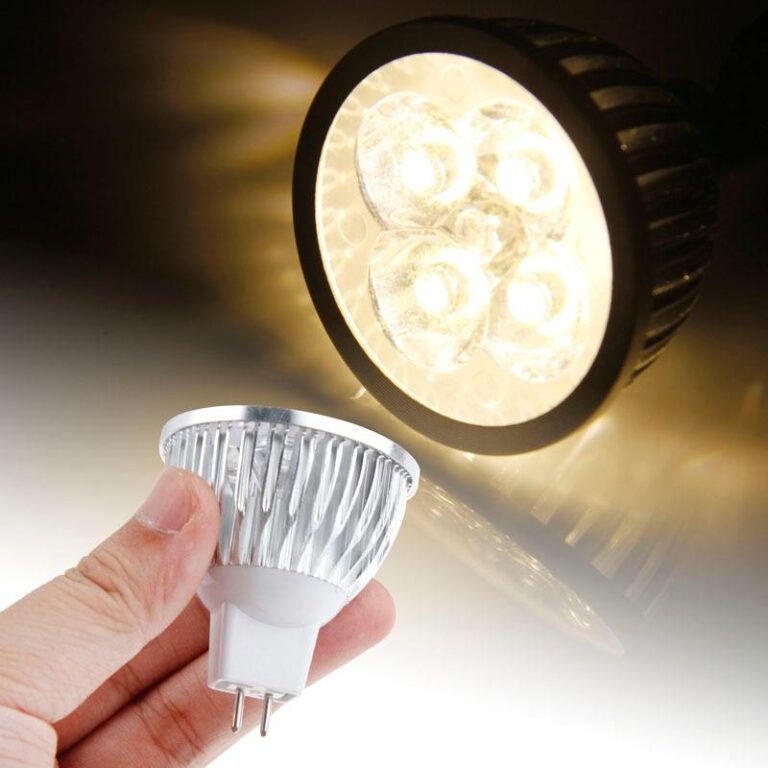
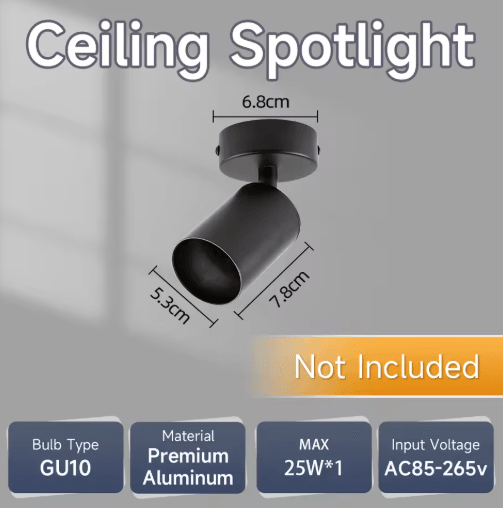 Aisha's pickGU10 LED Light Bulbs Bright Enough Without the Glare

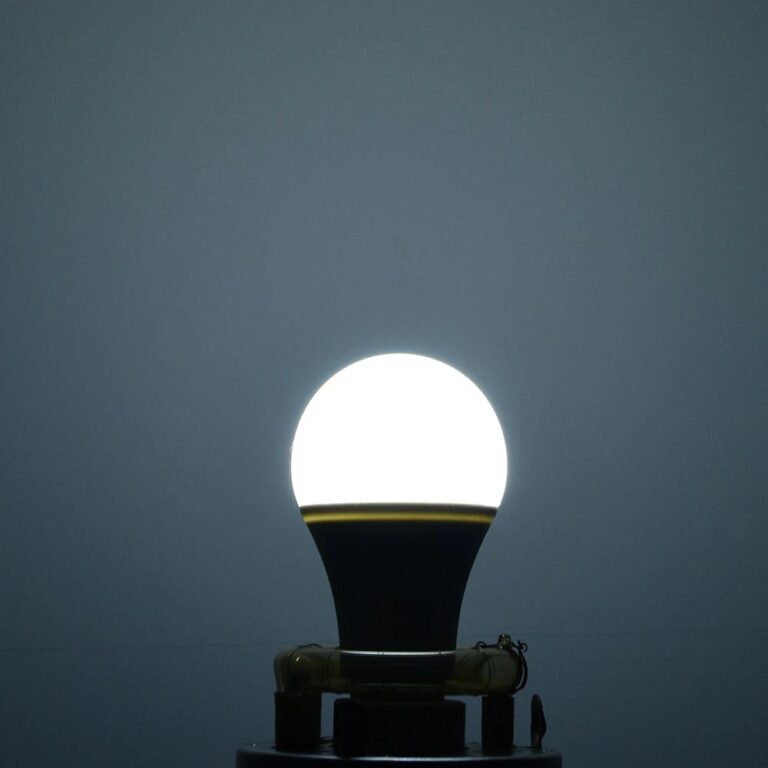 Aisha's pick10W LED Bulbs Picked by People Who Care Too Much
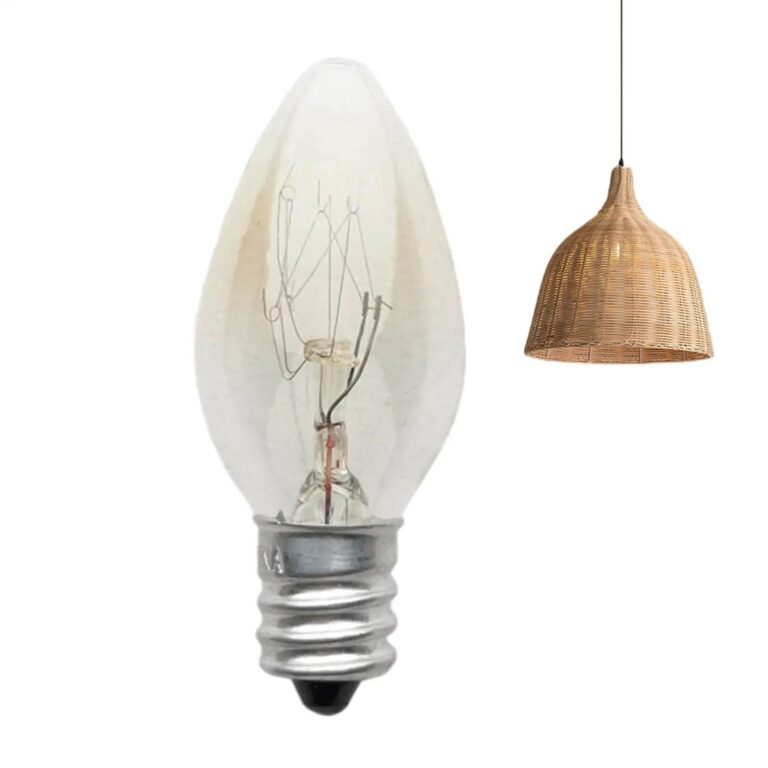
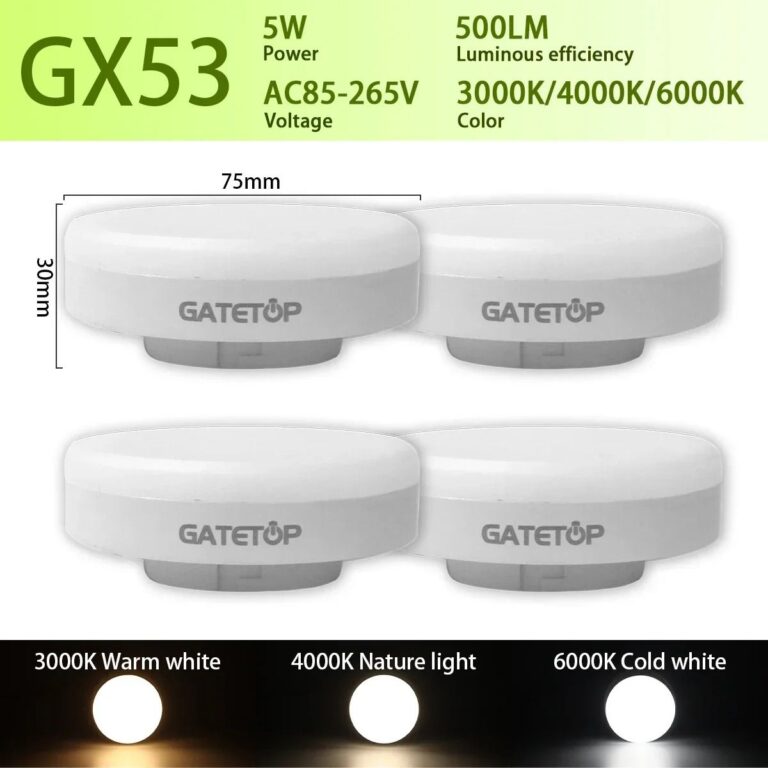 Aisha's pick9W LED Bulbs We Leave On All Evening
 Aisha's pickE14 LED Bulbs for When the Old Ones Give Up
 Aisha's pick6W LED Light Bulbs That Make a Room Feel Finished
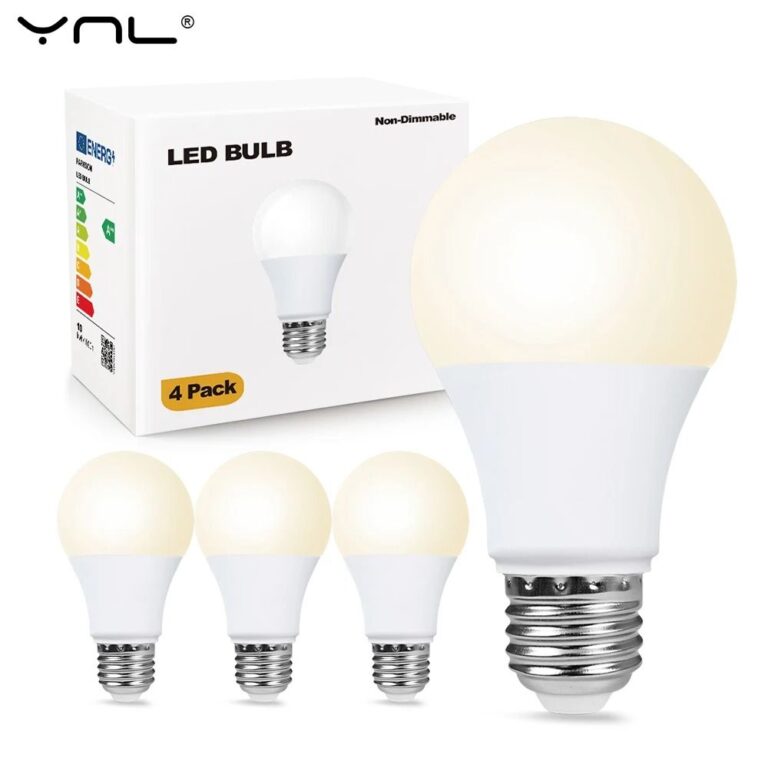
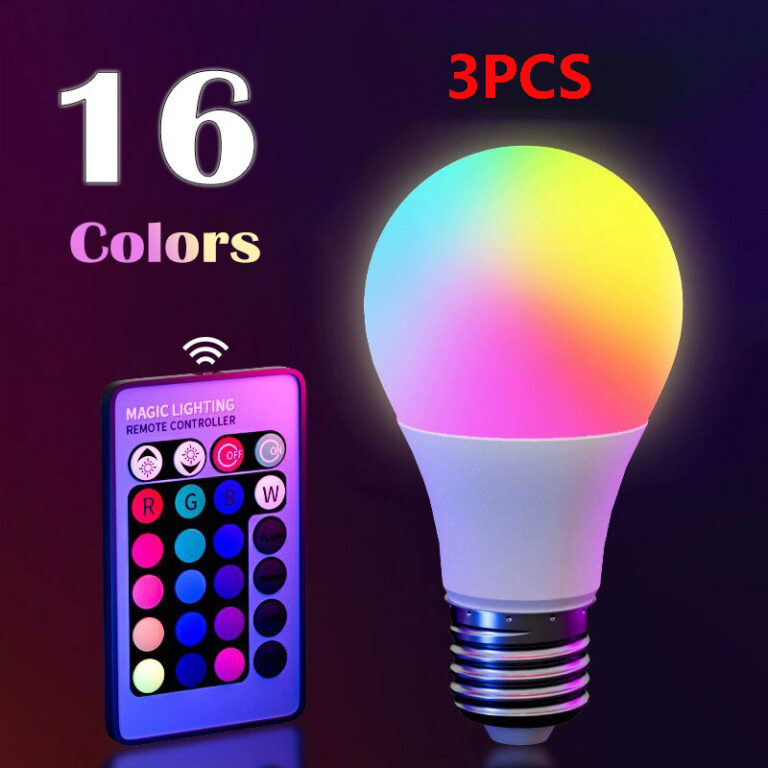 Aisha's pickLED Light Bulbs That Don’t Need BabyingAlso worth a lookLED Light BulbsThe first thing I check on a bulb is the color temperature printed on the box, not the wattage, not the brand name, just that little number in kelvins.See the collections →
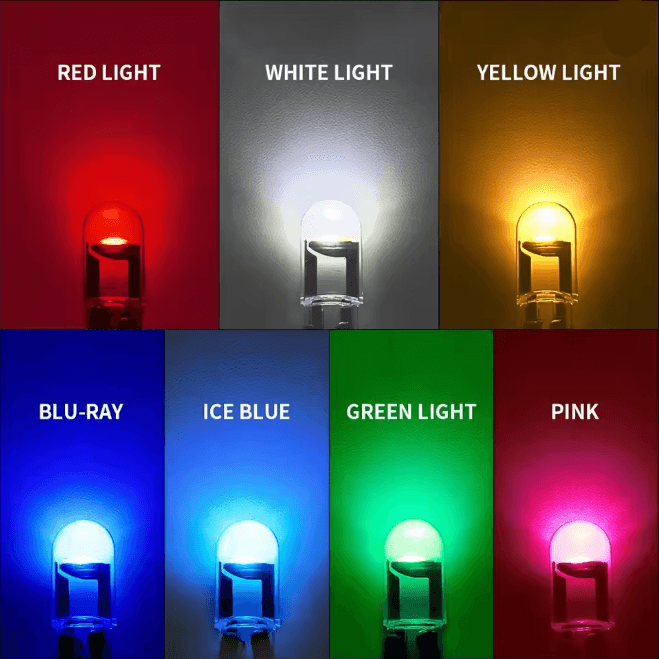
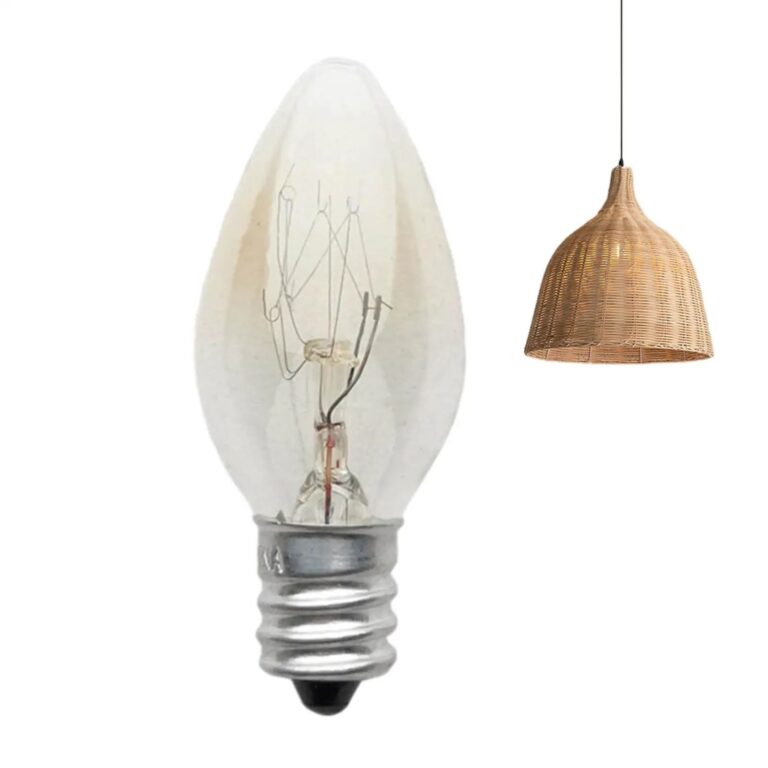 Aisha's pickSimple 10W LED Bulbs Done Well
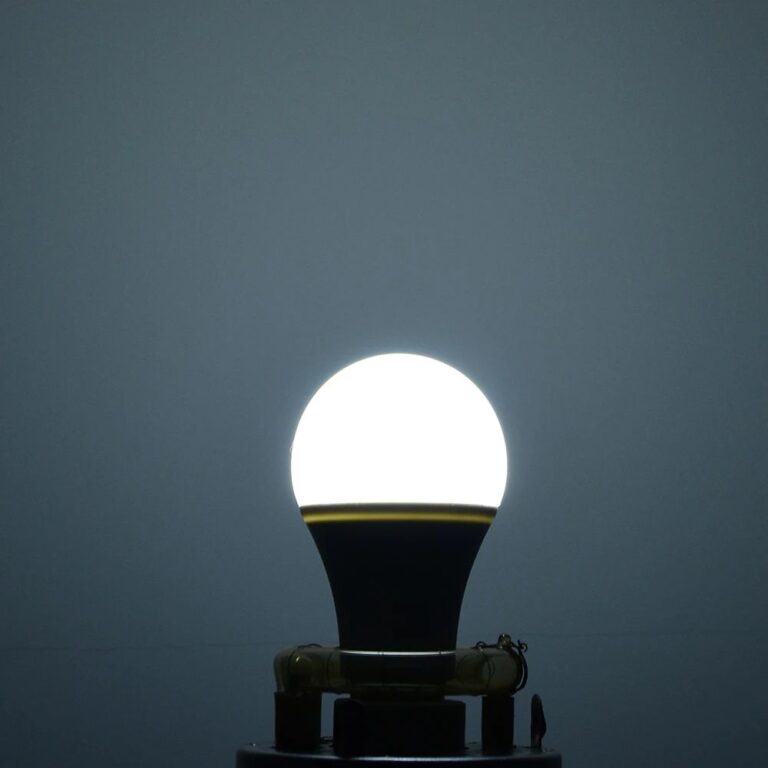
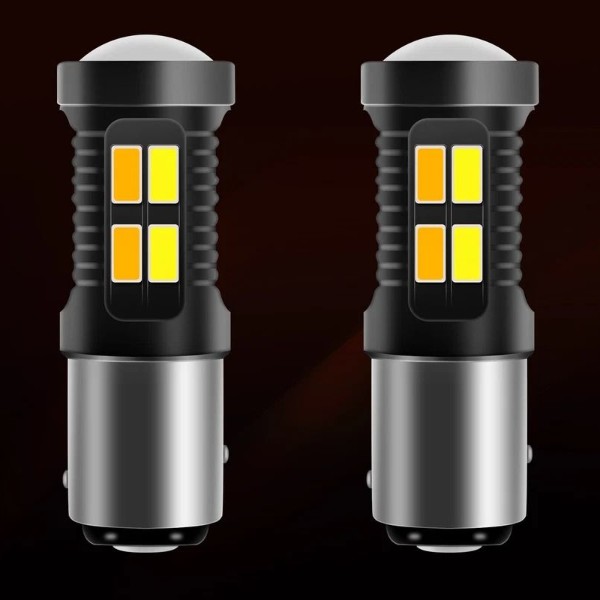 Aisha's pickAmber LED Bulbs That Change the Feel of a Room
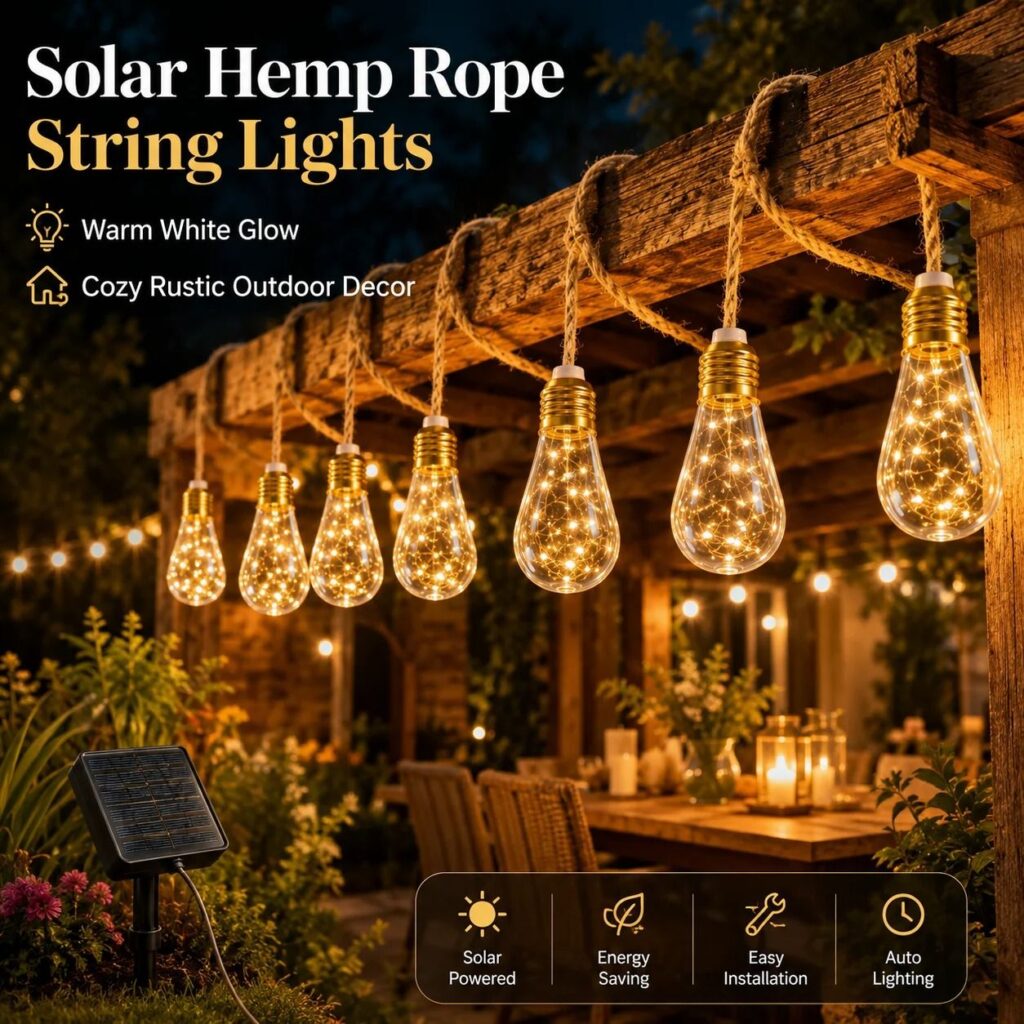
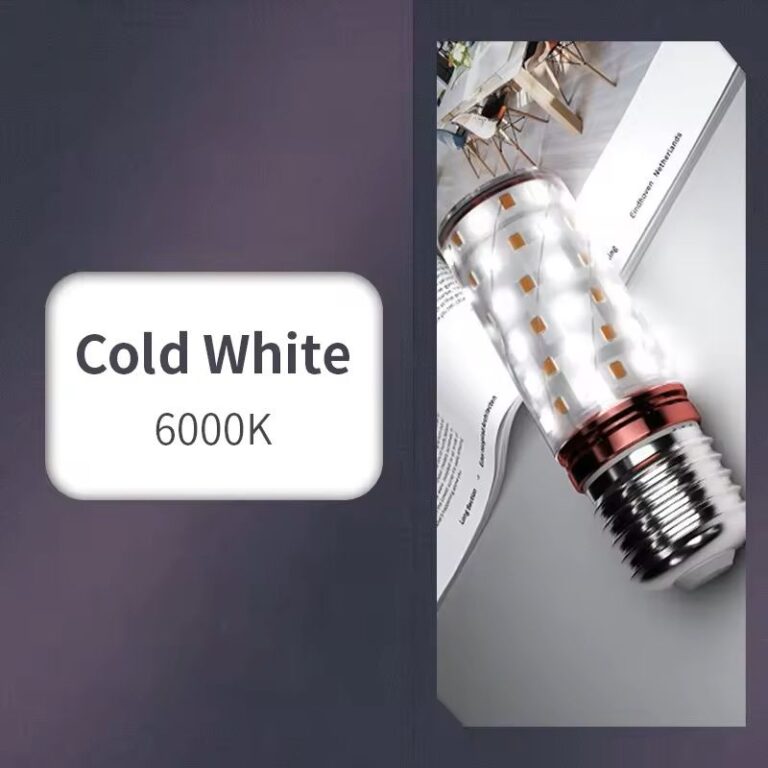 Aisha's pickE14 LED Bulbs for Reading, Relaxing or Both
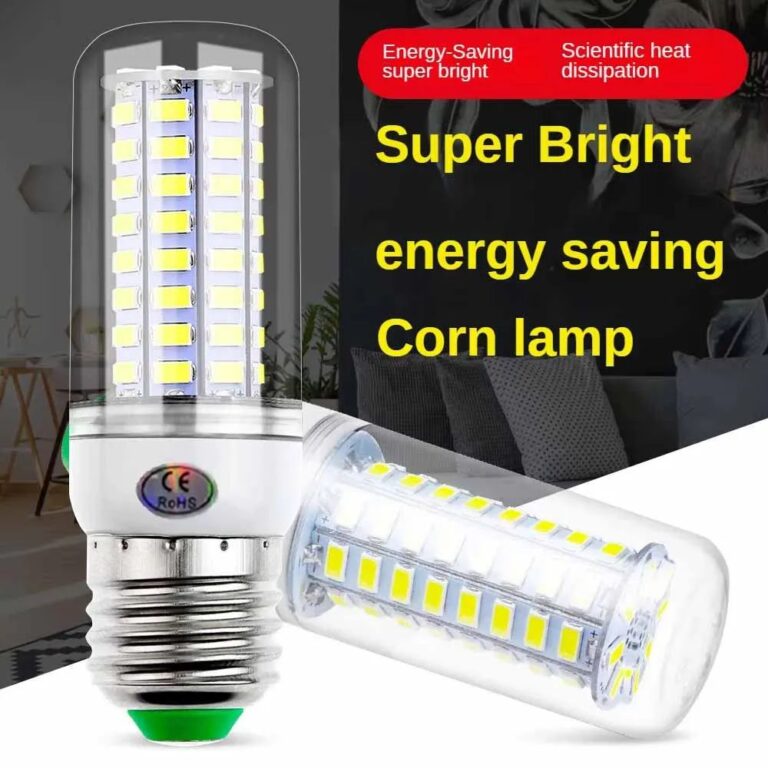
 Aisha's pick9W LED Light Bulbs Bright Enough Without the Glare
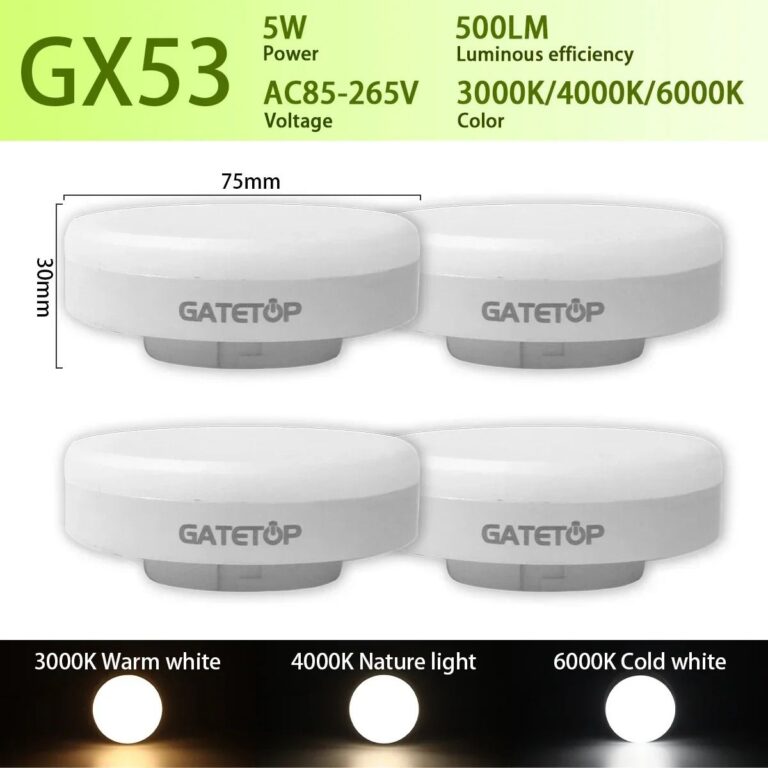
 Aisha's pickGood LED Light Bulbs That Don’t Cost a Fortune
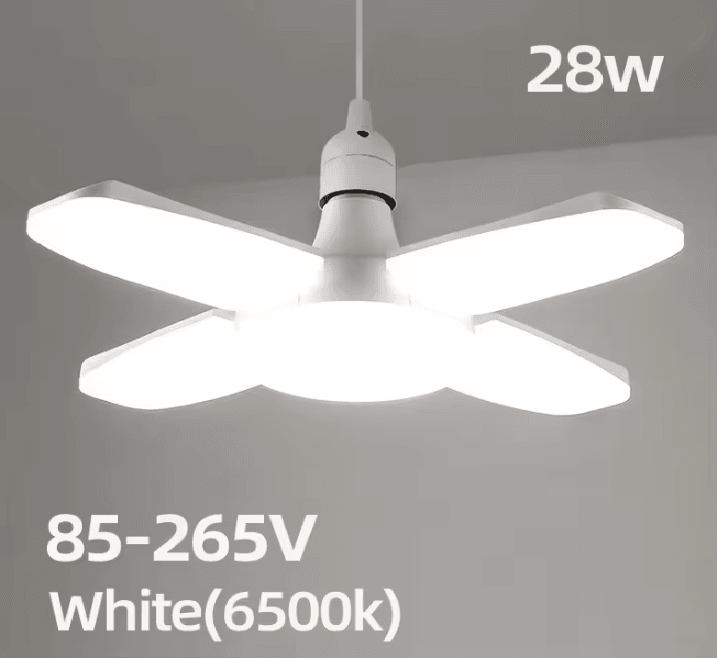
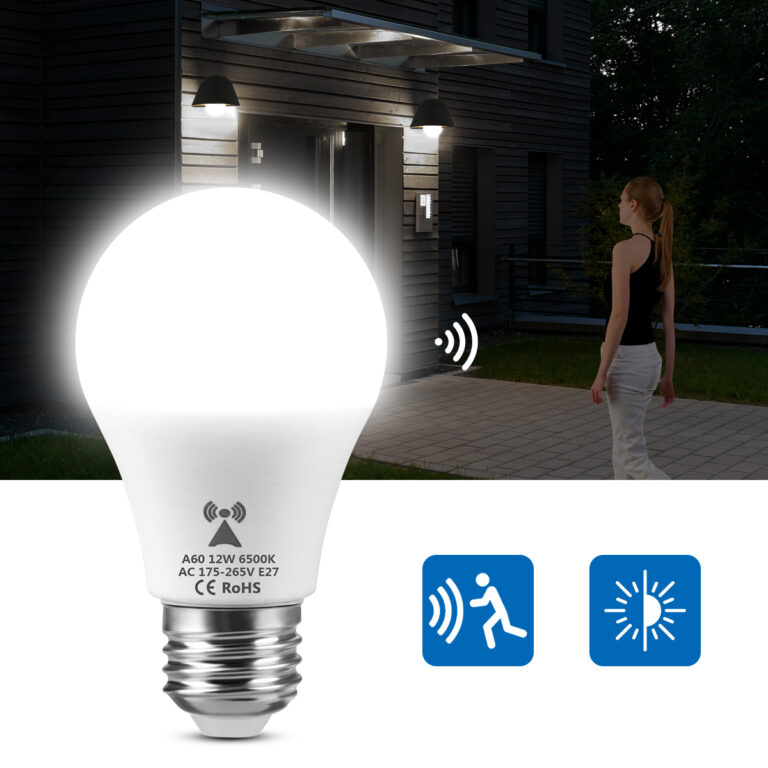 Aisha's pick12W LED Bulbs That Make the Big Light Redundant
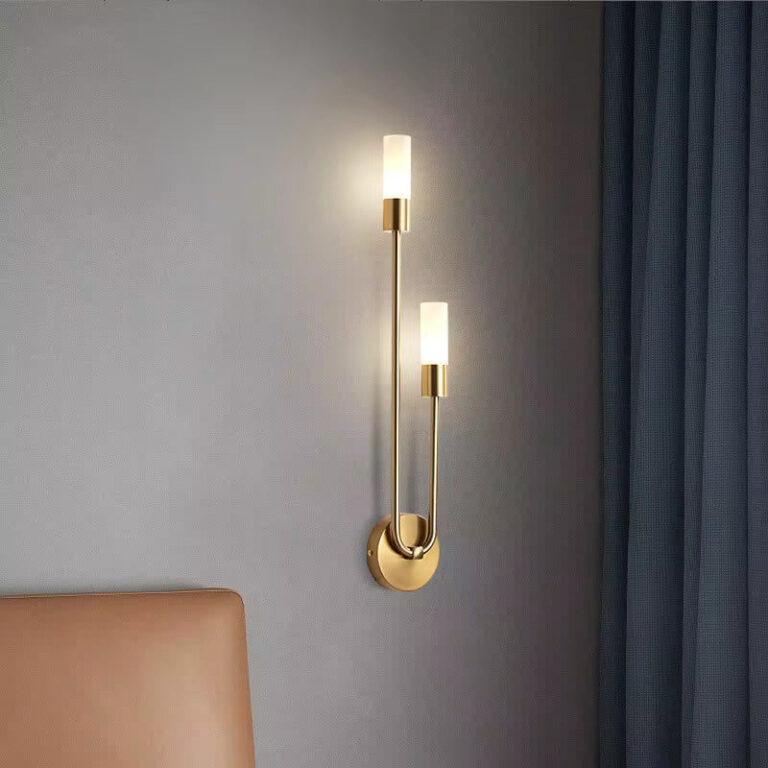
 Aisha's pickAmber LED Bulbs Worth Knowing About
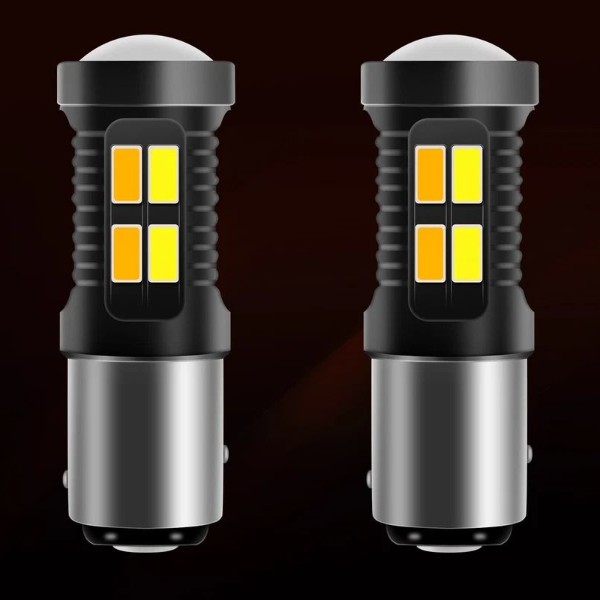
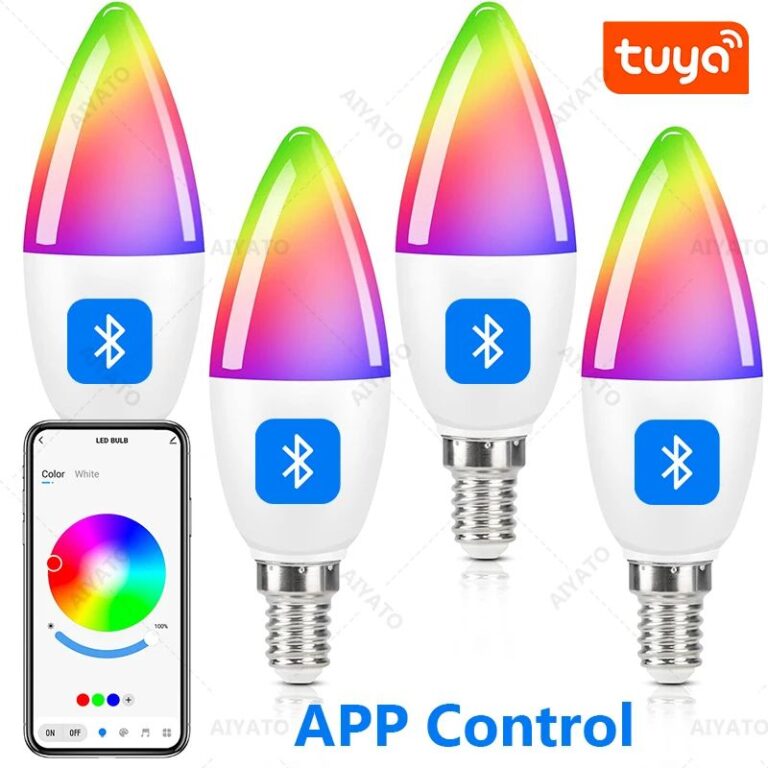 Aisha's pickE14 Warm White LED Bulbs Picked From the Stores We Trust

 Aisha's pickAmber LED Light Bulbs That Give Off a Warm GlowAlso worth a lookLight BulbsA good bulb warms up the second you flip the switch and settles into a light that makes skin look like skin instead of hospital corridor.See the collections →
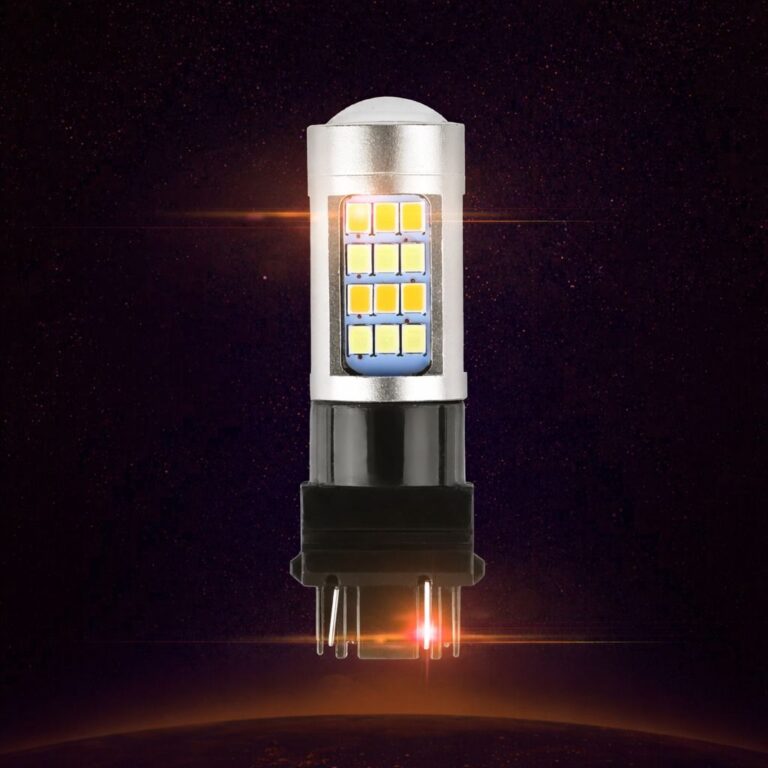
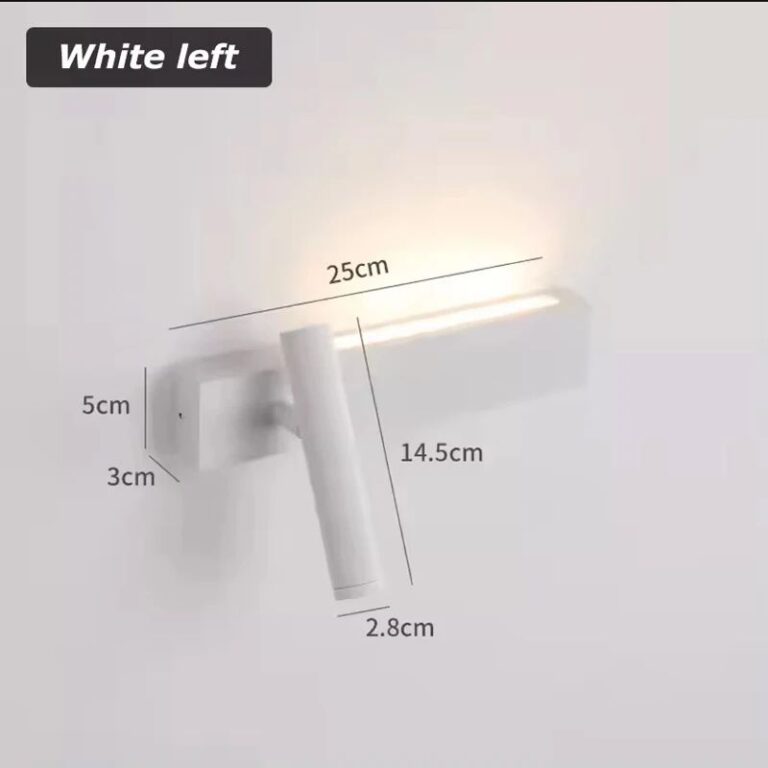 Aisha's pickLED Light Switches We’d Use on Our Next Project

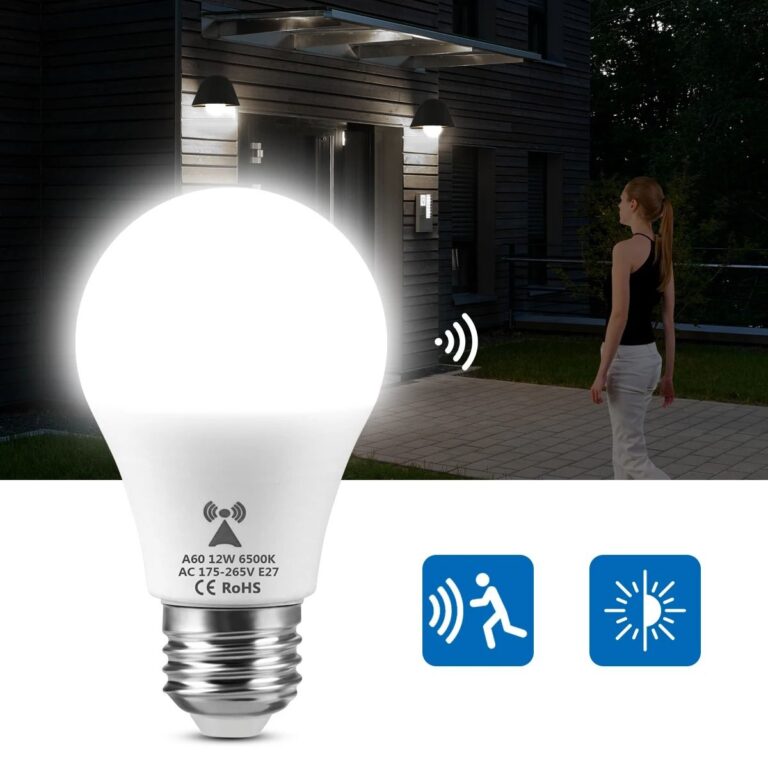 Aisha's pick12W LED Bulbs That Light Up Gloomy Corners
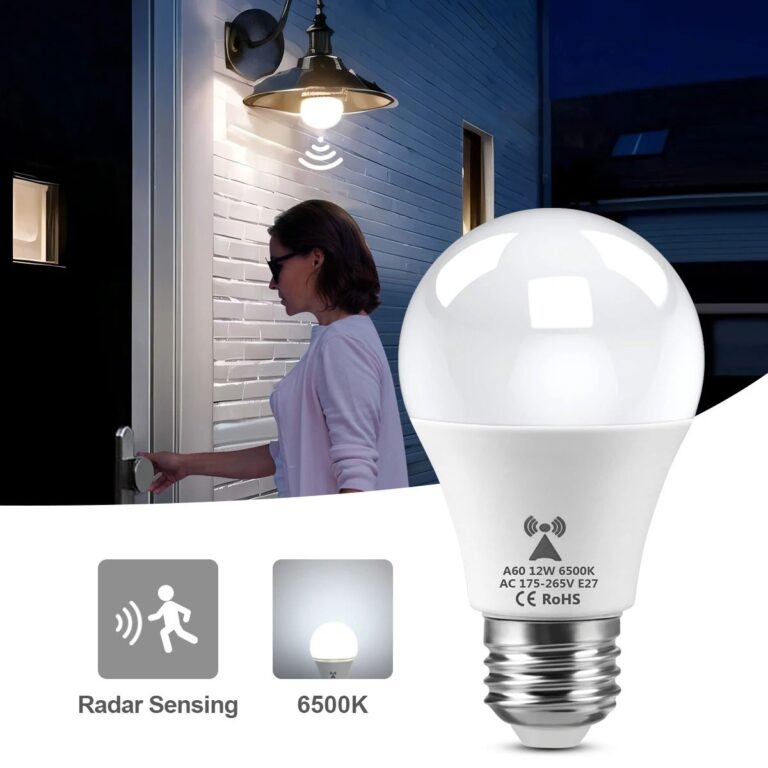
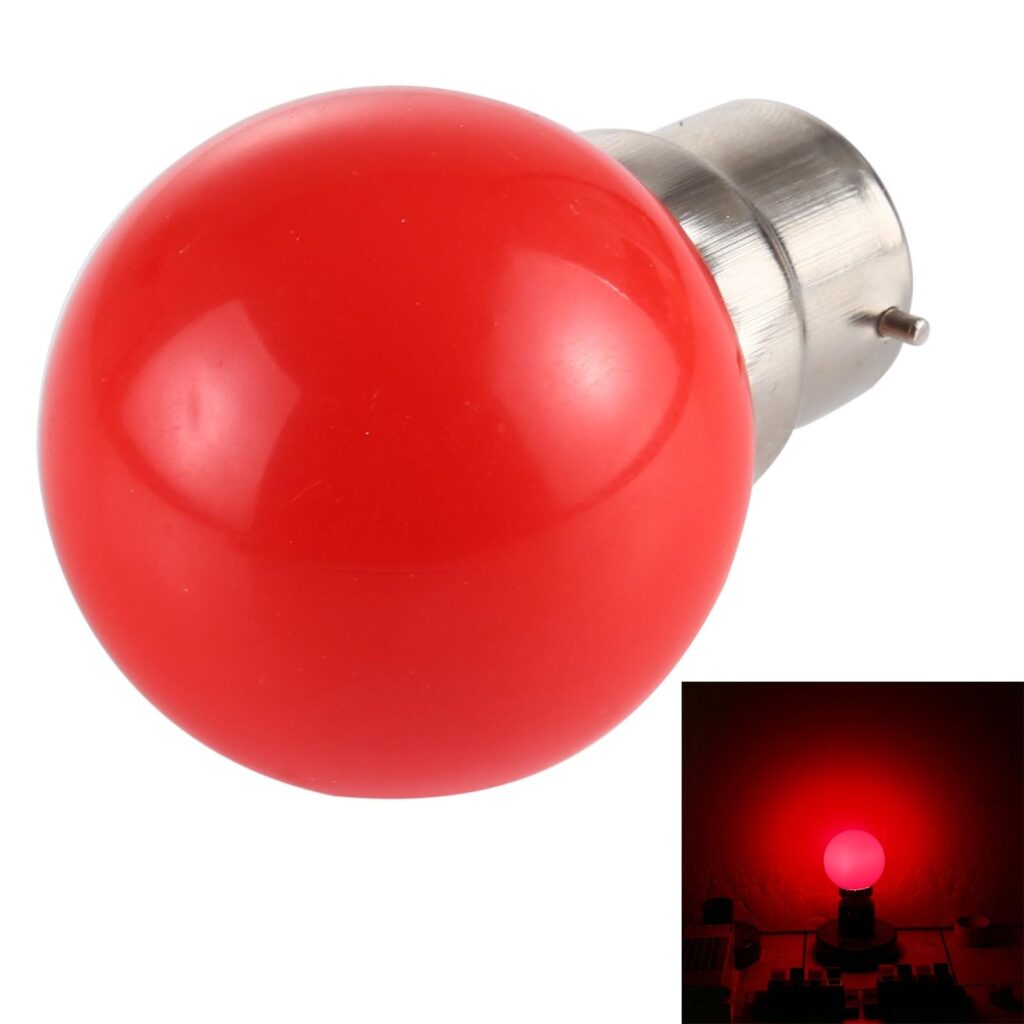 Aisha's pickB22 LED Bulbs That Make the Big Light Redundant
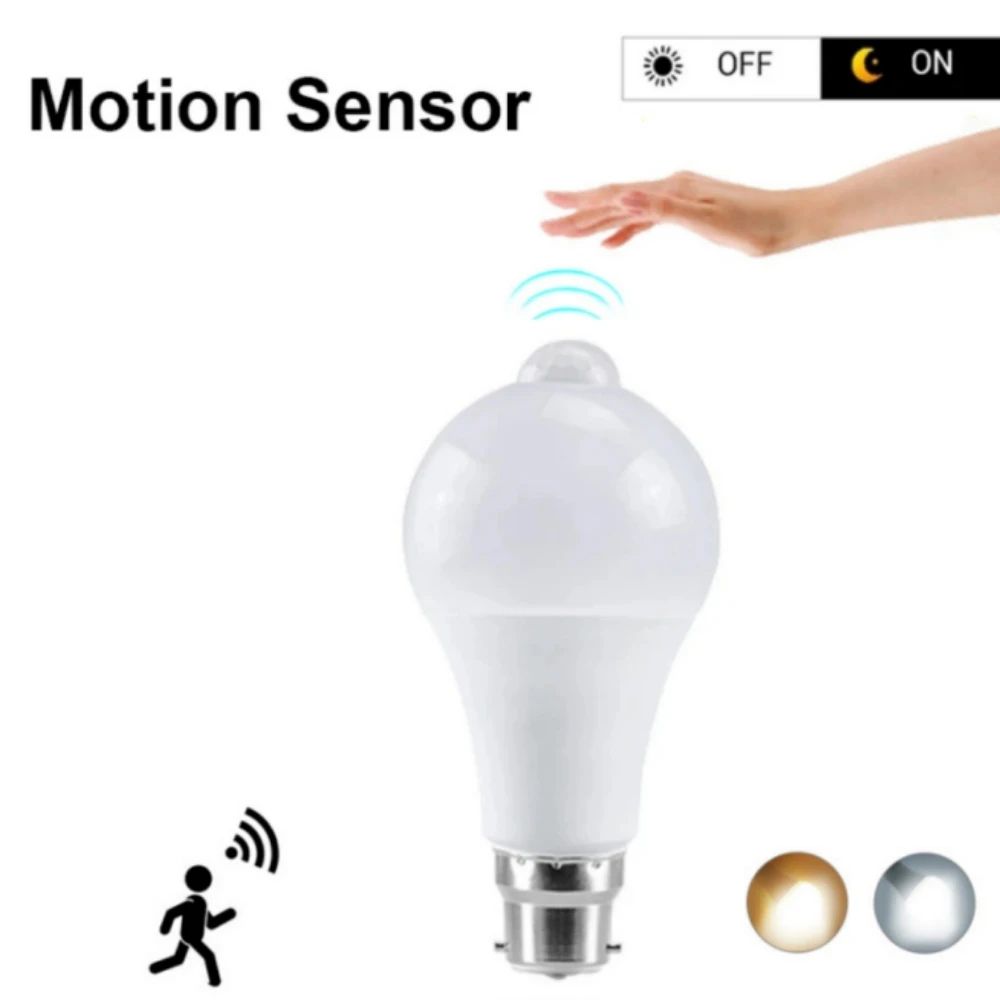
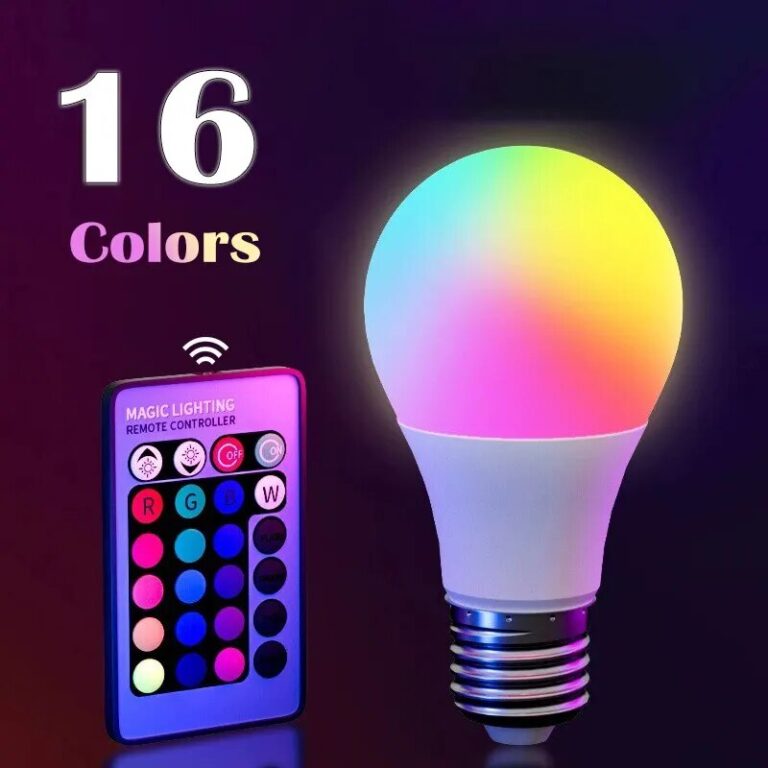 Aisha's pickE27 Dimmable LED Bulbs That Go With Most Rooms
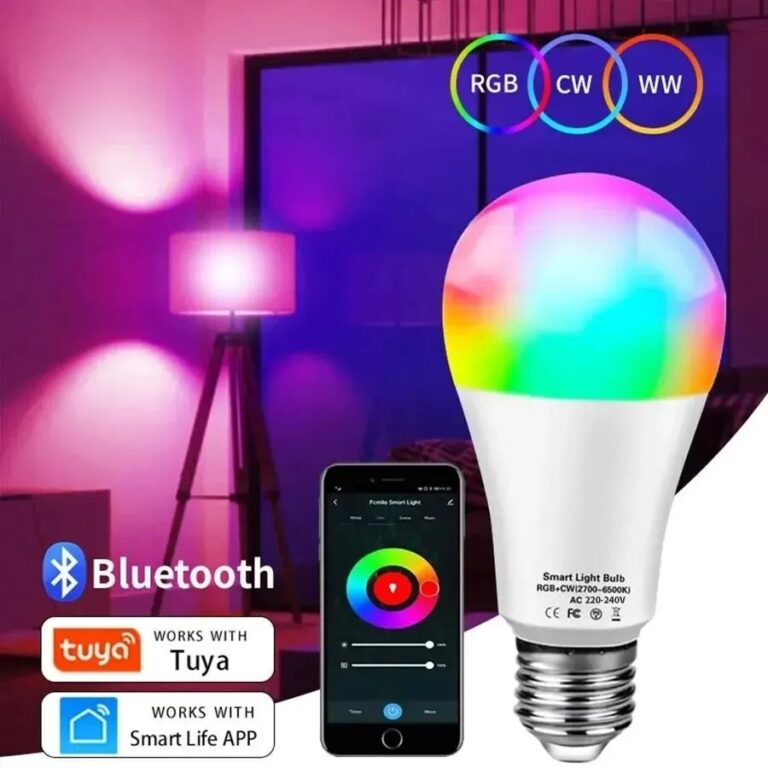
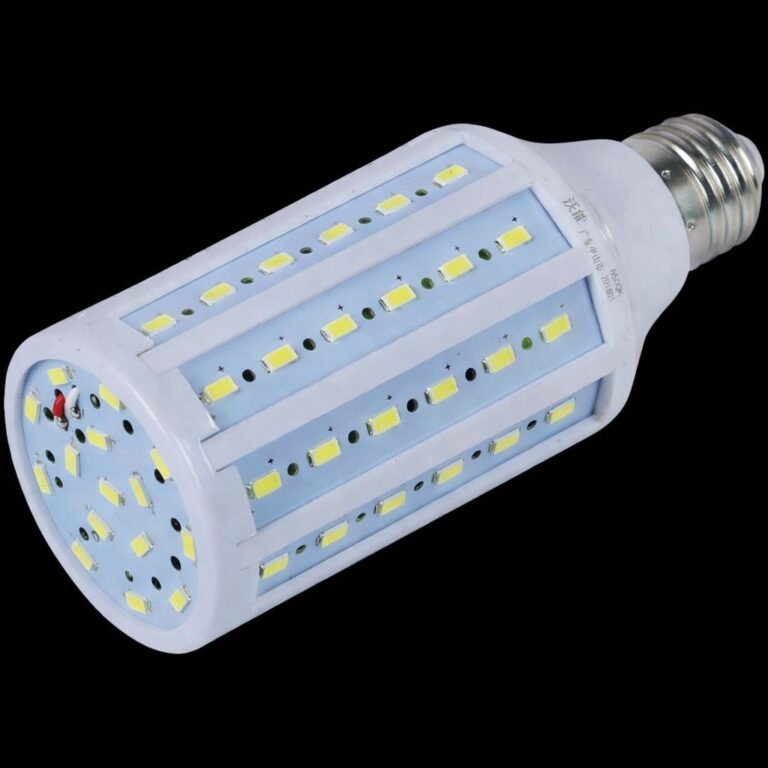 Aisha's pickGood Clear LED Light Bulbs That Don’t Cost a Fortune
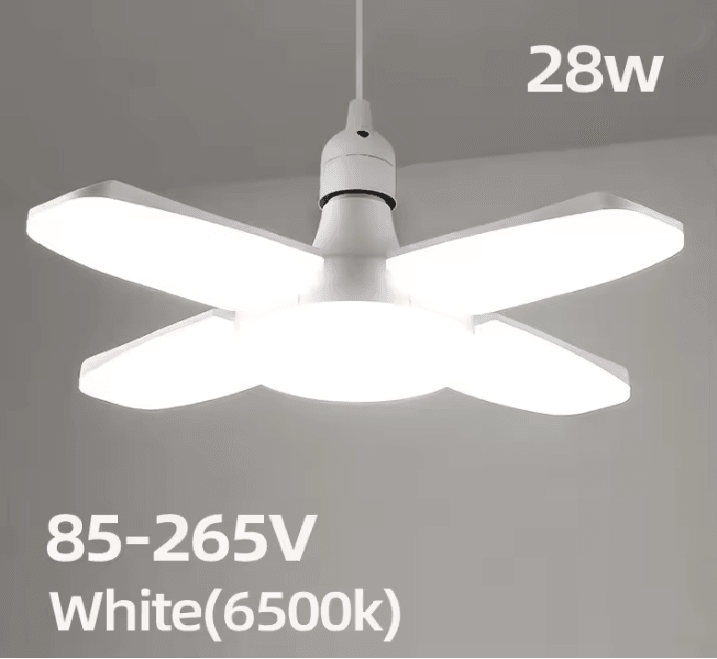
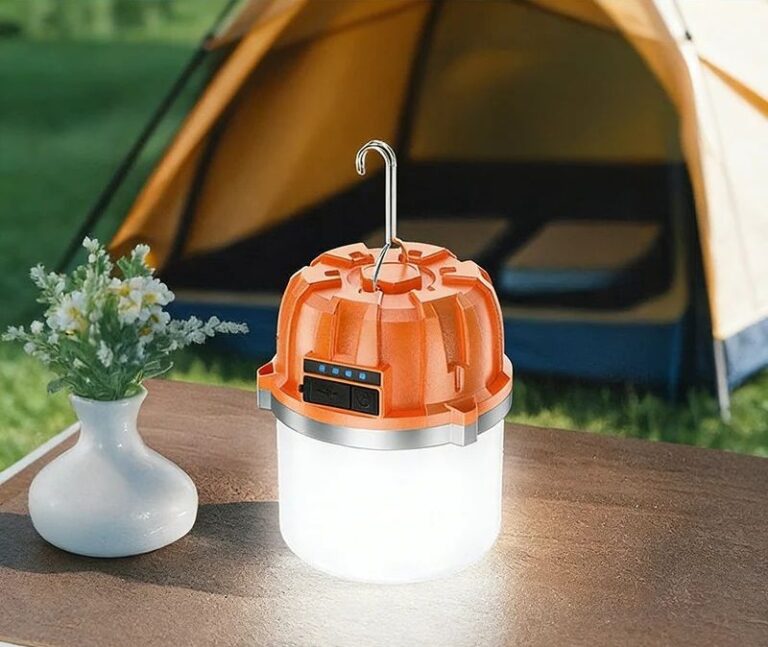 Aisha's pickLED Smart Light Bulbs That Do the Job Right

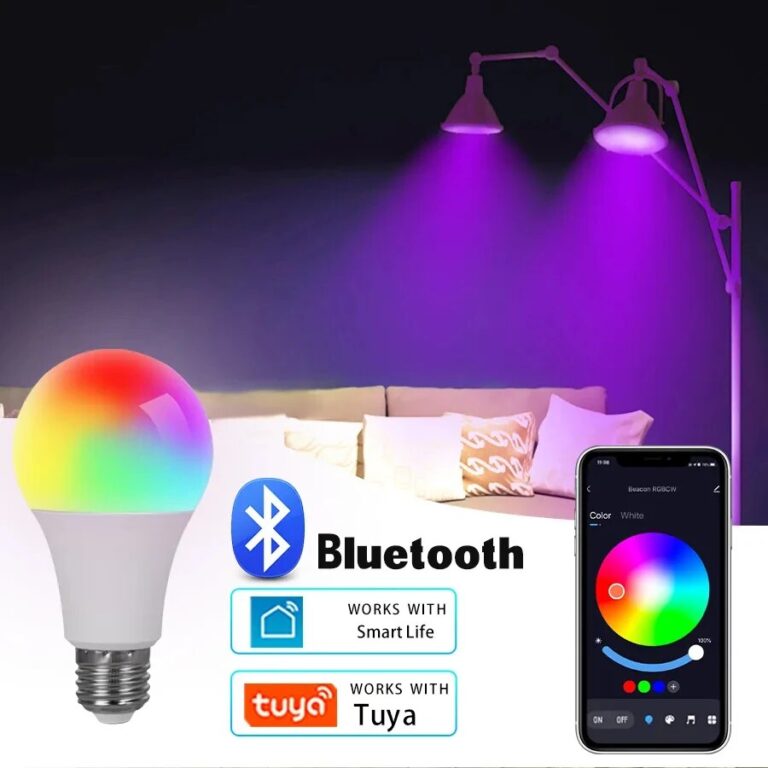 Aisha's pick15W LED Bulbs That Give Off a Warm Glow
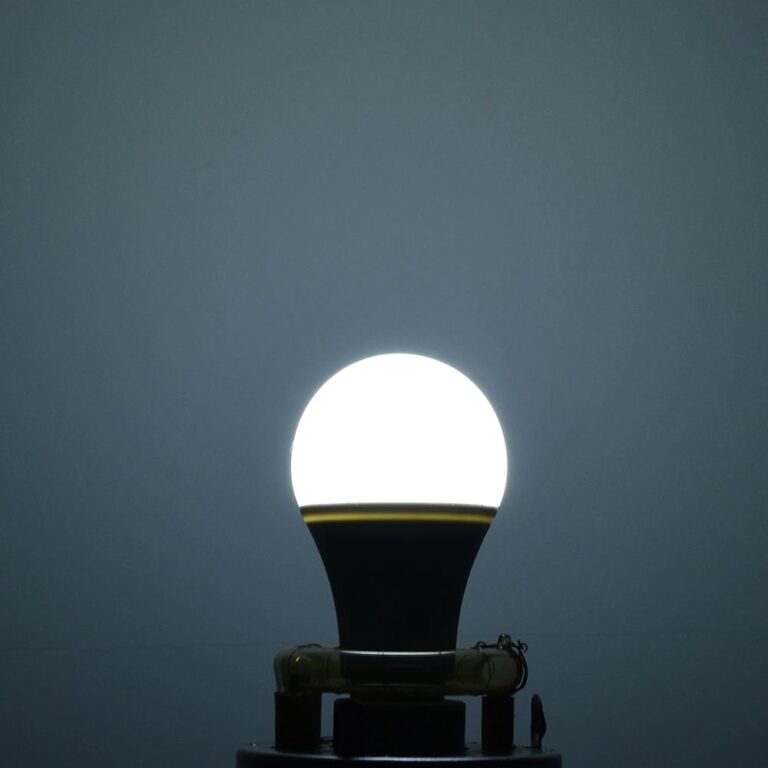
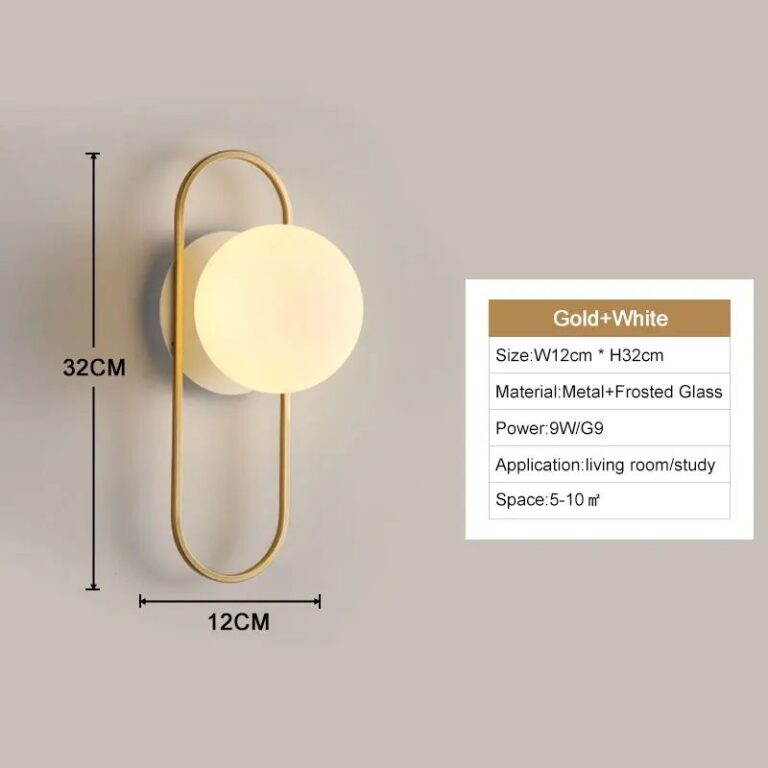 Aisha's pickBlack LED Bulbs That Change the Feel of a Room
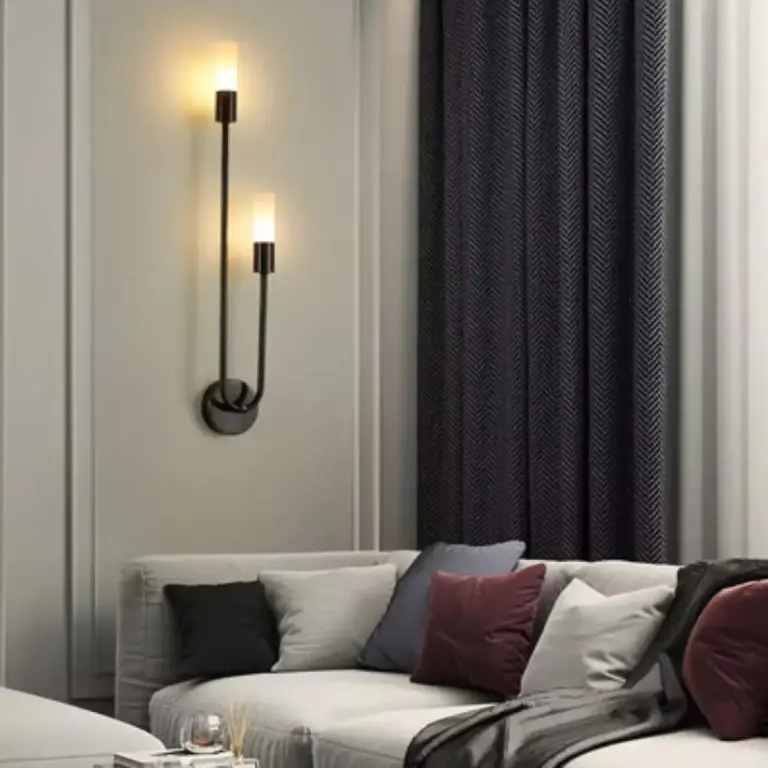
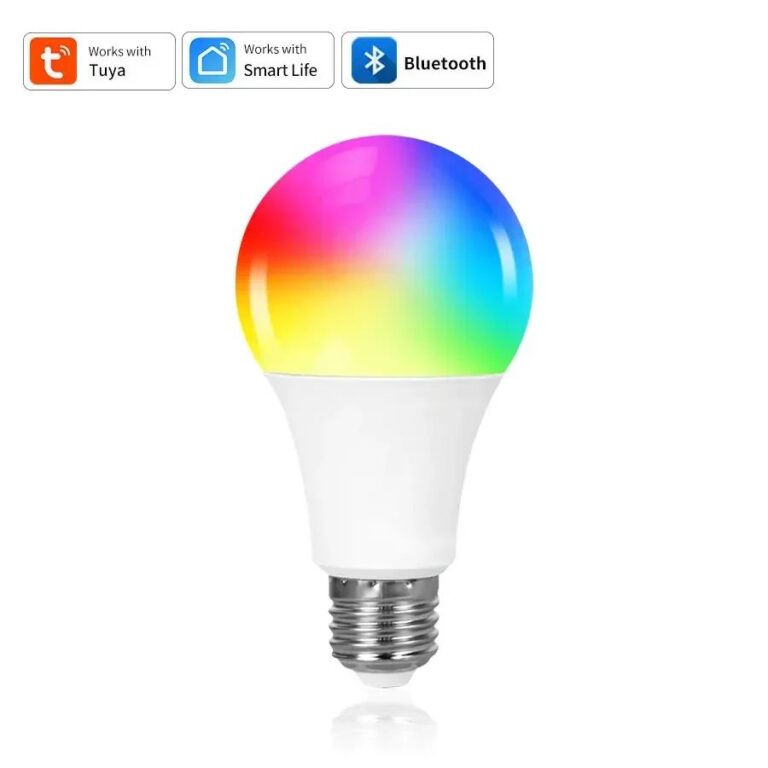 Aisha's pickE27 LED Bulbs That Won’t Date in a YearAlso worth a lookSwitchesI spent years treating switches as the thing you cover with a fresh coat of paint and never…See the collections →
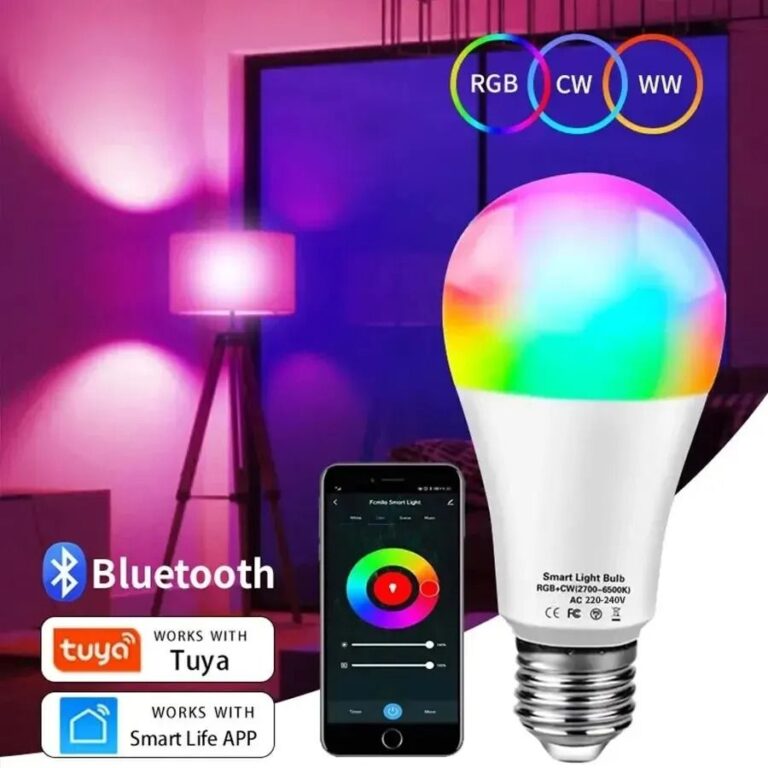
 Aisha's pickCool White LED Light Bulbs for Dark Winter Evenings
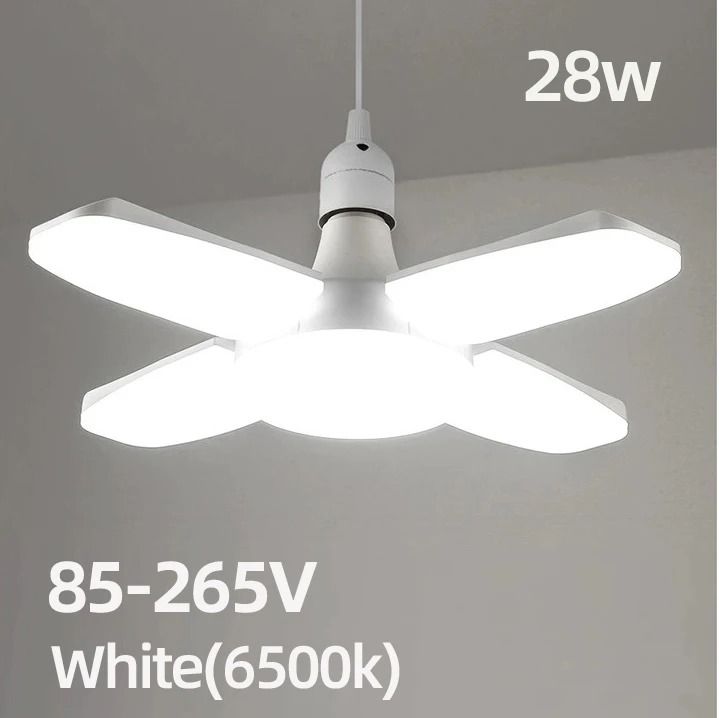
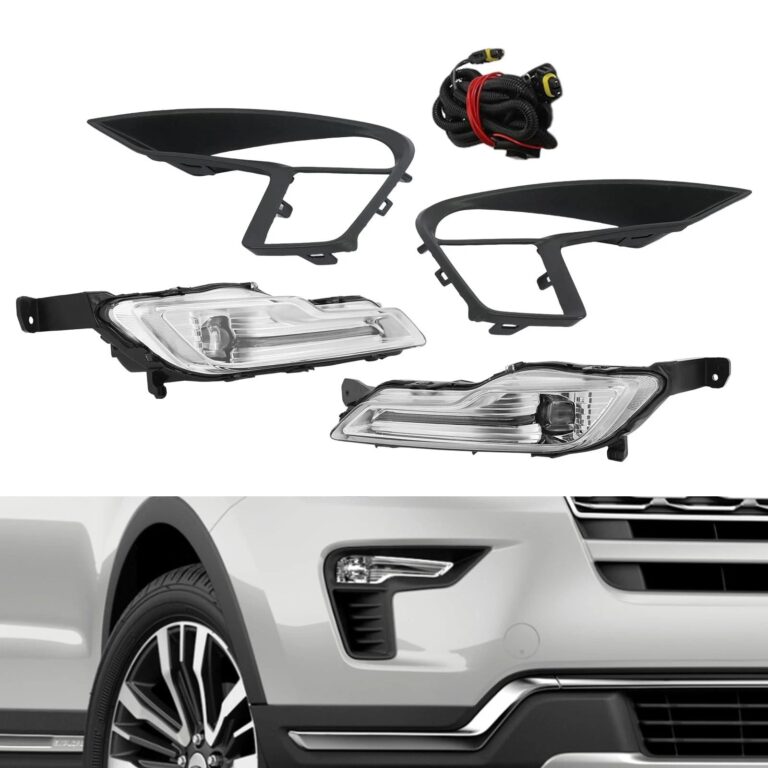 Aisha's pickLED Smart Light Switches You’ll Still Like in Five Years
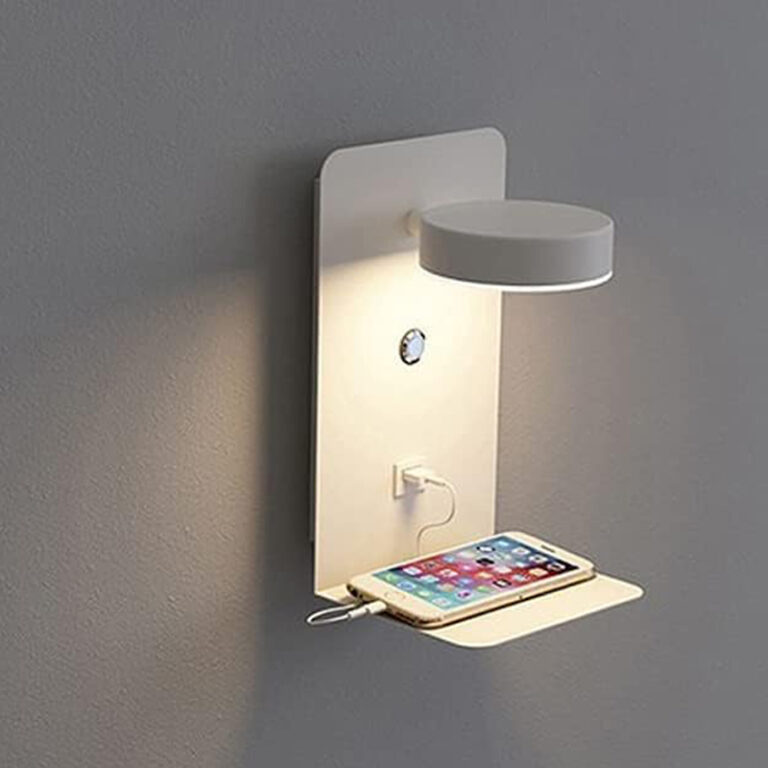
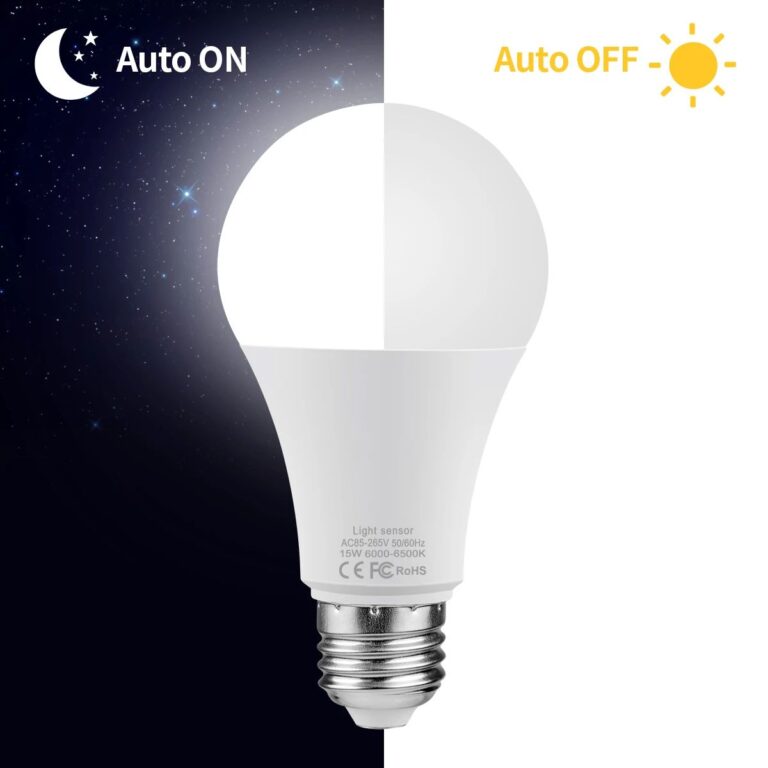 Aisha's pick15W LED Bulbs That Go With Most Rooms
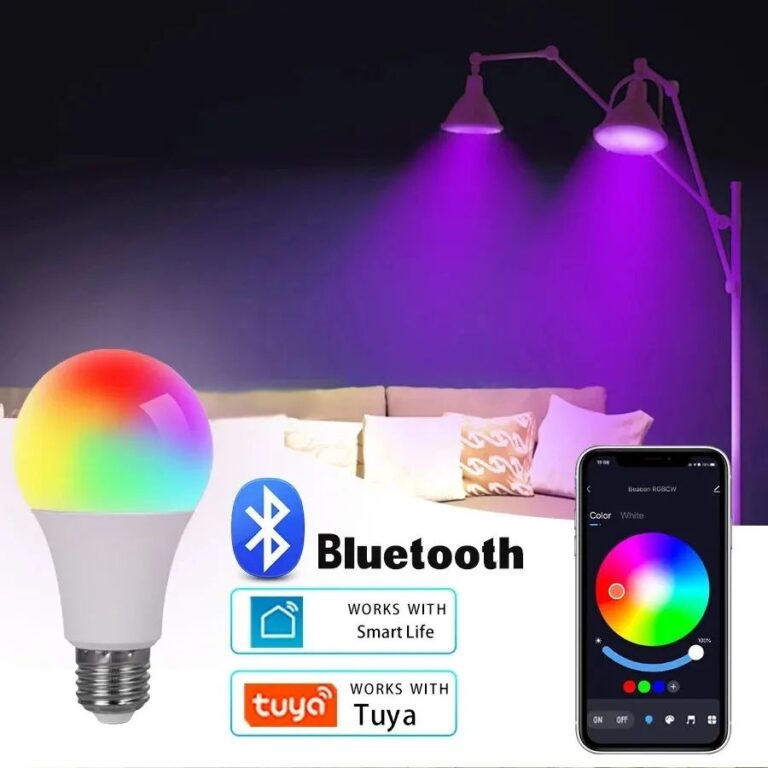
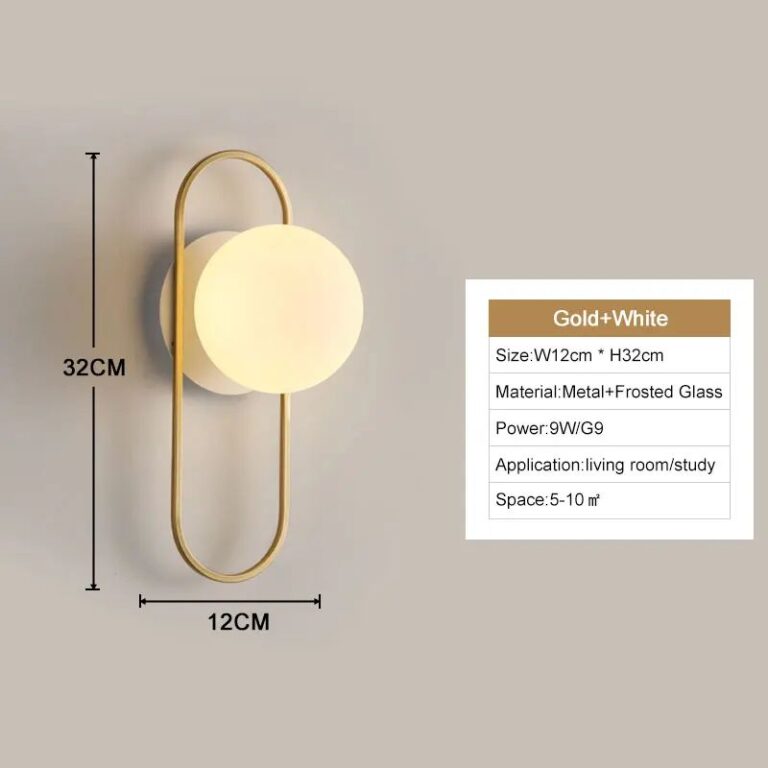 Aisha's pickBlack LED Bulbs You Won’t Regret Buying
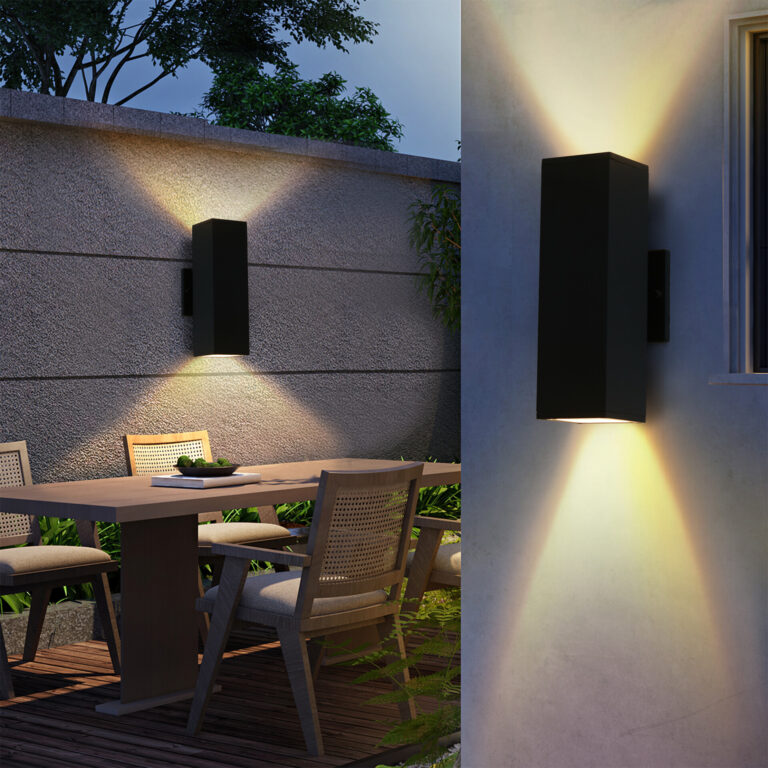
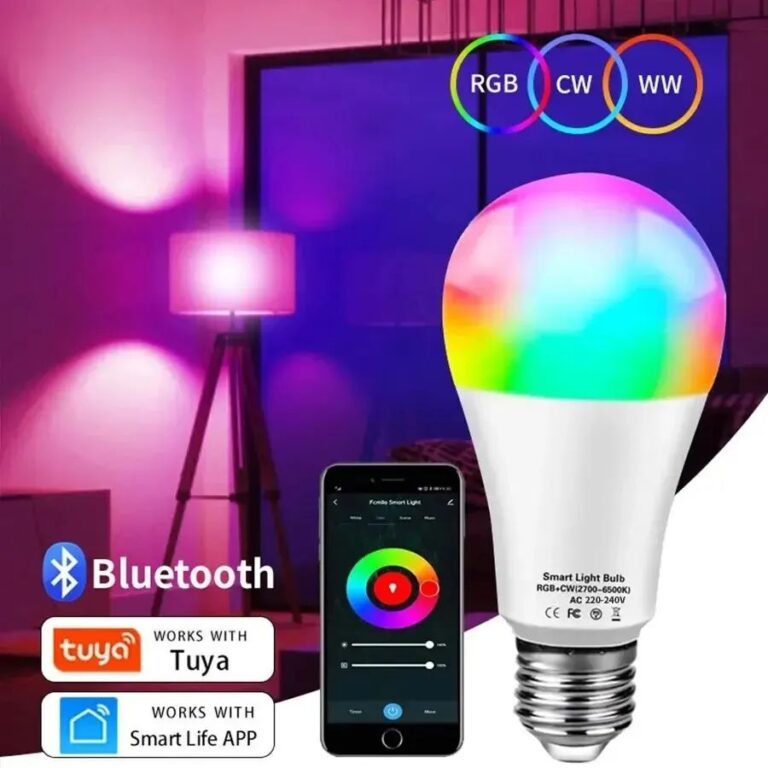 Aisha's pickE27 LED Bulbs That Look Good Switched Off Too
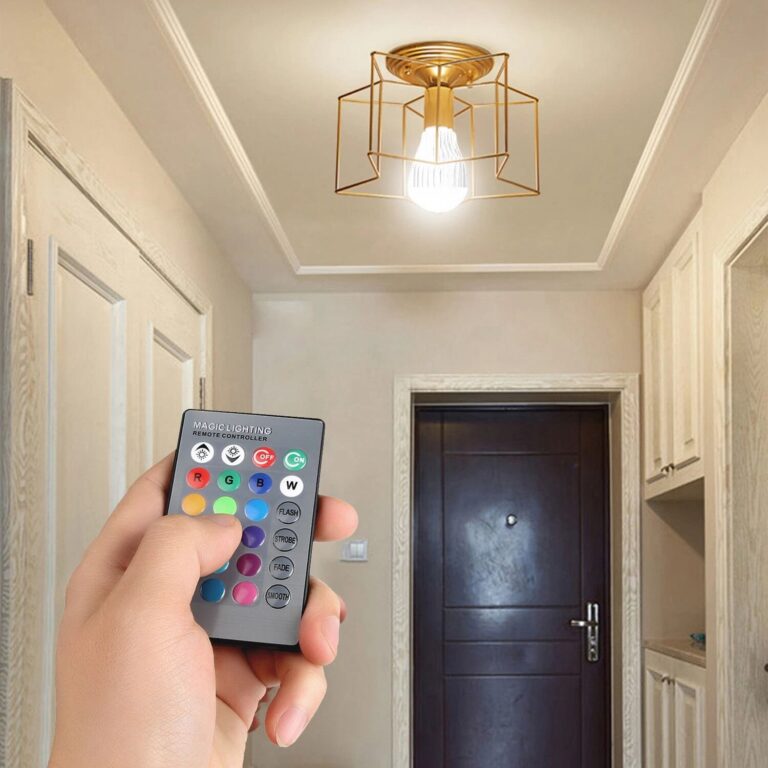
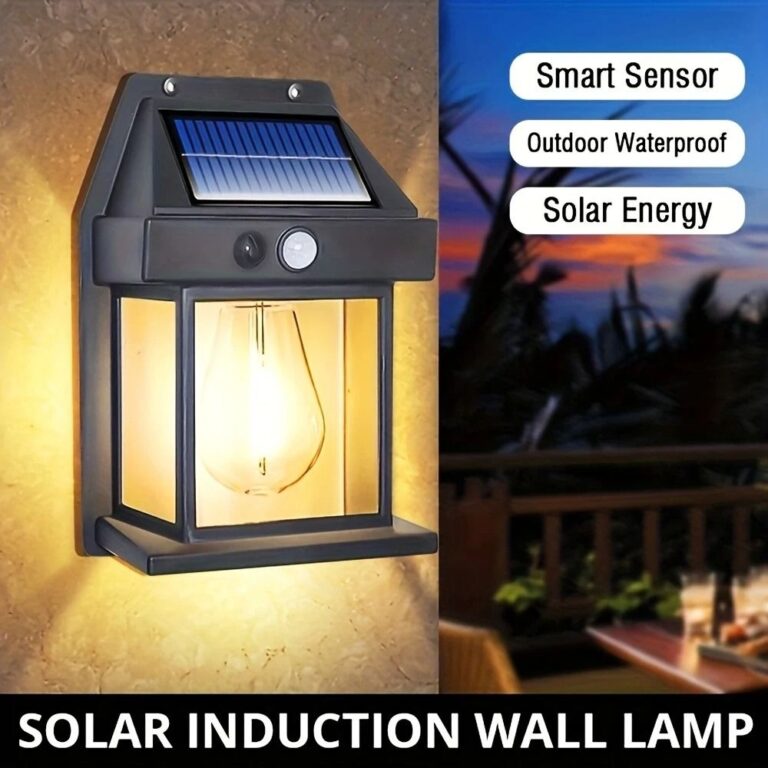 Aisha's pickDaylight LED Light Bulbs That Survive Kids and Pets
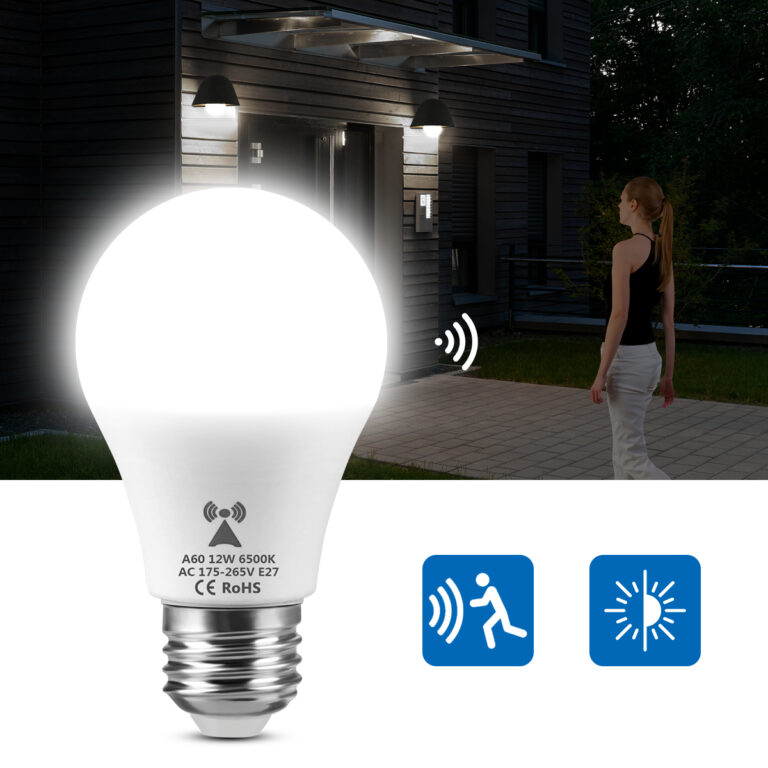
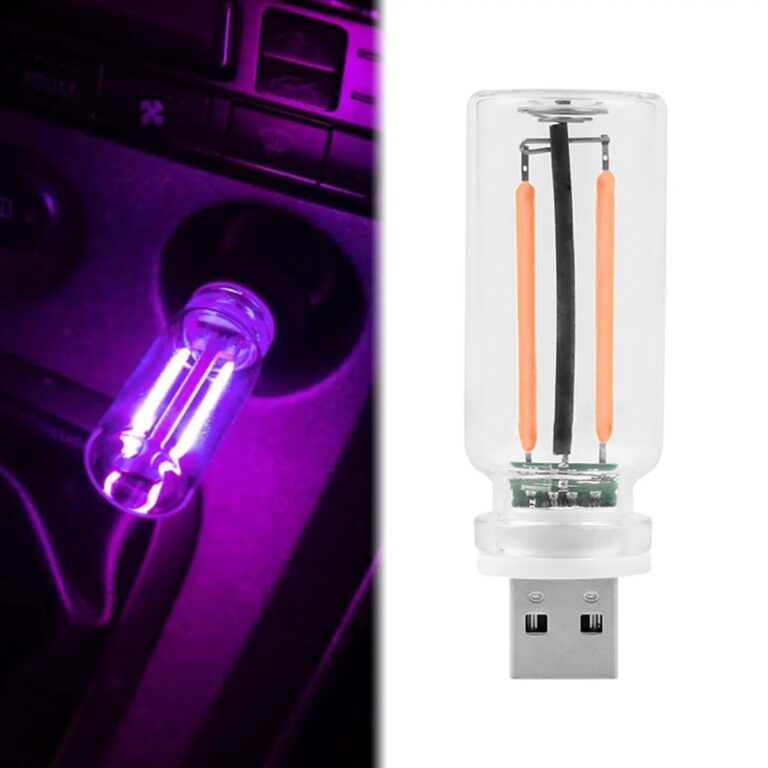 Aisha's pickVintage LED Light Bulbs for When the Old Ones Give Up
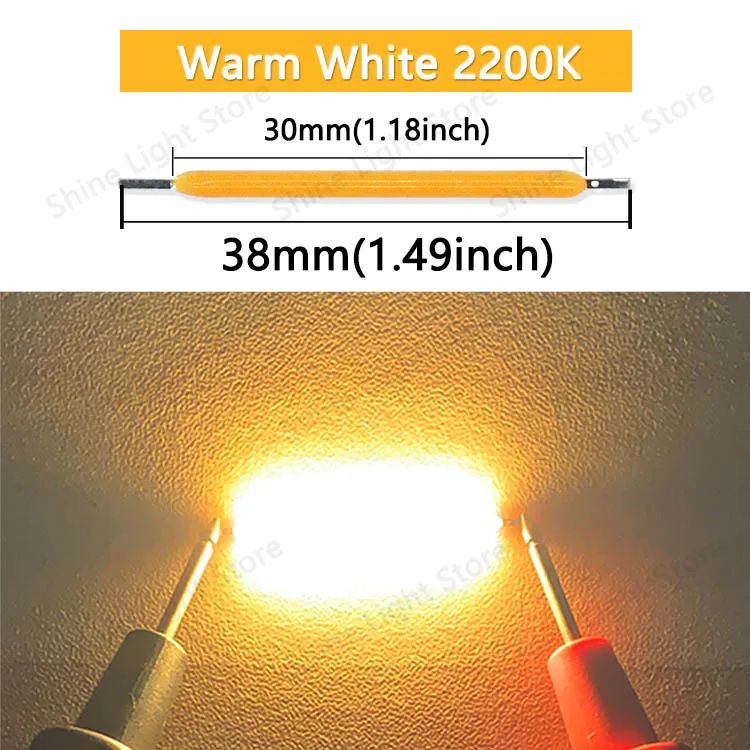
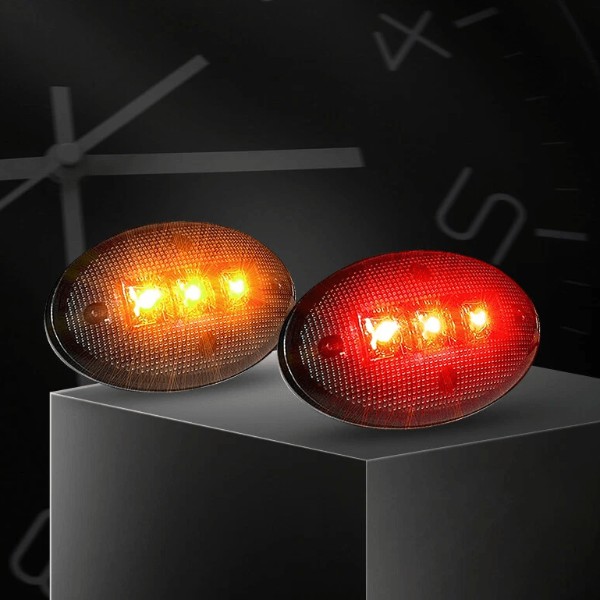 Aisha's pickWhere to Start With 2 Light LED Tape