The first thing I check on a bulb is the color temperature printed on the box, not the wattage, not the brand name, just that little number in kelvins. Anything around 2700 is warm and livable. Anything up near 5000 is the kind of light that makes your kitchen look like a place where documents get notarized. I learned this the hard way putting daylight bulbs into a bedroom lamp and wondering why the room suddenly felt like an airport gate.
If you've got none in the house yet and you're starting from zero, go with a basic soft white LED, 2700K, dimmable if your fixtures allow it, in whatever base size your lamps actually take. Don't overthink lumens at first, just match what the incandescent box it replaces used to say, 60 watt equivalent or 100 watt equivalent, and you'll land close enough. These live well in living rooms, bedrooms, anywhere you spend evening hours, and they're especially good news for anyone in a rental where swapping a fixture is off the table but swapping a bulb takes ten seconds and the landlord never has to know. Winter is when you notice them most, when the sun's down by five and you're relying on lamps for hours a day instead of minutes. A cheap warm bulb and a good warm bulb will look nearly identical sitting in the box. The difference shows up eight months later when the cheap one starts to flicker, or drifts slightly pink, or dies outright while the good one is still going steady, often for a fraction more money than you'd guess.
Where they get it wrong is mixing temperatures in the same room without meaning to, a cool white in one lamp and a warm one in the lamp next to it, which reads as two different rooms arguing with each other rather than one room lit well. Bathrooms and kitchens can take a slightly cooler bulb, somewhere in the 3000 to 4000 range, because you want to actually see what you're cooking or shaving, but even there I'd stop short of full daylight unless you like your cereal looking like evidence. And skip the ultra bright outdoor rated ones indoors, they're built for garages and porches, not for sitting four feet from your face while you read. Dimmable bulbs on a non-dimmable switch will just hum at you, so check that before you buy, not after.
This is the kind of thing that suits every home, but it rewards the ones paying attention to what each room actually gets used for after dark.
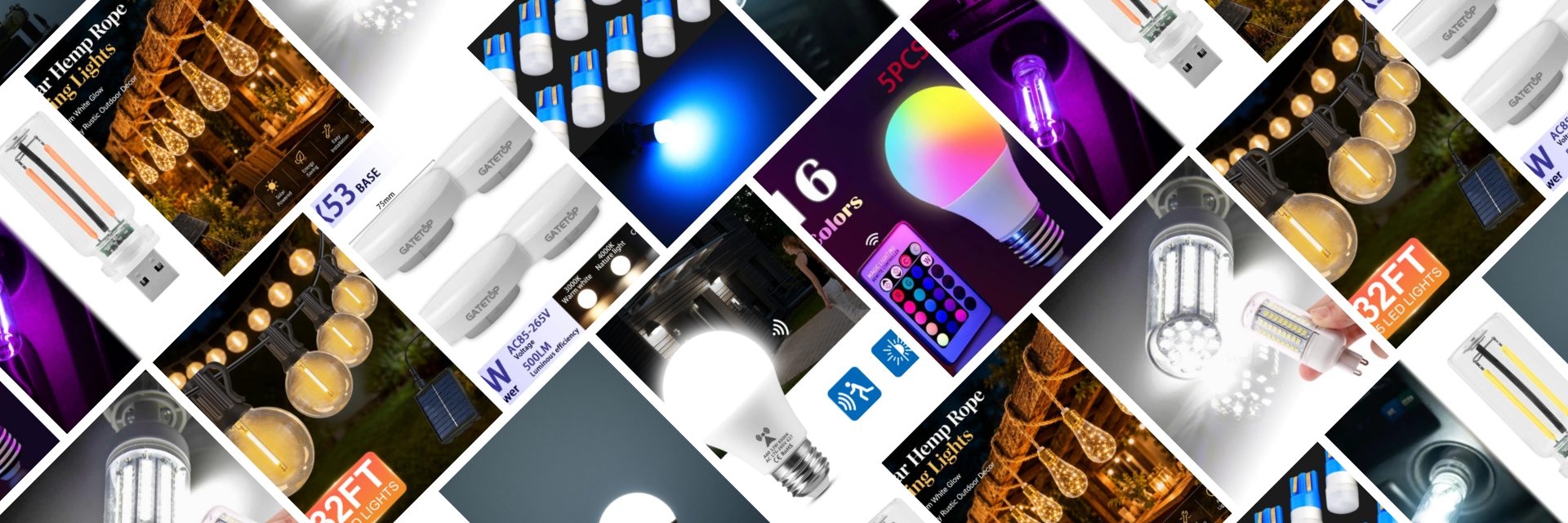
 Aisha's pickCool White LED Light Bulbs for Dark Winter Evenings
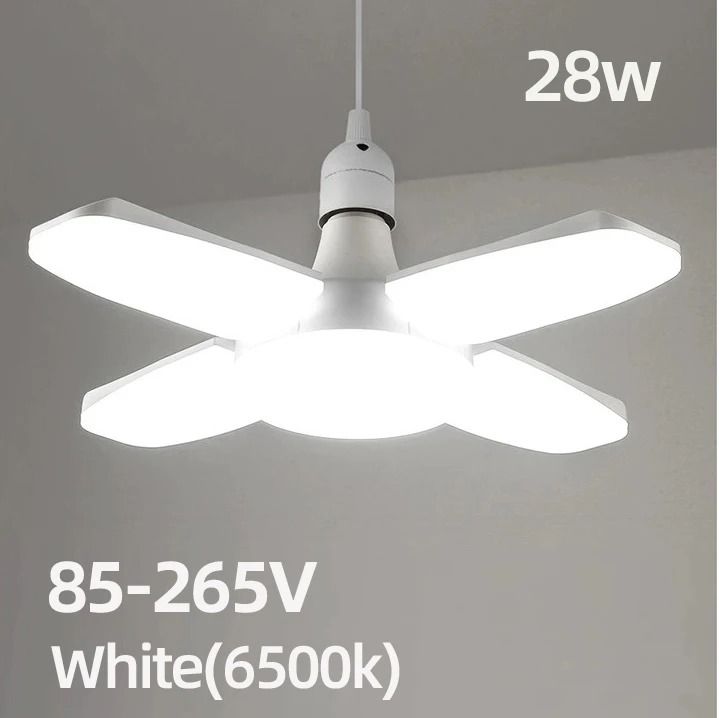
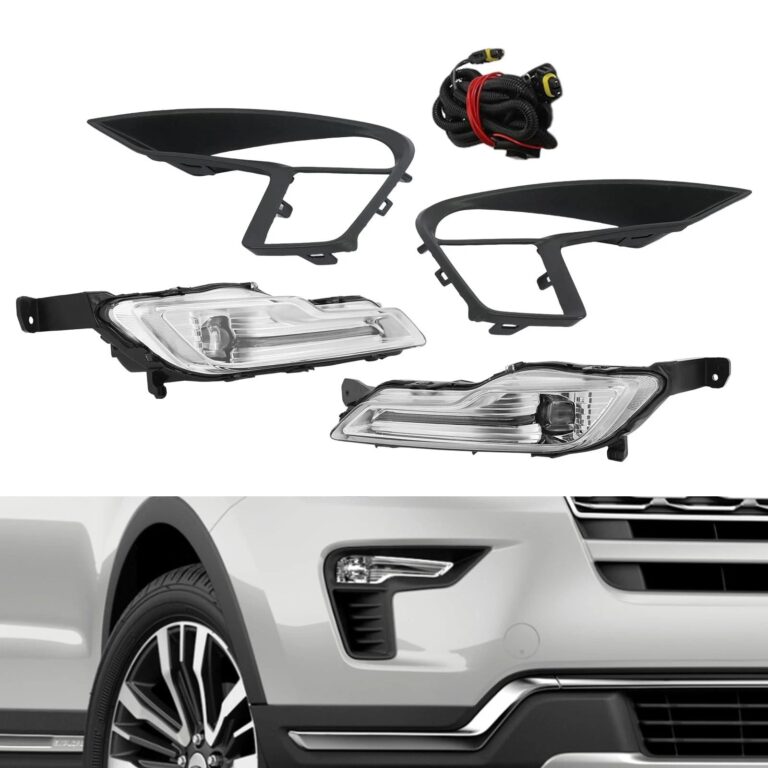 Aisha's pickLED Smart Light Switches You’ll Still Like in Five Years
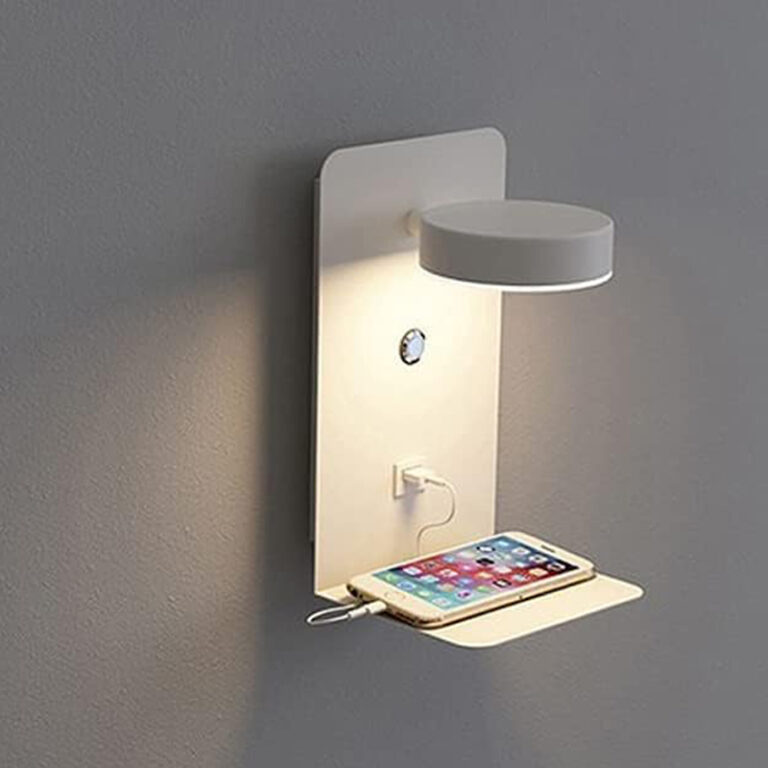
 Aisha's pickDaylight LED Light Bulbs That Survive Kids and Pets
 Aisha's pickVintage LED Light Bulbs for When the Old Ones Give Up
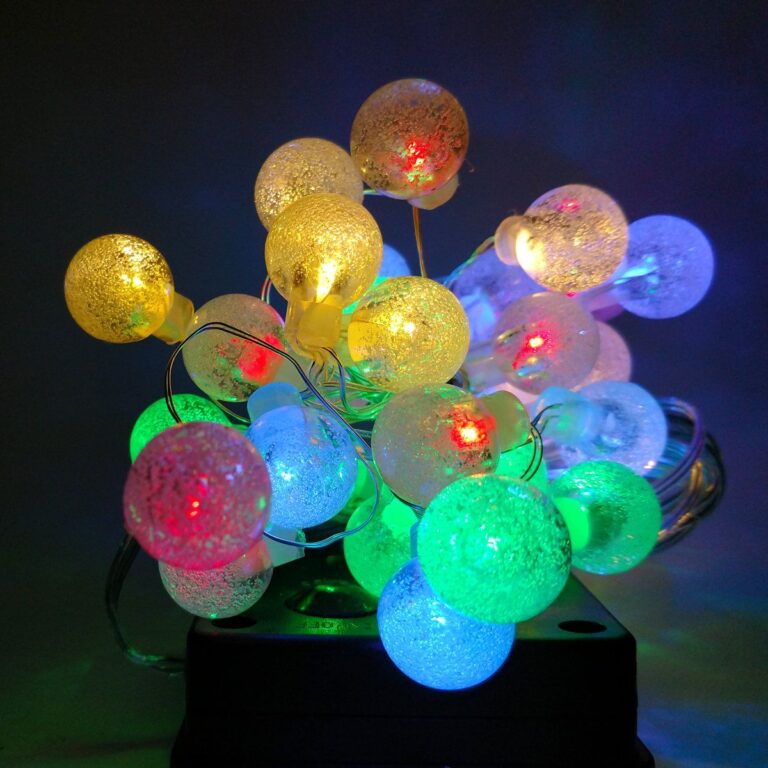 Aisha's pickDimmable LED Light Bulbs Picked From the Stores We Trust
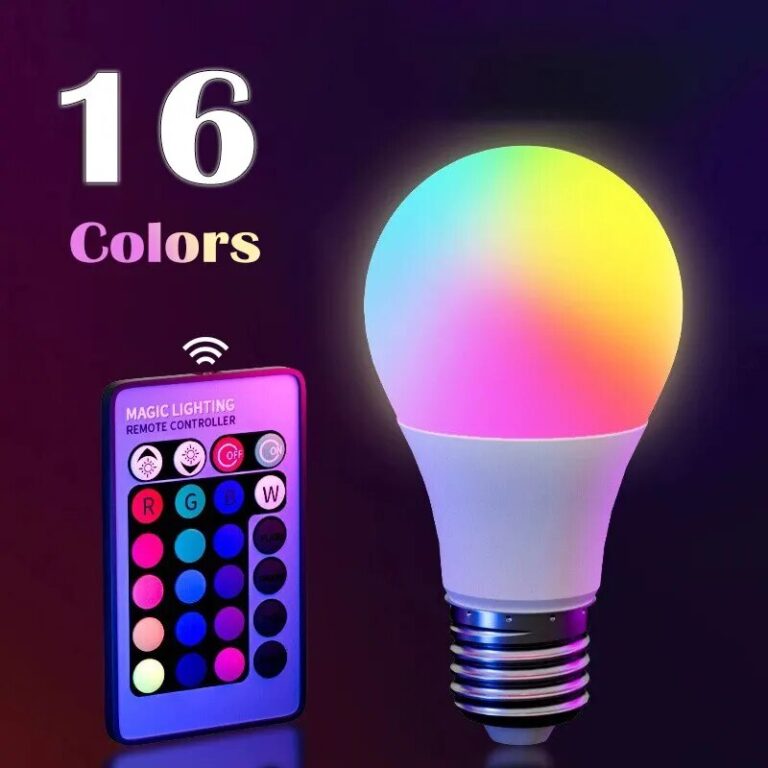
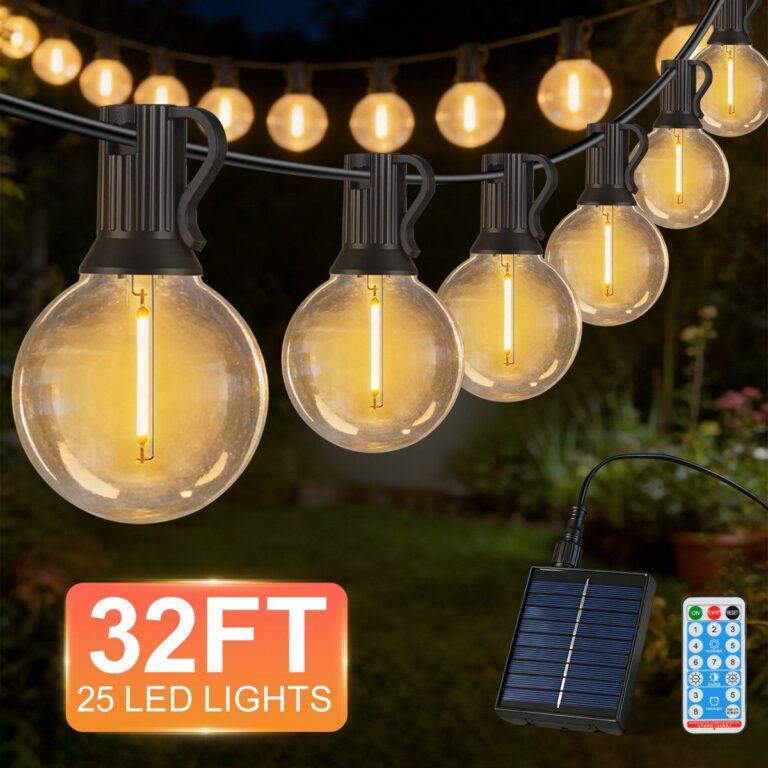 Aisha's pickWarm White LED Light Bulbs That Make a Room Feel Finished
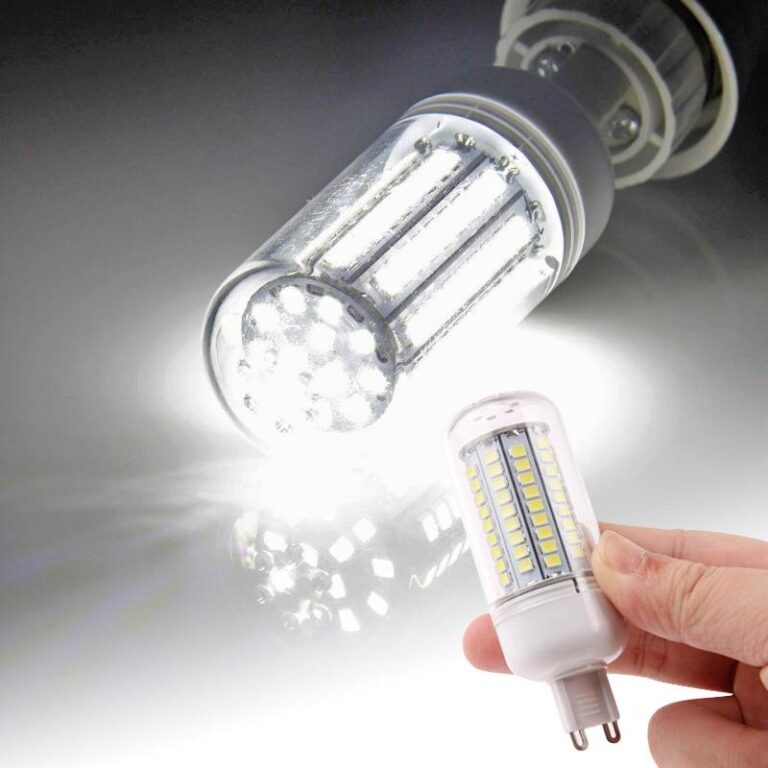
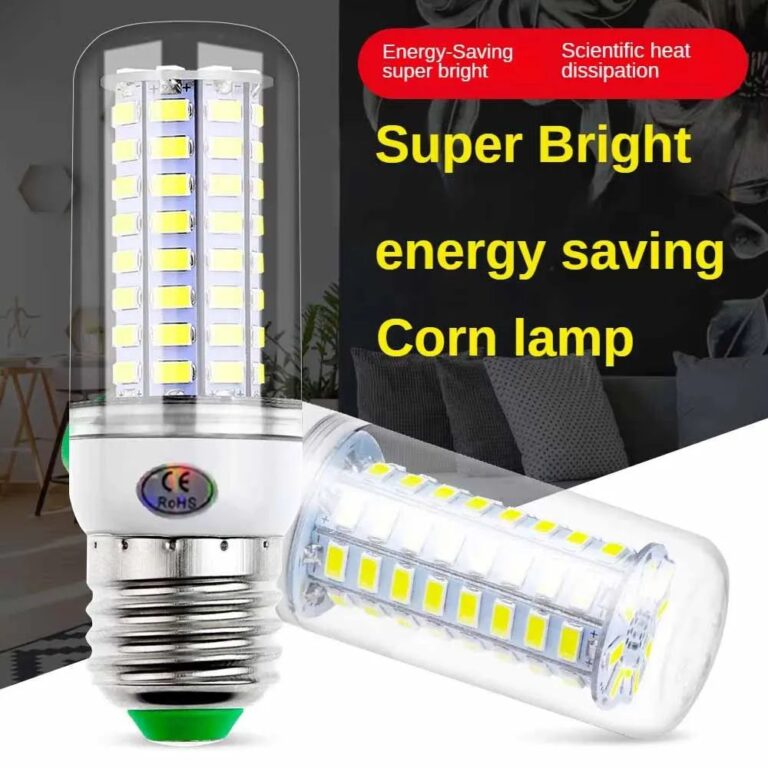 Aisha's pickE14 LED Light Bulbs That Look Better in Real Life
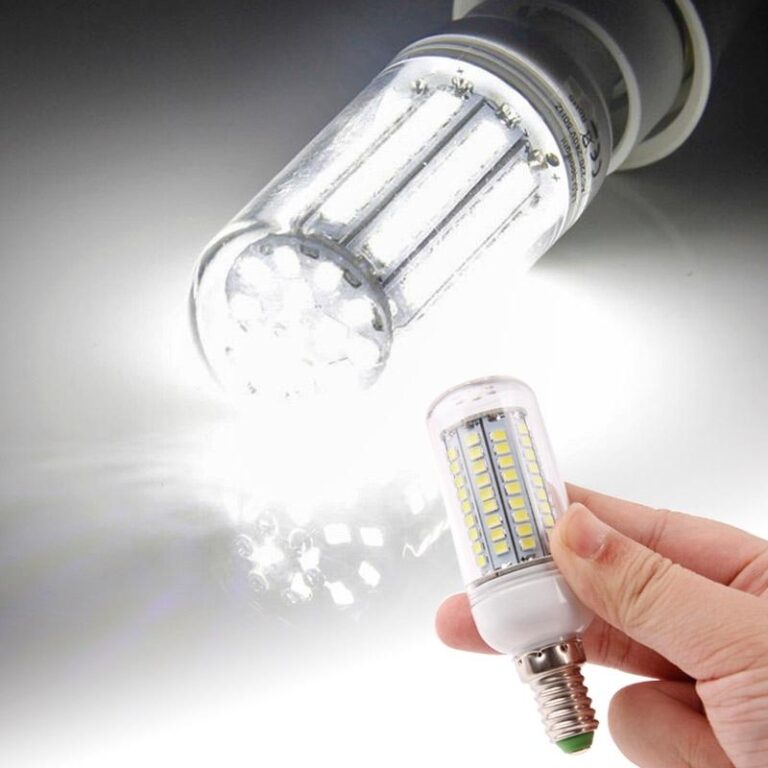
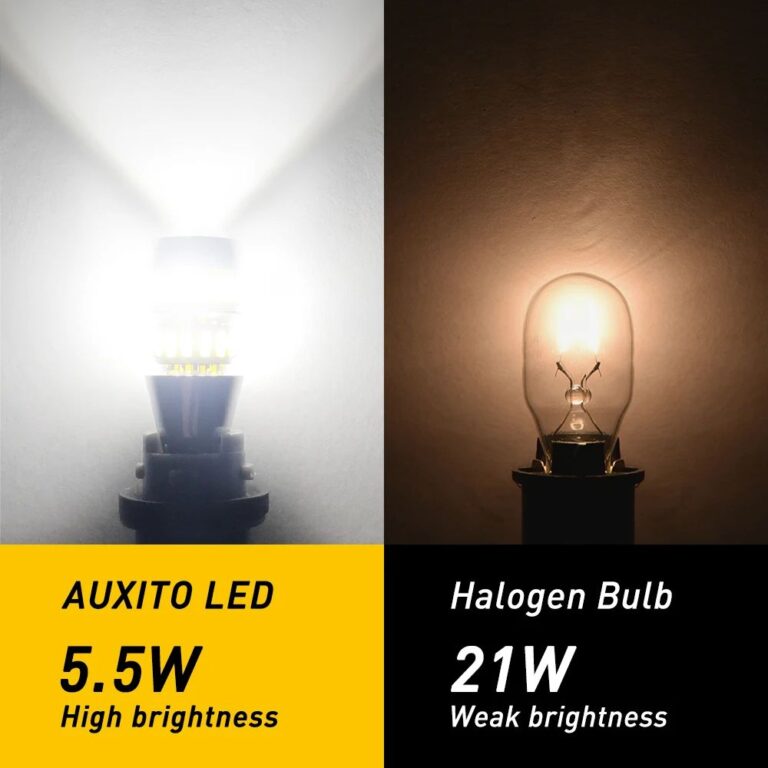 Aisha's pickWhite LED Light Bulbs That Get Better With Age
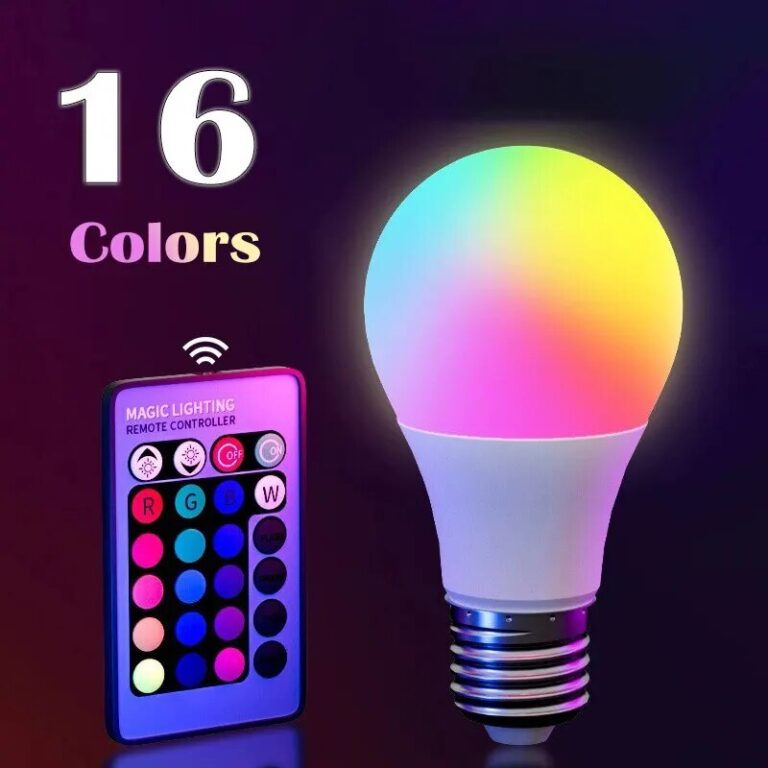
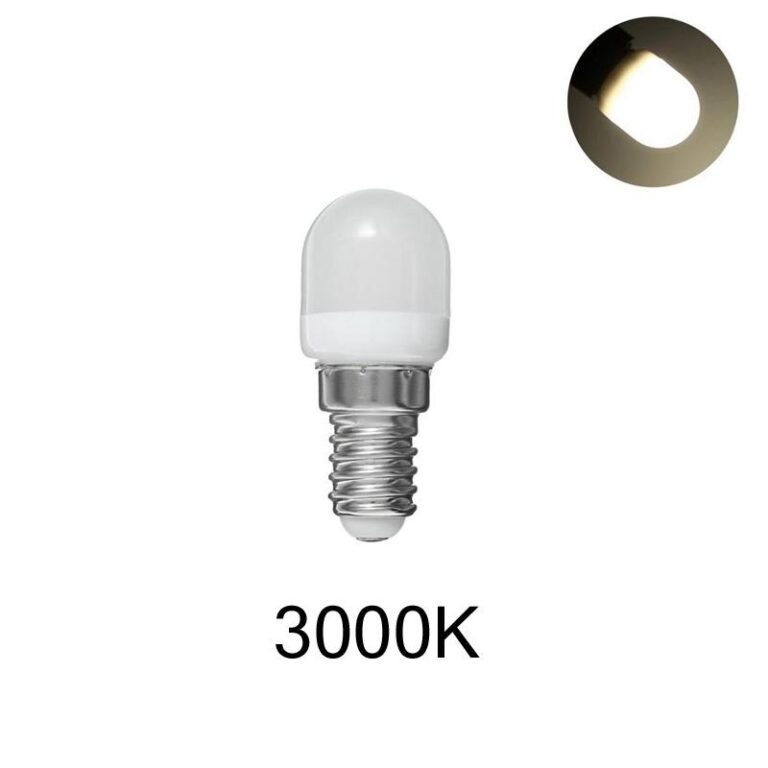 Aisha's pickE14 LED Light Bulbs Hunted Down So You Don’t Have ToAlso worth a lookLED BulbsThe first bulbs I bought were the cheapest pack on the shelf, and they put out a blue…See the collections →
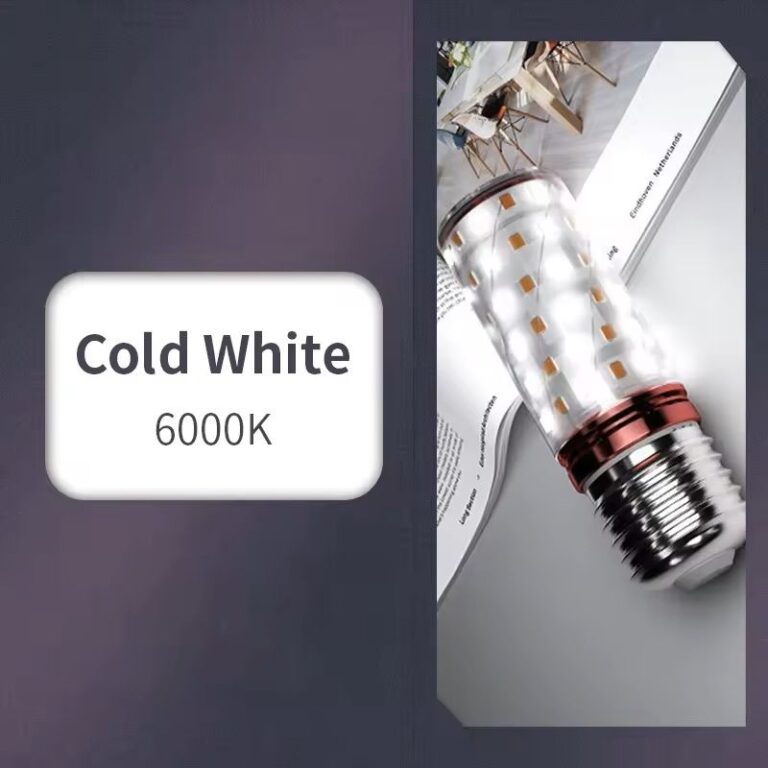
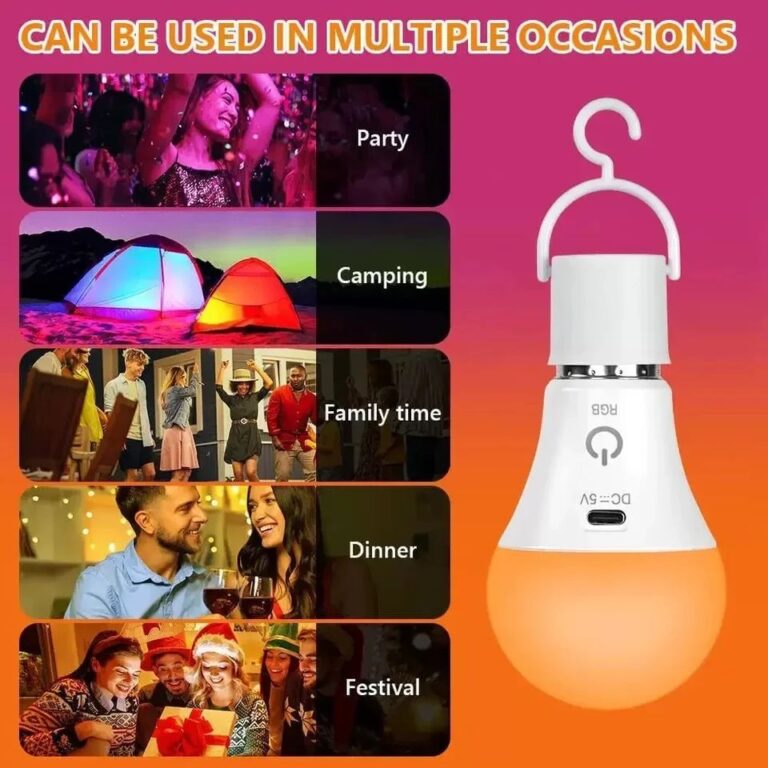 Aisha's pickE27 LED Light Bulbs We Keep Coming Back To
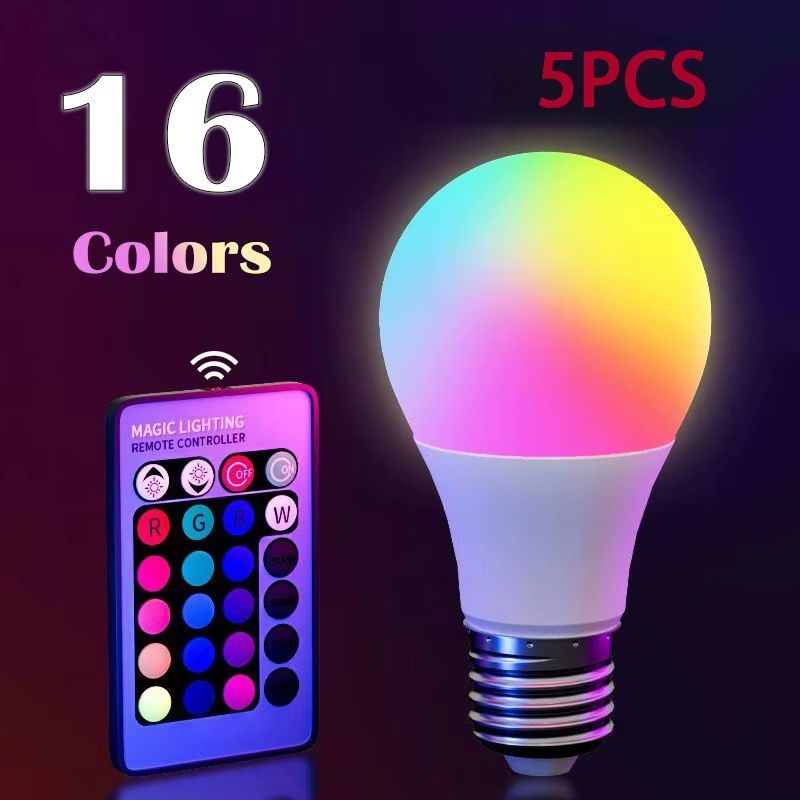 Aisha's pickE27 LED Light Bulbs That Get Better With Age
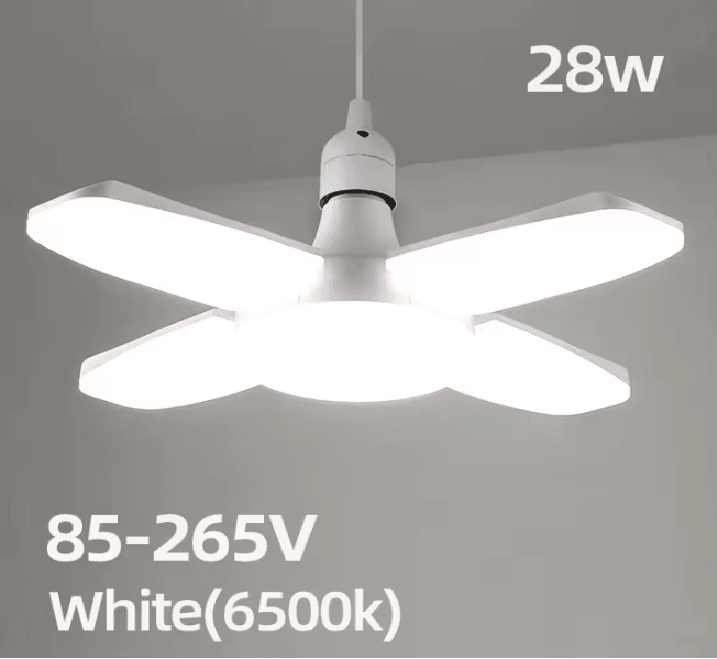
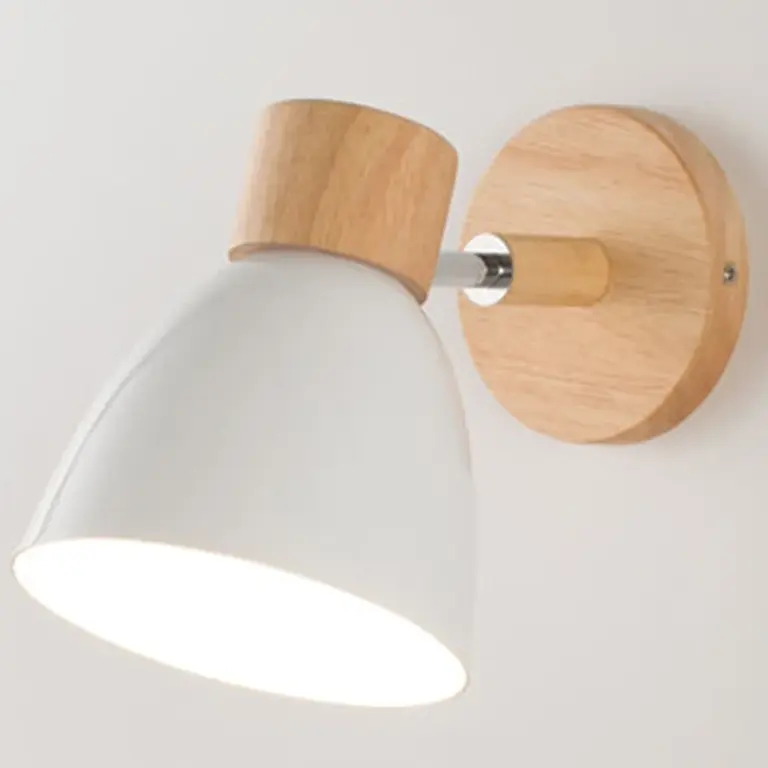 Aisha's pickE27 LED Light Switches With Some Character
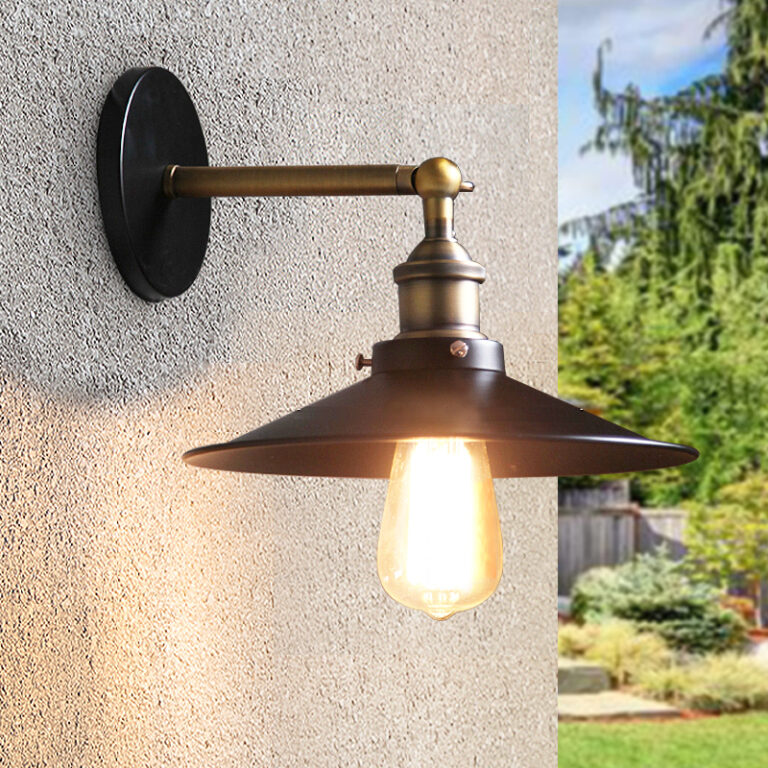
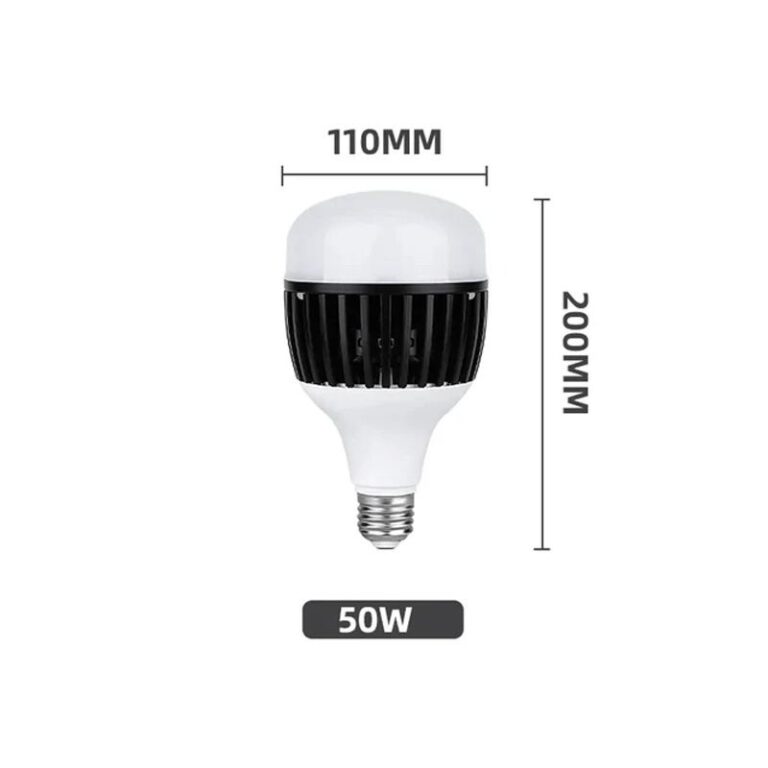 Aisha's pickDecent Frosted LED Light Bulbs Without the Hassle
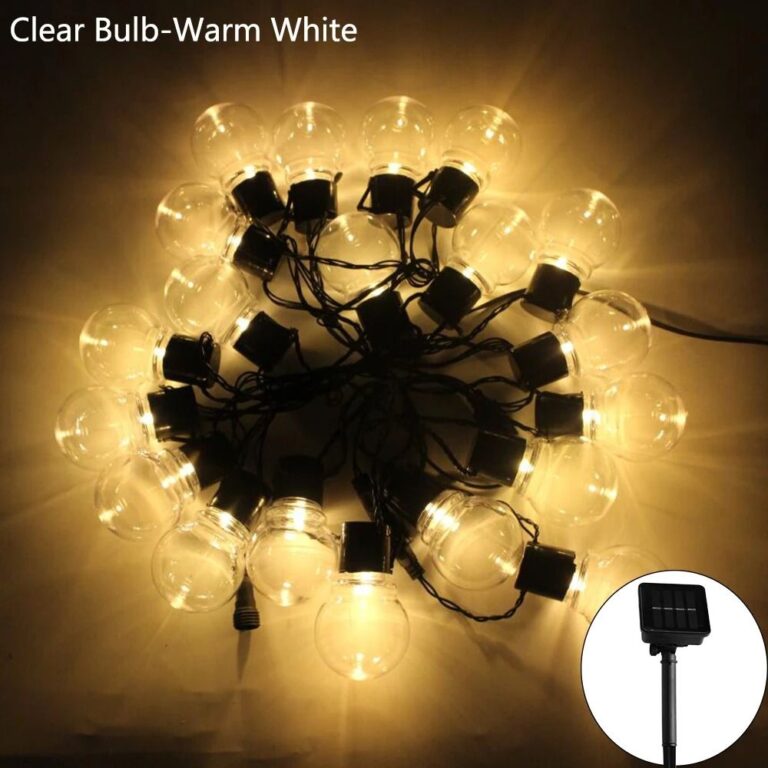
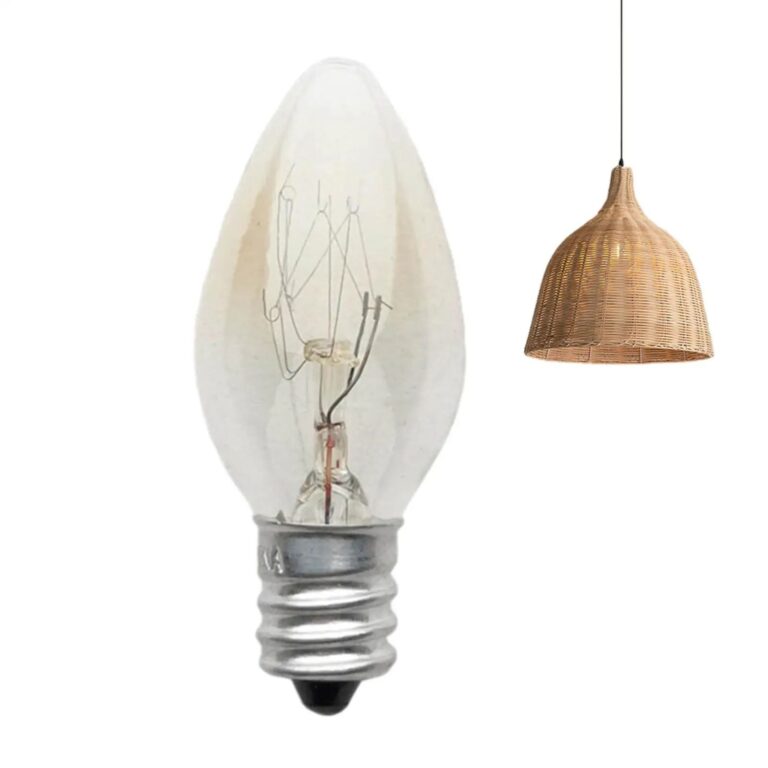 Aisha's pick10W LED Light Bulbs for Cozy Nights In
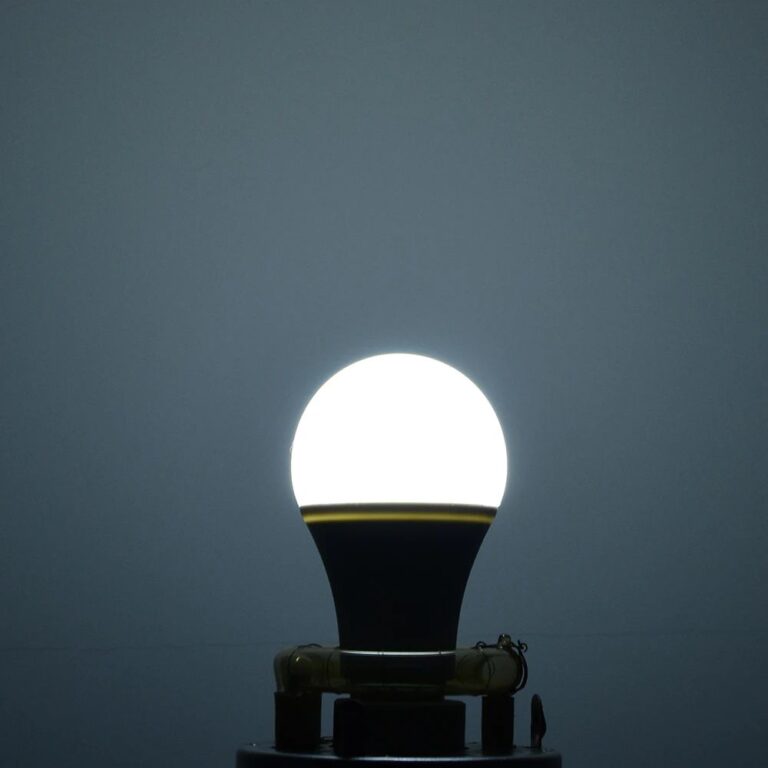
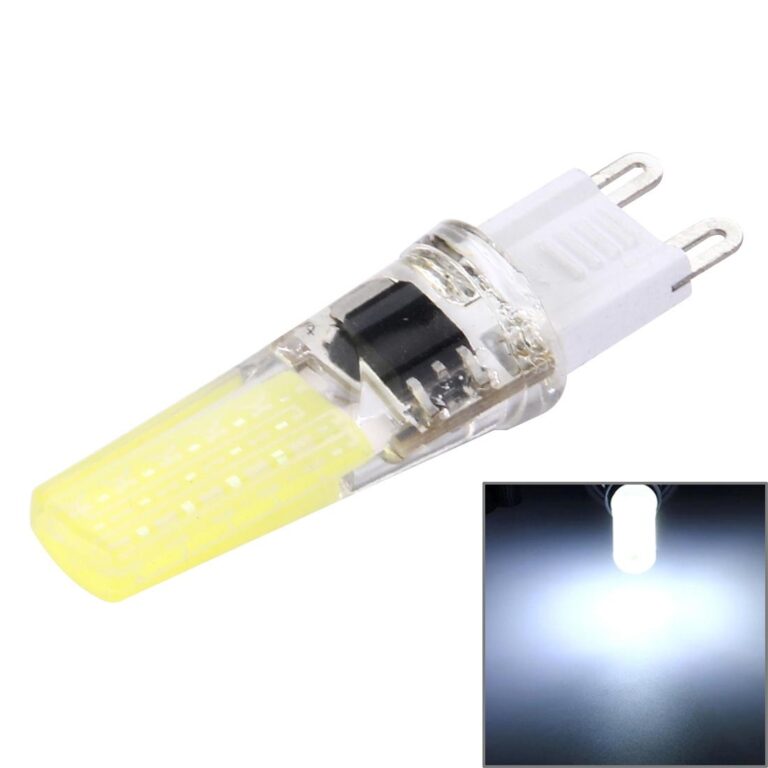 Aisha's pickG9 LED Light Bulbs Picked by People Who Care Too Much
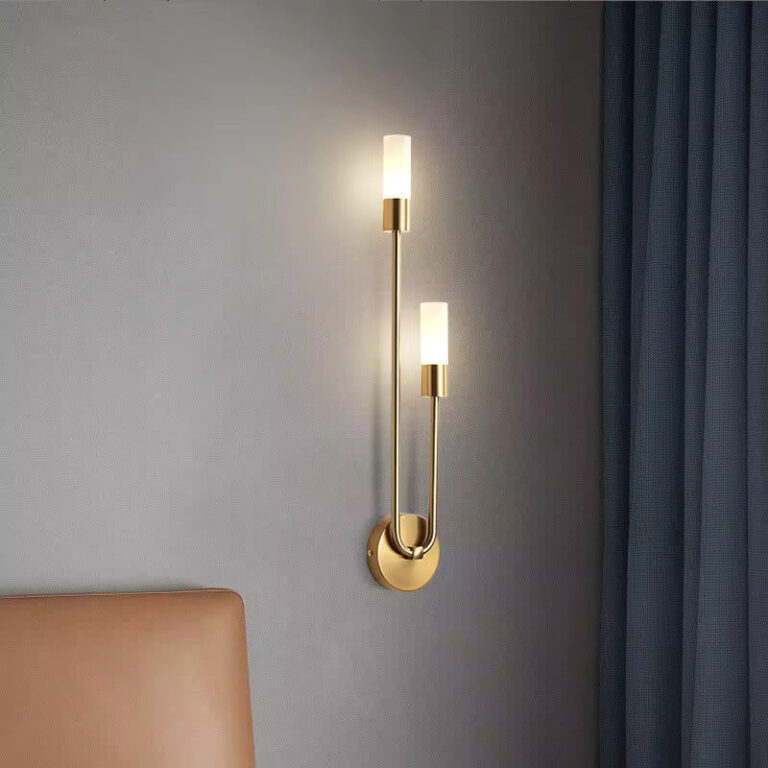
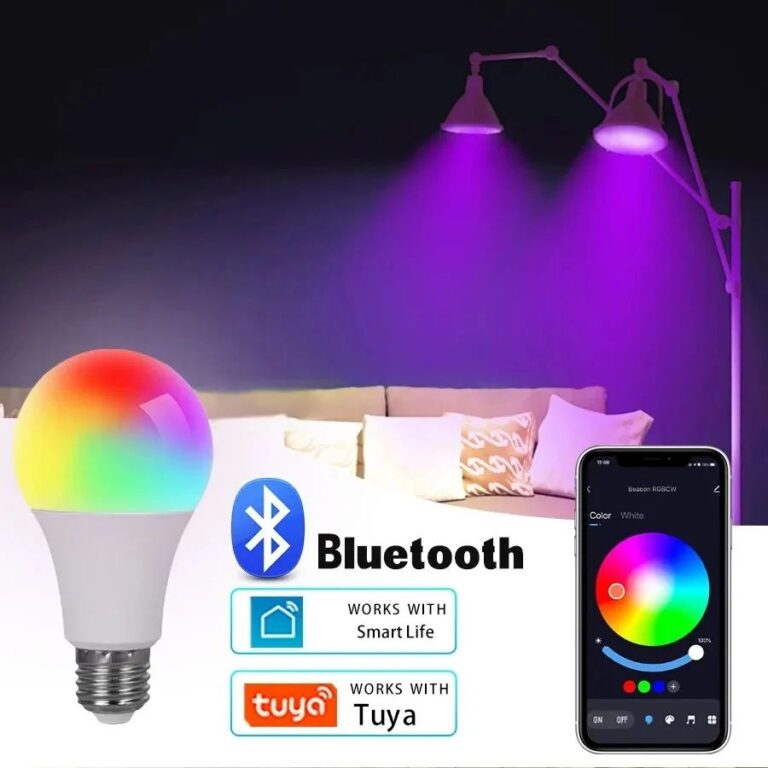 Aisha's pick15W LED Light Bulbs You Won’t Want to Hide Away
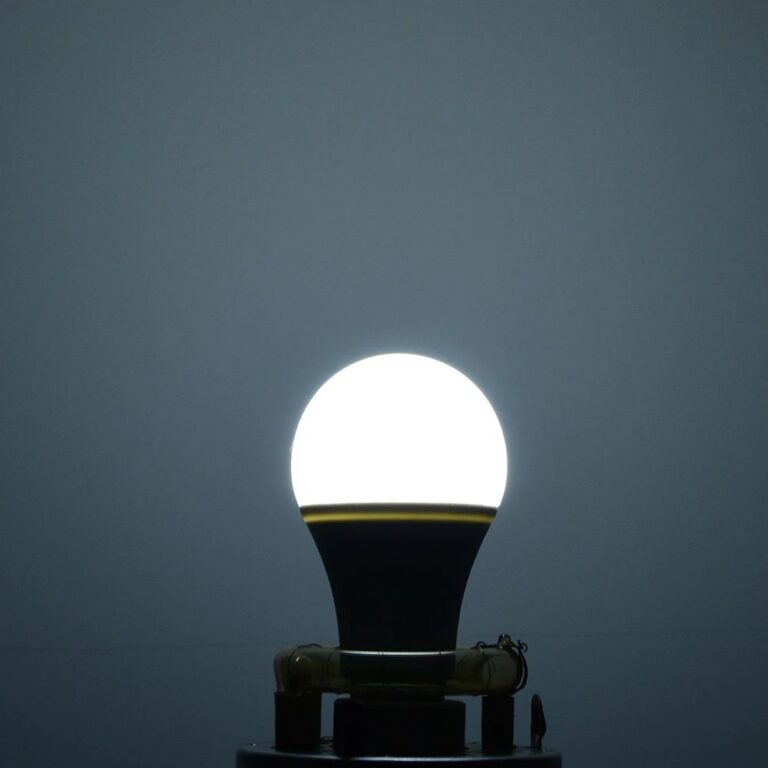
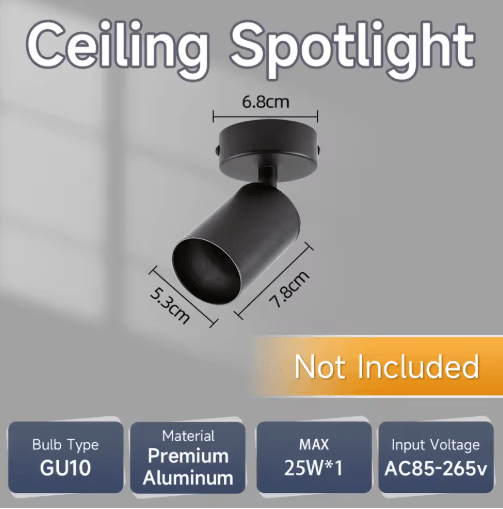 Aisha's pickGU10 LED Light Bulbs for Cozy Nights In
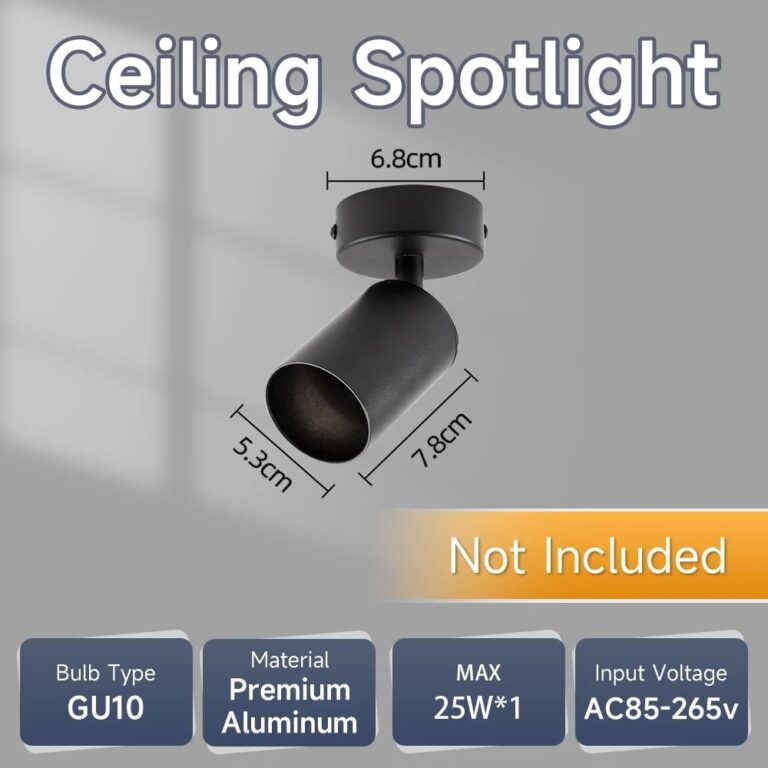
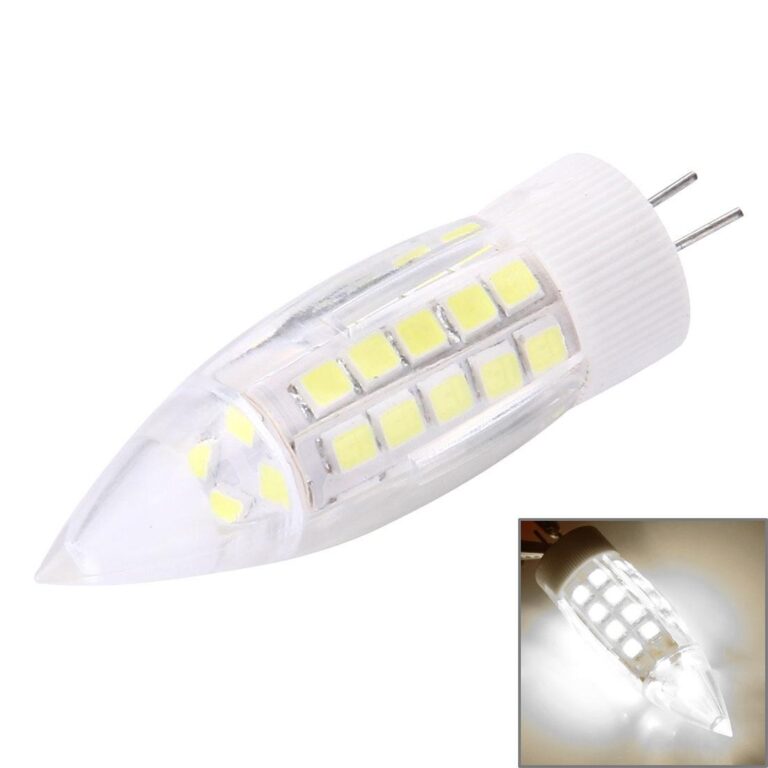 Aisha's pick4W LED Light Bulbs That Won’t Let You Down
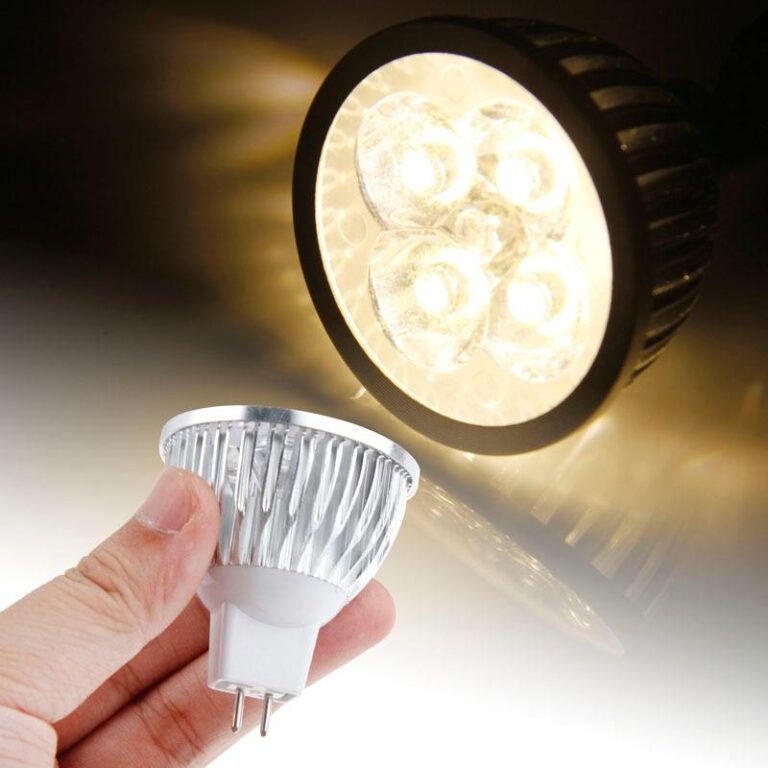
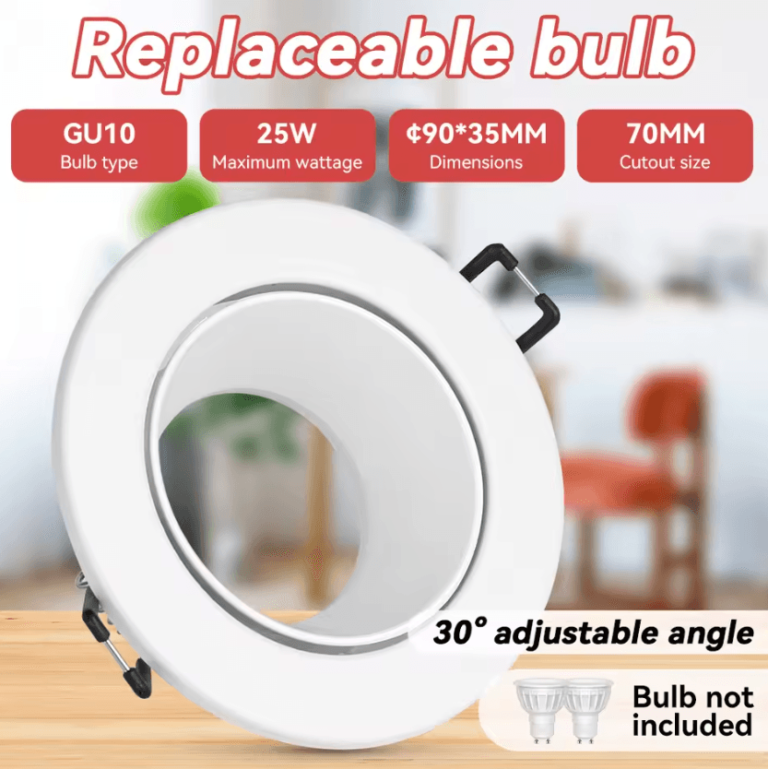 Aisha's pickGU10 LED Light Bulbs Bright Enough Without the Glare
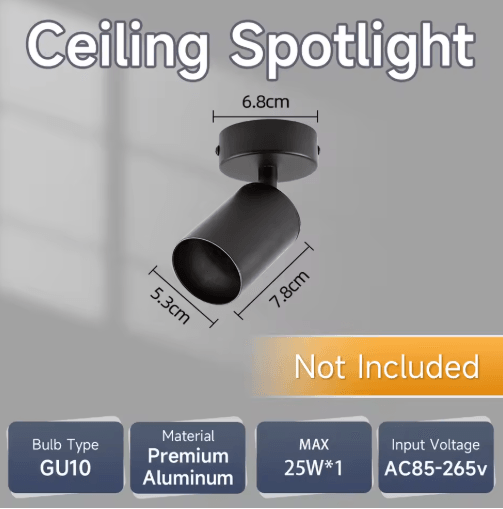
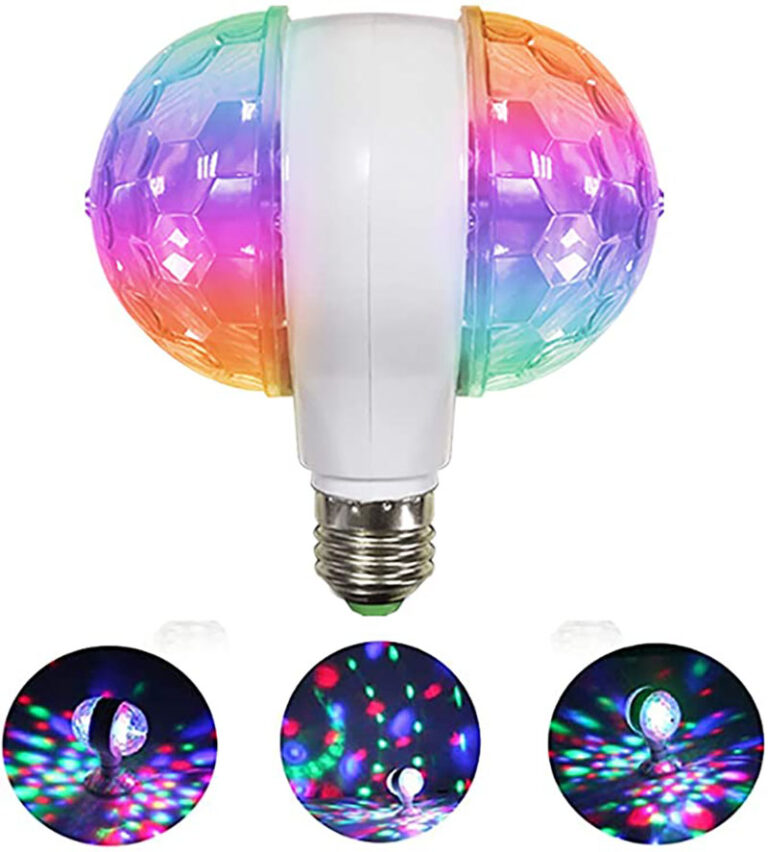 Aisha's pick6W LED Light Bulbs That Make a Room Feel Finished
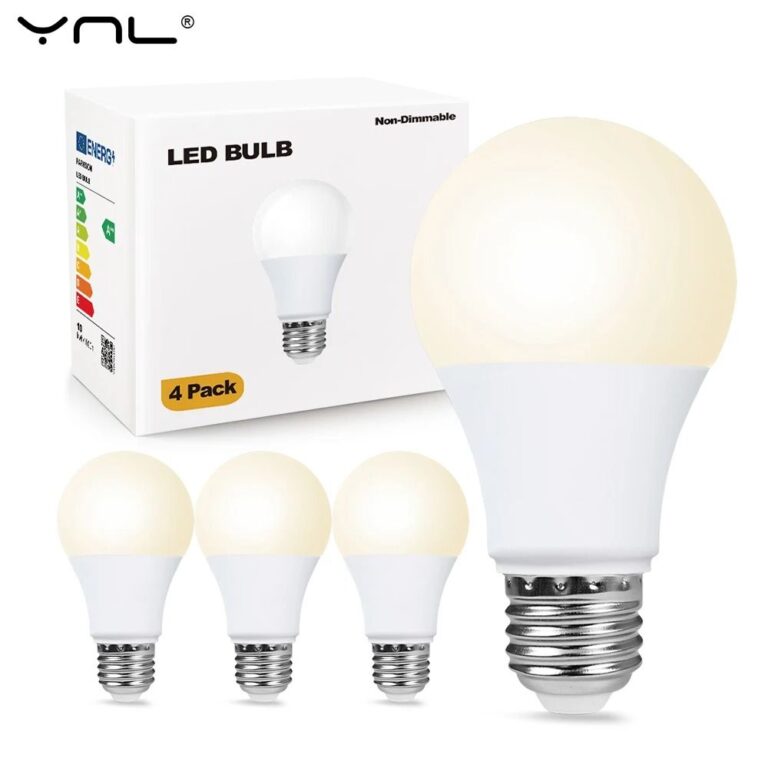
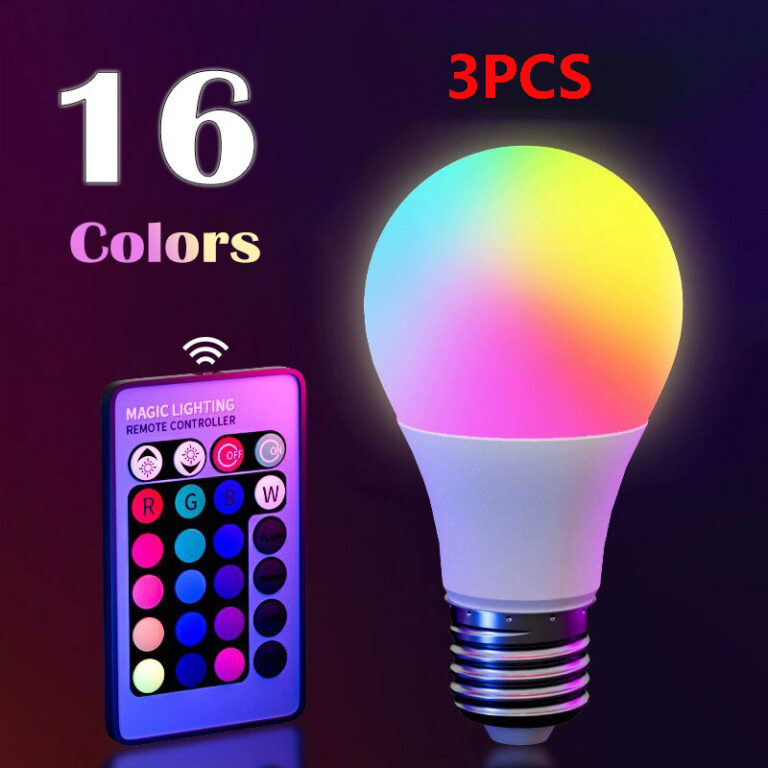 Aisha's pickLED Light Bulbs That Don’t Need Babying
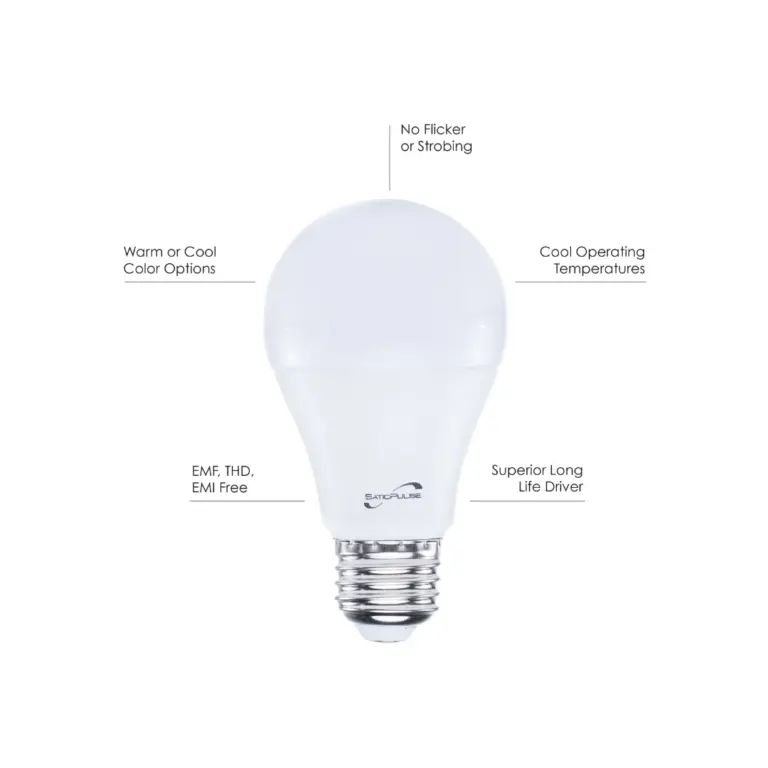
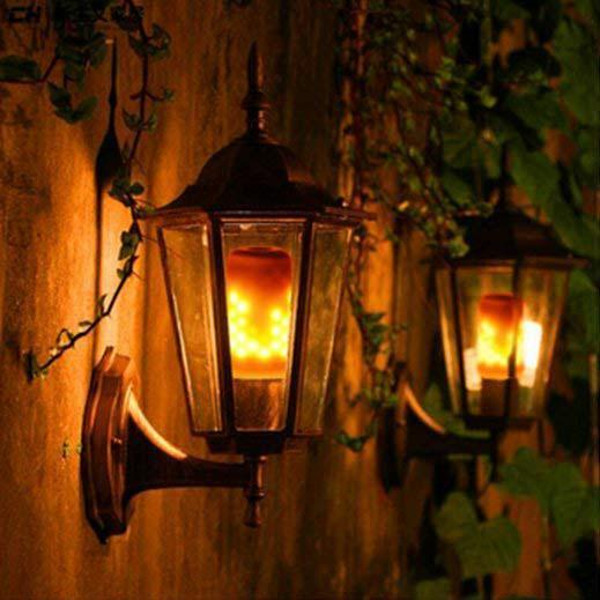 Aisha's pick9W LED Light Bulbs Bright Enough Without the Glare
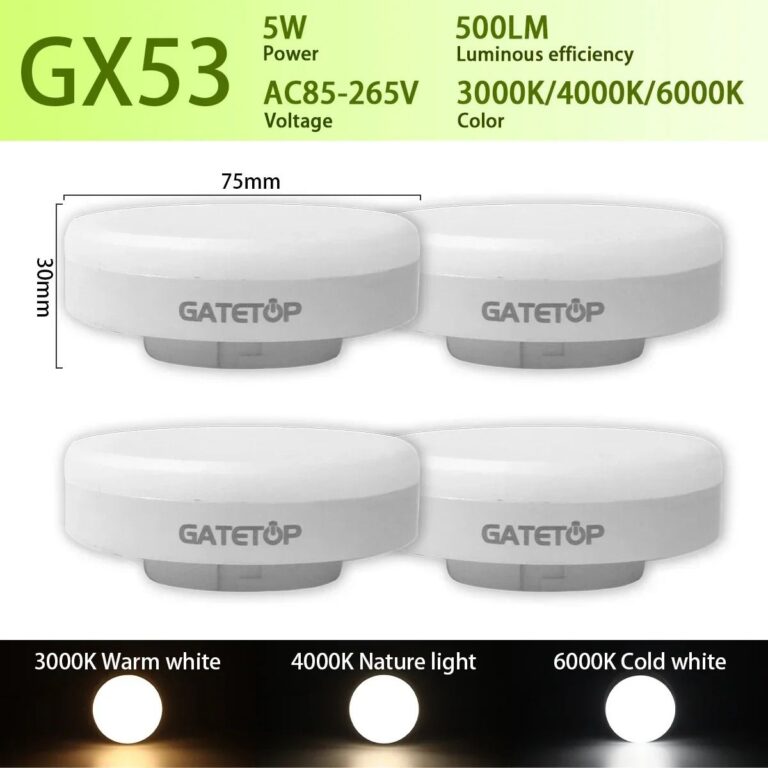
 Aisha's pickGood LED Light Bulbs That Don’t Cost a Fortune
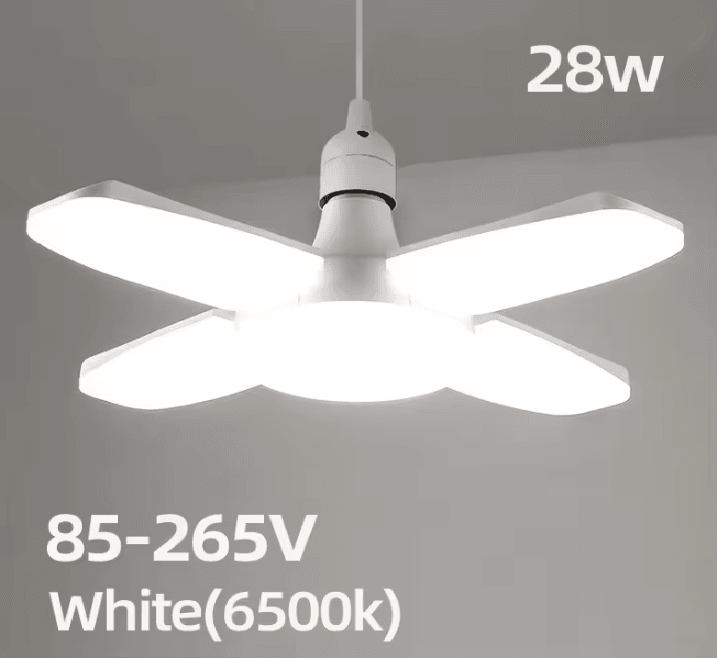
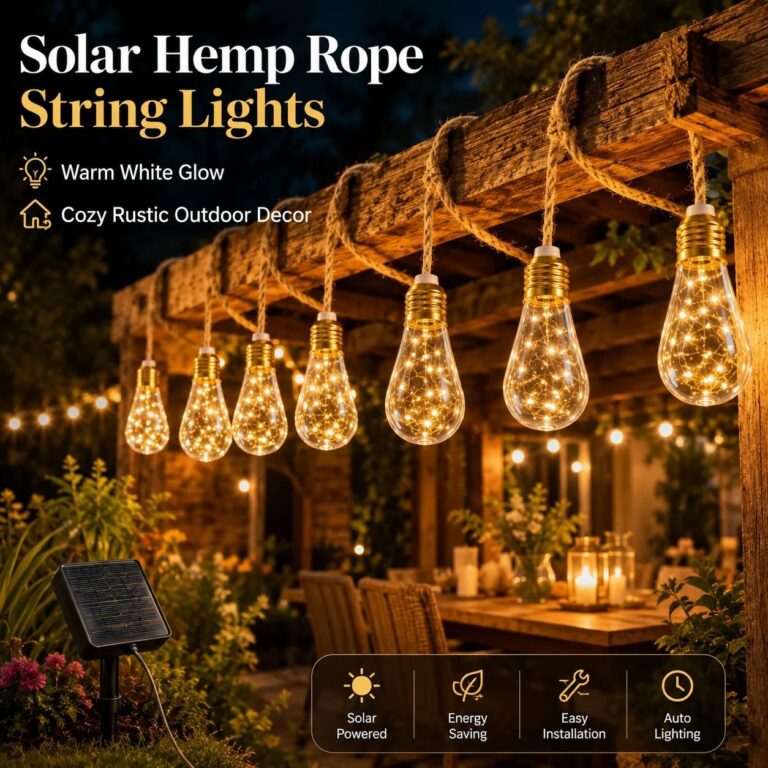 Aisha's pickAmber LED Light Bulbs That Give Off a Warm Glow
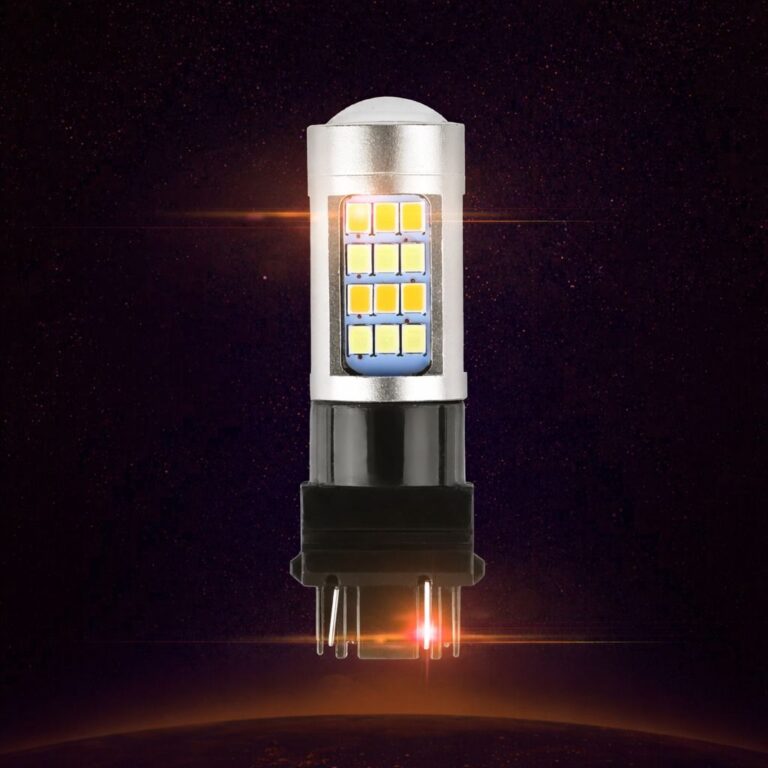
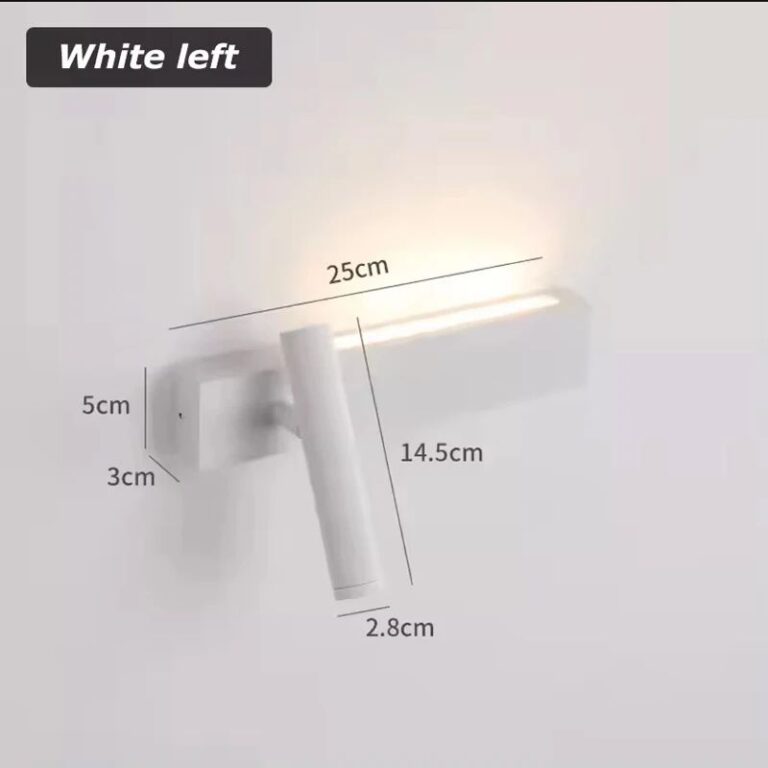 Aisha's pickLED Light Switches We’d Use on Our Next Project