You can tell a good light switch before you even flip it, just from the plate against the wall. A cheap one sits a little proud or a little crooked, the paint around it already yellowing, and the toggle has that hollow plastic click that sounds like it's complaining. A good one sits flush, flat to the wall like it grew there, and the action is smooth and quiet, with a bit of weight behind the click instead of a rattle.
What separates the two is mostly hidden once it's installed. Cheap switches use thin stamped metal or brittle plastic internals that wear loose within a year or two, so the toggle starts wobbling before it actually fails, and the screw terminals strip if an electrician has to open it twice. A well made switch has a solid mechanism, proper brass or nickel plating rather than a sprayed on finish that wears through at the exact spot your thumb hits it, and a faceplate that's actually flat against the wall rather than bowed in the middle. That last part matters more than people expect, because a faceplate with any curve to it collects dust and grime along the gap, and in a kitchen or bathroom that gap is where grease and steam settle in. It does not clash with much on its own, since it's small and mostly out of sightline, but a switch plate in a shiny finish next to matte door hardware in the same room looks like two different decades argued and neither won, and a very ornate plate against plain flat walls reads oddly formal for how little it is.
For finish, plain white or the wall's own paint color is the easiest thing to live with, because it disappears, and a disappearing switch plate is honestly the goal in most rooms. If you want metal, brushed nickel and matte black both hide fingerprints better than polished chrome or brass, which show every touch within a week of a toddler or a greasy hand finding them. I switched a hallway over to brushed brass once thinking it would look sophisticated and instead spent a year wiping it down like it owed me money.
Sizing is simpler than people make it, since almost all residential plates fit a standard box, but where people go wrong is height and spacing, not size. Measure from existing switches in the same room so new ones line up, usually around 48 inches to the center from the floor, and if you're adding a plate near a doorframe, leave enough clearance that a hand reaching in the dark doesn't clip the frame first.
 Aisha's pickBrass Light Switches We’d Buy Again
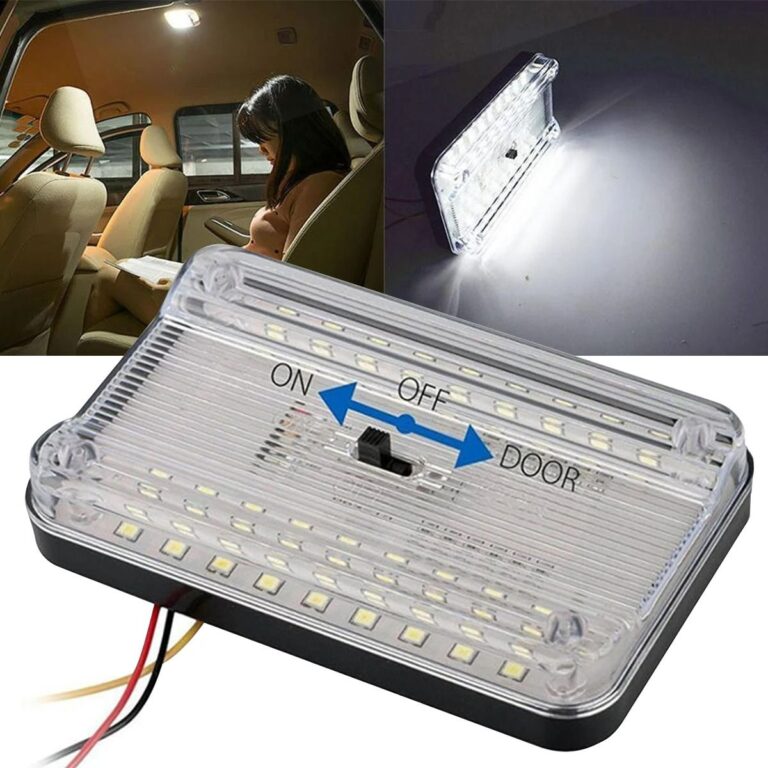 Aisha's pickToggle Light Switches That Make a Big Difference for Not Much
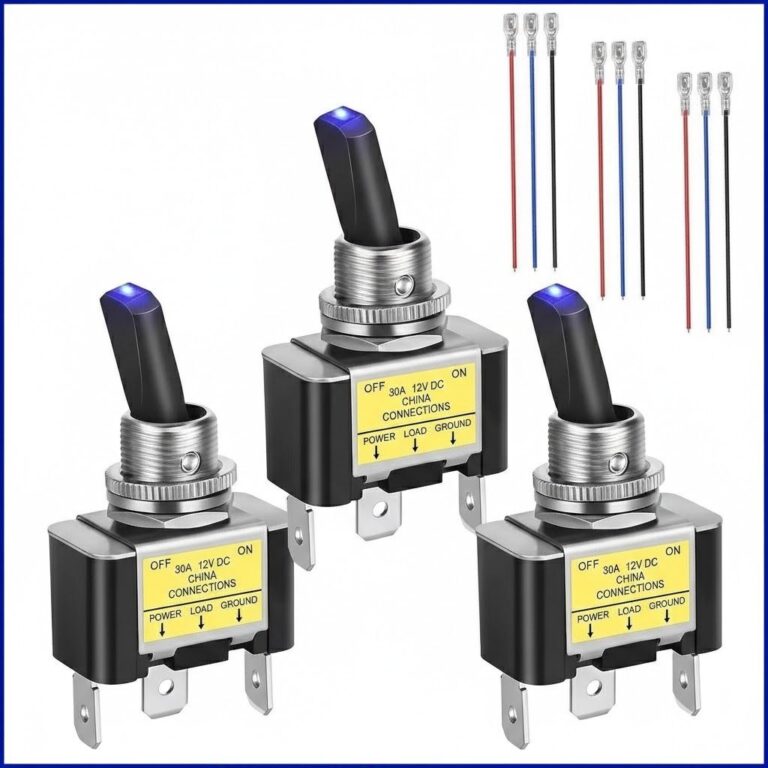
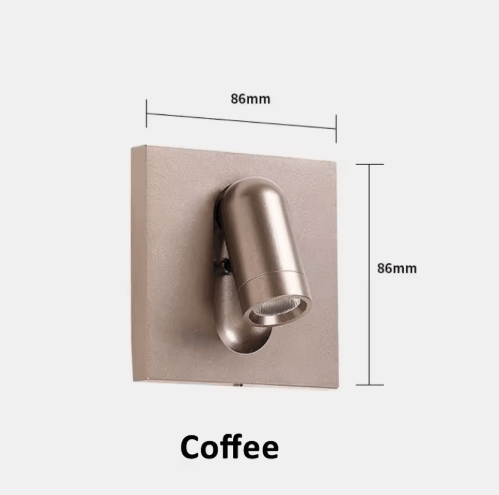 Aisha's pickChrome Light Switches That Look Like They Cost More
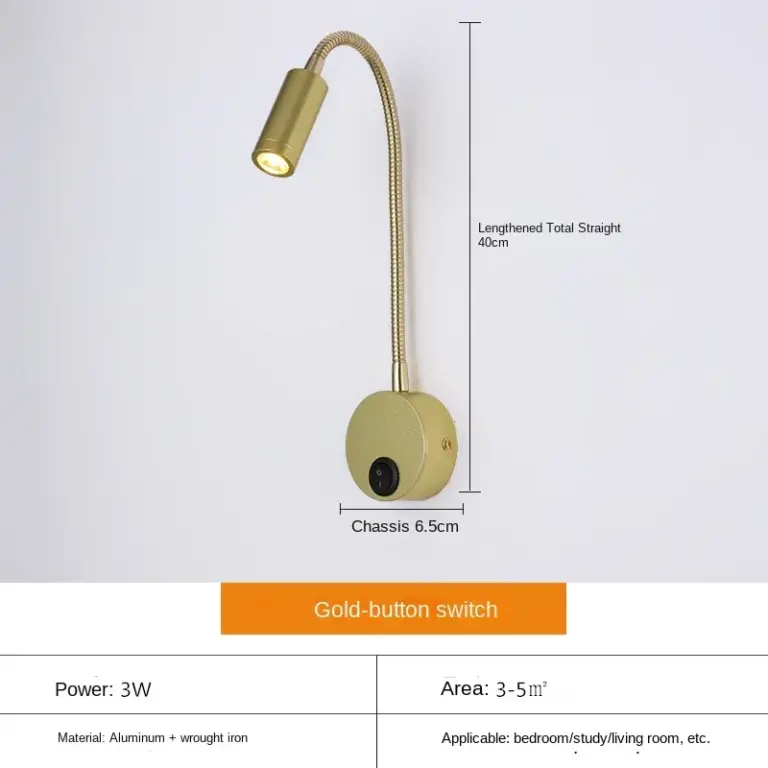
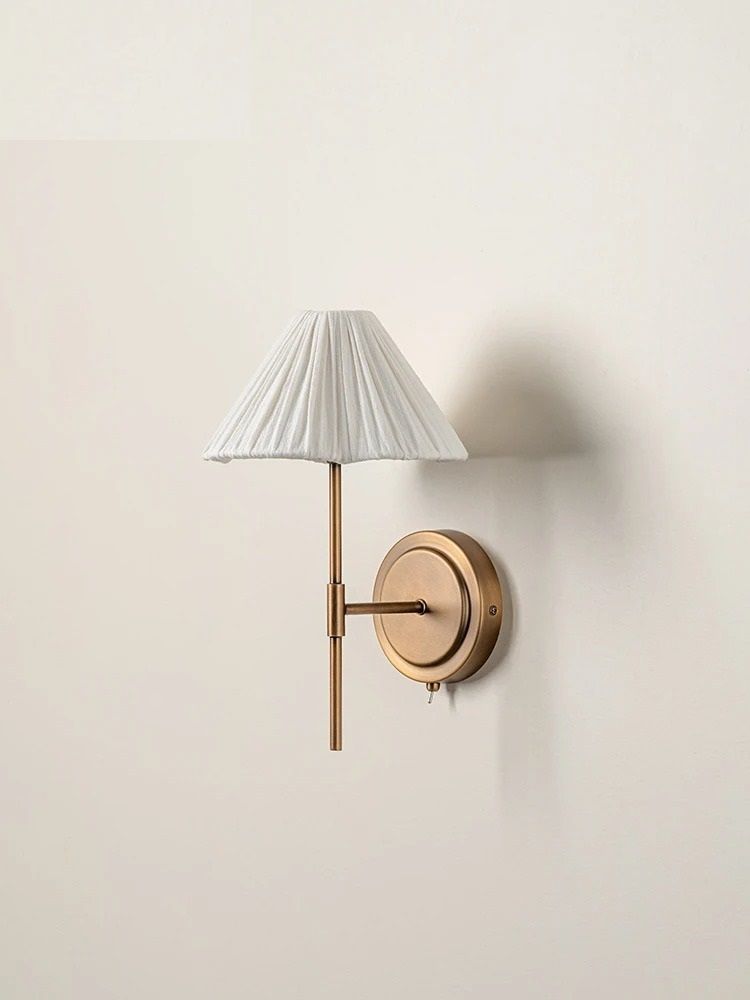 Aisha's pickVintage Light Switches That Lift a Tired Room
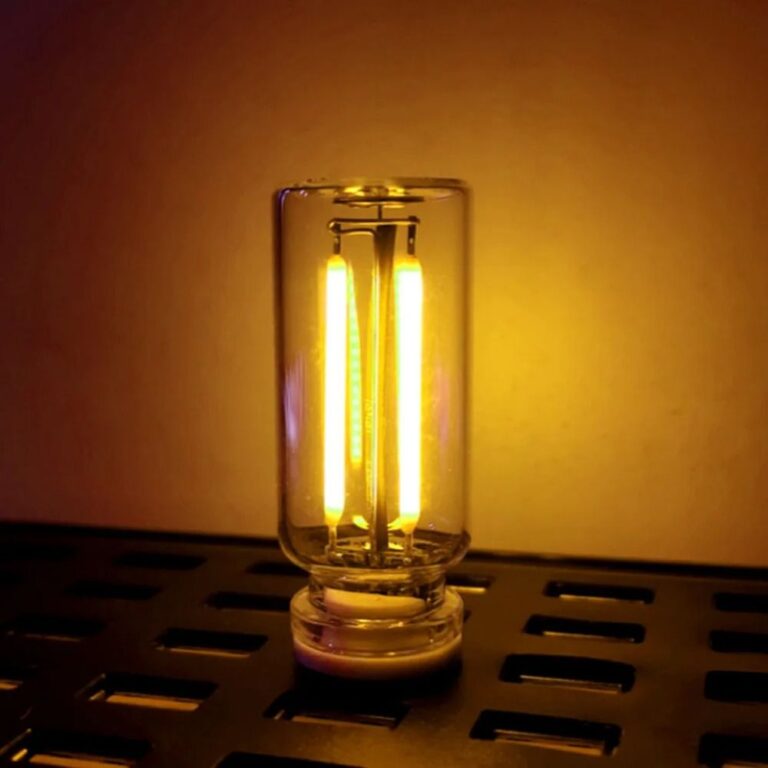
 Aisha's pickClear Light Switches That Look Better in Real Life
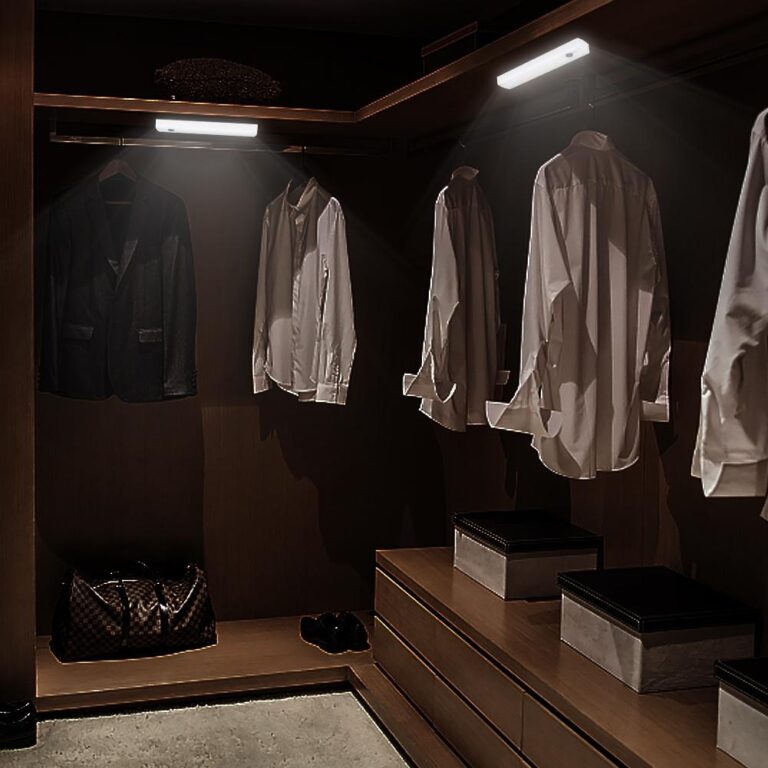
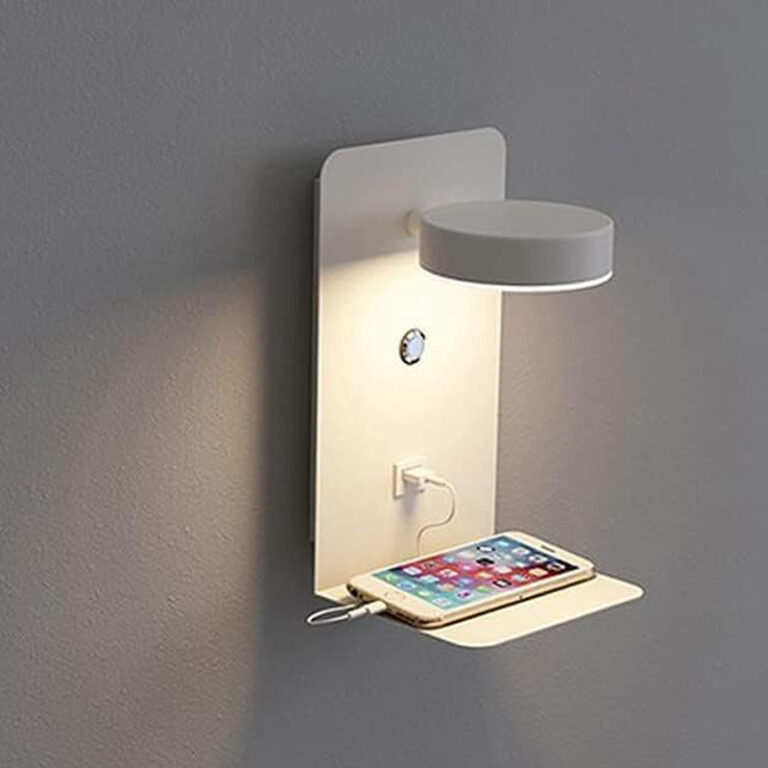 Aisha's pickOur Shortlist of Warm White Light Switches
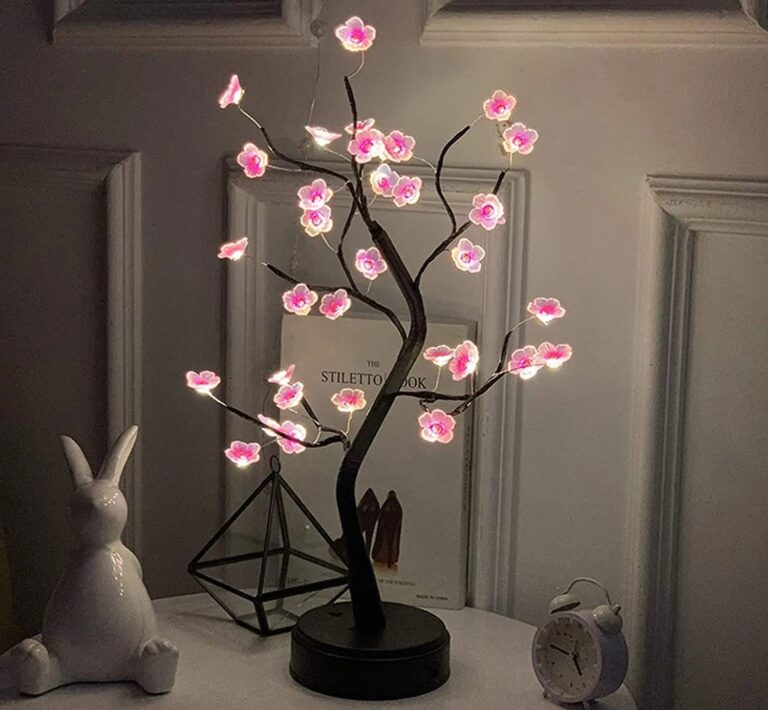
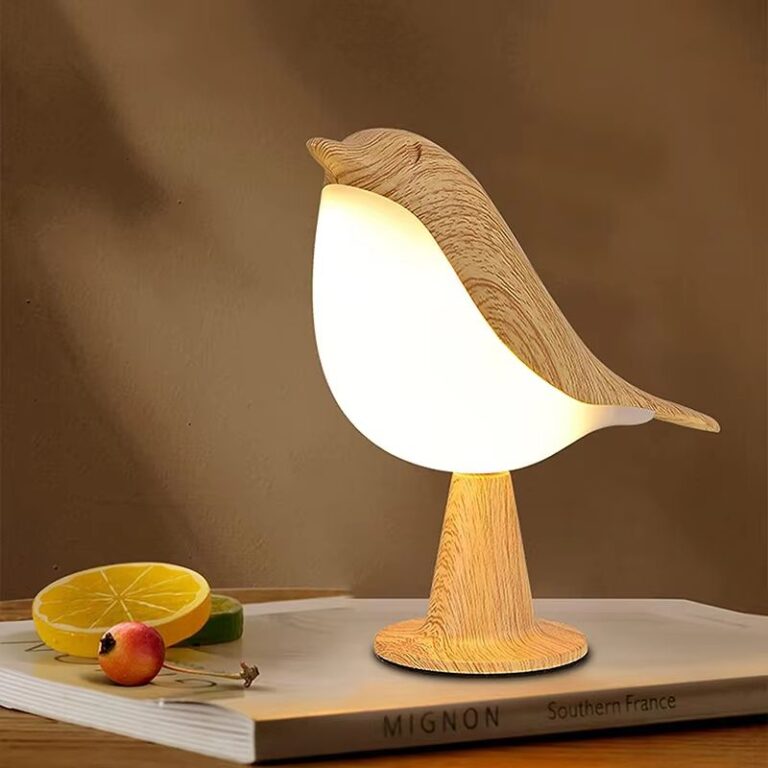 Aisha's pickCool White Light Switches for When the Old Ones Give Up
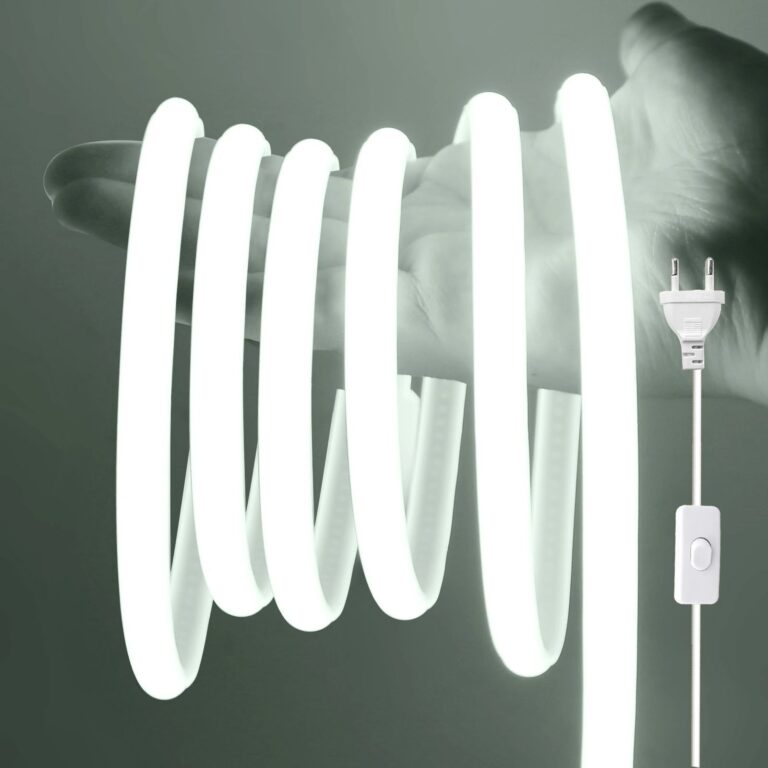
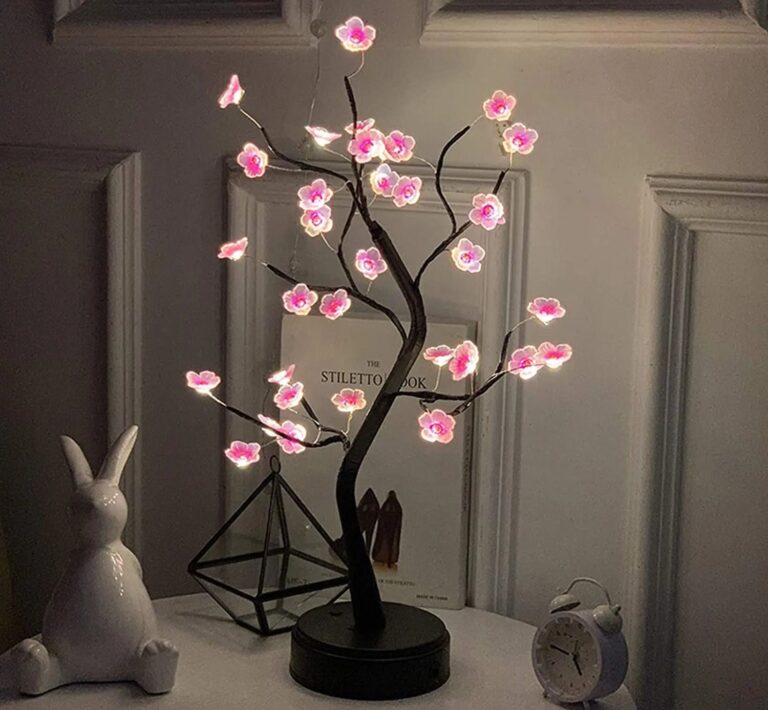 Aisha's pickWhite Light Switches for Weekend Projects
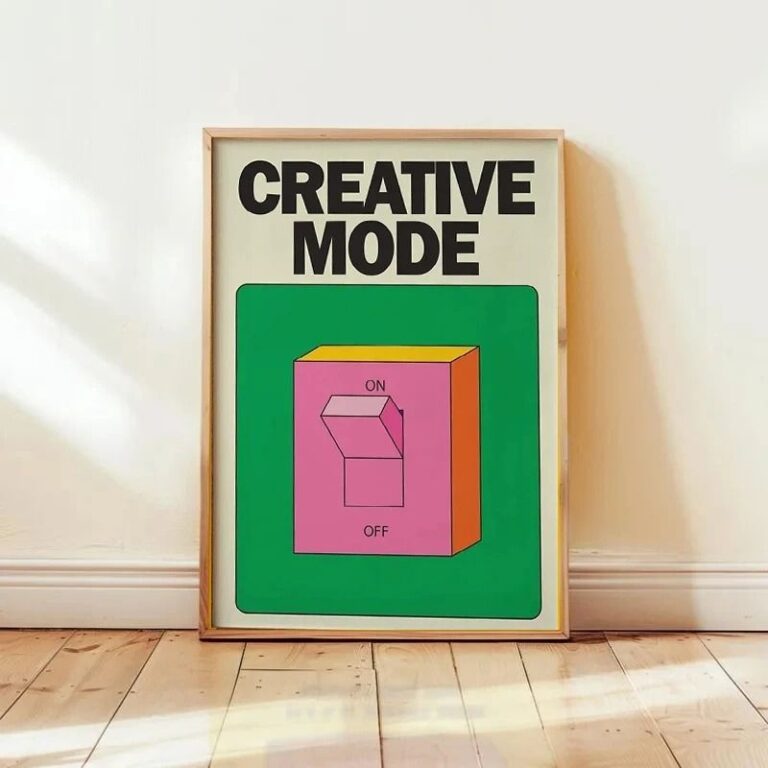
 Aisha's pickCopper Light Switches for Doing Up a Room on a BudgetAlso worth a lookSwitchesI spent years treating switches as the thing you cover with a fresh coat of paint and never…See the collections →
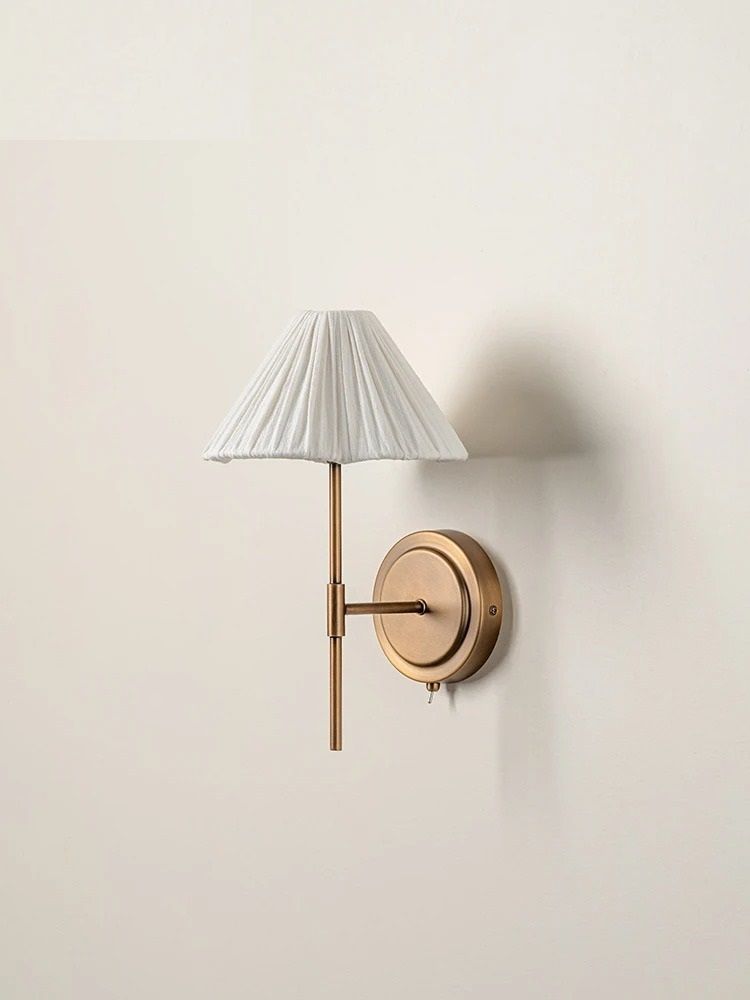
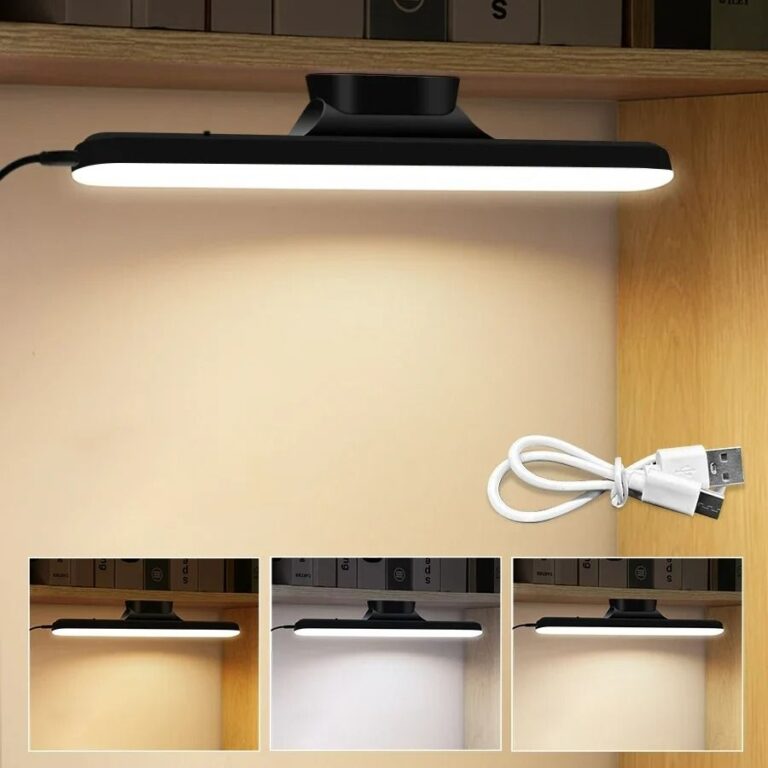 Aisha's pickWhite Smart Light Switches for Doing Up a Room on a Budget
 Aisha's pickDaylight Light Switches That Fit Into Real Life
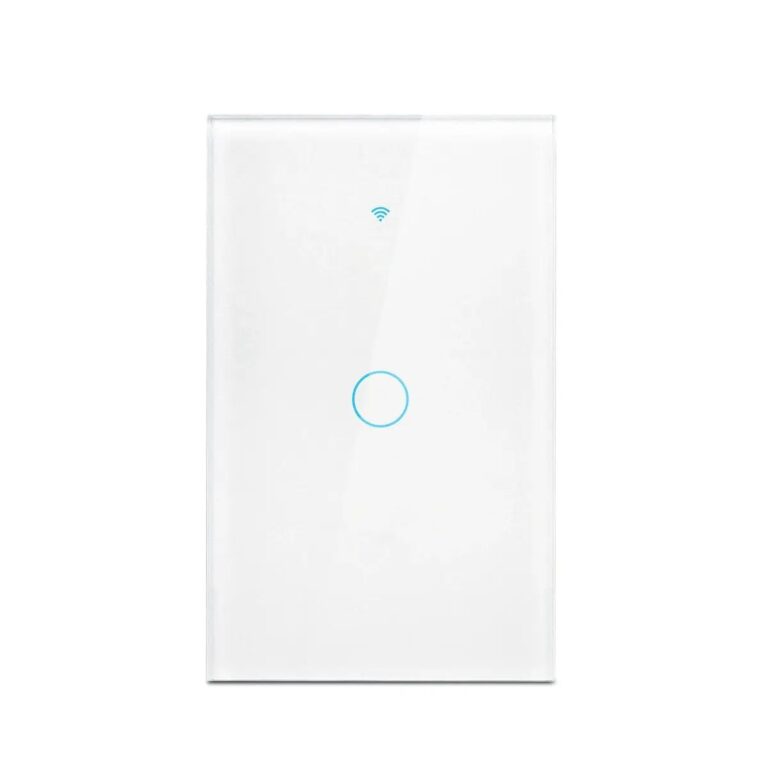 Aisha's pickWiFi Light Switches for a Quick Refresh
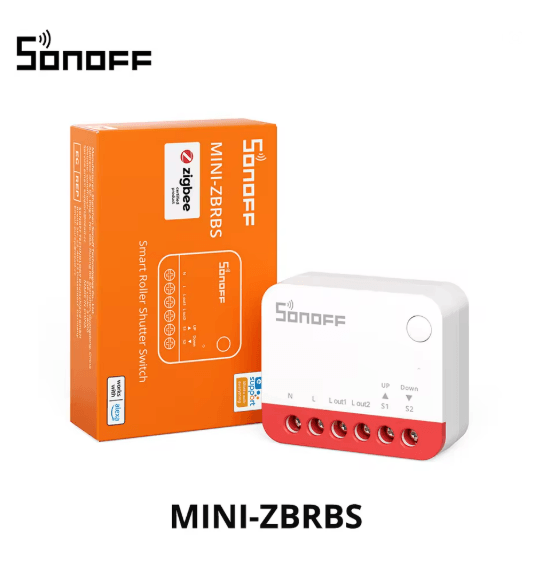
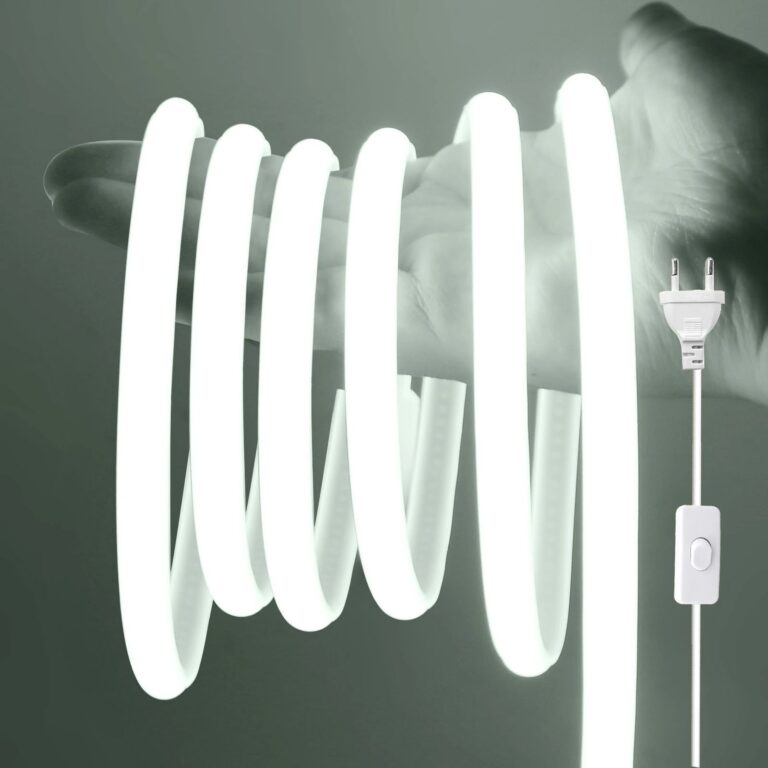 Aisha's pickDimmable Light Switches That Earn Their Keep
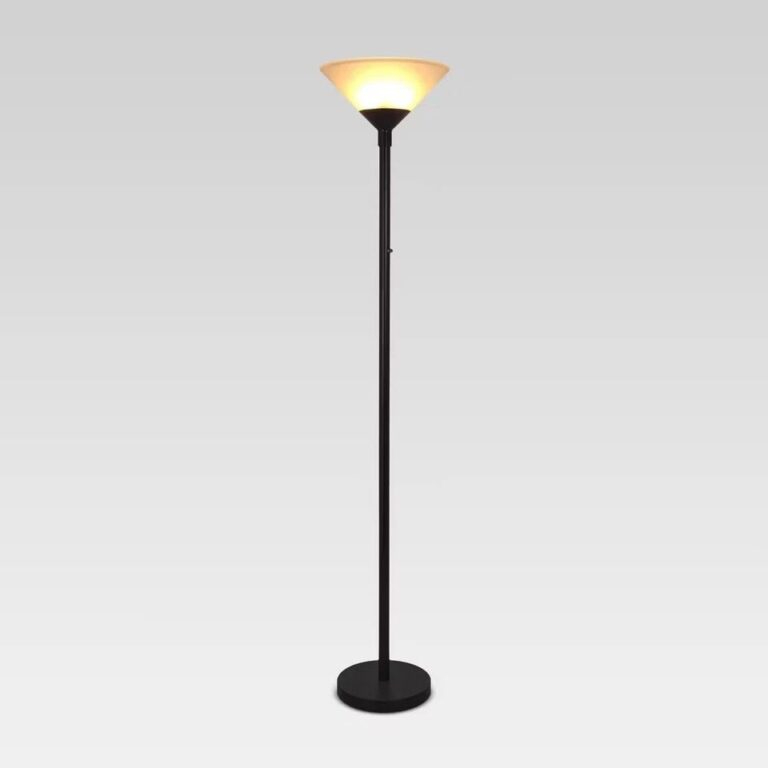
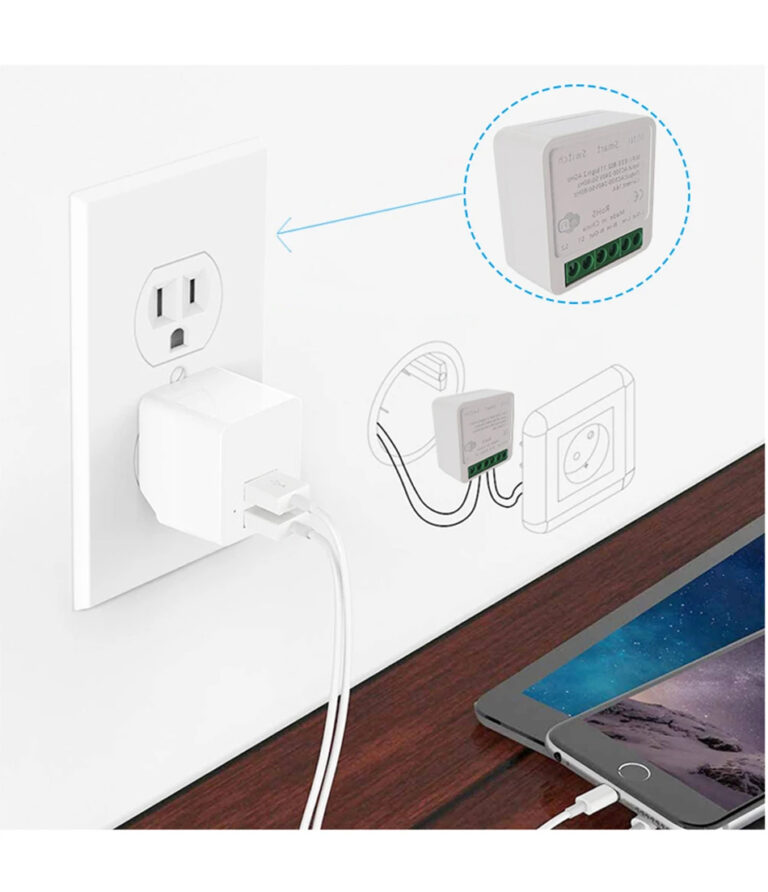 Aisha's pickWiFi Smart Light Switches Picked by People Who Care Too Much
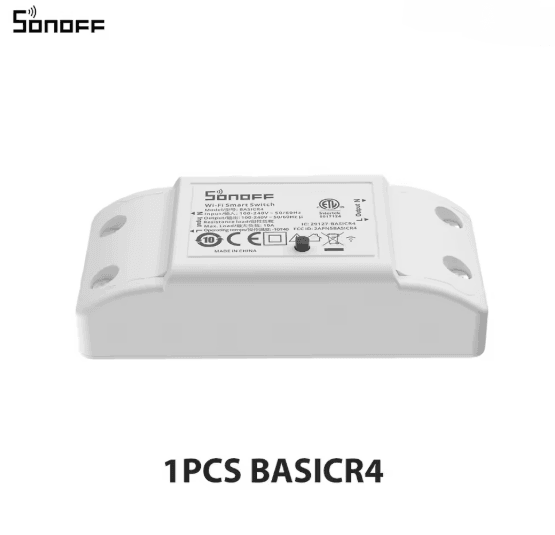
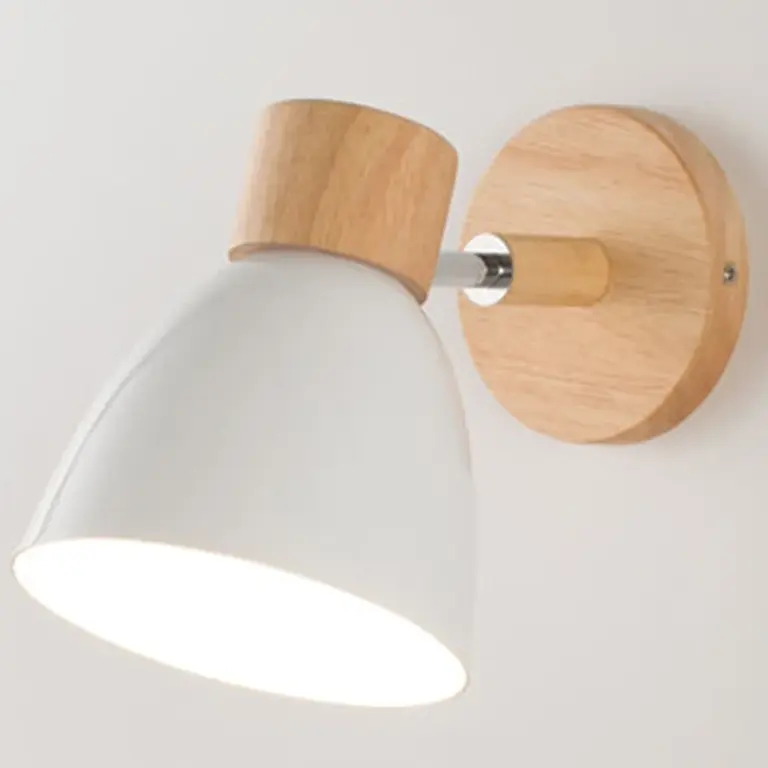 Aisha's pickE27 LED Light Switches With Some Character
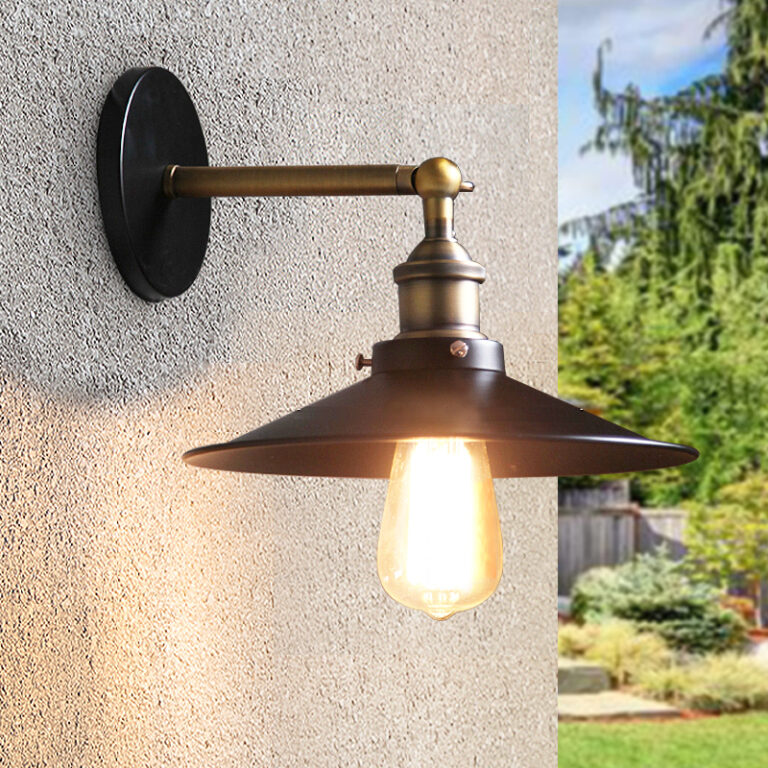
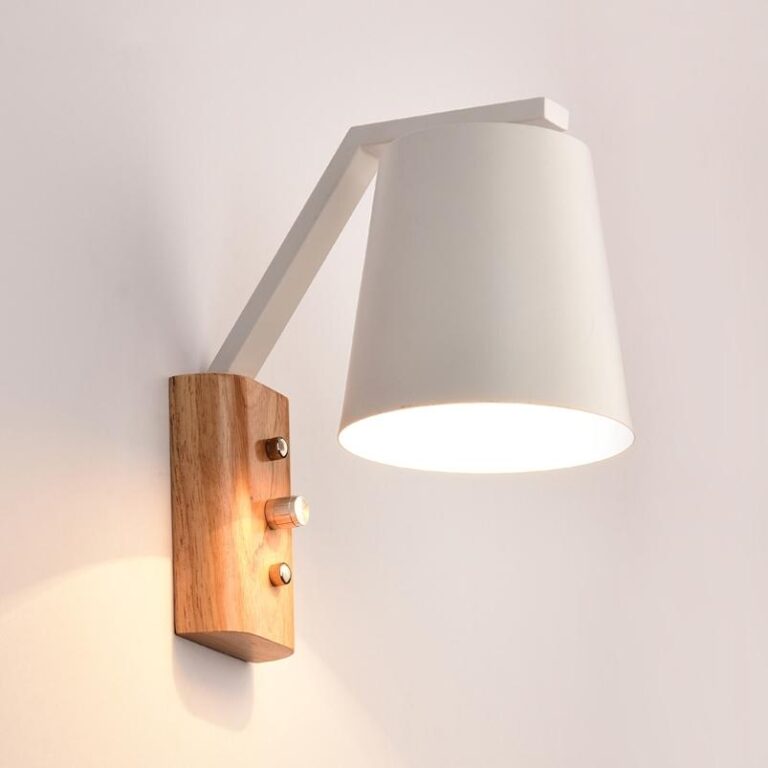 Aisha's pickE27 Light Switches for Weekend Projects
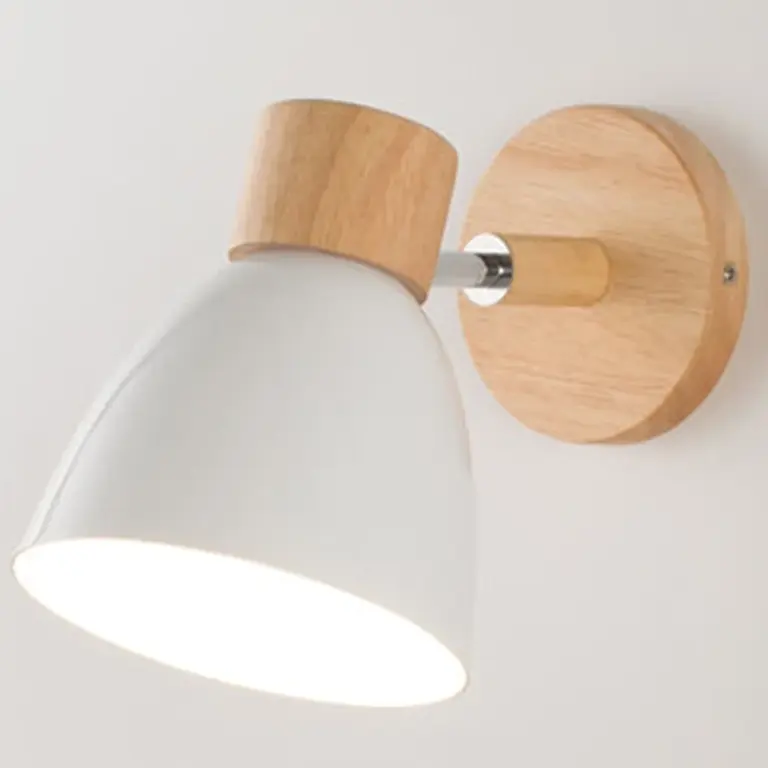
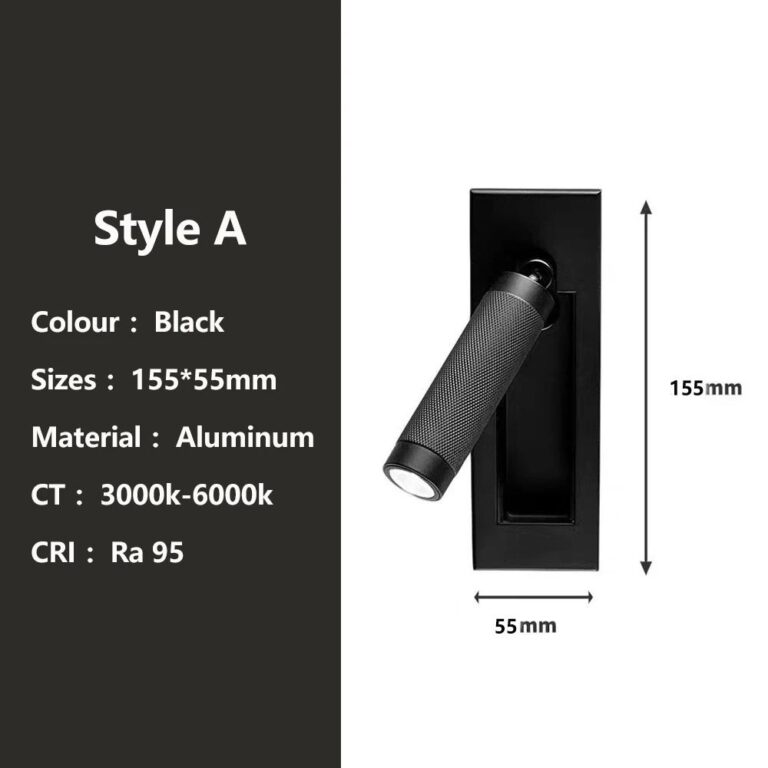 Aisha's pickGold Light Switches That Look Better in Real Life
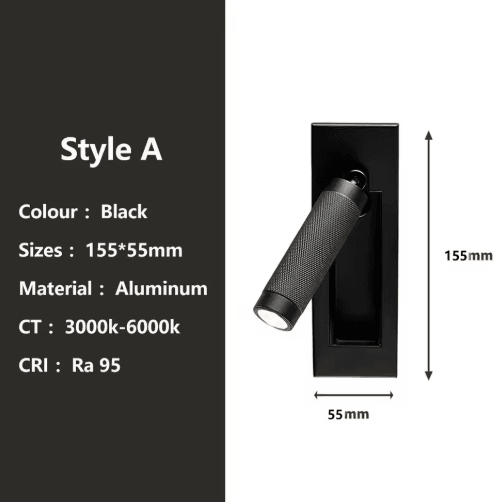
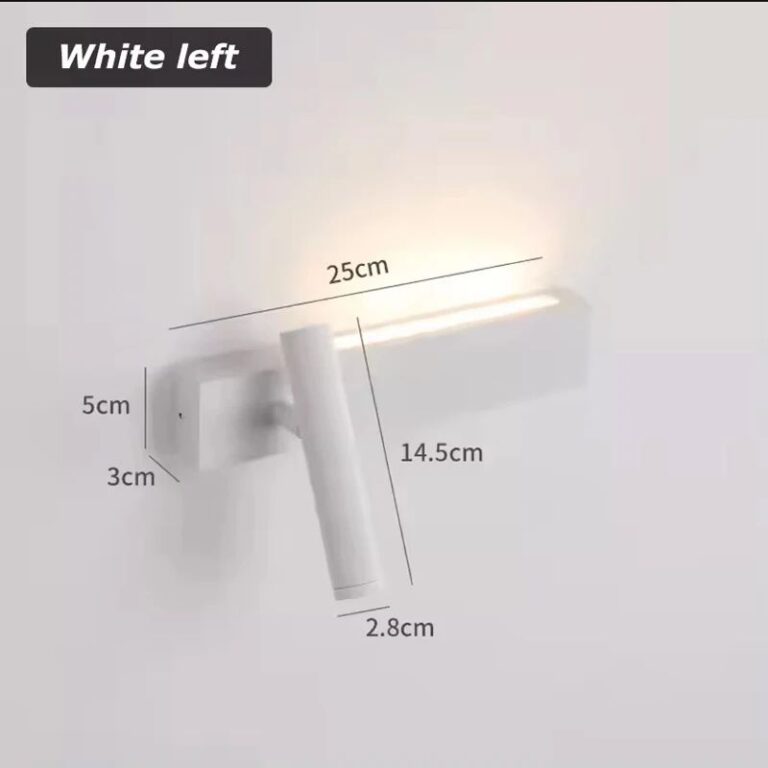 Aisha's pickLED Light Switches We’d Use on Our Next Project

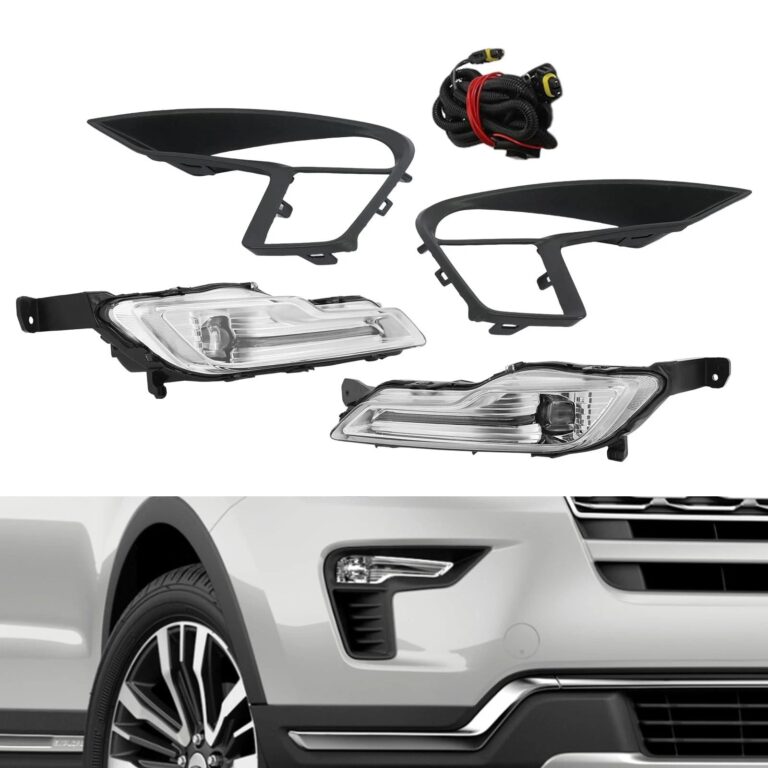 Aisha's pickLED Smart Light Switches You’ll Still Like in Five Years
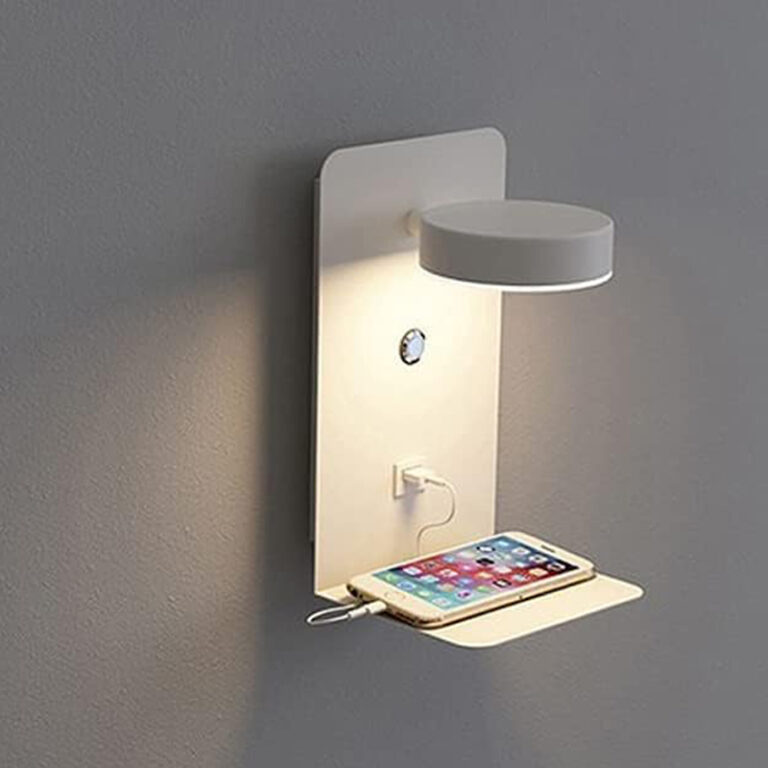
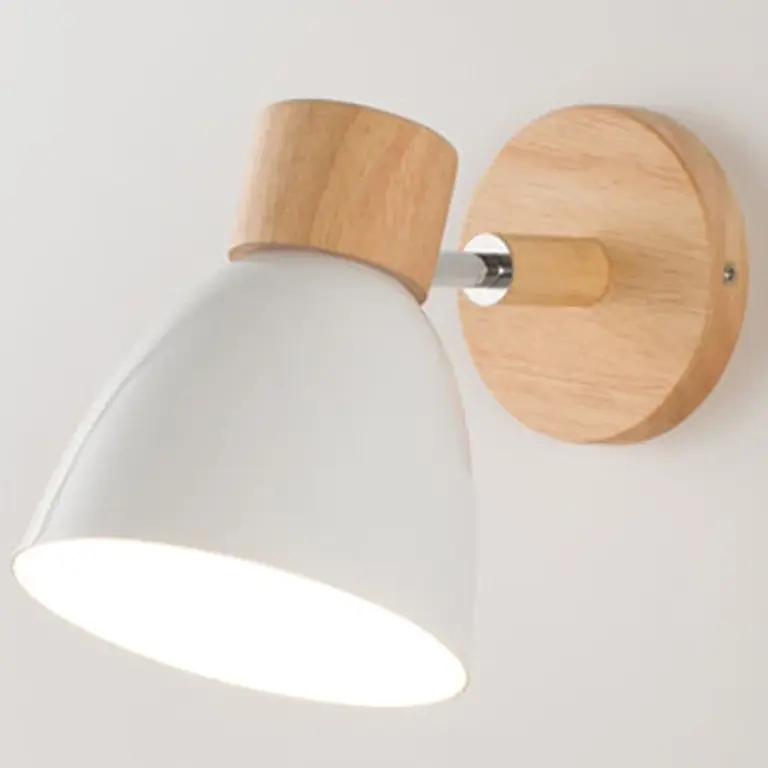 Aisha's pickLight Switches That Make a Big Difference for Not Much

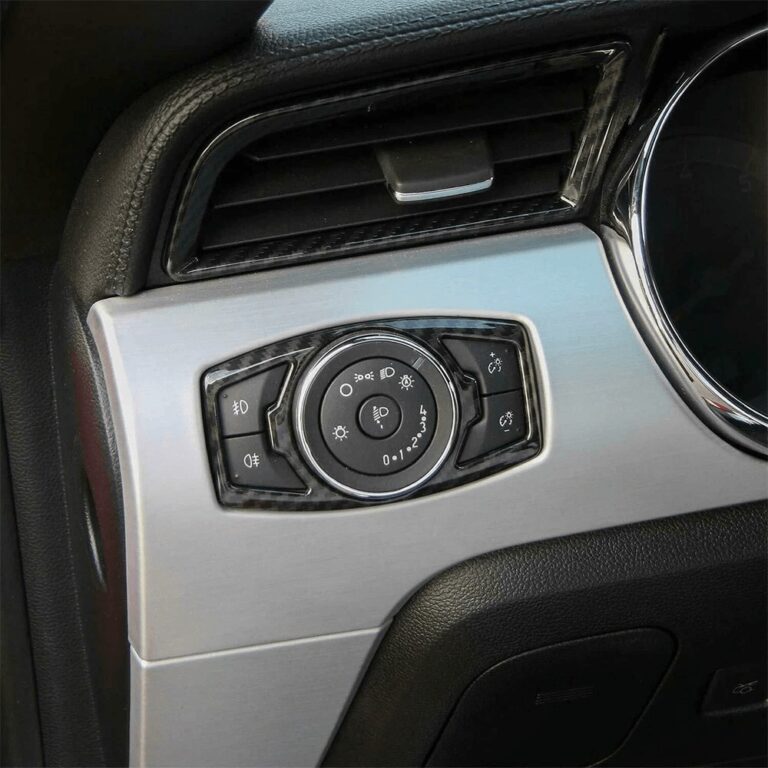 Aisha's pickBlack Light Switches That Make a Room Feel Finished
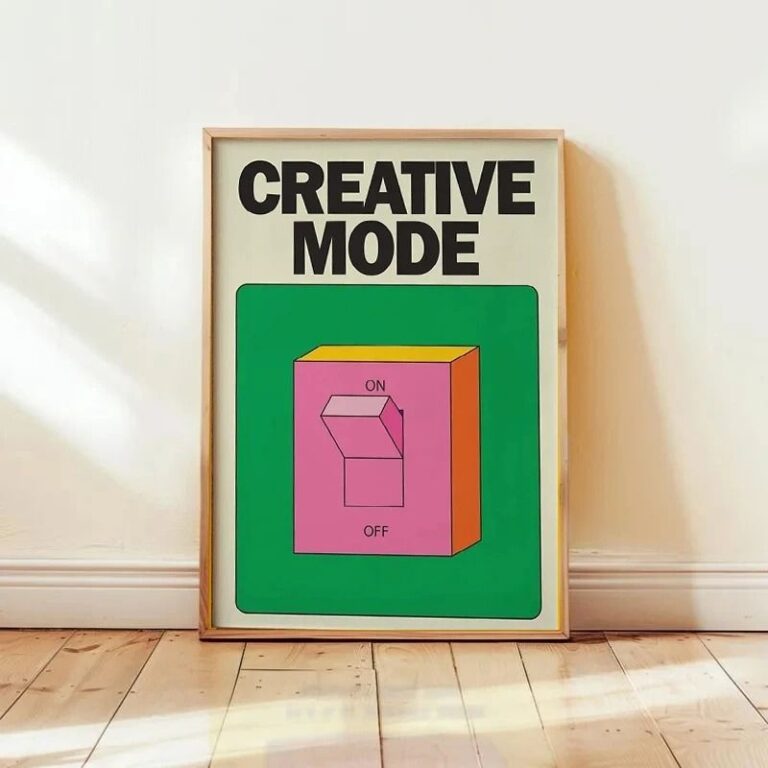
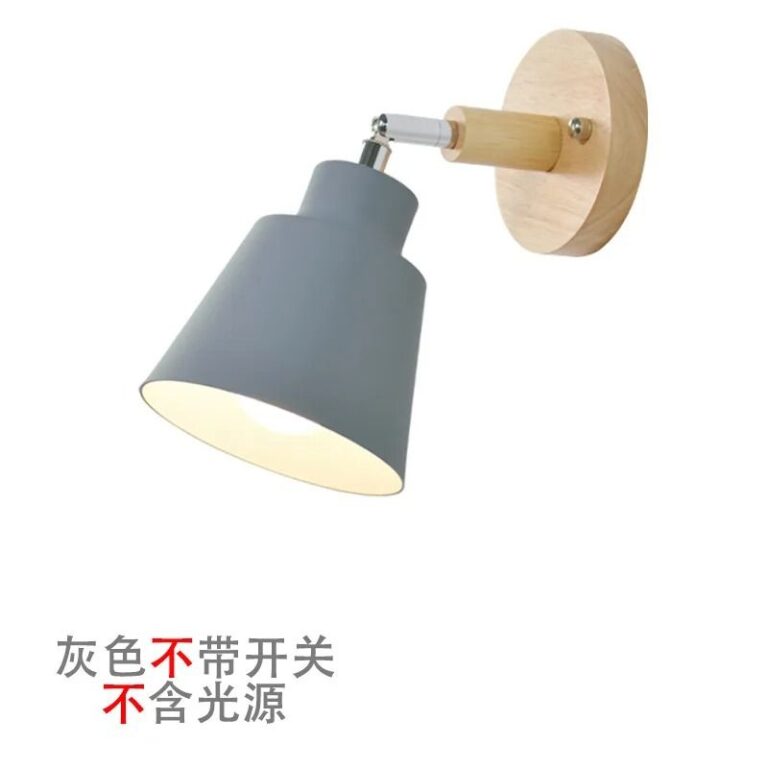 Aisha's pickRetro Light Switches That Get Better With Age
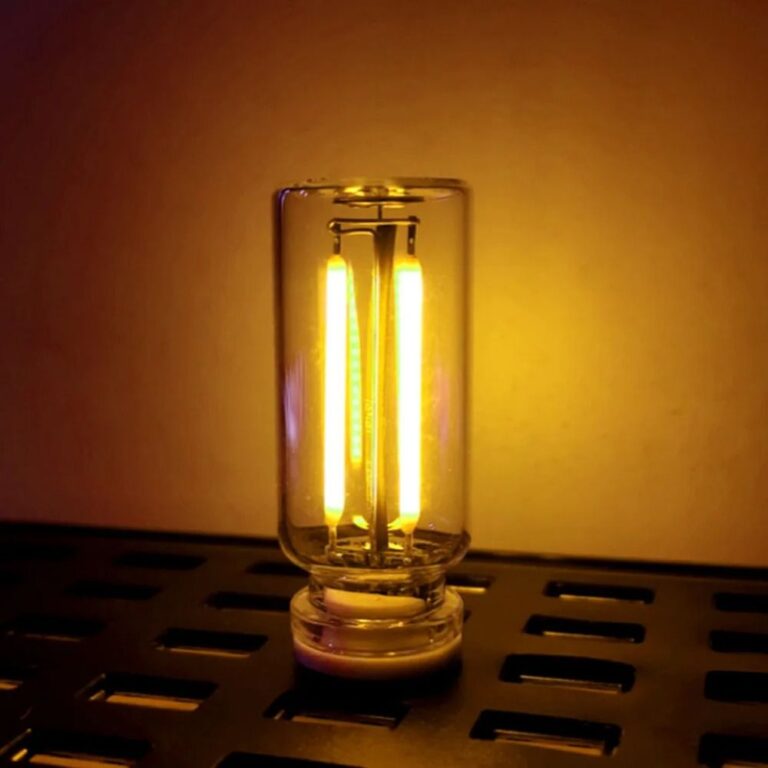
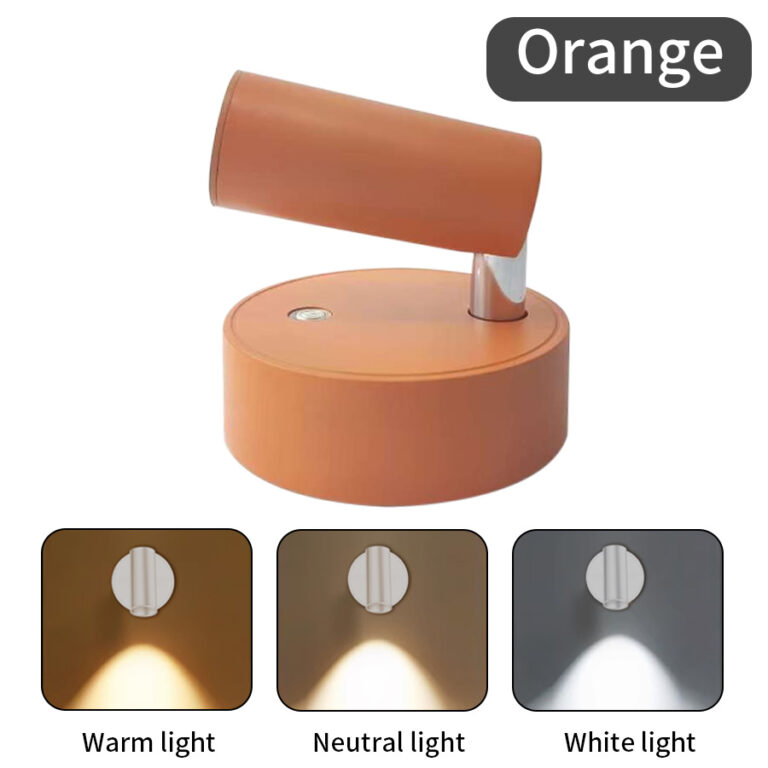 Aisha's pickBlack Smart Light Switches That Get Better With Age
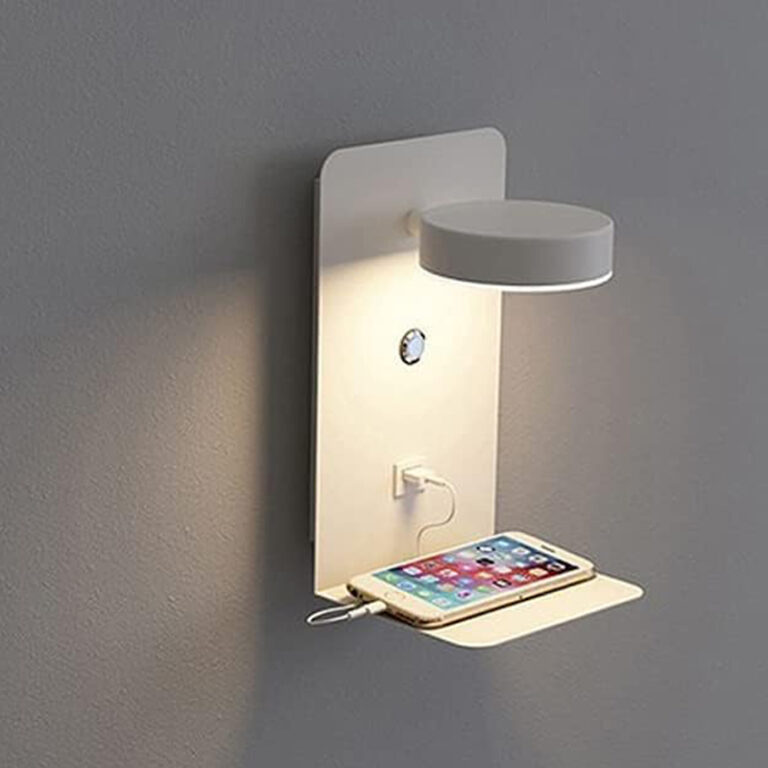
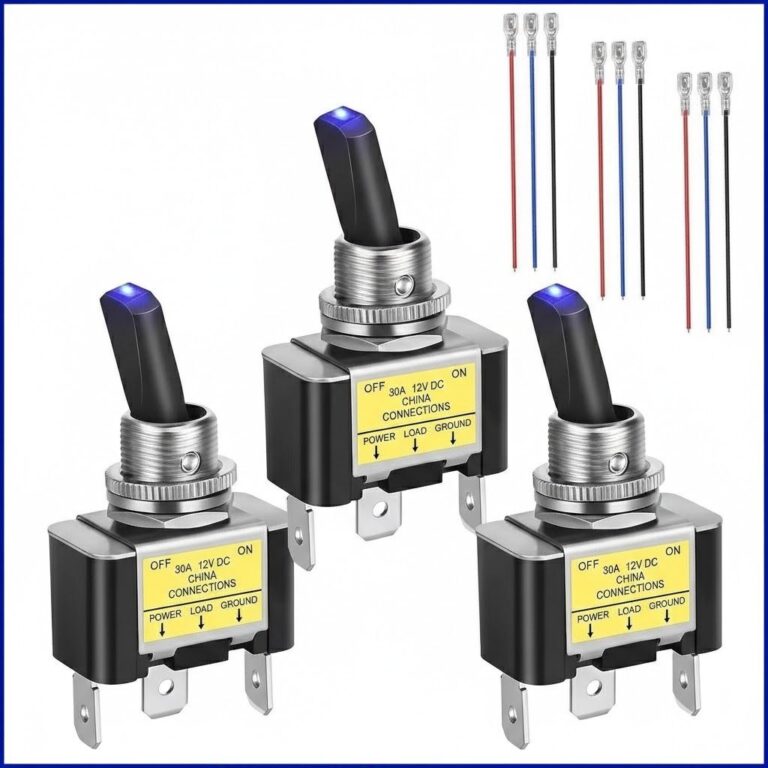 Aisha's pickRocker Light Switches That Make Small Changes Feel Big

 Aisha's pickBluetooth Light Switches We’d Use on Our Next Project