The first jars I owned were a set of plastic ones with screw lids that came three to a pack, and within a month the lids had gone cloudy and started cracking at the hinge. What I learned is that the lid does almost all the work, and cheap lids fail first, every time.
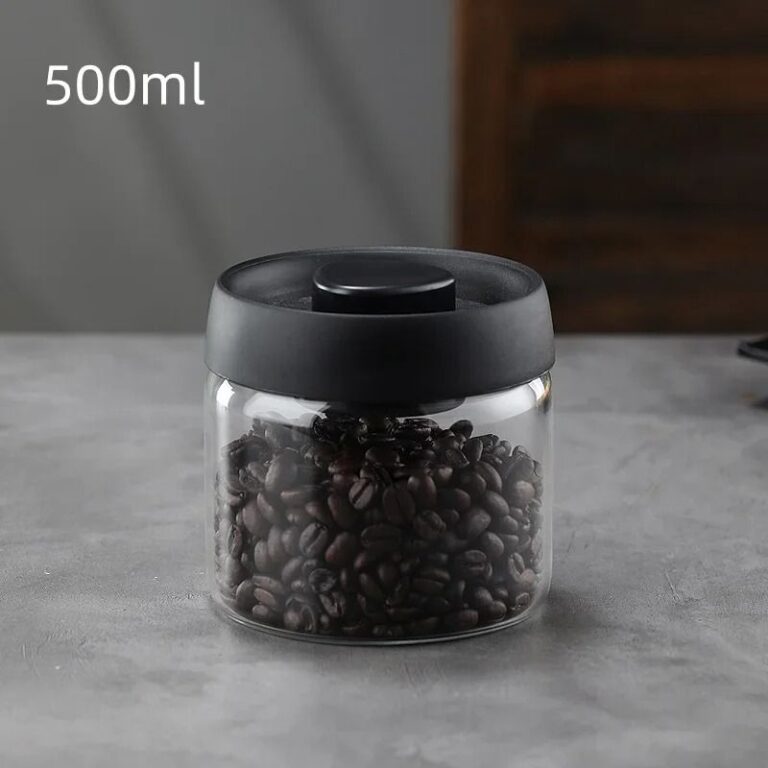
When you're checking one in a shop, or the day it shows up, put the lid on and take it off a few times before you decide anything. A good lid should settle with a little resistance and a clean seal, not a loose wobble and not a fight. Check the rim where the lid meets the glass or ceramic body, run a finger around it, because a rough or uneven seam there means moisture and crumbs will work their way in no matter how careful you are. Look at the base too. If it rocks even slightly on a flat counter, it will drive you up the wall every single time you reach for it. And think about what's actually going in there. A jar that's perfect for pasta might be hopeless for flour, because the opening is too narrow to get a scoop in without an avalanche on the counter.
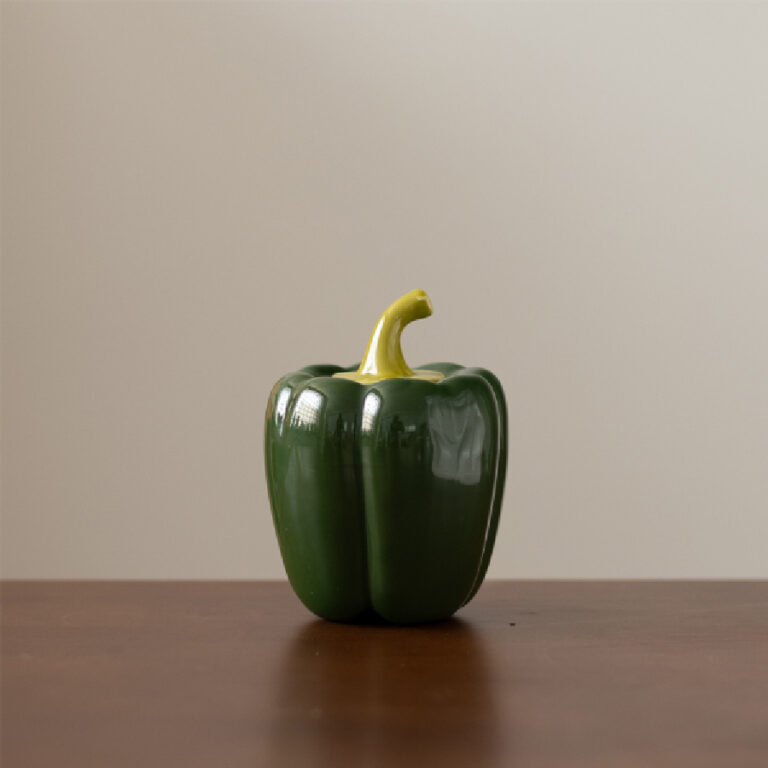
Over time, glass jars age better than almost anything else in a kitchen cabinet, which is one of the few genuinely good deals in home goods. They don't absorb smells, they don't stain, and a wipe with warm soapy water brings them back looking new for years. Ceramic ones can craze a little with age, which I actually like, it gives them some character, though if yours is glazed on the inside only and bare clay underneath, expect it to pick up stains from oil and spices eventually. The lids are where things go wrong first: cork dries out and shrinks, rubber seals perish, wood swells in a humid kitchen and stops closing properly. Wipe seals dry before storing anything, and don't put a warm jar straight into a cold cabinet, the temperature swing is what cracks glass more often than any drop ever does. A well made jar has a lid that still works the same way in year three as it did on day one. A disappointing one has a lid you're already babying by month four.
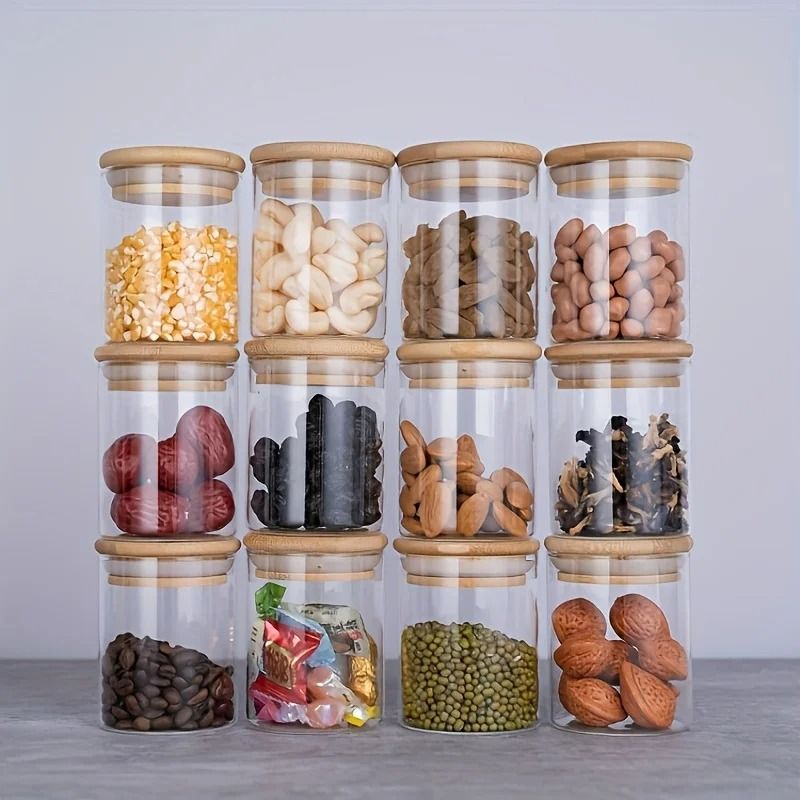
On a counter or in a cabinet, three or four matching jars read as a decision. Six mismatched ones from six different sets read as clutter, and they crowd a counter fast, especially in a smaller kitchen where every inch of surface is already doing double duty.
So before you buy, ask yourself: if I fill this to the top and use it every single day for a year, does the lid still close like it means it?

 Aisha's pickWhere to Start With Bamboo Storage Jars
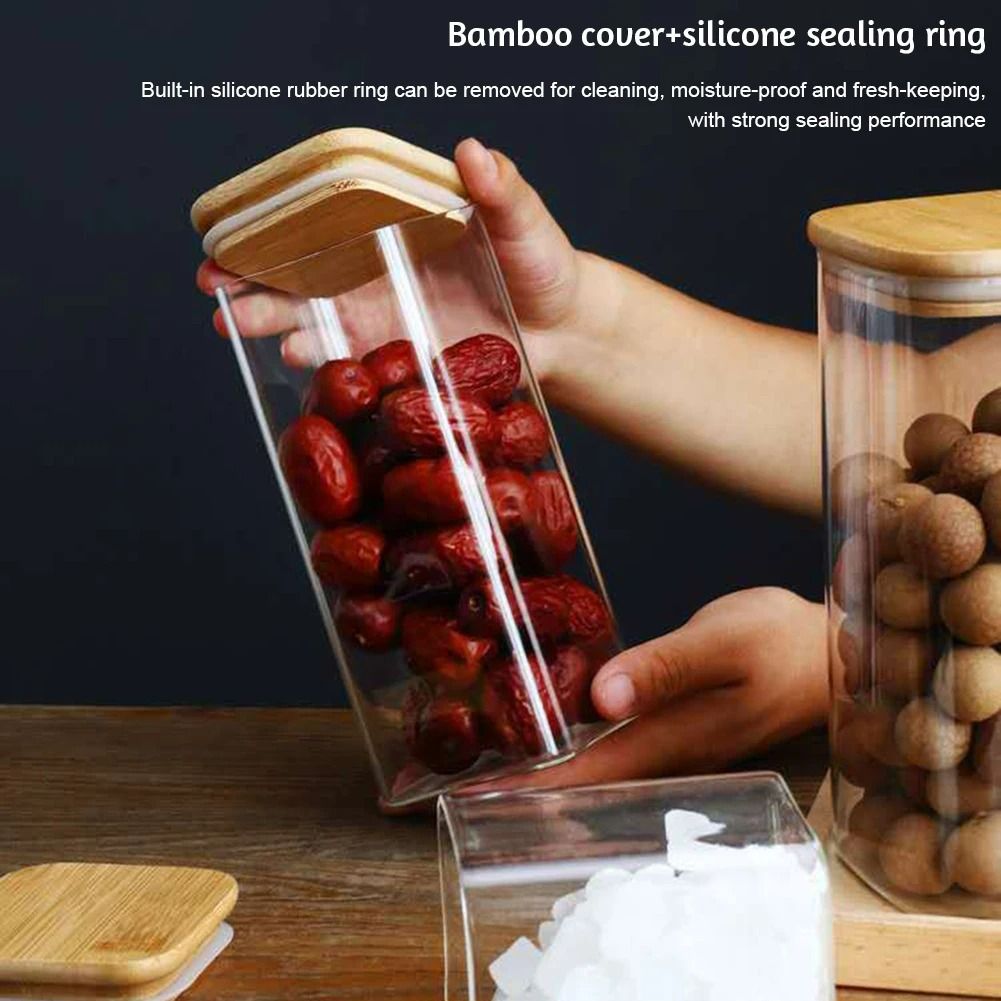
 Aisha's pickMetal Storage Jars That Survive Kids and Pets

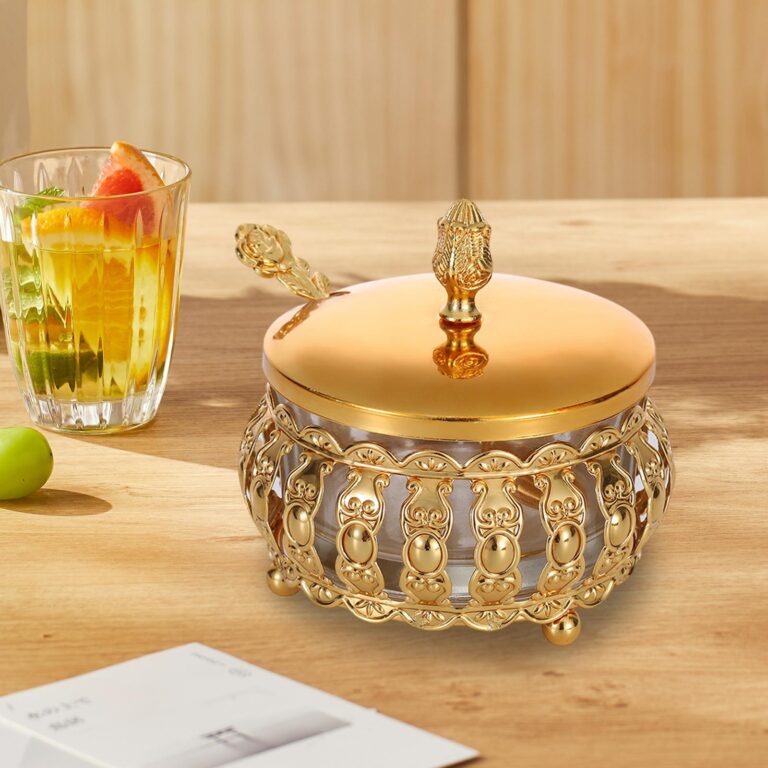 Aisha's pickVintage Storage Jars That Look Good Even When Full
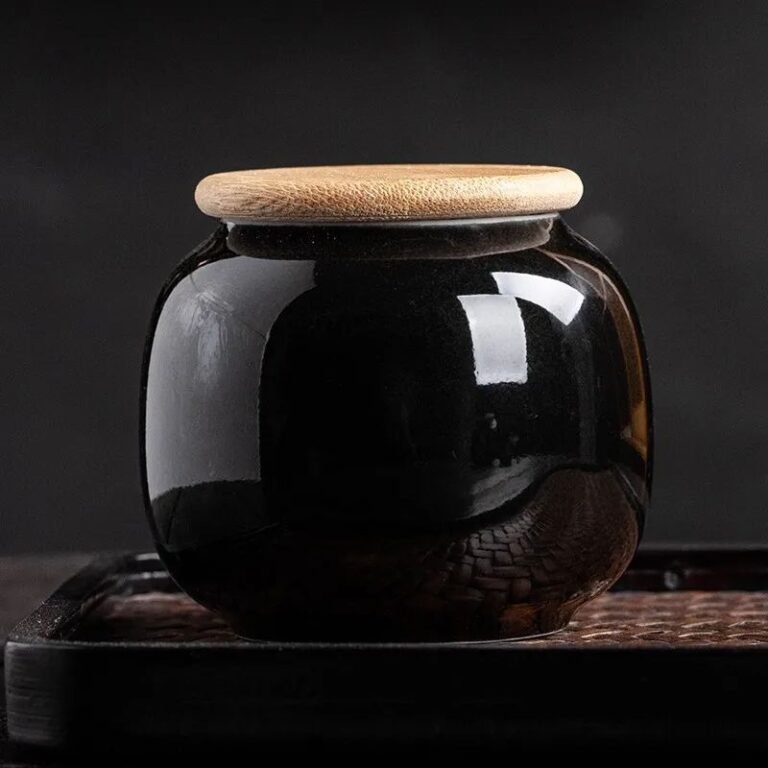
 Aisha's pickBlack Spice Jars Picked by People Who Care Too Much
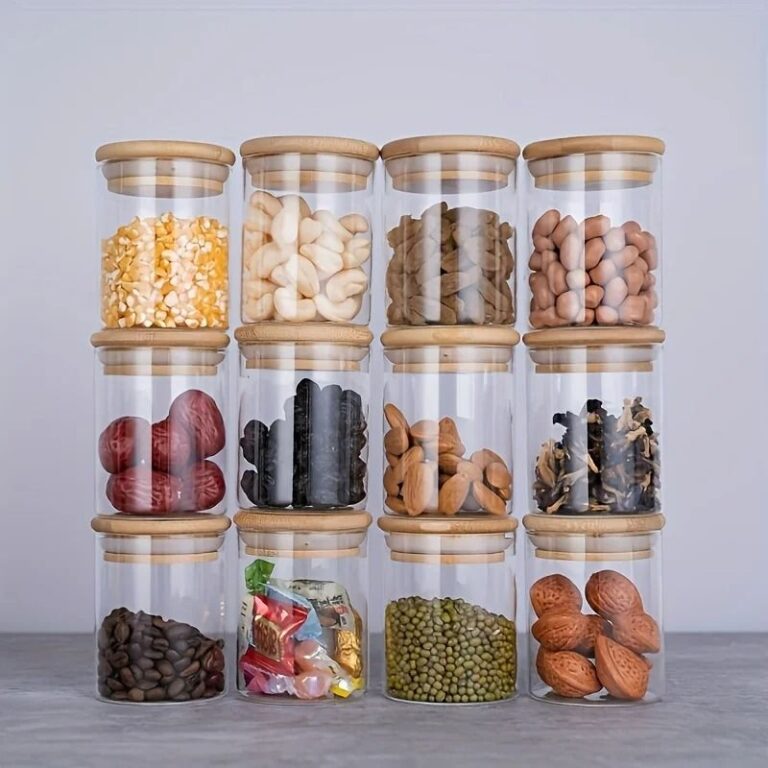
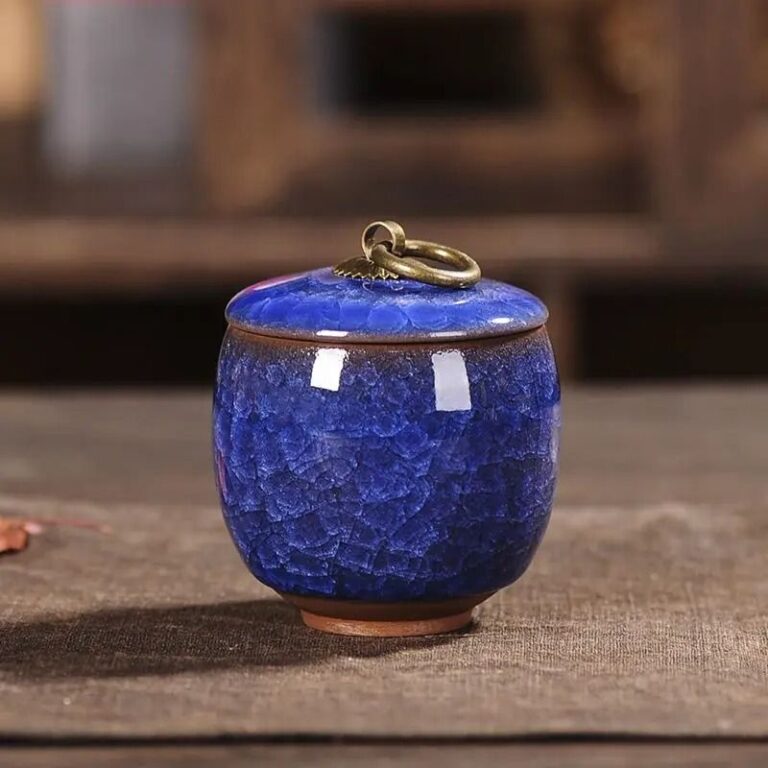 Aisha's pickMini Storage Jars That Look Like They Cost More

 Aisha's pickVintage Storage Jars Hunted Down So You Don’t Have To
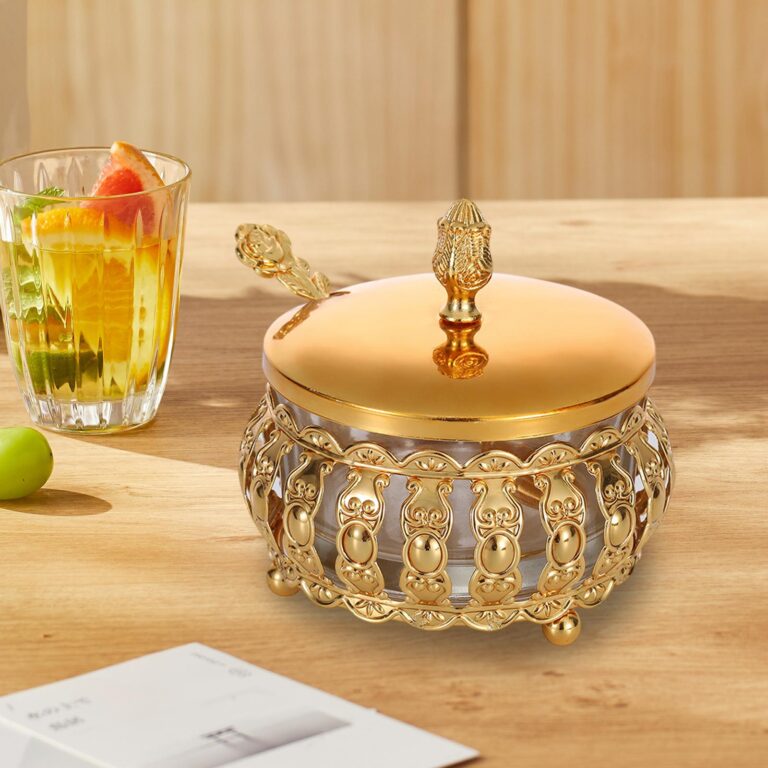
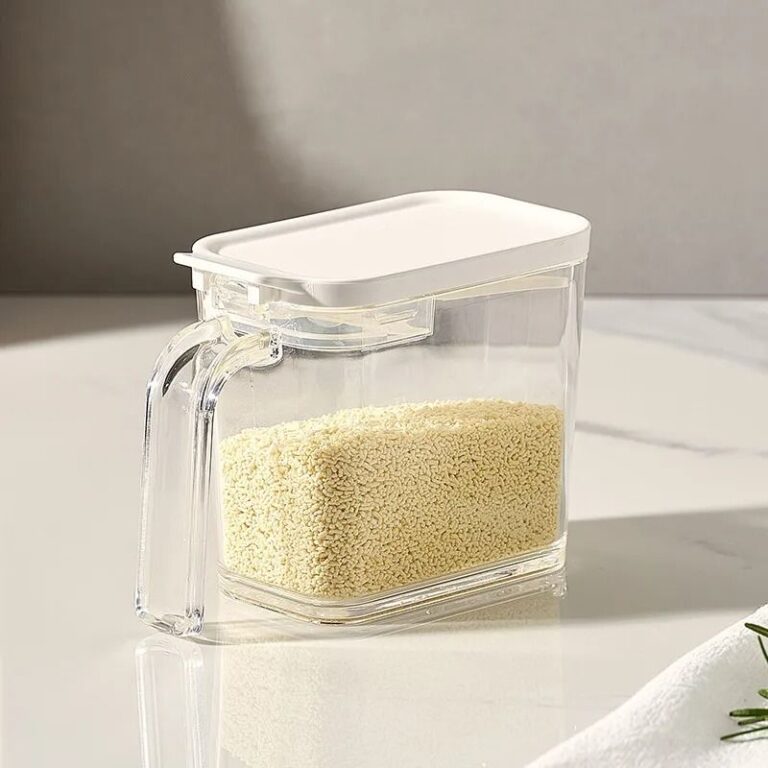 Aisha's pickBlack Storage Jars That Won’t Let You Down

 Aisha's pickMini Storage Jars With Room for More Than You’d Think

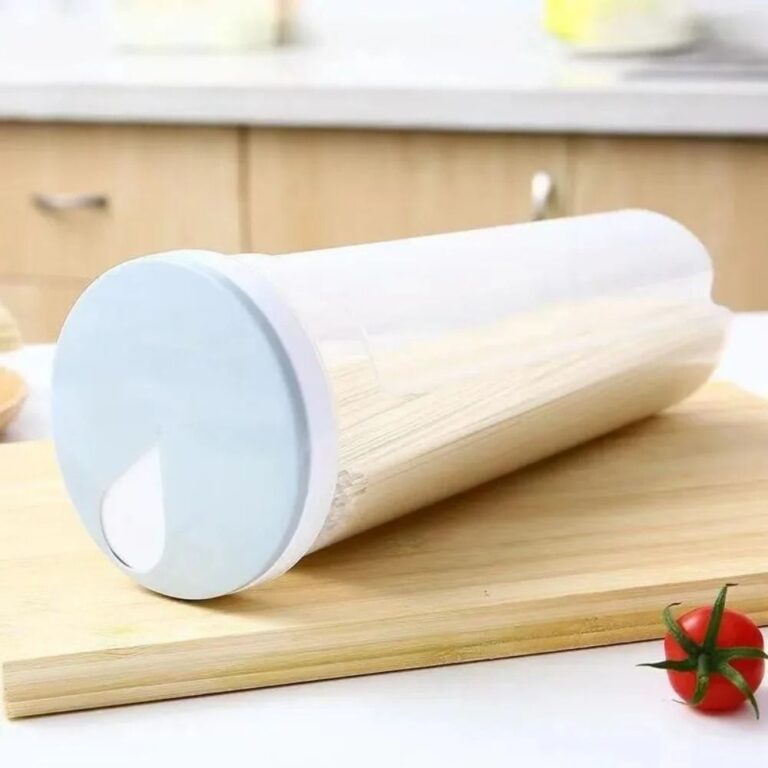 Aisha's pickThe White Storage Jars Worth Your CashAlso worth a lookStorage JarsA storage jar is the thing that keeps flour, sugar, rice, pasta, coffee, tea, or whatever you cook…See the collections →
 Aisha's pickBlack Storage Jars That Sort Out the Chaos
 Aisha's pickPantry Storage Jars That Cope With Steam and Splashes
 Aisha's pickWhite Storage Jars That Squeeze Into Awkward Corners
 Aisha's pickCeramic Kitchen Storage Jars That Make Cooking a Bit Nicer
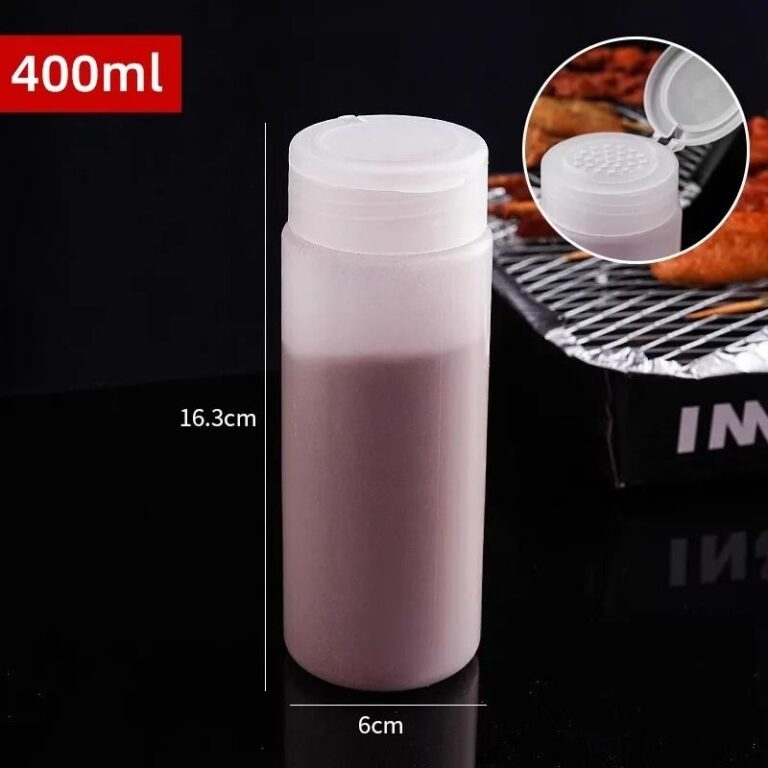 Aisha's pickThe Plastic Storage Jars Worth Your Cash
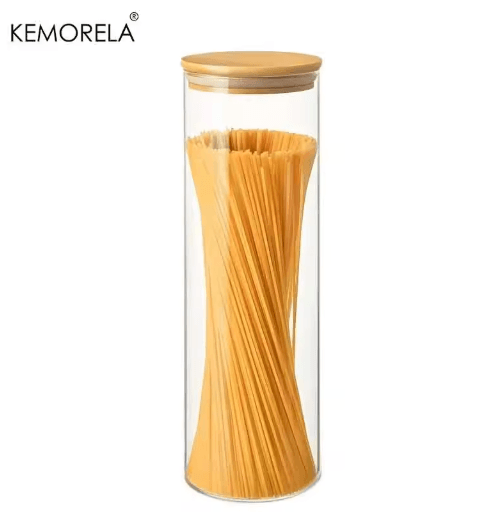
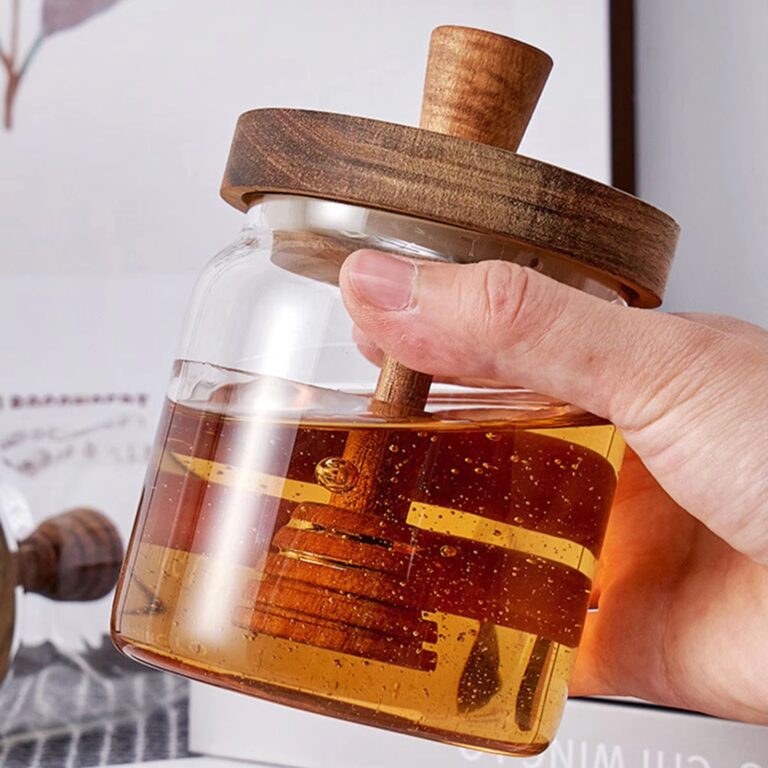 Aisha's pickWooden Storage Jars You’ll Still Like in Five Years
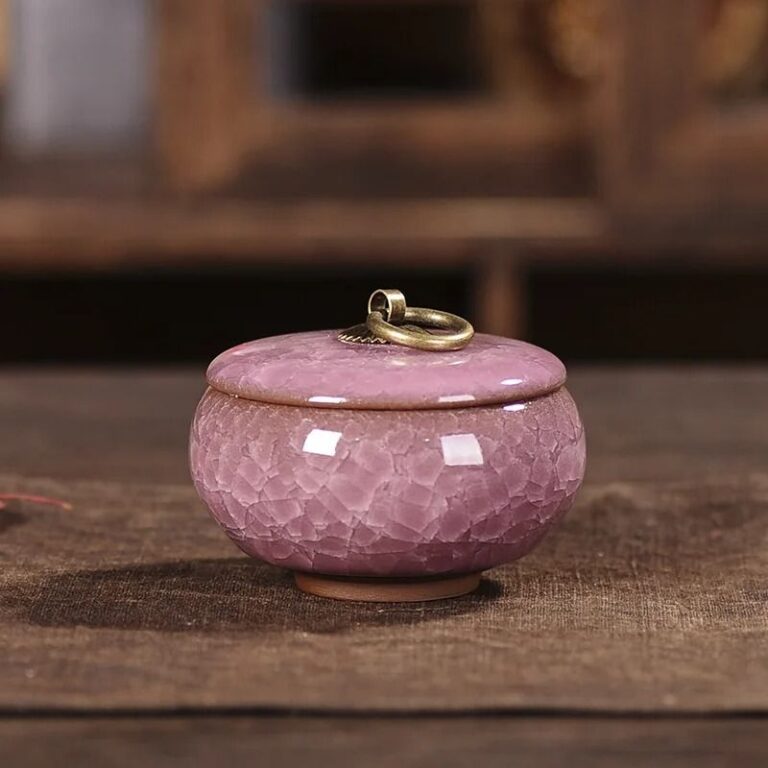 Aisha's pickCeramic Storage Jars That Don’t Look Mass Produced
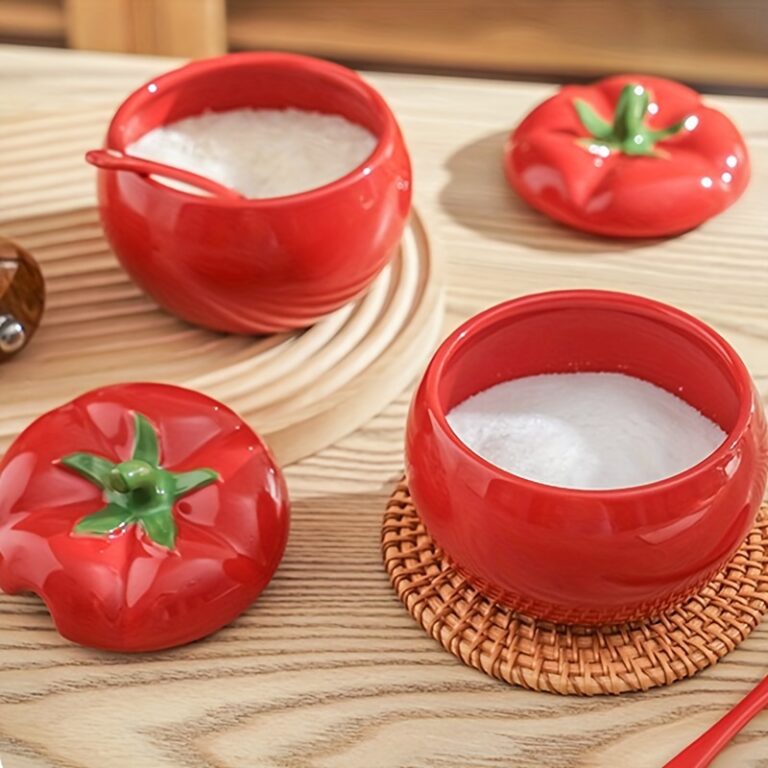
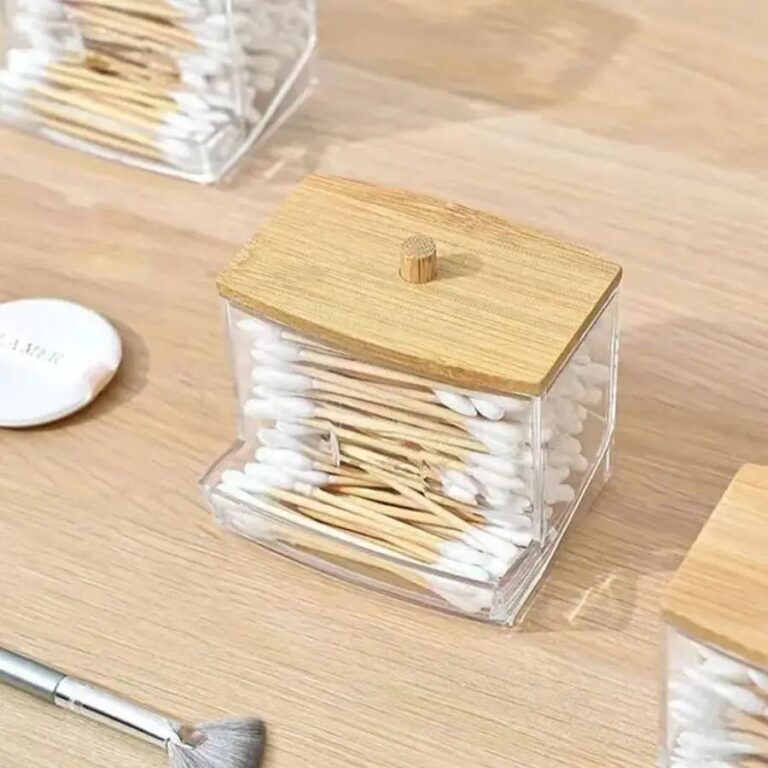 Aisha's pickSmall Glass Storage Jars That Look Better in Real Life
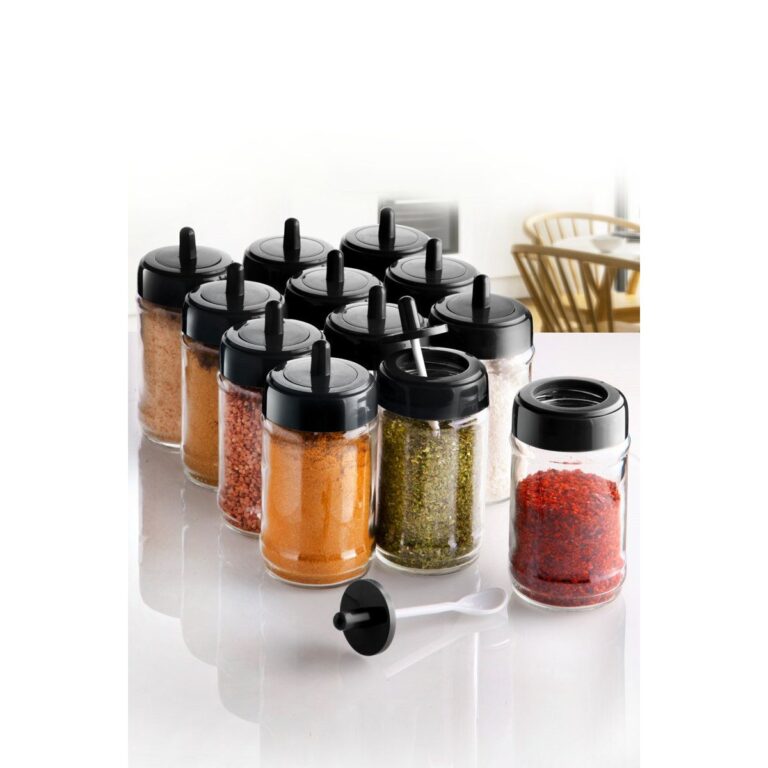
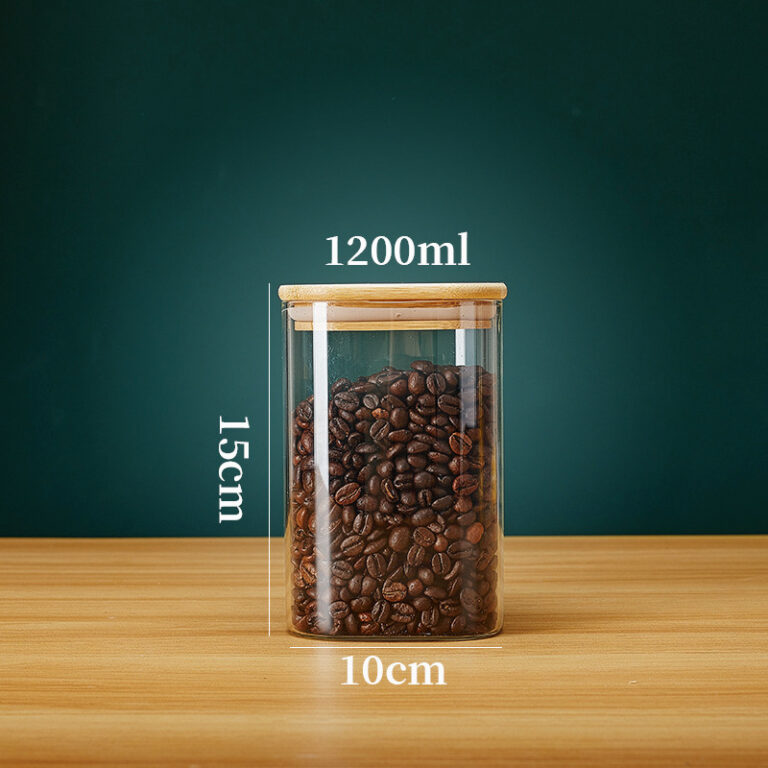 Aisha's pickBamboo Kitchen Storage Jars That Make Tidying Up QuickerAlso worth a lookStorage BoxesLate January is when storage boxes earn their keep, when the holiday decorations need somewhere to live that…See the collections →

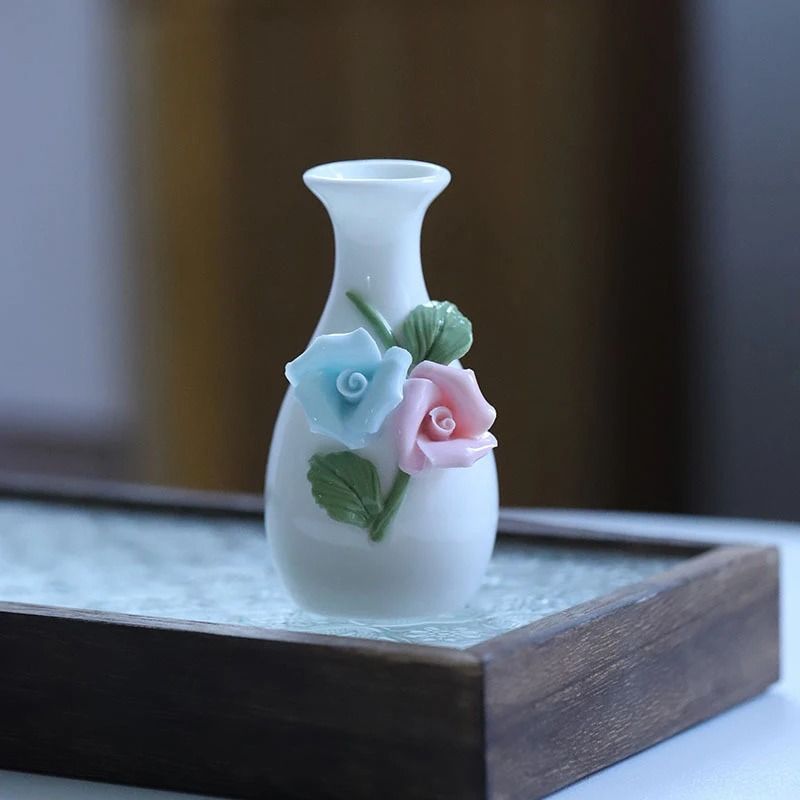 Aisha's pickCeramic Storage Jars That Work in Old Houses and New Ones
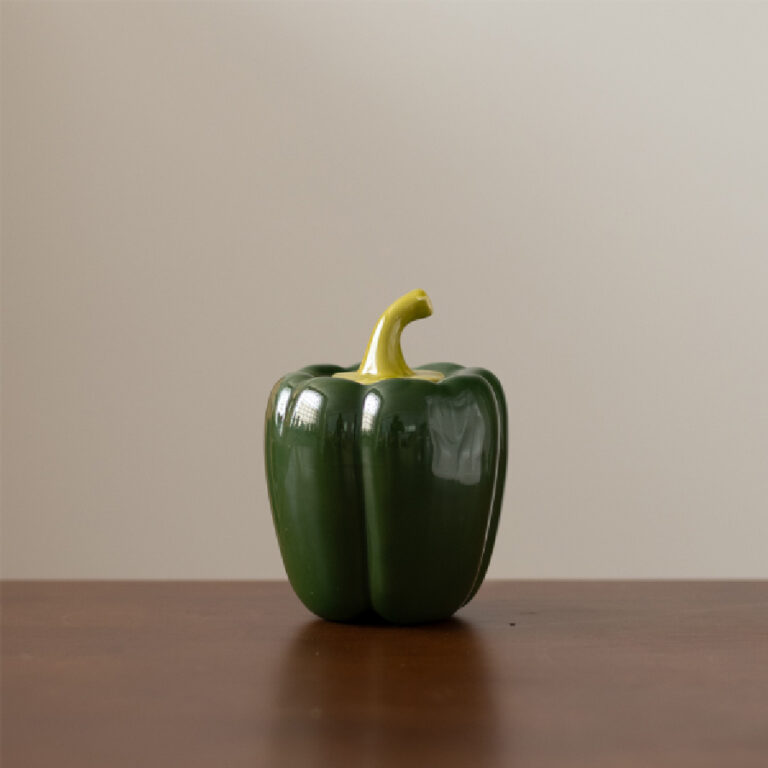
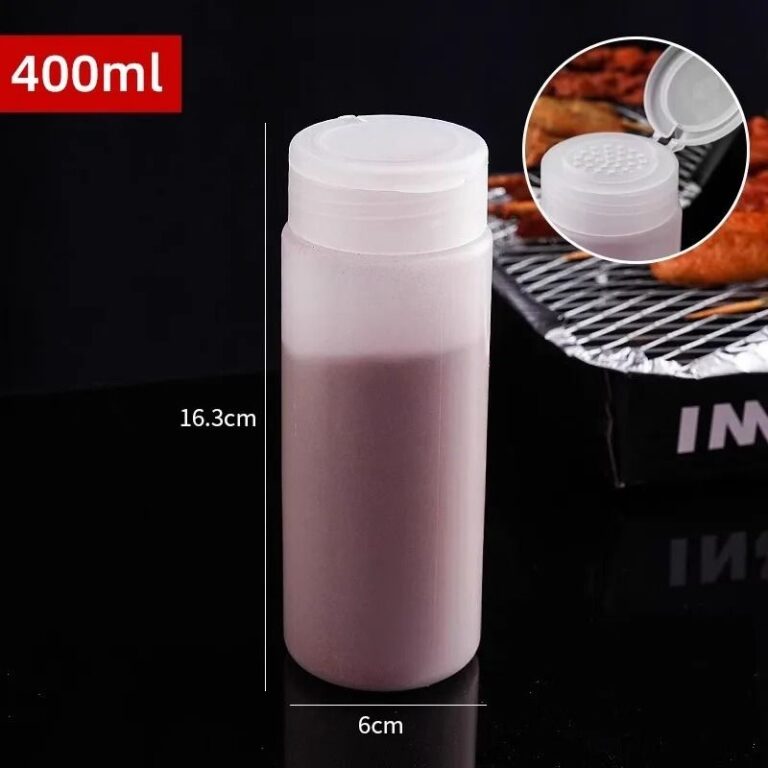 Aisha's pickSmall Spice Jars That Won’t Date in a Year
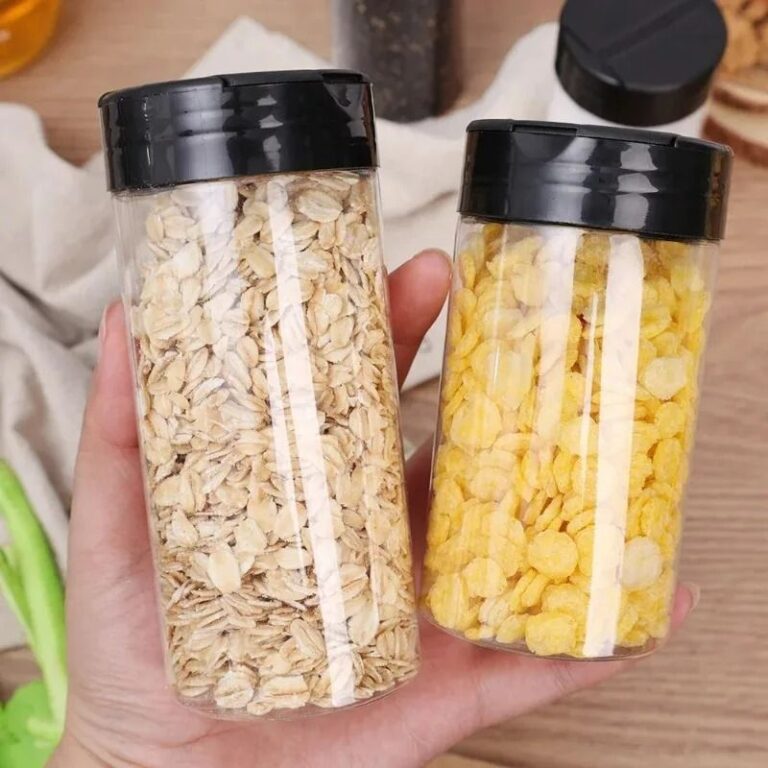
 Aisha's pickClear Glass Storage Jars That Don’t Look Mass Produced

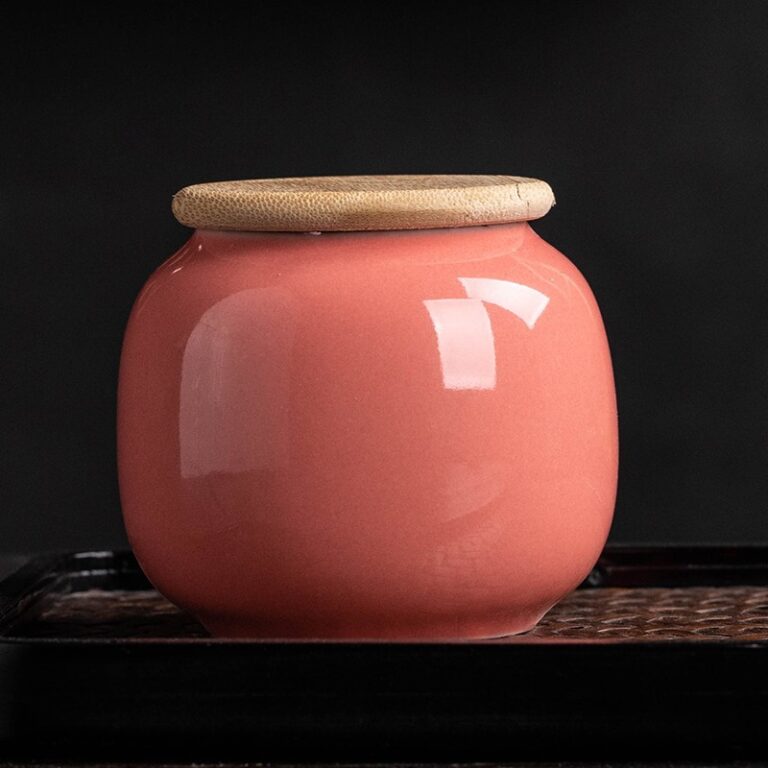 Aisha's pickCookie Jars With Room for More Than You’d Think
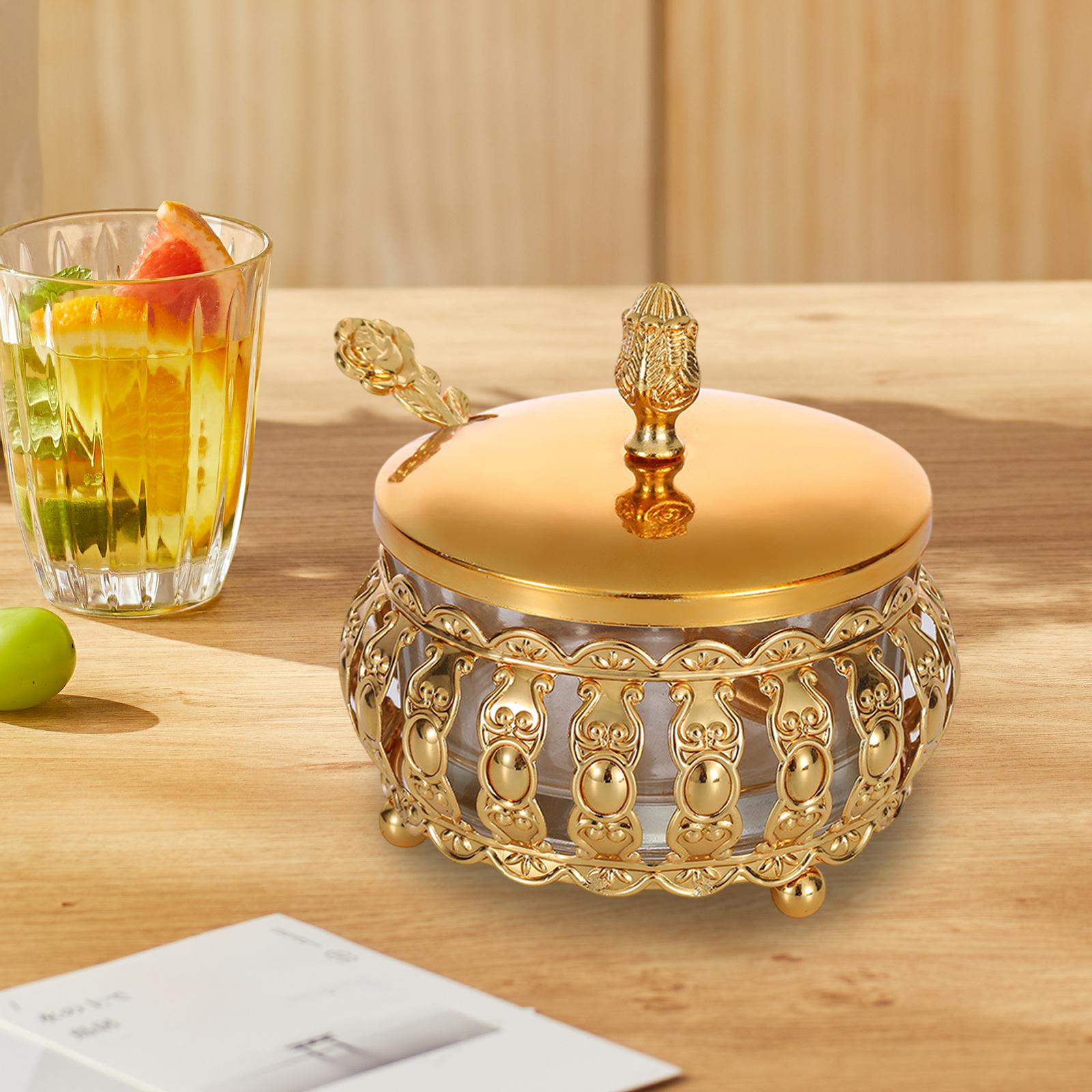
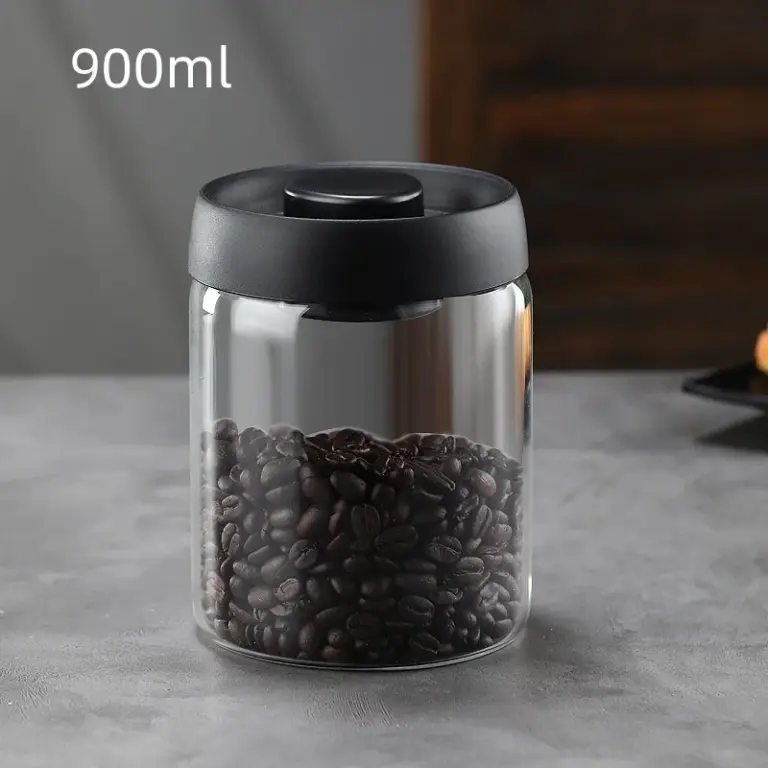 Aisha's pickWhere to Start With Small Storage Jars
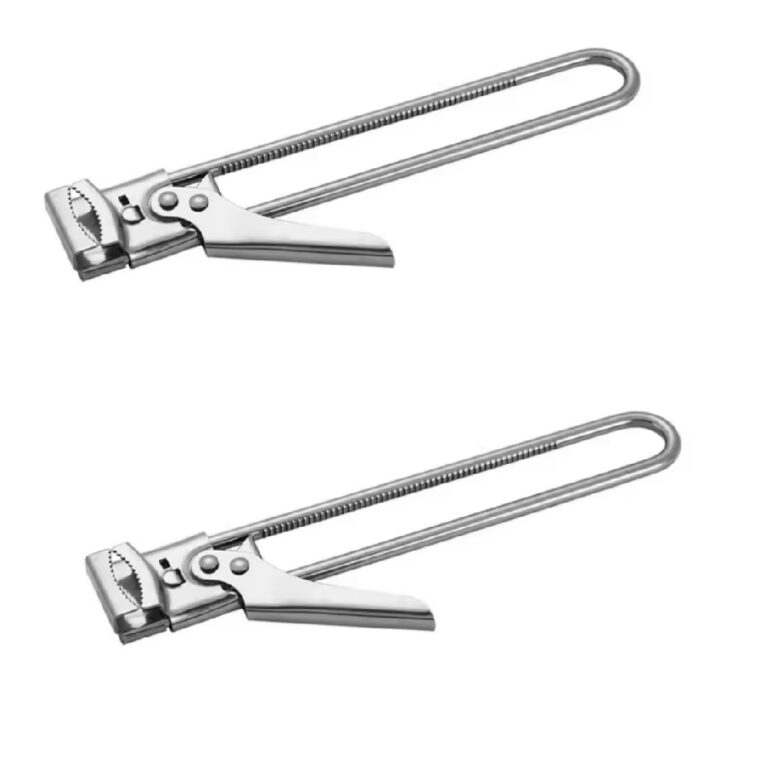
 Aisha's pickGlass Kitchen Storage Jars You’ll Keep for Years

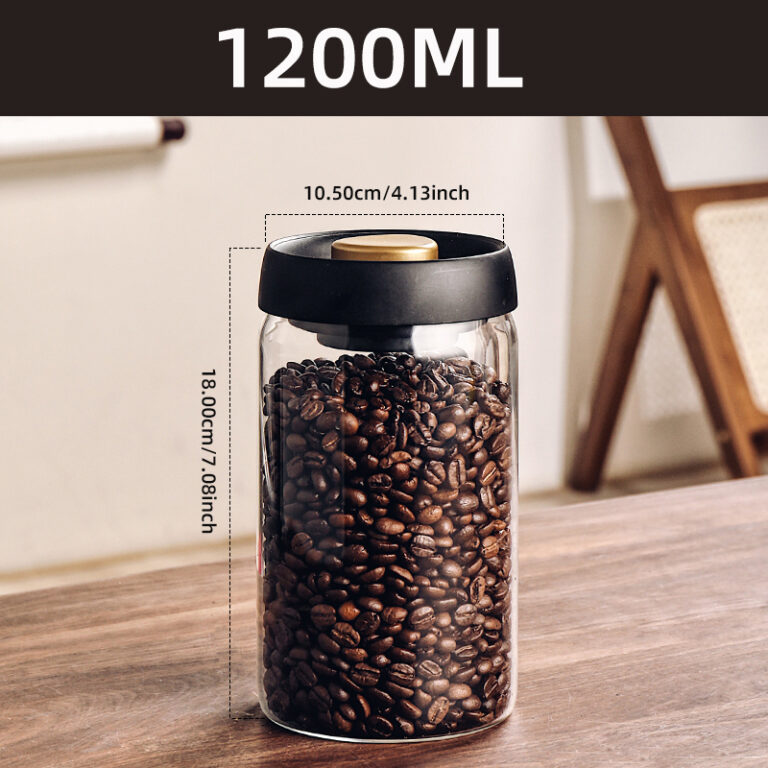 Aisha's pickSmall Storage Jars We Wish We’d Bought Sooner
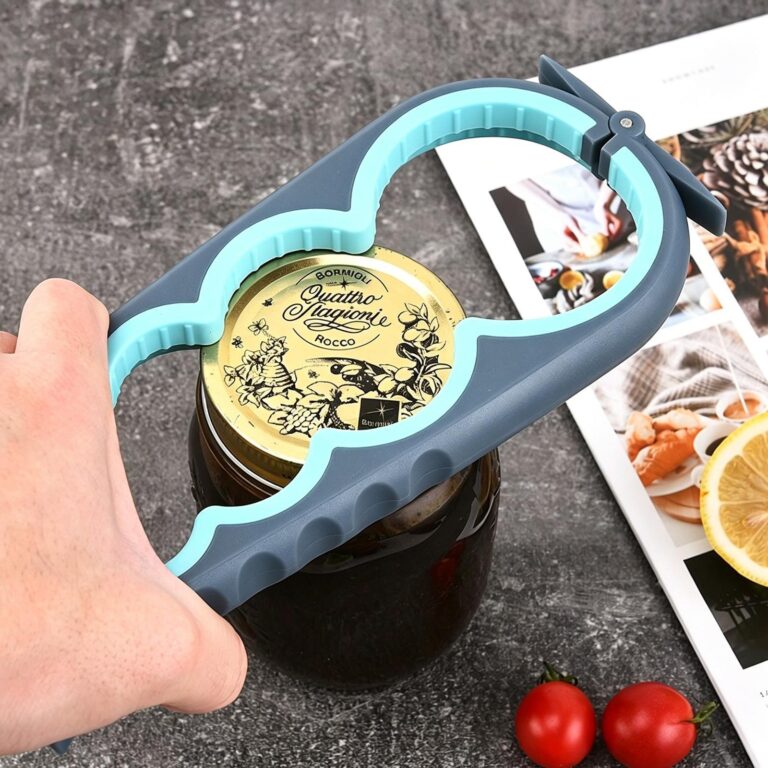
 Aisha's pickAirtight Glass Storage Jars That Sort Out the Chaos

 Aisha's pickGlass Spice Jars That Make Tidying Up QuickerAlso worth a lookGarage StorageThe mistake most people make with garage storage is buying it the way they'd buy a bookshelf, picking…See the collections →

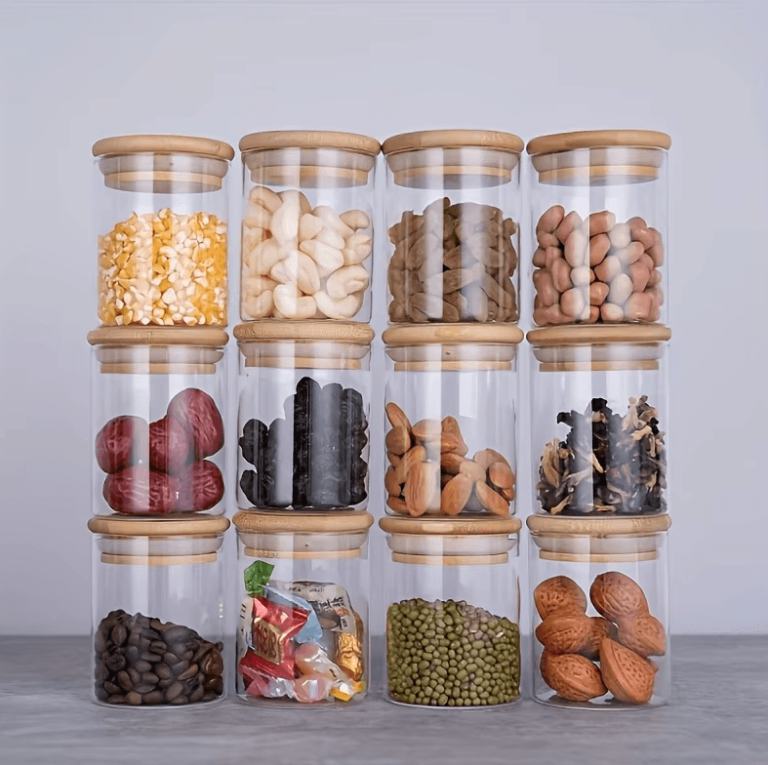 Aisha's pickSpice Jars for Kitchens of Every Size
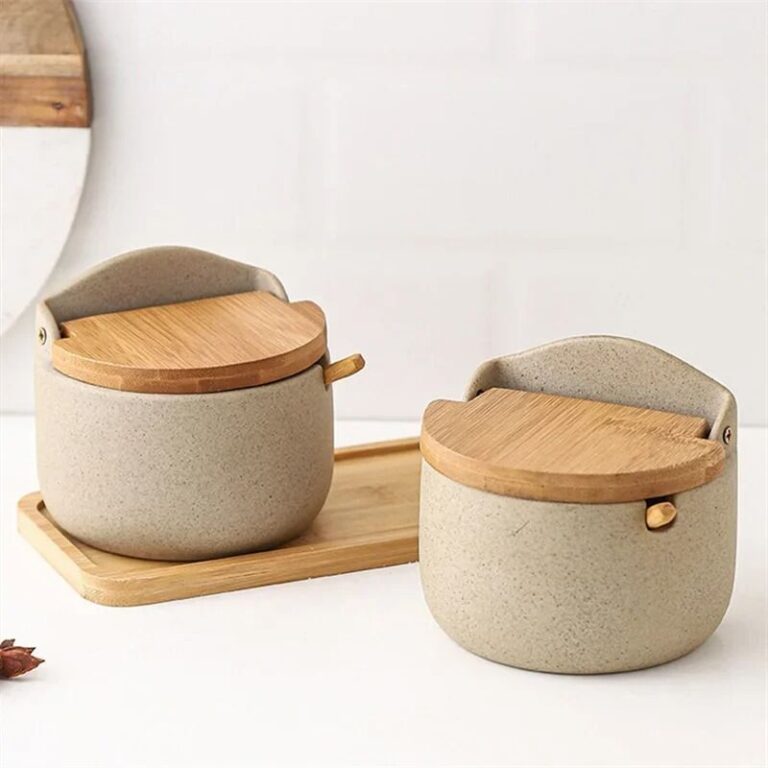
 Aisha's pickAirtight Kitchen Storage Jars That Make Cooking a Bit Nicer

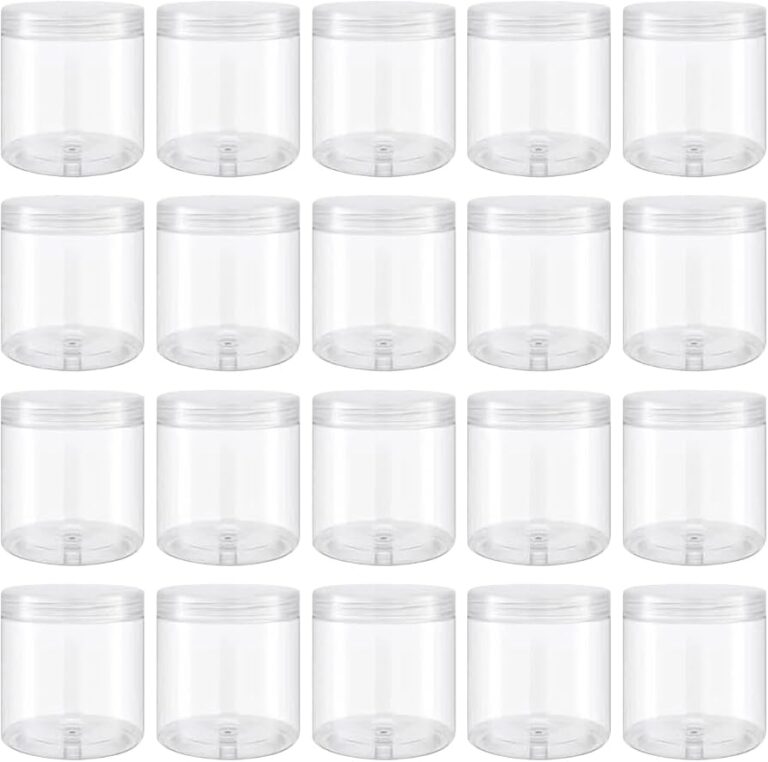 Aisha's pickThe Glass Storage Jars Worth Your Cash
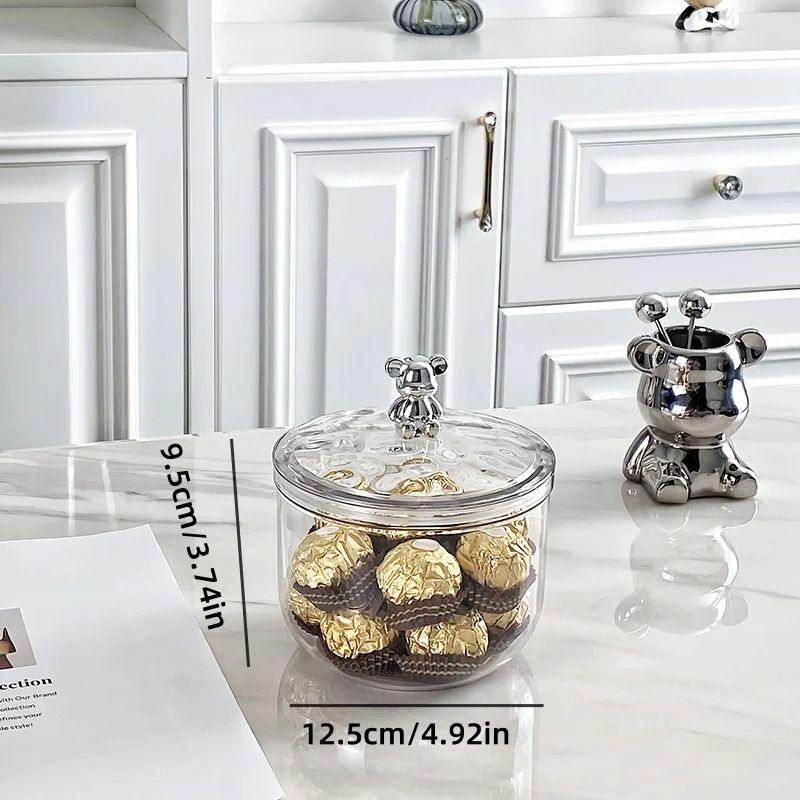
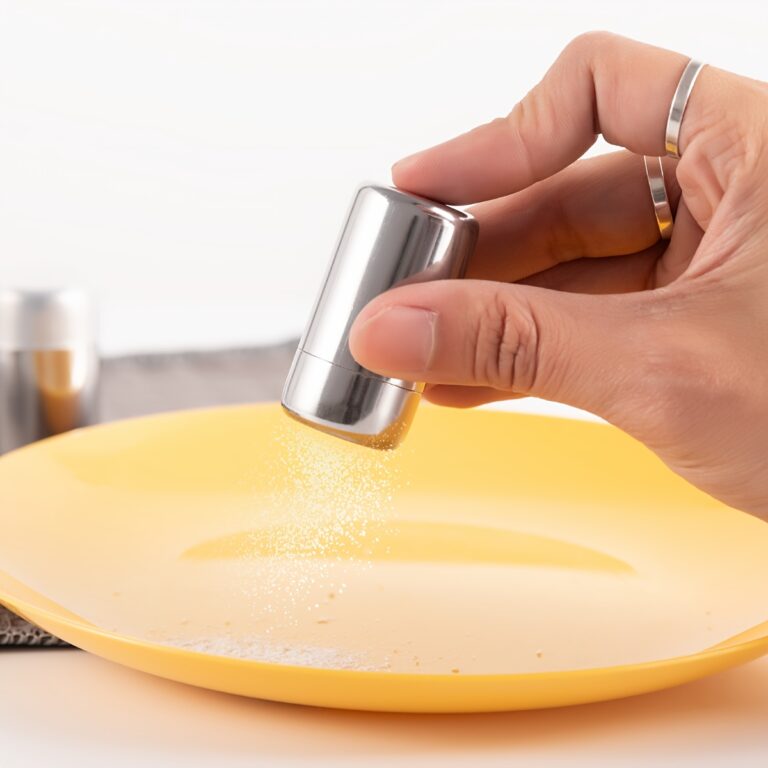 Aisha's pickStainless Steel Spice Jars That Look Good Even When Full
 Aisha's pickAirtight Pantry Storage Jars for Busy Kitchens
 Aisha's pickGlass Storage Jars That Keep Surfaces Clear
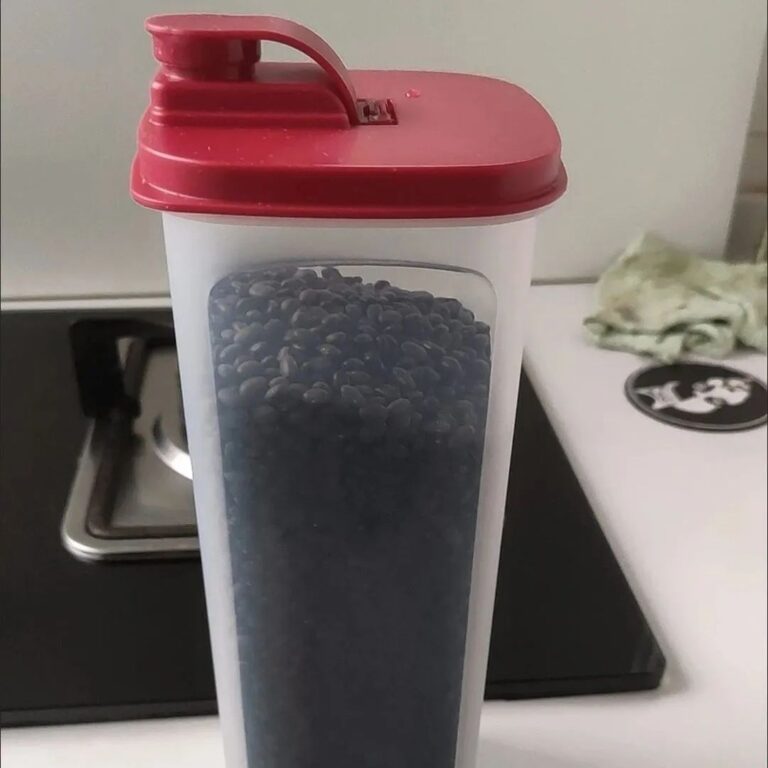 Aisha's pickStorage Jars for the Bits That Never Have a Home
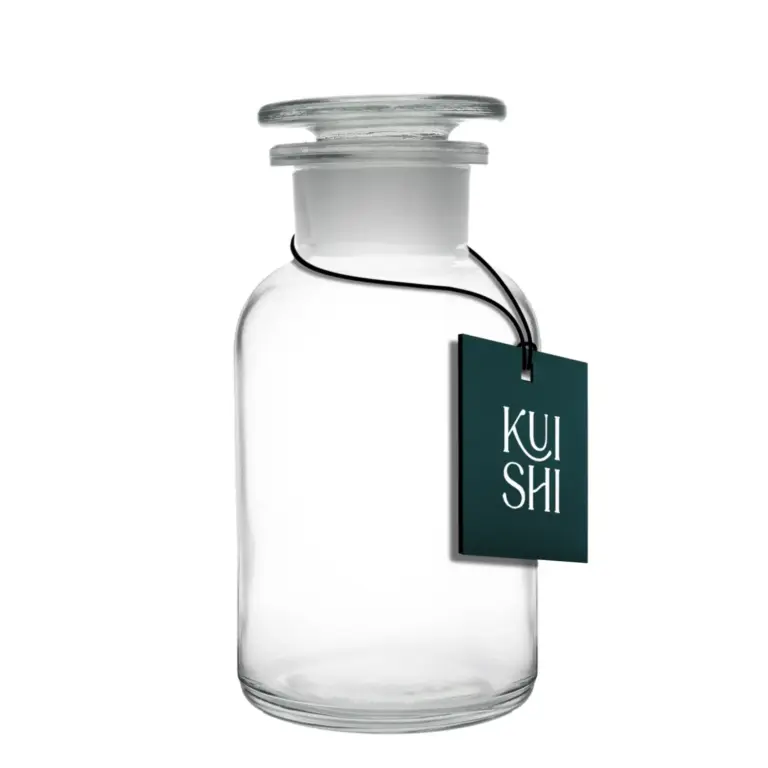
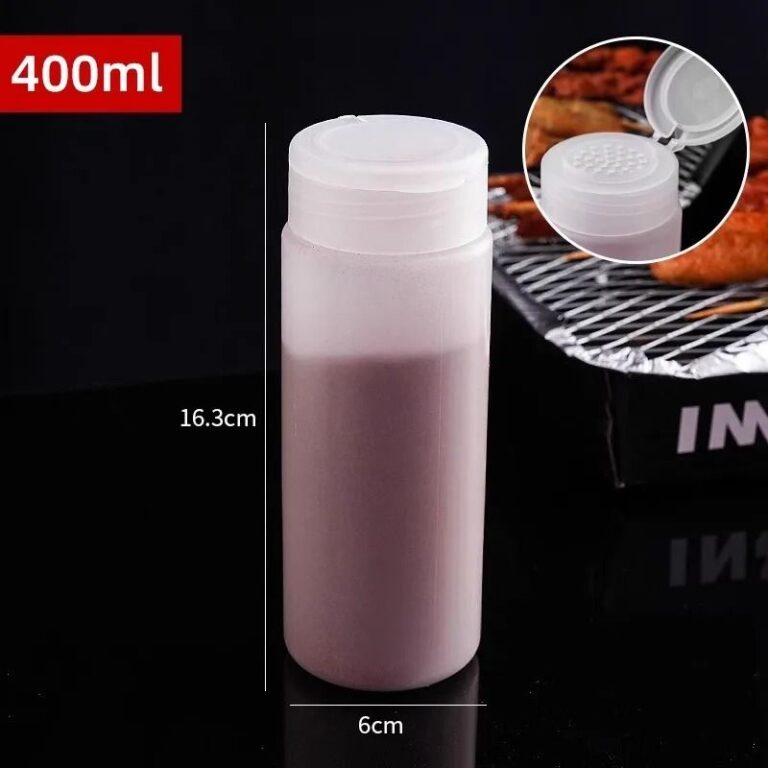 Aisha's pickAirtight Spice Jars for Kitchens of Every Size