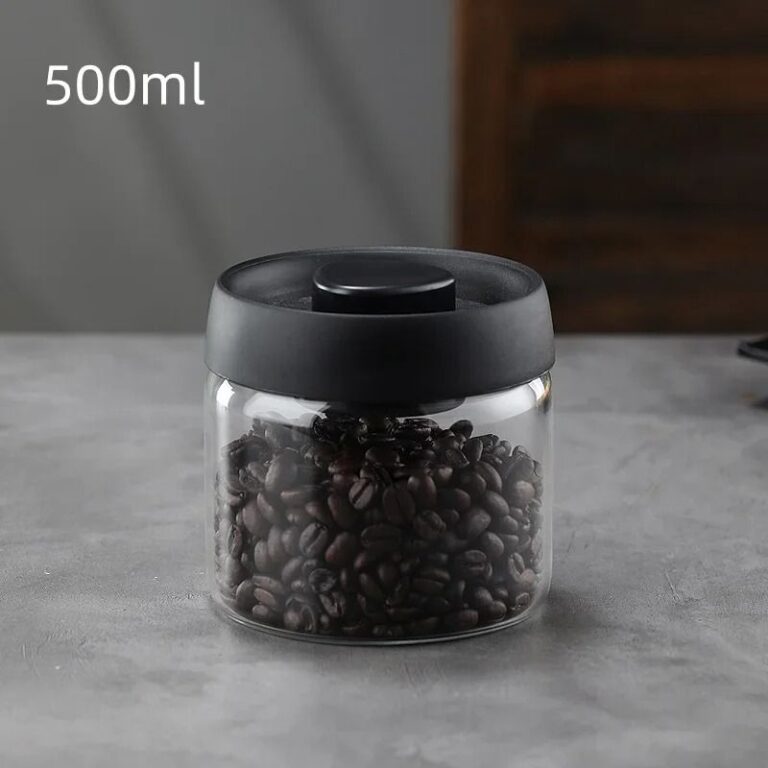
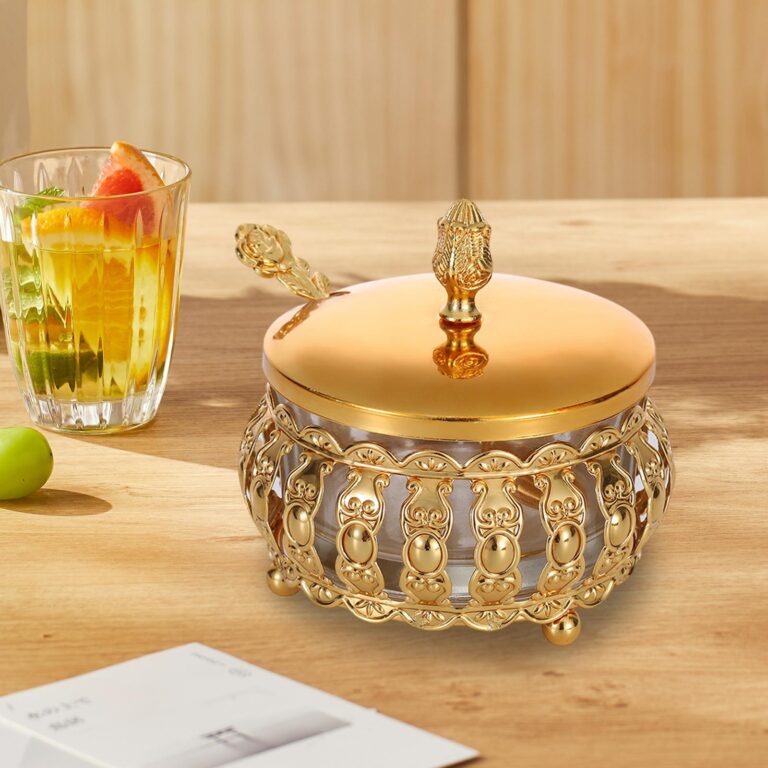
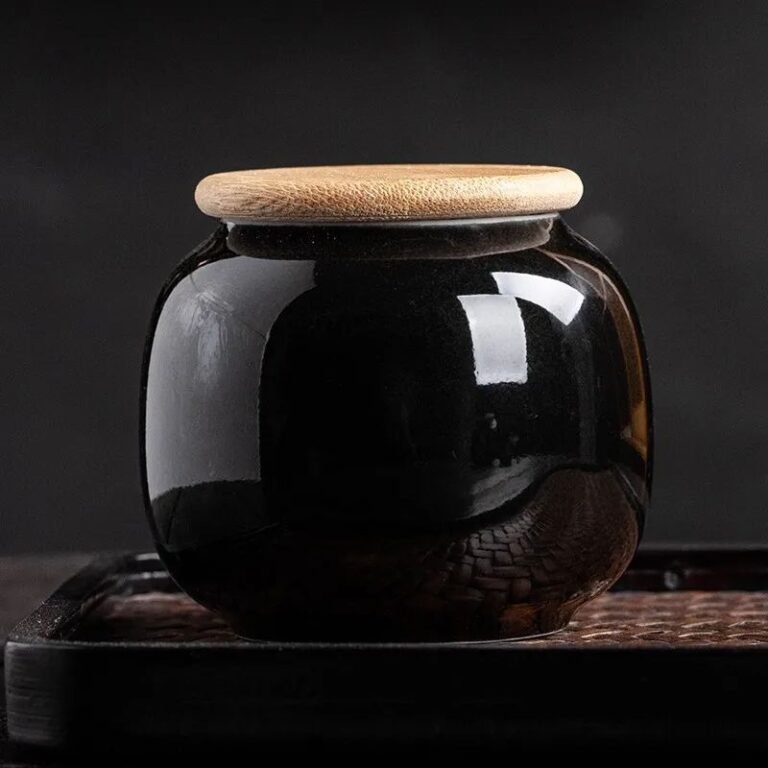
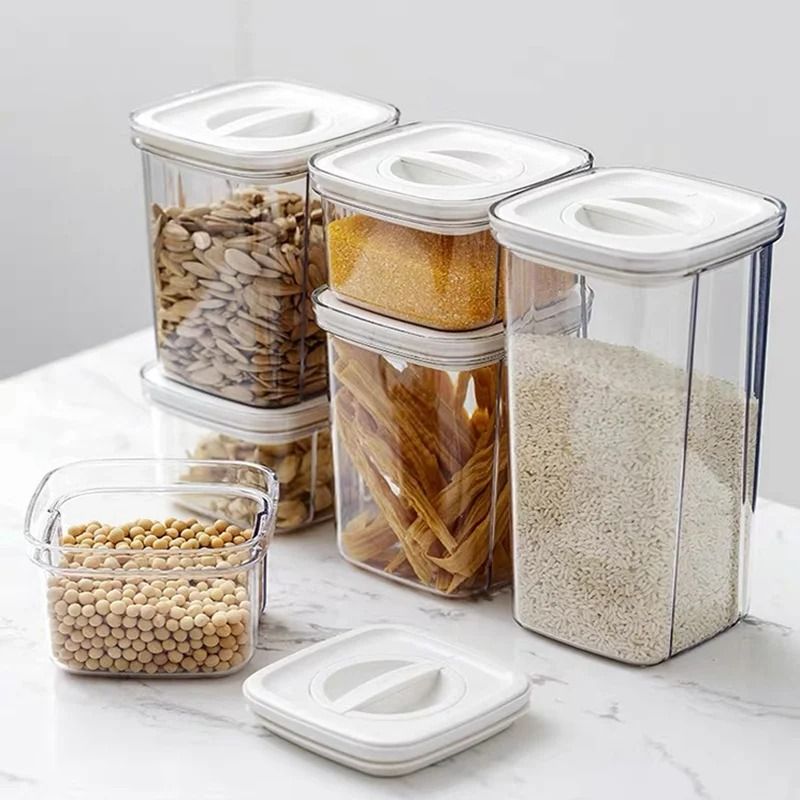
A storage jar is the thing that keeps flour, sugar, rice, pasta, coffee, tea, or whatever you cook with most out in the open without turning your counter into a mess. It takes food out of bags and boxes that rip, spill, and attract pantry moths, and it puts it somewhere you can see what you have and how much is left. That's the whole job. It sounds small until you're standing there wondering if you already bought rice.
If you're starting from nothing, get two or three jars in the same size and shape before you get a matched set of fifteen. You want one for flour, one for sugar, one for whatever grain you cook most, and you want them to actually hold a full bag of each so you're not left with a sad half cup in the original packet shoved behind them. Glass over anything else for your first jars, because you can see the contents and the level without opening the lid, which matters more than it sounds like it should when you're trying to remember if you're nearly out of oats.
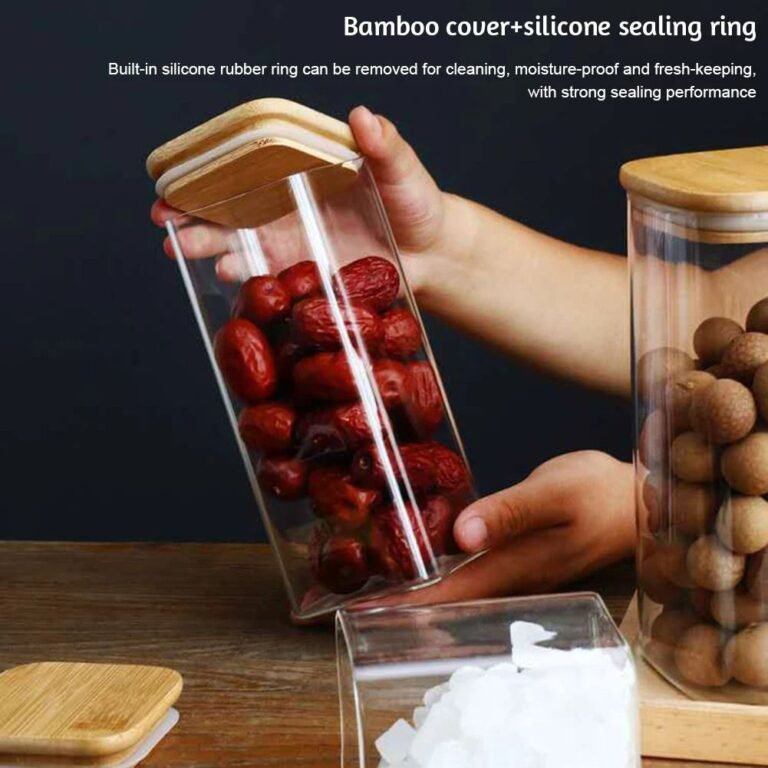
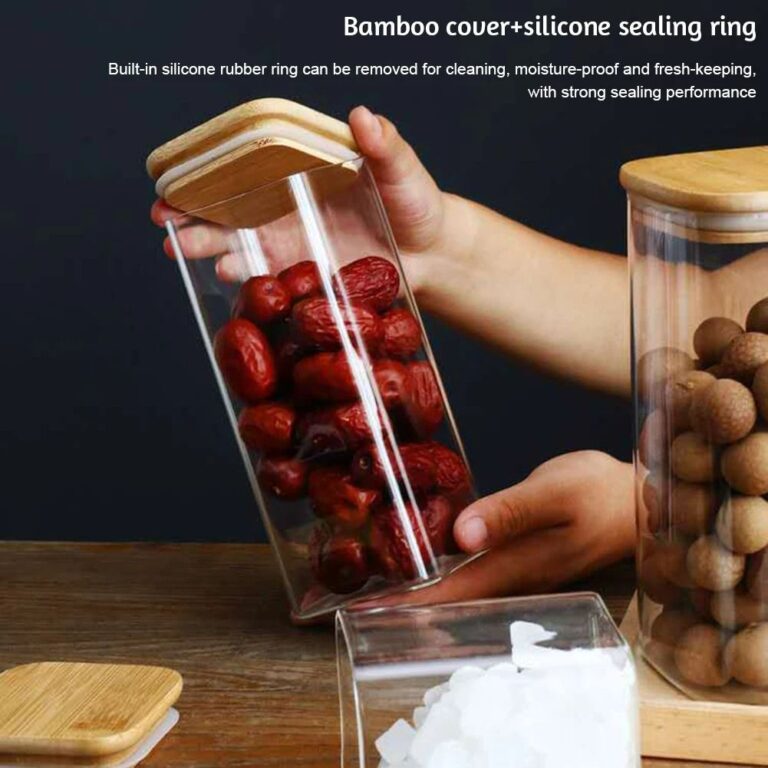
The difference between a jar that earns its spot and one that ends up in the donation box comes down to the seal and the glass itself. A good one has a lid that clamps down with a rubber gasket or clicks into a groove, and it holds that seal for years without the rubber perishing or the clip snapping off in your hand. Cheap ones have lids that look right in the shop and then warp within a month so the seal goes soft and you get stale crackers and weevils in your flour. Look at the glass too, thicker glass doesn't yellow or scratch the way thin glass does, and a wide neck matters more than people expect, since a narrow one means you're pouring and fighting a funnel every single time.
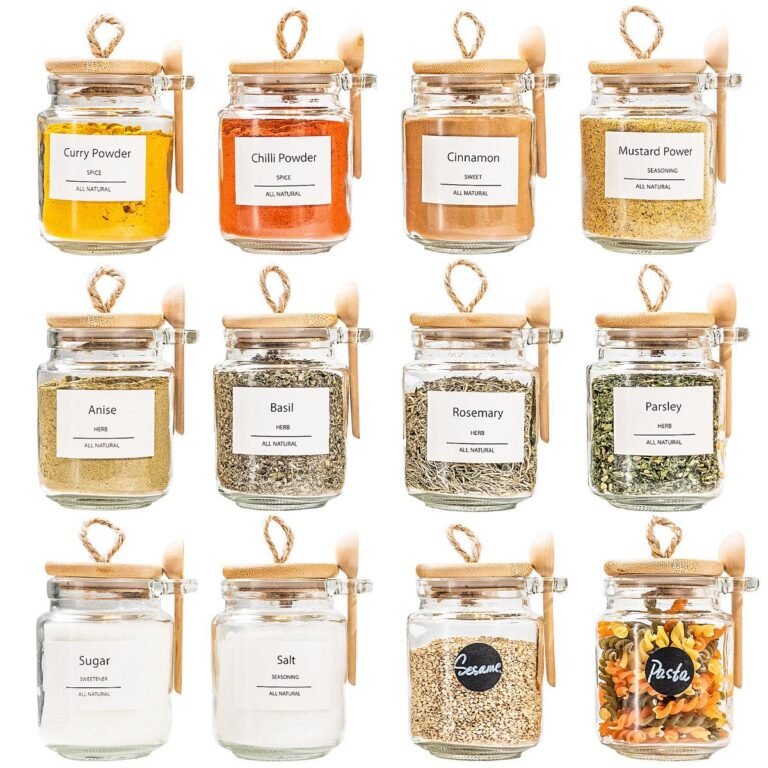
These suit a kitchen with some counter or shelf space to spare, and they come into their own in autumn and winter when you're baking more and want the ingredients close and visible rather than buried in a cupboard. They're less useful in a kitchen with no surface space at all, where every jar becomes one more thing to shuffle around, and they're a poor match for anything you use in tiny quantities, like spices, where a jar that size just wastes freshness and shelf room.
Keep the lids away from the dishwasher's heat cycle if they have rubber seals, since that's what breaks them down first.
 Aisha's pickAirtight Storage Jars With Room for More Than You’d Think
 Aisha's pickLarge Storage Jars for When the Old Ones Give Up
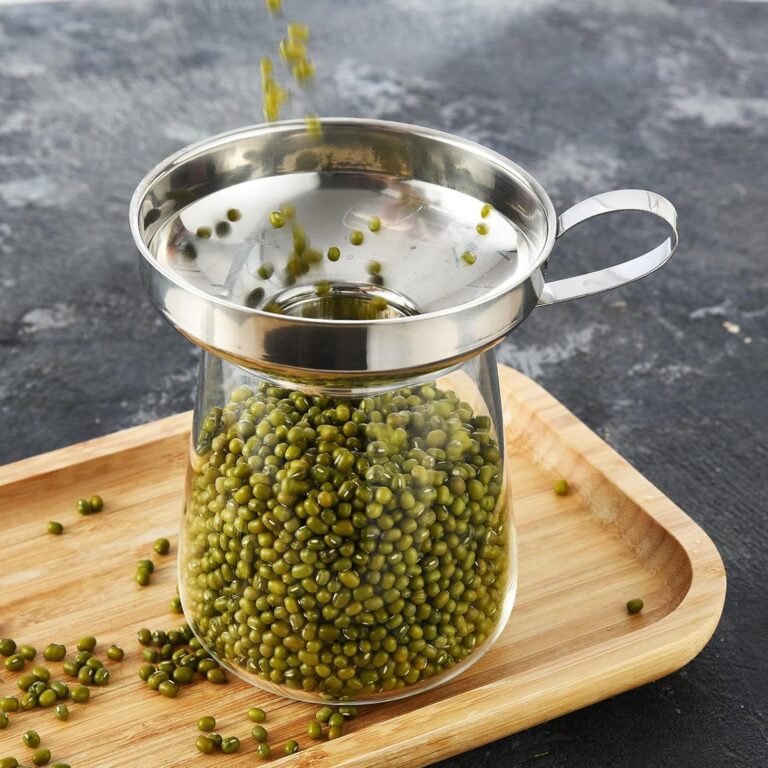
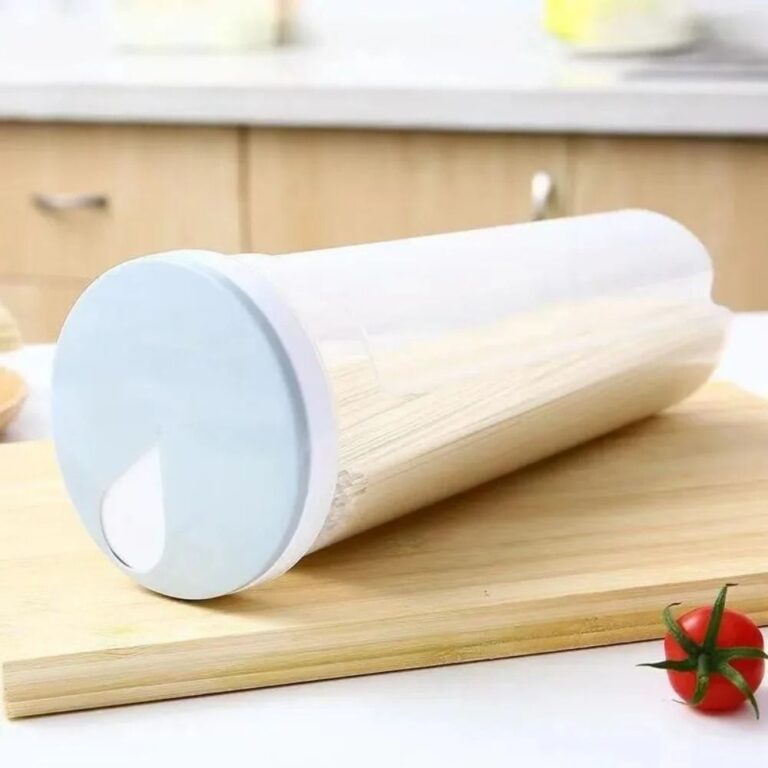 Aisha's pickThe White Storage Jars Worth Your Cash
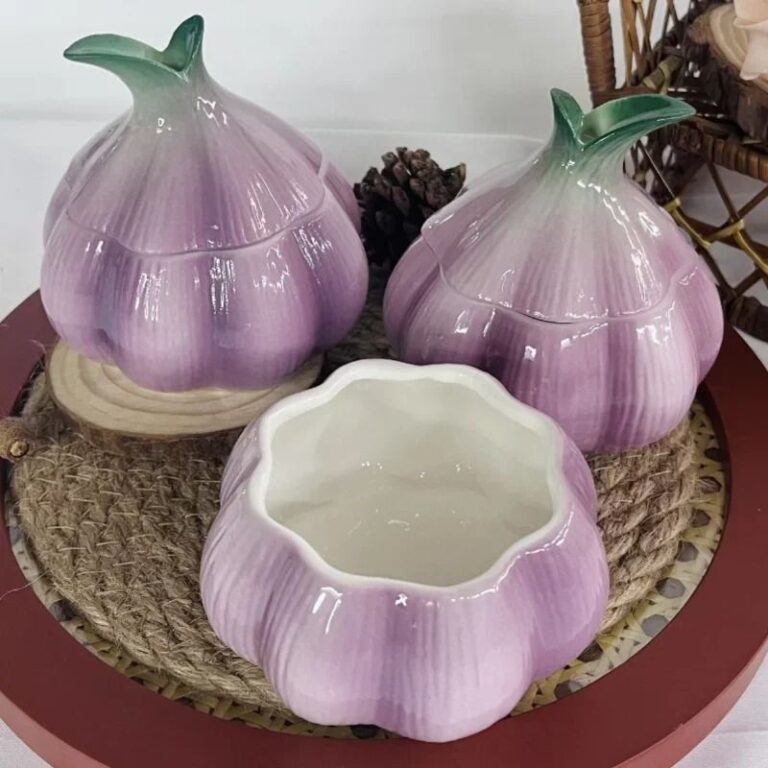
 Aisha's pickAirtight Storage Jars We Wish We’d Bought Sooner

 Aisha's pickMetal Storage Jars That Survive Kids and Pets

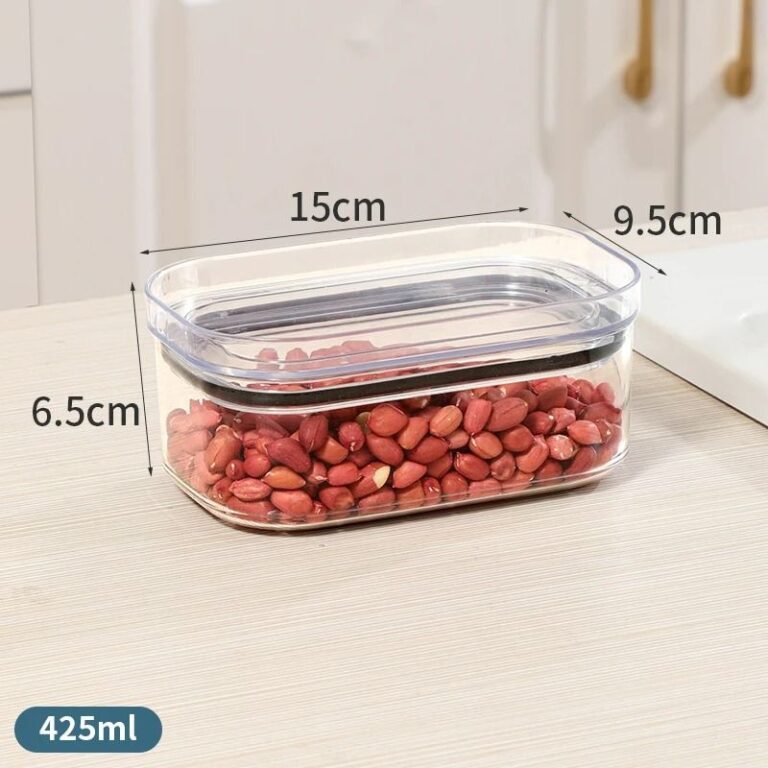 Aisha's pickWhite Storage Jars That Squeeze Into Awkward Corners
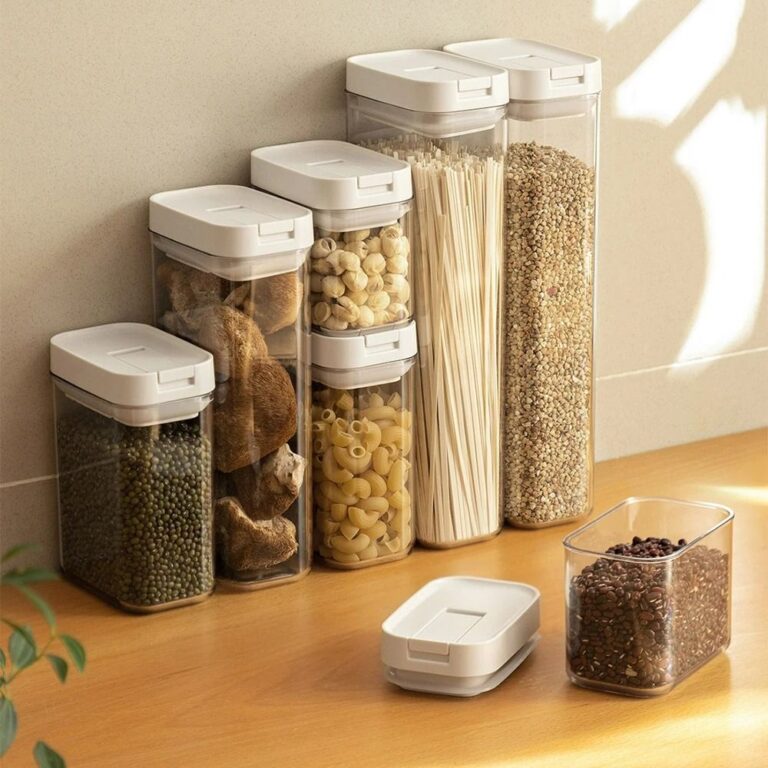
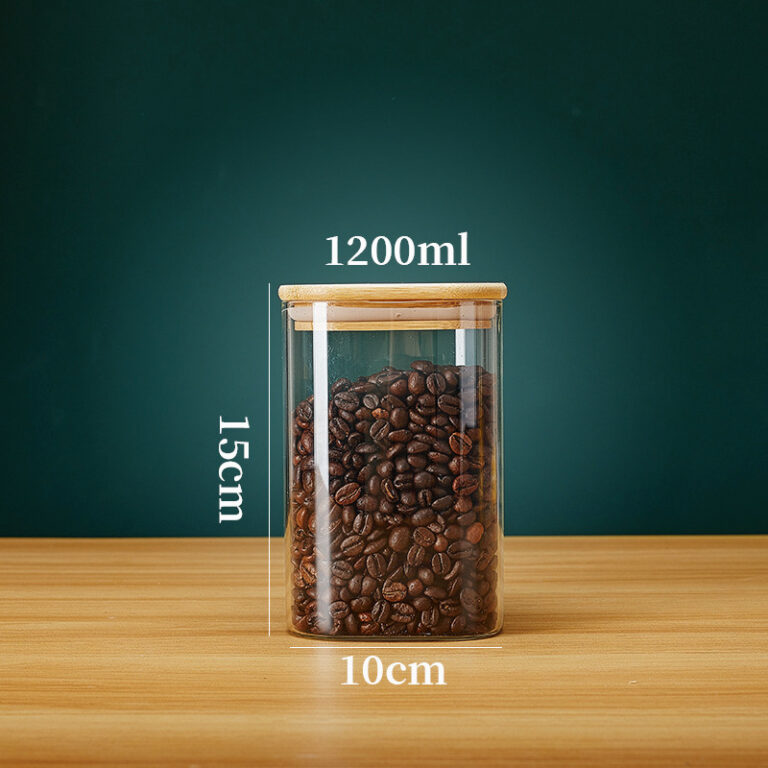 Aisha's pickBamboo Kitchen Storage Jars That Make Tidying Up Quicker

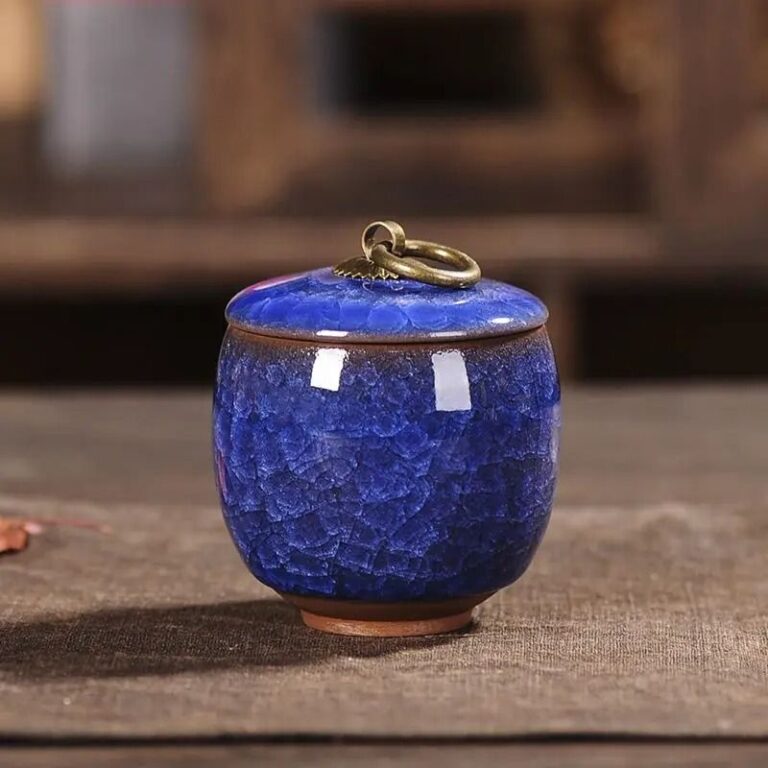 Aisha's pickMini Storage Jars That Look Like They Cost More

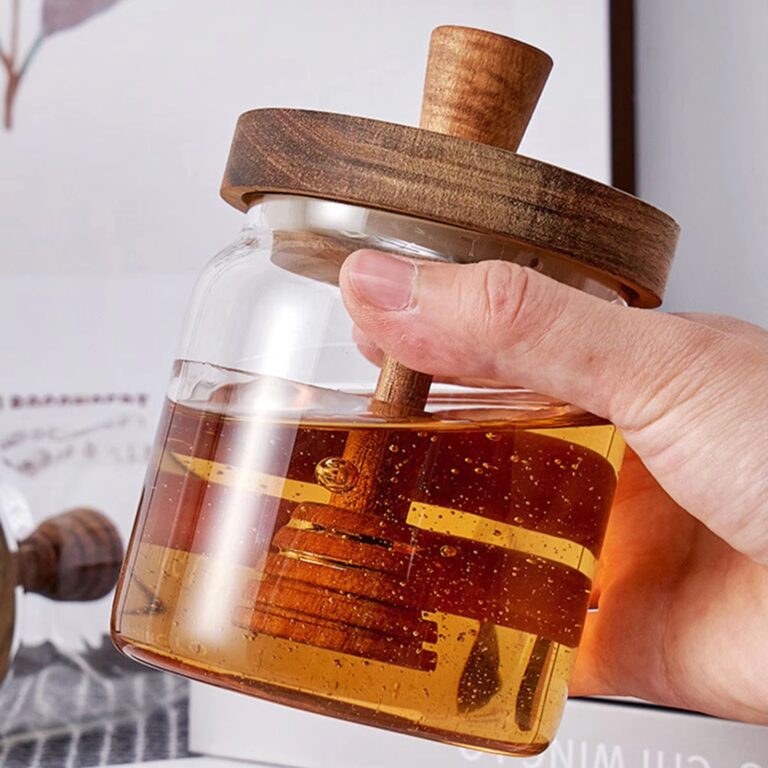 Aisha's pickWooden Storage Jars You’ll Still Like in Five YearsAlso worth a lookJarsThe first jars I owned were a set of plastic ones with screw lids that came three to…See the collections →
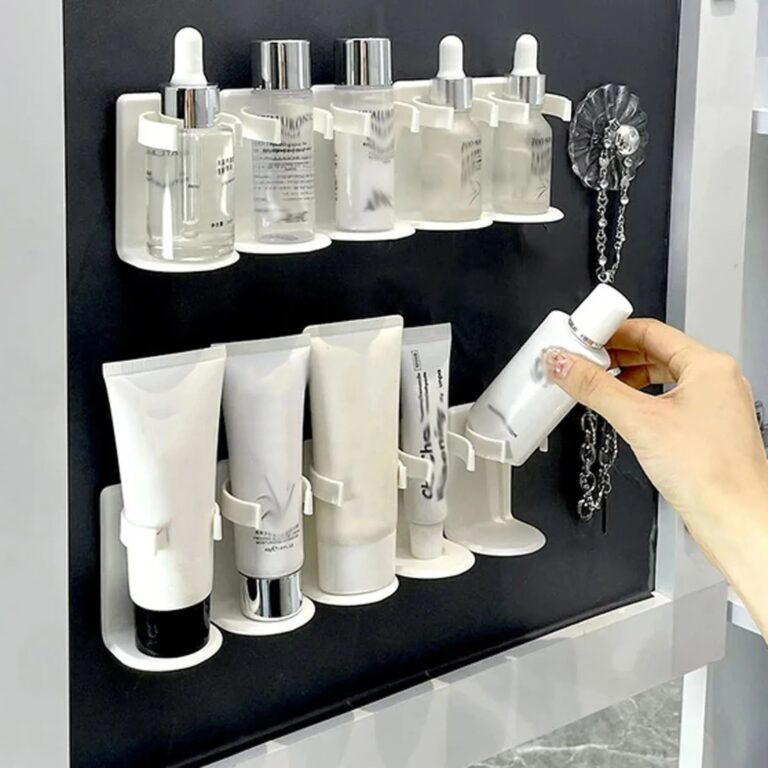
 Aisha's pickBamboo Storage Jars That Get Better With Age

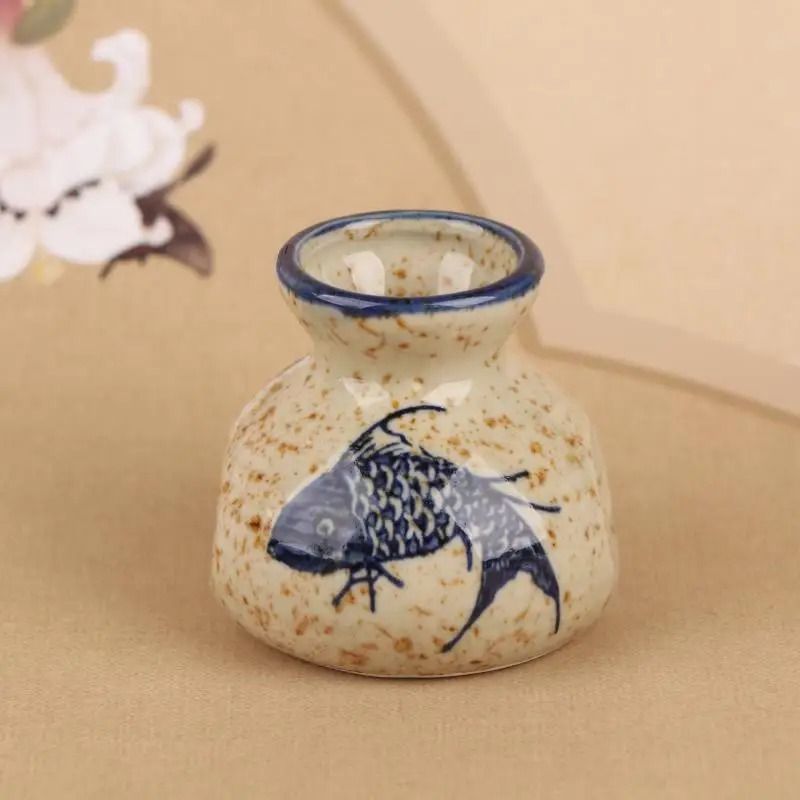 Aisha's pickMini Storage Jars With Room for More Than You’d Think
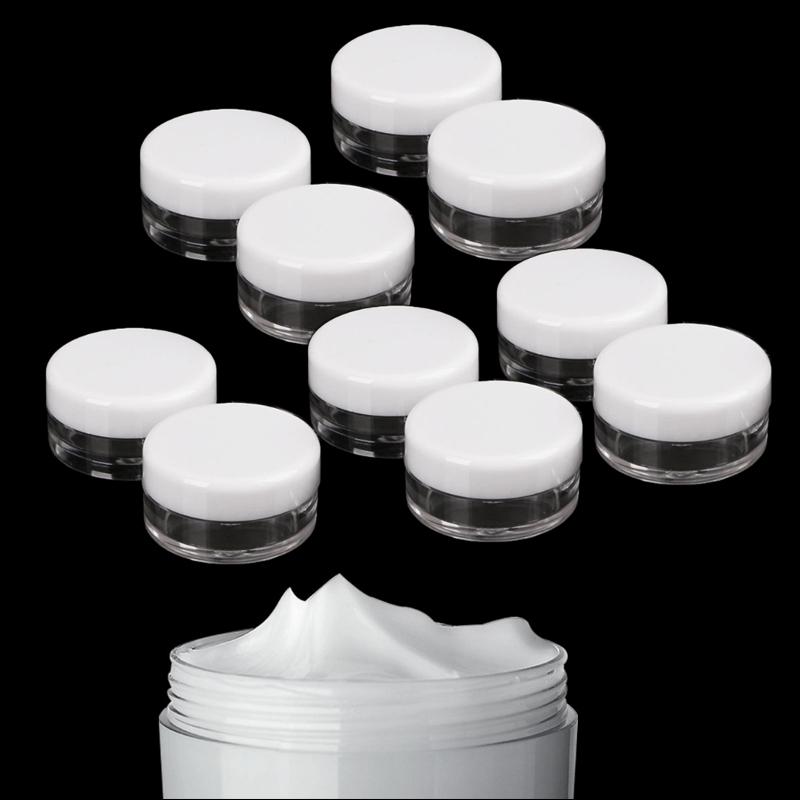
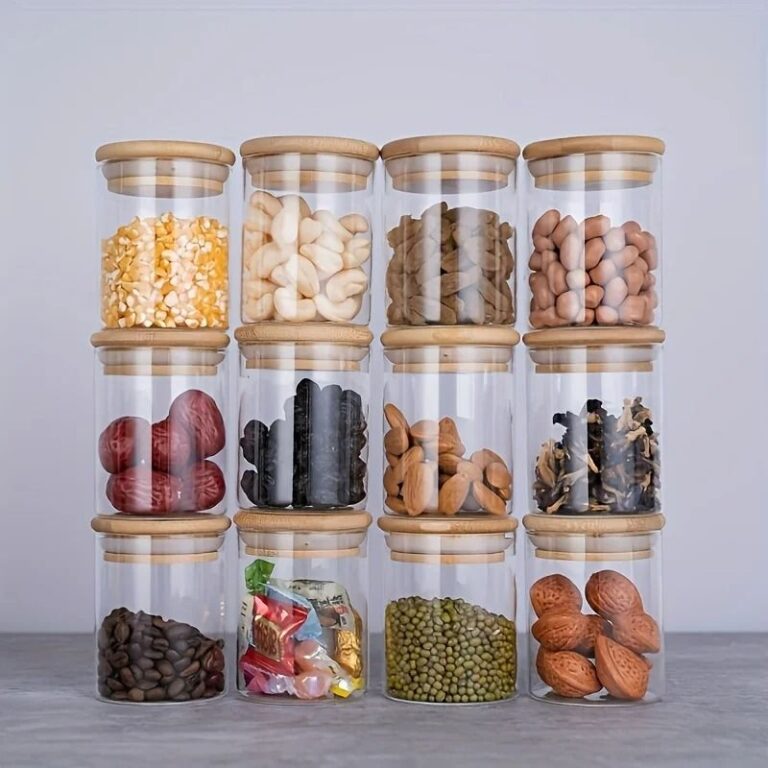 Aisha's pickWhere to Start With Bamboo Storage Jars
 Aisha's pickPantry Storage Jars That Cope With Steam and Splashes
 Aisha's pickBlack Storage Jars That Won’t Let You Down

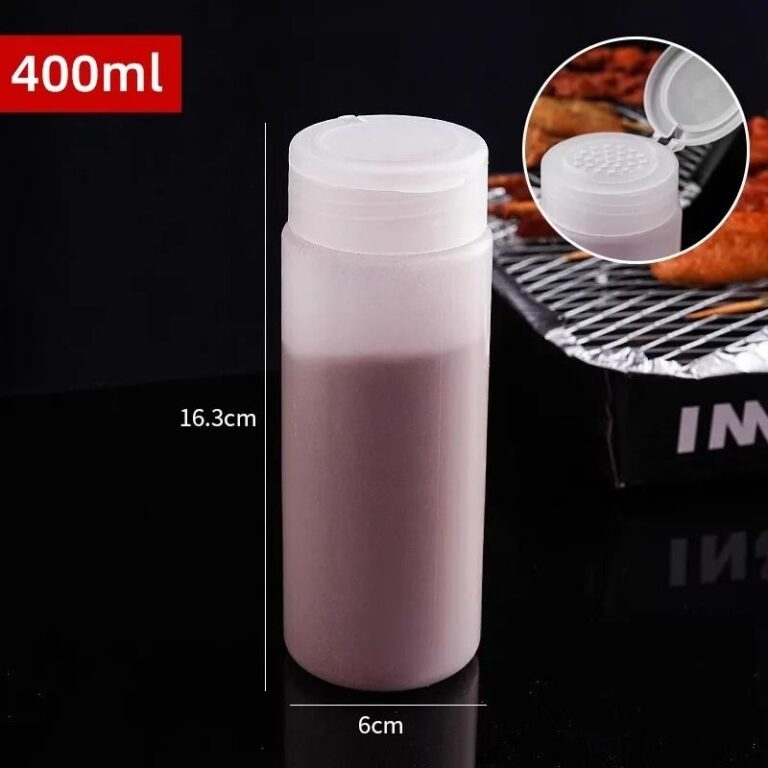 Aisha's pickThe Plastic Storage Jars Worth Your Cash
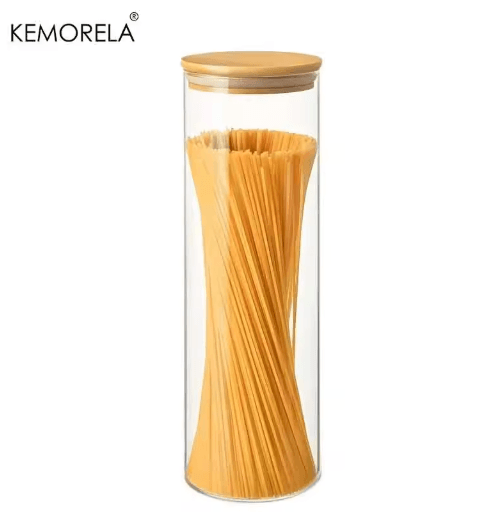
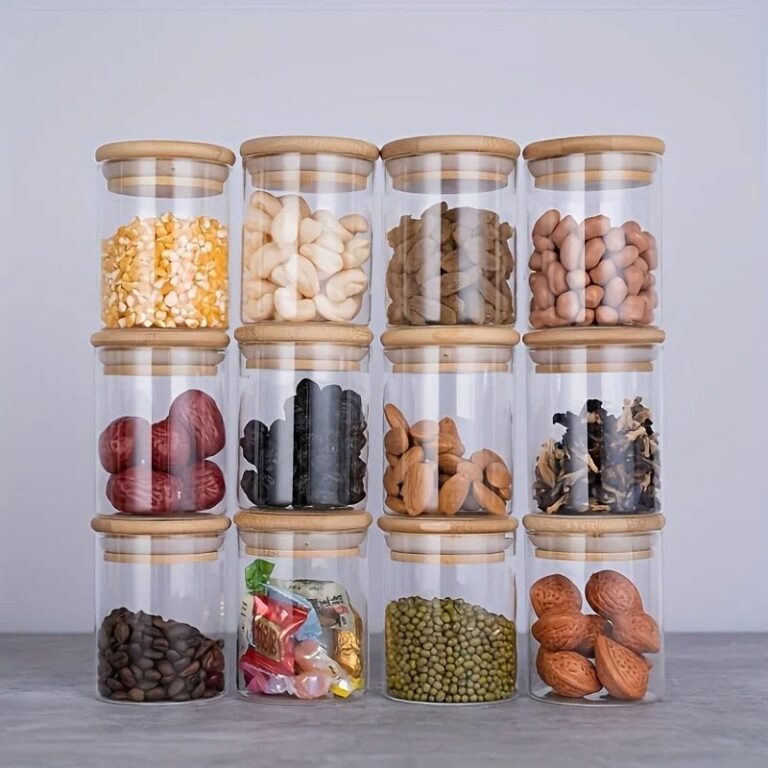 Aisha's pickBlack Storage Jars That Sort Out the Chaos
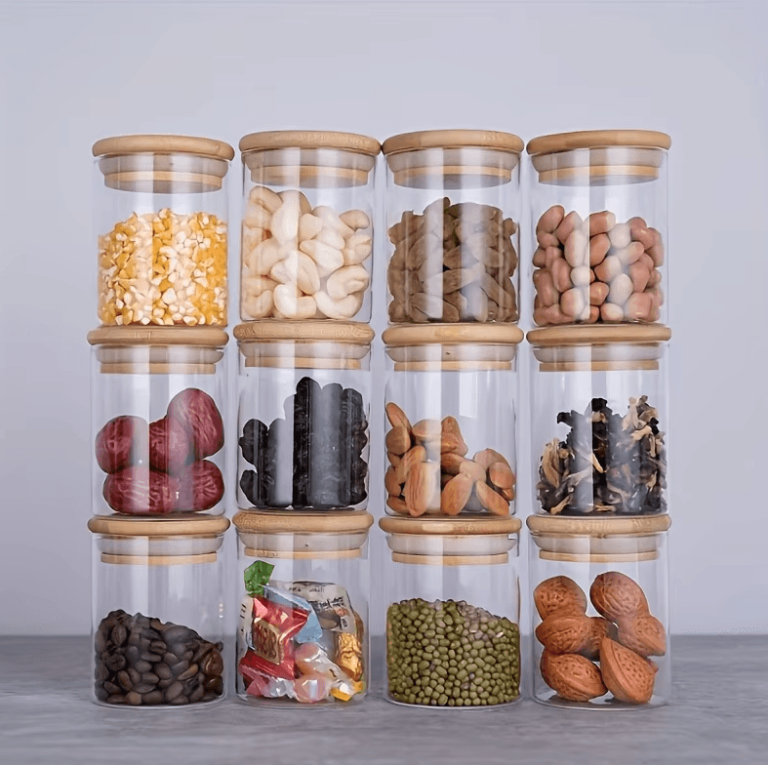
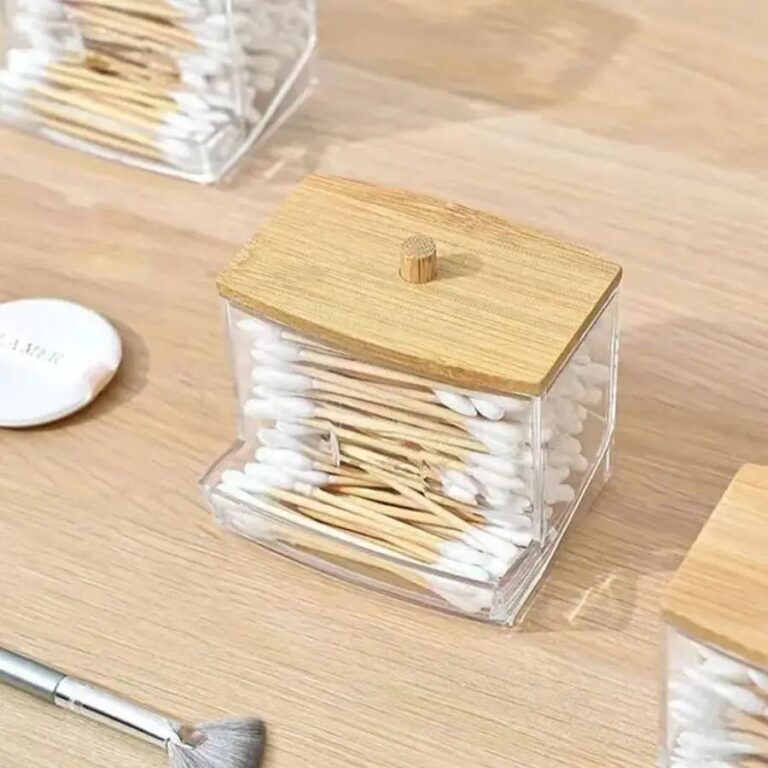 Aisha's pickSmall Glass Storage Jars That Look Better in Real Life
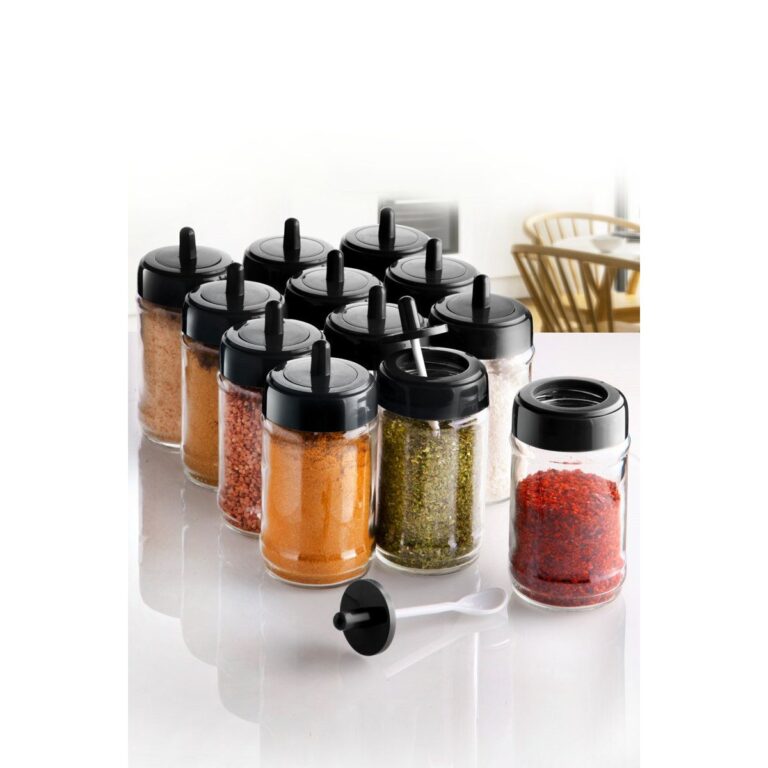
 Aisha's pickCeramic Kitchen Storage Jars That Make Cooking a Bit Nicer
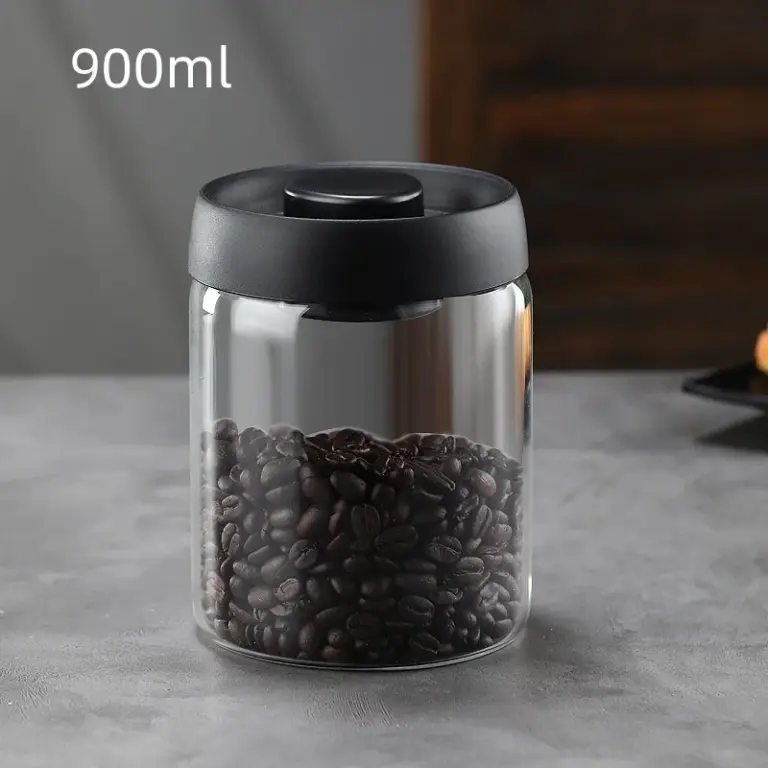 Aisha's pickWhere to Start With Small Storage Jars
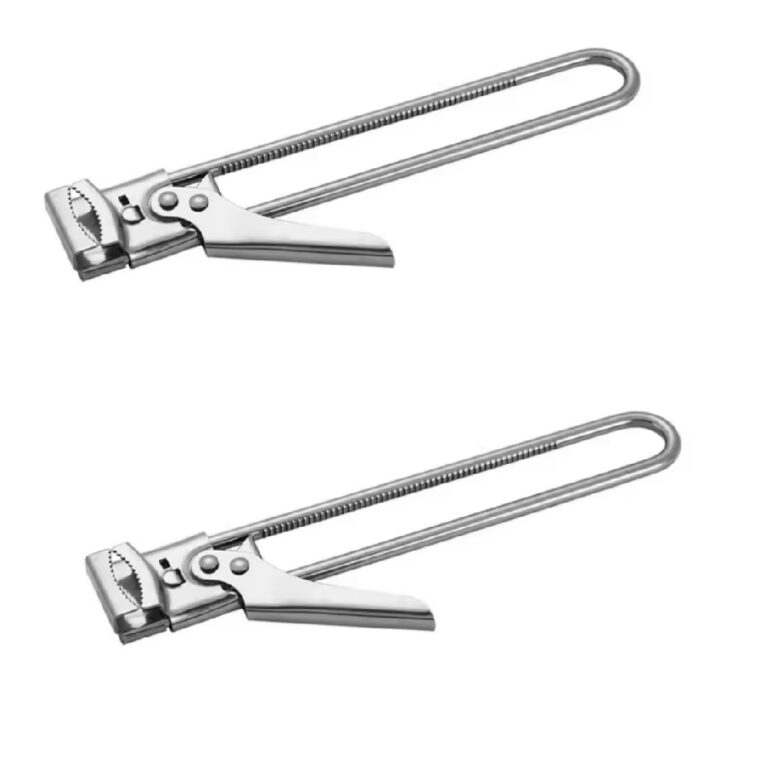
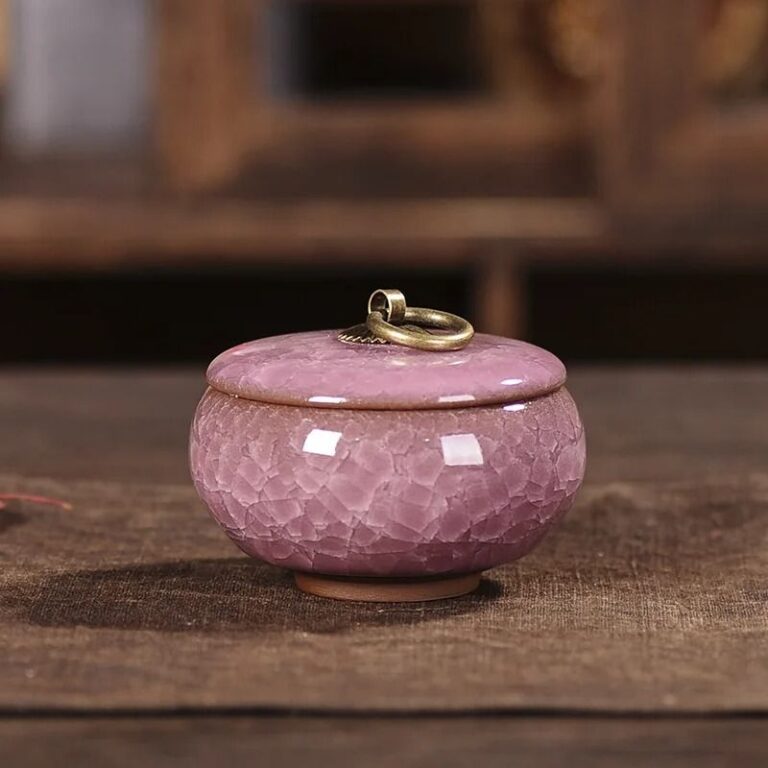 Aisha's pickCeramic Storage Jars That Don’t Look Mass Produced
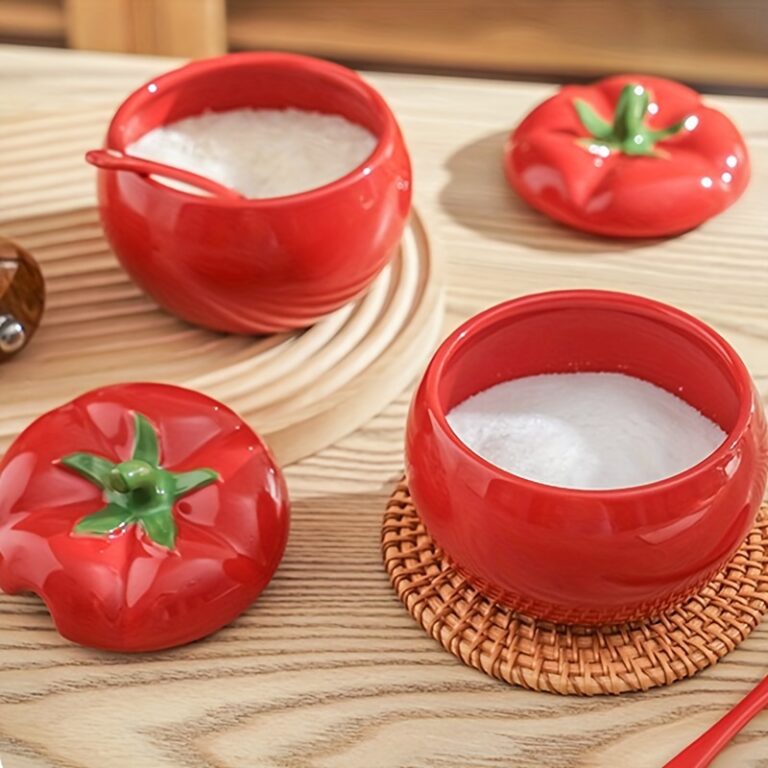
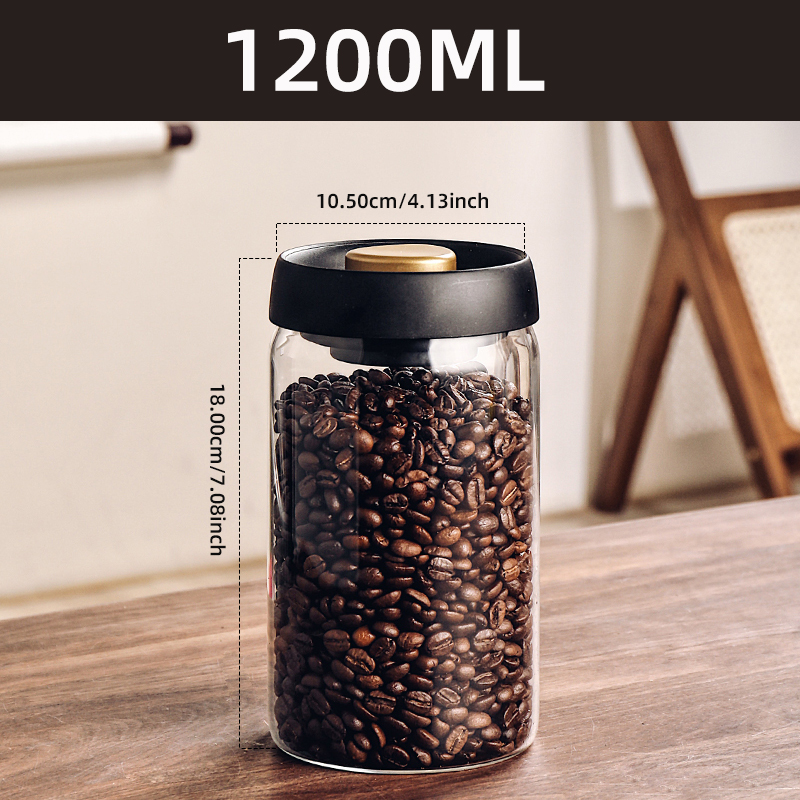 Aisha's pickSmall Storage Jars We Wish We’d Bought Sooner
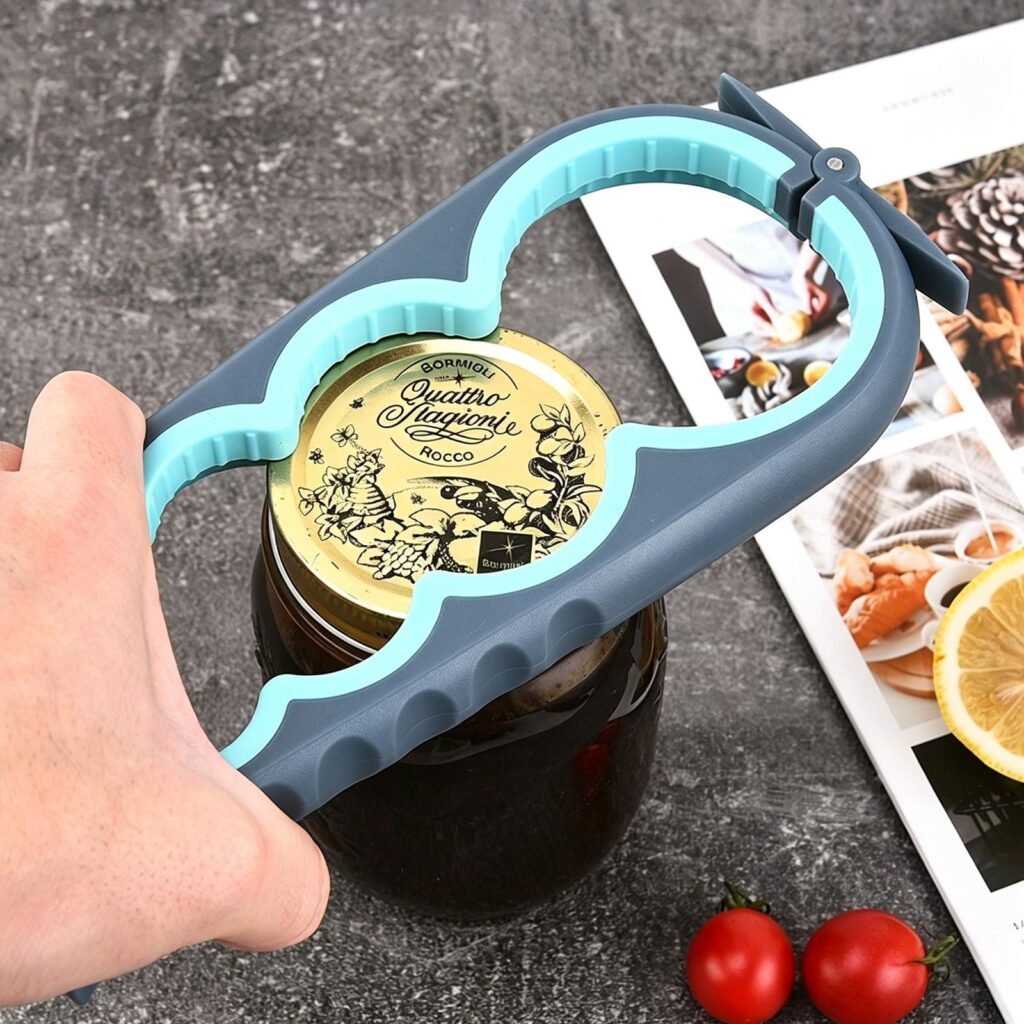
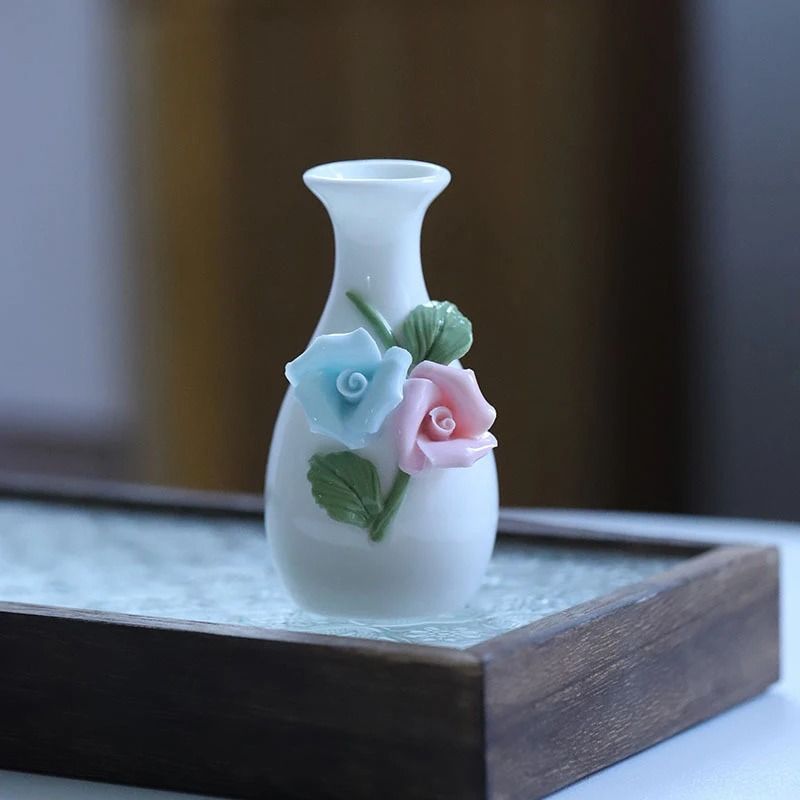 Aisha's pickCeramic Storage Jars That Work in Old Houses and New Ones
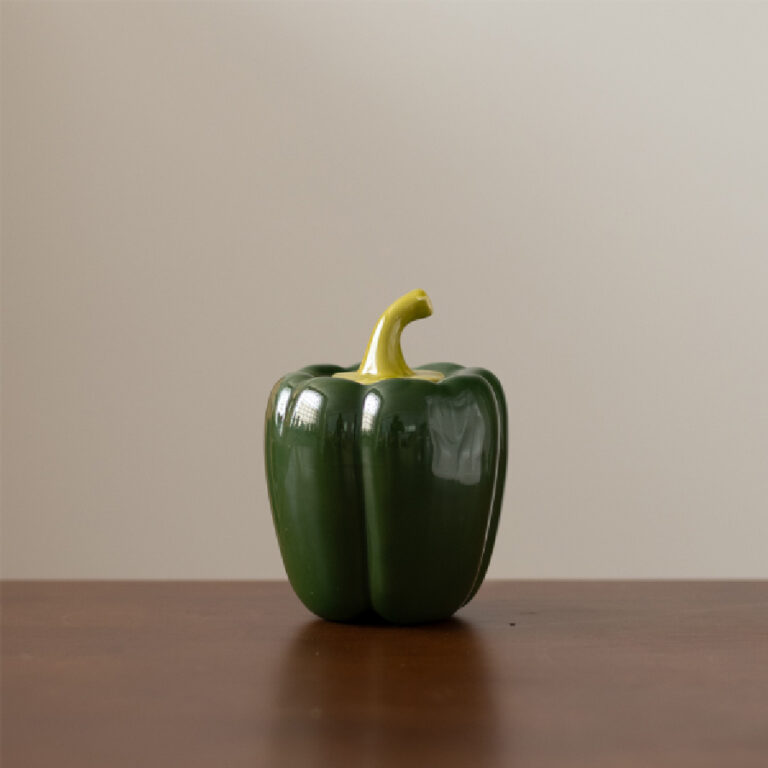
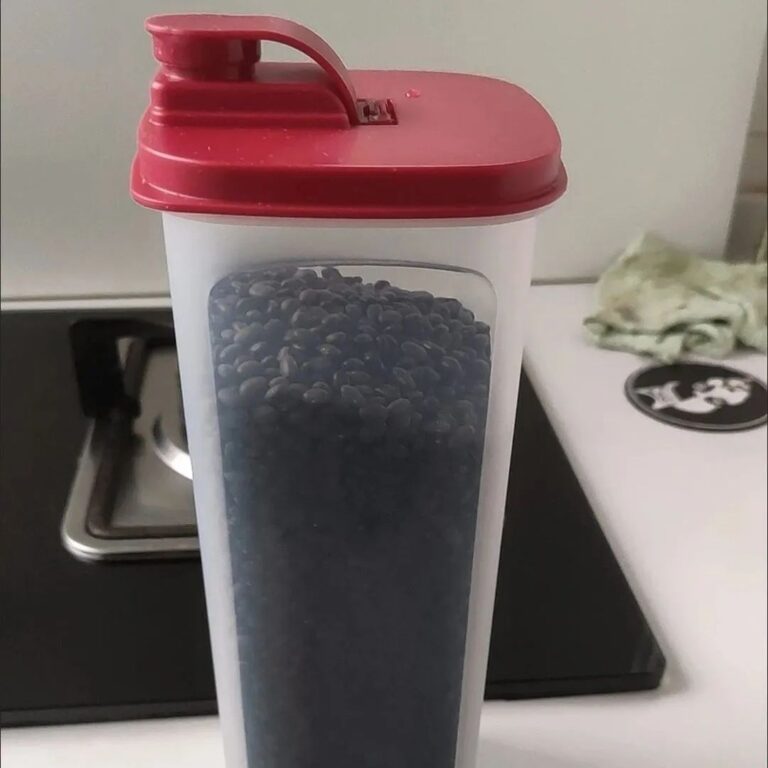 Aisha's pickStorage Jars for the Bits That Never Have a Home
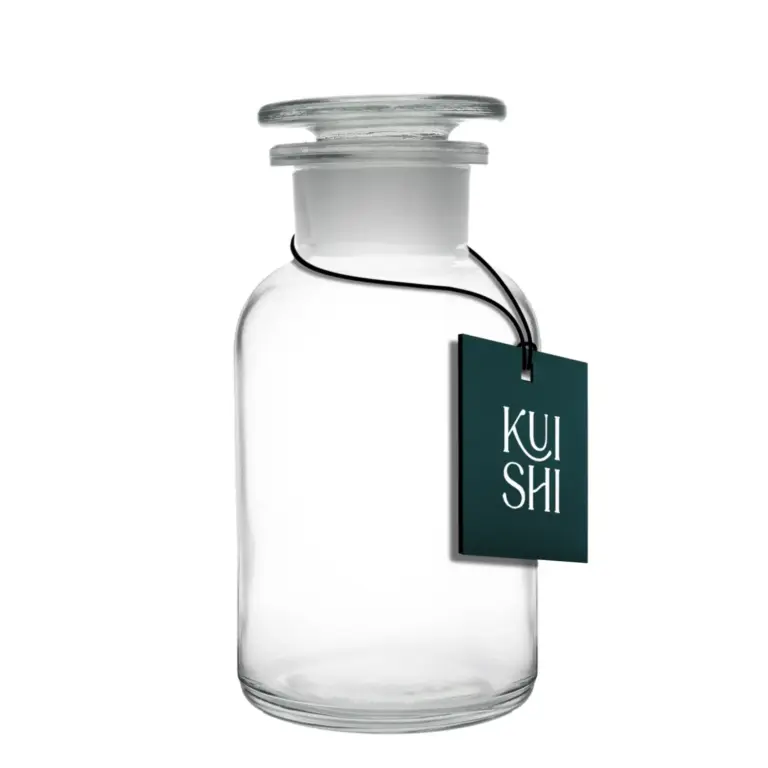
 Aisha's pickClear Glass Storage Jars That Don’t Look Mass Produced

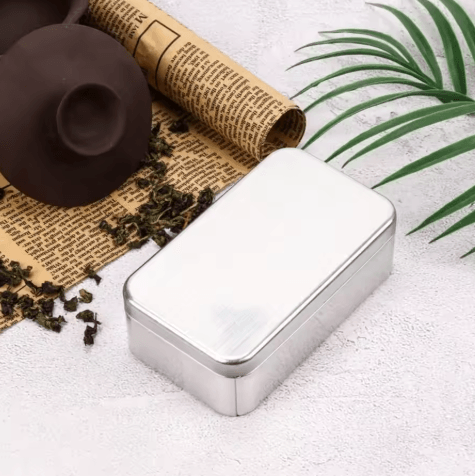 Aisha's pickStorage Jars with Labels That Hold Up to Everyday Life
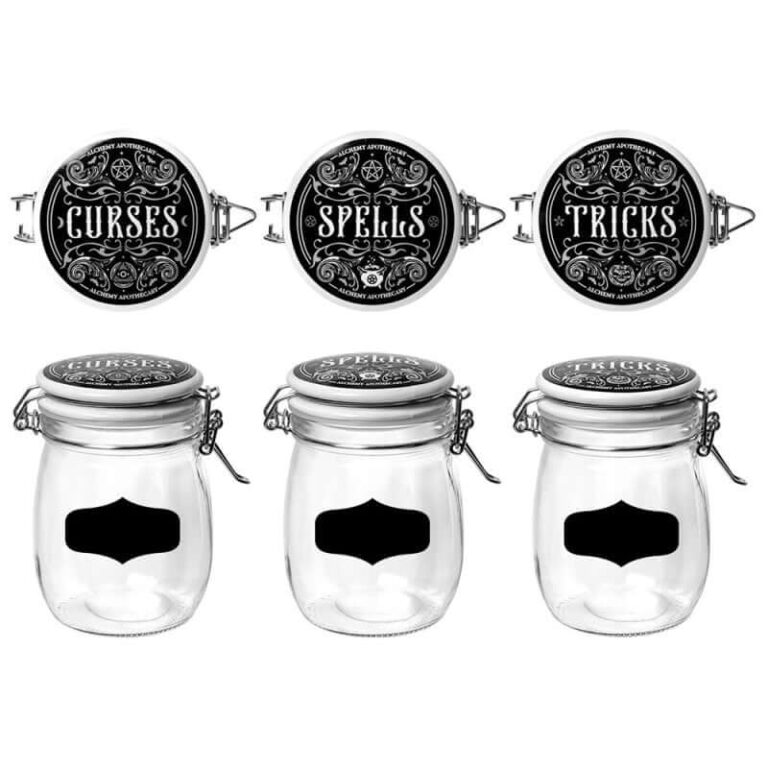
 Aisha's pickGlass Kitchen Storage Jars You’ll Keep for Years

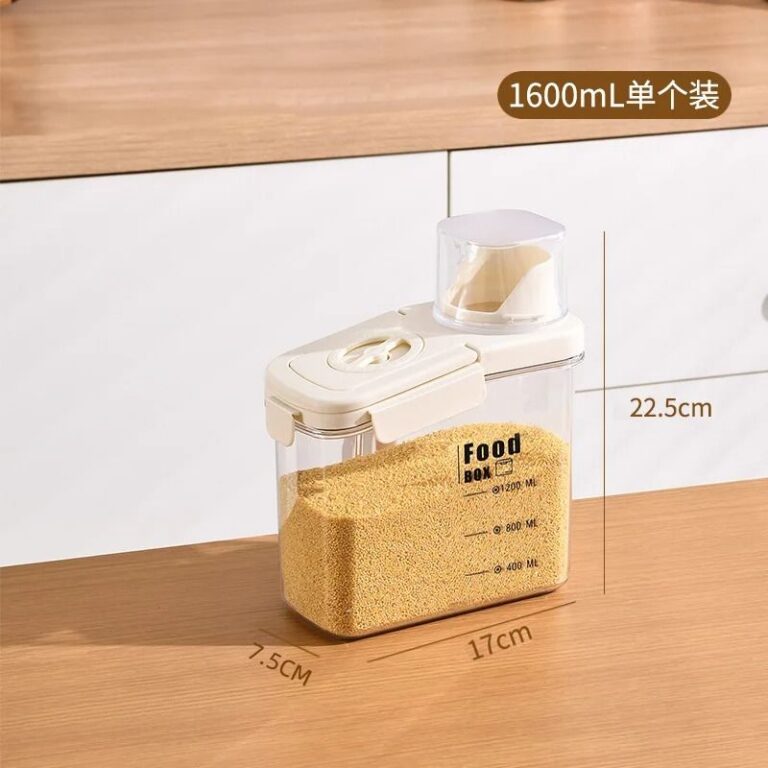 Aisha's pickStorage Jars with Lid That Keep Surfaces Clear
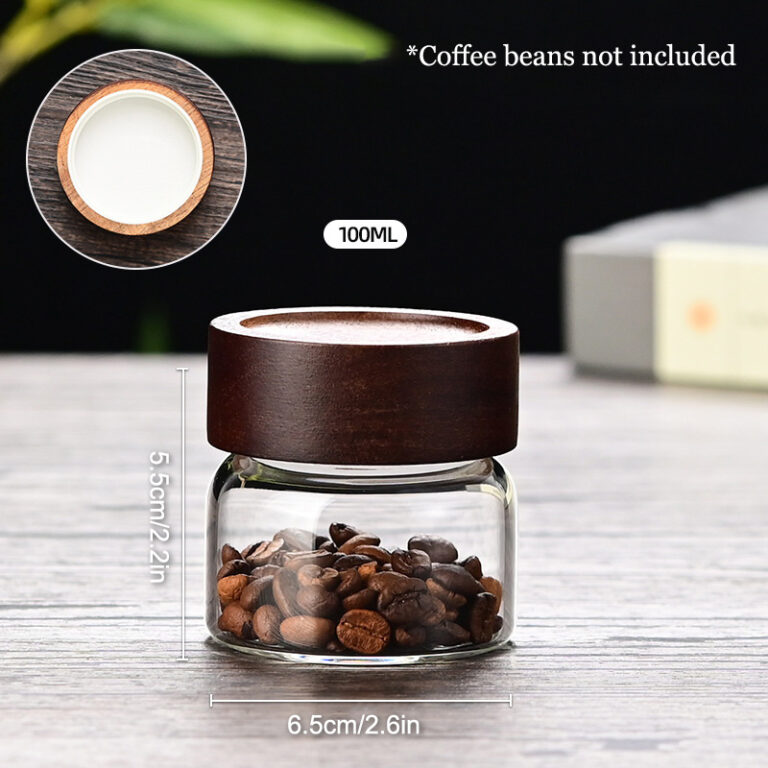
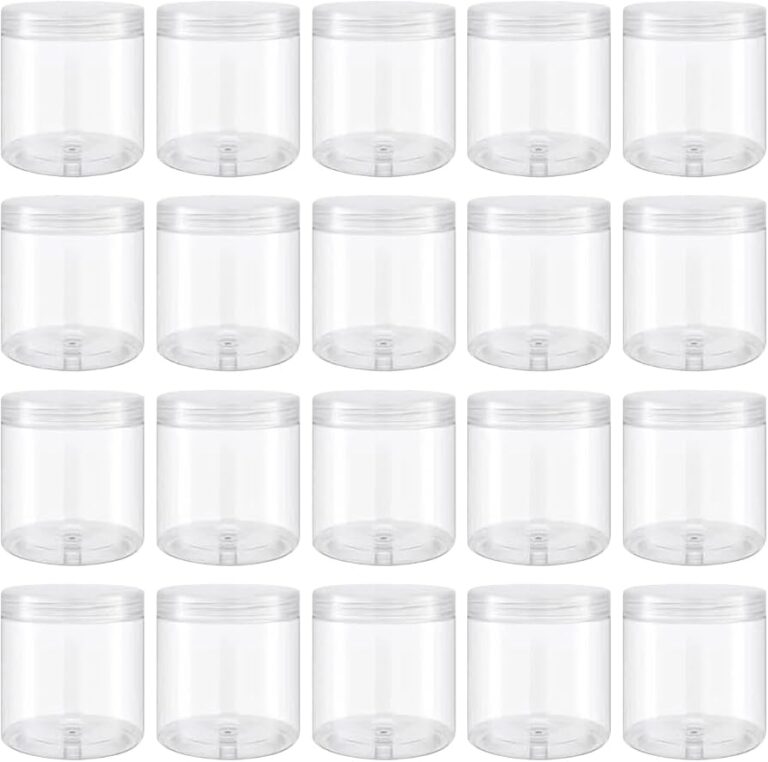 Aisha's pickThe Glass Storage Jars Worth Your Cash
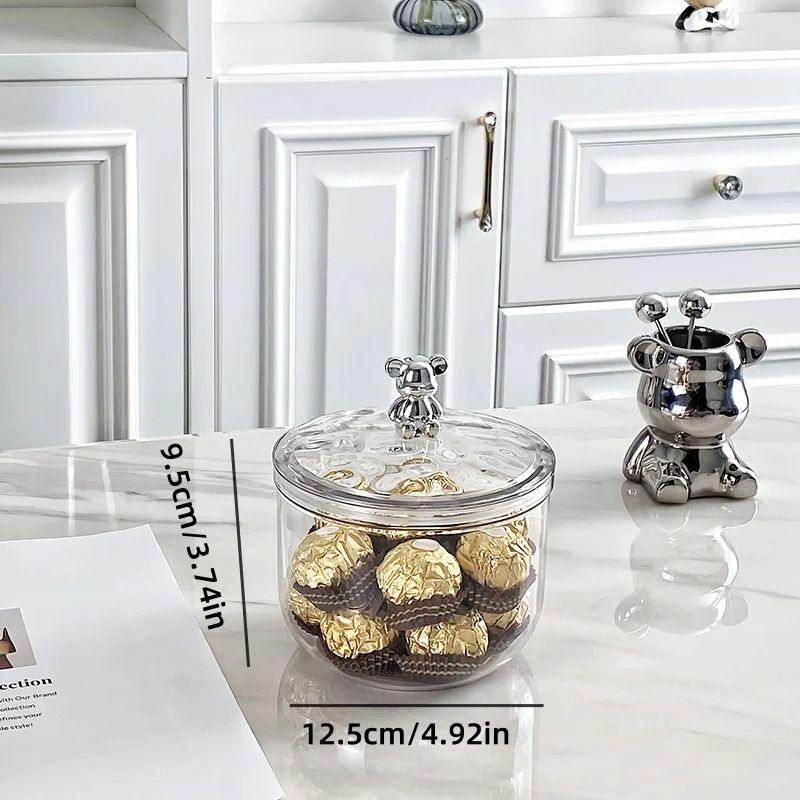
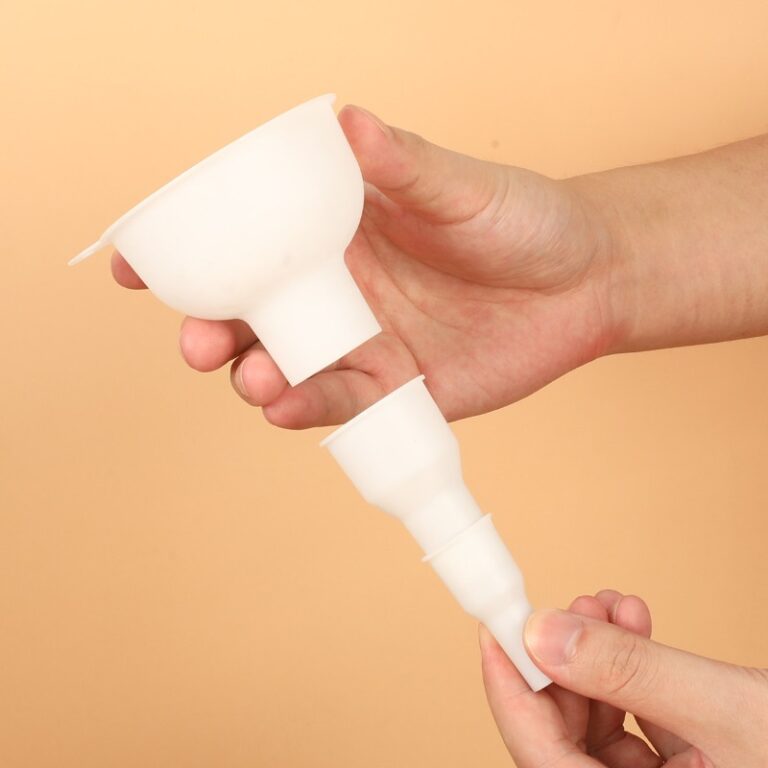 Aisha's pickStorage Jars for Making a House Feel Like Yours
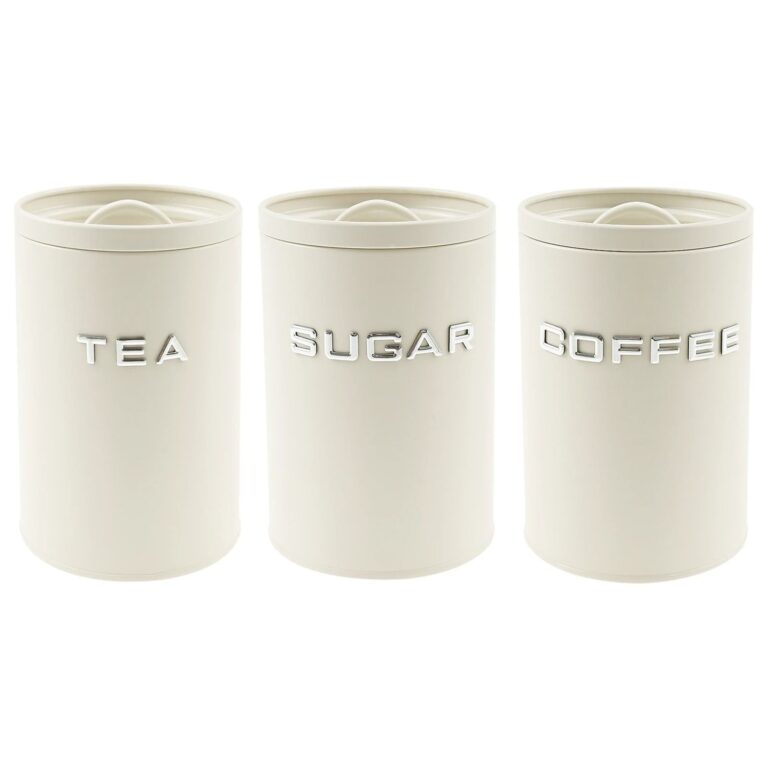
 Aisha's pickAirtight Glass Storage Jars That Sort Out the Chaos

 Aisha's pickGlass Storage Jars That Keep Surfaces Clear
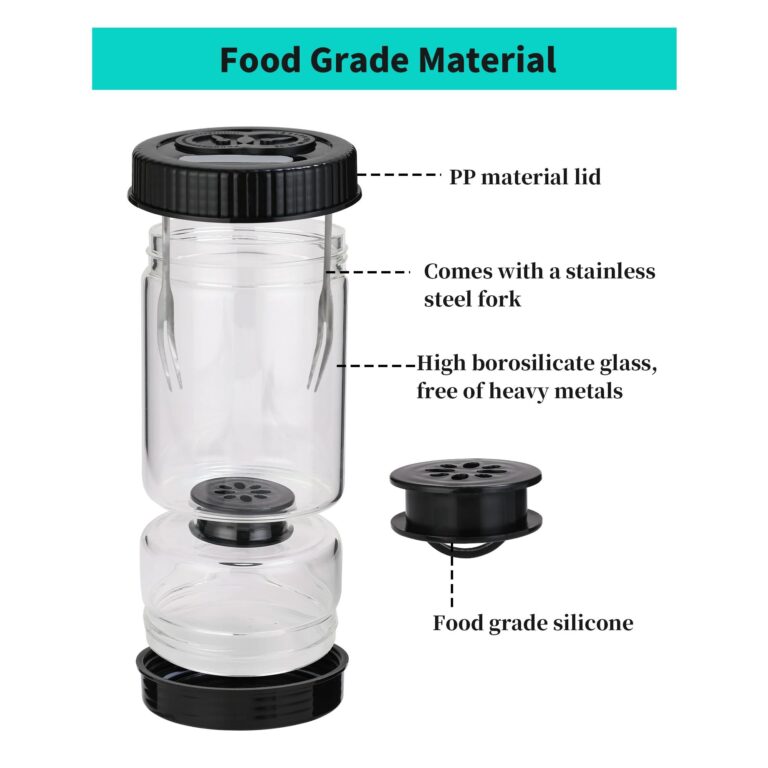
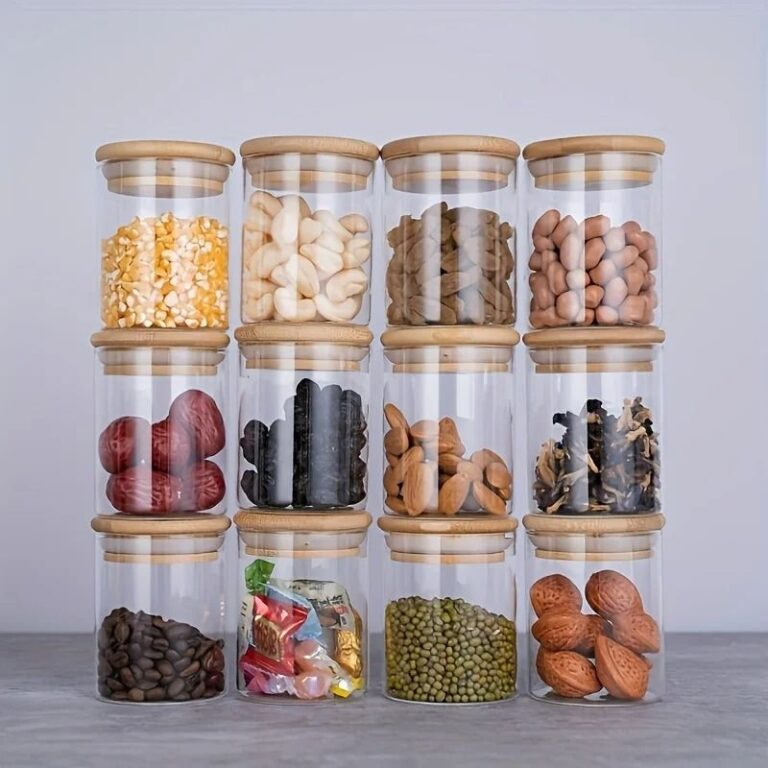 Aisha's pickOur Shortlist of Storage Jars with Labels
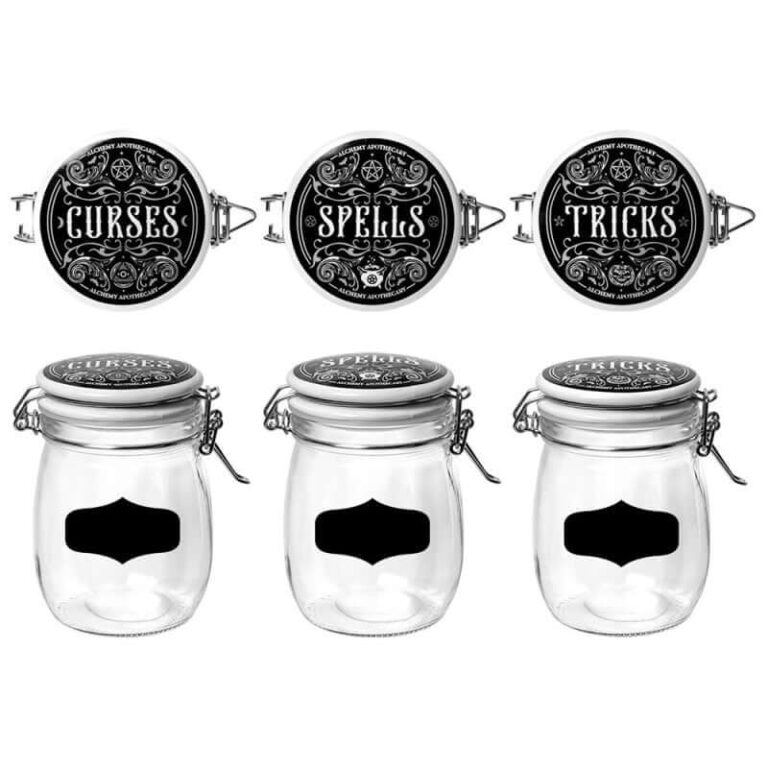
 Aisha's pickAirtight Kitchen Storage Jars That Make Cooking a Bit Nicer

 Aisha's pickKitchen Storage Jars That Fit Into Real Life