Patio tables have a reputation for being an afterthought, the thing you grab because the chairs needed somewhere to put a drink, and honestly, I landed there too for years. Mine was a plastic rectangle that warped in one Georgia summer and I didn't replace it properly for three more. A good patio table deserves better billing than that. Get the right one and it becomes the actual center of your outdoor setup, not the prop next to it.
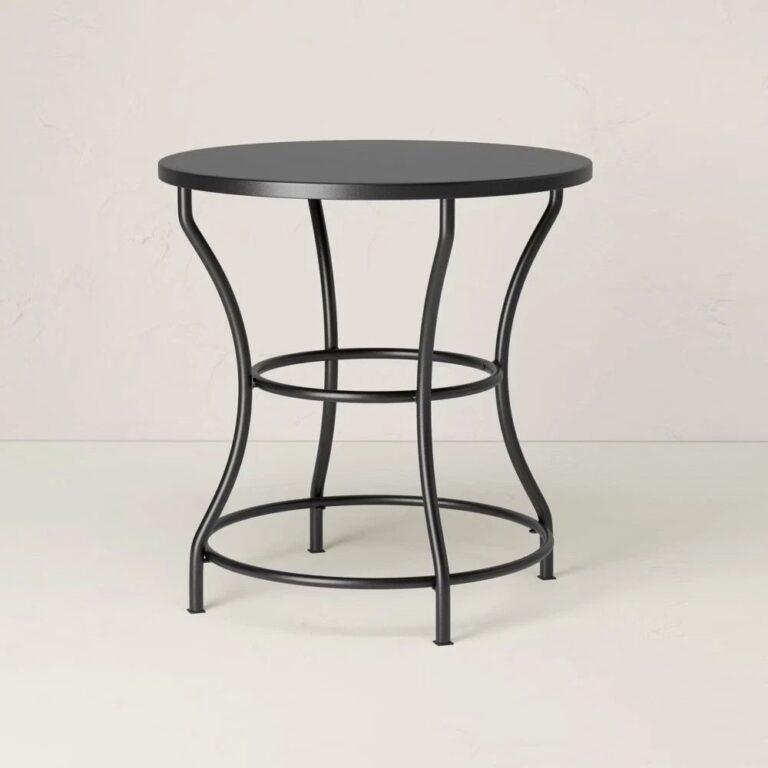
Color and finish matter more outside than people expect. A weathered teak or a warm natural wood tone is the easiest thing to live with, it ages instead of fading, and it goes with whatever you throw at it, rattan chairs, mismatched cushions, string lights, a bowl of lemons. If you want color, put it in a powder coated steel frame, a deep charcoal or a bottle green base holds up beautifully and doesn't scream at you every time you walk past the window. What I'd steer you away from is bright white tabletops. They look crisp for about six weeks, then every pollen season and every glass ring shows up like a confession.
Where this lives best is anywhere you actually eat or sit for more than five minutes, a small balcony, a deck off the kitchen, a concrete patio that needs some warmth. Smaller households and renters do well with a round table around thirty six inches, it seats four without feeling like a commitment, and it moves easily if you're hauling it up an apartment stairwell, which I have done, cursing. If you've got a bigger yard and you actually host, a rectangular table that seats six earns its place fast, especially once grilling season hits and everyone wants to sit outside at once.
If you're starting from nothing, go with one solid table before you buy a full set. A table you like will outlast whatever chairs you start with, and chairs are easier to swap out later. The difference between a table that survives a move and one that falls apart on the truck is almost always in the joints and the base, not the tabletop. Look for welded steel legs rather than bolted ones, a wood top that's been properly sealed rather than just stained, and an umbrella hole with a real metal grommet instead of a flimsy plastic ring that cracks the first time the pole gets twisted in wind. Cheap ones rust at the leg joints within a season. Good ones get a water spot you wipe off and move on.
Start on the deck. That's where mine finally earned its keep, and where yours will too.

 Aisha's pickModern Patio Tables for Barbecues and Lazy Weekends
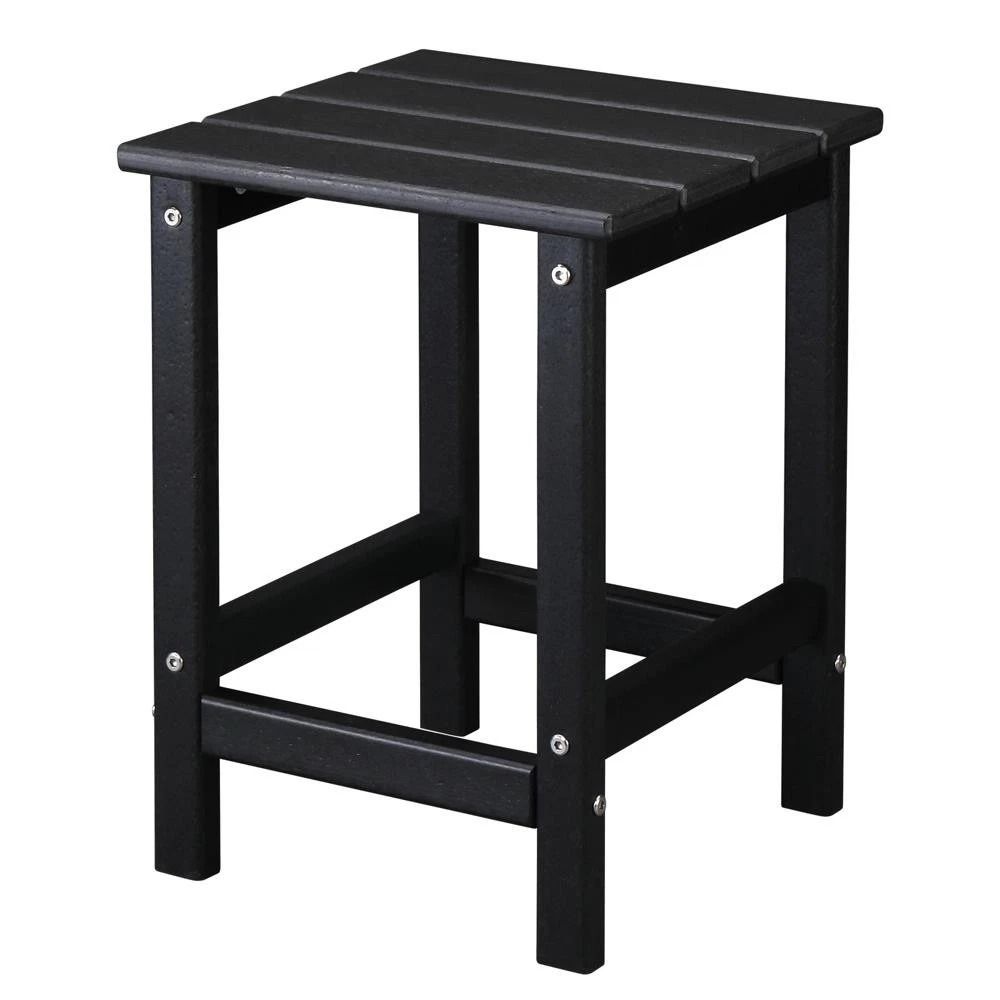
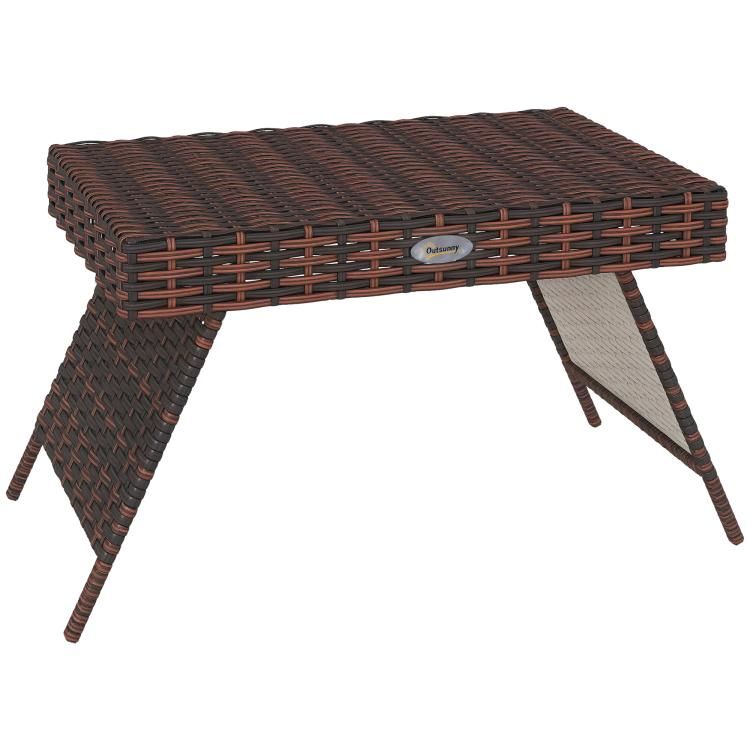 Aisha's pickRectangular Patio Tables That Fit Into Real Life
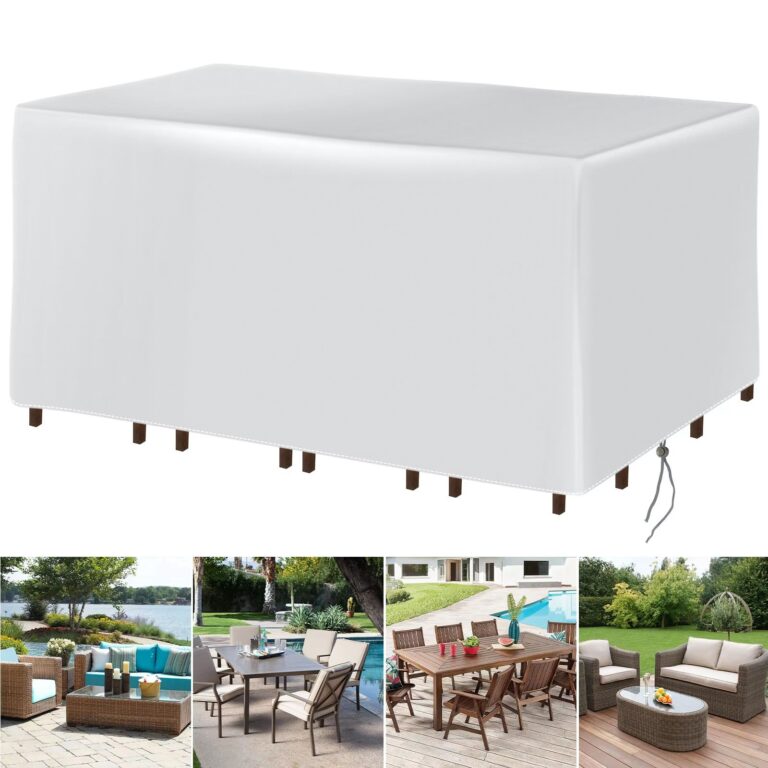
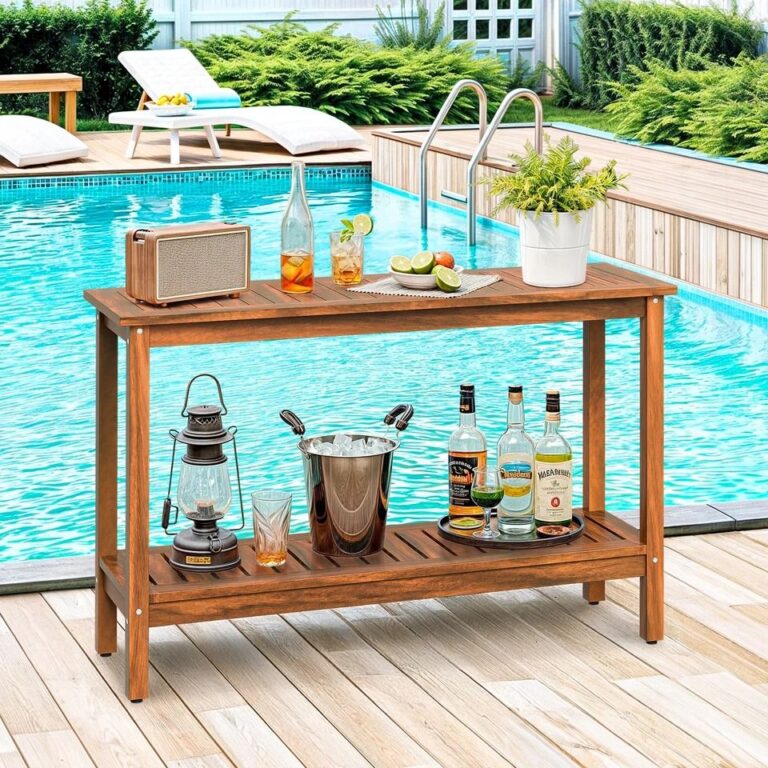 Aisha's pickNatural Patio Tables That Look Good Up Close
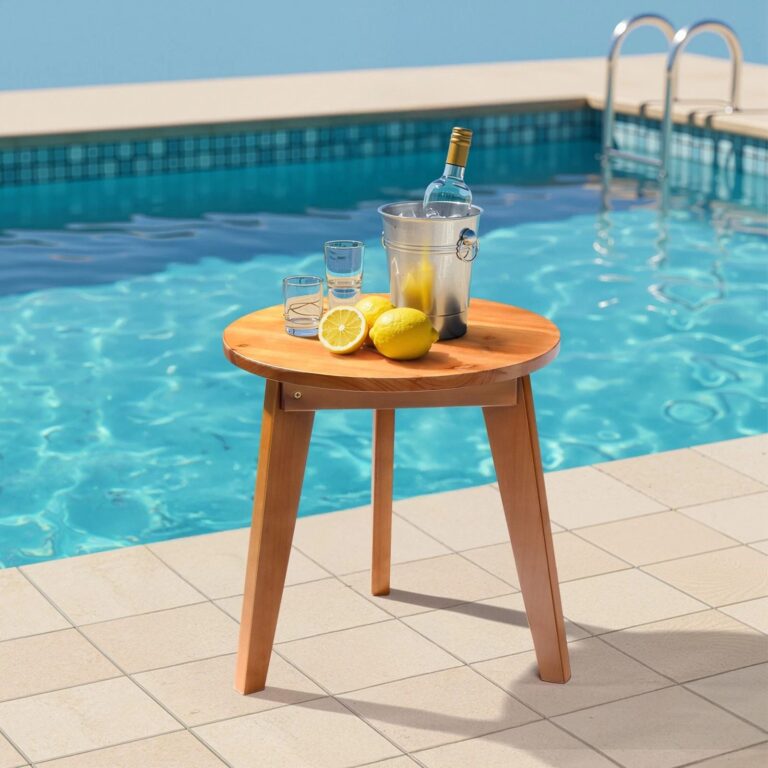
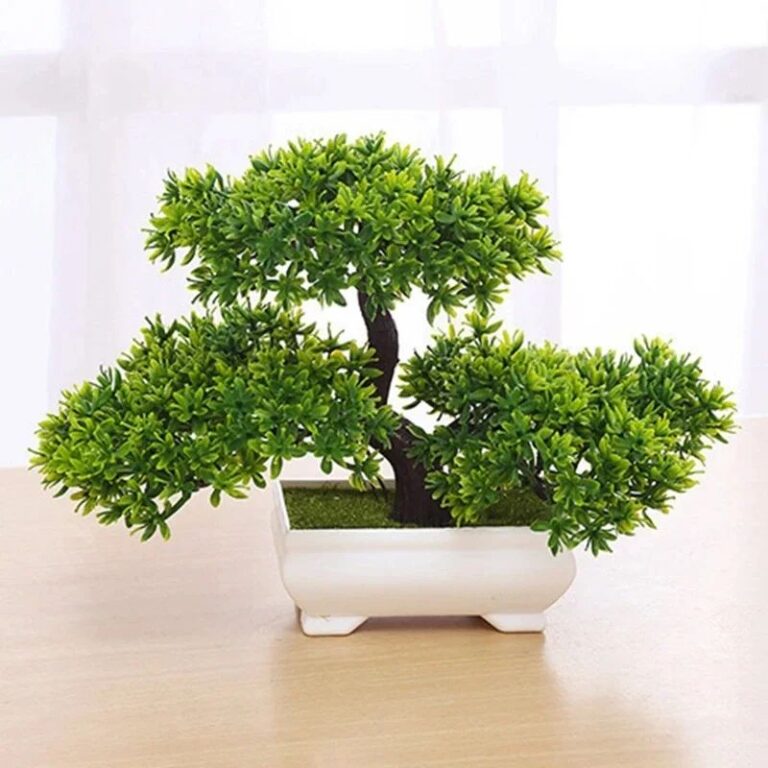 Aisha's pickRound Patio Tables That Make the Yard Feel Like Another Room
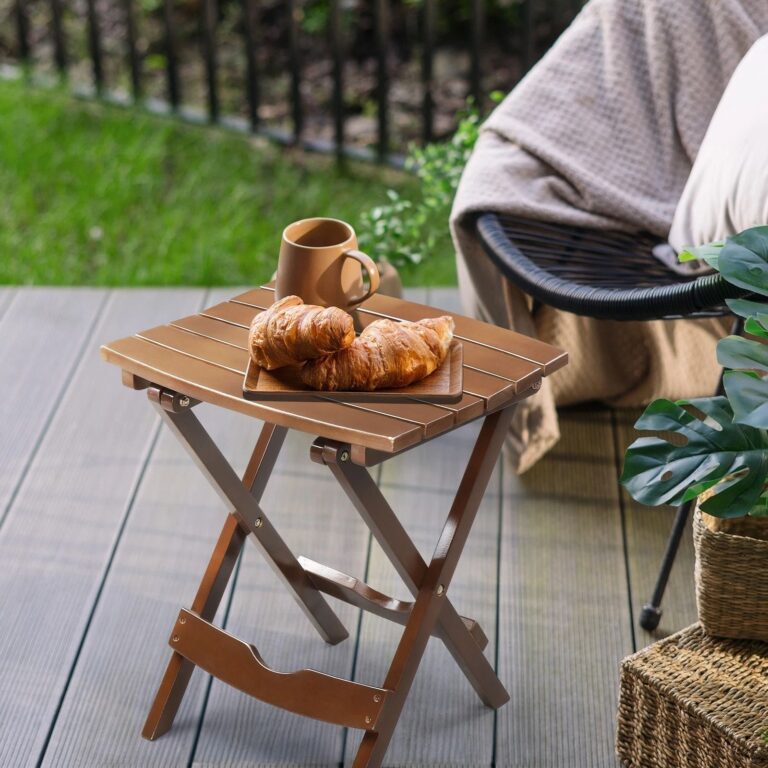
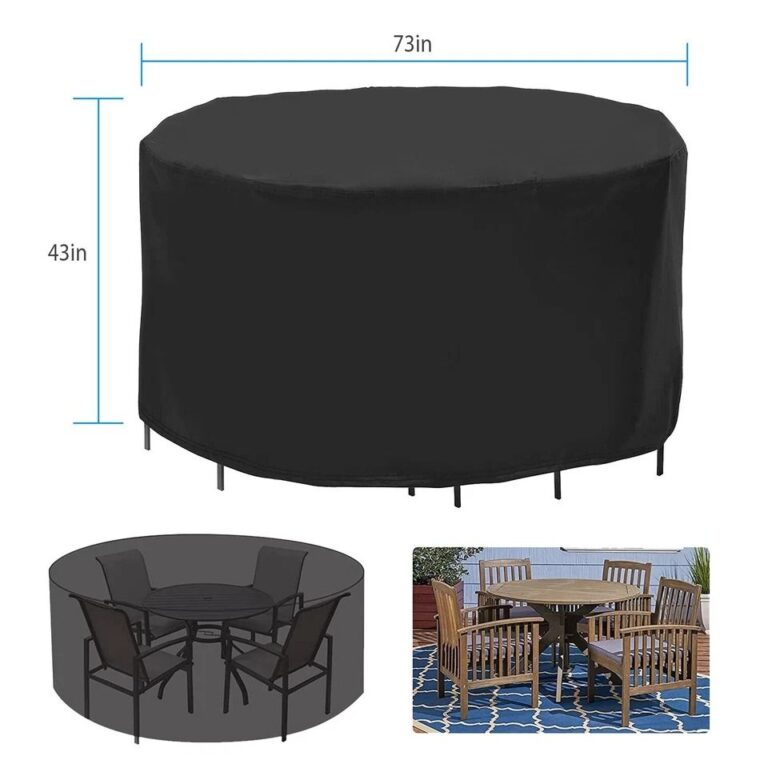 Aisha's pickOutdoor Table and Chair Sets for Patio That Don’t Shout About It
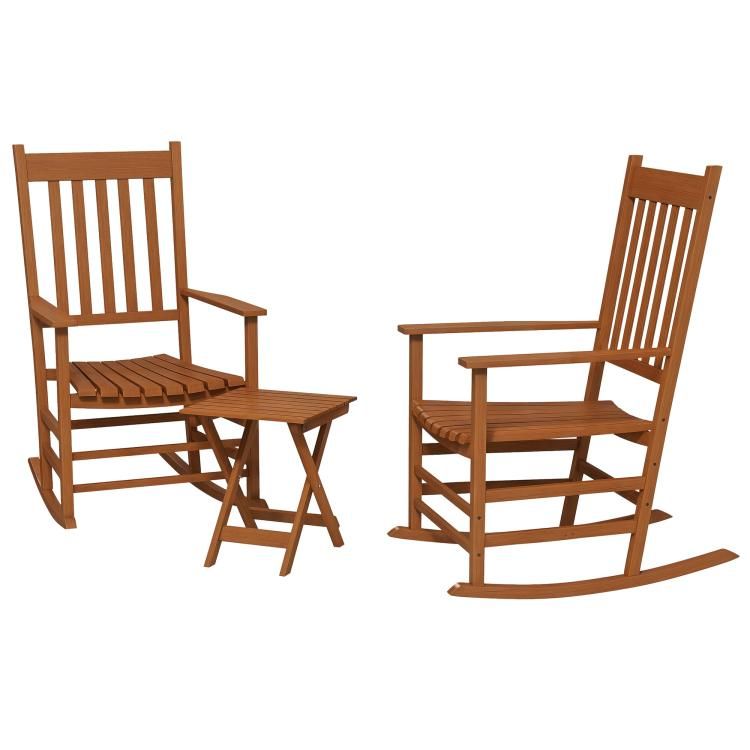
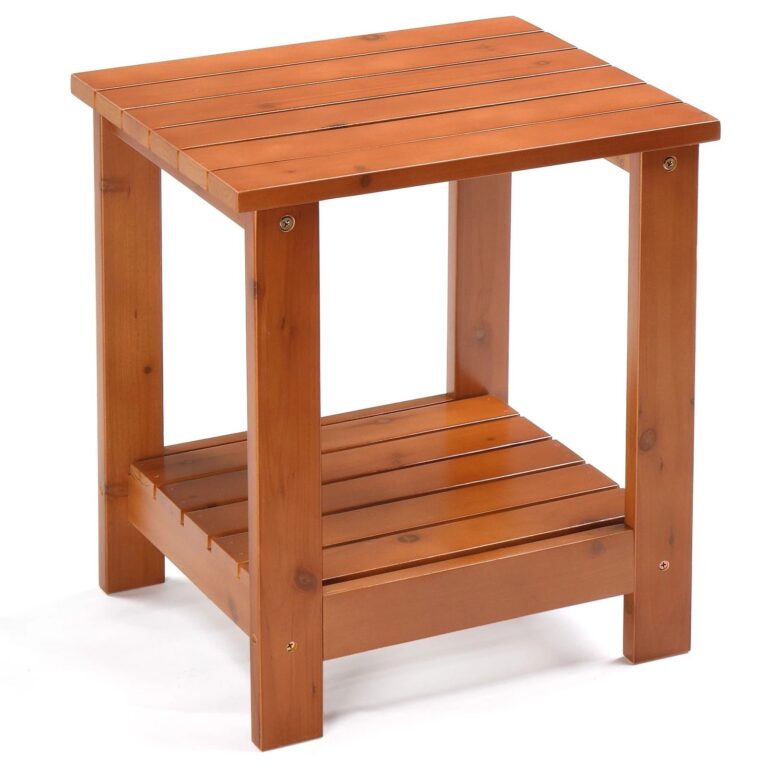 Aisha's pickSmall Patio Tables That Survive a Hard Winter
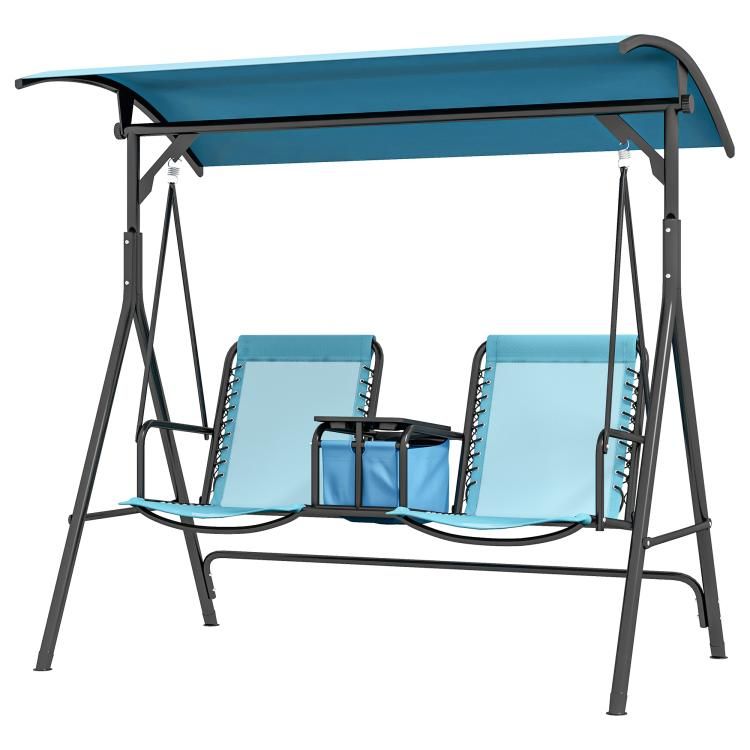
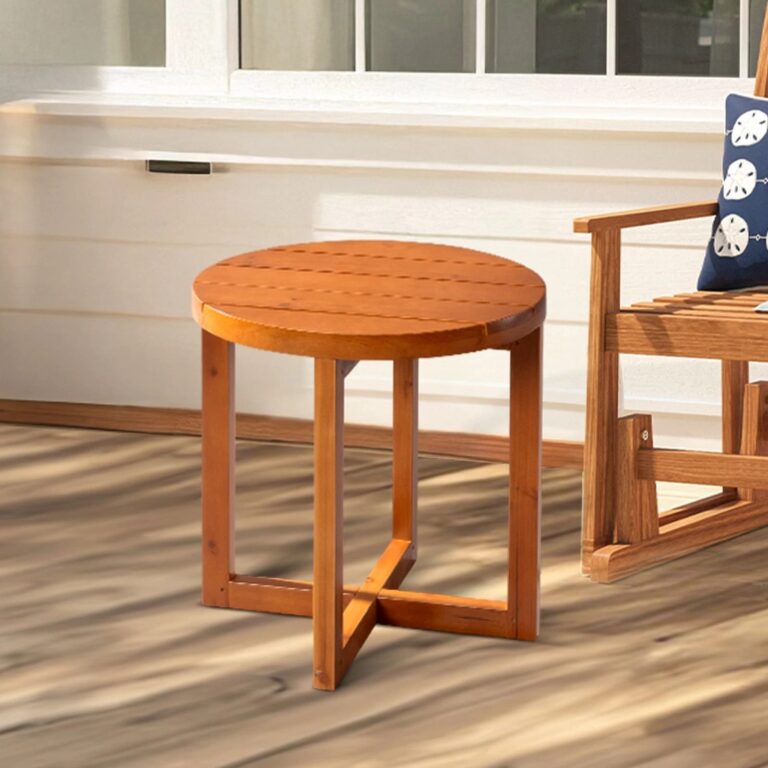 Aisha's pickDecent Patio Coffee Tables Without the Hassle
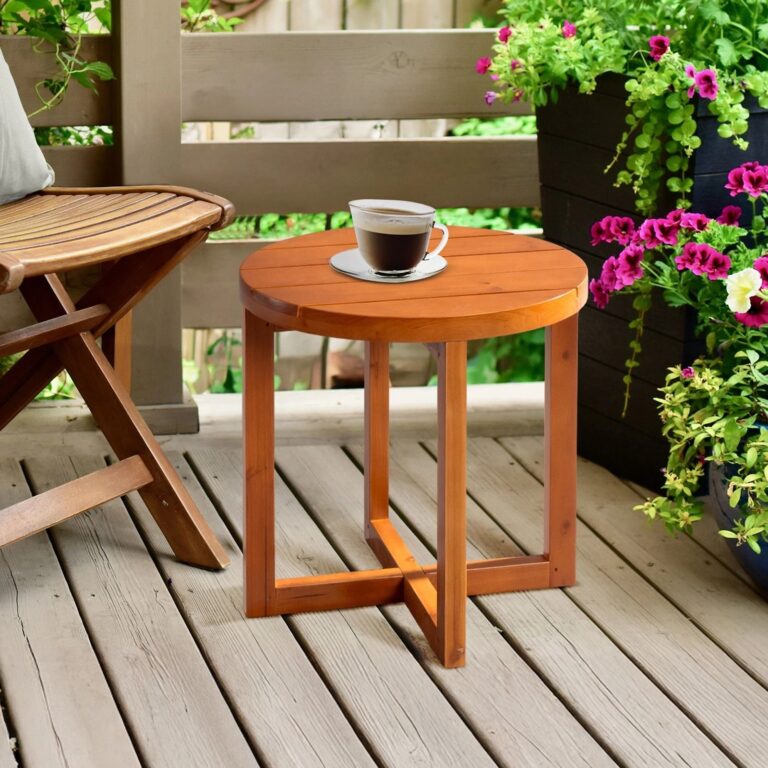
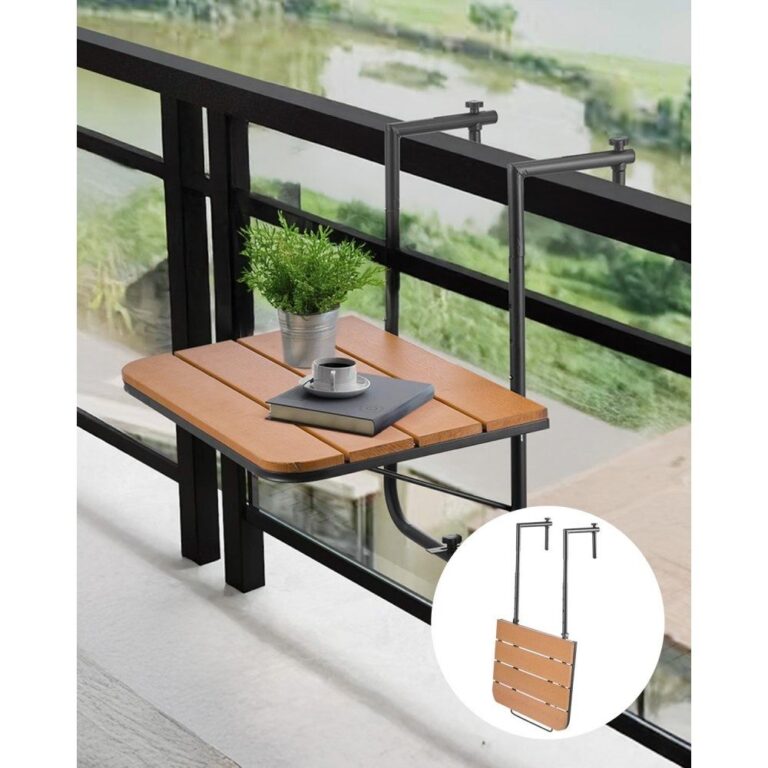 Aisha's pickSquare Patio Dining Tables That Make a Small Yard Work Harder
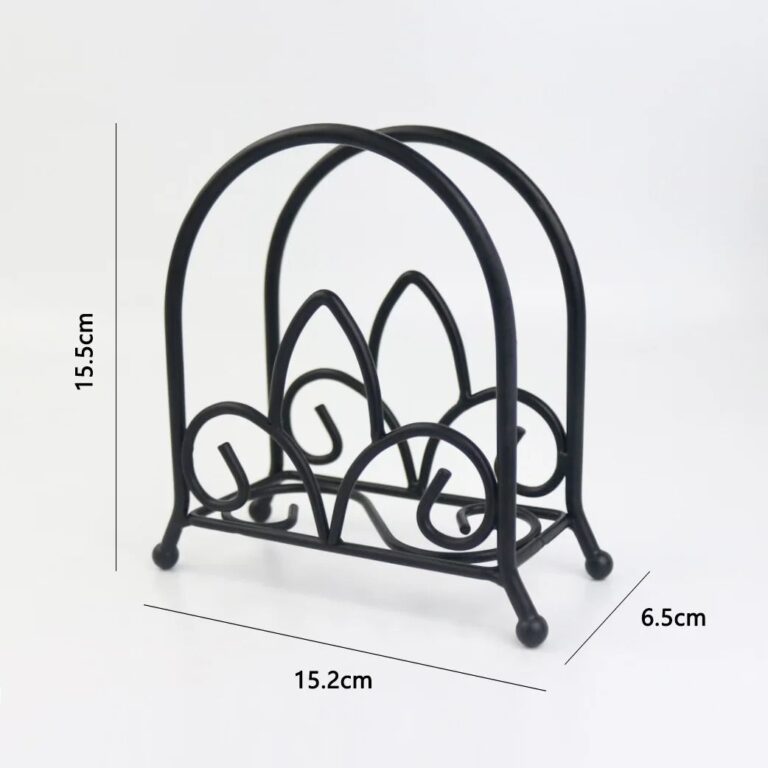
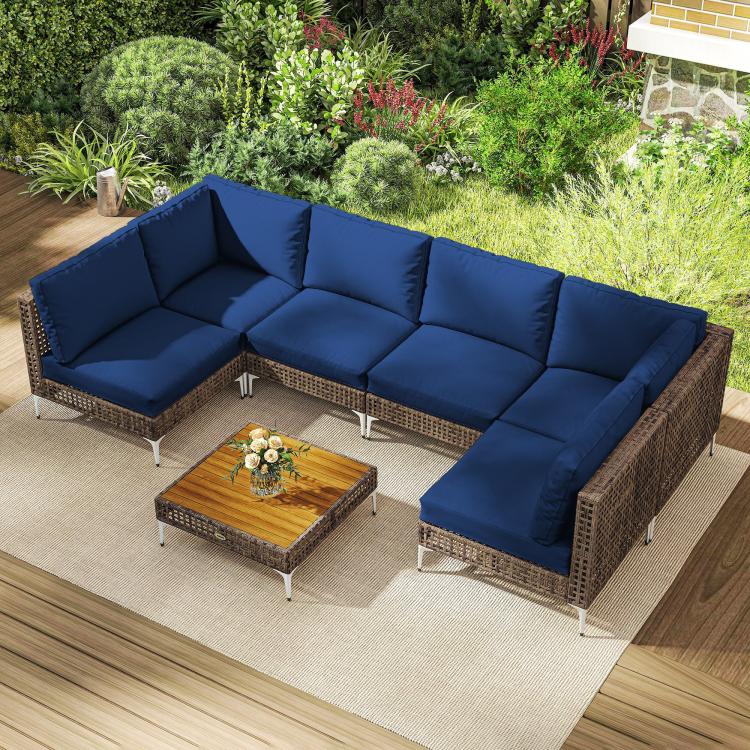 Aisha's pickPatio Coffee Tables with Cushion That Make the Yard Feel Like Another RoomAlso worth a lookDining Outdoor TablesRun your hand across a good outdoor dining table and you should feel the grain still, even through…See the collections →
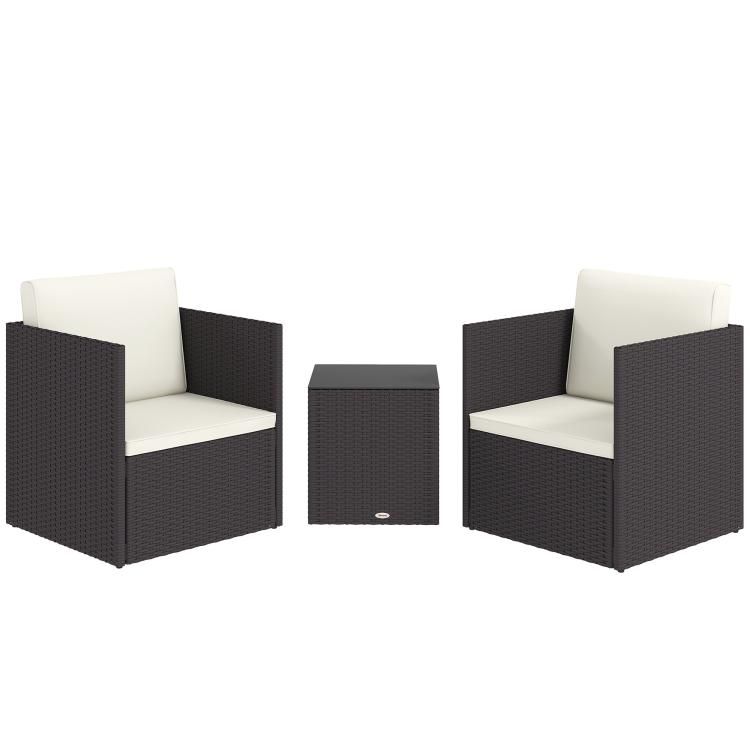
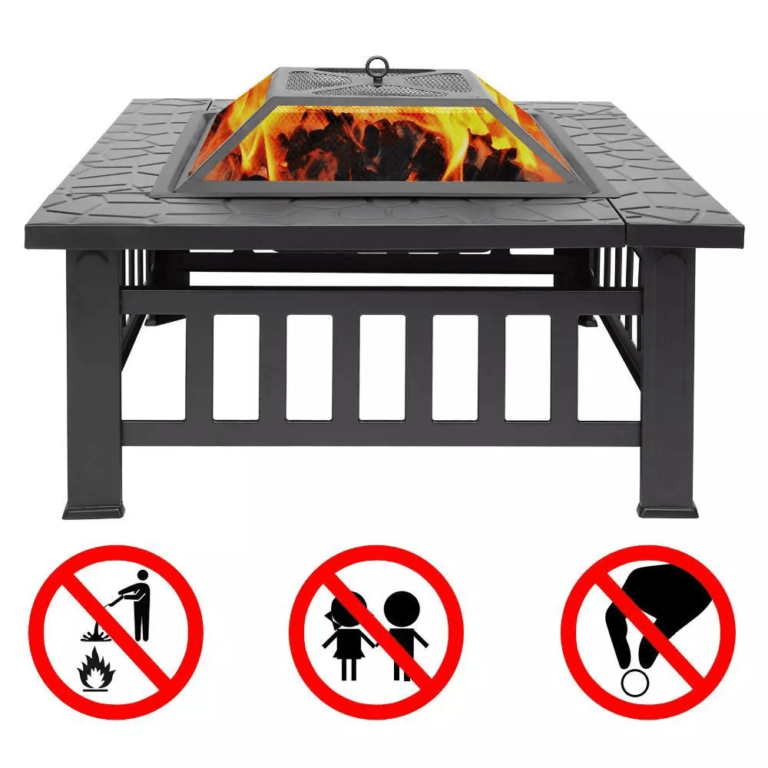 Aisha's pickSquare Patio Tables That Shrug Off the Rain
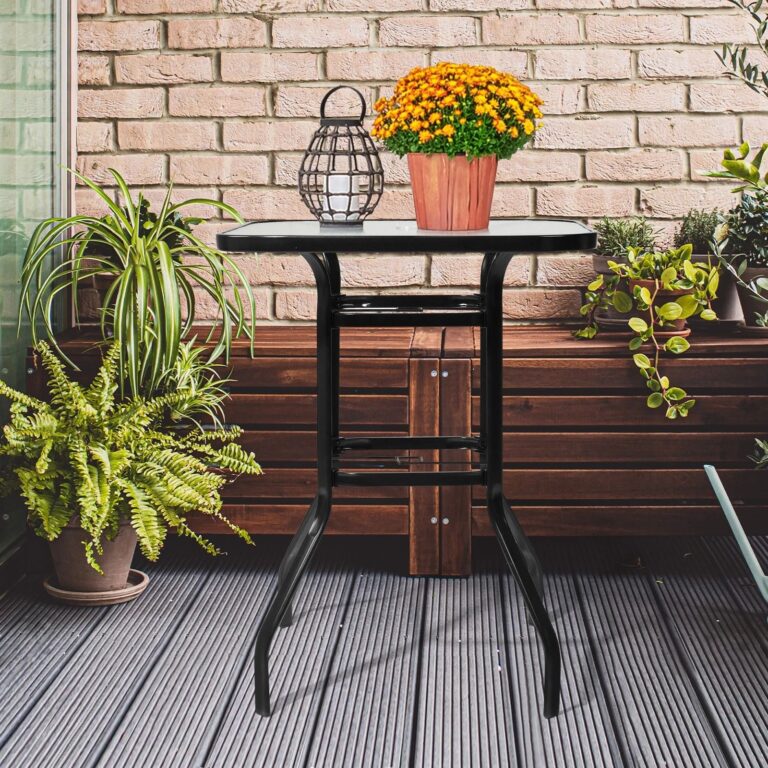
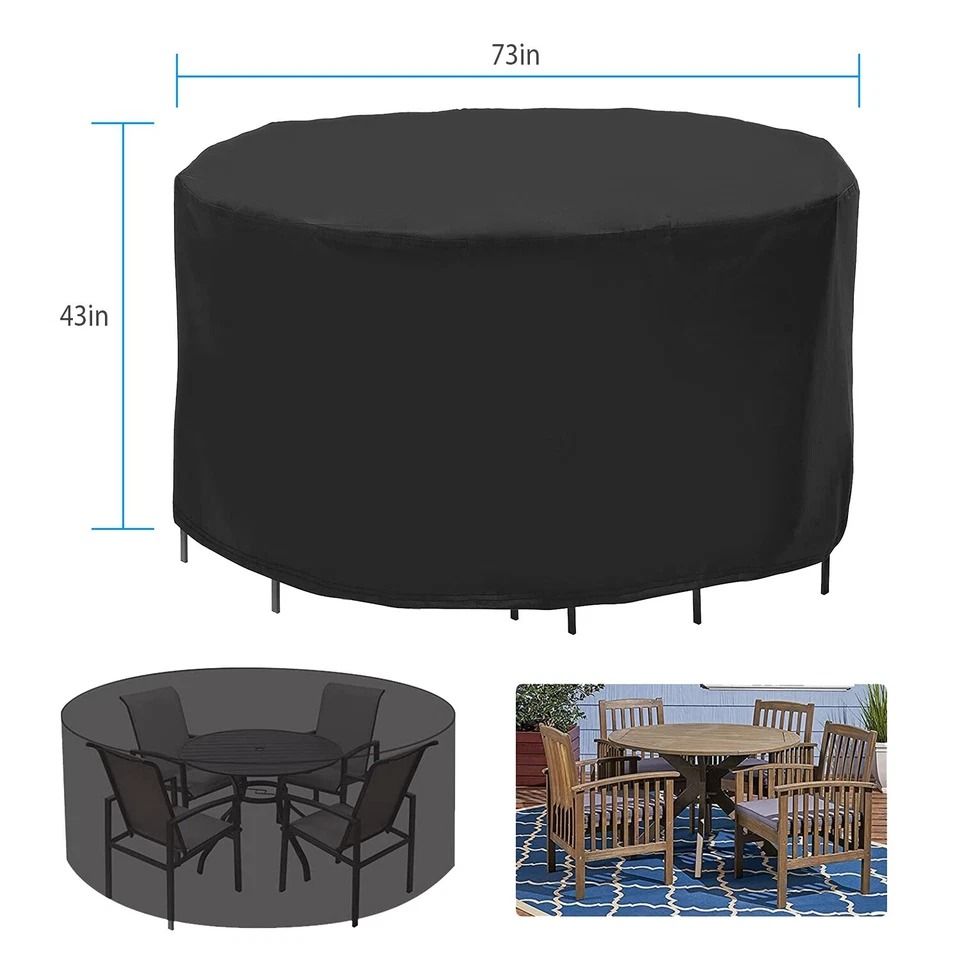 Aisha's pickAll Weather Patio Table and Chair Sets for Long Summer Evenings Outside
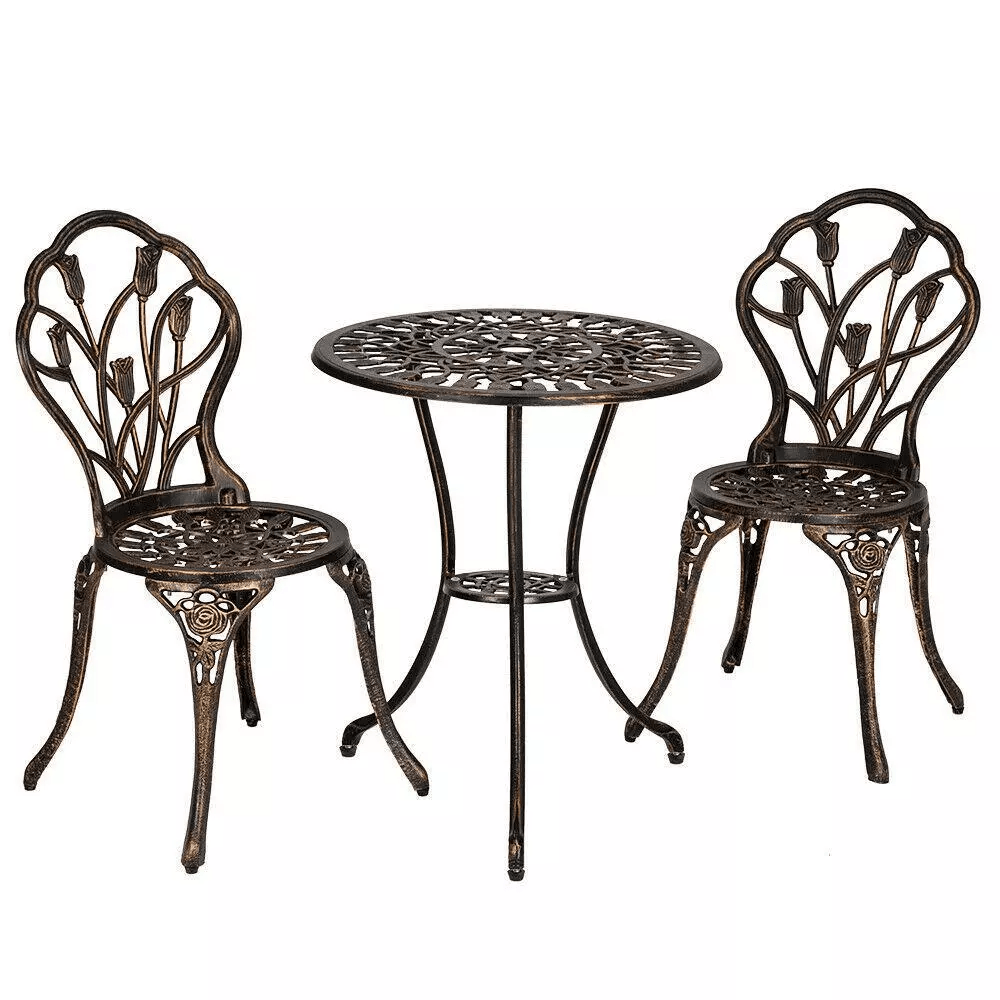
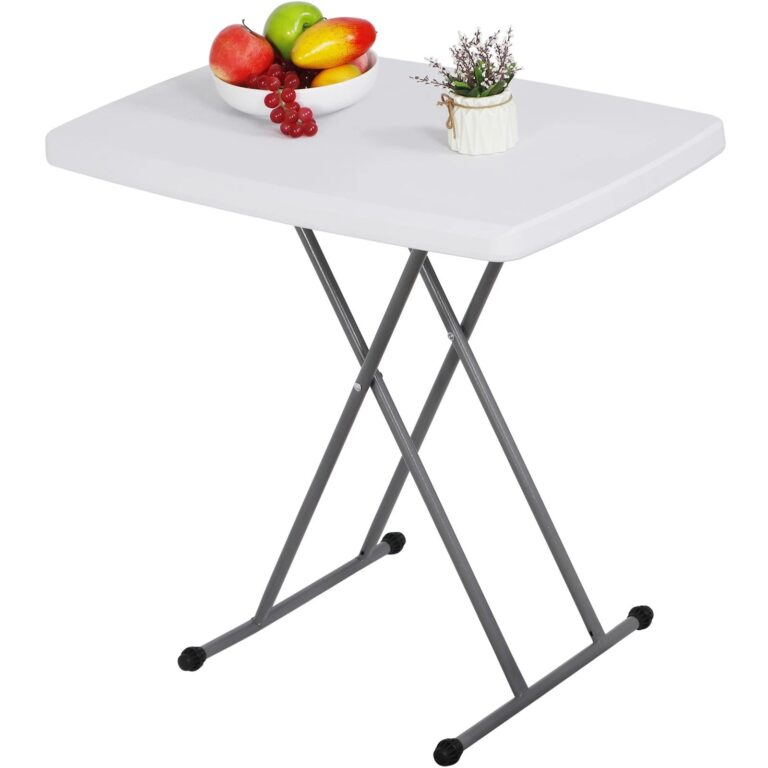 Aisha's pickPatio Dining Tables for Barbecues and Lazy Weekends
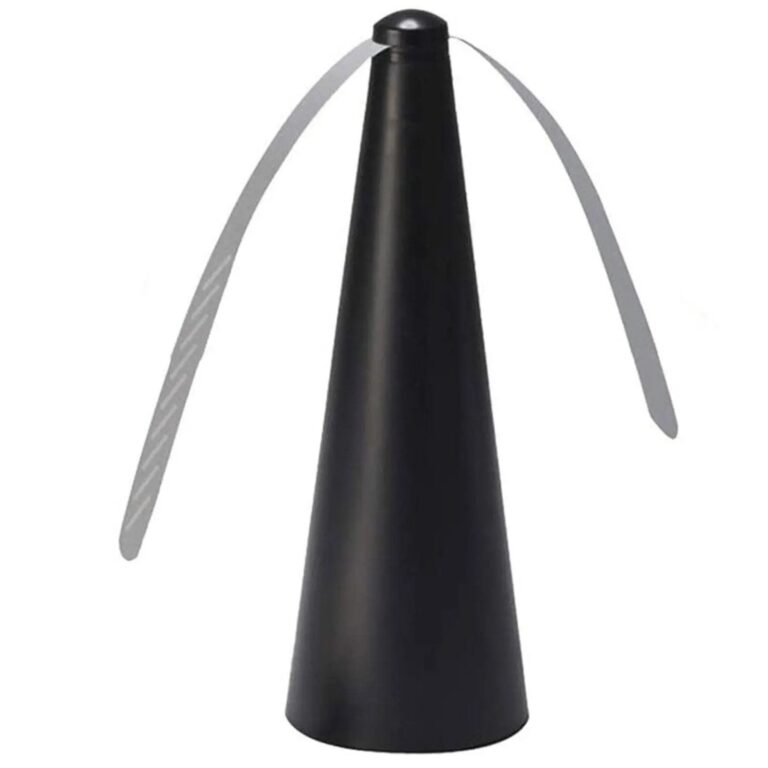
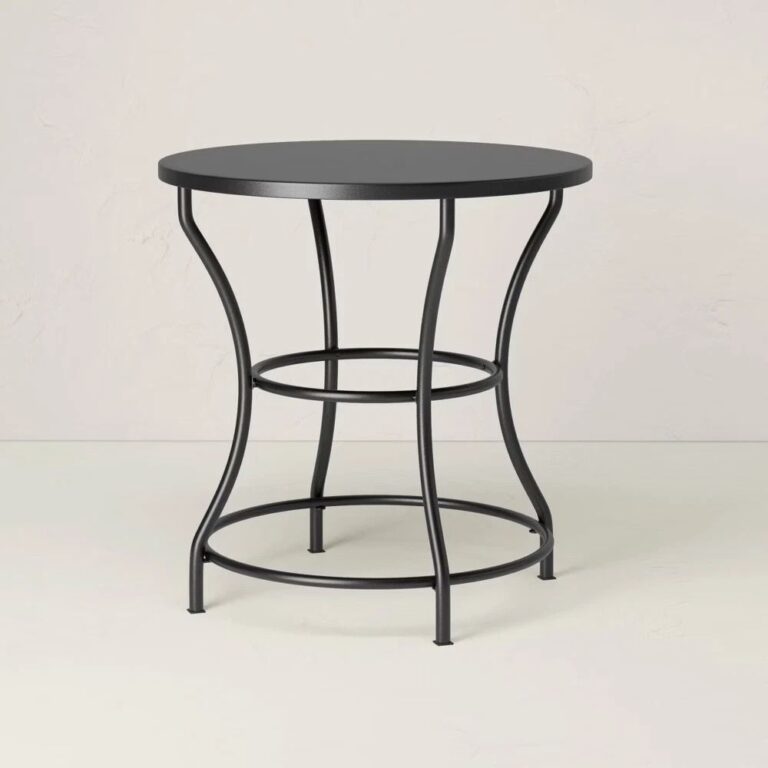 Aisha's pickSteel Patio Tables That Stand Up to the Weather
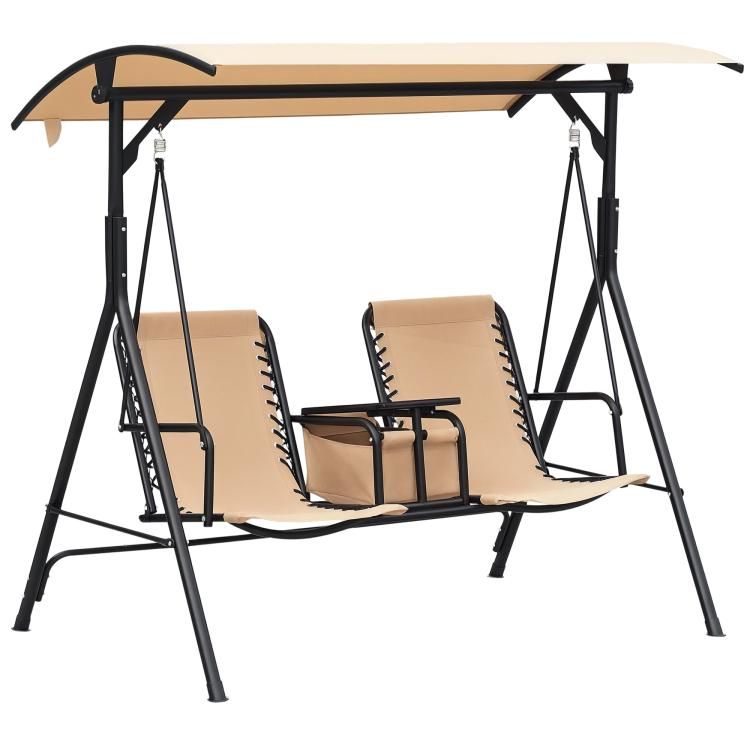
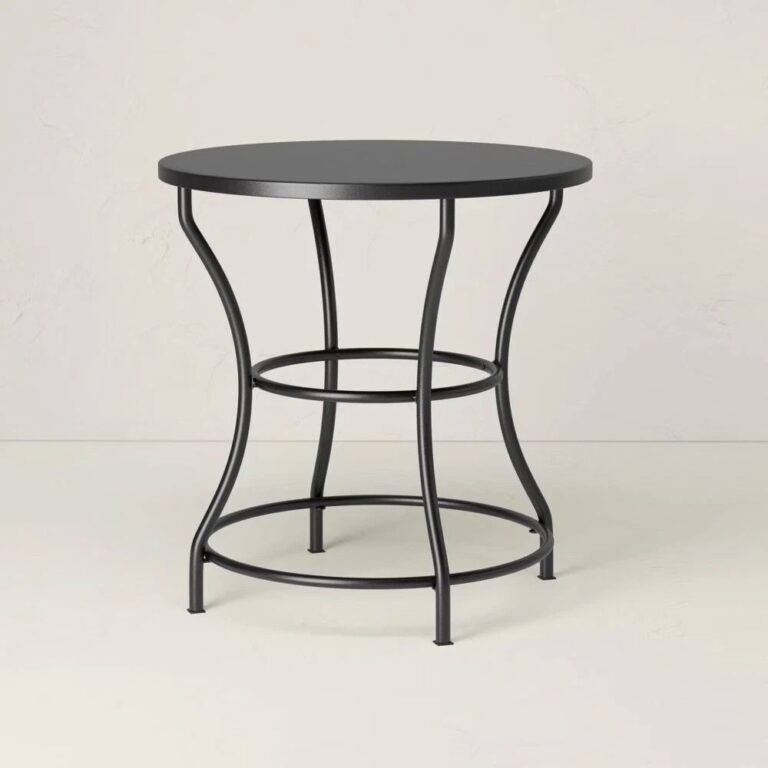 Aisha's pickBlack Patio Dining Tables for Long Summer Evenings Outside

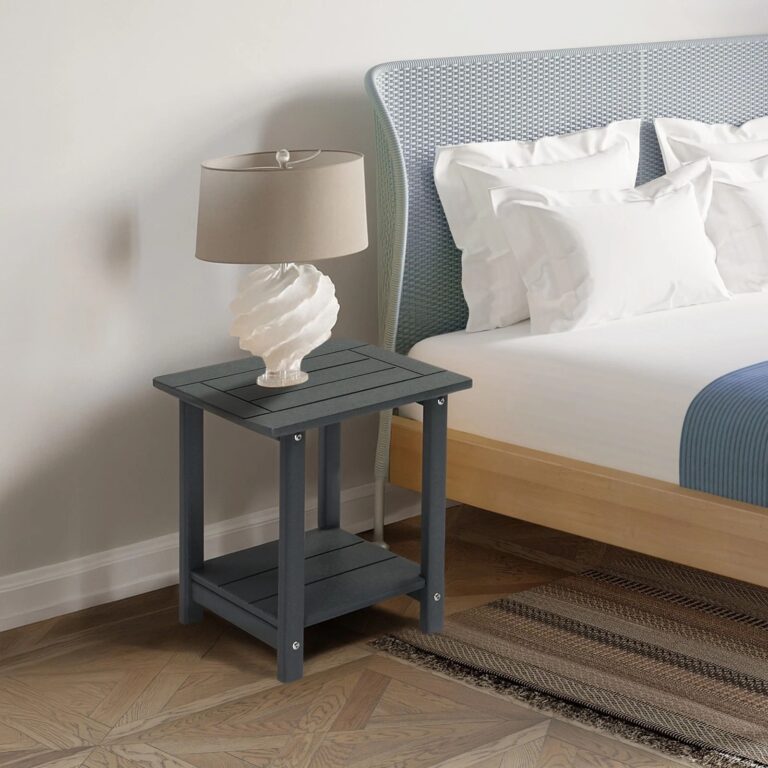 Aisha's pickPatio Side Tables for Long Summer Evenings Outside
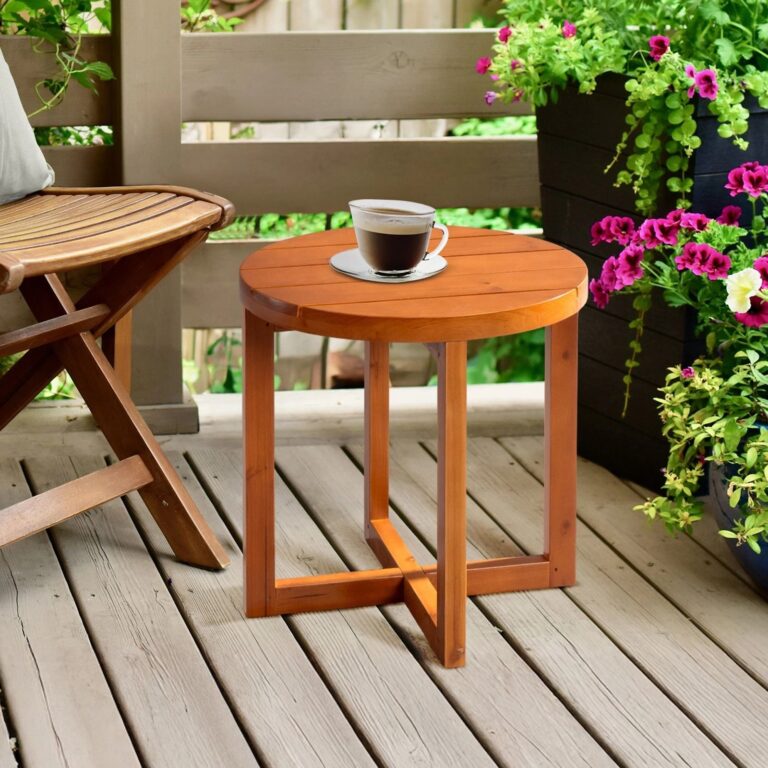
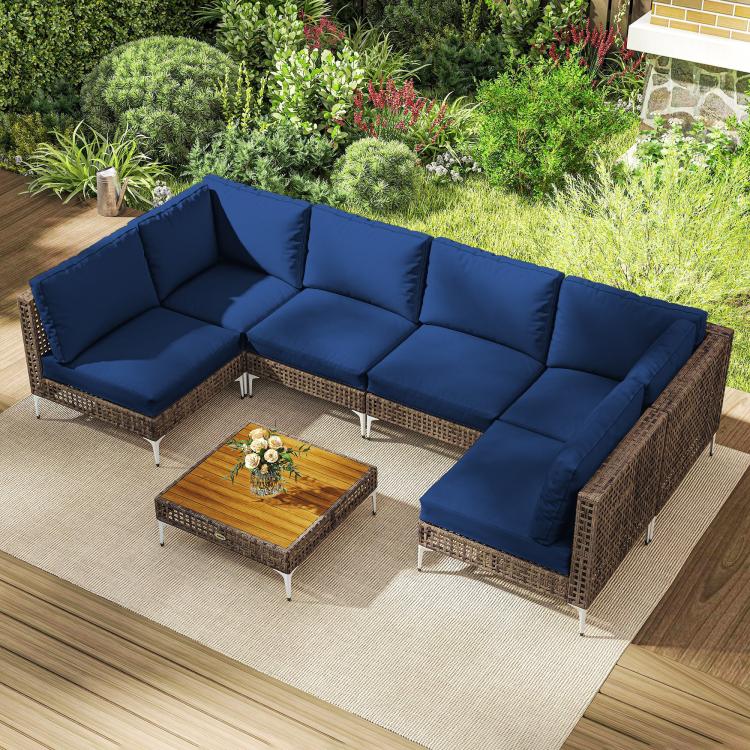 Aisha's pickShopping for Steel Patio Table and Chair Sets? Start Here
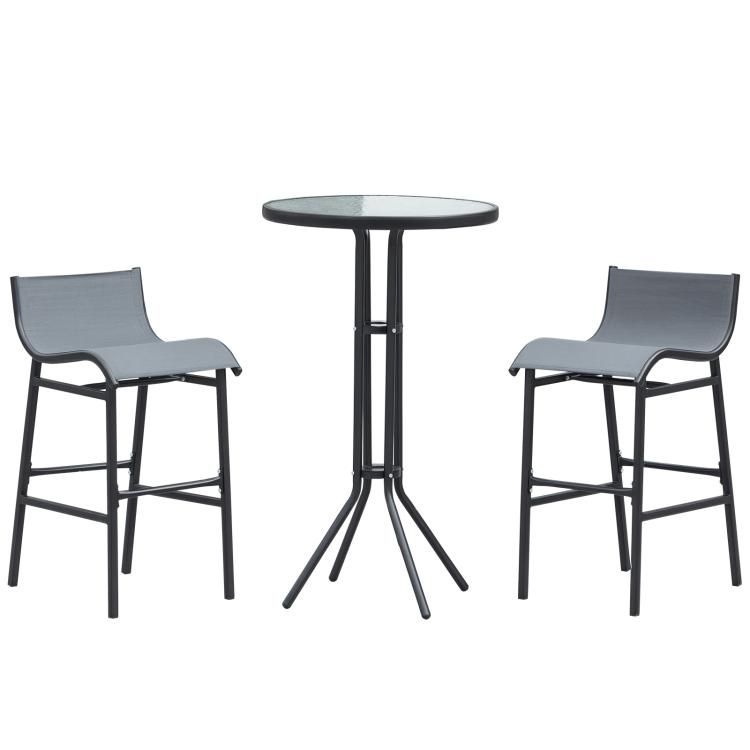
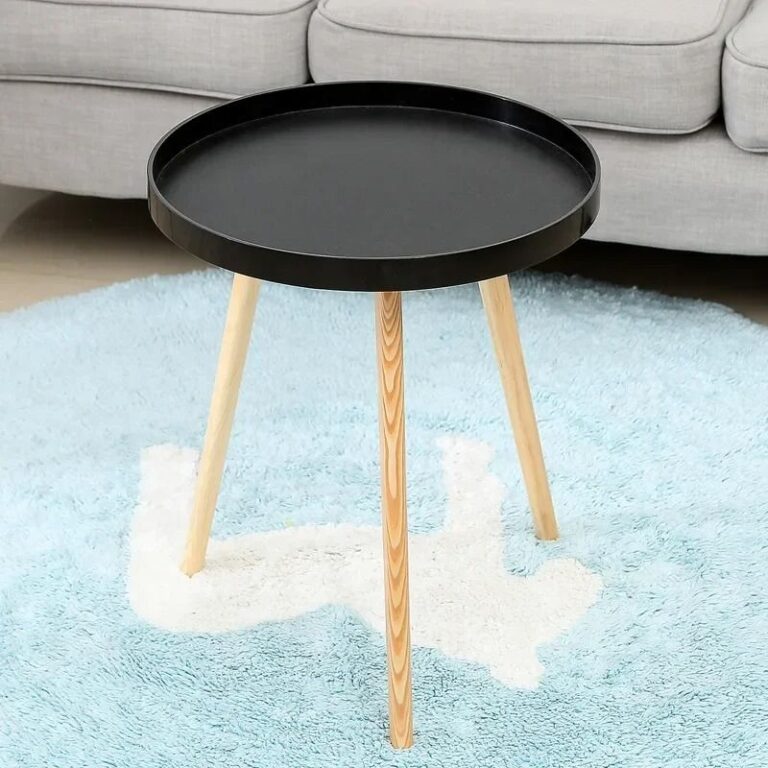 Aisha's pickBlack Patio Tables That Make Rented Places Feel Like Home

 Aisha's pickPatio Tables That Shrug Off the RainAlso worth a lookCoffee Outdoor TablesMeasure the seating height before anything else.See the collections →
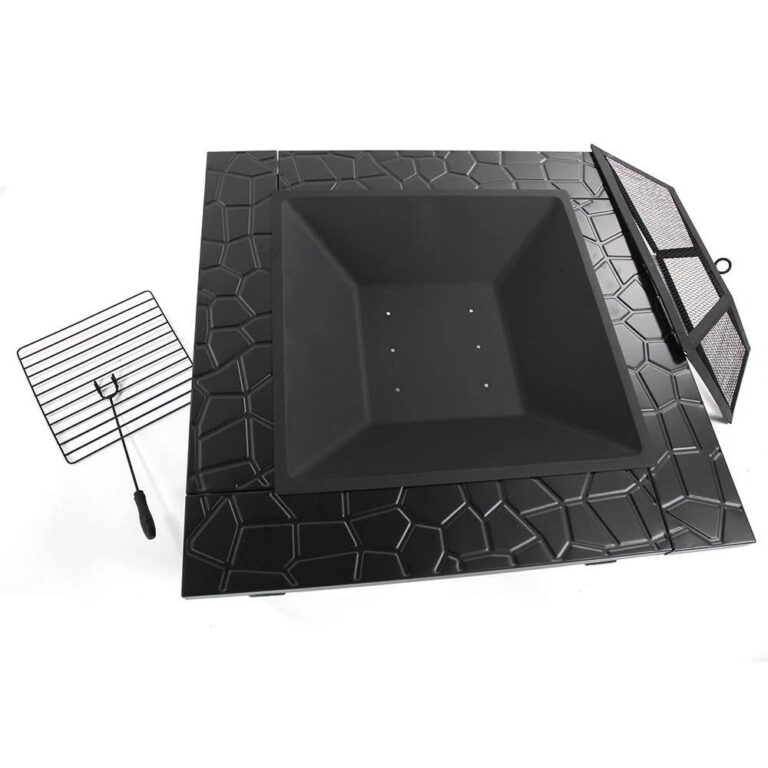
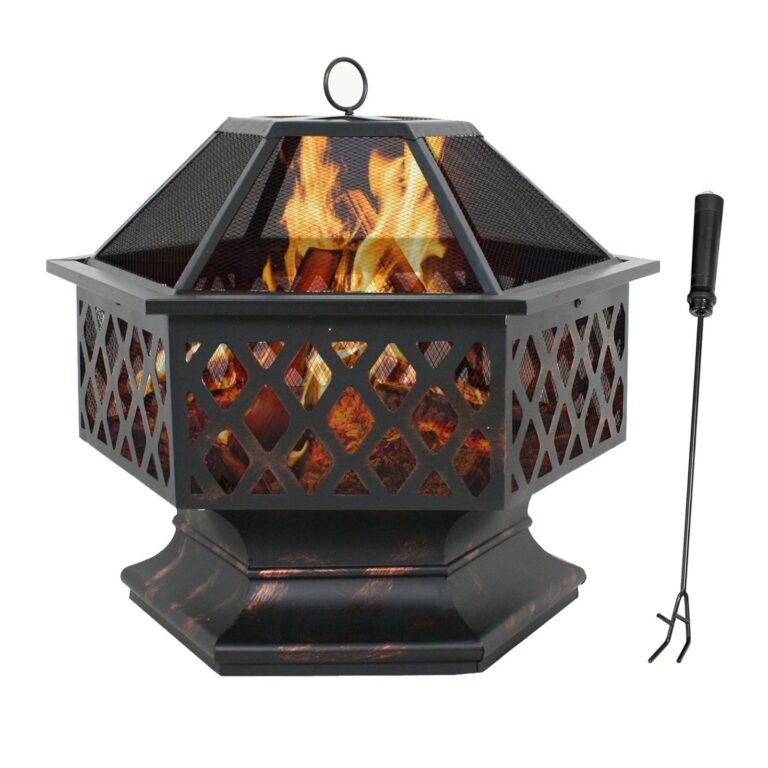 Aisha's pickTraditional Patio Tables That Make Small Changes Feel Big
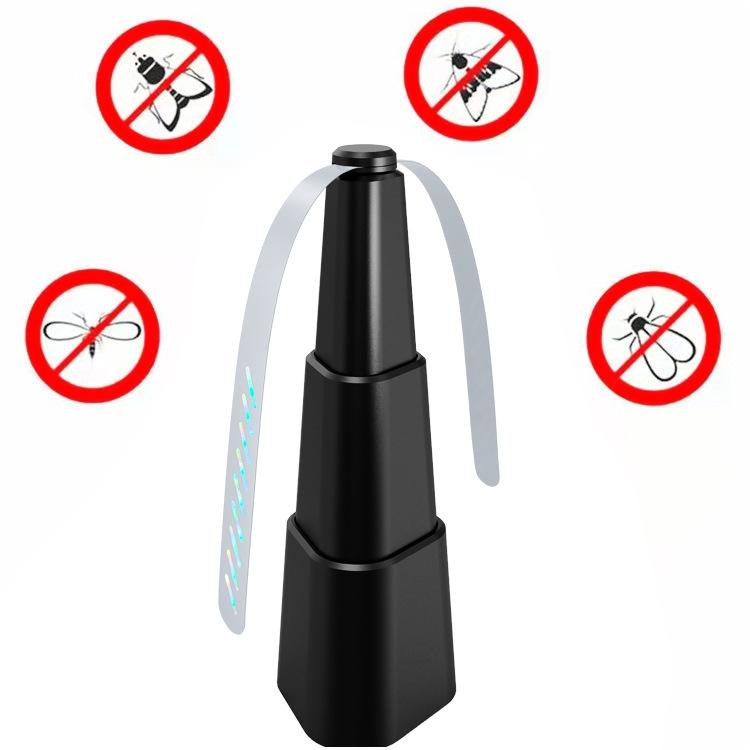
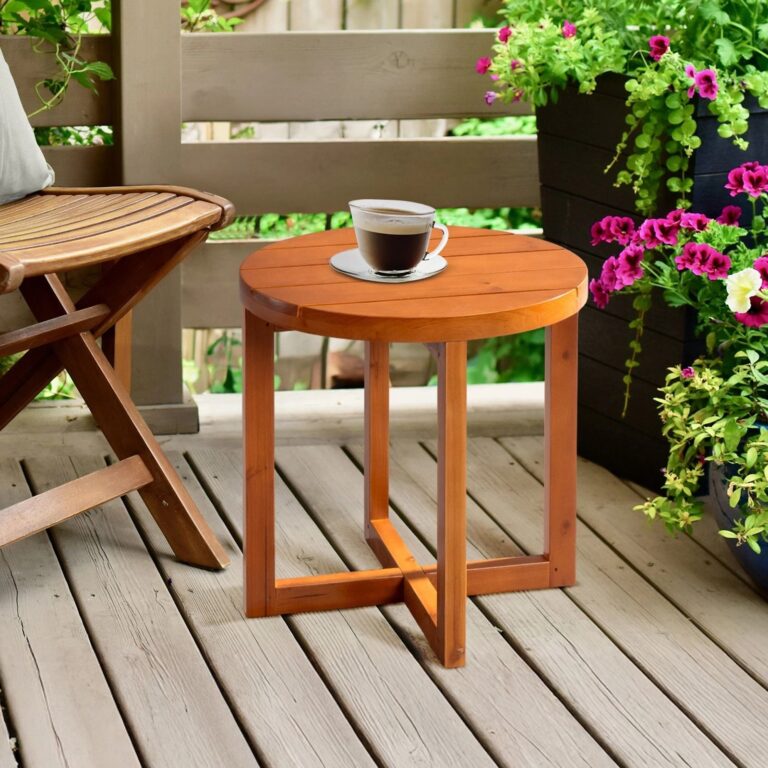 Aisha's pickCompact Patio Tables for Long Summer Evenings Outside
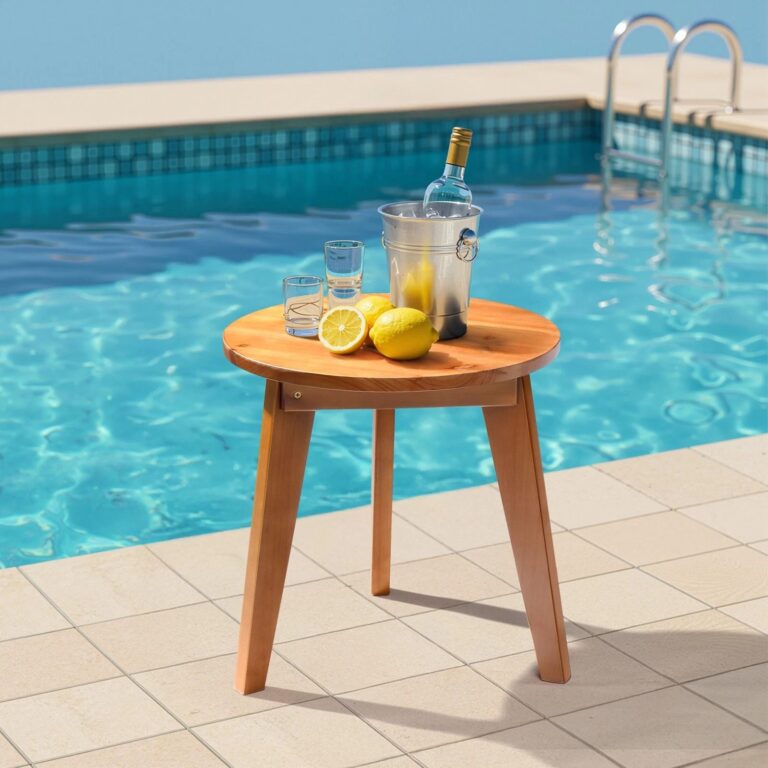
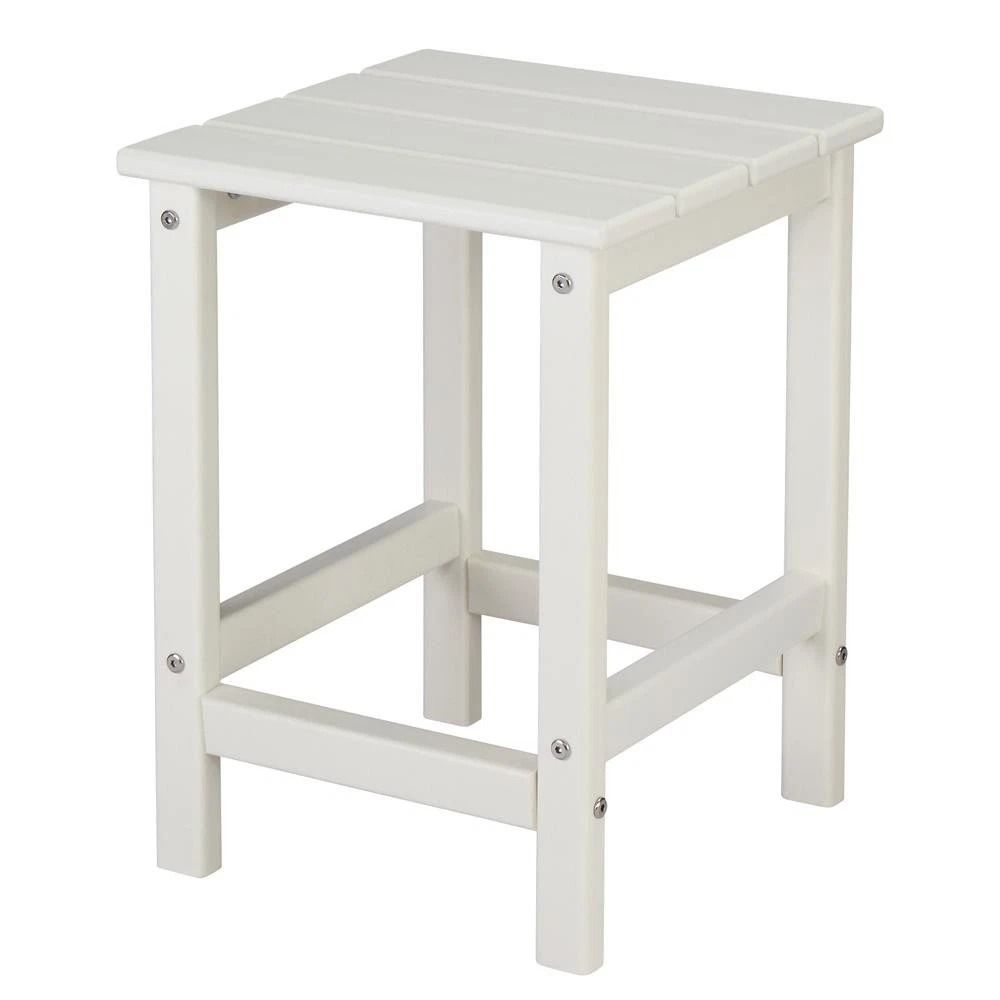 Aisha's pickPatio Table and Chair Sets That Stand Up to the Weather
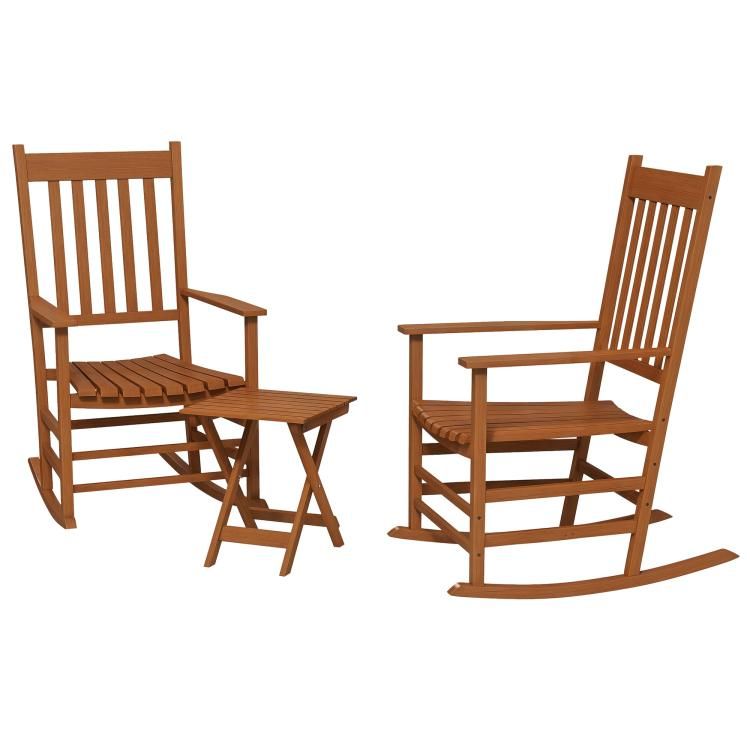
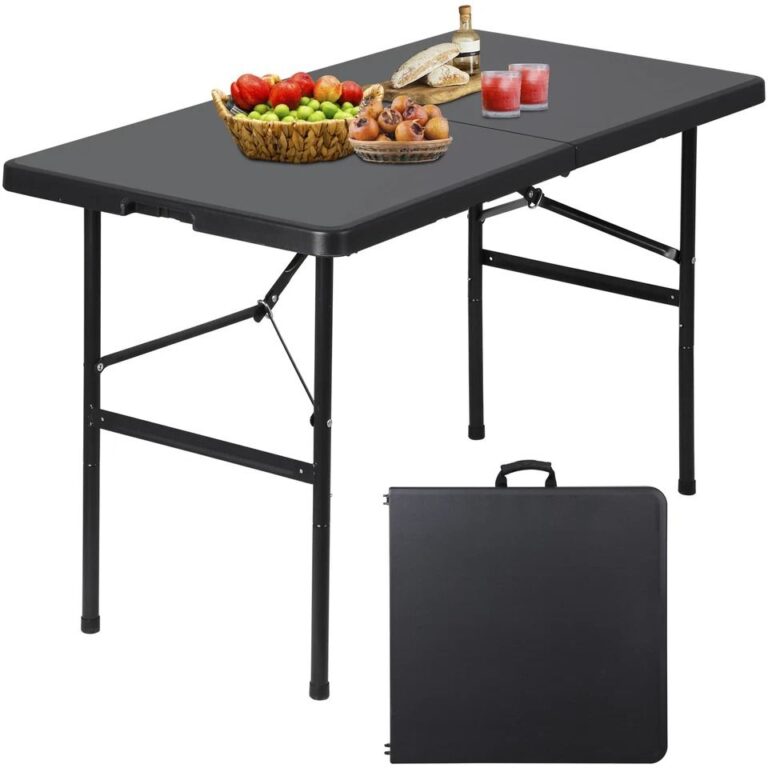 Aisha's pickWhite Patio Tables That Survive a Hard Winter
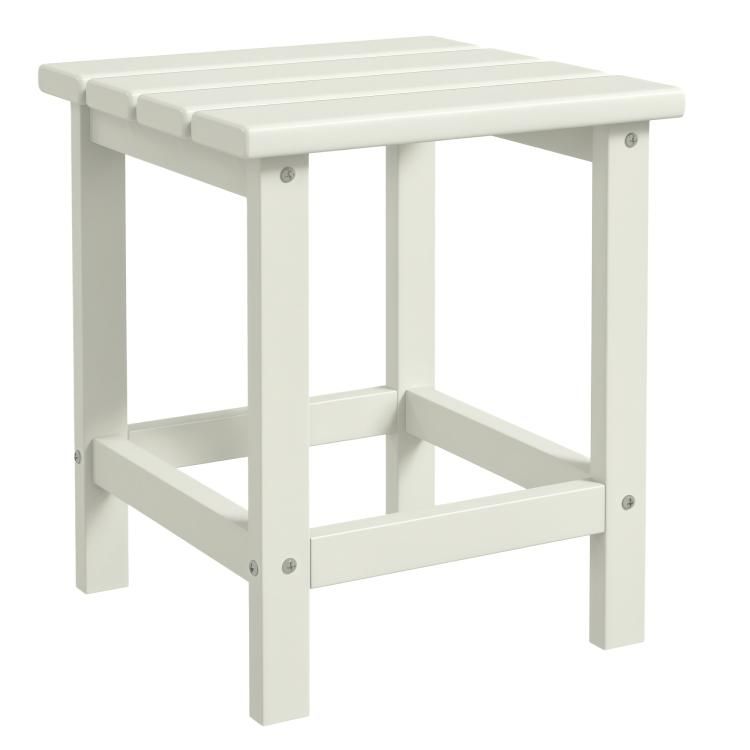
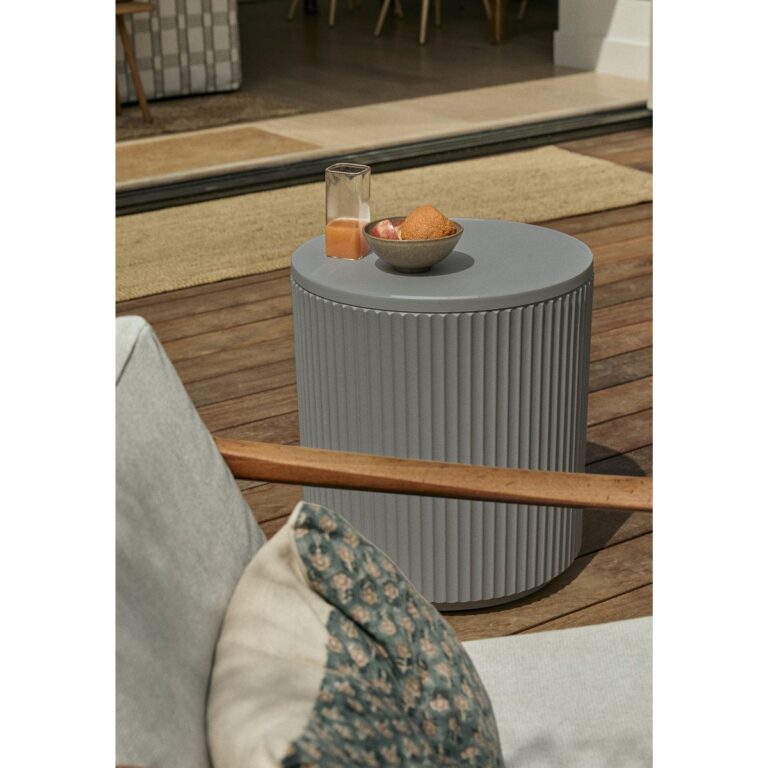 Aisha's pickContemporary Patio Tables That Survive a Hard Winter
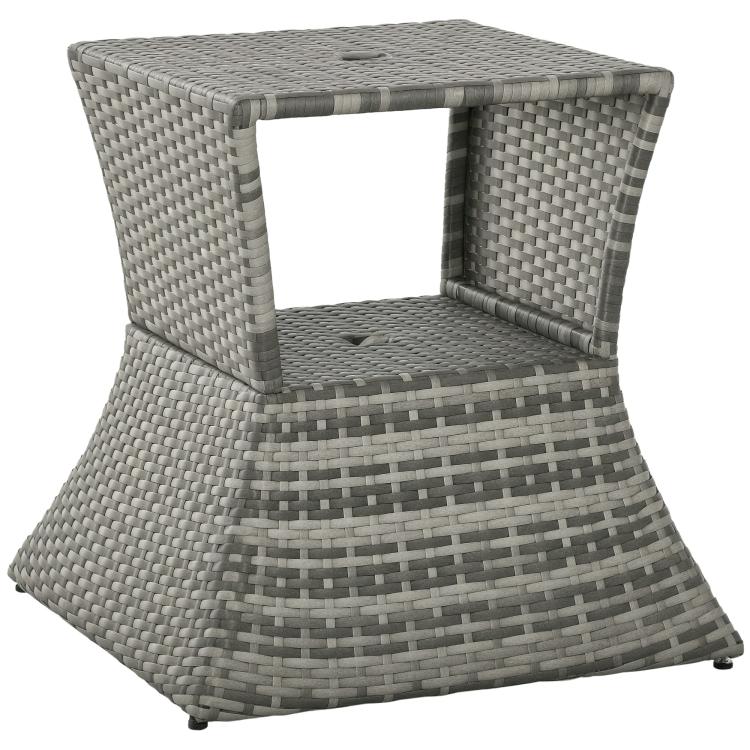
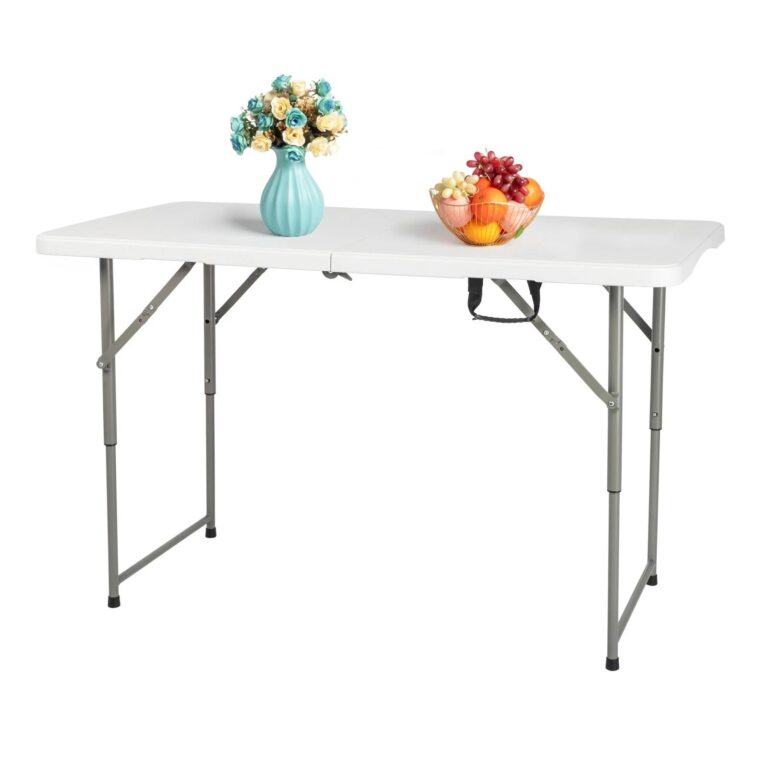 Aisha's pickPatio Tables for Balcony That Make a Small Yard Work Harder
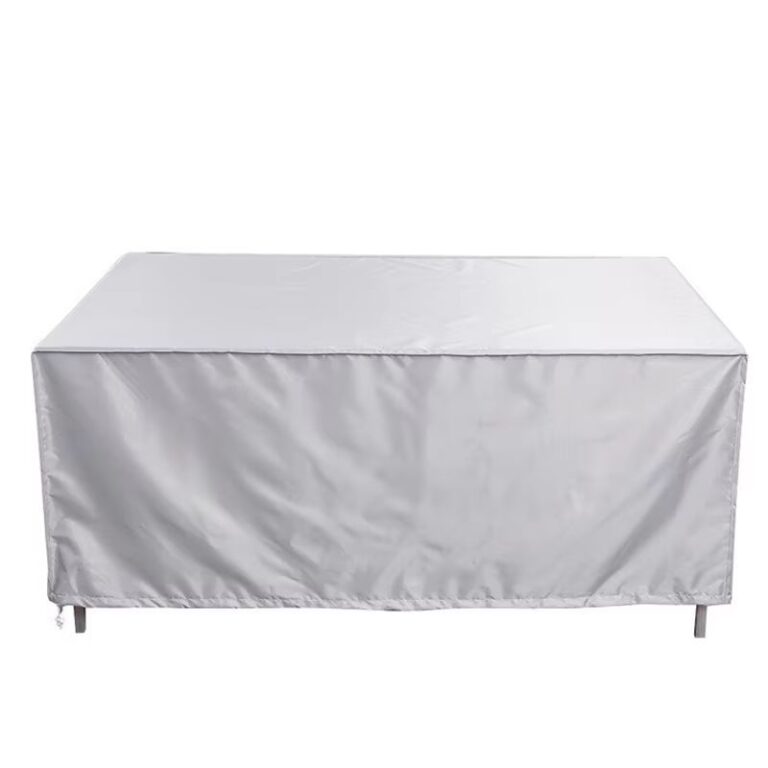
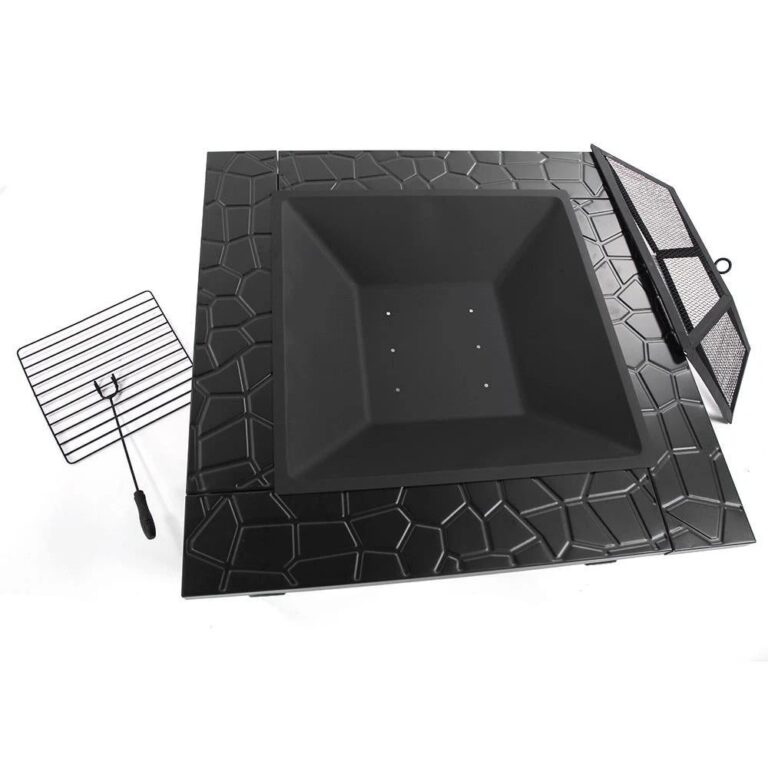 Aisha's pickNo Fuss Fire Tables for Patio
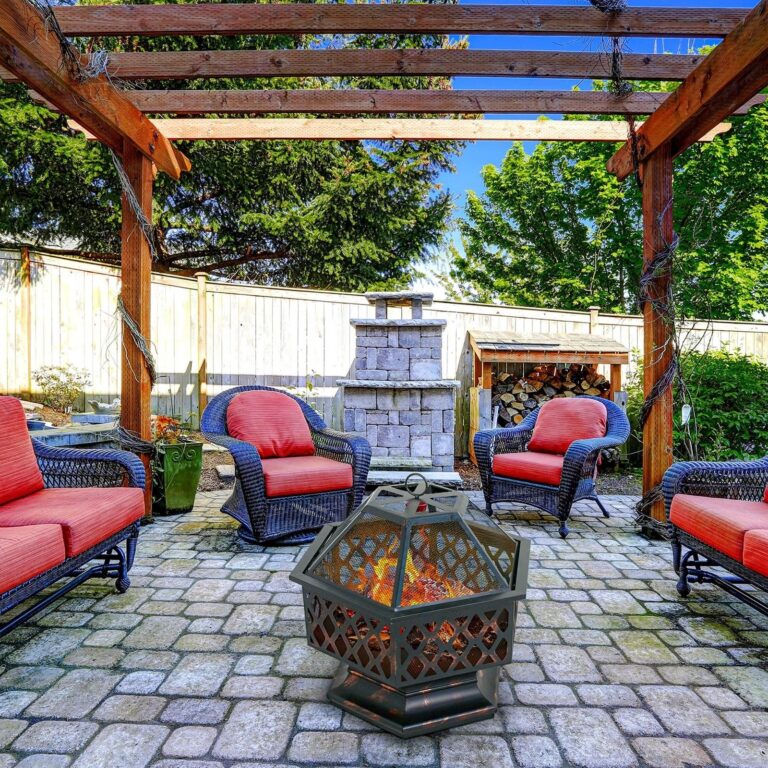
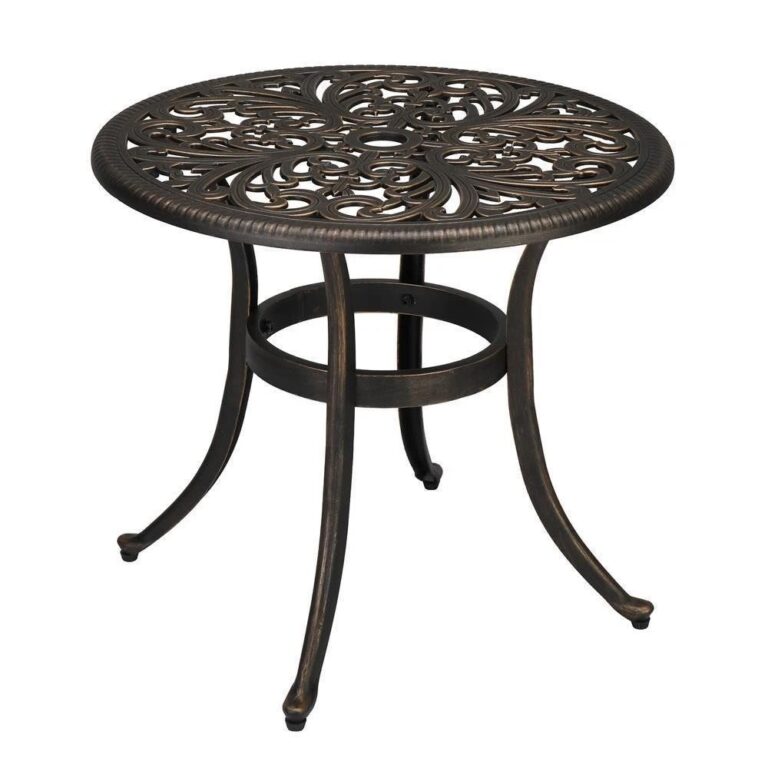 Aisha's pickGood Patio Tables for Small Yards That Don’t Cost a Fortune
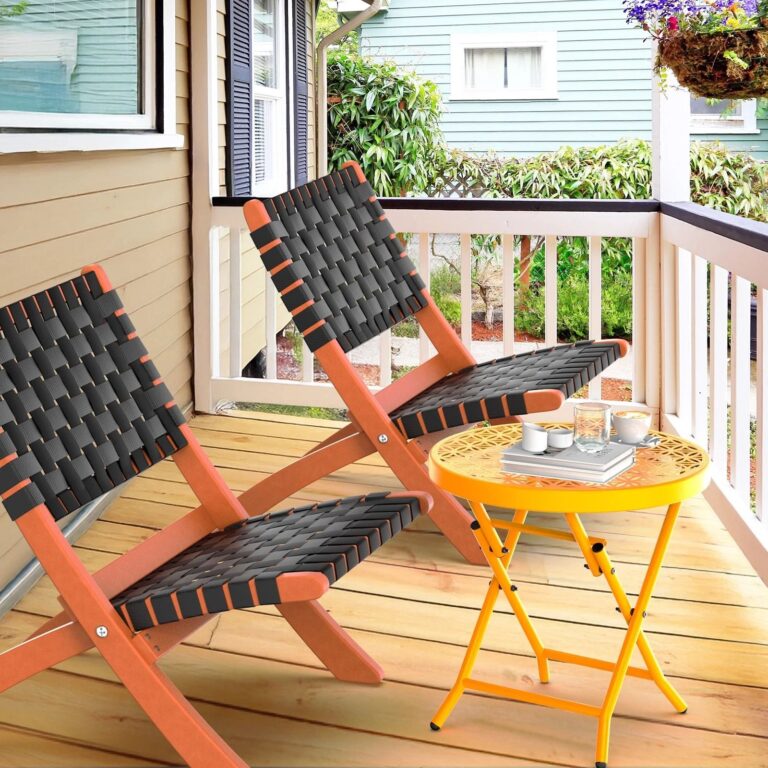
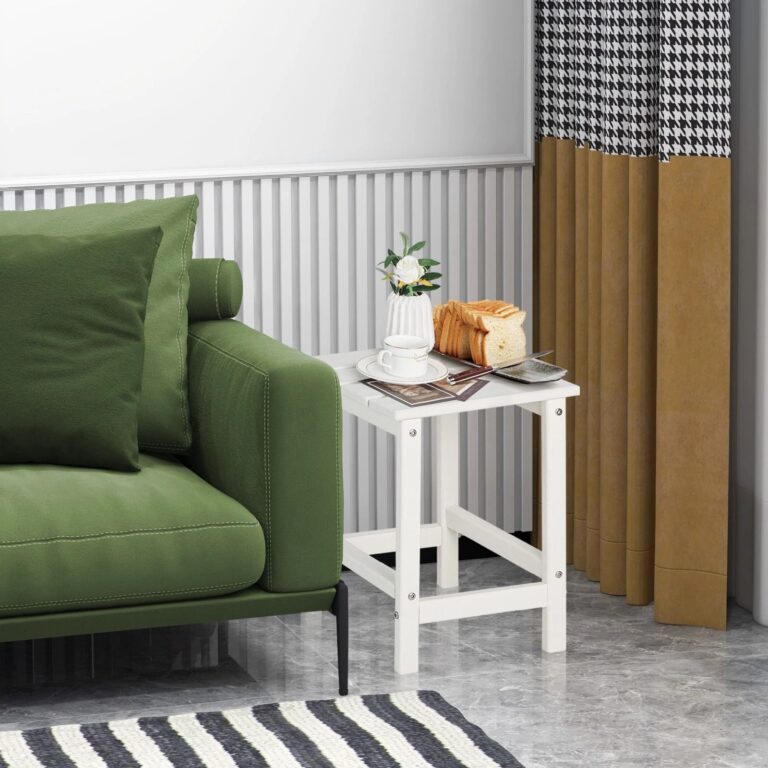 Aisha's pickOutdoor Table and Chair Sets for Patio That Hold Up to Everyday LifeAlso worth a lookNeutral Outdoor TablesThere's a particular kind of September evening, the light going gold around six, when you want to keep…See the collections →
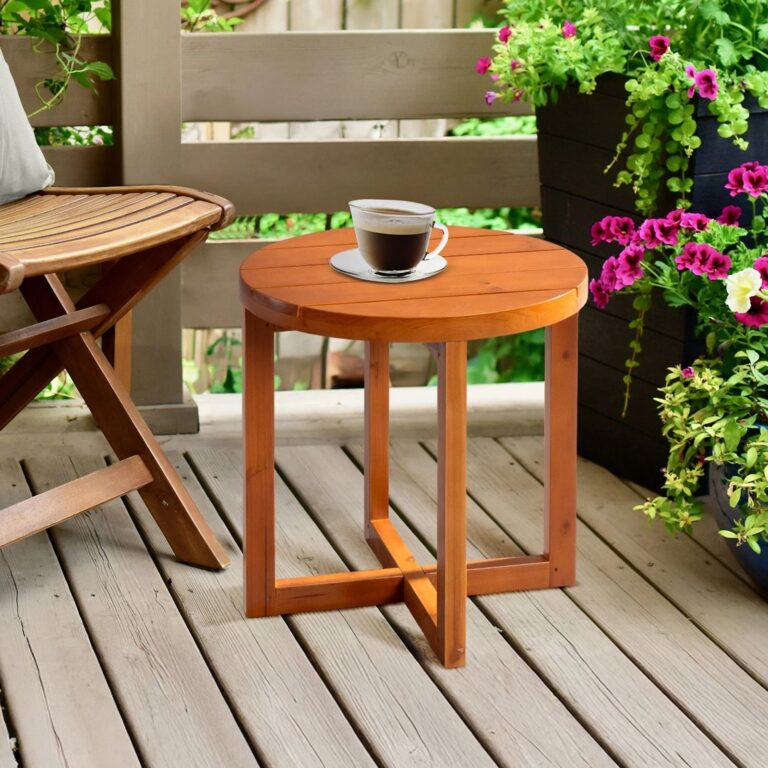
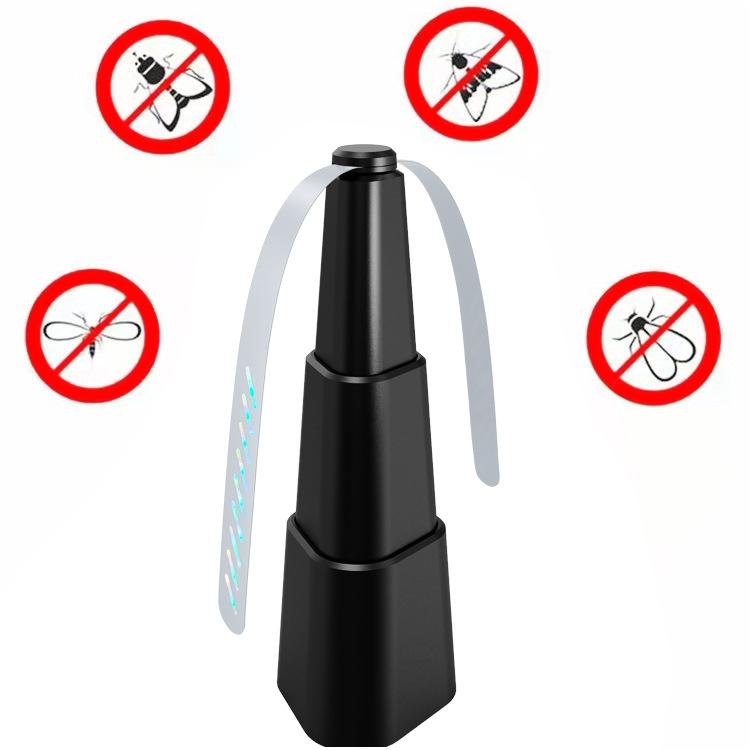 Aisha's pickPatio Tables with Back That Don’t Need Babying
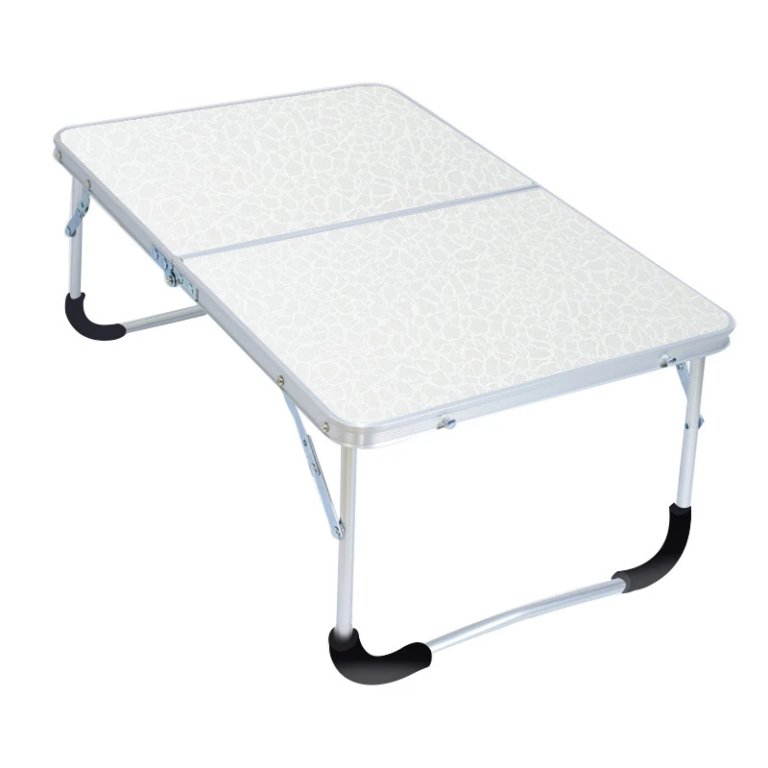
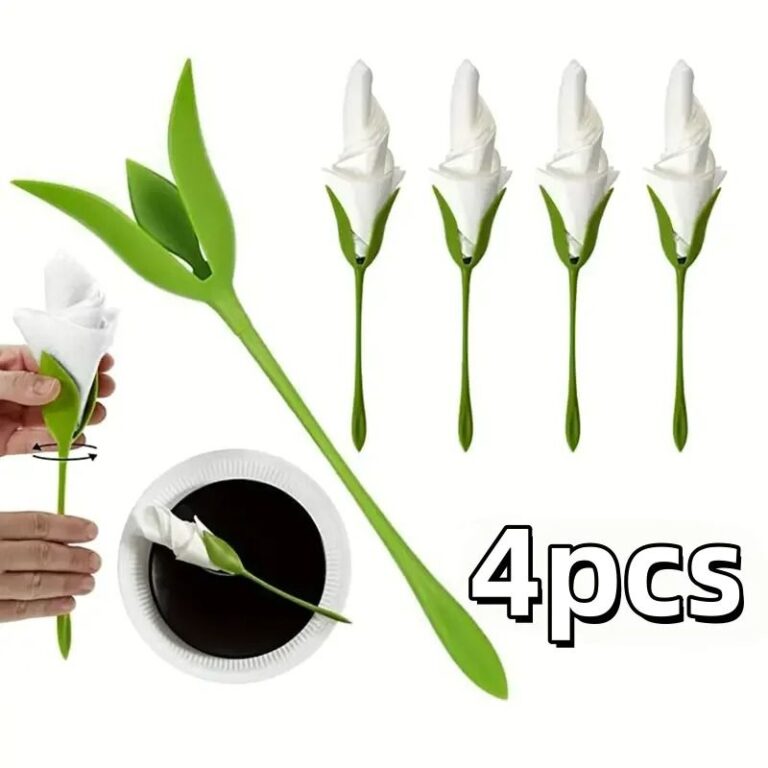 Aisha's pickGreen Patio Tables That Survive a Hard Winter
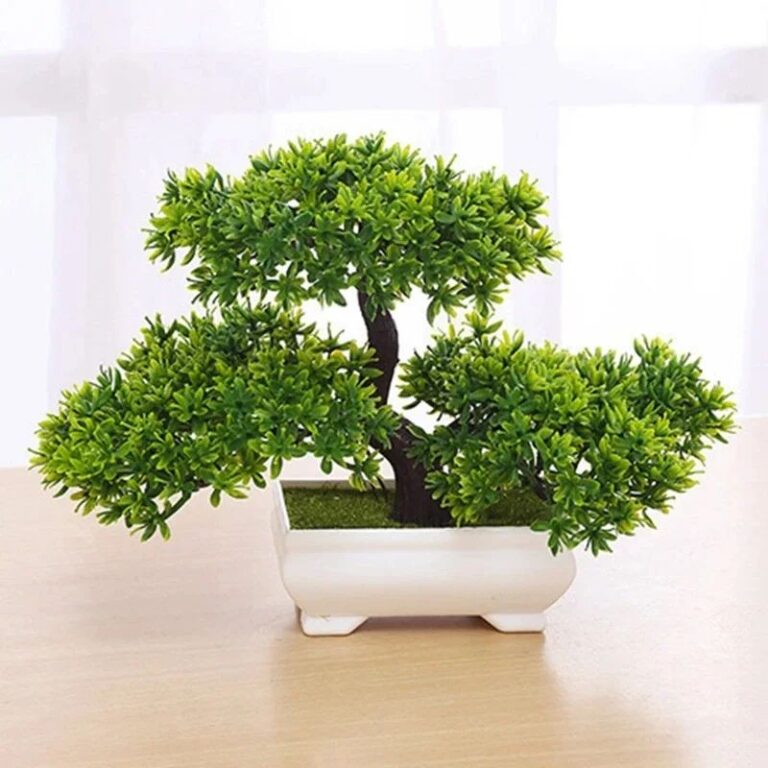
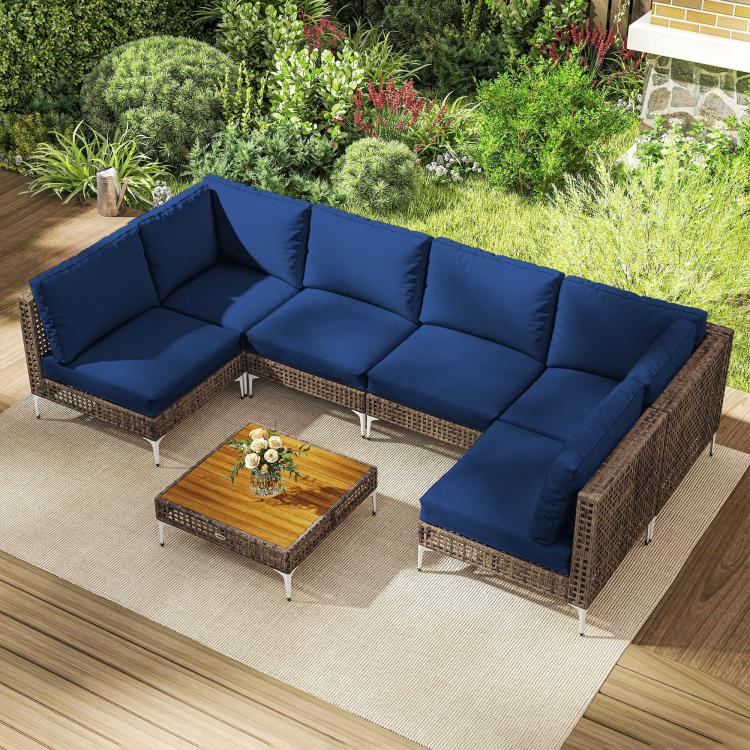 Aisha's pickPatio Tables with Cushion Picked From the Stores We Trust
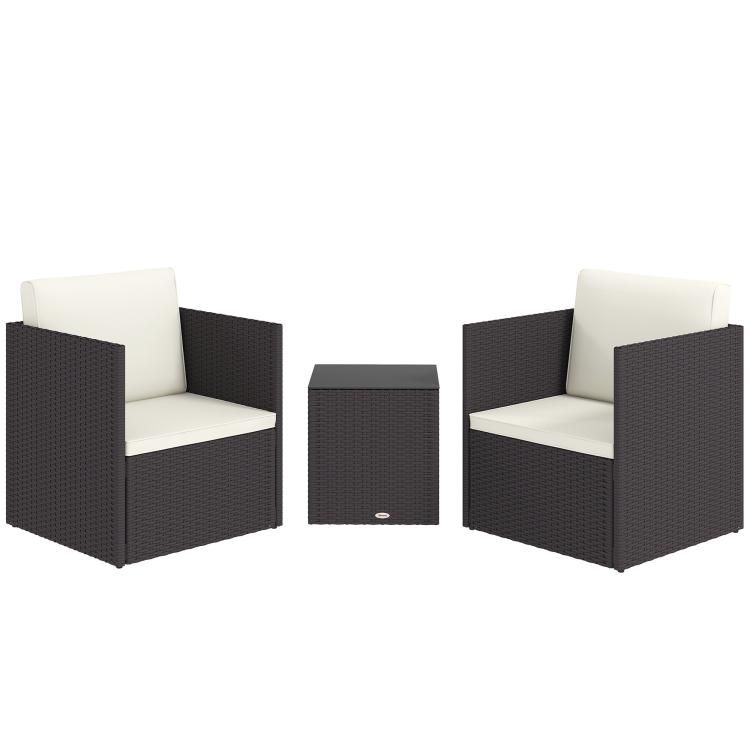
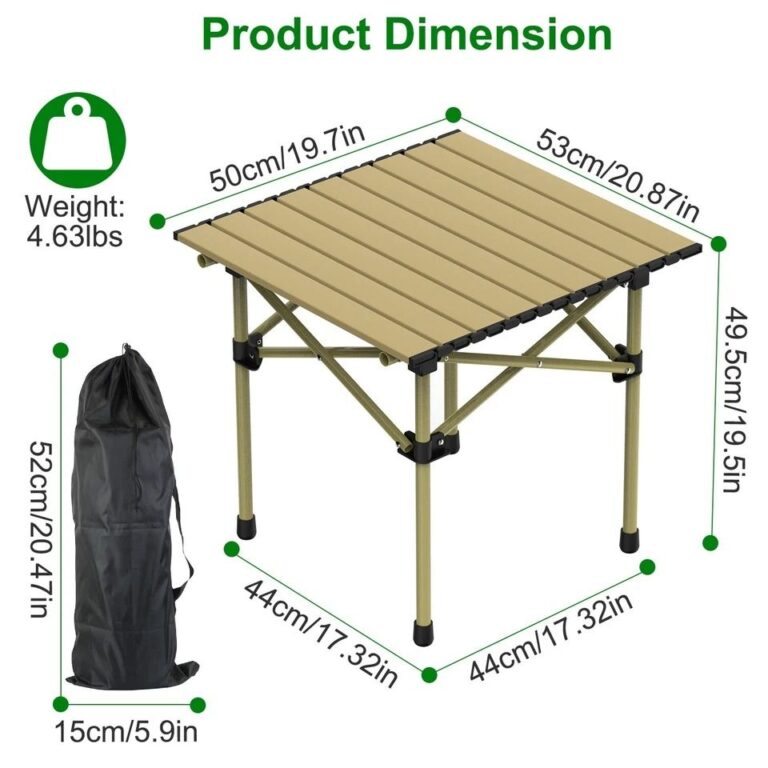 Aisha's pickLarge Patio Dining Tables at Every Price Point

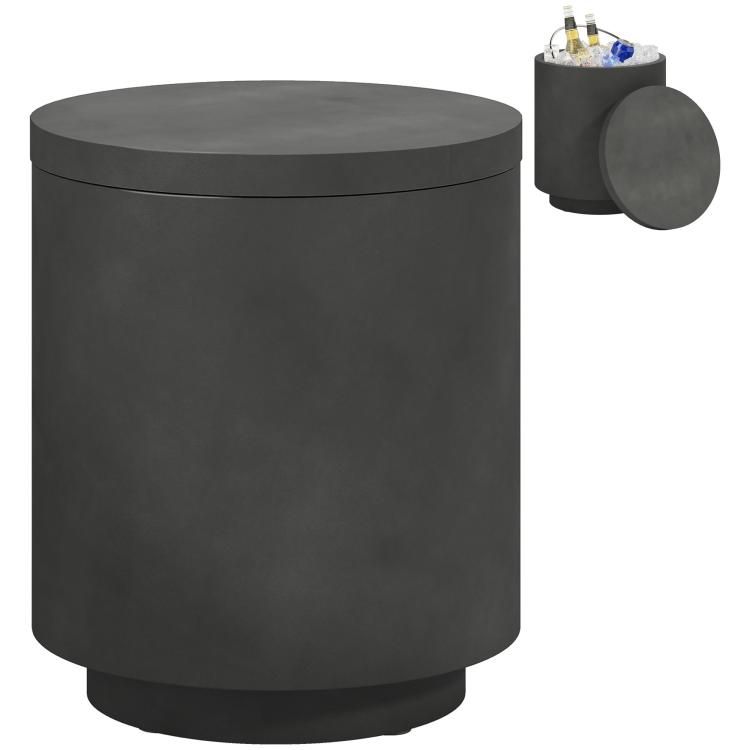
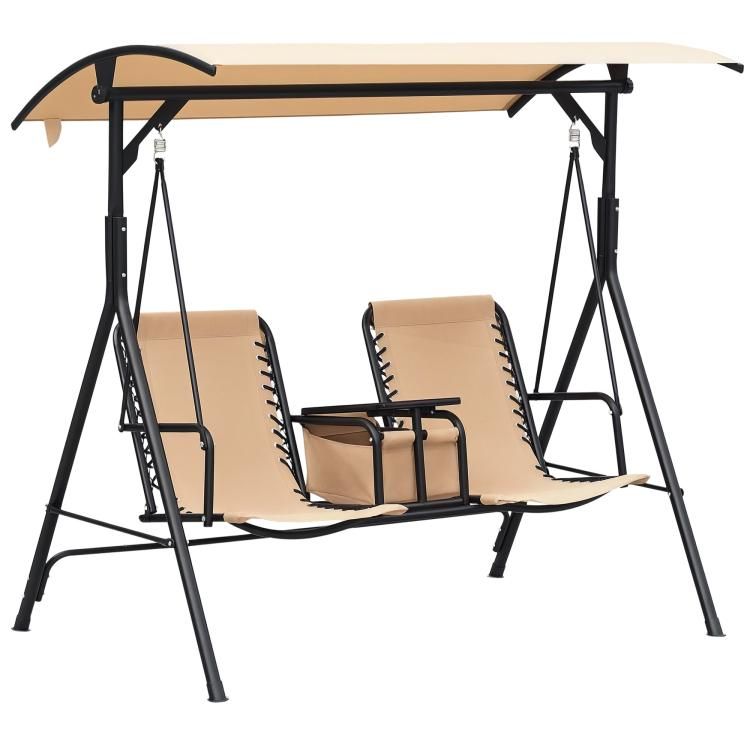 Aisha's pickPatio Tables with Storage That Fit Into Real Life
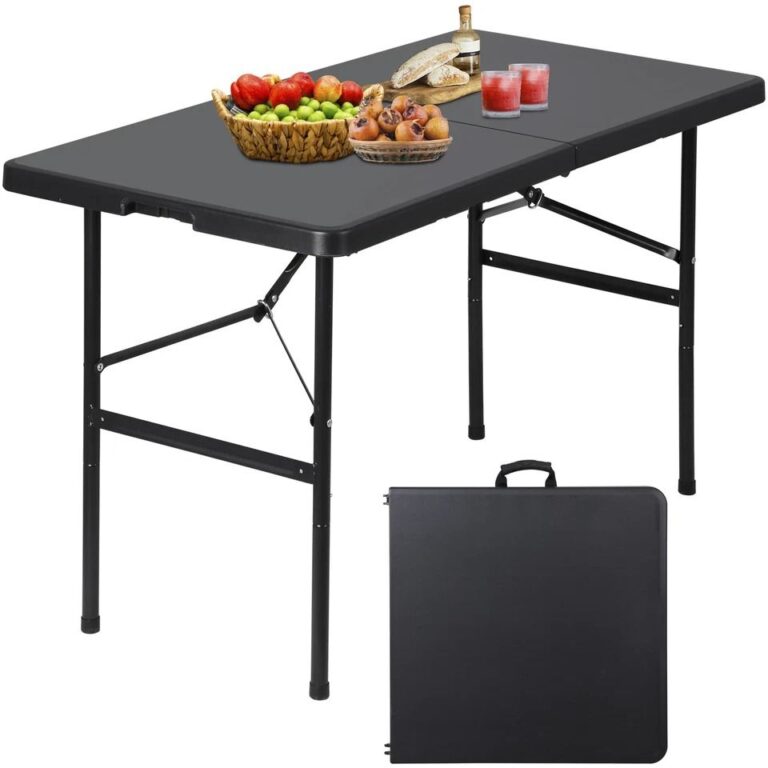
 Aisha's pickOur Shortlist of Large Patio Tables

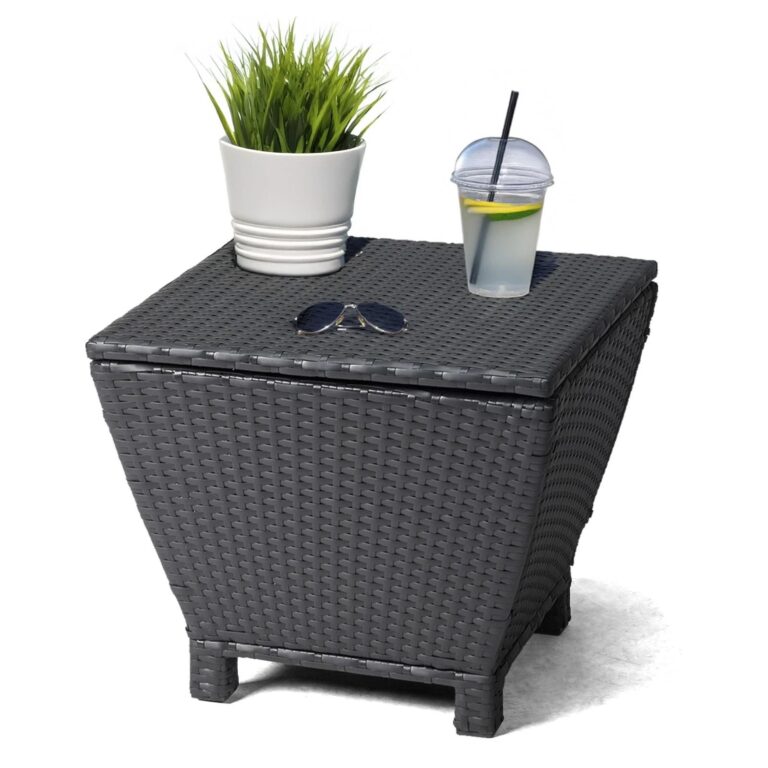 Aisha's pickRattan Patio Tables for Sunny Afternoons and Chilly Nights
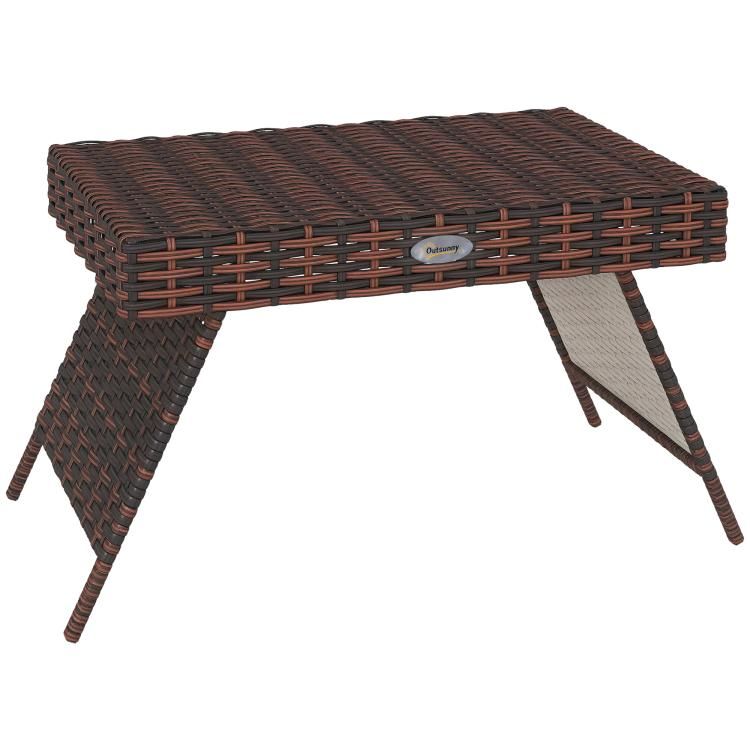
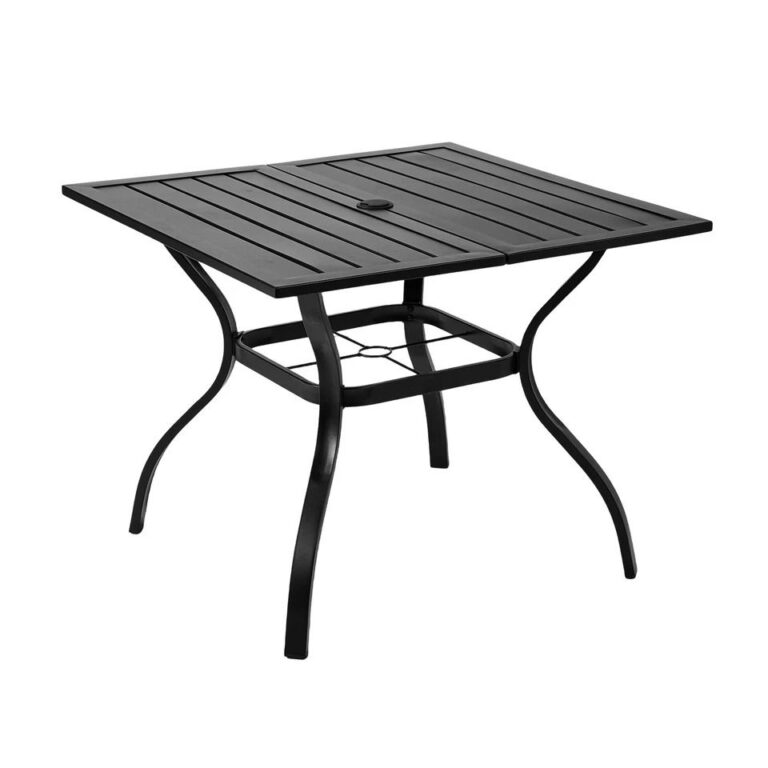 Aisha's pickMetal Patio Tables That Make a Small Yard Work Harder