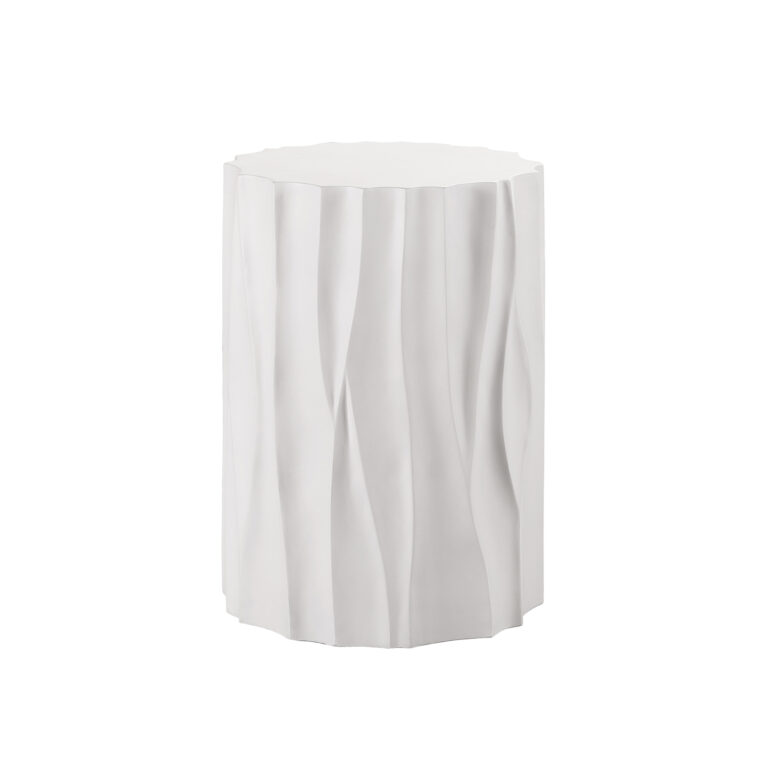
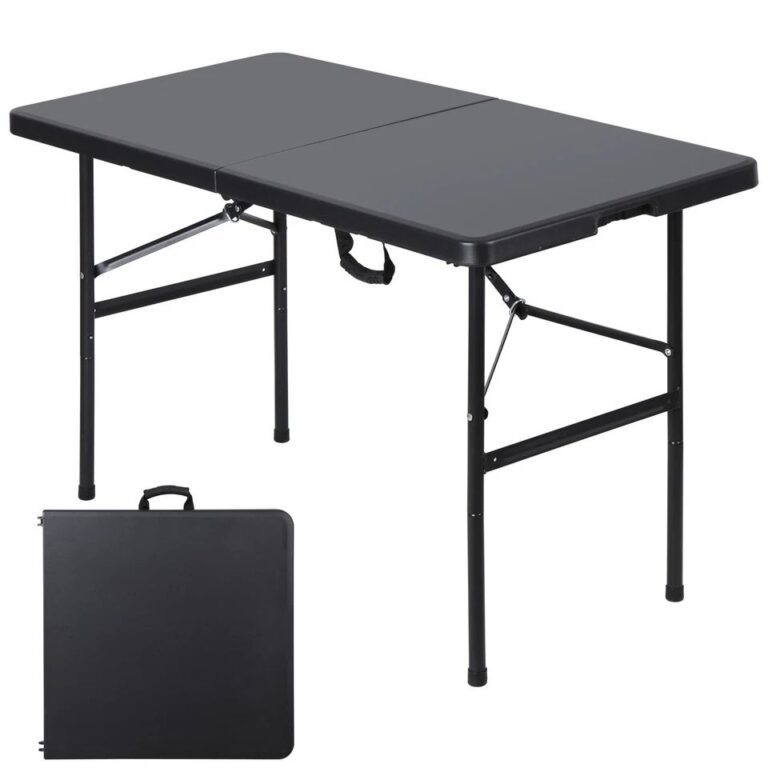
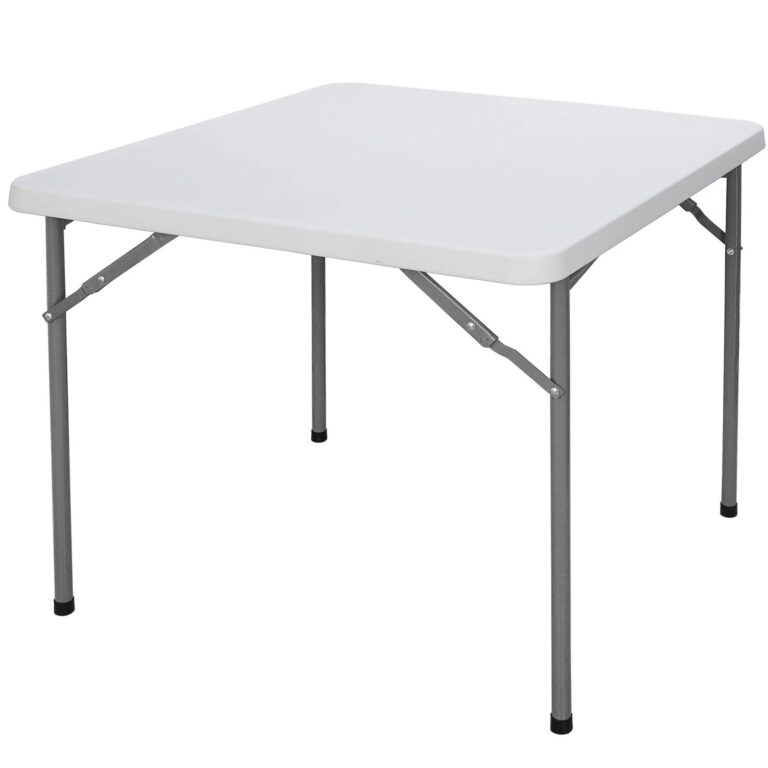
There's a particular kind of September evening, the light going gold around six, when you want to keep everyone outside just a little longer before the plates come in. That's when a neutral outdoor table earns the space it takes up all year. It doesn't fight the string lights, it doesn't fight the food, it just sits there looking like it belongs, whatever season or whatever mess lands on it.
The difference between a table that lasts and one that quietly falls apart shows up fast if you know where to look. Run your hand under the edge. A well made table has a finished, rounded underside, not a rough cut that'll snag a tablecloth or someone's forearm. Check how the legs meet the top, bolted and braced properly reads as solid when you push on one corner, while a table held together with a few screws and hope will rock or twist. For wood, you want a hardwood like teak or a properly treated eucalyptus, with a finish that's been baked or oiled in, not just sprayed on top. For metal, powder coating should feel even and slightly textured, not glossy and thin like it'll chip the first time a chair leg scrapes it. Concrete and stone composite tops should feel dense and cold, not light and hollow, which usually means filler.
Left outside, every neutral table changes, and that's not a flaw, it's the deal you're making. Teak goes from honey to silver gray over a year or two, which most people end up loving more than the original color, though it took me two summers of writing angry mental notes before I came around. Give it a wash with soapy water in spring, maybe an oil if you want to hold the warmer tone longer. Powder coated metal needs almost nothing, just keep it dry in winter if you can, a cover or a corner of the garage works fine. Stone and concrete tops are the lowest maintenance of the lot, just don't let ice sit directly on them for weeks. For color, the easiest neutrals to live with are warm gray, bleached oak, and weathered teak, they take a beating in sunlight without looking sun bleached and sad the way bright white furniture does after one hard July.
On delivery day, check every joint is tight before you sign for anything, look for consistent grain or color across all the legs, not one oddly pale piece that'll stand out forever, and give the whole thing a gentle rock on a flat floor indoors before it ever touches your patio.
A good neutral outdoor table should look better after three summers outside than it did the day it arrived, and that's the whole point of buying one.
 Aisha's pickBeige Outdoor Tables for Sunny Afternoons and Chilly Nights
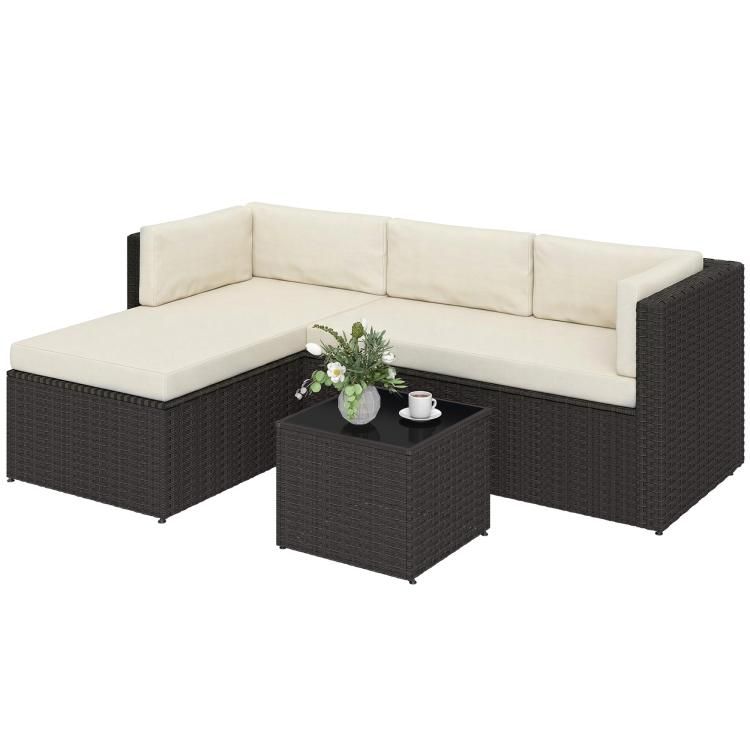
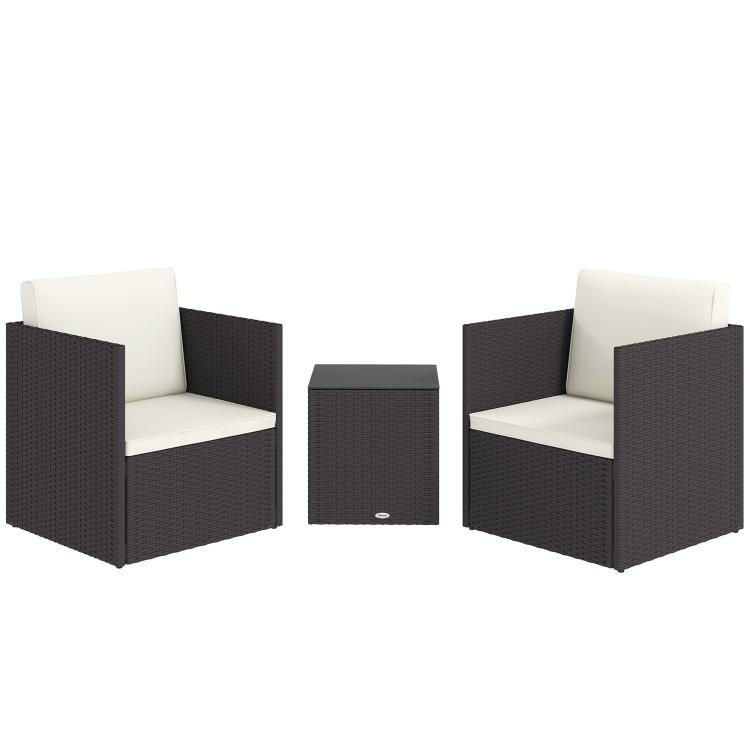 Aisha's pickBrown Outdoor Tables That Make a Small Yard Work Harder
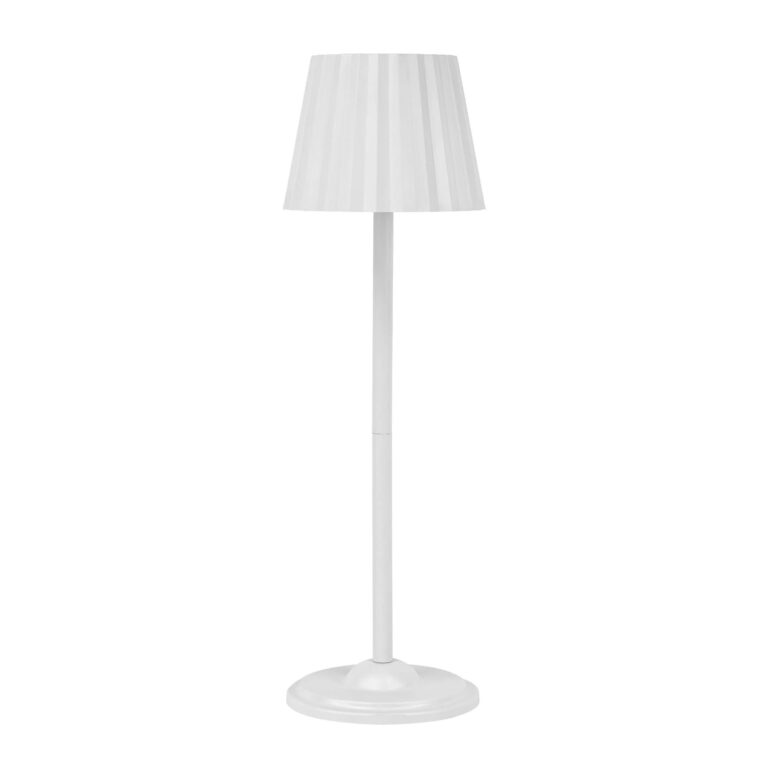 Aisha's pickNatural Outdoor Bars for Making the Most of the Patio

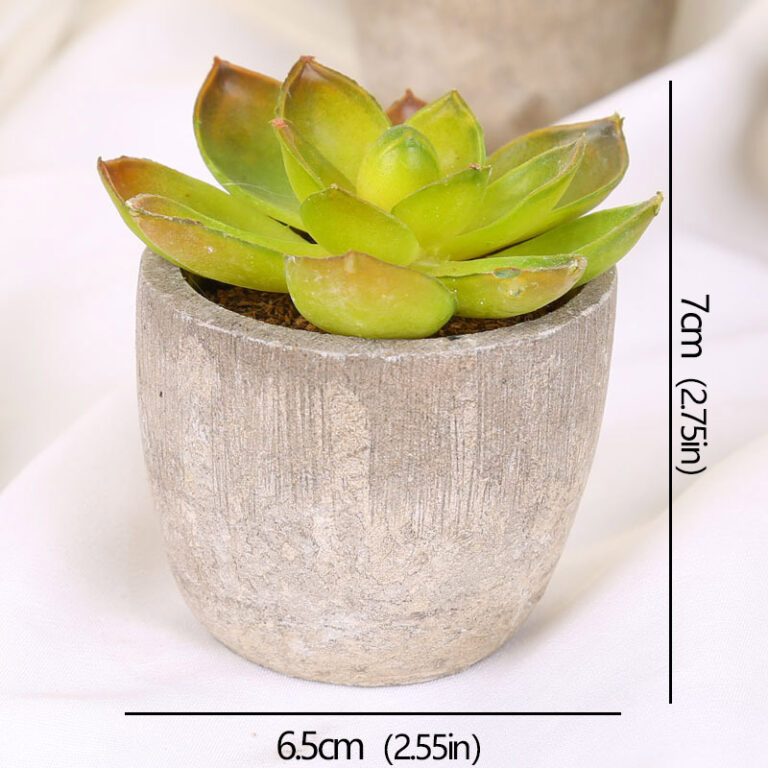 Aisha's pickNatural Outdoor Tables for Sunny Afternoons and Chilly Nights
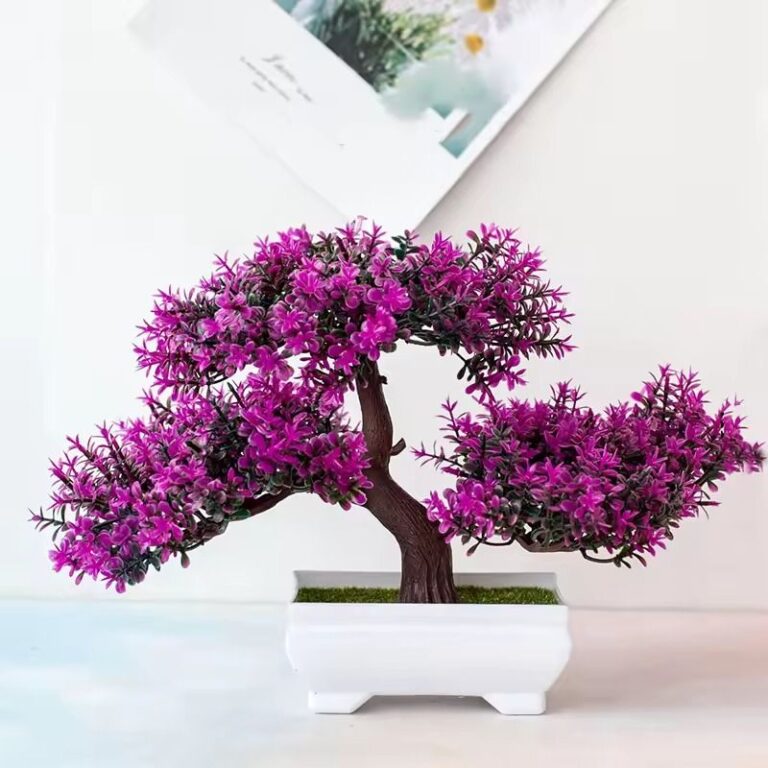
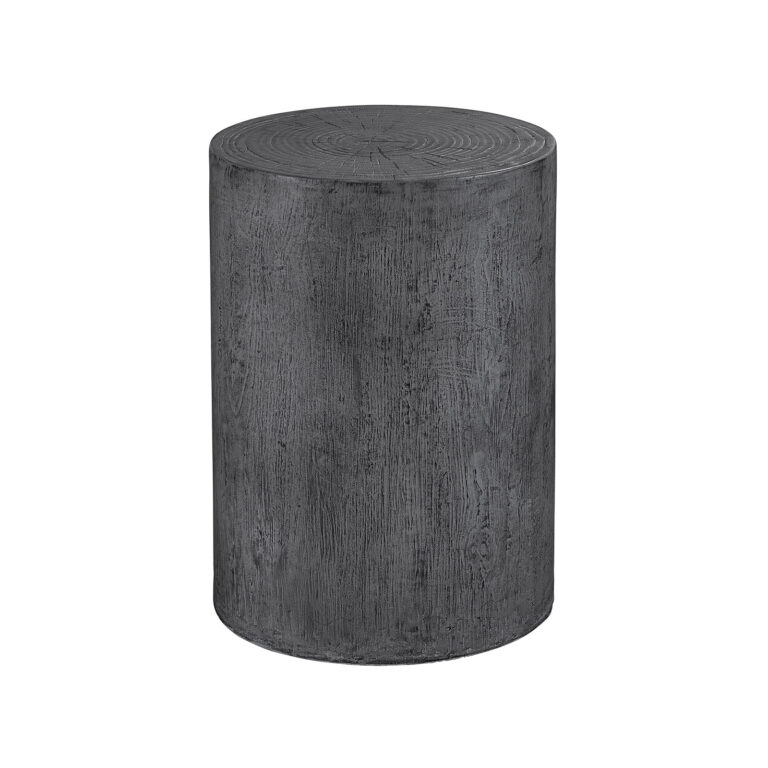 Aisha's pickNatural Outdoor Side Tables for Long Summer Evenings Outside
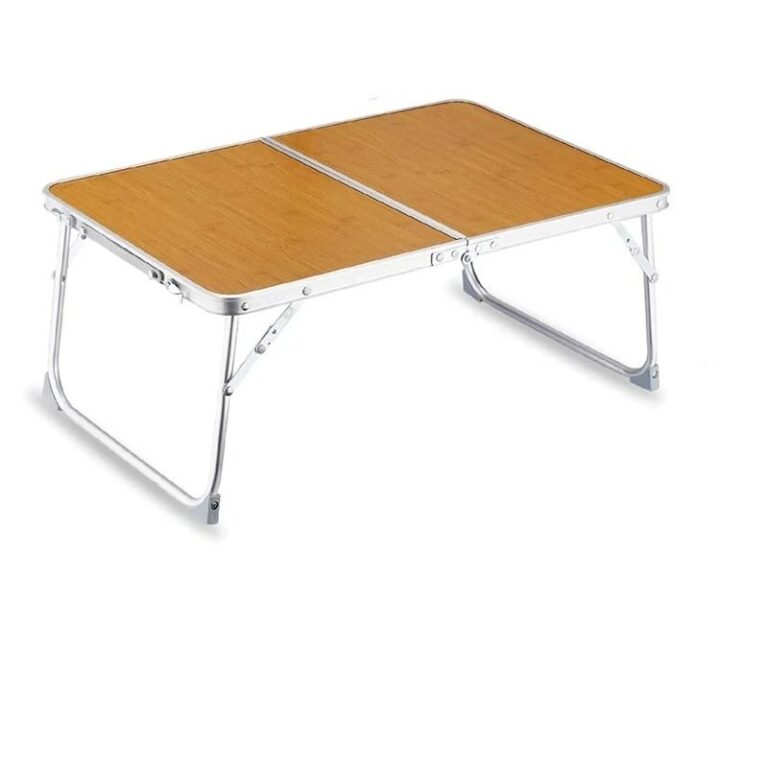
 Aisha's pickNatural Outdoor Tables With a Bit More About Them
 Aisha's pickNatural Round Outdoor Tables We’d Have Out From May to September
 Aisha's pickStone Outdoor Tables That Make a Small Yard Work Harder
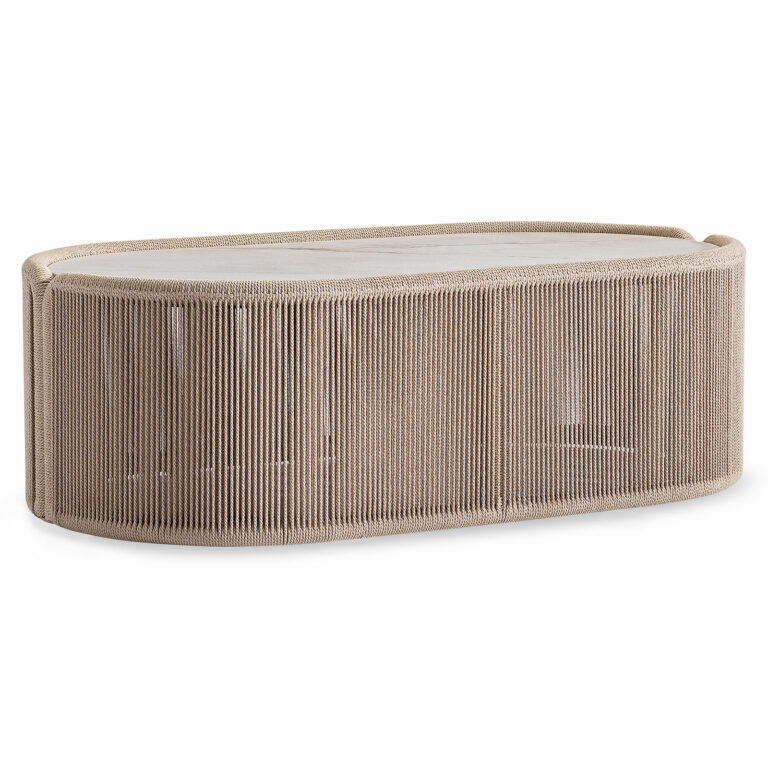
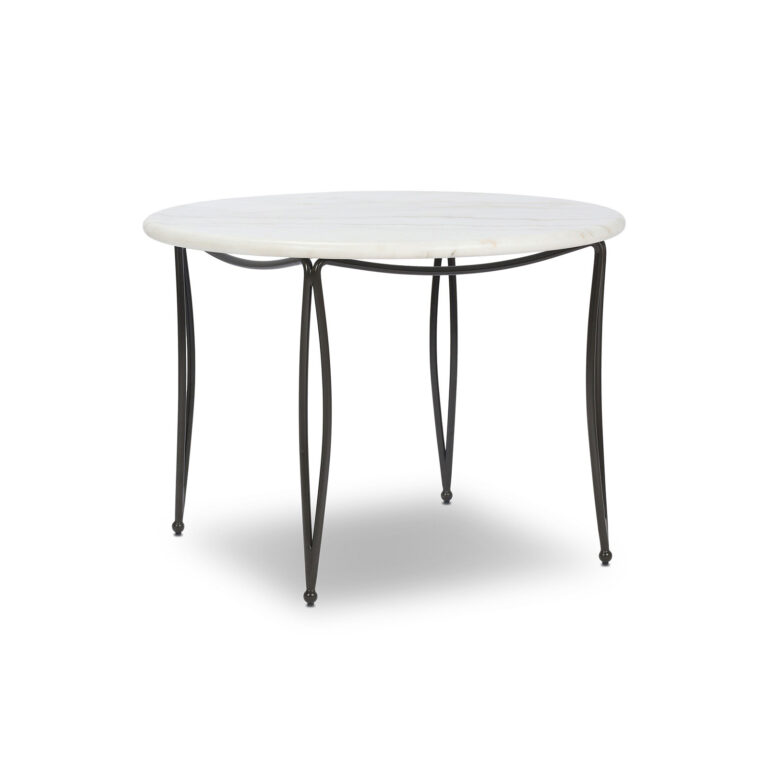 Aisha's pickWhite Bistro Tables That Shrug Off the RainAlso worth a lookPatio TablesPatio tables have a reputation for being an afterthought, the thing you grab because the chairs needed somewhere…See the collections →
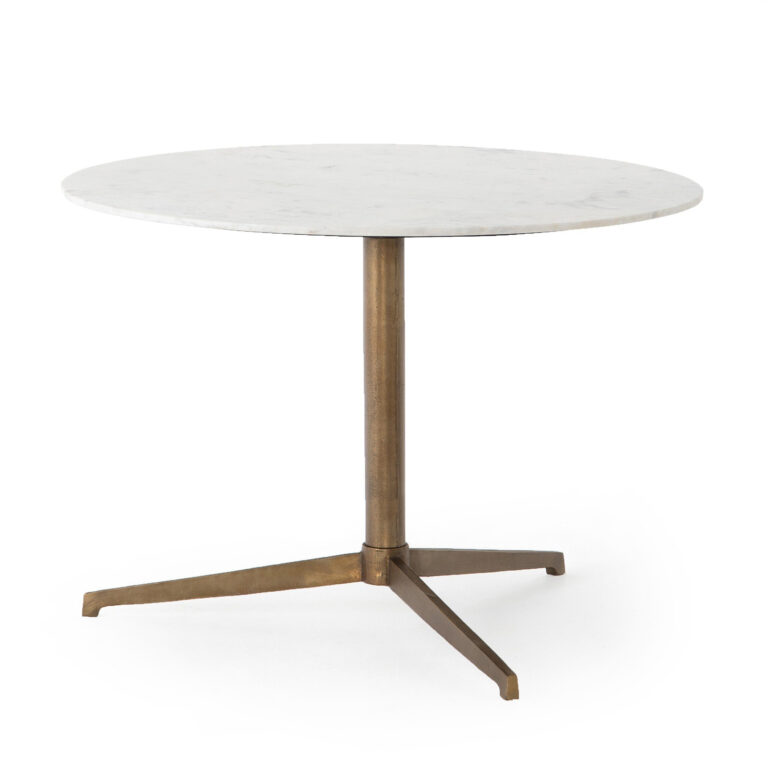
 Aisha's pickWhite Outdoor Tables That Don’t Need Babying
 Aisha's pickWhite Outdoor Tables for Sunny Afternoons and Chilly Nights