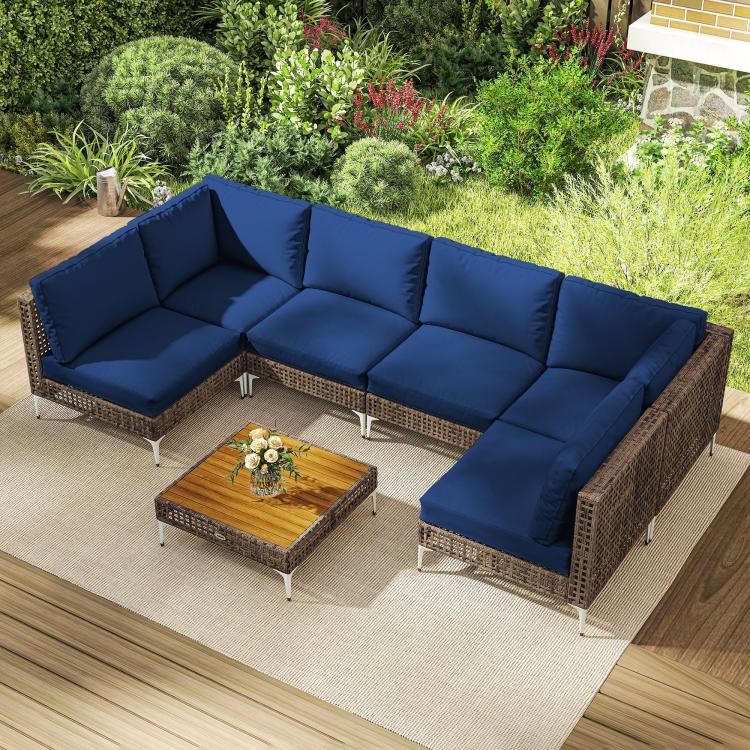
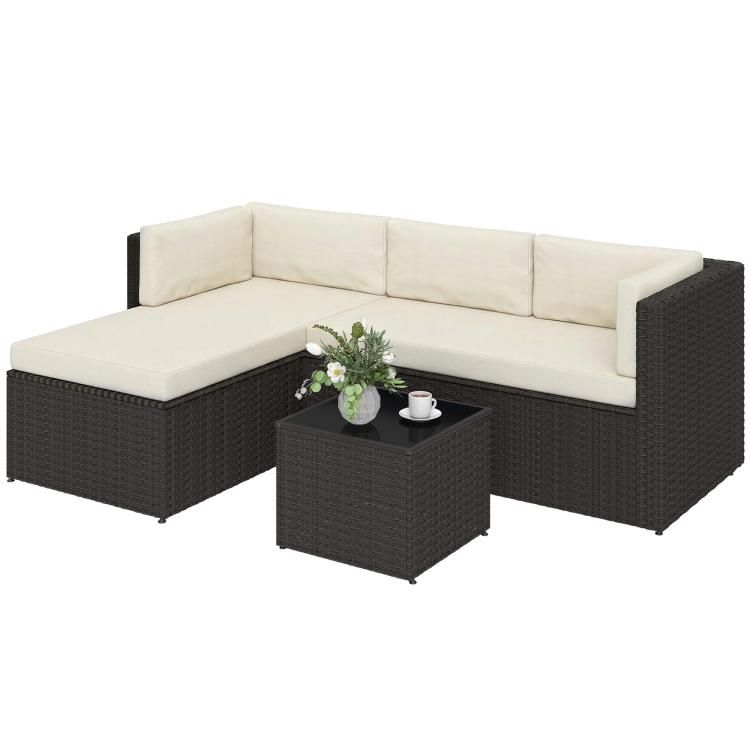
Measure the seating height before anything else. A coffee table outdoors needs to sit a couple inches below the tops of your chair cushions, and most outdoor sofas run taller than indoor ones because of the weatherproof padding, so a table that looked right in the showroom can end up at knee height once it's wedged between two deep sectional seats. Sixteen to eighteen inches tall is the safe range for most setups, and you want at least fourteen inches of clearance on every side so people can actually get their legs in without knocking over a drink.
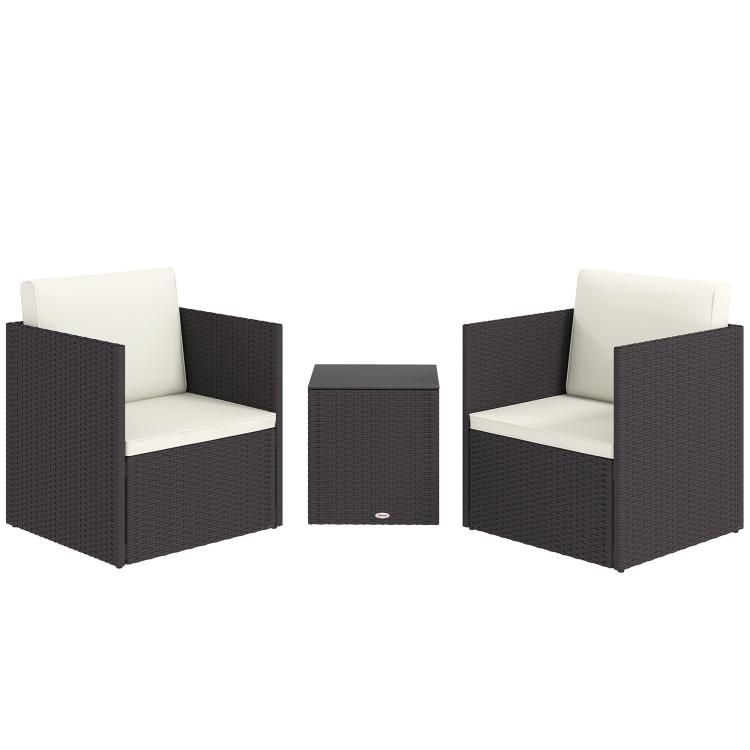
On color, anything very dark absorbs heat and shows pollen, dust and water spots within a week, which sounds minor until you're wiping it down every single morning before coffee. Light gray, bleached teak tones and warm taupe hide all of that and still look intentional next to brighter cushions. As for aging, teak and eucalyptus go silvery gray over a year or two if left alone, which most people end up liking, but if you want to keep the original honey color you have to oil it every few months, and skipping one season means starting the sanding and oiling process over from the beginning. Powder coated aluminum and resin wicker hold their finish with nothing more than a hose down, which is the honest reason half the tables on patios now are metal rather than wood, whatever the catalog photos want you to believe. Rust is the real enemy for anything metal, so check the underside of the frame and the screw points, not just the top, before you buy.
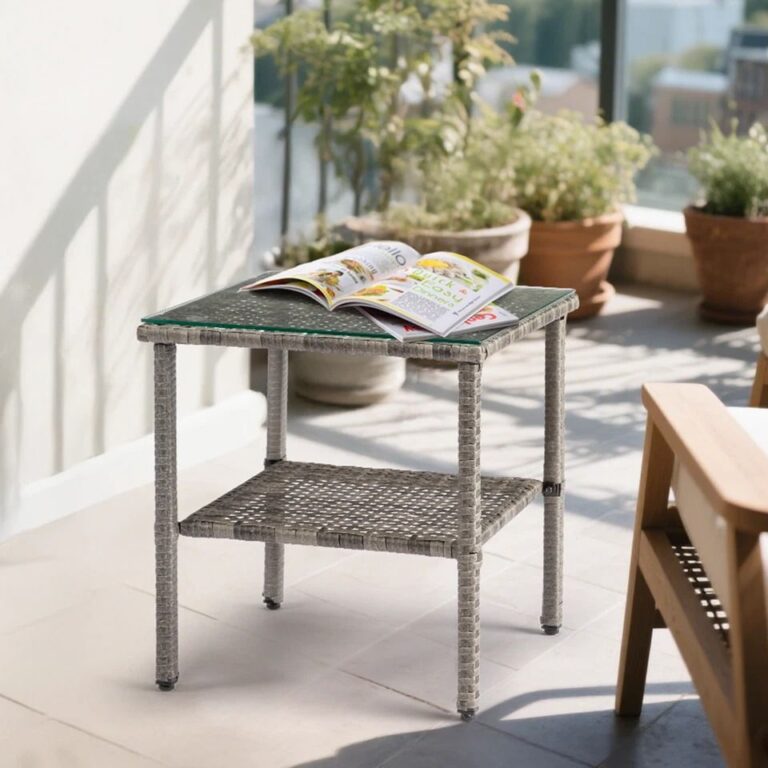
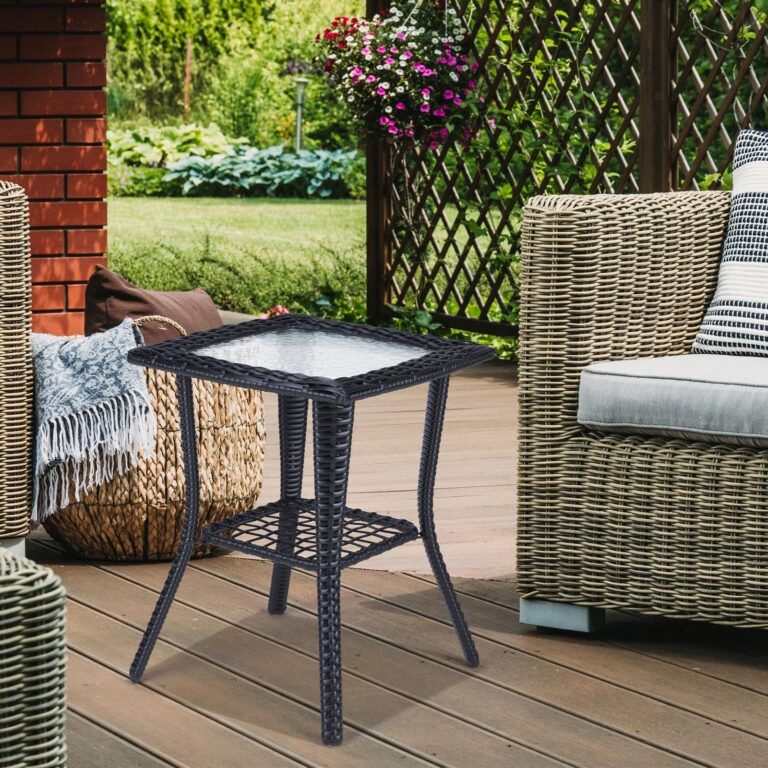
The difference between a table that lasts and one that doesn't usually comes down to the joints and the base, not the surface. Pick one up if you can, or at least shake it. A welded aluminum frame or a mortise and tenon wood joint will feel solid with almost no movement, while a cheap one wobbles slightly at the legs even brand new, and that wobble only gets worse once it's lived through a windy season outside. Stone or concrete tops are gorgeous and heavy enough to survive gusts, but they need two people to move and they will chip if you drag rather than lift. A glass top looks sharp for about one pollen season before it needs cleaning daily, which is fine if you're the sort of person who enjoys that, and not fine if you're not.
The mistake to avoid is buying based on how it photographs in full sun on a dealer's patio, because that's the one lighting condition your actual yard will almost never match.
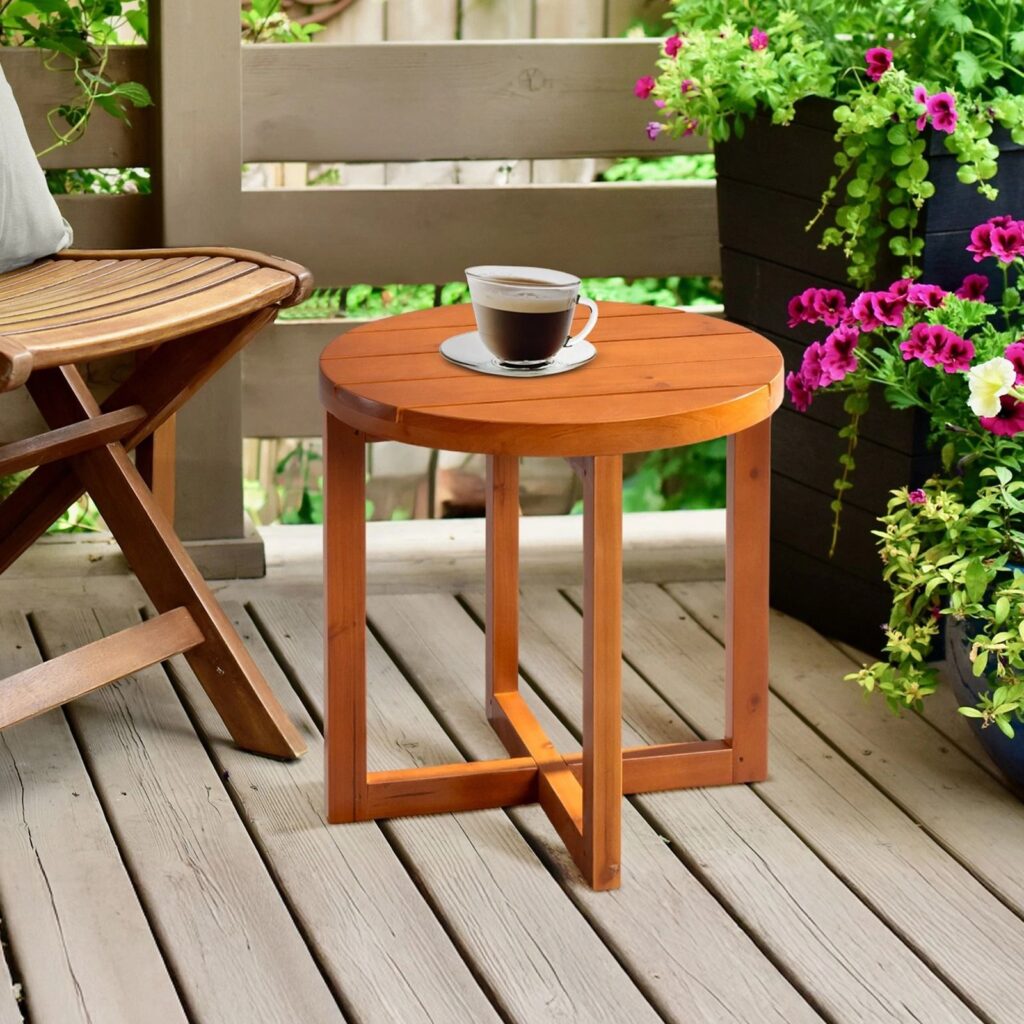
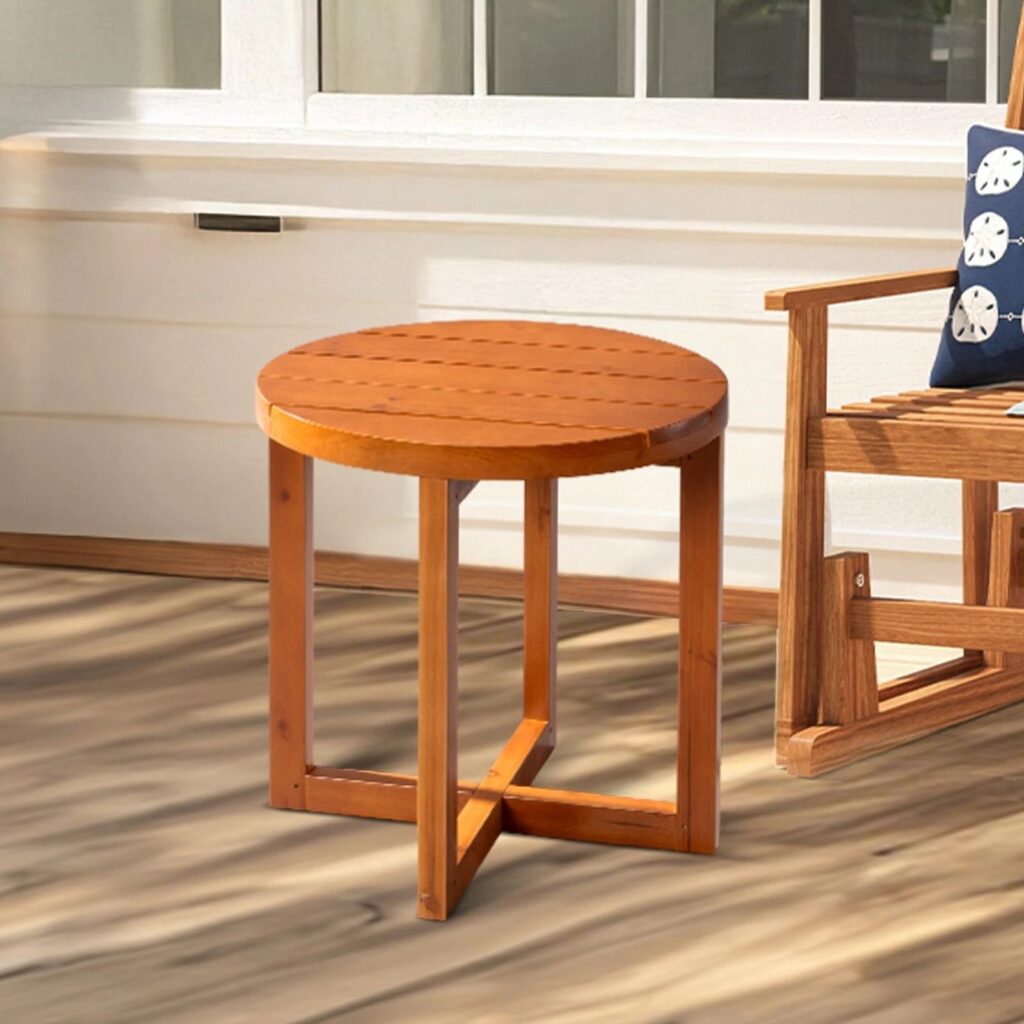 Aisha's pickDecent Patio Coffee Tables Without the Hassle
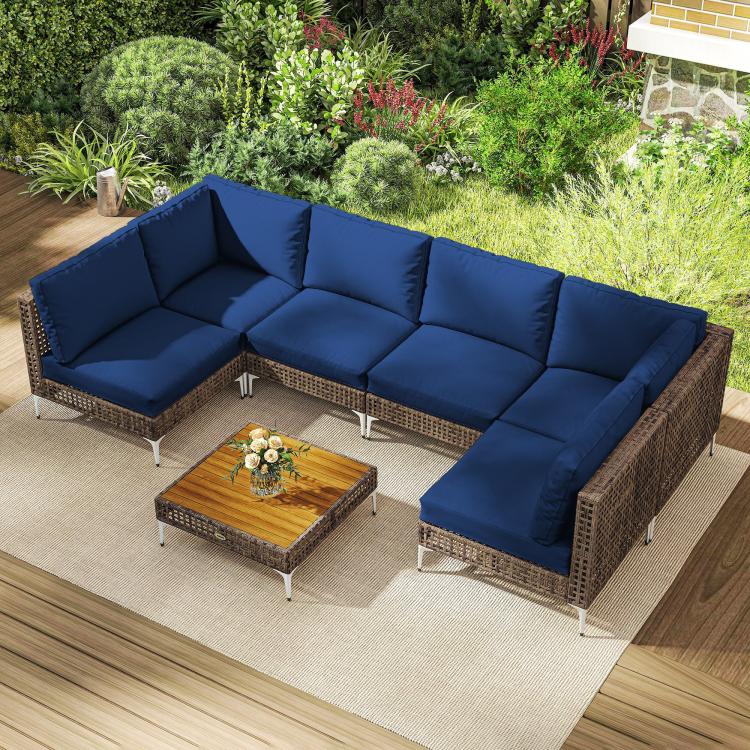 Aisha's pickPatio Coffee Tables with Cushion That Make the Yard Feel Like Another Room
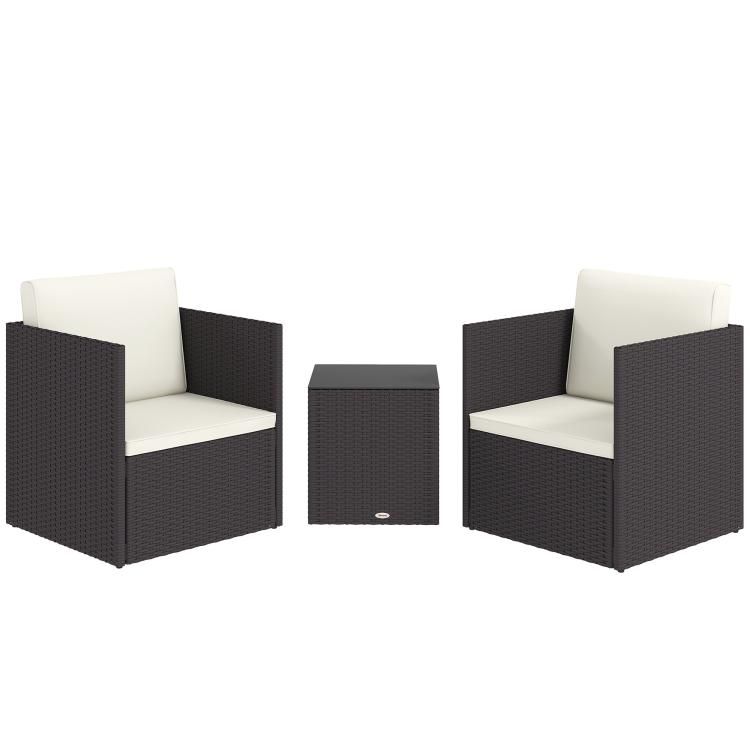
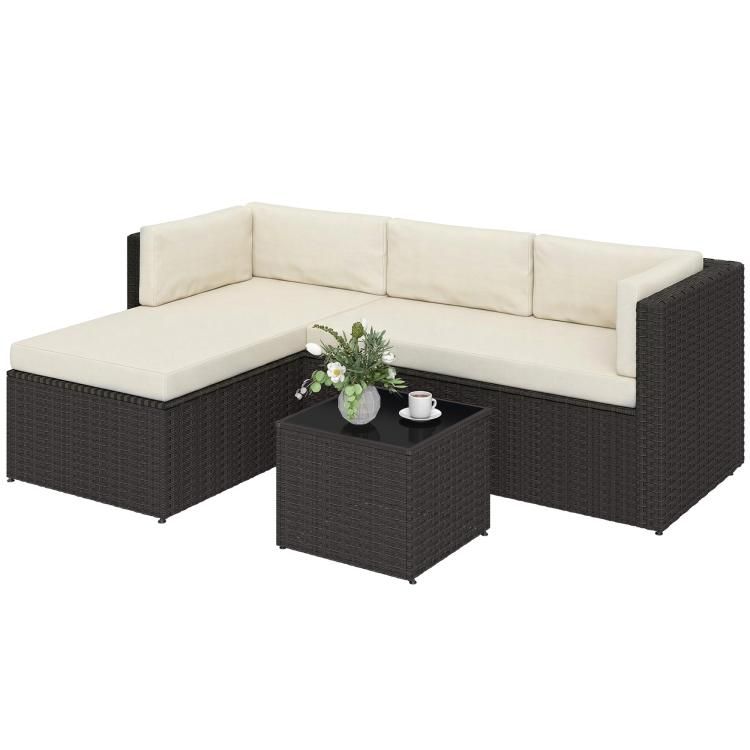 Aisha's pickRattan Outdoor Coffee Tables That Do the Job Right
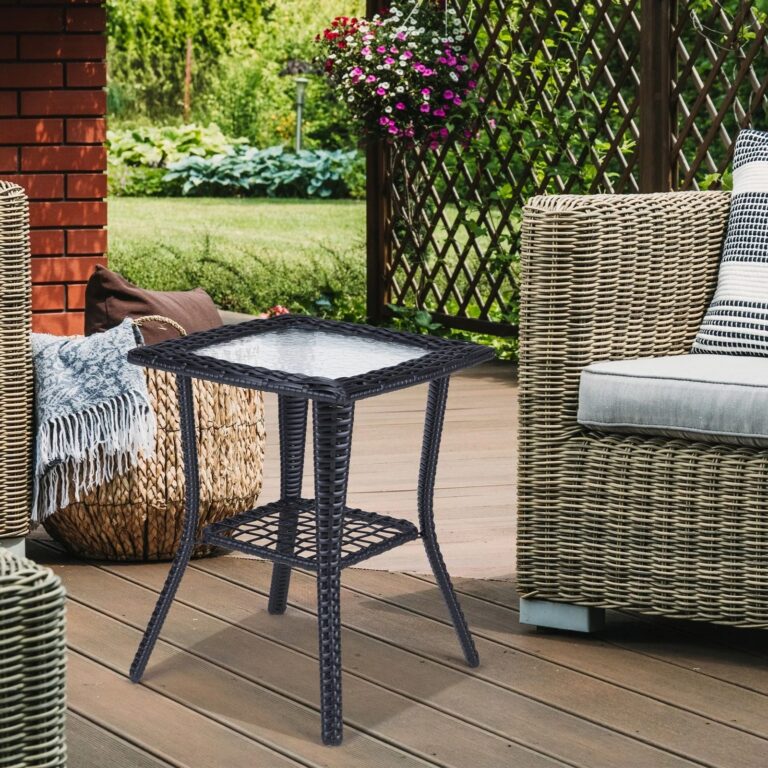
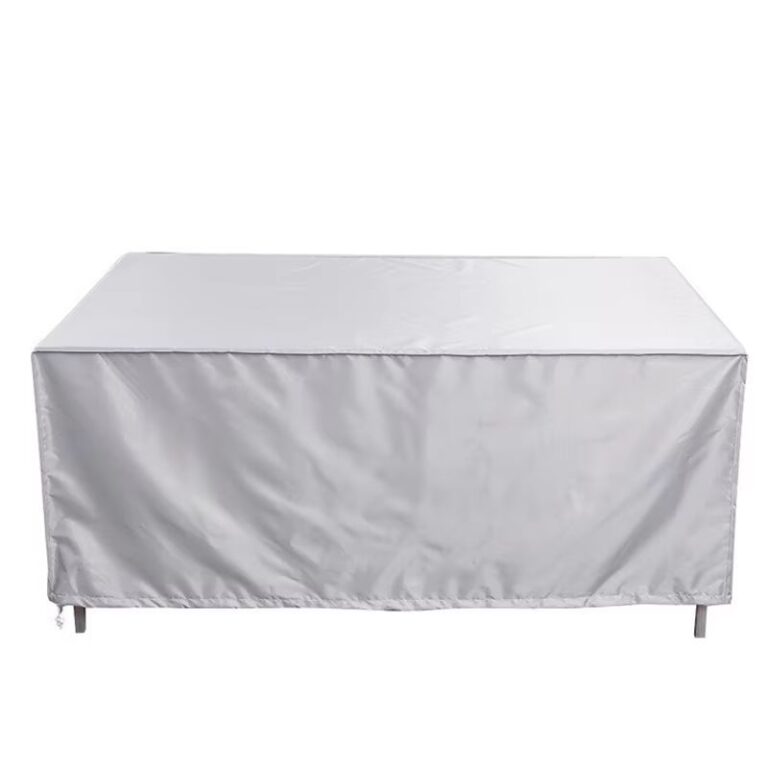 Aisha's pickRattan Outdoor Coffee Tables That Make a Small Yard Work Harder
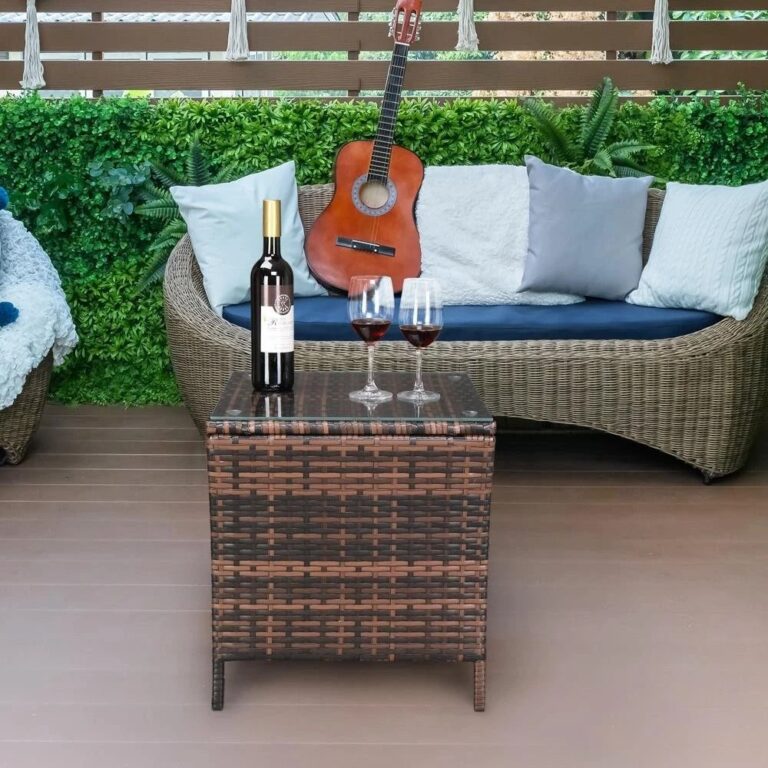
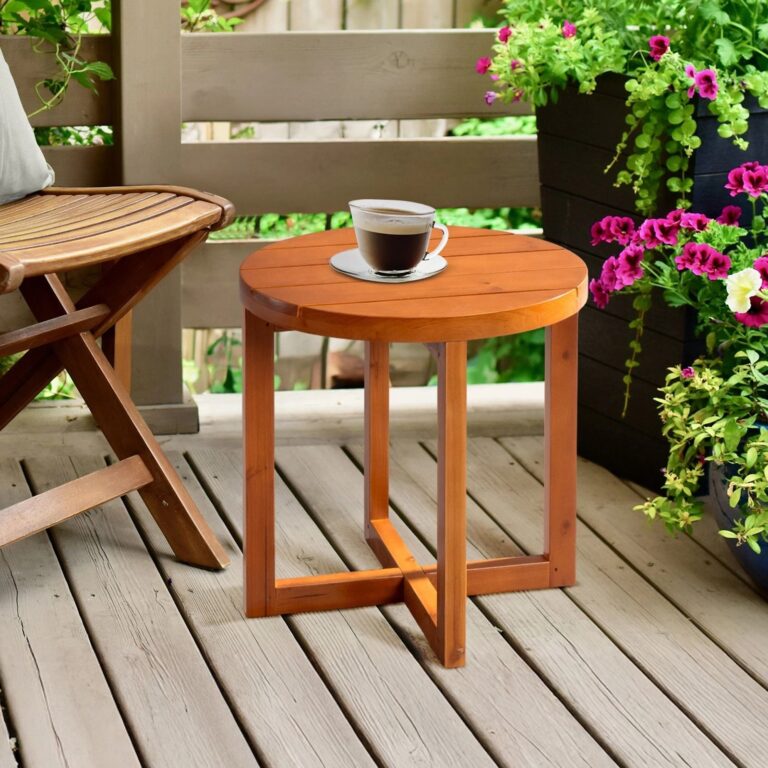 Aisha's pickRound Outdoor Coffee Tables for Making the Most of the Patio
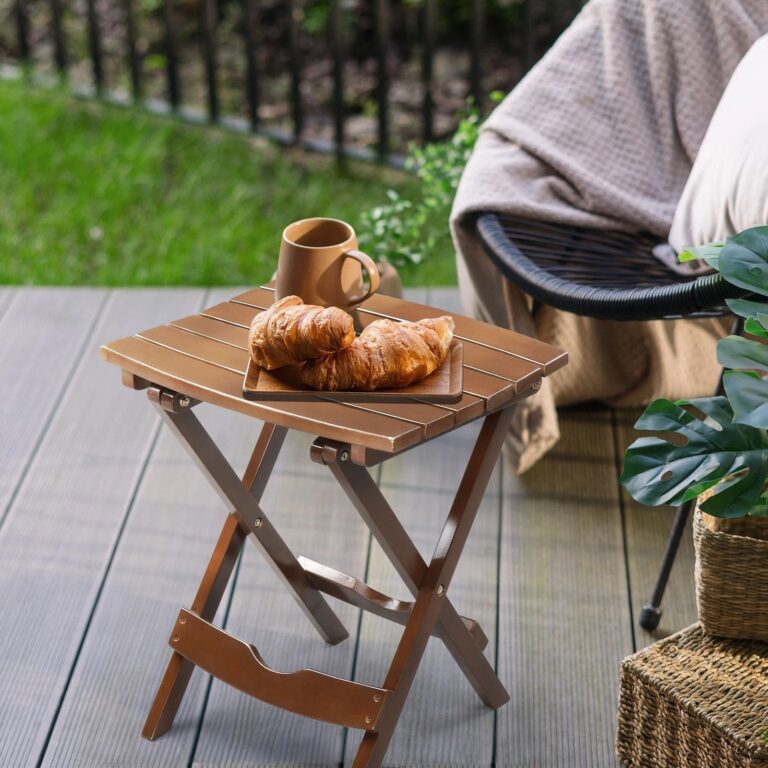
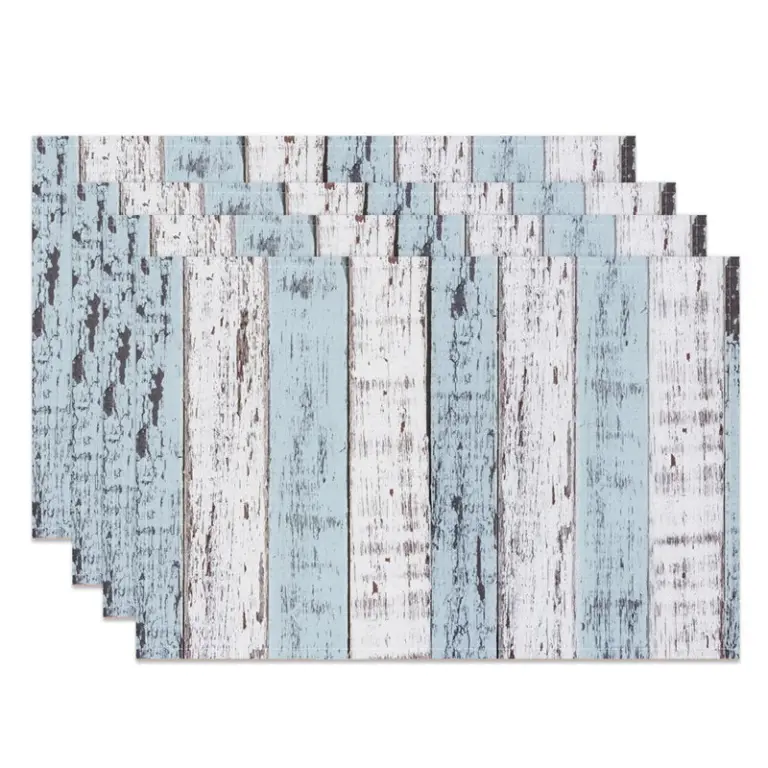 Aisha's pickBlack Outdoor Coffee Tables for Sunny Afternoons and Chilly Nights
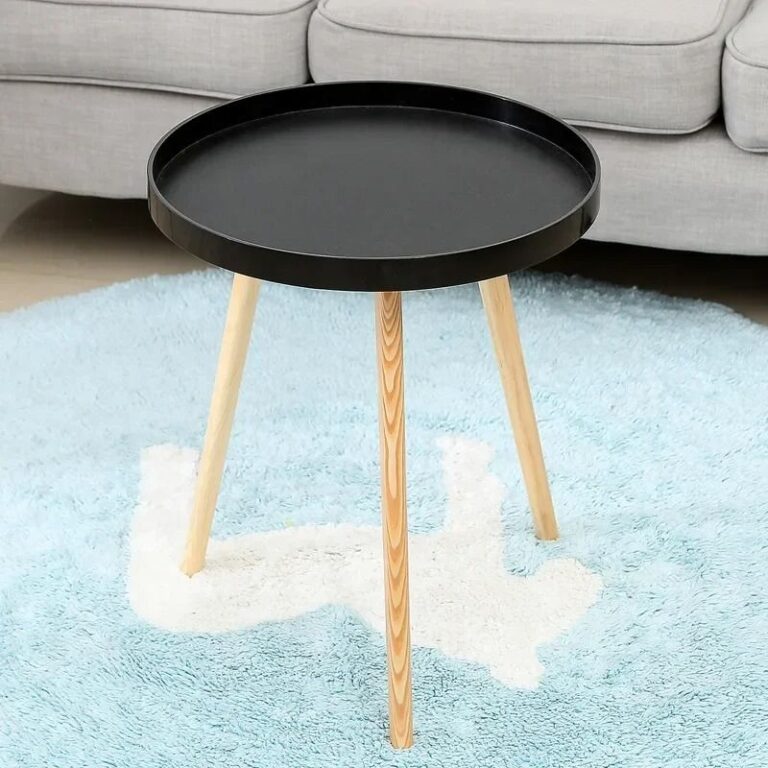
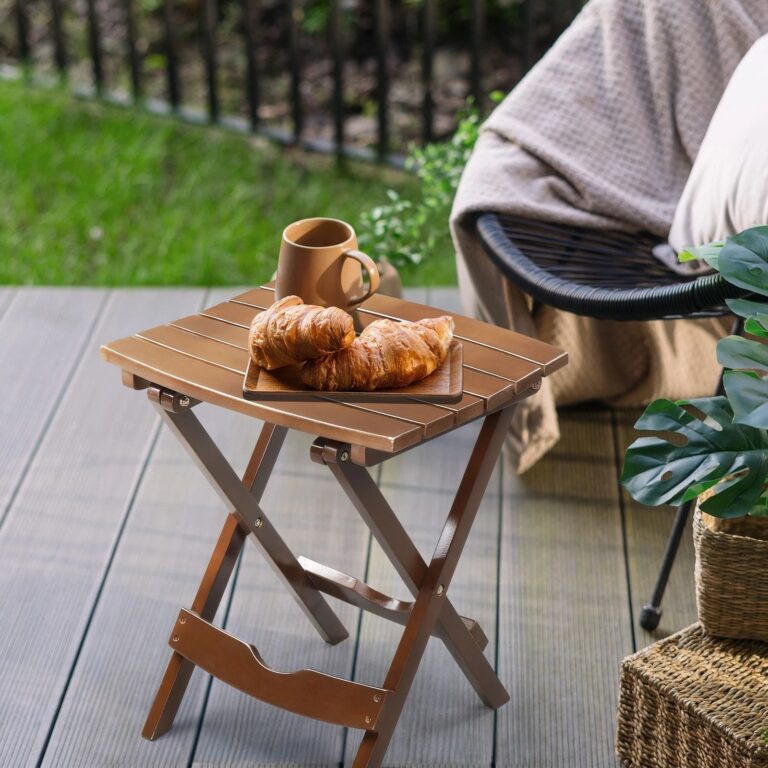 Aisha's pickRound Outdoor Coffee Tables That Make a Small Yard Work Harder
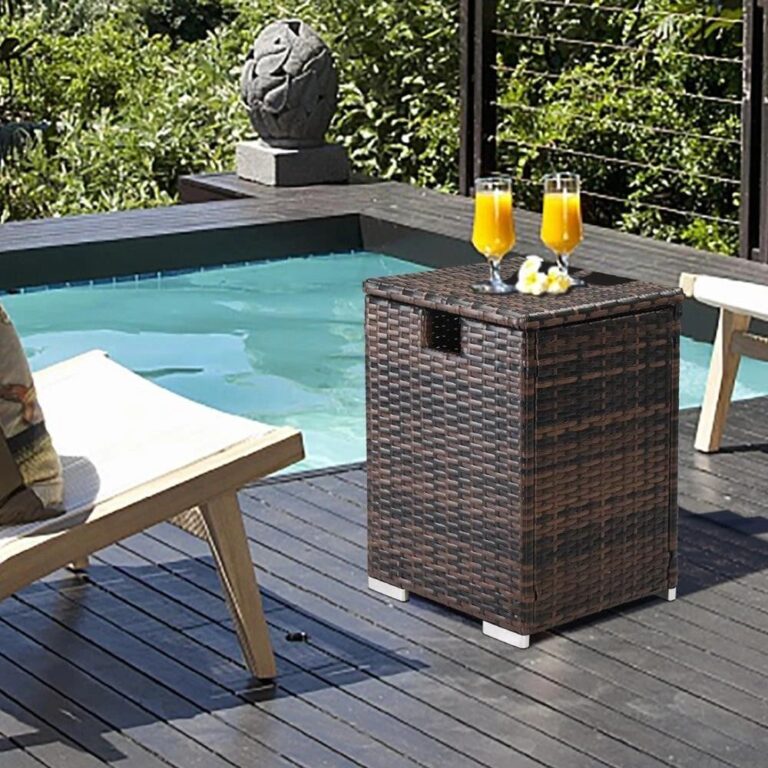 Aisha's pickContemporary Outdoor Coffee Tables We’d Have Out From May to September
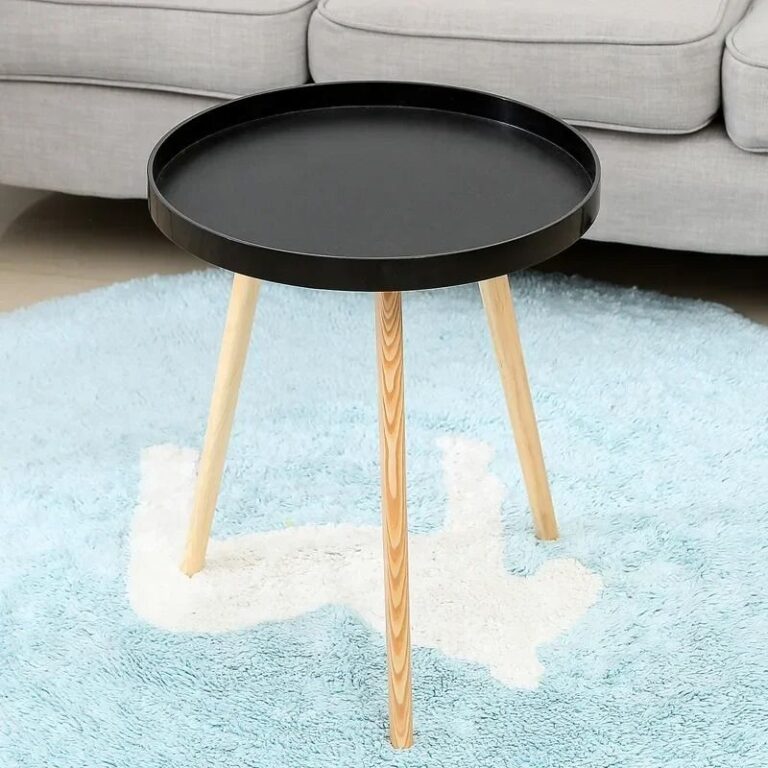
 Aisha's pickSmall Outdoor Coffee Tables for Barbecues and Lazy WeekendsAlso worth a lookPatio TablesPatio tables have a reputation for being an afterthought, the thing you grab because the chairs needed somewhere…See the collections →
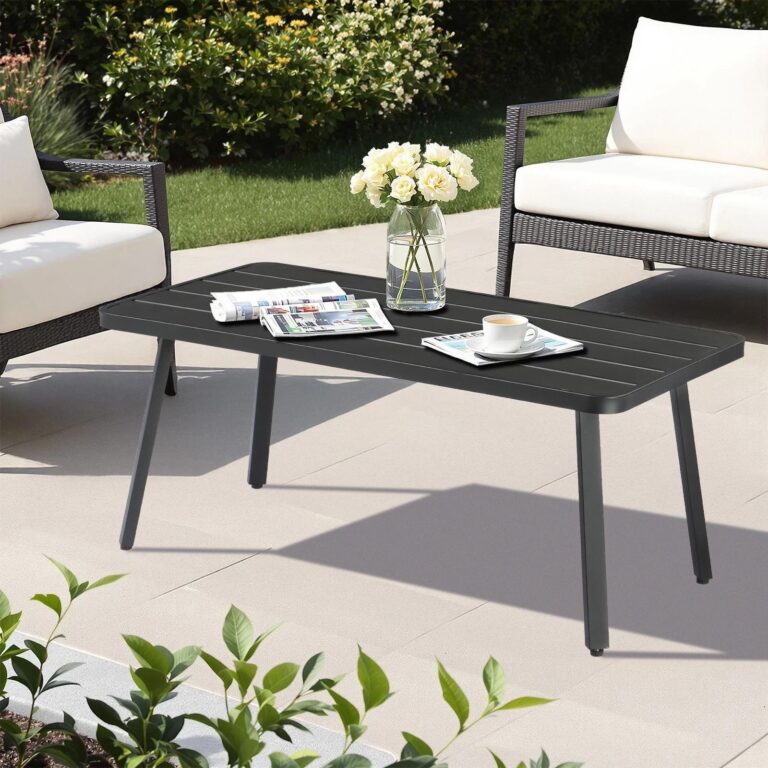
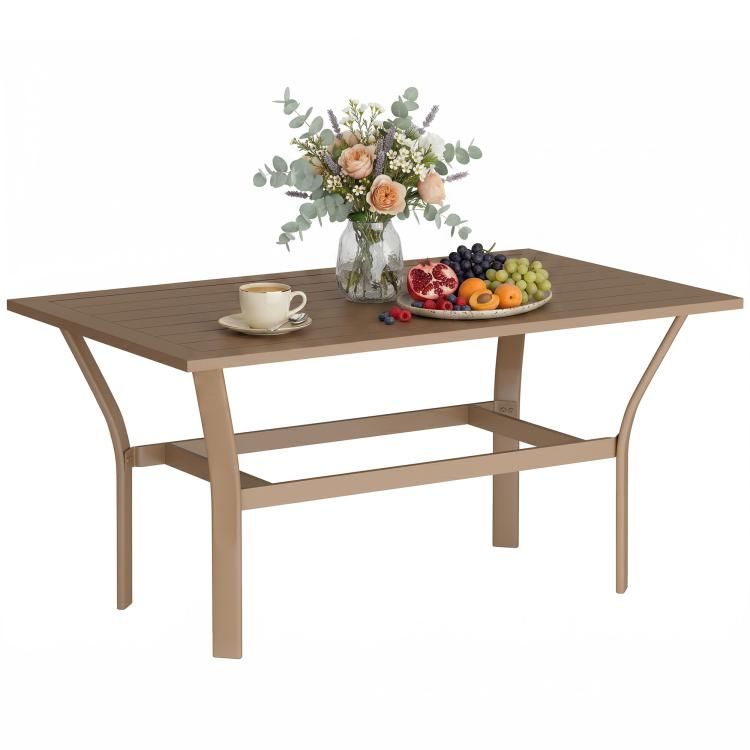 Aisha's pickOutdoor Coffee Tables for Barbecues and Lazy Weekends
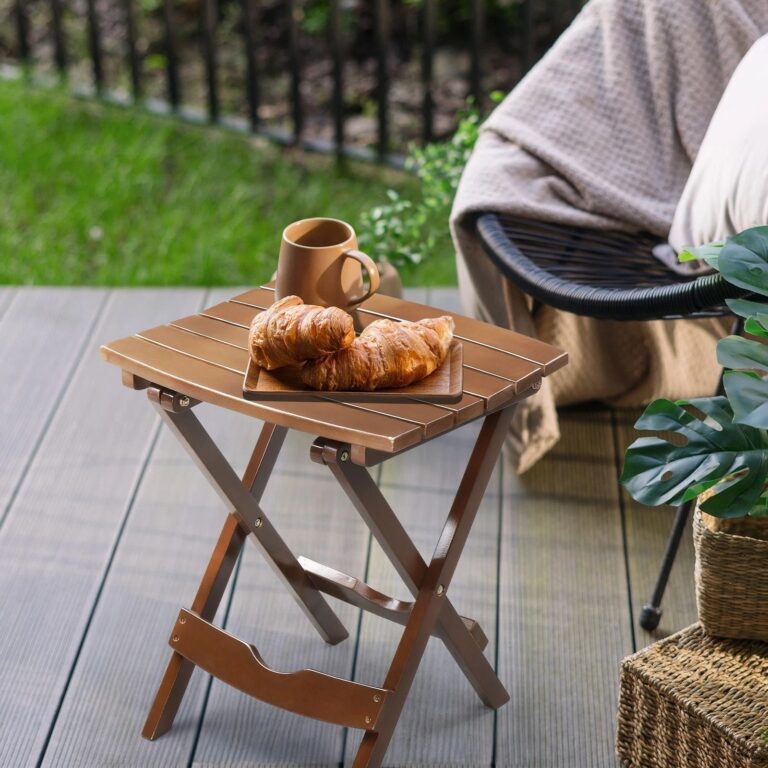
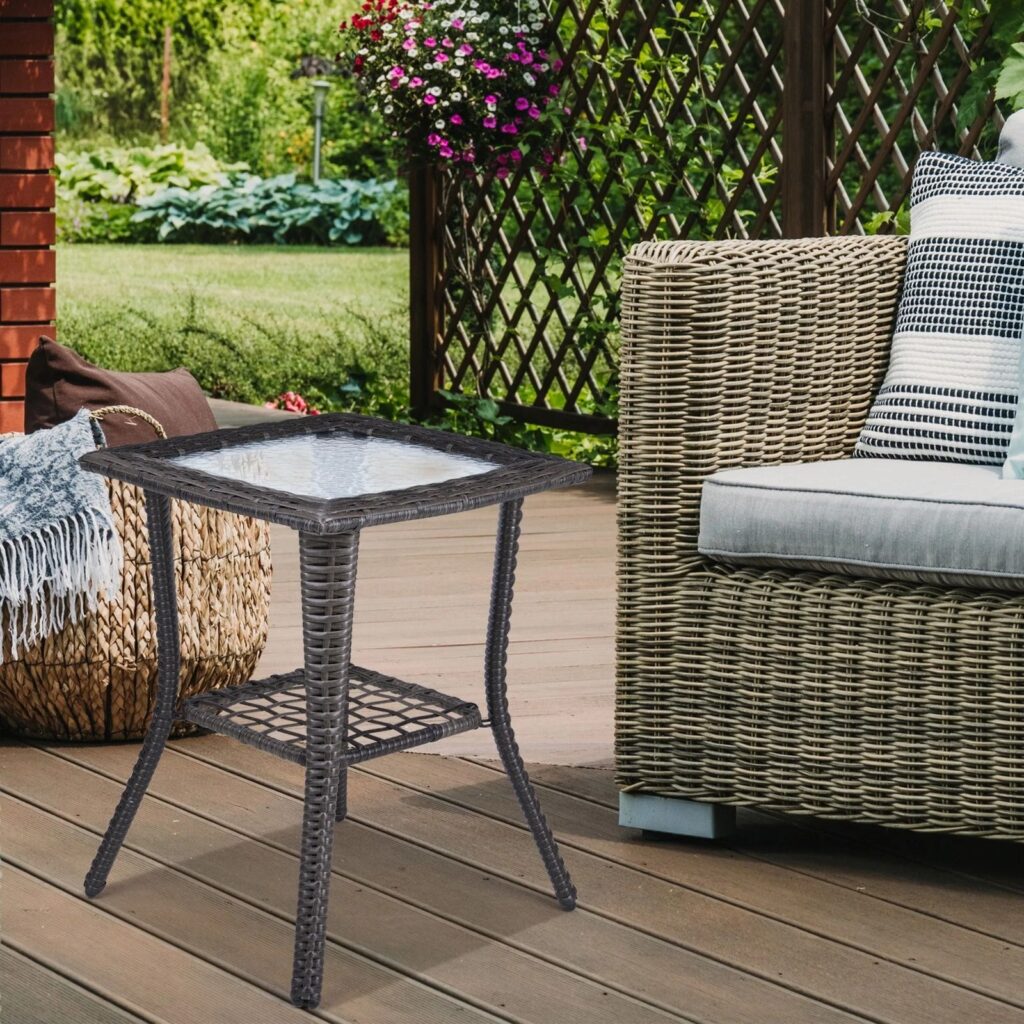 Aisha's pickSteel Outdoor Coffee Tables That Shrug Off the Rain

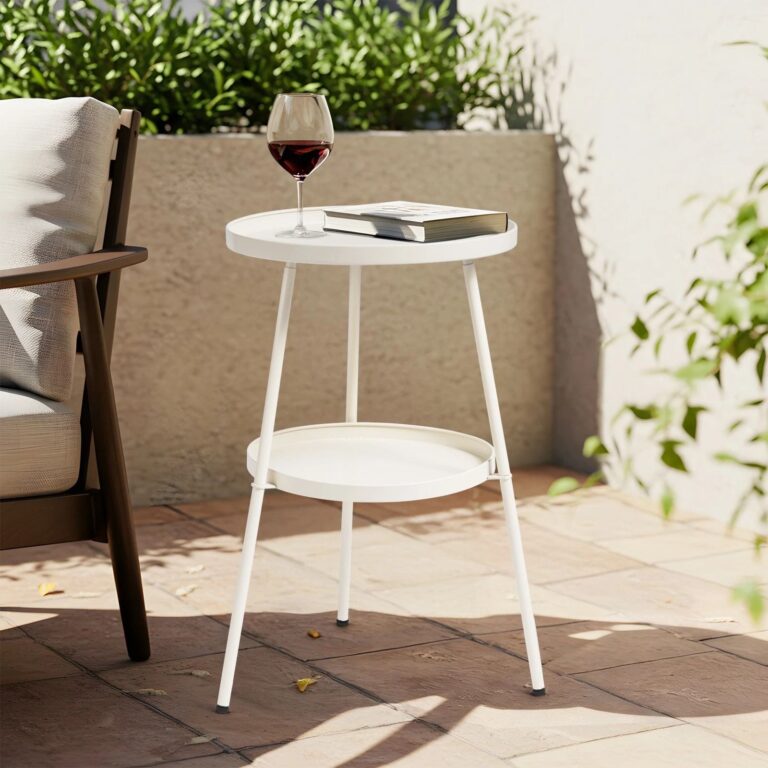 Aisha's pickMetal Outdoor Coffee Tables That Survive a Hard Winter
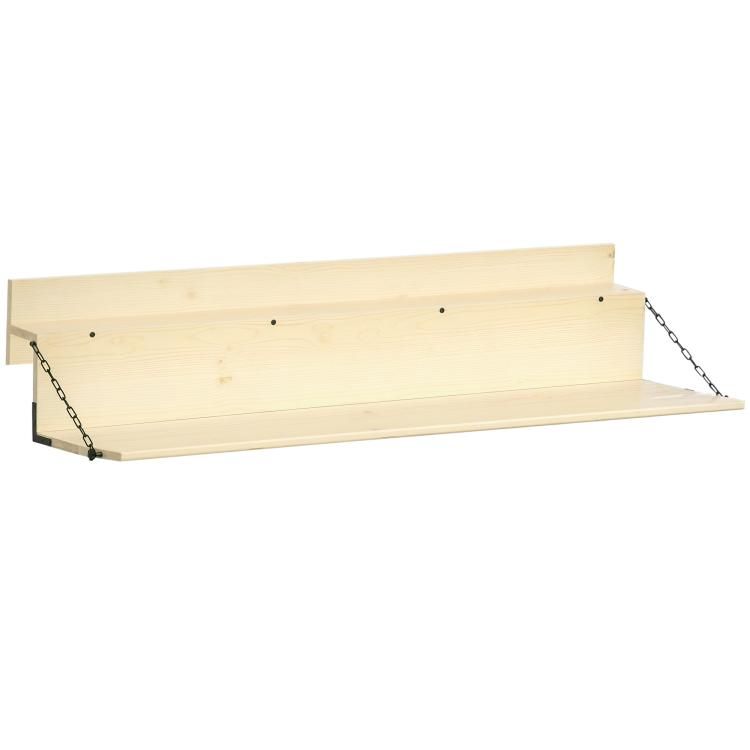
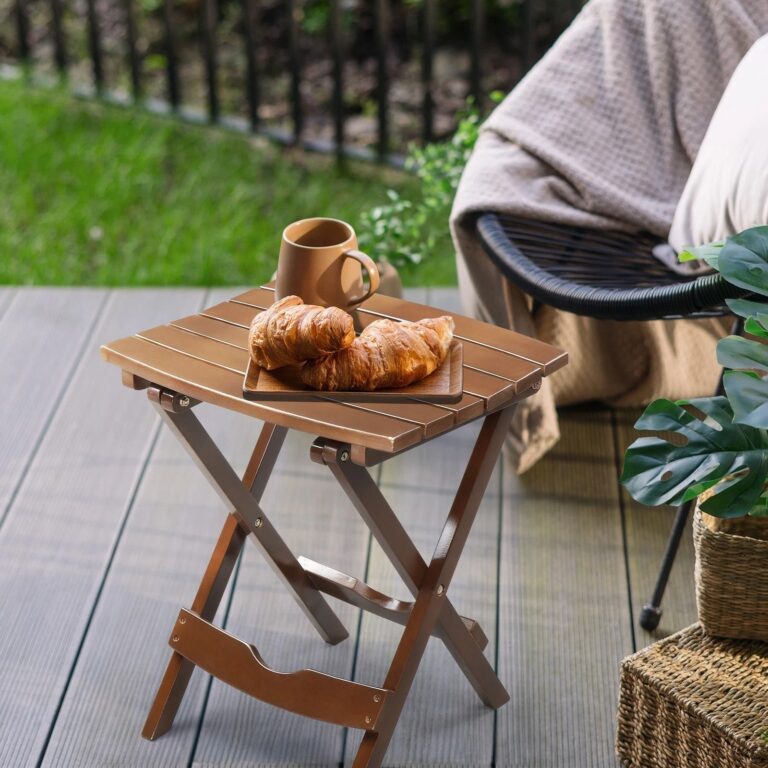 Aisha's pickWooden Outdoor Coffee Tables We’d Have Out From May to September
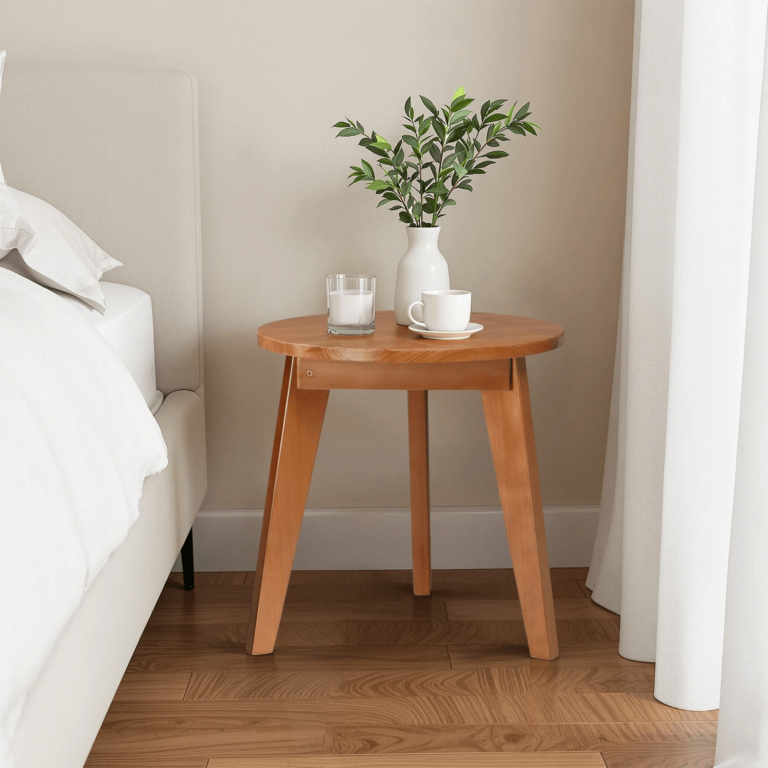
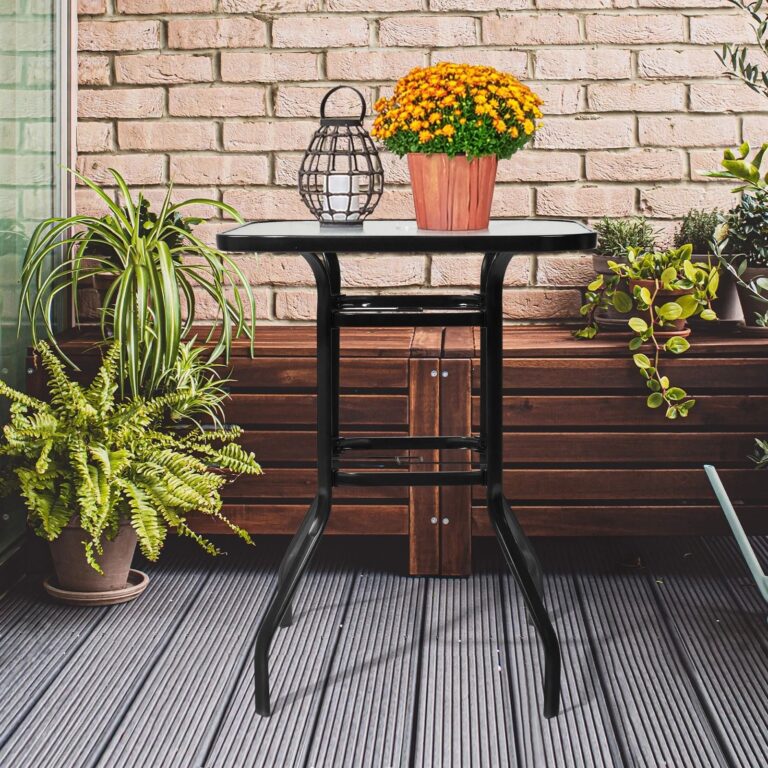 Aisha's pickModern Outdoor Coffee Tables for Long Summer Evenings Outside
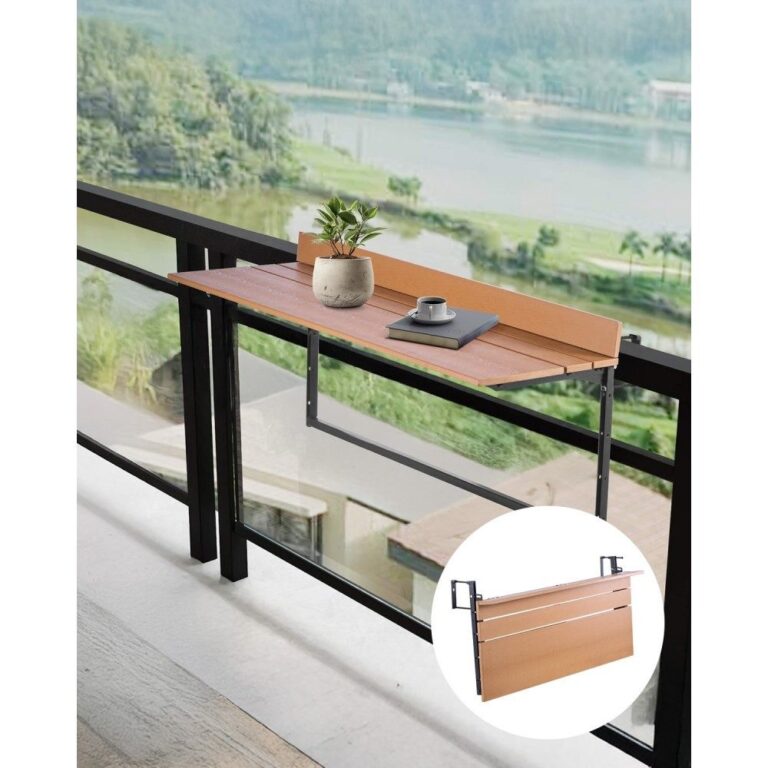 Aisha's pickShopping for Wooden Outdoor Coffee Tables? Start Here
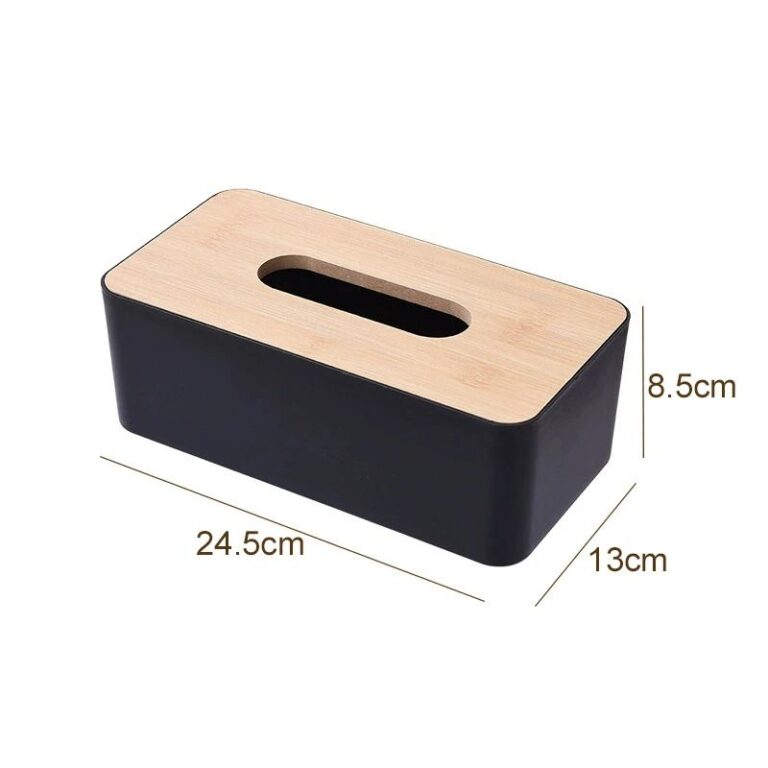 Aisha's pickModern Outdoor Coffee Tables That Survive a Hard Winter
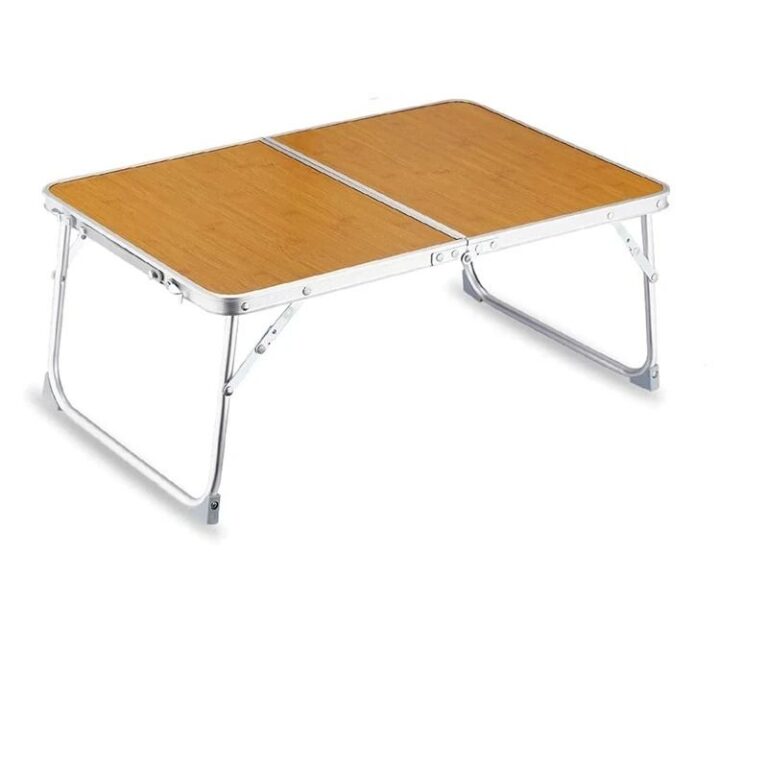
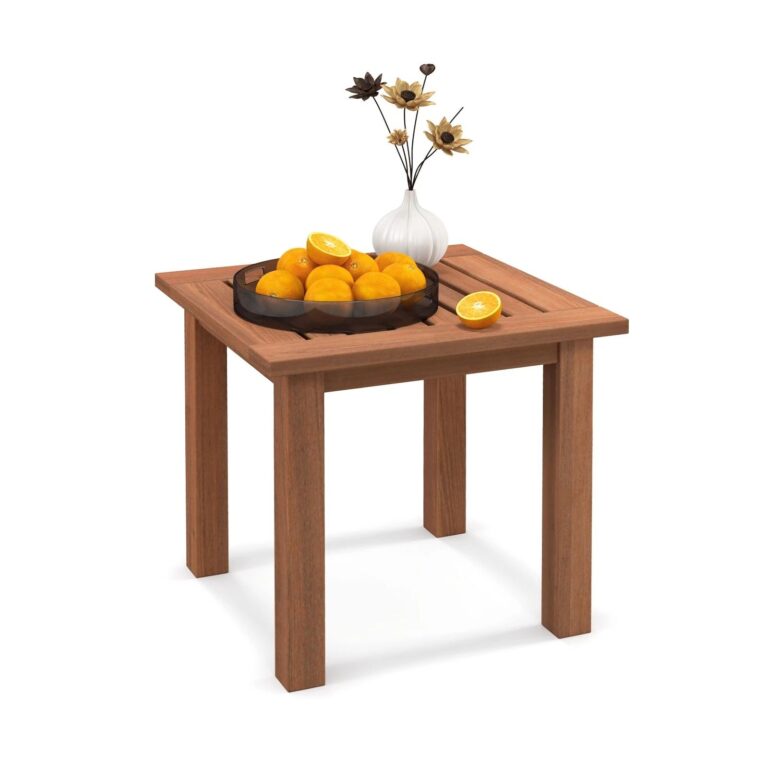 Aisha's pickNatural Outdoor Coffee Tables That Survive a Hard Winter
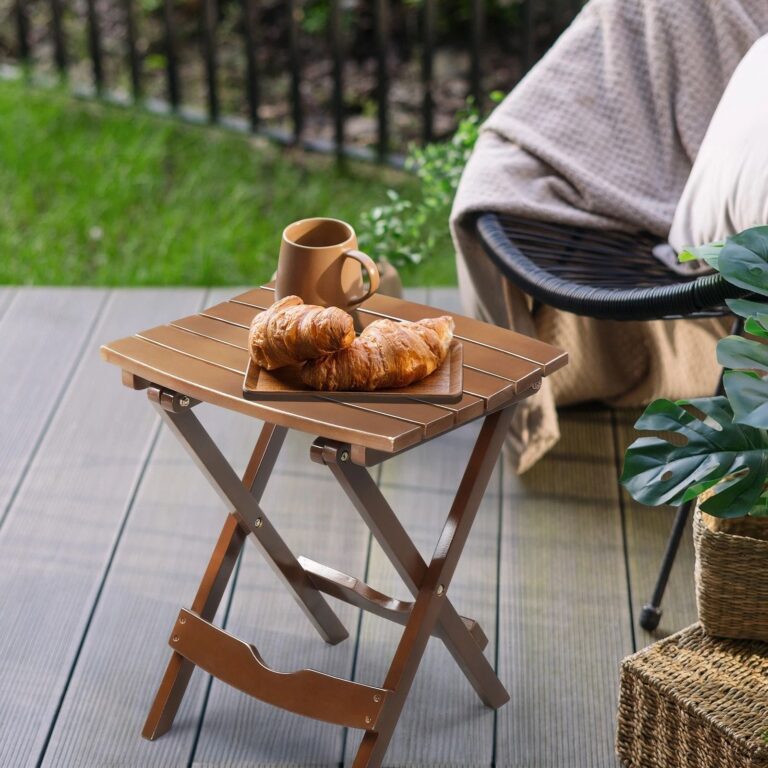
 Aisha's pickNatural Outdoor Coffee Tables That Make the Yard Feel Like Another RoomAlso worth a lookDining Outdoor TablesRun your hand across a good outdoor dining table and you should feel the grain still, even through…See the collections →
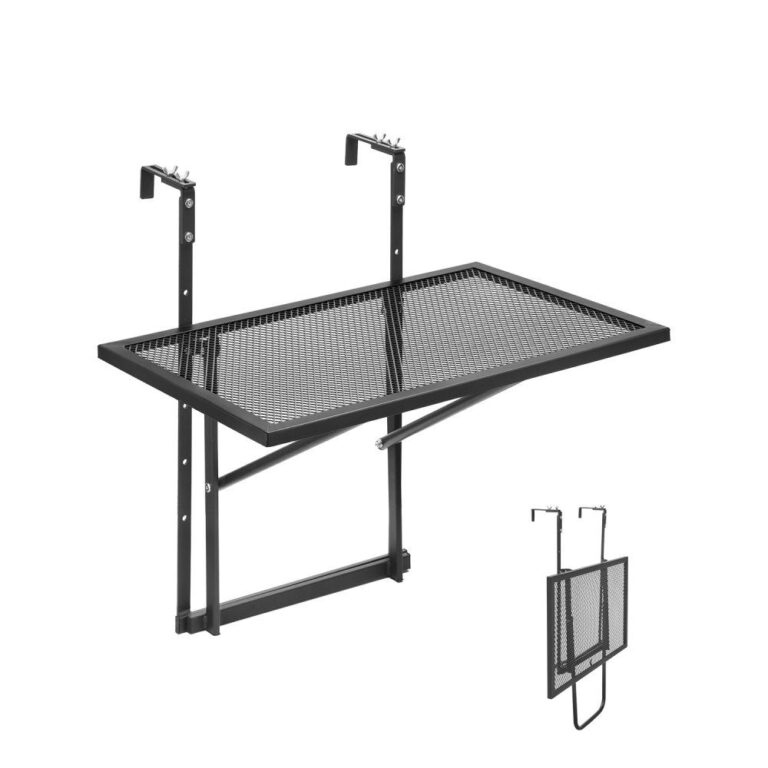 Aisha's pickOutdoor Coffee Tables We’d Have Out From May to September