Run your hand across a good outdoor dining table and you should feel the grain still, even through a few coats of finish, not a slick plasticky nothing. Pull a chair in and the table should not rock. Sit there for an hour in the evening with a drink and the surface should hold its temperature instead of turning into a hot plate or a cold slab, and that alone rules out a lot of what gets sold for the purpose.
This is the table for the house with a deck that actually gets used, for the apartment with a decent balcony where you eat most nights from May through September, for the backyard where dinner happens outside the second the weather allows it. It suits homes where people linger, where someone always ends up adding a chair for one more person. It does not suit a covered patio that's really just storage for a grill and a folding chair, because then you are paying for weather resistance you never test.
Where it clashes is indoors, mostly. Bring a true outdoor piece into a dining room and the proportions and the finish both look slightly wrong, like a raincoat worn to a wedding. It also clashes with a lot of delicate indoor decor logic, matching wood tones, matching metals, that kind of fussiness. Outdoor furniture should look like it belongs to weather, not to a showroom set.
In an ordinary backyard it sits well with almost nothing fancy, which is the point. A few mismatched chairs, a cheap umbrella, a string of lights that half work. It does not need a matching set to look intentional. I've seen a teak table next to plastic stacking chairs look better than a full matched patio set, because the table was doing its own job and not pretending to be part of a photo shoot.
Spills are the real test. Wine, barbecue sauce, a kid's popsicle melting into the grain, rain that shows up uninvited while you're at work. A table built properly, solid wood or a metal that's actually treated for outdoors, shrugs all of that off, maybe with a water mark that fades. The cheap version swells, the finish bubbles, or the legs rust through at the welds within a season, and you're shopping again before the warranty's even relevant.
Age is where it tells you the truth. Good wood grays out, silvers a little, gets quieter and better looking the longer it sits outside, like it was always meant to end up that color. Cheap material just looks tired. The real ones get better at the exact moment the fake ones give up.

 Aisha's pickMetal Outdoor Dining Tables That Stand Up to the Weather
 Aisha's pickSquare Patio Dining Tables That Make a Small Yard Work Harder
 Aisha's pickModern Outdoor Dining Tables That Make a Room Feel Finished
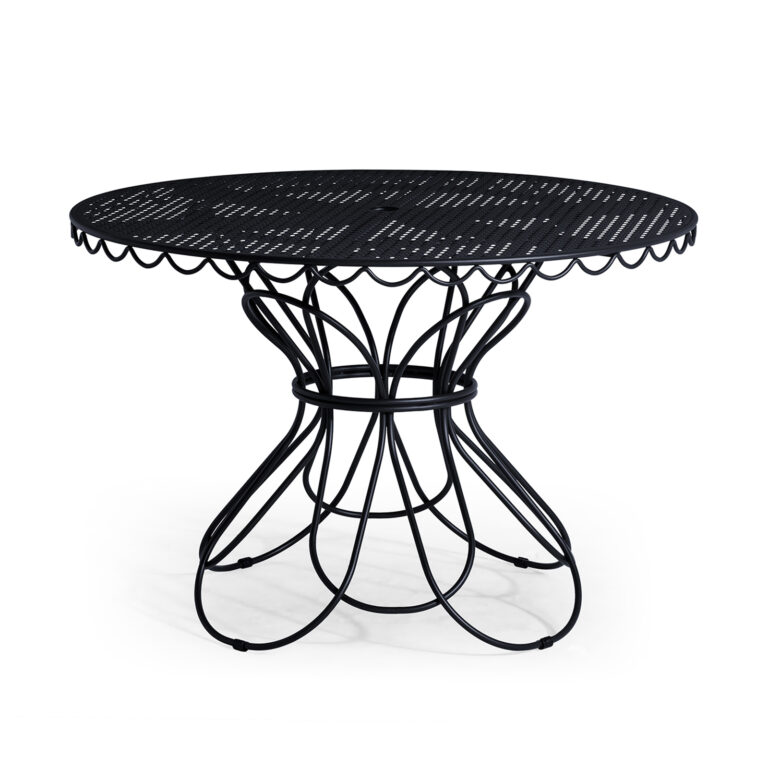 Aisha's pickSteel Outdoor Dining Tables That Look Like They Cost More
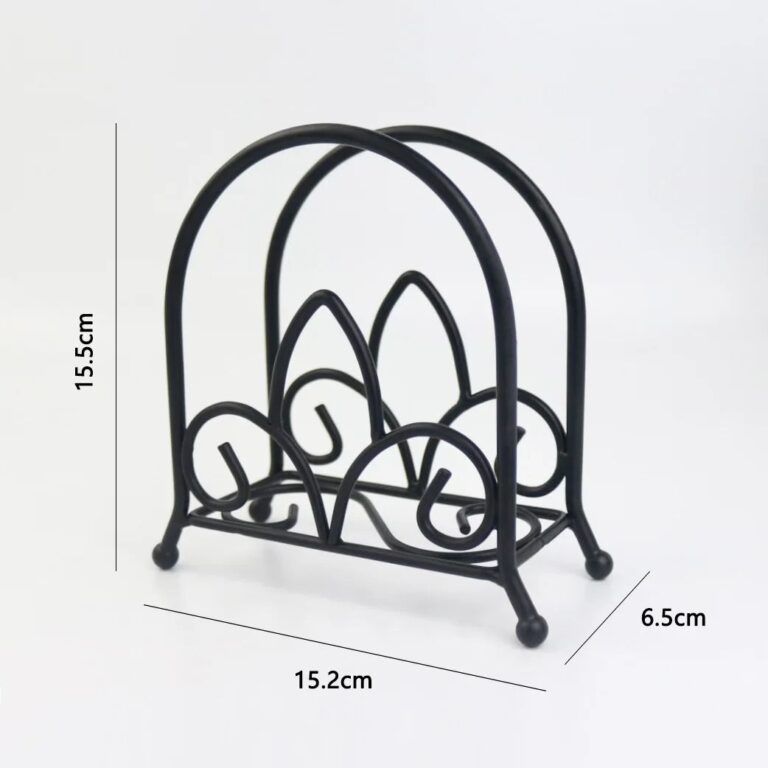
 Aisha's pickNatural Outdoor Dining Tables for Barbecues and Lazy Weekends
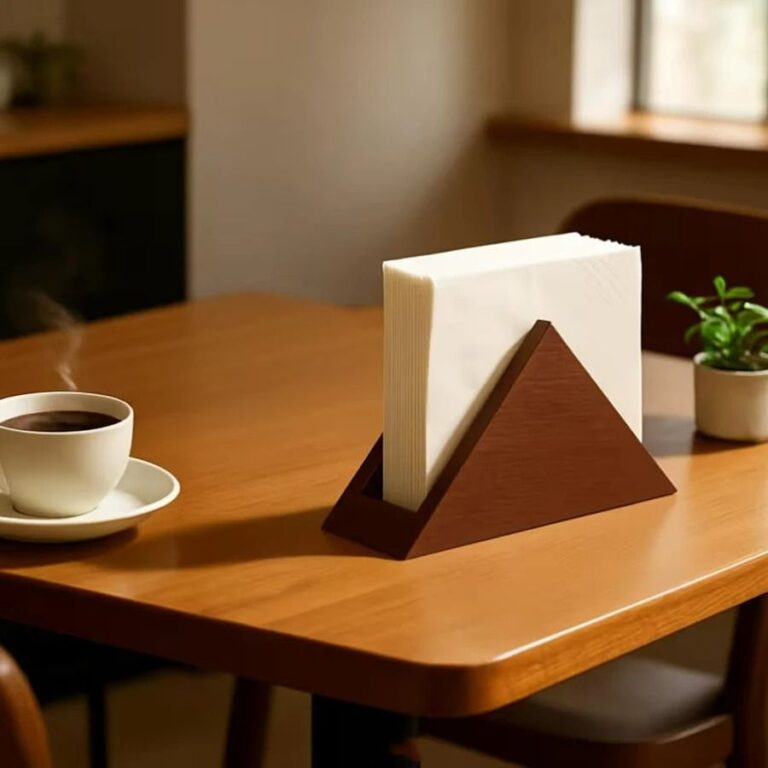
 Aisha's pickSteel Outdoor Dining Tables We’d Have Out From May to September
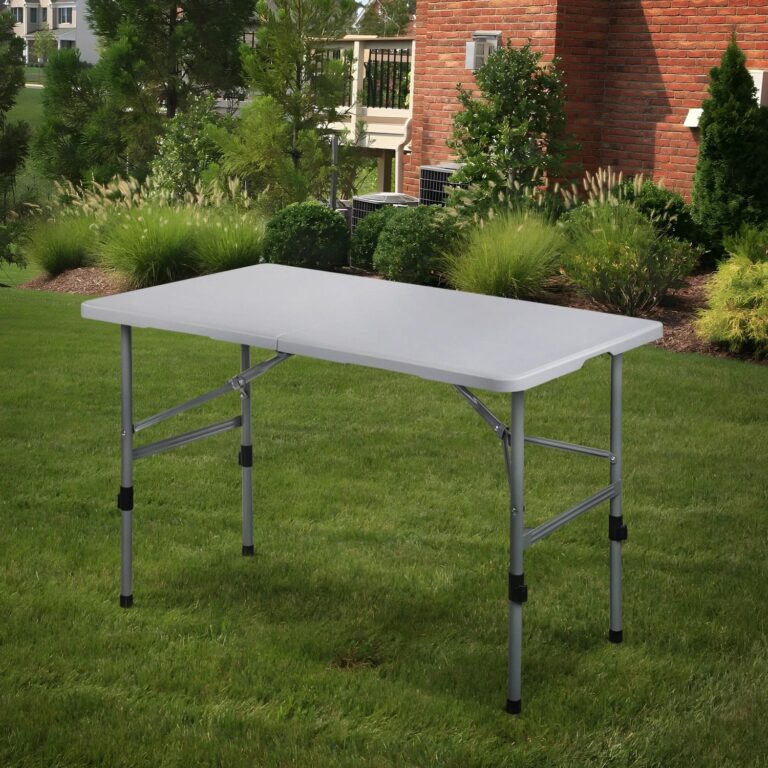
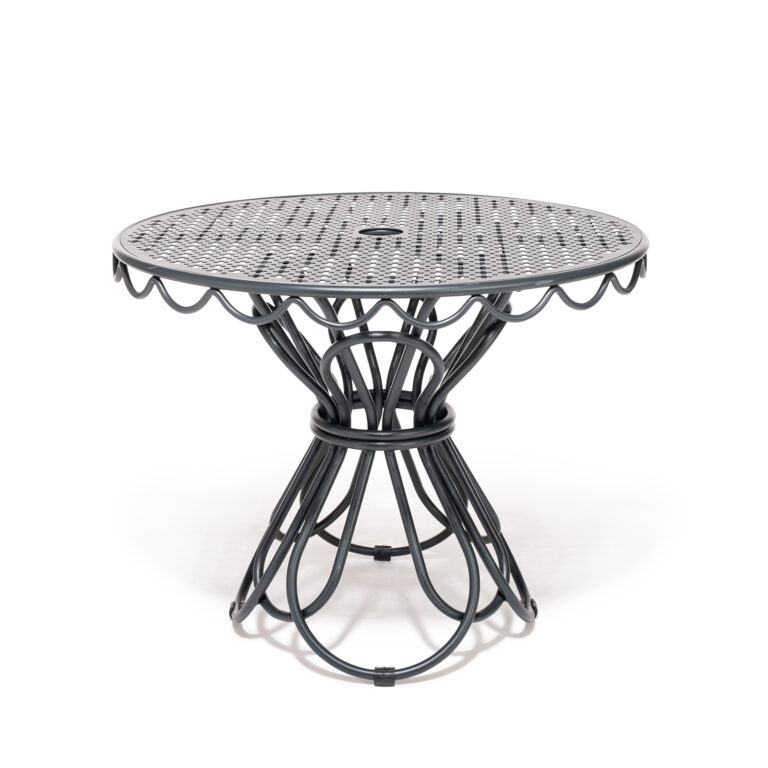 Aisha's pickOutdoor Dining Tables That Look Better in Real Life
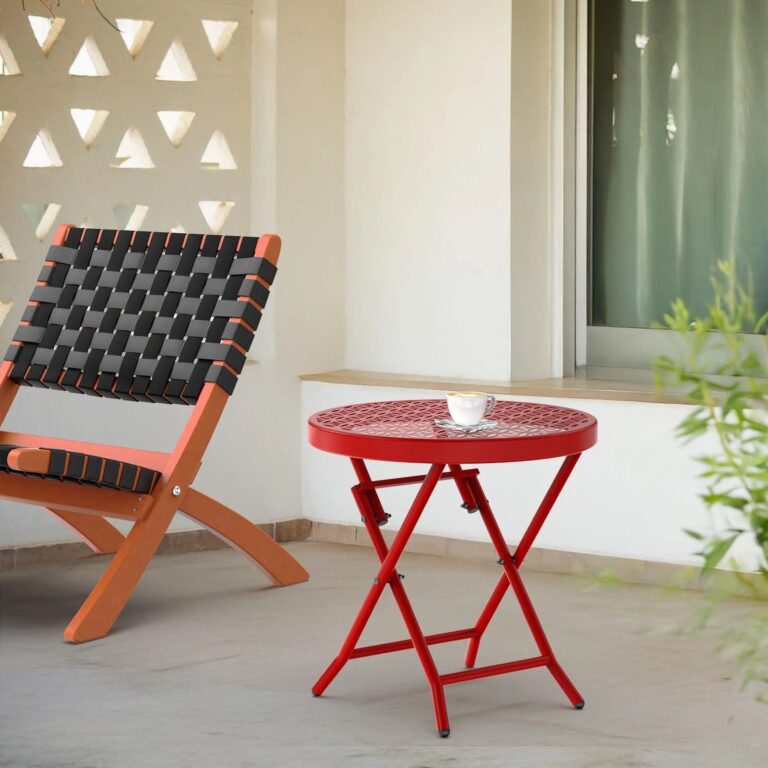
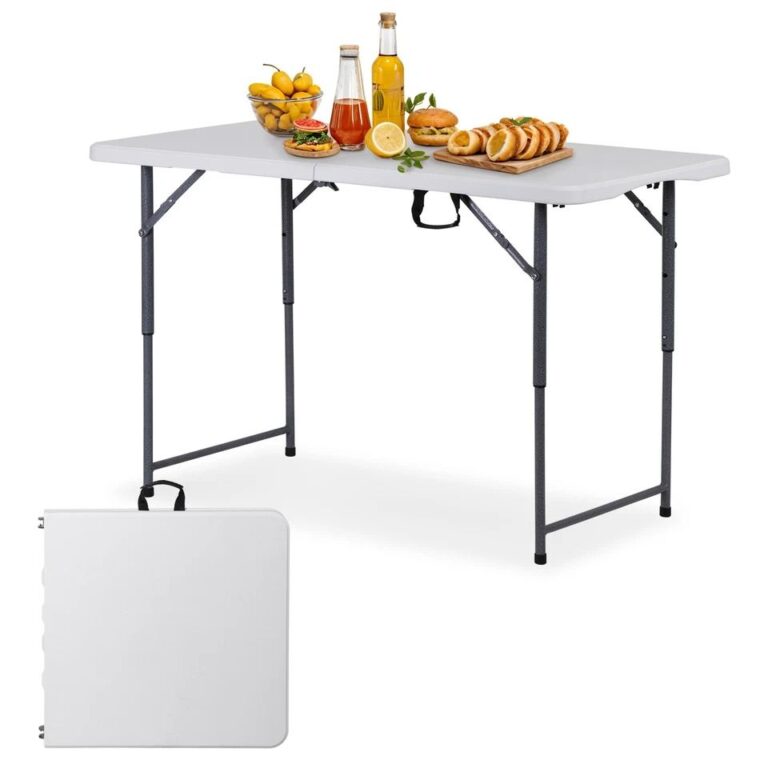 Aisha's pickWhite Outdoor Dining Tables That Make the Yard Feel Like Another Room
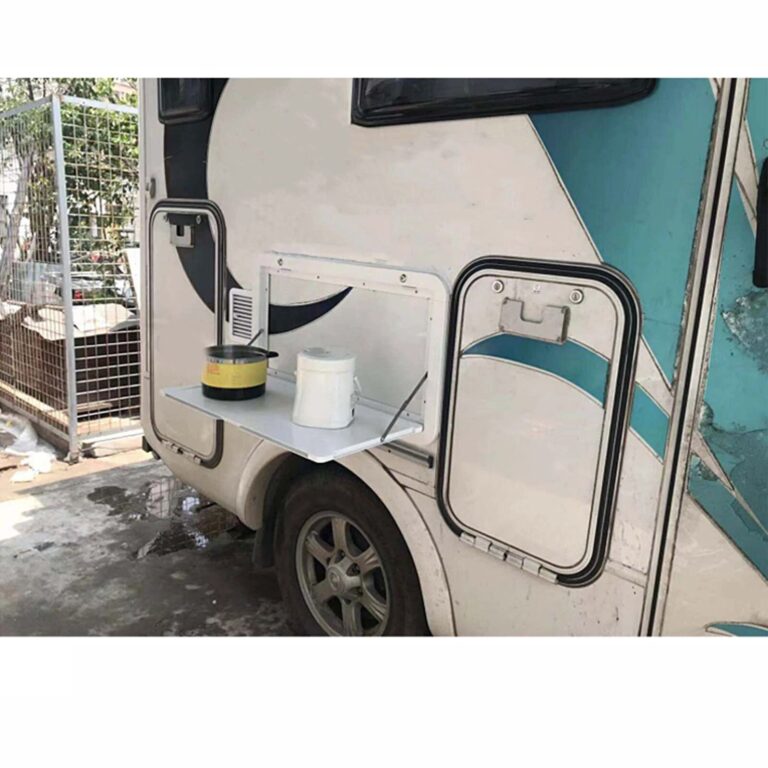
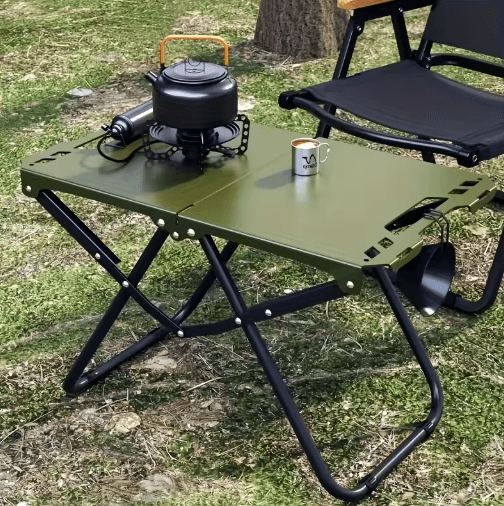 Aisha's pickSimple Outdoor Dining Tables with Storage Done WellAlso worth a lookPatio TablesPatio tables have a reputation for being an afterthought, the thing you grab because the chairs needed somewhere…See the collections →
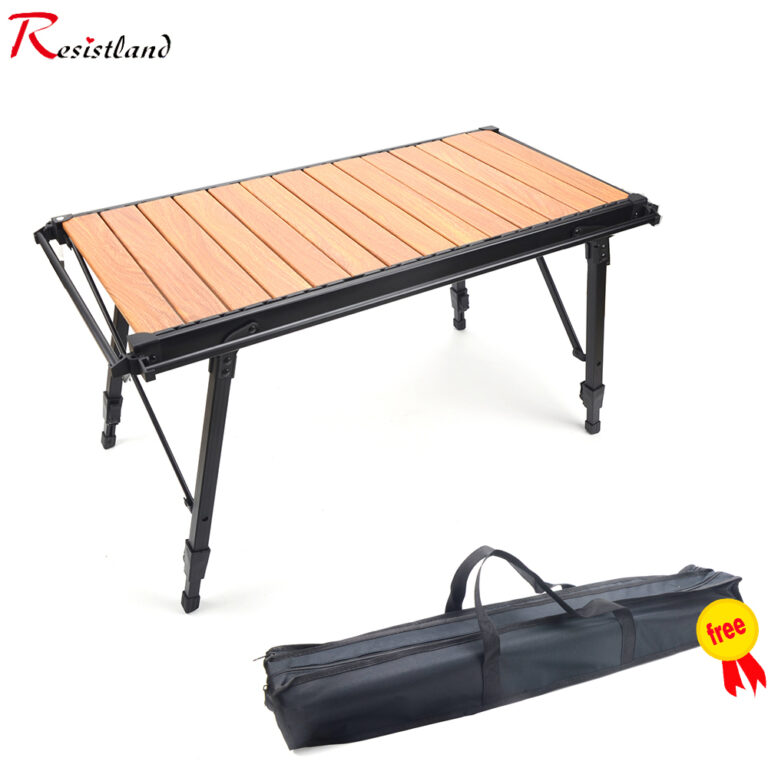
 Aisha's pickNo Fuss Wooden Outdoor Dining Tables
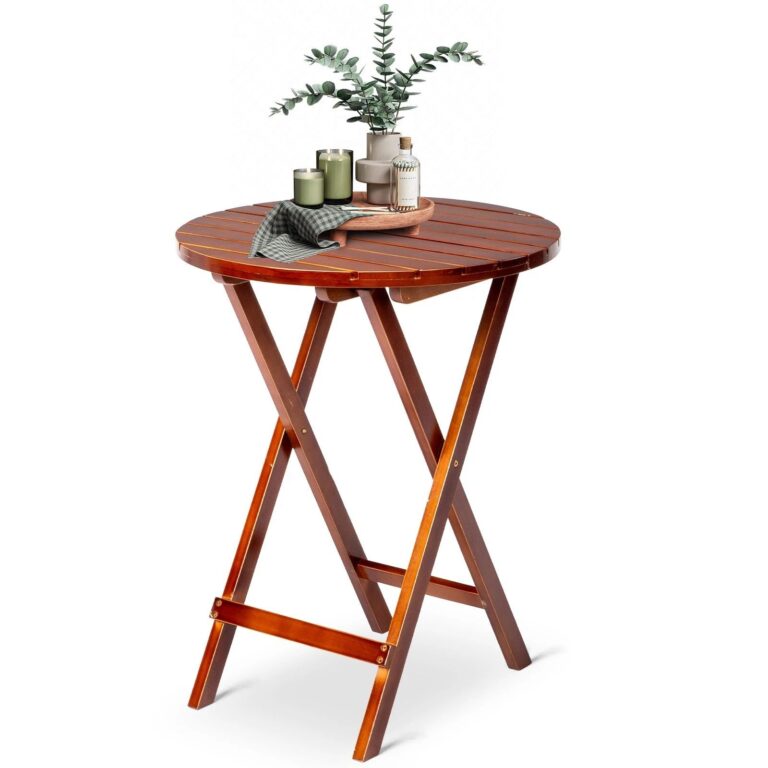
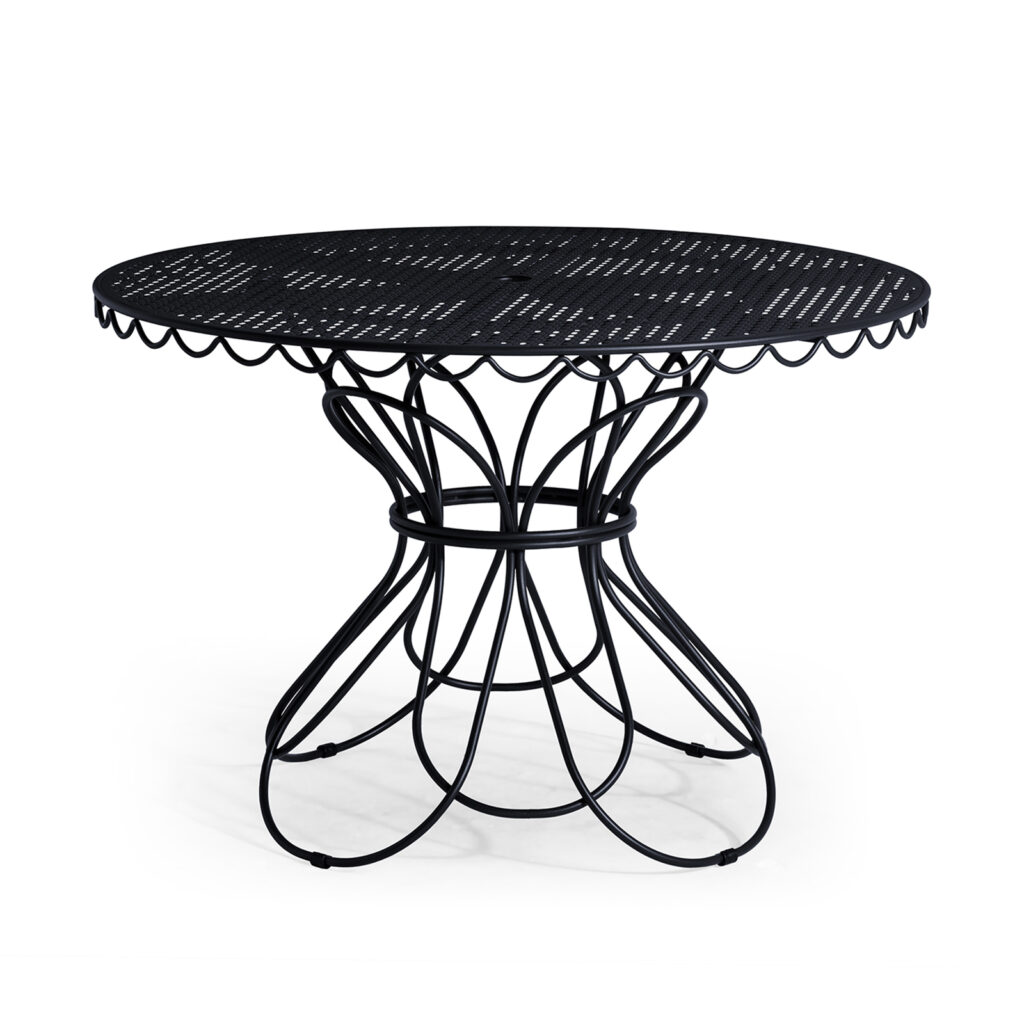 Aisha's pickBlack Outdoor Dining Tables for Making the Most of the Patio
 Aisha's pickPatio Dining Tables for Barbecues and Lazy Weekends
 Aisha's pickWooden Outdoor Dining Tables You Won’t Want to Hide Away
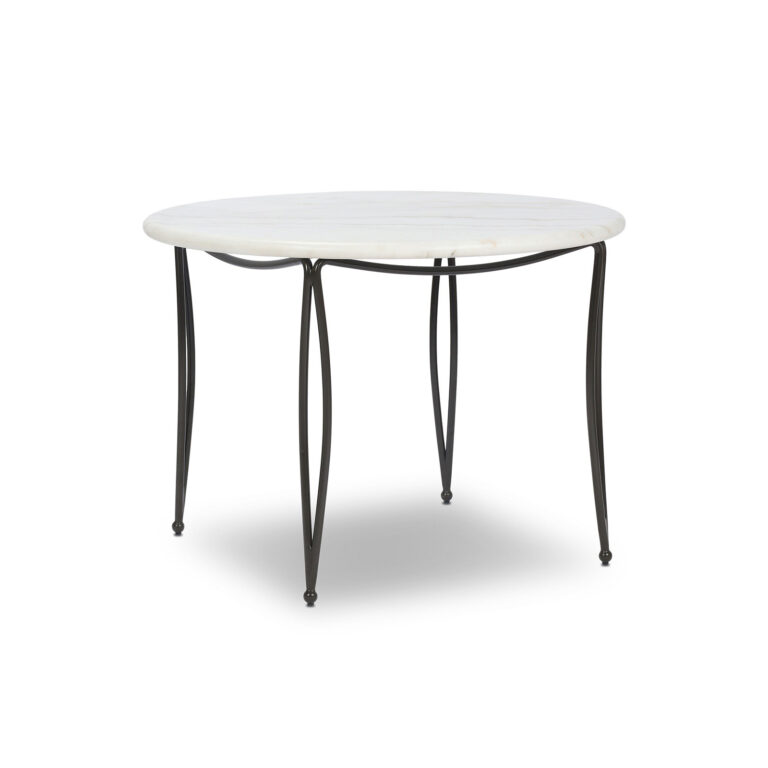 Aisha's pickBlack Outdoor Dining Tables for Barbecues and Lazy Weekends
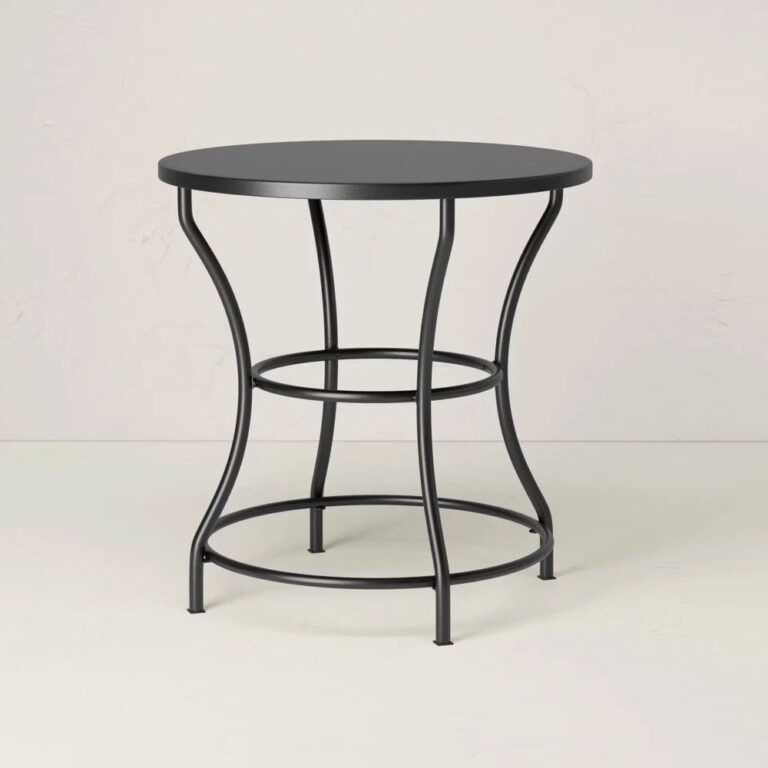
 Aisha's pickPlastic Outdoor Dining Tables We’d Have Out From May to September
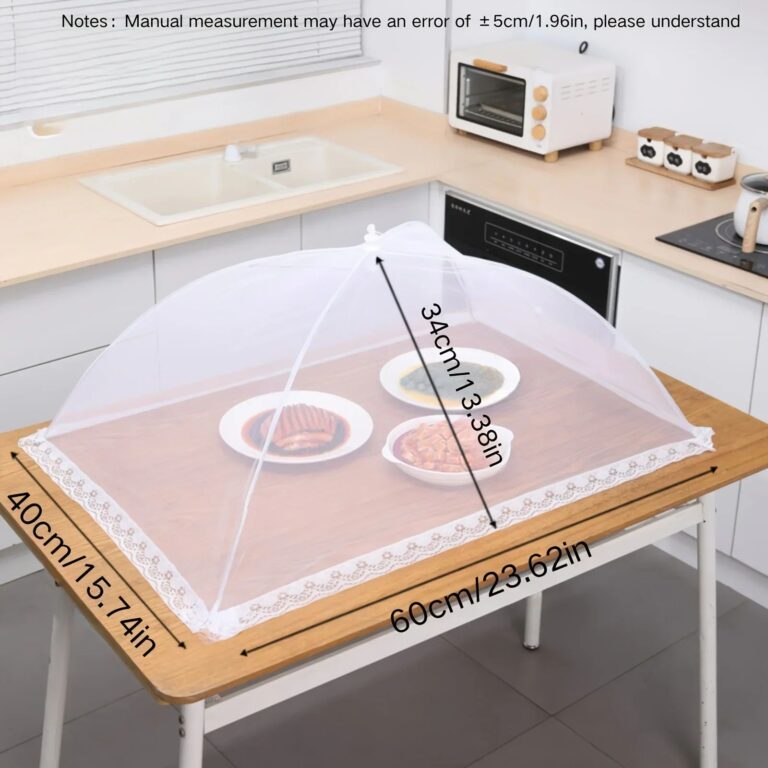
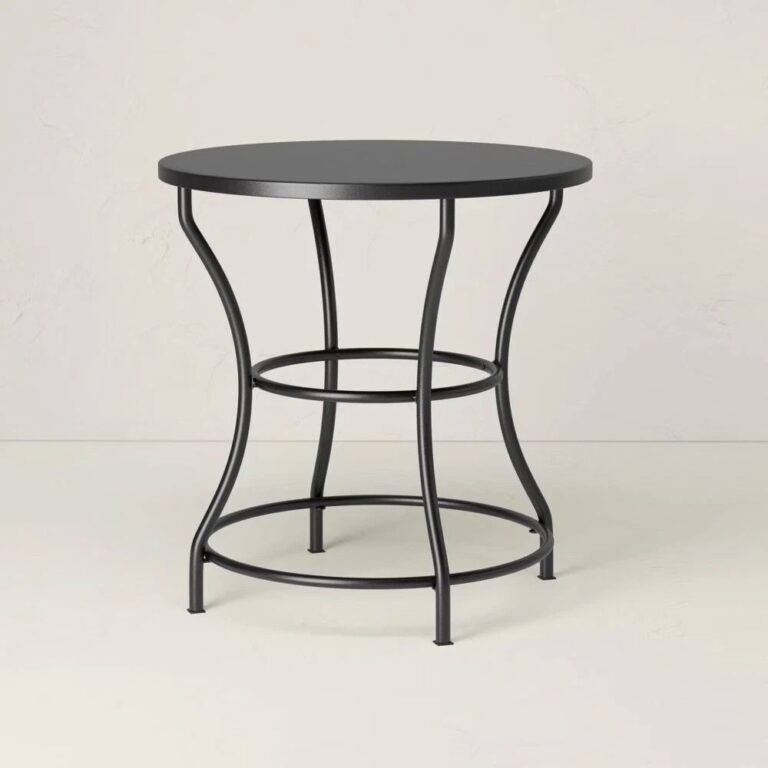 Aisha's pickBlack Patio Dining Tables for Long Summer Evenings Outside
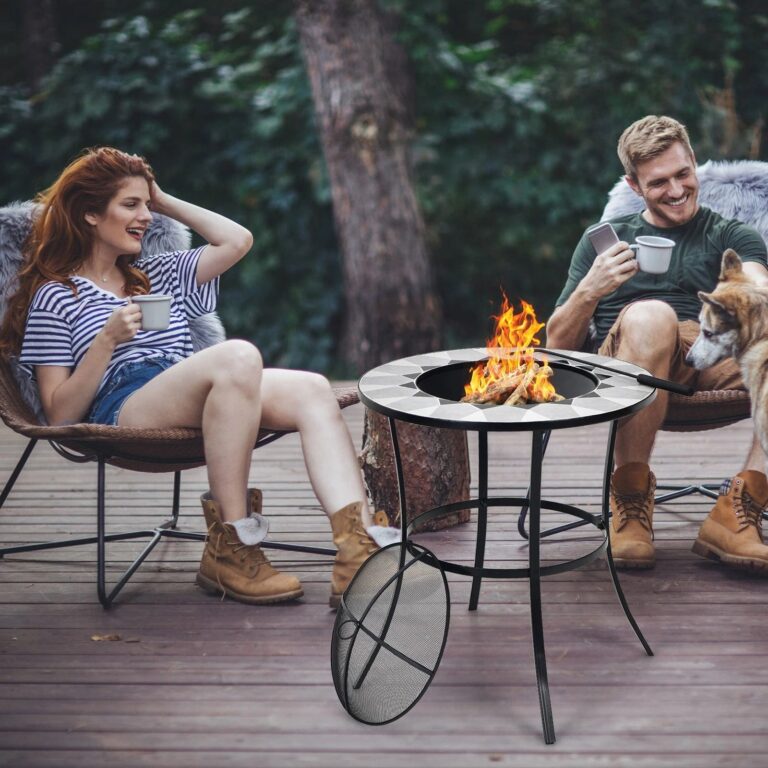
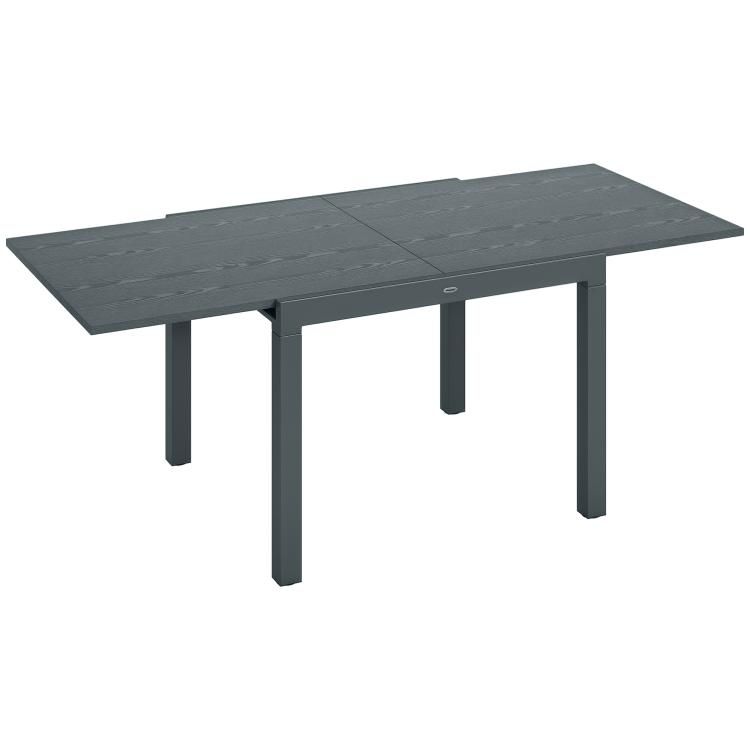 Aisha's pickRectangular Outdoor Dining Tables That Survive a Hard Winter
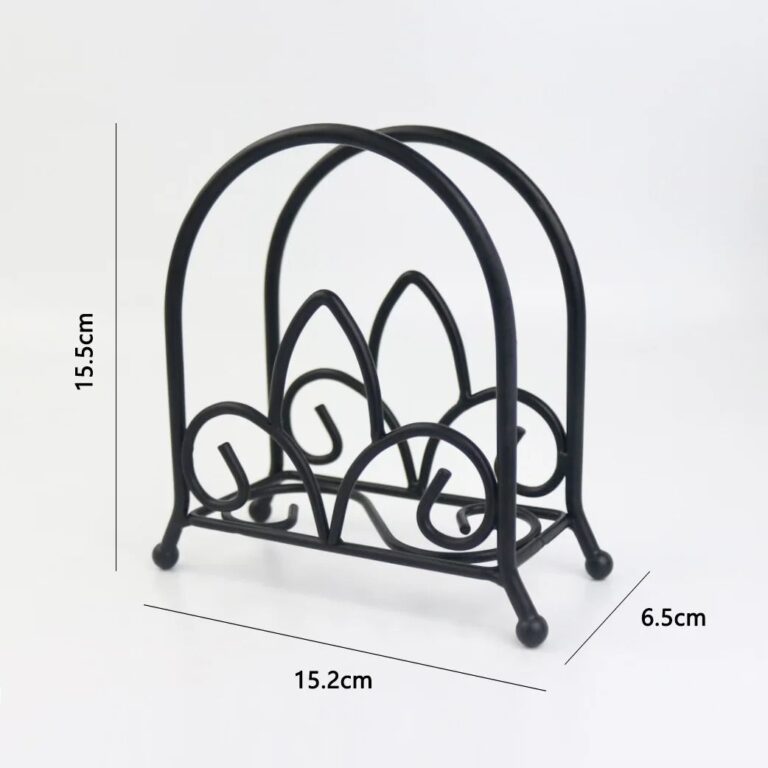
 Aisha's pickThe Folding Outdoor Dining Tables Worth Your CashAlso worth a lookCoffee Outdoor TablesMeasure the seating height before anything else.See the collections →
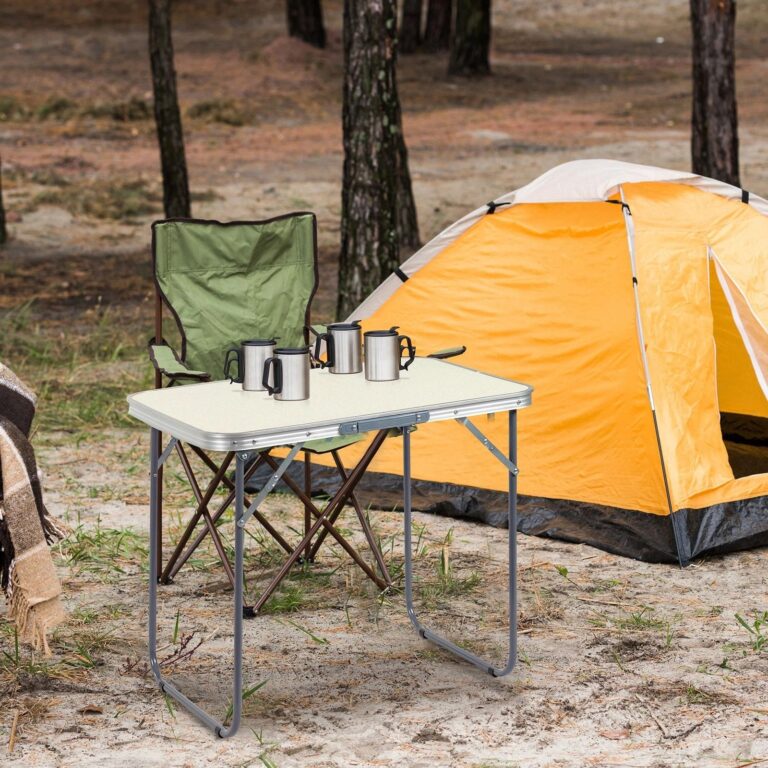
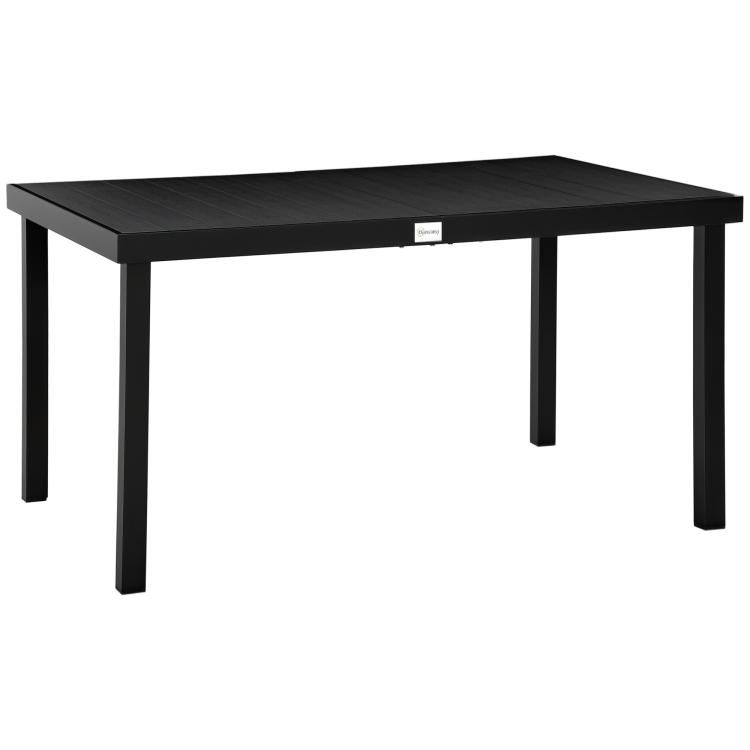 Aisha's pickRectangular Outdoor Dining Tables for Long Summer Evenings Outside
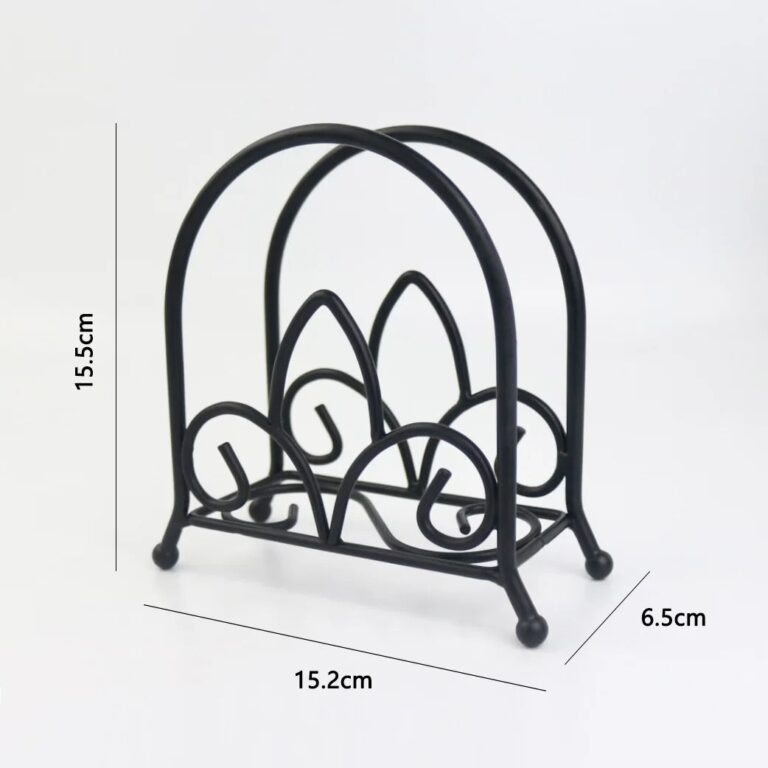
 Aisha's pickOutdoor Dining Tables Worth Knowing About
 Aisha's pickRectangular Patio Dining Tables Hunted Down So You Don’t Have To
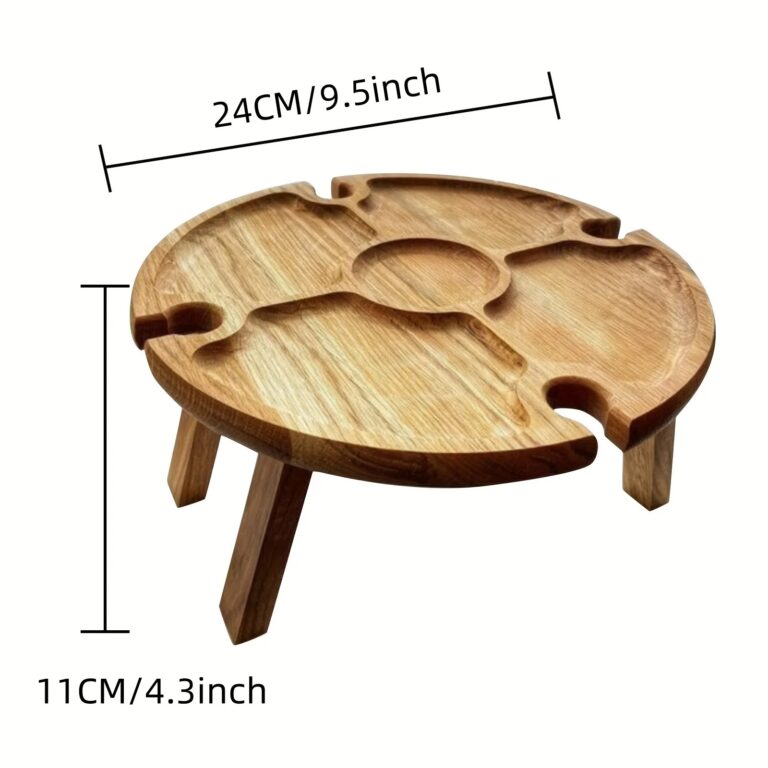 Aisha's pickOutdoor Dining Tables with Back That Make Rented Places Feel Like Home
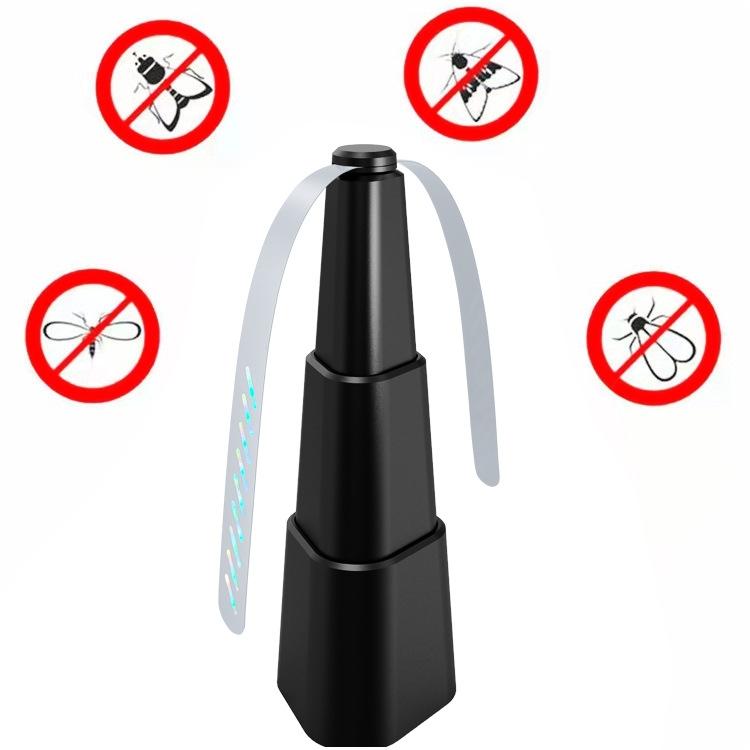
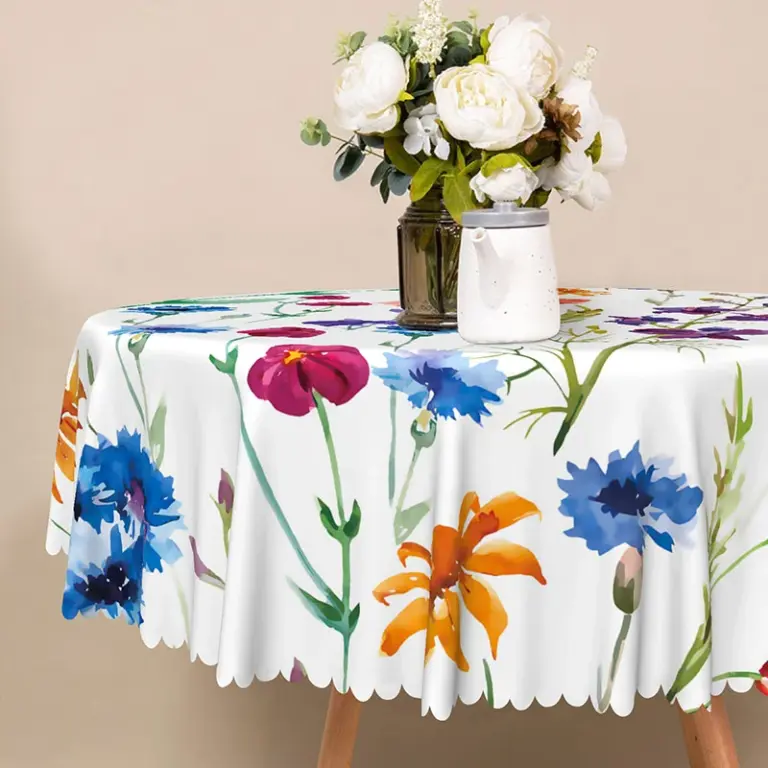 Aisha's pickRound Outdoor Dining Tables for Barbecues and Lazy Weekends
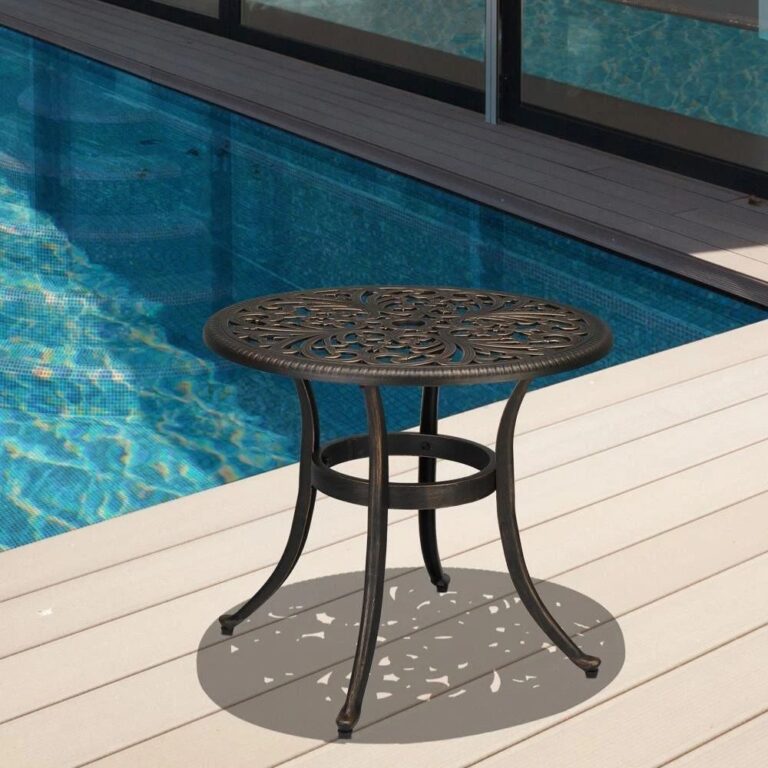
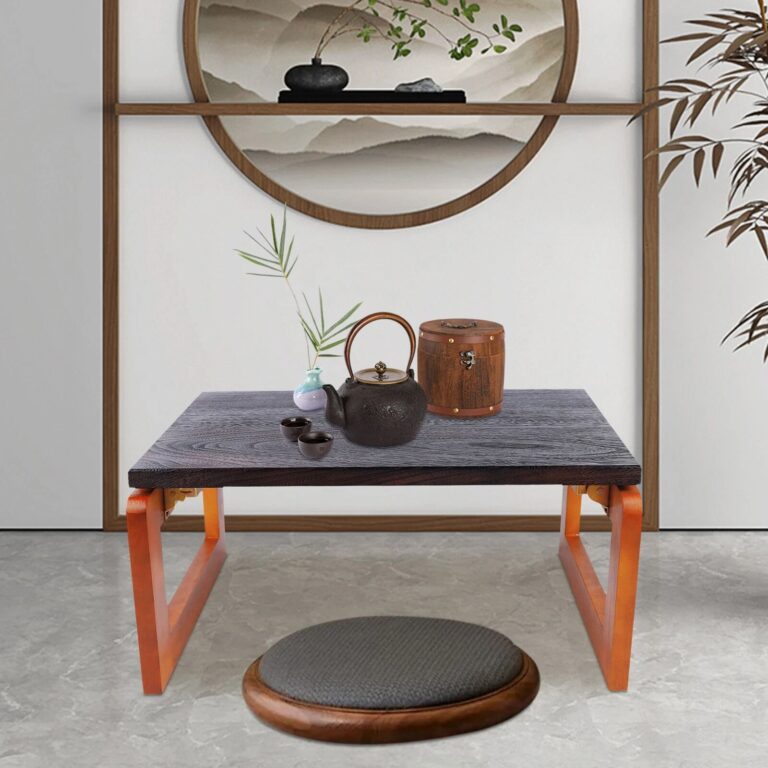 Aisha's pickOutdoor Dining Tables with Storage That Survive a Hard Winter
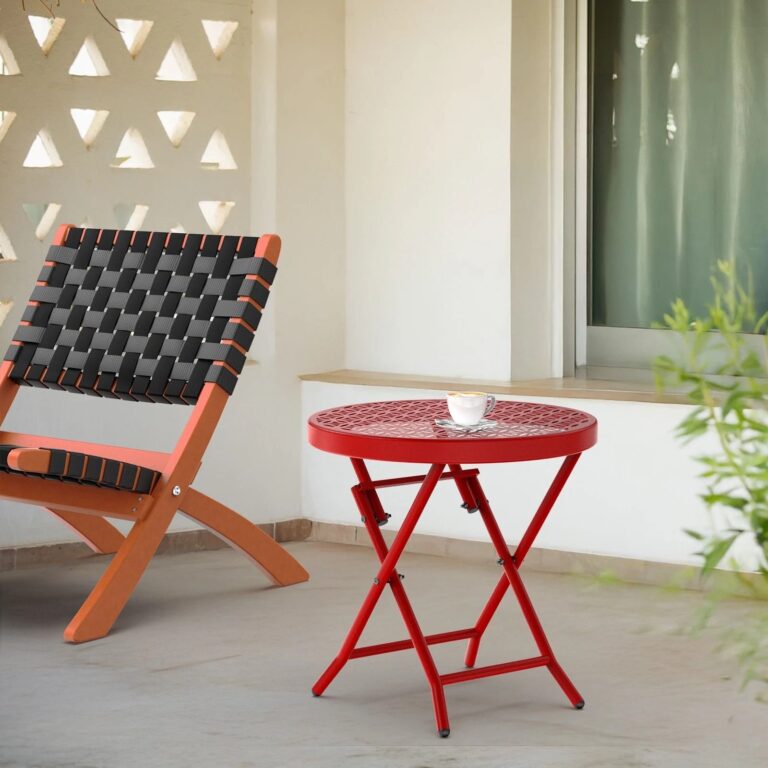
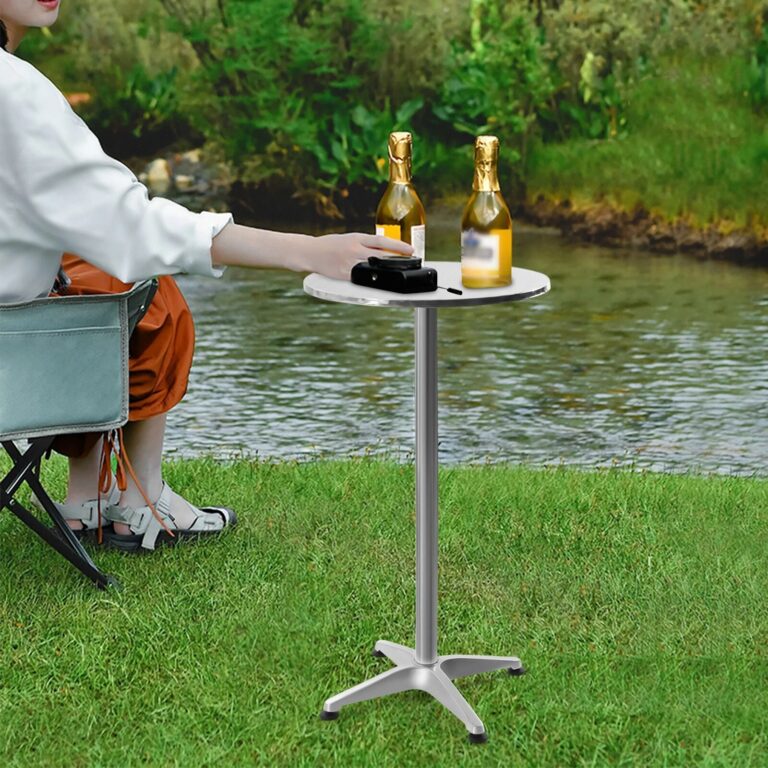 Aisha's pickRound Outdoor Dining Tables That Stand Up to the Weather
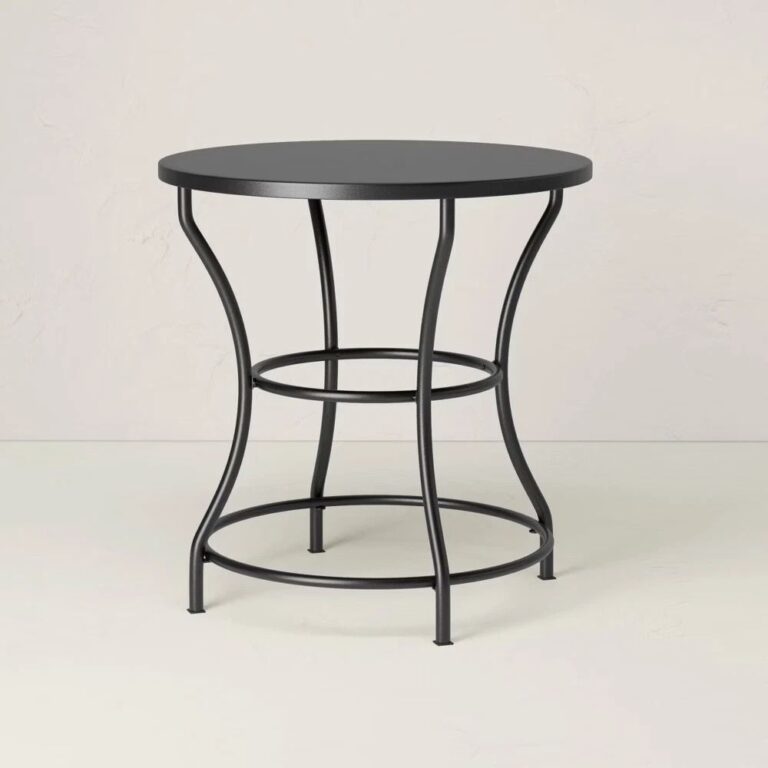
 Aisha's pickGreen Outdoor Dining Tables for Sunny Afternoons and Chilly Nights
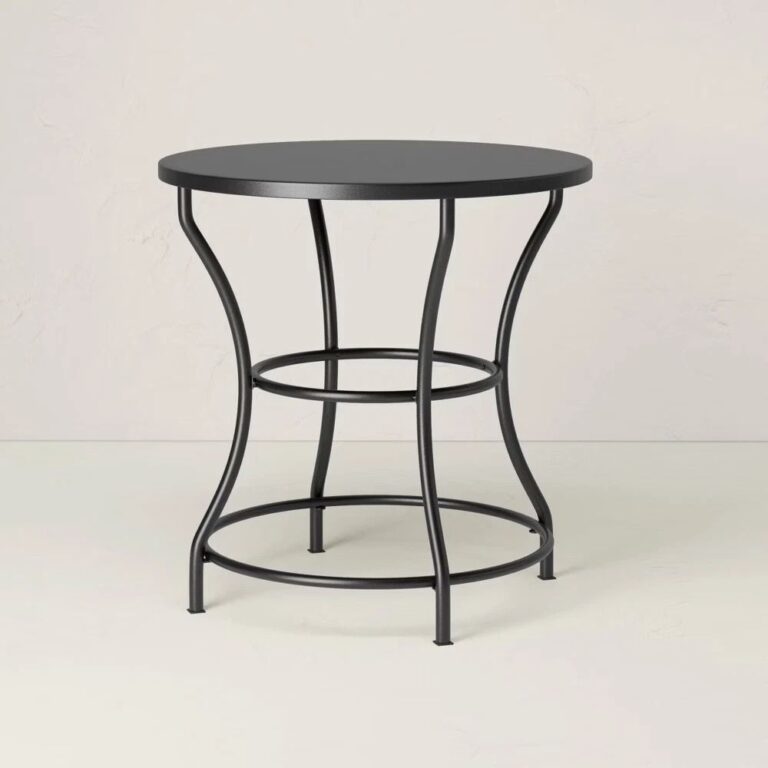 Aisha's pickSmall Outdoor Dining Tables That Get Better With AgeAlso worth a lookNeutral Outdoor TablesThere's a particular kind of September evening, the light going gold around six, when you want to keep…See the collections →
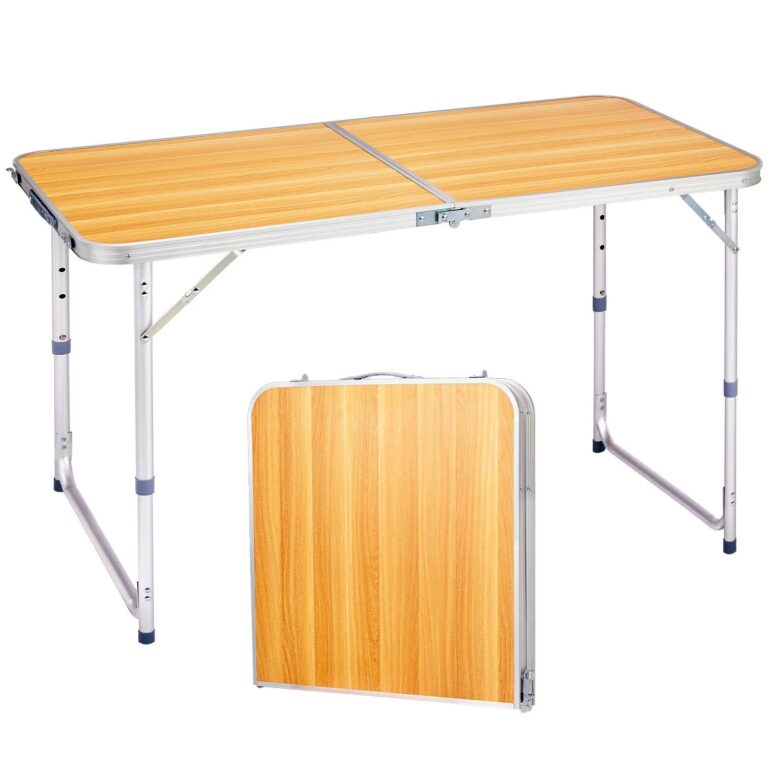
 Aisha's pickLarge Outdoor Dining Tables That Stand Up to the Weather

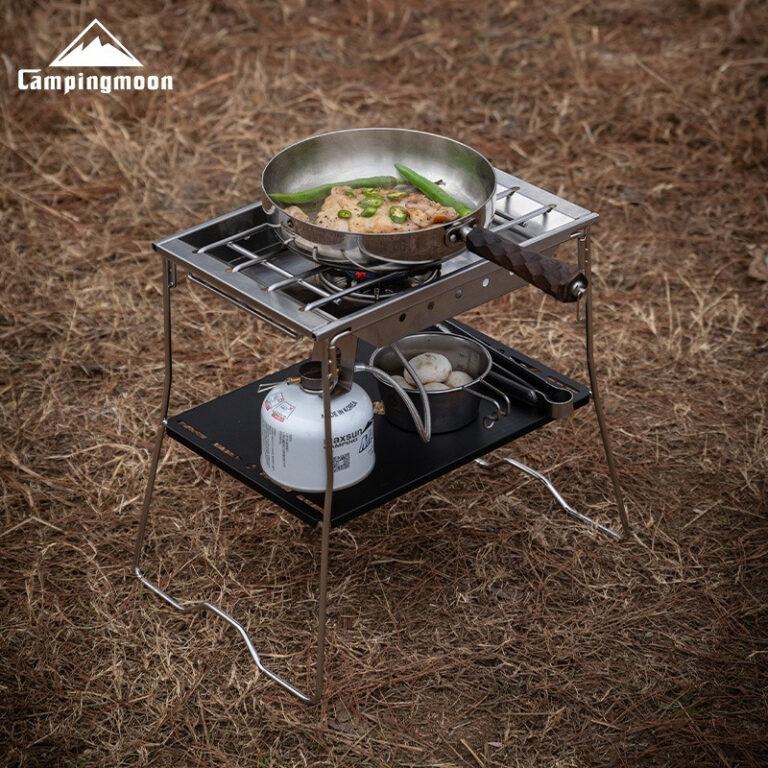 Aisha's pickSmall Outdoor Dining Tables We’d Buy Again
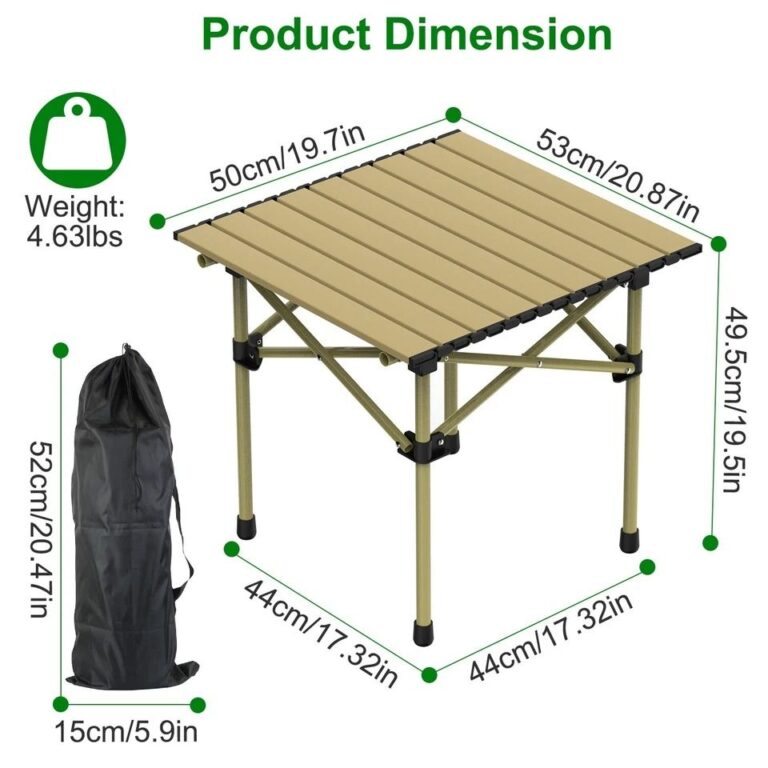 Aisha's pickLarge Patio Dining Tables at Every Price Point

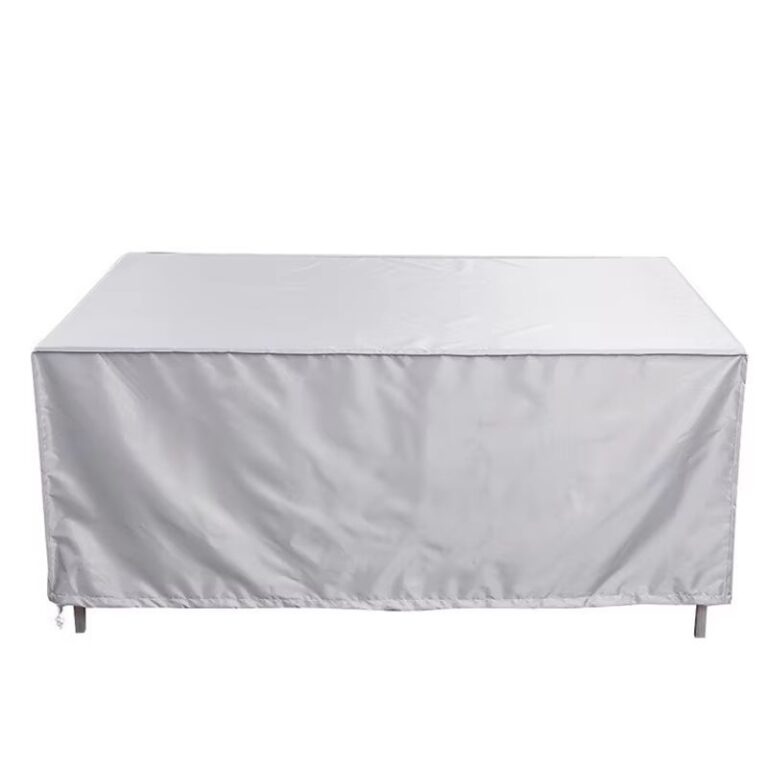 Aisha's pickSquare Outdoor Dining Tables We’d Have Out From May to September

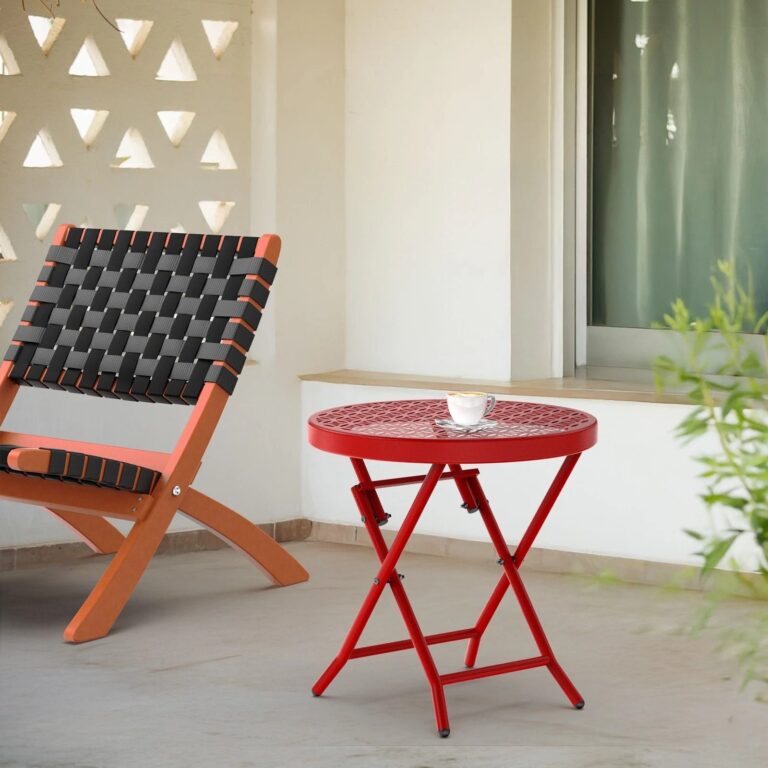 Aisha's pickMetal Outdoor Dining Tables for Sunny Afternoons and Chilly Nights