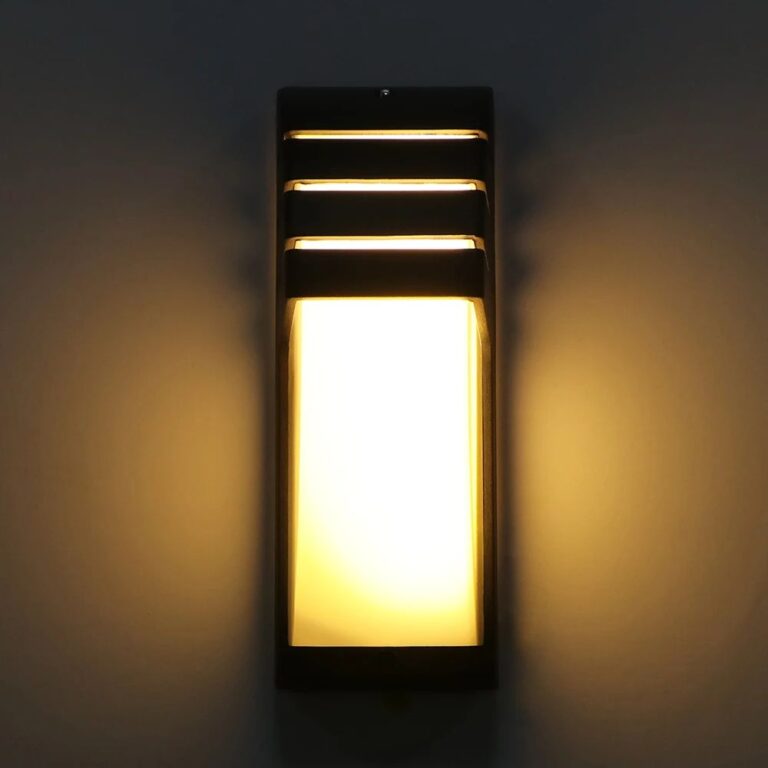
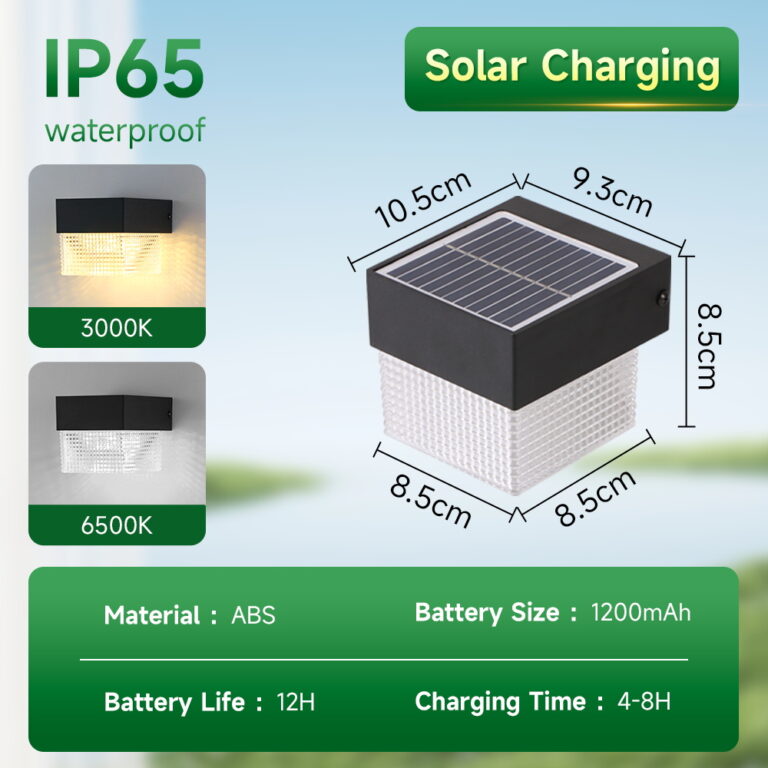
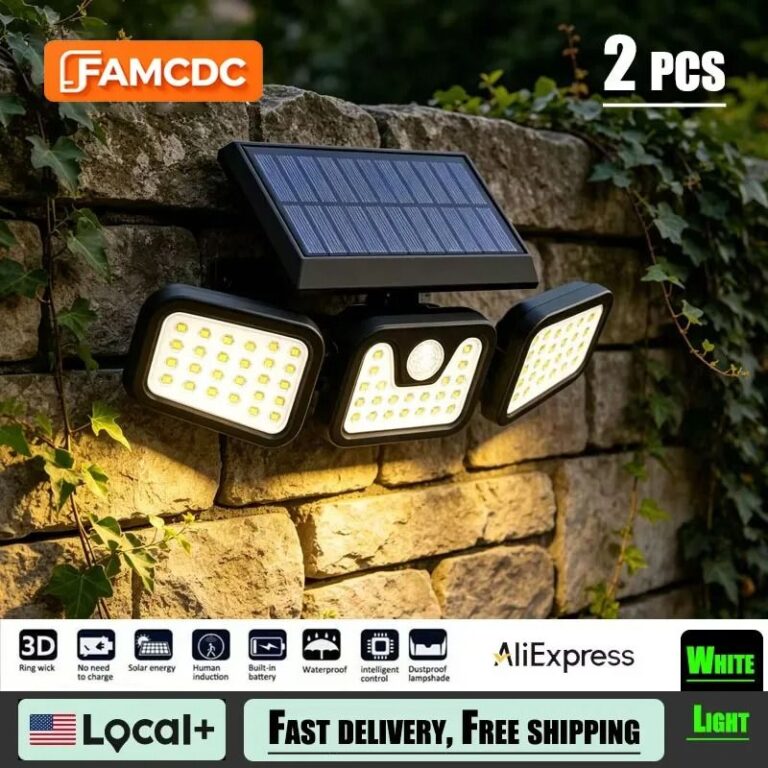
The one thing worth knowing before you buy a wall outdoor light is that the bulb inside needs to be rated for outdoor use, not just the fixture. I learned this the hard way when a perfectly good looking light I'd picked up filled with condensation after one rainy month and the bulb died inside two weeks. The housing was fine. The bulb wasn't. Check the fixture is rated IP44 at minimum for anywhere with a bit of shelter, and IP65 if it's taking direct weather, and match the bulb to it, not just the socket size.
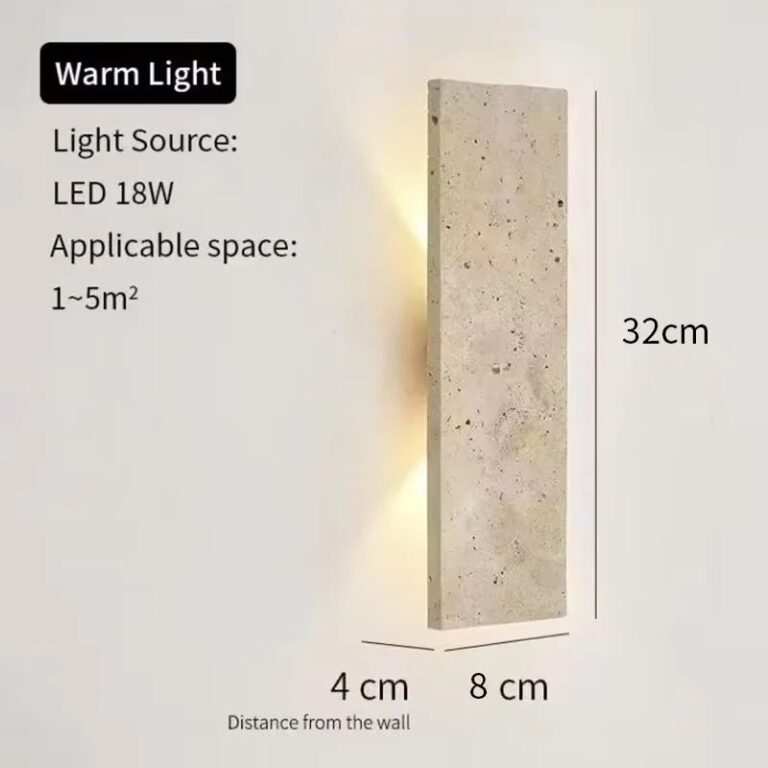
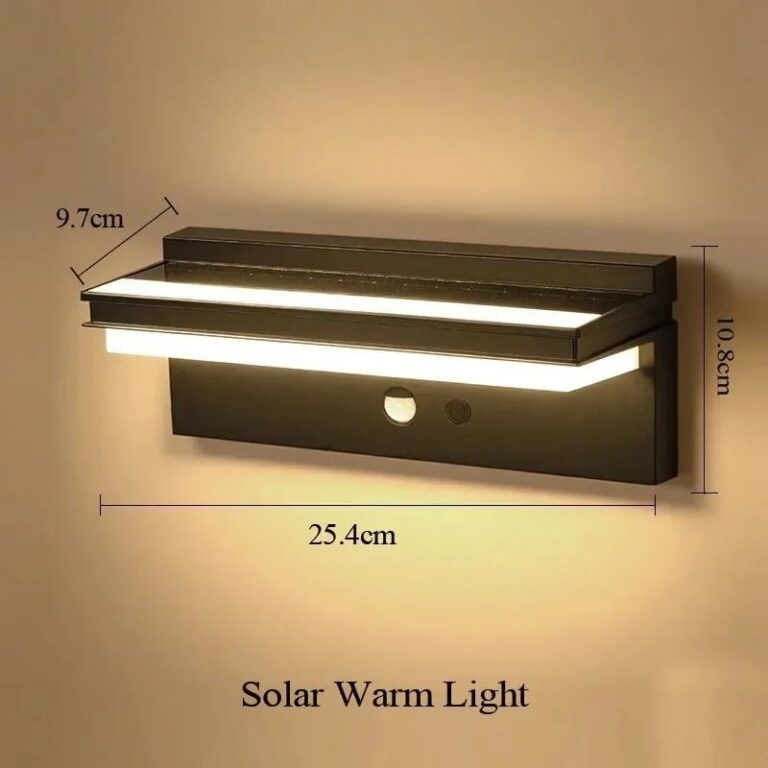
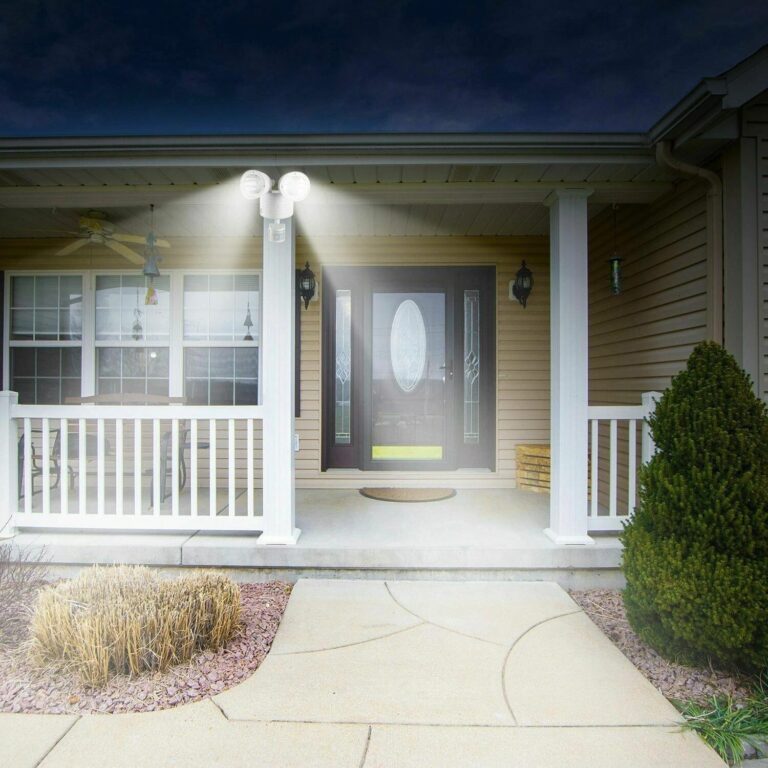
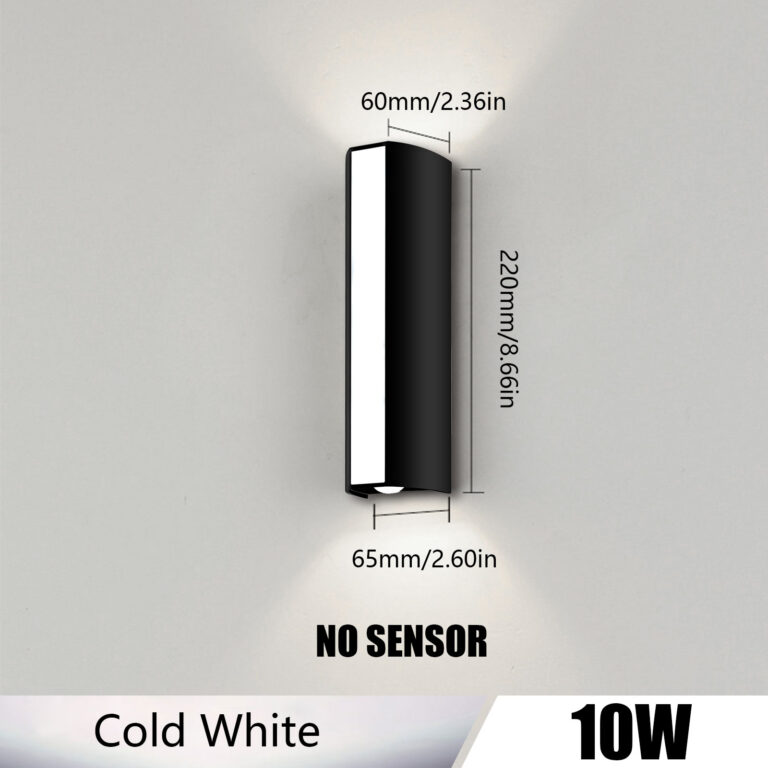
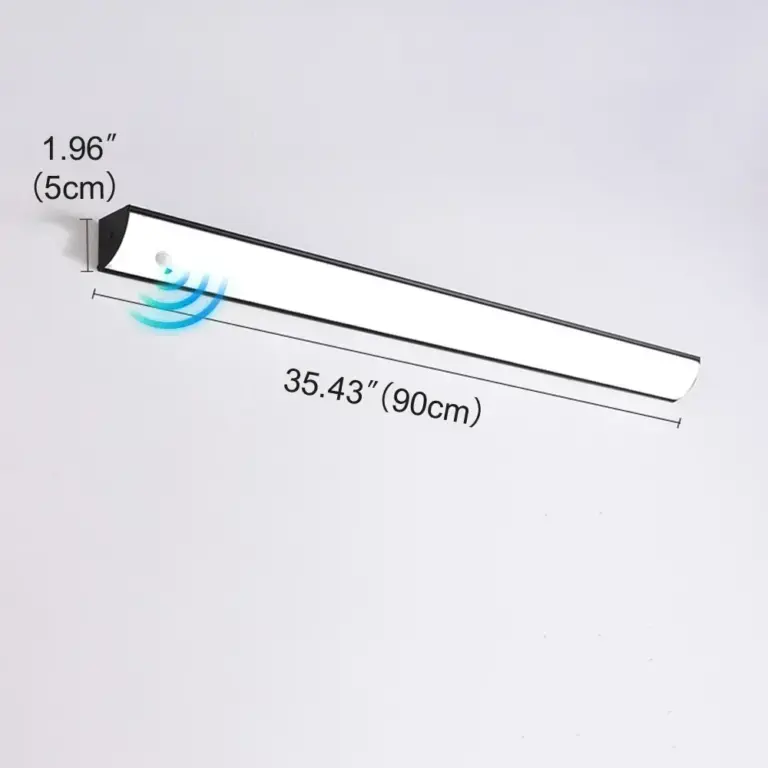
Getting the scale right matters more outside than in, because there's nothing around it to soften a bad call. A general rule is to mount the light so the center sits around five and a half to six feet from the ground, roughly eye level, and to pick a fixture that's about a quarter to a third the height of the door or window frame it's sitting beside. Too small and it reads like an afterthought bolted on. Too large and it looms over the doorway like it's trying to light a parking lot. Measure the wall space you've actually got, including how close it sits to the door frame or any trim, before you fall for a shape online that turns out to dwarf the spot you had in mind.
Where it goes wrong is mixing styles on the same wall or the same run of exterior. A sleek black cylinder next to a fussy lantern style porch light looks like two different houses arguing with each other, and cheap finishes show that argument fast, the coating flaking or going chalky within a season while a better powder coated or solid metal fixture just weathers quietly and looks better for it. Keep the finish consistent with your door hardware or house numbers if you've got them, that's the detail that makes the front of a house look considered rather than assembled in a hurry from different aisles.
What it sits well with is anything plain and sturdy around it, a simple house number plate, a doormat that isn't trying too hard, a pot of something green by the step rather than anything fussy. It doesn't need company to look finished, one good light either side of a door does more than a cluster of decoration ever will.
This kind of light suits an ordinary house with a door people actually use every day, not a showpiece entrance.
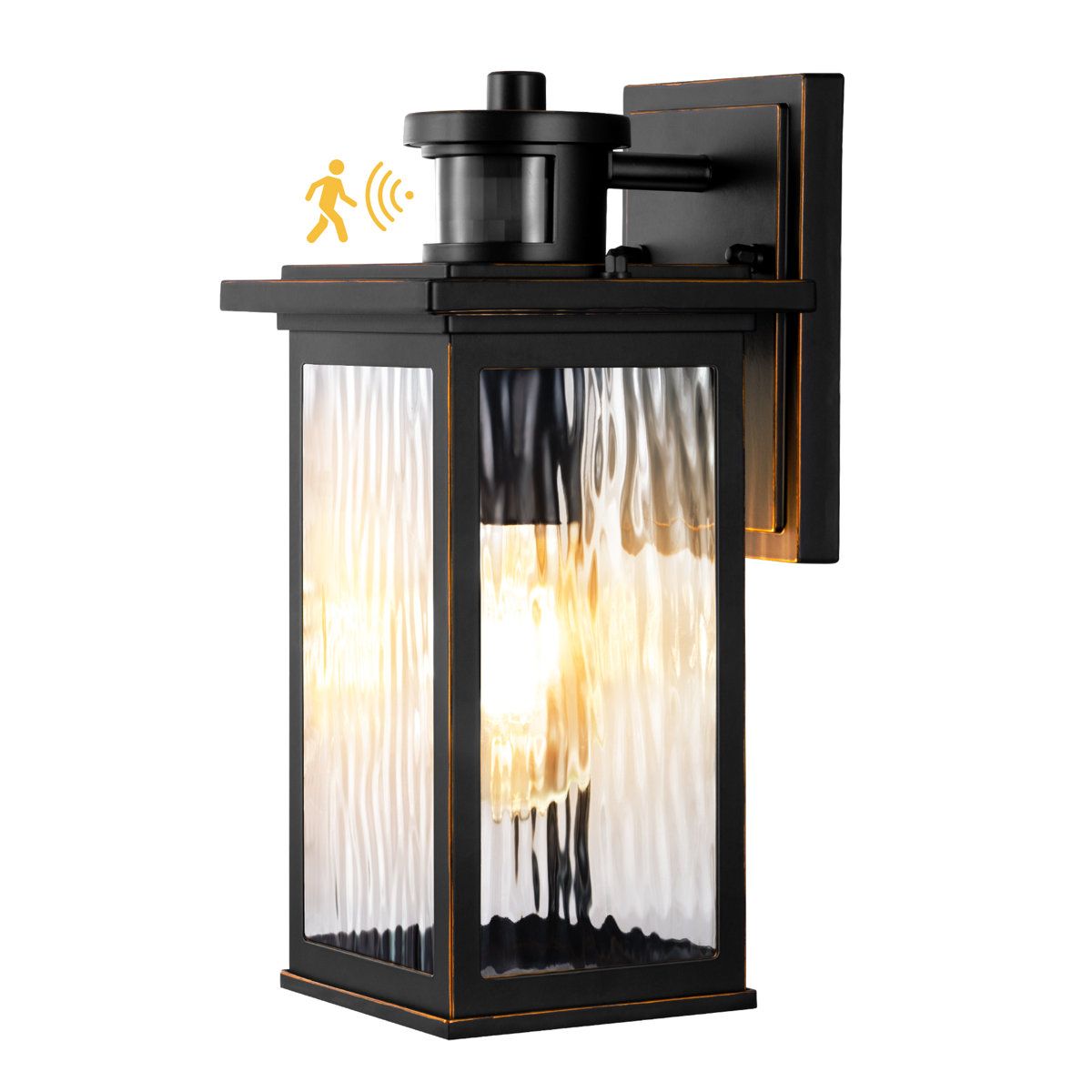 Aisha's pickMetal Outdoor Wall Lights That Shrug Off the Rain

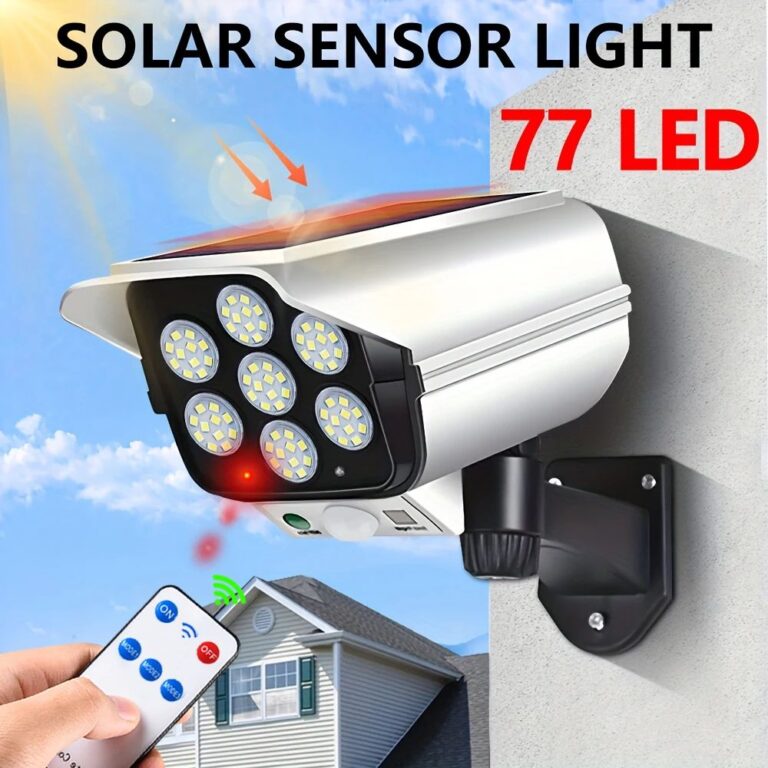 Aisha's pickSolar Wall Lights That Shrug Off the Rain
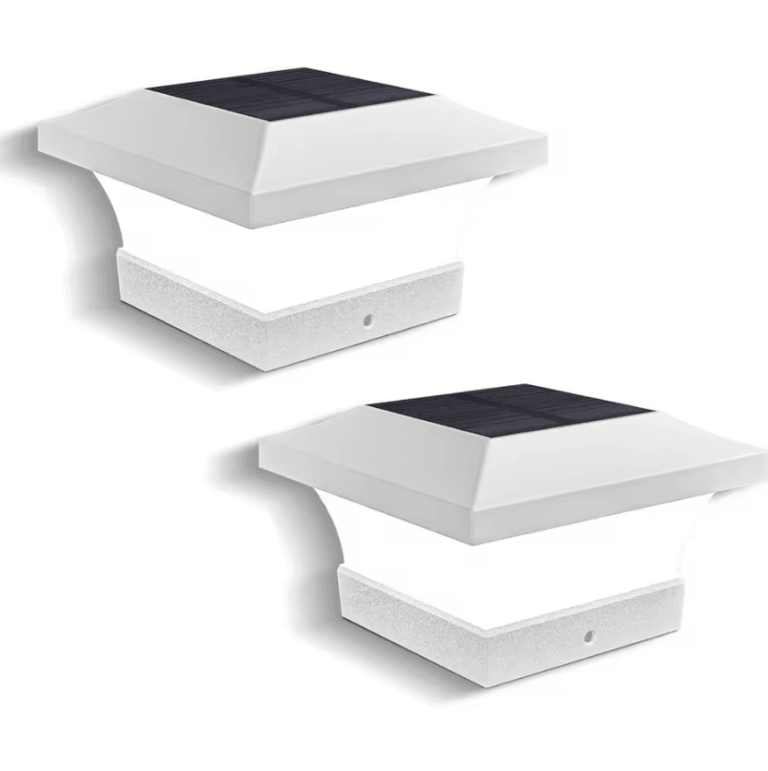
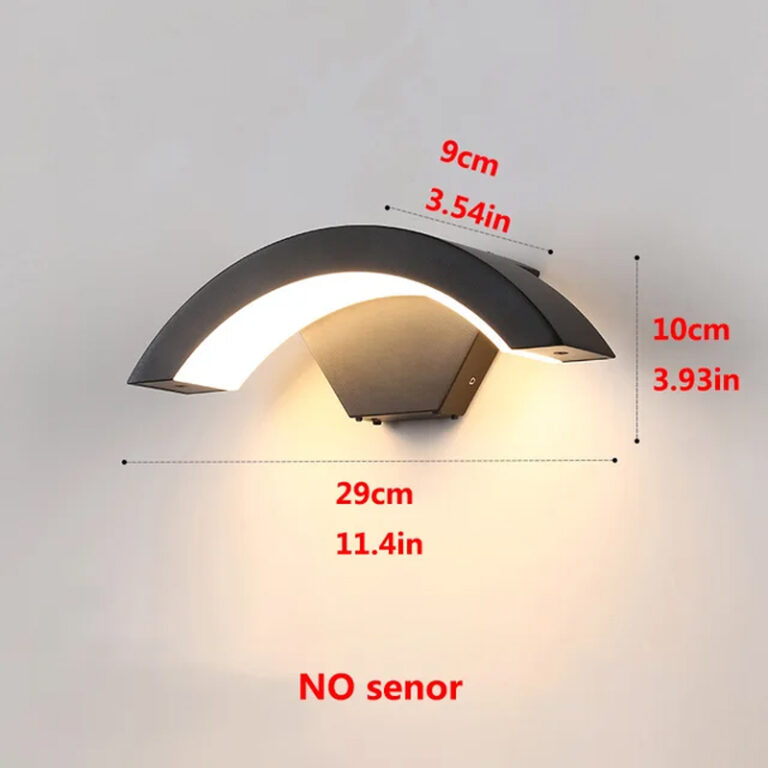 Aisha's pickModern Outdoor Wall Lights for Long Summer Evenings Outside

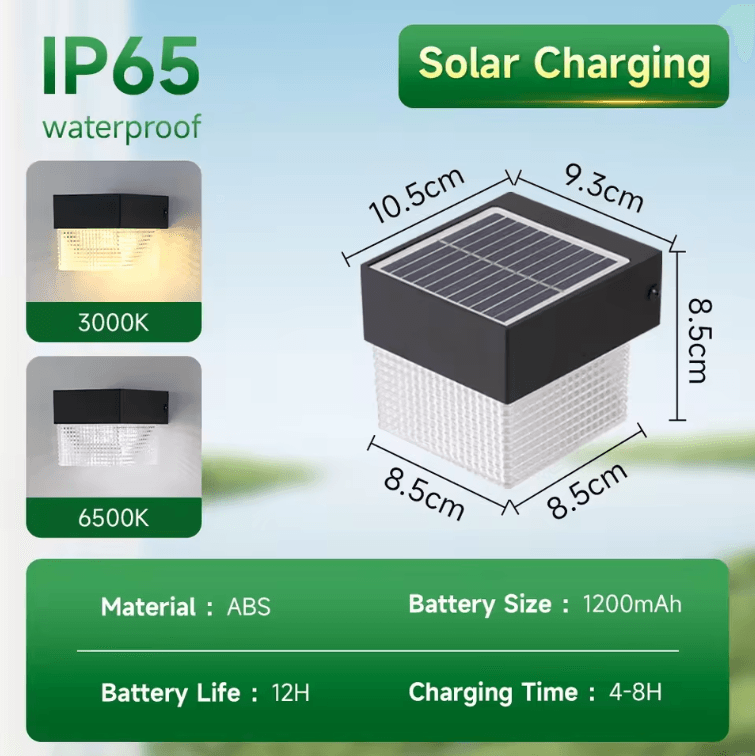 Aisha's pickSolar Wall Lights for the Yard That Look Good Up Close
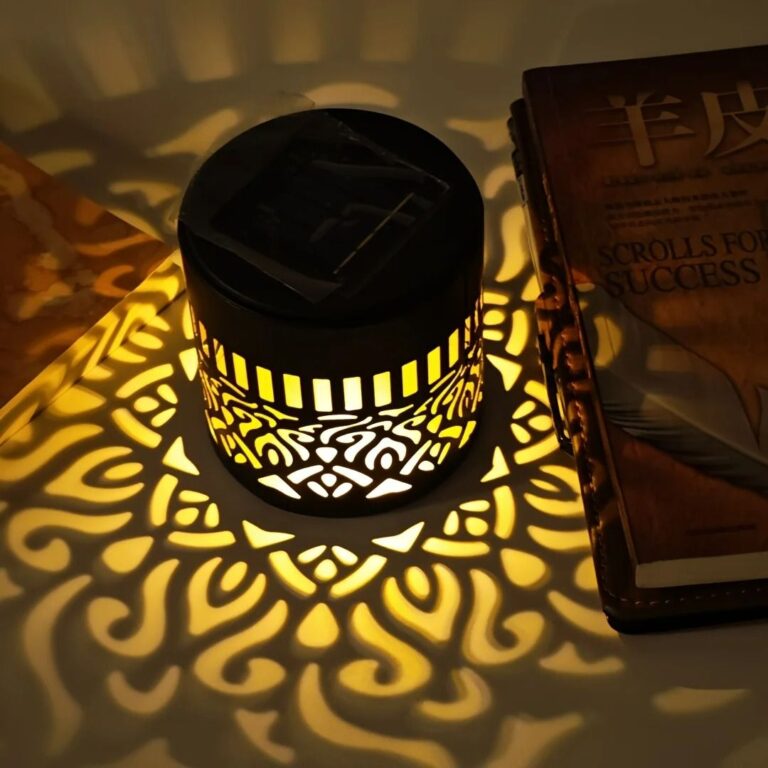
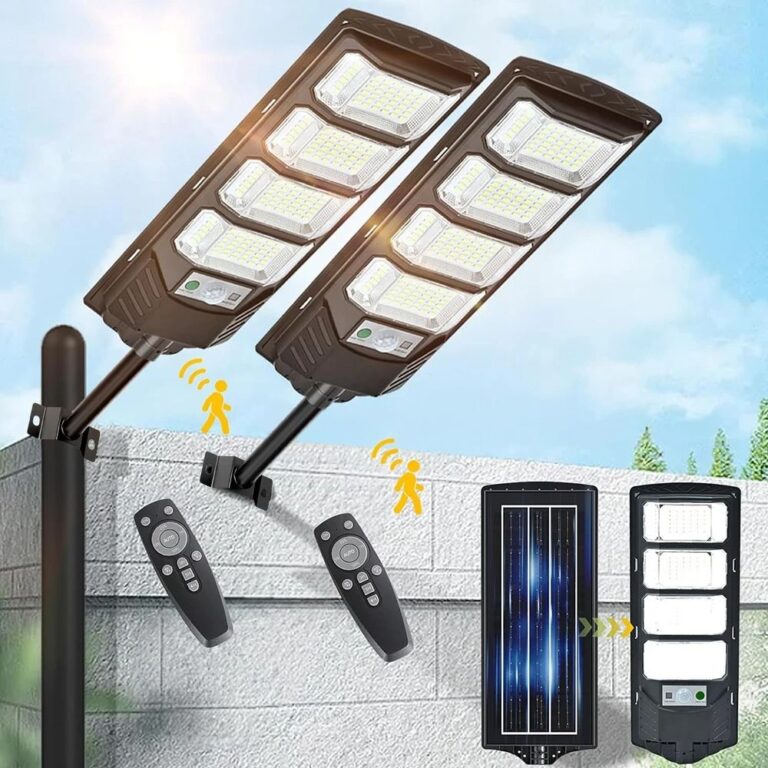 Aisha's pickMotion Sensor Outdoor Wall Lights We’d Have Out From May to September
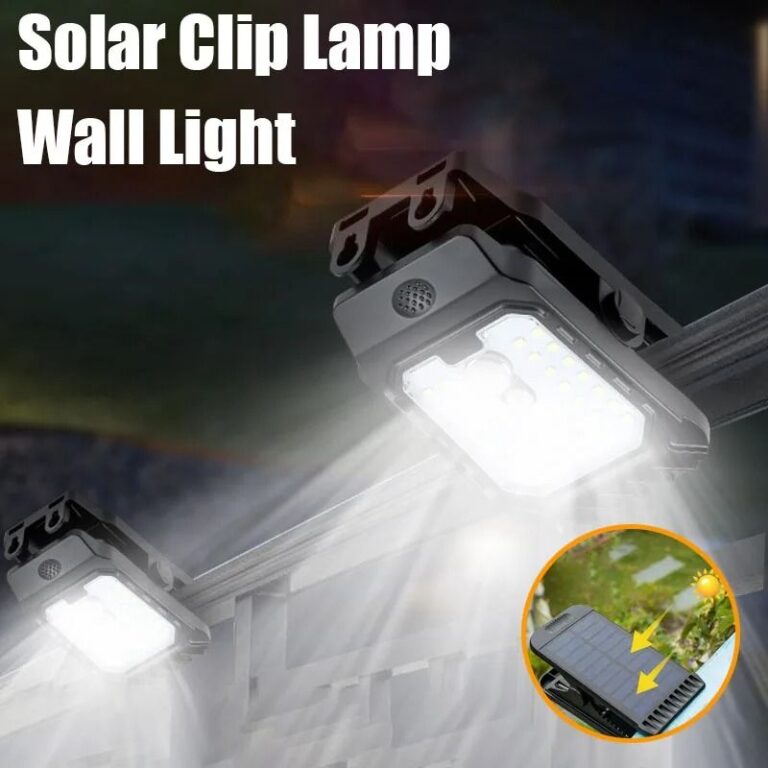
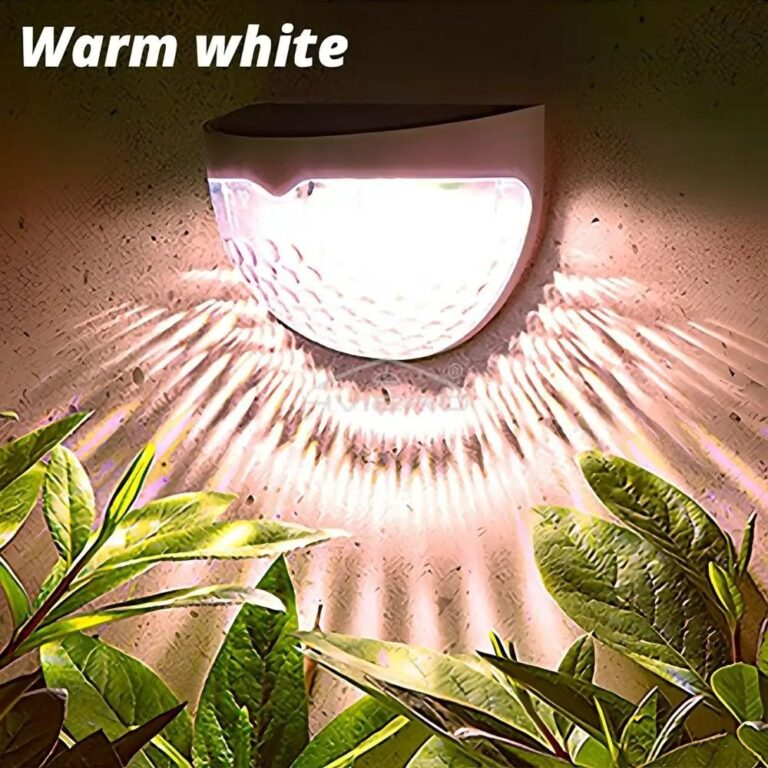 Aisha's pickSolar Wall Lights with Sensor We’d Buy Again
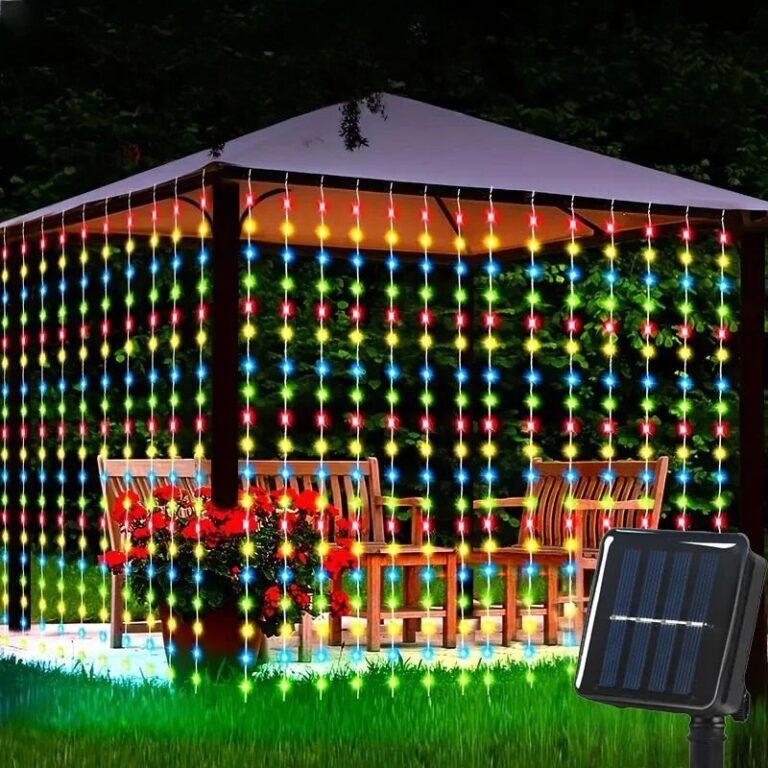
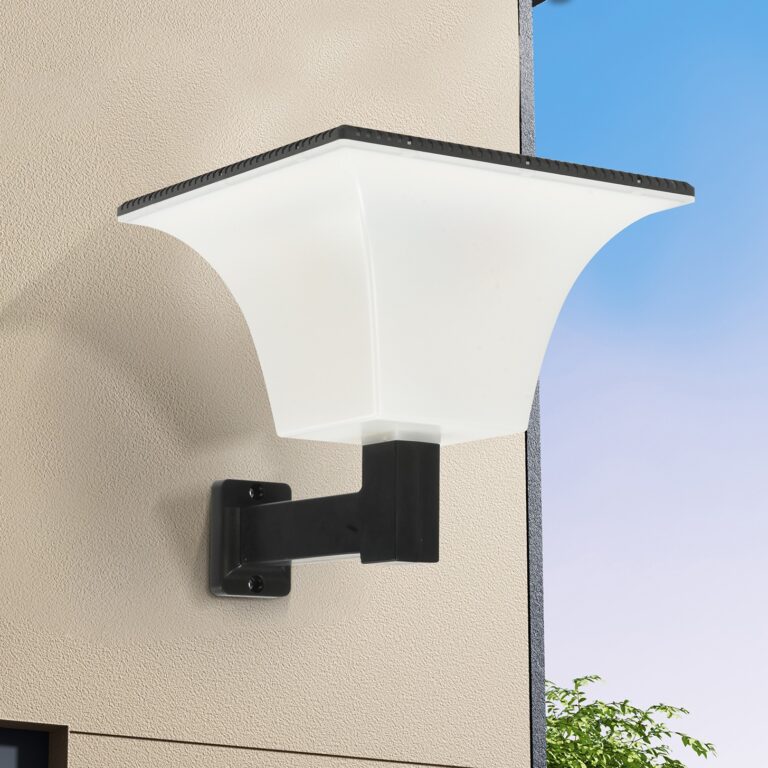 Aisha's pickMotion Sensor Solar Wall Lights That Hold Up to Everyday Life
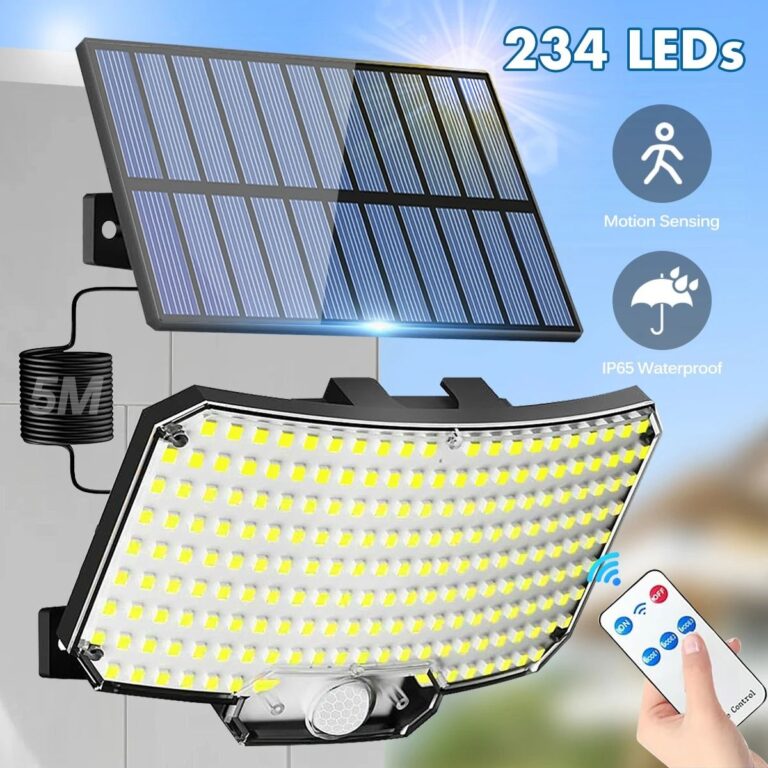
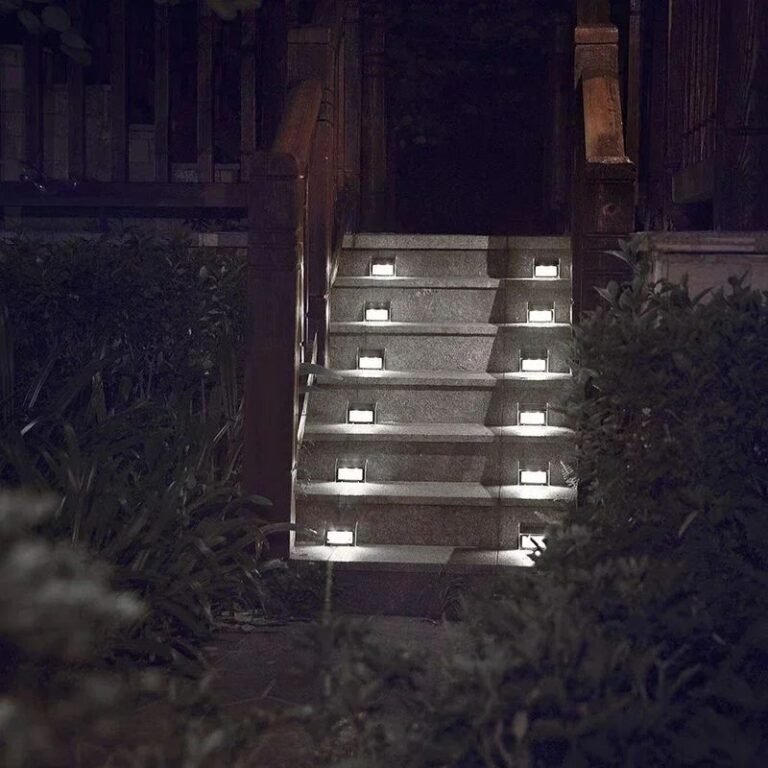 Aisha's pickSteel Outdoor Wall Lights That Make the Yard Feel Like Another Room
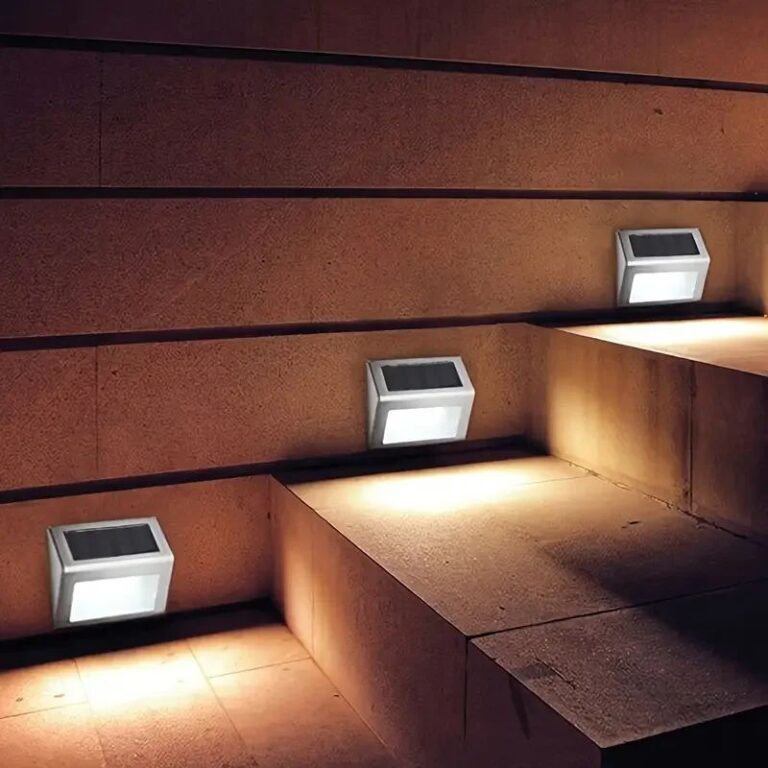
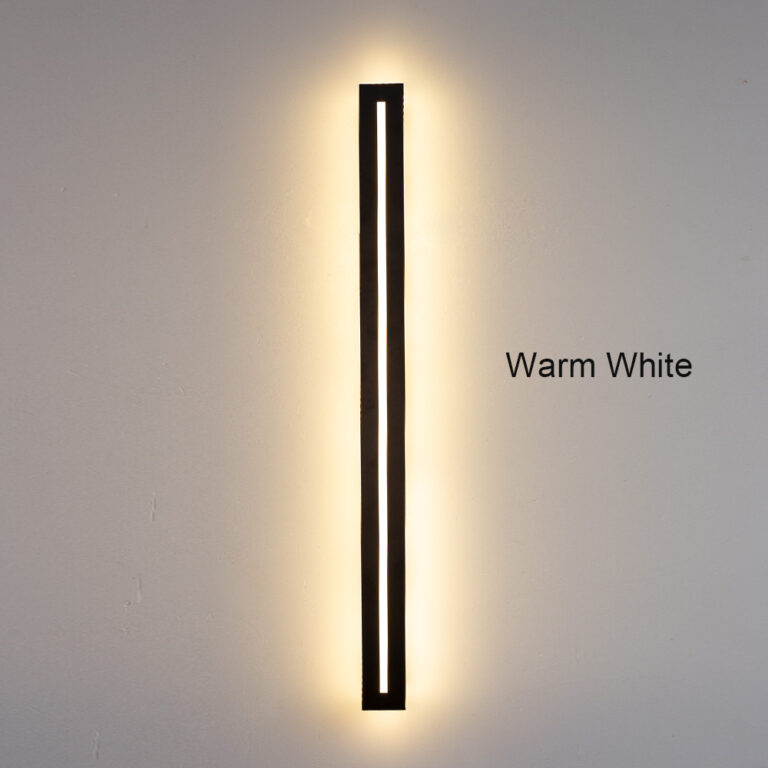 Aisha's pickOutdoor Wall Lights for When the Old Ones Give UpAlso worth a lookSolar LightsSolar lights make the most sense for homes with a path, a porch, or a patch of garden…See the collections →
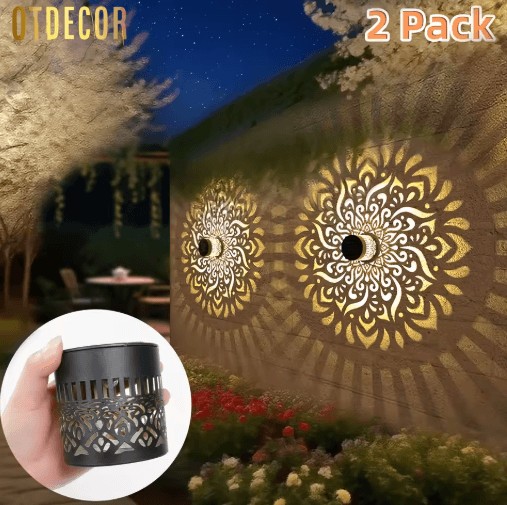
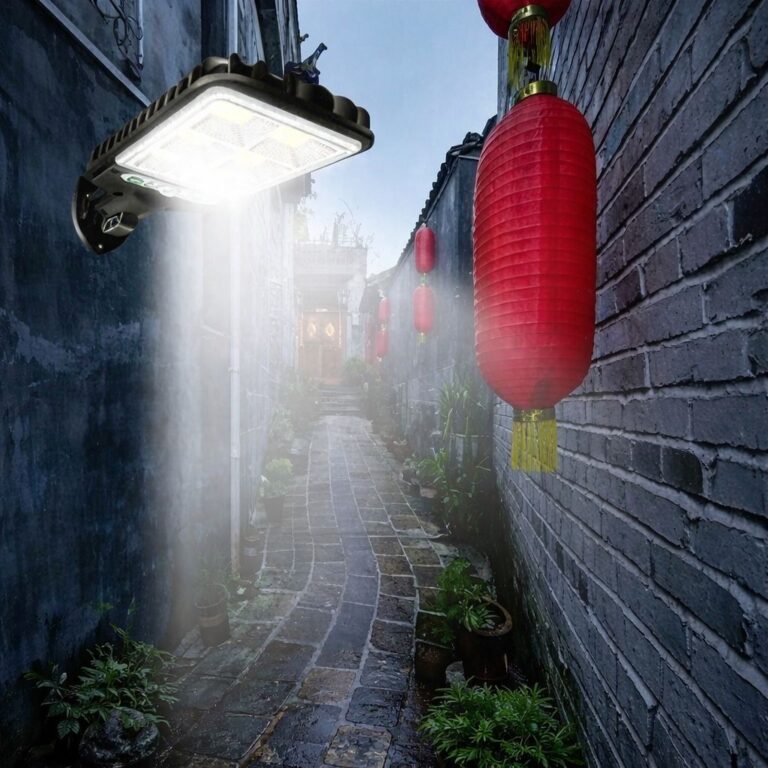 Aisha's pickTraditional Outdoor Wall Lights That Survive a Hard Winter
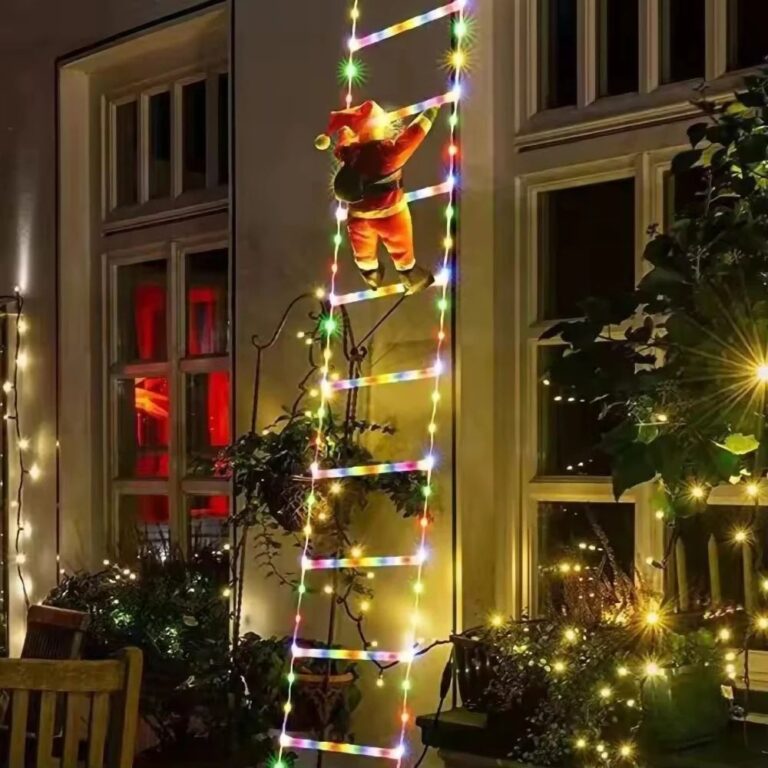
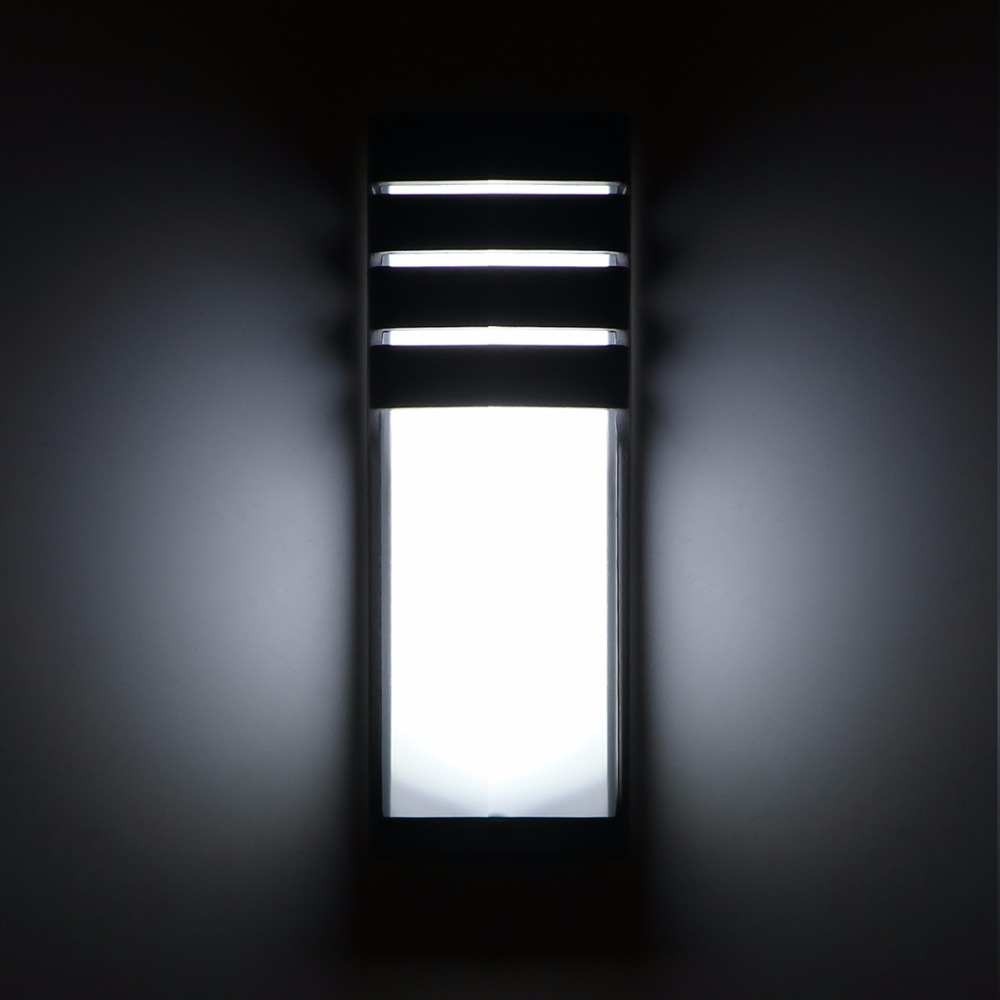 Aisha's pickSimple Aluminum Outdoor Wall Lights Done Well
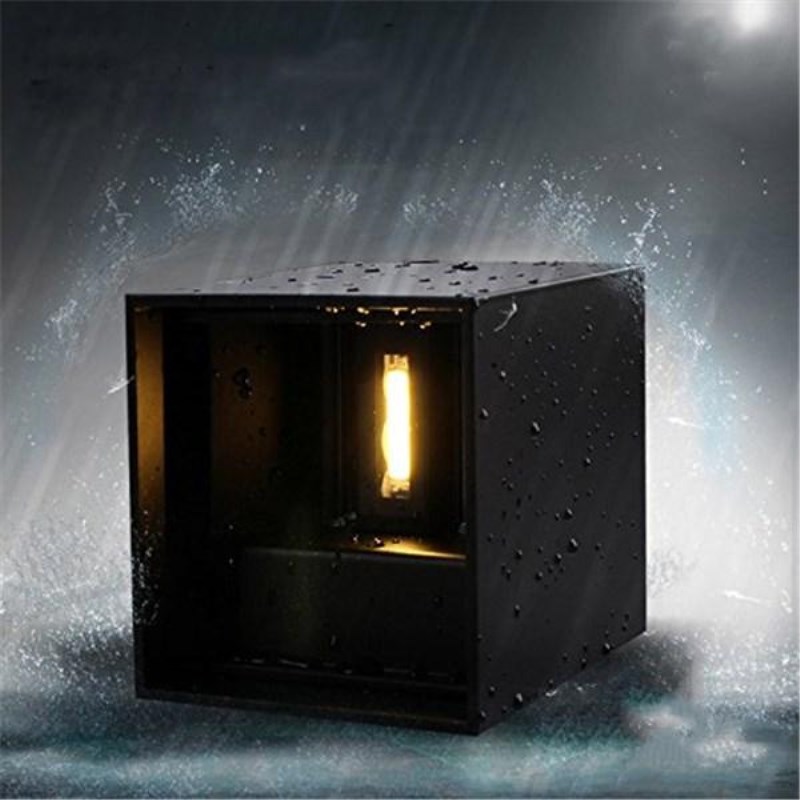
 Aisha's pickOutdoor Wall Lights for Fence That Fit Into Real Life
 Aisha's pickWarm White Outdoor Wall Lights That Stand Up to the Weather
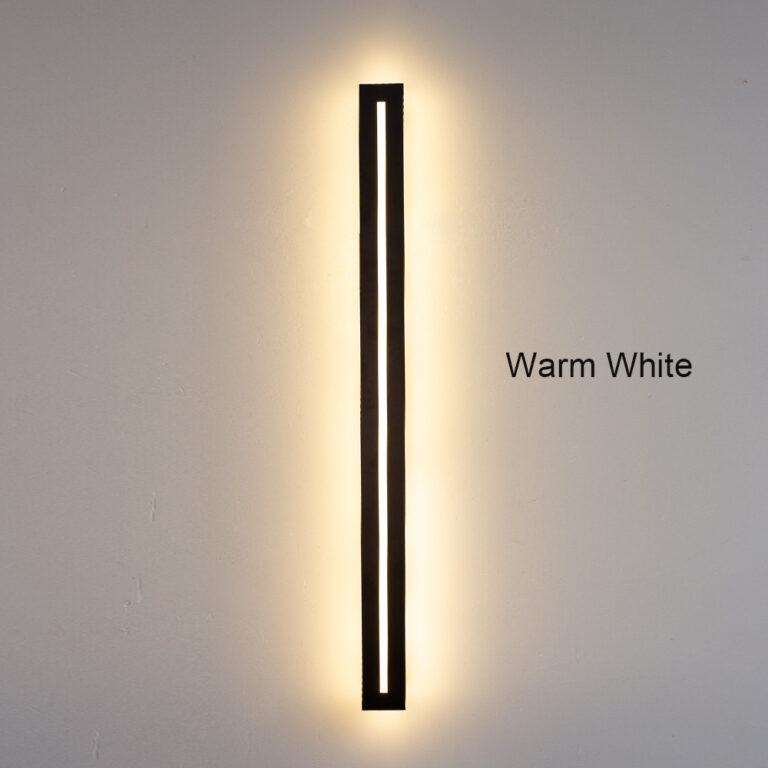 Aisha's pickBlack Outdoor Wall Lights That Make a Small Yard Work Harder

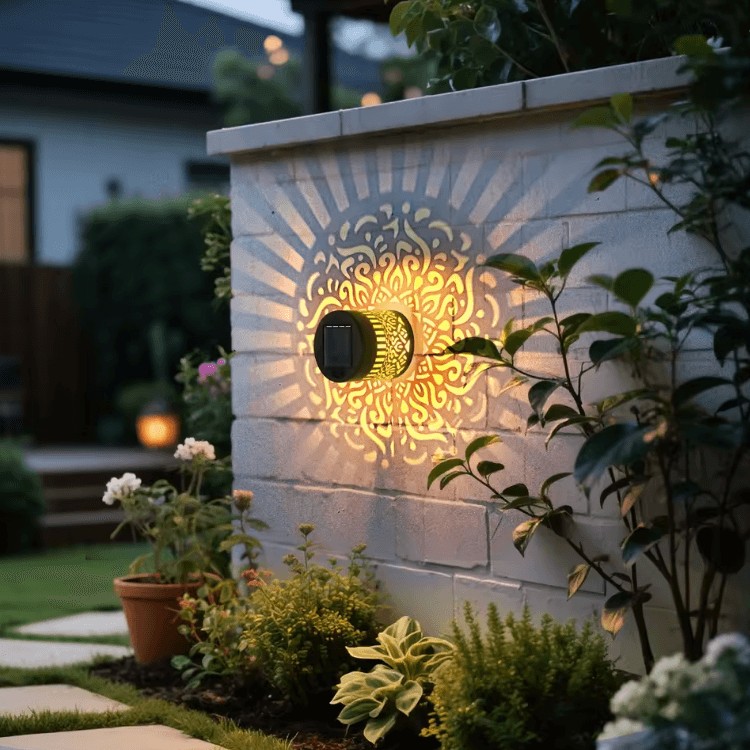 Aisha's pickOutdoor Wall Lights for the Yard We Keep Coming Back To
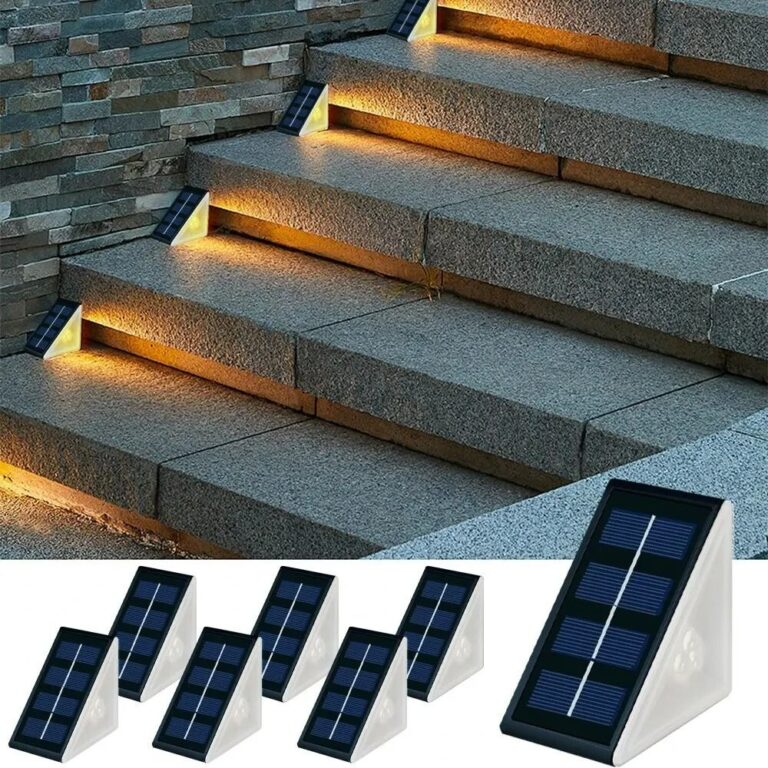
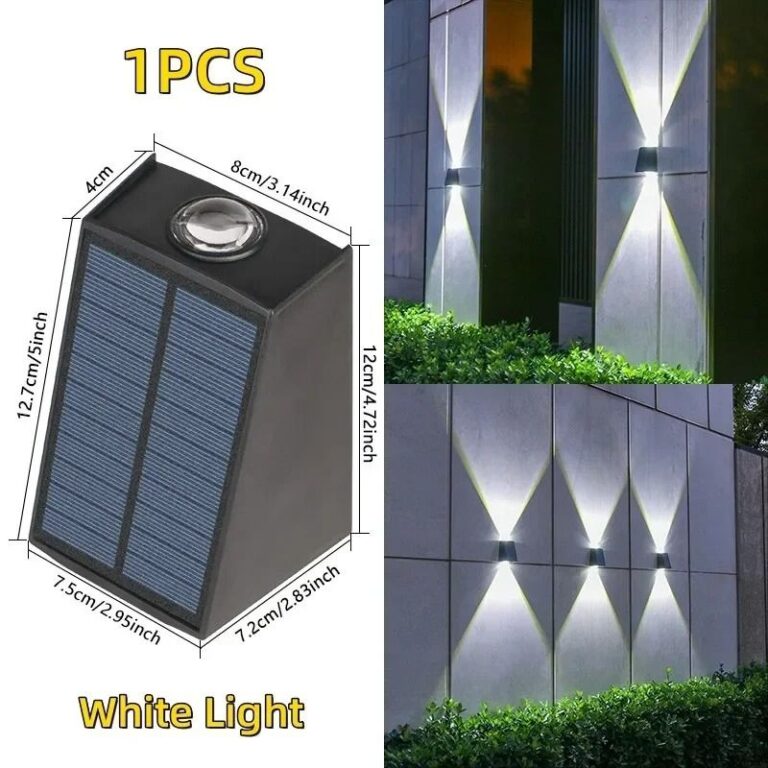 Aisha's pickWaterproof Outdoor Wall Lights That Stand Up to the Weather
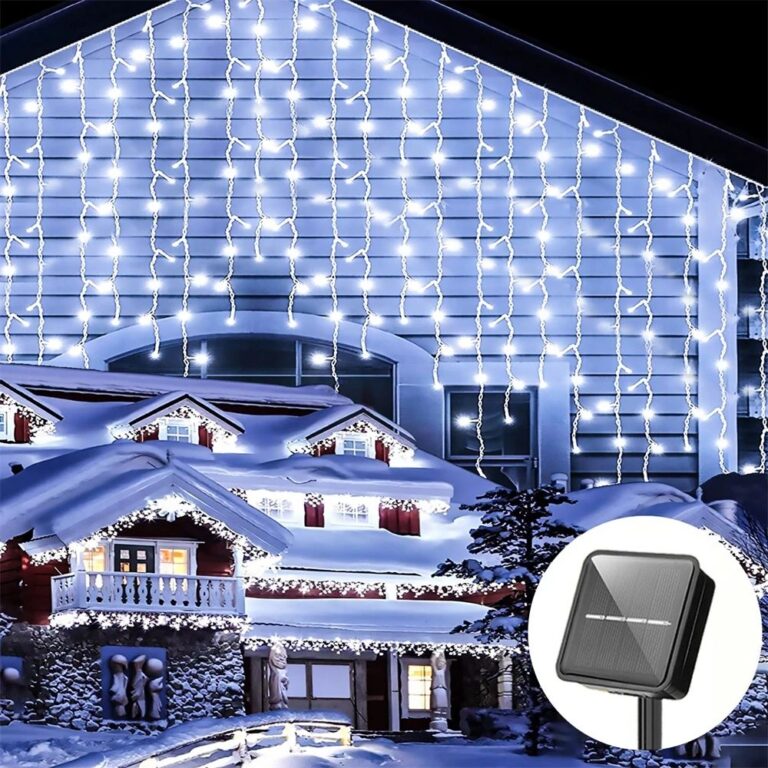
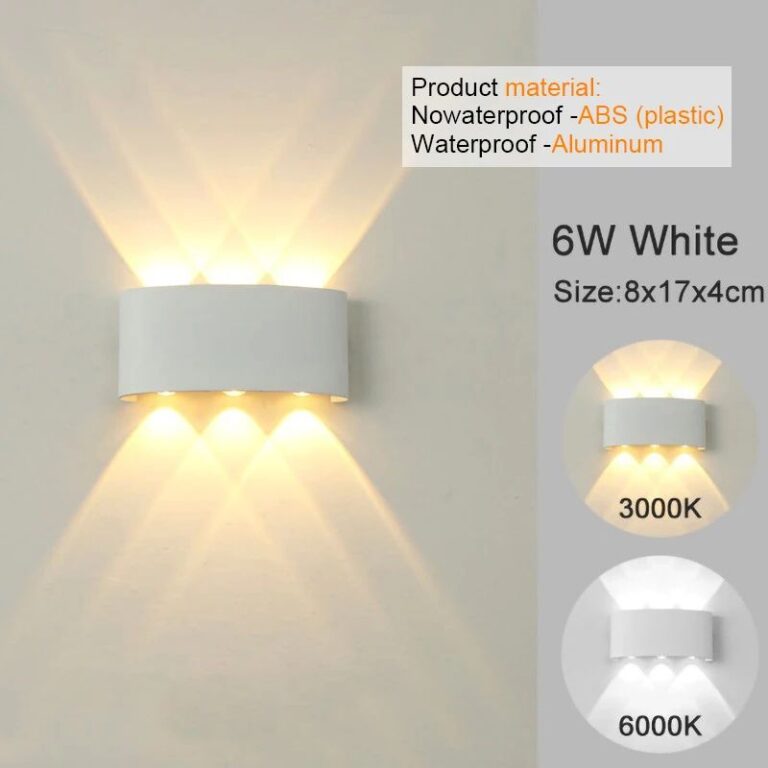 Aisha's pickExterior Wall Lights That Stand Up to the Weather
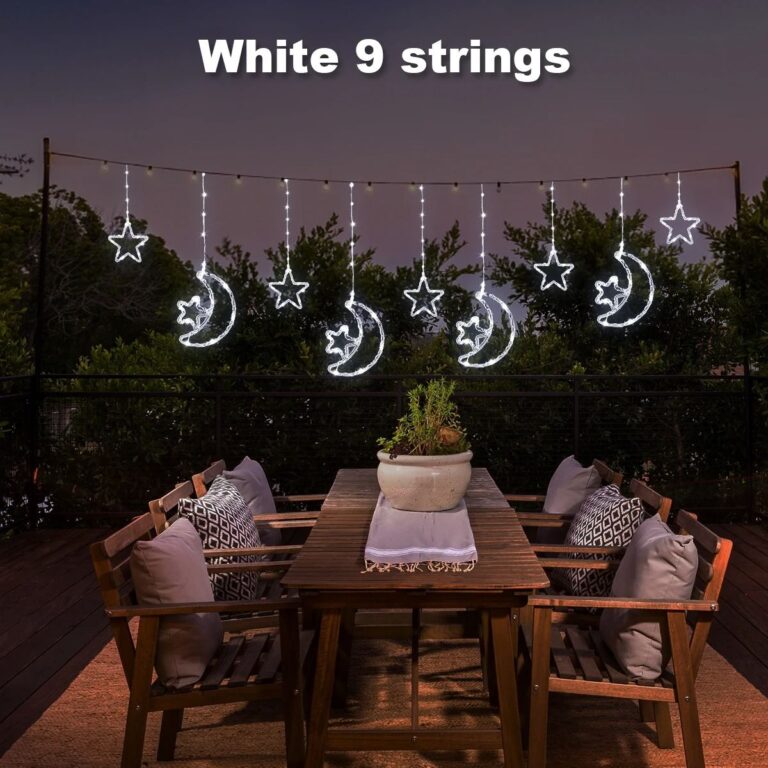
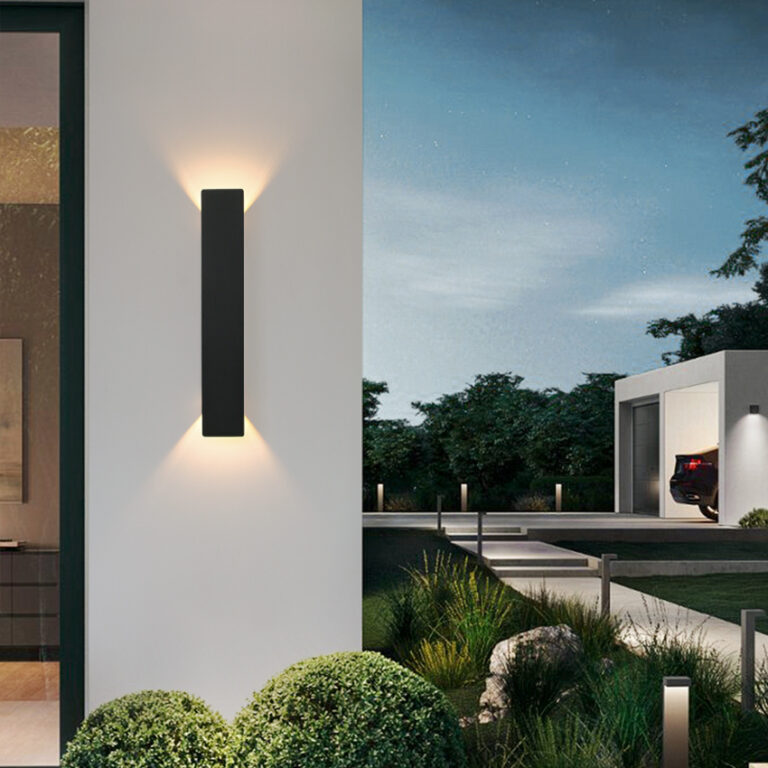 Aisha's pickOutdoor Wall Lights for Patio Pulled From Dozens of StoresAlso worth a lookOutdoor LightingA good outdoor light does something very particular at dusk: it doesn't flood the patio like an interrogation…See the collections →
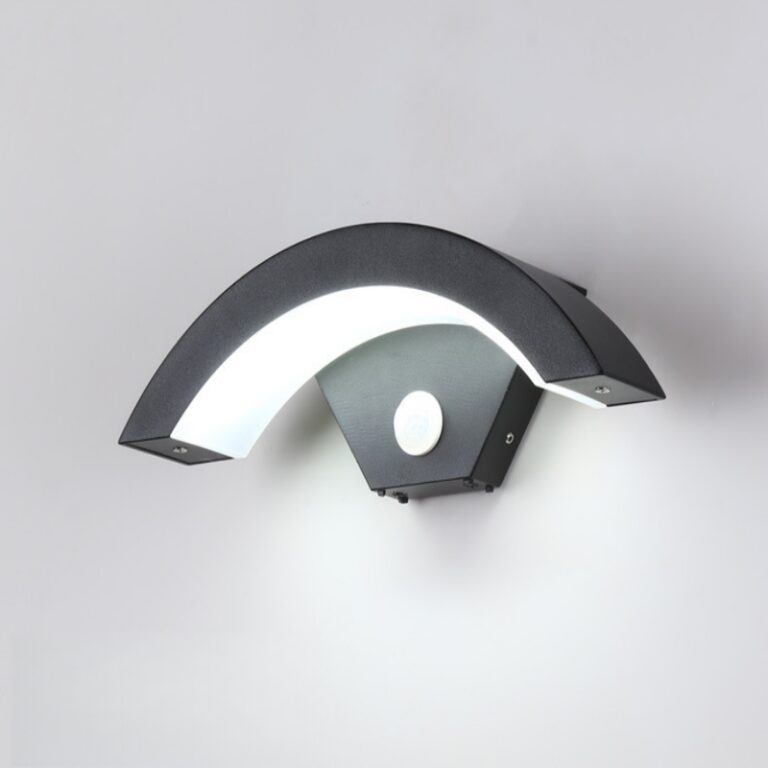
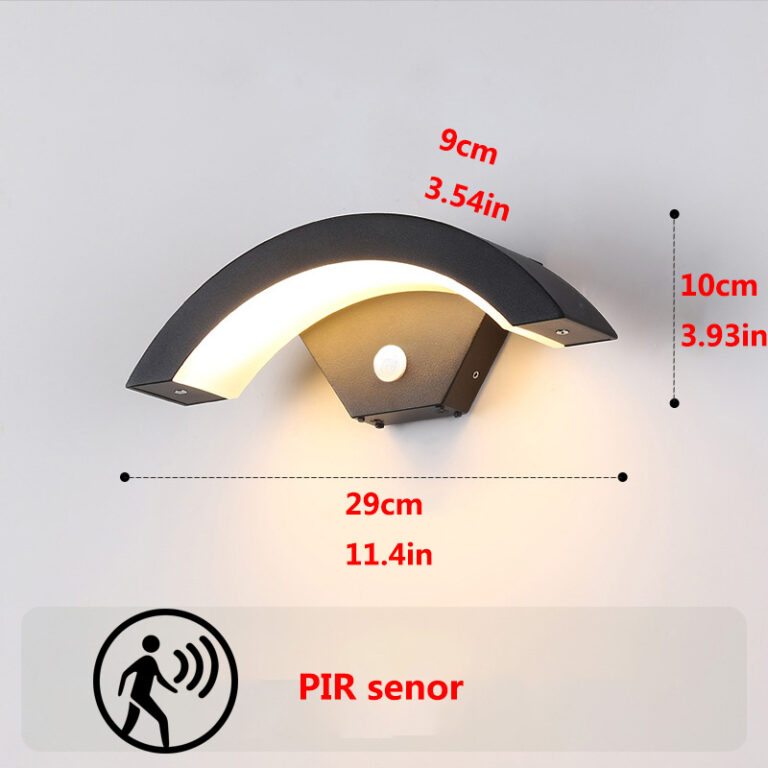 Aisha's pickWhite LED Outdoor Wall Lights That Make a Small Yard Work Harder
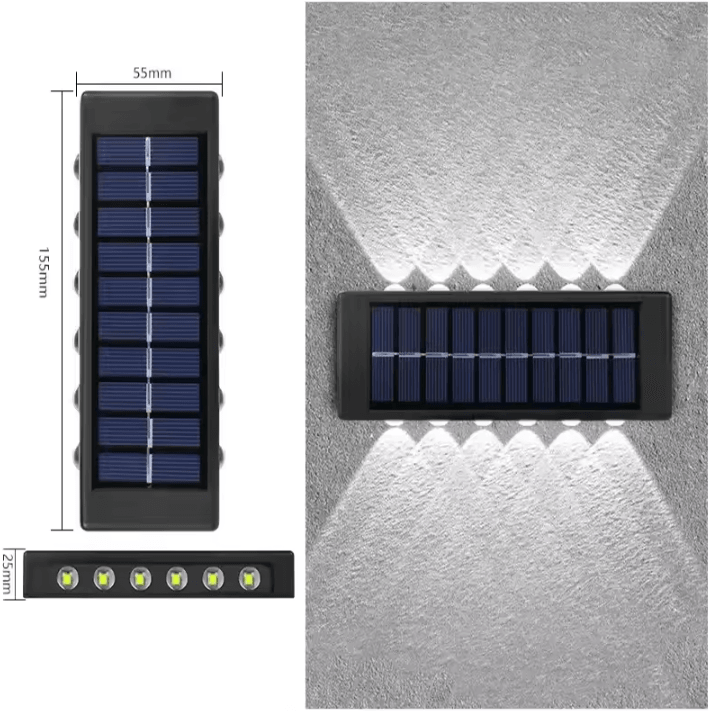
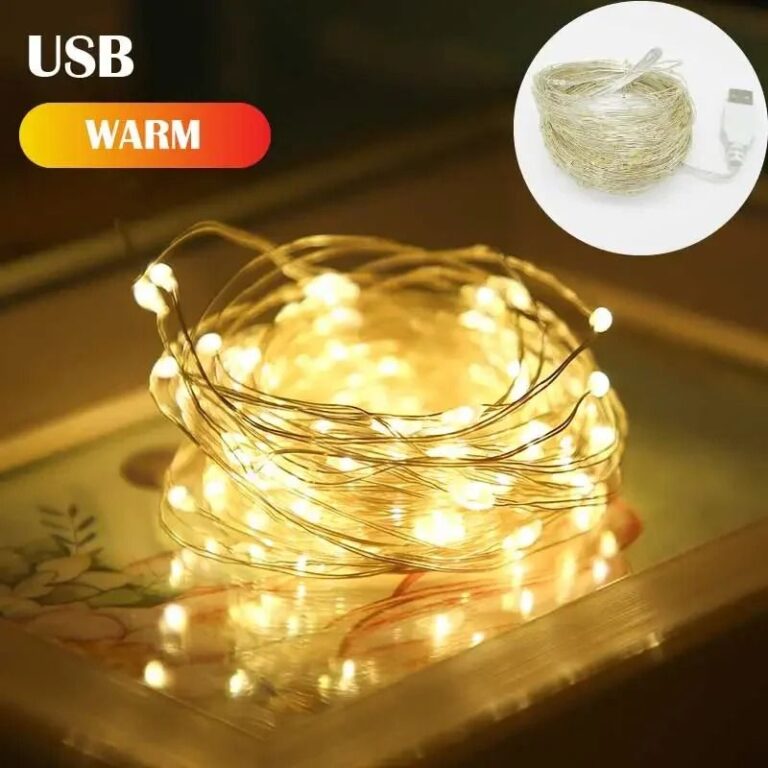 Aisha's pickGlass Outdoor Wall Lights for When the Old Ones Give Up
 Aisha's pickOutdoor Wall Lights with Motion Sensor at Every Price Point
 Aisha's pickWhite Outdoor Wall Lights That Visitors Always Ask About
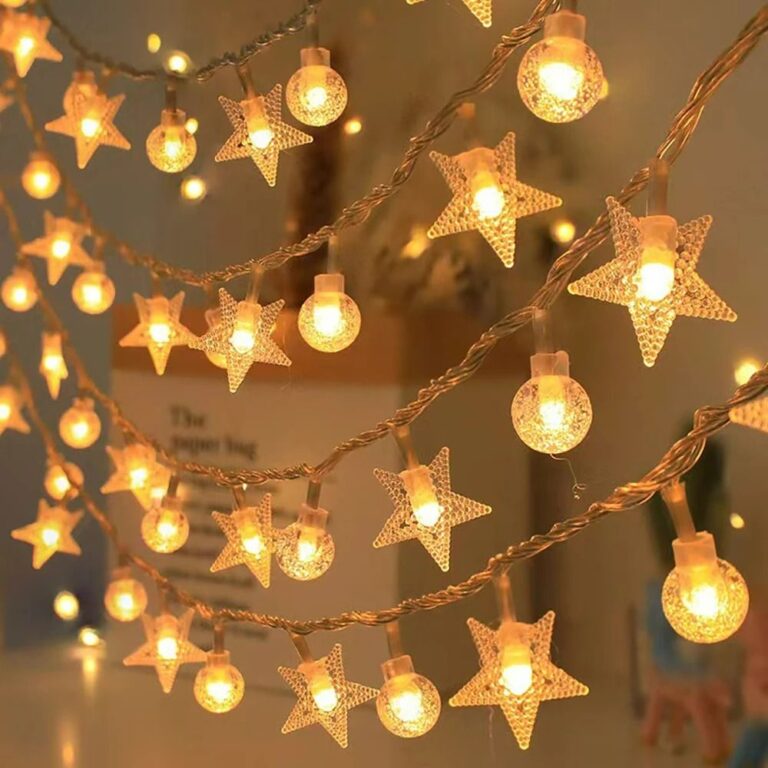
 Aisha's pickIP44 Outdoor Wall Lights That Look Like They Cost More
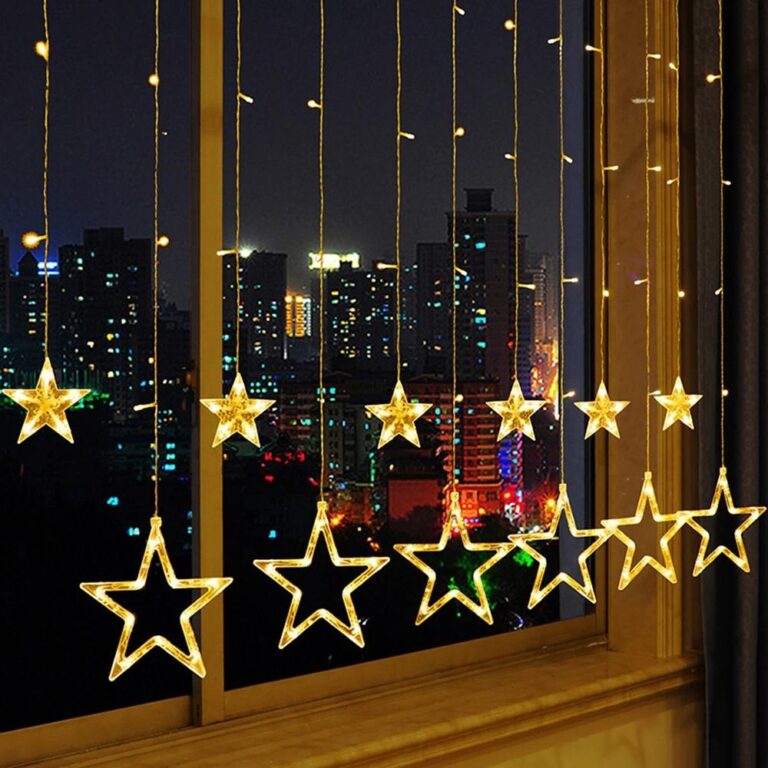
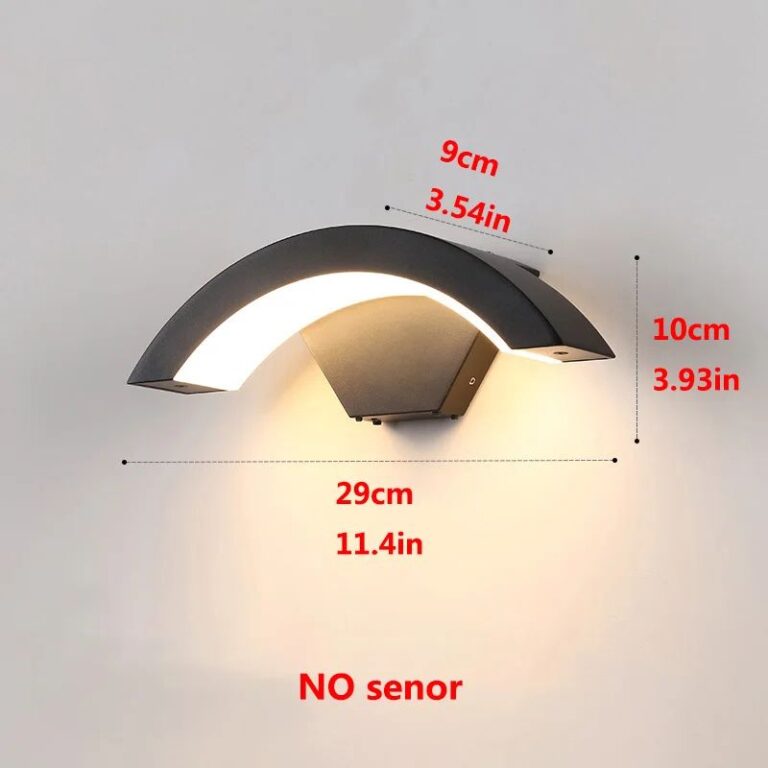 Aisha's pickOutdoor Wall Lights with PIR Sensor That Survive a Hard Winter
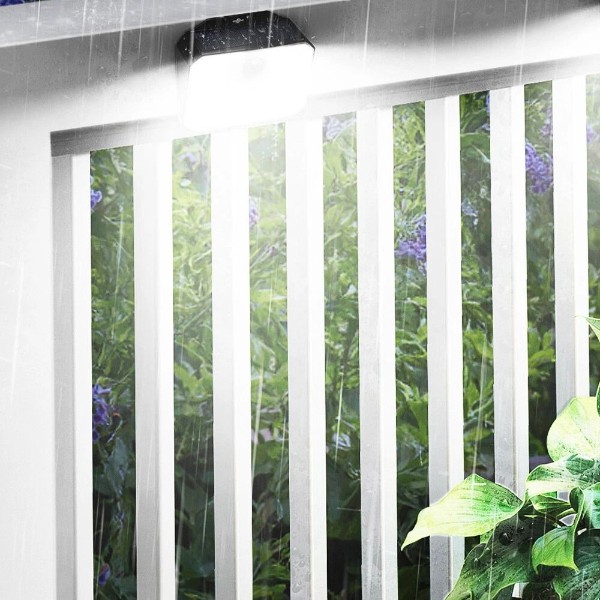
 Aisha's pickIP65 Aluminum Outdoor Wall Lights You’ll Still Like in Five Years
 Aisha's pickOutdoor Wall Lights with Sensor That Make the Yard Feel Like Another Room
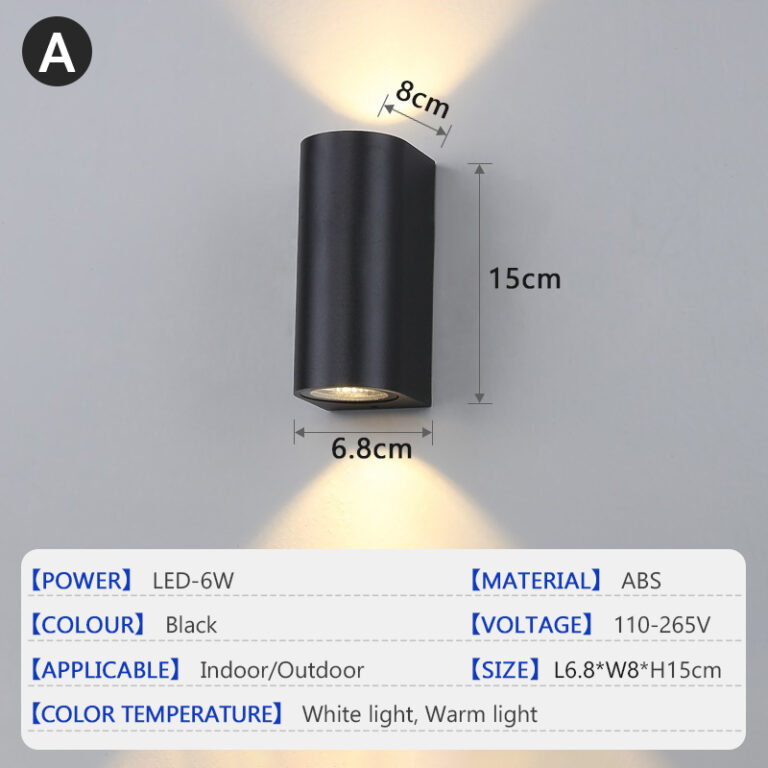 Aisha's pickIP65 Outdoor Wall Lights Without the Silly Price TagAlso worth a lookMetal Outdoor LightsMost people pick an outdoor light the way they pick a doormat, whatever is closest to the door…See the collections →
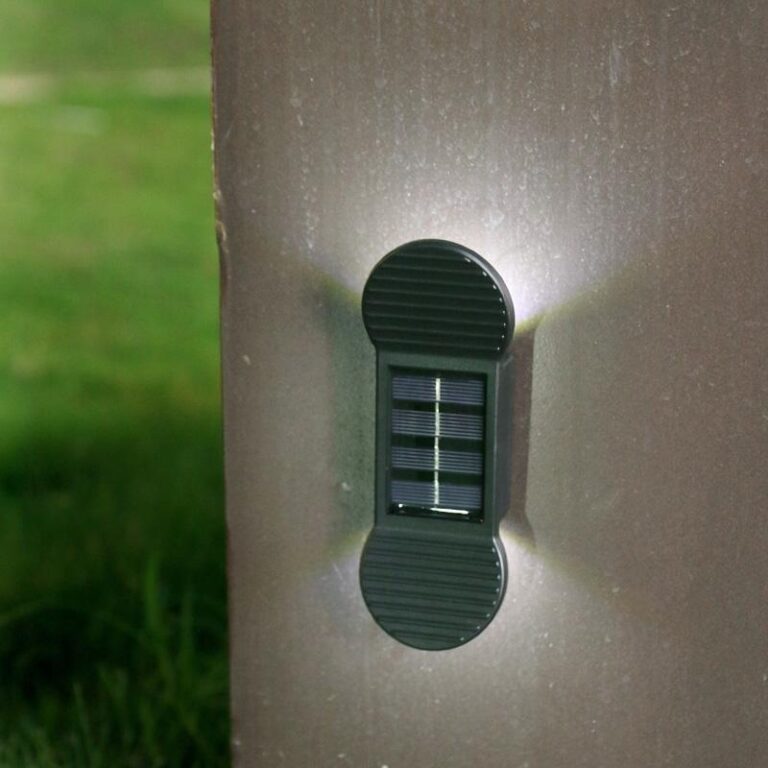
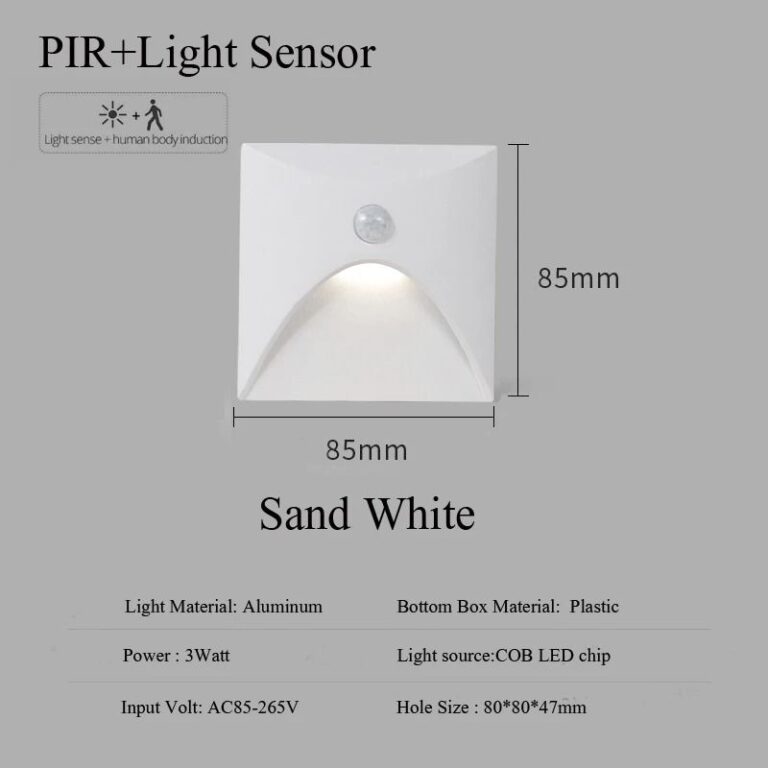 Aisha's pickPIR Outdoor Wall Lights We’d Buy Again
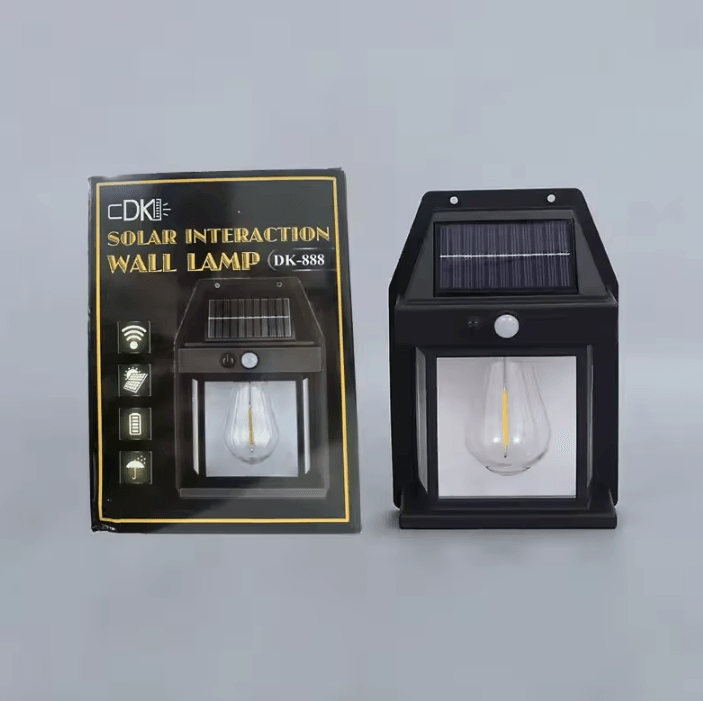
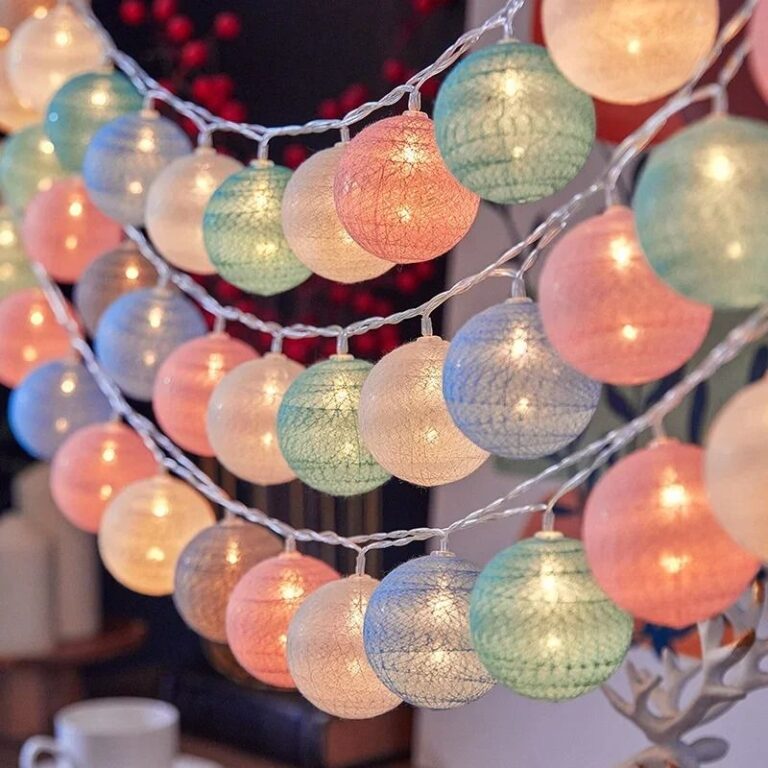 Aisha's pickLarge Outdoor Wall Lights That Visitors Always Ask About

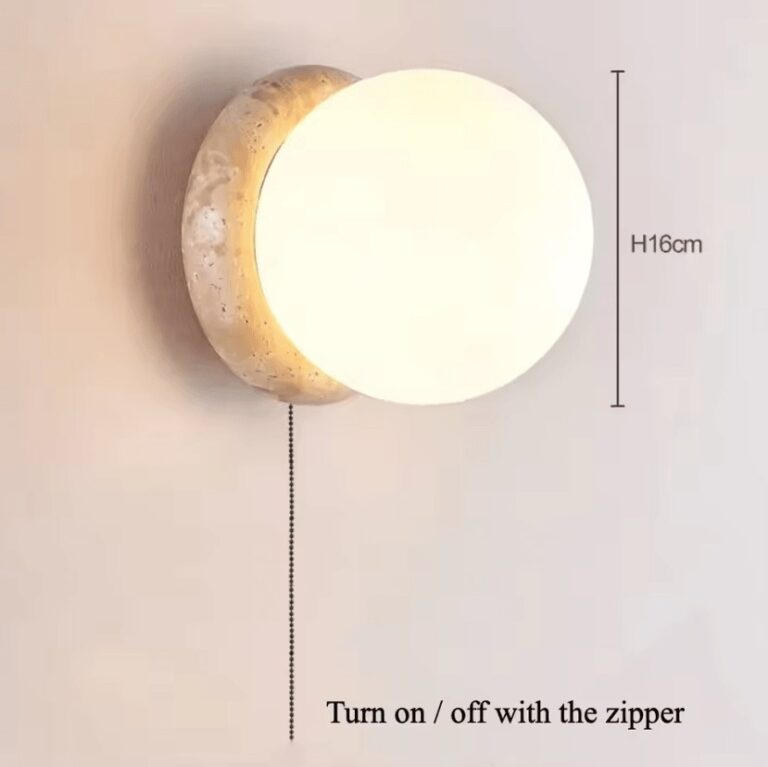 Aisha's pickPlastic Outdoor Wall Lights That Stand Up to the Weather
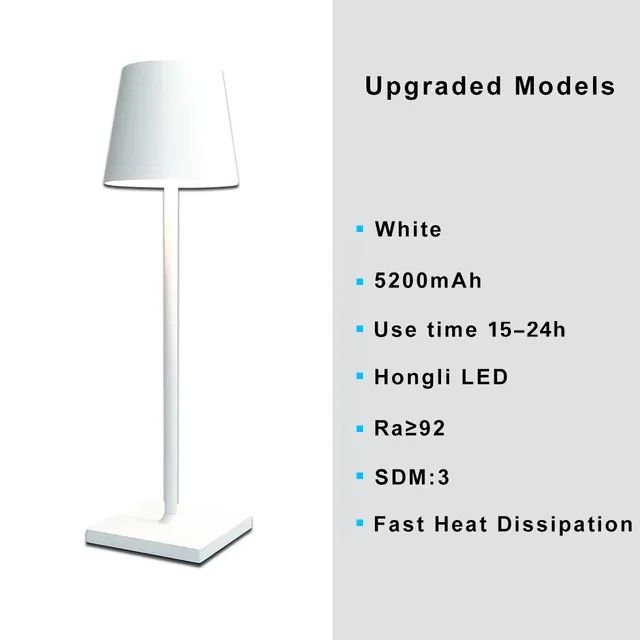
 Aisha's pickLED Outdoor Wall Lights That Survive a Hard Winter

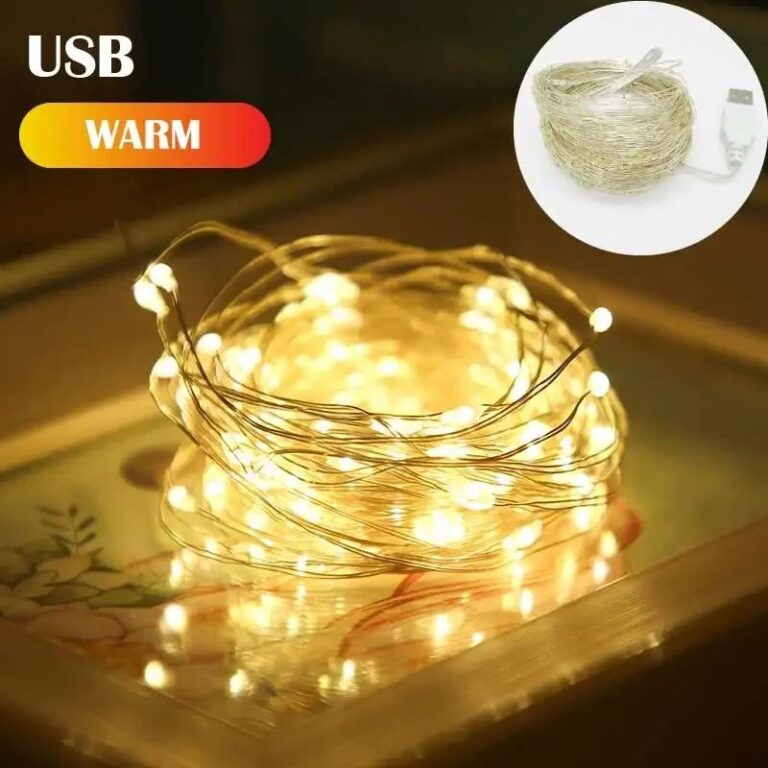 Aisha's pickSmall Outdoor Wall Lights for Barbecues and Lazy Weekends
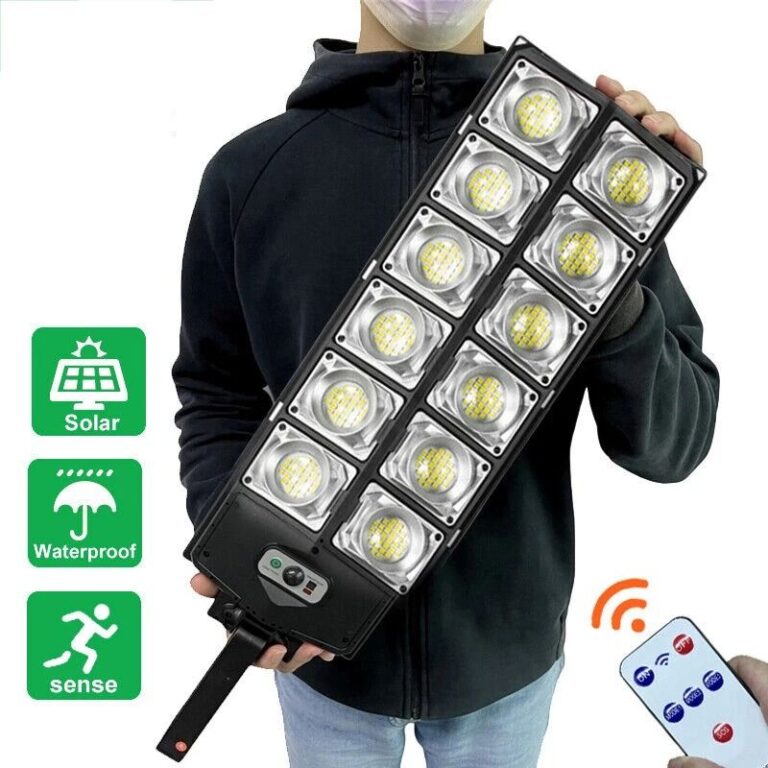
 Aisha's pickLED Solar Wall Lights From Brands You Know and a Few You Won’t
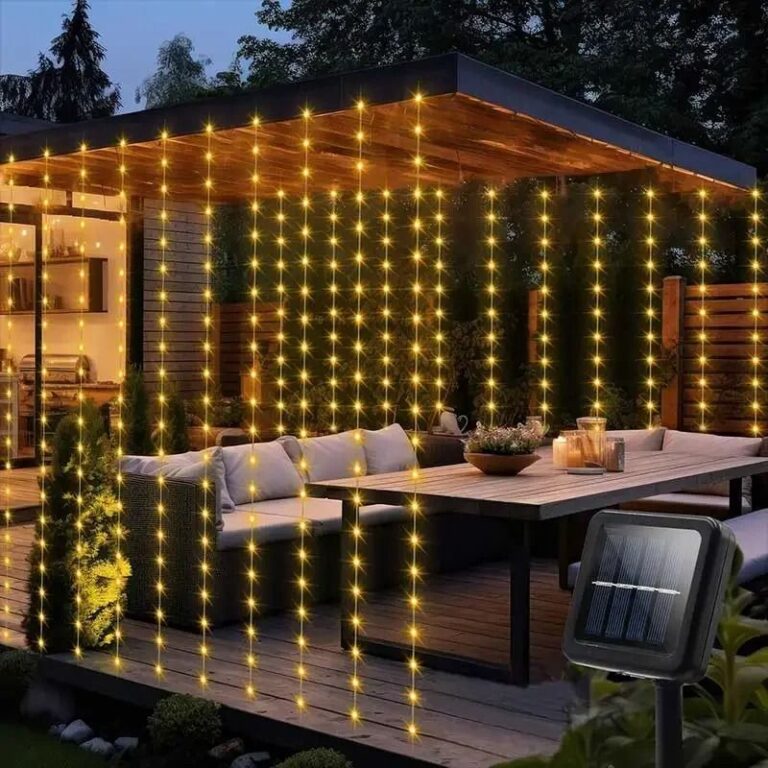
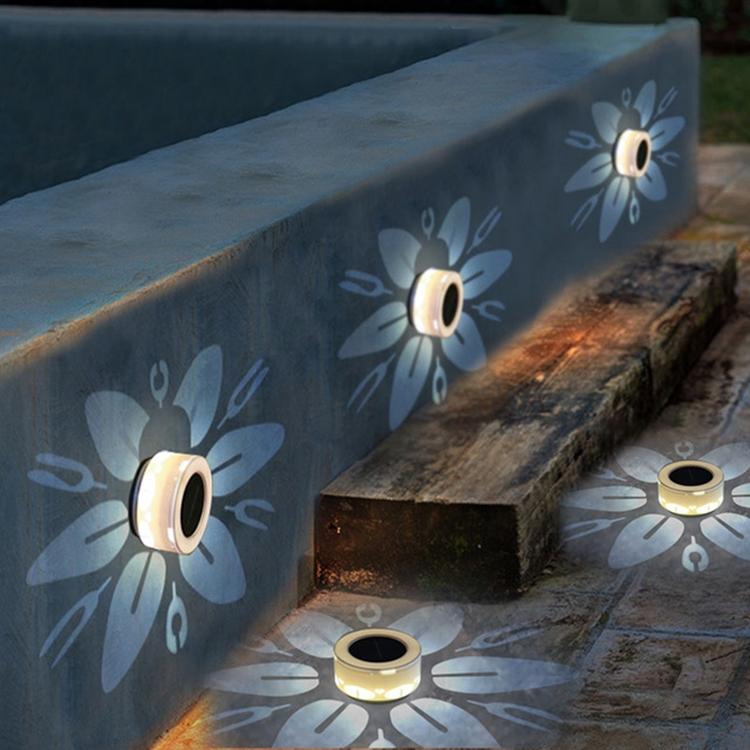 Aisha's pickSolar Outdoor Wall Lights That Stand Up to the Weather
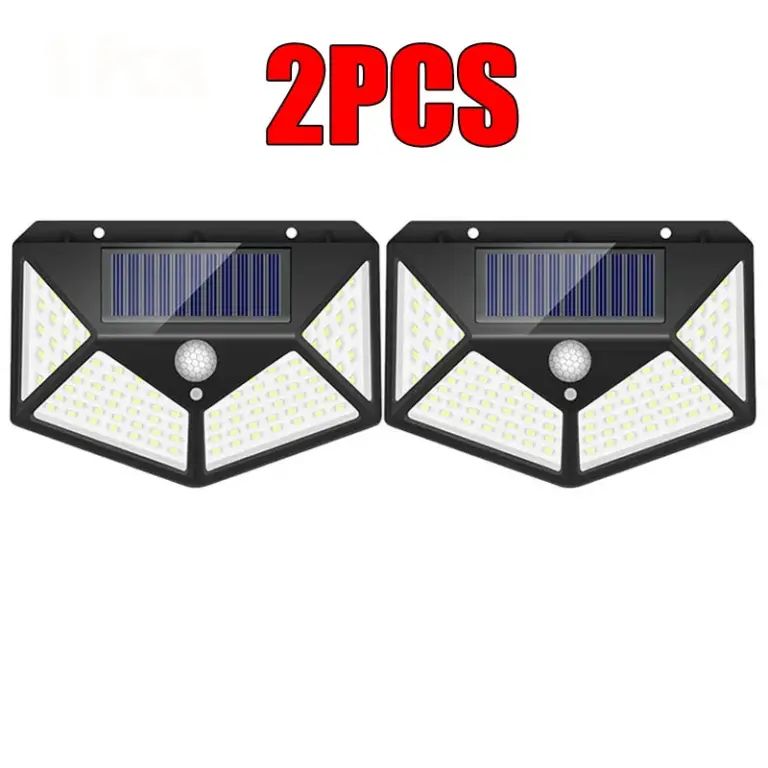
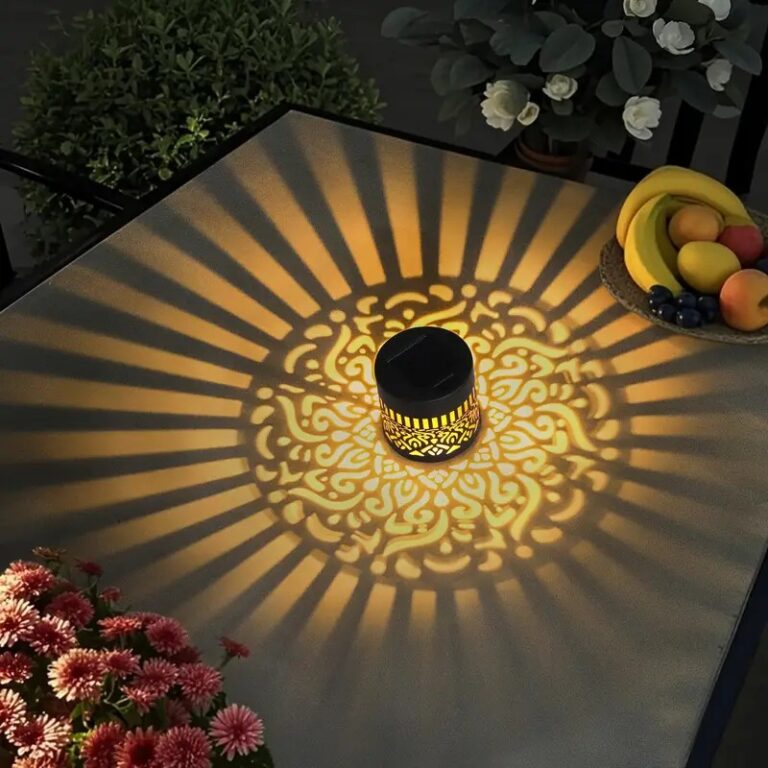 Aisha's pickMetal Exterior Wall Lights for Long Summer Evenings Outside