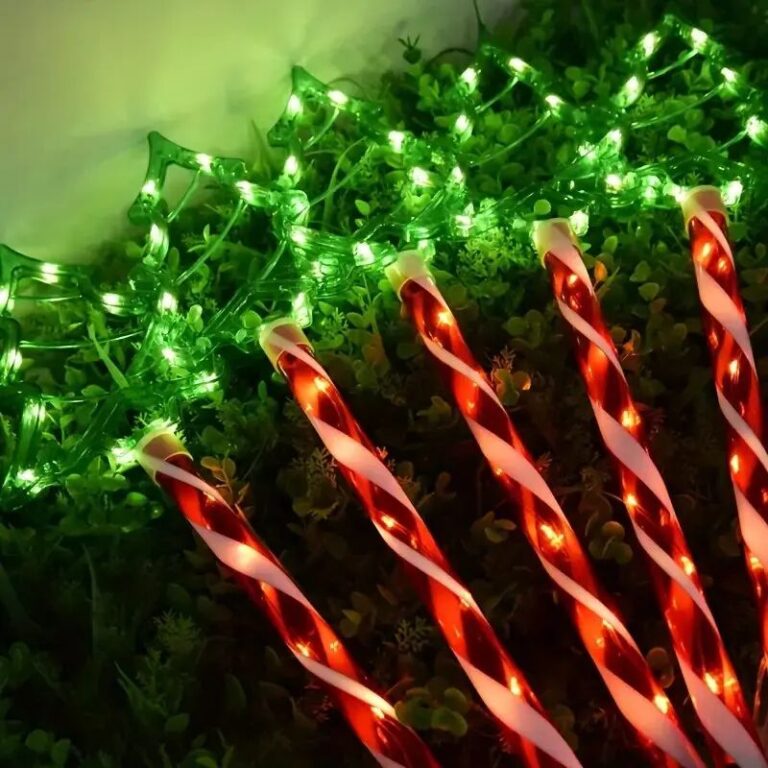
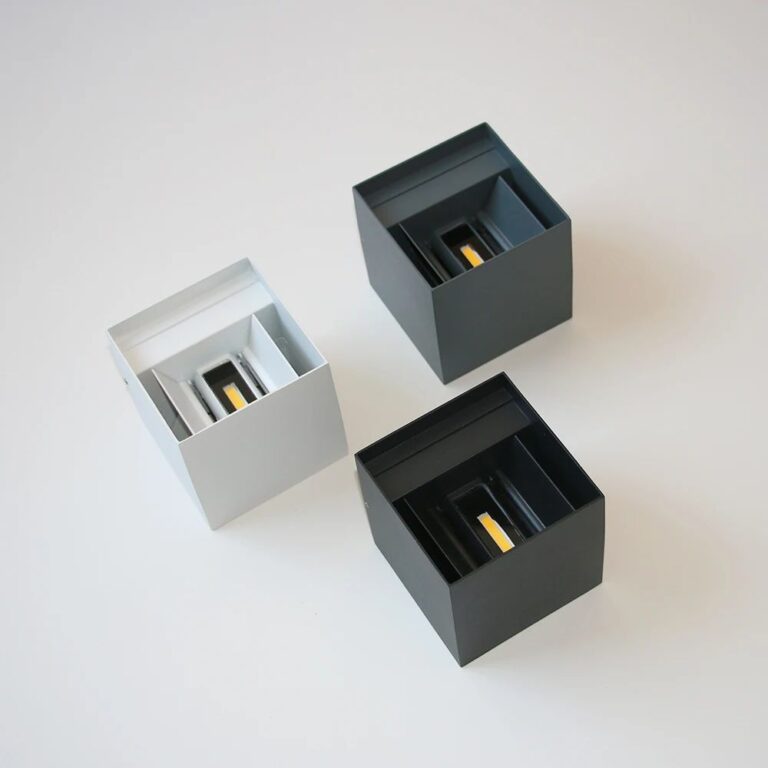
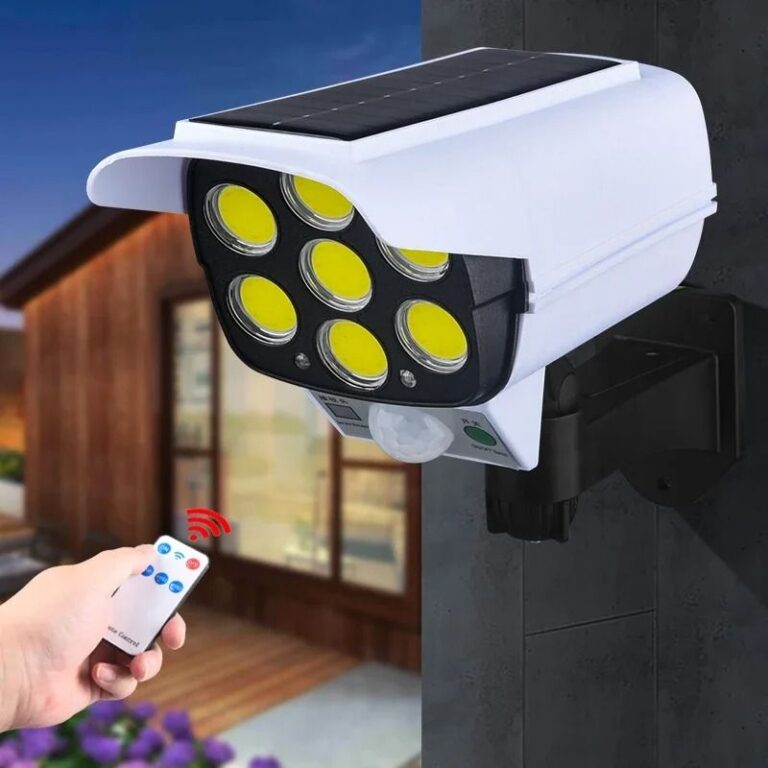
A good outdoor light does something very particular at dusk: it doesn't flood the patio like an interrogation room, it just pools warm light where you need it and lets the edges fall into shadow. Run your hand over the housing of a decent fixture and it should feel solid, a little weighty, like it plans to still be there after a few winters. Flip it on and you want that soft amber glow, not the flat blue white that makes your deck look like a parking garage.
Where it goes matters more than people think. Anything too bright or too modern next to an older brick house looks bolted on, like someone grafted an airport runway light onto a 1960s porch. If your house has warm wood tones or a stone path, a stark black and white industrial fixture will sit there looking like it wandered over from a different property. Same goes for mixing finishes, a brushed nickel light by the door and oil rubbed bronze lanterns down the walkway is the kind of mismatch that nags at you every time you come home, even if you can't say why at first. Pick one metal tone and stay loyal to it around the whole exterior, porch to shed to fence line.
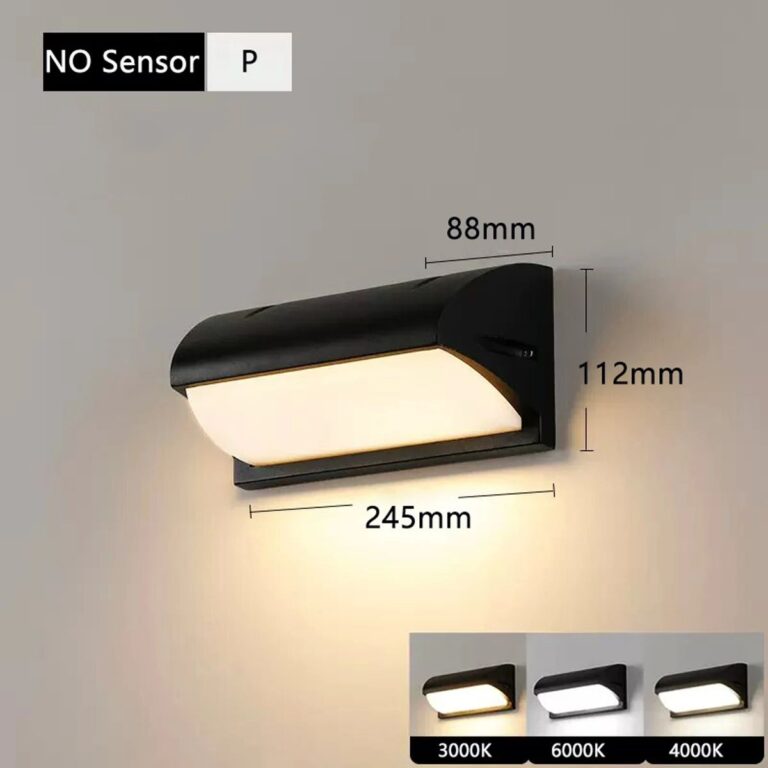
Scale trips people up constantly, and I mean constantly, because a porch light looks small in your hand and enormous once it's on the wall next to your door. The rule I actually use is to measure your door height, divide by three, and that's roughly how tall the fixture next to it should be, so an 80 inch door wants something around 26 to 28 inches, not the dainty 10 inch one that looked fine in a photo. For path lights, spacing is the other thing that goes wrong, people buy a pack of eight and cram them every two feet so the path looks like a landing strip, when 6 to 8 feet apart gives you pools of light with dark in between, which is what actually looks good at night. And always check the bulb temperature before you buy, because 5000K will make your warm brick look sickly no matter how nice the fixture is.
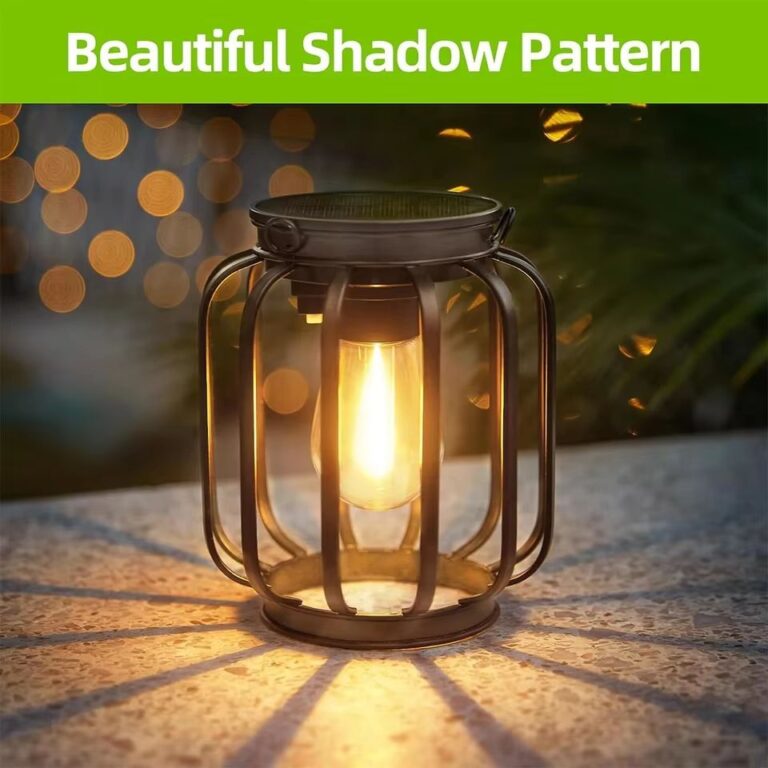
Where it falls short is anywhere you actually need to see clearly, a driveway, steps, a grill station. Decorative lanterns are mood lighting, not task lighting, and I've stubbed a toe on a step that looked romantic and lit absolutely nothing. For those spots you want a motion sensor flood or a brighter, plainer fixture, and you just accept it won't be the pretty one.
Before anything else, check the rating for wet or damp location, because a light that isn't rated for direct rain will not survive a season on an open porch.
 Aisha's pickIP65 Outdoor Lighting for Barbecues and Lazy Weekends

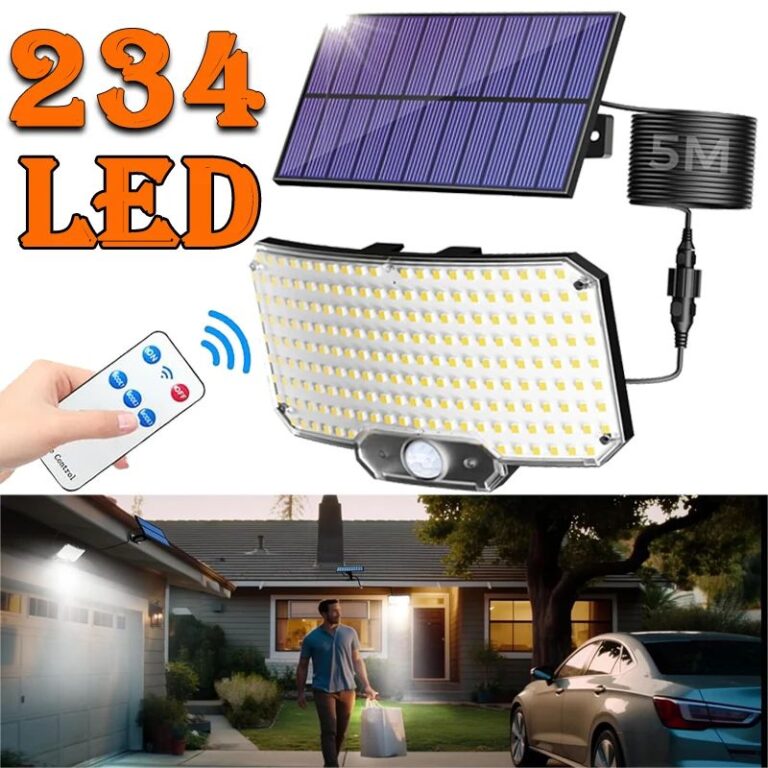 Aisha's pickPIR Outdoor Lighting You’ll Live With Happily for Years
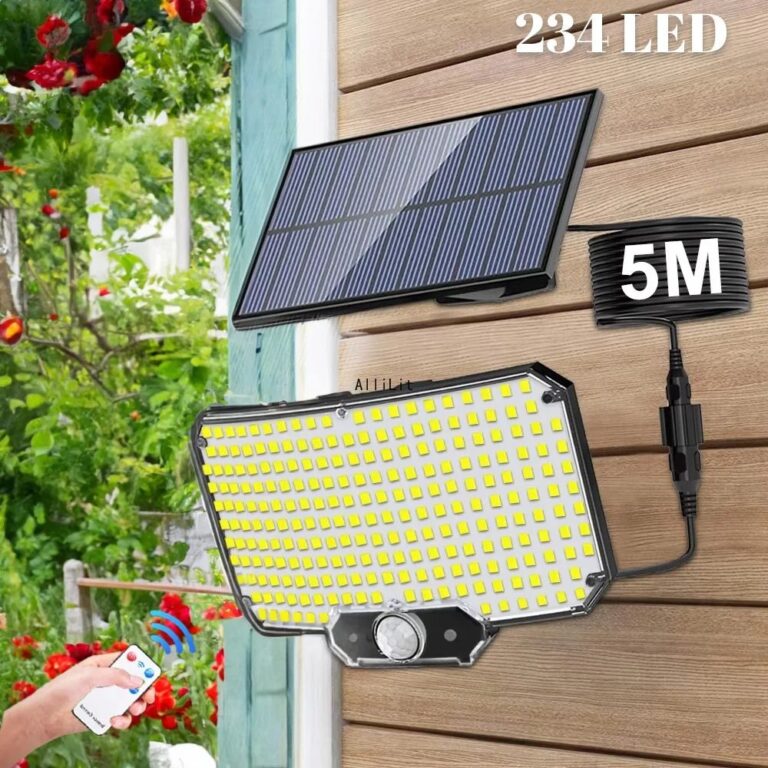
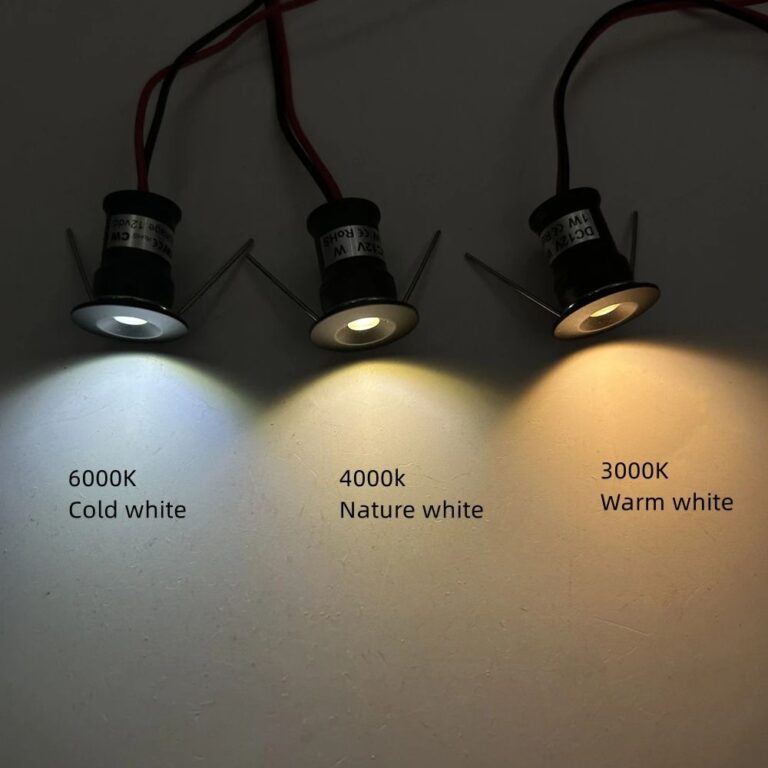 Aisha's pickWhite Outdoor Lighting for Barbecues and Lazy Weekends
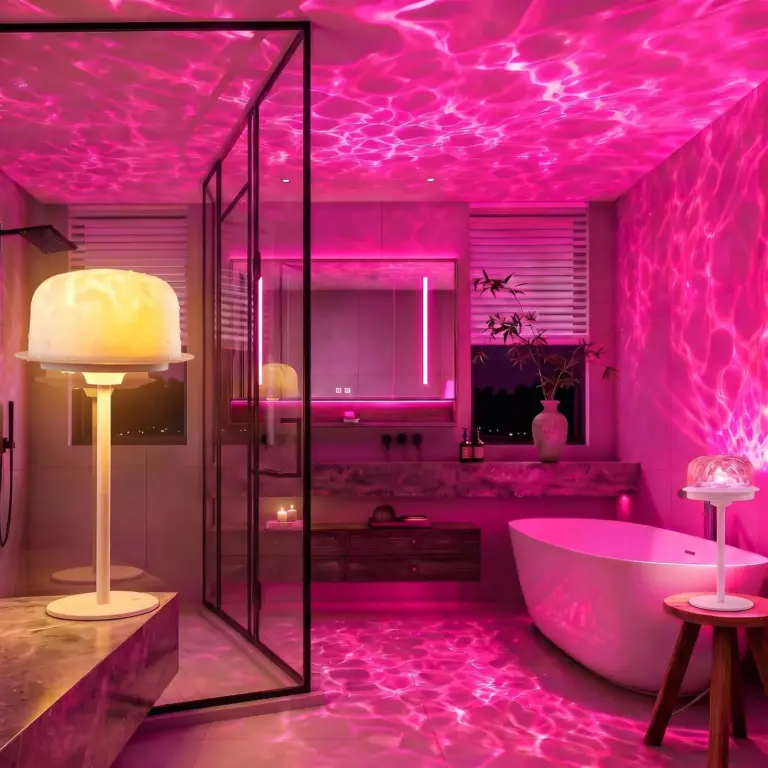
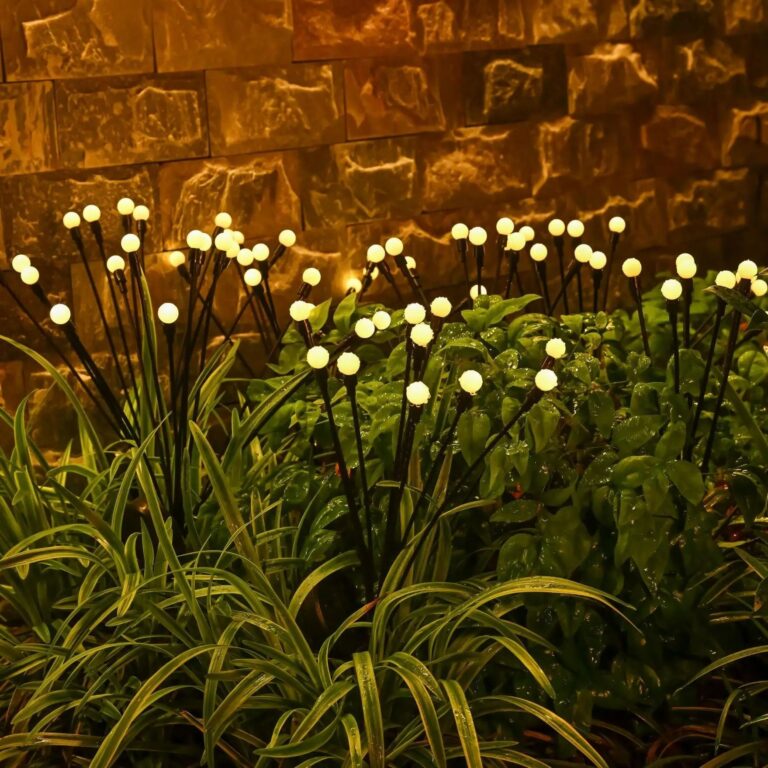 Aisha's pickLarge Outdoor Lighting With a Bit More About It

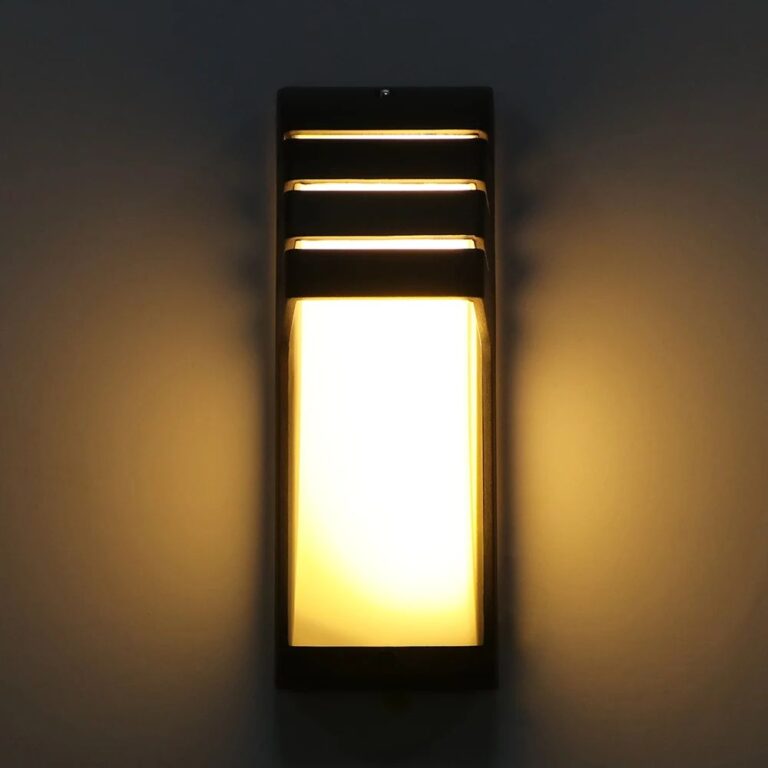 Aisha's pickPlastic Outdoor Lighting We Keep Buying
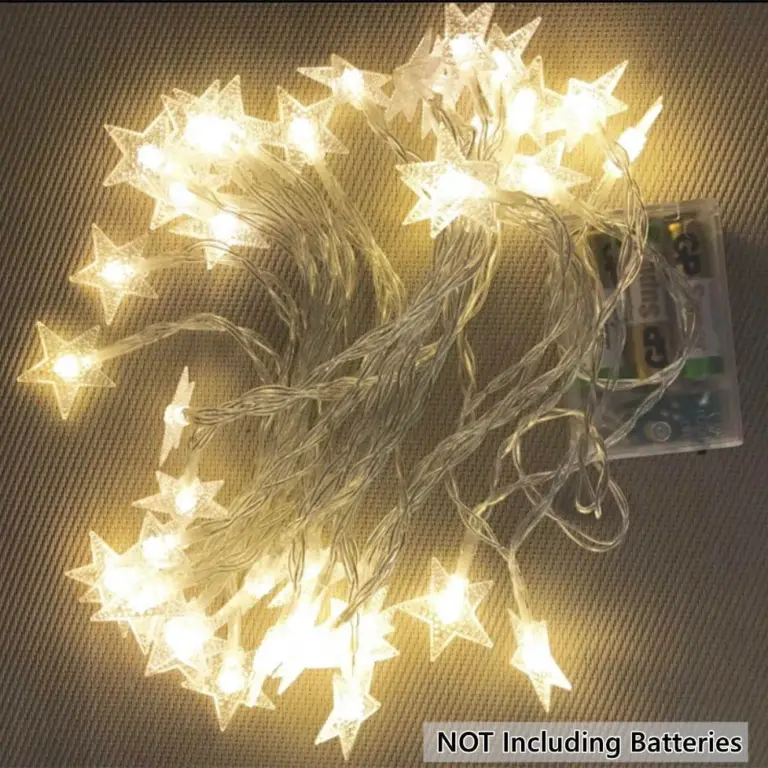
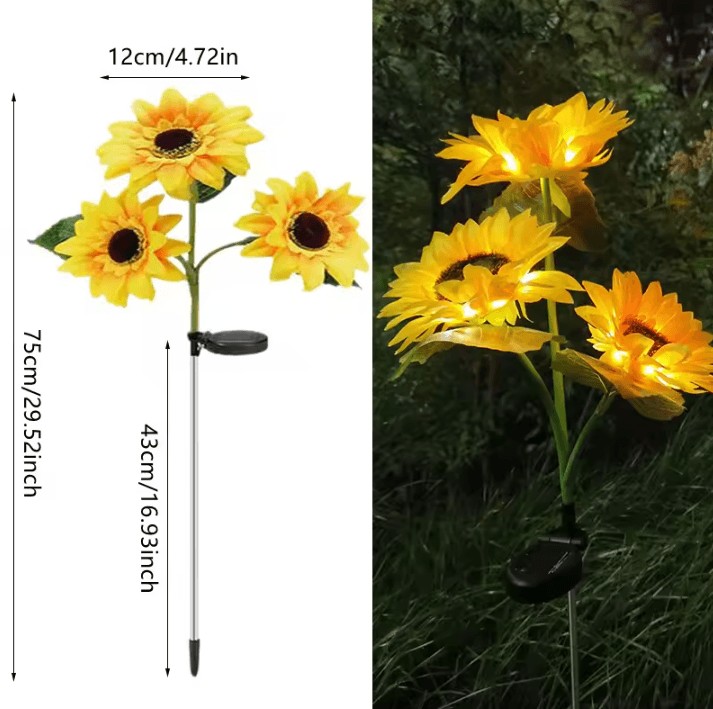 Aisha's pickLED Outdoor Lighting for Barbecues and Lazy Weekends

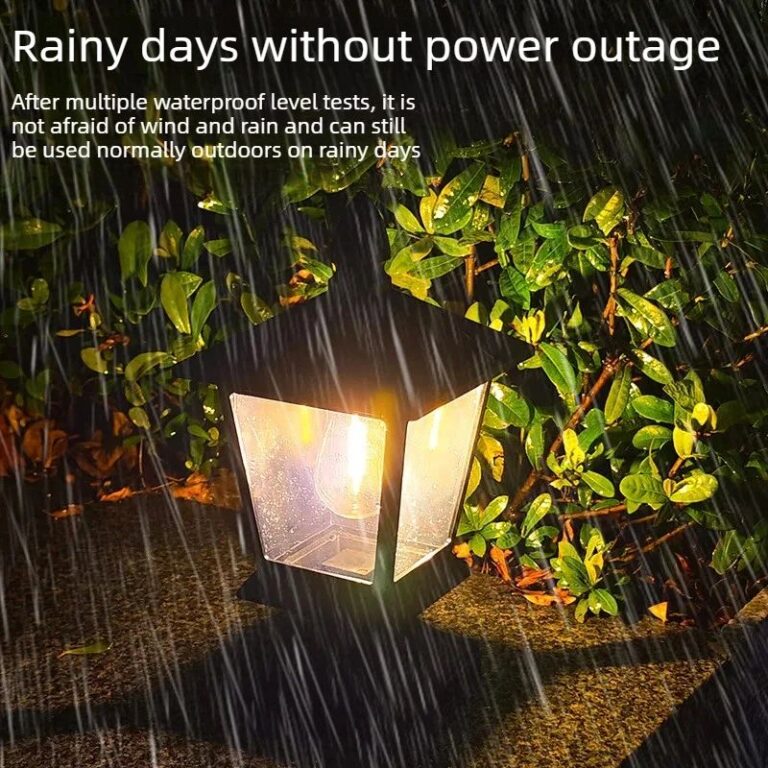 Aisha's pickRechargeable Outdoor Lighting Worth Your Money
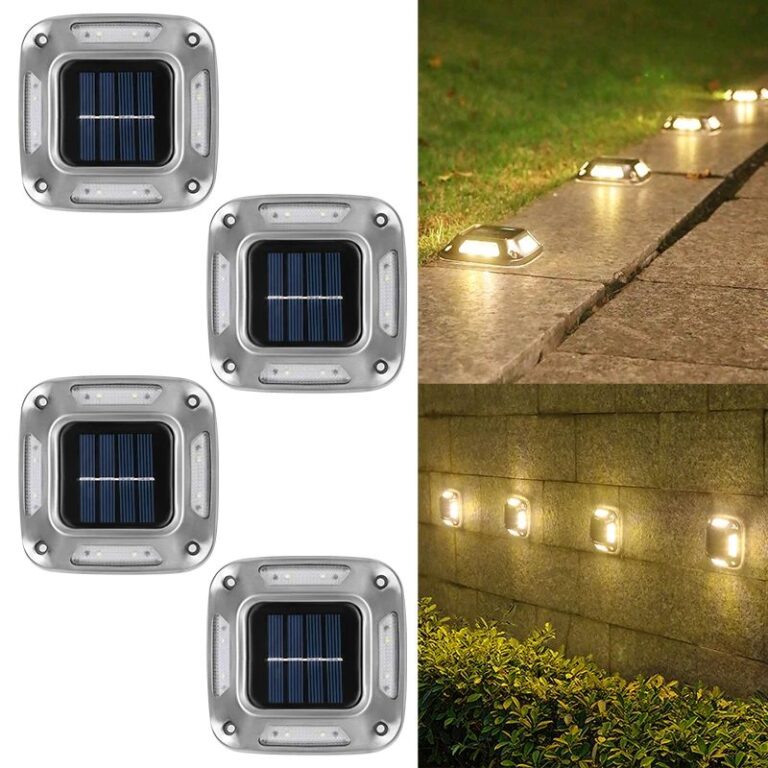
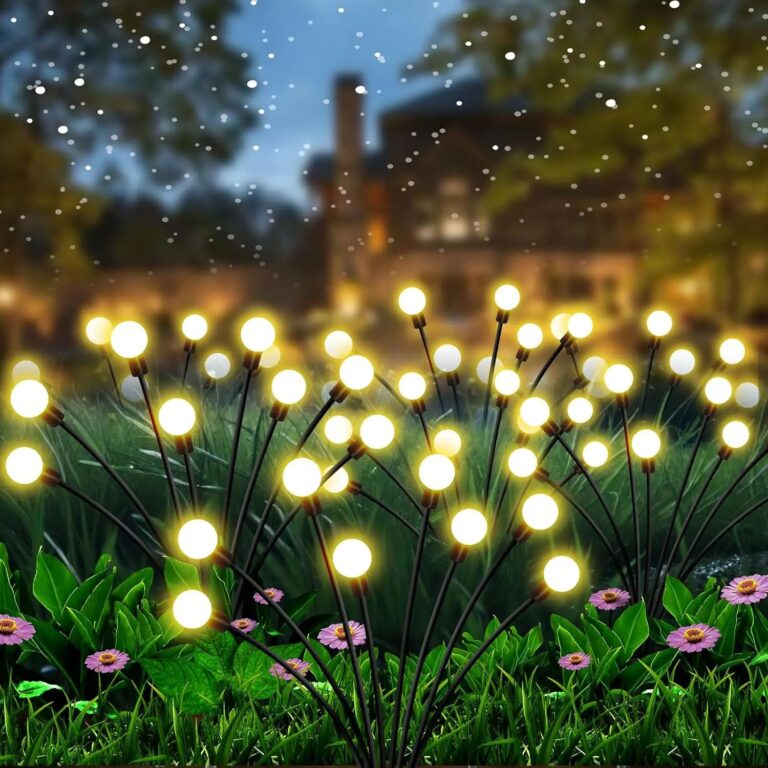 Aisha's pickLED Outdoor Lighting That Doesn’t Cost a Fortune
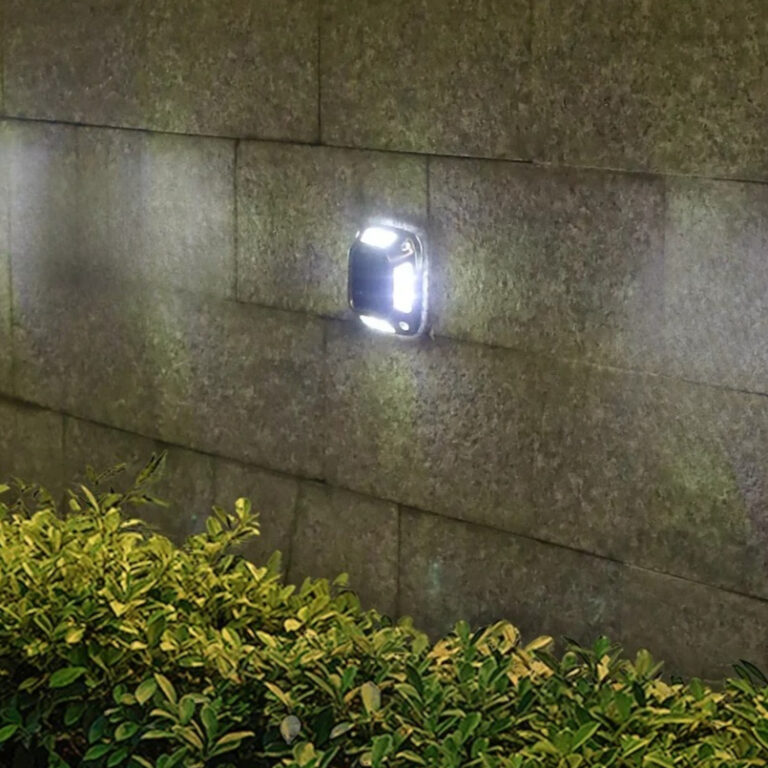
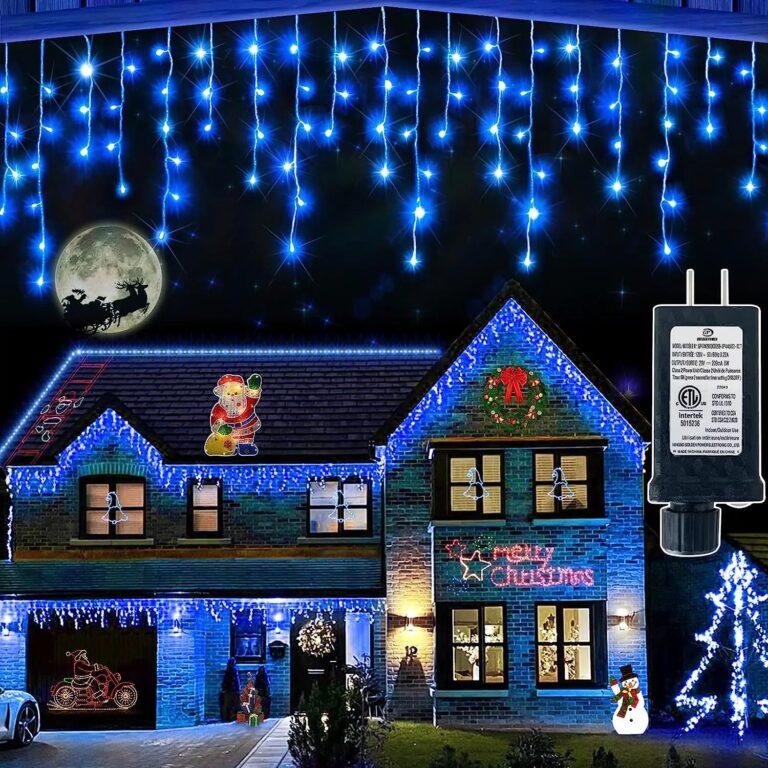 Aisha's pickSmall Outdoor Lighting for Making the Most of the PatioAlso worth a lookSolar LightsSolar lights make the most sense for homes with a path, a porch, or a patch of garden…See the collections →
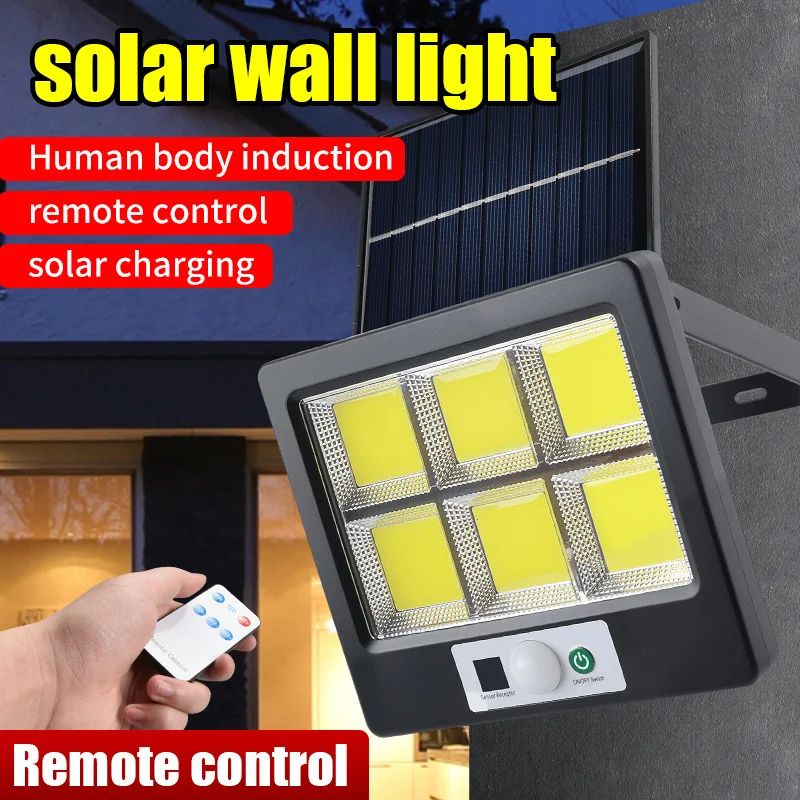 Aisha's pickMains Powered Outdoor Lighting With a Bit More About It

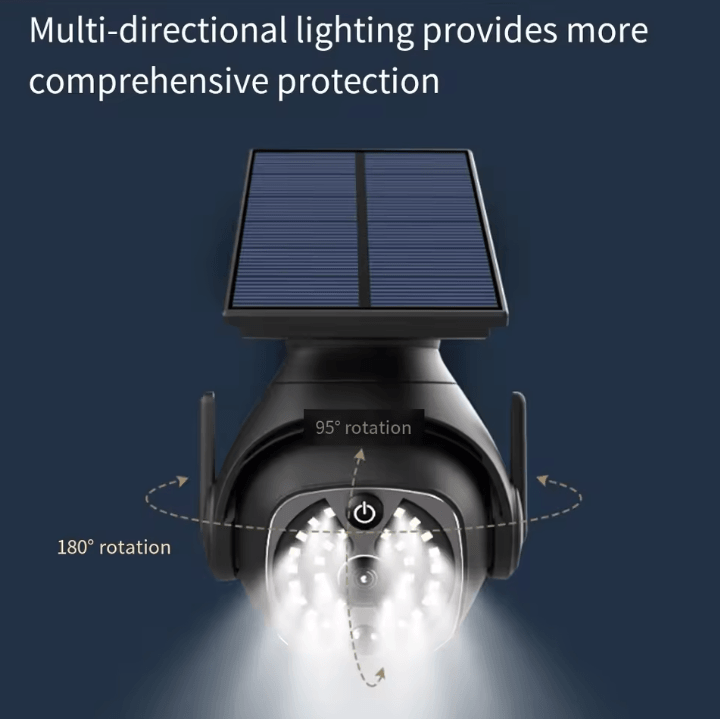 Aisha's pickSmart Outdoor Lighting for Barbecues and Lazy Weekends
 Aisha's pick20W Outdoor Lighting for Sunny Afternoons and Chilly Nights
 Aisha's pickMetal Outdoor Lighting That Holds Up

 Aisha's pickSolar Outdoor Lighting Worth Your Money
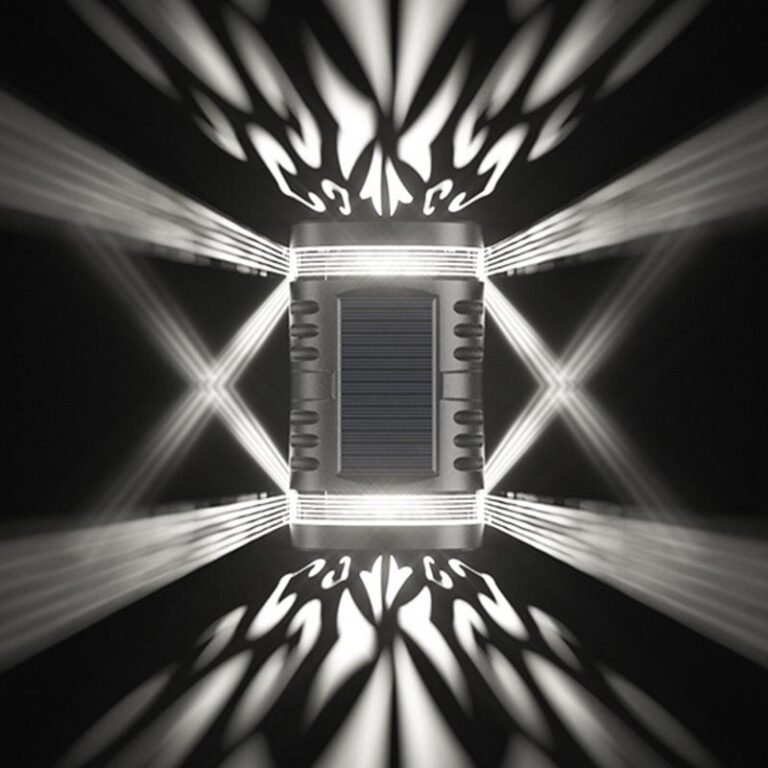
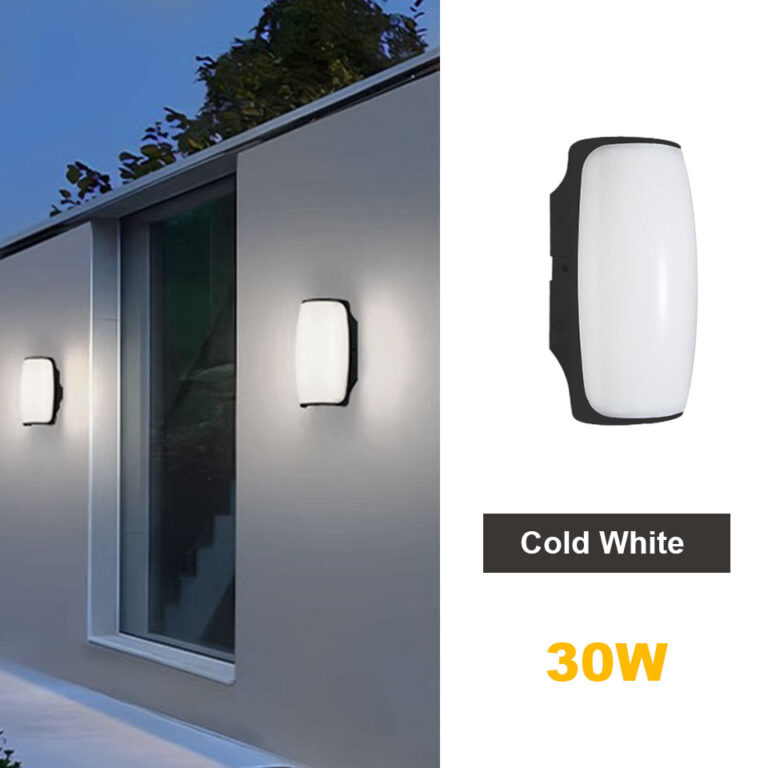 Aisha's pick30W Outdoor Lighting With a Bit More About It
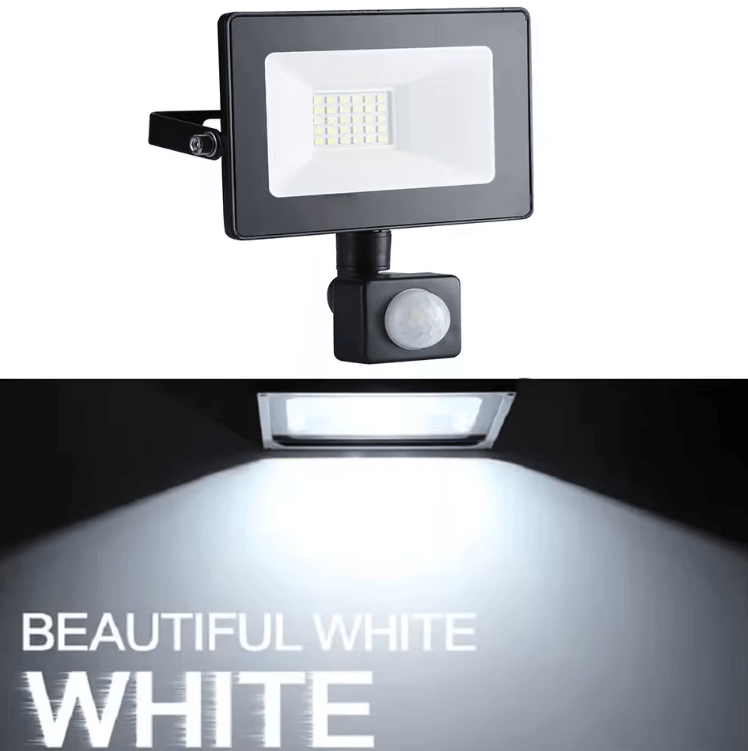
 Aisha's pickMetal Outdoor Lighting for Making the Most of the Patio
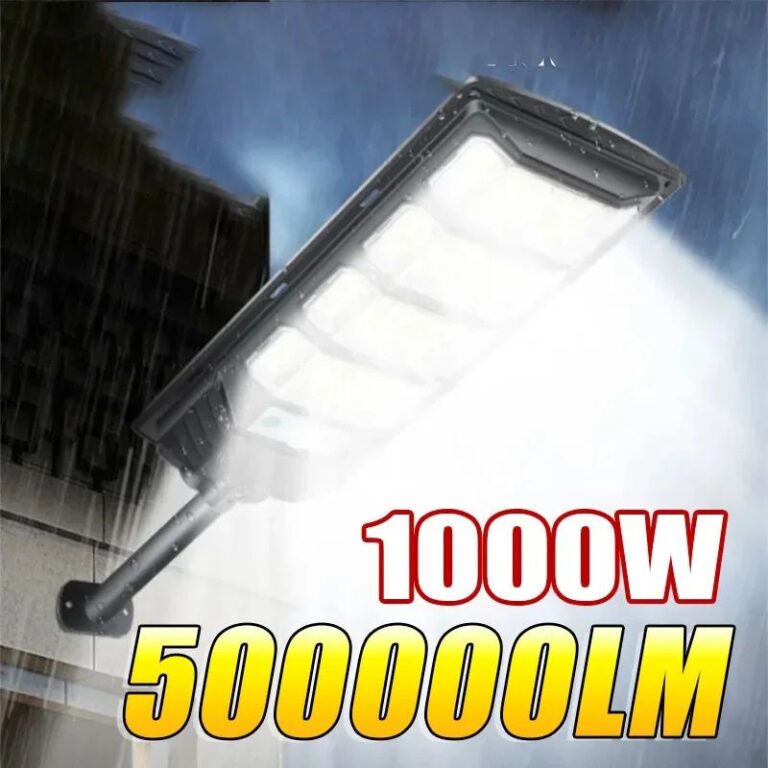 Aisha's pickSolar Outdoor Lighting Picked From the Stores We Trust
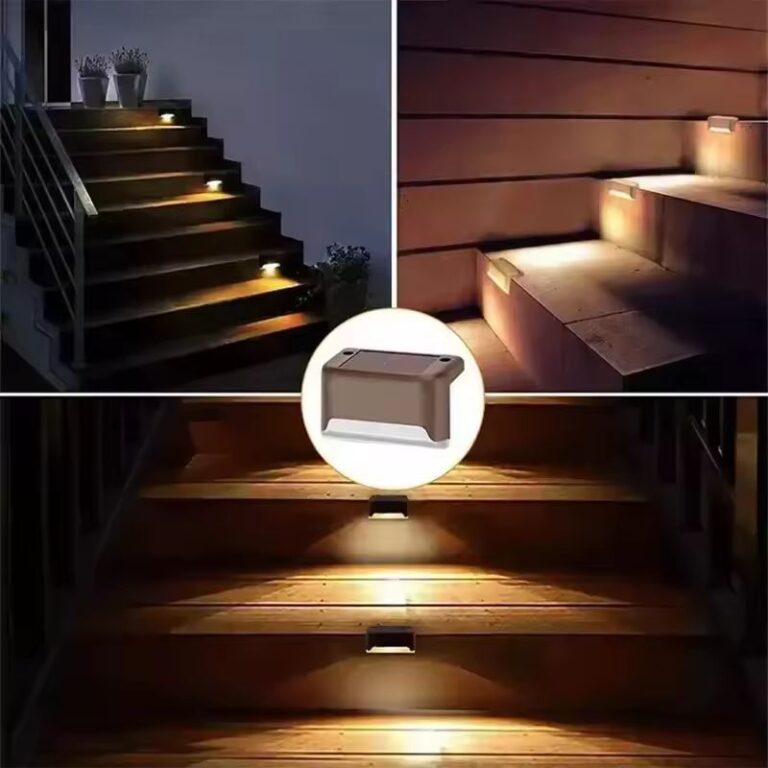
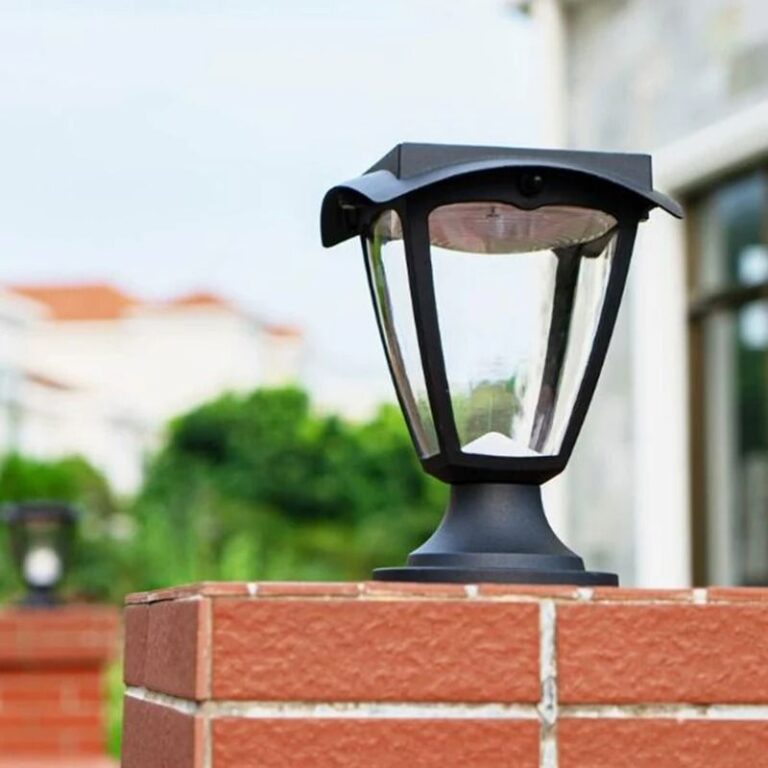 Aisha's pickGood Aluminum Outdoor Lighting Without the Big Price TagAlso worth a lookMetal Outdoor LightsMost people pick an outdoor light the way they pick a doormat, whatever is closest to the door…See the collections →
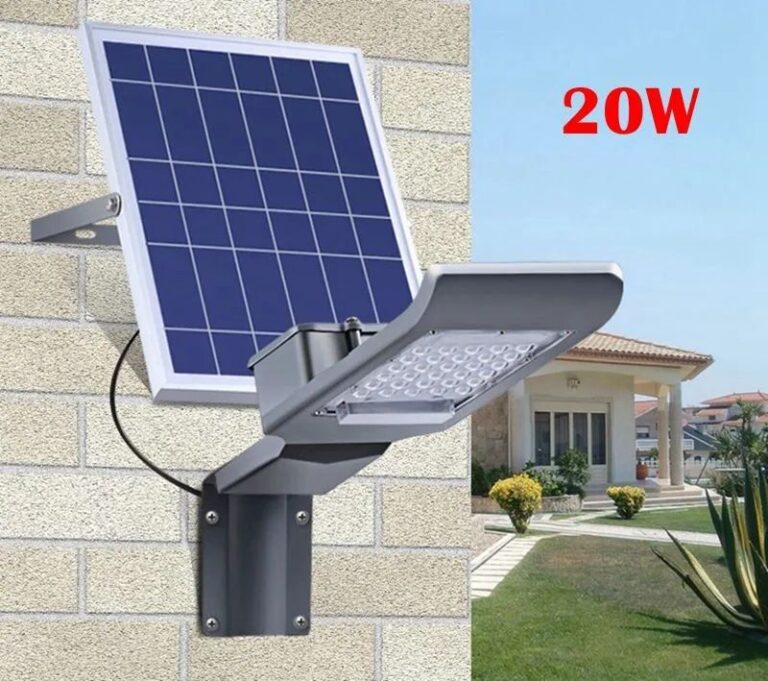
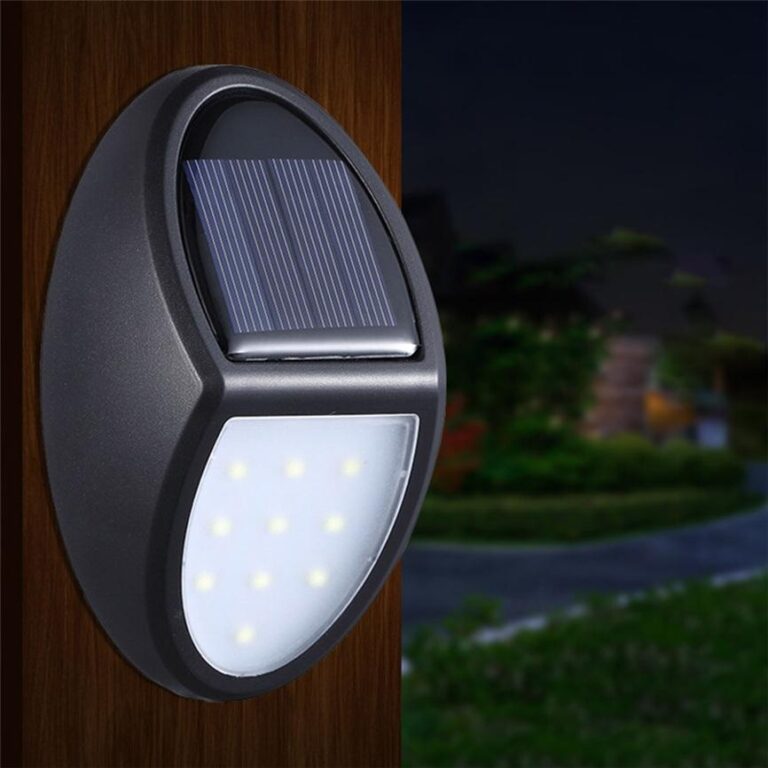 Aisha's pickModern Outdoor Lighting for Making the Most of the Patio
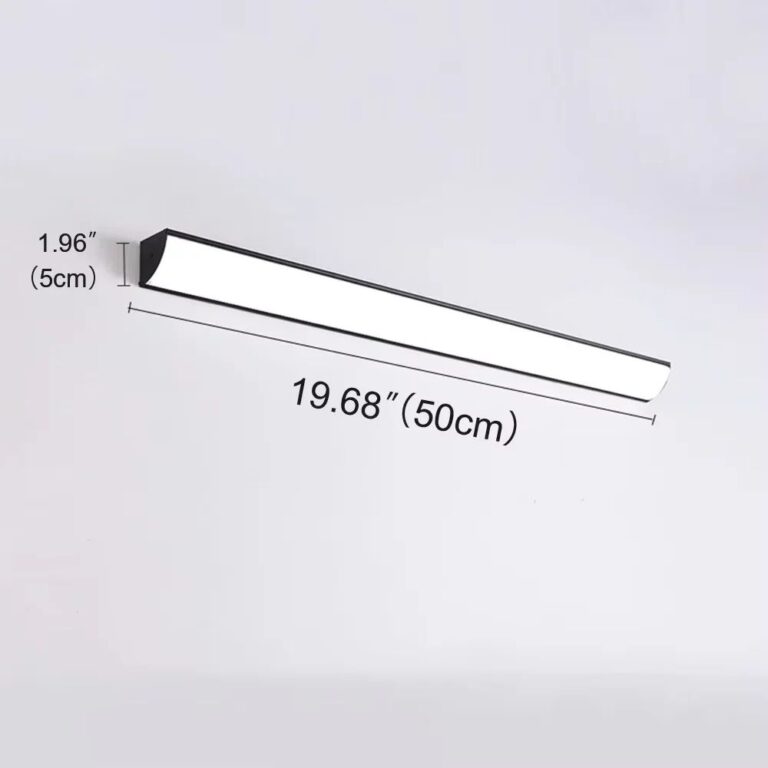
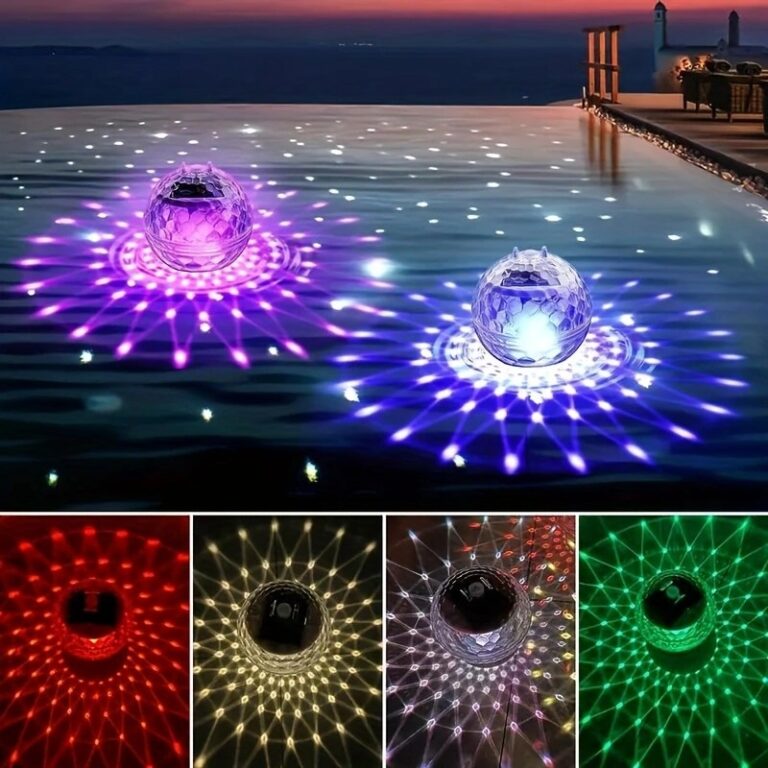 Aisha's pickSolar Powered Outdoor Lighting With a Bit More About It
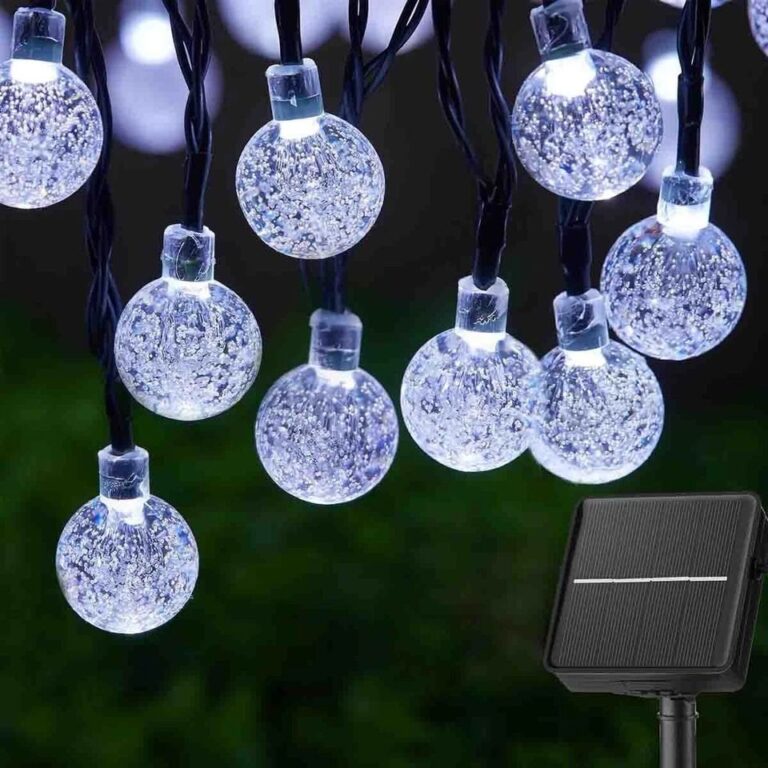
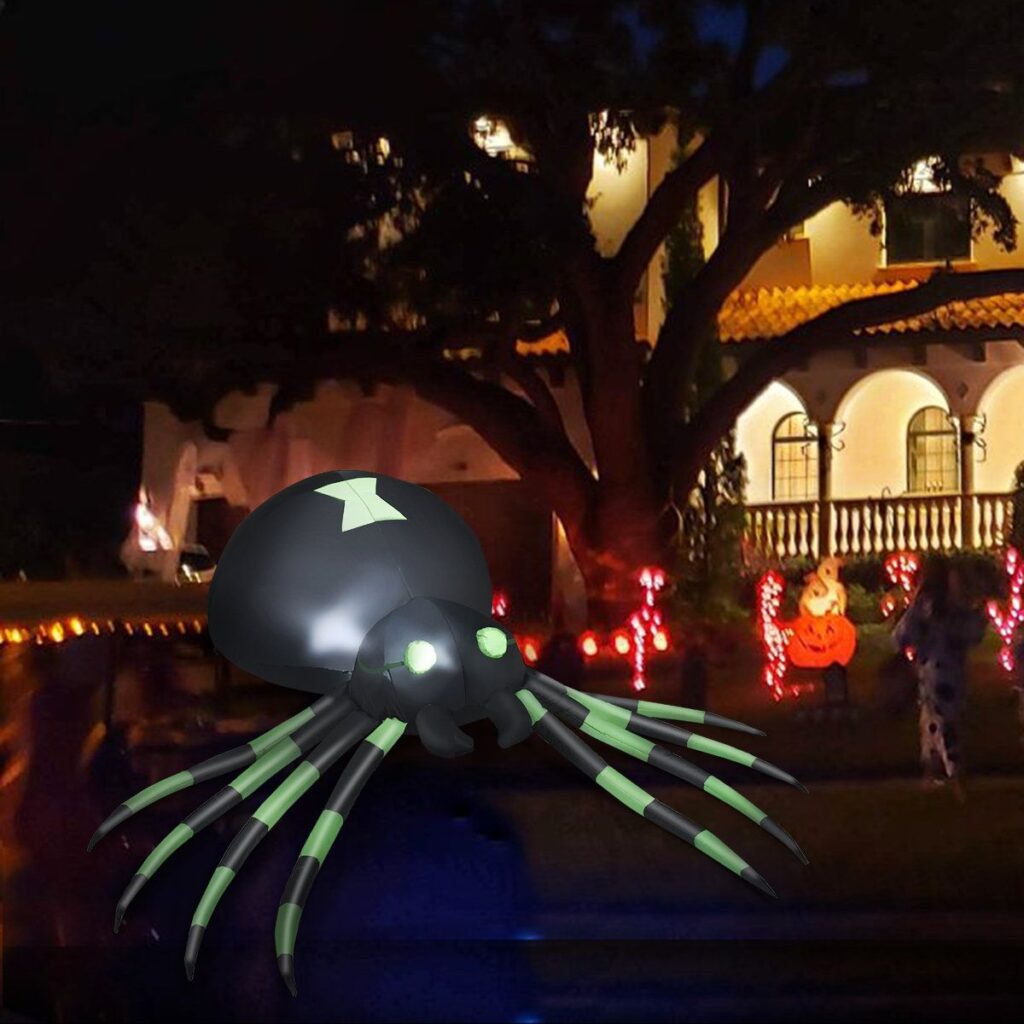 Aisha's pickGood Black Outdoor Lighting Without the Big Price Tag
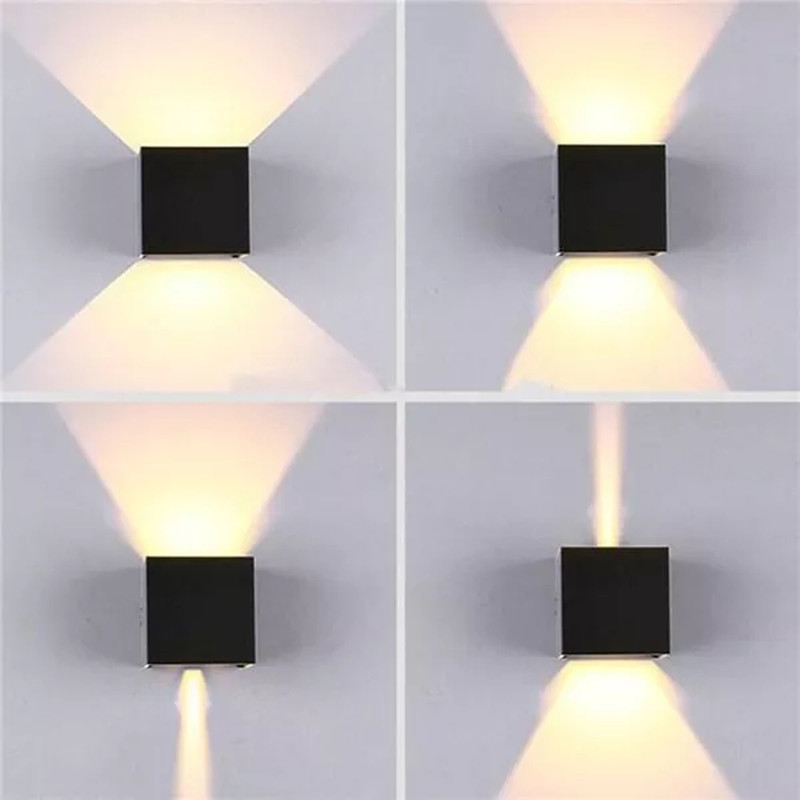
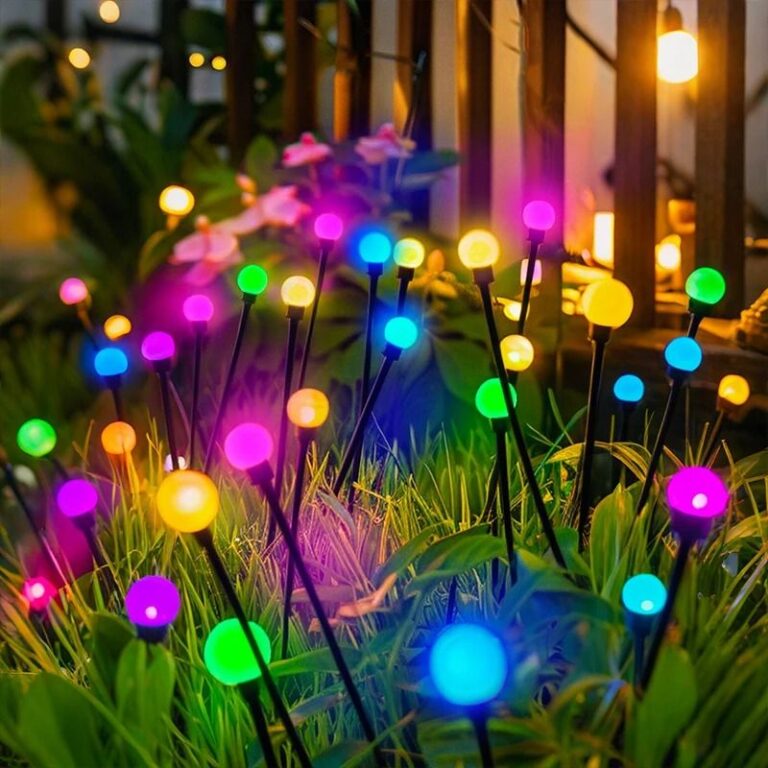 Aisha's pickMotion Sensor Outdoor Lighting You’ll Live With Happily for Years
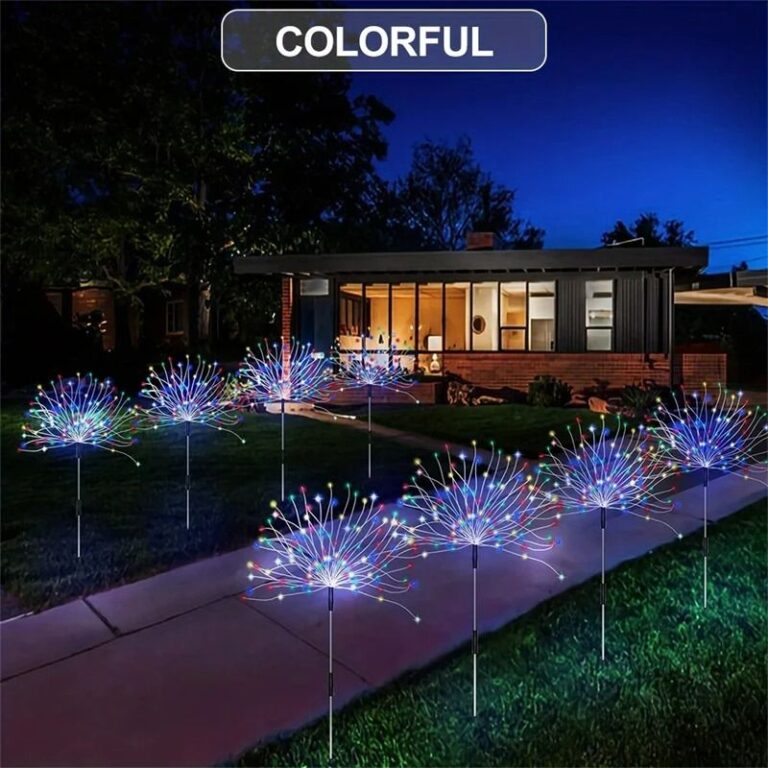
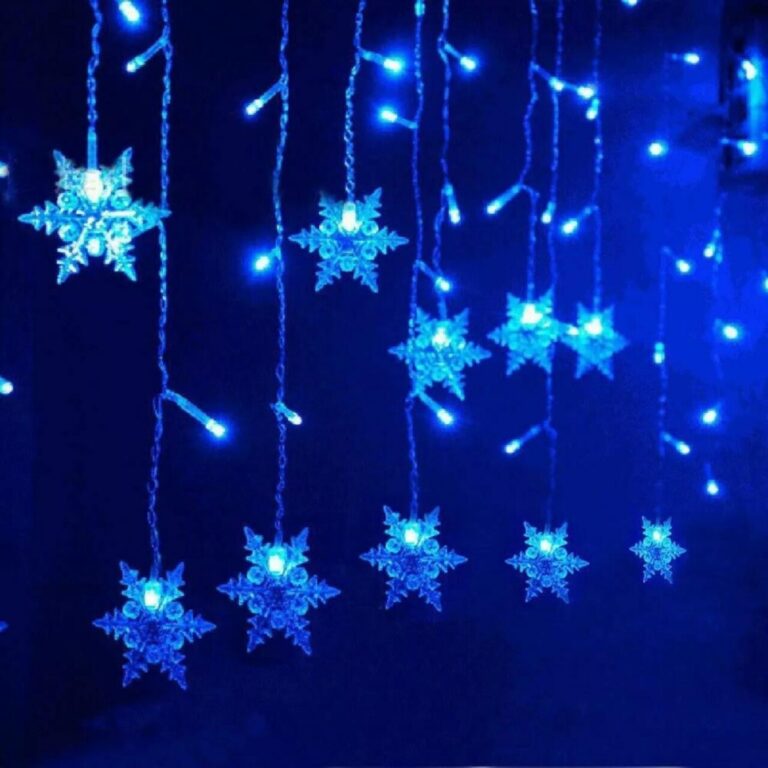 Aisha's pickSolar Powered Outdoor Lighting That Doesn’t Cost a Fortune
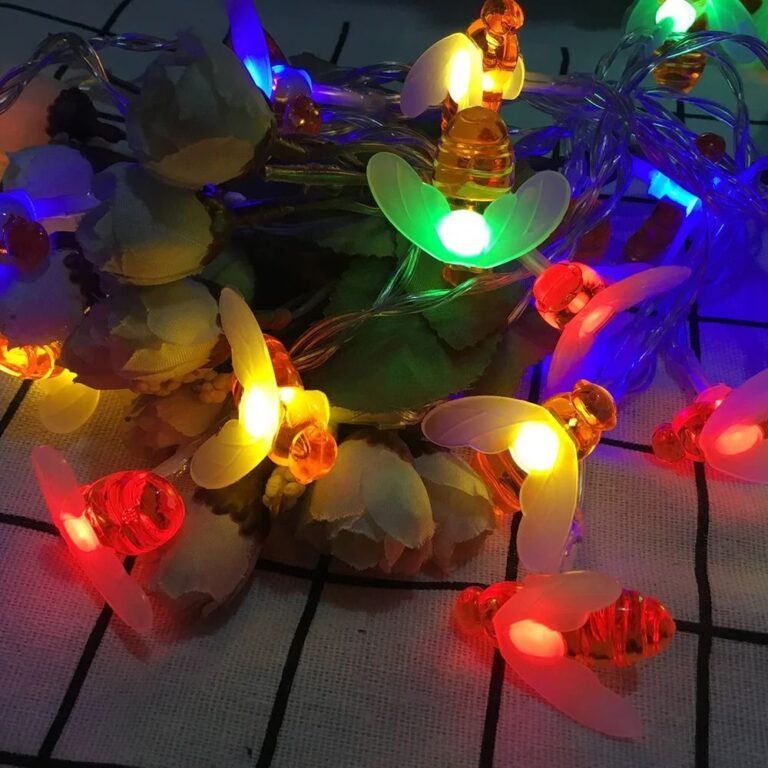
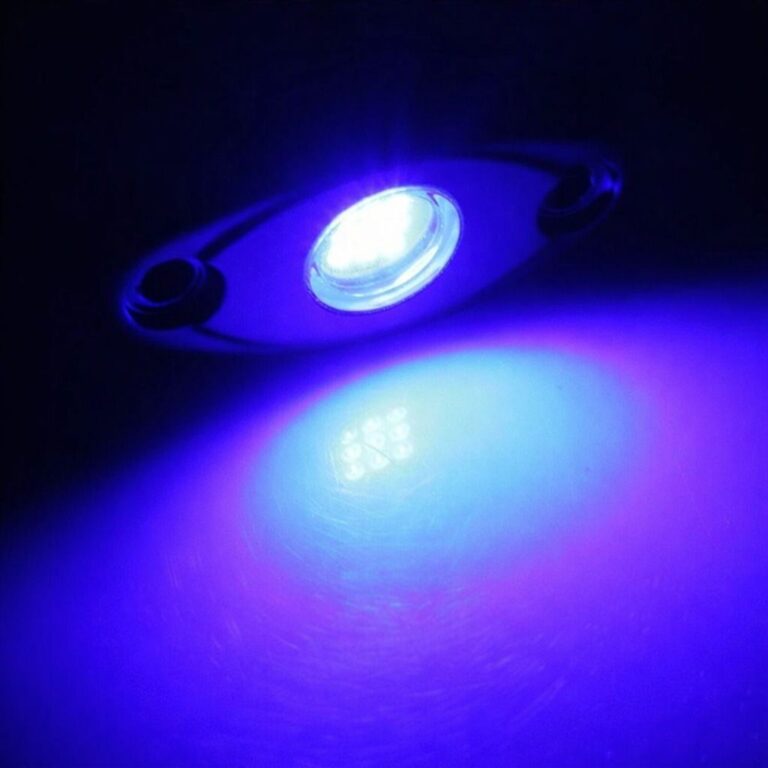 Aisha's pickBlack Outdoor Lighting for Long Summer Evenings Outside
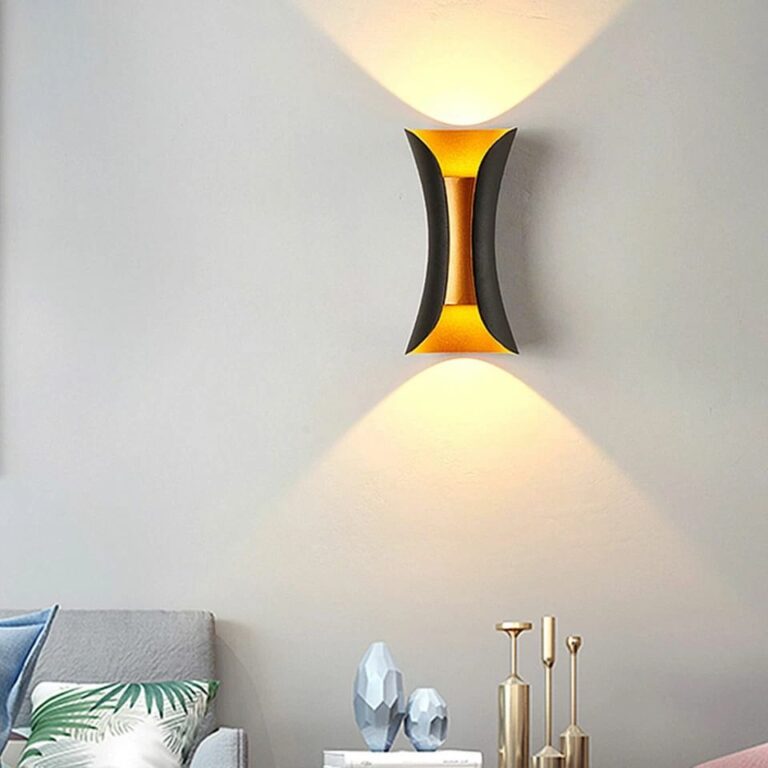
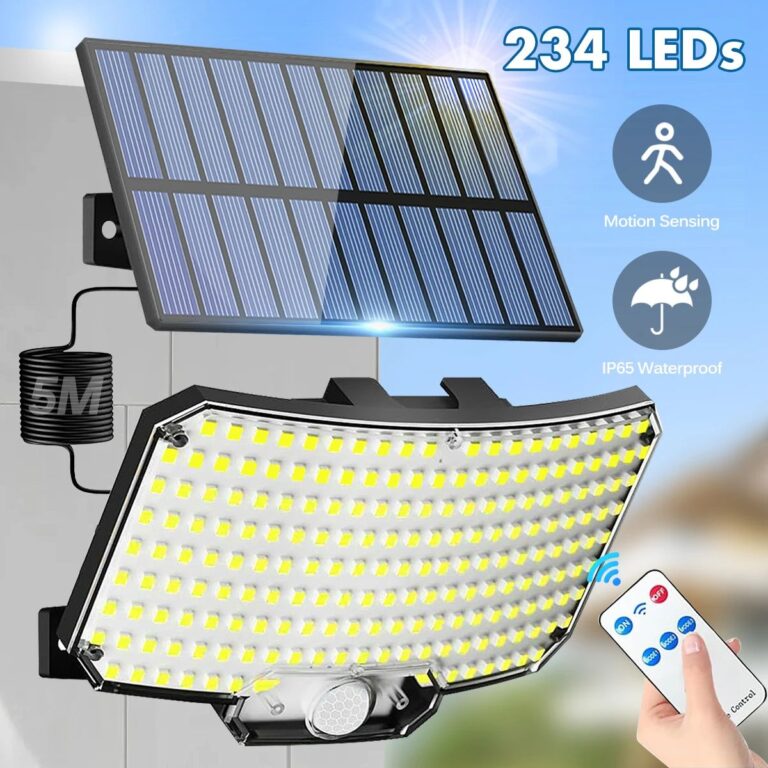 Aisha's pickOutdoor Lighting You’ll Live With Happily for Years
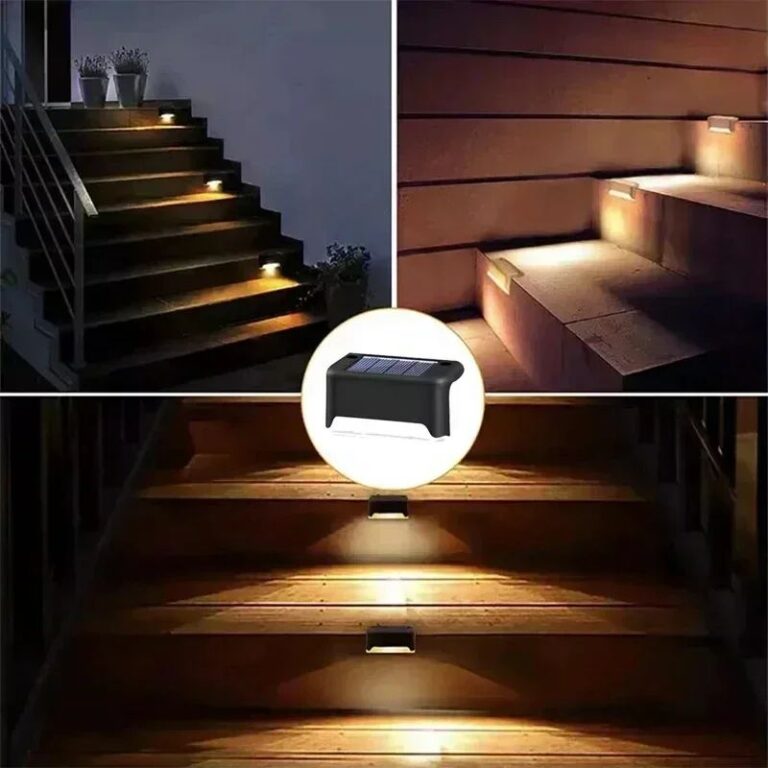
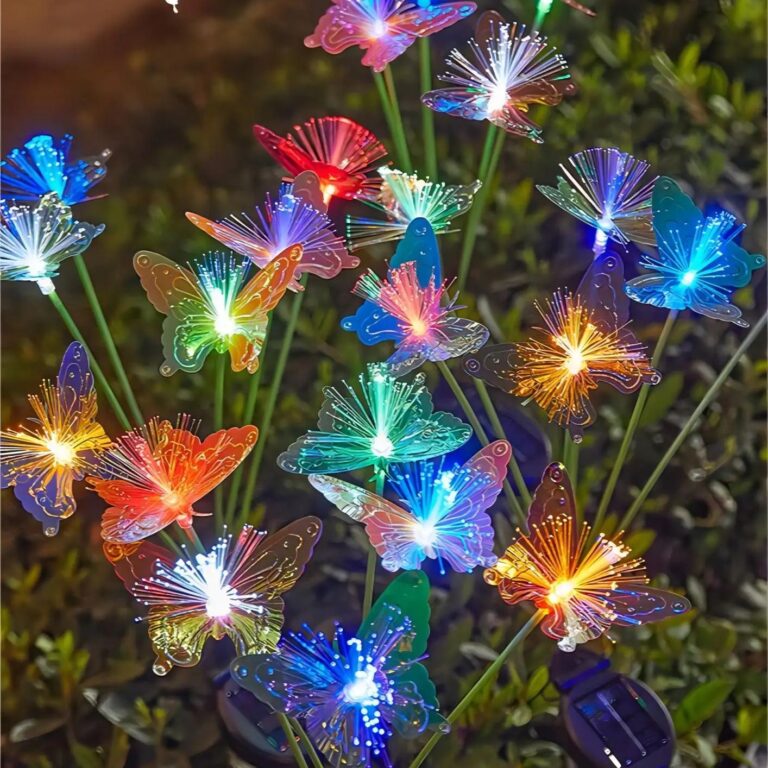 Aisha's pickSteel Outdoor Lighting That Doesn’t Cost a Fortune
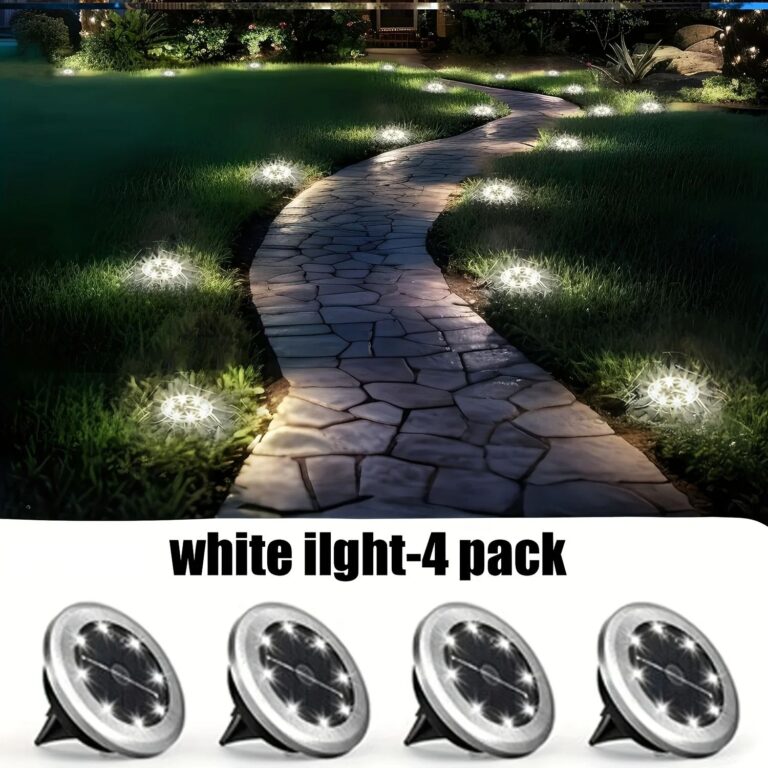
 Aisha's pickOutdoor Lighting That Earns Its PlaceAlso worth a lookPatio LightsPatio lights make the most sense for anyone with an outdoor space they actually use after dark, a porch, a deck, a scrap of garden with a table on it.See the collections →
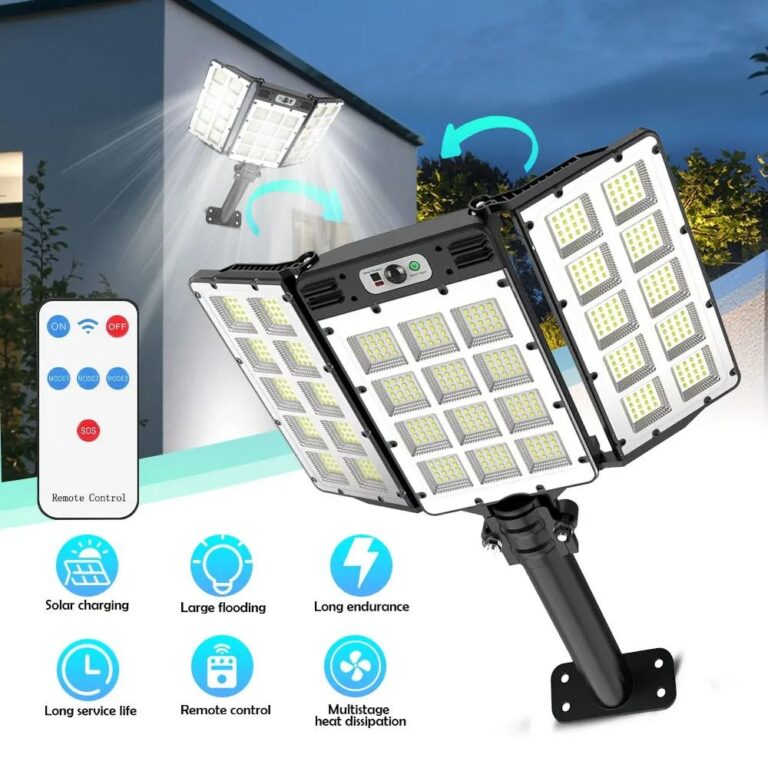
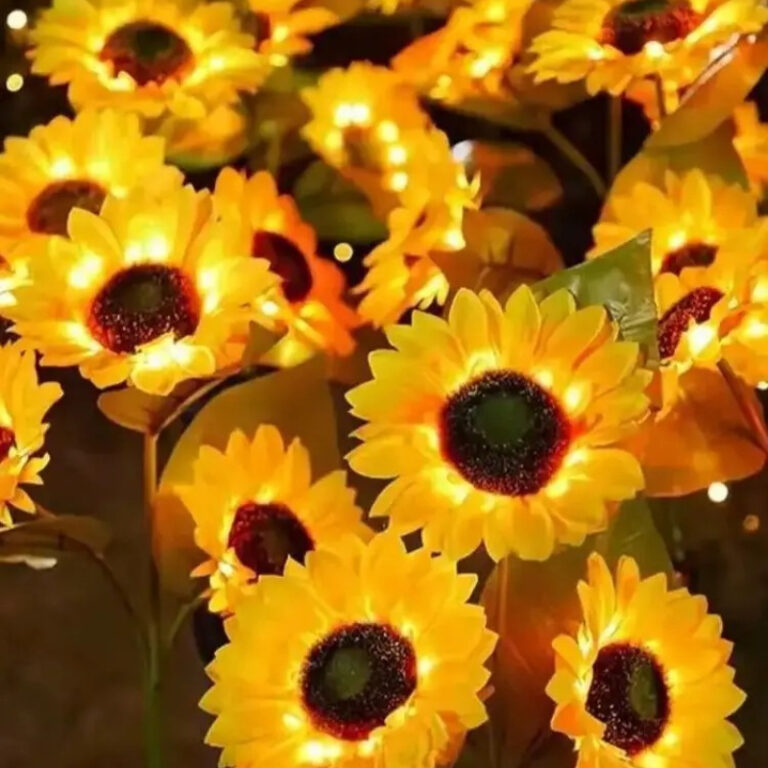 Aisha's pickGood Outdoor Lighting for the Yard Without the Big Price Tag

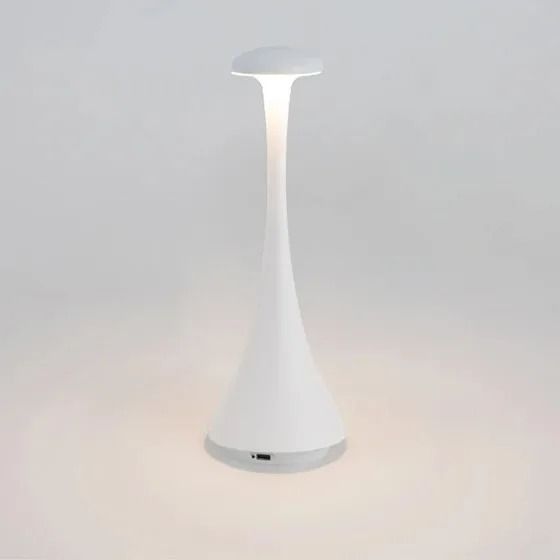 Aisha's pickTraditional Outdoor Lighting That Earns Its Place
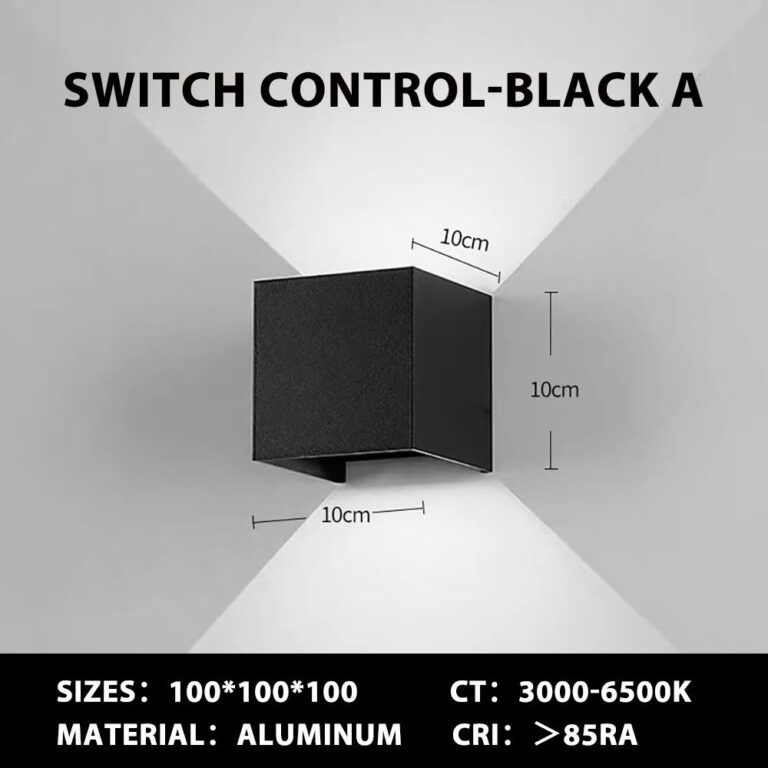
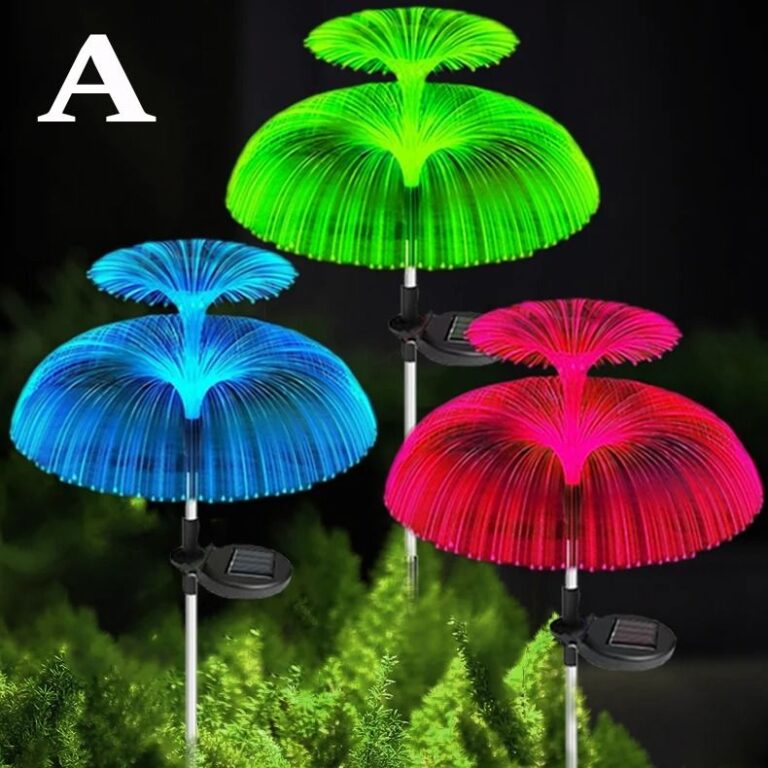 Aisha's pickOutdoor Lighting for Patio That Doesn’t Cost a Fortune
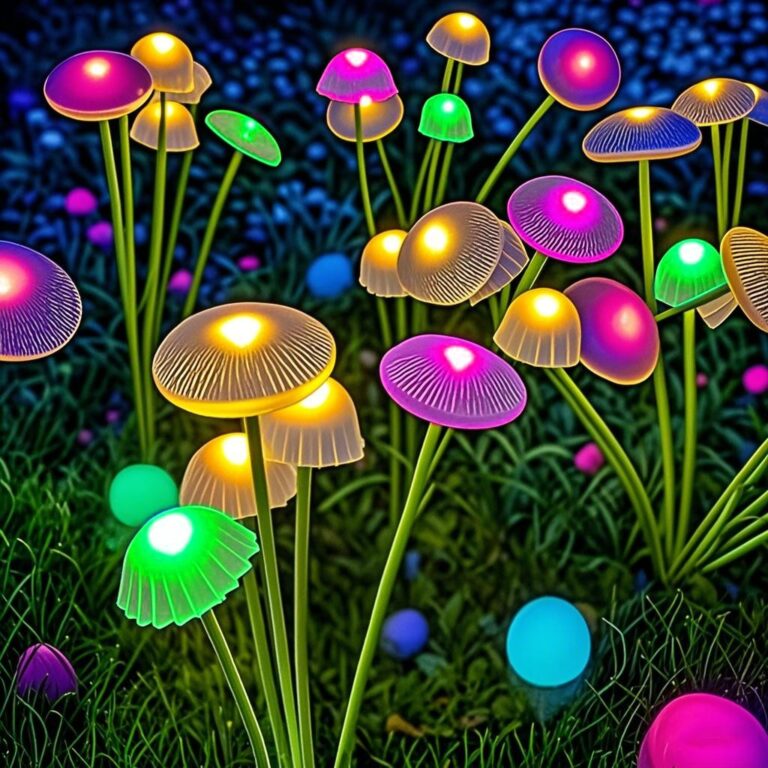
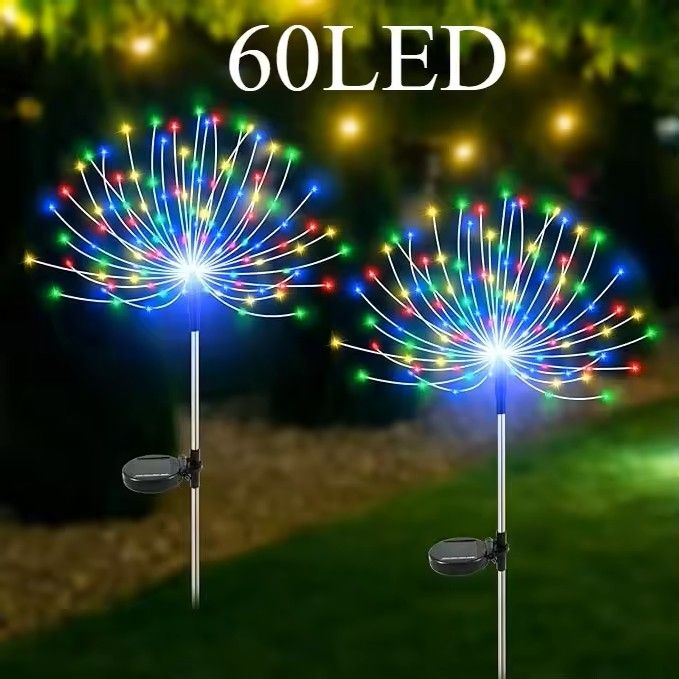 Aisha's pickOutdoor Lighting for Patio Picked From the Stores We Trust
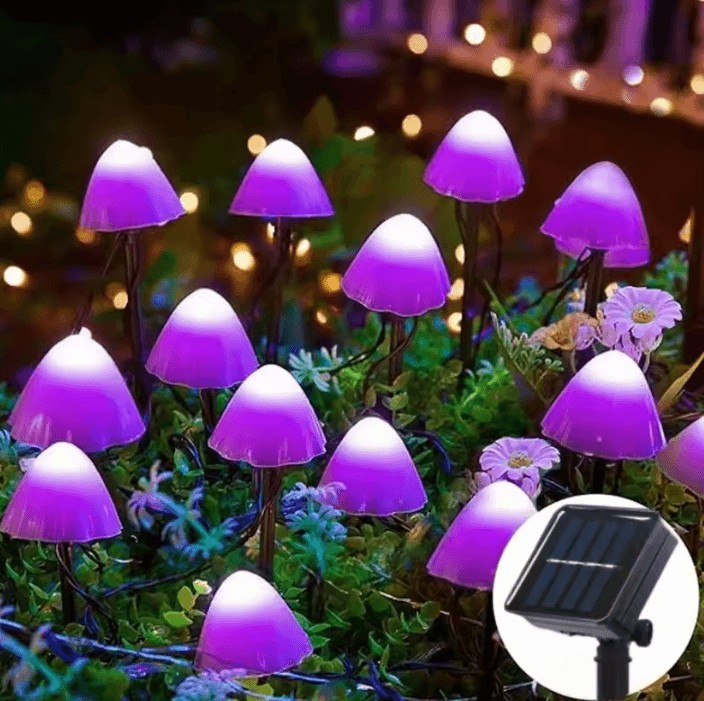
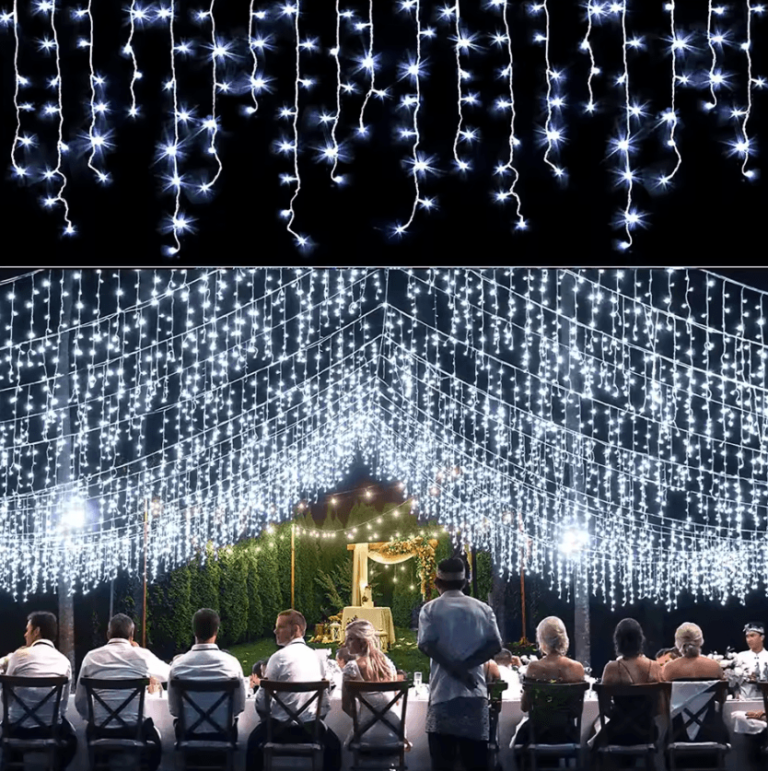 Aisha's pickWarm White Outdoor Lighting With a Bit More About It
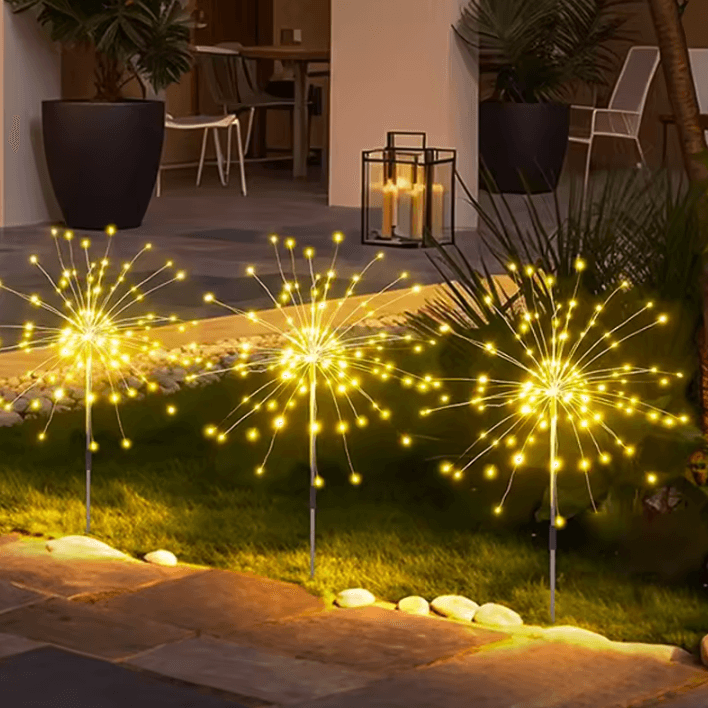
 Aisha's pickGlass Outdoor Lighting for Sunny Afternoons and Chilly Nights

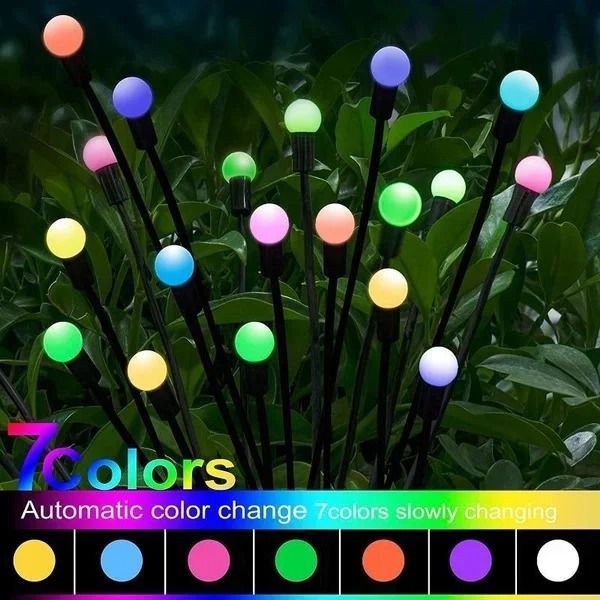 Aisha's pickSimple Outdoor Lighting with Motion Sensor Done Well
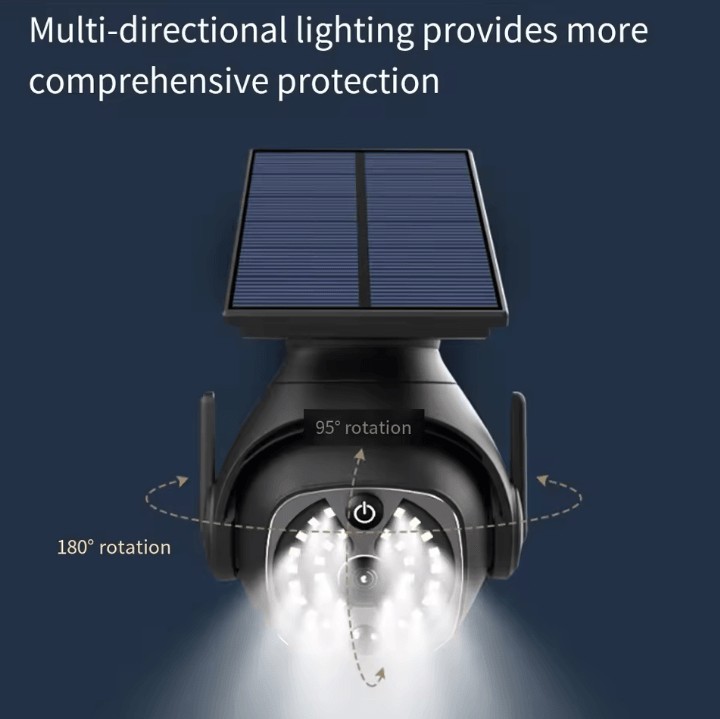
 Aisha's pickWarm White Outdoor Lighting for Long Summer Evenings Outside