Most people pick an outdoor light the way they pick a doormat, whatever is closest to the door at the hardware store, and then wonder two winters later why it has gone cloudy and streaked with rust at every seam.
The difference between a metal fixture that holds up and one that doesn't comes down to a handful of things you can actually check before you buy. Solid cast or extruded aluminum and copper will outlast stamped steel by decades, because steel needs a perfect paint or powder coat seal to survive outside and that seal always has a weak point eventually, usually right at a screw hole or a welded joint. Look at how the pieces are joined. Cheap fixtures are often held together with tiny visible screws and a bead of glue you can feel if you run a finger along the seam. Better ones are cast as fewer pieces or joined with hidden fasteners, and the glass sits in a proper gasket instead of just resting against bare metal. Finish matters just as much as material. A good powder coat has some depth to it and won't scratch through to bare metal if you catch it with a key. A bad one is thin and shiny and chips if you look at it wrong. When it arrives, check the weight first, a light fixture that feels hollow and rattly is telling you something. Check that the glass or acrylic panels sit flush with no visible gap, run your hand over any welds, and make sure the wiring compartment has a real rubber gasket, not just a foam strip that will compress to nothing after one rainstorm. In place, metal fixtures sit best against brick, stone, or a painted wood door, something with enough texture that the fixture reads as a detail rather than the only thing on the wall. On plain vinyl siding they can look a little stranded, so size matters more there, bigger and heavier reads intentional, small and dainty reads like an afterthought. Over time, a well made one develops a bit of a patina that actually looks better with age, especially in bronze or copper finishes, while a cheap one just looks tired, chalky, and eventually spotted with rust blooming through the coating. Living near the coast speeds all of this up considerably, salt air is brutal on cheap finishes in particular.
Expect to rehang or at least retighten mounting screws after the first year, since wood and siding shift with the seasons and a loose fixture is how water gets behind the backplate.
Wipe the glass and housing down twice a year with mild soap and water, nothing abrasive, and it will keep looking like you meant to buy it.
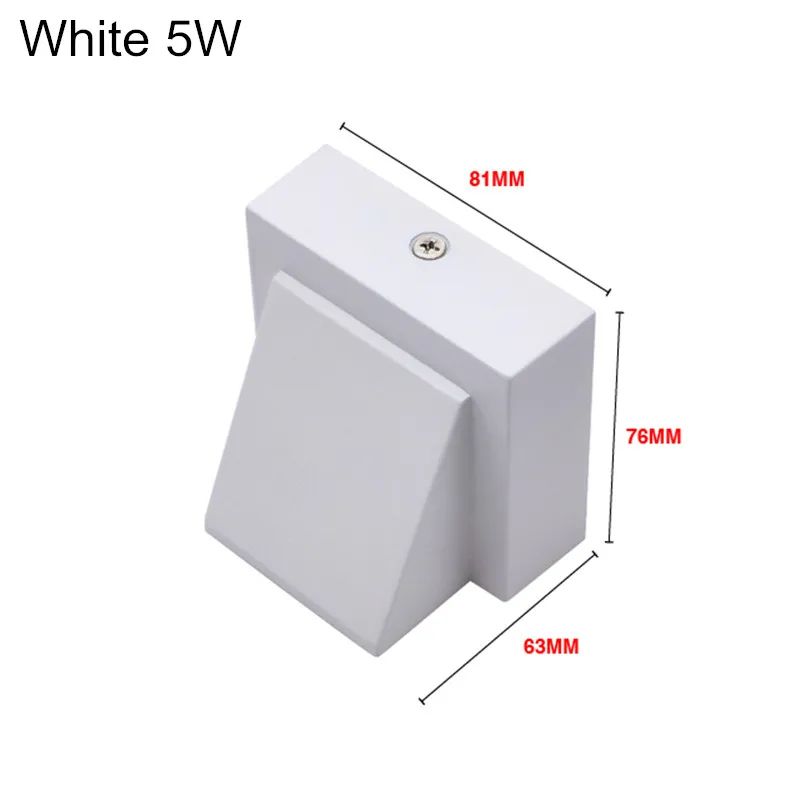 Aisha's pickAluminum Security Lights for Long Summer Evenings Outside
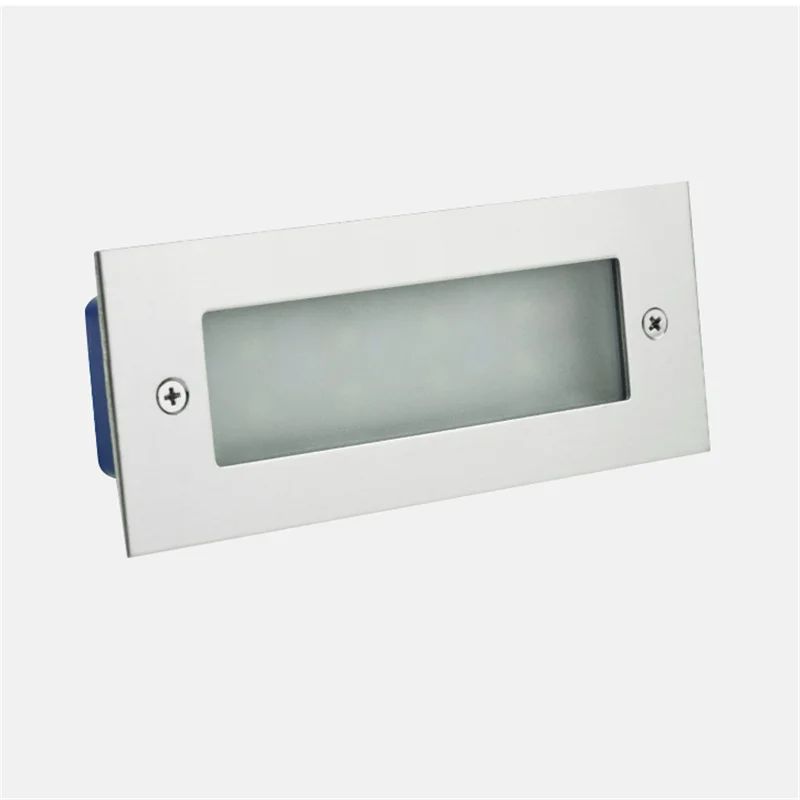
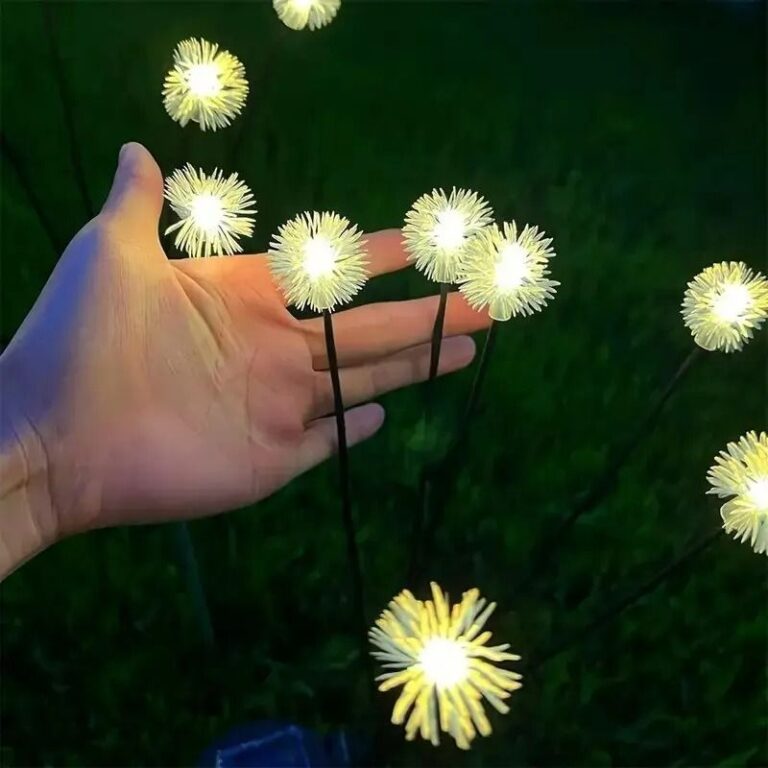 Aisha's pickStainless Steel Patio Lights for Sunny Afternoons and Chilly Nights
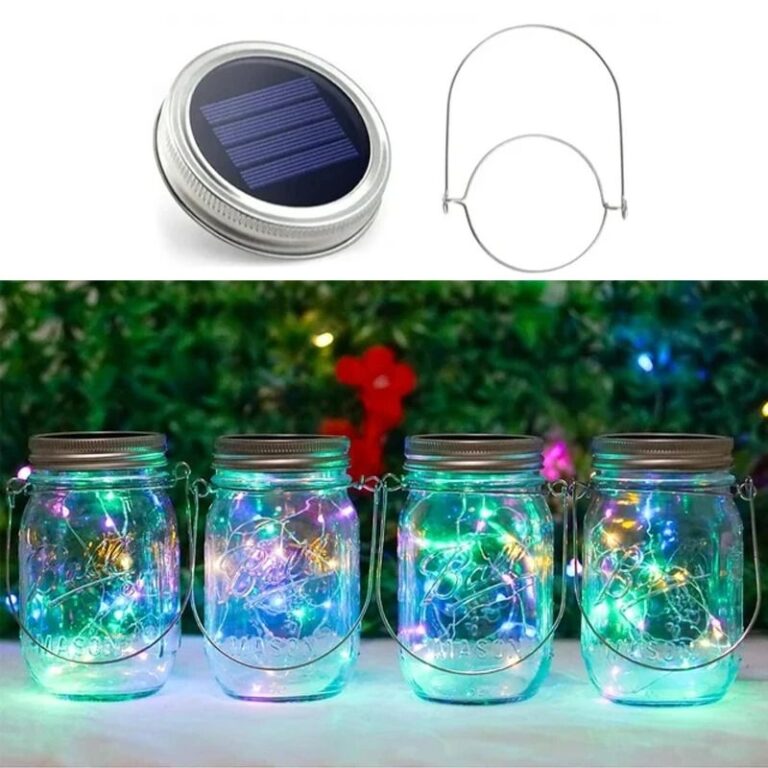
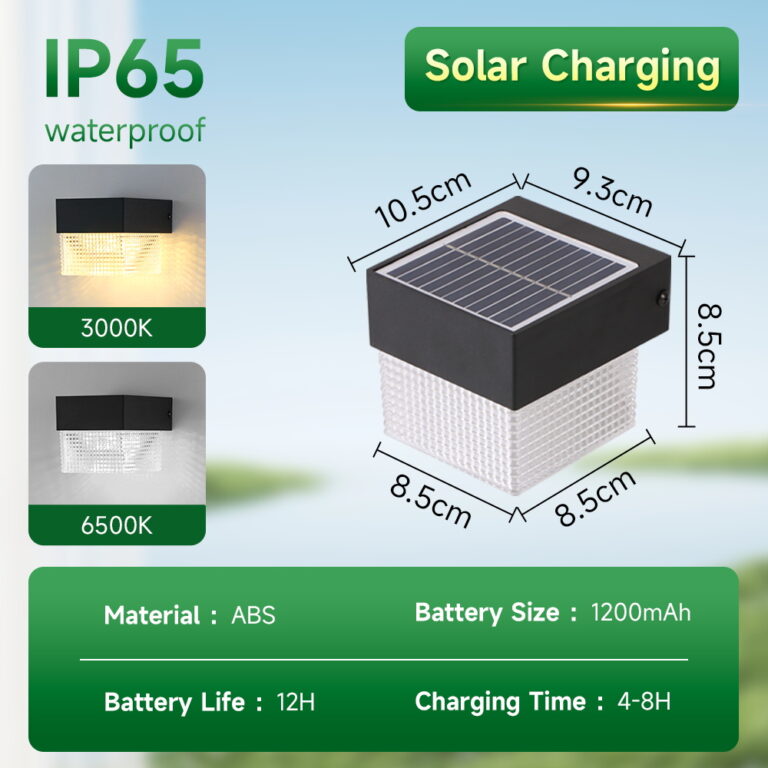 Aisha's pickIP65 Aluminum Outdoor Lights We’d Have Out From May to September
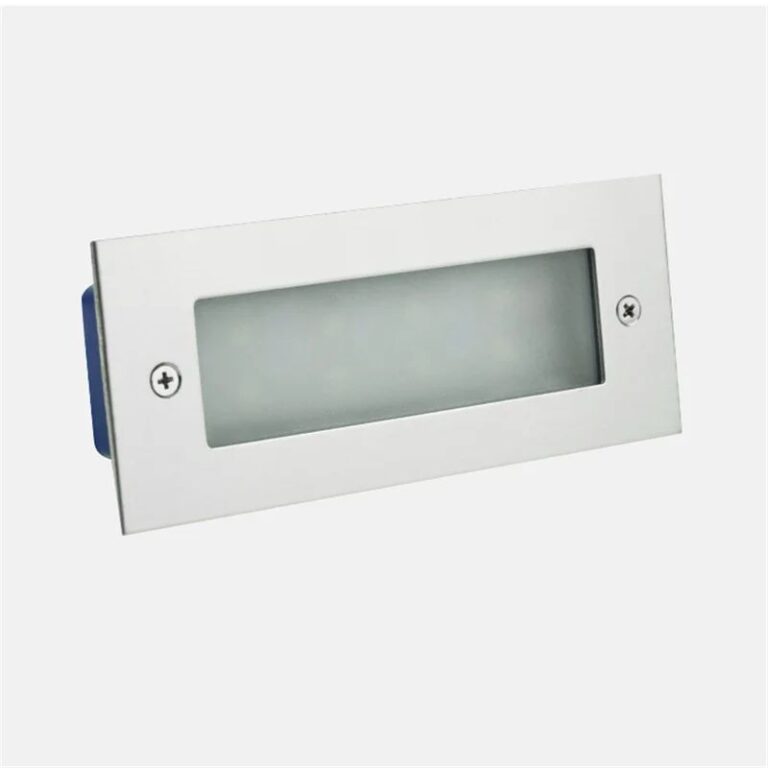
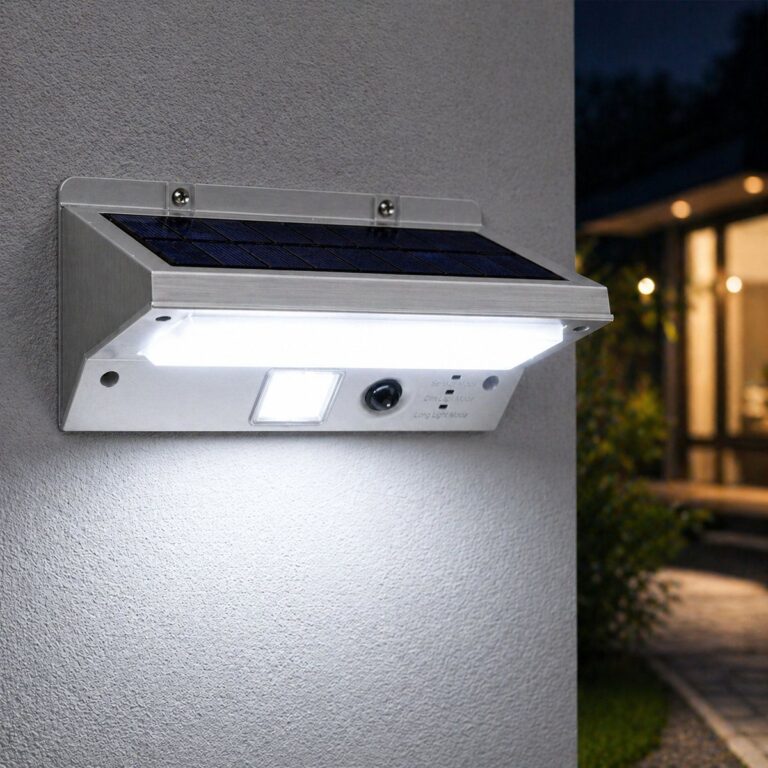 Aisha's pickStainless Steel Security Lights That Survive a Hard Winter
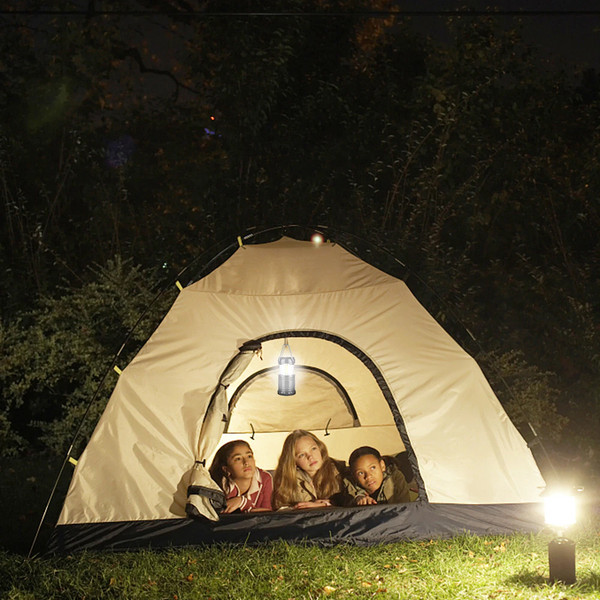
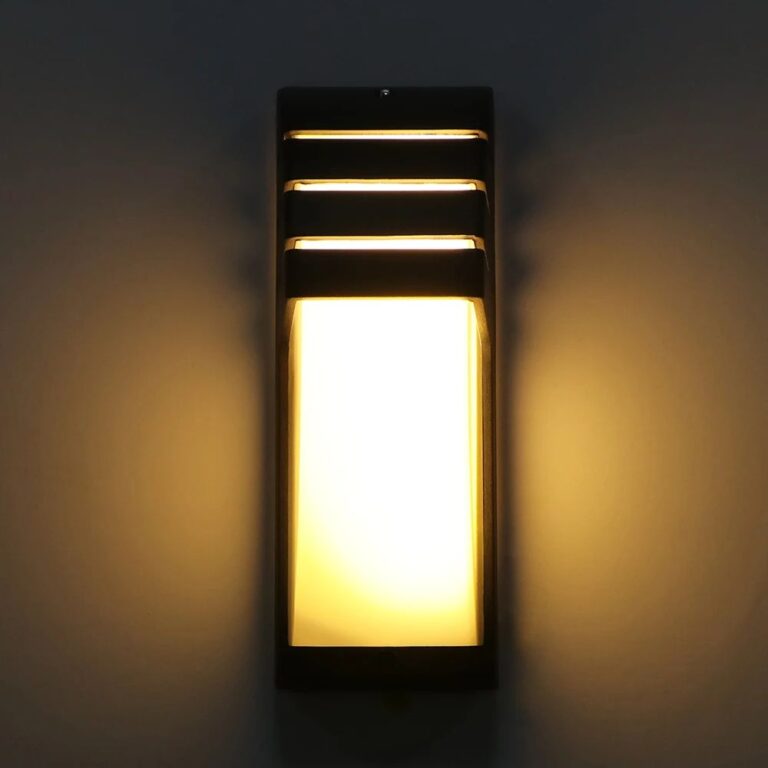 Aisha's pickIP65 Aluminum Outdoor Wall Lights You’ll Still Like in Five Years
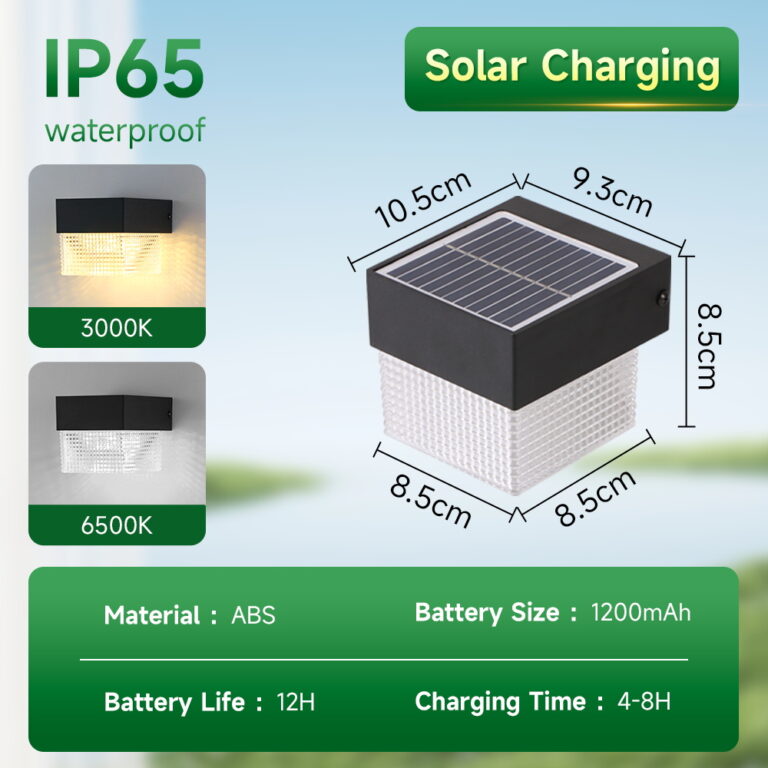
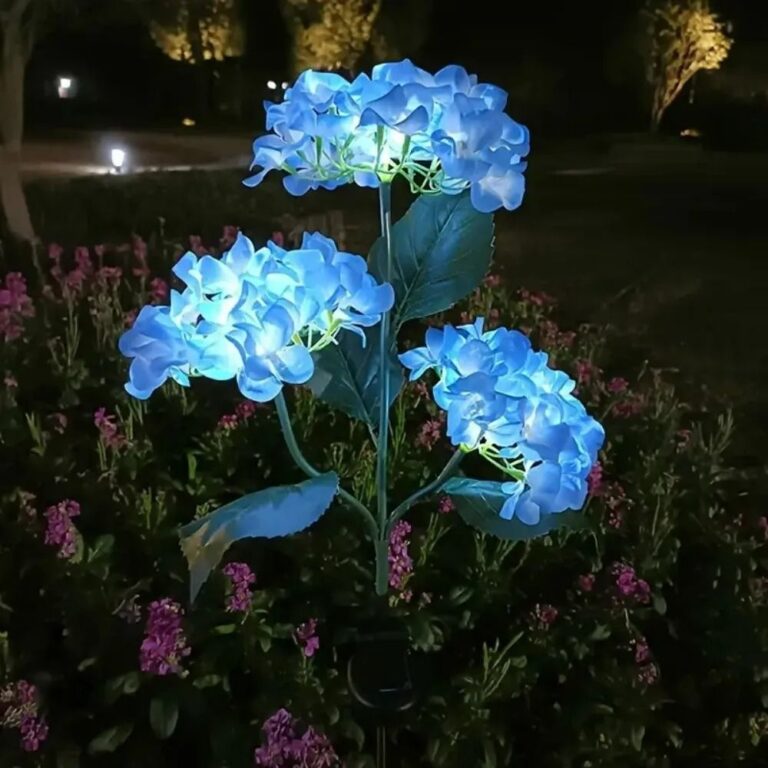 Aisha's pickSteel Outdoor Lights for Long Summer Evenings Outside
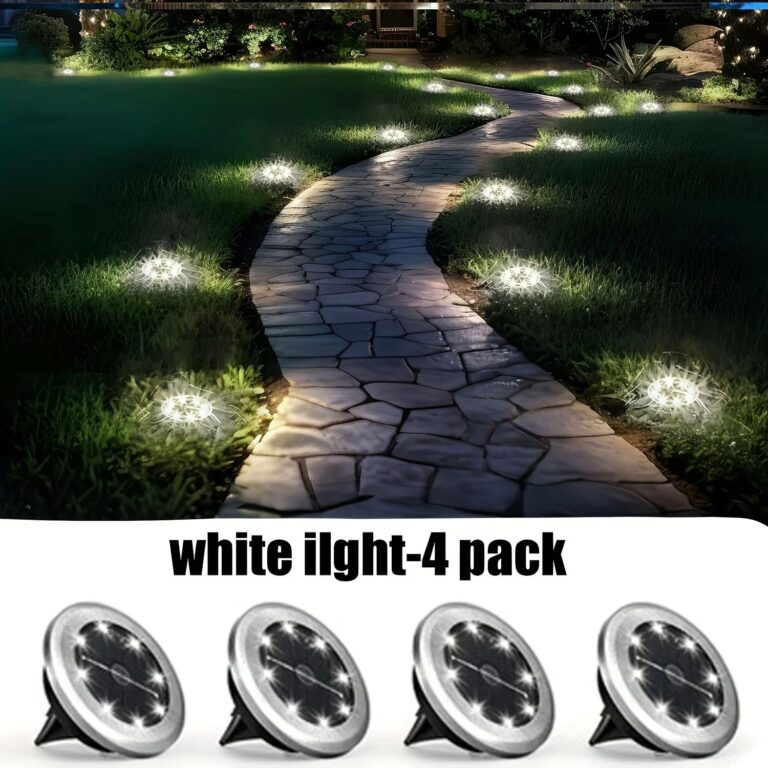
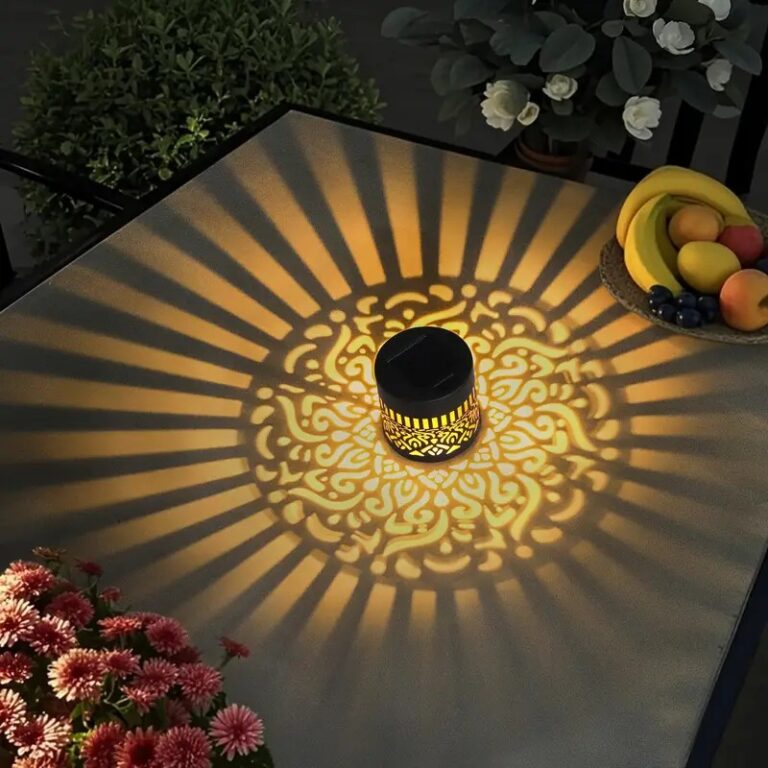 Aisha's pickMetal Exterior Wall Lights for Long Summer Evenings Outside
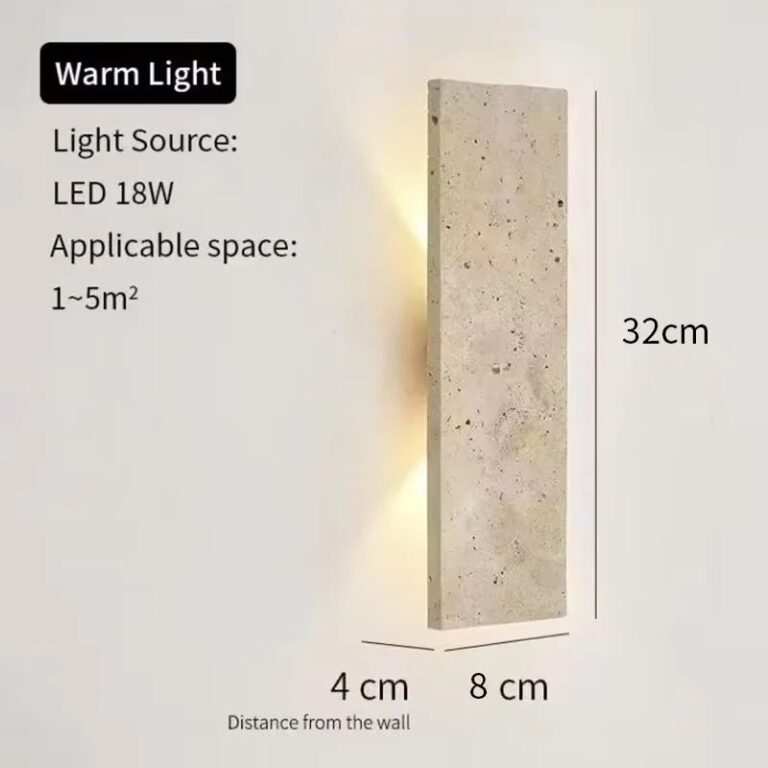
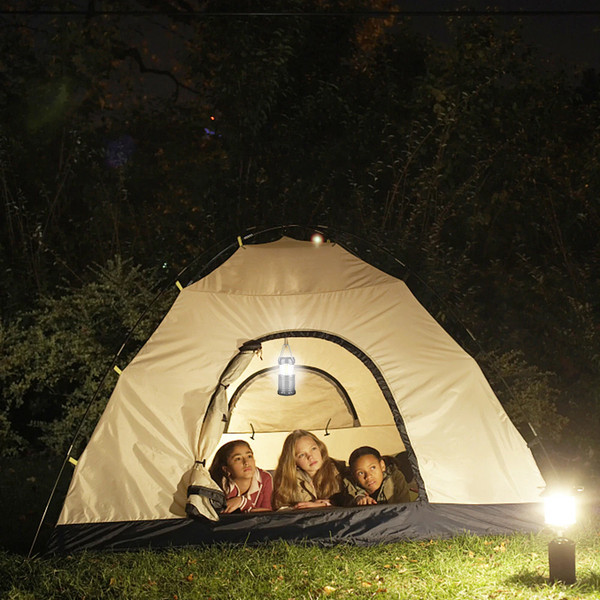 Aisha's pickSteel Outdoor Lanterns at Every Price Point
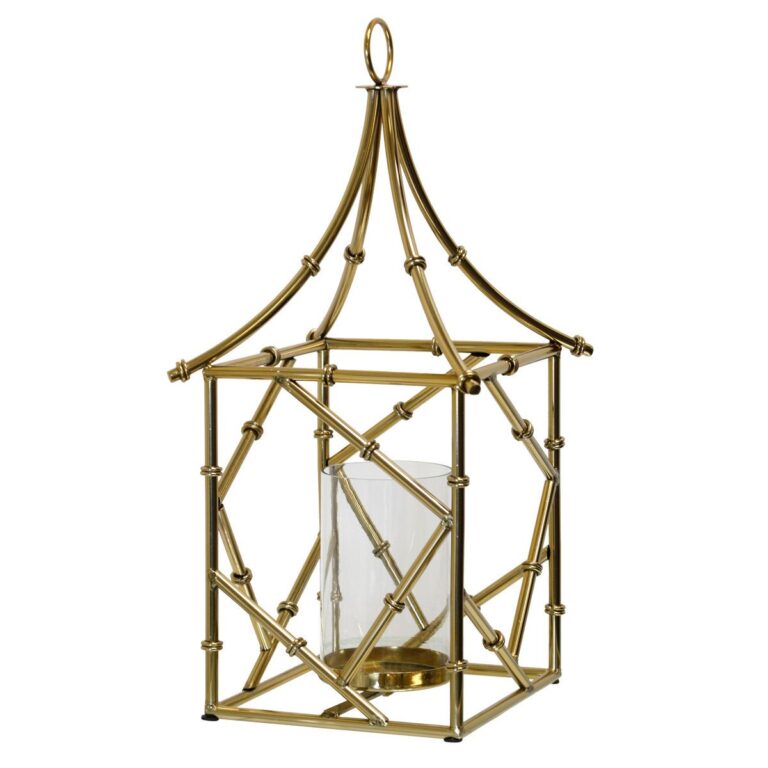
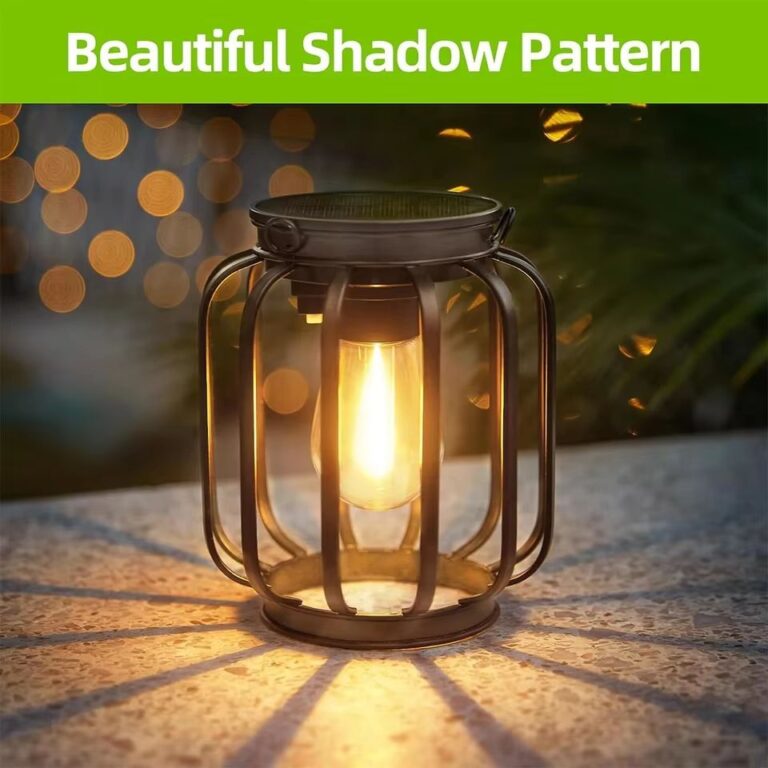 Aisha's pickMetal Outdoor Lighting That Holds UpAlso worth a lookSolar LightsSolar lights make the most sense for homes with a path, a porch, or a patch of garden…See the collections →
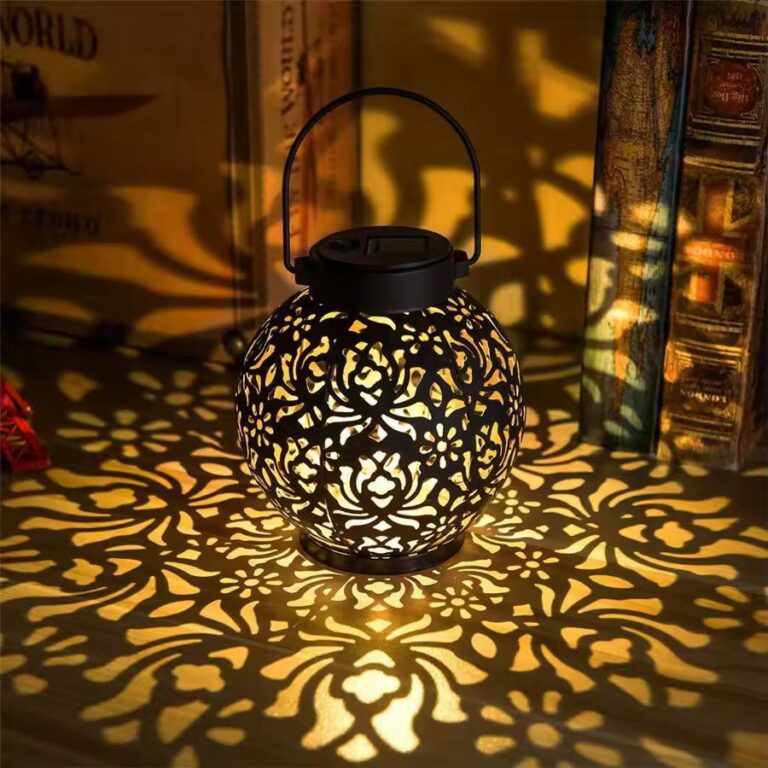
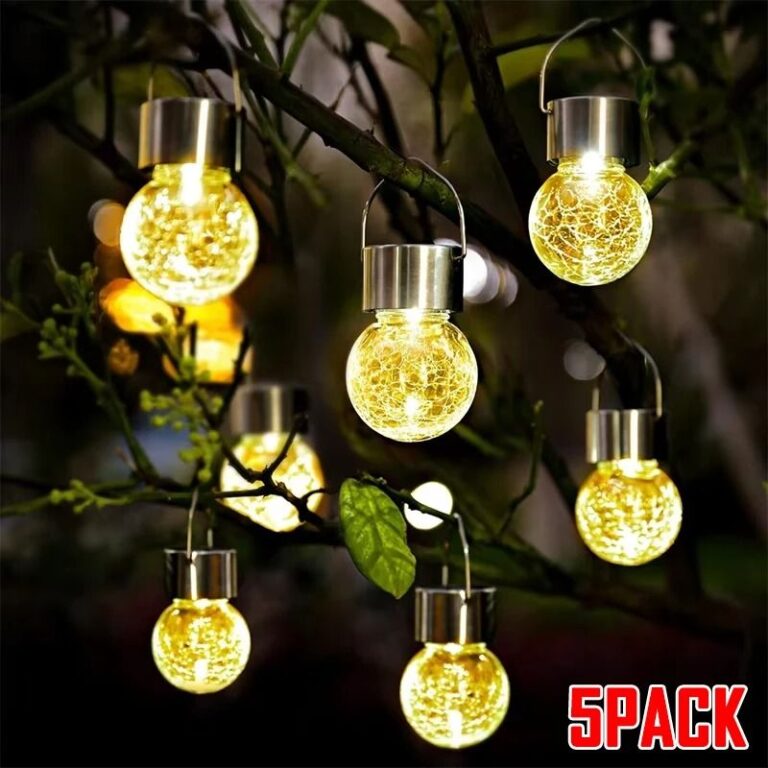 Aisha's pickSteel Outdoor Lights for Barbecues and Lazy Weekends
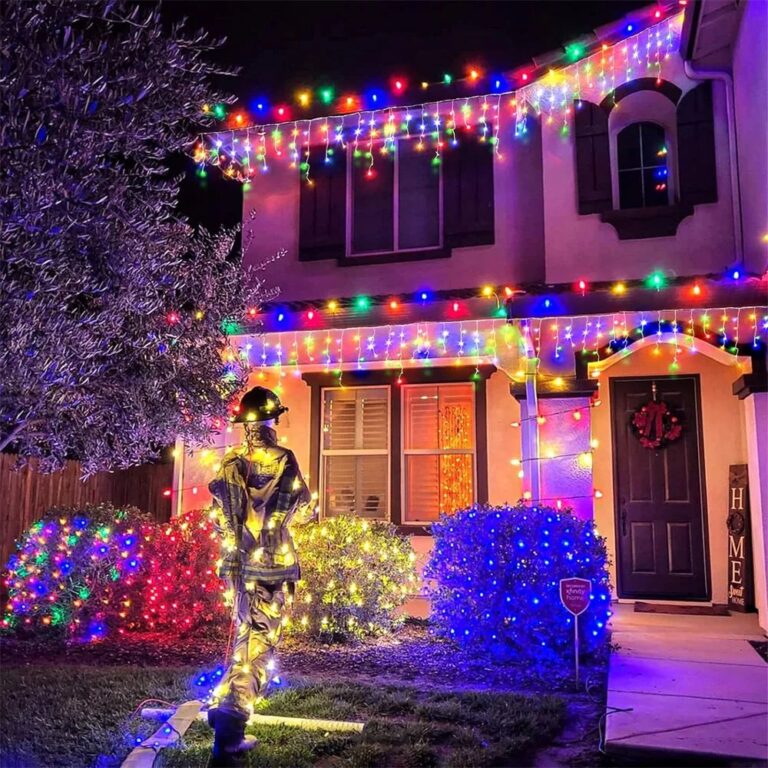
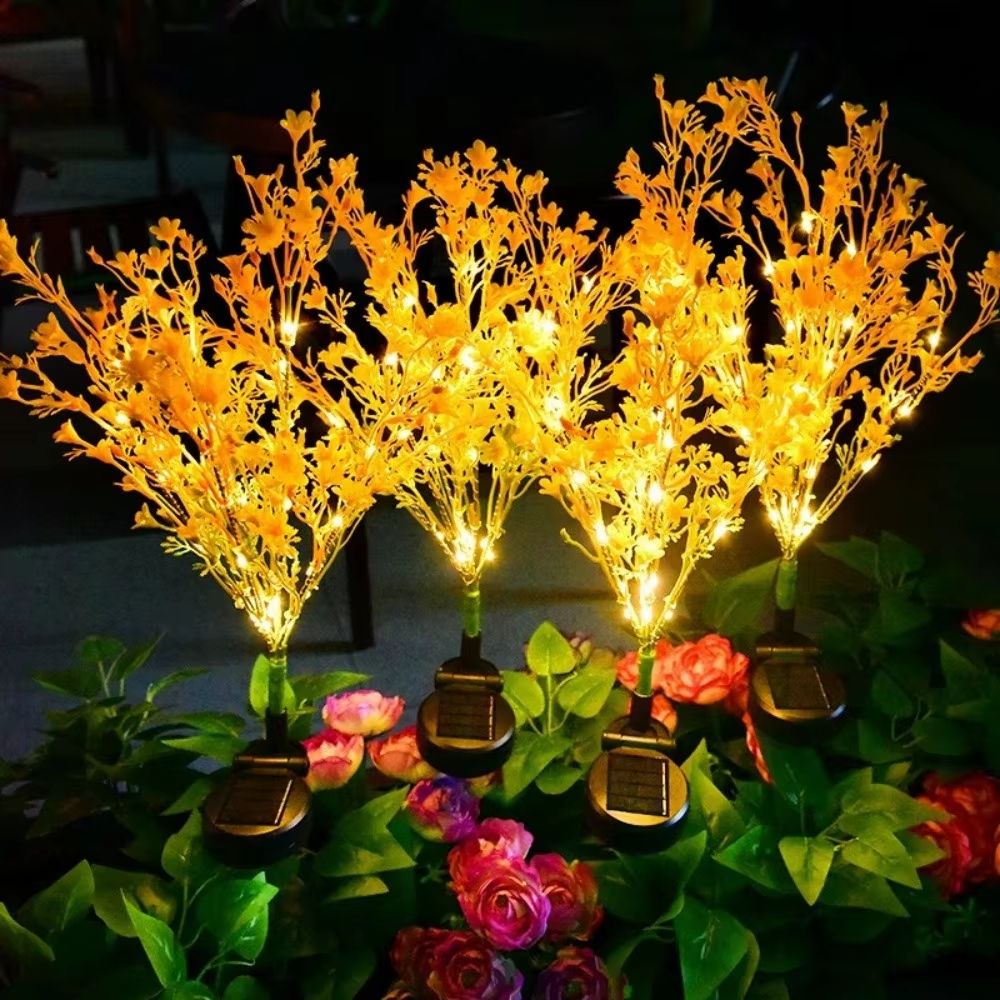 Aisha's pickSimple Metal Outdoor Lights Done Well
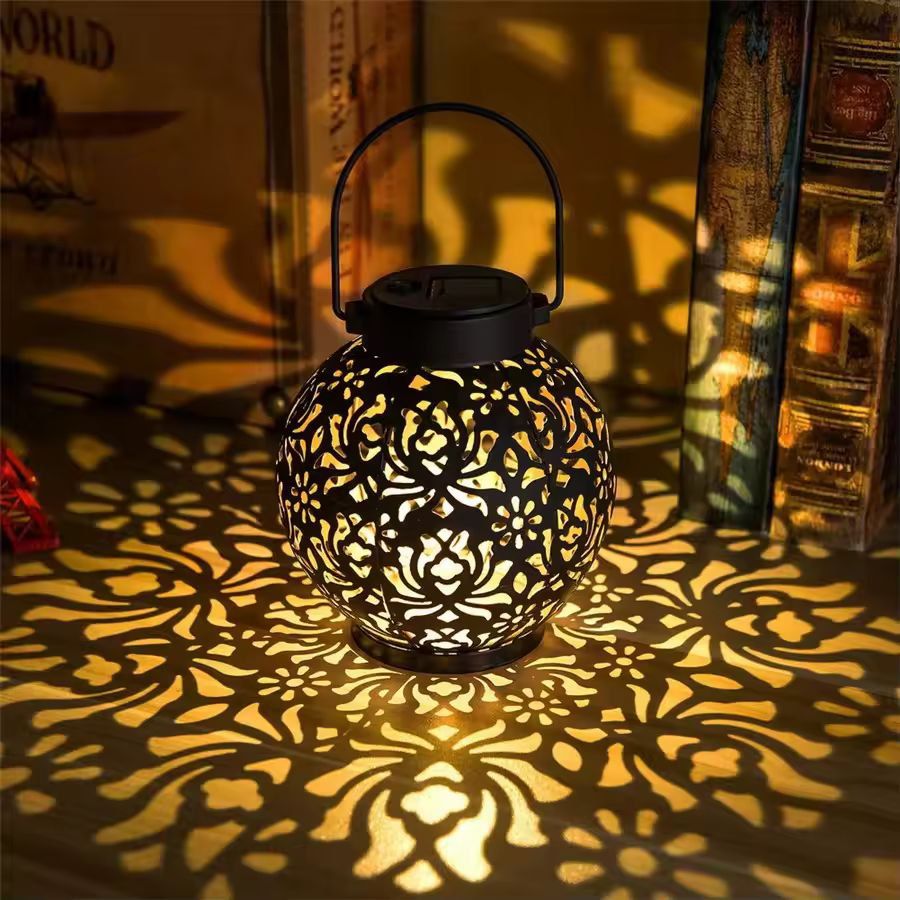
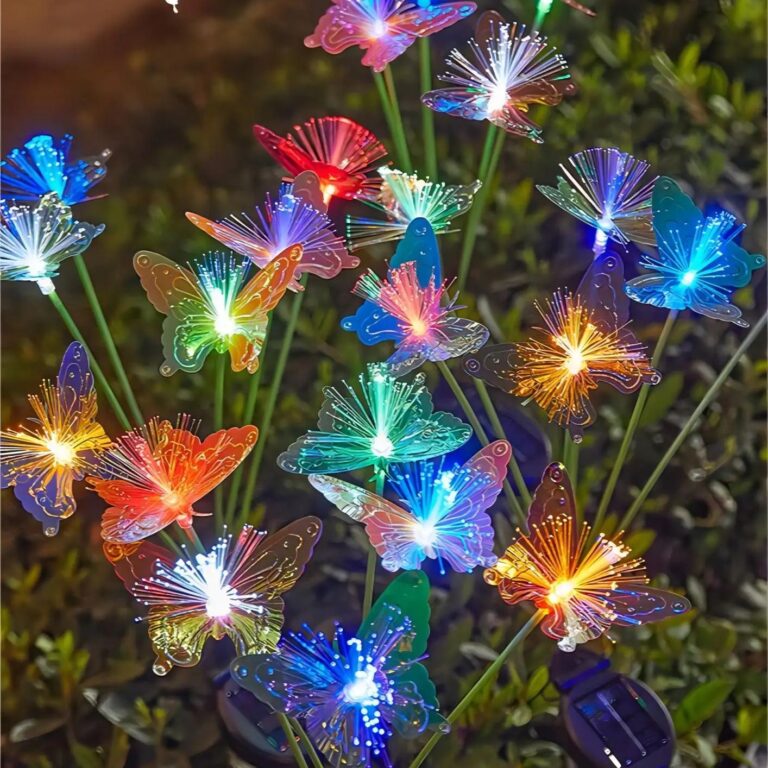 Aisha's pickSteel Outdoor Lighting That Doesn’t Cost a Fortune
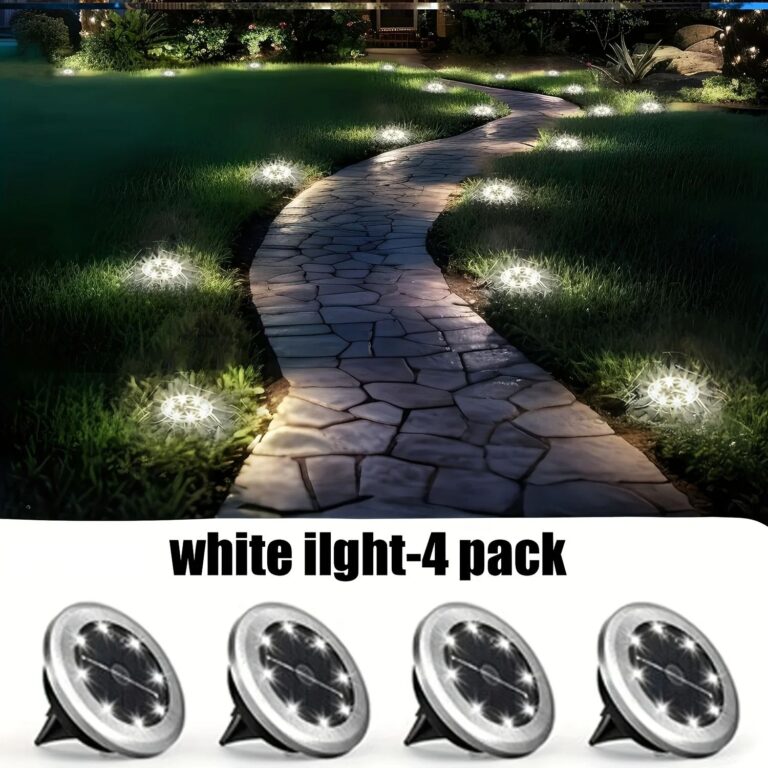
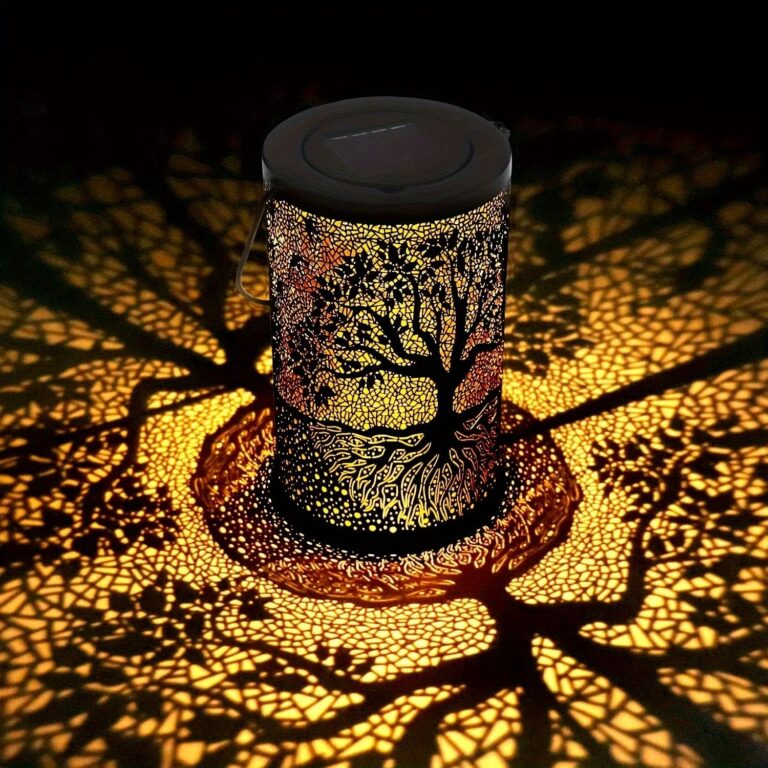 Aisha's pickMetal Outdoor Lanterns for Barbecues and Lazy Weekends
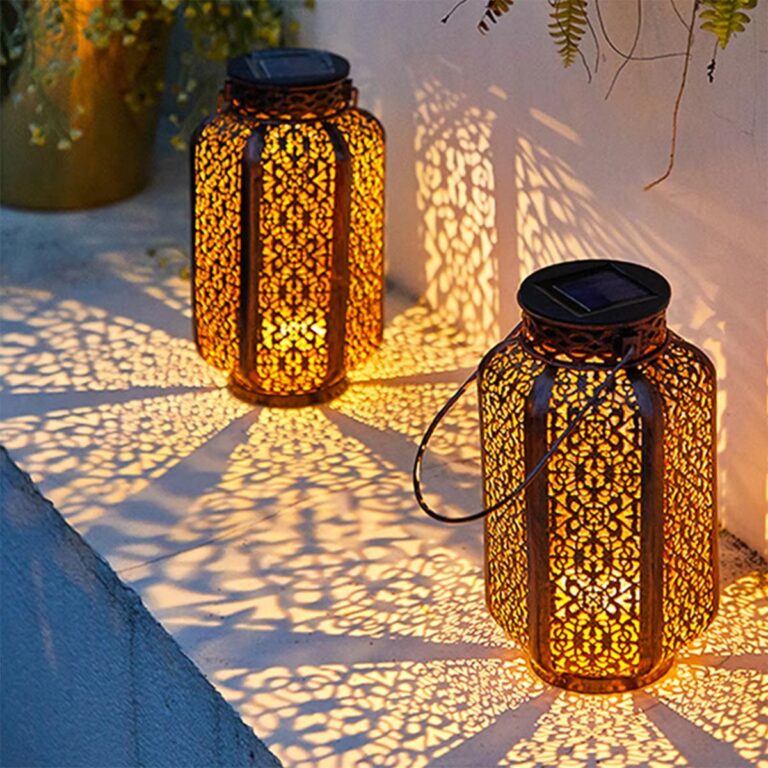
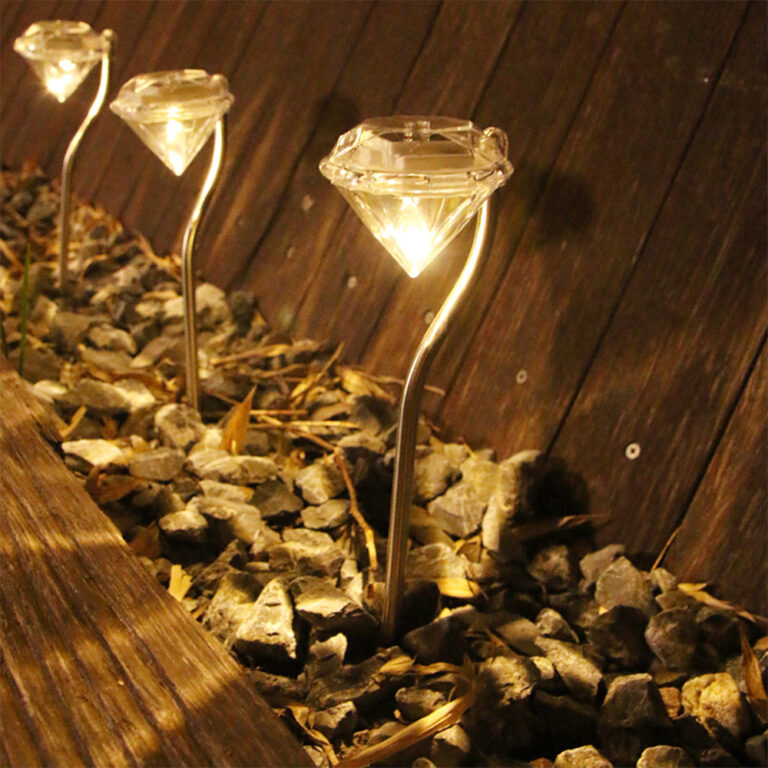 Aisha's pickSteel Outdoor Lights That Shrug Off the Rain
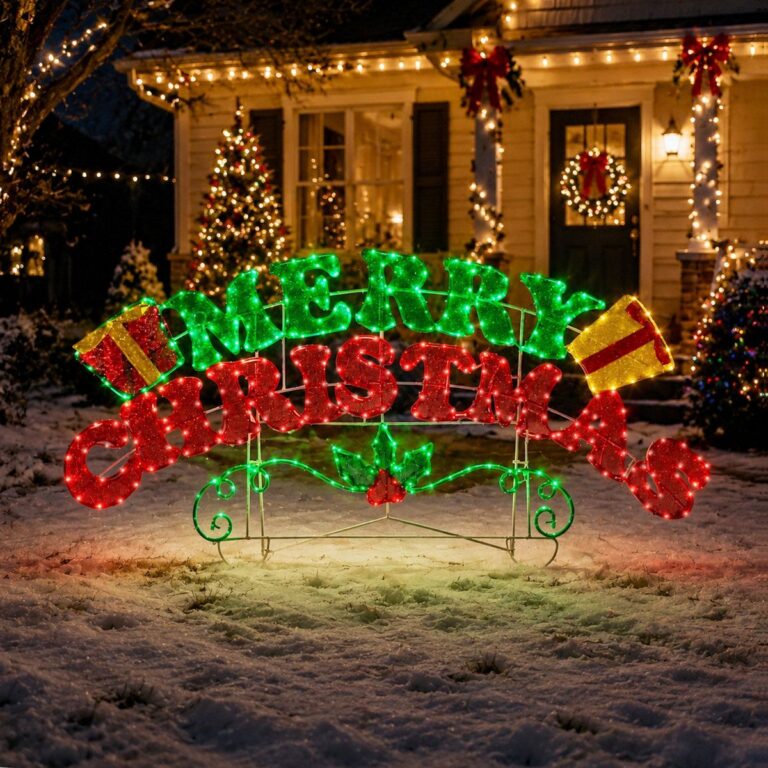
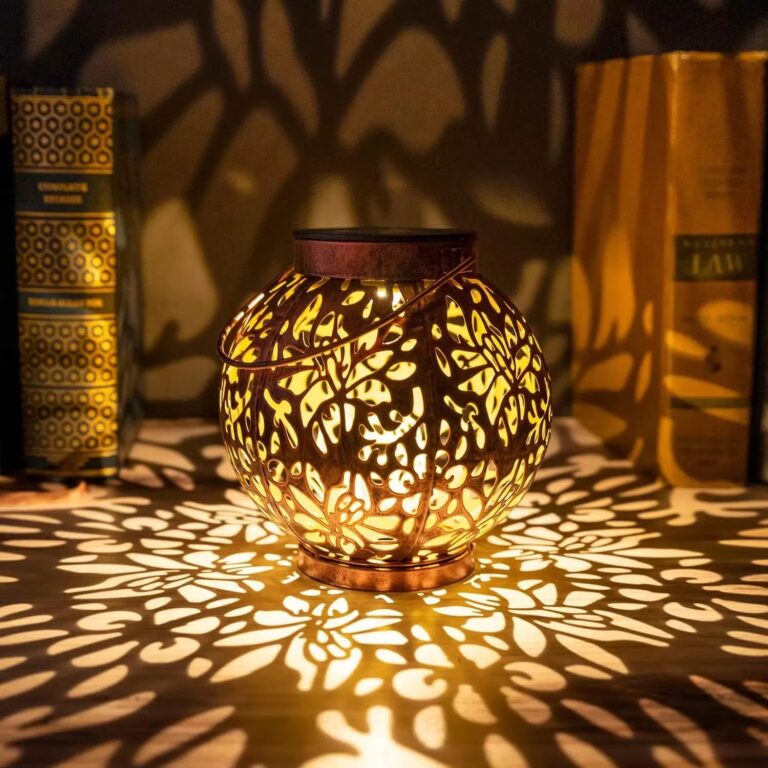 Aisha's pickMetal Outdoor Lights That Make the Yard Feel Like Another Room
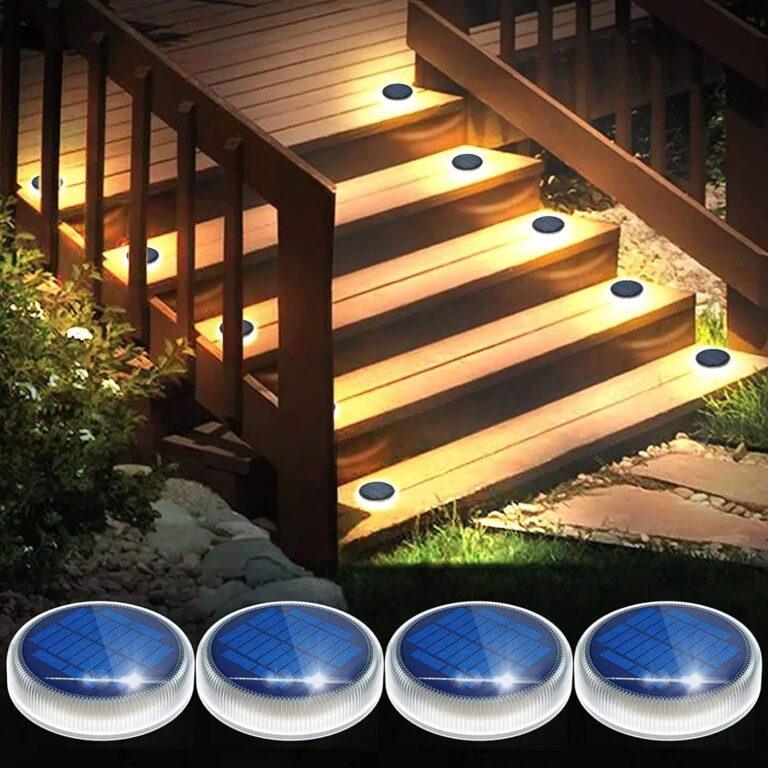
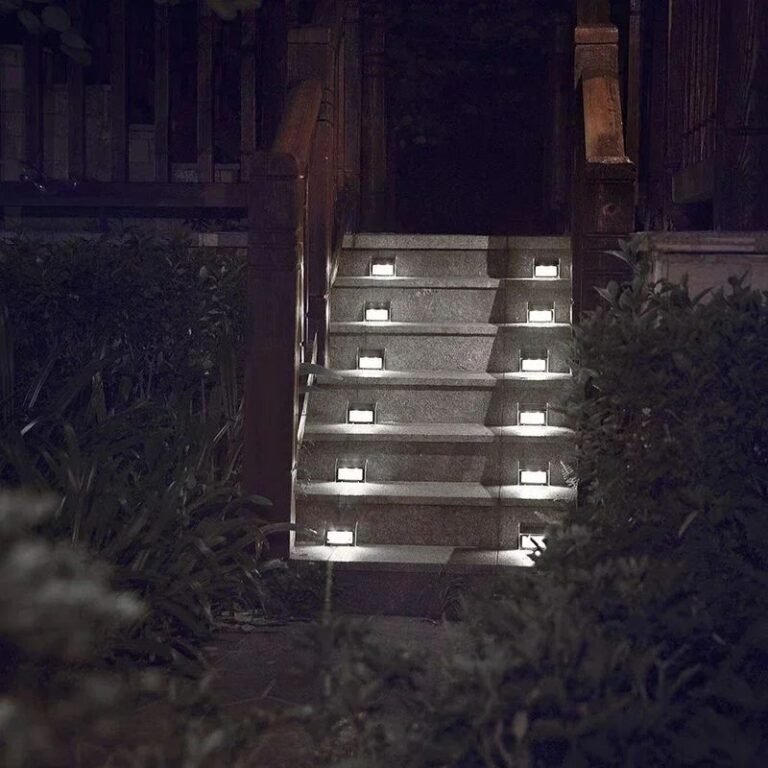 Aisha's pickSteel Outdoor Wall Lights That Make the Yard Feel Like Another Room
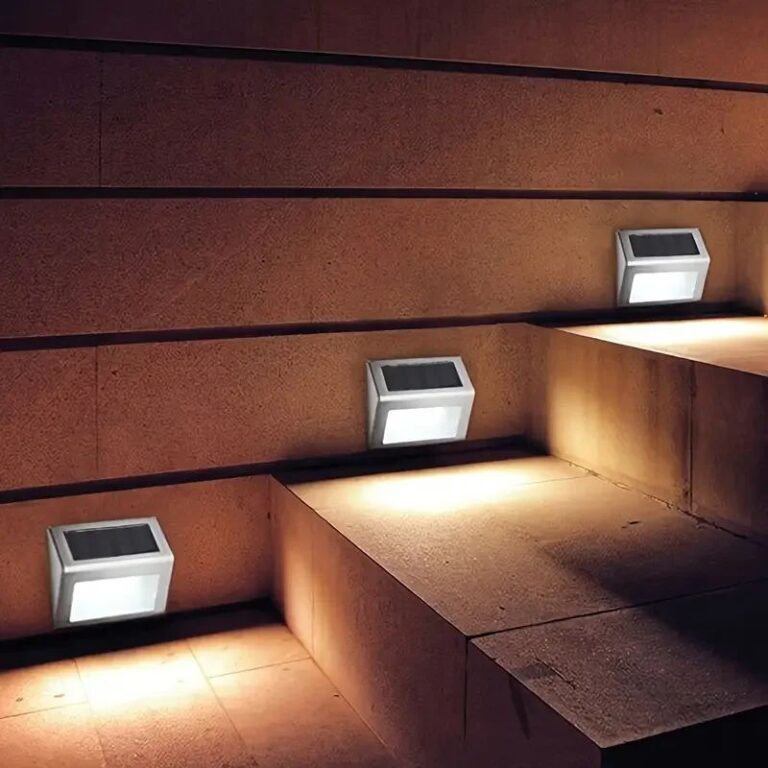
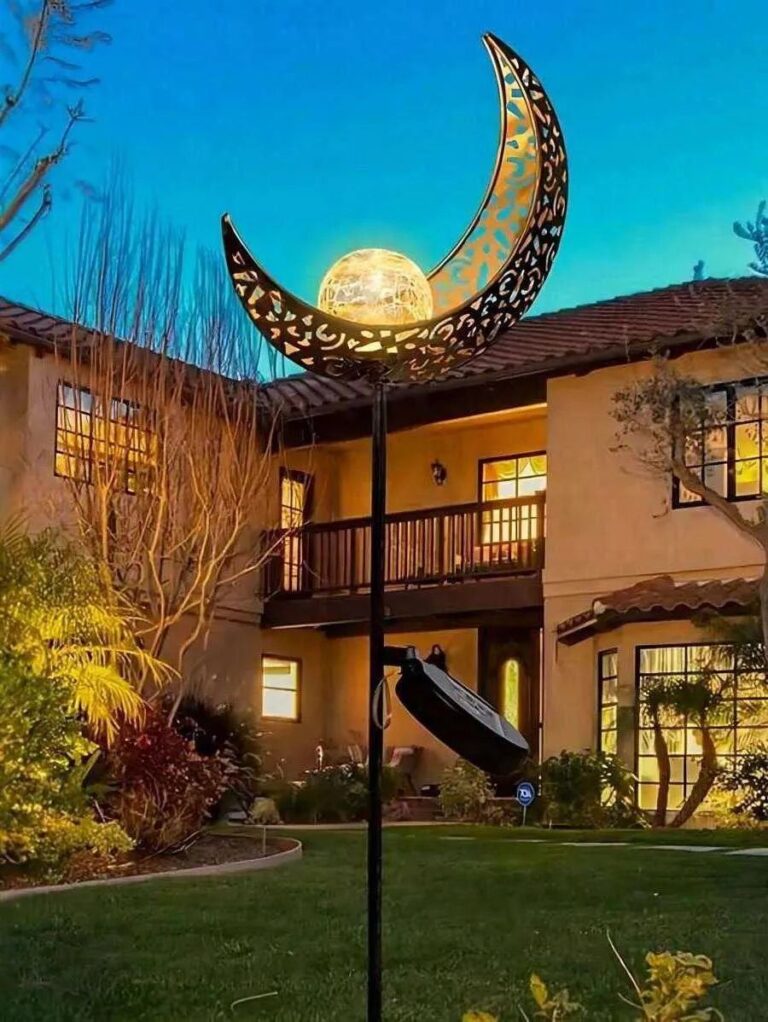 Aisha's pickMetal Outdoor Lighting for Making the Most of the Patio
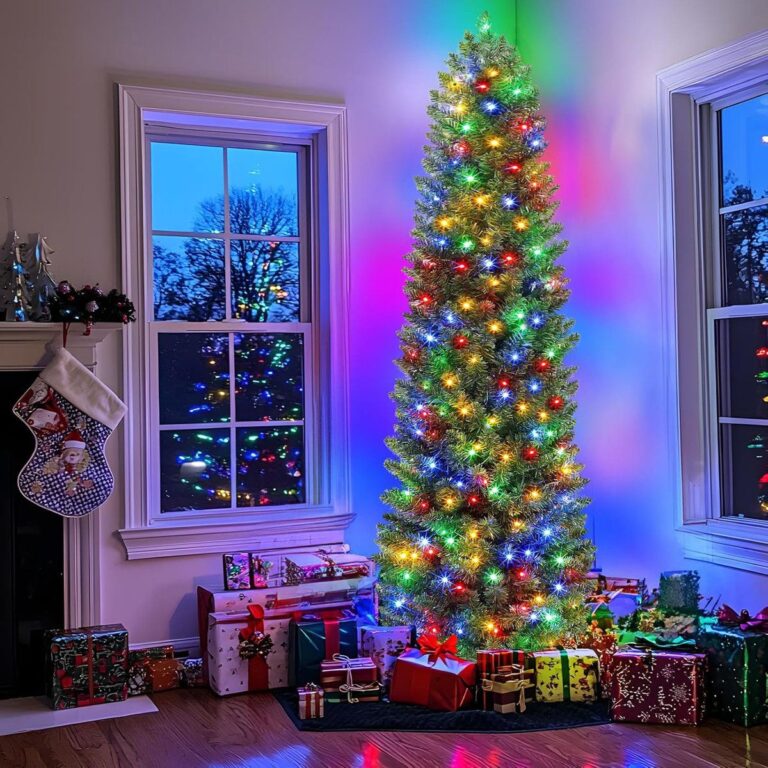
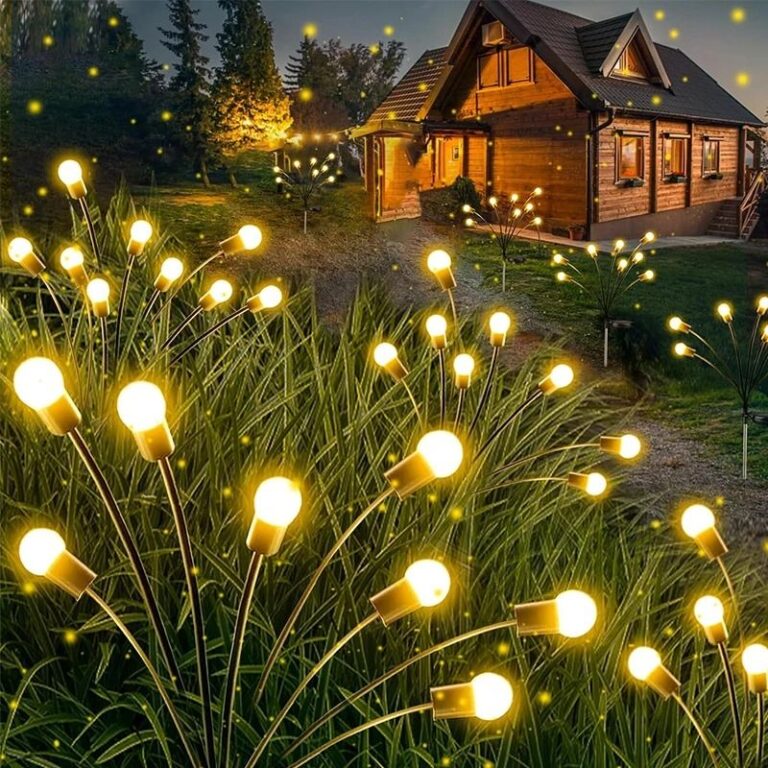 Aisha's pickSteel Path Lights for Making the Most of the PatioAlso worth a lookOutdoor LightingA good outdoor light does something very particular at dusk: it doesn't flood the patio like an interrogation…See the collections →
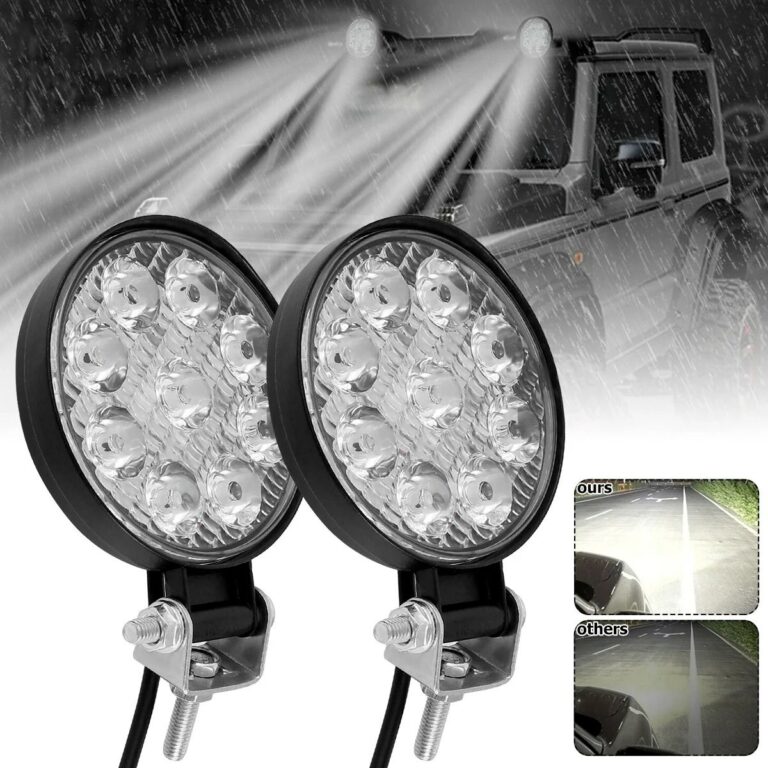
 Aisha's pickAluminum Flood Lights for Making the Most of the Patio
 Aisha's pickMetal Outdoor Lights That Make a Small Yard Work Harder
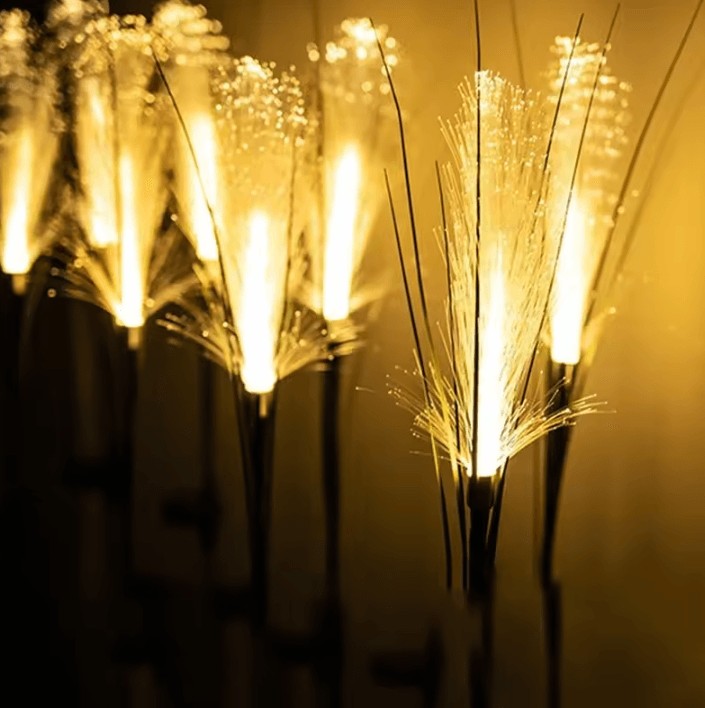 Aisha's pickSteel Pathway Lights Picked From the Stores We Trust
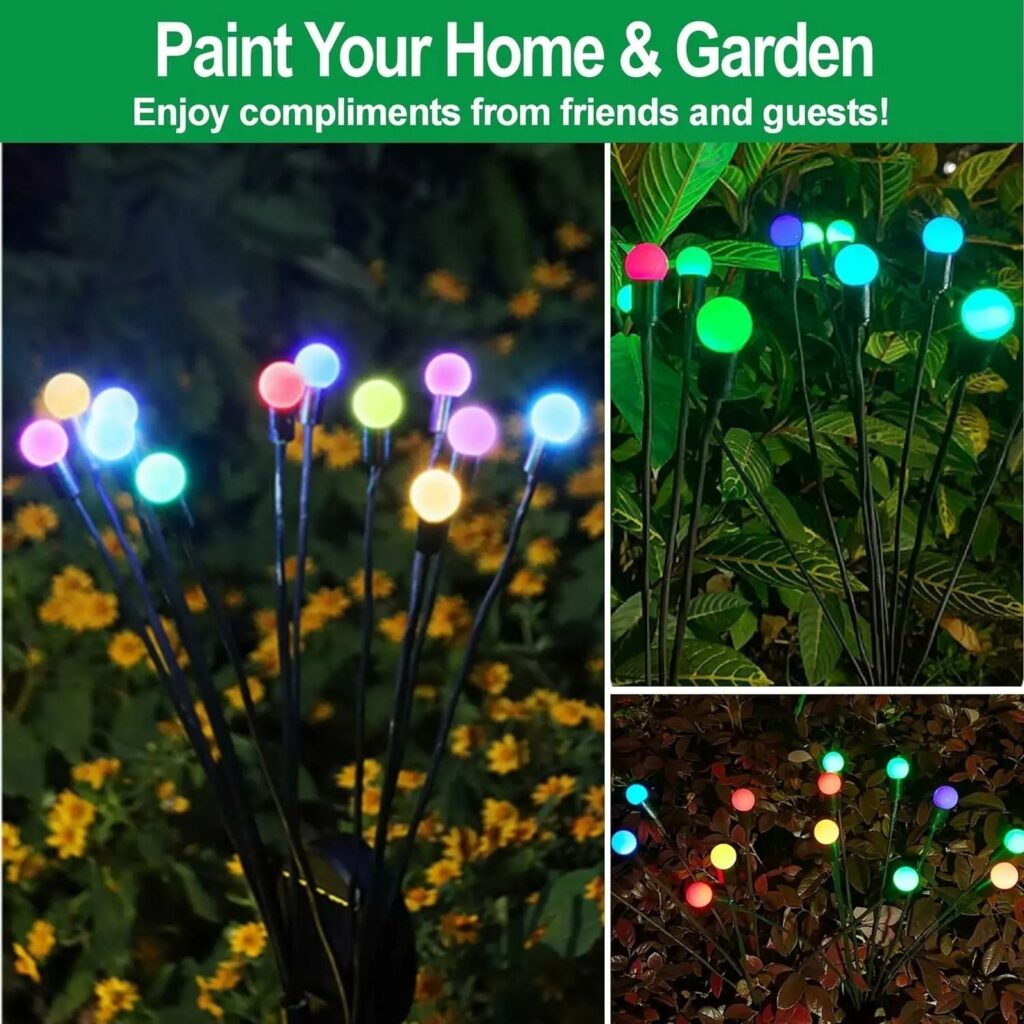
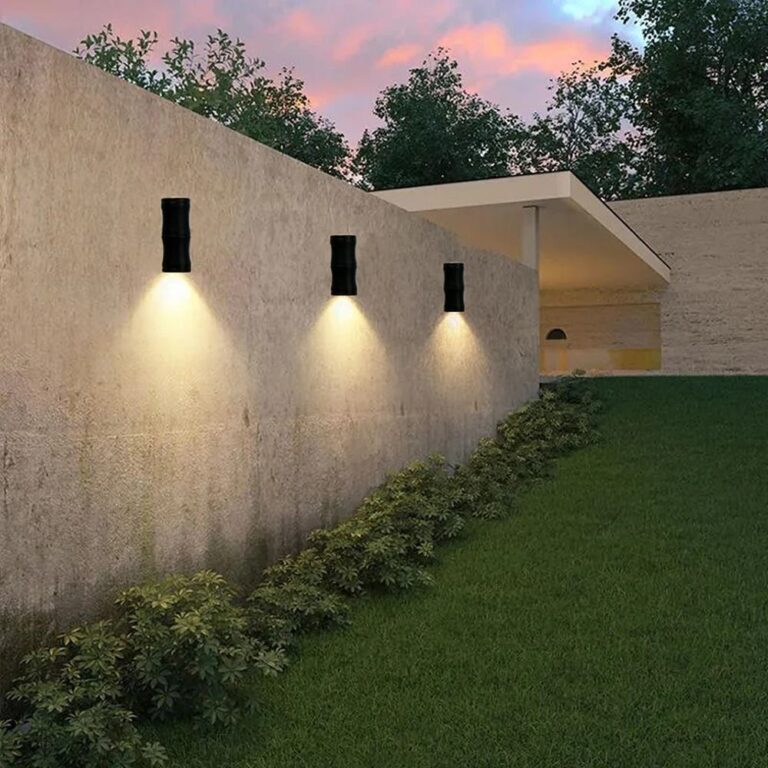 Aisha's pickAluminum Outdoor Lights That Shrug Off the Rain
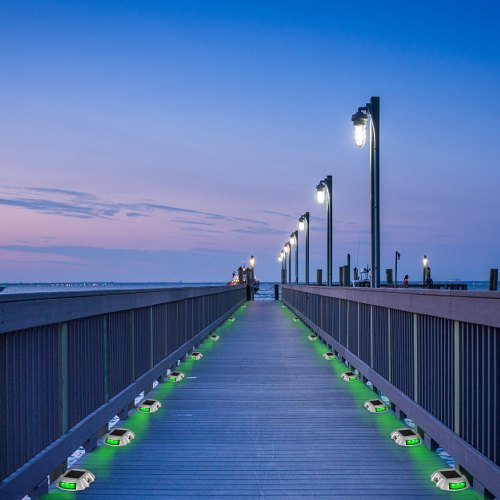
 Aisha's pickMetal Outdoor Wall Lights That Shrug Off the Rain

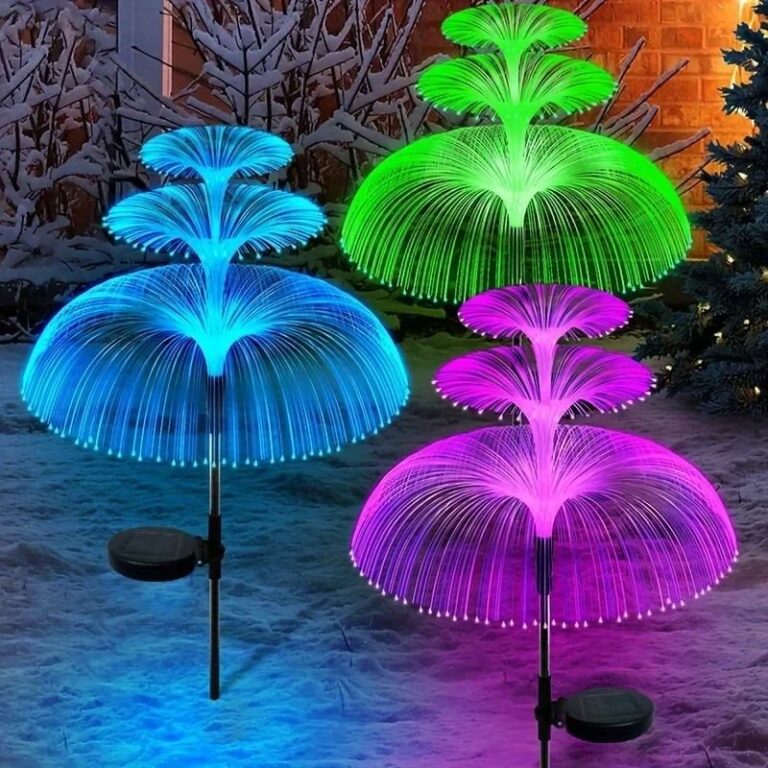 Aisha's pickSteel Patio Lights for Sunny Afternoons and Chilly Nights
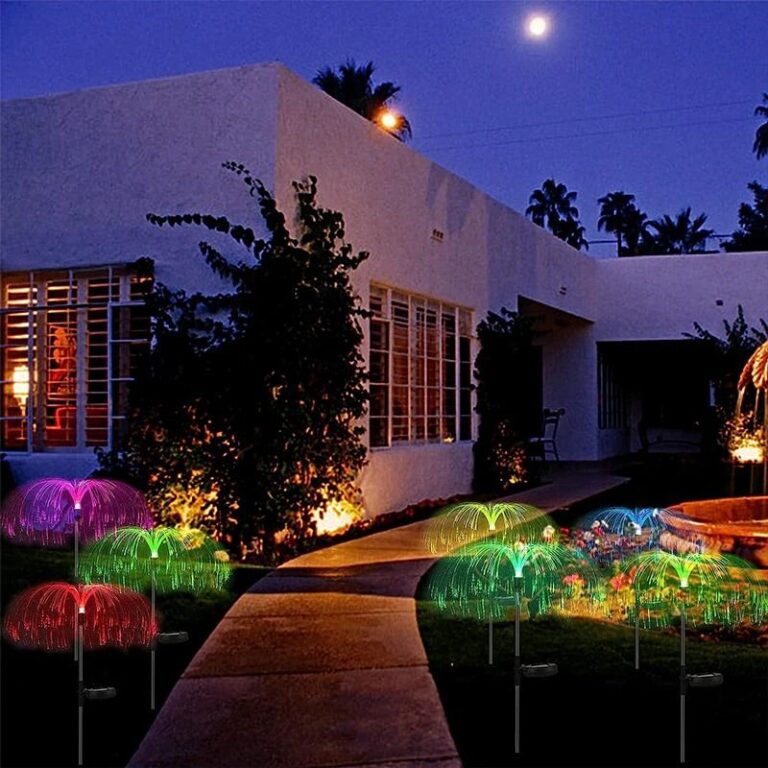
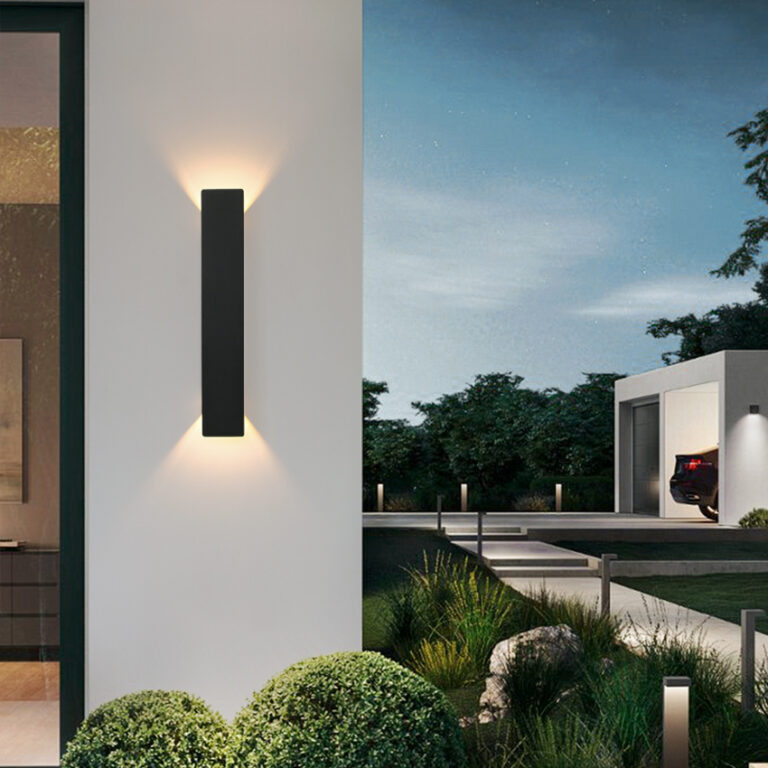 Aisha's pickAluminum Outdoor Lights You Won’t Regret Buying
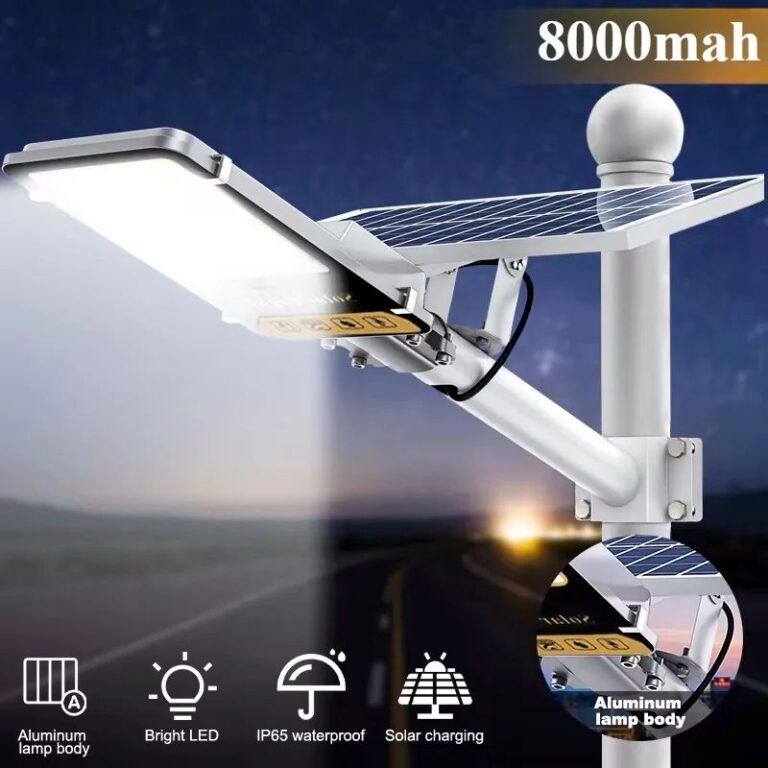
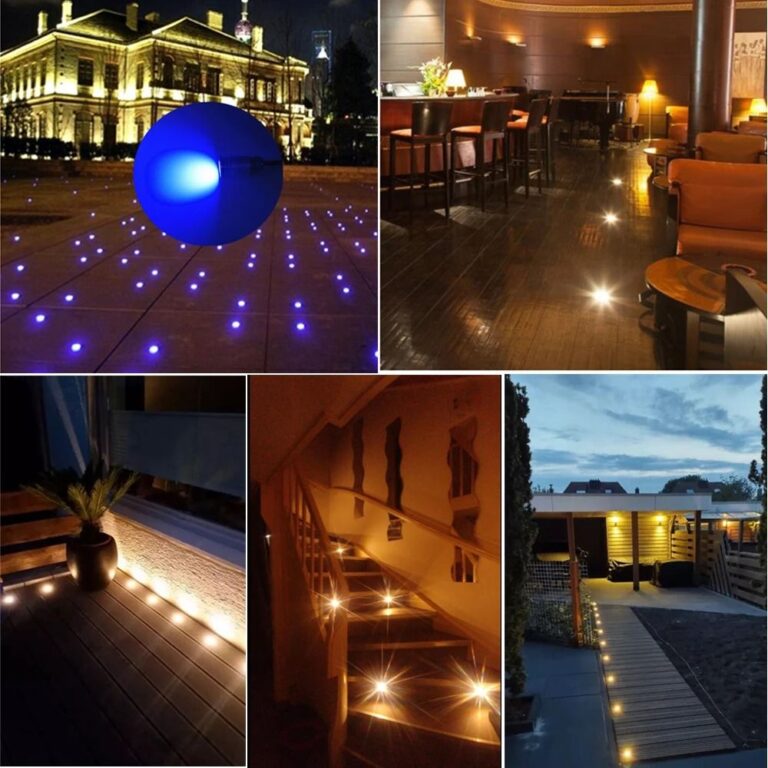 Aisha's pickMetal Patio Lights for Long Summer Evenings Outside
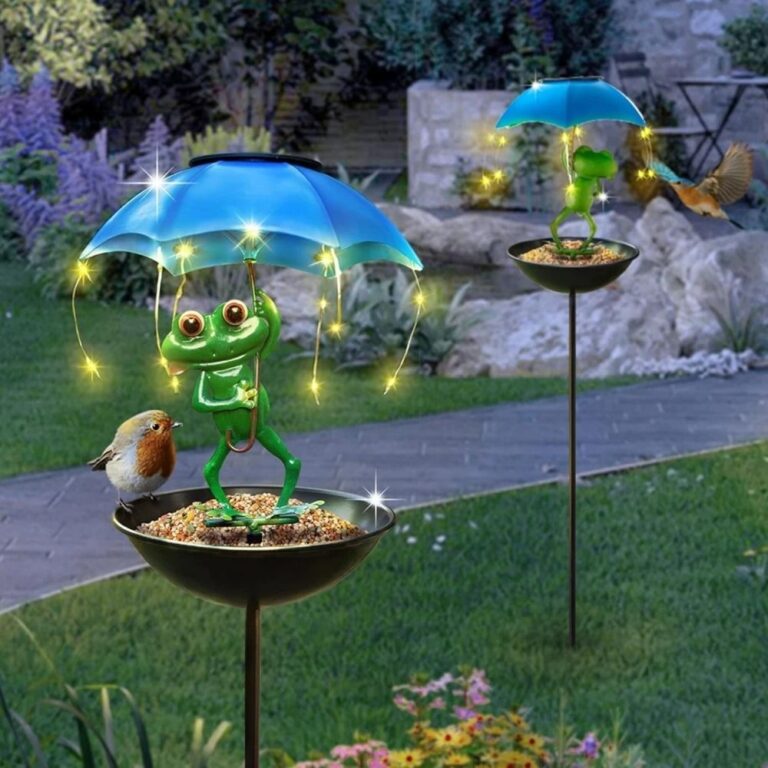
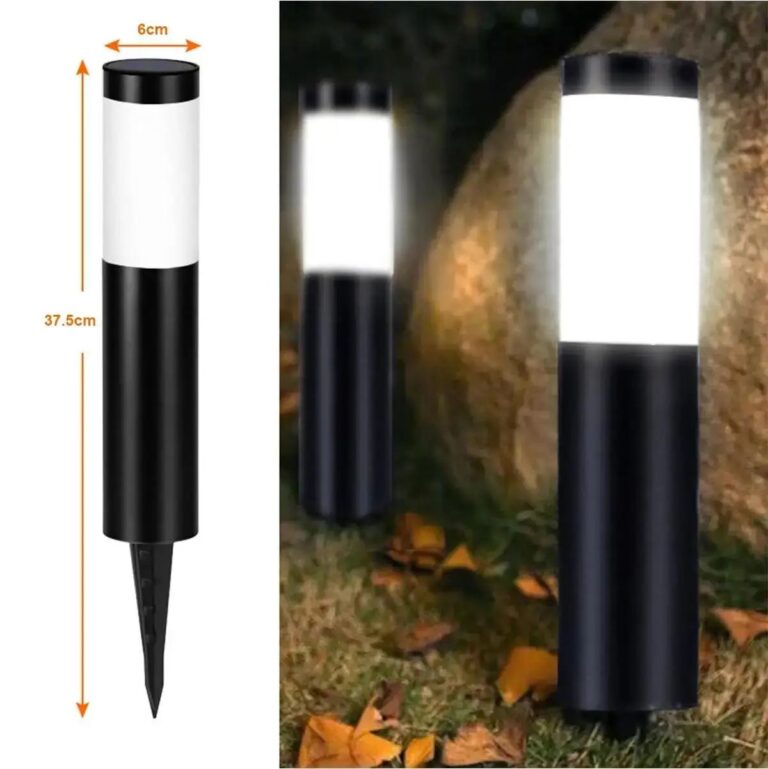 Aisha's pickSteel Security Lights That Make a Small Yard Work HarderAlso worth a lookPatio LightsPatio lights make the most sense for anyone with an outdoor space they actually use after dark, a porch, a deck, a scrap of garden with a table on it.See the collections →
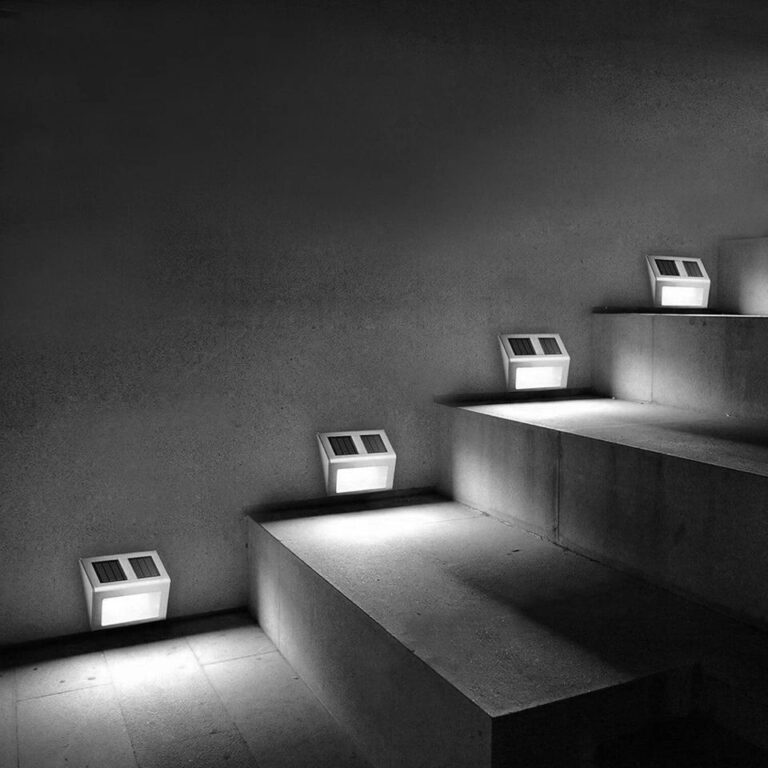
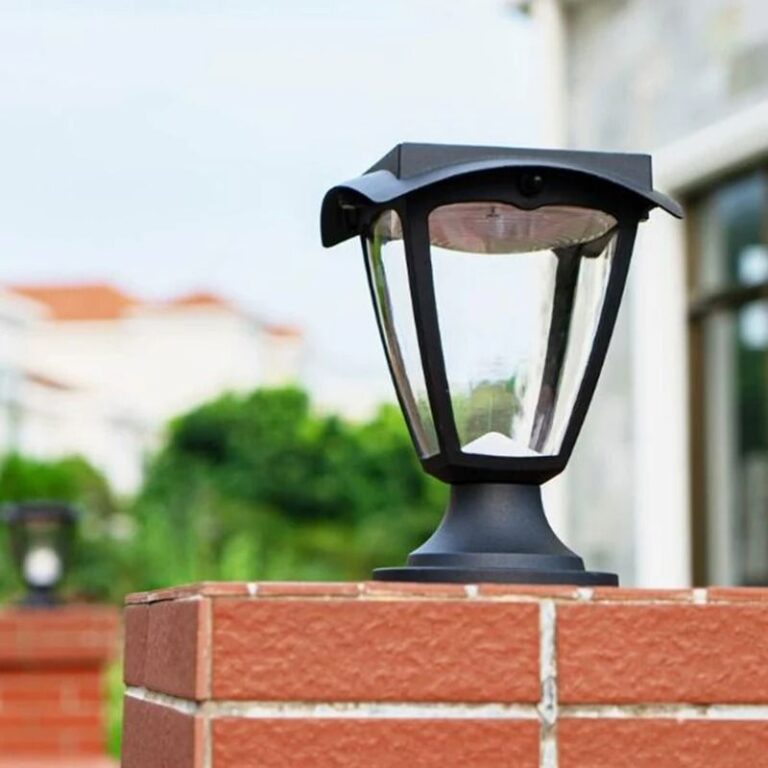 Aisha's pickGood Aluminum Outdoor Lighting Without the Big Price Tag
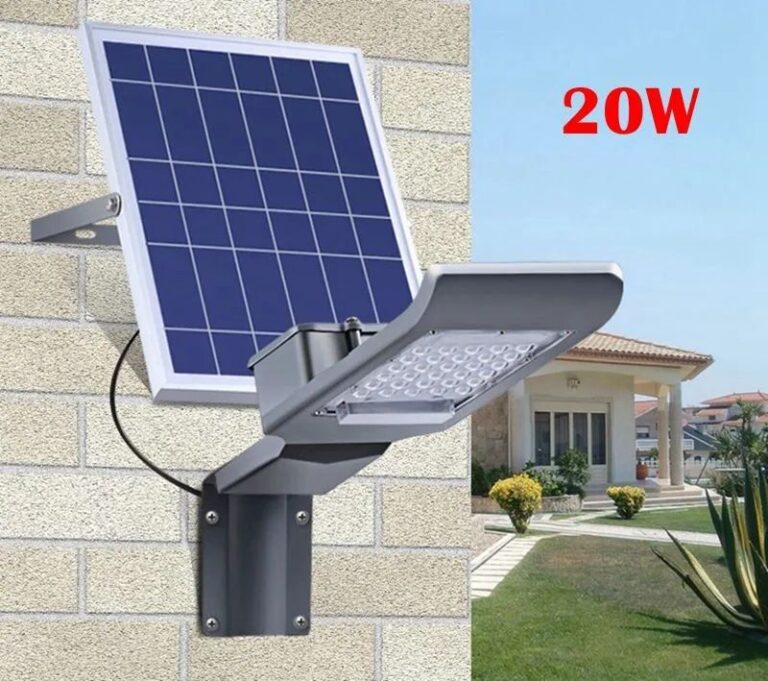
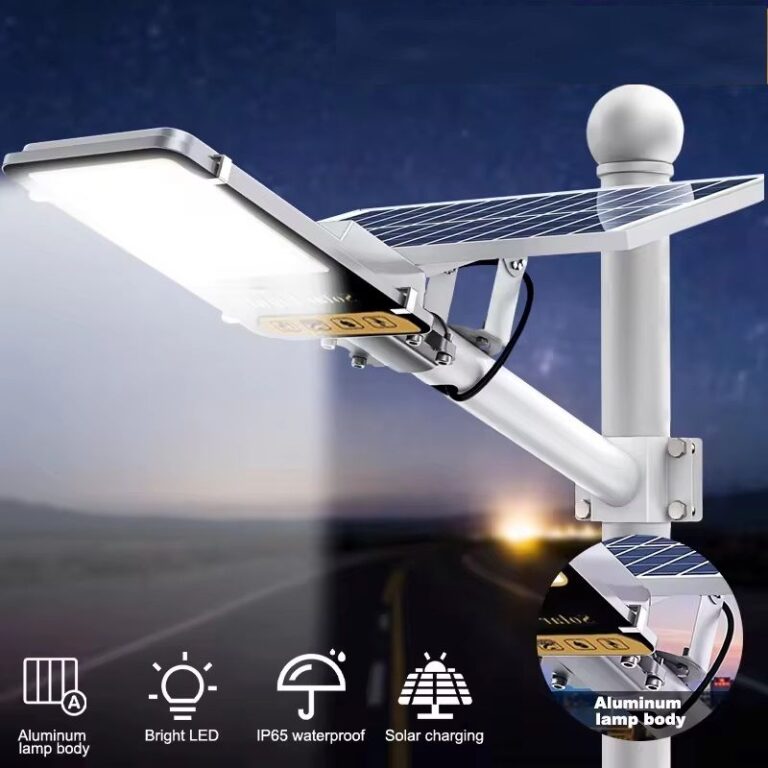 Aisha's pickMetal Security Lights for Sunny Afternoons and Chilly Nights
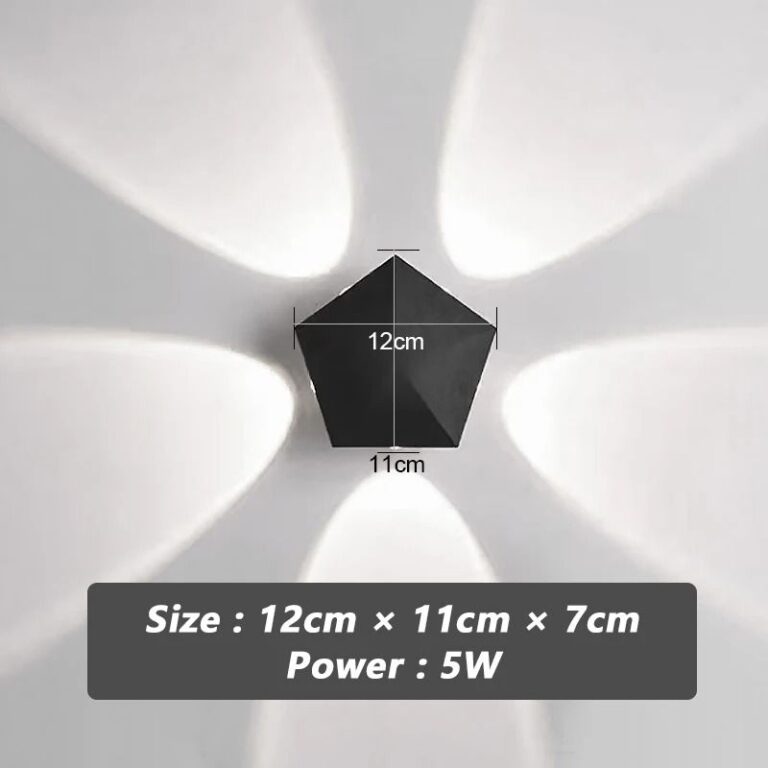
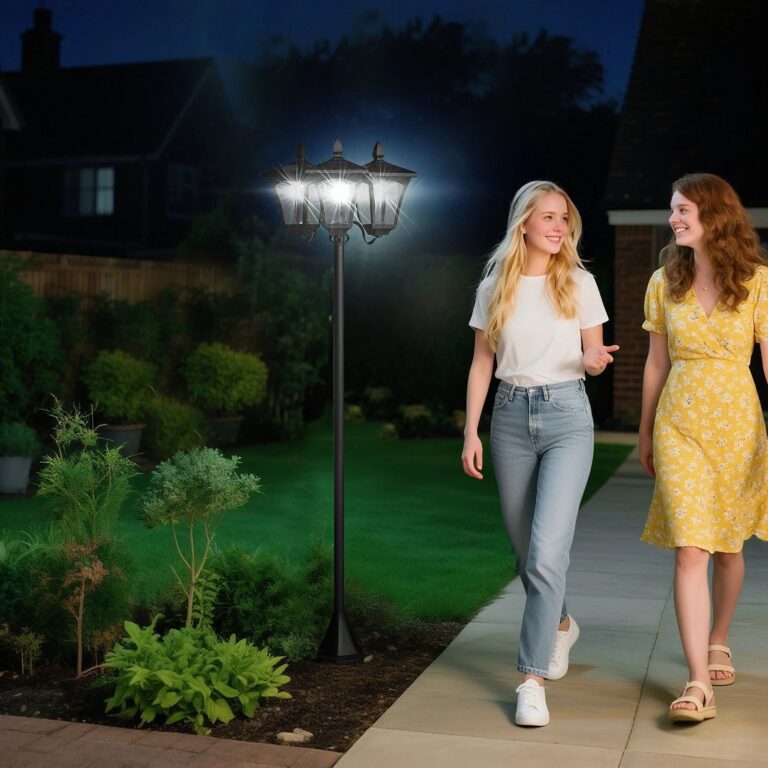 Aisha's pickSteel Solar Outdoor Lights We’d Have Out From May to September
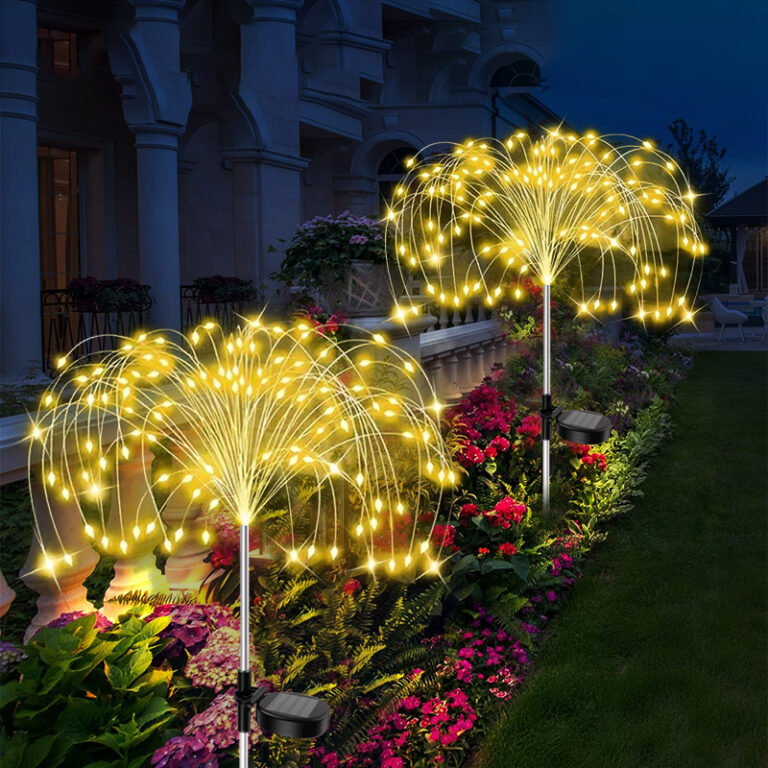
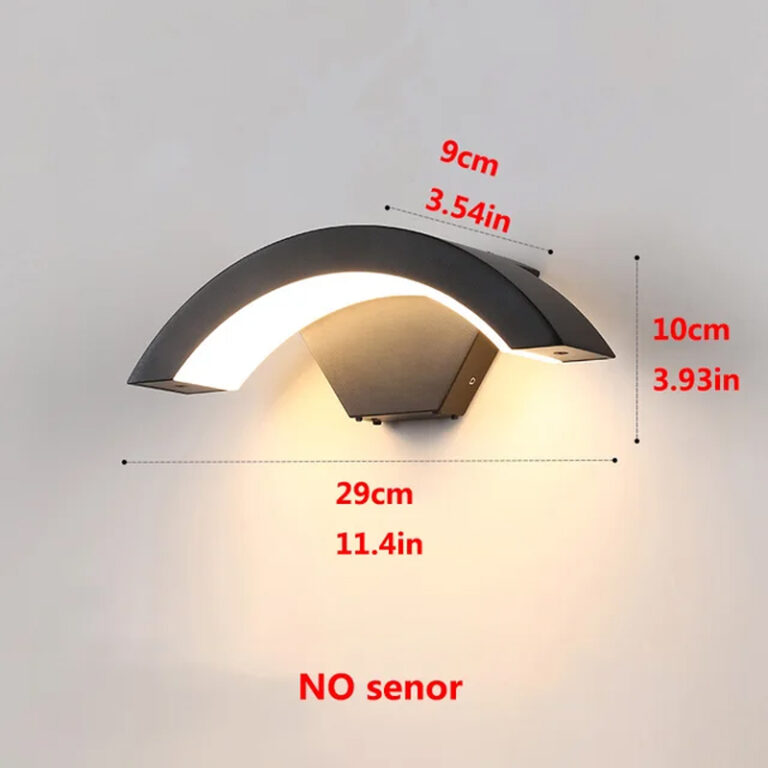 Aisha's pickAluminum Outdoor Lights That Survive a Hard Winter
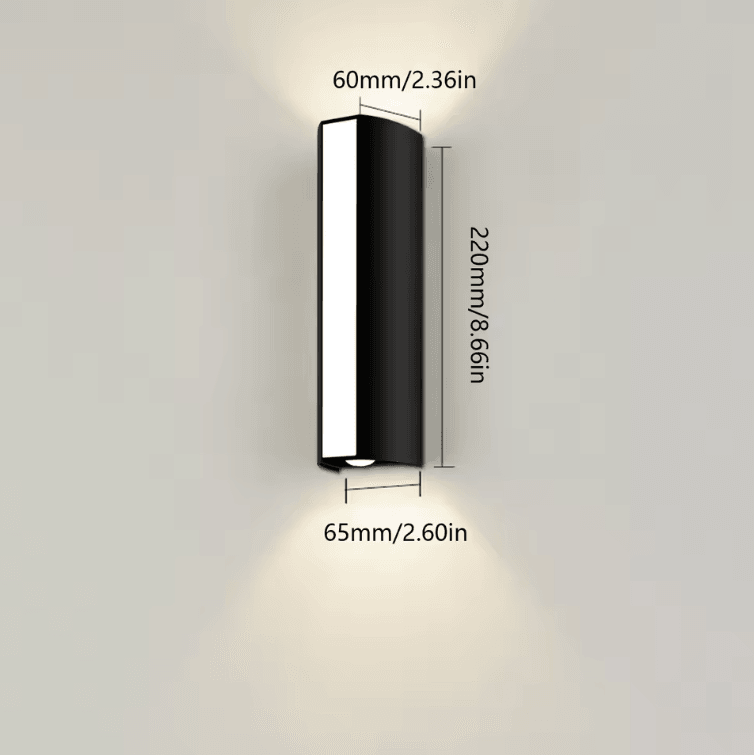
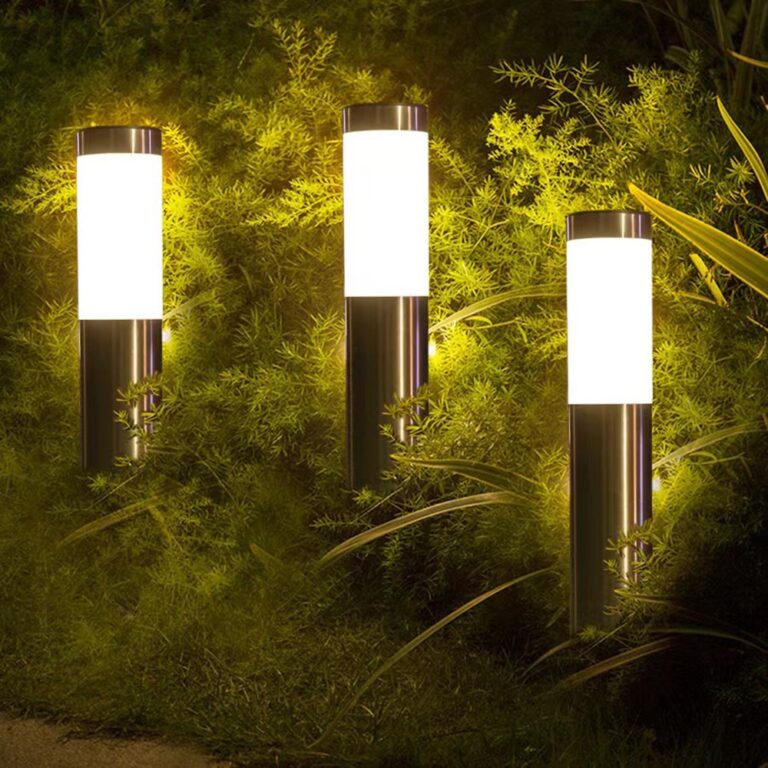 Aisha's pickStainless Steel Outdoor Lights We’d Have Out From May to September
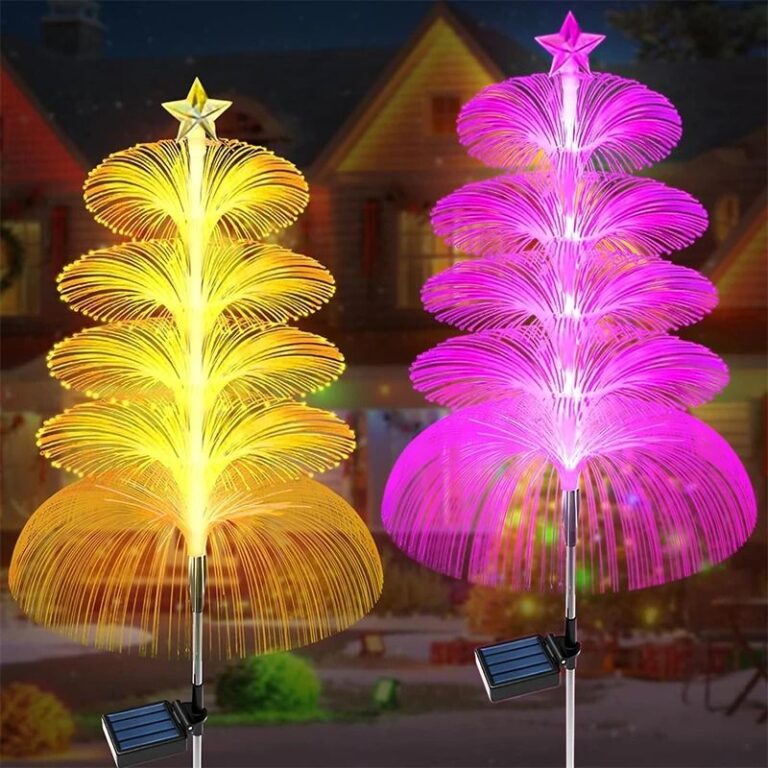
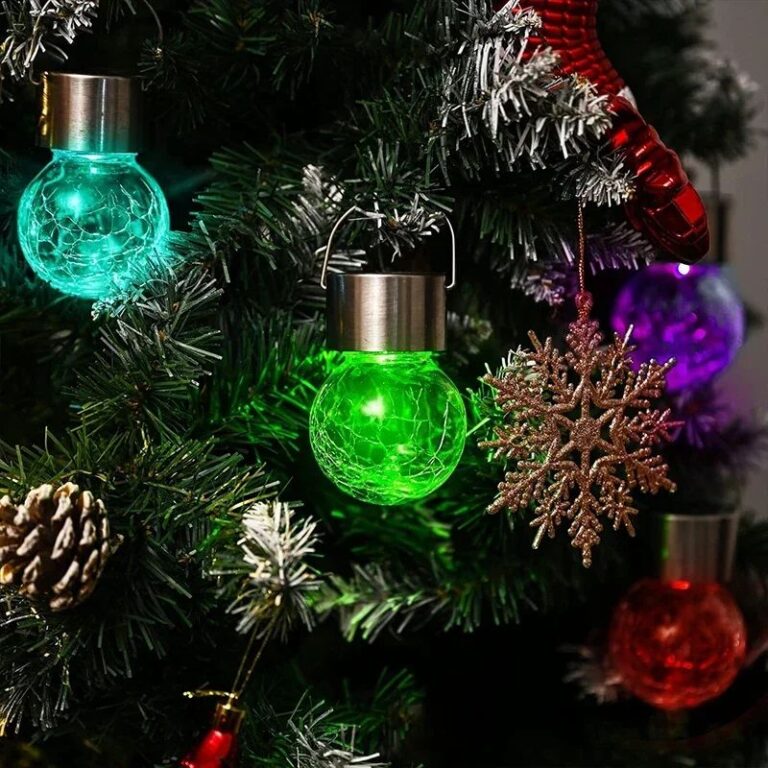 Aisha's pickSteel Solar Lights That Survive a Hard Winter
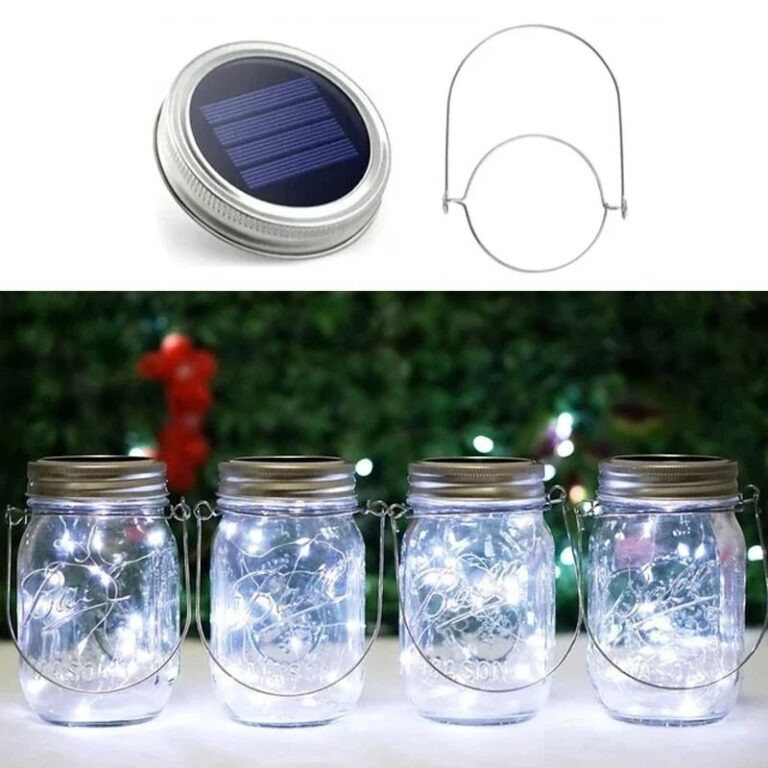
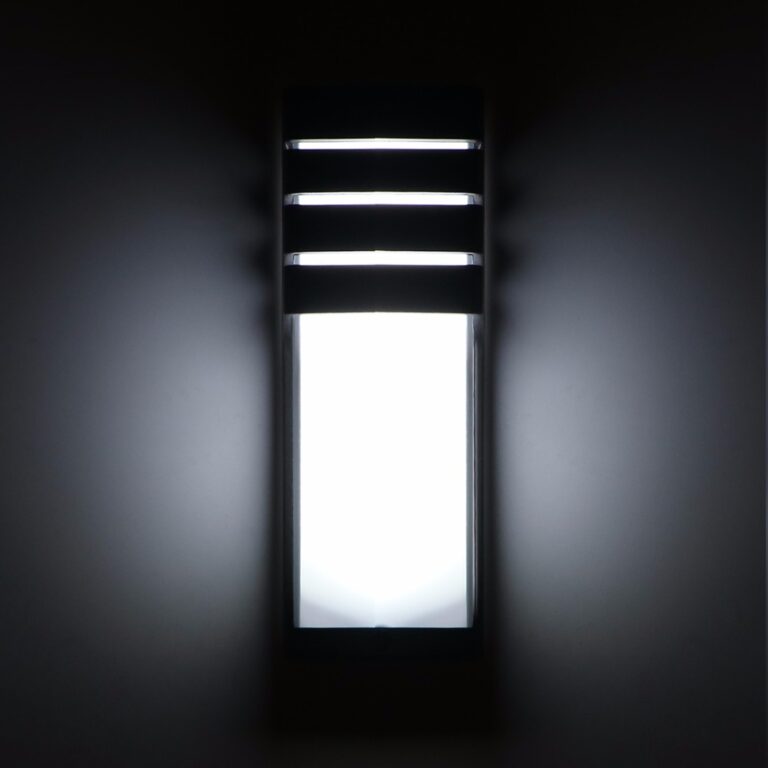 Aisha's pickSimple Aluminum Outdoor Wall Lights Done Well
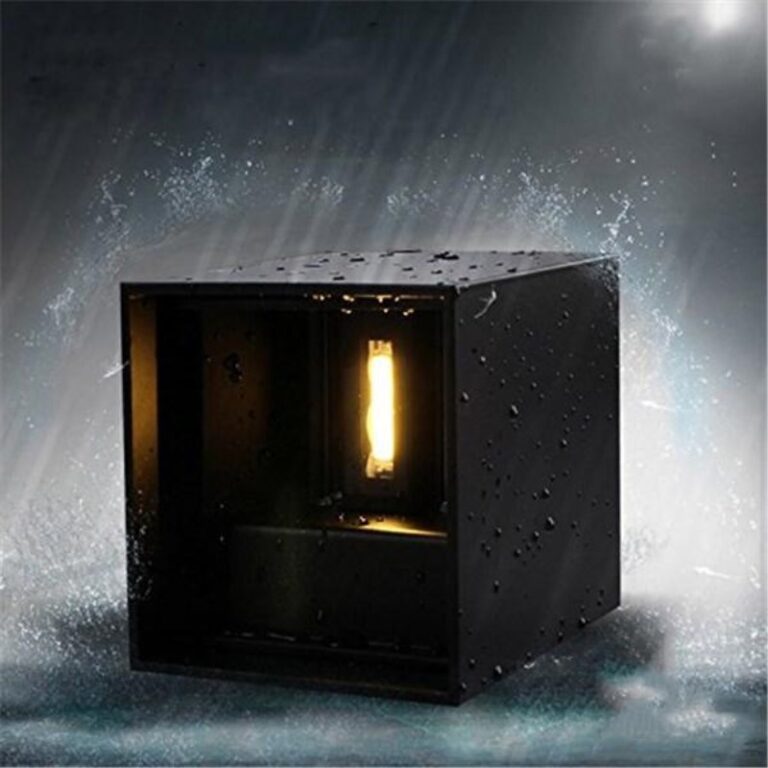
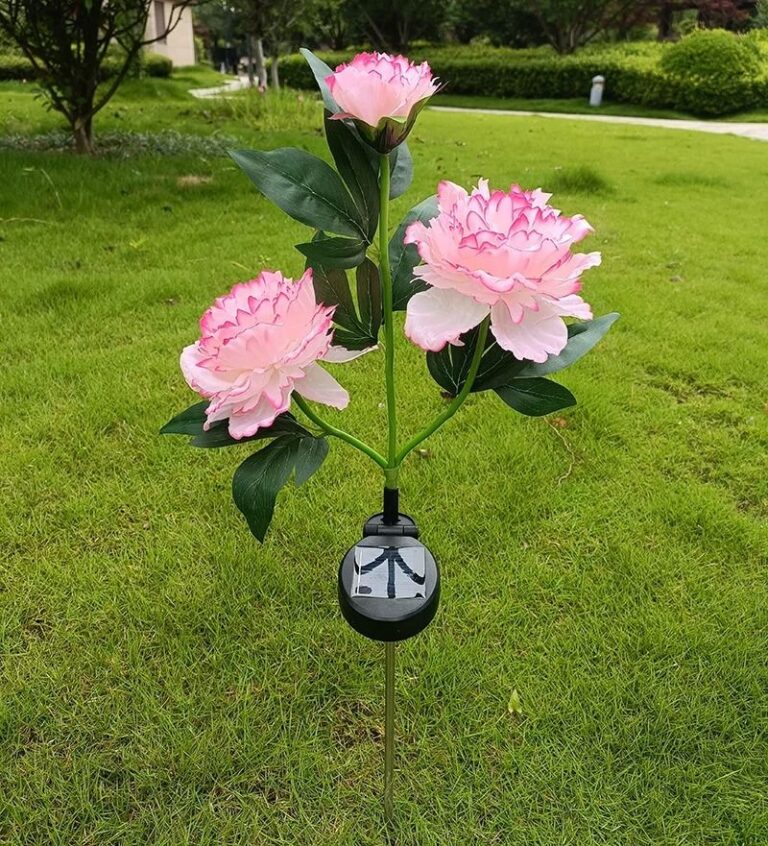 Aisha's pickStainless Steel Outdoor Lights That Fit Into Real Life