Solar lights make the most sense for homes with a path, a porch, or a patch of garden that nobody wants to run a cable out to, a rented place where drilling into brick for wiring is out of the question, or a backyard that only needs a soft glow for a few hours after dinner. If you want real brightness to cook or read by, or you live somewhere with long gray winters and short days, think twice, because solar is only as good as the sun it gets, and a shaded yard under a big oak is going to leave you disappointed by October.
When you're picking these up in a shop or unboxing them the day they arrive, check the panel itself before anything else, since a bigger panel usually means a steadier light rather than the dim flicker you get from the tiny ones. Look at how the stake goes into the ground too, because the flimsy plastic ones snap the first time you hit a root or a patch of clay. Check the switch is easy to reach without crouching down, since you'll be doing it more than you think in the first week while you figure out placement. Where they go matters as much as the light itself, they clash with anything that already has a strong design statement going on, a nicely lit modern facade with clean architectural lighting does not need a string of little solar globes competing with it, and they look wrong lining a formal, symmetrical path where you want precision rather than a soft scatter. They also don't belong anywhere near bright security lighting or a porch light on a dusk sensor, because the solar ones will just vanish into that glare and you've wasted the money. Morning is actually the test that matters more than evening, since that's when the panels are charging, so a spot that looks shady and pleasant at seven in the evening might be getting almost no sun at nine in the morning, and that's the number that counts.
Be honest about the limits too. These are not a substitute for real outdoor lighting if you need to see your steps clearly at night, or if you're lighting a space for cooking or entertaining after dark, the output just isn't there and a cloudy stretch of days will leave you with almost nothing by evening. They're also not built for permanence, most won't survive many winters outside before the battery gives out or the casing cracks, so treat them as something you'll replace every couple of seasons rather than a fixture you install once and forget.
Next time you're looking at one, check the panel size first, everything else about how well it performs follows from that.
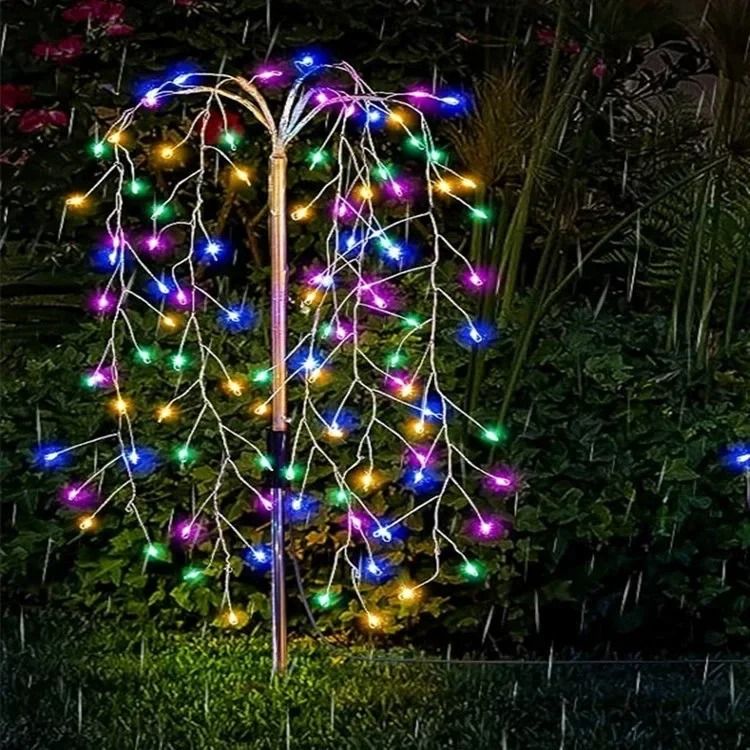 Aisha's pickRechargeable Solar Outdoor Lights for Making the Most of the Patio
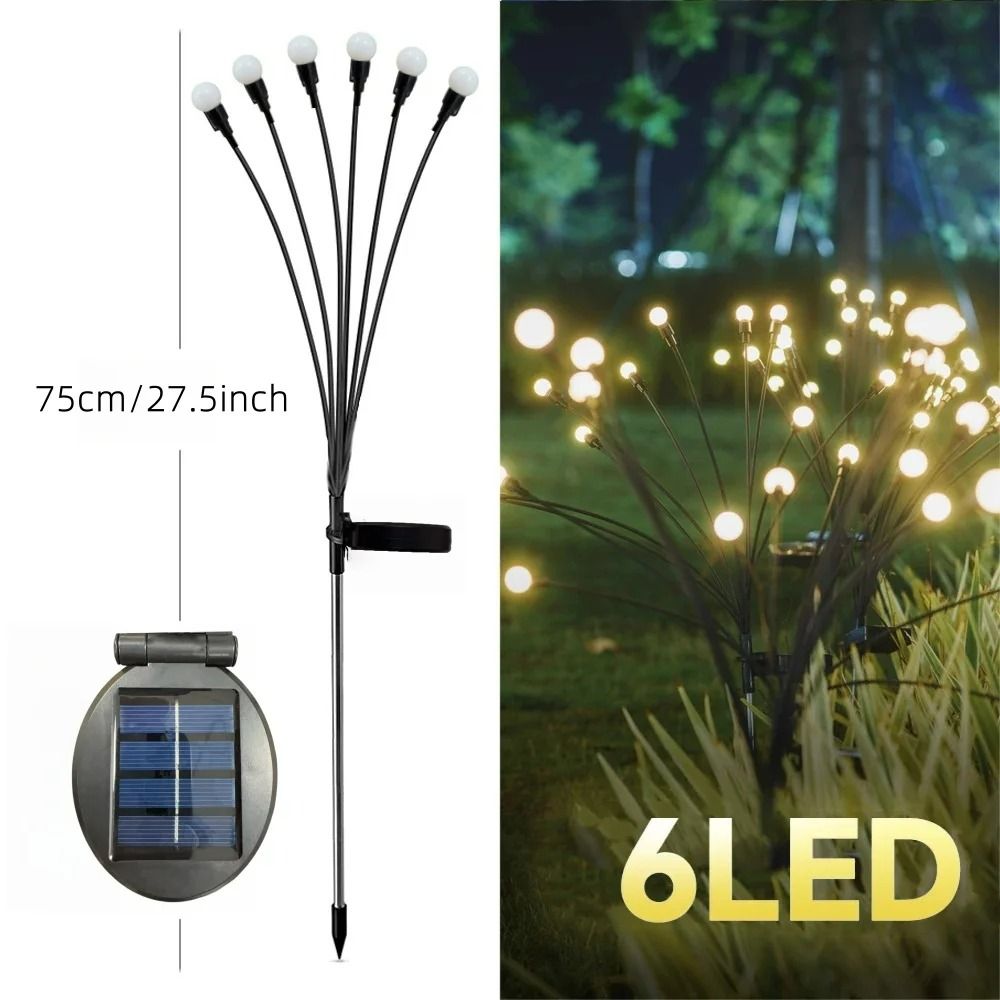
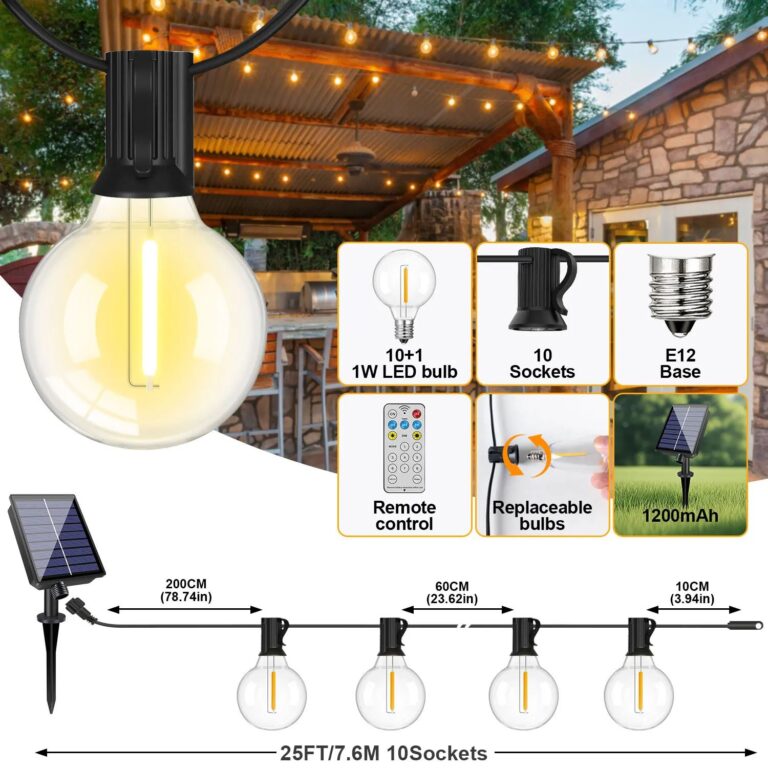 Aisha's pickSolar Lights with Remote That Won’t Let You Down
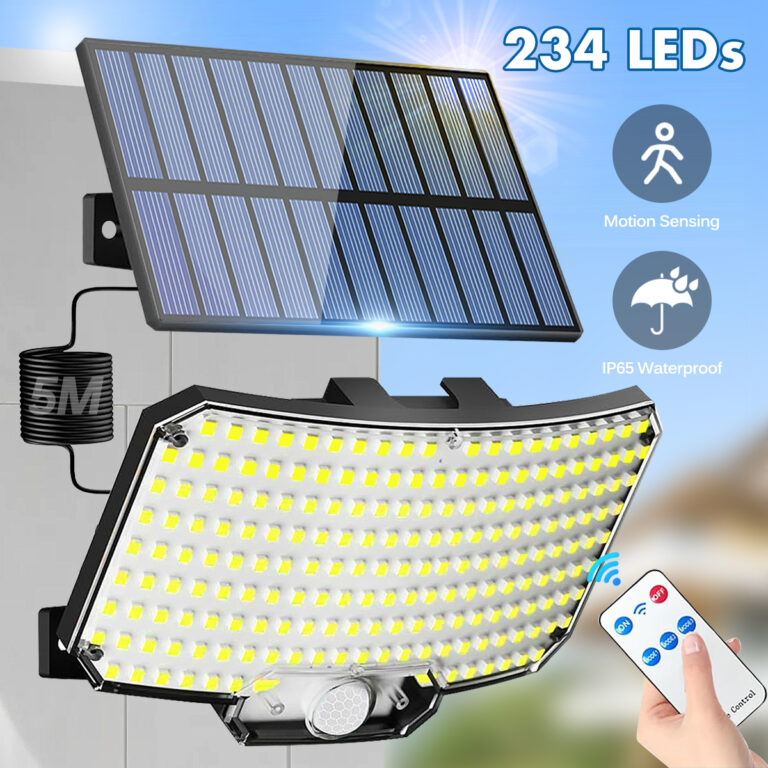
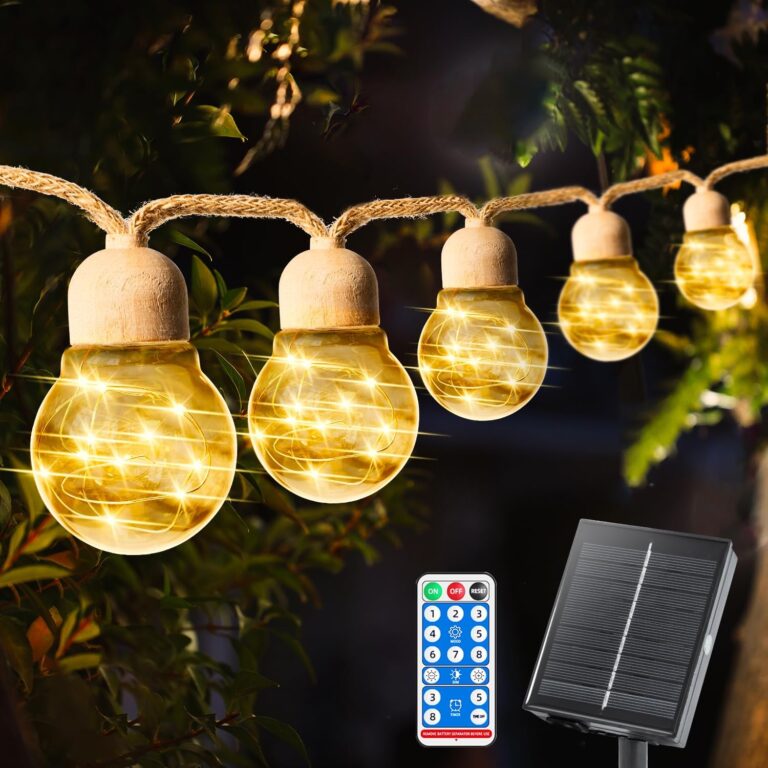 Aisha's pickWaterproof Solar String Lights That Look Like They Cost More
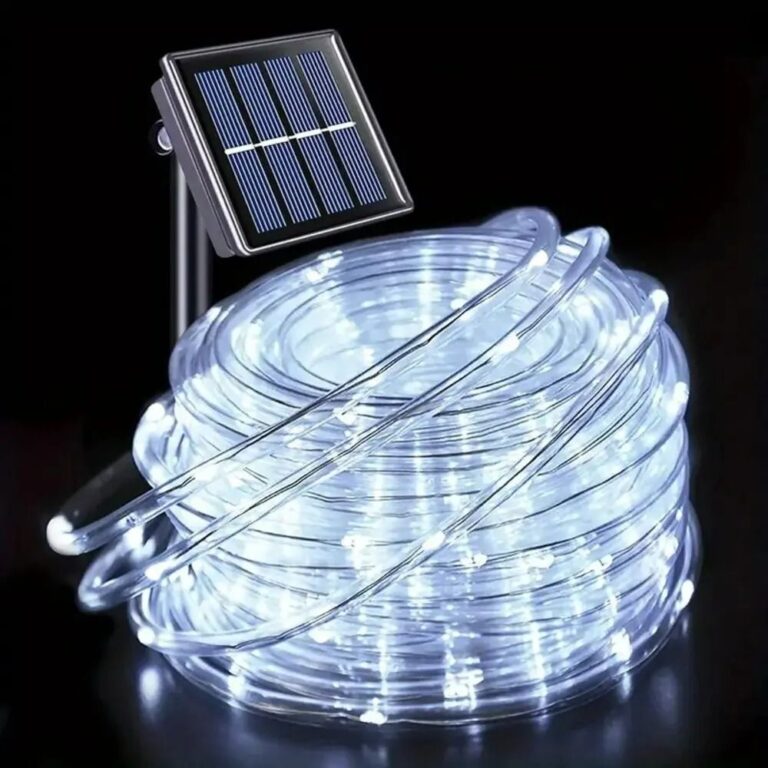
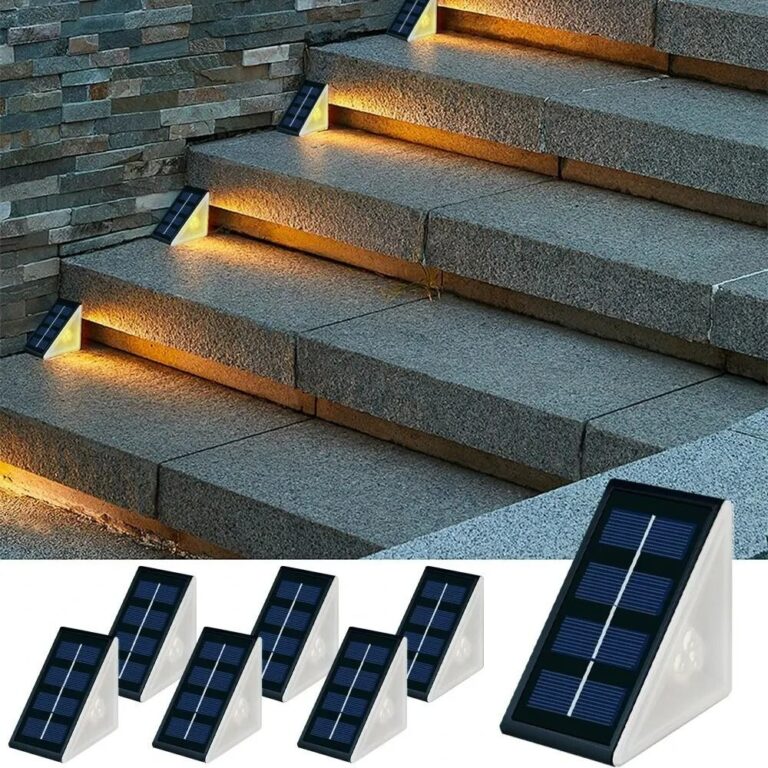 Aisha's pickRechargeable Solar Lights Pulled From Dozens of Stores
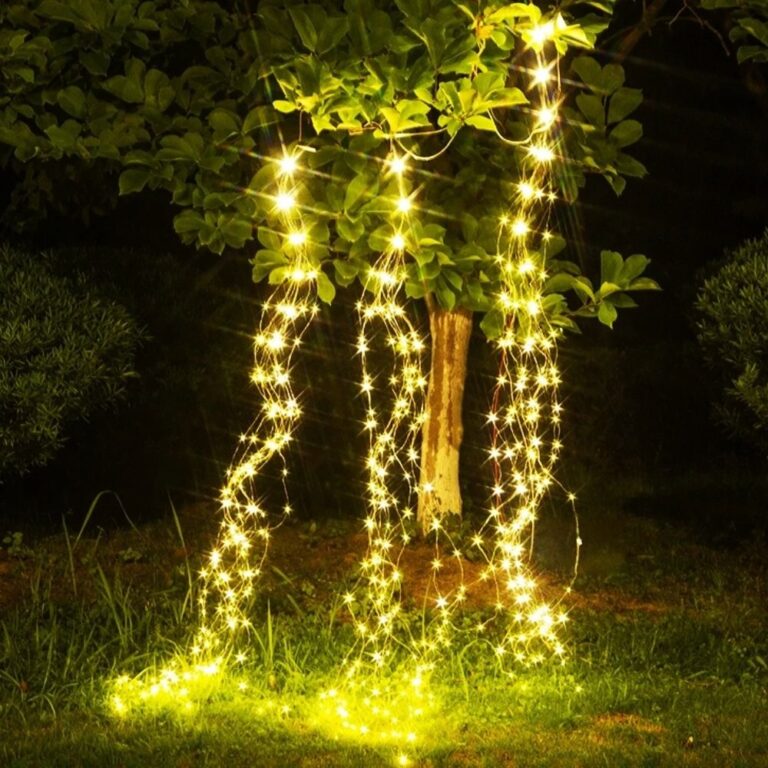
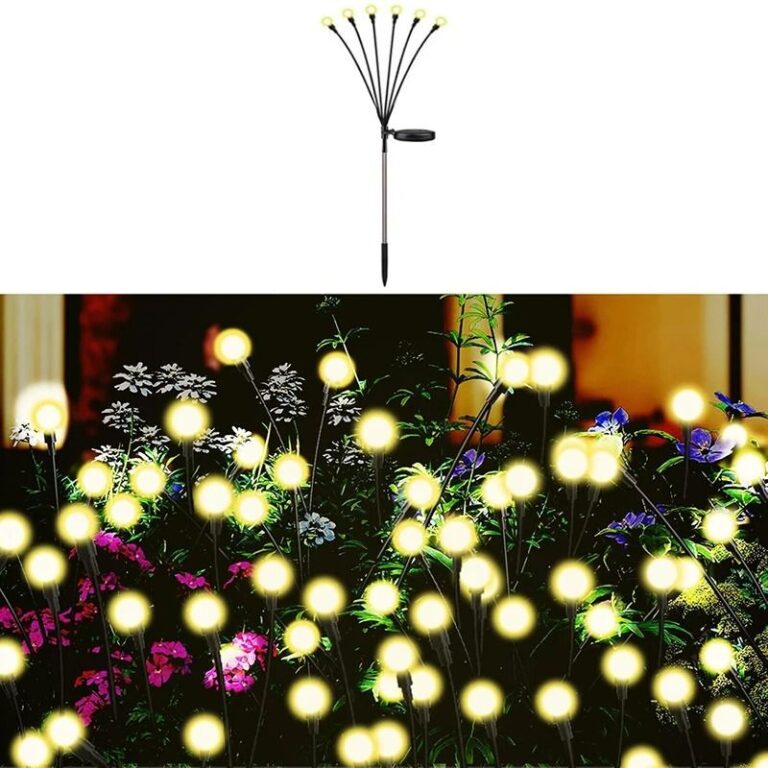 Aisha's pickSolar Lights with Sensor That Do the Job Right
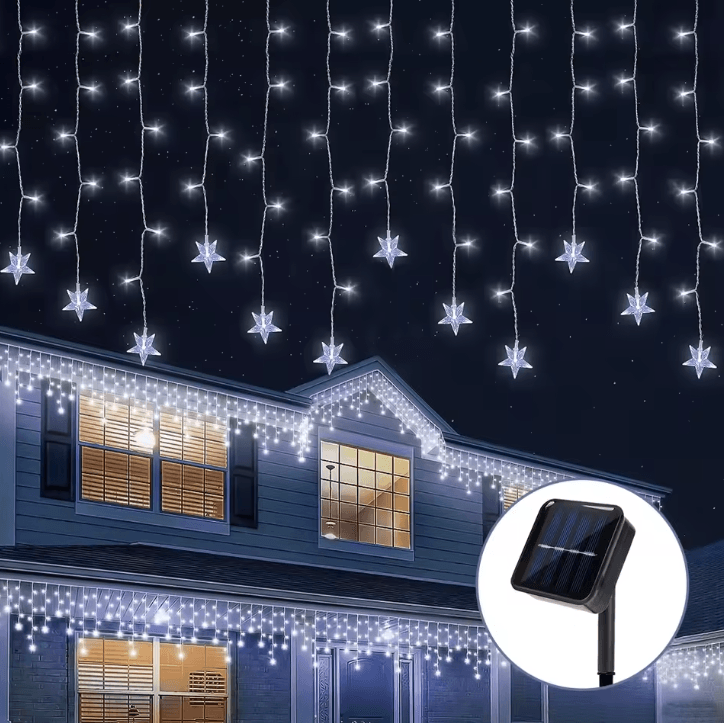
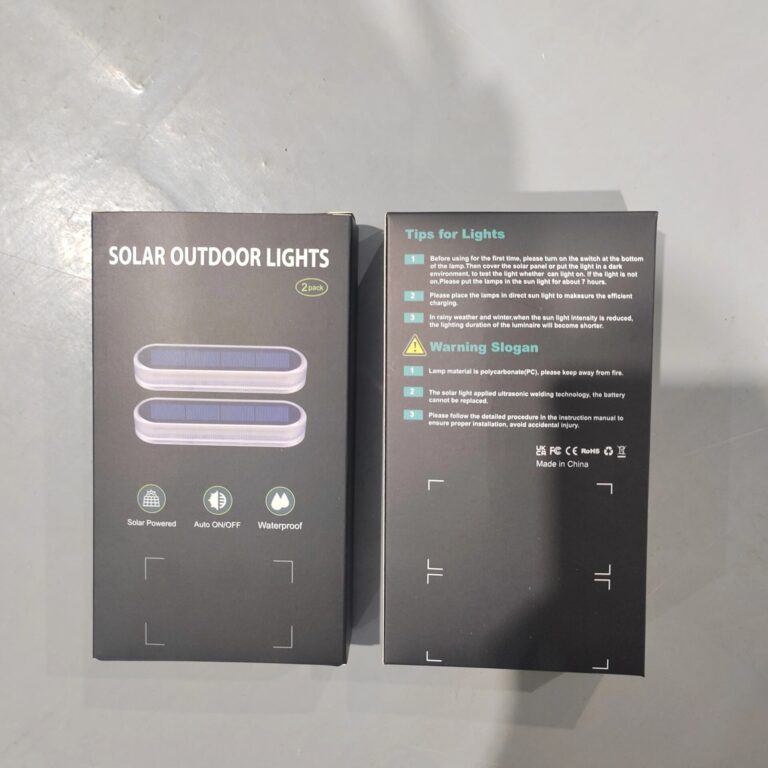 Aisha's pickWaterproof Solar Outdoor Lights That Shrug Off the Rain
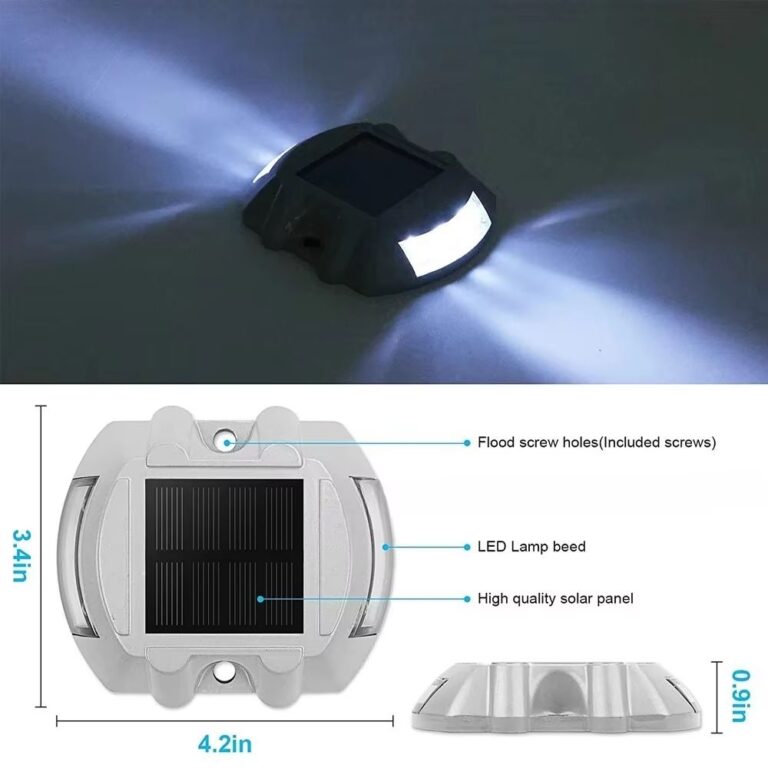
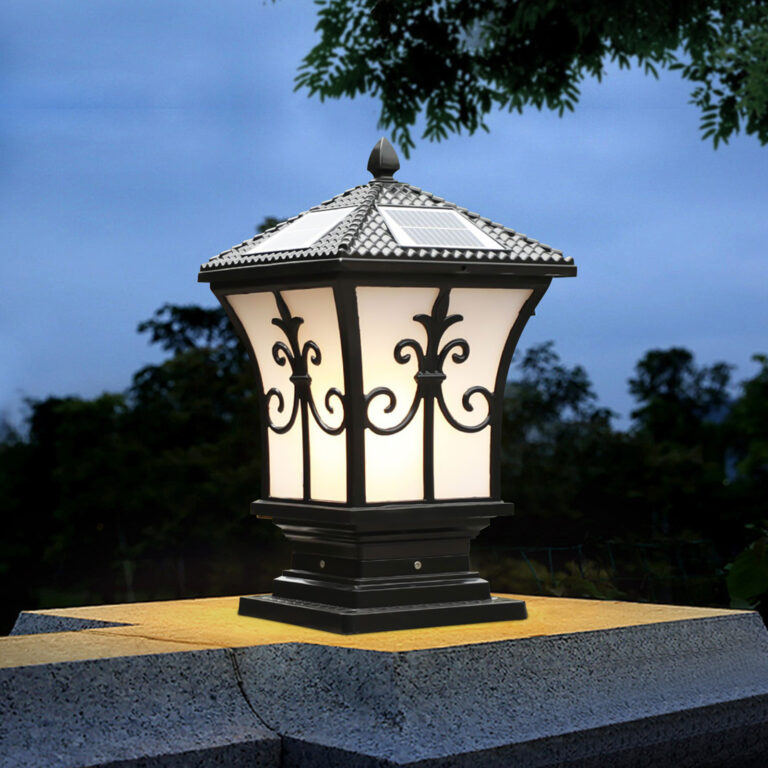 Aisha's pickNo Fuss Smart Solar Outdoor Lights
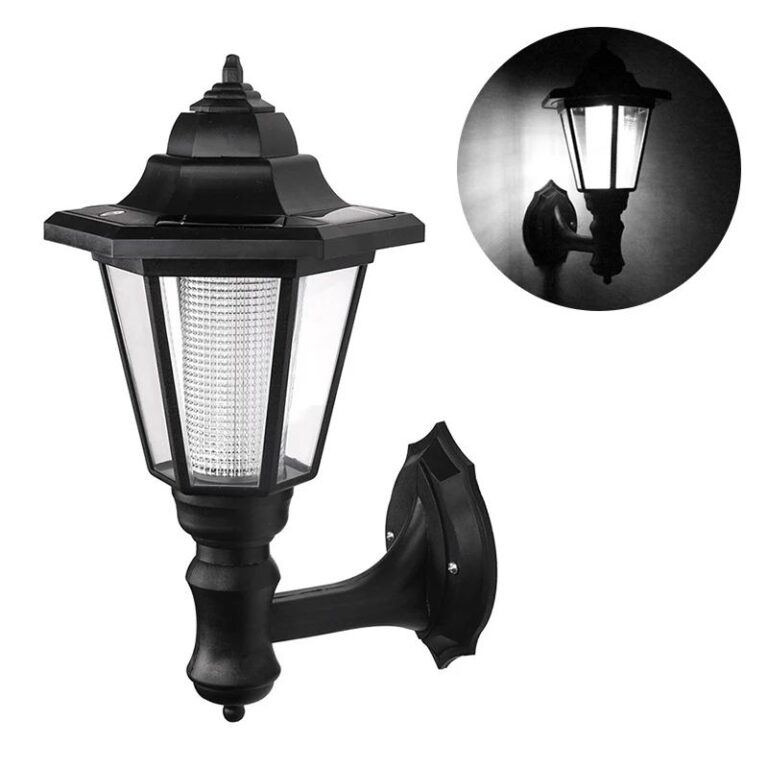
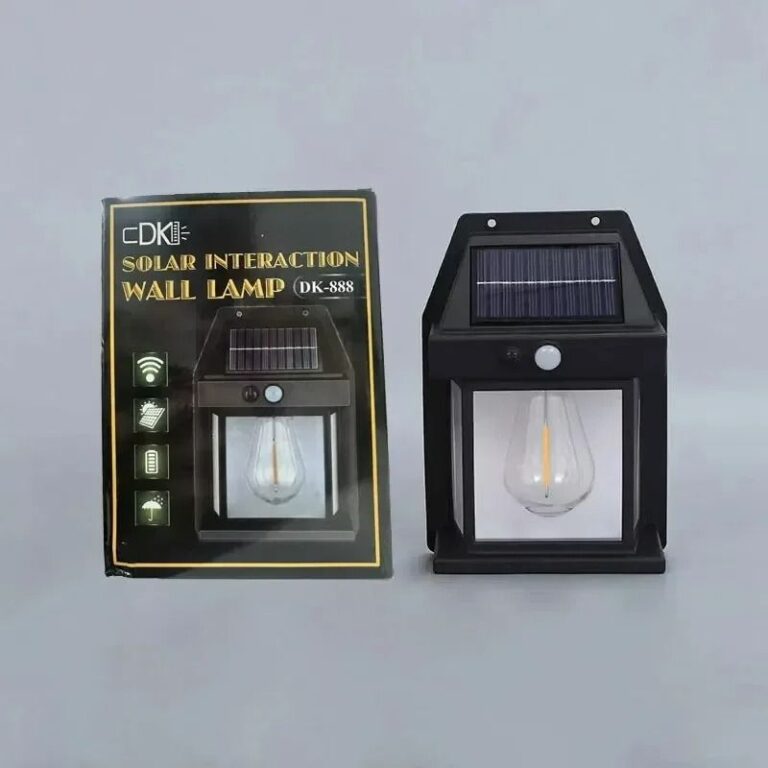 Aisha's pickSolar Motion Sensor Lights for Barbecues and Lazy Weekends
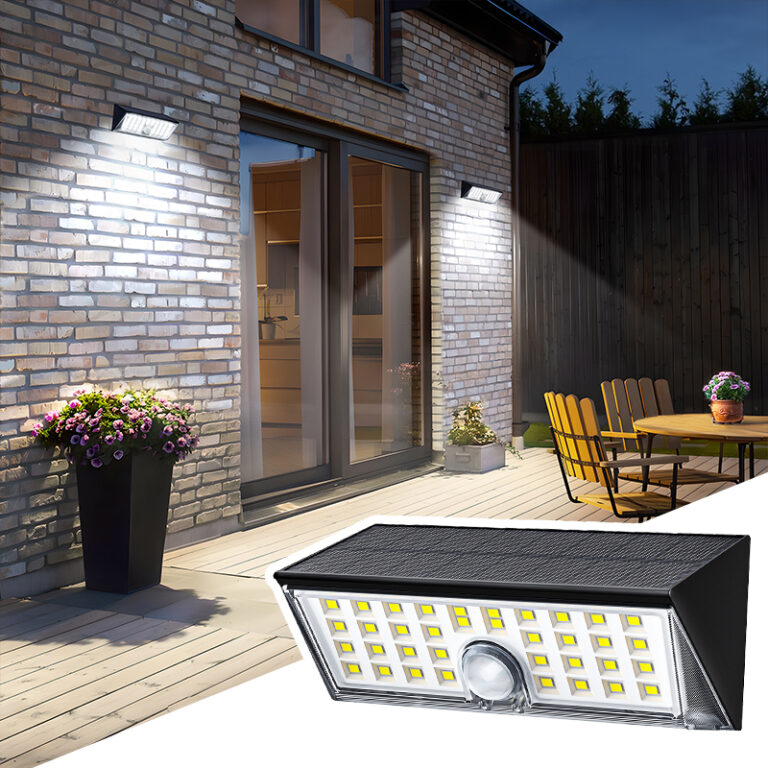
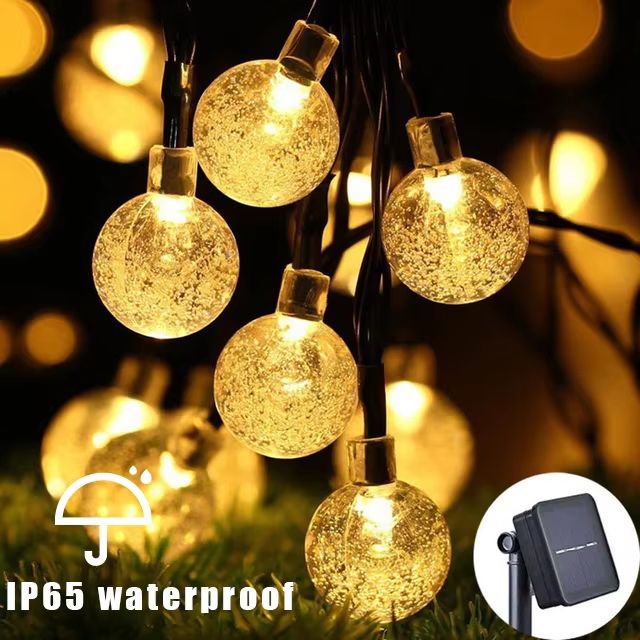 Aisha's pickWaterproof Solar Lights We’d Have Out From May to SeptemberAlso worth a lookOutdoor LightingA good outdoor light does something very particular at dusk: it doesn't flood the patio like an interrogation…See the collections →
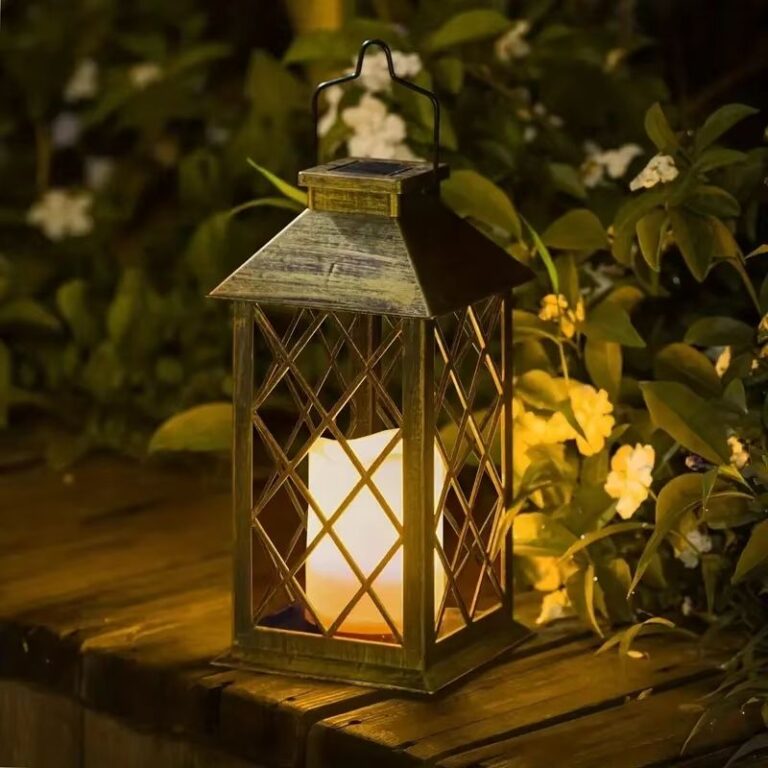
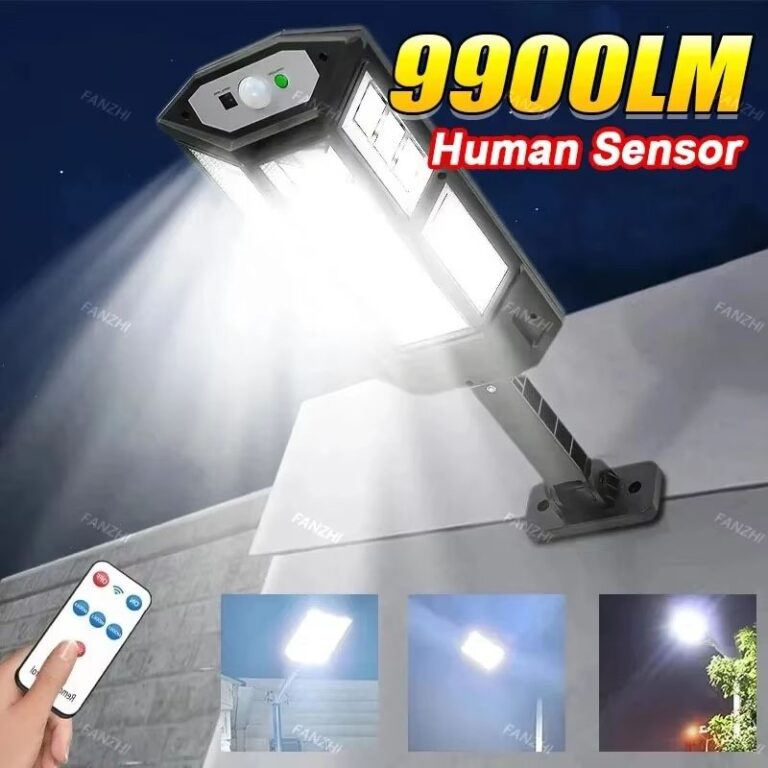 Aisha's pickWhere to Start With Smart Solar Lights
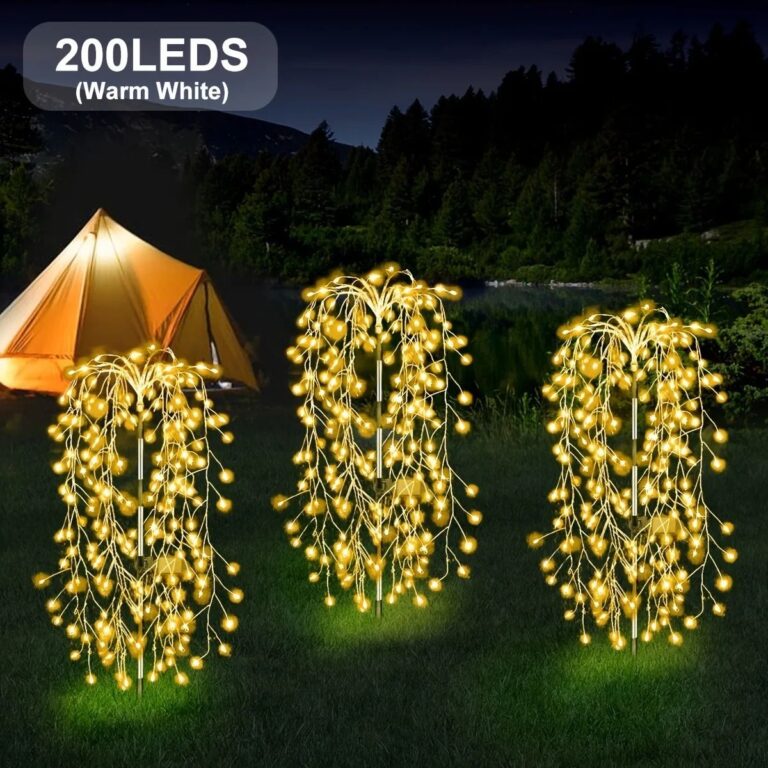
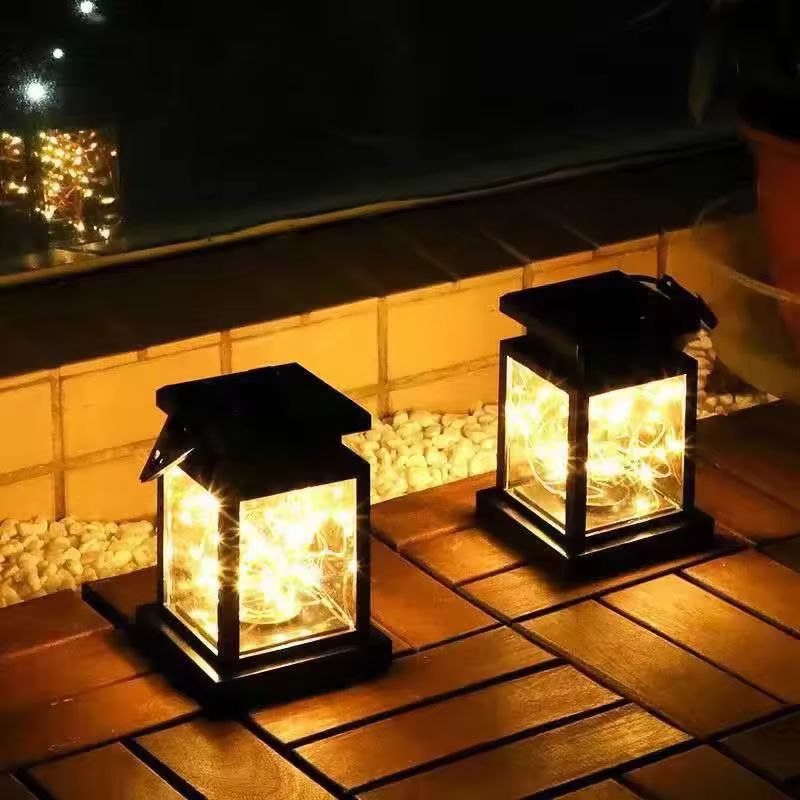 Aisha's pickSolar Night Lights for Making the Most of the Patio
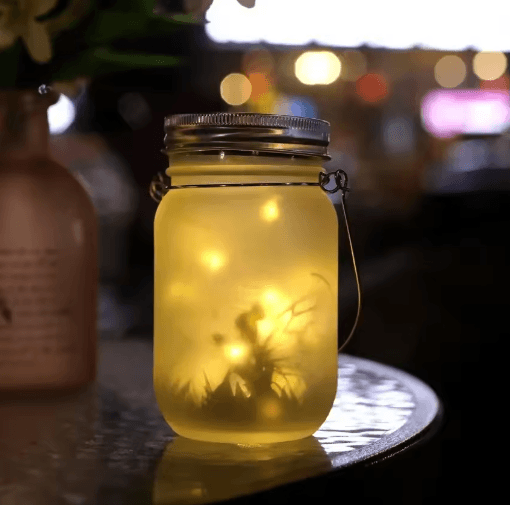
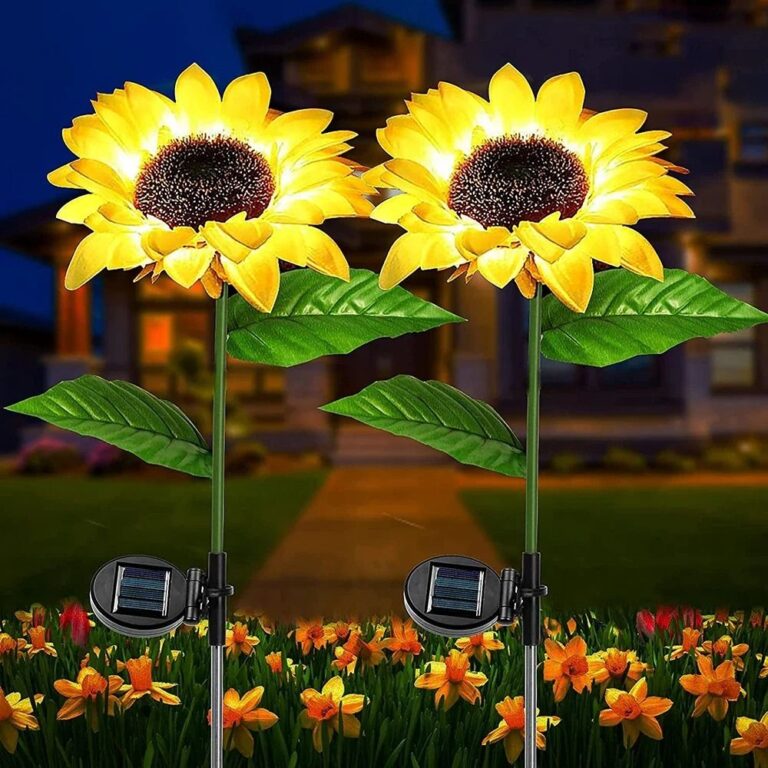 Aisha's pickSmart Solar Stake Lights for Sunny Afternoons and Chilly Nights
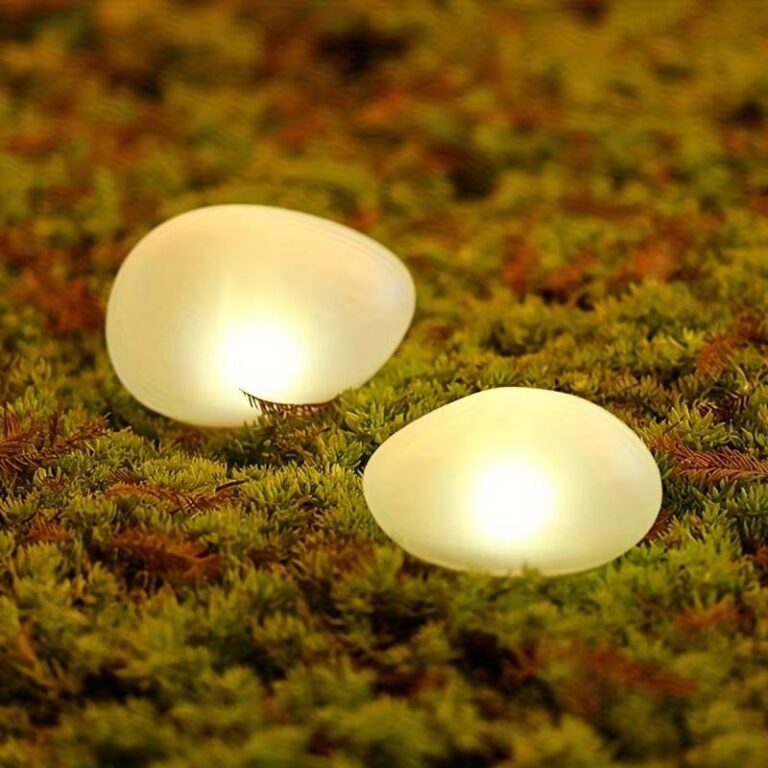
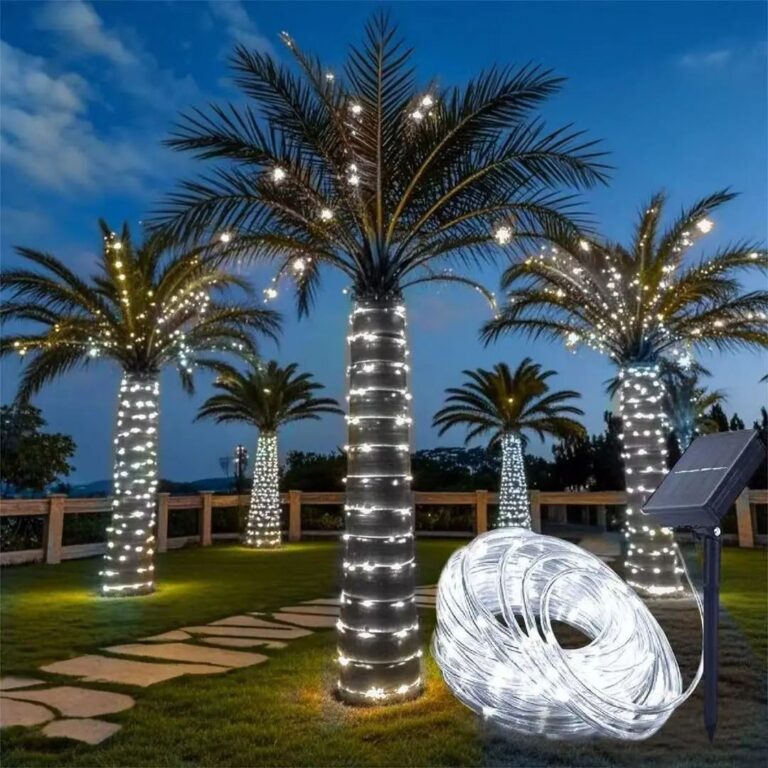 Aisha's pickShopping for Solar Outdoor String Lights? Start Here
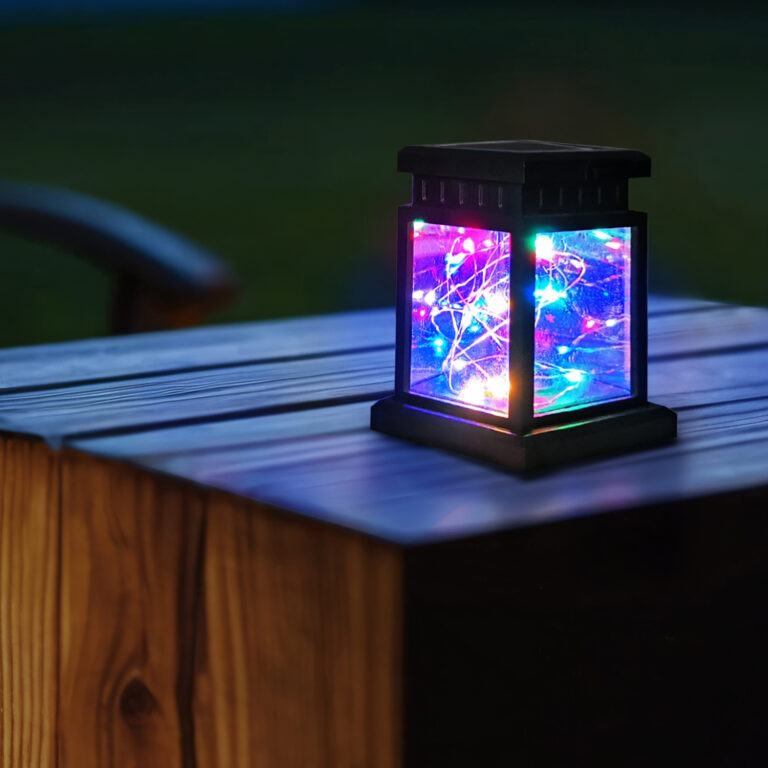
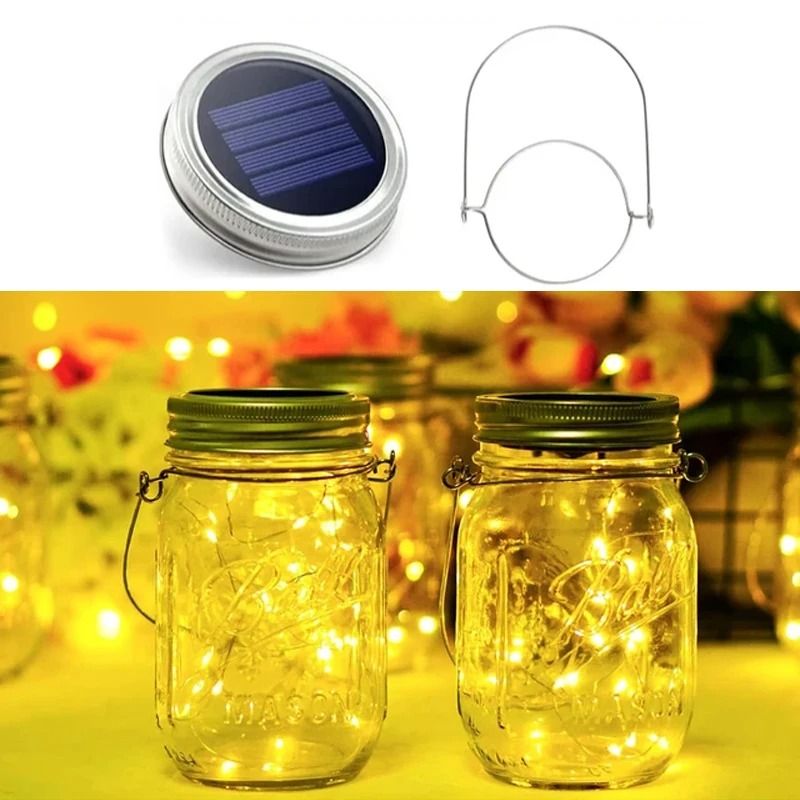 Aisha's pickGlass Solar Lights That Stand Up to the Weather
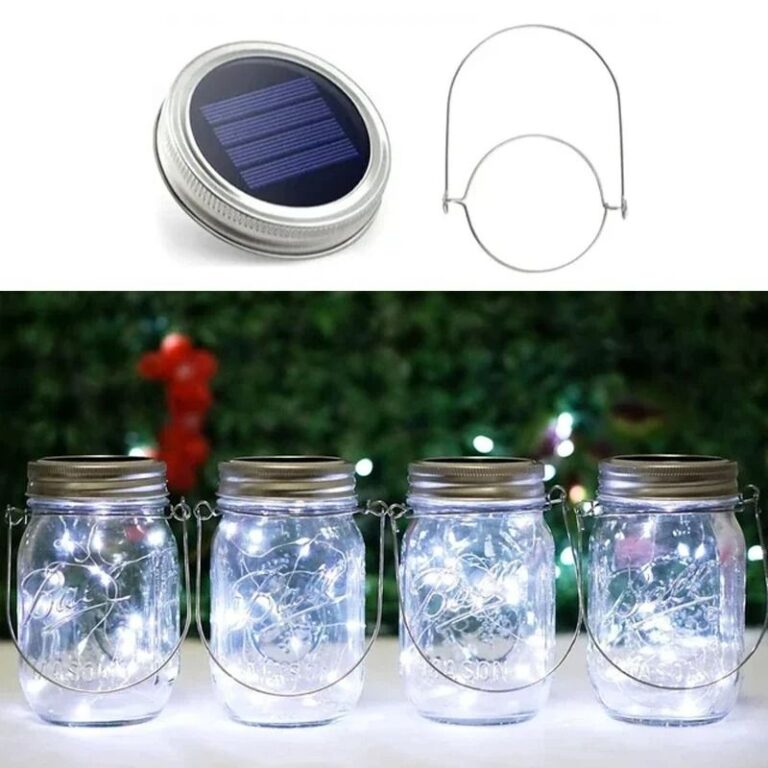
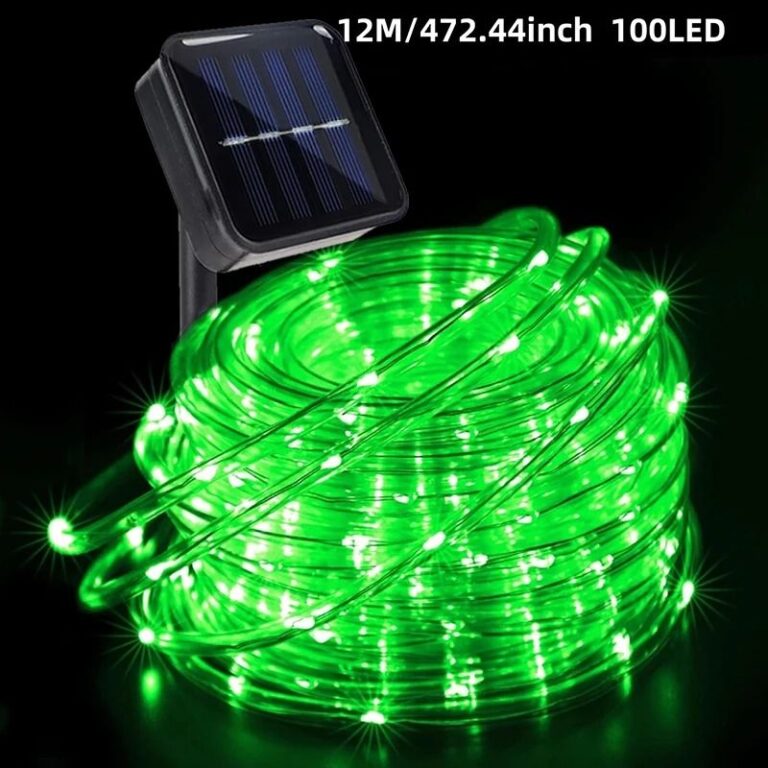 Aisha's pickSolar String Lights That Stand Up to the Weather
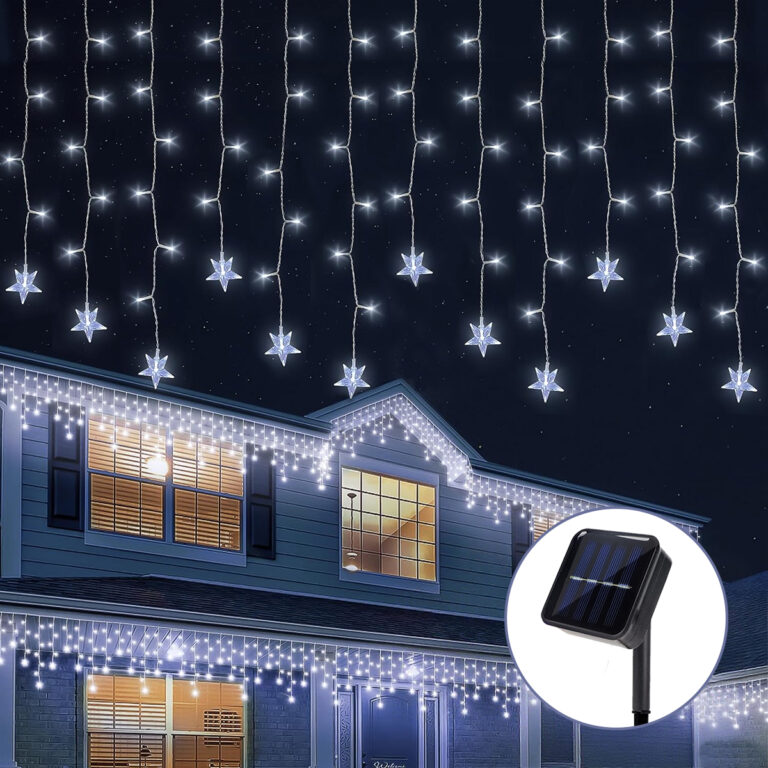
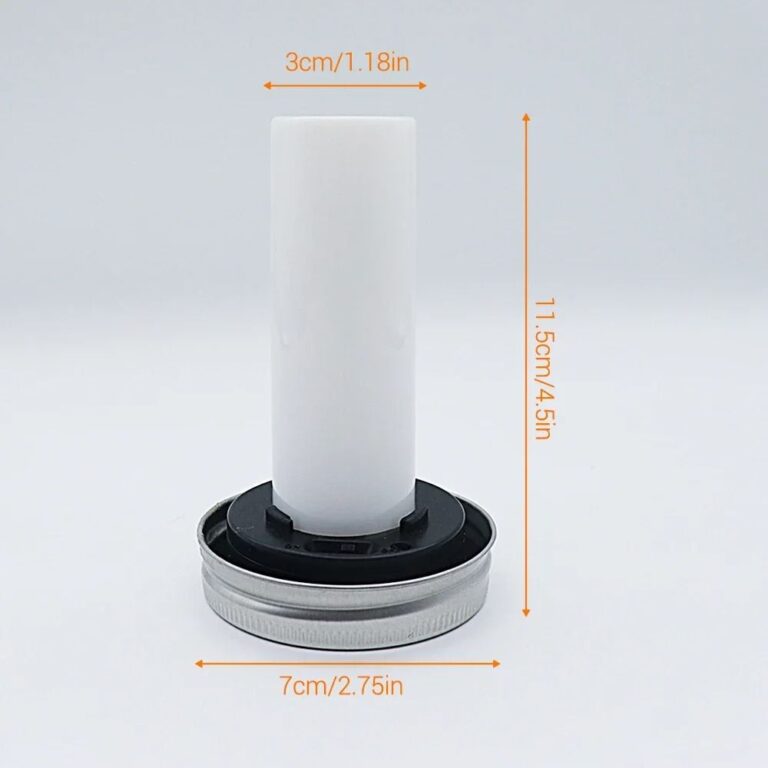 Aisha's pickNo Fuss Solar Outdoor Lanterns
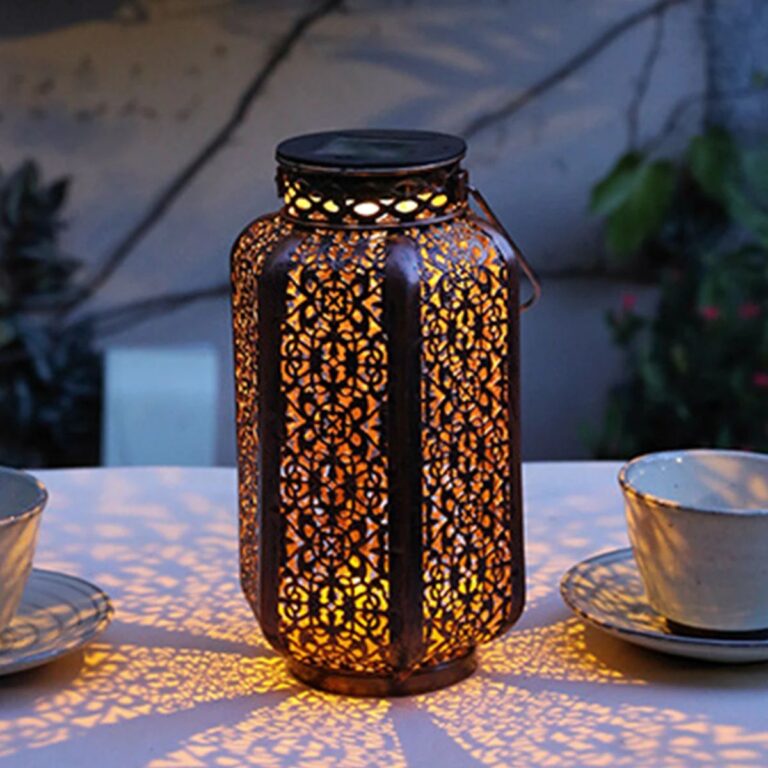
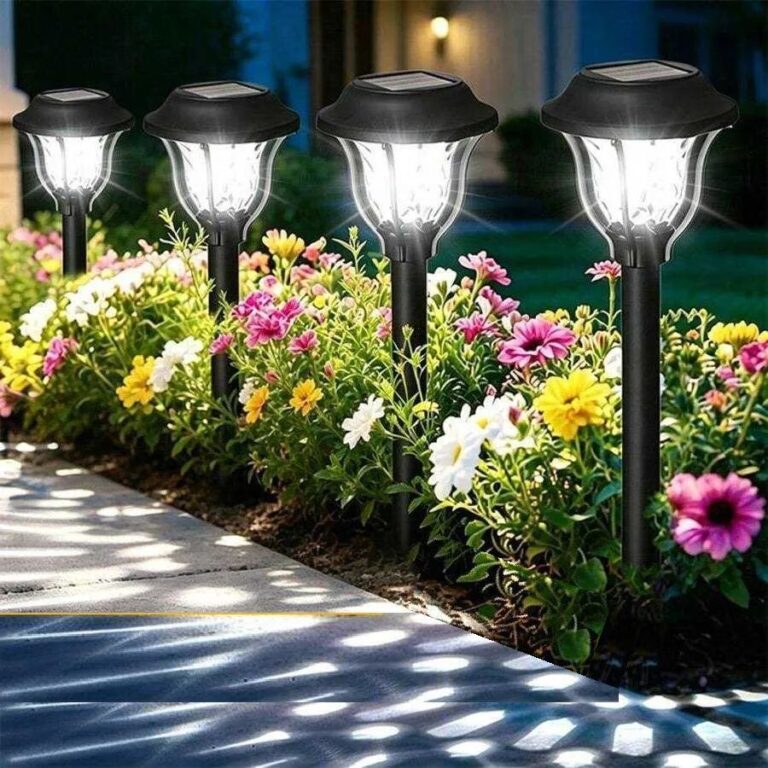 Aisha's pickIP44 Solar Lights for Making the Most of the Patio

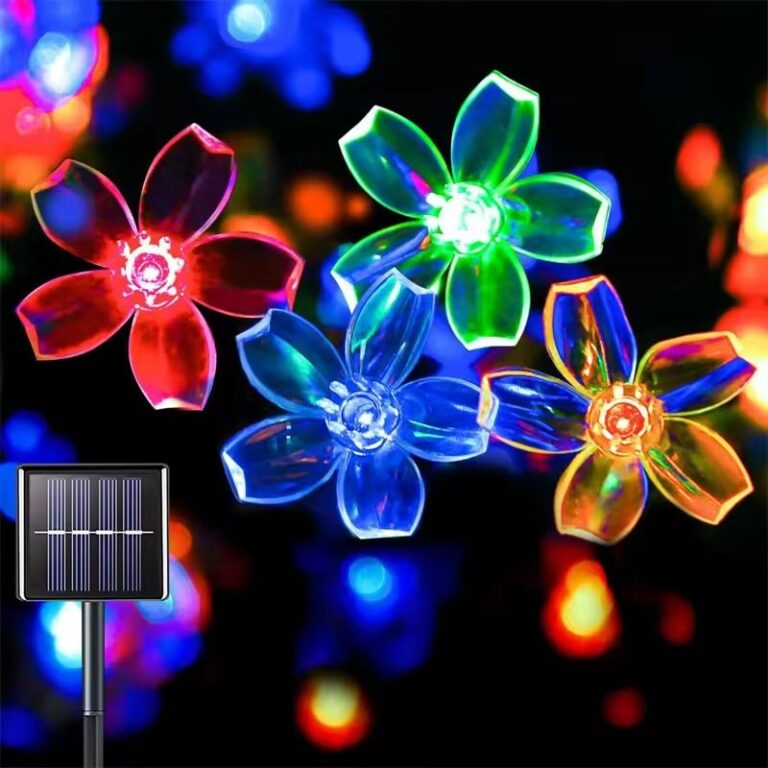 Aisha's pickSolar String Lights for the Yard We’d Have Out From May to SeptemberAlso worth a lookMetal Outdoor LightsMost people pick an outdoor light the way they pick a doormat, whatever is closest to the door…See the collections →
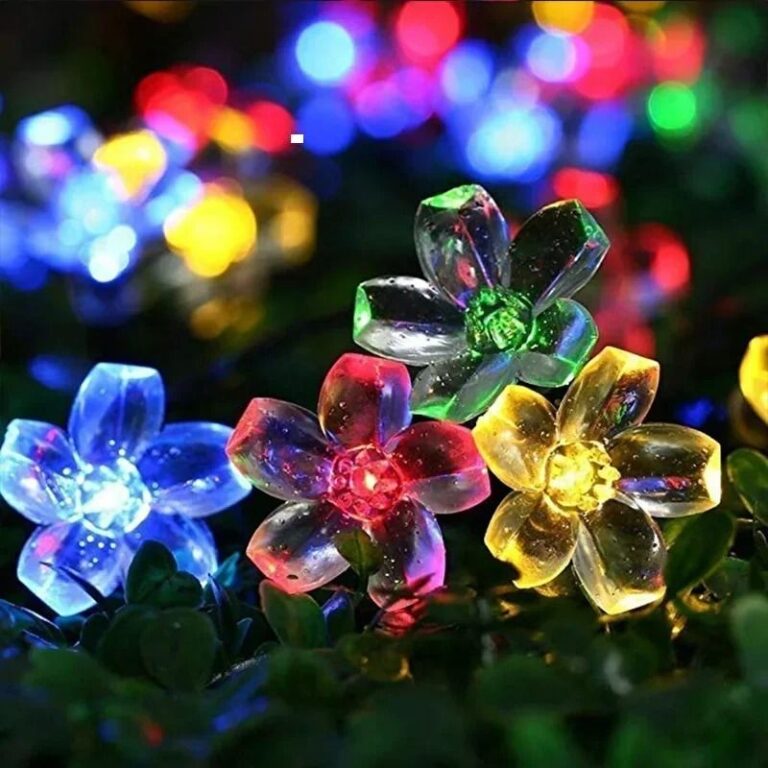
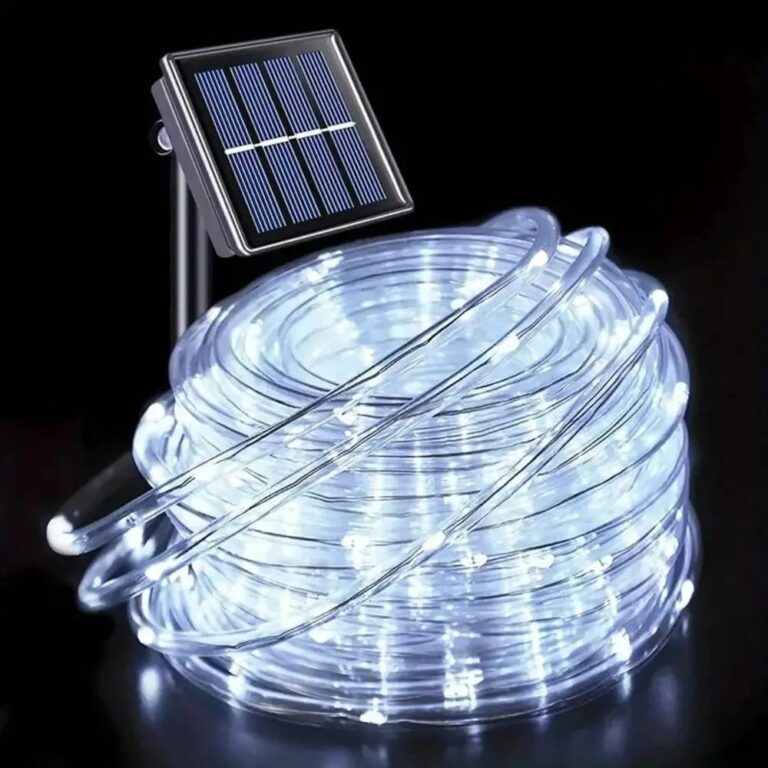 Aisha's pickSolar Outdoor Lights for Sunny Afternoons and Chilly Nights
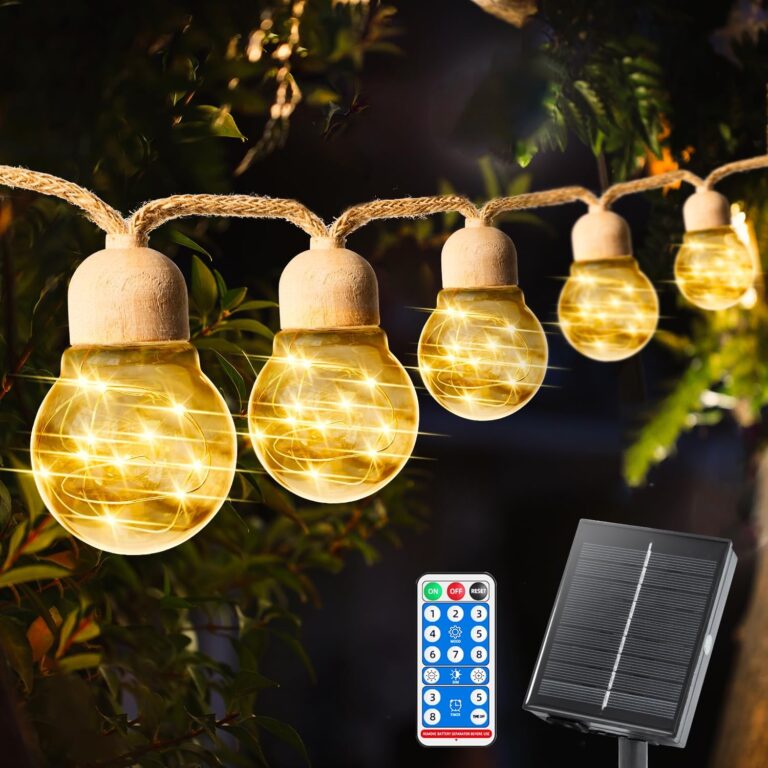 Aisha's pickSimple IP65 Solar Lights Done Well

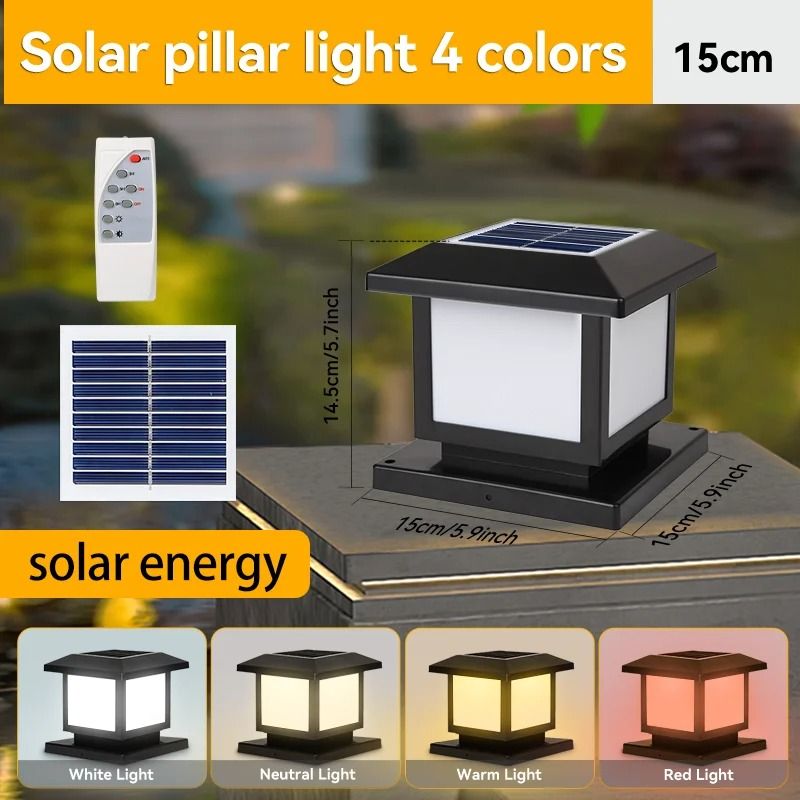 Aisha's pickSolar Fence Lights That Make the Yard Feel Like Another Room
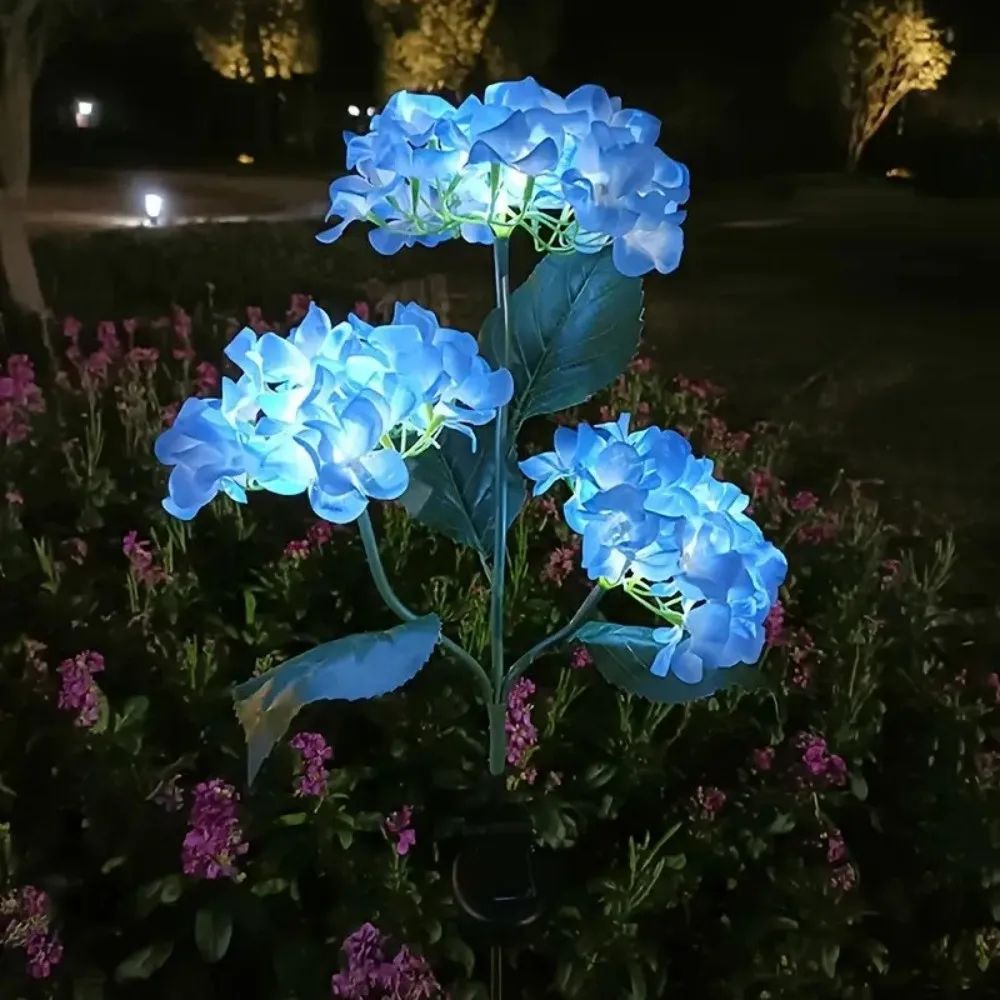
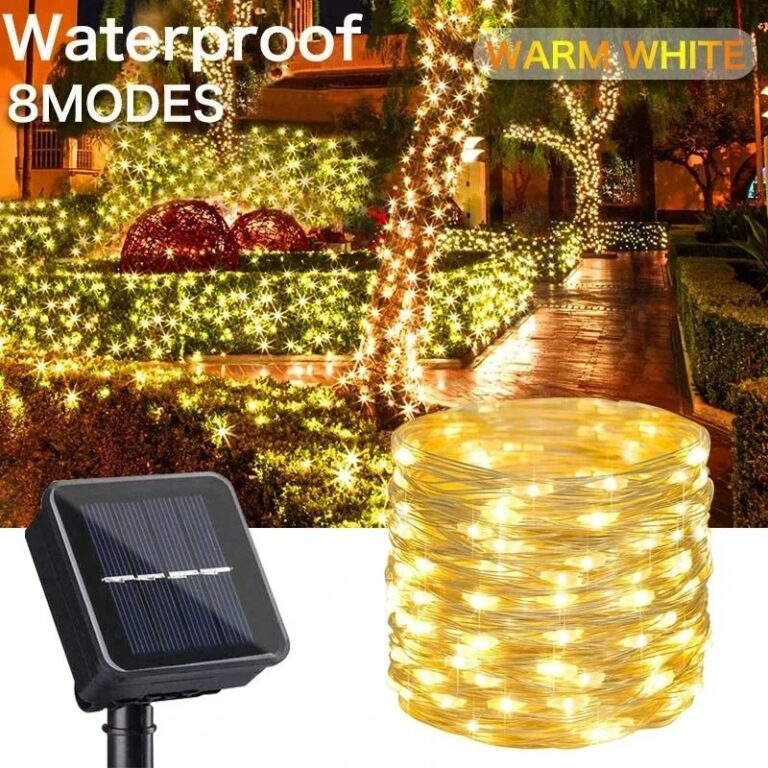 Aisha's pickThe Solar Outdoor Lights Worth Your Cash
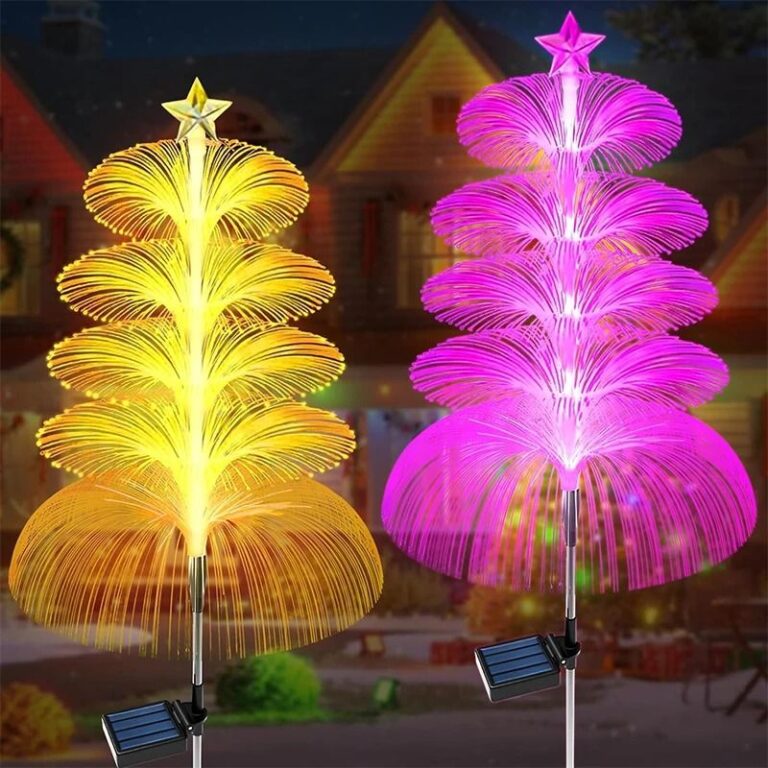
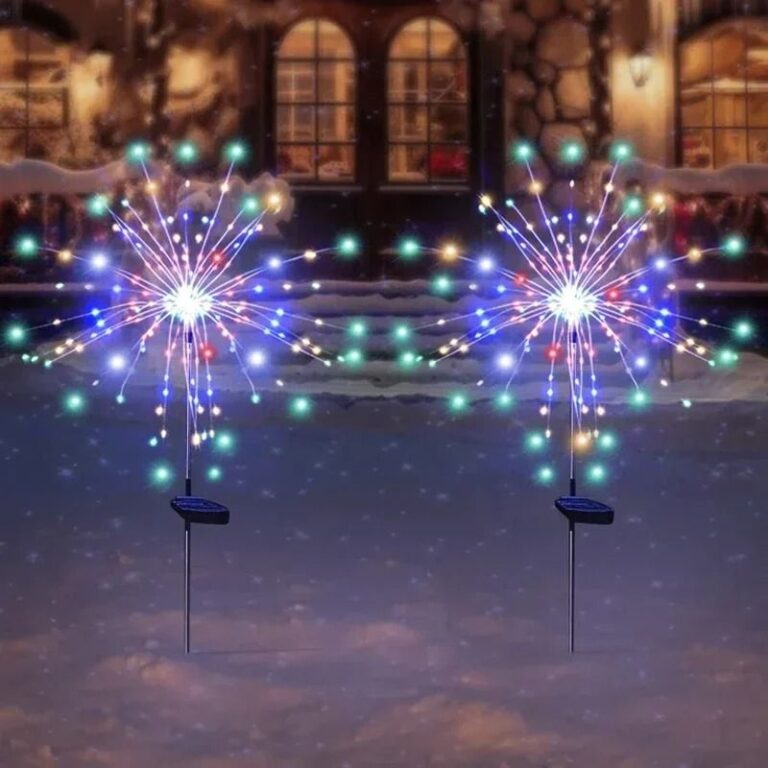 Aisha's pickLarge Solar Lights That Stand Up to the Weather
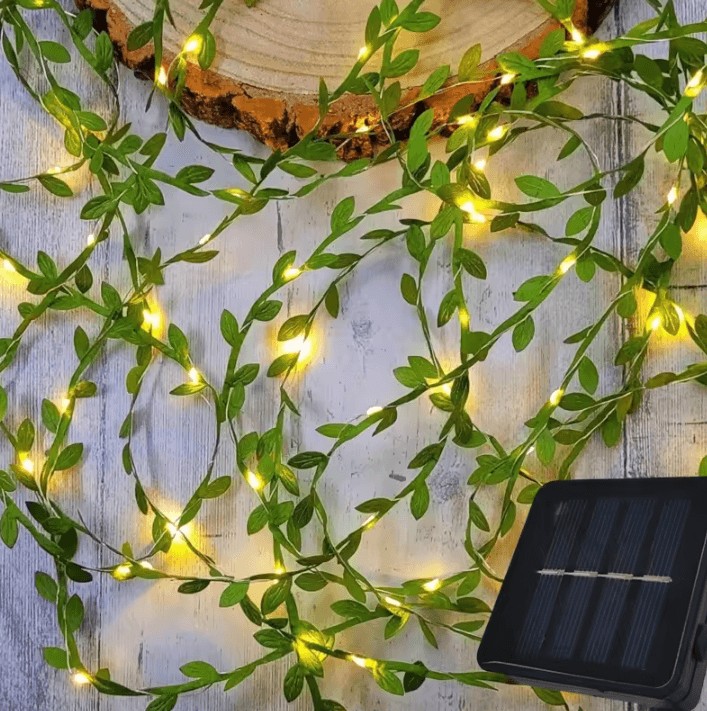
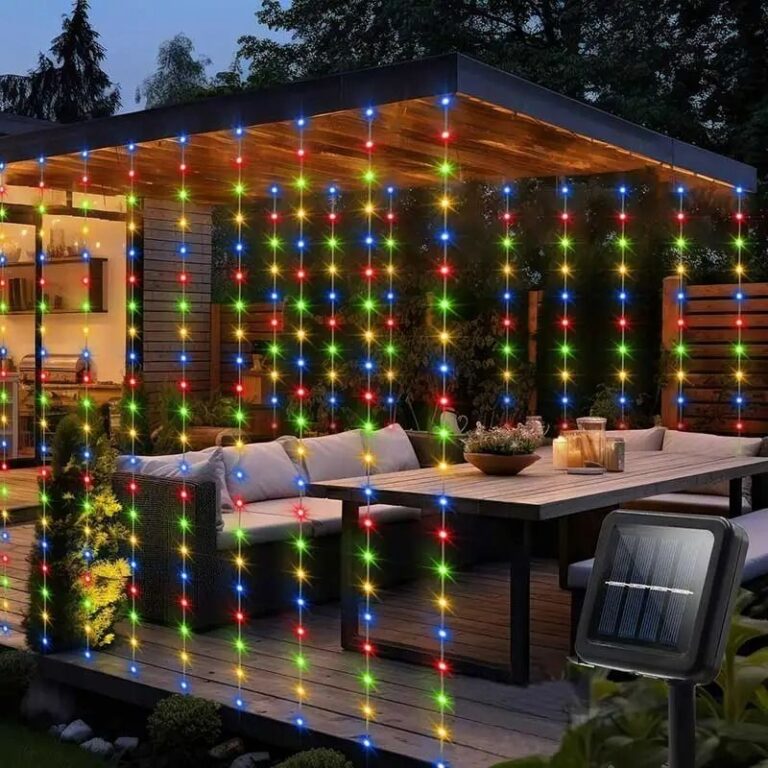 Aisha's pickSolar Fence Lights for the Yard That Survive a Hard Winter
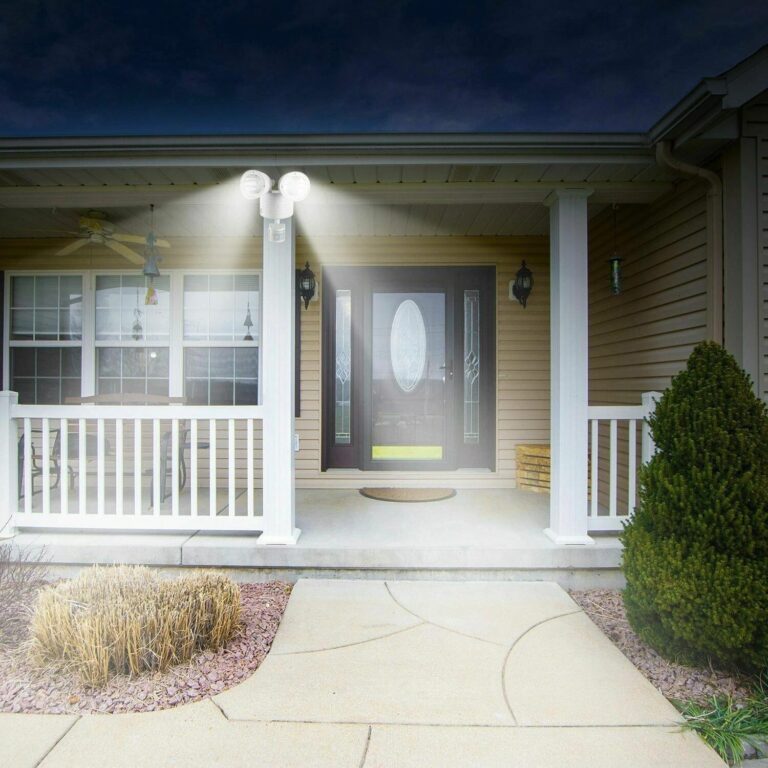
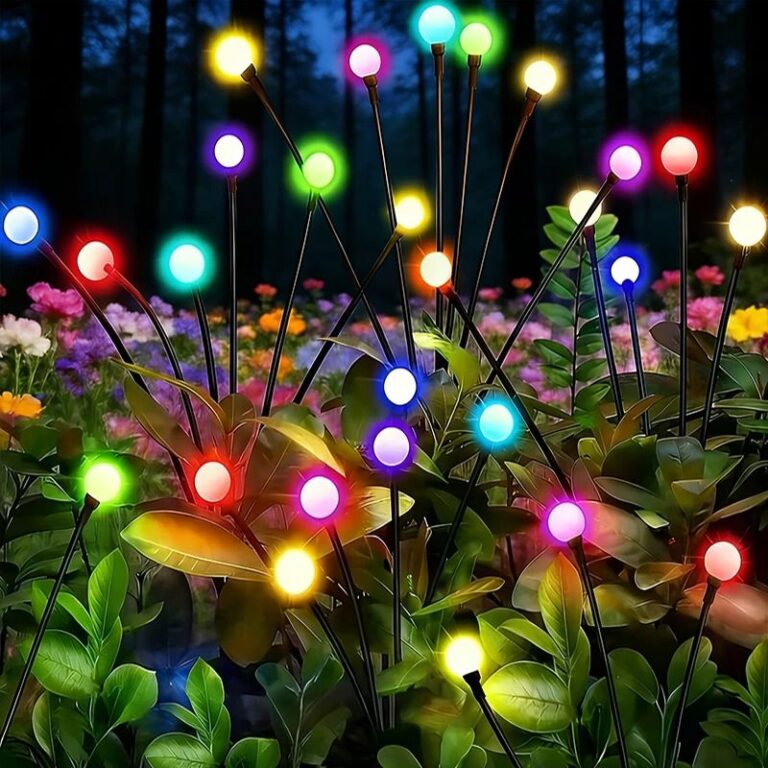 Aisha's pickSolar Path Lights We’d Have Out From May to September
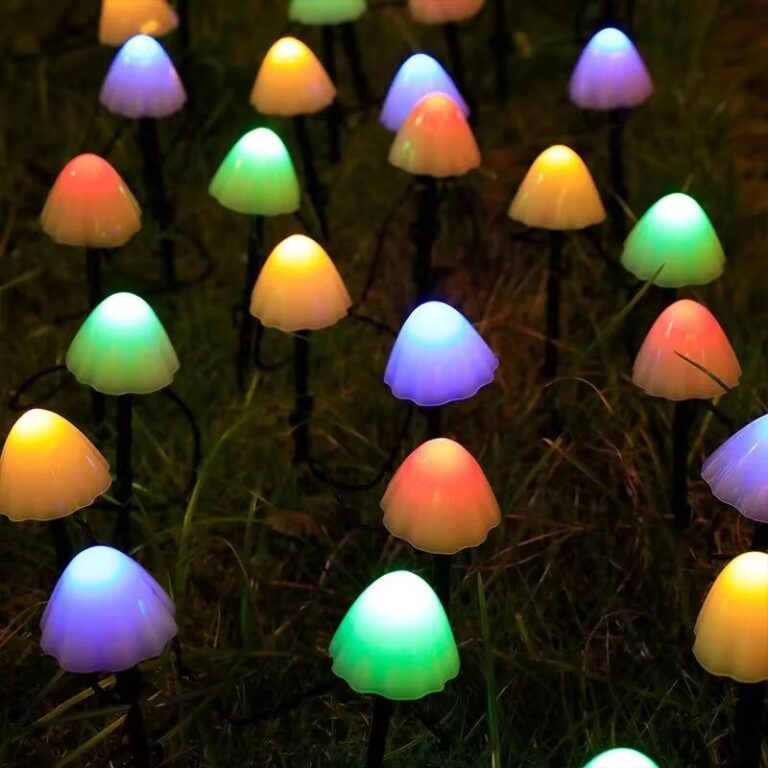
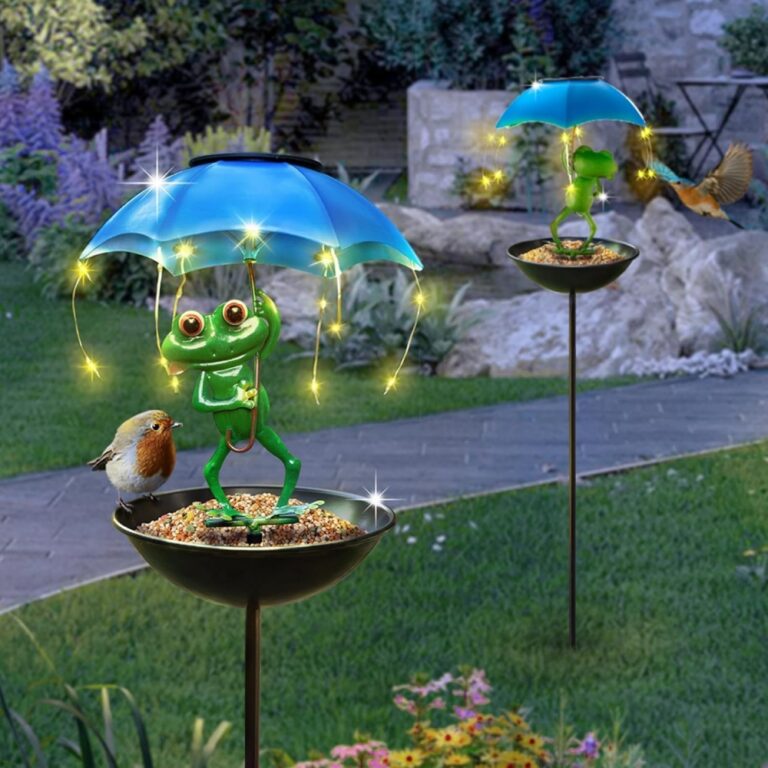 Aisha's pickModern Solar Lights That Make the Yard Feel Like Another Room
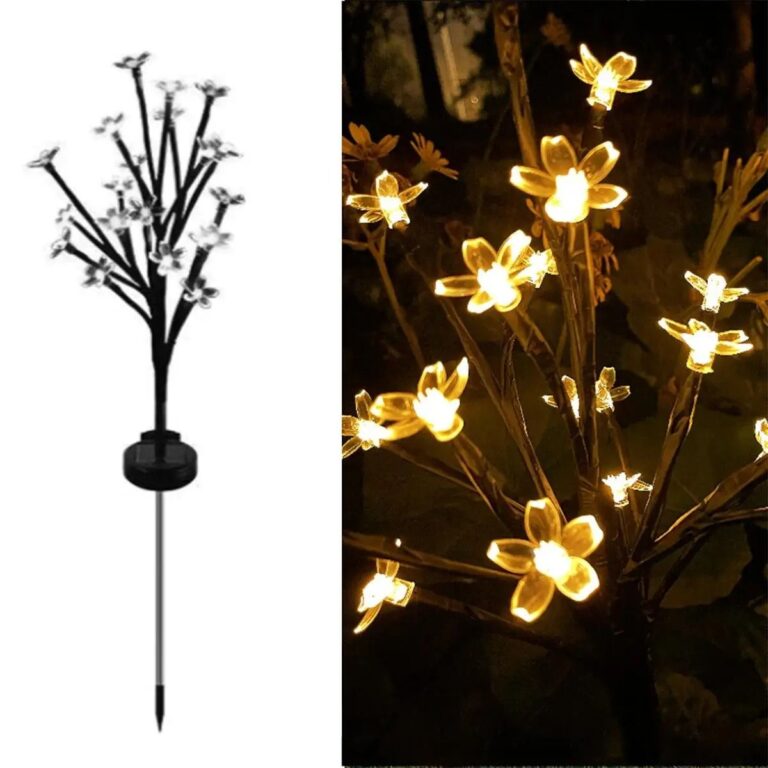
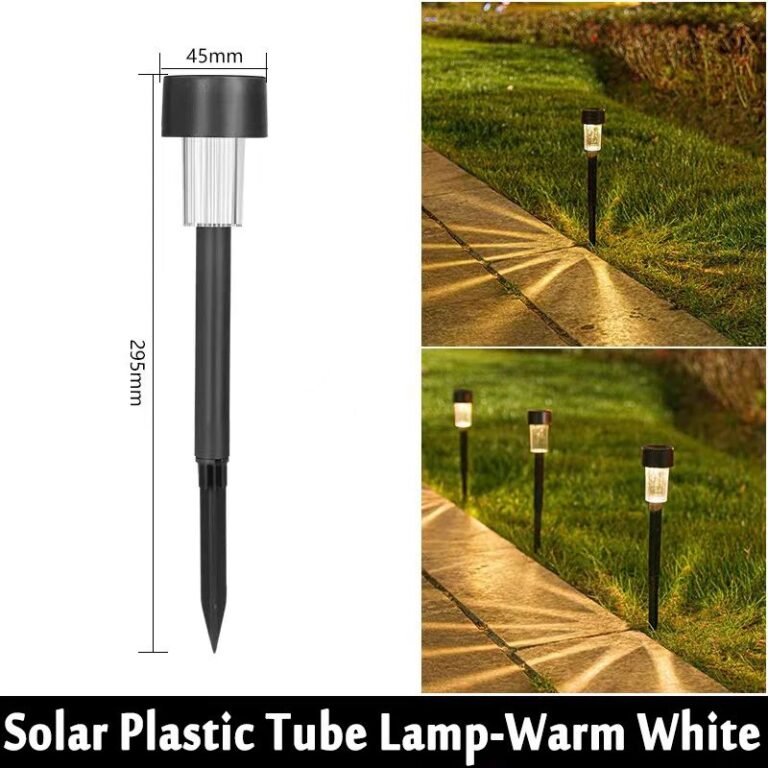 Aisha's pickSolar Outdoor Lights That Visitors Always Ask AboutAlso worth a lookPatio LightsPatio lights make the most sense for anyone with an outdoor space they actually use after dark, a porch, a deck, a scrap of garden with a table on it.See the collections →
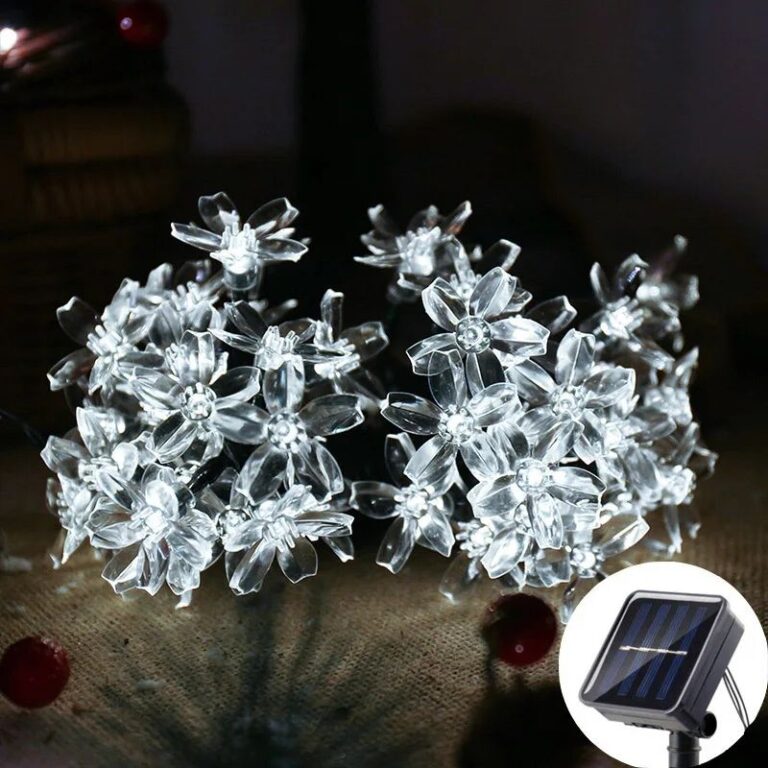
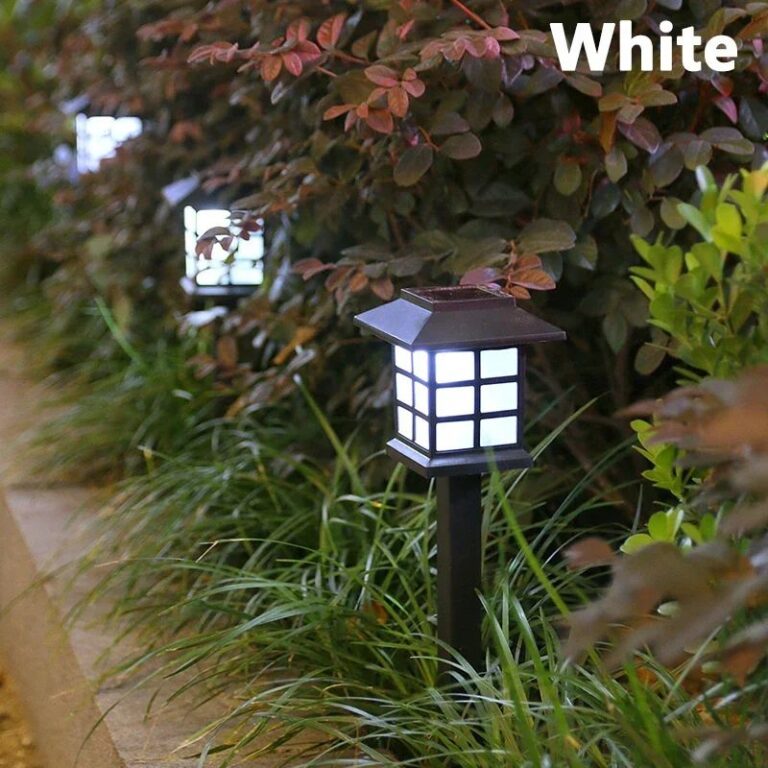 Aisha's pickSolar Pathway Lights We Keep Coming Back To
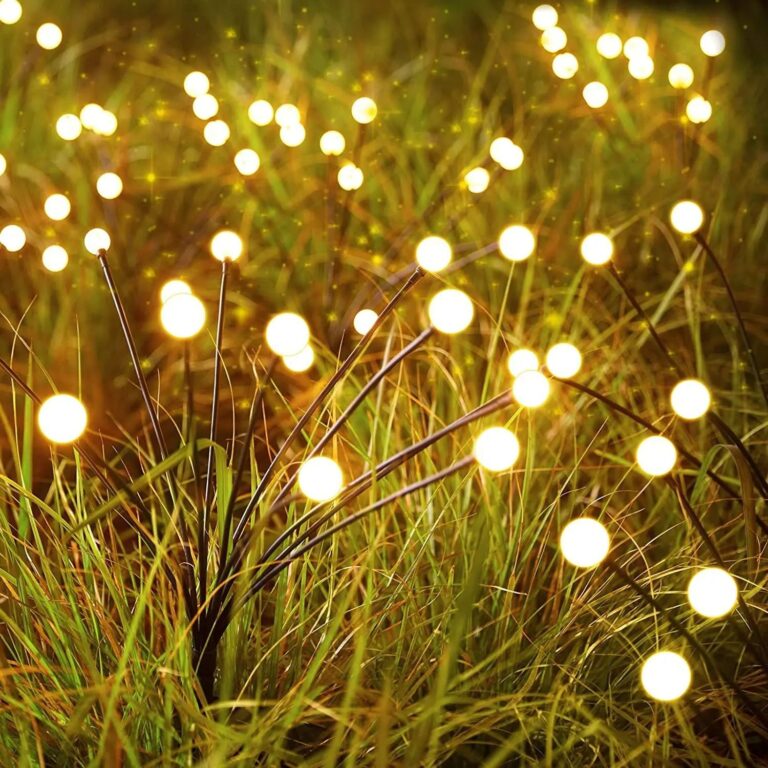
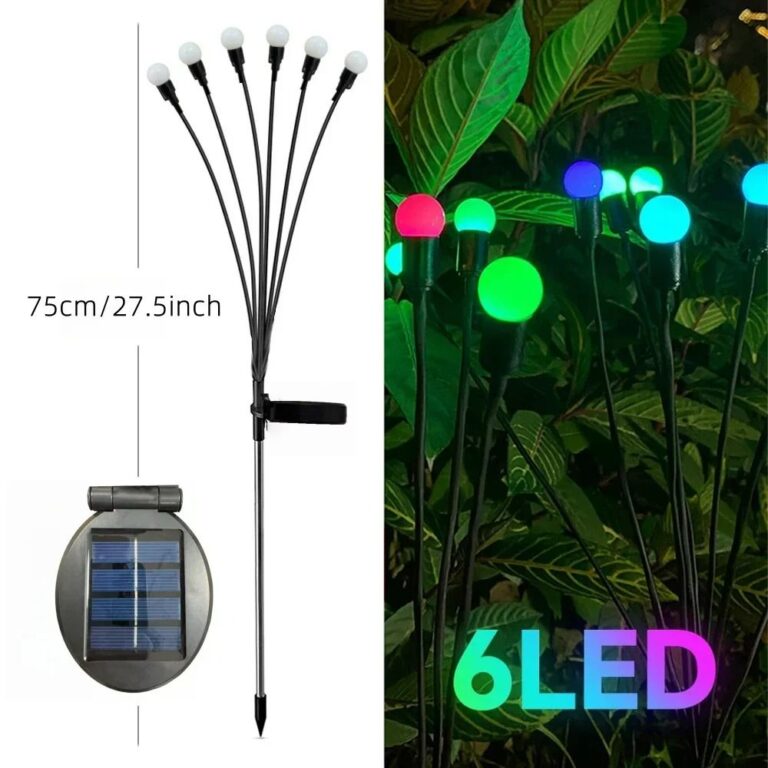 Aisha's pickMotion Sensor Solar Outdoor Lights That Fit Into Real Life
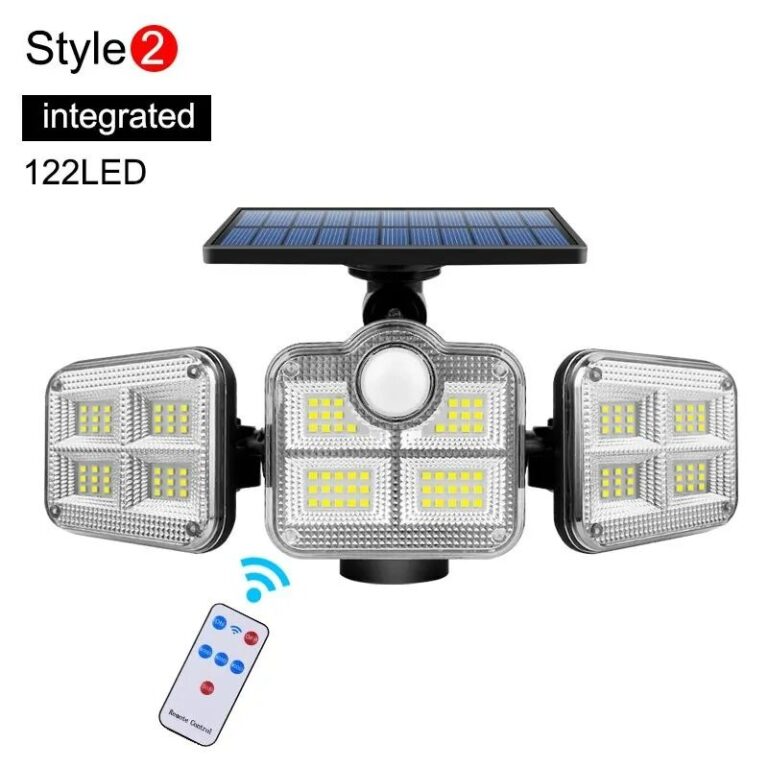
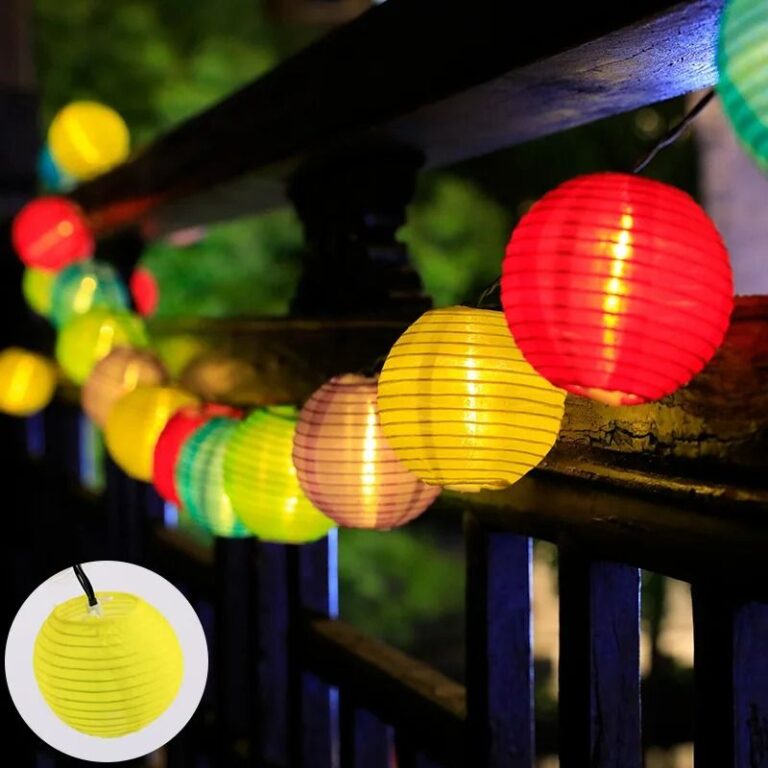 Aisha's pickSolar Lanterns That Won’t Date in a Year
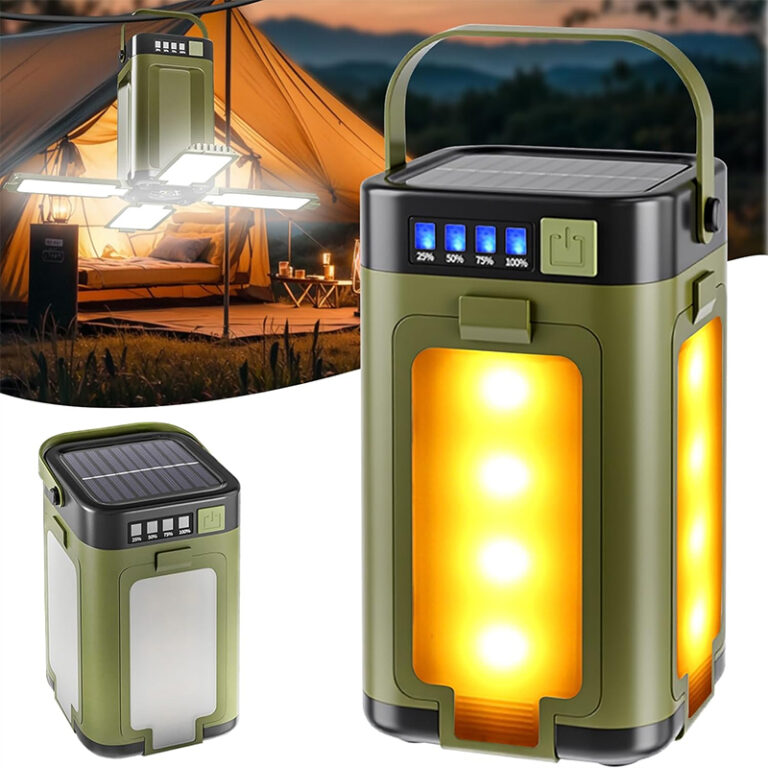
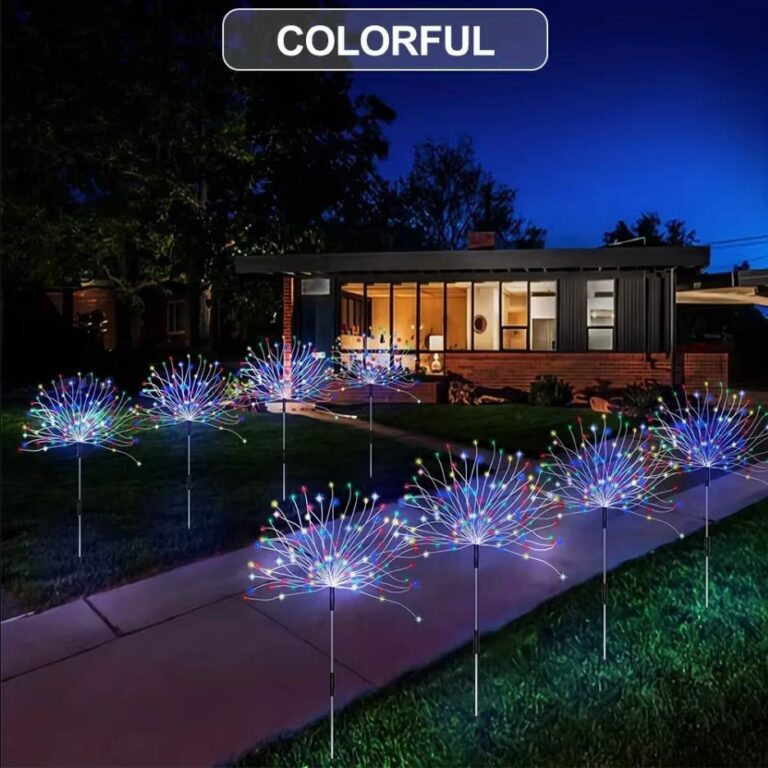 Aisha's pickSolar Stake Lights That Make Rented Places Feel Like Home
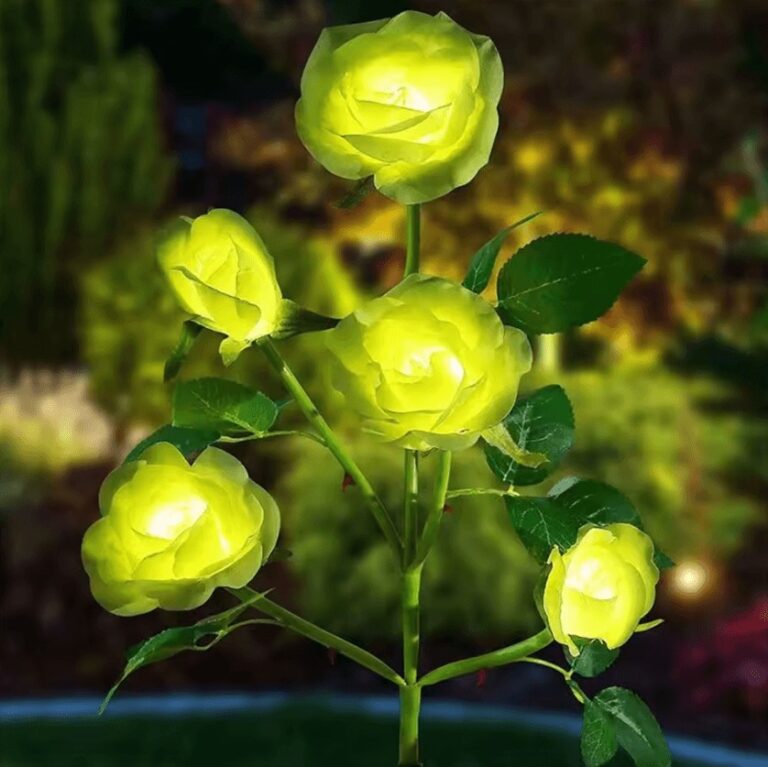
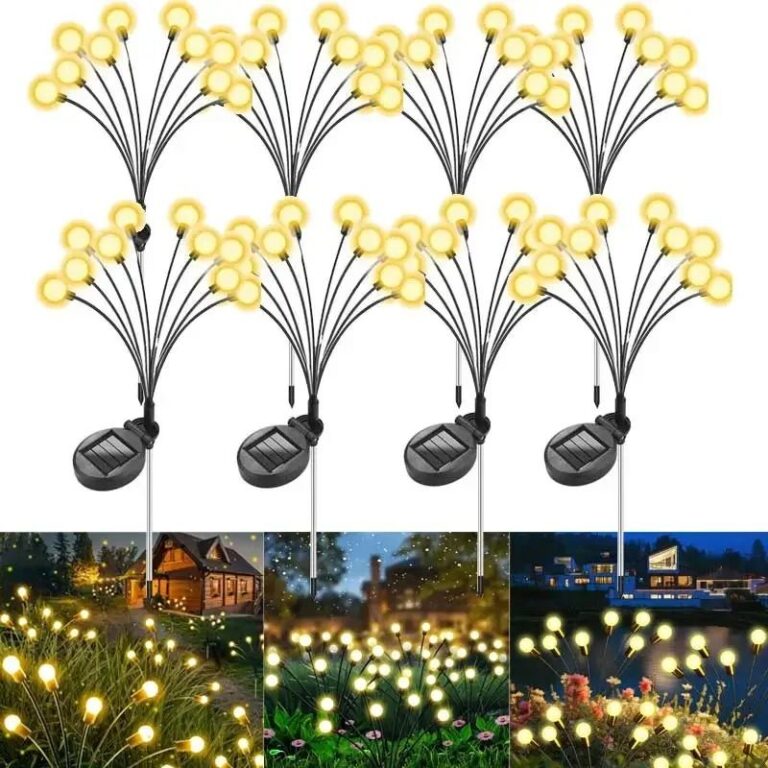 Aisha's pickMotion Sensor Solar Lights for When the Old Ones Give Up
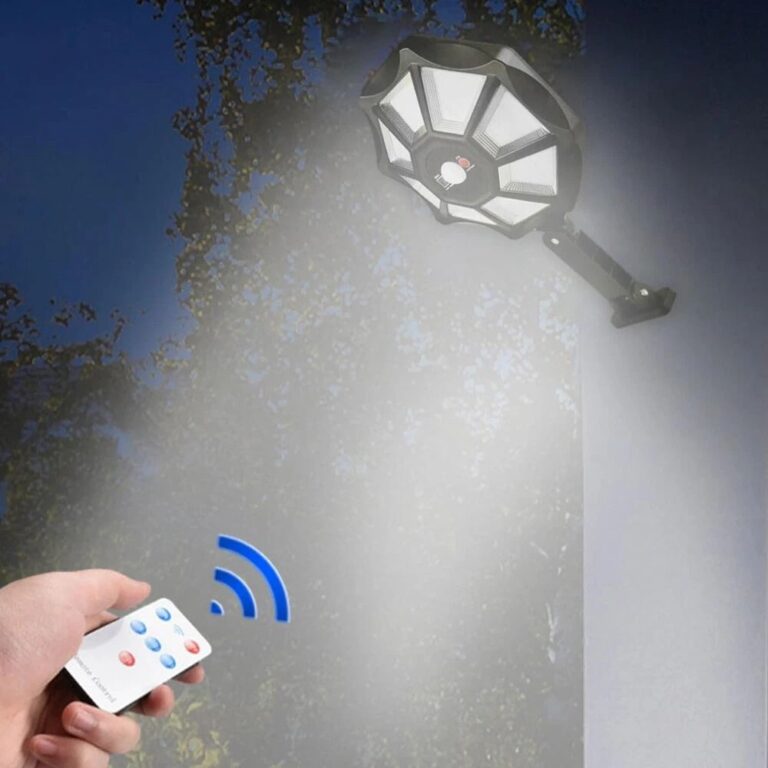
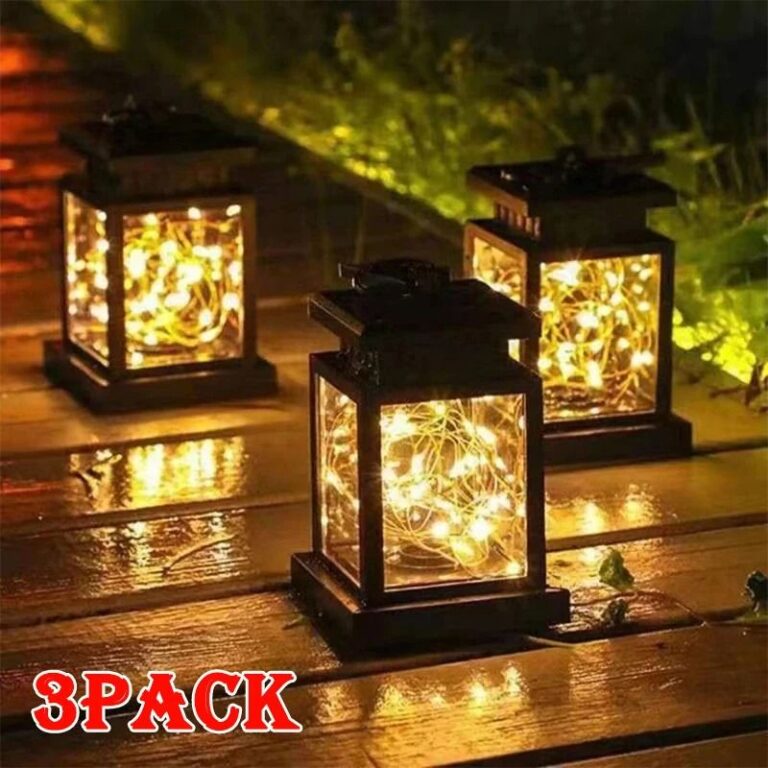 Aisha's pickSolar Lanterns for the Yard From Stores Big and Small
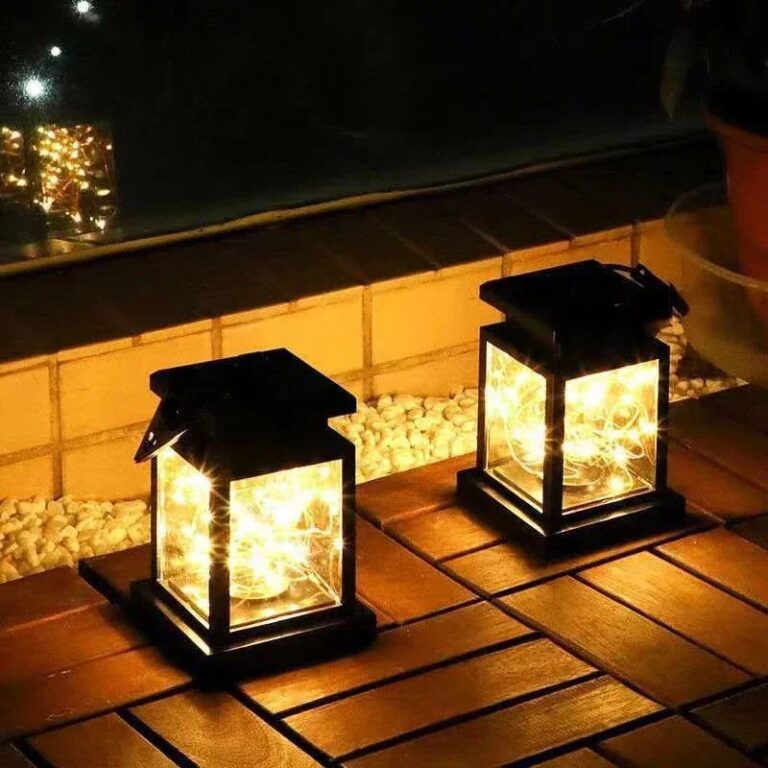
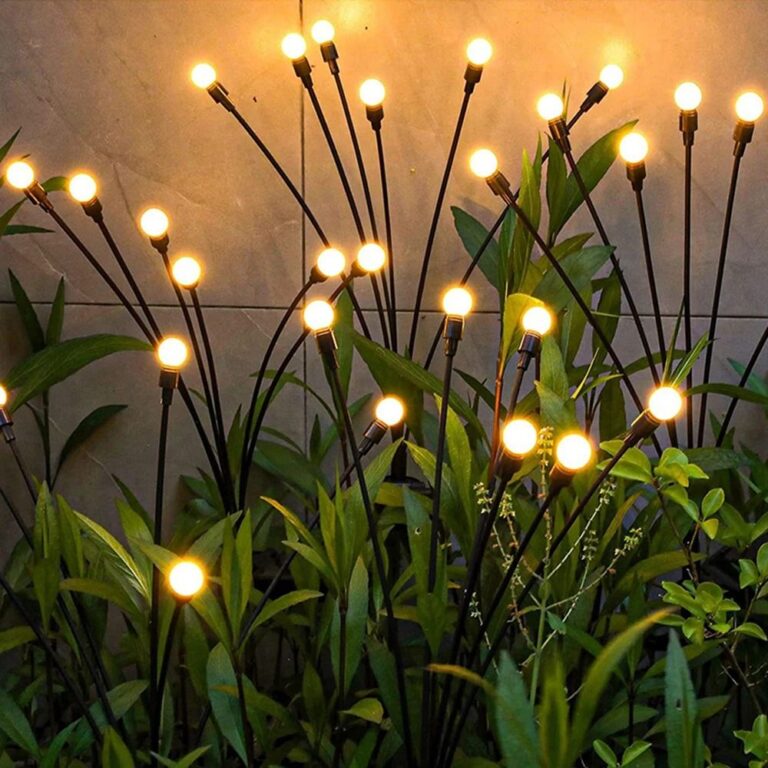 Aisha's pickSolar Stake Lights for the Yard That Won’t Date in a Year
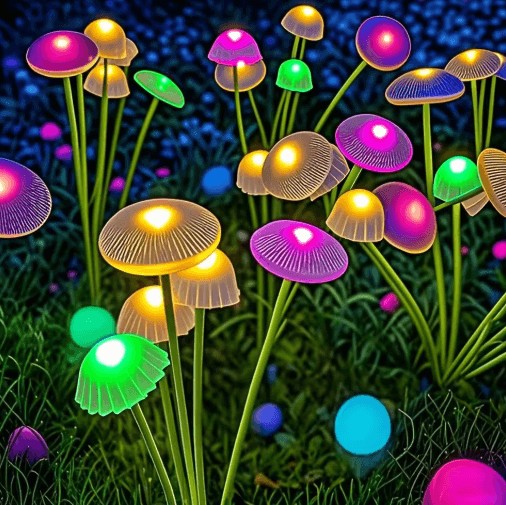
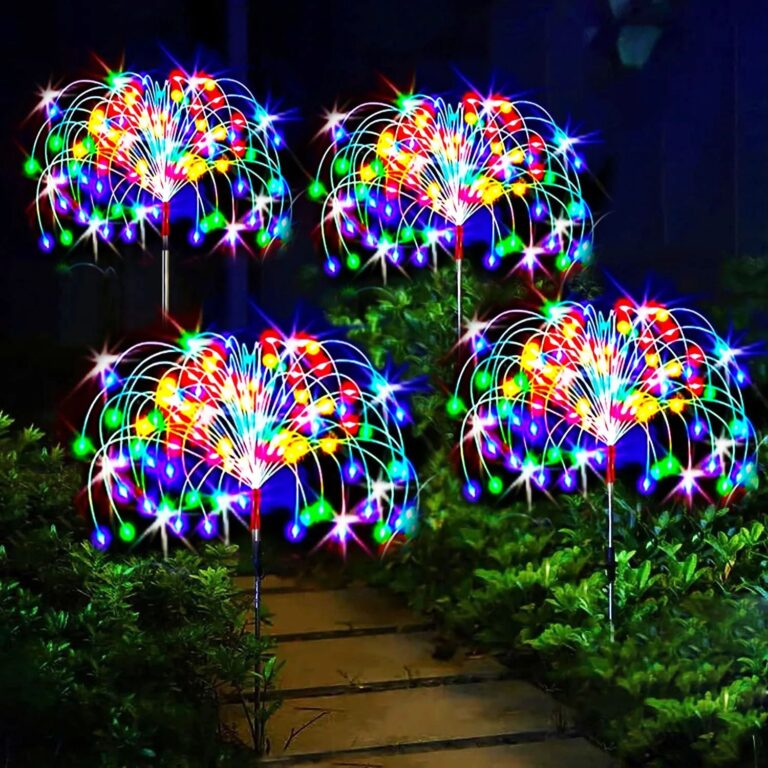 Aisha's pickPacks of 4 Solar Lights That Visitors Always Ask About