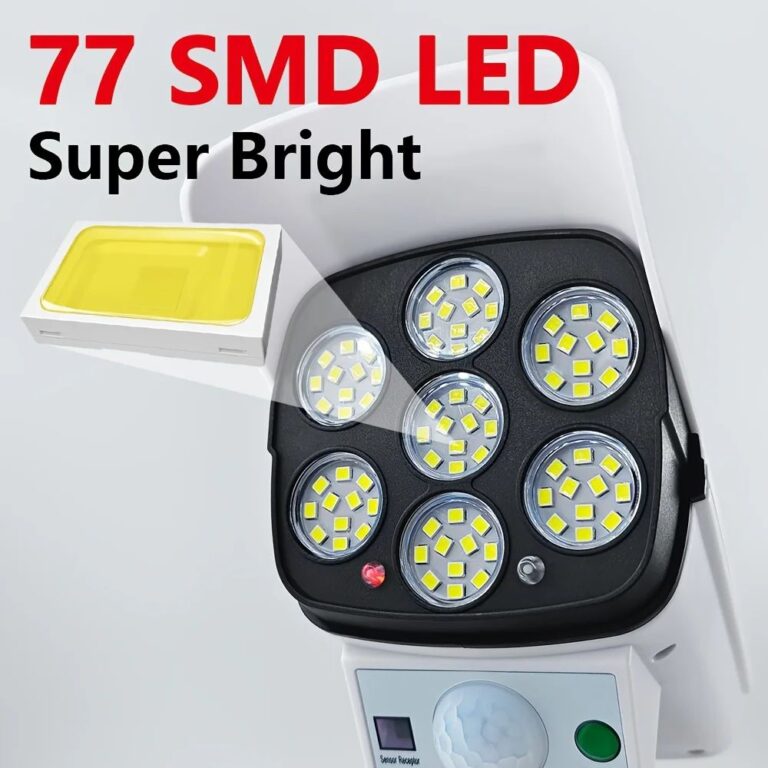
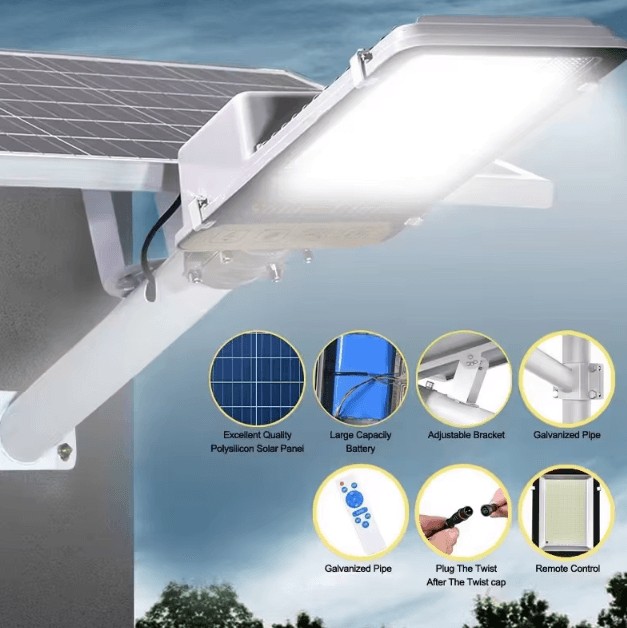
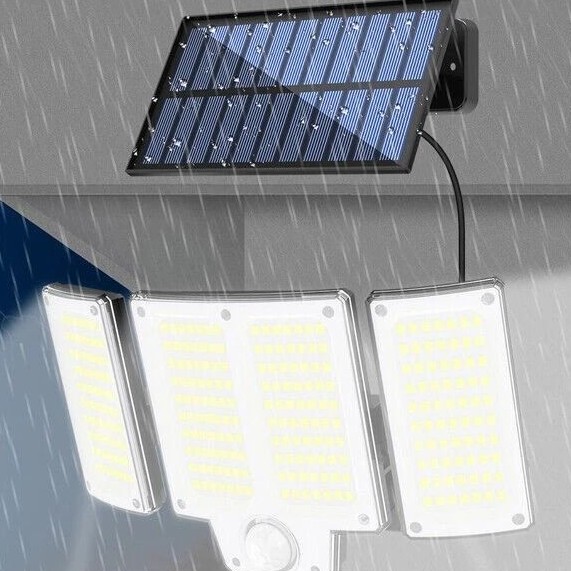
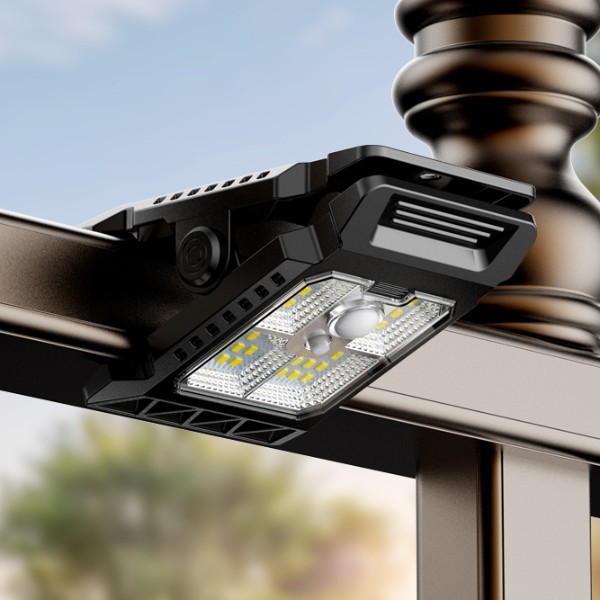
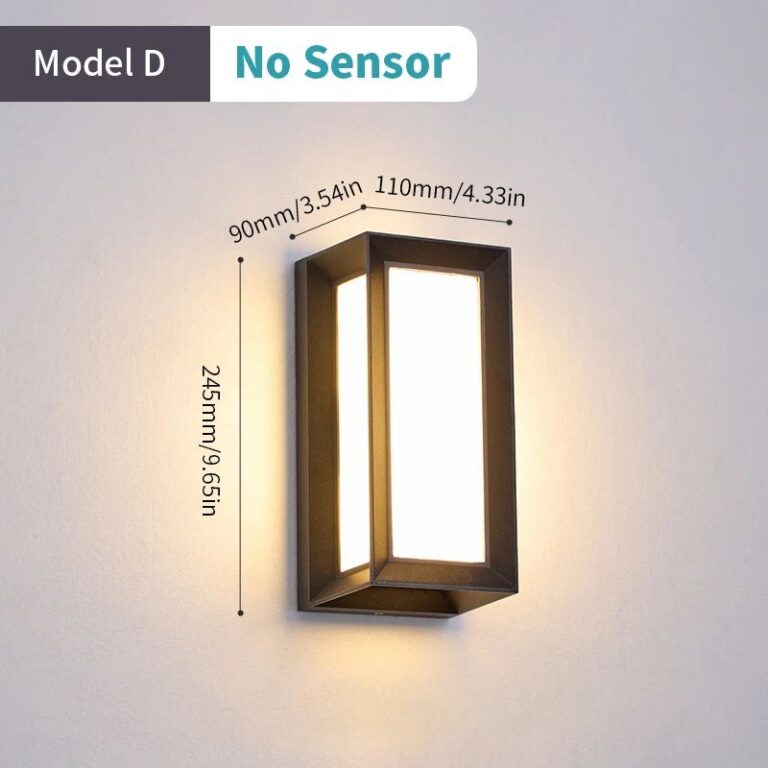
Motion sensor lights used to mean one thing: a harsh floodlight that snapped on every time a raccoon walked past and lit up the whole backyard like a prison yard. That part hasn't fully gone away, but the lights themselves have gotten smarter about it. Better sensors that tell the difference between a person and a cat, warmer bulbs that don't make your porch look like an interrogation room, and enough of them now connect to your phone that you can actually see who tripped it instead of just hoping. It's a real improvement, even if half the point was always just the deterrent of a light suddenly turning on.
When you're looking at one in the store or unboxing it on your step, check the sensor range and angle before anything else, because that number on the packaging is almost always optimistic and measured in a straight line, not around the corner of your actual house. Look at how the fixture mounts too. Cheaper ones give you a flimsy bracket that'll sag within a year under the weight of the housing, especially somewhere exposed to wind. Give it a shake in the box if you can. A light that feels loose or rattly now will feel worse after a winter outside.
If you're starting with nothing, get one with an adjustable sensor and a separate manual override, mounted somewhere it can actually see your driveway or front path rather than just your flower bed. That's the one piece of hardware doing the most work for you, and it's worth paying a bit more to get a sensor you can tune, because the alternative is it going off every time the wind moves a branch.
They age fairly well if you leave them alone, which is the trick, because a lot of people yank them down to clean the lens and crack the seal doing it. The housing dulls a little in the sun over a couple of years, especially the cheaper plastic ones, but the light itself usually keeps working long after it stops looking good. Bronze and black finishes hide that fading better than white or brushed nickel ever will, and they blend into brick or siding instead of standing out against it.
Wipe the lens with a dry cloth every few months so the sensor isn't reading through a layer of dust and pollen, that's usually the reason it stops triggering reliably long before the bulb or the wiring ever does.
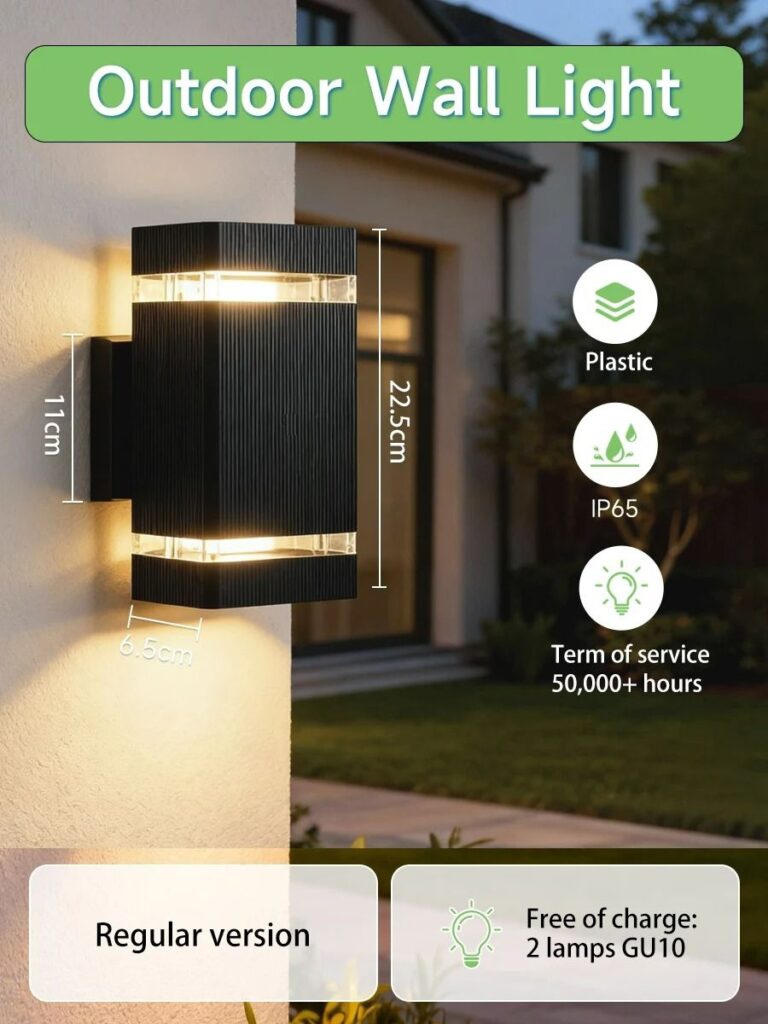 Aisha's pickGlass Security Lights at Every Price Point
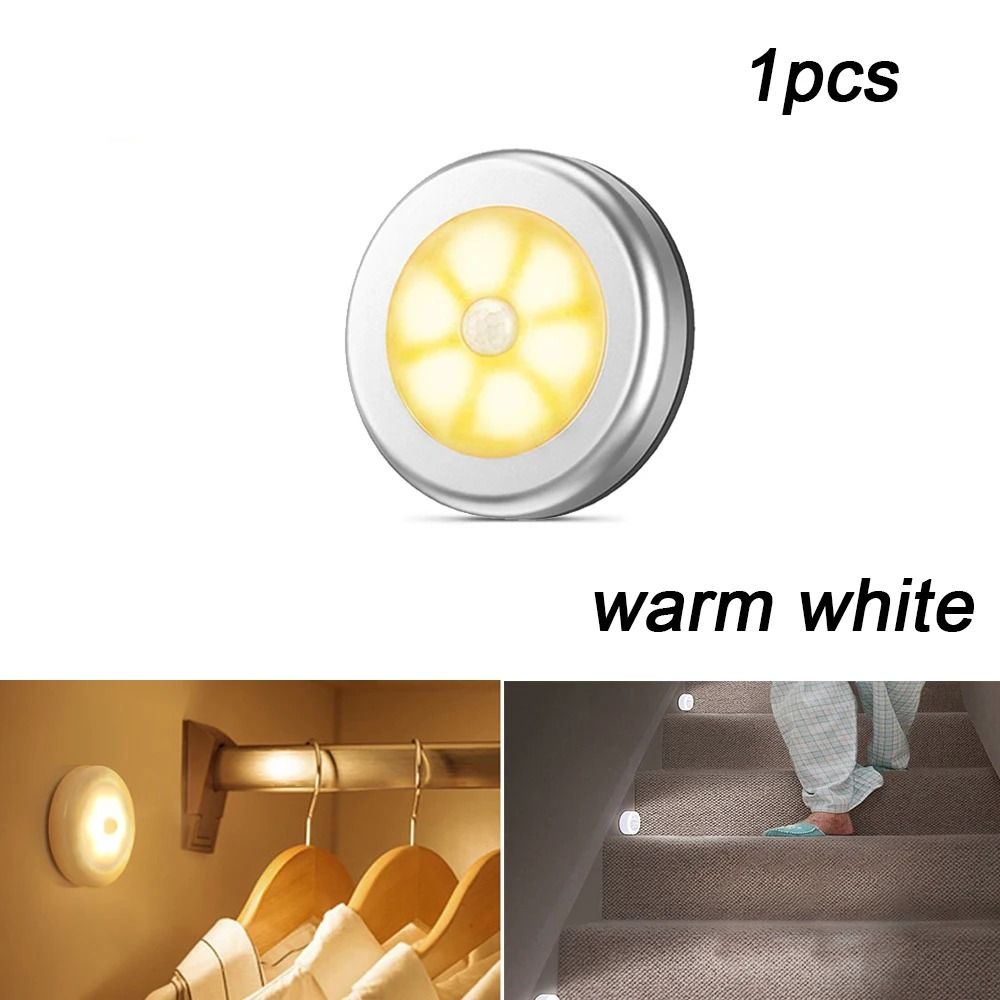
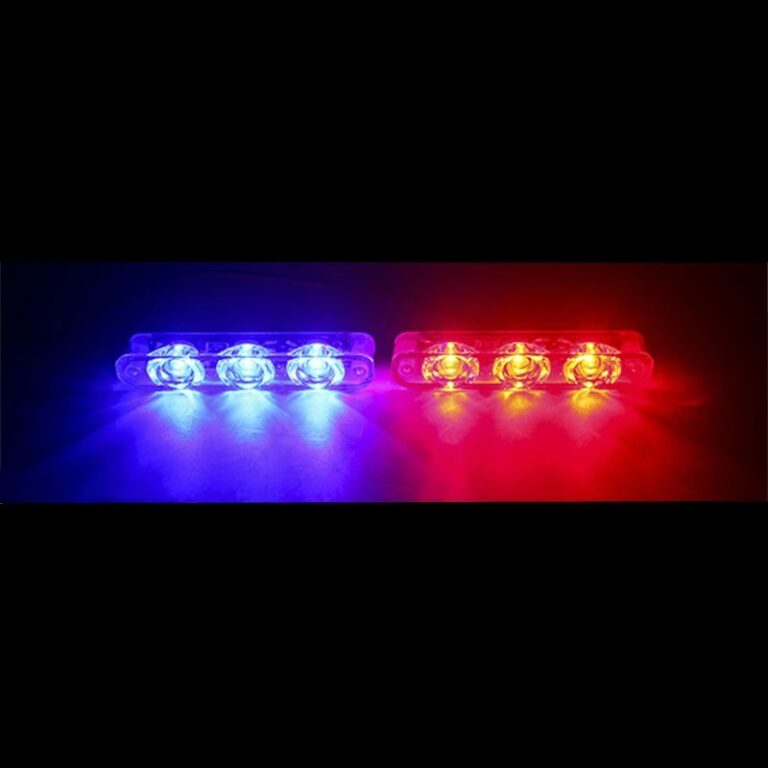 Aisha's pickSmall Security Lights for Long Summer Evenings Outside
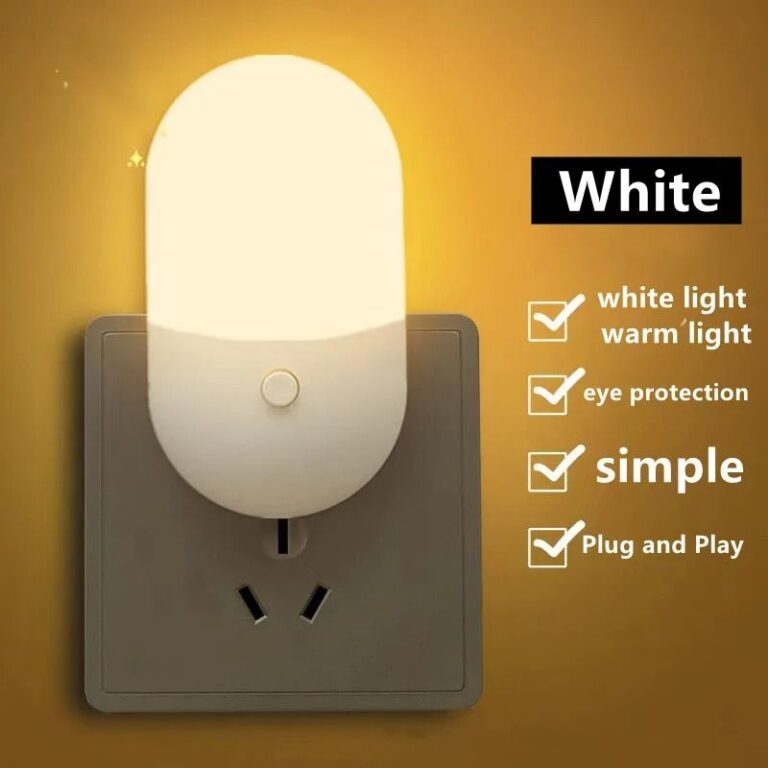
 Aisha's pickIndustrial Security Lights for Barbecues and Lazy Weekends
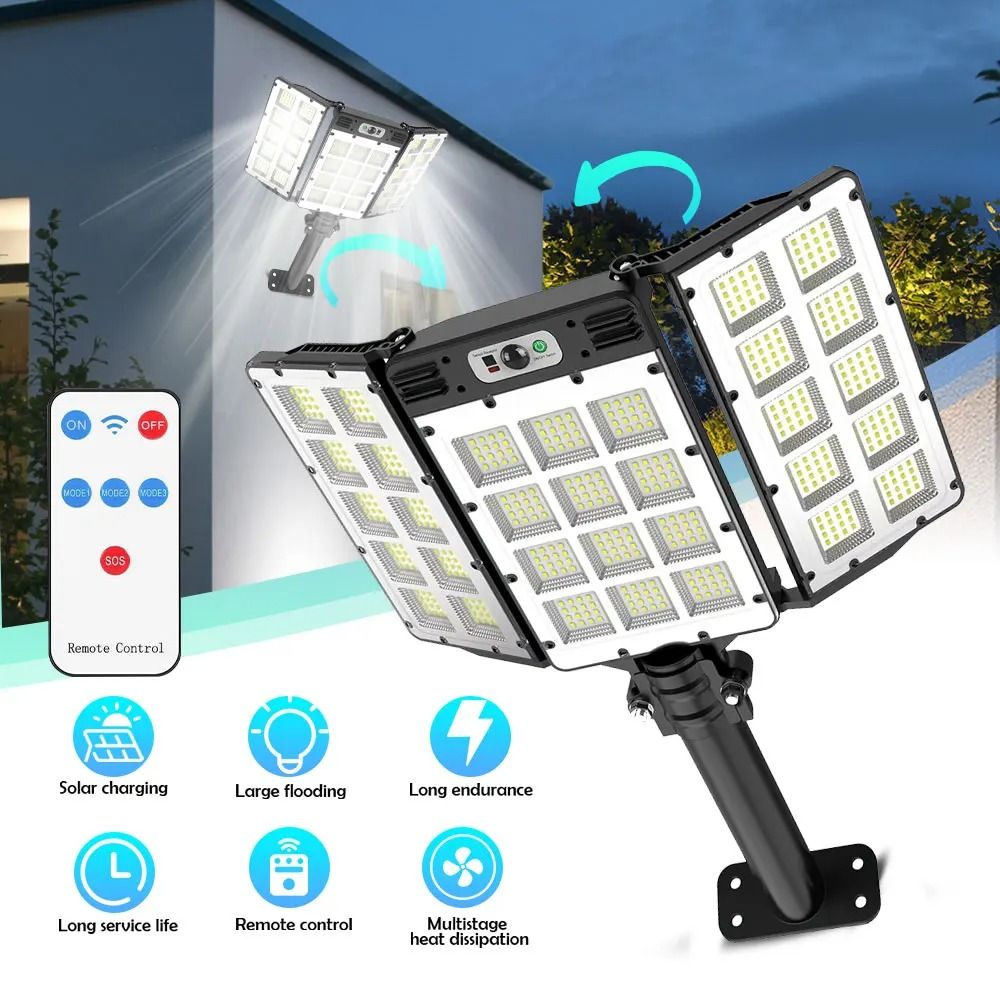
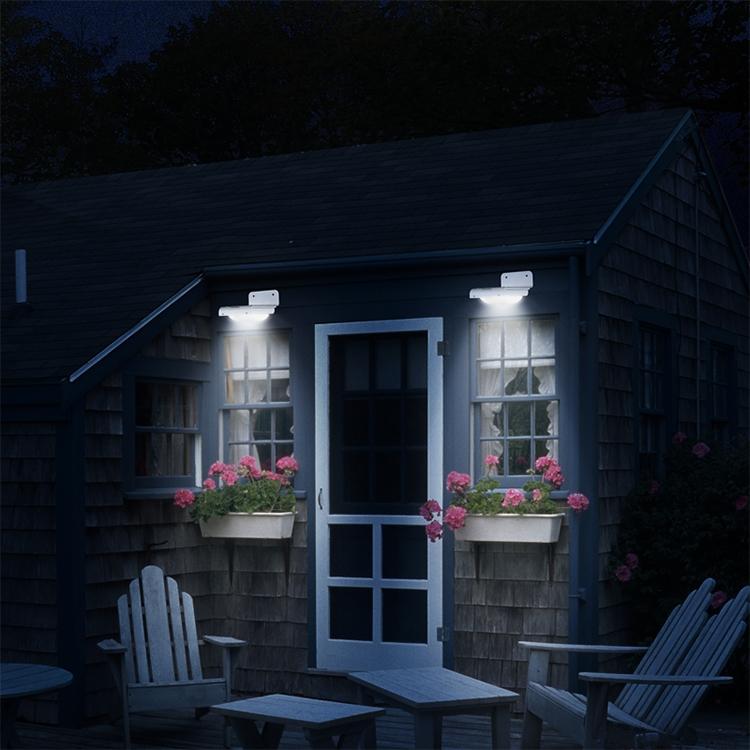 Aisha's pickSmart Security Lights That Shrug Off the Rain
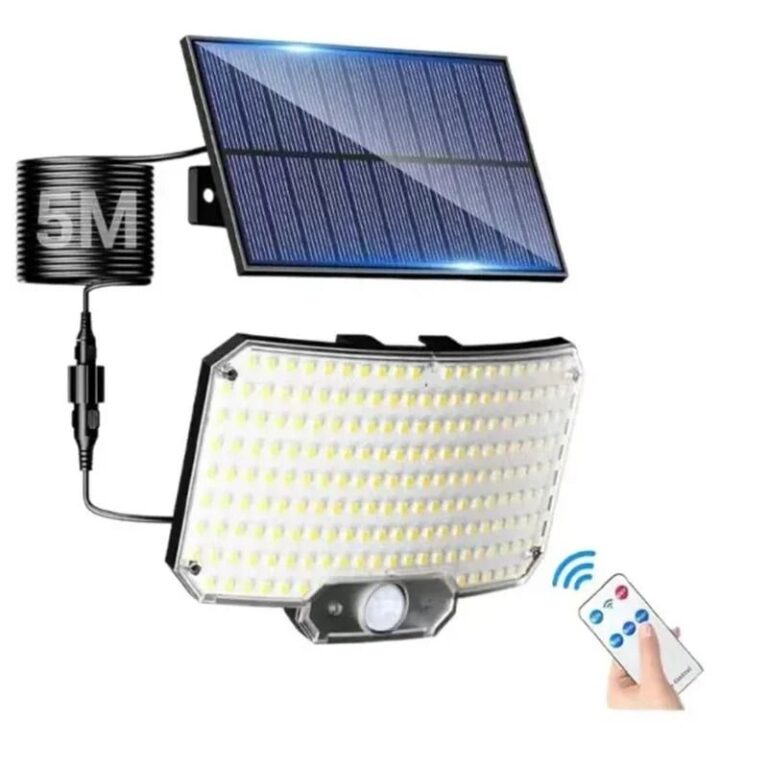
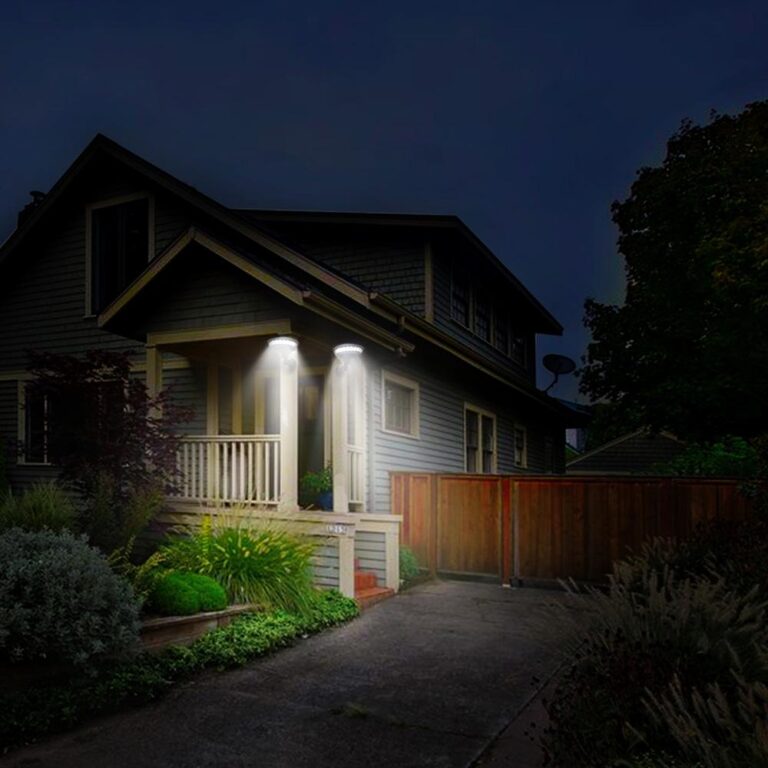 Aisha's pickThe IP65 Security Lights Worth Your Cash
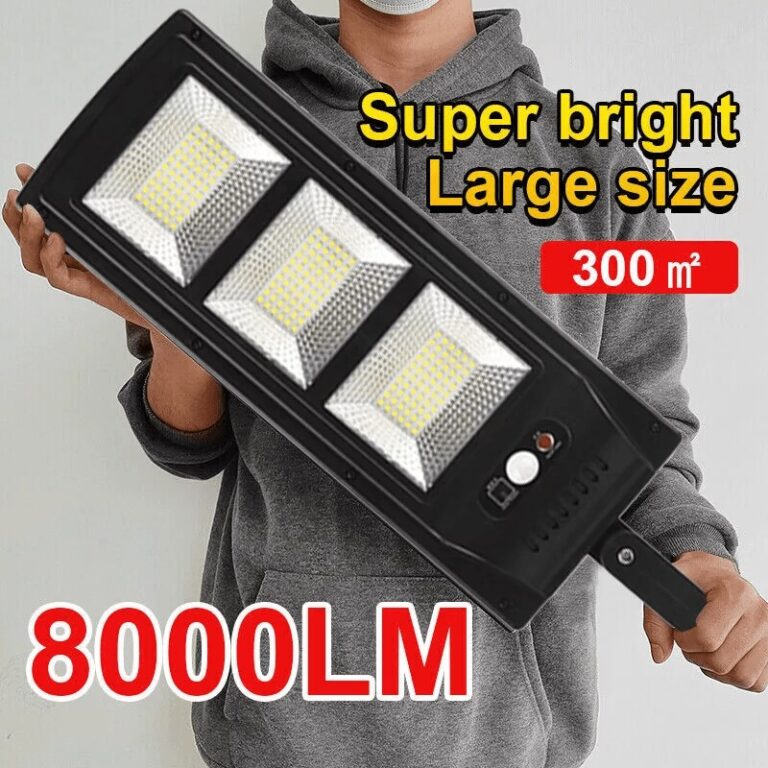
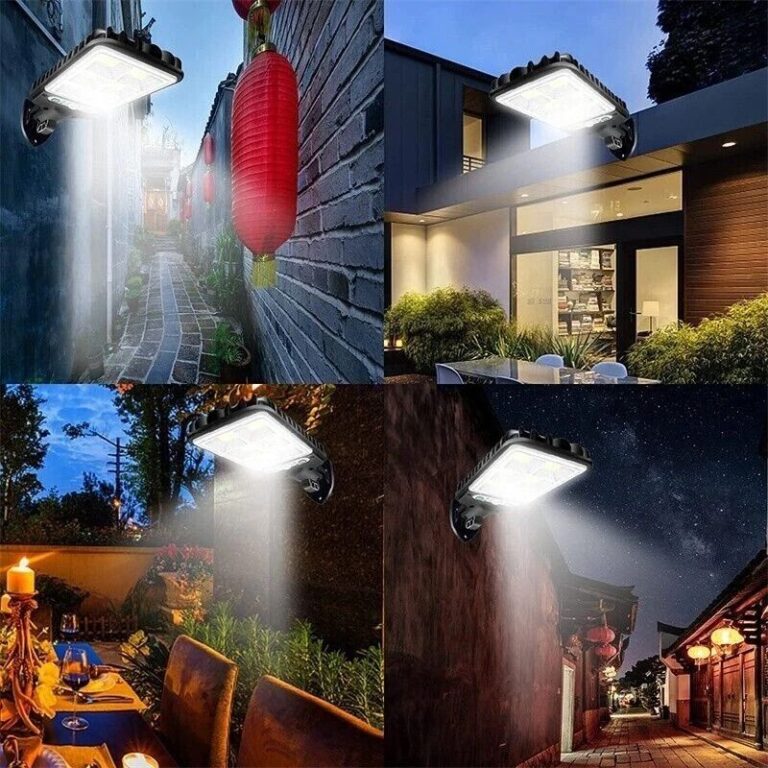 Aisha's pickSolar Powered Security Lights That Don’t Need Babying
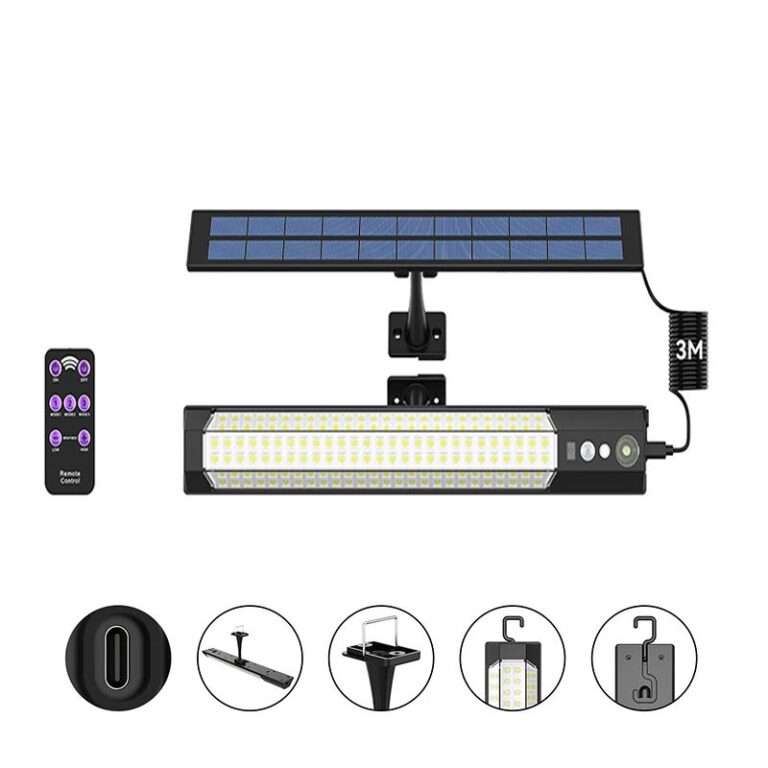
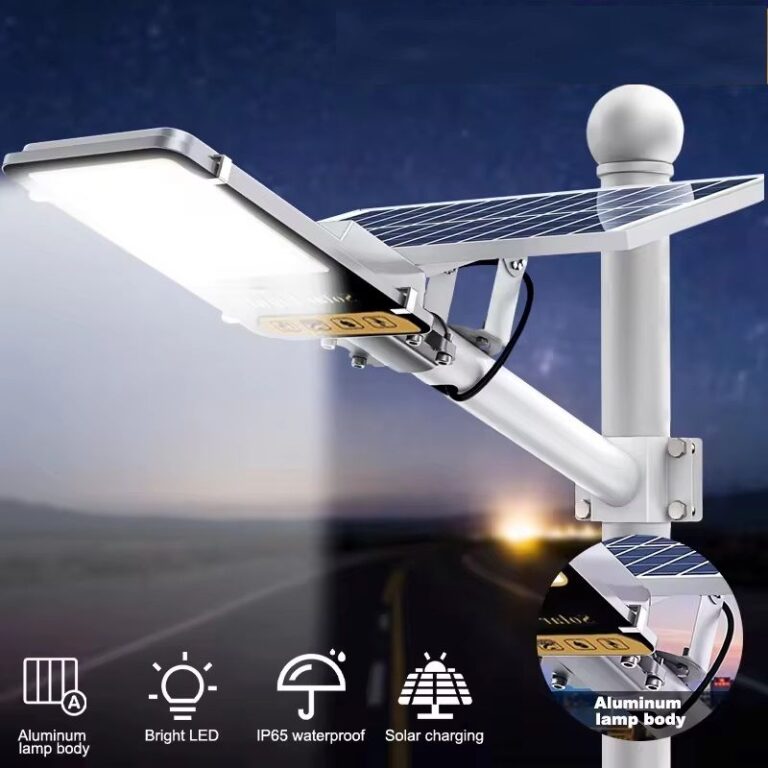 Aisha's pickLarge Security Lights That Shrug Off the Rain
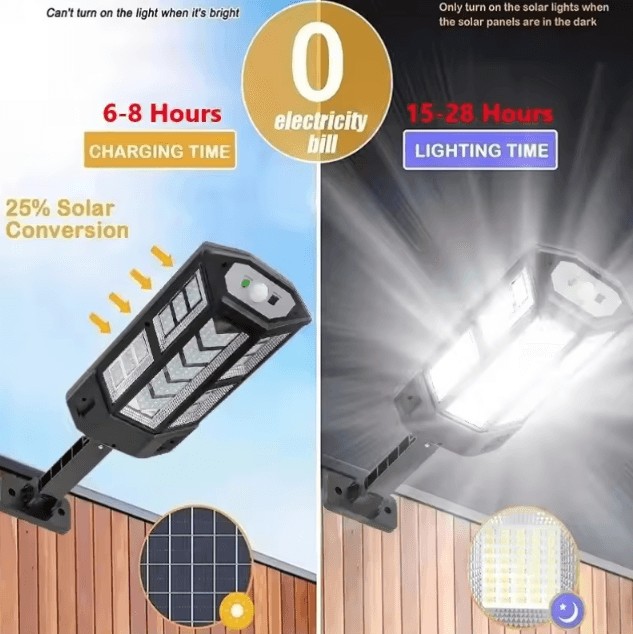
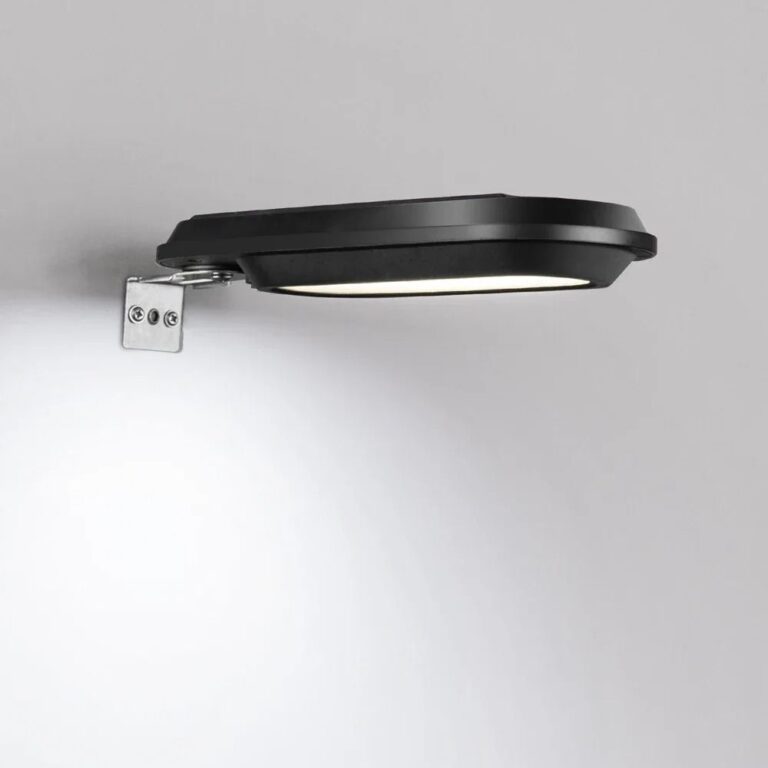 Aisha's pickSolar Security Lights for Making the Most of the Patio
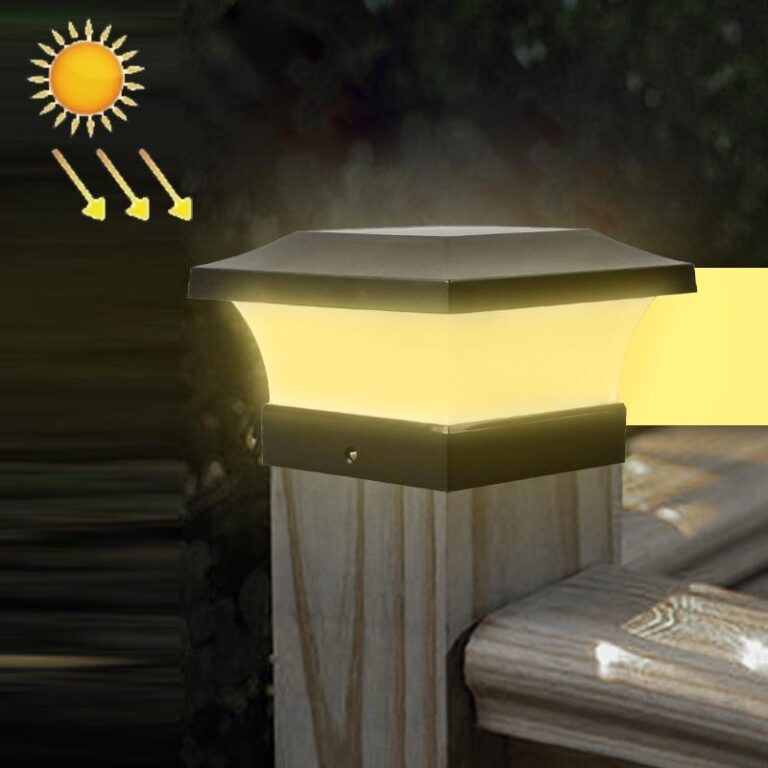
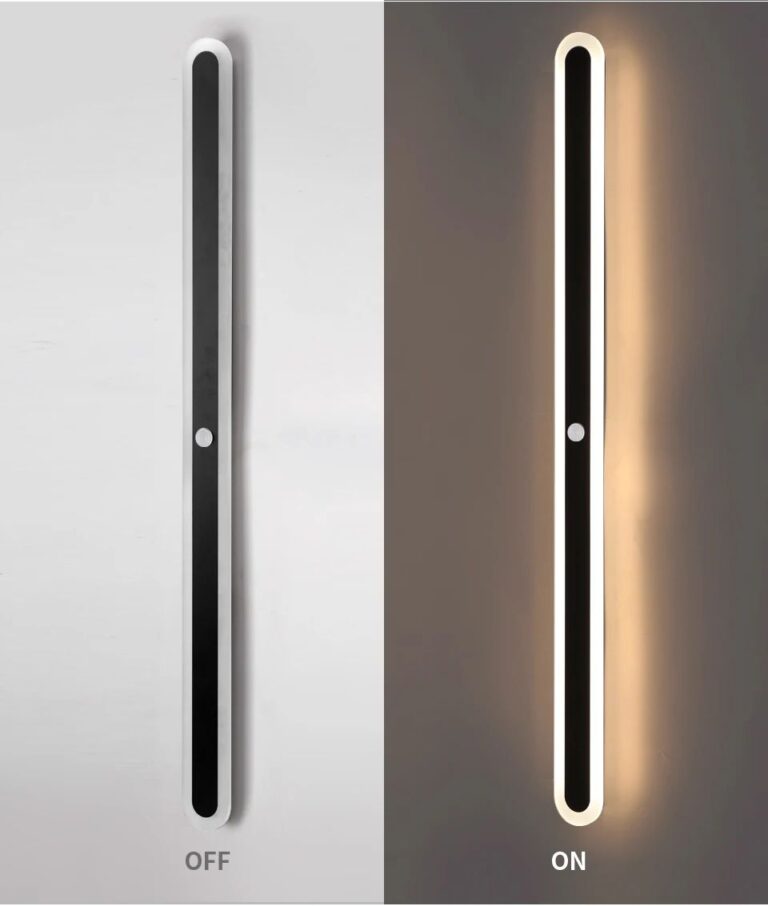 Aisha's pickNo Fuss LED Security LightsAlso worth a lookSolar LightsSolar lights make the most sense for homes with a path, a porch, or a patch of garden…See the collections →
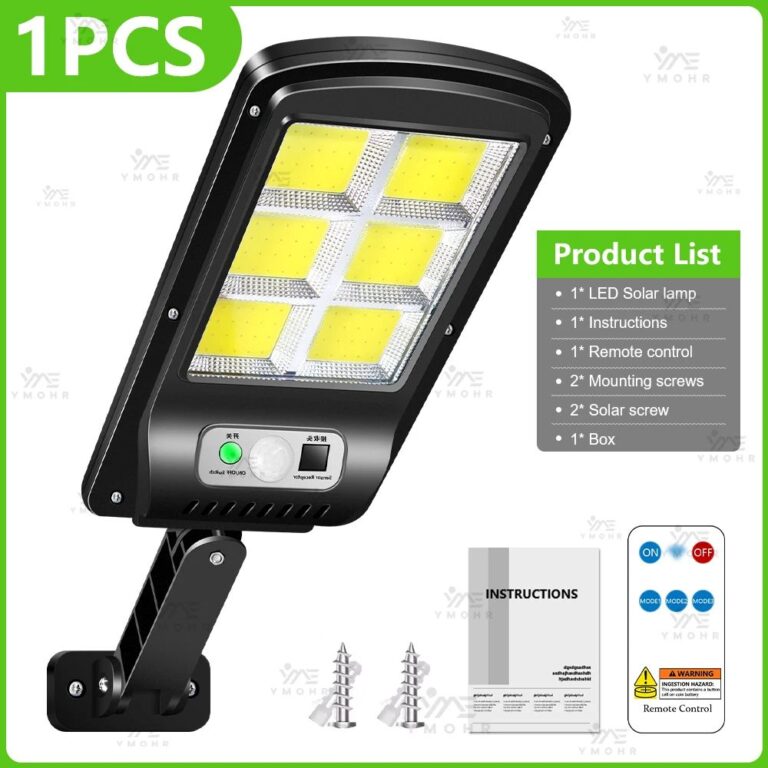
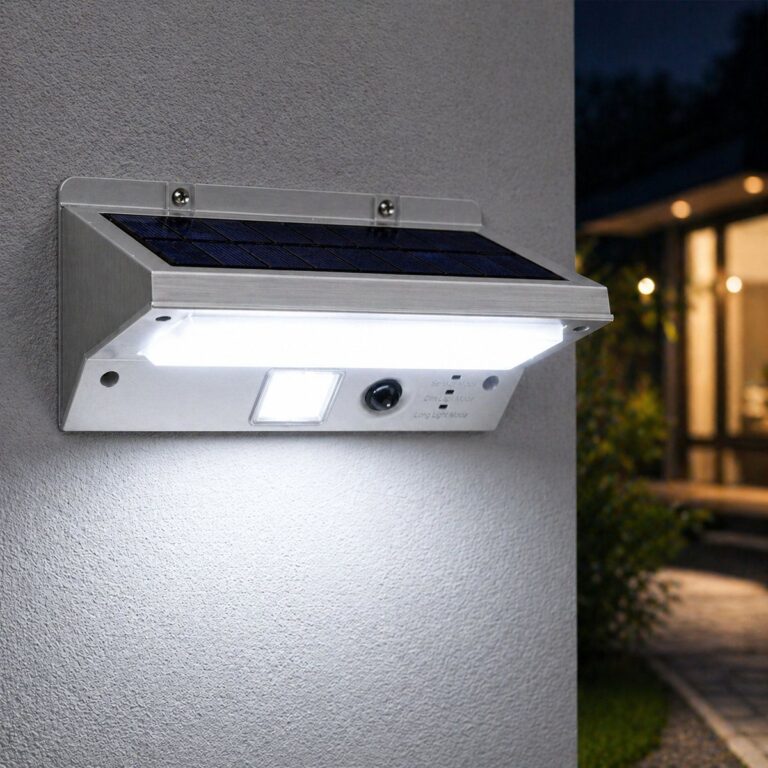 Aisha's pickStainless Steel Security Lights That Survive a Hard Winter
 Aisha's pickMetal Security Lights for Sunny Afternoons and Chilly Nights

 Aisha's pickSteel Security Lights That Make a Small Yard Work Harder
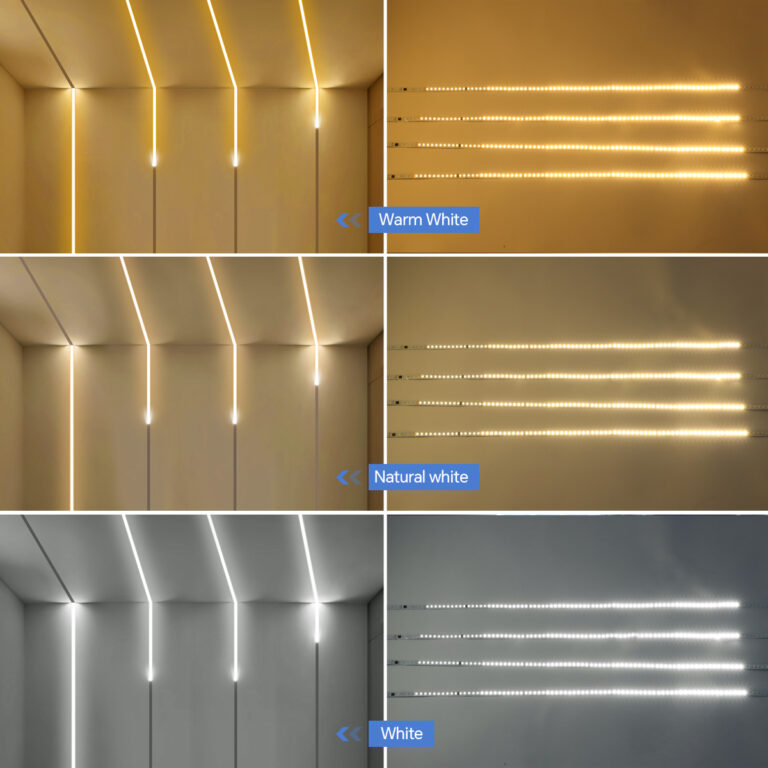 Aisha's pickModern Security Lights That Shrug Off the Rain
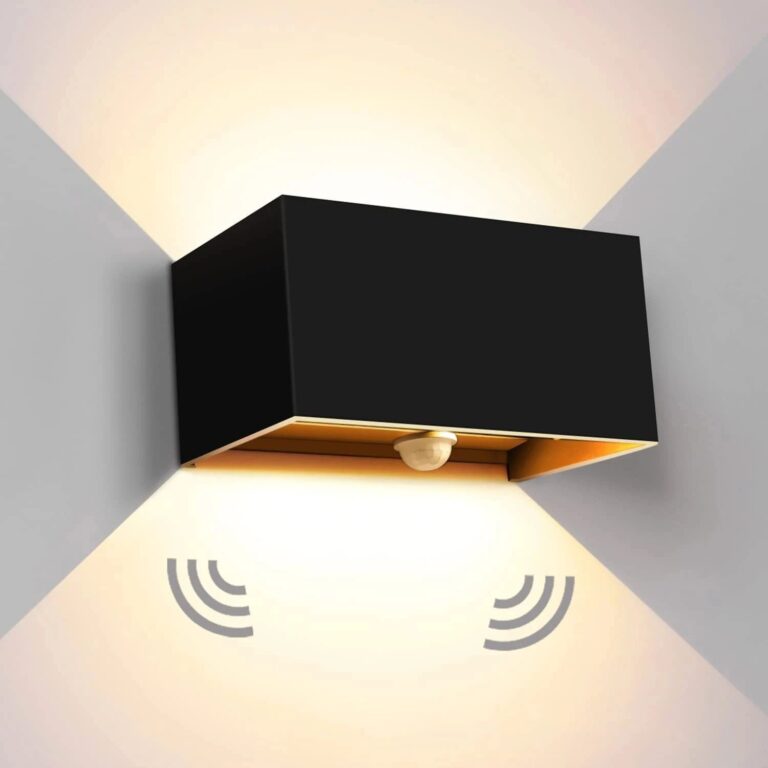
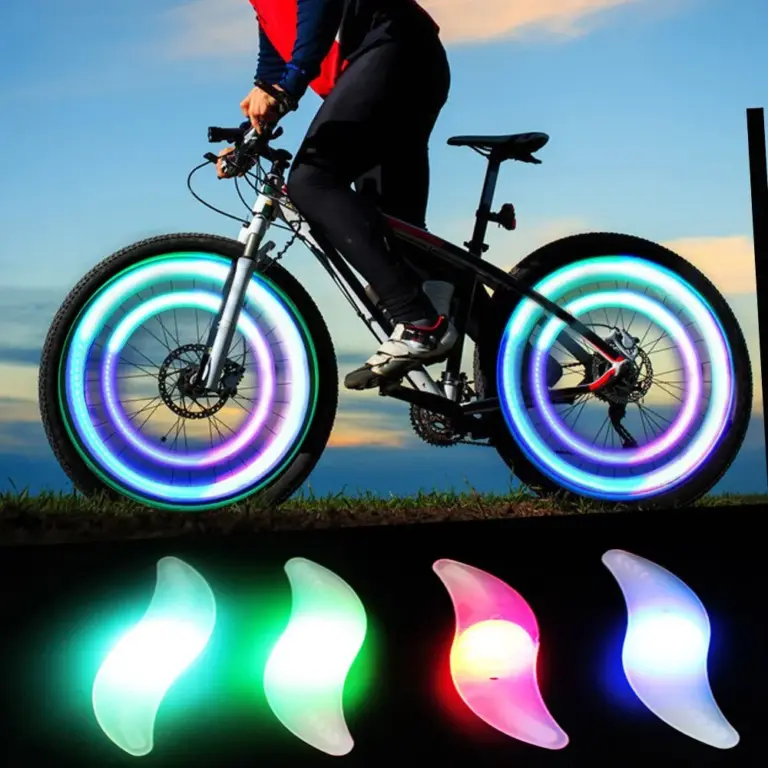 Aisha's pickTraditional Security Lights for Barbecues and Lazy Weekends
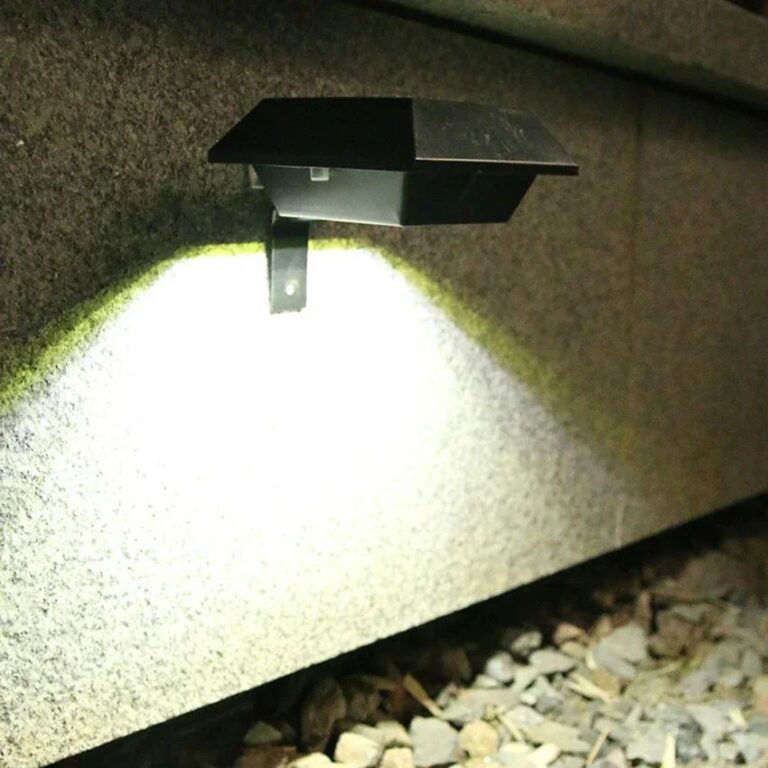
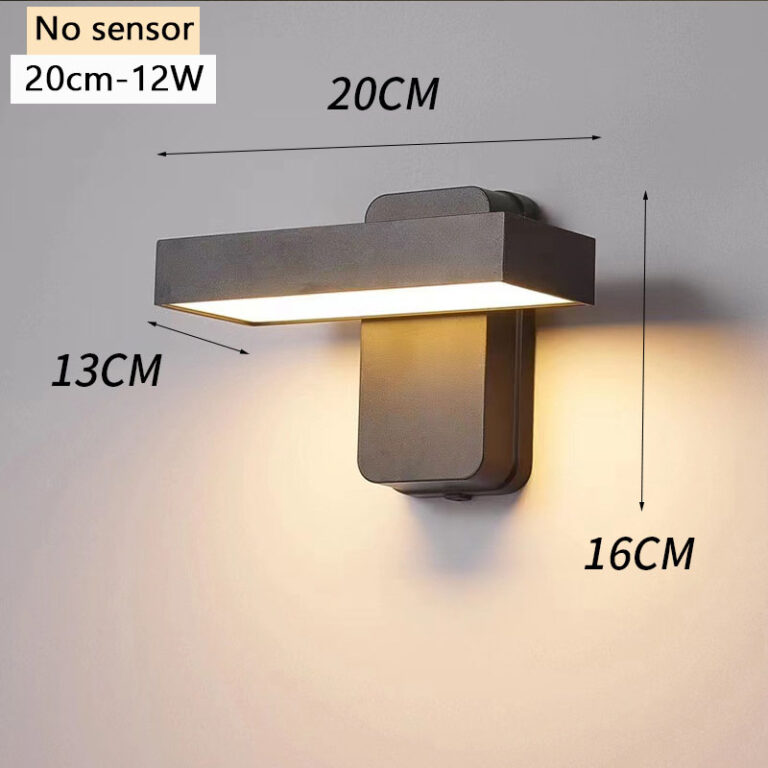 Aisha's pickMotion Sensor Security Lights for Sunny Afternoons and Chilly Nights
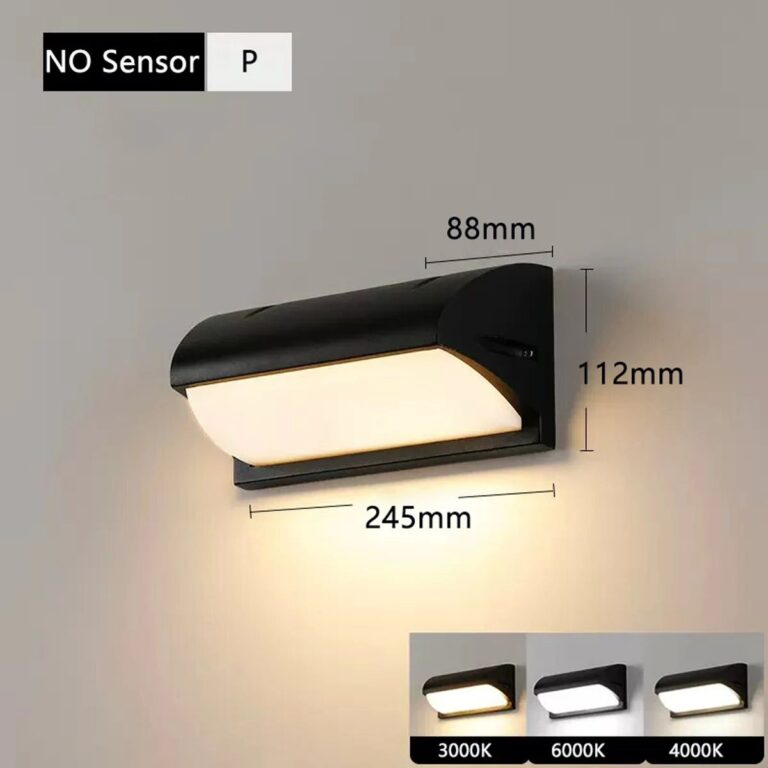
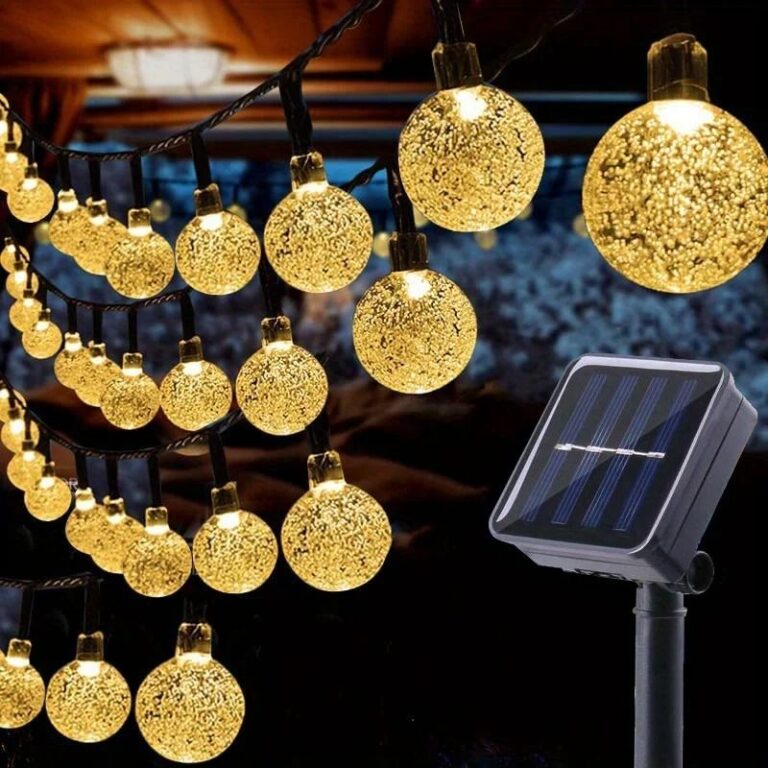 Aisha's pickWaterproof Security Lights Hunted Down So You Don’t Have To
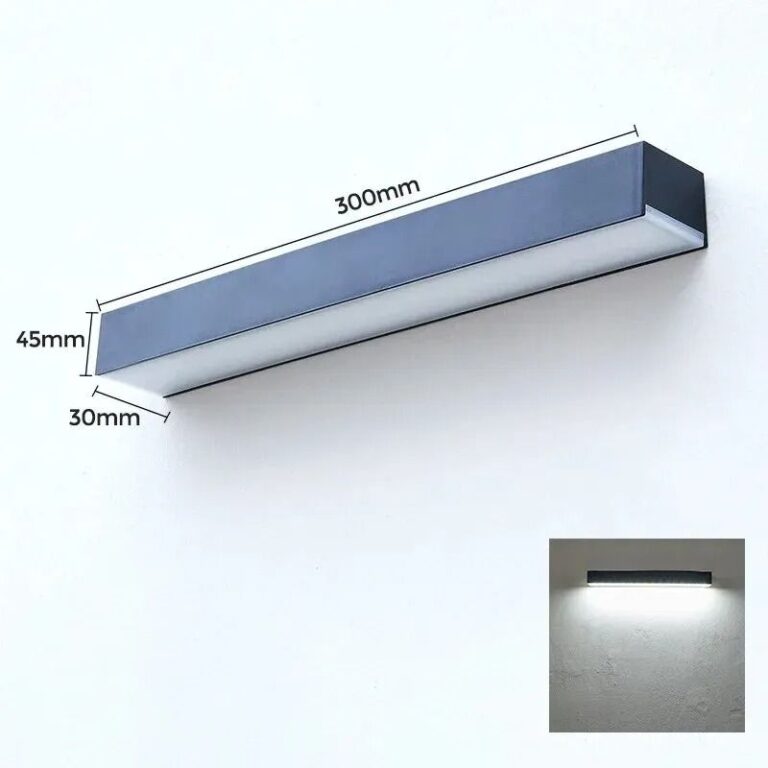
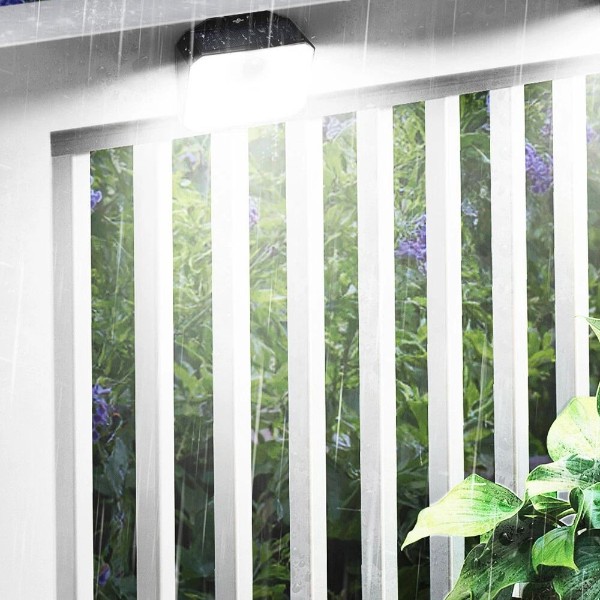 Aisha's pickPIR Security Lights for Barbecues and Lazy Weekends
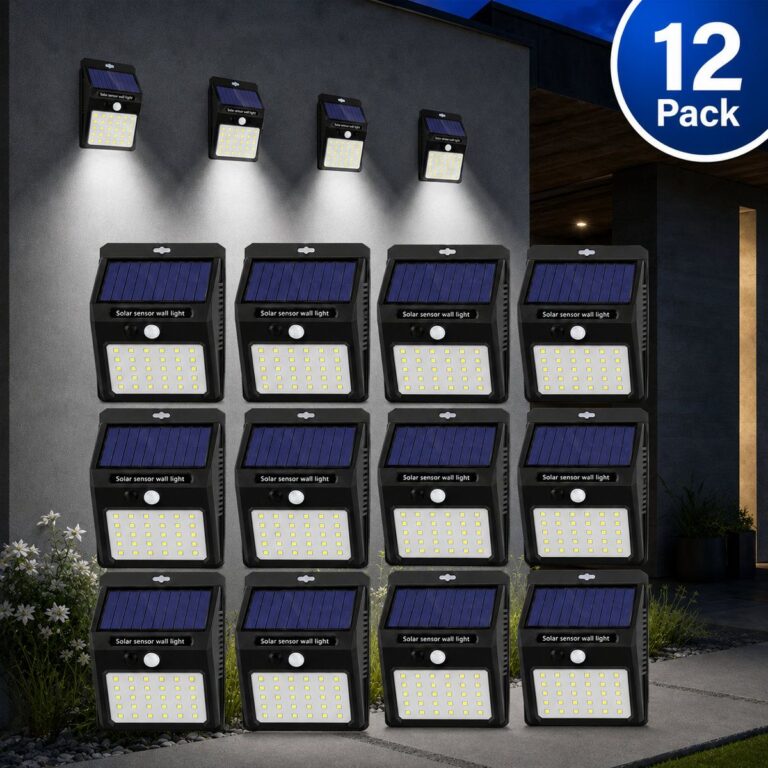
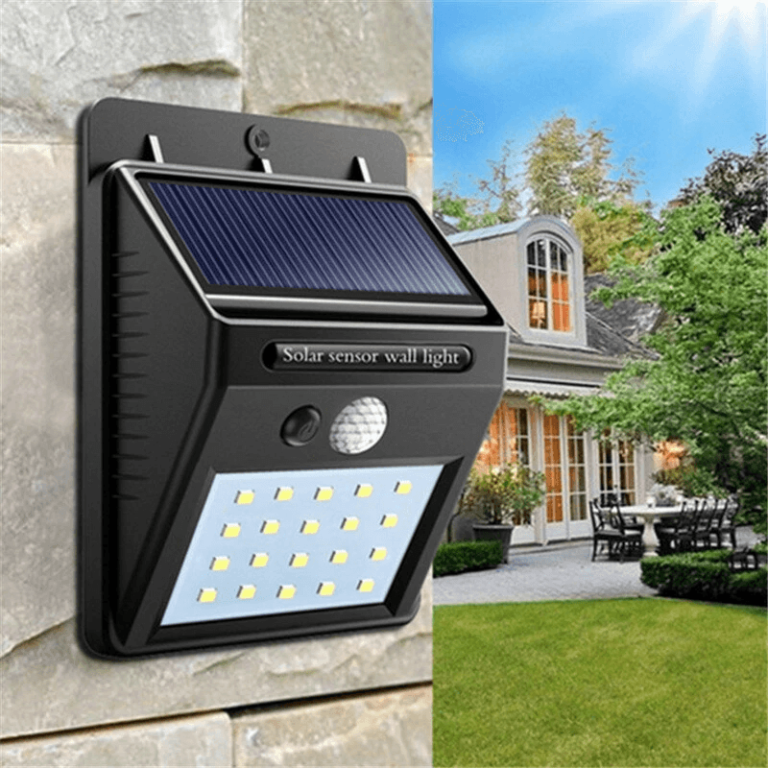 Aisha's pickWhite LED Security Lights That Stand Up to the WeatherAlso worth a lookOutdoor LightingA good outdoor light does something very particular at dusk: it doesn't flood the patio like an interrogation…See the collections →
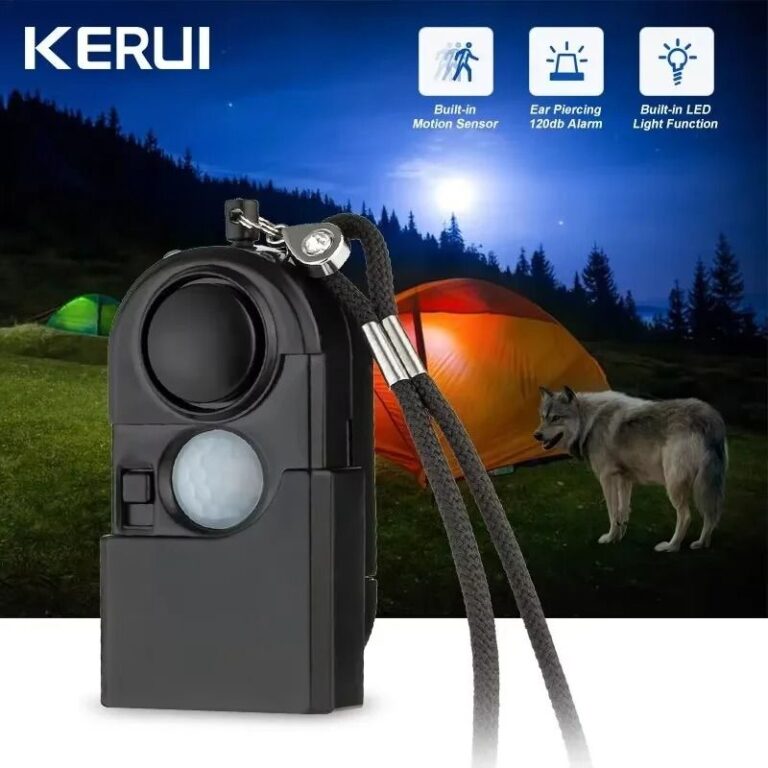
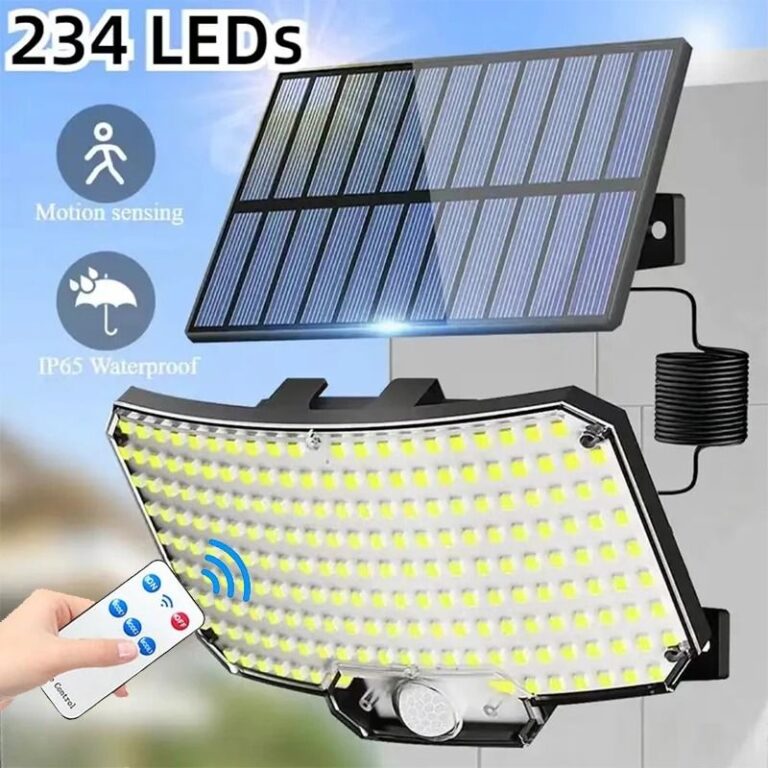 Aisha's pickGood Plastic Security Lights That Don’t Cost a Fortune
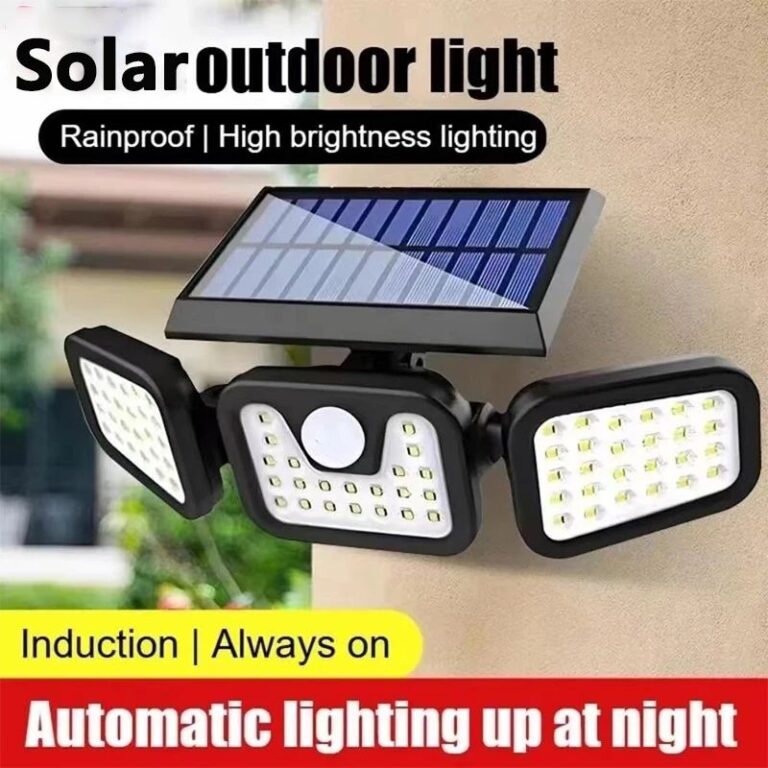
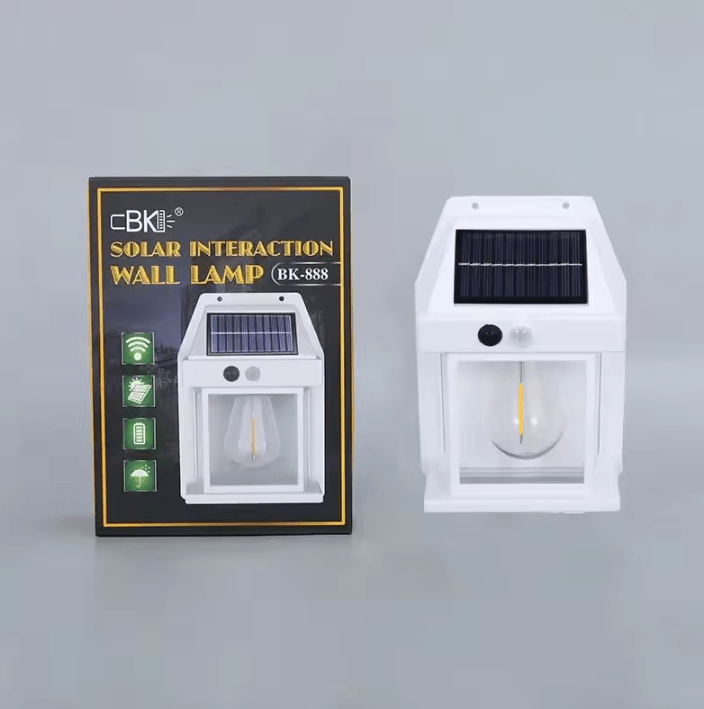 Aisha's pickWhite Security Lights That Make the Yard Feel Like Another Room
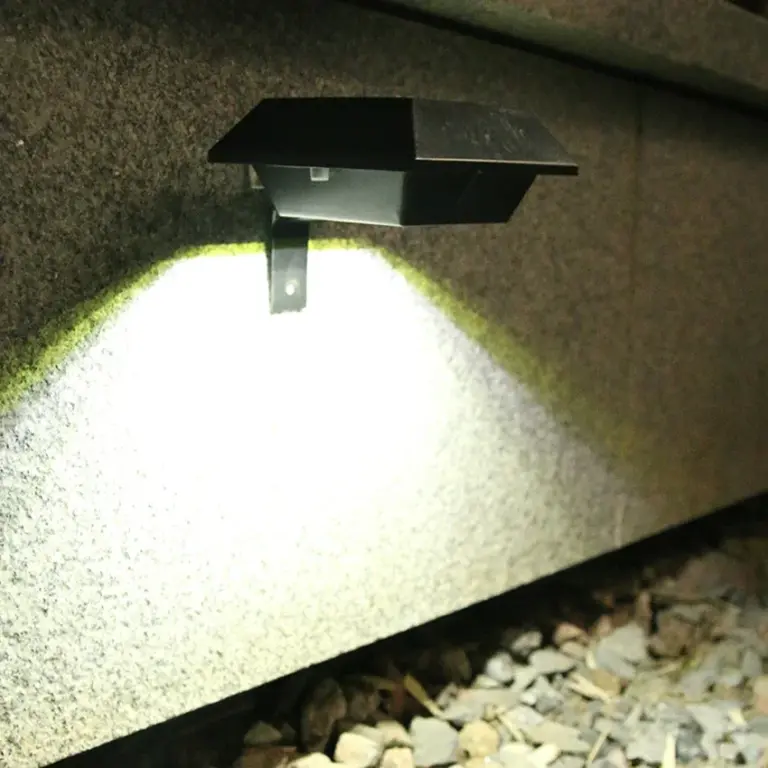
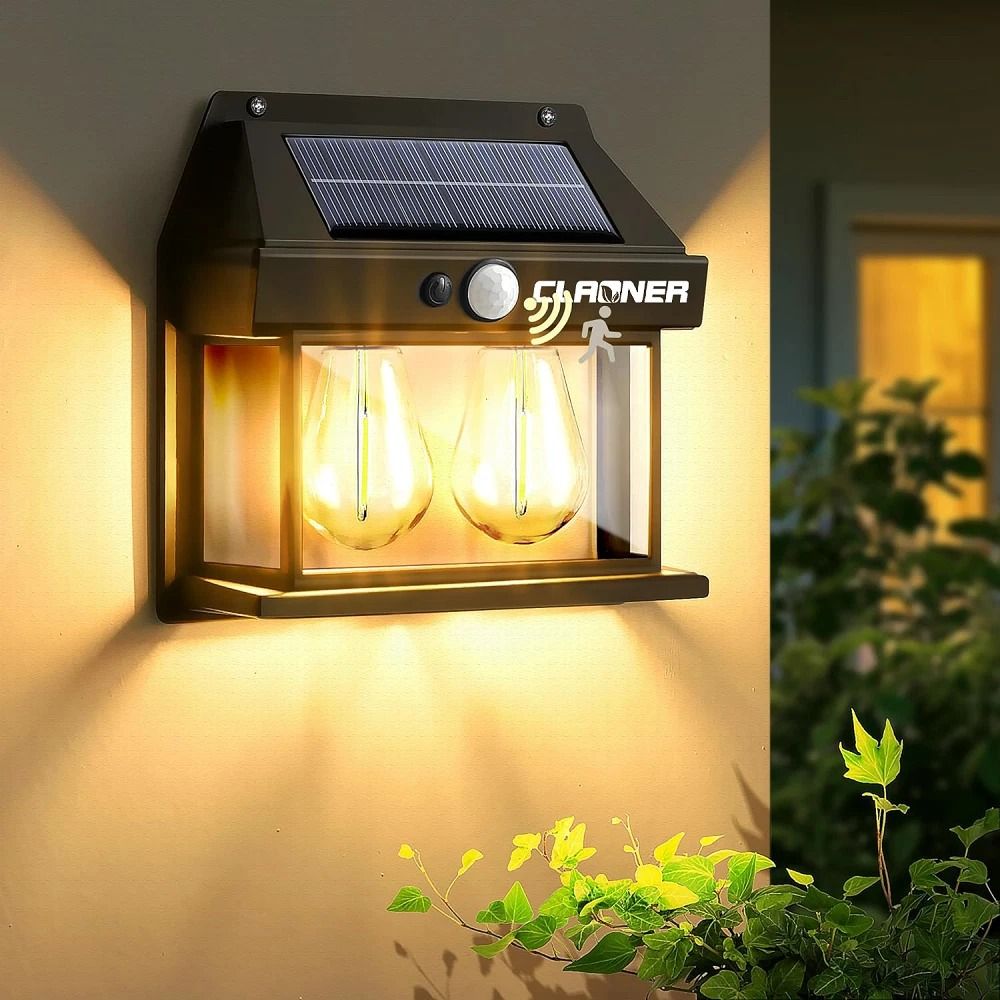 Aisha's pickSecurity Lights That Won’t Date in a Year
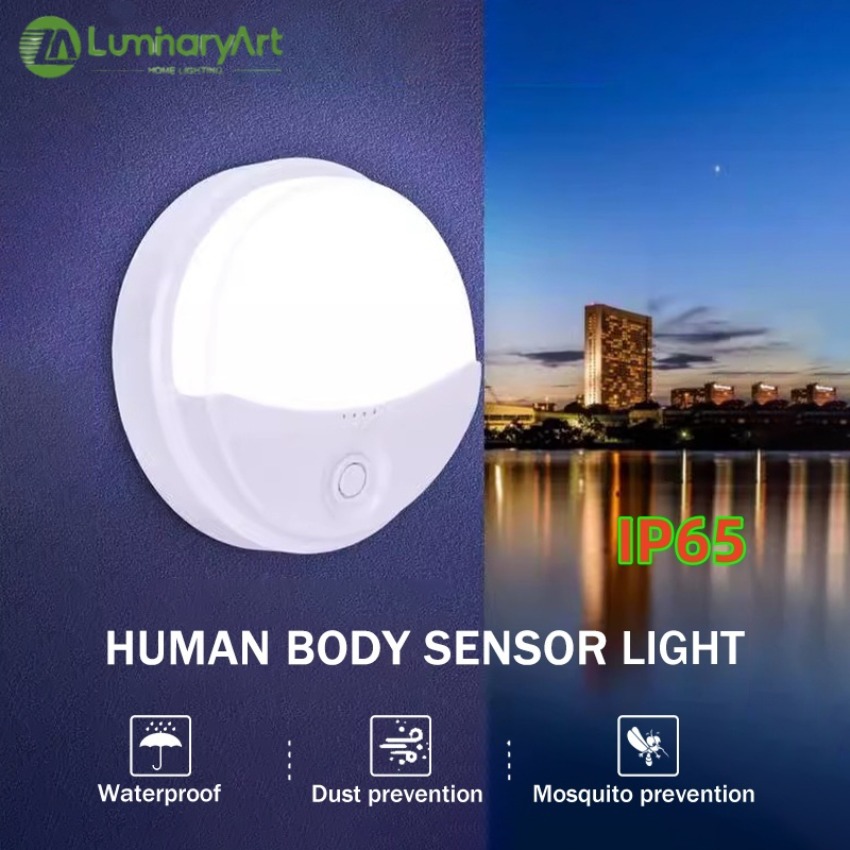
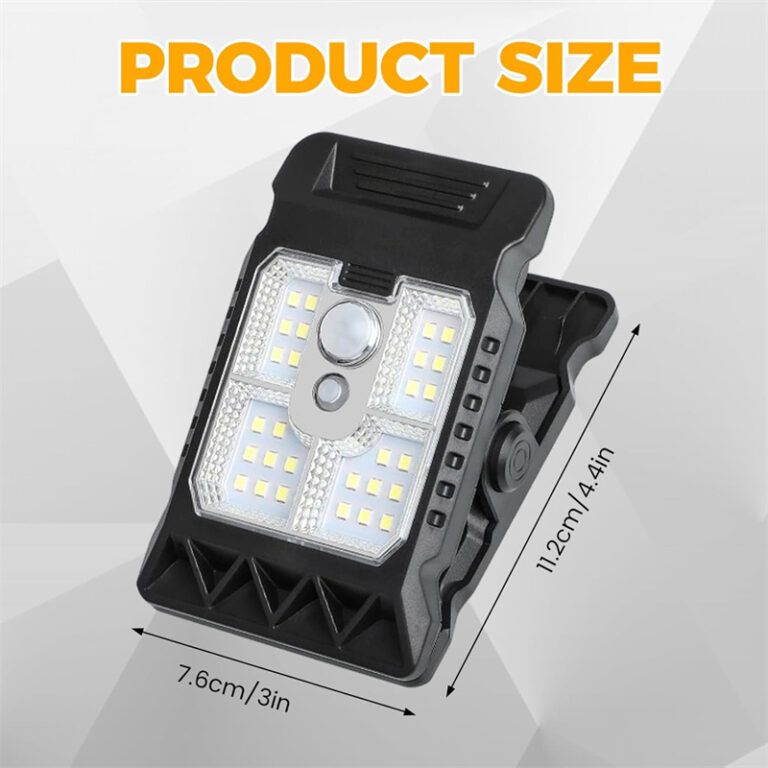 Aisha's pickGood Security Lights for the Yard That Don’t Cost a Fortune
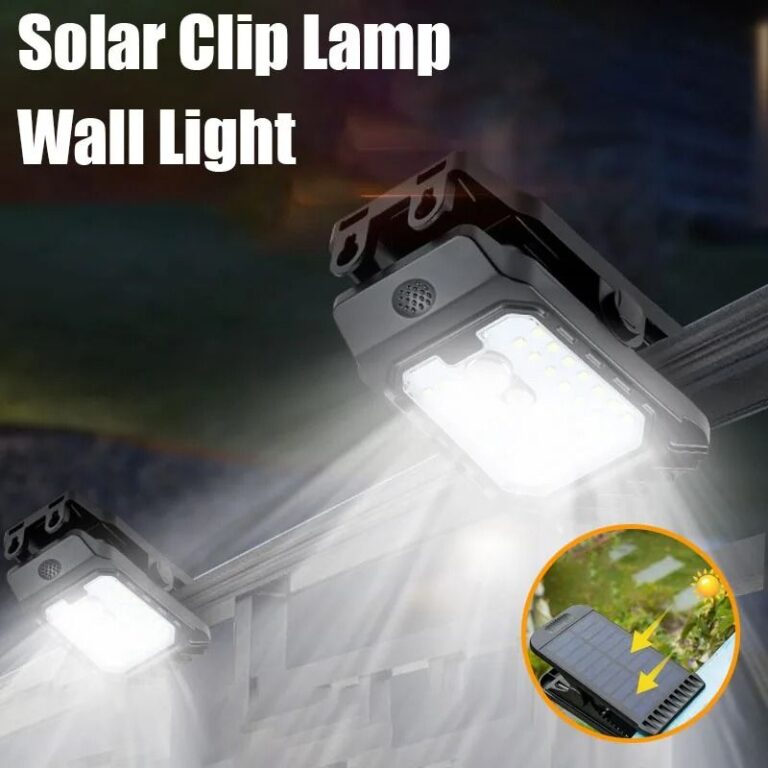
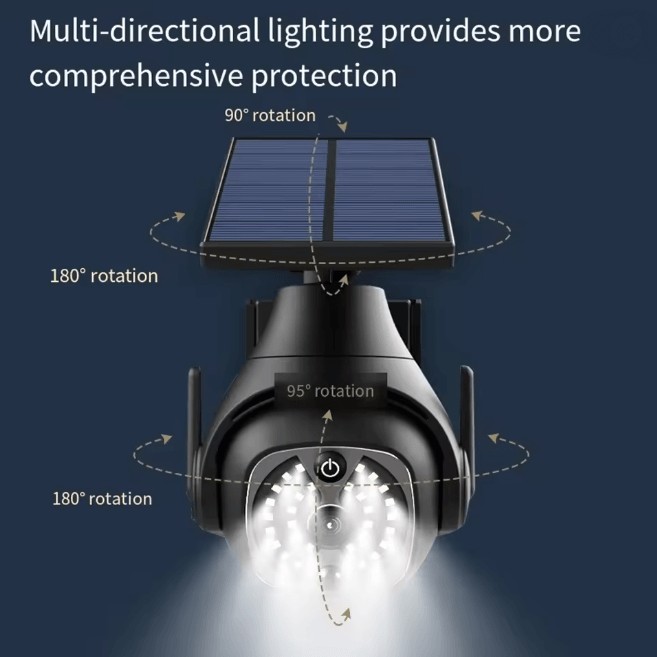 Aisha's pickSecurity Lights with Camera That Make a Small Yard Work Harder
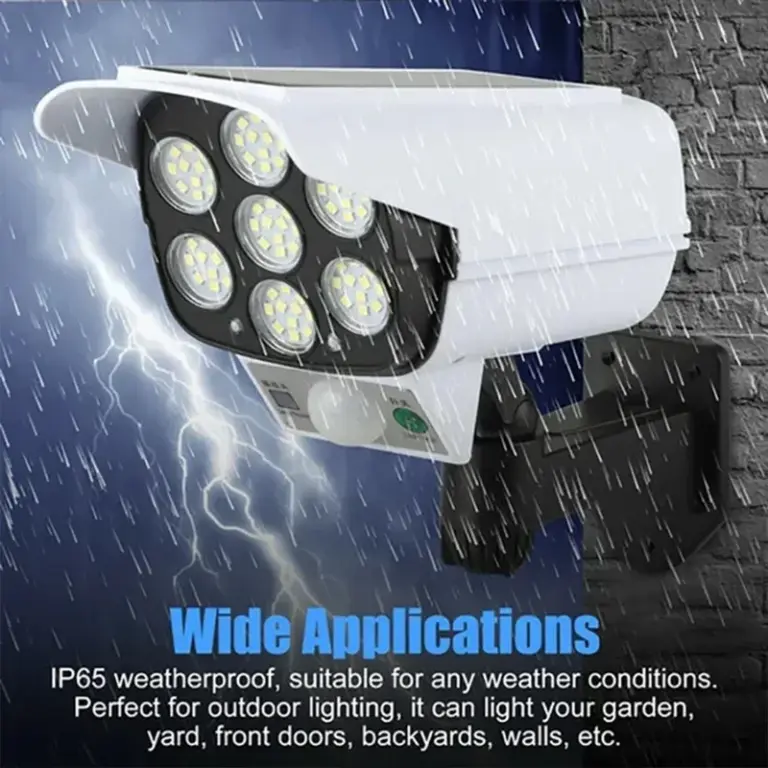
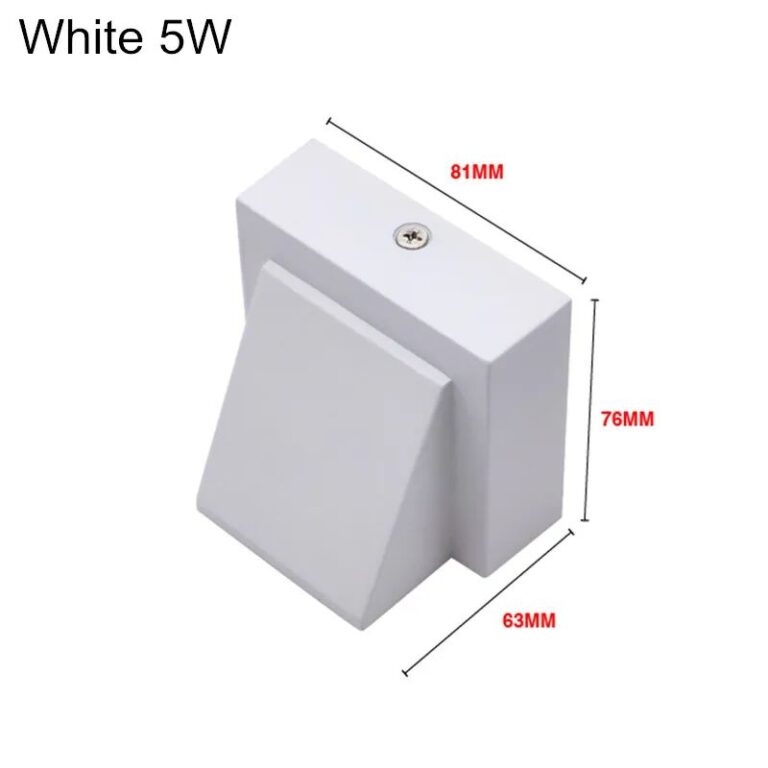 Aisha's pickAluminum Security Lights for Long Summer Evenings Outside
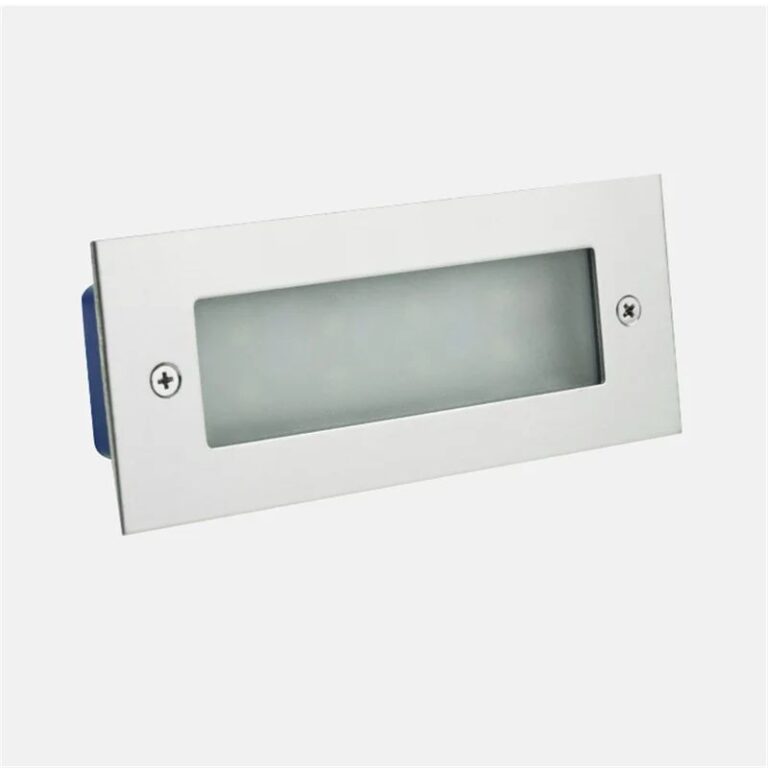
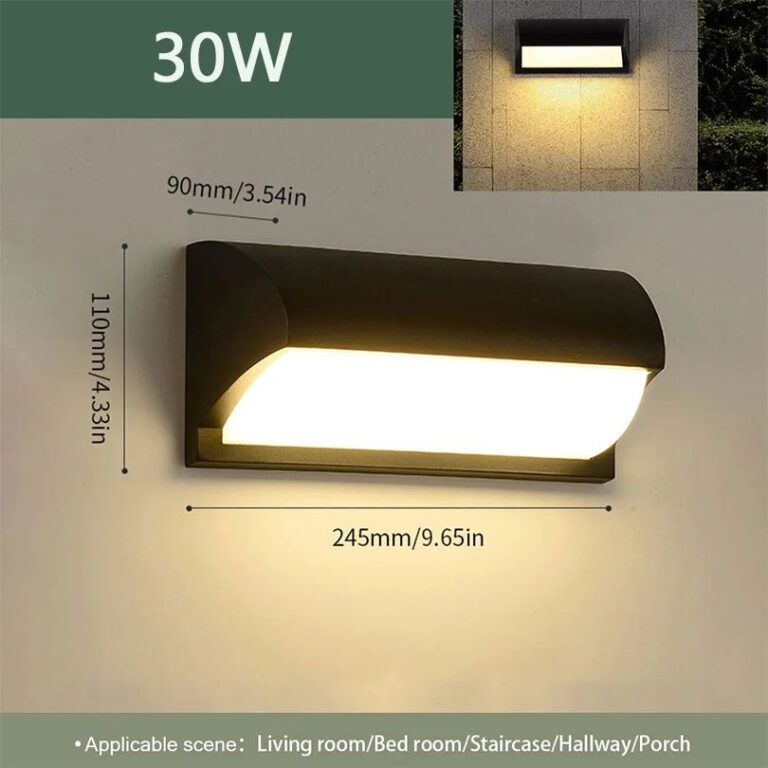 Aisha's pickSecurity Lights with Motion Sensor That Visitors Always Ask About
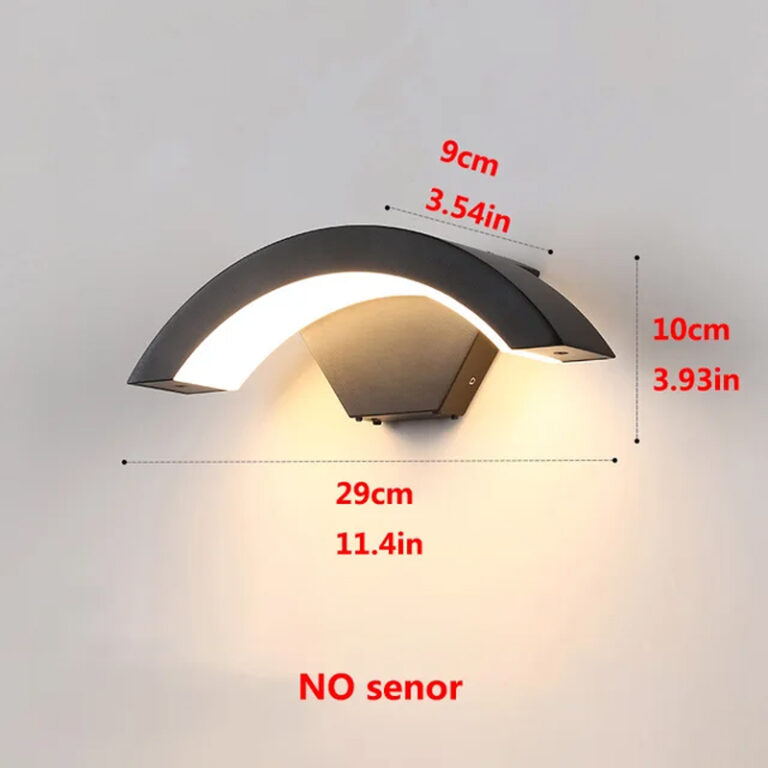
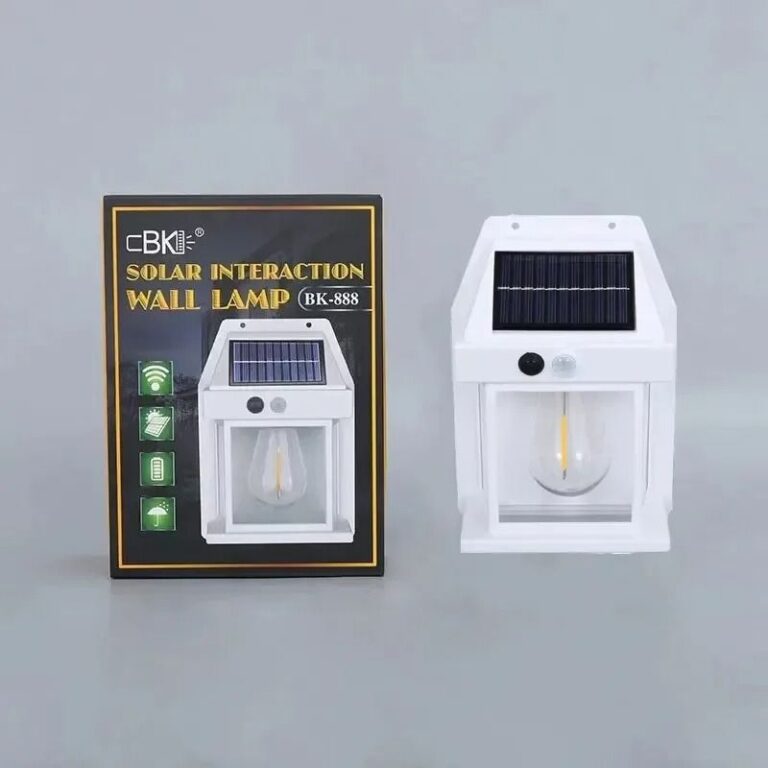 Aisha's pickBlack Security Lights We’d Have Out From May to September
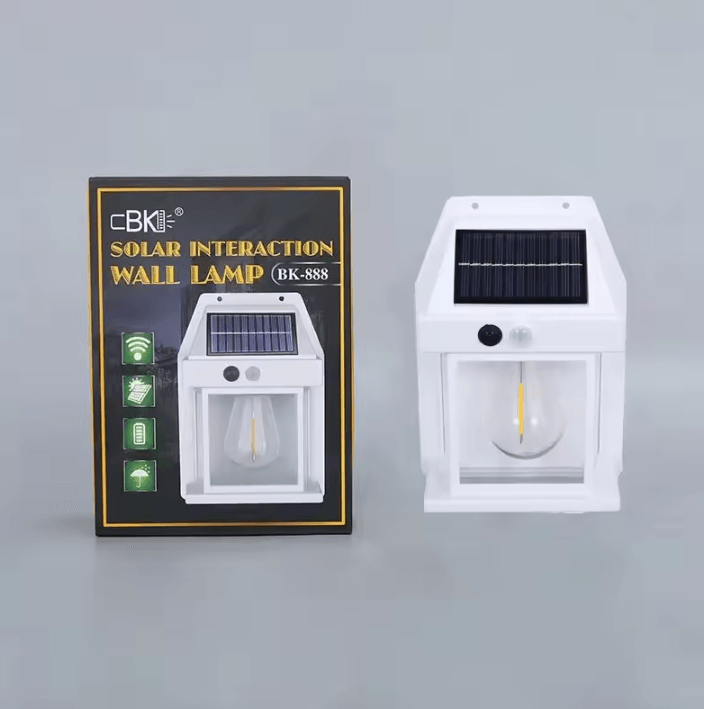
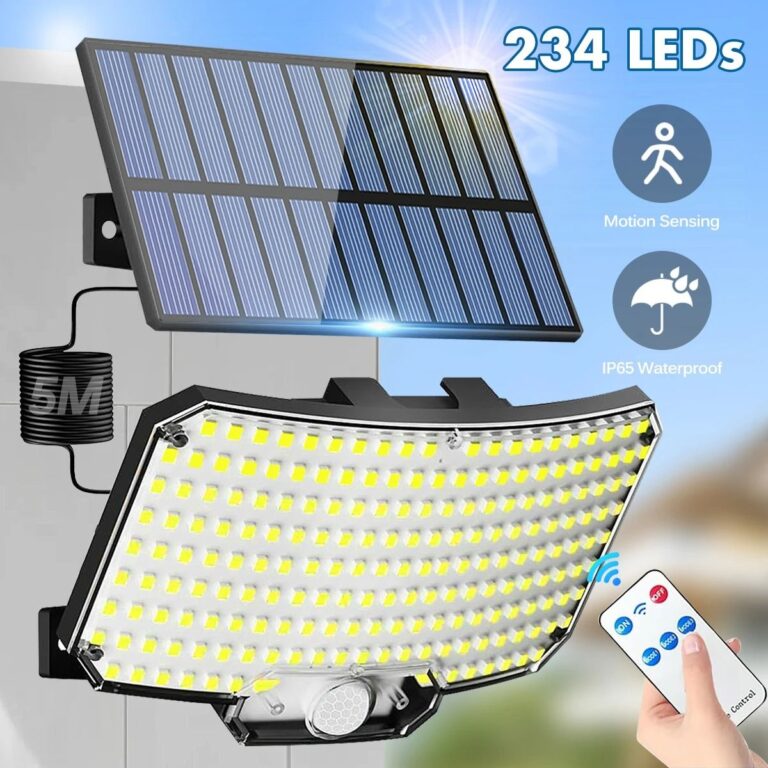 Aisha's pickSecurity Lights with PIR Sensor That Survive a Hard WinterAlso worth a lookMetal Outdoor LightsMost people pick an outdoor light the way they pick a doormat, whatever is closest to the door…See the collections →