If you're standing in front of a wall of outdoor fixtures trying to decide, the thing I'd say is this: buy the warmest color temperature you can find, somewhere around 2700K, because anything bluer than that turns a porch into a parking garage. LED has gotten good enough that the old complaint about harsh, clinical light doesn't really hold anymore, but the fixture still has to be chosen for the house it's going on, not just for how it looks on a bracket in a showroom.
Where LED outdoor lights go wrong is mixing temperatures and styles around the same facade. A warm bulb by the front door and a cooler one on the garage, or a sleek black cylinder next to a fussy lantern style fixture from a previous owner, and the whole front of the house looks like it's arguing with itself. If you've got brick or stone with a lot of warm tone in it, a stark white or icy blue light will fight the material every time, and you'll notice it every evening whether you meant to or not. Stick to one finish and one light temperature across anything visible from the street. For sizing, the classic mistake is buying a fixture that looked proportionate on a shelf and then mounting it next to a door that's seven feet tall, where it suddenly looks like a thimble. A rough rule that actually works is measuring the height of your door frame and choosing a fixture that's roughly a quarter to a third of that height, and if you're flanking a door with two, keep them at the same height as each other even if the porch isn't quite symmetrical, because your eye catches that mismatch before it catches almost anything else.
Where these lights hit a real limit is brightness for actual task lighting, reading a house number from the street, lighting a path safely, seeing your keys. A lot of decorative LED fixtures are dimmer than they look in a listing, so check the lumen output, not just the wattage equivalent, before you commit. They're also a mixed bag in genuine cold, some dim or flicker below freezing, so if you're somewhere with hard winters, check the fixture's rated operating temperature rather than assuming all LED hardware behaves the same. The day it arrives, check the IP rating is actually suited to an exposed location versus a covered porch, check the mounting plate covers any old screw holes from whatever was there before, and check the glass or lens isn't scratched, because that's the one thing you can't fix after installing it.
I'd start with a matte black or aged bronze finish. It reads as intentional in daylight and disappears politely once the bulb takes over at night.
 Aisha's pickLED Outdoor Lighting for Barbecues and Lazy Weekends

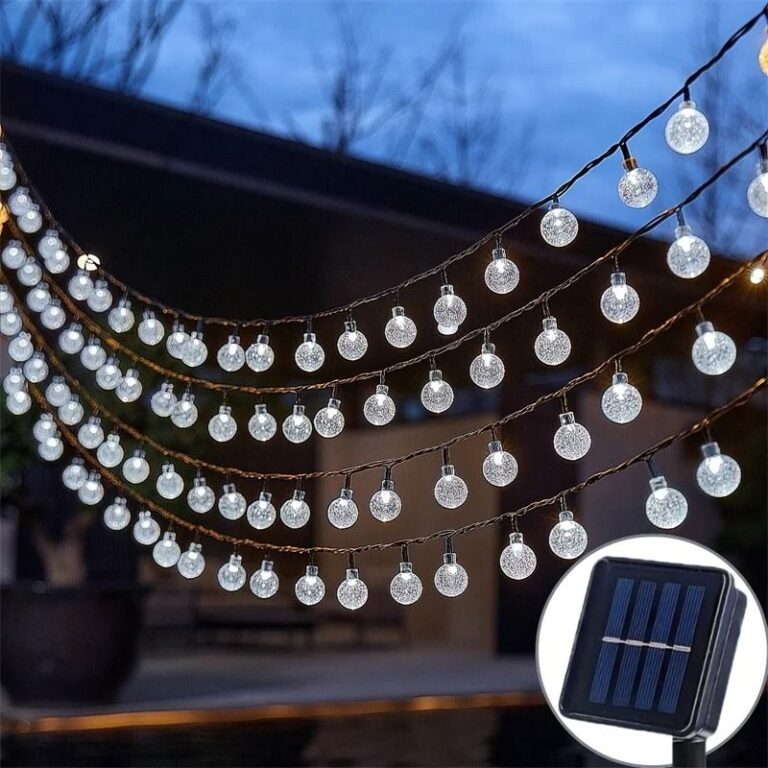 Aisha's pickLED Solar Fence Lights We’d Have Out From May to September

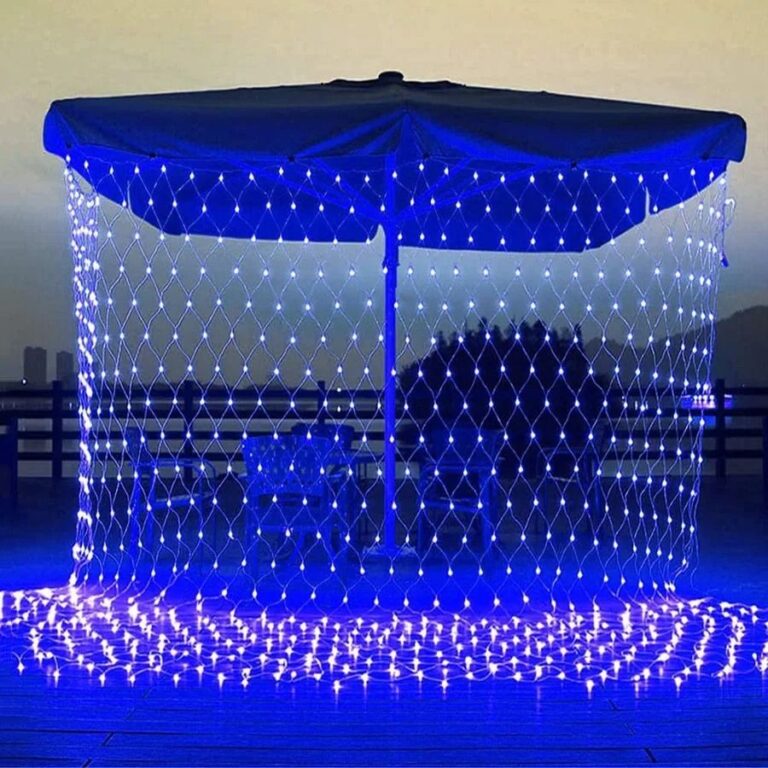 Aisha's pickNo Fuss LED Outdoor Lights
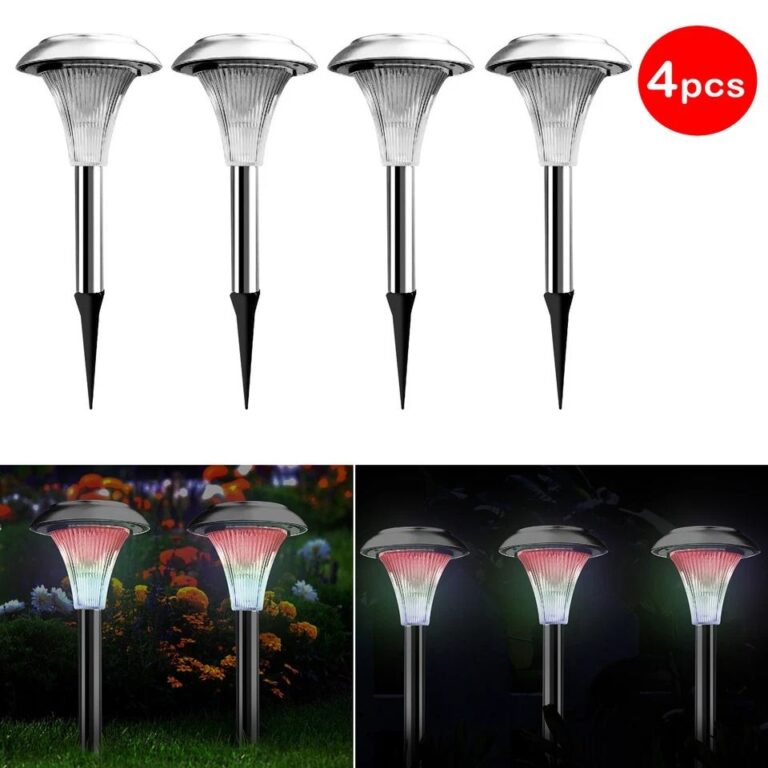
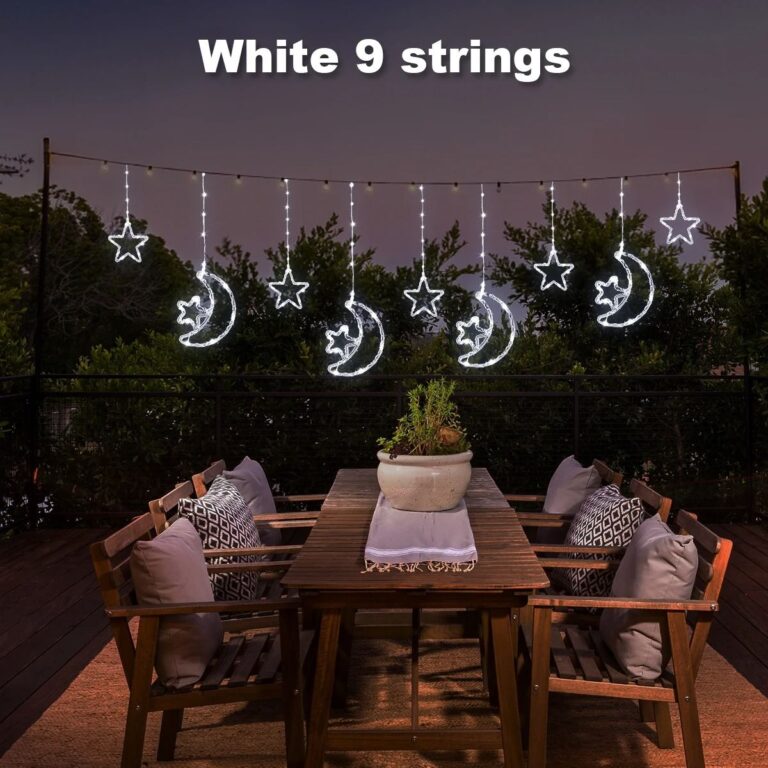 Aisha's pickLED Solar Outdoor Lights That Look Good Up Close
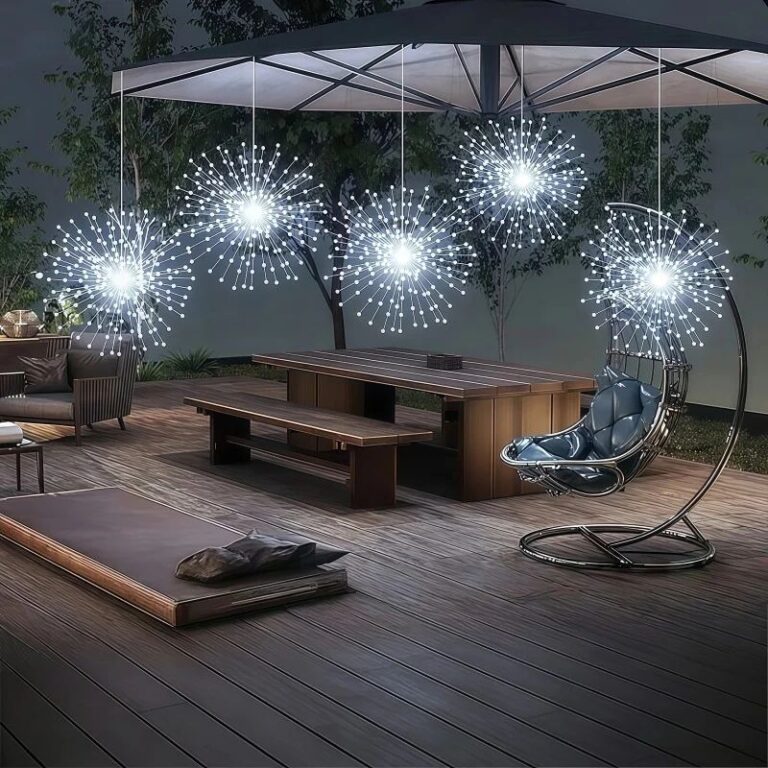
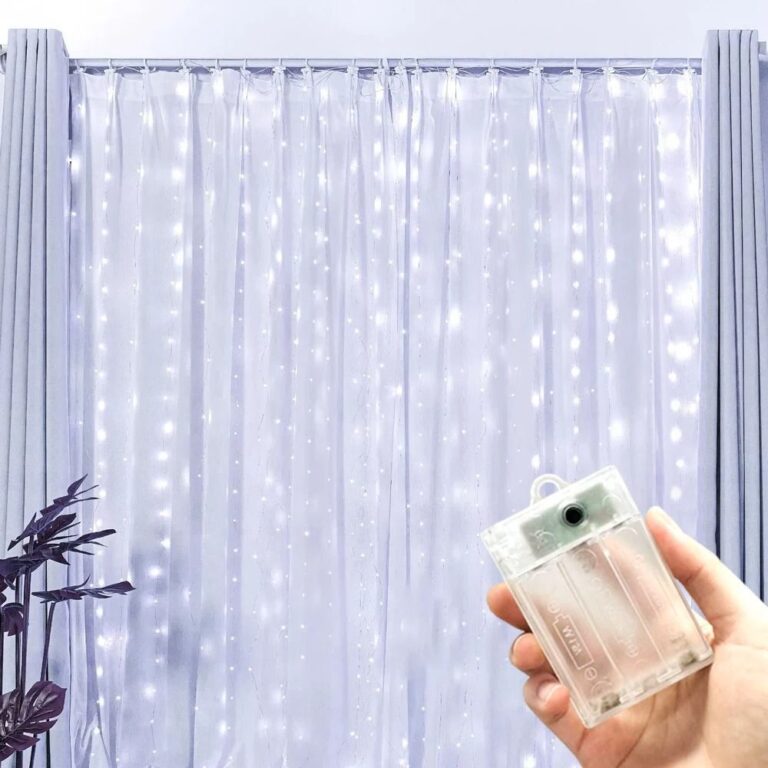 Aisha's pickLED Outdoor Ceiling Lights We’d Have Out From May to September

 Aisha's pickLED Solar Lanterns That Make the Yard Feel Like Another Room

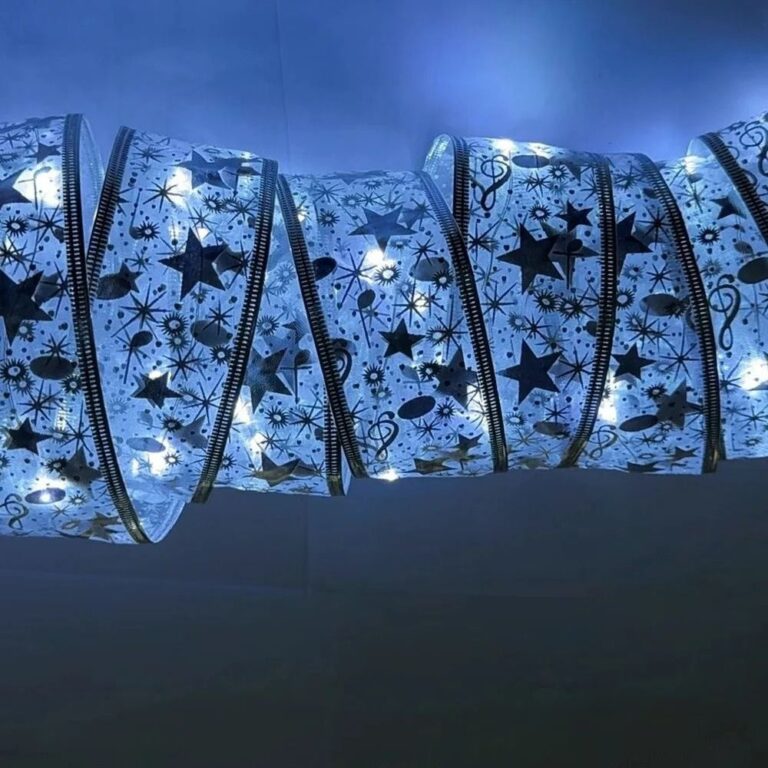 Aisha's pickLED Outdoor String Lights That Make the Yard Feel Like Another Room
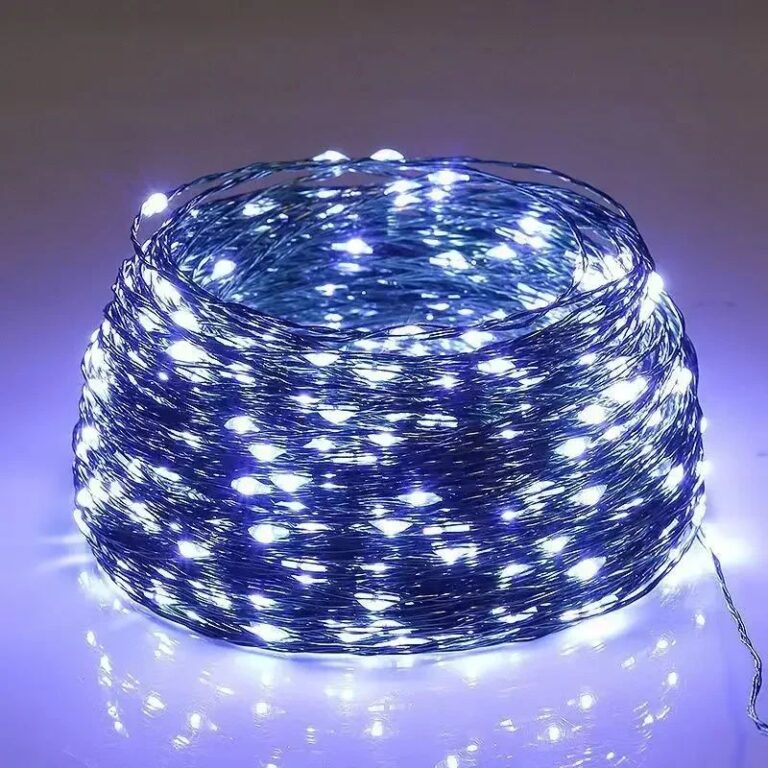
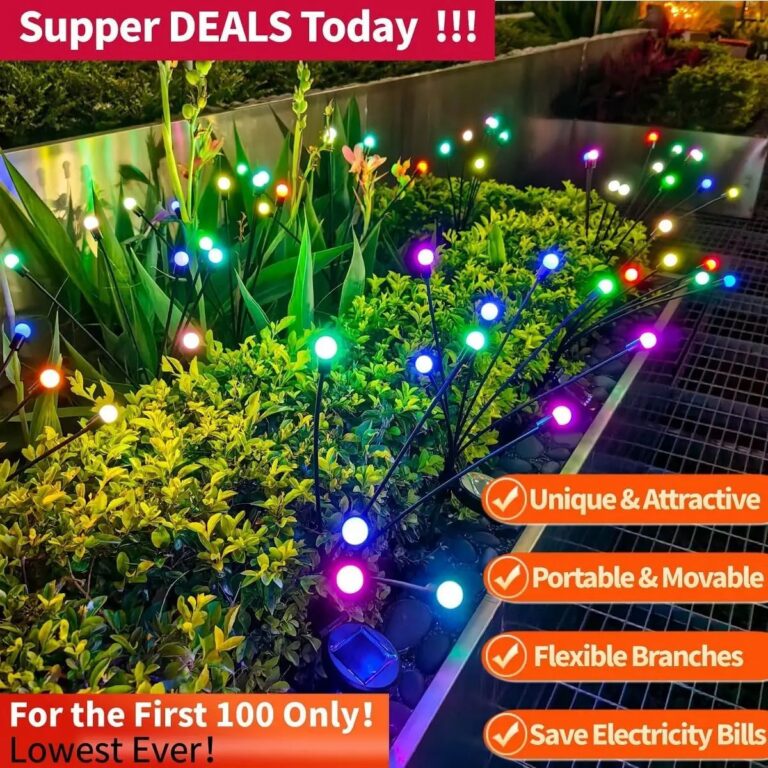 Aisha's pickLED Solar Lights for Sunny Afternoons and Chilly Nights
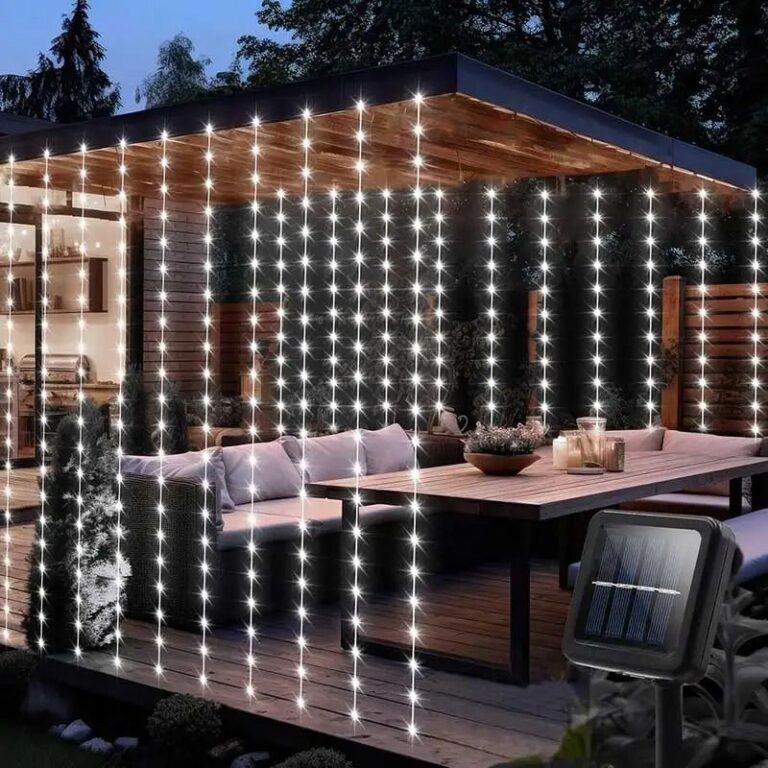
 Aisha's pickLED Outdoor Festoon Lights We Keep Coming Back ToAlso worth a lookSolar LightsSolar lights make the most sense for homes with a path, a porch, or a patch of garden…See the collections →
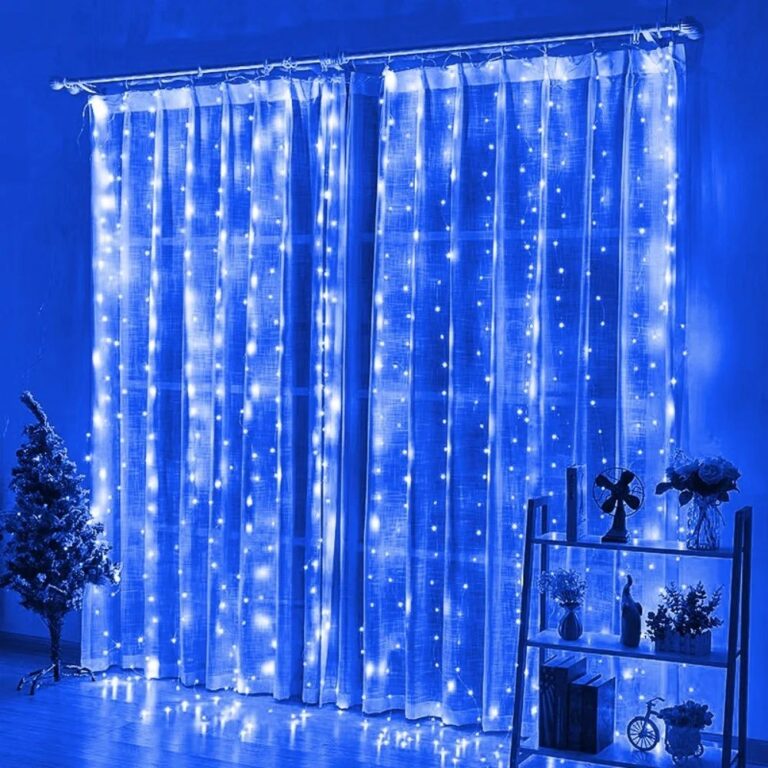
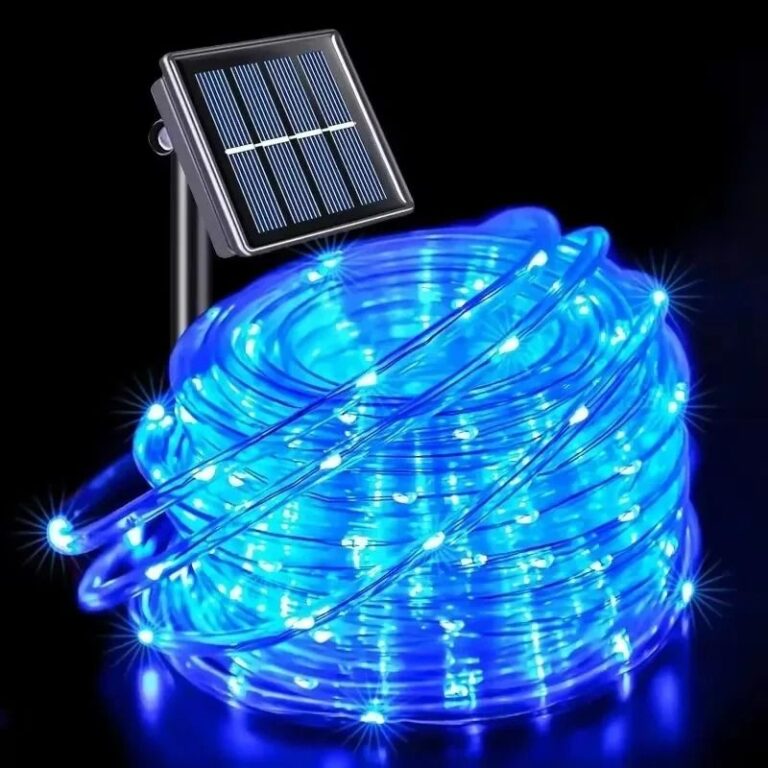 Aisha's pickLED Solar Stake Lights at Every Price Point
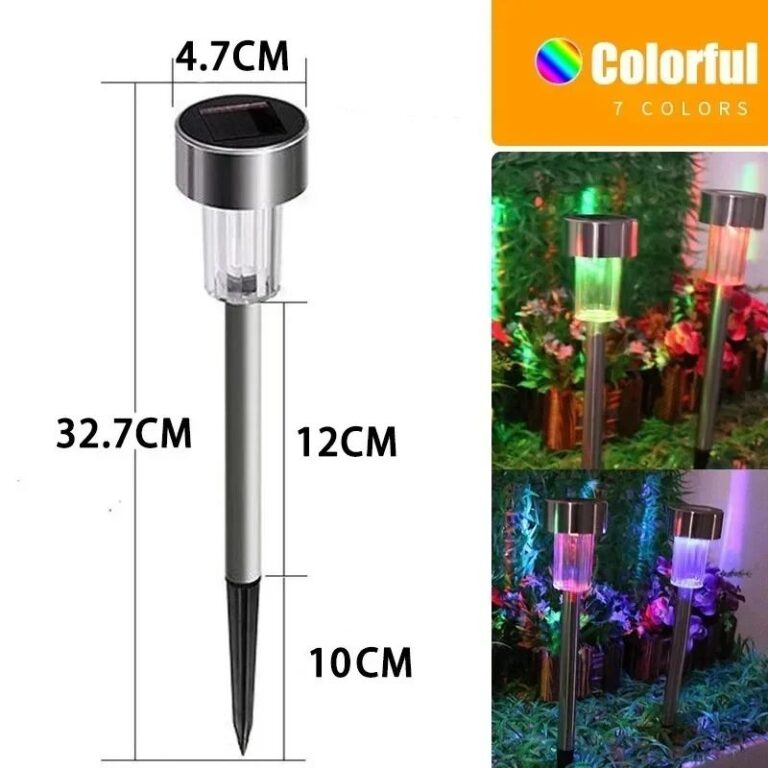
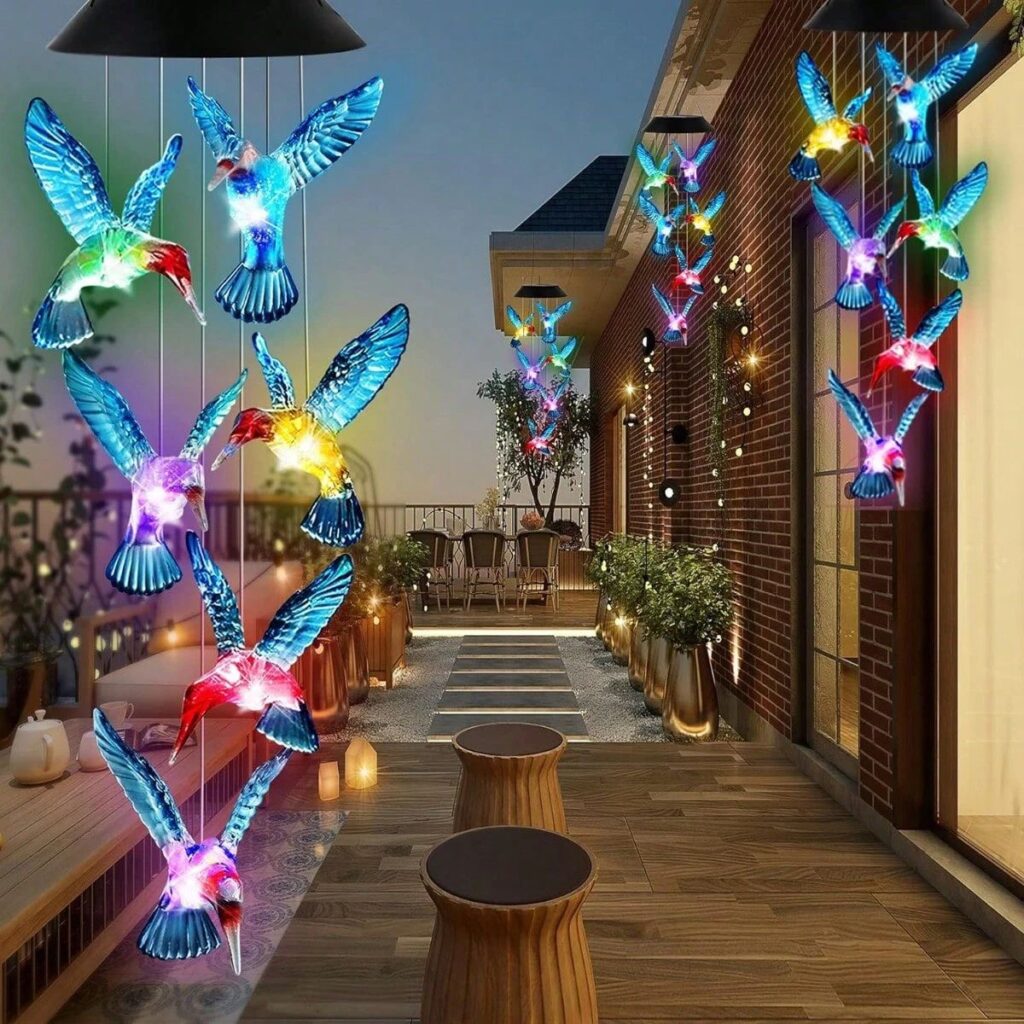 Aisha's pickLED Outdoor Lanterns for People Who Know What They Like
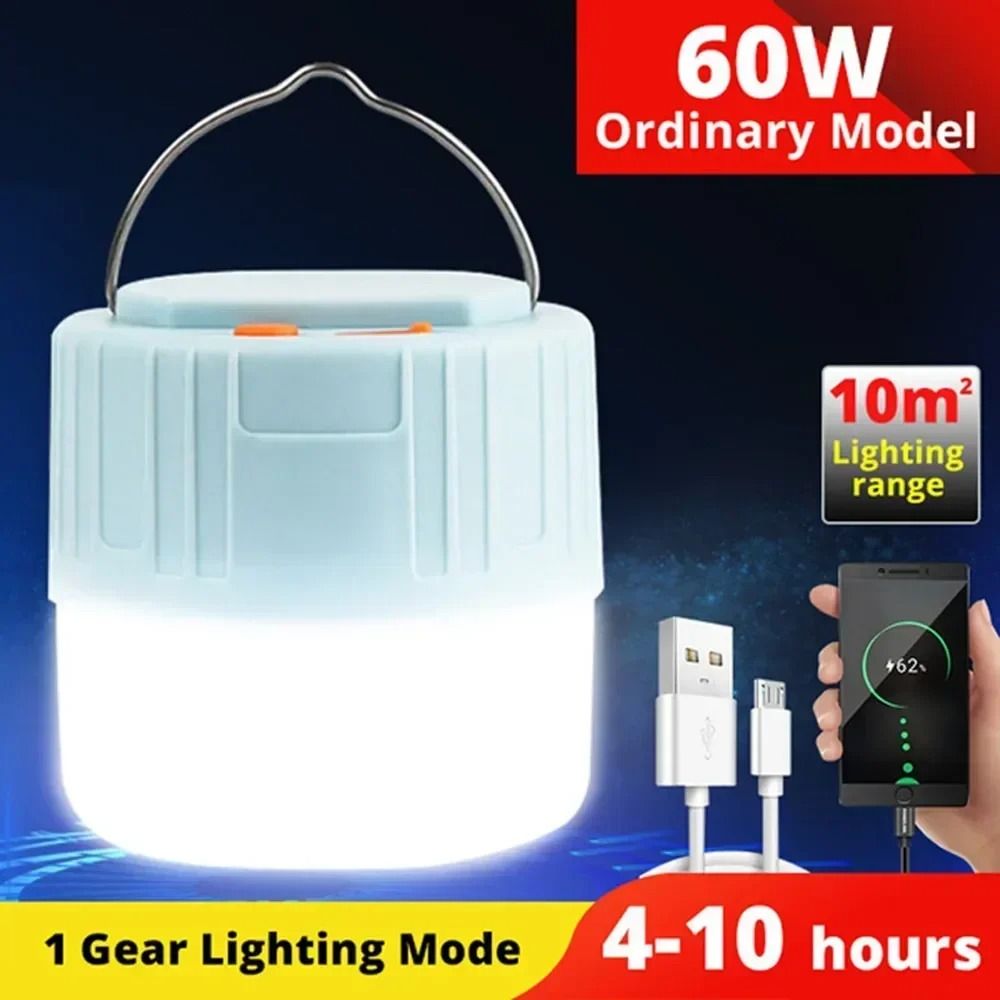
 Aisha's pickLED Solar Wall Lights From Brands You Know and a Few You Won’t
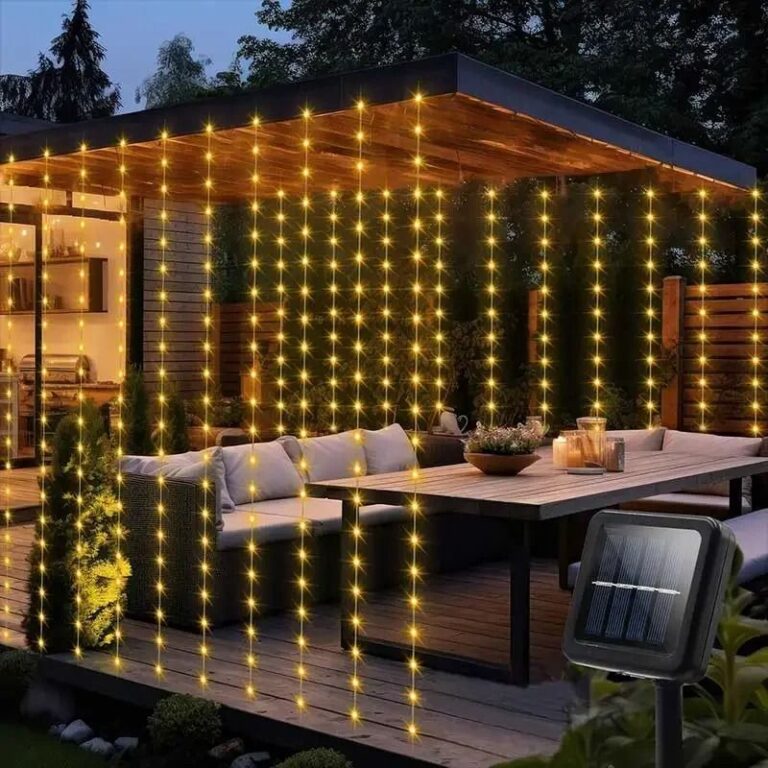
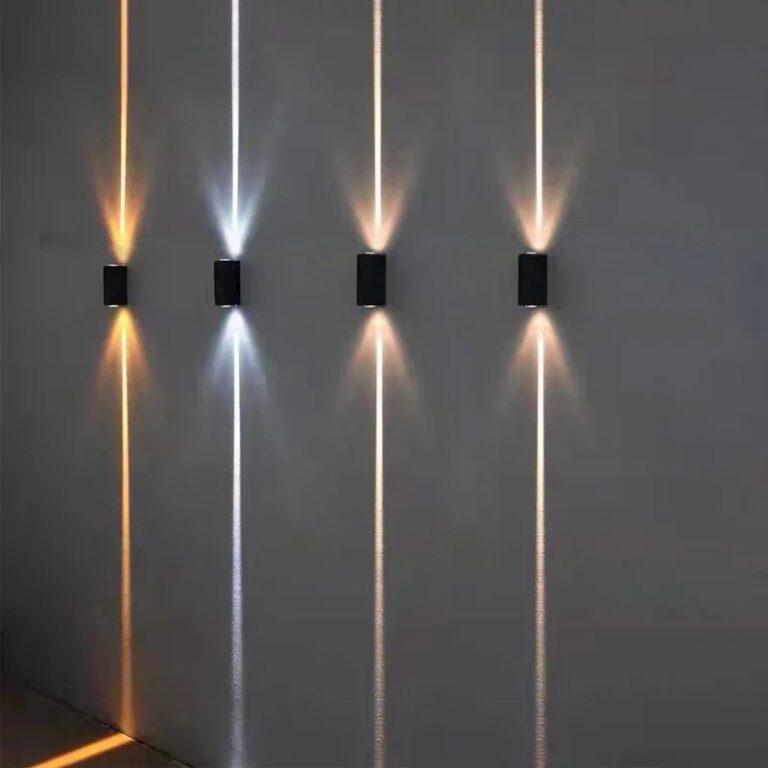 Aisha's pickLED Outdoor Lights for Making the Most of the Patio
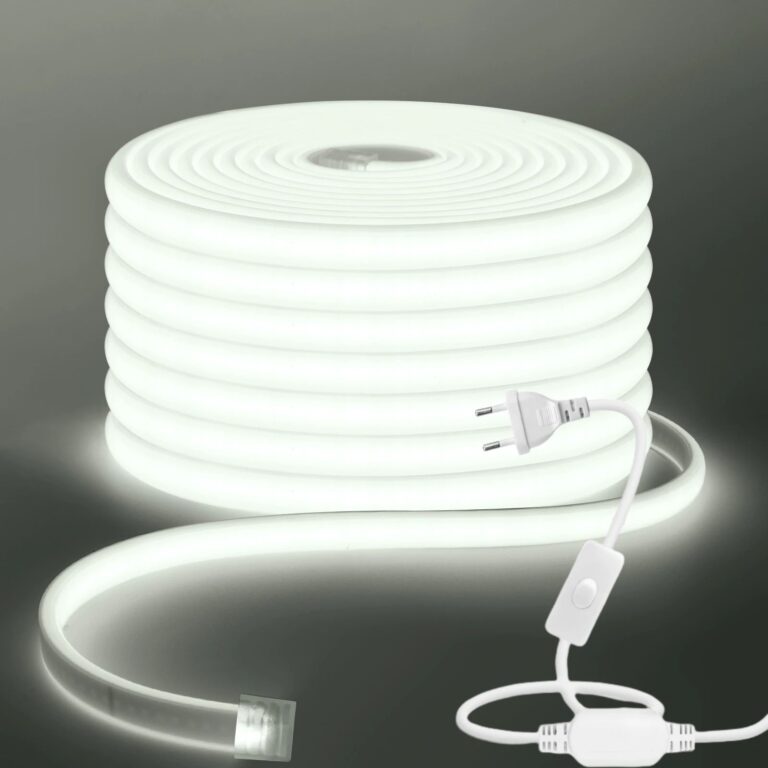
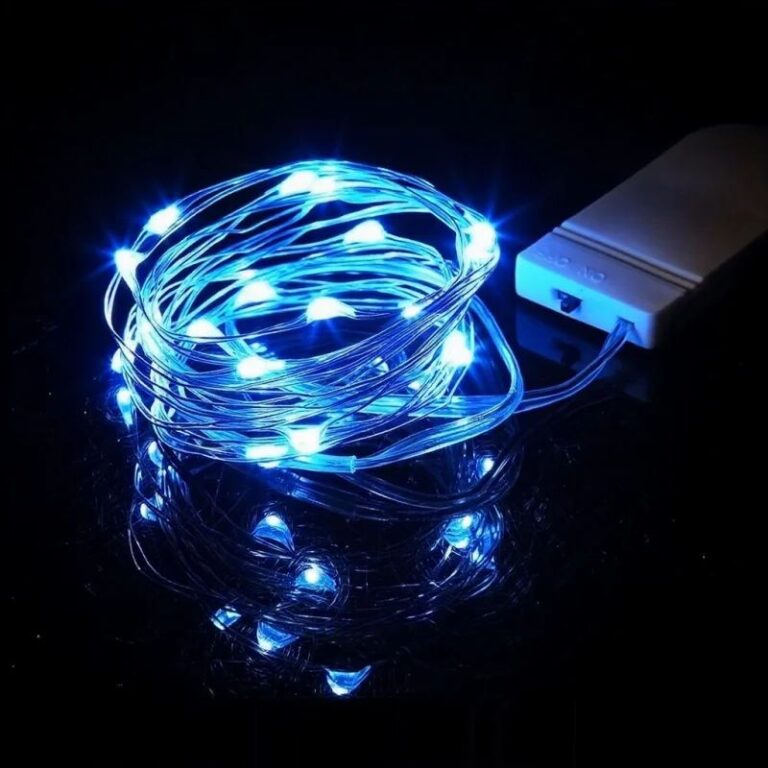 Aisha's pickSilver LED Outdoor Lights for Long Summer Evenings Outside
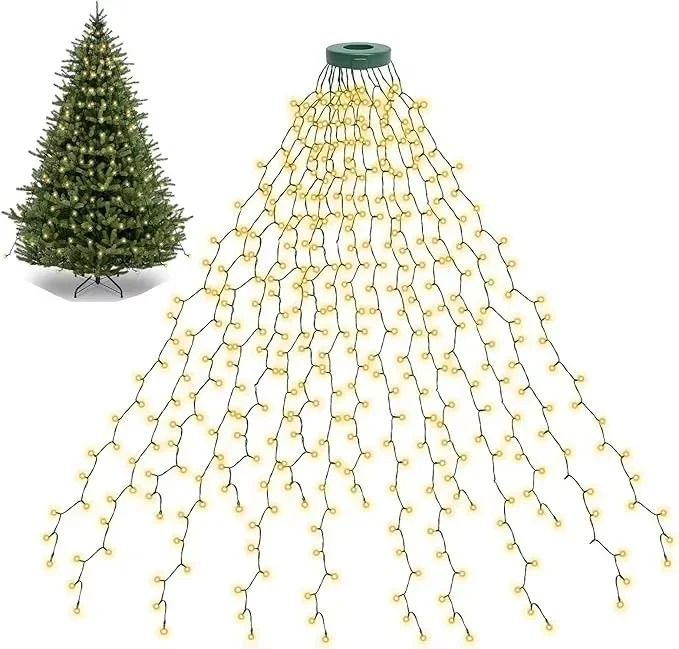
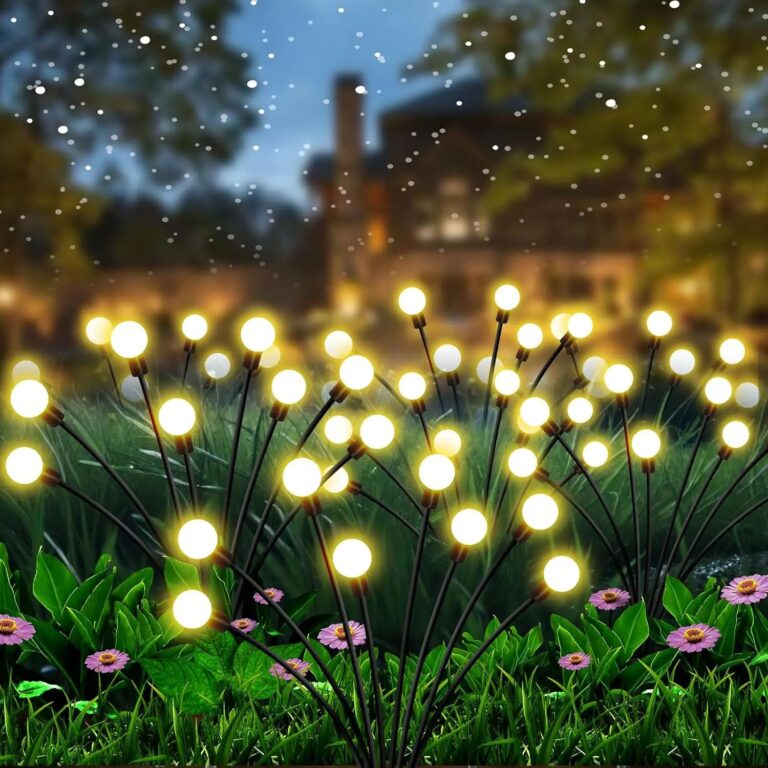 Aisha's pickLED Outdoor Lighting That Doesn’t Cost a Fortune
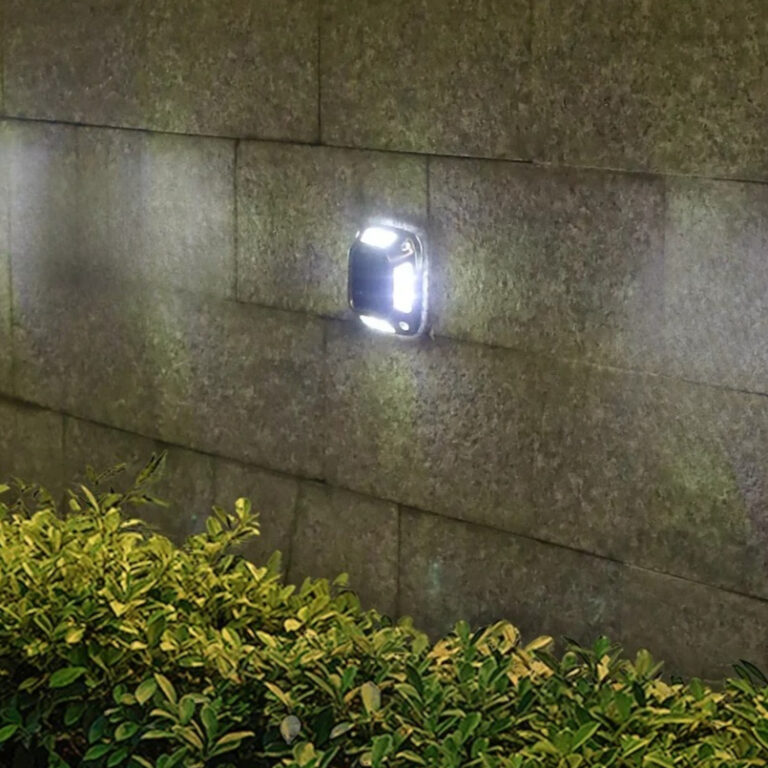
 Aisha's pickWhite LED Outdoor Lights We’d Have Out From May to September
 Aisha's pickLED Outdoor Lights for Long Summer Evenings Outside
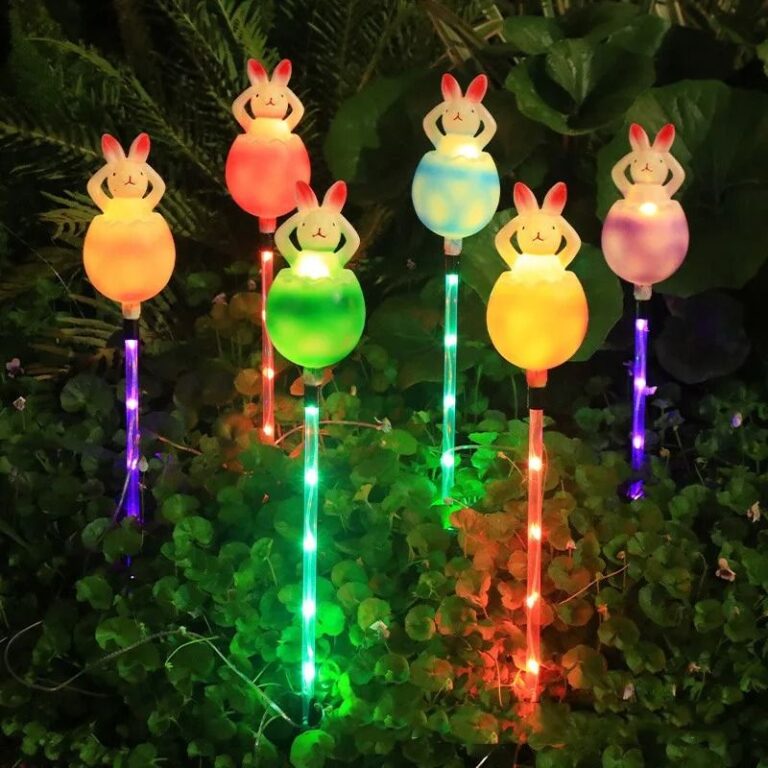 Aisha's pickWhite LED Outdoor Lights That Shrug Off the RainAlso worth a lookOutdoor LightingA good outdoor light does something very particular at dusk: it doesn't flood the patio like an interrogation…See the collections →
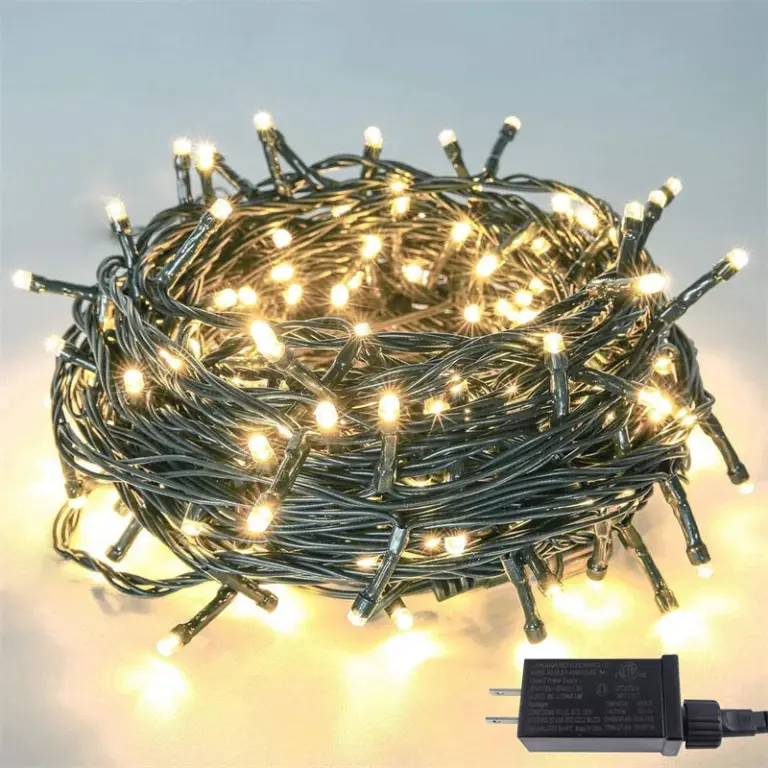
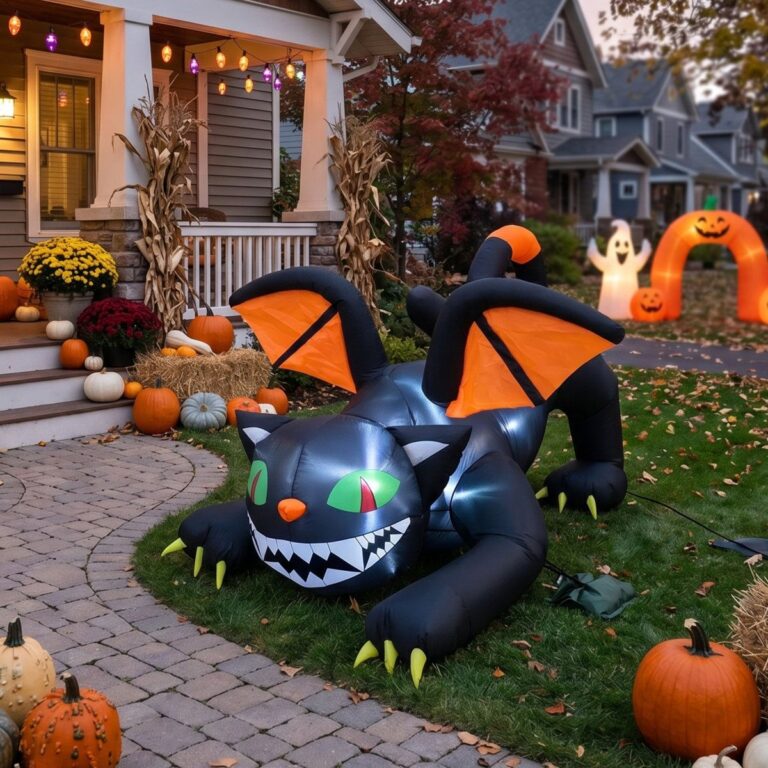 Aisha's pickBlack LED Outdoor Lights for Sunny Afternoons and Chilly Nights
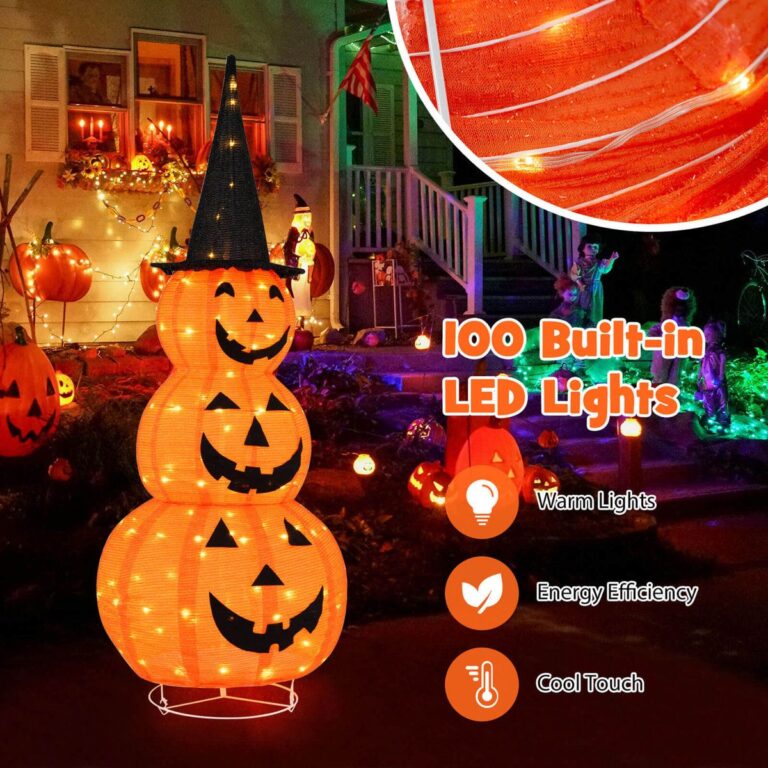
 Aisha's pickLED Outdoor Wall Lights That Survive a Hard Winter

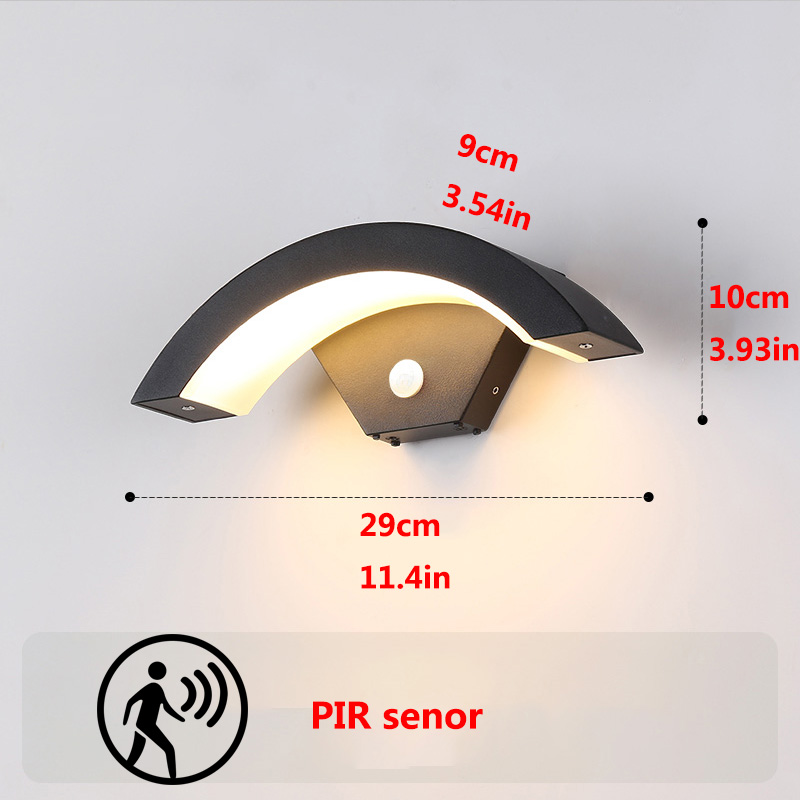 Aisha's pickWhite LED Outdoor Wall Lights That Make a Small Yard Work Harder
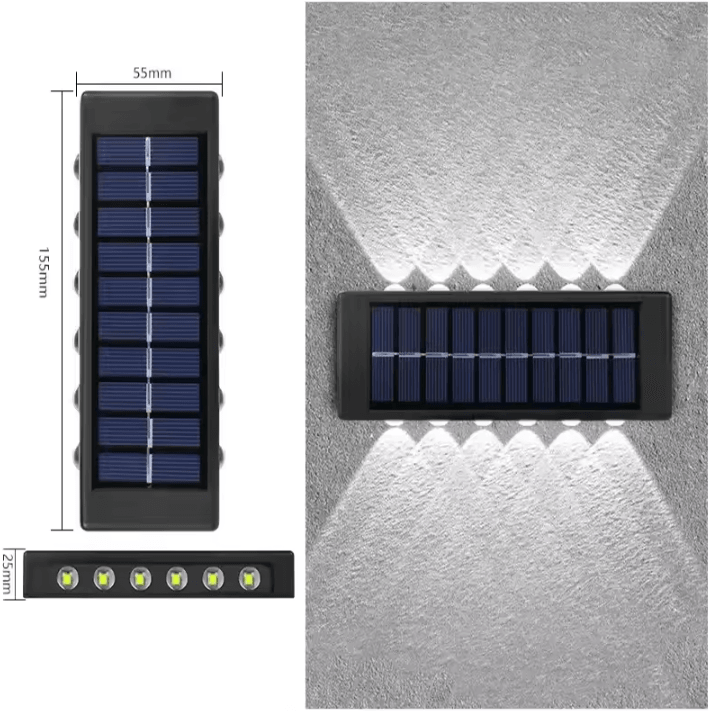
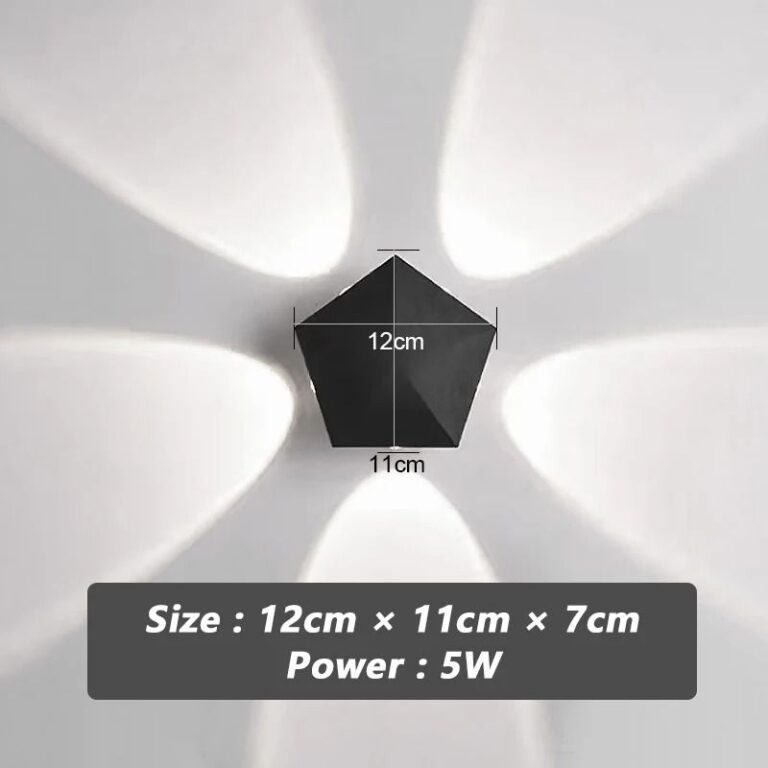 Aisha's pickBlack LED Outdoor Lights That Survive a Hard Winter
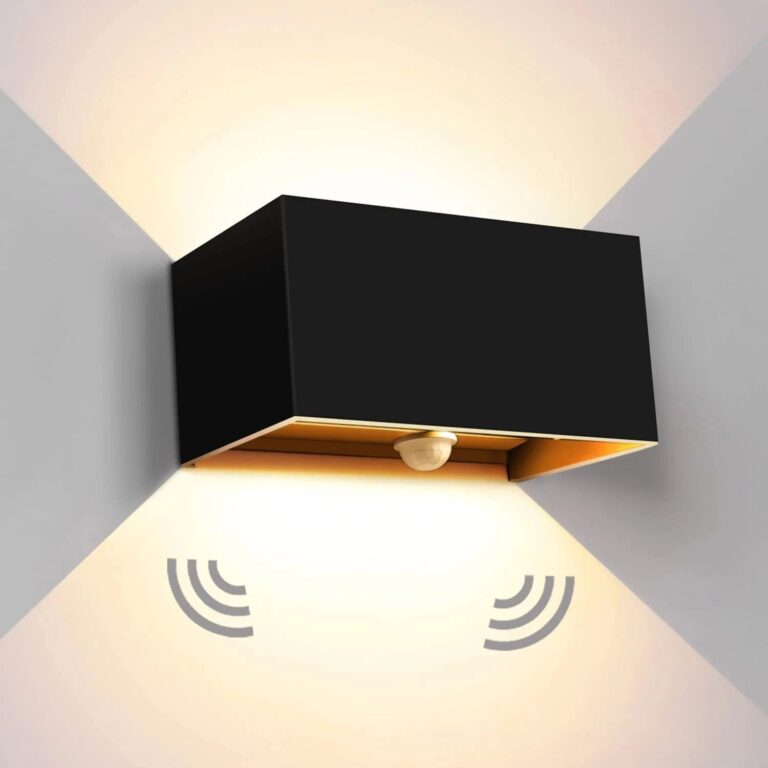
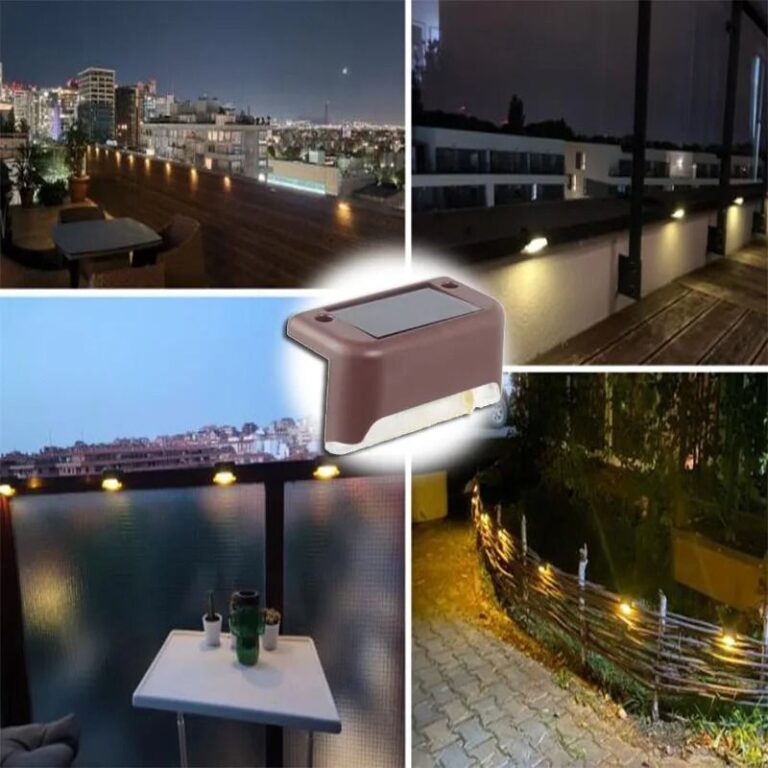 Aisha's pickLED Path Lights That Shrug Off the Rain
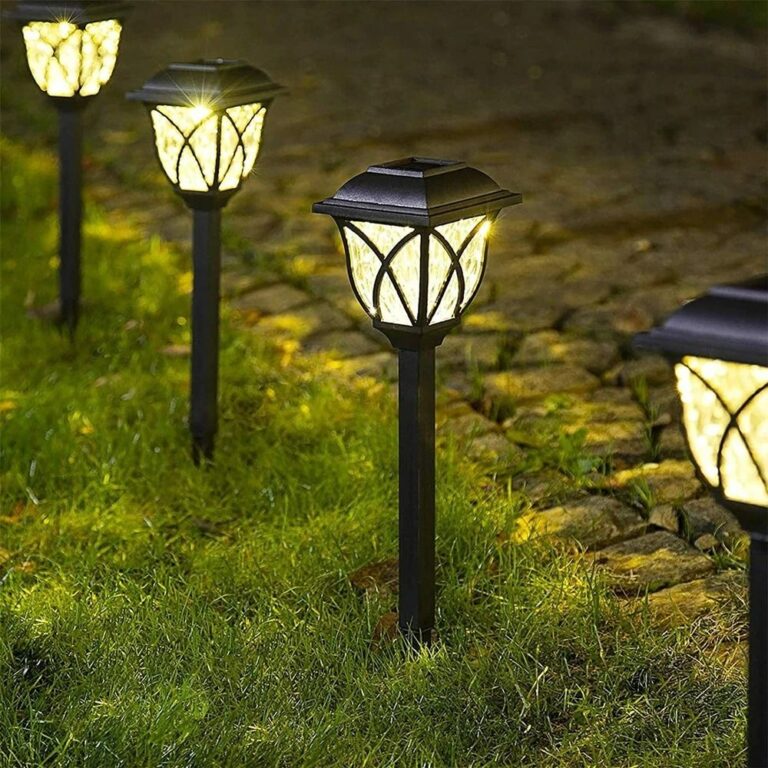
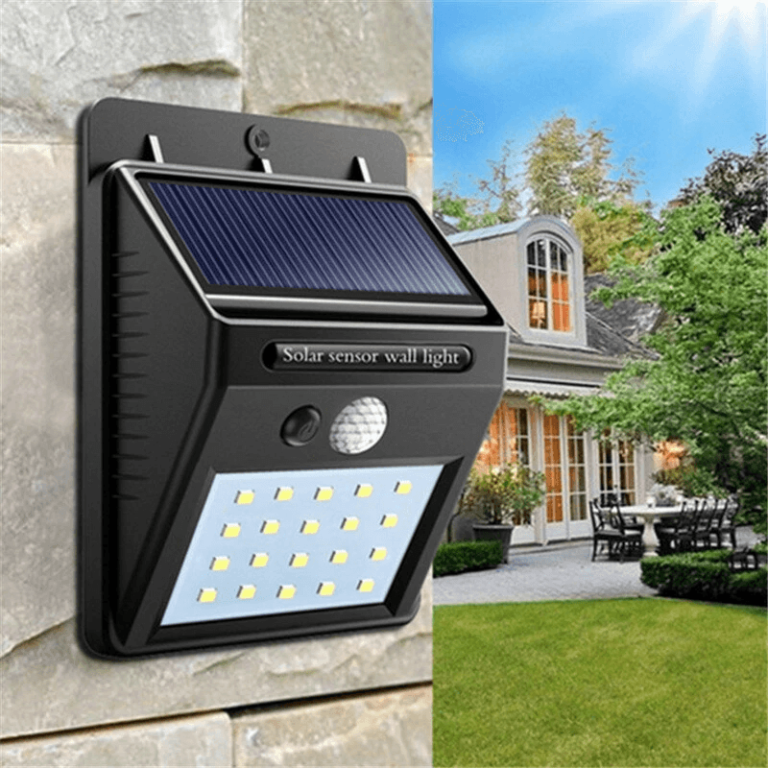 Aisha's pickWhite LED Security Lights That Stand Up to the Weather
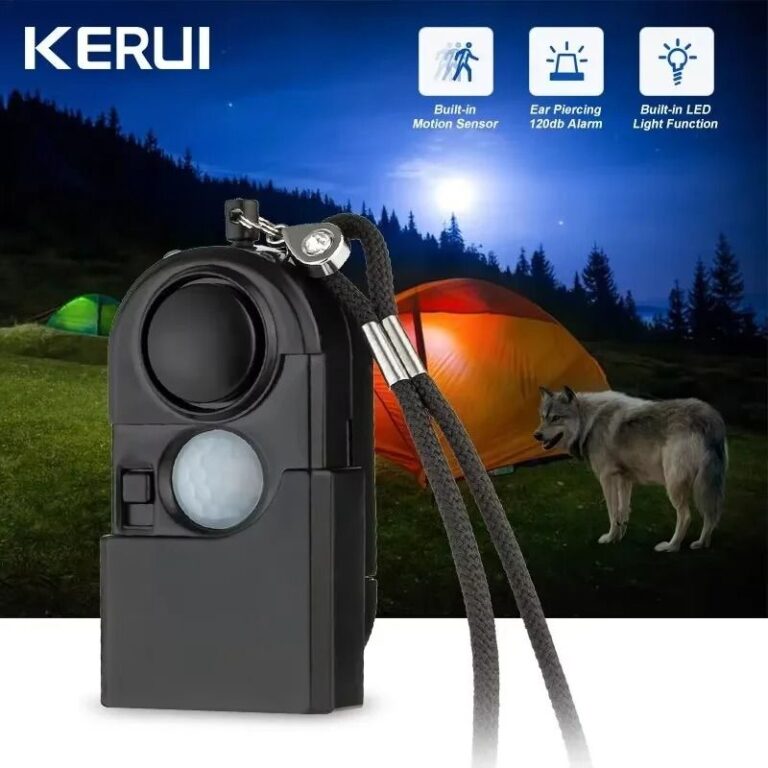
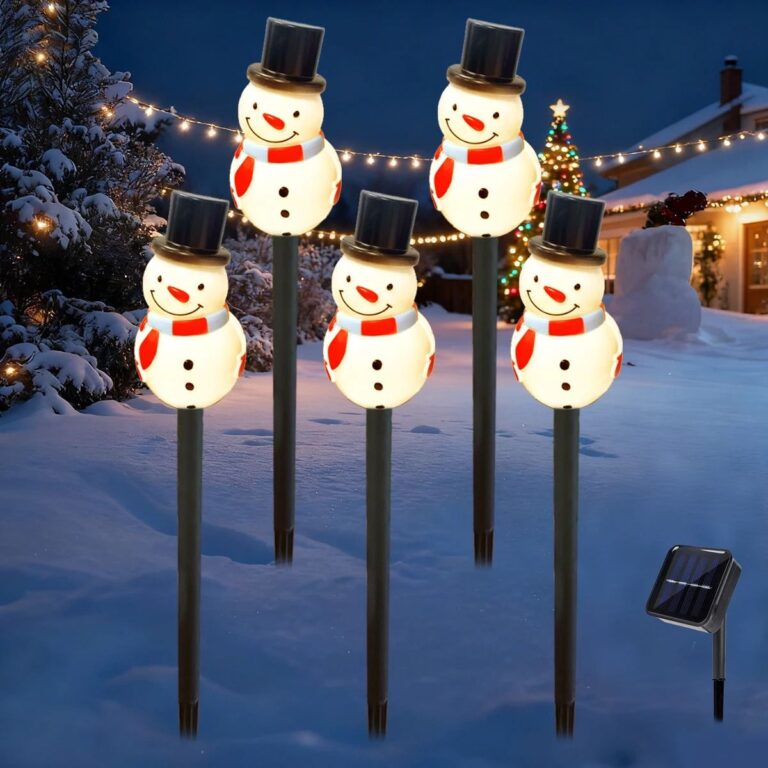 Aisha's pickBlack LED Solar Lights We’d Have Out From May to September
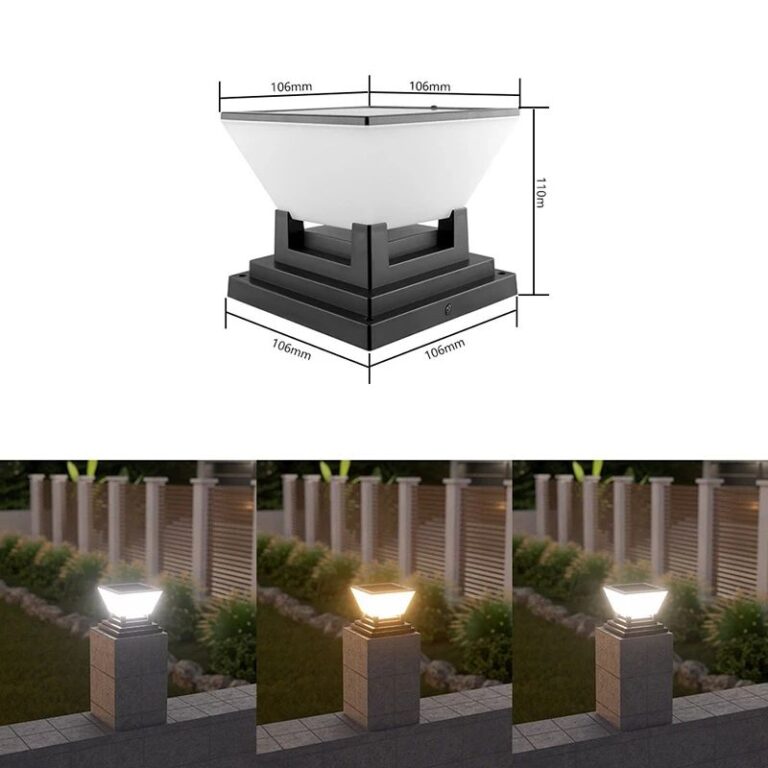
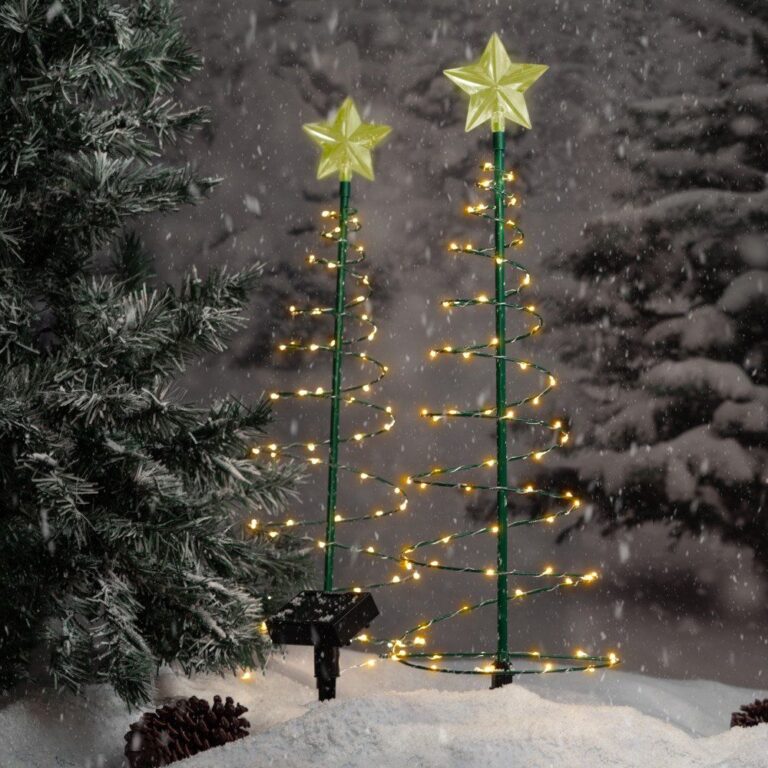 Aisha's pickLED Pathway Lights That Look Better in Real Life
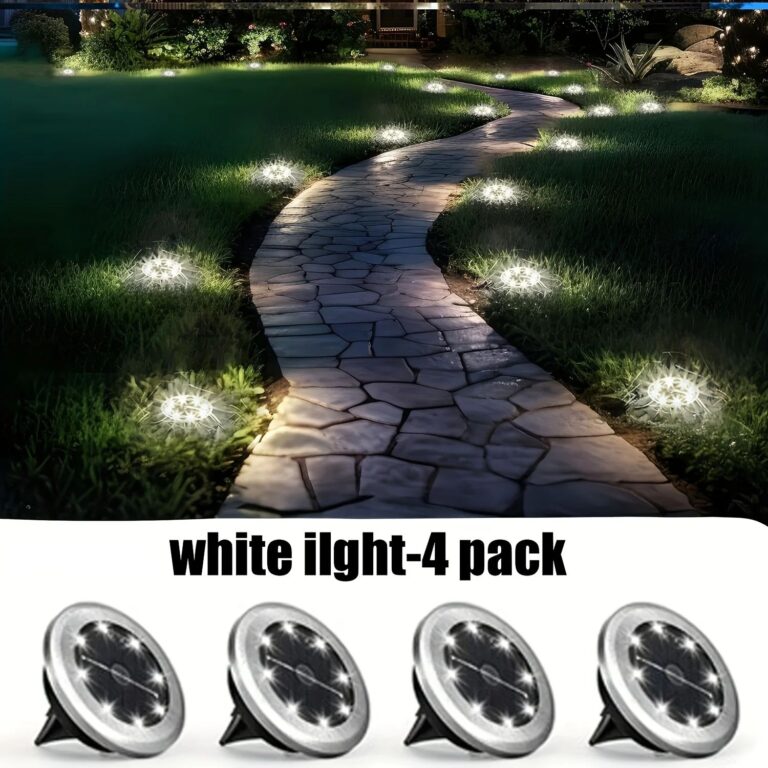
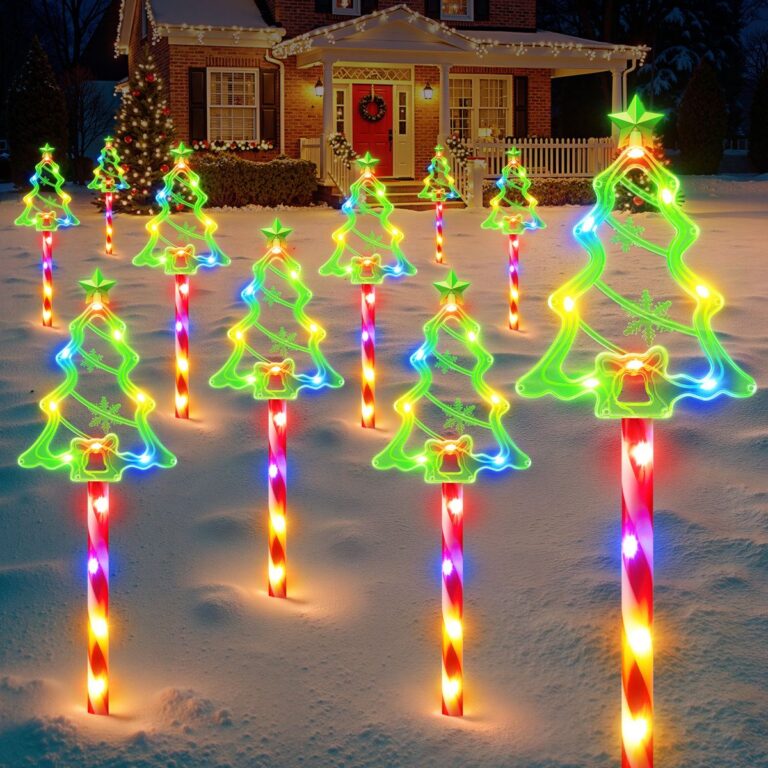 Aisha's pickWhite LED Solar Outdoor Lights for People Who Know What They LikeAlso worth a lookMetal Outdoor LightsMost people pick an outdoor light the way they pick a doormat, whatever is closest to the door…See the collections →
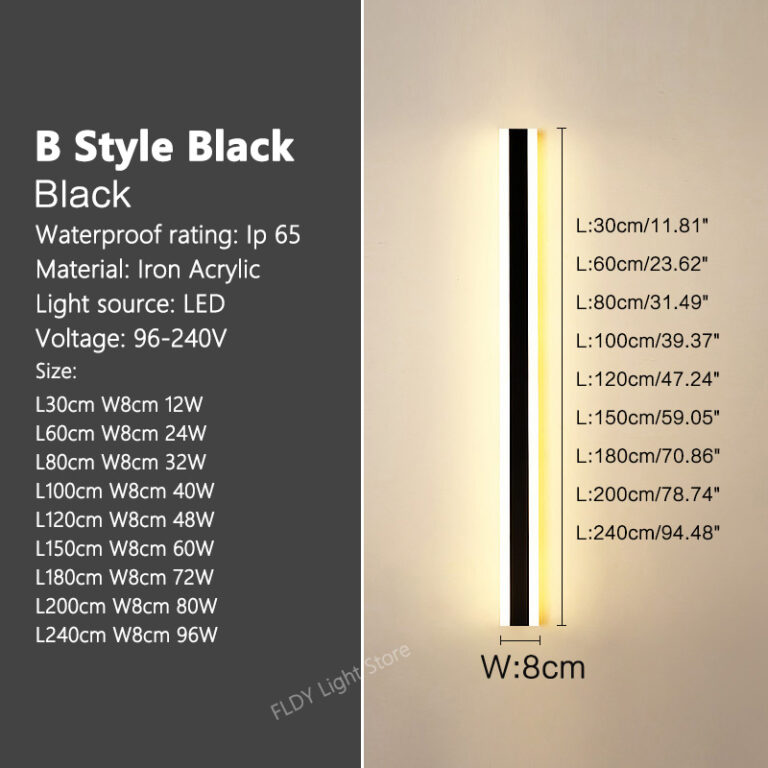
 Aisha's pickLED Decking Lights We’d Have Out From May to September

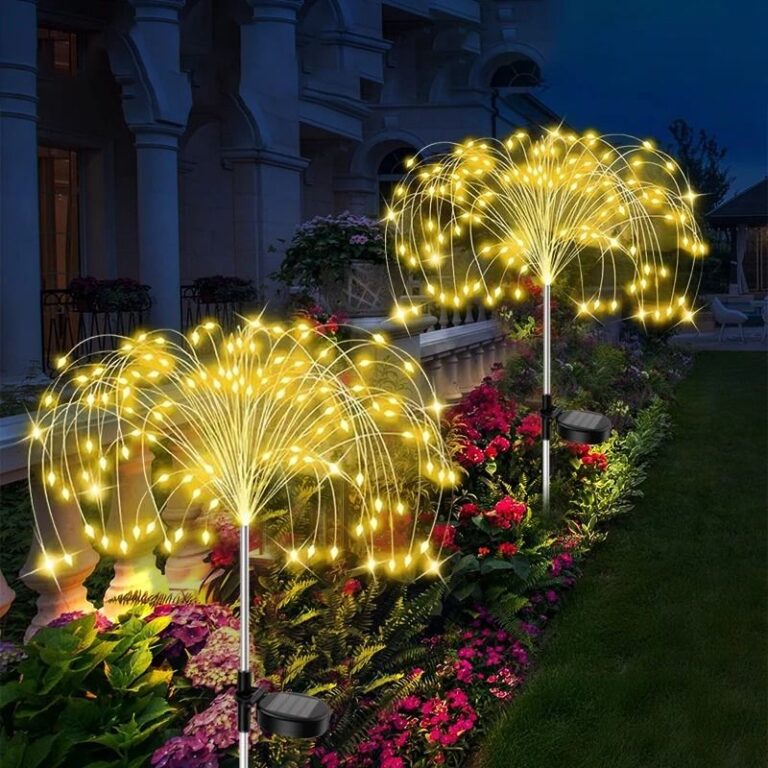 Aisha's pickLED Patio Lights for Barbecues and Lazy Weekends
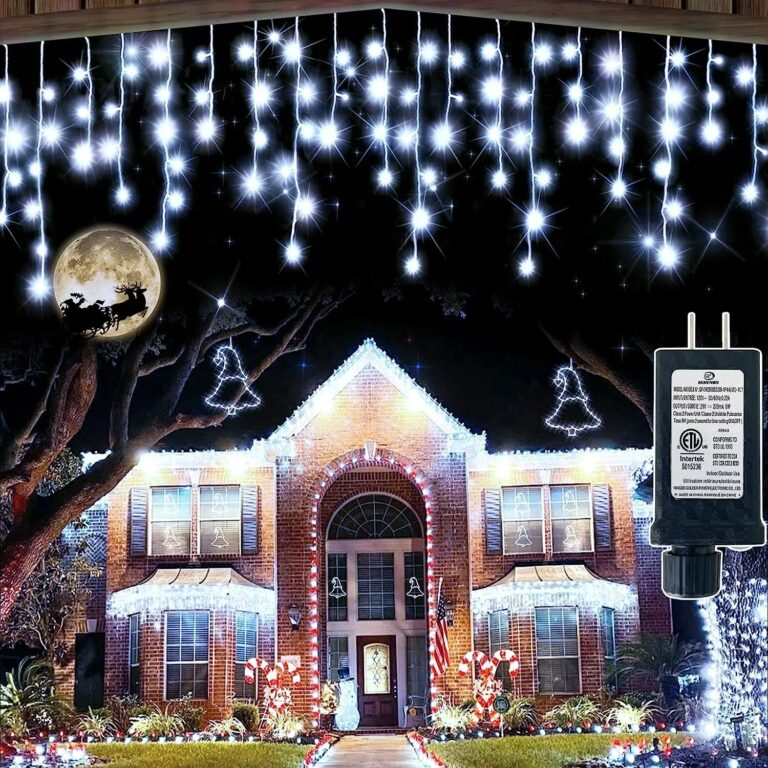
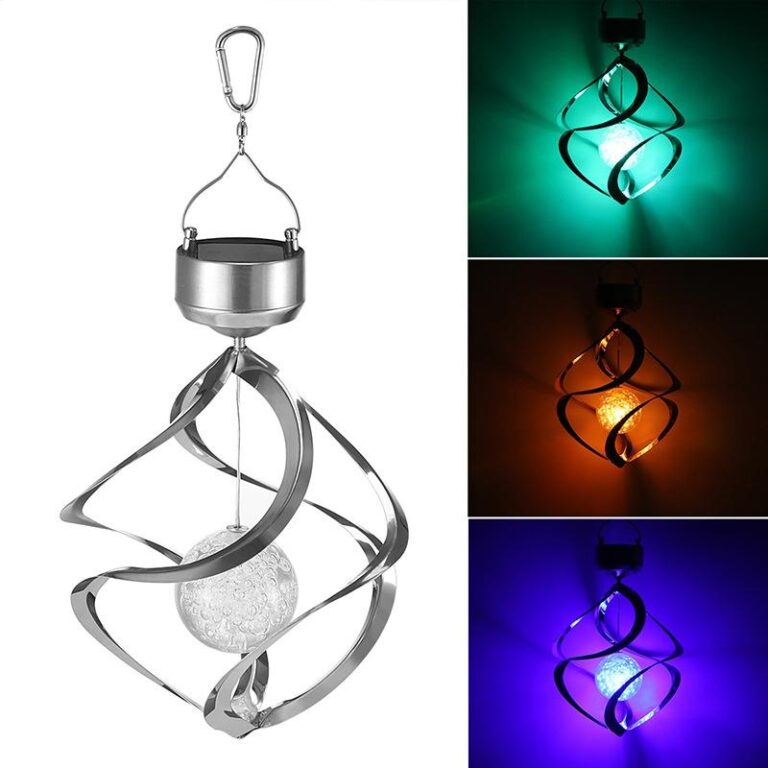 Aisha's pickWhere to Start With White LED Solar Lights
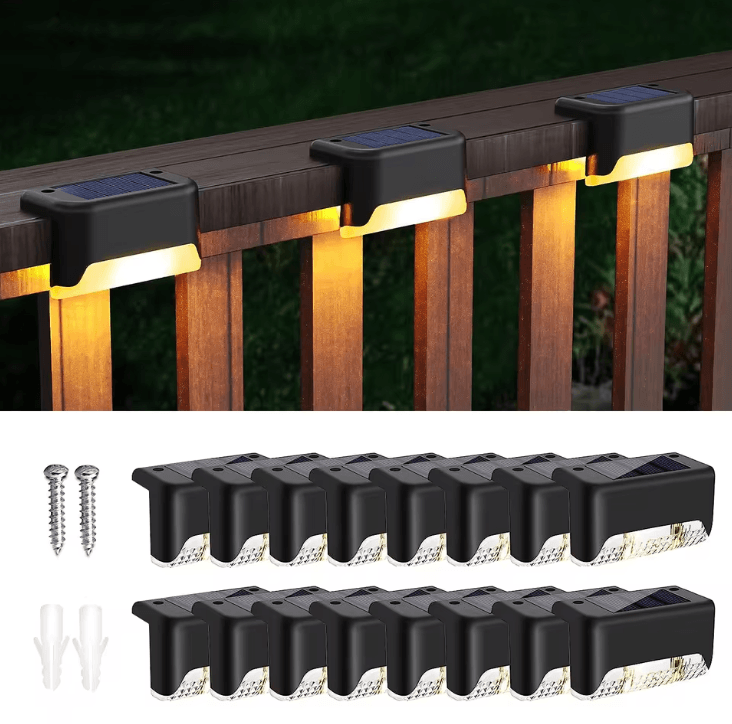
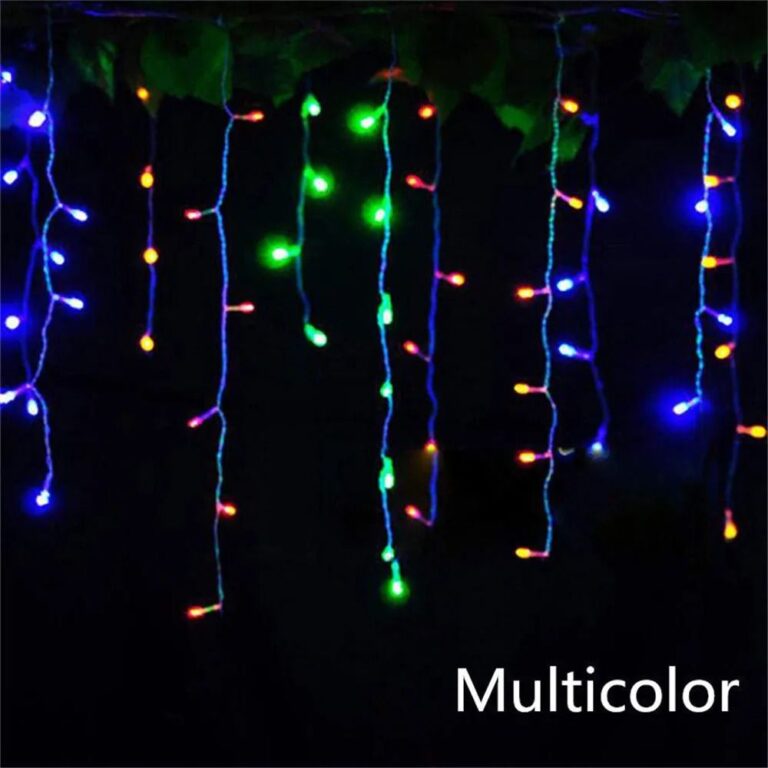 Aisha's pickLED Fence Lights That Stand Up to the Weather
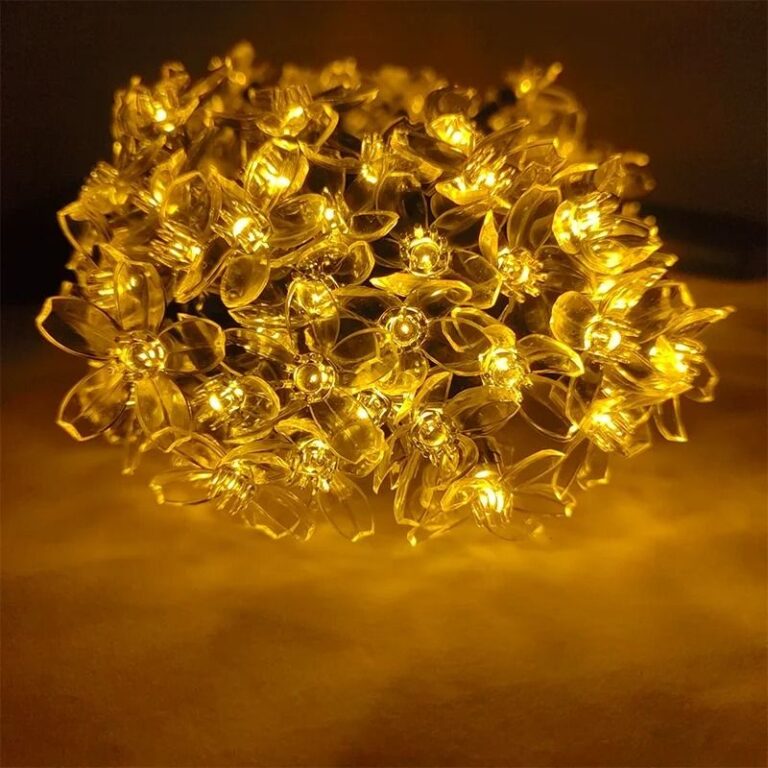
 Aisha's pickLED Porch Lights That Stand Up to the Weather
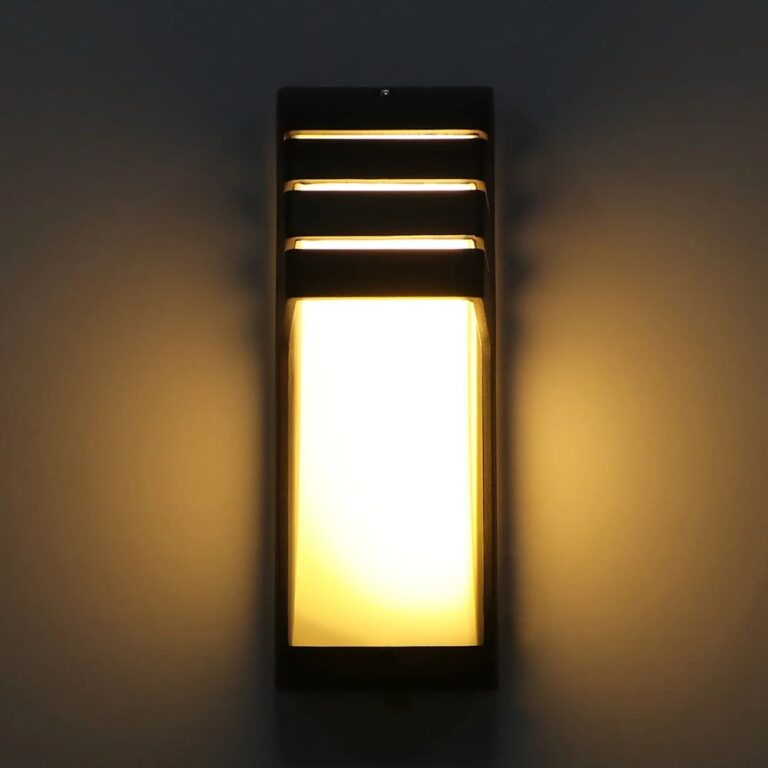
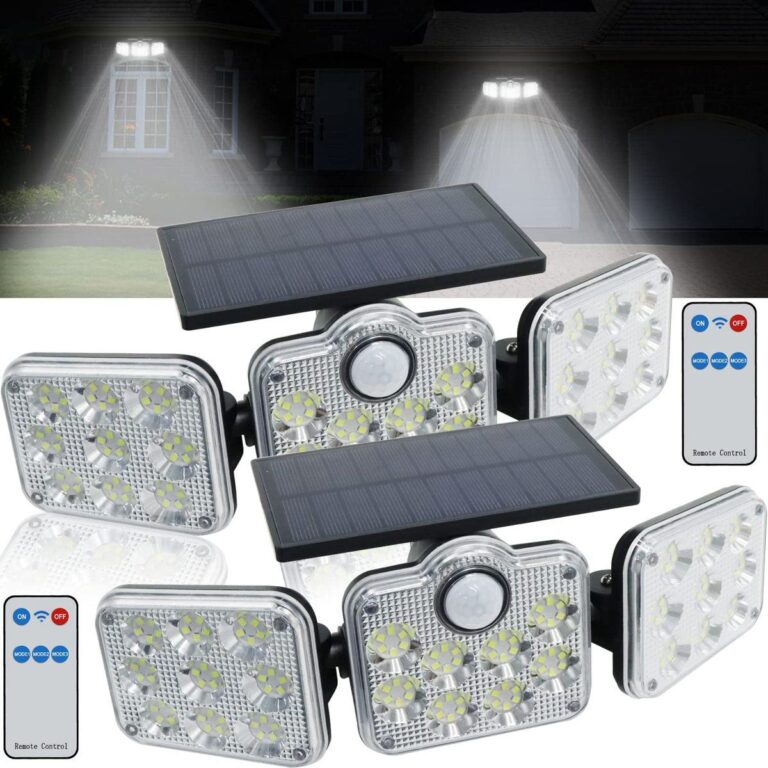 Aisha's pickSimple LED Flood Lights Done Well
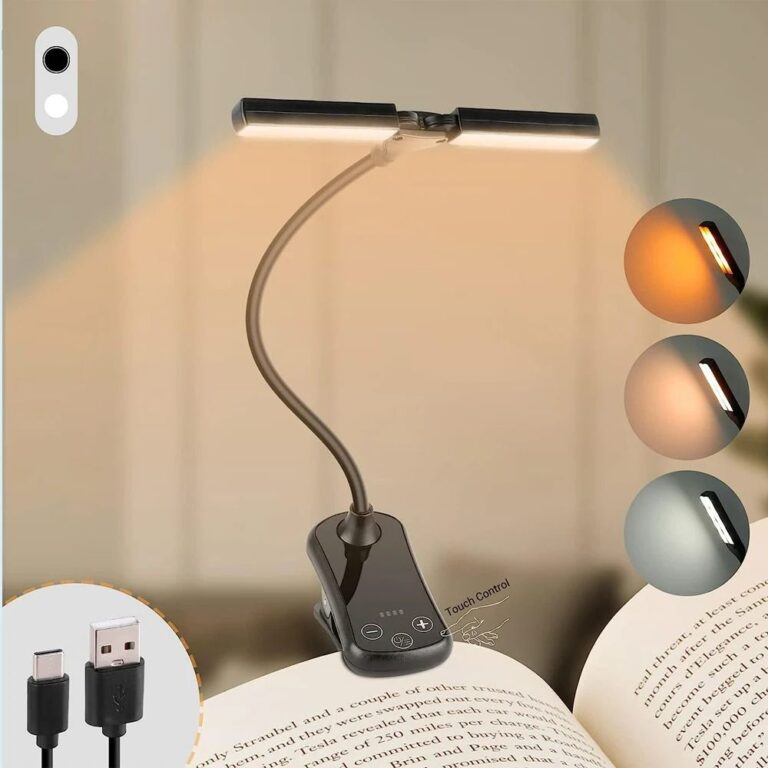
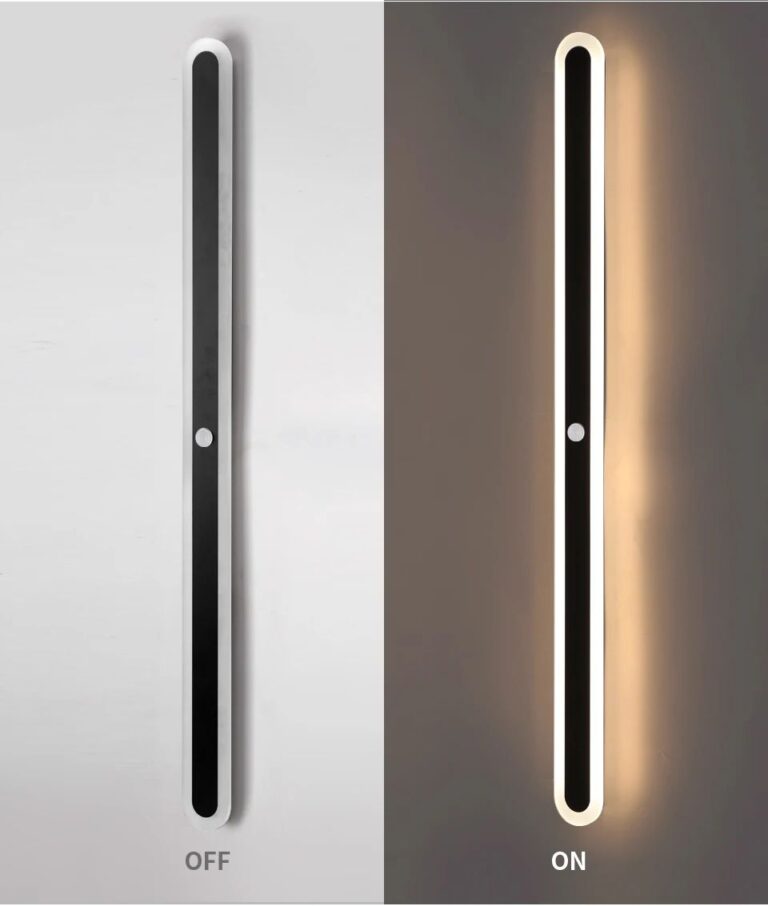 Aisha's pickNo Fuss LED Security Lights
 Aisha's pickLED Floodlights That Make a Small Yard Work Harder


