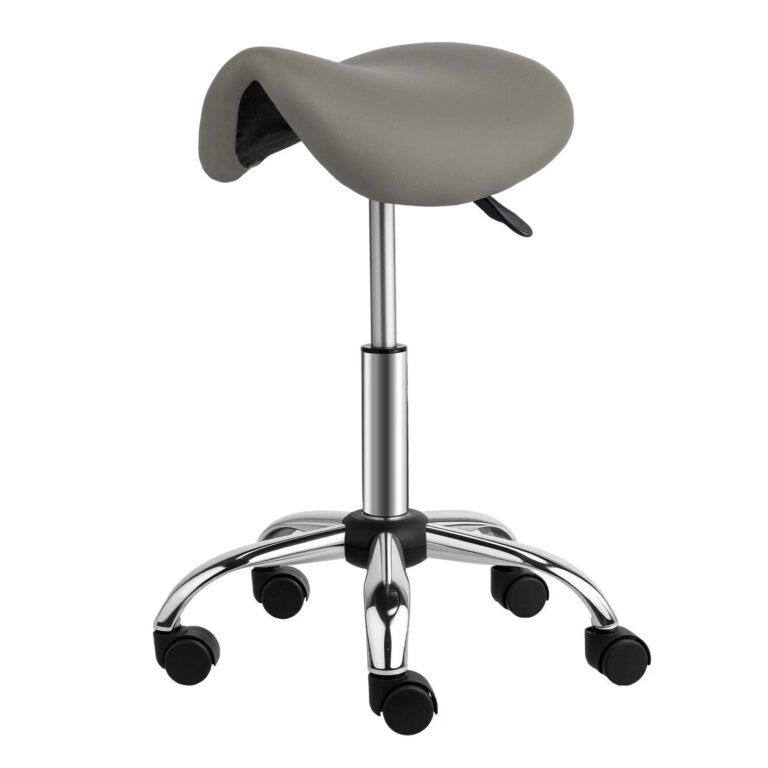
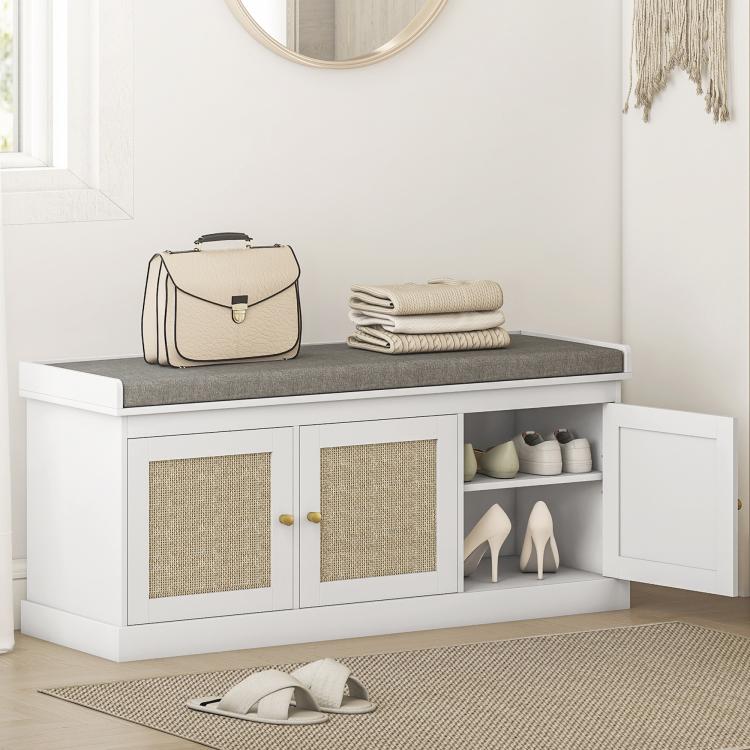
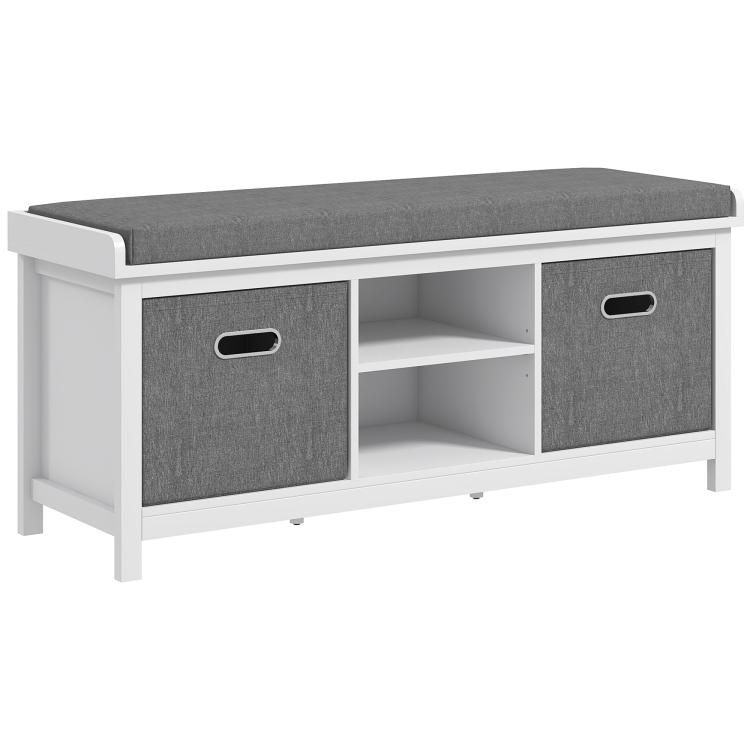
Most people buy this kind of thing to match a sofa, when the real question is what the room needs it to do, and those are often two different pieces of furniture entirely.
Color wise, you want something that can sit next to whatever else is going on in the room without arguing with it. A natural wood tone, a woven neutral, a slipcover in oatmeal or a soft stone gray, these all let the piece disappear a little when you need it to and stand out when you've put a tray and a lamp on it. Bright colors and bold patterns look wonderful in the showroom and then fight with every single thing you already own. If you want personality, put it in a cushion or a throw you can change, not in the frame itself, because a bench or stool is one of those things you keep for a decade while everything around it changes twice.
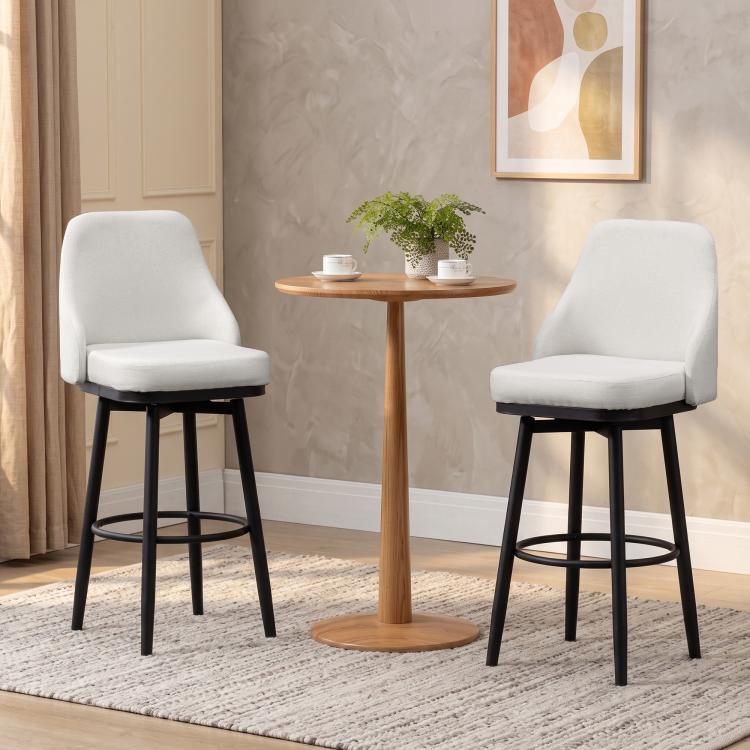
Sizing is where most of the regret lives. Measure the actual gap, not the general area, leave at least a foot of walking space around anything you put at the end of a bed or in front of a sofa, and check the height against what it needs to sit next to, a bench that's two inches taller than your coffee table looks like a mistake every time you walk past it. For bar stools, measure from the floor to the underside of the counter and leave about ten inches of clearance, and count your actual counter depth before you decide how many will fit, because showroom photos always have more room than your kitchen does. A cheap version usually gets the proportions wrong somewhere, legs too thin for the top, a seat just a touch too deep, and you feel it every time you sit down even if you can't say exactly why.
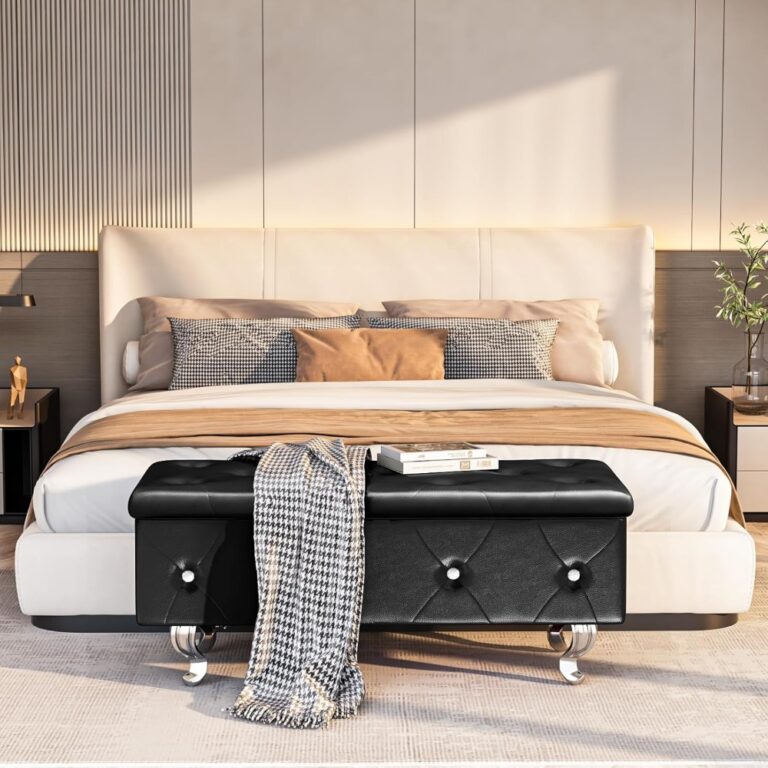
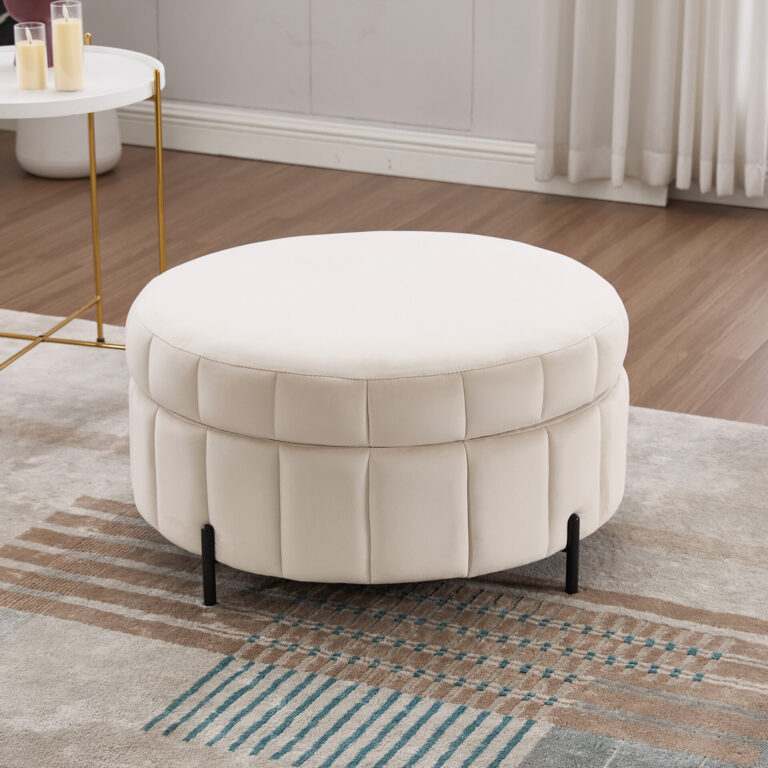
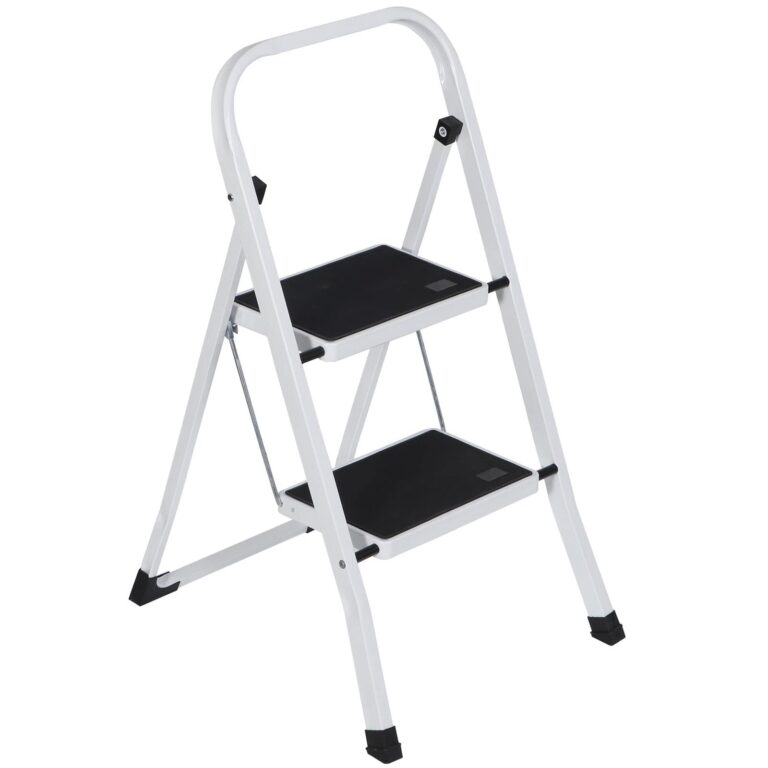
These earn their place in almost any home, but differently depending on the season and the space. A storage bench in a mudroom or entry solves the boot pile before it starts. An ottoman in a small living room does double duty as seating and surface when people actually show up. Bar stools make sense if you have counter seating you never use because the stools are wrong. A good footstool near a favorite chair gets used every single evening once it exists, and ignored completely if it's the wrong height.
If you own none of these yet, start with a solid ottoman in a neutral fabric, something that can take a tray, a foot, or an extra guest at a moment's notice.
I'd put mine in the living room first, right in front of the chair nobody wants to get up from.
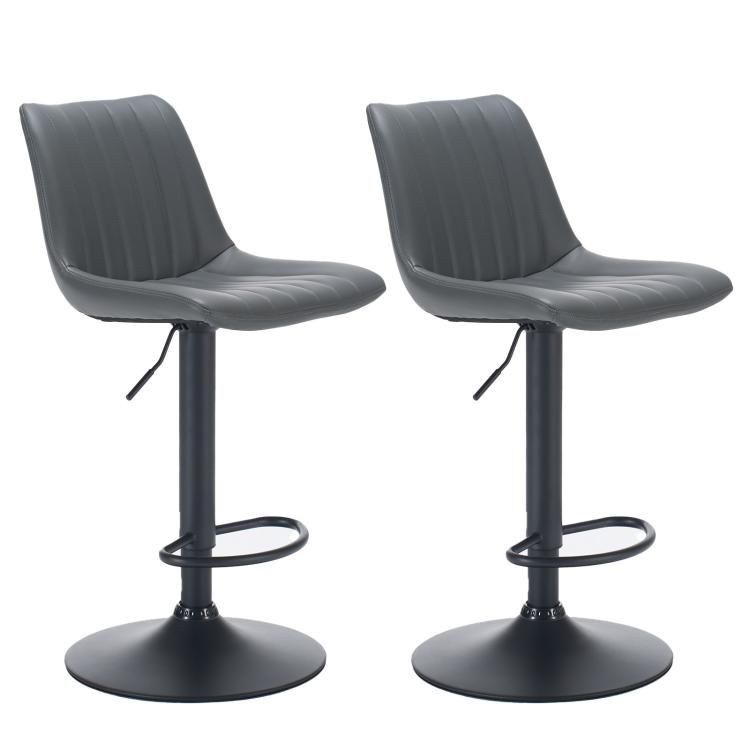 Aisha's pickBar Stools with Backs That Don’t Sag After a Year
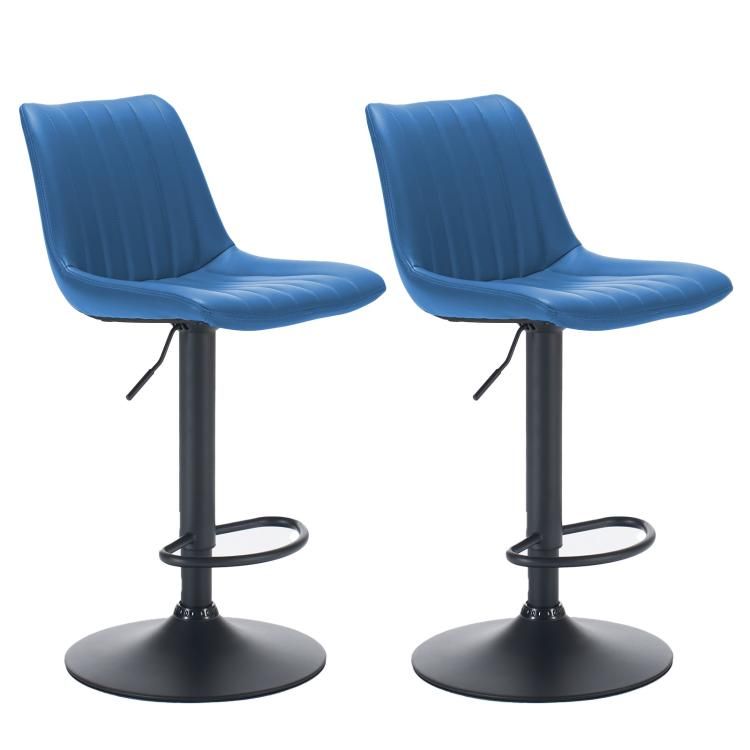
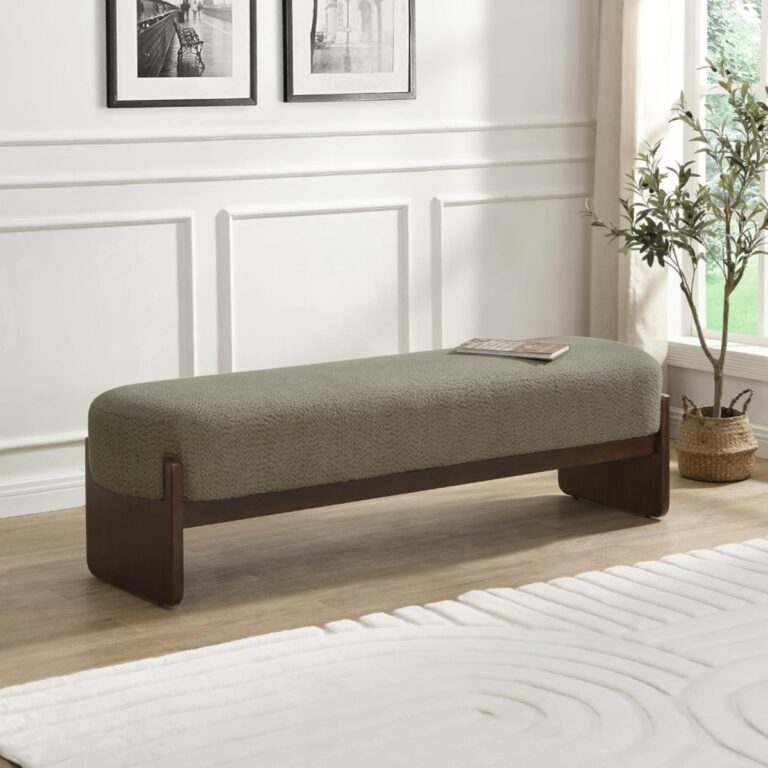 Aisha's pickBedroom Benches We’d Happily Nap On
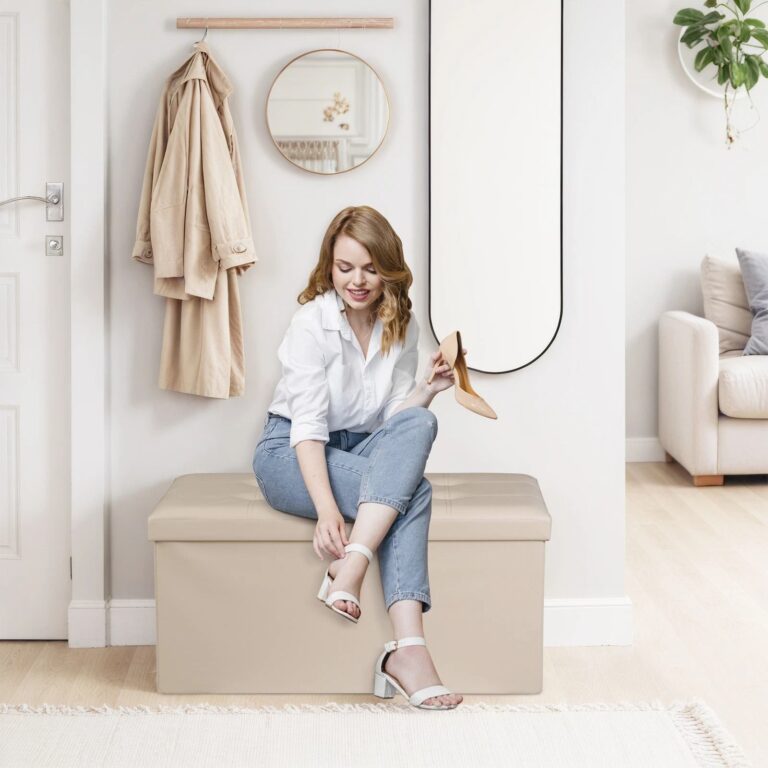
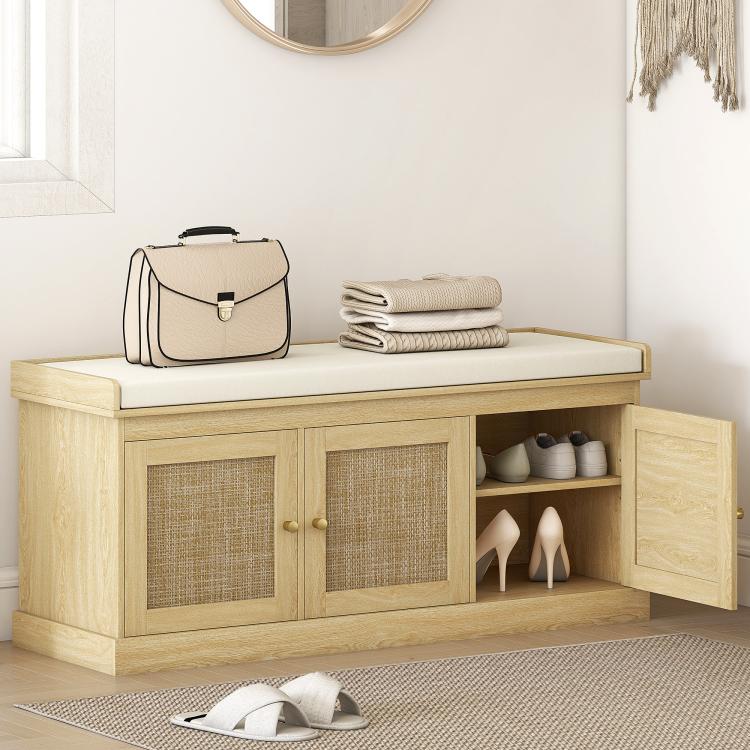 Aisha's pickSimple Shoe Benches with Doors Done Well
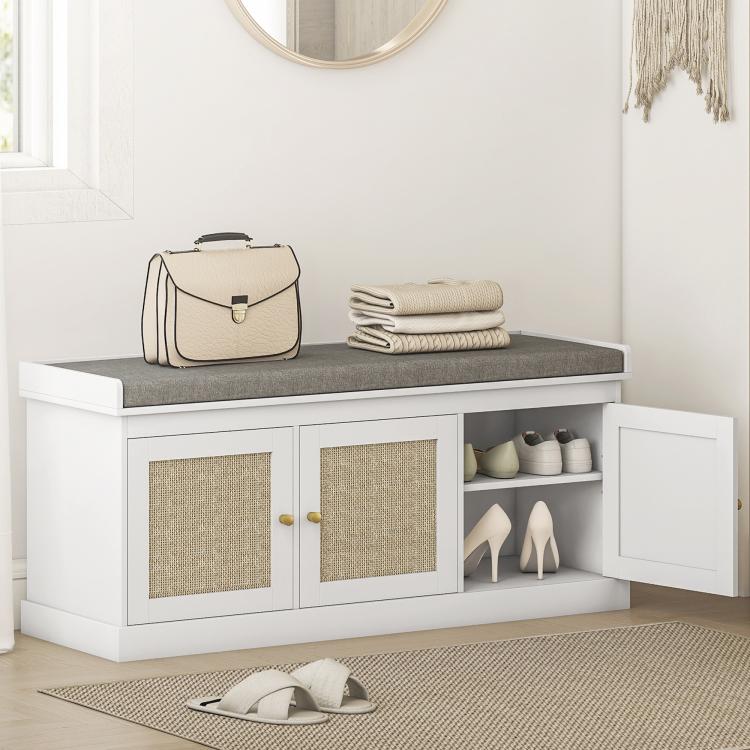
 Aisha's pickFabric Footstools That Look Good From Every Angle
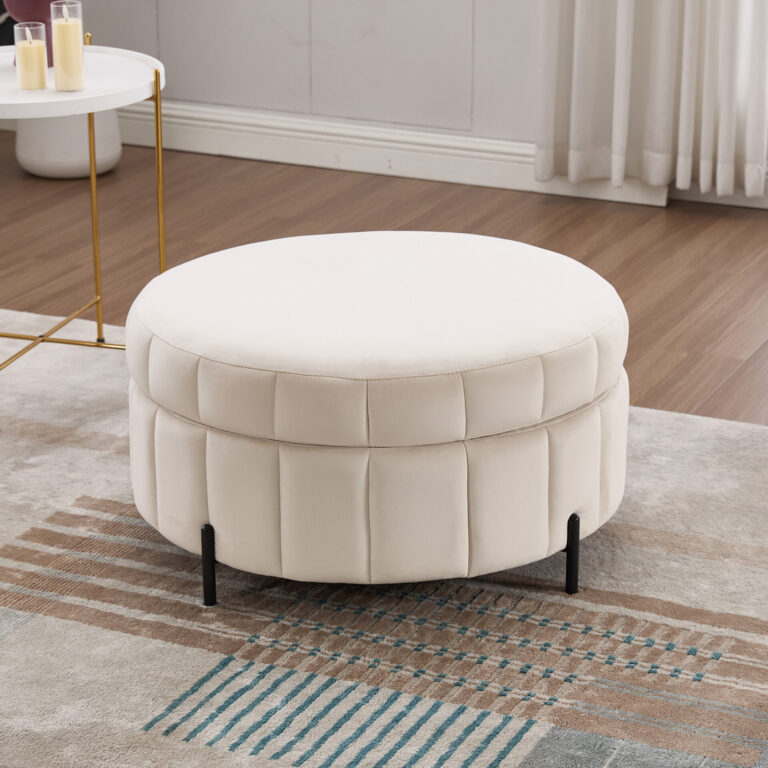
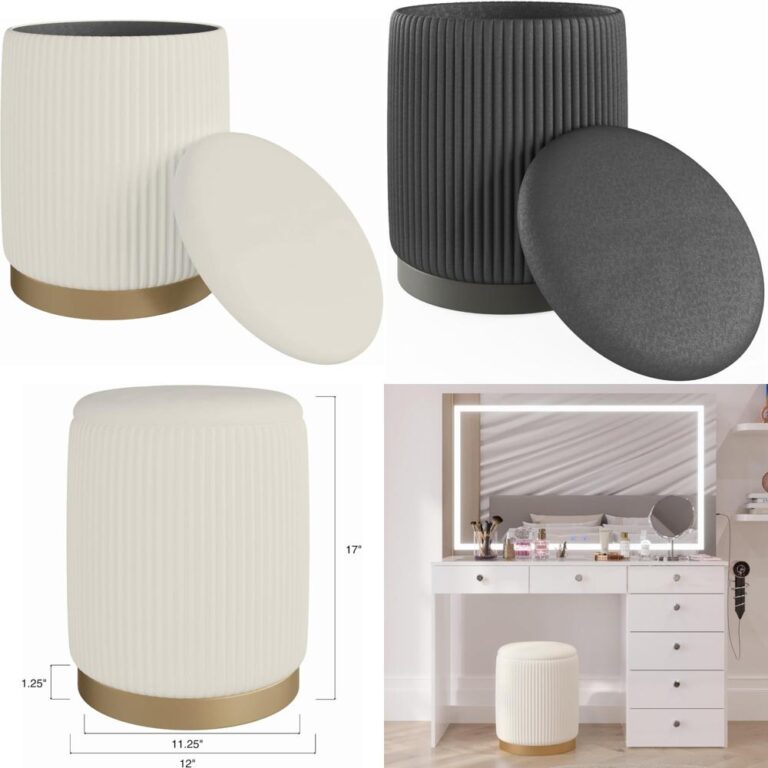 Aisha's pickVelvet Footrests That Won’t Let You Down
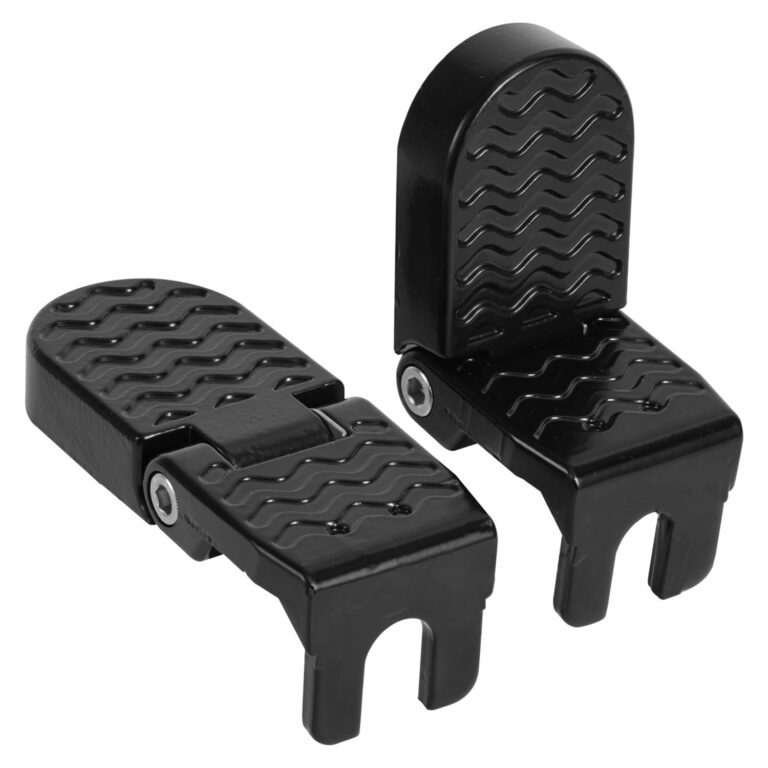 Aisha's pickMetal Footrests That Earn Their Keep

 Aisha's pickFootstools with Storage the Cat Will Claim Within a Day

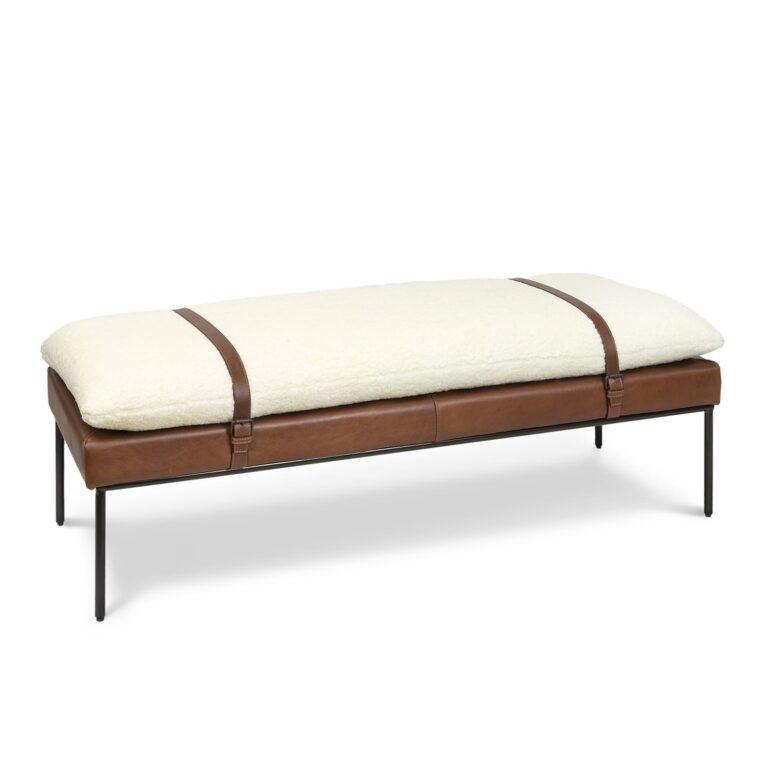 Aisha's pickModern Hallway Benches That Make a Good First Impression
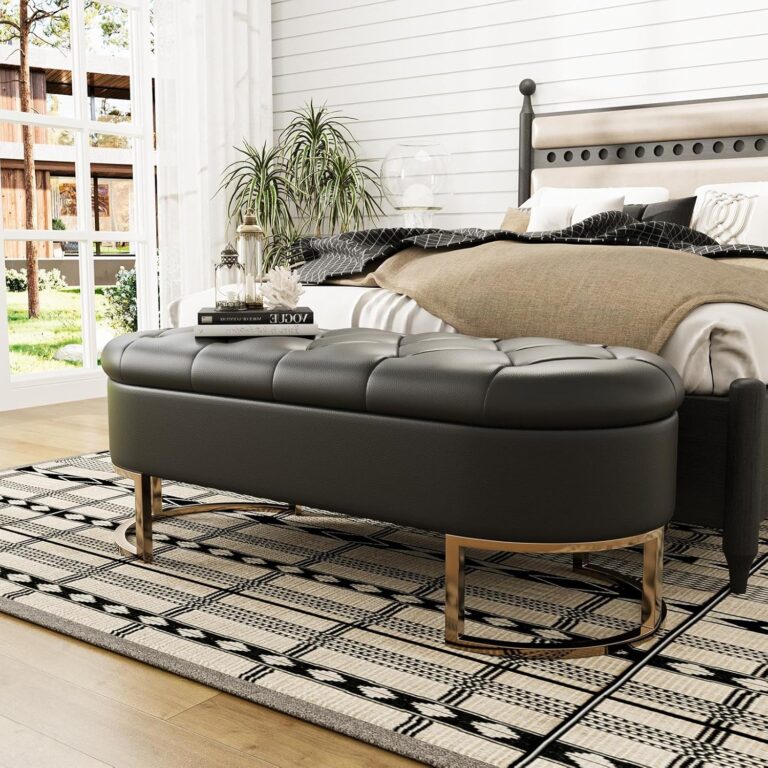
 Aisha's pickLeather Bench Ottomans That Make Small Changes Feel BigAlso worth a lookBenchesMy first bench was a flat pack thing I grabbed for the entryway, pine veneer over particleboard, and…See the collections →

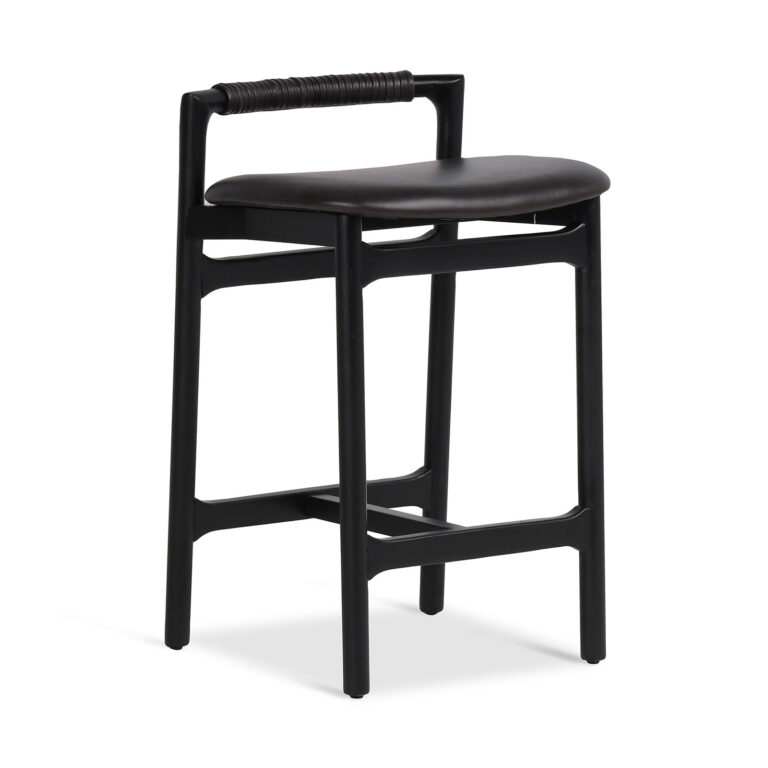 Aisha's pickCounter Height Stools That Go With Most Rooms
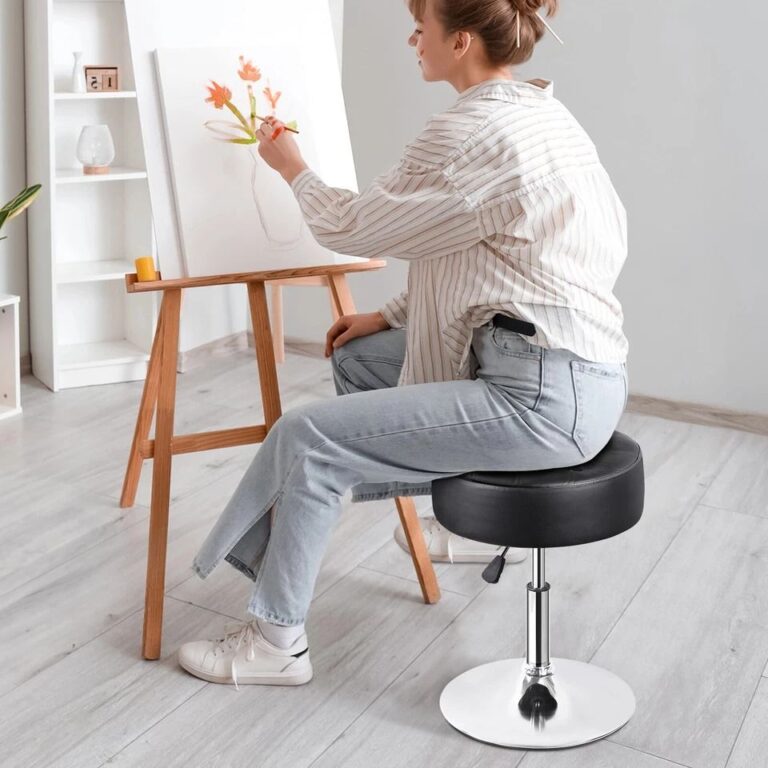
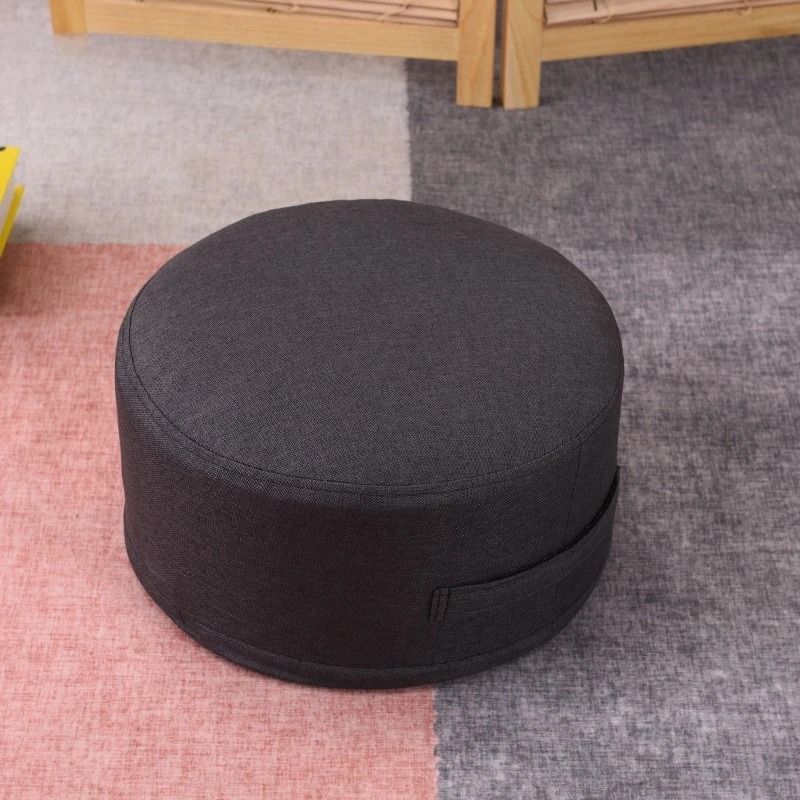 Aisha's pickPoufs That Earn Their Keep
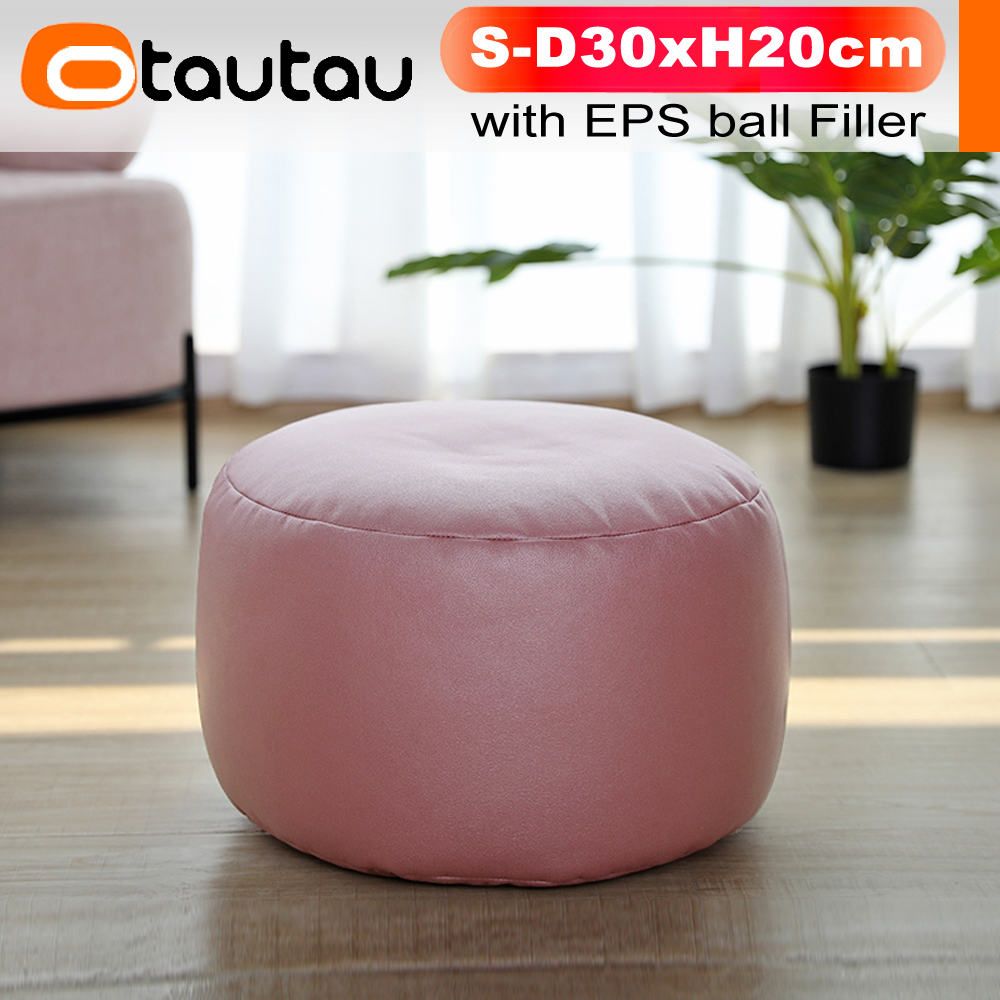
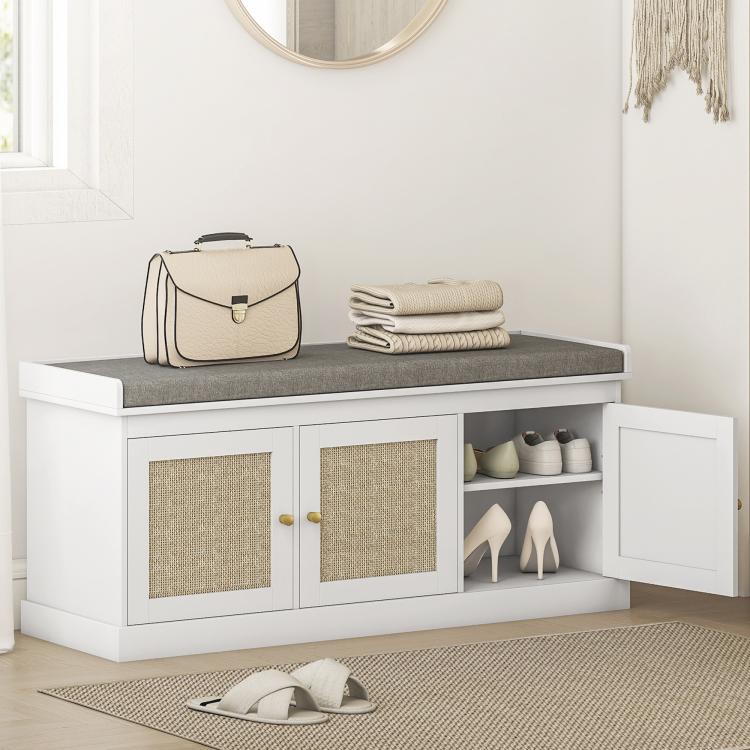 Aisha's pickShoe Storage Benches That Seat Guests Without the Squeeze
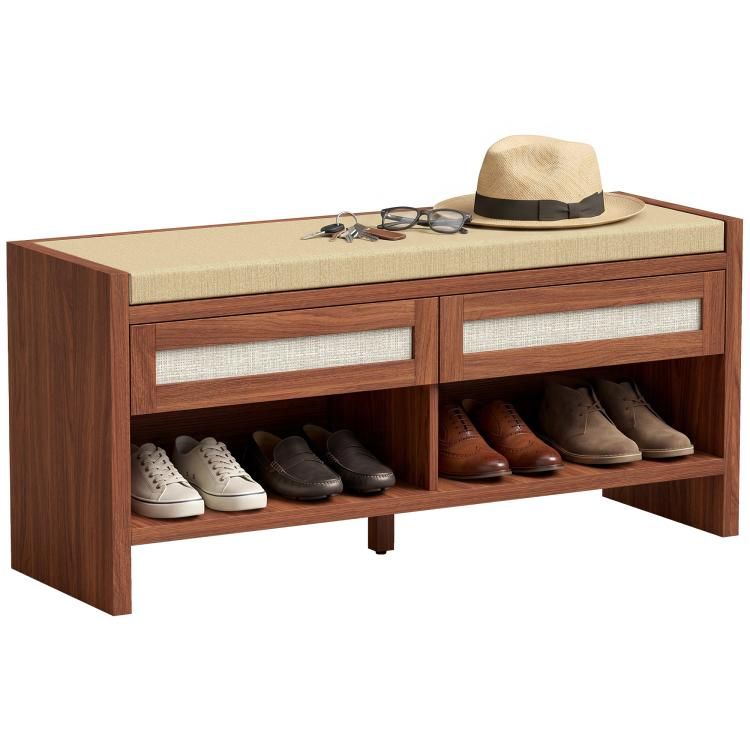
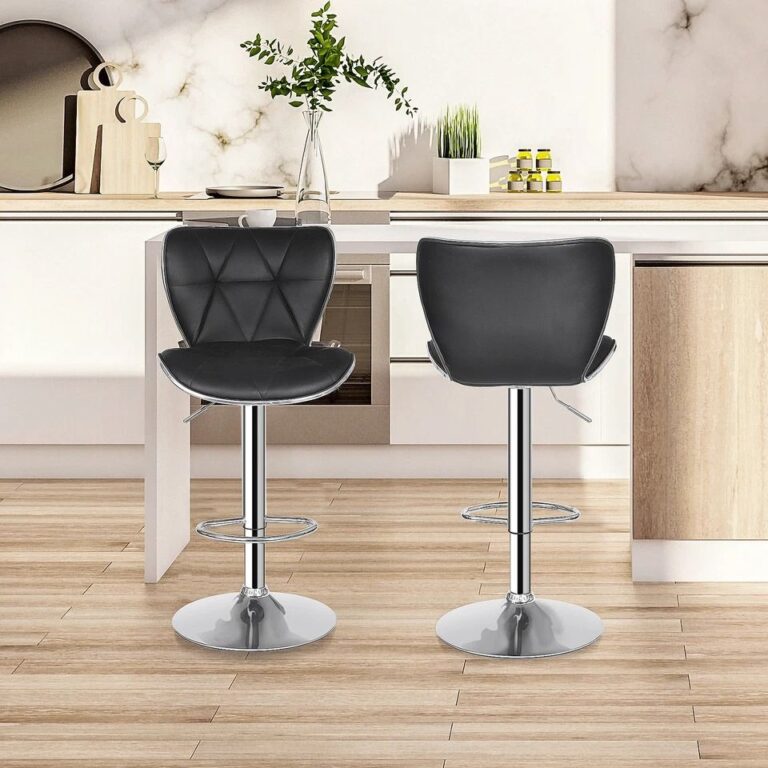 Aisha's pickBar Stools with Footrest From Stores Big and Small
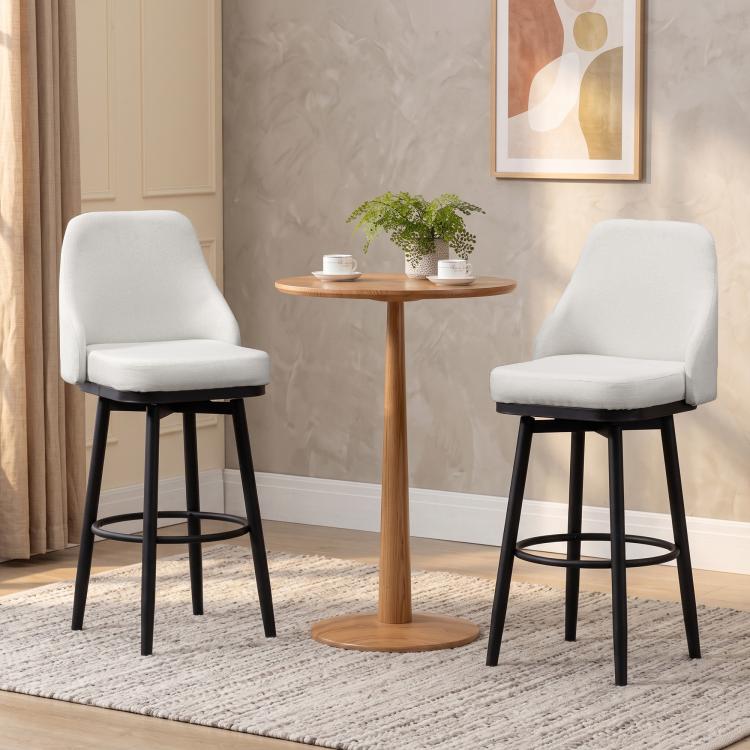
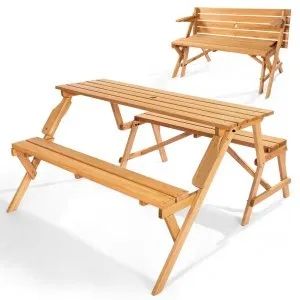 Aisha's pickBenches for Dining Table You Won’t Regret Buying
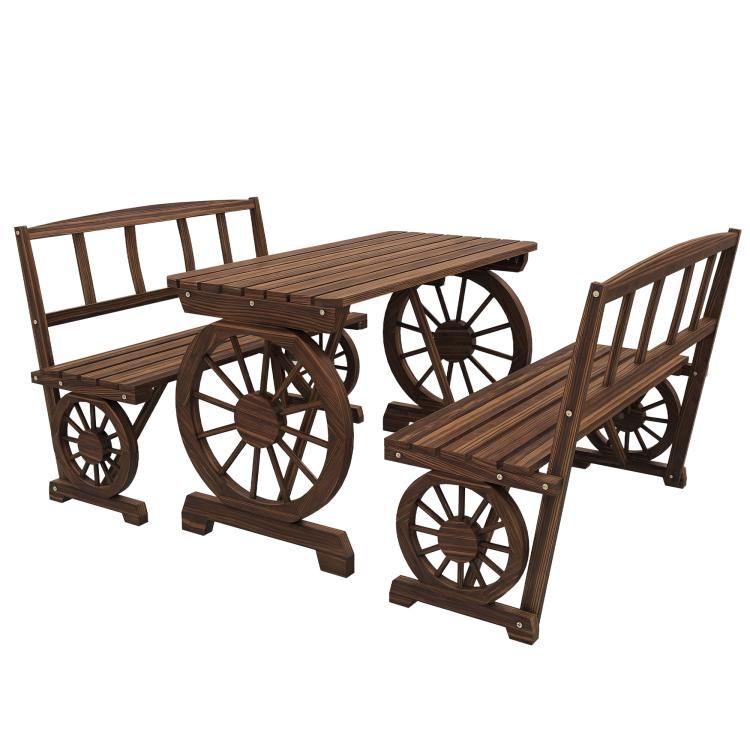
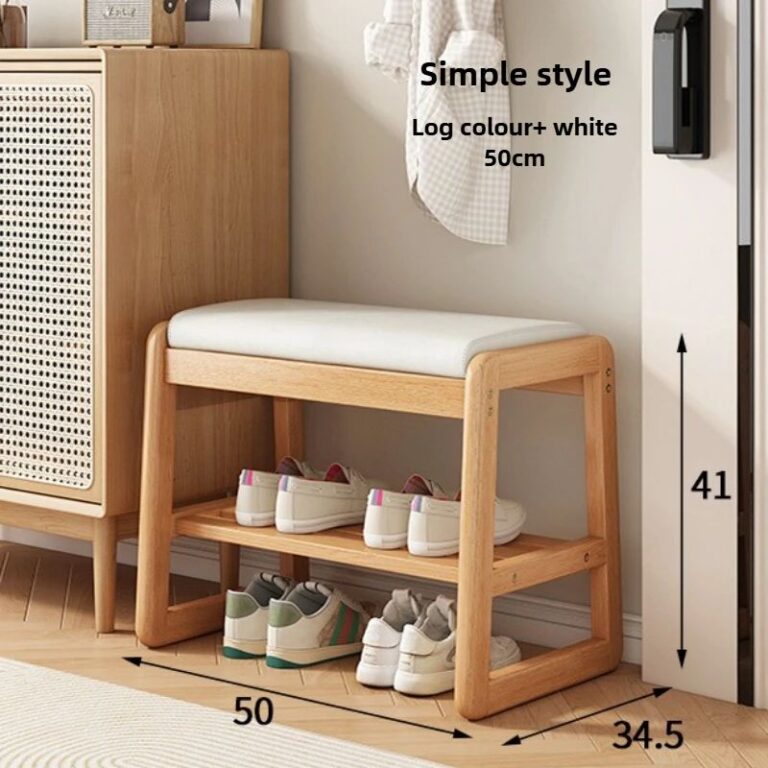 Aisha's pickShoe Benches with Seat We’d Buy Again
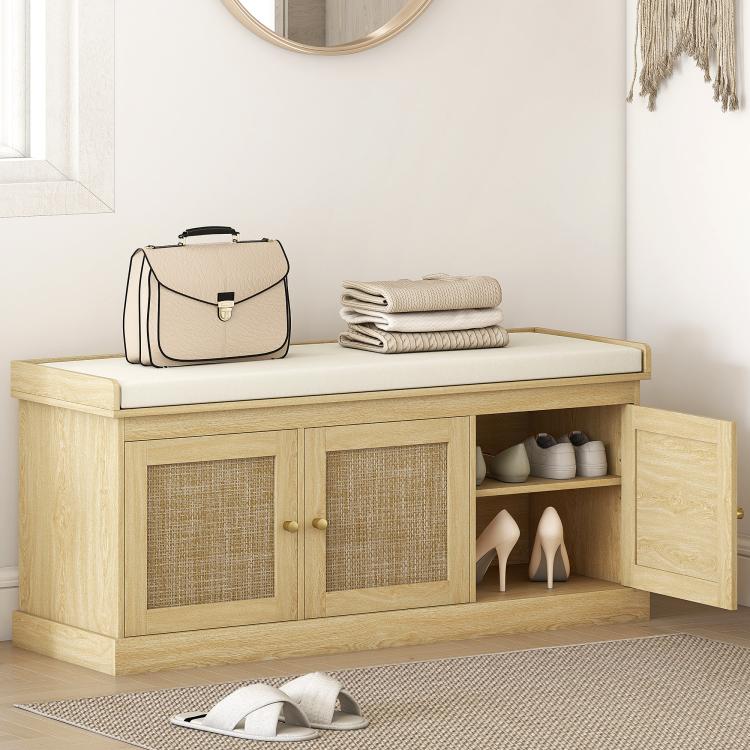
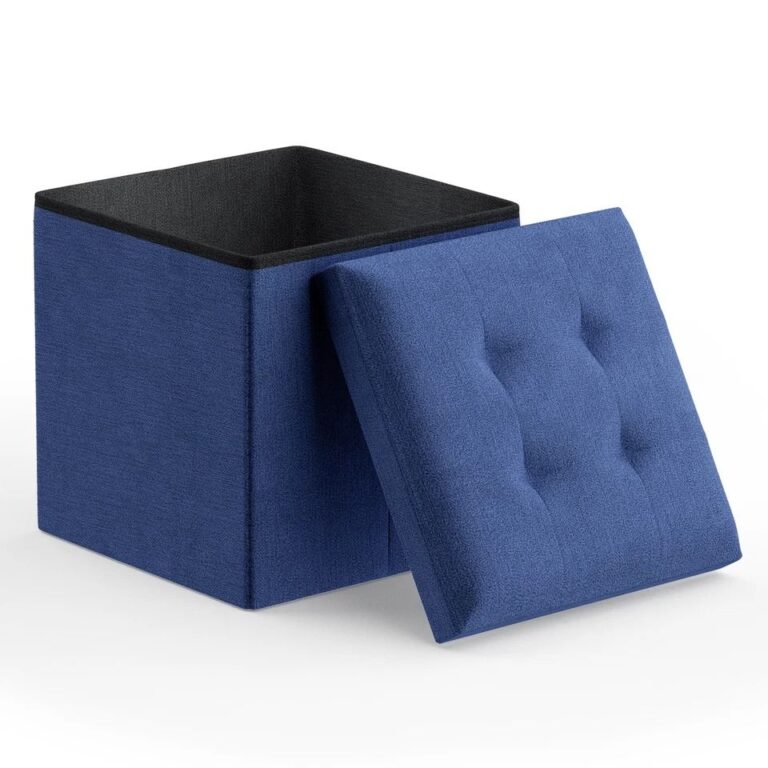 Aisha's pickFabric Footstools with Storage the Cat Will Claim Within a Day

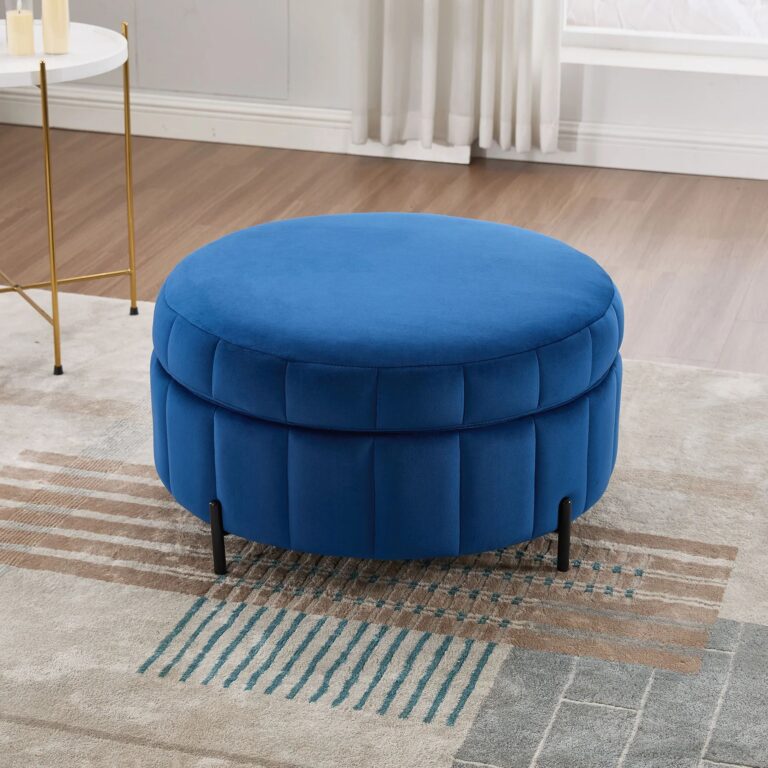 Aisha's pickVelvet Ottomans That Don’t Sag After a Year
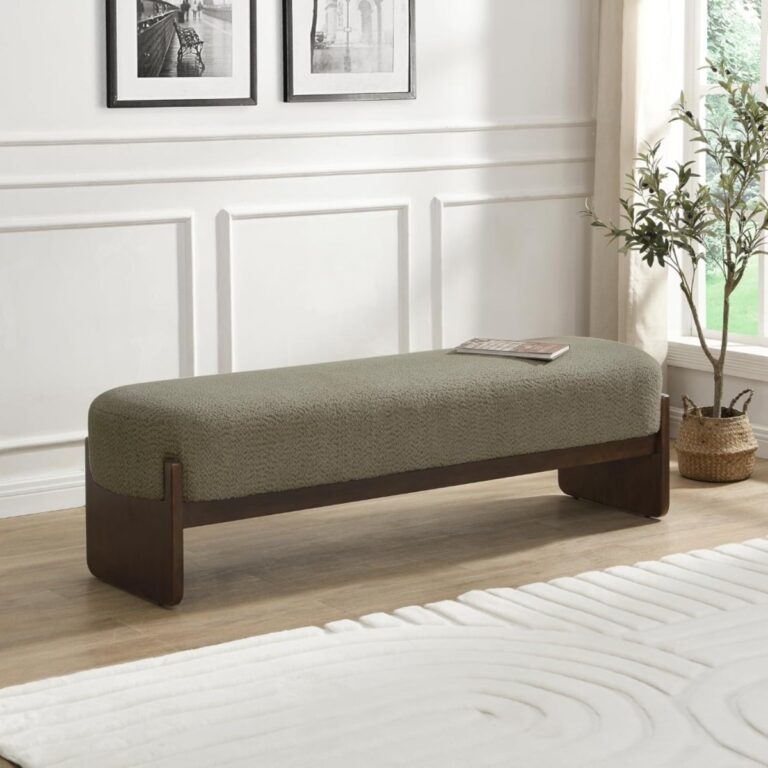
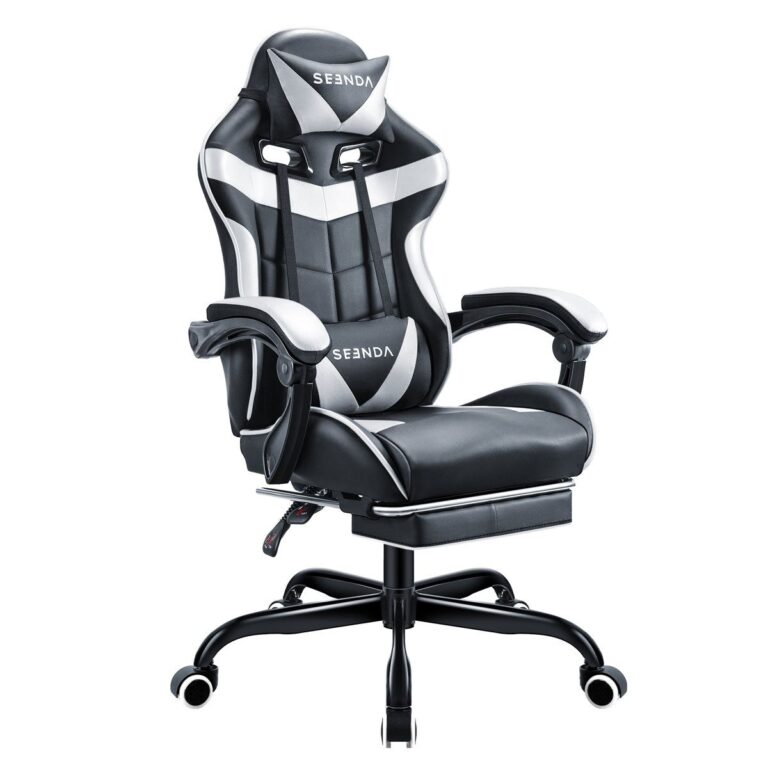 Aisha's pickModern Footrests That Earn Their KeepAlso worth a lookFootrestsThe thing nobody mentions about footrests is that the height matters more than the look, and you won't…See the collections →
 Aisha's pickSimple Large Footstools Done Well
 Aisha's pickModern Kitchen Stools That Don’t Sag After a Year
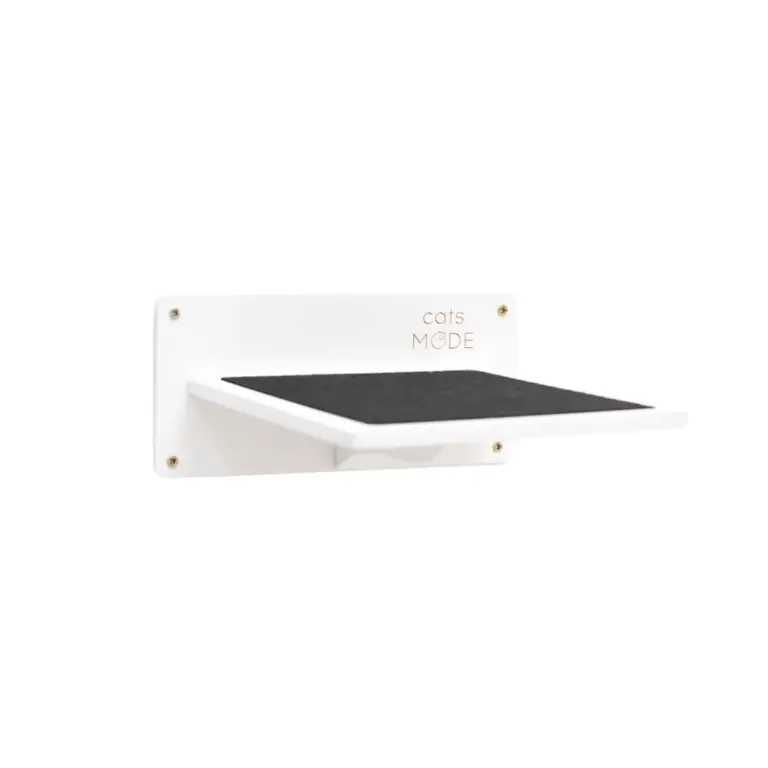
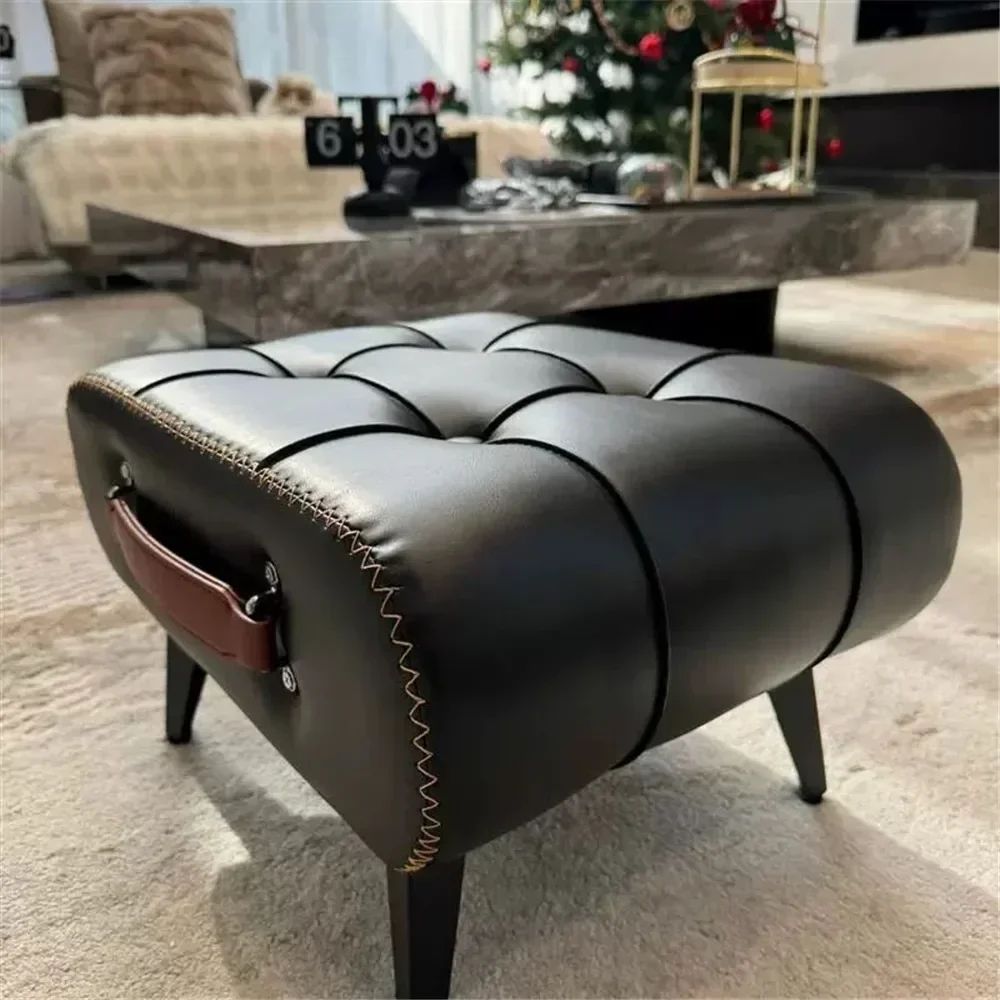 Aisha's pickLeather Ottomans That Won’t Let You Down
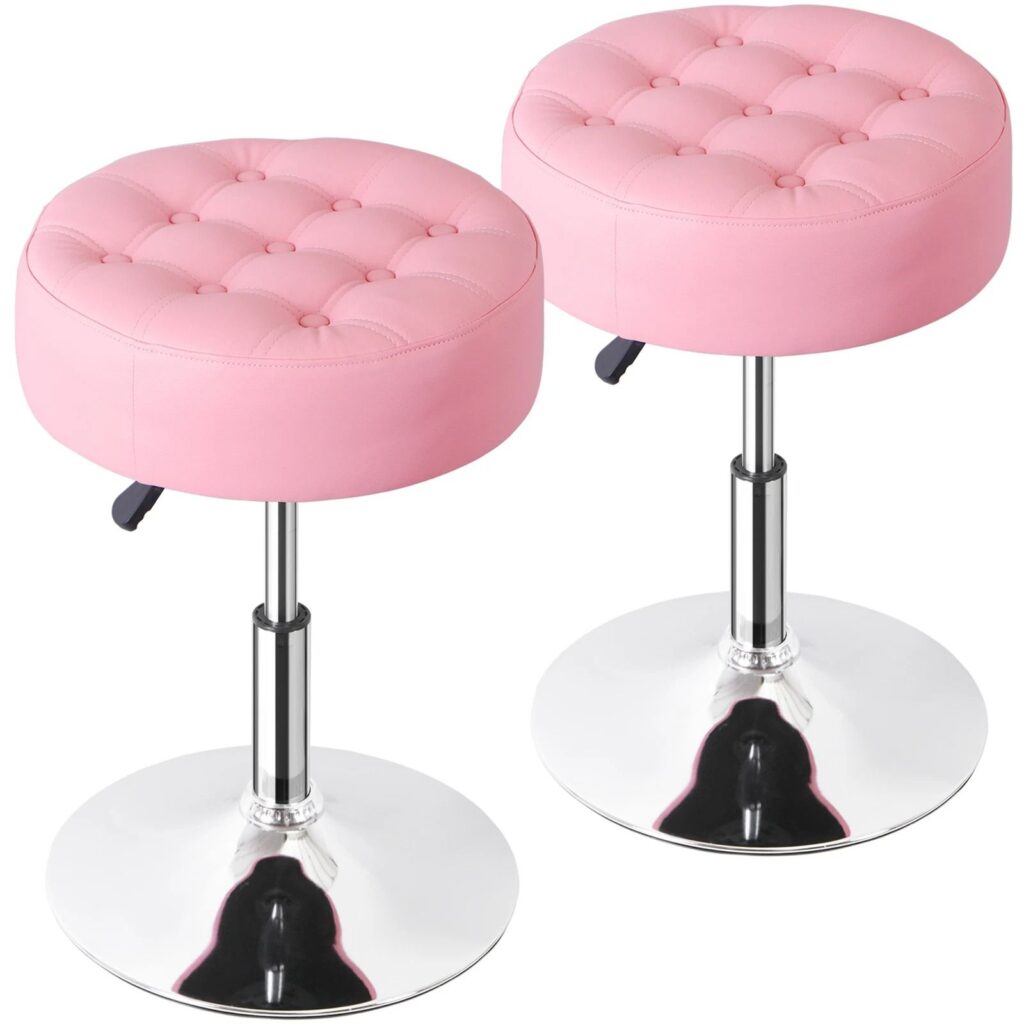
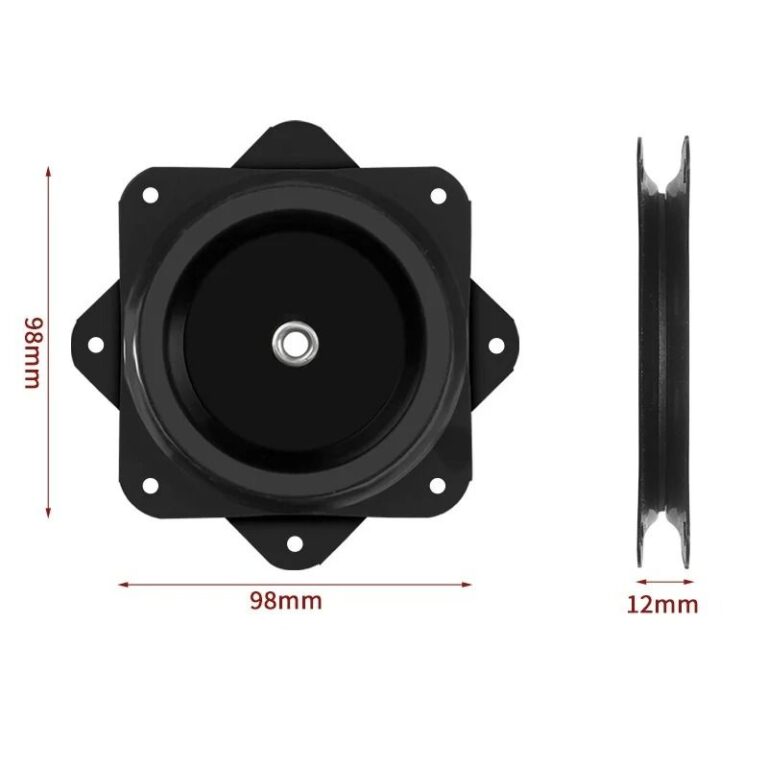 Aisha's pickGood Counter Stools That Don’t Cost a Fortune
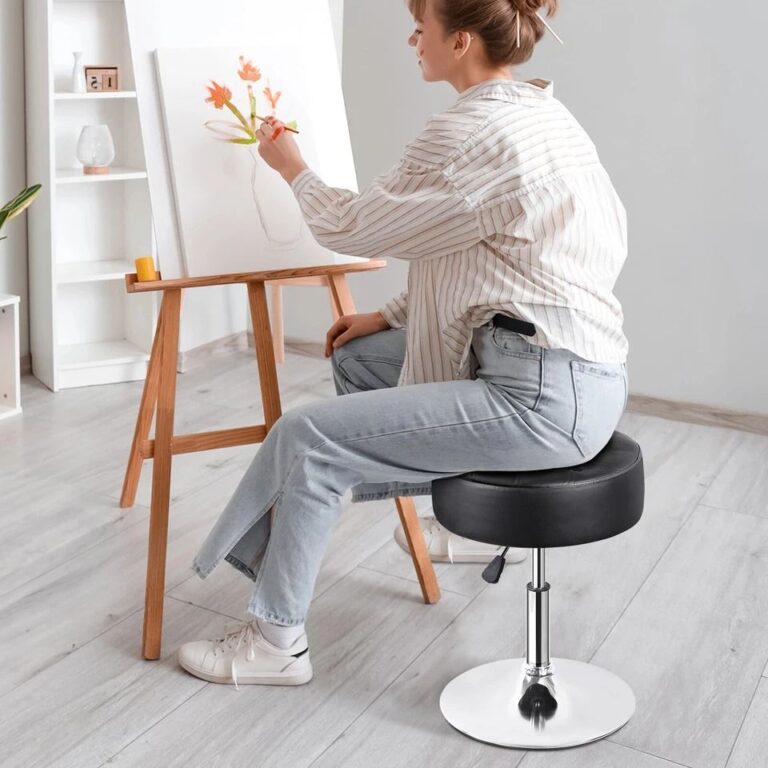
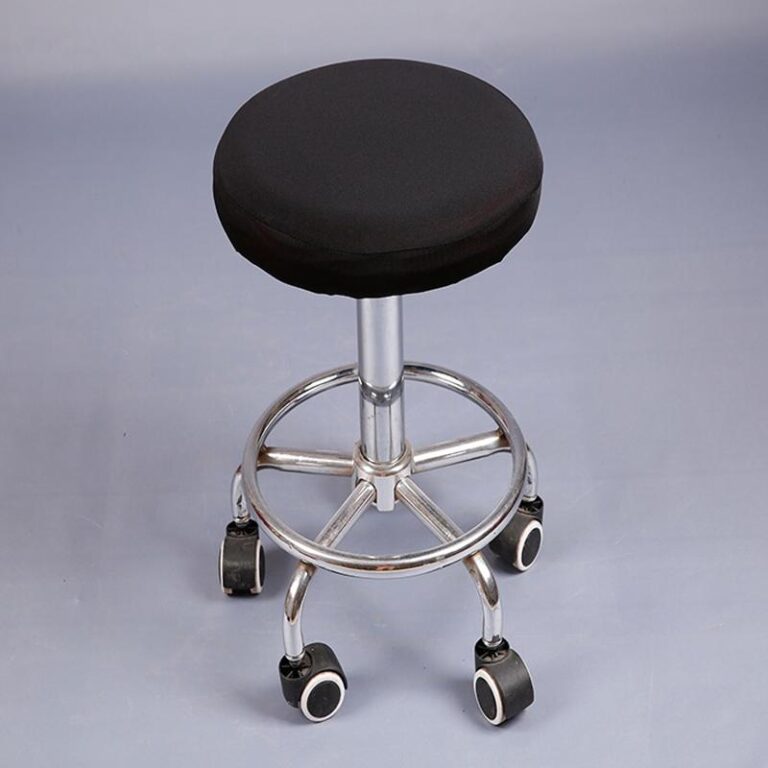 Aisha's pickRound Vanity Stools That Hold Up to Everyday Life
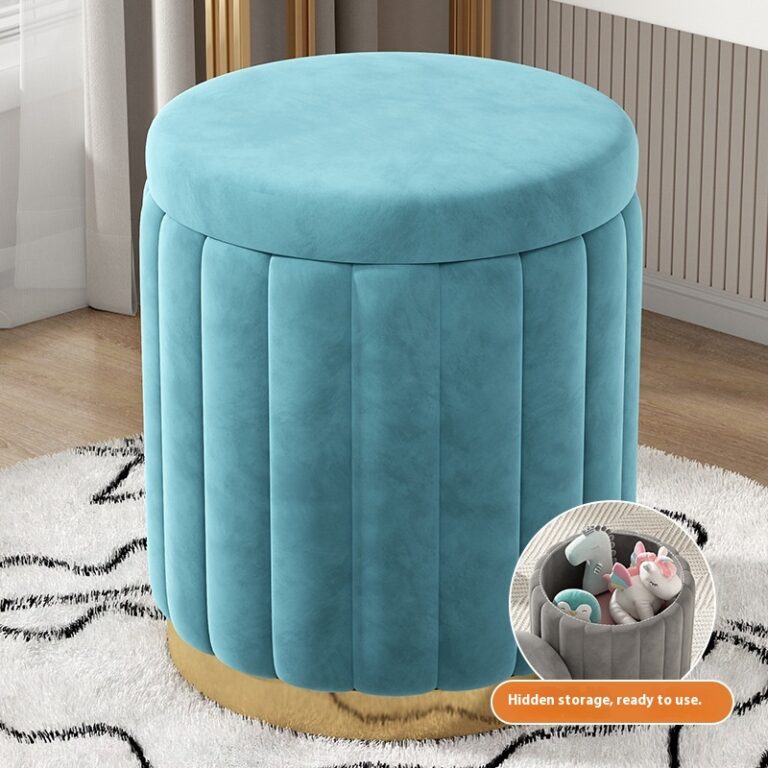
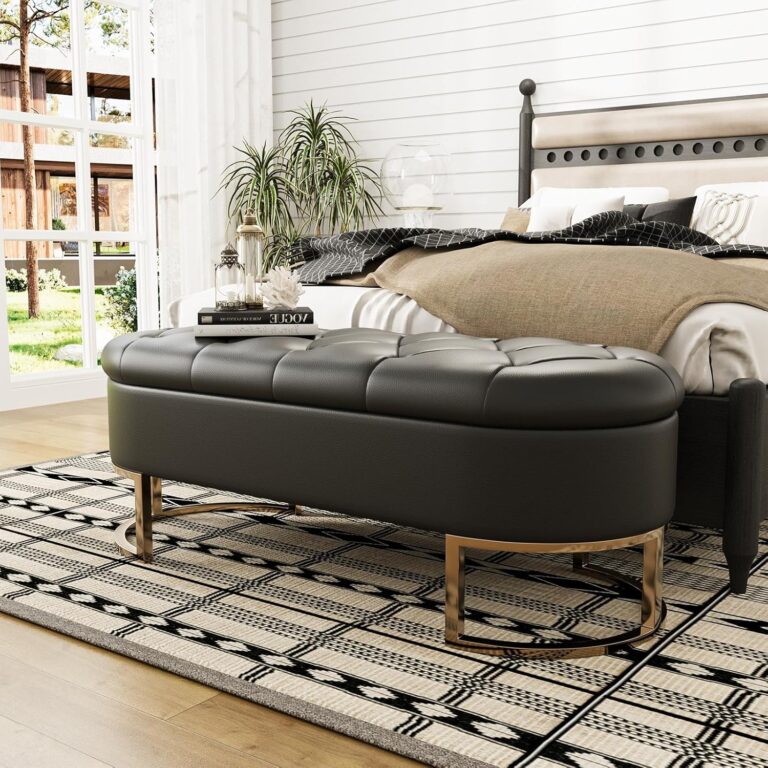 Aisha's pickShoe Storage Benches for Hallway Comfy Enough for a Movie Night
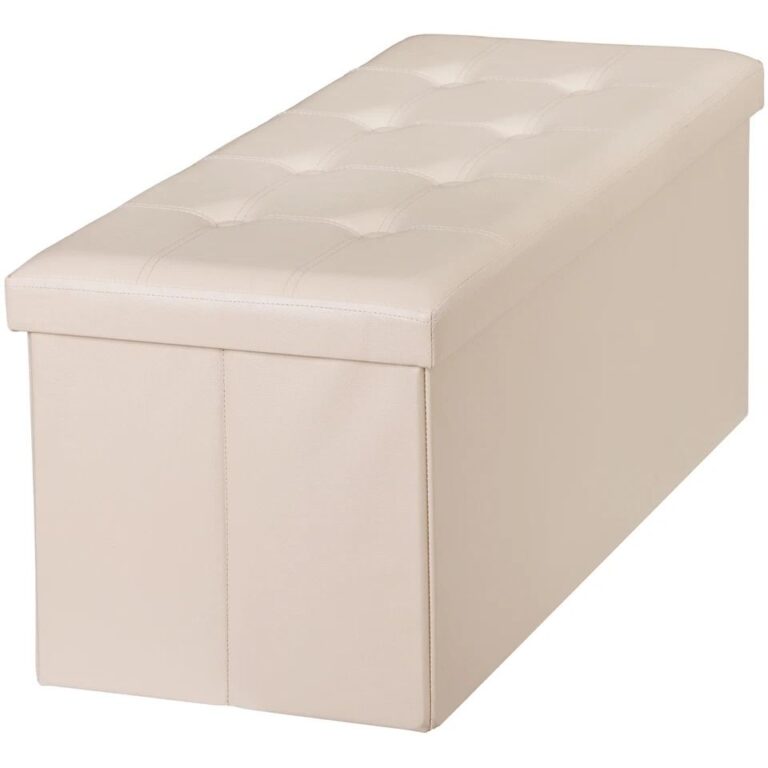
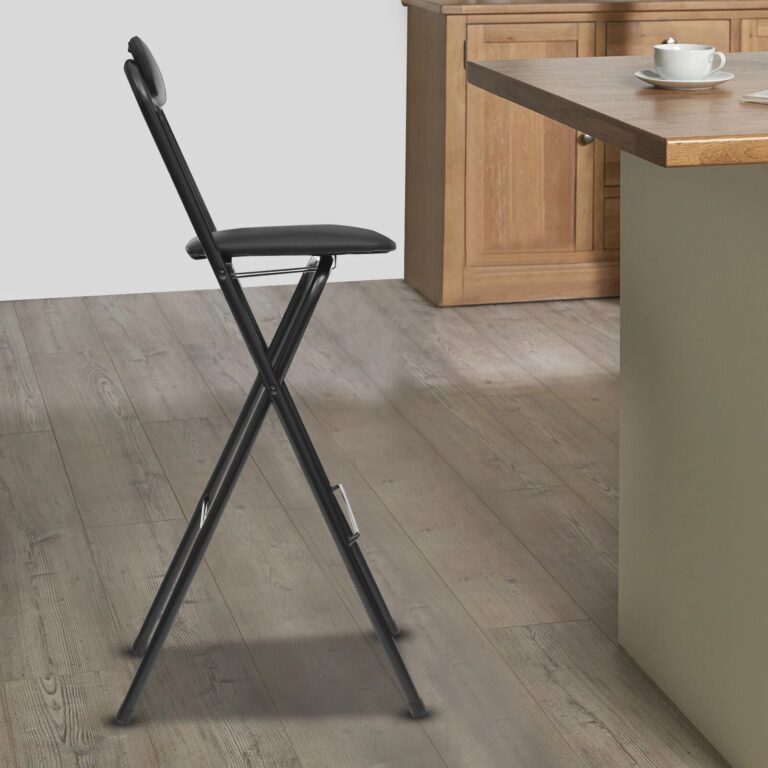 Aisha's pickThe Black Bar Stools Worth Your Cash
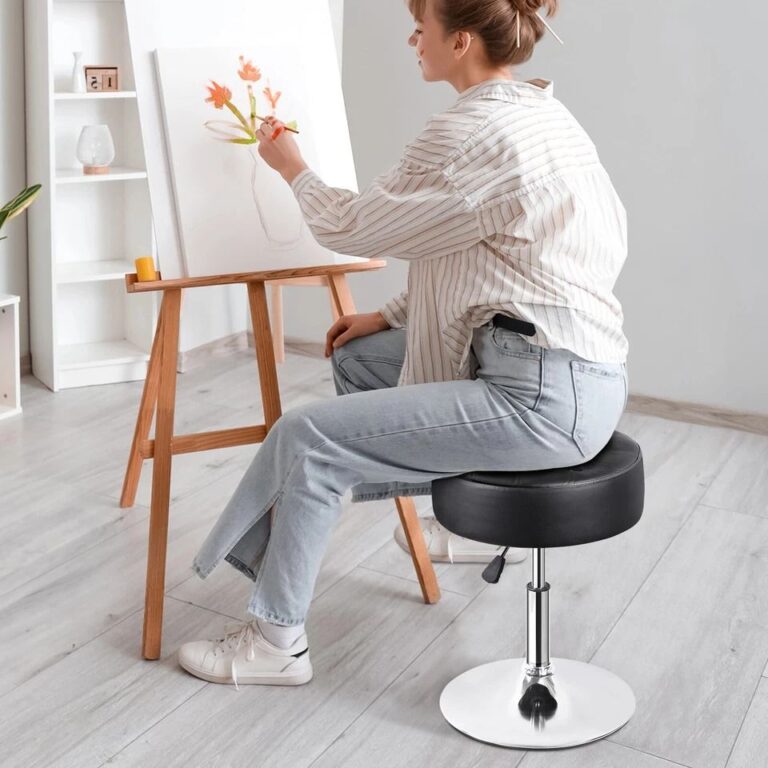
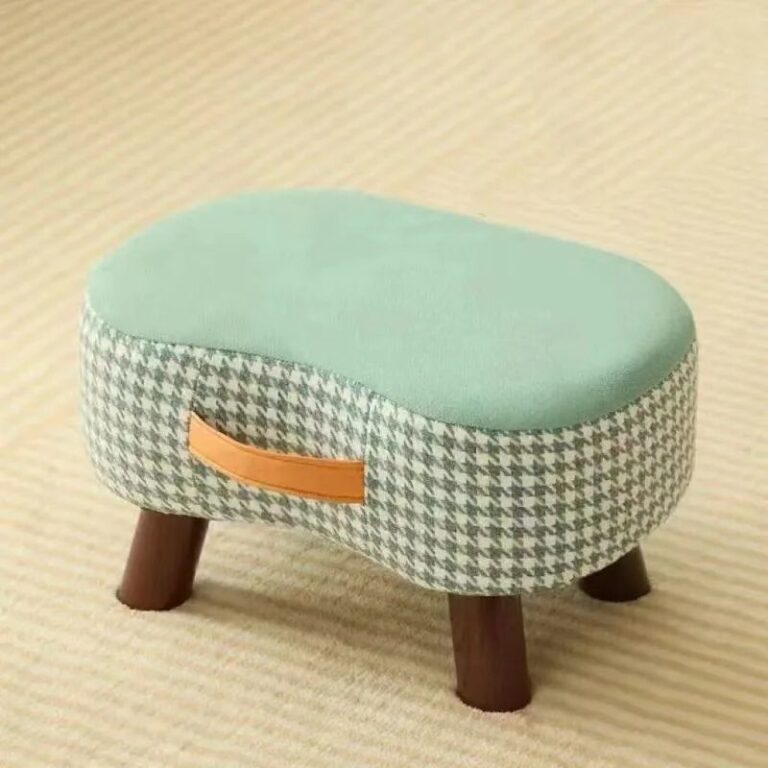 Aisha's pickCorner Benches With a Bit More About Them
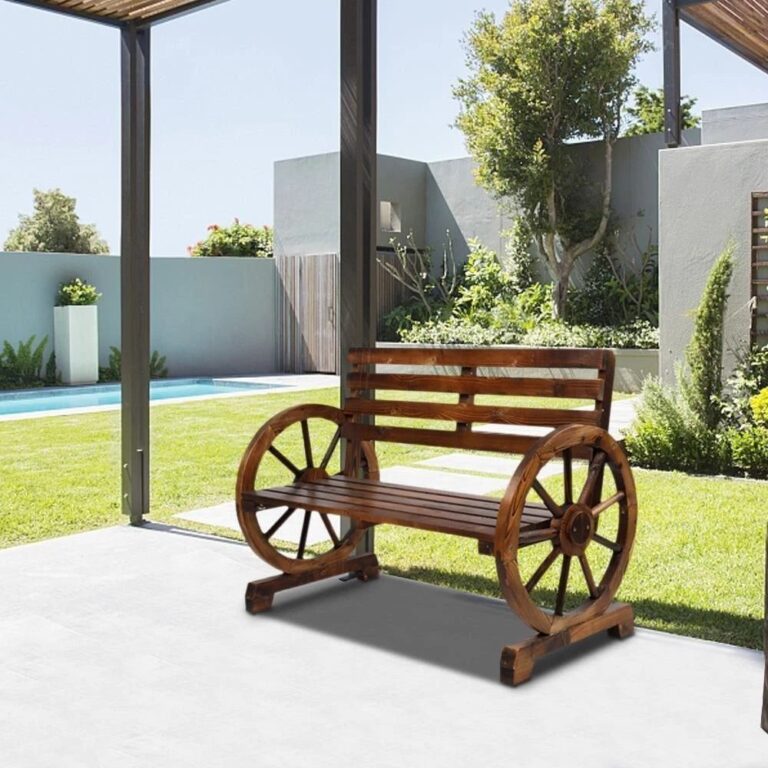
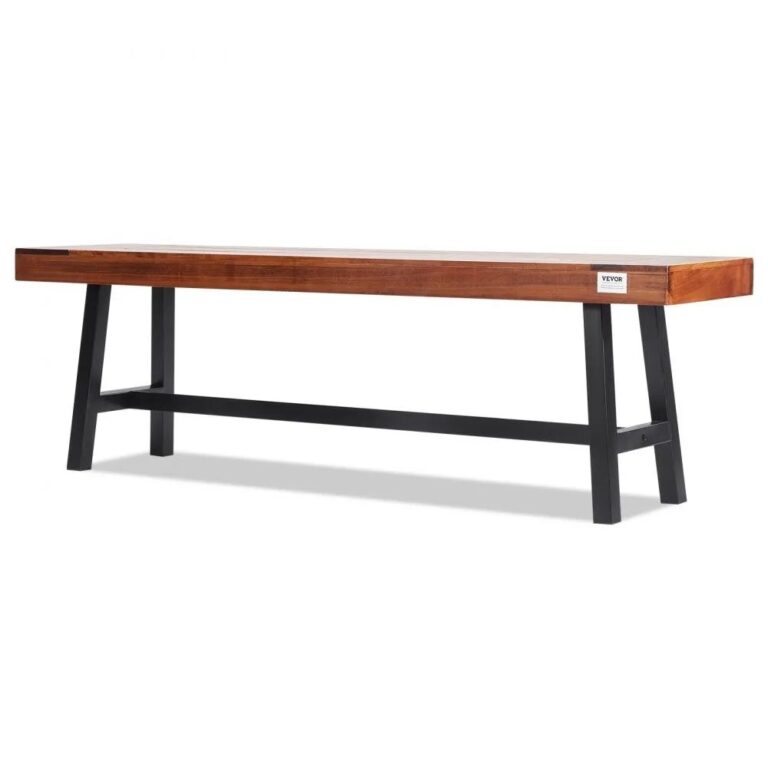 Aisha's pickSolid Wood Dining Benches That Work in Old Houses and New OnesAlso worth a lookStorage BenchesThe first thing I do is lift the lid and check how it holds itself open.See the collections →
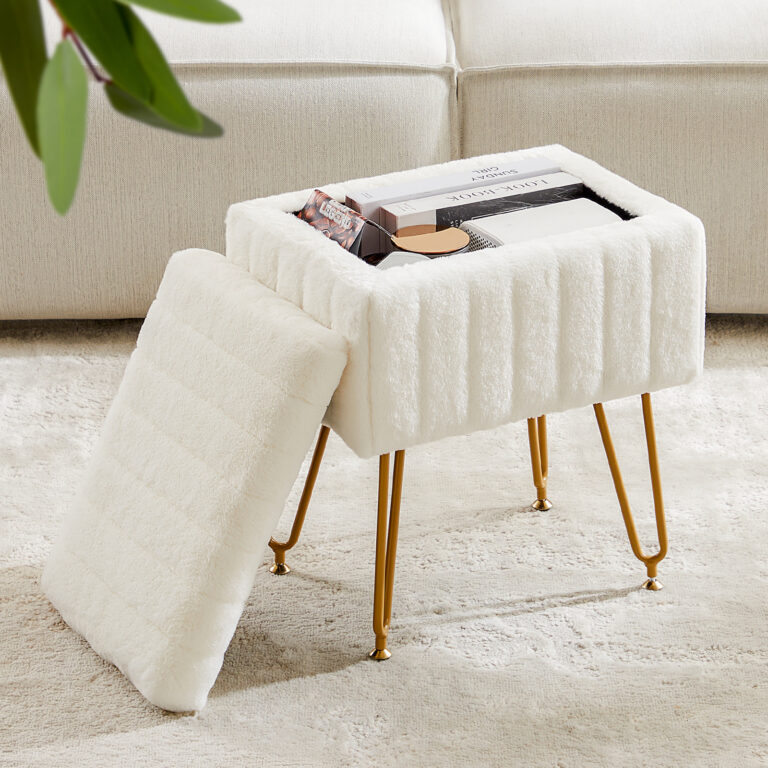 Aisha's pickFabric Ottomans From Brands You Know and a Few You Won’t
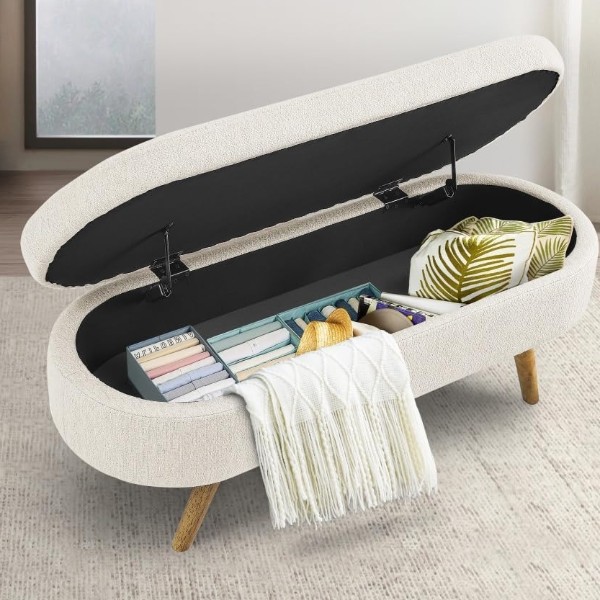
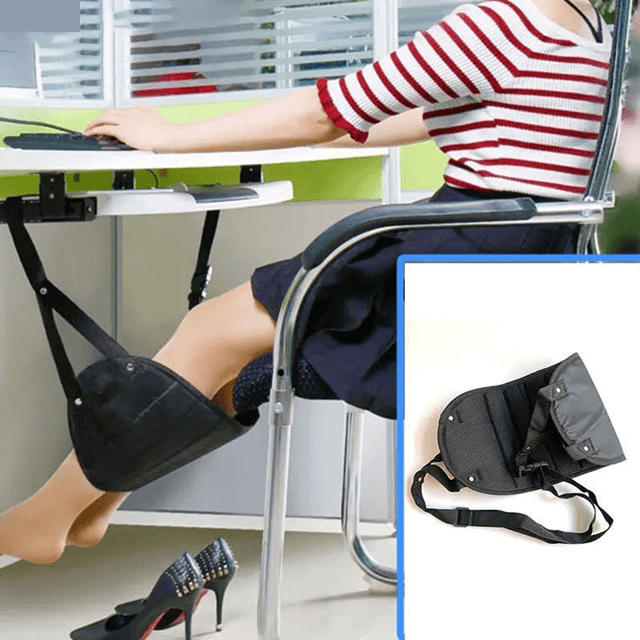 Aisha's pickAdjustable Footrests That Are Easy to Keep Clean
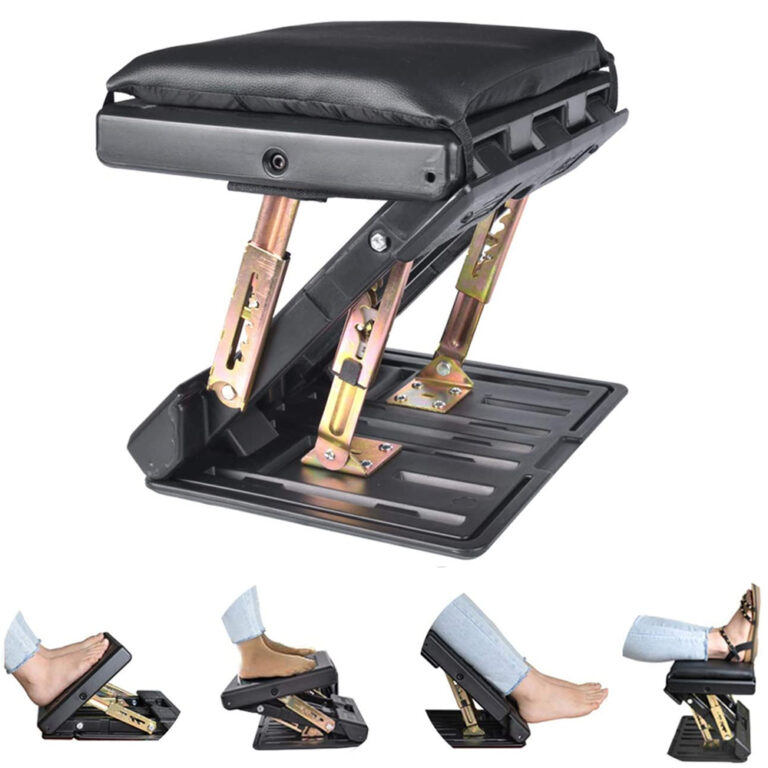
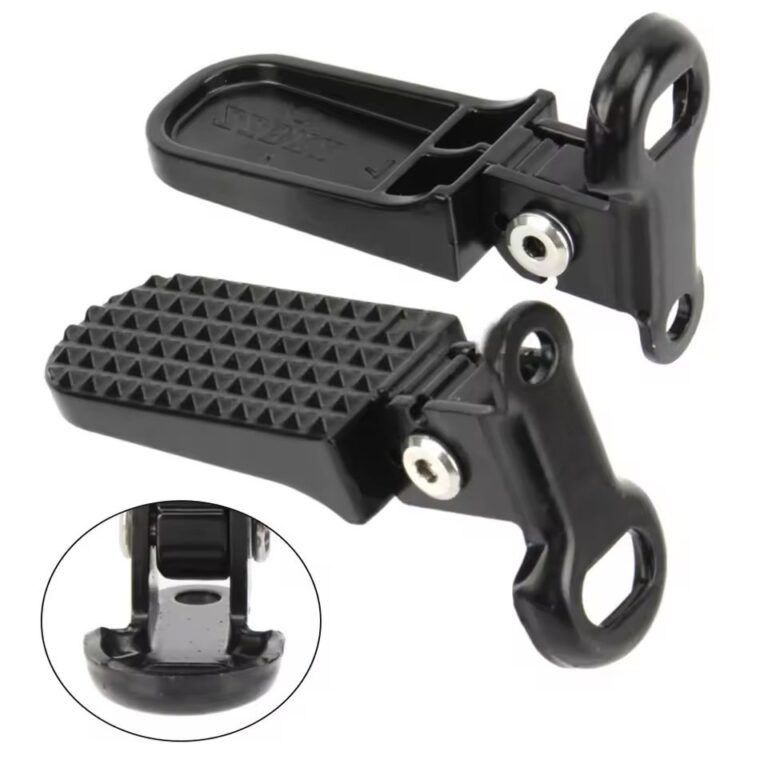 Aisha's pickNon Slip Footrests That Are Easy to Keep Clean
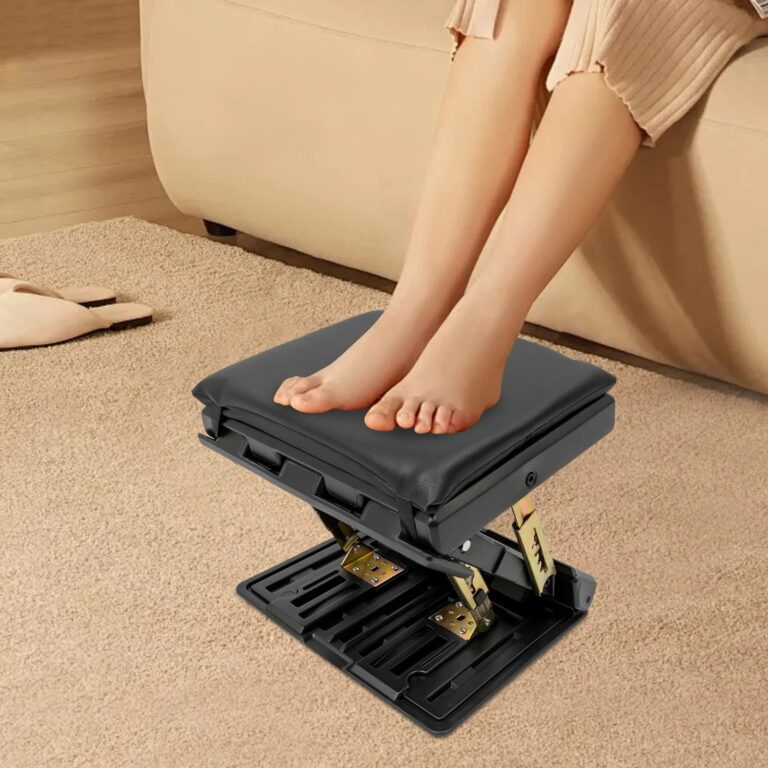 Aisha's pickLeather Footstools That Don’t Sag After a Year
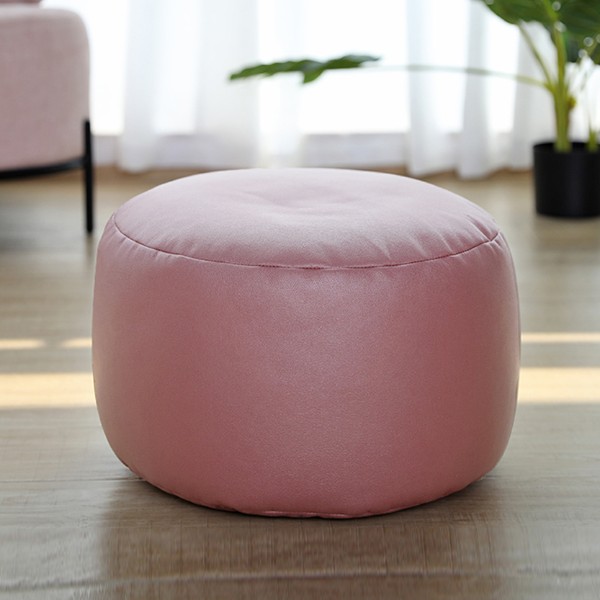
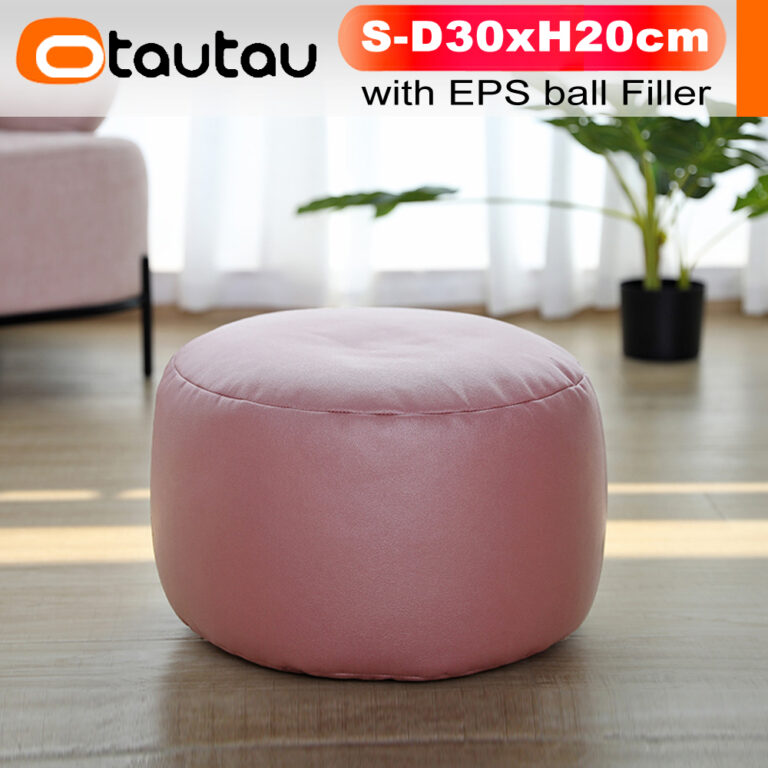 Aisha's pickModern Leather Ottomans You Won’t Want to Hide Away
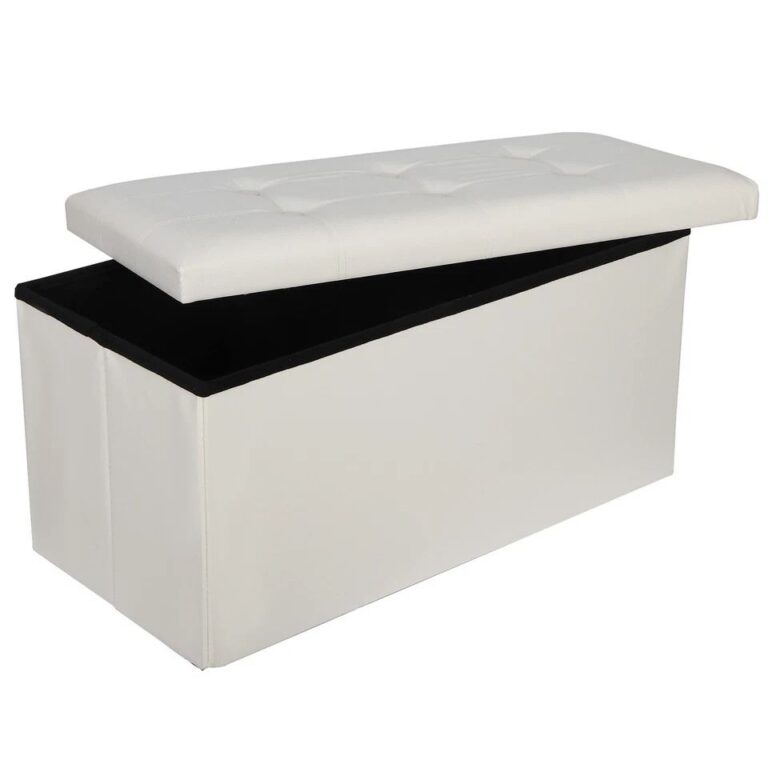
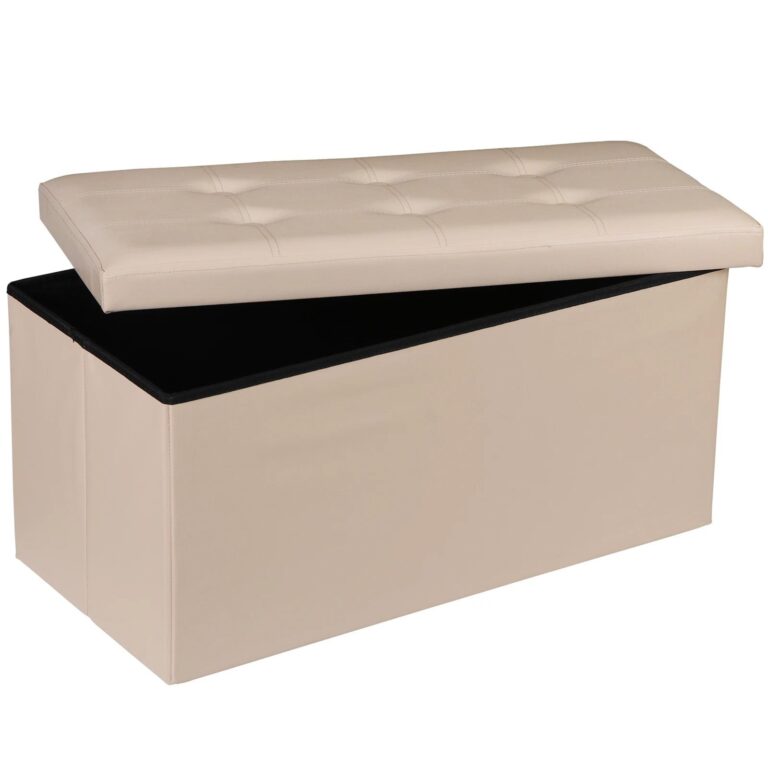 Aisha's pickLeather Ottomans with Storage Comfy Enough for a Movie Night

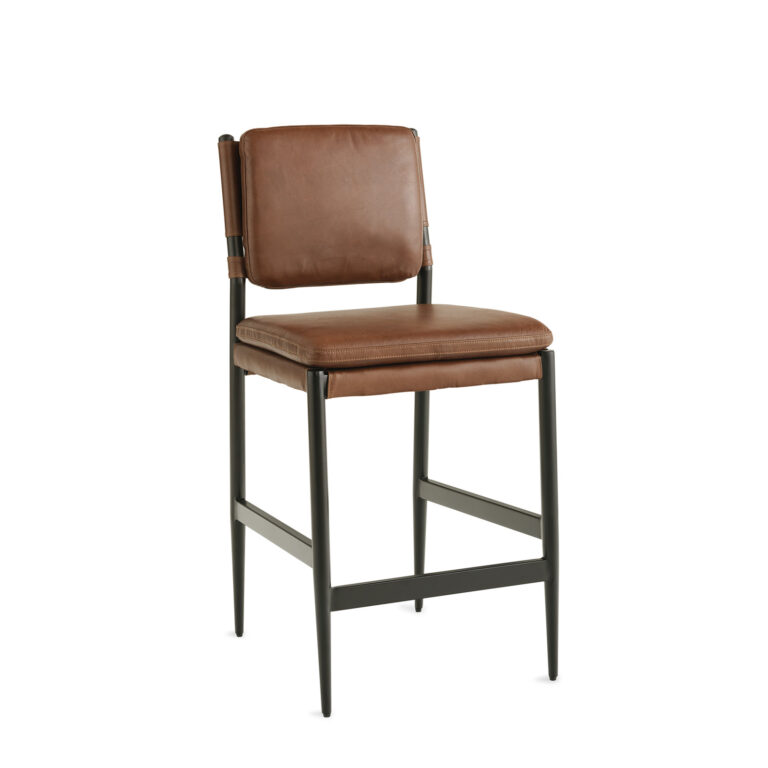
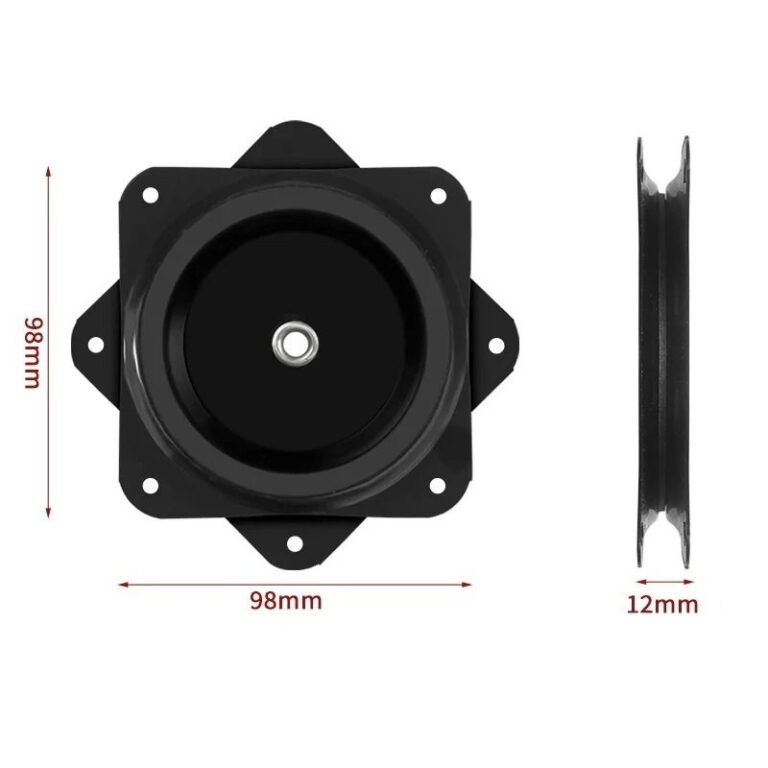 Aisha's pickCounter Stools with Back That Seat Guests Without the Squeeze
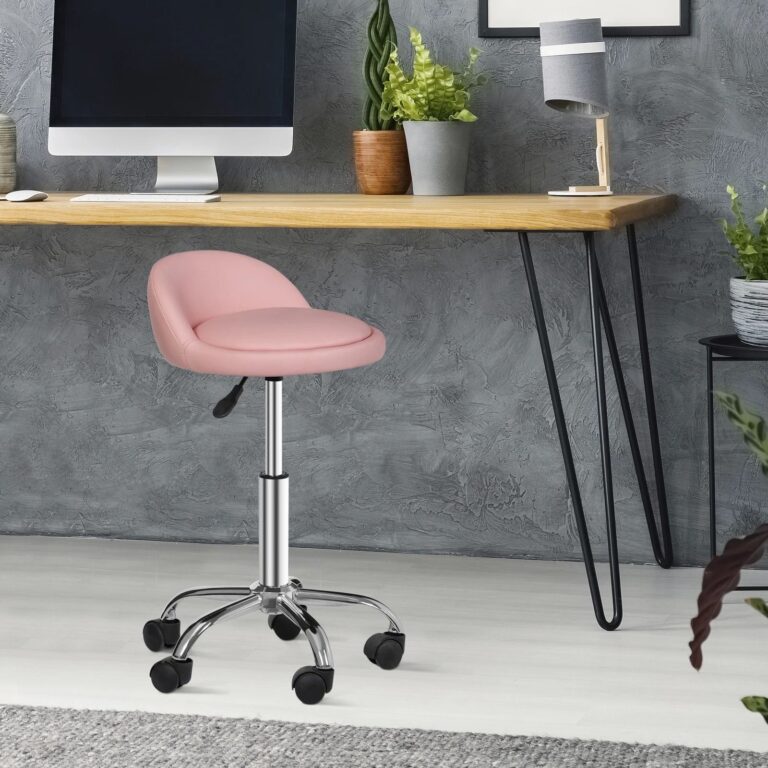 Aisha's pickSaddle Stools That Look Good From Every Angle