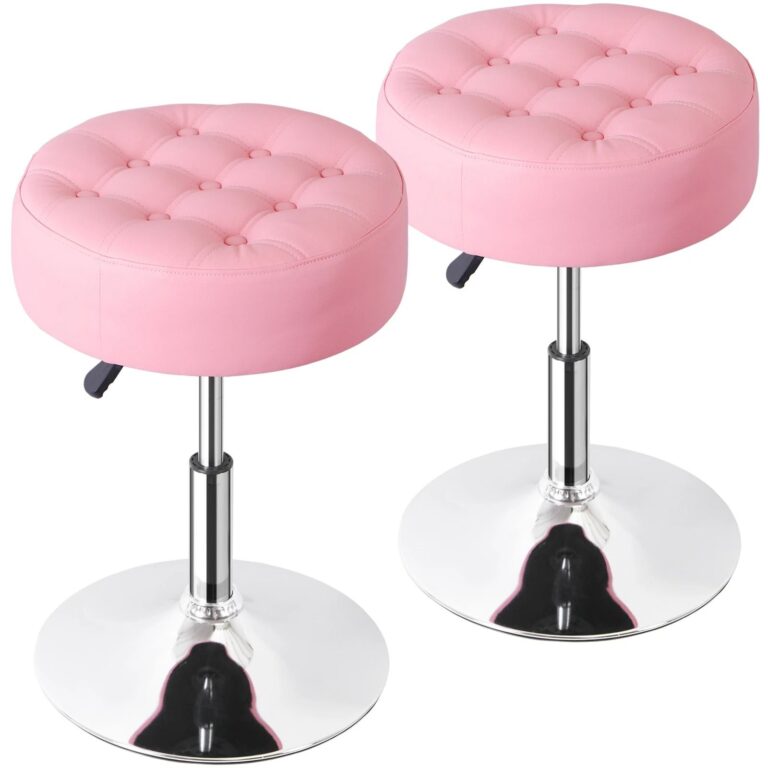
I flipped one over in a furniture showroom a while back, the way I do, and found the legs screwed into a particleboard base through four tiny brackets, already cracking at the corners. Then I did the same thing at a friend's place to a secondhand ottoman he'd picked up for almost nothing, and underneath was a hardwood frame with proper mortise joints and a webbed suspension holding the cushion, built to take a person sitting on it, not just resting their feet. That gap in quality is the whole story with ottomans, and it's rarely visible from the top.
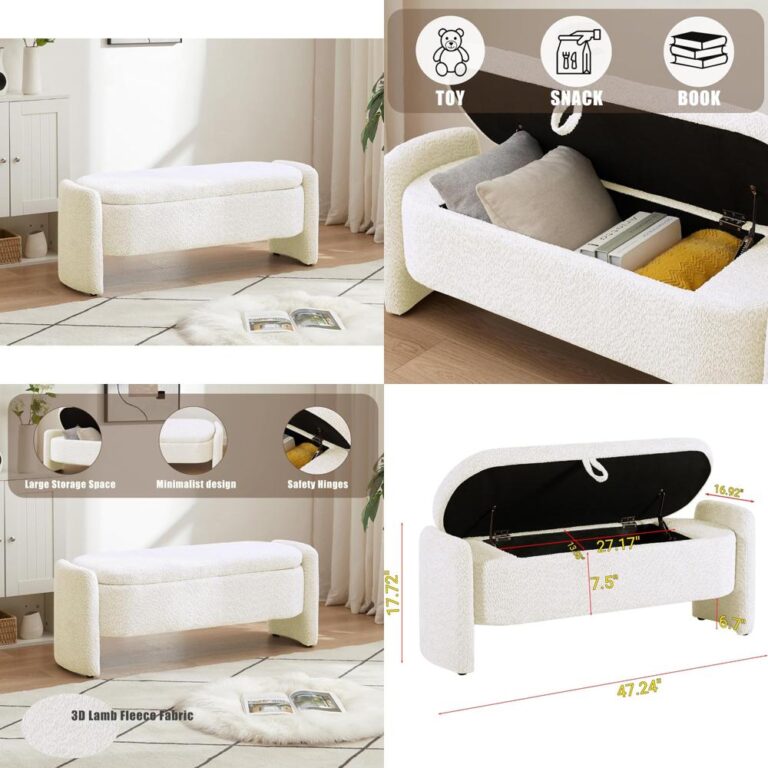
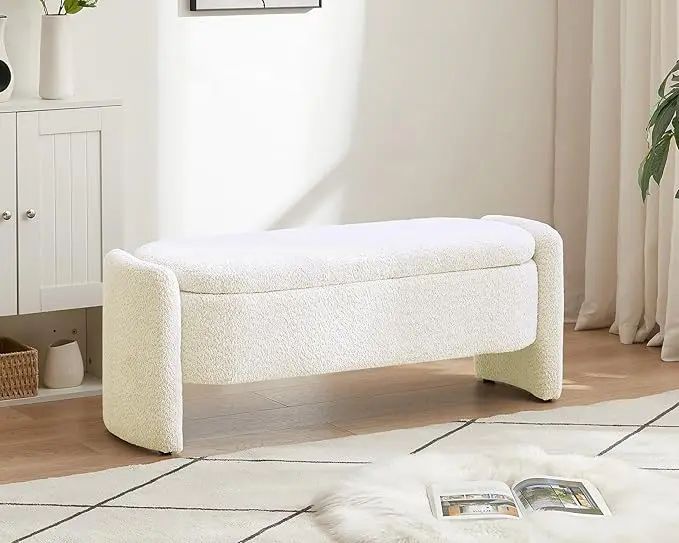
The ones worth having earn their space in almost any room once you know what you want from them. In a living room, a solid one doubles as extra seating when people show up and the couch runs out of room, and as a coffee table if you put a tray on top. In a bedroom, a smaller bench style ottoman at the foot of the bed is genuinely useful for pulling on boots without sitting on the duvet you just made. In an apartment where square footage is tight, a storage ottoman with a lid is one of the few pieces of furniture that does two jobs honestly, seating and a place to hide blankets, instead of just promising to.
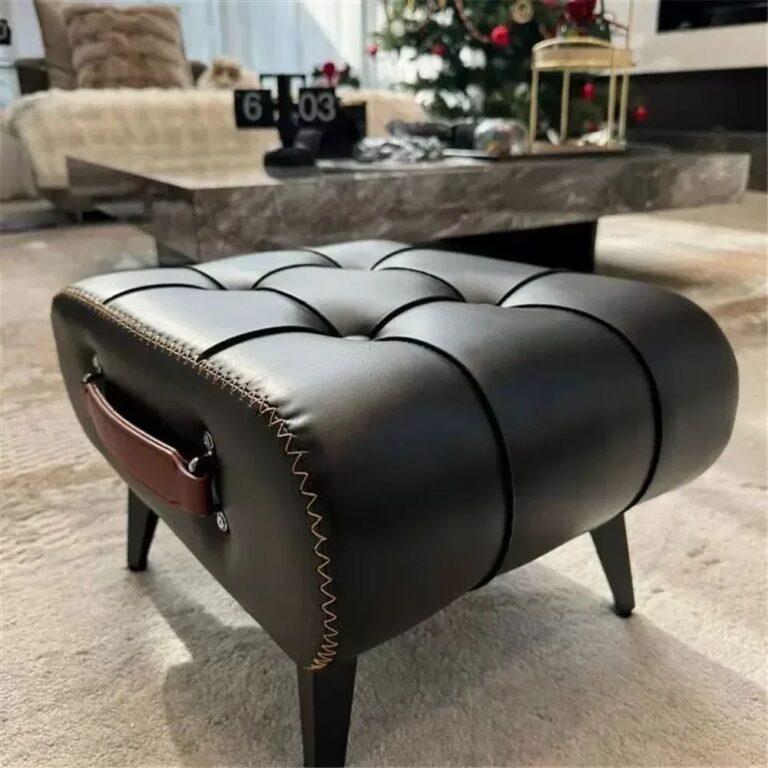
Where they fall short is anywhere you need real structure underneath you for years of daily use. A cheap ottoman with a plywood or particleboard frame and foam that's gone flat by year two is fine as an occasional footrest, but I wouldn't trust one as a primary seat for a household with teenagers who treat furniture like gym equipment. Upholstered ottomans in pale linen or performance fabric are lovely until you have small kids or a dog that sheds, at which point you're better off with a leather or a tightly woven fabric you can wipe down instead of babying.
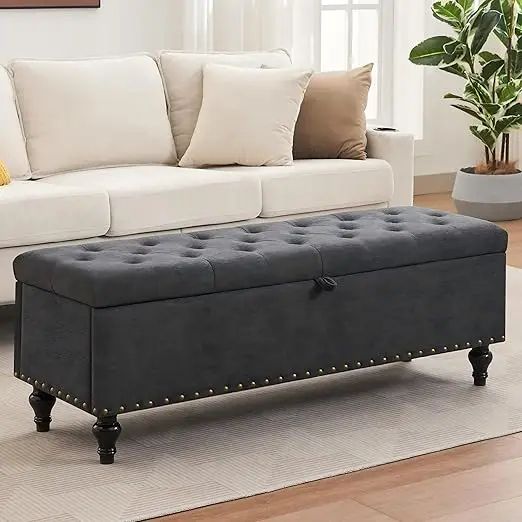
They also don't belong crammed into a walkway just because there's a gap. An ottoman that people have to step around to get to the kitchen stops being useful furniture and starts being a thing everyone's shin remembers. And visually, a heavily tufted, ornate ottoman can look wrong next to very plain, straight lined furniture, it reads like it wandered in from another house.
Before you buy, measure the space in front of your sofa with the ottoman's width in mind, and leave at least fourteen inches of clearance so people can actually walk past it without doing a little sidestep every time.
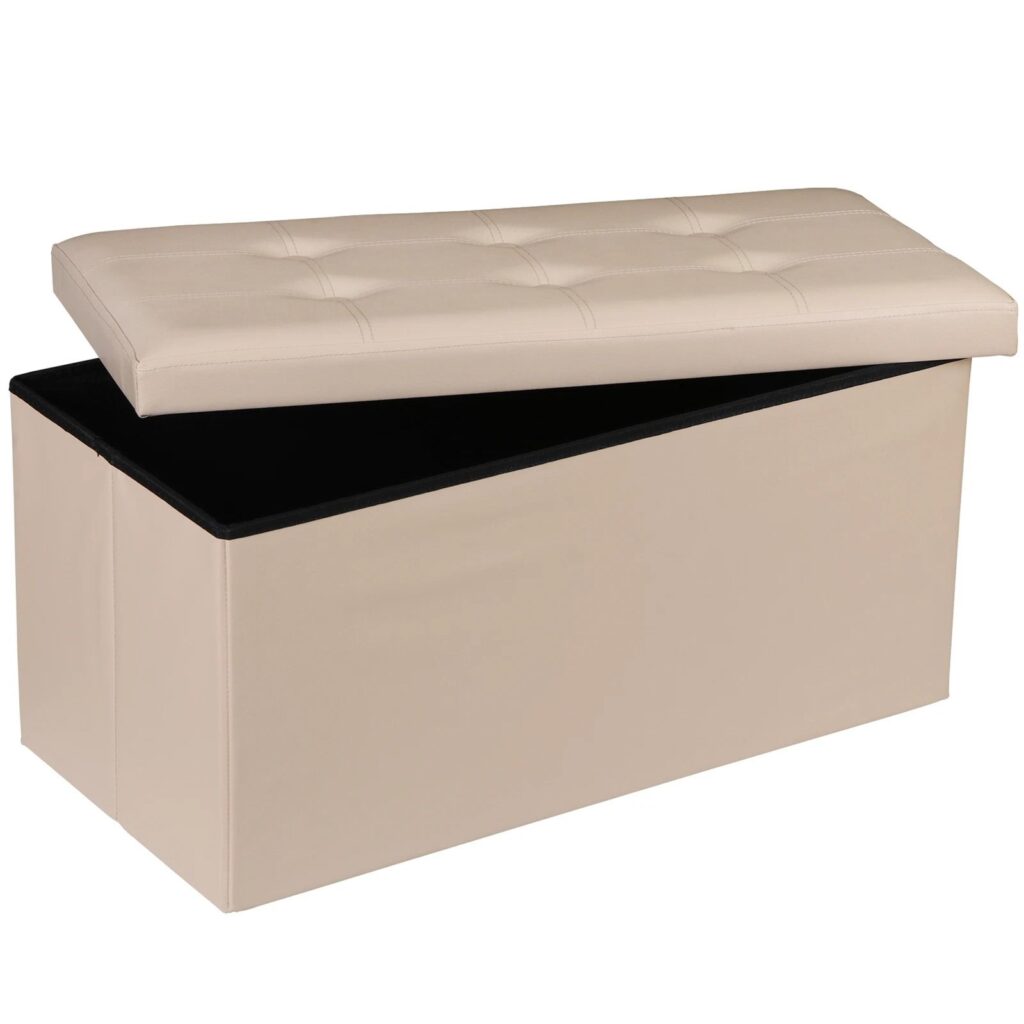 Aisha's pickLeather Ottomans with Storage Comfy Enough for a Movie Night

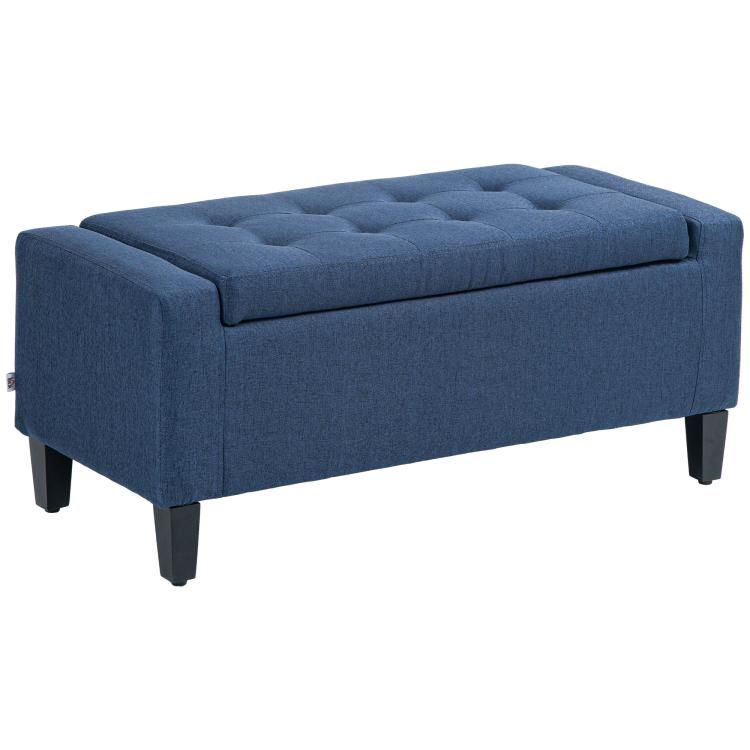 Aisha's pickLift Top Ottomans That Survive Kids and Pets
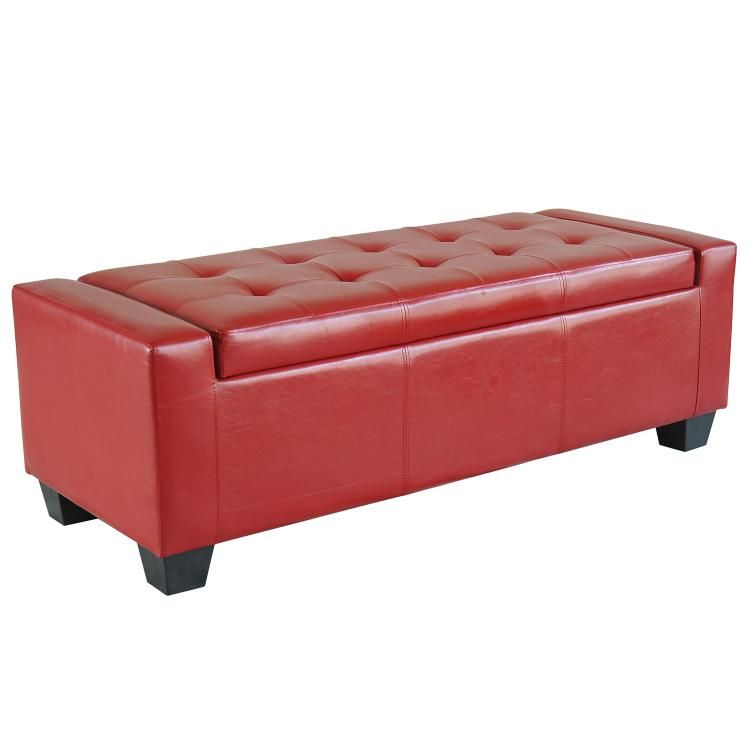
 Aisha's pickLinen Ottomans We’d Happily Nap On

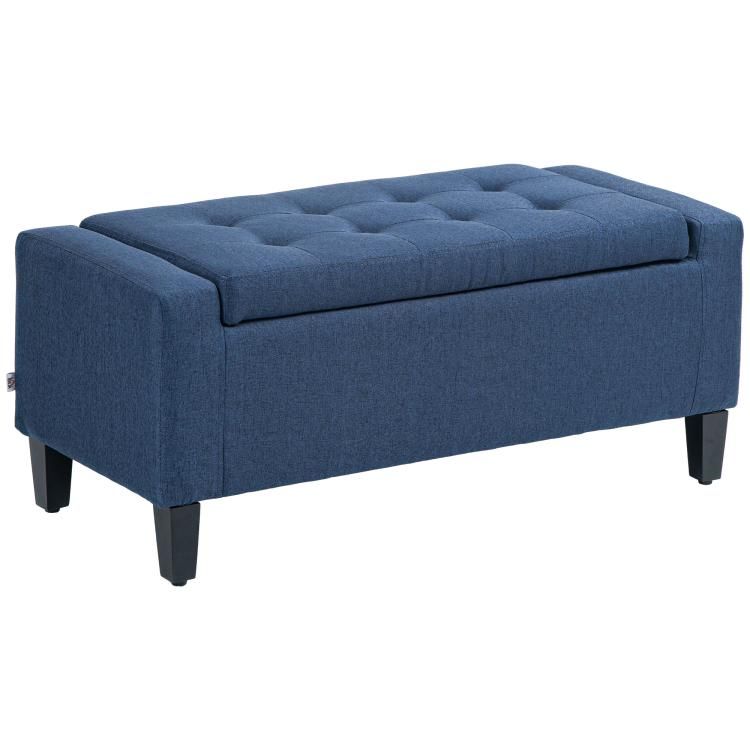 Aisha's pickLinen Ottomans with Storage That Fit Through a Narrow Door
 Aisha's pickLow Ottomans That Look Better in Real Life
 Aisha's pickBedroom Ottomans That Fit Through a Narrow Door
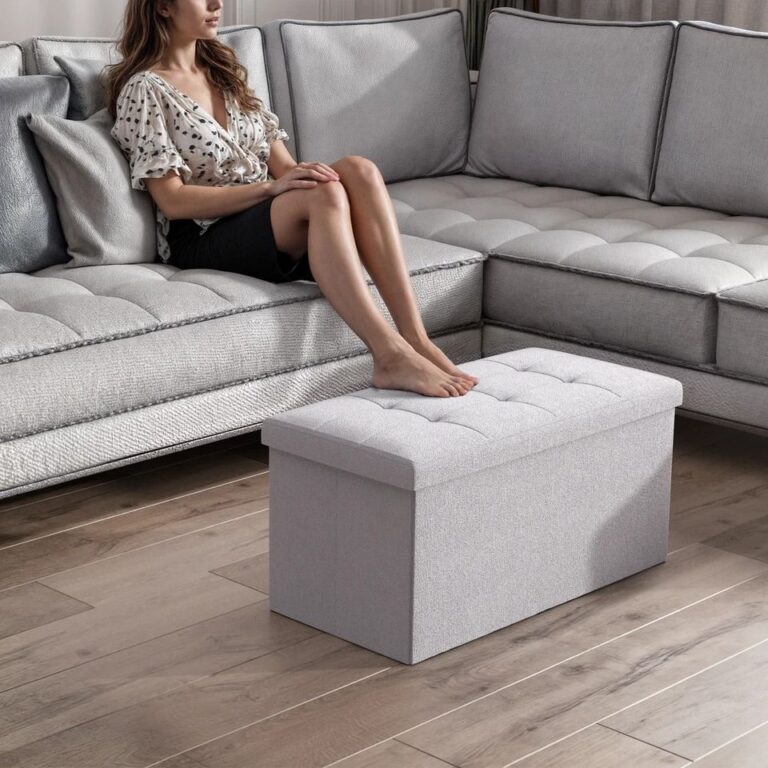
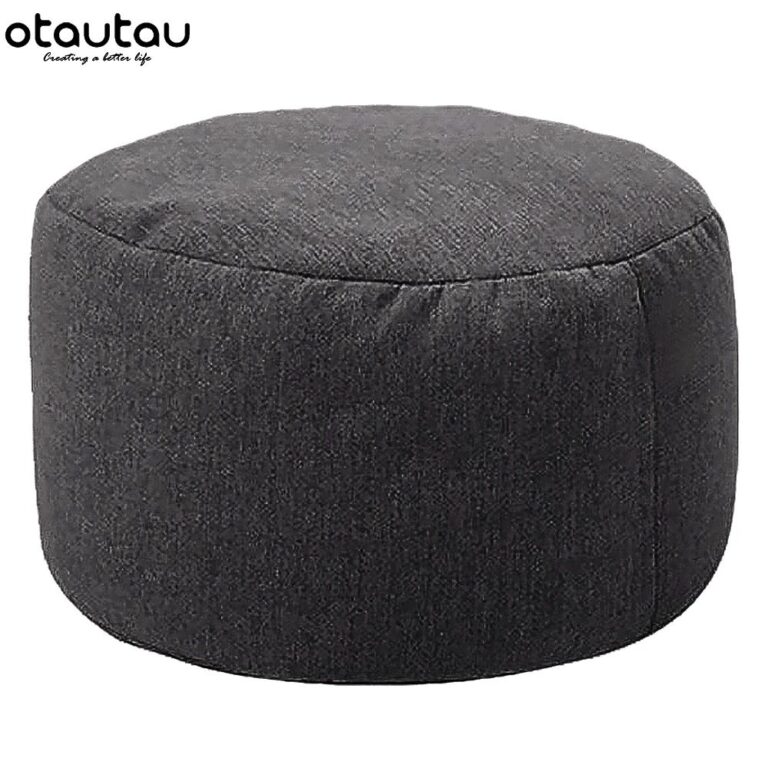 Aisha's pickNatural Ottomans With Some Character
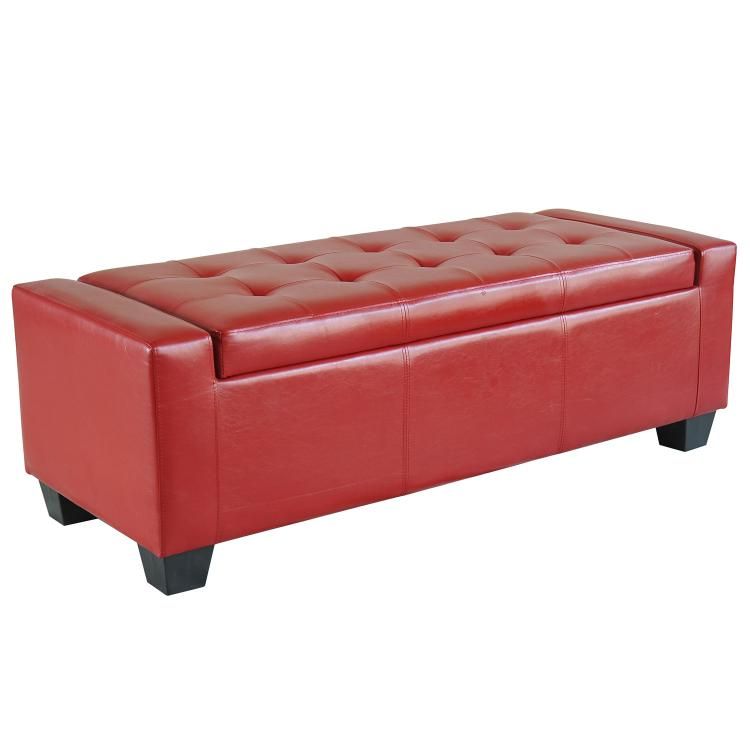
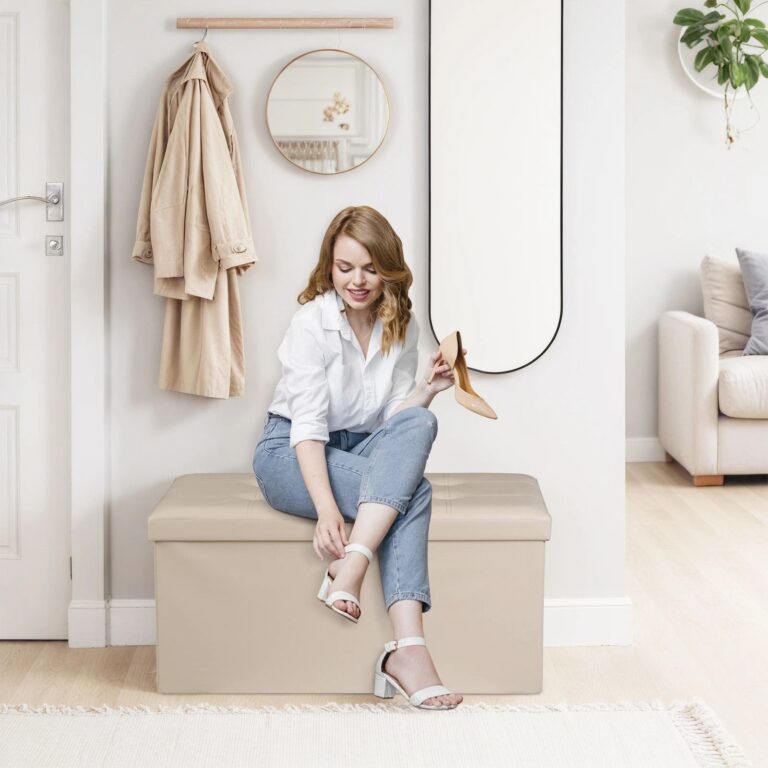 Aisha's pickBedroom Ottomans with Storage That Won’t Date in a Year
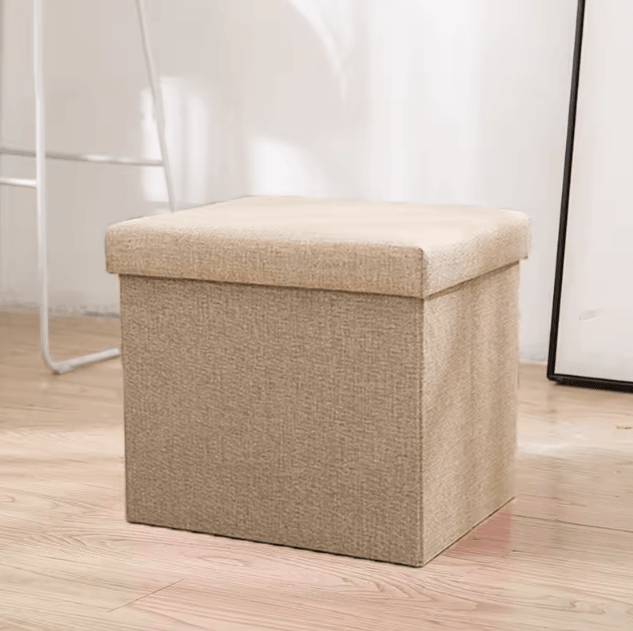
 Aisha's pickOttomans for Making a House Feel Like YoursAlso worth a lookBenchesMy first bench was a flat pack thing I grabbed for the entryway, pine veneer over particleboard, and…See the collections →
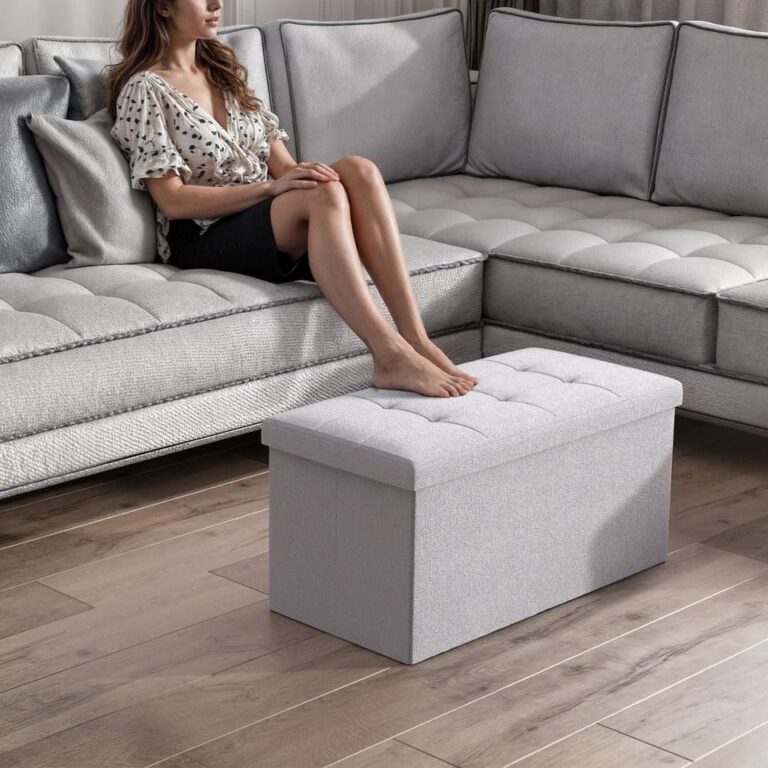
 Aisha's pickBench Ottomans From Stores Big and Small
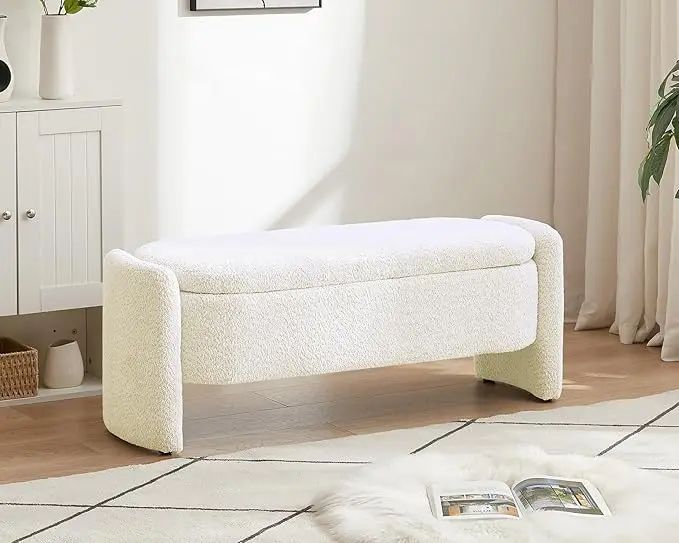
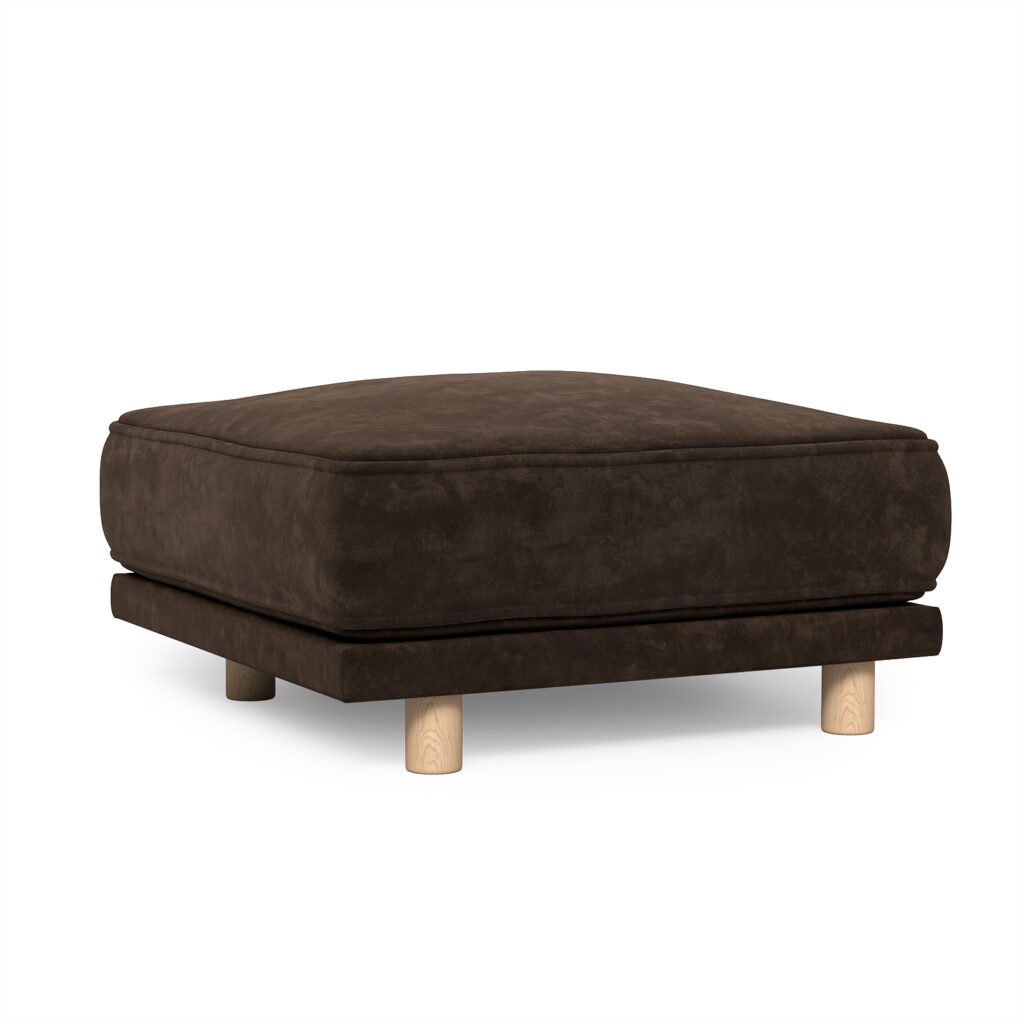 Aisha's pickOttomans for Living Room That Work in Old Houses and New Ones
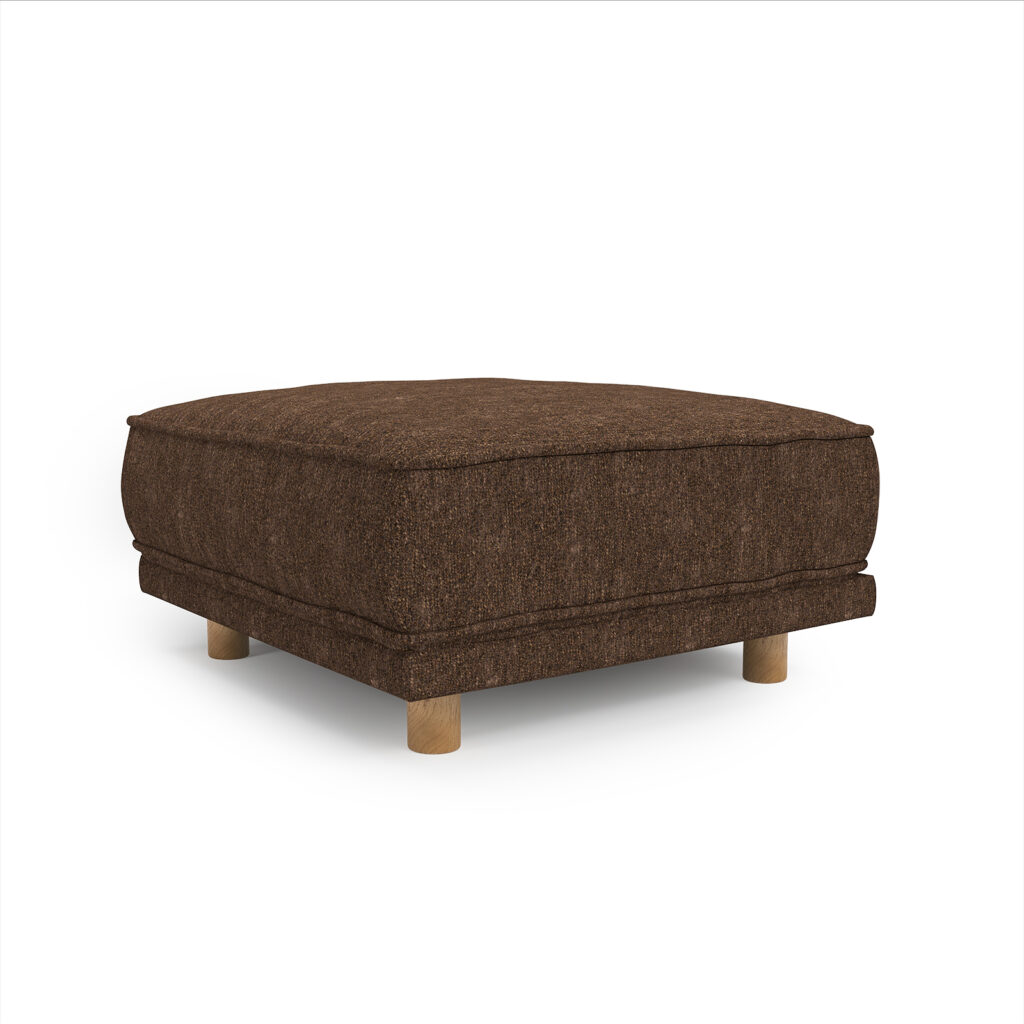
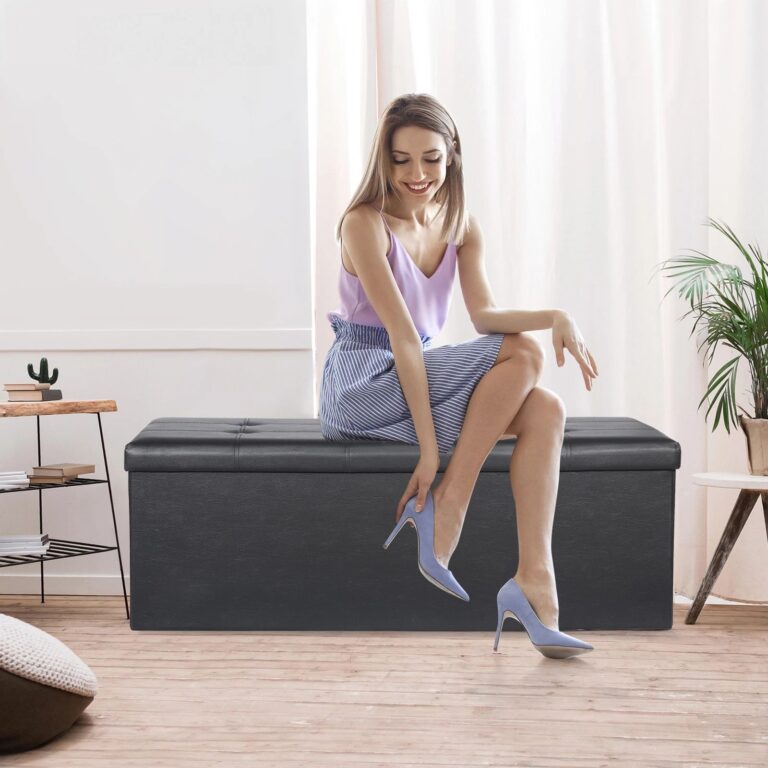 Aisha's pickBench Ottomans with Storage You’ll Keep for Years
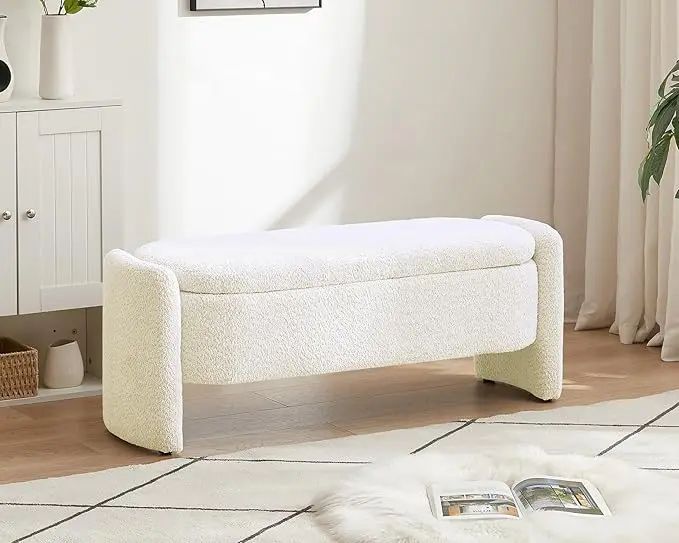
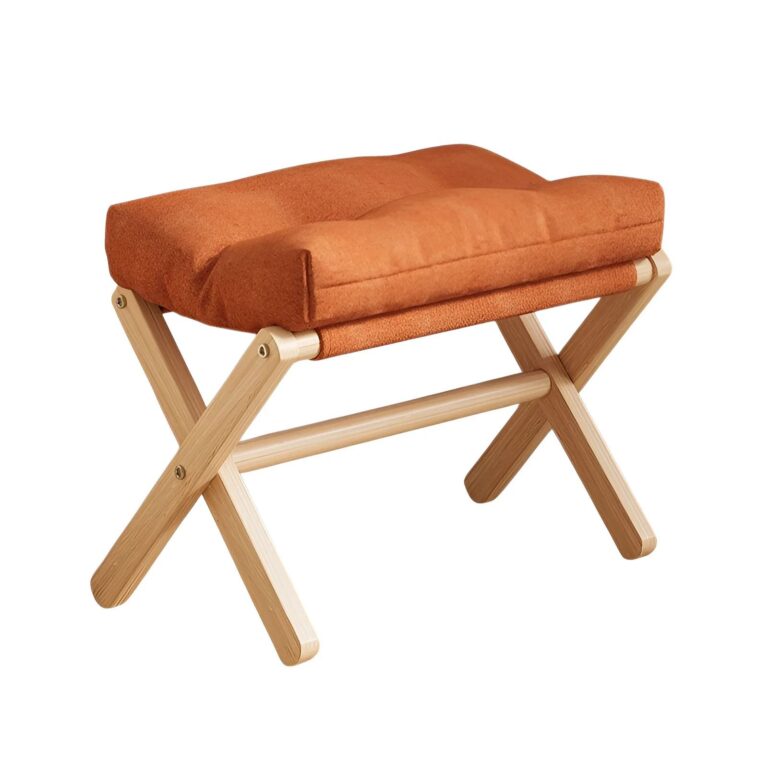 Aisha's pickOttomans with Storage That Don’t Need Babying
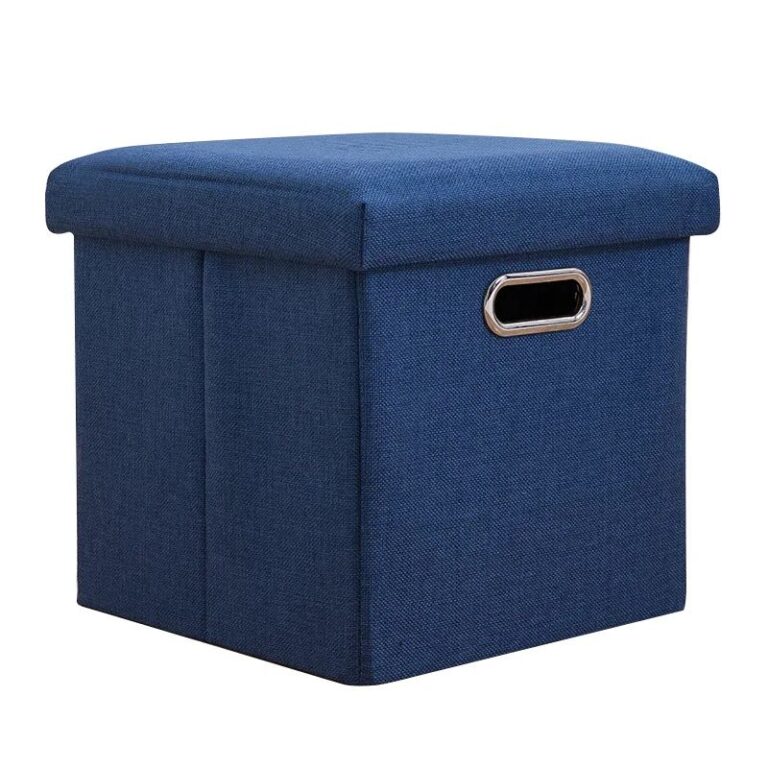
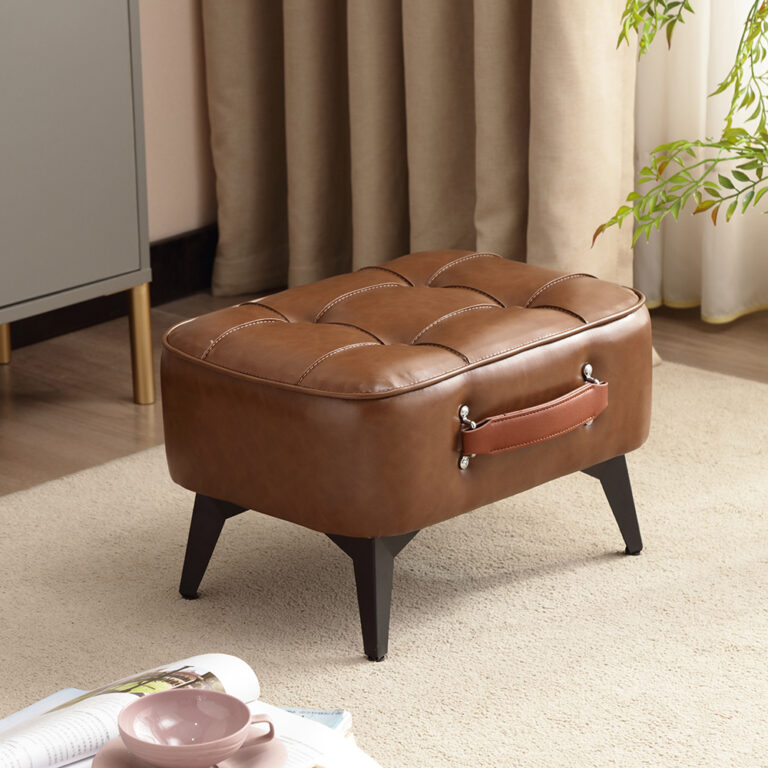 Aisha's pickBlack Ottomans You’ll Still Like in Five Years
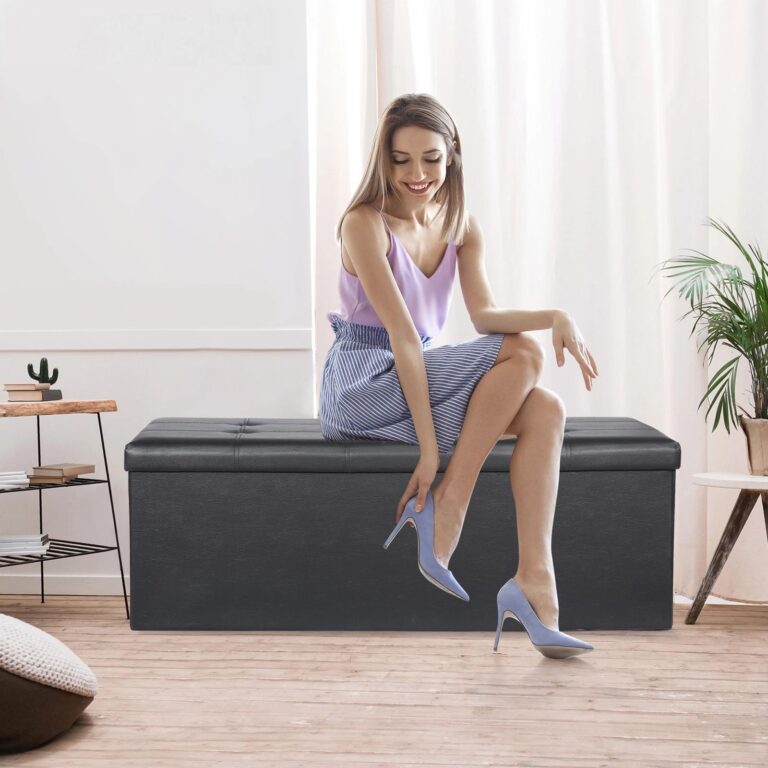
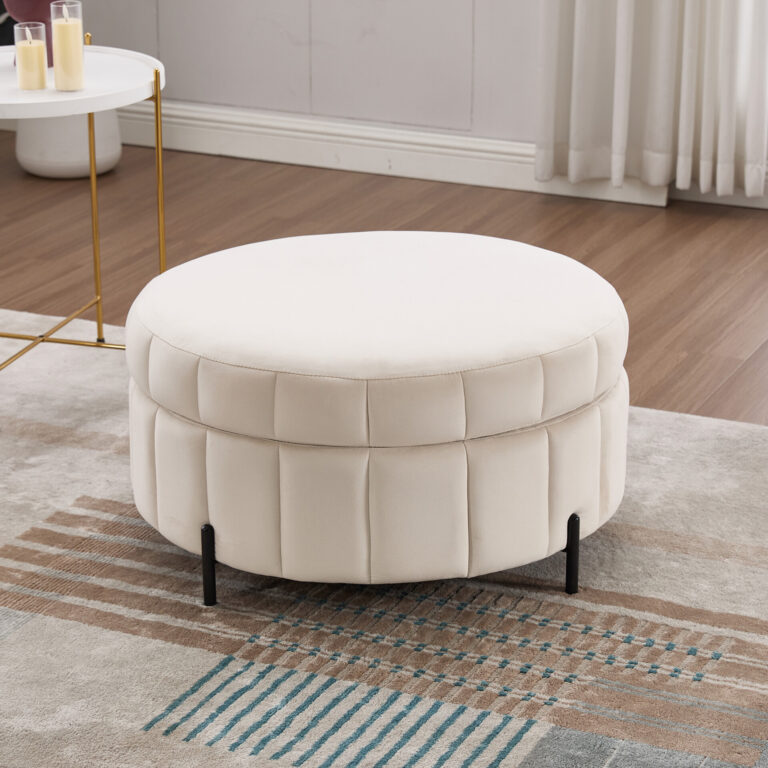 Aisha's pickRound Ottomans Picked From the Stores We Trust
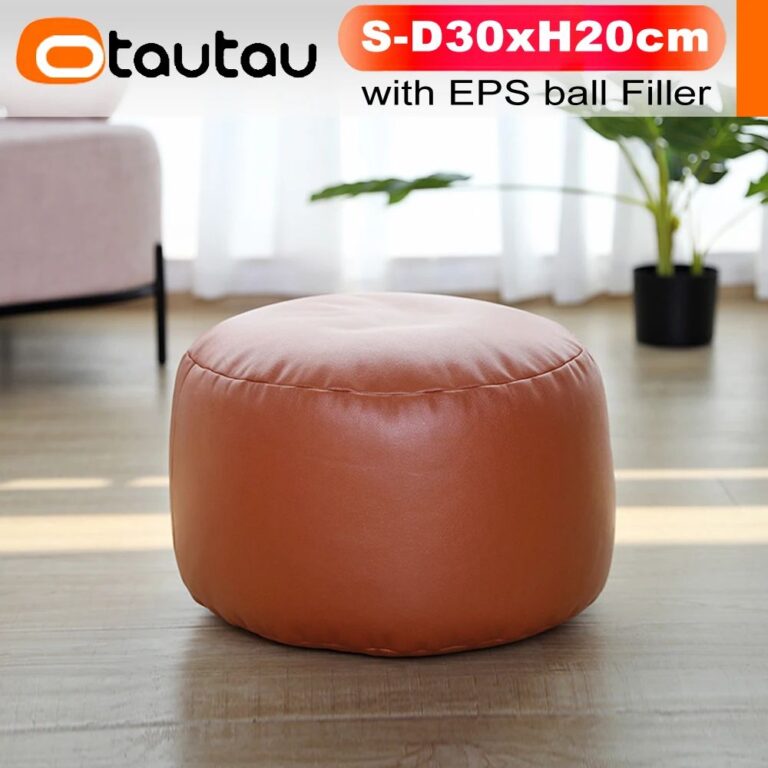
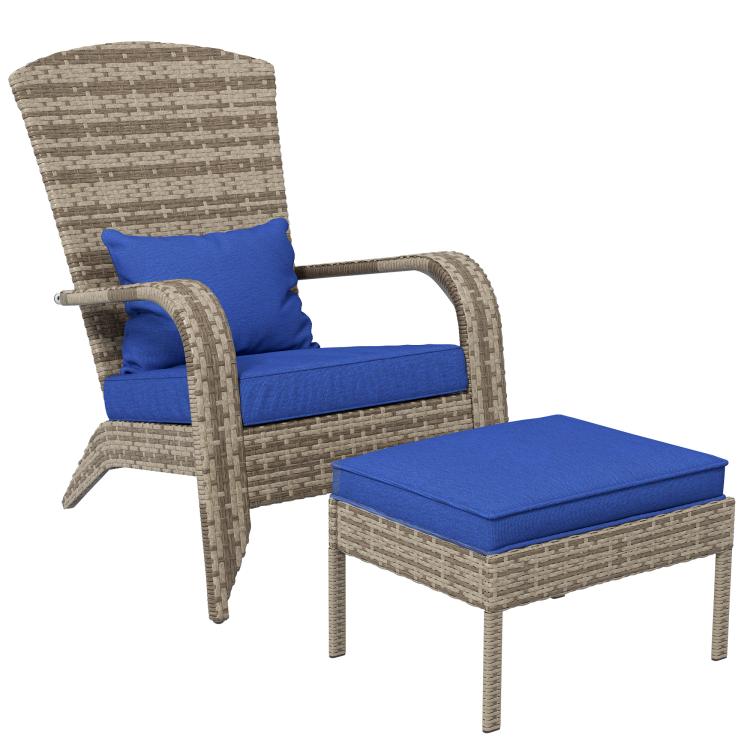 Aisha's pickBlue Ottomans We’d Buy Again
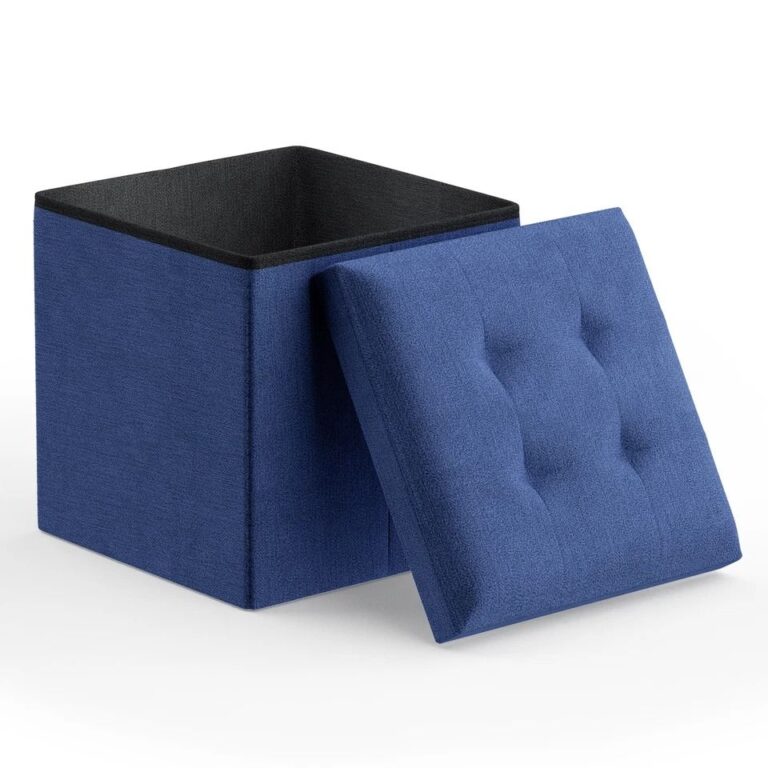
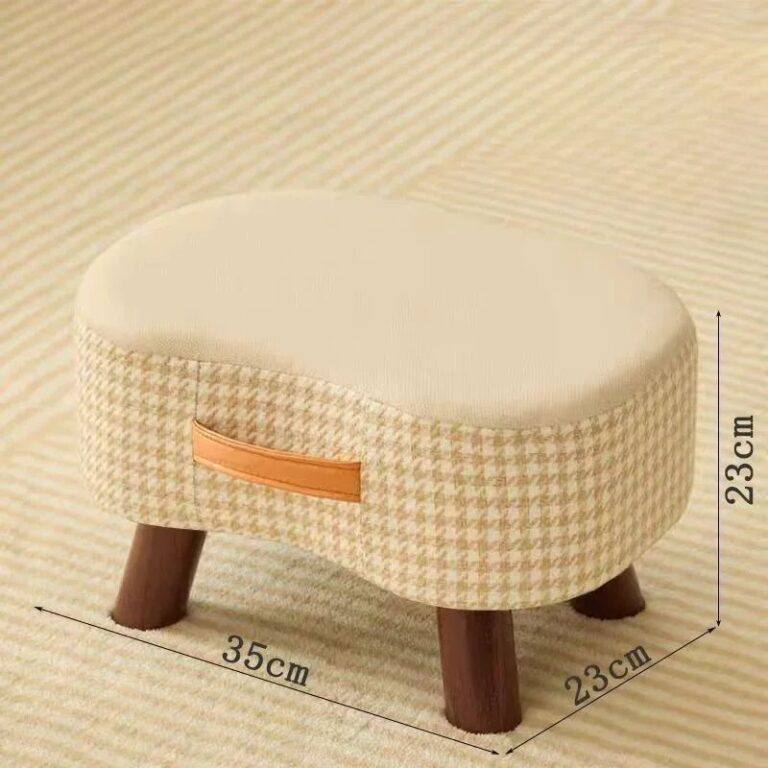 Aisha's pickSmall Ottomans That Fit Through a Narrow Door
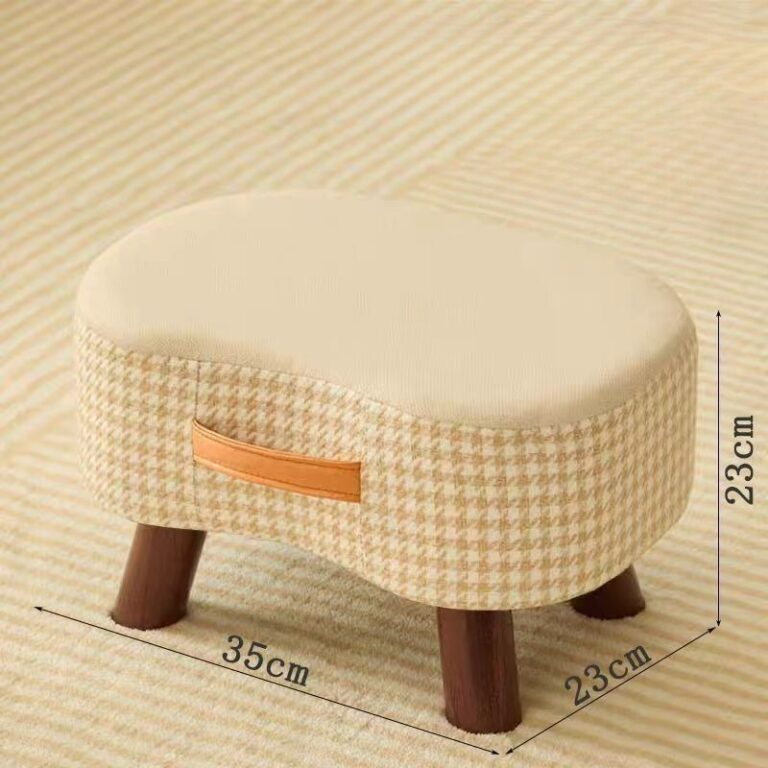
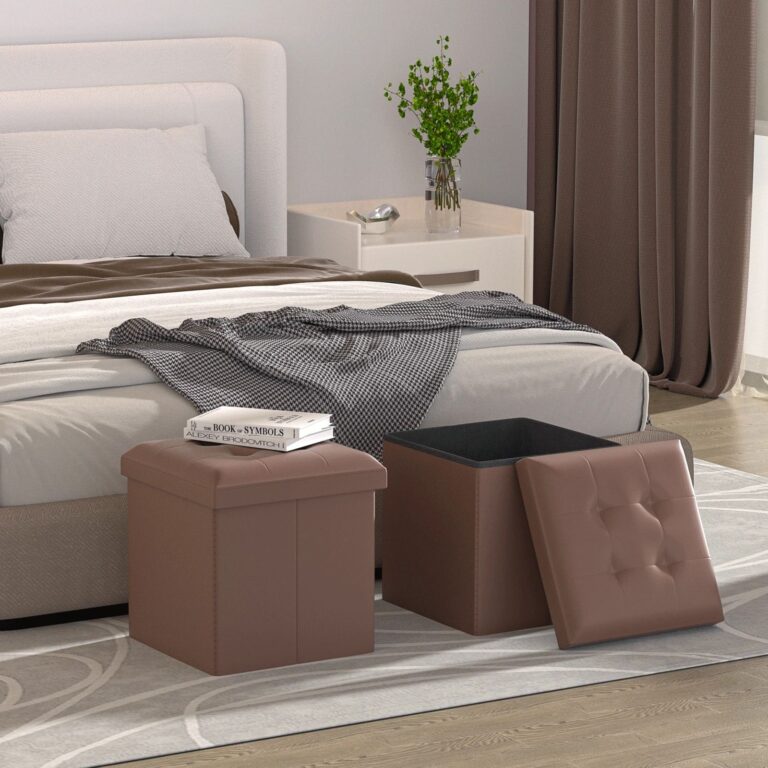 Aisha's pickBrown Ottomans Comfy Enough for a Movie NightAlso worth a lookFootrestsThe thing nobody mentions about footrests is that the height matters more than the look, and you won't…See the collections →
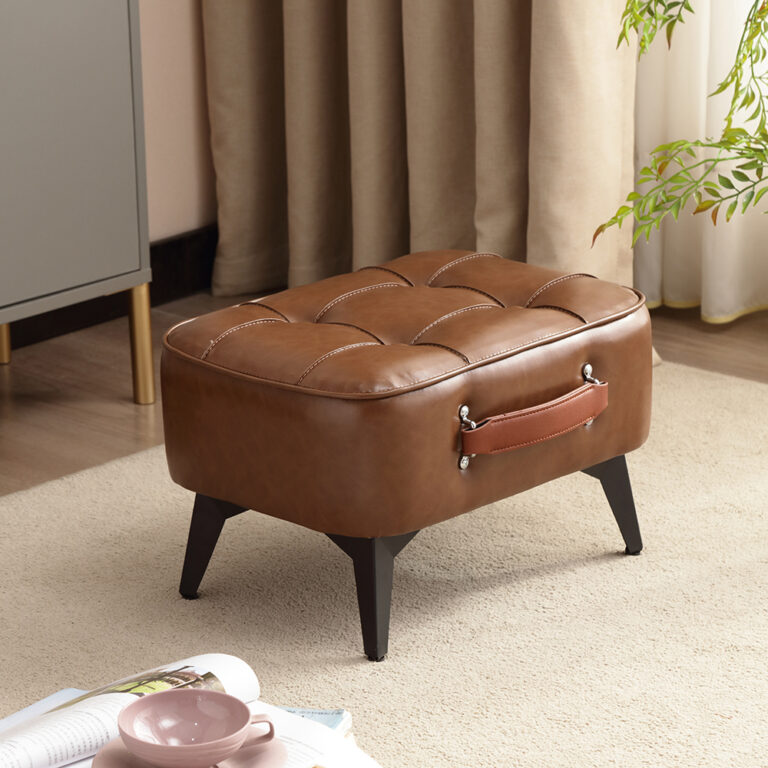
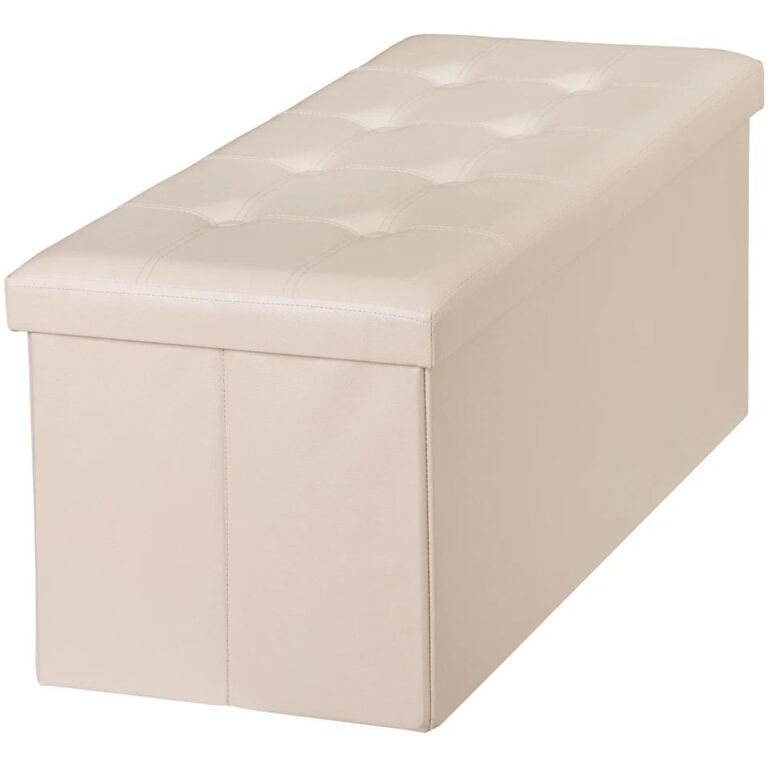 Aisha's pickLarge Leather Ottomans Without the Silly Price Tag
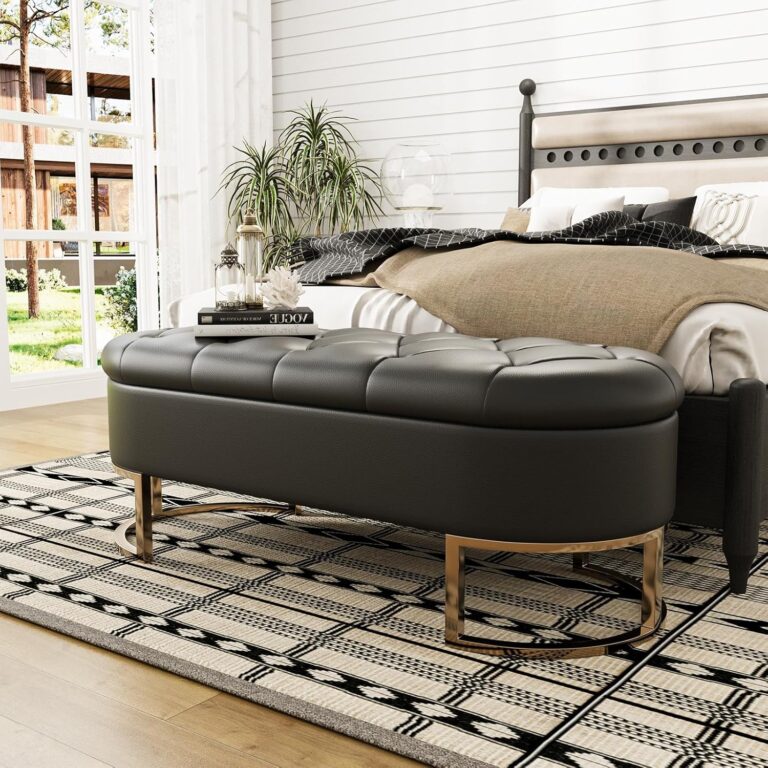
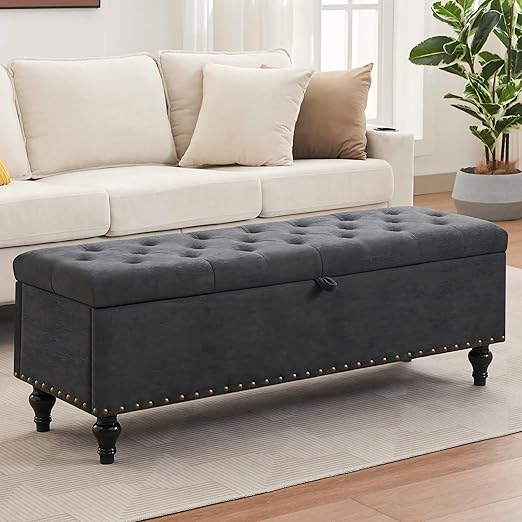 Aisha's pickLarge Ottomans That Are Easy to Keep Clean