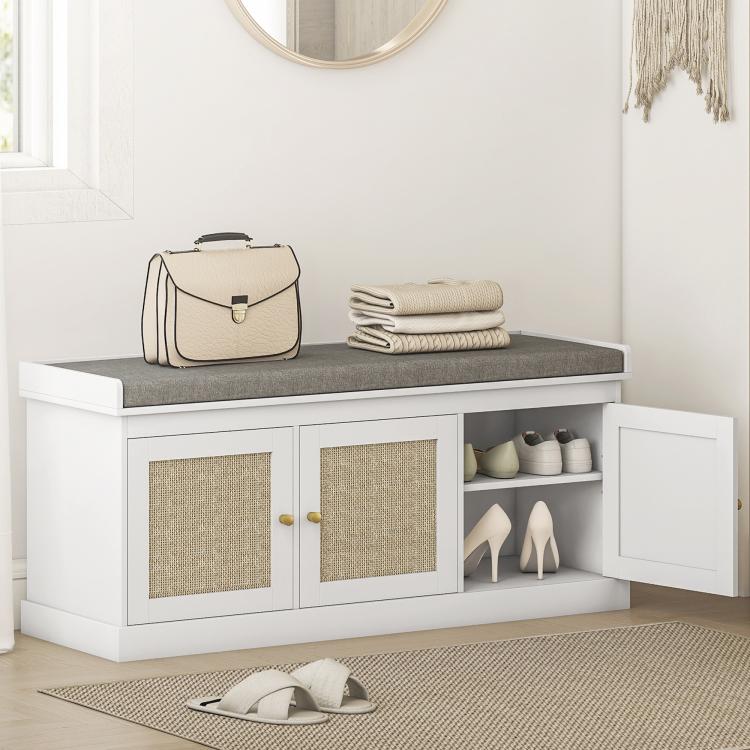
My first bench was a flat pack thing I grabbed for the entryway, pine veneer over particleboard, and within a year the legs had splayed just enough that it rocked on the hardwood. The lesson wasn't about wood at all. It was that a bench holds more weight, more often, in more awkward positions, than almost anything else you own, and cheap construction shows that fast.
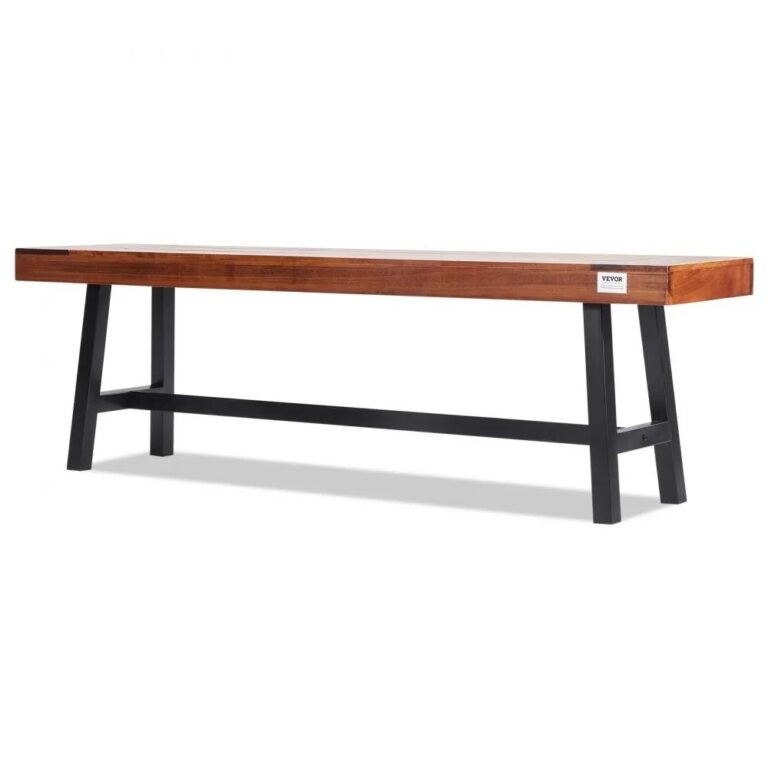
What separates a good bench from a bad one comes down to how it's actually put together underneath, where you can't see it until you're sitting on it wrong. Solid wood or a proper hardwood plywood holds up to being climbed on by a kid pulling on boots, sat on sideways, used as a shelf for mail and bags and whatever didn't make it upstairs. Look at the joints. Mortise and tenon or dowel joinery that's glued and sometimes pinned will outlast anything held together with cam locks and hope. Run your hand along the underside if you can, a bench with a proper apron or stretcher bar between the legs isn't going to wobble the way one without bracing will after six months of real use. Finish matters more than people expect too, a bench near a door takes salt, mud, wet umbrellas, and a finish that's just stained and not sealed will water spot and dull within a season.
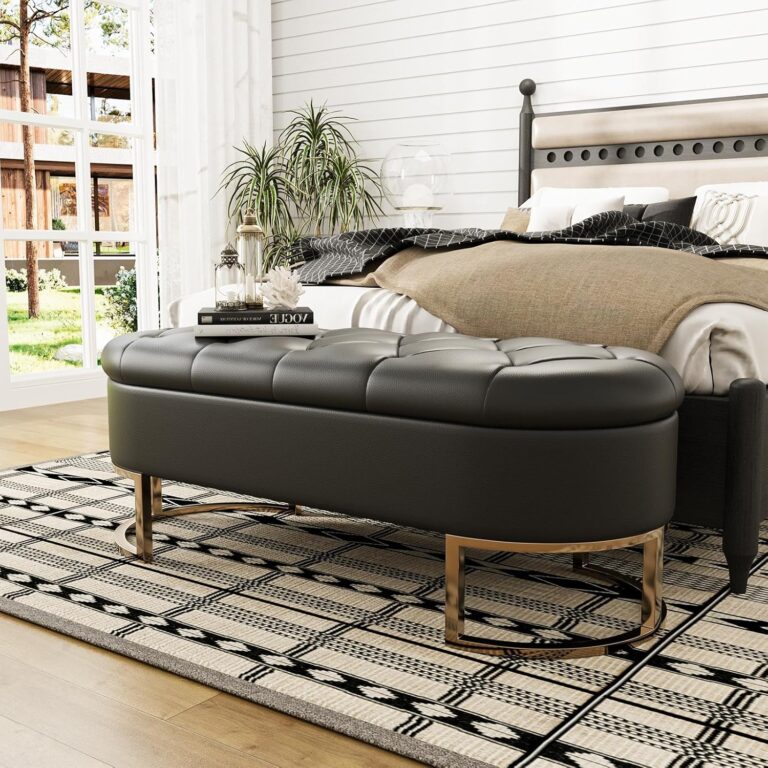
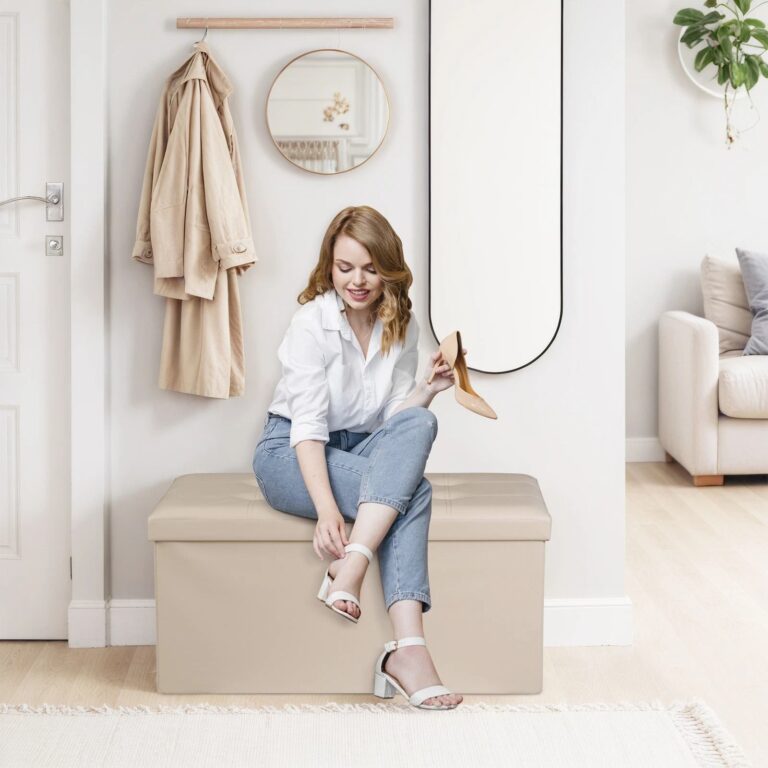
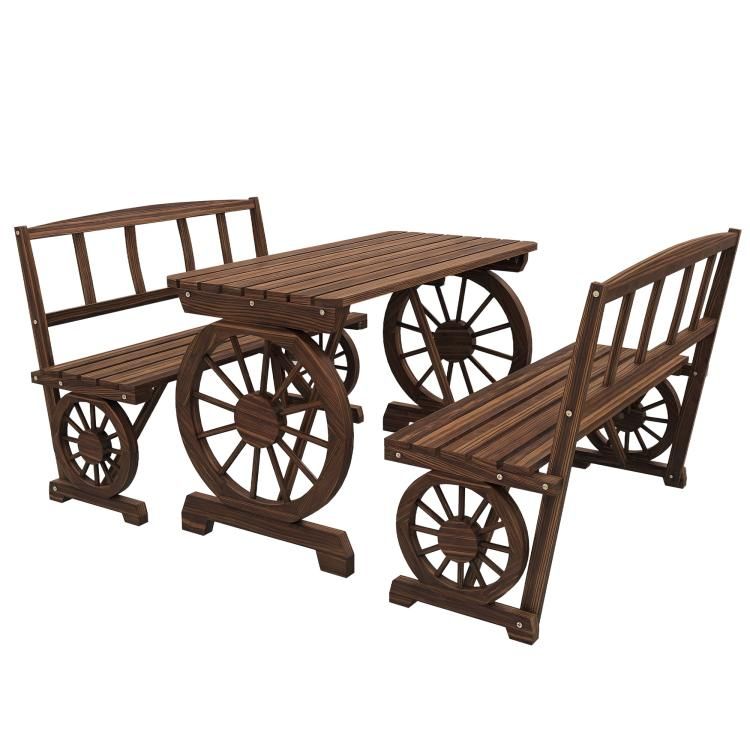
In an ordinary room, a bench does something a lot of furniture can't, it fills a gap without closing it off. At the foot of a bed it gives you somewhere to land that isn't the duvet. By a window it catches afternoon light in a way a chair in the same spot would just block. In an entry it's the thing standing between you and a floor covered in shoes, especially once the clocks change and everyone's tracking in half the yard. Against a dining wall it pulls in two more seats without needing two more chairs crowding the table. It's one of the few pieces that looks intentional whether a room is finished or still half boxes.
If you're starting with nothing, go for a simple solid wood bench in a plain shape before anything upholstered or trend driven, something with four straight legs and a stretcher underneath that you could picture in an entryway, a bedroom, or at a table, because you'll probably move it between all three before you're done furnishing the house. The one mistake worth avoiding is buying on length before you've measured the actual spot it needs to fit, benches look smaller in photos than they are in a hallway, and an extra six inches means it either blocks a door or never gets wiped down right under the end.
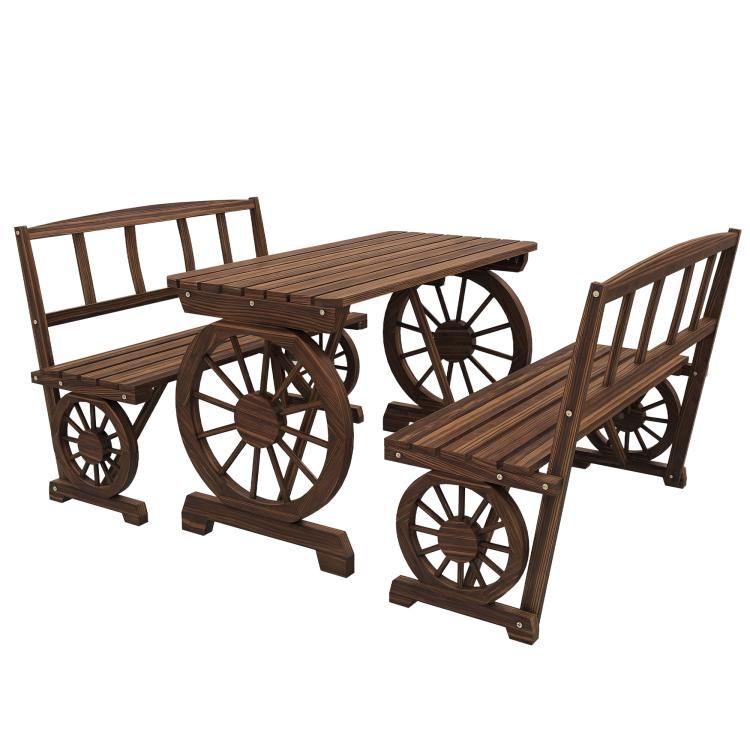
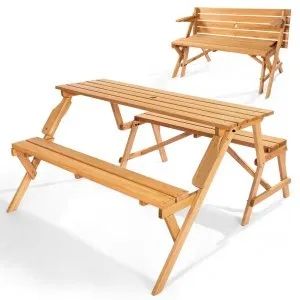 Aisha's pickBenches for Dining Table You Won’t Regret Buying
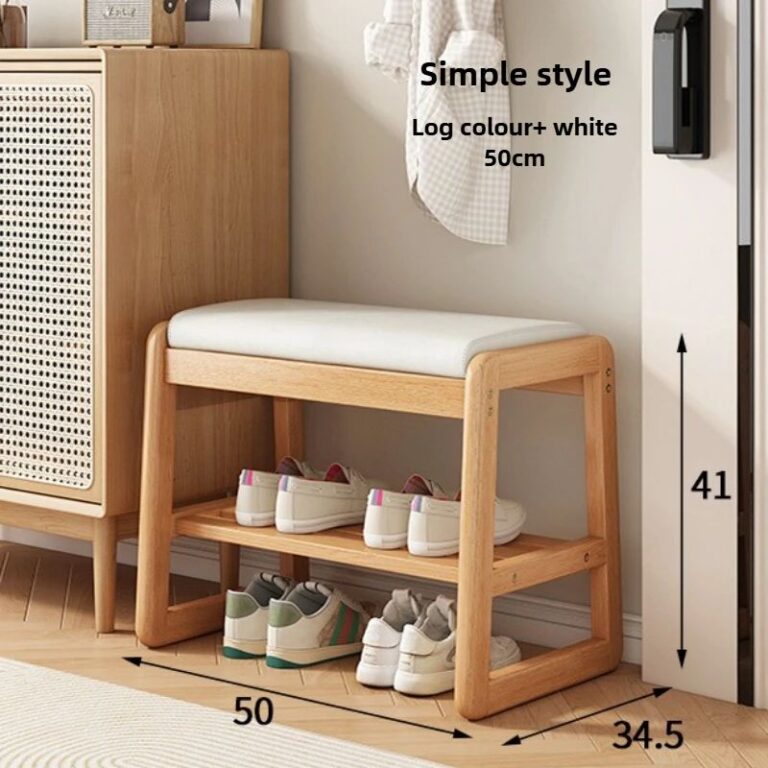 Aisha's pickShoe Benches with Seat We’d Buy Again
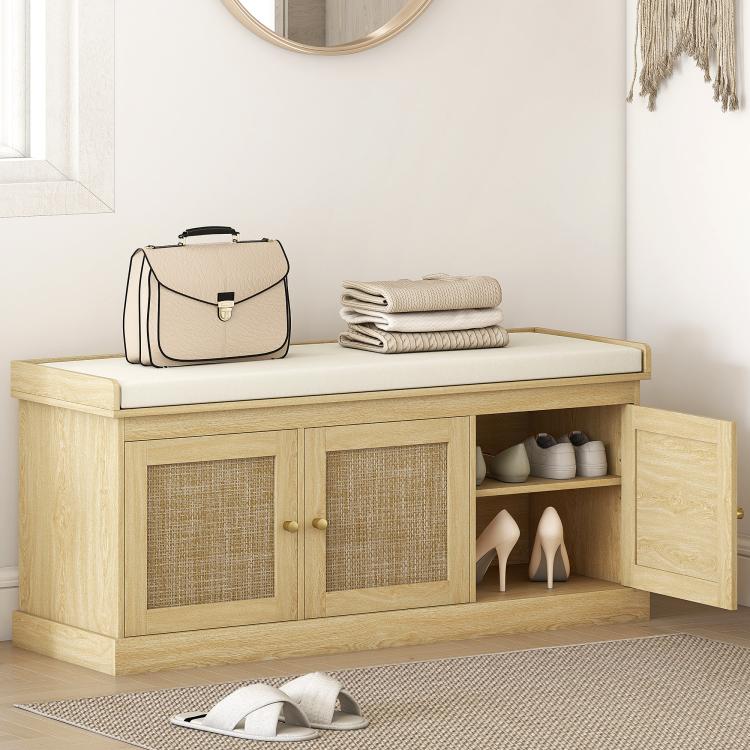
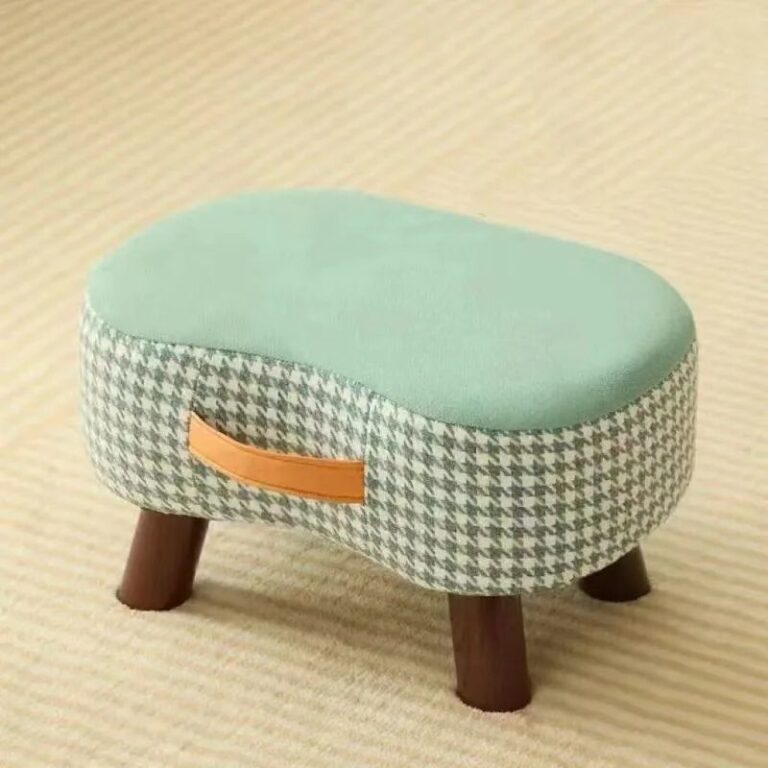 Aisha's pickCorner Benches With a Bit More About Them
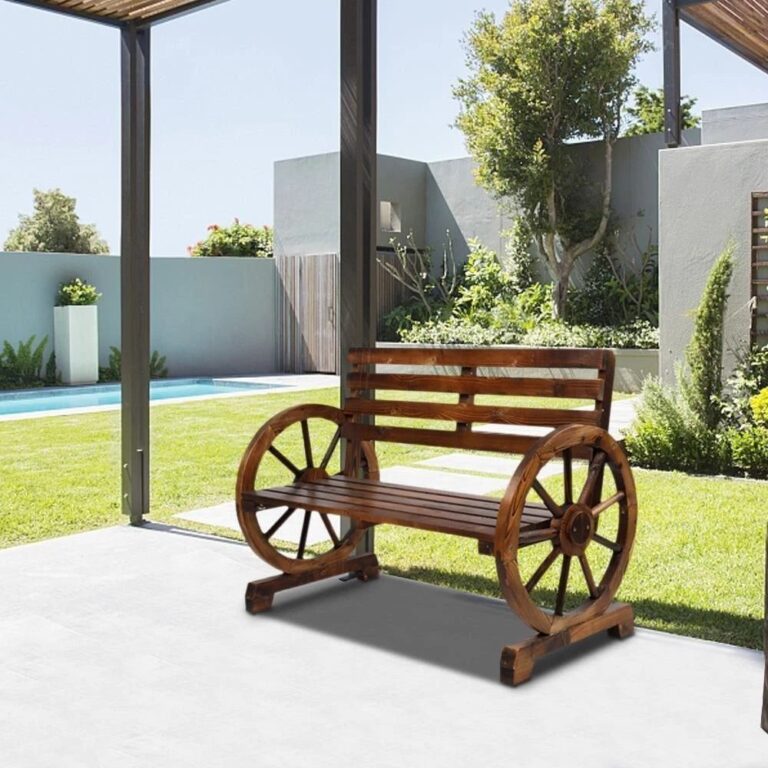
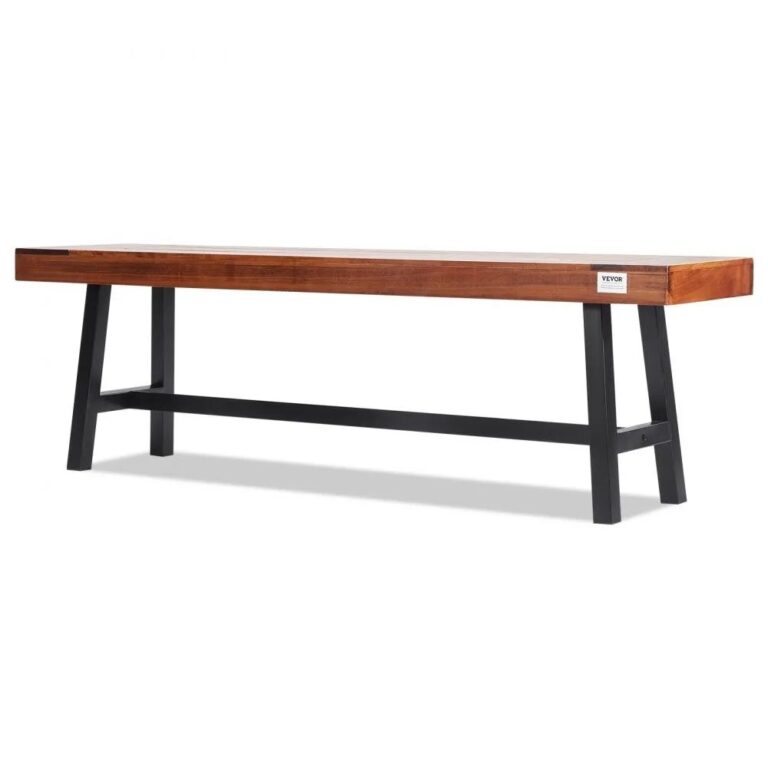 Aisha's pickSolid Wood Dining Benches That Work in Old Houses and New Ones
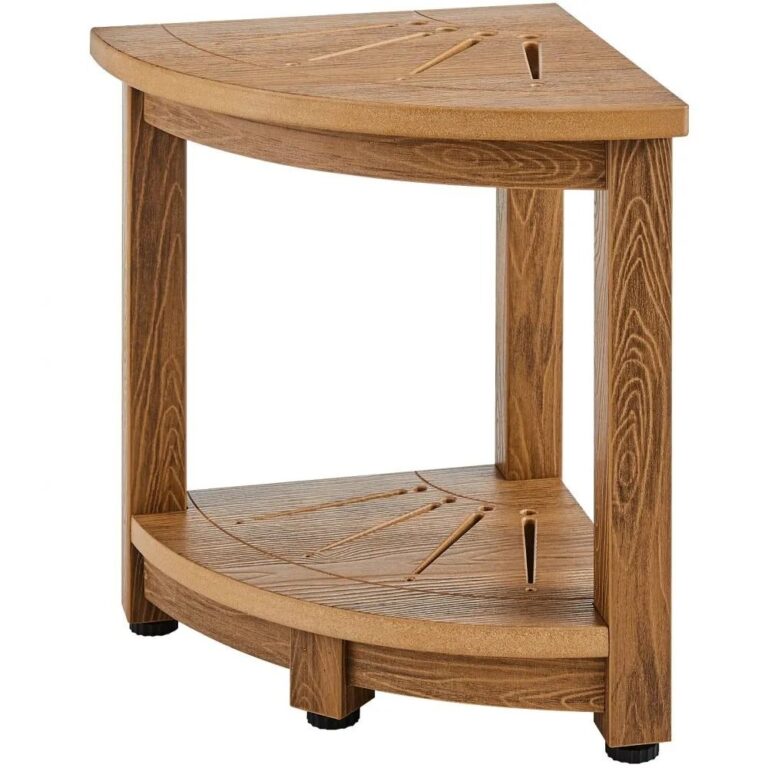 Aisha's pickCorner Benches with Storage You’ll Keep for Years
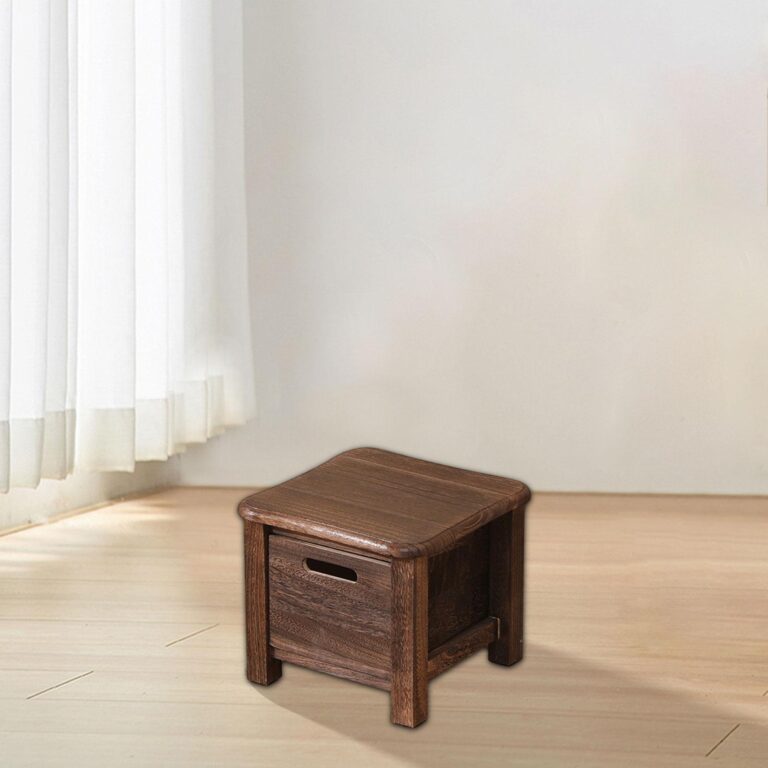 Aisha's pickSolid Wood Hallway Benches That Look Better in Real Life
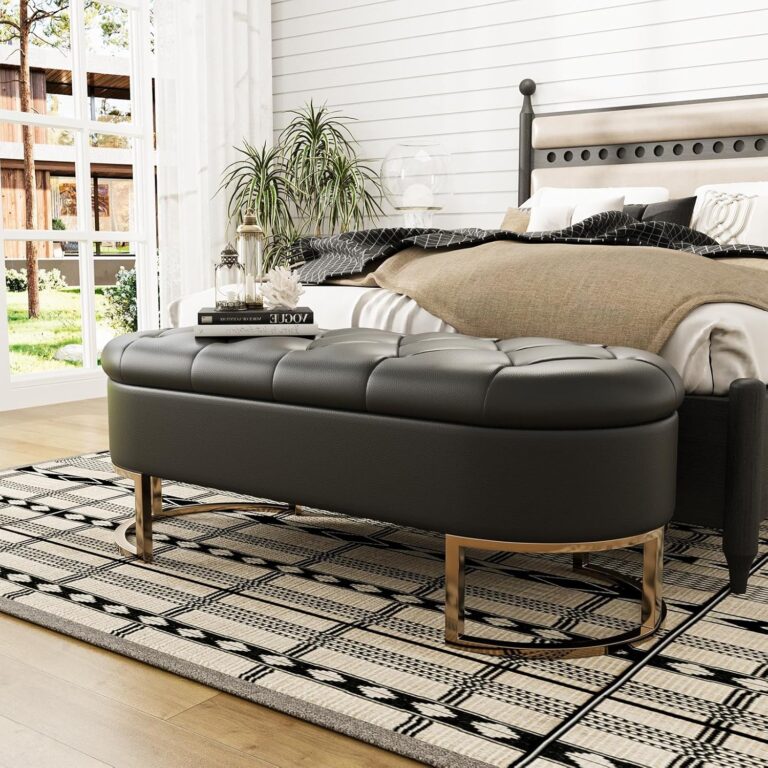
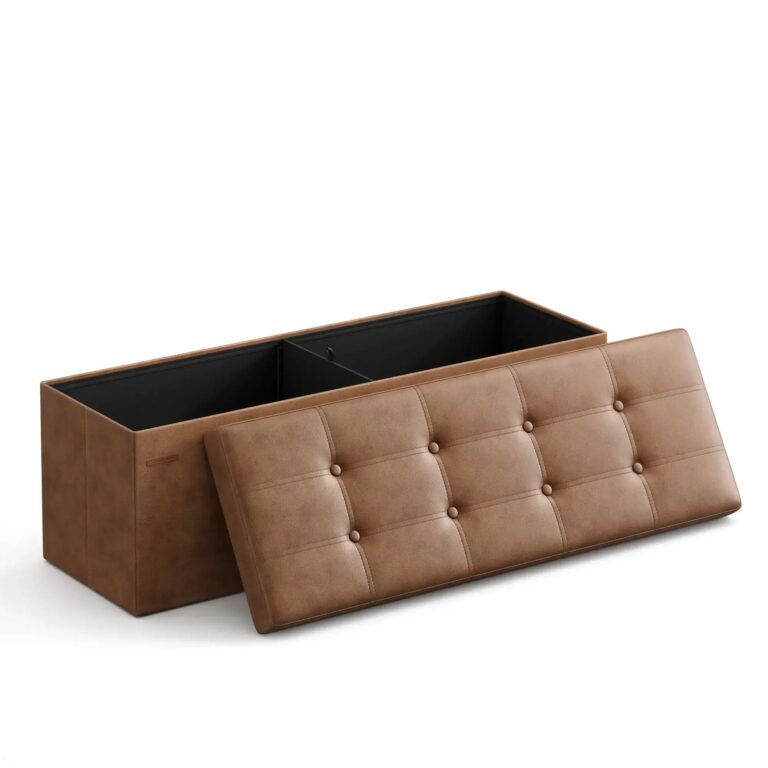 Aisha's pickDining Benches for Long Dinners With Friends
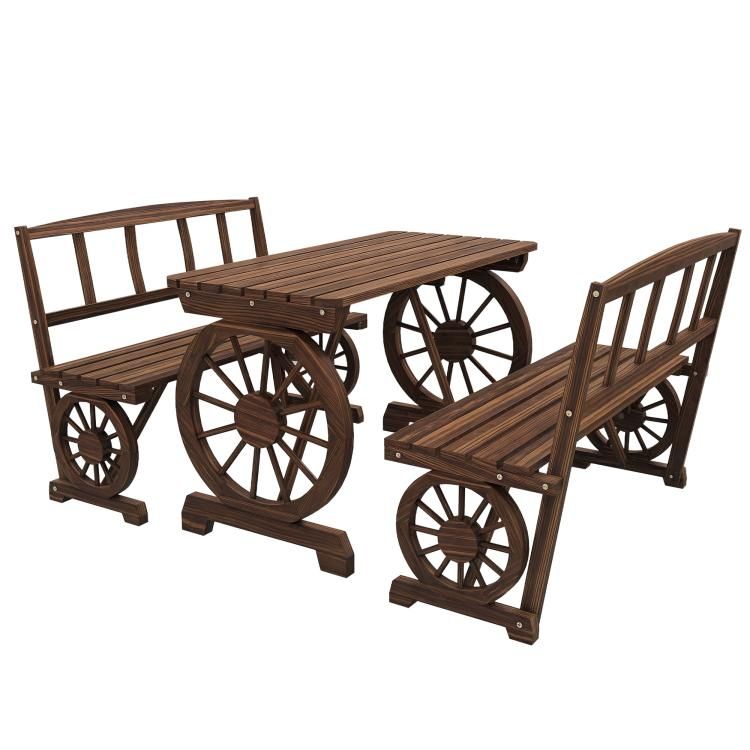
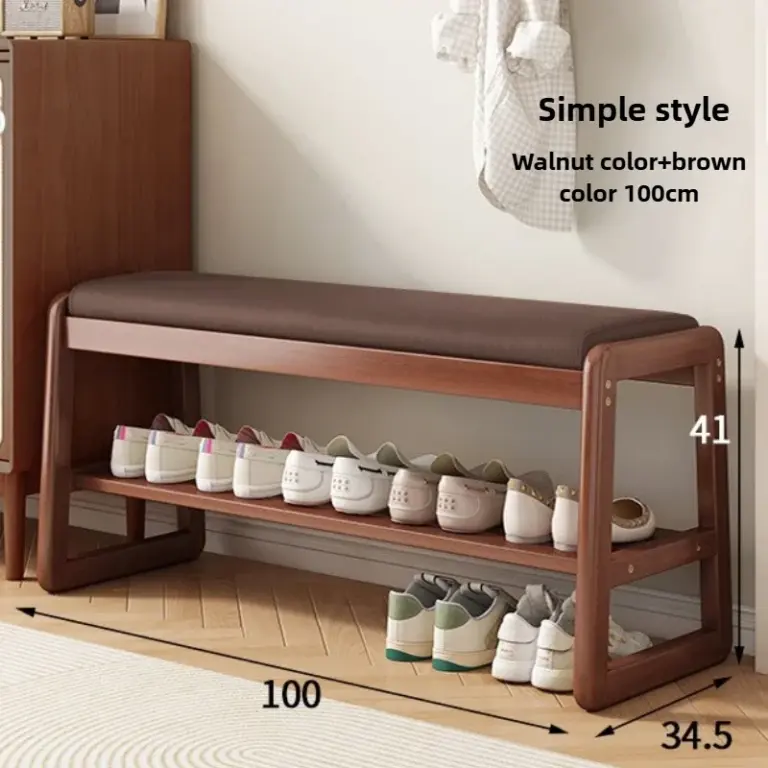 Aisha's pickSolid Wood Shoe Benches for Narrow Hallways
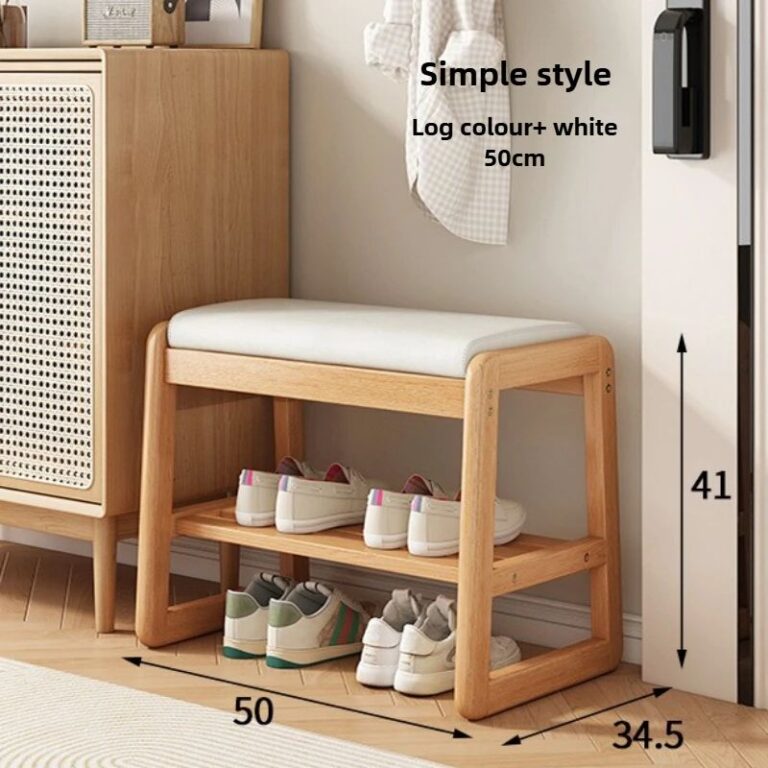
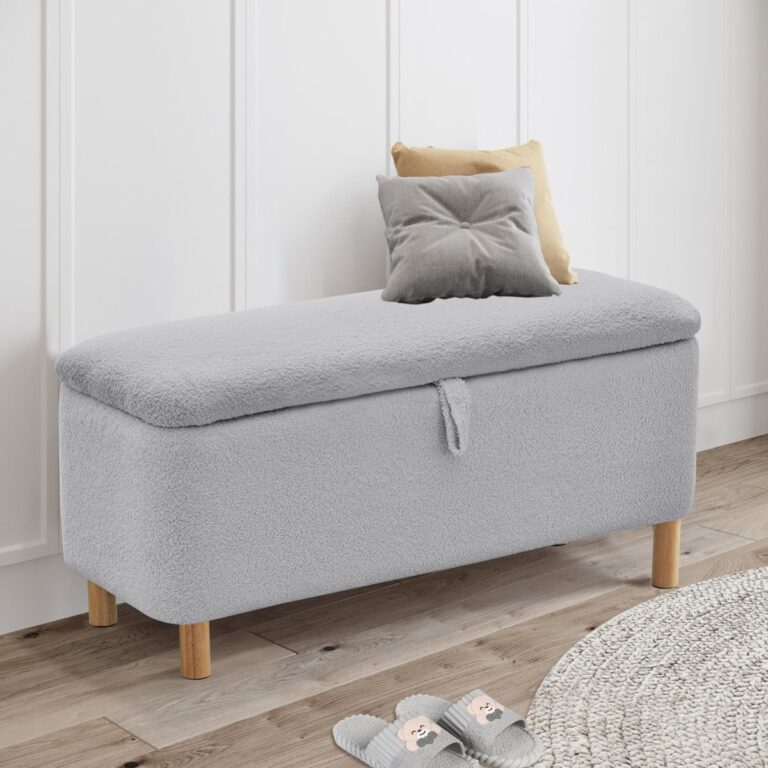 Aisha's pickEnd of Bed Benches Comfy Enough for a Movie NightAlso worth a lookFootrestsThe thing nobody mentions about footrests is that the height matters more than the look, and you won't…See the collections →
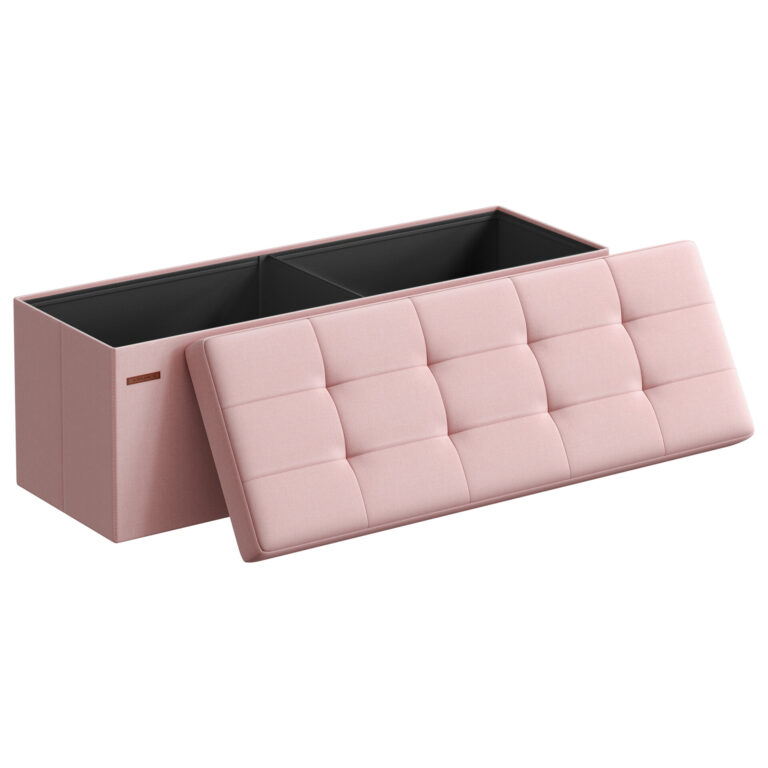
 Aisha's pickTree Benches Picked From the Stores We Trust
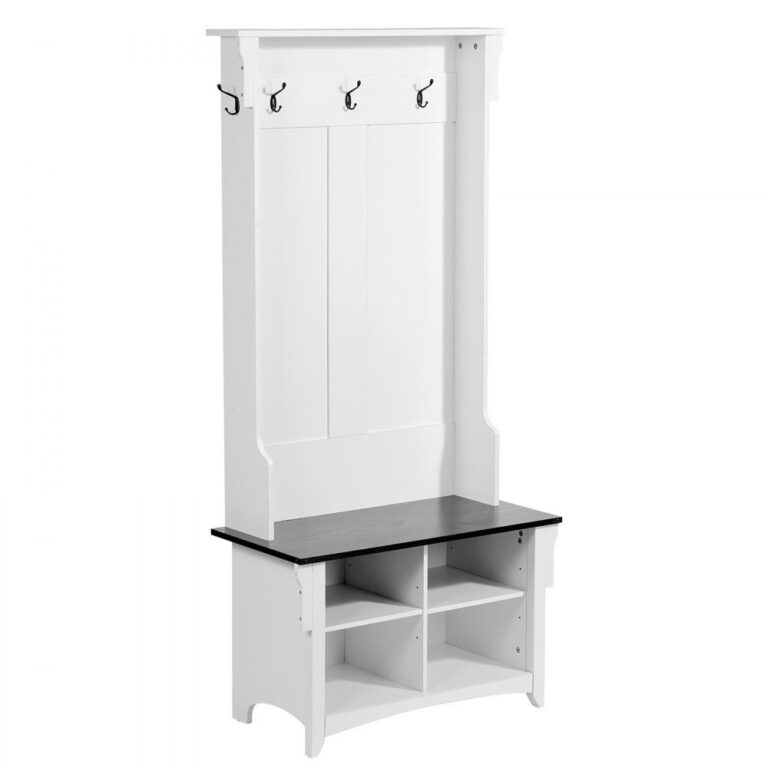
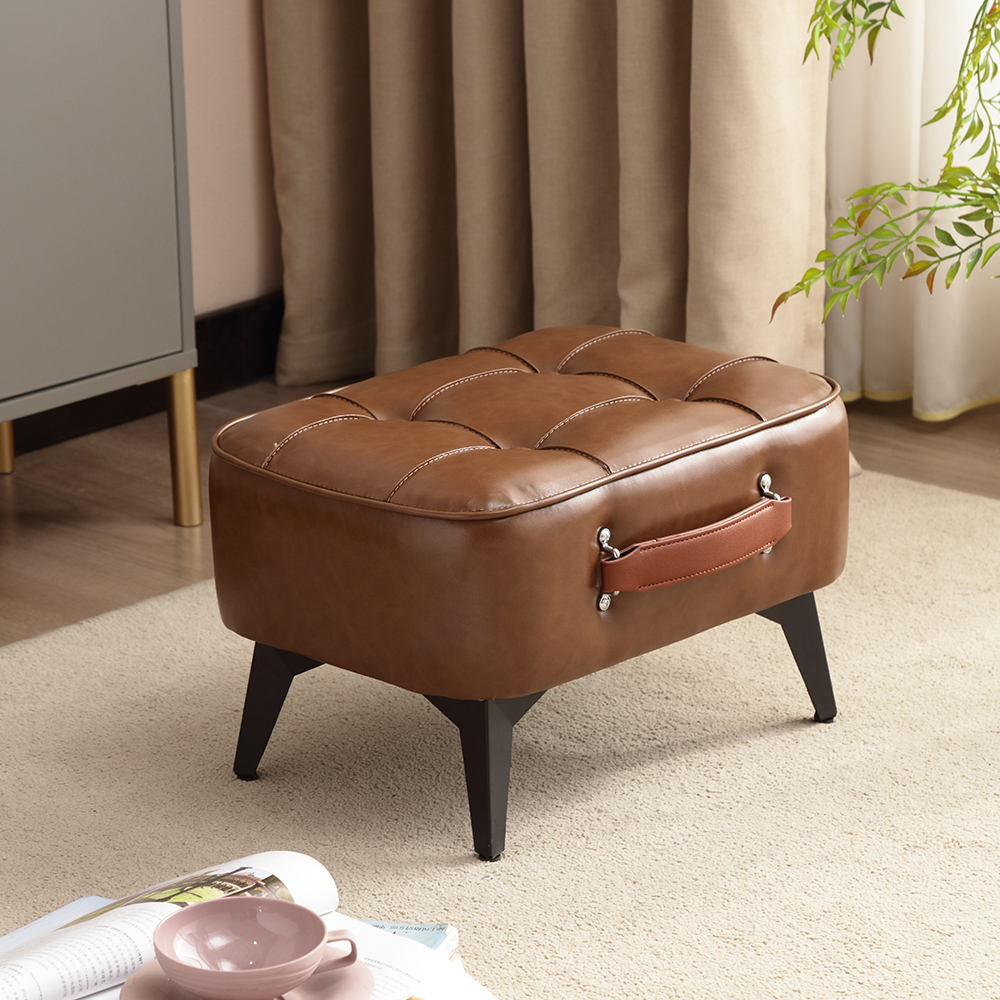 Aisha's pickEntryway Benches the Cat Will Claim Within a Day
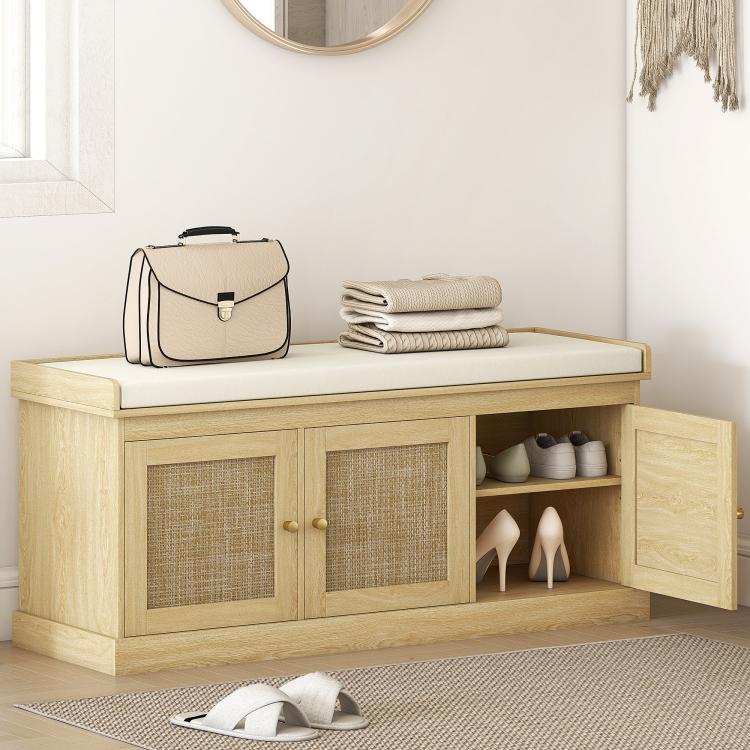
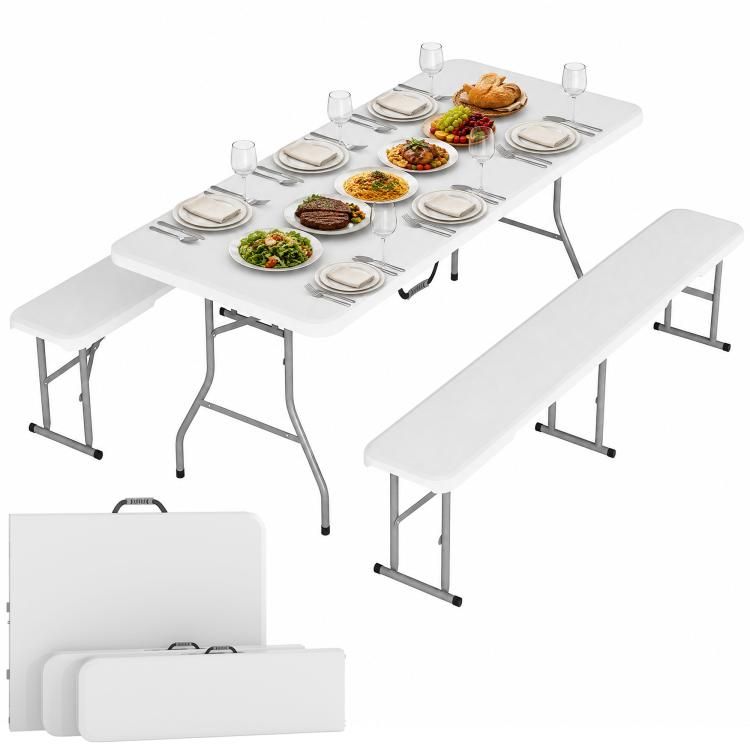 Aisha's pickWhite Benches for Dining Table Comfy Enough for a Movie Night
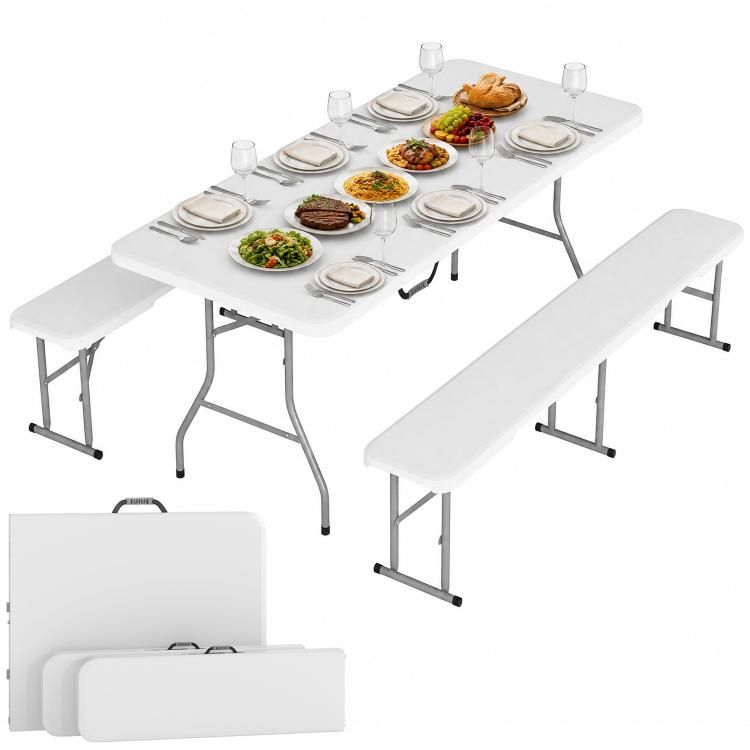
 Aisha's pickHallway Benches You’ll Sink Into at the End of the Day
 Aisha's pickWood Dining Benches That Work in Old Houses and New Ones
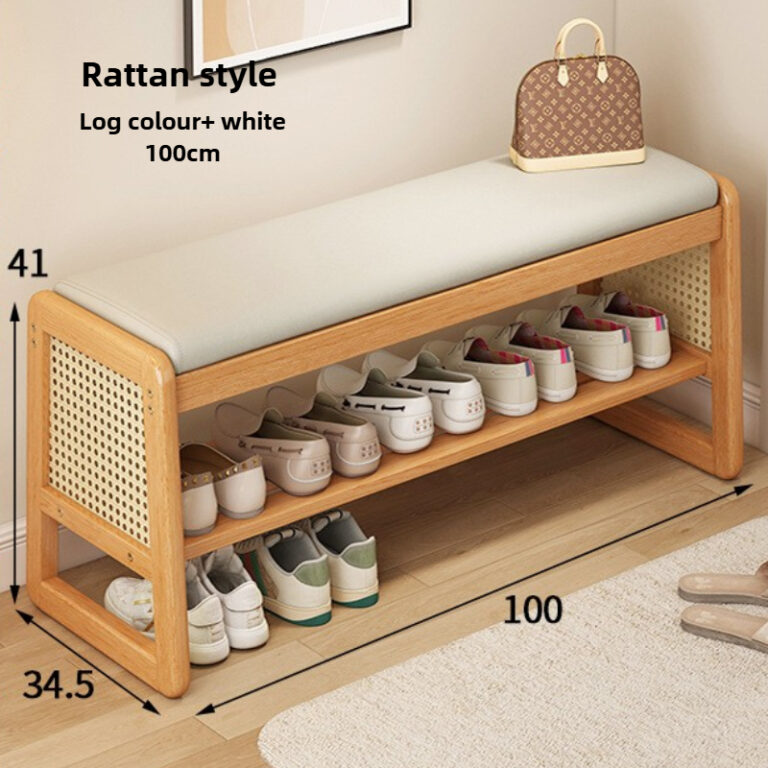 Aisha's pickHallway Benches with Shoe Storage That Make a Good First Impression
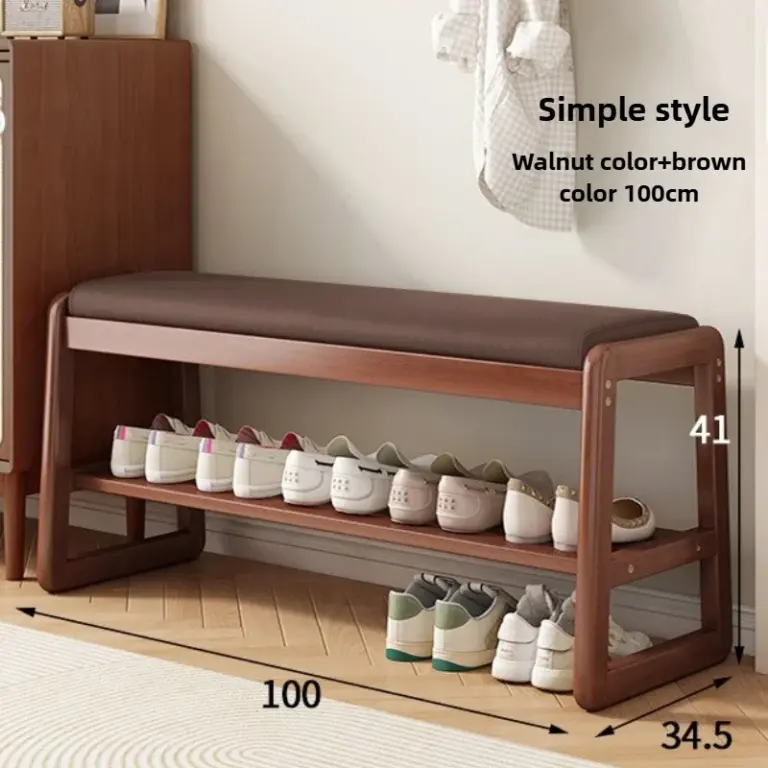
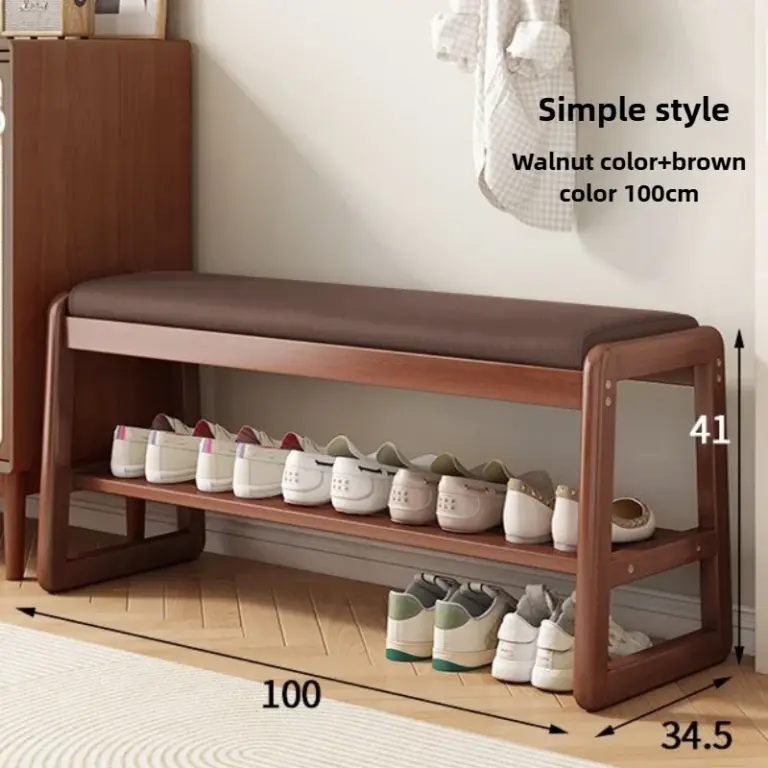 Aisha's pickWood Hallway Benches We’d Happily Nap On
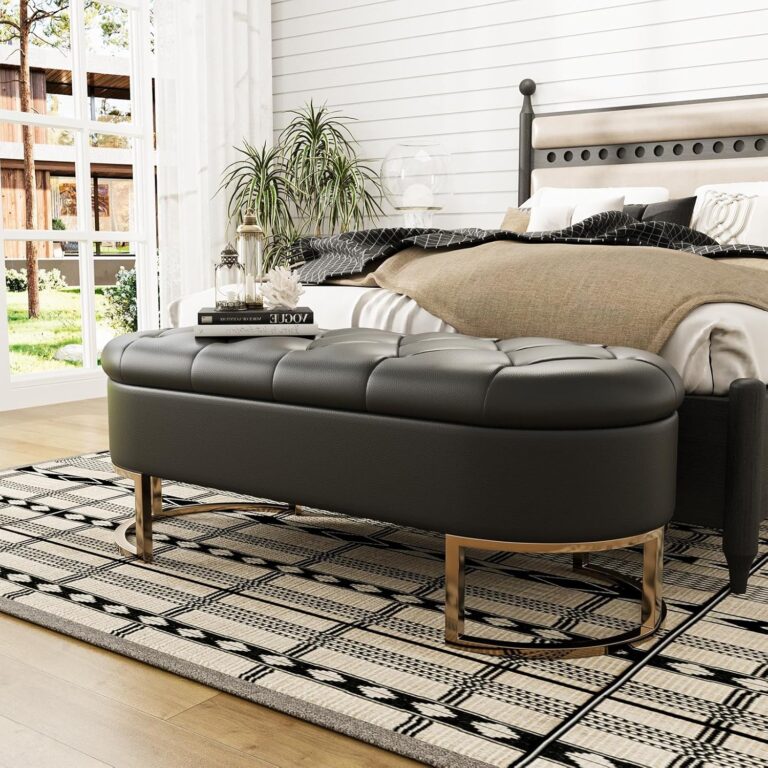
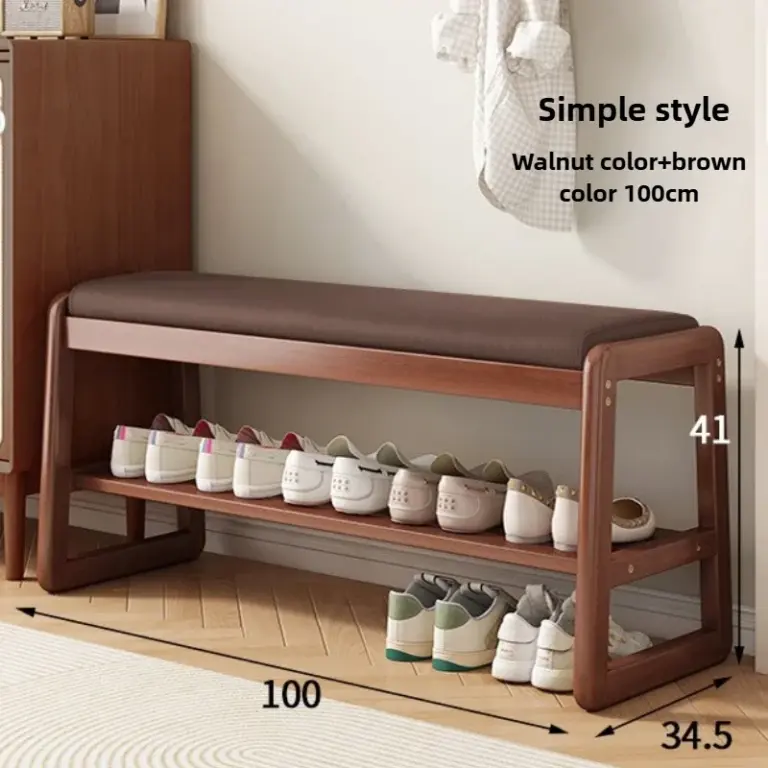 Aisha's pickHallway Benches with Storage That Hold Up to Everyday Life
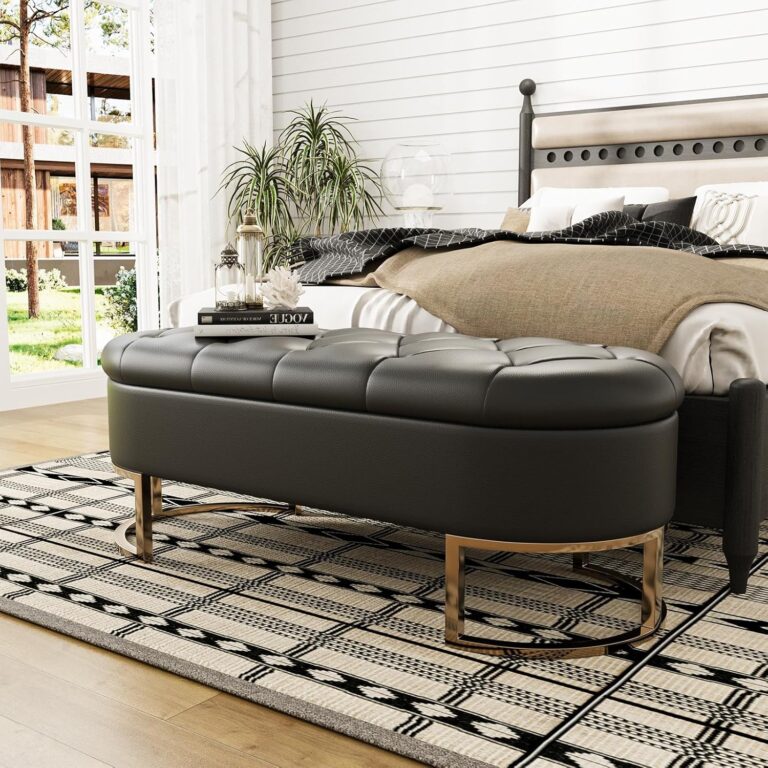
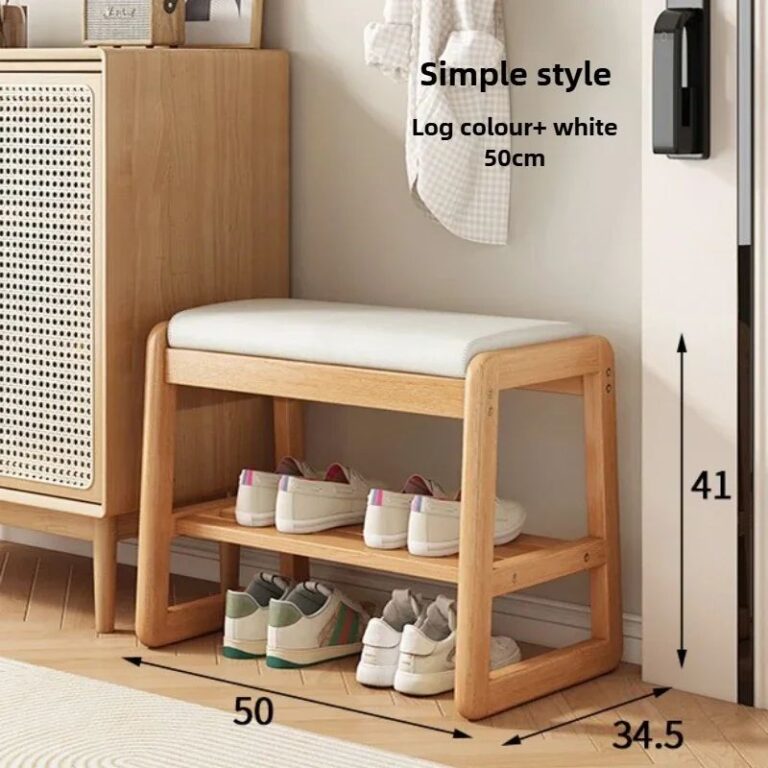 Aisha's pickWood Shoe Benches That Make a Good First ImpressionAlso worth a lookStorage BenchesThe first thing I do is lift the lid and check how it holds itself open.See the collections →
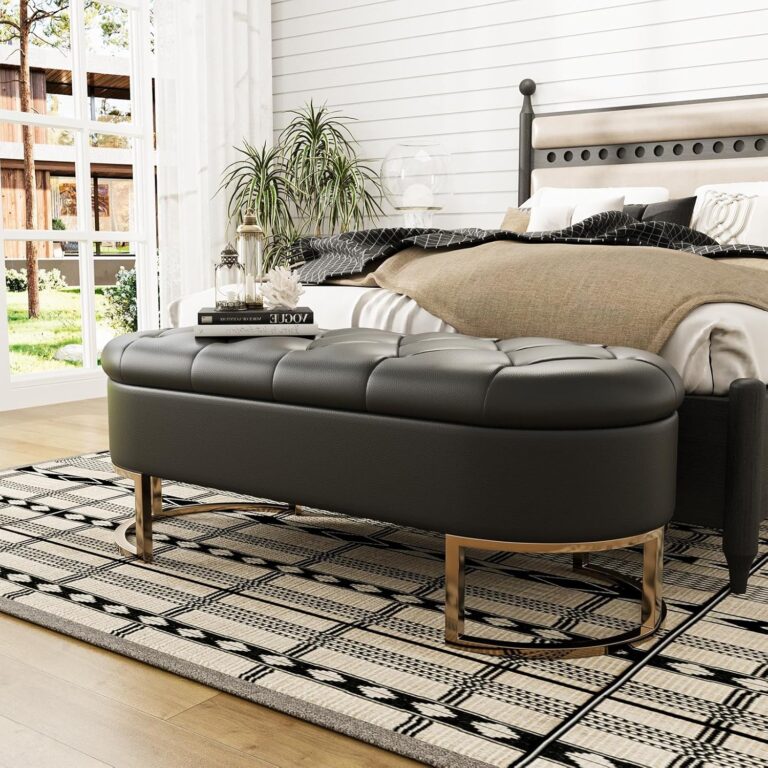
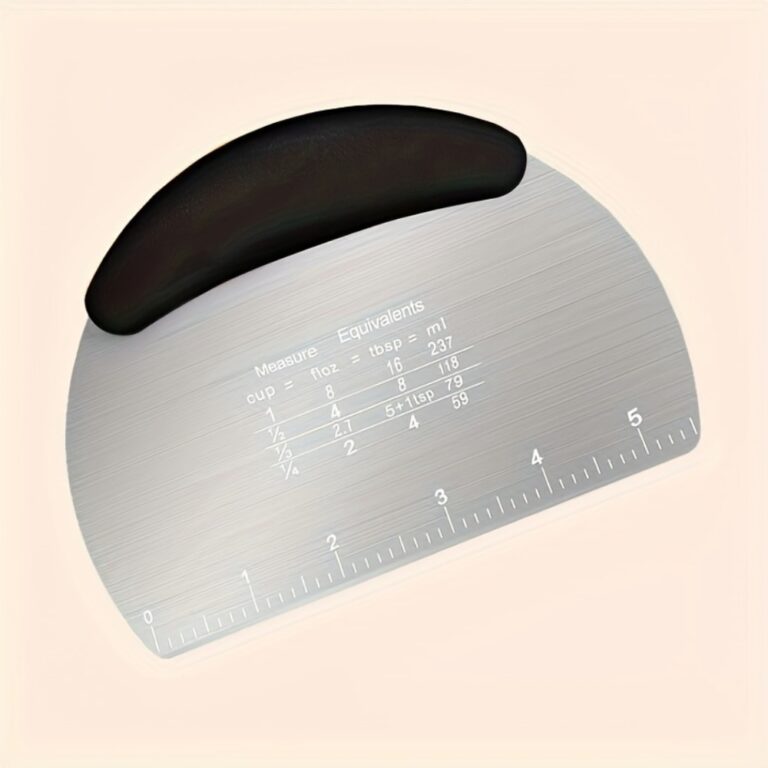 Aisha's pickKitchen Benches That Won’t Let You Down
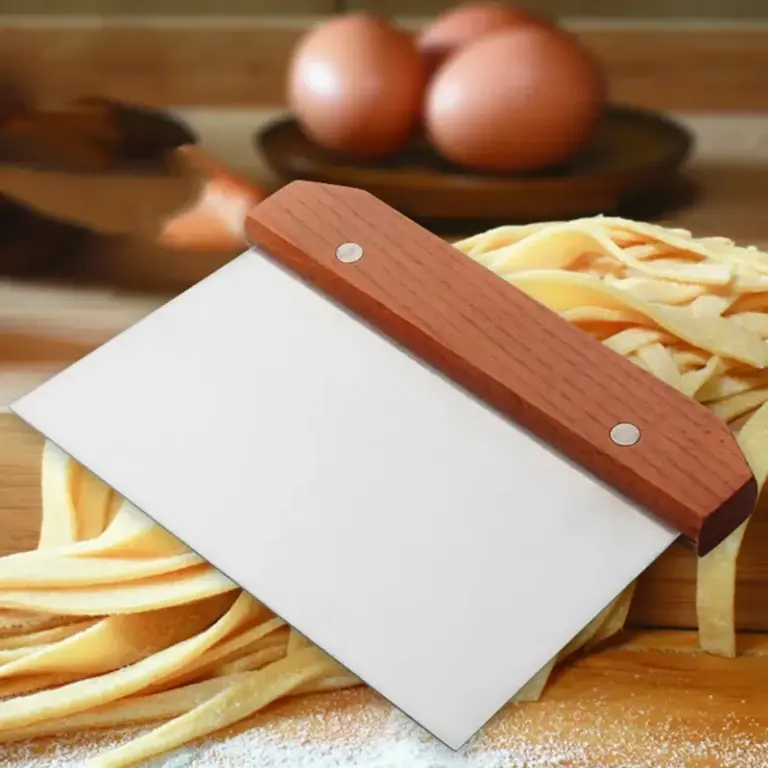
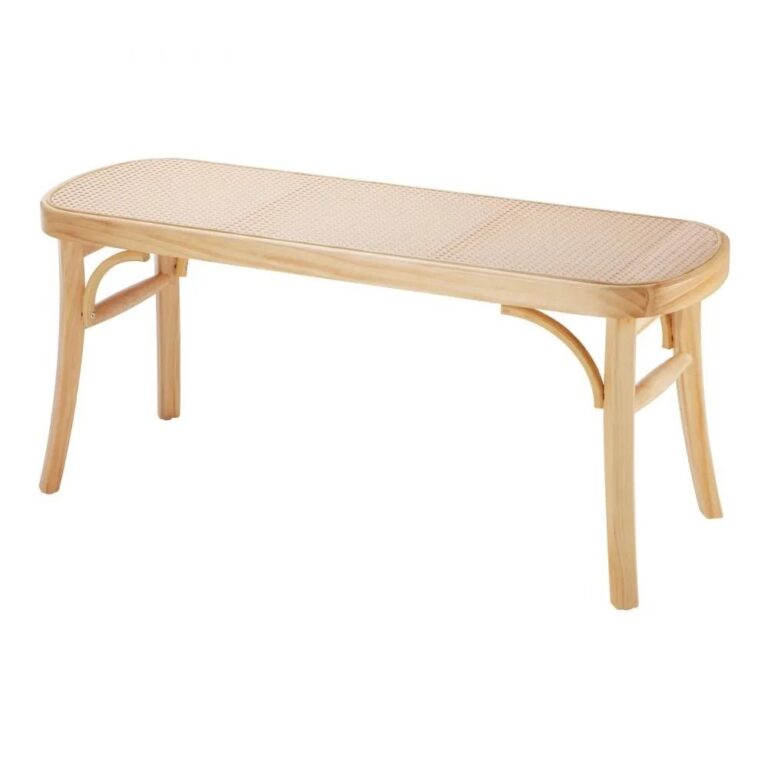 Aisha's pickWooden Dining Benches for Long Dinners With Friends
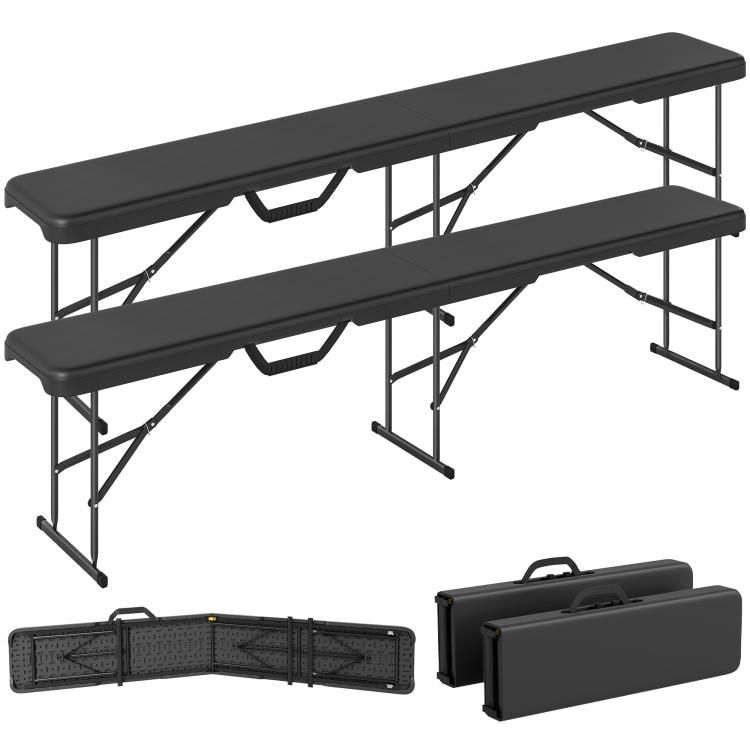 Aisha's pickMetal Dining Benches We’d Happily Nap On
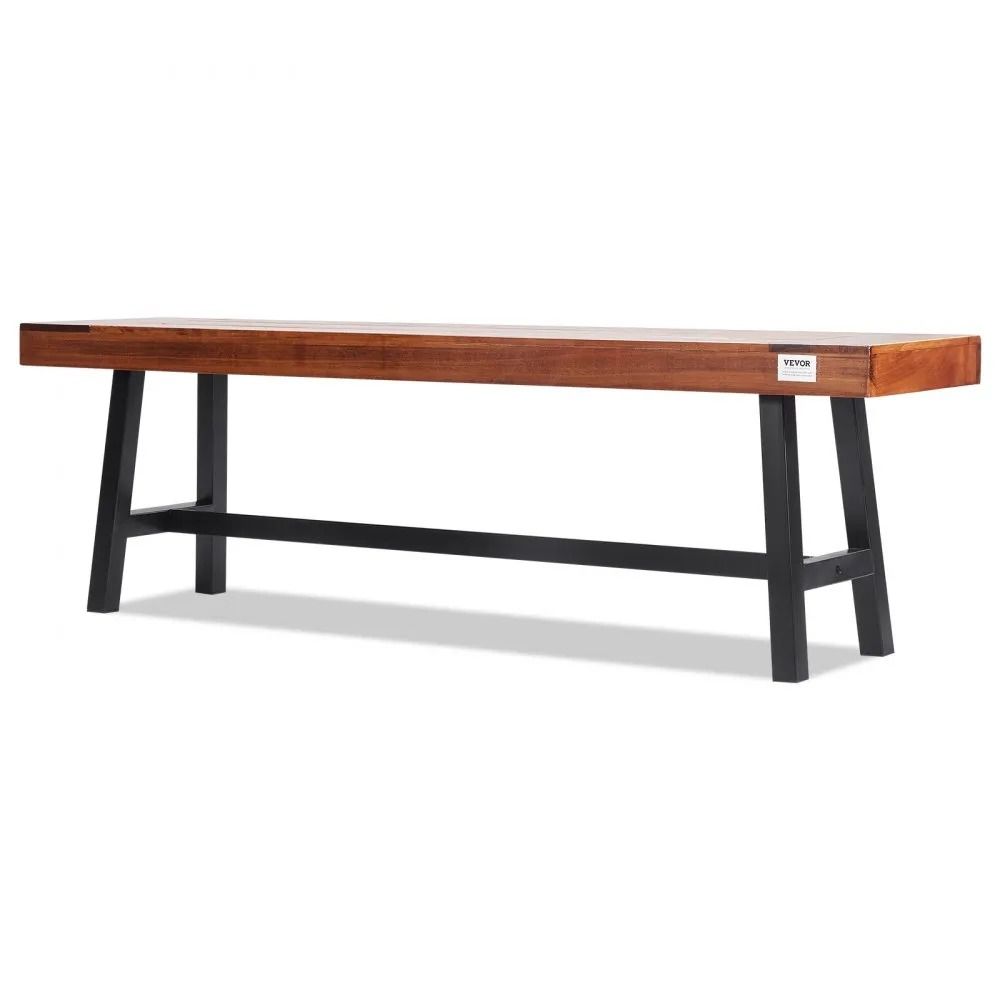
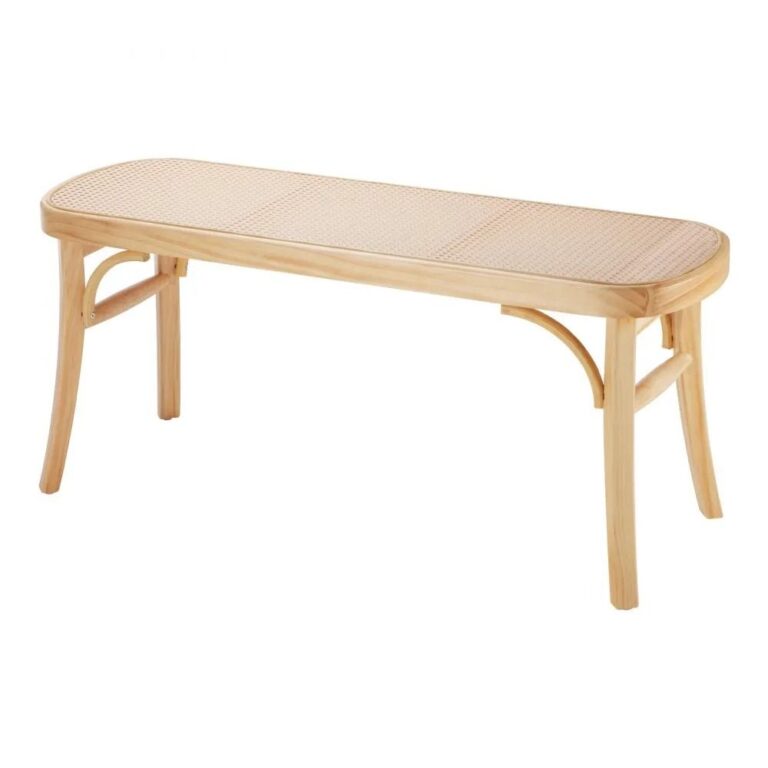 Aisha's pickNatural Dining Benches for Long Sunday Afternoons
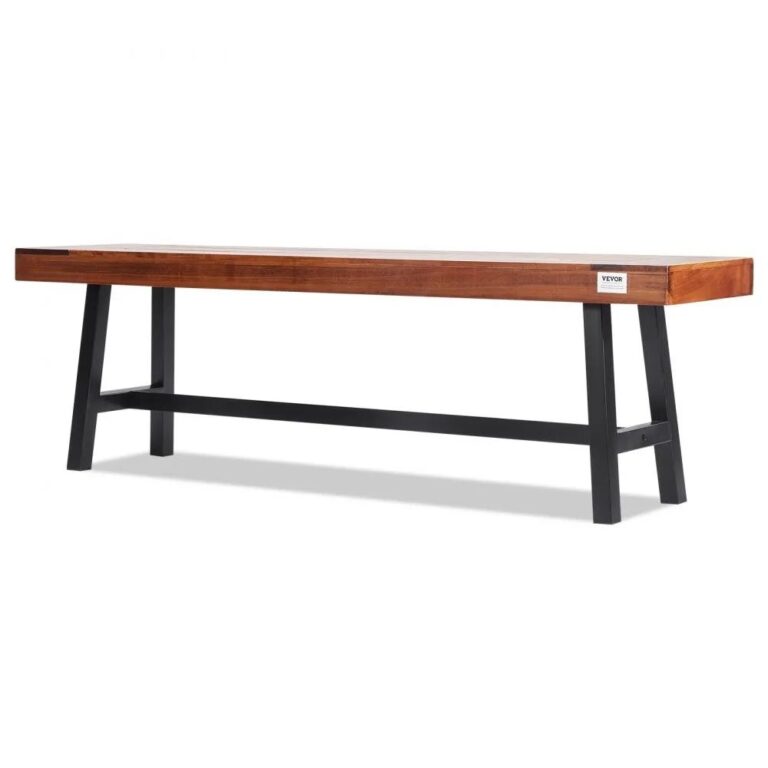
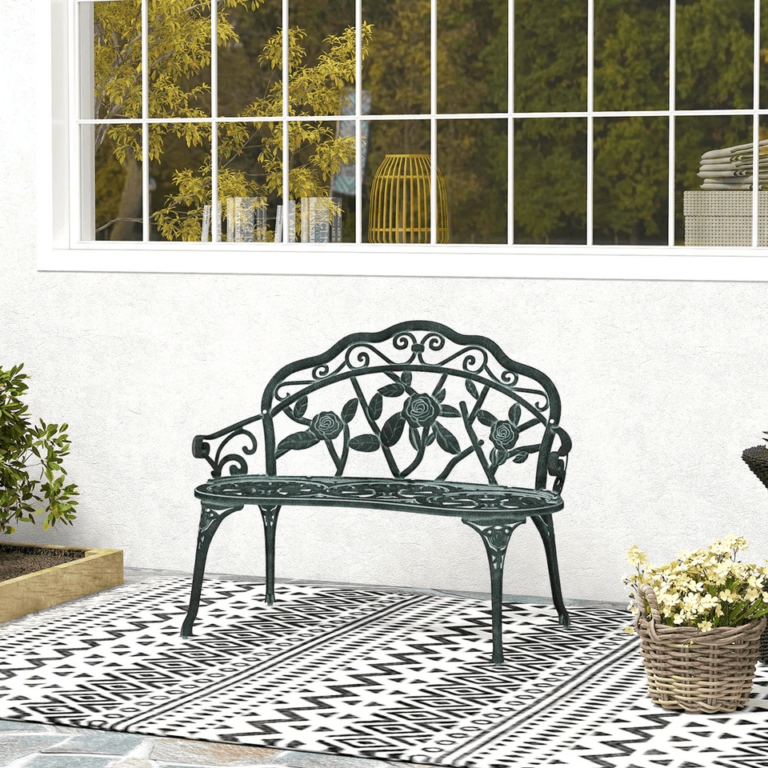
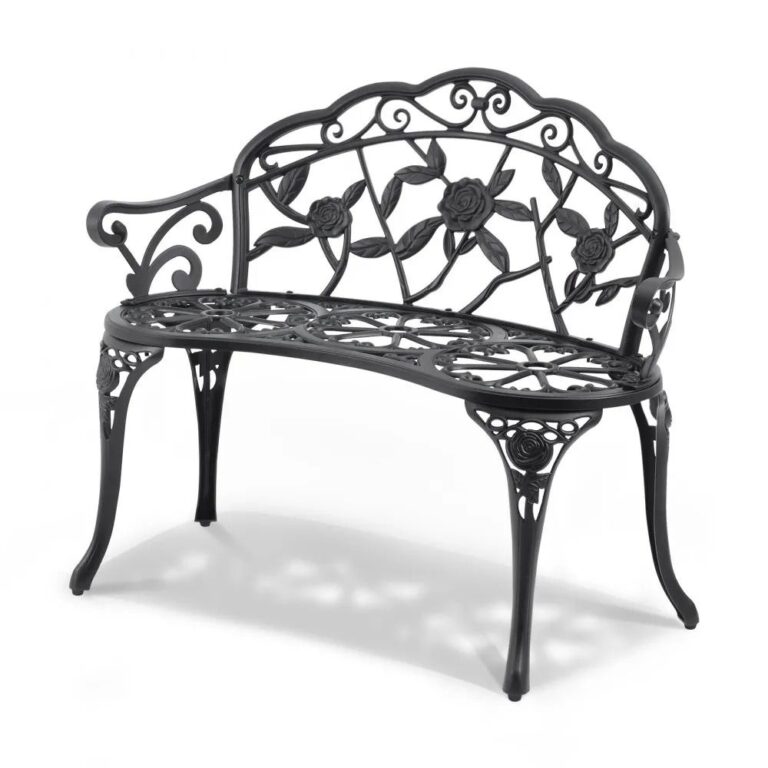 Aisha's pickNo Fuss Park Benches
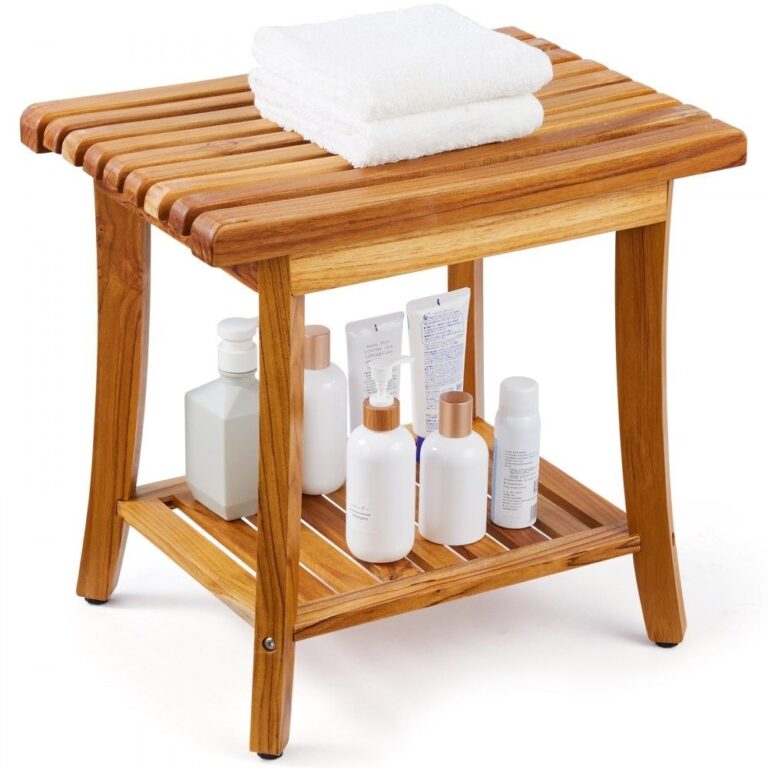
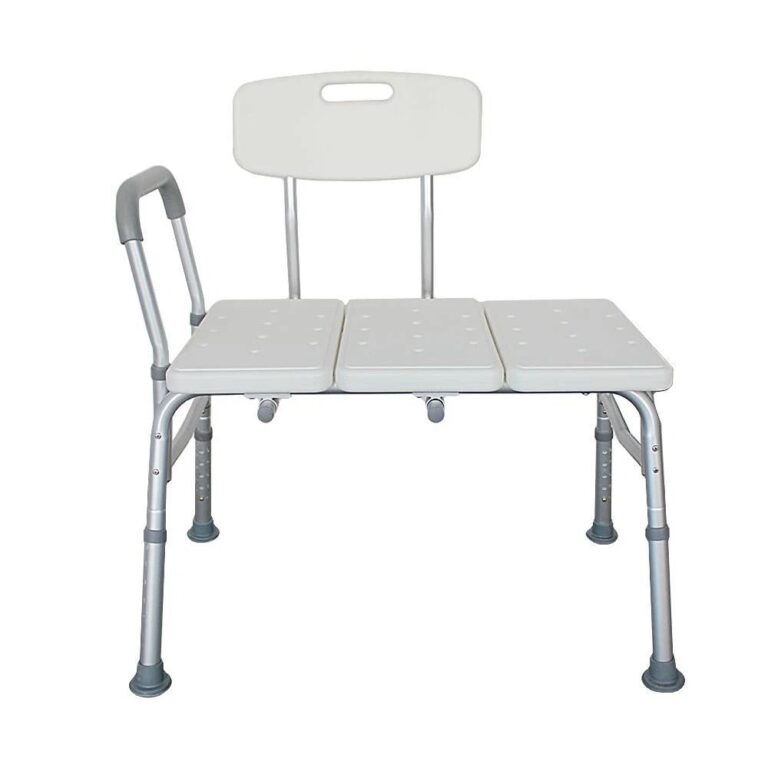 Aisha's pickBathroom Benches That Work in Old Houses and New Ones
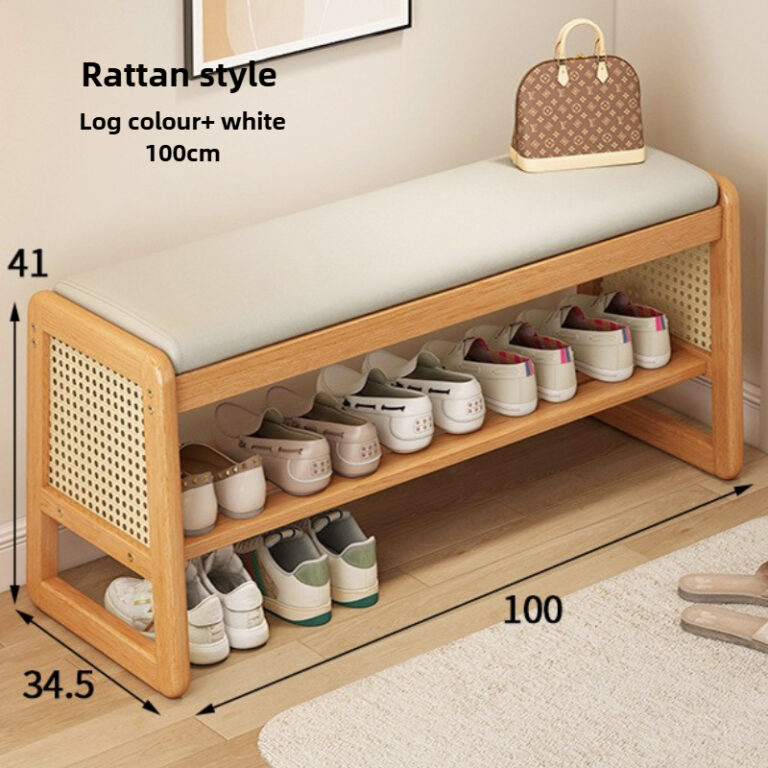 Aisha's pickShoe Benches That Make a Good First Impression
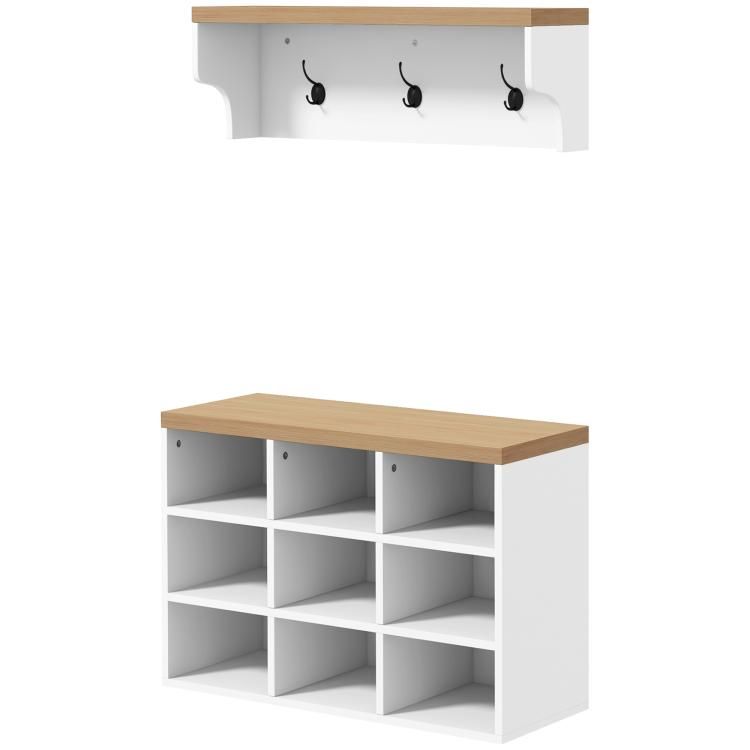
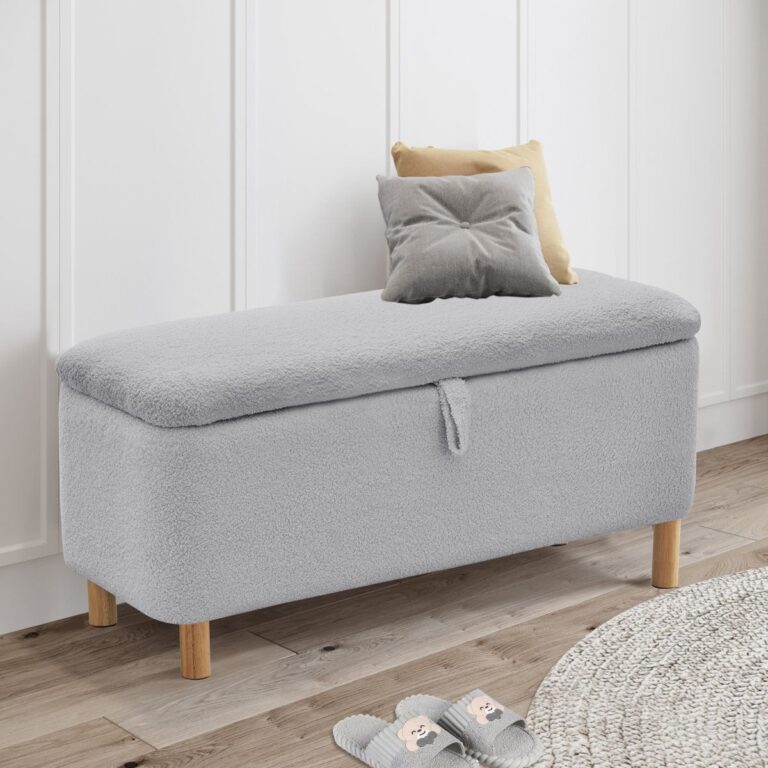 Aisha's pickBed End Benches That Don’t Shout About It
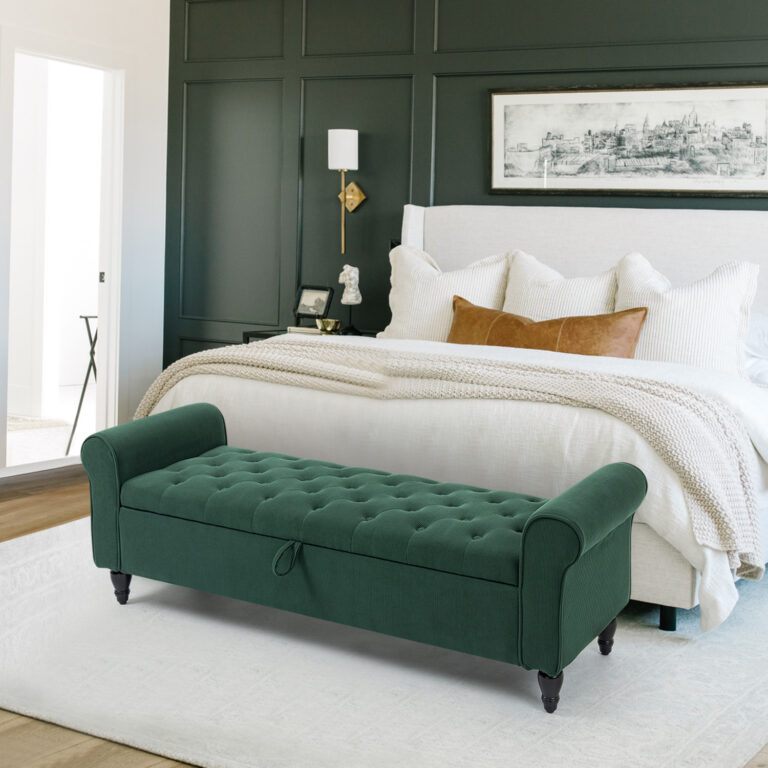
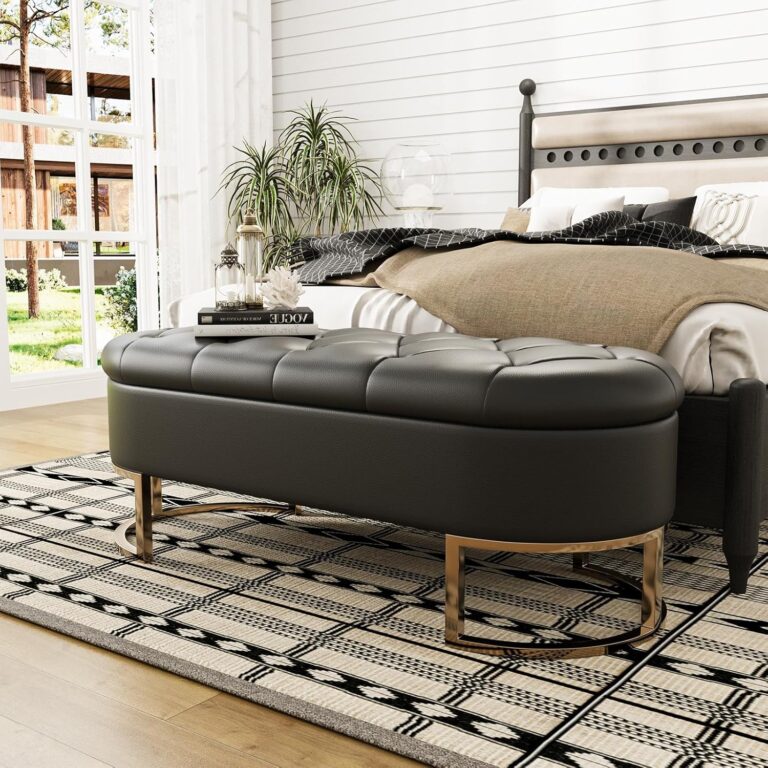 Aisha's pickShoe Benches for Hallway That Won’t Date in a YearAlso worth a lookModern StoolsI avoided modern stools for years because I kept picturing the ones with the chrome legs that wobble the second you lean on them wrong.See the collections →