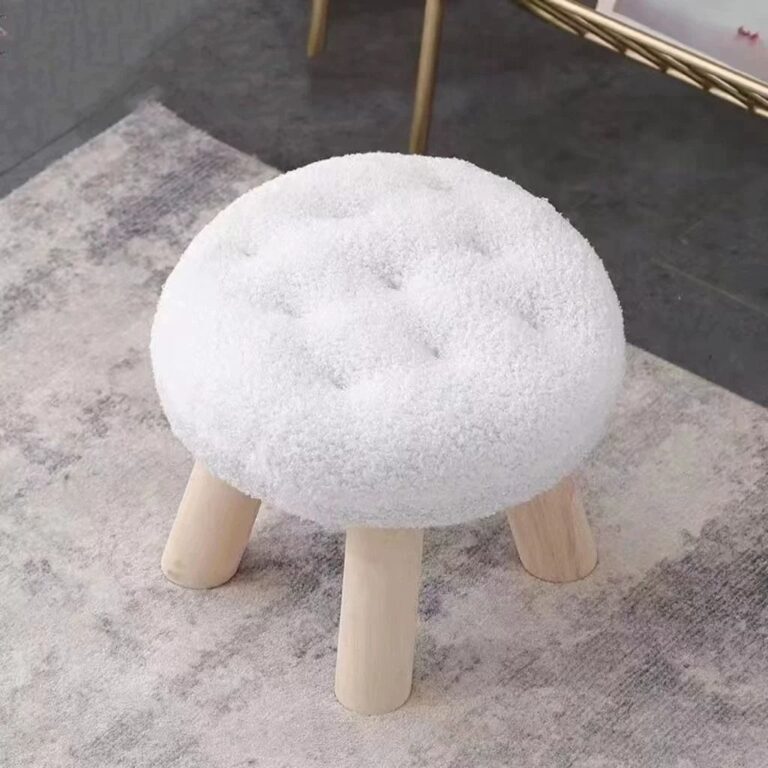
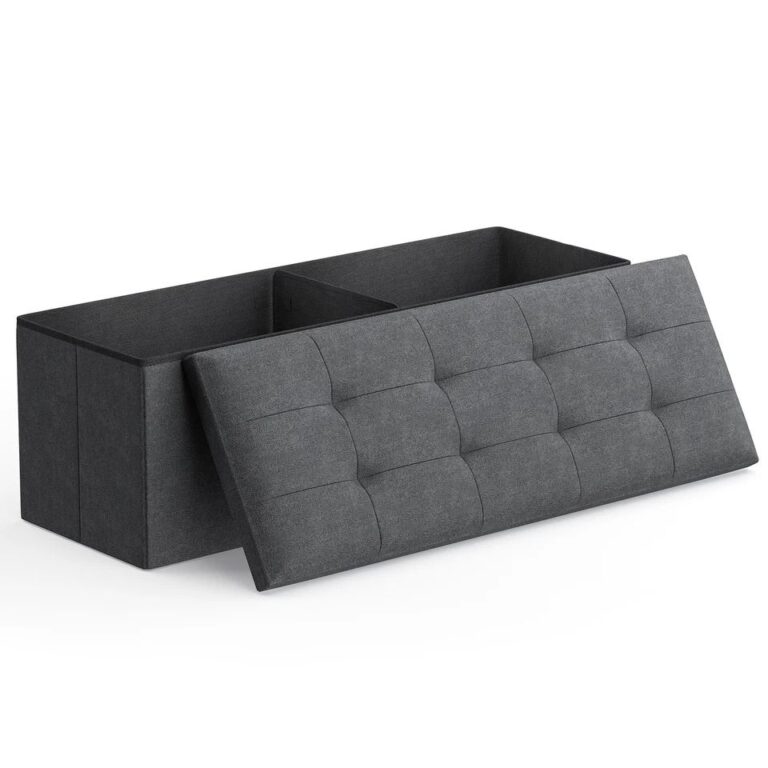
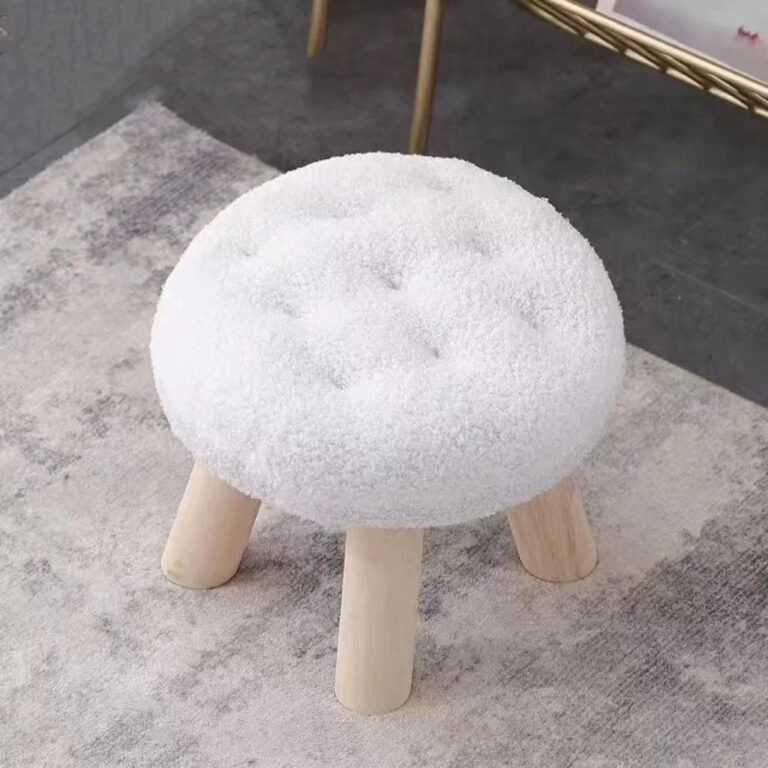
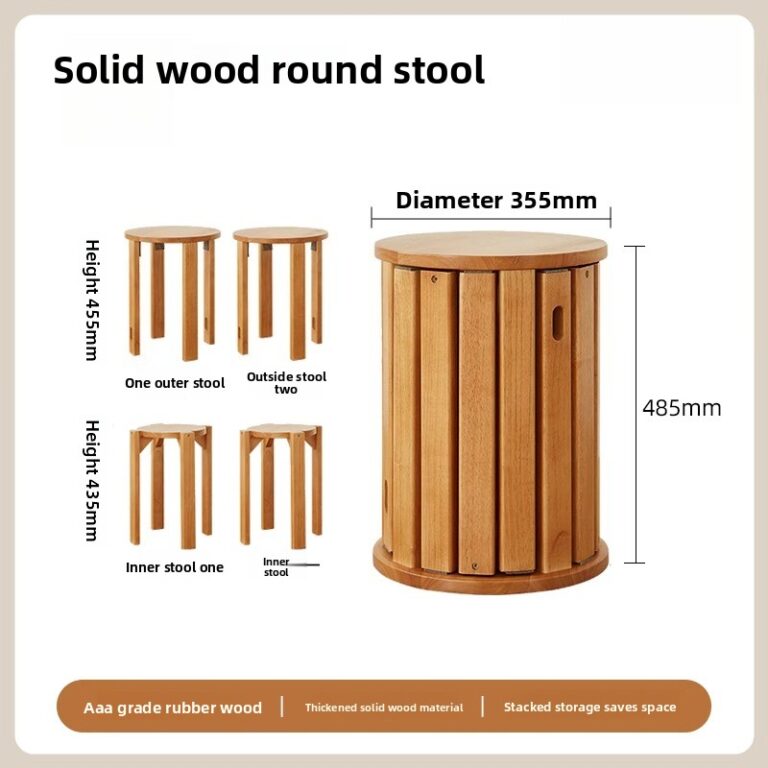
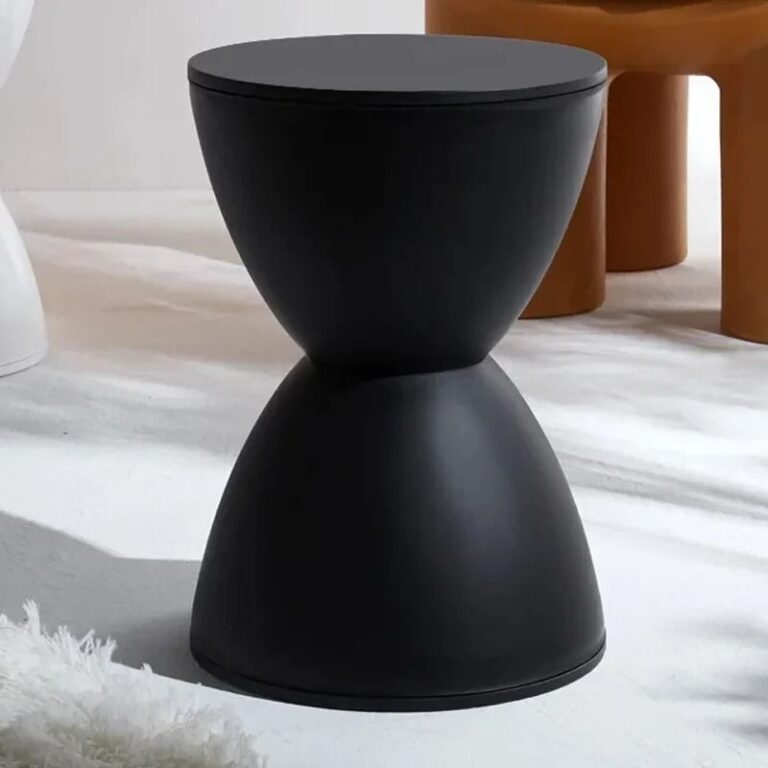
Footstools used to be an afterthought, something you inherited from a grandmother or picked up at a yard sale to hide under a side table. That has changed. People treat them now as actual furniture, something chosen on purpose rather than tolerated, and mostly that is a good thing, because a footstool that is also a spare seat or a tray for drinks does more work than almost anything else in a small room.
They are not right for every room, though, and it is worth saying so plainly. If you have small kids who treat furniture as a trampoline, a hard topped or glass topped stool is asking for a chipped tooth, and a very low, very soft one in a room where people actually need to get up and down easily can be more trouble than it is worth for anyone with bad knees. Where they work well is paired with a single armchair that has no ottoman of its own, pulled up to a sofa that runs a little too low for feet to rest properly on the floor, or tucked at the end of a bed to sit on while you put your shoes on. Put one near a window with a reading chair and it stops being an accessory and becomes the reason you actually sit there.
The gap between a cheap one and a good one shows up fast, usually within a year. A poorly made stool has legs that are glued and pinned rather than properly jointed, foam that compresses into a crater within a few months, and fabric stretched over a frame that creaks the moment a second person sits on it with you. A well made one has a hardwood frame, doweled or mortise and tenon joints, and either a webbed or sprung base under the cushion rather than a slab of foam sitting straight on plywood. Run a hand along the seam where fabric meets frame; if it is sloppy there, it will be sloppy everywhere you cannot see. Over time the good ones earn a bit of character, a slight give in the cushion that molds to how you actually sit, maybe a little fading if it lives near a window, and that is fine, almost better than fine. Rotate the cushion if it is removable, vacuum the seams every so often, and treat any leather or fabric cover the way you would treat upholstery anywhere else in the house, because it is upholstery, it just does not get a backrest to hide behind.
If I were starting from nothing, I would go with a neutral woven or linen cover in a warm oatmeal rather than anything pure white or a trend color, because it sits well near almost any sofa and does not date the way a bold print does within a couple of years.
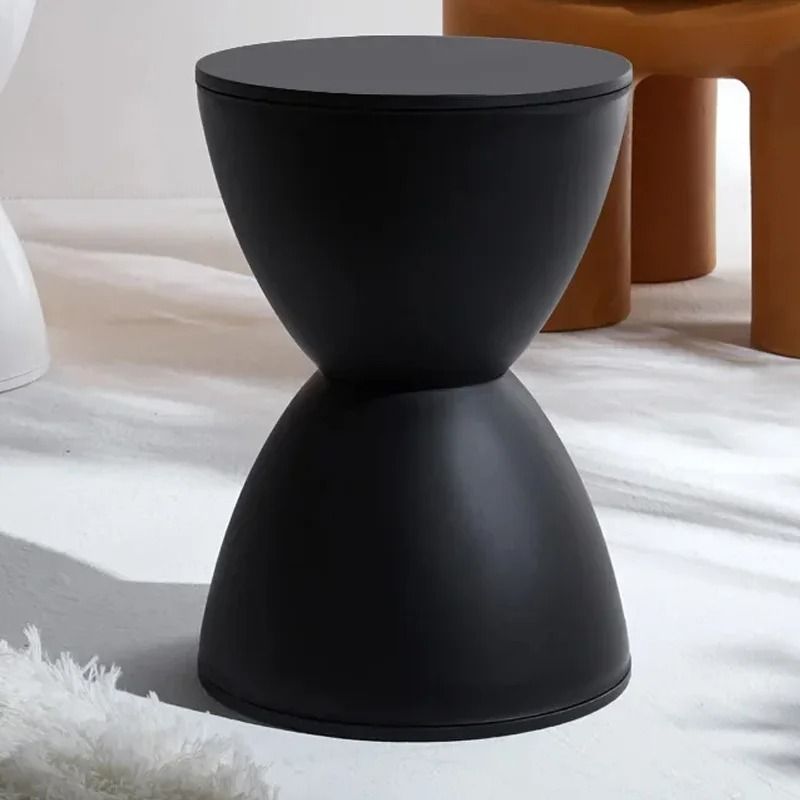 Aisha's pickRound Footstools That Won’t Date in a Year
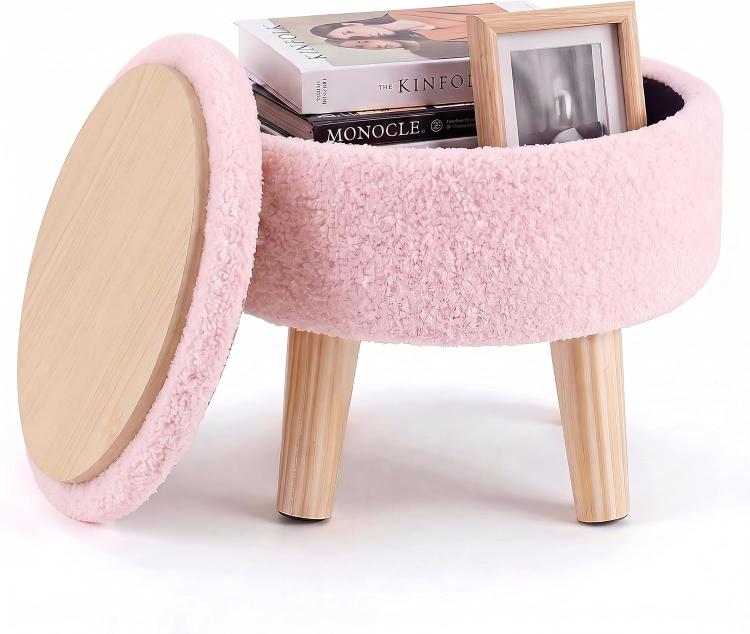
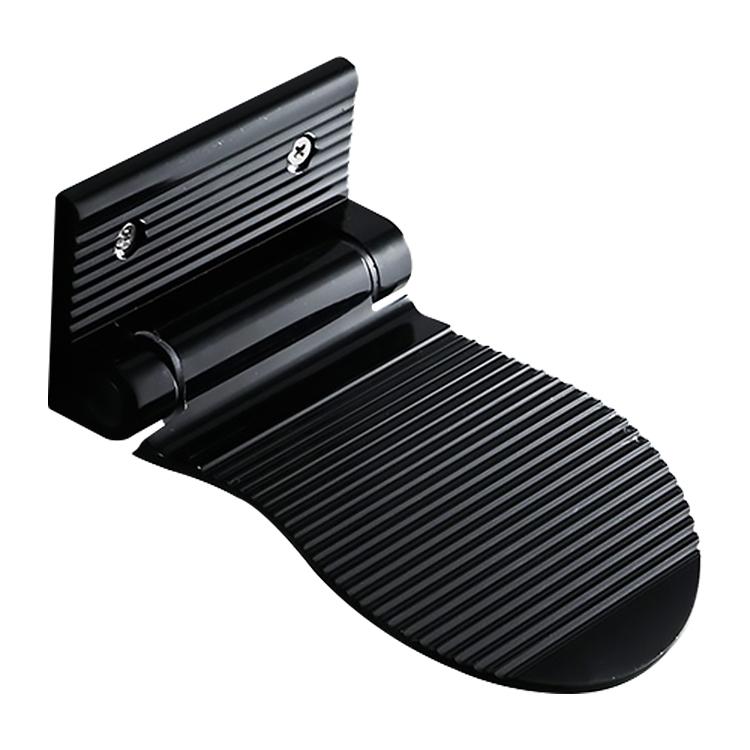 Aisha's pickBlack Footstools Comfy Enough for a Movie Night
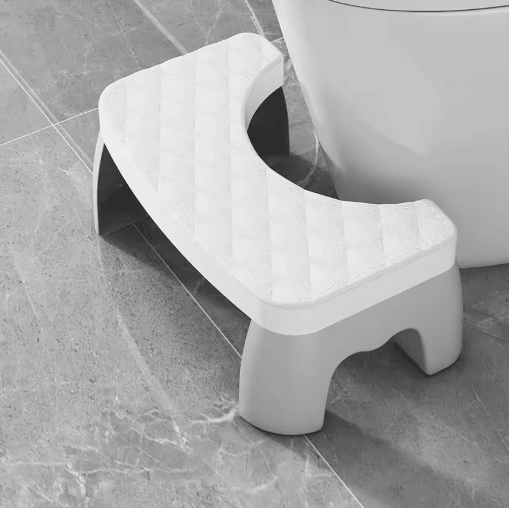 Aisha's pickSmall Footstools Comfy Enough for a Movie Night
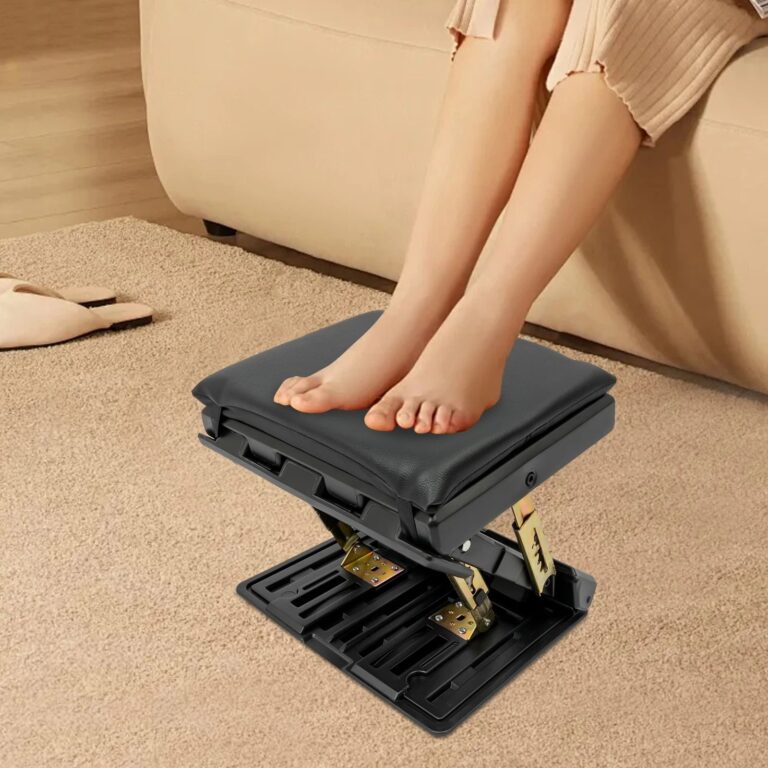
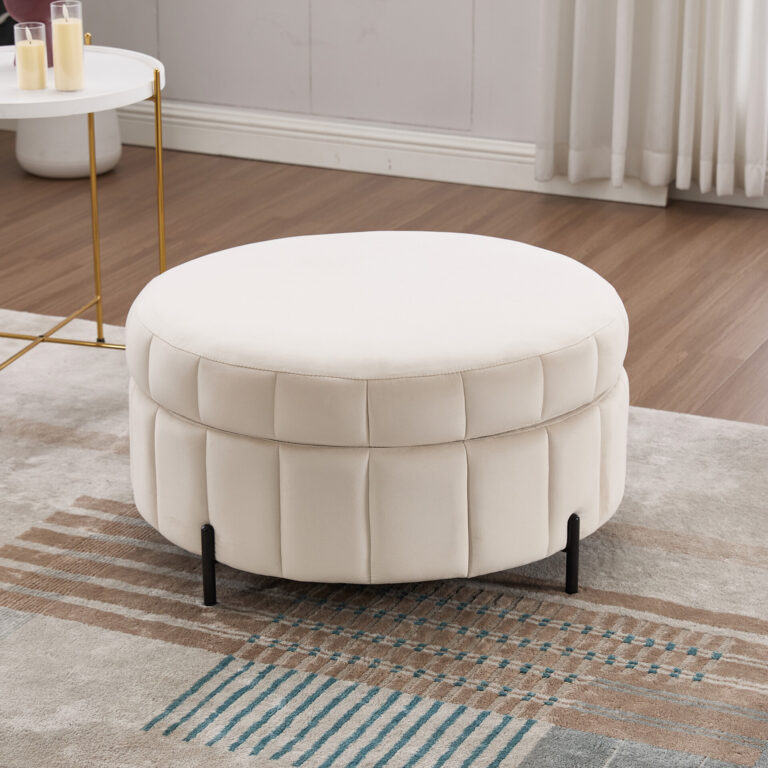 Aisha's pickContemporary Fabric Footstools the Cat Will Claim Within a Day
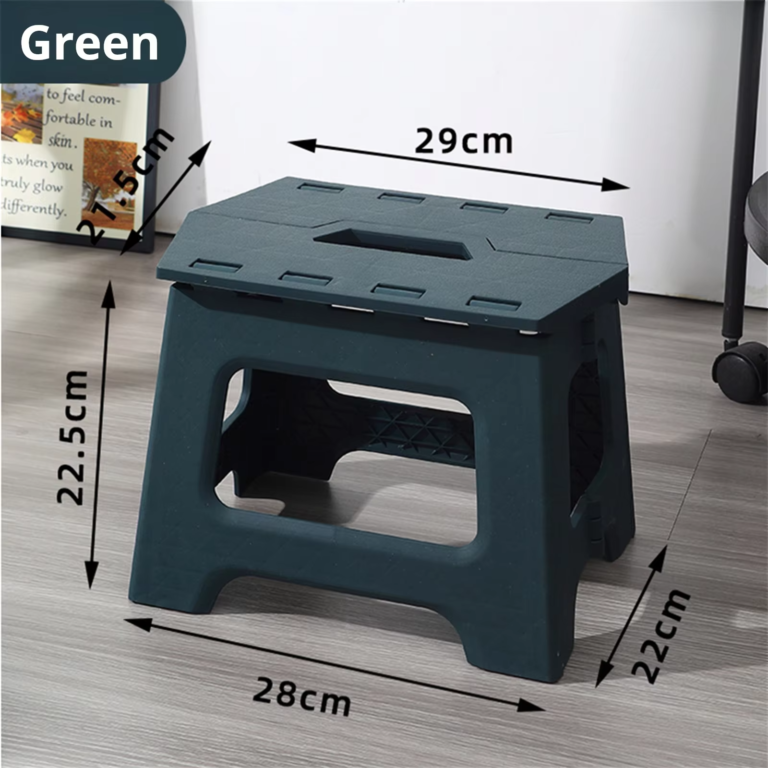 Aisha's pickStorage Footstools Worth Knowing About
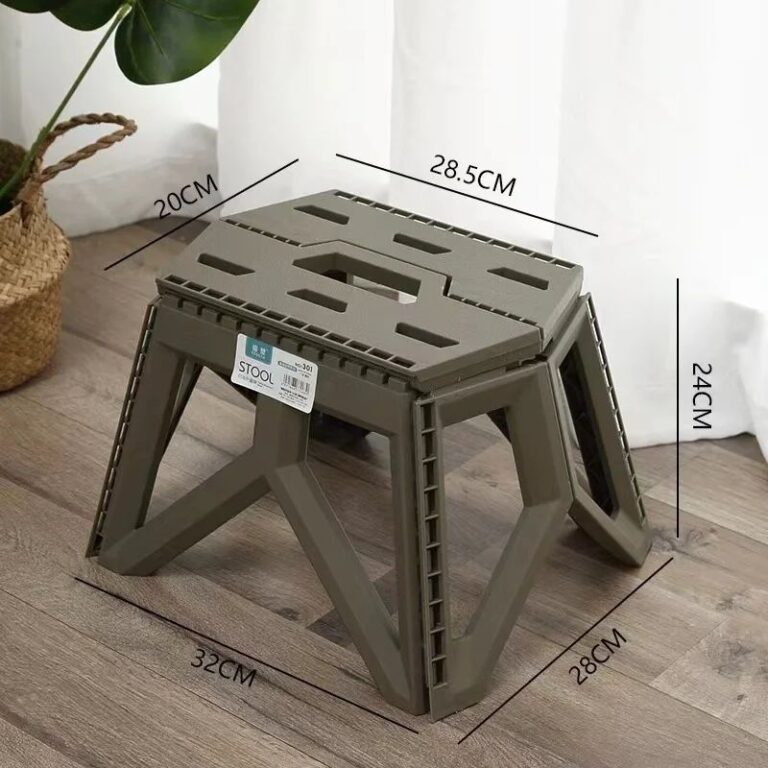
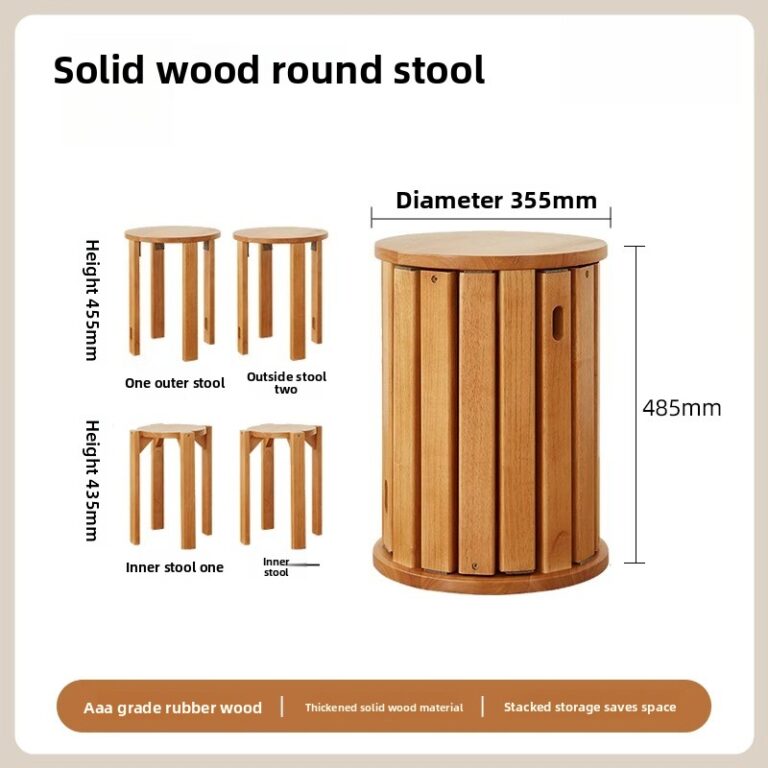 Aisha's pickContemporary Footstools That Fit Into Real Life
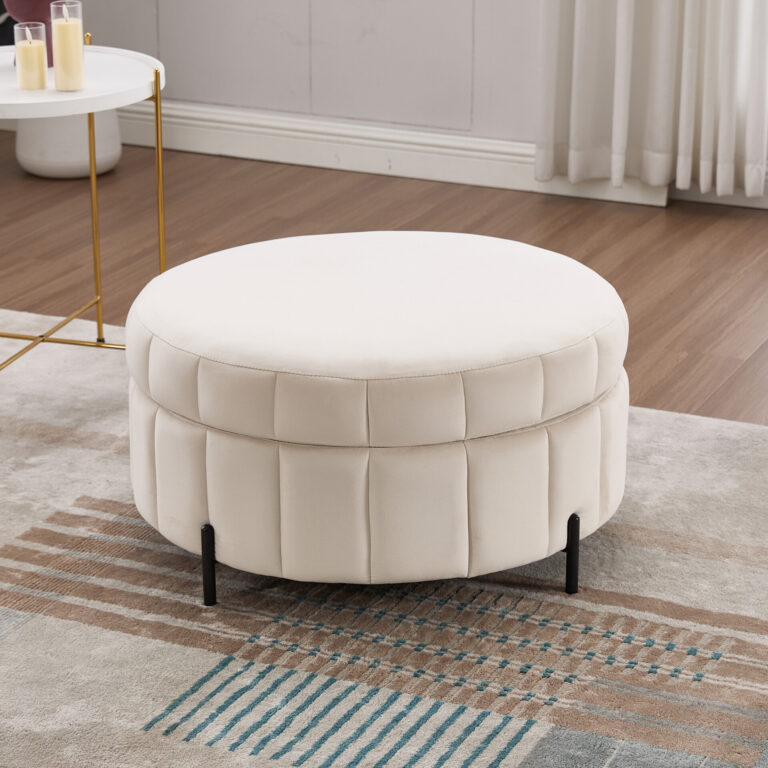
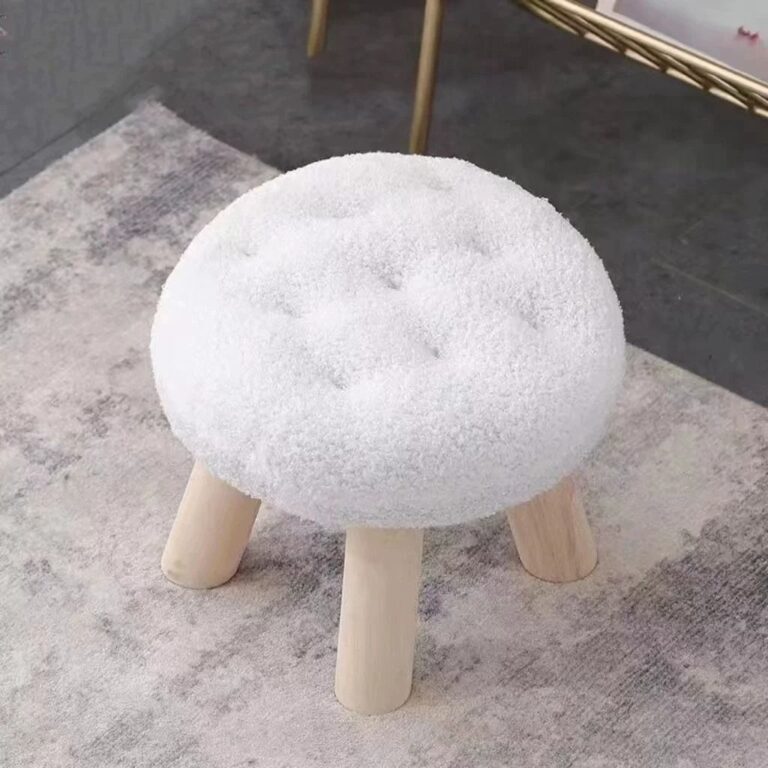 Aisha's pickUpholstered Footstools for Long Sunday Afternoons
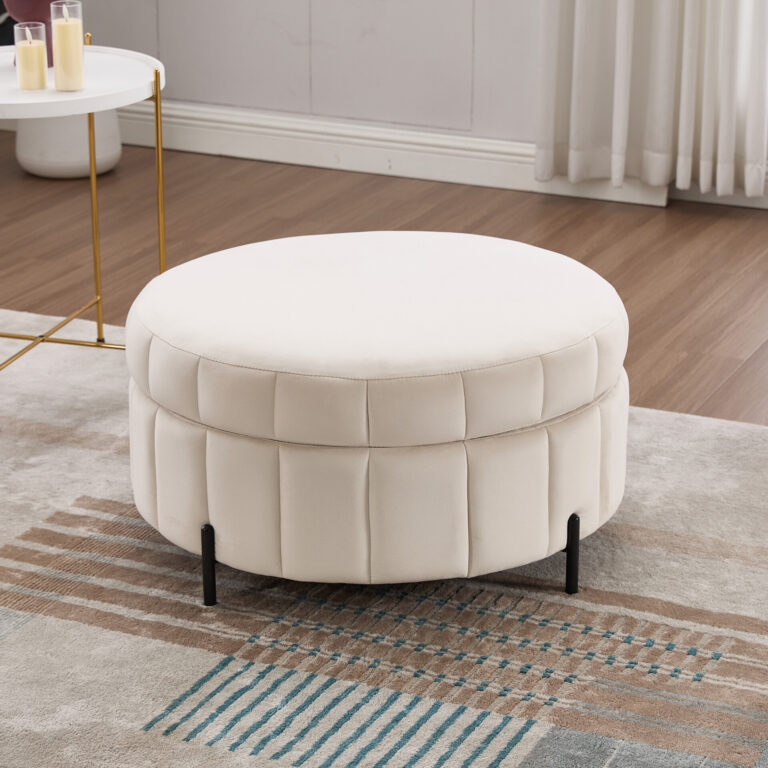
 Aisha's pickFabric Footstools That Look Good From Every Angle
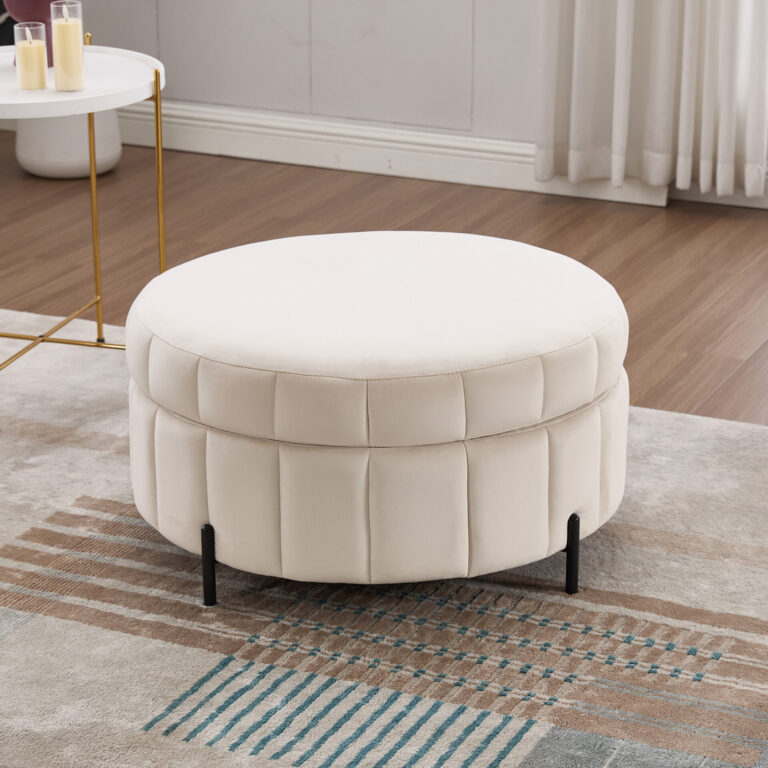
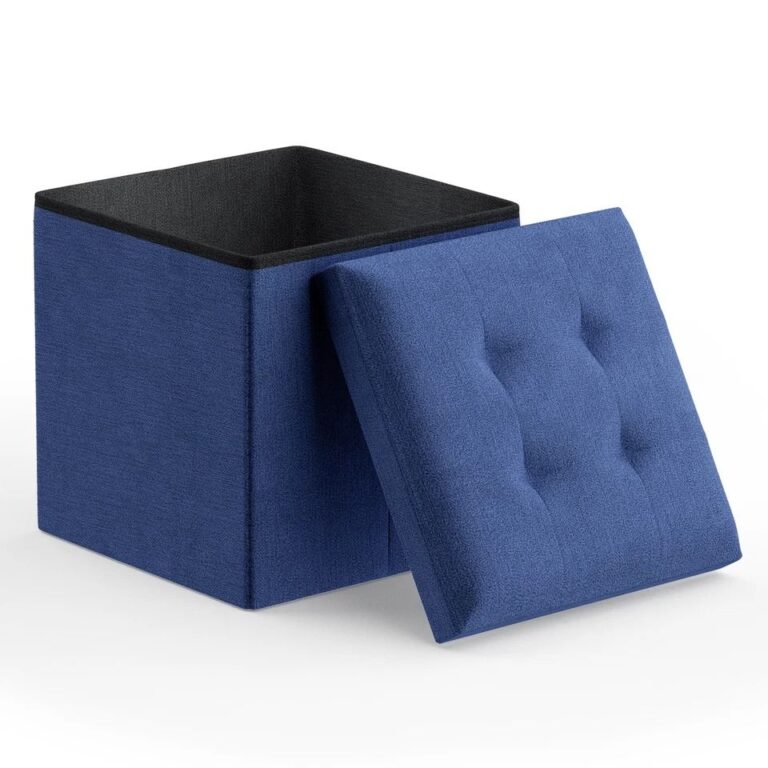 Aisha's pickFabric Footstools with Storage the Cat Will Claim Within a DayAlso worth a lookBenchesMy first bench was a flat pack thing I grabbed for the entryway, pine veneer over particleboard, and…See the collections →

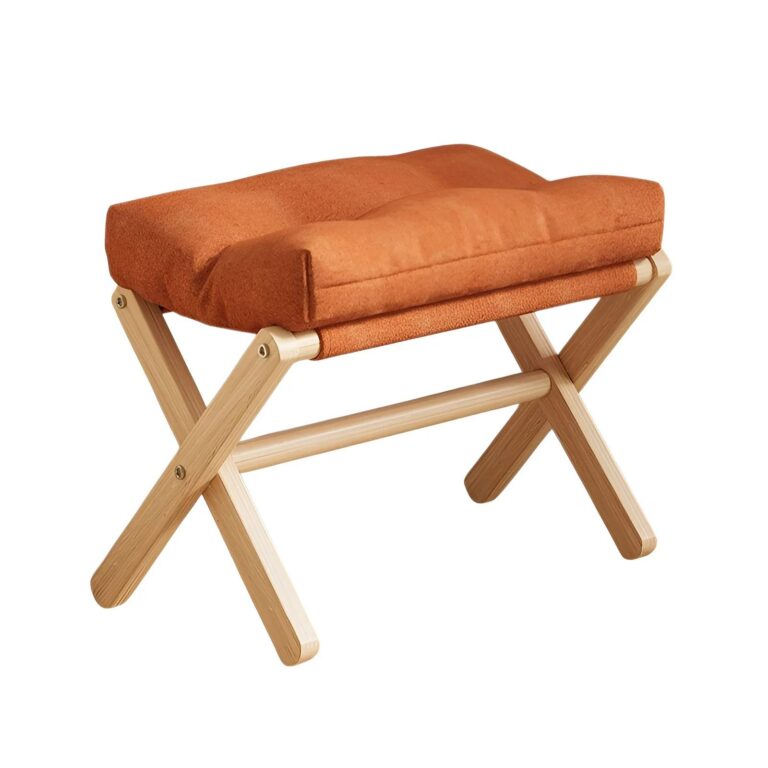 Aisha's pickFabric Storage Footstools You’ll Sink Into at the End of the Day
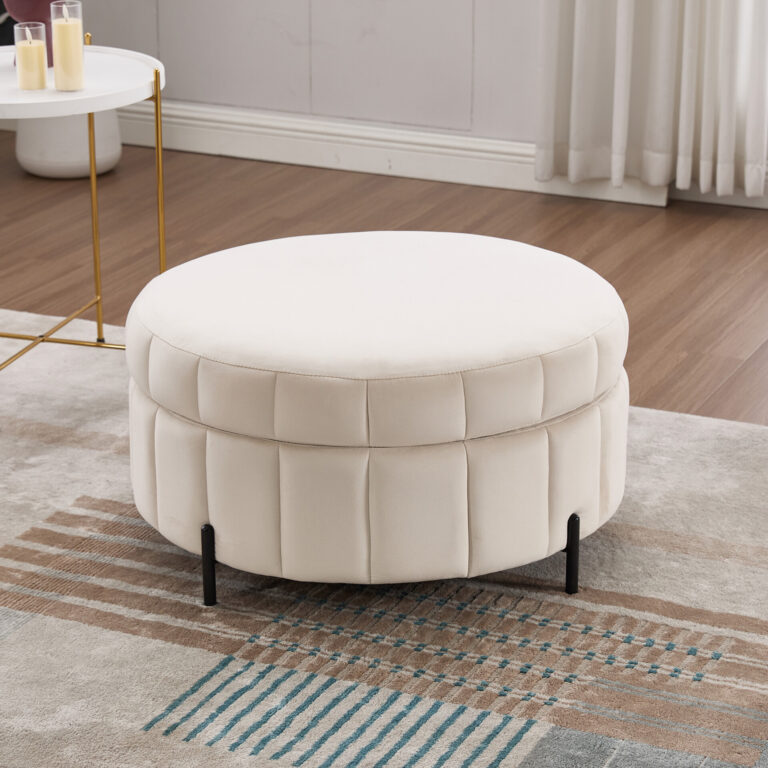
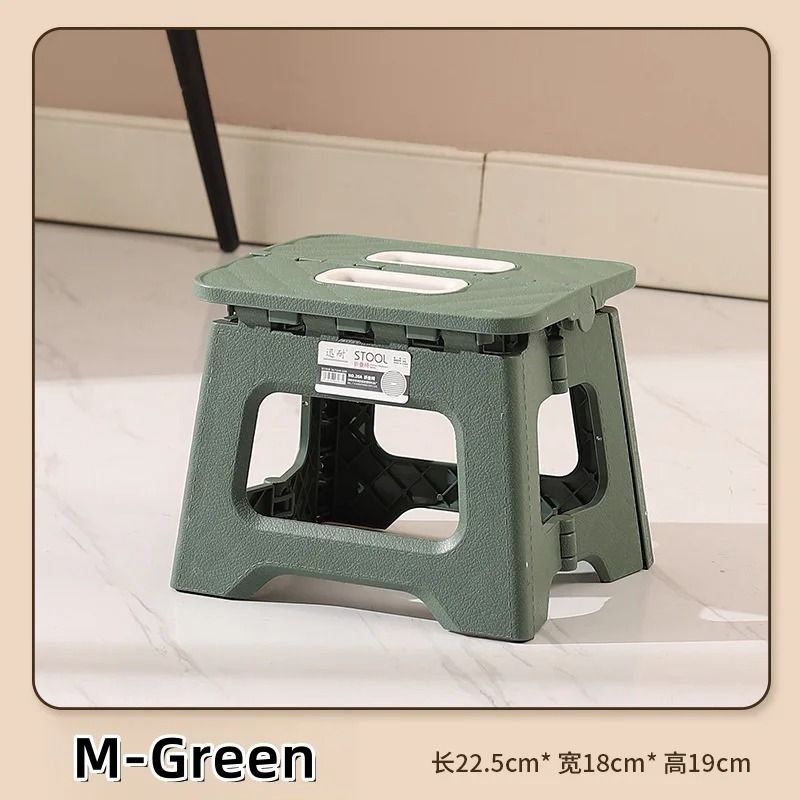 Aisha's pickFootstools That Look Good Up Close
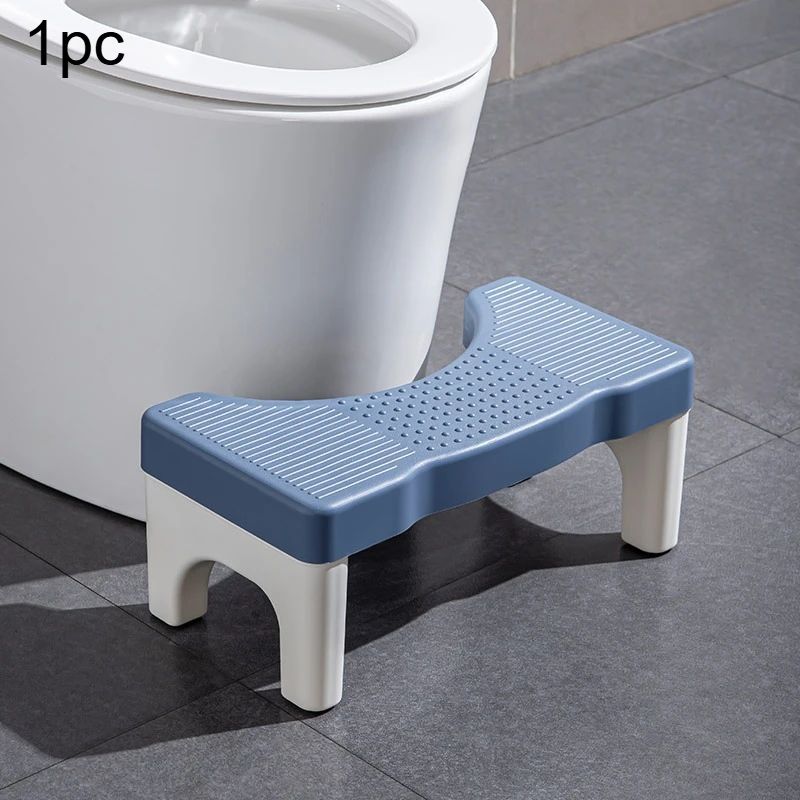
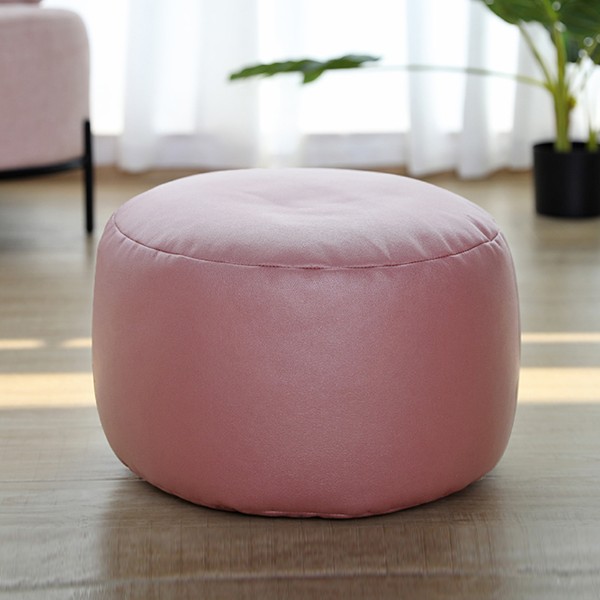 Aisha's pickDecent Footstools for Living Room Without the Hassle
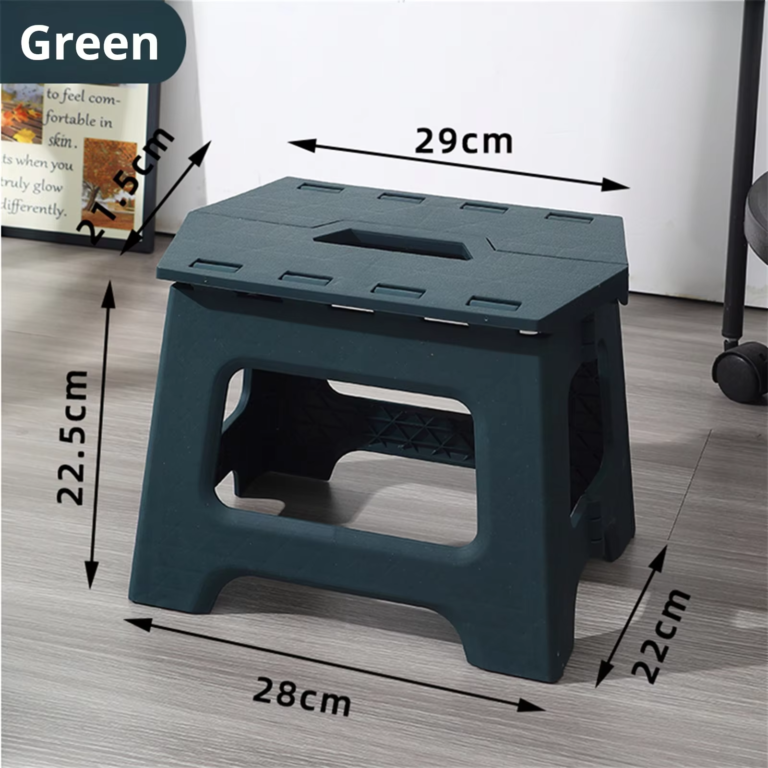
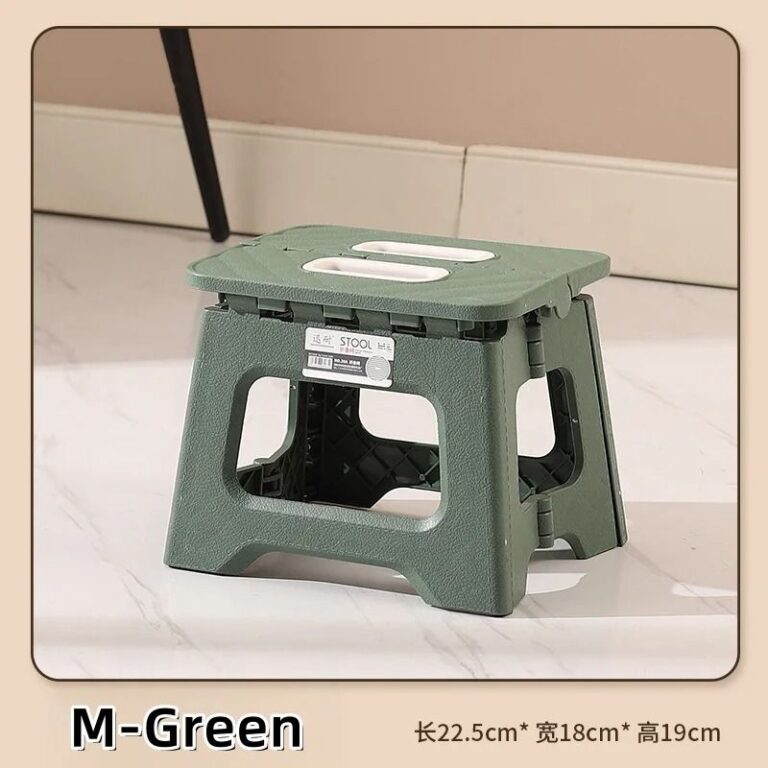 Aisha's pickFootstools with Storage the Cat Will Claim Within a Day
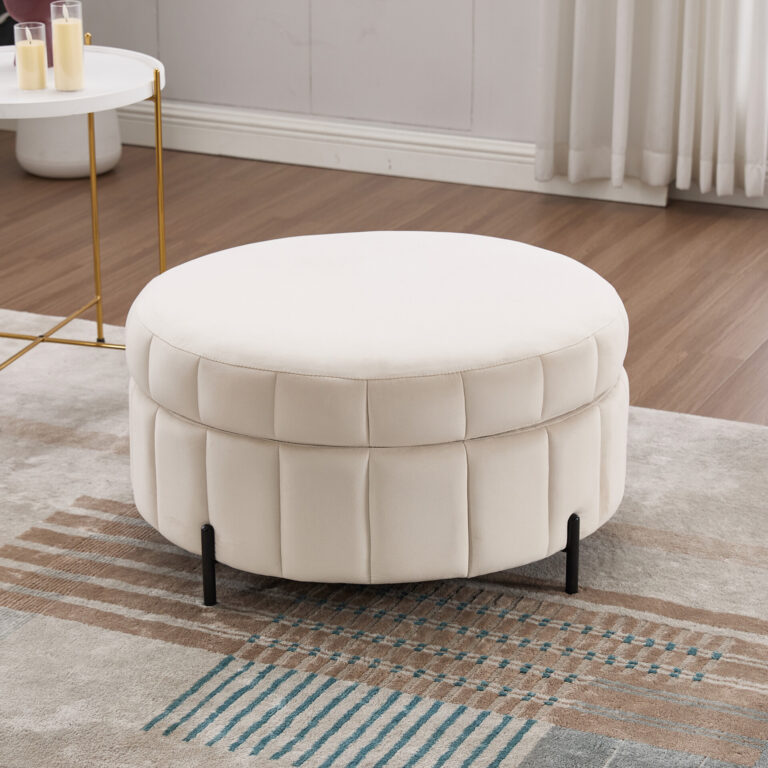
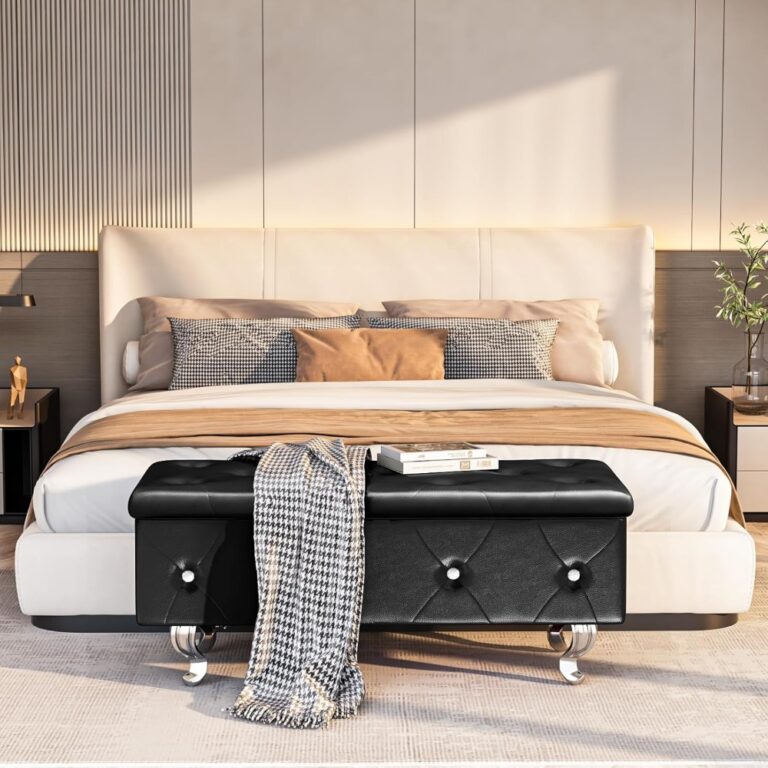 Aisha's pickSimple Large Footstools Done Well
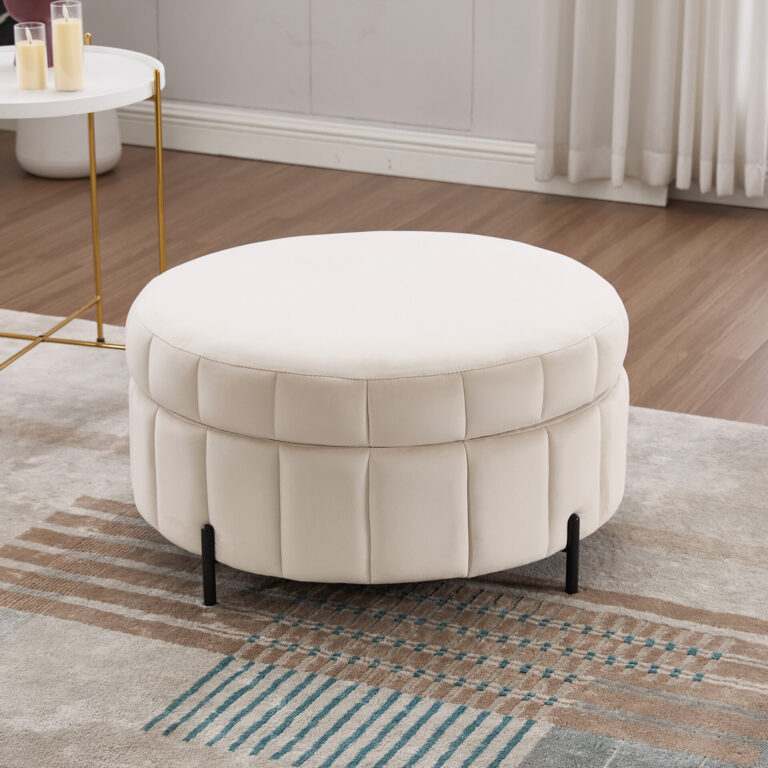
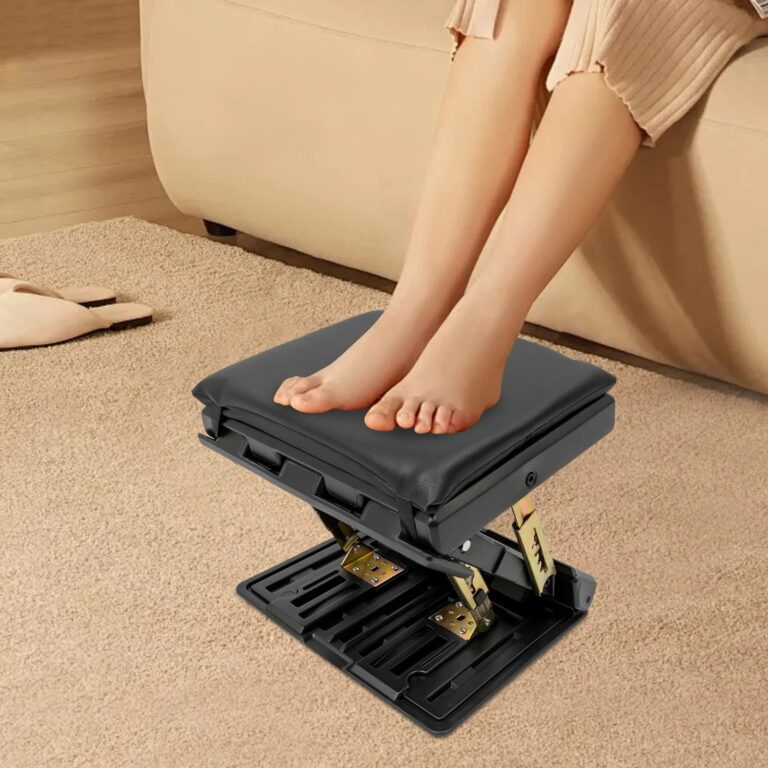 Aisha's pickLeather Footstools That Don’t Sag After a Year
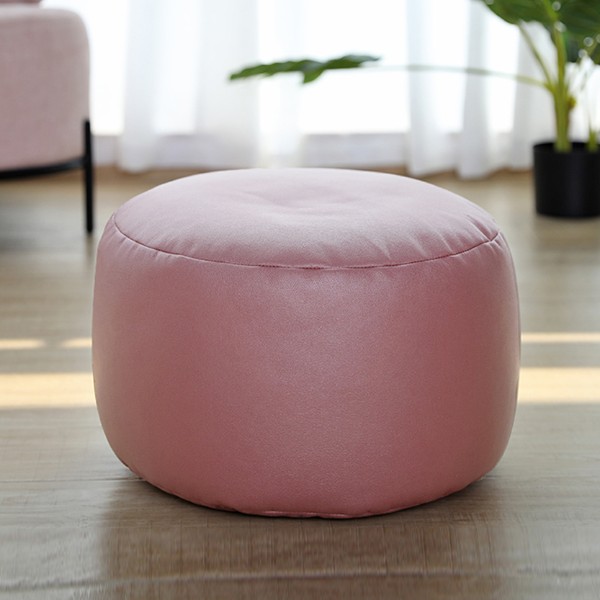
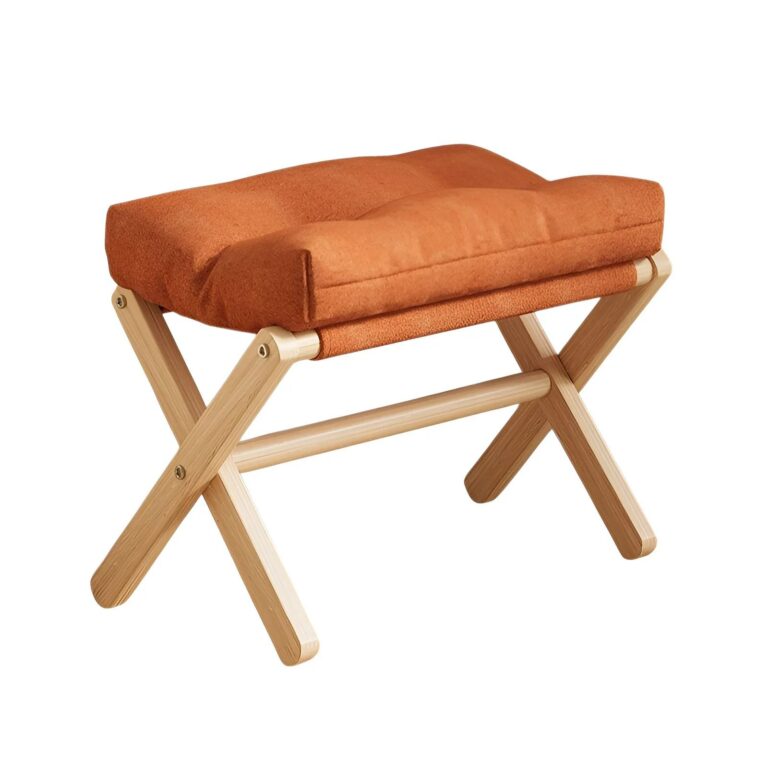 Aisha's pickLow Footstools With Real Back SupportAlso worth a lookFootrestsThe thing nobody mentions about footrests is that the height matters more than the look, and you won't…See the collections →