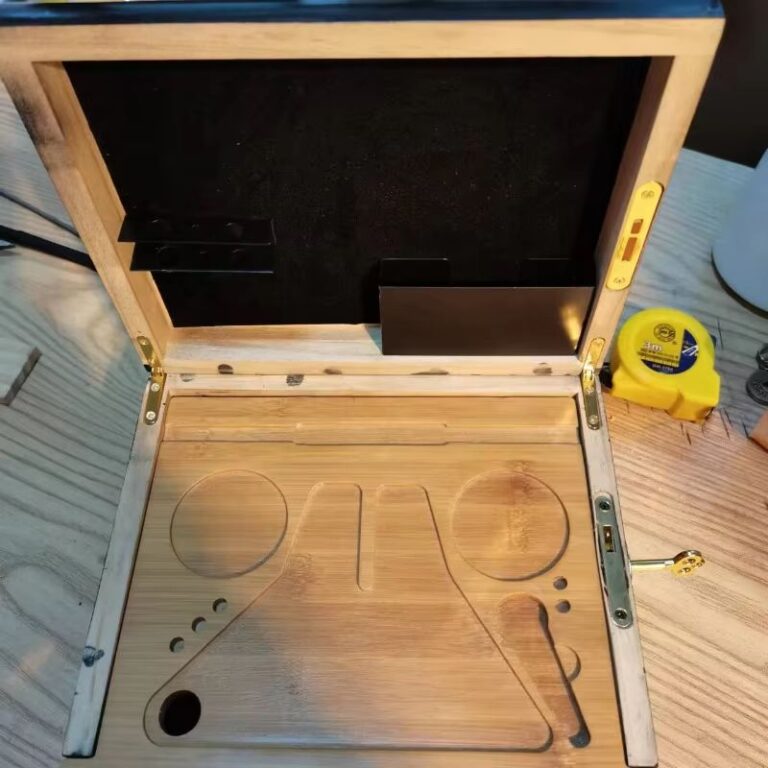
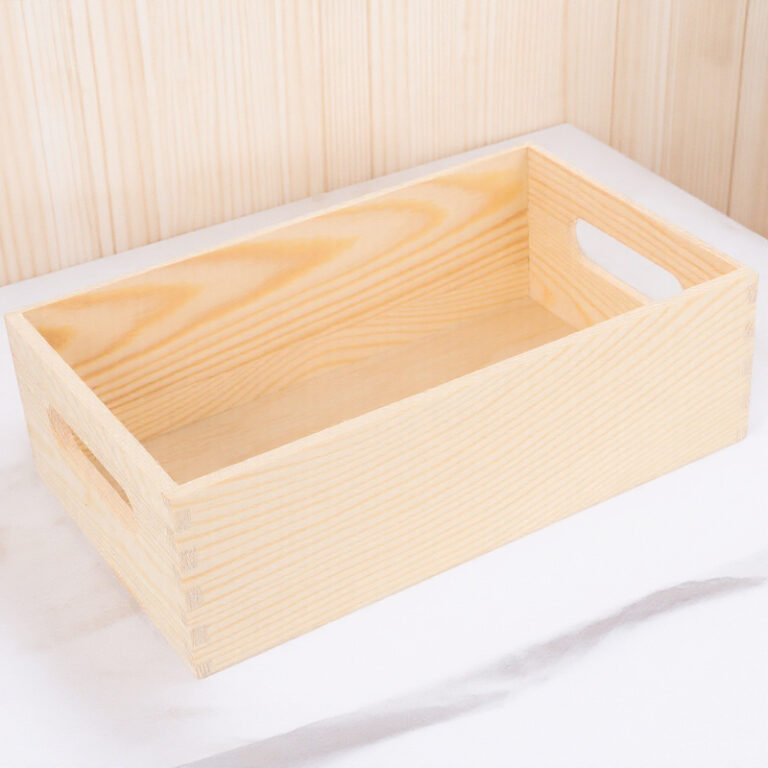
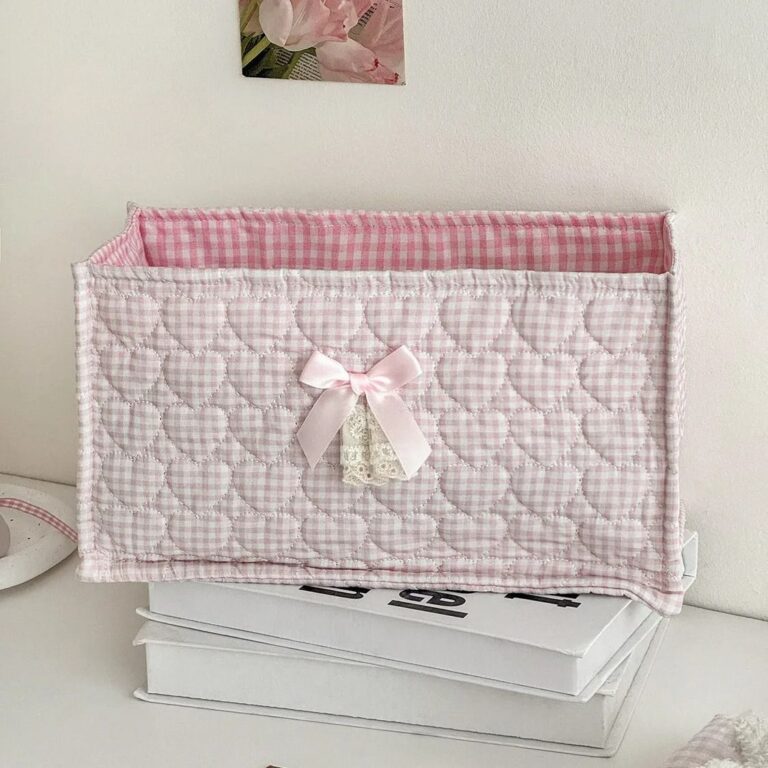
The first thing I do is open the lid and smell it. Cheap wooden storage has that flat, slightly chemical smell from the finish, and it never really goes away. A well made box smells like wood, maybe a little like the oil or wax they used on it. If a box smells like a craft store on day one, it's going to smell like that for years on your landing.
On color, I've learned to stop fighting the wood. A natural or light oak finish goes with almost anything you add to a room later, which matters when you're furnishing one room at a time and don't know yet what the rest of the house will look like. Painted boxes in white or a soft sage look great on day one and then date fast, or chip at the corners within a year of normal use. Dark stained wood, walnut or a deep mahogany tone, is gorgeous but shows every scuff and water ring, so it's a better pick for a bedroom than an entryway where wet boots are landing on it. As for build quality, pick it up and check the corners first. Good ones are joined, dovetailed or at least properly screwed and glued, not just stapled or nailed through thin panels. Give it a gentle twist, a well built box barely moves. A cheap one flexes in your hands like a cereal box. Check the lid too, it should sit flush and close with some resistance, not just flop down. Solid wood or a real plywood will have some weight to it. If a storage box feels suspiciously light for its size, it's probably held together with the wooden equivalent of hope.
Measuring matters more than people think, because wooden storage doesn't flex the way a basket does once you've misjudged the space. I measure the exact spot first, then take off a couple of inches on each side for breathing room, because a box that's a tight fit looks jammed in rather than placed. Height matters too, a box under a window needs to sit below the sill, and one doubling as a seat or side table needs to be close to typical seat or table height or it'll feel wrong every time you use it. The common mistake is buying one box for a job that needs two smaller ones, which ends up heavier to move and less flexible if you rearrange later. I'd rather have two boxes I can shift around than one big one that becomes a permanent fixture whether I like where it sits or not.
Would I actually use this every single day, or am I just buying it because it looks nice empty in the shop?
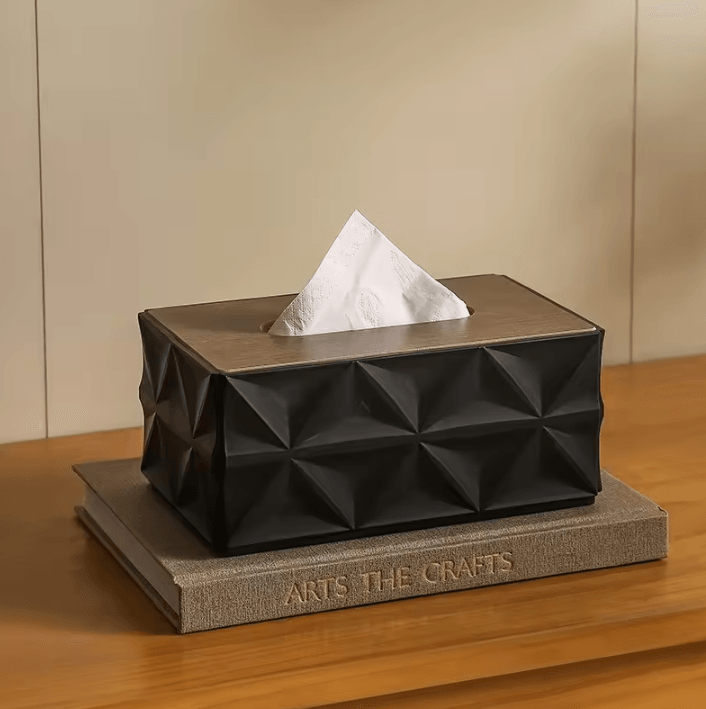 Aisha's pickLarge Wooden Storage Boxes You Won’t Want to Hide Away
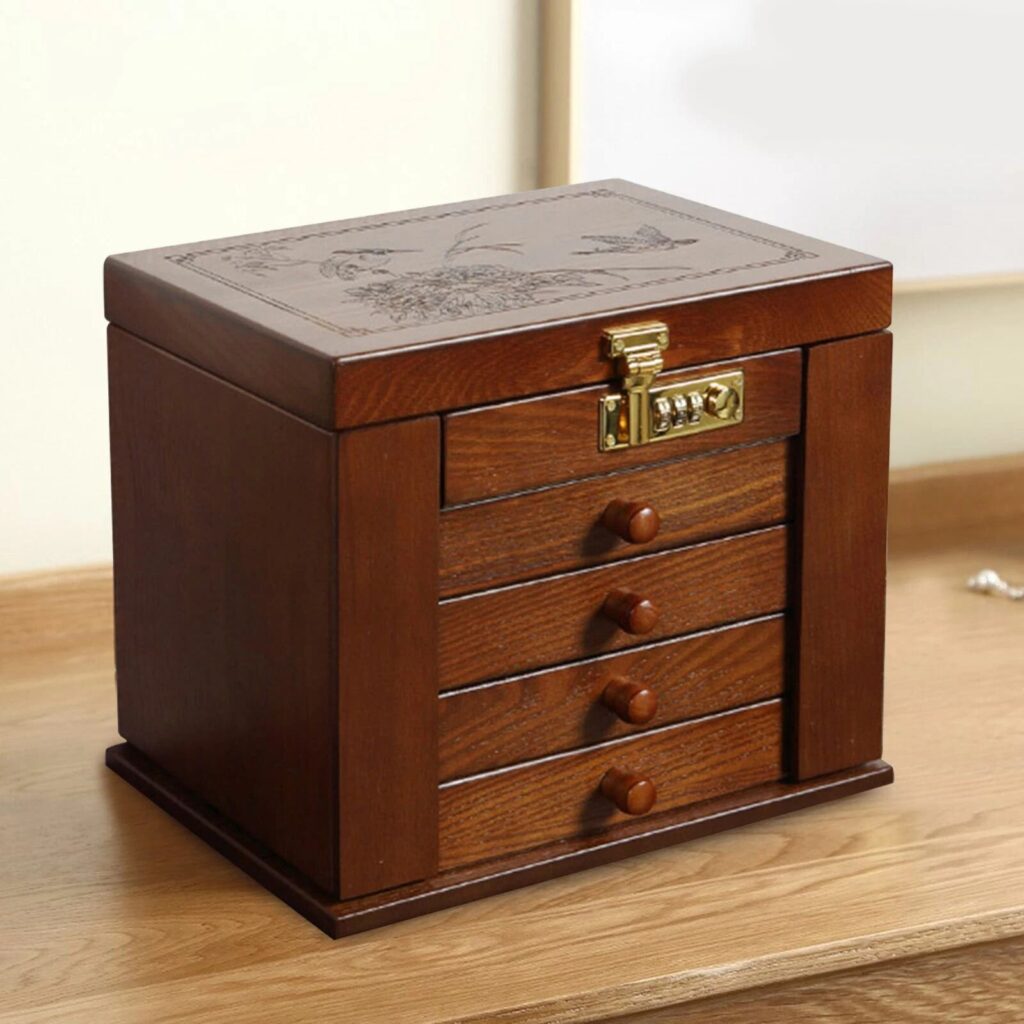
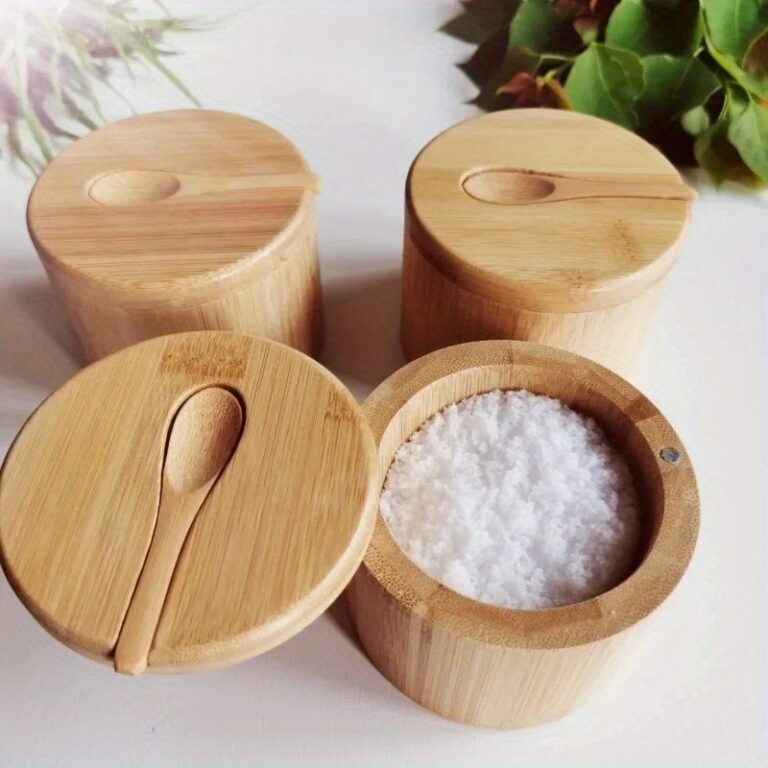 Aisha's pickDecent Wooden Storage Boxes with Lids Without the Hassle
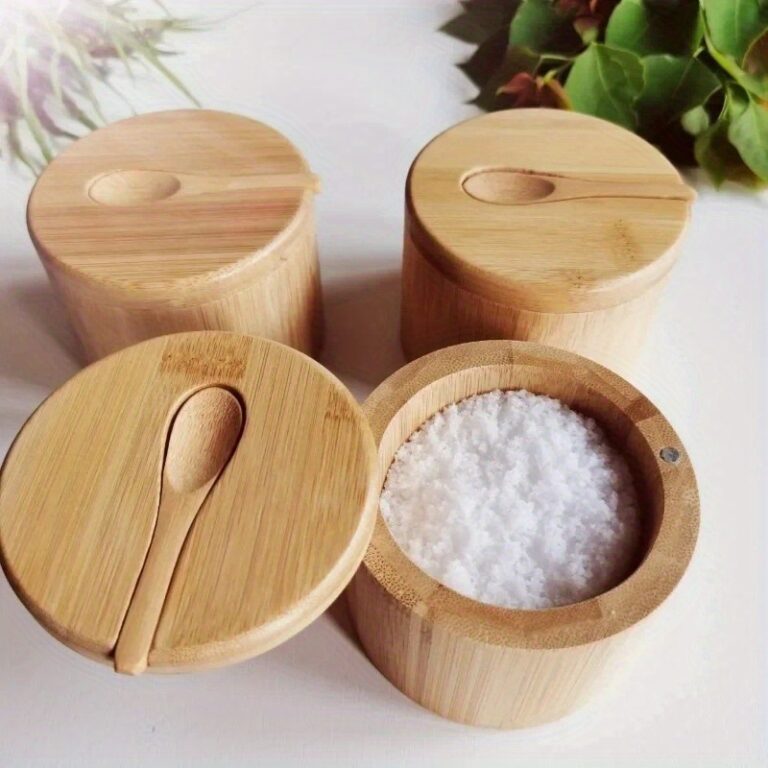
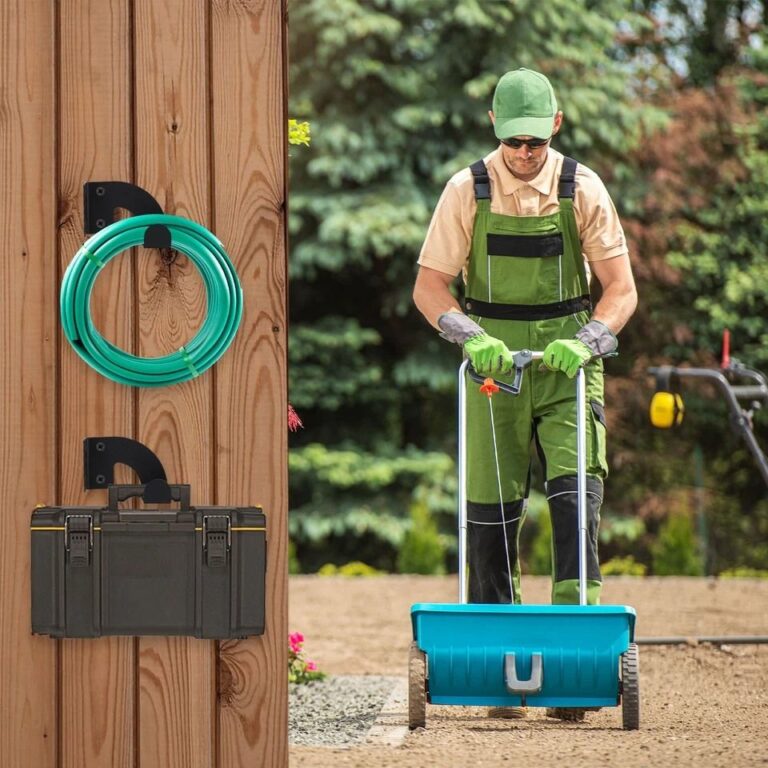 Aisha's pickWooden Tool Storage Picked by People Who Care Too Much
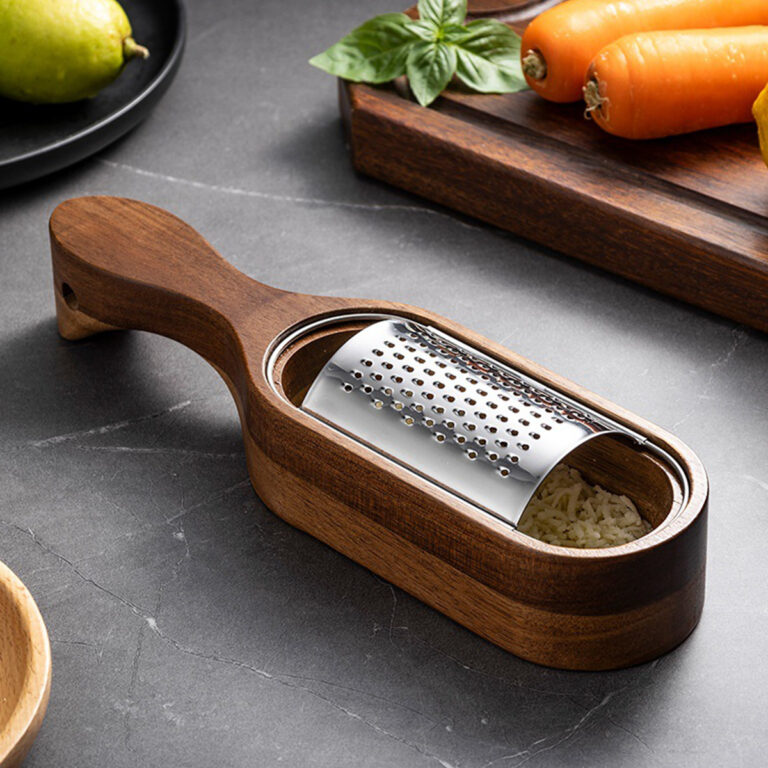
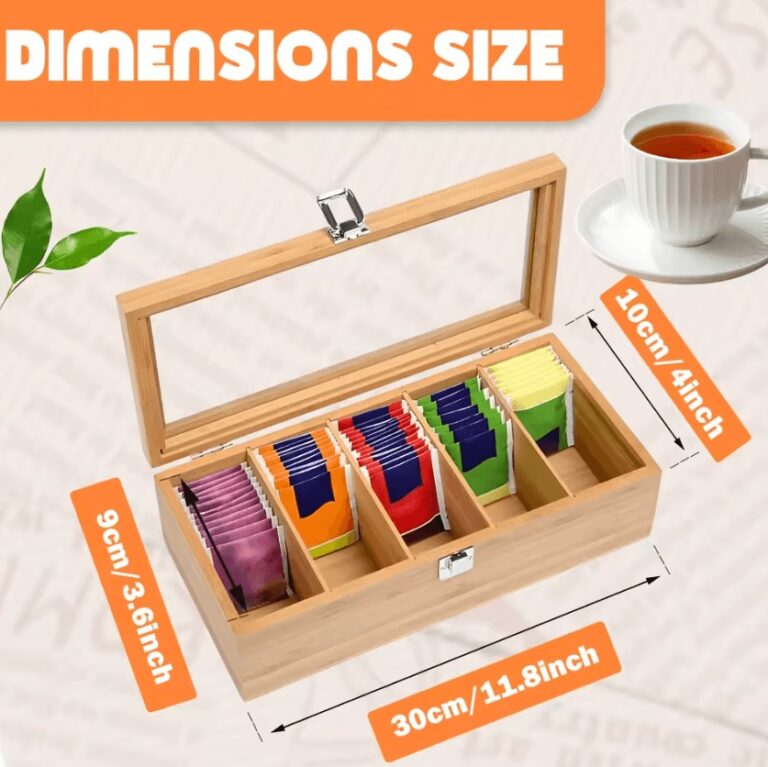 Aisha's pickModern Wooden Storage Boxes Without the Silly Price Tag
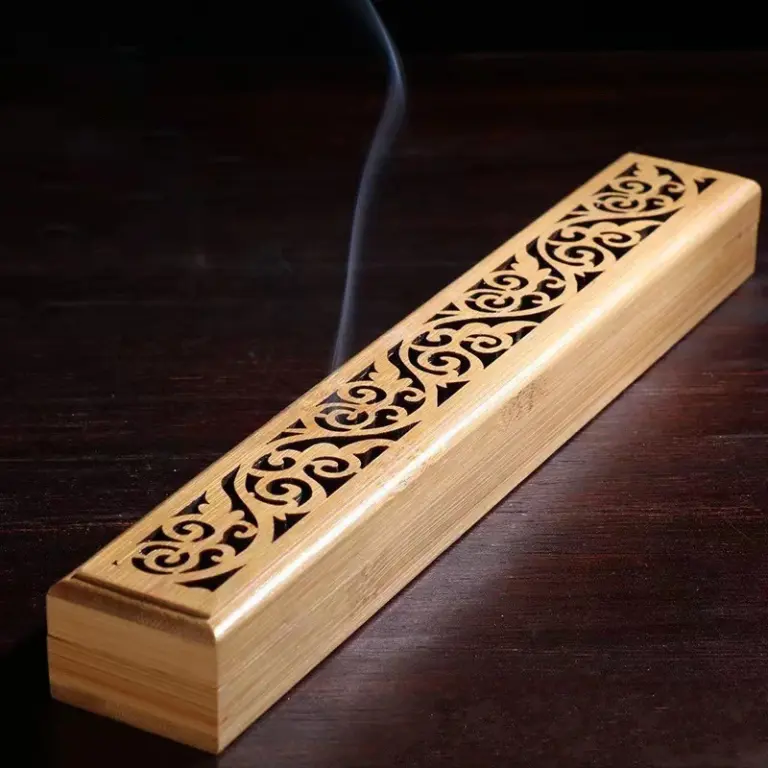
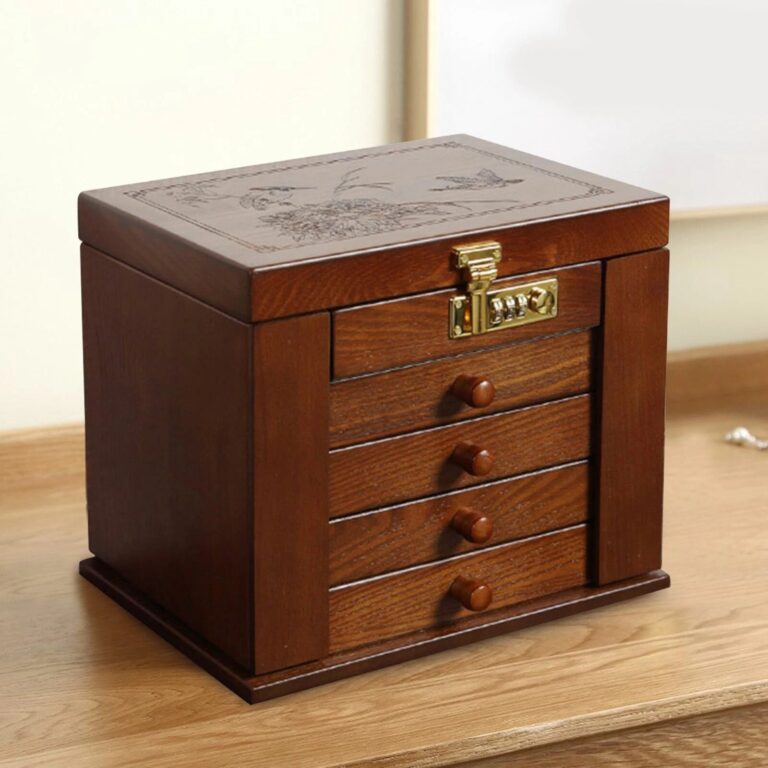 Aisha's pickWooden Storage Boxes You Won’t Want to Hide Away
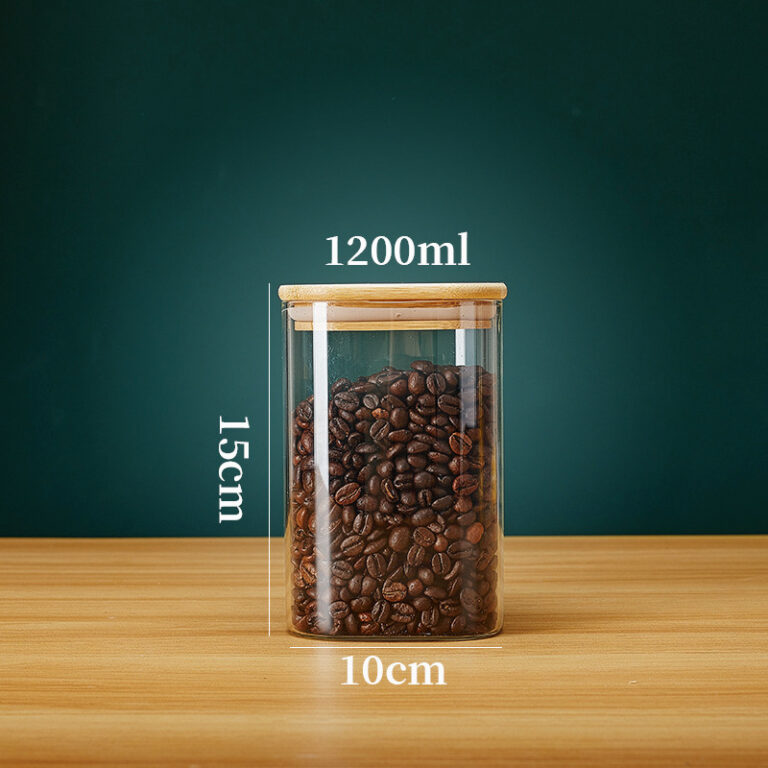 Aisha's pickBamboo Kitchen Storage Jars That Make Tidying Up Quicker
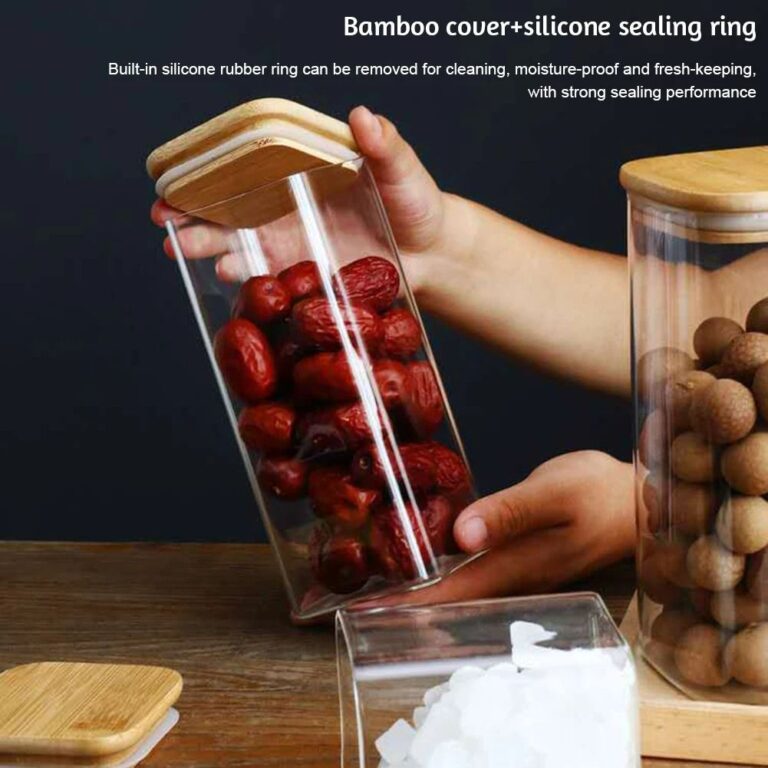
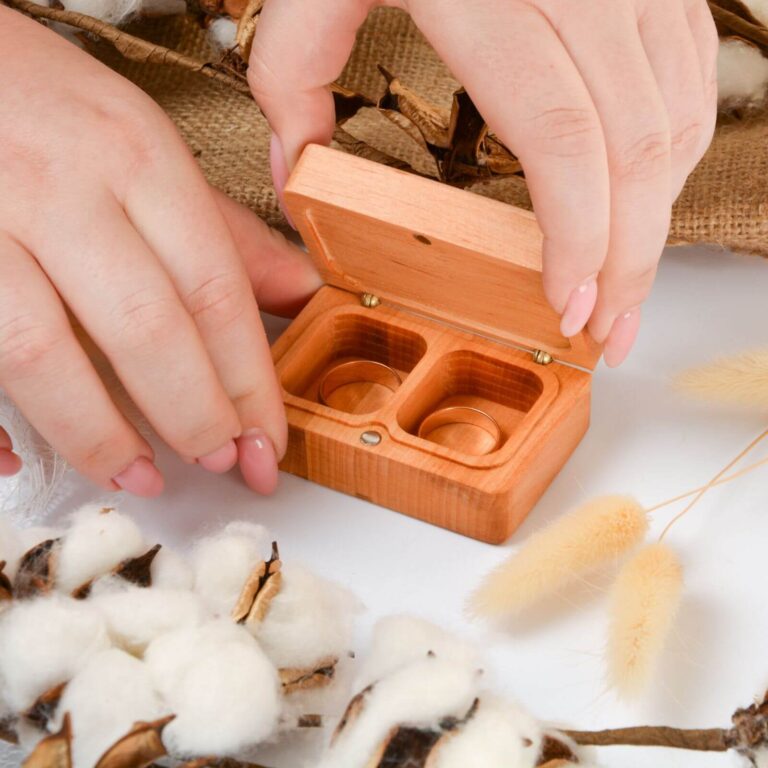 Aisha's pickNatural Wooden Storage Boxes That Keep Surfaces Clear
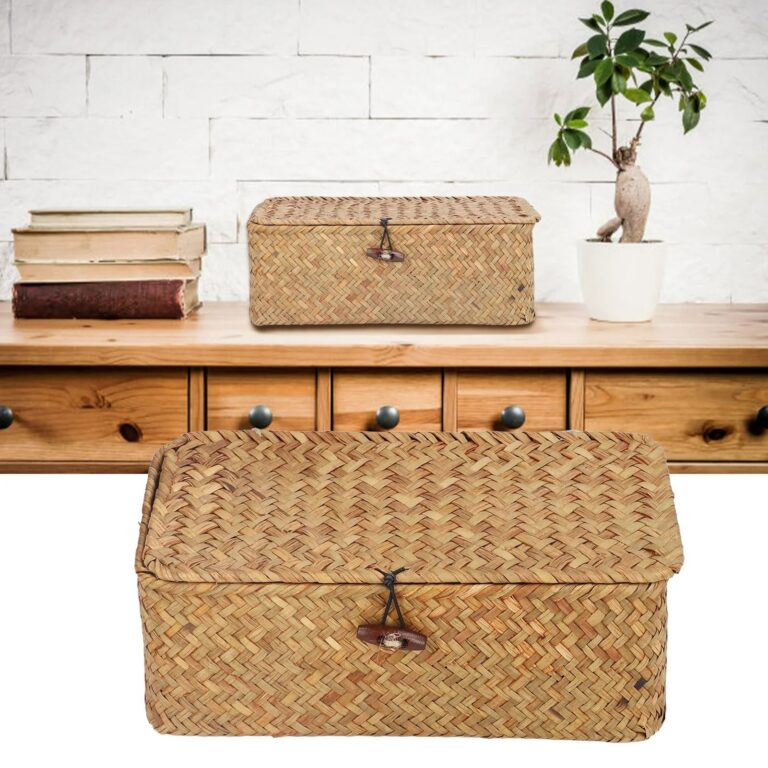
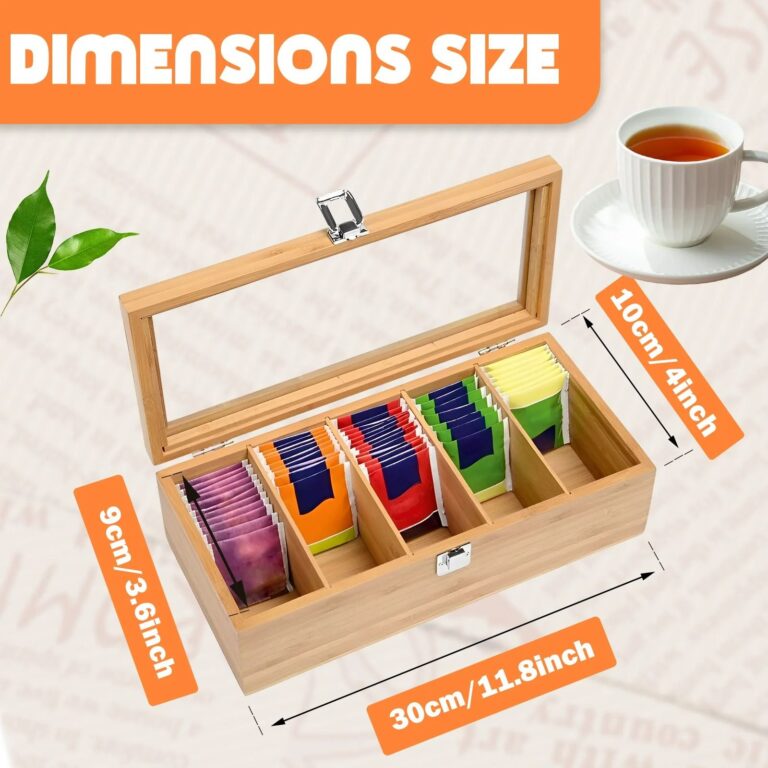 Aisha's pickWooden Window Boxes That Earn Their Keep
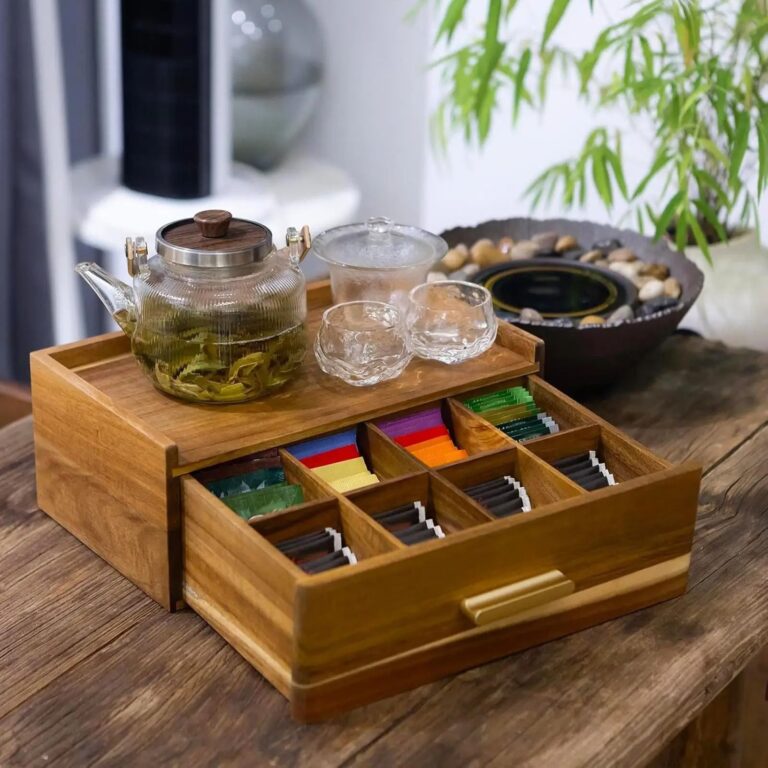
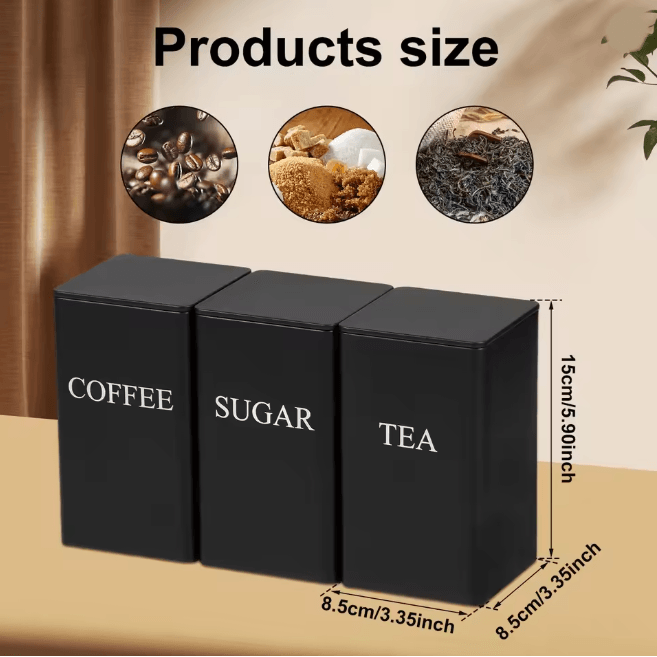 Aisha's pickBamboo Storage Jars That Get Better With AgeAlso worth a lookWooden Storage BoxesThis is the time of year when the closets fill up, when the sweaters that fit three summer…See the collections →
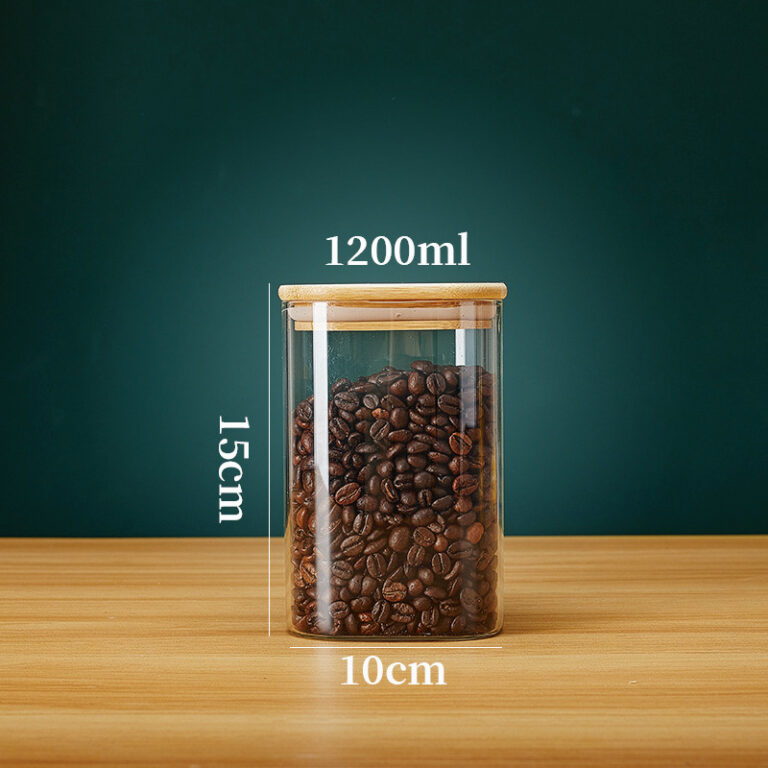
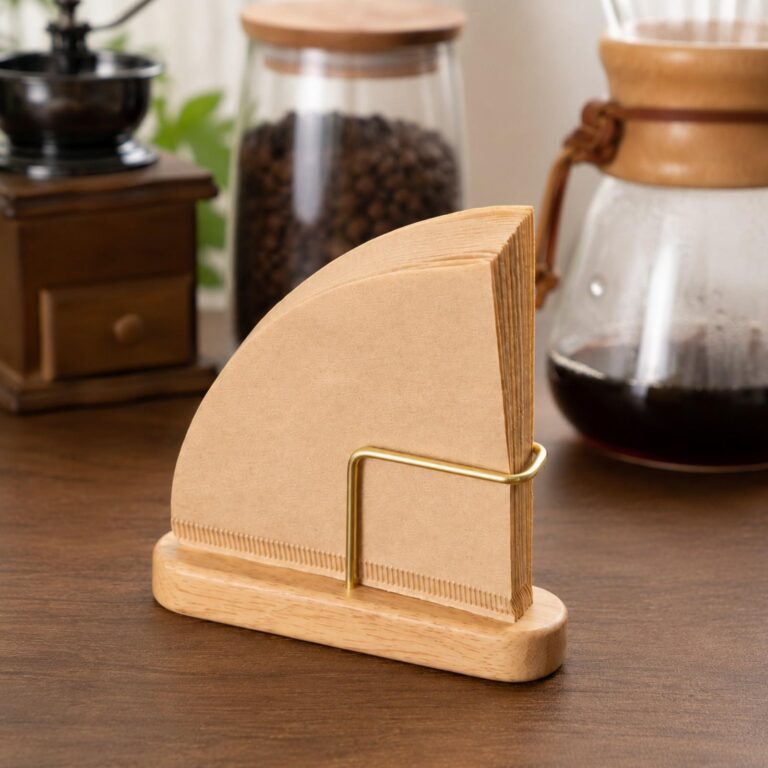 Aisha's pickWhere to Start With Oak Storage Boxes
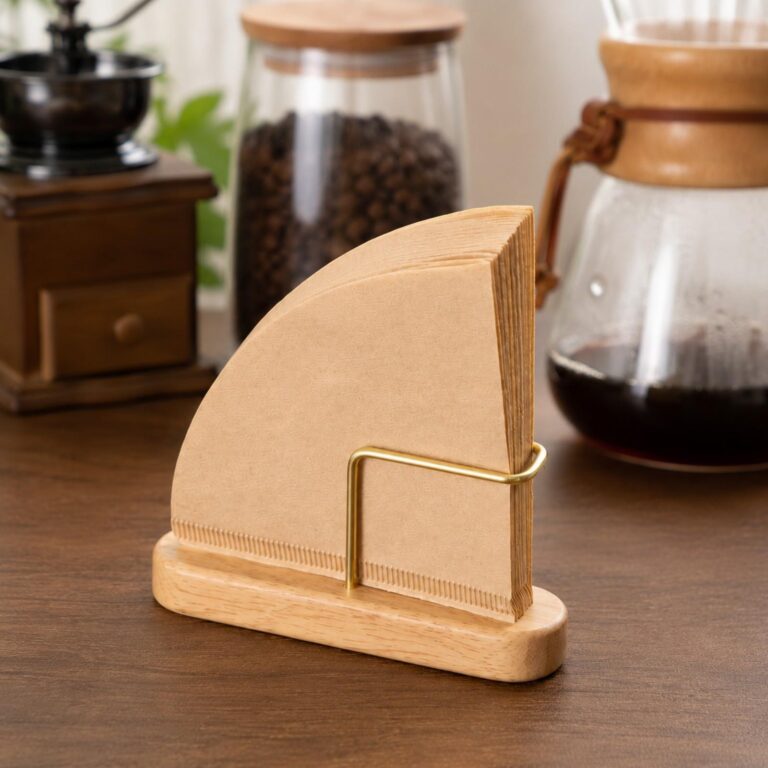
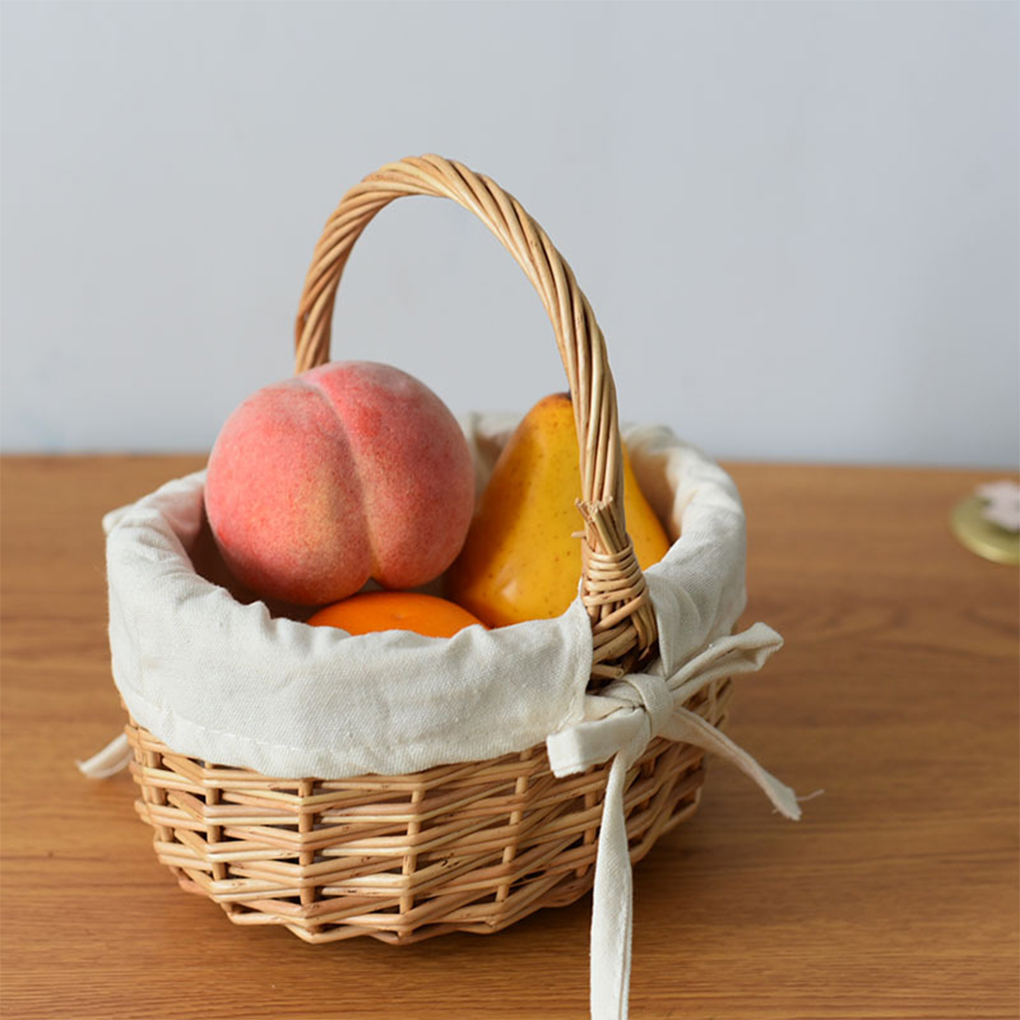 Aisha's pickBamboo Baskets for Homes With Too Much Stuff
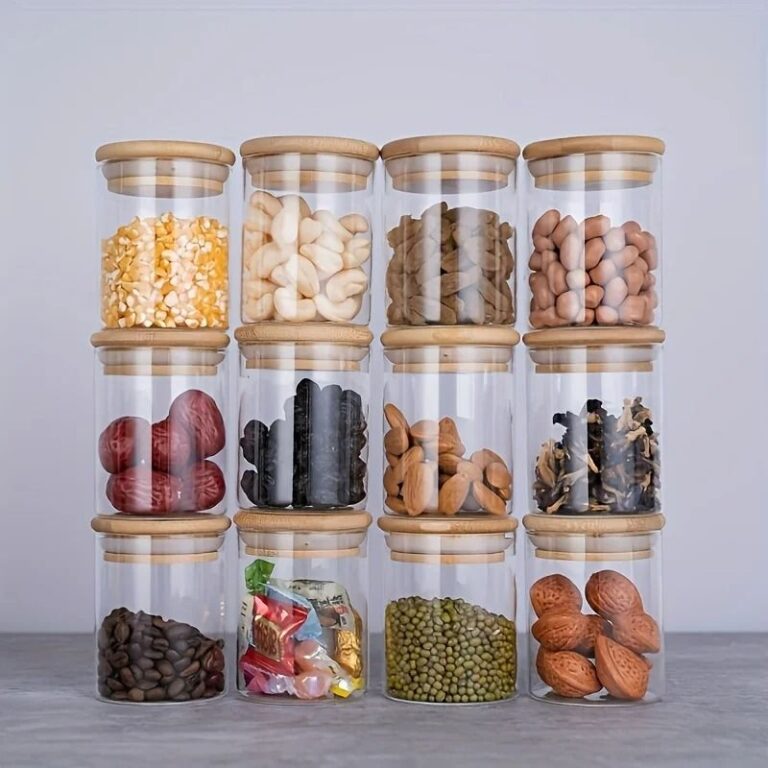 Aisha's pickWhere to Start With Bamboo Storage Jars
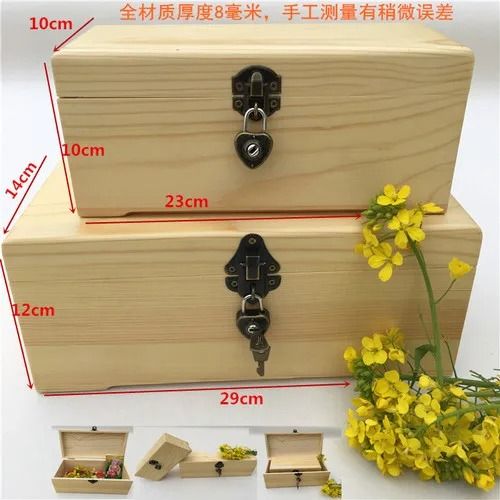 Aisha's pickPine Storage Boxes From Brands You Know and a Few You Won’t
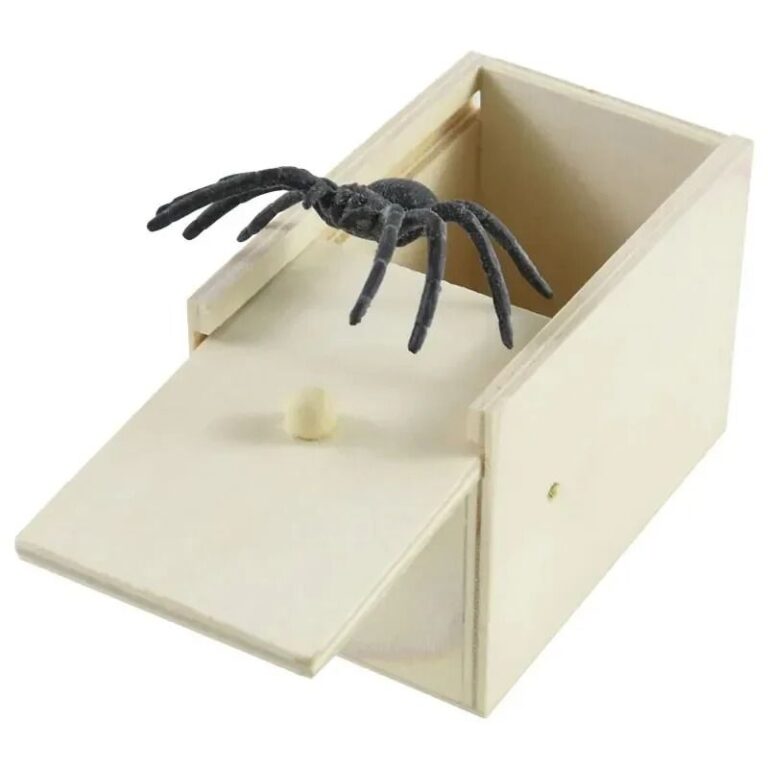
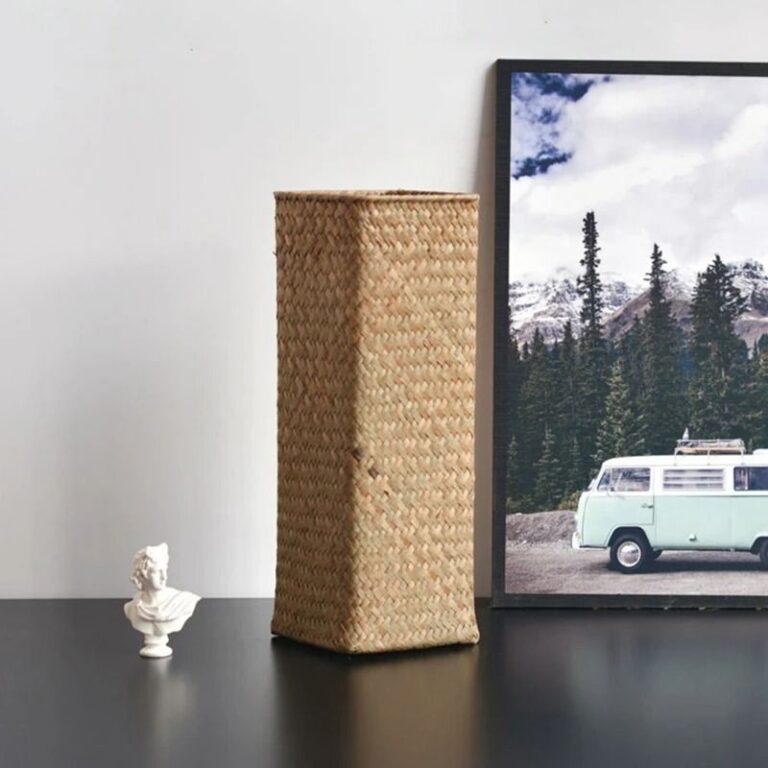 Aisha's pickBamboo Baskets for the Bits That Never Have a Home
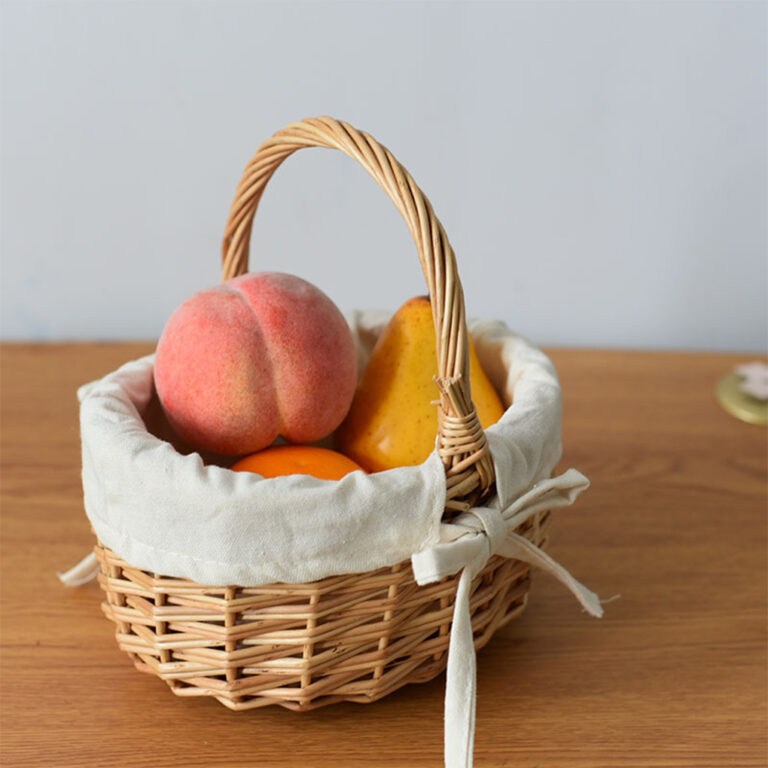
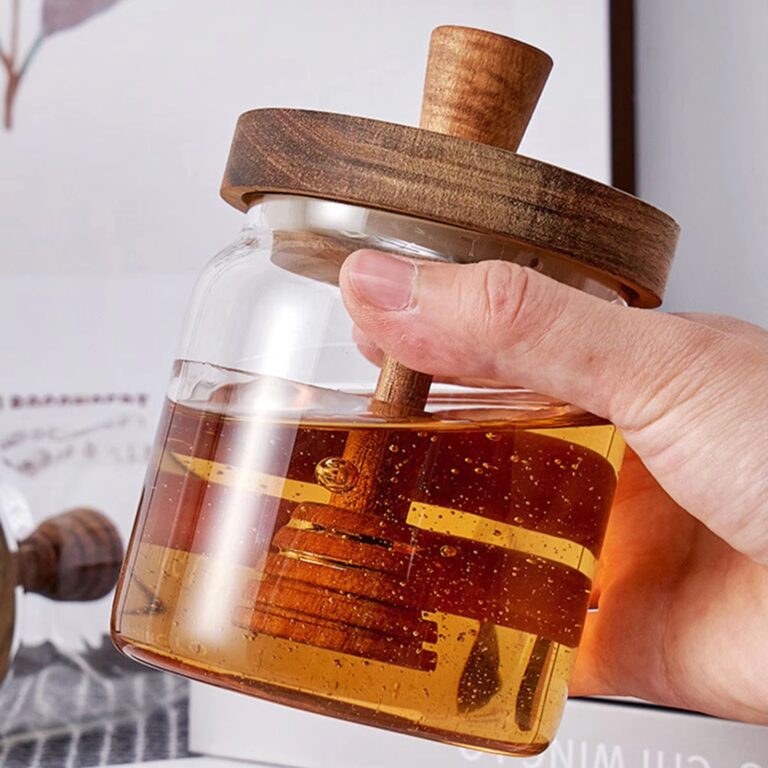 Aisha's pickWooden Storage Jars You’ll Still Like in Five Years

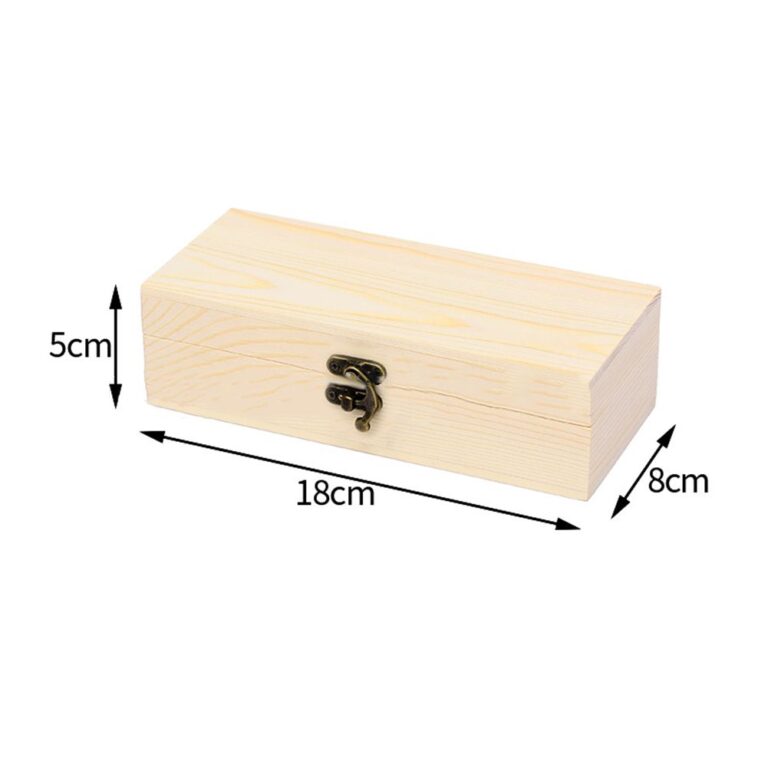 Aisha's pickPine Storage Boxes That Swallow the Clutter
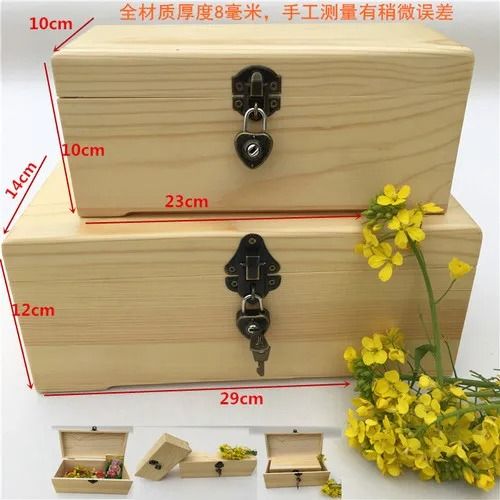
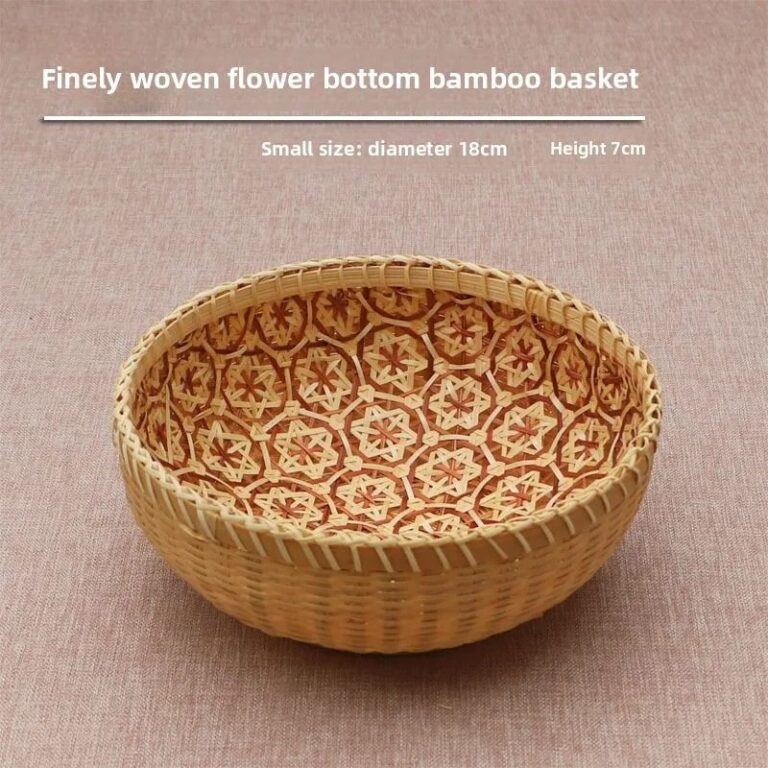 Aisha's pickNo Fuss Bamboo Storage Baskets
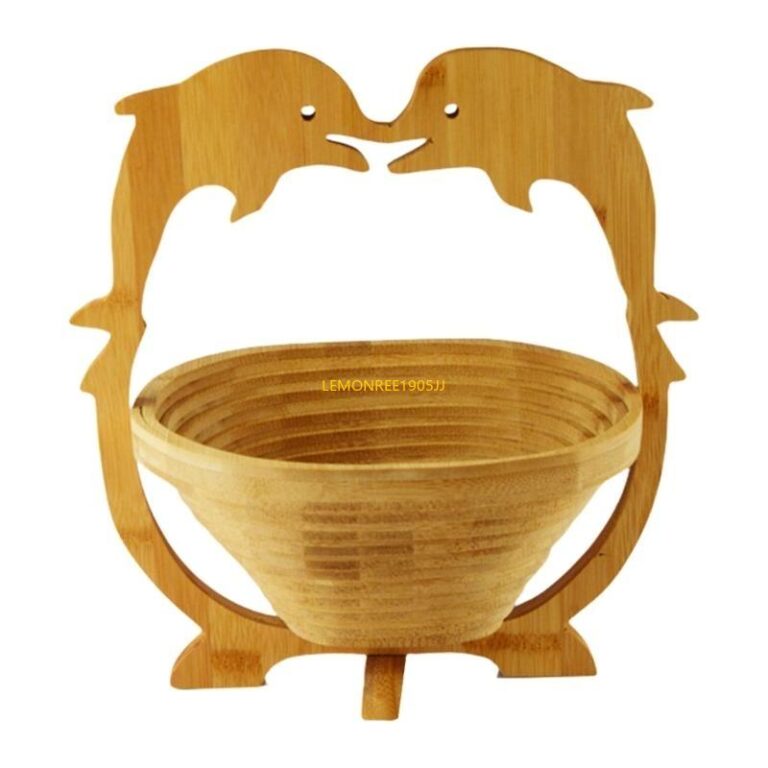
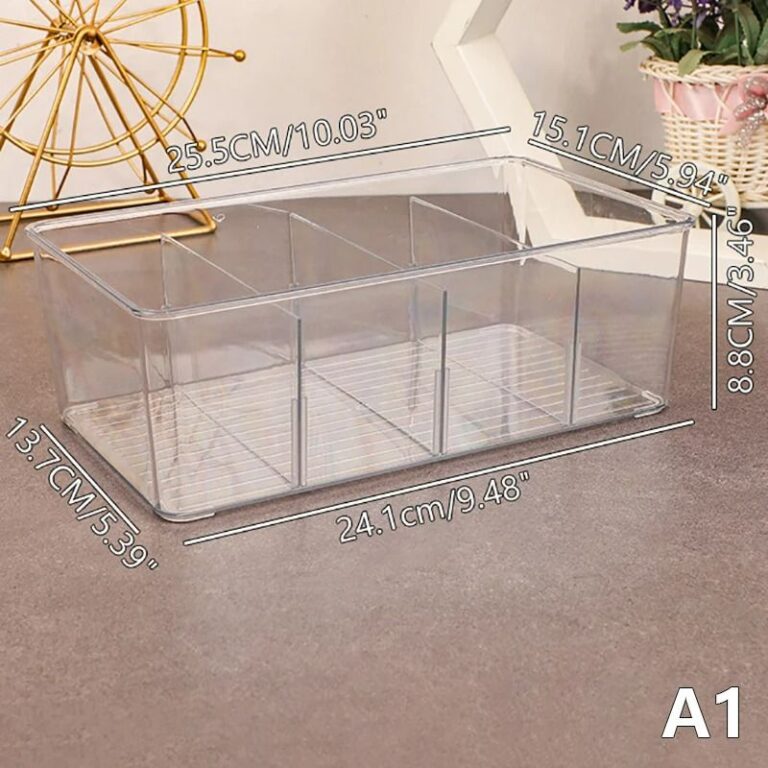 Aisha's pickSmall Wooden Storage Boxes That Keep Surfaces ClearAlso worth a lookWooden BoxesThe thing nobody tells you about a wooden box is that the lid never sits quite flush after…See the collections →
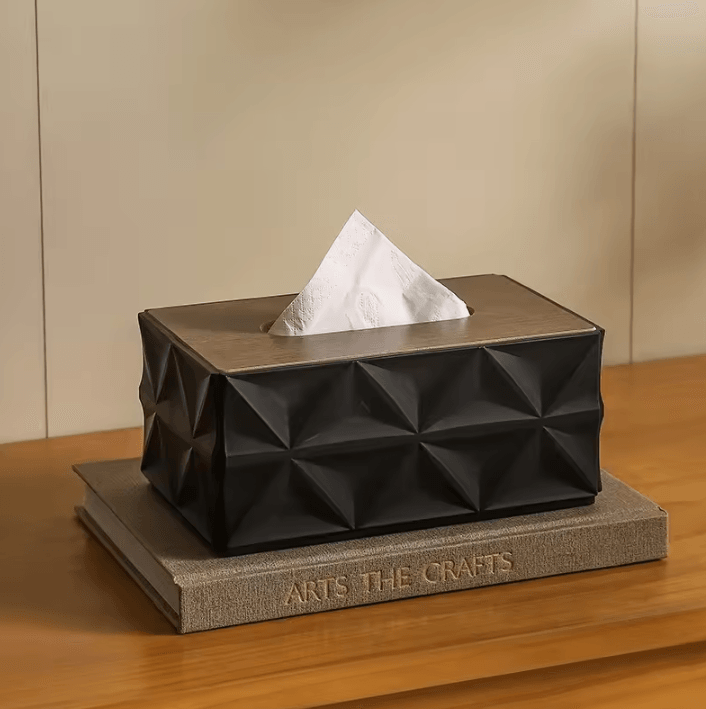
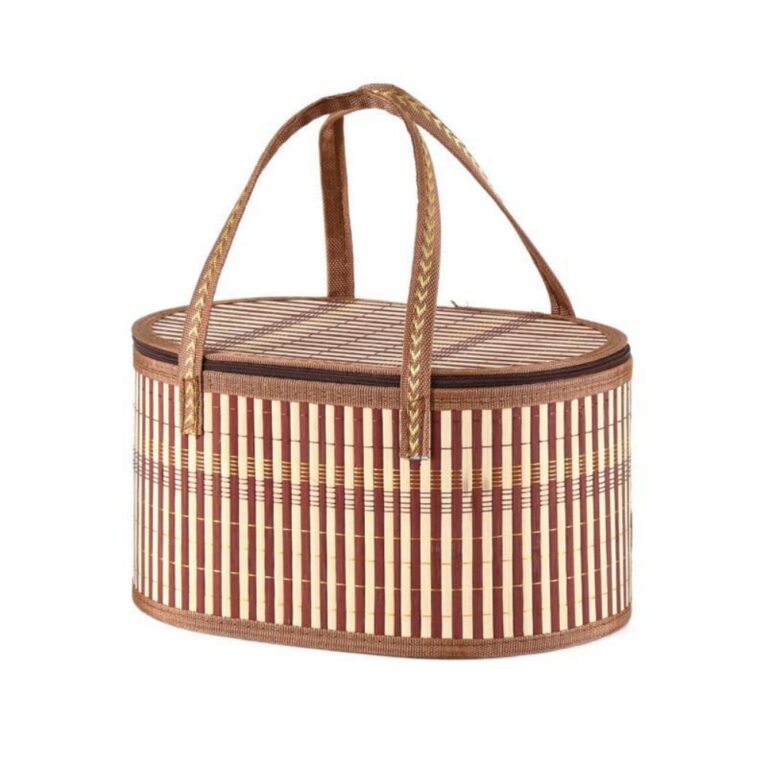 Aisha's pickBamboo Storage Baskets Hunted Down So You Don’t Have To
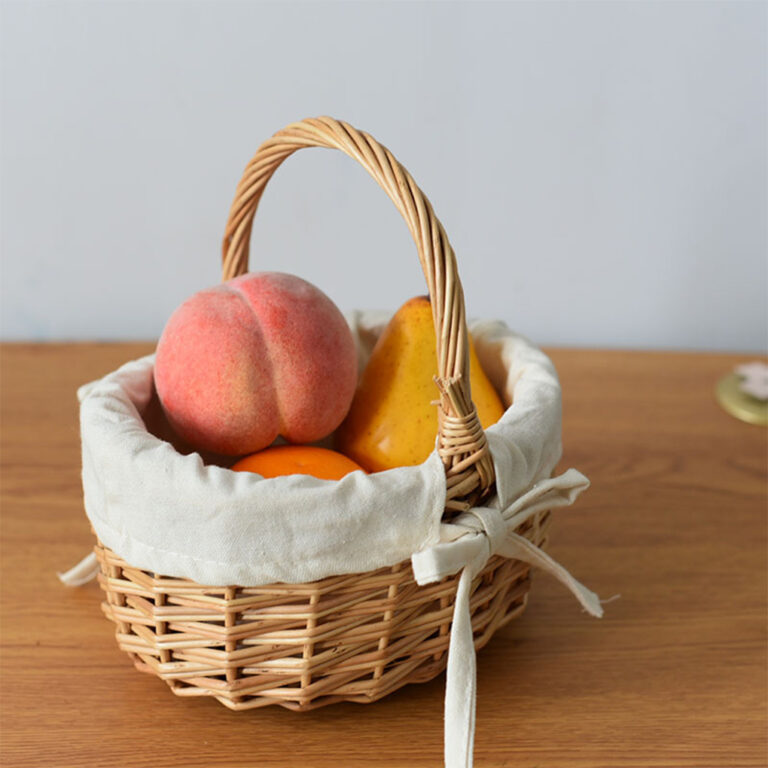
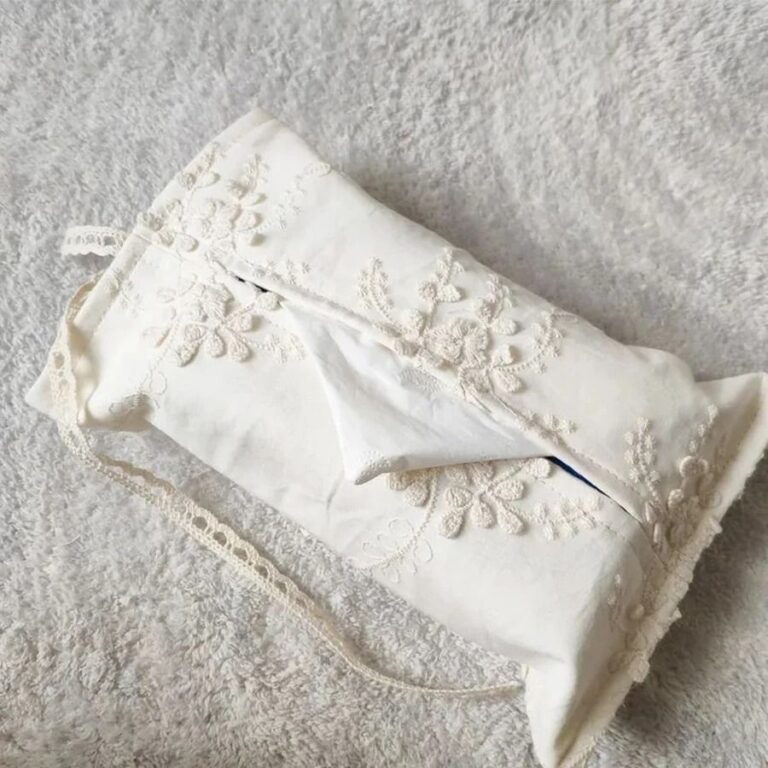 Aisha's pickSmall Wooden Storage Boxes You’ll Keep for Years
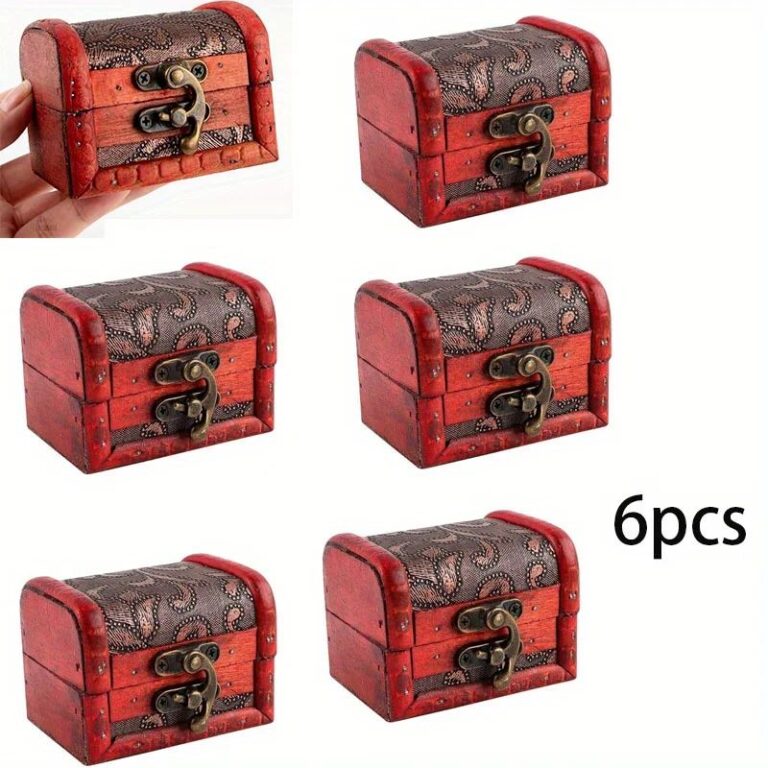
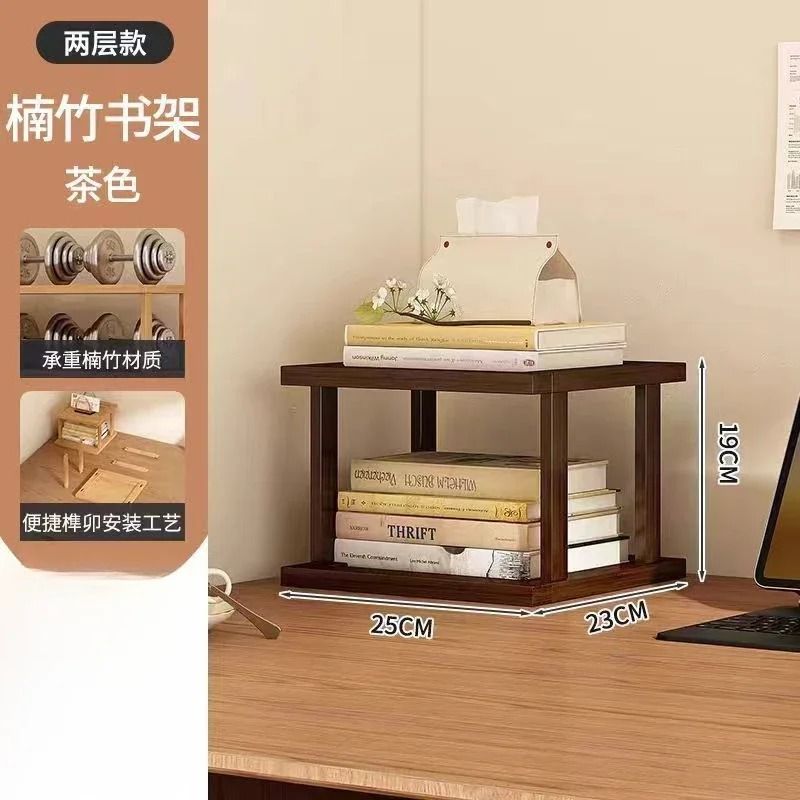 Aisha's pickBamboo Tool Storage With a Bit More About It
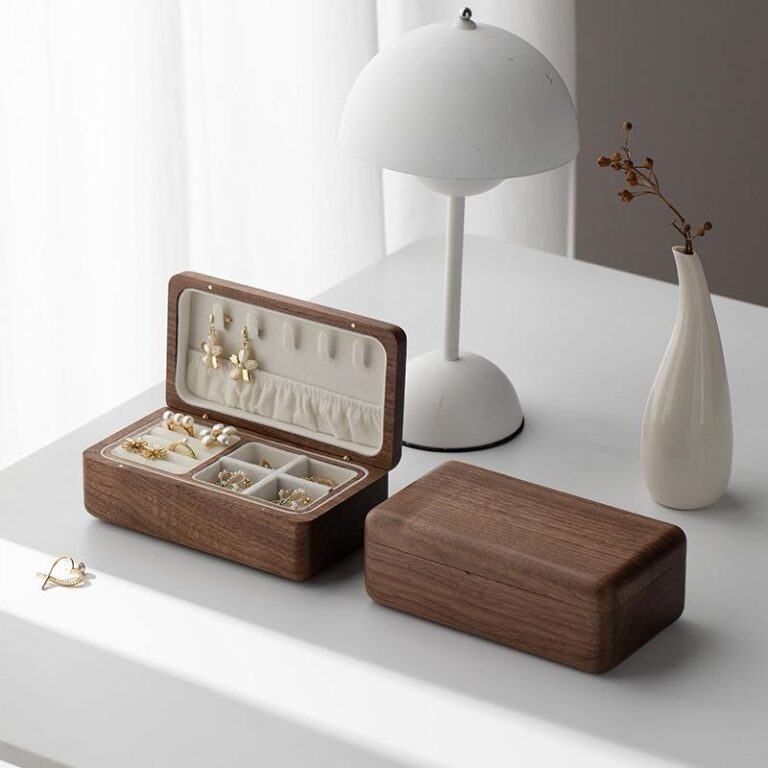 Aisha's pickWalnut Storage Boxes for the Bits That Never Have a Home
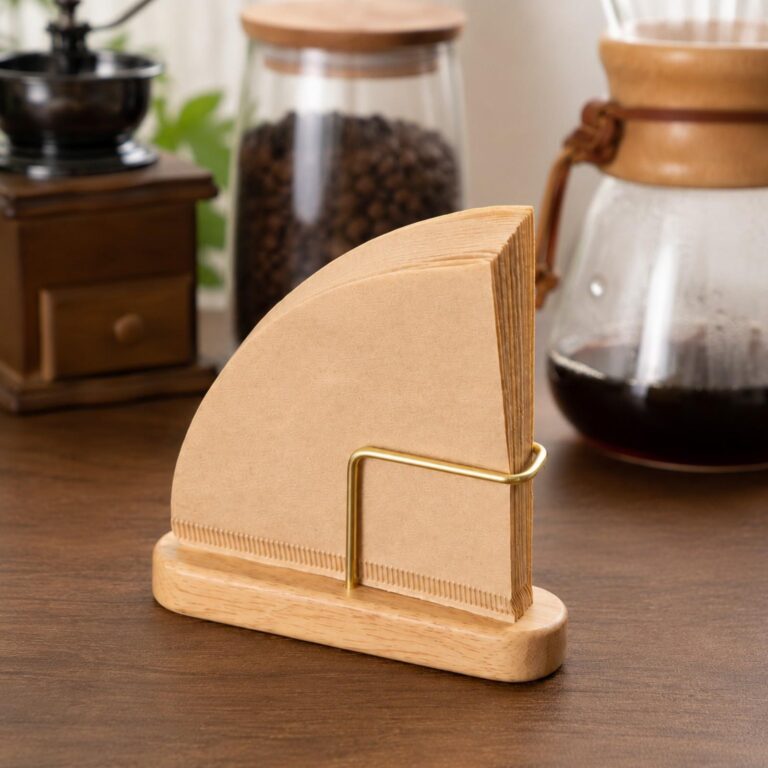
 Aisha's pickOur Shortlist of Oak Entryway Storage
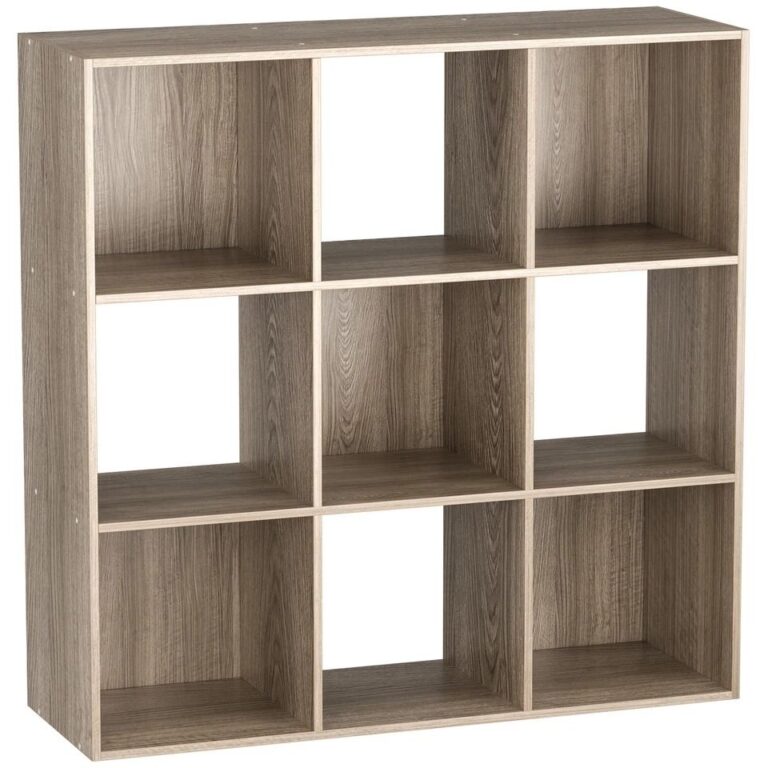
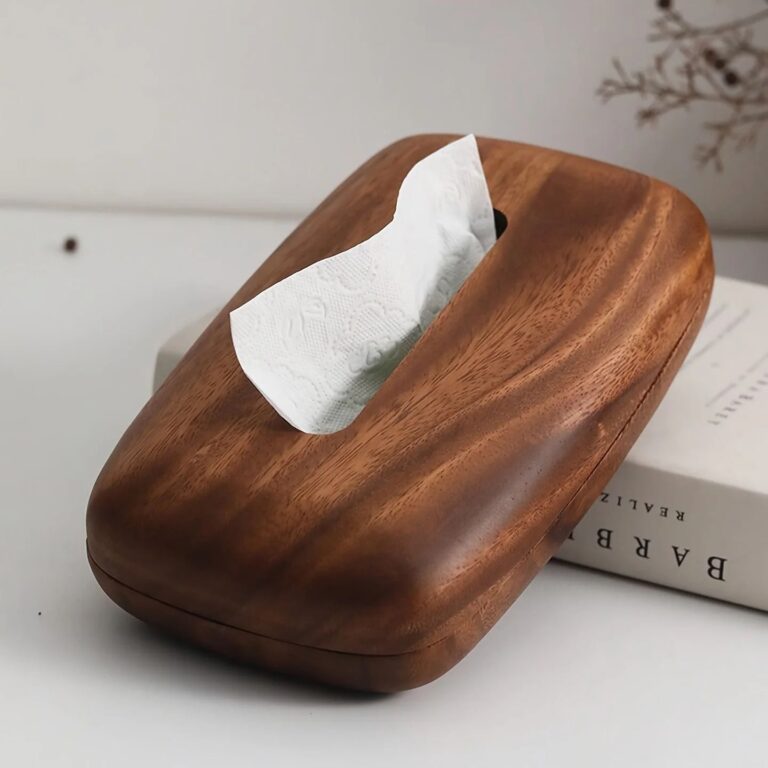 Aisha's pickWalnut Storage Boxes Picked by People Who Care Too Much
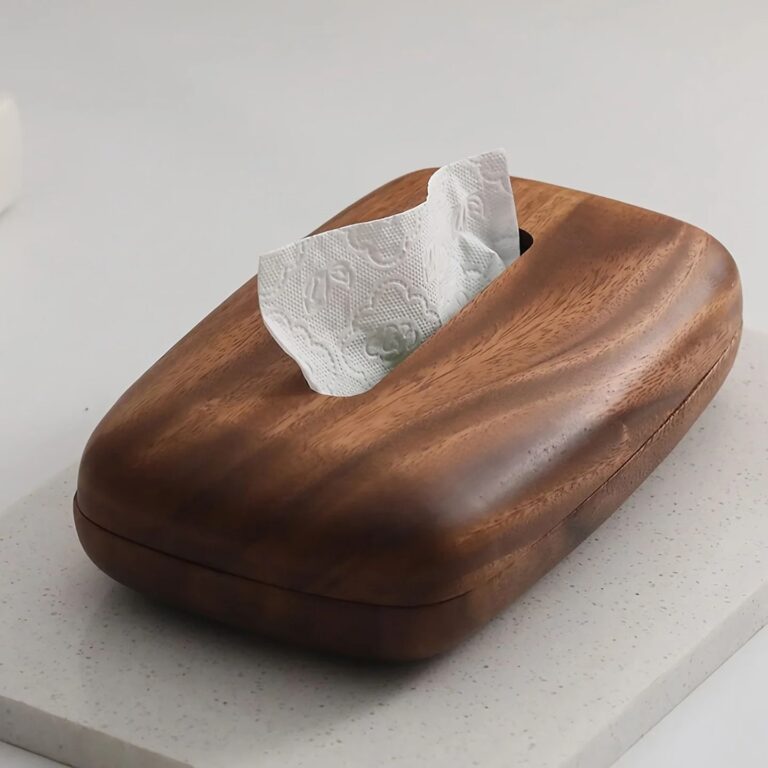
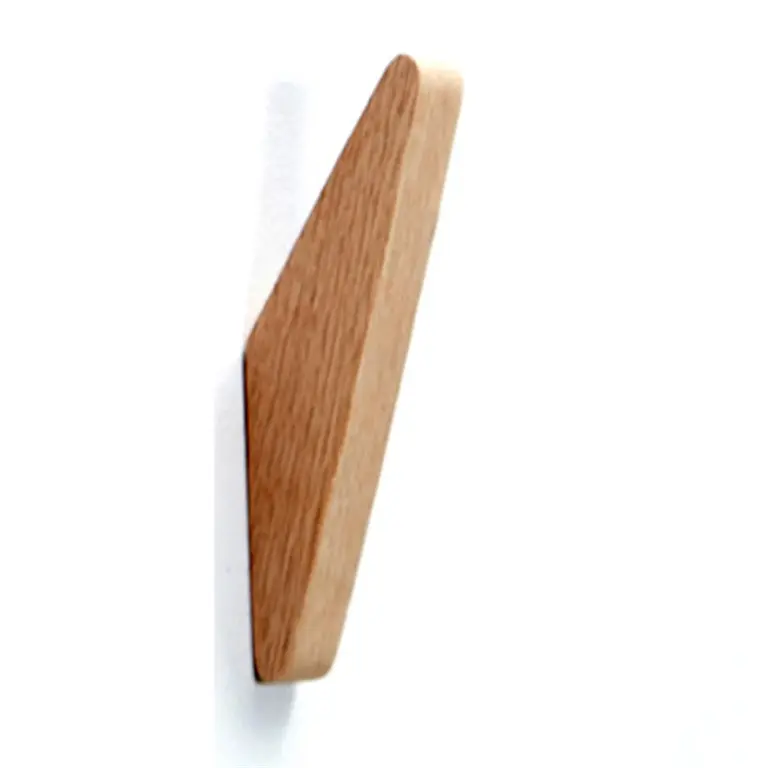 Aisha's pickOak Hallway Storage From Brands You Know and a Few You Won’t
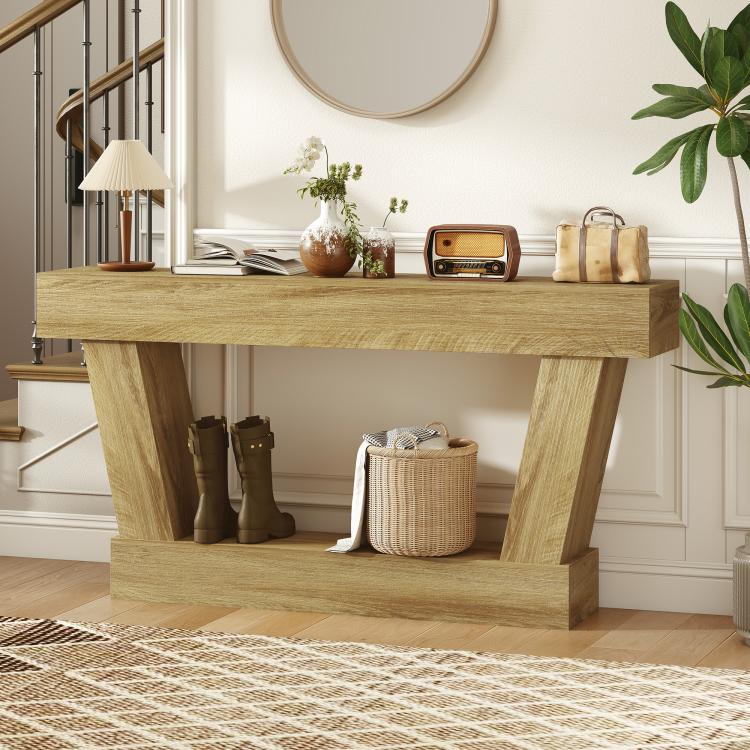
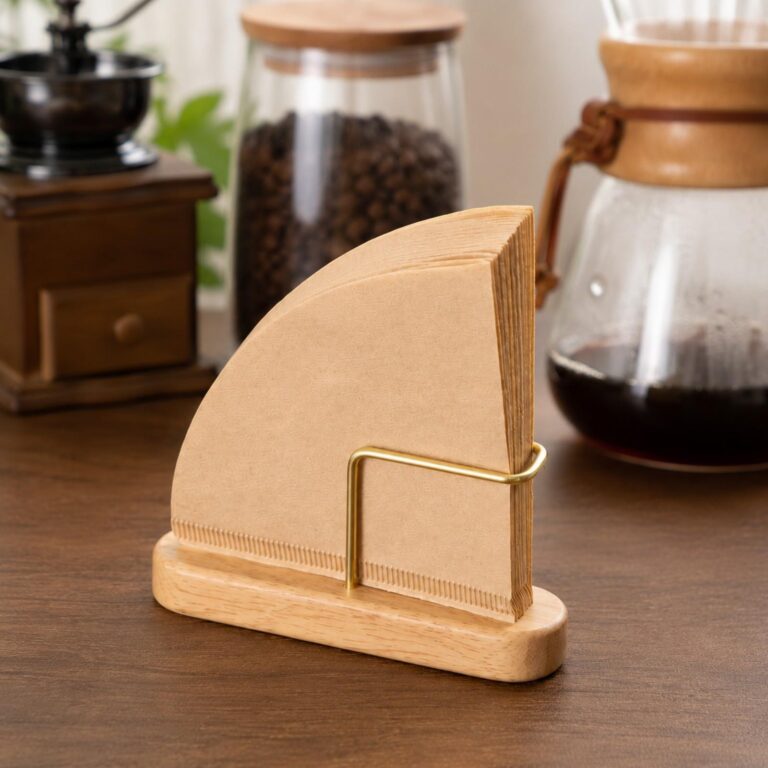 Aisha's pickWalnut Wooden Storage Boxes That Look Like They Cost More
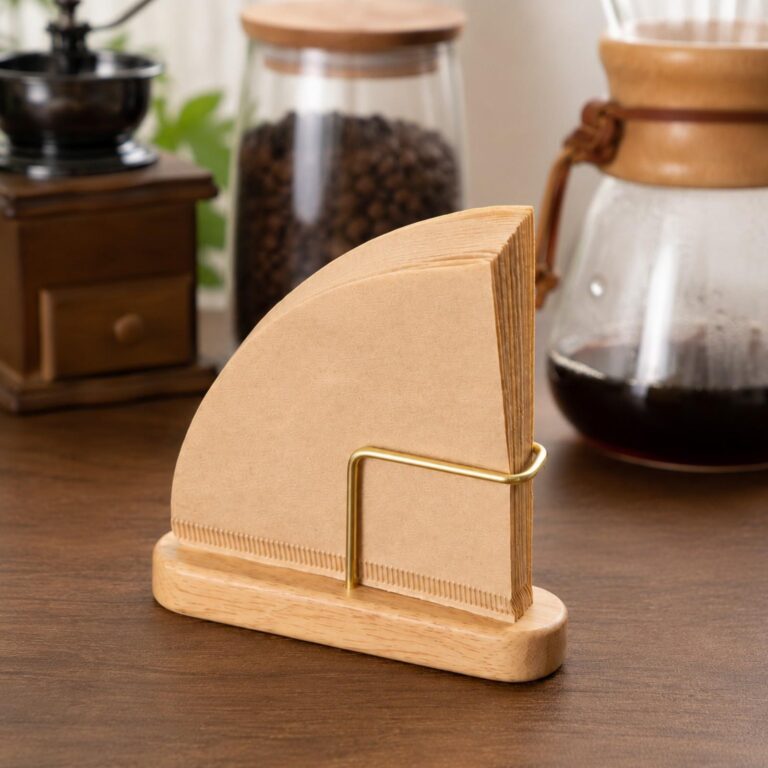
 Aisha's pickOak Home Office Storage With Some CharacterAlso worth a lookStorage BoxesLate January is when storage boxes earn their keep, when the holiday decorations need somewhere to live that…See the collections →
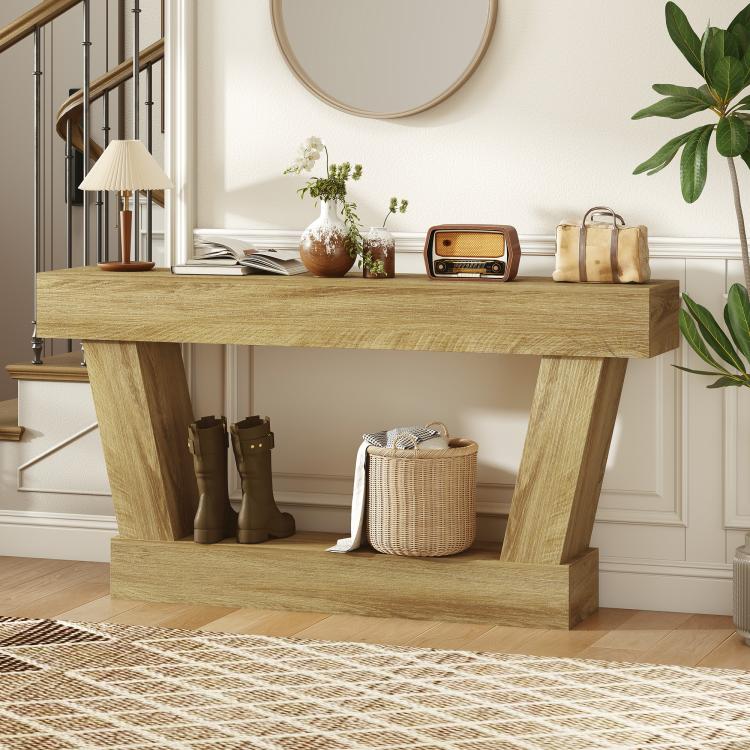
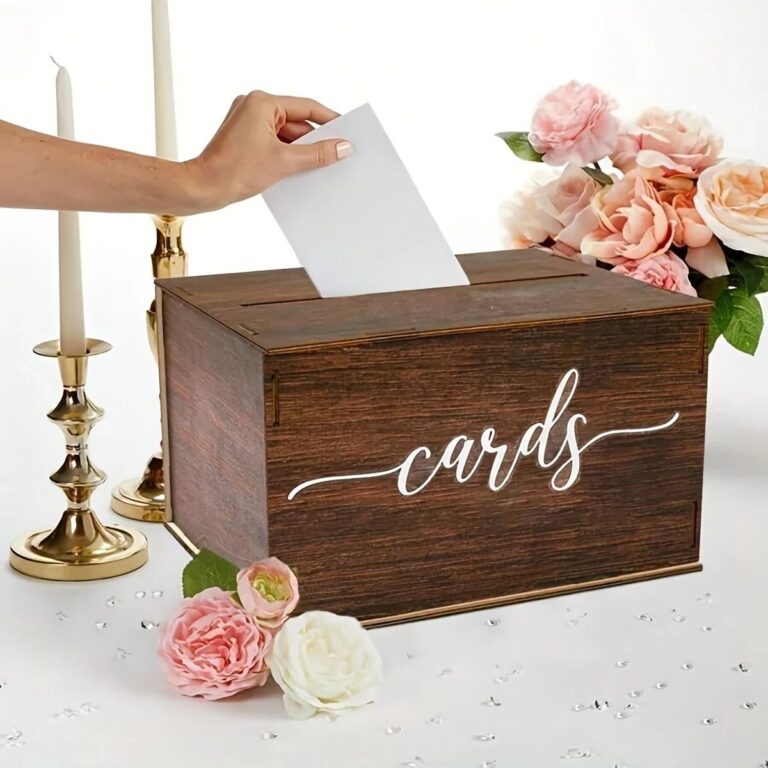 Aisha's pickWooden Decorative Boxes That Make Tidying Up Quicker
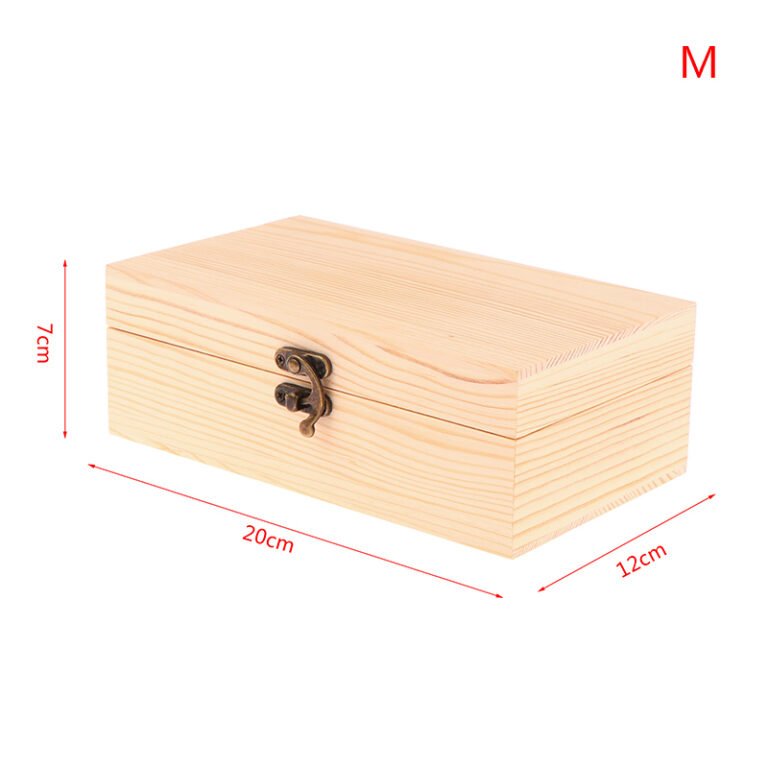
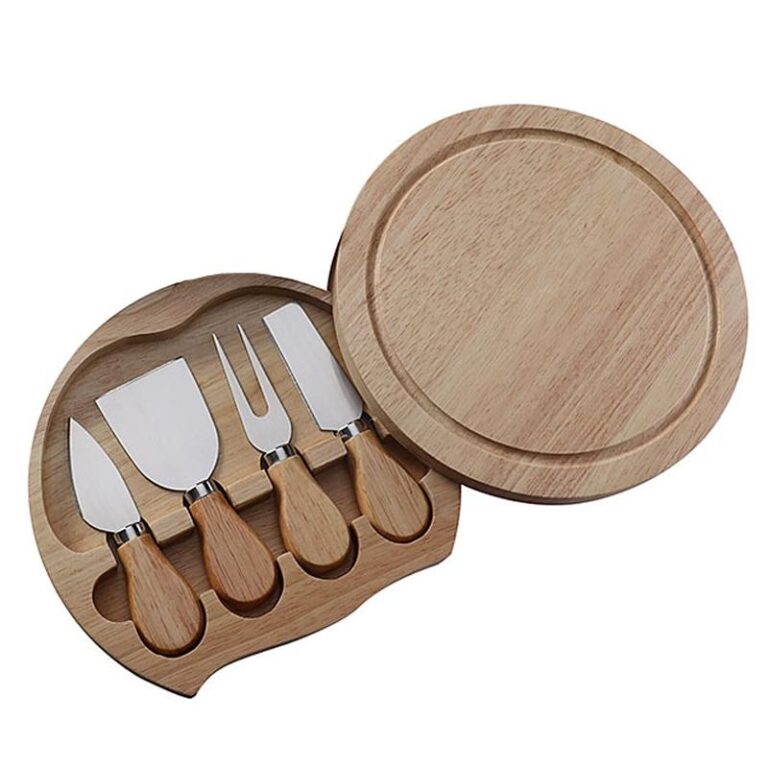 Aisha's pickOak Tool Storage That Earns Its Place
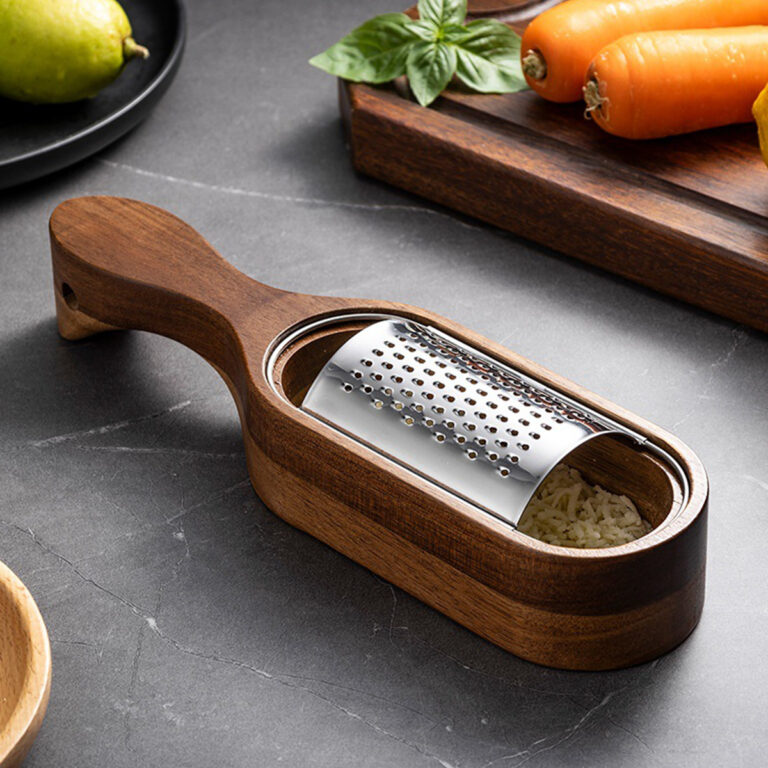 Aisha's pickWooden Key Boxes That Keep Surfaces Clear
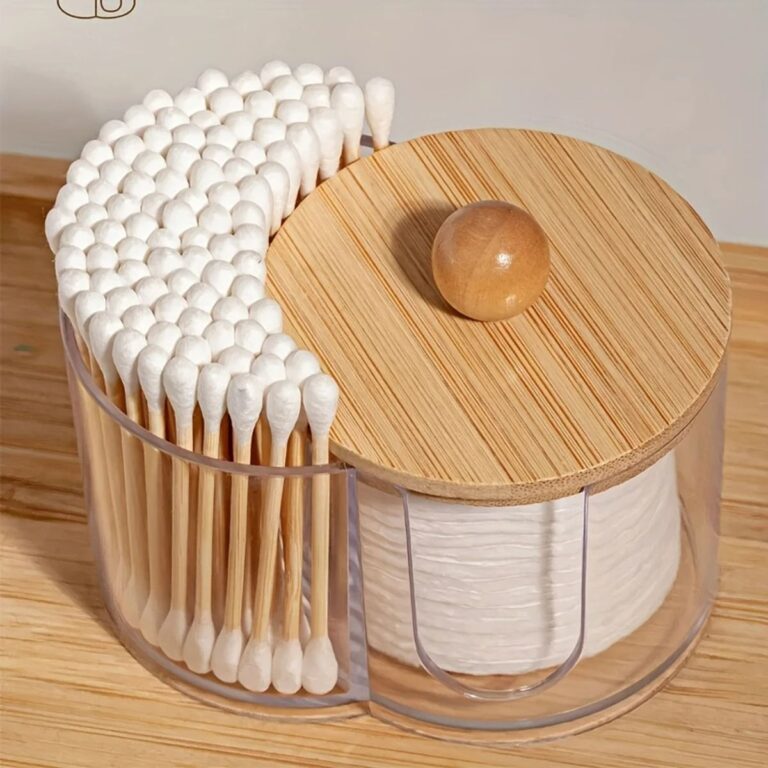
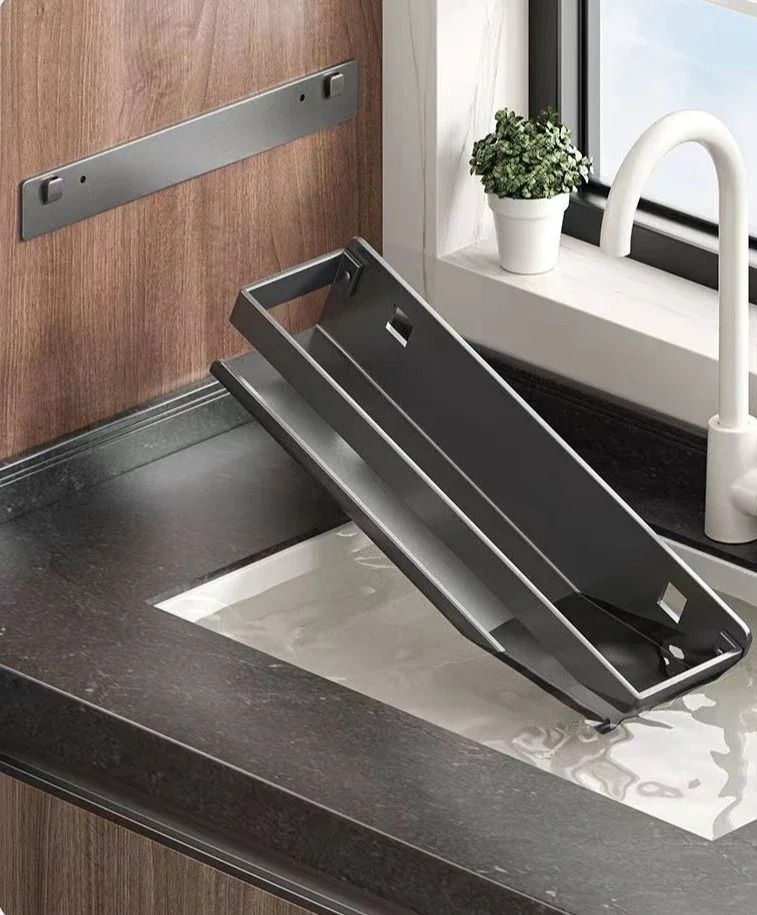 Aisha's pickSimple Solid Wood Tool Storage Done Well
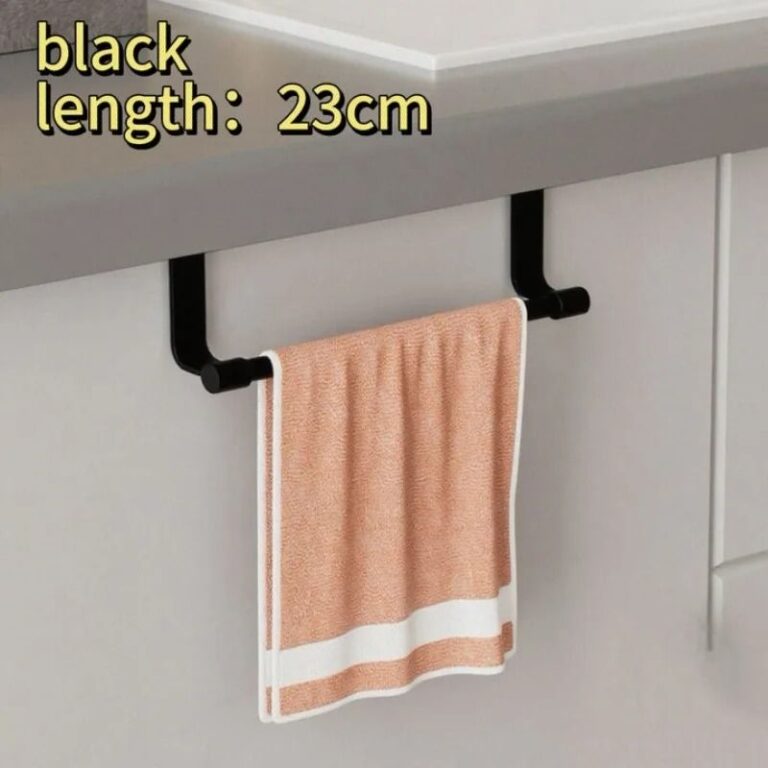
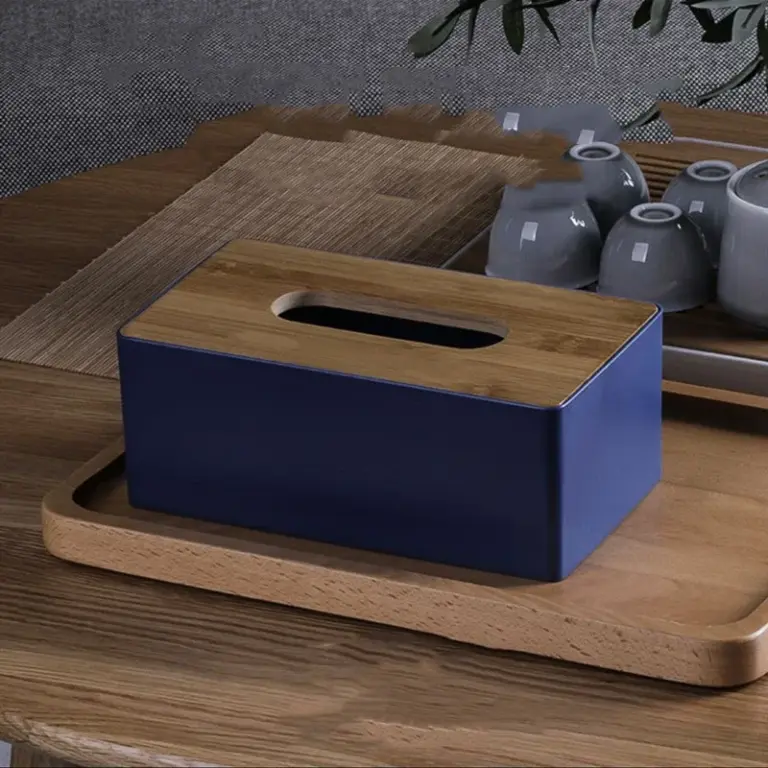 Aisha's pickThe Bamboo Storage Boxes Worth Your Cash
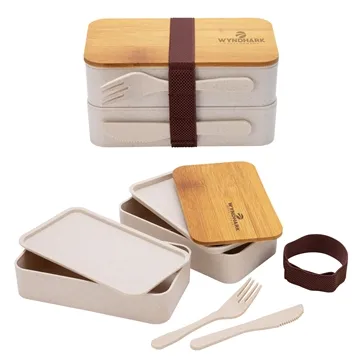
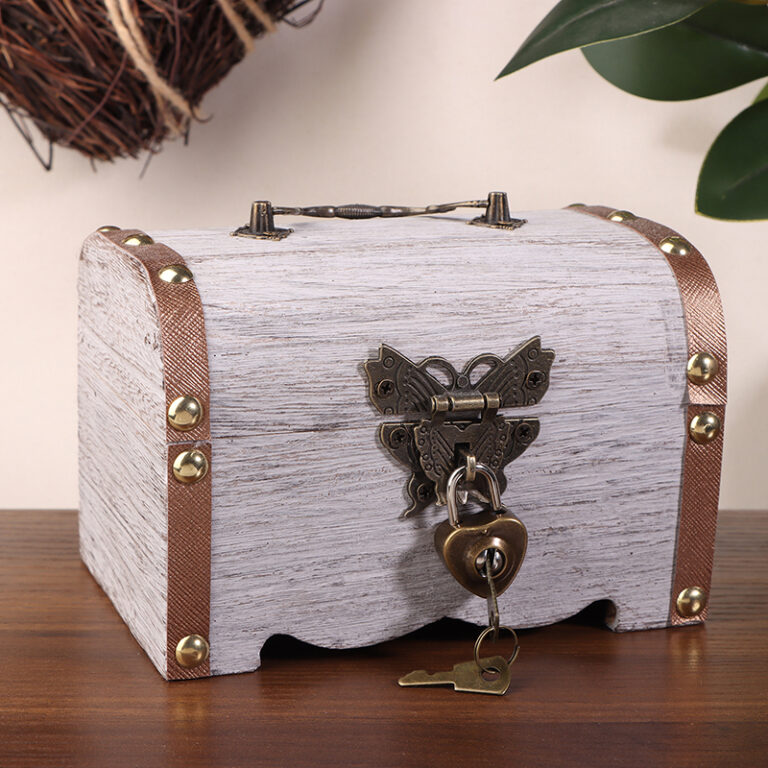 Aisha's pickWooden Storage Boxes That Sort Out the Chaos
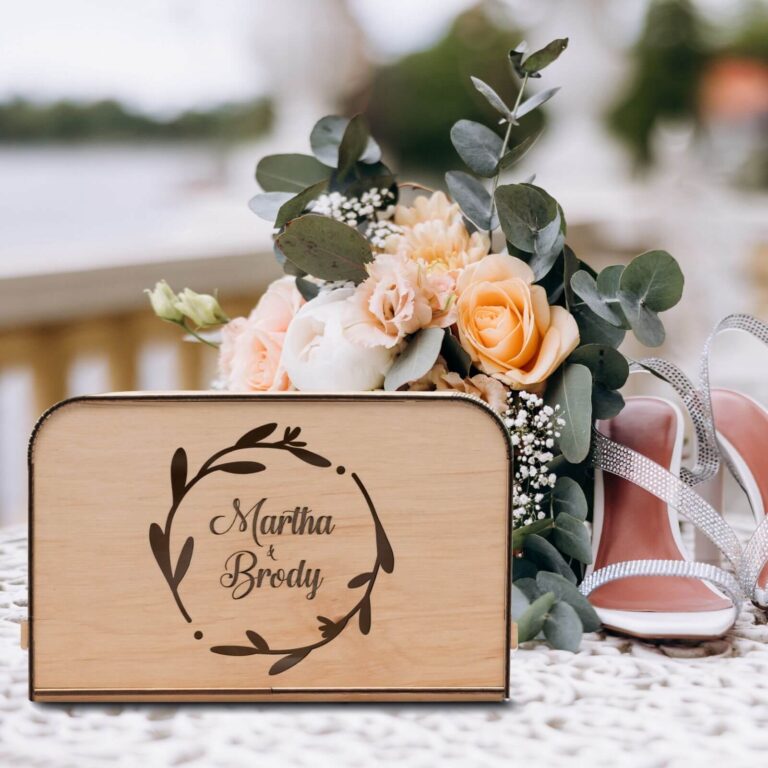
 Aisha's pickSolid Wood Closet Storage Hunted Down So You Don’t Have To
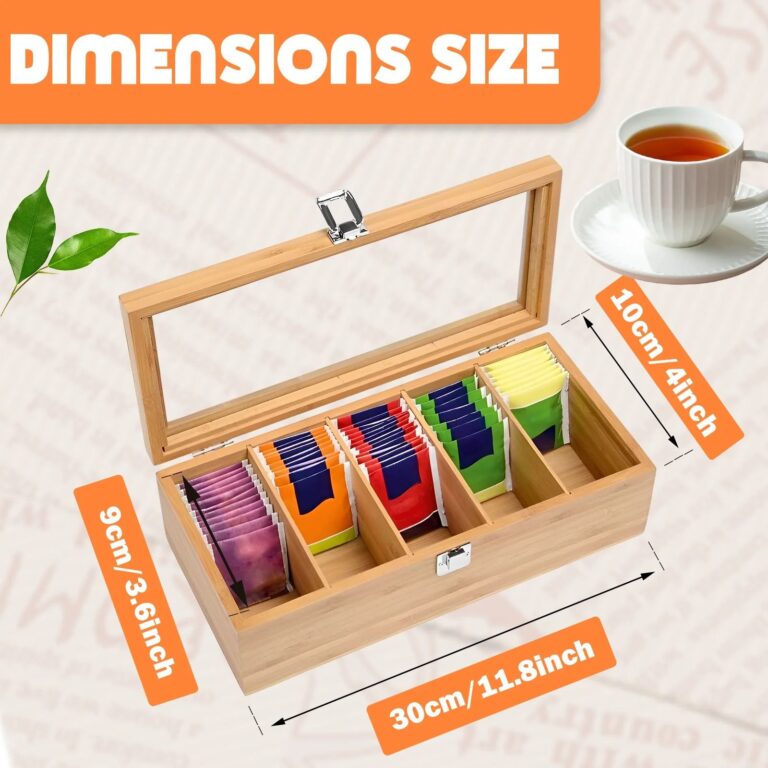 Aisha's pickBamboo Storage Boxes That Hold Up to Everyday Life