This is the time of year when the closets fill up, when the sweaters that fit three summer months ago get shoved somewhere and the beach towels need a home before the holiday stuff starts coming down from the attic. That's when wooden boxes earn their keep, sitting on a shelf or stacked in a corner, looking like furniture instead of the plastic bins they're replacing.
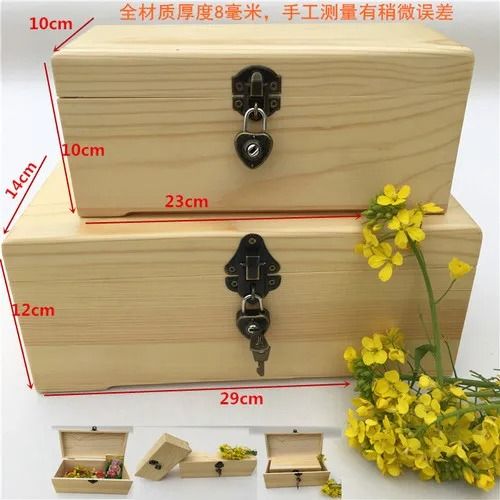
They're not right for everything, though. Anything that needs to breathe or stay dry without question, linens you're storing long term, anything near a damp basement or a laundry room with a leaky hose, do better in something sealed. Wood swells and sticks in humidity, and a lid that fit perfectly in March can jam by August. In the shop, check the joints before anything else, not just the front where it looks nice, but the back corners and the base, because a box that's glued rather than joined will loosen inside a year of actual use. Run a hand along the inside too. Cheap pine splinters, and you don't want to find that out with your hand already in the box reaching for something. On delivery day, check the lid sits flush and the hinges, if it has any, aren't already loose, because those don't tighten themselves later. Over time, solid wood like oak or walnut will darken a little with light and handling, which looks better, honestly, than it sounds. Pine stays pale and picks up dings that read as character for a while and then just read as dings. A little furniture oil once or twice a year keeps either from drying out and going gray. Wipe spills immediately, water rings are forever on an unsealed finish, and nobody wants to explain that mark to themselves every day. For sizing, measure the shelf or the space with a tape, not by eye, and leave at least an inch on each side for your hand to actually lift the thing out, because a box that fits a shelf perfectly is a box you'll never remove again. Scale matters more than people assume, one box swallowed by a big shelf looks like an afterthought, three together in graduated sizes look intentional. The usual mistake is buying one enormous box to solve every storage problem in a room, when two or three smaller ones sort things better and don't throw your back out lifting them.
Mostly what they do is make the stuff you'd rather not look at look like it belongs there on purpose.
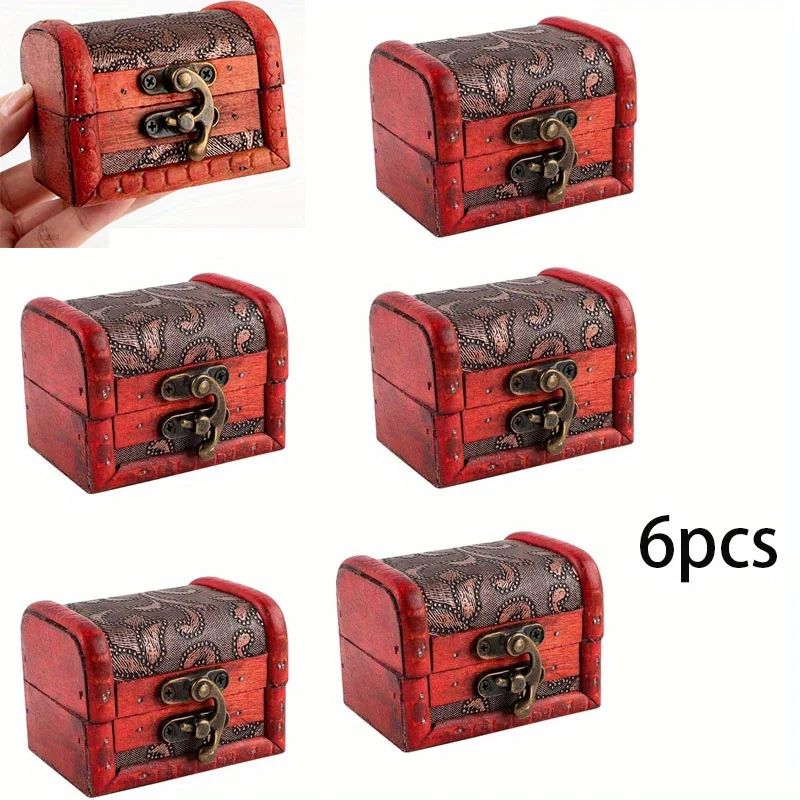
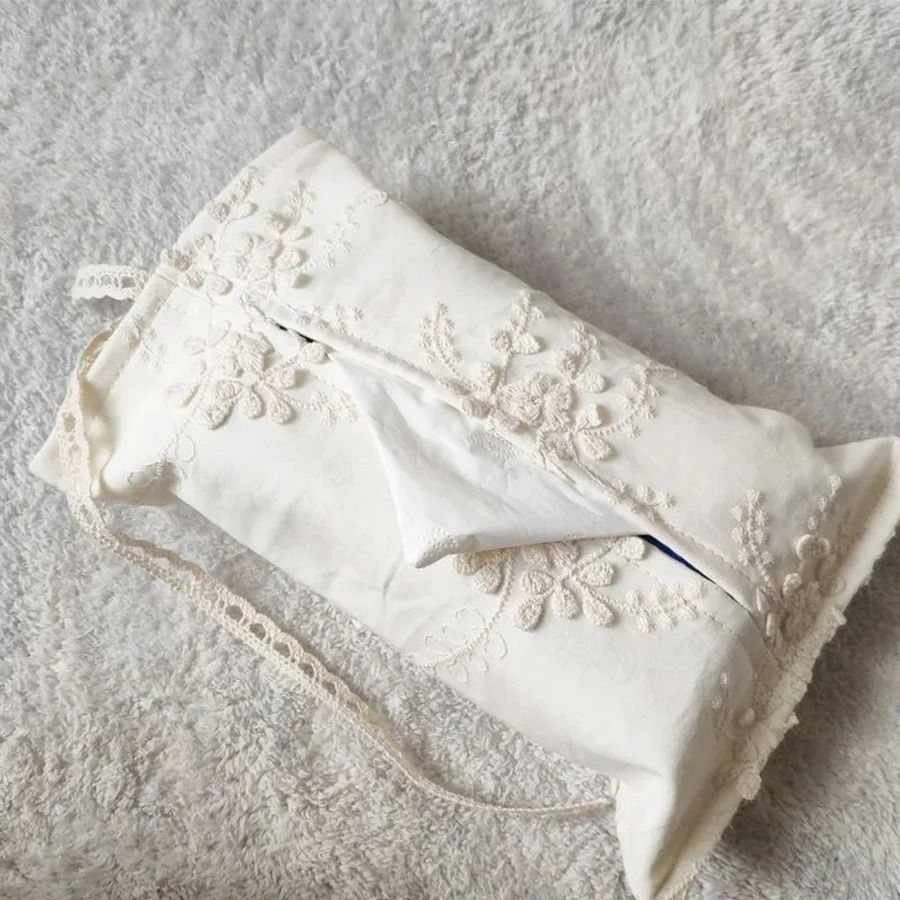 Aisha's pickSmall Wooden Storage Boxes You’ll Keep for Years
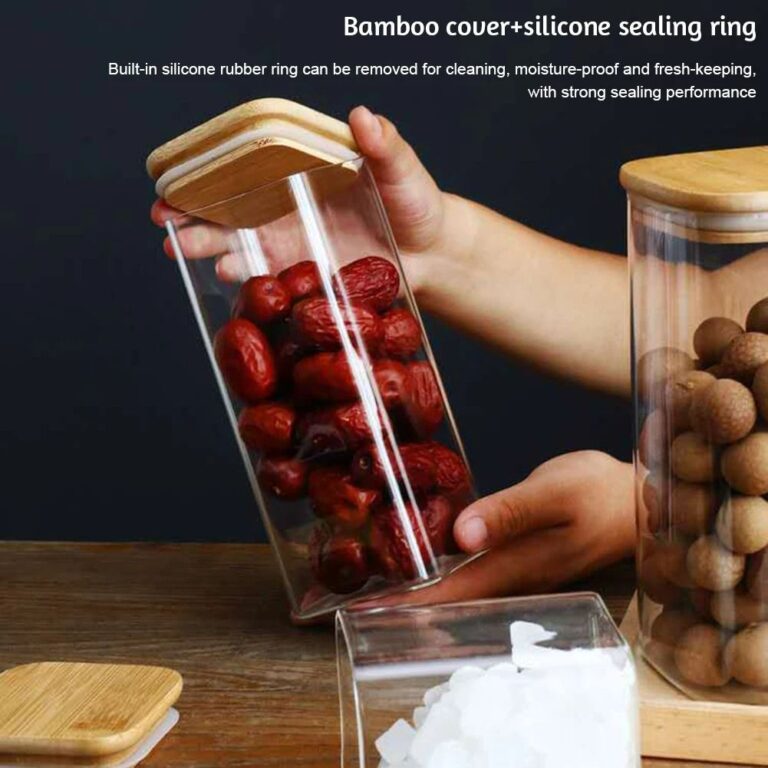
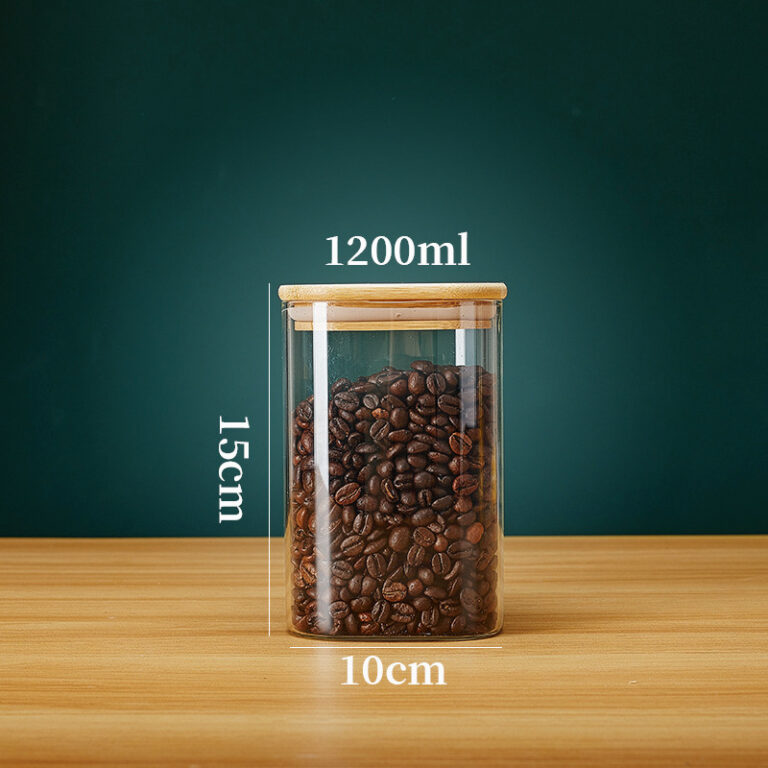 Aisha's pickBamboo Kitchen Storage Jars That Make Tidying Up Quicker
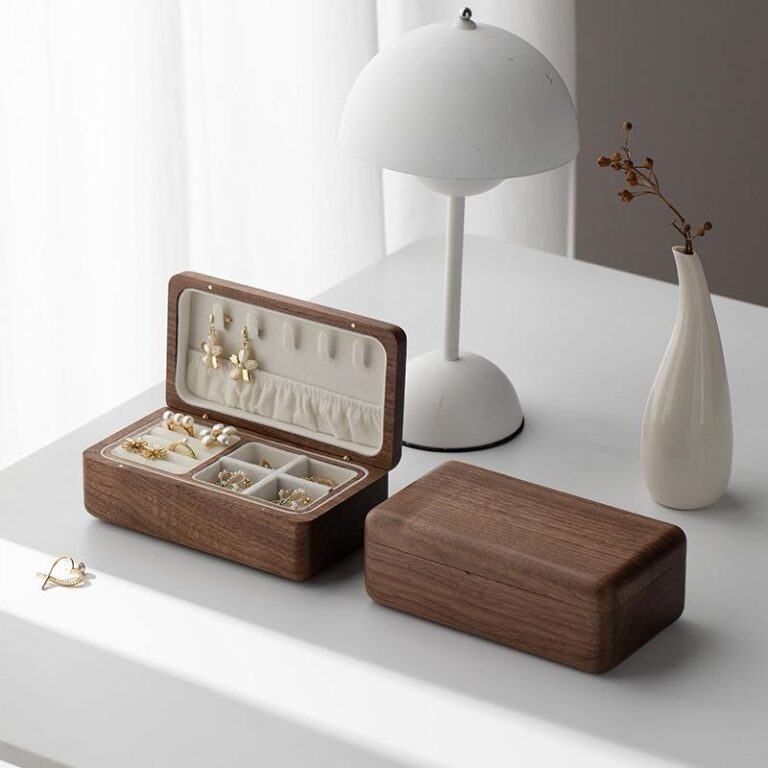 Aisha's pickWalnut Storage Boxes for the Bits That Never Have a Home
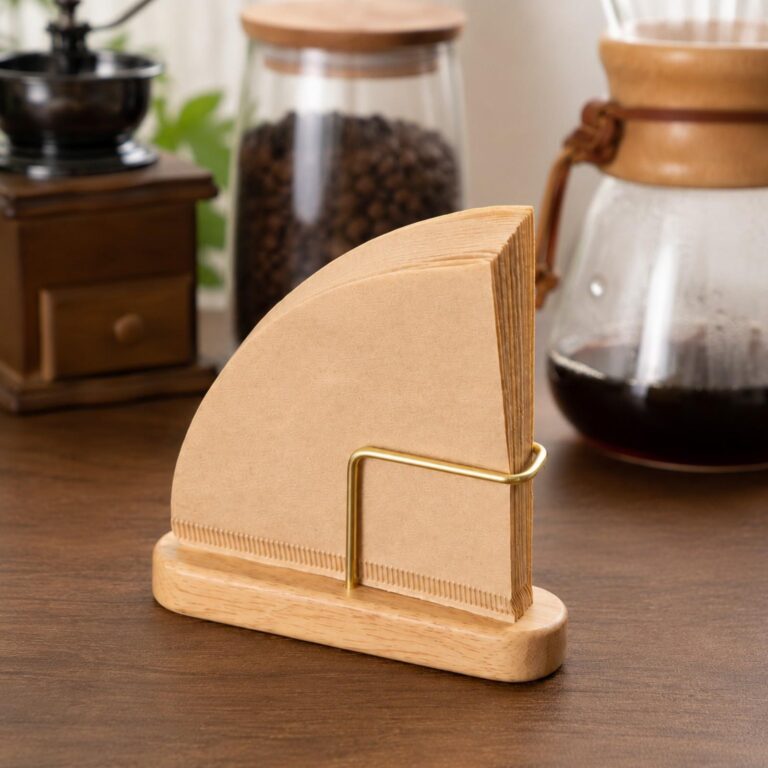
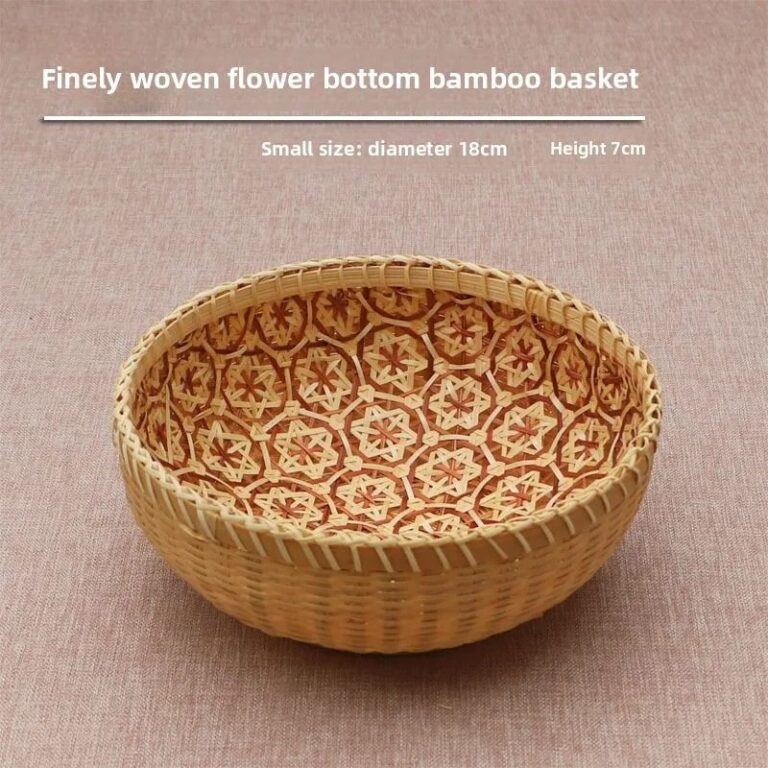 Aisha's pickNo Fuss Bamboo Storage Baskets
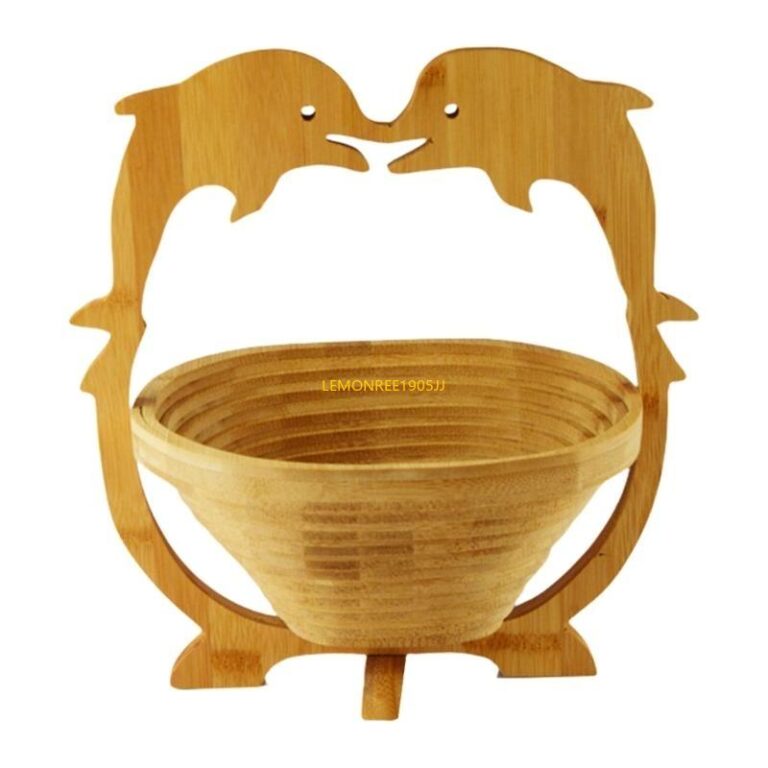
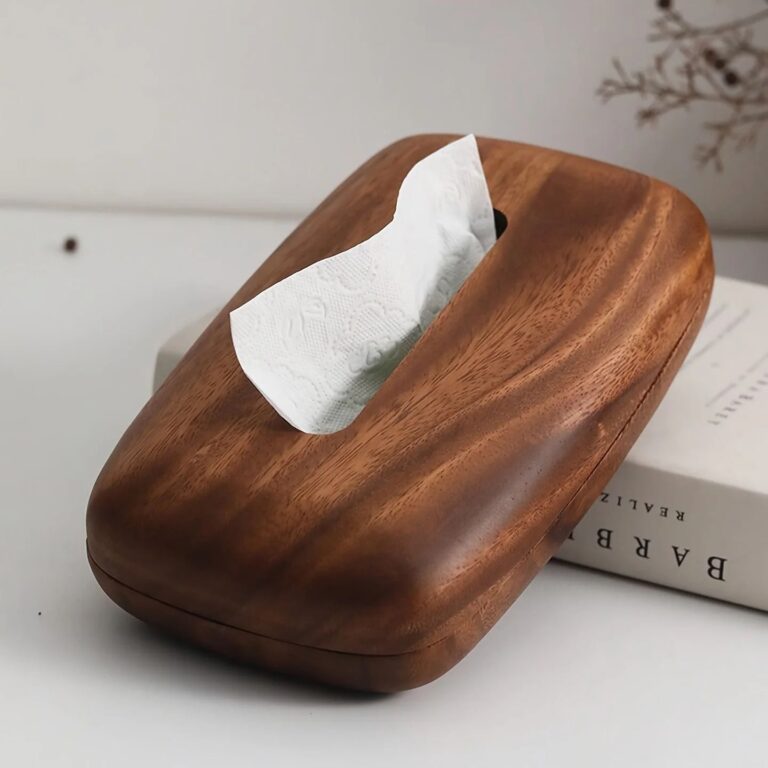 Aisha's pickWalnut Storage Boxes Picked by People Who Care Too Much
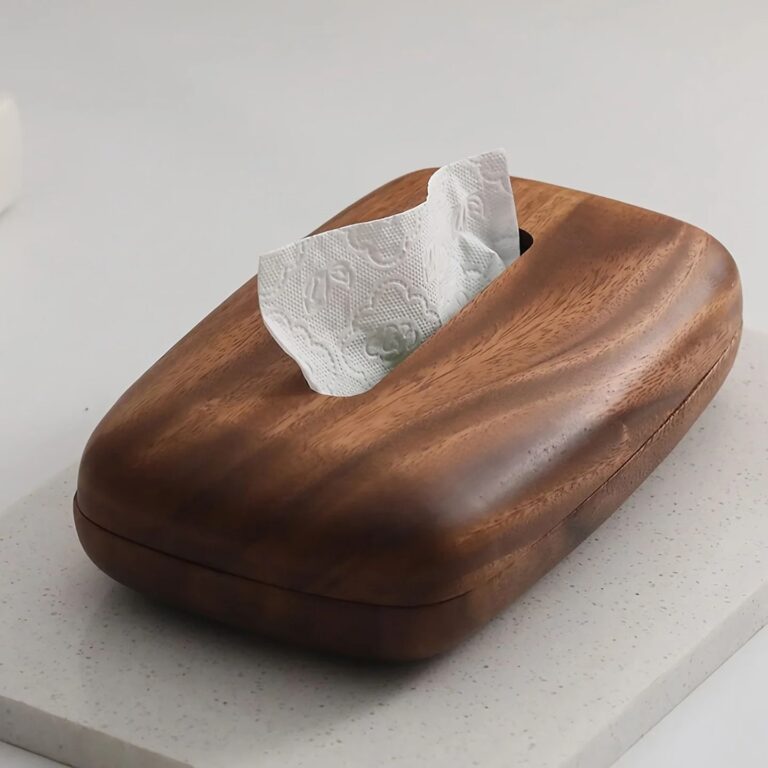
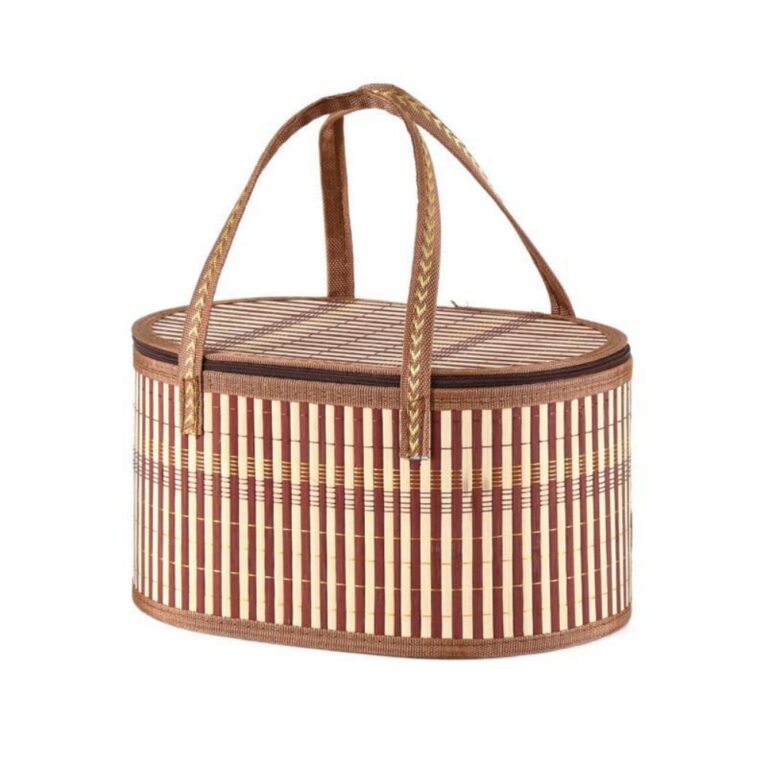 Aisha's pickBamboo Storage Baskets Hunted Down So You Don’t Have To
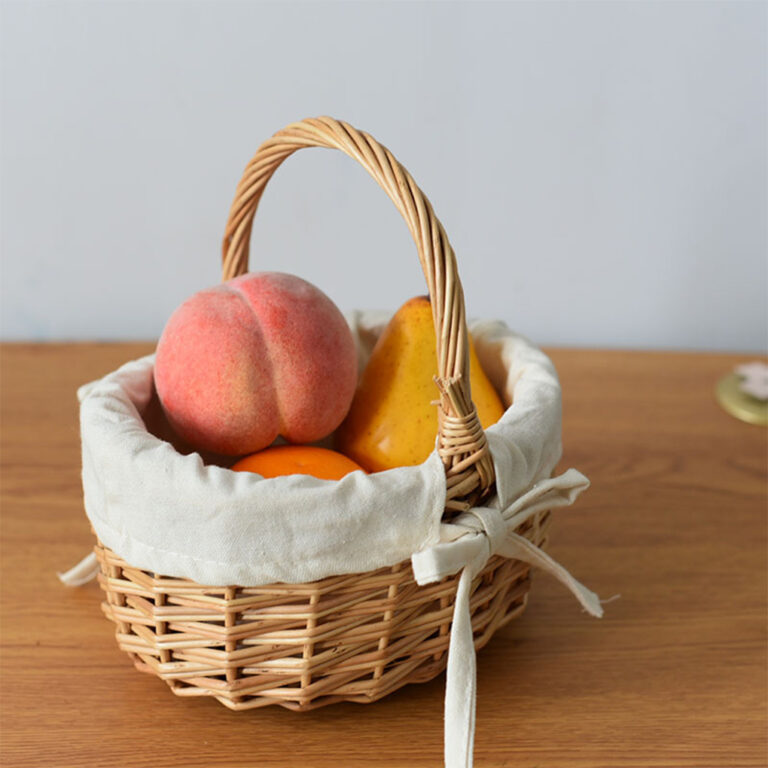
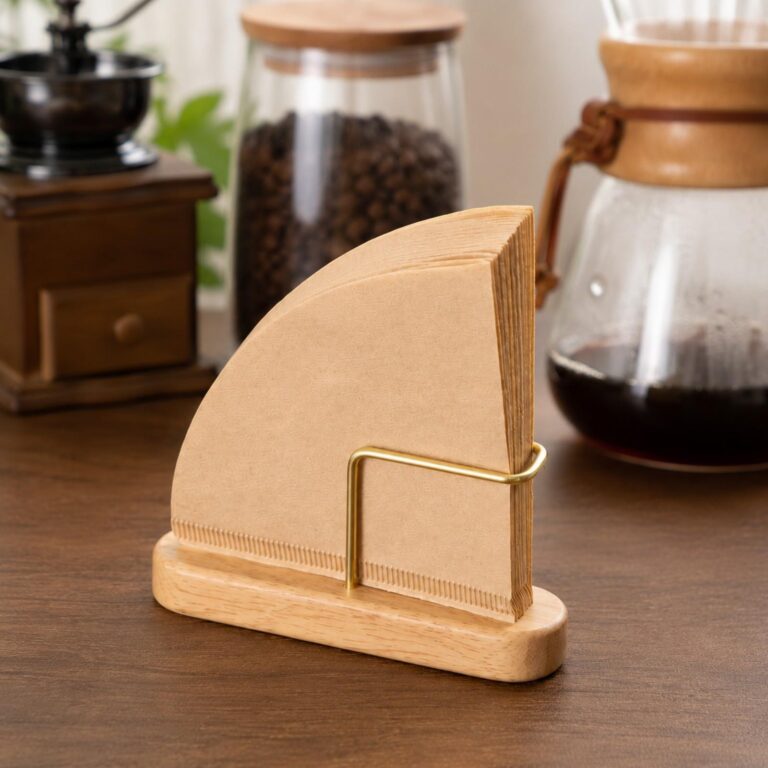 Aisha's pickWalnut Wooden Storage Boxes That Look Like They Cost More
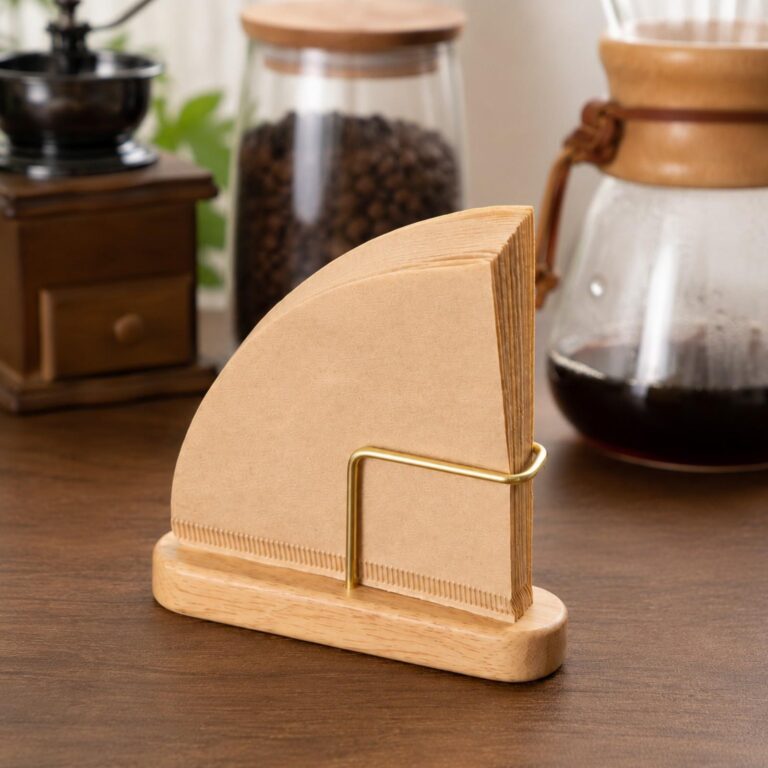
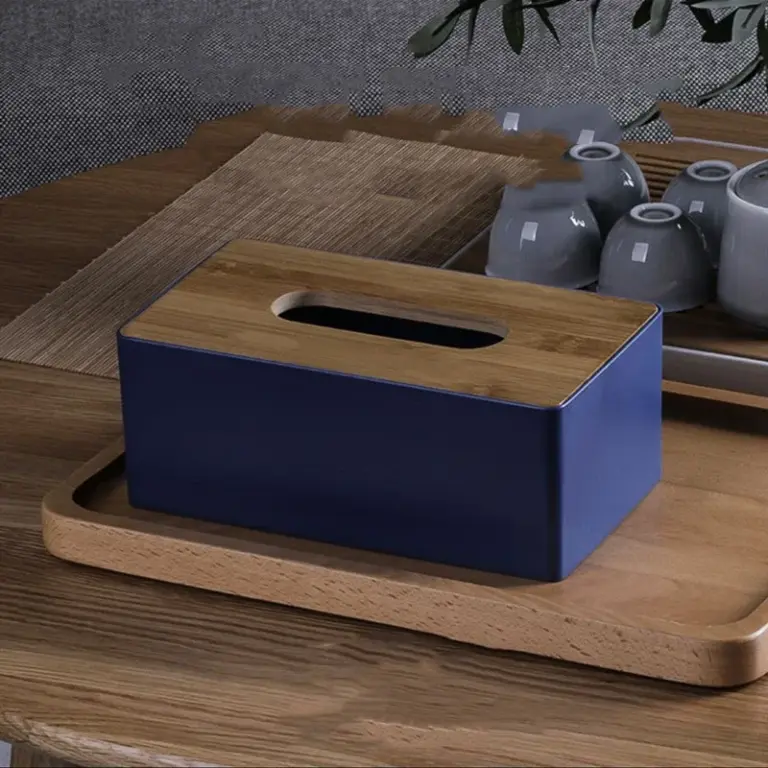 Aisha's pickThe Bamboo Storage Boxes Worth Your Cash
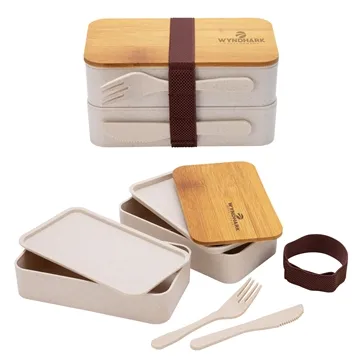
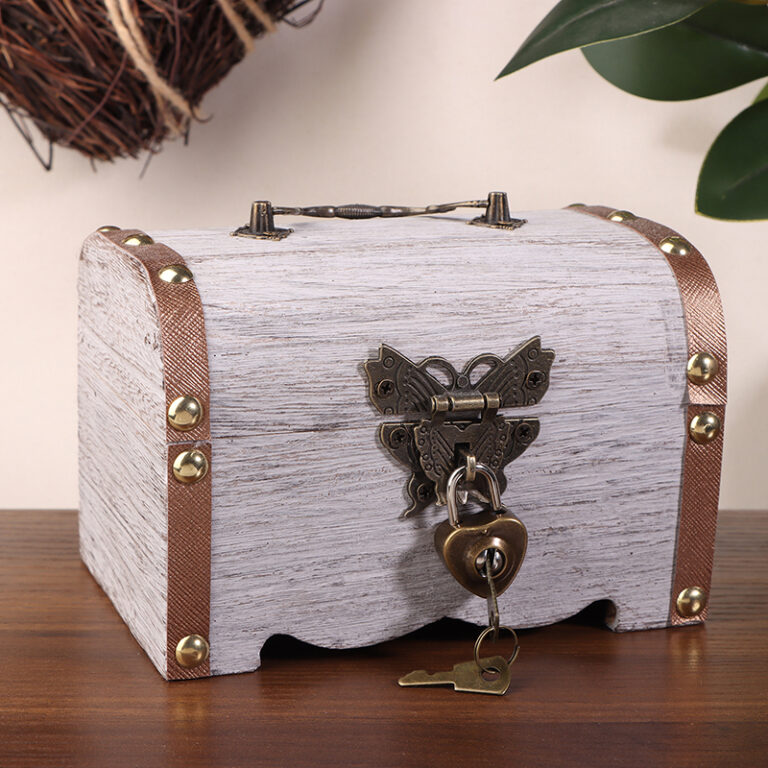 Aisha's pickWooden Storage Boxes That Sort Out the ChaosAlso worth a lookWooden BoxesThe thing nobody tells you about a wooden box is that the lid never sits quite flush after…See the collections →
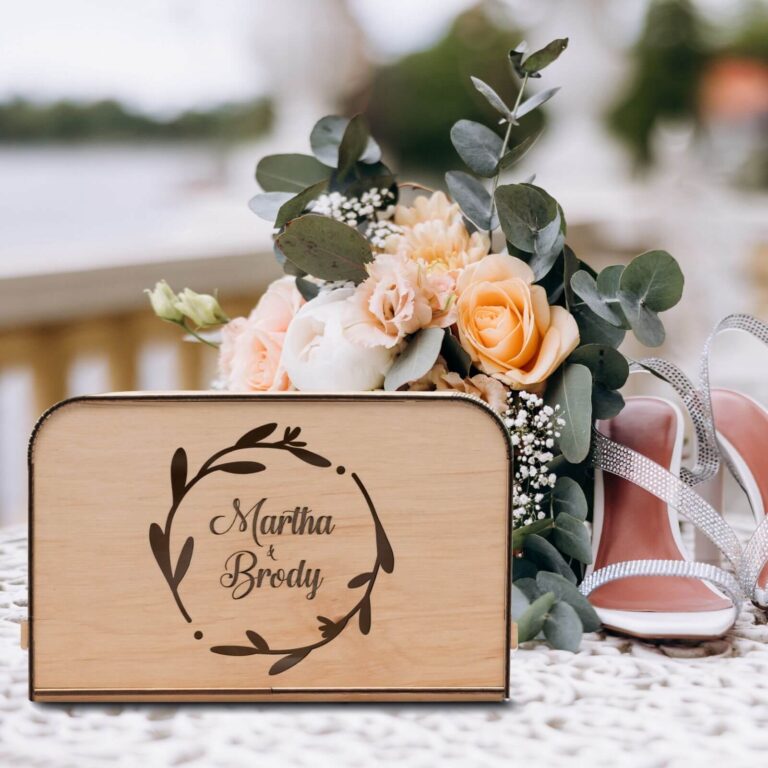
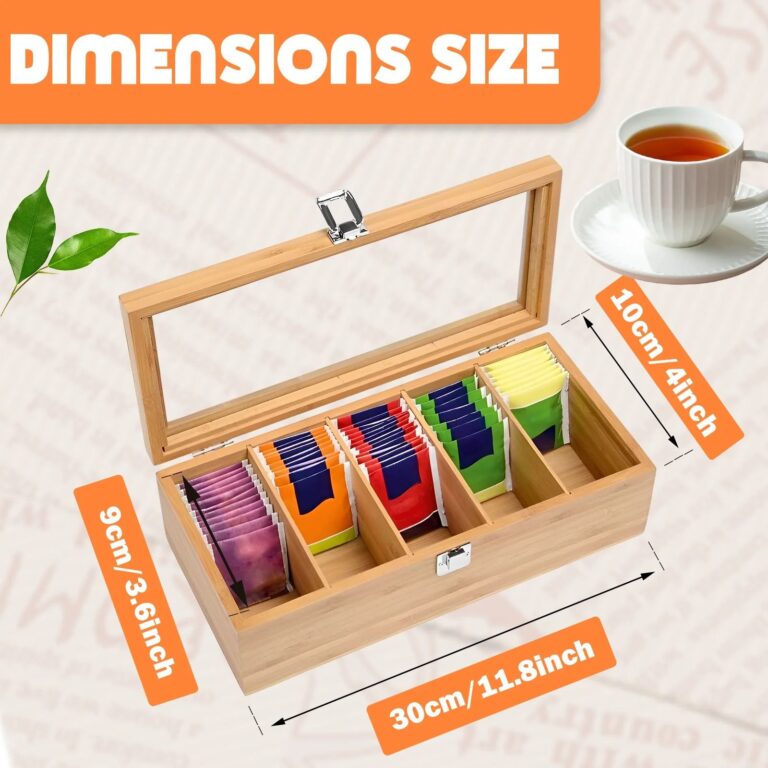 Aisha's pickBamboo Storage Boxes That Hold Up to Everyday Life
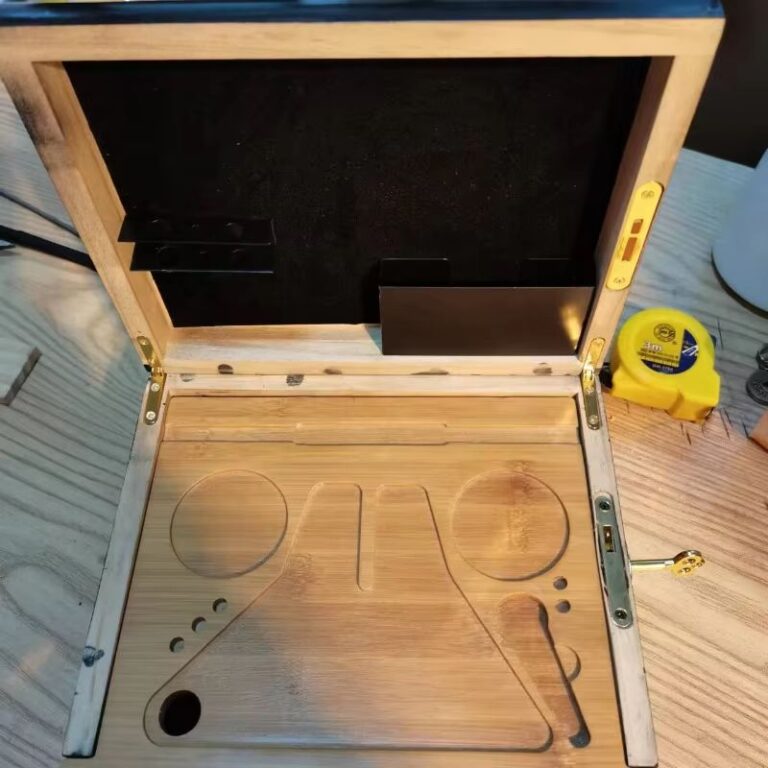
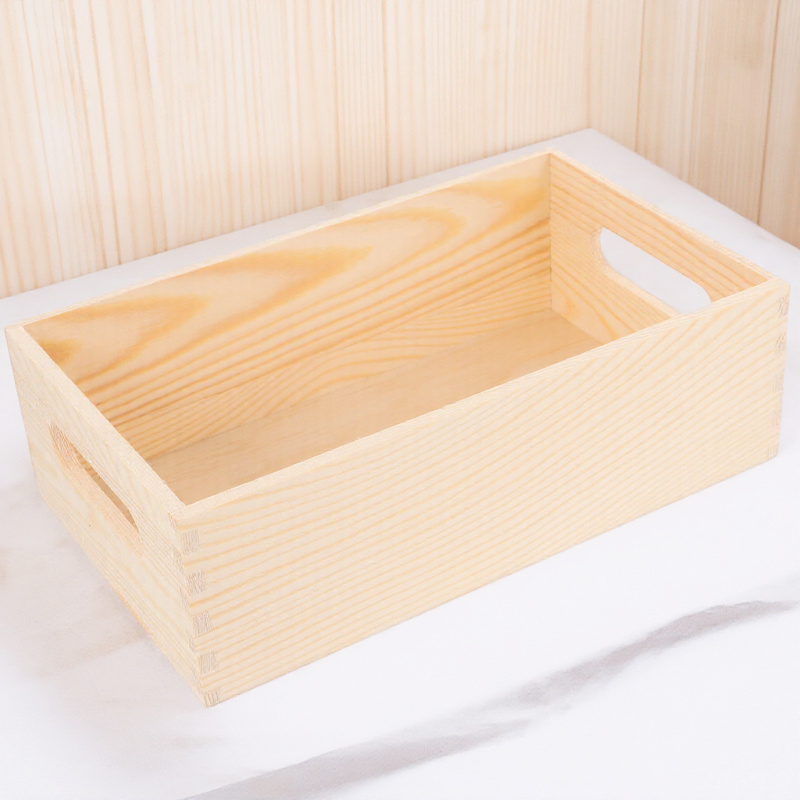 Aisha's pickWooden Storage Boxes with Handles That Make Rented Places Feel Like Home
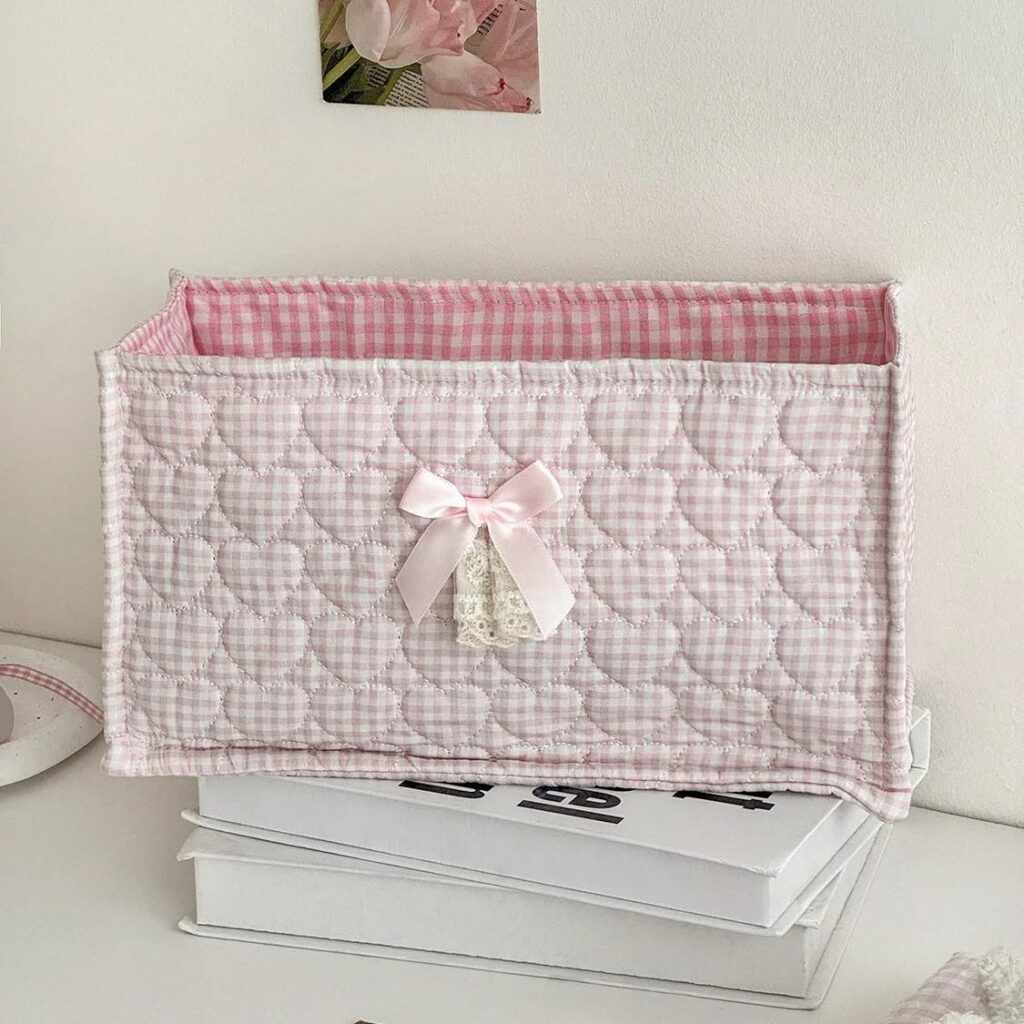
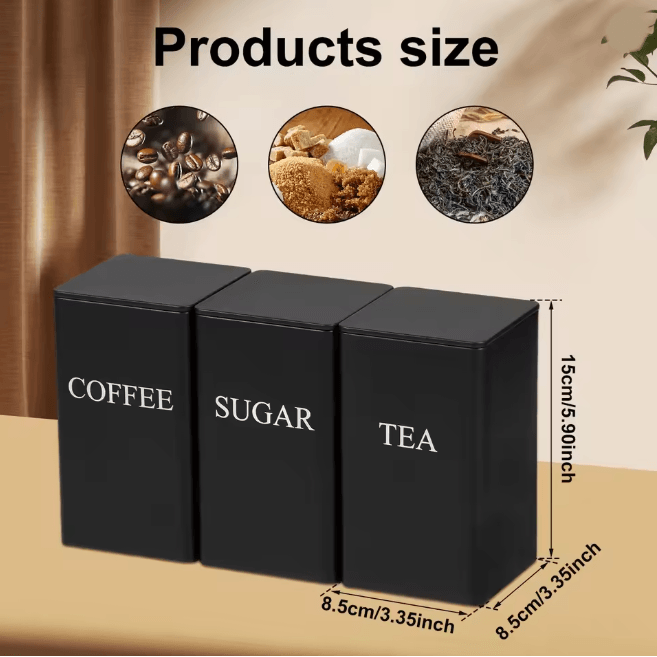 Aisha's pickBamboo Storage Jars That Get Better With Age
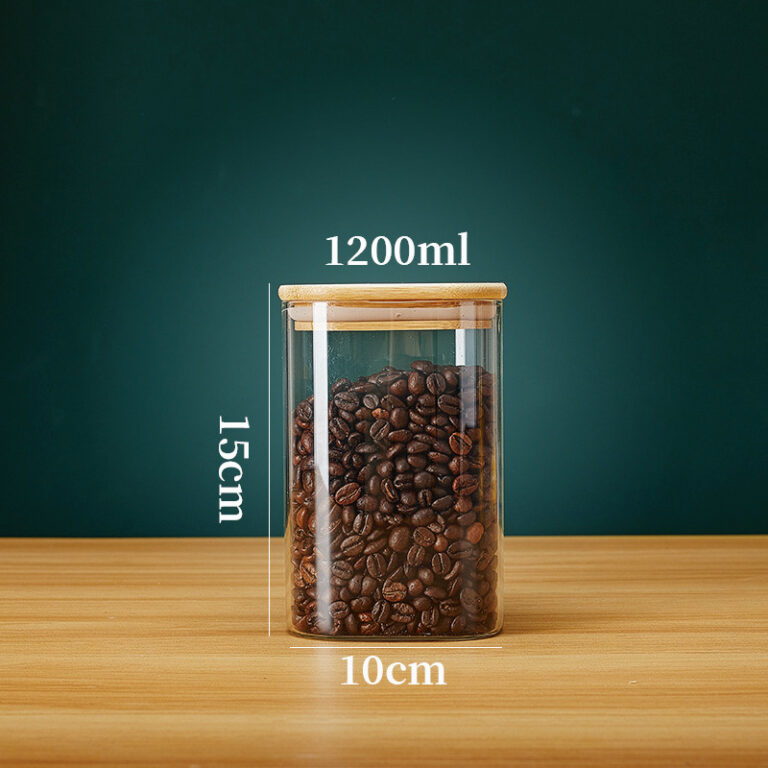
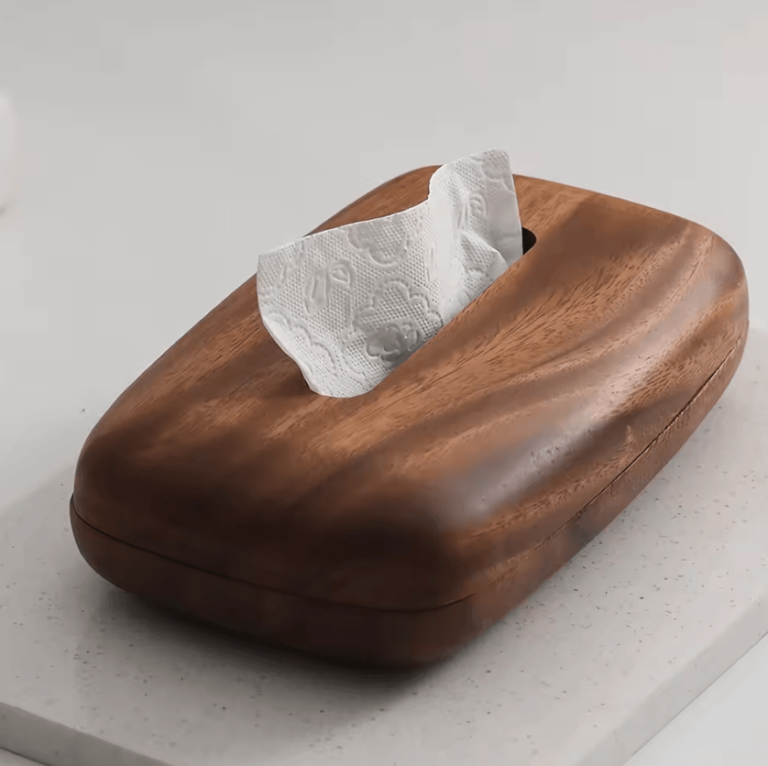 Aisha's pickWooden Storage Boxes with Lid That Squeeze Into Awkward Corners
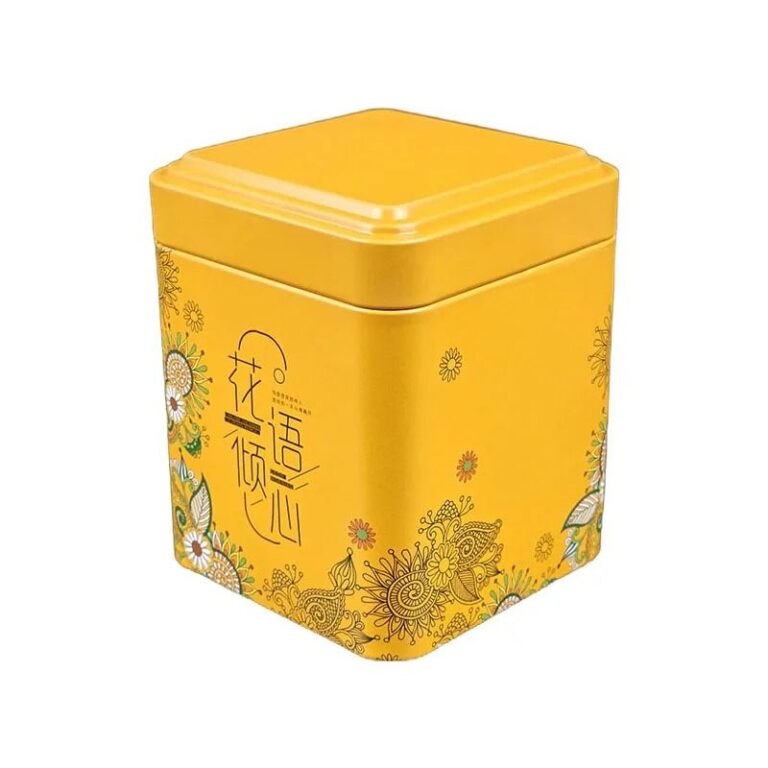
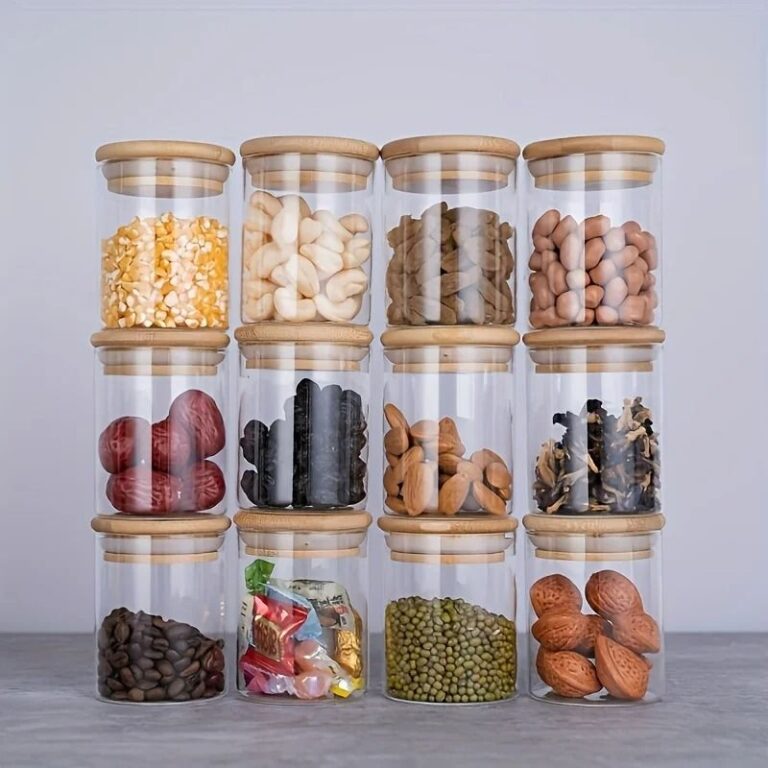 Aisha's pickWhere to Start With Bamboo Storage Jars
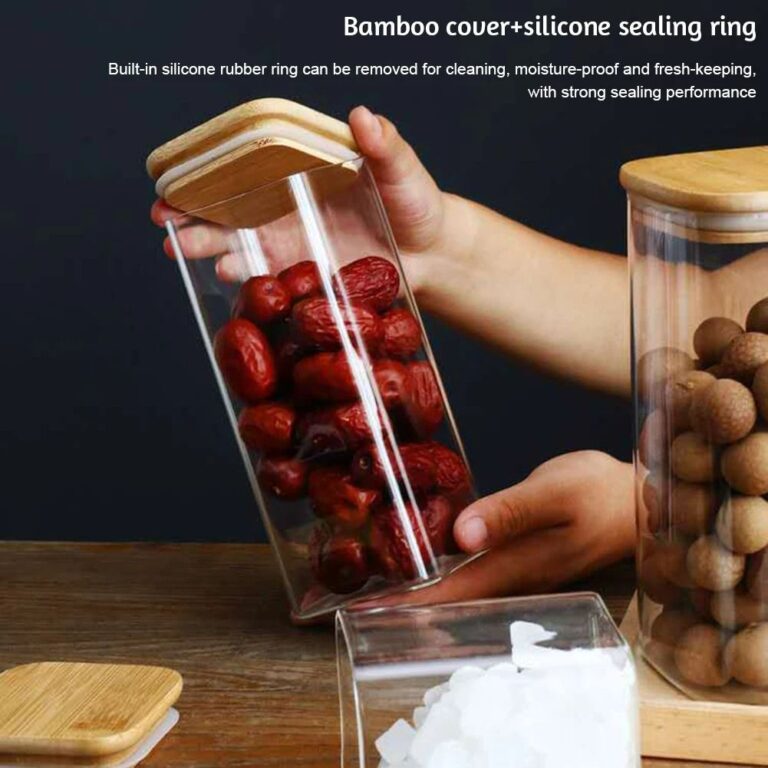
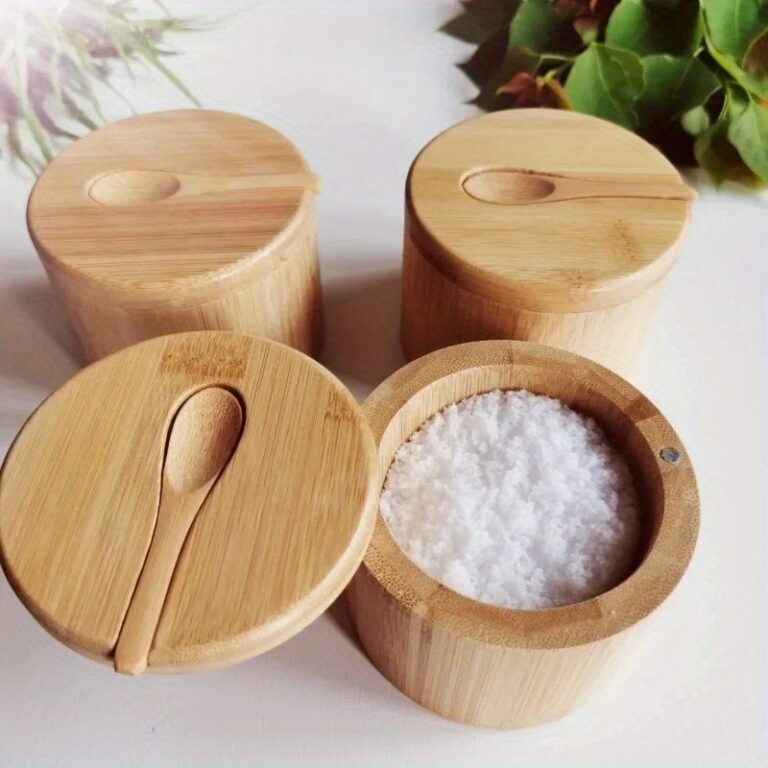 Aisha's pickDecent Wooden Storage Boxes with Lids Without the Hassle
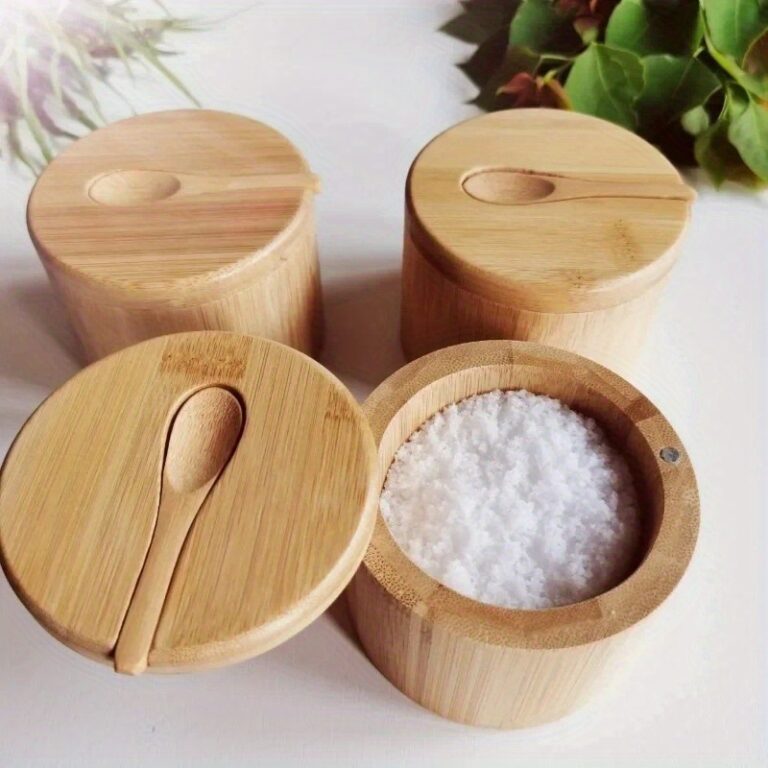
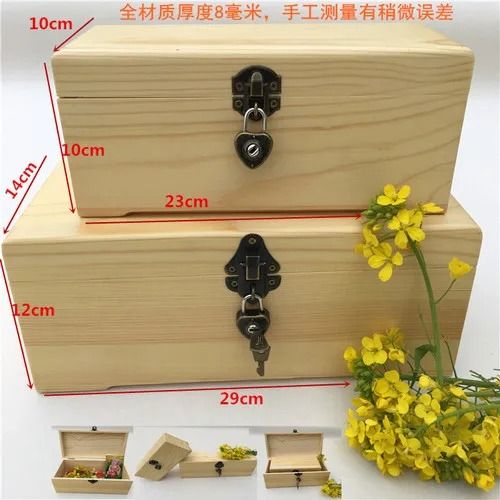 Aisha's pickLarge Wooden Storage Boxes That Don’t Look Mass Produced
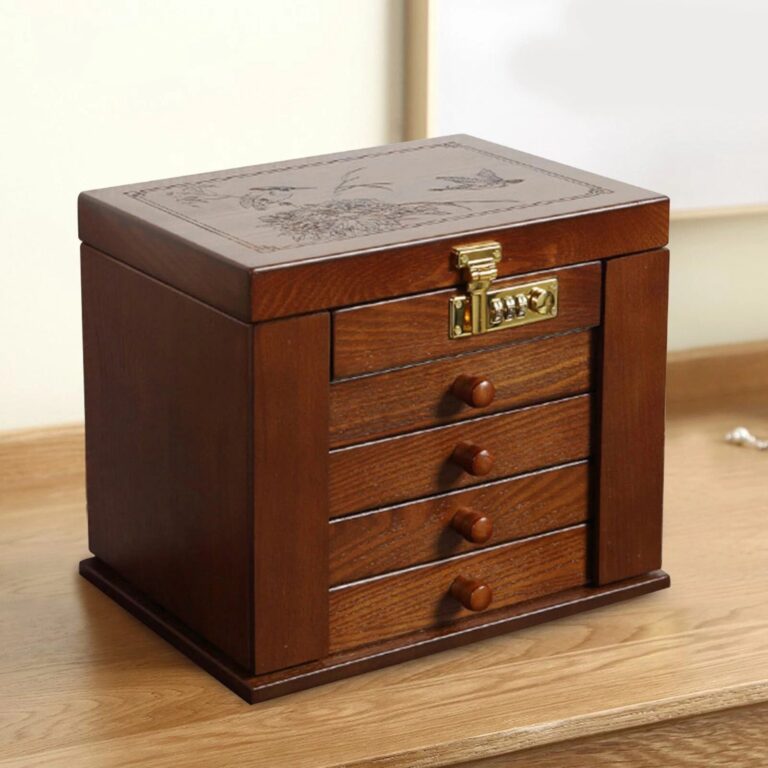
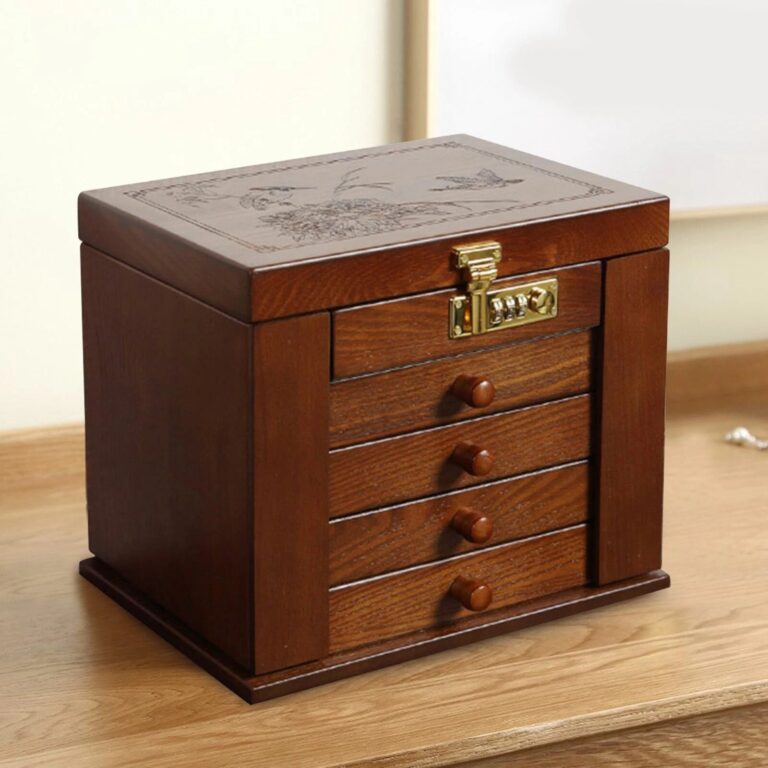 Aisha's pickWooden Storage Boxes You Won’t Want to Hide Away
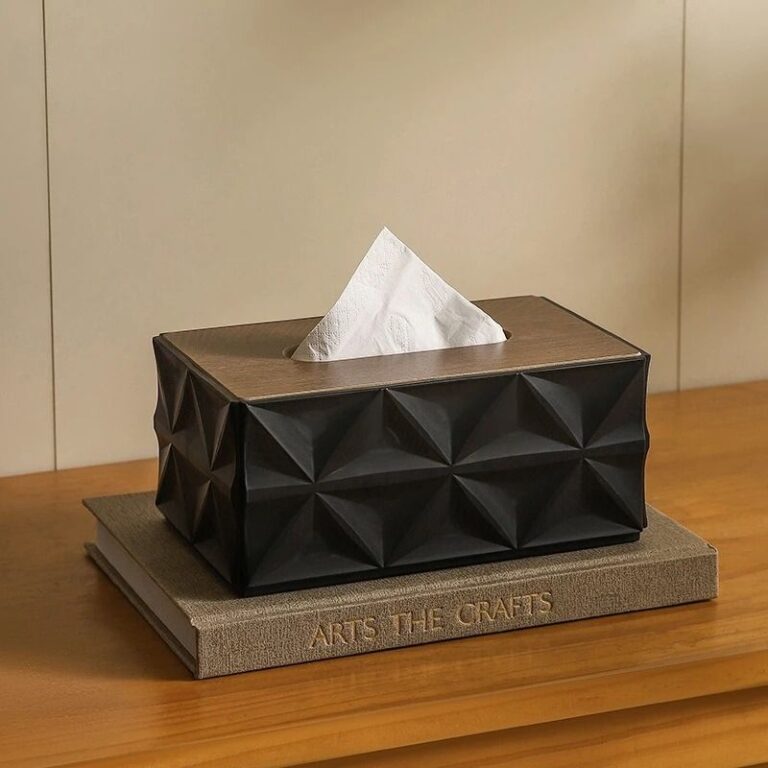
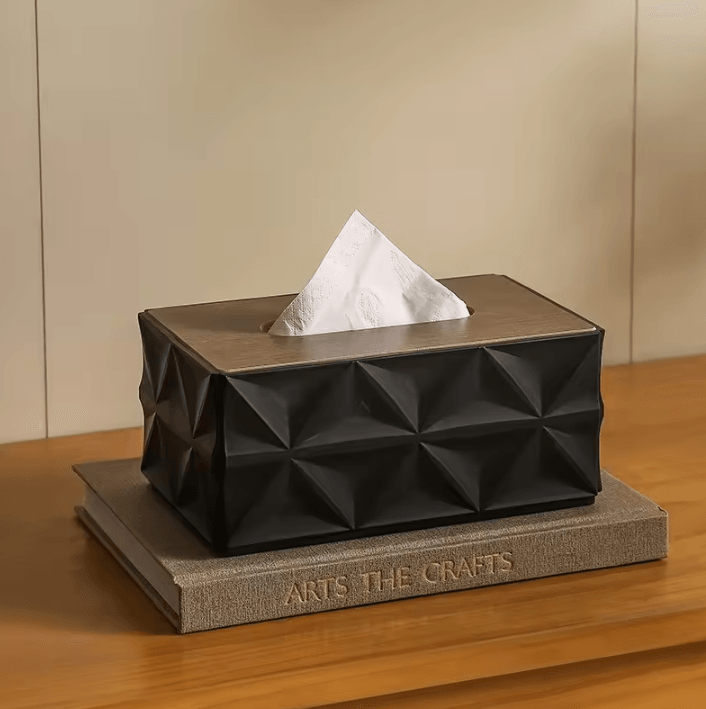 Aisha's pickLarge Wooden Storage Boxes You Won’t Want to Hide AwayAlso worth a lookWooden StorageThe first thing I do is open the lid and smell it.See the collections →
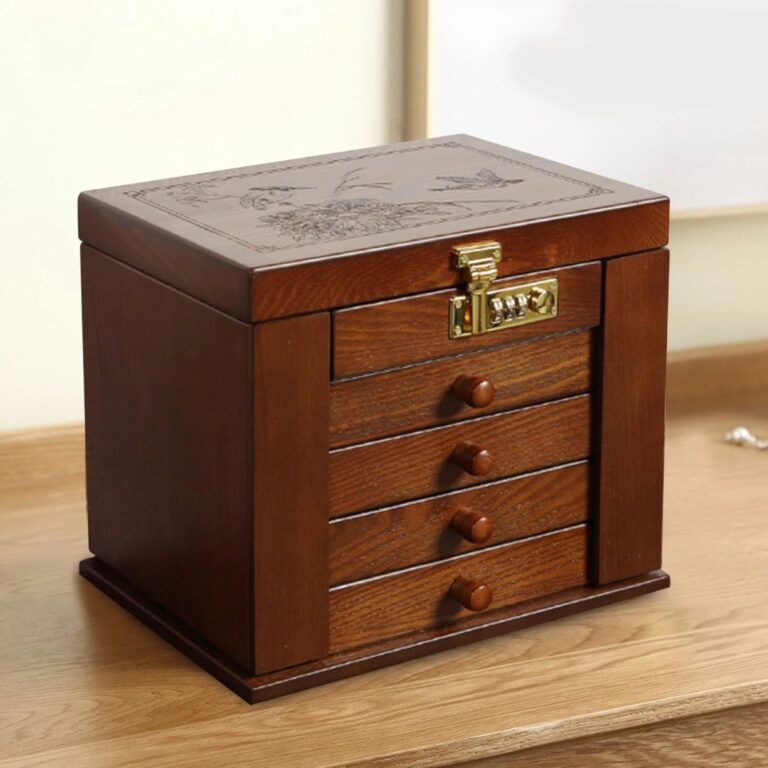
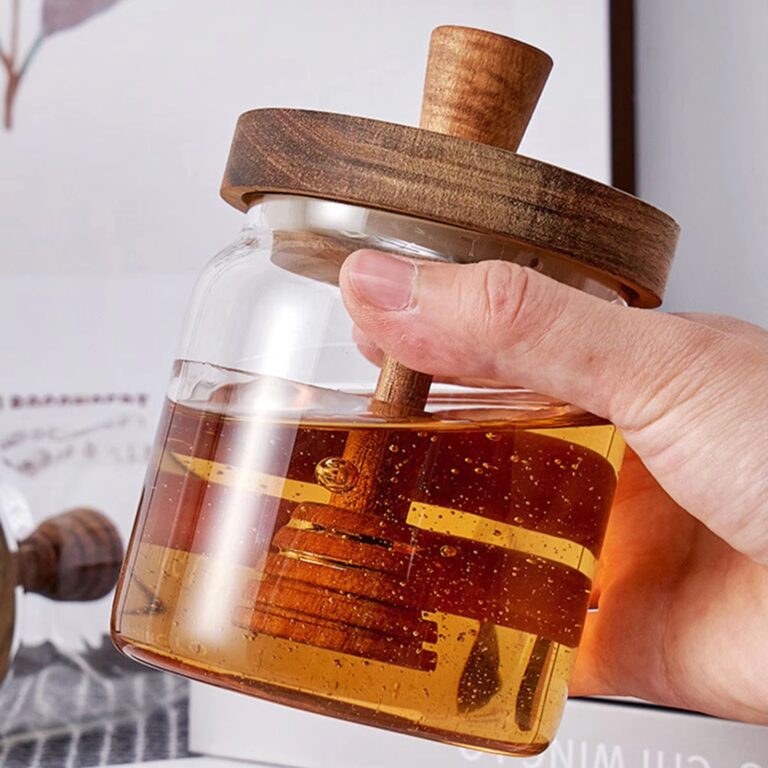 Aisha's pickWooden Storage Jars You’ll Still Like in Five Years

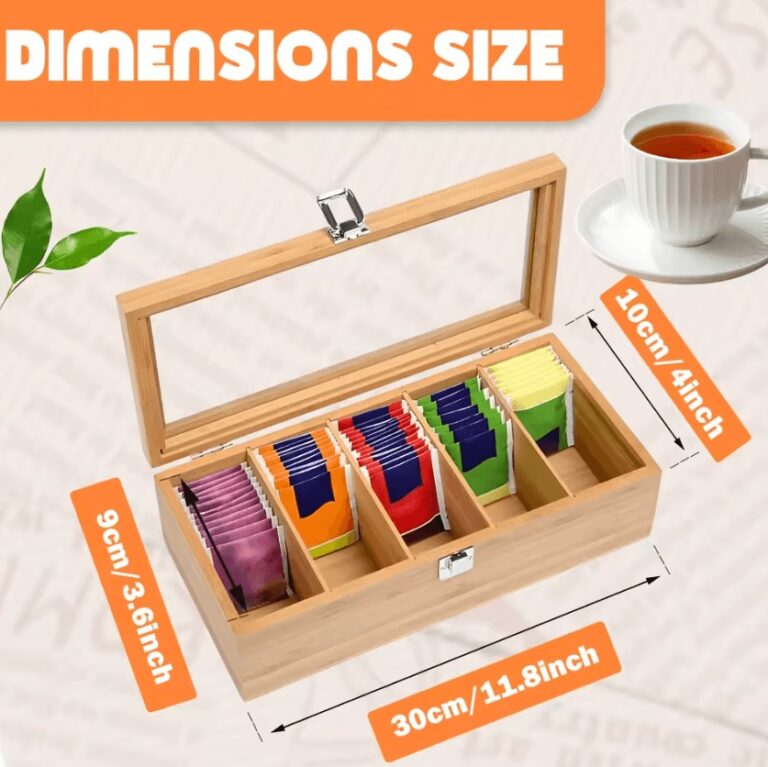 Aisha's pickModern Wooden Storage Boxes Without the Silly Price Tag
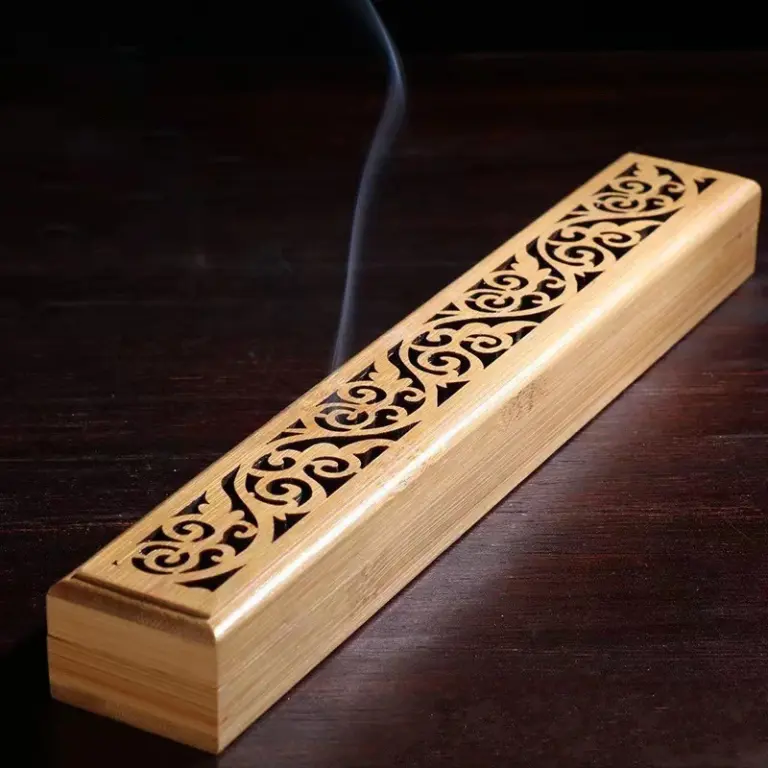
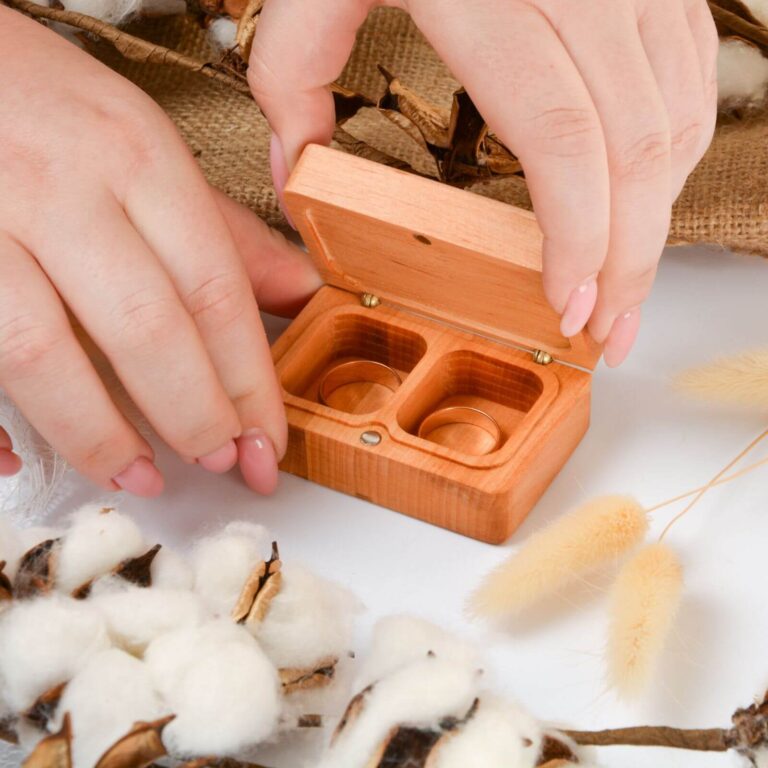 Aisha's pickNatural Wooden Storage Boxes That Keep Surfaces Clear
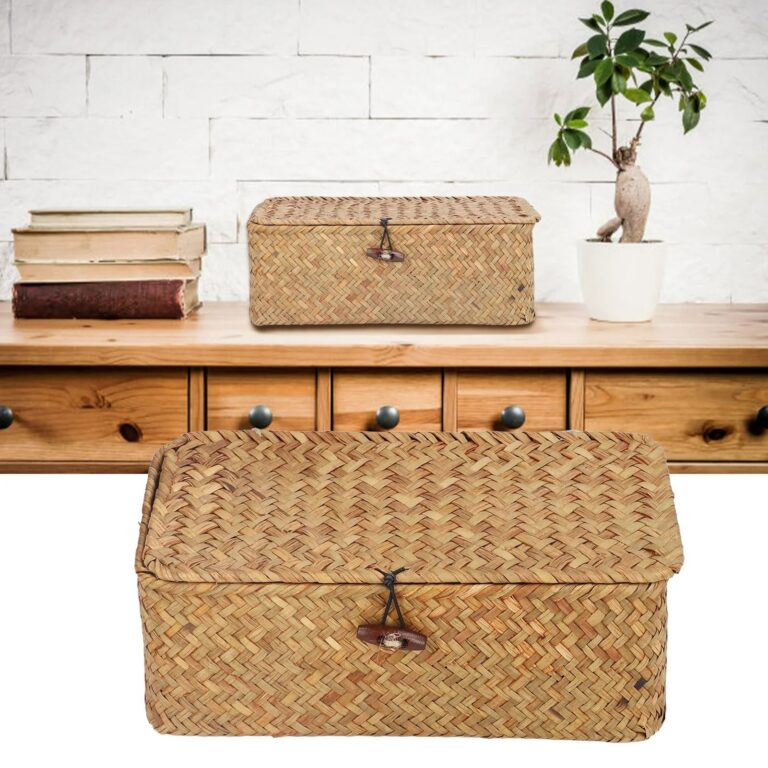
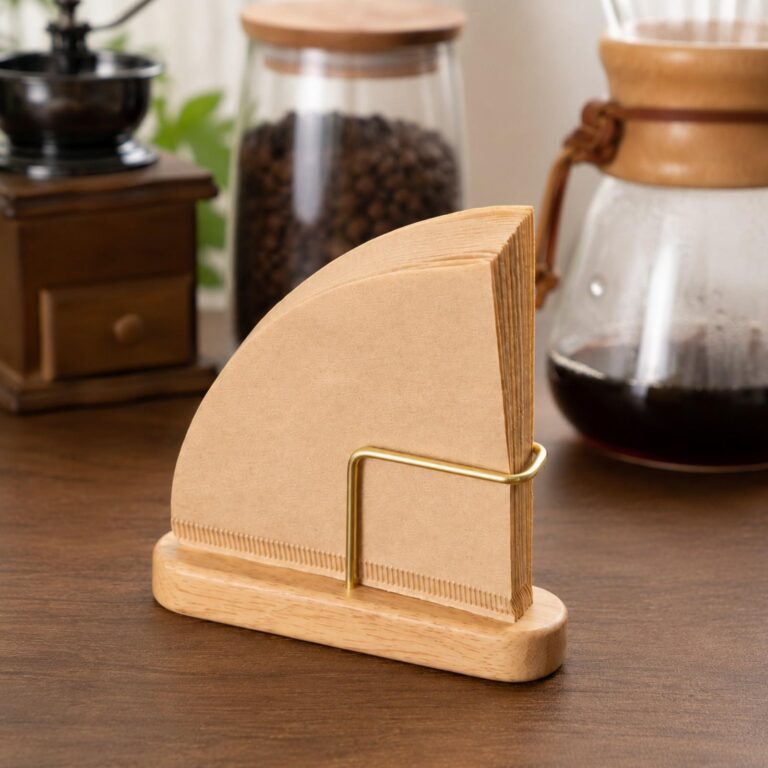 Aisha's pickWhere to Start With Oak Storage Boxes
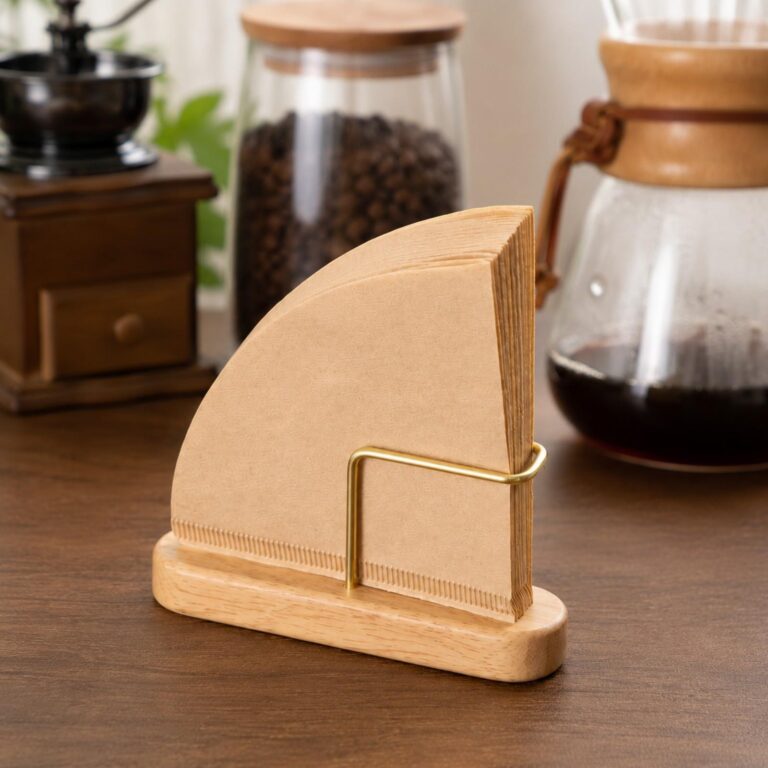
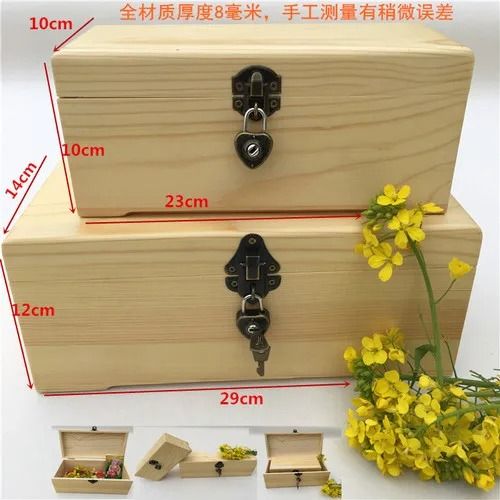 Aisha's pickPine Storage Boxes From Brands You Know and a Few You Won’t
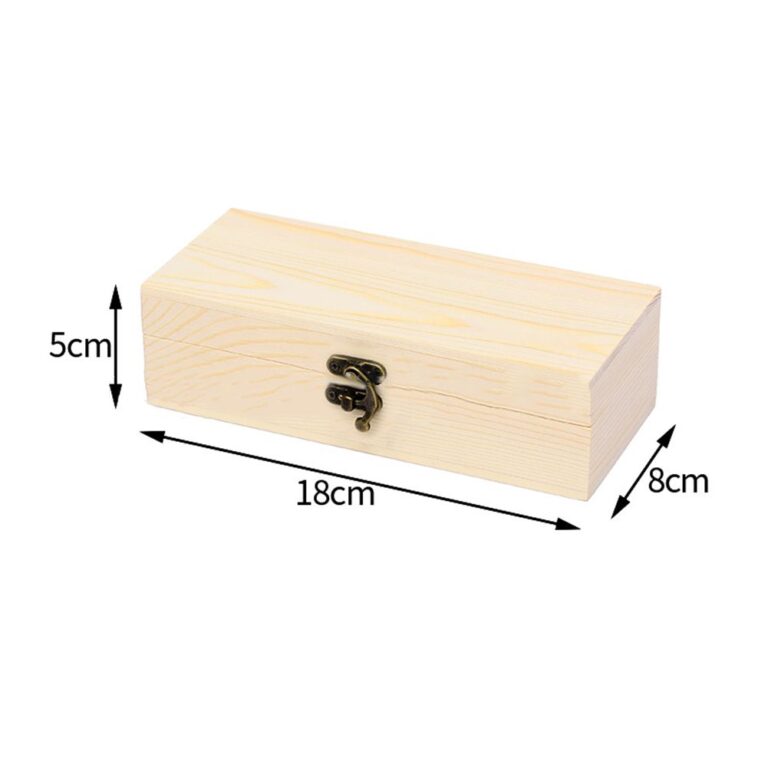 Aisha's pickPine Storage Boxes That Swallow the Clutter