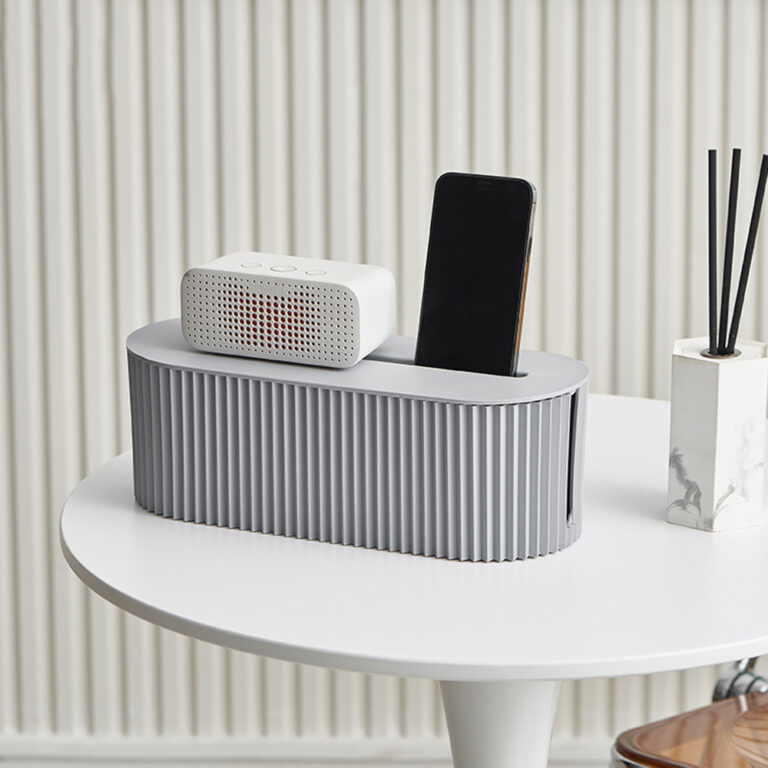
There's a particular kind of evening in late fall, when the light goes early and the living room lamps are on by five, that makes you notice all the flat surfaces in your house. The bookshelf, the console table, the corner that collects mail and chargers and loose change. That's when a textured box earns its spot, holding the mess without looking like it's holding anything at all.
The texture is the whole point, so pay attention to how it changes with handling. A woven or ribbed surface will soften at the edges after a year or two of hands reaching for the lid, the fibers flattening slightly where you touch most, which honestly looks better than new, more lived in rather than worn out. A box with a painted or lacquered texture, something with raised ridges or a pressed pattern, holds its shape longer but shows scuffs where it knocks against a table leg or another box, so wipe it down rather than scrub, and keep it out of direct sun if the color matters to you, because that's what fades first. Dust settles into the grooves faster than you'd expect, a soft brush or a dry cloth once a week keeps it from looking tired. The weight matters too, a box that feels hollow and light will scoot across a shelf every time you shut a drawer nearby, while one with a bit of heft to the base stays put and sounds solid, almost a thud, when you set the lid back down.
When you're checking one in person or right off the truck, run your hand along the inside, not just the outside, because a rough interior will snag anything delicate you store in there, scarves, cables, photographs. Check the lid fit while it's sitting flat on a real table, not tilted in a box, since a lid that rocks or doesn't seat evenly will bother you every single day. These work hardest in living rooms, entryways, and home offices, anywhere you want storage that doesn't read as storage, and they suit a home that's a little lived in already, with some other texture around them, wood, linen, something soft, rather than a very sleek, glossy room where they'll look out of place. They're the wrong call for anything damp, a bathroom or a mudroom with wet boots, since most of these materials don't love moisture, and they're not built for heavy, sharp, or liquid items, no tools, no bottles, nothing that needs a hard plastic bin instead. For everything else sitting quietly on a shelf, they do the job and look like they belong there.
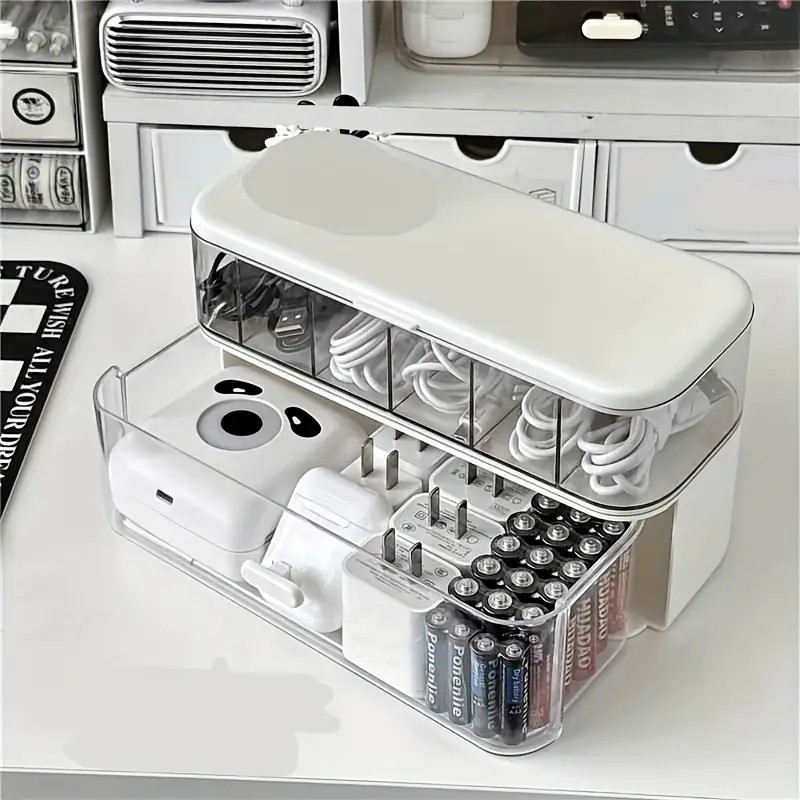 Aisha's pickDesktop Cable Boxes That Make Tidying Up Quicker
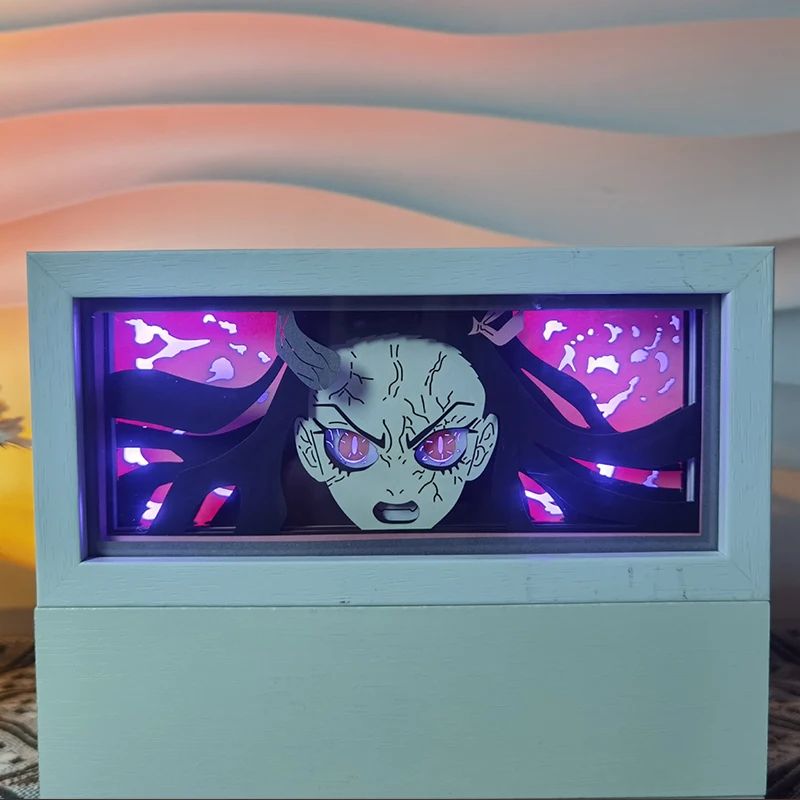
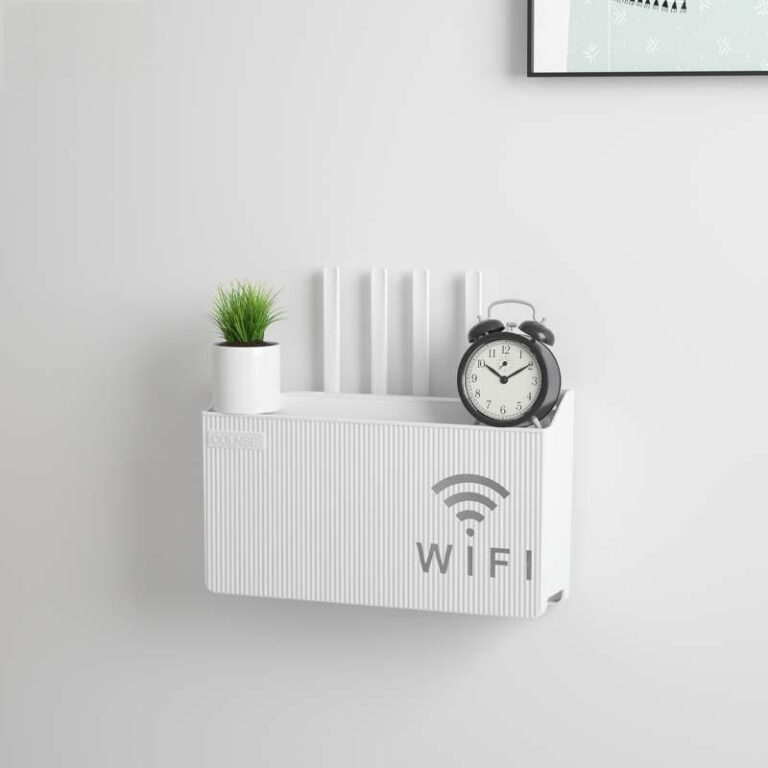 Aisha's pickDouble Cable Boxes for Homes With Too Much Stuff
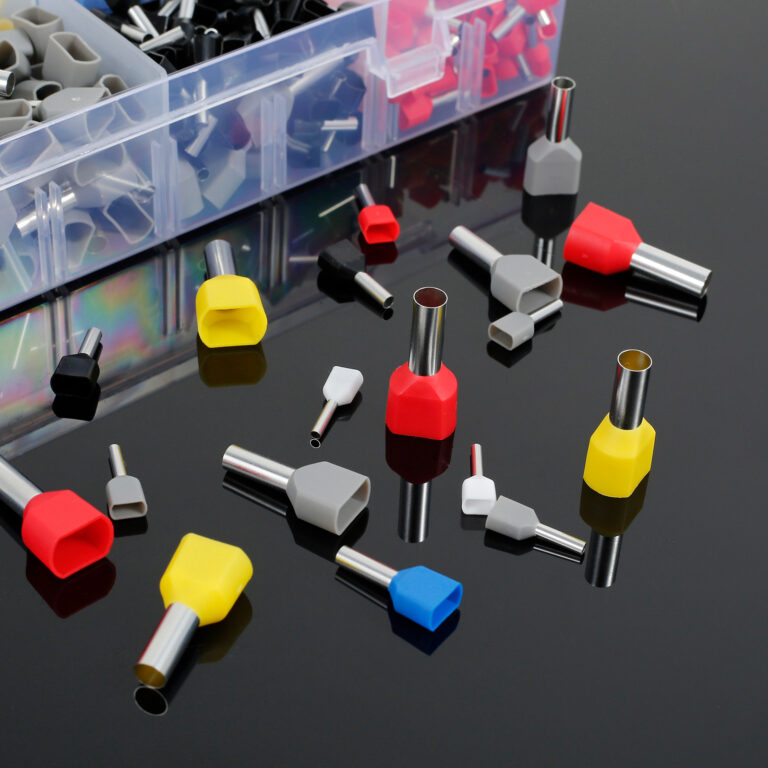
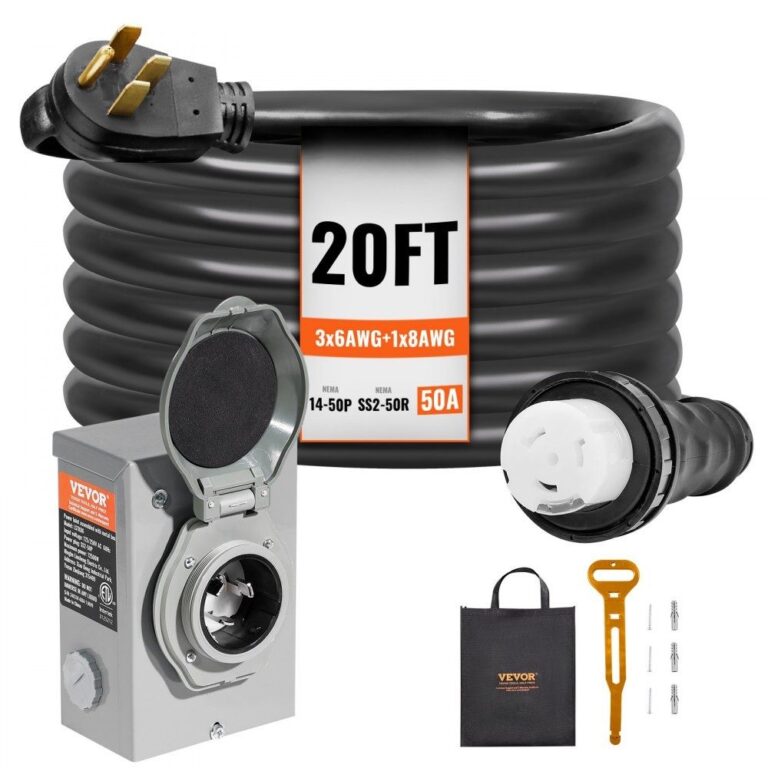 Aisha's pickErgonomic Cable Boxes That Keep the Desk Clear
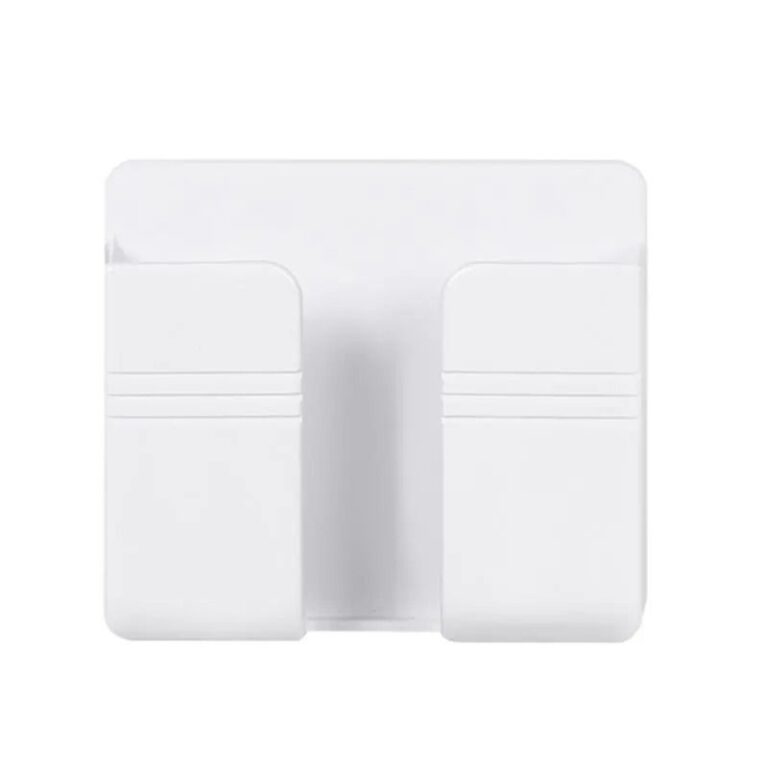 Aisha's pickGlass Cable Boxes for Homes With Too Much Stuff

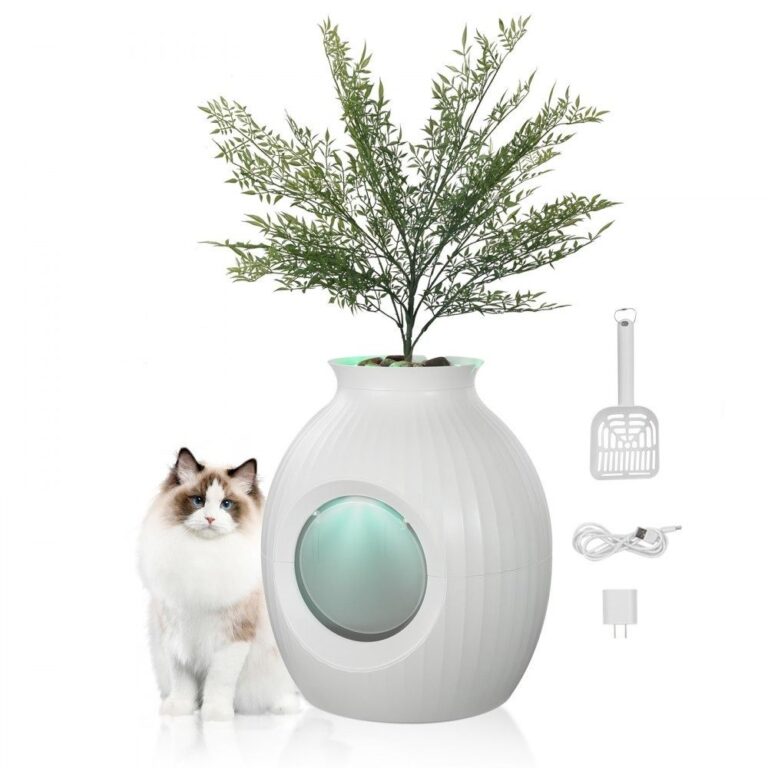 Aisha's pickLarge Cable Boxes for Homes With Too Much Stuff
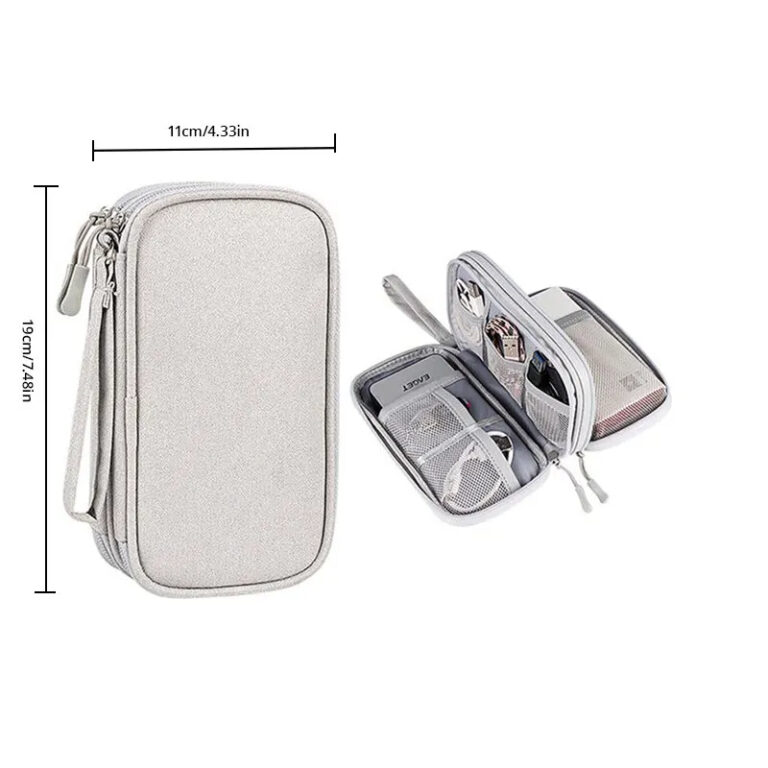
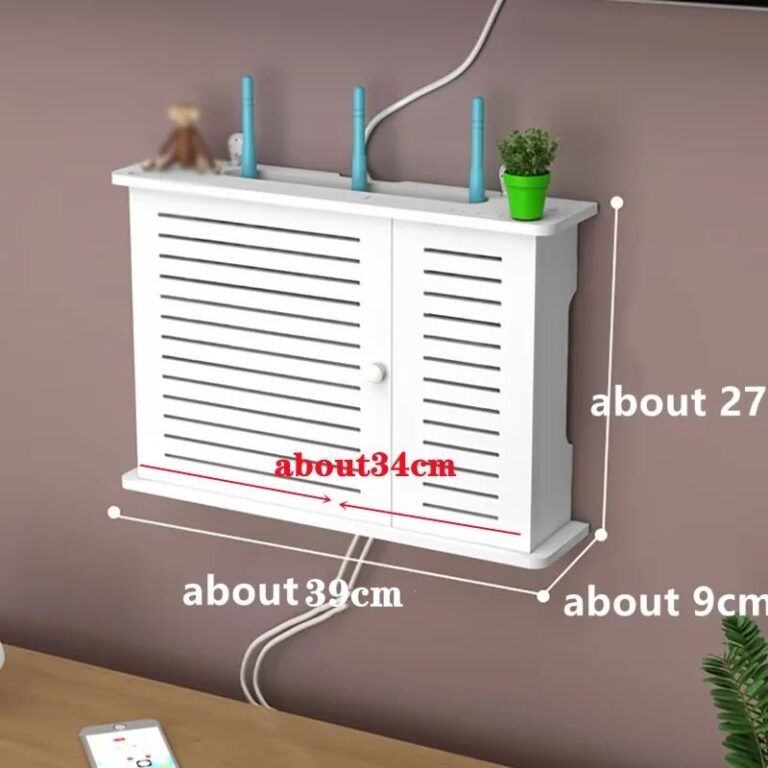 Aisha's pickLong Cable Boxes Picked by People Who Care Too Much
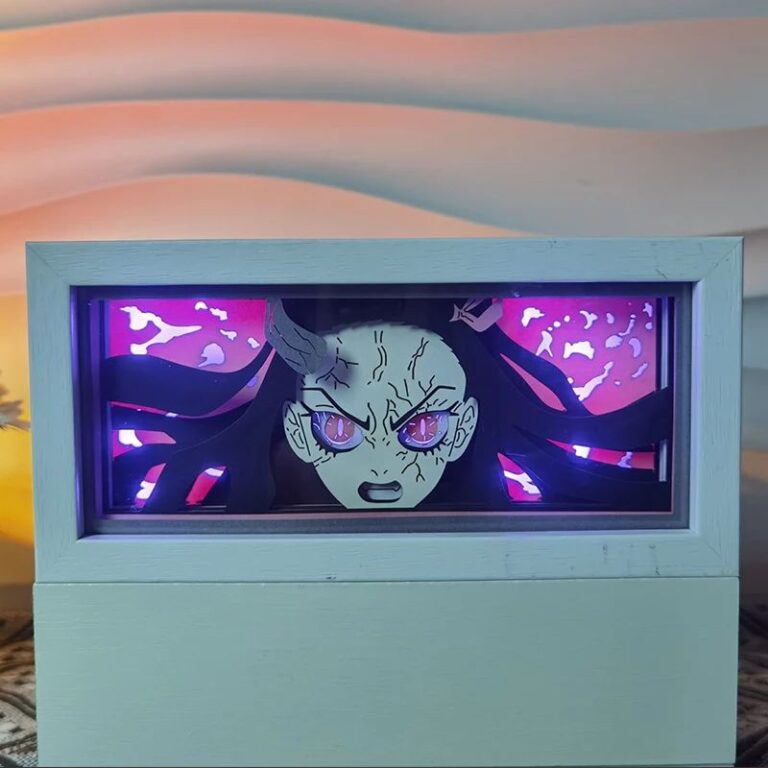
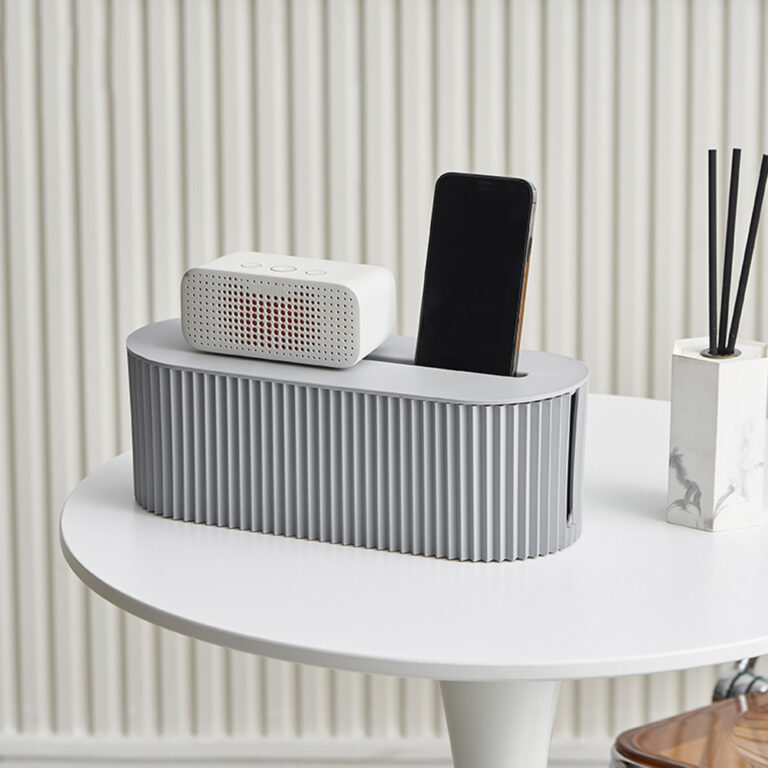 Aisha's pickModern Cable Boxes From Stores Big and Small
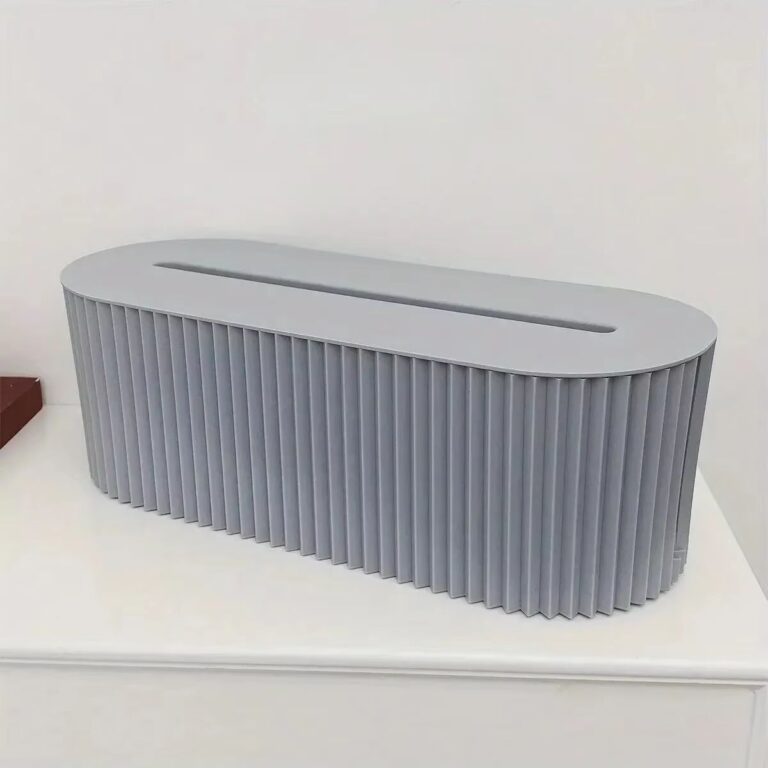
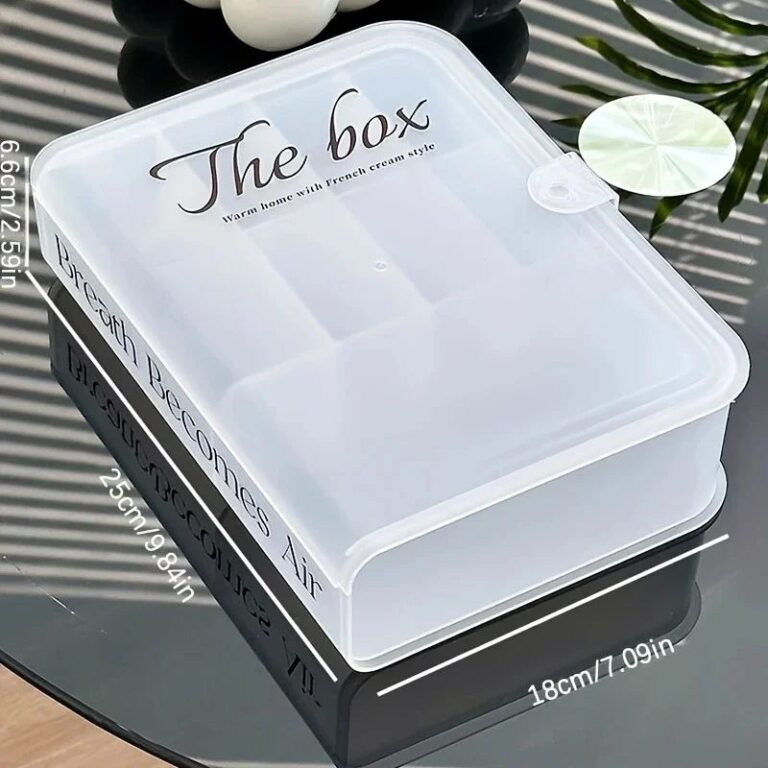 Aisha's pickNo Fuss Plastic Cable Boxes
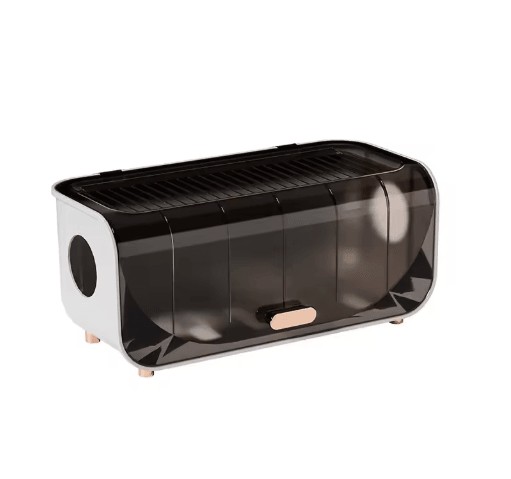
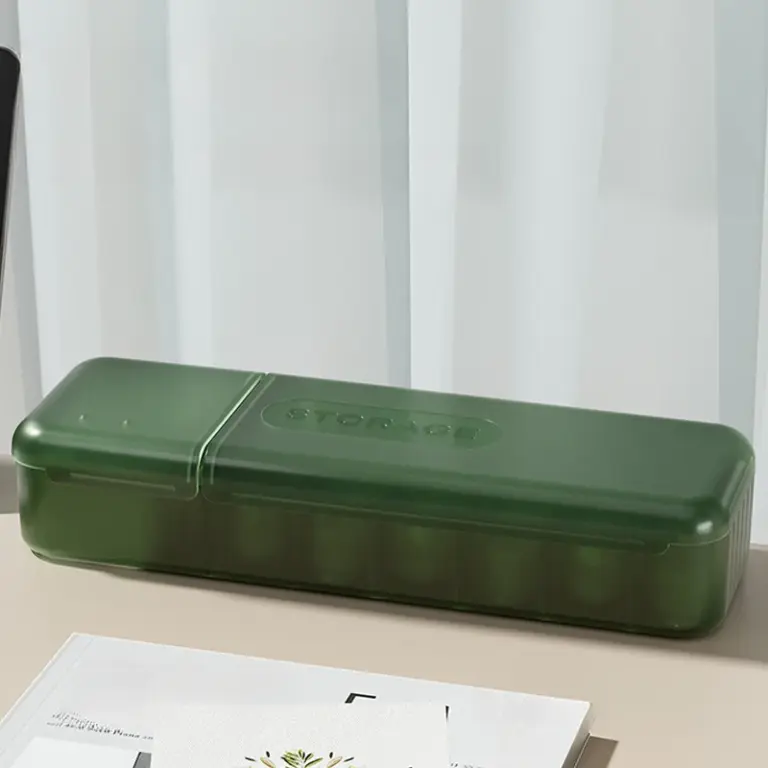 Aisha's pickPortable Cable Boxes With Room for More Than You’d ThinkAlso worth a lookStorage BoxesLate January is when storage boxes earn their keep, when the holiday decorations need somewhere to live that…See the collections →
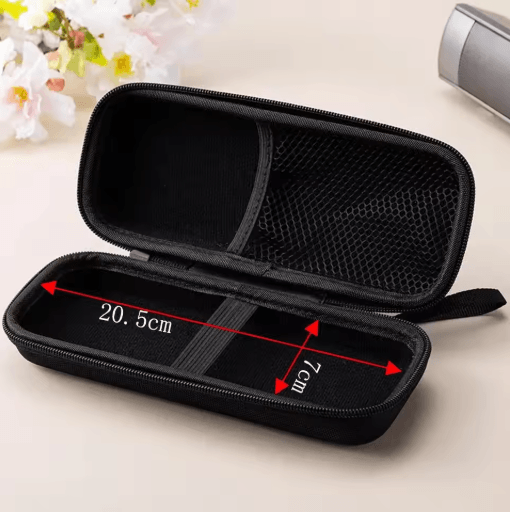
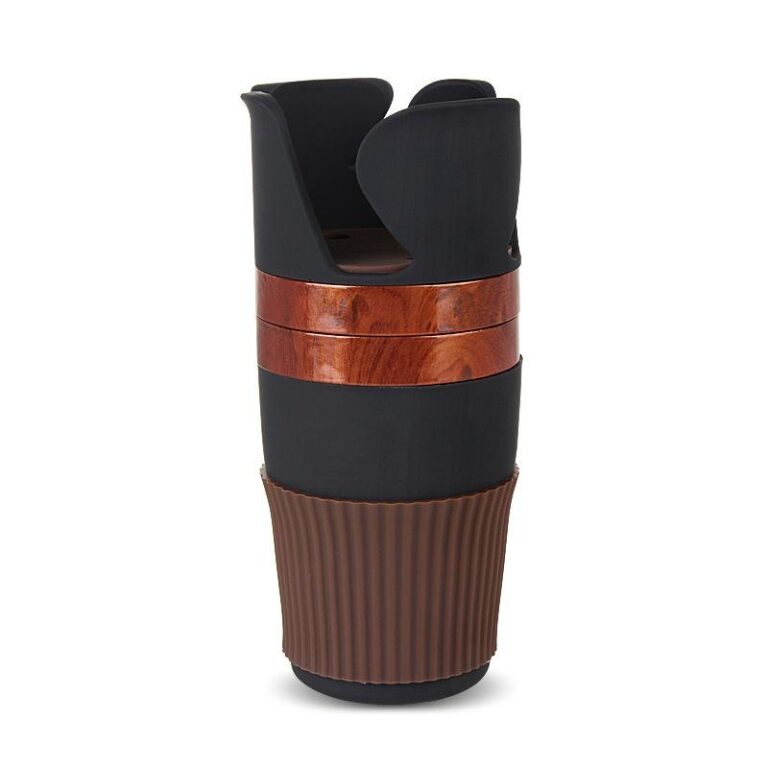 Aisha's pickAdjustable Cable Boxes With Some Character
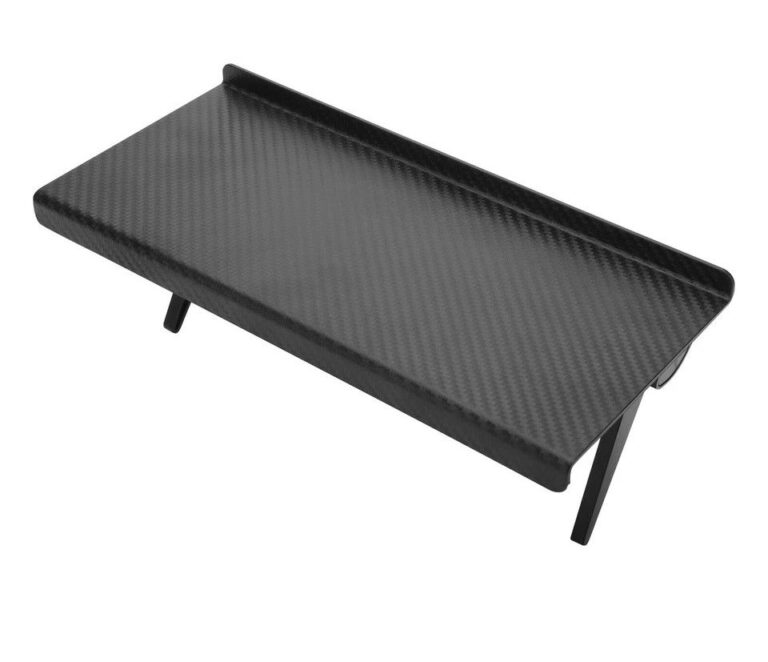
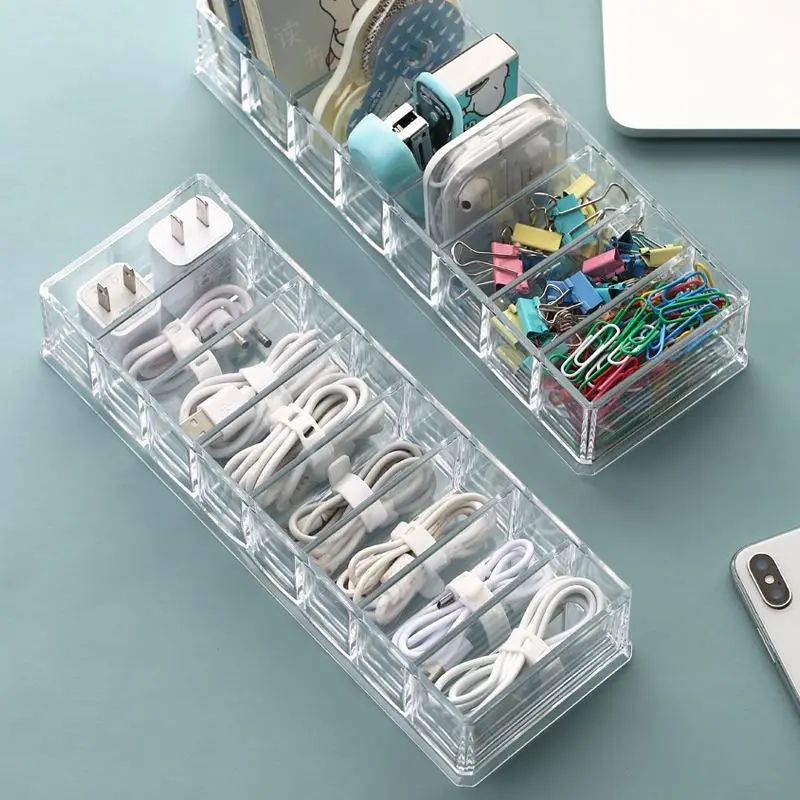 Aisha's pickSmall Cable Boxes That Squeeze Into Awkward Corners
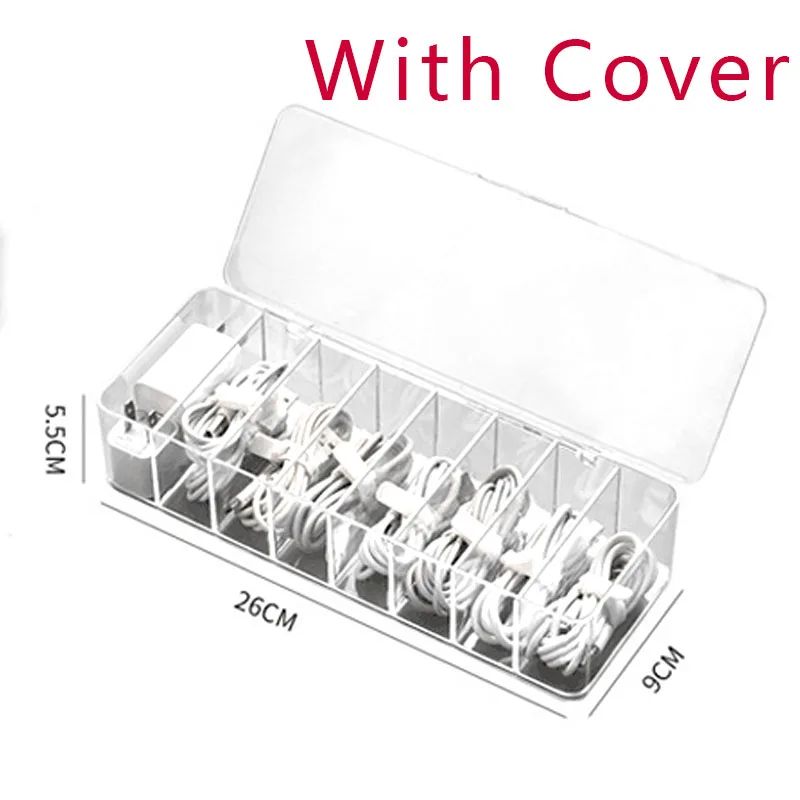
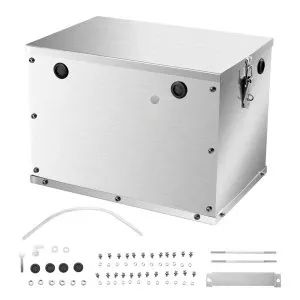 Aisha's pickAluminum Cable Boxes That Swallow the Clutter
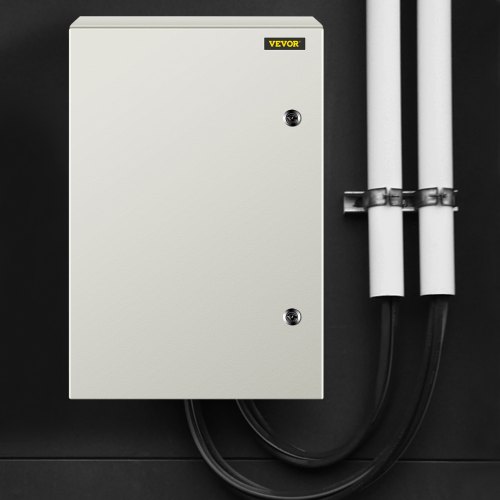 Aisha's pickSteel Cable Boxes That Squeeze Into Awkward Corners
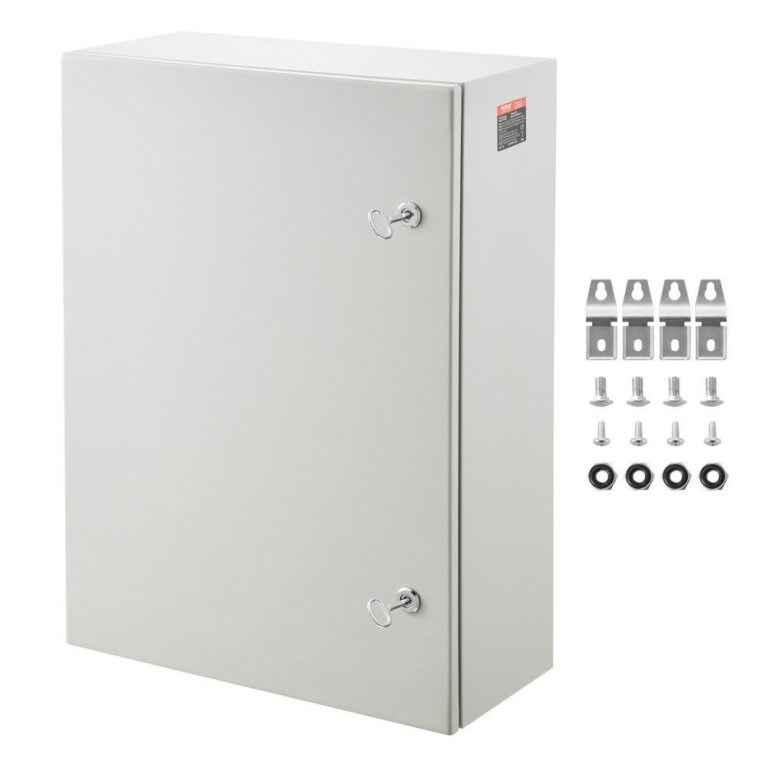
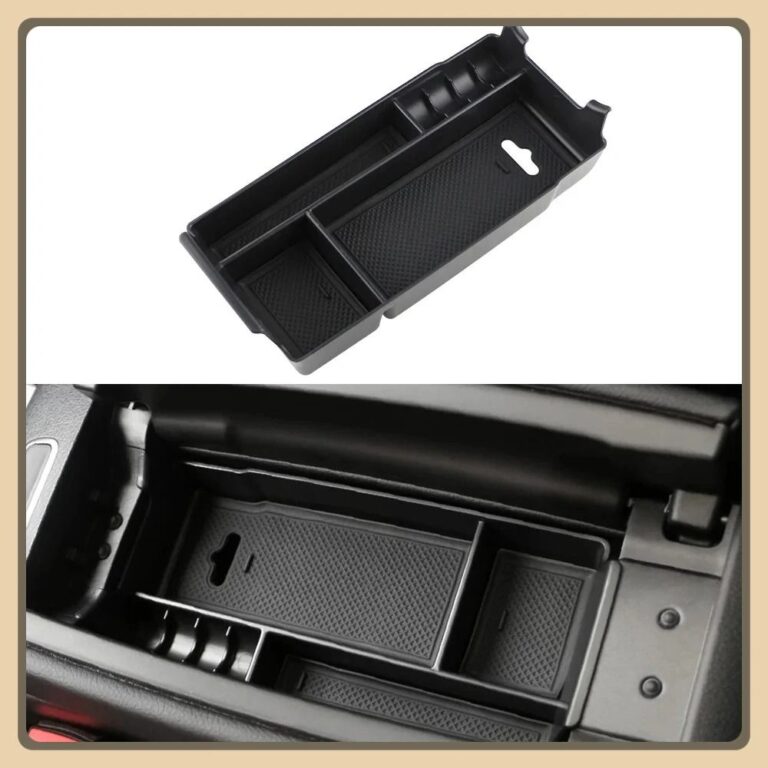 Aisha's pickBlack Cable Boxes for Making a House Feel Like Yours
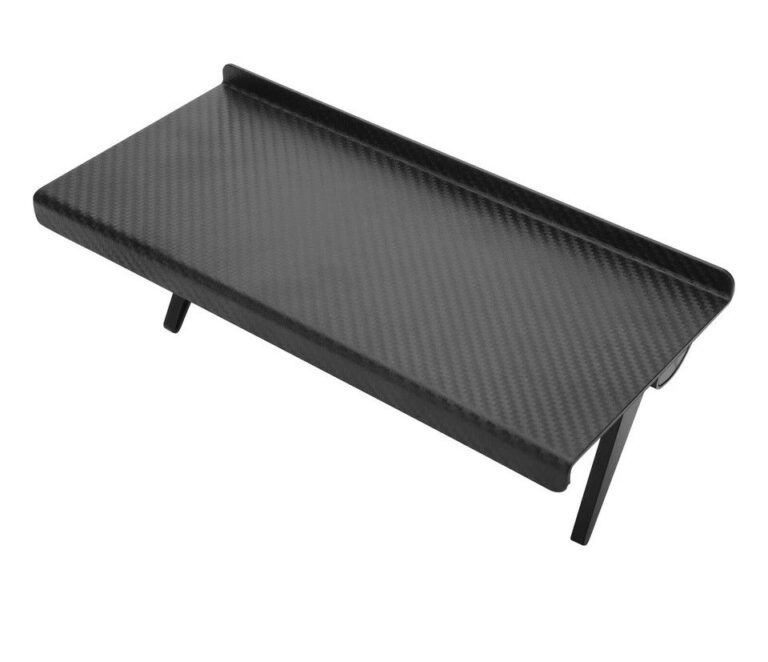
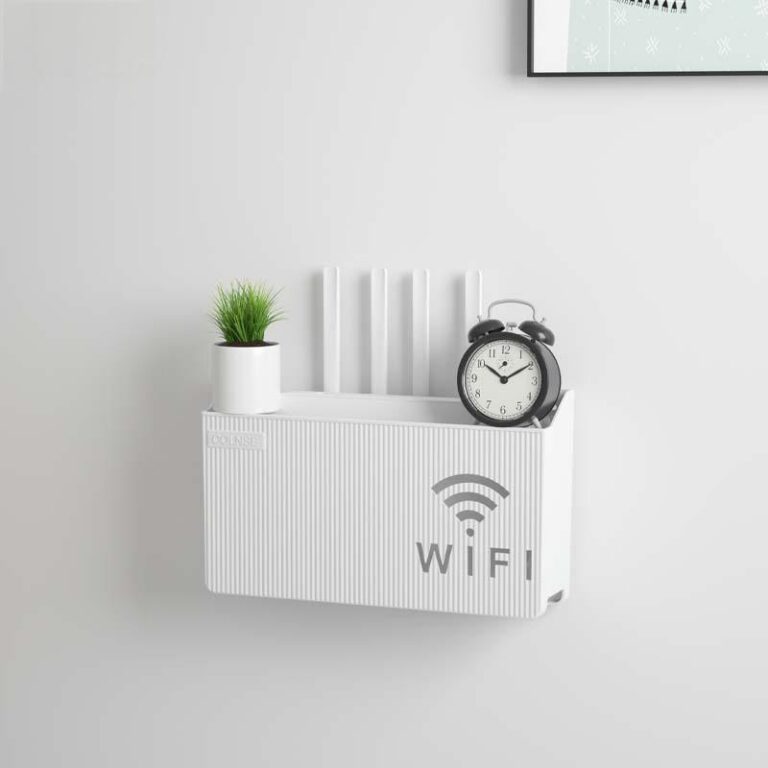 Aisha's pickWall Mounted Cable Boxes That Keep Surfaces Clear
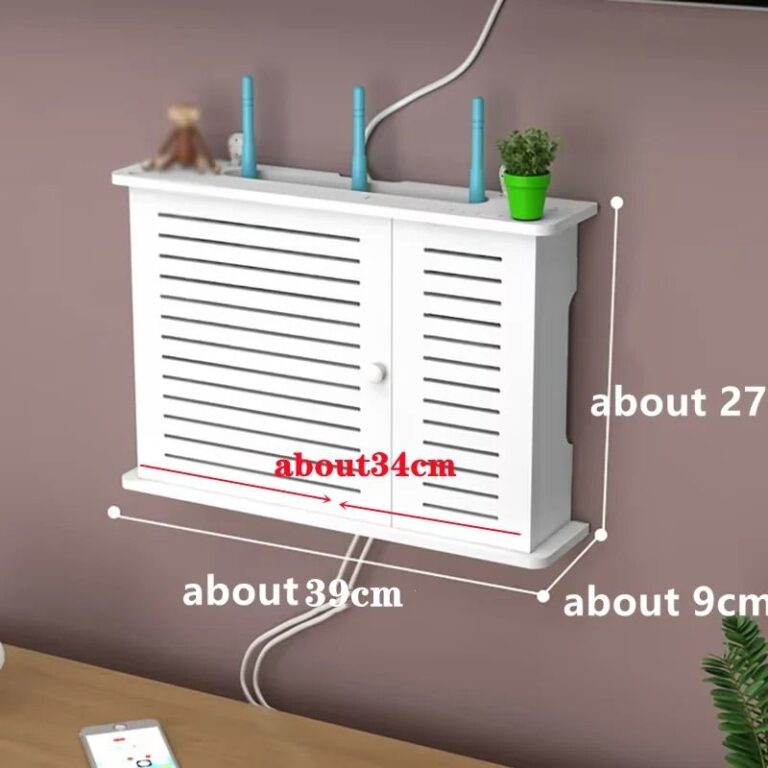
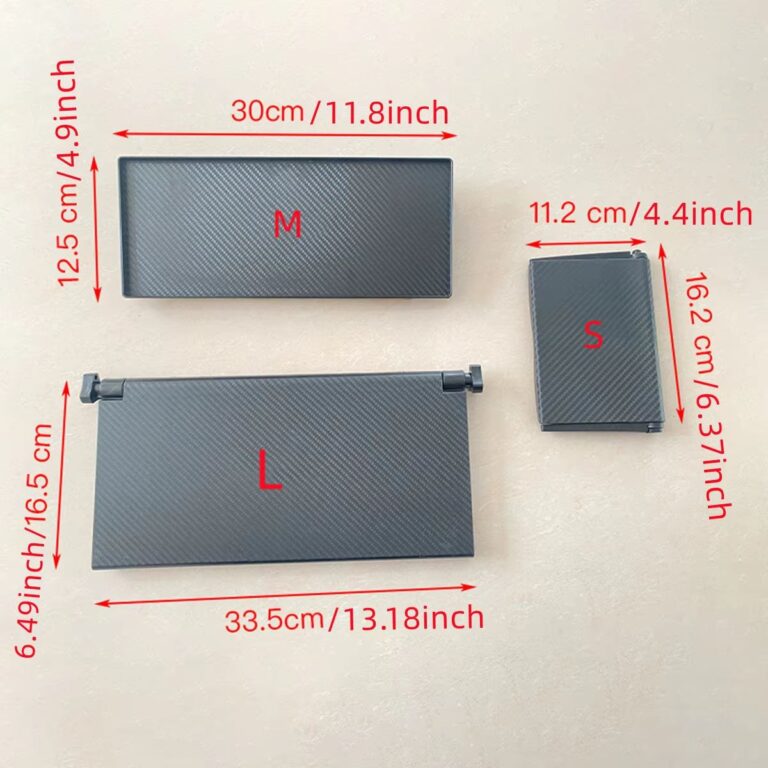 Aisha's pickCable Boxes That Earn Their Keep
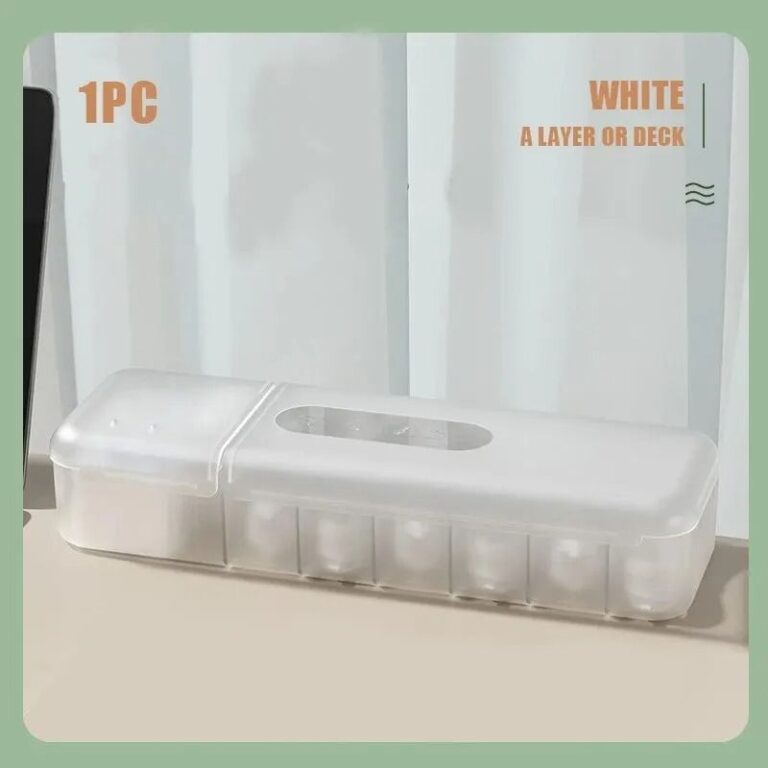
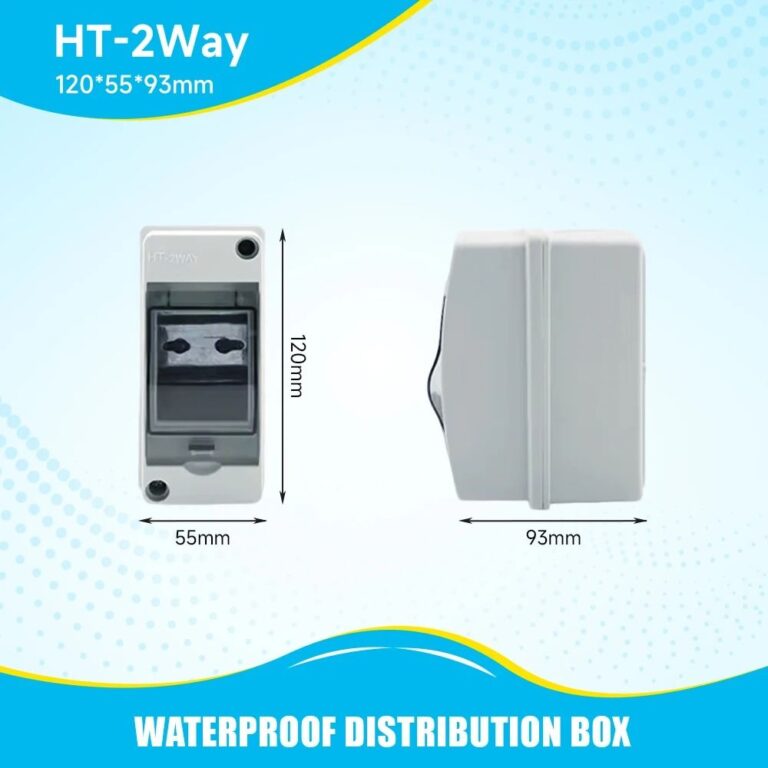 Aisha's pickWaterproof Cable Boxes With Room for More Than You’d Think
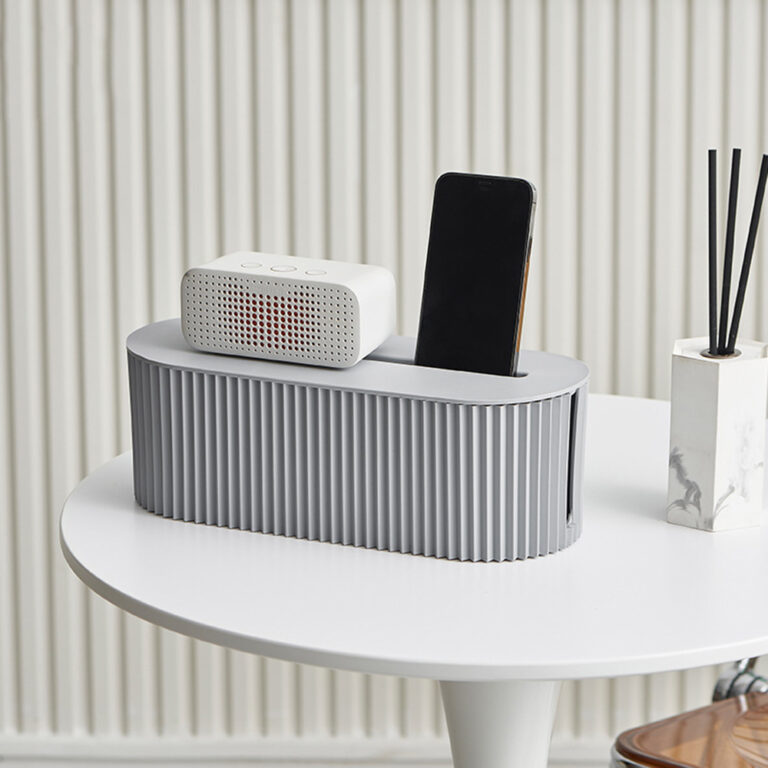
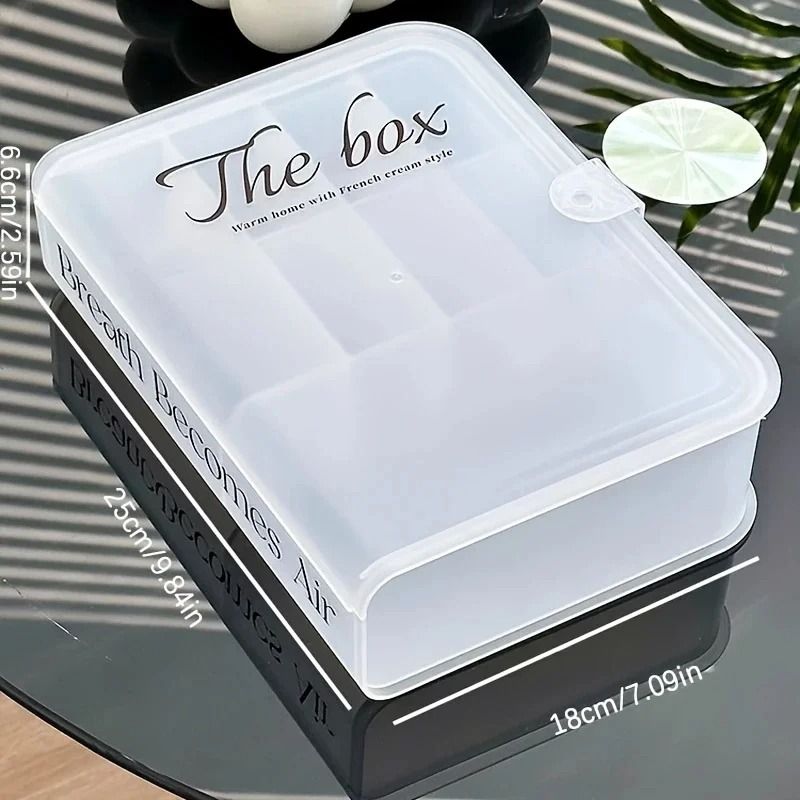 Aisha's pickCable Boxes for Desk That Make the Spare Room Feel Like an OfficeAlso worth a lookGarage StorageThe mistake most people make with garage storage is buying it the way they'd buy a bookshelf, picking…See the collections →
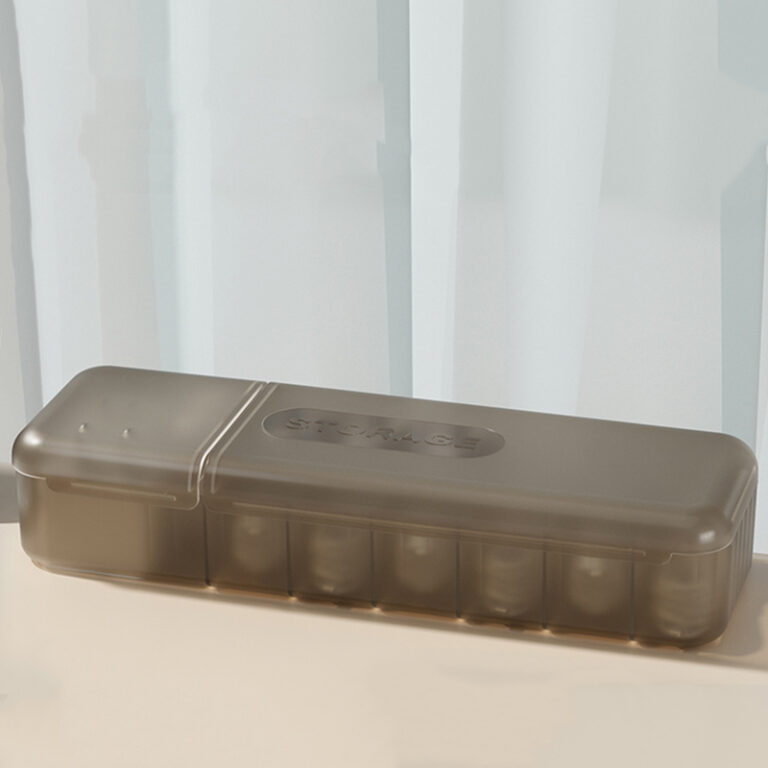
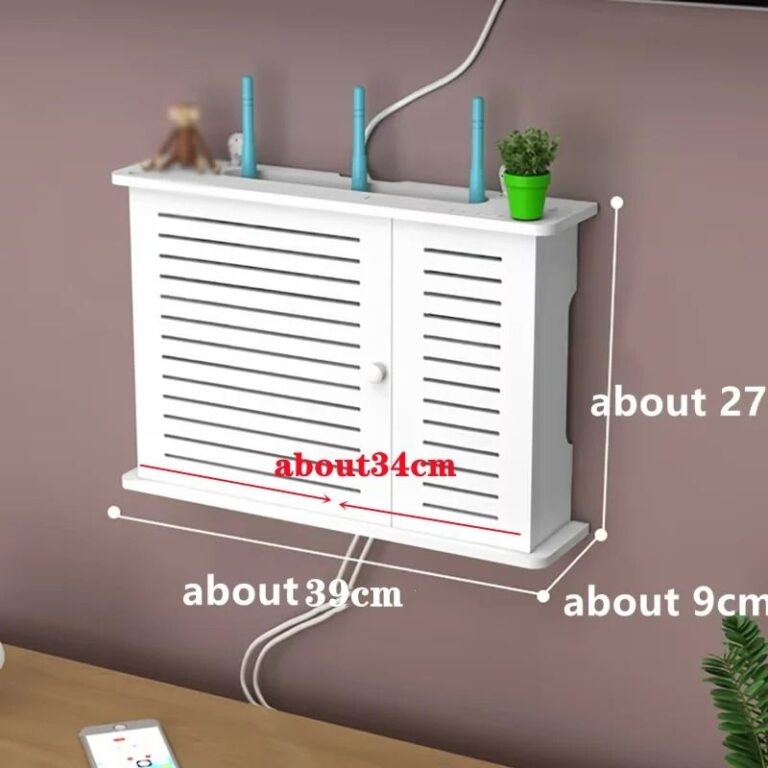 Aisha's pickNo Fuss White Cable Boxes
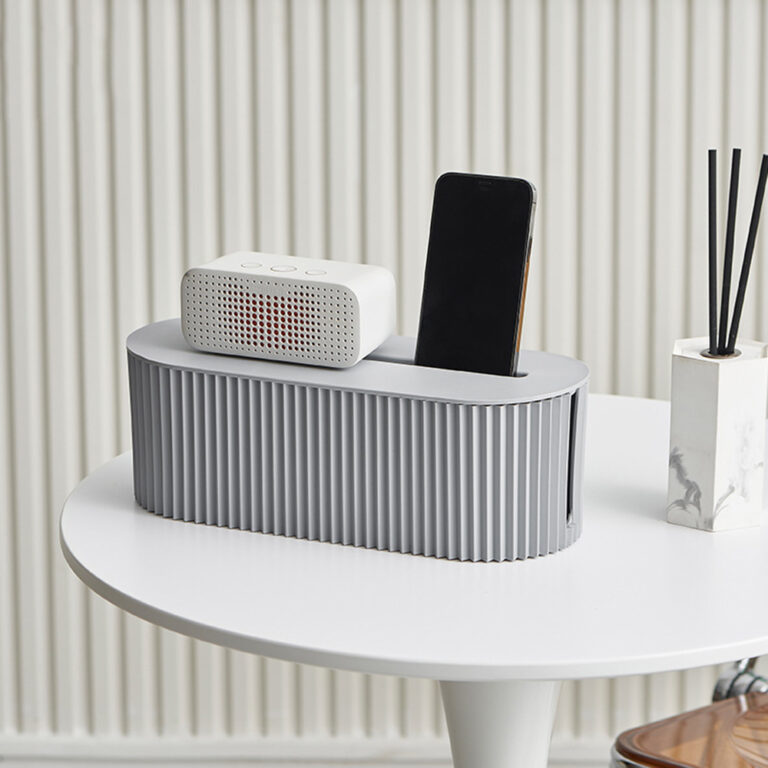
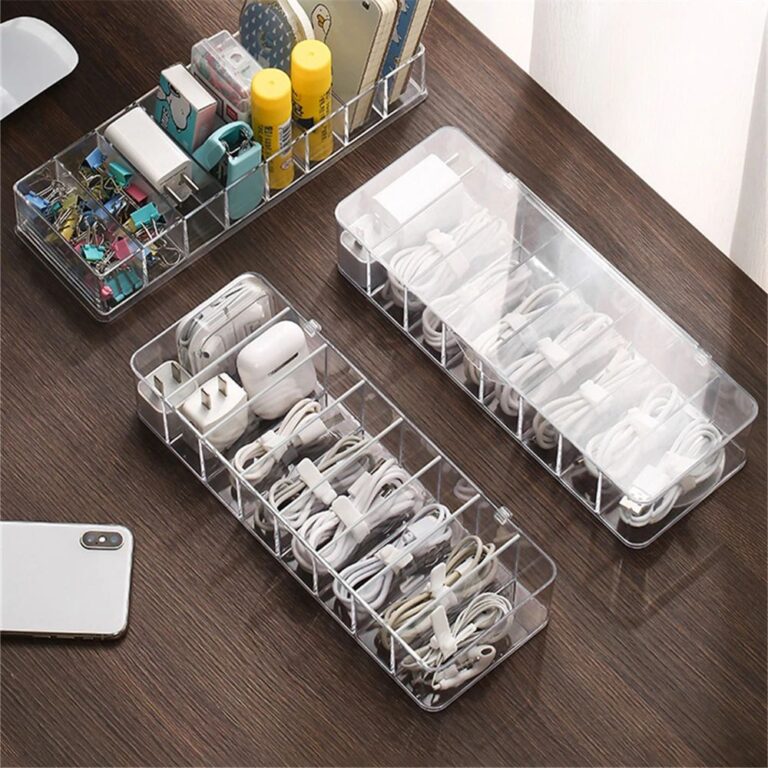 Aisha's pickCable Boxes with Storage That Squeeze Into Awkward Corners