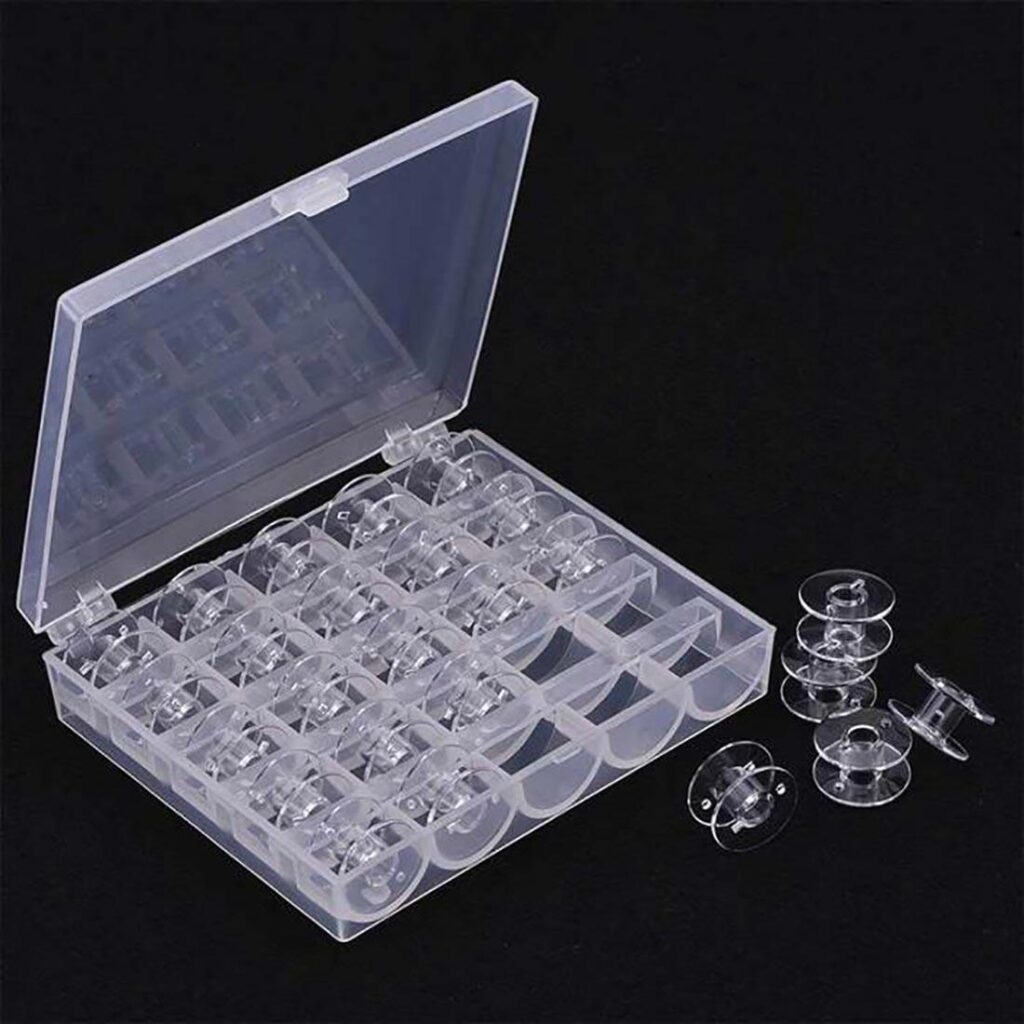
The moment that sold me on these was standing in front of a kitchen drawer at eleven at night looking for a whisk, and finding one instead of the usual tangle of rubber bands, a dead lighter, and a single chopstick nobody can explain. An organizer, the plain divided kind, turned that drawer into something I could actually use without swearing at it. That is the whole pitch, really. It is not glamorous. It just works.
When you are choosing one, check the depth against the drawer or shelf it is going into, not just the width, because plenty of organizers are sized for a generic drawer that does not exist in most real houses, especially older ones with shallower joinery. Press on the dividers too, the cheap ones flex and slide around the second you load them up, which defeats the purpose entirely. If it is for a bathroom cabinet or under a sink, check it can handle a bit of damp without warping or smelling off after a month, plastic and metal do this fine, some pressed wood ones do not.
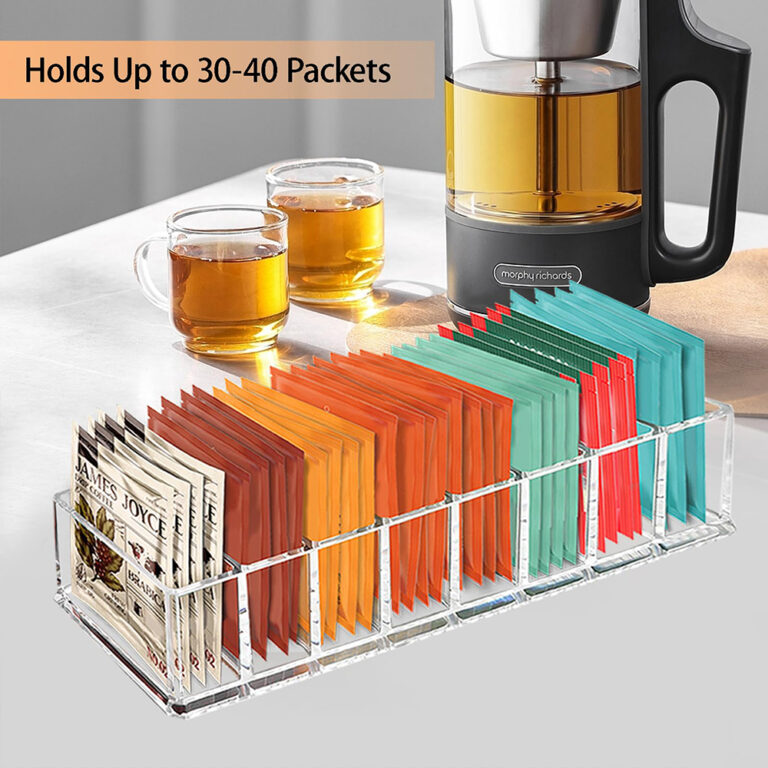
Where they go wrong is anywhere you want the eye to land, a coffee table, an open shelf in the living room, a mantle. An organizer in a visible spot just reads as clutter wearing a uniform, and no amount of tidy compartments fixes that. They belong hidden, behind a door, inside a drawer, on the inside of a cabinet, doing their job where nobody has to look at them. What they sit well with is anything else in that same drawer or cupboard that is already a bit mismatched, a junk drawer, a bathroom cabinet with four half used products, a desk drawer full of chargers and dead batteries, because the organizer is quietly solving a problem that was never going to look nice no matter what you put in there.
They suit every kind of home, honestly, which is rare for me to say about anything, but a rental with no storage gets more out of one than a house with built in cabinetry ever will, since you cannot change the drawers but you can absolutely change what lives inside them. Kitchens and bathrooms get the most daily use out of them, offices and craft spaces close behind, and there is no season to any of it, a junk drawer does not know it is July. The only real rule is to measure first and buy for the space you have, not the one you wish you had.

 Aisha's pickDrawer Organizers That Earn Their Keep
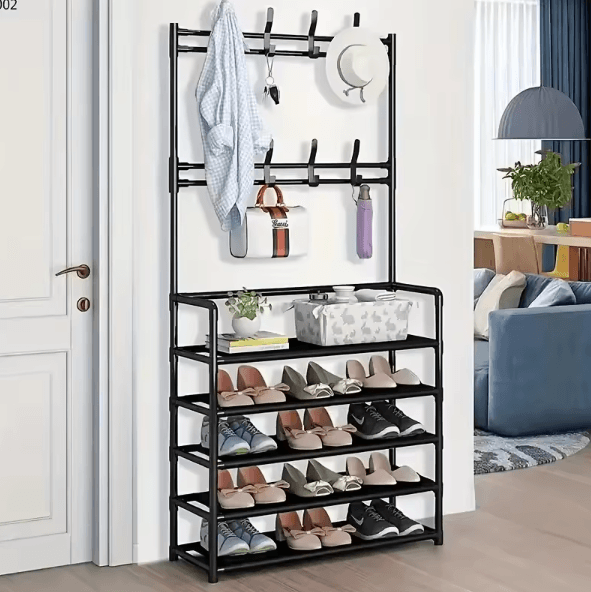 Aisha's pickShoe Organizers for Homes With Too Much Stuff
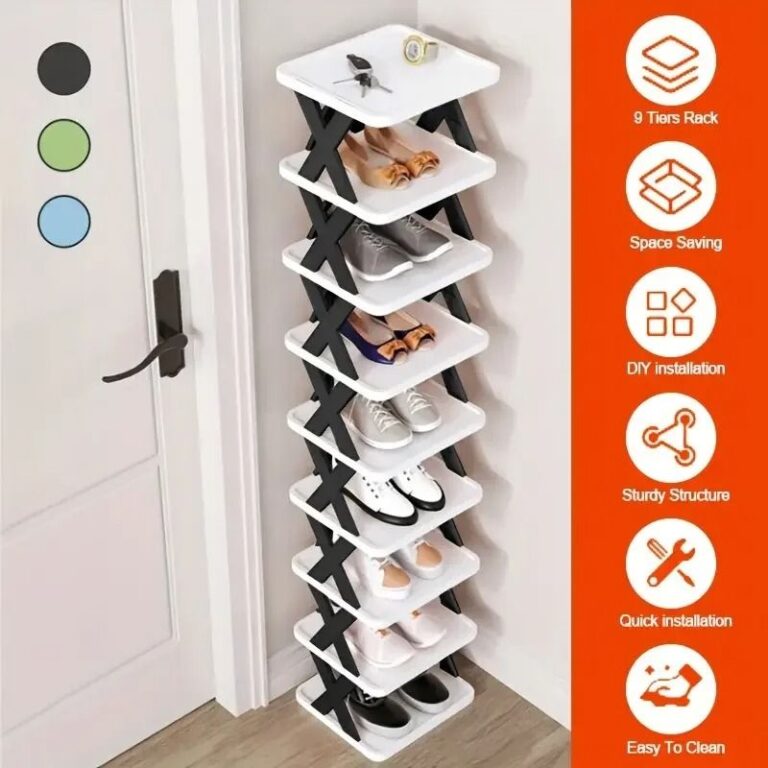
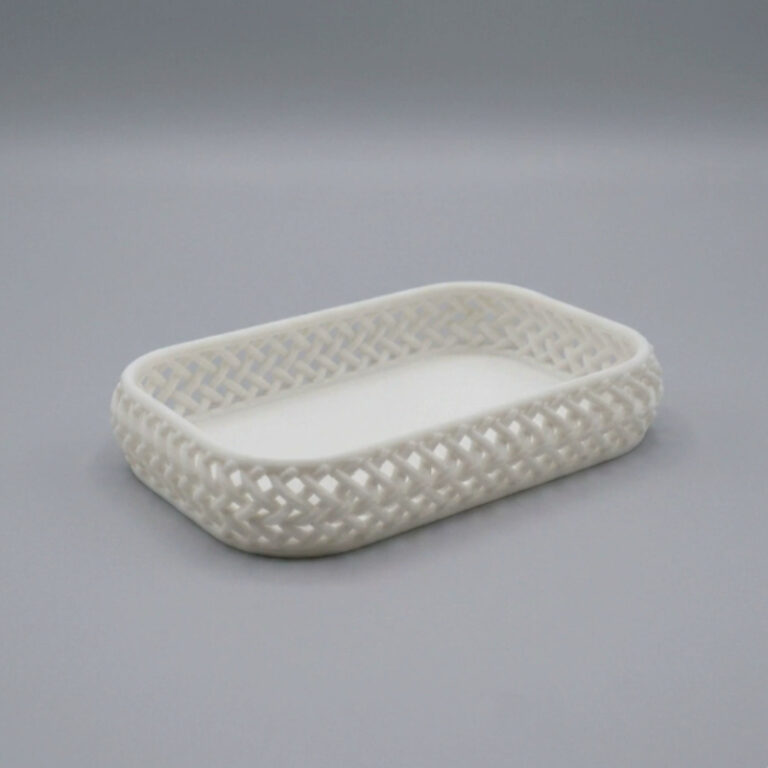 Aisha's pickEntryway Organizers for Narrow Hallways

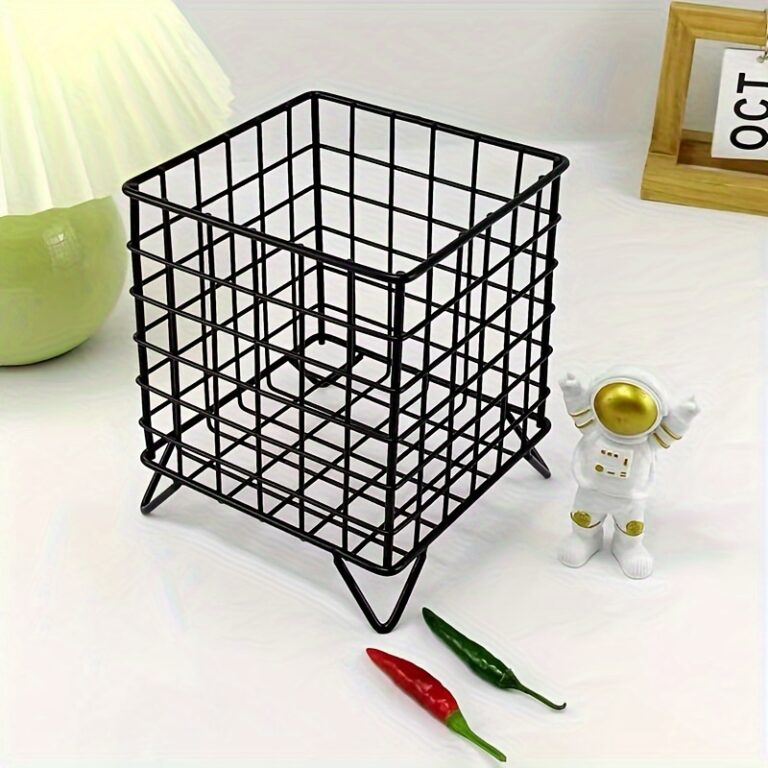 Aisha's pickSmall Desk Organizers We Work Beside Every Day
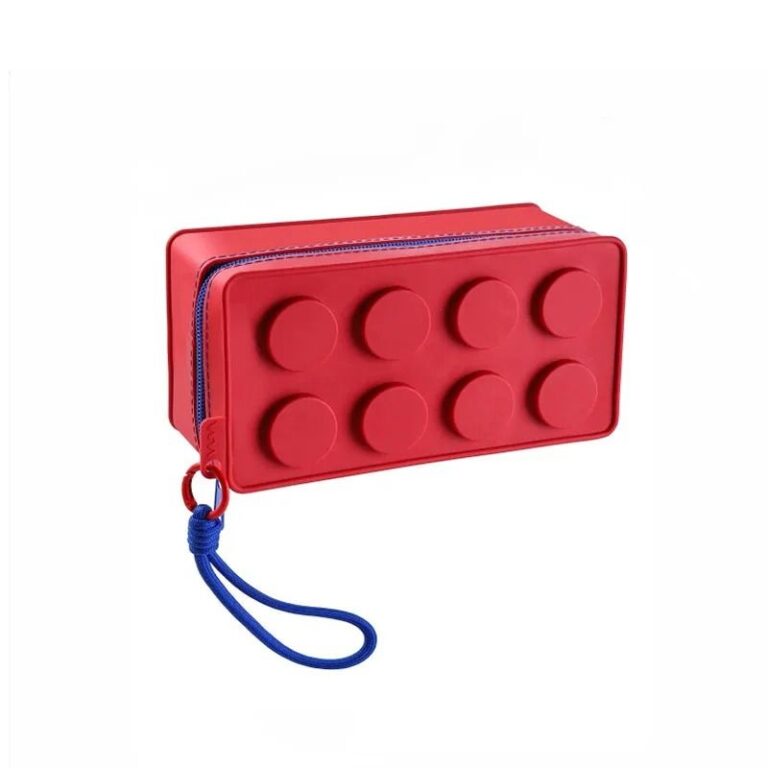
 Aisha's pickEntryway Organizers with Storage That Make Tidying Up Quicker

 Aisha's pickSmall Drawer Organizers That Hide the Mess for Good
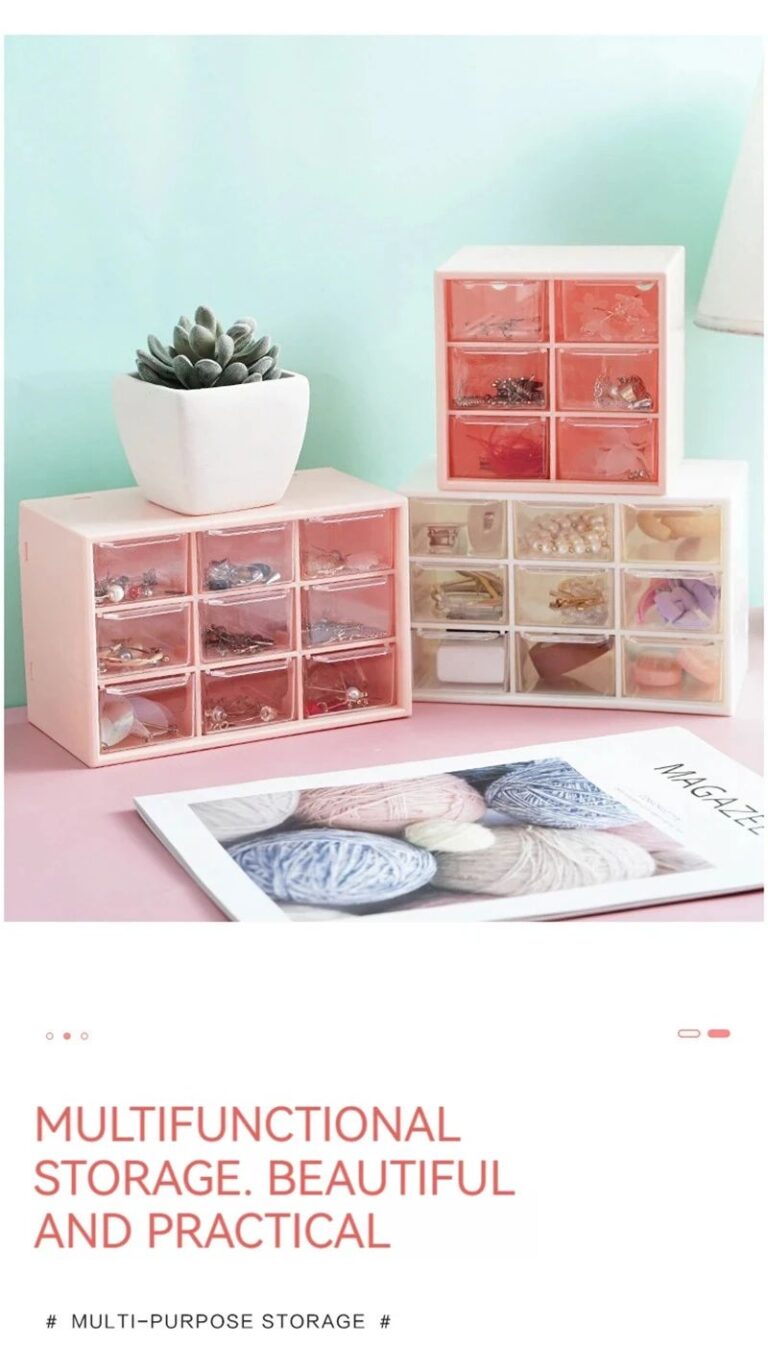
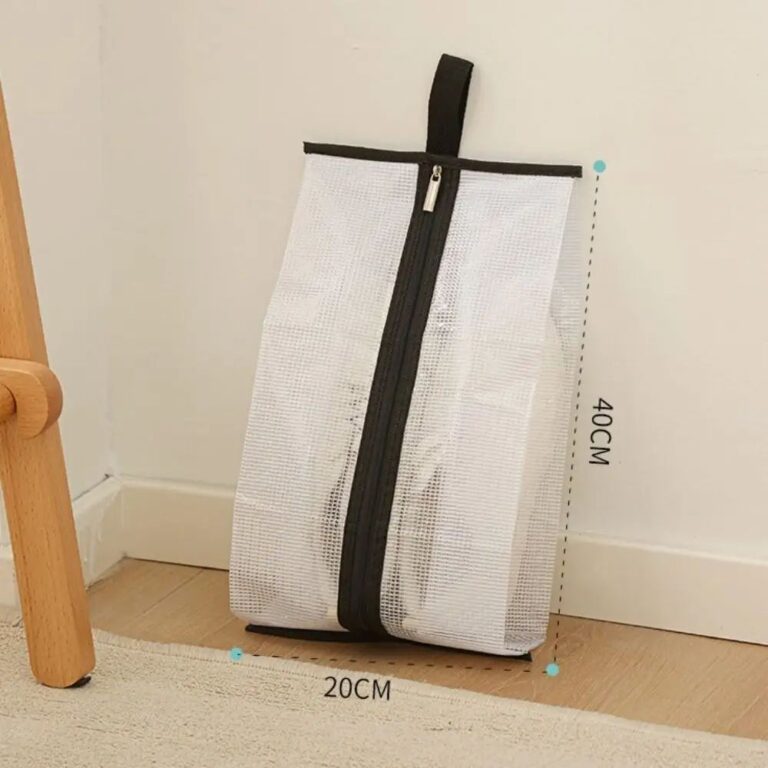 Aisha's pickFoldable Shoe Organizers That Make a Good First Impression
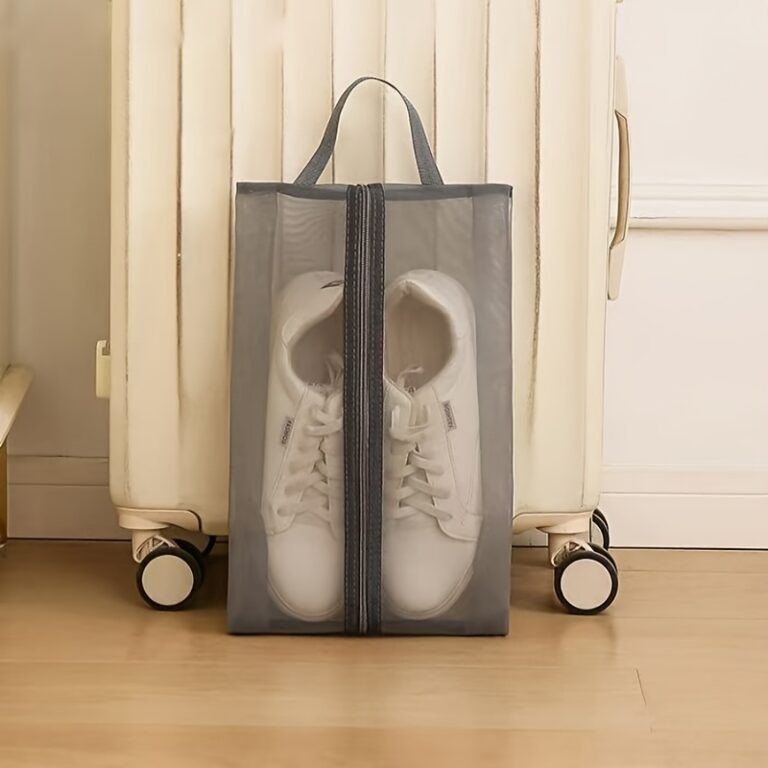
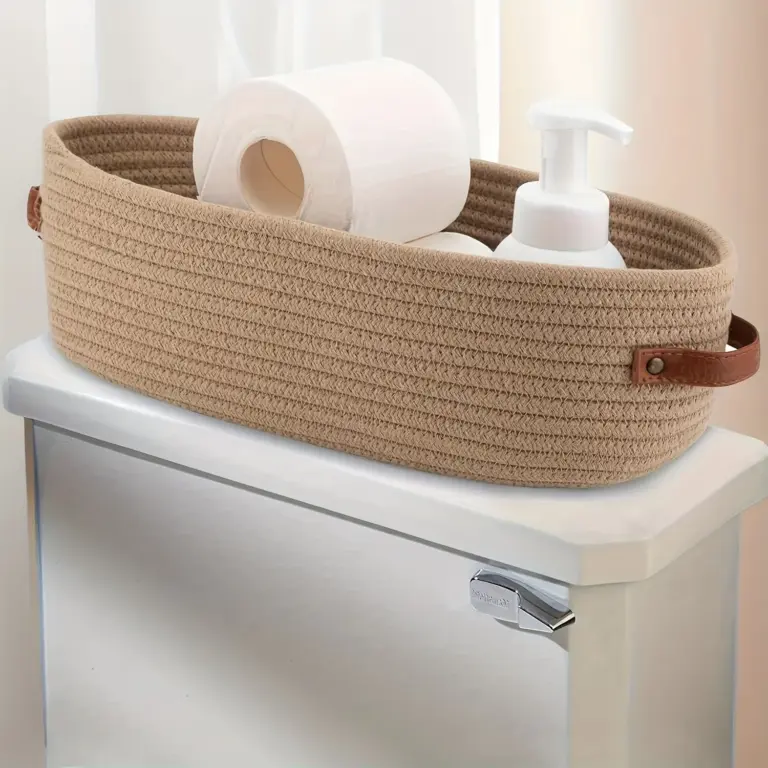 Aisha's pickSpace Toy Organizers That Make a Room Feel Finished
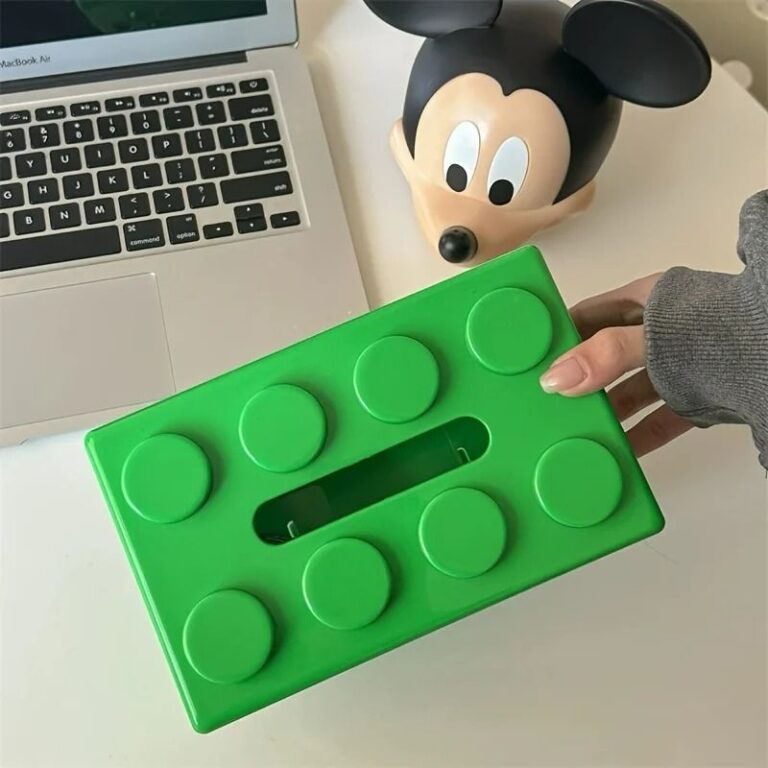
 Aisha's pickFoldable Closet Organizers for a Calmer BedroomAlso worth a lookStorage BoxesLate January is when storage boxes earn their keep, when the holiday decorations need somewhere to live that…See the collections →
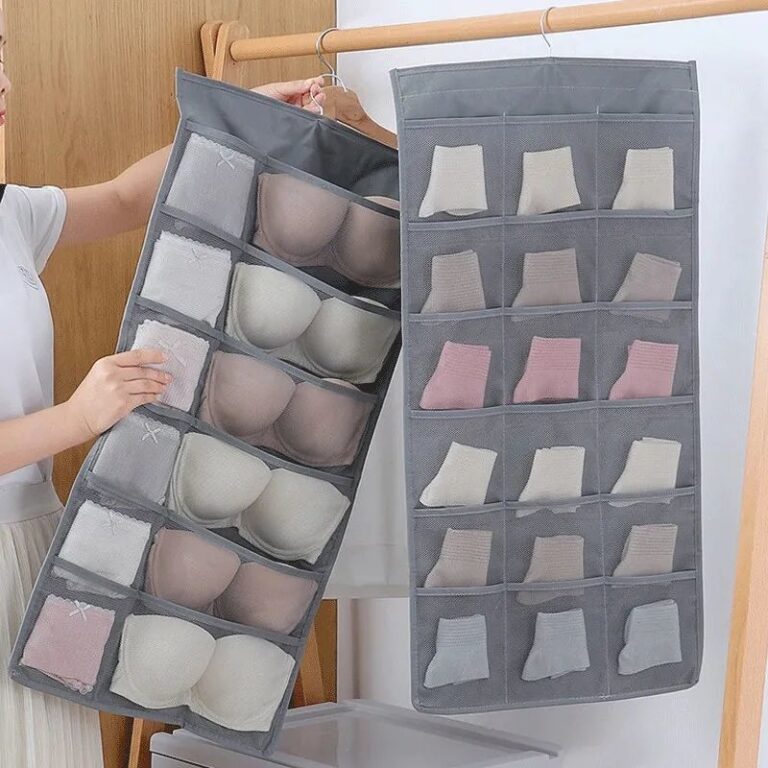
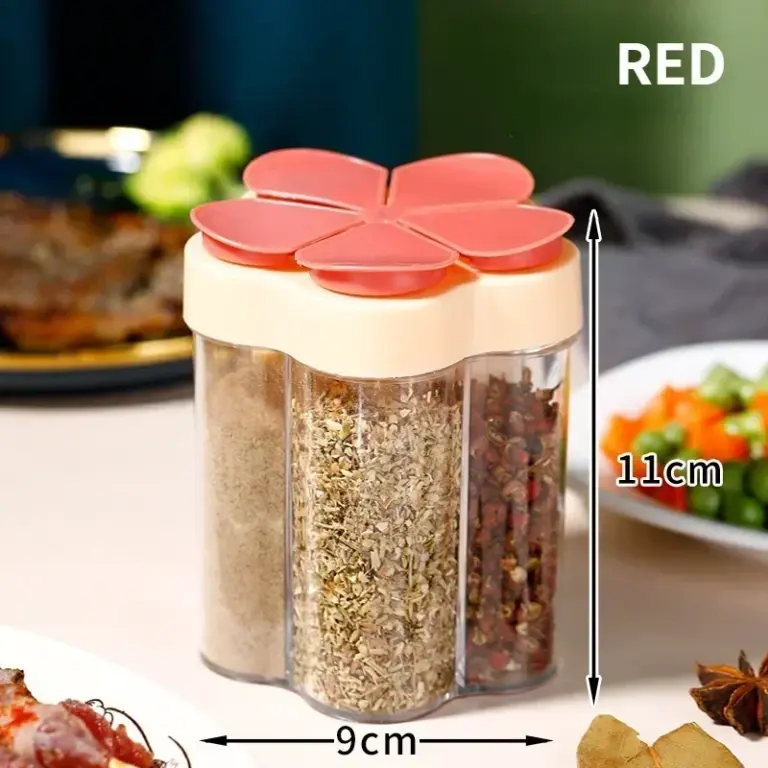 Aisha's pickSpice Organizers That Swallow the Clutter
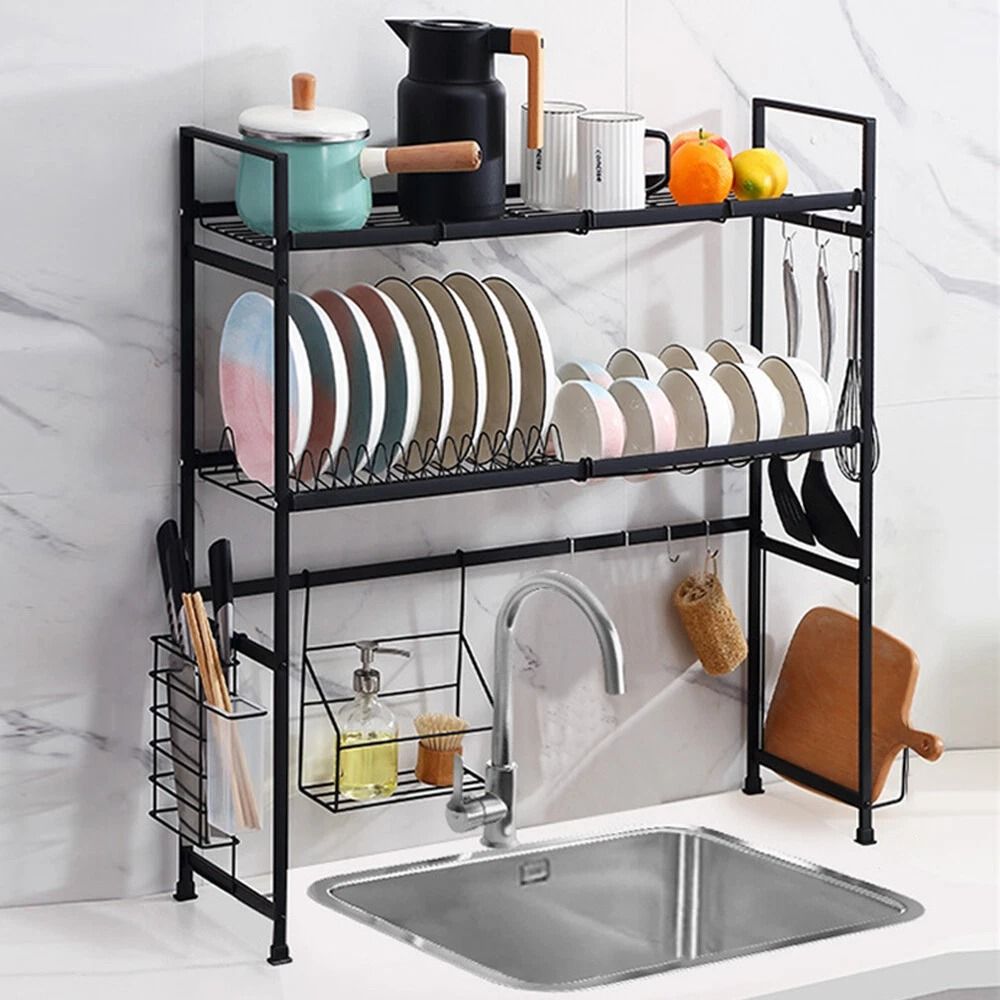 Aisha's pick2 Tier Kitchen Organizers That Keep Surfaces Clear

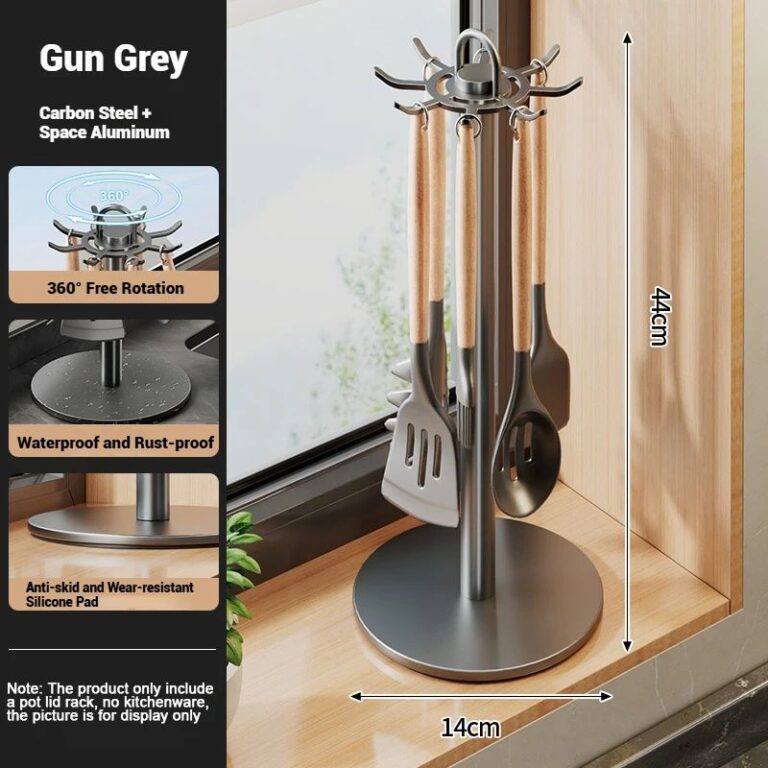 Aisha's pickHanging Organizers for When the Old Ones Give Up
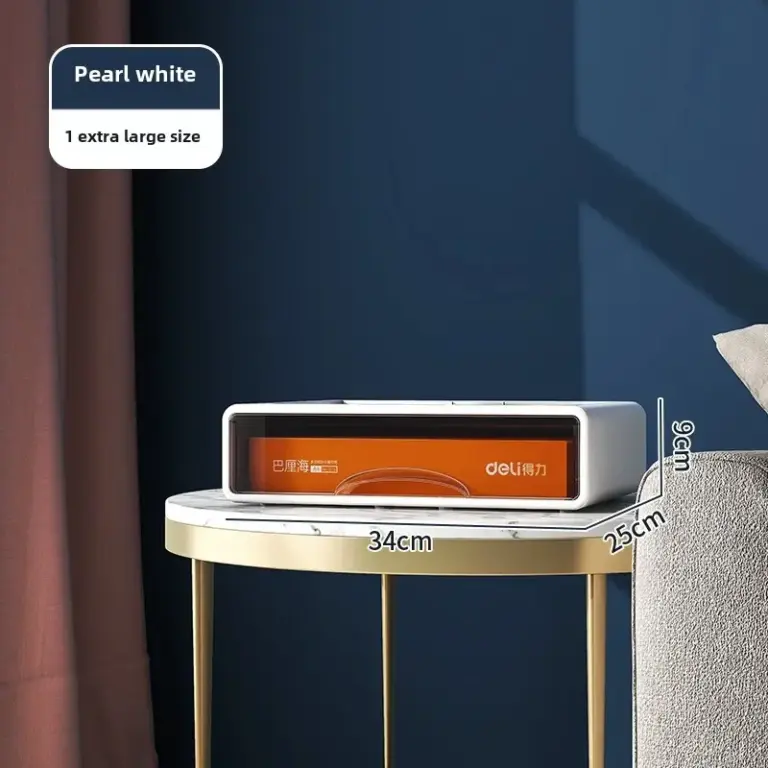 Aisha's pickStackable Drawer Organizers That Keep Surfaces Clear
 Aisha's pickAdjustable Kitchen Organizers With a Bit More About Them

 Aisha's pickJewelry Organizers From Stores Big and Small

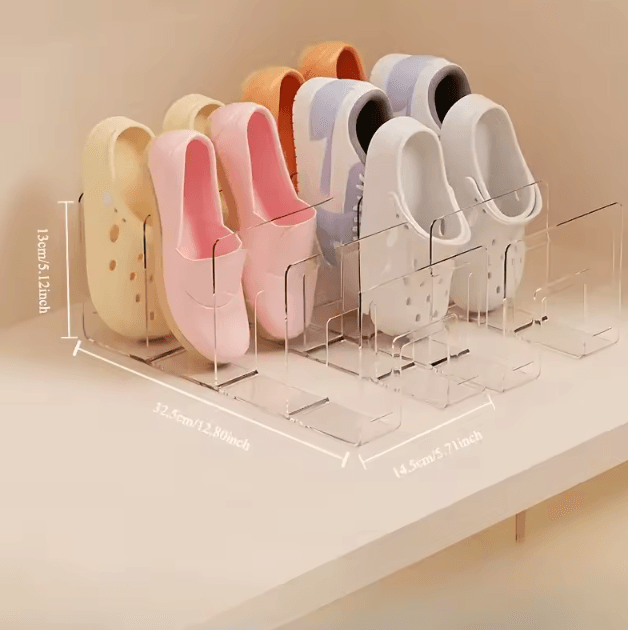 Aisha's pickStackable Shoe Organizers You Won’t Want to Hide Away
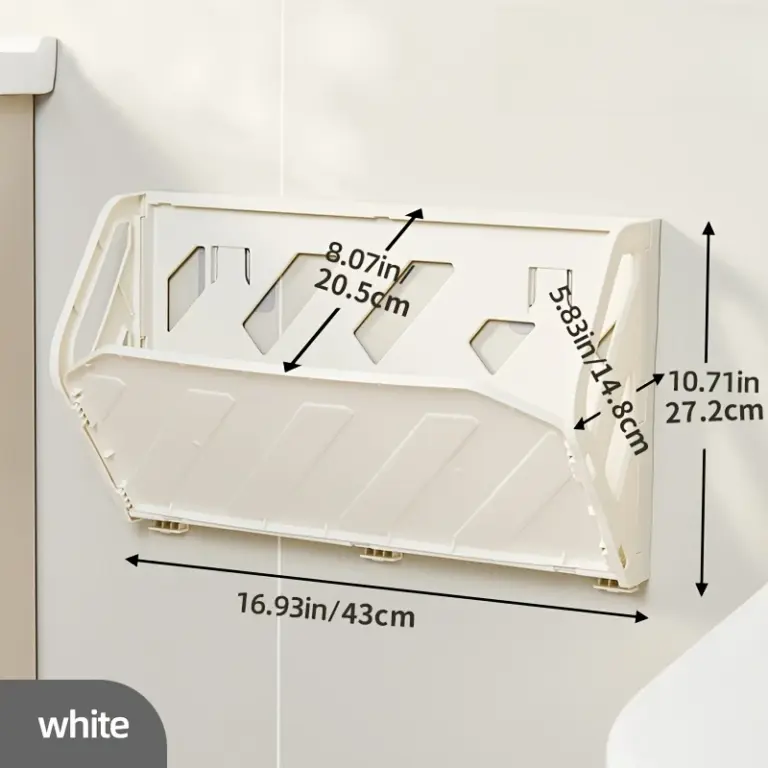
 Aisha's pickCable Organizers With Some Character

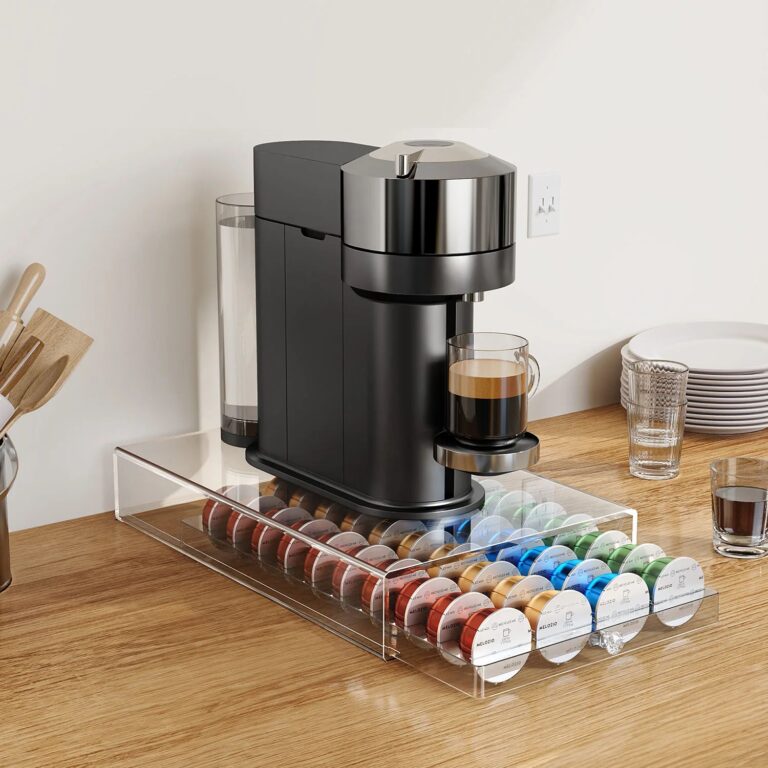 Aisha's pickKitchen Drawer Organizers You’ll Still Like in Five YearsAlso worth a lookGarage StorageThe mistake most people make with garage storage is buying it the way they'd buy a bookshelf, picking…See the collections →

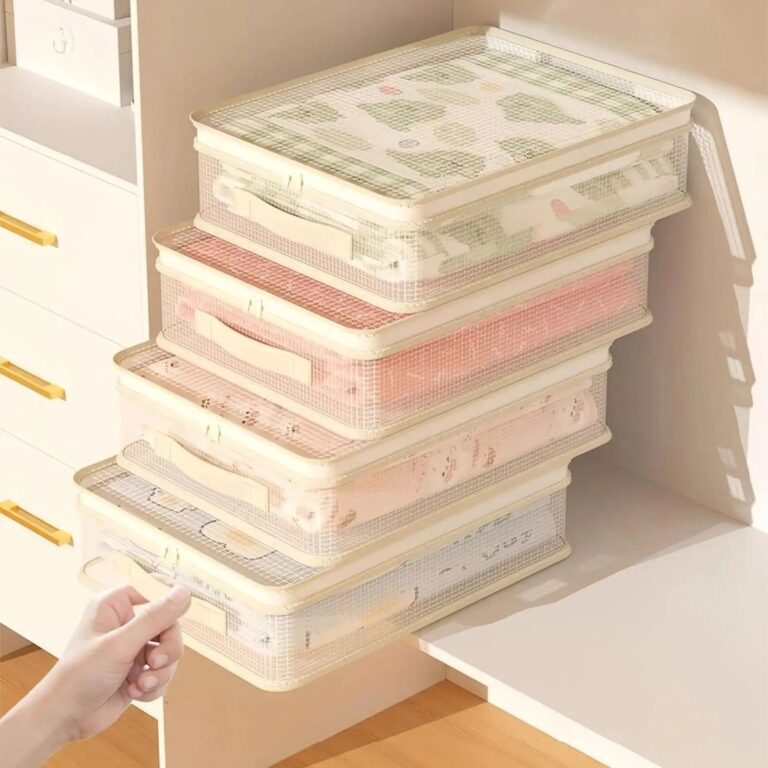 Aisha's pickStackable Closet Organizers for the Bits That Never Have a Home
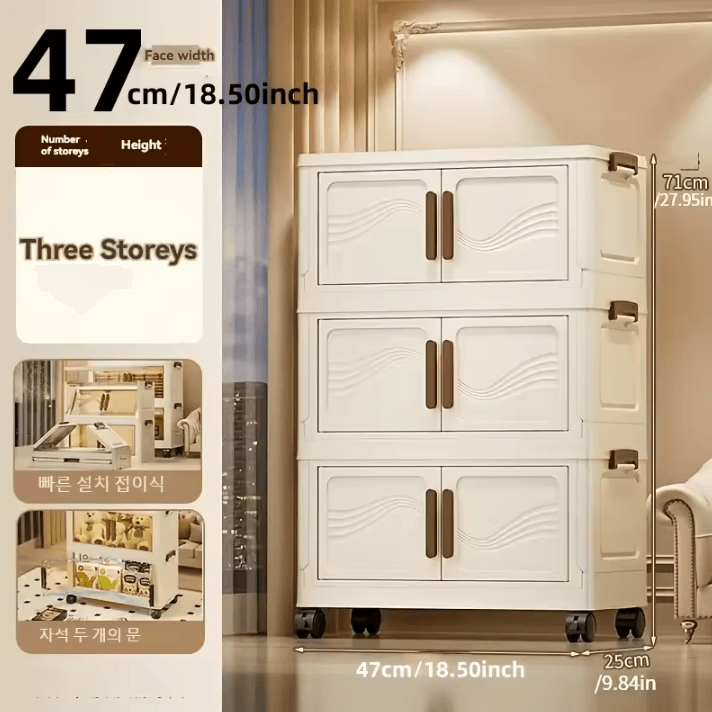
 Aisha's pickCube Organizers for Homes With Too Much Stuff

 Aisha's pickKitchen Organizers From Brands You Know and a Few You Won’t

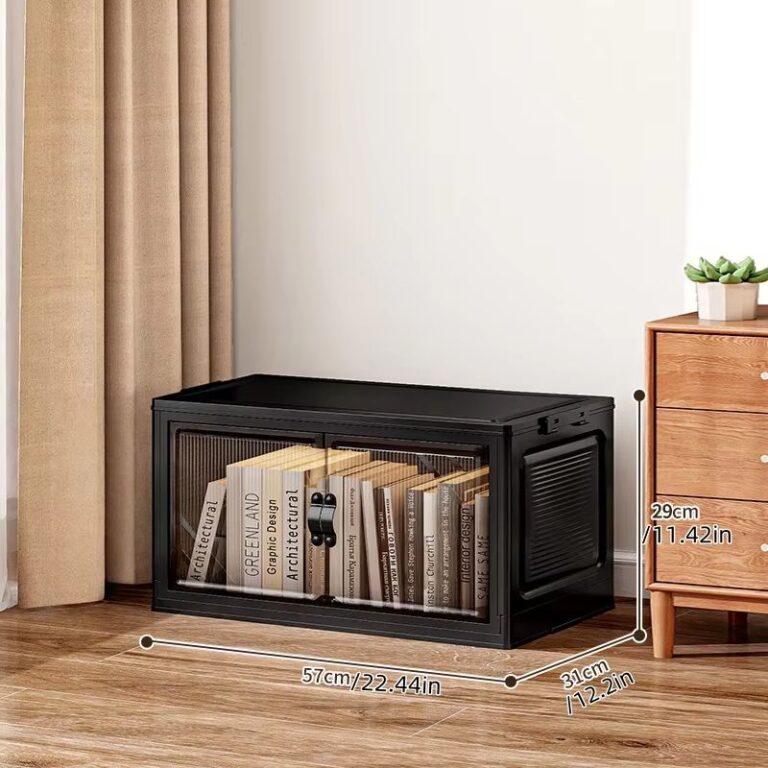 Aisha's pickToy Organizers for Nurseries and Kids’ Rooms
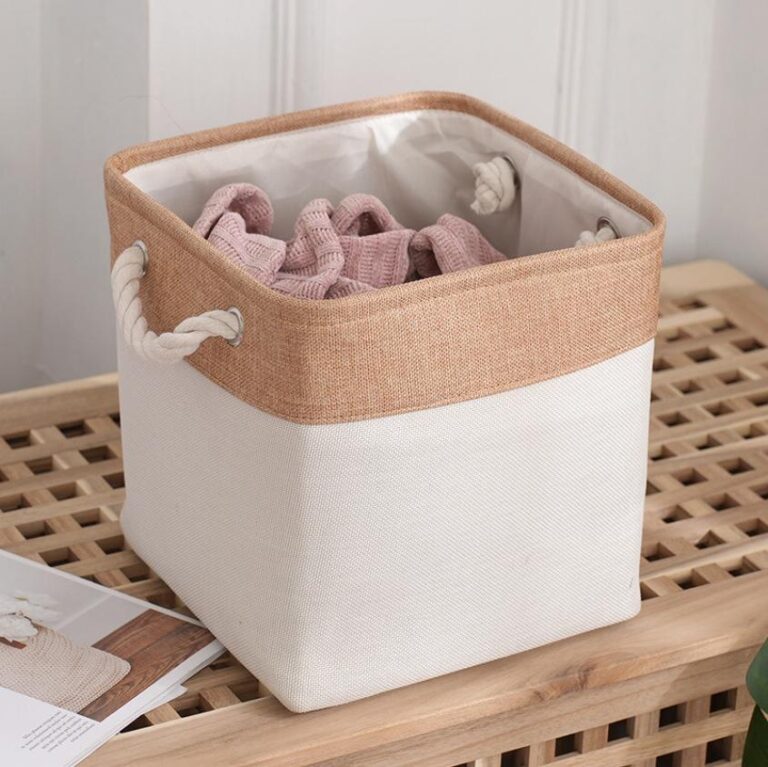
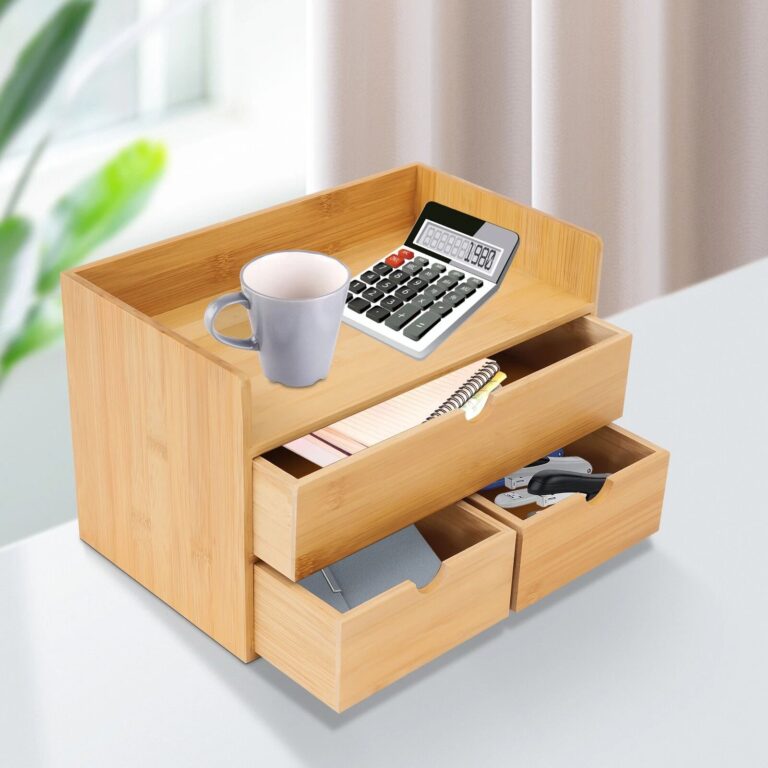 Aisha's pickDesk Organizers We Work Beside Every Day
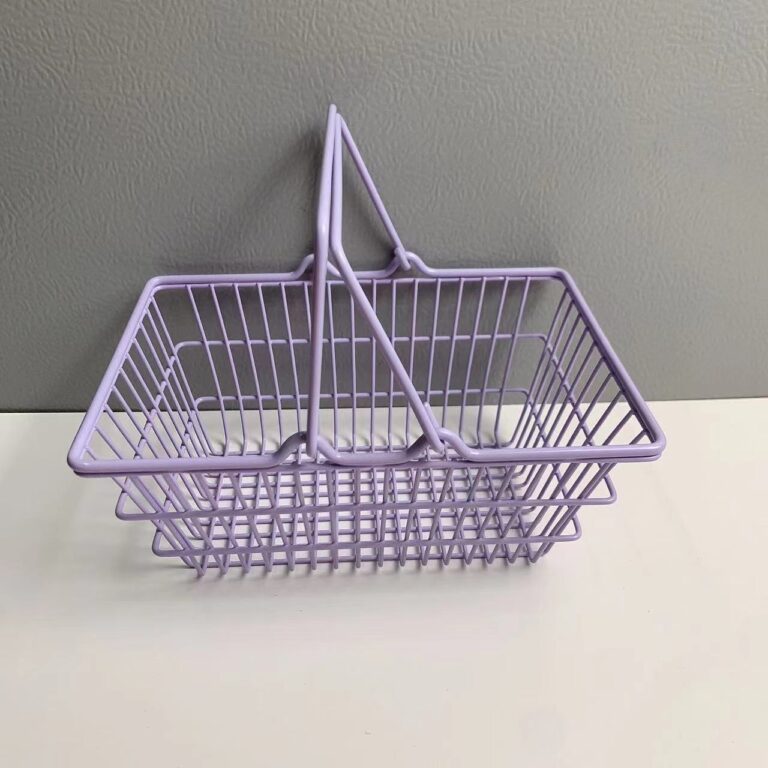
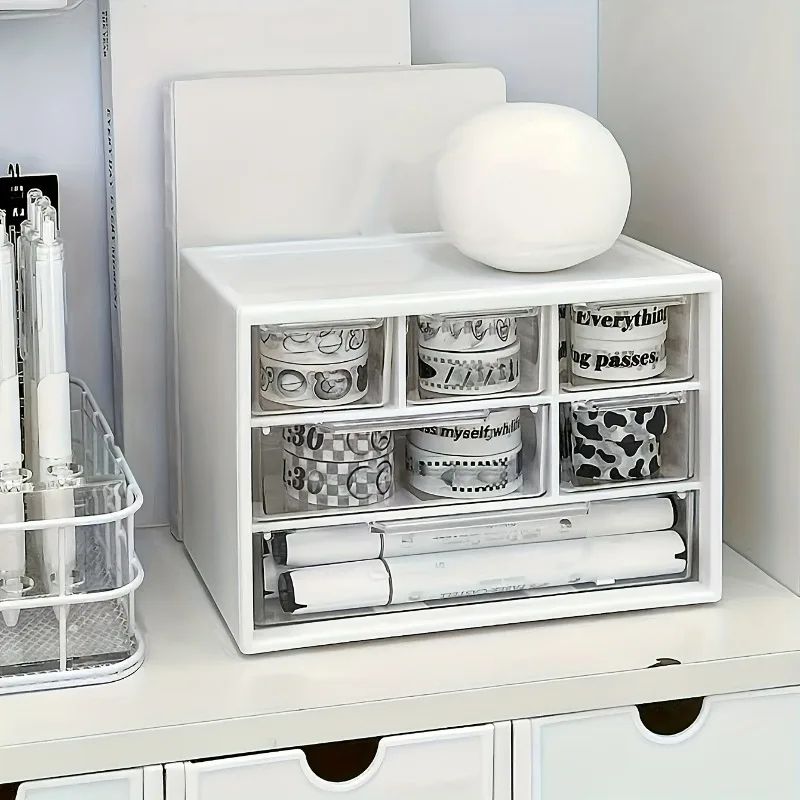 Aisha's pickLarge Desktop Organizers That Squeeze Into Awkward Corners

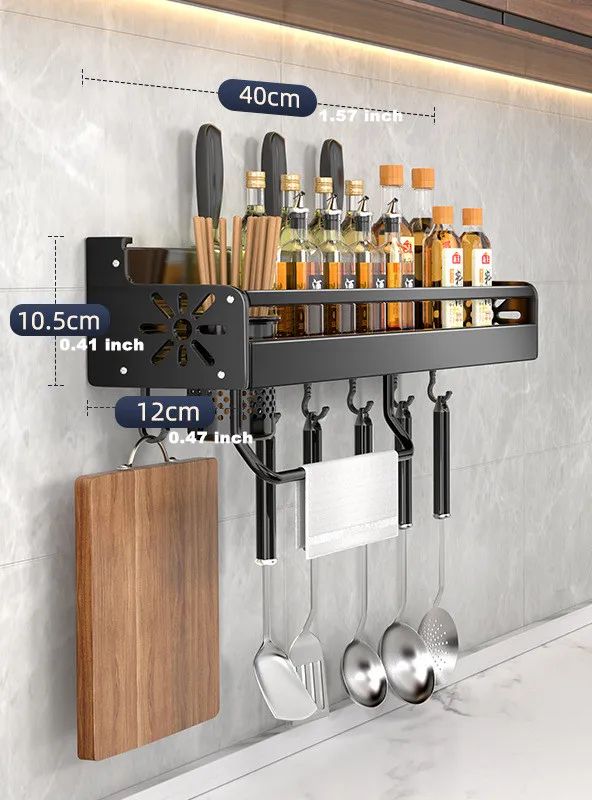 Aisha's pickWall Mounted Kitchen Organizers That Cope With Steam and Splashes
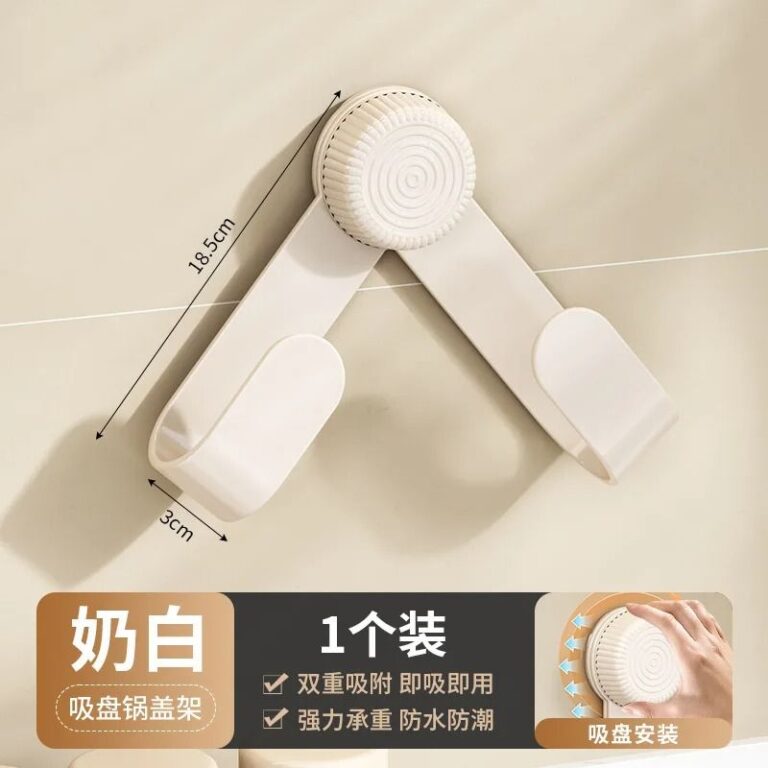
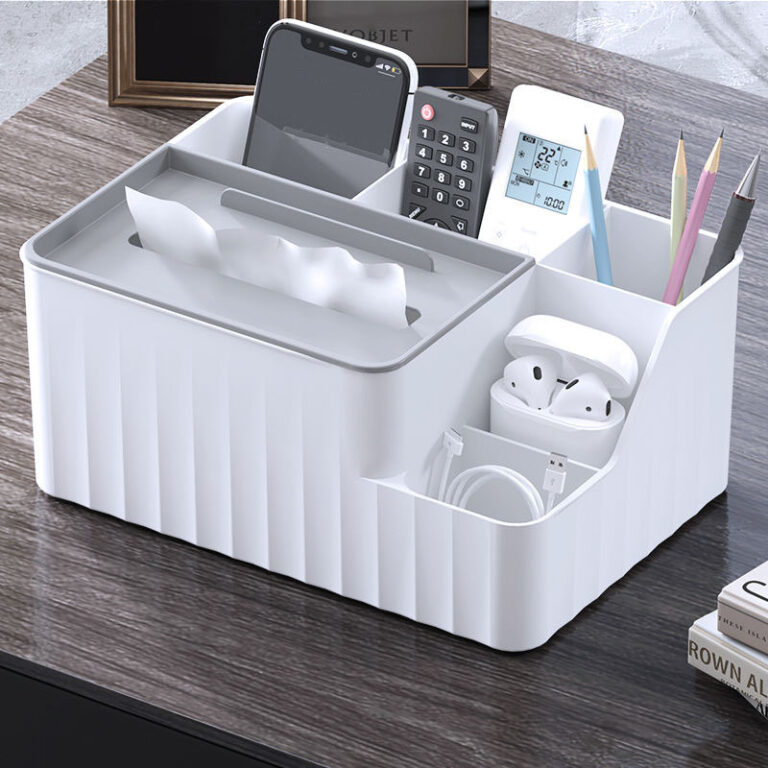 Aisha's pickDesk Organizers with Drawers That Make Small Changes Feel Big
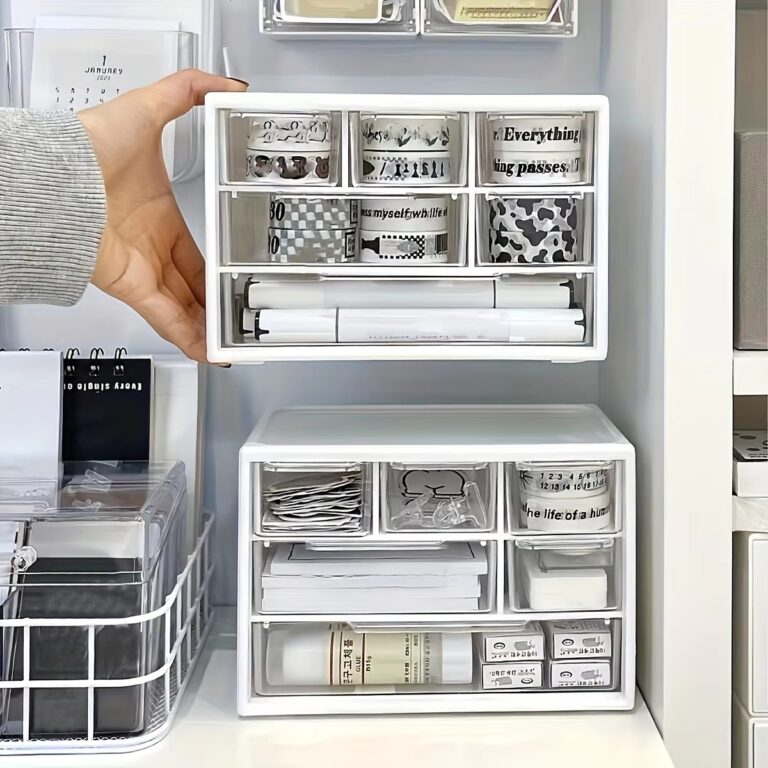 Aisha's pickLarge Drawer Organizers That Make Small Changes Feel BigAlso worth a lookBasketsBaskets have a reputation for being the thing you buy when you've given up on actually organizing a room, and honestly, you land on it right.See the collections →

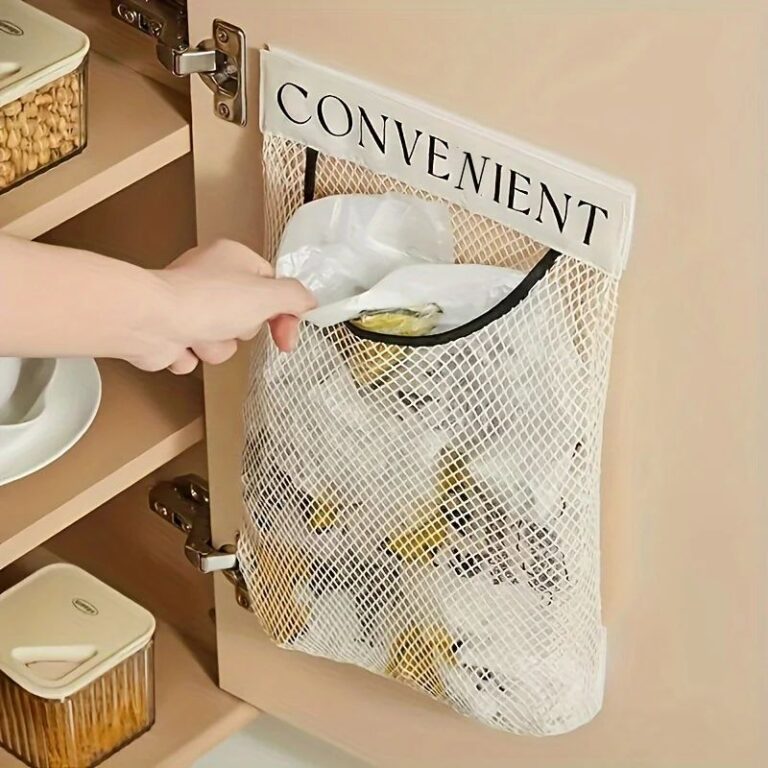 Aisha's pickWall Organizers That Keep Surfaces Clear
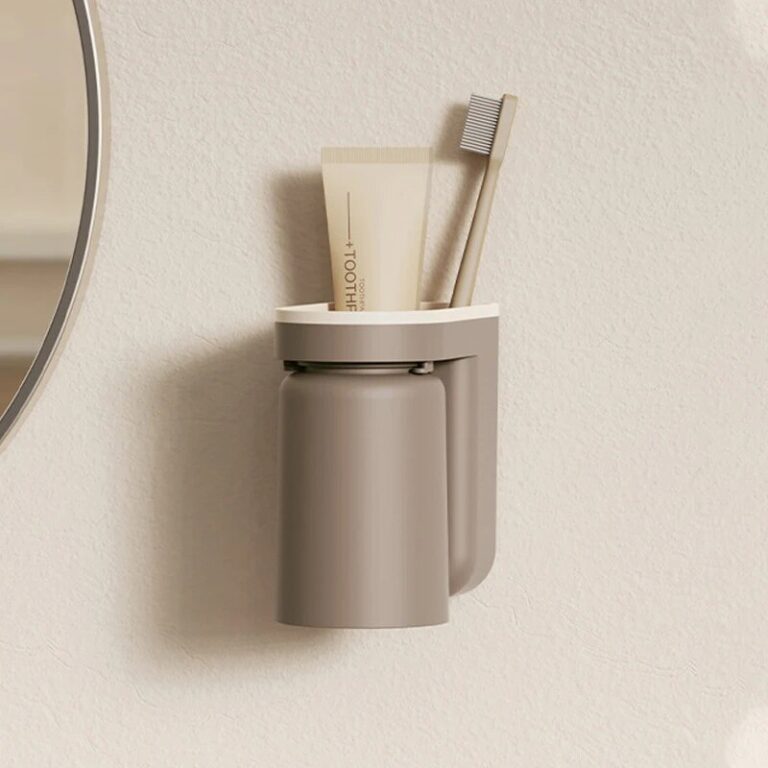
 Aisha's pickThe Desk Organizers with Storage Worth Your Cash

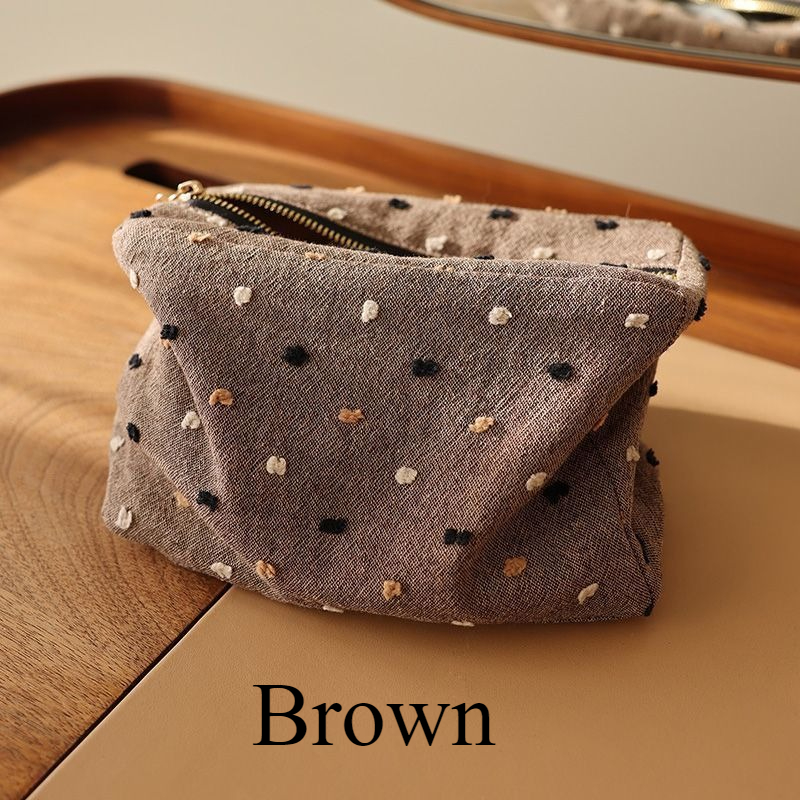 Aisha's pickLarge Jewelry Organizers That Sort Out the Chaos
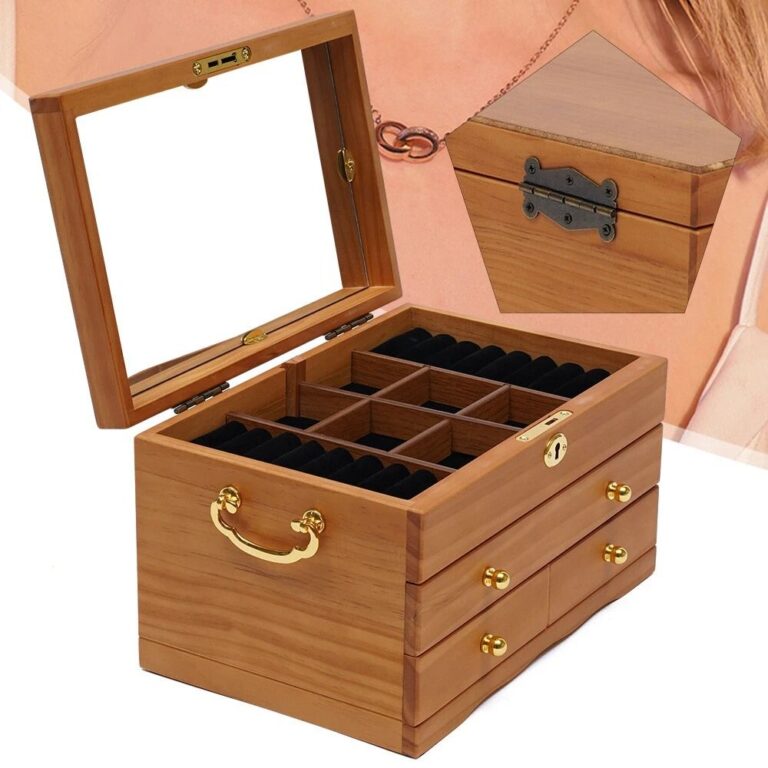
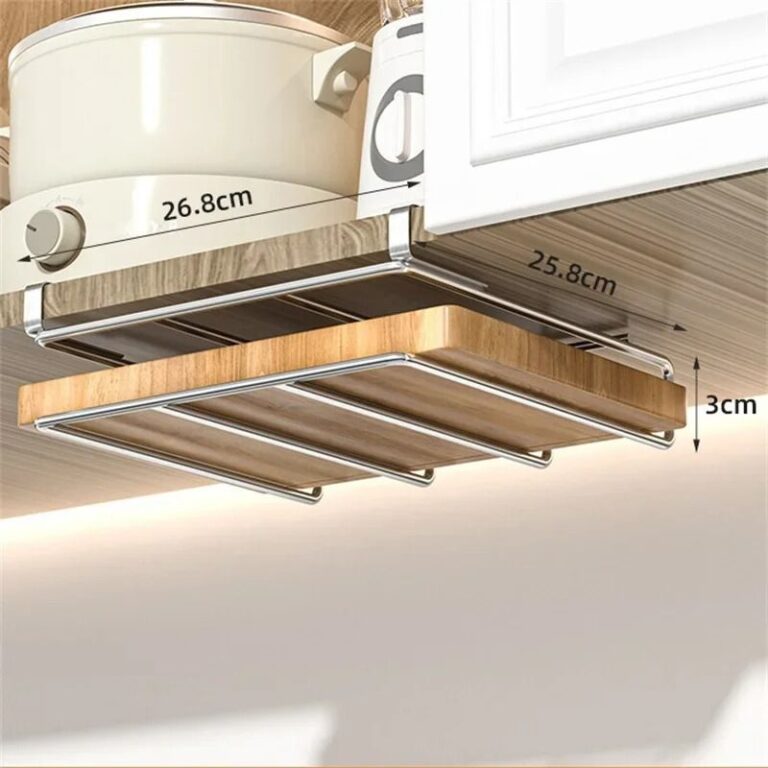 Aisha's pickWall Organizers for Kitchen That Make Cooking a Bit Nicer
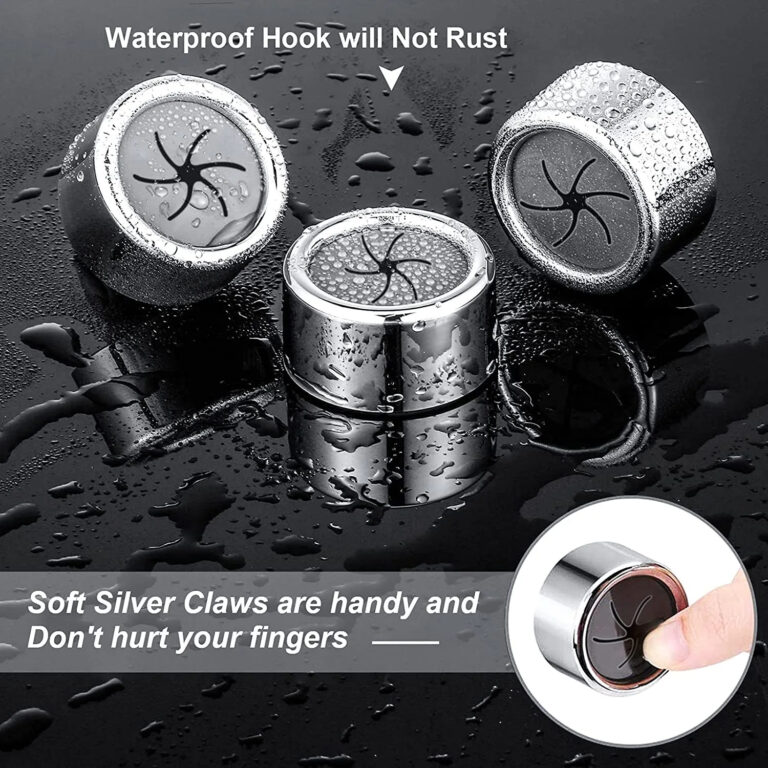
 Aisha's pickDesktop Desk Organizers Hunted Down So You Don’t Have To
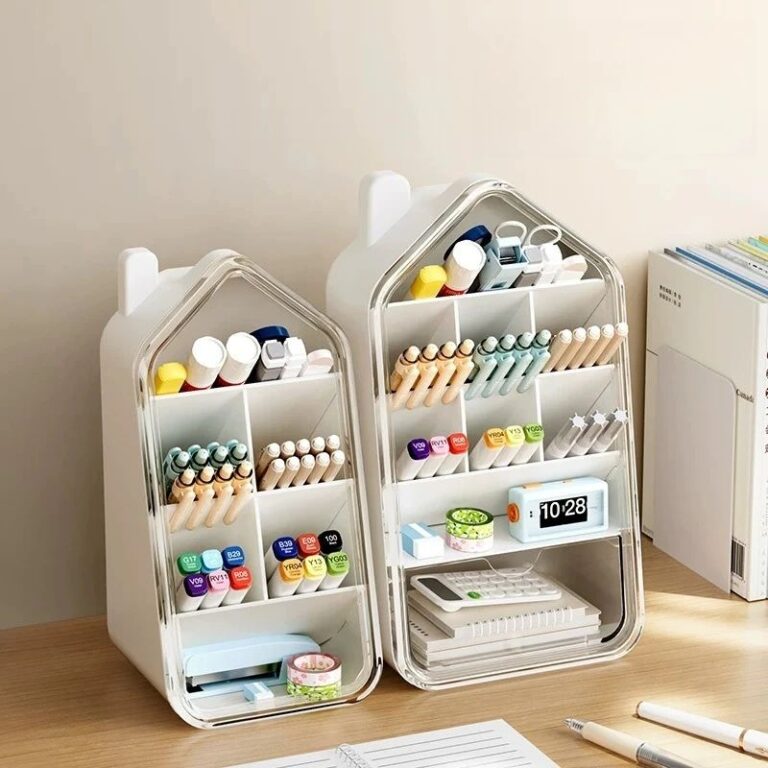
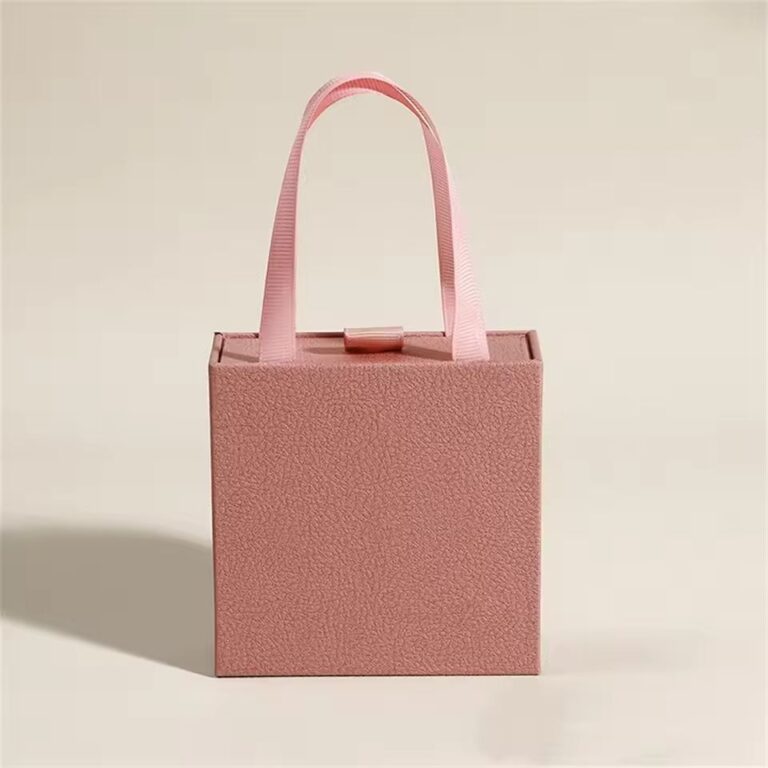 Aisha's pickModern Drawer Organizers That Won’t Date in a Year
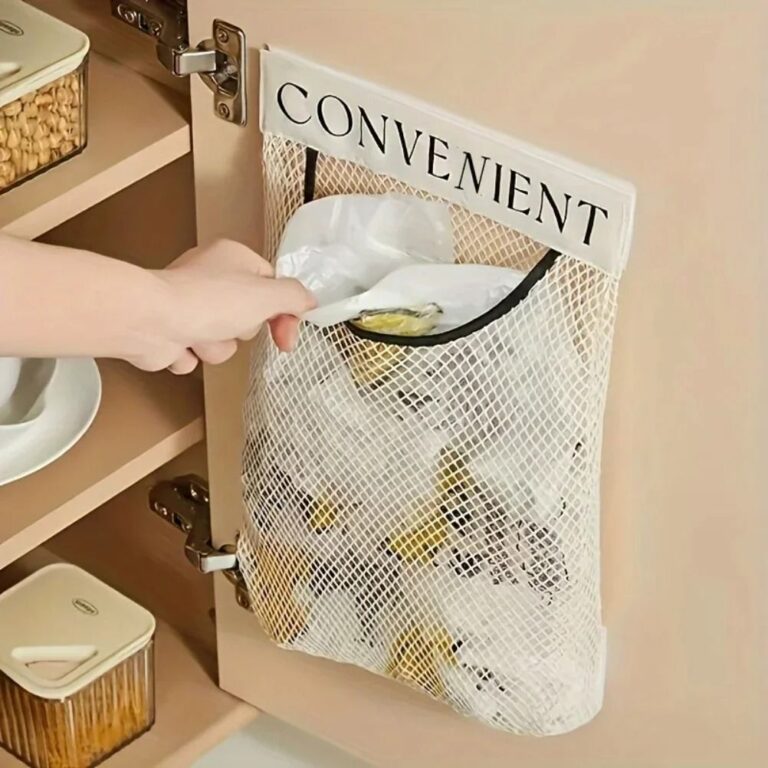 Aisha's pickWall Organizers with Hooks That Don’t Shout About It
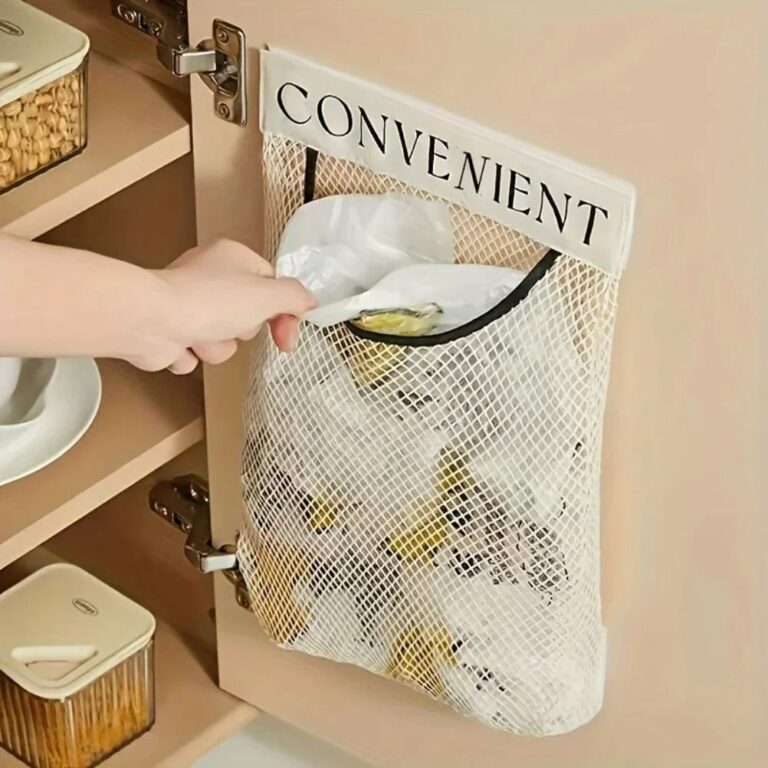
 Aisha's pickDesktop Organizers That Hide the Mess for Good