The thing nobody tells you about modern storage pieces, the boxes and baskets with the clean lines and the metal legs, is that the sharp corners and open weave that look so good in a living room are exactly what catches a toddler's knee or a shin in the dark. I learned this hopping around swearing at a perfectly nice walnut crate at eleven at night. Still, once you've lived with the alternative, a sagging fabric bin going soft and gray in the corner of a room, you don't go back easily.
It's not the right choice everywhere. If you need something to live in a closet or under a bed, out of sight and doing dumb honest labor, buy the cheap canvas version and don't feel bad about it. Modern storage is for rooms people actually look at, a living room, an entryway, somewhere it has to double as a piece of furniture and not just a container. Put it somewhere nobody sees it and you've paid extra for a shape.
The difference between the good ones and the bad ones shows up slowly. A cheap metal frame gets a wobble in the welds within a year, and the fabric liner, if there is one, starts to bag out at the bottom under real weight. A good one holds its shape because the frame is actually one piece or properly joined, and the wood or rattan ages instead of just wearing out, picking up a bit of color and character the way a cutting board does. Wipe wood down with a barely damp cloth, never soak it, and give rattan or seagrass a vacuum with the brush attachment every so often so dust doesn't grind into the weave. Don't put it in direct sun for years unless you like a two toned fade line, which, to be fair, some people do.
In the shop, run your hand along every seam and joint before you look at the price tag. Check the bottom for felt pads or at least a flat edge that won't scratch your floor, and check that handles are actually attached to something structural, not just the fabric liner, because that's the first thing to rip. On delivery day, open the box and check the corners aren't crushed, since compressed cardboard travels badly and a dented leg won't pop back out.
Before anything else, measure the space with a lid or hinged top in mind, open position and all, not just closed.
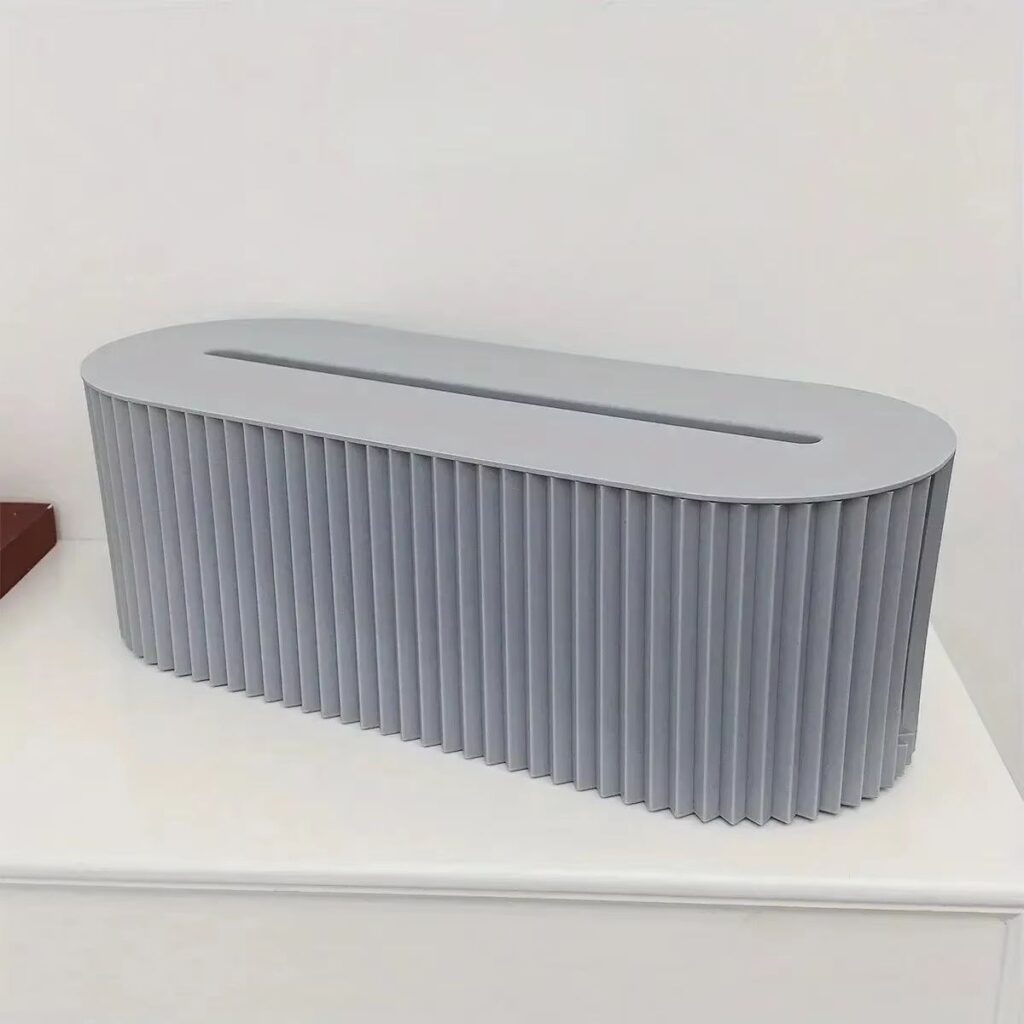
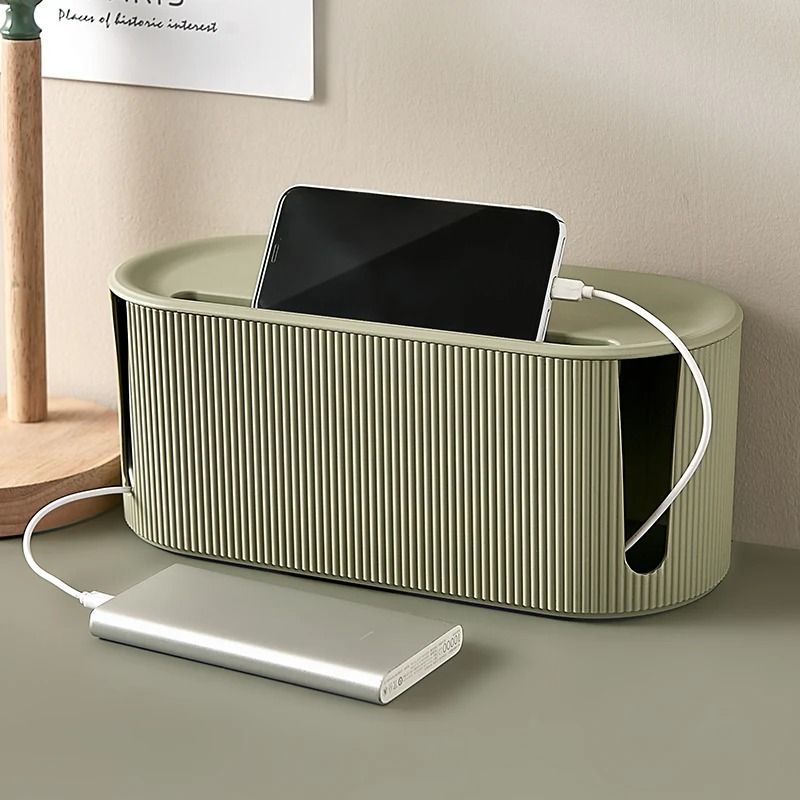 Aisha's pickModern Cable Boxes From Stores Big and Small
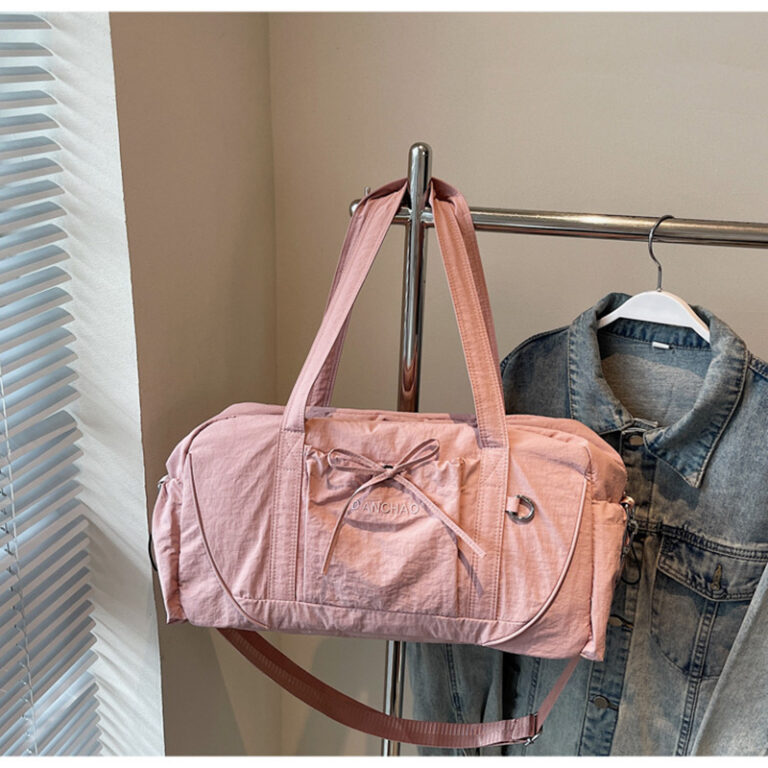 Aisha's pickModern Shoe Storage for Narrow Hallways
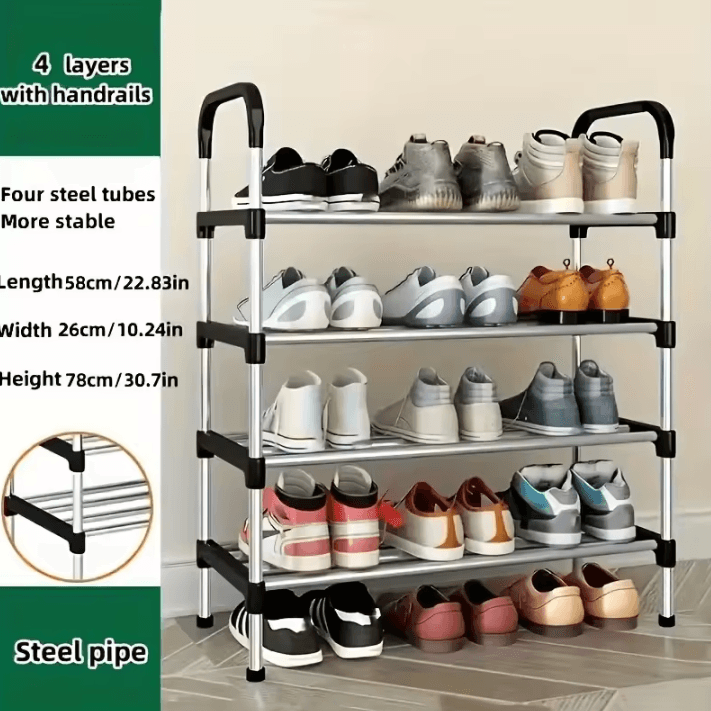
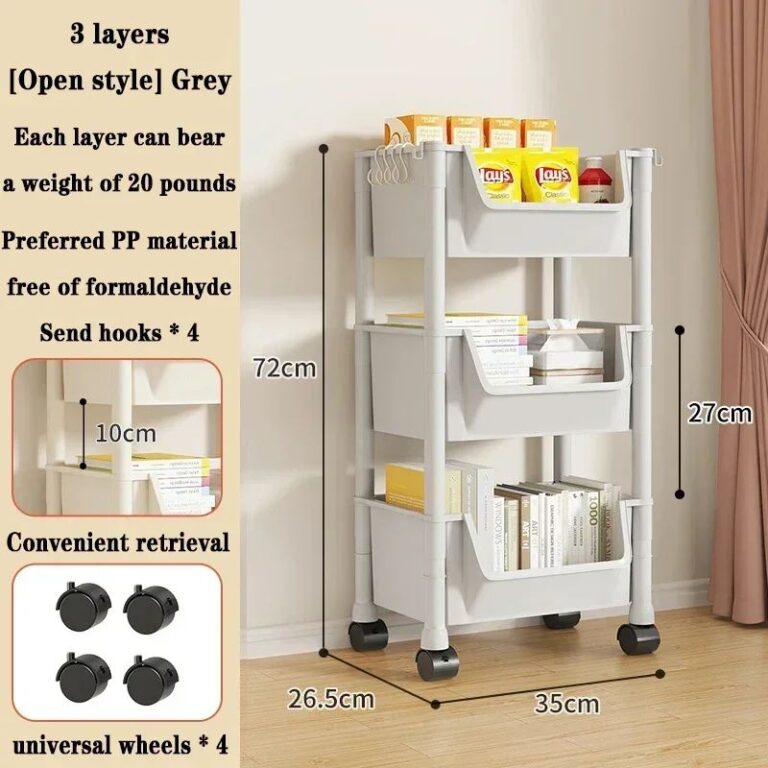 Aisha's pickModern Clothes Storage That Looks the Part
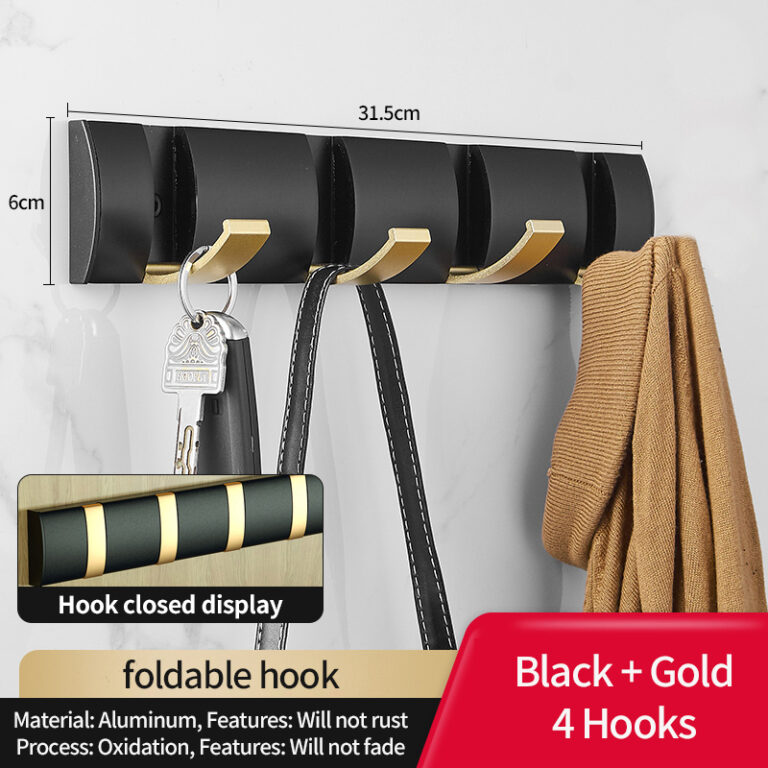
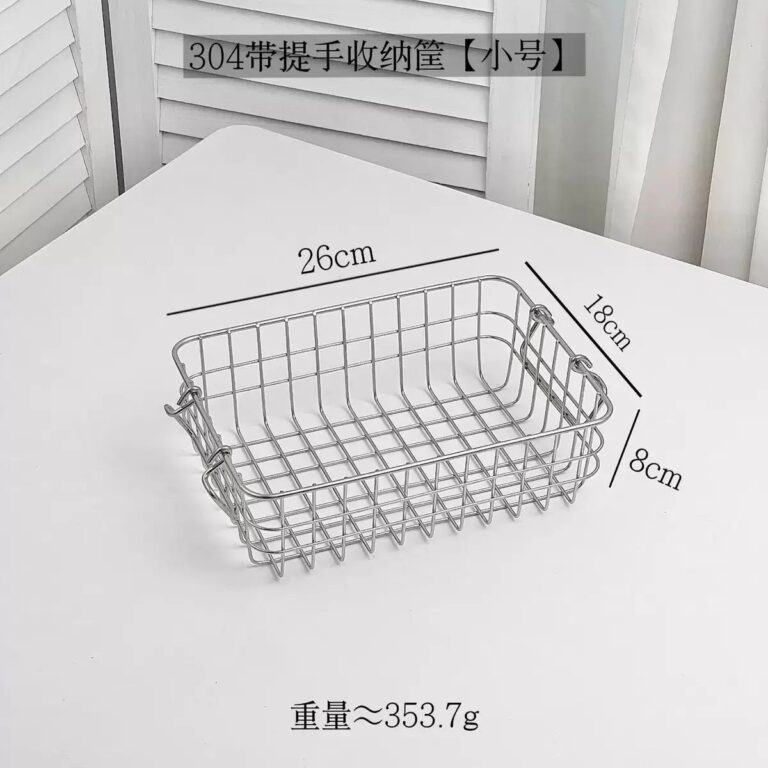 Aisha's pickDecent Modern Storage Baskets Without the Hassle
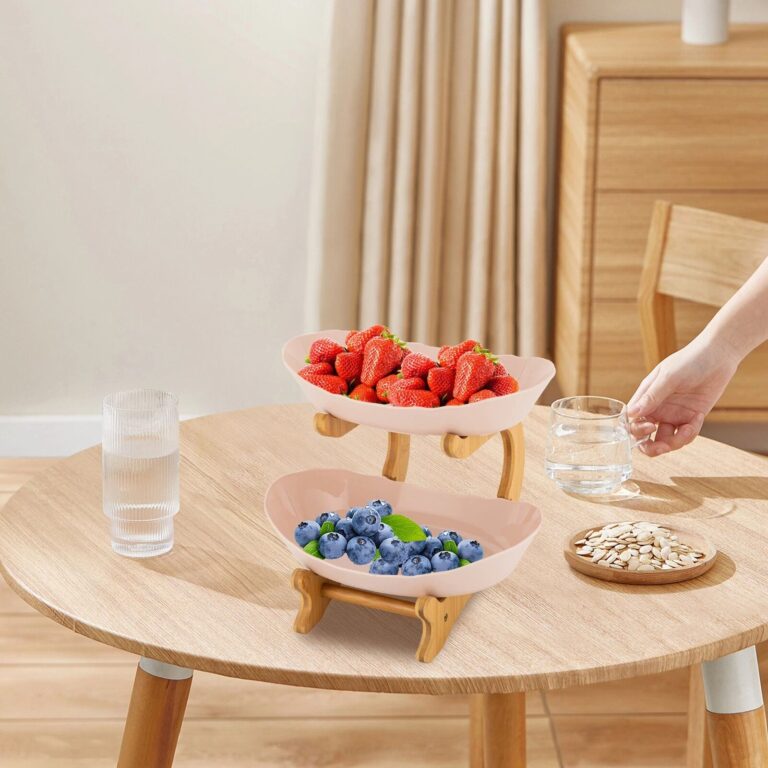
 Aisha's pickModern Cube Storage With Some Character
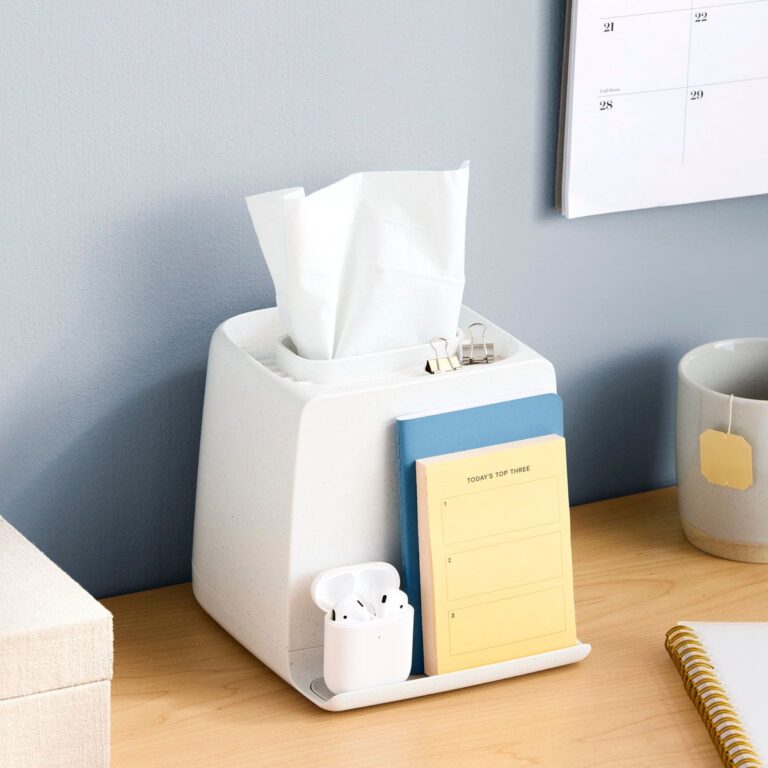
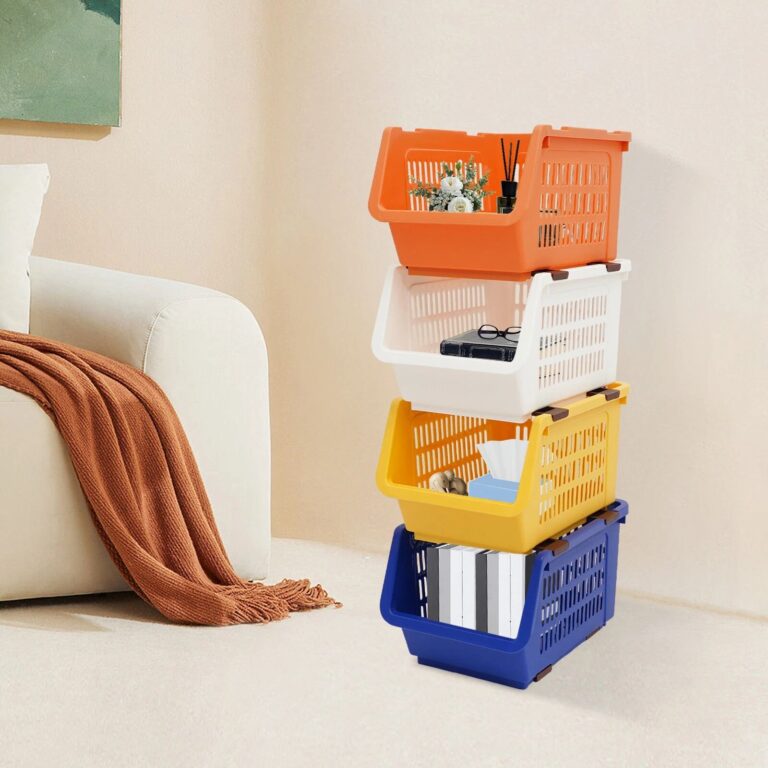 Aisha's pickModern Storage Baskets That Hide the Mess for Good
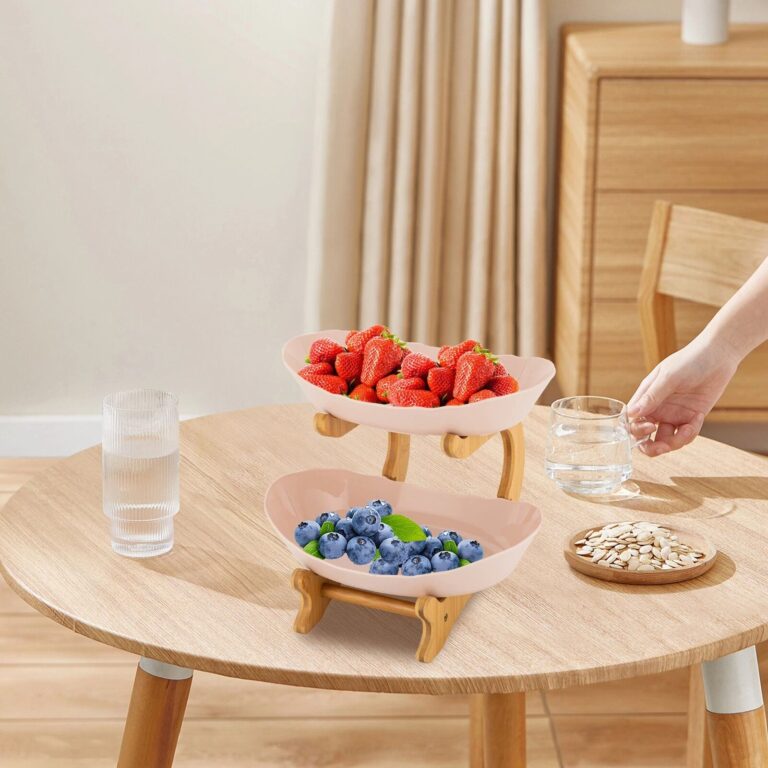
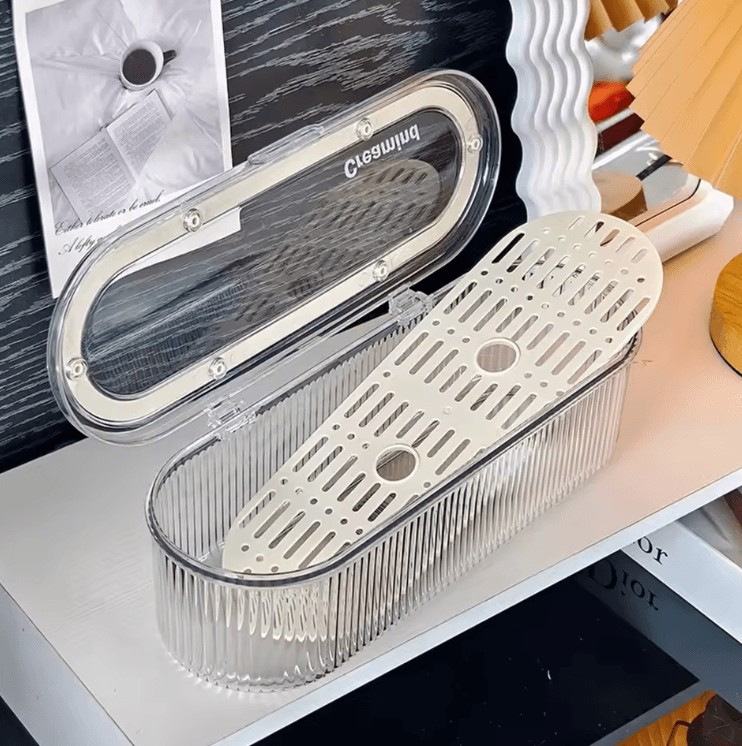 Aisha's pickModern Decorative Boxes That Sort Out the Chaos
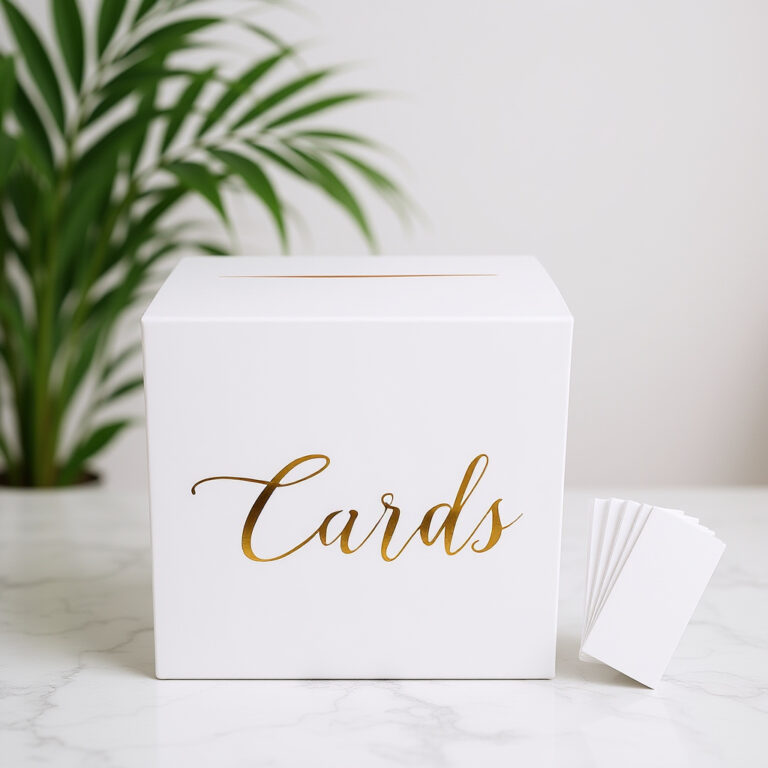
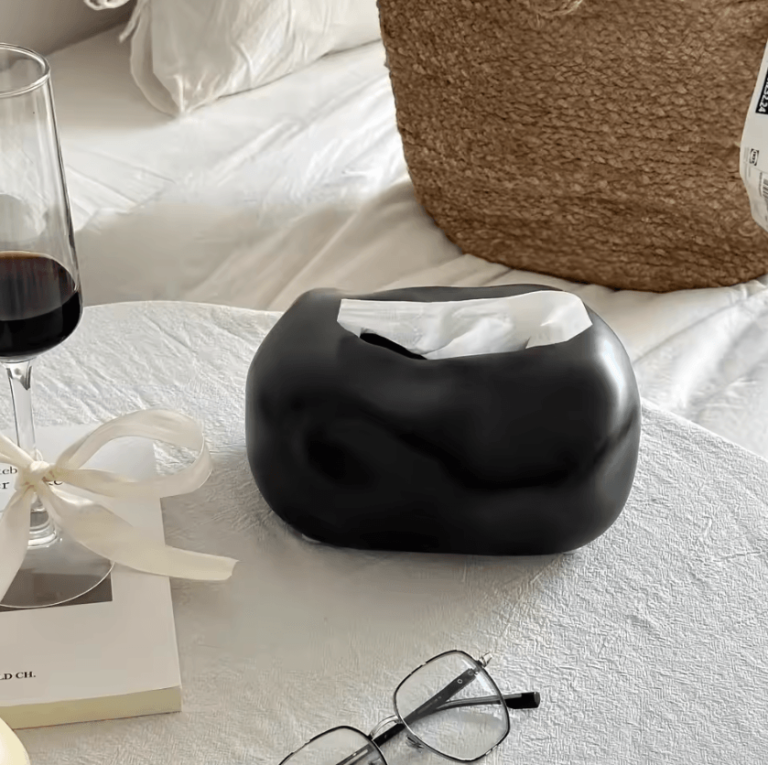 Aisha's pickWhere to Start With Modern Storage Boxes
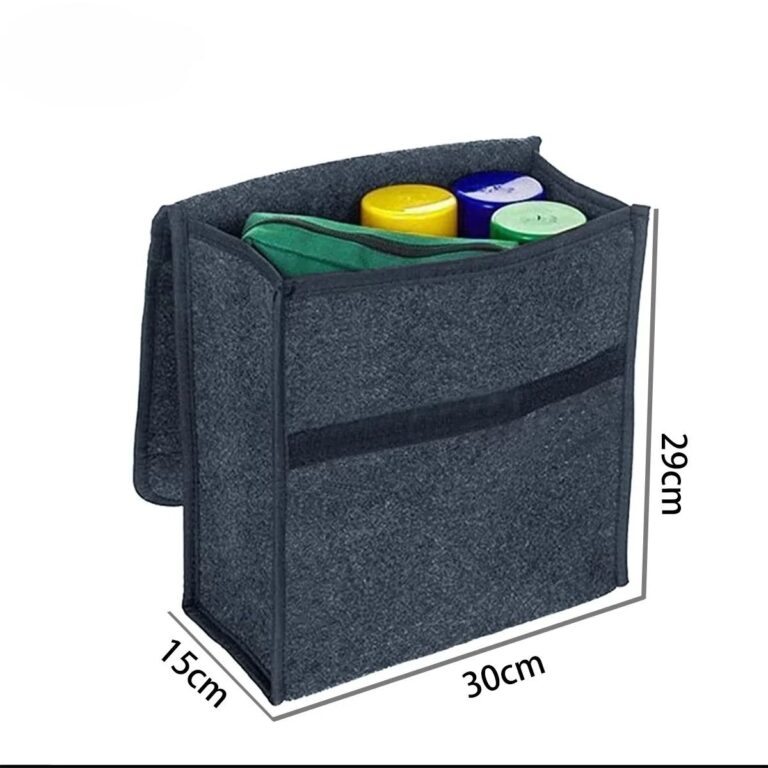
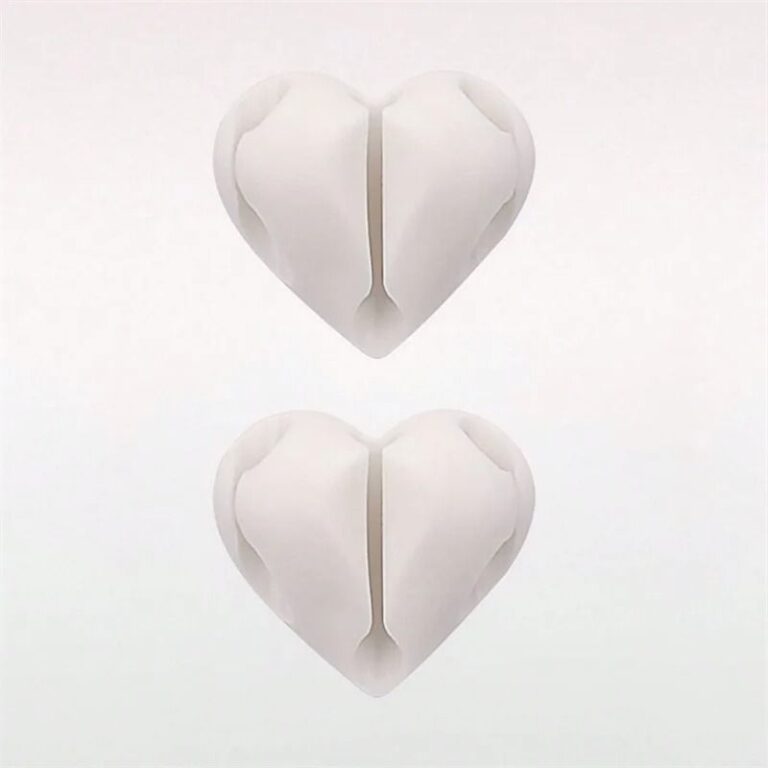 Aisha's pickModern Desk Tidies Worth Knowing AboutAlso worth a lookStorage BoxesLate January is when storage boxes earn their keep, when the holiday decorations need somewhere to live that…See the collections →
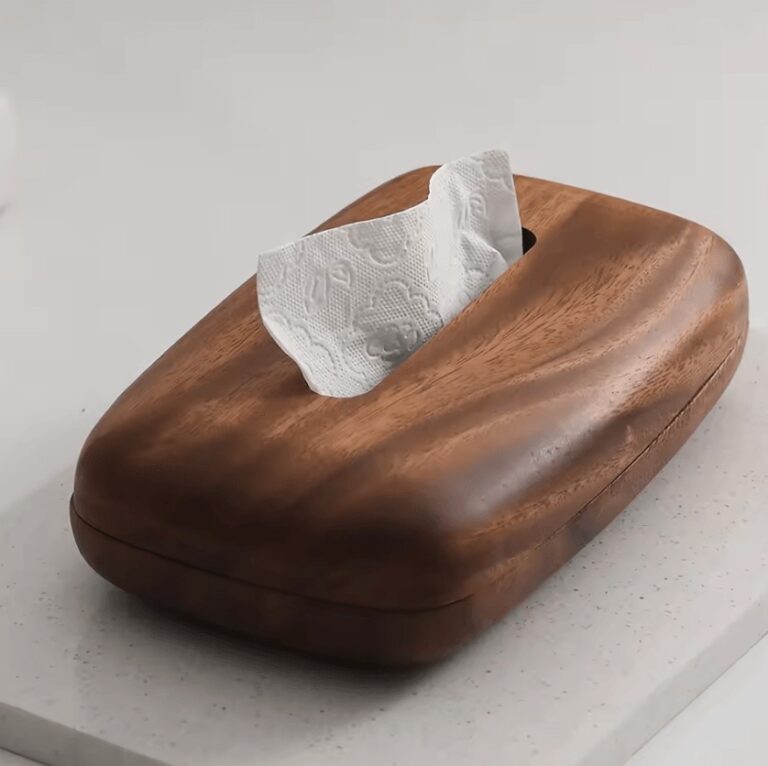 Aisha's pickModern Storage Boxes That Swallow the Clutter
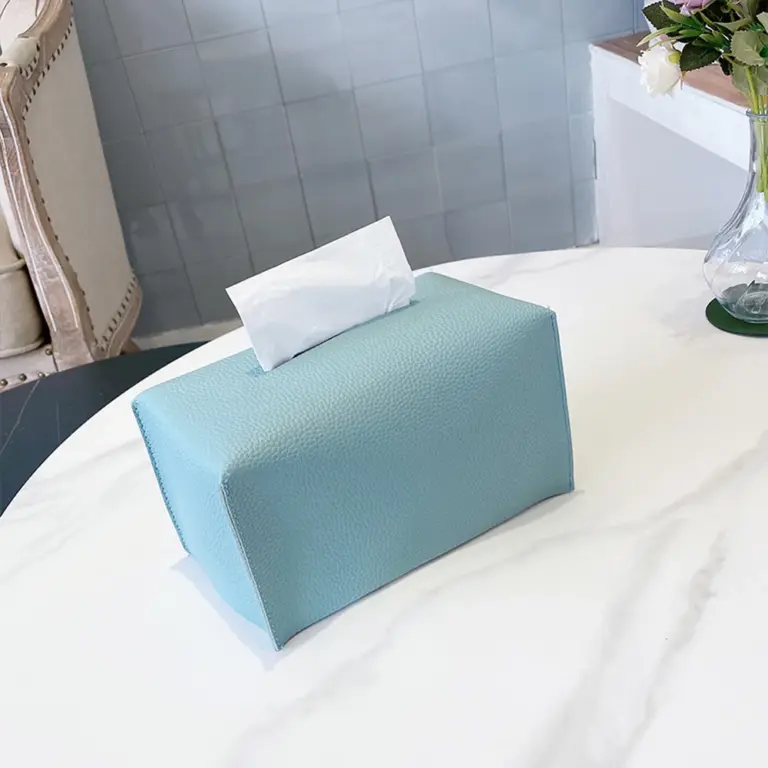
 Aisha's pickThe Contemporary Hallway Storage Worth Your Cash

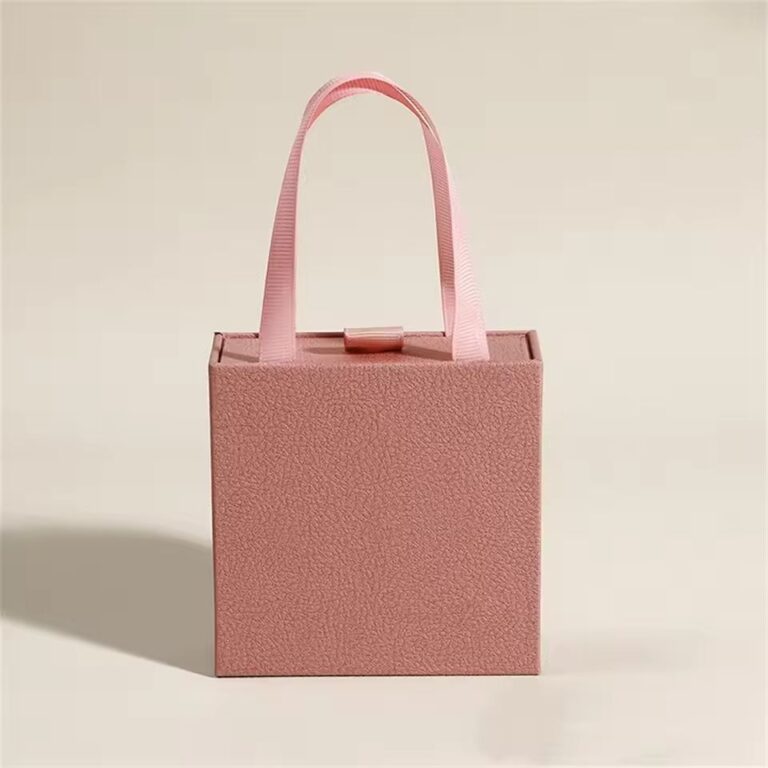 Aisha's pickModern Drawer Organizers That Won’t Date in a Year
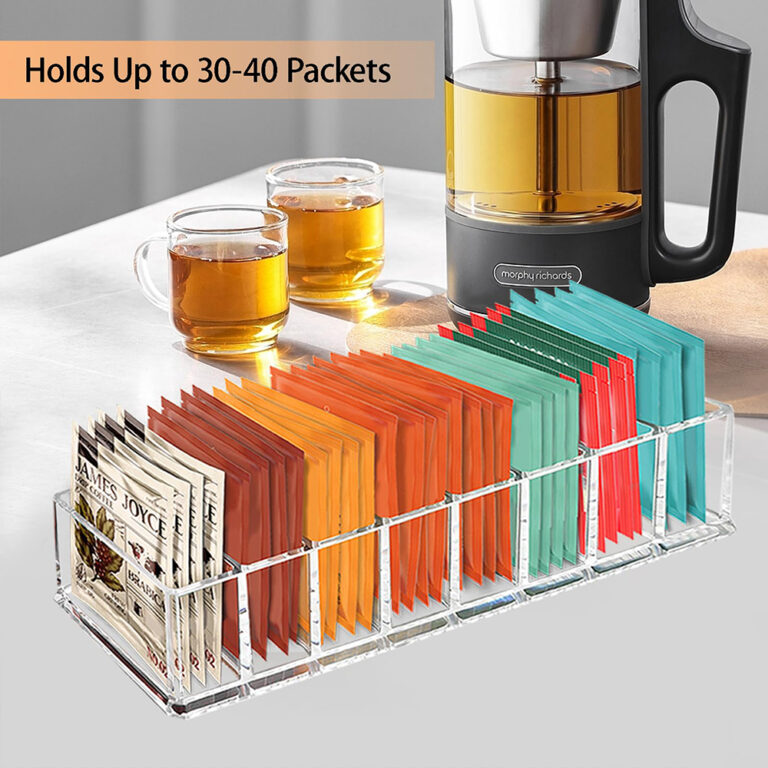
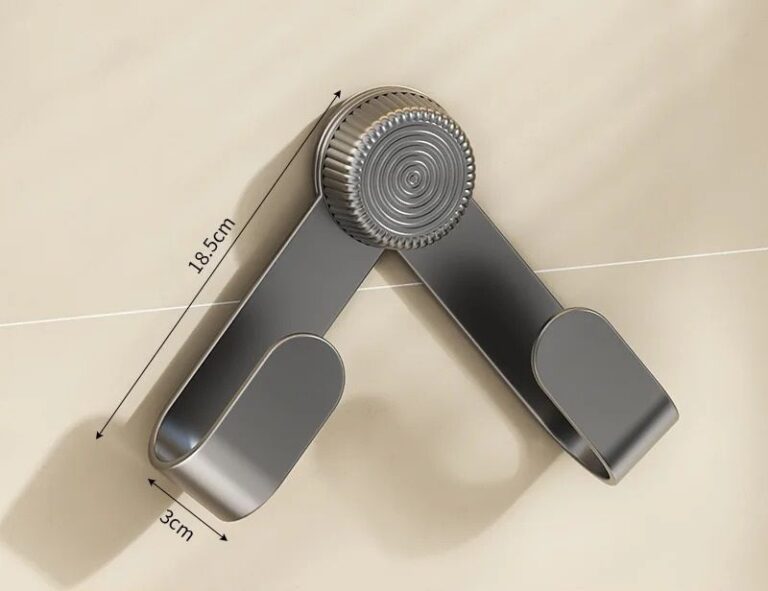 Aisha's pickModern Tool Storage You’ll Live With Happily for Years
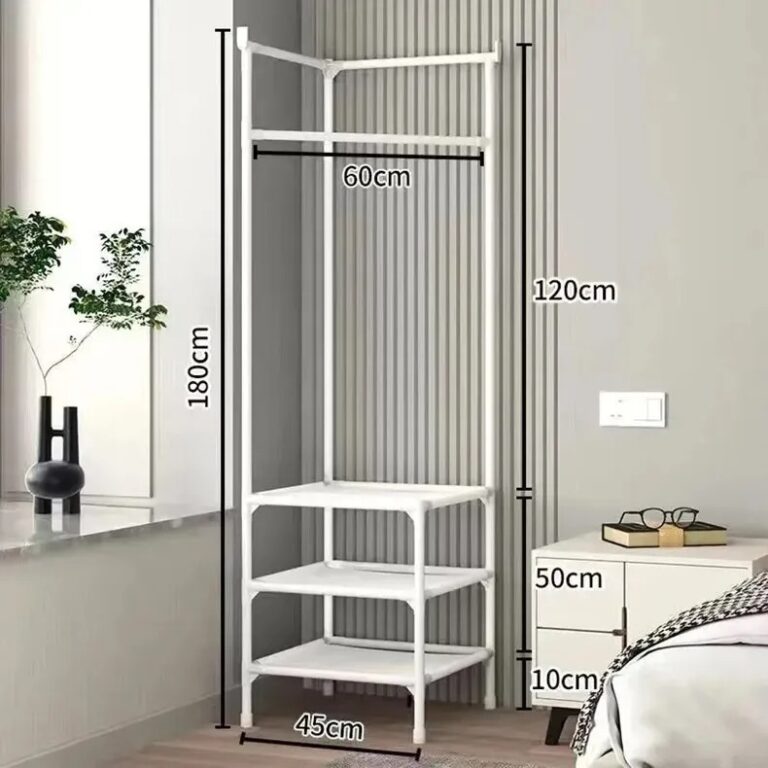 Aisha's pickContemporary Home Office Storage That Earns Its Place
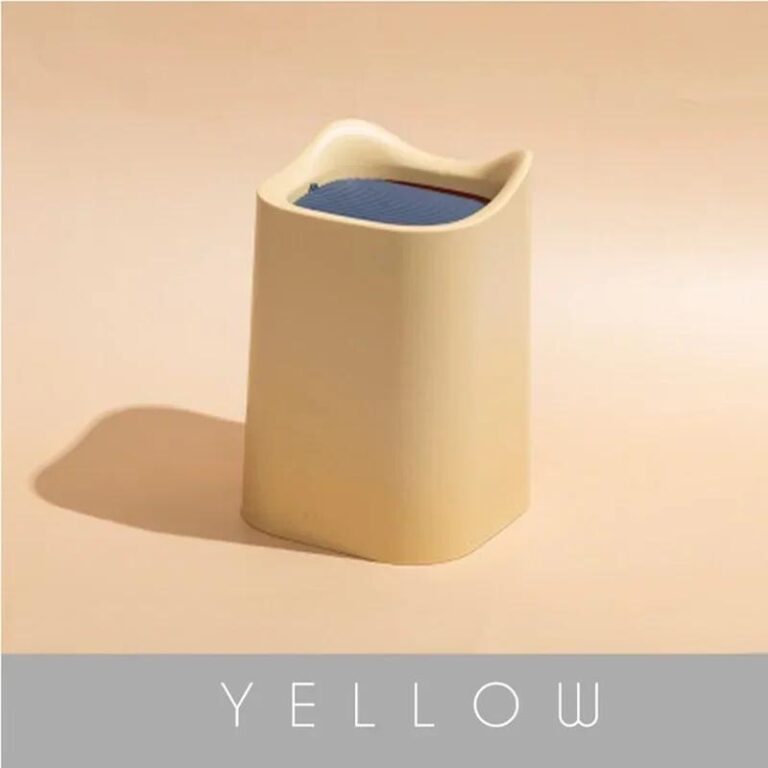
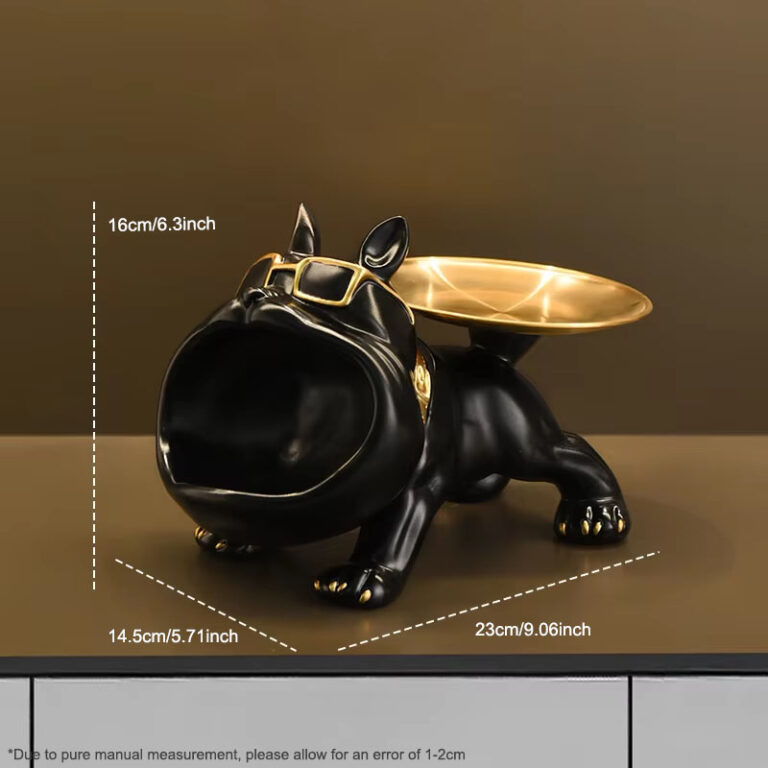 Aisha's pickModern Entryway Organizers Picked From the Stores We Trust

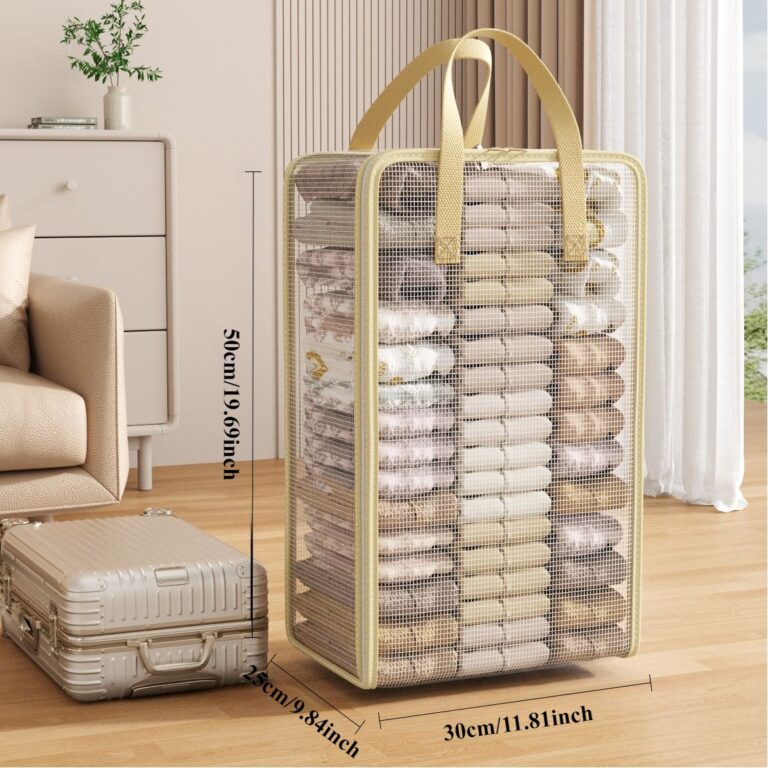 Aisha's pickModern Closet Storage for Bedrooms Big and Small
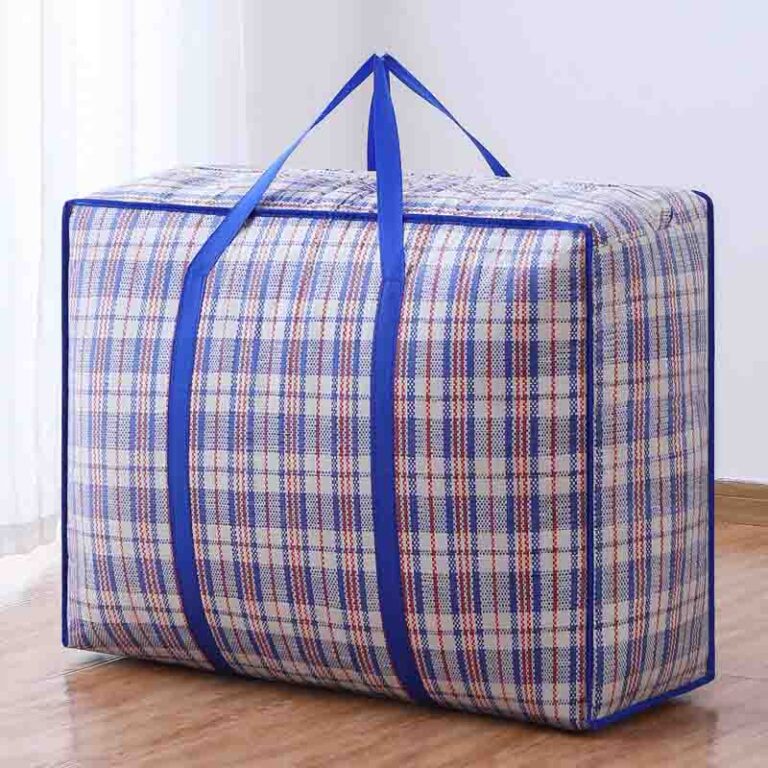
 Aisha's pickContemporary Key Boxes That Make Small Changes Feel Big
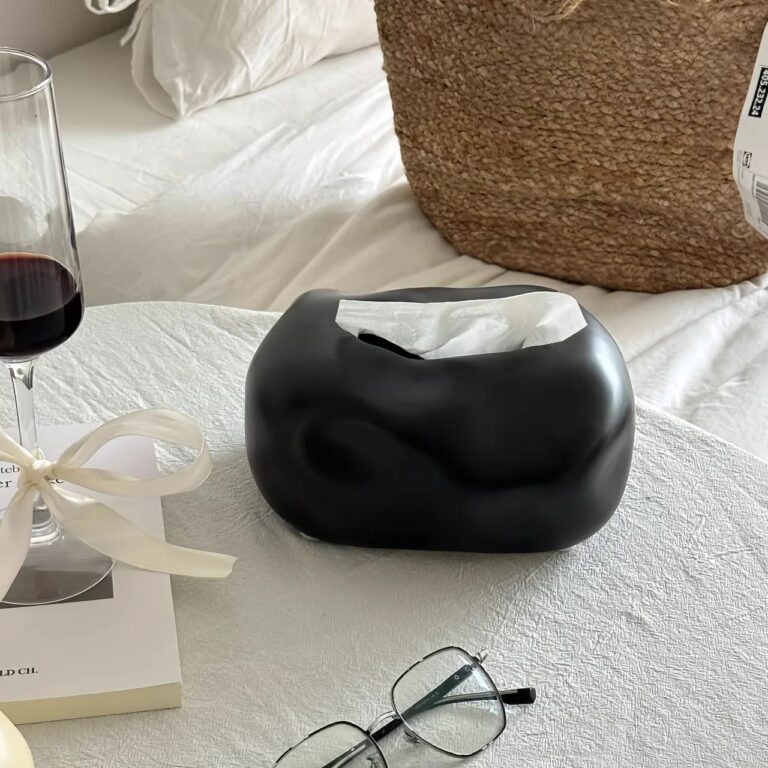
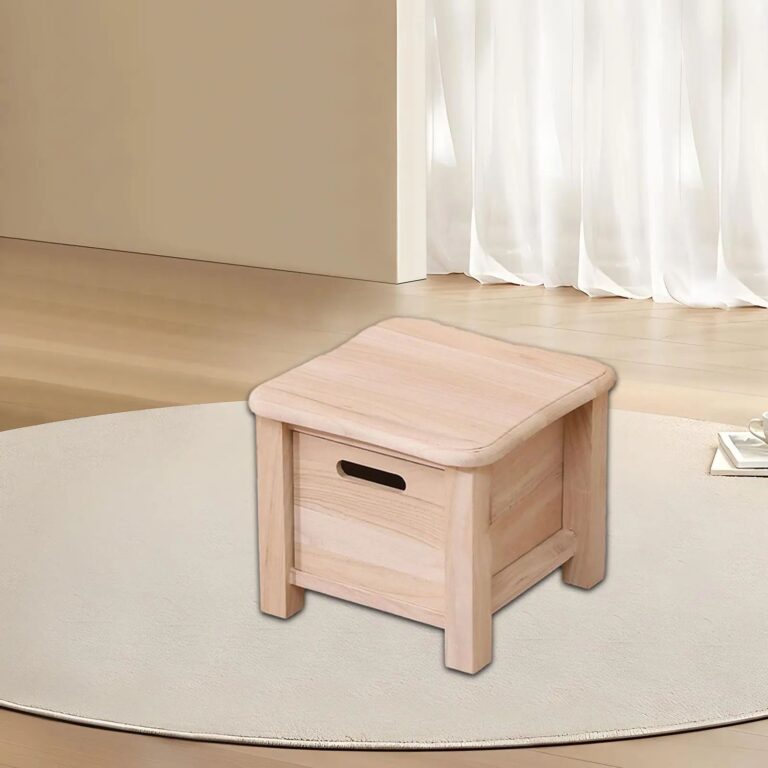 Aisha's pickModern Entryway Shoe Storage for Narrow HallwaysAlso worth a lookGarage StorageThe mistake most people make with garage storage is buying it the way they'd buy a bookshelf, picking…See the collections →

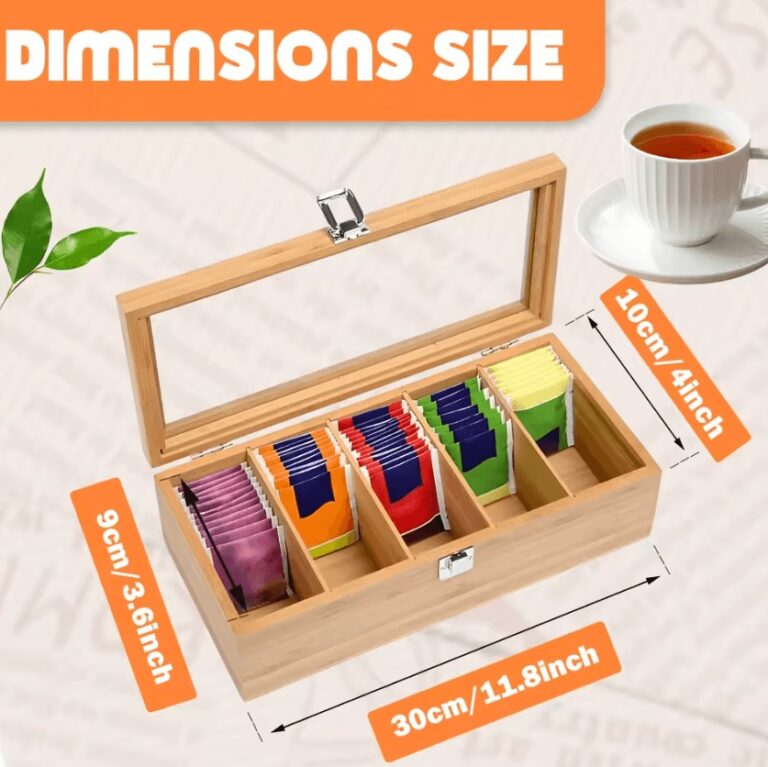 Aisha's pickModern Wooden Storage Boxes Without the Silly Price Tag
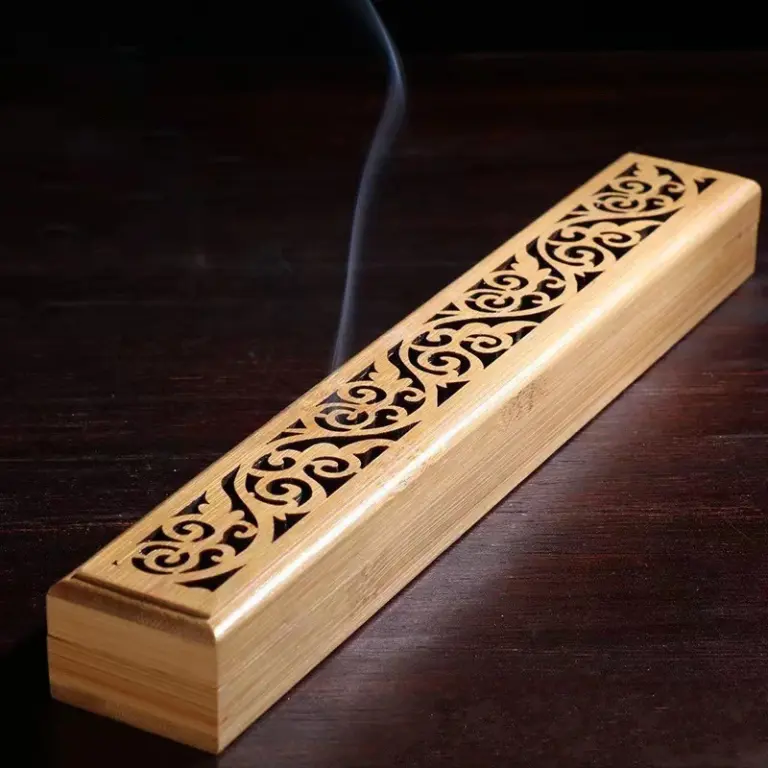
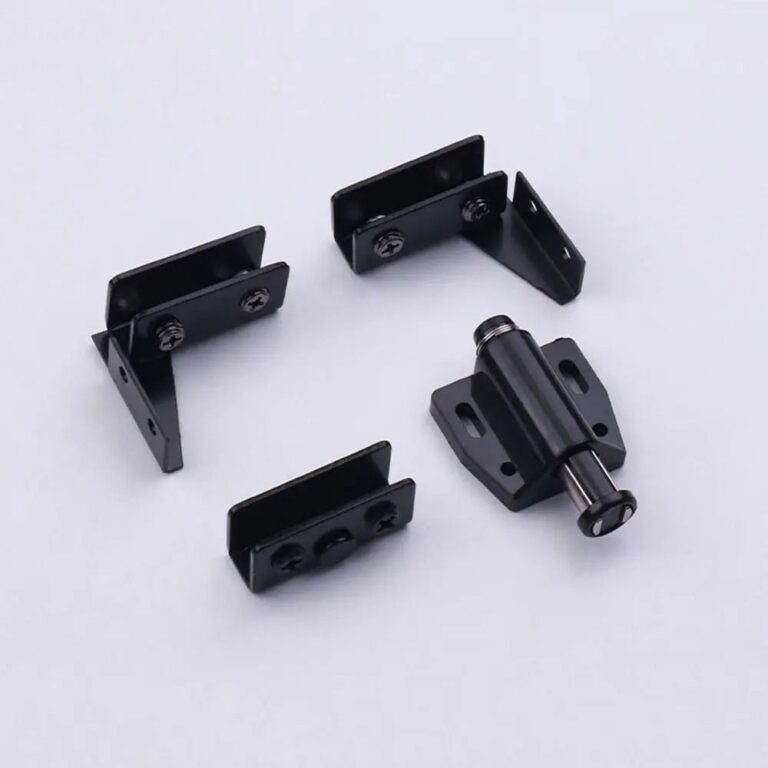 Aisha's pickContemporary Tool Storage We Keep Buying
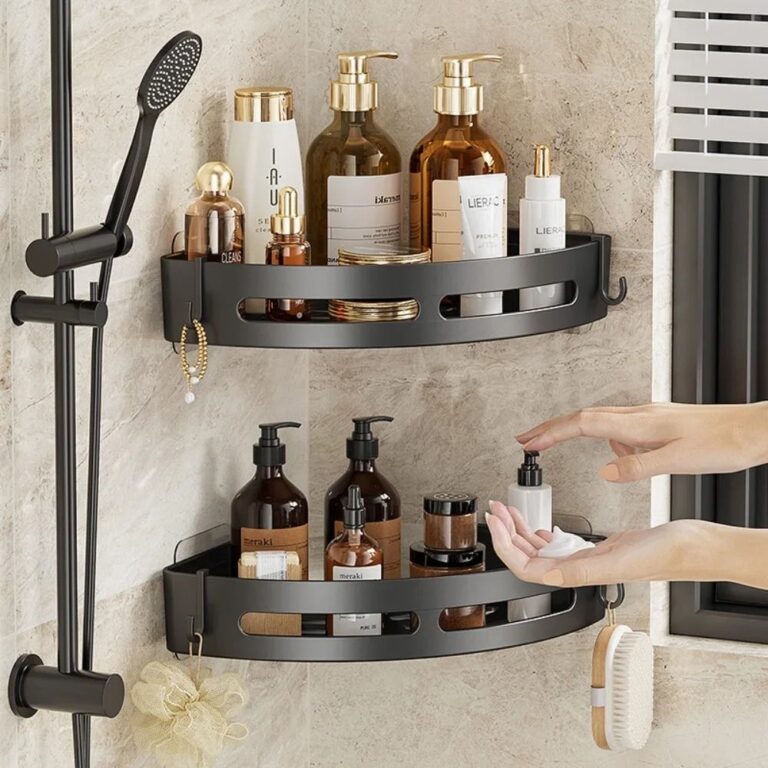
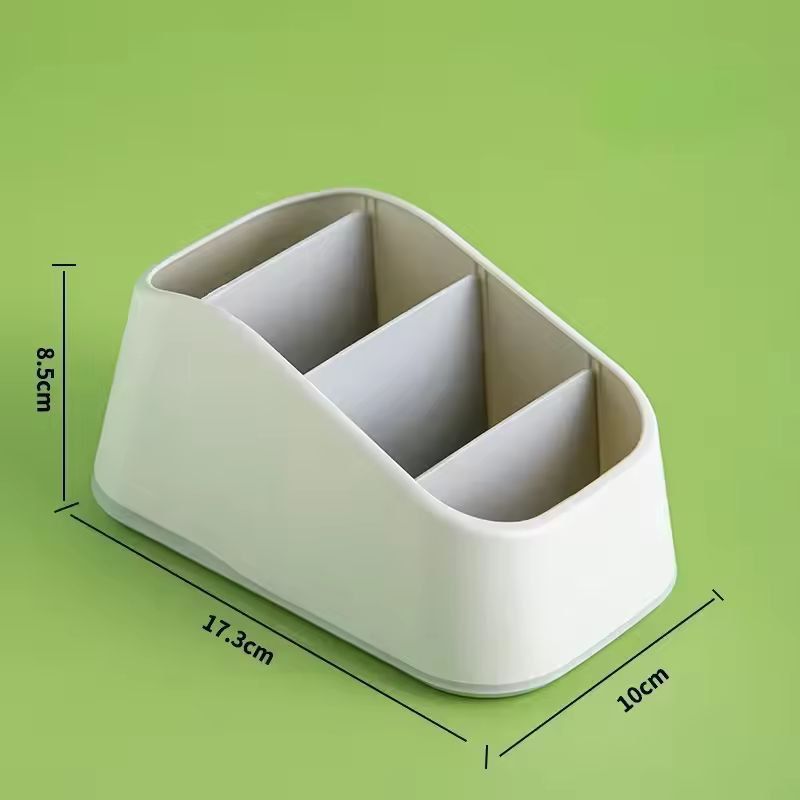 Aisha's pickModern Entryway Storage That Holds Up
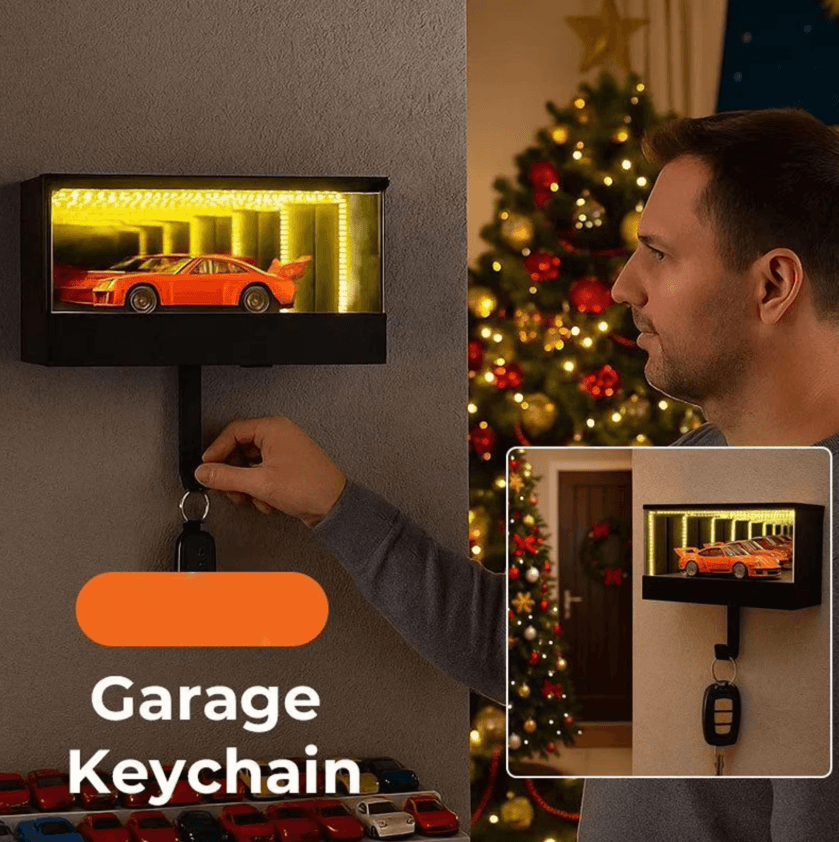
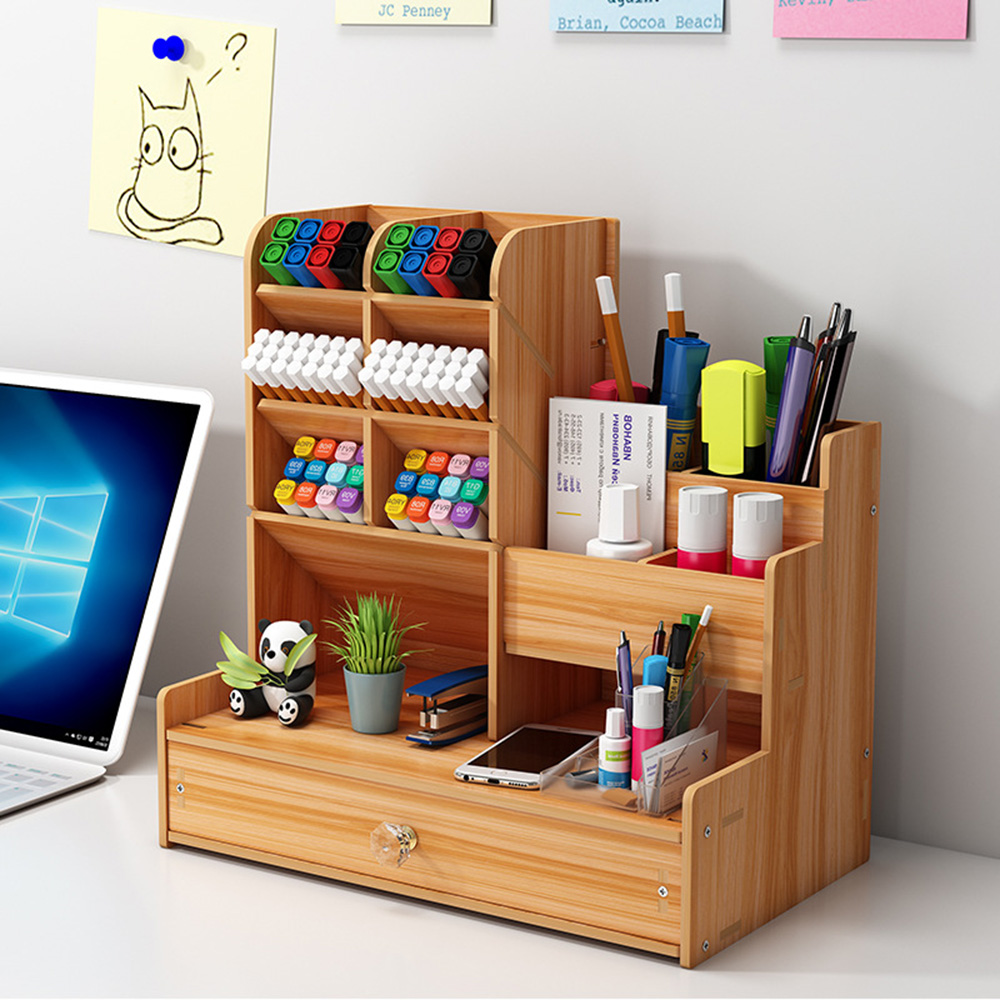 Aisha's pickMinimalist Home Office Storage Picked From the Stores We Trust

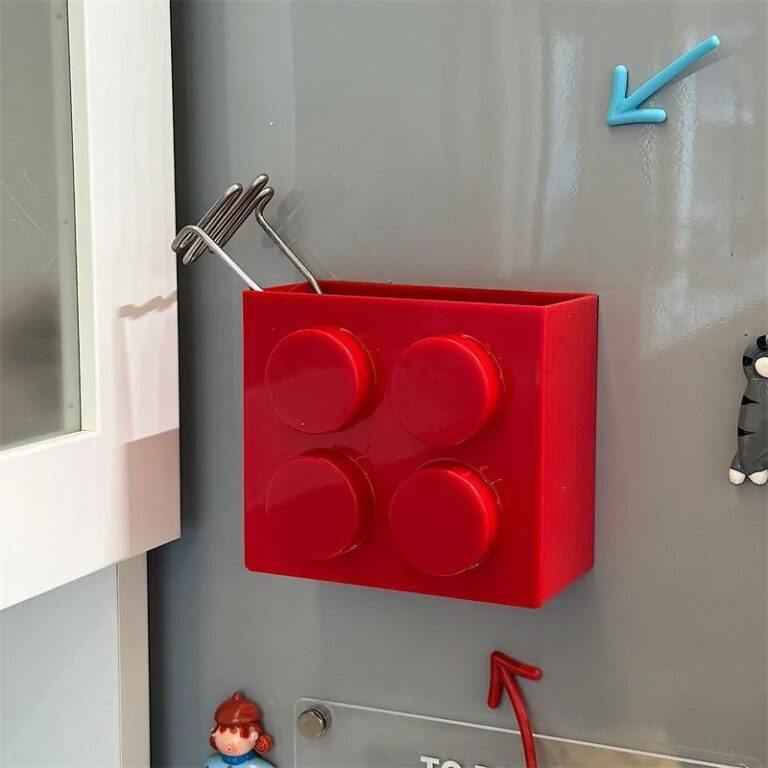 Aisha's pickModern Garage Storage We Keep Buying
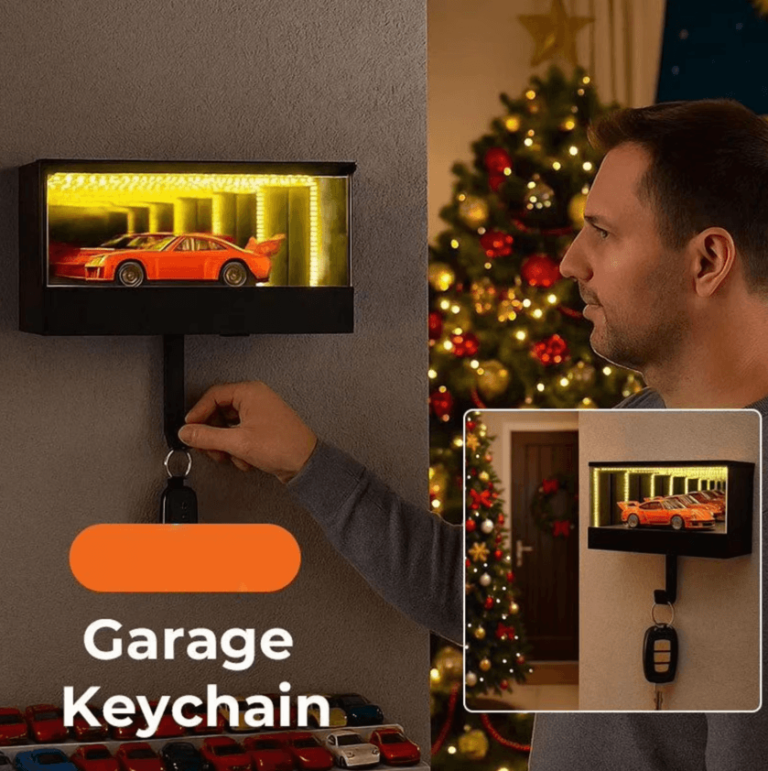
 Aisha's pickModern Baskets With Room for More Than You’d Think
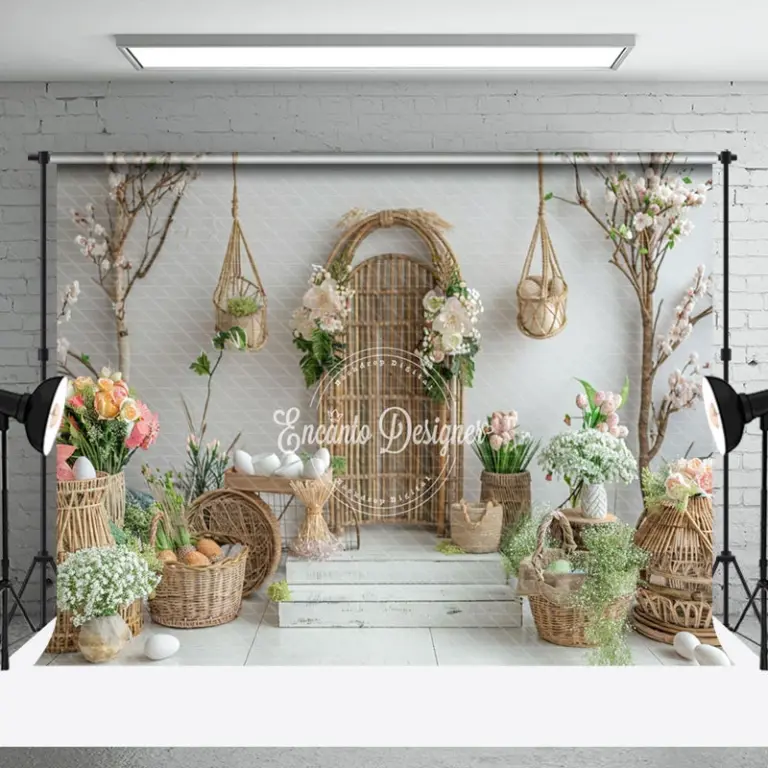
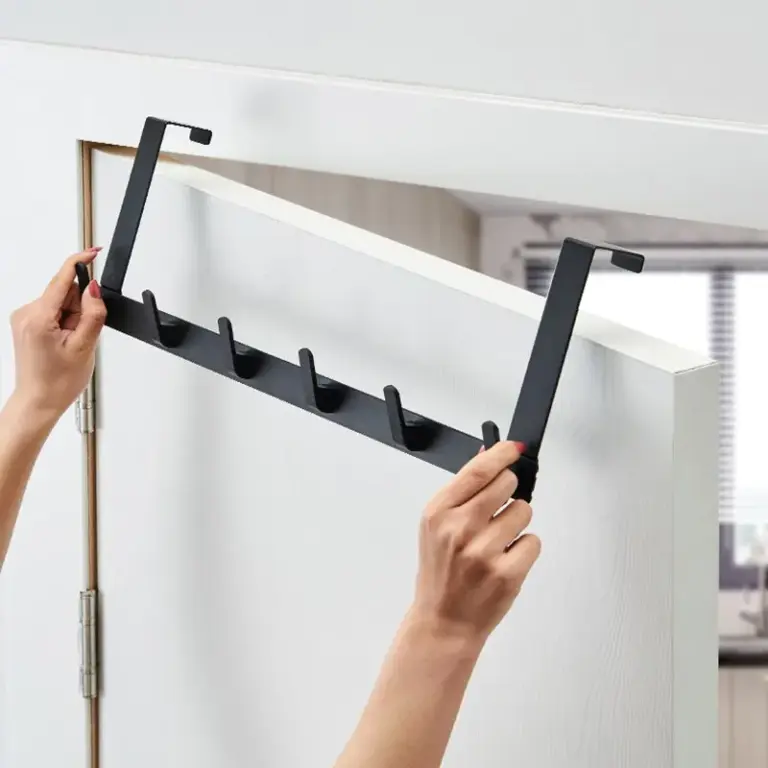 Aisha's pickModern Hallway Storage That Doesn’t Cost a Fortune
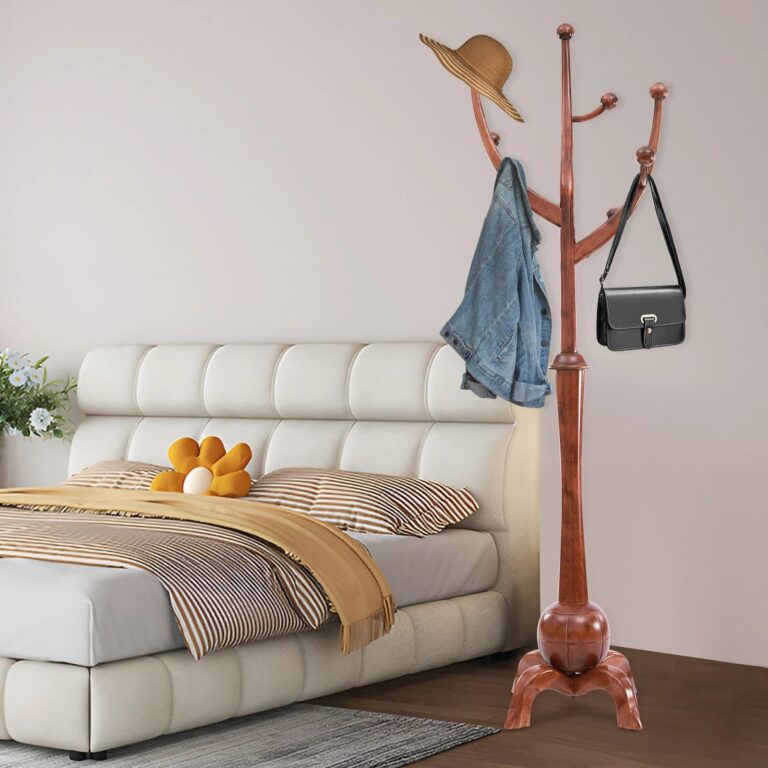
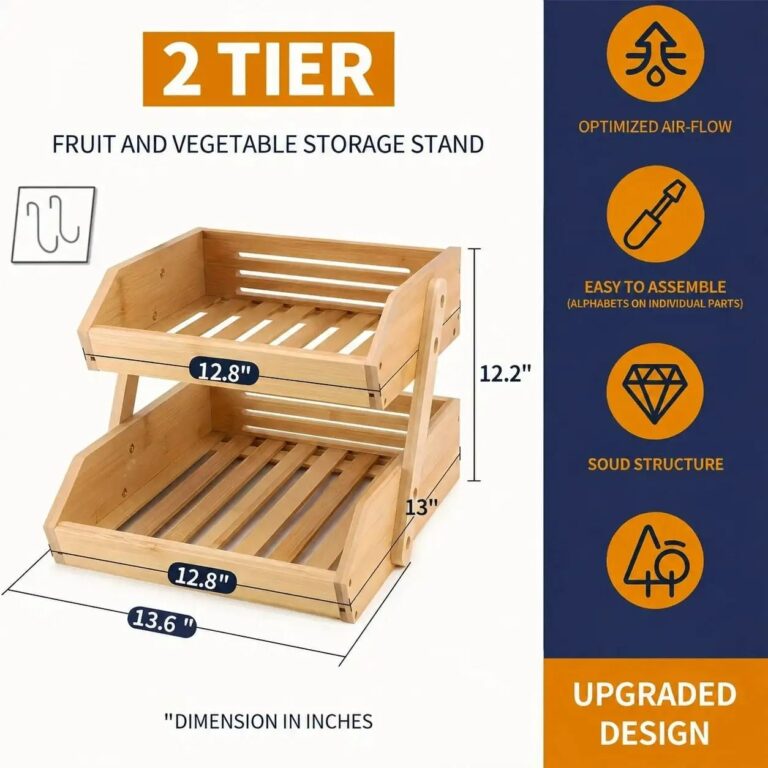 Aisha's pickModern Baskets That Squeeze Into Awkward Corners

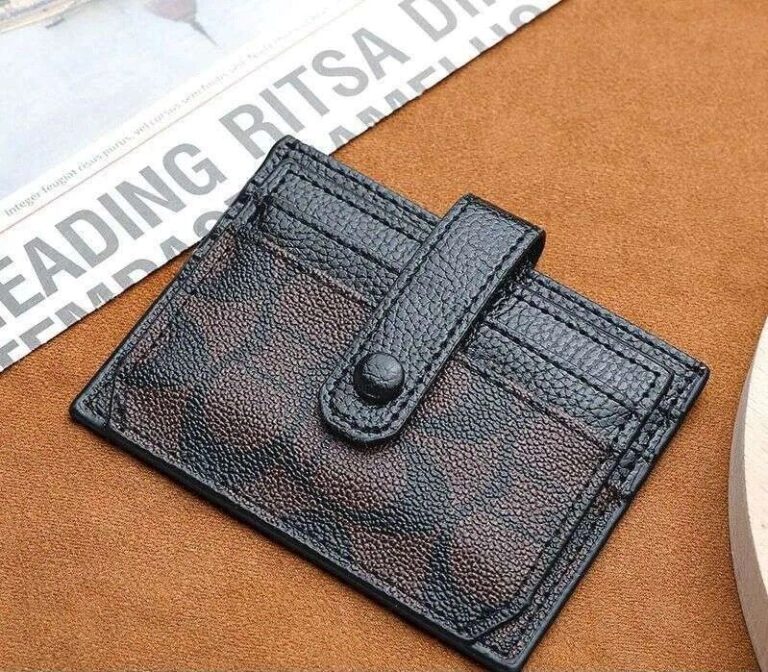 Aisha's pickGood Modern Home Office Storage That Don’t Cost a FortuneAlso worth a lookBasketsBaskets have a reputation for being the thing you buy when you've given up on actually organizing a room, and honestly, you land on it right.See the collections →
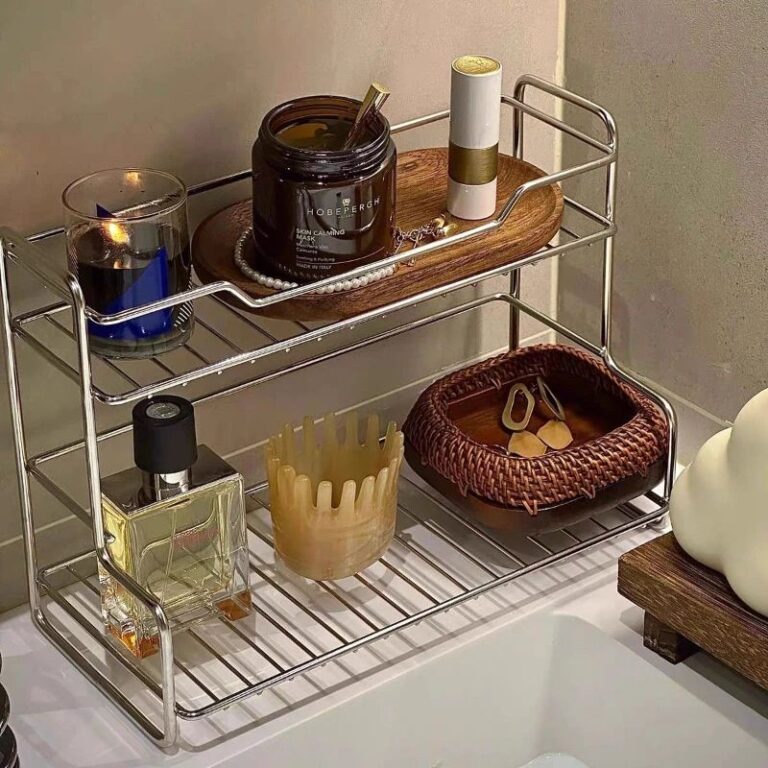
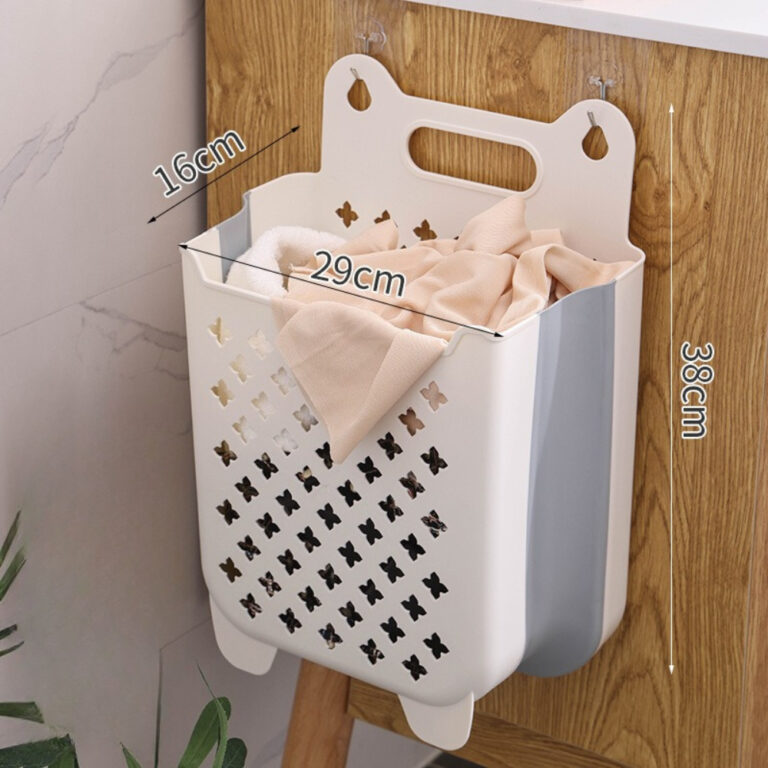 Aisha's pickModern Bathroom Baskets That Look Good Next to Old Tiles
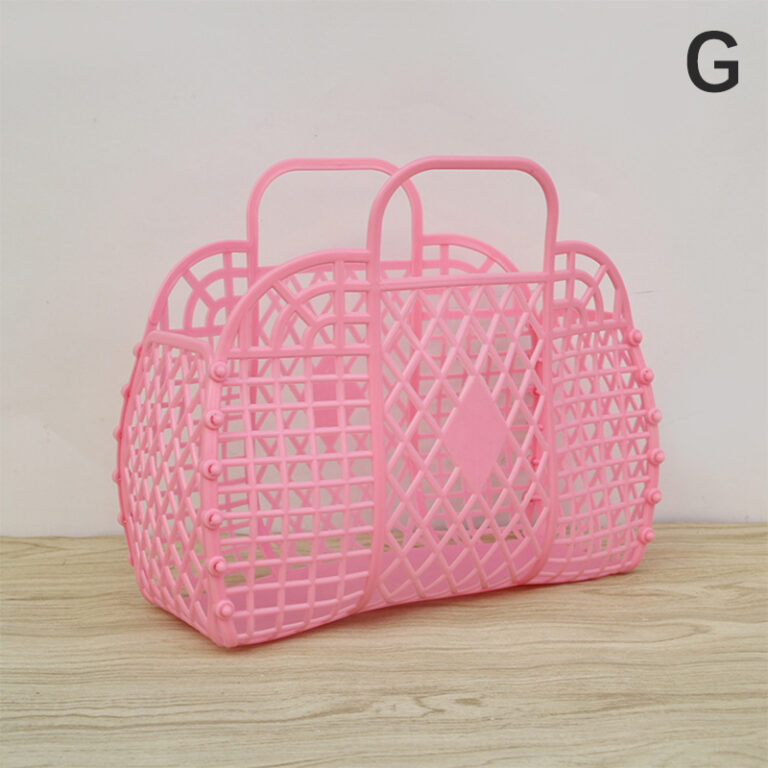
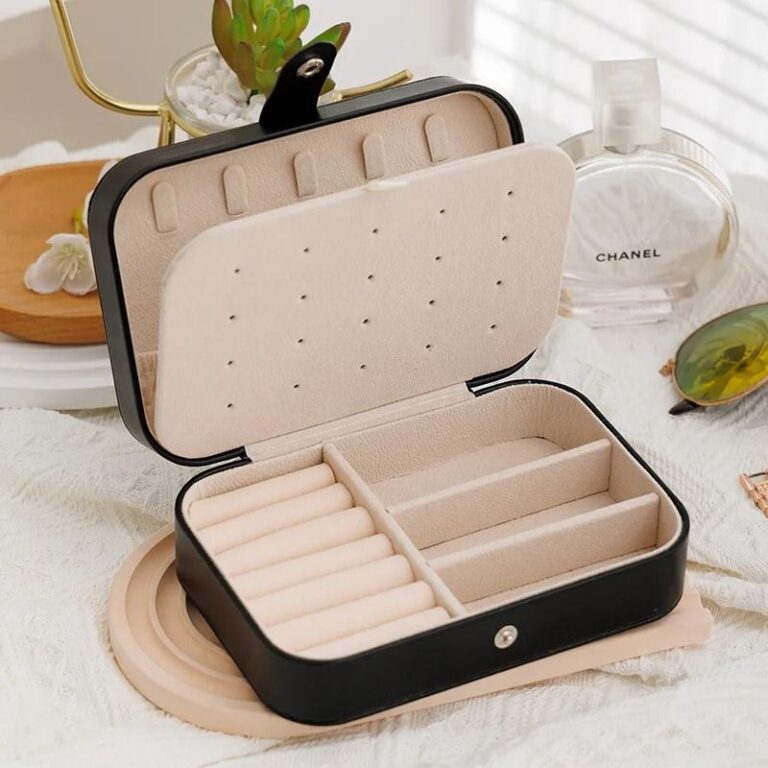 Aisha's pickShopping for Modern Key Boxes? Start Here
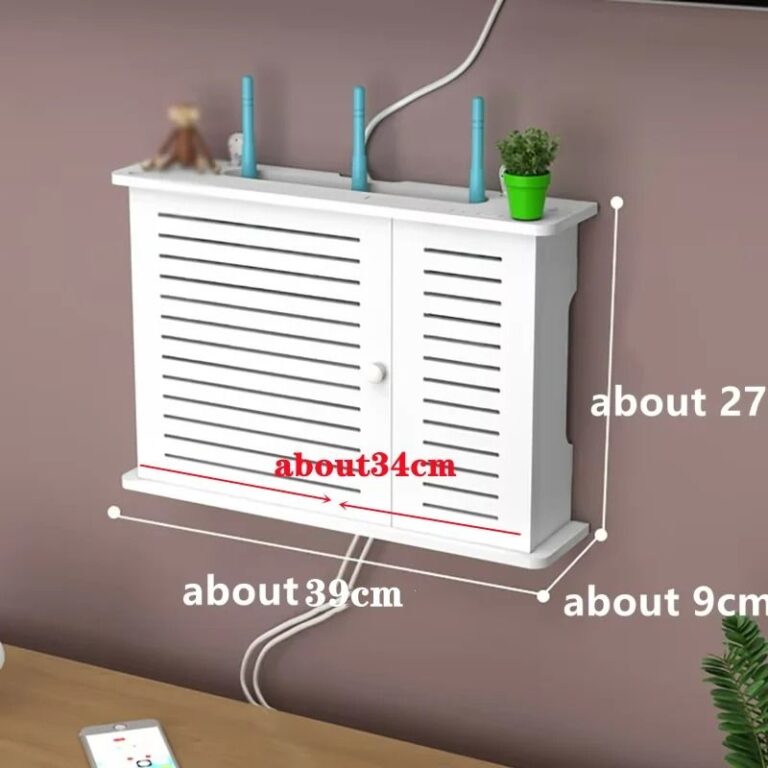
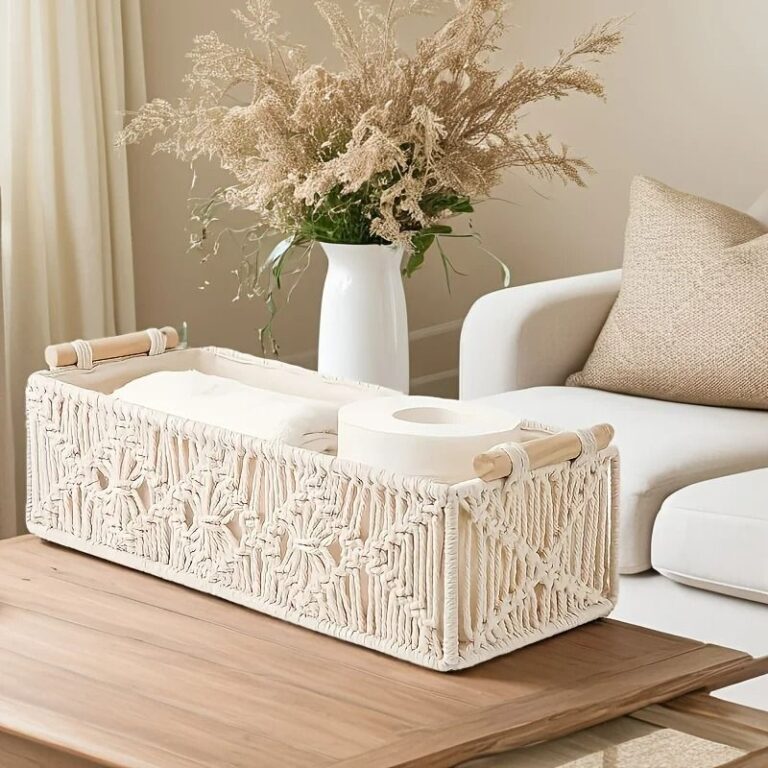 Aisha's pickModern Bathroom Baskets That Won’t Let You Down
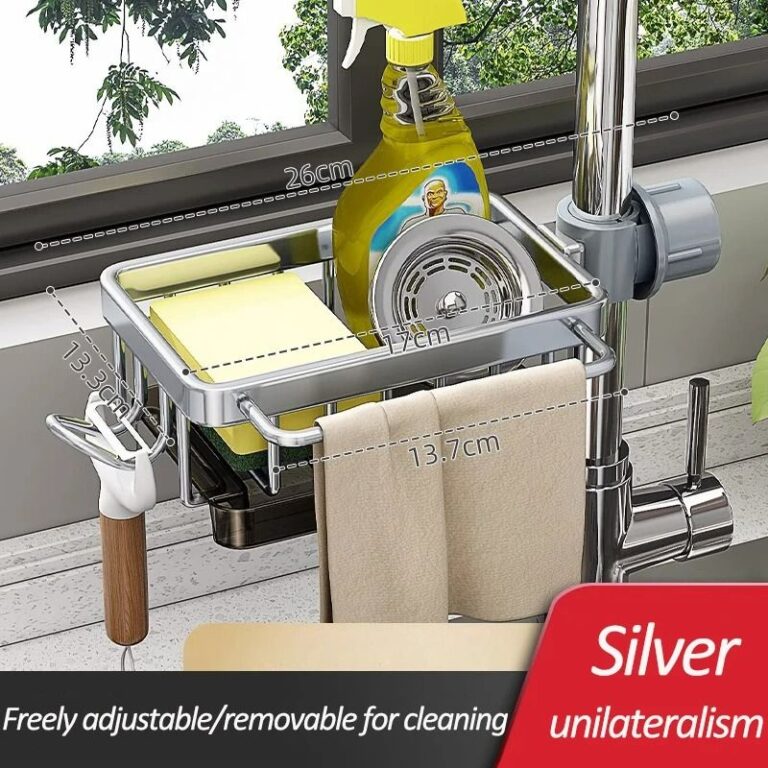
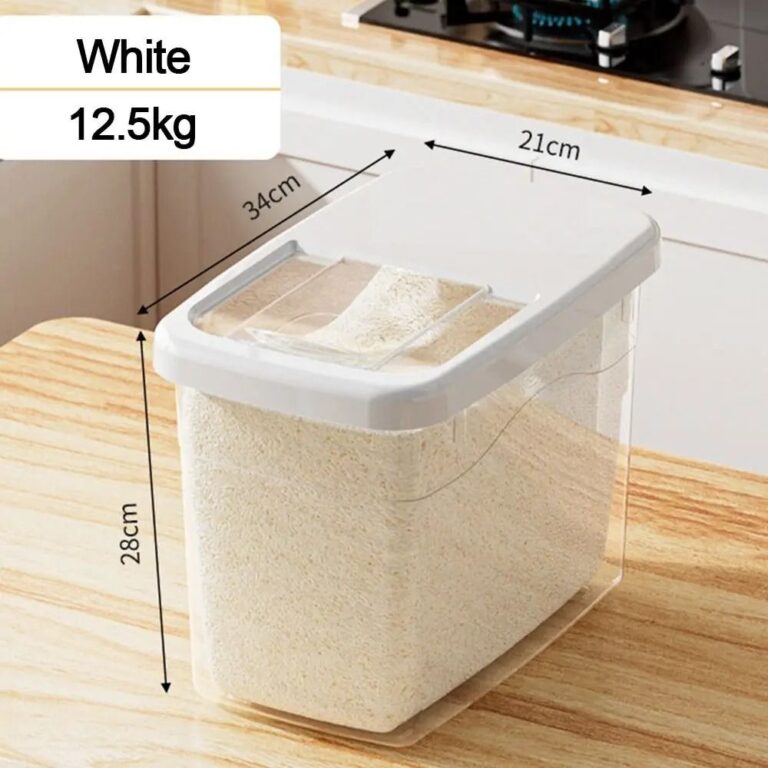 Aisha's pickModern Kitchen Trash Cans That Make Cooking a Bit Nicer
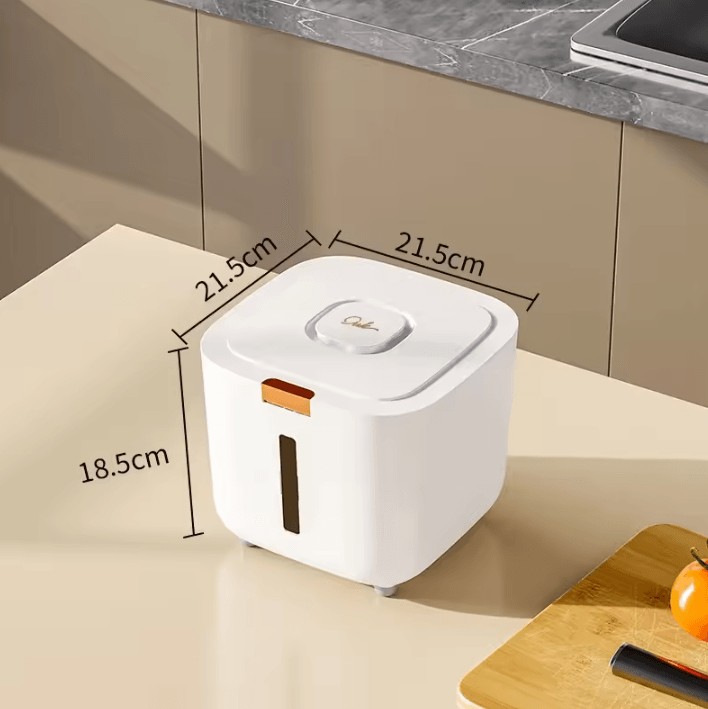
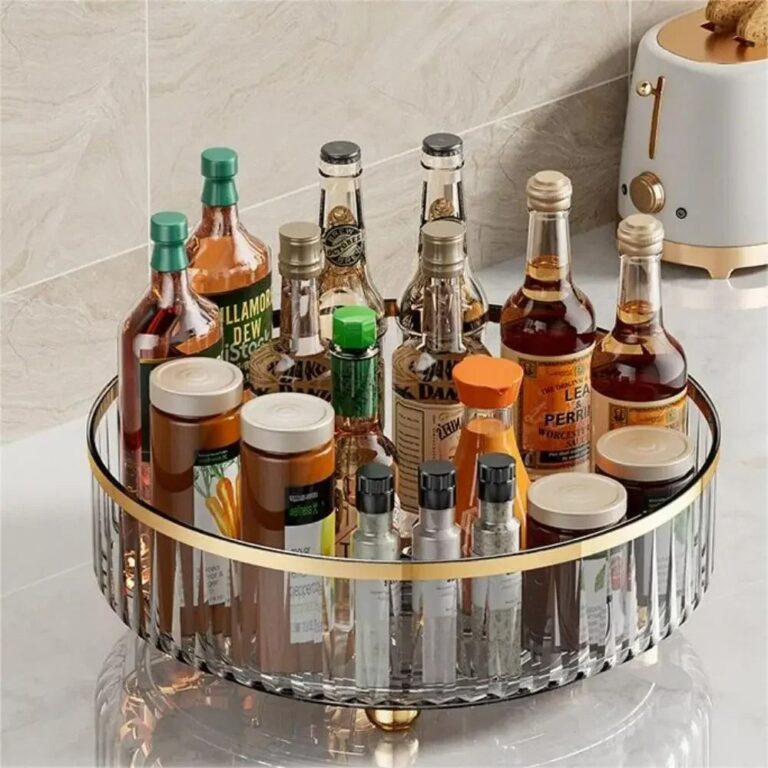 Aisha's pickModern Bathroom Trash Cans Hunted Down So You Don’t Have To