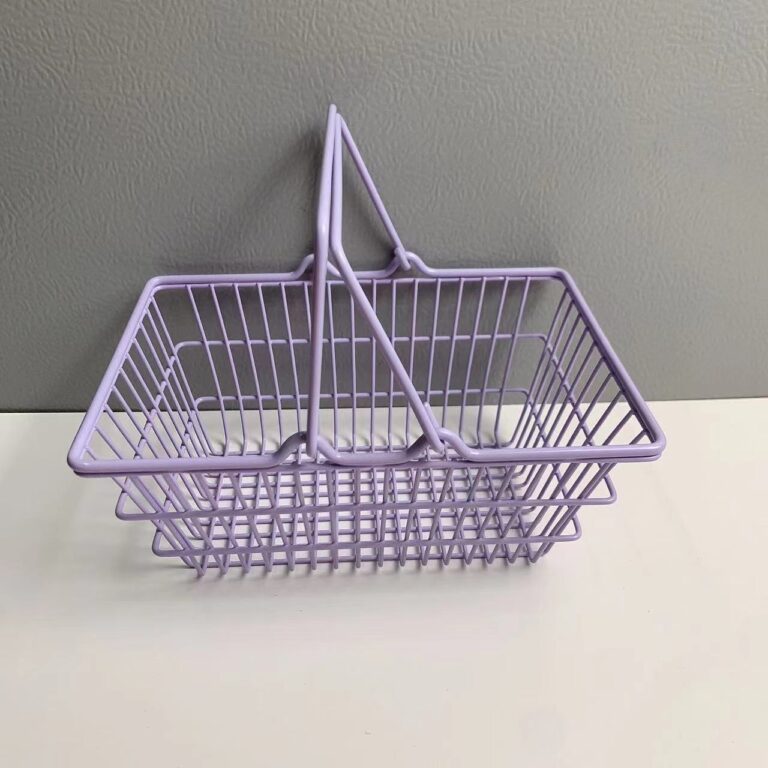
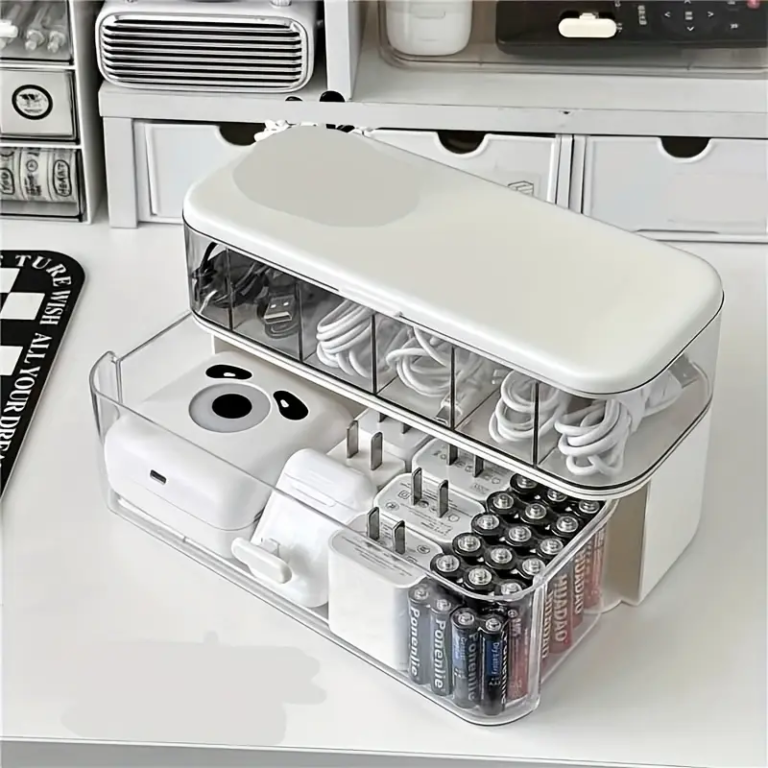
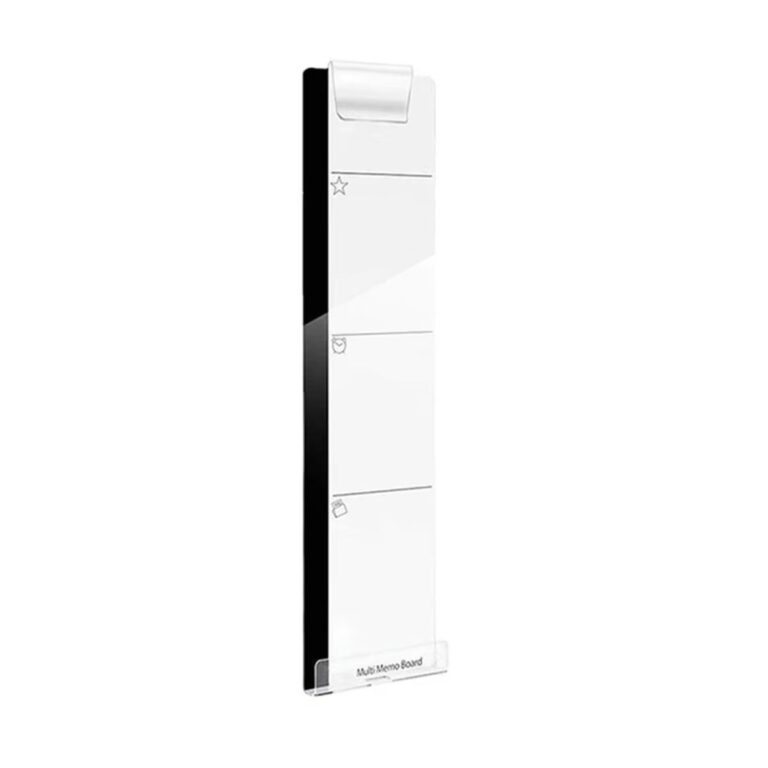
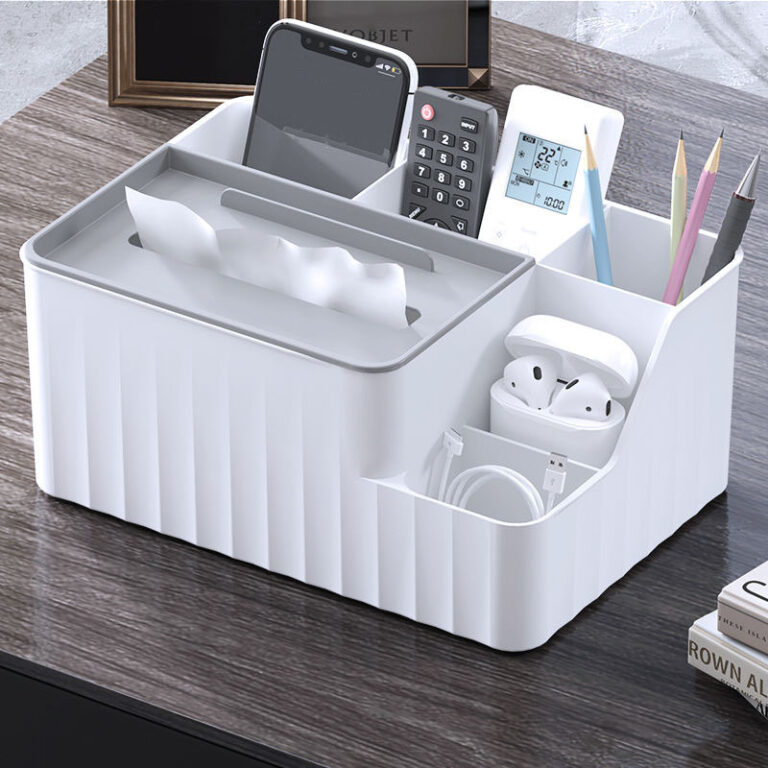
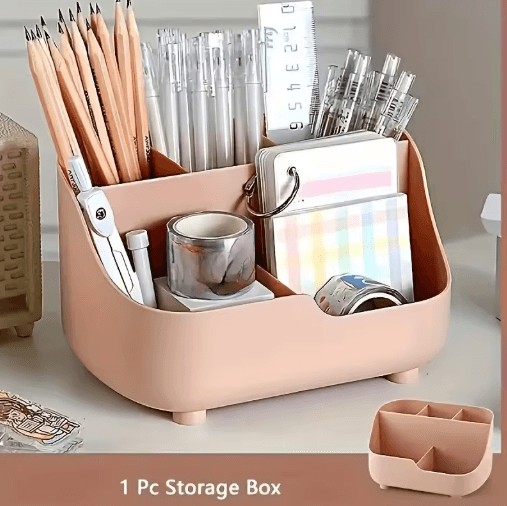
The mistake is buying one big tidy to swallow everything on the desk at once, a single tray meant to hold pens, chargers, sticky notes, business cards and whatever else has drifted there, and ending up with a bin you have to dig through instead of a surface you can actually use. A desk tidy works when it sorts things, not when it just hides them.
The decent ones, metal mesh, molded wood fiber, solid wood with proper joints, hold up fine for years, though how they age depends entirely on the material. Metal will pick up a few scratches and some dulling where your hand rests, which looks fine. Wood needs a wipe now and then and keeps its color better out of direct sun on a windowsill desk. Cheap plastic ones go brittle and yellow within a couple of years, especially if the desk sits near a window, and no amount of looking after them fixes that, so it's one area where spending a bit more at the start actually saves you buying the same thing twice. Where a desk tidy is the wrong call is if your desk work is mostly a laptop and nothing else, in which case you're just adding a thing to dust around, or if you genuinely need drawer storage because your desk gets buried daily, a tidy on top just becomes one more pile.
For sizing, measure the width of desk space you can give up permanently, because that space is gone once the tidy's there, not just visually but for your elbow room too, and people routinely buy one that's too deep and end up resting their mouse on top of it. A good rule is no more than a quarter of your desk's width, less if you're working on a laptop that needs room to sit flat. Look at compartment sizes against what you actually own, a phone charger brick doesn't fit most narrow slots, and a tidy full of empty tall sections for pens you don't have is just wasted real estate. This kind of thing suits a home office corner in a spare room, a shared kitchen desk where mail and keys and the kids' school forms all compete for the same six inches, or a small apartment desk doubling as a dining table edge, where keeping clutter contained in one spot matters more than it would in a dedicated study with drawers to spare.
If I were starting from nothing, I'd go for a plain wood or dark metal finish, something that doesn't fight with whatever desk or wall color you already have.
 Aisha's pickThe Desk Organizers with Storage Worth Your Cash

 Aisha's pickDesk Tidies Picked From the Stores We Trust

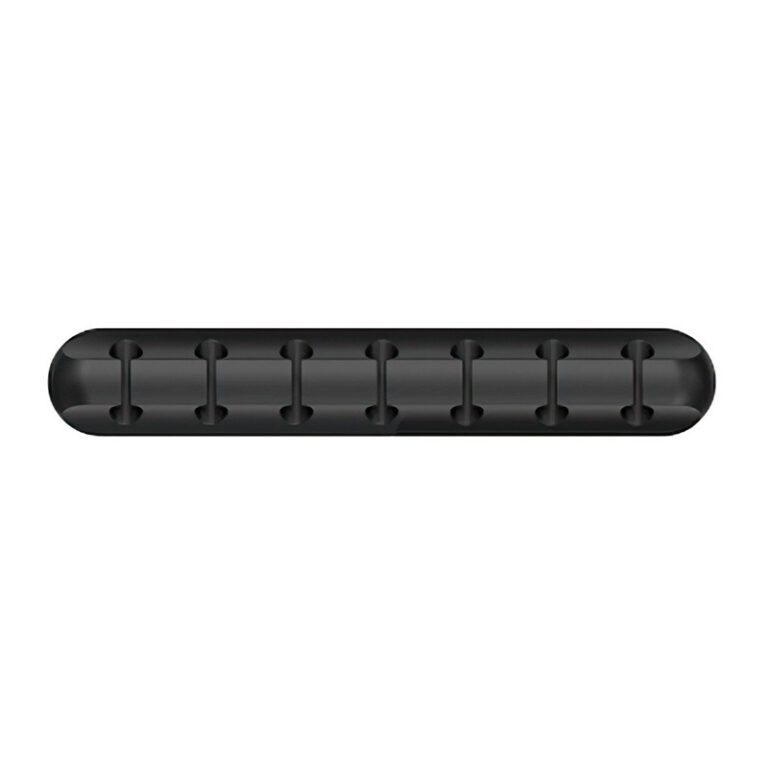 Aisha's pickOur Shortlist of Desk Tidies with Drawer
 Aisha's pickDesk Tidies with Drawers That Look Good Up Close
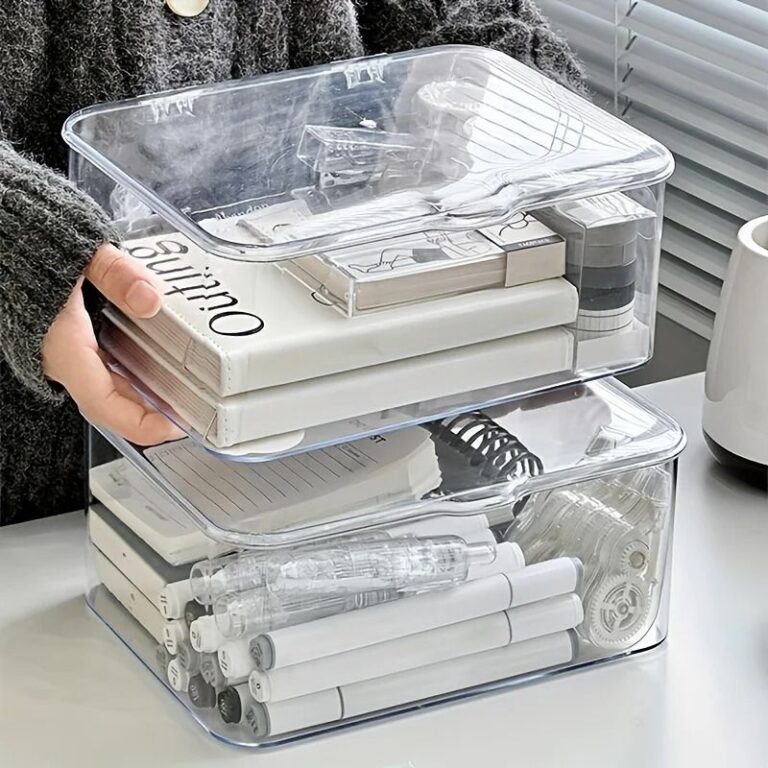 Aisha's pickDesk Tidies with Storage That Won’t Date in a Year
 Aisha's pickDesktop Desk Organizers Hunted Down So You Don’t Have To
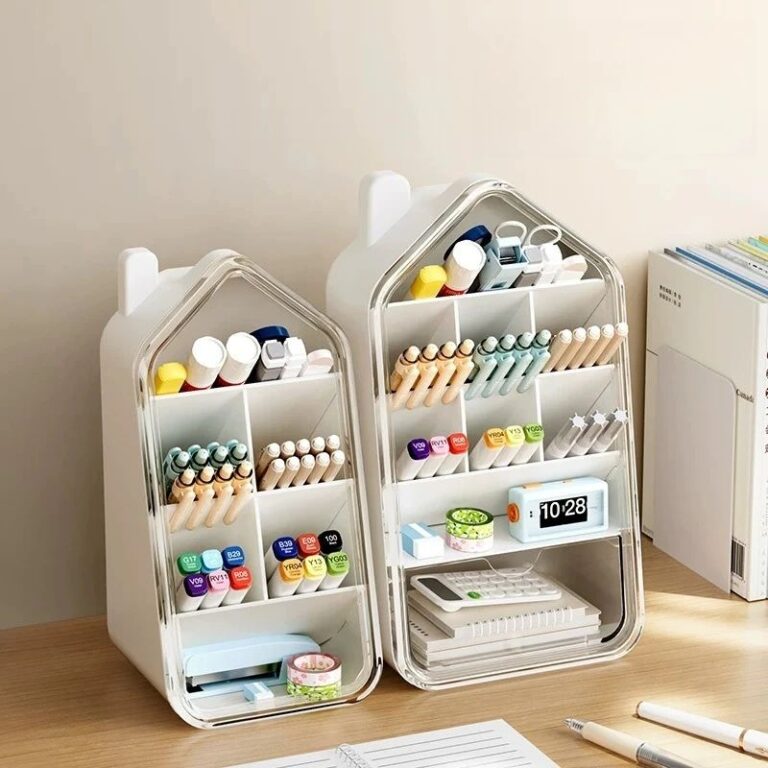
 Aisha's pickDesktop Desk Tidies From Brands You Know and a Few You Won’t
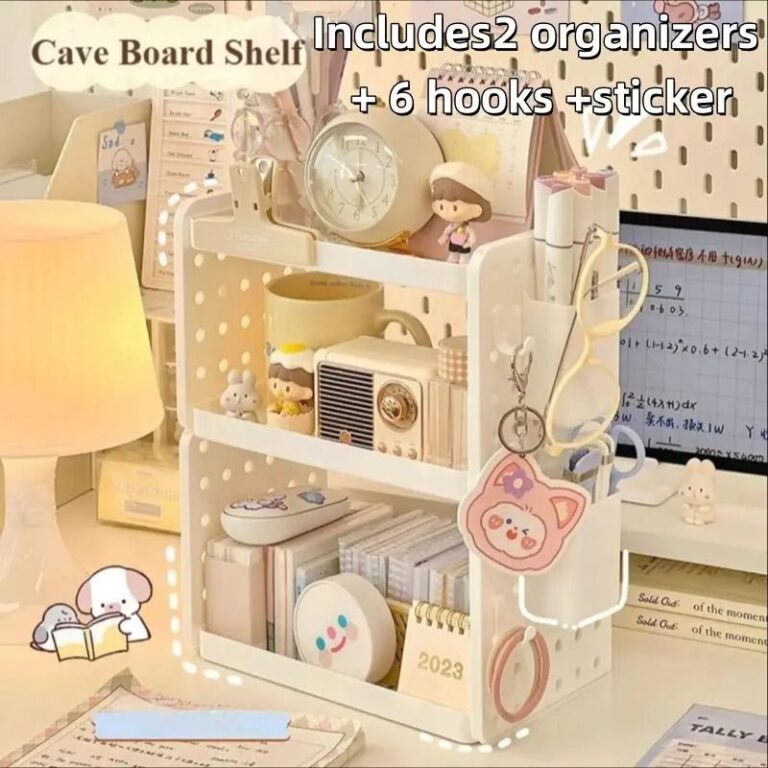
 Aisha's pickDesktop Organizers for Desk Picked by People Who Care Too Much

 Aisha's pickModern Desk Tidies Worth Knowing AboutAlso worth a lookStorage BoxesLate January is when storage boxes earn their keep, when the holiday decorations need somewhere to live that…See the collections →
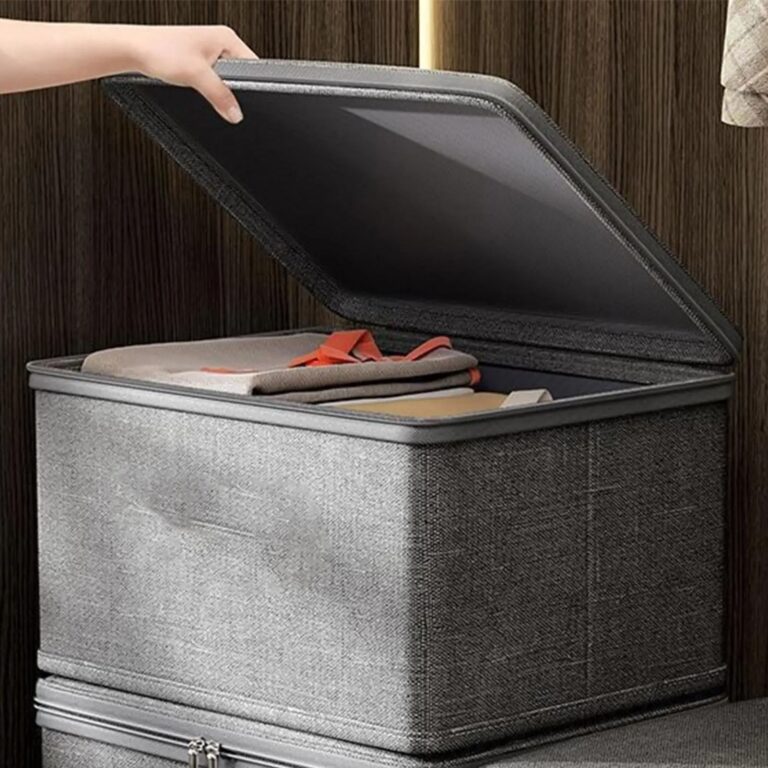 Aisha's pickOffice Trash Cans for Desk That Won’t Date in a Year
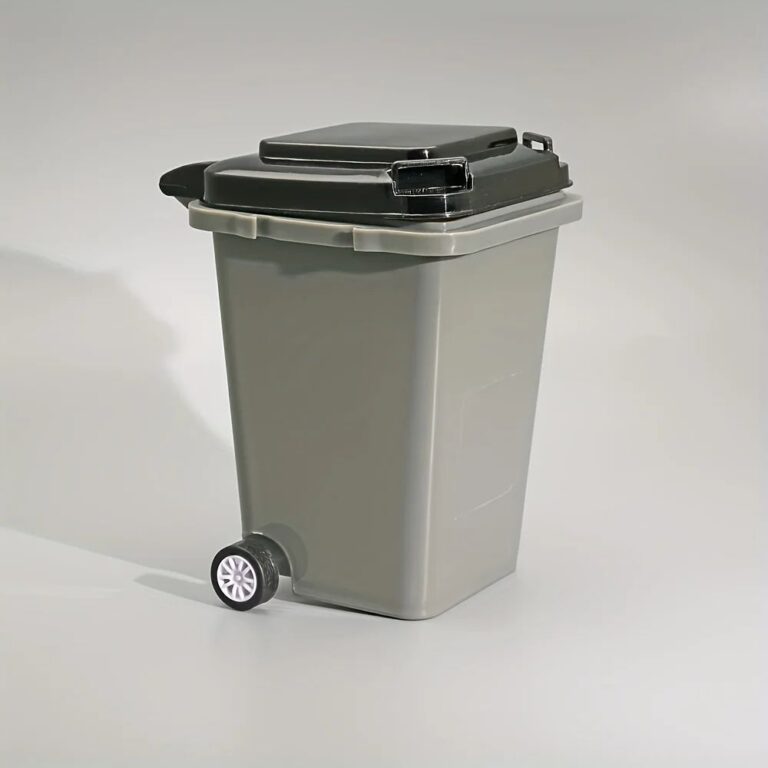
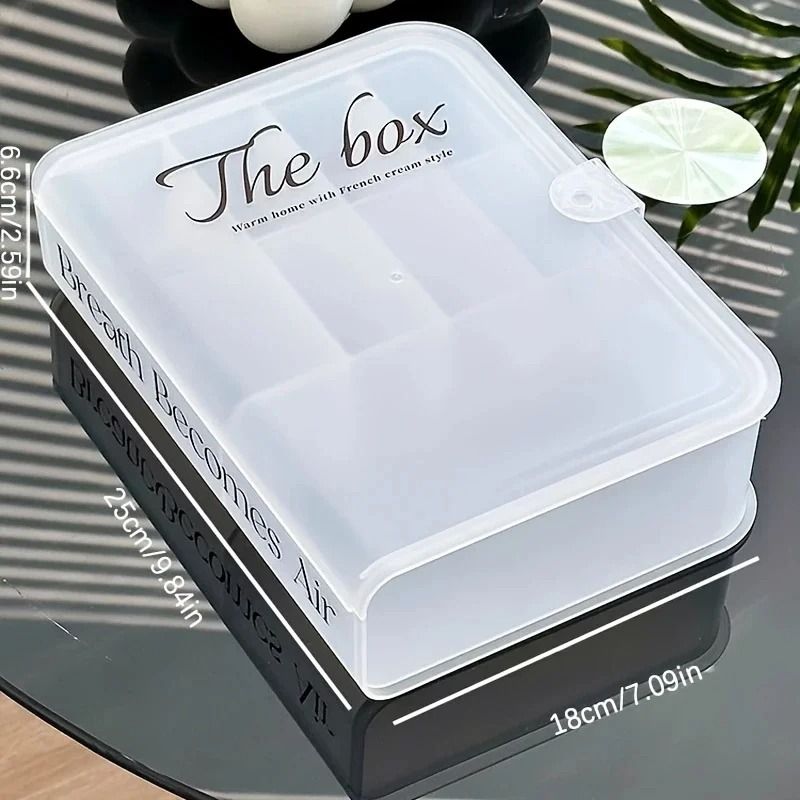 Aisha's pickPlastic Desk Organizers Hunted Down So You Don’t Have To
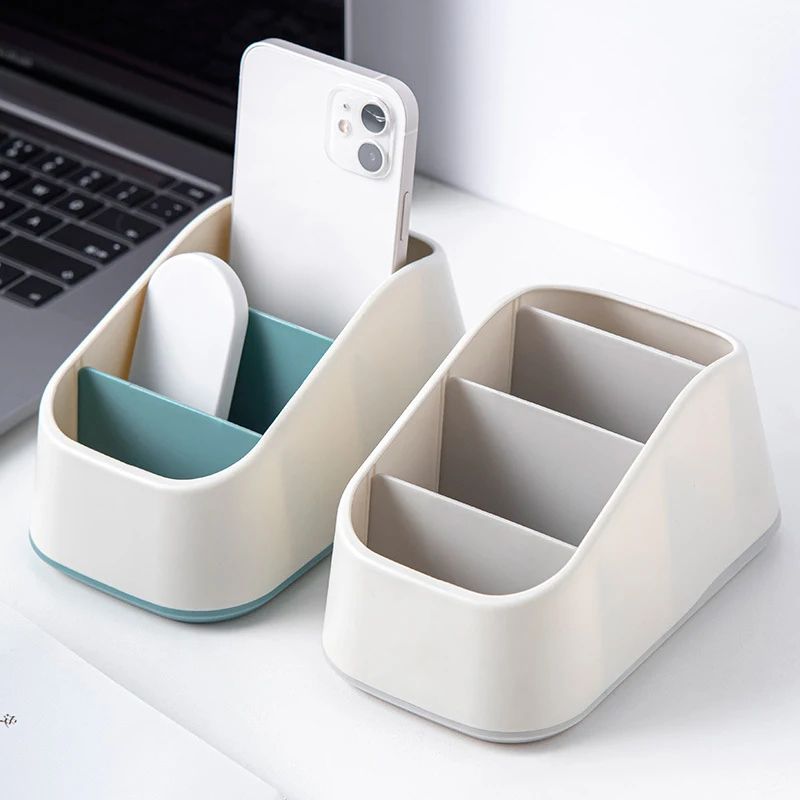
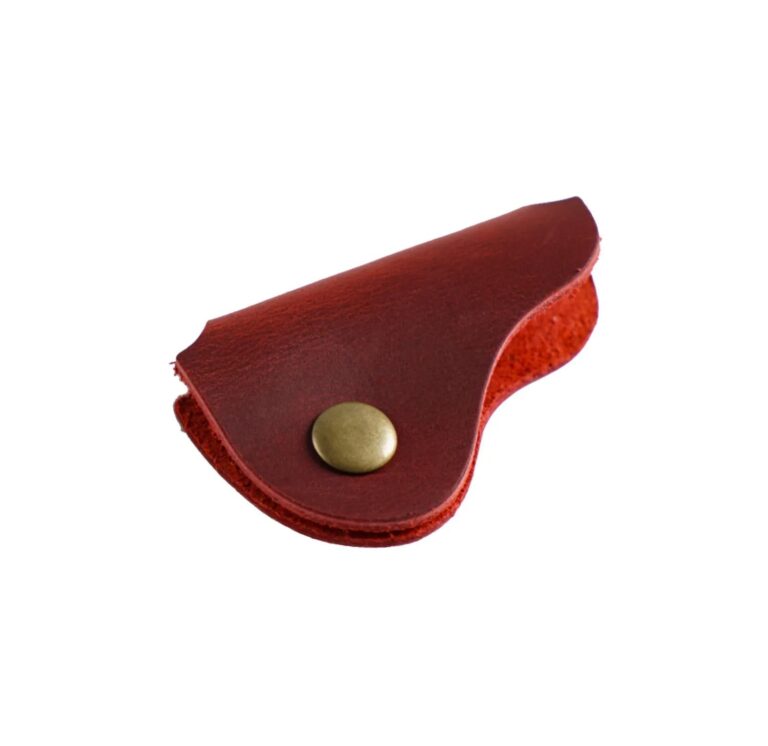 Aisha's pickPlastic Desk Tidies for a Home Office That Works

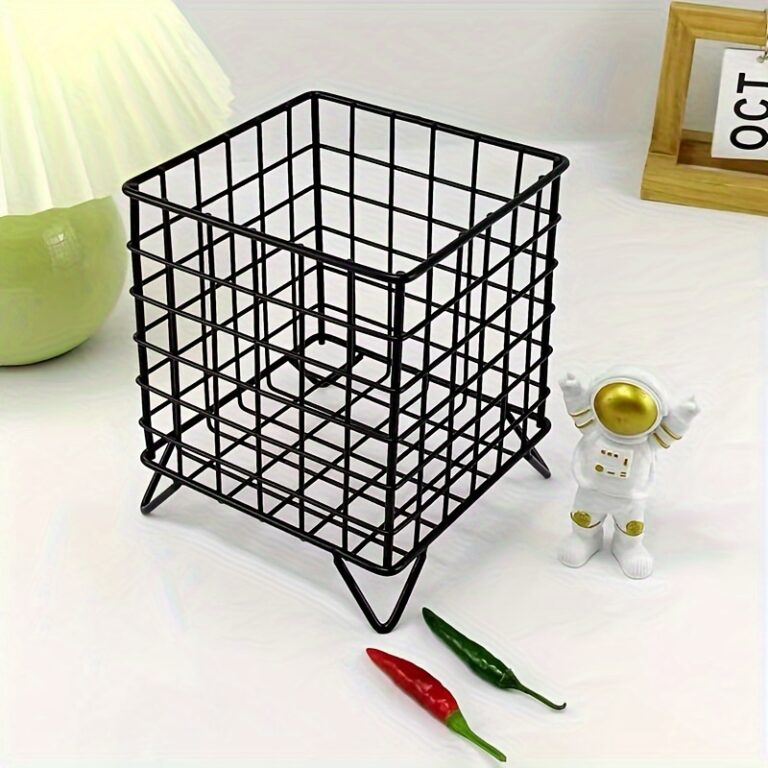 Aisha's pickSmall Desk Organizers We Work Beside Every Day
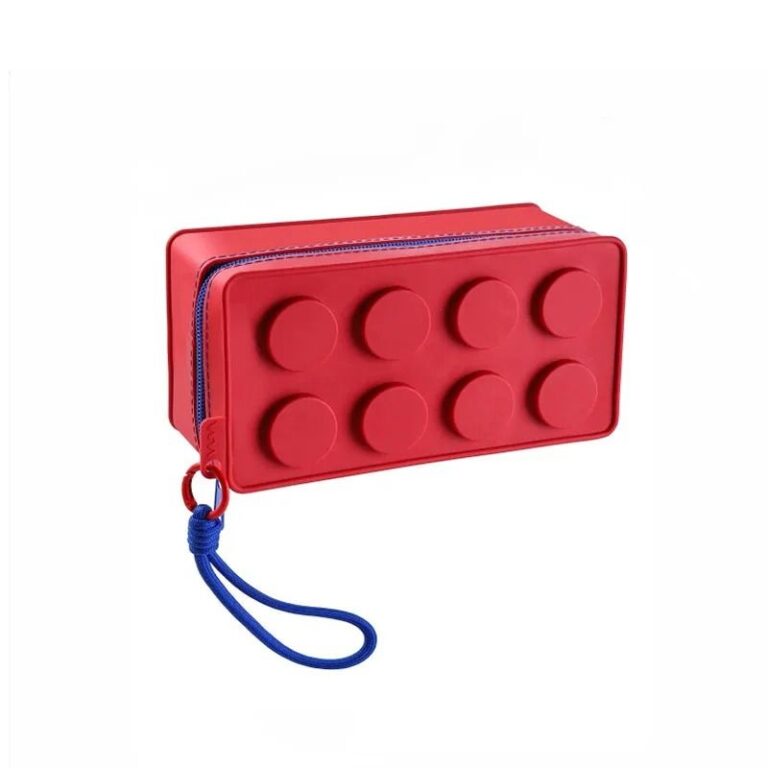
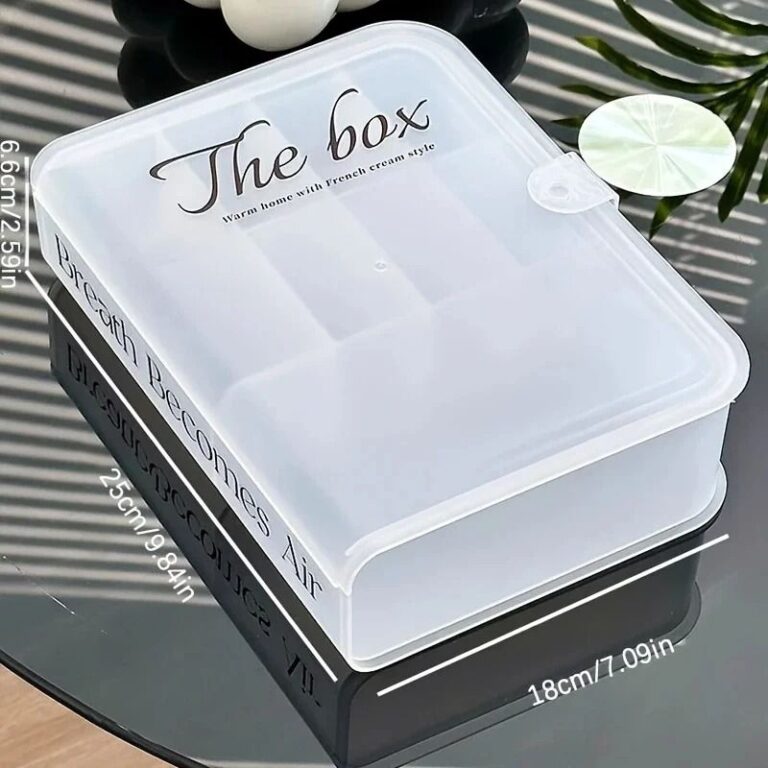 Aisha's pickCable Boxes for Desk That Make the Spare Room Feel Like an Office
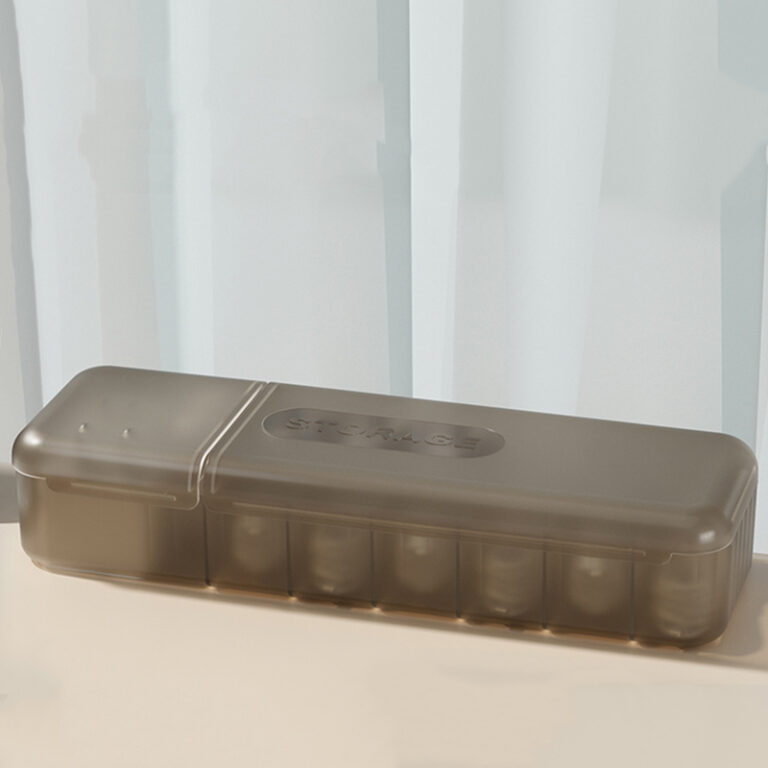
 Aisha's pickNo Fuss Small Desk Tidies
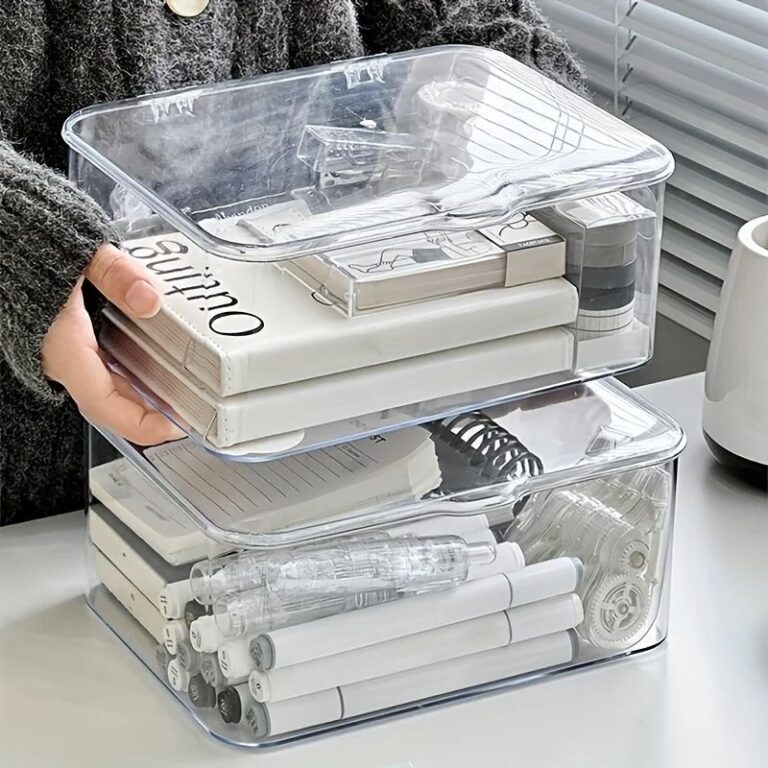
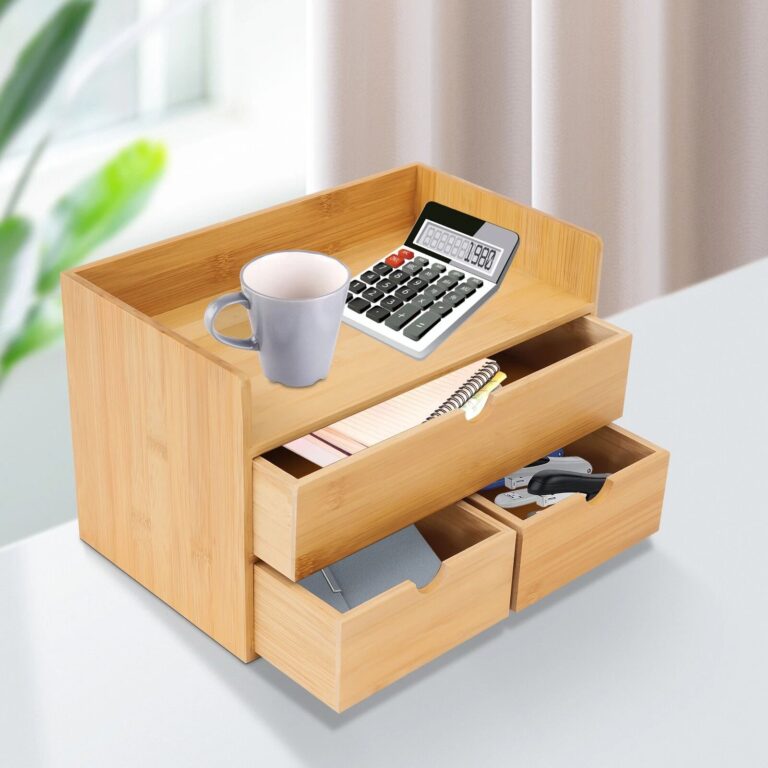 Aisha's pickDesk Organizers We Work Beside Every DayAlso worth a lookGarage StorageThe mistake most people make with garage storage is buying it the way they'd buy a bookshelf, picking…See the collections →