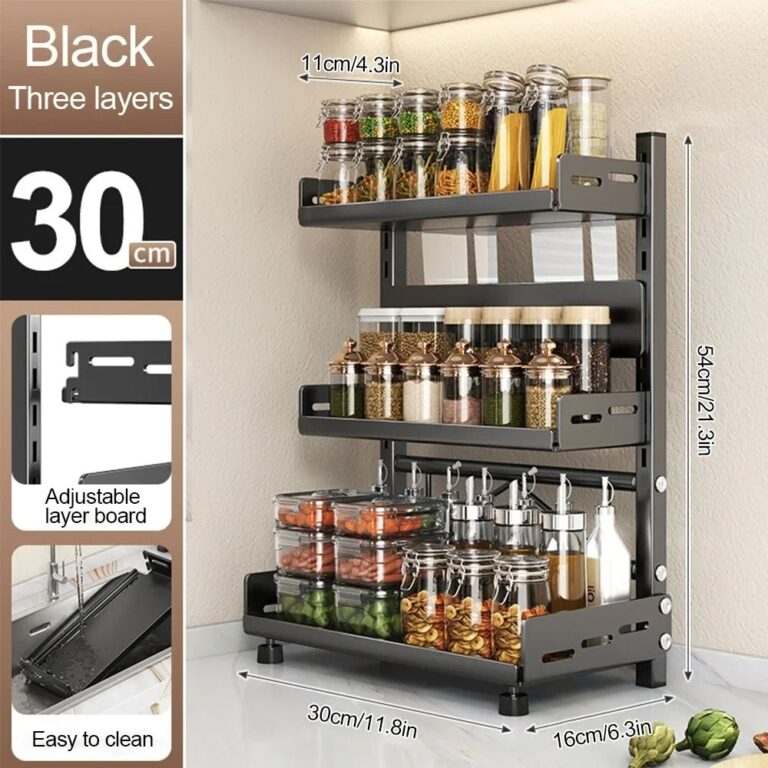
My first black cabinet was a particleboard thing with a vinyl wrap that I bought for a first apartment because it was cheap and the box said "espresso" which I took to mean black. Within a year the bottom corners had swollen from a leaking plant pot and the finish had gone matte in patches where I'd wiped it with the wrong cloth. What it taught me was that black hides nothing. Every scuff, every dust mark, every fingerprint shows up twice as clearly as it would on a honey oak piece, so the thing underneath the color has to actually hold together.
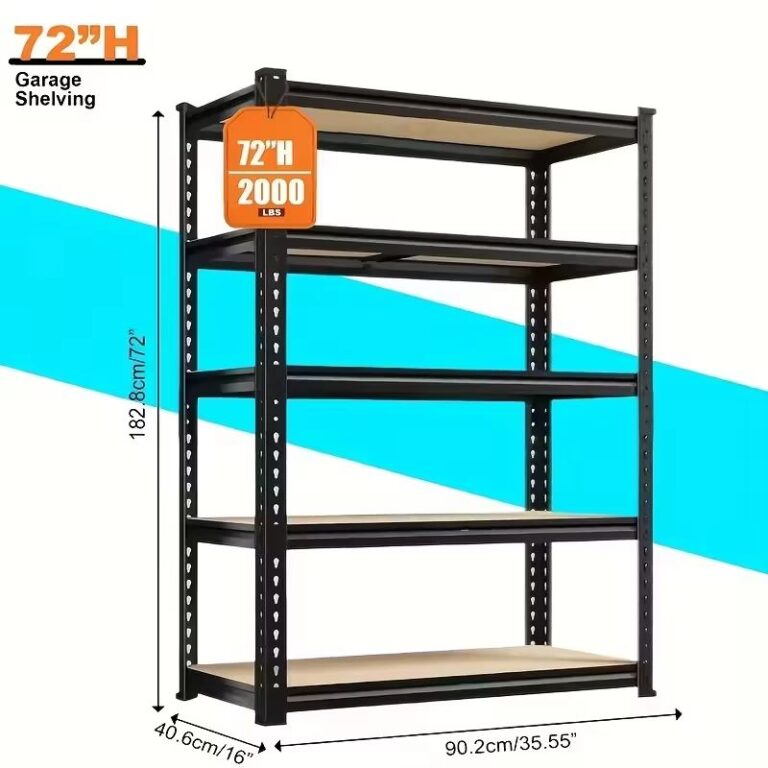
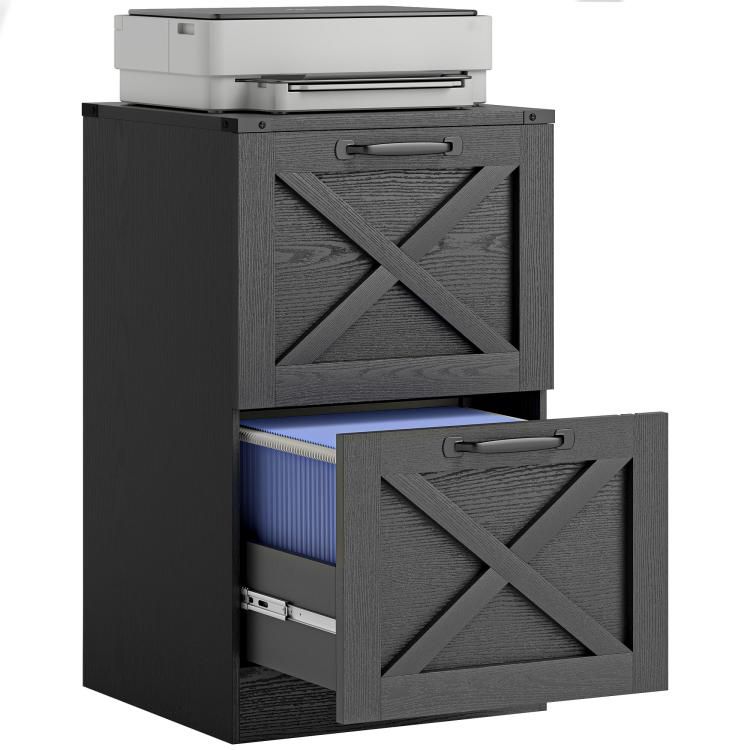
In an ordinary room, a black cabinet works as the anchor rather than the main event. It sits well against pale walls, against light wood floors, against the kind of mismatched furniture most of us actually live with, because it reads as a solid dark shape instead of a competing pattern. I've got one in a room with a rug that's doing far too much on its own, and the cabinet just lets it happen without joining in. The difference between a good one and a bad one comes down to what's behind the color. A painted or lacquered solid wood piece, or even a well veneered one with a proper wood or MDF core, takes black finish evenly and keeps that even look for years, because the surface has something stable underneath it to sit on. A cheap one is usually a printed foil over particleboard, and foil peels at the edges first, especially anywhere hands touch it daily, like a handle or a door edge. Flip one over before you buy it if you can. Look at the back panel, check whether the drawers run on metal glides or just slide on bare wood, and see if the joints at the corners are screwed through thin board or actually joined. A cabinet that's going to survive a move needs joints that can take being racked around in a truck, not just held square by the back panel stapled on.
Dark cabinets suit rooms that get good natural light more than dim ones, since black can swallow a windowless room whole, but in a bright living room or a north facing bedroom it adds weight without making the space feel smaller. They work in older houses with some character already, and just as well in a plain rental where you want one piece that looks intentional. After a spill, after a year of daily shoe traffic past it in a hallway, after being dragged down two flights of stairs for a move, a well made one still closes square and still looks the same color it started as.
This is the kind of piece that suits a home where at least one room needs quiet and dark to balance out everything else that's busy and bright.

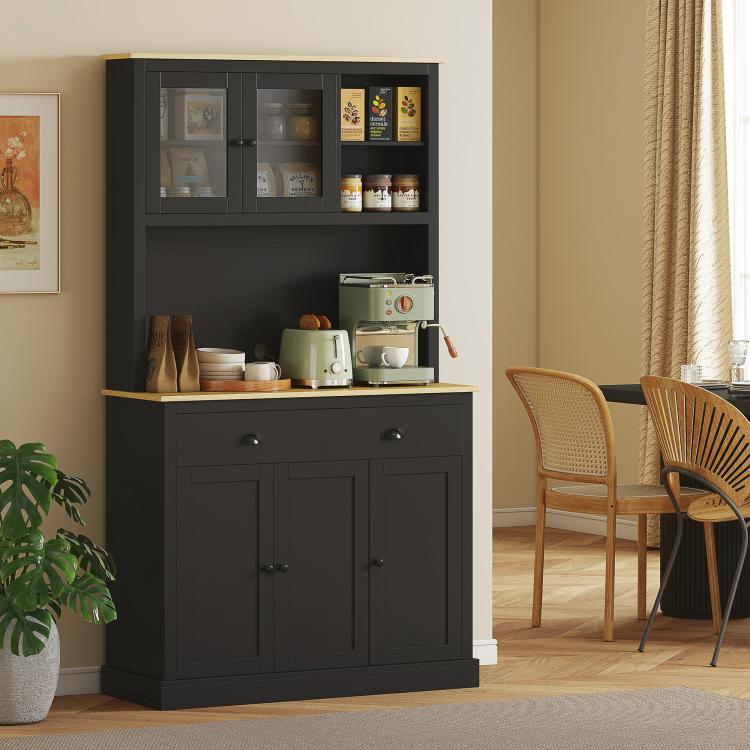 Aisha's pickBlack Glass Display Cabinets at Every Price Point
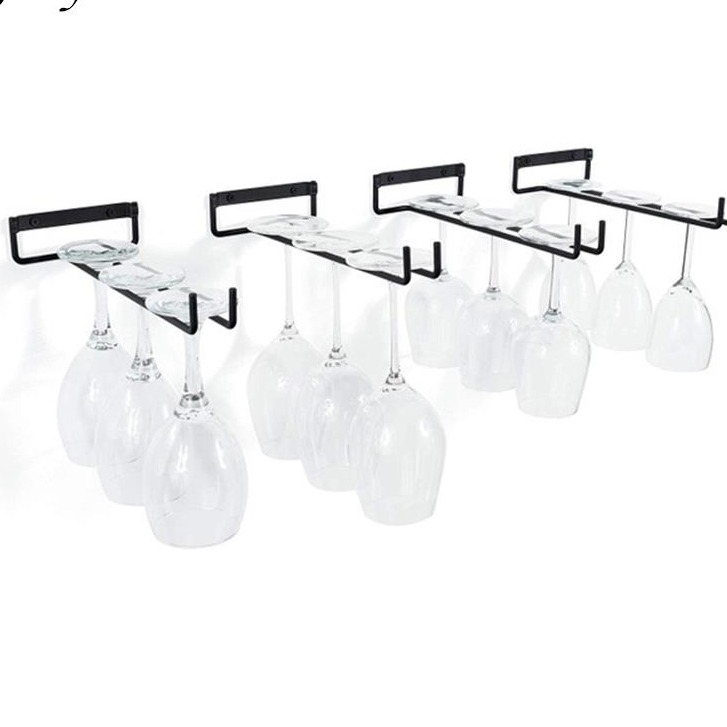
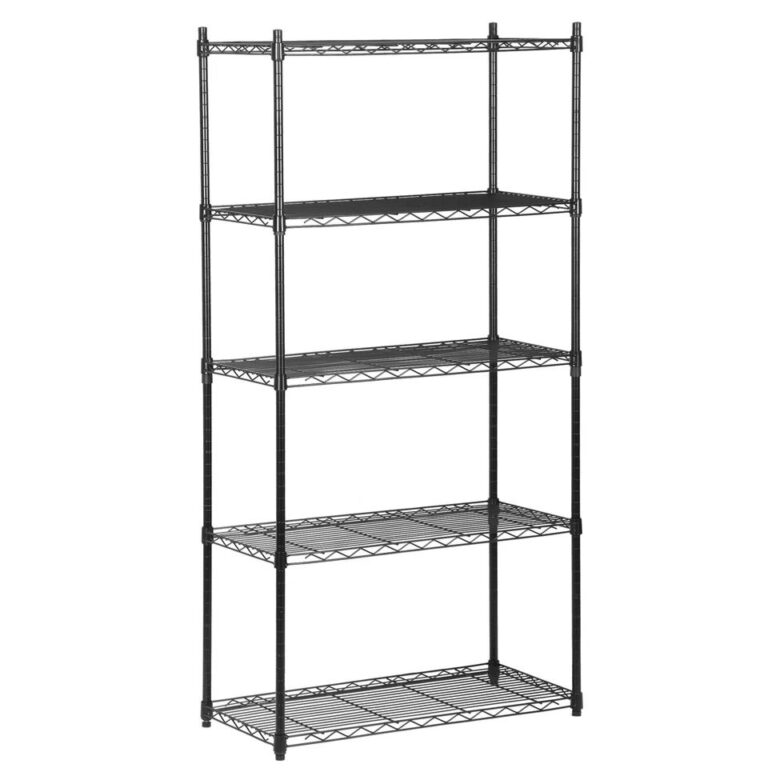 Aisha's pickLarge Black Storage Units We Wish We’d Bought Sooner
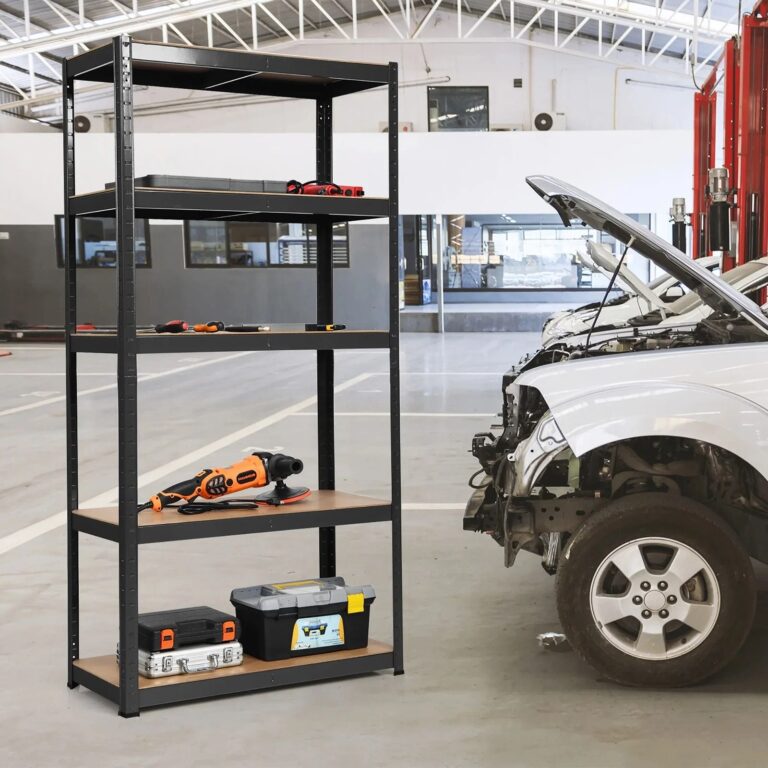
 Aisha's pickBlack Heavy Duty Storage Cabinets for When the Old Ones Give Up

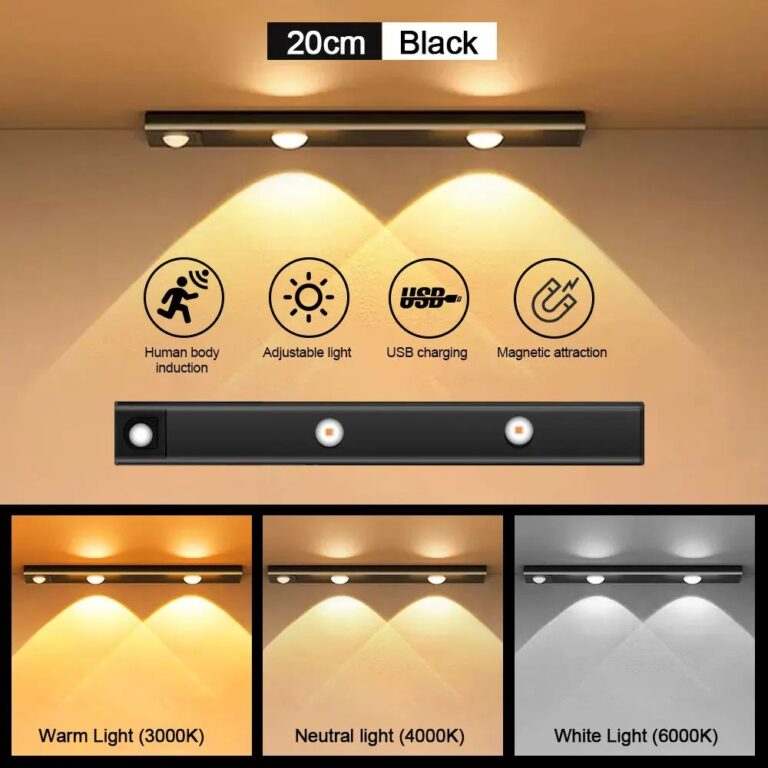 Aisha's pickSlim Black Storage Cabinets That Earn Their Keep
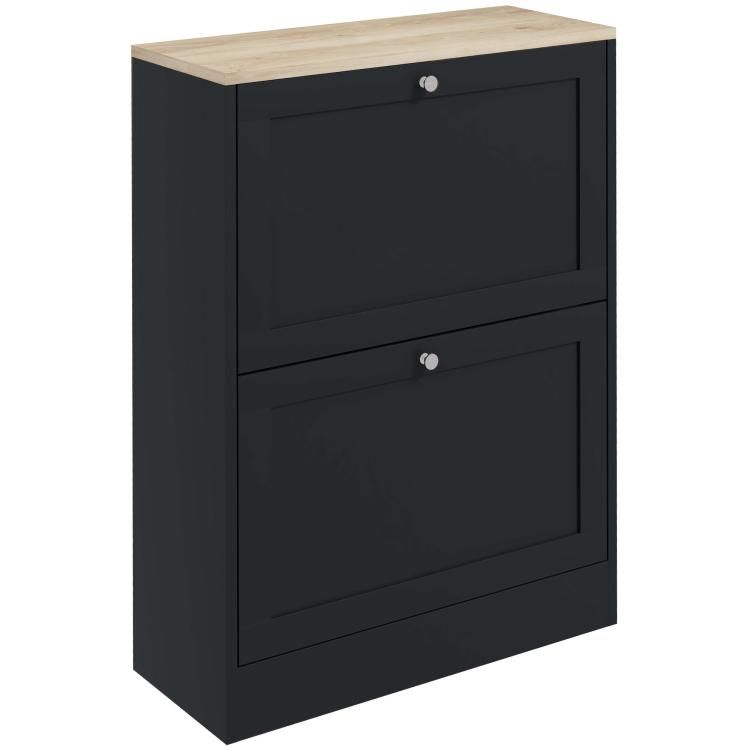
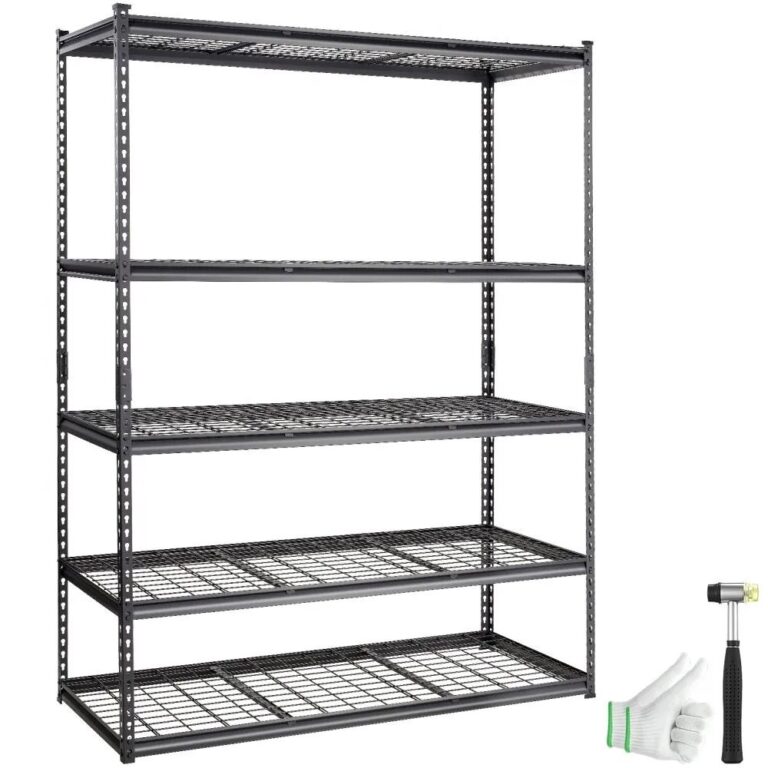 Aisha's pickBlack Heavy Duty Storage Units for People Who Know What They Like
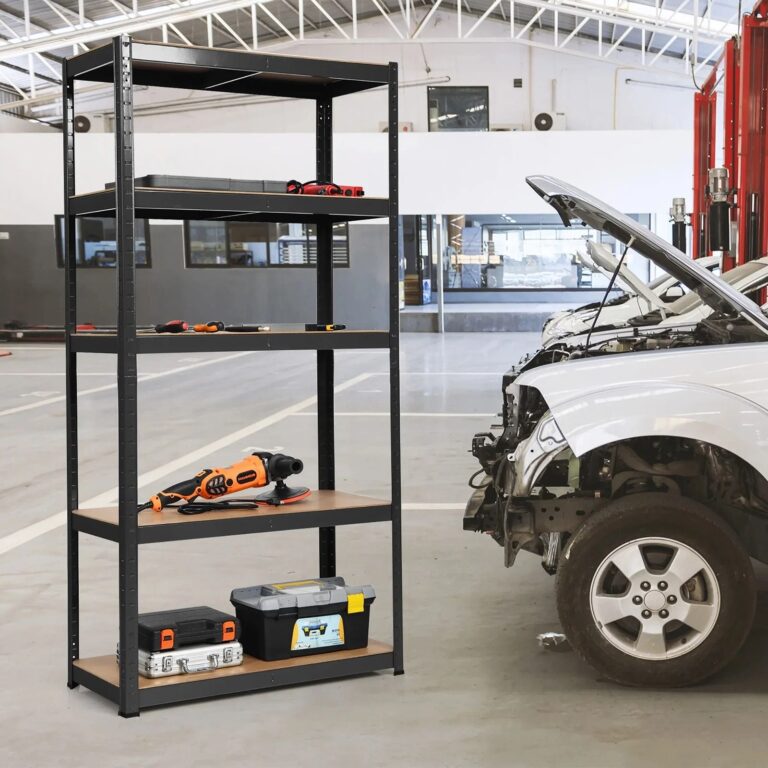
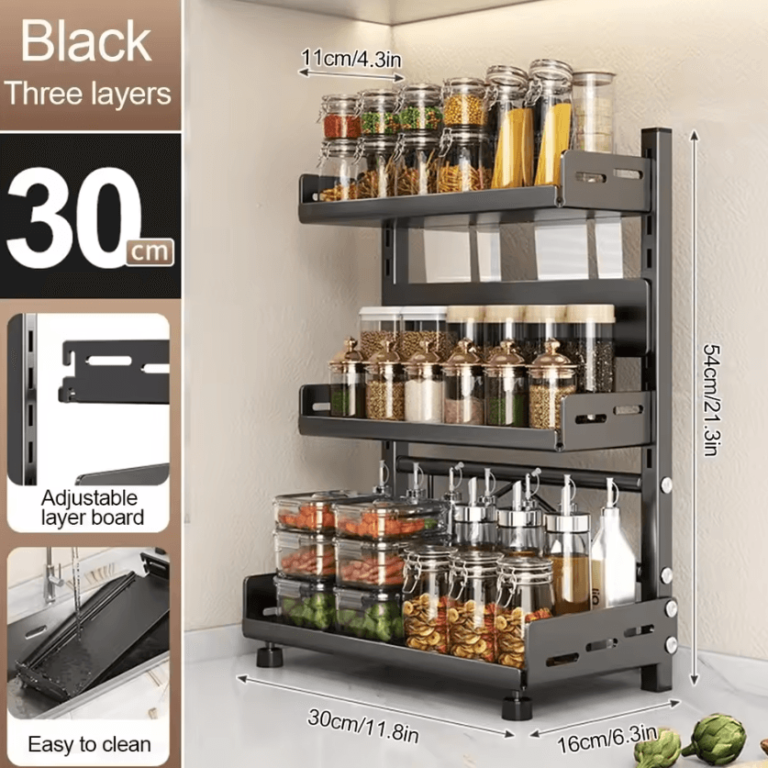 Aisha's pickSmall Black Storage Cabinets That Sort Out the Chaos
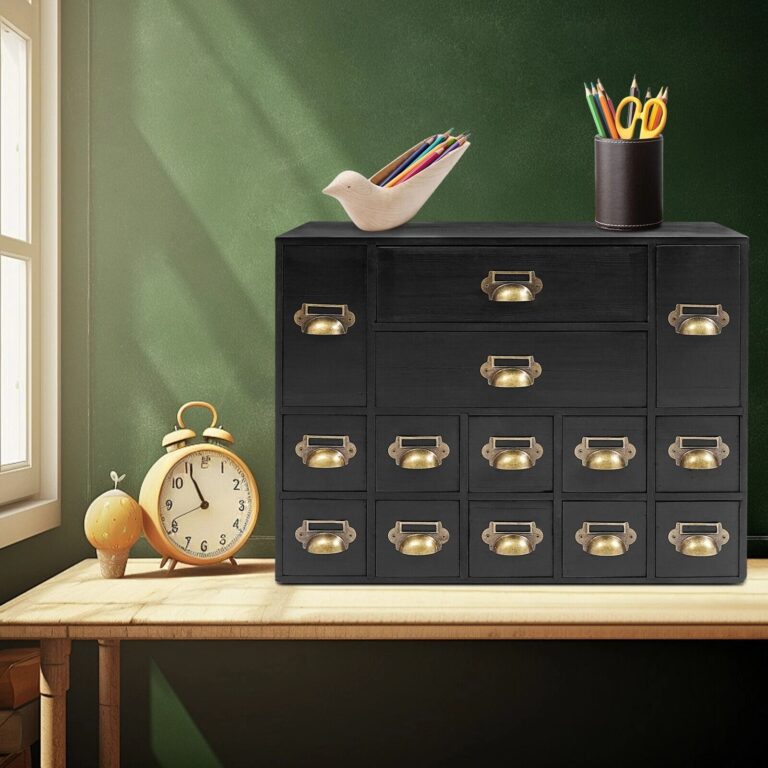
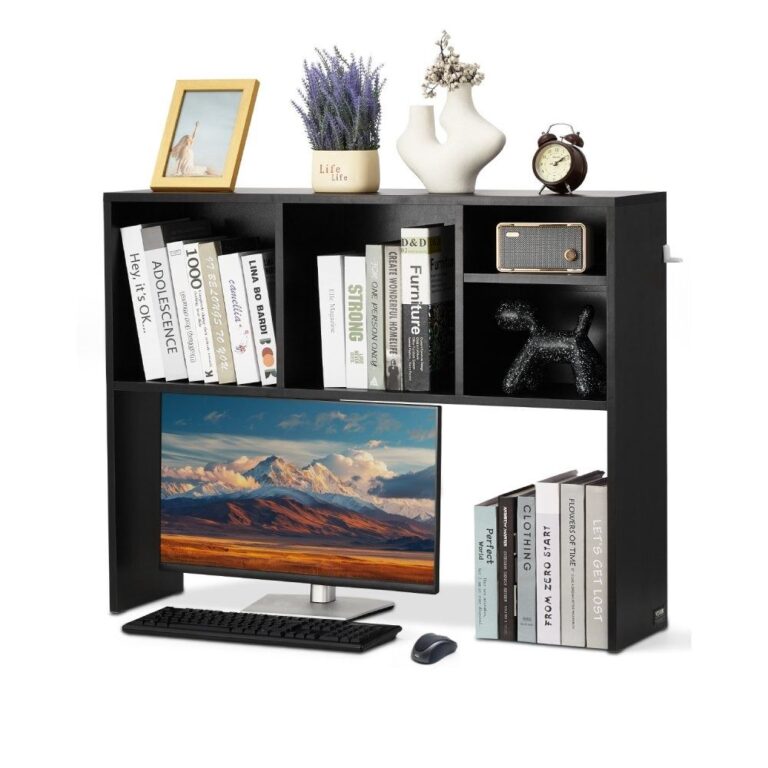 Aisha's pickDecent Black Hutches Without the Hassle
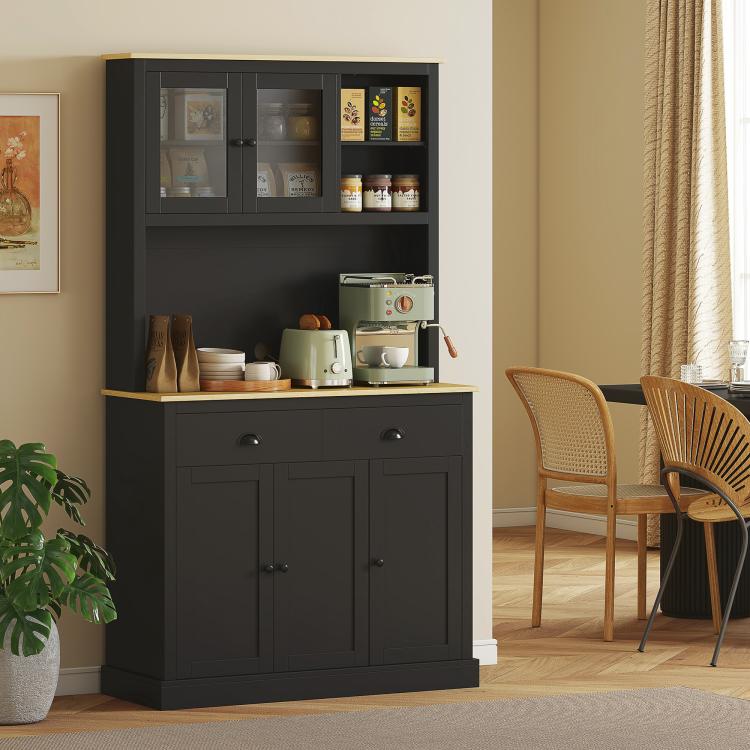
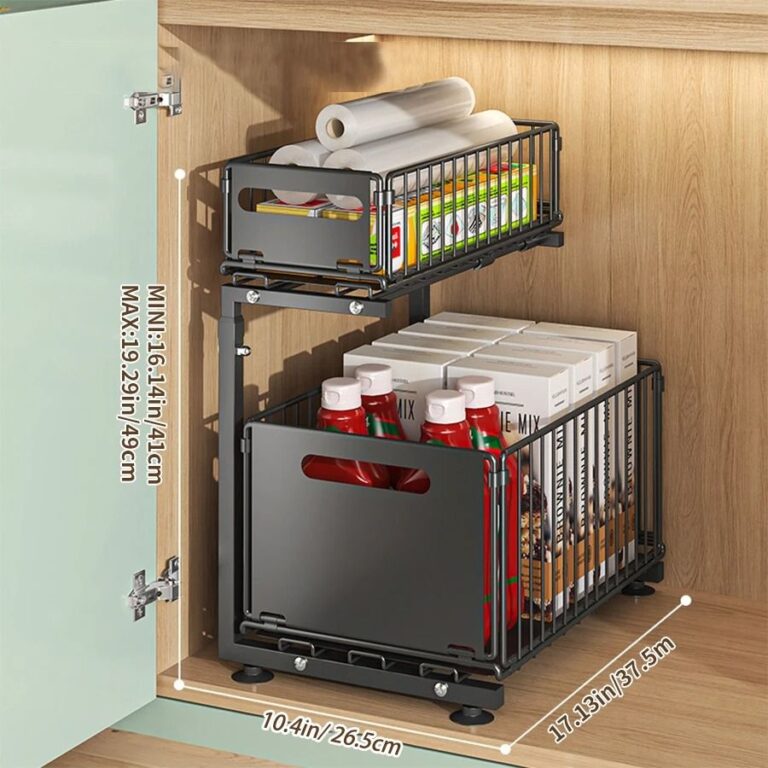 Aisha's pickTall Black Storage Cabinets We Wish We’d Bought Sooner
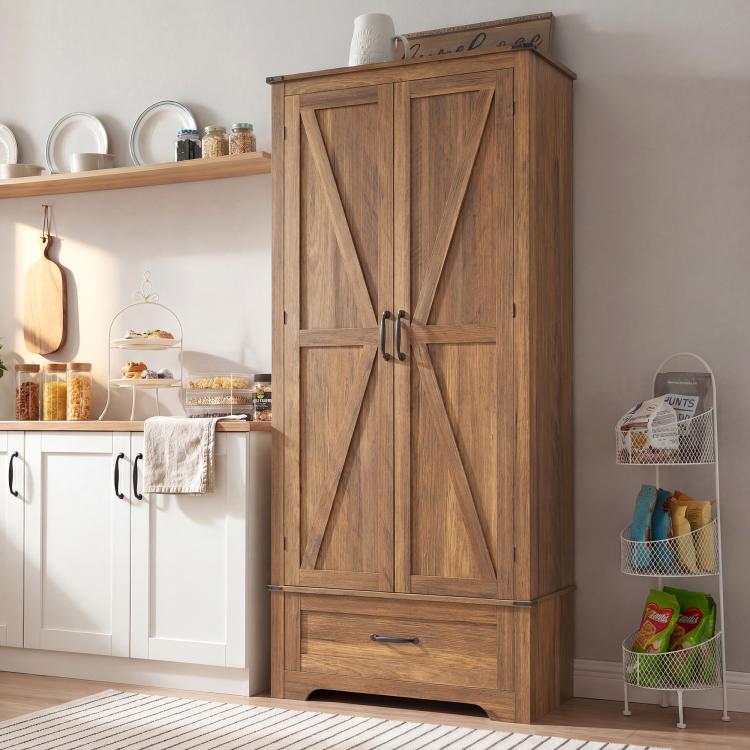
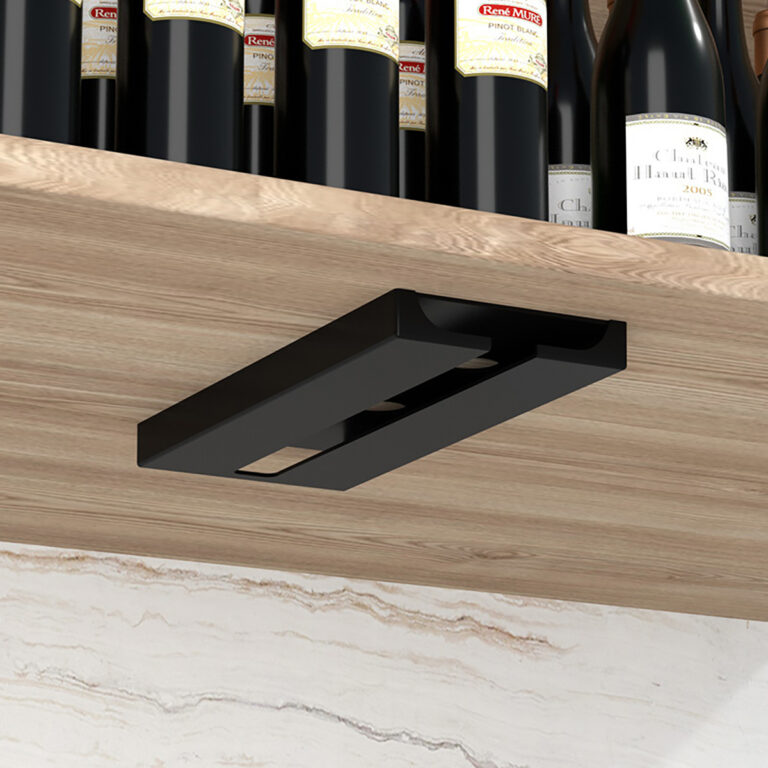 Aisha's pickBlack Kitchen Cabinets That Cope With Steam and SplashesAlso worth a lookBlack Storage CabinetsThe mistake is buying a black storage cabinet the same way you'd buy a white one, on vibes and whatever fits through the door that weekend.See the collections →
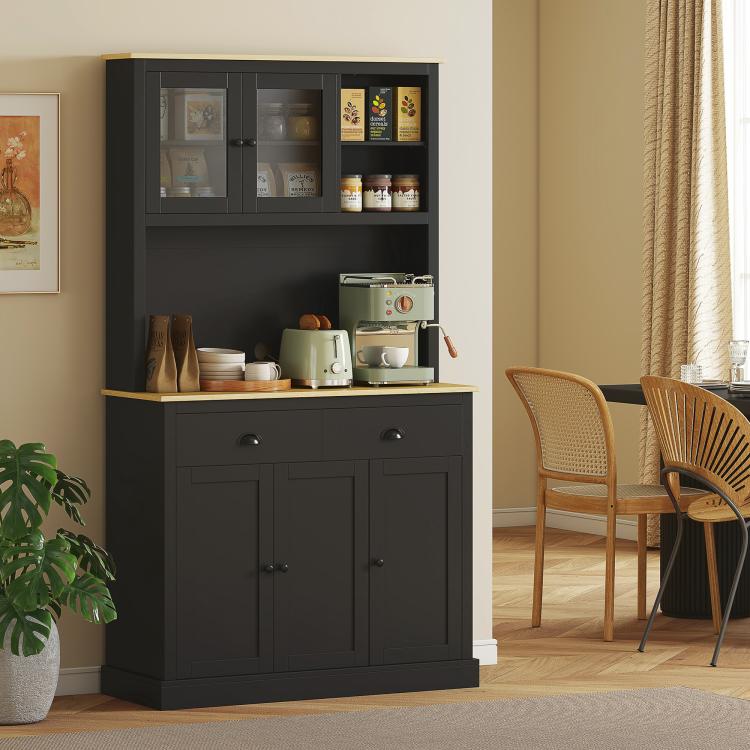
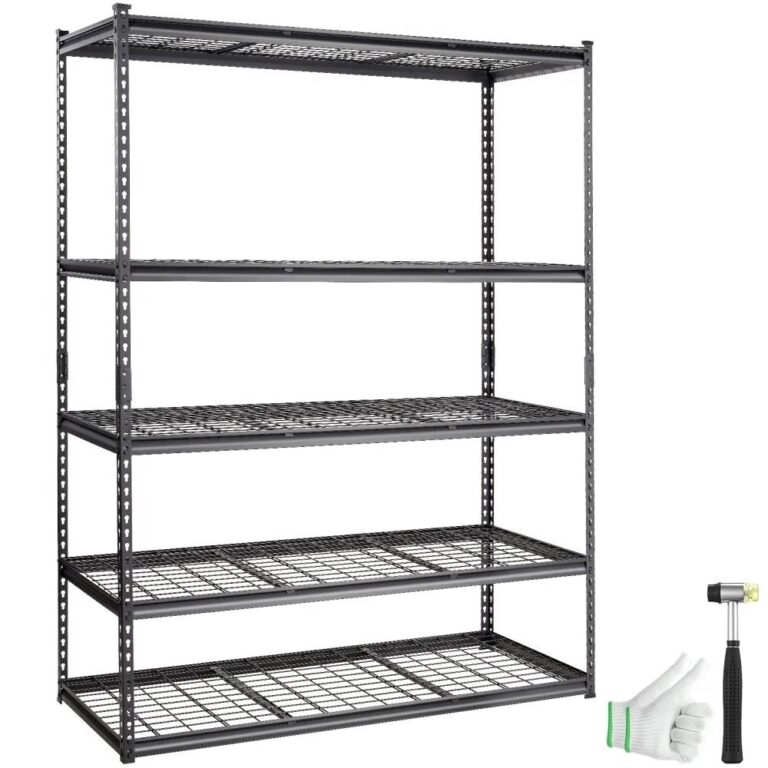 Aisha's pickBlack Metal Shelving Units for the Bits That Never Have a Home
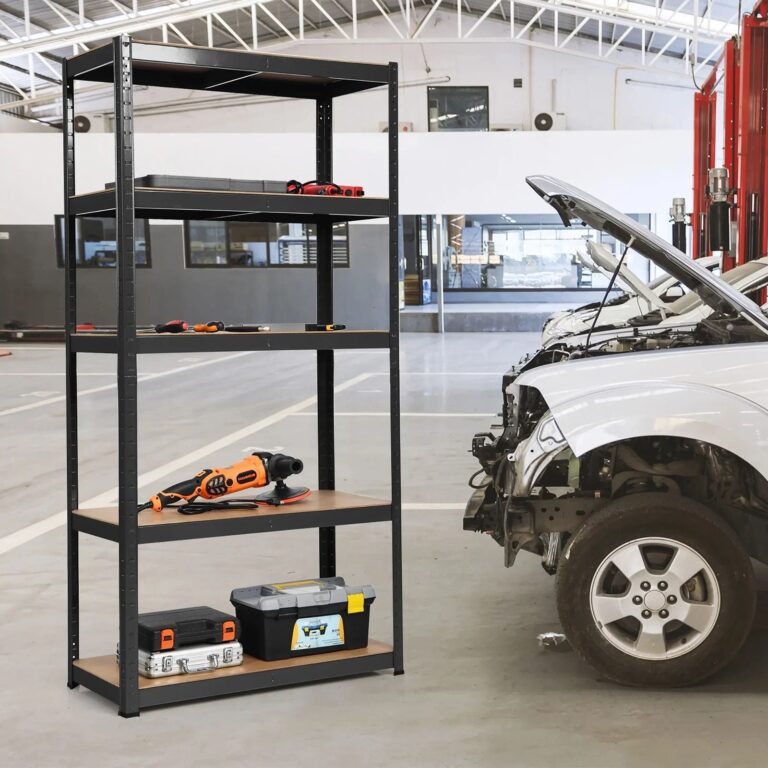
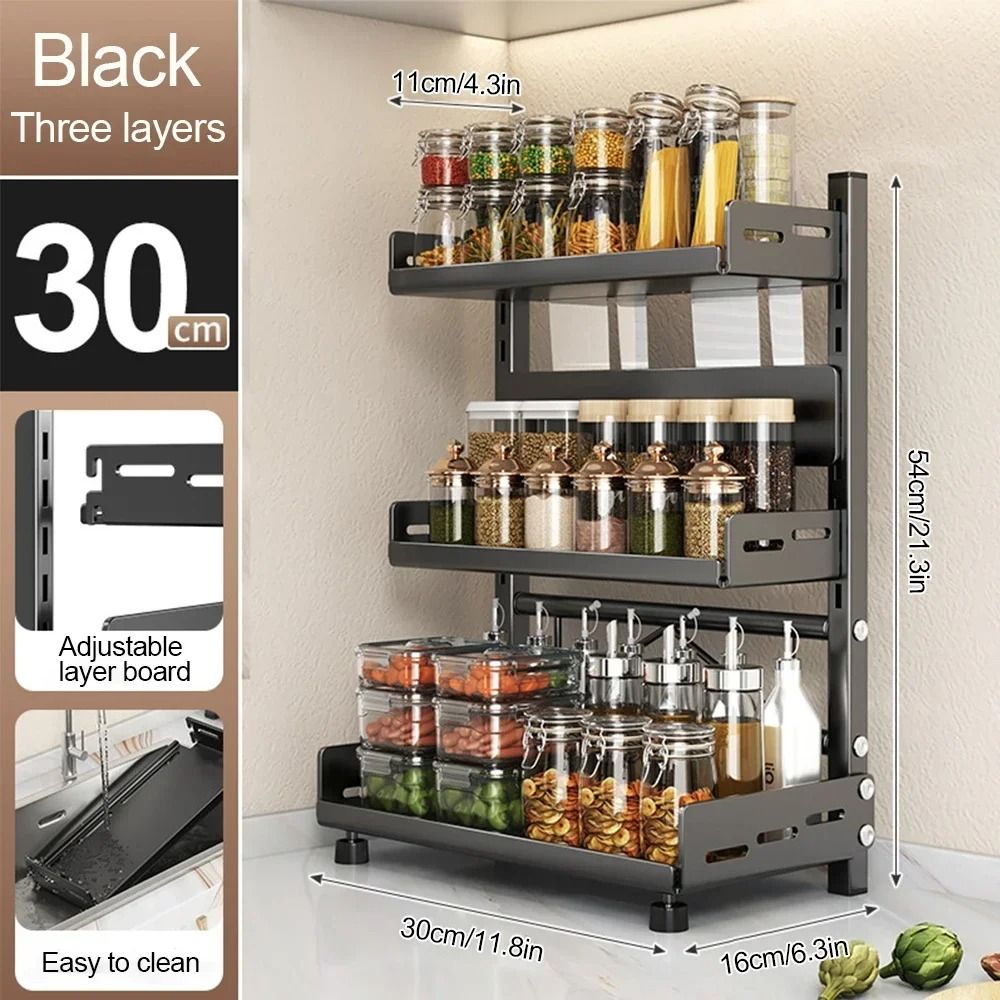 Aisha's pickBlack Kitchen Cabinets We Wish We’d Bought Sooner
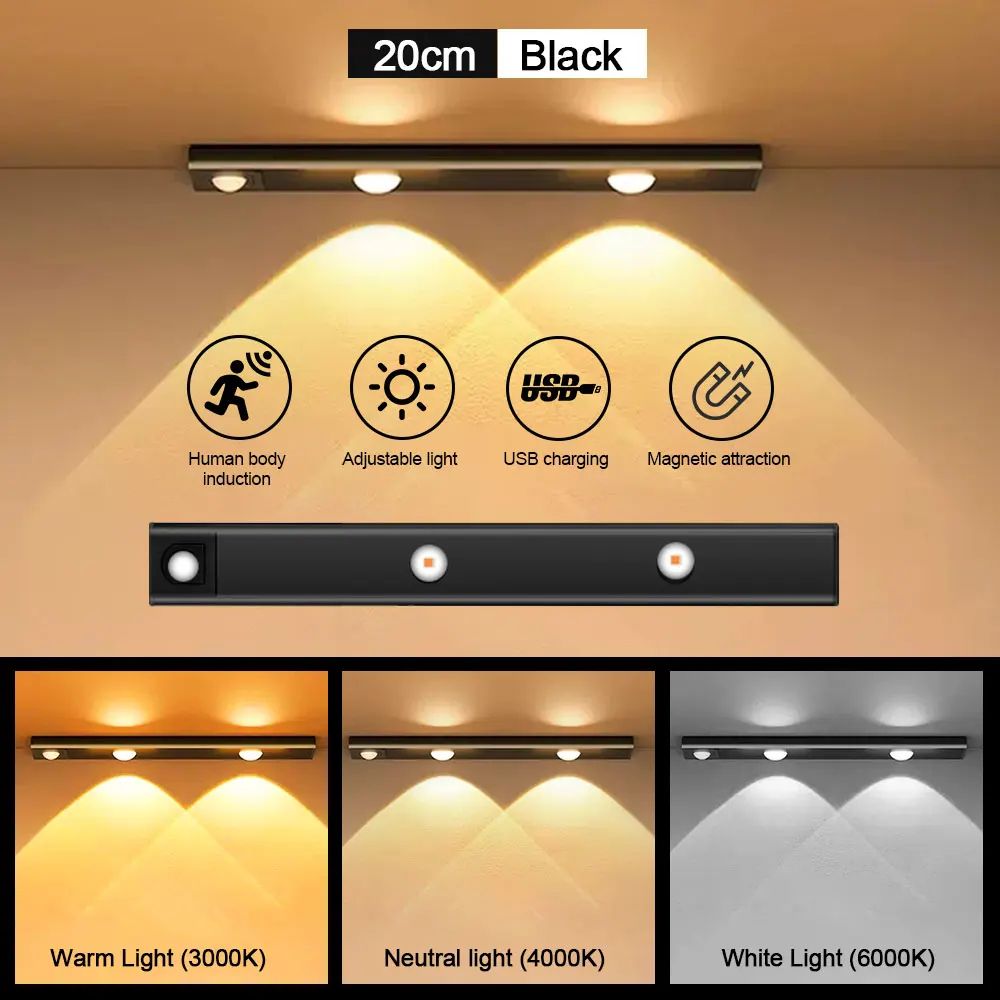
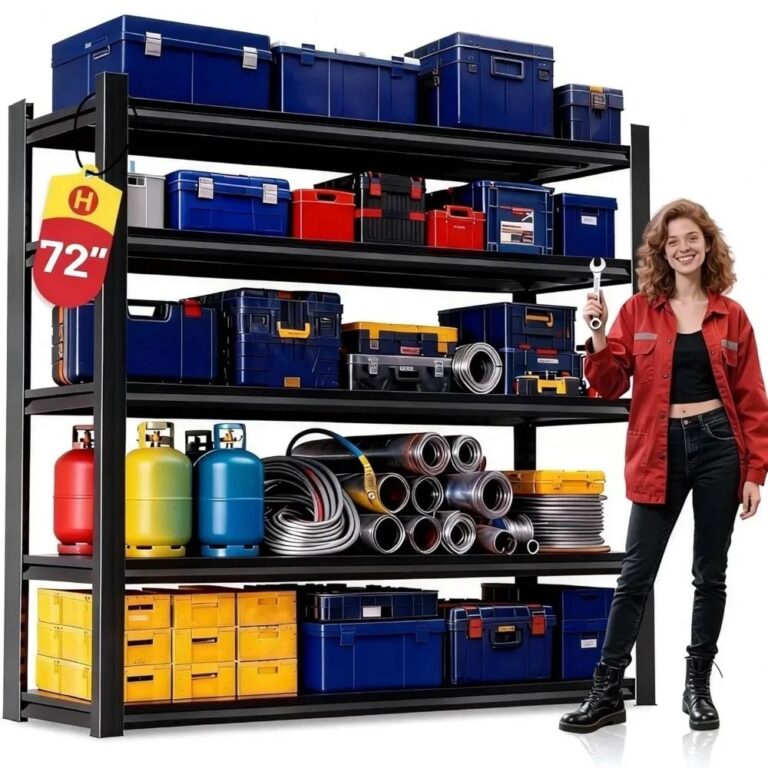 Aisha's pickBlack Shelving Units That Sort Out the Chaos
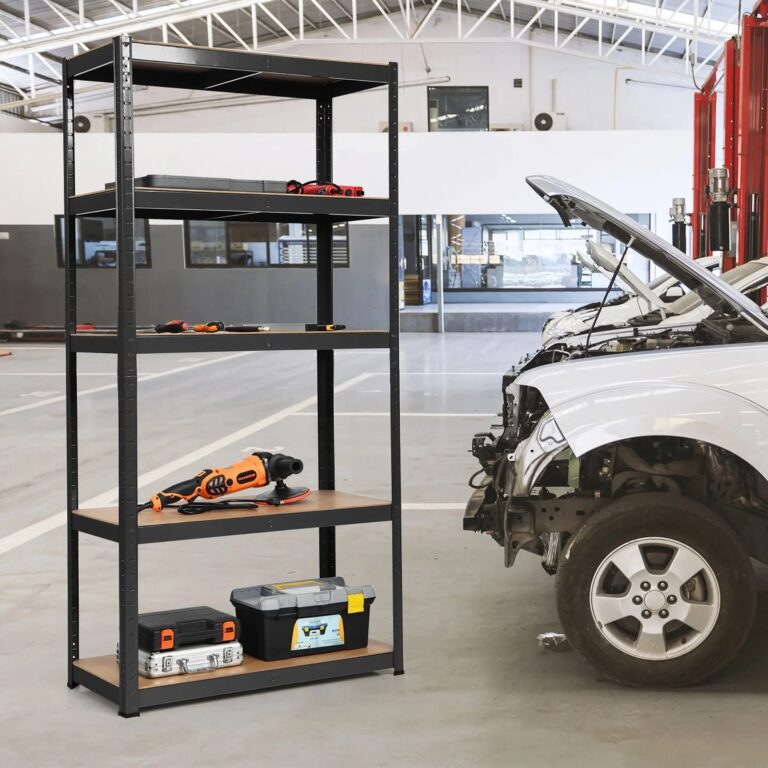
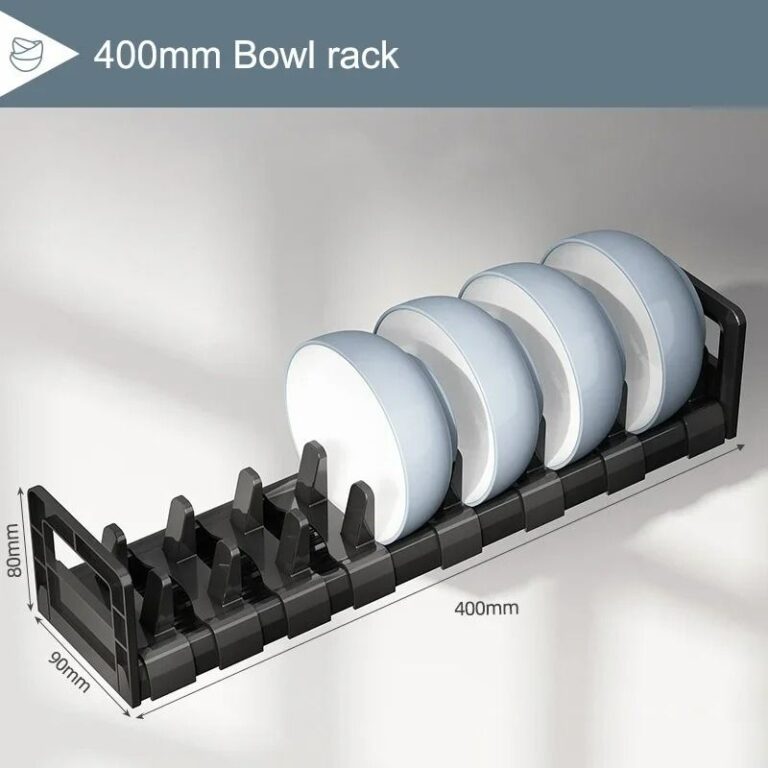 Aisha's pickBlack Metal Storage Cabinets Pulled From Dozens of Stores
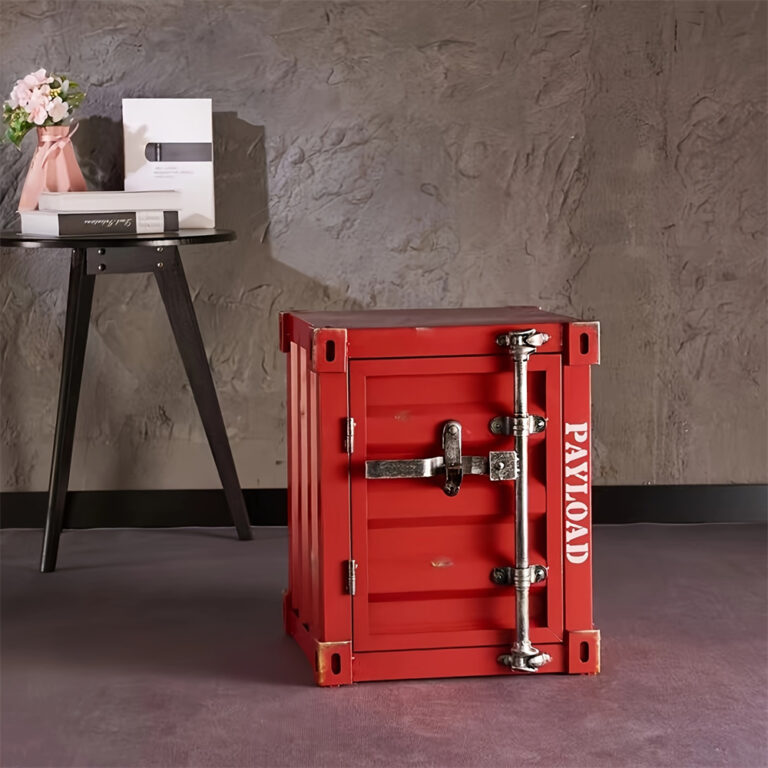
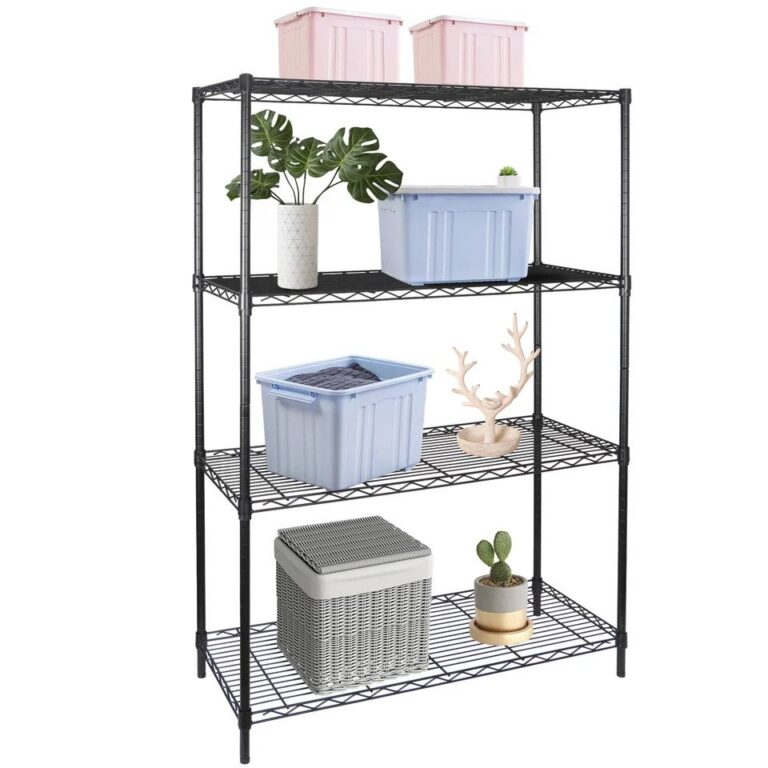 Aisha's pickBlack Shelving Units with Shelves That Look Better in Real Life
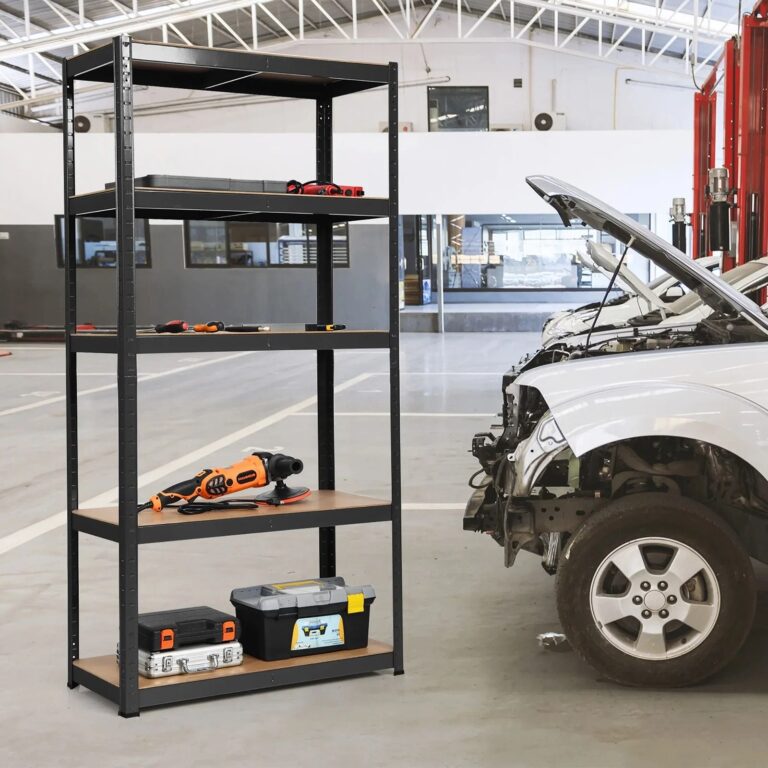
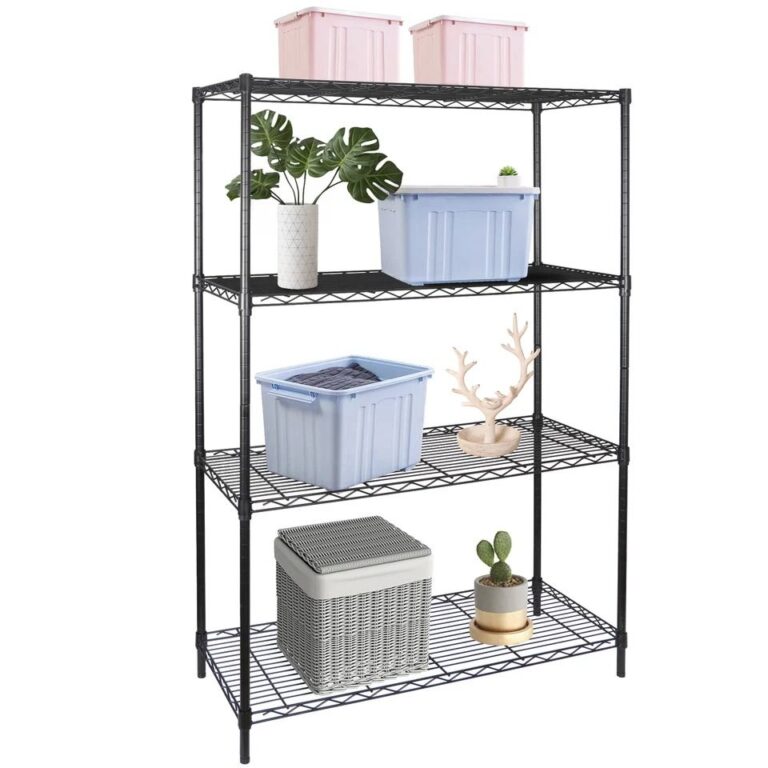 Aisha's pickBlack Metal Storage Units That Don’t Shout About It
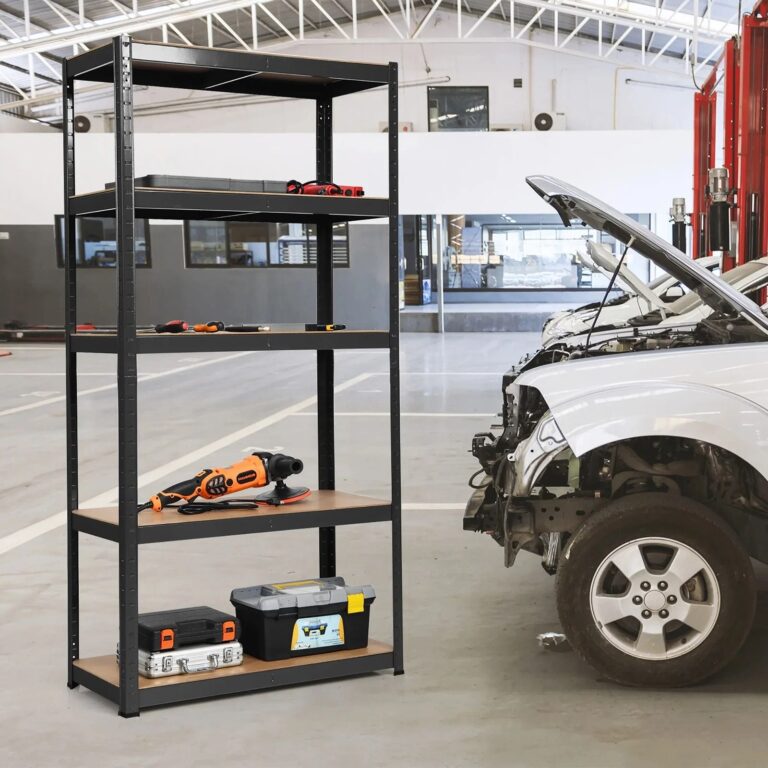
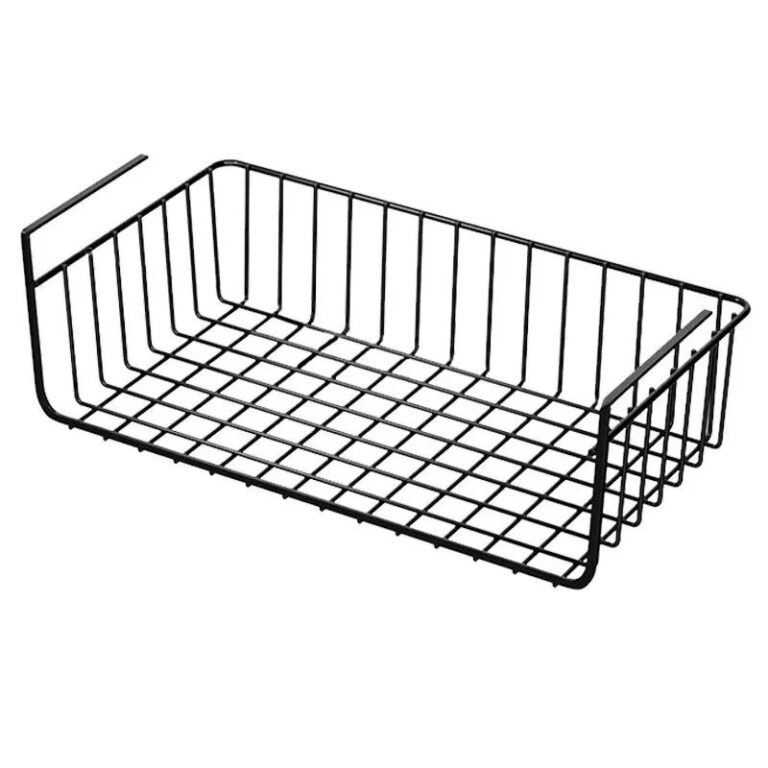 Aisha's pickBlack Office Storage Cabinets That Go With Most Rooms
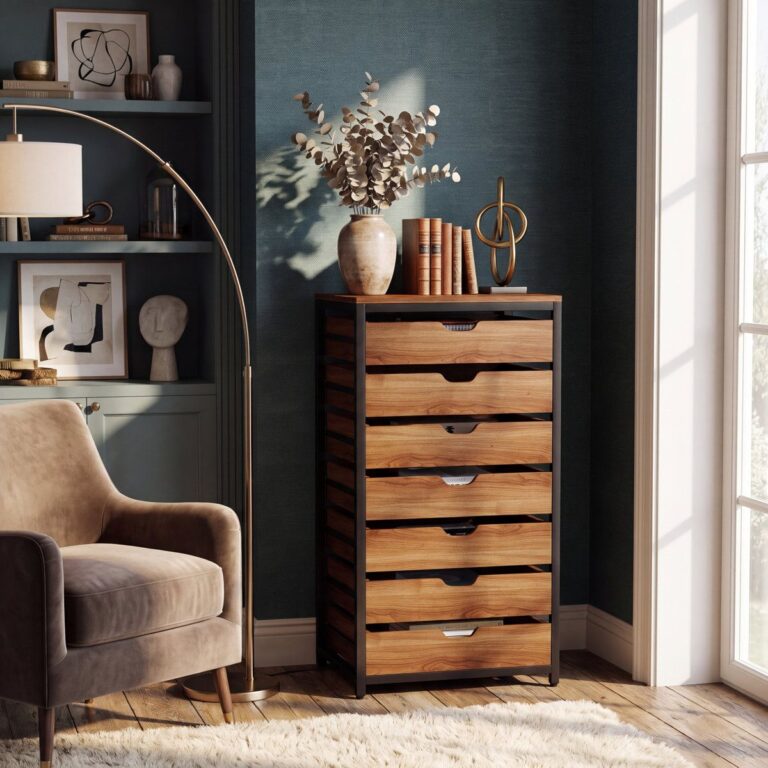
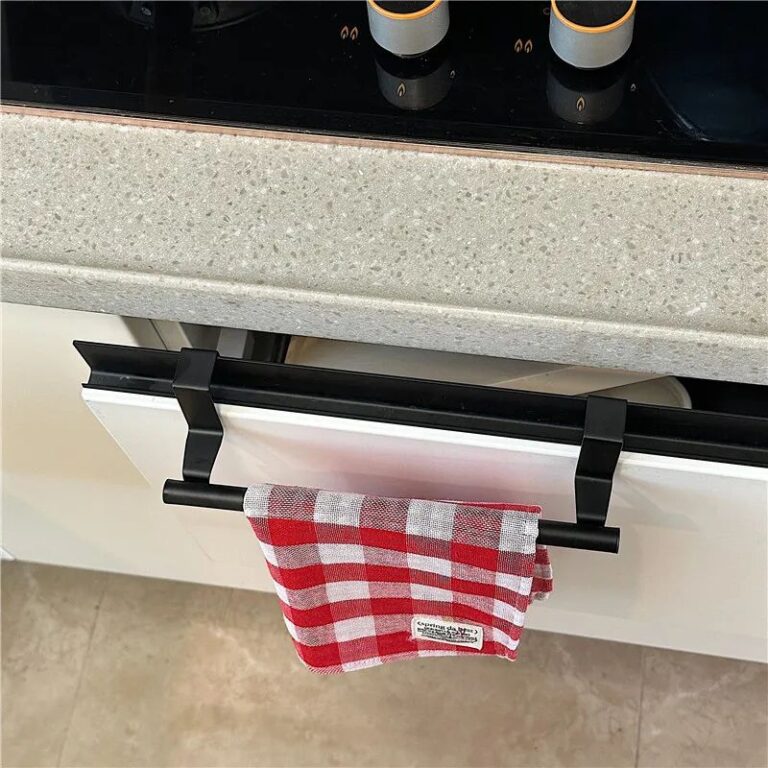 Aisha's pickBlack Bar Cabinets That Sort Out the Chaos
 Aisha's pickBlack Storage Cabinets for Homes With Too Much StuffAlso worth a lookBlack UnitsA good black unit has a kind of weight to it even when it's not heavy.See the collections →
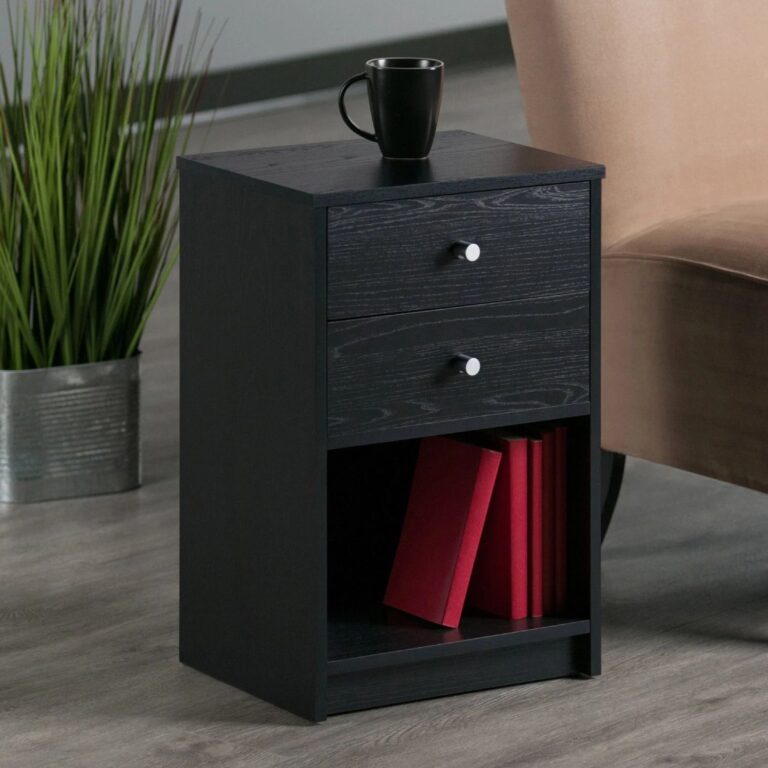 Aisha's pickBlack Nightstands for Bedrooms Big and Small
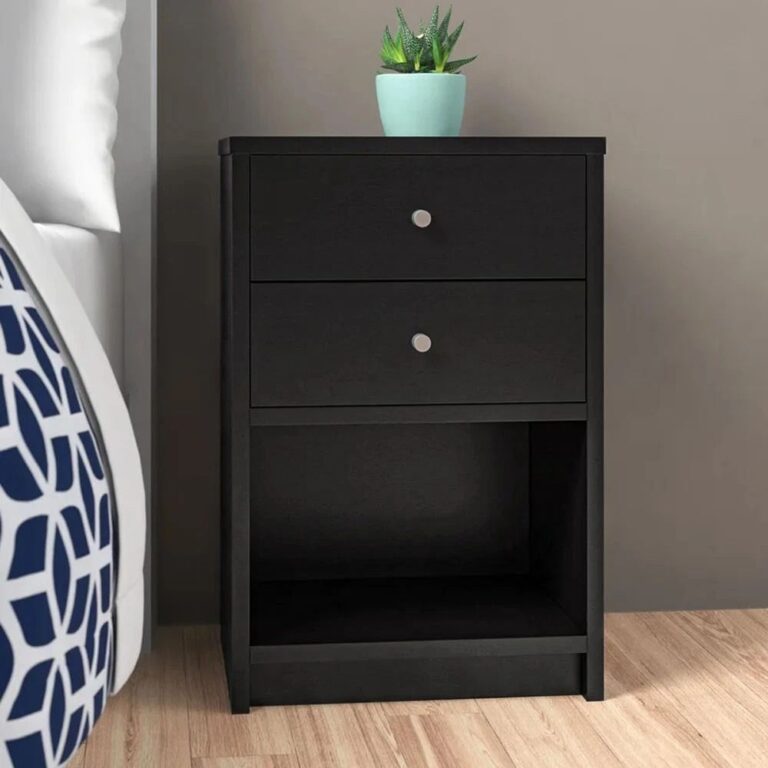
 Aisha's pickNo Fuss Black Storage Cabinets with Doors
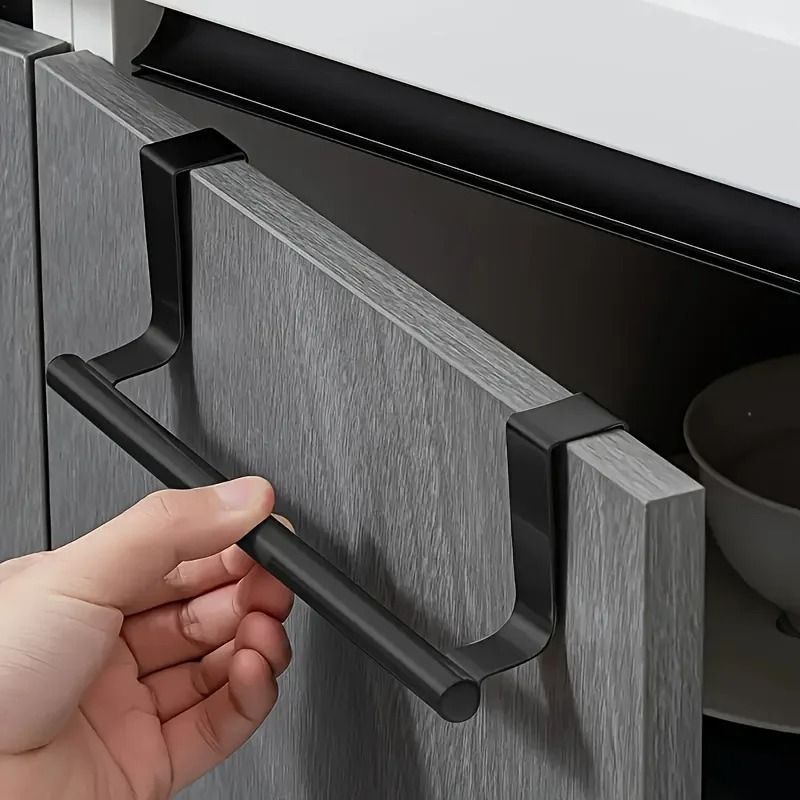
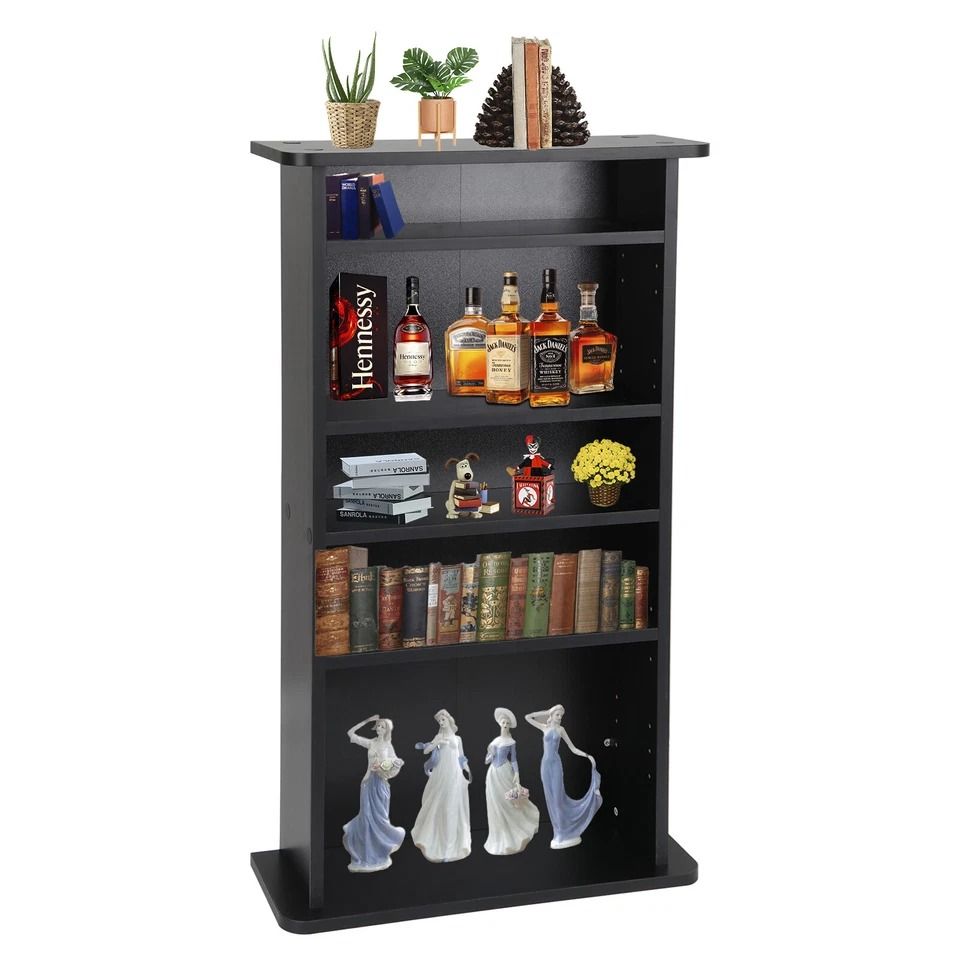 Aisha's pickBlack Book Displays That Fit Into Real Life
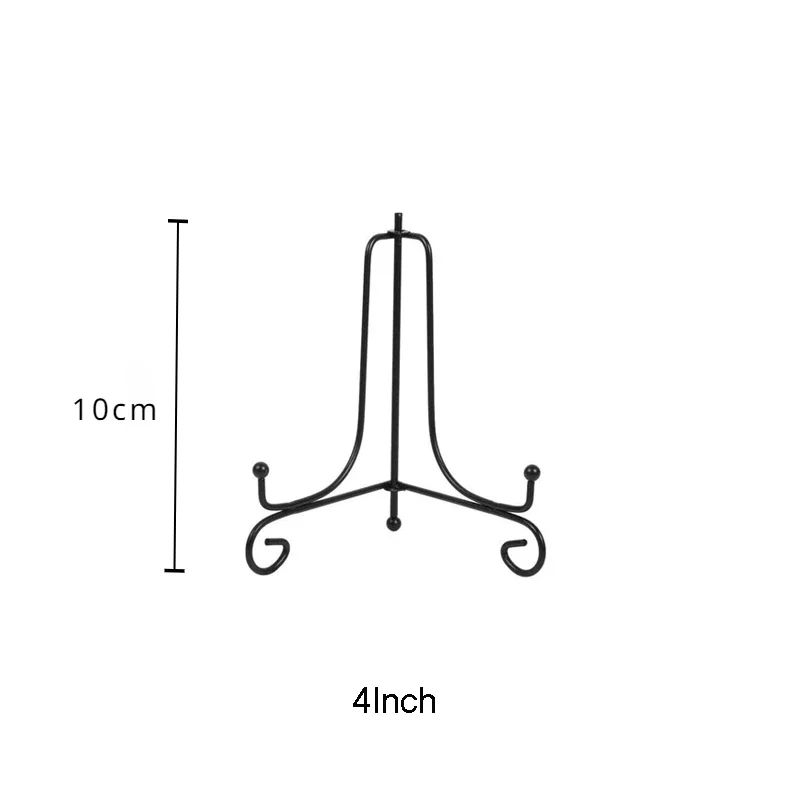
 Aisha's pickBlack Storage Cabinets with Drawers That Make Tidying Up Quicker

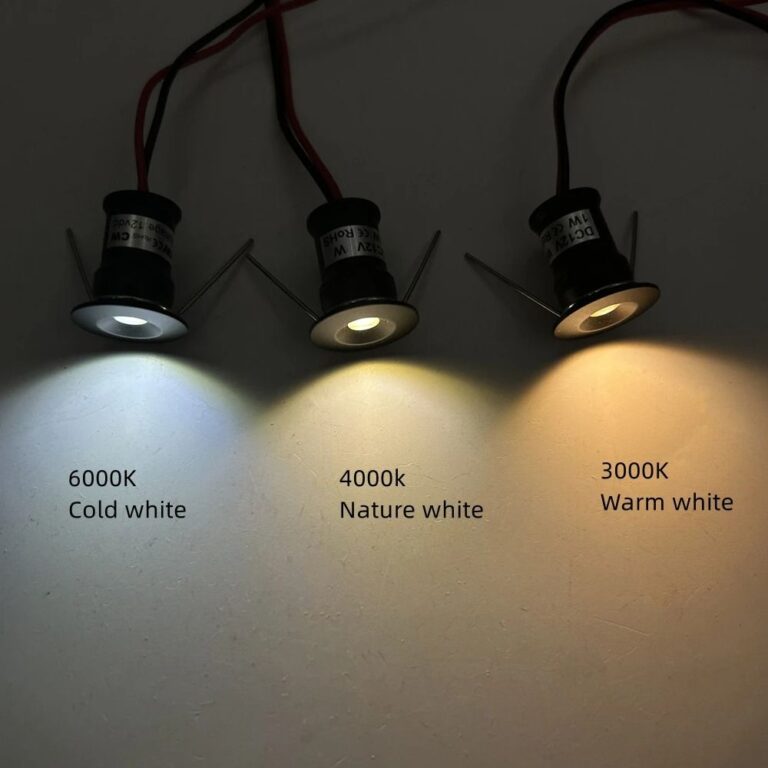 Aisha's pickBlack Display Cabinets Picked by People Who Care Too Much
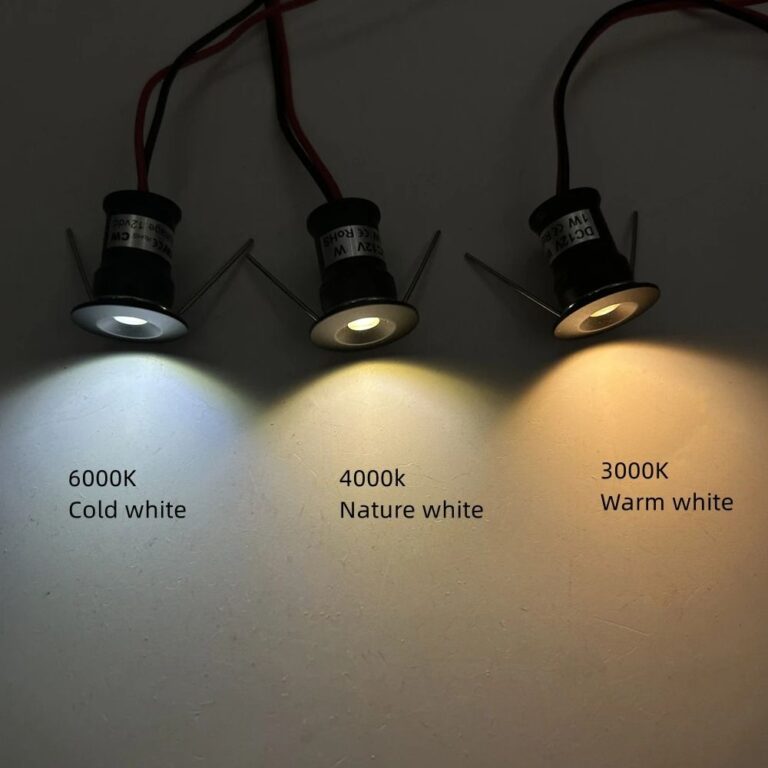
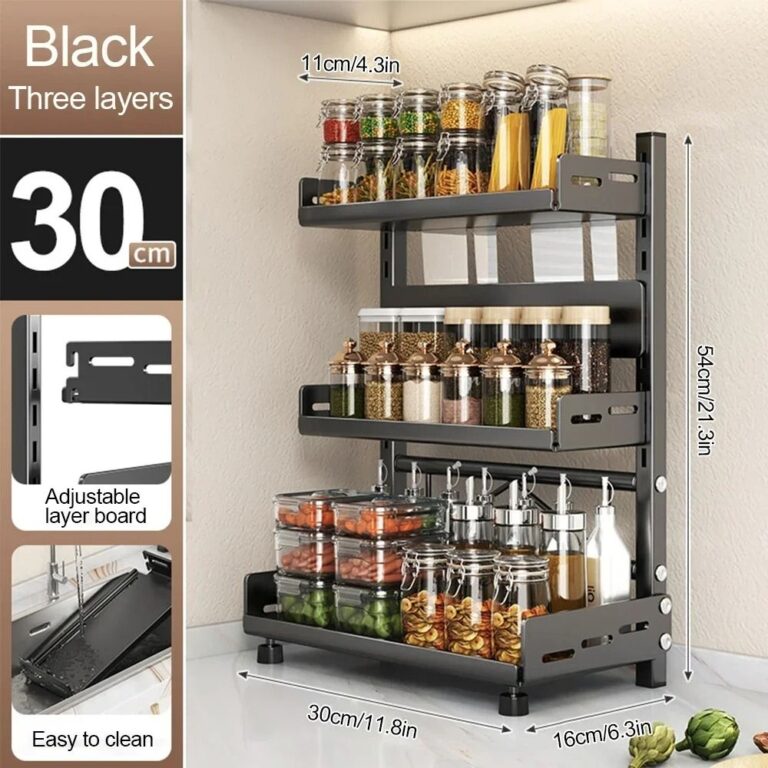 Aisha's pickBlack Storage Cabinets with Shelves Pulled From Dozens of Stores

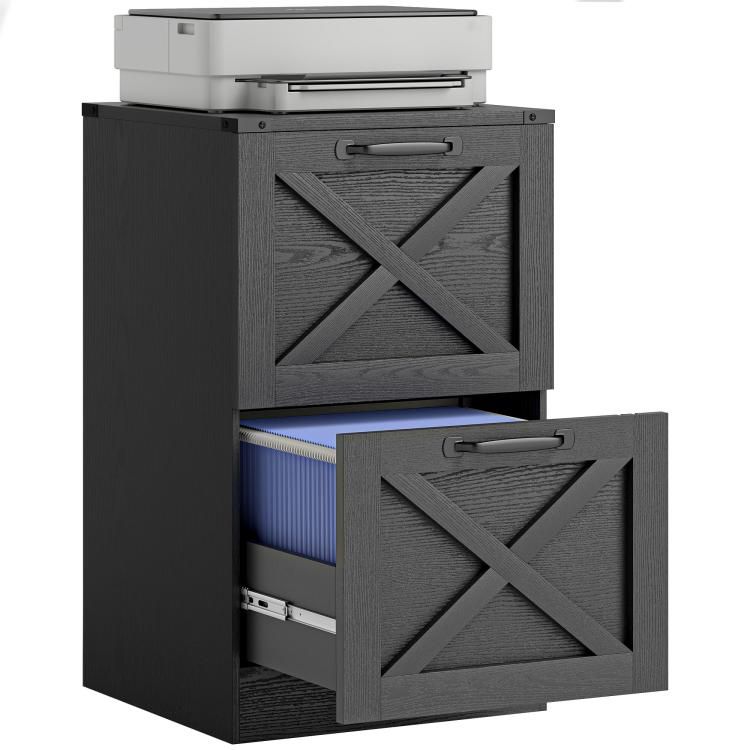 Aisha's pickBlack File Cabinets That Hide the Mess for Good
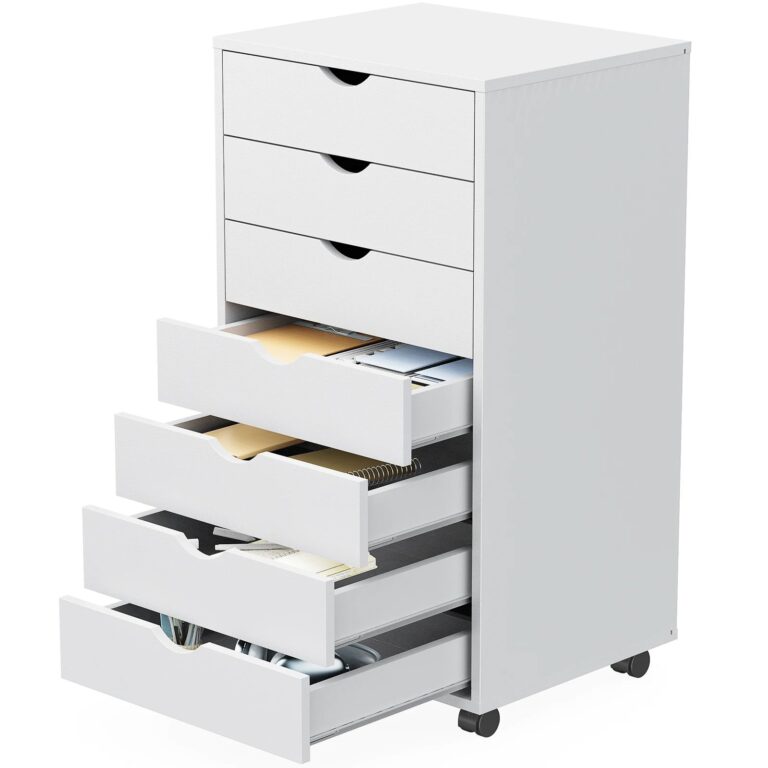
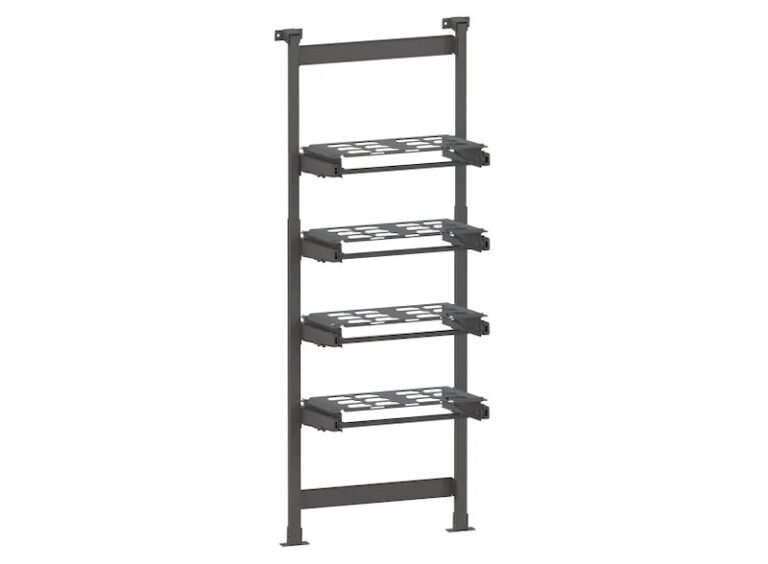 Aisha's pickBlack Storage Units Hunted Down So You Don’t Have To
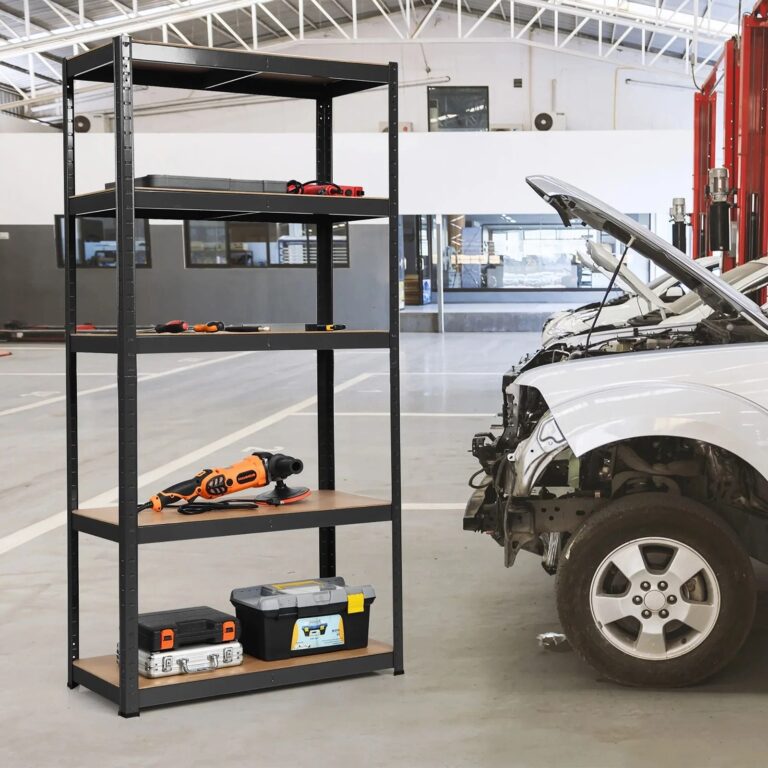
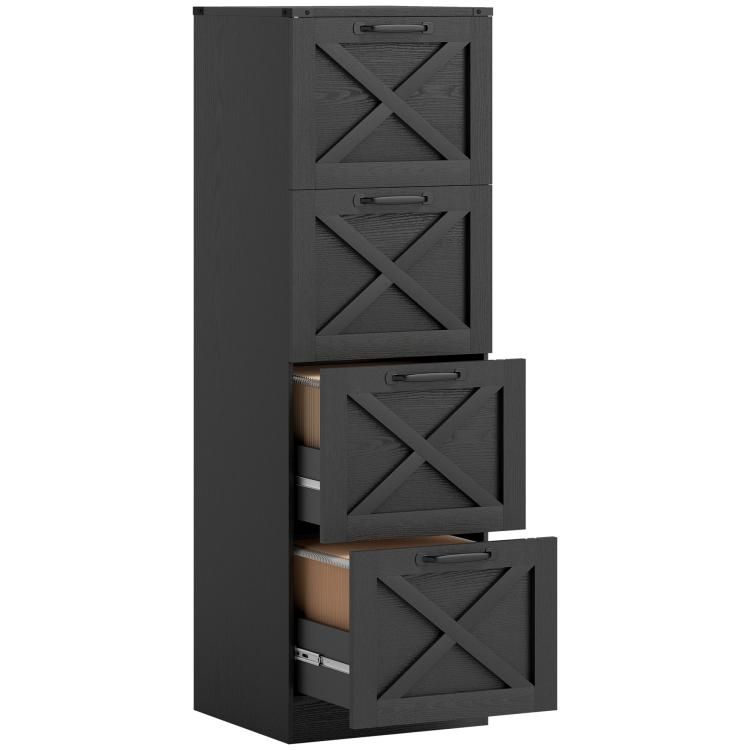 Aisha's pickBlack Filing Cabinets That Get Better With AgeAlso worth a lookStorage CabinetsThe hallway closet in my first apartment had exactly one shelf and a bar for coats, and every…See the collections →
 Aisha's pickThe Black Storage Units with Shelves Worth Your Cash