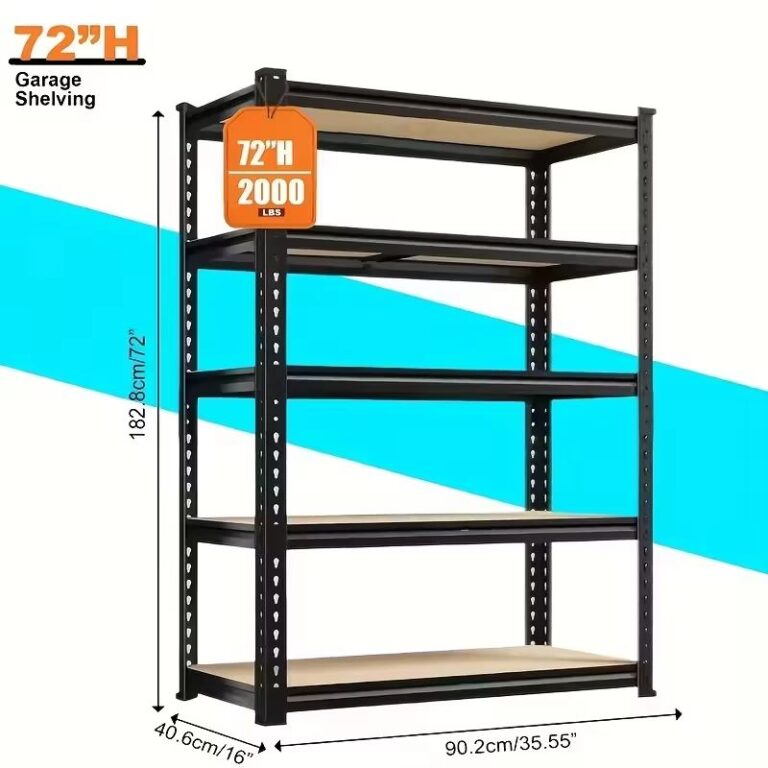
The mistake is buying a black storage cabinet the same way you'd buy a white one, on vibes and whatever fits through the door that weekend. Black shows every decision you made and didn't make. Get the size wrong and it doesn't fade into the wall like a lighter piece would, it sits there announcing itself as the thing you rushed.
Measuring for this is less about floor space and more about sightlines. Walk into the room from the doorway you actually use most and picture the cabinet at full height and width from that angle, not from standing right in front of it in the showroom or the product photo. A cabinet that's eighteen inches deep looks modest against a wall but can swallow a narrow hallway or make a small bedroom feel like it's got a wardrobe standing guard. Leave at least a few inches of breathing room on either side if it's going beside a doorway or window trim, because black pulled tight into a corner reads as cramped even when the measurements technically work. The other mistake is scaling for the item you're storing rather than the room. People buy tall and narrow for a small collection of linens and end up with a cabinet that's two thirds empty and looks it, which with a dark finish is oddly more noticeable than with a light one. Where it genuinely doesn't work is low light rooms with small windows, a north facing bedroom or a basement den, where black storage furniture can flatten the whole space by afternoon and make winter evenings feel like the lamp is fighting a losing battle. In a room that gets real morning or afternoon sun, the same cabinet looks sharp and grounded rather than heavy.
For finish, a matte or satin black is far easier to live with day to day than high gloss, which shows dust, fingerprints and every watermark from a cup you forgot a coaster for. Flat black with a slight texture hides scuffs better than anything glossy ever will. The build quality shows up at the joints and the hardware before anything else. Dovetail or mortise and tenon joints at the drawers, doors that sit flush and close without a push, and hinges that don't feel loose after a month of real use, that's the difference between something that lasts and something that starts looking tired by the second winter. Cheap black veneer chips at the corners fast, and once it does, there's no hiding it the way you could on a lighter wood.
I'd put the first one in a living room with decent natural light, somewhere it can hold its own against a window instead of competing with a lamp all day.
 Aisha's pickLarge Black Storage Cabinets That Keep Surfaces Clear
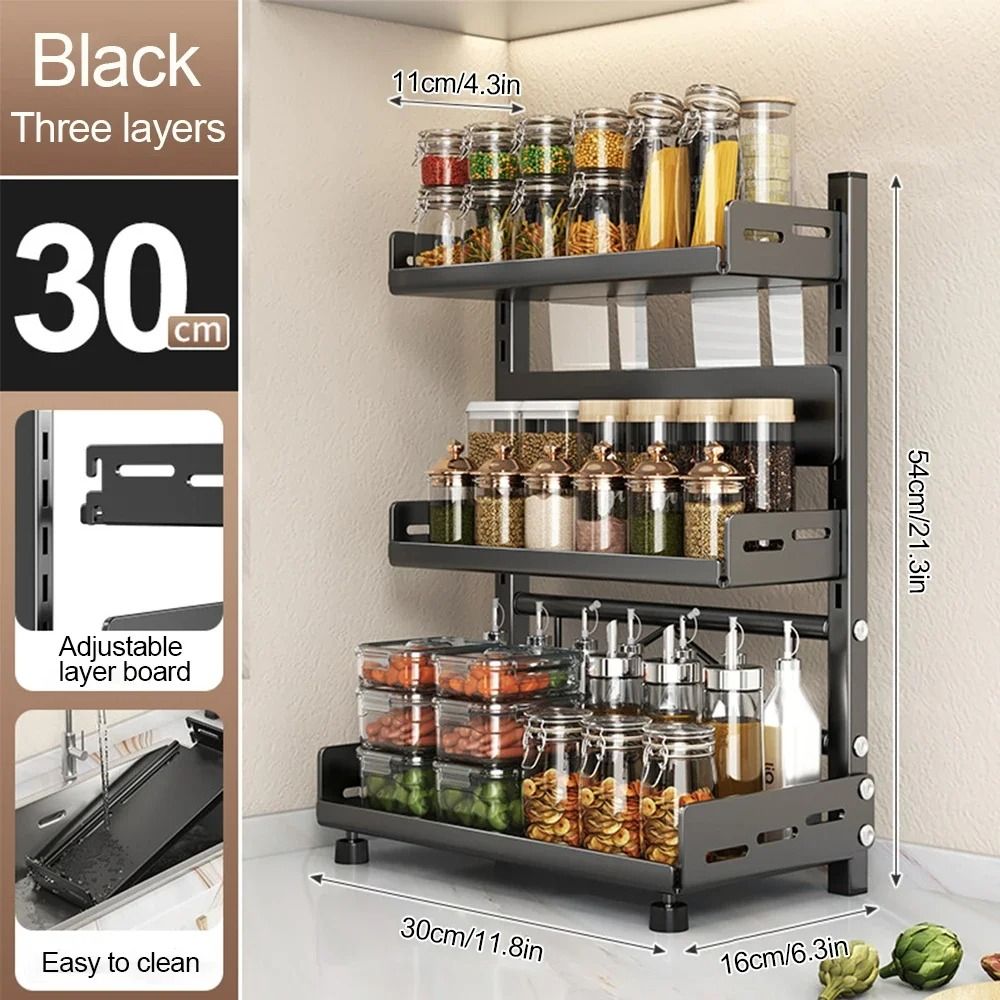
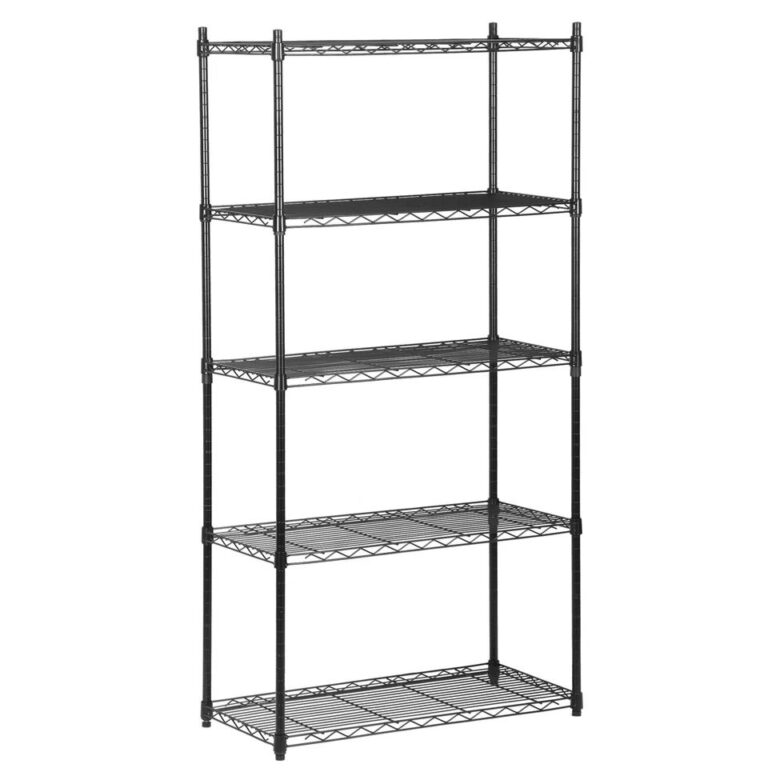 Aisha's pickLarge Black Storage Units We Wish We’d Bought Sooner
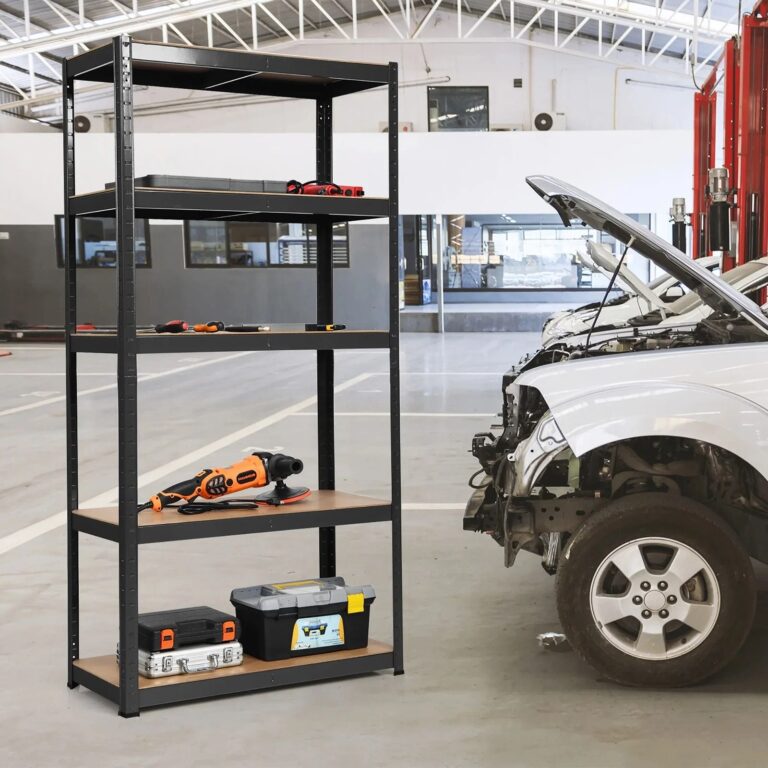
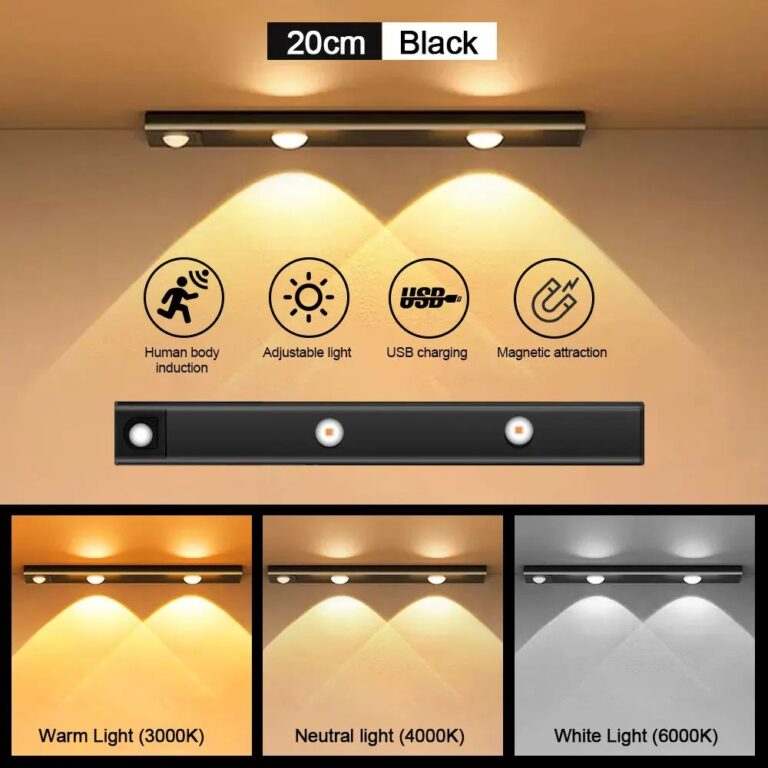 Aisha's pickSlim Black Storage Cabinets That Earn Their Keep
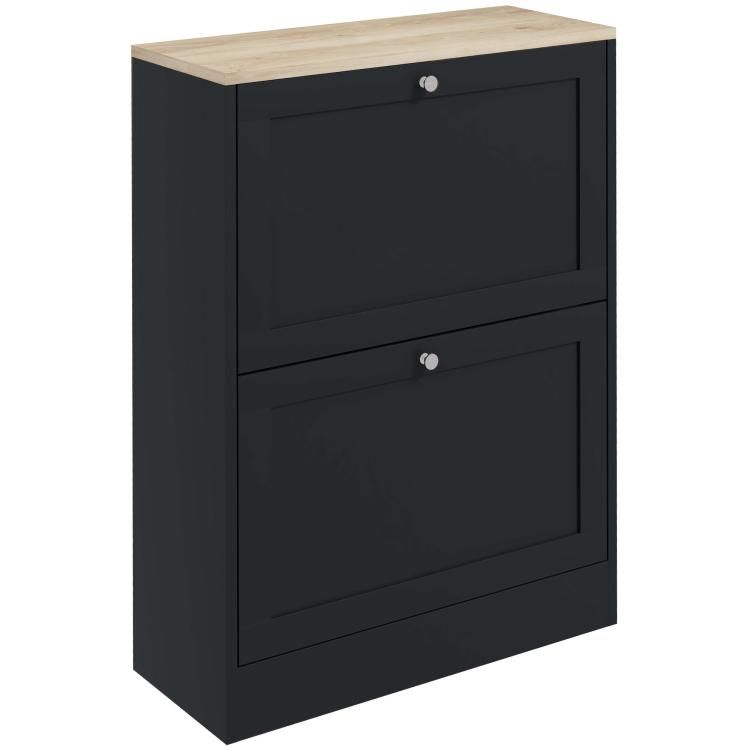
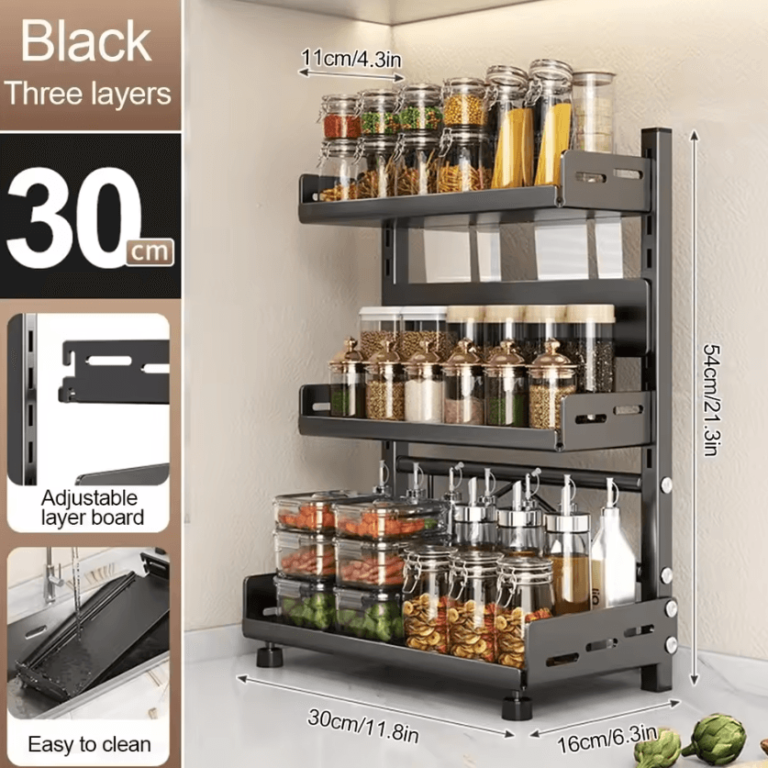 Aisha's pickSmall Black Storage Cabinets That Sort Out the Chaos
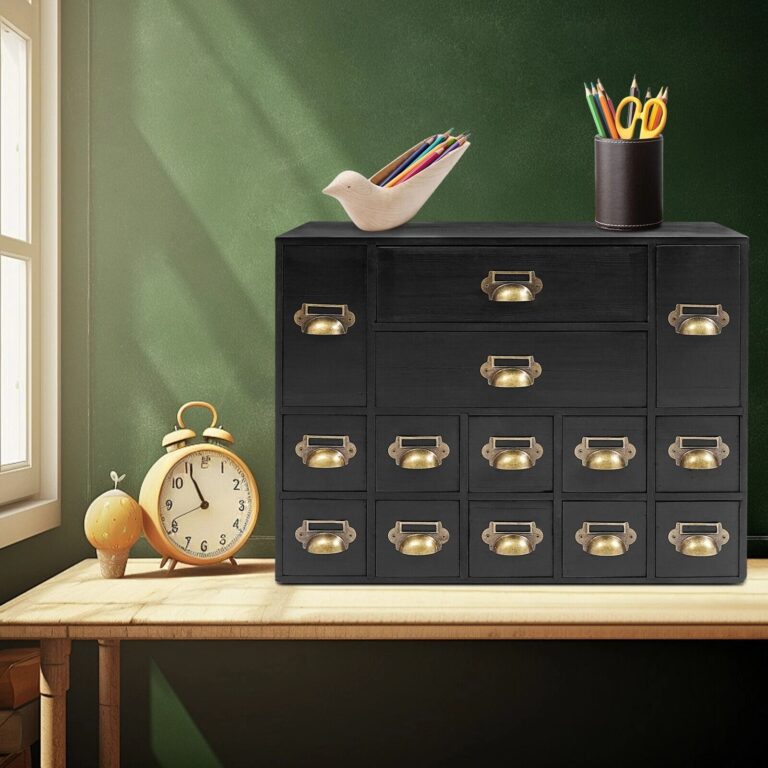
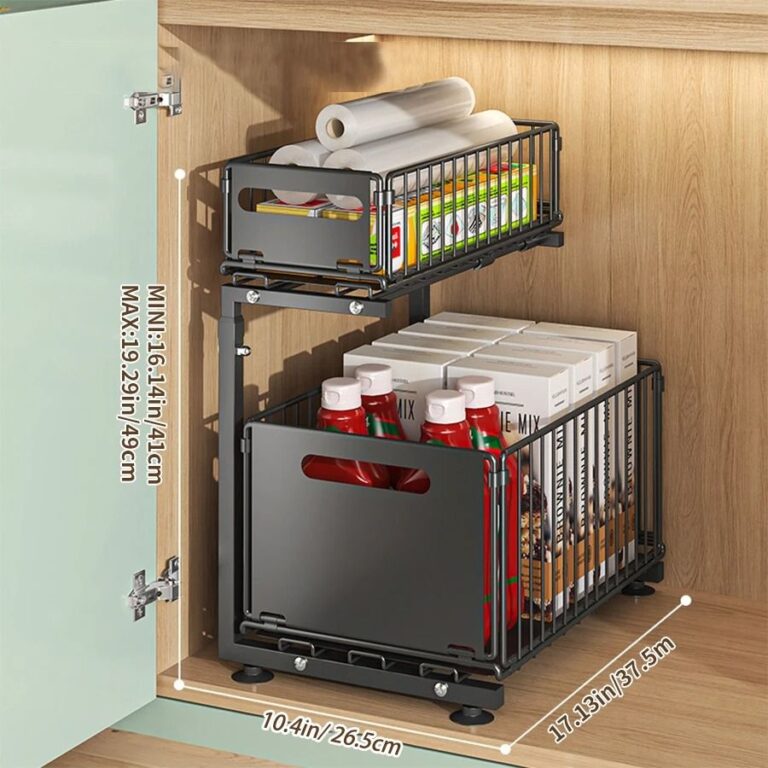 Aisha's pickTall Black Storage Cabinets We Wish We’d Bought Sooner
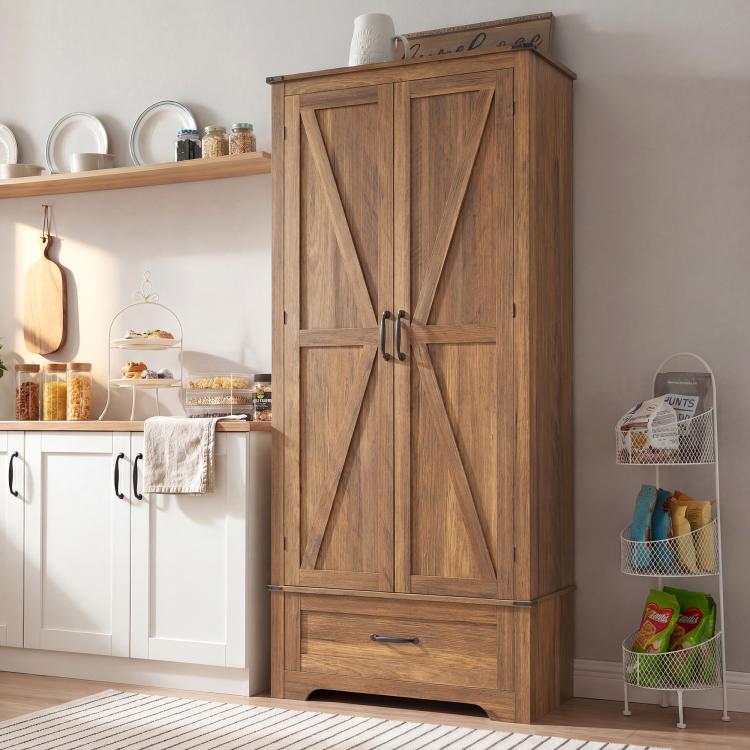
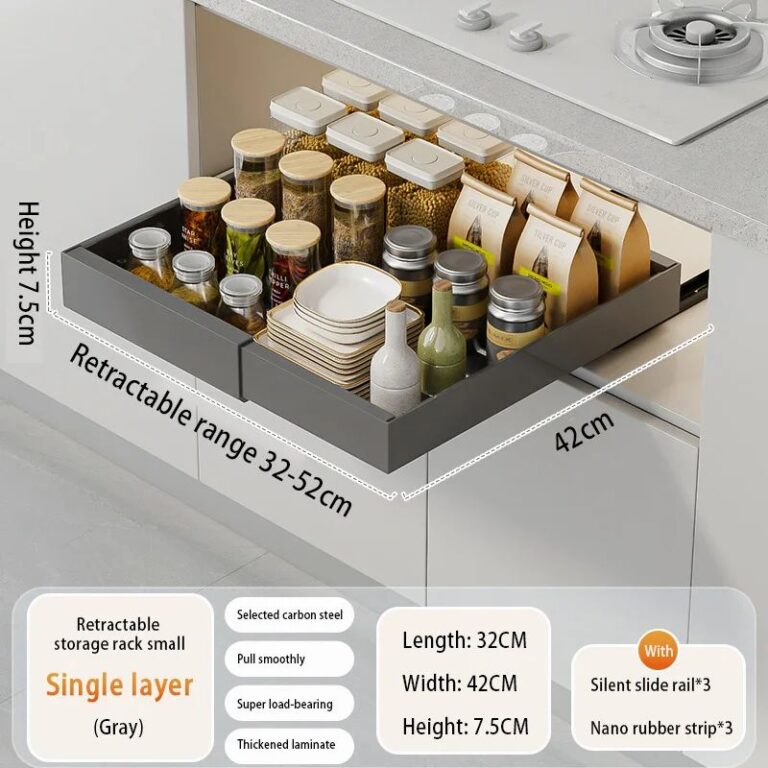 Aisha's pickBlack Heavy Duty Storage Cabinets for When the Old Ones Give Up
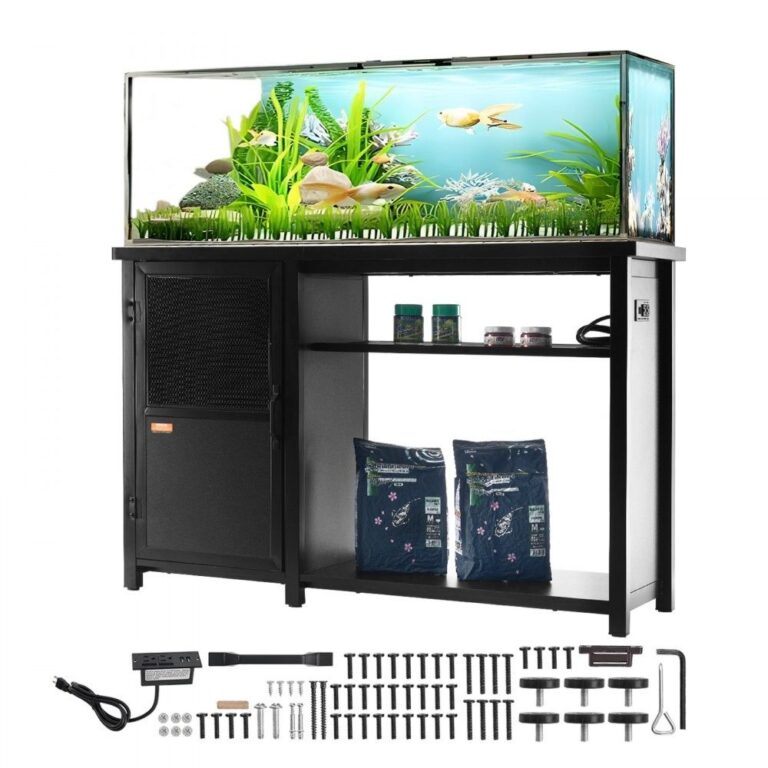
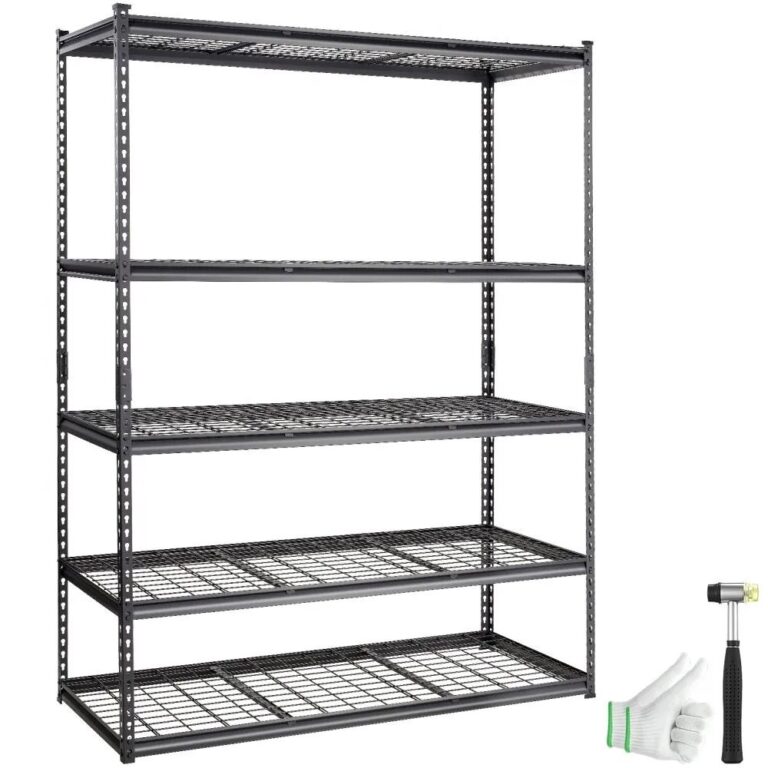 Aisha's pickBlack Heavy Duty Storage Units for People Who Know What They Like
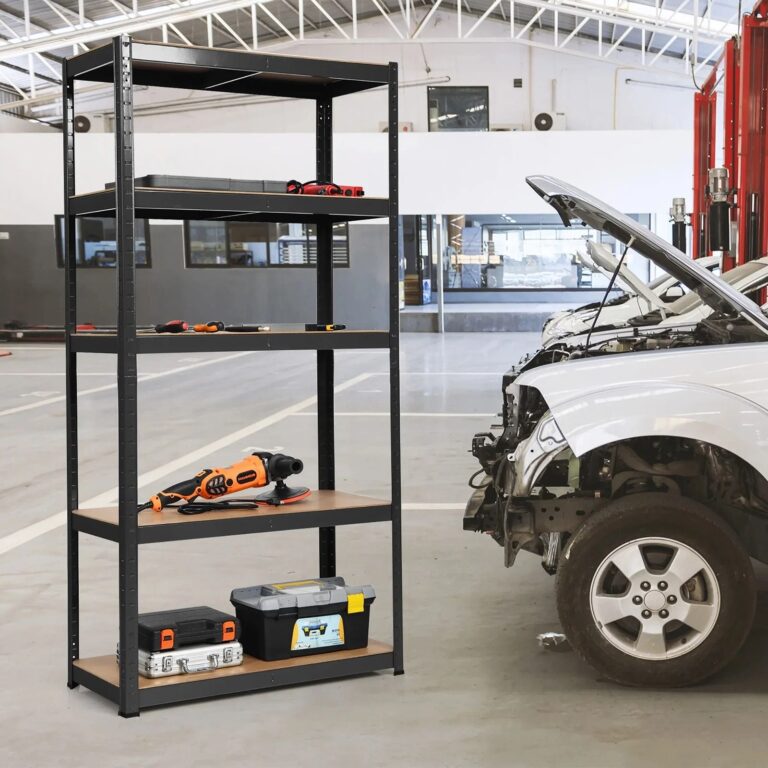
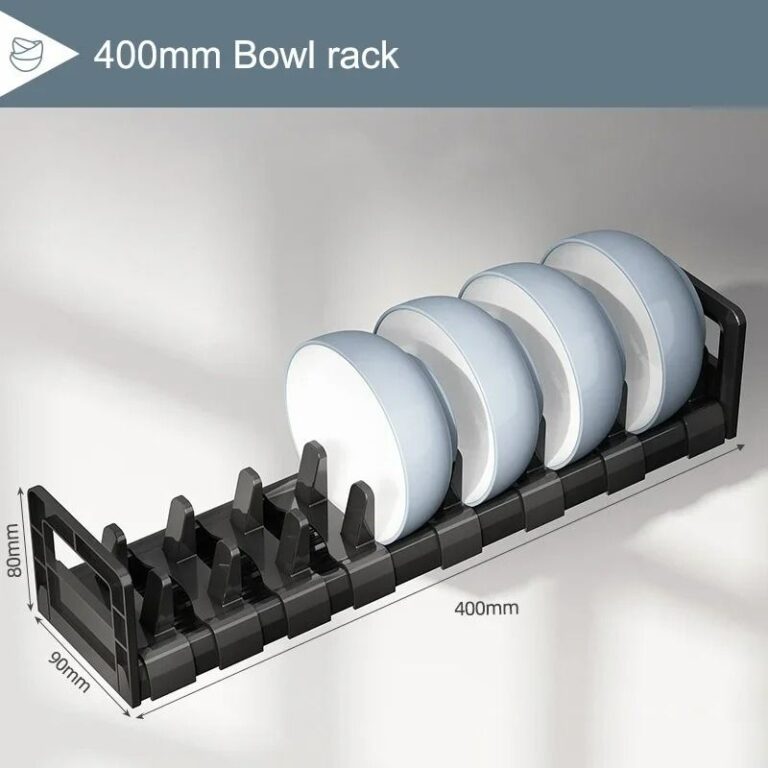 Aisha's pickBlack Metal Storage Cabinets Pulled From Dozens of Stores
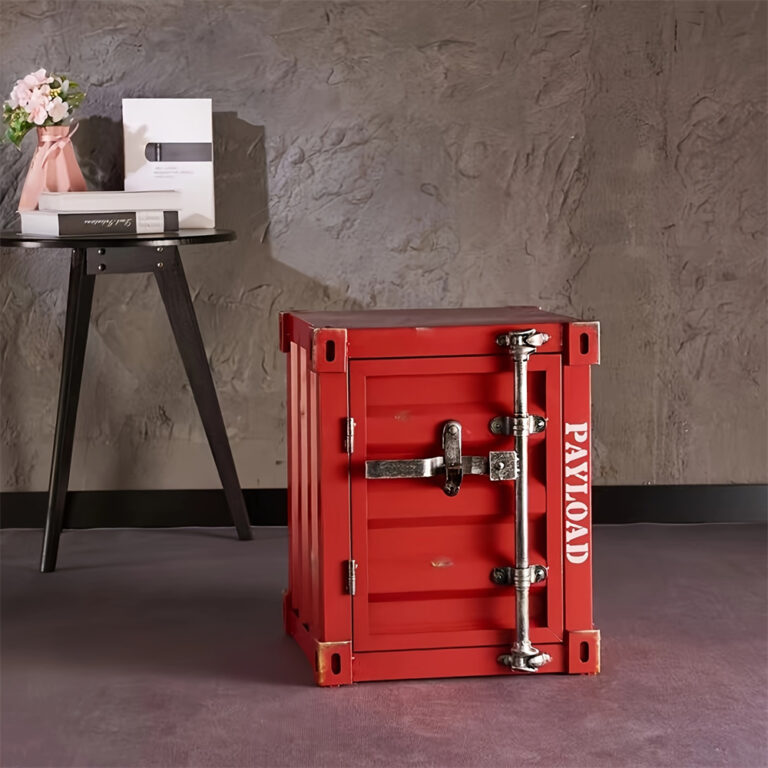
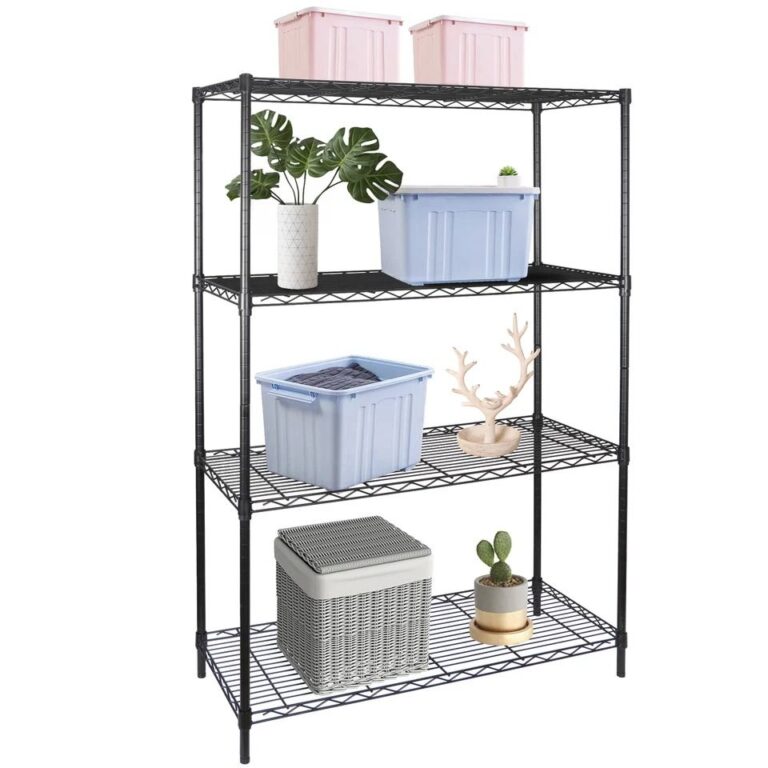 Aisha's pickBlack Metal Storage Units That Don’t Shout About ItAlso worth a lookBlack UnitsA good black unit has a kind of weight to it even when it's not heavy.See the collections →
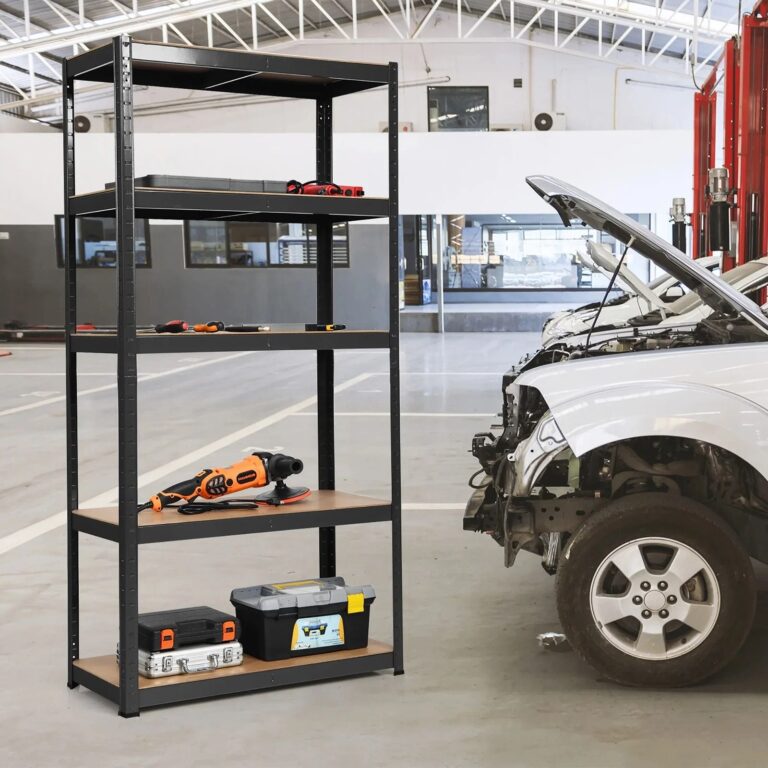
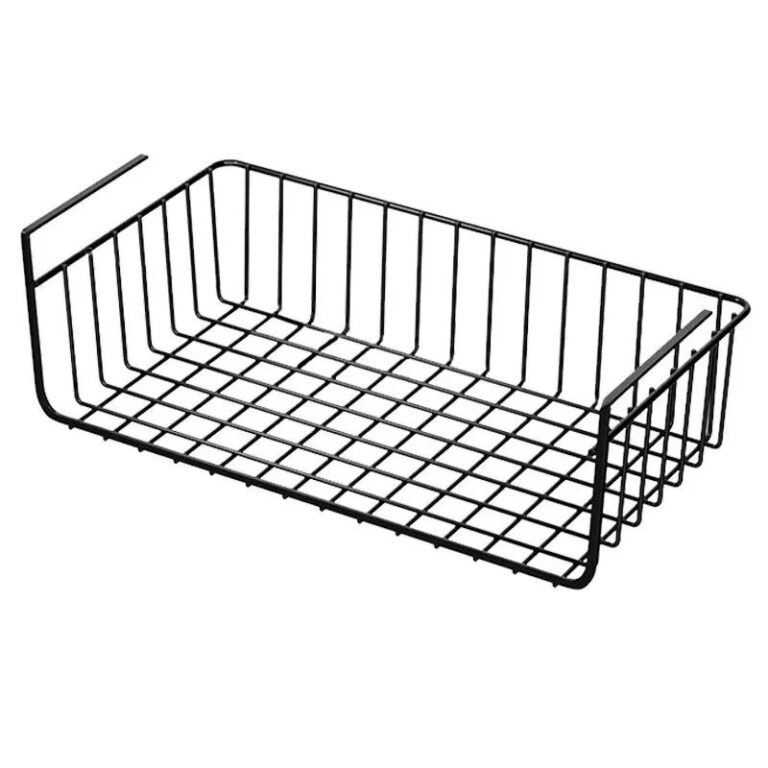 Aisha's pickBlack Office Storage Cabinets That Go With Most Rooms
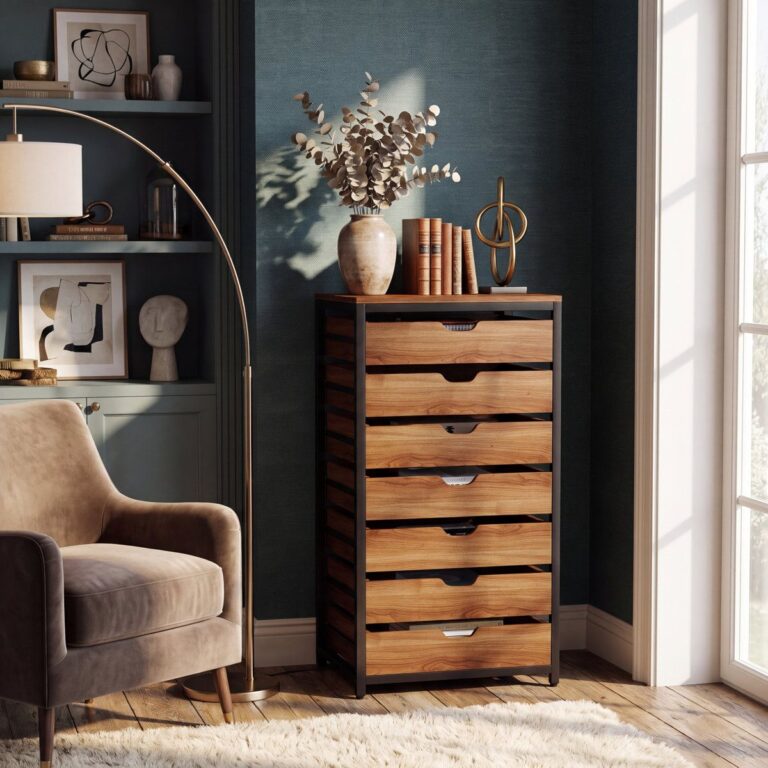
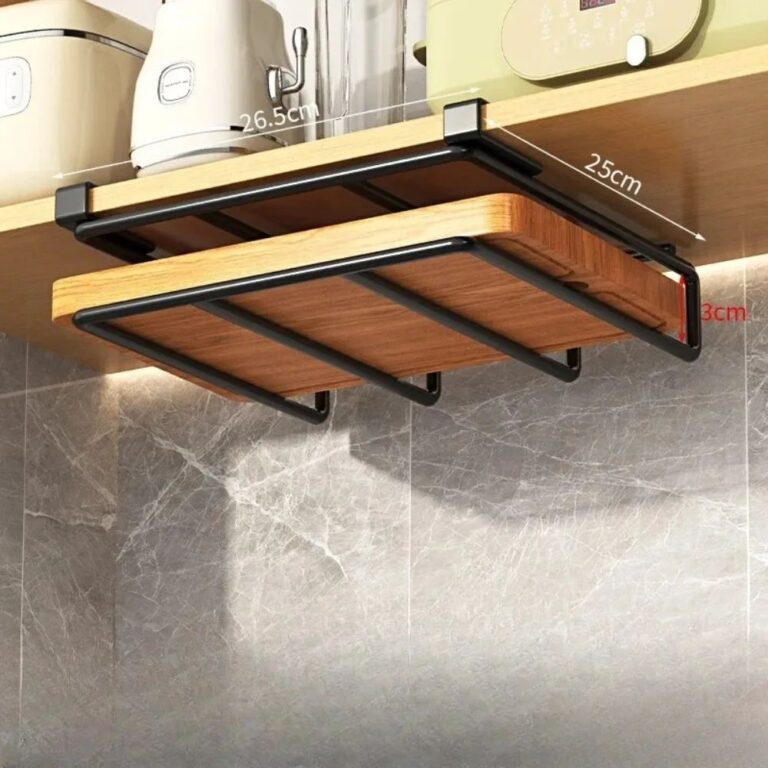 Aisha's pickBlack Storage Cabinets for Homes With Too Much Stuff
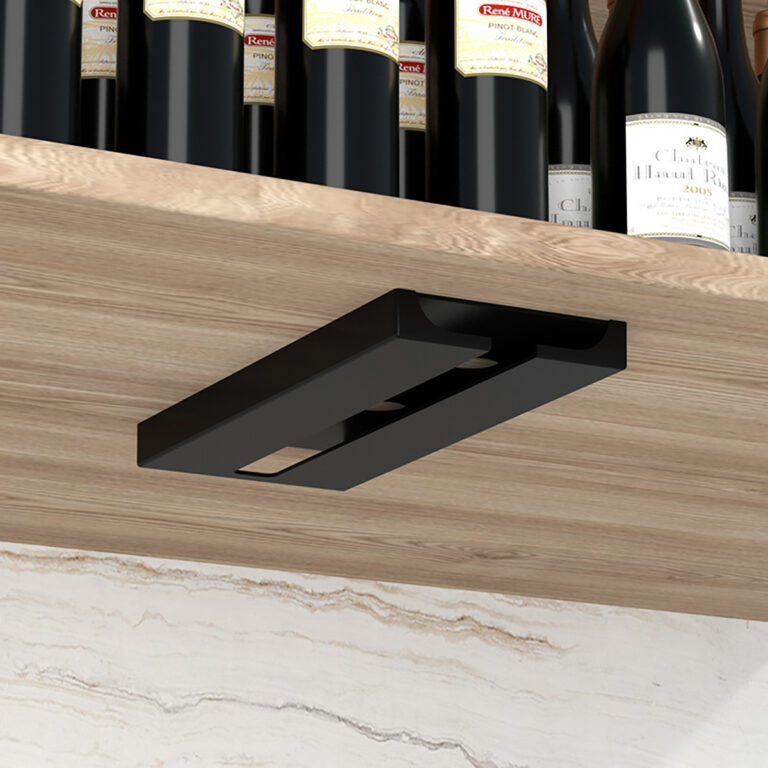
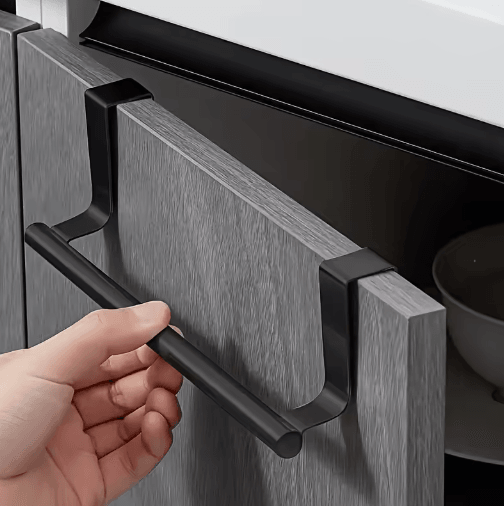 Aisha's pickNo Fuss Black Storage Cabinets with Doors
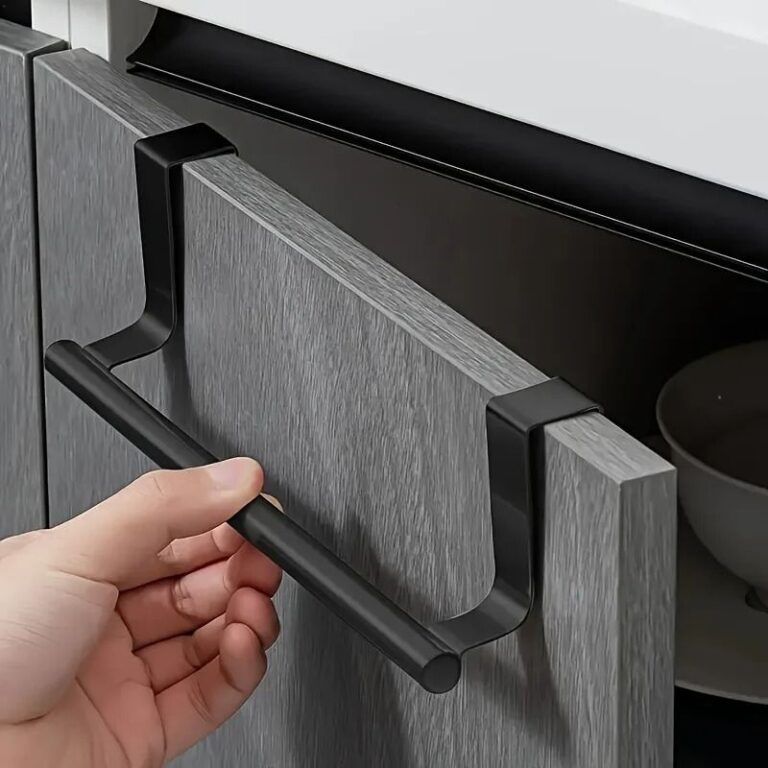
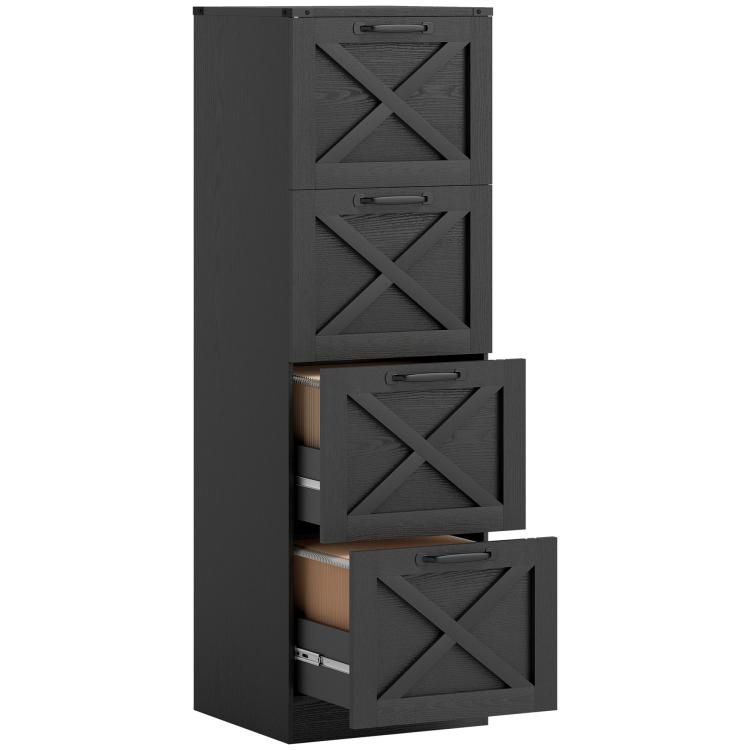 Aisha's pickBlack Storage Cabinets with Drawers That Make Tidying Up Quicker
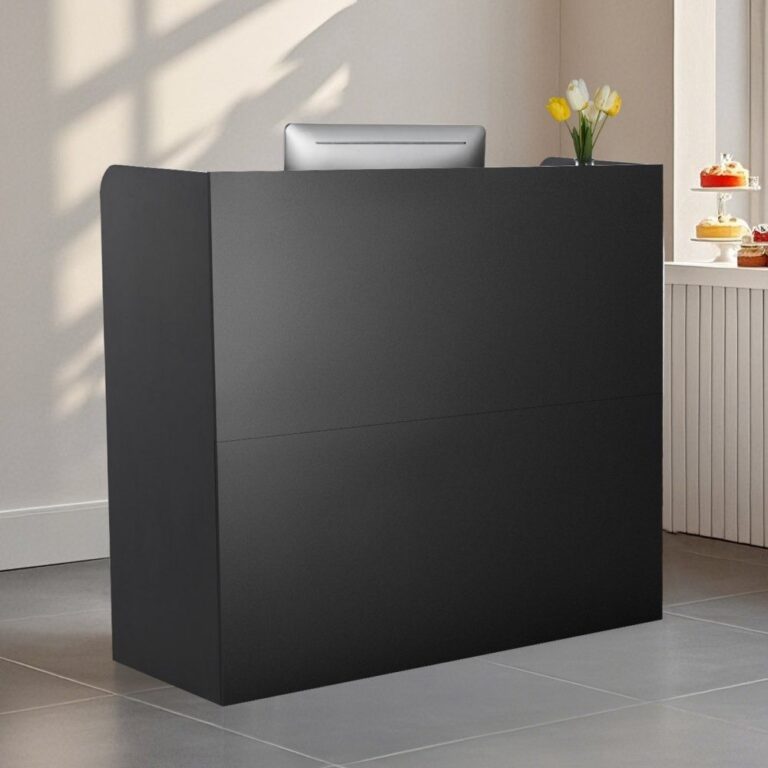
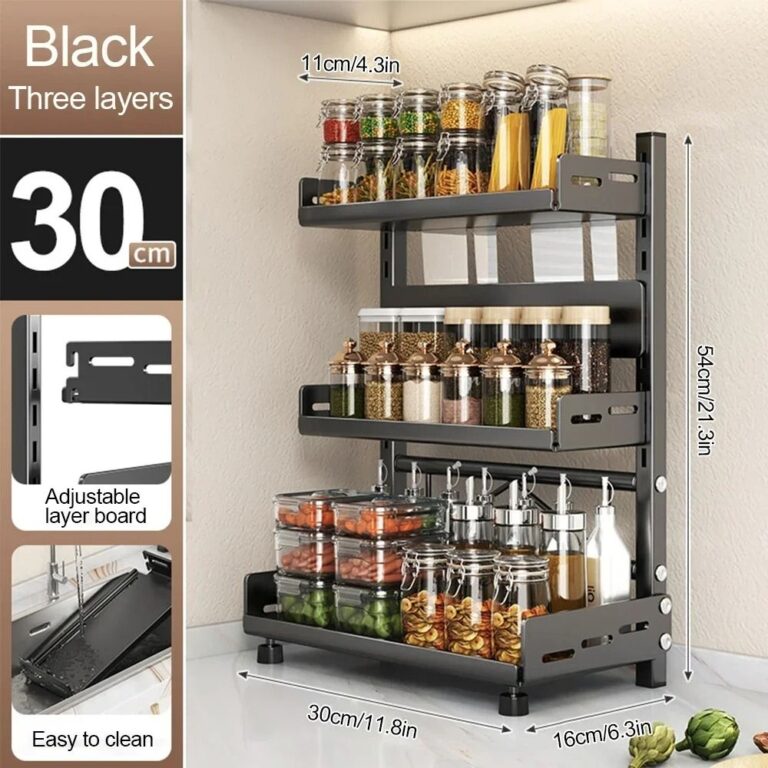 Aisha's pickBlack Storage Cabinets with Shelves Pulled From Dozens of Stores