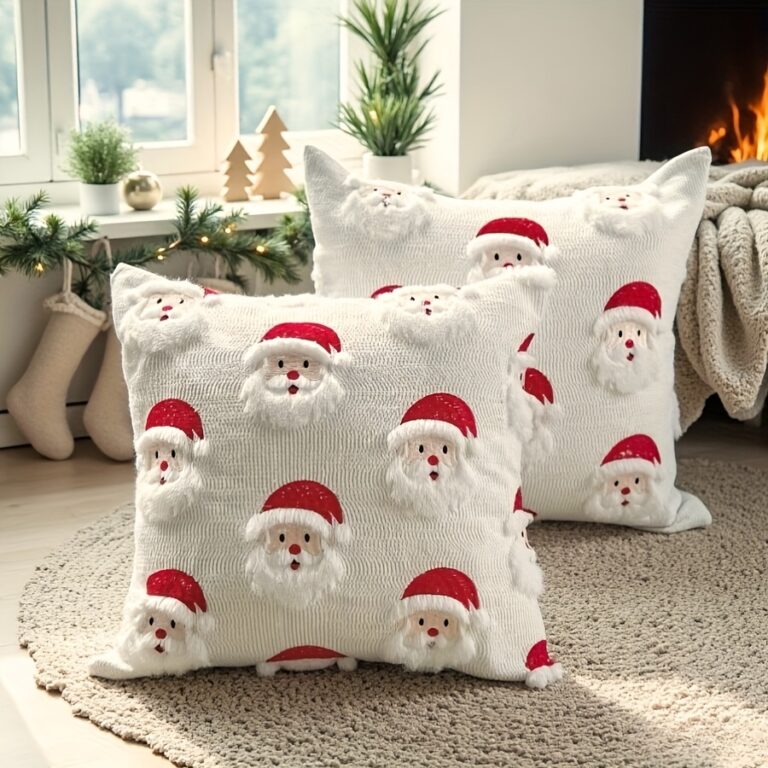
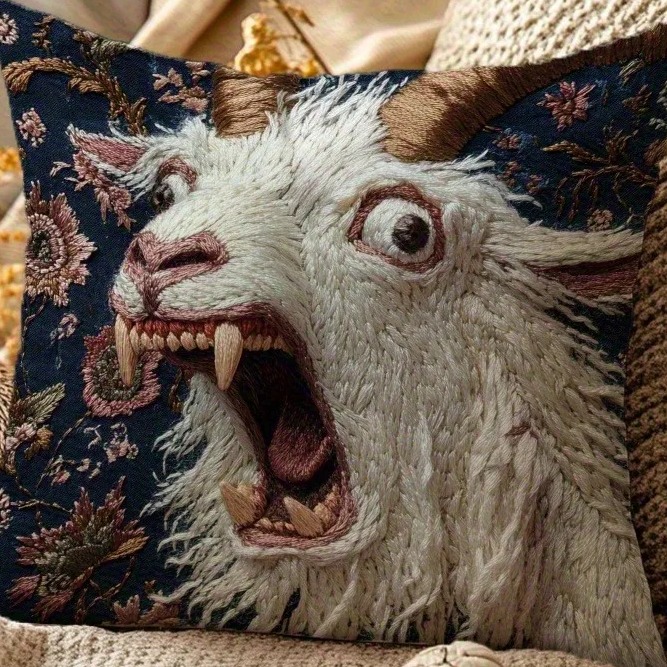
Sofa cushions have a reputation for being the thing that makes a cheap couch look expensive, and most of the time that reputation holds up. A good set of covers and the right fill can rescue a sofa that's otherwise seen better days, and I've watched a plain beige three seater get complimented purely because someone piled four decent cushions on it. The flip side is that people expect them to fix structural problems they can't fix, and that's where the disappointment creeps in.
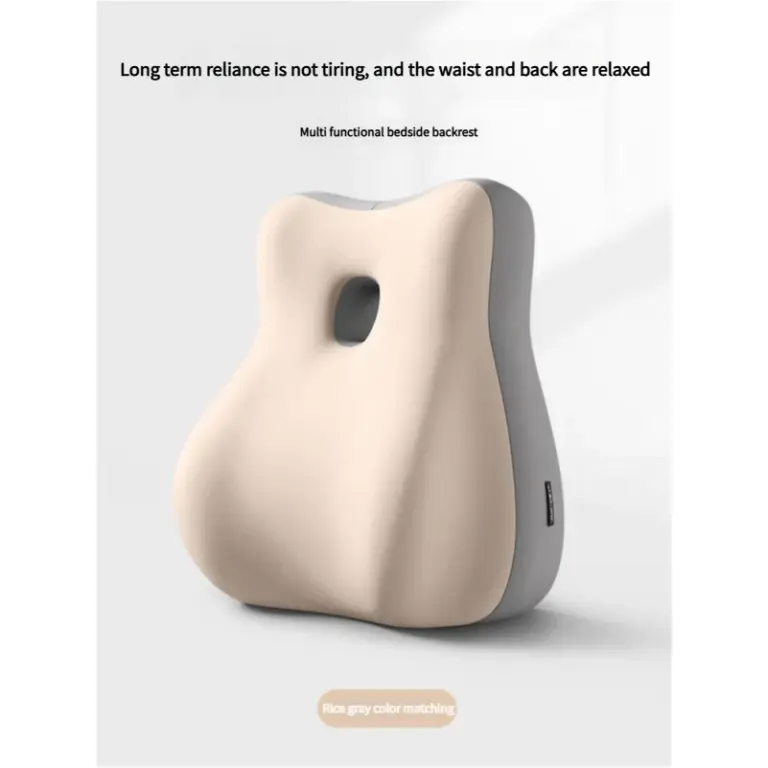
Where they genuinely fall short is on anything that actually needs support, a reading chair or a spot where someone naps for real, because the soft, squashy ones that look so good in photos flatten out fast and stop doing their job within a season. If you need back support, you want a firmer insert, and no amount of styling covers for that. On color, I've learned to be suspicious of anything too matched to the sofa itself, since it reads flat and a bit showroom. Mixing two or three tones that pull from the rest of the room, a rug, curtains, even a painting, does more work than a cushion that's trying to blend in. Cream, rust, and deep green have aged well in most of the rooms I've seen them in, and they shift mood nicely as the light changes, warm and soft in the morning, richer once lamps come on at night. Pure white is lovely for about three weeks and then it isn't, unless nobody in the house eats near the couch, which in my experience is nobody's house.
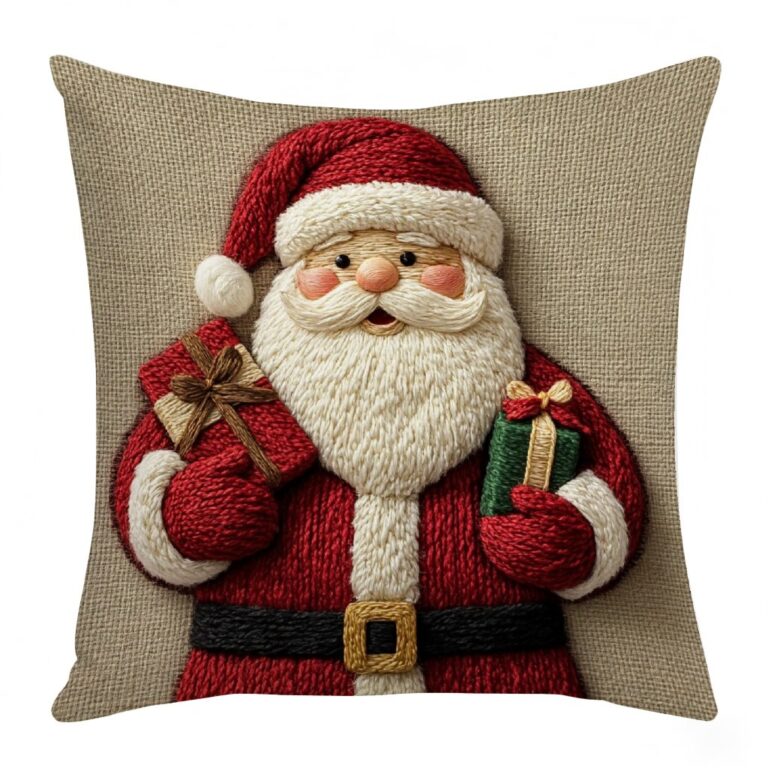
The difference between a cushion that holds its shape and one that goes sad and lumpy within a year usually comes down to the fill and the stitching, not the fabric print everyone gets distracted by. A feather and down blend with a proper inner liner will outlast a cheap polyester fill by years, and you can tell a well made one by the piping, which should sit flat and even, not puckered at the corners. Removable covers with a real zipper, not a stiff plastic one that jams after two washes, make the difference between something you keep and something you quietly throw out. These suit almost any living room, but they do the most good in homes with a lot of daylight and plain furniture, since the light shows off texture and color far more than it shows off shape.
Fluff and rotate them weekly so the fill doesn't settle into one flat shape on one side of the sofa.
 Aisha's pickFaux Leather Sofa Cushions That Soften a Room
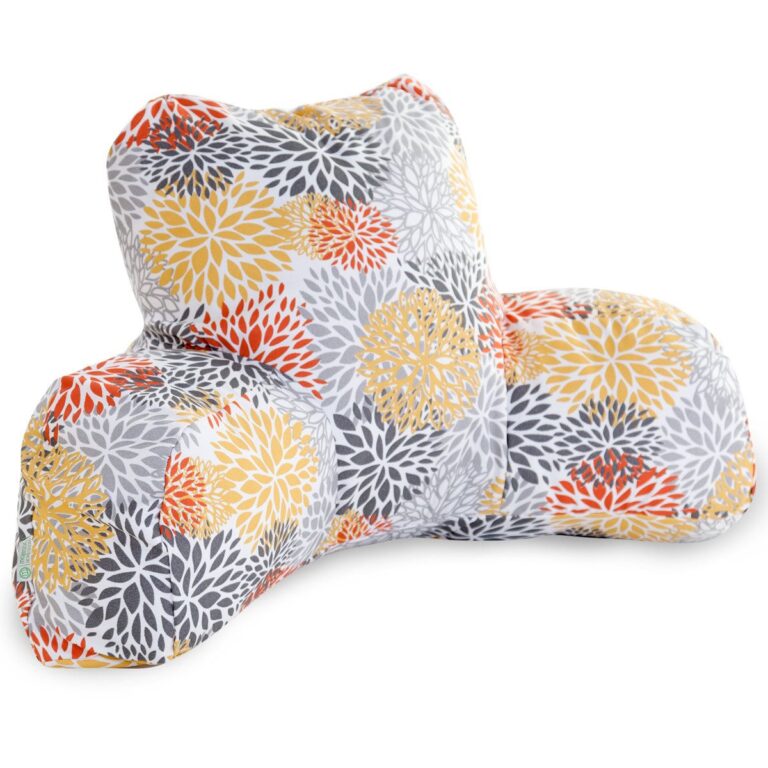 Aisha's pickReversible Sofa Cushions That Look Good Up Close
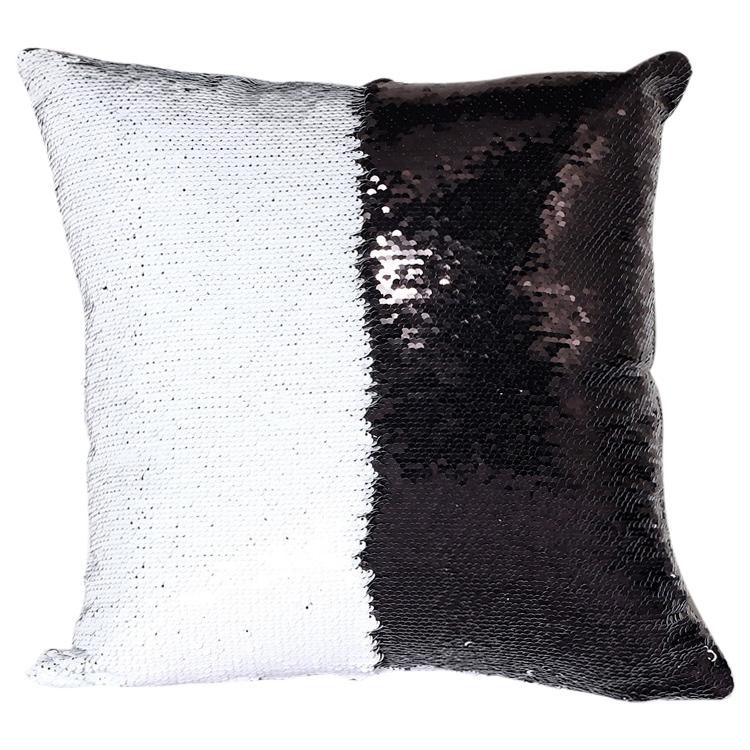
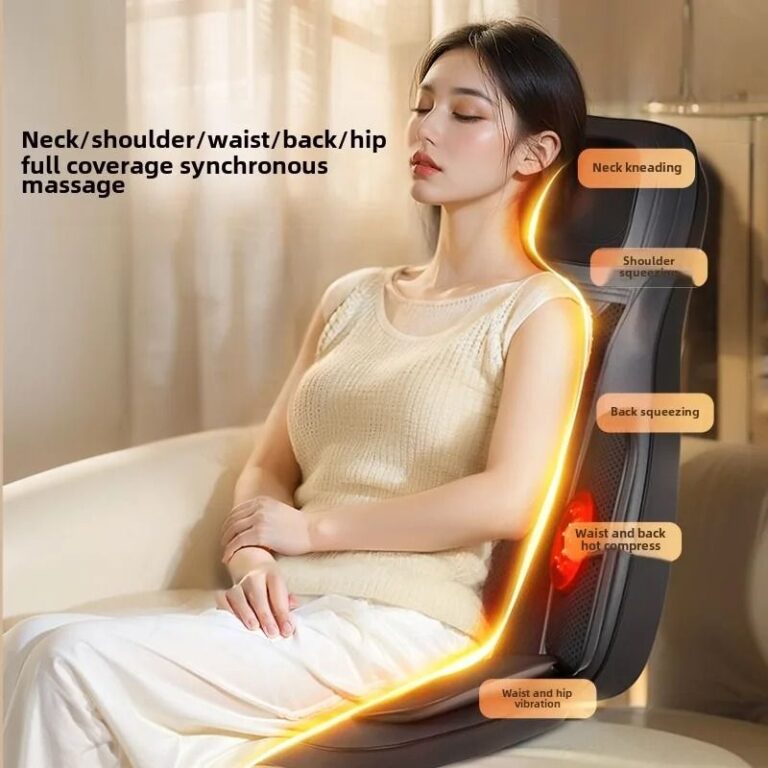 Aisha's pickFloor Cushions for Sofa That Keep Their Color Wash After Wash
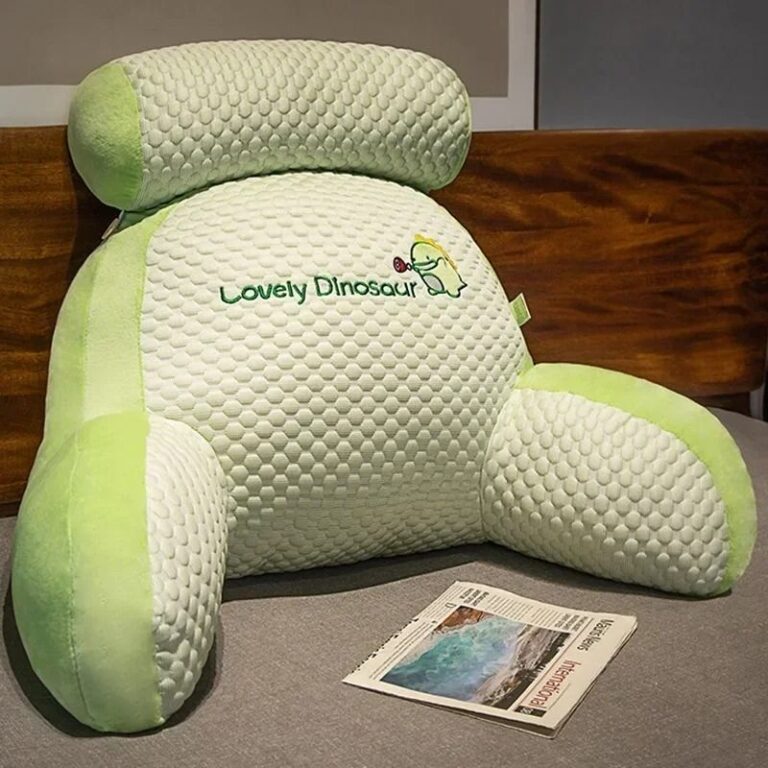
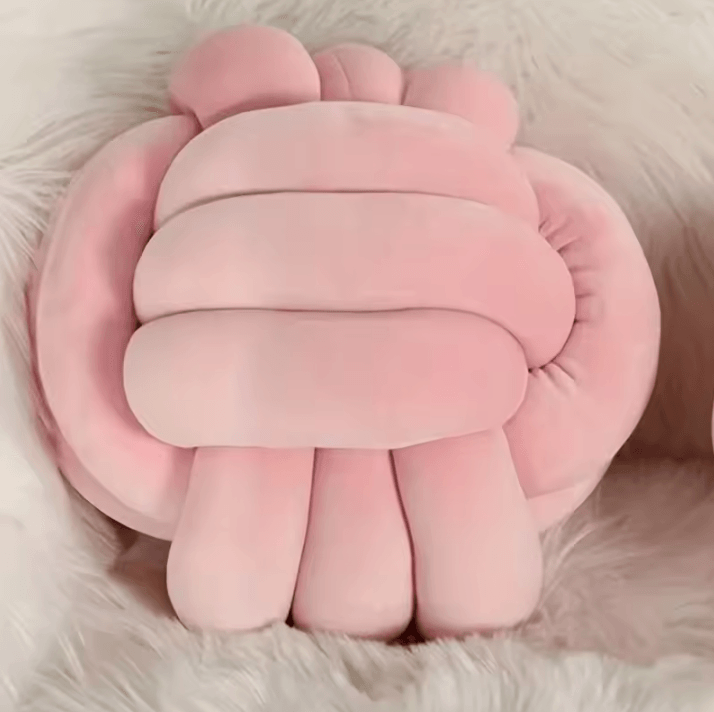 Aisha's pickRound Sofa Cushions That Don’t Pill
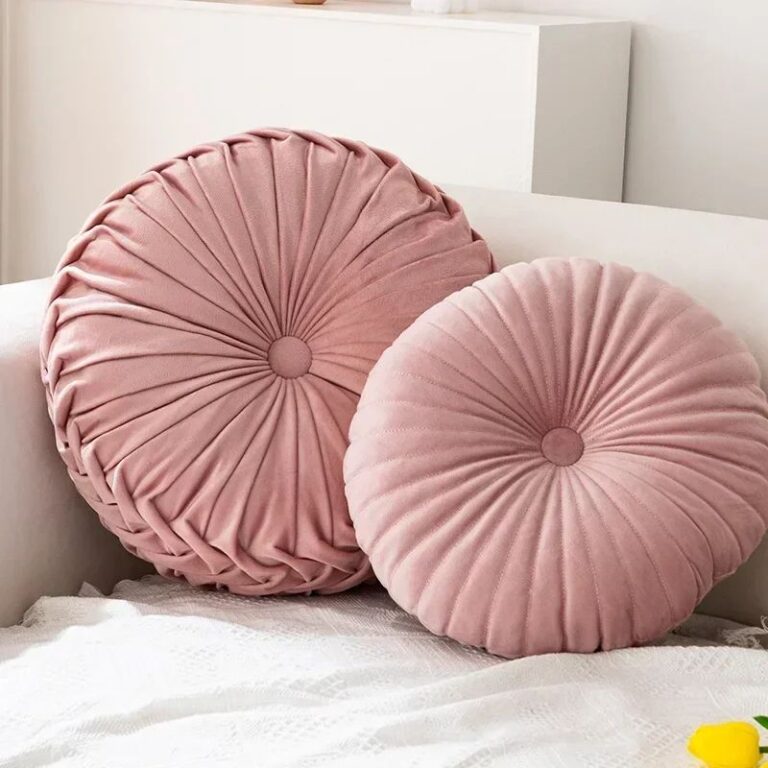
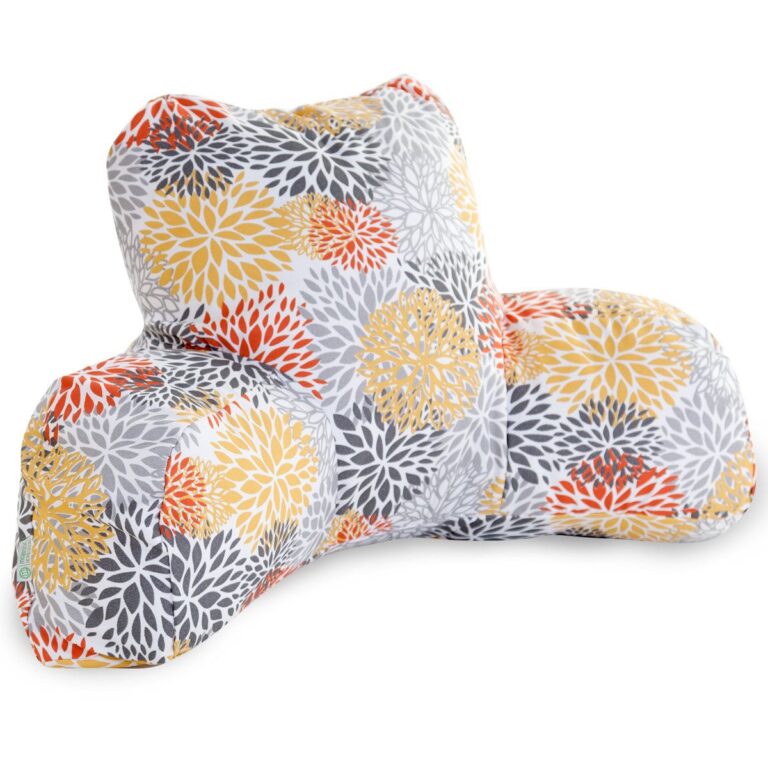 Aisha's pickFloral Sofa Cushions That Hold Up to Everyday Life
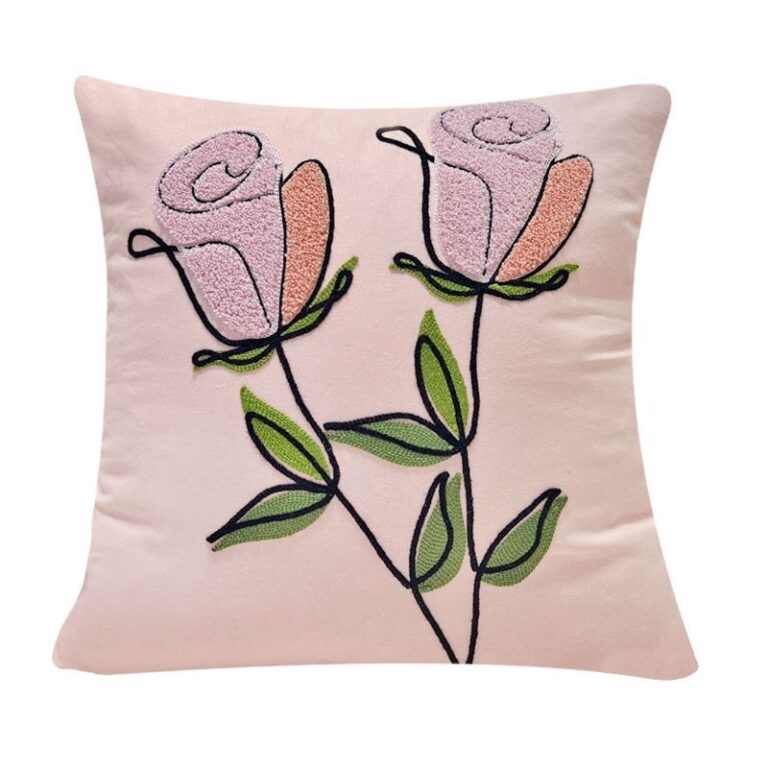
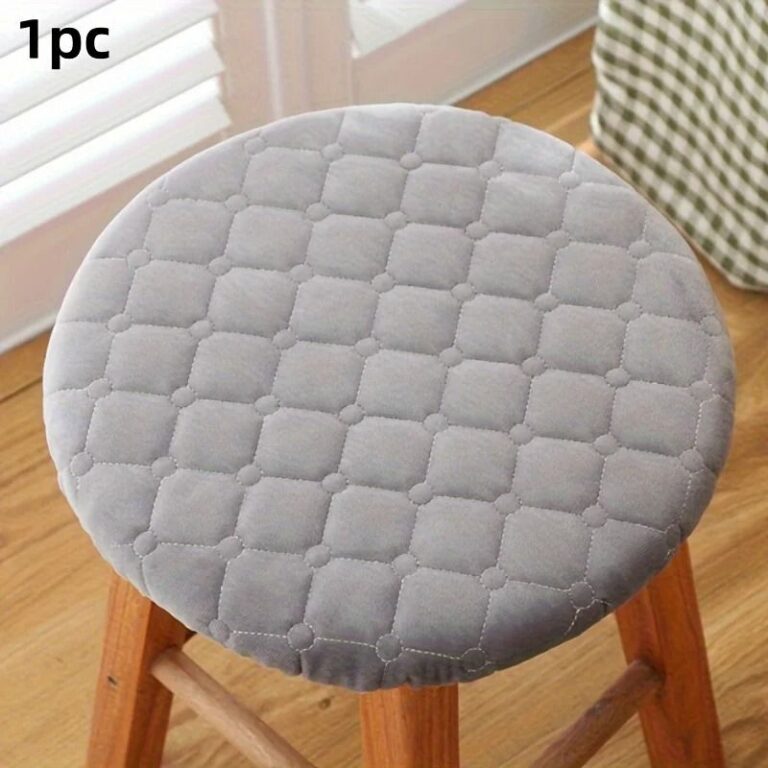 Aisha's pickSeat Pads for Sofa That Won’t Let You Down

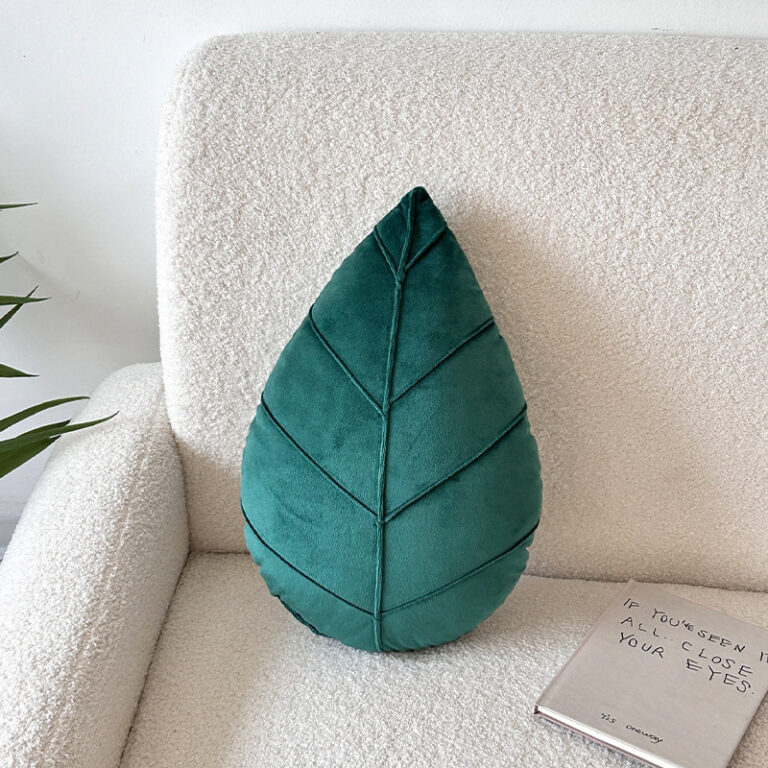 Aisha's pickGreen Sofa Cushions That Survive the Washing Machine
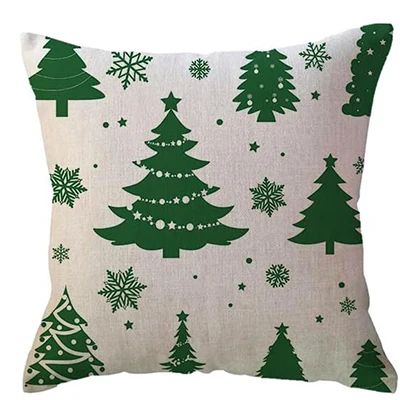
 Aisha's pickSmall Sofa Cushions You Won’t Want to Hide Away
 Aisha's pickGray Sofa Cushions That Feel as Good as They LookAlso worth a lookPillowsThere's a particular kind of evening, the woodstove just getting going, the sky gone that early dark blue…See the collections →
 Aisha's pickSofa Cushions That Keep Their Color Wash After Wash
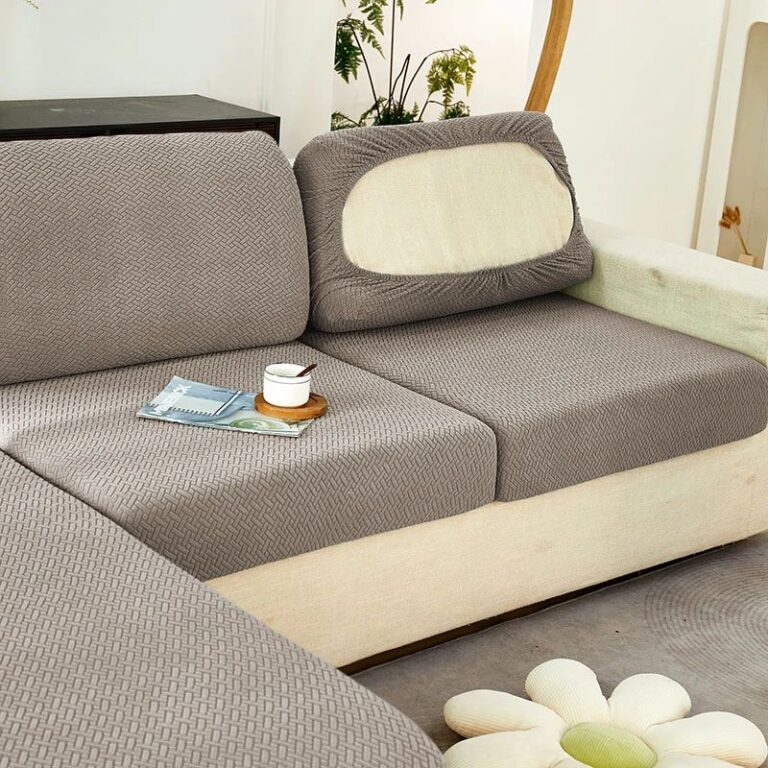
 Aisha's pickGood 50cm Sofa Cushions That Don’t Cost a Fortune
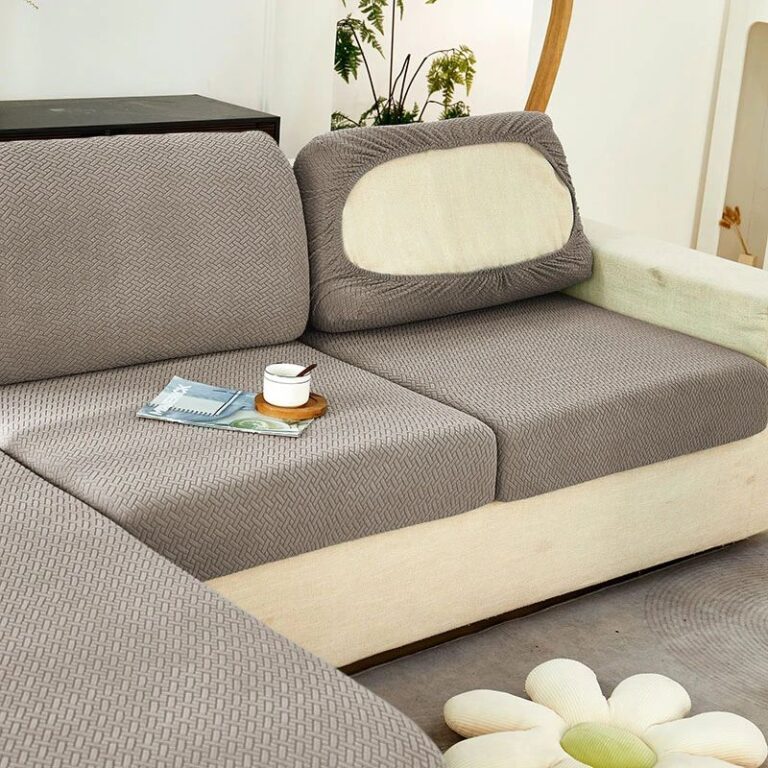 Aisha's pickJacquard Sofa Cushions That Won’t Let You Down
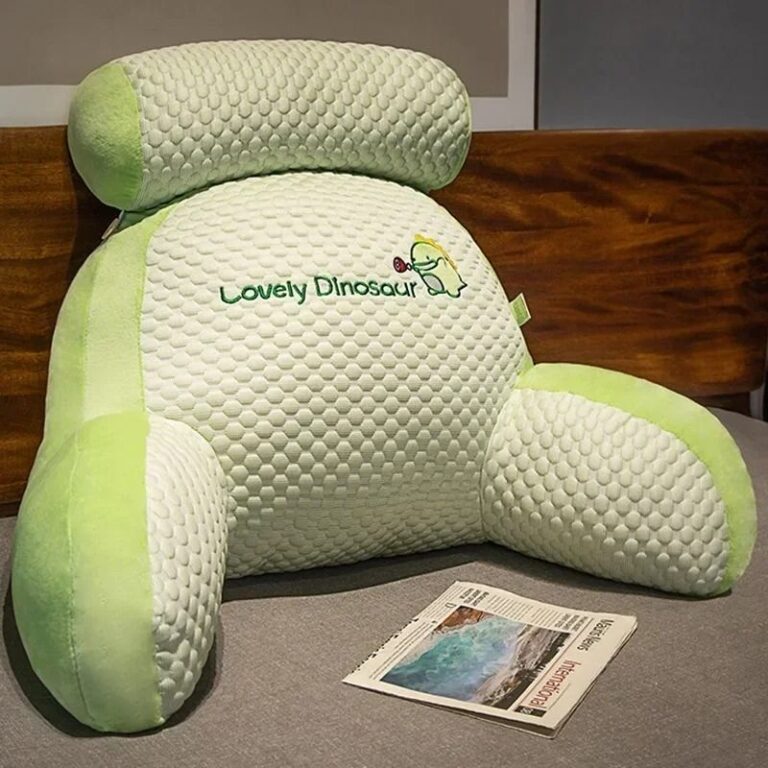 Aisha's pickSofa Cushions with Filling That Don’t Pill
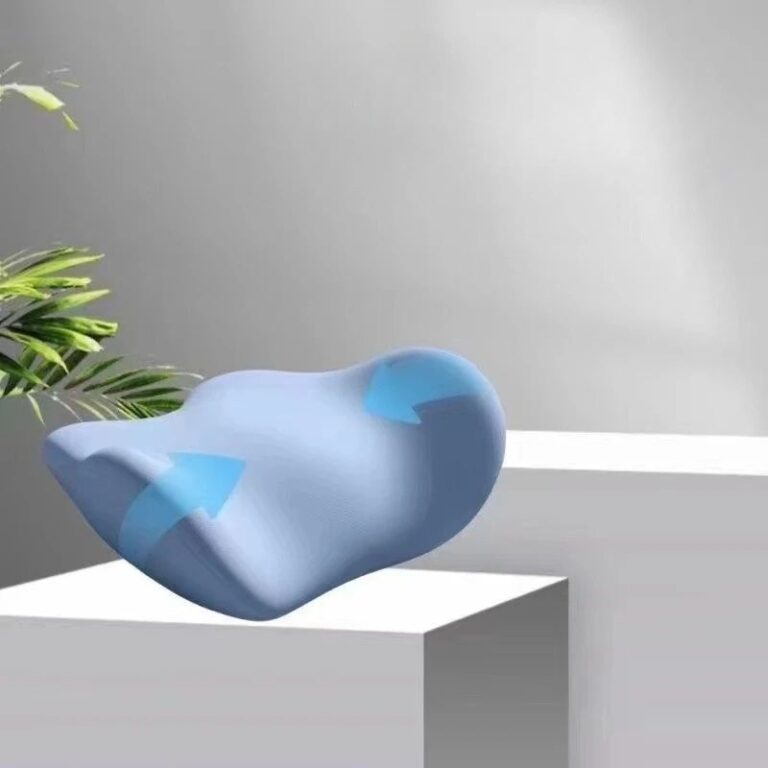
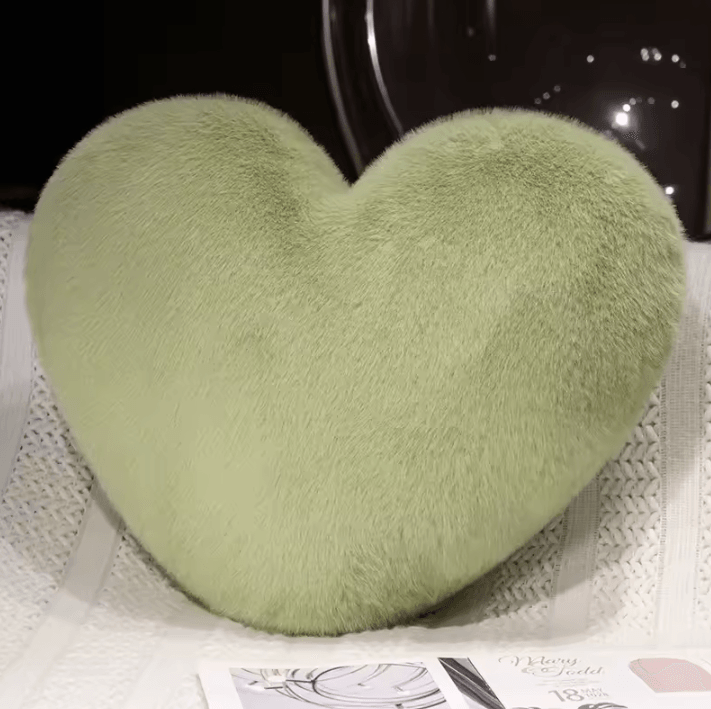 Aisha's pickAccent Throw Pillows for Sofa at Every Price Point
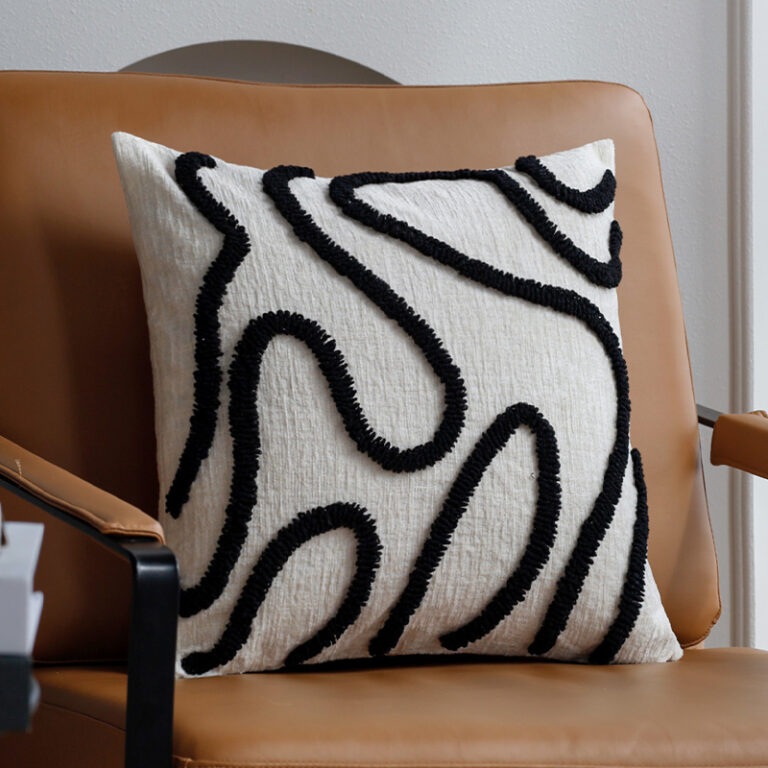
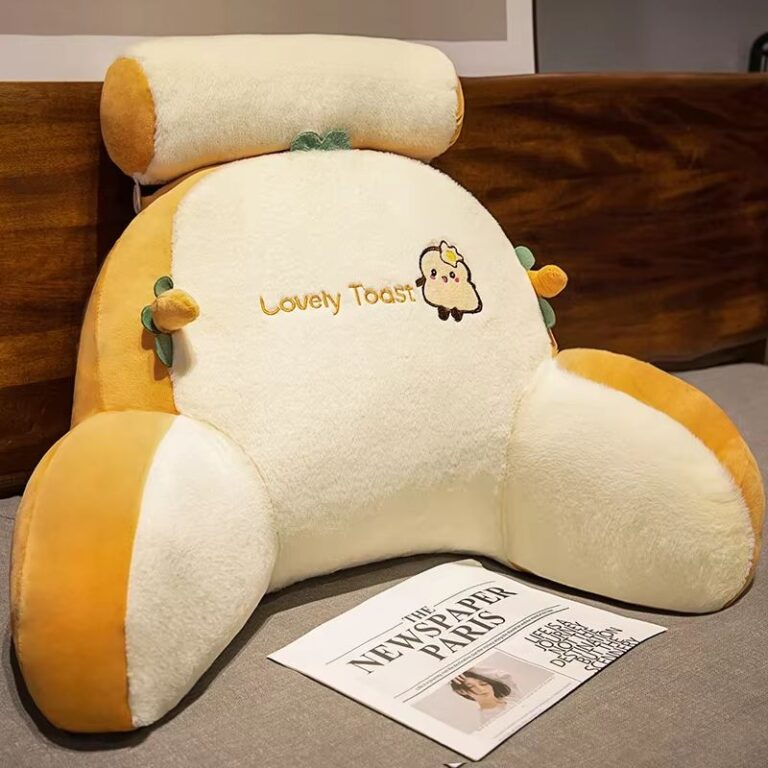 Aisha's pickLarge Sofa Cushions Without the Silly Price Tag
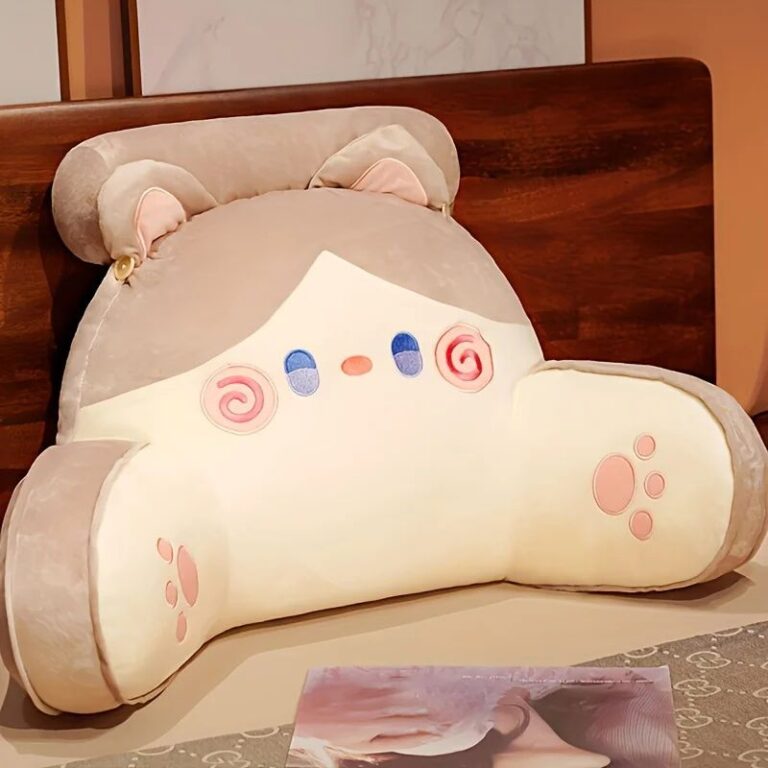
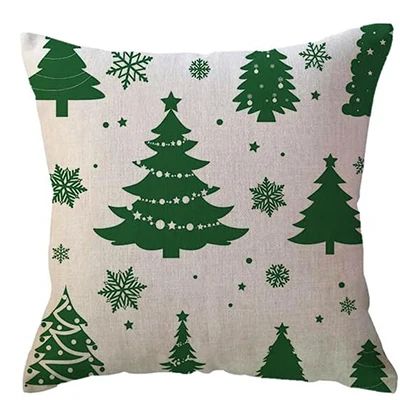 Aisha's pickSimple Square Sofa Cushions Done Well
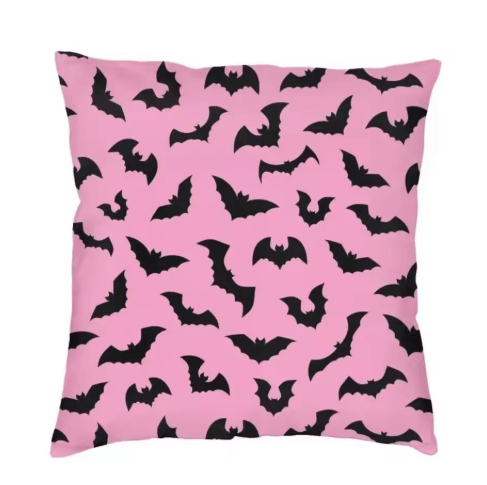
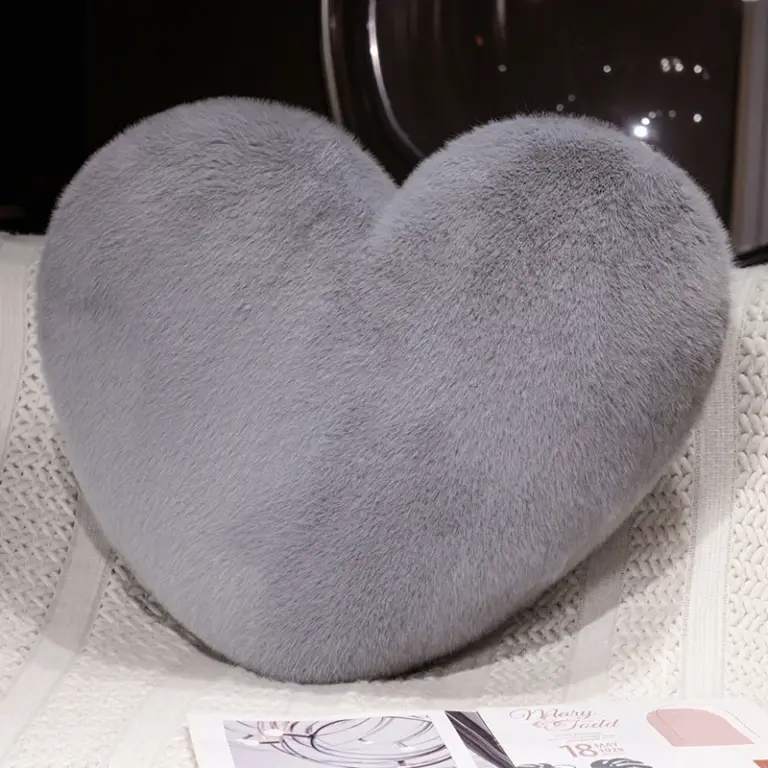 Aisha's pickBlack Sofa Cushions With a Soft, Lived In Feel
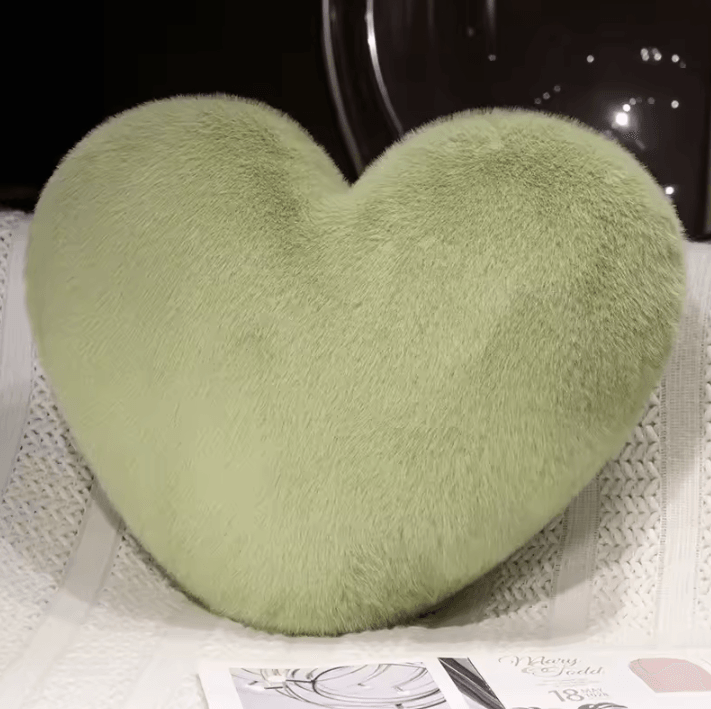
 Aisha's pickLinen Sofa Cushions That Soften a RoomAlso worth a lookSeat PadsA good seat pad does something subtle but real: it takes a chair that was fine for about…See the collections →

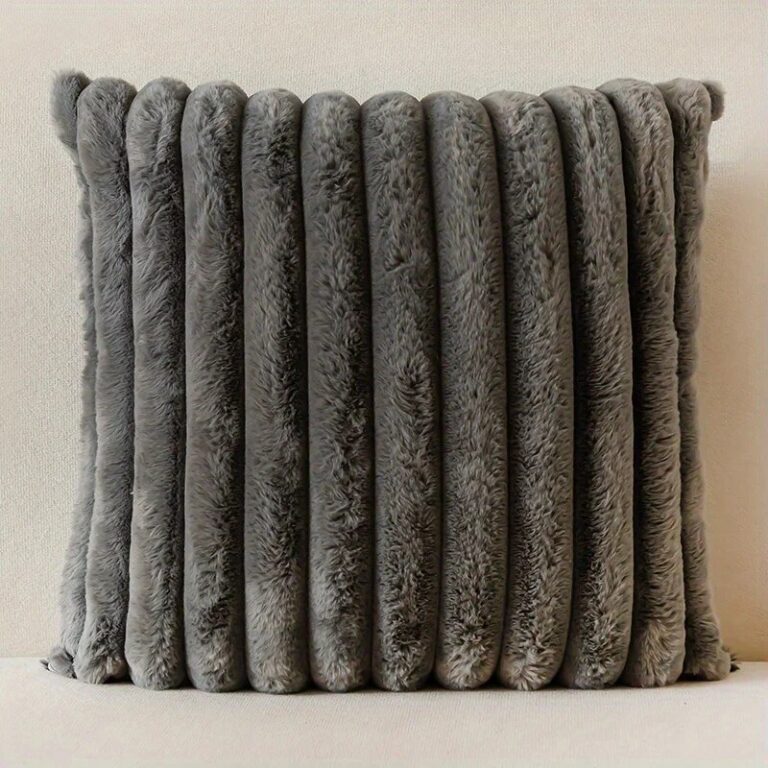 Aisha's pickStriped Sofa Cushions for People Who Know What They Like
 Aisha's pickBlue Sofa Cushions That Soften a Room
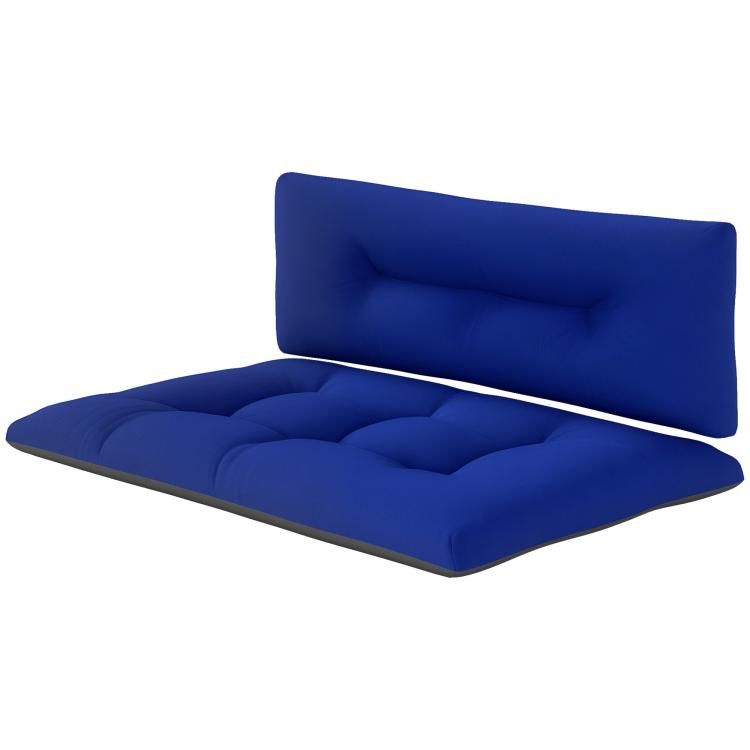
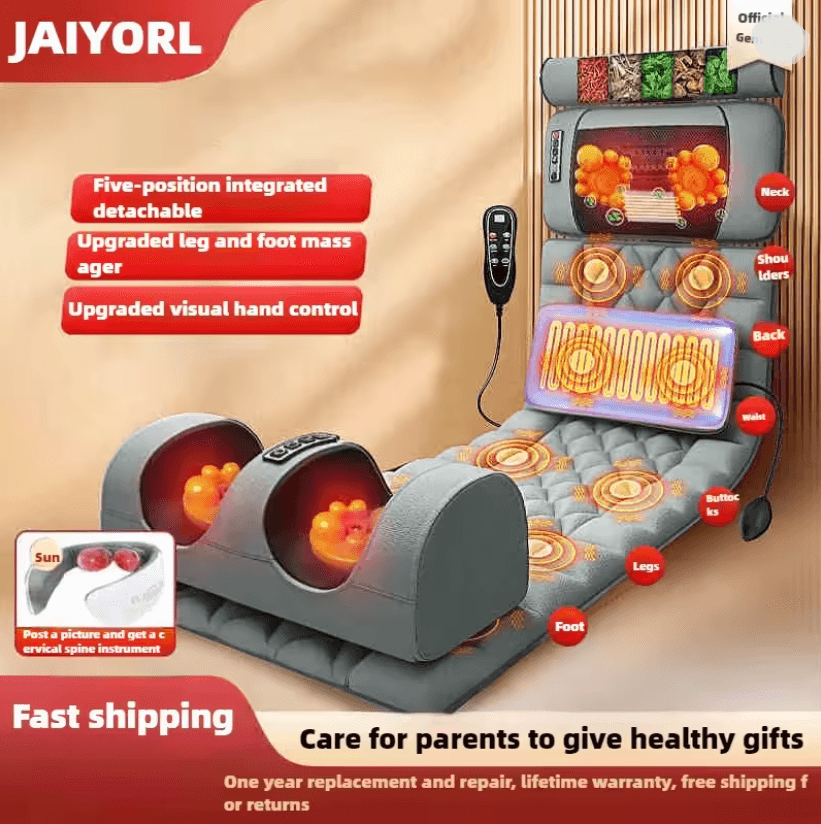 Aisha's pickLumbar Pillows for Sofa That Soften a Room

 Aisha's pickVelvet Sofa Cushions That Won’t Let You Down
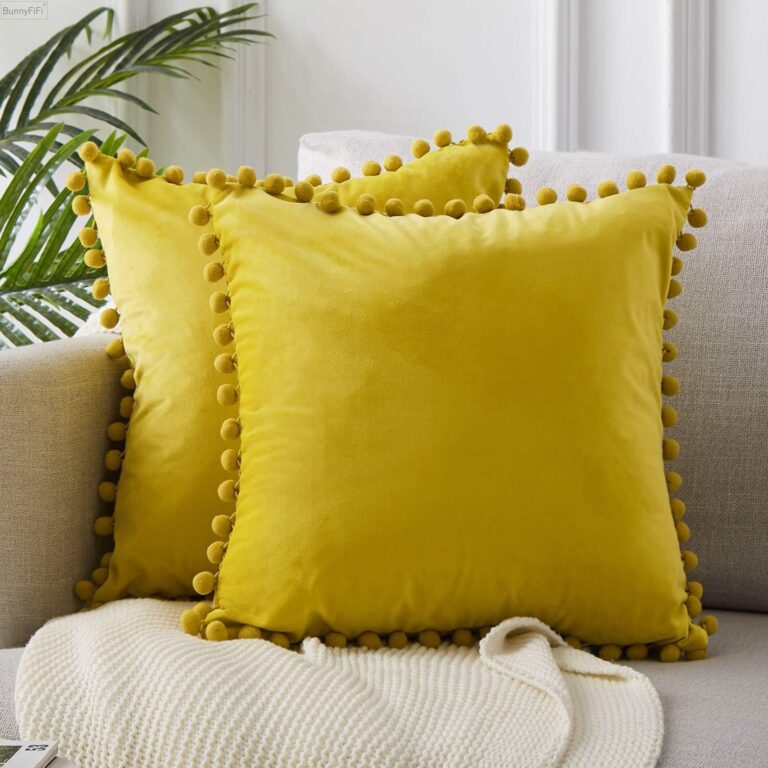
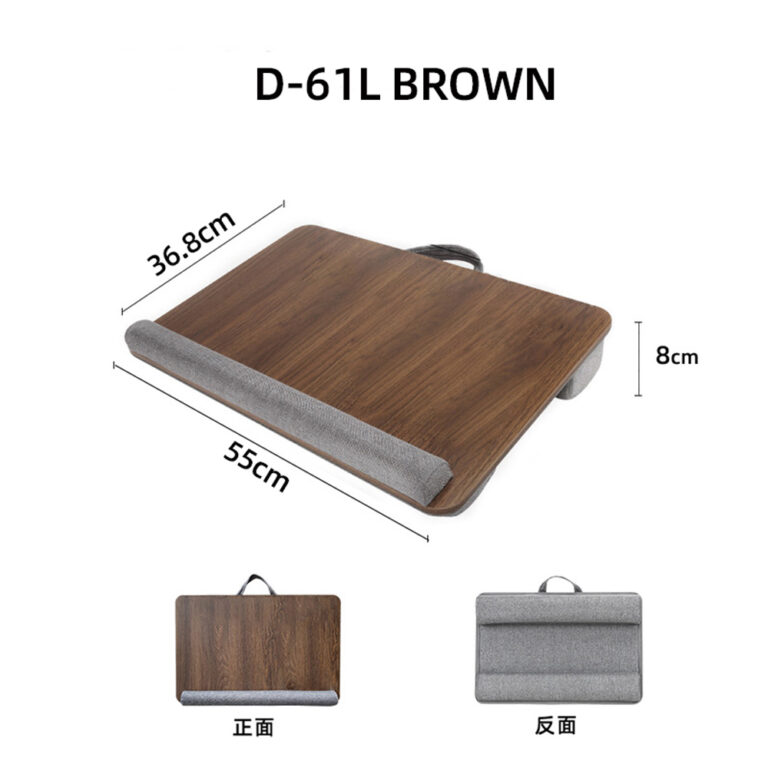 Aisha's pickBrown Sofa Cushions That Do the Job Right
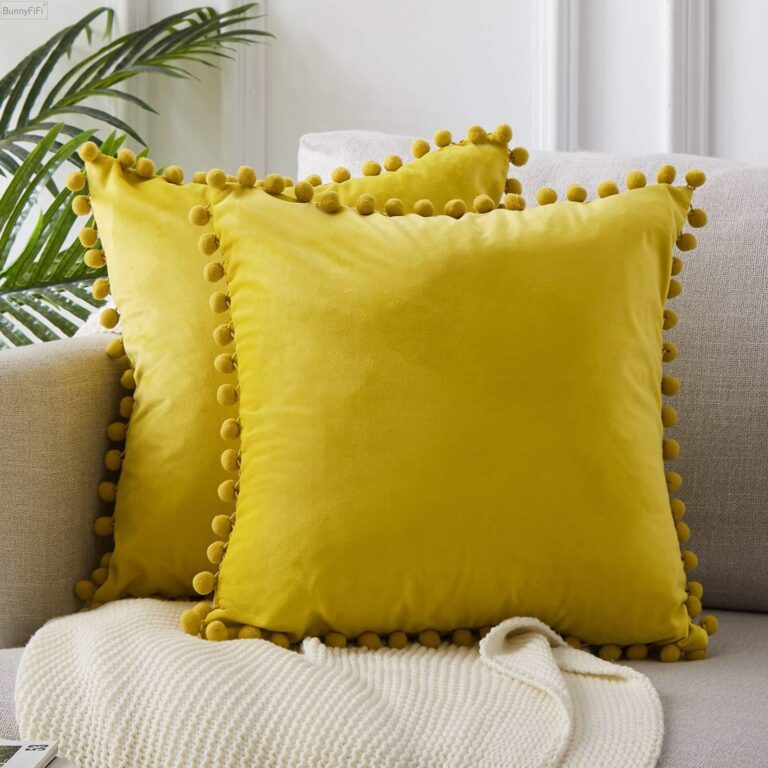 Aisha's pickLuxury Sofa Cushions That Hold Up to Everyday Life
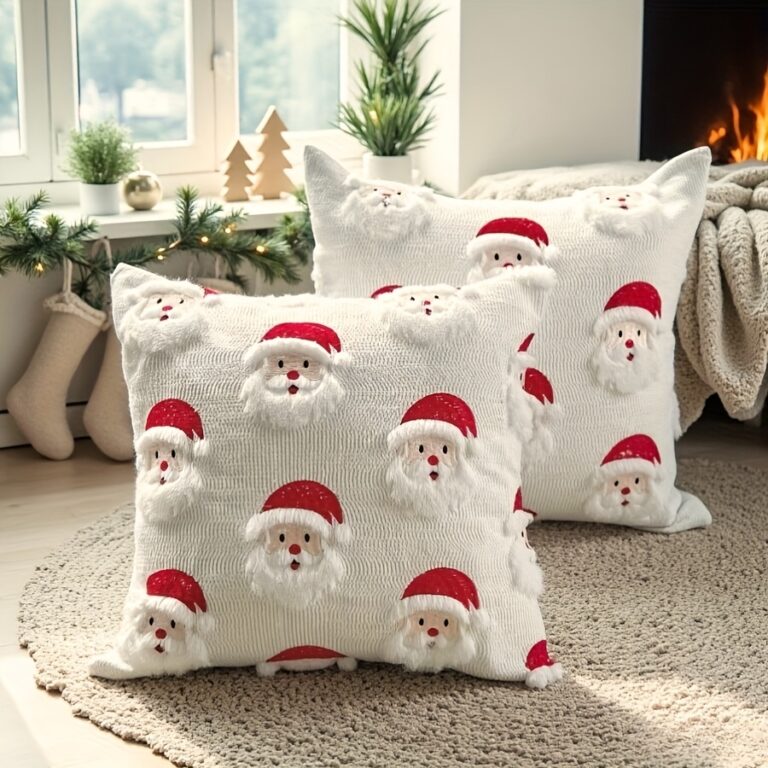
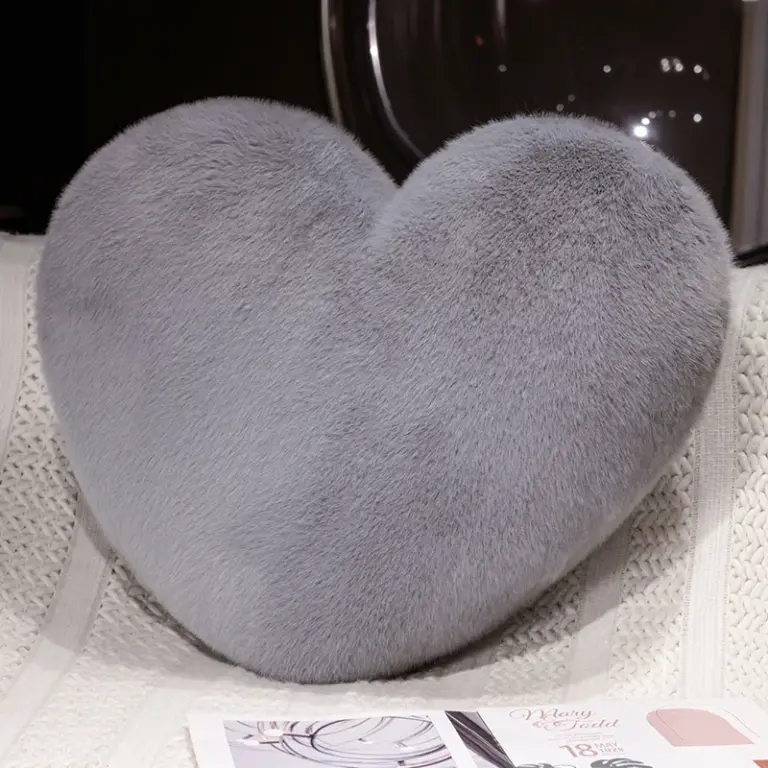 Aisha's pickWhite Sofa Cushions That Feel as Good as They Look
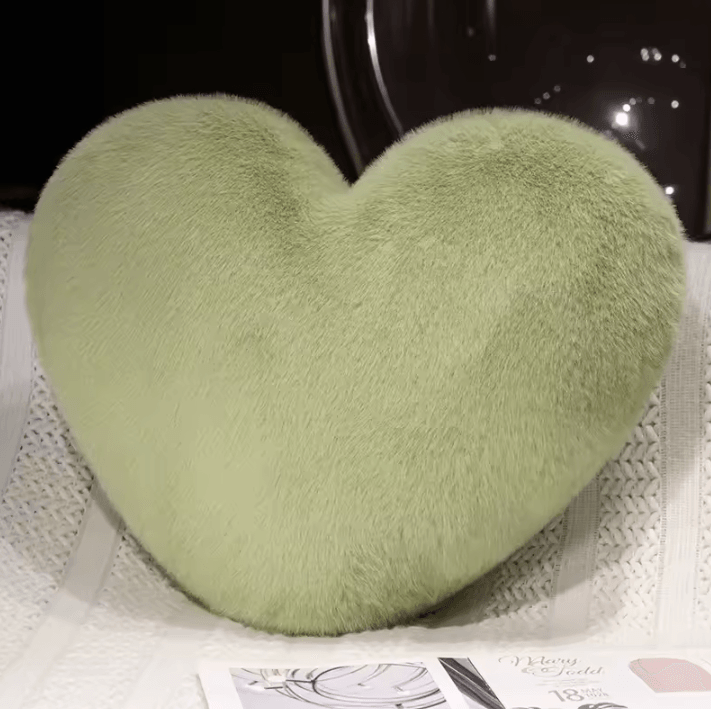
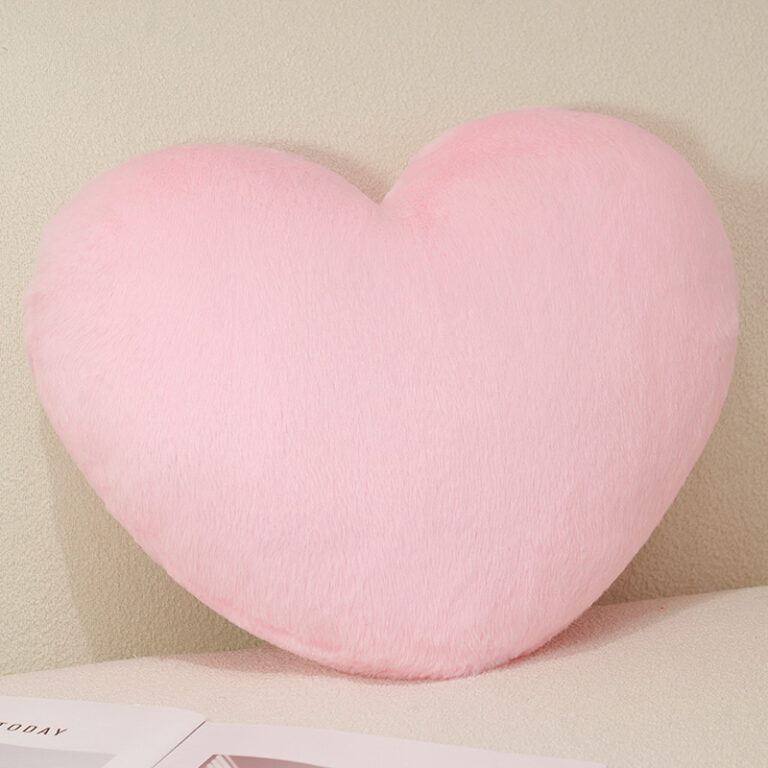 Aisha's pickChair Cushions for Sofa That Make a Room Feel Finished
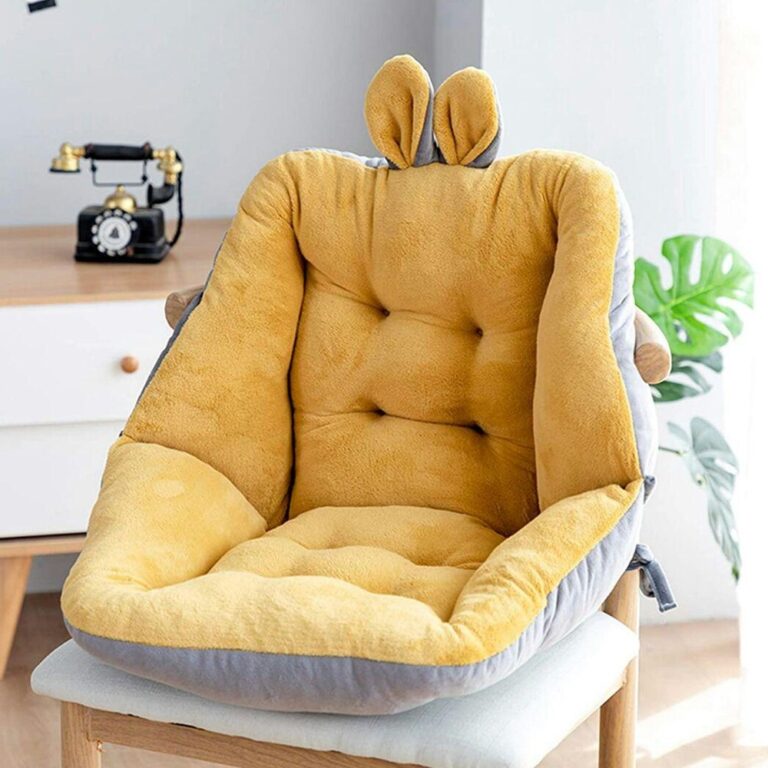
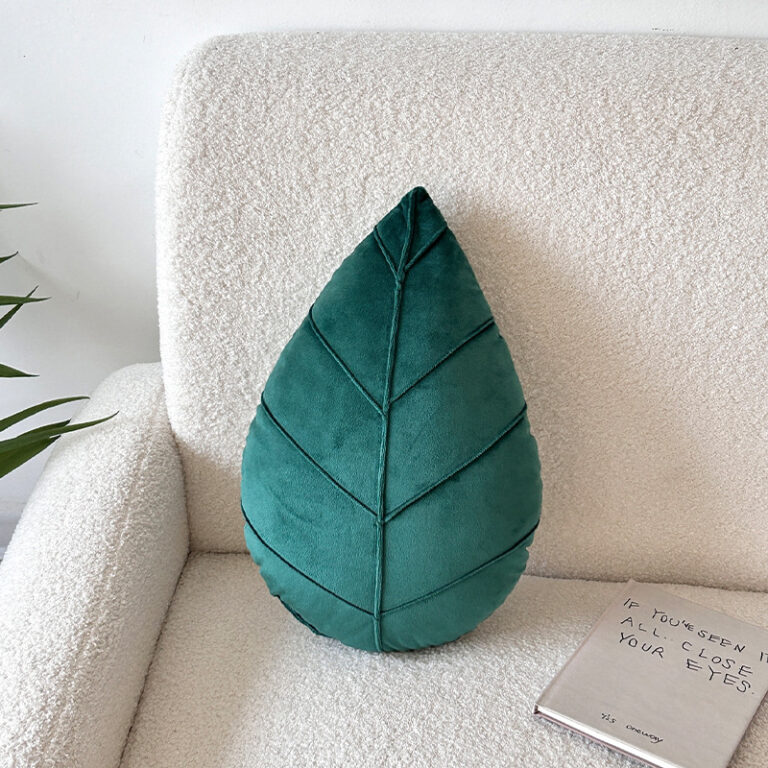 Aisha's pickModern Sofa Cushions With a Bit More About ThemAlso worth a lookChair CushionsMost people buy chair cushions to match the chair, then wonder why the thing slides off the second someone leans forward to reach for the salt.See the collections →
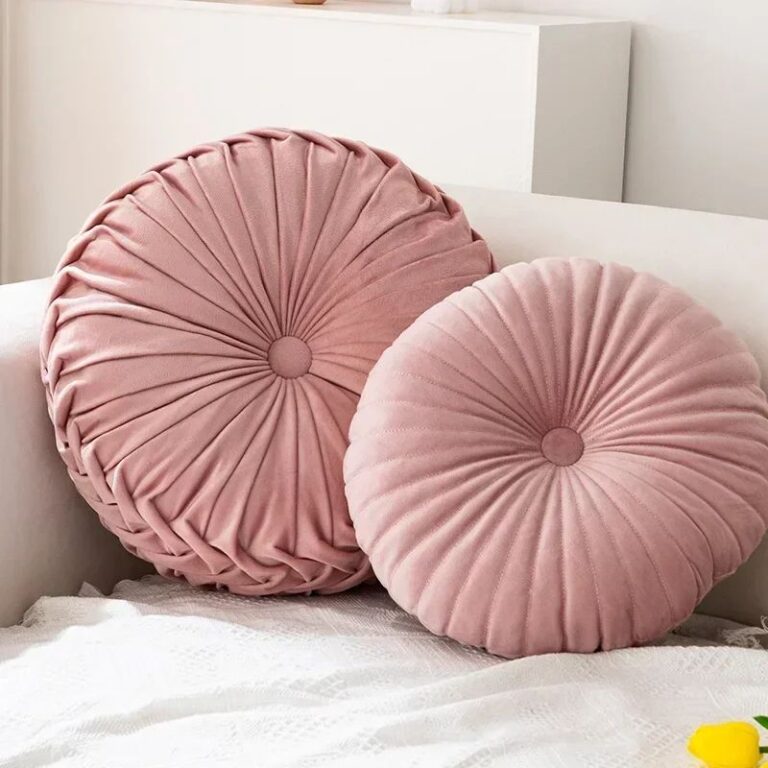
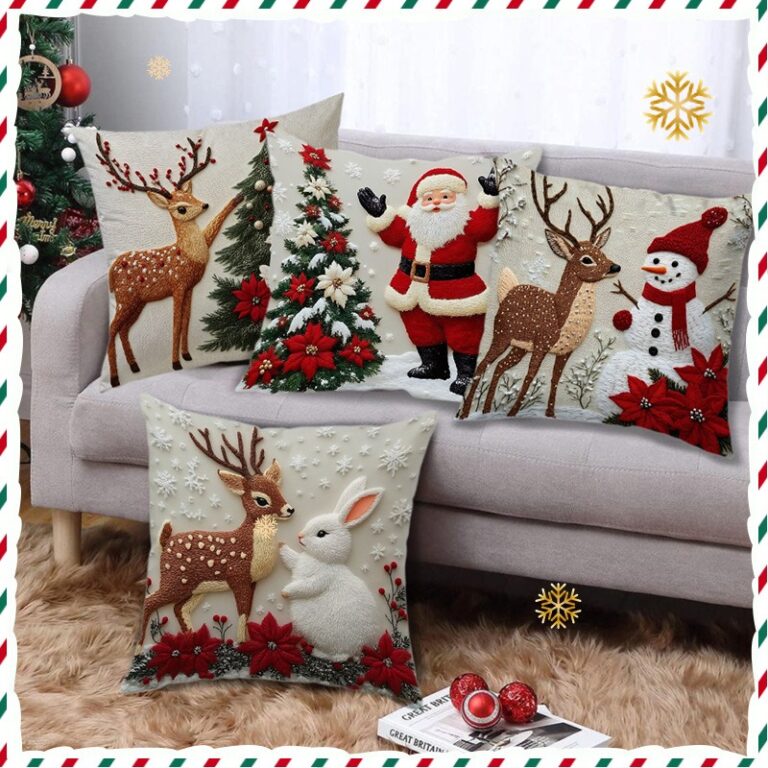 Aisha's pickThrow Pillows for Sofa That Work in Old Houses and New Ones
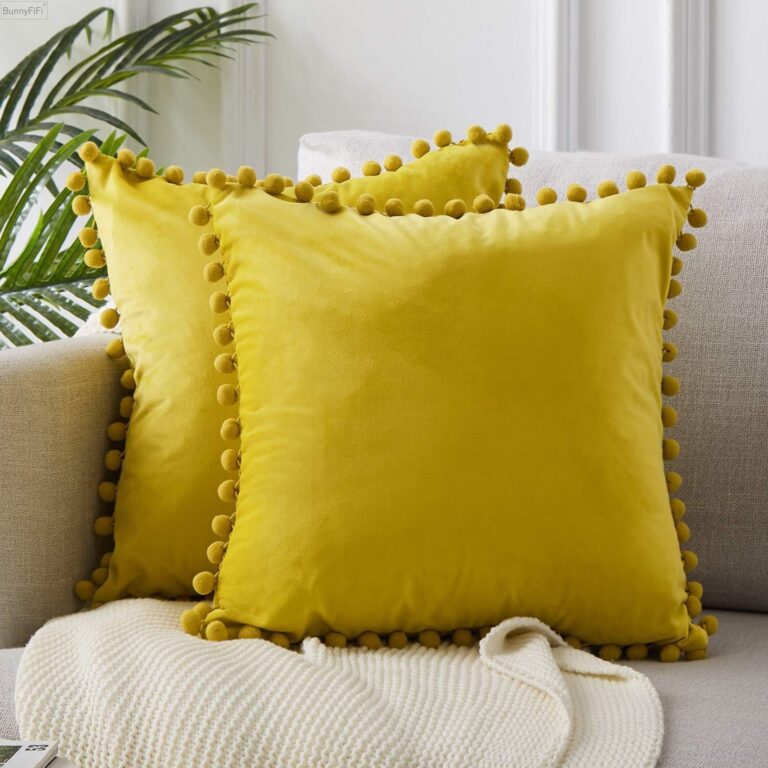
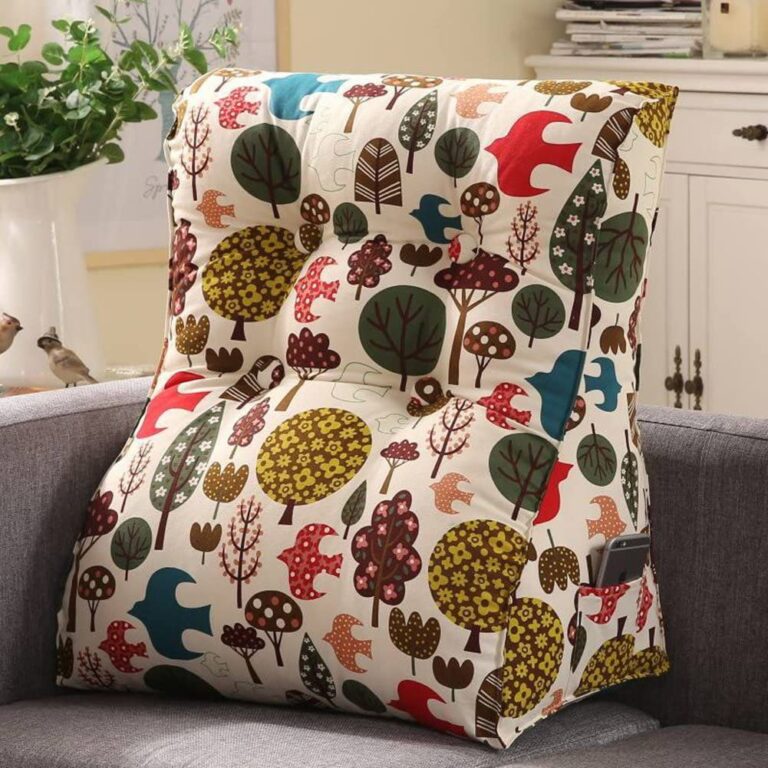 Aisha's pickPillow Inserts for Sofa That Look Better in Real Life
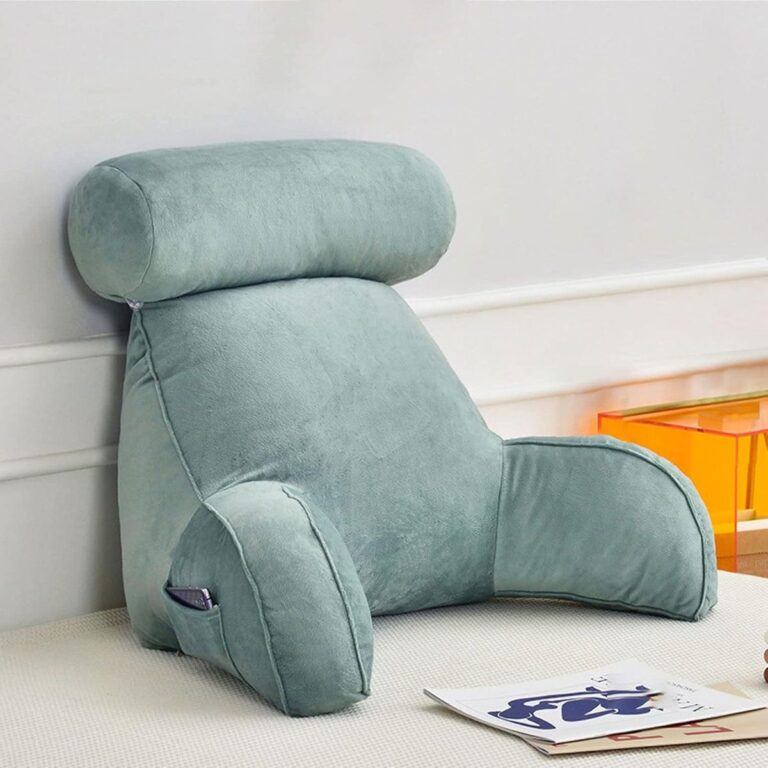
 Aisha's pickNo Fuss Pillow Inserts for Sofa
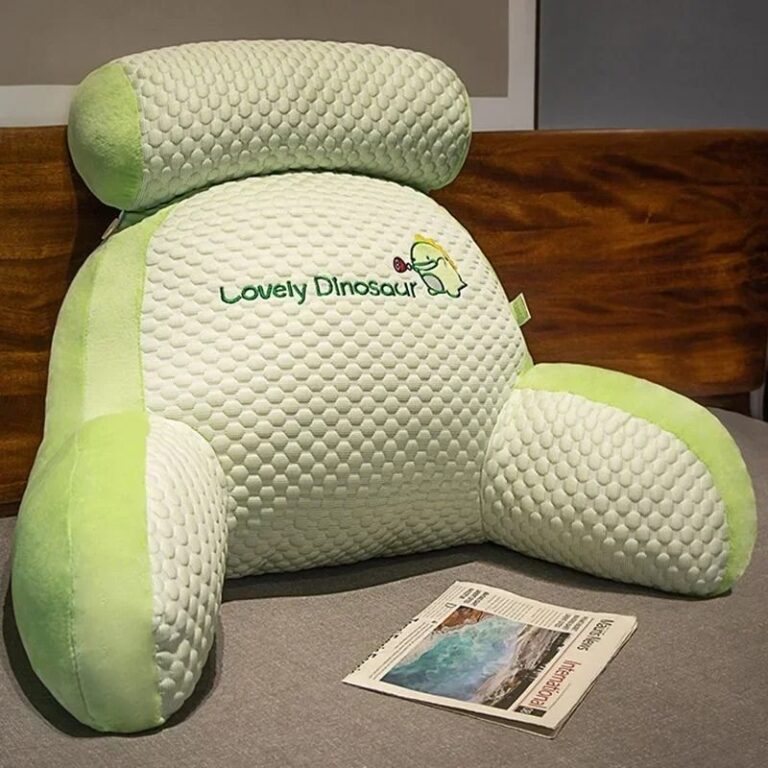
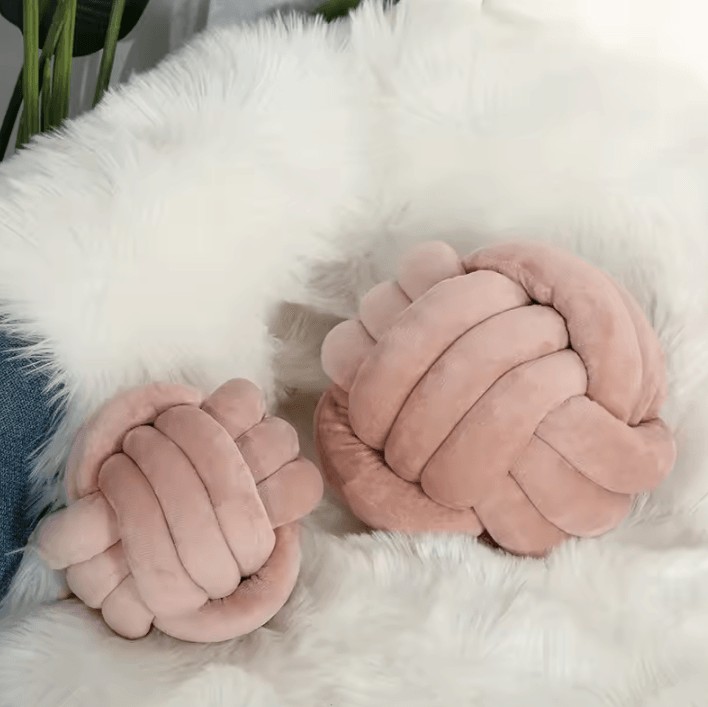
 Aisha's pickPink Sofa Cushions With a Soft, Lived In Feel
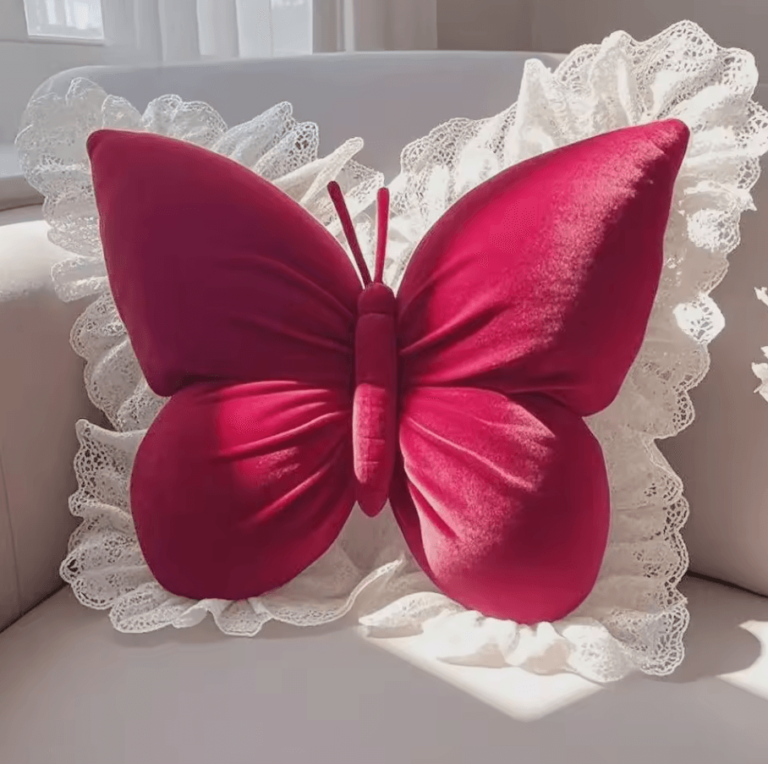
 Aisha's pickPillow Inserts for Sofa We’d Buy Again
 Aisha's pickPlain Sofa Cushions That Won’t Let You Down
 Aisha's pickThrow Pillow Sets for Sofa That Keep Their Color Wash After Wash
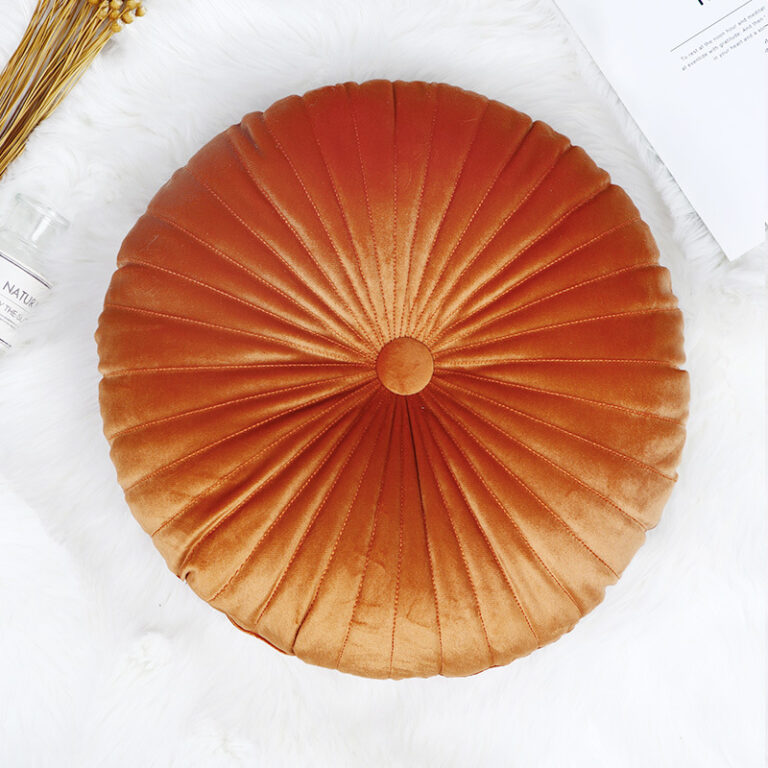 Aisha's pickQuilted Sofa Cushions for Making a House Feel Like Yours