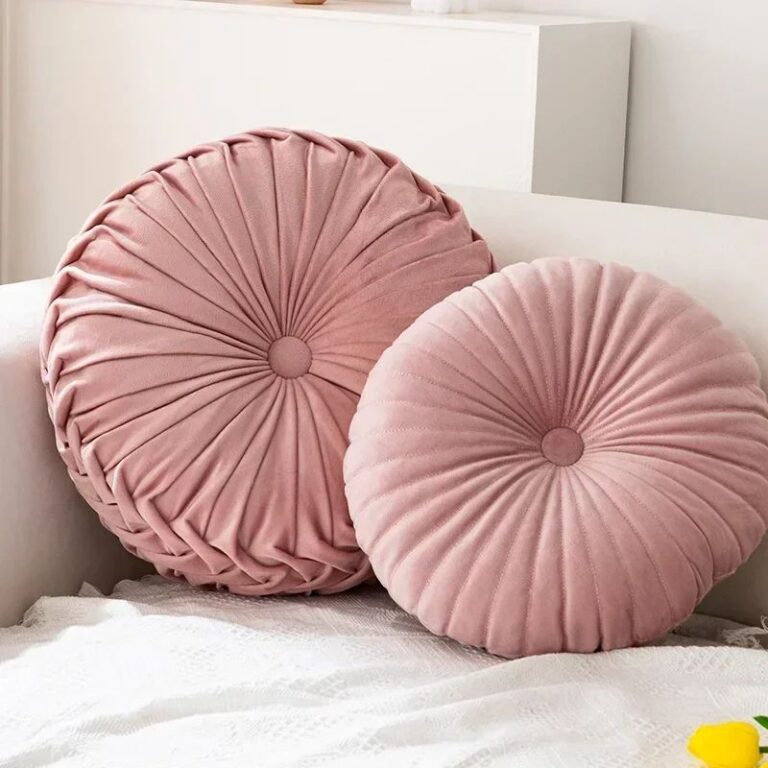
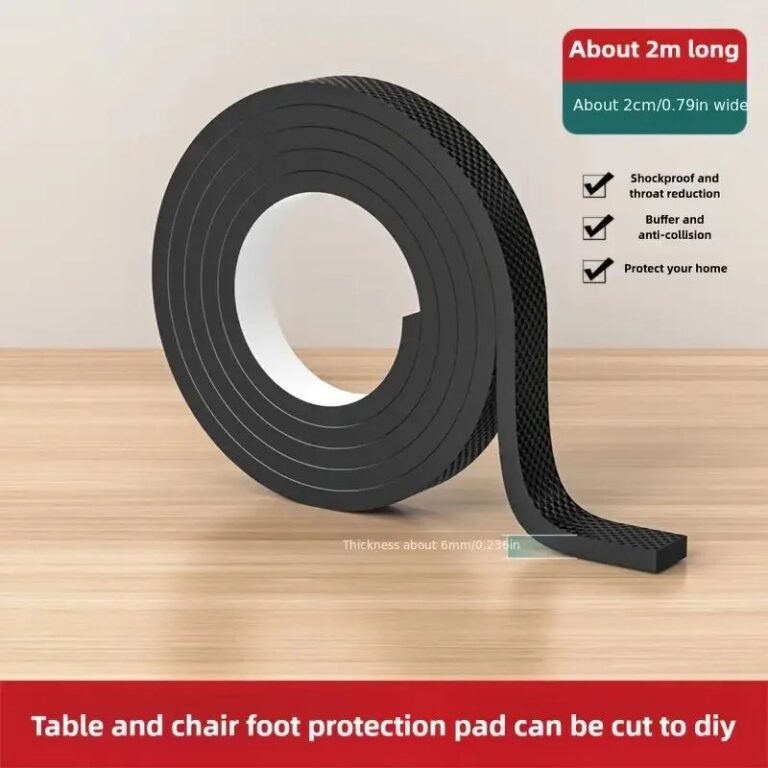
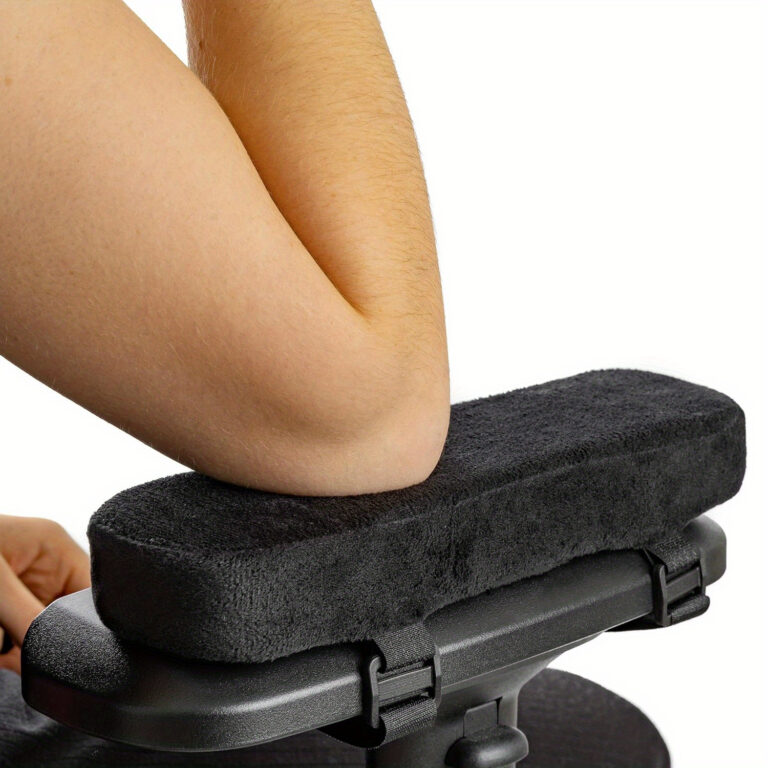
Most people buy chair cushions to match the chair, then wonder why the thing slides off the second someone leans forward to reach for the salt.
The limits are worth knowing before you spend anything. A cushion is not going to rescue a genuinely uncomfortable chair, the kind with a seat pan angled wrong or slats that dig in no matter what you put on top. It softens, it doesn't fix structure. And ties matter more than people expect. A cushion with no ties, or flimsy ones stapled on rather than sewn through, will walk itself sideways within a week, especially on a chair that gets pulled in and out from a table. If you have dining chairs that already fit well and just need a bit of comfort and some color, a well made cushion does real work. It sits well in a kitchen with a wood table and mismatched chairs, in a reading corner with one good armchair that needed softening, on bench seating where a run of cushions ties a whole row together without you needing to reupholster anything. It also sits well as a quick fix for chairs that don't quite match each other, since a shared cushion fabric pulls them into one set even when the frames are different.
Where it goes wrong is usually about mismatch rather than the cushion itself. A thick, overstuffed cushion on a delicate chair, something with a slim cane seat or a slight antique frame, looks like a pillow fight that wandered into the wrong room. And a busy pattern on a cushion sitting on top of an already busy chair, carved wood, upholstered back, whatever, turns into visual noise nobody asked for. The difference between a cushion worth keeping and one you'll be replacing by spring comes down to a few things you can actually check with your hands. Good foam holds its shape and springs back when you press it, cheap foam flattens into a pancake within a month and stays that way. Ties should be sewn into a seam, not glued or stapled on as an afterthought. And the cover should have enough fabric weight to resist pilling where the chair back rubs against it, which is the first place a cheap cover gives out. Piping along the edge, if it has it, should be tight and even, not wavy.
If I were starting from nothing, I'd pick a solid in a mid tone, something like a clay or a muted ochre, before I went anywhere near a pattern.
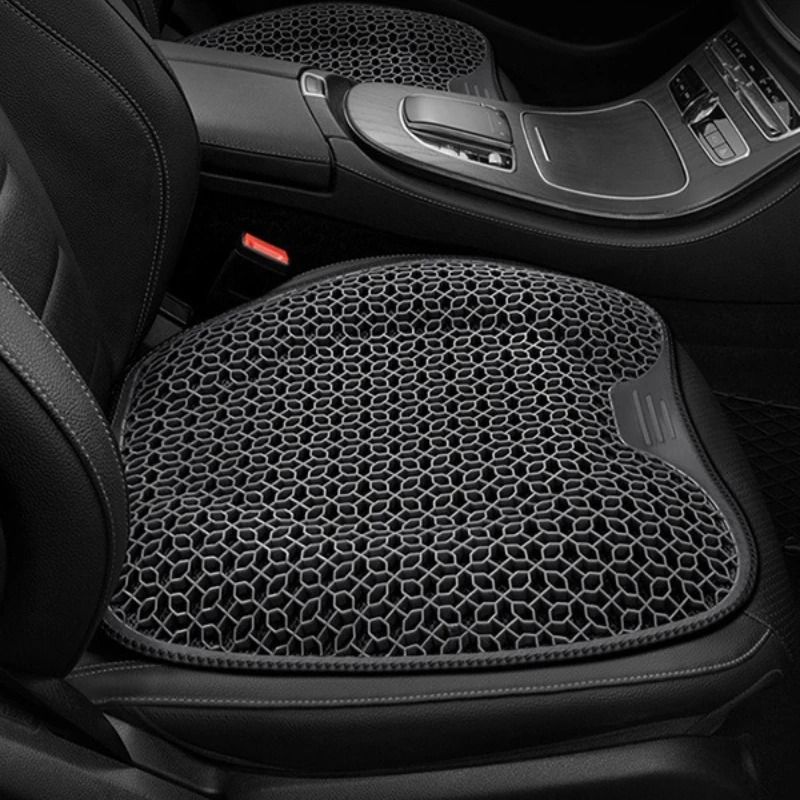 Aisha's pickShopping for Chair Cushions? Start Here
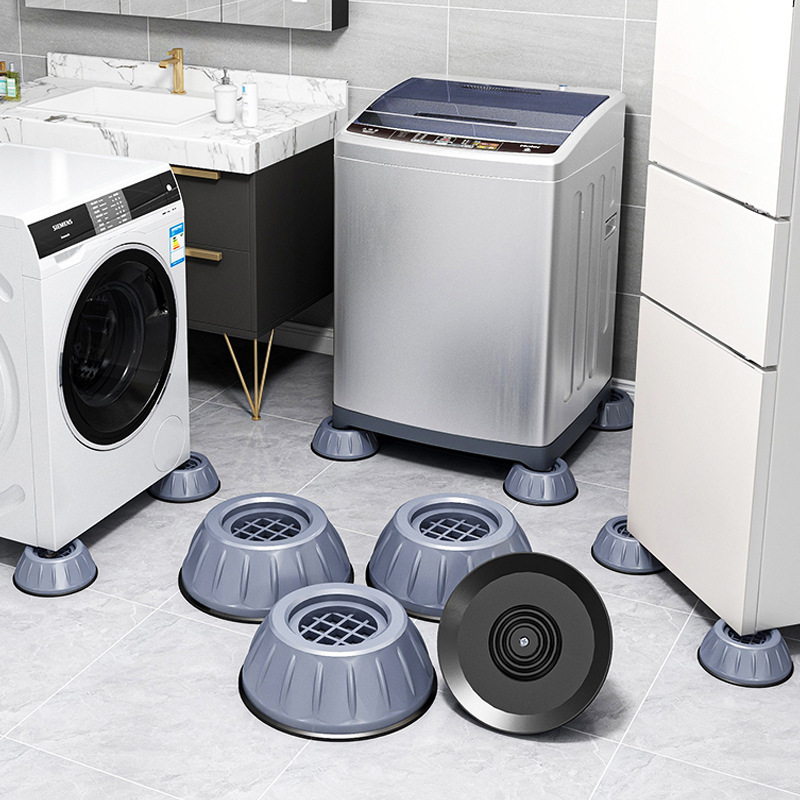
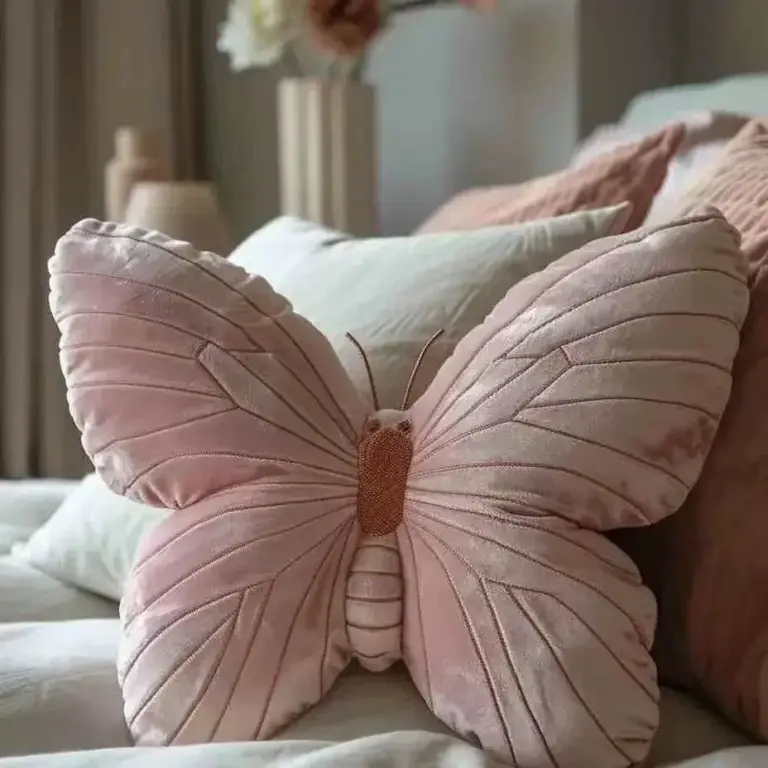 Aisha's pickNo Fuss Pink Chair Cushions
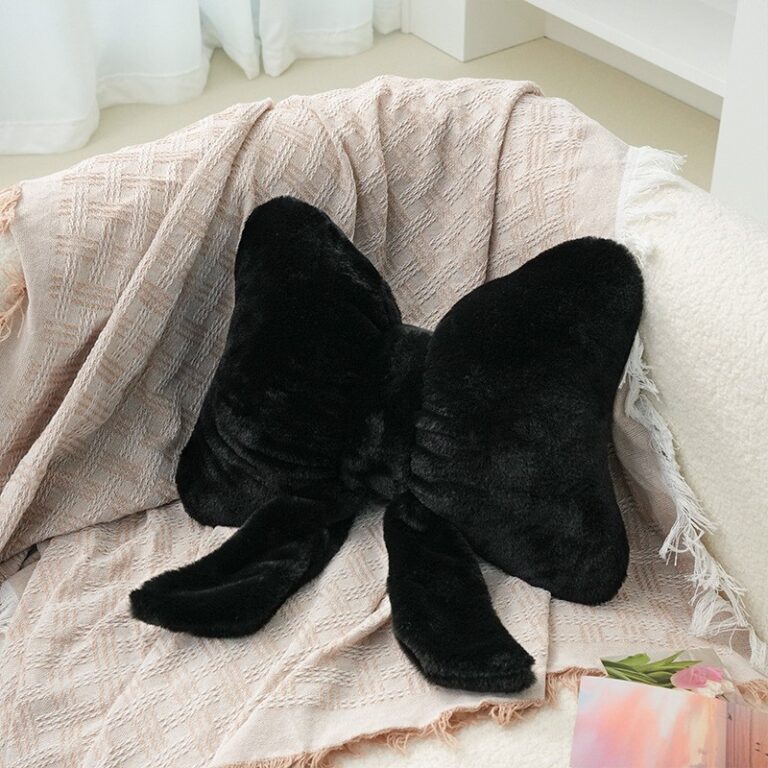
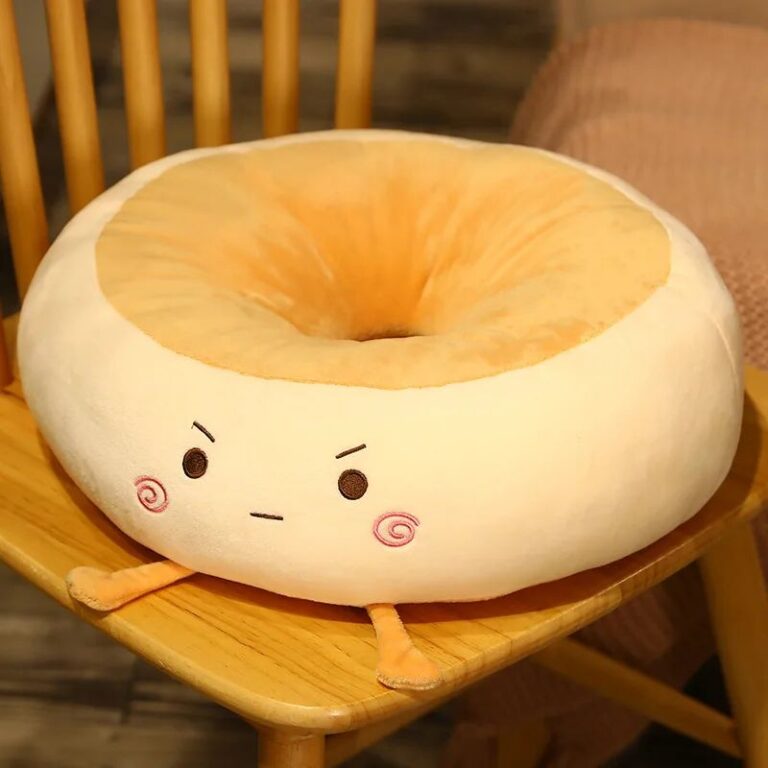 Aisha's pickCotton Chair Seat Cushions That Go With Most Rooms
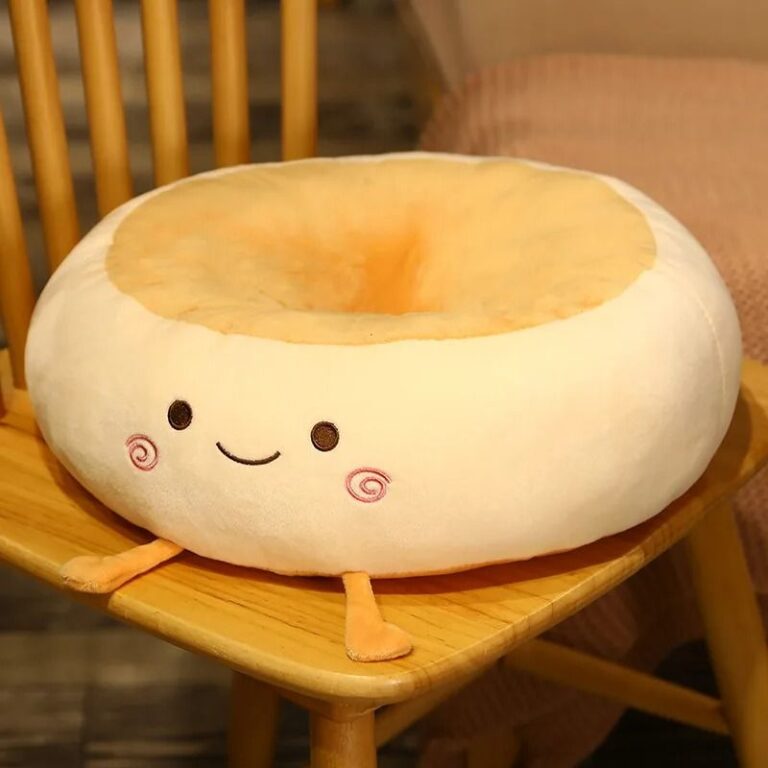
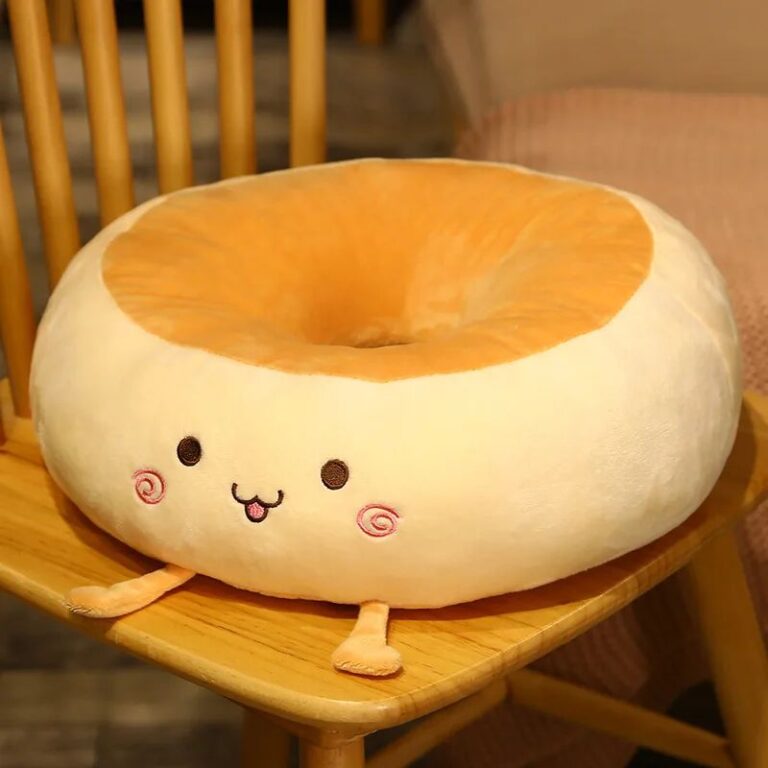 Aisha's pickChair Cushions with Filling Hunted Down So You Don’t Have To
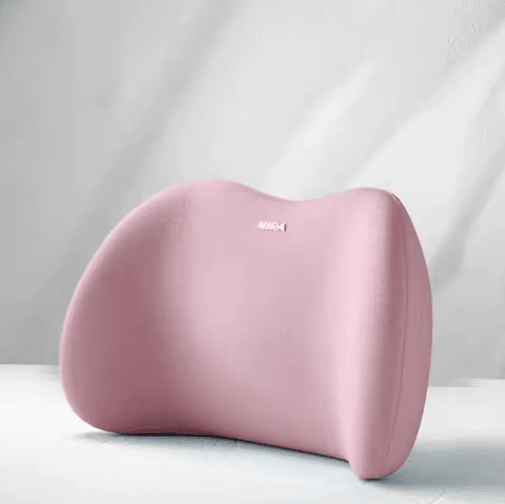
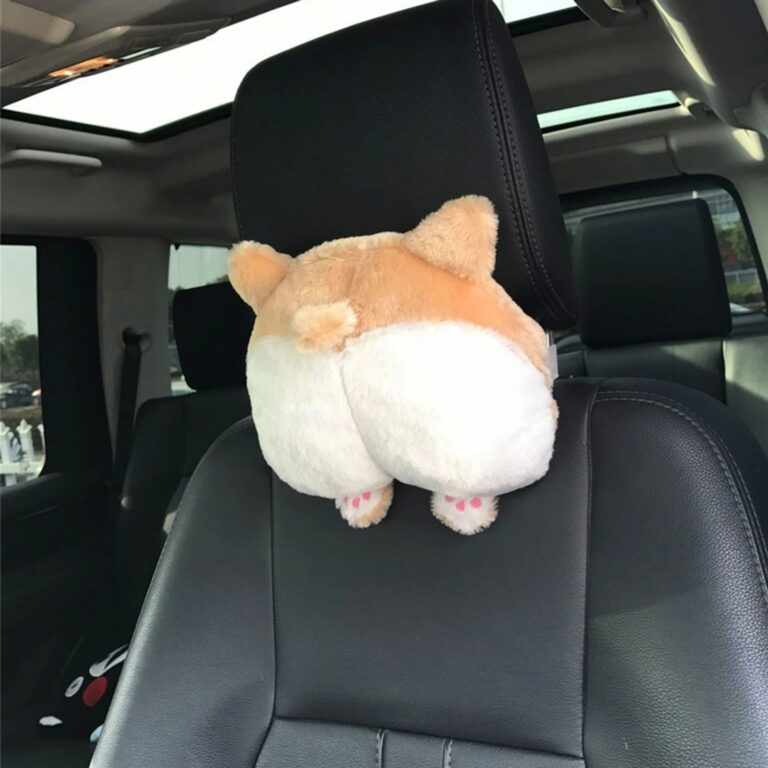 Aisha's pickPlain Chair Cushions That Don’t Pill
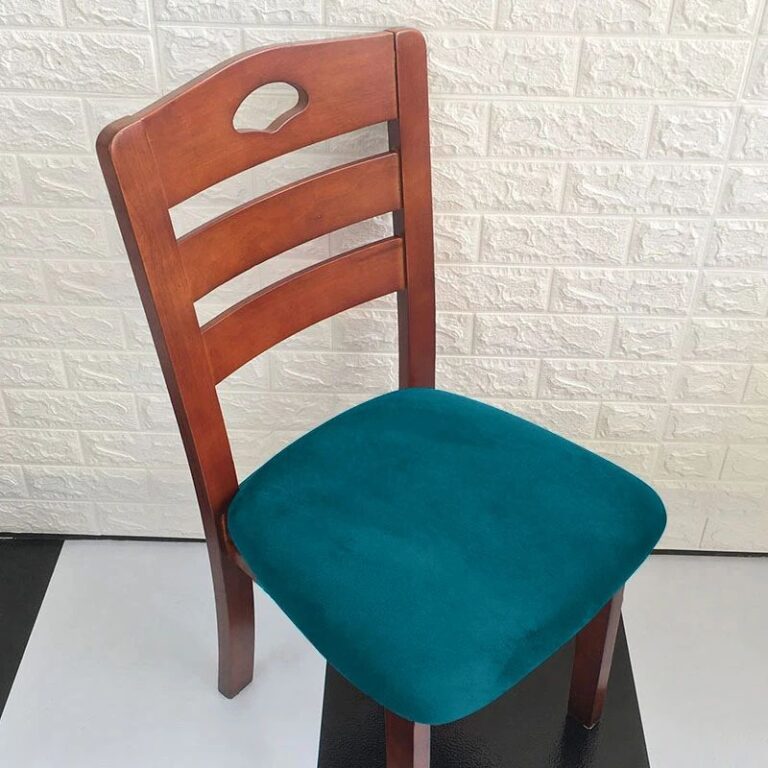
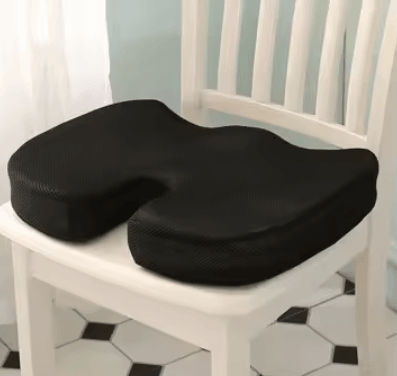 Aisha's pickExtra Long Chair Seat Cushions That Visitors Always Ask About
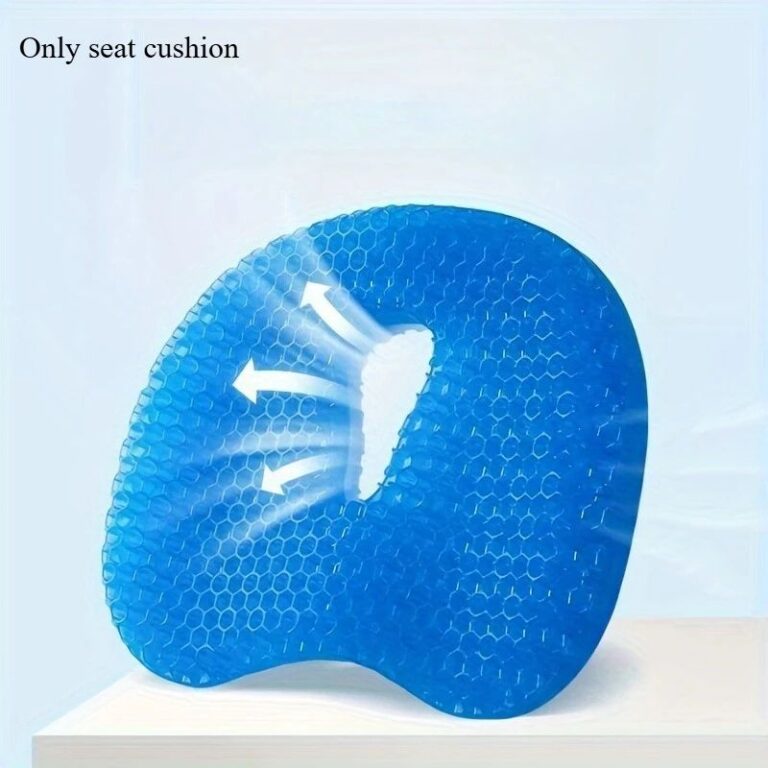
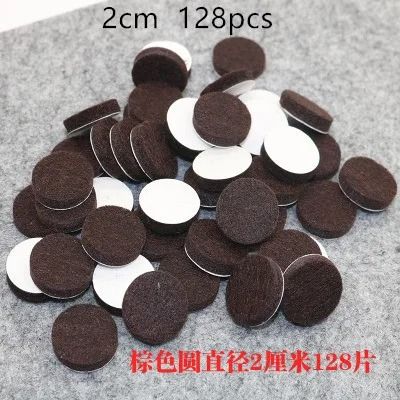 Aisha's pickChair Pads for When the Old Ones Give Up
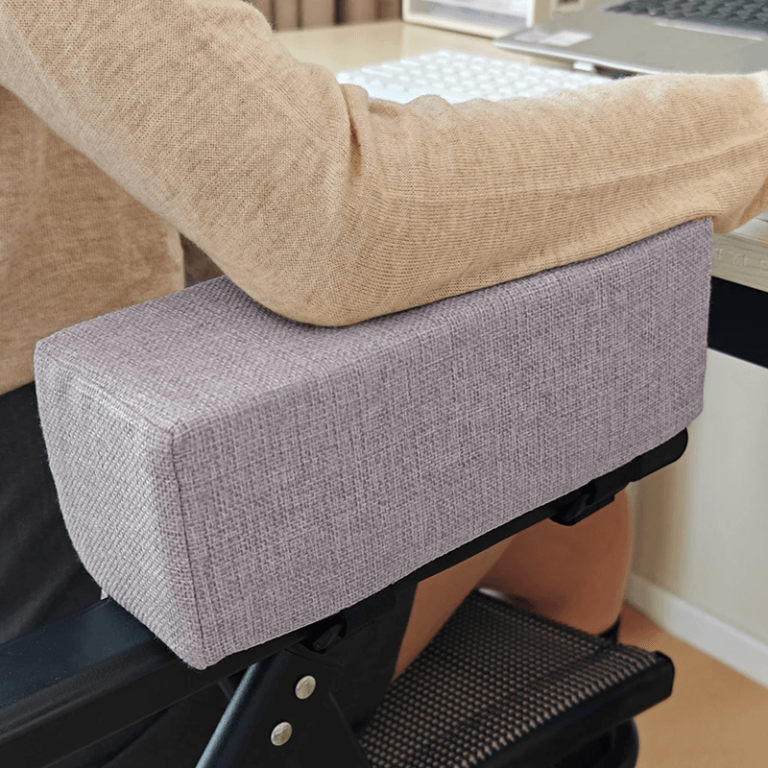
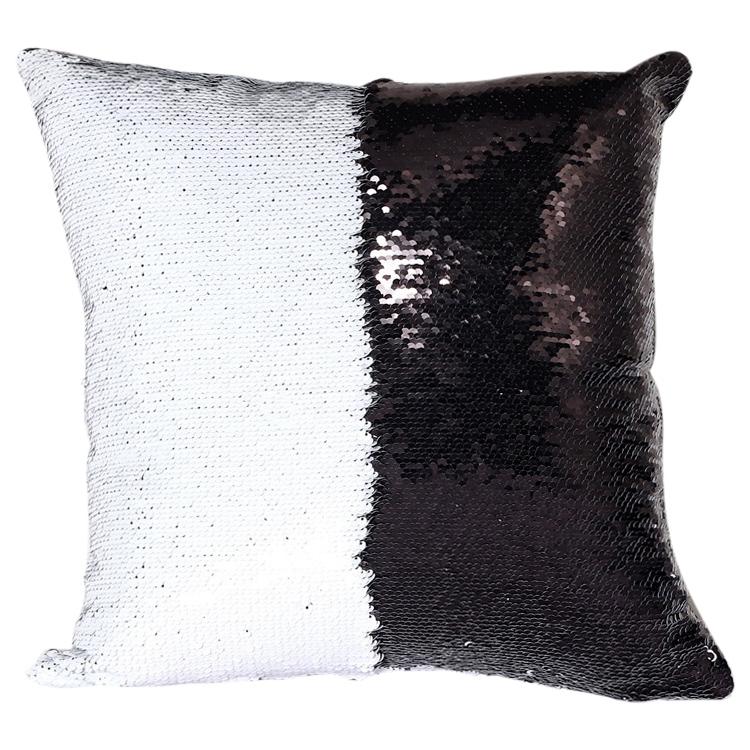 Aisha's pickReversible Chair Cushions That Fit Into Real Life
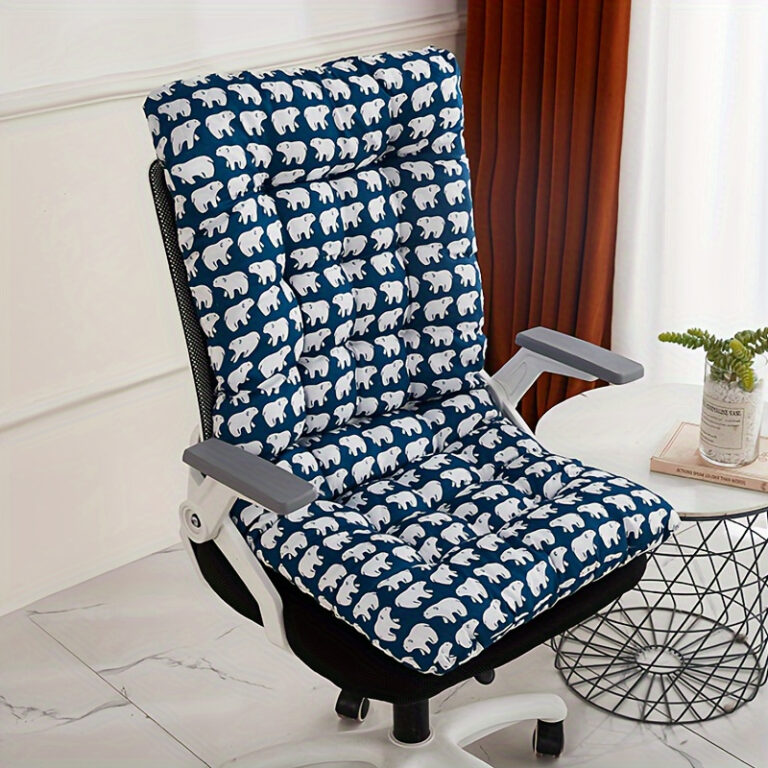 Aisha's pickGreen Chair Seat Cushions for Cozy Nights InAlso worth a lookChair Seat CushionsChair seat cushions have a reputation for being the thing you buy to fix a chair you actually…See the collections →
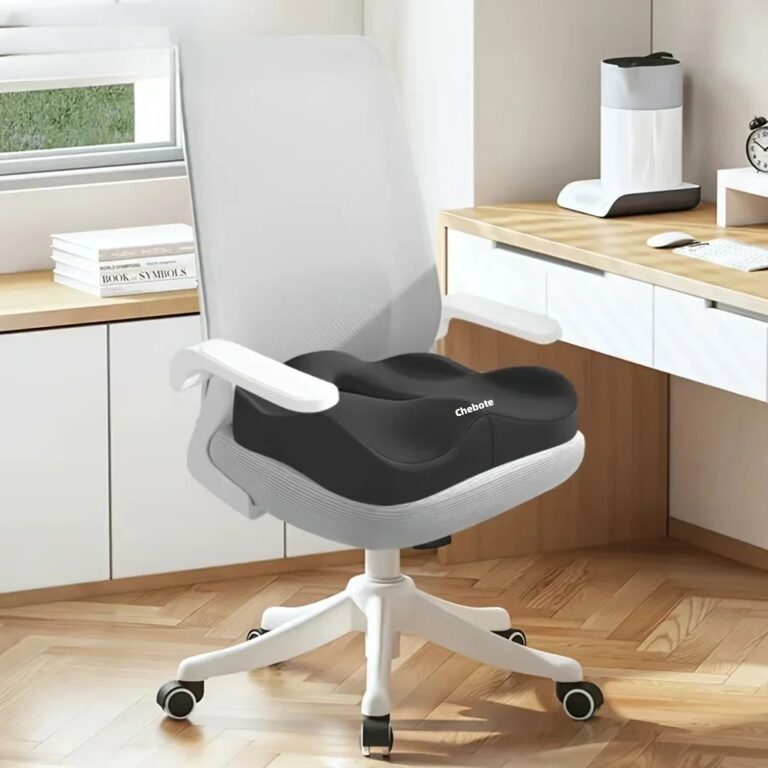
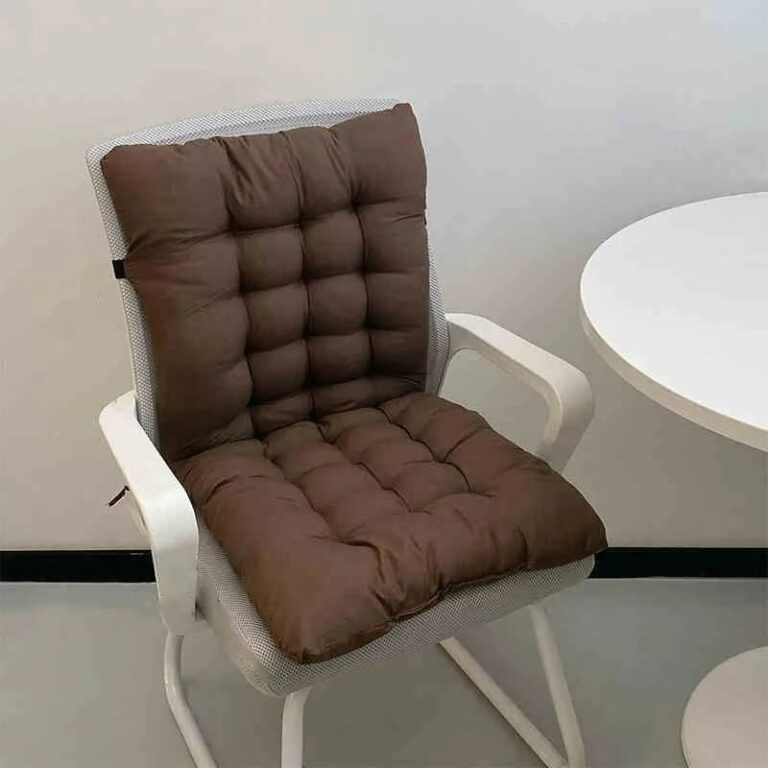 Aisha's pickChair Pads with Ties at Every Price Point
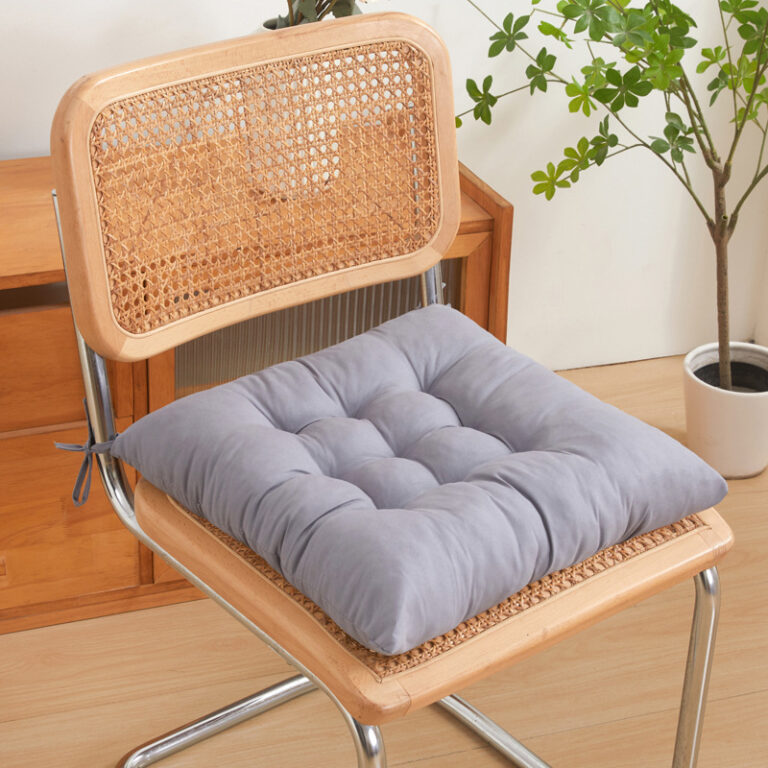
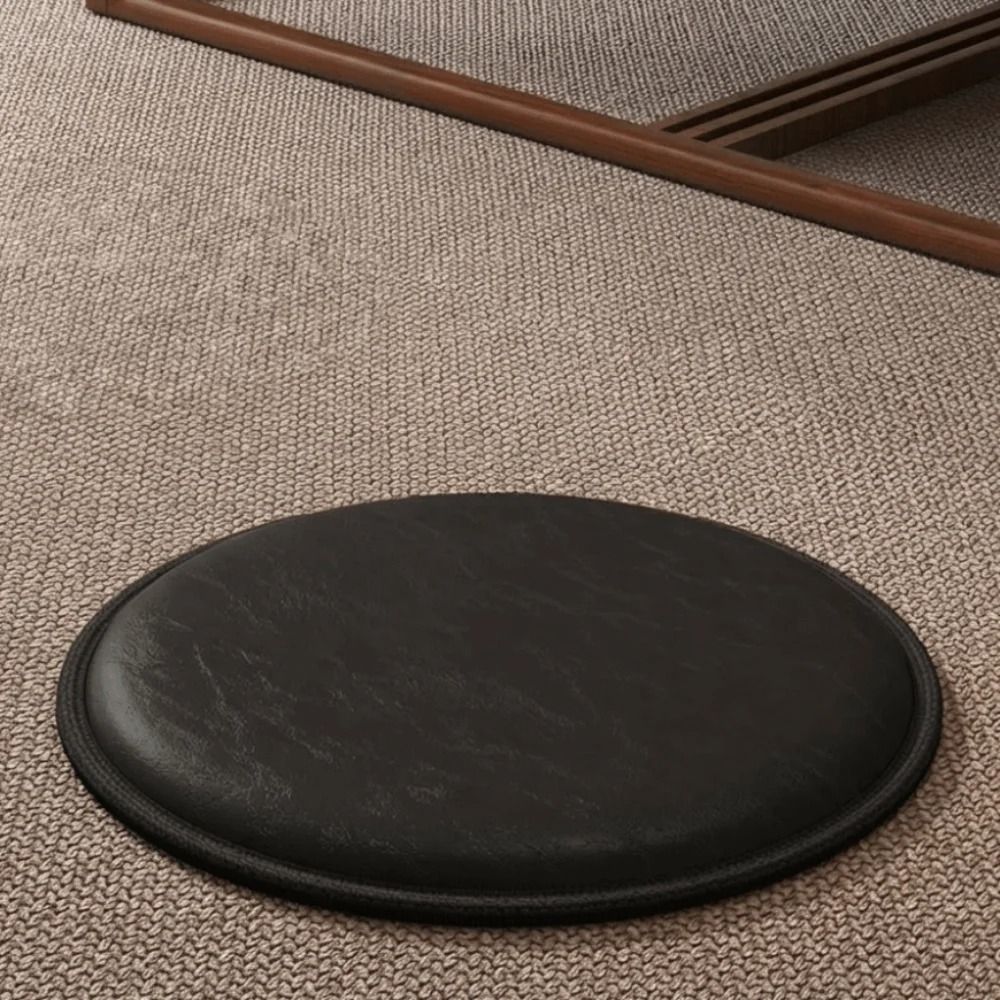 Aisha's pickRound Chair Cushions That Look Better in Real Life
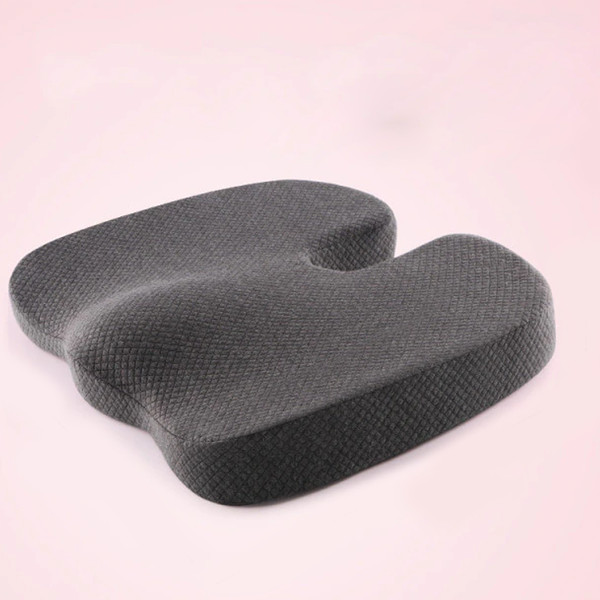
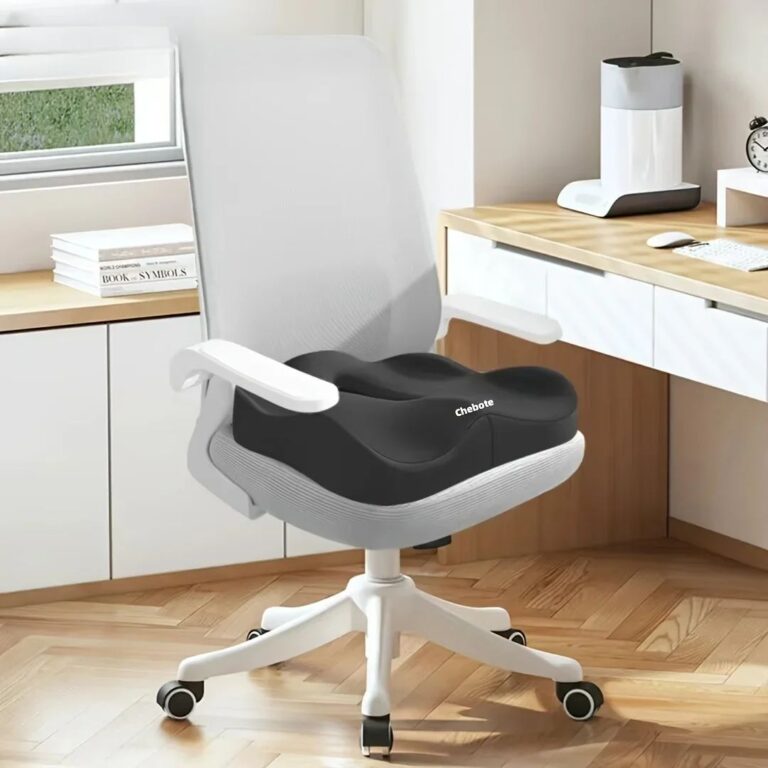 Aisha's pickGray Chair Seat Cushions That Soften a Room
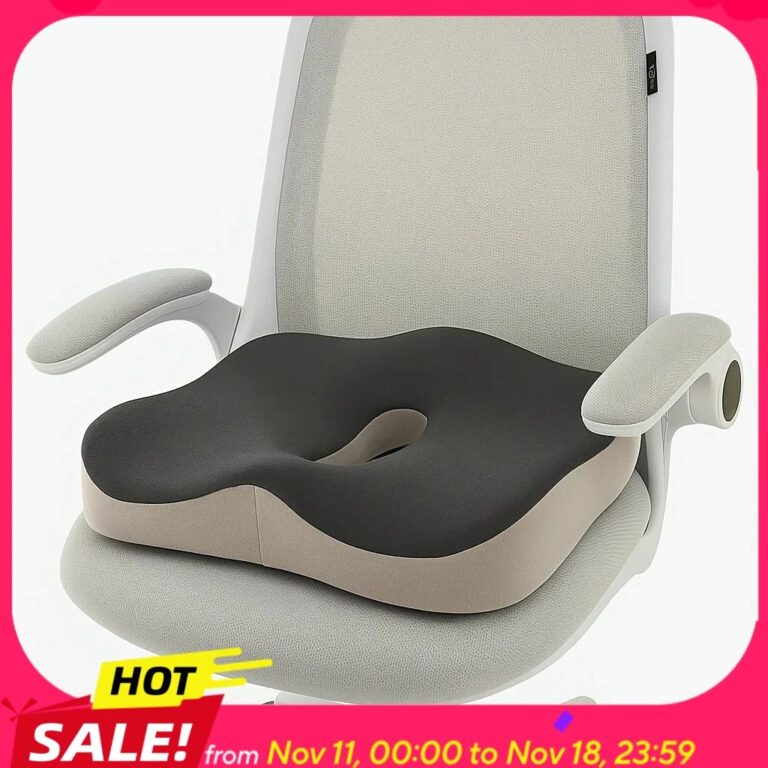
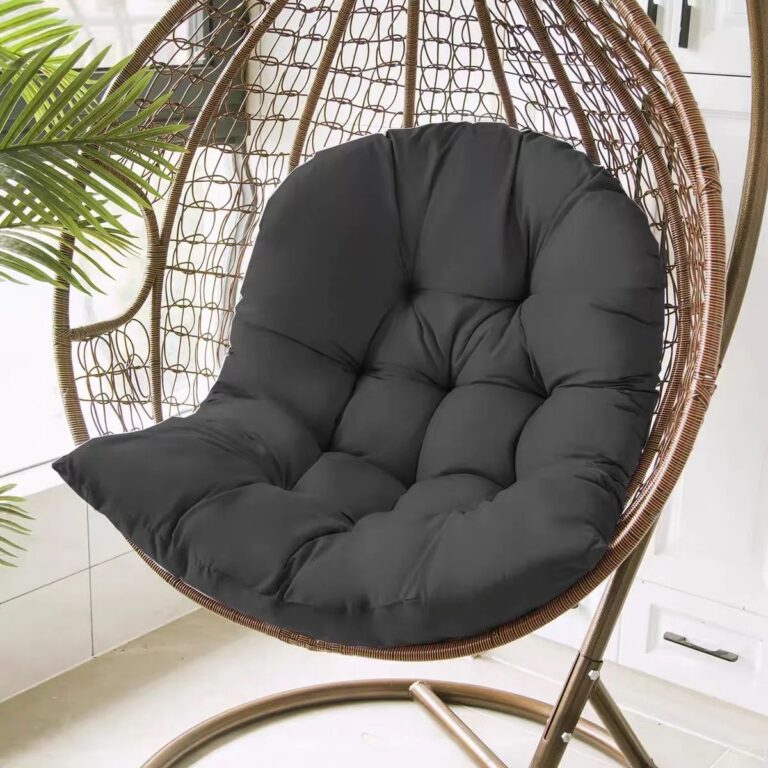 Aisha's pickCotton Chair Pads With a Soft, Lived In Feel
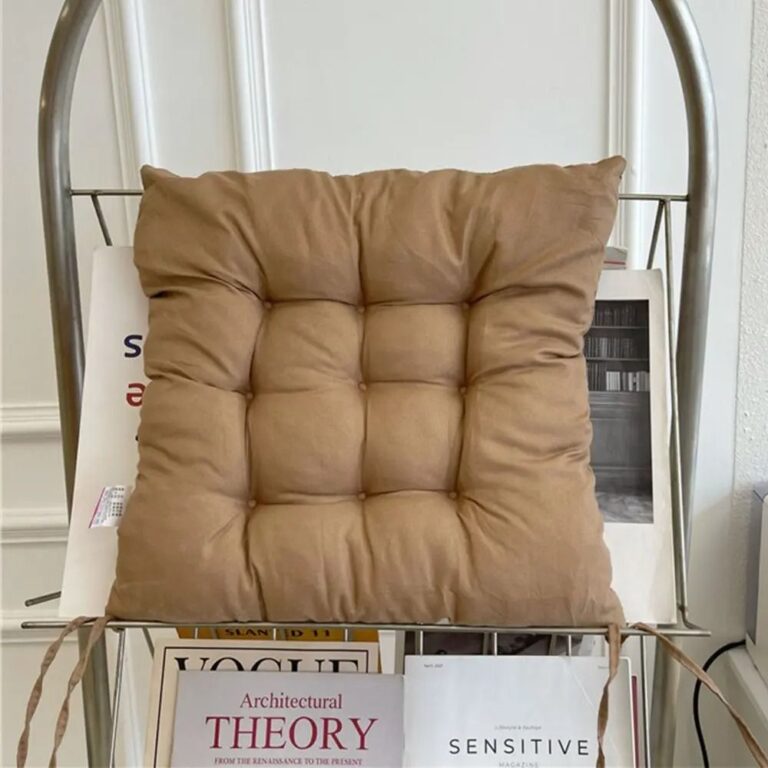
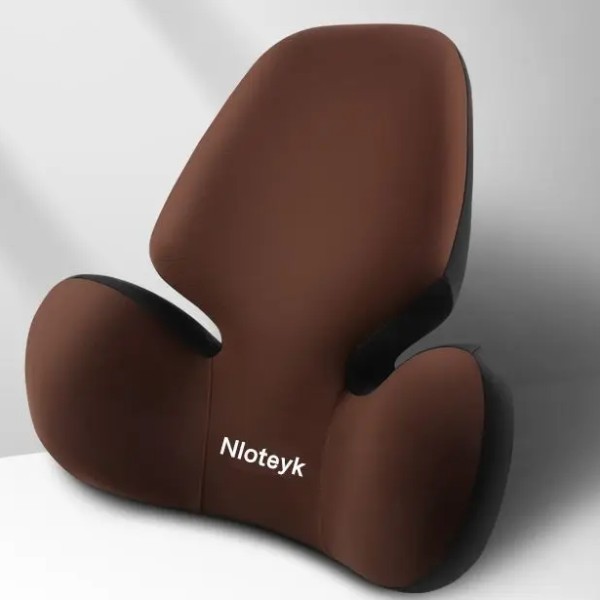 Aisha's pickSmall Chair Cushions You’ll Still Like in Five Years
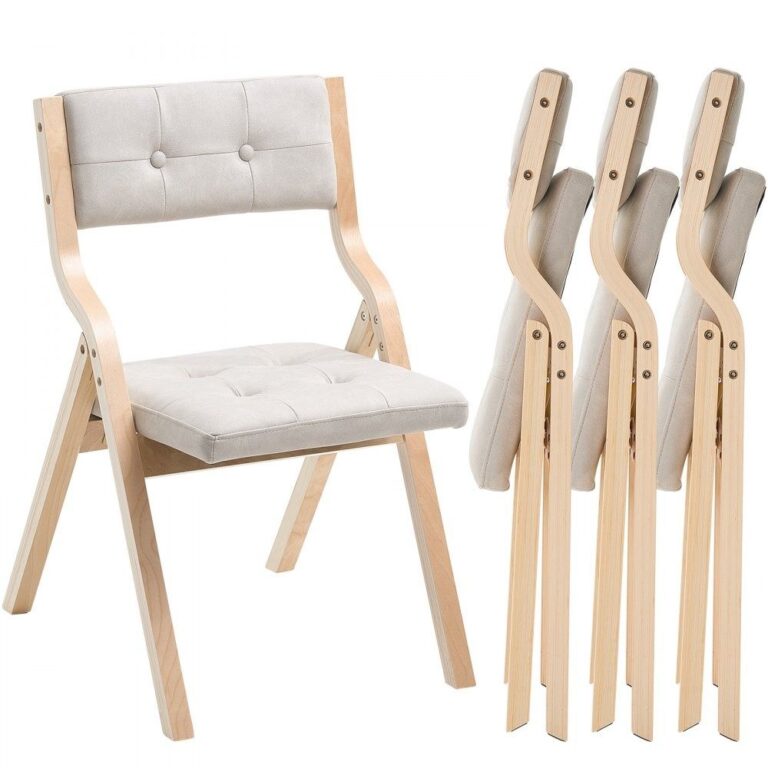
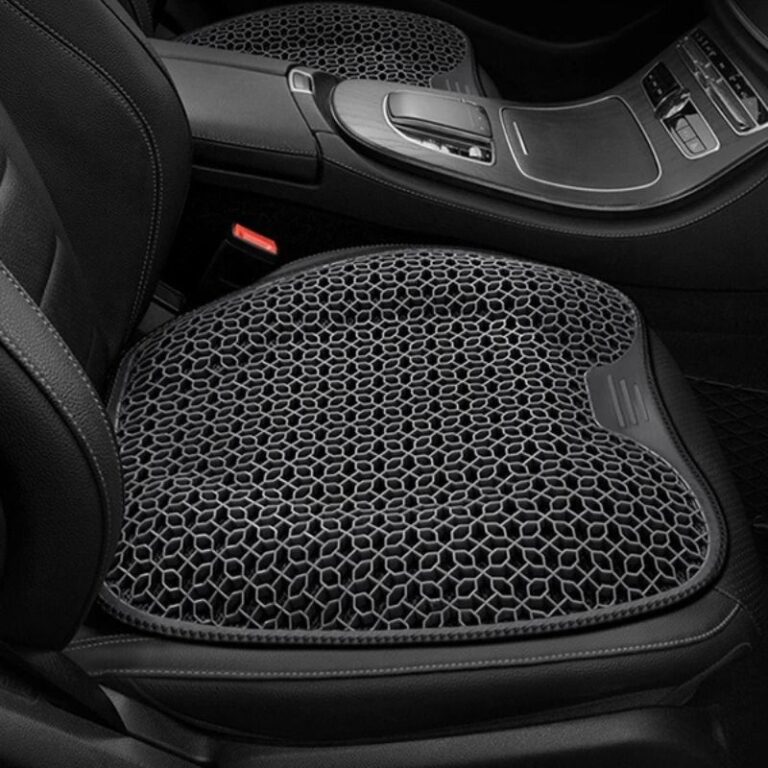 Aisha's pickLarge Chair Seat Cushions With a Soft, Lived In Feel
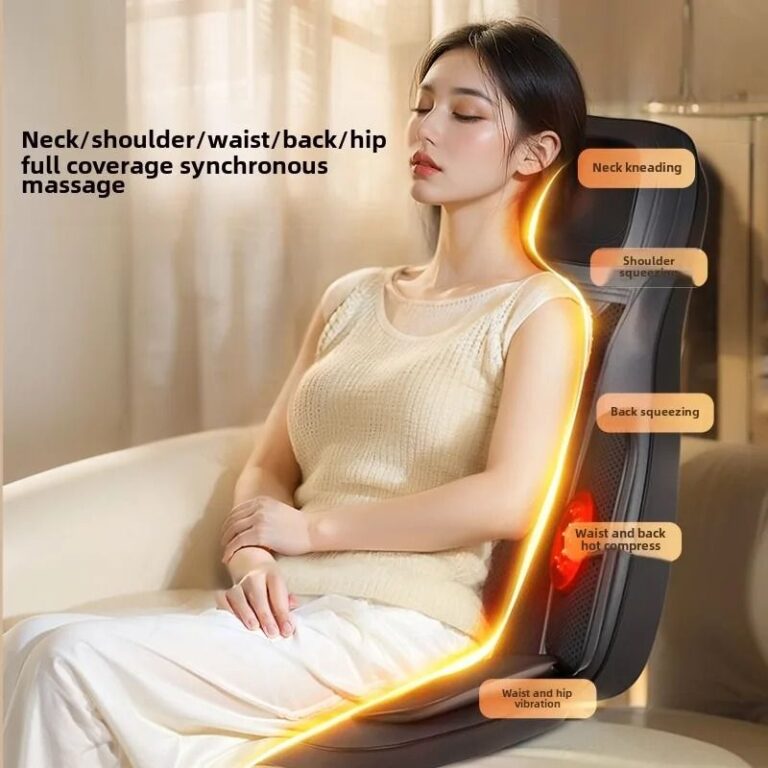
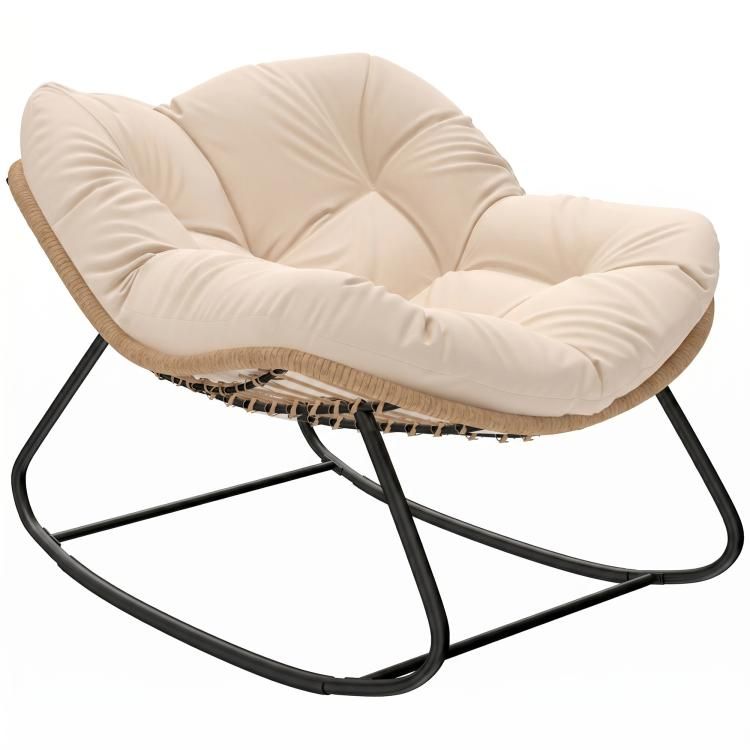 Aisha's pickCream Chair Cushions That Do the Job Right
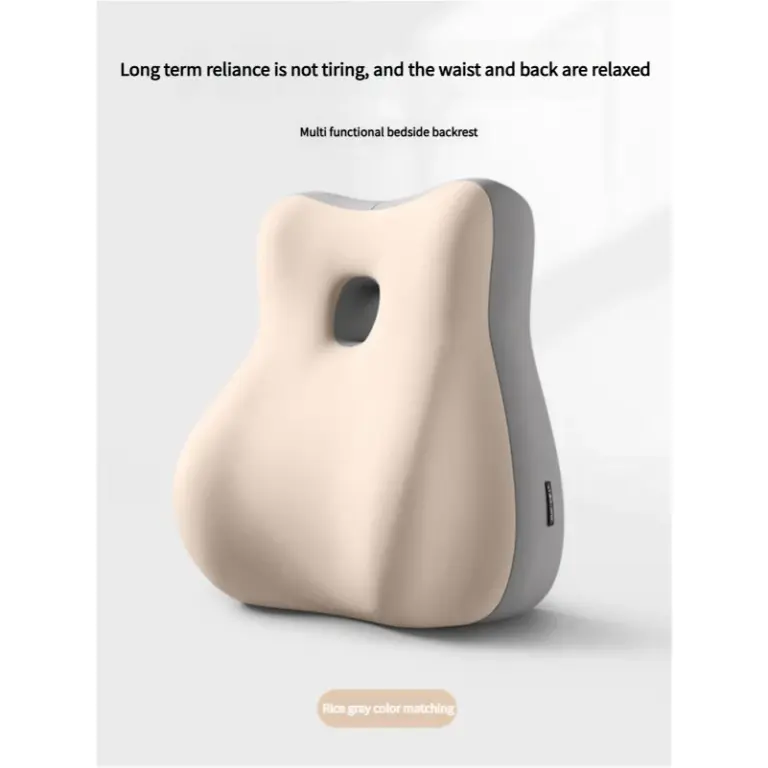
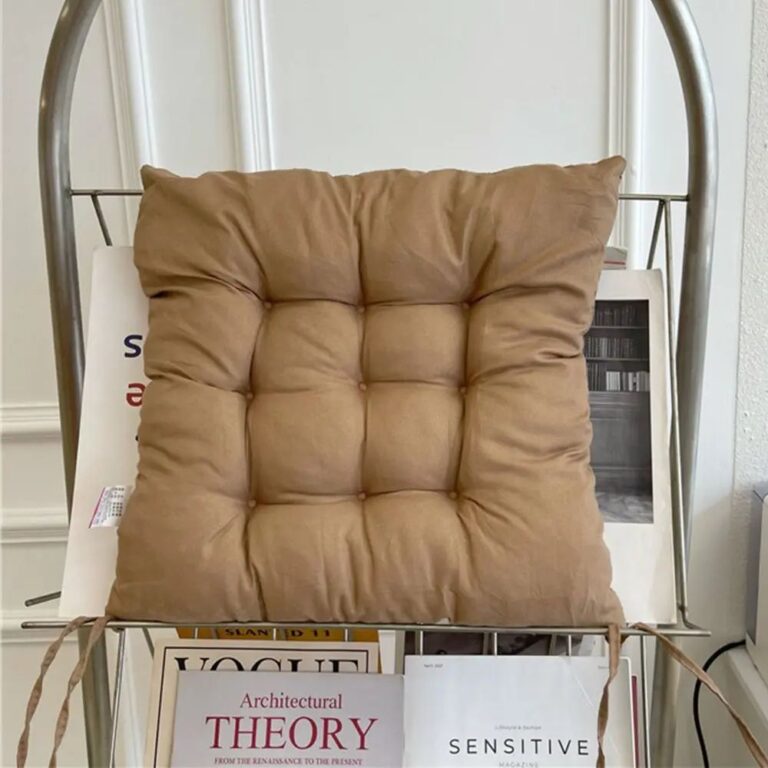 Aisha's pickSquare Chair Cushions We Swap Around With the Seasons
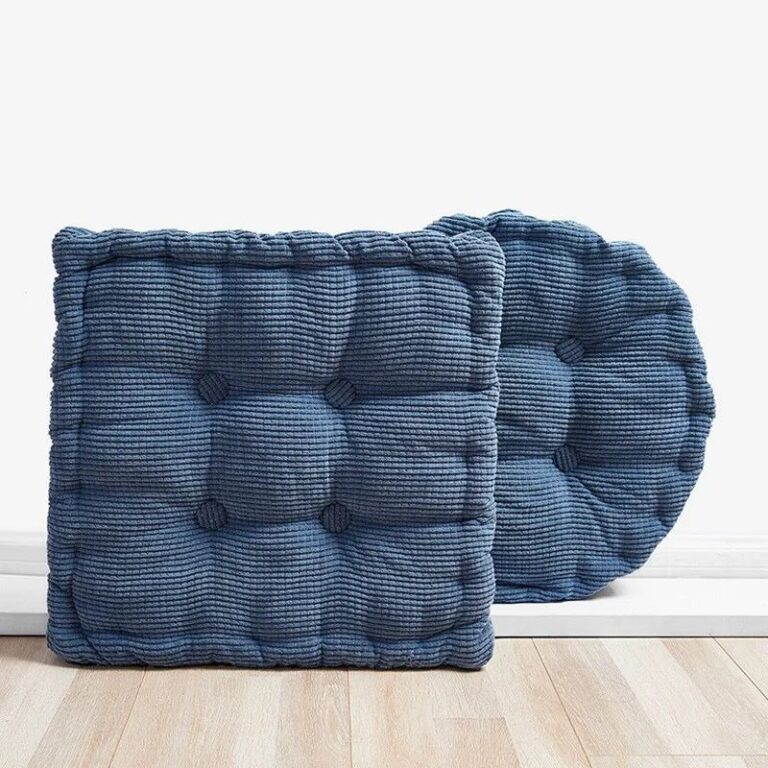
 Aisha's pickLeather Chair Seat Cushions Picked by People Who Care Too MuchAlso worth a lookPillowsThere's a particular kind of evening, the woodstove just getting going, the sky gone that early dark blue…See the collections →
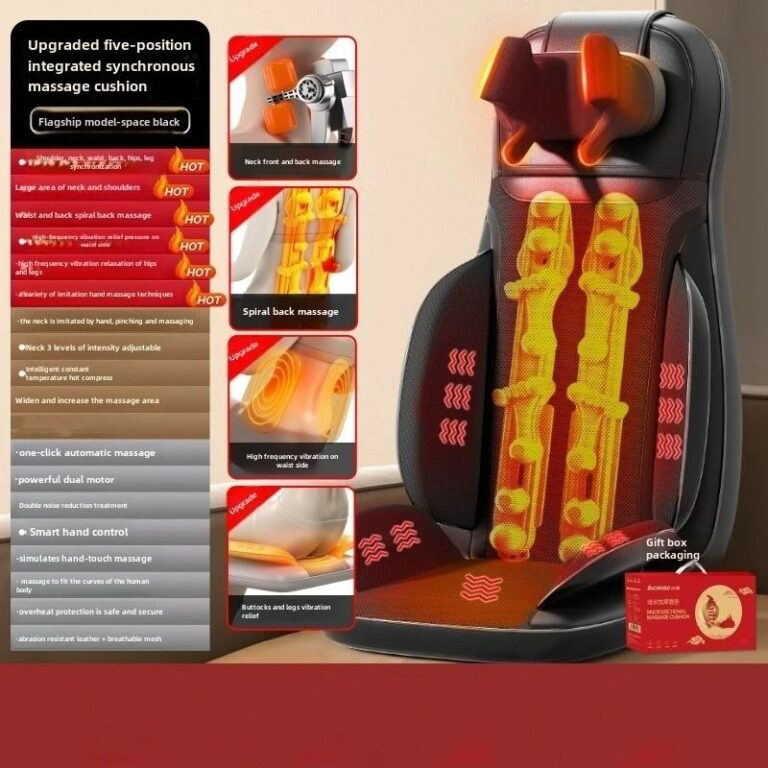
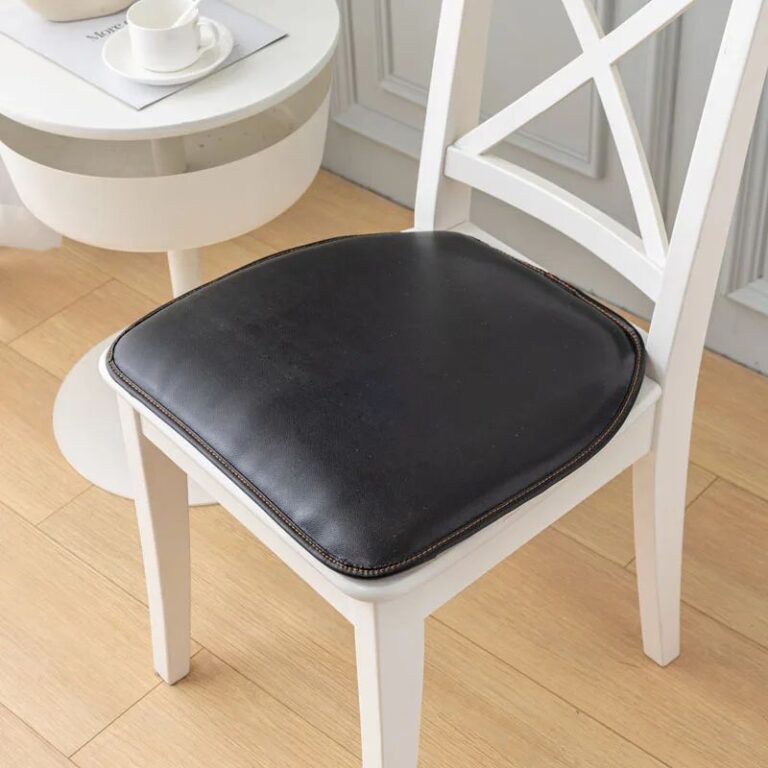 Aisha's pickFaux Leather Chair Cushions at Every Price Point
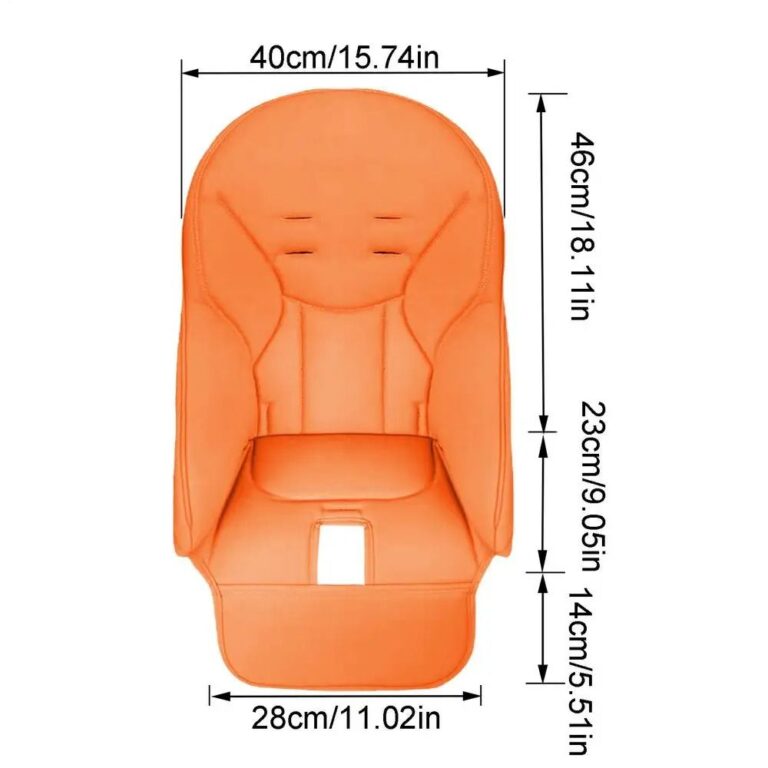
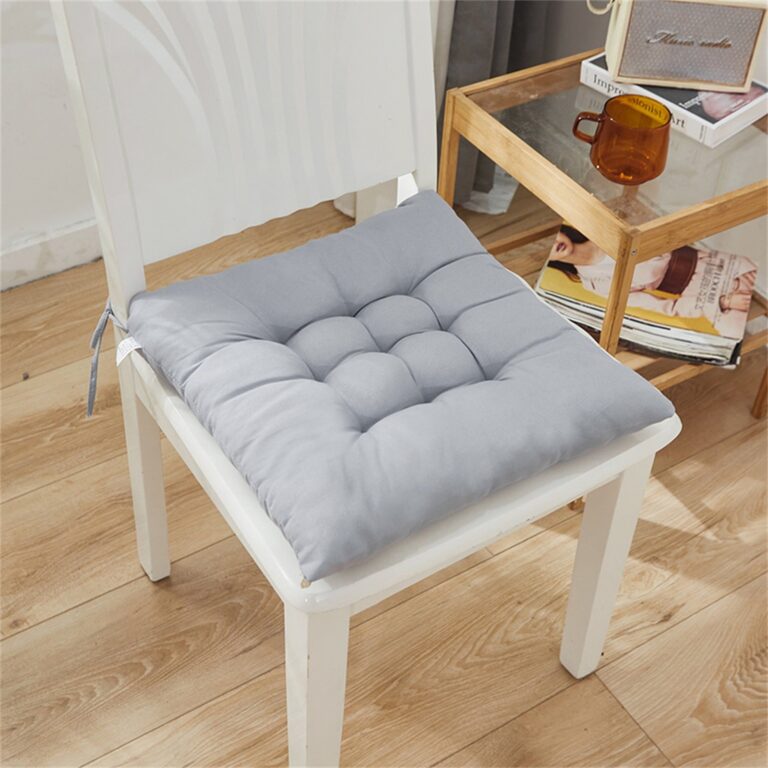 Aisha's pickSquare Chair Pads That Soften a Room
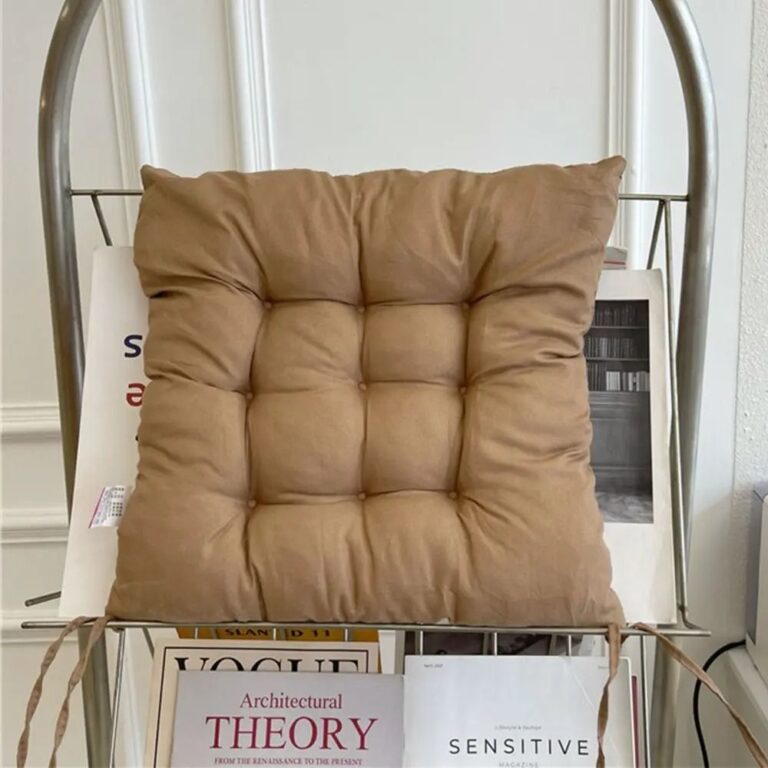
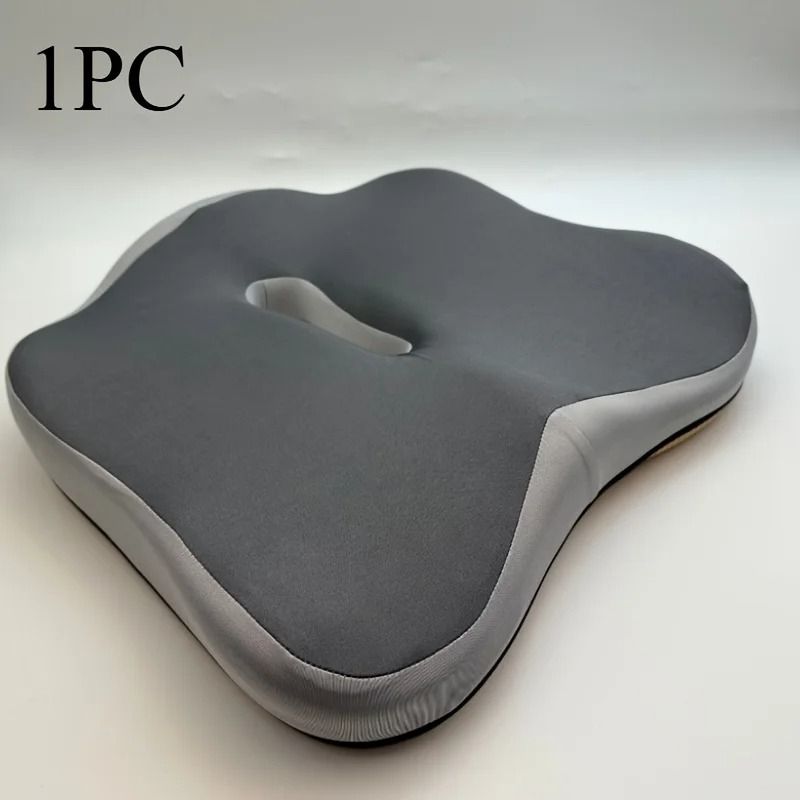 Aisha's pickLight Gray Chair Seat Cushions With a Soft, Lived In Feel
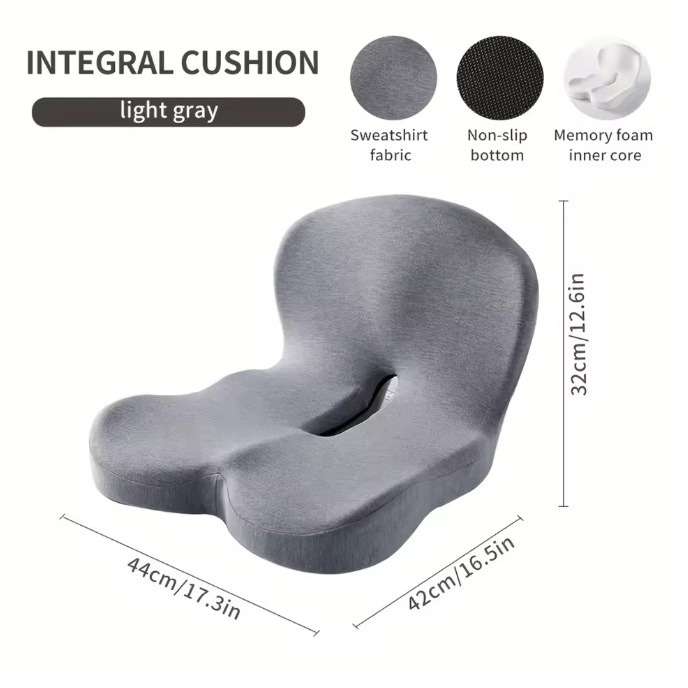
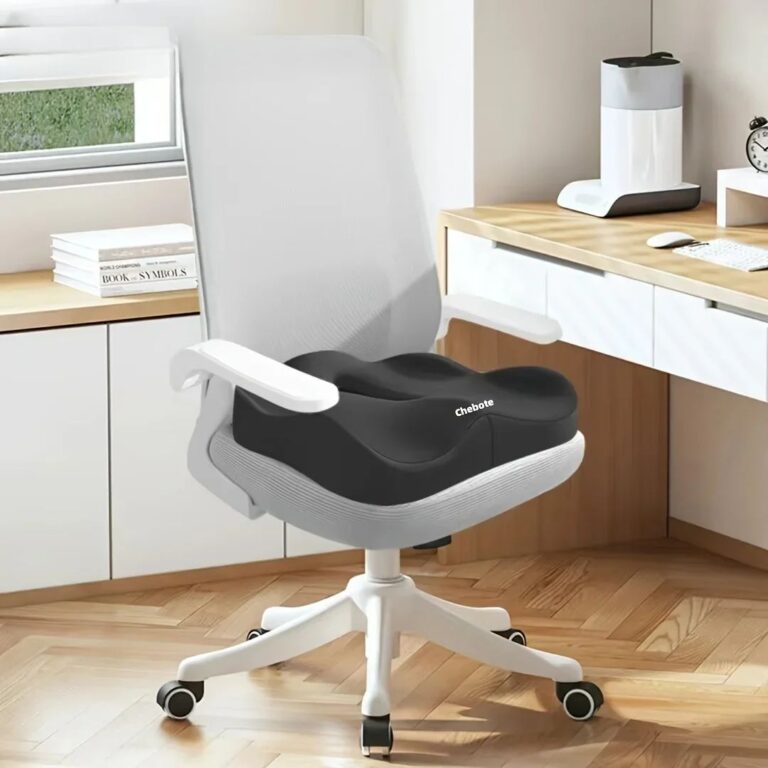 Aisha's pickGreen Chair Cushions That Survive the Washing Machine
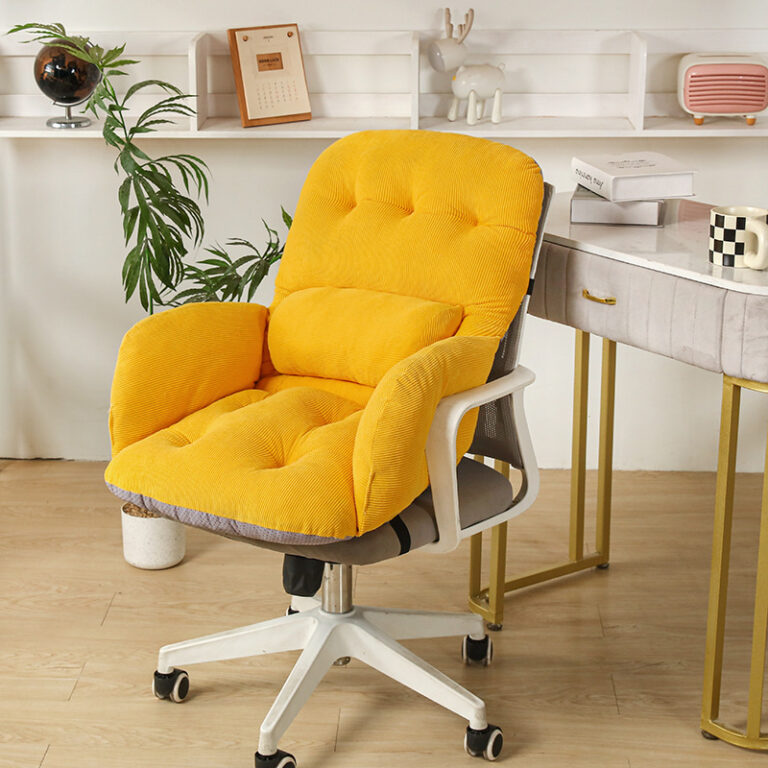
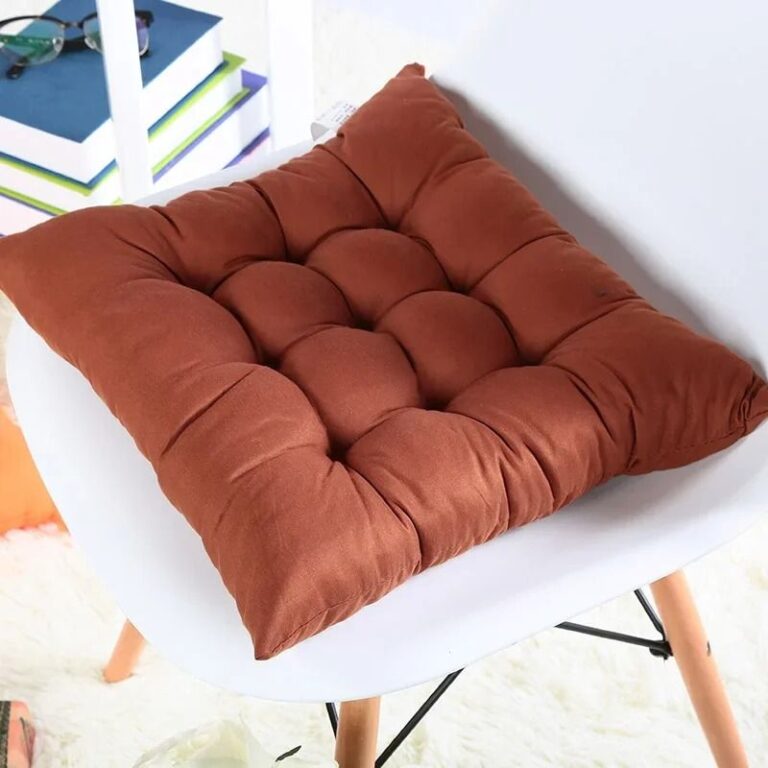 Aisha's pickTie on Chair Pads With a Soft, Lived In Feel
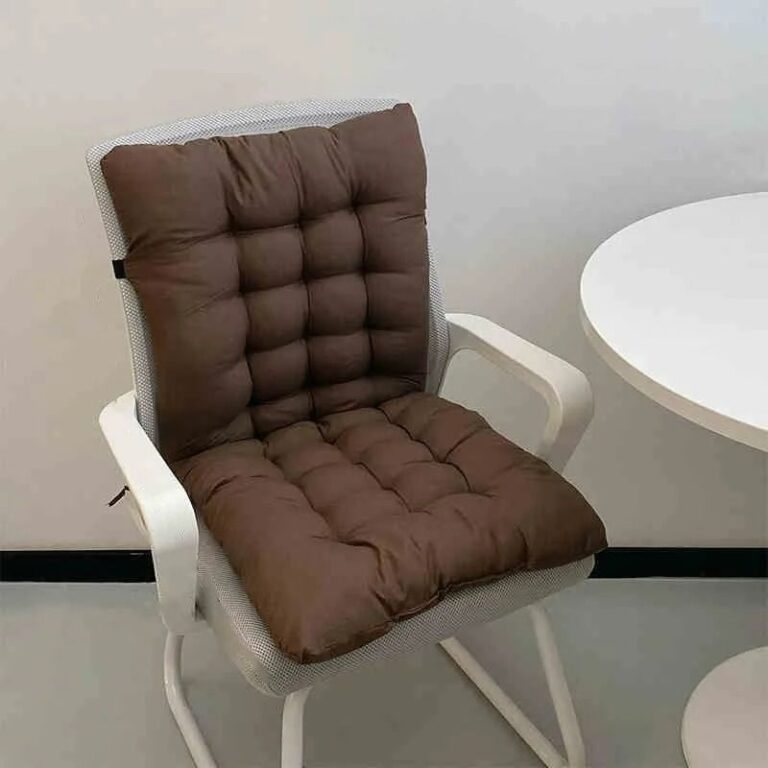
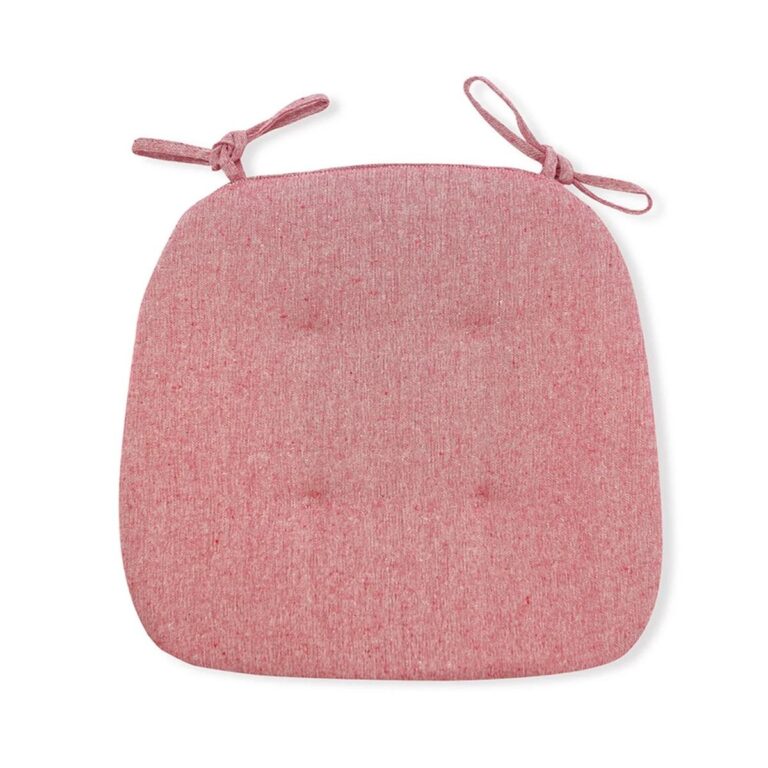 Aisha's pickLinen Chair Seat Cushions That Soften a Room
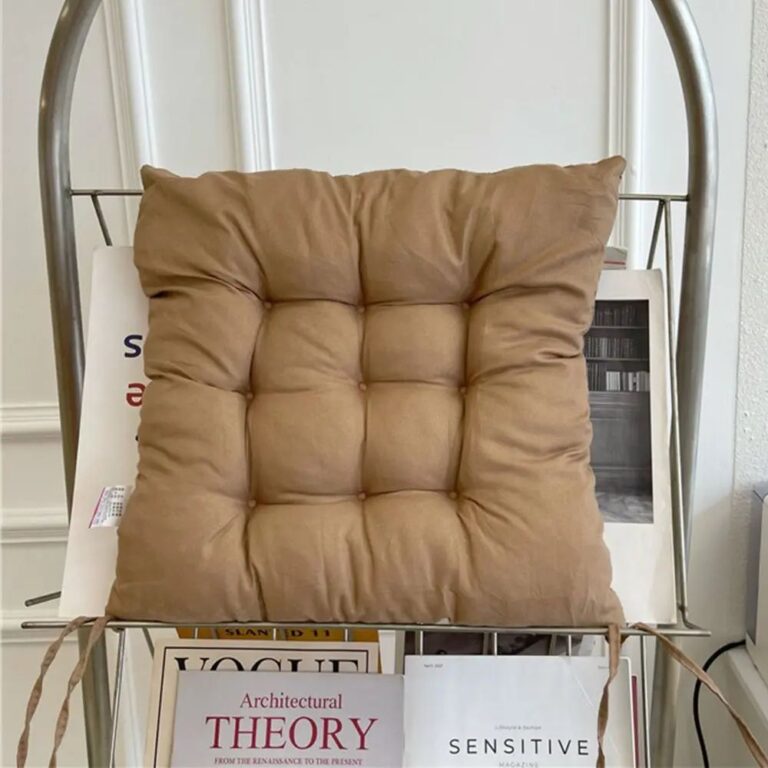
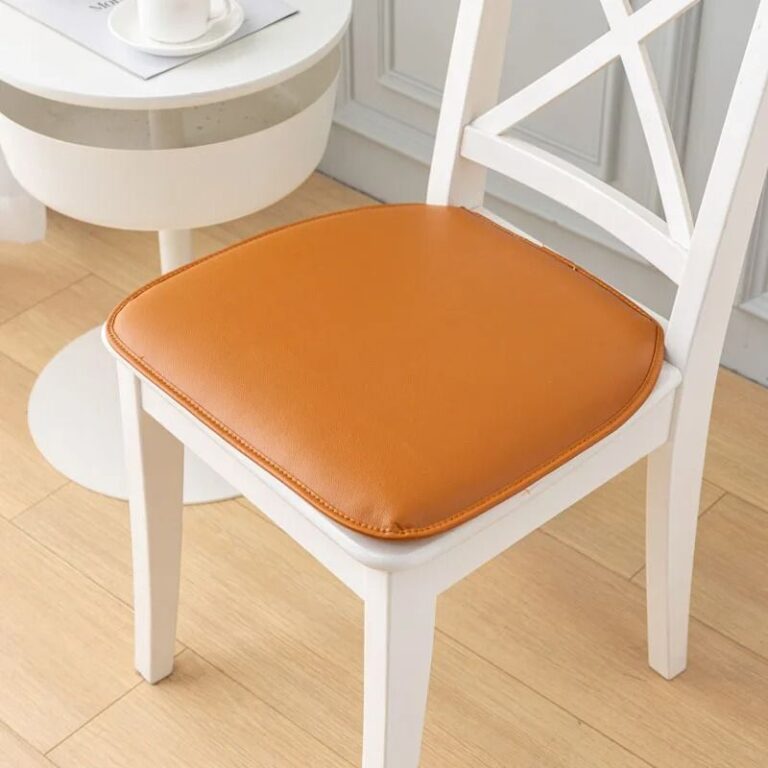 Aisha's pickLeather Chair Pads That Look Good Up Close
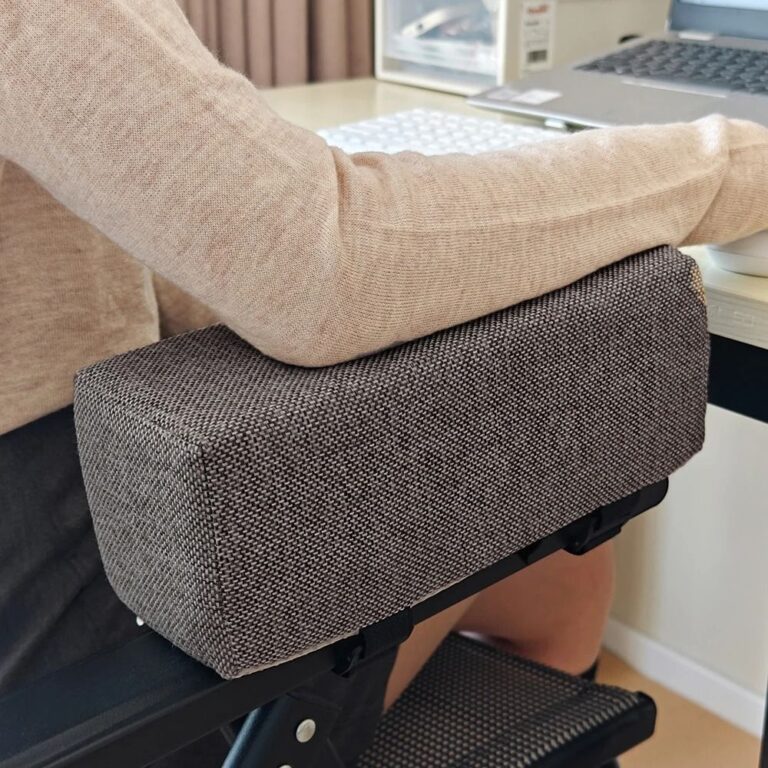
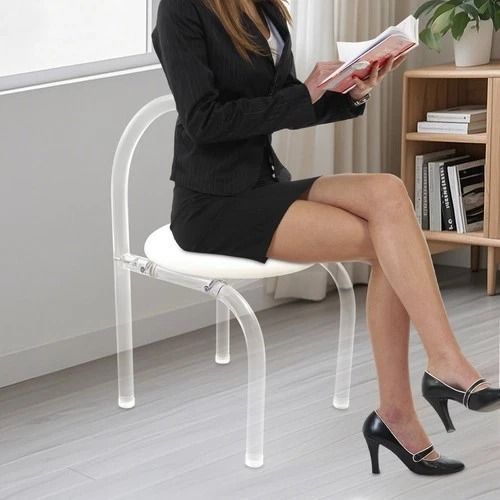 Aisha's pickVelvet Chair Cushions You’ll Want to Curl Up With
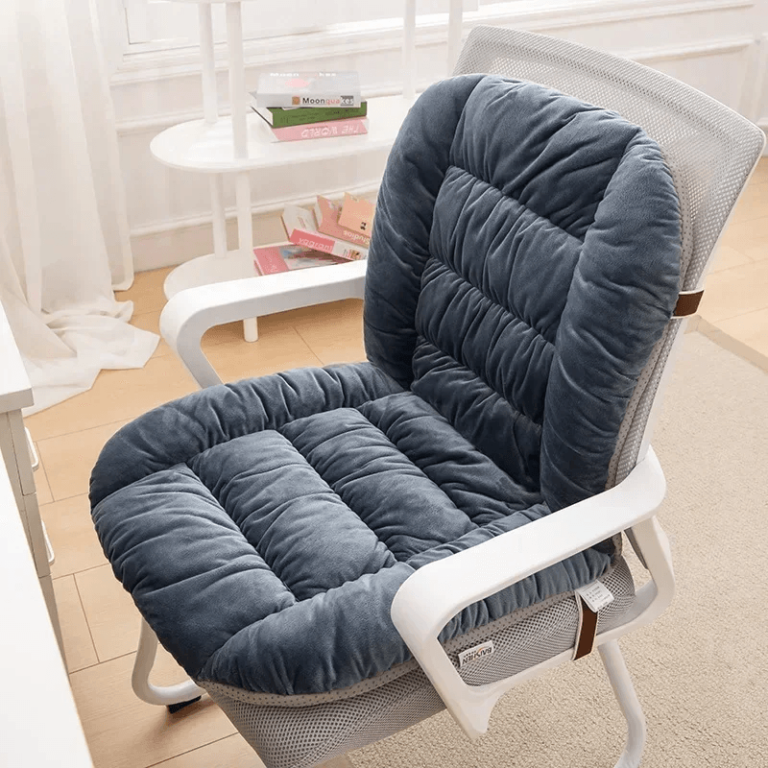
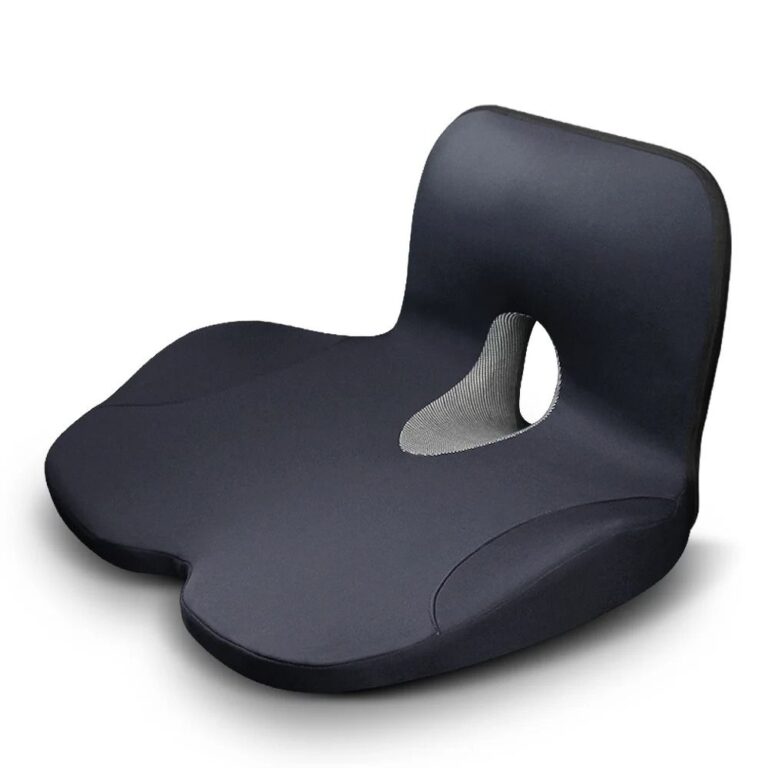 Aisha's pickLuxury Chair Seat Cushions Without the Silly Price TagAlso worth a lookSeat PadsA good seat pad does something subtle but real: it takes a chair that was fine for about…See the collections →
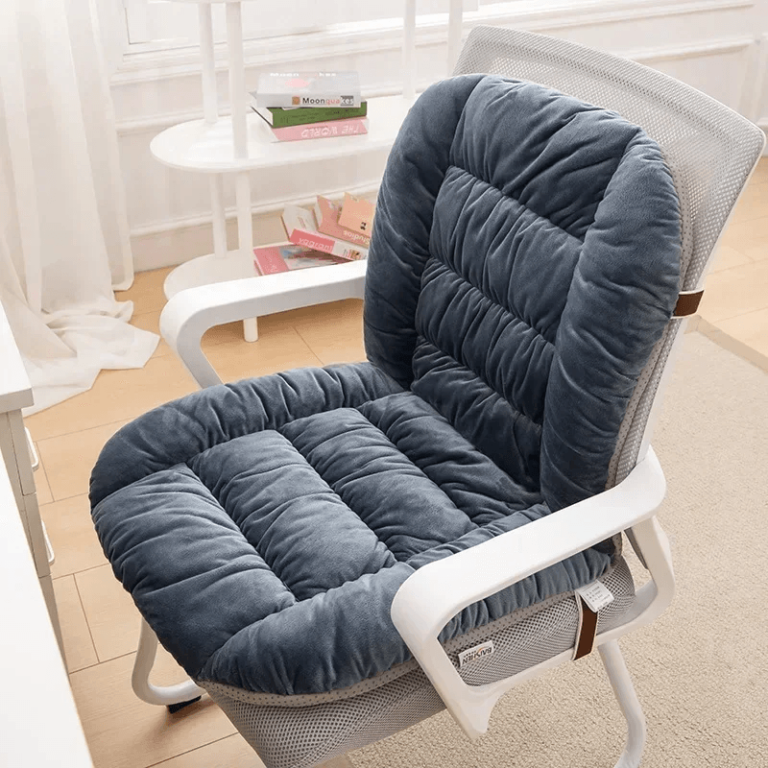
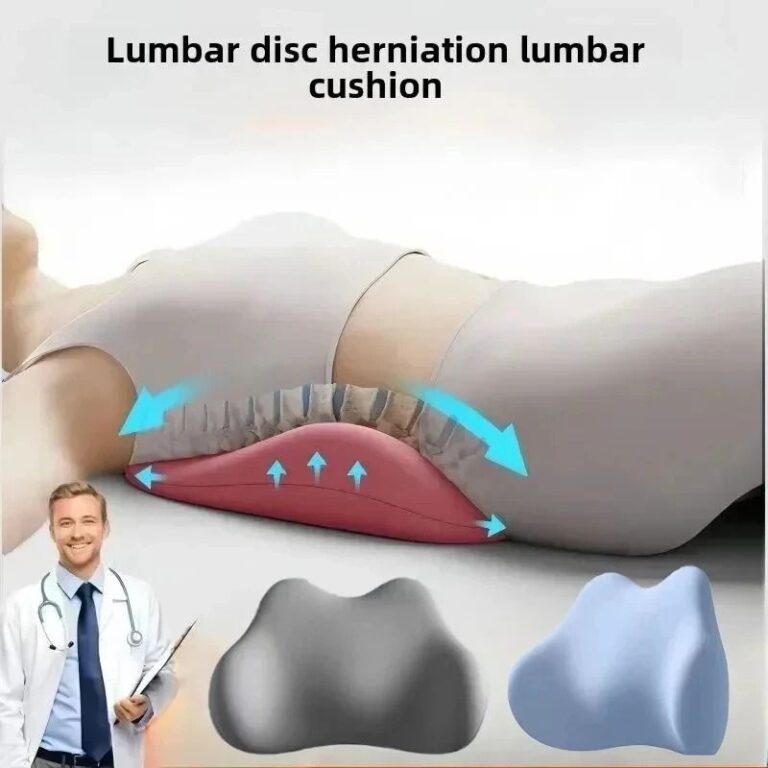 Aisha's pickGood Beige Chair Cushions That Don’t Cost a Fortune
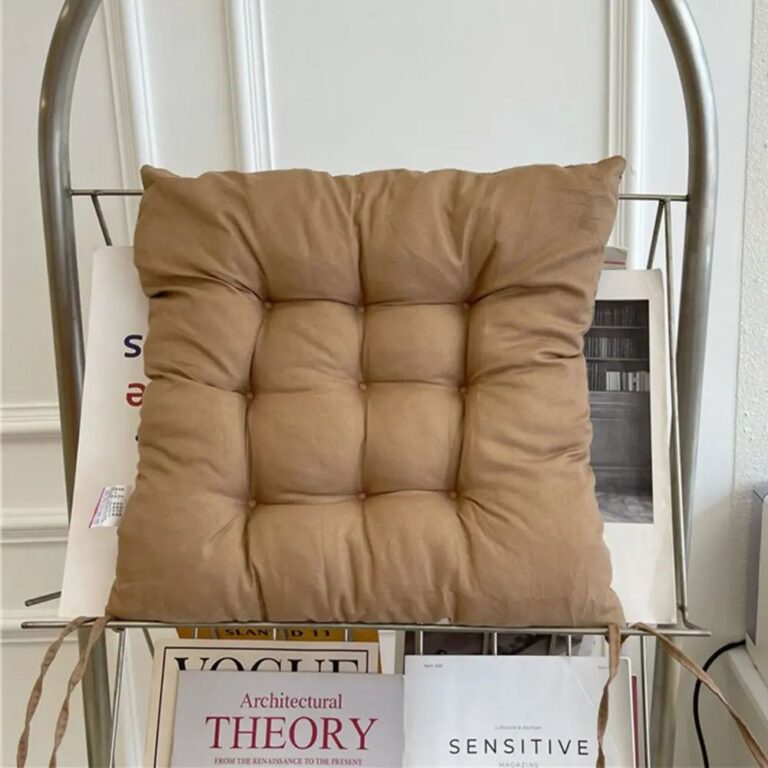 Aisha's pickLinen Chair Cushions That Earn Their Keep
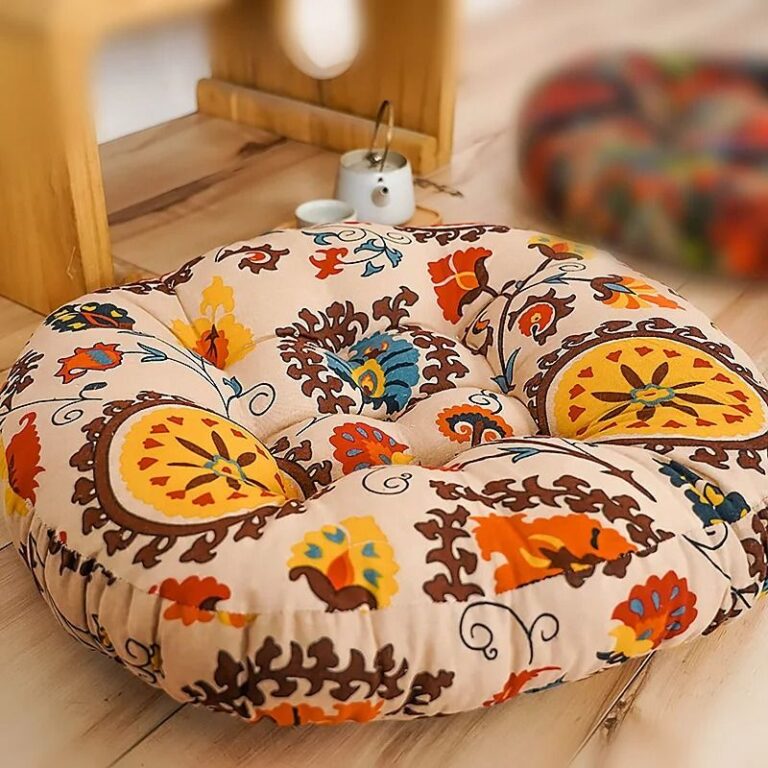
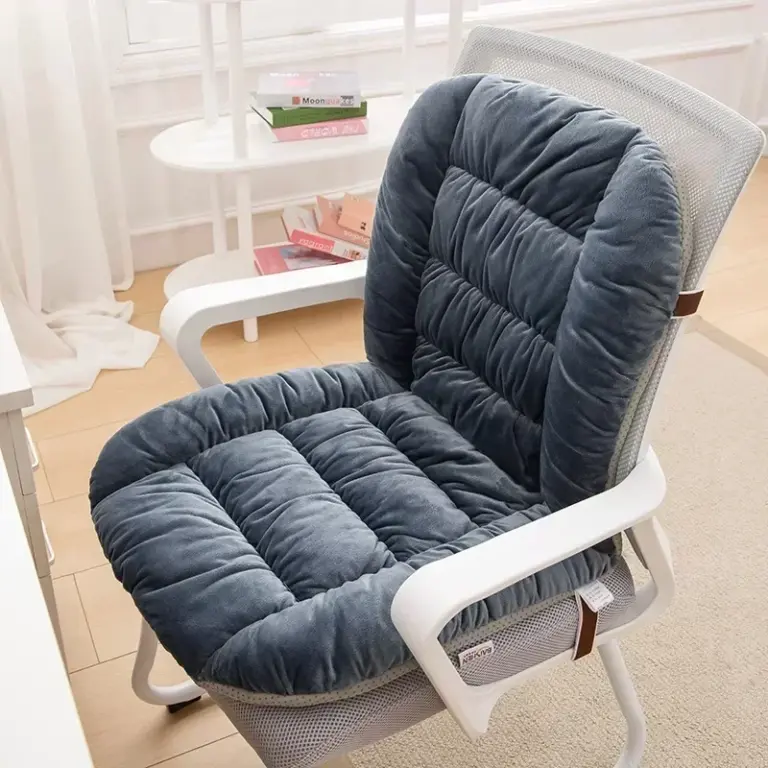 Aisha's pickVelvet Chair Pads That Keep Their Color Wash After Wash
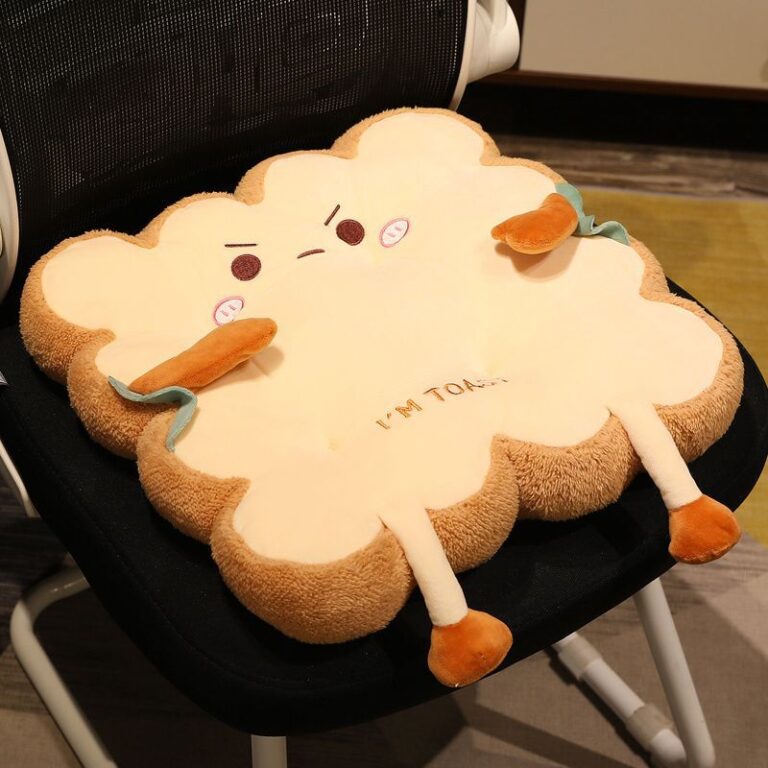
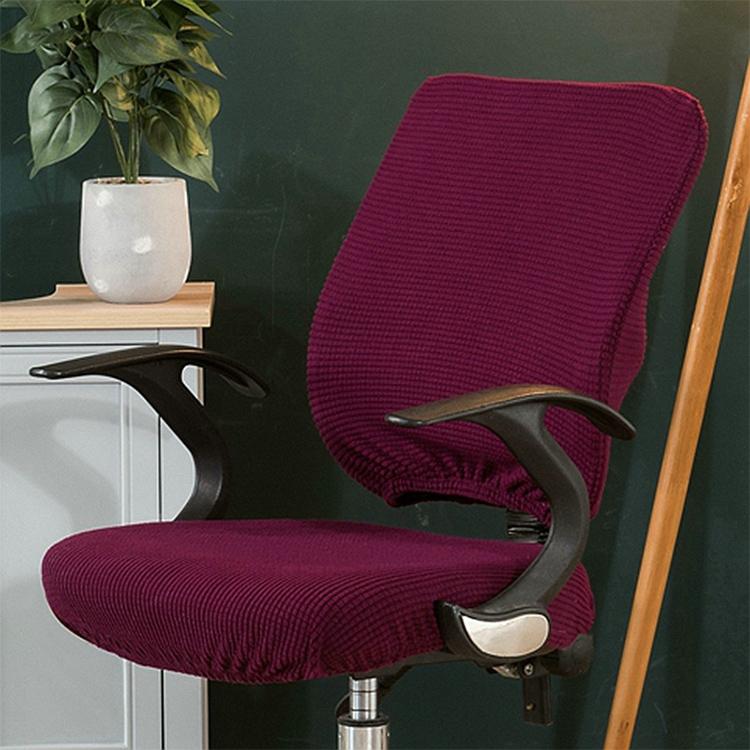 Aisha's pickModern Chair Seat Cushions With a Soft, Lived In Feel
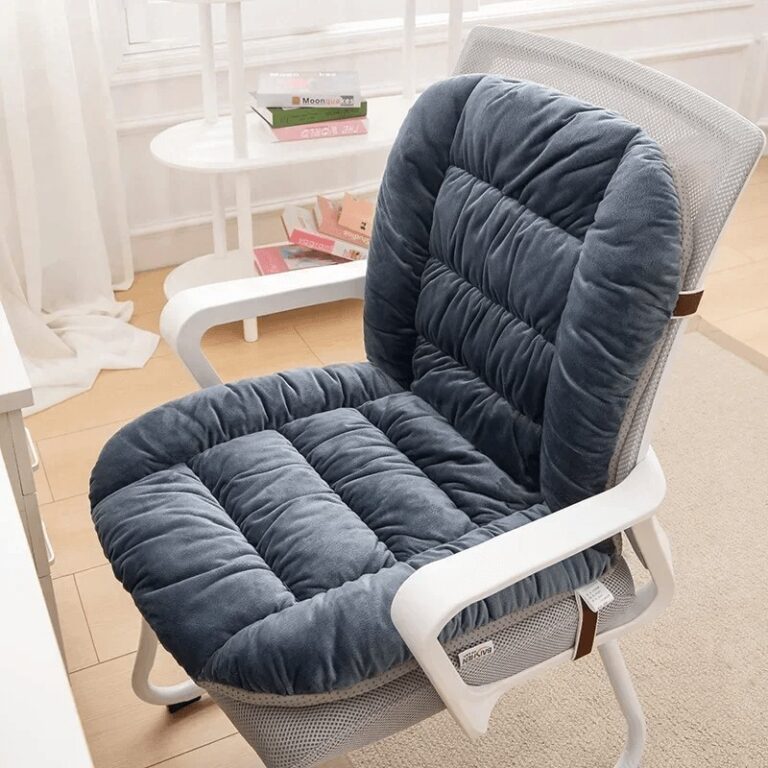
 Aisha's pickBlack Chair Cushions You’ll Still Like in Five Years

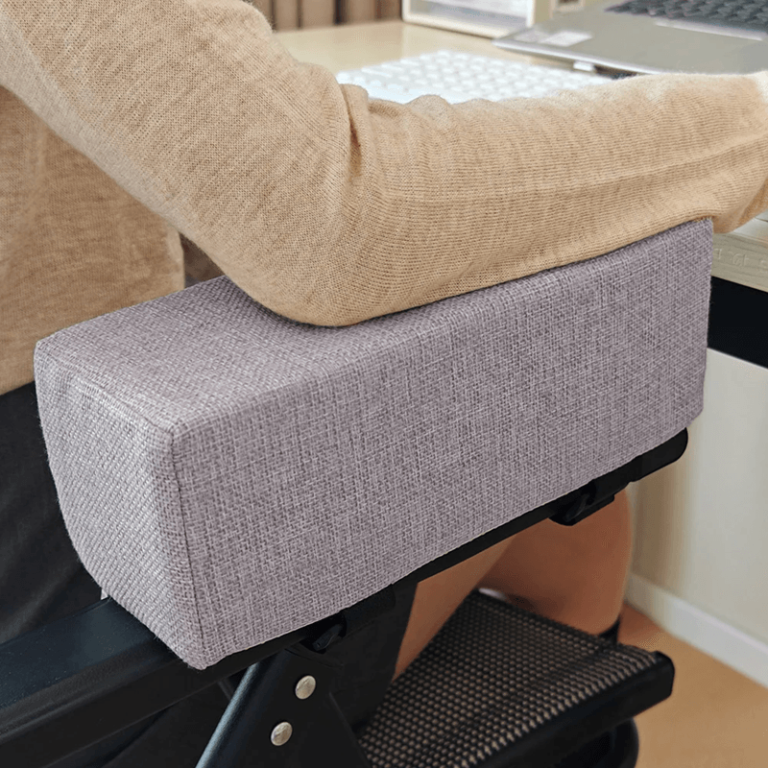 Aisha's pickSimple Linen Chair Pads Done Well
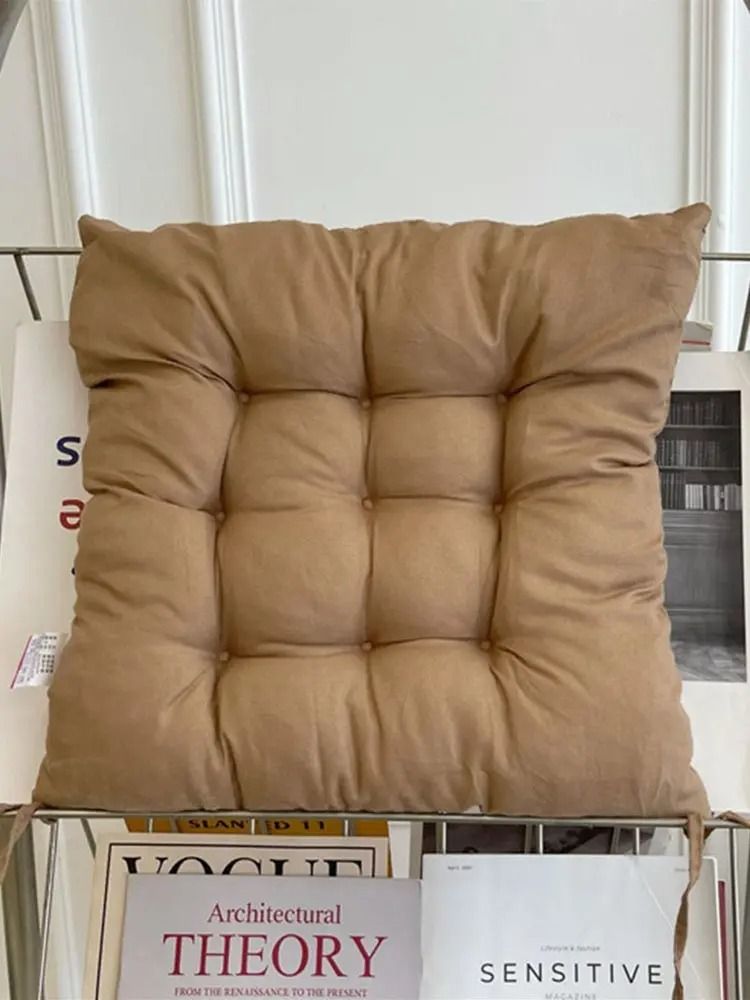
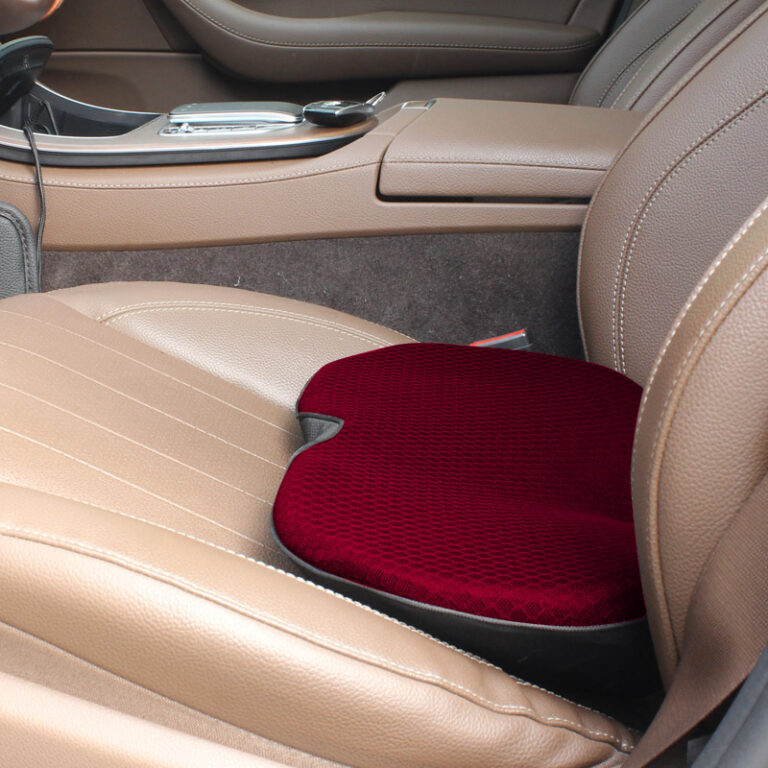 Aisha's pickWashable Chair Pads That Get Better With Age
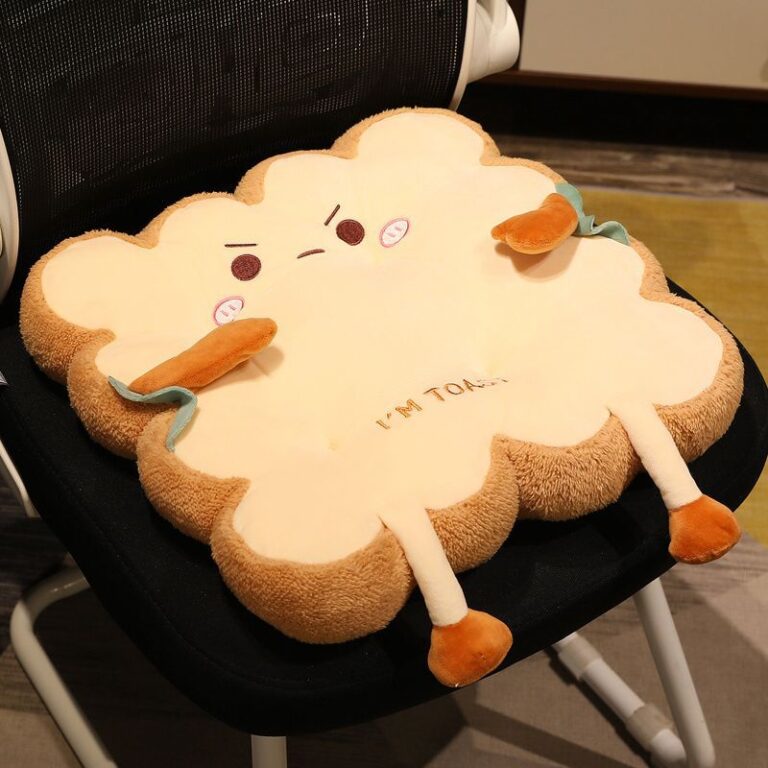
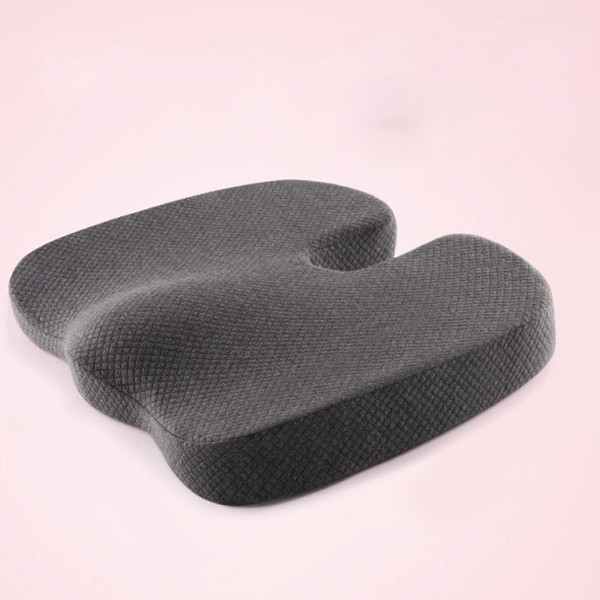 Aisha's pickRound Chair Seat Cushions That Feel as Good as They Look